PARKVIEW HEALTH AND REHABILITATION CENTER
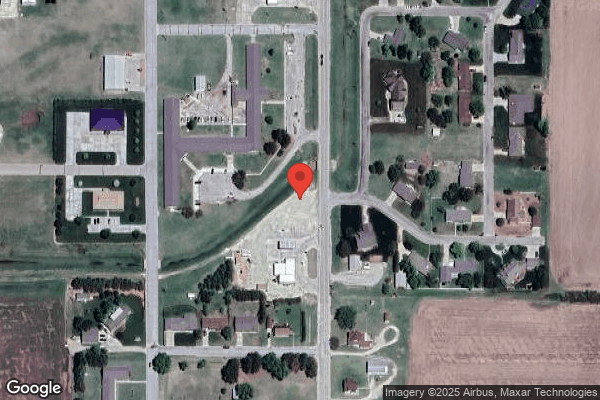

811 N 1ST STREET, OSBORNE, KS 67473 (785) 346-2114
For profit - Limited Liability company 58 Beds RECOVER-CARE HEALTHCARE Data: November 2025 3 Immediate Jeopardy citations
Trust Grade
0/100
#274 of 295 in KS
Last Inspection: August 2025

Inspected within the last 6 months. Data reflects current conditions.

Overview

Parkview Health and Rehabilitation Center has received a Trust Grade of F, indicating significant concerns and a poor quality of care. In Kansas, it ranks #274 out of 295 facilities, placing it in the bottom half statewide, and #2 out of 2 in Osborne County, meaning there is only one local option that is better. The facility's trend is worsening, with the number of issues increasing from 18 in 2023 to 20 in 2025. Staffing is a major concern, with a rating of 1 out of 5 stars and a turnover rate of 61%, which is significantly higher than the state average. Additionally, there have been critical incidents reported, including a failure to prevent a resident-to-resident sexual abuse incident, indicating serious deficiencies in oversight and care. Overall, while the facility has some strengths, such as being licensed to operate, the concerning patterns of abuse and poor staffing levels raise significant red flags for potential residents and their families.

Trust Score
F
0/100
In Kansas
#274/295
Bottom 8%
Safety Record
High Risk
Review needed
Inspections
Getting Worse
18 → 20 violations
Staff Stability
⚠ Watch
61% turnover. Above average. Higher turnover means staff may not know residents' routines.
Penalties
○ Average
$16,834 in fines. Higher than 53% of Kansas facilities. Some compliance issues.
Skilled Nurses
⚠ Watch
Each resident gets only 19 minutes of Registered Nurse (RN) attention daily — below average for Kansas. Fewer RN minutes means fewer trained eyes watching for problems.
Violations
⚠ Watch
52 deficiencies on record. Higher than average. Multiple issues found across inspections.
★☆☆☆☆
1.0
Overall Rating
★☆☆☆☆
1.0
Staff Levels
★☆☆☆☆
1.0
Care Quality
★☆☆☆☆
1.0
Inspection Score
Stable
2023: 18 issues
2025: 20 issues

The Good

  • Full Sprinkler Coverage · Fire safety systems throughout facility
  • No fines on record

Facility shows strength in fire safety.

The Bad

1-Star Overall Rating

Below Kansas average (2.9)

Significant quality concerns identified by CMS

Staff Turnover: 61%

15pts above Kansas avg (46%)

Frequent staff changes - ask about care continuity

Federal Fines: $16,834

Below median ($33,413)

Minor penalties assessed

Chain: RECOVER-CARE HEALTHCARE

Part of a multi-facility chain

Ask about local staffing decisions and management

Staff turnover is elevated (61%)

13 points above Kansas average of 48%

The Ugly 52 deficiencies on record

3 life-threatening
Aug 2025 20 deficiencies
CONCERN (D)

Potential for Harm - no one hurt, but risky conditions existed

Resident Rights (Tag F0550)

Could have caused harm · This affected 1 resident

The facility had a census of 44 residents. The sample included 13 residents. Based on observation, interview, and record review, the facility failed to promote care in a manner to maintain and enhance...

Read full inspector narrative →
The facility had a census of 44 residents. The sample included 13 residents. Based on observation, interview, and record review, the facility failed to promote care in a manner to maintain and enhance dignity and respect when staff administered an injection to Resident (R) 5 in the dining room, in view of residents and visitors, and failed to place a privacy bag on R2's urinary drainage bag. This placed the residents of the facility at risk for impaired dignity. Findings included:- On 08/18/25 at 12:05 PM, observation revealed Licensed Nurse (LN) H obtained a finger stick blood sugar from R5 and then administered insulin (a hormone that lowers the level of glucose in the blood) in R5's right upper arm, at the dining room table, with two resident and two staff sitting at the table and seven other residents' seated in the dining room.On 08/18/25 at 12:10 PM, Nurse Consultant GG verified the nurse should not obtain the resident's blood sugar reading or administer his insulin at the dining room table and should take the resident out of the dining room to a private area.The facility's Promoting/Maintaining Residents' Dignity policy, dated 10/21/23, documented the facility would protect and promote residents' rights and treat each resident with respect and dignity, as well as care for each resident in a manner and in an environment that maintains or enhances the resident's quality of life by recognizing each resident's individuality. All staff members are involved in providing care to residents to promote and maintain residents' dignity and respect residents' rights. The policy documented when staff interacted with the resident, they would pay attention to the resident as an individual and explain care or procedures to the resident before initiating the activity, and maintain the resident's privacy.
CONCERN (D)

Potential for Harm - no one hurt, but risky conditions existed

Deficiency F0582 (Tag F0582)

Could have caused harm · This affected 1 resident

The facility had a census of 44 residents. The sample included 13 residents. Based on record review and interview, the facility failed to provide Resident (R) 28, or their representative, the complete...

Read full inspector narrative →
The facility had a census of 44 residents. The sample included 13 residents. Based on record review and interview, the facility failed to provide Resident (R) 28, or their representative, the completed Skilled Nursing Facility Advanced Beneficiary Notices (ABN) form 10055 and failed to provide R53 and R54 the completed Notice of Medicare Non-Coverage Form (NOMNC) Centers for Medicare and Medicare Services (CMS) form 10123, and the 10055 form. This placed the residents, or their representatives, at risk of making uninformed decisions about their skilled services and at risk of incurring charges if exercising their right to appeal. Findings included:- The Medicare ABN form 10055 informed the beneficiary that Medicare may not pay for future skilled therapy services. The form included an option for the beneficiary to receive specific services listed and bill Medicare for an official decision on payment. The form stated 1) I understand if Medicare does not pay, I will be responsible for payment, but can make an appeal to Medicare, (2) receive therapy listed, but do not bill Medicare, I am responsible for payment for services, (3) I do not want the listed services. The CMS Form 10123 informed the beneficiary that Medicare may not pay for future skilled therapy. The form included options for the beneficiary to receive specific services listed and bill Medicare for a decision on payment.The facility failed to provide R28, or her representative, form 10055, knowing the resident or the resident's representative may have to pay out of pocket. R28's skilled services ended on 04/02/25. The facility failed to provide R53, or her representative, forms 10055 and 10123. R53's skilled services ended on 03/27/25. The facility failed to provide R54, or her representative, forms 10055 and 10123. R54's skilled services ended on 03/17/25. On 08/20/25 at 01:00 PM, Administrative Staff A verified the facility had not provided R53 and R54 and/or their representative the CMS form 10055 or CMS form 10023, and failed to provide R28 the 10055 forms.The Advanced Beneficiary Notices policy, dated 05/07/25, documented that the facility would provide timely notices regarding Medicare eligibility and coverage. The Business Office Manager is the contact person for information regarding Medicare eligibility, coverage, and applying for benefits. A notice alerting residents and the residents' representative of this contact person shall be posted conspicuously in the facility. The Business Office Manager would provide Medicare information to residents/representatives upon request. admission paperwork would include a list of charges, including a list of charges for services not covered under Medicare by the facility's per diem rate. Any changes to these charges would be relayed to the resident/representative in a timely manner. The facility shall inform Medicare beneficiaries of his or her potential liability for payment. A liability notice would be issued to Medicare beneficiaries upon admission or during a resident's stay, before the facility provides an item or service that is usually paid for by Medicare but may not be paid for in a particular instance because it is not medically reasonable and necessary, or Custodial care. The current CMS approved version of the form shall be used at the time of issuance to the beneficiary (resident or resident representative). The Contents of the form shall comply with related instructions and regulations regarding the use of the form. a. For Part A items and services, the facility shall use the SNF ABN form CMS 10055. b. For Part A NOMNC, the facility shall use the form CMS 10123. The Business Office Manager, or designee, is responsible for issuing notices. The facility shall issue a notice each time, and as soon as it makes the assessment that Medicare payment certainly or probably will not be made. The notice shall be hand-delivered if possible to obtain the beneficiary or representative's signature. The notice shall be prepared with an original and at least two copies. The facility shall retain the original and give a copy to the resident/representative. The notice cannot be hand delivered; a telephone notice shall be made, followed up immediately with a mailed, emailed, faxed, or hand-delivered notice. Documentation shall comply with the forms' instructions regarding telephone notices. Mail, secure fax machine, and internet e-mail may also be utilized for delivery of the notice if in-person issuance is not able to be performed, and all methods of delivery must adhere to all statutory privacy requirements under HIPAA.
CONCERN (D)

Potential for Harm - no one hurt, but risky conditions existed

Deficiency F0604 (Tag F0604)

Could have caused harm · This affected 1 resident

**NOTE- TERMS IN BRACKETS HAVE BEEN EDITED TO PROTECT CONFIDENTIALITY** The facility had a census of 44 residents. The sample included 13 residents, with one reviewed for restraints. Based on observat...

Read full inspector narrative →
**NOTE- TERMS IN BRACKETS HAVE BEEN EDITED TO PROTECT CONFIDENTIALITY** The facility had a census of 44 residents. The sample included 13 residents, with one reviewed for restraints. Based on observation, record review, and interview, the facility failed to provide a physician's order and assessment for a Lap Buddy (a cushioned pad that fits across the resident lap, placed in a wheelchair to remind residents to remain seated and to alert caregivers when a resident attempts to rise and prevents falls by discouraging independent movement) used to restrain Resident (R) 29 while in his wheelchair, placing the resident at risk for complications related to physical restraints. Findings included:- R29's Electronic Medical Record (EMR) documented diagnoses of dementia without behavioral disturbance (progressive mental disorder characterized by failing memory, confusion), transient ischemic attack (TIA- temporary episode of inadequate blood supply to the brain), and traumatic subdural hematoma (SDH- serious condition, typically caused by head injury, where blood collects between the skull and the surface of the brain), muscle weakness, and unsteadiness on feet with abnormal gait and mobility.R29's Significant Change Minimum Data Set (MDS) dated [DATE] documented R29 had severely impaired cognition and required substantial/maximal staff assistance with chair-to-bed transfers and to sit-to-stand, personal hygiene, oral hygiene, and shower and bathe self. The MDS further documented R29 had two falls with no injury and two falls with minor injury and lacked the use of restraints. R29's Fall Care Plan, dated 08/04/24, documented R29 was at risk for falls related to impaired mobility, gait and balance problems, and unaware of safety awareness. The care plan directed staff to anticipate the resident's needs, check on him frequently, have the call light within reach, and ensure he is wearing appropriate footwear when ambulating. The care plan lacked documentation that the resident had a Lap Buddy in his wheelchair.R29's EMR lacked a physician's order or an assessment for the Lap Buddy.On 08/18/25 at 03:20 PM, observation revealed R29 seated in his wheelchair in the dining room-propelling himself around. Continued observation revealed Certified Nurse Aide (CNA) N told the resident she would push his wheelchair to the living room so he could watch some TV. CNA N pushed R29 in the living room close to a couch and recliner. CNA N left the area to assist a resident in changing her soiled clothes. Continued observation of R29 revealed that after a few minutes, he began rocking back and forth in his wheelchair and was able to stand with the use of the arm of the couch, and started taking approximately five steps from the wheelchair. R29 stood and began to ambulate with no staff in the area. On 08/18/25 at 03:30 PM, observation revealed CNA N returned to the living room and obtained a Lap Buddy, and placed it across R29's lap in the wheelchair. Continued observation revealed Administrative Staff D came to the unit and asked R29 if he wanted some coffee, and he stated yes, so she removed the Lap Buddy and pushed him up to the table and served him a cup of coffee. On 08/18/25 at 03:35 PM, CNA N stated the resident had falls and would attempt to stand, and had to remind him to sit in the wheelchair due to weakness and fall potential. CNA N they put the Lap Buddy on him to prevent him from standing and falling out of the wheelchair. CNA N states that two aides work on the unit from 2:00 pm to 10:00 PM, and the nurse will come from the other side of the facility to administer the resident's medication or when her assistance is needed.On 08/18/25 at 03:50 PM, Administrative Nurse D stated she thought the physician had recently ordered the Lap Buddy and thought she told the nurse to add the device to the resident's care plan. Continued review revealed the facility lacked a physician order for the Lap Buddy, lacked an assessment for the Lap Buddy, and lacked a care plan for the use of the Lap Buddy. Administrative Nurse D stated she would get the order, assessment, and then have it added to the care plan. The facility's Restraint Free Environment policy, undated, documented each resident shall attain and maintain his/her highest practicable well-being in an environment that prohibits the use of restraints for discipline or convenience and limits restraint use to circumstances in which the resident has medical symptoms that warrant the use of restraints. A physical restraint is defined as any manual method or physical or mechanical device, material, or equipment attached or adjacent to the resident's body that the individual cannot remove easily., which restricts freedom of movement or normal access to one's body. Physical restraints may include placing a resident in a chair that prevents the resident from rising, placing a device in conjunction with a chair, such as a tray, tables, cushions, bars, belts that the resident cannot remove and prevents the resident from rising.
CONCERN (D)

Potential for Harm - no one hurt, but risky conditions existed

Employment Screening (Tag F0606)

Could have caused harm · This affected 1 resident

The facility had a census of 44 residents. Based on observation, record review and interview the facility failed to provide a background check for Housekeeping Supervisor (HS) U, who had been employed...

Read full inspector narrative →
The facility had a census of 44 residents. Based on observation, record review and interview the facility failed to provide a background check for Housekeeping Supervisor (HS) U, who had been employed with the facility since 1979, left, and came back in 1991. This placed the residents at risk for abuse.Findings included:- Review of background checks revealed the facility lacked a background check on HS U.On 08/19/25 at 01:50 PM, observation revealed HS U pushed a housekeeping cart down the west side of the facility.On 08/18/25 at 02:00 PM, Administrative Staff A stated the facility lacked documentation a background check was conducted on HS U, because she had been employed with the facility since 1991.On 08/19/25 at 12:57 PM, HS U stated she was employed with the facility in 1979 or 1980, left, then was rehired in 1991.The facility failed to provide a policy.
CONCERN (D)

Potential for Harm - no one hurt, but risky conditions existed

Report Alleged Abuse (Tag F0609)

Could have caused harm · This affected 1 resident

**NOTE- TERMS IN BRACKETS HAVE BEEN EDITED TO PROTECT CONFIDENTIALITY** The facility had a census of 44 residents. The sample included 13 residents. Based on record review and interview, the facility ...

Read full inspector narrative →
**NOTE- TERMS IN BRACKETS HAVE BEEN EDITED TO PROTECT CONFIDENTIALITY** The facility had a census of 44 residents. The sample included 13 residents. Based on record review and interview, the facility staff failed to identify an unwitnessed fall which resulted in serious injury as a potential allegation of neglect or abuse and report immediately to the State Survey Agency (SA), when Resident (R) 2, a cognitively impaired resident, had an unwitnessed fall with a fracture, and R8, a cognitively impaired resident, had a bruise of unknown origin. This placed the resident at risk for further injury and unidentified abuse or neglect. Findings included: - R2's Electronic Medical Record (EMR) documented R2 had diagnoses of dementia (a progressive mental disorder characterized by failing memory and confusion), anxiety (mental or emotional reaction characterized by apprehension, uncertainty, and irrational fear), osteoarthritis (degenerative changes to one or many joints characterized by swelling and pain), and a fracture neck of the left femur (thigh bone).R2's Significant Change (MDS), dated [DATE], lacked a documented cognitive status. The MDS documented R2 required substantial to maximal staff assistance with most activities of daily living (ADL). The MDS documented the resident received an antianxiety (a class of medications that calm and relax people) and antidepressant (a class of medications used to treat mood disorders) medication. The Dementia Care Area Assessment (CAA) dated 07/22/25, documented R2 had dementia, inattention, and disorganized thinking. The Falls CAA dated 07/22/25, documented to see the therapy record, diagnosis list, pain assessment, and nurse assessment. R2's Fall Care Plan, dated 07/27/25, documented R2 had a fracture left hip on 07/06/25 and a right fractured hip on 02/04/25. The care plan instructed staff to anticipate and meet R2's needs, make sure the call light is within reach, and respond promptly to all requests for assistance. The care plan directed staff to have an anti-roll back on her wheelchair, monitor, and document pain. The Nurse's notes, dated 02/04/25 at 03:25 AM, documented the nurse was called to the resident's room by a Certified Nurse Aide (CNA) O. R2 was observed lying on her right side beside her bedside table, which was positioned beside her recliner. R2 was screaming and crying, unable to comprehend staff instructions or questions. R2 batted staff away when attempting to obtain vital signs and complete an assessment. R2 was unable to articulate what had happened and would occasionally point to the window, cry, and scream. R2 complained of right hip pain and was incontinent of bladder. Continued assessment revealed no skin tears, abrasions, lacerations, or contusions. R2's right leg was noted to be approximately 1-2 inches shorter than her left leg. The Nurses notes, dated 02/02/25 at 04:35 AM, documented the ambulance was notified of transport with a possible right hip fracture. The Nurses notes, dated 02/04/25 at 10:55 AM, documented the facility received a call from the hospital regarding R2's right hip fracture and condition. The hospital sent the resident to an out-of-town hospital for hip surgery.The Nurses notes, dated 02/07/25 at 03:00 PM, documented the resident returned to the facility per wheelchair for continued care as a prior resident of the facility.The facility's Incident Note, undated, documented on 02/04/25 at 03:25 AM, the nurse was called to the resident's room, and R2 was on her right side beside her bedside table, which was positioned beside her recliner. The resident was screaming and crying, unable to comprehend staff instructions or questions. R2 was unable to voice what happened but complained of right hip pain. R2 was incontinent of bladder and did not have any skin tears, lacerations, or abrasions noted by the nurse. The nurse noted the resident's right leg was shorter than the left leg. At 03:30 AM, the nurse administered PRN Tramadol (analgesic) to try to decrease the pain in an attempt to complete a more thorough assessment. At 04:30 AM, the Nurse Practitioner was notified of assessment findings, and an order was received to transport the resident to the hospital for further evaluation. The incident note documented the resident was care planned for I need assistance with my ADLs due to my dementia, and documented she makes her own decisions but sometimes needs staff assistance. The report had been documented on the top of the form Not Reportable. On 08/20/25 at 12:10 PM, Nurse Consultant GG verified the facility had not reported R2's unwitnessed fall with injuries to the SA due to the fact that the resident had a diagnosis of osteoarthritis, osteoporosis, was in a private room, her care plan was followed, and the fracture was not suspicious. Nurse Consultant GG verified the resident was cognitively impaired, was unable to explain what happened, and had a fall that resulted in a fracture. The facility's Resident Right to Freedom from Abuse, Neglect, and Exploitation policy, dated 2025, documented the facility would ensure the residents are free from abuse, neglect, misappropriation of their property, and exploitation. In response to allegations of abuse, neglect, exploitation or mistreatment, the facility shall report the results of all investigations to the administrator his/her designated representative and to other officials in accordance with State law, including to the State Survey Agency, within five working days of the incident, and if the alleged violation was verified, appropriate corrective action must be taken. The facility's Unexplained Injuries policy, dated 10/21/23, documented all unexplained injuries, including bruises, abrasions, and injuries of unknown source, would be investigated. An incident form would be completed. If an allegation of abuse is made or if the injury is of unknown source, reporting and investigating procedures shall be implemented in accordance with the facility's abuse policies and procedures. An injury should be classified as an injury of unknown source: when both of the following conditions are met:a. The source of the injury was not observed by any person, or the source of the injury could not be explained by the resident; and b. The injury is suspicious because of The extent of the injury orThe location of the injury.The number of injuries observed at one particular point in time The incidence of injuries over time.Relevant information shall be documented in the resident's medical record, including but not limited to;Physical Assessment findings, includingObjective description of the injury Risk factors and conditions that could cause or could predispose someone to similar signs or symptoms. Notification of the physician and his or her response.Actions taken to meet the residents' immediate needs and implementation of the physician's order.Notification of the resident representative. The facility shall modify the resident care plan as needed to prevent recurrence, or to stabilize, reduce, or remove underlying risk factors contributing to the injury.- R8's Electronic Medical Record (EMR) documented the resident had diagnoses of dementia (a progressive mental disorder characterized by failing memory and confusion,) major depressive disorder (major mood disorder that causes persistent feelings of sadness), anxiety (mental or emotional reaction characterized by apprehension, uncertainty, and irrational fear), and malignant neoplasm (tumor) floor of the mouth. R8's Annual Minimum Data Set (MDS) dated [DATE], recorded R8 had moderately impaired cognition. The MDS recorded R8 required limited staff for most activities of daily living (ADL). The MDS recorded R8 used a walker for mobility.R8's ADL Care Plan, dated 07/14/25, directed staff to provide supervision or touch assistance with transfers from bed to chair, getting on and off the toilet, tub/shower transfers, and assist the resident with walking. The care plan documented the resident had a diagnosis of dementia, and staff would provide an environment consistent to alleviate confusion and anxiety and allow adequate time to respond to instructions or verbal cues, and allow her to participate in her care as long as she is able. The care plan was documented due to the dementia; she often looked for her husband and children, who are all grown up. The Nurses Note, dated 03/31/25 at 01:54 PM, documented R8's left index finger was swollen and bruised at the base of the finger, and was soft and non-tender. A fax was sent to the primary care physician. The Nurses Note, dated 04/01/25 at 10:32 AM, documented R8's left index finger remains bruised and swollen on the back side at that time. R8's EHR lacked any investigative notes regarding the incident, including witness statements, root cause, or investigation.On 08/18/25 at 04:00 PM, observation revealed the resident sat on the edge of her bed, then stood up and ambulated over to her chest of drawers, and rummaged through a couple of drawers, then returned to the edge of the bed. The resident was dressed in street clothes and nicely groomed. On 08/20/25 at 12:20 PM, Nurse Consultant GG stated the medical records documented the resident had a swollen and bruised left index finger, but staff were unaware how the injury had occurred. Nurse consultant GG verified that the facility did not investigate, gather witness statements, or report to the state agency when the incident occurred. The facility's Resident Right to Freedom from Abuse, Neglect, and Exploitation policy, dated 2025, documented the facility would ensure the residents are free from abuse, neglect, misappropriation of their property, and exploitation. In response to allegations of abuse, neglect, exploitation or mistreatment the facility shall report the results of all investigations to the administrator his/her designated representative, and to other officials in accordance with State law, including to the State Survey Agency, within five working days of the incident, and if the alleged violation was verified, appropriate corrective action must be taken. The facility's Unexplained Injuries policy, dated 10/21/23, documented all unexplained injuries, including bruises, abrasions, and injuries of unknown source, would be investigated. An incident form would be completed. If an allegation of abuse is made or if the injury is of unknown source, reporting and investigating procedures shall be implemented in accordance with the facility's abuse policies and procedures. An injury should be classified as an injury of unknown source: when both of the following conditions are met:a. The source of the injury was not observed by any person, or the source of the injury could not be explained by the resident; and b. The injury is suspicious because of The extent of the injury orThe location of the injury.The number of injuries observed at one particular point in time The incidence or injuries over time.Relevant information shall be documented in the resident medical record; including but not limited to;Physical Assessment findings, includingObjective description of the injury Risk factors and conditions that could cause that could predispose someone to similar signs or symptoms. Notification of the physician and his or her response.Actions taken to meet the residents' immediate needs and implementation of the physician's order.Notification of the resident representative. The facility shall modify the resident care plan as needed to prevent recurrence, or to stabilize, reduce, or remove underlying risk factors contributing to the injury.
CONCERN (D)

Potential for Harm - no one hurt, but risky conditions existed

Deficiency F0628 (Tag F0628)

Could have caused harm · This affected 1 resident

**NOTE- TERMS IN BRACKETS HAVE BEEN EDITED TO PROTECT CONFIDENTIALITY** The facility had a census of 44 residents. The sample included 13 residents. Based on observation, record review, and interview,...

Read full inspector narrative →
**NOTE- TERMS IN BRACKETS HAVE BEEN EDITED TO PROTECT CONFIDENTIALITY** The facility had a census of 44 residents. The sample included 13 residents. Based on observation, record review, and interview, the facility failed to provide a Bed Hold Notification for Resident (R) 7 and R52 and notify the Office of the Long-Term Care Ombudsman (LTCO public official who works to resolve resident issues in nursing facilities) of the discharge for R7, R52, and R50 discharge from the facility. This placed the residents, and/or their representatives, at risk for uninformed care choices and impairs rights.Findings included:- R7’s Electronic Medical Record (EMR) included diagnoses of heart failure, generalized osteoarthritis (degenerative changes to one or many joints characterized by swelling and pain), pain, tremors, Parkinson’s disease (a slowly progressive neurologic disorder characterized by resting tremors, rolling of the fingers, masklike faces, shuffling gait, muscle rigidity, and weakness), aftercare following joint replacement surgery, muscle weakness, and a history of falls. R7’s “Medicare 5 Day Minimum Data Set” (MDS) dated [DATE], documented R15 had intact cognition, had functional range of motion in both lower extremities, required partial/moderate assistance with toileting hygiene, bed mobility, and substantial/maximal assistance with sit to standing, transfer to chair, and toilet. R7 had occasional incontinence of urine. The MDS further documented that R7 received scheduled pain medication, received as-needed pain medication, and had trouble breathing with exertion, sitting at rest, and when lying flat, and had a surgical hip replacement. R7’s MDSs recorded: On 07/14/25 a Discharge Return Anticipated. On 07/18/25 Entry into the facility. R7’s “Care Plan” dated 08/11/25, documented R7 had a hip fracture related to a fall on 07/17/25 and directed staff to monitor/document/report as needed signs and symptoms of hip fracture complications. The “Progress Note” dated 07/14/25 at 10:26 PM, documented that the staff called to R7’s room due to a fall with possible injury. R7 had significant pain in the left and the back. An ambulance was called to transport R7 to the emergency room. The “Progress Note” dated 07/16/25 at 10:08 AM, documented a hospital call reporting R7 had a total hip replacement done and was doing well, receiving occupational and physical therapy, and was possible for discharge on [DATE]. The “Progress Note” dated 07/18/25 at 12:19 PM, documented R7 returned to the facility accompanied by facility staff. On 08/19/25 at 02:19 PM, R7 was taken to the therapy department via wheelchair to be weighed and work with therapy staff. On 08/19/25 at 12:49 PM, Administrative Nurse D reported that a bed hold was not provided to the resident or resident representative at the time of transfer to the hospital. On 08/19/25 at 03:19 PM, Administrative Staff A reported the last ombudsman notification was made in January 2025, and the ombudsman was not notified of R7 discharge on [DATE]. The facility’s “Transfer and Discharge” policy dated 02/01/20 documented for an emergency transfer/discharge, the facility provides a notice of the resident’s bed hold policy to the resident and representative at the time of transfer, as soon as possible, but no later than 24 hours of the transfer. The Social Service Director, or designee, shall provide notice of transfer to a representative of the State Long-Term Care Ombudsman via a monthly list. - R52’s Electronic Medical Record (EMR) recorded diagnoses of diabetes mellitus (DM- when the body cannot use glucose, not enough insulin is made, or the body cannot respond to the insulin), depression (a mood disorder that causes a persistent feeling of sadness and loss of interest), osteoarthritis(degenerative changes to one or many joints characterized by swelling and pain), muscle weakness, repeated falls, heart failure, and anxiety (mental or emotional reaction characterized by apprehension, uncertainty, and irrational fear). R52’s “Quarterly Minimum Data Set” (MDS), dated [DATE], documented that R52 had intact cognition, had functional range of motion impairment of lower extremities, and used a walker. R52 required substantial/maximal assistance with lower-body dressing and putting on footwear. R52 required partial/moderate assistance with bed mobility and transfers. The MDS further documented that R52 received scheduled and as-needed pain medication and had pain that occasionally affected sleep and interfered with activities and day-to-day activities, and used continuous oxygen. R52’s MDSs recorded: On 08/03/25, Discharge Return Anticipated. On 08/06/25, Entry to facility. R52’s “Care Plan” dated 08/06/25 documented that R52 was at risk for falls related to impaired mobility. The Care Plan directed staff to anticipate and meet R52 needs, encourage use of the call light, and promptly respond to all requests for assistance. The “Progress Note” dated 08/03/25 at 12:43 AM documented emergency medical services left the facility with R52 in route to the emergency room. The “Progress Note” dated 08/06/25 at 08:52 PM documented that R52 had returned from the hospital at 03:00 PM, in the facility van, accompanied by staff. On 08/19/25 at 07:52 AM, R52 was using the exercise bike, with staff present. When R52 had finished on the exercise bike, staff assisted the resident into her wheelchair and took her to her room. On 08/19/25 at 12:49 PM, Administrative Nurse D reported that a bed hold was not provided to the resident or resident representative at the time of transfer to the hospital. On 08/19/25 at 03:19 PM, Administrative Staff A reported the last ombudsman notification was made in January 2025, and the ombudsman was not notified of R52's discharge on [DATE]. The facility’s “Transfer and Discharge” policy, dated 02/01/20, documented for emergency transfer/discharge, the facility provides a notice of the resident’s bed hold policy to the resident and representative at the time of transfer, as soon as possible, but no later than 24 hours of the transfer. The Social Service Director, or designee, shall provide notice of transfer to a representative of the State Long-Term Care Ombudsman via a monthly list. - R50's Electronic Medical Record (EMR) documented R50 had a diagnosis of diabetes mellitus (DM- when the body cannot use glucose, not enough insulin is made, or the body cannot respond to the insulin) with foot ulcers (open sore or wound). R50's Annual Minimum Data Set (MDS), dated [DATE], documented the resident had a Brief Interview of Mental Status (BIMS) score of 15, which indicated intact cognition. The MDS documented R50 independent with most activities of daily living (ADL) and had an active discharge plan to return to the community. The “Care Area Assessment” (CAA), dated 06/16/25, did not trigger for return to the community. R50's Care Plan, revised 06/24/25, documented R50’s initial discharge plan was to return to the community. R50's Progress Notes dated 07/01/25 at 03:00 PM documented the resident was discharged to home/community. R50's clinical record lacked evidence the LTCO was notified of his discharge home. Review of the discharges from 07/24 to present revealed the last ombudsman notification sent in 01/2025. On 08/19/25 at 12:47 AM, Administrative Staff A stated that Administrative Staff B was responsible for sending notification of R50’s discharge to the LTCO. Administrative Staff A verified that the ombudsman was not notified when the resident was discharged from the facility. The facility's Transfer and Discharge Policy,” revised 02/01/20, documented a copy of the transfer and discharge notice would be provided to a representative of the LTCO.
CONCERN (D)

Potential for Harm - no one hurt, but risky conditions existed

Deficiency F0657 (Tag F0657)

Could have caused harm · This affected 1 resident

**NOTE- TERMS IN BRACKETS HAVE BEEN EDITED TO PROTECT CONFIDENTIALITY** The facility had a census of 44 residents. The sample included 13 residents. Based on observation, record review, and interview,...

Read full inspector narrative →
**NOTE- TERMS IN BRACKETS HAVE BEEN EDITED TO PROTECT CONFIDENTIALITY** The facility had a census of 44 residents. The sample included 13 residents. Based on observation, record review, and interview, the facility failed to revise the care plan to include Resident (R) 21's ongoing use of prophylactic (preventative in nature) antibiotics (class of medication to treat infections) related to a history of urinary tract infections (UTI- an infection in any part of the urinary system). This placed the residents at risk for physical decline, other related complications, and at risk for unnecessary medications.Findings included:- R21's Electronic Medical Record (EMR) included diagnoses of chronic kidney disease, anxiety (mental or emotional reaction characterized by apprehension, uncertainty, and irrational fear) disorder, dehydration, hypertension (elevated blood pressure), restlessness, agitation (feeling of aggravation or restlessness brought on by a provocation or a medical condition), dementia (a progressive mental disorder characterized by failing memory and confusion), and anemia (an inadequate number of healthy red blood cells to carry adequate oxygen to body tissues).R21's Quarterly Minimum Data Set (MDS) dated [DATE] documented R21 had moderately impaired cognition, used a walker, required partial/moderate assistance with toileting hygiene, and was independent with other activities of daily living, transfers, and mobility. R21 had occasional incontinence of urine and bowel, no infections, and no pain. The MDS further documented that R21 received an antianxiety (a class of medications that calm and relax people), an anticoagulant (a class of medications used to prevent the blood from clotting), an antibiotic, and a diuretic (a medication to promote the formation and excretion of urine).The Urinary Incontinence Care Area Assessment (CAA) dated 03/20/25 documented that staff were to monitor for signs and symptoms of consequences of incontinence, such as infection, to help prevent infections and encourage fluids to help prevent infection.R21's Care Plan dated 07/30/25 documented the risk for incontinence due to chronic kidney disease. The Care plan directed the staff to provide peri-care after incontinent episodes and use a barrier cream as needed to keep R21's skin healthy. The care plan lacked a history of urinary tract infections or use of prophylactic antibiotics.The Physician Order dated 03/18/25, directed staff to administer Nitrofurantoin (antibiotic medication) 100 milligrams (mg) daily, of 30 pills with three refills.The Physician Order dated 04/30/25, directed staff to administer Nitrofurantoin 100 mg daily for 30 days.The Physician Orders signed on 05/02/25, 06/04/25, 07/02/25, and 08/05/25 continued to direct staff to administer Nitrofurantoin 100 mg daily for prophylaxis without a stop date.The review of the EMR the physician lacked review of the ongoing use of Nitrofurantoin daily to prevent UTIs. Administrative Nurse D was unable to locate documentation from the physician's progress notes of a rationale for the ongoing use of nitrofurantoin. On 08/19/25 at 09:02 AM, Certified Medication Aide (CMA) R administered the morning medications while R21 sat at the dining room table. CMA R verified Nitrofurantoin could be crushed and mixed with applesauce due to R21's history of pocketing medication in her cheek, then spitting them out into a napkin. R21 took the medications without concern.On 08/20/25 at 01:36 PM, Administrative Nurse D verified R21's care plan should include the use of prophylactic measures for the history of UTIs.Upon request, the facility failed to provide a policy related to care plan timing and revisions.
CONCERN (D)

Potential for Harm - no one hurt, but risky conditions existed

Drug Regimen Review (Tag F0756)

Could have caused harm · This affected 1 resident

**NOTE- TERMS IN BRACKETS HAVE BEEN EDITED TO PROTECT CONFIDENTIALITY** The facility had a census of 44 residents. The sample included 13 residents. Based on observation, record review, and interview,...

Read full inspector narrative →
**NOTE- TERMS IN BRACKETS HAVE BEEN EDITED TO PROTECT CONFIDENTIALITY** The facility had a census of 44 residents. The sample included 13 residents. Based on observation, record review, and interview, the facility failed to ensure the Consultant Pharmacist (CP) identified and reported Resident (R) 21's long-term use of prophylactic (preventative in nature) antibiotic (medications used to treat infections). This placed R21 at risk for inappropriate use of medications.Findings included:- R21's Electronic Medical Record (EMR) included diagnoses of chronic kidney disease, anxiety (mental or emotional reaction characterized by apprehension, uncertainty, and irrational fear) disorder, dehydration, hypertension (elevated blood pressure), restlessness, agitation (feeling of aggravation or restlessness brought on by a provocation or a medical condition), dementia (a progressive mental disorder characterized by failing memory and confusion), and anemia (an inadequate number of healthy red blood cells to carry adequate oxygen to body tissues).R21's Quarterly Minimum Data Set (MDS) dated [DATE] documented R21 had moderately impaired cognition, used a walker, required partial/moderate assistance with toileting hygiene, and was independent with other activities of daily living, transfers, and mobility. R21 had occasional incontinence of urine and bowel, no infections, and no pain. The MDS further documented that R21 received an antianxiety (a class of medications that calm and relax people), an anticoagulant (a class of medications used to prevent the blood from clotting), an antibiotic, and a diuretic (a medication to promote the formation and excretion of urine).The Urinary Incontinence Care Area Assessment (CAA), dated 03/20/25, documented that staff were to monitor for signs and symptoms of consequences of incontinence, such as infection, to help prevent infections and encourage fluids to help prevent infection.R21's Care Plan dated 07/30/25 documented the risk for incontinence due to chronic kidney disease. The care plan directed the staff to provide peri-care after incontinent episodes and use a barrier cream as needed to keep R21's skin healthy. The care plan lacked a history of urinary tract infections (UTI- an infection in any part of the urinary system) or use of prophylactic antibiotics.The Hospital Discharge Physician Order dated 02/14/25, directed staff to administer Nitrofurantoin (antibiotic medication) 100 milligrams (mg) twice a day for 10 days.The Physician Order dated 03/18/25, directed staff to administer Nitrofurantoin 100 mg daily, of 30 pills with three refills.The Physician Order dated 04/22/25, directed staff to administer Ceftriaxone (antibiotic medication) Sodium Solution reconstituted one gram intravenously in the morning for 10 days related to urinary tract infection.The Physician Order dated 04/30/25, directed staff to administer Nitrofurantoin 100 mg daily for 30 days.The Physician Orders signed on 05/02/25, 06/04/25, 07/02/25, and 08/05/25, continued to direct staff to administer nitrofurantoin 100 mg daily for prophylaxis without a stop date.The review of the EMR, the physician lacked review of the ongoing use of nitrofurantoin daily to prevent UTIs. Administrative Nurse D was unable to locate documentation from the physician's progress notes of a rationale for the ongoing use of nitrofurantoin. The Pharmacy Drug Regimen Review, dated 02/26/25, 03/12/25, 04/11/25, 05/15/25, 06/13/25, 07/08/25, and 08/17/25, lacked mention of the long-term use of Nitrofurantoin.On 08/19/25 at 09:02 AM, Certified Medication Aide (CMA) R administered the morning medications while R21 sat at the dining room table. CMA R verified Nitrofurantoin could be crushed and mixed with applesauce due to R21's history of pocketing medication in her cheek, then spitting them out into a napkin. R21 took the medications without concern.On 08/19/25 at 03:15 PM, upon request twice, Administrative Nurse E failed to provide the monthly review of antibiotic log use for R21's ongoing use of the prophylaxis Nitrofurantoin.On 08/19/25 at 12:47 PM, Administrative Nurse D reported that the CP reviewed the antibiotic use every six months and would currently do so for R21.The Pharmacy Service policy, dated 02/20/19, documented the facility to ensure that pharmaceutical services, whether employed by the facility or under an agreement, are provided to meet the needs of each resident, are consistent with state and federal requirements, and reflect current standards of practice.
CONCERN (D)

Potential for Harm - no one hurt, but risky conditions existed

Deficiency F0757 (Tag F0757)

Could have caused harm · This affected 1 resident

**NOTE- TERMS IN BRACKETS HAVE BEEN EDITED TO PROTECT CONFIDENTIALITY** The facility had a census of 44 residents. The sample included 13 residents. Based on observation, record review, and interview,...

Read full inspector narrative →
**NOTE- TERMS IN BRACKETS HAVE BEEN EDITED TO PROTECT CONFIDENTIALITY** The facility had a census of 44 residents. The sample included 13 residents. Based on observation, record review, and interview, the facility failed to ensure the need for continued antibiotic (a class of medications used to treat infections) use for Resident (R) 21, which placed the resident at risk of receiving unnecessary medication.Findings included:- R21's Electronic Medical Record (EMR) included diagnoses of chronic kidney disease, anxiety (mental or emotional reaction characterized by apprehension, uncertainty, and irrational fear) disorder, dehydration, hypertension (elevated blood pressure), restlessness and agitation (feeling of aggravation or restlessness brought on by a provocation or a medical condition), dementia (a progressive mental disorder characterized by failing memory and confusion), and anemia (an inadequate number of healthy red blood cells to carry adequate oxygen to body tissues).R21's Quarterly Minimum Data Set (MDS), dated [DATE], documented R21 had moderately impaired cognition, used a walker, required partial/moderate assistance with toileting hygiene, and was independent with other activities of daily living, transfers, and mobility. R21 had occasional incontinence of urine and bowel, no infections, and no pain. The MDS further documented that R21 received an antianxiety (a class of medications that calm and relax people), an anticoagulant (a class of medications used to prevent the blood from clotting), an antibiotic, and a diuretic (a medication to promote the formation and excretion of urine).The Urinary Incontinence Care Area Assessment (CAA) dated 03/20/25 documented that staff were to monitor for signs and symptoms of consequences of incontinence, such as infection, to help prevent infections and encourage fluids to help prevent infection.R21's Care Plan dated 07/30/25 documented the risk for incontinence due to chronic kidney disease. The care plan directed the staff to provide peri-care after incontinent episodes and use a barrier cream as needed to keep R21's skin healthy. The care plan lacked a history of urinary tract infections (UTI- an infection in any part of the urinary system) or use of prophylactic (preventative in nature) antibiotics.The Hospital Discharge Physician Order dated 02/14/25, directed staff to administer Nitrofurantoin (antibiotic medication) 100 milligrams (mg) twice a day for 10 days.The Physician Order dated 03/18/25, directed staff to administer Nitrofurantoin 100 mg daily, of 30 pills with three refills.The Physician Order dated 04/22/25, directed staff to administer Ceftriaxone (antibiotic medication) Sodium Solution reconstituted one gram intravenously in the morning for 10 days related to urinary tract infection.The Physician Order dated 04/30/25, directed staff to administer Nitrofurantoin 100 mg daily for 30 days.The Physician Orders signed on 05/02/25, 06/04/25, 07/02/25, and 08/05/25 continued to direct staff to administer Nitrofurantoin 100 mg daily for prophylaxis without a stop date.Review of the EMR noted the physician lacked review of the ongoing use of Nitrofurantoin daily to prevent UTIs. Administrative Nurse D was unable to locate documentation from the physician progress notes of a rationale for the ongoing use of Nitrofurantoin. On 08/19/25 at 09:02 AM, Certified Medication Aide (CMA) R administered the morning medications while R21 sat at the dining room table. CMA R verified Nitrofurantoin could be crushed and mixed with applesauce due to R21's history of pocketing medication in her cheek, then spitting them out into a napkin. R21 took the medications without concern.On 08/19/25 at 03:15 PM, upon request twice, Administrative Nurse E failed to provide the monthly review of antibiotic log use for R21's ongoing use of the prophylaxis Nitrofurantoin.The Antibiotic Stewardship Program Policy, dated 08/23/22, documented that the purpose was to optimize the treatment of infections while reducing the adverse events associated with antibiotic use.
CONCERN (D)

Potential for Harm - no one hurt, but risky conditions existed

Deficiency F0849 (Tag F0849)

Could have caused harm · This affected 1 resident

**NOTE- TERMS IN BRACKETS HAVE BEEN EDITED TO PROTECT CONFIDENTIALITY** The facility had a census of 44 residents. The sample included 13 residents, with one reviewed for hospice services. Based on ob...

Read full inspector narrative →
**NOTE- TERMS IN BRACKETS HAVE BEEN EDITED TO PROTECT CONFIDENTIALITY** The facility had a census of 44 residents. The sample included 13 residents, with one reviewed for hospice services. Based on observation, record review, and interview, the facility failed to ensure a communication process between the hospice provider and the facility for Resident (R) 3, who was admitted to hospice on 06/19/25, which included a plan of care and a description of the services provided, which included contact information, visit frequency, medications, and medical equipment. This placed the resident at risk of not receiving needed care.Findings included: - R3's Electronic Health Record (EHR) revealed a diagnosis of malignant (the tendency of a medical condition, especially tumors, to become progressively worse, most familiar as a characteristic of cancer) neoplasm (tumor) of the breast and bones.R3's Significant Change Minimum Data Set (MDS), dated [DATE], documented R3 had a Brief Interview of Mental Status (BIMS) score of six, which indicated severe cognitive impairment. The MDS document R25 was dependent on staff for most activities of daily living (ADL). The MDS documented R3 received hospice care services.R3's Care Plan, revised 07/09/25, documented R3 dependent on staff with most ADL care. R3's Care Plan documented the resident was admitted to [hospice services] on 06/19/25. The plan directed the staff to administer pain medications as ordered to assure an adequate comfort level, consult with hospice if pain was not controlled with the present regimen. The plan instructed staff to spend all of her family and R3's quiet, uninterrupted time together, anticipate ADL needs, and assist with all care to keep R3 comfortable. The plan instructed staff to notify hospice of significant changes, clinical complications needing plan of care change, and to offer R3 food, fluid preferences as tolerated and turn and reposition R3 as she would allow. The care plan lacked a contact number for hospice, what supplies, equipment, and medications hospice would provide, when hospice staff would be in the building, and what care they would provide.A review of R3's clinical record revealed the resident was admitted to hospice care on 06/19/25. The hospice agreement, dated 01/01/25, documented Hospice and facility would jointly develop and agree upon a coordinated plan of care.On 08/18/25 at 02:21 PM, R3 sat in a recliner in her room with oxygen on per nasal cannula, feet up on footrest, without signs or symptoms of pain.On 08/20/25 at 01:01 PM, Administrative Nurse D verified R3's care plan lacked information regarding hospice visits, phone numbers, and medical supplies that Hospice services would provide.The facility's Coordination of Hospice Services Policy, undated, documented the facility and hospice provider would coordinate a plan of care. The plan of care would identify the care and services each entity would provide in order to meet the needs of the resident and his/her expressed desire for hospice care.
CONCERN (D)

Potential for Harm - no one hurt, but risky conditions existed

Deficiency F0868 (Tag F0868)

Could have caused harm · This affected 1 resident

The facility had a census of 44 residents. The sample included 12 residents. Based on observation, record review, and interview, the facility failed to maintain a Quality Assessment and Assurance Comm...

Read full inspector narrative →
The facility had a census of 44 residents. The sample included 12 residents. Based on observation, record review, and interview, the facility failed to maintain a Quality Assessment and Assurance Committee (QA&A) that had the required membership in attendance. This placed the resident with a lack of quality care.Findings included:- Upon review of the facility's QA&A committee attendance signed roster for the monthly meetings held 10/08/24 to 07/29/25, the roster of attendance lacked the signature of the Medical Director on one of the quarterly meetings (03/11/25).On 08/20/25 at 02:00 PM, Administrative Nurse D stated the medical director had been in attendance on the 03/11/25 quarterly meeting but failed to sign the signature sheet.Upon request, the facility failed to provide a QA&A policy.
CONCERN (E)

Potential for Harm - no one hurt, but risky conditions existed

Deficiency F0658 (Tag F0658)

Could have caused harm · This affected multiple residents

The facility had a census of 44 residents. The sample included 13 residents. Based on observation, record review, and interview, the facility failed to meet the professional standard of quality when p...

Read full inspector narrative →
The facility had a census of 44 residents. The sample included 13 residents. Based on observation, record review, and interview, the facility failed to meet the professional standard of quality when preparing medications for administration to the residents. This placed the residents at risk of receiving the incorrect medications.Findings included:- On 08/18/25 at 08:49 AM, while checking the medication cart during initial entry into the facility with Licensed Nurse (LN) G, the medication cart located on the long-term care unit, the top drawer contained four handwritten resident-labeled medication cups with a variety of shapes and colored medications. LN G stated she had pre-set the medications and was aware this should not be done.On 08/20/25 at 02:00 PM, Administrative Nurse D verified that medications should not be pre-set before the resident is ready to take them.The facility's Medication Administration policy dated 03/19/25 documented that medications are administered by licensed nurses or other staff who are legally authorized to do so in this state, as ordered by the physician and in accordance with professional standards of practice, in a manner to prevent contamination or infection.
CONCERN (E)

Potential for Harm - no one hurt, but risky conditions existed

Accident Prevention (Tag F0689)

Could have caused harm · This affected multiple residents

**NOTE- TERMS IN BRACKETS HAVE BEEN EDITED TO PROTECT CONFIDENTIALITY** The facility had a census of 44 residents. The sample included 13 residents. Based on observation, record review, and interview,...

Read full inspector narrative →
**NOTE- TERMS IN BRACKETS HAVE BEEN EDITED TO PROTECT CONFIDENTIALITY** The facility had a census of 44 residents. The sample included 13 residents. Based on observation, record review, and interview, the facility failed to ensure an environment free from accident hazards when staff failed to place R24's motion detector floor alarm on when R24 was in his room. The facility failed to keep chemicals in the laundry room and the west supply room locked and inaccessible to the residents. This placed R24 at risk for a fall and all the residents at risk for residents at risk for accessing hazardous chemicals.Findings included: - R24's Electronic Medical Record (EMR) documented R24 had diagnoses of macular degeneration (progressive deterioration of the retina) and pain. R24's Quarterly Minimum Data Set (MDS), dated [DATE], documented R24 had a Brief Interview of Mental Status (BIMS) score of 14, which indicated intact cognition. The MDS documented R24 required supervision with transfers and ambulation. R24's Care Plan, revised 06/18/25, documented R24 required partial, moderate assistance of transfer to a chair-to-bed or bed-to-chair. The plan documented 24 required 1 staff assistance with standing and walking in a room, corridor, or small space. The plan documented R24 at risk for falling and instructed staff to ensure the motion alarm was on when the resident was in his room. On 09/19/25 at 09:15 AM, observation revealed R24 sat in a recliner in his room, the floor motion alarm sat on top of a table, by the entrance door, and was not on. On 08/19/25 at 09:15 AM, Certified Nurse Aide (CNA) M entered R24’s room, the alarm did not activate, and verified it was not on, placed it on the floor, and turned it on. CNA M stated the alarm is to be on at all times when R24 was in his room. On 08/20/25 at 12:55 PM, Administrative Nurse D stated that if R24 was care planned to have the floor alarm on when he is in his room, she would expect staff to follow the care plan. Administrative Nurse D verified R24’s care plan, instructed staff to place the floor motion alarm on at all times when R24 was in his room. The facility’s “Accident and Supervision Policy,” revised 02/01/20, documented the residents’ environment would remain as free of accident hazards as possible, and each resident would receive adequate supervision and assistive devices to prevent accidents. - On 08/18/25 at 08:10 AM, observation revealed an unlocked laundry room door on the dementia unit. The unlocked room contained the following: Eleven containers of “Super Sani cloths (disinfecting disposable wipes),” 16 ounces (oz). The label on the container with the following precautions: “Keep out of reach of children, avoid contact with eyes and skin, and may cause eye irritation.” Two buckets of “Clean Slate liquid laundry bleach (laundry bleach),” 5-gallon buckets. The label on the bucket with the following precautions: “Keep out of reach of children, vapors may be harmful if inhaled, may cause severe harm if ingested, or if the product comes into contact with skin or eyes.” Two plastic jugs of “Clean slate lime scale remover (cleaner to remove lime build up from hard water on surfaces),” one gallon. The label on the jug with the following precautions: “May cause severe skin burn and eye damage.” Seven bottles of “Apollo Turbo cleaner pro disinfectant detergent (dislodges buildup from plumbing),” one gallon. The label on the bottle with the following precautions: “Keep out of reach of children, avoid contact with eyes, harmful if ingested.” On 08/18/25 at 08:20 AM, Maintenance Staff U verified the above finding, stated the laundry room door should be locked at all times. Maintenance Staff U locked the door to the laundry room. On 08/18/25 at 10:20 AM, Nurse Consultant GG verified she expected staff to store chemicals in a locked room. The facility’s “Accidents and Supervision” policy, dated 02/02/20, documented the resident’s environment would remain as free of accident hazards as possible, and each resident would receive adequate supervision and assistive devices to prevent accidents. The policy documented the facility shall establish and utilize a systematic approach to address resident risk and environmental hazards to minimize the likelihood of accidents.
CONCERN (E)

Potential for Harm - no one hurt, but risky conditions existed

Deficiency F0761 (Tag F0761)

Could have caused harm · This affected multiple residents

The facility had a census of 44 residents. Based on observation, interview, and record review the facility failed to dispose of expired medications in a timely manner. This deficient practice placed r...

Read full inspector narrative →
The facility had a census of 44 residents. Based on observation, interview, and record review the facility failed to dispose of expired medications in a timely manner. This deficient practice placed residents at risk to receive ineffective medication. Findings included:- On 08/18/25 at 08:20 AM, observation in the facility's East medication room revealed the following expired stock medications:One bottle of Docusate sodium (laxative medication) 500 micrograms (mcg), 100 tablets, with an expiration date of 11/27/24.One bottle of Aspirin (medication to reduce pain, fever, inflammation, and blood thinner) 325 milligrams (mg), 200 tablets, with an expiration date of 01/23/25. One bottle of Vitamin B12 (Vitamin the body uses to make and support healthy nerve cells) 500 mcg, 100 tablets, with an expiration date of 03/07/25. One bottle of Ibuprofen (anti-inflammatory medication) 200mg, 100 tablets, with an expiration date of 06/05/25. On 08/18/25 at 08:25 AM, licensed Nurse (LN) E verified that the expired drugs should have been disposed of. On 08/20/25 at 12:20 PM, Administrative Nurse D verified that the night shift should check the medication cart for expired medications and each nurse administering the medications should check for expired medications and dispose if expired. The facility's Medication Storage in the Facility policy, dated 01/01/20, documented all medications in the premises would be stored in the medication carts or medication rooms according to the manufacturer's recommendation and sufficient to ensure proper sanitization, temperature, light, ventilation, moisture control, segregation, and security. The policy stated the medication rooms were routinely inspected by the facility designee for discontinued, outdated, defective, or deteriorated medications with worn, illegible, or missing labels. These medications are destroyed in accordance with the facility's Destruction of Unused Drugs Policy.
CONCERN (E)

Potential for Harm - no one hurt, but risky conditions existed

Deficiency F0883 (Tag F0883)

Could have caused harm · This affected multiple residents

**NOTE- TERMS IN BRACKETS HAVE BEEN EDITED TO PROTECT CONFIDENTIALITY** The facility had a census of 44 residents. The sample included 13 residents, with five residents reviewed for immunizations: Res...

Read full inspector narrative →
**NOTE- TERMS IN BRACKETS HAVE BEEN EDITED TO PROTECT CONFIDENTIALITY** The facility had a census of 44 residents. The sample included 13 residents, with five residents reviewed for immunizations: Resident (R) 6, R13, R15, R19, and R22, to include pneumococcal (a disease that refers to a range of illnesses that affect various parts of the body and are caused by infection) vaccinations. Based on record review and interviews, the facility failed to offer, obtain an informed declination or a physician documented contraindication for the pneumococcal vaccination, including the PVC 20 per the latest guidance from the Centers for Disease Control and Prevention (CDC). This placed the residents at risk for pneumococcal infection and related complications.Findings included:- Review of R6, R13, R15, R19, and R22 clinical medical records lacked evidence the facility or the resident representative received or signed a consent to receive or informed declination for the pneumococcal vaccine, including the PVC20.Review of R6's electronic health record revealed the resident was admitted to the facility on [DATE]. R6 had not been offered or received a pneumococcal vaccine, including the PVC20, since admission.Review of R13's electronic health record revealed the resident was admitted to the facility on [DATE]. R13 had not been offered or received a pneumococcal vaccine, including the PVC20, since admission.Review of R15's electronic health record revealed the resident was admitted to the facility on [DATE]. R15 had not been offered or received a pneumococcal vaccine, including the PVC20, since admission.Review of R19's electronic health record revealed the resident was admitted to the facility on [DATE]. R19 had not been offered or received a pneumococcal vaccine, including the PVC20, since admission. Review of R22's electronic health record revealed the resident was admitted to the facility on [DATE]. R22 had not been offered or received a pneumococcal vaccine, including the PVC20, since admission.On 08/19/25 at 12:10 PM, Administrative Nurse E stated the residents immunization status is assessed upon admission and she would determine thru the Web IZ (a web-based computer system used in the United States to tract immunization records) portal what immunization the resident had received and what date they received them, then she would determine what vaccinations the resident would be eligible for and contact the physician if need for orders to administer the vaccinations. Administrative Nurse E verified the facility would provide a consent form with information regarding the vaccine to the resident and/or the Durable Power of Attorney (DPOA) to sign. Administrative Nurse E verified she had been doing a lot of jobs at the facility lately. However, she had determined what residents were eligible for what pneumococcal vaccine, but some of the residents' pay or source would not cover the vaccine, and she had not had time to research where each resident could get the vaccine and have their insurance cover the cost. The facility's Pneumococcal Vaccine policy dated 01/31/22 documented the facility would offer the residents immunization against pneumococcal diseases in accordance with current CDC guidelines and recommendations. Each resident would be assessed for pneumococcal immunizations upon admission, and each resident would be offered a pneumococcal immunization unless medical contraindicated or the resident has already been immunized. Following assessment for any medically contraindicated conditions, the immunization may be administered in accordance with physician approval standing orders. The resident receiving the immunization, or the resident representative, would be provided with a copy of the CDC's current vaccine information statement relative to the vaccine. The resident and/or representative retains the right to refuse the immunization, and a consent form shall be signed prior to the administration of the vaccine and filed in the resident's medical record. The type of pneumococcal vaccine (PVC15, PVC20, or PPSV23/PPSV) offered would depend on the residents' age and susceptibility to pneumonia, in accordance with current CDC guidelines and recommendations.
CONCERN (F)

Potential for Harm - no one hurt, but risky conditions existed

Deficiency F0801 (Tag F0801)

Could have caused harm · This affected most or all residents

The facility had a census of 44 residents. The sample included 13 residents. Based on observation, record review, and interview, the facility failed to employ a full-time Certified Dietary Manager for...

Read full inspector narrative →
The facility had a census of 44 residents. The sample included 13 residents. Based on observation, record review, and interview, the facility failed to employ a full-time Certified Dietary Manager for 43 residents who reside in the facility and receive their meals from the kitchen. This placed the residents at risk of not receiving adequate nutrition.Findings included:- On 08/18/25 at 09:35 AM, Dietary Staff (DS) AA was present in the kitchen and identified herself as the Dietary Manager. DS AA reported she was currently in classes to complete the Certified Dietary Manager course but had not completed the course at this time.The facility's Personnel/Training Policy, Chapter 7 policy, dated 2021, documented regular meetings with the registered dietitian nutritionist (RDN) or designee. Support staff work under the supervision of the RDN, certified dietary manager, director of food and nutrition services, etc. The RDN may delegate certain tasks based on the scope of practice and competency levels of each member of the nutrition team.
CONCERN (F)

Potential for Harm - no one hurt, but risky conditions existed

Food Safety (Tag F0812)

Could have caused harm · This affected most or all residents

The facility had a census of 44 residents. The sample included 13 residents. Based on observation, record review, and interview, the facility failed to store, prepare, and serve food in a sanitary con...

Read full inspector narrative →
The facility had a census of 44 residents. The sample included 13 residents. Based on observation, record review, and interview, the facility failed to store, prepare, and serve food in a sanitary condition for 43 residents who reside in the facility and received meals from the facility's kitchen. This deficient practice placed the residents at risk for foodborne illness.Findings included:- On 08/18/25 at 08:15 AM, during the initial tour of the kitchen, observations revealed:Dietary Staff (DS) CC and DS BB had facial hair and lacked beard and mustache covers.A fan located above the microwave area, blowing in the direction of the steam table, had an excessive amount of grey/black linted material on the blades, and front and back screens.The dining room refrigerator/freezer combination had two containers of chocolate ice cream without covers or dated to when they were placed in the freezer or when the expiration dates.On 08/18/25 at 09:35 AM, DS AA verified that DS CC and DS DD should have a beard and mustache covering, and the ice cream should have had lids and been labeled when placed in the freezer.On 08/19/25 at 11:56 PM, observation revealed:A fan located near the three-compartment sink, blowing toward the steam table with had an excessive amount of grey/black linted material on the blades, and front and back screens.DS BB checked the food temperatures without cleansing or sanitizing the thermometer between foods.DS CC began to sort spoons from a dishwasher rack with bare hands touching the rounded portion of the spoons.The Hydrion QT-40 chemical sanitizing strip had an expiration date of 07/15/25.The lower portion of the shelving throughout the kitchen was unclean and had food debris and dark particles on it.On 08/19/25 at 12:32 PM, DS AA verified the fans and lower shelving needed to be cleaned, DS BB should have sanitized the thermometer between food, the expired Hydrion QT-40 chemical sanitizing strips would be replaced with ones that had not expired, and DS CC should not touch the eating surface of spoons with bare hands.The Dining RD/Health Technologies, Guideline &Procedure Manual dated 2020 documented that employees will use effective hair restraints, such as hairnets, hair bonnets, and beard guards, to prevent contamination of food or food contact. Staff should be reminded that gloves become contaminated just as hands do and should be changed. often. Food shall be stored on shelves in a clean and dry area free of contaminants. All food items are to be labeled. The label must include the name of the food and the date by which it should be consumed or discarded. All staff will be trained on the frequency of cleaning. Staff will be held responsible for all cleaning tasks. If indicated, additional infection control procedures shall be followed for disinfecting high-touch point areas. It is recommended to use an approved disinfectant solution allowing for a minimum contact time. Spoons, knives, and forks should be touched only by their handles.
CONCERN (F)

Potential for Harm - no one hurt, but risky conditions existed

Staffing Data (Tag F0851)

Could have caused harm · This affected most or all residents

The facility had a census of 44 residents. Based on interview and record review, the facility failed to submit complete and accurate staffing information through Payroll Based Journaling (PBJ) as requ...

Read full inspector narrative →
The facility had a census of 44 residents. Based on interview and record review, the facility failed to submit complete and accurate staffing information through Payroll Based Journaling (PBJ) as required. This deficient practice placed the residents at risk for unidentified and ongoing inadequate nurse staffing. Findings included:- The PBJ report provided by the Centers for Medicare & Medicaid Services (CMS) for Fiscal Year (FY) Quarter 2 (January 1 - March 31/2025) indicated the facility had excessively low weekend nurse staffing.Review of the facility's weekend nursing schedules for the above Quarter revealed the facility had adequate staffing.The PBJ report provided by CMS for FY Quarter 3 2024 (April 1-June 30) indicated the facility failed to have licensed nursing coverage 24/hours a day on 04/20, 05/04, 05/05, 05/18, and 05/19. Review of the facility's licensed nursing coverage 24/hours a day on the above dates revealed the facility had adequate licensed nurse coverage.On 08/18/25 at 08:26 AM, Administrative Nurse A stated that corporate staff were responsible for submitting the PBJ, but she always checked it before corporate submitted it.The facility lacked a policy related to PBJ.
CONCERN (F)

Potential for Harm - no one hurt, but risky conditions existed

Deficiency F0865 (Tag F0865)

Could have caused harm · This affected most or all residents

The facility had a census of 44 residents. The sample included 13 residents. Based on observation, record review, and interview, the facility's (QAA) Quality Assessment and Assurance program failed to...

Read full inspector narrative →
The facility had a census of 44 residents. The sample included 13 residents. Based on observation, record review, and interview, the facility's (QAA) Quality Assessment and Assurance program failed to provide good faith efforts to identify multiple issues of concern for 33 residents residing in the facility.Findings included:- The facility failed to treat R5 and R10 with dignity. Refer to F 550.The facility failed to complete R21, R53, and R54's beneficiary notices with the correct forms. Refer to F 582.The facility failed to provide R29 with a physician order, assessment, and updated care plan for R29's lap buddy. Refer to F604.The facility failed to provide documentation that a background check was conducted on HS U before her employment. Refer to F606.The facility failed to report R2's fall with a fracture and R8's bruised, swollen left index finger to the State Survey Agency (SA). Refer to F609.The facility failed to provide R7 and R52 or their representative with the bed hold policy and notify the ombudsman when they were transferred to the hospital. Failed to notify the ombudsman when R50 was discharged to the community. Refer to F628.The facility failed to revise R21's care plan with the appropriate use of prophylactic antibiotics. Refer to F637.The facility failed to place the care planned floor motion detector on for R24 when in his room. Failed to store chemicals in a locked laundry and supply rooms. Refer to F689.The facility failed to ensure a Registered Nurse (RN) was on duty eight hours, seven days a week. Refer to F727.The facility failed to post nurse staffing information on three of three onsite days. Refer to F732.The facility's pharmacy consultant failed to identify and report to administration the physician's rationale for continued use of a prophylactic antibiotic. Refer to F754The facility failed to obtain a physician's rationale for R21's use of prophylactic antibiotics. Refer to F561.The facility failed to ensure drugs and biologicals were not expired. Refer to F761The facility failed to employ sufficient staff with appropriate competencies to carry out the functions of food and nutrition services. Refer to F7801.The facility failed to ensure a clean, sanitary environment in the kitchen, staff wore beard guards, food items stored in the refrigerator were covered, and staff used sanitary procedures when contacting resident silverware, and sanitizer strips were not expired. Refer to F812.The facility failed to collaborate hospice services information into the facility care plan. Refer to F849.The facility failed to ensure the medical director signed in on quarterly quality assessment and assurance meetings (QAA). Refer to F868.On 08/20/25 1:29 PM, Administrative Staff A stated that every department head brings newly identified concerns to the QAA meeting, the facility conducted a mock survey, and the committee reviews weight trends. The facility failed to identify, develop, and implement appropriate plans of action to have an effective quality assurance program that identified and addressed the above issues involving multiple concerns, placing the 44 residents who reside in the facility at risk for mental, physical, and psychosocial decline.
MINOR (C)

Minor Issue - procedural, no safety impact

Staffing Information (Tag F0732)

Minor procedural issue · This affected most or all residents

The facility had a census of 44 residents. The sample included 13 residents. Based on observation, record review, and interview, the facility failed to ensure the daily staff nursing hours were posted...

Read full inspector narrative →
The facility had a census of 44 residents. The sample included 13 residents. Based on observation, record review, and interview, the facility failed to ensure the daily staff nursing hours were posted for one day of the onsite survey. Findings included:- On 08/18/25, 08/19/25, and 08/20/25, observations revealed the facility lacked postings of daily staff nursing hours. On 08/20/25 at 09:53 AM, Administrative Staff A stated the scheduler was responsible for posting the daily nursing staff hours and verified it was not posted on the on-site days of the survey.The facility's Nurse Staffing Posting Information Policy, revised 12/01/19, documented the nurse staffing information would be posted on a daily basis and would contain the following information:a. Facility nameb. The current datec. Facility's current resident census. d. The total number and the actual hours worked by the following categories of licensed and unlicensed staff directly responsible for resident care per shift: Registered Nurse (RN), Licensed Practical Nurse (LPN)/Licensed Vocational Nurse (LVN), and Certified Nurse Aide (CNA).
Dec 2023 15 deficiencies
CONCERN (D)

Potential for Harm - no one hurt, but risky conditions existed

Report Alleged Abuse (Tag F0609)

Could have caused harm · This affected 1 resident

**NOTE- TERMS IN BRACKETS HAVE BEEN EDITED TO PROTECT CONFIDENTIALITY** The facility had a census of 50 residents. The sample included 13 residents. Based on observation, record review, and interview,...

Read full inspector narrative →
**NOTE- TERMS IN BRACKETS HAVE BEEN EDITED TO PROTECT CONFIDENTIALITY** The facility had a census of 50 residents. The sample included 13 residents. Based on observation, record review, and interview, the facility failed to report Resident (R) 43's allegation of physical and verbal abuse to the State Agency (SA). This placed the resident at risk for unidentified and/or ongoing abuse. Findings included: - R43's Electronic Medical Record (EMR) documented R43 had diagnoses of acute and chronic respiratory failure, hemiplegia/hemiparesis (weakness and paralysis on one side of the body) following cerebral infarction (stroke/CVA- the sudden death of brain cells due to lack of oxygen caused by impaired blood flow to the brain by blockage or rupture of an artery to the brain) affecting left non-dominant side, heart failure, chronic kidney disease, unspecific complication of kidney transplant, diabetes mellitus (DM-when the body cannot use glucose, not enough insulin made or the body cannot respond to the insulin), major depressive disorder (major mood disorder which causes persistent feelings of sadness), and anxiety (mental or emotional reaction characterized by apprehension, uncertainty, and irrational fear) disorder. The Quarterly Minimum Data Set (MDS), dated [DATE], documented that R43 had intact cognition and no behavioral symptoms. R43 had a functional range of motion impairment of one side both upper and lower extremities. The MDS further documented that R43 was dependent for toileting, lower body dressing, and putting on and off footwear. R43 required supervision or touch assistance with sit-to-stand and chair/bed-to-chair transfers. R43 had shortness of breath with exertion, weight loss with a prescribed weight loss regimen, and received a therapeutic diet. R43 received insulin (used to regulate blood sugar) injections, an antidepressant (a class of medications used to treat mood disorders), antiplatelet (a group of medications that stop blood cells from forming blood clots), and oxygen therapy. The Activity of Daily Living (ADL) Care Area Assessment (CAA), dated 05/25/23, documented that R43 required assistance with ADLs due to a recent CVA and left-sided paralysis. R43 worked with physical and occupational therapy and used a wheelchair as a main mode of transportation. R43's Care Plan, dated 10/12/23, documented that R43 needed assistance with ADL due to CVA. The care plan further documented that R43 required one to two people to assist with transfers using a cane and to pivot transfers to the right. The Physician Order, dated 11/07/23, documented that R43 may transfer independently from wheelchair to recliner but required the assistance of one person for all other transfers. The facility's Grievance Log dated 11/20/23 documented that R43 reported a Certified Nurse Aide (CNA) O had abused her. The log resolution date was 11/29/23. On 12/13/23 at 12:48 PM, R43 reported verbal and physical abuse during the resident interview. R43 stated the incident occurred on 11/20/23 when CNA O called her a liar. R43 reported CNA O told R43 she would have to wait until everyone was assisted to the dining room before being assisted with transferring to her recliner. CNA O grabbed R43's left leg and caused it to hurt. R43 reported she informed another CNA who brought a grievance form and assisted R43 in filling it out. On 12/19/23 at 08:45 AM, Administrative Nurse D reported on 11/20/23 during the morning meeting with department heads, the Social Worker reported R43 reported a grievance, regarding an interaction with CNA O. Administrative Nurse D stated she spoke to R43 regarding the complaint of CNA O's care. Administrative Nurse D verified she had not documented the conversation with R43 but felt, after talking to R43, there was no abuse or neglect due to R43 said CNA O was not in a good mood, and R43 was not fearful. Administrative Nurse D verified the facility did not report the incident to the SA. Administrative Nurse D reported she addressed the incident with CNA O on 11/21/23 with a review of the Abuse, Neglect, and Exploitation policy. The facility's Residents Right to Freedom from Abuse, Neglect, and Exploitation policy, dated 07/2017, documented that associates must not use verbal, mental, sexual, or physical abuse, corporal punishment, or involuntary seclusion against any resident. Report the results of all investigations to the administrator or his or her designated representative and other officials in accordance with State law, including to the state Survey Agency, within five working days of the incident, and if the alleged violation is verified, appropriate corrective action must be taken. The facility failed to report R43's allegation of physical and verbal abuse to the SA as required. This placed R43 at risk for unidentified and/or ongoing abuse.
CONCERN (D)

Potential for Harm - no one hurt, but risky conditions existed

Quality of Care (Tag F0684)

Could have caused harm · This affected 1 resident

The facility had a census of 50 residents. The sample included 13 residents. Based on observation, record review, and interview, the facility failed to apply compression hose to Resident (R) 4, as ord...

Read full inspector narrative →
The facility had a census of 50 residents. The sample included 13 residents. Based on observation, record review, and interview, the facility failed to apply compression hose to Resident (R) 4, as ordered by the physician. This placed the resident at risk for ongoing complications related to edema (swelling resulting from an excessive accumulation of fluid in the body tissues). Findings included: - R4's Electronic Medical Record (EMR) documented R4 had diagnoses of generalized anxiety (mental or emotional reaction characterized by apprehension, uncertainty and irrational fear disorder, chronic bronchitis (inflammation of the tubes that let air in and out of lungs), major depressive disorder (major mood disorder which causes persistent feelings of sadness), polyneuropathy (malfunction of nerves throughout the body), chronic obstructive pulmonary disease (COPD- progressive and irreversible condition characterized by diminished lung capacity and difficulty or discomfort in breathing) with acute exacerbation, heart failure, atrial fibrillation (rapid, irregular heart beat), abnormal weight loss, and edema. The Quarterly Minimum Data Set (MDS), date 10/14/23, documented R4 had moderately impaired cognition, and inattention behavior which fluctuated. R4 had an indwelling urinary catheter (tube placed into the bladder to drain urine), and had shortness of breath wit exertion, sitting at rest and lying flat. R43 had no swallowing disorder, was 69 inches tall, and weighed 198 pounds (lbs.). R4 received a therapeutic mechanically altered diet. The MDS further documented R4 received an antidepressant (class of medications used to treat mood disorders), anticoagulant (a group of medication that decreases blood ability to clot), diuretic (medication to promote the formation and excretion of urine), opioid (a class of medication used to treat pain), had respiratory therapy treatments and used oxygen. R4's Care Plan, initiated 10/18/22, documented R4 had atrial fibrillation and hypertensive (elevated blood pressure) disease and took medication for that. The care plan further documented R4 wore knee high hose, which were placed on in the morning (AM) and off in the evening (PM). The Physician Order, dated 07/21/23, documented knee-high thromboembolic compression stockings (TED-stocking designed to treat disorders such as edema) hose on in the am, off in the pm. May use ACE (stretchable bandage) wrap, if desired, related to heart disease with heart failure. On 12/14/23 at 08:00 AM, observation revealed Certified Nurse Aide (CNA) O assisted R4 with the morning routine. CNA O took R4 to the dining room in a wheelchair. R4 had yellow gripper socks on and lacked compression hose or ACE wrap to the legs. On 12/18/23 at 09:20 AM, observation revealed R4 sat in his recliner. R4 reported he was tired. R4's feet were elevated and R4 lacked compression hose or ACE wrap to his legs. On 12/18/23 at 01:07 PM, CNA N reported staff look in the computerized chart to locate information regarding resident cares. CNA N reported they recently started working the hall R4 resided on. CNA N was not able to locate information related to R4's need of compression hose. On 12/18/23 at 01:29 PM, Licensed Nurse (LN) G verified R4 should have compression hose, and said she thought the CNA was applying the compression hose, so she signed the treatment as completed in the electronic record. LN G stated she thought the CNA had applied them, when in fact staff had not placed compression hose on the resident. On 12/18/23 at 02:35 PM, Administrative Nurse D verified the physician order for compression hose and said the nurses should not sign the electronic record if the resident was not wearing the hose. The facility's Edema Management policy, dated 12/01/19, documented the facility provided inpatient care and at a minimum included physician, skilled nursing, dietary, pharmaceutical services and an activity program. The purpose to ensure that resident with edema have adequate assessment and services to manage edema. Edema management is comprised of elevation, exercise, modalities, medication and compression. The facility failed to apply compression hose to R4 as directed by the physician. This placed the resident at risk for ongoing complications related to edema.
CONCERN (D)

Potential for Harm - no one hurt, but risky conditions existed

Accident Prevention (Tag F0689)

Could have caused harm · This affected 1 resident

**NOTE- TERMS IN BRACKETS HAVE BEEN EDITED TO PROTECT CONFIDENTIALITY** The facility had a census of 30 residents. The sample included 13 residents. Based on observation, record review, and interview,...

Read full inspector narrative →
**NOTE- TERMS IN BRACKETS HAVE BEEN EDITED TO PROTECT CONFIDENTIALITY** The facility had a census of 30 residents. The sample included 13 residents. Based on observation, record review, and interview, the facility failed to provide a safe environment for the three cognitively impaired independently mobile residents who resided on the [NAME] and the West/East halls. The facility further failed to ensure an environment free from accident hazards for Resident (R)2. This placed the affected resident at risk for injury. Findings included: - On 12/13/23 at 08:40 AM, observation during initial facility tour revealed an unlocked soiled utility room door on the West/East Hall. Further observation revealed the door contained a keypad to open the door that was unlocked. The soiled utility room contained the following: 1- one-quart Bio-Enzymatic Spotter spray-with the warning keep out of reach of children, may cause serious eye irritation, if swallowed call a poison control center. 1- 32-ounce (oz) spray bottle of Clorox clean-up disinfectant spray with the warning keep out of reach of children, may cause serious eye irritation. 1- 750 milliliter (ml) spray bottle of Re-Juv-Nal spray disinfectant with the warning keep out of reach of children, may be corrosive to skin and eyes. 1- aerosol can of Spartan Sparsan Q disinfectant deodorant with the warning keep out of reach of children, may cause respiratory irritation and eye irritation. On 12/13/23 at 08:50 AM, Licensed Nurse G verified the chemicals in the unlocked soiled utility room, stated the shower room door should have been locked, and chemicals were to be stored in a locked secure location. On 12/13/23 at 08:55 AM, Administrative Nurse D verified the soiled utility room door was to remain locked at all times and chemicals needed to be kept behind a locked door. Administrative Nurse D stated the facility had three cognitively impaired independently mobile residents. The facility's Accident and Supervision policy, undated, documented the resident environment would remain as free of accident hazards as is possible, and each resident would receive adequate supervision and assistive devices to prevent accidents that included identifying, evaluating and analyzing hazards and risks, implementing interventions to reduce hazards and risks, and monitoring the effectiveness and modifying interventions when necessary. The facility would establish and utilize a systemic approach to address resident risk and environmental hazards to minimize the likelihood of accidents. The facility failed to store hazardous chemicals in a safe environment, placing the three cognitively impaired independently mobile residents on the [NAME] and West/East Hall at risk for injury. - R2's diagnoses included diabetes mellitus (when the body cannot use glucose), morbid obesity (being 100 pounds or more above ideal body weight), dementia (progressive mental disorder characterized by failing memory, confusion), and tremors. R2's Quarterly Minimum Data Set (MDS), dated [DATE], recorded the resident had a Brief Interview for Mental Status (BIMS) score of 13, indicating intact cognition. The MDS documented R2 was independent with bed mobility and transfers. The MDS lacked documentation the resident had siderails. R2's medical record recorded a Device Assessment was completed on 11/30/23 for assist rails used by the resident as an enabling devise to provide the opportunity for safe self-positioning. Devices were reassessed quarterly and as indicated with a change in resident condition. Risk/benefits of the device were reviewed with the resident and/or responsible party. The resident and /or responsible party verbalized understanding and agreed with the use of the device and understood the potential risks of using the device including, but not limited to, bruising, skin tear, falls, feeling isolated, pressure injury, entrapment, strangulation, suffocation, and death. On 12/13/23 at 03:10 PM, observation revealed a one-half side rail on the right side of R2's bed. The side rail on the top right side and the bottom left foot of the bed with openings approximately 16.5 inches by 32 inches. On 12/13/23 at 04:00 PM, Administrative Staff A and Administrative Nurse E verified the bed rails on R2's bed had too large of openings. The facility's Proper Use of Side Rails policy, dated 2020, documented it is the policy of the facility to utilize a person-centered approach when determining the use of side rails. Alternative approaches are attempted prior to installing a side or bed rail, however if used, the facility would ensure correct installation, use, and maintenance of the rails. As part of the resident's comprehensive assessment, the following components will be considered when determining the resident's needs, and whether the use of side rails meet those needs. The facility would attempt to use alternatives prior to using side/bed rails. The alternatives provided shall be appropriate for the intended use of the rail. Alternatives included, but are not limited to roll guards, foam bumpers, lowering of the bed and concave mattresses. The facility will assure the correct installation and maintenance of bed rails, prior to use. The facility will provide ongoing monitoring and supervision of side/bed rail use for effectiveness, assessment of need and determination when the side/bed rail will be discontinued. The nurse would complete reassessments in accordance with the facility's assessment schedule, but not less than quarterly, upon a significant change in status, or a change in the type of bed/mattress/rail. The interdisciplinary team would make decisions when the side/bed rail would be used or discontinued, or when to revise the care plan to address any residual effects of the rail. The maintenance director, or designee, is responsible for adhering to a routine maintenance and inspection schedule for all bed frames, mattresses, and rails. The facility failed ensure R2's environment was free from accident hazards relayed to a side rail in use which exceeded safe opening and created risk for entrapment. This placed her at risk for accident or injury.
CONCERN (D)

Potential for Harm - no one hurt, but risky conditions existed

Deficiency F0692 (Tag F0692)

Could have caused harm · This affected 1 resident

**NOTE- TERMS IN BRACKETS HAVE BEEN EDITED TO PROTECT CONFIDENTIALITY** The facility had a census of 50 residents. The sample included 13 residents. Based on observation, record review, and interview,...

Read full inspector narrative →
**NOTE- TERMS IN BRACKETS HAVE BEEN EDITED TO PROTECT CONFIDENTIALITY** The facility had a census of 50 residents. The sample included 13 residents. Based on observation, record review, and interview, the facility failed to implement the Registered Dietician (RD) recommendation for Resident (R) 4's weight loss which placed R4 at risk for further weight loss. The facility further failed to monitor R14 and R43's physician ordered fluid restriction which placed R13 and R43 at risk of complication related to hydration status. Findings included: - R4's Electronic Medical Record (EMR) documented R4 had diagnoses of generalized anxiety (mental or emotional reaction characterized by apprehension, uncertainty and irrational fear disorder, chronic bronchitis (inflammation of the tubes that let air in and out of lungs), major depressive disorder (major mood disorder which causes persistent feelings of sadness), polyneuropathy (malfunction of nerves throughout the body), chronic obstructive pulmonary disease (COPD- progressive and irreversible condition characterized by diminished lung capacity and difficulty or discomfort in breathing) with acute exacerbation, heart failure, atrial fibrillation (rapid, irregular heart beat), abnormal weight loss, and edema. The Quarterly Minimum Data Set (MDS), date 10/14/23, documented R4 had moderately impaired cognition, and inattention behavior which fluctuated. R4 had an indwelling urinary catheter (tube placed into the bladder to drain urine), and had shortness of breath wit exertion, sitting at rest and lying flat. R43 had no swallowing disorder, was 69 inches tall, and weighed 198 pounds (lbs.). R4 received a therapeutic mechanically altered diet. The MDS further documented R4 received an antidepressant (class of medications used to treat mood disorders), anticoagulant (a group of medication that decreases blood ability to clot), diuretic (medication to promote the formation and excretion of urine), opioid (a class of medication used to treat pain), had respiratory therapy treatments and used oxygen. The Nutritional Care Area Assessment (CAA), dated 04/19/23, documented R4 was overweight but had COPD and depression and had potential for weight loss. R4's Care Plan dated 07/16/23 documented R4 had weight loss. The care plan directed staff to consult the RD and encourage R4 to eat in the dining room. R4 had orders for a mechanical soft diet and staff were directed to monitor meal intake and record, offer milk shakes and weigh weekly. On 11/10/23 at 01:07 PM, and Interdisciplinary Team Progress Note documented R4 had a weight loss of five percent (%) in 30 days. R4 had a change in the diuretic on 10/14/23, which could have resulted in weight loss. On 11/17/23 at 02:23 PM, a RD Progress Note, documented the RD was notified of weight loss. R4 current weight was 169 lbs. showing a 29 lb. loss in one month for greater than 5% loss and a 34 lbs. loss in six months for a greater than 10% significant loss. R4 had started Lasix (a diuretic) on 10/14/23. R4 received a regular mechanical soft diet with ground meats and regular liquids, had a good appetite, and needed supervision at meals. The note further documented the RD recommended a house supplement twice a day (4 ounce (oz) shake in the afternoon and a magic cup at lunch) to prevent further weight loss. The note directed to continue to check for edema, shortness of air with weight gain and history of heart failure. R4's clinical record lacked evidence the RD recommendation was acted upon. On 12/14/23 at 08:21 AM, observation revealed R4 sat in the dining room and ate ground sausage and scrambled eggs; he drank a small glass of orange juice. Further observation revealed the resident ate and drank all food served. On 12/18/23 at 11:18 AM, Certified Nurse Aide (CNA) M stated the nurses were responsible for passing supplements and said the e CNAs documented the resident's intake. 12/18/23 at 11:21 AM, Licensed Nurse (LN) G reported the nurses were responsible for giving ordered supplements. She stated she was not aware of the supplement need for R4. On 12/18/23 at 11:18 AM Dietary Staff (DS) BB reported the Director of Nursing monitored weights. DS BB said if the dietician made recommendations, she forwarded it to the nursing department, and the Director of Nursing forwarded the recommendation to the physician. On 12/18/23 at 02:35 PM Administrative Nurse D reported she tracked the weights weekly. The RD made recommendations on a Dietary Recommendation form and gave it to medical records to be sent to the physician for an order. Administrative Nurse D said, when the physician order was received, the nursing staff placed the information in the EMR for implementation of the order. Administrative Nurse D stated R4 had fluid issues and had been on diuretics. She notified the RD of weight loss but had not followed up on the RD recommendation. Administrative Nurse D verified R4 continued to lose weight. The facility's Weight Monitoring policy, dated 01/02/2020, documented based on the resident's comprehensive assessment, the facility will ensure that residents maintain acceptable parameters of nutritional status, such as usual body weight or desired body weight range and electrolyte balance, unless the resident's clinical condition demonstrates that this is not possible or resident preferences indicated otherwise. Intervention will be identified, implemented, monitored and modified (as appropriate), consistent with the resident's assessed needs, choices, preferences, goals and current professional standards to maintain acceptable parameters of nutritional status. Residents with weight loss monitor weight weekly. The physician should be informed of a significant change in weight and may order nutritional interventions. The Registered Dietician or Dietary Manager should be consulted to assist with interventions: actions are recorded in the nutrition progress notes. The facility failed to implement the RD intervention related to R4's weight loss, which placed the resident at risk for complications of continued weight loss. - R13's Electronic Medical Record (EMR) documented diagnoses of hypertensive (elevated blood pressure) heart disease with heart failure, major depressive disorder (major mood disorder which causes persistent feelings of sadness), dementia (progressive mental disorder characterized by failing memory, confusion), hyponatremia (greater than normal concentration of sodium in the blood), chronic respiratory failure, chronic obstructive pulmonary disease (COPD- progressive and irreversible condition characterized by diminished lung capacity and difficulty or discomfort in breathing), bipolar disorder (major mental illness that caused people to have episodes of severe high and low moods), pain, and obesity (over weight). The Quarterly Minimum Data Sheet (MDS), dated [DATE], documented R13 had intact cognition, had not exhibited no behaviors, was independent to supervision with activities of daily living. The Care Plan, dated 08/09/23, documented R13 had an altered cardiovascular status due to hypertension and coronary artery disease (CAD-a condition that affects the heart). On 11/03/23 initiated a fluid restriction of 2200 cubic centimeter (cc). The Physician Order dated 08/16/23 directed staff to implement a fluid restriction of 2000 cc per day related to chronic respiratory failure and COPD. The Physician Order dated 11/02/23 directed staff to implement a fluid restriction of 2200 cc per 24 hours. The October 2023 Follow Up Question report for estimated amount of fluid intake lacked completed documentation 14 days of 31-day opportunities. The November 2023 Follow Up Question report for estimated amount of fluid intake lacked completed documentation 11 days of 30-day opportunities. The December 2023 Follow Up Question report for estimated amount of fluid intake lacked completed documentation eight days of 17-day opportunities. On 12/18/23 at 09:16 AM R13 reported she does not keep track of her fluid intake, R13 thought the staff looked at what she drank at mealtimes. R13 stated staff know when she is drinking bottled water which is kept in her room, and staff provide fresh ice water two times a day, once on day shift and once on evening shift. On 12/18/23 at 10:05 AM Certified Nurse Aide (CNA) M stated she thought two residents on the hall was on fluid restrictions but could not remember who the residents were. Observation at that time revealed CNA M providing a fresh cup of ice water to R13. On 12/18/23 at 01:56 PM Licensed Nurse (LN) G reported the CNAs kept track of the fluid and food intake. LN G did not know who monitors the fluid restriction amounts for totals remaining in parameters of the physician orders. On 12/18/23 at 02:35 PM Administrative Nurse D verified R13 had a fluid restriction, and it should be recorded in the EMR. Administrative Nurse D stated the facility did not have a procedure or follow up in place to ensure the fluid parameters were being met. The facility's Fluid Restriction policy, dated 2021, documented it is the policy of this facility to ensure fluid restrictions will be followed in accordance with physician's orders. Fluid restriction are basically the restriction of fluid intake. This may be due to underlying medical conditions that may cause fluid buildup such as congestive heart failure or end state renal disease (ESRD), in addition to electrolyte imbalance disorders such as hyponatremia. Fluid restriction amounts can vary according to the resident condition and physician judgement. The fluid restriction distribution will take into consideration the amount of fluid to be given at mealtimes, snacks, and medication passes. The food and nutrition department will be notified by facility communication methods of the fluid restriction. Water will not be provided at bedside unless calculated into the daily total of fluid restriction. The resident has the right to refuse the fluid restriction, and if refused, documentation should support the reason for the refusal, the education of the risk and benefits, and supporting documentation of the residents continued refusal, assessment for any changes in condition related to refusal, and the notification of the physician about the resident's refusal. The facility failed to monitor R14's physician ordered fluid restriction which placed R14 at risk of complication related to hydration status. - R43's Electronic Medical Record (EMR) documented R43 had diagnoses of acute and chronic respiratory failure, hemiplegia/hemiparesis (weakness and paralysis on one side of the body) following cerebral infarction (stroke/CVA- sudden death of brain cells due to lack of oxygen caused by impaired blood flow to the brain by blockage or rupture of an artery to the brain) affecting left non-dominant side, heart failure, chronic kidney disease, unspecific complication of kidney transplant, diabetes mellitus (DM-when the body cannot use glucose, not enough insulin made or the body cannot respond to the insulin), major depressive disorder (major mood disorder which causes persistent feelings of sadness), and anxiety (mental or emotional reaction characterized by apprehension, uncertainty and irrational fear) disorder. The Quarterly Minimum Data Set (MDS), dated [DATE], documented R43 had intact cognition, and no behavioral symptoms. R43had functional range of motion impairment of one side both upper and lower extremities. The MDS further documented R43 was dependent for toileting, lower body dressing, and putting on and off footwear. R43 required supervision or touch assistance with sit to stand and chair/bed to chair transfers. R43 had shortness of breath with exertion, weight loss with prescribed weight loss regimen, and received a therapeutic diet. R43 received insulin (used to regulate blood sugar) injections, an antidepressant (class of medications used to treat mood disorders), antiplatelet (a group of medications that stop blood cells from forming blood clots), and oxygen therapy. The Care Plan dated 07/27/23, documented R43 had an actual weight loss due to heart conditions and CVA. The Care Plan directed staff administer heart medications, monitor cardiac status, notify the physician of weight changes and edema, provide ordered diet, monitor intake and record each meal. The Physician Order dated 09/29/23 directed staff to a fluid restriction of 1500 milliliters (ml) per day, 500 ml day shift, 500 ml evening shift and 500 ml night shift. The October 2023 Follow Up Question report for estimated amount of fluid intake lacked completed documentation 20 days of 31-day opportunities. The November 2023 Follow Up Question report for estimated amount of fluid intake lacked completed documentation 10 days of 30-day opportunities. The December 2023 Follow Up Question report for estimated amount of fluid intake lacked completed documentation eight days of 17-day opportunities. On 12/18/23 at 09:47 AM, R43 reported she was aware she was on a fluid restriction and the amount of 1500 ml per day. Observation revealed a paper attached to the wall above her bed that read R43 was allowed 500 ml of fluid each shift. R43 stated she keeps track of her intake and nursing does not ask her about her intake of fluids. On 12/18/23 at 10:05 AM Certified Nurse Aide (CNA) M stated she thought two residents on the hall was on fluid restrictions but could not remember who the residents were. On 12/18/23 at 01:56 PM Licensed Nurse (LN) G reported the CNAs kept track of the fluid and food intake. LN G did not know who monitors the fluid restriction amounts for totals remaining in parameters of the physician orders. On 12/18/23 at 02:35 PM Administrative Nurse D verified R43 had a fluid restriction, and it should be recorded in the EMR. Administrative Nurse D stated the facility did not have a procedure or follow up in place to ensure the fluid parameters were being met. The facility's Fluid Restriction policy, dated 2021, documented it is the policy of this facility to ensure fluid restrictions will be followed in accordance with physician's orders. Fluid restriction are basically the restriction of fluid intake. This may be due to underlying medical conditions that may cause fluid buildup such as congestive heart failure or end state renal disease (ESRD), in addition to electrolyte imbalance disorders such as hyponatremia. Fluid restriction amounts can vary according to the resident condition and physician judgement. The fluid restriction distribution will take into consideration the amount of fluid to be given at mealtimes, snacks, and medication passes. The food and nutrition department will be notified by facility communication methods of the fluid restriction. Water will not be provided at bedside unless calculated into the daily total of fluid restriction. The resident has the right to refuse the fluid restriction, and if refused, documentation should support the reason for the refusal, the education of the risk and benefits, and supporting documentation of the residents continued refusal, assessment for any changes in condition related to refusal, and the notification of the physician about the resident's refusal. The facility failed to monitor R43's physician ordered fluid restriction which placed R43 at risk of complication related to hydration status.
CONCERN (D)

Potential for Harm - no one hurt, but risky conditions existed

Deficiency F0700 (Tag F0700)

Could have caused harm · This affected 1 resident

**NOTE- TERMS IN BRACKETS HAVE BEEN EDITED TO PROTECT CONFIDENTIALITY** The facility had a census of 50 residents. The sample included 13 residents, with one reviewed for side rails. Based on observat...

Read full inspector narrative →
**NOTE- TERMS IN BRACKETS HAVE BEEN EDITED TO PROTECT CONFIDENTIALITY** The facility had a census of 50 residents. The sample included 13 residents, with one reviewed for side rails. Based on observation, record review, and interview, the facility failed to assess the actual rail being used to assure safety for Resident (R)2. This placed the affected resident at risk for injury. Findings included: - R2's diagnoses included diabetes mellitus (when the body cannot use glucose), morbid obesity (being 100 pounds or more above ideal body weight), dementia (progressive mental disorder characterized by failing memory, confusion), and tremors. R2's Quarterly Minimum Data Set (MDS), dated [DATE], recorded the resident had a Brief Interview for Mental Status (BIMS) score of 13, indicating intact cognition. The MDS documented R2 was independent with bed mobility and transfers. The MDS lacked documentation the resident had siderails. R2's medical record recorded a Device Assessment was completed on 11/30/23 for assist rails used by the resident as an enabling devise to provide the opportunity for safe self-positioning. Devices were reassessed quarterly and as indicated with a change in resident condition. Risk/benefits of the device were reviewed with the resident and/or responsible party. The resident and /or responsible party verbalized understanding and agreed with the use of the device and understood the potential risks of using the device including, but not limited to, bruising, skin tear, falls, feeling isolated, pressure injury, entrapment, strangulation, suffocation, and death. On 12/13/23 at 03:10 PM, observation revealed a one-half side rail on the right side of R2's bed. The side rail on the top right side and the bottom left foot of the bed with openings approximately 16.5 inches by 32 inches. On 12/13/23 at 04:00 PM, Administrative Staff A and Administrative Nurse E verified the bed rails on R2's bed had too large of openings. The facility's Proper Use of Side Rails policy, dated 2020, documented it is the policy of the facility to utilize a person-centered approach when determining the use of side rails. Alternative approaches are attempted prior to installing a side or bed rail, however if used, the facility would ensure correct installation, use, and maintenance of the rails. As part of the resident's comprehensive assessment, the following components will be considered when determining the resident's needs, and whether the use of side rails meet those needs. The facility would attempt to use alternatives prior to using side/bed rails. The alternatives provided shall be appropriate for the intended use of the rail. Alternatives included, but are not limited to roll guards, foam bumpers, lowering of the bed and concave mattresses. The facility will assure the correct installation and maintenance of bed rails, prior to use. The facility will provide ongoing monitoring and supervision of side/bed rail use for effectiveness, assessment of need and determination when the side/bed rail will be discontinued. The nurse would complete reassessments in accordance with the facility's assessment schedule, but not less than quarterly, upon a significant change in status, or a change in the type of bed/mattress/rail. The interdisciplinary team would make decisions when the side/bed rail would be used or discontinued, or when to revise the care plan to address any residual effects of the rail. The maintenance director, or designee, is responsible for adhering to a routine maintenance and inspection schedule for all bed frames, mattresses, and rails. The facility failed to assess the actual rail being used to assure safety for R2. This placed the affected resident at risk for injury.
CONCERN (D)

Potential for Harm - no one hurt, but risky conditions existed

Pharmacy Services (Tag F0755)

Could have caused harm · This affected 1 resident

The facility had a census of 50 residents. The sample included 13 residents. Based on observation, interview, and record review, the facility's pharmacy services failed to provide medication in the sp...

Read full inspector narrative →
The facility had a census of 50 residents. The sample included 13 residents. Based on observation, interview, and record review, the facility's pharmacy services failed to provide medication in the specific dosage prescribed when they packaged the pills for the facility. This deficient practice placed Resident (R) 3 at risk for an incorrect dose of medication. Findings included: - On 12/19/23 at 08:19 AM, observation revealed Certified Medication Aide (CMA) R administered a 25 milligram (mg) metoprolol (medication that lowers blood pressure and heart rate) pill to R3. The pills in the medication bubble card were not cut in half and the card stated 25 mg, give one-half tab. On 12/19/23 at 08:36 AM, Licensed Nurse (LN) H verified the order and stated the pills should have been cut in half. LN H stated the pharmacy failed to cut the pills when packaging the morning dose, however, the evening dose was correctly packaged. The facility's Provider Pharmacy Requirements policy, dated April 2020, stated the provider pharmacy would dispense prescriptions based on the authorized prescriber orders and provide medications packaged in accordance with the facility's needs and equipment. The facility's pharmacy services failed to provide medication in the specific dosage prescribed when they packaged the pills for the facility, placing R3 at risk for an incorrect dose of medication.
CONCERN (D)

Potential for Harm - no one hurt, but risky conditions existed

Deficiency F0760 (Tag F0760)

Could have caused harm · This affected 1 resident

The facility had a census of 50 residents. The sample included 13 residents. Based on observation, interview, and record review, the facility failed to prevent a significant medication error for Resid...

Read full inspector narrative →
The facility had a census of 50 residents. The sample included 13 residents. Based on observation, interview, and record review, the facility failed to prevent a significant medication error for Resident (R)3. This placed the resident at risk for adverse medication effects. Findings included: - On 12/19/23 at 08:19 AM, observation revealed Certified Medication Aide (CMA) R administered a 25 milligram (mg) metoprolol (medication that lowers blood pressure and heart rate) pill to R3. The pills in the medication bubble card were not cut in half and the card stated 25 mg, give one-half tab (12.5 mg) On 12/19/23 at 08:36 AM, Licensed Nurse (LN) H verified the order and said R3 should only have received 12.5 mg and stated the pill should have been cut in half to give the correct dose. The facility's Medication Administration policy, dated 2022, directed staff to compare the medication source (bubble pack) with the order, check expiration date, and administer the medication as ordered. The facility's Medication Errors policy, dated 01/01/20, stated the facility would ensure medications were administered according to the physician orders. Nurses should verify the right resident, medication, dose, route, and time of administration. The facility failed to prevent a significant medication error when R3 received twice the ordered dose of metoprolol. This placed R3 at risk for adverse medication effects.
CONCERN (E)

Potential for Harm - no one hurt, but risky conditions existed

Deficiency F0761 (Tag F0761)

Could have caused harm · This affected multiple residents

- On 12/13/23 at 08:55 AM, during initial tour of facility, observation of the medication cart for the south hall with Licensed Nurse (LN) G revealed a plastic medication cup with numerous pills label...

Read full inspector narrative →
- On 12/13/23 at 08:55 AM, during initial tour of facility, observation of the medication cart for the south hall with Licensed Nurse (LN) G revealed a plastic medication cup with numerous pills labeled with a B in the top drawer. LN G retrieved the medication cup and placed it on the top of the medication cart, then unlocked the lock box and pulled a medication card, popped a pill and added it the cup on the top of the cart labeled with a B. LN G then took it into Resident (R) 251's room. LN G stated medication should not be preset. On 12/19/23 at 10:12 AM, Administrative Nurse D stated the medication should not be preset. The facility's Medication Administration policy, dated 11/2017, documented medications were administered by licensed nurse or other staff who are legally authorized to do so in this state, as ordered by physician and in accordance with professional standards of practice, in a manner to prevent contamination or infection. Review MAR to identify medication to be administered, compare medication with MAR to verify resident name, medication name, form, dose, route, and time. Compare medication source (bubble pack, vial, etc.) with MAR to verify resident name, medication name, form, dose, route, and time. If medication is a controlled substance, sign narcotic book. The facility failed to store medication in accordance with professional standards of practice. This placed the residents at risk for incorrect or ineffective medication administration. The facility had a census of 50 residents. The sample included 13 residents. Based on observation, interview, and record review, the facility failed to label and store drugs and biological medications appropriately. This deficient practice placed the affatced residents at risk to receive ineffective or inappropriate medication. Findings included: - On 12/13/23 at 08:55 AM, observation in the East Hall medication room revealed the medication refrigerator temperature logs were not assessed and recorded daily. The medication refrigerator had a vial of Levemir insulin (hormone that lowers the level of glucose in the blood) without an open or expiration date. The vial of Levemir was used and contained less than half. On 12/13/23 at 08:55 AM, Licensed Nurse (LN) H verified the insulin was not dated and had not been used since the resident had gone to the hospital a couple of months ago and should have been disposed of. She verified the temperature log was not completed daily and said it should have been. The facility's Medication Storage policy, dated 01/01/20, stated medication requiring refrigeration were stored in refrigerators in the medication room and maintained within 36-46 degrees F. Refrigerator temperatures were to be recorded daily. The policy stated the medications rooms would be routinely inspected for discontinued, outdated, or deteriorated medications with illegible or missing labels and those would be destroyed according to policy. The facility's Labeling of Medications and Biologicals policy, dated 2023, stated all medications and biologicals would be labeled in accordance with federal and state requirements and current accepted pharmaceutical practices. Labels for multi-use vials must include the date the vial was initially opened or accessed and should be discarded within 28 days unless the manufacturer specifies a different date for that opened vial. The facility failed to label and store drugs and biological medications appropriately, placing residents who received refrigerated medications at risk to receive ineffective medication.
CONCERN (E)

Potential for Harm - no one hurt, but risky conditions existed

Deficiency F0804 (Tag F0804)

Could have caused harm · This affected multiple residents

The facility had a census of 50 residents. Based on observation, record review, and interview the facility kitchen staff failed to provide food prepared by methods that conserve nutritive value, flavo...

Read full inspector narrative →
The facility had a census of 50 residents. Based on observation, record review, and interview the facility kitchen staff failed to provide food prepared by methods that conserve nutritive value, flavor and appearance, when dietary staff failed to follow a recipe while preparing four residents' pureed diets. This placed the residents at risk for impaired nutrition. Findings included: - On 12/14/23 at 11:15 AM, Dietary Staff (DS) CC stated the facility had four residents with pureed diets. DS CC placed four pieces of roast beef into the blender container with one cup beef broth. DS CC placed it in a metal pan, covered, and placed on the steam table. Further observation revealed DS CC placed four scoops of au gratin potatoes into the blender then poured milk from the gallon jug into the blender, DS CC then placed four scoops of carrots into the blender and poured milk from the gallon jug into the blender, without following a recipe. On 12/14/23 at 11:30AM, DS CC verified he had not followed a recipe and stated he was unsure if there was a pureed recipe. On 12/14/23 at 12:30PM, DS BB stated staff should follow a recipe when preparing residents pureed diet. The facility's Texture and Consistency Diets policy, dated 2021, documented the food and nutrition services department will be responsible for preparing and serving the correct consistency of food following a recipe for desired texture. The facility kitchen staff failed to follow a recipe when preparing four residents' pureed diet. This placed the residents at risk for impaired nutrition.
CONCERN (E)

Potential for Harm - no one hurt, but risky conditions existed

Infection Control (Tag F0880)

Could have caused harm · This affected multiple residents

The facility had a census of 50 residents. The sample included 13 residents. Based on observation, record review and interview the facility failed to provide ice water in a sanitary manner. The facili...

Read full inspector narrative →
The facility had a census of 50 residents. The sample included 13 residents. Based on observation, record review and interview the facility failed to provide ice water in a sanitary manner. The facility further failed to ensure appropriate infection control principles related to the use of an indwelling catheter (tube inserted directly in the bladder to drain urine) for Resident (R) 14. These deficient practices placed the residents at risk for infection. Findings included: - On 12/13/23 at 11:30AM, observation revealed Dietary Staff (DS) DD with a cart by the facility ice machine in the dining room. Further observation revealed the cart contained clear water glasses. Observation revealed DS DD used her bare hands to grab ice out of the ice machine and place in the glasses. On 12/13 23 at 11:40AM, DS DD verified she should use an ice scoop to place ice in the glasses but said the scoop holder was broken on the side of the ice machine and she did not know where the scoop was. On 12/13/23 at 11:42AM, per request, DS DD emptied the glasses and obtained new water glasses to fill with the ice using the ice scoop. On 12/13/23 at 02:30PM, Administrative Nurse D verified the dietary staff were to use an ice scoop to obtain ice for residents. The facility's policy for Passing Ice Water dated 11/01/19, documented staff are to use an ice scoop to place ice in water pitchers and glasses for residents. The facility failed to provide ice in a sanitary manner, placing the residents at risk for infection. - On 12/13/23 at 02:32 PM, observation revealed R14 sat in a wheelchair in the commons area with approximately five inches of urinary catheter (insertion of a catheter into the bladder to drain the urine into a collection bag) tubing sliding along the floor as she self-propelled her wheelchair around the area. On 12/14/23 at 10:21 AM, observation revealed R14 self-propelled her wheelchair to the living room with the urinary catheter tubing touching the floor. On 12/18/23 at 01:18 PM, observation revealed Certified Nurse Aide (CNA) MM took R14 to her room, set a container on the floor, and then laid the urinary catheter collection bag on the floor to drain the tubing. CNA MM wiped the port with alcohol before and after emptying the bag of urine. She placed collection bag back into the privacy bag and hung it under the wheelchair with the tubing touching the floor. CNA MM verified it was touching the floor and stated she did not like to put too much of the tubing into the bag as another resident's catheter tubing had kinked in the bag. On 12/19/23 at 09:15 AM, CNA P stated staff should not allow the catheter tubing to drag on the floor. On 12/19/23 at 09:39 AM, Licensed Nurse (LN) H verified staff should not allow the catheter tubing to drag on the floor. She stated staff were educated regarding catheter care and tubing. On 12/18/23 at 10:00 AM, Administrative Nurse D verified staff should not allow urinary catheter tubing to drag on the floor and staff should not lay the bag on the floor. The facility's Catheter Care policy, dated 10/01/19, stated the facility would provide catheter care in an effort to reduce bladder and kidney infections. The facility failed to implement adequate infection control practices related to R14's urinary catheter. This placed the resident at risk for increased transmission of infectious disease.
CONCERN (F)

Potential for Harm - no one hurt, but risky conditions existed

Deficiency F0801 (Tag F0801)

Could have caused harm · This affected most or all residents

The facility had a census of 50 residents. The sample included 13 residents. Based on observation, record review, and interview, the facility failed to provide the services of a full time certified di...

Read full inspector narrative →
The facility had a census of 50 residents. The sample included 13 residents. Based on observation, record review, and interview, the facility failed to provide the services of a full time certified dietary manager for the 49 residents who resided in the facility and received their meals from the kitchen. This placed the residents at risk for inadequate nutrition. Findings included: - On 12/13/23 at 8:30 AM, observation revealed dietary staff in the kitchen prepared the breakfast meal. On 12/13/23 at 09:10 AM, Dietary Staff BB verified she was not a certified Dietary Manager. Dietary Staff BB stated the facility had four residents who required a pureed texture diet. On 12/13/23 at 2:00 PM, Administrative Staff A verified Dietary Staff BB was not certified. The Facility's Director of Food and Nutrition Services dated 2021 documented the director of food and nutrition services is responsible for all aspects of the food and nutrition services department including but not limited to food safety, cost management, and meeting nutritional need of the residents served. The director of food and nutrition services would be qualified according to the position's job description and guidelines put forth by the agency that regulates the facility. A facility that does not have a full-time dietician (registered dietician nutritionist or RDN) or clinically qualified nutritional professional must designate a person to serve as director of food and nutrition services. The director of food and nutrition services would be a certified dietary manager (CDM) or is a certified food service manager or has similar national certification for food service management and safety from an national certifying body or has an associate's or higher degree in food service management or in hospitality, if the course study includes food services or restraint management from an accredited intuition of higher learning and states that have established standards for food service managers or dietary managers, must meet state requirements for food service managers or dietary managers. The director of food and nutrition services would carry out his/her daily activities according to the job description, work schedule, and list of duties. The facility failed to employ a full time certified dietary manager to evaluate residents' nutritional concerns and oversee the ordering, preparing, and storage of food for the 49 residents in the facility, placing the residents at risk for inadequate nutrition.
CONCERN (F)

Potential for Harm - no one hurt, but risky conditions existed

Menu Adequacy (Tag F0803)

Could have caused harm · This affected most or all residents

The facility had a census of 50 residents. The sample included 13 residents. Based on observation, record review, and interview, the facility failed to meet the nutritional needs of residents in accor...

Read full inspector narrative →
The facility had a census of 50 residents. The sample included 13 residents. Based on observation, record review, and interview, the facility failed to meet the nutritional needs of residents in accordance with established national guidelines, placing the residents at risk for unmet nutritional needs. Findings included: - On 12/13/23 at 11:30AM, observation of the lunch meal revealed the kitchen served lasagna and strawberry short cake for dessert. On 12/13/23 at 11:40AM, review of the menu for the meal to be served at lunch stated, Resident Choice Meal, lasagna, garlic bread and a vegetable to be served. On 12/13/23 at 11:50AM, Dietary Staff (DS) CC verified he did not prepare a vegetable or garlic bread to serve with the meal. On 12/14/23 at 12:30PM, DS BB verified the menu for the lunch meal on 12/13/23 was to include a vegetable and garlic bread. The facility's Meal Service policy dated 12/21, documented a menu is to be approved each month by a registered dietician. The facility failed to serve the menu items, placing the residents at risk for unmet nutritional needs.
CONCERN (F)

Potential for Harm - no one hurt, but risky conditions existed

Food Safety (Tag F0812)

Could have caused harm · This affected most or all residents

The facility had a census of 50 residents. The sample included 13 residents. Based on observation, record review, and interview, the facility failed to prepare food in accordance with professional sta...

Read full inspector narrative →
The facility had a census of 50 residents. The sample included 13 residents. Based on observation, record review, and interview, the facility failed to prepare food in accordance with professional standards for food service safety when staff failed to check temperatures of food items prior to serving, failed to ensure clean and sanitary refrigerators and food preparation areas, failed to check sanitation for the dishwasher, and failed to keep food items off the floor in the food storage room. This placed the residents at risk for foodborne illness. Findings included: - On 12/13/23 at 08:30AM, observation of the kitchen revealed #8 freezer had food particles of yellow and orange chunks smeared on freezer surface, an open and uncovered three-gallon tub of vanilla ice cream with ice particles on top. The large upright refrigerator had a four-quart clear plastic container with white substance and brown particles in container, not labeled or dated, and a four-quart clear plastic container of shredded cheese, not labeled or dated. On 12/13/23 at 08:40AM, observation revealed a 12-quart uncovered metal bowl which contained a red substance in the corner of the cabinet. On 12/13/23 at 08:45AM, observation in the food storage stock room revealed numerous boxes on the floor. Further observation revealed one box of opened paper napkins, opened box of salt containers. On 12/13/23 at 09:00AM, observation revealed a three-compartment sink. Above the sink on the counter were two packages of sanitation test strips. Further observation revealed one package of test strips with an expiration date of 08/2023, the other package of sanitation test strips with an expiration date of 12/2021. Dietary Staff (DS) CC stated the facility had more test strips but was unable to find them. Review of the sanitation log hanging on a clip by the sink revealed a blank document with no documentation. On 12/14/23 at 11:40AM, observation of the kitchen revealed a steam table with food prepared for the lunch meal. Further observation revealed a black, three-ring notebook with food temperature logs. Further observation revealed no documentation of food temperatures since 10/04/23 for all three meals. DS CC stated staff took food temperatures before serving but just forgot to write them in the notebook. On 12/14/23 at 12:40PM, observation revealed a certified nurse aide pushed a cart from the kitchen. The cart contained five resident lunchroom trays. Further observation revealed slices of uncovered pie on small plates were pushed down the north hallway. 12/14/23 12:30PM, Dietary Staff BB verified the kitchen refrigerator items were to be marked and dated. Food storage room items were not to be stored on the floor and should be placed on the shelves. DS BB verified the three-compartment sink sanitation strips were expired, and the facility needed to order new strips for sanitation. DS BB stated the cook should check food temperatures before serving meals and document the temperatures on the log. DS BB said food items transported through the halls should be covered. The facility's undated Food-Supply Storage-Food and Nutrition Services Policy, documented to ensure food is stored properly products should be consumed on or before the date listed on the package of food items. Items kept in the refrigerator are to be marked and dated when opened, food items are to be kept six inches above the floor and placed on shelves, dishwashing areas and sink sanitation is to be tested daily and recorded, resident room trays are to be delivered timely and are to be covered. The facility failed to prepare food in accordance with professional standards for food service safety. This placed the residents at risk for foodborne illness.
CONCERN (F)

Potential for Harm - no one hurt, but risky conditions existed

Staffing Data (Tag F0851)

Could have caused harm · This affected most or all residents

The facility had a census of 50 residents. Based on observation, interview, and record review, the facility failed to submit complete and accurate staffing information through Payroll Based Journaling...

Read full inspector narrative →
The facility had a census of 50 residents. Based on observation, interview, and record review, the facility failed to submit complete and accurate staffing information through Payroll Based Journaling (PBJ) as required. This deficient practice placed the residents at risk for unidentified and ongoing inadequate nurse staffing. Findings included: - The PBJ report provided by the Centers for Medicare & Medicaid Services (CMS) for Fiscal year (FY) 2023 Quarter 1, 2,3 and 4 indicated the facility did not have licensed nurse coverage 24 hours a day, seven days a week on multiple days. (Quarter 1: 36 dates, Quarter 2: 27 dates, Quarter 3: 20 dates, Quarter 4: 17 dates) Review of the facility licensed nurse payroll data for the dates listed on the PBJ revealed a licensed nurse was on duty for 24 hours a day seven days a week. On 12/13/23 at 08:30AM, observation revealed a registered nurse on duty in the facility. On 12/14/23 at 01:00PM, Administrative Staff A verified the facility did not send in the correct data to CMS for payroll-based data. The facility's Reporting Payroll Based Data Journal policy, dated 12/01/2019, documented complete, and accurate direct care staffing information is to be reported electronically and, in the uniform, specified by CMS. The facility failed to submit accurate PBJ data which placed the residents at risk for unidentified and ongoing inadequate staffing.
CONCERN (F)

Potential for Harm - no one hurt, but risky conditions existed

Deficiency F0882 (Tag F0882)

Could have caused harm · This affected most or all residents

The facility had a census of 50 residents. Based on record review and interview, the facility failed to ensure the staff person designated as the Infection Preventionist, who was responsible for the f...

Read full inspector narrative →
The facility had a census of 50 residents. Based on record review and interview, the facility failed to ensure the staff person designated as the Infection Preventionist, who was responsible for the facility's Infection Prevention and Control Program, completed the specialized training and possessed the required certification in infection prevention and control. This placed the residents at risk for lack of identification and treatment of infections. Findings included: - On 12/13/23 at 11:00 AM, Administrative Nurse D stated she was responsible for the Infection Prevention and Control Program and verified she lacked certification as an Infection Preventionist. Administrative Nurse D stated she had not completed the training modules and had not taken the test for certification. The facility's Infection Preventionist policy, dated August 15, 2022, documented the Infection Control Preventionist is responsible for implementing the infection prevention and control program. The facility would designate a qualified individual as Infection Preventionist (IP) whose primary role is to coordinate and be actively accountable for the facility's infection prevention and control program to include the antibiotic stewardship program. The facility would ensure the IP is qualified by education, training, experience or certification. The IP would be professionally trained in nursing, medical technology, microbiology, epidemiology, or other related fields. The IP must have time necessary to properly assess, develop. Implement, monitor, and manage the IPCP for the facility, address training requirements, and participate in required committees such as Quality Assessment and Assurance. The facility failed to ensure the person designated as the Infection Preventionist possessed the required certification, placing the residents at risk for lack of identification and treatment of infections.
Aug 2023 3 deficiencies 3 IJ (1 affecting multiple)
CRITICAL (J) 📢 Someone Reported This

A family member, employee, or ombudsman was alarmed enough to file a formal complaint

Immediate Jeopardy (IJ) - the most serious Medicare violation

Free from Abuse/Neglect (Tag F0600)

Someone could have died · This affected 1 resident

**NOTE- TERMS IN BRACKETS HAVE BEEN EDITED TO PROTECT CONFIDENTIALITY** The facility identified a census of 46 residents with three reviewed for abuse and neglect. Based on record review, observation,...

Read full inspector narrative →
**NOTE- TERMS IN BRACKETS HAVE BEEN EDITED TO PROTECT CONFIDENTIALITY** The facility identified a census of 46 residents with three reviewed for abuse and neglect. Based on record review, observation, and interview, the facility failed to ensure Resident (R)1 remained free from sexual abuse when the facility failed to prevent an episode of resident-to-resident abuse. On 07/01/23 between 08:00 PM and 09:00 PM, Certified Nurse Aide (CNA) M went to R1's room to offer activity of daily living (ADL) assistance. R1, who had severe cognitive impairment, a history of traumatic brain injury (TBI), pseudobulbar affect (a nervous system disorder characterized by an involuntary and uncontrollable reaction of laughter or crying that is disproportionate to an event), and impaired judgement and insight, had her door closed, which was unusual for her. When CNA M opened the door, she observed R2, an alert, oriented, and independently ambulatory male resident, standing in front of R1. R1 was seated in a chair and R2 had his penis in R1's mouth, and his hands on R1's head, moving R1's head. CNA M did not intervene but shut the door and reported the situation to Certified Medication Aide (CMA) R, who then reported it to Licensed Nurse (LN) G. LN G did not immediately report the incident to administrative staff, since Administrative Nurse D was scheduled to arrive at 10:00 PM that evening. When Administrative Nurse D arrived, staff reported the incident and Administrative Nurse D spoke with R1 and R2, who both denied the event. Administrative Nurse D determined no abuse had occurred but asked R2 to stay out of R1's room. On 07/03/23, the facility updated R1's care plan to indicate she could have sexual relations but failed to involve R1's guardians or physician in the determination. This failure placed R1 in immediate jeopardy. Findings included: - R1's Electronic Medical Record (EMR) documented R1 had diagnoses of traumatic brain injury (TBI - an injury that affects how the brain works, usually results from a violent blow to the head), pseudobulbar affect, major depressive disorder (major mood disorder), and anxiety disorder (mental or emotional reaction characterized by apprehension, uncertainty and irrational fear). The Quarterly Minimum Data Set (MDS) dated [DATE] recorded the resident had a Brief Interview for Mental Status (BIMS) score of nine, which indicated moderately impaired cognition. R1 required limited assistance from one staff for all activities of daily living (ADL) except eating, for which she required supervision after set-up assistance. The MDS recorded the resident exhibited no behaviors. The MDS recorded the resident was usually understood but had some difficulty communicating some words or finishing thoughts. It further documented the resident usually understood others but missed some part or intent of the message. She received antianxiety medication and antidepressant medication for all seven of the look-back days. The Annual MDS, dated 07/07/23, documented R1 had a BIMS score of five, which indicated R1 had severe cognitive impairment. The MDS documented R1 required supervision/set up help from one staff with bed mobility, transfer, ambulation, locomotion, eating, and toilet use. R1 required limited assistance of one staff for personal hygiene, dressing, and bathing. The MDS recorded R1 had inattention that fluctuated. The MDS documented R1 had daily behaviors not directed towards others (e.g., physical symptoms such as hitting or scratching self, pacing, rummaging, public sexual acts, disrobing in public, throwing or smearing food or bodily wastes, or verbal/vocal symptoms like screaming, disruptive sounds). The MDS further recorded R1 stated it was very important to her to have her family involved in discussions regarding her care. She received antidepressant and antianxiety medication all seven days of the look-back period. The Cognitive Loss/Dementia Care Area Assessment (CAA), dated 07/07/23, documented R1 had cognitive needs, traumatic brain injury, and pseudobulbar affect (which caused R1 to laugh loudly). R1 was alert and oriented to person only. The Activities of Daily Living (ADL)/Functional Rehabilitation CAA, dated 07/07/23, documented R1 required mainly supervision with her ADL to make sure the ADL were done appropriately. The Behavioral Symptoms CAA, dated 07/07/23, documented R1 had a traumatic brain injury that resulted in pseudobulbar affect which presented with uncontrollable laughing that would become disruptive to others. The Letters of Co-Guardianship, dated 07/13/22, documented R1 had two court-appointed guardians with full powers and authority as provided by the law. R1's Care Plan dated 08/27/22 recorded R1 needed cues to activities that would meet her emotional, intellectual, physical, and social needs related to her cognitive deficits. The plan directed staff to encourage ongoing family involvement (08/27/22) and to ensure activities she attended were compatible with her physical and mental capabilities (08/27/22). R1's Care Plan dated 08/27/22 documented R1 had impaired cognition function/dementia (progressive mental disorder characterized by failing memory, confusion) or impaired thought processes related to R1's history of TBI. The plan directed staff to allow R1 to make daily decisions about clothing, daily cares, and meal alternatives. R1's Care Plan further recorded R1 had a TBI in the past and was unable to adequately care for herself; R1 had depression. The plan directed staff to allow R1 time to answer questions and verbalize her feelings, perceptions and fears (revised 12/08/22). The plan directed staff to consult with pastoral psychiatric, and social services (revised 12/08/22). Prior to the 07/01/23 incident, R1's Care Plan lacked direction to staff regarding R1's ability to consent to and/or engage in sexual relations. R1's Care Plan was updated with an intervention, dated 07/03/23 which directed she may have sexual relations with residents if she chose to do so though the clinical record lacked information regarding who made that determination. The Psychiatric Follow-Up Progress Note, dated 04/12/23, documented R1 had significant symptoms related to depression, anxiety, impulse control, and pseudobulbar affect. R1 presented with increased psychomotor agitation (uncontrollable laughing, which was loud and appeared to be in part precipitated by anxiety/expectations of others). R1's thought process was impaired. R1's attention and concentration were poor. R1's memory was impaired, and she forgot dates/times. She knew the state she lived in, but not the name of the president, or name of the facility she lived in; she could not subtract seven from one hundred. R1's insight and judgement were impaired. Review of R1's clinical record lacked evidence the facility assessed R1's capacity to consent to sexual relations, prior to the event. Review of R1's clinical record lacked evidence the facility notified R1's guardians or R1's physician regarding the incident, or the resident's capacity to consent to sexual relations, prior to the onsite survey. The facility's Written Report of Incident, dated 07/01/23, documented Administrative Nurse D was notified at approximately 10:20 PM, by CMA R that CNA M went to R1's room to check on R1 and assist R1 to bed. When CNA M arrived at R1's door, it was completely shut, which was unusual. CNA M knocked on R1's door and waited for a response. CNA M did not hear anyone say anything, so she opened the door. CNA M noted R2 standing in front of R1. R1 was seated in a chair. CNA M reported she saw R2's penis in R1's mouth. Administrative Nurse D requested that CNA M write out exactly what she saw on a witness statement. Administrative Nurse D went to R2's room first, and found him sitting quietly in his chair watching television. Administrative Nurse D asked R2 if he had been in R1's room earlier. R2 replied, Yes I went down to visit her. Administrative Nurse D asked R2 if anything else had happened. R2 replied, No, why? Administrative Nurse D explained to R2 what had been reported to her, that he may have had his penis in R1's mouth. Administrative Nurse D observed R2 sitting relaxed in his chair and R2 stated, No that is not true. That did not happen. I don't know why someone would have said that. Administrative Nurse D explained to R2 that he should not go to R1's room so people did not think there was anything going on that should not be. R2 stated he had been to R1' room before but he would not go down there anymore if that was what he needed to do. Administrative Nurse D documented R2 did not appear to be nervous, anxious, or uncomfortable with the conversation, R2 was alert and oriented, and his BIMS was 15, which indicated his cognition was intact. Administrative Nurse D then documented she went to R1's room to visit with her. R1 was in her pajamas but still awake. Administrative Nurse D asked R1 how she was and R1 acknowledged Administrative Nurse D and called her by name. Administrative Nurse D asked R1 if she had a visitor that evening and R1 replied, I don't think so, and started laughing. Administrative Nurse D asked R1 if she knew R2. R1 replied, Yes I know him. Administrative Nurse D stated it was reported by one of the CNA's that the CNA came to check on R1, and the CNA saw R2 and R1 having oral sex. R1 laughed and said, No I would never do that. Administrative Nurse D documented R1 seemed herself during the conversation and did not show any signs of anxiety, nervousness, or being uncomfortable. Both R1 and R2's care plans were updated that they may have sexual relations in private, if they choose. The Witness Statement by CNA M, dated 07/01/23, documented CNA M went to R1's room to assist her to bed. CNA M stated as she got closer to R1's room, she noticed R1's door was completely shut, and it was normally open. CNA M knocked on R1's door and got no response. CNA M walked in. CNA M stated she saw R2 in R1's room. R1 was sitting on her chair and R2 was standing in front of/above R1 with his penis in R1's mouth. R2 was holding R1's head and moving it back and forth. CNA M stated she instantly shut the door and did not say anything to them. CNA M stated R1 was not fighting it or trying to pull away. On 08/01/23 the facility provided an updated BIMS assessment done that day which recorded R1 had a BIMS of 10, which indicated moderate cognitive impairment. On 08/02/23, one month after the event and after the onsite survey, a Progress Note with a service date of 08/02/23 documented R1 was alert to person, place and usually time. R1's mental state varied from day-to-day and she made her own decisions in the nursing home when able. The note documented based on the scores from her mental testing, R1 had acceptable cognition but could make decisions as where will or will not participate and at that point and time, it was felt R1 could decide whether or not she would participate in sexual relations. On 08/01/23 at 10:05 AM, observation revealed R1 sat at the end of a long table playing BINGO as an activity. On 08/01/23 at 11:05 AM, observations revealed R1 walked down the hallway using her cane. R1 went to her room. On 08/01/23 at 09:45 AM, Administrative Nurse D stated on the night of the incident she had worked the 10p-6a shift. When she came on to shift, CNA M reported what was observed. Administrative Nurse D said she had CNA M write a witness statement as to what she saw. Administrative Nurse D then went and talked to R2 and asked him what happened when he visited R1. R2 stated nothing happened. Administrative Nurse D stated it was reported that R2 and R1 were having oral sex. R2 stated that had never happened. Administrative Nurse D told R2 to stay out of R1's room. Administrative Nurse D then went and talked with R1 and asked her if she had a visitor that evening. R1 didn't remember having a visitor. Administrative Nurse D told R1 that it was reported that R1 and R2 were seen having oral sex. R1 laughed and said, You know I'd never do anything like that. Administrative Nurse D stated R2 was her relative, and it was really hard to have that conversation with him. Administrative Nurse D went on to say R1 had been a friend of hers for years, as they grew up on the same block and went to school together. Administrative Nurse D stated one of her first thoughts was had this ever happened before, when R2 worked at the facility in housekeeping/maintenance. Administrative Nurse D stated she could not prove the situation ever happened, since R2 was a resident at the facility at the time of the incident and she felt like R1 had knowledge of what she did or did not want done to her body. Administrative Nurse D stated the nurse consultant told her all she needed to do was care plan the residents could have sexual relations if they chose. Administrative Nurse D did not report the incident to the state agency, R1's primary care physician, or R1's guardian. Administrative Nurse D stated she felt like it was none of R1's family's business what R1 did with her body. On 08/01/23 at 11:05 AM, R1 smiled and laughed and stated she could not understand why anyone would report such a thing happening, when asked about the incident. R1 adamantly denied she had performed any oral sex. R1 stated she loved living in the facility. On 08/01/23 at 11:30 AM, CNA N stated she was at the facility working the night CNA M walked in on R1 and R2. CNA N stated she did not see anything, but CNA M told her what CNA M saw. CNA N stated she told CNA M to report it to the CMA on duty. CNA N stated CNA M was really freaked out about the situation. On 08/01/23 at 12:34 PM, CNA M stated she had walked down the hall to get R1 ready for bed and noticed her door was closed which was abnormal because R1's door was always open. CNA M knocked on R1's door and did not get an answer. CNA M worried something was wrong with R1 so she opened the door and saw R1 sitting in her chair with R2 standing in front of R1 with R2's penis in R1's mouth. R2's hands were on the sides of R1's head moving her head back and forth. R1 did not appear to be struggling or fighting. CNA M backed out of the room and reported what she saw to the CMA on duty because the nurse was on the dementia unit at the time. CNA M stated she was certain about what she saw. On 08/01/23 at 12:45 PM, Administrative Staff A stated he felt like the facility handled the situation appropriately. Administrative Nurse D had investigated the incident and found that R1 and R2 both denied the incident happening. Administrative Staff A stated if the situation had happened, the residents could have sexual relations. The facility's Freedom from Abuse, Neglect, and Exploitation Policy and Procedure, revised 11/06/2017, documented it is the facility's policy to provide for the safety and dignity of all of its resident's by implementing proper procedures for enforcing the residents' right to be free from abuse, neglect, misappropriation of resident property, and exploitation. This includes but is not limited to freedom from corporal punishment, involuntary seclusion, and any physical or chemical restraint not required to treat the resident's medical symptoms. The facility must ensure that all alleged violations involving abuse, neglect, exploitation, or mistreatment are reported in accordance with Policy 00304. The facility must have evidence that all alleged violations are thoroughly investigated. The facility must prevent further potential abuse, neglect, exploitation or mistreatment while the investigation is in progress. Report the results of the investigation to the administrator or his or her designated representative and to other officials in accordance with the State law, within 5 working days of the incident. The facility failed to ensure R1 remained free from sexual abuse when the facility failed to prevent an episode of resident-to-resident abuse. This deficient practice placed R1 in immediate jeopardy. On 08/02/23 the facility completed the following corrective actions to address the immediacy: R2 no longer resided in facility. Education was provided to Administrative Staff A and Administrative Nurse D on the Abuse, Neglect, and Exploitation (ANE) policy, process, reporting, protecting, and identification of what would constitute ANE. Staff were re-educated on ANE which included types of abuse, and protection from abuse. Interviews related to safety and ANE were conducted with residents with a BIMS of 8 or above to determine others who could be affected. On 08/02/23 the surveyor verified the above corrections, and the immediacy was removed. The scope and severity remained at G to reflect the psychosocial impact determined by using the reasonable person concept due to R1's cognitive impairments including TBI and pseudobulbar affect, as well as the increase in behaviors and inattention as noted on the MDS 6 days after the event.
CRITICAL (J) 📢 Someone Reported This

A family member, employee, or ombudsman was alarmed enough to file a formal complaint

Immediate Jeopardy (IJ) - the most serious Medicare violation

Report Alleged Abuse (Tag F0609)

Someone could have died · This affected 1 resident

**NOTE- TERMS IN BRACKETS HAVE BEEN EDITED TO PROTECT CONFIDENTIALITY** The facility identified a census of 46 residents with three reviewed for abuse and neglect. Based on record review, observation,...

Read full inspector narrative →
**NOTE- TERMS IN BRACKETS HAVE BEEN EDITED TO PROTECT CONFIDENTIALITY** The facility identified a census of 46 residents with three reviewed for abuse and neglect. Based on record review, observation, and interview, the facility failed to ensure staff immediately identified and reported an incident of resident-to-resident sexual abuse involving Resident (R) 1. On 07/01/23 between 08:00 PM and 09:00 PM, Certified Nurse Aide (CNA) M went to R1's room to offer activity of daily living (ADL) assistance. R1, who had severe cognitive impairment, a history of traumatic brain injury (TBI), pseudobulbar affect (a nervous system disorder characterized by an involuntary and uncontrollable reaction of laughter or crying that is disproportionate to an event), and impaired judgement and insight, had her door closed, which was unusual for her. When CNA M opened the door, she observed R2, an alert, oriented, and independently ambulatory male resident, standing in front of R1. R1 was seated in a chair; R2 had his penis in R1's mouth, and his hands on R1's head, moving R1's head. CNA M did not intervene but shut the door and reported the situation to Certified Medication Aide (CMA) R, who then reported it to Licensed Nurse (LN) G. LN G did not immediately report the incident to administrative staff, since Administrative Nurse D was scheduled to arrive at 10:00 PM that evening. When Administrative Nurse D arrived, staff reported the incident and Administrative Nurse D spoke with R1 and R2, who both denied the event. Administrative Nurse D determined no abuse had occurred but asked R2 to stay out of R1's room. On 07/03/23, the facility updated R1's care plan to indicate she could have sexual relations but failed to involve R1's guardians or physician in the determination. The facility failure to ensure staff identified situations of resident-to-resident abuse and report immediately to the facility administrator. This failure placed R1 in immediate jeopardy. Findings included: - R1's Electronic Medical Record (EMR) documented R1 had diagnoses of traumatic brain injury (TBI - an injury that affects how the brain works, usually results from a violent blow to the head), pseudobulbar affect, major depressive disorder (major mood disorder), and anxiety disorder (mental or emotional reaction characterized by apprehension, uncertainty and irrational fear). The Quarterly Minimum Data Set (MDS) dated [DATE] recorded the resident had a Brief Interview for Mental Status (BIMS) score of nine, which indicated moderately impaired cognition. R1 required limited assistance from one staff for all activities of daily living (ADL) except eating, for which she required supervision after set-up assistance. The MDS recorded the resident exhibited no behaviors. The MDS recorded the resident was usually understood but had some difficulty communicating some words or finishing thoughts. It further documented the resident usually understood others but missed some part or intent of the message. She received antianxiety medication and antidepressant medication for all seven of the look-back days. The Annual MDS, dated 07/07/23, documented R1 had a BIMS score of five, which indicated R1 had severe cognitive impairment. The MDS documented R1 required supervision/set up help from one staff with bed mobility, transfer, ambulation, locomotion, eating, and toilet use. R1 required limited assistance of one staff for personal hygiene, dressing, and bathing. The MDS recorded R1 had inattention that fluctuated. The MDS documented R1 had daily behaviors not directed towards others (e.g., physical symptoms such as hitting or scratching self, pacing, rummaging, public sexual acts, disrobing in public, throwing or smearing food or bodily wastes, or verbal/vocal symptoms like screaming, disruptive sounds). The MDS further recorded R1 stated it was very important to her to have her family involved in discussions regarding her care. She received antidepressant and antianxiety medication all seven days of the look-back period. The Cognitive Loss/Dementia Care Area Assessment (CAA), dated 07/07/23, documented R1 had cognitive needs, traumatic brain injury, and pseudobulbar affect (which caused R1 to laugh loudly). R1 was alert and oriented to person only. The Activities of Daily Living (ADL)/Functional Rehabilitation CAA, dated 07/07/23, documented R1 required mainly supervision with her ADL to make sure the ADL were done appropriately. The Behavioral Symptoms CAA, dated 07/07/23, documented R1 had a traumatic brain injury that resulted in pseudobulbar affect which presented with uncontrollable laughing that would become disruptive to others. The Letters of Co-Guardianship, dated 07/13/22, documented R1 had two court-appointed guardians with full powers and authority as provided by the law. R1's Care Plan dated 08/27/22 recorded R1 needed cues to activities that would meet her emotional, intellectual, physical, and social needs related to her cognitive deficits. The plan directed staff to encourage ongoing family involvement (08/27/22) and to ensure activities she attended were compatible with her physical and mental capabilities (08/27/22). R1's Care Plan dated 08/27/22 documented R1 had impaired cognition function/dementia (progressive mental disorder characterized by failing memory, confusion) or impaired thought processes related to R1's history of TBI. The plan directed staff to allow R1 to make daily decisions about clothing, daily cares, and meal alternatives. R1's Care Plan further recorded R1 had a TBI in the past and was unable to adequately care for herself; R1 had depression. The plan directed staff to allow R1 time to answer questions and verbalize her feelings, perceptions and fears (revised 12/08/22). The plan directed staff to consult with pastoral psychiatric, and social services (revised 12/08/22). Prior to the 07/01/23 incident, R1's Care Plan lacked direction to staff regarding R1's ability to consent to and/or engage in sexual relations. R1's Care Plan was updated with an intervention, dated 07/03/23 which directed she may have sexual relations with residents if she chose to do so though the clinical record lacked information regarding who made that determination. The Psychiatric Follow-Up Progress Note, dated 04/12/23, documented R1 had significant symptoms related to depression, anxiety, impulse control, and pseudobulbar affect. R1 presented with increased psychomotor agitation (uncontrollable laughing, which was loud and appeared to be in part precipitated by anxiety/expectations of others). R1's thought process was impaired. R1's attention and concentration were poor. R1's memory was impaired, and she forgot dates/times. She knew the state she lived in, but not the name of the president, or name of the facility she lived in; she could not subtract seven from one hundred. R1's insight and judgement were impaired. Review of R1's clinical record lacked evidence the facility assessed R1's capacity to consent to sexual relations, prior to the event. Review of R1's clinical record lacked evidence the facility notified R1's guardians or R1's physician regarding the incident, or the resident's capacity to consent to sexual relations, prior to the onsite survey. The facility's Written Report of Incident, dated 07/01/23, documented Administrative Nurse D was notified at approximately 10:20 PM, by CMA R that CNA M went to R1's room to check on R1 and assist R1 to bed. When CNA M arrived at R1's door, it was completely shut, which was unusual. CNA M knocked on R1's door and waited for a response. CNA M did not hear anyone say anything, so she opened the door. CNA M noted R2 standing in front of R1. R1 was seated in a chair. CNA M reported she saw R2's penis in R1's mouth. Administrative Nurse D requested that CNA M write out exactly what she saw on a witness statement. Administrative Nurse D went to R2's room first, and found him sitting quietly in his chair watching television. Administrative Nurse D asked R2 if he had been in R1's room earlier. R2 replied, Yes I went down to visit her. Administrative Nurse D asked R2 if anything else had happened. R2 replied, No, why? Administrative Nurse D explained to R2 what had been reported to her, that he may have had his penis in R1's mouth. Administrative Nurse D observed R2 sitting relaxed in his chair and R2 stated, No that is not true. That did not happen. I don't know why someone would have said that. Administrative Nurse D explained to R2 that he should not go to R1's room so people did not think there was anything going on that should not be. R2 stated he had been to R1' room before but he would not go down there anymore if that was what he needed to do. Administrative Nurse D documented R2 did not appear to be nervous, anxious, or uncomfortable with the conversation, R2 was alert and oriented, and his BIMS was 15, which indicated his cognition was intact. Administrative Nurse D then documented she went to R1's room to visit with her. R1 was in her pajamas but still awake. Administrative Nurse D asked R1 how she was and R1 acknowledged Administrative Nurse D and called her by name. Administrative Nurse D asked R1 if she had a visitor that evening and R1 replied, I don't think so, and started laughing. Administrative Nurse D asked R1 if she knew R2. R1 replied, Yes I know him. Administrative Nurse D stated it was reported by one of the CNA's that the CNA came to check on R1, and the CNA saw R2 and R1 having oral sex. R1 laughed and said, No I would never do that. Administrative Nurse D documented R1 seemed herself during the conversation and did not show any signs of anxiety, nervousness, or being uncomfortable. Both R1 and R2's care plans were updated that they may have sexual relations in private, if they choose. The Witness Statement by CNA M, dated 07/01/23, documented CNA M went to R1's room to assist her to bed. CNA M stated as she got closer to R1's room, she noticed R1's door was completely shut, and it was normally open. CNA M knocked on R1's door and got no response. CNA M walked in. CNA M stated she saw R2 in R1's room. R1 was sitting on her chair and R2 was standing in front of/above R1 with his penis in R1's mouth. R2 was holding R1's head and moving it back and forth. CNA M stated she instantly shut the door and did not say anything to them. CNA M stated R1 was not fighting it or trying to pull away. On 08/01/23 the facility provided an updated BIMS assessment done that day which recorded R1 had a BIMS of 10, which indicated moderate cognitive impairment. On 08/02/23, one month after the event and after the onsite survey, a Progress Note with a service date of 08/02/23 documented R1 was alert to person, place and usually time. R1's mental state varied from day-to-day and she made her own decisions in the nursing home when able. The note documented based on the scores from her mental testing, R1 had acceptable cognition but could make decisions as where will or will not participate and at that point and time, it was felt R1 could decide whether or not she would participate in sexual relations. On 08/01/23 at 10:05 AM, observation revealed R1 sat at the end of a long table playing BINGO as an activity. On 08/01/23 at 11:05 AM, observations revealed R1 walked down the hallway using her cane. R1 went to her room. On 08/01/23 at 09:45 AM, Administrative Nurse D stated on the night of the incident she had worked the 10p-6a shift. When she came on to shift, CNA M reported what was observed. Administrative Nurse D said she had CNA M write a witness statement as to what she saw. Administrative Nurse D then went and talked to R2 and asked him what happened when he visited R1. R2 stated nothing happened. Administrative Nurse D stated it was reported that R2 and R1 were having oral sex. R2 stated that had never happened. Administrative Nurse D told R2 to stay out of R1's room. Administrative Nurse D then went and talked with R1 and asked her if she had a visitor that evening. R1 didn't remember having a visitor. Administrative Nurse D told R1 that it was reported that R1 and R2 were seen having oral sex. R1 laughed and said, You know I'd never do anything like that. Administrative Nurse D stated R2 was her relative, and it was really hard to have that conversation with him. Administrative Nurse D went on to say R1 had been a friend of hers for years, as they grew up on the same block and went to school together. Administrative Nurse D stated one of her first thoughts was had this ever happened before, when R2 worked at the facility in housekeeping/maintenance. Administrative Nurse D stated she could not prove the situation ever happened, since R2 was a resident at the facility at the time of the incident and she felt like R1 had knowledge of what she did or did not want done to her body. Administrative Nurse D stated the nurse consultant told her all she needed to do was care plan the residents could have sexual relations if they chose. Administrative Nurse D did not report the incident to the state agency, R1's primary care physician, or R1's guardian. Administrative Nurse D stated she felt like it was none of R1's family's business what R1 did with her body. On 08/01/23 at 11:05 AM, R1 smiled and laughed and stated she could not understand why anyone would report such a thing happening, when asked about the incident. R1 adamantly denied she had performed any oral sex. R1 stated she loved living in the facility. On 08/01/23 at 11:30 AM, CNA N stated she was at the facility working the night CNA M walked in on R1 and R2. CNA N stated she did not see anything, but CNA M told her what CNA M saw. CNA N stated she told CNA M to report it to the CMA on duty. CNA N stated CNA M was really freaked out about the situation. On 08/01/23 at 12:34 PM, CNA M stated she had walked down the hall to get R1 ready for bed and noticed her door was closed which was abnormal because R1's door was always open. CNA M knocked on R1's door and did not get an answer. CNA M worried something was wrong with R1 so she opened the door and saw R1 sitting in her chair with R2 standing in front of R1 with R2's penis in R1's mouth. R2's hands were on the sides of R1's head moving her head back and forth. R1 did not appear to be struggling or fighting. CNA M backed out of the room and reported what she saw to the CMA on duty because the nurse was on the dementia unit at the time. CNA M stated she was certain about what she saw. On 08/01/23 at 12:45 PM, Administrative Staff A stated he felt like the facility handled the situation appropriately. Administrative Nurse D had investigated the incident and found that R1 and R2 both denied the incident happening. Administrative Staff A stated if the situation had happened, the residents could have sexual relations. The facility's Freedom from Abuse, Neglect, and Exploitation Policy and Procedure, revised 11/06/2017, documented it is the facility's policy to provide for the safety and dignity of all of its resident's by implementing proper procedures for enforcing the residents' right to be free from abuse, neglect, misappropriation of resident property, and exploitation. This includes but is not limited to freedom from corporal punishment, involuntary seclusion, and any physical or chemical restraint not required to treat the resident's medical symptoms. The facility must ensure that all alleged violations involving abuse, neglect, exploitation, or mistreatment are reported in accordance with Policy 00304. The facility must have evidence that all alleged violations are thoroughly investigated. The facility must prevent further potential abuse, neglect, exploitation or mistreatment while the investigation is in progress. Report the results of the investigation to the administrator or his or her designated representative and to other officials in accordance with the State law, within 5 working days of the incident. The facility failed to ensure staff immediately identified and reported an incident of resident-to-resident sexual abuse R1. This deficient practice placed R1 in immediate jeopardy. On 08/02/23 the facility completed the following corrective actions to address the immediacy: R2 no longer resided in facility. Education was provided to Administrative Staff A and Administrative Nurse D on the Abuse, Neglect, and Exploitation (ANE) policy, process, reporting, protecting, and identification of what would constitute ANE. Staff were re-educated on ANE which included types of abuse, and protection from abuse. Interviews related to safety and ANE were conducted with residents with a BIMS of 8 or above to determine others who could be affected. On 08/02/23 the surveyor verified the above corrections, and the immediacy was removed. The scope and severity remained at D.
CRITICAL (K) 📢 Someone Reported This

A family member, employee, or ombudsman was alarmed enough to file a formal complaint

Immediate Jeopardy (IJ) - the most serious Medicare violation

Investigate Abuse (Tag F0610)

Someone could have died · This affected multiple residents

**NOTE- TERMS IN BRACKETS HAVE BEEN EDITED TO PROTECT CONFIDENTIALITY** The facility identified a census of 46 residents with three reviewed for abuse and neglect. Based on record review, observation,...

Read full inspector narrative →
**NOTE- TERMS IN BRACKETS HAVE BEEN EDITED TO PROTECT CONFIDENTIALITY** The facility identified a census of 46 residents with three reviewed for abuse and neglect. Based on record review, observation, and interview, the facility failed to provide the necessary protective oversight to prevent ongoing sexual abuse. On 07/01/23 between 08:00 PM and 09:00 PM, Certified Nurse Aide (CNA) M went to Resident (R)1's room to offer activity of daily living (ADL) assistance. R1, who had severe cognitive impairment, a history of traumatic brain injury (TBI), pseudobulbar affect (a nervous system disorder characterized by an involuntary and uncontrollable reaction of laughter or crying that is disproportionate to an event), and impaired judgement and insight, had her door closed, which was unusual for her. When CNA M opened the door, she observed R2, an alert, oriented, and independently ambulatory male resident, standing in front of R1. R1 was seated in a chair; R2 had his penis in R1's mouth, and his hands on R1's head, moving R1's head. CNA M did not intervene but shut the door and reported the situation to Certified Medication Aide (CMA) R, who then reported it to Licensed Nurse (LN) G. LN G did not immediately report the incident to the administrator, since Administrative Nurse D was scheduled to arrive at 10:00 PM that evening. When Administrative Nurse D arrived, staff reported the incident and Administrative Nurse D spoke with R1 and R2, who both denied the event. Administrative Nurse D determined no abuse had occurred but asked R2 to stay out of R1's room. On 07/03/23, the facility updated R1's care plan to indicate she could have sexual relations but failed to involve R1's guardians or physician in the determination. The facility failed to implement protective measures to prevent and protect R1, and all cognitively impaired residents who lacked the capacity to consent (or had undetermined capacity to consent) from resident-to-resident sexual abuse. This failure placed those residents in immediate jeopardy. Findings included: - R1's Electronic Medical Record (EMR) documented R1 had diagnoses of traumatic brain injury (TBI - an injury that affects how the brain works, usually results from a violent blow to the head), pseudobulbar affect, major depressive disorder (major mood disorder), and anxiety disorder (mental or emotional reaction characterized by apprehension, uncertainty and irrational fear). The Quarterly Minimum Data Set (MDS) dated [DATE] recorded the resident had a Brief Interview for Mental Status (BIMS) score of nine, which indicated moderately impaired cognition. R1 required limited assistance from one staff for all activities of daily living (ADL) except eating, for which she required supervision after set-up assistance. The MDS recorded the resident exhibited no behaviors. The MDS recorded the resident was usually understood but had some difficulty communicating some words or finishing thoughts. It further documented the resident usually understood others but missed some part or intent of the message. She received antianxiety medication and antidepressant medication for all seven of the look-back days. The Annual MDS, dated 07/07/23, documented R1 had a BIMS score of five, which indicated R1 had severe cognitive impairment. The MDS documented R1 required supervision/set up help from one staff with bed mobility, transfer, ambulation, locomotion, eating, and toilet use. R1 required limited assistance of one staff for personal hygiene, dressing, and bathing. The MDS recorded R1 had inattention that fluctuated. The MDS documented R1 had daily behaviors not directed towards others (e.g., physical symptoms such as hitting or scratching self, pacing, rummaging, public sexual acts, disrobing in public, throwing or smearing food or bodily wastes, or verbal/vocal symptoms like screaming, disruptive sounds). The MDS further recorded R1 stated it was very important to her to have her family involved in discussions regarding her care. She received antidepressant and antianxiety medication all seven days of the look-back period. The Cognitive Loss/Dementia Care Area Assessment (CAA), dated 07/07/23, documented R1 had cognitive needs, traumatic brain injury, and pseudobulbar affect (which caused R1 to laugh loudly). R1 was alert and oriented to person only. The Activities of Daily Living (ADL)/Functional Rehabilitation CAA, dated 07/07/23, documented R1 required mainly supervision with her ADL to make sure the ADL were done appropriately. The Behavioral Symptoms CAA, dated 07/07/23, documented R1 had a traumatic brain injury that resulted in pseudobulbar affect which presented with uncontrollable laughing that would become disruptive to others. The Letters of Co-Guardianship, dated 07/13/22, documented R1 had two court-appointed guardians with full powers and authority as provided by the law. R1's Care Plan dated 08/27/22 recorded R1 needed cues to activities that would meet her emotional, intellectual, physical, and social needs related to her cognitive deficits. The plan directed staff to encourage ongoing family involvement (08/27/22) and to ensure activities she attended were compatible with her physical and mental capabilities (08/27/22). R1's Care Plan dated 08/27/22 documented R1 had impaired cognition function/dementia (progressive mental disorder characterized by failing memory, confusion) or impaired thought processes related to R1's history of TBI. The plan directed staff to allow R1 to make daily decisions about clothing, daily cares, and meal alternatives. R1's Care Plan further recorded R1 had a TBI in the past and was unable to adequately care for herself; R1 had depression. The plan directed staff to allow R1 time to answer questions and verbalize her feelings, perceptions and fears (revised 12/08/22). The plan directed staff to consult with pastoral psychiatric, and social services (revised 12/08/22). Prior to the 07/01/23 incident, R1's Care Plan lacked direction to staff regarding R1's ability to consent to and/or engage in sexual relations. R1's Care Plan was updated with an intervention, dated 07/03/23 which directed she may have sexual relations with residents if she chose to do so though the clinical record lacked information regarding who made that determination. The Psychiatric Follow-Up Progress Note, dated 04/12/23, documented R1 had significant symptoms related to depression, anxiety, impulse control, and pseudobulbar affect. R1 presented with increased psychomotor agitation (uncontrollable laughing, which was loud and appeared to be in part precipitated by anxiety/expectations of others). R1's thought process was impaired. R1's attention and concentration were poor. R1's memory was impaired, and she forgot dates/times. She knew the state she lived in, but not the name of the president, or name of the facility she lived in; she could not subtract seven from one hundred. R1's insight and judgement were impaired. Review of R1's clinical record lacked evidence the facility assessed R1's capacity to consent to sexual relations, prior to the event. Review of R1's clinical record lacked evidence the facility notified R1's guardians or R1's physician regarding the incident, or the resident's capacity to consent to sexual relations, prior to the onsite survey. The facility's Written Report of Incident, dated 07/01/23, documented Administrative Nurse D was notified at approximately 10:20 PM, by CMA R that CNA M went to R1's room to check on R1 and assist R1 to bed. When CNA M arrived at R1's door, it was completely shut, which was unusual. CNA M knocked on R1's door and waited for a response. CNA M did not hear anyone say anything, so she opened the door. CNA M noted R2 standing in front of R1. R1 was seated in a chair. CNA M reported she saw R2's penis in R1's mouth. Administrative Nurse D requested that CNA M write out exactly what she saw on a witness statement. Administrative Nurse D went to R2's room first, and found him sitting quietly in his chair watching television. Administrative Nurse D asked R2 if he had been in R1's room earlier. R2 replied, Yes I went down to visit her. Administrative Nurse D asked R2 if anything else had happened. R2 replied, No, why? Administrative Nurse D explained to R2 what had been reported to her, that he may have had his penis in R1's mouth. Administrative Nurse D observed R2 sitting relaxed in his chair and R2 stated, No that is not true. That did not happen. I don't know why someone would have said that. Administrative Nurse D explained to R2 that he should not go to R1's room so people did not think there was anything going on that should not be. R2 stated he had been to R1' room before but he would not go down there anymore if that was what he needed to do. Administrative Nurse D documented R2 did not appear to be nervous, anxious, or uncomfortable with the conversation, R2 was alert and oriented, and his BIMS was 15, which indicated his cognition was intact. Administrative Nurse D then documented she went to R1's room to visit with her. R1 was in her pajamas but still awake. Administrative Nurse D asked R1 how she was and R1 acknowledged Administrative Nurse D and called her by name. Administrative Nurse D asked R1 if she had a visitor that evening and R1 replied, I don't think so, and started laughing. Administrative Nurse D asked R1 if she knew R2. R1 replied, Yes I know him. Administrative Nurse D stated it was reported by one of the CNA's that the CNA came to check on R1, and the CNA saw R2 and R1 having oral sex. R1 laughed and said, No I would never do that. Administrative Nurse D documented R1 seemed herself during the conversation and did not show any signs of anxiety, nervousness, or being uncomfortable. Both R1 and R2's care plans were updated that they may have sexual relations in private, if they choose. The Witness Statement by CNA M, dated 07/01/23, documented CNA M went to R1's room to assist her to bed. CNA M stated as she got closer to R1's room, she noticed R1's door was completely shut, and it was normally open. CNA M knocked on R1's door and got no response. CNA M walked in. CNA M stated she saw R2 in R1's room. R1 was sitting on her chair and R2 was standing in front of/above R1 with his penis in R1's mouth. R2 was holding R1's head and moving it back and forth. CNA M stated she instantly shut the door and did not say anything to them. CNA M stated R1 was not fighting it or trying to pull away. On 08/01/23 the facility provided an updated BIMS assessment done that day which recorded R1 had a BIMS of 10, which indicated moderate cognitive impairment. On 08/02/23, one month after the event and after the onsite survey, a Progress Note with a service date of 08/02/23 documented R1 was alert to person, place and usually time. R1's mental state varied from day-to-day and she made her own decisions in the nursing home when able. The note documented based on the scores from her mental testing, R1 had acceptable cognition but could make decisions as where will or will not participate and at that point and time, it was felt R1 could decide whether or not she would participate in sexual relations. On 08/01/23 at 10:05 AM, observation revealed R1 sat at the end of a long table playing BINGO as an activity. On 08/01/23 at 11:05 AM, observations revealed R1 walked down the hallway using her cane. R1 went to her room. On 08/01/23 at 09:45 AM, Administrative Nurse D stated on the night of the incident she had worked the 10p-6a shift. When she came on to shift, CNA M reported what was observed. Administrative Nurse D said she had CNA M write a witness statement as to what she saw. Administrative Nurse D then went and talked to R2 and asked him what happened when he visited R1. R2 stated nothing happened. Administrative Nurse D stated it was reported that R2 and R1 were having oral sex. R2 stated that had never happened. Administrative Nurse D told R2 to stay out of R1's room. Administrative Nurse D then went and talked with R1 and asked her if she had a visitor that evening. R1 didn't remember having a visitor. Administrative Nurse D told R1 that it was reported that R1 and R2 were seen having oral sex. R1 laughed and said, You know I'd never do anything like that. Administrative Nurse D stated R2 was her relative, and it was really hard to have that conversation with him. Administrative Nurse D went on to say R1 had been a friend of hers for years, as they grew up on the same block and went to school together. Administrative Nurse D stated one of her first thoughts was had this ever happened before, when R2 worked at the facility in housekeeping/maintenance. Administrative Nurse D stated she could not prove the situation ever happened, since R2 was a resident at the facility at the time of the incident and she felt like R1 had knowledge of what she did or did not want done to her body. Administrative Nurse D stated the nurse consultant told her all she needed to do was care plan the residents could have sexual relations if they chose. Administrative Nurse D did not report the incident to the state agency, R1's primary care physician, or R1's guardian. Administrative Nurse D stated she felt like it was none of R1's family's business what R1 did with her body. On 08/01/23 at 11:05 AM, R1 smiled and laughed and stated she could not understand why anyone would report such a thing happening, when asked about the incident. R1 adamantly denied she had performed any oral sex. R1 stated she loved living in the facility. On 08/01/23 at 11:30 AM, CNA N stated she was at the facility working the night CNA M walked in on R1 and R2. CNA N stated she did not see anything, but CNA M told her what CNA M saw. CNA N stated she told CNA M to report it to the CMA on duty. CNA N stated CNA M was really freaked out about the situation. On 08/01/23 at 12:34 PM, CNA M stated she had walked down the hall to get R1 ready for bed and noticed her door was closed which was abnormal because R1's door was always open. CNA M knocked on R1's door and did not get an answer. CNA M worried something was wrong with R1 so she opened the door and saw R1 sitting in her chair with R2 standing in front of R1 with R2's penis in R1's mouth. R2's hands were on the sides of R1's head moving her head back and forth. R1 did not appear to be struggling or fighting. CNA M backed out of the room and reported what she saw to the CMA on duty because the nurse was on the dementia unit at the time. CNA M stated she was certain about what she saw. On 08/01/23 at 12:45 PM, Administrative Staff A stated he felt like the facility handled the situation appropriately. Administrative Nurse D had investigated the incident and found that R1 and R2 both denied the incident happening. Administrative Staff A stated if the situation had happened, the residents could have sexual relations. The facility's Freedom from Abuse, Neglect, and Exploitation Policy and Procedure, revised 11/06/2017, documented it is the facility's policy to provide for the safety and dignity of all of its resident's by implementing proper procedures for enforcing the residents' right to be free from abuse, neglect, misappropriation of resident property, and exploitation. This includes but is not limited to freedom from corporal punishment, involuntary seclusion, and any physical or chemical restraint not required to treat the resident's medical symptoms. The facility must ensure that all alleged violations involving abuse, neglect, exploitation, or mistreatment are reported in accordance with Policy 00304. The facility must have evidence that all alleged violations are thoroughly investigated. The facility must prevent further potential abuse, neglect, exploitation or mistreatment while the investigation is in progress. Report the results of the investigation to the administrator or his or her designated representative and to other officials in accordance with the State law, within 5 working days of the incident. The facility failed to implement protective measures to prevent and protect R1, and all cognitively impaired residents who lacked the capacity to consent (or had undetermined capacity to consent) from resident-to-resident sexual abuse. This failure placed those residents in immediate jeopardy. On 08/02/23 the facility completed the following corrective actions to address the immediacy: R2 no longer resided in facility. Education was provided to Administrative Staff A and Administrative Nurse D on the Abuse, Neglect, and Exploitation (ANE) policy, process, reporting, protecting, and identification of what would constitute ANE. Staff were re-educated on ANE which included types of abuse, and protection from abuse. Interviews related to safety and ANE were conducted with residents with a BIMS of 8 or above to determine others who could be affected. On 08/02/23 the surveyor verified the above corrections, and the immediacy was removed. The scope and severity remained at E.
May 2022 14 deficiencies
CONCERN (D)

Potential for Harm - no one hurt, but risky conditions existed

Deficiency F0604 (Tag F0604)

Could have caused harm · This affected 1 resident

**NOTE- TERMS IN BRACKETS HAVE BEEN EDITED TO PROTECT CONFIDENTIALITY** The facility had a census of 52 residents. The sample included 13 residents with one reviewed for physical restraint (any manual...

Read full inspector narrative →
**NOTE- TERMS IN BRACKETS HAVE BEEN EDITED TO PROTECT CONFIDENTIALITY** The facility had a census of 52 residents. The sample included 13 residents with one reviewed for physical restraint (any manual method, physical or mechanical device, material, or equipment that immobilizes or reduces the ability of a patient to move his or her arms, legs, body, or head freely) use. Based on observation, interview, and record review the facility failed to assess Resident (R) 23 for the use of physical restraints, failed to obtain consent from the resident or resident's representative, and periodically re-assess for the continued use. This deficient practice placed R23 at risk for unnecessary physical restraint. Findings included: - R23's Physician Order Sheet (POS), dated 03/22/22, documented diagnoses of delusions with hallucinations (hallucinations revolve around senses and delusions center on beliefs), macular degeneration (causes loss in the center of the field of vision), and vascular dementia (decline in thinking skills caused by conditions that block or reduce blood flow to various regions of the brain). The Quarterly Minimum Data Set (MDS), dated [DATE], documented a Brief Interview for Mental Status (BIMS) score of 10, which indicated moderately impaired decision making skill. The MDS documented the resident experienced delusion, was independent with eating, required extensive assistance of one staff for dressing, walking, two staff for bed mobility, transfers, and toileting. R23 required total staff assistance for hygiene, locomotion, used a wheelchair, had no falls or impaired range of motion. The MDS documented R23 received restorative seven days weekly for active range of motion, walking, and received antianxiety, antidepressants, anticoagulant, and diuretic medications seven days. The MDS documented a chair alarm and motion sensor was used daily but did not indicate a trunk restraint. The Restraint Care Plan, dated 03/10/22, directed staff to place or activate a chair alarm when R23 was up in chair, place lap buddy (trunk restraint) as needed, and release every two hours for 10 minutes then re-apply. The care plan directed staff to ensure a motion alarm was on floor when R23 was in bed. The 07/15/21 care planning note documented R23 was at risk for falls; a chair and motion alarm were on were used; a lap buddy was used for those times she leans forward in the wheelchair. The 04/06/21 Occupational Therapy Evaluation documented R23 had positioning deficits and was a fall risk and impulsive. R23 leaned heavily to the left, preferred to sit with her legs crossed, and was unable to follow directions. On 04/08/21 an arm bolster was placed to improve support and positioning in the wheelchair. R23 required minimum physical and cognitive assist to sit symmetrically in her wheelchair. The 03/31/21 Physician Order directed staff may use lap buddy for two hours and take R23 out of lap buddy for 10-15 minutes and then may reapply. R23 leaned forward and to the side. 05/09/22 at 01:20 PM, observation revealed R23 in her wheelchair in the living room with a foam lap buddy across her trunk, feet in non-slip socks on floor, and she moved the wheelchair slightly at times. Further observation at 02:53 PM, revealed R23 leaned slightly to her right with her right hand on the lap buddy, right foot on footrest. On 05/10/22 at 02:07 PM, Therapy Staff GG stated R23 liked to propel her wheelchair with her feet and would scoot forward in the seat and then sometimes fall out. She stated R23 would climb out of her recliner. On 05/11/22 at 08:43 AM, Licensed Nurse (LN) H stated R23 used the lap buddy restraint for several months, several days per week. She stated R23 cannot remove it and had not tried. On 05/11/22 at 09:05 AM, Certified Nurse Aide (CNA) Q stated R23 used a lap buddy due to wandering and attempting to stand. She stated R23 was anxious occasionally and tried to find things that weren't there. On 05/11/22 at 09:20 AM, CNA P stated R23's lap buddy was on except when she was in bed or at the table, daily. CNA P stated R23 tried to push it out but is not able to remove the restraint herself. On 05/11/22 at 01:40 PM, Administrative Nurse D verified staff had not assessed R23 for the lap buddy restraint since it was initiated last year and had not obtained consent from the resident's representative. The facility's Restraint Policy, dated 02/21/22, documented restraints may be used after a trial of less restrictive measures has failed, a restraint assessment completed by licensed staff, and a physician order obtained. Periodic evaluation of the need for physical restraint must be present in the resident's care plan. The facility failed to assess Resident (R) 23 for the use of physical restraints, obtain consent from the resident or their representative, and periodically re-assess for the continued use. This placed R23 at risk for unnecessary physical restraint.
CONCERN (D)

Potential for Harm - no one hurt, but risky conditions existed

Deficiency F0657 (Tag F0657)

Could have caused harm · This affected 1 resident

**NOTE- TERMS IN BRACKETS HAVE BEEN EDITED TO PROTECT CONFIDENTIALITY** The facility had a census of 52 residents. The sample included 13 residents. Based on observations, record review, and interview...

Read full inspector narrative →
**NOTE- TERMS IN BRACKETS HAVE BEEN EDITED TO PROTECT CONFIDENTIALITY** The facility had a census of 52 residents. The sample included 13 residents. Based on observations, record review, and interview, the facility failed to review and revise Resident (R) 3 plan of care with resident centered interventions aimed to prevent falls which placed the resident at increased risk of falls and injury. -R3's Physician Order Sheet (POS), dated 05/04/22, included diagnoses of low back pain, urinary tract infection, diabetes (when the body cannot use glucose, not enough insulin made or the body cannot respond to the insulin), hypertensive (elevated blood pressure), heart disease, dizziness and giddiness, and repeated falls. The admission Minimum Data Set (MDS), dated [DATE], documented R3 had intact cognition, required limited assistance of one staff for transfers and walking, was not steady, and only able to stabilize with human assistance during transition and walking. The MDS further recorded R3 had falls prior to admission. The Fall Care Area Assessment (CAA), dated 02/09/22, documented R3 had fallen numerous times prior to admission but had not fallen since admission. The CAA further documented R3 used a walker and had been transferring and ambulating with one person. The Care Plan, dated 04/20/22, documented the resident was independent with ambulation, and used a walker. The Progress Note, dated 04/20/22 at 09:15 AM, documented the resident lost her balance coming out of the bathroom and fell to the floor. The intervention dated 04/20/22 directed to attempt to obtain an order for a urine analysis, and physical and occupational therapy. The Progress Note, dated 04/30/22 at 10:53 PM, documented R3 had been between her bed and recliner on the floor. R3 reported she fell straight backwards as she blacked out each time she fell. The intervention, dated 04/30/22, documented the resident continued on an antibiotic for urinary tract infection and continued with physical and occupational therapy. The clinical record lacked new intervention related to fall or indication of a root cause analysis. The Progress Note, dated 05/03/22 at 05:40 PM, documented R3 laid on her back with her feet in the doorway of the bathroom. R3 stated she lost her balance. R3's walker was by the dresser and not in use at the time of the fall. She complained of both hips being sore and had a nickel size pink area on the left side of her scalp above the ear. The intervention, date 05/03/22, documented the charge nurse obtained an order for lab. The clinical record lacked any further intervention or evidence of a root cause analysis of the fall. On 05/11/22 at 08:10 AM, R3 sat in the common activity area and ate breakfast. She ambulated independently with her walker from the area when she finished with her meal. On 05/12/22 at 11:20 AM, Administrative Nurse D verified the same intervention was used with three falls. Administrative Nurse D stated staff could have implemented other interventions. Administrative Nurse D said the resident had many urinary tract infections prior to admission. The facility's Fall Prevention Policy and Protocol dated 02/21/22, documented fall interventions will be on the care plan and will be changed with each fall if needed. The facility failed to identify causative factors and implement interventions on R3's care plan to prevent further falls which placed her at risk for further falls and injury.
CONCERN (D)

Potential for Harm - no one hurt, but risky conditions existed

Accident Prevention (Tag F0689)

Could have caused harm · This affected 1 resident

**NOTE- TERMS IN BRACKETS HAVE BEEN EDITED TO PROTECT CONFIDENTIALITY** - R3's Physician Order Sheet (POS), dated 05/04/22, included diagnoses of low back pain, urinary tract infection, diabetes (when...

Read full inspector narrative →
**NOTE- TERMS IN BRACKETS HAVE BEEN EDITED TO PROTECT CONFIDENTIALITY** - R3's Physician Order Sheet (POS), dated 05/04/22, included diagnoses of low back pain, urinary tract infection, diabetes (when the body cannot use glucose, not enough insulin made or the body cannot respond to the insulin), hypertensive (elevated blood pressure), heart disease, dizziness and giddiness, and repeated falls. The admission Minimum Data Set (MDS), dated [DATE], documented R3 had intact cognition, required limited assistance of one staff for transfers and walking, was not steady, and only able to stabilize with human assistance during transition and walking. The MDS further recorded R3 had falls prior to admission. The Fall Care Area Assessment (CAA), dated 02/09/22, documented R3 had fallen numerous times prior to admission but had not fallen since admission. The CAA further documented R3 used a walker and had been transferring and ambulating with one person. The Care Plan, dated 04/20/22, documented the resident was independent with ambulation, and used a walker. The Progress Note, dated 04/20/22 at 09:15 AM, documented the resident lost her balance coming out of the bathroom and fell to the floor. The intervention dated 04/20/22 directed to attempt to obtain an order for a urine analysis, and physical and occupational therapy. The Progress Note, dated 04/30/22 at 10:53 PM, documented R3 had been between her bed and recliner on the floor. R3 reported she fell straight backwards as she blacked out each time she fell. The intervention, dated 04/30/22, documented the resident continued on an antibiotic for urinary tract infection and continued with physical and occupational therapy. The clinical record lacked new intervention related to fall or indication of a root cause analysis. The Progress Note, dated 05/03/22 at 05:40 PM, documented R3 laid on her back with her feet in the doorway of the bathroom. R3 stated she lost her balance. R3's walker was by the dresser and not in use at the time of the fall. She complained of both hips being sore and had a nickel size pink area on the left side of her scalp above the ear. The intervention, date 05/03/22, documented the charge nurse obtained an order for lab. The clinical record lacked any further intervention or evidence of a root cause analysis of the fall. On 05/11/22 at 08:10 AM, R3 sat in the common activity area and ate breakfast. She ambulated independently with her walker from the area when she finished with her meal. On 05/12/22 at 11:20 AM, Administrative Nurse D verified the same intervention was used with three falls. Administrative Nurse D stated staff could have implemented other interventions. Administrative Nurse D said the resident had many urinary tract infections prior to admission. The facility's Fall Prevention Policy and Protocol dated 02/21/22, documented fall interventions will be on the care plan and will be changed with each fall if needed. The facility failed to identify causative factors and implement interventions to prevent further falls which placed R3 at risk for further falls and injury. The facility had a census of 52 residents. The sample included 13 residents with five reviewed for accidents. Based on observation, record review and interview the facility failed to ensure Resident (R) 24's motion alarm was turned on at all times as directed in her plan of care and failed to identify causative factors and implement interventions on R3's care plan to prevent further falls. This placed the resident at increased risk for falls and fall related injury. Findings included: - R24's Electronic Medical Record (EMR) documented she had diagnoses dementia (progressive mental disorder characterized by failing memory, confusion) , osteitis deformans (a chronic bone disorder that typically results in enlarged, deformed bones due to excessive breakdown and formation of bone tissue that can cause bones to weaken and may result in bone pain, arthritis, bony deformities and fractures of bone), difficulty in walking, and history of falling. R24's Quarterly Minimum Data Set (MDS), dated [DATE], documented the resident had a Brief Interview of Mental Status (BIMS) score of six, which indicated severely impaired cognition. The MDS documented the resident required total staff assistance with locomotion on the unit, extensive staff assistance with bed mobility, dressing, personal hygiene, toilet use, transfers, and independent with eating. The MDS documented R24's balance not steady and she was only able to stabilize with staff assistance. She had no upper or lower extremity impairment, and used a walker or wheelchair for mobility. The MDS documented R24 had two or more non injury falls, and one injury (except major) fall since admission or prior assessment. R24's Fall Care Plan, revised on 03/10/22, documented R24 required one to staff member assistance with transfers with walker, and directed she may use a sit to stand lift as needed at night. The care plan instructed staff to place a chair alarm on when R24 was up in the chair and ensure a motion alarm was always on when alone in her room. The care plan further directed staff to, move the chair alarm from one seating surface to the other with each transfer, and leave the door open when R24 was alone in her room. The Fall investigation Report, dated 03/03/22 at 10:30 AM, documented R24 had an unwitnessed fall in her room with minor injury. The report documented R24 had four falls in the last 90 days when the resident was self-transferring and ambulating. The fall intervention documented staff placed a second alarm in R24's chair so it did not have to be moved. The report documented the resident had a raised area to the back of her head. The Fall Investigation Report, dated 04/21/22 at 03:04 PM, documented R24 had an unwitnessed, non-injury fall in the bathroom when staff heard her alarm sounding. The Fall Investigation Report, dated 05/02/22 at 08:40 PM, documented R24 had unwitnessed non injury fall when she fell on the floor mat beside her bed. The report documented the fall intervention was to continue motion alarms. On 05/09/22 at 04:23 PM, observation revealed the resident sat in a wheelchair in her room. The motion alarm was clipped to back of her wheelchair, but unattached to the alarm pad on the seat of the wheelchair. Further observation revealed the resident stood up and self-transferred to a recliner while pad alarm on the recliner was not on. On 05/01/22 at 03:13 PM, Certified Nurse Aide (CNA) P stated to help prevent the resident from falling staff always keep an alarm on her and remind her not to get up without help. CNA P said R24 did not always listen to staff and would get up on her own. On 05/11/22 at 12:55 PM, Licensed Nurse (LN) H stated to help prevent R24 from falling staff placed a motion alarm on her chair and wheelchair seat, but she gets up on her own at times. LN H stated when R24 was in her room, R24 was in a recliner. Staff checked to make sure the alarm was on. On 05/12/22 at 10:30 AM, Administrative Nurse D stated staff should make sure the motion alarm was always on when R24 was in her chair or wheelchair. The facility's Motion Alarm Policy, revised on 02/21/22, documented motion alarms would be checked for patency and that they are working properly at the beginning/end of each shift with visual checks. If the alarm is found to not be working properly, staff finding it would determine what the problem is and fix it. If the alarm cannot be fixed, a new one would be placed and the broken one would be given to the director of nursing. The facility staff failed to ensure R24's motion alarm was turned on at all times when she was in her chair or wheelchair. This placed the resident at increased risk for falls and fall related injury.
CONCERN (D)

Potential for Harm - no one hurt, but risky conditions existed

Incontinence Care (Tag F0690)

Could have caused harm · This affected 1 resident

**NOTE- TERMS IN BRACKETS HAVE BEEN EDITED TO PROTECT CONFIDENTIALITY** The facility had a census of 52 residents. The sample included 13 residents with three reviewed for urinary catheter (tube inser...

Read full inspector narrative →
**NOTE- TERMS IN BRACKETS HAVE BEEN EDITED TO PROTECT CONFIDENTIALITY** The facility had a census of 52 residents. The sample included 13 residents with three reviewed for urinary catheter (tube inserted into the bladder to drain urine) or urinary tract infection (UTI). Based on observation, record review and interview, the facility staff failed to change gloves when providing Resident (R) 3 and R24 incontinent cares and continued to provide care with the same soiled gloves. This placed the residents at risk for infection. Findings included: - R3's Electronic Medical Record (EMR) documented the resident had diagnoses urinary tract infection (UTI-an infection in any part of the urinary system ), dementia (progressive mental disorder characterized by failing memory, confusion), and spinal stenosis (degenerative condition of the spine that could cause weakness and loss of use of extremities). R3's Quarterly Minimum Data Set (MDS), dated [DATE], documented R3 had short- and long-term memory problems and severely impaired cognition. The MDS documented the resident requireed total staff assistance with motility, dressing, eating, toilet use, and personal hygiene, extensive staff assistance with transfers, locomotion on the unit, had no upper or lower extremity impairment and used a walker or wheelchair for mobility. The MDS documented R3 was frequently incontinent of urine and occasionally incontinent of bowl. R3's Urinary Incontinence Care Plan, revised 04/14/22 recorded R3 required two staff assistance with toileting, and instructed staff to use incontinent padding as needed when assisting with incontinence cares. It further directed staff to monitor for signs and symptoms of infection and provide perineal (private area) care as needed. The admission Urinalysis [examination of urine], dated 12/06/21, documented the resident's urine had mixed flora (no individual bacteria species were overgrown) growth and would not require further testing. The Physician Order, dated 05/04/22, instructed staff to encourage fluids to R3 and administer Cipro (antibiotic medication), 250 milligram (mg), twice a day, for 10 days for UTI. The Physician Order, dated 05/09/22, instructed staff to administer to R3 Augmentin (antibiotic medication), 875 mg, twice a day, for 10 days, for diagnosis of UTI. The order instructed staff to increase fluids to R3. The Urinary Dipstick Urinalysis Test, dated 05/03/22, indicated the resident's urine positive for UTI and the laboratory performed a urine culture a test that looks for bacteria which caused the UTI). The Urine Culture, dated 05/03/22, documented R3's urine had a UTI and listed antibiotics to use to treat the UTI. On 05/11/22 09:06 AM, observation revealed Certified Nurse Aide (CNA) P and Temporary Aide (TA) O assisted R3 using a gait belt to stand and transfer to side of the bed, then to lie down in bed. CNA P stated the resident was wet because her brief had a blue line down the front of the perineal area. Both CNA P and TA O applied gloves. CNA P provided perineal to R3's front perineal area, folded down the back incontinent brief and stated oh, R3 has a surprise for me. Observation revealed a small amount of bowel movement (BM) on R3's back perineal area, CNA P provided incontinent care to the area, then without changing gloves, placed a new incontinent brief, assisted TA O in turning R3 to her right side, and fastened the brief. With the same soiled gloves, she placed a pillow between R3'ss legs touching the pillowcase, resident's clothing, and blankets. CNA P then removed and discarded her gloves. On 05/11/22 at 09:26 AM, CNA P verified she had not changed gloves and stated she should have changed the gloves after she provided perineal care. On 05/12/22 at 10:30 AM, Administrative Nurse D stated staff should change gloves after they provide perineal care and before continuing to provide care. The facility's Female Pericare Policy, revised 02/21/22, instructed staff to obtain supplies including gloves, wash clothes, towels or disposable wipes, wet wash cloth or use disposable wipe to wash the resident's per-rectal area washing from front to back assure that all area have been touched by urine or feces have been washed, etc. The policy documented lack instructions when to change gloves during the procedure. The facility staff failed to change gloves after providing perineal care for R3 and continued providing cares with the same soiled gloves on. This placed the resident at risk for infection. - R24's Electronic Medical Record (EMR) documented R24 had diagnoses dementia (progressive mental disorder characterized by failing memory, confusion), chronic kidney disease (a condition characterized by a gradual loss of kidney function, disorder of urinary system), urinary tract infection (UTI-an infection in any part of the urinary system). R24's Quarterly Minimum Data Set (MDS), dated [DATE], documented R24 had a Brief Interview of Mental Status (BIMS) score of six, which indicated severely impaired cognition. The MDS documented R24 required total staff assistance with locomotion on the unit, extensive staff assistance with rest of activities of daily living (ADLs) except eating, for which she was independent. The MDS documented the resident was frequently incontinent of urine and always continent of bowel. R24's Urinary Incontinence Care Plan, revised 03/10/22, documented the resident required assistance of one to two staff with toileting, and instructed staff to use incontinent padding as needed, monitor for signs and symptoms of infection, and provide perineal care as needed. The care plan documented the resident had a UTI on 04/29/22 and instructed staff to administer Augmentin, 875 milligram (mg), twice a day for 10 days, monitor for dysuria (difficulty with urination) or any sign or symptom of medication. On 05/10/22 at 09:01 AM, observation revealed Certified Nurse Aide (CNA) MM and CNA P entered R24's room and told her they were going to place her on the commode. Both CNAs applied gloves, then assisted R24, using a gait belt, to stand and transfer to a commode in the middle of the room. CNA P pulled down R24's pants and cued her to sit, then removed and discarded her gloves. Continued observation revealed CNA P asked the resident if she was done and R24 stated yes Both CNas assisted the resident in standing. CNA P provided perineal care , then with the same soiled gloves, pulled up the resident pants and transferred R24 to a recliner, touching the gait belt, the resident's clothing, then removed and discarded her gloves. On 05/10/22 at 03:16 PM, CNA P verified she had not changed gloves after providing perineal care and stated R24 dribbles urine a lot and she did not want to get urine on her hand. On 05/12/22 10:30 AM, Administrative Nurse D stated staff should change gloves after they provide perineal care, and if R24 continued to dribble, apply a new pair of gloves. The facility's Female Pericare Policy, revised 02/21/22, instructed staff to obtain supplies including gloves, wash clothes, towels or disposable wipes. , wet wash cloth or use disposable wipe to wash the resident's per-rectal area washing from front to back assure that all area have been touched by urine or feces have been washed, etc. The policy documented lack instructions when to change gloves during the procedure. The facility staff failed to change gloves after providing perineal care for R24 and continued to provide care with the same soiled gloves. This placed the resident at risk for infection.
CONCERN (D)

Potential for Harm - no one hurt, but risky conditions existed

Respiratory Care (Tag F0695)

Could have caused harm · This affected 1 resident

The facility had a census of 52 residents. The sample included 13 residents. Based on observation, interview, and record review, the facility failed to store oxygen cannula and tubing in sanitary cond...

Read full inspector narrative →
The facility had a census of 52 residents. The sample included 13 residents. Based on observation, interview, and record review, the facility failed to store oxygen cannula and tubing in sanitary condition for one of one resident reviewed for respiratory care, Resident (R) 42. This placed the resident at risk for respiratory infections. Findings included: - R42's Physician Order Sheet (POS), dated 05/04/22, documented diagnoses of chronic obstructive pulmonary disease (COPD-progressive and irreversible condition characterized by diminished lung capacity and difficulty or discomfort in breathing ), COVID-19 (contagious disease caused by severe acute respiratory syndrome), chronic bronchitis (large air passages of the lungs which are inflamed), hypertensive (high blood pressure) heart disease, and atrial fibrillation (rapid, irregular heart beat). The Annual Minimum Data Sheet, dated 04/12/22, documented R42 required extensive assistance of one staff for activities of daily living (ADL's ), used a wheelchair, and experienced shortness of breath with exertion, when sitting at rest and when lying flat. The MDS further documented use of oxygen during the look back period. The ADL Care Area Assessment, dated 04/13/22, documented R42 had some forgetfulness, required one to two-person assistance for most ADL's and used oxygen full time. The Care Plan, dated 04/13/22, directed staff to monitor for dyspnea (shortness of breath), administer oxygen, medications and treatments as ordered. The Physician Orders, dated 05/04/22, documented an order for oxygen at two to six liters continuously and oxygen supplies to be changed every two weeks. The Progress Note, dated 04/22/22 at 08:46 AM, documented R42's oxygen saturation was at 100 percent on three liters. On 05/11/22 at 09:03 AM, observation revealed Certified Nurse Aide (CNA) N and CNA O assisted the resident with transferring. The resident sat in his recliner with oxygen delivered via nasal cannula (tubing to deliver oxygen through the nose) from the oxygen concentrator. The nasal cannula from the portable tank rested unbagged on the blue waffle seat cushion with yellow stains on it. On 05/12/22 at 09:03 AM, CNA O stated staff were instructed to place the cannula in a bag when not in use . On 05/12/22 at 08:10 AM Administrative Nurse D verified oxygen cannula should be stored in a sack/bag when not in use. The facility's Oxygen Supply/ Nebulizer Maintenance policy, dated 02/22/22, documented all nebulizer components and oxygen cannulas/mask and tubing shall be stored in plastic bags when not in use. The bag must be labeled with the resident name and date of change. The facility failed to store oxygen cannula and tubing in a sanitary way for R42 who received oxygen therapy and placed the resident at risk for respiratory infections.
CONCERN (D)

Potential for Harm - no one hurt, but risky conditions existed

Drug Regimen Review (Tag F0756)

Could have caused harm · This affected 1 resident

**NOTE- TERMS IN BRACKETS HAVE BEEN EDITED TO PROTECT CONFIDENTIALITY** The facility had a census of 52 resident. The sample included 13 resident with eight reviewed for unnecessary medications. Based...

Read full inspector narrative →
**NOTE- TERMS IN BRACKETS HAVE BEEN EDITED TO PROTECT CONFIDENTIALITY** The facility had a census of 52 resident. The sample included 13 resident with eight reviewed for unnecessary medications. Based on observation, record review, and interview the facility failed to ensure the consultant pharmacist (CP) identified and reported inappropriate diagnoses for four of Resident (R) 12's physician ordered medications, and the facility failed to follow up with the CP recommendation for a stop date for R12's Lorazapam. Findings included: - R12's Electronic Health Record (EMR) documented R12 had diagnoses anxiety disorder (mental or emotional reaction characterized by apprehension, uncertainty and irrational fear), psychotic disorder(any major mental disorder characterized by a gross impairment in reality testing), Alzheimer's disease (progressive mental deterioration characterized by confusion and memory failure), hypertension (elevated blood pressure) and major depressive disorder (abnormal emotional state characterized by exaggerated feelings of sadness, worthlessness, emptiness and hopelessness). R12's Quarterly Minimum Data Set(MDS), dated [DATE], documented R12 had short- and long-term memory problems and severely impaired cognition. The MDS Documented the resident required total staff assistance with activities of daily living (ADLs) and received an antianxiety medication (class of medications used to treat anxiety)one day and an antipsychotic medications (class of medications used to treat psychosis) for seven days during the lookback period. R12's Mood Care Plan, revised 05/03/22, instructed staff to administer to the resident her citalopram (antidepressant medication), prn Ativan (antianxiety medication), and Seroquel (antipsychotic medication )as physician ordered, The care plan instructed staff to notify physician if R12 needed medication adjustments. The Physician Order Sheet, dated 05/06/22, documented the following medications with inappropriate diagnoses: Seroquel tablet, 25 milligram (mg), for Alzheimer disease. Toprol 24 hour extended release (XL),25mg, for Alzheimer's disease withearly onset. Dyazide capsule, 37.5 mg, one tablet every morning on Monday, Wednesday, Friday for prophylatic measures. Baclofen tablet, 5mg, three times a day for psychotic disorder not due to a substance or known physiological condition. Review of the Medication Administration Record (MAR) revealed the medications listed above had the same diagnoses. Review of the pharmacist regimen review from 06/11/21-05/10/22 revealed the pharmacist had not addressed the inappropriate medication diagnoses listed above. The Physician Order Sheet, dated 05/06/22, directed staff to administer R12 lorazepam tablet, 0.5 mg, every six hours prn without a stop date for the medication. On 05/10/22 at 03:28 PM, observation revealed R12 rested in bed on her right side, alert, moved her arms and legs around in bed. On 05/11/22 at 12:55 PM, Licensed Nurse (LN) H verified the above medication had inappropriate diagnoses. LN H stated when the nurse placed a diagnosis in the computer, the drop-down box would not have the exact diagnosis so the nurse would pick whatever was close to the diagnoses. LN H verified R12's physician orders lacked a stop date for the prn lorazepam and stated the physician did not want one. LN H stated per facility policy, if staff administered the prn lorazepam say on 05/09/22, then administer it again on 05/14/22, staff start over with the 14 days. If staff did not administer the prn lorazepam in 14 days, the nurse was to discontinue the lorazepam. On 05/12/22 at 12:01 PM, Administrative Nurse D verified the inappropriate diagnoses on the resident's medications and stated it is the nurse's responsibility to make sure they are right. The nurse can go in and add a diagnosis if it is not on the list in the computer. Administrative Nurse D verified the consultant pharmacist had not addressed the inappropriate diagnoses. Administrative Nurse D verified R12's lorazepam lacked a stop date and stated the nurse was accountable for calling the physician when the 14-day period was up. The facility's Appropriate Diagnosis Policy, revised on 2/21/22, documented licensed staff would be responsible for inputting all new medication an/or treatment orders as prescribed by the physician. The facility's Psychoactive Medication Policy and Procedure, revised 04/27/22, documented prn psychoactive medications would require a 14 day stop date at the time the medication is ordered, unless otherwise specified by the prescribing physician. The facility's Pharmacy Consultant Policy, revised 2/24/22, documented the pharmacy consultant would review all resident medical records for unnecessary medication at least monthly and make written recommendations as needed. The Director of Nursing or Assistant Director of Nursing would follow up after five to seven days after the recommendation had been implemented or further attention is required. The facility failed to ensure the CP identified and reported the inappropriate diagnoses for the medications listed above and the facility failed to follow up on the phamacist recommendation for a stop date on R12's lorazapam. This placed the resident at risk for receiving unnecessary medications and adverse side effects.
CONCERN (D)

Potential for Harm - no one hurt, but risky conditions existed

Deficiency F0757 (Tag F0757)

Could have caused harm · This affected 1 resident

**NOTE- TERMS IN BRACKETS HAVE BEEN EDITED TO PROTECT CONFIDENTIALITY** The facility had a census of 52 residents. The sample included 13 residents with eight review for unnecessary medication. Based ...

Read full inspector narrative →
**NOTE- TERMS IN BRACKETS HAVE BEEN EDITED TO PROTECT CONFIDENTIALITY** The facility had a census of 52 residents. The sample included 13 residents with eight review for unnecessary medication. Based on observation, interview, and record review the facility failed to identify appropriate medication diagnoses for R12.This deficient practice placed R12 at risk for unecessary medication therapy. Findings included: - R12's Electronic Health Record (EMR) documented R12 had diagnoses anxiety disorder (mental or emotional reaction characterized by apprehension, uncertainty and irrational fear), psychotic disorder(any major mental disorder characterized by a gross impairment in reality testing), Alzheimer's disease (progressive mental deterioration characterized by confusion and memory failure), hypertension (elevated blood pressure) and major depressive disorder (abnormal emotional state characterized by exaggerated feelings of sadness, worthlessness, emptiness and hopelessness). R12's Quarterly Minimum Data Set(MDS), dated [DATE], documented R12 had short and long term memory problems and severely impaired cognition. The MDS Documented the resident required total staff assistance with adls (Activities of Daily Living) and one day received antianxiety, three days received a diuretic, and seven days received antipsychotic medications during the lookback period. R12's Mood Care Plan, revised 05/03/22, instructed staff to administer to the resident her Citalopram (antidepressant medication), prn ativan (antianxiety medication), memantine ( medication used to treat moderate to severe confusion (dementia) related to Alzheimer's disease), and Seroquel antipshychotic medication )as physician ordered, The care plan instructed staff to notify physician if R12 needed medication adjustments. The Physician Order Sheet, dated 05/06/22, documented the following medications with inappropriate diagnoses: Toprol tablet 24 hour extended release (XL),25 mg, for Alzheimer's disease with early onset. Dyazide capsule,37.5 mg, one tablet every morning on Monday, Wednesday, Friday for prophylactic measures Baclofen tablet, 5 mg, three times a day for psychotic disorder not due to a substance or known physiological condition Review of the Medication Administration Record (MAR) revealed the medications listed above had the same diagnoses. On 05/10/22 at 03:28 PM, observation revealed R12 resting in bed on her right side, alert, moved her arms and legs around in bed. On 05/11/22 at 12:55 PM, Licensed Nurse (LN) H verified the above medications had inappropriate diagnoses and stated when the nurse places a diagnoses in the computer, the drop down box would not have the exact diagnosis so the nurse would pick whatever is closet to the diagnoses. On 05/12/22 at 12:01 PM, Administrative Nurse D verified the inappropriate diagnoses on the residents medications and stated it is the nurse's responsibility to make sure they are right. The nurse can go in and add a diagnosis if it is not on the list in the computer. The facility's Appropriate Diagnosis Policy, revised on 2/21/22, documented licensed staff would be responsible for inputting all new medication an/or treatment orders as prescribed by the physician. The facility failed to place appropriate diagnoses for R12's medications listed above. This placed the resident at risk for adverse side effects.
CONCERN (D)

Potential for Harm - no one hurt, but risky conditions existed

Medication Errors (Tag F0758)

Could have caused harm · This affected 1 resident

**NOTE- TERMS IN BRACKETS HAVE BEEN EDITED TO PROTECT CONFIDENTIALITY** The facility had a census of 52 residents. The sample included 13 residents with eight reviewed for unnecessary medications. Bas...

Read full inspector narrative →
**NOTE- TERMS IN BRACKETS HAVE BEEN EDITED TO PROTECT CONFIDENTIALITY** The facility had a census of 52 residents. The sample included 13 residents with eight reviewed for unnecessary medications. Based on observation, record review, and interview the facility failed to document appropriate indications for administration and failed to place a stop date on as needed (prn) psychotropic (medication used to treat mental health disorders) medication for Resident (R)12. This placed the resident at risk for unnecessary medications and related complications. Findings included: - R12's Electronic Health Record (EMR) documented R12 had diagnoses anxiety disorder (mental or emotional reaction characterized by apprehension, uncertainty and irrational fear), psychotic disorder(any major mental disorder characterized by a gross impairment in reality testing), Alzheimer's disease (progressive mental deterioration characterized by confusion and memory failure), hypertension (elevated blood pressure) and major depressive disorder (abnormal emotional state characterized by exaggerated feelings of sadness, worthlessness, emptiness and hopelessness). R12's Quarterly Minimum Data Set(MDS), dated [DATE], documented R12 had short- and long-term memory problems and severely impaired cognition. The MDS Documented the resident required total staff assistance with activities of daily living (ADLs) and received an antianxiety medication (class of medications used to treat anxiety)one day and an antipsychotic medications (class of medications used to treat psychosis) for seven days during the lookback period. R12's Mood Care Plan, revised 05/03/22, instructed staff to administer to the resident her citalopram (antidepressant medication), prn Ativan (antianxiety medication), and Seroquel (antipsychotic medication )as physician ordered, The care plan instructed staff to notify physician if R12 needed medication adjustments. The Physician Order Sheet, dated 05/06/22, documented the following medications with inappropriate diagnoses: Seroquel tablet, 25 milligram (mg), for Alzheimer disease. The Physician Order Sheet, dated 05/06/22, directed staff to administer R12 lorazepam tablet, 0.5 mg, every six hours prn without a stop date for the medication. On 05/10/22 at 03:28 PM, observation revealed R12 rested in bed on her right side, alert, moved her arms and legs around in bed. On 05/11/22 at 12:55 PM, Licensed Nurse (LN) H verified the above medication had inappropriate diagnoses. LN H stated when the nurse placed a diagnosis in the computer, the drop-down box would not have the exact diagnosis so the nurse would pick whatever was close to the diagnoses. LN H verified R12's physician orders lacked a stop date for the prn lorazepam and stated the physician did not want one. LN H stated per facility policy, if staff administered the prn lorazepam say on 05/09/22, then administer it again on 05/14/22, staff start over with the 14 days. If staff did not administer the prn lorazepam in 14 days, the nurse was to discontinue the lorazepam. On 05/12/22 at 12:01 PM, Administrative Nurse D verified the inappropriate diagnoses on the resident's medications and stated it is the nurse's responsibility to make sure they are right. The nurse can go in and add a diagnosis if it is not on the list in the computer. Administrative Nurse D verified R12's lorazepam lacked a stop date and stated the nurse was accountable for calling the physician when the 14-day period was up. The facility's Appropriate Diagnosis Policy, revised on 2/21/22, documented licensed staff would be responsible for inputting all new medication an/or treatment orders as prescribed by the physician. The facility's Psychoactive Medication Policy and Procedure, revised 04/27/22, documented prn psychoactive medications would require a 14 day stop date at the time the medication is ordered, unless otherwise specified by the prescribing physician. The facility failed to place appropriate diagnoses for R12's antipsychotic medications and failed to place a stop date on R12's prn lorazepam. This placed the resident at risk for receiving an unnecessary psychotropic medication.
CONCERN (D)

Potential for Harm - no one hurt, but risky conditions existed

Deficiency F0761 (Tag F0761)

Could have caused harm · This affected 1 resident

**NOTE- TERMS IN BRACKETS HAVE BEEN EDITED TO PROTECT CONFIDENTIALITY** The facility had a census of 52 residents. The sample included 13 residents. Based on observation, record review , and interview...

Read full inspector narrative →
**NOTE- TERMS IN BRACKETS HAVE BEEN EDITED TO PROTECT CONFIDENTIALITY** The facility had a census of 52 residents. The sample included 13 residents. Based on observation, record review , and interview the facility failed to store drugs and biologicals for one of three medication carts placing the residents at risk for missing medications and unsafe access to medications. Findings included: -On 05/10/22 at 08:10 AM upon entering the south east hallway, a medication cart had been parked outside room [ROOM NUMBER] unattended and unlocked. A box of Advair (an inhalation medication) sat on top of the cart, visible and accessible to residents, staff, and visitors. At 05/10/22 at 08:12 AM Licensed Nurse (LN) [NAME] Marshall RN exited room [ROOM NUMBER] and returned to the unlocked medication cart. LN [NAME] stated she had left the cart quickly to attend to the resident in room [ROOM NUMBER]. She verified the cart was unlocked, and Advair had been left on top of the cart, unsecured. She further verified the cart should have been locked, and no medications left unattended. The facility's Storage of Medication Cart, policy, dated 02/21/22, documented the assurance of all residents residing at the facility will be free from accidents and hazards. Medication carts will be stored in designated locations. Medication carts are to be locked at all times when not in use. The facility failed to store drugs, biological in a secure manner for one of three carts placing the residents at risk for missing medications and unsafe access to medications.
CONCERN (D)

Potential for Harm - no one hurt, but risky conditions existed

Deficiency F0804 (Tag F0804)

Could have caused harm · This affected 1 resident

The facility had a census of 52 residents. The sample included 13 residents. Based on observation, record review, and interview, the facility failed to prepare pureed foods (a texture-modified diet in...

Read full inspector narrative →
The facility had a census of 52 residents. The sample included 13 residents. Based on observation, record review, and interview, the facility failed to prepare pureed foods (a texture-modified diet in which all foods have a soft, pudding-like consistency) by methods that conserved nutritive value, flavor, and appearance for two residents who received pureed diets placing the residents at risk for inadequate nutrition. Findings included: -On 05/11/22 at 11:45 AM, observation revealed Dietary Staff (DS) DD prepared pureed diets for two residents. DS DD placed one half pound of Swedish meatballs into a blender. DS DD added half a teaspoon of beef base, one cup of hot water (the recipe called for six tablespoons and one teaspoon of water), then DS DD had to add dried infant rice cereal to obtain correct consistence. On 05/11/22 at 11:55 AM, DS BB reported she had prepared the heated water for DS DD to use in the pureed diet process. Both DS BB and DD had not referred to the recipe's water amount. The facility failed to provide a pureed recipe policy upon request. The facility failed to prepare food by methods that conserve nutritive value for the two residents who received a pureed diet, placing the residents at risk for inadequate nutrition.
CONCERN (D)

Potential for Harm - no one hurt, but risky conditions existed

Infection Control (Tag F0880)

Could have caused harm · This affected 1 resident

**NOTE- TERMS IN BRACKETS HAVE BEEN EDITED TO PROTECT CONFIDENTIALITY** The facility had a census of 52 residents. The sample included 13 residents. Based on observation, interview, and record review ...

Read full inspector narrative →
**NOTE- TERMS IN BRACKETS HAVE BEEN EDITED TO PROTECT CONFIDENTIALITY** The facility had a census of 52 residents. The sample included 13 residents. Based on observation, interview, and record review the facility failed to provide adequate infection control during wound care for Resident (R)34 when the nurse placed the unwrapped dressings and scissors directly on a visibly soiled bedside table and failed to clean the wound prior to applying the dressing. This deficient practice placed R34 at increased risk for a wound infection. Findings included: - The Physician Order Sheet (POS), dated 04/11/22, documented a diagnosis of open wound of right buttock. R34's Quarterly Minimum Data Set (MDS), dated [DATE], documented a Brief Interview for Mental Status (BIMS) score of 12, indicating moderately impaired decision making. The MDS documented R34 was independent with eating, required extensive one staff assistance for bed mobility, locomotion, dressing, hygiene, and two staff total assistance for transfers and toileting. The MDS documented R34 had impaired range of motion in both lower extremities, and one Stage 3 pressure ulcer (full-thickness skin loss potentially extending into the subcutaneous (innermost) tissue layer. The Pressure Ulcer Care Plan, dated 04/19/22, directed staff to provide peri care (cleaning the private areas of a patient) after each incontinent episode and apply skin barrier cream. The medical record documented R34 had an infection in the coccyx (small triangular bone at the base of the spinal column) wound 08/25/21, 09/30/21, and 11/03/21. The Physician Visit Note, dated 04/05/22, documented R34 continued to have the coccyx wound, unchanged, at the tip of the sacrum. The note documented the wound had been intermittently cultured and treated with antibiotics as needed. The Progress Note, dated 05/06/22, documented an appointment with the wound care provider. The area below the coccyx measured 2.0 x 1.0 x 0.8 centimeters (cm) and new wound dressing orders were given. The order directed to apply Prisma (specialized wound dressing), then cover with mepilex (antimicrobial foam dressing) and op-site (clear dressing) for protection and change weekly. On 05/12/22 at 08:20 AM, Licensed Nurse (LN) I went to R34's room and placed wound care supplies on the visibly soiled bedside table without first cleaning it. The Prisma wound dressing and the mepilex dressing were not in a container or wrapped when she laid them on the bare soiled table top along with her scissors. Further observation revealed LN I cut the mepilex foam, and Prisma dressings to size and laid them on the resident's bedding. LN I did not clean the wound before she pushed the Prisma dressing into the wound. LN I then applied mepilex dressing over the coccyx wound and secured with a clear dressing. LN I applied Prisma, and mepilex over a second open area on left buttock and secured with mepilex without first cleaning the area. LN I verified the bedside table that she placed open dressings and scissors on had not been cleaned or disinfected. LN I verified she should have cleaned the wound before applying the new dressings even though R34 had just had a shower and had clean clothes on. On 05/12/22 at 11:20 AM, Licensed Nurse D verified the nurse should provide a clean surface for the wound care supplies when providing wound care and should have cleaned the wound before applying the dressings. The facility's Clean Technique for Wound Care policy, undated, documented clean technique involved meticulous handwashing, maintaining a clean environment by preparing a clean field, and preventing direct contamination of materials and supplies. The facility failed to provide adequate infection control during wound care for R34. This deficient practice placed R34 at risk for further wound infections.
CONCERN (E)

Potential for Harm - no one hurt, but risky conditions existed

Resident Rights (Tag F0550)

Could have caused harm · This affected multiple residents

The facility had a census of 52 residents. The sample included 13 residents with six reviewed for dignity. Based on observation, record review, and interview the facility staff failed to treat Residen...

Read full inspector narrative →
The facility had a census of 52 residents. The sample included 13 residents with six reviewed for dignity. Based on observation, record review, and interview the facility staff failed to treat Resident (R) R12,R16, R32, R23 and with dignity when staff stood over the residents when assisting them to eat, and when staff curled R16, R35, R36, R23, and R32's hair at the dining room table during meal service and dining and when staff gave (R) 41 medicated ointment to put in his nose while he was seated at the dining table with other residents. This placed the residents at risk for an undignified dining experience. Findings included: - On 05/09/22 at 11:31 AM, observation revealed Temporary Nurse Aide (TNA) M stood over R 12, R16, R32, and R23, while assisting them to eat their noon meal, taking turns giving them bites of their food items. On 05/12/22 at 08:29 AM, observation revealed TNA M stood over R 23, R 15, and R 32, while assisting them to eat their breakfast meal, taking turns giving them bites of their food items. On 05/12/22 at 08:32 AM, Licensed Nurse (LN) G verified the above finding and stated TNA M should sit beside the residents when assisting them to eat. LN G stated TNA M probably did not know she was to sit by the residents instead of standing over them, because she was a temporary (non-certified) aide. On 05/12/22 at 10:30 AM, Administrative Nurse D stated staff should sit by residents when they assisted them to eat. The facility's Resident Rights policy, revised 11/16, documented as a resident of the facility, the resident had the right to a dignified existence. The facility failed to treat R12, R23, R15, and R32 with dignity when staff stood over them while assisting them to eat their meals. This placed the resident at risk for an undignified experience. - On 05/09/22 at 11:05 AM, observation revealed R23, R16, and R32 had their drinks on the table for the noon meal, and Activity Staff Z curled their hair using a curling iron. On 05/11/22 at 8:47 AM, observation revealed R35 and R36 sat at the dining room table with their breakfast meal in front of them and Activity Staff Z curled their hair with a curling iron. On 05/11/22 at 08:45 AM LN H stated it was normal practice for Activity Staff Z to bring a curling iron to the dining room and curl residents' hair during the meal. LN H stated Activity Staff Z would not curl their hair while each resident were eating and did not see it as a dignity problem. On 05/12/22 at 10:30 AM, Administrative Nurse D stated staff should not curl resident's hair at the dining room table they should curl their hair in the residents' rooms. The facility's Resident Rights policy, revised 11/16, documented as a resident of the facility, the resident had the right to a dignified existence. The facility failed to treat R16, R23, R32, R35 and R36 with dignity when staff curled their hair during meals. This placed the residents at risk for an undignified experience. - On 05/09/22 at 11:33 AM, observation revealed Licensed Nurse (LN) I gave Resident (R) 41 medicated ointment to put in his nose while he was seated at the dining table with other residents. R41 applied the nasal ointment while waiting for the meal in view of other residents. R41 placed the ointment on his finger and then inserted his index finger into his nose an inch or so for both nares. LN I did not give R41 anything to clean his fingers or encourage him to. On 05/12/22 at 11:20 AM, Administrative Nurse D verified staff should have the resident apply his nasal gel in his room, not in the dining room in front of other residents. The Resident Rights policy, dated 02/21/22, documented residents had the right to be treated with dignity and respect. The facility failed to ensure a dignified environment in the dining room when they allowed R41 to self administer his medication up into his nose in front of others.
CONCERN (E)

Potential for Harm - no one hurt, but risky conditions existed

Deficiency F0883 (Tag F0883)

Could have caused harm · This affected multiple residents

The facility had a census of 52 residents. The sample included 13 residents. Based on record review and interview the facility failed to provide five of five residents or their representatives a curre...

Read full inspector narrative →
The facility had a census of 52 residents. The sample included 13 residents. Based on record review and interview the facility failed to provide five of five residents or their representatives a current Center of Disease Control (CDC) Vaccination Information Statement (VIS), dated 08/06/21, when staff obtained consent for the Influenza vaccination administered on 09/29/21 and 10/01/21. This deficient practice placed residents at risk to make uninformed decisions about their immunizations. Findings included: - Resident (R) 34's 2021 Influenza vaccination consent form included the 08/15/19 vaccination information. R23's 2021 Influenza vaccination consent form included the 08/15/19 vaccination information. R10's 2021 Influenza vaccination consent form included the 08/15/19 vaccination information. R41's 2021 Influenza vaccination consent form included the 08/15/19 vaccination information. R42's 2021 Influenza vaccination consent form included the 08/15/19 vaccination information. On 05/11/22 at 03:05 PM, Administrative Nurse F stated she noted the VIS was outdated after the resident or their representative signed the consent. The facility's Influenza Policy, dated 01/28/20, documented a VIS regarding risks and benefits of vaccination would be provided to the resident or resident representative prior to vaccination. The facility failed to provide five residents, R34, R23, R10, R41, R42, or their representatives a current CDC VIS, dated 08/06/21, when staff obtained consent for the Influenza vaccination administered on 09/29/21 and 10/01/21. This deficient practice placed residents at risk to make uninformed decisions about their immunizations.
CONCERN (F)

Potential for Harm - no one hurt, but risky conditions existed

Food Safety (Tag F0812)

Could have caused harm · This affected most or all residents

The facility had a census of 52 residents. The sample included 13 residents. Based on observation, record review, and interview, the facility failed to store, prepare, and serve food in a sanitary con...

Read full inspector narrative →
The facility had a census of 52 residents. The sample included 13 residents. Based on observation, record review, and interview, the facility failed to store, prepare, and serve food in a sanitary condition for 51 residents who resided in the facility and received meals from the facility kitchen, placing them at risk for food borne illness. Findings included: -On 05/09/22 at 09:37 AM, during initial tour of the kitchen observations revealed the following: Up right freezers labeled #11, 12, and 13, lacked inside thermometers and temperature logs for the month of May 2022. A chest freezer had an open package of chicken patties without readable date when opened or expired. The floor had boxed cases of banana pudding, crispy onions, pancake mix, waffle syrup, Hershey chocolate syrup, cornbread mix, and half a case of raw potatoes. Observation in the kitchen revealed: Unfinished cement floor with cracks and divots. The lower legs and base of all equipment were soiled with dark grey/black matter and dried food. Two roaster pans and a crock pot stored on shelf below the prep tables had grey/blackish debris on the outer casing and cords. The dining room ice maker had unclean, standing water in a tub behind the ice maker on the floor. On 05/10/22 at 11:12 AM, during meal service observations revealed: Dietary Staff (DS) CC took food temperatures in the steam table of midday meal without cleansing the thermometer between foods. DS CC plated food from the steam table and used the same scissor to cut noodles, meat, and egg rolls. DS CC plated the fried meat and egg rolls with the same gloved hand. DS CC obtained a handful of meat nuggets and placed them in a food processor to chop, then with the same gloved hand placed the chopped meat out of the food processor and placed it on a plate for serving. DS CC, with same soiled gloves, touched the residents name and diet cards, plated meat pieces and egg rolls on plate to be served, ground meat in processor, and adjusted her smock ties, without washing her hands or changing gloves. DS EE with mid back length hair entered the kitchen without a hair net, placed a Styrofoam white cup onto the salad/dessert prep table next to a dark blue cup of stuff with stir stick then placed a tan colored purse on the lower shelf tub which housed the whisk, plastic guard, and dough hook equipment for the commercial mixer. DS EE then placed her hair net on. Observation revealed a black purse had also been stored on the lower shelf next to the tub of equipment for the mixer. Stove, oven handles, and nobs with greasy darkish debris throughout the kitchen. The trash cans and step stool heavily soiled with dried debris on outer casing. The cement floor had black built- up debris along the base boards throughout kitchen. Piping/plumbing features with brown and blackish material observed throughout the kitchen. The stainless-steel shelves behind the dessert/salad prep area had peeling silver areas and tan debris where clean dishes were stored. The dining room ice maker continued with standing unclean water in a tub, behind the ice maker on the floor. On 05/10/22 at 09:37 AM, DS BB verified the freezers should have thermometers and temperature logs which should record the temperatures two times a day. DS BB reported a delivery of foods had been made on Friday, 05/06/22, and should have been put away and not stored on the floor. On 05/11/22 at 02:50 PM DS BB stated she was not aware staff should not store personal items of purses and drinks in the food preparation areas. She verified the kitchen's equipment and floor needed cleaning. DS BB also stated the hairnets should be worn at all times in the kitchen and DS CC should have changed gloves between task, not handled food items with dirty gloved hands, and should not have used the same scissor to cut different food items without cleansing in-between food items. On 05/12/22 at 08:17 AM, Administrative Staff A verified the container behind the ice maker had unclean standing water in it, and Maintenance Staff U maintained the ice maker. On 05/12/22 at 08:24 AM, Maintenance staff U reported the tub had been placed at the icemaker drainage system at the beginning of the week and stated the pump placed in the tub was to divert the drainage system to behind the wall. He verified the system was not working correctly and needed to be repaired. The facility's Employee Sanitary Practices policy, dated 2021, documented all food and nutrition service employees will practice good hygiene and safe food handling procedures. To wear hair restraints to prevent hair from contacting exposed foods. Employee drinks or personal food needs to be covered in the work prep areas. All personal items such as purses and jackets must be out of the work prep area. The facility's Taking Accurate Temperatures policy, dated 2021, documented to take hot food temperatures and record the temperature, then remove the thermometer from the food item and immediately clean and sanitize. Thermometers in between uses at one meal; an alcohol swab may be used to sanitize. The facility's Food Storage policy, dated 2021, documented food items will be stored on shelves with heavier and bulk items stored on lower shelves. No food to be stored on the floor. Freezer temperatures should be checked at least two times a day and use temperature taking forms. The facility's Cleaning Instruction policy, dated 2021, documented the kitchen, dining room floors, tables, and chairs will be cleaned and sanitized regularly. Move major appliances at least once a month in order to facilitate cleaning underneath them. The facility's Bare Hand Contact with Food and Use of Plastic Gloves policy, dated 2021, documented staff will use clean barriers such as single use gloves, tongs, deli paper, and spatulas when handling food. Gloved hands are considered a food contact surface that can become contaminated or soiled. Single use gloves shall be used for one task, used for no other purpose, and discarded when damaged or soiled or when interruption occurs the operation. Any time a contaminated surface is touched the gloves must be changed and hands must be washed, during food preparation as often as necessary to remove soil and contamination, to prevent cross contamination when changing tasks, and after engaging in other activities that may be possible. The facility's Cleaning and Maintenance: Ice Machine policy, undated documented for periodic maintenance of leased ice machines. The leasing company will perform maintenance per manufactures instructions. Steps taken are to include but not limited to checking drain hose and make sure it is connected securely and there is an air gap in the drain line. The facility failed to store, prepare, and serve, food under sanitary conditions for 51 residents who received meals prepared in the facility kitchen, placing the residents at risk for food borne illness.
Understanding Severity Codes (click to expand)
Life-Threatening (Immediate Jeopardy)
J - Isolated K - Pattern L - Widespread
Actual Harm
G - Isolated H - Pattern I - Widespread
Potential for Harm
D - Isolated E - Pattern F - Widespread
No Harm (Minor)
A - Isolated B - Pattern C - Widespread

Questions to Ask on Your Visit

  • "What changes have you made since the serious inspection findings?"
  • "Why is there high staff turnover? How do you retain staff?"
  • "Can I speak with families of current residents?"
  • "What's your RN coverage like on weekends and overnight?"

Our Honest Assessment

Strengths
  • • Licensed and certified facility. Meets minimum state requirements.
Concerns
  • • Multiple safety concerns identified: 3 life-threatening violation(s). Review inspection reports carefully.
  • • 52 deficiencies on record, including 3 critical (life-threatening) violations. These warrant careful review before choosing this facility.
  • • $16,834 in fines. Above average for Kansas. Some compliance problems on record.
  • • Grade F (0/100). Below average facility with significant concerns.
Bottom line: This facility has 3 Immediate Jeopardy findings. Serious concerns require careful evaluation.

About This Facility

What is Parkview Center's CMS Rating?

CMS assigns PARKVIEW HEALTH AND REHABILITATION CENTER an overall rating of 1 out of 5 stars, which is considered much below average nationally. Within Kansas, this rating places the facility higher than 0% of the state's 100 nursing homes. A rating at this level reflects concerns identified through health inspections, staffing assessments, or quality measures that families should carefully consider.

How is Parkview Center Staffed?

CMS rates PARKVIEW HEALTH AND REHABILITATION CENTER's staffing level at 1 out of 5 stars, which is much below average compared to other nursing homes. Staff turnover is 61%, which is 15 percentage points above the Kansas average of 46%. High turnover can affect care consistency as new staff learn residents' individual needs. RN turnover specifically is 86%, which is notably high. RNs provide skilled clinical oversight, so turnover in this role can affect medical care quality.

What Have Inspectors Found at Parkview Center?

State health inspectors documented 52 deficiencies at PARKVIEW HEALTH AND REHABILITATION CENTER during 2022 to 2025. These included: 3 Immediate Jeopardy (the most serious level, indicating potential for serious harm or death), 48 with potential for harm, and 1 minor or isolated issues. Immediate Jeopardy findings are rare and represent the most serious regulatory concerns. They require immediate corrective action.

Who Owns and Operates Parkview Center?

PARKVIEW HEALTH AND REHABILITATION CENTER is owned by a for-profit company. For-profit facilities operate as businesses with obligations to shareholders or private owners. The facility is operated by RECOVER-CARE HEALTHCARE, a chain that manages multiple nursing homes. With 58 certified beds and approximately 45 residents (about 78% occupancy), it is a smaller facility located in OSBORNE, Kansas.

How Does Parkview Center Compare to Other Kansas Nursing Homes?

Compared to the 100 nursing homes in Kansas, PARKVIEW HEALTH AND REHABILITATION CENTER's overall rating (1 stars) is below the state average of 2.9, staff turnover (61%) is significantly higher than the state average of 46%, and health inspection rating (1 stars) is much below the national benchmark.

What Should Families Ask When Visiting Parkview Center?

Based on this facility's data, families visiting should ask: "What changes have been made since the serious inspection findings, and how are you preventing similar issues?" "How do you ensure continuity of care given staff turnover, and what is your staff retention strategy?" "Can you walk me through typical staffing levels on day, evening, and night shifts?" "Can I visit during a mealtime to observe dining assistance and food quality?" These questions are particularly relevant given the facility's Immediate Jeopardy citations, the facility's high staff turnover rate, and the below-average staffing rating.

Is Parkview Center Safe?

Based on CMS inspection data, PARKVIEW HEALTH AND REHABILITATION CENTER has documented safety concerns. Inspectors have issued 3 Immediate Jeopardy citations (the most serious violation level indicating risk of serious injury or death). The facility has a 1-star overall rating and ranks #100 of 100 nursing homes in Kansas. Families considering this facility should ask detailed questions about what corrective actions have been taken since these incidents.

Do Nurses at Parkview Center Stick Around?

Staff turnover at PARKVIEW HEALTH AND REHABILITATION CENTER is high. At 61%, the facility is 15 percentage points above the Kansas average of 46%. Registered Nurse turnover is particularly concerning at 86%. RNs handle complex medical decisions and coordinate care — frequent RN changes can directly impact care quality. High turnover means new staff may not know residents' individual needs, medications, or preferences. It can also be disorienting for residents, especially those with dementia who rely on familiar faces. Families should ask: What is causing the turnover? What retention programs are in place? How do you ensure care continuity during staff transitions?

Was Parkview Center Ever Fined?

PARKVIEW HEALTH AND REHABILITATION CENTER has been fined $16,834 across 1 penalty action. This is below the Kansas average of $33,247. While any fine indicates a compliance issue, fines under $50,000 are relatively common and typically reflect isolated problems that were subsequently corrected. Families should ask what specific issues led to these fines and confirm they've been resolved.

Is Parkview Center on Any Federal Watch List?

PARKVIEW HEALTH AND REHABILITATION CENTER is not on any federal watch list. The most significant is the Special Focus Facility (SFF) program, which identifies the bottom 1% of nursing homes nationally based on persistent, serious quality problems. Not being on this list means the facility has avoided the pattern of deficiencies that triggers enhanced federal oversight. This is a positive indicator, though families should still review the facility's inspection history directly.