BROOKSIDE RETIREMENT COMMUNITY
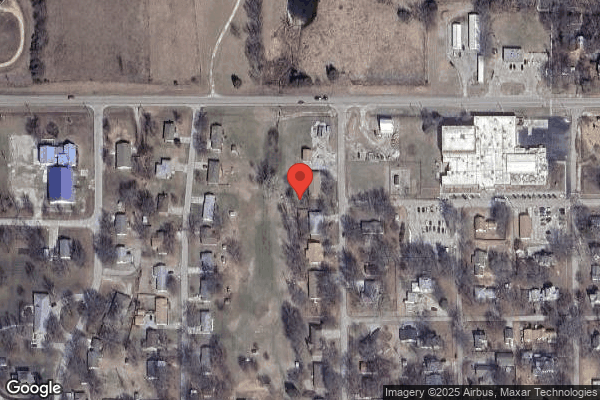
700 W 7TH STREET, OVERBROOK, KS 66524 (785) 665-7124
For profit - Corporation 60 Beds Independent Data: November 2025
Trust Grade
90/100
#10 of 295 in KS
Last Inspection: December 2024

Within standard 12-15 month inspection cycle. Federal law requires annual inspections.

Overview

Brookside Retirement Community in Overbrook, Kansas, has an impressive Trust Grade of A, indicating it is an excellent facility that is highly recommended. It ranks #10 out of 295 nursing homes in Kansas, placing it in the top half of the state and #1 out of 2 in Osage County, meaning it is the best local option available. The facility is improving, with issues reducing from 4 in 2023 to 2 in 2024, though it has a concerning level of RN coverage, being lower than 83% of state facilities, which may affect the quality of care. Staffing is average with a turnover rate of 44%, slightly below the state average, and there have been no fines reported, indicating a good compliance record. However, recent inspector findings highlighted some issues, such as the improper handling of soiled linens, which could increase infection risks, and a failure to notify a physician about a resident's concerning condition, which raises questions about the responsiveness of care. Overall, while there are strengths in its high trust grade and improving trend, potential families should consider both the staffing and specific care incidents reported.

Trust Score
A
90/100
In Kansas
#10/295
Top 3%
Safety Record
Low Risk
No red flags
Inspections
Getting Better
4 → 2 violations
Staff Stability
○ Average
44% turnover. Near Kansas's 48% average. Typical for the industry.
Penalties
✓ Good
No fines on record. Clean compliance history, better than most Kansas facilities.
Skilled Nurses
⚠ Watch
Each resident gets only 24 minutes of Registered Nurse (RN) attention daily — below average for Kansas. Fewer RN minutes means fewer trained eyes watching for problems.
Violations
○ Average
6 deficiencies on record. Average for a facility this size. Mostly minor or procedural issues.
★★★★★
5.0
Overall Rating
★★★☆☆
3.0
Staff Levels
★★★★★
5.0
Care Quality
★★★★★
5.0
Inspection Score
Stable
2023: 4 issues
2024: 2 issues

The Good

  • 5-Star Quality Measures · Strong clinical quality outcomes
  • Full Sprinkler Coverage · Fire safety systems throughout facility
  • No fines on record
  • Staff turnover below average (44%)

    4 points below Kansas average of 48%

Facility shows strength in quality measures, fire safety.

The Bad

Staff Turnover: 44%

Near Kansas avg (46%)

Typical for the industry

The Ugly 6 deficiencies on record

Dec 2024 2 deficiencies
CONCERN (D)

Potential for Harm - no one hurt, but risky conditions existed

Deficiency F0625 (Tag F0625)

Could have caused harm · This affected 1 resident

**NOTE- TERMS IN BRACKETS HAVE BEEN EDITED TO PROTECT CONFIDENTIALITY** The facility had a census of 49 residents. The sample included 13 residents with one resident reviewed for discharge. Based on o...

Read full inspector narrative →
**NOTE- TERMS IN BRACKETS HAVE BEEN EDITED TO PROTECT CONFIDENTIALITY** The facility had a census of 49 residents. The sample included 13 residents with one resident reviewed for discharge. Based on observation, record review, and interview, the facility failed to provide Resident (R)25 with written information regarding the facility's bed hold policy when they were transferred to the hospital. This placed the resident at risk of not being permitted to return and resume residence in the nursing facility. Findings included: - R25's Electronic Medical Record (EMR) recorded diagnoses of pleural effusion (abnormal accumulation of fluid in the lungs), cellulitis (a bacterial infection that affects the skin and tissues beneath it), Alzheimer's disease (progressive mental deterioration characterized by confusion and memory failure), and hypertension (HTN-elevated blood pressure). R25's Quarterly Minimum Data Set (MDS), dated [DATE] recorded R25 had severely impaired cognition. The MDS recorded R25 required staff assistance with most activities of daily living (ADL). The Activities of Daily Living Care Area Assessment (CAA), dated 08/27/24, recorded R25 had a significant change in care needs and was less talkative and mumbled at times. R25 had decreased intake with weight loss and a cellulitis infection. The CAA documented R25 has had a gradual decline in mobility, incontinence, and pain; she was sleeping more, and using a full-body lift. R25's Care Plan, dated 12/04/24 recorded R25 chose hospice due to a diagnosis of hypertensive heart disease and congestive heart failure (CHF-a condition with low heart output and the body becomes congested with fluid). The care plan documented that staff would observe and report signs of localized infection, pain, redness, swelling, tenderness, loss of function, or heat at the infected area. The care plan documented that staff would watch for nonverbal signs of pain, increased restlessness, agitation, and grimacing. The Nurse's Note dated 08/23/24, at 10:56 AM, documented the nurse went into the resident's room that morning to administer morning medications. R25 was very red, flushed in the face, and sweating. The nurse assessed the cellulitis in R25's abdominal folds and noted the cellulitis had spread to her left leg and across her abdomen. The resident was in a lot of pain and staff administered pain medication. The nurse spoke with the resident's representative and the representative requested the resident be sent to the hospital for evaluation. At 10:48 AM the resident was transported to the hospital. The Nurses Note dated 08/25/24 at 01:39 PM documented the resident was admitted to the hospital. R25's clinical record lacked evidence a copy of the bed hold policy was provided to the resident and the facility was unable to provide evidence upon request. On 12/11/24 at 09:15 AM, Social Service X verified the facility had not provided the resident or her representative the bed hold notice when R25 was transferred and admitted to the hospital on [DATE]. The facility's Bed Hold policy, undated, documented before the facility transfers a resident to the hospital or the resident goes on therapeutic leave, the facility would provide information to the resident and/or resident representative that specifies the duration of the state bed hold policy during which the resident is permitted to return and resume residency in the facility; the reserve bed payment policy in the state plan; the facilities' policies regarding bed-hold period, which are consistent with the law permitting the resident to return. The policy documented at the time of admission, the resident and/or representative/legal guardian and interested family member would be provided verbal and written copies of the bed hold policy, and signed confirmation of receipt of the policy would be maintained in the resident's clinical record. Facility staff would follow up with the resident/representative if confirmation is not received in three business days. The facility staff would call the resident/representative for phone confirmation of receipt and a reminder to return the form to the facility at the first possible opportunity and phone confirmation of receipt would be documented in the resident's clinical record. The facility failed to provide R25 with a copy of the facility bed hold policy when she was transferred to the hospital. This placed the resident at risk of not being permitted to return and resume residence in the nursing facility.
CONCERN (F)

Potential for Harm - no one hurt, but risky conditions existed

Infection Control (Tag F0880)

Could have caused harm · This affected most or all residents

The facility had a census of 49 residents. The sample included 13 residents. Based on observation, record review, and interview, the facility failed to handle all soiled linen as contaminated and use ...

Read full inspector narrative →
The facility had a census of 49 residents. The sample included 13 residents. Based on observation, record review, and interview, the facility failed to handle all soiled linen as contaminated and use appropriate barriers while sorting soiled laundry to prevent contamination of clean linens. This placed the residents at increased risk for infectious diseases. Findings included: - On 12/10/24 at 02:38 PM, observation of the Laundry area with Housekeeping U revealed two commercial washing machines and dryers. The area was divided into a soiled and clean area. The soiled side had the washing machine and the clean side had the dryer and folding areas. Housekeeping U reported a company tests the water temperatures and the dispensing machine for correct settings. Housekeeping U stated if there was an infectious process happening in the building, she would receive this information in a verbal report. Housekeeping U reported she only used gloves to sort the soiled laundry and did not don a gown or apron. She said she tried not to let any soiled laundry touch her clothing but could understand the possible transfer of soiled or infectious materials from her clothing, after sorting the soiled linens, to the clean laundry while sorting and folding. On 12/10/24 at 02:55 PM, Administrative Nurse D stated the laundry personnel should wear a barrier of some type while sorting through soiled laundry. The facility's undated Laundry Protocols policy documented it was the policy of the facility to prevent the spread of infection by appropriate separation, collection, laundry, and storage of laundry. Facility staff will handle, store, process, and transport linens in a method to prevent the spread of infection. The laundry room will be equipped with a handwashing sink and alcohol gel dispensers in addition to appropriate supplies of personal protective equipment including but not limited to impervious gowns and gloves of appropriate sizes. The facility failed to handle all soiled linens as contaminated and use appropriate barriers while sorting soiled laundry. This placed the residents at risk for infectious diseases.
Jan 2023 4 deficiencies
CONCERN (D)

Potential for Harm - no one hurt, but risky conditions existed

Notification of Changes (Tag F0580)

Could have caused harm · This affected 1 resident

**NOTE- TERMS IN BRACKETS HAVE BEEN EDITED TO PROTECT CONFIDENTIALITY** The facility had a census of 49 residents. The sample included 13 residents. Based on observation, record review, and interview,...

Read full inspector narrative →
**NOTE- TERMS IN BRACKETS HAVE BEEN EDITED TO PROTECT CONFIDENTIALITY** The facility had a census of 49 residents. The sample included 13 residents. Based on observation, record review, and interview, the facility failed to notify the physician and seek treatment for Resident (R)11, who's genitals were red and swollen. This placed the resident at risk for pain and infection. Findings Included: - The Electronic Medical Record (EMR)for R11 documented diagnoses of dementia without behavioral disturbance (progressive mental disorder characterized by failing memory, confusion), overactive bladder (the muscles of the bladder start to contract on their own even when the volume of urine in the bladder was low), and chronic kidney disease, stage three (mild to moderate kidney damage). The Quarterly Minimum Data Set (MDS), dated [DATE], documented R11 had severely impaired cognition and required extensive assistance of two staff for bed mobility, transfers, dressing, toileting, and personal hygiene. The MDS further documented R11 had frequent bladder incontinence and had no skin issues. The Care Plan, dated 10/16/22, documented R11 was at risk for urinary tract infections, was frequently incontinent of urine, and directed staff to monitor his skin daily during cares and with showers and baths. The Nurse's Note, dated 12/10/22 at 11:20 AM, documented R11's genitals were swollen and red. The note further documented R11 was uncircumcised (retains the foreskin, which covers the head of a nonerect male genitalia), and the head of the male genitalia was red, swollen, and tight to the touch. The note documented the skin on the glans (the rounded part forming the end of the male genitalia) was noted to be covered with large flakes that appeared to be skin. R11 reported that the entire area was uncomfortable. The note lacked documentation the physician was notified for treatment. The Nurse's Note, dated 01/03/23 at 09:57 AM, documented R11's genitals was red and swollen, and he stated he had some discomfort. The note further documented R11 often fondled himself, and the physician would be notified. The Physician Order, dated 01/03/23, directed staff to administer Diflucan (an antifungal medication), 150 milligrams (mg), by mouth, weekly and doxycycline (an antibiotic), 100 mg, by mouth, twice a day, for 10 days. The ordered documented a diagnosis of phimosis (abnormal tightness of the foreskin). On 01/03/23 at 09:45 AM, observation revealed the skin that covered R11's male genitalia was red and he stated it was uncomfortable. On 01/03/23 at 08:58 AM, Licensed Nurse (LN) I stated she had not contacted the physician regarding R11's genitals in December and thought that it was getting better. LN I further stated she had thought it was from urinary discomfort and she stated she should have contacted the physician for treatment. On 01/03/23 at 01:07 PM, Certified Nurse Aide (CNA) M stated she noticed R11's genitalia were red for the last two days and the nurse was already aware. On 01/04/23 at 11:00 AM, Administrative Nurse D stated she did not know if she would have contacted R11's physician about the redness because R11 was a complicated resident and often messed with his genitals. On 01/04/23 at 01:14 PM, LN J stated she wrote the nurse's note on 12/10/22 and the resident's genitals were better the next day. LN J stated she should have documented that his skin was better the next day. The facility Nurse Notification of Physician, Resident Representative of Changes policy, undated, documented the facility made appropriate notification to the physician and delegated Non-Practioner and immediate notification to the resident and/or representative when there was a change in the resident's condition, or an accident that may require physician intervention. The facility failed to notify the physician and seek treatment for R11,who had red, swollen genitalia. This placed the resident at risk for pain and infection.
CONCERN (D)

Potential for Harm - no one hurt, but risky conditions existed

Quality of Care (Tag F0684)

Could have caused harm · This affected 1 resident

**NOTE- TERMS IN BRACKETS HAVE BEEN EDITED TO PROTECT CONFIDENTIALITY** The facility had a census of 49 residents. The sample included 13 residents, with three reviewed for non-pressure related skin c...

Read full inspector narrative →
**NOTE- TERMS IN BRACKETS HAVE BEEN EDITED TO PROTECT CONFIDENTIALITY** The facility had a census of 49 residents. The sample included 13 residents, with three reviewed for non-pressure related skin conditions. Based on observation, record review, and interview, the facility failed to treat Resident (R) 11's male genitalia which was swollen and red. The facility further failed to implement interventions to prevent skin tears for R36, who received four skin tears during transfers and cares. This placed the residents at risk for infection and further injury. Findings included: - The Electronic Medical Record (EMR) for R11 documented diagnoses of dementia without behavioral disturbance (progressive mental disorder characterized by failing memory, confusion), overactive bladder (the muscles of the bladder start to contract on their own even when the volume of urine in the bladder was low), and chronic kidney disease, stage three (mild to moderate kidney damage). The Quarterly Minimum Data Set (MDS), dated [DATE], documented R11 had severely impaired cognition and required extensive assistance of two staff for bed mobility, transfers, dressing, toileting, and personal hygiene. The MDS further documented R11 had frequent bladder incontinence and had no skin issues. The Care Plan, dated 10/16/22, documented R11 was at risk for urinary tract infections, was frequently incontinent of urine, and directed staff to monitor his skin daily during cares and with showers and baths. The Nurse's Note, dated 12/10/22 at 11:20 AM, documented R11's genitals were swollen and red. The note further documented R11 was uncircumcised (retains the foreskin, which covers the head of a nonerect male genitalia), and the head of the male genitalia was red, swollen, and tight to the touch. The note documented the skin on the glans (the rounded part forming the end of the male genitaia) was noted to be covered with large flakes that appeared to be skin. R11 reported that the entire area was uncomfortable. The note lacked documentation the physician was notified for treatment. The Nurse's Note, dated 01/03/23 at 09:57 AM, documented R11's genitals was red and swollen, and he stated he had some discomfort. The note further documented R11 often fondled himself, and the physician would be notified. The Physician Order, dated 01/03/23, directed staff to administer Diflucan (an antifungal medication), 150 milligrams (mg), by mouth, weekly and doxycylcine (an antibiotic), 100 mg, by mouth, twice a day, for 10 days. The ordered documented a diagnosis of phimosis (abnormal tightness of the foreskin). On 01/03/23 at 09:45 AM, observation revealed the skin that covered R11's male genitalia was red and he stated it was uncomfortable. On 01/03/23 at 08:58 AM, Licensed Nurse (LN) I stated she had not contacted the physician regarding R11's genitals in December and she thought that it was getting better. LN I further stated she had thought it was from urinary discomfort and should have contacted the physician for treatment. On 01/03/23 at 01:07 PM, Certified Nurse Aide (CNA) M stated she noticed R11's genitalia were red for the last two days and the nurse was already aware. On 01/04/23 at 11:00 AM, Administrative Nurse D stated she did not know if she would have contacted R11's physician about the redness because R11 was a complicated resident who often messed with his genitals. On 01/04/23 at 01:14 PM, LN J stated she had written the nurse's note on 12/10/22 and the resident's genitals were better the next day. LN J stated she should have documented that R11's skin was better the next day. The facility's Perineal Care Protocol policy, undated, documented perineal care would be provided q shift and as needed based on the individualized needs of the elder. For male elders, the penis would be cleansed from the tip of the male genitalia, pulling back the foreskin on uncircumcised males and cleaned. The facility failed to provide treatment timely to cognitively impaired R11, who had reddened, swollen genitals, which placed the resident at risk for pain and infection. - The Electronic Medical Record (EMR) for R36 documented diagnoses of dementia (progressive mental disorder characterized by failing memory, confusion), leg edema (swelling), chronic kidney disease, stage 3 (mild to moderate kidney damage), and hypertension (high blood pressure ) The Annual Minimum Data Set (MDS), dated [DATE], documented R36 had intact cognition and required extensive assistance for transfers, toileting, and dressing. The MDS further documented R36 had no skin tears. The Skin Care Plan, dated 10/20/22, documented R36 was at risk for skin breakdown, and had a history of multiple skin issues. The care plan directed staff to monitor her skin daily during showers and cares for any changes. The Nurse's Note, dated 11/27/22, documented R36 obtained a skin tear to her right shin (the front of the leg below the knee) which measured 0.5 centimeter (cm) x 0.5 cm while transferred from her bed the her wheelchair. The note further documented the area was cleansed with normal saline, the edges of the skin were approximated, and steri strips (wound closure tape) applied. The Nurse's Note, dated 12/24/22 at 01:00 PM, documented R36 obtained a small skin tear to her right shin which measured three cm in length. The note further documented the edges of the wound were approximated, and steri strips were applied. The Nurse's Note, dated 12/28/22 at 09:06 AM, documented R36 had obtained two new skin tears which measured 1cm across, to her right shin from the zipper of her jeans during staff assistance. The note further documented the skin tears were cleansed with normal saline, wound edges approximated and Mepitel (a transparent wound dressing) applied. On 01/03/23 at 09:00 AM, observation revealed R36 sat in her wheelchair. Further observation revealed the lower part of her legs were exposed and she had ankle socks on; there were two areas on her right shin that were covered with a thin transparent dressing. On 01/03/23 at 01:00 PM, observation revealed brown geri sleeves (protective sleeves used to protect arms and legs from friction and shearing) on R36's legs. On 01/04/23 at 12:14 PM, observation revealed R36 did not have any geri sleeves on her legs for protection. On 01/03/23 at 09:07 AM, Licensed Nurse (LN) I stated she had planned to put geri sleeves on R36, but had just not gotten to it yet. On 01/03/23 at 02:20 PM, Certified Nurse Aide (CNA) M stated she was unsure how the resident had obtained the last skin tears. CNA M said she knew staff were told R36 would be wearing geri sleeves for protection. On 01/04/23 at 11:00 AM, Administrative Nurse D stated she probably would not have put anything on R36's legs for protection because she did not feel there was a pattern to R36's skin tears on the right shin. On 01/04/23 at 12:15 PM, LN J stated she was unaware that R36 was to wear geri sleeves on her legs but would put them on her. The facility's Wound Management policy, undated, documented staff would be involved in prevention and treatment of wounds and the facility expectation of all caregivers would be to observe resident's skin integrity during the daily provision of the resident's personal care. The facility failed to implement interventions to prevent skin tears for R36, who had fragile skin and a history of repeated skin tears, placing the resident at risk for further injury.
CONCERN (D)

Potential for Harm - no one hurt, but risky conditions existed

Accident Prevention (Tag F0689)

Could have caused harm · This affected 1 resident

**NOTE- TERMS IN BRACKETS HAVE BEEN EDITED TO PROTECT CONFIDENTIALITY** The facility had a census of 49 residents. The sample included 13 residents with two reviewed for accidents. Based on observatio...

Read full inspector narrative →
**NOTE- TERMS IN BRACKETS HAVE BEEN EDITED TO PROTECT CONFIDENTIALITY** The facility had a census of 49 residents. The sample included 13 residents with two reviewed for accidents. Based on observation, record review, and interview the facility failed to ensure Resident (R) 26's environment remained free of accident hazards, when staff failed to include an air mattress and grab bar on R26's side rail assessment in order to identify risk factors. This placed the resident at risk for accidents and related injuries. Findings included: - R26's Electronic Medical Record (EMR) documented she had diagnoses of history of falling, osteoarthritis (degenerative joint disease), and weakness. R26's admission Minimum Data Set (MDS), dated [DATE], documented the resident required extensive staff assistance with activities of daily living (ADLs) and was independent with eating. The MDS documented R26 had a fracture related to a fall in the last six months. R26's ADL Care Area Assessment (CAA), dated 11/27/22, documented R26 was a new admit to facility, had been declining in mobility and ADL functioning and required staff assistance with daily ADL functioning. R26's Side Rail Assessment, dated 11/21/22, documented she had poor bed mobility, or difficulty moving to a sitting position. She was not currently using a side rail for positioning or support, did not express a desire to have side rails raised while in bed. The assessment further revealed a half side rail, full side rail, or grab bar was not indicated at that time for positioning or support. The assessment documented R26 did not have a low air loss mattress on her bed and there was not a gap between the side rails, between the mattress and bottom side rail or between lower rail and footboard. R26's clinical record lacked further Side Rail Assessment after 11/21/22 but prior to 12/09/22. R26's Pressure Ulcer Care Plan, revised 12/01/22, documented she had a low air loss mattress to bed. R26's ADL Care Plan, revised 12/01/22, documented R26 required one to two staff assistance with bed mobility and repositioning. The care plan documented R26 did not have rails on her bed to assist her with mobility and repositioning. The Nurse's Note, dated 12/09/2022, documented R26 was heard yelling out for help at 02:25 AM. Upon entering the room, R26 was observed with her head between the mattress and guardrail, lying on her left side. R26's body was in the bed, her feet dangled off the bed, all her bedding had been pushed off the bed onto the floor, and the mattress was shoved back against the wall exposing three inches (in) of the bed frame. The note documented R26 was noted to have a faint red mark to left side of her face and scraped her left knee on the bed frame while struggling to push herself back up into bed. When staff asked R26 if she was ok, she stated I'm okay, I was just scared. The note documented staff changed and repositioned R26 in bed with several pillows to avoid a reoccurrence. On 12/29/22 at 08:52 AM, observation revealed R26 rested in bed on a low air mattress, on her back, with her eyes closed. Further observation revealed the grab bar on the left side of her bed was in the up position. On 12/29/22 at 01:01 PM, Licensed Nurse (LN) G verified she completed the 11/21/22 side rail assessment and failed to document R26 had a grab bar. LN G stated R6 did have one at the time of the assessment. LN G stated R26 was up in the rail on 12/09/22 but was not caught and it never transpired again. On 12/29/22 at 09:31 PM, LN H, per telephone interview, stated she was the nurse that witnessed the occurrence on 12/09/22. LN H stated she jotted down a quick note. LN H stated R26 yelled out, she entered R26's room. R26 was lying on her left side, her thighs and trunk were still on the bed, her lower legs dangled off the bed, her head was in a V position with her left check touching the mattress and right cheek touched the grab bar, but R26 was not wedged in and her face did not touch the bed frame. LN H stated she asked the resident what she was doing and the resident stated oh honey and went on to say she was glad LN H was there, R26 was trying to get up and was scared. LN H stated R26 had a red mark on the right side of her cheek. LN H said after the incident, she kept checking on R26 and after 30 minutes, the mark resolved. On 12/29/22 at 12:50 PM, Administrative Nurse D stated she was aware of R26's occurrence when she had her head against the grab bar on 12/09/22, and the nurse reported to her R26's head was not caught between the side rail and mattress. Administrative Nurse D verified the 11/21/22 side rail assessment lacked documentation regarding assessment of R26's air mattress and grab bar. The facility's Bed Inspection Policy, undated, documented it was the policy of the facility to conduct regular inspections of all bed frames, mattresses, and bed rails, as part of a regular maintenance program to identify areas of potential entrapment or other safety hazards. The facility failed to ensure R26's environment remained free from accidents, when staff failed to include documentation regarding assessment of R26's low air mattress and grab bar on her side rail assessment, dated 11/21/22, and R26 had an occurrence with the gap between them. This placed the resident at risk for an accident.
CONCERN (D)

Potential for Harm - no one hurt, but risky conditions existed

Deficiency F0757 (Tag F0757)

Could have caused harm · This affected 1 resident

**NOTE- TERMS IN BRACKETS HAVE BEEN EDITED TO PROTECT CONFIDENTIALITY** The facility had a census of 49 residents. The sample included 13 residents, with five reviewed for unnecessary medications. Bas...

Read full inspector narrative →
**NOTE- TERMS IN BRACKETS HAVE BEEN EDITED TO PROTECT CONFIDENTIALITY** The facility had a census of 49 residents. The sample included 13 residents, with five reviewed for unnecessary medications. Based on observation, record review, and interview the facility failed to follow physician orders to treat and report elevated blood sugars for one sampled resident, Resident (R) 13. This placed the resident at risk for continued elevated blood sugars and adverse side effects. Findings included: - The Physician Order Sheet, dated 11/01/22, recorded R13 had diagnoses of insulin dependent diabetes (body requires insulin to regulate blood sugar levels), congestive heart failure (a condition with low heart output and the body becomes congested with fluid), chronic respiratory failure with hypoxemia (abnormal deficiency of oxygen in the arterial blood) and long-term insulin use. The Quarterly Change Minimum Data Set (MDS), dated [DATE], recorded R13 had a Brief Interview for Mental Status score of 15 (cognitively intact) with disorganized thinking. The MDS recorded R13 required limited to extensive staff assistance with activities of daily living (ADLs) and received insulin seven days a week. Review of R13's Diabetic Care Plan, dated 10/29/22, directed staff to check the resident's blood sugar and administer insulin as ordered by the physician. The Diabetic Care Plan directed staff to monitor R13 for symptoms of hypoglycemia (low blood sugars) and hyperglycemia (elevated blood sugars) and notify the physician as needed. The Physician's Order, dated 10/02/22, directed staff to administer Novolog insulin (fast-acting insulin to control blood sugars around mealtime) per the insulin sliding scale (varies the dose of insulin based on blood sugar levels), recheck blood sugars in one hour after administering ten or more units of insulin (blood sugars greater than 300 milligrams per deciliter (mg/dl) and notify the physician when administering 14 or more units of insulin (blood sugars greater than 350 mg/dl). The Pharmacist Consult Recommendation, dated 12/15/22, directed the nurses to complete documentation regarding the physician ordered treatment and notification of R13's elevated blood sugars Review of R13's December 2022 Medication Administration Record (MAR) revealed the following blood sugars above the physician ordered parameters and no documentation of reassessment after one hour or physician notification: 12/16/22 at 12:30 PM - 350 mg/dl 12/19/22 at 04:52 PM - 318 mg/dl 12/23/22 at 12:36 PM - 335 mg/dl 12/24/22 at 09:24 AM - 331 mg/dl 12/27/22 at 04:44 PM - 395 mg/dl 12/28/22 at 04:29 PM - 340 mg/dl 12/28/22 at 07:37 PM - 355 mg/dl 12/29/22 at 07:42 PM - 313 mg/dl 12/31/22 at 04:34 PM - 323 mg/dl On 12/28/22 at 12:21 PM, observation revealed R13 sat in a wheelchair at the dining table eating lunch. On 01/04/22 at 08:51 AM, Administrative Nurse D stated staff should check R13's blood sugar as ordered by the physician and provide treatment and physician notification for elevated blood sugars as ordered by the physician. The undated Diabetic Guidelines Policy directed staff to follow physician orders to check blood sugars, provide assessments, treatments and physician notification. The facility failed to follow physician orders to treat and report R13's elevated blood sugars, placing the resident at risk for continued elevated blood sugars and adverse side effects.
Understanding Severity Codes (click to expand)
Life-Threatening (Immediate Jeopardy)
J - Isolated K - Pattern L - Widespread
Actual Harm
G - Isolated H - Pattern I - Widespread
Potential for Harm
D - Isolated E - Pattern F - Widespread
No Harm (Minor)
A - Isolated B - Pattern C - Widespread

Questions to Ask on Your Visit

  • "Can I speak with families of current residents?"
  • "What's your RN coverage like on weekends and overnight?"

Our Honest Assessment

Strengths
  • • Grade A (90/100). Above average facility, better than most options in Kansas.
  • • No major safety red flags. No abuse findings, life-threatening violations, or SFF status.
  • • No fines on record. Clean compliance history, better than most Kansas facilities.
  • • 44% turnover. Below Kansas's 48% average. Good staff retention means consistent care.
Concerns
  • • No significant concerns identified. This facility shows no red flags across CMS ratings, staff turnover, or federal penalties.
Bottom line: Generally positive indicators. Standard due diligence and a personal visit recommended.

About This Facility

What is Brookside Retirement Community's CMS Rating?

CMS assigns BROOKSIDE RETIREMENT COMMUNITY an overall rating of 5 out of 5 stars, which is considered much above average nationally. Within Kansas, this rating places the facility higher than 99% of the state's 100 nursing homes. This rating reflects solid performance across the metrics CMS uses to evaluate nursing home quality.

How is Brookside Retirement Community Staffed?

CMS rates BROOKSIDE RETIREMENT COMMUNITY's staffing level at 3 out of 5 stars, which is average compared to other nursing homes. Staff turnover is 44%, compared to the Kansas average of 46%. This relatively stable workforce can support continuity of care.

What Have Inspectors Found at Brookside Retirement Community?

State health inspectors documented 6 deficiencies at BROOKSIDE RETIREMENT COMMUNITY during 2023 to 2024. These included: 6 with potential for harm.

Who Owns and Operates Brookside Retirement Community?

BROOKSIDE RETIREMENT COMMUNITY is owned by a for-profit company. For-profit facilities operate as businesses with obligations to shareholders or private owners. The facility operates independently rather than as part of a larger chain. With 60 certified beds and approximately 51 residents (about 85% occupancy), it is a smaller facility located in OVERBROOK, Kansas.

How Does Brookside Retirement Community Compare to Other Kansas Nursing Homes?

Compared to the 100 nursing homes in Kansas, BROOKSIDE RETIREMENT COMMUNITY's overall rating (5 stars) is above the state average of 2.9, staff turnover (44%) is near the state average of 46%, and health inspection rating (5 stars) is much above the national benchmark.

What Should Families Ask When Visiting Brookside Retirement Community?

Based on this facility's data, families visiting should ask: "Can I visit during a mealtime to observe dining assistance and food quality?" "How do you handle medical emergencies, and what is your hospital transfer rate?" "Can I speak with family members of current residents about their experience?"

Is Brookside Retirement Community Safe?

Based on CMS inspection data, BROOKSIDE RETIREMENT COMMUNITY has a clean safety record: no substantiated abuse findings (meaning no confirmed cases of resident harm), no Immediate Jeopardy citations (the most serious violation level indicating risk of serious injury or death), and is not on the Special Focus Facility watch list (a federal program monitoring the lowest-performing 1% of nursing homes). The facility has a 5-star overall rating and ranks #1 of 100 nursing homes in Kansas. While no facility is perfect, families should still ask about staff-to-resident ratios and recent inspection results during their visit.

Do Nurses at Brookside Retirement Community Stick Around?

BROOKSIDE RETIREMENT COMMUNITY has a staff turnover rate of 44%, which is about average for Kansas nursing homes (state average: 46%). Moderate turnover is common in nursing homes, but families should still ask about staff tenure and how the facility maintains care continuity when employees leave.

Was Brookside Retirement Community Ever Fined?

BROOKSIDE RETIREMENT COMMUNITY has no federal fines on record. CMS issues fines when nursing homes fail to meet care standards or don't correct problems found during inspections. The absence of fines suggests the facility has either maintained compliance or corrected any issues before penalties were assessed. This is a positive indicator, though families should still review recent inspection reports for the full picture.

Is Brookside Retirement Community on Any Federal Watch List?

BROOKSIDE RETIREMENT COMMUNITY is not on any federal watch list. The most significant is the Special Focus Facility (SFF) program, which identifies the bottom 1% of nursing homes nationally based on persistent, serious quality problems. Not being on this list means the facility has avoided the pattern of deficiencies that triggers enhanced federal oversight. This is a positive indicator, though families should still review the facility's inspection history directly.