ASPEN HEALTH AND WELLNESS
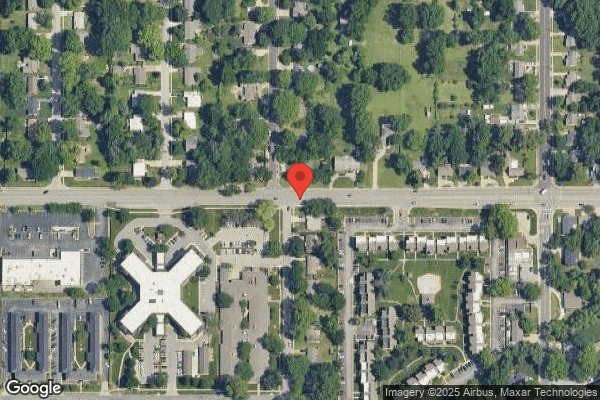

6501 W 75TH STREET, OVERLAND PARK, KS 66204 (913) 367-1906
For profit - Corporation 102 Beds THE ENSIGN GROUP Data: November 2025
Trust Grade
10/100
#239 of 295 in KS
Last Inspection: June 2025

Inspected within the last 6 months. Data reflects current conditions.

Overview

Aspen Health and Wellness in Overland Park, Kansas has received a Trust Grade of F, indicating significant concerns about the facility's overall quality and care. It ranks #239 out of 295 facilities in Kansas, placing it in the bottom half, and #27 of 35 in Johnson County, meaning there are only a few local options that are better. The facility's performance is worsening, with issues increasing from 3 in 2024 to 21 in 2025. Staffing is rated at 2 out of 5 stars, which is below average, and the turnover rate of 51% is similar to the state average, indicating some staff stability but also a lack of consistency. The facility has alarming fines totaling $142,497, which is higher than 92% of Kansas facilities, suggesting ongoing compliance issues. Specific incidents raise serious red flags, including a failure to prevent significant weight loss in a resident, resulting in a 25.6% decline, and a troubling case of resident-to-resident sexual abuse where one cognitively impaired resident was victimized. Additionally, there were accidents that led to injuries, including a resident who suffered a leg fracture due to improper wheelchair handling. While there are some strengths, such as a decent quality measures rating of 4 out of 5, the serious concerns identified in inspections highlight the need for careful consideration when evaluating this facility for loved ones.

Trust Score
F
10/100
In Kansas
#239/295
Bottom 19%
Safety Record
High Risk
Review needed
Inspections
Getting Worse
3 → 21 violations
Staff Stability
⚠ Watch
51% turnover. Above average. Higher turnover means staff may not know residents' routines.
Penalties
✓ Good
$142,497 in fines. Lower than most Kansas facilities. Relatively clean record.
Skilled Nurses
✓ Good
Each resident gets 42 minutes of Registered Nurse (RN) attention daily — more than average for Kansas. RNs are trained to catch health problems early.
Violations
⚠ Watch
57 deficiencies on record. Higher than average. Multiple issues found across inspections.
★☆☆☆☆
1.0
Overall Rating
★★☆☆☆
2.0
Staff Levels
★★★★☆
4.0
Care Quality
★☆☆☆☆
1.0
Inspection Score
Stable
2024: 3 issues
2025: 21 issues

The Good

  • 4-Star Quality Measures · Strong clinical quality outcomes
  • Full Sprinkler Coverage · Fire safety systems throughout facility
  • No fines on record

Facility shows strength in quality measures, fire safety.

The Bad

1-Star Overall Rating

Below Kansas average (2.9)

Significant quality concerns identified by CMS

Staff Turnover: 51%

Near Kansas avg (46%)

Higher turnover may affect care consistency

Federal Fines: $142,497

Well above median ($33,413)

Significant penalties indicating serious issues

Chain: THE ENSIGN GROUP

Part of a multi-facility chain

Ask about local staffing decisions and management

The Ugly 57 deficiencies on record

3 actual harm
Jun 2025 20 deficiencies
CONCERN (D) 📢 Someone Reported This

A family member, employee, or ombudsman was alarmed enough to file a formal complaint

Potential for Harm - no one hurt, but risky conditions existed

Deficiency F0553 (Tag F0553)

Could have caused harm · This affected 1 resident

The facility identified a census of 58 residents. The sample included 14 residents, with 14 residents. Based on observation, record review, and interviews, the facility failed to include Resident (R) ...

Read full inspector narrative →
The facility identified a census of 58 residents. The sample included 14 residents, with 14 residents. Based on observation, record review, and interviews, the facility failed to include Resident (R) 34 or her representative in the development and planning of the resident's care plan. This deficient practice placed R34 at risk of impaired care and decreased autonomy. Findings included: - R34's Electronic Medical Record (EMR) from the Diagnosis tab documented diagnoses of dementia (a progressive mental disorder characterized by failing memory and confusion), dysphagia (swallowing difficulty), and aphasia (condition with disordered or absent language function). The Annual Minimum Data Set (MDS) dated 02/12/25 documented R34 had severely impaired cognition. The MDS documented R34 had received hospice services during the observation period. The Quarterly MDS dated 05/13/25 documented R34 had severely impaired cognition. The MDS documented R34 had received hospice services during the observation period. R34's Cognitive Loss/Dementia Care Area Assessment (CAA), dated 02/17/25 documented she had received hospice services for additional supportive care. R34's Care Plan, dated 09/12/24 documented the facility would work cooperatively with hospice team to ensure her spiritual, emotional, intellectual, physical, and social needs were met. Review of R34's EMR lacked documentation of a care plan meeting was provided and who attended the care conference for the past 12 months. The facility was able to provide a copy of a letter sent to R34's representative on 01/30/25 and 05/16/25. The EMR lacked a IDT- Care Plan Review documented under the Assessment tab. On 06/25/25 at 09:47 AM, R34 was asleep as she sat reclined in her Broda chair (specialized wheelchair with the ability to tilt and recline) in the activity room. On 06/24/25 at 09:04 AM, R34's legal representative stated he was her representative and he was not aware of any care conference or care plan meetings that had been held for R34. On 06/26/25 at 01:52 PM, Social Services Staff X stated she scheduled the care plan meeting off the MDS schedule. Social Services Staff X stated she did not have an answer to why R34 had no documentation that a care plan had taken place in the past 12 months. Social Services Staff X stated she would complete the IDT- Care Plan Review assessment after the care plan meeting. On 06/26/25 at 02:50 PM, Administrative Nurse D stated her, or her assisted director of nursing should attend the resident's care plan meetings. Administrative Nurse D stated she had not attended any care plan meetings at this time, but she had just taken that position in the last 2 weeks. Administrative Nurse D stated the IDT- Care Plan Review assessment should be completed after each care plan meeting. The facility's Care Planning-Interdisciplinary Team policy last revised 03/2025 documented the interdisciplinary team is responsible for the development of resident care plans. Care plan meetings are scheduled at the best time of the day for the resident and family when possible. If it was determined that participation of the resident or representative was not practicable for development of the care plan, an explanation is documented in the medical record.
CONCERN (D) 📢 Someone Reported This

A family member, employee, or ombudsman was alarmed enough to file a formal complaint

Potential for Harm - no one hurt, but risky conditions existed

Deficiency F0554 (Tag F0554)

Could have caused harm · This affected 1 resident

The facility identified a census of 58 residents. The sample included 14 residents. Based on observation, record review, and interview, the facility failed to ensure Resident (R) 3 had been assessed f...

Read full inspector narrative →
The facility identified a census of 58 residents. The sample included 14 residents. Based on observation, record review, and interview, the facility failed to ensure Resident (R) 3 had been assessed for the ability to self-administer her physician-ordered Voltaren gel (a pain-relieving gel). This placed R3 at risk of unsafe medication administration and adverse effects. Findings included: - R3's Electronic Medical Record (EMR) documented diagnoses of embolism (an obstruction in a blood vessel due to a blood clot or other foreign matter that gets stuck while traveling through the bloodstream) of the deep veins of the right lower extremity, malignant neoplasm (an abnormal growth of cells that has the potential to invade and destroy nearby tissues or spread to distant parts of the body) of the breast, diabetes mellitus (DM - when the body cannot use glucose, not enough insulin is made, or the body cannot respond to the insulin), and diabetic neuropathy (nerve damage caused by diabetes, often leading to pain, numbness, and tingling, particularly in the hands and feet). R3's Annual Minimum Data Set (MDS) dated 10/16/24 documented she had a Brief Interview for Mental Status (BIMS) score of 15, which indicated intact cognition. R3 used a wheelchair to assist with mobility. R3 required supervision to partial/moderate assistance from staff for her activities of daily living (ADL). R3 had a urinary ostomy (surgical opening from an area inside the body to the outside) and was always continent of bowel. R3's Functional Abilities (Self-Care and Mobility) Care Area Assessment (CAA) dated 10/21/24 documented she was at risk for alteration of her functional abilities and complications from decreased mobility related to her current diagnoses. R3 had an 11-day hospitalization. R3 required one staff and partial/moderate assist for toilet hygiene, bathing, upper and lower body dressing, and transfers from bed to chair. R3 utilized a manual wheelchair for mobility. R3's Care Plan last revised on 04/04/25 directed staff to administer medication as ordered for neuropathy; observe for adverse effects and report to the physician as needed. R3's Care Plan lacked staff direction on self-administration of her physician-ordered Voltaren. R3's Order Summary Report in the EMR documented a physician's order dated 12/30/24 for Voltaren external gel one percent (1%) to apply topically to the affected joints every six hours (6) hours as needed for pain. Use two (2) grams (gm) of unsupervised self-administration. May leave medication at the bedside. R3's Assessments tab of the EMR lacked an assessment for Self-Administration of Medications. On 06/25/25 at 10:06 AM, R3 stated she has had her Voltaren gel in her room since it had been ordered, and she applied it herself when she needed to. R3 stated she had never been assessed to self-administer the medication that she could recall. On 06/26/25 at 12:37 PM, Licensed Nurse (LN) G stated that any resident who had an order that included self-administration should first be assessed to ensure the safe administration of the medication. LN G could not state whether R3 had been assessed for the safe administration/application of the Voltaren. On 06/26/25 at 02:06 PM, Administrative Nurse E stated that it had been noticed after a Self-Administration Assessment was requested by the nursing facility surveyor (NFS), that an assessment had not been completed for R3 to be able to safely administer her Voltaren. Administrative Nurse E stated that he had completed the self-administration assessment of R3 this morning. The facility policy Self-Administration of Medications dated 01/25, documented the clinician would provide an opportunity for the patient to administer his/her own medications. The clinician would: teach the patient the purpose and side effects of medications and the patient's role in identifying and preventing medication errors; assist the patient in setting up the medications for the first time; assess the patient' ability to self-administer medications correctly and document the patient's response and understanding to teaching; answer questions/concerns expressed by the patient and the family/caregiver regarding the patient's self-administration of medications; document the information given to the patient regarding the medication, date, and time medications was to be given, teaching the side effects, and any pertinent observations made, in the patient's clinical record, as appropriate.
CONCERN (D) 📢 Someone Reported This

A family member, employee, or ombudsman was alarmed enough to file a formal complaint

Potential for Harm - no one hurt, but risky conditions existed

Deficiency F0558 (Tag F0558)

Could have caused harm · This affected 1 resident

The facility identified a census of 58 residents. The sample included 14 residents. Three residents were sampled for reasonable accommodations of needs. Based on observation, record review, and interv...

Read full inspector narrative →
The facility identified a census of 58 residents. The sample included 14 residents. Three residents were sampled for reasonable accommodations of needs. Based on observation, record review, and interview, the facility failed to ensure Resident (R) 13, R12, and R57 call lights were within their reach. This deficient practice left R13, R12, and R57 vulnerable to unmet care needs due to the inability to call for staff assistance. Findings Included: - On 06/24/25 at 07:00 AM, an inspection of R13's (vulnerable resident unable to self-transfer) laid on her bed, R13's call light lay on the over-the-bed table. R13's over-the-bed table was pushed away from her. She was unable to reach her call light. On 06/24/25 at 07:40 AM, R12 (a cognitively impaired, unable to transfer herself) was asleep on the bed with her lower extremities off to the left side of the bed. R12's indwelling urinary catheter drainage bag with dark amber urine laid directly on the floor facing the entrance door to the room. R12's call bell was on the bedside table, which was out of her reach. On 06/25/25 at 07:18 AM, R57 (an impaired resident unable to transfer himself) laid on his bed in a low position, no call bell was noted. On 06/25/25 at 07:18 AM, R12 laid asleep on her bed, and her call bell was out of her reach. The call bell was provided by the facility due to the facility's call light had stopped functioning on 04/21/25. R was on the bedside table. R12's bedside table was outside her reach. R12's soft call light with the bright-colored tape was not present. On 06/26/25 at 12:37 PM, Licensed Nurse (LN) G stated call bells should always be within the reach of each resident. LN G stated that nursing was rounding on residents often since the call light system was not working. On 06/26/25 at 01:28 PM, Certified Nurse Aide (CNA) M stated staff were expected to ensure the call bells were within the resident's reach. CNA M stated staff were rounding frequently on residents since call lights had been down. On 06/26/25 at 02:04 PM, Administrative Nurse D staff were expected to ensure the residents had access to their call bells. She stated staff were checking residents every 30 minutes and ensuring the call bells were within the residents' reach. The facility did not provide an accommodation of needs policy specific to call lights.
CONCERN (D) 📢 Someone Reported This

A family member, employee, or ombudsman was alarmed enough to file a formal complaint

Potential for Harm - no one hurt, but risky conditions existed

Deficiency F0628 (Tag F0628)

Could have caused harm · This affected 1 resident

**NOTE- TERMS IN BRACKETS HAVE BEEN EDITED TO PROTECT CONFIDENTIALITY** The facility identified a census of 58 residents. The sample included 14 residents, with three residents reviewed for hospitaliz...

Read full inspector narrative →
**NOTE- TERMS IN BRACKETS HAVE BEEN EDITED TO PROTECT CONFIDENTIALITY** The facility identified a census of 58 residents. The sample included 14 residents, with three residents reviewed for hospitalization and/or discharge. Based on observation, record review, and interview, the facility failed to ensure Resident (R) 19 and his representative were provided with a bed hold policy that included the facility's per diem rate to hold a bed. The facility failed to ensure R19, and his representative was provided a written notification of transfer upon his transfer to the hospital. The facility failed to ensure that a discharge summary and a recapitulation of stay were completed upon R61's discharge from the facility. This placed R19 and R61 at risk of miscommunication between the facility and the resident's representative, and the possible missed opportunity for healthcare services. Findings included: - R19's Electronic Medical Record (EMR) documented diagnoses of hypertension (HTN- elevated blood pressure), cirrhosis (chronic degenerative disease of the liver) of the liver, carcinoma (cancer that forms in epithelial tissue) of the liver, and congestive heart failure (CHF-a condition with low heart output and the body becomes congested with fluid). R19's Discharge Minimum Data Set (MDS) dated 02/08/25 documented an unplanned discharge to an acute hospital with a return anticipated. R19's Entry MDS dated 02/12/25 documented a re-entry to the facility from an acute hospital. The facility failed to provide a written notification of transfer and a bed hold policy to R19 and his representative prior to his transfer to the hospital on [DATE]. R19's Discharge MDS dated 03/07/25 documented an unplanned discharge to an acute hospital with a return anticipated. R19's Entry MDS dated 03/12/25 documented a re-entry to the facility from an acute hospital. The facility failed to provide a written notification of transfer and a bed hold policy to R19 and his representative prior to his transfer to the hospital on [DATE]. R19's Discharge MDS dated 5/12/25 documented an unplanned discharge to an acute hospital with a return anticipated. R19's Entry MDS dated 05/15/25 documented a re-entry to the facility from an acute hospital. The facility failed to provide a bed hold policy to R19 and his representative prior to his transfer to the hospital on [DATE]. R19's Annual MDS dated 06/03/25 documented he had a Brief Interview for Mental Status (BIMS) score of six, which indicated severely impaired cognition. R19 used a wheelchair to assist with mobility. R19 required partial assistance from staff with toileting and bathing. R19 did not have an active discharge plan in place for the resident to return to the community. R19's Cognitive Loss/Dementia Care Area Assessment (CAA) dated 06/10/25 documented he had severely impaired cognition. R19 has had a recent hospitalization due to acute illnesses. R19 required partial assistance from staff for toileting and bathing. R19 planned to remain at the facility. R19's Care Plan, last revised on 05/16/25, directed staff that R19 intended to remain in the facility for long-term care (LTC). The Care Plan directed staff to assist him with discharge plans if the current LTC plans change. The Care Plan directed staff to review the discharge plan with R19 as needed. On 06/25/25 at 07:18 AM, R19 propelled himself in his wheelchair to the dining room. On 06/26/25 at 01:51 PM, Social Services X stated it had been her understanding that a new bed hold did not have to be completed upon the transfer to the hospital since a bed hold was completed at admission. Social Services X stated that they had completed the Confirmation of Transfer & Bed Hold Provision part of the facility's Bed Hold/Discharge Notification form. The facility's Bed Hold revised, on January 2025, documented that the resident, or the resident's representative shall be informed in writing of their right to exercise the bed hold provision of 10 days upon admission and provide a second notice before transfer from the facility to a general acute care hospital or at the start of a resident's therapeutic leave. In the event of an emergency transfer, the second notice would be provided within 24 hours. The notice shall include: the duration of the state bed-hold policy; the amount required to be paid by the resident or by the resident's payor source to hold the bed for the duration of the bed-hold period; that insurance may or may not cover such costs and, accordingly, the resident may have some liability for payment of uncovered costs; and the facility's policy regarding bed-hold periods permitting the resident to return. The information shall be provided to the resident and/or his/her representative in a language they could understand. - R61's Electronic Medical Record (EMR) documented diagnoses of osteoarthritis (degenerative changes to one or many joints characterized by swelling and pain), Alzheimer's disease (progressive mental deterioration characterized by confusion and memory failure), and hypertension (HTN- elevated blood pressure). The EMR documented R61 admitted the facility on 05/02/25 and discharged the facility on 05/09/25. R61's admission Minimum Data Set (MDS) had not been completed. R61's Care Area Assessment (CAA) had not been completed. R61's Care Plan initiated on 05/05/25, directed staff to establish a pre-discharge plan with the resident, family/caregivers, and evaluate the progress and revise the plan as needed. An Orders Note scanned into R61's Misc. tab of the EMR documented an order to admit R61 for respite stay from 05/02/25 to 05/17/25. R61's Discharge Note dated 05/09/25 at 02:13 PM, documented the writer had been notified that R61 was approved for another facility and wanted her transferred today. The interdisciplinary team (IDT) was notified of the discharge request. R61's spouse picked up her belongings. R61's spouse received her medications from the charge nurse. R61's spouse voiced his appreciation to the staff and for the care R61 received while at the facility. A review of R61's EMR revealed that a Discharge Summary had not been completed by staff that included a recapitulation of the stay. On 06/26/25 at 02:09 PM, Administrative Nurse E stated that typically a discharge summary would be completed upon a resident's discharge, but in R61's case, it was a sudden discharge, so it had not been completed as it should. Administrative Nurse E stated R61 was transferred to the new facility, and her medications were provided. The facility's Discharge Summary policy dated April 2025, documented when the facility anticipated a resident's discharge, the discharge summary shall include, but not be limited to the following: A recapitulation of the resident's stay that included, but was not limited to diagnoses, course of illness/treatment or therapy, and pertinent lab, radiology, and consultation results. A final summary of the resident's status; a reconciliation of all pre-discharge medications with the resident's post-discharge medications; a post-discharge plan of care that was developed with the participation of the resident and, with the resident's consent, the resident representative(s), which would assist the resident to adjust tohis or her new living environment. The post-discharge plan of care shall indicate where the individual plans to reside, any arrangements that have been made for the resident's follow-up care, and any post-discharge medical and non-medical services. A final summary of the resident's status at the time of discharge would be filed in the resident's medical record and be available for release to authorized persons and agencies, with the consent of the resident or the resident's representative.
CONCERN (D) 📢 Someone Reported This

A family member, employee, or ombudsman was alarmed enough to file a formal complaint

Potential for Harm - no one hurt, but risky conditions existed

Deficiency F0637 (Tag F0637)

Could have caused harm · This affected 1 resident

The facility identified a census of 58 residents. The sample included 14 residents, with two residents reviewed for hospice services. Based on observation, record review, and interviews, the facility ...

Read full inspector narrative →
The facility identified a census of 58 residents. The sample included 14 residents, with two residents reviewed for hospice services. Based on observation, record review, and interviews, the facility failed to identify a significant change in the physical condition and complete a comprehensive Significant Change Minimum Data Set (MDS) for Resident (R) 34 with the discharge from hospice services. This deficient practice placed R34 at risk for unidentified care needs. Findings included: - R34's Electronic Medical Record (EMR) from the Diagnosis tab documented diagnoses of dementia (a progressive mental disorder characterized by failing memory and confusion), dysphagia (swallowing difficulty), and aphasia (a condition with disordered or absent language function). The Annual Minimum Data Set (MDS) dated 02/12/25 documented R34 had severely impaired cognition. The MDS documented R34 had received hospice services during the observation period. The Quarterly MDS dated 05/13/25 documented R34 had severely impaired cognition. The MDS documented R34 had received hospice services during the observation period. R34's Cognitive Loss/Dementia Care Area Assessment (CAA), dated 02/17/25, documented she had received hospice services for additional supportive care. R34's Care Plan, dated 09/12/24, documented the facility would work cooperatively with hospice team to ensure her spiritual, emotional, intellectual, physical, and social needs were e met. R34's EMR under the Orders tab revealed the following physician orders: Admit to hospice services with the diagnosis of senile degeneration (cognitive decline associated with old age), dated 04/18/25. On 06/25/25 at 09:47 AM, R34 was asleep as she sat reclined in her Broda chair (specialized wheelchair with the ability to tilt and recline) in the activity room. On 06/24/25 at 09:04 AM, R34's legal representative stated R34 had been discharged from hospice services in the past month. On 06/26/25 at 07:10 AM, Licensed Nurse (LN) H was unable to locate R34's hospice communication book. LN H stated she had not had to use R34's hospice communication book recently and would not know who would have R34's hospice communication book this early in the morning. LN H stated that the social services staff may be able to help locate it. On 06/26/25 at 07:20 AM, Social Services Staff X stated R34 had been discharged from hospice services on 05/20/25. Social Services Staff X stated she was not sure why there was a current order for hospice services for R34 that was still active. On 06/26/25 at 09:10 AM, Administrative Nurse F stated she had not been notified that R34 had been discharged from hospice services on 05/20/25. Administrative Nurse F stated she had heard that R34 was to be discharged from hospice services, but there was never an order written by the physician. Administrative Nurse F stated she had initiated a Significant Change MDS this week related to R34's discharge from hospice. On 06/26/25 at 02:50 PM, Administrative Nurse D stated she would expect hospice would communicate and work with the facility. Administrative Nurse D stated she would expect the hospice services to provide the discharge order. Administrative Nurse D stated she was the person responsible for ensuring there was collaboration between the hospice provider and the hospice provider. The facility was unable to provide a policy-related MDS.
CONCERN (D) 📢 Someone Reported This

A family member, employee, or ombudsman was alarmed enough to file a formal complaint

Potential for Harm - no one hurt, but risky conditions existed

Deficiency F0657 (Tag F0657)

Could have caused harm · This affected 1 resident

The facility identified a census of 58 residents. The sample included 14 residents. Based on observation, record review, and interview, the facility failed to ensure Resident (R) 3's Care Plan had bee...

Read full inspector narrative →
The facility identified a census of 58 residents. The sample included 14 residents. Based on observation, record review, and interview, the facility failed to ensure Resident (R) 3's Care Plan had been revised to direct staff that she was safe to self-administer her physician-ordered Voltaren gel (a pain-relieving gel). This placed R3 at risk of unsafe medication administration and adverse effects. Findings included: - R3's Electronic Medical Record (EMR) documented diagnoses of embolism (an obstruction in a blood vessel due to a blood clot or other foreign matter that gets stuck while traveling through the bloodstream) of the deep veins of the right lower extremity, malignant neoplasm (an abnormal growth of cells that has the potential to invade and destroy nearby tissues or spread to distant parts of the body) of the breast, diabetes mellitus (DM - when the body cannot use glucose, not enough insulin is made, or the body cannot respond to the insulin), and diabetic neuropathy (nerve damage caused by diabetes, often leading to pain, numbness, and tingling, particularly in the hands and feet). R3's Annual Minimum Data Set (MDS) dated 10/16/24 documented she had a Brief Interview for Mental Status (BIMS) score of 15, which indicated intact cognition. R3 used a wheelchair to assist with mobility. R3 required supervision to partial/moderate assistance from staff for her activities of daily living (ADL). R3 had a urinary ostomy (surgical opening from an area inside the body to the outside) and was always continent of bowel. R3's Functional Abilities (Self-Care and Mobility) Care Area Assessment (CAA) dated 10/21/24 documented she was at risk for alteration of her functional abilities and complications from decreased mobility related to her current diagnoses. R3 had an 11-day hospitalization. R3 currently required one staff and partial/moderate assist for toilet hygiene, bathing, upper and lower body dressing, and transfers from bed to chair. R3 utilized a manual wheelchair for mobility. R3's Care Plan last revised on 04/04/25 directed staff to administer medication as ordered for neuropathy; observe for adverse effects and report to the physician as needed. R3's Care Plan lacked staff direction on self-administration of her physician-ordered Voltaren. R3's Order Summary Report in the EMR documented a physician's order dated 12/30/24 for Voltaren external gel one percent (1%) to apply topically to the affected joints every six hours (6) hours as needed for pain. Use two (2) grams (gm) of unsupervised self-administration. May leave medication at the bedside. R3's Assessments tab of the EMR lacked an assessment for Self-Administration of Medications. On 06/25/25 at 10:06 AM, R3 stated she has had her Voltaren gel in her room since it had been ordered, and she applied it herself when she needed to. R3 stated she had never been assessed to self-administer the medication that she could recall. On 06/26/25 at 12:37 PM, Licensed Nurse (LN) G stated that any resident should be assessed to be safe to self-administer medication. LN G stated she would expect the care plan to be updated to reflect that R3 could self-administer or apply her Voltaren. On 06/26/25 at 02:06 PM, Administrative Nurse E stated that R3's care plan should have been revised to let staff know if she was safe to self-administer her Voltaren. The facility lacked a policy for care plan revision.
CONCERN (D) 📢 Someone Reported This

A family member, employee, or ombudsman was alarmed enough to file a formal complaint

Potential for Harm - no one hurt, but risky conditions existed

ADL Care (Tag F0677)

Could have caused harm · This affected 1 resident

- R12's Electronic Medical Record (EMR) from the Diagnosis tab documented diagnoses of anxiety (mental or emotional reaction characterized by apprehension, uncertainty, and irrational fear), diabetes ...

Read full inspector narrative →
- R12's Electronic Medical Record (EMR) from the Diagnosis tab documented diagnoses of anxiety (mental or emotional reaction characterized by apprehension, uncertainty, and irrational fear), diabetes mellitus (DM - when the body cannot use glucose, not enough insulin is made, or the body cannot respond to the insulin), muscle weakness, depression (a mood disorder that causes a persistent feeling of sadness and loss of interest), and need for assistance with personal hygiene. The Significant Change Minimum Data Set (MDS) dated 08/07/24 documented R12 moderately impaired cognition. The MDS documented R12 had an indwelling catheter. The MDS documented R12 was dependent on staff assistance for toileting and bathing. The MDS documented R12 had one non-injury fall during the observation period. The Quarterly MDS dated 05/06/24 documented a Brief Interview of Mental Status (BIMS) score of 10, which indicated moderately impaired cognition. The MDS documented that R12 had a limited range of motion (ROM - the full movement potential of a joint, usually its range of flexion and extension) of her upper extremities. The MDS documented R12 was dependent on staff assistance for toileting and bathing. The MDS documented R12 had one non-injury fall during the observation period. R12's Functional Abilities (Self-Care and Mobility) Care Area Assessment (CAA), dated 08/13/24, lacked analysis. The facility was able to provide the documentation after the survey. R12's Care Plan, dated 09/03/24, documented she was dependent on staff assistance for bathing. R12's EMR under the Reports tab and Bathing task was reviewed for the following dates: 02/11/25 to 06/20/25 (120 days). The EMR documented 10 Shower (SH) on 02/04/25, 02/07/25, 02/18/25, 04/18/25, 05/02/25, 05/13/25, 05/20/25, 05/27/25, 05/30/25, and 06/06/25, two Sponge Bath were documented on 02/21/25 and 05/16/25, one Resident Refused (RR) on 05/06/25, and 21 Not Applicable (NA) were documented on 02/11/25, 02/14/25, 02/25/25, 02/28/25, 03/04/25, 03/07/25, 03/11/25, 03/14/25, 03/18/25, 03/28/25, 04/01/25, 04/04/25, 04/08/25, 04/11/25, 04/15/25, 04/22/25, 04/29/25, 05/09/25, 05/23/25, 06/03/25, and 06/10/25. R12's clinical record lacked evidence that she was unavailable for care during the 120 days reviewed. R12's notes lacked documentation regarding bathing refusals or attempts to offer alternatives. On 06/25/25 at 07:18 AM, R12 laid asleep on her bed, her call bell was out of her reach. The call bell was provided by the facility due to the facility's call light had stopped functioning on 04/21/25. R was on the bedside table. R12's bedside table was outside her reach. R12's soft call light with the bright colored tape was not present. On 06/26/25 at 12:38 PM, Licensed Nurse (LN) G stated that each resident had assigned days for bathing at least two times a week. LN G stated that if a resident were to refuse their bath, the staff would reapproach again to offer them bathing options. LN G stated that if the resident refused the bath/shower, it would be documented in their EMR. On 06/26/25 at 01:09 PM, Certified Nurse Aide (CNA) M stated each resident was offered at least two baths each week. CNA M stated that if a resident were to refuse their bath, the staff would return later and offer again. CNA M stated the refusal would be documented in the resident's EMR under tasks. On 06/26/25 at 02:50 PM, Administrative Nurse D stated that each resident was able to choose the day and type of bath. Administrative Nurse D stated she runs the bathing report to ensure each resident was provided a bath. The facility's Activities of Daily Living (ADL) policy, last revised 01/2025, documented a resident's abilities in ADLs do not diminish unless circumstances of the individual's clinical condition demonstrate that diminution was unavoidable. This included the president's ability to bathe, dress, groom, transfer, ambulate, toilet, eat, and use speech, language, or other functional communication systems. Nursing assistants would provide assistance with ADLs based on the resident's individualized plan of care. The facility identified a census of 58 residents. The sample included 14 residents, with 14 reviewed for activities of daily living (ADL). Based on observation, record review, and interviews, the facility failed to provide Residents (R) 21 and R12 with consistent bathing opportunities. This deficient practice placed both residents at risk for impaired psycho-social well-being and skin breakdown. Findings Included: - The Medical Diagnosis section within R21's Electronic Medical Records (EMR) included diagnoses of end-stage renal disease, absence of left leg, diabetes mellitus (DM - when the body cannot use glucose, not enough insulin is made, or the body cannot respond to the insulin), and need for assistance with personal care. R21's Quarterly Minimum Data Set (MDS) completed 03/07/25 noted a Brief Interview for Mental Status (BIMS) score of 13, indicating mild cognitive impairment. The MDS noted bilateral upper and lower extremity impairments, and she used a wheelchair for mobility. The MDS noted she was dependent on staff assistance for bathing, toileting, dressing, personal hygiene, and bed mobility. The MDS noted she had frequent bowel and bladder incontinence. R21's Functional Abilities Care Area Assessment (CAA) completed 12/09/24 indicated she required extensive assistance from staff to complete her activities of daily living. The CAA noted she used a wheelchair for mobility and a Hoyer lift (full-body mechanical lift) for transfers. The CAA noted she was incontinent of bowel and bladder and required assistance with toileting, peri-care, and clothing management. R21's Care Plan initiated on 09/05/24 indicated she was at risk for ADL deficit due to her medical diagnoses. The plan noted she was dependent on staff assistance for bathing, toileting, transfers, dressing, wheelchair ambulation, and bed mobility. The plan noted she had urinary incontinence and was at risk for skin breakdown and infections. The plan instructed staff to inspect her skin during bathing and daily care. The MDS noted she was at risk for skin breakdown. A review of R21's EMR under Documentation Survey Report from 06/01/25 through 06/26/25 (26 days reviewed). The report indicated she preferred to have a bath twice weekly (Sundays and Thursdays). The report indicated she received bathing on 06/01/25, 06/05/25, 06/12/25, and 06/19/25. The report indicated she did not receive her scheduled Sunday bath or 2nd weekly bath for the week of 6/8, 6/15, and 6/22. R21's EMR indicated no rationale or refusals for the missing bathing occurrences. On 06/24/25 at 09:30 AM, R21 sat in her wheelchair in her room. R21's hair was greasy and uncombed. R21's fingernails were dirty and untrimmed. She stated was upset because the facility was not properly bathing her. She stated she had not received her Sunday bath in the last three weeks and was made to wait until Thursday. She stated the facility did not have enough staff on Sundays to complete bathing. On 06/26/25 at 12:38 PM, License Nurse (LN) G stated staff were required to sign off on Sundays; she stated staff must make three attempts before accepting the refusal. She stated refusals were marked in the EMR. She stated that the missing bathing would be offered on the next shift or the next day. On 06/26/25 at 01:30 PM, Certified Nurse's Aide (CNA) M stated R21 often refused staff assistance, but it should have been marked in the EMR as offered. She stated that direct care staff were expected to provide three attempts before telling the nurse. She stated the nurse would then talk to the resident. She stated that staff would provide the resident with a bath upon request. On 06/26/25 at 02:11 PM, Administrative Nurse D stated staff were expected to provide the residents' bathing based upon the residents' preference and scheduled days. She stated staff were expected to make multiple attempts at bathing and reschedule bathing for the next shift or day if missed. The facility's Activities of Daily Living (ADL) policy, last reviewed 09/2024, indicated all residents would be provided ADL assistance and consistent bathing opportunities for all residents. The policy noted residents would be assessed for their specific care needs and provided interventions.
CONCERN (D) 📢 Someone Reported This

A family member, employee, or ombudsman was alarmed enough to file a formal complaint

Potential for Harm - no one hurt, but risky conditions existed

Quality of Care (Tag F0684)

Could have caused harm · This affected 1 resident

The facility identified a census of 58 residents. The sample included 14 residents, with one resident reviewed for quality of care. Based on observation, record review, and interviews, the facility fa...

Read full inspector narrative →
The facility identified a census of 58 residents. The sample included 14 residents, with one resident reviewed for quality of care. Based on observation, record review, and interviews, the facility failed to follow a physician's order for weights to monitor for edema and fluid overload for Resident (R) 52. This deficient practice placed R52 at risk for delay in treatment related to fluid overload and untreated illness. Findings included: - R52's Electronic Medical Record (EMR) from the Diagnosis tab documented diagnoses of cognitive communication deficit (an impairment in organization, sequencing, attention, memory, planning, problem-solving, and safety awareness), hypotension (low blood pressure), edema (swelling resulting from an excessive accumulation of fluid in the body tissues), muscle weakness, unsteady on her feet, and the need for assistance with personal care. The admission Minimum Data Set (MDS) dated 07/12/24 documented a Brief Interview of Mental Status (BIMS) score of 10, which indicated moderately impaired cognition. The MDS documented R52 had received antidepressant (a class of medications used to treat mood disorders) medication, diuretic (a medication to promote the formation and excretion of urine) medication, and hypnotic (a class of medications used to induce sleep) medication during the observation period. The Quarterly MDS dated 03/24/25 documented a BIMS score of 15, which indicated intact cognition. The MDS documented that R52 had received diuretic medication, antidepressant medication, and antipsychotic (a class of medications used to treat major mental conditions that cause a break from reality) medication during the observation period. R52's Psychotropic Drug Use Care Area Assessment (CAA) dated 07/17/24 lacked analysis. The facility was able to provide the documentation after the survey. R52's Care Plan, with a revision date of 11/05/24, documented the nursing staff would administer medications as ordered. The plan of care documented nursing staff would observe for adverse effects and report to the physician as needed. R52's EMR under the Orders tab revealed the following physician orders: Spironolactone (diuretic) oral tablet 50 milligrams (mg), give one tablet by mouth in the morning for edema dated 01/29/25. Weigh in the morning every Monday and Thursday for fluid overload. Call the physician if a weight of greater than (>) five pounds in a week for four weeks, dated 06/05/25. Furosemide (diuretic) oral tablet 20mg (Lasix), give two tablets (40mg) by mouth in the morning for Fluid overload, dated 06/05/25. Review of R52's EMR, Medication Administration Record (MAR) and Treatment Administration Record (TAR) from 06/05/25 to 06/24/25 lacked evidence weights were obtained as ordered by the physician. Under the Vital Sign tab revealed a weight recorded on 06/23/25 of 152.6 pounds. R52's clinical record lacked evidence the physician was notified of the lack of weights. On 06/25/25 at 07:19 AM, R52 laid on her bed, and she sat up on the side of her bed. R52's room still had a urine odor in the room. On 06/26/25 at 02:50 PM, Administrative Nurse D stated she would expect the physician's order to be followed, and the medication was administered as ordered. Administrative Nurse D stated that the physician should be notified of the lack of weight monitoring for edema and fluid overload. The facility's Pharmacy Services/Nursing Services policy last revised 01/2025 documented it was the policy of the facility to accurately implement orders in addition to medication orders (treatment, procedures) only upon the written order of a person duly licensed and authorized to do so in accordance with the president's plan of care.
CONCERN (D) 📢 Someone Reported This

A family member, employee, or ombudsman was alarmed enough to file a formal complaint

Potential for Harm - no one hurt, but risky conditions existed

Pressure Ulcer Prevention (Tag F0686)

Could have caused harm · This affected 1 resident

The facility identified a census of 58 residents. The sample included 14 residents, with three residents reviewed for treatment/services to prevent/heal pressure ulcers (localized injury to the skin a...

Read full inspector narrative →
The facility identified a census of 58 residents. The sample included 14 residents, with three residents reviewed for treatment/services to prevent/heal pressure ulcers (localized injury to the skin and/or underlying tissue usually over a bony prominence, because of pressure, or pressure in combination with shear and/or friction). Based on observation, record review, and interviews, the facility failed to ensure pressure-reducing measures were placed on Resident (R)13. This placed R13 at increased risk for pressure ulcer development. Findings Included: - R13's Electronic Medical Record (EMR) from the Diagnosis tab documented diagnoses of malnutrition, epilepsy (brain disorder characterized by repeated seizures), adult failure to thrive, cognitive communication deficit (difficulties with communication that arise from impairments in cognitive processes like attention, memory and executive functions), cerebral infarction (stroke - sudden death of brain cells due to lack of oxygen caused by impaired blood flow to the brain by blockage or rupture of an artery to the brain), encounter for palliative care, dysphagia (swallowing difficulty), and anemia (an inadequate number of healthy red blood cells to carry adequate oxygen to body tissues). R13's Significant Change Minimum Data Set (MDS) dated 06/03/25 documented a Brief Interview of Mental Status (BIMS) of nine, which indicated moderately impaired cognition. The MDS documented R13 needed assistance from staff for all activities of daily living (ADL). The MDS documented R13 was at risk of developing pressure ulcers. R13's Pressure Ulcer/ Injury Care Area Assessment (CAA) dated 06/03/25 documented R13 was at risk for alteration in skin integrity related to cerebral infarction, adult failure to thrive, and epilepsy. The CAA documented she was admitted to hospice services. The CAA documented R13 had a poor appetite and was incontinent of bowel and bladder. The CAA documented R13 wished to remain in bed most of the time and requires staff to turn and reposition approximately every two hours, and as needed. R13's Care Plan dated 01/31/25 documented a pressure ulcer or was potentially for pressure ulcer development of the right great toe related to decreased mobility, and malnutrition. R13's plan of care documented R13 had a deep tissue injury to the left great toe to heal without complications. The plan of care documented that staff would treat R13's deep tissue injury per physicians' orders, and staff were to apply heel protectors when in bed as a preventative measure. R13's Braden Scale for Prediction Pressure Sore Risk dated 04/30/25 documented a score of 11, indicating a high risk for pressure ulcers. R13's physician's orders under the Orders tab revealed the following orders: Heel protectors bilateral when in bed as a preventive measure every shift for pressure dated 02/26/25. On 06/24/25 at 08:25 AM, R13 laid on her bed, covered with a blue blanket. R13's boots were in her Broda chair, R13 did not have boots on her heels, and her heels laid directly on the mattress. On 06/25/25 at 02:30 PM, R13 laid in her bed, R13's boots were in her Broda chair. R13 did not have boots on her heels, and her heels her heels laid directly on the mattress. On 06/26/25 at 12:37 PM, Licensed Nurse (LN) G stated that all nursing staff have access to the care plan. LNG stated it was the CAN's duty to apply boots when the resident was placed in bed. LN G stated it was the nurse on duty to round and ensure the boots were applied to the residents' heels. On 06/26/25 at 01:17 PM, Certified Nurse's Aide (CNA) M stated she had access to the Kardex (a nursing tool that gives a brief overview of the care needs of each resident). CNA M stated she could not see the full care plan, but could see what interventions needed to be done each shift for her residents. On 06/26/25 at 02:04 PM, Administrative Nurse D stated that if the residents' boots applied to heels were an order, the order would show on the Treatment Administrative Record (TAR). Administrative Nurse D stated the CNAs have access to the Kardex and Task, and the information should be seen in both places. The facility's Pressure Ulcer Prevention policy, reviewed on 01/25, documented skin inspections/assessments would be completed on admission for all facility residents. The risk for pressure ulcer development would be evaluated on admission and at other pertinent periods of admission for all residents using the Braden Scale for pressure ulcer risk. Residents and families were to be encouraged to participate to the extent possible in the care and prevention of skin breakdown. Any resident with a Braden score of 12 or less should have interventions initiated based on the risks identified to protect and promote skin integrity.
CONCERN (D) 📢 Someone Reported This

A family member, employee, or ombudsman was alarmed enough to file a formal complaint

Potential for Harm - no one hurt, but risky conditions existed

Respiratory Care (Tag F0695)

Could have caused harm · This affected 1 resident

**NOTE- TERMS IN BRACKETS HAVE BEEN EDITED TO PROTECT CONFIDENTIALITY** The facility identified a census of 58 residents. The sample included 14 residents, with two residents reviewed for respiratory ...

Read full inspector narrative →
**NOTE- TERMS IN BRACKETS HAVE BEEN EDITED TO PROTECT CONFIDENTIALITY** The facility identified a census of 58 residents. The sample included 14 residents, with two residents reviewed for respiratory care. Based on observation, record review, and interviews, the facility failed to ensure Resident (R) 25's Bilevel positive airway pressure (noninvasive ventilation used to assist breathing) mask, nebulizer (a device that changes liquid medication into a mist easily inhaled into the lungs) mask and nasal cannula (a medical device that delivers supplemental oxygen or other therapeutic gases to a patient through two small, flexible tubes inserted into the nostrils) was stored in a sanitary manner. This placed R25 at an increased risk for respiratory infection and complications. Findings included: - R25's Electronic Medical Record (EMR) from the Diagnosis tab documented diagnoses of hypertension (HTN - elevated blood pressure, obstructive sleep apnea (an open airway during typical breathing during sleep and a blocked airway), pulmonary edema (accumulation of extravascular fluid in the lung tissues), vascular dementia (a progressive mental disorder characterized by failing memory and confusion caused by a decreased blood flow to the brain), neurogenic bladder (dysfunction of the urinary bladder caused by a lesion of the nervous system), hemiparesis/hemiplegia (weakness and paralysis on one side of the body) following cerebral infarction (stroke - sudden death of brain cells due to lack of oxygen caused by impaired blood flow to the brain by blockage or rupture of an artery to the brain) affecting the right dominant side, contracture (abnormal permanent fixation of a joint or muscle) of the right hand, muscle weakness, need for assistance with personal care, and aphasia (condition with disordered or absent language function). The Quarterly Minimum Data Set (MDS) dated [DATE] documented a Brief Interview of Mental Status (BIMS) score of 14, which indicated intact cognition. The MDS documented R25 was dependent on staff for all activities of daily living (ADL), except eating, and needed supervising/touch assistance. The MDS documented R25 had impairment on both sides of his body. The MDS documented R25 used supplemental oxygen and a non-invasive medical ventilator. R25's Functional Abilities Care Area Assessment (CAA) dated 06/16/24 documented R25 was dependent on ADLs. The CAA documented R25 used a Broda chair (specialized wheelchair with the ability to tilt and recline) for mobility propelled by staff, and a Hoyer (total body mechanical lift) for transfers. The CAA documented R25 had a suprapubic catheter (urinary bladder catheter inserted through the abdomen into the bladder) and required assistance with peri-cares and clothing management. R25's Care Plan dated 09/05/24 documented R25 had chronic obstructive pulmonary disease (COPD- a progressive and irreversible condition characterized by diminished lung capacity and difficulty or discomfort in breathing), obstructive sleep apnea, and would be free of any signs of respiratory infections. The plan of care documented staff would administer R25's BiPAP (type of non-invasive ventilation used to assist breathing) as ordered and monitor for any signs of respiratory insufficiency. The plan of care dated 02/05/25 documented R25 required his head of the bed to be elevated or extra pillows at night due to shortness of breath when he laid flat. The plan of care documented R25 would take off his BIPAP mask and put it on his bedside table or the floor. R25's plan of care lacked staff direction for the care of R25's BIPAP mask, nebulizer mask, and oxygen nasal tubing. R25's EMR under the Orders tab revealed the following physician orders: BIPAP while sleeping, BIPAP settings 24/18 centimeters water pressure, backup rate 12 every night shift, dated 01/28/25. Ipratropium-Albuterol Solution 0.5-2.5 milligrams (mg) per three milliliters(ml), three ml inhale orally four times a day related to COPD, dated 01/28/25. BIPAP cleaning on Friday per directions. One time a day, every Friday, for CPAP cleaning tubing and mask with warm soapy water and air dry, dated 04/15/25. On 06/24/25 at 07:28 AM, R25 laid on his bed. R25's BIPAP mask was laid directly on the bedside table, and his nebulizer mask was laid on top of the BIPAP machine. R25's BIPAP mask and nebulizer mask were not stored in a sanitary manner. On 06/25/25 at 07:08 AM, R25 laid on his bed, with the head of the bed elevated. R25's BIPAP mask and nebulizer mask were laid on the bedside table. R25's oxygen cannula lay on the floor beside R25's bed. R25's BIPAP mask, nebulizer mask, and oxygen cannula were not stored in a sanitary manner. On 06/26/25 at 12:37 PM, Licensed Nurse (LN) G stated that the BIPAP mask, nebulizer mask, and nasal oxygen tubing were to be stored in a dated plastic bag. LN G stated all nurses were responsible for ensuring respiratory equipment was stored per the facility protocol. On 06/26/25 at 01:25 AM, Certified Nurse's Aide (CNA)M stated that all respiratory equipment should be placed in a plastic bag. CNA M stated it was the responsibility of the CNA taking care of each resident to ensure the respiratory equipment was not in use and was stored appropriately. On 06/26/25 at 02:04 PM, Administrative Nurse D stated that all respiratory equipment not in use should be stored in a dated plastic bag. Administrative Nurse D stated that staff are educated on the appropriate way to store respiratory equipment not in use. Administrative Nurse D stated that all staff are responsible for ensuring the respiratory equipment was placed in a plastic bag when not in use. The facility's Infection Surveillance reviewed 03/25 documented a system of infection surveillance serves as a core activity of the facility's infection prevention and control program. The purpose was to identify infections and to monitor adherence to recommended infection prevention and control practices to reduce infections and prevent the spread of infections.
CONCERN (D) 📢 Someone Reported This

A family member, employee, or ombudsman was alarmed enough to file a formal complaint

Potential for Harm - no one hurt, but risky conditions existed

Drug Regimen Review (Tag F0756)

Could have caused harm · This affected 1 resident

The facility identified a census of 58 residents. The sample included 14 residents. Based on observation, record review, and interview, the facility failed to ensure the Consulting Pharmacists (CP) id...

Read full inspector narrative →
The facility identified a census of 58 residents. The sample included 14 residents. Based on observation, record review, and interview, the facility failed to ensure the Consulting Pharmacists (CP) identified when staff administered R52's midodrine (a medication used to treat low blood pressure) outside the physician-ordered parameters. This placed R52 at risk for unnecessary medication administration and related complications. Findings included: - R52's Electronic Medical Record (EMR) from the Diagnosis tab documented diagnoses of cognitive communication deficit (an impairment in organization, sequencing, attention, memory, planning, problem-solving, and safety awareness), hypotension (low blood pressure), edema (swelling resulting from an excessive accumulation of fluid in the body tissues), Muscle weakness, unsteady on her feet, and the need for assistance with personal care. The admission Minimum Data Set (MDS) dated 07/12/24 documented a Brief Interview of Mental Status (BIMS) score of 10, which indicated moderately impaired cognition. The MDS documented R52 had received antidepressant (a class of medications used to treat mood disorders) medication, diuretic (a medication to promote the formation and excretion of urine) medication, and hypnotic (a class of medications used to induce sleep) medication during the observation period. The Quarterly MDS dated 03/24/25 documented a BIMS score of 15, which indicated intact cognition. The MDS documented that R52 had received diuretic medication, antidepressant medication, and antipsychotic (a class of medications used to treat major mental conditions that cause a break from reality) medication during the observation period. R52's Psychotropic Drug Use Care Area Assessment (CAA) dated 07/17/24 lacked analysis. The facility was able to provide the documentation after the survey. R52's Care Plan, with a revision date of 11/05/24, documented the nursing staff would administer medications as ordered. The plan of care documented nursing staff would observe for adverse effects and report to the physician as needed. R52's EMR under the Orders tab revealed the following physician orders: Midodrine (anti-hypotensive medication) hci tablet, five milligrams (mg), give one tablet by mouth two times a day related to hypotension. Do not give if systolic blood pressure (SBP- top number, the force your heart exerts on the walls of your arteries each time it beats) was greater than (>) 140 millimeters (mm) of mercury (Hg) dated 01/30/25. Review of R52's Medication Administration Record (MAR) and Treatment Administration Record (TAR) from 05/01/25 to 06/14/25 (45 days), midodrine was given outside the physician-ordered parameters eight times on the following dates: On 05/01/25 blood pressure (BP) 144/81 mmHg. On 05/02/25 BP 143/83 mmHg. On 05/24/25 BP 144/90 mmHg. On 05/26/25 BP 144/77 mmHg. On 05/27/25 BP 149/73 mmHg. On 05/30/25 BP 143/80 mmHg. On 06/01/25 BP 148/91 mmHg. On 06/14/25 BP 150/98 mmHg. Review of the Monthly Medication Review (MMR) from September 2024 to May 2025 lacked evidence the CP identified and reported midodrine was given outside the physician-ordered parameters. On 06/25/25 at 07:19 AM, R52 laid on her bed, and she sat up on the side of her bed. R52's room still had a urine odor in the room. On 06/26/25 at 02:50 PM, Administrative Nurse D stated she would expect the physician's order to be followed, and the medication was administered as ordered. Administrative Nurse D stated she would expect the CP to identify and report the physician's order was not followed and given outside the ordered parameters. The facility was unable to provide a policy related to pharmacy responsibility for MMR.
CONCERN (D) 📢 Someone Reported This

A family member, employee, or ombudsman was alarmed enough to file a formal complaint

Potential for Harm - no one hurt, but risky conditions existed

Deficiency F0757 (Tag F0757)

Could have caused harm · This affected 1 resident

- R52's Electronic Medical Record (EMR) from the Diagnosis tab documented diagnoses of cognitive communication deficit (an impairment in organization, sequencing, attention, memory, planning, problem-...

Read full inspector narrative →
- R52's Electronic Medical Record (EMR) from the Diagnosis tab documented diagnoses of cognitive communication deficit (an impairment in organization, sequencing, attention, memory, planning, problem-solving, and safety awareness), hypotension (low blood pressure), edema (swelling resulting from an excessive accumulation of fluid in the body tissues), muscle weakness, unsteady on her feet, and the need for assistance with personal care. The admission Minimum Data Set (MDS) dated 07/12/24 documented a Brief Interview of Mental Status (BIMS) score of 10, which indicated moderately impaired cognition. The MDS documented R52 had received antidepressant (a class of medications used to treat mood disorders) medication, diuretic (a medication to promote the formation and excretion of urine) medication, and hypnotic (a class of medications used to induce sleep) medication during the observation period. The Quarterly MDS dated 03/24/25 documented a BIMS score of 15, which indicated intact cognition. The MDS documented that R52 had received diuretic medication, antidepressant medication, and antipsychotic (a class of medications used to treat major mental conditions that cause a break from reality) medication during the observation period. R52's Psychotropic Drug Use Care Area Assessment (CAA) dated 07/17/24 lacked analysis. The facility was able to provide the documentation after the survey. R52's Care Plan, with a revision date of 11/05/24, documented the nursing staff would administer medications as ordered. The plan of care documented nursing staff would observe for adverse effects and report to the physician as needed. R52's EMR under the Orders tab revealed the following physician orders: Midodrine (anti-hypotensive medication) HCI tablet, five milligrams (mg) give one tablet by mouth two times a day related to hypotension. Do not give if systolic blood pressure (SBP- top number, the force your heart exerts on the walls of your arteries each time it beats) was greater than (>) 140 millimeters (mm) of mercury (Hg) dated 01/30/25. Review of R52's Medication Administration Record (MAR) and Treatment Administration Record (TAR) from 05/01/25 to 06/14/25 (45 days), midodrine was given outside the physician-ordered parameters eight times on the following dates: On 05/01/25 blood pressure (BP) 144/81 mmHg. On 05/02/25 BP 143/83 mmHg. On 05/24/25 BP 144/90 mmHg. On 05/26/25 BP 144/77 mmHg. On 05/27/25 BP 149/73 mmHg. On 05/30/25 BP 143/80 mmHg. On 06/01/25 BP 148/91 mmHg. On 06/14/25 BP 150/98 mmHg. On 06/25/25 at 07:19 AM, R52 laid on her bed, she sat up on the side of her bed. R52's room still had a urine odor in the room. On 06/26/25 at 02:50 PM, Administrative Nurse D stated she would expect the physician's order to be followed and the medication was administered as ordered. Administrative Nurse D stated she would expect the CP to identify and report that the physician's order was not followed and given outside the ordered parameters. The facility's Pharmacy Services/Nursing Services policy last revised 01/2025 documented it was the policy of the facility to accurately implement orders in addition to medication orders (treatment, procedures) only upon the written order of a person duly licensed and authorized to do so in accordance with the president's plan of care. The facility identified a census of 58 residents. The sample included 14 residents. Based on observation, record review, and interview, the facility failed to ensure staff monitored Resident (R) 10's blood pressure and pulse prior to administering his antihypertensive (a class of medication used to treat high blood pressure) medication, metoprolol. The facility failed to ensure R3 was safe for the self-application of her Voltaren gel ( a topical medication used to relieve pain). The facility failed to ensure staff administered R52's midodrine (a medication used to treat low blood pressure) within the physician-ordered parameters. This place R10 and R52 at risk for unnecessary medication administration and related complications. Findings included: - R10's Electronic Medical Record (EMR) documented the following diagnoses hypertension (HTN - elevated blood pressure), diabetes mellitus (DM - when the body cannot use glucose, not enough insulin is made, or the body cannot respond to the insulin), and atrial flutter (a type of abnormal heart rhythm where the heart's upper chambers beat too quickly and regularly). R10's Annual Minimum Data Set (MDS) dated 04/04/25 documented he had a Brief Interview for Mental Status (BIMS) score of seven, which indicated severely impaired cognition. R10 had impairment of both upper and lower extremities on one side. R10 required a wheelchair to assist with mobility. R10 required substantial/maximal staff assistance with his functional abilities for his activities of daily living (ADL). R10 was dependent on staff for toileting and bathing. R10 received an antiplatelet (medications that prevent platelets, a type of blood cell, from clumping together and forming blood clots) and a hypoglycemic (medications used to lower blood glucose levels in individuals with diabetes) medication on a regular basis. R10's Cognitive Loss Care Area Assessment (CAA) dated 04/15/25 documented he was at risk of complications of cognitive loss/dementia related to multiple current diagnoses of cerebrovascular accident (CVA - stroke- sudden death of brain cells due to lack of oxygen caused by impaired blood flow to the brain by blockage or rupture of an artery to the brain) with right sided hemiplegia/hemiparesis (weakness and paralysis on one side of the body), HTN, DM, aphasia (condition with disordered or absent language function), contracture (abnormal permanent fixation of a joint or muscle) of the right hand, and atrial flutter. R10's BIMS score was a seven, which indicated severe impairment. Staff were to continue to anticipate his needs and provide re-orientation as needed. R10's Care Plan, last revised on 03/07/25, directed staff to administer his antihypertensive medications as ordered and to observe for adverse effects. The Care Plan directed staff to hold medication as ordered, observe for adverse effects, and report to the physician as needed. R10's Order Summary Report in the EMR documented a physician's order dated 05/02/25 for metoprolol tartrate oral tablet 25 milligrams (mg) to be given twice daily by mouth for HTN. Hold and notify MD if the systolic blood pressure (SBP- top number, the force your heart exerts on the walls of your arteries each time it beats) was less than 90 or the pulse was less than 60. A review of R10's Medication Administration Record (MAR) in the EMR for May 2025 revealed that R10's blood pressure and pulse lacked monitoring on 59 of 59 opportunities prior to the administration of his physician-ordered metoprolol. A review of R10's MAR in the EMR for June 2025 revealed that R10's blood pressure and pulse lacked monitoring on 15 of 50 opportunities prior to the administration of his physician-ordered metoprolol. A review of R10's Progress Notes in the EMR from 05/02/25 to 06/09/25 lacked any staff notes that the physician was notified of the lack of blood pressure and pulse readings prior to administration of metoprolol. On 06/25/25 at 07:46 AM, R10 was propelled by staff in his wheelchair to the dining room. R10 had his feet on the foot pedals. On 06/26/25 at 12:37 PM, Licensed Nurse (LN) G stated that if a medication had parameters on the order, then she would expect the blood pressure and or the pulse to be taken prior to administering the medication. LN G stated she was unsure as to why R10's blood pressure and pulse had not been taken and documented in the MAR as ordered. On 06/26/25 at 02:40 PM, Administrative Nurse D stated that a physician's order that included parameters for blood pressure and pulse monitoring, she expected staff to obtain the reading and report to the nurse and physician as needed. Administrative Nurse D could not speak as to why the blood pressure and pulse reading had not been taken for R10 prior to being administered his metoprolol. Administrative Nurse D stated R10's MAR for May and June did have the slots to document the blood pressure and pulse. The facility policy Physician Orders, last revised in January 2025, documented that it was the policy of this facility that drugs shall be administered only upon the written order of a person duly licensed and authorized to prescribe such drugs. It was the policy of this facility to accurately implement orders in addition to medication orders, only upon the written order of a person duly licensed and authorized to do so in accordance with the resident's plan of care.
CONCERN (D) 📢 Someone Reported This

A family member, employee, or ombudsman was alarmed enough to file a formal complaint

Potential for Harm - no one hurt, but risky conditions existed

Deficiency F0849 (Tag F0849)

Could have caused harm · This affected 1 resident

- R34's Electronic Medical Record (EMR) from the Diagnosis tab documented diagnoses of dementia (a progressive mental disorder characterized by failing memory and confusion), dysphagia (swallowing dif...

Read full inspector narrative →
- R34's Electronic Medical Record (EMR) from the Diagnosis tab documented diagnoses of dementia (a progressive mental disorder characterized by failing memory and confusion), dysphagia (swallowing difficulty), and aphasia (a condition with disordered or absent language function). The Annual Minimum Data Set (MDS) dated 02/12/25 documented R34 had severely impaired cognition. The MDS documented R34 had received hospice services during the observation period. The Quarterly MDS dated 05/13/25 documented R34 had severely impaired cognition. The MDS documented R34 had received hospice services during the observation period. R34's Cognitive Loss/Dementia Care Area Assessment (CAA), dated 02/17/25, documented she had received hospice services for additional supportive care. R34's Care Plan, dated 09/12/24, documented the facility would work cooperatively with hospice team to ensure her spiritual, emotional, intellectual, physical, and social needs were met. R34's EMR under the Orders tab revealed the following physician orders: Admit to hospice services with the diagnosis of senile degeneration (cognitive decline associated with old age) dated 04/18/25. On 06/25/25 at 09:47 AM, R34 was asleep as she sat reclined in her Broda chair (specialized wheelchair with the ability to tilt and recline) in the activity room. On 06/24/25 at 09:04 AM, R34's legal representative stated R34 had been discharged from hospice services in the past month. On 06/26/25 at 07:10 AM, Licensed Nurse (LN) H was unable to locate R34's hospice communication book. LN H stated she had not had to use R34's hospice communication book recently and would not know who would have R34's hospice communication book this early in the morning. LN H stated that the social services staff may be able to help locate it. On 06/26/25 at 07:20 AM, Social Services Staff X stated R34 had been discharged from hospice services on 05/20/25. Social Services Staff X stated she was not sure why there was a current order for hospice services for R34 that was still active. On 06/26/25 at 09:10 AM, Administrative Nurse F stated she had not been notified that R34 had been discharged from hospice services on 05/20/25. Administrative Nurse F stated she had heard that R34 was to be discharged from hospice services, but there was never an order written by the physician. On 06/26/25 at 02:50 PM, Administrative Nurse D stated she would expect hospice would communicate and work with the facility. Administrative Nurse D stated she would expect the hospice services to provide the discharge order. Administrative Nurse D stated she was the person responsible for ensuring there was collaboration between the hospice provider and the hospice provider. The facility's End of Life: Hospice and/or Palliative Care policy, last revision/review date of 01/2025, documented it was the policy of this facility to provide dignified and compassionate end-of-life care for terminally ill or dying residents. Through continuing interdisciplinary assessment, individualized plans would be developed and implemented to address prevention and relief of symptoms and the resident's physical, intellectual, emotional, social, spiritual, and practical needs. Support and reassurance for family and friends close to the resident would be an integral part of the plan. The facility identified a census of 58 residents. The sample included 14 residents, with two residents reviewed for hospice. Based on observation, record review, and interviews, the facility failed to ensure a communication process was implemented, which included how the communication would be documented between the facility and the hospice provider for Resident (R) 13, and further failed to ensure collaboration between the nursing home and hospice services for R34. This deficient practice created a risk for missed or delayed services and impaired care for R13 and R34. Findings Included: - R13's Electronic Medical Record (EMR) from the Diagnosis tab documented diagnoses of malnutrition, epilepsy (brain disorder characterized by repeated seizures), adult failure to thrive, cognitive communication deficit(difficulties with communication that arise from impairments in cognitive processes like attention, memory, and executive functions, cerebral infarction (stroke - sudden death of brain cells due to lack of oxygen caused by impaired blood flow to the brain by blockage or rupture of an artery to the brain), encounter for palliative care, dysphagia (swallowing difficulty), and anemia (an inadequate number of healthy red blood cells to carry adequate oxygen to body tissues). R13's Significant Change Minimum Data Set (MDS) dated 06/03/25 documented a Brief Interview of Mental Status (BIMS) of nine, which indicated moderately impaired cognition. The MDS documented R13 needed assistance from staff for all activities of daily living (ADL). The MDS documented R13 received hospice services during the observation period. R13's Cognitive Loss / Dementia Care Area Assessment (CAA) dated 06/03/25 documented R13 was at risk of complications of cognitive loss/dementia related to cerebral infarction, adult failure to thrive, and epilepsy. R13 was admitted to hospice, and hospice was to provide additional support as needed. R13's Care Plan dated 05/28 documented R13 had a terminal prognosis related to malnutrition and was admitted to hospice services on 05/28/25. Staff were to adjust the provision of ADLS to compensate for the resident's changing abilities. Staff were to encourage participation to the extent the R13 wished to participate. Staff were to encourage R13 to express her feelings, and listen with non-judgmental acceptance and compassion. The plan of care for R13's documented Hospice Certified Nurse's Aide (CNA) was to provide showers with visits approximately two times weekly, and the hospice nurses would visit one to two times weekly as R13 could tolerate. The hospice social worker and Chaplain would provide visits as needed. R13's plan of care dated 06/02/25 documented hospice provider would supply incontinent supplies as needed; briefs, gloves, wipes, and medications were to come from the facility's pharmacy, even those covered by hospice. The facility would work cooperatively with the hospice team to ensure the resident's spiritual, emotional, intellectual, physical, and social needs were met. A review of the hospice communication binder revealed R13 was admitted to hospice services on 05/28/25. A review of the hospice binder lacked documentation a CNA or Licensed Nurse (LN) had been to the facility for care for R13, the last documentation in R13's hospice binder documented a social worker had been to see R13 on 06/10/25. On 06/30/25 at 07:00 AM, the facility sent documentation of CNA and LN visits. The Email communication documented that the facility would put each visit in the hospice binder for R13. On 06/24/25 at 08:25 AM, R13 laid on her bed, covered with a blue blanket. On 06/25/25 at 01:17 PM, R13 laid in her bed. R13 was awake. On 06/25/25 at 02:22 PM, the hospice provider stated he was just made aware that the CNA and LN had not documented in R13's binder. He stated he would be in the facility to see R13 today and ensure the correct documentation was in R13's binder. On 06/26/25 at 12:37 PM, Licensed Nurse (LN) G stated that hospice provided a book that was kept behind the nurse's station. LN G said the nursing staff could find what was provided and when hospice would be in the facility for each resident in the hospice book. LN G stated she would be able to look in the hospice binder to see what days the aide and nurse were in the facility to do care or bathing with the resident. On 06/26/25 at 01:28 PM, Certified Nurse's Aide (CNA) M stated the nurse on duty let the CNAs know who was on hospice. She stated that hospice aides communicate with the facility staff to ensure the facility knows what supplies they bring and when they give showers. CNA M stated she could also look in the hospice binder to see when the aide was in the facility. On 06/26/25 at 02:04 PM, Administrative Nurse D stated staff would be able to see collaboration of care in the Kardex (a nursing tool that gives a brief overview of the care needs of each resident), or in the hospice binder located behind the nurse's station. Administrative Nurse D stated that the hospice providers communicate with the facility's nursing staff. The facility's End of Life: Hospice and/or Palliative Care policy, last revision/review date of 01/2025, documented it was the policy of this facility to provide dignified and compassionate end-of-life care for terminally ill or dying residents. Through continuing interdisciplinary assessment, individualized plans would be developed and implemented to address the prevention and relief of symptoms and the resident's physical, intellectual, emotional, social, spiritual, and practical needs. Support and reassurance for family and friends close to the resident would be an integral part of the plan.
CONCERN (E) 📢 Someone Reported This

A family member, employee, or ombudsman was alarmed enough to file a formal complaint

Potential for Harm - no one hurt, but risky conditions existed

Deficiency F0565 (Tag F0565)

Could have caused harm · This affected multiple residents

The facility reported a census of 58. Based on observations, record reviews, and interviews, the facility failed to resolve recurring issues reported by the Resident Council. This deficient practice p...

Read full inspector narrative →
The facility reported a census of 58. Based on observations, record reviews, and interviews, the facility failed to resolve recurring issues reported by the Resident Council. This deficient practice placed the residents at risk for decreased psychosocial well-being. Findings Included: - A review of the facility's Resident Council Minutes from 06/24 through 06/25 indicated the council had recurring concerns with the food choices, menus, temperatures, and availability. The minutes also noted concerns related to maintaining and cleaning the shower rooms. The Resident Council Minutes for 07/22/24 noted under new business concerns, facility staff were not following the resident bathing schedules. The minutes indicated staff would walk into the room, turn off the call light, and exit the room. The form's staff response indicated staff were educated on following the shower schedule and call light response. The Resident Council Minutes for 08/12/24 noted under new business concerns that facility staff were still not following the resident's bathing schedule. The Resident Council Minutes for 08/12/24 noted under old business concerns that facility staff were not following the resident's bathing schedule. The Resident Council Minutes for 04/14/25 noted concerns that residents were not getting their showers completed on their assigned shower days. The form noted the residents were being told: Staff were too busy to give shower. The form's response section indicated the shower schedules were reviewed to verify preferences due to discrepancies between preferences and scheduled dates. The Resident Council Minutes for 05/12/25 noted under concerns that call lights and resident cares were not being completed in a timely manner. The Resident Council Minutes for 06/09/25 noted under concerns the council reported call lights were not being answered within a reasonable timeframe. The form's staff response indicated staff were educated on answering the call light within a reasonable time and to communicate with the resident if they need more time while assisting others. On 06/24/25 at 02:00 PM, the Resident Council stated ongoing concerns related to call light response times and following the bathing schedules. The council reported ongoing issues related to low weekend and evening staffing. The council reported repeated concerns related to being told by staff that the facility did not have enough staff to complete care tasks. On 06/26/25 at 01:11 PM, Activities Staff Z stated the council reported issues on the completed forms, and the forms were turned into the designated department for review. She stated that each department was responsible for responding to the concerns, and the designated person would report back to the council with their answers. On 06/26/25 at 01:30 PM, Administrative Nurse E stated staff were expected to follow the bathing schedules for each resident and to answer the call lights within a reasonable amount of time. He stated staff were expected to ensure the call lights remained within reach and functional. On 06/26/25 at 01:30 PM, Administrative Staff A stated the facility had an ongoing issue with staff telling the residents that the facility did not have enough staff to complete care. She stated the facility had educated staff about the correct level of staff required to care for each resident. The facility's Resident Council policy 06/2025 indicated the facility will provide communication between the council and designated staff. The policy noted the facility would respond and address issues reported by the facility.
CONCERN (E) 📢 Someone Reported This

A family member, employee, or ombudsman was alarmed enough to file a formal complaint

Potential for Harm - no one hurt, but risky conditions existed

Deficiency F0679 (Tag F0679)

Could have caused harm · This affected multiple residents

The facility identified a census of 58 residents. The sample included 14 residents. Based on observation, record review, and interviews, the facility failed to provide direct, interactive activities b...

Read full inspector narrative →
The facility identified a census of 58 residents. The sample included 14 residents. Based on observation, record review, and interviews, the facility failed to provide direct, interactive activities based on resident preferences for the residents on weekends. This deficient practice placed the affected residents at risk for decreased psychosocial well-being, boredom, and isolation. Findings Included: - A review of the facility's Activity Calendars for March 2024, April 2025, May 2025, and June 2025 was completed. A review of Sunday for the majority of each month revealed the residents were only offered a self-led activity packet for an activity. On 06/25/24 at 02:00 PM, the facility's Resident Council reported that the weekend activities were inconsistent with what was scheduled. The council reported on Sunday's the residents did not always receive staff-led activities. The council stated they were often offered puzzles or packets to complete individually. The council reported that the facility was often short-staffed on Sundays. They stated the activities staff did not work on Sundays, and staff were often too busy to complete activity groups. On 06/26/25 at 12:38 PM, Activities Staff Z stated the facility had a staff member to come in on weekends and complete activities. She stated the facility provided shopping trips and had volunteers come in on Saturdays. She stated the facility was to have staff-led activities each day of the week. She stated the facility also provides activity packets for the residents. On 06/26/25 at 01:30 PM, Certified Nurse's Aide (CNA) M stated that activities staff often came in on Saturdays to complete the groups. She stated the facility provided a packet with puzzles, games, coloring pages, and drawings for residents to complete on Sundays. The facility's Activities Programming policy, revised 05/2025, indicated the facility would provide activities that meet the residents' needs and interests to support their physical, mental, and psychosocial well-being.
CONCERN (E) 📢 Someone Reported This

A family member, employee, or ombudsman was alarmed enough to file a formal complaint

Potential for Harm - no one hurt, but risky conditions existed

Accident Prevention (Tag F0689)

Could have caused harm · This affected multiple residents

- R12's Electronic Medical Record (EMR) from the Diagnosis tab documented diagnoses of anxiety (mental or emotional reaction characterized by apprehension, uncertainty, and irrational fear), diabetes ...

Read full inspector narrative →
- R12's Electronic Medical Record (EMR) from the Diagnosis tab documented diagnoses of anxiety (mental or emotional reaction characterized by apprehension, uncertainty, and irrational fear), diabetes mellitus (DM - when the body cannot use glucose, not enough insulin is made, or the body cannot respond to the insulin), muscle weakness, depression (a mood disorder that causes a persistent feeling of sadness and loss of interest), and need for assistance with personal hygiene. The Significant Change Minimum Data Set (MDS) dated 08/07/24 documented R12 moderately impaired cognition. The MDS documented R12 had an indwelling catheter. The MDS documented R12 was dependent on staff assistance for toileting and bathing. The MDS documented R12 had one non-injury fall during the observation period. The Quarterly MDS dated 05/06/24 documented a Brief Interview of Mental Status (BIMS) score of 10, which indicated moderately impaired cognition. The MDS documented that R12 had a limited range of motion (ROM - the full movement potential of a joint, usually its range of flexion and extension) of her upper extremities. The MDS documented R12 was dependent on staff assistance for toileting and bathing. The MDS documented R12 had one non-injury fall during the observation period. R12's Falls Care Area Assessment (CAA) dated 08/13/24 lacked analysis. The facility was able to provide the documentation after the survey. R12's Care Plan, dated 09/03/24, documented R12 required two staff members to assist with transfers with the use of a Hoyer (total body mechanical lift) lift. The plan of care documented that the nursing staff would keep R12's needed items within her reach. The plan of care dated 05/20/25 documented a fall from bed on 05/18/25 at midnight. The intervention was R12 was given a soft call light with a bright colored tape. The facility's call light system had stopped working on 04/21/25. R12's EMR under the Progress Notes tab revealed the following: Interdisciplinary Team (IDT) note dated 01/16/25 at 01:51 PM was to review R12's fall on 01/15/25. R12 attempted to transfer herself from her bed. The intervention was to request a bolster (mattress with raised edges) overlay for R12's mattress. On 03/11/25 at 12:36 PM, a Fall Committee IDT note documented R12 was found on the floor in the activity room. The root cause of the unwitnessed fall was R12 had slid out of her chair. Intervention was the Consultant Pharmacist would complete a medication review, and therapy would elevate her wheelchair. On 05/20/25 at 10:41 AM, a Fall Committee IDT note documented the IDT had met to review R12's fall on 05/15/25, which was an unwitnessed fall. Staff documented R12 was unable to remember to use her call light, and the fall intervention would be to replace R12's call light with a soft-touch call. The facility's call light system had stopped functioning on 04/21/25. On 05/27/25 at 11:08 AM, a Fall Committee IDT note documented the IDT had met to review R12's unwitnessed fall on 05/27/25 at midnight. R12 was found on the floor mat beside her bed. The root cause analysis was that R12 had slid out of her bed onto the floor. Intervention was to request a bariatric (associated with obesity) bed for R12. R12's EMR under the Assessments tab revealed the following LN-Fall Risk Evaluation dated 05/27/25, documented she was a high fall risk. On 06/25/25 at 07:18 AM, R12 laid asleep on her bed, her call bell was out of her reach. The call bell was provided by the facility due to the facility's call light had stopped functioning on 04/21/25. R was on the bedside table. R12's bedside table was outside her reach. R12's soft call light with the bright colored tape was not present. On 06/26/25 at 07:20 AM, R12 was asleep on her bed, and the call bell provided by the facility was on the bedside table outside R12's reach. On 06/26/25 at 12:38 PM, Licensed Nurse (LN) G stated staff would find R12 on the floor. LN G stated the nurse should place a new fall intervention on the resident's care plan to help prevent further falls and possible injuries. LN G stated that the fall interventions could be found on the resident's care plan and the Kardex (a nursing tool that gives a brief overview of the care needs of each resident). LN G stated the nurse was responsible for ensuring the resident's fall interventions are in place, and everyone's responsibility to ensure the call bells are within their reach. On 06/26/25 at 01:09 PM, Certified Nurse Aide (CNA) M stated she had access to the Kardex but not the resident's care plan. CNA M stated it was everyone's responsibility to ensure call bells are within the resident's reach and fall interventions are in place. On 06/26/25 at 02:50 PM, Administrative Nurse D stated everyone was responsible for ensuring the resident's call bells are within the resident's reach. Administrative Nurse D stated everyone was also responsible for ensuring the resident's fall interventions were in place to prevent further falls and possible injuries. The facility's Fall Management System policy, last reviewed/revised 04/2025, documented it was the policy of the facility to provide an environment that remains as free of accident hazards as possible. It was also the policy of the facility to provide each resident with appropriate assessment and interventions to prevent falls and to minimize complications if a fall occurs. The facility had a census of 58 residents. The sample included 14 residents, with five reviewed for accidents. Based on observation, record review, and interview, the facility failed to secure electrical panels and cleaning chemicals in a safe, locked area, and out of reach of the ten cognitively impaired, independently mobile residents. The facility additionally failed to ensure Residents (R) 59, R49, and R12's preventative fall interventions were being followed. This placed the affected residents at risk for preventable accidents and injuries. Findings Included: - On 06/24/25 at 08:03 AM, an inspection of the central hallway revealed an unsecured room entry door was left propped open. The door was labeled Staff Only. An inspection of the room revealed five unlocked electrical panels on the wall. An inspection of the panel revealed the warning high voltage -the danger of electric shock on the inside of the panel. On 06/24/25 at 08:30 AM, Certified Nurse Aide (CNA) M closed the door and stated the room was an area staff could use. She stated residents were not allowed in the room. On 06/26/25 at 02:11 PM, Administrative Nurse D stated the central closet should be locked at all times. She stated the residents should not have access to areas with potential hazards. A review of the facility's Home-like Environment policy, revised 02/2025, indicated the facility was to ensure a safe, clean, and comfortable environment for the residents. - The Medical Diagnosis section within R59's Electronic Medical Records (EMR) included diagnoses of major depressive disorder (major mood disorder), depression (a mood disorder that causes a persistent feeling of sadness and loss of interest), congestive heart failure (CHF - a condition with low heart output and the body becomes congested with fluid), and need for assistance with personal cares. R59's Quarterly Minimum Data Set (MDS) completed 03/19/25 noted a Brief Interview for Mental Status (BIMS) score of eight, indicating mild cognitive impairment. The MDS noted no upper or lower extremity impairments. The MDS noted he used a walker for mobility. The MDS noted he was independent with bathing, toileting, mobility, and dressing. The MDS noted he was frequently incontinent of bowel and bladder, but had no toileting program in place. The MDS noted he rejected care from staff for four to six days during the review. R59's Functional Abilities Care Area Assessments (CAA) completed on 12/31/24 indicated he began hospice services. The CAA noted he required verbal cues and redirection to complete his activities of daily living (ADL). The CAA noted he had confusion at times and would urinate in cups in his room. R59's Care Plan initiated on 03/04/20 indicated she was at risk for ADL deficit due to her medical diagnosis. The plan indicated he could independently complete walking, bathing, transferring, dressing, and toileting. The plan indicated he was at risk for both communication issues and falls related to his medical diagnosis. The plan instructed staff to ensure his call light remained within his reach and for staff to encourage its use. On 06/24/25 at 07:05 AM, R59 slept in his bed. R59's call light was pushed up underneath the front of his mattress between the mattress and the bed springs. The call light was out of his reach. At 10:22 AM, R59's call light remained underneath his mattress and out of his reach. On 06/25/25 at 01:30 PM, R59 rested in his bed. His call light remained stuffed underneath his mattress and out of his reach. On 06/26/25 at 01:30 PM, Certified Nurse's Aide (CNA) M stated that the call lights or call bells were to remain within the reach of each resident. She stated staff were expected to reposition the devices each time they entered to room to ensure they remained accessible to the residents. On 06/26/25 at 02:11 PM, Administrative Nurse D stated the call devices were to be within the resident's reach at all times. She stated that staff were to ensure the resident could reach the lights and operate them. The facility's Fall Prevention policy, revised 01/2025, stated the facility was to assess the risks related to each resident based upon their comprehensive assessment and follow the implemented interventions to minimize the risks.- R49's Electronic Medical Record (EMR) from the Diagnosis tab documented diagnoses of hyperlipidemia (condition of elevated blood lipid levels), hypertension (high blood pressure), osteomyelitis (local or generalized infection of the bone and bone marrow) of sacral, pressure ulcer of sacral area Stage 4 (a deep pressure wound that reaches the muscles, ligaments, or even bone), schizoaffective disorder (a mental health condition characterized by a combination of symptoms from schizophrenia (a mental disorder characterized by gross distortion of reality, disturbances of language and communication, and fragmentation of thought)) and a mood disorder, dementia (a progressive mental disorder characterized by failing memory and confusion), reduced mobility, contracture (abnormal permanent fixation of a joint or muscle), muscle weakness, need for assistance with personal care, repeated falls, and communication deficit (difficulties with communication that arise from impairments in cognitive difficulties with communication that arise from impairments in cognitive processes). The Quarterly Minimum Data Set (MDS) for R49 dated 05/23/25 recorded a Brief Interview for Mental Status (BIMS) score of five, which indicated severely impaired cognition. The MDS recorded R49 had falls since admission. The MDS documented R49 had two non-injury falls and one fall with injury during the observation period. R49's Falls Care Assessment (CAA) dated 11/24/24 documented R49 used a wheelchair for mobility propelled by staff. The CAA documented R49 used a Hoyer (total body mechanical lift) for transfers. The CAA documented R49 was incontinent of bowel and bladder and needed staff assistance. The CAA documented R49 had no new falls since the last assessment. R49's Care Plan dated 01/06/25 documented R49 was at risk for falls related to osteomyelitis (local or generalized infection of the bone and bone marrow). The plan of care for R49 dated 03/25/25 documented R49 had a fall in his bedroom from his wheelchair. The intervention was staff would offer to lay him down or reposition him. The plan of care for R49 dated 04/02/25, documented R49 had a fall from his bed, and the intervention would be to place a fall mat next to his bed on the left side and ensure the bed was in a low position. R49's plan of care dated 04/30/25 documented R49 had a fall in his bedroom, and the intervention was staff to ensure R49's call light was within his reach. On 06/24/25 at 07:35 PM, R49 laid on his bed. R49's blue fall mat was folded up at the end of the empty bed in his room. On 06/26/25 at 12:37 PM, Licensed Nurse (LN) G stated that all staff have access to the care plan. LN G stated that all falls have an intervention put in place with each fall. LN G stated nursing communicates with the Certified Nursing Aides (CNA) to ensure they were aware of the interventions put in place. LN G stated that all nursing staff were responsible for ensuring the interventions were always in place. On 06/26/25 at 01:28 PM, CNA M stated she did not have full access to the care plan. CNA M stated she did have access to the Kardex (a nursing tool that gives a brief overview of the care needs of each resident). CNA M stated that if there was an intervention for a fall, she would be able to see what the intervention was in the Kardex and in Tasks. CNA M stated that the nurses also communicated with the CNAs to ensure all interventions were put in place. On 06/26/25 at 02:04 PM, Administrative Nurse D stated CNAs have access to the Kardex and Tasks. She stated that if the nurse checks the box, the interventions pull over to the Kardex. Administrative Nurse D stated that the LN has access to the full care plan. She stated it was everyone's responsibility to ensure fall prevention and interventions were put in place. The facility's Fall Management System policy, last reviewed/revised 04/2025, documented it was the policy of the facility to provide an environment that remains as free of accident hazards as possible. It was also the policy of the facility to provide each resident with appropriate assessment and interventions to prevent falls and to minimize complications if a fall occurs.
CONCERN (E) 📢 Someone Reported This

A family member, employee, or ombudsman was alarmed enough to file a formal complaint

Potential for Harm - no one hurt, but risky conditions existed

Incontinence Care (Tag F0690)

Could have caused harm · This affected multiple residents

**NOTE- TERMS IN BRACKETS HAVE BEEN EDITED TO PROTECT CONFIDENTIALITY** - R12's Electronic Medical Record (EMR) from the Diagnosis tab documented diagnoses of anxiety (mental or emotional reaction cha...

Read full inspector narrative →
**NOTE- TERMS IN BRACKETS HAVE BEEN EDITED TO PROTECT CONFIDENTIALITY** - R12's Electronic Medical Record (EMR) from the Diagnosis tab documented diagnoses of anxiety (mental or emotional reaction characterized by apprehension, uncertainty, and irrational fear), diabetes mellitus (DM - when the body cannot use glucose, not enough insulin is made, or the body cannot respond to the insulin), muscle weakness, depression (a mood disorder that causes a persistent feeling of sadness and loss of interest), and need for assistance with personal hygiene. The Significant Change Minimum Data Set (MDS) dated 08/07/24 documented R12 moderately impaired cognition. The MDS documented R12 had an indwelling catheter. The MDS documented R12 was dependent on staff assistance for toileting and bathing. The MDS documented R12 had one non-injury fall during the observation period. The Quarterly MDS dated 05/06/24 documented a Brief Interview of Mental Status (BIMS) score of 10, which indicated moderately impaired cognition. The MDS documented that R12 had a limited range of motion (ROM - the full movement potential of a joint, usually its range of flexion and extension) of her upper extremities. The MDS documented R12 was dependent on staff assistance for toileting and bathing. The MDS documented R12 had one non-injury fall during the observation period. R12's Urinary Incontinence and Indwelling Catheter Care Area Assessment (CAA), dated 08/13/24, lacked analysis. The facility was unable to provide the documentation upon request. R12's Care Plan, dated 09/03/24, documented the nursing staff would secure R12's catheter to facilitate the flow of urine to prevent kinking of the tubing. The plan of care documented the nursing staff would position R12's catheter bag and tubing below the level of her bladder and away from the entrance of the door to her room. R12's EMR under the Orders tab revealed the following physician orders: Indwelling catheter size 18 French with a 30 cubic centimeter (cc) bulb for diagnosis of neurogenic bladder (dysfunction of the urinary bladder caused by a lesion of the nervous system) dated 12/05/24. On 06/24/25 at 07:40 AM, R12 was asleep on the bed with her lower extremities off to the left side of the bed. R12's indwelling urinary catheter drainage bag with dark amber urine laid directly on the floor facing the entrance door to the room. R12's call bell was on the bedside table, which was out of her reach. On 06/26/25 at 12:38 PM, Licensed Nurse (LN) G stated R12's urinary catheter drainage bag should be placed below the level of R12's bladder and never be placed on the floor. On 06/26/25 at 01:09 PM, Certified Nurse Aide (CNA) M stated R12's catheter drainage bag should always be kept below R12's bladder. CNA M stated the drainage bag should be in a privacy bag and placed on the frame of the bed. CNA M stated the drainage bag should never be placed on the floor. On 06/26/25 at 02:50 PM, Administrative Nurse D stated she expected a catheter drainage bag to be placed in a privacy bag, kept below the level of the resident's bladder, and never be placed on the floor. The facility's Indwelling Urinary Catheter Care policy, last revised 03/2025, documented it was the policy of the facility that each resident with an indwelling catheter would receive catheter care daily and as needed (PRN) to promote hygiene, comfort, and decrease the risk of infection. - R52's Electronic Medical Record (EMR) from the Diagnosis tab documented diagnoses of cognitive communication deficit (an impairment in organization, sequencing, attention, memory, planning, problem-solving, and safety awareness), hypotension (low blood pressure), edema (swelling resulting from an excessive accumulation of fluid in the body tissues), muscle weakness, unsteady on her feet, and the need for assistance with personal care. The admission Minimum Data Set (MDS) dated 07/12/24 documented a Brief Interview of Mental Status (BIMS) score of 10, which indicated moderately impaired cognition. The MDS documented R52 had received antidepressant (a class of medications used to treat mood disorders) medication, diuretic (a medication to promote the formation and excretion of urine) medication, and hypnotic (a class of medications used to induce sleep) medication during the observation period. The MDS documented R52 required partial to moderate staff assistance with toileting. The MDS also documented R52 required supervision to hand touch staff assistance with personal hygiene. The MDS documented R52 was occasionally incontinent of urine and was not on a toileting program. The Quarterly MDS dated 03/24/25 documented a BIMS score of 15, which indicated intact cognition. The MDS documented that R52 had received diuretic medication, antidepressant medication, and antipsychotic (a class of medications used to treat major mental conditions that cause a break from reality) medication during the observation period. The MDS documented R52 was independent with toileting and personal hygiene. The MDS documented R52 was occasionally incontinent of urine and was not on a toileting program. R52's Urinary Incontinence and Indwelling Catheter Care Area Assessment (CAA), dated 07/17/24, lacked analysis. The facility was able to provide the analysis documentation after the survey. R52's Care Plan, dated 09/15/24, documented she was to wear disposable briefs, and staff would change her every two hours and as needed. The plan of care documented staff would check her as required for incontinence and provide peri-care assistance. The plan of care dated 06/23/25 documented R52 required partial to moderate assistance with toileting hygiene. R52's EMR under the Assessment tab revealed the following LN-Bowel and Bladder Evaluation dated 05/13/25, which indicated R52 was a possible candidate for a Bowel and Bladder re-training. R52's EMR lacked documentation, and the toileting program was attempted. On 06/24/25 at 07:40 AM, R52 was at breakfast. R52's room had a strong urine odor noted from her bed and floor. On 06/25/25 at 07:19 AM, R52 laid on her bed, and she sat up on the side of her bed. R52's room still had a urine odor in the room. On 06/26/25 at 12:38 PM, Licensed Nurse (LN) G stated she would fill out the LN-Bowel and Bladder Evaluation at times. LN G stated if the assessment indicated the resident was a good candidate for a toileting program, she would let the assisted director of nursing or Administrative Nurse D know the assessment results. LN G stated R52 never refused assistance when staff offered. On 06/26/25 at 01:09 PM, Certified Nurse Aide (CNA) M stated R52 was independent with everything. CNA M stated R52 never asked for any assistance. On 06/26/25 at 02:50 PM, Administrative Nurse D stated each resident was assessed at the time of admission, quarterly, or with any changes. Administrative Nurse D stated that if a resident was a good candidate for a toileting program, the interdisciplinary team (IDT) and therapy would evaluate and determine a plan for that resident. The facility did not provide a policy related to toileting programs.- R10's Electronic Medical Record (EMR) documented the following diagnoses hypertension (HTN - elevated blood pressure), diabetes mellitus (DM - when the body cannot use glucose, not enough insulin is made, or the body cannot respond to the insulin), atrial flutter (a type of abnormal heart rhythm where the heart's upper chambers beat too quickly and regularly), cerebrovascular accident (CVA-stroke- sudden death of brain cells due to lack of oxygen caused by impaired blood flow to the brain by blockage or rupture of an artery to the brain), seizures (violent involuntary series of contractions of a group of muscles), and neuromuscular dysfunction of the bladder (a condition where the nerves and muscles that control the bladder don't work together properly, leading to issues with urine storage and emptying). R10's Annual Minimum Data Set (MDS) dated 04/04/25 documented he had a Brief Interview for Mental Status (BIMS) score of seven, which indicated severely impaired cognition. R10 had impairment of both upper and lower extremities on one side. R10 required a wheelchair to assist with mobility. R10 required substantial/maximal staff assistance with his functional abilities for his activities of daily living (ADL). R10 was dependent on staff for toileting and bathing. R10 required an indwelling catheter (tube placed in the bladder to drain urine into a collection bag). R10's Urinary Incontinence and Indwelling Catheter Care Area Assessment (CAA) dated 04/15/25 documented he was at risk of complications of having an indwelling catheter and incontinence of bowel. R10's diagnoses include a CVA with right-sided hemiplegia/hemiparesis, aphasia, neuromuscular dysfunction of the bladder requiring a Foley catheter (a tube inserted into the bladder to drain urine into a collection bag), contracture of the right hand, atrial flutter, DM, and seizures. This places R10 at risk of further skin breakdown. R10's Care Plan, last revised on 03/07/25, directed staff to position the catheter bag and tubing below the level of the bladder and away from the entrance of the room door. The Care Plan directed staff to monitor, record, and report to the physician for signs and symptoms of a urinary tract infection (UTI-an infection in any part of the urinary system). The Care Plan directed staff that R10 had an indwelling catheter as ordered. R10's Order Summary Report documented an order dated 09/15/24 to document output every shift. A review of R10's March 2025Treatment Administration Record (TAR) in the EMR revealed R10's urinary catheter output was not documented on four of 62 opportunities. A review of R10's April 2025 TAR in the EMR revealed R10's urinary catheter output was not documented on six of 60 opportunities. A review of R10's May 2025 TAR in the EMR revealed R10's urinary catheter output was not documented on eight of 62 opportunities. A review of R10's June 2025 TAR in the EMR revealed R10's urinary catheter output was not documented on five of 50 opportunities. On 06/25/25 at 07:46 AM, R10 was propelled by staff in his wheelchair to the dining room. R10 had his feet on the foot on pedals. On 06/26/25 at 12:37 PM, Licensed Nurse (LN) G stated that the certified nurse aides (CNA) were responsible for emptying the catheter bag at the end of each shift. LN G stated that CNA's were to report to the nurse what the output amount was and if any irregular color or smell was noted. LN G stated the nurse was responsible for ensuring that the output amount was documented, and a progress note would be charted if any irregularity had been noted. LN G stated that the physician should be notified of any irregularities or changes in the urine. LN G stated R10 had a history of frequent UTIs. On 06/26/25 at 02:40 PM, Administrative Nurse D stated that anyone who had a catheter should have the output documented by the nurses. Administrative Nurse D stated the CNA was responsible for emptying the catheter bag at the end of the shift and reporting the amount and any irregularities to the nurse. The facility lacked a policy regarding residents with a catheter and or UTI prevention.- The Medical Diagnosis section within R35's Electronic Medical Records (EMR) included diagnoses of major depressive disorder (major mood disorder), depression (a mood disorder that causes a persistent feeling of sadness and loss of interest), congestive heart failure (CHF - a condition with low heart output and the body becomes congested with fluid), and need for assistance with personal cares. R35's Quarterly Minimum Data Set (MDS) completed 04/04/25 noted a Brief Interview for Mental Status (BIMS) score of eleven, indicating mild cognitive impairment. The MDS noted no upper or lower extremity impairments. The MDS noted he used a wheelchair for mobility. The MDS noted he required partial to moderate assistance from staff for bathing, toileting, and dressing. The MDS noted he was frequently incontinent of bowel and bladder, but had no toileting program in place. The MDS noted he rejected care from staff for four to six days during the review. R35's Behavioral, Functional Abilities, and Urinary Incontinence Care Area Assessments (CAA) were not completed or available for review. R35's Care Plan initiated on 09/03/24 indicated he was at risk for his activities of daily living (ADLs) deficit due to her medical diagnoses. The plan indicated he required supervision to partial assistance for bathing, bed mobility, personal hygiene, transfer, toileting, and bathing. The plan noted he had bowel and bladder incontinence. The plan instructed staff to administer his medication as ordered for bowel regulation, provide disposable briefs, and check him for incontinence as required. The plan lacked interventions to prevent incontinence episodes or to determine if toileting interventions were attempted. R35's EMR under Assessments revealed a Bowel and Bladder Evaluation completed on 05/01/25. The evaluation revealed R35 was a possible candidate for bowel and bladder retraining. On 06/25/25 at 07:08 AM, R35 slept in his bed. R35's room smelled heavily of urine. An inspection of the floor around his bed revealed urine residue on the floor. The floor was sticky. On 06/26/25 at 08:11 AM, an inspection of R35's room revealed his floor was sticky around his bed. His room smelled heavily of urine, and the bed sheet was wet with urine. On 06/26/25 at 12:38 PM, License Nurse (LN) G stated R35 had urinary incontinence and used briefs. She was not sure if he had an individualized toileting program. She stated his room often smelled heavily of urine. She stated residents were screened for incontinence upon admission and provided toileting interventions if they were deemed a candidate. On 06/26/25 at 02:11 PM, Administrative Nurse E stated R35 had urinary incontinence and would often urinate on the floor. He stated he was moved to a different room and could not have a roommate due to his incontinence issues. He stated all residents were screened upon admission and provided interventions. The facility's Bowel and Bladder Incontinence policy, revised 03/2025, indicated the facility was to screen all residents at risk for bowel and bladder incontinence and provide interventions that minimize the risks related to the development of infections, skin breakdown, and urinary tract infections (UTI). The facility identified a census of 58 residents. The sample included 14 residents, with four residents observed for bowel and bladder function. Based on observation, record reviews, and interviews the facility failed to ensure Resident (R) 4 had a 22 French Foley catheter (a flexible tube inserted through a narrow opening into a body cavity, particularly the bladder, for removing fluid) available for insertion for his suprapubic catheter (urinary bladder catheter inserted through the abdomen into the bladder), the facility further failed to ensure R 12's catheter bag was not placed on the floor. The facility further failed to ensure the monitoring of R10's output was documented in his Electronic Medical Record (EMR), and further failed to establish a toileting program for R52 and R35. This deficient practice placed R4, R12, R10, R35, and R52 at risk of catheter-related complications and further urinary tract infections. Finding included: - R4's Electronic Medical Record (EMR) from the Diagnosis tab documented diagnoses of major depressive disorder (major mood disorder that causes persistent feelings of sadness), hypertension (high blood), anemia (an inadequate number of healthy red blood cells to carry adequate oxygen to body tissues), neuromuscular dysfunction of the bladder (the muscles that control the flow of urine out of the body do not relax and prevent the bladder from fully emptying), muscle weakness, lack of coordination, reduced mobility, cognitive communication deficit, absence of right leg below the knee, absence of left leg above the knee, chronic pain, and Parkinson's disease (a slowly progressive neurologic disorder characterized by resting tremors, rolling of the fingers, masklike faces, shuffling gait, muscle rigidity, and weakness). The Quarterly Minimum Data Set (MDS) dated [DATE] documented a Brief Interview of Mental Status (BIMS) score of zero, which indicated severely impaired cognition. The MDS documented R4 needed set up or cleanup for eating, partial/moderated assistance from staff for toileting, and was dependent on staff for bathing. The MDS documented R4 had an indwelling catheter or suprapubic catheter (urinary bladder catheter inserted through the abdomen into the bladder). R4's Urinary Incontinence and Indwelling Catheter Care Area Assessment (CAA) dated 06/07/24 lacked analysis. R4's Care Plan dated 10/10/24 documented R4 had a suprapubic catheter related to neurogenic dysfunction of the bladder. R4's plan of care documented R4 would be free from catheter-related trauma. R4's plan of care dated 04/24/25, the staff were to position the catheter tubing below the level of the bladder, and away from the entrance door. The plan of care for R4 directed staff to change the catheter bag and tubing as ordered using 22-Foley catheter (a tube inserted into the bladder to drain urine into a collection bag) with 20 milliliters (ml), and provide catheter care every shift. R4's EMR under the Orders tab revealed the following physician orders: Urinary catheter anchors every shift dated 03/19/25. Urinary catheter site care, cleanse with soap and water every shift, dated 03/19/25. Indwelling catheter suprapubic, 22 French Foley 20ml in balloon for neurogenic bladder dated 03/19/25. R4's EMR under Nursing notes dated 6/19/25 documented R4's catheter was leaking. Order received to change catheter every 30 days as needed (PRN). Notified the supply person to order 22 French Foley catheters. On 06/25/25 at 08:10 AM, R4 laid on his bed with several white hand towels. R4 stated that the hand towels were to be put around his suprapubic catheter. R4 stated he had told nursing his supra pubic catheter was leaking. R4 stated that nursing informed her she would have to order a 22 French catheter, as the facility did not have the Foley catheters on hand. On 06/26/25 at 12:37 PM, Licensed Nurse (LN) G stated the facility had Foley catheters on hand. She stated Foley catheters were kept in the storage room. LN G stated that if a resident needed his catheter for a super pubic catheter change, the nurse on duty would be able to change the catheter or try other non-invasive things first. On 06/26/25 at 2:04 PM, Administrative Nurse D stated the facility always has extra Foley catheters on hand. Administrative Nurse D stated the nurse would be able to change the catheter if the catheter was leaking. The facility's Indwelling Urinary Catheter Care policy review 03/25 documented it was the policy of the facility that each resident with an indwelling catheter would receive a catheter daily and as needed to promote hygiene, comfort, and decrease the risk of infection.
CONCERN (F) 📢 Someone Reported This

A family member, employee, or ombudsman was alarmed enough to file a formal complaint

Potential for Harm - no one hurt, but risky conditions existed

Deficiency F0725 (Tag F0725)

Could have caused harm · This affected most or all residents

The facility identified a census of 58 residents. The sample included 14 residents. Based on observation, record review, and interviews, the facility failed to ensure sufficient staffing to ensure ade...

Read full inspector narrative →
The facility identified a census of 58 residents. The sample included 14 residents. Based on observation, record review, and interviews, the facility failed to ensure sufficient staffing to ensure adequate resident care and call light response. This placed the facility residents at risk for a decline and inadequate resident care being completed. Findings Included: - A review of the facility's Payroll-Based Journal (PBJ -Staffing Data Report) from 04/01/22 through 03/31/25 indicated the facility triggered for One Star Staffing for Fiscal Year (FY) 2024 Quarter Three 04/01/24-06/30/24), FY 2024 Quarter Four (07/01/24-09/30/24), FY 2025 Quarter One (10/01/24-12/31/24), and FY 2025 Quarter Two (01/01/25-03/31/25). The Resident Council Minutes for 04/14/25 noted concerns that residents were not getting their showers completed on their assigned shower days. The form noted the residents were being told: Staff were too busy to give a shower. The form's response section indicated the shower schedules were reviewed to verify preferences due to discrepancies between preferences and scheduled dates. The Resident Council Minutes for 05/12/25 noted concerns that call lights and resident care were not being completed in a timely manner. The Resident Council Minutes for 06/09/25 noted under concerns the council reported call lights were not being answered within a reasonable timeframe. The form's staff response indicated staff were educated on answering the call light within a reasonable time and to communicate with the resident if they need more time while assisting others. On 06/24/25 at 02:00 PM, the facility's Resident Council stated ongoing concerns related to call light response times and following the bathing schedules. The council reported ongoing issues related to low weekend and evening staffing. The council reported repeated concerns related to being told by staff that the facility did not have enough staff to complete care tasks. (Refer to Citation F565) On 06/24/25 at 09:30 AM, R21 sat in her wheelchair in her room. R21's hair was greasy and uncombed. R21's fingernails were dirty and untrimmed. She stated was upset because the facility was not properly bathing her. She stated she had not received her Sunday bath in the last three weeks and was made to wait until Thursday. She stated the facility did not have enough staff on Sundays to complete bathing. A review of her EMR indicated she missed her last three Sunday baths. (Refer to Citation F677) On 06/26/25 at 01:20 PM, Administrative Nurse E stated no concerns related to insufficient staffing. He stated the facility utilized agency staff to cover open shifts. He stated staff were expected to follow the care plans and provide care according to each resident's needs. On 06/26/25 at 01:30 PM, Administrative Staff A stated the facility had an ongoing issue with staff telling the residents that the facility did not have enough staff to complete care. She stated the facility had educated staff about the correct level of staff required to care for each resident. The facility's Staffing, Sufficient and Competent Nursing policy, revised 04/2025, indicated the facility was to provide sufficient and competent staff to ensure the completion of care and services for all residents in accordance with resident care plans and the facility assessment.
CONCERN (F) 📢 Someone Reported This

A family member, employee, or ombudsman was alarmed enough to file a formal complaint

Potential for Harm - no one hurt, but risky conditions existed

Infection Control (Tag F0880)

Could have caused harm · This affected most or all residents

The facility identified a census of 58 residents. The facility identified fifteen residents on Enhanced Barrier Precautions (EBP - infection control interventions designed to reduce transmission of re...

Read full inspector narrative →
The facility identified a census of 58 residents. The facility identified fifteen residents on Enhanced Barrier Precautions (EBP - infection control interventions designed to reduce transmission of resistant organisms that employ targeted gown and glove use during high contact care). Based on record reviews, observations, and interviews, the facility failed to ensure trash was stored and contained properly. The facility further failed to ensure that catheter bags were kept off the floor. The facility further failed to ensure that respiratory equipment, such as a BIPAP (a type of noninvasive ventilation used to assist breathing) mask, a nebulizer (a device that changes liquid medication into a mist easily inhaled into the lungs) mask, and a nasal cannula, was stored in a sanitary manner. These deficient practices placed the residents at risk for infectious diseases. Findings included: - An initial walkthrough of the facility was completed on 06/24/25 at 07:05 AM. Certified Nurse's Aide (CNA) O was dragging a large white trash bag with trash, and a large white trash bag of laundry down the hall. The laundry and trash were not contained. On 06/24/256 at 07:05 AM, R32 slept in her bed. R32's bed was in a low position. R32's urinary catheter collection bag was hung on the side of her bed. Her collection bag lay directly on the floor, filled with yellow urine. On 06/24/25 at 07:28 AM, R25 laid on his bed. R25's BIPAP mask was laid directly on the bedside table, and his nebulizer mask lay on top of the BIPAP machine. R25's BIPAP mask and nebulizer mask were not stored in a sanitary manner. On 06/24/25 at 07:40 AM, R12 was asleep on the bed with her lower extremities off to the left side of the bed. R12's indwelling urinary catheter drainage bag with dark amber urine laid directly on the floor facing the entrance door to the room. On 06/24/25 at 07:30 AM, in R59's room, a nasal cannula tubing was wrapped around the handle of portable oxygen canisters in a cylinder stand. On 06/26/25 at 12:37 PM, Licensed Nurse (LN) G stated that trash and laundry should be transported in the large barrels for trash and laundry that contain lids. LN G stated that all respiratory equipment should be placed in a dated bag. She stated that catheters should never touch the floor. On 06/26/25 at 02:04 PM, Administrative Nurse D stated there were laundry and trash containers with lids to transfer trash. Administrative Nurse D stated that respiratory equipment should be placed in a bag when not in use. She stated urinary catheter bags should not be on the floor; the urinary catheter bags could be placed in a wash basin if needed to ensure the catheter did not lay on the floor. The facility's Indwelling Urinary Catheter Care reviewed on 03/25 documented it was the policy of the facility that each resident with an indwelling catheter would receive catheter care daily and as needed to promote hygiene, comfort, and decrease the risk of infection. The facility's Infection Control policy, reviewed 10/24, documented the infection prevention and control program was a facility-wide effort involving all disciplines and individuals and was an integral part of the equality assurance and performance improvement program. It was the policy of the facility to provide the necessary supplies, education, and oversight to ensure healthcare workers performed hand hygiene based on accepted standards.
CONCERN (F) 📢 Someone Reported This

A family member, employee, or ombudsman was alarmed enough to file a formal complaint

Potential for Harm - no one hurt, but risky conditions existed

Antibiotic Stewardship (Tag F0881)

Could have caused harm · This affected most or all residents

The facility identified a census of 58 residents. The sample included 14 residents. Based on observation, record review, and interviews, the facility failed to develop and implement the core elements ...

Read full inspector narrative →
The facility identified a census of 58 residents. The sample included 14 residents. Based on observation, record review, and interviews, the facility failed to develop and implement the core elements of antibiotic stewardship to ensure an effective infection prevention and control program, including antibiotic stewardship for the residents of the facility. Findings included: - Review of the Infection Control Log for tracking and trending infections from May 2024 through May 2025, lacked evidence of trending organism identifications in December 2024, January 2025, and February 2025. The facility was unable to provide evidence of trending upon request. A review of Resident (R) 34's Electronic Medical Record EMR documented Ciprofloxacin (antibiotic medication) HCL ophthalmic (eye) solution, installed two drops in both eyes three times a day for bacterial conjunctivitis (infection of the eye) for seven days, dated 06/01/25. A review of R12's EMR documented Ofloxacin (antibiotic) ophthalmic solution instilled two drops in both eyes four times a day for conjunctivitis/blepharitis (eye and eyelid infection) for seven days, dated 05/20/25. A review of the antibiotic surveillance binder lacked tracking and trending of eye infections for R34 and R12. On 06/25/24 at 02:04 PM, Administrative Nurse E stated that the tracking and trending were done in real-time to ensure clusters of infections were monitored and education was given to staff as needed. Administrative Nurse E stated he could not contest any months before March 2025. He stated the facility had a few infection preventionists before March. Administrative Nurse E stated the facility did do tracking for the months of March, April, and May; he stated the Administrator had those months in her binder. The facility's Infection Surveillance reviewed 03/25 documented a system of infection surveillance serves as a core activity of the facility's infection prevention and control program. The purpose was to identify infections and to monitor adherence to recommended infection prevention and control practices to reduce infections and prevent the spread of infections.
Jan 2025 1 deficiency 1 Harm
SERIOUS (G) 📢 Someone Reported This

A family member, employee, or ombudsman was alarmed enough to file a formal complaint

Actual Harm - a resident was hurt due to facility failures

Deficiency F0692 (Tag F0692)

A resident was harmed · This affected 1 resident

**NOTE- TERMS IN BRACKETS HAVE BEEN EDITED TO PROTECT CONFIDENTIALITY** The facility identified a census of 62 residents. The sample included three residents reviewed for weight loss. Based on record ...

Read full inspector narrative →
**NOTE- TERMS IN BRACKETS HAVE BEEN EDITED TO PROTECT CONFIDENTIALITY** The facility identified a census of 62 residents. The sample included three residents reviewed for weight loss. Based on record review and interviews, the facility failed to implement interventions to prevent further weight loss for Resident (R) 1 after she experienced a significant weight loss, and the facility implemented an initial intervention in September 2024. R1 continued to experience significant weight loss and Consultant GG followed R1 but did not recommend further interventions to prevent weight loss and the facility failed to implement further weight loss prevention interventions. This deficient practice resulted in a significant weight loss of 25.6% for R1. Findings included: - R1 admitted to the facility on [DATE] and transferred to the hospital on [DATE]. R1's Electronic Medical Record (EMR) documented diagnoses of generalized muscle weakness, mild intellectual abilities, cognitive communication deficit, need for assistance with personal care, and anxiety (mental or emotional reaction characterized by apprehension, uncertainty and irrational fear). The admission Minimum Data Set (MDS) dated 07/09/24, documented R1 had a Brief Interview for Mental Status (BIMS) score of 12, which indicated moderately impaired cognition. R1 required set-up or clean-up assistance with eating and had no weight loss/gain since admission. The Quarterly MDS dated 10/08/24, documented a BIMS score was not assessed. R1 required set-up or clean-up assistance with eating and R1 had weight loss not from a prescribed weight-loss regimen. The Cognitive Loss/Dementia (progressive mental disorder characterized by failing memory, confusion) Care Area Assessment (CAA) dated 07/09/24, lacked an analysis of findings. The Activities of Daily Living (ADLs) - Functional/Rehabilitation Potential CAA dated 07/09/24, lacked an analysis of findings. The Nutritional Status CAA dated 07/09/24, lacked an analysis of findings. R1's Care Plan dated 10/14/24, documented R1 had an alteration in self-care and directed staff to know R1 required set-up assistance with eating. R1's Care Plan dated 10/14/24, documented R1 had a risk for alteration in nutrition and directed staff to monitor and report to R1's medical doctor as needed for any signs and symptoms of decreased appetite, nausea and vomiting, unexpected weight loss, and complaints of stomach pain. The plan directed staff provided diet and nutritional supplements to R1; staff administered vitamin replacements as ordered; and staff monitored and reported to R1's medical doctor signs and symptoms of dysphagia (difficulty swallowing). R1's EMR revealed the following orders: An order with a start date of 07/11/24 and discontinued date of 09/05/24 for Juven (supplement used to support wound healing and lean body mass) two times a day for wound healing. An order with a start date of 07/11/24 and discontinued date of 11/20/24 for liquid protein (supplemental protein) 30 milliliters (mL) two times a day (BID) for wound healing. An order with a start date of 09/17/24 for Mighty Shakes (supplemental shakes to provide dietary calories and protein for malnutrition recovery) three times a day (TID) for weight loss. An order with a start date of 09/17/24 and completion date of 10/17/24 for twice weekly weight for one month to monitor for weight loss; an order with a start date of 11/20/24 for liquid protein 30 mL twice daily. An order with a start date of 12/02/24 to weigh three times a week for two weeks for weight loss on Monday, Wednesday, and Friday. Review of R1's Medication Administration Record (MAR) from 09/17/24 to 12/26/24 revealed a lack of evidence that staff monitored the resident's Mighty Shake intake percentages with administration TID. R1's EMR documented the following weights: 220.0 pounds (lbs.) on 07/03/24, 199.0 lbs. on 09/04/24, 199.0 lbs. on 09/06/24, 194.0 lbs. on 09/10/24, 195.8 lbs. on 09/23/24, 185.6 lbs. on 09/28/24, 187.0 lbs. on 09/30/24, 178.2 lbs. on 10/07/24, 182.6 lbs. on 10/10/24, 179.0 lbs. on 10/14/24, 187.4 lbs. on 11/01/24, 172.2 lbs. on 11/06/24, 163.6 lbs. on 12/01/24, 166.8 lbs. on 12/04/24, 164.6 lbs. on 12/09/24, and 164.2 lbs. on 12/13/24. R1 had 25.6% significant weight loss between 07/03/24 to 12/01/24. R1's Task tab of her EMR revealed a task, revised 08/28/24, for Snacks scheduled at 08:00 PM daily. R1's EMR revealed the following: A Weight Change Note on 09/10/24 at 10:48 AM documented a weight warning and a weight of 199 lbs. Consultant GG requested a reweigh related to weight loss indicated and noted they suspected an error in the weight entry. A Weight/Skin Committee Interdisciplinary Team (IDT) note on 09/17/24 at 12:30 PM documented R1 needed a reweigh, had weight loss noted as trending, and Consultant GG following the weight loss. R1 received a regular diet with no supplements recommended at that time. A Physician Progress Note on 09/17/24 at 04:08 PM documented nursing reported a significant weight loss and R1 ate 50 to 75% of her meals. The provider gave R1 a Mighty Shake which she drank. The note indicated an order to check R1's protein with her next labs, staff continued to follow weights, Consultant GG followed R1, staff encouraged oral intake, R1 received liquid protein, and the provider added Mighty Shakes TID. A Physician Progress Note on 09/27/24 at 04:35 PM documented the facility continued to monitor R1's weights, Consultant GG followed R1, and staff continued supplements as directed. A Nursing Note on 10/01/24 at 11:47 AM documented the IDT reviewed R1 at a weekly risk review for questionable weight loss of 12 lbs. in one month. The note documented the facility put an intervention to reweigh R1 in place. R1 continued on a regular diet with 75 to 100% meal intake, R1 received liquid protein BID, and R1 received Mighty Shakes TID. The facility continued the current plan of care. A Physician Progress Note on 10/10/24 at 02:56 PM documented R1 reported she was hungry and the provider gave her some crackers. The note documented the plan to continue to monitor weights and continue supplements with Consultant GG following. A Weight Change Note on 10/15/24 at 01:30 PM documented a weight of 179.0 lbs. Consultant GG reviewed R1's weights related to weight loss and Consultant GG questioned accuracy of the weights. R1 continued on a regular diet with regular texture and thin liquids with 76 to 100% intake at mealtimes. R1 received Mighty Shakes TID with 100% intake, which left Consultant GG suspicious of accuracy in weights. Consultant GG requested a reweigh. A Physician Progress Note on 10/15/24 at 03:10 PM documented R1 had a good appetite and ate 100% of meals. The note documented a plan to continue to monitor R1's weights and continue supplements as directed with Consultant GG following the resident. The provider questioned the accuracy of R1's weights as R1 ate 100% of her meals and snacks. A Physician Progress Note on 10/25/24 at 04:15 PM documented R1 participated in therapy services. The note documented a plan to continue to monitor R1's weights and continue supplements as directed with Consultant GG following. The provider questioned accuracy of R1's weights as R1 ate 100% of her meals and snacks. A Physician Progress Note on 10/29/24 at 01:15 PM documented R1 ate well. The note documented a plan to continue to monitor weights and continue supplements as directed with Consultant GG following. The provider questioned accuracy of R1's weights as R1 ate 100% of her meals and snacks. A Weight Change Note on 11/05/24 at 12:23 PM documented a weight of 187.4 lbs. R1 had weight loss with current interventions in place noted as R1 started on a new psychotropic (medication that alters mood or thought) medication that may cause weight gain and R1 was less active and resting more. The note documented the facility worked on getting R1 mentally stable. R1 received a regular diet with 76 to 100% intake at meals and received Mighty Shakes TID. The note documented the facility continued R1's plan of care. A Weight Change Note on 11/19/24 at 12:52 PM documented a weight of 172.2 lbs. R1 had a questionable 15 lbs. weight loss in three days with no current interventions in place. R1 had behaviors that made her noncompliant with cares. R1 received a regular diet with 76-100% intake and Mighty Shakes. The note documented the facility continued R1's plan of care. A Physician Progress Note on 11/29/24 at 06:44 PM documented R1 had agitation, behaviors, urine frequency, and mobility deficits. The note documented a plan to obtain labs and a UA, and the facility continued to monitor weights and continued supplements as directed while Consultant GG followed. A Physician Progress Note on 12/02/24 at 04:53 PM documented R1 seen for weight loss and nursing reported R1 ate well and had supplements ordered. The note documented a plan to continue to monitor weights with weights obtained three times a week for two weeks and continue supplements as directed while Consultant GG followed. A Weight Change Note on 12/03/24 at 01:31 PM documented a weight of 163.6 lbs. Consultant GG reviewed R1's weights related to weight loss with what appeared to be some inconsistent weights. R1 received nutritional supplements TID and a regular diet with 76 to 100% intake. A Physician Progress Note on 12/13/24 at 03:54 PM documented R1 started on antibiotics for leukocytosis but the facility did not obtain the UA. Nursing reported R1 had a good appetite despite noted weight loss and she received supplements ordered per Consultant GG. The note documented a plan to continue to monitor weights and continue supplements as directed while Consultant GG followed. A Weight Change Note on 12/17/24 at 12:19 PM documented a weight of 164.2 lbs. R1 received a regular diet with 76 to 100% intake and Mighty Shakes TID. The note documented to continue with current plan of care. A Nursing Note on 12/22/24 at 12:48 PM documented R1 refused to eat breakfast and lunch. Staff offered R1 different options for her meals, but she still refused. A Physician Progress Note on 12/23/24 at 04:42 PM documented nursing reported R1 was lethargic that morning and did not get up to eat. R1's family voiced concern about significant weight loss. The note documented a plan to do laboratory tests STAT (immediately), continue to monitor weights with Consultant GG following, continue supplements as directed, discuss medications with psychiatry, and consider routine cancer screenings. A Nursing Note on 12/26/24 at 09:49 AM documented R1 was transported to the hospital on a stretcher by ambulance following a temperature spike. On 01/13/25 at 02:34 PM, Certified Nurse Aide (CNA) M stated the CNAs obtained resident weights and Administrative Nurse D and Administrative Nurse E monitored weights. She stated she prevented resident weight loss by encouraging residents to eat more, giving more water, giving alternative meals and snacks throughout the day. CNA M stated if a resident received Mighty Shakes, the kitchen placed the shakes on the trays or the Certified Medication Aide (CMA) or nurse gave the shakes. She stated she did not know about R1's weight loss. On 01/13/25 at 02:37 PM, CMA R stated the CNAs obtained weights and wrote them down for the nurse to put into the computer. She stated the CMAs gave supplemental shakes and documented intake percentages. CMA R stated if she saw a Mighty Shakes order without percentage documentation, she would ask the nurse to change it. She stated she prevented resident weight loss by encouraging residents to eat. On 01/13/25 at 02:42 PM, Licensed Nurse (LN) G stated the CNAs obtained the weights and the nurses helped. She stated the nurses, Administrative Nurse D, and Administrative Nurse E monitored for weight changes. LN G stated she prevented weight loss by encouraging residents to eat and administering supplements or appetite stimulants. She stated the CMAs gave the supplemental shakes and documented percentages on Mighty Shakes. LN G stated she had never put percentage documentation on a Mighty Shake order. She stated R1 had weight loss, but she did not remember if R1 received supplements or not. She stated staff struggled to get R1 up for meals and R1 refused a lot of meals. LN G stated R1 slept through a lot of meals but staff offered meals when she woke up. On 01/13/25 at 03:00 PM, Administrative Nurse D stated the CNAs obtained resident weights and told the nurse who put them into the computer. She stated the IDT monitored weights and Consultant GG looked at weights once a week during weekly risk meetings. Administrative Nurse D stated the facility put weight loss interventions on the MAR and in the care plan. She stated the kitchen delivered Mighty Shakes and magic cups (fortified frozen supplement) on their trays and the CMA or nurse passed Med Pass (supplemental shake) or Glucerna (supplemental shake) supplements. Administrative Nurse D stated she did not know if Mighty Shakes had intake percentages documented with administration, but staff should document intake with meals. She stated R1 was a busy person, she would start eating then leave so staff redirected her back to her meal. R1 sometimes ate in the main dining room but she would yell and needed to eat in her room. Administrative Nurse D stated Consultant GG documented in her notes when she reviewed R1. She stated R1 had medication changes and she did not know if R1 slept more because of medication changes. On 01/13/25 at 03:04 PM, Administrative Nurse E stated R1 always moved around, and staff redirected her to eat meals with difficulty sometimes. He stated a couple of times, the facility reweighed R1 then put her on Mighty Shakes TID and liquid protein 30 mL. On 01/16/25 at 04:16 PM, Consultant GG stated when she reviewed residents, she assessed their appetite; if they had any difficulty swallowing or chewing; and if they had any nausea, vomiting, constipation, diarrhea, or weight fluctuations. She stated she talked to the resident and asked their allergies and preferences then she tried to work with the kitchen on their preferences. Consultant GG stated she visited the facility once a week and reviewed flagged weights in the risk meeting. She stated R1's weights bounced around, but she assessed if it was a clinically significant change and if there were any interventions to put in place. She stated R1 had a supplement in place, received medication reviews, had laboratory tests done, had medication changes, and the provider evaluated to figure out what was going on. Consultant GG stated R1 had a couple of weights that required reweighs and she tried to figure out if staff weighed R1 with foot pedals or not for accuracy. She stated sometimes R1 rested more, and the facility re-evaluated all of R1's psychotropic medications to see if that caused her to sleep more. Consultant GG stated she believed the kitchen provided R1 with fortified foods while honoring her preferences but she did not work in the kitchen so she could not attest to that. She stated the facility had snacks available at the nurse's station but she did not pass snacks so she could not attest to R1 receiving them. She stated she reviewed the documentation in R1's chart and supplemental shakes had percentages for her to track intake. Consultant GG stated R1 had a lot of behaviors and was very finicky. She stated there were other things that took place that constituted as an intervention to look at R1's whole picture because medication reviews and laboratory tests added a piece to the puzzle. She stated she did not suggest snacks as an intervention, and she could not answer if R1 received fortified foods. Consultant GG stated medication changes could affect weight and R1 had a lot of behavior documentation. She stated she felt the facility did everything they could and put interventions into place to figure out R1's weight loss. The facility's Nutrition policy, revised December 2024, directed facility approaches to address weight loss included an ongoing search for the cause of the weight loss and once the facility identified the cause, the facility made relevant care plan changes and evaluated ongoing interventions. The policy directed if the dietitian determined a resident had a significant change in their condition, the facility offered additional nutrition to those residents with options that included super cereal, large portions, between meal snacks, and commercial nutritional supplements. The facility's Nutrition Status Management policy, revised December 2024, directed if there was a significant change in the resident's condition related to weight or nutrition, the dietitian made recommendations to offer additional nutrition to those residents with options that included fortified cereal, large portions, between meal snacks, and commercial nutritional supplements. The policy directed IDT and the dietitian monitored and evaluated the resident's response or lack of response to the interventions and revised or discontinued the approaches or justified the continuation of current approaches. The facility failed to implement interventions to prevent further weight loss for R1 after she experienced a significant weight loss, and the facility implemented an initial intervention in September 2024. R1 continued to experience significant weight loss and Consultant GG followed R1 but did not recommend further interventions to prevent weight loss and the facility failed to implement further weight loss prevention interventions. This deficient practice resulted in a significant weight loss of 25.6% during her admission.
Jul 2024 1 deficiency 1 Harm
SERIOUS (G) 📢 Someone Reported This

A family member, employee, or ombudsman was alarmed enough to file a formal complaint

Actual Harm - a resident was hurt due to facility failures

Free from Abuse/Neglect (Tag F0600)

A resident was harmed · This affected 1 resident

The facility identified a census of 83 residents. The sample included three residents. Based on observation, record review, and interview, the facility failed to prevent an incident of resident-to-res...

Read full inspector narrative →
The facility identified a census of 83 residents. The sample included three residents. Based on observation, record review, and interview, the facility failed to prevent an incident of resident-to-resident sexual abuse when Resident (R) 1, who had a history of inappropriate sexual behaviors with a recent escalation, exposed his genitals to R2, a cognitively impaired resident unable to consent. This deficient practice resulted in a negative reaction from R2 and placed the residents at risk for impaired psychosocial well-being including fear and embarrassment, and risk for ongoing sexual abuse. Findings Included: - R1's Electronic Medical Record (EMR) documented diagnosis of obsessive-compulsive behavior (OCD - an anxiety disorder characterized by recurrent and persistent thoughts, ideas and feelings of obsessions severe to cause marked distress, consume considerable time or significantly interfere with the resident's occupational, social or interpersonal functioning), unspecified dementia (progressive mental disorder characterized by failing memory, confusion), and cognitive communications deficit (an impairment in organization, sequencing, attention, memory, planning, problem-solving, and safety awareness). The Quarterly Minimum Data Set (MDS) dated 04/05/24 documented a Brief Interview for Mental Status (BIMS) score of 10, which indicated moderate cognitive impairment. The MDS further documented R1 had other behavioral symptoms not directed toward others that occurred for one to three days of the observation period. The MDS documented R1 as independent for mobility and walking. The MDS further documented R1 used a wheelchair and could propel himself independently. The Functional Abilities Care Area Assessment (CAA), dated 01/09/24, documented R1 admitted to the facility after a recent stay at a psychiatric facility and had diagnoses of obsessive-compulsive behavior and dementia. R1's Care Plan with an initiated date of 01/03/24 documented R1 had a history of sexually inappropriate behavior in a previous facility where he exposed his penis and fondled a female resident. R1's Care Plan documented R1 as at risk for behaviors and had diagnoses of obsessive-compulsive behavior and dementia. R1's Care Plan with an initiated date of 01/12/24 directed staff to evaluate behavior patterns and try to remove causes for behavior. R1's Care Plan with an initiated date of 04/03/24 documented staff educated R1 on inappropriate behaviors. A Provider Progress Note dated 01/04/24, documented R1 newly admitted from another facility. The note further documented R1 displayed new onset sexually inappropriate behavior. A Nurses Note dated 03/30/24, documented that while nurses were in R1's room taking care of R1's roommate, R1 began pleasuring himself and showed a Certified Nurse Aide (CNA) his genitals. A General Note from eRecord dated 04/01/24 documented R1 tried to enter another resident's room and was redirected. The note further documented that R1 had shown interest in the resident in that room. A Nurses Note dated 04/03/24, documented R1 exhibited sexual behavior in front of staff by pleasuring himself and then exposing himself to staff. The note further documented R1 inappropriately touched staff in activities and R1 was educated on inappropriate behavior. A Behavior Note dated 04/21/24 documented R1 attempted to follow a female resident into her room and was redirected by staff. A Nurses Note dated 04/24/24, documented R1 had behaviors of inappropriately touching himself in a public area. A Nurses Note dated 06/30/24 documented three staff sat at the nurses' station when they heard a female resident (R2) yell out and at that time it was witnessed that R1 stood to the right side of R2 as she sat in her Broda chair (specialized wheelchair with the ability to tilt and recline), and staff could only see the back of R2's Broda chair and R1's back. The note further documented as staff approached to investigate, they noted R1 had his pants pulled down part way with his penis exposed to R2. Staff intervened and removed R2 from the area and R1 pulled his pants up and sat down in a chair in the TV room where the incident occurred. The note further documented R1 was placed on one-to-one observation with staff, staff attempted to contact the resident's family, police were notified, and the executive director of the facility was contacted. A Complaint Investigation Witness Statement dated 06/30/24, documented Certified Medication Aide (CMA) R heard R2 scream while CMA R was at the nurses' station. The statement documented CMA R went into the TV room and saw R1 standing to the right side of R2 with his penis out. The statement documented when R1 noticed staff he pulled his pants up and sat down. R2 was moved to the nurses' station. A Complaint Investigation Witness Statement dated 06/30/24, documented R1 and R2 were watching TV in the activity room and Licensed Nurse (LN) G heard R2 yell out. The statement documented LN G went to investigate with two other staff and found R1 standing close to R2's face with his pants halfway down. The statement documented R1's penis was out and next to R2's face and mouth. Staff brought R2 to the nurses' station while R1 remained in the TV room and was placed on one-to-one supervision. A Complaint Investigation Witness Statement dated 06/30/24, documented LN H was at the nurse's station and heard R2 yell. The statement documented LN H looked in the direction of the yelling and observed R1 as he stood over R2 with his penis exposed. The statement further documented CMA R removed R2 from the TV room and placed her at the nurses' station. On 07/03/24 at 01:10 PM, R2 was in her room and laying in her bed awake looking upward toward the ceiling. R2 did not answer basic yes or no questions. She looked around and made some noises under her breath but did not respond with an answer. On 07/03/24 at 03:45 PM, CNA M stated the facility provided abuse, neglect, and exploitation education through an online training module and the education included sexual abuse. CNA M stated R2 was non-verbal and communicated through actions such as making faces if she was in pain or turning away if she did not like something while staff assisted with meals. CNA M stated R2 was dependent on staff for everything. CNA M stated that without staff intervention R2 would not have been able to stop R1. CNA M stated she saw in R1's EMR that he was sexually aggressive, and that staff had to redirect him from going into female resident's rooms CNA M stated staff usually kept an eye on R1 and if they did not see him, then they would go look for him. She stated she was aware that R1 had masturbated in front of staff before. CNA M stated the intervention to prevent R1 from sexually inappropriate behavior was for staff to redirect him. CNA M stated she considered what R1 did to R2 as abuse and harassment. On 07/03/24 at 03:50 PM LN I stated she worked at the facility for about three months but had not received any abuse training at this current facility. LN I stated R2 was non-verbal, but would smile sometimes. LN I stated she had never heard R2 say a word and that she has no way to communicate. LN I stated that she was not aware of any specific intervention in place for R1 prior to this incident that could have prevented his behavior and that she was not aware if R1 had been inappropriate with other residents before this incident. LN I stated R1 was placed on one-to-one supervision after the incident and that she would hope interventions would be put in place for R1 going forward. LN I stated that what R1 did to R2 would be a form of abuse. On 07/03/24 at 03:58 PM Administrative Nurse D stated R2 was able to answer yes and no questions; however, providing care for R2 was more about anticipating her needs and R2 could laugh, or cry, but that sometimes her cry sounded more like a laugh. Administrative Nurse D stated while R2 was in her Broda chair she was completely dependent on staff and could not get around on her own at all. Administrative Nurse D stated she was not aware of another incident where R1 exposed himself at the facility and stated she knows that R1 spent time with another female resident and that they would eat together, or watch TV together, but she never heard of there being anything that was sexually inappropriate between them. Administrative Nurse D stated the intervention for R1 to prevent sexually inappropriate behavior was for staff to redirect him if he was doing it. Administrative Nurse D stated she believed the incident between R1 and R2 would be a form of abuse as R2 was unable to consent. Administrative Nurse D stated R1 was sent out to a psychiatric facility for evaluation and treatment and that the facility was seeking placement for him at a facility with a male-only unit. She stated if R1 returned to the facility before placement was found, that he would be placed on one-to-one supervision until placement was found for him. On 07/03/24 at 04:33 PM Administrative Staff A stated abuse, neglect, and exploitation education was provided for staff during orientation and annually for all staff. Administrative Staff A stated R2 had a BIMS of zero (indicating severe cognitive impairment), but she could give yes or no answers that were consistent. Administrative Staff A stated when he spoke with R2 about the incident, he asked if R1 had touched her, or her mouth, and R2 stated no. Administrative Staff A stated that he asked R2 each question twice and was told no each time. Administrative Staff A stated he was not aware that R2 could answer questions, that R2 was probably better at responding during the day than in the evenings, and that when R2 normally tried to speak it was garbled sounds. Administrative Staff A stated R2 could not have gotten away from R1 without staff intervention, but staff responded to the incident when they heard her scream. Administrative Staff A stated R1 had not exposed himself to other residents at this facility prior to this incident and he had not heard of R1 exposing himself to staff prior to this incident. Administrative Staff A further stated when R1 first arrived at the facility they had not seen any behaviors from him so staff were just observing him, and if they saw anything they would address it moving forward, but he was not aware of anything in the facility prior to this incident. Administrative Staff A stated the incident between R1 and R2 would be considered abuse. Administrative Staff A further stated R1 was placed on one-to-one supervision and sent out to a psychiatric facility. He stated the plan moving forward was to find placement in an all-male unit. He stated the facility was working with R1's guardian to help in the process, and if R1 had to return before placement was found, that R1 would remain on one-to-one supervision until he could be placed at another facility. The facility provided an Abuse Prevention Program policy with a review date of 03/22/24, documenting the facility is committed to protecting the residents from abuse by anyone including, but not necessarily limited to facility staff, other residents, consultants, volunteers, staff from other agencies providing services to the residents, family members, legal guardians, surrogates, sponsors, friends, visitors or any other individual. Identification of occurrences and patterns of potential mistreatment, abuse, neglect, and or misappropriation. The policy documented sexual abuse is non-consensual sexual contact of any type with a resident. The facility failed to prevent an incident of resident-to-resident sexual abuse when R1, exposed his genitals to cognitively impaired R2 who was unable to consent. This deficient practice placed the residents at risk for impaired psychosocial well-being including fear and embarrassment, and risk for ongoing sexual abuse. R2 screamed and demonstrated a negative reaction at the time of the abuse. The scope and severity were determined to be actual harm based on the reasonable person concept due to the circumstances of R2's cognitive impairment and inability to self-identify and express her feelings regarding the abuse.
Mar 2024 2 deficiencies
CONCERN (E) 📢 Someone Reported This

A family member, employee, or ombudsman was alarmed enough to file a formal complaint

Potential for Harm - no one hurt, but risky conditions existed

Deficiency F0941 (Tag F0941)

Could have caused harm · This affected multiple residents

The facility identified a census of 77 residents. Based on record review and interviews, the facility failed to ensure an agency nurse, Licensed Nurse (LN) G, had the required effective communication ...

Read full inspector narrative →
The facility identified a census of 77 residents. Based on record review and interviews, the facility failed to ensure an agency nurse, Licensed Nurse (LN) G, had the required effective communication education. This deficient practice placed residents at risk for impaired communication with LN G. Findings included: - In a Grievance/Complain Report dated 02/29/24, Resident (R) 1's family stated she felt R1 was not being cared for appropriately. When she arrived on 02/28/24, R1 was lying in bed with a brief on, no incontinence pad, and a brown stain on the sheet. R1's family asked staff to change R1 and staff stated they were giving a bed bath. R1's family requested again and staff stated R1 had to wait until help came. R1's family stated she told staff they were not going to talk to her like that and that they were neglecting R1. LN G came into R1's room and pulled the privacy curtain. R1's family stated LN G loudly and rudely stated staff were done with R1's family. Upon request, the facility was unable to provide documentation that LN G completed education on effective communication before she started working at the facility. On 03/12/24 at 02:22 PM, Administrative Nurse D stated the facility made sure agency nurses had their license before they started working at the facility, but they did not look at the education documentation. The facility's In-Service Training, All Staff policy, revised in August 2022, directed all staff were required to participate in regular in-service education and staff included all new and existing personnel, individuals providing services under contractual agreement, and volunteers. The policy directed required training topics included effective communication with residents and family and training requirements were met before staff provided services to residents, annually, and as necessary based on the facility assessment. The facility failed to ensure LN G had the required effective communication education. This deficient practice placed residents at risk for impaired communication with LN G.
CONCERN (E) 📢 Someone Reported This

A family member, employee, or ombudsman was alarmed enough to file a formal complaint

Potential for Harm - no one hurt, but risky conditions existed

Deficiency F0942 (Tag F0942)

Could have caused harm · This affected multiple residents

The facility identified a census of 77 residents. Based on record review and interviews, the facility failed to ensure an agency nurse, Licensed Nurse (LN) G, had the required resident rights educatio...

Read full inspector narrative →
The facility identified a census of 77 residents. Based on record review and interviews, the facility failed to ensure an agency nurse, Licensed Nurse (LN) G, had the required resident rights education. This deficient practice placed residents at risk for impaired resident rights. Findings included: - In a Grievance/Complain Report dated 02/29/24, Resident (R) 1's family stated she felt R1 was not being cared for appropriately. When she arrived on 02/28/24, R1 was lying in bed with a brief on, no incontinence pad, and a brown stain on the sheet. R1's family asked staff to change R1 and staff stated they were giving a bed bath. R1's family requested again and staff stated R1 had to wait until help came. R1's family stated she told staff they were not going to talk to her like that and that they were neglecting R1. LN G came into R1's room and pulled the privacy curtain. R1's family stated LN G loudly and rudely stated staff were done with R1's family. Upon request, the facility was unable to provide documentation that LN G completed education on resident rights before she started working at the facility. On 03/12/24 at 02:22 PM, Administrative Nurse D stated the facility made sure agency nurses had their license before they started working at the facility, but they did not look at the education documentation. The facility's In-Service Training, All Staff policy, revised in August 2022, directed all staff were required to participate in regular in-service education and staff included all new and existing personnel, individuals providing services under contractual agreement, and volunteers. The policy directed required training topics included resident rights and responsibilities and training requirements were met prior to staff providing services to residents, annually, and as necessary based on the facility assessment. The facility failed to ensure LN G had the required resident rights education. This deficient practice placed residents at risk for impaired resident rights.
Nov 2023 1 deficiency 1 Harm
SERIOUS (G) 📢 Someone Reported This

A family member, employee, or ombudsman was alarmed enough to file a formal complaint

Actual Harm - a resident was hurt due to facility failures

Accident Prevention (Tag F0689)

A resident was harmed · This affected 1 resident

The facility identified a census of 79 residents. The sample included three residents with two reviewed for accidents. Based on observation, record review, and interviews, the facility failed to ensur...

Read full inspector narrative →
The facility identified a census of 79 residents. The sample included three residents with two reviewed for accidents. Based on observation, record review, and interviews, the facility failed to ensure Resident can 1 remained free from accidents when Certified Nurse Aide can (CNA) M propelled R1 down the hallway in her wheelchair, without a foot pedal for her right leg/foot. This caused R1's foot to get stuck under the wheelchair and resulted in a fracture (broken bone) to her right leg. The facility further failed to prevent accidents for R2 when CNA N failed to utilize two people with a Hoyer lift (total body mechanical lift) transfer which resulted in R2 slipping out of the lift sling and landing on the floor. This deficient practice placed R2 at risk for injuries and physical complications. Findings included: - The Diagnoses of R1's Electronic Medical Record (EMR) documented diagnoses of acquired absence of left leg above knee, other abnormalities of gait (manner or style of walk) and mobility, and generalized muscle weakness. The Annual Minimum Data Set (MDS) dated 05/02/23, documented R1 had a Brief Interview for Mental Status (BIMS) score of 15, which indicated intact cognition. R1 required extensive assistance with two staff for bed mobility, dressing, and toileting; supervision with setup help only for personal hygiene; and total dependence with two staff for transfers and locomotion. R1 had impairment on both sides for upper and lower extremities and used a wheelchair. The Quarterly MDS dated 09/30/23, documented R1 had a BIMS score of 15, which indicated intact cognition. R1 required extensive assistance with two staff for bed mobility, dressing, toileting, and personal hygiene; she required total dependence with one staff for locomotion on the unit, and locomotion off of the unit only occurred once or twice with one staff assistance. R1 was totally dependent on two staff for transfers. R1 had impairment on both sides for upper and lower extremities and used a wheelchair. The Activities of Daily Living [ADL] Functional/Rehabilitation Potential CAA [CAA] dated 05/16/23, documented R1 needed extensive assistance of two staff for bed mobility and dressing; supervision with personal hygiene; and dependence with two staff for transfers, toileting, and bathing. R1 had impairment to both legs and used a wheelchair. R1's Care Plan dated 05/14/22 and revised 08/02/23, documented R1 needed extensive assistance of two staff for bed mobility, dressing, and personal hygiene. She was dependent on two staff for transfers, toileting, and bathing and required setup help and assistance as needed for meals. R1 had impairment to both legs and used a wheelchair. The Care Plan documented an intervention, initiated 05/14/22 and revised on 08/02/23, that directed R1 had right sided weakness, above the knee amputation of her left leg, and partial amputation of her right foot. The Care Plan documented an intervention initiated 05/14/22 that directed R1 was dependent on one staff for wheelchair use as she did not walk. An X-ray Report dated 11/25/23 for R1's right knee, performed in the hospital, revealed R1 had an area that was highly suspicious for a nondisplaced fracture of the proximal (nearer to a point of reference or attachment) tibia (one of two lower leg bones) and a computed tomography (CT scan- test that used x-ray technology to make multiple cross-sectional views of organs, bone, soft tissue and blood vessels) scan was suggested for further evaluation. The CT Scan Report for R1's right lower extremity dated 11/25/23, performed in the hospital, revealed R1 had a subtle, acute, nondisplaced transverse (perpendicular to the bone) fracture of the proximal tibia and subtle, acute, nondisplaced transverse fracture of the fibula (other bone in the lower leg). In a notarized Witness Statement on 11/27/23, CNA M stated on 11/25/23 around 07:45 AM, she just finished getting R1 dressed and into her wheelchair then went to check on another resident. When she came back, she offered to push R1 down to the small dining room for breakfast and asked R1 if she was ready to go. R1 asked for her purse and mask and when asked by CNA M again if she was ready to go. R1 stated yes, she was ready. CNA M stated they went down the hall and R1 picked up her foot on the way to the small dining area. She stated they were not even five feet into the dining room when R1 dropped her foot and screamed ow. CNA M stated she immediately stopped and asked R1 what was wrong to which R1 replied her ankle hurt and she thought she heard it crack. R1 stated she thought she needed an x-ray. CNA M stated she asked R1 if she needed her footrest and R1 stated yes. She stated she got R1's footrest and put it onto her wheelchair. While CNA M put it in place, R1 said ow, it hurts. CNA M stated she asked R1 if she was going to be okay and R1 repeated that she needed an x-ray. CNA M stated she told R1 she would put her in her normal spot at the table and tell the nurse what happened. CNA M stated the nurse proceeded to order the x-ray while R1 ate breakfast and around 09:30 AM, she asked to be taken back to her room. She stated she took R1 down the hall when R1 complained of pain; they asked the nurse when the x-ray would be done. The nurse stated whenever the x-ray people got there as there was no time frame. CNA M stated R1 said she needed to go to the hospital as she could not wait that long. CNA M noted she took R1 back to her room until transportation picked her up to take her to the hospital. On 11/29/23 at 12:53 PM, R1 sat in her wheelchair in her room with the right-side foot pedal in place and a knee/leg immobilizer on her right leg. She stated on 11/25/23 when her and CNA M came out of her room for breakfast, CNA M pushed her wheelchair but did not put her foot pedal on. R1 stated CNA M was pushing her down the hallway fast and she tried to keep her right leg up. When CNA M stopped to talk to a man in the dining room, R1's foot went to the floor because she was tired of holding it up. R1 stated she did not think CNA M was going to take off as fast as she did. When she pushed her to her table, R1's foot was dragging under the wheelchair, and she told CNA M to stop. R1 stated at that point, her right leg hurt bad, and she had heard it pop. On 11/29/23 at 02:03 PM, CNA M stated on 11/25/23, she got R1 dressed and in the wheelchair and put the pedal in place that R1 used for her short leg. She said she asked R1 if she needed anything else before going to the dining room and R1 wanted her purse and mask. CNA M asked her once more if she was ready to go and R1 said she was, and CNA M told her to pick her right foot up. CNA M stated she propelled R1 in her wheelchair down the hall and turned into the small dining room, but as they were walking in, she told another resident she might want to move. She stated as she was propelling R1, R1 yelled ow, ow it popped and CNA M stopped after R1 said ow and asked her if she wanted her footrest. CNA M stated R1 stated her right leg really hurt. She stated she told R1 she would put R1 in her spot then tell the nurse and R1 stated she wanted an x-ray. CNA M stated the nurse ordered the x-ray after breakfast, but R1 did not want to wait that long for the x-ray and wanted to go to the hospital. CNA M stated a couple of weeks prior, R1 had told her she did not like the right foot pedal because it made it hard to get close to the table when she ate in the small dining room. CNA M stated she was able to hold her foot up but at some point, she did end up dropping her leg and that was when she got the fracture. She stated she was educated that if staff pushed a resident in their wheelchair, they needed foot pedals regardless of the residents' wishes as it was safety first. On 11/29/23 at 02:17 PM, Licensed Nurse (LN) H stated staff kept residents safe during wheelchair propulsion by always using foot pedals, making sure nothing was dragging from the wheelchair, and watching their speed. On 11/29/23 at 02:28 PM, Administrative Nurse D stated on 11/25/23, the charge nurse called and reported that R1 hurt her foot while staff were pushing her in the wheelchair. She stated R1 did not want to wait for an x-ray and wanted to go to the hospital, so she was sent out. Administrative Nurse D stated CNA M said she did not use a foot pedal because R1 had requested she did not use it a couple of weeks ago. She stated she expected residents to have foot pedals on their wheelchairs during propulsion for safety if they were unable to hold their feet up. On 11/29/23 at 02:47 PM, Administrative Staff A stated he expected if staff were pushing a wheelchair, they used foot pedals to keep the resident safe. The facility's Accidents policy, dated 04/01/23, directed the facility ensured each resident received adequate supervision and assistive devices to prevent accidents. The facility failed to ensure R1 remained free from accidents when can M propelled R1 down the hallway in her wheelchair, without a foot pedal for her right leg/foot. This caused R1's foot to get stuck under the wheelchair and resulted in a fracture to her right leg. - The Diagnoses tab of R2's Electronic Medical Record (EMR) documented diagnoses of generalized muscle weakness and hemiplegia (paralysis of one side of the body) and hemiparesis (muscular weakness of one half of the body) following cerebral infarction (cerebrovascular accident [CVA] or stroke- sudden death of brain cells due to lack of oxygen caused by impaired blood flow to the brain by blockage or rupture of an artery to the brain) affecting right dominant side. The Annual Minimum Data Set (MDS) dated 01/04/23, documented R2 had a Brief Interview for Mental Status (BIMS) score of 14, which indicated intact cognition. R2 required extensive assistance with two staff for bed mobility and personal hygiene; total dependence with one staff for transfers, locomotion, dressing, and toileting, and was independent with setup help only for eating. The Quarterly MDS dated 11/06/23, documented R2 had a BIMS score of 14, which indicated intact cognition. R2 was dependent with chair/bed-to-chair transfers and toilet transfers. The Activities of Daily Living [ADL] Functional/Rehabilitation Potential Care Area Assessment [CAA] dated 01/18/23, documented R2 had a CVA with residual dysphasia (impairment in the production of speech) and right-sided deficits. R2's Care Plan dated 01/12/21 and revised on 07/24/23, documented R2 had limited range of motion in his right side due to stroke and he had hemiplegia. The Care Plan documented an intervention initiated 01/13/21 that directed R2 was dependent with assistance of two to three staff to turn in bed and transferred using a Hoyer lift. R2's EMR revealed a Nurses Note on 11/28/23 at 07:56 PM that documented CNA N yelled into the hallway she needed help now, R2 was on the floor. Licensed Nurse (LN) G and CNA O ran to R2's room and observed him laying over the legs of the Hoyer lift with sling still attached above him. R2 was left in the position he was observed in while LN G instructed CNA O to stay with R2 while she called emergency medical services (EMS). Per EMS instruction, staff were to leave R2 in the same position until they arrived. EMS arrived, assessed R2, and took him to the hospital. R2's EMR revealed a Nurses Note on 11/29/23 at 05:32 AM that documented R2 was admitted to the hospital for observation after the fall and was negative for fractures. In a notarized Witness Statement on 11/28/23, CNA N stated on 11/28/23, she was assisting R2 with a Hoyer lift transfer by herself to bed when she noticed the lift sling was up too far and not under his bottom far enough. She stated she pulled the lift sling down the best she could then proceeded to lift R2 into the air and pushed the lift and R2 over to the bed. CNA N stated once she got to the side of R2's bed, he started sliding out of the sling. She stated she tried to catch him but could not because she transferred him by herself for which she knew better. CNA N stated he never hit his head and did not yell like he was in pain. She stated she told R2 to give her a second because she needed help and she yelled for help in the hallway. CNA N stated the nurse, and another CNA came to R2's room to see what she was talking about. In a notarized Witness Statement on 11/28/23, LN G stated on 11/28/23, CNA N yelled into the hallway that she needed help now, R2 was on the floor. LN G stated she and CNA O ran to R2's room and observed him laying over the legs of the Hoyer lift with sling still attached above him. CNA N stated to the paramedics that she had moved R2 by herself and described how he slid out of the sling. On 11/29/23 at 02:03 PM, CNA M stated residents were kept safe during Hoyer lift transfers by using two people at all times, going slow and easy, and always making sure the resident was okay. She stated two people were used for Hoyer lift transfers because one staff used the machine while the other staff made sure the resident was positioned properly. On 11/29/23 02:17 PM, LN H stated staff kept residents safe during Hoyer transfers by communicating which straps on the sling were latched onto the lift, making sure the resident was positioned well before hooking them up, and always using two staff. She stated one staff stood in front of the resident and one behind the resident to watch their feet when lifting up and watching for pain. On 11/29/23 at 02:28 PM, Administrative Nurse D stated on 11/28/23, CNA N went into R2's room and he said he wanted to go to bed. She stated CNA N transferred R2 by herself and stated that she knew better, and the sling was up too high on his body. Administrative Nurse D stated she asked CNA N why she did not ask for help and CNA N stated she had no idea and that she knew better. Administrative Nurse D stated she expected staff to have two people at all times for Hoyer lift transfers, no exceptions. On 11/29/23 at 02:47 PM, Administrative Staff A stated he expected staff to always have two staff members present during Hoyer lift transfers. He stated two staff were used to make sure that the resident was safe, positioned correctly, and was kept steady while one staff controlled the lift and the other controlled the resident. The facility's Lifting Machine, Using a Mechanical policy, last revised July 2017, directed at least two nursing assistants were needed to safely move a resident with a mechanical lift. The facility failed to prevent accidents for R2 when CNA N failed to utilize two people with a Hoyer lift transfer which resulted in R2 falling out of the lift sling and landing on the floor. This deficient practice placed R2 at risk for injuries and physical complications.
Oct 2023 20 deficiencies
CONCERN (D) 📢 Someone Reported This

A family member, employee, or ombudsman was alarmed enough to file a formal complaint

Potential for Harm - no one hurt, but risky conditions existed

Transfer Notice (Tag F0623)

Could have caused harm · This affected 1 resident

**NOTE- TERMS IN BRACKETS HAVE BEEN EDITED TO PROTECT CONFIDENTIALITY** The facility had a census of 75 residents. The sample included 18 residents with one reviewed for hospitalization. Based on obse...

Read full inspector narrative →
**NOTE- TERMS IN BRACKETS HAVE BEEN EDITED TO PROTECT CONFIDENTIALITY** The facility had a census of 75 residents. The sample included 18 residents with one reviewed for hospitalization. Based on observation, interview, and record review the facility failed to notify the State Long Term Care Ombudsman (resident advocate) of Resident (R)26's discharges to a hospital in July 2023 and in September 2023. This deficient practice placed R26 at risk for decreased oversight of transfers. Findings included: - R26's Electronic Medical Record (EMR) documented diagnoses of diabetes mellitus (DM-when the body cannot use glucose, not enough insulin made or the body cannot respond to the insulin), end stage renal disease requiring dialysis (ESRD-a terminal disease of the kidneys), and heart disease. R26's Annual Minimum Data Set (MDS), dated [DATE], documented a Brief Interview for Mental Status (BIMS) score of 15, indicating intact cognition. The MDS documented R26 required supervision for hygiene, limited staff assistance for eating, and extensive staff assistance for bed mobility, toileting, mobility. The MDS documented R26 had recent surgery. R26's EMR documented the resident was hospitalized [DATE] to 07/21/23 and again 09/25/23 to 09/29/23. The facility's email to the LTCO for discharges during July 2023 and September 2023 lacked R26's name. On 10/17/23 at 07:59 AM, observation revealed R26 sat in a wheelchair in her room waiting for medications with five drink cups on her bedside table. On 10/18/23 at 01:45 PM, Social Services X verified she had not sent a notice of R26's discharges in July and September. She stated the facility's system only selected the residents who were discharged home or to another facility, not when a resident was admitted to the hospital and then re-admitted here. The facility's Transfer and Discharge, Voluntary- Notification of State Long Term Care Ombudsman policy, dated 04/01/23, stated written notice to the state ombudsman would be sent monthly for residents discharged from the facility or transferred to a hospital. The facility failed to notify the State LTCO of R26's discharge to a hospital in July 2023 and in September 2023. This deficient practice placed R26 at risk for decreased oversight of transfers.
CONCERN (D) 📢 Someone Reported This

A family member, employee, or ombudsman was alarmed enough to file a formal complaint

Potential for Harm - no one hurt, but risky conditions existed

Deficiency F0625 (Tag F0625)

Could have caused harm · This affected 1 resident

**NOTE- TERMS IN BRACKETS HAVE BEEN EDITED TO PROTECT CONFIDENTIALITY** The facility had a census of 75 residents. The sample included 18 residents with one reviewed for hospitalization. Based on obse...

Read full inspector narrative →
**NOTE- TERMS IN BRACKETS HAVE BEEN EDITED TO PROTECT CONFIDENTIALITY** The facility had a census of 75 residents. The sample included 18 residents with one reviewed for hospitalization. Based on observation, interview, and record review the facility failed to provide a Bed Hold Notice to Resident (R) 26 upon discharge to a hospital in July 2023 and in September 2023. This deficient practice placed R26 at risk of making uninformed decisions regarding her care. Findings included: - R26's Electronic Medical Record (EMR) documented diagnoses of diabetes mellitus (DM-when the body cannot use glucose, not enough insulin made or the body cannot respond to the insulin), end stage renal disease requiring dialysis (ESRD-a terminal disease of the kidneys), and heart disease. R26's Annual Minimum Data Set (MDS), dated [DATE], documented a Brief Interview for Mental Status (BIMS) score of 15, indicating intact cognition. The MDS documented R26 required supervision for hygiene, limited staff assistance for eating, and extensive staff assistance for bed mobility, toileting, mobility. The MDS documented R26 had a recent surgery. R26's EMR documented the resident was hospitalized from [DATE] to 07/21/23 and again 09/25/23 to 09/29/23. The facility lacked evidence a Bed Hold Notice was provided to R26 or her representative each time R26 was hospitalized . On 10/17/23 at 07:59 AM, observation revealed R26 sat in a wheelchair in her room waiting for medications with five drink cups on her bedside table. On 10/18/23 at 12:37 PM, Administrative Staff B verified the facility did not provide residents a Bed Hold Notice with each discharge. The facility's Bed-Hold policy, dated 04/01/23, stated the facility would notify the resident at the time of admission and again prior to hospital transfer. The facility failed to provide R26 a Bed Hold Notice upon discharge to the hospital, placing R26 at risk to make uninformed decisions regarding her care.
CONCERN (D)

Potential for Harm - no one hurt, but risky conditions existed

Deficiency F0655 (Tag F0655)

Could have caused harm · This affected 1 resident

**NOTE- TERMS IN BRACKETS HAVE BEEN EDITED TO PROTECT CONFIDENTIALITY** The facility had a census of 75 residents. The sample included 18 residents with one reviewed for smoking safety. Based on obser...

Read full inspector narrative →
**NOTE- TERMS IN BRACKETS HAVE BEEN EDITED TO PROTECT CONFIDENTIALITY** The facility had a census of 75 residents. The sample included 18 residents with one reviewed for smoking safety. Based on observation, interview, and record review the facility failed to develop a baseline care plan to include Resident (R) 127's smoking. This deficient practice placed R127 at risk for impaired safety due to uncommunicated care needs. Findings included: - R127's Electronic Medical Record (EMR) documented diagnoses of a fracture of left lower leg, schizophrenia (mental disorder characterized by gross distortion of reality, disturbances of language and communication and fragmentation of thought), and orthostatic hypotension (blood pressure dropping with change of position). The Minimum Data Set (MDS), dated [DATE], was in progress. R127's baseline Care Plan dated 10/06/23 lacked information regarding R127's smoking. R127's EMR lacked evidence the facility assessed the resident's ability to safely smoke and lacked determination if the resident required supervision while smoking. On 10/17/23 at 10:30 AM, observation revealed R127 outside on the west patio, smoking a cigarette by herself. On 10/19/23 at 08:52 AM, observation revealed R127 rang the doorbell on the smoking patio to come back into the facility. Licensed Nurse (LN) H answered and assisted R127 back into the facility. 10/16/23 at 03:30 PM, R127 stated she went outside on her own to smoke without staff, whenever she wanted. On 10/18/23 at 09:34 AM, Administrative Staff D stated R127 could go out outside to smoke as often as she liked by herself. Administrative Staff D verified the facility had not developed a baseline care plan related to R127's smoking. The facility's Smoking policy stated any smoking related privileges, restrictions, and concerns would be noted on the care plan and all personnel caring for the resident alerted. The facility's Baseline Care Plans, dated 03/2022, stated a baseline care plan to meet the resident's immediate health and safety needs would be developed within forty-eight hours of admission. The facility failed to include smoking on the baseline care plan for R127 placing the resident at risk for impaired safety due to uncommunicated care needs.
CONCERN (D)

Potential for Harm - no one hurt, but risky conditions existed

Accident Prevention (Tag F0689)

Could have caused harm · This affected 1 resident

**NOTE- TERMS IN BRACKETS HAVE BEEN EDITED TO PROTECT CONFIDENTIALITY** The facility had a census of 75 residents. The sample included 18 residents with one reviewed for smoking safety. Based on obser...

Read full inspector narrative →
**NOTE- TERMS IN BRACKETS HAVE BEEN EDITED TO PROTECT CONFIDENTIALITY** The facility had a census of 75 residents. The sample included 18 residents with one reviewed for smoking safety. Based on observation, interview, and record review the facility failed to assess Resident (R) 127 for safety while smoking. This deficient practice placed R127 at risk for accidents while smoking. Findings included: - R127's Electronic Medical Record (EMR) documented diagnoses of a fracture of left lower leg, schizophrenia (mental disorder characterized by gross distortion of reality, disturbances of language and communication and fragmentation of thought), and orthostatic hypotension (blood pressure dropping with change of position). The Minimum Data Set (MDS), dated [DATE], was in progress. R127's baseline Care Plan dated 10/06/23 lacked information regarding R127 smoking. R127's EMR lacked evidence the facility assessed the resident's ability to safely smoke and lacked determination if the resident required supervision while smoking. On 10/17/23 at 10:30 AM, observation revealed R127 outside on the west patio, smoking a cigarette by herself. On 10/19/23 at 08:52 AM, observation revealed R127 rang the doorbell on the smoking patio to come back into the facility. Licensed Nurse (LN)H answered and assisted R127 back into the facility. 10/16/23 at 03:30 PM, R127 stated she went outside on her own to smoke without staff, whenever she wanted. On 10/18/23 at 09:34 AM, Administrative Staff D stated R127 could go out outside to smoke as often as she liked by herself. Administrative Staff D verified the facility had not assessed R127 for safety while smoking. The facility's Smoking policy stated the resident's smoking status would be evaluated upon admission, including the ability to smoke safely with or without supervision. The resident's ability to smoke safely would be re-evaluated quarterly, with significant change, and as determined by staff. Any smoking related privileges, restrictions, and concerns would be noted on the care plan and all personnel caring for the resident alerted. The facility failed to assess R127 for safety while smoking, placing the resident at risk for accidents while alone outside smoking.
CONCERN (D)

Potential for Harm - no one hurt, but risky conditions existed

Deficiency F0692 (Tag F0692)

Could have caused harm · This affected 1 resident

**NOTE- TERMS IN BRACKETS HAVE BEEN EDITED TO PROTECT CONFIDENTIALITY** The facility had a census of 75 residents. The sample included 18 residents with one reviewed for hydration. Based on observatio...

Read full inspector narrative →
**NOTE- TERMS IN BRACKETS HAVE BEEN EDITED TO PROTECT CONFIDENTIALITY** The facility had a census of 75 residents. The sample included 18 residents with one reviewed for hydration. Based on observation, interview, and record review the facility failed to monitor fluid intake for Resident (R) 41, as ordered by the physician. This deficient practice placed R41 at risk for fluid overload. Findings included: - R41's Electronic Medical Record documented diagnoses of chronic congestive heart failure (CHF-a condition with low heart output and the body becomes congested with fluid), fluid overload, heart transplant status, end stage renal disease (ESRD-a terminal disease of the kidneys) with dependence on renal dialysis (procedure where impurities or wastes were removed from the blood) and cognitive communication deficit. The admission Minimum Data Set (MDS), dated [DATE], documented a Brief Interview for Mental Status (BIMS) score of 15, indicating intact cognition. The MDS documented R41 required supervision for eating, hygiene, limited staff assistance for bed mobility, and extensive staff assistance for transfers, dressing, and toileting. The MDS documented R41 weighed 214 pounds and had difficulty with swallowing. The Nutrition Care Area Assessment (CAA), dated 08/13/23, stated R41 ate a regular diet with regular fluids, and the Registered Dietician (RD) would evaluate. The plan directed staff to see orders 08/2023. The Dehydration/Fluid Maintenance CAA directed to see discharge orders 08/10/23. R41's Care Plan, dated 08/11/23, stated R41 had nutritional concerns related to potential weight loss/gain, was dependent on renal dialysis, had a heart transplant, and cardiac issues. The care plan documented R41 stated it was hard to follow a fluid restriction. The care plan directed staff to provide a diet as ordered which was a liberalized renal diet with thin liquids. The care plan directed staff to observe for signs of dehydration, discomfort, or condition changes initiated 08/28/23, and monitor intake of food and fluids initiated on 08/11/23. The Nutrition Assessment, dated 08/11/23, documented a 2000 milliliter (ml) fluid restriction and stated R41 was encouraged to follow the 2000 ml fluid restriction. R41 said he was trying to watch what he drank. The Physician Order, dated 08/19/23, directed staff to monitor R41's daily weight on non-dialysis days every Tuesday, Thursday, Saturday, and Sunday for heart failure and fluid overload; notify the provider of weight gain more than three pounds (lbs.) in three days or more than five lbs. in one week. The Physician Order, dated 08/24/23, directed staff to follow fluid restriction of 2000 ml per 24 hours. The order lacked fluid amounts per shift and stated encourage the resident to maintain fluid restriction 2000 ml in 24 hours every shift reading exactly as follows: Nursing to provide fluid with medications per shift: ___ml 11pm to 7am: ___ml 7am to 3pm: ___ml 3pm to 11pm and the remainder to be supplied by dietary. The Dietary Note, dated 09/17/23, stated the fluid restriction was not monitored. R41's EMR lacked specific fluid amounts to be provided each shift by dietary and nursing and lacked evidence staff monitored R41's intake of fluids. On 10/17/23 at 07:48 AM, observation revealed R41 sat in a wheelchair in his room. He wore a long-sleeved shirt and stated his dialysis access was in his left arm. On 10/17/23 at 07:45 AM, Licensed Nurse (LN) G stated R41 was leaving soon to go for an extra dialysis treatment that morning, due to fluid overload. She stated R41 had a fluid restriction of 2000 ml per day but did not follow it. LN G said R41's family brought him soda pop and other drinks. On 10/17/23 at 07:48 AM, R41 stated he thought his fluid restriction was 48 ounces (oz) a day. R41 stated he sometimes felt dehydrated and had hand cramps, so he drank more fluids. He stated he drank the soda pop in his room when his stomach felt off. Observation revealed several bottles of soda on R41's dresser at that time. On 10/18/23 at 12:53 PM, Administrative Nurse E stated the resident was admitted with fluid restriction orders and verified the physician and registered dietician had not specified fluid amounts to be provided each shift; staff had not care planned to monitor R41's intake of food and fluids. She stated staff encouraged and educated the resident and further verified staff did not monitor R41's intake of fluids. On 10/18/23 at 12:45 PM, Administrative Nurse D stated staff should have assessed R41 for amounts of fluid per shift to be provided and should have monitored R41's intake. The facility's Encouraging and Restricting Fluids policy, dated 04/01/21, directed staff to verify the physician's order, review the care plan, and follow specific instructions concerning fluid restrictions. The policy directed staff to record the fluid intake each shift, encourage the resident to stay within the limits of his intake, and remove the water pitcher and cup from the room. The facility failed to monitor fluid intake for R41 as physician ordered, placing R41 at risk for fluid overload.
CONCERN (D)

Potential for Harm - no one hurt, but risky conditions existed

Drug Regimen Review (Tag F0756)

Could have caused harm · This affected 1 resident

**NOTE- TERMS IN BRACKETS HAVE BEEN EDITED TO PROTECT CONFIDENTIALITY** The facility had a census of 75 residents. The sample included 18 residents with five reviewed for unnecessary drugs. Based on o...

Read full inspector narrative →
**NOTE- TERMS IN BRACKETS HAVE BEEN EDITED TO PROTECT CONFIDENTIALITY** The facility had a census of 75 residents. The sample included 18 residents with five reviewed for unnecessary drugs. Based on observation, interview, and record review the facility failed to follow the consultant pharmacist's recommendation and obtain a specific approved indication for the use of Seroquel (antipsychotic medication used to treat psychosis and other mental emotional conditions). This deficient practice placed Resident (R)60 at risk for inappropriate use of antipsychotic medication. Findings included: - R60's Electronic Medical Record documented diagnoses of encephalopathy (disease in which the functioning of the brain is affected by some agent or condition), pervasive developmental disorder (condition resulting from delayed mental or physical development), cerebral palsy (progressive disorder of movement, muscle tone or posture caused by injury or abnormal development in the immature brain, most often before birth), and dementia (progressive mental disorder characterized by failing memory, confusion). The Significant Change Minimum Data Set (MDS), dated [DATE], documented a Brief Interview for Mental Status (BIMS) score of five, indicating severely impaired decision-making skills. The MDS documented R60 had physical, verbal, and other behaviors, which interfered with care and social interactions, and disrupted the environment and/or intruded on the privacy of others. The MDS documented R60 required supervision for eating, limited staff assistance for walking, and extensive staff assistance for all other activities of daily living. The MDS documented R60 received antipsychotic drugs routinely. The Antipsychotic Drug Use Care Area Assessment (CAA), dated 09/14/23, stated the CAA triggered for use of antipsychotic medication use. The facility monitored the resident for antianxiety and antipsychotic medications due to the resident's history and potential need for interventions. The Physician Order, dated 07/10/23, directed staff to administer Seroquel 100 milligrams (mg), three times per day, for psychosis (any major mental disorder characterized by a gross impairment in reality perception). The Medication Administration Record (MAR) for antipsychotic medication observations documented no behaviors of agitation or restlessness from 10/01/23 through 10/16/23. The Consultant Pharmacist Monthly Reviews documented the following: 02/22/23 Seroquel needed a specific diagnosis for use. 03/22/23 Seroquel required an update in the medical record to include specific diagnosis based on assessment and goals. The resident further required a list of targeted behaviors, documentation that other causes and medications were considered, a note that individualized non-pharmacological interventions were in place, and that ongoing monitoring was ordered. The pharmacist wrote the February 2023 recommendations regarding Seroquel diagnosis were not acted upon. On 10/17/23 at 07:39 AM, observation revealed R60 in bed and hollered out. A nurse responded within a few minutes, and he calmed after the nurse went in. On 10/17/23 at 01:40 PM, Administrative Nurse E stated R60's Seroquel order was adjusted numerous times since 02/03/23. She verified the current diagnosis for Seroquel (psychosis) was not approved by the Center for Medicaid/Medicare (CMS). The facility's Drug Regimen Review policy, dated 04/01/23, stated the pharmacist would review the drug regimen of each resident at least monthly and identify any irregularities or concerns and communicate them in writing to the director of nursing and the attending physician. The attending physician would respond in writing of any action taken to address the concern. If the physician chose not to act on the pharmacist recommendation the physician must document his/her rationale as to why a change was not indicated. The facility failed to act upon the consultant pharmacist recommendation to obtain an appropriate indication for the use of Seroquel, placing R60 at risk for inappropriate use of antipsychotic medication.
CONCERN (D)

Potential for Harm - no one hurt, but risky conditions existed

Medication Errors (Tag F0758)

Could have caused harm · This affected 1 resident

**NOTE- TERMS IN BRACKETS HAVE BEEN EDITED TO PROTECT CONFIDENTIALITY** The facility had a census of 75 residents. The sample included 18 residents with one reviewed for psychotropic drug use. Based o...

Read full inspector narrative →
**NOTE- TERMS IN BRACKETS HAVE BEEN EDITED TO PROTECT CONFIDENTIALITY** The facility had a census of 75 residents. The sample included 18 residents with one reviewed for psychotropic drug use. Based on observation, interview, and record review the facility failed to ensure an appropriate indication, or a documented physician rationale which included the multiple unsuccessful attempts for nonpharmacological symptom management and risk versus benefits for the continued use of an antipsychotic (class of medications used to treat mental disorder characterized by a gross impairment in reality testing) for Resident (R)60, who had a diagnosis of dementia (progressive mental disorder characterized by failing memory, confusion). This placed the resident at risk for unnecessary psychotropic (alters perception, mood, consciousness, cognition, or behavior) medications and related complications. Findings included: - R60's Electronic Medical Record documented diagnoses of encephalopathy (disease in which the functioning of the brain is affected by some agent or condition), pervasive developmental disorder (condition resulting from delayed mental or physical development), cerebral palsy ((progressive disorder of movement, muscle tone or posture caused by injury or abnormal development in the immature brain, most often before birth), and dementia. The Significant Change Minimum Data Set (MDS), dated [DATE], documented a Brief Interview for Mental Status (BIMS) score of five, indicating severely impaired decision-making skills. The MDS documented R60 had physical, verbal, and other behaviors, which interfered with care, social interactions, disrupted the environment, and intruded on the privacy of others. The MDS documented R60 required supervision for eating, limited staff assistance for walking, and extensive staff assistance for all other activities of daily living. The MDS documented R60 received antipsychotic drugs routinely. The Antipsychotic Drug Use Care Area Assessment (CAA), dated 09/14/23, stated the CAA triggered for use of antipsychotic medication use, the facility monitored the resident for antianxiety and antipsychotic medications due to the resident's history and potential need for interventions. The Behavioral Symptoms CAA, dated 09/14/23, stated R60 had multiple behaviors, including yelling, hitting staff, placing himself in unsafe situations by crawling on the floor, entering other residents' rooms, refusing cares, walking unsteadily, and refusing assistance. The CAA stated staff and family used multiple approaches to address his behaviors, with mixed success. Medication approaches were used, but R60's family preferred not to use them. R60's Medication Management Care Plan, dated 07/30/23, stated R60 received medications that had black box warnings (high risk warning). He was at risk for side effects and complications. The care plan directed staff to approach R60 and speak in a calm manner, divert attention, and remove from the situation and take to alternate location as needed. Minimize potential for R60's disruptive behaviors by offering tasks which divert attention such as coloring in his Paw Patrol coloring book or sitting by the nursing station. The care plan stated R60 used antipsychotic medications related to behavior management and directed staff to review behaviors and interventions and alternate therapies attempted and their effectiveness as per facility policy. The Physician Order, dated 07/10/23, directed staff to administer Seroquel (antipsychotic) 100 milligrams (mg), three times per day, for psychosis (any major mental disorder characterized by a gross impairment in reality perception). The Medication Administration Record (MAR) for antipsychotic medication observations documented no behaviors of agitation or restlessness from 10/01/23 through 10/16/23. The Psychiatric Visit Note, dated 07/03/23, for an initial visit, document nursing reported some episodes of restlessness, the resident was easily redirected, and stated the resident would continue current psychotropic medications, including Xanax (antianxiety medication), Seroquel, and as needed Haldol (antipsychotic). The note stated the patient benefited psychiatrically and behaviorally at the current doses and dose reduction at that time would risk decompensation of patient. Diagnoses included agitation, dementia, and insomnia (inability to sleep). The Psychiatric Visit Note, dated 08/28/23, stated the patient appeared to be doing well on the current drug regimen. The note identified the resident was pleasantly confused secondary to dementia and noted he did not have any episodes of high anxiety, agitation, aggressive behaviors, or exit seeking. He had restlessness but was easily redirected. Staff were to continue Seroquel 100 mg, three times daily, for behavioral disturbance. R60 could benefit from an intervention of psychological services to enhance coping skills. The Consultant Pharmacist Monthly Reviews documented the following: 02/22/23 Seroquel needed a specific diagnosis for the use. 03/22/23 Seroquel required an update the medical record to include specific diagnosis based on assessment and goals. The resident further required a list of targeted behaviors, documentation that other causes and medications were considered, a note that individualized non-pharmacological interventions were in place, and that ongoing monitoring was ordered. The pharmacist wrote the February 2023 recommendations regarding Seroquel diagnosis were not acted upon. R60's clinical record lacked evidence of a documented physician rationale which included the multiple unsuccessful attempts for nonpharmacological symptom management and risk versus benefits for the continued use of an antipsychotic. On 10/17/23 at 07:39 AM, observation revealed R60 in bed and he hollered out. A nurse responded within a few minutes, and he calmed after the nurse went in. On 10/17/23 at 01:40 PM, Administrative Nurse E stated R60's Seroquel order was adjusted numerous times since 02/03/23. She verified the current diagnosis for Seroquel (psychosis) was not approved by the Center for Medicaid/Medicare (CMS). The facility's Psychotropic Medication Use policy, dated 07/2022, stated residents would not receive medications not clinically indicated to treat a specific condition. The use of psychotropic medication may be appropriate in specific circumstances as specified by CMS. The facility failed to obtain an appropriate indication, or the required documentation, for the continued use of Seroquel, placing R60 at risk for unnecessary antipsychotic medication and related side effects.
CONCERN (E)

Potential for Harm - no one hurt, but risky conditions existed

Safe Environment (Tag F0584)

Could have caused harm · This affected multiple residents

The facility had a census of 75 residents. The sample included 18 residents. Based on observation, and interview the facility failed to maintain a clean, comfortable, home like environment when the li...

Read full inspector narrative →
The facility had a census of 75 residents. The sample included 18 residents. Based on observation, and interview the facility failed to maintain a clean, comfortable, home like environment when the lights in the dining room were nonfunctioning, the light fixtures contained dead insects, and the dining chairs were stained and had food particles. This placed the residents at risk for decreased comfort and impaired psychosocial wellbeing. Findings included: - On 10/16/23 at 11:59 AM, observation in the main dining room revealed the following: The fluorescent light, approximately three feet (ft) long by 18 inches wide, had nonfunctioning bulbs, on the ceiling above the dining room door where the STOP sign was posted. Two ceiling fluorescent light fixtures, close to the kitchen entrance. had nonfunctioning light bulbs. On 10/16/23 at 12:00PM, observation of the main dining room revealed the following: The sink countertop edge lacked a piece of laminate trim approximately two feet wide by 4 inches wide, showing the rough wood. The countertop had another piece of laminated trim missing in the right corner approximately four inches long by two inches wide. On 10/16/23 at 12:00 PM six fluorescent ceiling light fixtures throughout the main dining room had numerous dead bugs in them. On 10/16/23 at 12:24 PM, observation revealed five of the six dining chairs in the rehab dining room had dried food stains on the seat. On 10/18/23 at 01:00 PM, observation revealed three of the six dining room chairs had layered, dried food stains on the seats. On 10/18/23 at 10:15 AM, Maintenance Staff (MS) U verified the nonfunctional light bulbs and broken laminate and stated he was unaware the laminated trim was missing. MS U stated staff were to leave a work order for him on the facility maintenance program, if they had any environmental issues, or he tried to make rounds every day to see if there were any issues. On 10/18/23 at 01:00 PM, Administrative Nurse D verified the dining chairs needed cleaned and were not clean enough to sit on. The facility's Cleaning of Common Areas policy, dated 04/01/23, stated all staff are responsible to see the common areas are clean and neat. The facility failed to maintain a clean, comfortable, home like environment when the lights in the dining room were nonfunctioning, the light fixtures contained dead insects, and the dining chairs were stained and had food particles. This placed the residents at risk for decreased comfort and impaired psychosocial wellbeing.
CONCERN (E)

Potential for Harm - no one hurt, but risky conditions existed

Grievances (Tag F0585)

Could have caused harm · This affected multiple residents

The facility had a census of 75 residents. The sample included 18 residents. Based on observation, record review, and interview, the facility failed to discuss with the resident council how to file a ...

Read full inspector narrative →
The facility had a census of 75 residents. The sample included 18 residents. Based on observation, record review, and interview, the facility failed to discuss with the resident council how to file a grievance regarding their care and treatment in the facility. This deficient practice placed the residents in the facility at risk for unresolved resident concerns and decreased quality of life. Findings included: - On 10/16/23 at 11:45AM, during observation in the main dining room, 34 residents sat in wheelchairs or dining chairs at the tables. Further observation revealed at 12:40PM, residents continued to sit in the dining room and no noon meal had been served yet. On 10/16/23 at 11:57AM, observation at the rehab dining room revealed no hot meal cart had been delivered for the rehab dining room or room trays. At 12:00PM, dietary staff delivered the food cart to the hall beside the rehab dining room and left it. At 12:24 PM, observation revealed a Certified Nurse Aide (CNA) opened the meal cart and served meals in the rehab dining room. On 10/17/23 at 02:00PM, during private discussion with the residents of the resident council, residents verbalized an ongoing unpleasant experience with the noon meal always being delivered late. Residents verbalized there was new management in the facility and said they had no knowledge of who was in charge of the facility. Residents verbalized they were unsure of who to report to for a grievance or concern. Review of Resident Council meeting minutes for September and October 2023 revealed no discussion with the council members regarding grievances. The facility lacked any Resident Council minutes from October 2022 to September 2023. Review of the facility's grievance log lacked evidence of grievances verbalized by the council. On 10/18/23 at 01:30PM, Activity Z stated she only had resident council minutes for September and October 2023. Activity Z also verbalized she was not aware residents did not know how to file a grievance. On 10/19/23 at 08:30AM, Dietary Staff (DS) BB verified the noon meal had been consistently served late. DS BB further verified residents have been upset about late delivery of the meal. On 10/19/23 at 09:00AM, Social Service X verified the facility has not had a meeting with the resident council to inform them of the new management of the facility and changes in the facility. Social Services X also verified she has spoken with the resident council members about how to file a grievance. On 10/19/23 at 09:15AM, Administrative Staff A verified no management staff had met with the resident council regarding new management changes in facility or discussed with the resident council members concerns regarding late noon meal delivery. The facility's Grievance policy dated 08/22/17, stated the facility has adopted an internal grievance procedure providing for prompt and equitable resolution of complaints. The person filing a grievance is to receive a prompt response from the facility on the direction being taken to solve the grievance. The person who had filed the grievance will be continued to be updated on the ongoing resolution of the grievance. The facility's Resident Council policy dated 04/01/23, stated the purpose of the resident council is for residents to develop suggestions on improving services and quality of life and resolve differences in the facility. Keep residents informed of changes in the facility that affect their daily care. The facility failed to discuss the process of grievances with the resident council, placing the residents in the facility at risk for unresolved concerns and decreased quality of life.
CONCERN (E)

Potential for Harm - no one hurt, but risky conditions existed

Deficiency F0761 (Tag F0761)

Could have caused harm · This affected multiple residents

The facility had a census of 75 residents. Based on observation, interview, and record review the facility failed to label insulin (hormone that lowers the level of glucose in the blood) when opened a...

Read full inspector narrative →
The facility had a census of 75 residents. Based on observation, interview, and record review the facility failed to label insulin (hormone that lowers the level of glucose in the blood) when opened and dispose of expired medications in a timely manner. This deficient practice placed residents of the facility at risk to receive expired or ineffective medications. Findings included: - On 10/16/23 at 11:40 AM, observation revealed the southwest nurse's medication cart contained the following medications: Naproxen (pain reliever), 220 milligram (mg) a partial bottle, with an expiration date of 09/23. Insulin glargine (long acting insulin) opened 09/12/23 (33 days ago). Insulin glargine not dated when opened. Nicotine gum, 2 mg, expired 07/23/20. On 10/16/23 at 11:45 AM, Licensed Nurse (LN) E verified the expired medications should have been disposed of and staff were to date insulins when opened. The facility's Storage of Medications policy, dated 04/01/23, stated discontinued, outdated, or deteriorated medications will be destroyed according to the facility policy. Multi dose vials that have been opened or accessed should be dated and discarded within 28 days of opening unless the manufacturer specified a shorter or longer date. The facility failed to label insulin when opened, and dispose of expired medications in a timely manner, placing residents of the facility at risk to receive expired or ineffective medications.
CONCERN (E)

Potential for Harm - no one hurt, but risky conditions existed

Food Safety (Tag F0812)

Could have caused harm · This affected multiple residents

The facility had a census of 75 residents. Based on observation, interview, and record review the facility failed to store foods and monitor refrigeration temperatures for the resident food storage in...

Read full inspector narrative →
The facility had a census of 75 residents. Based on observation, interview, and record review the facility failed to store foods and monitor refrigeration temperatures for the resident food storage in the nourishment rooms in accord with professional standards for food safety. This deficient practice placed the residents who received food from or stored their food in the nourishment refrigerators on two of two resident halls at risk for food borne illness. Findings included: - On 10/18/23 at 02:58 PM, observation revealed the nourishment room on the west hall had a refrigerator with a temperature of 39 degrees Fahrenheit (F). Inside the refrigerator was one bag of frozen food, unlabeled or dated; one partially eaten, unlabeled, pint of ice cream; one pizza box, not dated; two 32-ounce undated bottles of prune juice; one-half bottle of cherry soda, unlabeled or dated; one McDonalds bag with food dated 10/15, and one container of chicken rice soup, undated. On 10/18/23 at 03:35 PM, observation of the nourishment refrigerator on the east hall revealed the refrigerator temperature of 45 degrees F. and no temperature log. The refrigerator held four water bottles, partially empty, unlabeled. The facility lacked evidence of temperature monitoring for both nourishment refrigerators. On 10/18/23 at 03:23 PM, Administrative Nurse E stated monitoring and upkeep of the nourishment room refrigerators was a group effort between housekeeping, nursing, and the registered dietician. She stated the temperature logs were supposed to be taped to the refrigerator and temperatures assessed and documented daily. On 10/18/23 at 03:35 PM, Licensed Nurse (LN) I verified the lack of temperature monitoring for the east hall nourishment refrigerator. On 10/19/23 at 08:45 AM, Dietary Staff BB stated nursing staff was responsible for the nourishment refrigerators on the nursing units. The facility's Storage of Food in Refrigeration policy, dated 04/01/23, stated perishable food will be stored in refrigeration at 41 degrees F or below, all containers must be labeled with date the item was placed in storage, and previously cooked foods must be discarded after 3 days. The facility failed to label, date food items stored in the nourishment refrigerators and to monitor the temperatures daily, placing the residents at risk for food borne illness.
CONCERN (E)

Potential for Harm - no one hurt, but risky conditions existed

Deficiency F0920 (Tag F0920)

Could have caused harm · This affected multiple residents

The facility had a census of 75 residents. The sample included 18 residents. Based on observation, record review, and interview the facility failed to provide adequate lighting in the main dining room...

Read full inspector narrative →
The facility had a census of 75 residents. The sample included 18 residents. Based on observation, record review, and interview the facility failed to provide adequate lighting in the main dining room. This placed the residents at risk for impaired quality of life. Findings Included: - On 10/16/23 at 11:59 AM, observation in the main dining room revealed the following: The fluorescent light, approximately three feet (ft) long by 18 inches wide, had nonfunctioning bulbs, on the ceiling above the dining room door where the STOP sign was posted. Two ceiling fluorescent light fixtures, close to the kitchen entrance. had nonfunctioning light bulbs. On 10/18/23 at 10:15 AM, Maintenance Staff (MS) U verified the above findings and stated he became employed with the facility in August 2023 and he was trying to catch up with work orders but was unaware of the light fixture bulbs being burned out or needing cleaned. MS U stated staff were to leave a work order for him on the facility maintenance computer program if they had any environmental issues, and he tried to make rounds every day to see if there were any issues. On 10/19/23 at 09:28 AM, Administrative Nurse D stated staff were to enter any environmental issues on the facility maintenance computer program and the maintenance staff should make a log of issues needed repaired and mark each task when completed. The facility's Preventive Maintenance Policy, revised 04/01/23, documented a preventive maintenance plan would be established and maintained by the facility to ensure that all equipment, facilities, and systems within the skilled nursing facility, including but not limited to heating, ventilation, and air conditioning(HVAC) electrical, plumbing, medical equipment, elevators, generators, and emergency systems. The facility failed to provide an adequate lighting in the main dining room for the residents who ate their meals there. This placed the residents at risk for impaired quality of life.
CONCERN (E)

Potential for Harm - no one hurt, but risky conditions existed

Safe Environment (Tag F0921)

Could have caused harm · This affected multiple residents

The facility had a census of 75 residents. The sample included 18 residents. Based on observation and record review the facility failed to provide a safe and sanitary environment, when six fluorescent...

Read full inspector narrative →
The facility had a census of 75 residents. The sample included 18 residents. Based on observation and record review the facility failed to provide a safe and sanitary environment, when six fluorescent ceiling light fixtures had numerous bugs, the sink counter top edge had missing pieces of laminate in the main dining room, and chairs in the rehabilitation dining room had stains and food particles three days of the onsite survey. This placed the residents at risk for decreased quality of care and life. Findings included: - On 10/16/23 at 12:00PM, observation of the main dining room revealed the following: The sink countertop edge lacked a piece of laminate trim approximately two feet wide by 4 inches wide, showing the rough wood. The countertop had another piece of laminated trim missing in the right corner approximately four inches long by two inches wide. On 10/016/23 at 12:00 PM six fluorescent ceiling light fixtures throughout the dining room had numerous dead bugs in them. On 10/16/23 at 12:24 PM, observation revealed five of the six dining chairs in the rehab dining room had dried food stains on the seat. On 10/18/23 at 01:00 PM, observation revealed three of the six dining room chairs had layered, dried food stains on the seats. On 10/18/23 at 10:15 AM, Maintenance Staff (MS) U verified the above findings and stated he was unaware the laminated trim was missing. MS U stated staff were to leave a work order for him on the facility maintenance program, if they had any environmental issues, or he tried to make rounds every day to see if there were any issues. On 10/18/23 at 01:00 PM, Administrative Nurse D verified the dining chairs needed cleaned and were not clean enough to sit on. The facility's Cleaning of Common Areas policy, dated 04/01/23, stated all staff are responsible to see the common areas are clean and neat. The facility's Preventive Maintenance Policy, revised 04/01/23, documented a preventive maintenance plan would be established and maintained by the facility to ensure that all equipment, facilities, and systems within the skilled nursing facility, including but not limited to HVAC, electrical, plumbing, medical equipment, elevators, generators, and emergency systems. The facility failed to provide a safe and sanitary environment, when six fluorescent ceiling light fixtures had numerous bugs, the sink counter top edge had missing pieces of laminate in the main dining room, and chairs in the rehabilitation dining room had stains and food particles three days of the onsite survey. This placed the residents at risk for decreased quality of care and life.
CONCERN (F)

Potential for Harm - no one hurt, but risky conditions existed

Deficiency F0730 (Tag F0730)

Could have caused harm · This affected most or all residents

The facility had a census of 75 residents. The sample included 18 residents. Based on record review and interview the facility failed to ensure five of five nurse aides, reviewed for regular in-servic...

Read full inspector narrative →
The facility had a census of 75 residents. The sample included 18 residents. Based on record review and interview the facility failed to ensure five of five nurse aides, reviewed for regular in-service education, completed an annual performance review. This placed the residents at risk for unskilled care. Findings included: - Review of Certified Nurse Aide (CNA) M, CNA N, CNA P, CNA Q, and Certified Medication Aide (CMA) R's in-service records lacked evidence of an annual performance review. On 10/19/23 at 09:19 AM, Administrative Nurse D verified the lack of documentation indicating the above staff received an annual performance review. Upon request the facility did not provide a policy regarding CNA/CMA annual performance review. The facility failed to ensure CNA M, CNA N, CNA P, CNA Q, and CMA R completed an annual performance review. This placed the residents at risk for unskilled care.
CONCERN (F)

Potential for Harm - no one hurt, but risky conditions existed

Staffing Data (Tag F0851)

Could have caused harm · This affected most or all residents

The facility had a census of 75 residents. Based on observation, interview, and record review, the facility failed to submit complete and accurate staffing information through Payroll Based Journaling...

Read full inspector narrative →
The facility had a census of 75 residents. Based on observation, interview, and record review, the facility failed to submit complete and accurate staffing information through Payroll Based Journaling (PBJ) as required. This deficient practice placed the residents at risk for unidentified and ongoing inadequate nurse staffing. Findings included: - The PBJ report provided by the Centers for Medicare & Medicaid Services PBJ Staffing Data Report CASPER Report 1705D FY Quarter 3 2023 (April 1 - June 30) documented the facility failed to report their PBJ data for Quarter 3 2023. On 10/17/23 at 02:42 PM, Administrative Staff A verified the facility had not reported the PBJ for Quarter 3 2023 and stated they had a payroll company who was suppose to send PBJ, but they failed to report it. Administrative Staff A stated PBJ should be sent to CMS quarterly and he would be reporting it from now on. The facility's Electronic Staffing Data Submission-Payroll-Based Journal (PBJ) policy, revised 04/01/23, documented staffing and census data would be collected quarterly and was required to be timely and accurate. Staffing data included the number of hours worked by each staff member each day within a quarter. Census data includes the facility's census on the last day of each of the three months in a quarter. Submissions would be received by the end of the 45th calendar day (11:50 PM Eastern Standard Time) after the last day in each fiscal quarter to be considered timely. The facility failed to submit PBJ data for Quarter 3 2023, which placed the residents at risk for unidentified and ongoing inadequate staffing.
CONCERN (F)

Potential for Harm - no one hurt, but risky conditions existed

Deficiency F0868 (Tag F0868)

Could have caused harm · This affected most or all residents

The facility had a census of 75 residents. The sample included 18 residents. Based on record review and interview, the facility failed to ensure the required committee members attended the Quality Ass...

Read full inspector narrative →
The facility had a census of 75 residents. The sample included 18 residents. Based on record review and interview, the facility failed to ensure the required committee members attended the Quality Assurance Performance Improvement (QAPI) Committee quarterly meetings. This failure placed the residents who resided in the facility at risk for decreased quality of care. Findings included: - On 10/19/23 at 09:40 AM, the facility's Quality Assurance Performance Improvement (QAPI) meeting attendance sheets lacked signature the infection preventionist (IP) attended the meetings. On 10/19/23 at 09:50 AM, Administrative Staff A verified the quarterly sign in sheets lacked an infection preventionist signature and stated the facility did not have a designated IP. The facility's QAPI Plan, revised 5/31/23, documented the QAPI committee provides the backbone and structure for QAPI. This group includes the executive leadership team including Administrator, Director of Nursing Services, Medical Director, consulting pharmacist, infection control preventionist, plus 3 additional staff members. The facility failed to ensure the required member, including the IP, attended QAPI meetings at least quarterly, which placed residents at risk of unidentified quality of care issues.
CONCERN (F)

Potential for Harm - no one hurt, but risky conditions existed

Infection Control (Tag F0880)

Could have caused harm · This affected most or all residents

- On 10/17/23 at 09:00AM, observation revealed Licensed Nurse (LN) H asked R21 if she was ready for her wound dressing, and R21 replied ok. LN H gathered supplies from a treatment cart outside R21's r...

Read full inspector narrative →
- On 10/17/23 at 09:00AM, observation revealed Licensed Nurse (LN) H asked R21 if she was ready for her wound dressing, and R21 replied ok. LN H gathered supplies from a treatment cart outside R21's room and sat them on a barrier. LN H picked the supplies up along with the barrier sheet and entered R21's room. Without washing his hands, LN H applied gloves, removed the old dressing underneath R21's right breast to reveal a small amount of red drainage on the dressing. LN H removed and discarded the soiled gloves with the dressing inside them and tossed it on R21's top bedcover. Further observation revealed LN H did not wash his hands or apply hand sanitizer, applied new gloves , placed normal saline on a gauze pad, cleansed the wound area, then removed and discarded his gloves. LN H did not wash his hands but applied new gloves and placed Silvadene (a topical antibiotic used to treat an infection on areas of burned skin) cream on the wound with his gloved finger. LN H then removed and discarded his gloves, but did not wash hands, then donned clean gloves. LN H applied an abdominal dressing (ABD) and secured it with paper tape, removed and discarded his gloves. LN H then placed the contaminated gloves sitting on R21's top bedcover, and other items used for wound dressing change into the trash. He tied up the bag, took it to the dirty utility and came back to room, then washed his hands. On 10/17/23 at 09:15AM, LN H verified he had placed his contaminated gloves on R21's bed cover and stated he should have discarded it in a trash can. On 10/18/23 at 02:00 PM, LN H verified he had not washed his hands during wound care on 10/17/23 and stated he should have washed hands after removing the dressing, after cleansing the wound and after placing the Silvadene cream on the wound area. He further verified he should have completed hand hygiene when he completed the procedure prior to leaving R21's room. On10/19/23 at 09:27 AM, Administrative Nurse D stated she expected staff providing wound care to wash their hands before starting care, any time they took gloves off, and after they had completed the procedure. The facility's Dressings, Dry/Clean Policy, revised September 2013, instructed staff to wash and dry hand thoroughly. The facility staff failed follow standard infection control procedures when staff failed to perform hand hygiene in between glove changes and failed to ensure sanitary practices when providing wound care for R21. This placed R21 at risk for infection. - On 10/17/23 at 08:45 AM, observation revealed Licensed Nurse (LN) H gathered supplies from a cart outside R44's room door, placed them on a barrier on the cart, applied gloves, picked up the barrier sheet on the cart with supplies and carried it into R44's room. LN H removed and discarded his gloves, did not wash his hands, then applied new gloves. LN H closed the door using his elbow, and instructed R44 to turn on his left side. Observation revealed serosanguineous (semi-thick blood-tinged drainage) drainage on the cloth bed pad. Further observation revealed LN H removed the dressing, which had small amount of serosanguinous drainage as well and placed it in a trash can lined with a plastic bag. LN H then removed and discarded gloves. Further observation revealed LN H did not wash his hands, but donned a new pair of gloves, sprayed wound wash solution on gauze pads, cleansed the wound area, then removed and discarded the gloves. Further observation revealed LN H did not wash his hands, but donned new gloves, applied cream on his right gloved hand and wiped R44's buttocks around the wound area, then removed and discarded gloves. Further observation revealed LN H still did not wash his hands, but applied new gloves and cut Hydro-blue (a type of moist wound dressing which provides wound protection and addresses bacteria and yeast) foam dressing to size and shape of wound, squeezed Santyl (a prescription enzyme used to help break up and remove dead skin and tissue of a wound) ointment from the tube onto the foam dressing, then removed and discarded his gloves. LN H applied new gloves without performing hand hygiene and placed a border foam dressing on the wound, dated the dressing LN H placed all items used for wound care on the barrier sheet, discarded them into a trash can, removed and discarded his gloves, tied up the trash bag, took to the dirty utility room, and returned to R44's room without performing hand hygiene. LN H at that time washed his hands in the resident's room. On 10/17/23 at 9:30 AM, LN H verified he had not washed his hands before providing wound care and when changing tasks during R44's wound care. LN H stated he should have performed hand hygiene. On10/19/23 at 09:27 AM, Administrative Nurse D stated she expected staff providing wound care to wash their hands before starting care, any time they took gloves off, and after they had completed the procedure. The facility's Dressings, Dry/Clean Policy, revised September 2013, instructed staff to wash and dry hands thoroughly. The facility staff failed to follow appropriate infection control technique when providing wound care for R44. This placed R44 at risk for infection. The facility had a census of 75 residents. The sample included 18 residents. Based on observation, record review and interview the facility failed to maintain an infection control program to recognize the occurrence of infections, recording their number and frequency, detect outbreaks and unusual pathogens with infection control implications in the facility from October 2022 to April 2023. The facility failed to provide appropriate infection control practices when performing wound care for Resident (R) 5, R130, R21 and R44. This placed the residents at risk for infection. Findings Included: - On 10/18/23 at 09:09AM, Administrative Nurse E verified the facility lacked infection control tracking from October 2022 until April 2023. On 10/18/23 at 10:00AM, Administrative Staff A verified the facility lacked an effective infection control program from October 2022 until April 2023. The Infection Control Program policy dated 10/2018, states the facility will provide surveillance data and reporting information to be used to inform the facility of potential issues and trends of infections. The standard criteria is used to distinguish community-acquired from facility acquired infections. The facility failed to have an effective infection control program placing the residents residing in the facility at risk for infection. - On 10/17/23 at 08:35 AM, observation revealed Licensed Nurse (LN) H performed wound care for Resident (R) 5. He placed wound care items on a clean field on the bedside table. LN H provided urine incontinence care for R5 and after placing a new brief on R5, he changed his gloves without washing his hands. The pressure wound to R5's coccyx (triangular area at the base of the spine) was without a dressing; LN H cleansed the wound and, without washing hands or changing gloves, applied Skin-prep (liquid skin protectant), Santyl (a prescription enzyme used to help break up and remove dead skin and tissue of a wound), a collagen (protein derived wound treatment used to promote wound healing) patch, then applied a bordered foam dressing. On 10/18/23 at 09:24 AM, LN H verified he should have washed his hands between removing the soiled dressing and before applying the clean wound dressings. On 10/18/23 at 09:30 AM, Administrative Nurse D verified she expected staff to wash their hands after handling soiled items. The facility's Dressings, Dry/Clean policy, dated 2013, directed staff to wash and dry hands thoroughly, don clean gloves, and remove soiled dressing. Staff were to wash and dry hands thoroughly before donning clean gloves and cleaning the wound/skin. Staff were to cleanse the wound, pat dry and apply the dressing per physician order. The facility failed to ensure thorough infection control during wound care dressing changes, placing the residents at risk for infection. - On 10/18/23 at 09:08 AM, observation during wound care for Resident (R) 130 revealed Licensed Nurse (LN) H removed the soiled leg dressings dated 10/17/23. LN H changed gloves without washing his hands, opened wound care products, and sprayed hypochloric acid (antibacterial agent) on the areas of cellulitis (skin infection caused by bacteria) areas. LN H then changed gloves without washing his hands and sprinkled collagen powder (protein derived wound treatment used to promote wound healing) on the leg wounds and spread Santyl ointment (a prescription enzyme used to help break up and remove dead skin and tissue of a wound), then Gentamycin ointment (antibacterial) over the Santyl on the leg wounds. LN H applied a dry dressing over the open areas, then wrapped the lower leg with gauze. After completing care LN H used hand cleanser. On 10/18/23 at 09:24 AM, LN H verified he should have washed his hands between removing the soiled dressing and before applying the clean wound dressings. On 10/18/23 at 09:30 AM, Administrative Nurse D verified she expected staff to wash their hands after handling soiled items. The facility's Dressings, Dry/Clean policy, dated 2013, directed staff to wash and dry hands thoroughly, don clean gloves, and remove soiled dressing. Staff were to wash and dry hands thoroughly before donning clean gloves and cleaning the wound/skin. Staff were to cleanse the wound, pat dry and apply the dressing per physician order. The facility failed to ensure thorough infection control during wound care dressing changes, placing the residents at risk for infection.
CONCERN (F)

Potential for Harm - no one hurt, but risky conditions existed

Deficiency F0882 (Tag F0882)

Could have caused harm · This affected most or all residents

The facility had a census of 75 residents. The sample included 18 residents. Based on observation, interview and record review, the facility failed to employ a designated Infection Preventionist (IP) ...

Read full inspector narrative →
The facility had a census of 75 residents. The sample included 18 residents. Based on observation, interview and record review, the facility failed to employ a designated Infection Preventionist (IP) as required. This placed the residents in the facility at increased risk for infection and related complications. Findings included: - On 10/17/23 at 03:07PM, Administrative Staff A verified the facility did not employ an IP. The facility's Infection Preventionist policy, dated 09/2023, stated the infection preventionist is responsible for coordinating, implementing and updating of the infection prevention and control program. Monitors changes in infection prevention and control guidelines and regulations to ensure that policies, practices, and protocols remain current and aid in preventing and controlling the spread of infections. A nurse must of earned a certificate for specialized training in infection control, and work at least part time in the facility. The facility failed to employ an IP as required placing the residents who reside in the facility at increased risk for infection and related complications.
CONCERN (F)

Potential for Harm - no one hurt, but risky conditions existed

Deficiency F0947 (Tag F0947)

Could have caused harm · This affected most or all residents

The facility had a census of 75 residents. Based on record review and interview, the facility failed to ensure three of five Certified Nurse Aides (CNAs) completed their required 12-hour annual in-ser...

Read full inspector narrative →
The facility had a census of 75 residents. Based on record review and interview, the facility failed to ensure three of five Certified Nurse Aides (CNAs) completed their required 12-hour annual in-services. This placed the residents at risk for receiving unskilled care. Findings included: - On 10/22/23 at 8:00 AM, review of CNA M, CNA N, and Certified Medication Aide (CMA) R annual in-service hours lacked evidence the staff had the required 12 hours of in-service training. On 10/19/23 at 09:19, Administrative Nurse D verified the facility lacked documentation the above staff completed their required 12-hour in-services. The Facility Assessment Tool, revised 09/15/23, documented staff would be provided education and training by multiple means which included online education monthly and as needed staff in-services. The tool documented staff would receive education upon hire and reviewed at least annually. The facility's In-Service Training, Nurse Aide Policy, revised August 2022, documented the facility would complete a performance review of nurse aides every 12 months. Annual in-services would ensure the continuing competencies of nurse aides and are no less than 12 hours per employment year. The facility failed to ensure CNAs received their annual required 12 hour in-services. This placed the residents at risk for receiving unskilled care.
MINOR (C)

Minor Issue - procedural, no safety impact

Staffing Information (Tag F0732)

Minor procedural issue · This affected most or all residents

The facility had a census of 75 residents. The sample included 18 residents. Based on observation, record review, and interview, the facility failed to ensure the daily staff nursing hours were posted...

Read full inspector narrative →
The facility had a census of 75 residents. The sample included 18 residents. Based on observation, record review, and interview, the facility failed to ensure the daily staff nursing hours were posted for three of four of the survey onsite days. Findings included: - On 10/16-18/23 observation revealed the daily nurse staffing hours were not posted in the facility. 10/18/23 at 09:34 AM, Administrative Nurse D verified the daily nurse staffing hours were not posted. Administrative Nurse D stated it should be posted in a highly visible area. The facility's Nurse Staffing Information Policy, revised 04/01/23, documented the facility must post the following information daily: facility name, the current date, the total number and the actual hours worked by the following categories of licensed and unlicensed nursing staff directly responsible for resident care per shift, which included registered nurses, licensed practical nurses or licensed vocational nurses (as defined under State law), number of certified nurse aides, and the resident census. The policy documented the facility must post the nurse staffing data as specified above daily at the beginning of each shift.in a clear and readable format and in a prominent place readily accessible to residents and visitors. The facility failed to post the daily nurse staffing hours for three days of the onsite survey.
Aug 2023 1 deficiency
CONCERN (D) 📢 Someone Reported This

A family member, employee, or ombudsman was alarmed enough to file a formal complaint

Potential for Harm - no one hurt, but risky conditions existed

Accident Prevention (Tag F0689)

Could have caused harm · This affected 1 resident

**NOTE- TERMS IN BRACKETS HAVE BEEN EDITED TO PROTECT CONFIDENTIALITY** DEFICIENCY TEMPLATE F 600 The facility identified a census of seventy-six residents. The sample included six residents. Base...

Read full inspector narrative →
**NOTE- TERMS IN BRACKETS HAVE BEEN EDITED TO PROTECT CONFIDENTIALITY** DEFICIENCY TEMPLATE F 600 The facility identified a census of seventy-six residents. The sample included six residents. Based on record review, observation, and interview the facility failed to ensure Resident (R)1 was free from avoidable accidents when a staff member performed an unsafe transfer of R1. This resulted in a skin tear which placed R1 at increased risk for pain, infection or other complications. Findings included: - R1's Electronic Medical Record (EMR), under the Diagnoses tab recorded diagnoses of rheumatoid arthritis, (a long-term autoimmune disorder resulting in warm, swollen, and painful joints; Pain and stiffness often worse following rest); chronic pain syndrome, (persistent or intermittent pain that last for more than three months); chronic kidney disease, (damaged kidneys resulting in an inability to filter blood the way they should); and cardiomegaly (an enlarged heart, caused by damage to the heart muscle, a condition that makes the heart pump harder than usual). The Medicare 5- day Minimum Data Set (MDS) dated [DATE] documented R1 had a Brief Interview for Mental Status (BIMS) score of 15 which indicated R1's cognition was intact. The MDS recorded R1 had limitations in range of motion, (ROM) with her upper and lower extremities. R1 required total assistance of two staff members with most activities of daily living (ADL) such as transfers from the bed to wheelchair, toileting, dressing, personal hygiene, and bed mobility. The admission Cognitive Care Area Assessment (CAA) dated 05/19/23 documented R1 admitted to the facility for rehabilitation. R1 had deformities of both hands and wrists and required assistance with balance activities including but not limited to transfers. The 05/15/23 Care Plan directed all staff to use a gait belt and two staff for all transfers including transfers for bathing, toilet use, and transfers, to the wheelchair and to use caution during transfers and bed mobility to prevent striking arms, legs, and hands against any sharp or hard surfaces. A Nurses Note, dated 07/28/23 at 03:10 P.M. documented: Licensed Nurse (LN) K was called to R1's room to observe a skin tear that was obtained during a transfer. A Nurses Note, dated 07/28/23 at 05:30 P.M. documented: a staff member reported to the charge nurse that Certified Nursing Assistant (CNA) N transferred R1 from the bed to the wheelchair which resulted in a skin tear. The area was cleansed with wound cleanser and covered with a sterile dressing. The EMR weekly wound observation tool date 07/28/23 documented R1 obtained a 7.5 centimeter(cm) long by 2.5 cm wide skin tear to her left outer leg, On 08/07/23 at 02:49 P.M. observation revealed R1 sat upright in a wheelchair and worked with exercise bands with a staff member. R1 had an approximately three inch by seven-inch rectangular bandage to her left outer calf. Interviewed on 08/07/23 at 02:49 P.M. R1 explained a staff member attempted to transfer her to bed (from the wheelchair) without the assistance of a second staff member. R1 said she thought her leg might have bumped something or twisted when the staff member transferred her without the a second staff member and caused a skin tear. R1 noted the staff member wore gloves and stated that may be what caused the tear. On 08/07/23 CNA N was not available for interview Interviewed on 08/07/23 at 02:40 P.M. LN G stated she was not present when R1 obtained the skin tear, but the understanding was a new nursing assistant attempted to transfer the resident without assistance. LN G stated she changed the resident's dressing that morning, and the wound was approximated with steri strips (adhesive wound closures). Interviewed on 08/07/23 at 03:30 P.M. Administrative Nurse E acknowledged R1 got a skin tear when a newly certified nursing assistant (CNA N) tried to lift the resident without another staff member. Administrative Nurse E stated the CNA did not pay attention to the signs posted that informed staff R1 required two staff for transfer. Interviewed on 08/07/23 at 03:49 P.M. Administrative Staff A stated a write up was performed for the CNA who caused the skin tear, and it was easily determined that the action occurred because the CNA did not seek two persons assistance and the CNA did receive education. The facility's Accidents policy documented: the resident's environment would remain as free from accident hazards as was possible and each resident received adequate supervision and assistance devices to prevent accidents. The facility failed to ensure R1 was free from avoidable accidents when a staff member performed an unsafe transfer which resulted in a skin tear. This deficient practice placed R1 at increased risk for pain, infection or other complications.
Jun 2023 2 deficiencies
CONCERN (D) 📢 Someone Reported This

A family member, employee, or ombudsman was alarmed enough to file a formal complaint

Potential for Harm - no one hurt, but risky conditions existed

ADL Care (Tag F0677)

Could have caused harm · This affected 1 resident

**NOTE- TERMS IN BRACKETS HAVE BEEN EDITED TO PROTECT CONFIDENTIALITY** The facility identified a census of 69 residents. The sample included five residents with three residents reviewed for bathing. ...

Read full inspector narrative →
**NOTE- TERMS IN BRACKETS HAVE BEEN EDITED TO PROTECT CONFIDENTIALITY** The facility identified a census of 69 residents. The sample included five residents with three residents reviewed for bathing. Based on observations, record review, and interviews, the facility failed to provide consistent bathing to Resident (R) 1 and R3. This deficient practice had the risk for poor hygiene and decreased self-esteem and dignity for the affected residents. Findings included: - R1 admitted to the facility on [DATE], discharged to the hospital on [DATE], and readmitted to the facility on [DATE]. The Diagnoses tab of R1's Electronic Medical Record (EMR) documented diagnoses of acquired absence of left leg above the knee and dependence on renal dialysis (procedure where impurities or wastes were removed from the blood). The Annual Minimum Data Set (MDS) dated 05/02/23, documented R1 had a Brief Interview for Mental Status (BIMS) score of 15 which indicated intact cognition. R1 required extensive physical assistance with two staff for bed mobility, dressing, and toileting; total physical dependence with two staff for transfers; supervision with setup help for personal hygiene; bathing did not occur during the lookback period. The Activities of Daily Living (ADL) Functional/Rehabilitation Potential Care Area Assessment (CAA) dated 05/16/23, documented R1 needed extensive assistance of two staff for bed mobility and dressing; supervision for personal hygiene; and dependence of two staff for transfers, toileting, and bathing. The Care Plan dated 09/07/22, directed R1 needed assistance with ADLs and was dependent with two staff for transfers, toilet use, and bathing. The Care Plan dated 05/16/22, directed R1 often times had care concerns and directed R1 stated she had showers scheduled on Tuesdays and Saturdays and liked to have her hair washed. The Documentation Survey Report documented an intervention for ADL- Preferred Bath Type: Bed Bath Tuesdays and Saturdays day shift. Review of the Documentation Survey Report for 05/01/23 to 06/19/23 revealed the following bathing documentation: bathing activity did not occur on 05/09/23, 05/27/23, 05/30/23, 06/03/23, 06/10/23, 06/13/23; R1 received bathing with staff assistance on 06/06/23, 06/16/23, and 06/17/23; and there was a lack of documentation that bathing was completed as scheduled on 05/02/23, 05/06/23, and 05/23/23. Upon request, the facility provided Skin Monitoring: Comprehensive Certified Nurse Aide (CNA) Shower Review sheets for R1. Review of the Shower Review sheets for 05/01/23 to 06/19/23 revealed R1 received a shower on 05/06/23, 06/04/23, and 06/18/23; and refused a shower on 05/03/23 with a note that R1 stated she had taken one on 05/02/23. On 06/19/23 at 01:35 PM, R1 sat in her wheelchair in her room with her husband at her side. R1's hair appeared uncombed. R1 stated she had received a shower the day before and it had been nine days since her last shower. She stated she was supposed to receive a shower on Tuesdays and Saturdays. On 06/19/23 at 02:09 PM, CNA M stated she had been the bath aide for about a month and was the only one responsible for bathing. She stated bathing was documented on bath sheets and gave them to the nurse. CNA M stated if a resident refused bathing, she asked them three times then notified the nurse and documented on a bath sheet. She stated she had not been documenting bathing in Point of Care (POC- CNA EMR system) but was going to start. CNA M stated residents were only getting one shower a week scheduled because there were too many for her to get done more than once a week, but the resident could request an as needed (PRN) bath from a CNA. On 06/19/23 at 02:25 PM, Licensed Nurse (LN) G stated CNA M was responsible for the main bathing and the floor CNAs were responsible for PRN bathing. She stated the residents had two showers that were scheduled per week and had PRN bathing available. LN G stated bathing was documented on bath sheets and also in POC; if a resident refused bathing, the nurse was notified. On 06/19/23 at 02:34 PM, Administrative Nurse D stated CNA M was responsible for bathing and the other CNAs made up showers and completed PRN bathing. She stated residents were getting one shower a week unless they asked for more and bathing was documented on shower sheets and sometimes in POC. The facility's Giving a Bed Bath policy, not dated, directed the purpose was to provide comfort to the resident, stimulate circulation, provide a mild form of exercise, observe skin condition, and relax the muscles. The facility failed to provide consistent bathing to R1. This deficient practice had the risk for poor hygiene and decreased self-esteem and dignity for R1. - The Diagnoses tab of R3's Electronic Medical Record (EMR) documented diagnoses of generalized muscle weakness and functional quadriplegia (the complete inability to move due to severe disability or frailty caused by another medication condition without physical injury or damage to the spinal cord). The Annual Minimum Data Set (MDS) dated 08/05/22, documented R3 had a Brief Interview for Mental Status (BIMS) score of 15 which indicated intact cognition. R3 required extensive assistance with two staff for bed mobility, dressing, and toileting; total dependence with two staff for transfers; total dependence with one staff for locomotion and bathing; and extensive assistance with one staff for personal hygiene. The Quarterly MDS dated 04/20/23, documented R3 had a BIMS score of 15 which indicated intact cognition. R3 required total dependence with one staff for bed mobility, locomotion, dressing, toileting, personal hygiene, and bathing and total dependence with two staff for transfers. The Activities of Daily Living (ADL) Functional/Rehabilitation Potential Care Area Assessment (CAA) dated 08/15/22, documented R3 needed extensive assistance with ADLs and used a Hoyer lift (full mechanical lift) for transfers. The Care Plan dated 09/01/19 and last revised 05/25/23, directed R3 had a self-care deficit in bathing, dressing, and toileting related to paraplegia and needed extensive assistance with ADLs. The Care Plan documented an intervention, last revised 06/08/20, that directed R3 was totally dependent on two staff to provide baths on Tuesdays and Fridays. The Documentation Survey Report documented an intervention for ADL- Bathing Preferred Bath Type: Bed bath Sunday scheduled for evening shift. Review of the Documentation Survey Report revealed the following bathing documentation: bathing activity did not occur on 05/21/23, 05/28/23, 06/11/23, and 06/11/23; R3 received a shower on 06/04/23; and there was a lack of documentation that bathing was received on scheduled bathing days on 05/07/23 and 05/14/23. R3 received an as needed (PRN) bed bath on 06/03/23 and refused a PRN bed bath on 06/05/23. Upon request, the facility provided Skin Monitoring: Comprehensive Certified Nurse Aide (CNA) Shower Review sheets for R3. Review of the Shower Review sheets for 05/01/23 to 06/19/23 revealed R3 received bathing on 05/24/23, 06/03/23, 06/06/23, and 06/12/23. On 06/19/23 at 02:01 PM, R3 laid in bed with his eyes opened. He stated he was supposed to get bathing twice a week but was only getting it once a week. He stated he preferred showers and it was something he looked forward to. R3 stated he felt undignified and unclean when he did not receive bathing regularly. On 06/19/23 at 02:09 PM, CNA M stated she had been the bath aide for about a month and was the only one responsible for bathing. She stated bathing was documented on bath sheets and gave them to the nurse. CNA M stated if a resident refused bathing, she asked them three times then notified the nurse and documented on a bath sheet. She stated she had not been documenting bathing in Point of Care (POC- CNA EMR system) but was going to start. CNA M stated residents were only getting one shower a week scheduled because there were too many for her to get done more than once a week, but the resident could request an as needed (PRN) bath from a CNA. On 06/19/23 at 02:25 PM, Licensed Nurse (LN) G stated CNA M was responsible for the main bathing and the floor CNAs were responsible for PRN bathing. She stated the residents had two showers that were scheduled per week and had PRN bathing available. LN G stated bathing was documented on bath sheets and also in POC. If a resident refused bathing, the nurse was notified. On 06/19/23 at 02:34 PM, Administrative Nurse D stated CNA M was responsible for bathing and the other CNAs made up showers and completed PRN bathing. She stated residents were getting one shower a week unless they asked for more and bathing was documented on shower sheets and sometimes in POC. The facility's Giving a Bed Bath policy, not dated, directed the purpose was to provide comfort to the resident, stimulate circulation, provide a mild form of exercise, observe skin condition, and relax the muscles. The facility's Shower/Tub Bath policy, dated 04/01/23, directed the purpose was to promote cleanliness and comfort, relax the resident, stimulate circulation, and facilitate observation of the resident's skin condition. The facility failed to provide consistent bathing to R3. This deficient practice had the risk for poor hygiene and decreased self-esteem and dignity for R3.
CONCERN (D) 📢 Someone Reported This

A family member, employee, or ombudsman was alarmed enough to file a formal complaint

Potential for Harm - no one hurt, but risky conditions existed

Deficiency F0757 (Tag F0757)

Could have caused harm · This affected 1 resident

The facility identified a census of 69 residents. Based on observations, record review, and interviews, the facility failed to ensure insulin (hormone that lowers the level of glucose in the blood) wa...

Read full inspector narrative →
The facility identified a census of 69 residents. Based on observations, record review, and interviews, the facility failed to ensure insulin (hormone that lowers the level of glucose in the blood) was not given outside of ordered parameters for Resident (R) 4 and R5. This deficient practice had the risk for hypoglycemia (low blood sugar), unnecessary medication use, and unwarranted physical complications. Findings included: - The Diagnoses tab of R4's Electronic Medical Record (EMR) documented a diagnosis of diabetes mellitus (when the body cannot use glucose, not enough insulin made, or the body cannot respond to the insulin). The Annual Minimum Data Set (MDS) dated 09/20/22, documented R4 had a Brief Interview for Mental Status (BIMS) score of 15 which indicated intact cognition. R4 received insulin seven days in the seven-day lookback period. The Quarterly MDS dated 03/20/23, documented R4 had a BIMS score of 15 which indicated intact cognition. R4 received insulin seven days in the seven-day lookback period. The Activities of Daily Living (ADL) Functional/Rehabilitation Potential Care Area Assessment (CAA) dated 10/03/22, documented R4 was able to communicate his needs. The Care Plan dated 12/16/19, revised 08/18/20, directed R4 had a diagnosis of diabetes mellitus and directed staff gave diabetes mellitus medications as ordered. The Orders tab of R4's EMR documented an order with a start date of 04/04/23 and discontinued date of 05/10/23 for insulin detemir (long acting insulin) 16 units at bedtime for diabetes with instructions to hold if blood sugar (BS) was less than 90 milligrams per deciliters (mg/dL), an order with a start date of 05/01/23 and discontinued date of 05/10/23 for insulin aspart (short acting insulin) five units before meals for diabetes with instructions to hold if BS was less than 120 mg/dL, and an order with a start date of 05/10/23 for insulin aspart three units before meals for diabetes with instructions to hold if blood sugar was less than 120 mg/dL. Review of R4's Medication Administration Record (MAR) for 05/01/23 to 05/09/23 revealed insulin detemir 16 units was given outside of ordered parameters on 05/07/23. Review of R4's MAR for 05/01/23 to 05/10/23 revealed insulin aspart five units was given outside of parameters for 20 out of 26 scheduled administrations. Review of R4's MAR for 05/10/23 to 05/31/23 revealed insulin aspart three units was given outside of parameters for 33 out of 65 scheduled administrations. On 06/19/23 at 02:04 PM, R4 laid in bed with his eyes opened, he appeared comfortable. On 06/19/23 at 02:25 PM, Licensed Nurse (LN) G stated if an insulin order had parameters, the nurses followed the parameters. If the parameters directed to hold if blood sugar was under 120 mg/dL then the insulin was not given. She stated if the insulin was held, the nurse documented in it in a note. On 06/19/23 at 02:34 PM, Administrative Nurse D stated if insulin had parameters on it and the blood sugar was outside parameters, the nurse held the insulin. The facility's Resident-Centered Medication Pass policy, dated 04/01/23, directed medications were administered according to a resident's schedule/routine while ensuring the safe and accurate administration of all medications. The facility failed to ensure insulin was not given outside of ordered parameters for R4. This deficient practice placed the resident at risk for hypoglycemia, unnecessary medication use, and unwarranted physical complications. - The Diagnoses tab of R5's Electronic Medical Record (EMR) documented a diagnosis of diabetes mellitus (DM- when the body cannot use glucose, not enough insulin made or the body cannot respond to the insulin). The Annual Minimum Data Set (MDS) dated 10/22/22, documented R5 had a Brief Interview for Mental Status (BIMS) score of 15 which indicated intact cognition. R5 received insulin seven days in the seven-day lookback period. The Quarterly MDS dated 04/14/23, documented R5 had a BIMS score of 15 which indicated intact cognition. R5 received insulin seven days in the seven-day lookback period. The Activities of Daily Living (ADL) Functional/Rehabilitation Potential Care Area Assessment (CAA) dated 11/04/22, documented R5 had some balance problems. The Care Plan dated 04/06/20, documented R5 was at risk for hyperglycemia (high blood sugar) and hypoglycemia related to diabetes. The Care Plan directed staff educated R5 regarding medications and importance of compliance. The Orders tab of R5's EMR documented an order with a start date of 05/18/23 for Novolog (short acting insulin) 34 units with meals for DM with instructions to hold if blood sugar was less than 120 milligrams/deciliter (mg/dL). Review of R5's Medication Administration Record (EMR) from 05/18/23 to 06/19/23 revealed Novolog 34 units was given outside of ordered parameters for 10 out of 98 scheduled administrations. On 06/19/23 at 01:32 PM, R5 laid in bed and stated she was sleepy. On 06/19/23 at 02:25 PM, Licensed Nurse (LN) G stated if an insulin order had parameters, the nurses followed the parameters. If the parameters directed to hold if blood sugar was under 120 mg/dL, then the insulin was not given. She stated if the insulin was held, the nurse documented in it in a note. On 06/19/23 at 02:34 PM, Administrative Nurse D stated if insulin had parameters on it and the blood sugar was outside parameters, the nurse held the insulin. The facility's Resident-Centered Medication Pass policy, dated 04/01/23, directed medications were administered according to a resident's schedule/routine while ensuring the safe and accurate administration of all medications. The facility failed to ensure insulin was not given outside of ordered parameters for R5. This deficient practice placed the resident at risk for hypoglycemia, unnecessary medication use, and unwarranted physical complications.
Jan 2022 9 deficiencies
CONCERN (D)

Potential for Harm - no one hurt, but risky conditions existed

Deficiency F0582 (Tag F0582)

Could have caused harm · This affected 1 resident

The facility had a census of 71 residents. The sample included 18 residents, with three reviewed for Beneficiary Notices. Based on record review and interview, the facility failed to provide two sampl...

Read full inspector narrative →
The facility had a census of 71 residents. The sample included 18 residents, with three reviewed for Beneficiary Notices. Based on record review and interview, the facility failed to provide two sampled residents, Resident (R) 9, and R44 (or their representative) the completed Skilled Nursing Facility Advanced Beneficiary Notice of Non-Coverage (SNF ABN) Form 10055. This placed the residents at risk to make uninformed decisions about their skilled services. Findings included: - The Medicare Form 10055 informed the beneficiary that Medicare may not pay for skilled therapy services and provided a cost estimate for continued services. It explained: (1) if Medicare does not pay, the resident would be responsible for payment, but can make an appeal to Medicare, (2) receive therapy listed, but do not bill Medicare, would be responsible for payment for services, or (3) does not want the listed services. A provider must issue advance written notice to enrollees before termination of services in a Skilled Nursing Facility (SNF), Home Health Agency (HHA), or Comprehensive Outpatient Rehabilitation Facility (CORF). If an enrollee files an appeal, then the plan must deliver a detailed explanation of why services should end. The facility documented staff provided R9, or her representative, form 10123 which included detailed explanation of non-coverage and explained the appeal process, but failed to provide the form 10055 which included the estimated cost documentation for the services to be able to make an informed choice whether the resident wanted to receive the items or services, knowing she may have to pay out of pocket. The resident's skilled nursing services ended on 08/19/21. The facility documented staff provided R44, or her representative, form 10123 which included detailed explanation of non-coverage and explained the appeal process, but failed to provide the form 10055 which included the estimated cost documentation for the services to be able to make an informed choice whether the resident wanted to receive the items or services, knowing she may have to pay out of pocket. The resident's skilled services ended on 09/30/21. On 01/25/22 at 12:45 PM, Social Service Staff X verified the facility failed to provide the residents Centers for Medicare and Medicaid (CMS) form 10055. On 01/27/22 at 03:00 PM, Administrative Staff A verified the facility failed to provide the residents CMS form 10055. The facility's Medicare Denial Notice and Advance Benefit Notification (ABN) policy, dated 08/26/19, recorded the ABN form is a form provided by CMS that the provider would give the form to the patient when the provider believes Medicare would deny payment for a service because it is not medically necessary. The CMS 10055 form gives the patient the opportunity to choose whether to receive the services. If the patient chooses to receive the services and Medicare does not pay, the patient is responsible for payment. The provider must issue the ABN when Medicare usually covers the item or services and Medicare may not consider the item or service and Medicare and Medicare may not consider the item or service medically reasonable and necessary for this patient in this particular instance. Medicare limits coverage of certain items and services by the diagnosis. If the diagnosis on the claim is not on Medicare covers for the item or service, Medicare will deny the claim. An ABN must be issued prior to furnishing a usually covered item or service when the diagnosis does not support medically necessary. The ABN list the items or services that Medicare is not expected to pay for, an estimate for the costs for the items and services., and the reasons why Medicare may not pay. The ABN provides the patient with information to make an informed choice about whether to proceed with items or services. If the provider does not provide the patient with an ABN, the provider cannot bill the patient for any services that are denied by Medicare due to Medically necessity. The facility failed to obtain signed CMS form 10055 by the resident's, or their representative, when discharged from skilled care for R9, and R44, placing the residents, or their representatives, at risk to make uninformed decisions about continuation of their skilled care.
CONCERN (D)

Potential for Harm - no one hurt, but risky conditions existed

Pressure Ulcer Prevention (Tag F0686)

Could have caused harm · This affected 1 resident

**NOTE- TERMS IN BRACKETS HAVE BEEN EDITED TO PROTECT CONFIDENTIALITY** The facility had a census of 71 residents. The sample included 18 residents with three reviewed for pressure ulcers. Based on ob...

Read full inspector narrative →
**NOTE- TERMS IN BRACKETS HAVE BEEN EDITED TO PROTECT CONFIDENTIALITY** The facility had a census of 71 residents. The sample included 18 residents with three reviewed for pressure ulcers. Based on observation, record review and interview, the facility failed to provide a low air loss (LAL) mattress (designed to distribute the patient's body weight over a broad surface area and help prevent skin breakdown) as ordered by the physician for one of three sampled residents, Resident (R) 61. This placed R61 at risk to worsen her current pressure ulcer or develop more skin issues. Findings included: - The Physician Order Sheet, dated 01/02/22, recorded R61 had diagnoses of chronic pain, cerebrovascular accident (CVA) (sudden death of brain cells due to lack of oxygen caused by impaired blood flow to the brain), and hemiplegia (paralysis of one side of the body). The admission Minimum Data Set (MDS), dated [DATE], recorded R61 had a Brief Interview for Mental Status (BIMS) score of 11 (moderately impaired cognition). The MDS recorded R61 required extensive staff assistance with transfers, dressing, toileting, personal hygiene, always incontinent of bowel and urine. The MDS recorded R61 was at risk for pressure ulcer development. The Pressure Ulcer Care Plan, dated 12/30/21 recorded R61 at risk for skin issues due to limited bed mobility, extensive staff assistance to transfer with mechanical lift, and always incontinent of bowel and urine. The Pressure Ulcer Care Plan directed staff to provide R61 with a pressure reduction mattress, wheelchair cushion, and directed staff to check and change incontinent program, and reposition R61 every two hours. The Braden Scale, dated 12/30/21, recorded R61 a moderate risk to develop a pressure ulcer. The Progress Note, dated 01/13/22 at 01:51 PM, recorded R61 developed a stage two pressure ulcer (open wound the full thickness of the skin) on her coccyx (area at the base of the spine) with no drainage or signs of infection. The Physician Order, dated 01/14/22, directed staff to place a LAL mattress on R61's bed to improve/maintain skin integrity. On 01/25/22 at 01:06 PM, observation revealed R61 rested in bed while Licensed Nurse (LN) E changed the resident's pressure ulcer dressing. Continued observation revealed R61's pressure ulcer wound bed pink with no drainage, or signs of infection, and the surrounding skin area clean, dry and intact. Continued observation revealed R61 did not have a LAL mattress as ordered by the physician. On 01/25/22 at 01:06 PM, LN E verified R61 did not have a LAL mattress as ordered by the physician on 01/14/22 (11 days ago), and LN E would contact maintenance to have a LAL mattress placed on the resident's bed. On 01/27/22 at 08:13 AM, Administrative Nurse D stated staff should have a placed a LAL mattress on the bed as physician ordered to maintain/improve the resident's skin integrity. The Skin/Wound Care policy, dated March 2021, directed staff to implement preventative measures to help heal existing wounds, and this included specialty mattresses. The facility failed to provide a LAL mattress as ordered by the physician for R61, placing the resident at risk to worsen her current pressure ulcer or develop more skin issues.
CONCERN (D)

Potential for Harm - no one hurt, but risky conditions existed

Respiratory Care (Tag F0695)

Could have caused harm · This affected 1 resident

**NOTE- TERMS IN BRACKETS HAVE BEEN EDITED TO PROTECT CONFIDENTIALITY** The facility had a census of 71 residents. The sample included 18 residents. Based on observation, record review, and interview,...

Read full inspector narrative →
**NOTE- TERMS IN BRACKETS HAVE BEEN EDITED TO PROTECT CONFIDENTIALITY** The facility had a census of 71 residents. The sample included 18 residents. Based on observation, record review, and interview, the facility failed to obtain respiratory assessments prior to and after the development of COVID-19 (a highly contagious respiratory condition) for Resident (R)37, placing the resident at risk for delayed identification and treatment for a decline in condition. Findings Included: - R37's Physician Order Sheet (POS), dated 10/05/21, documented diagnoses of rhabdomyolysis (a breakdown of muscle tissue breakdown resulting in the release of a protein into the blood that can damage the kidneys), chronic pancreatitis (inflammation of organ that helps digestion and regulates blood sugar), heart failure, atrial fibrillation (rapid, irregular heart beat ), cardiomyopathy (disease of heart muscle), dehydration, and disorder of the kidney. The Quarterly Minimum Data Set (MDS), dated [DATE], recorded the resident had moderately impaired cognition, required supervision and limited assistance of one staff for activities of daily living (ADLs), occasional incontinence of urine, and received a daily diuretic (medication to promote the formation and excretion of urine). The Care Area Assessment (CAA), dated 09/23/21, documented R37 had fallen at home, was hospitalized with rhabdomyolysis, had muscle weakness, chronic obstructive pulmonary disease (progressive and irreversible condition characterized by diminished lung capacity and difficulty or discomfort in breathing ), cardiomyopathy and congestive heart failure (a condition with low heart output and the body becomes congested with fluid). The Care Plan, dated 09/28/21, documented R37 at risk for development of COVID-19 infection related to risk factors of advanced age, and heart and lung disease. The Care Plan directed staff to screen for symptoms and educate the resident and resident's representation on infection control practices, monitor for changes in condition, and notify the physician. The Care Plan, dated 01/25/22, documented R37 was on isolation for COVID-19 until 02/07/22. The Care Plan directed staff to maintain precautions in accordance with Center for Disease Control and Preventions (CDC) guidelines, provide resident and family with education, and post infection control signs as appropriate. The Progress Note, dated 01/04/22, recorded the assigned certified nurse aide (CNA) reported the resident complained of weakness and tiredness. Vital signs (clinical measurements, specifically pulse rate, temperature, respiration rate, and blood pressure, that indicated the state of a person's essential body functions) were checked and within normal range except a temperature reading of 99.6 degrees Fahrenheit. A COVID-19 test had been conducted which resulted in a positive result. The note further documented the initiation of isolation precautions. The COVID-19 Daily Screening Skilled Evaluation, lacked documentation of assessment on 01/07/22, 01/10-15/22 01/23/22 and 01/25/22. On 01/25/22 at 08:15 AM, observation revealed R37's room door closed and a sign specifying droplet isolation precautions. On 01/27/22 at 08:40 AM, Licensed Nurse (LN) J stated the residents should be screened daily by checking vital signs and assessing for signs and symptoms of COVID-19. On 01/27/22 at 09:05 AM, Administrative Nurse D reported the residents should be screened daily for COVID-19 symptoms. Administrative Nurse D stated residents who tested positive for COVID-19 should be assessed for condition changes twice a day or every 12 hours per shift. The Centers for Disease Control and Prevention (CDC) guidance, dated 09/10/21, directed health care providers in long term care to evaluate residents at least daily and ask resident to report if they feel feverish or have symptoms consistence with COVID-19 or an acute respiratory illness. Ideally include an assessment of oxygen saturation via pulse oximeter and to increase monitoring of residents with suspected or confirmed COVID infection to include an assessment of symptoms, vital signs, oxygen saturations, and respiratory exam to identify and quickly manage serious infection. Consider increasing monitoring of all resident from daily to every shift to more rapidly detect those with new symptoms. The facility's COVID-19 Pandemic Plan, dated 01/11/22, documented all residents are monitored daily using COVID-19 evaluation in the electronic medical record. Resident with known or suspected COVID-19 infections will be placed on special droplet precautions. Any residents placed on in isolation or exposure will be monitored every shift. The facility failed to obtain assessments prior to and after the development of COVID-19, placing the resident at risk for delayed identification and treatment of a decline in condition.
CONCERN (D)

Potential for Harm - no one hurt, but risky conditions existed

Pharmacy Services (Tag F0755)

Could have caused harm · This affected 1 resident

**NOTE- TERMS IN BRACKETS HAVE BEEN EDITED TO PROTECT CONFIDENTIALITY** The facility had a census of 71 residents. The sample included 18 residents. Based on observation, record review, and interview,...

Read full inspector narrative →
**NOTE- TERMS IN BRACKETS HAVE BEEN EDITED TO PROTECT CONFIDENTIALITY** The facility had a census of 71 residents. The sample included 18 residents. Based on observation, record review, and interview, the facility failed to obtain and administer blood pressure medication for one of five residents reviewed for medication use, Resident (R) 55, placing the resident at risk for elevated blood pressure and/or chest pain. Findings included: - R55's Physician Order Sheet (POS), dated 12/23/21, documented diagnoses of malignant (the tendency of a medical condition, especially tumors, to become progressively worse, most familiar as a characteristic of cancer) neoplasm ([tumor] of lung, bladder and right ureter (the duct by which urine is passed from the kidney to the bladder), chronic obstruction pulmonary disease (COPD) (progressive and irreversible condition characterized by diminished lung capacity and difficulty or discomfort in breathing), gastroenteritis (inflammation of the stomach lining), dehydration and hypertension (elevated blood pressure). The admission Minimum Data Set (MDS), dated [DATE], documented R55 was cognitively intact, and required extensive assistance of one staff for activities of daily living (ADLs). The MDS documented the resident was occasionally incontinent of bowel and had shortness of breath or trouble breathing when lying flat. The Nutritional Status Care Area Assessment (CAA), dated 01/05/22, documented to monitor intake and weights. The Care Plan, dated 01/11/22, documented R55 took nadolol (medication which treats high blood pressure and chest pain), whch had a Black Box Warnings (BBW). The BBW recorded risks for increase of angina (chest pain) and in some cases myocardial infarction (heart attack) have occurred after abrupt discontinuation of the medication. The Physician Order, dated 12/24/21, directed staff to administer nadolol 20 milligrams (mg) daily for hypertension. Upon review of the Medication Administration Record (MAR), R55 had not received nadolol on 01/24/22 due to out of parameter blood pressure reading. The MAR recorded the medication was not administered due to being unvailable on 01/25/22 and 01/26/22. On 01/25/22 at 08:23 AM, observation revealed Licensed Nurse (LN) L prepared R55 medication for administration. LN L reported nadolol was not available in the medication cart. LN L proceeded to electronically order nadolol from the pharmacy and check the Emergency Medication Kit (E-Kit) for nadolol. The E-kit did not contain nadolol. LN L stated the pharmacy delivered medication daily to the facility approximately at 03:00 PM. On 01/27/22 at 09:14 AM, Administrative Nurse D reported the procedure for medication not available during medication pass was to notify the pharmacy and reorder the medication. Administrative Nurse D said staff should check the E-Kit for the medication for possible replacement, notify the physician of any non-administered medication and make a progress note in the medical record. The facility's Providing Pharmacy Products and Services policy, dated 01/01/22, recorded the pharmacy provided the facility specific information sheet which details how the facility can contact pharmacy 24 hours a day and seven days a week. The facility failed to obtain and administer R55's nadolol for two consecutive days after holding for one day due to a blood pressure outside of parameters, placing the resident at risk for elevated blood pressure and/or chest pain.
CONCERN (D)

Potential for Harm - no one hurt, but risky conditions existed

Medication Errors (Tag F0758)

Could have caused harm · This affected 1 resident

**NOTE- TERMS IN BRACKETS HAVE BEEN EDITED TO PROTECT CONFIDENTIALITY** - Resident (R) 18's Physician's Order Sheet, dated 11/23/21, recorded diagnoses of bipolar disorder (major mental illness that c...

Read full inspector narrative →
**NOTE- TERMS IN BRACKETS HAVE BEEN EDITED TO PROTECT CONFIDENTIALITY** - Resident (R) 18's Physician's Order Sheet, dated 11/23/21, recorded diagnoses of bipolar disorder (major mental illness that caused people to have episodes of severe high and low moods) and anxiety (mental or emotional reaction characterized by apprehension, uncertainty and irrational fear). The Annual Minimum Data Set (MDS), dated [DATE], recorded the resident had a Brief Interview for Mental Status (BIMS) score of 15 which indicated intact cognition. The MDS recorded the resident required limited assistance of one staff for bed mobility, transfers, dressing and personal hygiene. The MDS documented the resident received an antianxiety medication. The Care Area Assessment (CAA), dated 11/23/21, for mood state documented the resident had a history and diagnoses of anxiety disorder and bipolar disorder. The Care Plan, dated 01/07/22, directed staff to acknowledge awareness of the resident's fears and determine residents coping methods. Staff would encourage participating in resident's self-calming behaviors such as breathing exercises, or meditation. Staff would encourage the resident to verbalize feelings regarding fear or anxiety. The Care Plan recorded the resident had impaired coping and anxiety related to history of bipolar disorder and depression and used an anxiety medication. The Physician's Order, dated 06/21/21, directed staff to administer Xanax (antianxiety medication), 0.5 milligrams (mg), one tablet as needed, every 8 hours as needed for anxiety. The resident's medical record lacked documentation the PRN Xanax had a 14 day stop date. On 01/25/22 at 08:10 AM, observation revealed the resident sat on the side of the bed and Certified Medication Aide (CMA) R administered the resident's medication to her. On 01/27/22 at 09:10 AM, Administrative Nurse D verified the resident received the PRN Xanax for anxiety. Administrative Nurse D verified the PRN Xanax had no rationale for continued use and no 14 day stop date. The facility's Behavior Management Program policy, dated 08/17/21, recorded the facility would promote resident safety and attain or maintain the highest practicable physical, mental, and psychosocial well-being of each resident as determined by resident assessment and plan of care. The policy documented if residents exhibit behavior symptoms and/or receiving an anti-psychotic, anti-anxiety or hypnotic medication would receive an evaluation. The need for an anti-psychotic's, anti-anxiety, or hypnotic medication as part of a behavioral management plan would be discuss with the physician, resident and/or legal representative. Medications ordered as needed for psychotropic medications are limited to 14 days. If the attending physician and or prescribing practitioner believes that it is appropriate for the PRN order to be extended beyond 14 days, the attending physician or prescribing practitioner would document the rationale in the resident's medical record and indicate the duration of the PRN order. The facility failed to ensure R18's PRN antianxiety medication had a 14 day stop date, and rationale for use, placing the resident at risk for adverse medication side effects and unnecessary psychotropic medications. The facility had a census of 71 residents. The sample included 18 residents with five reviewed for unnecessary medications. Based on observation, record review and interview, failed to complete a pharmacist recommended GDR (gradual dose reduction) for psychotropic medications (medications that affect a person's mental state) for Resident (R) 2, and ensure a stop date or rationale for extended use for PRN (as needed) psychotropic (medications that affect a person's mental state) medication for R18. This placed R2 and R18 at risk to receive unnecessary psychotropic medications and adverse medication side effects. Findings included: - The Physician Order Sheet, dated 01/05/22, recorded R2 had diagnoses of obsessive-compulsive disorder (OCD) (unreasonable thoughts and fears that lead to irrational repetitive behaviors), post-traumatic stress disorder (PTSD) (condition triggered by intense emotional and physical events/memories), depression (emotional state characterized by exaggerated feelings of sadness), and anxiety (mental health disorder characterized by worry and fear that interferes with daily life). The Quarterly Minimum Data Set (MDS), dated [DATE], recorded R2 had a Brief Interview for Mental Status (BIMS) score of 14 (cognitively intact) with verbal behaviors and rejection of cares. The MDS recorded R2 required limited staff assistance with transfers, dressing, toileting, personal hygiene, and received antipsychotic (class of medication used to treat major mental and emotional conditions) and antianxiety (class of medication that calm and relax people with excessive nervousness or tension) medications seven days a week. The Medication Care Plan, dated 12/26/21, recorded R2 received scheduled psychotropic medications related to the resident's mental illness diagnosis, and frequent verbal behaviors directed toward staff. The Medication Care Plan directed staff to administer medications as ordered by the physician, and monitor the medications for effectiveness, or adverse side effects. Review of R2's medical record revealed the following physician ordered medications: Buspirone (antianxiety medication) 10 milligrams (mg) three times a day for anxiety on 07/08/21 Risperidone (antipsychotic medication) 0.5 mg at bedtime for OCD on 05/18/21 Diazepam (antianxiety medication) 10 mg four times a day for anxiety 03/27/21 The Pharmacist Monthly Medication Review, dated 12/23/21, recommended R2's physician complete a GDR or risk/benefit statement for continued use for the following medications: Buspirone 10 mg three times a day for anxiety Risperidone 0.5 mg at bedtime for OCD Diazepam 10 mg four times a day for anxiety The Pharmacist Monthly Medication Review, dated 12/23/21, recommended R2's physician discontinue or taper off Diazepam related to possible adverse side effects from the resident's use of opioids (narcotic pain medication that can lead to addiction). Review of R2's medical record lacked documentation the physician addressed the GDR for psychotropic medications or discontinue diazepam related to possible adverse side effects. On 01/24/22 at 12:06 PM, observation revealed R2 ambulated independently in his wheelchair in the hall. On 01/27/22 at 08:11 AM, Administrative Nurse D stated R2's physician responded verbally most times to the pharmacist recommendations, and the physician's response should be documented on the resident's medical record. The Pharmacist Services, policy, dated 11/28/16, directed staff to act promptly on pharmacist recommendations, and ensure documentation of the recommendation follow through is available on the resident's medical record. The facility failed to complete the pharmacist recommended GDR for R2's psychotropic medications, placing R2 at risk to receive unnecessary psychotropic medications and adverse medication side effects.
CONCERN (D)

Potential for Harm - no one hurt, but risky conditions existed

Deficiency F0849 (Tag F0849)

Could have caused harm · This affected 1 resident

**NOTE- TERMS IN BRACKETS HAVE BEEN EDITED TO PROTECT CONFIDENTIALITY** The facility had a census of 71 residents. The sample included 18 residents with one reviewed for hospice (a type of health care...

Read full inspector narrative →
**NOTE- TERMS IN BRACKETS HAVE BEEN EDITED TO PROTECT CONFIDENTIALITY** The facility had a census of 71 residents. The sample included 18 residents with one reviewed for hospice (a type of health care that focused on the terminally ill patient's pain and symptoms and attending to their emotional and spiritual needs at the end of life) services. Based on observation, record review, and interview, the facility failed to ensure a coordinated plan of care, which coordinated care and services provided by the facility with the care and services provided by hospice, was developed and available for Resident (R) 6. This placed R6 at risk for inappropriate end of life cares. Findings included : - R6's Physician Order Sheet, dated 11/03/21, documented diagnoses of hypertensive heart disease with heart failure, kidney disease stage 3 (longstanding disease of the kidneys leading to kidney failure), arteriosclerotic heart disease (a thickening and hardening of the walls of the coronary arteries) and pancytopenia (a combination of three different blood disorders). R6's Significant Change Minimum Data Set (MDS), dated [DATE], recorded R6 had a Brief Interview for Mental Status (BIMS) score of 15 which indicated intact cognition. The MDS recorded she required extensive staff assistance with bed mobility and transfers and received hospice services. The Activities of Daily Living (ADL) Care Plan, dated 11/04/21, recorded the resident required extensive assistance with bed mobility, transfers, locomotion, dressing, toileting, hygiene and limited assistance with eating. The Care Plan documented R6 was admitted to hospice services on 10/21/21. Review of R6's Care Plans revealed there was no care plan for hospice services, and no coordination of care between hospice and the facility. On 01/25/22 at 10:00 AM, observation revealed R6 laid in bed with her eyes closed. On 01/26/22 at 10:10 AM, Administrative Nurse D stated she expected the facility to have a hospice care plan for R6 to be able to coordinate care with hospice services. Administrative Nurse D verified the facility lacked a hospice care plan for R6. Review of the facility's Hospice Services Agreement, policy, dated 08/14/21 stated hospice staff and facility staff were to collaborate and coordinate care for a hospice resident. The policy documented the facility shall ensure that each resident's written facility plan of care includes both the most recent hospice plan of care if applicable, and a description of services furnished by the facility to attain or maintain the resident's highest physical, mental, and psychosocial well-being. The policy documented the facility would designate a member of the facility's Interdisciplinary Team who is responsible for working with hospice to coordinate care provided by the facility and hospice staff to any resident under hospice's care. The facility shall collaborate with hospice and coordinating facility staff participating in the hospice care plan process for those residents who are under hospice care. The facility's Hospice Care Plan policy, dated 12/22/21, documented it is the policy of the facility to provide certified hospice to residents who wish to participate in a hospice program. The policy documented upon admission; residents are informed of the availability of hospice services coordinated through the facility. Hospice providers who contract with the facility must have a written agreement with the facility outlining the responsibilities of the facility and the hospice agency; and are held responsible for meeting the same professional standards and timelines of service as any contracted individual or agency associated with the facility hospice would coordinate care plans for residents receiving hospice services would include the most recent hospice care plan of care as well as the care and services provided by the facility. The facility failed to coordinate care between themselves and hospice services for R6, who received hospice services, placing her at risk for inappropriate end of life care.
CONCERN (D)

Potential for Harm - no one hurt, but risky conditions existed

Infection Control (Tag F0880)

Could have caused harm · This affected 1 resident

**NOTE- TERMS IN BRACKETS HAVE BEEN EDITED TO PROTECT CONFIDENTIALITY** The facility had a census of 71 residents. The sample included 18 residents. Based on observation, record review, and interview,...

Read full inspector narrative →
**NOTE- TERMS IN BRACKETS HAVE BEEN EDITED TO PROTECT CONFIDENTIALITY** The facility had a census of 71 residents. The sample included 18 residents. Based on observation, record review, and interview, the facility failed to ensure urinary catheter tubing did not touch the floor for one sampled resident, Resident (R) 2. This placed R2 at risk for urinary tract infections (UTI). Findings included: - The Physician Order Sheet, dated 01/05/22, recorded R2 had diagnoses of neurogenic bladder (dysfunction of the urinary bladder caused by a lesion of the nervous system), history of UTI, chronic pain, and chronic obstructive pulmonary disease (COPD) (progressive and irreversible condition characterized by diminished lung capacity and difficulty breathing). The Quarterly Minimum Data Set (MDS), dated [DATE], recorded R2 had a Brief Interview for Mental Status (BIMS) score of 14 (cognitively intact) with verbal behaviors and rejection of cares. The MDS recorded R2 required limited staff assistance with transfers, dressing, toileting, personal hygiene, and had a urinary catheter. The Urinary Catheter Care Plan, dated 12/26/21, recorded R2 had a urinary catheter for the diagnosis of neurogenic bladder, and a history of recurrent UTIs. The Urinary Catheter Care Plan directed staff to monitor R2 for signs and symptoms of a UTI and check the resident's catheter tubing for kinks during cares. Review of R2's medical record lacked documentation staff educated the resident about the infection risks of his urinary catheter tubing touching the floor. On 01/24/22 at 12:06 PM, observation revealed R2 ambulated independently in his wheelchair in the hall, with his urinary catheter tubing dragging on the floor. Continued observation revealed six staff in the vicinity, and no staff attempted to reposition the resident's catheter tubing. On 01/25/22 at 01:08 PM, observation revealed R2 ambulated independently in his wheelchair in the hall, with his urinary catheter tubing dragging on the floor. Continued observation revealed three staff in the vicinity, and no staff attempted to reposition the resident's catheter tubing. On 01/24/22 at 12:06 PM, observation revealed R2 ambulated independently in his wheelchair in the hall, with his urinary catheter tubing dragging on the floor. Continued observation revealed nine staff in the vicinity, and no staff attempted to reposition the resident's catheter tubing. On 01/27/22 at 08:48 AM, observation revealed R2 seated in his wheelchair in front of his room door, with his urinary catheter tubing lying on the floor. Continued observation revealed two staff in the vicinity, and no staff attempted to reposition the resident's catheter tubing. On 01/25/22 at 01:50 PM, Certified Nurse Aide (CNA) N stated staff should position R2's catheter tubing to not touch the floor while assisting the resident with cares. On 01/26/22 at 12:08 PM, Licensed Nurse (LN) K verified R2's urinary catheter tubing dragging on the floor under the resident's wheelchair. LN K stated R2 was noncompliant with cares at times and refused to allow staff to reposition his catheter tubing. On 01/27/22 at 08:11 AM, Administrative Nurse D stated staff should educate R2 about the infection risk of his urinary catheter tubing on the floor, and document in his medical record. The Urinary Catheter Cares, policy, dated 09/19/18, directed staff to ensure resident's urinary catheter tubing did not come in contact with the floor to minimize infection risks, and to clean urinary catheter tubing with disinfecting wipes if it did contact the floor. The facility failed to ensure R2's urinary catheter tubing did not touch the floor, placing the resident at risk for UTIs.
CONCERN (E)

Potential for Harm - no one hurt, but risky conditions existed

ADL Care (Tag F0677)

Could have caused harm · This affected multiple residents

**NOTE- TERMS IN BRACKETS HAVE BEEN EDITED TO PROTECT CONFIDENTIALITY** - R55's Physician Order Sheet (POS), dated 12/23/21, documented diagnoses of malignant (the tendency of a medical condition, esp...

Read full inspector narrative →
**NOTE- TERMS IN BRACKETS HAVE BEEN EDITED TO PROTECT CONFIDENTIALITY** - R55's Physician Order Sheet (POS), dated 12/23/21, documented diagnoses of malignant (the tendency of a medical condition, especially tumors, to become progressively worse, most familiar as a characteristic of cancer) neoplasm (tumor) of lung, bladder and right ureter (the duct by which urine is passed from the kidney to the bladder), chronic obstruction pulmonary disease (COPD-progressive and irreversible condition characterized by diminished lung capacity and difficulty or discomfort in breathing), gastroenteritis (inflammation of the stomach lining), and dehydration. The admission Minimum Data Set (MDS), dated [DATE], documented R55 was cognitively intact, and required extensive assistance of one staff for bathing. The MDS further documented it was very important for R55 to choose between a tub bath, shower, bed bath, or sponge bath. The MDS documented the resident was occasionally incontinent of bowel. The Nutritional Status Care Area Assessment (CAA), dated 01/05/22, documented R55 had been admitted to the facility after a recent hospital stay for therapy services. The Baseline Care Plan, dated 12/23/21, documented R55 required support of one staff for bathing. The Progress Note, dated 12/28/21 at 04:05 PM, documented the preference evaluation for bathing revealed it was very important to the resident to choose a type of bath. The medical record lacked documentation R55 had bathed from admission date of 12/23/21 to 01/26/22 (34 days). On 01/25/22 at 01:00 PM, observation revealed R55 sat on the edge of the bed finishing the midday meal. He wore a hospital gown. R55 reported he was not dressed because there no need to be dressed as he stayed in his room all day. On 01/26/22 at 10:10 AM, Licensed Nurse (LN) I stated the Certified Nurse Aides (CNA's) should bathe the residents, but it depended on if the facility had enough staff to provide the baths. On 01/26/22 at 04:35 PM, Administrative Nurse D stated the inconsistent bathing opportunity was an ongoing problem. The facility's Supporting Activities of Daily Living (ADL's) policy, dated 05/13/21, documented to provide residents with care, treatment, and services as appropriate to maintain their abilities of daily living. The policy further documented appropriate care and services will be provided for residents who are unable to carry out ADL's independently, with the consent of the resident in accordance with the plan of care, including appropriate support and assistance with hygiene. The facility failed for provide R55 with bathing, placing the resident at risk for poor hygiene. The facility had a census of 71 residents. The sample included 18 residents with ten reviewed for activities of daily living (ADLs). Based on observation, record review, and interview, the facility failed to provide the necessary services to maintain good personal hygiene including bathing for six of ten sampled residents, Resident (R) 38, R53, R18, R44, R66, and R55. This placed the residents at risk for poor hygiene. Findings included : - R38's Physician Order sheet, dated 12/01/21, included diagnosis of dementia (progressive mental disorder characterized by failing memory, confusion). R38's Quarterly Minimum Data Set (MDS), dated [DATE], recorded the resident had severely impaired cognition, required extensive assistance from one to two staff for personal hygiene, and recorded bathing had not occurred. The ADL Care Plan, dated 12/10/21, informed the staff R38 was totally dependent on staff to provide showers two times a week. The facility's Bathing Documentation revealed the following: October 2021 lacked documentation of bathing for the month. November 2021 lacked documentation of bathing for the month. December 2021 lacked documentation of bathing for the month. January 2022 recorded three showers given on 01/04/22, 01/07/22 and 01/25/22. On 01/25/22 at 07:40 AM, observation revealed R38 sat in a high backed wheelchair at the table in the dining room. Further observation revealed the resident's hair uncombed and a dried yellow substance on both of R38's hands. On 01/25/22 at 11:40 AM, observation revealed R38 sat in a high backed wheelchair in the hallway. Further observation revealed R38's hair uncombed and a dried brown substance surrounding her mouth. On 01/26/22 at 09:30 AM, observation revealed R38 sat in a high backed wheelchair in her room. Further observation revealed R38 with a dried brown substance surrounding her mouth and her hair uncombed. On 01/26/22 at 10:10 AM, Licensed Nurse (LN) I stated the charge nurse printed off the certified nurse aide (CNA) assignment for each shift and the assignment included the residents who were to receive a bath/shower for the shift. LN I also stated sometimes there was a specific staff member assigned to provide the resident's baths, and expected the CNA's to complete the baths. LN I verified some of the baths/showers had not been completed. On 01/26/22 at 11:20 AM, CNA M stated R38 was to receive a shower two times a week. CNA M stated it was difficult to get all of the resident's care completed. On 01/26/22 at 04:35 PM, Administrative Nurse D verified the showers were not being completed for R38. Administrative Nurse D verified all showers/bathing are documented in the kiosk and on shower sheets and there was no documentation for R38. Administrative Nurse D stated she expected R38 to receive two showers a week as care planned. The facility's Activities of Daily Living policy, dated 05/13/21, documented each resident is to receive care and services for hygiene, bathing, dressing and grooming, for residents unable to carry out ADLs independently. The facility failed to provide R38 the necessary care and services for bathing, placing the resident at risk for poor hygiene. - R53's Quarterly Minimum Data Set (MDS), dated [DATE], recorded R53 had a diagnosis of Parkinson's Disease (a disorder of the central nervous system that affects movement, often including tremors). R53 had severely impaired cognition, required extensive assistance from one to two staff for personal hygiene, and recorded bathing had not occurred. The ADL Care Plan, dated 12/28/21, informed the staff R53 was totally dependent on staff to provide showers two times a week, and preferred a shower/bath on Mondays on evening shift and Thursdays on day shift. The facility's Bathing Documentation revealed the following: October 2021 recorded one shower on 10/25/21 for the month. November 2021 recorded one shower on 11/08/21 for the month. December 2021 recorded one bath on 12/13/21 for the month. January 2022 showers were documented on 01/10/22, 01/17/22, and 01/24/22 On 01/24/22 at 02:30 PM, observation revealed R53 laid on her bed, positioned on her left side. Further observation revealed R53 dressed in a hospital gown, her hair uncombed, and a dried yellow substance surrounding her mouth. On 01/25/22 at 07:45 AM, observation revealed R53 laid in her bed, the head of the bed elevated, her hair uncombed. R53 had facial hair on her chin, and a dried brown substance on the top of both of her hands. On 01/25/22 at 10:50 AM, observation revealed Administrative Nurse E administered a treatment to R53's right thumb. Further observation revealed R53's fingernails were long, jagged and needed trimmed. Administrative Nurse E verified the resident's nails needed trimmed and stated that was usually done when R53 received her shower. On 01/26/22 at 10:10 AM, Licensed Nurse (LN) I stated the charge nurse printed off the certified nurse aide (CNA) assignment for each shift, and the assignment included the residents who were to receive a bath/shower for the shift. LN I also stated sometimes there was a specific staff member assigned to provide the resident's baths, and expected the CNA's to complete the baths. LN I verified some of the baths/showers had not been completed. On 01/26/22 at 11:20 AM, CNA M stated R53 was to receive a shower two times a week. CNA M stated it was difficult to get all the resident's care completed. On 01/26/22 at 04:35 PM, Administrative Nurse D verified the showers not being completed for R53. Administrative Nurse D verified all showers/bathing are documented in the kiosk and on shower sheets and there was no documentation for R53. Administrative Nurse D stated she expected R53 to receive two showers a week as care planned. The facility's Activities of Daily Living policy, dated 05/13/21, documented each resident is to receive care and services for hygiene, bathing, dressing and grooming, for residents unable to carry out ADLs independently. The facility failed to provide R53 the necessary care and services for bathing, placing the resident at risk for poor hygiene. - R18's Physician's Order Sheet, dated 11/23/21, recorded the diagnoses of bipolar disorder (major mental illness that caused people to have episodes of severe high and low moods) and anxiety (mental or emotional reaction characterized by apprehension, uncertainty and irrational fear). R18's Significant Change Minimum Data Set (MDS), dated [DATE], recorded R18 had a Brief Interview for Mental Status (BIMS) score of 15 which indicated intact cognition. The MDS recorded she required extensive staff assistance with personal hygiene and bathing. The Activities of Daily Living (ADL) Care Plan, dated 11/04/21, directed R18 required one staff to provide the resident assistance with bathing two times a week. R18's Bathing Report and bath sheets documented the resident received a shower/bath on Wednesday evening shift and Saturday day shift. The November Bathing Report documented the resident received a shower/bath on the following days: 11/06/21 11/09/21 11/10/21 11/13/21 11/27/21 (no shower/bath for 13 days) The December Bathing Report documented the resident received a shower/bath on the following days: 12/18/21 (no bath for 20 days) 12/29/21 (no bath for 10 days) The January Bathing Report documented the resident received a shower/bath on the following days: 01/05/22 (no shower/bath for 6 days) 01/19/22 (no shower/bath for 13 days) On 01/25/22 at 10:00 AM, observation revealed R18 laid in bed with her eyes closed. The room smelled of urine. On 01/26/21 at 04:35 PM, Administrative Nurse D verified the residents have scheduled bath/shower days including a skin assessment. The aides documented in the electronic health records when the resident received a shower/bath, and if it was not documented, it was not completed The facility's Activities of Daily Living (ADLs) policy, dated 05/13/21, documented the facility would provide resident's with care, treatment and services as appropriate to maintain or improve their ability to carry out ADLs in accordance with state and federal requirements and in keeping with acceptable standards of practice. The policy documented appropriate care and services would be provided for residents who are unable to carry out ADLs independently, with the consent of the resident and in accordance with the plan of care, including appropriate support and associated with : hygiene (bathing, dressing, grooming, and oral care.) The facility failed to provide the necessary care and bathing services for R18, placing the resident at risk for poor hygiene. - R44's Physician's Order Sheet, dated 12/20/21, recorded diagnoses of major depressive disorder (major mental illness that caused people to have episodes of severe high and low moods), diabetes mellitus type 2 (when the body cannot use glucose, not enough insulin made or the body cannot respond to the insulin) and end stage renal disease (a terminal disease because of irreversible damage to the kidneys). R44's Significant Change Minimum Data Set (MDS), dated [DATE], recorded R44 had a Brief Interview for Mental Status (BIMS) score of 15 which indicated intact cognition. The MDS recorded she required extensive two staff assistance with personal hygiene and bathing. The MDS recorded bathing had not occurred. The Activities of Daily Living (ADL) Care Plan, dated 11/06/21, directed one staff to provide R44 assistance with bathing two times a week. R44s Bathing Report and bath sheets documented the resident received a shower/bath on Tuesday and Saturday day shift. The November Bathing Report documented the resident received a shower/bath on the following days: 11/02/21 11/19/21 (no shower/bath for 16 days) 11/20/21 The December Bathing Report documented the resident received a shower/bath on the following days: 12/18/21 (no shower/bath for 27 days) 12/21/21 12/29/21 (no shower/bath for 7 days) The January Bathing Report documented the resident received a shower/bath on the following days: 01/08/22 (no shower/bath for 9 days) 01/13/22 01/25/22 (no shower/bath for 11 days) On 01/26/22 at 08:00 AM, observation revealed R44 laid in bed awaiting staff to get her up for breakfast. Continued observation revealed her hair was uncombed. On 01/26/21 at 04:35 PM, Administrative Nurse D verified the residents have scheduled bath/shower days including a skin assessment. The aides documented in the electronic health records when the resident received a shower/bath, and if it was not documented, it was not completed. The facility's Activities of Daily Living (ADLs) policy, dated 05/13/21, documented the facility would provide resident's with care, treatment and services as appropriate to maintain or improve their ability to carry out ADLs in accordance with state and federal requirements and in keeping with acceptable standards of practice. The policy documented appropriate care and services would be provided for residents who are unable to carry out ADLs independently, with the consent of the resident and in accordance with the plan of care, including appropriate support and associated with : hygiene (bathing, dressing, grooming, and oral care.) The facility failed to provide the necessary care and bathing services for R44, placing the resident at risk for poor hygiene. - R66's Physician's Order Sheet, dated 01/02/22, recorded diagnoses of diabetes mellitus type 2 (when the body cannot use glucose, not enough insulin made or the body cannot respond to the insulin) and anxiety (mental or emotional reaction characterized by apprehension, uncertainty and irrational fear). R66's Quarterly Change Minimum Data Set (MDS), dated [DATE], recorded R66 had a Brief Interview for Mental Status (BIMS) score of 12 which indicated mildly impaired cognition. The MDS recorded she required limited staff assistance with personal hygiene and bathing. The Activities of Daily Living (ADL) Care Plan, dated 11/17/21, directed one staff to provide R66 assistance and lacked documentation of the number of shower/baths the resident preferred. R66's Bathing Report and bath sheets documented the resident received a shower/bath on Wednesday evening shift and Saturday day shift. The October Bathing Report documented the resident received a shower/bath on the following days: 10/02/21 10/06/21 10/09/21 10/13/21 10/23/21 (no shower/bath for 9 days) The November Bathing Report documented the resident received a shower/bath on the following days: 11/10/21 (no shower/bath for 17 days) 11/13/21 11/20/21 (no shower/bath for 6 days) 11/27/21 (no shower/bath for 6 days) The December Bathing Report documented the resident received a shower/bath on the following days: 12/01/22 12/04/21 12/11/21 (no shower/bath for 6 days) The January Bathing Report documented the resident received a shower/bath on the following days: 01/05/22 (no shower/bath for 24 days) 01/26/22 (no shower/bath for 20 days) On 01/24/22 at 11:00 AM, observation revealed R66 sat in her wheelchair in her room watching TV. Continued observation revealed the resident's hair was sticking out in the back and appeared greasy and uncombed. On 01/26/21 at 04:35 PM, Administrative Nurse D verified the residents have scheduled bath/shower days including a skin assessment. The aides documented in the electronic health records when the resident received a shower/bath, and if it was not documented, it was not completed The facility's Activities of Daily Living (ADLs) policy, dated 05/13/21, documented the facility would provide resident's with care, treatment and services as appropriate to maintain or improve their ability to carry out ADLs in accordance with state and federal requirements and in keeping with acceptable standards of practice. The policy documented appropriate care and services would be provided for residents who are unable to carry out ADLs independently, with the consent of the resident and in accordance with the plan of care, including appropriate support and associated with : hygiene (bathing, dressing, grooming, and oral care.) The facility failed to provide the necessary care and bathing services for R66, placing the resident at risk for poor hygiene.
CONCERN (E)

Potential for Harm - no one hurt, but risky conditions existed

Deficiency F0761 (Tag F0761)

Could have caused harm · This affected multiple residents

The facility had a census of 71 residents. The sample included 18 residents. Based on observation, interview, and record review, the facility failed to label Resident (R) 20, R14, R66, R44, R25, R27, ...

Read full inspector narrative →
The facility had a census of 71 residents. The sample included 18 residents. Based on observation, interview, and record review, the facility failed to label Resident (R) 20, R14, R66, R44, R25, R27, and R56s insulin (hormone which allows cells throughout the body to uptake glucose) pens and vial with the date opened and expiration date, and discard expired stock medications on two of four medication carts. This placed these residents at risk for ineffective medications. Findings included: - On 01/24/22 at 07:30 AM, observation of the [NAME] medication cart, revealed one bottle of senna plus (laxative), 100 count tablets, expired 11/21, and acetaminophen (pain reliever), 16 fluid ounces, expired 11/21. On 01/24/22 at 08:00 AM, observation of the East medication cart, revealed the following: R20's Levemir (a long acting insulin that can work for around 24 hours or longer) flex pen lacked a date opened, and date of expiration. R14's Lantus (long acting insulin) flex pen lacked a date opened, and date of expiration. R66's Glargine (long acting insulin) flex pen lacked a date opened, and date of expiration. R44's Novolog (rapid acting insulin) and Glargine flex pens lacked a date opened, and date of expiration. R25's Novolog, Tresiba (long acting insulin) and Novolog, flex pens lacked a date opened, and date of expiration, and Novolog vial, lacked a date opened, and an expiration date. R27's Novolog flex pen lacked a date opened, and date of expiration. R56's Novolog flex pen lacked a date opened, and a date of expiration. And one bottle of aspirin, (pain reliever and reduces fever and inflammation), 120 count tablets, expired 12/21. On 01/24/21 at 07:35 PM, Licensed Nurse (LN) G, verified the stock medications in the [NAME] cart had expired, the nurses are to look at the bottles before administering the medications to the residents, and discard expired medications. On 01/24/21 at 08:30 AM, LN H stated the nurses dated the insulin pens/vials when opened and discarded expired medications. The facility's undated Medication General Dose Preparation policy, documented the facility should enter the date opened on the label of medications with shortened expiration dates such as insulins. The facility failed to label and date the above documented residents flex insulin pens and vial with an opened date and expiration date, and discard expired stock medications, placing the residents at risk for ineffective medications.
Understanding Severity Codes (click to expand)
Life-Threatening (Immediate Jeopardy)
J - Isolated K - Pattern L - Widespread
Actual Harm
G - Isolated H - Pattern I - Widespread
Potential for Harm
D - Isolated E - Pattern F - Widespread
No Harm (Minor)
A - Isolated B - Pattern C - Widespread

Questions to Ask on Your Visit

  • "Can I speak with families of current residents?"
  • "What's your RN coverage like on weekends and overnight?"

Our Honest Assessment

Strengths
  • • Licensed and certified facility. Meets minimum state requirements.
Concerns
  • • Multiple safety concerns identified: 3 harm violation(s), $142,497 in fines. Review inspection reports carefully.
  • • 57 deficiencies on record, including 3 serious (caused harm) violations. Ask about corrective actions taken.
  • • $142,497 in fines. Extremely high, among the most fined facilities in Kansas. Major compliance failures.
  • • Grade F (10/100). Below average facility with significant concerns.
Bottom line: Trust Score of 10/100 indicates significant concerns. Thoroughly evaluate alternatives.

About This Facility

What is Aspen Health And Wellness's CMS Rating?

CMS assigns ASPEN HEALTH AND WELLNESS an overall rating of 1 out of 5 stars, which is considered much below average nationally. Within Kansas, this rating places the facility higher than 0% of the state's 100 nursing homes. A rating at this level reflects concerns identified through health inspections, staffing assessments, or quality measures that families should carefully consider.

How is Aspen Health And Wellness Staffed?

CMS rates ASPEN HEALTH AND WELLNESS's staffing level at 2 out of 5 stars, which is below average compared to other nursing homes. Staff turnover is 51%, compared to the Kansas average of 46%.

What Have Inspectors Found at Aspen Health And Wellness?

State health inspectors documented 57 deficiencies at ASPEN HEALTH AND WELLNESS during 2022 to 2025. These included: 3 that caused actual resident harm, 53 with potential for harm, and 1 minor or isolated issues. Deficiencies causing actual harm indicate documented cases where residents experienced negative health consequences.

Who Owns and Operates Aspen Health And Wellness?

ASPEN HEALTH AND WELLNESS is owned by a for-profit company. For-profit facilities operate as businesses with obligations to shareholders or private owners. The facility is operated by THE ENSIGN GROUP, a chain that manages multiple nursing homes. With 102 certified beds and approximately 60 residents (about 59% occupancy), it is a mid-sized facility located in OVERLAND PARK, Kansas.

How Does Aspen Health And Wellness Compare to Other Kansas Nursing Homes?

Compared to the 100 nursing homes in Kansas, ASPEN HEALTH AND WELLNESS's overall rating (1 stars) is below the state average of 2.9, staff turnover (51%) is near the state average of 46%, and health inspection rating (1 stars) is much below the national benchmark.

What Should Families Ask When Visiting Aspen Health And Wellness?

Based on this facility's data, families visiting should ask: "Can you walk me through typical staffing levels on day, evening, and night shifts?" "Can I visit during a mealtime to observe dining assistance and food quality?" "How do you handle medical emergencies, and what is your hospital transfer rate?" "Can I speak with family members of current residents about their experience?" These questions are particularly relevant given the below-average staffing rating.

Is Aspen Health And Wellness Safe?

Based on CMS inspection data, ASPEN HEALTH AND WELLNESS has a clean safety record: no substantiated abuse findings (meaning no confirmed cases of resident harm), no Immediate Jeopardy citations (the most serious violation level indicating risk of serious injury or death), and is not on the Special Focus Facility watch list (a federal program monitoring the lowest-performing 1% of nursing homes). The facility has a 1-star overall rating and ranks #100 of 100 nursing homes in Kansas. While no facility is perfect, families should still ask about staff-to-resident ratios and recent inspection results during their visit.

Do Nurses at Aspen Health And Wellness Stick Around?

ASPEN HEALTH AND WELLNESS has a staff turnover rate of 51%, which is about average for Kansas nursing homes (state average: 46%). Moderate turnover is common in nursing homes, but families should still ask about staff tenure and how the facility maintains care continuity when employees leave.

Was Aspen Health And Wellness Ever Fined?

ASPEN HEALTH AND WELLNESS has been fined $142,497 across 24 penalty actions. This is 4.1x the Kansas average of $34,504. Fines at this level are uncommon and typically indicate a pattern of serious deficiencies, repeated violations, or failure to correct problems promptly. CMS reserves penalties of this magnitude for facilities that pose significant, documented risk to resident health or safety. Families should request specific documentation of what issues led to these fines and what systemic changes have been implemented.

Is Aspen Health And Wellness on Any Federal Watch List?

ASPEN HEALTH AND WELLNESS is not on any federal watch list. The most significant is the Special Focus Facility (SFF) program, which identifies the bottom 1% of nursing homes nationally based on persistent, serious quality problems. Not being on this list means the facility has avoided the pattern of deficiencies that triggers enhanced federal oversight. This is a positive indicator, though families should still review the facility's inspection history directly.