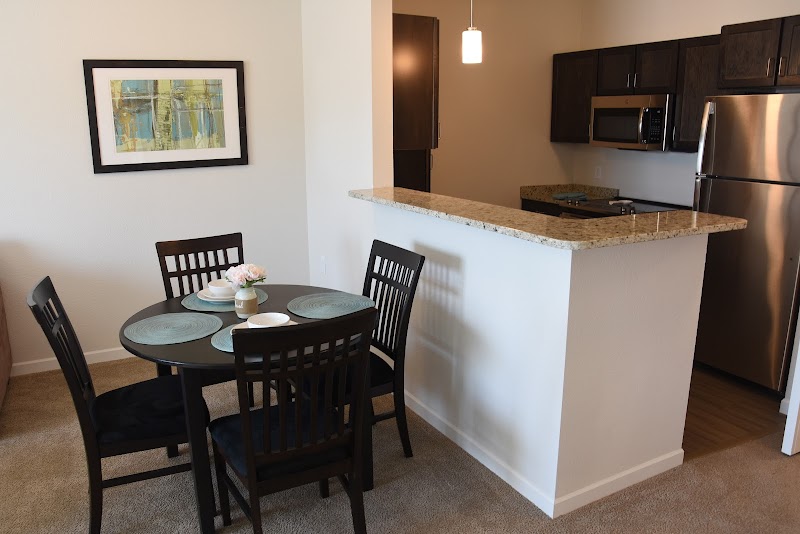
COLONIAL VILLAGE

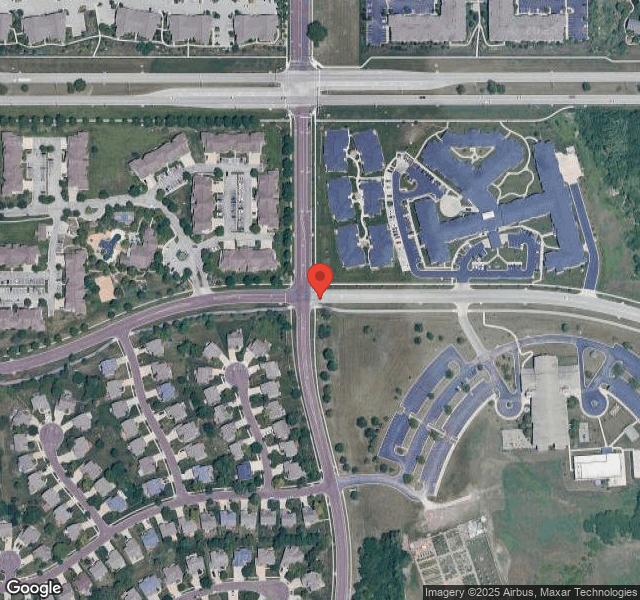
12500 W 137TH ST, OVERLAND PARK, KS 66221 (913) 730-3700
For profit - Corporation 40 Beds PIVOTAL HEALTH CARE Data: November 2025
Trust Grade
38/100
#179 of 295 in KS
Last Inspection: October 2024

Within standard 12-15 month inspection cycle. Federal law requires annual inspections.

Overview

Colonial Village in Overland Park, Kansas, has received a Trust Grade of F, indicating poor performance and significant concerns about the quality of care provided. It ranks #179 out of 295 facilities in Kansas, placing it in the bottom half, and #23 out of 35 in Johnson County, meaning there are only a few local options that offer better care. While the facility is showing signs of improvement, dropping from 14 issues in 2023 to 10 in 2024, it still has a troubling history, including a serious case where a resident experienced significant weight loss due to inadequate nutritional support. Staffing appears to be a strength, with a rating of 4 out of 5 stars, but the turnover rate is concerning at 61%, which is higher than the state average. Additionally, there have been incidents involving insufficient performance evaluations for staff and failures in food safety protocols, which could expose residents to risks.

Trust Score
F
38/100
In Kansas
#179/295
Bottom 40%
Safety Record
Moderate
Needs review
Inspections
Getting Better
14 → 10 violations
Staff Stability
⚠ Watch
61% turnover. Above average. Higher turnover means staff may not know residents' routines.
Penalties
⚠ Watch
$4,893 in fines. Higher than 87% of Kansas facilities, suggesting repeated compliance issues.
Skilled Nurses
✓ Good
Each resident gets 63 minutes of Registered Nurse (RN) attention daily — more than 97% of Kansas nursing homes. RNs are the most trained staff who catch health problems before they become serious.
Violations
⚠ Watch
28 deficiencies on record. Higher than average. Multiple issues found across inspections.
★★☆☆☆
2.0
Overall Rating
★★★★☆
4.0
Staff Levels
★★★☆☆
3.0
Care Quality
★★☆☆☆
2.0
Inspection Score
Stable
2023: 14 issues
2024: 10 issues

The Good

  • 4-Star Staffing Rating · Above-average nurse staffing levels
  • Full Sprinkler Coverage · Fire safety systems throughout facility
  • No fines on record

Facility shows strength in staffing levels, fire safety.

The Bad

2-Star Overall Rating

Below Kansas average (2.9)

Below average - review inspection findings carefully

Staff Turnover: 61%

15pts above Kansas avg (46%)

Frequent staff changes - ask about care continuity

Federal Fines: $4,893

Below median ($33,413)

Minor penalties assessed

Chain: PIVOTAL HEALTH CARE

Part of a multi-facility chain

Ask about local staffing decisions and management

Staff turnover is elevated (61%)

13 points above Kansas average of 48%

The Ugly 28 deficiencies on record

1 actual harm
Oct 2024 10 deficiencies 1 Harm
SERIOUS (G)

Actual Harm - a resident was hurt due to facility failures

Deficiency F0692 (Tag F0692)

A resident was harmed · This affected 1 resident

**NOTE- TERMS IN BRACKETS HAVE BEEN EDITED TO PROTECT CONFIDENTIALITY** The facility identified a census of 36 residents. The sample included 13 residents with one reviewed for nutrition. Based on obs...

Read full inspector narrative →
**NOTE- TERMS IN BRACKETS HAVE BEEN EDITED TO PROTECT CONFIDENTIALITY** The facility identified a census of 36 residents. The sample included 13 residents with one reviewed for nutrition. Based on observation, record review, and interviews, the facility failed to provide nutritional interventions to prevent Resident (R)25's identified and continued slow weight loss. As a result of the deficient practice, R25 had a significant unplanned weight loss of 13.06 percent (%) within three months. This also placed R25 at risk for malnourishment related complications. Findings Included: - The Medical Diagnosis section within R25's Electronic Medical Records (EMR) included diagnoses of insomnia (difficulty sleeping), progressive supranuclear palsy (PSP- a rare neurodegenerative disorder characterized by progressive deterioration of the brain cells), dementia (a progressive mental disorder characterized by failing memory and confusion), and dysphagia (difficulty swallowing). R25's admission Minimum Data Set (MDS) completed 05/15/24 noted a Brief Interview for Mental Status (BIMS) score of six indicating severe cognitive impairment. The MDS indicated he had no upper or lower extremity impairment. The MDS indicated he required partial to moderate assistance from staff for dressing, bed mobility, transfers, toileting, and bathing. The MDS noted he required set-up and clean-up assistance for meals. The MDS noted no swallowing disorders and recorded the resident weighed 164 pounds (lbs.). The MDS indicated he was not on a physician-prescribed weight-loss program. The MDS noted a therapeutic diet was in place. R25's Quarterly MDS completed 08/12/24 indicated a BIMS score of four indicating severe cognitive impairment. The MDS indicated he had no upper or lower extremity impairment. The MDS indicated he required partial to moderate assistance from staff for dressing, bed mobility, transfers, toileting, and bathing. The MDS noted he required set-up and clean-up assistance for meals. The MDS noted no swallowing disorders, and documented he weighed 150 lbs. The MDS noted he had a weight loss of five percent or more in the last month or ten percent or more in the last six months. The MDS indicated he was not on a physician-prescribed weight-loss program. The MDS indicated no nutritional approaches were in place. R25's Nutritional Care Area Assessment (CAA) completed 05/16/24 indicated he was at risk for nutritional impairment. The CAA noted he was on a regular diet with regular texture. The CAA noted no chewing or swallowing issues, and documented he was independent with meals. The CAA noted that R25 reported a lack of appetite for the last six months. The CAA noted he weighed 163.8 lbs. and was slightly underweight. The CAA noted R25's usual body weight was between 185-190 lbs. and noted he had a gradual progressive weight loss over the last six months. R25's Functional Abilities CAA completed 05/20/24 indicated he had impaired balance and decreased safety awareness due to his medical diagnosis. The CAA noted he required stand-by assistance from staff to complete self-care and his activities of daily living (ADLs). The CAA noted he preferred to sleep in until 10:00 AM and did not typically eat breakfast. R25's Care Plan initiated 05/16/24 indicated a nutritional risk due to his medical diagnosis. The plan instructed staff to administer his medications as ordered and monitor side effects (05/16/24). The plan instructed staff to monitor and report signs of dysphagia, choking, coughing, drooling, and food pocketing (05/16/24). The plan instructed staff to monitor his labs (05/16/24). The plan instructed staff to weigh him at the same time each day specific to the facility protocol (05/16/24). The plan instructed staff to provide and serve supplements as ordered (05/16/24). The plan indicated he was on a regular diet with regular textures, and thin liquids (05/16/24). The plan indicated the Registered Dietician (RD) will evaluate and make recommendations as needed (05/16/24). The plan instructed staff to offer R25 assistance with his meals (05/21/24). On 06/18/24, R25's plan noted to continue current interventions. R25's EMR under Weights revealed he weighed 163.8 lbs. during his admission on [DATE]. R25's EMR under Physician Orders revealed an active order started on 05/09/24 for weekly weight monitoring. R25's EMR under Physician's Orders revealed an order started 05/10/24 for R25 to receive a regular diet with regular textures and thin liquids. The order instructed staff to cut up his meats and not to give him straws. R25's EMR under Nutritional Note completed 05/10/24 indicated he preferred small portions and ate two to three meals daily. The note indicated he would be added to the supplemental nutrition program for weight gain. The note revealed his representative reported he had difficulty swallowing and food would get caught in his throat. The note indicated he liked fresh fruits, sandwiches, and soft drinks. The note indicated he had weight loss prior to his admission and was at risk for continued loss. R25's EMR revealed a Nutritional Risk Assessment completed on 05/15/24 indicated R25's usual body weight (UBW) was between 185-190 lbs. The assessment indicated he weighed 163.8 lbs. and had weight loss before his admission. The assessment noted he was ambulatory, alert, and able to feed himself. The assessment noted no chewing or swallowing concerns. R25's EMR revealed a Mini Nutrition evaluation completed on 05/15/24 noted a score of seven indicating malnourishment (lack of the required nutrients within the body). The EMR revealed his weight decreased to 155 lbs. on 06/19/24 indicating a 5.37 % weight loss since his admission. R25's EMR lacked evidence the facility implemented nutritional interventions to prevent further weight loss after the 5.37 % loss was recorded. R25's EMR under Resident Assessment Review (RAR) was completed on 07/03/24 which noted his weight was 153.6 lbs. and stable. R25's EMR indicated his weight decreased to 150.2 lbs. on 07/09/24 indicating an 8.30% weight loss since his admission. R25's EMR under Resident Assessment Review (RAR), completed on 07/10/24, indicated he had a slow weight loss and weighed 150.2 lbs. The note indicated he was having trouble feeding himself and got upset if his wife or staff attempted to assist him. The note indicated the Certified Dietary Manager (CDM) and medical provider were notified. The note indicated he continued to struggle with impulsive behaviors, short-term memory, and sun-downing (a condition where a person tends to become confused or disoriented toward the end of the day). R25's EMR under Progress Note revealed a speech therapy note completed on 07/11/24. The note indicated an evaluation was completed for R25's self-feeding abilities. The note indicated his abilities were found to be at baseline and speech therapy was not recommended at the time. R25's EMR under Resident Assessment Review (RAR) completed on 07/15/24 indicated he continued to have difficulties feeding himself. The note indicated he weighed 150.2 lbs. with slow weight loss. The note indicated the CDM, and medical provider were notified. The note indicated he continued to struggle with impulsive behaviors, short-term memory, and sun-downing. R25's EMR under Resident Assessment Review (RAR) completed on 07/24/24 indicated R25 continued to have slow weight loss and weighed 150.2 lbs. The note indicated the CDM, and medical provider were notified. R25's EMR indicated his weight decreased to 145.8 lbs. on 07/25/24 indicating a 10.99% weight loss since his admission (77 days). R25's EMR under Physician Orders revealed an order started on 07/30/24 for him to receive an Ensure dietary supplemental drink at bedtime for weight loss. A review of R25's EMR under Physician's Order's from 05/09/24 through 07/30/24 revealed no order related to nutritional supplements. A review of R25's EMR under Administration Report from 05/09/24 through 07/30/24 revealed no nutritional supplements were administered prior to 07/30/24. R25's EMR under Resident Assessment Review (RAR) completed on 07/31/24 indicated he continued to have weight loss concerns, but his weight increased to 148.2 lbs. R25's EMR under Progress Note revealed a medical provider consultation note completed on 08/05/24. The note indicated that R25's representative reported that R25 had been vomiting up his food for the last two weeks randomly when he ate solid foods. The note indicated his medications were adjusted. R25's EMR under Resident Assessment Review (RAR) completed on 08/08/24 indicated he continued to have slow weight loss and weighed 147.7 lbs. The note indicated the CDM, and medical provider were notified. R25's EMR under Resident Assessment Review (RAR) completed on 08/21/24 indicated he continued to have slow weight loss and weighed 142.4 lbs. The note indicated he was seen by the Registered Dietician (RD) on that day for continued weight loss. The note indicated speech therapy was to evaluate him due to coughing and vomiting during meals. R25's EMR under Progress Notes revealed and care plan meeting note completed on 08/21/24 was held to discuss his continued weight loss and difficulty swallowing. The note indicated that R25's family brought in protein powder and supplemental shakes to offer to R25. The note indicated his Ensure supplement was changed to lunch due to R25's preferences. R25's EMR under Progress Notes revealed a dietary note completed on 08/09/24 that indicated he was triggered for a significant weight loss. The note indicated he had a loss of 7.5% within 90 days and 10% within 180 days with a current weight of 147.4 lbs. while trending downward. The note indicated he slept through breakfast and had difficulty feeding himself. The note indicated he got upset if assistance was offered by his representative or staff. The note indicated he was on a specialized nutrition plan and had dietary supplements at bedtime that week. R25's EMR under Physician Orders revealed an order started on 08/21/24 for him to receive an Ensure dietary supplement drink in the afternoons mixed with his ice cream. The note indicated his family supplied his protein powder for mixing. R25's EMR under Assessments revealed results for his swallow study completed on 08/23/24. The results revealed aspiration with straws or large consecutive drinks. The study recommended small sips and bites. The study recommended one to two dry swallows after each bite or sip and discouraged the use of straws. R25's EMR under Physician Orders revealed an order started on 08/27/24 for R25 to receive ice cream with his lunch in the afternoon for supplemental nutrition. The note indicated a bedtime supplement was added to his orders. On 10/30/24 at 07:20 AM R25 sat in the dining room for breakfast. R25's food arrived, and he began eating without concerns. His breakfast meat arrived cut into small bites and his drink had no straw. He reported his meal was good. No aspiration or choking was observed during breakfast. On 10/31/24 at 10:17 AM Certified Nurse Aide (CNA) H stated residents at risk for potential weight loss were closely monitored for food intake, eating habits, and inconsistent weights. He stated direct care staff would report directly to the nurse if changes were found. He stated he offered R25 assistance during meals and ensured his meal was correct. He stated some of the resident had supplements order like Ensure drinks. He stated R25 had supplements ordered from him and staff would mark if consumed. On 10/31/24 at 10:45 AM Licensed Nurse (LN) G stated R25 struggled when he got to the facility due to his lack of appetite and eating habits. She stated resident with weight loss should identified and put on a nutrition monitoring program. She stated staff should review their orders and care plans and ensure the correct diet, assistance, and supplements were provided. She stated R25's representative would also come to the facility to assist him. She stated she would bring him supplemental powder to mix in his shakes and meals. On 10/31/24 at 12:15 PM Administrative Nurse D stated R25 was admitted to the facility after having concerns related to weight loss. She stated his medical condition made it difficult for him to eat. She stated it the facility attempted several interventions to prevent further loss. She stated supplemental nutrition was added to his diet and his wife brought in powder to mix with shakes for further nutrition. She stated his wife also takes him out of the facility for meals. She stated his overall weight and functionality had improved since arriving at the facility. On 11/04/24 at 09:00 AM the RD remained unavailable for interview. The facility's Weight Assessment and Intervention policy revised 08/2024 indicated all residents will be screened for potential weight loss and nutritional impairments. The policy indicated residents at risk for significant weight loss will be care plan based on nutritional impairments to include special dietary requirements, medication review, health, and preferences. The policy noted interventions will be implemented to prevent further weight loss. The policy indicated all residents will be monitored by the registered dietician, pharmacist, and medical provider. The policy indicated the facility will provide appropriate dietary nutrition and supplementation. The facility failed to provide nutritional interventions and failed to involve the RD when initial weight loss was noted to prevent continued unplanned weight loss for R25. As a result of the deficient practices, R25 had a significant unplanned weight loss of 13.06 % within three months. This also placed R25 at risk for malnourishment related complications.
CONCERN (D)

Potential for Harm - no one hurt, but risky conditions existed

Transfer Notice (Tag F0623)

Could have caused harm · This affected 1 resident

**NOTE- TERMS IN BRACKETS HAVE BEEN EDITED TO PROTECT CONFIDENTIALITY** The facility identified a census of 36 residents. The sample included 13 residents with one resident reviewed for hospitalizatio...

Read full inspector narrative →
**NOTE- TERMS IN BRACKETS HAVE BEEN EDITED TO PROTECT CONFIDENTIALITY** The facility identified a census of 36 residents. The sample included 13 residents with one resident reviewed for hospitalization. Based on observation, interview, and record review, the facility failed to provide written notification of transfer to Resident (R)32 and/or their representative, with a written notice specifying the location and reason for R32's facility-initiated transfer. This deficient practice placed R32 at risk for miscommunication between the facility and resident/representative and possible missed opportunities for healthcare services. Findings included: - The Medical Diagnosis section within R32's Electronic Medical Records (EMR) included diagnoses of dysphagia (difficulty swallowing), cognitive-communication disorder, dementia (a progressive mental disorder characterized by failing memory and confusion), and acute kidney failure. R32's Discharge Minimum Data Set (MDS) completed 10/04/24 indicated she was discharged with an anticipated return to the facility. The MDS indicated she was discharged to a short-term hospital. R32's Entry MDS completed on 10/06/24 indicated she returned to the facility from an acute hospital stay. R32's Significant Change MDS completed 10/14/24 noted a Brief Interview for Mental Status Score of 11 indicating moderate cognitive impairment. The MDS noted she required substantial to maximal assistance from staff for bed mobility, transfers, bathing, dressing, personal hygiene, and toileting. R32's EMR under Progress Notes indicated she was sent out to an acute care facility due to changes in her mental status. R32's EMR indicated she returned to the facility on [DATE]. The EMR lacked documentation showing that written notification of transfer was provided to R32 or her representative. On 10/30/24 at 09:45 AM R32 sat in her room watching television. She reported she was recently sent out to the hospital and returned two days later. On 10/31/24 at 10:00 AM, Administrative Staff A verified the facility is required to send both the written notification of transfer and bed hold, but he was unable to find it for R32's hospitalization. The facility did not provide a policy related to transfers and discharges. The facility failed to send a written notification of a facility-initiated transfer for R32. This deficient practice placed R32 at risk for miscommunication between the facility and resident/representative and possible missed opportunities for healthcare services.
CONCERN (D)

Potential for Harm - no one hurt, but risky conditions existed

Deficiency F0625 (Tag F0625)

Could have caused harm · This affected 1 resident

**NOTE- TERMS IN BRACKETS HAVE BEEN EDITED TO PROTECT CONFIDENTIALITY** The facility identified a census of 36 residents. The sample included 13 residents with one resident reviewed for hospitalizatio...

Read full inspector narrative →
**NOTE- TERMS IN BRACKETS HAVE BEEN EDITED TO PROTECT CONFIDENTIALITY** The facility identified a census of 36 residents. The sample included 13 residents with one resident reviewed for hospitalization. Based on observation, interview, and record review, the facility failed to provide a copy of the bed hold policy to Resident (R)32 and/or their representative, when R32 was transferred to the hospital. This deficient practice placed R32 at risk for impaired right to return to the facility to the same room. Findings included: - The Medical Diagnosis section within R32's Electronic Medical Records (EMR) included diagnoses of dysphagia (difficulty swallowing), cognitive-communication disorder, dementia (a progressive mental disorder characterized by failing memory and confusion), and acute kidney failure. R32's Discharge Minimum Data Set (MDS) completed 10/04/24 indicated she was discharged with an anticipated return to the facility. The MDS indicated she was discharged to a short-term hospital. R32's Entry MDS completed on 10/06/24 indicated she returned to the facility from an acute hospital stay. R32's Significant Change MDS completed 10/14/24 noted a Brief Interview for Mental Status Score of 11 indicating moderate cognitive impairment. The MDS noted she required substantial to maximal assistance from staff for bed mobility, transfers, bathing, dressing, personal hygiene, and toileting. R32's EMR under Progress Notes indicated she was sent out to an acute care facility on 10/04/24 due to changes in her mental status. R32's EMR indicated she returned to the facility on [DATE]. R32's medical record lacked evidence the facility sent a bed hold notice to R32 or her representative for her transfer on 10/04/24. Upon request, the facility did not provide a bed hold notice for R32's transfer on 10/04/24. On 10/30/24 at 09:45 AM R32 sat in her room watching television. She reported she was recently sent out to the hospital and returned two days later. On 10/31/24 at 10:00 AM, Administrative Staff A verified the facility is required to send both the written notification of transfer and a bed hold, but he was unable to find it for R32's hospitalization. The facility's Bed Hold policy revised 07/2024 indicated the facility will provide each resident or their representative written notifications of bed hold and the facility's return policy. The facility failed to provide a copy of the bed hold policy for a transfer to the hospital for R32. This deficient practice placed R32 at risk for impaired right to return to the facility to the same room.
CONCERN (D)

Potential for Harm - no one hurt, but risky conditions existed

Pressure Ulcer Prevention (Tag F0686)

Could have caused harm · This affected 1 resident

**NOTE- TERMS IN BRACKETS HAVE BEEN EDITED TO PROTECT CONFIDENTIALITY** The facility identified a census of 36 residents. The sample included 13 residents with three reviewed for pressure ulcers (loca...

Read full inspector narrative →
**NOTE- TERMS IN BRACKETS HAVE BEEN EDITED TO PROTECT CONFIDENTIALITY** The facility identified a census of 36 residents. The sample included 13 residents with three reviewed for pressure ulcers (localized injury to the skin and/or underlying tissue usually over a bony prominence, because of pressure, or pressure in combination with shear and/or friction). Based on interviews, observations, and record reviews, the facility failed to ensure Resident (R)7 and R16's pressure-reducing interventions were implemented correctly when their low air-loss mattress pumps were set at an inappropriate weight for each resident. This deficient practice placed all affected residents at risk for complications related to skin breakdown and pressure ulcers. Findings included: - The Medical Diagnosis section within R7's Electronic Medical Records (EMR) noted diagnoses of cognitive communication deficit, muscle weakness, insomnia (difficulty sleeping), and Alzheimer's disease (progressive mental deterioration characterized by confusion and memory failure). R7's Quarterly Minimum Data Set (MDS) dated [DATE] documented a Brief Interview of Mental Status (BIMS) score of five indicating severe cognitive impairment. The MDS indicated both upper and lower extremity impairment on both sides. The MDS indicated she was totally dependent on staff assistance for bed mobility, transfers, toileting, bathing, dressing, and personal hygiene. The MDS indicated she was at risk for pressure ulcers but had no active ulcers or skin breakdown. The MDS noted she had a pressure pressure-reducing device in place for her bed and chair. The MDS indicated she weighed 111 pounds (lbs.). R7's Pressure Injuries Care Area Assessment (CAA) completed 05/03/24 indicated she was at risk for redeveloping pressure ulcers related to her urinary incontinence, limited mobility, and nutritional impairments. R7's Care Plan initiated on 12/01/21 indicated she was at risk for pressure injuries related to her immobility, fragile skin, and medical diagnoses. The MDS instructed staff to complete weekly skin assessments and skin inspections after bathing occurrences. The plan instructed staff to provide peri-care and skin barrier cream after incontinence episodes. The plan noted she had a pressure-reducing mattress in place. The plan lacked guidance on her low air-loss mattress settings. R7's EMR under Physician's Orders indicated she had a low air-loss mattress with perimeter bolsters (04/21/24). A review of the low air-loss mattress manufacturer's operation guide (ProActive Protekt Aire 8000) indicated the pump and mattress were intended to reduce the incidence of pressure ulcers while optimizing comfort. The guide indicated that firmness can be adjusted based on the recommendations of the health care professional and the patient's weight. On 10/29/24 at 07:45 AM R7 slept in her bed. She had bilateral heel protectors on both feet. Her bed is in a low position with a low air-loss mattress system in place (Proactive Protekt Model 8000). Her mattress control pump was set to 550 pounds (lbs.). The control panel for the low air-loss mattress was labeled by R7's hospice services. On 10/29/24 at 10:01 AM R7 rested in her bed. Her low air-loss mattress system was set to 500 lbs. On 10/31/24 at 10:19 AM R7's bed remained in the low position. Her low air-loss mattress was set to 550 lbs. On 10/31/24 Certified Nurse's Aide (CNA) M stated the air-mattress systems were set by weight, but she stated staff only ensured they were functioning. She stated staff did not change or adjust the settings on the control panel. She stated that 550 lbs. seemed too high for R7. On 10/31/24 at 12:24 PM Administrative Nurse E stated all the low air-loss mattresses were set to the resident's current weight. She stated that R7's mattress was locked in the high position over the weekend, and she contacted hospice to come out and reset it. She stated the higher weight settings added more pressure to the resident's body. The facility's Prevention of Pressure Injuries policy revised 08/2024 indicated the facility will implement preventative interventions to minimize the risk associated with skin breakdown and pressure injuries. The policy noted the facility will utilize pressure redistribution surfaces deemed appropriate based on the resident's risk factors and care needs. The facility failed to ensure R7's low air-loss mattress system was set to her appropriate weight. This deficient practice placed all affected residents at risk for complications related to skin breakdown and pressure ulcers. - R16's Electronic Medical Record (EMR) from the Diagnoses tab documented diagnoses of muscle weakness, hemiparesis and hemiplegia (weakness and paralysis on one side of the body), a need for assistance with personal care, and cerebrovascular accident (CVA-stroke- sudden death of brain cells due to lack of oxygen caused by impaired blood flow to the brain by blockage or rupture of an artery to the brain) affecting the left non-dominant side. The admission Minimum Data Set (MDS) dated [DATE] documented a Brief Interview of Mental Status (BIMS) score of 14 which indicated intact cognition. The MDS documented that R16 had limited function of her upper and lower extremities on one side. The MDS documented R16 required substantial to maximum staff assistance for repositioning and moving from a lying to a sitting position. The MDS documented R16 was not at risk of developing pressure-related injuries. The MDS documented R16 had pressure-reducing devices on her bed and in her wheelchair. The Quarterly MDS dated 08/29/24 documented a BIMS score of nine which indicated moderately impaired cognition. The MDS documented R16 had limited function of her upper and lower extremities on one side. The MDS documented R16 required substantial to maximum staff assistance for repositioning and moving from a lying to a sitting position. The MDS documented R16 was at risk of developing pressure-related injuries. The MDS documented R16 had pressure-reducing devices on her bed and in her wheelchair. R16's Pressure Ulcer Care Area Assessment (CAA) dated 03/10/24 documented she was at risk related to bowel incontinence and required staff assistance for mobility. R16's Care Plan dated 03/17/24 documented that staff would encourage good nutrition and hydration to promote healthier skin. The plan of care documented that staff would keep R16's hands and body parts from excessive moisture. The plan of care also directed staff to use a draw sheet or lifting device to move R16. The plan of care directed staff to use caution during transfers and bed mobility to prevent striking arms, legs, and hands against any sharp or hard surfaces. R16's EMR under the Orders tab revealed the following physician orders: Zinc cream to bilateral buttocks every shift and as needed for moisture-associated skin damage (MASD- inflammation or skin erosion caused by prolonged exposure to a source of moisture such as urine, stool, sweat, wound drainage, saliva, or mucous) dated 02/29/24. Cleanse the right buttock with wound cleanser apply a nickel-thick layer of Santyl (prescription ointment is used to remove damaged tissue from skin ulcers) ointment and cover with dry dressing. Change every other day and as needed dated 10/25/24. R16's EMR under the Assessments tab revealed a Braden scale (for predicting pressure ulcer risk evaluation) that indicated R16 was at high risk for the development of pressure-related injuries. R16's EMR under the Weights/Vitals tab revealed R16's weight was 197.6 pounds (lbs) dated 10/29/24. A review of the low air-loss mattress manufacturer's operation (Breath Drive Model #140530) manual indicated the mattress system was intended to reduce the incidence of pressure ulcers while optimizing comfort. The manual indicated the mattress pump's pressure levels and firmness were preset based on the weight range and comfort settings. The manual indicated an optimal bed system assessment should be conducted on each patient by a qualified clinician or medical provider to ensure maximum safety. On 10/30/24 at 09:27 AM R16 lay on the bed with her bilateral heels resting directly on the bed. Further observation revealed two blue heel protectors sat in the recliner. R16' low air loss mattress (Breath Drive Model #140530) was set at 300 lbs. Licensed Nurse (LN) G donned a gown and pair of gloves, then gathered wound care supplies. LN G placed a clean barrier on R16's bedside table and then placed wound care supplies on the clean barrier. LN G removed her gloves washed her hands and donned a new set of gloves. LN G assisted R16 to turn onto her left side. While repositioning R16 onto her left side, R16's left heel slid across the sheets. LN G removed R16's incontinence brief and wiped R16's rectal area with the incontinence brief to remove fecal material from R16's rectal area. LN G had R16 roll back onto her back. LN G doffed her gloves and gown, performed hand hygiene, and left R16's room. LN G returned to the room with cleansing wipes. LN G donned a gown and gloves, then assisted R16 onto her left side again. R16's left heel slid along the sheets. LN G cleaned the fecal material from R16's rectal area. R16 did not have a dressing on her right buttocks. LN G doffed her gloves and donned a new pair of gloves without performing hand hygiene. LN G then cleansed R16's right buttocks with wound cleaner and opened a package that contained a dry dressing. Wearing the same soiled gloves, LN G opened the Santyl ointment, placed the ointment onto the dry dressing, and then placed the dressing onto R16's right buttocks. LN G assisted R16 onto her back, and R16's left heel slid on the sheets. LN G doffed her gown, placed R16's wound care items back into the cabinet then doffed her gloves and performed hand hygiene. On 10/31/24 at 10:13 AM, Certified Nurse Aide (CNA) M stated he had access to the resident's care and [NAME] (a nursing tool that gives a brief overview of the care needs of each resident). CNA M stated the [NAME] would have personalized interventions for each resident. CNA M stated he would just ensure a resident's low air loss mattress was working and would not adjust the settings. CNA M stated hand hygiene should be performed between glove changes and when going from dirty to clean. On 10/31/24 at 11:47 AM, Licensed Nurse (LN) H stated nursing would ensure the low air loss mattress was working and would not adjust the settings. LN H stated the wound nurse would check the low air loss mattress weekly to ensure the settings were correct for each resident. LN H stated everyone had access to the care and the [NAME]. LN H stated that R16's pressure-reducing devices should be on her care plan. LN H stated hand hygiene would be performed between glove changes or going from dirty to clean. LN H stated if there were heel protectors on R16's recliner then she should wear the heel protectors. On 10/31/24 at 01:00 PM, Administrative Nurse D stated hand hygiene should be performed between glove changes when providing resident care. Administrative Nurse D stated the facility would follow the physician's orders for pressure-reducing devices for each resident. Administrative Nurse D stated the wound nurse was responsible for ensuring each resident's low air loss mattress was on the correct setting. Administrative Nurse D stated she believed the low air loss mattresses are set by weight. On 10/31/24 at 01:15 PM, Administrative Nurse E stated the equipment provider was given the resident's weight and height to set up the low air loss mattress. Administrative Nurse E stated she would monitor each of the low air loss mattresses weekly to ensure the settings were set correctly. Administrative Nurse E stated the low air loss mattresses were set by weight and could cause further skin damage if not set at the correct setting. Administrative Nurse E stated skin prevention devices that would be initiated varied for each resident. Administrative Nurse E stated that pressure-related interventions should be care-planned. The facility's Prevention of Pressure Injuries policy last revised 08/2024 documented that the purpose of this procedure was to provide information regarding the identification of pressure injury risk factors and interventions for specific risk factors. Review the resident's care plan and identify the risk factors as well as the interventions designed to reduce or eliminate those considered modifiable. Reposition the resident as indicated on the care plan. Review and select medical devices with consideration to the ability to minimize tissue damage, including size, shape, application, and ability to secure the device. Monitor regularly for comfort and signs of pressure-related injury or prevention measures associated with specific devices, and consult current clinical practice guidelines. Evaluate, report, and document potential changes in the skin. Review the interventions and strategies for effectiveness on an ongoing basis. The facility failed to ensure that R16's pressure-reducing interventions were adequately implemented. This deficient practice placed R16 at risk for complications related to skin breakdown and worsening pressure ulcers.
CONCERN (D)

Potential for Harm - no one hurt, but risky conditions existed

Incontinence Care (Tag F0690)

Could have caused harm · This affected 1 resident

**NOTE- TERMS IN BRACKETS HAVE BEEN EDITED TO PROTECT CONFIDENTIALITY** The facility identified a census of 36 residents. The sample included 13 residents with two residents reviewed for catheter (a f...

Read full inspector narrative →
**NOTE- TERMS IN BRACKETS HAVE BEEN EDITED TO PROTECT CONFIDENTIALITY** The facility identified a census of 36 residents. The sample included 13 residents with two residents reviewed for catheter (a flexible tube inserted through a narrow opening into a body cavity, particularly the bladder, for removing fluid) care. Based on observation, record review, and interviews, the facility failed to ensure Resident (R) 36 had a physician-ordered indication for an indwelling catheter and failed to provide adequate catheter care within the standards of care. This deficient practice placed R36 at risk of catheter-related complications and urinary tract infections (UTI). Findings included: - R36's Electronic Medical Record (EMR) from the Diagnoses tab documented diagnoses of muscle weakness, need for assistance with personal care, and hypertension (HTN-elevated blood pressure). The admission Minimum Data Set (MDS) dated [DATE] documented a Brief Interview of Mental Status (BIMS) score of 14 which indicated intact cognition. The MDS documented R36 had an indwelling catheter during the observation period. R36's Urinary Incontinence and Indwelling Catheter Care Area Assessment (CAA) dated 10/25/24 documented a foley catheter was placed after admission and the resident required assistance with her catheter care. R36's Care Plan dated 10/26/24 documented the staff would position the catheter drainage bag below the level of her bladder and away from the entrance of her room. The plan of care directed the staff to check for kinks in the catheter tubing when providing activities of daily living care (ADL) care. The plan of care also documented nursing staff would monitor and document her intake and output. The plan of care documented the nursing staff would monitor for signs and symptoms of discomfort during urination of frequency. R36's EMR under the Orders tab revealed the following physician orders: Foley catheter 16 French (FR) 10 cubic centimeter (cc) bulb dated 10/22/24. The order lacked an indication for a catheter. Output every day and night shift for retention, record Foley catheter output dated 10/22/24. Macrobid (antibiotic) oral capsule 100 milligrams (mg) give one capsule by mouth two times a day for UTI for seven days 10/24/24. On 10/29/24 at 09:15 AM R36 sat in her wheelchair. Certified Nurse Aide (CNA) M and CNA N donned their gowns and gloves. CNA M placed the mechanical sit-to-stand lift in front of R36. CNA M then placed R36's catheter bag onto the side of the knee brace on the mechanical lift. Using the lift, staff transferred R36 onto the toilet. CNA N removed R36's pants and incontinent brief. CNA N provided peri-care to R36's rectal area. CNA N removed her gloves, and without performing hand hygiene, donned another pair of gloves. CNA M provided peri-care around R36's catheter. CNA M wiped several swipes with one cleansing wipe around the catheter tubing and the peri-area. Wearing the same soiled gloves, CNA M transferred R36 back into her wheelchair and placed her catheter drainage bag back into the privacy bag. CNA M and CNA N removed their gowns and gloves. On 10/31/24 at 10:13 AM, CNA M stated the CNAs performed the catheter care after being trained during orientation. CNA M stated hand hygiene should be performed between glove changes and when going from dirty to clean. On 10/31/24 at 11:47 AM, Licensed Nurse (LN) H stated the nurse would provide catheter care every shift. LN H stated hand hygiene would be performed between glove changes or going from dirty to clean. LN H stated that R36 would need an indication for the use of a Foley catheter. On 10/31/24 at 12:20 PM, Administrative Nurse D stated she expected R36 to have an indication for the use of a Foley catheter. Administrative Nurse D stated hand hygiene should be performed between glove changes and providing resident care. The facility's Handwashing/Hand Hygiene policy last revised 08/2024 documented the facility considered hand hygiene the primary means to prevent the spread of healthcare-associated infections. All personnel are trained and regularly in-serviced on the importance of hand hygiene in preventing the transmission of healthcare-associated infections. All personnel are expected to adhere to hand hygiene policies and practices to help prevent the spread of infections to other personnel, residents, and visitors. The facility failed to ensure R36 had an appropriate indication for an indwelling catheter and failed to ensure the standard of care was provided during catheter care. This deficient practice placed R36 at risk of catheter-related complications and further UTIs.
CONCERN (D)

Potential for Harm - no one hurt, but risky conditions existed

Medication Errors (Tag F0758)

Could have caused harm · This affected 1 resident

The facility identified a census of 36 residents. The sample included 13 residents with five residents reviewed for unnecessary medications. Based on observation, record review, and interviews, the fa...

Read full inspector narrative →
The facility identified a census of 36 residents. The sample included 13 residents with five residents reviewed for unnecessary medications. Based on observation, record review, and interviews, the facility failed to ensure that as-needed (PRN) psychotropic (alters mood or thought) medication had a 14-day stop date or a specified duration with supporting physician documentation for Resident (R) 90's PRN psychotropic medications. This placed R90 at risk for unnecessary medication administration and possible adverse side effects. Findings included: - R90's Electronic Medical Record (EMR) from the Diagnoses tab documented diagnoses of muscle weakness, need for assistance with personal care, anxiety (mental or emotional reaction characterized by apprehension, uncertainty, and irrational fear) disorder, and dementia (a progressive mental disorder characterized by failing memory and confusion). The admission Minimum Data Set (MDS) was in progress not completed. R90's Care Area Assessment (CAA) was in progress and not completed. R90's Baseline Care Plan dated 10/26/24 documented that nursing staff would review her medication with the physician and pharmacist for duplicate medications or proper dosing, timing, and frequency of administration, adverse reactions, supporting diagnosis. R90's EMR under the Orders tab revealed the following physician orders: Lorazepam (antianxiety) oral concentrate two mg/milliliters (ml) give 0.25 ml by mouth every four hours as needed for moderate insomnia or moderate agitation dated 10/21/24. The PRN antianxiety medication lacked a 14-day stop date or a physician-ordered specific duration. Lorazepam oral tablet 0.5mg give one tablet by mouth every four hours as needed for moderate anxiety dated 10/21/24. The PRN antianxiety medication lacked a 14-day stop date or a physician-ordered specific duration. Lorazepam oral tablet 0.5mg give two tablets by mouth every four hours as needed for severe agitation dated 10/21/24. The PRN antianxiety medication lacked a 14-day stop date or a physician-ordered specific duration. On 10/30/24 at 03:04 PM, R90 sat upright in her Broda chair (specialized wheelchair with the ability to tilt and recline) next to the bed, asleep. On 10/31/24 at 11:47 AM, Licensed Nurse (LN) H stated PRN psychotropic medications should be given for 14 days. LN H stated the nursing staff would call the physician to clarify the PRN orders for the duration of the order. On 10/31/24 at 01:00 PM, Administrative Nurse D stated she expected a PRN psychotropic medication to have a 14-day stop date noted in the physician's order. Administrative Nurse D stated she was aware that R90 had three PRN Lorazepam orders. The facility's Medication Monitoring: As Needed Psychotropic Medication Orders policy dated 01/2021 documented as needed (PRN), psychotropic medications are only used for the shortest duration required and appropriate documentation was included in the resident's medical record to support use as outlined per Center for Medicare and Medicaid Services (CMS) requirements. PRN orders for psychotropic medications orders would be for 14 days. The facility failed to ensure R90's PRN lorazepam had a stop date or a physician-ordered specified duration for administration. This placed R90 at risk for unnecessary medication administration and possible adverse side effects.
CONCERN (D)

Potential for Harm - no one hurt, but risky conditions existed

Deficiency F0849 (Tag F0849)

Could have caused harm · This affected 1 resident

**NOTE- TERMS IN BRACKETS HAVE BEEN EDITED TO PROTECT CONFIDENTIALITY** The facility identified a census of 36 residents. The sample included 13 residents with one resident reviewed for hospice servic...

Read full inspector narrative →
**NOTE- TERMS IN BRACKETS HAVE BEEN EDITED TO PROTECT CONFIDENTIALITY** The facility identified a census of 36 residents. The sample included 13 residents with one resident reviewed for hospice services. Based on observation, record review, and interviews, the facility failed to ensure collaboration between the nursing home and hospice services to identify hospice-supplied services, supplies, medication, and equipment for Resident (R)7. This deficient practice placed R7 at risk for delayed services and uncommunicated care needs. Findings included: - The Medical Diagnosis section within R7's Electronic Medical Records (EMR) noted diagnoses of cognitive communication deficit, muscle weakness, insomnia (difficulty sleeping), and Alzheimer's disease (progressive mental deterioration characterized by confusion and memory failure). R7's Quarterly Minimum Data Set (MDS) dated [DATE] documented a Brief Interview of Mental Status (BIMS) score of five indicating severe cognitive impairment. The MDS indicated both upper and lower extremity impairment on both sides. The MDS indicated she was dependent on staff assistance for bed mobility, transfers, toileting, bathing, dressing, and personal hygiene. The MDS indicated she was at risk for pressure ulcers (localized injury to the skin and/or underlying tissue usually over a bony prominence, as a result of pressure, or pressure in combination with shear and/or friction) but had no active ulcers or skin breakdown. The MDS noted she had pressure-reducing devices for her bed and chair. The MDS indicated she weighed 111 pounds (lbs.). R7's Pressure Injuries Care Area Assessment (CAA) completed 05/03/24 indicated she was at risk for redeveloping pressure ulcers related to her urinary incontinence, limited mobility, and nutritional impairments. R7's Care Plan initiated on 12/01/21 indicated she was at risk for pressure injuries related to her immobility, fragile skin, and medical diagnoses. The plan instructed staff to complete weekly skin assessments and skin inspections after bathing occurrences. The plan instructed staff to provide peri-care and skin barrier cream after incontinence episodes. The plan noted she had a pressure-reducing mattress in place. The plan noted she was at risk for unavoidable weight loss despite interventions as evidenced by her hospice status. The plan lacked documentation related to the hospice contact information, equipment, medications, services, and scheduled visits from hospice staff. R7's EMR under Physician's Orders' indicated she was admitted to hospice services on 04/21/24 related to her Alzheimer's diagnosis. On 10/29/24 at 07:45 AM R7 slept in her bed. She had bilateral heel protectors on both feet. On 10/31/24 at 10:17 AM, Certified Nurse Aide (CNA) M stated the hospice contact and service information was stored in the hospice binder. He stated the care plan or [NAME] did not provide this information. On 10/31/24 at 10:45 AM, Licensed Nurse (LN) H stated hospice provided a binder with a list of medications, equipment, staffing, services, and contact information. She stated that R7's Care Plan did not contain this information. On 10/31/24 at 12:15 AM, Administrative Nurse D stated the care plans and [NAME] should contain information relative to each resident's care goals and treatments. She stated staff would need to review the hospice-provided binder for information about R7's hospice services. The facility's Hospice policy (undated) noted the facility will ensure coordination between the resident, representative, and hospice services providers to ensure effective end-of-life care. The policy indicated the facility will identify the responsibilities of each party and engage in ongoing communication. The facility failed to ensure collaboration between the nursing home and hospice services to identify hospice-supplied services, supplies, medication, and equipment for R7. This deficient practice placed R7 at risk for delayed services and uncommunicated care needs.
CONCERN (E)

Potential for Harm - no one hurt, but risky conditions existed

Infection Control (Tag F0880)

Could have caused harm · This affected multiple residents

The facility identified a census of 36 residents. Based on observation, record review, and interviews, the facility failed to ensure proper infection control standards were followed related to hand hy...

Read full inspector narrative →
The facility identified a census of 36 residents. Based on observation, record review, and interviews, the facility failed to ensure proper infection control standards were followed related to hand hygiene and disinfecting shared equipment between each resident. These deficient practices placed the residents at risk for complications related to infectious diseases. Findings included: - Observation on 10/29/24 at 09:15 AM Resident (R)36 sat in her wheelchair. Certified Nurse Aide (CNA) M and CNA N donned their gowns and gloves. CNA M placed the mechanical sit-to-stand lift in front of R36. CNA M then placed R36's catheter bag onto the side of the knee brace on the mechanical lift. Using the lift, staff transferred R36 onto the toilet. CNA N removed R36's pants and incontinent brief. CNA N provided peri-care to R36's rectal area. CNA N removed her gloves, and without performing hand hygiene, donned another pair of gloves. CNA M provided peri-care around R36's catheter. CNA M wiped several swipes with one cleansing wipe around the catheter tubing and peri-area. Wearing the same soiled gloves, CNA M transferred R36 back into her wheelchair and placed her catheter drainage bag back into the privacy bag. CNA M and CNA N removed their gowns and gloves. CNA M pushed the sit-to-stand lift out into the hallway and walked away from the mechanical lift. CNA M placed soiled trash into the soiled utility room. CNA M walked out of the soiled utility room and walked back to R36's room. CNA M did not return to disinfect the sit-to-stand lift. On 10/30/24 at 09:27 AM R16 lay on the bed with her bilateral heels resting directly on the bed. Licensed Nurse (LN) G donned a gown and pair of gloves, then gathered wound care supplies. LN G placed a clean barrier on R16's bedside table and then placed wound care supplies on the clean barrier. LN G removed her gloves, washed her hands, and donned a new set of gloves. LN G assisted R16 to turn onto her left side. LN G removed R16's incontinence brief and wiped R16's rectal area with the incontinence brief to remove fecal material from R16's rectal area. LN G had R16 roll back onto her back. LN G doffed her gloves and gown, performed hand hygiene, and left R16's room. LN G returned to the room with cleansing wipes. LN G donned a gown and gloves, then assisted R16 onto her left side again. LN G cleaned the fecal material from R16's rectal area. LN G doffed her gloves and donned a new pair of gloves without performing hand hygiene. LN G then cleansed R16's right buttocks with wound cleaner and wearing the same gloves, opened a package that contained a dry dressing. With the same soiled gloves, LN G opened the Santyl ointment, placed the ointment onto the dry dressing, and then placed the dressing onto R16's right buttocks. LN G doffed her gown, placed R16's wound care items back into the cabinet then doffed her gloves and performed hand hygiene. On 10/31/24 at 10:13 AM, CNA M stated hand hygiene should be performed between glove changes and when going from dirty to clean. CNA M stated that resident-shared equipment should be cleaned and disinfected between each use. CNA M stated the disinfecting wipes are kept in the clean utility room. On 10/31/24 at 11:47 AM, Licensed Nurse (LN) H stated hand hygiene would be performed between glove changes or going from dirty to clean. LN H stated that resident shared equipment should be disinfected between each resident use. LN H stated the disinfecting wipes are kept in the nurses station and the clean utility rooms on each unit. On 10/31/24 at 12:20 PM, Administrative Nurse D stated she expected hand hygiene should be performed between glove changes and providing resident care. Administrative Nurse D stated resident shared equipment should be cleaned and disinfected between each resident. The facility's Handwashing/Hand Hygiene policy last revised 08/2024 documented the facility considered hand hygiene the primary means to prevent the spread of healthcare-associated infections. All personnel are trained and regularly in-serviced on the importance of hand hygiene in preventing the transmission of healthcare-associated infections. All personnel are expected to adhere to hand hygiene policies and practices to help prevent the spread of infections to other personnel, residents, and visitors. The facility's Cleaning and Disinfection of Resident-Carte Items and Equipment policy last revised 10/2018 documented that resident-care equipment, including reusable items and durable medical equipment, would be cleaned and disinfected according to current Centers for Disease Control and Prevention (CDC) recommendations for disinfection and the Occupational Safety and Health Administration (OSHA) bloodborne pathogens standard. Durable medical equipment (DME) must be cleaned and disinfected before reuse by another resident. Reusable resident care equipment would be decontaminated and/or sterilized between residents according to manufacturers' instructions. Only equipment that is designated reusable should be used by more than one resident. The facility failed to ensure proper infection control standards were followed related to hand hygiene and disinfecting shared equipment between each resident. These deficient practices placed the residents at risk for complications related to infectious diseases.
CONCERN (F)

Potential for Harm - no one hurt, but risky conditions existed

Deficiency F0730 (Tag F0730)

Could have caused harm · This affected most or all residents

The facility had a census of 36 residents. The sample included 13 residents. Five Certified Nurse Aides (CNAs) were reviewed for yearly performance evaluations and in-service training. Based on record...

Read full inspector narrative →
The facility had a census of 36 residents. The sample included 13 residents. Five Certified Nurse Aides (CNAs) were reviewed for yearly performance evaluations and in-service training. Based on record review and interview, the facility failed to ensure one of the five reviewed CNA staff had the required yearly performance evaluations completed. This placed the residents at risk for inadequate care. Findings included: - A review of the facility's performance evaluation and in-service records revealed the following: CNA O, hired on 06/21/23, had no yearly performance evaluations. On 10/31/24 at 12:15 PM Administrative Nurse D stated the facility did not have the required yearly performance evaluations for CNA O. She stated yearly performance evaluations were completed annually for all CNA staff. The facility's Staff Requirement policy 06/2010 indicated performance reviews will be conducted on each employee at least annually to identify to identify employee strengths and goals. The policy noted the evaluation will be utilized to determine the training needs of the employee. The facility failed to ensure one of the five CNA staff reviewed had the required yearly performance evaluations completed. This placed the residents at risk for inadequate care.
CONCERN (F)

Potential for Harm - no one hurt, but risky conditions existed

Food Safety (Tag F0812)

Could have caused harm · This affected most or all residents

The facility identified a census of 36 residents with one kitchen and two dining rooms with kitchenettes. Based on observation, record review, and interviews, the facility failed to follow sanitary di...

Read full inspector narrative →
The facility identified a census of 36 residents with one kitchen and two dining rooms with kitchenettes. Based on observation, record review, and interviews, the facility failed to follow sanitary dietary standards related to the storage of food. This deficient practice placed the residents at risk related to food-borne illnesses. Findings Included: - On 10/29/24 an inspection of the facility's kitchen was completed. An inspection of the walk-in refrigerator unit revealed an open but undated half-gallon carton of milk and a carton of heavy whipping cream. An inspection of the back hall kitchenette revealed an unlabeled plate of spinach and beef sandwich and an undated bag with dessert pastries. An inspection of the main dining kitchenette drink station revealed an open and undated bottle of whipping cream. The refrigerator contained an eight-fluid-ounce container of Arginaid (wound care supplemental drink) with an expiration date of June 2024. On 10/31/24 at 09:30 AM Dietary Staff BB stated all opened food products should be labeled and dated. She stated staff should not be placing personal food items or undated items in the kitchenettes. She stated all refrigerators should be inspected routinely by staff for expired food items. The facility's Storage Guidelines policy revised 04/2023 indicated the facility will ensure all food and supplies will be stored appropriately to ensure quality and maximize the safety of the food. The facility failed to follow sanitary dietary standards related to the storage of food. This deficient practice placed the residents at risk related to food-borne illnesses.
Jun 2023 14 deficiencies
CONCERN (D) 📢 Someone Reported This

A family member, employee, or ombudsman was alarmed enough to file a formal complaint

Potential for Harm - no one hurt, but risky conditions existed

Deficiency F0554 (Tag F0554)

Could have caused harm · This affected 1 resident

**NOTE- TERMS IN BRACKETS HAVE BEEN EDITED TO PROTECT CONFIDENTIALITY** The facility identified a census of 30 residents. The sample included 12 residents with one resident reviewed for self-administr...

Read full inspector narrative →
**NOTE- TERMS IN BRACKETS HAVE BEEN EDITED TO PROTECT CONFIDENTIALITY** The facility identified a census of 30 residents. The sample included 12 residents with one resident reviewed for self-administration of medication. Based on observation, record review, and interviews, the facility failed to ensure safe and appropriate self-administration of medication for Resident (R) 85. This deficient practice placed R85 at risk for unnecessary medication side effects and self-administration errors. Findings included: - R85's Electronic Medical Record (EMR) from the Diagnoses tab documented diagnoses of muscle weakness, repeated falls, need for assistance for personal care, and depression (abnormal emotional state characterized by exaggerated feelings of sadness, worthlessness and emptiness). The admission Minimum Data Set (MDS) dated [DATE] documented a Brief Interview of Mental Status (BIMS) score of 15 which indicated intact cognition. The MDS documented that R85 required extensive assistance of one staff member for activities of daily living (ADLs). R85's ADL Functional/Rehabilitation Potential Care Area Assessment (CAA) dated 06/05/23 documented R85 had impaired mobility related to recent fall with a fracture (broken bone). R85's Care Plan dated 06/06/23 documented staff would praise R85 for all efforts at self-care. Review of the EMR under Orders tab lacked any order for self-administration of medication. Review of R85's EMR lacked an assessment related to self-administration of medication. On 06/06/23 at 12:43 PM R85 sat in a recliner alone in a room. There was a medication cup with pills on R85's bedside table. On 06/08/23 at 08:53 AM Administrative Nurse D stated R85 had requested to keep her anti-inflammatory (class of medication used to reduce inflammation) topical ointment at her bedside on 06/07/23. Administrative Nurse D stated the physician was notified and had declined to give a self-administration order, so a self-administration assessment was not completed. On 06/08/23 at 12:16 PM Licensed Nurse (LN) H stated medications should not be left unattended in a resident room. LN H stated she was not aware if R85 had an order for self-administration. On 06/08/23 at 12:56 PM Administrative Nurse D stated medication should never be left unattended in a resident's room. The facility's Medication Administration Competency: Oral Medications undated policy revision date documented staff would remain with resident until all medication are swallowed or dissolved. Medication should not be left at bedside or with resident. The facility failed to ensure safe and appropriate self-administration of medications for R85. This deficient practice had the risk for unnecessary medication side effects and self-administration errors for R85.
CONCERN (D) 📢 Someone Reported This

A family member, employee, or ombudsman was alarmed enough to file a formal complaint

Potential for Harm - no one hurt, but risky conditions existed

Deficiency F0604 (Tag F0604)

Could have caused harm · This affected 1 resident

**NOTE- TERMS IN BRACKETS HAVE BEEN EDITED TO PROTECT CONFIDENTIALITY** The facility had a census of 30 residents. The sample included 12 residents. Based on observation, record review, and interview,...

Read full inspector narrative →
**NOTE- TERMS IN BRACKETS HAVE BEEN EDITED TO PROTECT CONFIDENTIALITY** The facility had a census of 30 residents. The sample included 12 residents. Based on observation, record review, and interview, the facility failed to ensure Resident (R) 22 was free of physical restraints when staff placed R22 in an electric recliner, raised the footrest, then unplugged the recliner despite R22 was unable to manually lower the footrest on her own. This positioning of the footrest and R22's inability to move the footrest created a physical restraint as the footrest impeded R22's freedom of movement and mobility. This deficient practice placed R22 at risk for impaired mobility, rights, and at increased risk for restraint related accidents. Findings Included: - R22's Electronic Medical Record (EMR) from the Diagnoses tab documented diagnoses of repeated falls, dementia (progressive mental disorder characterized by failing memory, confusion), cerebral infarction (stroke - sudden death of brain cells due to lack of oxygen caused by impaired blood flow to the brain by blockage or rupture of an artery to the brain), reduced mobility, and generalized muscle weakness. The Significant Change in Status Minimum Data Set (MDS) dated [DATE] documented a Brief Interview of Mental Status (BIMS) score of four which indicated severe cognitive impairment. The MDS documented R22 required extensive assistance of one staff member for many of her activities of daily living (ADLs) including bed mobility, toileting, and transfers. The Cognitive Loss / Dementia Care Area Assessment (CAA), dated 01/20/23, documented R22 was triggered for cognitive loss due to recent BIMS of four and noted cognitive decline since admission. The CAA further documented R22 had poor safety awareness and voiced delusional (untrue persistent belief or perception held by a person although evidence shows it was untrue) thoughts to caregivers. The Falls CAA dated 01/20/23, documented R22 had increased falls recently and a noted decline in cognition and safety awareness. The CAA further documented R22 was unstable with transfers, ambulation, and she was not able to remember to use her call light to ask for assistance and that caregivers were to anticipate her needs. The CAA documented that R22's family had been involved with putting appropriate interventions in place to try to decrease risk of injury and falls. The Care Plan revised on 01/11/23, documented R22 was at risk for falls related to gait, balance problems, weakness, and history of falls. An intervention dated 02/04/23 directed staff to place a Dycem (thin, rubber-like material that helps prevent sliding) to R22's recliner. An intervention with an initiated date of 01/24/23 directed staff to unplug R22's electric recliner. On 06/06/23 at 12:18 PM R22 sat reclined in her recliner. Her legs were elevated using the recliner's built in leg rest and the chair was unplugged. A sign noted on the wall, behind the recliner, directed staff to unplug chair to prevent falls . On 06/07/23 at 10:00 AM R22 sat in her recliner with her legs elevated and watched TV. R22's call light was on the floor and out of reach. Her legs were elevated using the recliner's built in leg rest and the recliner was unplugged. The sign that documented to unplug chair after use to prevent falls was on the wall. On 06/08/23 at 10:03 AM R22 sat in her recliner with her legs elevated and watched TV. Her legs were elevated using the recliner's built in leg rest and the recliner was unplugged. The sign on thee wall diercted staff to unplug the chair after use to prevent falls. On 06/08/23 at 12:02 PM Certified Nurse Aide (CNA) N stated that the remote for the chair was not working anymore. She stated that R22's husband brought in an ottoman for R22 to elevate her legs with; however, she further stated that R22's husband wanted the ottoman to be placed under the recliner's footrest to prevent R22 from getting up and falling. CNA N stated that R22 had used the chair remote when she tried to stand up and had a couple of falls so staff were told to unplug the chair. She stated that staff have to manually lift the recliner's built-in footrest for R22 to elevate her legs. She stated that R22 did not have enough strength/force to push the footrest down on her own. On 06/08/23 at 12:15 PM Licensed Nurse (LN) H stated that R22's family brought in a square footrest for her to use to elevate her legs. She stated the R22 had used the chair remote which resulted in her falling out of the chair. She stated that R22 could not lower the recliner's leg rest herself. LN H stated that she would not place the ottoman under the recliner's footrest as that would be a restraint. On 06/08/23 at 12:56 PM Administrative Nurse D stated that R22 was not safe to use the recliner and that she fell out of the recliner while using the remote. She stated that R22's family brought in an ottoman and staff unplugged the recliner. Administrative Nurse D stated that R22 was safer with the ottoman that her family brought in as she can move it out of the way on her own. She further stated that staff should not be using the built in footrest on the recliner anymore and should instead only use the ottoman. She stated that the ottoman should not be placed under the recliner's footrest. The facility did not provide a restraint policy. The facility failed to ensure R22 was free of physical restraints when staff placed R22 in an electric recliner, raised the footrest, then unplugged the recliner despite R22 was unable to manually lower the footrest on her own. This positioning of the footrest and R22's inability to move the footrest created a physical restraint as the footrest impeded R22's freedom of movement. This deficient practice placed R22 at risk for impaired mobility, rights, and at increased risk for restraint related accidents.
CONCERN (D) 📢 Someone Reported This

A family member, employee, or ombudsman was alarmed enough to file a formal complaint

Potential for Harm - no one hurt, but risky conditions existed

Comprehensive Care Plan (Tag F0656)

Could have caused harm · This affected 1 resident

**NOTE- TERMS IN BRACKETS HAVE BEEN EDITED TO PROTECT CONFIDENTIALITY** The facility identified a census of 30 residents. The sample included 12 residents with 12 residents reviewed for comprehensive ...

Read full inspector narrative →
**NOTE- TERMS IN BRACKETS HAVE BEEN EDITED TO PROTECT CONFIDENTIALITY** The facility identified a census of 30 residents. The sample included 12 residents with 12 residents reviewed for comprehensive care plans. Based on observation, record review, and interviews, the facility failed to develop person-centered comprehensive care plan for Resident (R) 20 related to his ability to transfer using a transfer bar. This deficient practice placed R20 at risk of injuries related to unmet or uncommunicated needs. Findings included: - R20's Electronic Medical Record (EMR) from the Diagnoses tab documented diagnoses of abnormal involuntary movements, muscle weakness, abnormalities of gait and mobility, lack of coordination, cognitive communication deficit, and other reduced mobility. The admission Minimum Data Set (MDS) dated [DATE] lacked a cognitive assessment for R20. The MDS documented that R20 required limited assistance of one staff member for transfers and activities of daily living (ADLs). The Quarterly MDS dated 05/12/23 documented a staff interview which documented moderately impaired cognition. The MDS documented that R20 required extensive assistance of one staff member for transfers and ADLs. The MDS documented R20 had one injury fall since admission. R20's Falls Care Area Assessment (CAA) dated 11/06/22 documented R20 was at risk of injury/falls related his impaired mobility. R20's Care Plan revised 03/30/23 documented R20 required extensive assistance of one staff member for bed mobility. The Care Plan lacked documentation of the usage for the transfer bar and the level of assistance R20 required for transfers. On 06/06/23 at 11:20 AM R20 sat on the side of the bed with a walker in front of him. There was a transfer bar on the left side of his bed. R20 stood up from the bed and did not use the transfer bar. On 06/08/23 at 12:02 PM Certified Nurse Aide (CNA) N stated everyone had access to review the care plans and or the [NAME] (a medical information system used by nursing staff to communicate important information on their patients. It is a quick summary of individual patient needs that is updated at every shift change). CNA N stated the [NAME] would have the information for each resident's care. On 06/08/23 at 12:16 PM Licensed Nurse (LN) H stated the [NAME] was available for CNAs to review for the information of how much assistance each resident required. On 06/08/23 at 12:56 PM Administrative Nurse D stated the care plans are reviewed weekly and updated by the interdisciplinary team (IDT). Administrative Nurse D stated everyone had access to review the [NAME]. The facility's Care plans, comprehensive Person Centered policy dated 01/2023 documented a comprehensive, person-centered care plan that includes measurable objectives and timetables to meet the resident's physical, psychosocial, and functional needs is developed and implemented for each resident. Areas of concern that are identified during the resident's assessment would be evaluated before interventions are added to the care plan. Any identified problem areas and their causes and developing interventions that are targeted and meaningful to the resident, are the endpoint of an interdisciplinary process. Assessments of residents would be ongoing and care plans would be revised as information about the residents and the residents' conditions changed. The facility failed to develop person-centered comprehensive care plan for R20 related to his ability to transfer safely using a transfer bar. This deficient practice placed R20 at risk of injuries related to unmet or uncommunicated needs.
CONCERN (D) 📢 Someone Reported This

A family member, employee, or ombudsman was alarmed enough to file a formal complaint

Potential for Harm - no one hurt, but risky conditions existed

Deficiency F0657 (Tag F0657)

Could have caused harm · This affected 1 resident

The facility identified a census of 30. The sample included 12 residents with 12 reviewed for care plan revisions. Based on observation, record review, and interviews, the facility failed to ensure Re...

Read full inspector narrative →
The facility identified a census of 30. The sample included 12 residents with 12 reviewed for care plan revisions. Based on observation, record review, and interviews, the facility failed to ensure Resident (R)27's plan of care was updated to include exercises to prevent a decline in his range of motion (ROM) and functional abilities for self-care. This deficient practice placed R27 at risk for decline in ROM and contractures (abnormal permanent fixation of a joint) due to uncommunicated care needs. Findings included: - The Medical Diagnosis section within R27's Electronic Medical Records (EMR) included diagnoses of spinal stenosis (degenerative condition of the spine that could cause weakness and loss of use of extremities), spondylosis (an age-related condition where the joints and cartilage lined discs of the neck are affected), benign prostatic hyperplasia (BPH- non-cancerous enlargement of the prostate which can lead to interference with urine flow, urinary frequency and urinary tract infections), paraplegia (paralysis characterized by motor or sensory loss in the lower limbs and trunk), and cognitive communication deficit. A review of R27's Quarterly Minimum Data Set (MDS) dated 02/23/23 indicated a Brief Interview for Mental Status (BIMS) of six indicating moderate intact cognitive impairment. The MDS indicated he required extensive assistance from two staff for bed mobility, transfers, locomotion, dressing, toileting, personal hygiene, and bathing. The MDS noted he could eat independently with setup assistance from staff. The MDS indicated had two no-injury falls since admission. The MDS indicated he received two days of restorative services during the assessment period for active range of motion (ROM). A review of R27's Annual Minimum Data Set (MDS) dated 05/08/23 indicated he received no restorative services since the last assessment. A review of R27's Activities of Daily Living (ADLs) Care Area Assessment (CAA) completed 05/26/23 indicated he required extensive assistance from staff for transfers, bed mobility, toileting, personal hygiene dur to his medical diagnoses. The CAA noted he was able to propel himself in his wheelchair and eat meals with minimal assistance. A review of R27's Pressure Injury CAA completed 05/26/23 indicated he was at risk for developing pressure injuries due to his impaired mobility and medical diagnoses. R27's Care Plan created 12/08/22 indicated he had a self-care deficit and required extensive assistance from staff for bathing, bed mobility, dressing, personal hygiene and toileting. The plan instructed staff to encourage R27 to participate in his own cares and to use his call light (12/08/22). The plan lacked documentation related to a restorative nursing program (RNP) as instructed on his therapy discharge documentation. A review of R27's Physical Therapy note dated 01/26/23 indicated he was discharged from physical therapy and was expected to continue working with the RNP. A review of R27's EMR under Tasks for May 2023, revealed an entry for Restorative Tasks related to ambulation (exercises related to transfers using parallel bars and walking 15 feet), transfers (exercises related to transfers for toileting/showering), and active ROM (exercises related to functional tasks related to bathing). The review revealed these exercises were not completed in May 2023. On 06/07/23 at 08:01AM R27 wheeled himself down the hall to his room. R27 reported he worked with therapy on strength training with physical therapy, but his nursing exercises stopped in May due to the aide leaving. On 06/08/23 at 12:01PM Certified Nurse's Aide (CNA) M stated she recently took over the role of restorative aide (RA) on 06/05/23. She was not sure if 27's care plan included his restorative exercises and goals. On 06/08//23 at 12:27PM Administrative Nurse E stated R27's plan included ambulation, toileting, and strengths exercises related to ADLs. She stated the restorative activities should be listed and tracked in the EMR and listed on his care plan. A review of the facility's Care Plan policy revised 01/2023 indicated the facility would ensure a comprehensive, person-centered care plan with measurable goals be implemented for each resident. The policy indicated the plan needed to include revision and be updated as the treatment progressed. The facility failed to ensure R27's plan of care was updated to include implemented staff-led exercises to prevent a decline in his ROM and functional abilities for self-care. This deficient practice placed R27 at risk for decline in ROM and contractures due to uncommunicated care needs.
CONCERN (D) 📢 Someone Reported This

A family member, employee, or ombudsman was alarmed enough to file a formal complaint

Potential for Harm - no one hurt, but risky conditions existed

ADL Care (Tag F0677)

Could have caused harm · This affected 1 resident

**NOTE- TERMS IN BRACKETS HAVE BEEN EDITED TO PROTECT CONFIDENTIALITY** - The Medical Diagnosis section within R6's Electronic Medical Records (EMR) included diagnoses of benign prostatic hyperplasia ...

Read full inspector narrative →
**NOTE- TERMS IN BRACKETS HAVE BEEN EDITED TO PROTECT CONFIDENTIALITY** - The Medical Diagnosis section within R6's Electronic Medical Records (EMR) included diagnoses of benign prostatic hyperplasia (BPH- non-cancerous enlargement of the prostate which can lead to interference with urine flow, urinary frequency and urinary tract infections), cerebral infarction (sudden death of brain cells due to lack of oxygen caused by impaired blood flow to the brain by blockage or rupture of an artery to the brain), chronic kidney disease, major depressive disorder (major mood disorder), insomnia (difficulty sleeping), diabetes mellitus (when the body cannot use glucose, not enough insulin made or the body cannot respond to the insulin), dysphagia (swallowing difficulty), and dementia (progressive mental disorder characterized by failing memory, confusion). A review of R6's Annual Minimum Data Set (MDS) dated 04/28/23 indicated a Brief Interview for Mental Status (BIMS) of five indicating severe cognitive impairment. The MDS indicated he required extensive assistance from two staff for transfers, bed mobility, toileting, personal hygiene, and bathing. The MDS indicated he was receiving hospice services. A review of R6's Activities of Daily Living (ADLs) Care Area Assessment (CAA) completed 04/24/23 indicated he required extensive assistance from two staff for bed mobility and transfers. The CAA noted he required assistance from one staff for dressing, toileting, hygiene, and meals. The CAA noted he used a wheelchair and Hoyer lift (total body mechanical lift) for transfers. R6's Urinary Incontinence CAA completed 04/24/23 indicated he was incontinent but could, at times, voice his needs. The CAA instructed staff to complete incontinence cares when needed. A review of R6's Care Plan created 06/03/21 indicated he required extensive assistance from two staff for transfers bed mobility, bathing, dressing, personal hygiene, toileting, and transfers. The plan indicated he received two showers weekly and as needed. The plan instructed staff to offer bathing if he refused. The plan indicated he received hospice services including nursing, social services, spiritual, and emotional support services. The plan lacked documentation which indicated R6 wished only to receive bathing from Hospice. A review of R6's EMR under Tasks revealed an entry labeled bathing completed by hospice. The review indicated he regularly received baths on Sundays and Wednesday from hospice. A review of R6's Hospice Bathing Lookback report between 12/01/22 to 06/01/23 (188 days reviewed) revealed he refused bathing on ten occasions (12/7, 12/14, 1/15, 2/5, 3/1, 3/5, 3/8, 5/14, 5/21, and 5/28). The report revealed nine occasions the bathing event was left unmarked (12/3, 12/11, 12/18, 12/25, 1/1, 1/4, 3/19, 4/16, and 4/23). The EMR lacked documentation showing the missed bathing occurrences were addressed by the facility and lacked documentation that the facility was offering bathing opportunities to the resident other than the supplemental hospice services. On 06/07/23 at 11:23AM R6 sat in his Broda chair (specialized wheelchair with the ability to tilt and recline). R6's representative reported R6 had been found several times in the morning wet from incontinence episodes. R6's representative stated the facility no longer provided baths /showers to R6 due to staff said R6 repeatedly refused them. She stated hospice service provided R6 with all his baths. On 06/08/23 at 12:03PM Certified Nurse's Aide (CNA) N reported R6 preferred having bed baths. She stated hospice was scheduled to give R6 his weekly baths, but staff may give him extras when needed. She stated the nurse puts out the shower list daily for other residents. She stated staff should check with hospice to see if he has received his daily baths. She was not sure if he received extra bathing outside of his scheduled hospice baths. On 06/08//23 at 12:23PM Licensed Nurse (LN) H indicated hospice services provided R6 with all his bathing opportunities. She stated R6 liked to refuse his baths offered to him by the facility, so hospice took over bathing him. She stated the facility should give him baths when hospice was not at the facility. On 06/08/23 at 12:57PM Administrative Nurse D reported R6 received his bathing from hospice but was not sure if his care plan included his bathing preferences. She stated staff should check with hospice and ensure his bathing was being completed. A review of the facility's Bathing policy (undated) indicated all residents will be provide bathing with regards to hygiene, health, dignity, and general comfort. The policy indicted each resident right to preferences will be respected and listed in a plan of care. The facility failed to ensure R6 received consistent bathing opportunities from the facility in addition to the supplemental services provided by hospice. This deficient practice placed R6 at risk for complications related to hygiene and infections. - The Medical Diagnosis section within R12's Electronic Medical Records (EMR) included diagnoses of history of urinary tract infection (UTI), insomnia (difficulty sleeping), gastro esophageal reflux disorder (GERD- backflow of stomach contents to the esophagus), anxiety disorder (mental or emotional reaction characterized by apprehension, uncertainty and irrational fear), abnormal gait, and dementia (progressive mental disorder characterized by failing memory, confusion). A review of R12's admission Minimum Data Set (MDS) dated 03/9/23 indicated a Brief Interview for Mental Status (BIMS) of eleven indicating mild cognitive impairment. The MDS indicated she required extensive assistance from two staff for transfers, bed mobility, toileting dressing, and bathing. The MDS indicated she was not steady moving on and off the toilet and required assistance to remain stable. The MDS indicated she was always continent of urine but always incontinent of bowel. The MDS indicated she was not on a toileting program. A review of R12's Activities of Daily Living (ADLs) Care Area Assessment (CAA) completed 03/24/23 indicated she required extensive assistance from two staff caregivers for her ADLs and self-care. The CAA noted she required encouragement to participate in bed mobility, transfers, dressing toileting, and showering. The CAA noted she used a wheelchair and required a Hoyer lift (full body mechanical lift) for transfers. R12's Urinary Incontinence CAA completed 03/24/23 indicated she was incontinent of bowel and bladder. The CAA indicated she needed assistance from two caregivers for incontinence cares. The CAA noted she used incontinence pads at home instead of using the bathroom before her admission at home. A review of R12's Care Plan initiated 03/22/23 indicated she was at risk for self-care deficits related to her ADLs. The plan indicated she required extensive assistance from two staff for bathing, bed mobility, dressing, personal hygiene, toileting, and transfers. The plan noted she required a Hoyer lift for transfers. The plan indicated she was at risk for moisture associated skin disorders (MASD- skin breakdown and infections) related to her incontinence. The plan instructed staff to provide peri-care after incontinent episodes, change her clothing, and assess for infections (03/22/23). A review of R12's Bathing Look-Back report from 03/03/23 to 04/01/2023 (30 days reviewed) revealed she only received a bath on two occasions. (3/22 and 3/29) The reported indicated she refused on two occasions. (3/8 and 3/26) The report noted not applicable was marked on three occasions. (3/5, 3/12, and 3/15). On 06/06/23 at 09:35AM R12 reported bathing was horrible when she first admitted in March 2023. She stated she did not get a bath the first two weeks at the facility. She stated the facility kept stating she refused cares but she did not get offered other times or dates. She stated the bathing had improved some in April 2023 but still struggled with offering assistance. On 06/08/23 at 12:37PM Certified Nurse Aide (CNA) N stated R12 would often call multiple times if she needed a bath or care assistance. She stated R12 would rarely refuse cares and would just ask for another time or date. She stated staff fill out a shower sheet to confirm and document skin concerns. On 06/08//23 at 12:23PM Administrative Nurse D said staff were expected to ensure bathing was completed for each resident. She stated if a resident refused cares, the nurse should be notified for rescheduling. She stated all staff have access to the care plan and were expected to review it for each resident. A review of the facility's Bathing policy (undated) indicated all residents will be provide bathing with regards to hygiene, health, dignity, and general comfort. The policy indicted each resident right to preferences will be respected and listed in a plan of care. The facility failed to provide consistent bathing opportunities for R12. This deficient practice placed R12 at risk for complication related to hygiene and decreased psychosocial well-being. The facility identified a census of 30 residents. The sample included 12 residents with five residents reviewed for activities of daily living (ADLs). Based on observation, record review, and interview, the facility failed to provide the care and services needed to residents who required partial or complete assistance from staff for bathing when the facility failed to provide consistent bathing for Resident (R)15, R6, and R12. This deficient practice placed R15, R6, and R12 at risk for potential skin breakdown and/or skin complications from not maintaining good personal hygiene/bathing practices and impaired psychosocial well-being. Findings included: - The electronic medical record (EMR) for R15 documented diagnoses of Parkinson's disease (a chronic and progressive movement disorder that initially causes tremor in one hand, stiffness or slowing of movement), spondylosis, (a condition in which there is abnormal wear on the cartilage and bones of the neck), and osteoarthritis (degenerative changes to one or many joints characterized by swelling and pain). The Significant Change Minimum Data Set (MDS) dated [DATE] documented R15 had a Brief Interview for Mental Status (BIMS) score of 10 which indicated moderately impaired cognition. R15 required extensive assistance of two or more staff for ADLs of bathing and personal hygiene. R15 had functional range of motion impairment to both lower extremities. R15 required the use of a wheelchair for mobility. The Quarterly MDS dated 03/27/23 documented R15 had a BIMS score of eight which indicated moderately impaired cognition. R15 required extensive assistance of two or more staff for bathing and personal hygiene. R15 required the use of a wheelchair for mobility. The ADL Care Area Assessment (CAA) dated 01/27/23 documented R15 triggered for ADL function due to his decline in physical ability. R15 needed a sit to stand (a lift used to assist mobility patients when they are unable to transition from a sitting position to a standing position on their own) lift with two staff for transfers due to his increased bilateral lower extremity weakness. R15 was receiving therapy services to address his physical decline. The ADL Care Plan revised on 11/14/22 directed staff for bathing for R15 was total assist of one for bathing tasks, with transfer to shower. Staff was to avoid scrubbing and pat dry sensitive skin. Staff was to check nail length and trim and clean on bath day and as necessary. Staff was to report any changes to the nurse. The January 2023 Documentation Survey Report for R15 documented the ADL task of bathing scheduled Tuesday and Saturday evenings. The report documented R15 received a bath/shower on 01/21/22. R15 refused a bath/shower on 01/28/23, and 01/31/23. The report lacked documentation for scheduled bathing on 01/03/23, 01/07/23, 01/10/23, 01/14/23, and 01/17/23. The February 2023 Documentation Survey Report for R15 documented the ADL task of bathing scheduled Tuesday and Saturday evenings. R15 refused a bath shower on two occasions (02/04/23, and 02/18/23). The report documented Not Applicable (NA on three occasions- 02/11/23, 02/14/23, and 02/21/22). The report documented R15 received a bath/shower on two dates 02/25/23 and 02/28/23). The March 2023 Documentation Survey Report for R15 documented the ADL task of bathing scheduled Tuesday and Saturday evenings. R15 received a bath/shower on 03/18/23 and 03/25/23. The report documented NA on 03/11/23 and 03/28/23. The report lacked documentation of bathing on 03/04/23, 03/07/23, 03/14/23, and 03/21/23. The April 2023 Documentation Survey Report for R15 documented the ADL task of bathing scheduled Tuesday and Saturday evenings. The report documented R15 received a bath/shower on 04/01/23, 04/11/23, 04/18/23, and 04/25/23. The report documented R15 refused bathing/shower three dates (04/08/23, 04/15/23, and 04/22/23). The report lacked documentation for bathing on two occasions (04/04/23, and 04/29/23). The May 2023 Documentation Survey Report for R15 documented the ADL task of bathing scheduled Tuesday and Saturday evenings. The report documented R15 received a bath/shower on five dates (05/02/23, 05/13/23, 05/23/23, 05/27/23 and 05/30/21. The report documented R15 refused a bath/shower on two occasions (04/09/23, and 04/16/23). The report lacked documentation of bathing for scheduled days of 05/06/23 and 05/20/23. On 06/06/23 at 09:53 AM R15 sat in his wheelchair in his roo. His hair was messy and uncombed. He had food residue on the front of his shirt. R15 stated he did not always receive his showers as he should. R15 stated his shower days should be on Saturday and Wednesday he thought but said he did not always receive a shower on those days and sometimes not at all. On 06/07/23 09:29 AM R15 sat in his wheelchair in his room with his hair messy, and his sweatpants dirty from food. On 06/08/23 at 12:02 PM Certified Nurse Aide (CNA) N stated the aide knew what day each resident was scheduled for a bath because it showed up on the Point of Care (POC) charting in the EMR for them. CNA N stated the nurse also would write who was to receive a shower each day on the position sheet each morning. CNA N stated bath/shower days showed up on the [NAME] (a reporting system used to indicate the level of care a resident required). CNA N stated the aides also filled out a bath sheet each time a bath was completed, and the sheet was given to the nurses. CNA N stated R15 occasionally would refuse a bath and if a resident did refuse another staff member would go back later to ask the resident again. On 06/08/23 at 12:15 PM Licensed Nurse (LN) H stated all staff had access to the care plan that should state bathing days as well as the tablets and POC let the aides know who was scheduled for a bath each day. LN H stated the aides gave that bath/shower and should complete a shower sheet as well as document in POC that the shower was given. LN H stated R15 rarely refused a shower; he might refuse initially when asked but would typically agree to one later if he had been asked. On 06/08/23 at 01:05 PM Administrative Nurse D stated the expectation for bathing would be for the aide that completed the bath to document when a bath was completed. Administrative Nurse D stated she expected staff completing a shower sheet and turn the sheet into the charge nurse at the end of each day. Administrative Nurse D stated she had been working with staff to remember to document the bath in POC as well as completing the shower sheet to turn in. The undated facility Resident Bathing policy documented: Bathing should be performed in accordance with any federal or state guidelines. Based upon resident preference, bathing should occur no less than twice per week, unless medically contraindicated. Based upon resident preference, bathing can be by shower or tub. Based upon resident preference, bathing should occur at a day and time selected by the resident to the extent practicable. The facility failed to provide consistent bathing for R15. This deficient practice placed R15 at risk for potential skin breakdown and/or skin complications from not maintaining good personal hygiene/bathing practices and impaired psychosocial well-being.
CONCERN (D) 📢 Someone Reported This

A family member, employee, or ombudsman was alarmed enough to file a formal complaint

Potential for Harm - no one hurt, but risky conditions existed

Deficiency F0688 (Tag F0688)

Could have caused harm · This affected 1 resident

The facility identified a census of 30. The sample included 12 residents with one reviewed for decreased range of motion (ROM). Based on observation, record review, and interviews, the facility failed...

Read full inspector narrative →
The facility identified a census of 30. The sample included 12 residents with one reviewed for decreased range of motion (ROM). Based on observation, record review, and interviews, the facility failed to ensure Resident (R)27 received services to prevent a decline in his ROM and functional abilities for self-care. This deficient practice placed R27 at risk for decline in ROM and contractures (abnormal permanent fixation of a joint). Findings included: - The Medical Diagnosis section within R27's Electronic Medical Records (EMR) included diagnoses of spinal stenosis (degenerative condition of the spine that could cause weakness and loss of use of extremities), spondylosis (an age-related condition where the joints and cartilage lined discs of the neck are affected), benign prostatic hyperplasia (BPH- non-cancerous enlargement of the prostate which can lead to interference with urine flow, urinary frequency and urinary tract infections), paraplegia (paralysis characterized by motor or sensory loss in the lower limbs and trunk), and cognitive communication deficit. A review of R27's Quarterly Minimum Data Set (MDS) dated 02/23/23 indicated a Brief Interview for Mental Status (BIMS) of six indicating moderate intact cognitive impairment. The MDS indicated he required extensive assistance from two staff for bed mobility, transfers, locomotion, dressing, toileting, personal hygiene, and bathing. The MDS noted he could eat independently with setup assistance from staff. The MDS indicated had two no-injury falls since admission. The MDS indicated he received two days of restorative services during the assessment period for active range of motion (ROM). A review of R27's Annual Minimum Data Set (MDS) dated 05/08/23 indicated he received no restorative services since the last assessment. A review of R27's Activities of Daily Living (ADLs) Care Area Assessment (CAA) completed 05/26/23 indicated he required extensive assistance from staff for transfers, bed mobility, toileting, personal hygiene dur to his medical diagnoses. The CAA noted he was able to propel himself in his wheelchair and eat meals with minimal assistance. A review of R27's Pressure Injury CAA completed 05/26/23 indicated he was at risk for developing pressure injuries due to his impaired mobility and medical diagnoses. R27's Care Plan created 12/08/22 indicated he had a self-care deficit and required extensive assistance from staff for bathing, bed mobility, dressing, personal hygiene and toileting. The plan instructed staff to encourage R27 to participate in his own cares and to use his call light (12/08/22). The plan lacked documentation related to a restorative nursing program (RNP) as instructed on his therapy discharge documentation. A review of R27's Physical Therapy note dated 01/26/23 indicated he was discharged from physical therapy and was expected to continue working with the RNP. A review of R27's EMR under Tasks for May 2023, revealed an entry for Restorative Tasks related to ambulation (exercises related to transfers using parallel bars and walking 15 feet), transfers (exercises related to transfers for toileting/showering), and active ROM (exercises related to functional tasks related to bathing). The review revealed these exercises were not completed in May 2023. On 06/07/23 at 08:01AM R27 wheeled himself down the hall to his room. R27 reported he worked with therapy on strength training with physical therapy, but his nursing exercises stopped in May due to the aide leaving. On 06/08/23 at 12:01PM Certified Nurse's Aide (CNA) M stated she recently took over the role of restorative aide (RA) on 06/05/23. She stated the previous RA left about a month ago and the residents have not received the services due to no RA. She stated she started working with R27 this week on transfers, toileting, ambulation, and maintaining his strength during activities. She stated the restorative exercises should be documented in the EMR under Tasks. On 06/08//23 at 12:27PM Administrative Nurse E reported the previous RA left at the beginning of May for another position. She stated that CNA M just became certified to provide restorative care and the program was reactivated on 06/05/23. She stated the previous RA tried to provide the program but had issues and the program was not being fully completed for the residents. She stated R27's plan included ambulation, toileting, and strengths exercises related to ADLs. She stated the restorative activities should be listed and tracked in the EMR. A review of the facility's Restorative Nursing Services policy revised 07/2017 indicated the facility will provide services to help promote optimal safety and independence. The policy noted the facility will ensure services to maitain and/or improve functioning when possible. The facility failed to ensure R27 received services to prevent a decline in his ROM and functional abilities for self-care. This deficient practice placed R27 at risk for decline in ROM and contractures.
CONCERN (D) 📢 Someone Reported This

A family member, employee, or ombudsman was alarmed enough to file a formal complaint

Potential for Harm - no one hurt, but risky conditions existed

Incontinence Care (Tag F0690)

Could have caused harm · This affected 1 resident

**NOTE- TERMS IN BRACKETS HAVE BEEN EDITED TO PROTECT CONFIDENTIALITY** - The Medical Diagnosis section within R12's Electronic Medical Records (EMR) included diagnoses of history of urinary tract inf...

Read full inspector narrative →
**NOTE- TERMS IN BRACKETS HAVE BEEN EDITED TO PROTECT CONFIDENTIALITY** - The Medical Diagnosis section within R12's Electronic Medical Records (EMR) included diagnoses of history of urinary tract infection (UTI), insomnia (difficulty sleeping), gastro esophageal reflux disorder (GERD- backflow of stomach contents to the esophagus), anxiety disorder (mental or emotional reaction characterized by apprehension, uncertainty and irrational fear), abnormal gait, and dementia (progressive mental disorder characterized by failing memory, confusion). A review of R12's admission Minimum Data Set (MDS) dated 03/9/23 indicated a Brief Interview for Mental Status (BIMS) of eleven indicating mild cognitive impairment. The MDS indicated she required extensive assistance from two staff for transfers, bed mobility, toileting dressing, and bathing. The MDS indicated she was not steady moving on and off the toilet and required assistance to remain stable. The MDS indicated she was always continent of urine but always incontinent of bowel. The MDS indicated she was not on a toileting program. A review of R12's Activities of Daily Living (ADLs) Care Area Assessment (CAA) completed 03/24/23 indicated she required extensive assistance from two staff caregivers for her ADLs and self-care. The CAA noted she required encouragement to participate in bed mobility, transfers, dressing toileting, and showering. The CAA noted she used a wheelchair and required a Hoyer lift (full body mechanical lift) for transfers. R12's Urinary Incontinence CAA completed 03/24/23 indicated she was incontinent of bowel and bladder. The CAA indicated she needed assistance from two caregivers for incontinence cares. The CAA noted she used incontinence pads at home instead of using the bathroom before her admission at home. A review of R12's Care Plan initiated 03/22/23 indicated she was at risk for self-care deficits related to her ADLs. The plan indicated she required extensive assistance from two staff for bathing, bed mobility, dressing, personal hygiene, toileting, and transfers. The plan noted she required a Hoyer lift for transfers. The plan indicated she was at risk for moisture associated skin disorders (MASD- skin breakdown and infections) related to her incontinence. The plan instructed staff to provide peri-care after incontinent episodes, change her clothing, and assess for infections (03/22/23). The care plan lacked individualized interventions to prevent, maintain and promote R12's highest level of functioning related to incontinence. A Skilled Evaluation completed on 03/15/23 indicated R12 was incontinent of both bowel and bladder. The evaluation noted she required incontinent products and instructed staff to complete peri-care. A Skilled Evaluation completed on 05/31/23 indicated R12 was incontinent of both bowel and bladder. The evaluation noted she required incontinent products and instructed staff to complete peri-care. On 06/06/23 at 09:35AM R12 reported she frequently worried about having incontinent episodes. She stated her incontinence episodes have increased since admitting and she can't take herself to the bathroom alone like she did at home. She stated she wore incontinence briefs but needed frequent reminders. She stated staff often forget in the evenings and nights to offer her bathroom breaks and bathing. On 06/08/23 at 12:37PM Certified Nurse Aide (CNA) N stated staff frequently check on the residents and offer restroom breaks. She stated R12 was incontinent and did require frequent restroom breaks. She stated staff should ensure her call light is in reach during each encounter and provide peri-care when needed. She was not sure if R12 had specific toileting interventions to prevent incontinent episodes. She stated all staff had access to the [NAME] (report pulled from care planned information) to show which residents required bathroom assistance. On 06/08//23 at 12:23PM Administrative Nurse D stated all residents were offered restroom breaks upon waking up, before/after meals, and at bedtime. She stated staff were expected to frequently check on each resident and offer restroom breaks. She stated if a resident's status declined, the interdisciplinary team (IDT) would discuss the issues and provide interventions. A review of the facility's Urinary Incontinence policy revised 04/2023 indicated resident will be initially assessed for impaired urinary continence. The policy indicated appropriate interventions will be implemented to ensure treatable factors and environmental conditions are addressed. The facility failed to implement individualized toileting plans or attempt a toileting program related to bowel and bladder incontinence for R12. This deficient practice placed R12 at risk for complications related to incontinence. The facility identified a census of 30 residents. The sample included 12 residents. Based on observation, record review and interview, the facility failed to monitor urine output (an indication of proper fluid intake or the presence of a problem and a common parameter of kidney function) and provide catheter (a tube placed in the bladder to drain urine into a collection bag) care to Resident (R) 8, who had a diagnosis of a neurogenic bladder (urinary condition where there is a lack bladder control due to a brain, spinal cord or nerve problems) and required the use of an indwelling catheter. This placed R8 at risk for infection and urinary catheter complications. The facility further failed to implement individualized toileting plans or attempt a toileting program related to bowel and bladder incontinence for R12. This deficient practice placed R12 at risk for complications related to incontinence. Findings included: - The electronic medical record (EMR) for R8 documented diagnoses of obstructive and reflux uropathy (when urine cannot flow due to some type of obstruction), quadriplegia (paralysis of the arms, legs and trunk of the body below the level of an associated injury to the spinal cord), and neurogenic bladder. The admission Minimum Data Set (MDS) dated [DATE] documented R8 had a Brief Interview for Mental Status (BIMS) score of 14 which indicated intact cognition. R8 required total dependence of two or more staff for her activities of daily living (ADLs). R8 had functional limited range of motion to both upper and lower extremities on both sides of the body. R8 had an indwelling catheter. The Urinary Incontinence/Indwelling Catheter Care Area Assessment (CAA) dated 05/05/23 documented R8 had a suprapubic catheter (a hollow flexible tube that is inserted through a cut in the abdomen into the bladder that is used to drain urine). The Catheter Care Plan revised on 06/05/23 documented R8 had a suprapubic catheter. The care plan directed staff to check tubing for kinks when providing cares and frequently throughout the shift. Staff was directed to flush and/or clamp catheter with solution as per physician orders. Staff was directed to monitor and document output per facility policy. Staff was directed to provided catheter care minimally every shift and as needed. Under the Orders tab, a physician's order dated 04/17/23 directed staff to change suprapubic catheter monthly using a #16 French (FR) with 30 cubic centimeters (cc) of water in balloon in the morning starting on the last day of the month every month for neurogenic bladder. The Orders tab documented a physician's order dated 05/05/23 to change suprapubic catheter if clogged or dislodged as needed. R8's clinical record for April 2023 and May 2023 lacked evidence the staff monitored and recorded R8's urine output. R8's clinical record lacked evidence catheter care was provided in April and May 2023. On 06/07/23 at 03:39 PM R8 laid in her bed on her back had her supplemental oxygen (O2) via nasal cannula (a hollow tube with tabs that insert in the nostrils to on). The urine collection bags were hung on the right side of her bed. On 06/08/23 at 12:02 PM Certified Nurse Aide (CNA) N stated that the aides documented resident's urine output and would also give the nurse a sheet with the output amount. CNA N stated R8 had a foley catheter and a suprapubic catheter and her output should be being monitored each shift. On 06/08/23 at 12:15 PM Licensed Nurse (LN) H stated that R8 had returned from a hospital visit back in April 2023 and had the suprapubic catheter. LN H could not recall when R8's foley catheter was placed but she believed it was in May 2023. LN H stated when R8 was readmitted all the orders should have been entered into the EMR including catheter cares and monitoring urine output. LN H stated that the night shift nurse was responsible to check. orders input into the EMR, then the nurse managers would audit them also. LN H stated that R8's urine output should be monitored each shift daily by the CNA's and reported to the nurse. On 06/08/23 at 12:58 PM Administrative Nurse D stated the urine output should be monitored each shift and documented into the EMR. Administrative Nurse D stated the admission nurse was responsible for inputting orders into the EMR, then the orders should be getting checked by the night shift nurse for accuracy. Administrative Nurse D stated catheter output and care should be input so they would flow over to the Medication Administration Report/Treatment Administration Report (MAR/TAR). The facility Combined Catheter Care Competency policy/checklist lacked directed for staff on the frequency and/or documenting the urine output. The facility failed to provide urine output monitoring and catheter care for R8 who had neurogenic bladder and required the use of indwelling catheters. This placed R8 at risk for infection and urinary catheter complications.
CONCERN (D) 📢 Someone Reported This

A family member, employee, or ombudsman was alarmed enough to file a formal complaint

Potential for Harm - no one hurt, but risky conditions existed

Respiratory Care (Tag F0695)

Could have caused harm · This affected 1 resident

**NOTE- TERMS IN BRACKETS HAVE BEEN EDITED TO PROTECT CONFIDENTIALITY** The facility identified a census of 30 residents. The sample included 12 residents with one resident reviewed for respiratory se...

Read full inspector narrative →
**NOTE- TERMS IN BRACKETS HAVE BEEN EDITED TO PROTECT CONFIDENTIALITY** The facility identified a census of 30 residents. The sample included 12 residents with one resident reviewed for respiratory services. Based on observation, record review, and interviews, the facility failed the facility failed to store oxygen tubing, nasal cannula (device used to deliver supplemental oxygen or increased airflow to a patient or person in need of respiratory help) and nebulizer mask in a sanitary manner for Resident (R) 10. This deficient practice placed R10 at increased risk to develop a respiratory infection. Findings included: - R10's Electronic Medical Record (EMR) from the Diagnoses tab documented diagnoses of moderate persistent asthma (disorder of narrowed airways that caused wheezing and shortness of breath) and chronic obstructive pulmonary disease (COPD- progressive and irreversible condition characterized by diminished lung capacity and difficulty or discomfort in breathing). The Annual Minimum Data Set (MDS) dated [DATE] documented a Brief Interview of Mental Status (BIMS) score of 15 which indicated intact cognition. The MDS documented that R10 was dependent on two staff members assistance for activities of daily living (ADLs). The MDS documented R10 received oxygen therapy during the look back period. The Quarterly MDS dated 05/15/23 documented a BIMS score of 12 which indicated moderately impaired cognition. The MDS documented that R10 was dependent on two staff members assistance for ADLs. The MDS documented R10 received oxygen therapy during the look back period. R10's ADL Functional/Rehabilitation Potential Care Area Assessment (CAA) dated 12/15/22 documented R10 was dependent on staff to assist with ADLs. R10's Care Plan dated 11/04/22 documented staff would administer oxygen per nasal cannula per physician order, if R10 allowed. Review of the EMR under Orders tab revealed the following physician orders: Change and label (date and name) oxygen tubing and humidified water (if used). Wash concentrator filter at bedtime every Sunday dated 10/04/19. Oxygen at two liters(L) per minute via nasal cannula as needed to maintain oxygen saturation (measure of how much oxygen the blood carried as a percentage of the maximum it could carry) at 90% or greater and with all meals dated 08/15/22. Ipratropium-albuterol solution (bronchodilator-a drug that causes widening of the bronchi, e.g., any of those taken by inhalation for the alleviation of asthma) 0.5-2.5 milligrams (mg)/three milliliters (ml) one vial inhale orally four times a day related to COPD dated 11/02/22. Apply supplemental oxygen at two liters during all meals regardless of initial room air oxygen saturation per speech therapy recommendation. with meals 12/16/20. On 06/06/23 at 10:58 AM R10's undated nebulizer mask hung unbagged from the call light cord attached to the wall. R10's nebulizer mask rested against the wall and was attached to the nebulizer machine which sat on the floor next to the bed. On 06/07/23 at 08:51 AM R10 sat in her wheelchair next to the bed. The undated nebulizer mask was inside a clear trash bag which was inside a wash basin on the floor next the nebulizer machine, also on the floor, next R10's bed. On 06/08/23 at 07:53 AM R10's undated nasal cannula and oxygen tubing was wrapped around the oxygen cylinder, open to air, on the back of her wheelchair in the hallway outside her room. On 06/08/23 at 12:02 PM Certified Nurse Aide (CNA) N stated the oxygen tubing should be stored in a bag which has a date on the outside of the bag. CNA N stated she was not sure how the nebulizer mask would be stored because the Certified Medication Aides and the nurse took care of those. On 06/08/23 at 12:16 PM Licensed Nurse (LN) H stated oxygen tubing and nasal cannula was changed weekly and the nebulizer tubing and equipment should be changed weekly also. LN H stated the respiratory items should be stored on a clean surface or in a plastic bag. LN H stated respiratory items should be dated. On 06/08/23 at 12:56 PM Administrative Nurse D stated respiratory equipment should be changed weekly on the night shift. Administrative Nurse D stated respiratory items should not be stored on the ground or wrapped around the oxygen cylinder. The facility's Oxygen Cylinder Safe Handling Training Policy dated 10/2021 documented the facility would review the portable oxygen training with all employees. Periodically, the facility would perform audits and observe safe handling procedures. If the standards were not met, additional training would be scheduled at such time. Only those trained in maintenance and operation of oxygen related systems would be permitted to use such equipment. The facility failed to store respiratory equipment in accordance with professional standards of practice for sanitary storage placing R10 at risk for developing a respiratory infection and/or illness.
CONCERN (D) 📢 Someone Reported This

A family member, employee, or ombudsman was alarmed enough to file a formal complaint

Potential for Harm - no one hurt, but risky conditions existed

Medication Errors (Tag F0758)

Could have caused harm · This affected 1 resident

The facility identified a census of 30 resident. The sample included 12 residents with five reviewed for unnecessary medications. Based on record review, observations, and interviews, the facility fai...

Read full inspector narrative →
The facility identified a census of 30 resident. The sample included 12 residents with five reviewed for unnecessary medications. Based on record review, observations, and interviews, the facility failed to provide a stop-date for Residents(R)25's as needed (PRN) antidepressant medication (class of medications used to treat mood disorders and relieve symptoms of depression) used as a sleep aid. This deficient practice placed R25 at risk for unnecessary medications and side effects. Findings Included: - The Medical Diagnosis section within R25's Electronic Medical Records (EMR) included diagnoses of major depressive disorder (major mood disorder), insomnia (difficulty sleeping), restless leg syndrome (a condition that causes an uncontrollable urge to move the legs, usually because of an uncomfortable sensation), heart failure, and acute kidney disease. A review of R25's Quarterly Minimum Data Set (MDS) dated 04/28/23 indicated a Brief Interview for Mental Status (BIMS) of 12 indicating mild cognitive impairment. The MDS indicated she could perform her activities of daily living (ADLs) independently. The MDS noted she took antidepressant, diuretic (medication to promote the formation and excretion of urine), and anticoagulant medications (medications that decrease your blood's ability to clot). A review of R25's ADL Care Area Assessment (CAA) completed 11/15/22 indicated she required limited assistance from one staff for her ADLs. The CAA noted she was admitted after her hospitalization for heart failure and shortness of breath. The CAA indicated she used a walker for mobility and could ambulate with minimal difficulty. A review of R25's Psychotropic Medication CAA completed 11/15/22 noted she was taking antidepressant medication related to her depression and insomnia. The CAA indicated a care plan would be developed related to her psychotropic (altering mood or thought) medication usage. A review of R25's Care Plan created 11/29/22 indicated she was taking trazodone (antidepressant) for her insomnia. The plan instructed staff to administer her medication as ordered and monitor for adverse reactions such as mood changes, social isolation, suicidal thoughts, diarrhea, changes in gait/mobility, and weight loss. A review of R25's EMR under Physician's Order revealed an order dated 04/10/23 for staff to administer 50 milligrams (mg) of trazodone by mouth PRN for insomnia. The order lacked a stop date. A Pharmacy Review note completed 05/31/23 indicated the consulting pharmacist (CP) identified R25's PRN trazadone medication had no stop date and reported it to the facility. The note lacked a response from the physician. On 06/07/23 at 11:32AM R6 reported no concerns with her medications or care at the facility. On 06/08//23 at 12:23PM Licensed Nurse (LN) H reported the pharmacy reviews were faxed to the facility and placed in the medical providers box for review. She stated once recommendations were made the nurses would make the changes. She stated psychotropic medication given PRN should have a 14 day stop date. On 06/08//23 at 12:57PM Administrative Nurse D stated psychotropic PRN medications should have a stop date of 14 days unless determined differently by the medical provider. She stated the pharmacy show review each resident's psychotropic medications and note on the review the changes needed to occur. A review of the facility's Psychotropic Drug Monitoring revised 01/2021indicated the facility will monitor all residents that received psychoactive medications for appropriateness of treatment, effectiveness, and potential adverse effects. The policy indicated all supporting documentation for these medications will be maintained in the medical records. The policy noted that deviation from the recommended dosage and criteria will be shown in the clinical record with supportive justification for appropriateness. The facility failed to implement a 14-day stop date on R25's PRN trazodone order or provide documentation showing clinical necessity to continue the medication. This deficient practice placed R25 at risk for unnecessary medications and side effects.
CONCERN (E) 📢 Someone Reported This

A family member, employee, or ombudsman was alarmed enough to file a formal complaint

Potential for Harm - no one hurt, but risky conditions existed

Accident Prevention (Tag F0689)

Could have caused harm · This affected multiple residents

**NOTE- TERMS IN BRACKETS HAVE BEEN EDITED TO PROTECT CONFIDENTIALITY** - R22's Electronic Medical Record (EMR) from the Diagnoses tab documented diagnoses of repeated falls, dementia (progressive men...

Read full inspector narrative →
**NOTE- TERMS IN BRACKETS HAVE BEEN EDITED TO PROTECT CONFIDENTIALITY** - R22's Electronic Medical Record (EMR) from the Diagnoses tab documented diagnoses of repeated falls, dementia (progressive mental disorder characterized by failing memory, confusion), cerebral infarction (stroke - sudden death of brain cells due to lack of oxygen caused by impaired blood flow to the brain by blockage or rupture of an artery to the brain), reduced mobility, and generalized muscle weakness. The Significant Change in Status Minimum Data Set (MDS) dated [DATE] documented a Brief Interview of Mental Status (BIMS) score of four which indicated severe cognitive impairment. The MDS documented R22 required extensive assistance of one staff member for many of her activities of daily living (ADLs) including bed mobility, toileting, and transfers. The Cognitive Loss / Dementia Care Area Assessment (CAA), dated 01/20/23, documented R22 was triggered for cognitive loss due to recent BIMS of four and noted cognitive decline since admission. The CAA further documented R22 had poor safety awareness and voiced delusional (untrue persistent belief or perception held by a person although evidence shows it was untrue) thoughts to caregivers. The Falls CAA dated 01/20/23, documented R22 had increased falls recently and a noted decline in cognition and safety awareness. The CAA further documented R22 was unstable with transfers, ambulation, and she was not able to remember to use her call light to ask for assistance and that caregivers were to anticipate her needs. The CAA documented that R22's family had been involved with putting appropriate interventions in place to try to decrease risk of injury and falls. The Care Plan revised on 01/11/23, documented R22 was at risk for falls related to gait, balance problems, weakness and history of falls. An intervention dated 02/04/23 directed staff to place a Dycem to R22's recliner. An intervention with an initiated date of 01/24/23 directed staff to unplug R22's electric recliner. A Nurse's Note dated 01/02/23, documented that R22 was found seated on the floor in front of her recliner and documented R22 stated she attempted to transfer herself and slid. The Nurse's Note further documented that a small skin tear was noted to R22's left index finger. An observation of R22's room on 06/08/23 at 08:50 AM revealed that there was no Dycem in R22's recliner. R22 was not in her room during observation. An observation on 06/08/23 at 10:03 AM revealed R22 sat in her recliner with her legs elevated. On further inspection it was noted that there was no Dycem on her recliner. There was no Dycem noted to be on her wheelchair during inspection. On 06/08/23 at 12:02 PM Certified Nurse Aide (CNA) N stated that R22 used the Dycem and that it was supposed to be in her wheelchair all the time. She stated that it should be placed under the cushion on her wheelchair. On 06/08/23 at 12:15 PM Licensed Nurse (LN) H stated that if she received the order to get the Dycem for a resident that she would get it herself and put it in place. She further stated that she hoped that whoever got the order for it, would be the one to put the Dycem in place. She further stated that she was unsure if staff where checking to see if the Dycem was placed/being used and was not sure if there was a place for staff to document it. On 06/08/23 at 12:56 PM Administrative Nurse D stated that the expectation is for the person that put in the intervention to get the Dycem and put it in place. She stated that if it's on the care plan, then it should be done. She further stated that she was unsure if it appeared on the [NAME] for staff to check. The facility's undated Accidents and Occurrences policy documented that it is the policy to ensure that each resident receives adequate supervision and assistive devices to prevent occurrences. The policy further documented that the licensed nurse would proceed in implementing immediate interventions to prevent further occurrences. The facility failed to place Dycem in R22's chair, as directed by the care plan, to prevent falls. This deficient practice placed R22 at risk for increased falls and injury. The facility identified a census of 30. The sample included 12 residents. Based on observation, record review, and interviews, the facility failed to secure the main dining room kitchenette. This deficient practice placed five cognitively impaired independently mobile residents at risk for potential hazards or preventable accidents. The facility additionally failed to ensure Resident (R)22's Dycem (thin, rubber-like material that helps prevent sliding) was in her chair, as directed by the care plan, to prevent falls. This deficient practice placed R22 at risk for increased falls and injury. Findings Included: -On 06/07/23 at 09:37PM an inspection of the kitchenette after breakfast service revealed no doors to secure kitchenette or potentially hazardous equipment. The kitchenette was left unsecured and unsupervised. An inspection of the counter revealed a coffee pot left on top of a double pot warmer. The heater element still on and the glass coffee pot still warm. The kitchenette contained a functioning oven, built-in steam table, conveyor style bread toaster, and crock-pot. On 06/07/23 at 01:32PM the kitchenette was left unsecured and unsupervised. The oven and steam table were still warm and controllable with the gauges. The coffee pot burner remained hot. The glass coffee pot still warm. On 06/08/23 at 11:48AM Dietary Staff BB reported a kitchen cart was often used as a barrier but not locking device or door has been used to secure the kitchenette. He reported a switch can shut off some of the equipment, but the facility has not had any issues yet. He stated staff keep supervision on the residents when the equipment is on. On 06/08/23 at 01:30PM Administrator A reported staff were expected to provide supervision and activities to prevent resident wandering. He stated the facility had no previous concerns or issues with the equipment. He stated kitchen staff should be monitoring the equipment while in use and ensuring the equipment was shutdown after use. A review of the facility's Accidents and Occurrences policy (undated) indicated the facility will ensure that each resident receives adequate supervision to prevent occurrences. The policy indicated staff would inspect and identify potential accident and falls hazardous within the facility's environment and implement interventions to prevent occurrences. The facility failed to secure the main dining room kitchenette. This deficient practice placed five cognitively impaired independently mobile residents at risk for accidents and hazards
CONCERN (E) 📢 Someone Reported This

A family member, employee, or ombudsman was alarmed enough to file a formal complaint

Potential for Harm - no one hurt, but risky conditions existed

Deficiency F0761 (Tag F0761)

Could have caused harm · This affected multiple residents

**NOTE- TERMS IN BRACKETS HAVE BEEN EDITED TO PROTECT CONFIDENTIALITY** The facility identified a census of 30 residents. The census included 12 residents. Based on observation and interview the facil...

Read full inspector narrative →
**NOTE- TERMS IN BRACKETS HAVE BEEN EDITED TO PROTECT CONFIDENTIALITY** The facility identified a census of 30 residents. The census included 12 residents. Based on observation and interview the facility failed to ensure safe and secure storage of medications when staff failed to securely lock one medication cart when the staff member was away from the cart. This deficient practice placed the facility's five independently mobile, cognitively impaired residents residents at risk accidental ingestion of medication and adverse reaction. Findings included: - During the initial tour of the facility on 06/06/23 at approximately 07:15 AM a medication cart was near the doorway of room [ROOM NUMBER]. This medication cart was not securely locked and was left unattended by Certified Medication Aide (CMA) R. Upon the return of CMA R to the cart, inspection of the cart revealed the medication cart contained numerous over the counter stock medications (medications that can be used without a prescription), and narcotic medication (medications or substances that relieves pain and induces drowsiness) cards that were locked in a lock box. On 06/06/23 at 07:20 AM CMA R stated that she normally did keep her medication cart locked when she was away from it. CNA M stated she had stepped briefly into a resident's room to assist the resident and had not realized she had left her cart unlocked. On 06/07/23 Licensed Nurse (LN) H stated medication carts contain the stock medication and narcotics. LN H stated each room had a small closet door that locked that contained the scheduled medications for each resident. LN H stated the medication cart should be kept locked when not being used or when the staff member was not in the area of the cart. On 06/08/23 at 01:15 PM Administrative Nurse D stated she expected the medication cart to be locked at all times unless the staff member was in the resident room/doorway getting ready to administer a resident their medication or standing at the medication cart documenting in the electronic medical record. The 01/21 facility Medication Storage-Storage of Medications and Biologicals (a variety of products made from a variety of natural sources used to treat, prevent, or diagnose diseases and medical conditions) documented: Only licensed nurses, authorized pharmacy personnel, and those lawfully authorized (such as medication techs) to administer medications are allowed access to medications. Medication rooms, medication carts, and medication supplies are locked or attended by persons with authorized access. The facility failed to ensure the safe and secure storage of medications when staff failed to securely lock a medication cart when the staff member was away from the cart. This deficient practice placed the affected residents at risk for accidental ingestion of medication and the potential for adverse reactions.
CONCERN (E) 📢 Someone Reported This

A family member, employee, or ombudsman was alarmed enough to file a formal complaint

Potential for Harm - no one hurt, but risky conditions existed

Food Safety (Tag F0812)

Could have caused harm · This affected multiple residents

The facility identified a census of 30 residents with one kitchen and one kitchenette. Based on observation, record review, and interviews, the facility failed to maintain sanitary dietary standards r...

Read full inspector narrative →
The facility identified a census of 30 residents with one kitchen and one kitchenette. Based on observation, record review, and interviews, the facility failed to maintain sanitary dietary standards related to storage of food and kitchenware. This deficient practice placed the residents at risk related to food borne illnesses and food safety concerns. Findings included: - On 06/06/23 at 07:39 AM observation in the kitchen's dry food storage room revealed two opened loaves of bread. The bags were not dated. On 06/06/23 at 07:41 AM observation in the kitchen's dry food storage room revealed two bags of opened hamburger buns. The bags were not dated, and one bag was open to air. On 06/06/23 at 07:48 AM observation in the kitchen's dry food storage room revealed one opened package of beef gravy mix. The package was not dated. On 06/07/23 07:24 AM an observation of the kitchenette revealed bowls stored on a tray, at the end of the countertop. The bowls were uncovered and not inverted. On 06/08/23 at 11:55 AM Dietary BB stated opened food should be labeled and dated. He further stated that staff were expected to label and date everything that they opened, and discard opened food, stored in the refrigerator, after three days. Dietary BB stated that soup bowls were stacked, and stayed out, next to the kettle, as they were often used. He stated that dishes that were not commonly used were often stored in a storage room upstairs. The facility's Food Receiving and Storage policy revised October 2018, documented food shall be received and stored in a manner that complies with safe food handling practices. The policy further documented all foods stored in the refrigerator or freezer will be covered, labeled, and dated (use by date). The facility failed to maintain sanitary dietary standards related to storage of food and kitchenware. This deficient practice placed the residents at risk related to food borne illnesses and food safety concerns.
CONCERN (E) 📢 Someone Reported This

A family member, employee, or ombudsman was alarmed enough to file a formal complaint

Potential for Harm - no one hurt, but risky conditions existed

Infection Control (Tag F0880)

Could have caused harm · This affected multiple residents

The facility identified a census of 30 residents. The sample included 12 residents. Based on observation, record review, and interviews, the facility failed to ensure staff practiced standard infectio...

Read full inspector narrative →
The facility identified a census of 30 residents. The sample included 12 residents. Based on observation, record review, and interviews, the facility failed to ensure staff practiced standard infection control practices regarding appropriate hand hygiene and the facility failed to store oxygen tubing, nasal cannula (device used to deliver supplemental oxygen or increased airflow to a patient or person in need of respiratory help) and nebulizer mask in a sanitary manner. This placed the affected residents at risk for contagious illness. Findings included: - On 06/06/23 at 10:58 AM R10's undated nebulizer mask hung unbagged from the call light cord attached to the wall. R10's undated nebulizer mask rested against the wall and was attached to the nebulizer machine on the floor next to the bed. On 06/06/23 at11:53 AM Licensed Nurse (LN) G placed her hands in her jacket pocket after serving a plate of food to a resident. LN G then walked back to the dining serving area with hands in her pocket, removde her hands from her pcokets but did not perfomr hand hygiene. She grabbed a dessert bowl with food in the bowl from the counter and delivered the bowl to a resident no hand hygiene. On 06/06/23 at 11:56 AM LN G returned to the dining room area, touched the back of resident's wheelchair, placed her hands back into her jacket pockets, then touched several dining rooms chairs, touched her phone, touched her face, and then touched other staff members hands, then hand sanitized and then placed her hands back into her pockets. LN G then removed her hands from her pockets and, without performing hand hygiene, delivered a plate of food to a resident. On 06/07/23 at 08:51 AM R10 sat in her wheelchair next to the bed. The undated nebulizer mask was inside a clear trash bag which was inside a wash basin on the floor next the nebulizer machine on the floor next R10's bed. On 06/08/23 at 07:53 AM R10's undated nasal cannula and oxygen tubing was wrapped around the oxygen cylinder, open to air, on the back of her wheelchair in the hallway outside her room. On 06/08/23 at 12:02 PM Certified Nurse Aide (CNA) N stated the oxygen tubing should be stored in a bag which has a date on the outside of the bag. CNA N stated she was not sure how the nebulizer mask would be stored because the Certified Medication Aides and the nurse took care of those. CNA N stated hand hygiene should be preformed between serving each plate of food to the resident. On 06/08/23 at 12:16 PM Licensed Nurse (LN) H stated oxygen tubing and nasal cannula was changed weekly and the nebulizer tubing and equipment should be changed weekly also. LN H stated the respiratory items should be stored on a clean surface or in a plastic bag. LN H stated respiratory items should be dated. LN H stated hand hygiene should be preformed when visibly dirty and between serving food. On 06/08/23 at 12:56 PM Administrative Nurse D stated respiratory equipment should be changed weekly on the night shift. Administrative Nurse D stated respiratory items should not be stored on the ground or wrapped around the oxygen cylinder. Administrative Nurse D stated staff should wash hands with soap and water before serving food and between each resident, staff should hand sanitize. The facility's Handwashing/Hand Hygiene policy dated 08/2019 documented staff could use an alcohol-based hand rub before and after eating or handling food. Before and after assisting a resident with meals. The facility failed to ensure staff practiced standard infection control precautions to prevent the spread of infection when staff failed to perform proper hand hygiene and the facility failed to store respiratory equipment in accordance with professional standards of practice for sanitary storage. This placed the affected residents at risk for contagious illness.
MINOR (C) 📢 Someone Reported This

A family member, employee, or ombudsman was alarmed enough to file a formal complaint

Minor Issue - procedural, no safety impact

Staffing Data (Tag F0851)

Minor procedural issue · This affected most or all residents

The facility identified a census of 30 residents. Based on interview, and record review the facility failed to submit complete and accurate staffing information to the federal regulatory agency throug...

Read full inspector narrative →
The facility identified a census of 30 residents. Based on interview, and record review the facility failed to submit complete and accurate staffing information to the federal regulatory agency through Payroll Based Journaling (PBJ), when the facility failed to submit staffing hour data for all nursing personnel by the required deadline. Findings included: - The PBJ report provided by the Centers for Medicare & Medicaid Services (CMS) for Fiscal Year (FY) 2022 Quarter three documented the facility failed to have staff Registered Nurse (RN) hours on 04/16,22, 04/17/22, 05/28/22 and 06/11/22 for the quarter. The Time Detail Report was reviewed from 04/01/22 to 04/30/22 that revealed there was RN coverage on 04/16/22 for a total time of 13 hours. Review of the Exempt Nursing Staff Schedule for April 2022 revealed on 04/17/22 RN hours of 8.5 hours for Administrative Nurse LL. Review of the Exempt Nursing Staff Schedule for May 2022 revealed on 05/28/22 Administrative Nurse MM had eight hours RN clock time. Review of the Exempt Nursing Staff Schedule for June 2022 revealed a clock time of 11.5 hours for Administrative Nurse D on 06/11/22. On 06/08/23 09:48 AM Administrative Staff A stated during that time period (FY Quarter three) the facility had tried to re-submit the correct RN hours for that quarter, but were unable. Administrative Staff A stated that the facility corporate office was responsible for the submission of the nursing hours for the PBJ report. Administrative Staff A stated on 06/08/23 at 09:50 AM that the facility followed the guidelines set by CMS for nursing hour data submission for the PBJ report. The facility did not have a policy regarding submitting data to the PBJ. The facility failed to submit complete and accurate staffing information to the federal regulatory agency through PBJ by the required deadline.
Nov 2021 4 deficiencies
CONCERN (D)

Potential for Harm - no one hurt, but risky conditions existed

ADL Care (Tag F0677)

Could have caused harm · This affected 1 resident

**NOTE- TERMS IN BRACKETS HAVE BEEN EDITED TO PROTECT CONFIDENTIALITY** The facility reported a census of 37 residents with 12 selected for review, including two residents reviewed for Activities of D...

Read full inspector narrative →
**NOTE- TERMS IN BRACKETS HAVE BEEN EDITED TO PROTECT CONFIDENTIALITY** The facility reported a census of 37 residents with 12 selected for review, including two residents reviewed for Activities of Daily Living. Based on observation, interview, and record review, the facility failed to ensure one of the residents who was dependent on staff for personal hygiene, Resident (R)26, received appropriate assistance needed for trimming of his fingernails. Findings included: - The Order Summary Report, dated 10/04/21, included diagnoses of dementia (progressive mental disorder characterized by failing memory, confusion) and need for assistance with personal care. The Annual Minimum Data Set (MDS), dated [DATE], assessed Resident (R)26 with a Brief Interview of Mental Status (BIMS) score of six, indicating severe cognitive impairment. He did not reject care and required extensive assistance of one staff for his personal hygiene cares. The Activities of Daily Living [ADL] Functional/Rehabilitation Potential Care Area Assessment (CAA), dated 07/19/21, revealed R26 required extensive assistance of staff with ADL's. The Quarterly MDS, dated 10/08/21, did not reveal any changes from the prior assessment findings from the MDS on 07/12/21. The Care Plan, dated 10/27/21, indicated R26 had ADL self-care performance deficit related to dementia and weakness, and required moderate assistance of one staff member with showering twice weekly, and as needed or requested. The Care Plan also indicated under his potential /actual impairment to skin integrity and to keep his fingernails short. On 10/27/21 at 02:14 PM, during an interview, an unidentified resident representative stated that the facility did not always trim R26's fingernails and she would have to ask when she came in to visit. On 10/28/21 at 12:19 PM, R26 was in the dining room feeding himself lunch, observed fingernails to extend past his fingertips. The bathing task, located in the electronic medical record (EMR), under the task tab, revealed R26 received a shower on 10/21/21 (Thursday) and 10/28/21 (Thursday), and lacked that the staff completed the bathing task on 11/01/21 (Monday) or that he refused. On 11/01/21 at 12:35 PM, R26 observed in the dining room feeding himself lunch, fingernails continued to extend past his fingertips. On 11/01/21 at 01:38 PM, Certified Nurse Aide (CNA) O, stated that his fingernails are taken care of when he showers and looked at to see if they need trimmed. His showers are during the evenings on Monday and Thursday. He may resist his nails being trimmed by moving his hand away, but then will put it back for the nails to be trimmed. On 11/02/21 at 09:08 AM, R26 was on his bed, observed fingernails continued to need to be trimmed and a brown substance was under some of the nails. On 11/02/21 at 09:09 AM, R26 stated that his fingernails needed trimmed. On 11/02/21 at 10:37 AM, CNA M stated staff try to provide nail care as often as possible as there are times he will Dig in his pants. CNA M stated that for trimming his nails, there are times that they have a Nail day and would be assigned rooms, and the restorative aide would help trim residents nails as well. CNA M stated she did not know the last time his nails were trimmed. On 11/02/21 at 11:24 AM, Administrative Nurse D stated that it was her expectations that fingernail care should be done during bathing and as needed, if a resident refused nail care it should be documented, but did not think there was a specific place for staff to document nail care, , and that sometimes he does refuse nail care. Review of the Progress Notes, dated 10/13/21 through 10/28/21, lacked notes regarding R26 refusing fingernail care. On 11/02/21 at 12:12 PM, Administrative Staff A stated that the competency for nail care is their policy. The facility competency Nail Care, undated, lacked instruction on when nail care should be performed, but indicated it was easier to do nails following a bath or to soak nails in warm water for a few minutes before cleaning. The facility failed to ensure this resident, who was dependent on staff for nail care, received appropriate personal hygiene assistance needed for trimming of his fingernails.
CONCERN (D)

Potential for Harm - no one hurt, but risky conditions existed

Incontinence Care (Tag F0690)

Could have caused harm · This affected 1 resident

**NOTE- TERMS IN BRACKETS HAVE BEEN EDITED TO PROTECT CONFIDENTIALITY** The facility identified a census of 37 residents with 12 selected for review including two reviewed for urinary catheter (insert...

Read full inspector narrative →
**NOTE- TERMS IN BRACKETS HAVE BEEN EDITED TO PROTECT CONFIDENTIALITY** The facility identified a census of 37 residents with 12 selected for review including two reviewed for urinary catheter (insertion of a catheter into the bladder to drain the urine into a collection bag). Based on observation, interview, and record review, the facility failed to keep the drainage bag from touching directly on the floor and anchoring the catheter tubing for one of the residents, Resident (7) with a history of urinary tract infections (UTI), creating a risk for developing further UTI's. Findings included: - The Order Summary Report, dated 10/04/21, for Resident (R)7, included diagnoses of personal history of urinary tract infections, retention of urine, and obstructive and reflux uropathy (blockage in the urinary tract). The admission Minimum Data Set (MDS), dated [DATE], assessed R7 with a Brief Interview of Mental Status (BIMS) score of 11, indicating moderate cognitive impairment. He required extensive assistance of two staff for toilet use, had an indwelling catheter in place, had a diagnosis of a urinary tract infection in the past 30 days, and received and antibiotic for seven days of the assessment period. The Urinary Incontinence and Indwelling Catheter Care Area Assessment (CAA), dated 12/07/21, revealed he admitted to the facility post hospitalization for a UTI and had a history of UTI's. He required extensive assistance of two staff for toilet use and had a urinary catheter in place. The Care Plan, dated 08/12/21, indicated that R7 had an indwelling catheter related to urinary retention, the catheter should be changed on the 21st of each month and to perform catheter care minimally every shift as needed. The care plan lacked instruction to ensure the catheter tubing had an anchor in place to secure the tubing or to keep the catheter collection bag off the floor. The Order Summary Report, dated 10/04/21, included an order for Levaquin (antibiotic-used to treat bacterial infections), 750 milligrams (mg), in the evening, every other day, for UTI, for one week, ordered on 09/28/21. The Physician Order, dated 09/29/21, instructed the staff to give R7 one liter of intravenous (IV-in the vein) normal saline, 0.9 percent, at 100 milliliters (ml) an hour, for acute kidney injury. The Progress Note, dated 10/01/21 at 03:24 PM, revealed that R7 had a new order to discontinue the Levaquin and start cefdinir (antibiotic-used to treat bacterial infections), 300 mg, every 12 hours, for 10 days. On 10/28/21 at 11:32 AM, R7 was in his bed, the bed was in a low position, the urinary catheter drainage bag directly touched the carpeted floor, and the urine in the drainage bag was the color of tea. On 11/01/21 at 10:12 AM, R7 was in bed with his eyes closed, the bed was in a low position, the catheter drainage bag directly touched the floor, the urine in the drainage bag was dark yellow. On 11/01/21 at 12:39 PM, Certified Nurse Aide (CNA) O assisted R7 with a transfer from his wheelchair to his bed. CNA O placed the catheter drainage bag on the frame of the bed, lowered the bed, which allowed the drainage bag to have direct contact with the carpeted floor. On 11/01/21 at 01:19 PM CNA O stated that the urinary catheter bag should not touch the floor, the drainage bag should be kept in a privacy bag, and she did not know that he did not have one. On 11/02/21 at 07:46 AM, R7 was resting in bed, the bed was in a low position, and the urinary catheter drainage bag touched directly on the floor. The privacy bag was attached to the bed frame, however, staff failed to place the urinary catheter drainage bag into the privacy bag. On 11/02/21 at 10:00 AM, Licensed Nurse (LN) G, stated the urinary catheter drainage bag should not touch the floor, should be in a privacy bag, and the catheter tubing should be anchored to secure the tubing from possible trauma. On 11/02/21 at 10:05 AM, R7 was in his bed, the bed was in a low position, the urinary catheter drainage bag directly touched the carpeted floor, and was not in a privacy bag to prevent the catheter bag from direct contact to the floor. On 11/02/21 at 10:06 AM, upon request, LN G assessed R7 to see if a catheter anchor was in place and confirmed he lacked an anchor to secure the tubing. On 11/02/21 at 11:21 AM, Administrative Nurse D stated her expectations would be that a urinary catheter drainage bag should be in a privacy bag and should not touch the floor. Furthermore, the catheter tubing should be anchored. On 11/02/21 at 12:12 PM, Administrative Staff A stated that the competency for urinary and suprapubic catheter care is the facility policy. On 11/02/21 at 12:15 PM, Administrative Nurse E stated that R7 had repeated UTI's and that the staff had been educated on catheter care. The facility Competency Assessment Catheter Care, Urinary, dated 09/2014, revealed that the purpose of the procedure was to prevent catheter-associated urinary tract infections, be sure the catheter drainage bag was kept off of the floor, and ensure the catheter remains secured with a leg strap to reduce friction and movement at the insertion site. The facility failed to ensure that the urinary drainage bag was kept from directly touching the floor and an anchor was in place for the catheter tubing for this resident, who had a history of UTI's, creating a risk of developing further UTI's.
CONCERN (E)

Potential for Harm - no one hurt, but risky conditions existed

Accident Prevention (Tag F0689)

Could have caused harm · This affected multiple residents

**NOTE- TERMS IN BRACKETS HAVE BEEN EDITED TO PROTECT CONFIDENTIALITY** The facility reported a census of 37 residents with 12 residents selected for review, including seven residents reviewed for acc...

Read full inspector narrative →
**NOTE- TERMS IN BRACKETS HAVE BEEN EDITED TO PROTECT CONFIDENTIALITY** The facility reported a census of 37 residents with 12 residents selected for review, including seven residents reviewed for accidents. Based on observation, record review, and interview, the facility failed to thoroughly investigate to determine contributing factors and causes of the falls, and implement appropriate interventions following falls to prevent further falls for Residents (R)4, R7, R10, R12, and R22. Findings included: - The Order Summary Report, dated 10/04/21, for Resident (R)4, included diagnoses of Alzheimer's disease (progressive mental deterioration characterized by confusion and memory failure), repeated falls, atrial fibrillation (rapid, irregular heart beat), heart failure, polyneuropathy (the malfunction of many peripheral nerves throughout the body), and unsteadiness on feet. The significant Minimum Data Set, (MDS) dated [DATE], for R4 assessed her as having a Brief Interview of Mental Status (BIMS) score of eight, indicating moderately impaired cognition. R4 required extensive assistance of one for bed mobility, transfers, and personal hygiene. She was not steady, only able to stabilize with staff assistance when moving on and off the toilet. She used a wheelchair for mobility and was always incontinent of bladder and frequently incontinent of bowel. R4 had two or more non-injury falls since the last assessment. The quarterly MDS, dated [DATE], assessed R4 with a BIMS score of five, indicating severe cognitive impairment. She required extensive assistance of one for bed mobility, dressing, toilet use, and personal hygiene. She needed limited assistance of one for locomotion, walking in the corridor, and transfers. Her balance was not steady, and she needed staff assistance to stabilize her when walking, turning around, and moving on and off the toilet. She was frequently incontinent of bladder, and occasionally incontinent of bowel. R4 had two or more non injury falls since the last assessment. The Falls Care Area Assessment (CAA), dated 05/16/21, indicated R4 was at risk for falls and had a history of falls with previous bilateral (both sides) hip fractures. She is reminded and encouraged to use her call light for any needs or care. The Care Plan (CP) dated 10/27/21, identified her ability to transfer as she required limited assist of one to move between surfaces and to the toilet. She used a walker for ambulation in her room. She self-propelled in her wheelchair at times. The Morse Fall assessment dated [DATE], scored the resident as 65, which indicates a high risk for falling . The Progress Notes, dated 10/10/21 at 07:20 PM, nurse was alerted R4 was on the floor in the open area of the room near the bed and door. R4 was lying flat on her back. R4 was not injured. She was transferred from the floor to the wheelchair with assistance of two staff. The facility lacked an appropriate intervention. On 11/01/21 at 01:42 PM, CNA N revealed that R4 was a fall risk and that she should use the call light when she needed to go to the bathroom, but she didn't always use the call light. On 11/01/21 at 03:00PM, Licensed Nurse (LN) H confirmed that the fall interventions for R4's fall on 10/10/21, to frequently remind R4 to use the call light. Her daughter reported that R4 knew she should use the call light, but she forgets. LN H confirmed the intervention was not appropriate due to R4's BIMS score of five and she doesn't always use the call light for assistance. On 11/02/21 at 03:20 PM, Administrative Nurse D, confirmed the resident had a BIMS score of five, and the intervention for R4 to use the call light was not an appropriate intervention. Interventions should be put into place immediately and placed on the care plan. The Accidents and Occurrences Policy, undated, instructed the licensed nurse to communicate immediately interventions to prevent further occurrences and the Director of Nursing or designee will ensure relevant, individualized interventions have been added to the care plan. The facility failed to implement interventions for R4 to prevent further falls from occurring when the staff implemented to remind the resident to use the call light for assistance and the resident's cognition would not allow the resident to remember to do that prior to getting up unassisted. - The Physician Orders, dated 10/04/21 for Resident (R) 22 revealed the resident admitted on [DATE]. The resident had diagnoses of chronic obstructive pulmonary disease (progressive and irreversible condition characterized by diminished lung capacity and difficulty or discomfort in breathing), atrial fibrillation (rapid, irregular heart rate), depressive disorder (abnormal emotional state characterized b exaggerated feelings of sadness, worthlessness, emptiness and hopelessness), anxiety disorder (mental or emotional reaction characterized by apprehension, uncertainty, and irrational fear), and osteoarthritis (degenerative changes to one or many joints characterized by swelling and pain). The admission Minimum Data Set, (MDS) dated [DATE], assessed R22 with a Brief Interview of Mental Status (BIMS) score of 12, which indicated moderately impaired cognition. R22 required extensive assistance with one -person physical assist for bed mobility, transfers, personal hygiene, dressing, and locomotion. R22's balance was not steady during transitions and was only to stabilize with staff assistance. The Falls Care Area Assessment (CAA), dated 09/28/21, indicated R22 had a potential for falls related to chronic obstructive pulmonary disease which makes her tired when walking. The nursing staff are to assist her with toileting, bed mobility, and transfers to prevent falls. The Care Plan, dated 10/03/21, included R22 as a high risk for falls related to weakness, unaware of safety needs, and a history of falls. This care plan included interventions to anticipate and meet R22's needs. She is a moderate assist related to transfers. Staff should make sure her call light was within reach and encourage her to use it for any assistance for cares or as needed. The Morse Fall Risk Assessment, dated 10/02/21 revealed a score of 75, indicating the R22 as a high risk for falling. The Progress Note, dated 10/19/21 at 08:00 AM, revealed R22 fell on the bathroom floor. The Morse Fall Assessment completed on 10/19/21, revealed a score of 75 indicating high risk for falling. The facility failed to investigate what caused her to fall in the bathroom and failed to add an appropriate intervention to prevent further falls. The Progress Note, dated 10/23/21 at 07:00 AM, revealed R22 had an unwitnessed fall on the bathroom floor. She was on her left side. Assessment revealed the resident did not hit her head on the floor, but she fell on the trash can and bruised her left side. R22 was alert and could communicate to the staff what had happened. The immediate intervention was to encourage R22 not to ambulate by herself. (The resident had moderate cognitive impairment and was unaware of safety needs.) The facility lacked investigation to what caused her fall and lacked an appropriate intervention for the resident. The Progress Note, dated 10/23/21 at 11:00 AM, revealed R22 had another unwitnessed fall, three hours after the previous fall. She sustained a skin tear to her nose and to her right arm. The intervention remained the same. Staff was to encourage the resident not to ambulate by herself. (The resident had moderate cognitive deficit and was unaware of safety needs.) The facility lacked an investigation to determine the cause of the fall. On 10/28/21 at 02:14 PM, R22 was in her wheelchair in her room and was attempting to change her clothes. Certified Nurse Aide (CNA) M entered the room but did not offer to assist R22 with changing her clothes. On 10/28/21 at 02:23 PM, CNA M stated R22 usually asks the staff to be pushed (propelled) back to her room. She is one person assist. She does not like to ask staff for assistance once she is in her room. On 10/28/21 at 02:45PM, Licensed Nurse (LN) H stated that when a resident has a fall, the resident should be assessed, family notified, and a report of the incident filled out. There should be an immediate intervention put into place. On 11/02/21 at 03:21 PM, Administrative Nurse D stated interventions should be put in to place immediately. She documents the interventions in the care plan as quick as possible. The Accidents and Occurrences Policy, undated, instructed the licensed nurse to communicate immediately interventions to prevent further occurrences or injury to the staff and update the care plan. The Director of Nursing or designee would ensure relevant, individualized interventions have been added to the care plan to prevent re-occurrence and complete a thorough investigation of the occurrence to determine casual factors. The facility failed to determine a root cause for three falls, failed to implement timely interventions, and failed to implement appropriate interventions, to prevent R22 from having further falls. - The Order Summary Report, dated 10/04/21, for Resident (R)12, revealed diagnoses of essential tremor (unintentional shaking movements in one or more parts of the body), repeated falls, dementia (progressive mental disorder characterized by failing memory, confusion), need for assistance with personal care, muscle weakness, and abnormalities of gait and mobility. The Annual Minimum Data Set (MDS), dated [DATE], revealed the facility did not assess R12's cognitive function via the Brief Interview of Mental Status (BIMS) assessment, or by staff assessment, and she did not reject care. R12 required supervision and one assist for bed mobility, locomotion off the unit, and toilet use. She was independent with transfers, walking in and out of room, and locomotion on the unit. She required extensive assistance of one staff for dressing and limited assistance of one staff for personal hygiene. Her balance during transitions and walking was not steady, but she was able to balance herself without staff support. She had no range of motion impairments to her upper and lower extremities, used a walker for mobility, and had one non-injury fall since the prior assessment. The Falls Care Area Assessment, dated 03/11/21, indicated R12 was up and mobile throughout the facility with her walker without difficulty but had a couple of periods of increased weakness and falls, for the most part she ambulated independently with her walker without difficulty. She had worked with therapy on and off related to her weakness and falls. She was encouraged and reminded to use her call light for any needs and cares. She had one non-injury fall since her last assessment. The Quarterly MDS, dated 05/29/21, assessed R12 with a BIMS score of eight, indicating moderate cognitive impairment and she did not reject care. She required limited assist of one for bed mobility and personal hygiene, and extensive assistance of one for dressing and toilet use. She continued to be independent with transfers, walking, and locomotion on unit, and continued with supervision and one staff assist for locomotion off unit. There was no change in her balance during transitions and walking except for moving off and on the toilet where she required staff assistance to stabilize her. She had range of motion impairment to both lower extremities, used a walker for mobility, and had two or more non-injury falls since the last assessment. The Quarterly MDS, dated 08/26/21, assessed R12 with a BIMS score of six, indicating severe cognitive impairment and she did not reject care. She required extensive assistance of one staff for bed mobility and dressing, and limited assist of one staff for toilet use and personal hygiene. She was independent when walking in room and required supervision and setup for transfers and locomotion on and off the unit. Her balance was not steady and required staff support to stabilize when moving from a seated to a standing position, moving on and off the toilet, and surface-to-surface transfers. She was always steady when walking and turning around and facing the opposite direction. R12 had no range of motion impairment to her lower extremities and used a walker and a wheelchair for mobility. She had one non-injury fall and one major injury fall since the prior assessment. The Care Plan, dated 08/29/21, for falls, included R12 was at risk for falls and included, but was not limited to, these interventions: 1. The staff were to ensure that she was wearing well fitting clothes and notify the social worker is she was in need of more clothes, dated 07/17/21. 2. Closely monitor her for increased unsteady gait and encourage her to use her wheelchair. On 07/18/21, the facility updated the intervention to include As gait is unsteady after Encourage her to use (the) wheelchair. 3. Re-educate R12 to make sure her door was fully open prior to exiting the room. Staff to encourage her to leave the door open for closer observation, but she does like to have her room door closed most of the time, dated 08/21/21. 4. Referral to Physical Therapy/Occupational Therapy for possible therapy, dated 08/29/21. The Morse Fall Scale, located under the assessment tab in the electronic medical record, dated 05/31/21, revealed R12 was at high risk for falling. The Progress Notes indicated that R12 fell on these dates: 07/12/21, 07/15/21, 08/02/21, 08/04/21, 08/09/21, 08/29/21, and 09/29/21. The Progress Note, dated 07/12/21 at 11:00 AM, indicated that R12 was walking and her pants slid down her legs causing her to fall. The intervention on the care plan, for staff to ensure that R12 was wearing well-fitting clothes and to notify the social worker is she was in need of more clothes, had an initiation date of 07/17/21, five days after the fall. The facility failed to implement an immediate intervention to prevent further falls. The Progress Note, dated 07/15/21 at 02:01 PM, indicated that a Certified Nursed Aide (CNA) entered room and R12 was sitting on the floor with her walker in front of her. The resident voiced she Was coming from the bathroom and just went down. The Occurrence Follow Up report, dated 07/18/21, indicated the intervention implemented was to closely monitor R12 for increased unsteady gait and use the wheelchair as needed. This intervention was in place on the care plan on 09/05/20, and on 07/18/21 it was changed to use her wheelchair as needed as gait was unsteady. The facility failed to implement a new immediate intervention to prevent further falls. The Progress Note, dated 08/03/21 at 01:59 AM, indicated at 08:00 PM, R12 was on the floor, she had come from the bathroom and tried to turn the corner to her right towards her recliner, lost her balance, and fell. Staff reminded her to use the call light for help. (The resident had impaired cognition). The Occurrence Follow Up report, dated 08/21/21, indicated that the recommendation implemented on 08/04/21 was to discuss the frequency of falls with the Nurse Practitioner for any further recommendations. The facility failed to implement an immediate intervention to prevent further falls. The Progress Note, dated 08/04/21 at 12:45 PM, indicated that a CNA found R12 lying on the floor by the door, inside her room. Staff assisted her back to her walker, then to her bed. The post fall intervention on the care plan was to re-educate resident to make sure her door was fully open prior to exiting the room, and to encourage her to leave the door open for closer observation, but R12 liked to have her room door closed most of the time. The intervention had a date of 08/21/21, 17 days after the fall. The facility failed to implement an immediate intervention to prevent further falls. The intervention was inappropriate, to re-educate R12, as her BIMS score was an eight, indicating moderate cognitive impairment. The Progress Note, dated 08/29/21 at 11:28 AM, revealed the resident fell in her room. R12 sat upright next to bed, holding on to her walker handles, which had been tipped over, and her call light had not been activated. R12 was unable to recall what she was doing when she fell. The intervention on the care plan, dated 08/29/21, was for a referral to Physical Therapy and Occupational Therapy for possible therapy. The facility failed to implement an immediate intervention to prevent further falls. The Progress Note, dated 09/29/21 at 10:29 AM, revealed that a therapist came to the nurses' station to alert the nurse that R12 was on the floor. R12 was laying face down in front of her sofa and her walker was resting over her head in an upright position. The Occurrence Follow Up report, dated 10/04/21, indicated that the intervention implemented on 09/29/21 was staff to closely monitor R12 for increased unsteady gait and encourage her to use the wheelchair as her gait was unsteady. This was a duplicate intervention from 07/18/21. The facility failed to implement a new immediate intervention to prevent further falls. On 10/27/21 at 01:59 PM, R12 had a sign in place on the sliding bathroom door to use her call light. She sat in her easy chair in her room, with the wheelchair locked beside her. On 11/01/21 at 02:45 PM, R12 was sitting in her room in her easy chair, her walker was on one side of her and her wheelchair was on the other side of her. On 10/27/21 at 01:57 PM, R12 stated she could get in and out of her wheelchair by herself if They (staff) were involved with others. On 11/02/21 at 10:14 AM, Licensed Nurse (LN) G stated after a resident would fall, staff attempt to determine the cause of the fall and then update the care plan with a new intervention. We pass it on in report if a resident had a fall and what the new intervention should be. LN G stated that R12 was a fall risk but was not currently aware of what interventions were in place to prevent her falls. On 11/02/21 at 10:25 AM, CNA M stated she was made aware of fall interventions by communication with the nurses, a binder that included the interventions, and could check the Kardex (contains resident information) to see if a resident had a fall. CNA M indicated R12 was a fall risk and staff try to make sure her wheelchair is in the resident's reach and locked, as she would try to stand on her own. Staff should make sure the resident's call light is close to her, try to keep her room door open, and toilet her every two hours. R12 will use her walker but staff try to encourage her to stay in the wheelchair. Sometimes R12 would try to grab the walker. Staff should make sure that the wheelchair is closer to her so she will use it. On 11/02/21 at 03:13 PM, Administrative Nurse D stated the interventions should be placed immediately after a fall by the nurses, however, they do not put the intervention on the care plan. Administrative Nurse D reported she was responsible to place fall interventions on the care plan As quick as possible. The nurses should pass on to the CNA's what the interventions were, and staff talk about it in Huddles (team meetings) as well. Administrative Nurse D stated R12 understands her use of her call light but chooses not to comply with the education given and did not believe that her BIMS score was a factor for her not using her call light. The Accidents and Occurrences Policy, undated, instructed the licensed nurse to communicate immediately interventions to prevent further occurrences or injury to the staff and update the care plan. The Director of Nursing or designee would ensure relevant, individualized interventions have been added to the care plan to prevent re-occurrence and complete a thorough investigation of the occurrence to determine casual factors. The facility failed to implement immediate interventions following six falls from 07/12/21 through 09/29/21for R12 to prevent further falls. - The Order Summary Report, dated 10/04/21, for Resident (R)7, included diagnoses of unsteadiness on feet, need for assistance with personal cares, repeated falls, and Parkinson's disease (slowly progressive neurologic disorder characterized by resting tremor, rolling of the fingers, masklike faces, shuffling gait, muscle rigidity and weakness). The admission Minimum Data Set (MDS), dated [DATE], assessed R7 with a Brief Interview of Mental Status (BIMS) score of 11, indicating moderate cognitive impairment. He required extensive assistance of one staff for bed mobility, transfers, locomotion, and extensive assistance of two or more staff for toilet use. Ambulation did not occur during the assessment period, and he had range of motion limitations to both upper and lower extremities. R7 used a walker and a wheelchair for mobility and his balance was not steady and required staff assistance for moving from a seated to a standing position, moving on and off the toilet, and moving from surface-to-surface. He had falls in the six months prior to admission but none since admission. The Falls Care Area Assessment, dated 12/07/20, indicated R7 had muscle weakness and Parkinson's and required extensive assistance for most activities of daily living (ADL's). He used a high back wheelchair for locomotion and worked with therapy to gain strength and to continue to use his U-walker (a walker with a patented u-shaped base for bracing in every direction). Staff reminded him frequently to use his call light frequently to call for any assistance and needs. The Quarterly MDS, dated 05/12/21, assessed R7 with a BIMS score of nine, indicating moderate cognitive impairment. He required extensive assistance of one staff for bed mobility, transfers, walking, locomotion, and toilet use. His balance was unsteady for transition and walking and required staff support to maintain. There was no change in impairment to his range of motion or the mobility devices used. He had two or more non-injury falls since the prior MDS assessment. The Quarterly MDS, dated 08/10/21, revealed no changes to R7's BIMS score, ADL function, balance, or mobility devices used. He had one non-injury fall since the prior MDS assessment. The Care Plan, dated 08/12/21, included, but was not limited to, the following interventions: 1. Staff were to frequently remind him to wait for assistance and turn on his call light to transfer from one surface to another, dated 04/28/21. 2. Staff were to encourage him not to stand without assistance, and to evaluate him for anti-rollbacks for the wheelchair so if he did try to stand when in his wheelchair, the chair would not roll away from him, dated 05/22/21. 3. Staff were to not leave him up in his chair alone related to his poor safety awareness and attempts to ambulate without assistance, dated 08/08/21. 4. Staff were to review some evening activity opportunities with activity director/resident, dated 09/20/21. 5. Staff were to make sure his call light clipped so it did not fall out of place, dated 09/26/21. 6. Be sure R7's bedside table was within reach before leaving the room and refer to the diagram on the wall in his room. R7 would often attempt to get things not in reach, dated 10/04/21. An additional intervention, dated 10/04/21 indicated when staff sat R7 at the table before meals, makes sure he is faced the television or had some activity do so he did not become restless. The Morse Fall Scale, dated 04/15/21, located under the assessment tab in the electronic medical record, assessed R7 as a high risk for falling. The Progress Notes revealed R7 fell on the following dates: 04/27/21, 05/20/21, 06/11/21, 06/13/21, 08/03/21, 09/08/21, 09/25/21, 10/03/21, 10/04/21, 10/08/21, and 10/25/21. The Progress Note, dated 04/27/21 at 06:51 PM, indicated R7 tried to get out of his bed at 02:00 PM and fell, that resulted in an abrasion two by two (lacked unit of measurement) to his forehead. The Occurrence Fall Follow Up report, dated 04/28/21, revealed he was on the floor face down with his upper torso on the floor and his legs on the bed. His call light had been activated for six minutes, and he had poor safety awareness and trunk control. The intervention, dated 04/28/21, was to frequently remind him to wait for assistance after turning on the call light to transfer from one surface to another. This intervention was not appropriate to prevent further falls due to his poor cognition, was not immediate as it was implemented after the fall and was a duplicate intervention as it was on the care plan with an initiated date of 01/24/21. The Progress Note, dated 05/20/21 at 04:17 PM, indicated R7 was laying on his right side on the floor. The Occurrence Fall Follow Up report, dated 05/22/21 revealed that R7 was in the dining room area and fell from his wheelchair. Review of the camera indicated a Certified Nurse Aide (CNA) pushed him to the table and locked the brakes to his wheelchair and a few minutes later he had attempted to stand multiple times with the wheelchair backing up each time. After several attempts, he missed the wheelchair, which had moved, and fell to the floor. The intervention, dated 05/20/21, was to encourage him to not stand without assist, which was inappropriate due to his poor cognition. Another intervention, dated 05/22/21, was to evaluate for anti-rollback bars (prevents the wheelchair from moving backwards when there is not any weight to the seat of the wheelchair) so if he tries to stand when in the wheelchair it will not roll away from him. The Care Plan nor the Progress Notes from 05/20/21 through 06/14/21, indicated if anti-roll back bars had been placed to the resident's wheelchair. The facility failed to implement an appropriate immediate intervention following the fall. The Progress Note, dated 06/11/21 at 12:41 PM indicated R7 was laying on the floor on his right side next to his bed with the wheelchair at the foot of the bed, the bed was in low position, and the call light was not activated. R7 told the staff he needed to get up, staff assisted him to the bed and he immediately said he wanted to get up, so staff assisted him into his wheelchair and brought him to the nurse's station. R7 continuously voiced there was nothing for him to do. The Occurrence Fall Follow Up, dated 06/13/21, indicated R7 often asked to go back to his room after meals and an intervention, implement on 06/18/21 was for a re-assessment of his activity plan. The care plan included this intervention, with an initiated date of 06/13/21, and a resolved date of 09/20/21, was two days following the fall. The intervention was not an immediate intervention to prevent further falls. The Progress Note, dated 06/13/21 at 07:01 PM, indicated R7 was on the floor laying in front of his bed with his legs at the head of the bed and the rest of his body was on the floor. R7 reported he wanted to get up to go find someone to help him get up. The Occurrence Fall Follow Up, report, dated 07/18/21 (greater than one month following the fall), indicated that R7 often would state he wanted to lay down but then would attempt to get back up without assistance, had confusion, but could make his needs known. Activity staff reviewed his care plan and added a plan for one to one activity to help when he was increasingly restless. The intervention implemented, on 06/18/21 was a re-assessment of the activity plan, which was a duplicate intervention from the prior fall. The care plan included this intervention, with an initiated date of 06/13/21, and resolved on 09/20/21. The facility failed to implement an appropriate immediate intervention following the fall to prevent further falls. The Progress Note, dated 08/03/21 at 05:58 PM, indicated R7 was on the floor outside of his room around 11:00 AM, and staff reinforced to him that he should use his call light. (R7 had poor cognition). The Occurrence Fall Follow Up, report, dated 08/21/21 (18 days after the fall), that the camera review showed that he was walking out of his room without a walker into the hallway outside of his room where he lost his balance and fell. The intervention implemented on 08/03/21, instructed to not leave him up in the chair in his room alone due to poor safety awareness and he would attempt to ambulate without staff assistance. However, the care plan had the intervention with a date initiated of 08/08/21, which was five days after the fall. The facility failed to implement an immediate intervention following the fall. The Progress Note, dated 09/08/21 at 06:57 PM, indicated the nurse walked past R7's room and observed him laying on the floor at the foot of the bed, the bed was in a low position and his wheelchair was next to his dresser. R7 voiced he had to make a flight. A small abrasion was on his fourth finger on his knuckle (note lacked size or which hand). A CNA assisted the resident with cares and then placed the resident back to bed. Staff clipped the call light to the blanket on his chest. The Occurrence Fall Follow Up report, dated 09/20/21 (12 days after the fall), indicated that he self-transferred from the bed to the wheelchair without activating his call light. The intervention, implemented on 09/08/21, was to frequently remind him to wait for assistance and to turn on the call light to transfer from one surface to another. This intervention was not appropriate as resident had poor cognition. Furthermore, this was a duplicate intervention, as the care plan had the same intervention, dated 04/28/21, in place following the fall that he had on 04/27/21. The facility failed to implement and appropriate immediate intervention following the fall to prevent further falls. The Progress Note, dated 09/13/21 at 01:25 PM, indicated an unidentified family member communicated with the facility that R7's bedside table was not put back in his reach after nursing cares completed. The facility failed to follow the care plan to prevent further falls from occurring. The Progress Note, dated 09/25/21 at 09:39 AM, indicated R7 was on the floor at the foot of his bed, his bed was not in the lowest position, and the call light was on the floor. R7 reported to staff he was going to grab some candies and pointed at the dresser. Staff assisted him back to bed and gave him candy from the bedside table, placed the call light in reach and lowered the bed to the lowest position. The Occurrence Fall Follow Up report, dated 10/04/21 (eight days following the fall), revealed R7 had poor safety awareness and did not wait for someone to assist, the call light fell to the floor but he may have activated it had it been reachable. The intervention implemented on 09/26/21 was to make sure call light was clipped to him so it did not fall out of place (prior falls occurred without the use of the call light). An additional intervention, dated 09/26/21, staff was to keep frequently used items within reach for him. The care plan portion that indicated he was a high risk for falls, included an intervention, dated 01/13/21, to keep frequently used personal items within reaching distance. The facility failed to implement an appropriate immediate intervention following the fall to prevent further falls and failed to follow the care plan by not keeping items in his reach. The Progress Note, dated 10/03/21 at 03:44 PM, indicated R7 laid prone (face down) on the side of the bed, and the bed was in the low position. The bedside table was in place against the wall above his head, his wheelchair was in front[TRUNCATED]
CONCERN (F)

Potential for Harm - no one hurt, but risky conditions existed

Infection Control (Tag F0880)

Could have caused harm · This affected most or all residents

The facility reported a census of 37 residents. The facility identified one Resident (R)13, on transmission-based precautions. Based on observation, interview, and record review, the facility failed t...

Read full inspector narrative →
The facility reported a census of 37 residents. The facility identified one Resident (R)13, on transmission-based precautions. Based on observation, interview, and record review, the facility failed to ensure the housekeeping staff cleaned a contact precaution room in a sanitary manner to ensure effective/appropriate disposal of the trash in the room and the cleaning cloths in the appropriate receptacle. These failures had the potential for affect all residents in the facility. Findings included: - The physician Progress Note, dated 11/01/21, for Resident (R)13, included a diagnosis of clostridium difficile (contagious bacteria characterized by foul smelling frequent bowel movements). On 11/02/21 at 10:55 AM, R13's room observed to have a covered bin with a red bag and a covered bin with a yellow bag near the room door. A sign on the door indicated contact enteric (intestinal) precautions. On 11/02/21 at 10:56 AM, Housekeeping staff V identified that R13 was on precautions for clostridium difficile. On 11/02/21 at 10:58 AM, Housekeeping staff V placed trash from R13's bathroom into the trash receptacle in the housekeeping cart receptacle outside of the resident's room. In addition, housekeeping staff V removed his soiled gloves, and placed the soiled gloves into the housekeeping cart receptacle. On 11/02/21 at 11:05 AM, Housekeeping staff V placed the soiled cleaning cloths used to clean the outside of R13's toilet and other cloths used to clean surfaces in the bathroom and the room, in the soiled linen receptacle of the housekeeping cart located outside of R13's room, and continued to place the soiled gloves in the trash receptacle in the housekeeping cart. On 11/02/21 11:54 AM, Housekeeping staff U stated that the trash and cleaning cloths were to be discarded in the biohazard bins inside of the room, the trash in the red-lined bag bin and the cleaning cloths in the yellow-lined bag bin. On 11/03/21 at 02:36 PM, Administrative staff A revealed the last housekeeping training for isolation room cleaning was on 10/13/21. Administrative Nurse E would remind staff, both nursing and housekeeping, when the facility had resident going on isolation. The facility Isolation Room Cleaning daily task, dated 06/13/17, instructed staff that all linens, cleaning towels, and mop heads would go into the contaminated laundry bag located in the room, and all trash would be placed in the red hazard trash bag located in the room. The facility failed to ensure the housekeeping staff cleaned a contact precaution room in a sanitary manner to ensure effective/appropriate disposal of the trash in the room and the cleaning cloths in the appropriate receptacle.
Understanding Severity Codes (click to expand)
Life-Threatening (Immediate Jeopardy)
J - Isolated K - Pattern L - Widespread
Actual Harm
G - Isolated H - Pattern I - Widespread
Potential for Harm
D - Isolated E - Pattern F - Widespread
No Harm (Minor)
A - Isolated B - Pattern C - Widespread

Questions to Ask on Your Visit

  • "Why is there high staff turnover? How do you retain staff?"
  • "Can I speak with families of current residents?"
  • "What's your RN coverage like on weekends and overnight?"

Our Honest Assessment

Strengths
  • • $4,893 in fines. Lower than most Kansas facilities. Relatively clean record.
Concerns
  • • 28 deficiencies on record, including 1 serious (caused harm) violation. Ask about corrective actions taken.
  • • Grade F (38/100). Below average facility with significant concerns.
  • • 61% turnover. Above average. Higher turnover means staff may not know residents' routines.
Bottom line: Trust Score of 38/100 indicates significant concerns. Thoroughly evaluate alternatives.

About This Facility

What is Colonial Village's CMS Rating?

CMS assigns COLONIAL VILLAGE an overall rating of 2 out of 5 stars, which is considered below average nationally. Within Kansas, this rating places the facility higher than 0% of the state's 100 nursing homes. A rating at this level reflects concerns identified through health inspections, staffing assessments, or quality measures that families should carefully consider.

How is Colonial Village Staffed?

CMS rates COLONIAL VILLAGE's staffing level at 4 out of 5 stars, which is above average compared to other nursing homes. Staff turnover is 61%, which is 15 percentage points above the Kansas average of 46%. High turnover can affect care consistency as new staff learn residents' individual needs.

What Have Inspectors Found at Colonial Village?

State health inspectors documented 28 deficiencies at COLONIAL VILLAGE during 2021 to 2024. These included: 1 that caused actual resident harm, 26 with potential for harm, and 1 minor or isolated issues. Deficiencies causing actual harm indicate documented cases where residents experienced negative health consequences.

Who Owns and Operates Colonial Village?

COLONIAL VILLAGE is owned by a for-profit company. For-profit facilities operate as businesses with obligations to shareholders or private owners. The facility is operated by PIVOTAL HEALTH CARE, a chain that manages multiple nursing homes. With 40 certified beds and approximately 34 residents (about 85% occupancy), it is a smaller facility located in OVERLAND PARK, Kansas.

How Does Colonial Village Compare to Other Kansas Nursing Homes?

Compared to the 100 nursing homes in Kansas, COLONIAL VILLAGE's overall rating (2 stars) is below the state average of 2.9, staff turnover (61%) is significantly higher than the state average of 46%, and health inspection rating (2 stars) is below the national benchmark.

What Should Families Ask When Visiting Colonial Village?

Based on this facility's data, families visiting should ask: "How do you ensure continuity of care given staff turnover, and what is your staff retention strategy?" "Can I visit during a mealtime to observe dining assistance and food quality?" "How do you handle medical emergencies, and what is your hospital transfer rate?" "Can I speak with family members of current residents about their experience?" These questions are particularly relevant given the facility's high staff turnover rate.

Is Colonial Village Safe?

Based on CMS inspection data, COLONIAL VILLAGE has a clean safety record: no substantiated abuse findings (meaning no confirmed cases of resident harm), no Immediate Jeopardy citations (the most serious violation level indicating risk of serious injury or death), and is not on the Special Focus Facility watch list (a federal program monitoring the lowest-performing 1% of nursing homes). The facility has a 2-star overall rating and ranks #100 of 100 nursing homes in Kansas. While no facility is perfect, families should still ask about staff-to-resident ratios and recent inspection results during their visit.

Do Nurses at Colonial Village Stick Around?

Staff turnover at COLONIAL VILLAGE is high. At 61%, the facility is 15 percentage points above the Kansas average of 46%. High turnover means new staff may not know residents' individual needs, medications, or preferences. It can also be disorienting for residents, especially those with dementia who rely on familiar faces. Families should ask: What is causing the turnover? What retention programs are in place? How do you ensure care continuity during staff transitions?

Was Colonial Village Ever Fined?

COLONIAL VILLAGE has been fined $4,893 across 2 penalty actions. This is below the Kansas average of $33,128. While any fine indicates a compliance issue, fines under $50,000 are relatively common and typically reflect isolated problems that were subsequently corrected. Families should ask what specific issues led to these fines and confirm they've been resolved.

Is Colonial Village on Any Federal Watch List?

COLONIAL VILLAGE is not on any federal watch list. The most significant is the Special Focus Facility (SFF) program, which identifies the bottom 1% of nursing homes nationally based on persistent, serious quality problems. Not being on this list means the facility has avoided the pattern of deficiencies that triggers enhanced federal oversight. This is a positive indicator, though families should still review the facility's inspection history directly.