EXCEL HEALTHCARE AND REHAB OVERLAND PARK
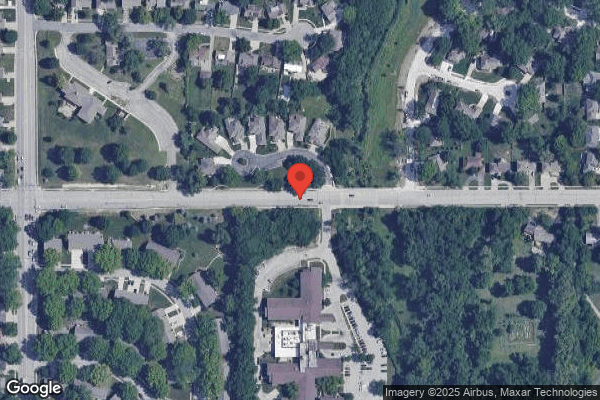

5211 W 103RD STREET, OVERLAND PARK, KS 66207 (913) 344-3066
For profit - Limited Liability company 140 Beds ANEW HEALTHCARE Data: November 2025
Trust Grade
0/100
#248 of 295 in KS
Last Inspection: September 2024

Within standard 12-15 month inspection cycle. Federal law requires annual inspections.

Overview

Excel Healthcare and Rehab in Overland Park, Kansas, has received a Trust Grade of F, indicating significant concerns about the facility's overall care and management. Ranked #248 out of 295 in the state, it is in the bottom half of Kansas nursing homes, and #29 out of 35 in Johnson County, meaning very few local options are worse. While the facility's trend is improving, with issues decreasing from 25 in 2024 to just 1 in 2025, it still has a high staff turnover rate of 62%, which is concerning compared to the state average of 48%. Additionally, the facility has incurred $104,383 in fines, which is higher than 83% of Kansas facilities, suggesting ongoing compliance problems. Although RN coverage is average, there have been serious incidents reported, such as a resident suffering a fracture after multiple falls due to a lack of proper intervention and monitoring. In another case, a resident experienced significant weight loss due to inadequate monitoring and failed to receive necessary adaptive utensils for eating. Despite some strengths, families should weigh these serious concerns when considering Excel Healthcare and Rehab for their loved ones.

Trust Score
F
0/100
In Kansas
#248/295
Bottom 16%
Safety Record
High Risk
Review needed
Inspections
Getting Better
25 → 1 violations
Staff Stability
⚠ Watch
62% turnover. Above average. Higher turnover means staff may not know residents' routines.
Penalties
✓ Good
$104,383 in fines. Lower than most Kansas facilities. Relatively clean record.
Skilled Nurses
⚠ Watch
Each resident gets only 25 minutes of Registered Nurse (RN) attention daily — below average for Kansas. Fewer RN minutes means fewer trained eyes watching for problems.
Violations
⚠ Watch
56 deficiencies on record. Higher than average. Multiple issues found across inspections.
★☆☆☆☆
1.0
Overall Rating
★★☆☆☆
2.0
Staff Levels
★★★☆☆
3.0
Care Quality
★☆☆☆☆
1.0
Inspection Score
Stable
2024: 25 issues
2025: 1 issues

The Good

  • Full Sprinkler Coverage · Fire safety systems throughout facility
  • No fines on record

Facility shows strength in fire safety.

The Bad

1-Star Overall Rating

Below Kansas average (2.9)

Significant quality concerns identified by CMS

Staff Turnover: 62%

15pts above Kansas avg (46%)

Frequent staff changes - ask about care continuity

Federal Fines: $104,383

Well above median ($33,413)

Significant penalties indicating serious issues

Chain: ANEW HEALTHCARE

Part of a multi-facility chain

Ask about local staffing decisions and management

Staff turnover is elevated (62%)

14 points above Kansas average of 48%

The Ugly 56 deficiencies on record

4 actual harm
Apr 2025 1 deficiency 1 Harm
SERIOUS (G) 📢 Someone Reported This

A family member, employee, or ombudsman was alarmed enough to file a formal complaint

Actual Harm - a resident was hurt due to facility failures

Accident Prevention (Tag F0689)

A resident was harmed · This affected 1 resident

**NOTE- TERMS IN BRACKETS HAVE BEEN EDITED TO PROTECT CONFIDENTIALITY** The facility identified a census of 106 residents. The sample included three residents reviewed for falls and accidents. Based o...

Read full inspector narrative →
**NOTE- TERMS IN BRACKETS HAVE BEEN EDITED TO PROTECT CONFIDENTIALITY** The facility identified a census of 106 residents. The sample included three residents reviewed for falls and accidents. Based on observation, record review, and interview, the facility failed to investigate, determine causative factors, and implement relevant interventions to prevent further falls for Resident (R) 1, after R1 was found lying face down on the floor, at the bedside, on 11/08/24. Subsequently, R1 had another fall from the bed on 04/10/25, which resulted in a left femur (thigh bone) fracture and placed the resident at risk for further injuries and related pain. Findings included: - R1's Electronic Medical Record (EMR) documented diagnoses of Lewy body dementia (type of progressive brain disorder that leads to a decline in thinking, reasoning, and independent function), benign brain neoplasm (a non-cancerous tumor within the brain that usually grows slowly and does not spread), malignant neoplasm of the parietal lobe (a cancerous tumor located in the top and back of the brain), reduced mobility, weakness, and cerebral infarction (stroke - sudden death of brain cells due to lack of oxygen caused by impaired blood flow to the brain by blockage or rupture of an artery to the brain). The Significant Change Minimum Data Set (MDS) dated [DATE] documented a Brief Interview for Mental Status (BIMS) score of seven, which indicated severe cognitive impairment. The MDS documented R1 used a wheelchair and was dependent on staff for mobility. The MDS documented R1 was dependent on staff for bed mobility, transfers, and toileting. The MDS documented she had no falls since admission or the prior assessment. The Cognitive Loss/Dementia Care Area Assessment (CAA), dated 01/29/25, documented R1 had diabetes (when the body cannot use glucose, not enough insulin is made, or the body cannot respond to the insulin), respiratory problems, and cancer as medical problems that could impact cognition. The CAA further documented R1's cognitive loss and dementia were addressed in the care plan. The Functional Abilities (Self-Care and Mobility) CAA, dated 01/29/25, documented R1 had changing cognitive status and mood decline as possible underlying problems that may affect function. The CAA further documented that functional abilities were addressed in the care plan. The Falls CAA did not trigger. R1's Care Plan, with an initiated date of 05/24/17, documented R1 had restless leg syndrome (a condition that causes a very strong urge to move the legs). R1's Care Plan with an initiated date of 04/21/19 documented R1 was at risk for falls related to deconditioning, gait, and balance problems. R1's Care Plan with an initiated date of 01/12/23, documented R1 had an activity of daily living (ADL) self-care performance deficit related to activity intolerance and dementia. An intervention with an initiated date of 01/11/24 documented R1 required two staff members to reposition and turn in bed. An intervention with an initiated date of 01/11/24 documented R1 required a mechanical Hoyer (total body mechanical lift) with the assistance of two staff for transfers. An intervention with an initiated date of 11/11/24 directed staff to send R1 to the hospital for evaluation and treatment. An intervention with an initiated date of 04/10/25 directed staff to keep R1s's bed in the lowest position. An intervention with an initiated date of 04/11/25 directed staff to place a call for the hospice nurse to come to the facility for further evaluation, a STAT x-ray was ordered, then canceled, and R1 was sent to the emergency room (ER) for evaluation and treatment. An intervention with an initiated date of 04/23/25 documented the intervention upon return from the hospital hospice would provide a bolster overly (type of mattress used to help prevent falls from bed) for the bed, fall mat at the bedside, and comfort medications for pain as needed (PRN). R1's Care Plan lacked evidence of additional fall interventions related to the fall that occurred on 11/08/24, where R1 was found face down, on the floor at the bedside. An Alert Note dated 11/08/24 at 07:19 PM documented staff observed R1 lying face down on the floor at the bedside. Staff assessed R1and no injuries were observed; the note further documented R1 could not do range of motion (ROM) as R1 stated she was in pain. The note documented R1 had no visible injury and her skin was intact. Staff obtained an order to send R1 to the hospital for evaluation. An IDT - Fall note dated 11/11/24 at 11:18 AM documented R1 had a fall on 11/08/24 at 06:30 PM. The note documented the root cause analysis (RCA) was R1 did not know what happened, and just rolled out of bed. The note recorded R1 was unable to describe what she was doing at the time of the fall. The note further documented a prior intervention was to keep R1's call light within reach. The note documented the current intervention was staff sent R1 to the hospital for evaluation and treatment. No other interventions were documented in the IDT - Fall note. A Nurse's Note dated 04/10/25 at 06:06 AM documented the charge nurse was called to R1's room by the certified nurse aide (CNA) on duty and informed R1 was on the floor. The note documented that upon entering the room, R1 was lying on the floor next to her bed. Staff assisted R1 back to bed and notified hospice of the fall. The note documented R1's complaint of pain in her left leg. Staff notified the provider of R1's fall, and left a message for R1's emergency contact. A Nurse's Note dated 04/11/25 at 03:23 AM documented staff contacted hospice regarding R1's continued complaint of pain in her left leg with movement due to her fall that morning. The note further documented hospice ordered a STAT (immediate) X-ray of R1's left hip and femur but then called back and recommended sending R1 to the hospital for evaluation and treatment. The note documented R1 was transported to the emergency room (ER) at 03:05 AM. R1's hospital document Trauma History and Physical Examination dated 04/11/25, documented R1 was activated as a Trauma Consult after sustaining a left femur fracture from an unwitnessed fall at R1's facility. The document further recorded the fall happened at approximately 06:00 AM the previous morning (04/10/25). R1 was a hospice patient and was evaluated by hospice twice on 04/10/25, and eventually made the decision to call Emergency Medical Services (EMS) to bring R1 to the ER because R1 continued to experience pain in her left leg. The document recorded R1 was a poor historian due to significant cognitive deficits. R1 was able to tell the provider her name and said pain when the provider touched R1's left leg. An admission Summary (Admit/Re-admit) note dated 04/11/25 at 03:50 PM, documented R1 came back to the facility via stretcher with a diagnosis of a left femur fracture and blood clots. The note recorded R1's Durable Power of Attorney (DPOA) had a discussion with the hospital team and decided not to do aggressive treatment because the DPOA did not want R1 to be in pain. The note documented R1 was on comfort care with hospice and the hospice nurse was at the bedside. CNA M's Witness Statement notarized on 04/11/25, documented CNA M was in the hallway and suddenly heard R1 yelling; R1's call light was going off. CNA M went into R1's room and found R1 lying on the floor beside her bed, indicating R1 fell out of bed. CNA M documented staff helped R1 roll over onto her back and placed a pillow behind R1's head, then quickly left and got a nurse. Licensed Nurse (LN) G's Witness Statement notarized on 04/11/25, documented on 04/10/25 at approximately 05:50 AM, LN G was approached by the CNA taking care of R1, who stated they found R1 on the floor in R1's room. The statement documented that upon entering the room, R1 was lying on the floor next to her bed; R1 was slightly turned to her right side, facing the door. LN G documented she asked R1 what happened and how R1 fell, R1 hesitated and stated she did not know. LN G documented staff completed an assessment and obtained vital signs. LN G documented staff did not observe any visible injury, and R1 had responded no when asked if she was in pain. The statement further documented staff transferred R1 to bed, and while repositioning R1 in bed, R1 complained of pain in her left leg when it was moved. LN G documented they gave R1 pain medication and called hospice and the nurse practitioner regarding R1's fall. The facility was unable to provide an investigation related to R1's fall on 11/08/25. On 04/23/25 at 03:05 PM, an observation revealed R1 rested in bed. R1's bed had a bolstered mattress overly in place and a fall mat was on the floor beside R1's bed. On 04/23/25 at 01:44 PM, Administrative Nurse D stated R1 had one other unwitnessed fall on 11/08/24 and said she thought R1 had rolled out of bed then. Administrative Nurse D stated R1 was sent to the hospital for evaluation and treatment as R1 reported having pain. Administrative Nurse D stated there were no injuries from that fall, and the facility did not have floor mats in place prior to the fall on 11/08/24 or afterward; the fall mats were put in place only after the fall on 04/10/25. Administrative Nurse D reviewed R1's EMR and plan of care and verified the only fall intervention added, in relation to R1's fall out of bed on 11/08/24, was to send R1 out for evaluation. Administrative Nurse D stated she did not see any other interventions added in relation to that fall, on R1's Care Plan or in the EMR. She said R1 was not someone who had frequent falls. Administrative Nurse D stated, after a fall, staff should absolutely add fall interventions, and staff met each morning to review any falls and interventions. Administrative Nurse D stated there was no fall investigation for the fall on 11/08/24; however, the facility performed a risk assessment and had an interdisciplinary team (IDT) note that recorded an intervention to send the resident out for evaluation. Administrative Nurse D stated she did not see any other interventions documented in the IDT note. Administrative Nurse D stated there was no further documentation related to the fall on 11/08/24 aside from the IDT note dated 11/11/24 at 11:18 AM and the alert note dated 11/08/24 at 07:19 PM. On 04/23/25 at 03:13 PM, LN H stated he was not in the facility the day R1 fell on [DATE]. LN H stated when a resident fell, he would assess the resident for injury and pain, check ROM, perform neurological checks, assess alertness, and compare to the resident's baseline. LN H further stated he would contact the provider for potential orders, and notify the Director of Nursing (DON), Assistant Director of Nursing (ADON), and the resident's emergency contact. LN H stated the nurse would perform a post-fall assessment and put fall interventions in place. LN H stated that a bolster mattress, a fall mat on the floor at the bedside, and having the bed in the lowest position would be appropriate interventions for a resident who fell out of bed. LN H stated it would be appropriate to add interventions after a resident's initial fall. LN H stated he believed the MDS coordinator updated the residents' care plan with fall interventions after the fall risk assessment was completed with recommended interventions. On 04/23/25 at 03:35 PM, Administrative Nurse D stated the MDS coordinator, herself, or the ADON updated the resident's care plan with fall interventions. Administrative Nurse D stated it would have been appropriate to add interventions related to R1's fall on 11/08/24 and believed the team must have missed adding them at the time. Administrative Nurse D stated she believed the fall on 11/08/24 was related to R1 having a urinary tract infection (UTI), and the fall on 04/10/25 was more so related to R1 having terminal restlessness. Administrative Nurse D stated R1 was not a frequent faller and only fell when R1 had something else going on, such as the UTI and restlessness. The facility's Falls and Fall Risk Managing policy with a revision date of March 2018, documented based on previous evaluations and current data, the staff will identify interventions related to the resident's specific risks and causes to try to prevent the resident from falling and to try to minimize complications from falling.
Sept 2024 22 deficiencies
CONCERN (D) 📢 Someone Reported This

A family member, employee, or ombudsman was alarmed enough to file a formal complaint

Potential for Harm - no one hurt, but risky conditions existed

Deficiency F0558 (Tag F0558)

Could have caused harm · This affected 1 resident

**NOTE- TERMS IN BRACKETS HAVE BEEN EDITED TO PROTECT CONFIDENTIALITY** The facility identified a census of 87 residents. The sample included 20 residents. One resident was sampled for reasonable acco...

Read full inspector narrative →
**NOTE- TERMS IN BRACKETS HAVE BEEN EDITED TO PROTECT CONFIDENTIALITY** The facility identified a census of 87 residents. The sample included 20 residents. One resident was sampled for reasonable accommodations of resident needs and preferences. Based on observation, record review, and interview, the facility failed to ensure Resident (R)44's built-up utensils (foam grip on regular utensils), and a divided plate was provided. This deficient practice left R44 vulnerable to unmet care needs due to the inability to feed herself. Findings included: - R44's Electronic Medical Record (EMR) from the Diagnoses tab documented diagnoses of schizophrenia (a mental disorder characterized by gross distortion of reality, disturbances of language and communication, and fragmentation of thought), obesity due to excess calories, hypertension (HTN-elevated blood pressure), edema (swelling resulting from an excessive accumulation of fluid in the body tissues), anemia (an inadequate number of healthy red blood cells to carry adequate oxygen to body tissues), anxiety (mental or emotional reaction characterized by apprehension, uncertainty, and irrational fear), weakness, hypoxia (inadequate supply of oxygen) and dysphagia (swallowing difficulty). The Quarterly Minimum Data Set (MDS) dated [DATE] documented a Brief Interview of Mental Status (BIMS) score of four which indicated severely impaired cognition. The MDS documented that R44 was dependent on staff for eating. The MDS documented R44 was impaired on both sides of her body. R 44's Nutrition Care Area Assessment (CAA) dated 10/18/23 documented R44 required moderate assistance with activities of daily living (ADLs) and was incontinent of bowel and bladder. R44's Care Plan dated 08/09/24 documented R44 was able to hold a cup, self-feed, and eat finger foods independently. R44's plan of care documented R44 used a divided plate and built-up silverware; staff were to set up her tray. R44's EMR under the Orders tab documented a diet order dated 03/21/23 to give pureed texture with thin-consistency liquids. R44 was to have a lidded cup with a handle, a lip plate, and modified utensils- a foam grip on regular utensils. On 09/10/24 at 09:35 AM R44's had a plate of biscuits and gravy on her bedside table. The plate was a regular plate (not divided). There were two regular spoons, and the spoons did not have a foam grip. R44 did not receive a divided plate, R44 asked for a divided plate, and staff scraped her food from a regular plate to a divided plate. On 09/11/24 at 10:05 AM R44's had a tray with the lid sat on her bedside table. R44 had a regular spoon on the tray, the spoon did not have a foam grip. On 09/09/24 at 07:20 AM, R44 stated she was supposed to get a divided plate and gripped silverware. R44 stated she must ask for her plate and silverware. On 09/11/24 at 01:06 PM Certified Nurse's Aide (CMA) M stated dietary was supposed to make sure the residents got the right plates and silverware. On 09/11/24 at 01:19 PM, Licensed Nurse (LN) E stated she was unsure, but she thought dietary would send the plates and silverware, and nursing would ensure residents have what they need. On 09/11/24 at 02:19 PM, Certified Nurse Aide (CMA) D stated dietary and nursing staff were supposed to ensure each resident got what they needed to ensure they were able to do the most for themselves. On 08/14/24 at 12:58 PM Administrative Nurse D stated diet orders go to the dietary department, and the dietary department sends the plates. Administrative Nurse D said the nursing staff was to ensure the correct utensils were given to each resident. The facility did not provide an accommodation of needs policy. The facility failed to ensure R44's divided plate and built-up utensils were provided. This deficient practice left R44 vulnerable to unmet care needs due to the inability to feed herself.
CONCERN (D) 📢 Someone Reported This

A family member, employee, or ombudsman was alarmed enough to file a formal complaint

Potential for Harm - no one hurt, but risky conditions existed

Deficiency F0582 (Tag F0582)

Could have caused harm · This affected 1 resident

The facility identified a census of 87 residents. The sample included 20 residents with three reviewed for Center for Medicare and Medicaid Services (CMS) Beneficiary Liability notices. Based on recor...

Read full inspector narrative →
The facility identified a census of 87 residents. The sample included 20 residents with three reviewed for Center for Medicare and Medicaid Services (CMS) Beneficiary Liability notices. Based on record review and interviews, the facility failed to provide form CMS-10055, Skilled Nursing Facility (SNF) Advance Beneficiary Notice of Non-coverage (ABN) which included the estimated cost for continued services for skilled services to the resident or their representative for Resident (R) 18, R33, and R39. This deficient practice placed three residents at risk for uninformed decisions. Findings included: - A review of R18's Electronic Medical Record (EMR) documented that the Medicare Part A episode began on 03/26/24 and ended on 05/03/24. R18 remained in the facility for custodial care. The facility issued R18 form CMS-R-131 that lacked the cost of continued therapy instead of the required CMS-10055. A review of R33's EMR documented that the Medicare Part A episode began on 02/24/24 and ended on 03/19/24. R33 remained in the facility for custodial care. The facility issued R33 form CMS-R-131 that lacked the cost of continued therapy instead of the required CMS-10055. A review of R39's EMR documented that the Medicare Part A episode began on 04/17/24 and ended on 05/13/24. R39 remained in the facility for custodial care. The facility issued R39 form CMS-R-131 that lacked the cost of continued therapy instead of the required CMS 10055. On 09/11/24 at 09:55 AM, Social Services X stated the ABN form the facility had instructed her to use was different from the form CMS-R-131. She stated the director of nursing had provided her with an updated CMS-10055 form she was to start issuing in October 2024. Social Services X stated the ABN should include the cost for the resident to continue skilled therapy. On 09/11/24 at 11:10 AM, Administrative Staff A stated the facility would start issuing the updated CMS 10055 form. The facility's Medicare Advance Beneficiary and Medicare Non-Coverage Notices policy last revised 09/2022 documented that residents were informed in advance when changes would occur to their bills. The facility issues the Skilled Nursing Facility Advance Beneficiary Notice (CMS form 10055). The facility failed to issue R18, R33, and R39 the correct SNF ABN form CMS-10055 that included the cost to the resident for continued skilled therapy. This deficient practice placed three residents at risk for uninformed decisions.
CONCERN (D) 📢 Someone Reported This

A family member, employee, or ombudsman was alarmed enough to file a formal complaint

Potential for Harm - no one hurt, but risky conditions existed

Transfer Notice (Tag F0623)

Could have caused harm · This affected 1 resident

**NOTE- TERMS IN BRACKETS HAVE BEEN EDITED TO PROTECT CONFIDENTIALITY** The facility identified a census of 87 residents. The sample included 20 residents with one resident reviewed for hospitalizatio...

Read full inspector narrative →
**NOTE- TERMS IN BRACKETS HAVE BEEN EDITED TO PROTECT CONFIDENTIALITY** The facility identified a census of 87 residents. The sample included 20 residents with one resident reviewed for hospitalization. Based on observation, record review, and interviews, the facility failed to provide written notice of transfer/discharge as soon as practicable for Resident (R) 39's facility-initiated transfers. This deficient practice placed R39 at risk of uninformed choices and miscommunication regarding care needs. Findings included: - R39's Electronic Medical Record (EMR) from the Diagnoses tab documented diagnoses of chronic obstructive pulmonary disease (COPD- a progressive and irreversible condition characterized by diminished lung capacity and difficulty or discomfort in breathing), atrial fibrillation (rapid, irregular heartbeat), hypertension (HTN-elevated blood pressure), and sleep apnea (a disorder of sleep characterized by periods without respirations). The Annual Minimum Data Set (MDS) dated [DATE] documented a Brief Interview of Mental Status (BIMS) score of 14 which indicated intact cognition. The Quarterly MDS dated 08/17/24 documented a BIMS score of 14 which indicated intact cognition. R39's Psychotropic Drug Use Care Area Assessment (CAA) dated 05/30/24 documented he was at an increased risk of adverse side effects and that staff would continue to monitor for adverse reactions to his medications. R39's Care Plan dated 12/27/23 documented that staff would monitor, document, and report any signs or symptoms of fluid [NAME] to the physician. R39's EMR under the Progress Notes tab revealed a Nurse's Note dated 04/13/24 at 06:13 PM that which documented R39 was transferred to the hospital and admitted . On 05/11/24 at 07:22 PM a Nursing Progress Note documented R39 was readmitted to the facility from the hospital. On 06/13/24 at 00:47 AM a Nursing Progress Note documented R39 was transported to the hospital and admitted . The facility was unable to provide evidence a written notice of transfer or discharge notification was provided to R39 or the legal representative when R39 transferred to the hospital on the above dates. On 09/10/24 at 03:11 PM, R39 laid flat on his bed with his continuous positive airway pressure (CPAP- ventilation device that blows a gentle stream of air into the nose to keep the airway open during sleep) on as he slept. On 09/11/24 at 09:55 AM, Social Services X stated she has not ever sent any written notification to a resident or their representative regarding a transfer and admission to the hospital. Social Services X stated she believed the nursing staff notified the resident's representative by phone. On 09/11/24 at 01:23 PM, Administrative Nurse E stated she was not sure who was responsible for sending a written notification to the resident's representative when the resident was transferred and admitted to the hospital. On 09/11/24 at 01:23 PM, Administrative Staff A stated the facility notified the resident's representative by phone when a resident was transferred to the hospital. The facility was unable to provide a policy related to written notification to a resident's legal representative for a facility's-initiated transfer and admission to the hospital. The facility failed to provide written notice of transfer/discharge as soon as practicable for R39's facility-initiated transfers. This deficient practice placed R39 at risk of uninformed choices and miscommunication regarding care needs.
CONCERN (D) 📢 Someone Reported This

A family member, employee, or ombudsman was alarmed enough to file a formal complaint

Potential for Harm - no one hurt, but risky conditions existed

Deficiency F0638 (Tag F0638)

Could have caused harm · This affected 1 resident

The facility reported a census of 87 residents. The sample included 20 residents with 20 reviewed for Minimum Data Set (MDS) completion. Based on interviews and record review, the facility failed to c...

Read full inspector narrative →
The facility reported a census of 87 residents. The sample included 20 residents with 20 reviewed for Minimum Data Set (MDS) completion. Based on interviews and record review, the facility failed to complete a quarterly assessment no more than 92 days from the last MDS for Resident (R)84 and R17. This deficient practice placed the residents at risk for unidentified and unmet care needs. Findings included: - A review of R84's Electronic Medical Record (EMR) revealed she had an admission MDS completed 04/30/24 with the next quarterly assessment reference date (ARD) set as 07/31/24. R84's EMR indicated a Quarterly MDS was started on 07/26/24 but never completed. The EMR indicated the MDS was In Progress. R84's EMR indicated no completed and accepted MDS assessments since 04/30/24. A review of R17's EMR revealed he had a Quarterly MDS completed 04/19/24 with the next quarterly ARD set as 07/19/24. R17's EMR indicated his Quarterly MDS was started on 07/19/24 but never completed. The EMR indicated the MDS was In Progress. R17's EMR indicated no completed and accepted MDS assessments since 04/19/24. On 09/12/24 at 02:09 PM Administrative Staff C stated she took over completing the MDS assessments after the ownership change. She stated she completed the MDS assessments remotely. She stated the nurses, social workers, and therapists reported to her any changes and pertinent information as they worked with the residents. She stated the facility is required to update the MDS assessments quarterly, annually, and with significant changes for the residents. She stated after the facility ownership change, she reviewed the system, flagged assessments that were due, and was trying to update them. She stated she was not aware that R17 and R84's assessments were past due. She stated the system would usually flag them and alert her. According to the Long-Term Care Resident Assessment Instrument (RAI) Manual, the facility must complete a Quarterly MDS assessment within 92 days of the previous assessment ARD. The facility failed to complete Quarterly MDS assessments for R84 and R17 within the required 92-day timeframe. This deficient practice placed the residents at risk for unidentified and unmet care needs.
CONCERN (D) 📢 Someone Reported This

A family member, employee, or ombudsman was alarmed enough to file a formal complaint

Potential for Harm - no one hurt, but risky conditions existed

ADL Care (Tag F0677)

Could have caused harm · This affected 1 resident

**NOTE- TERMS IN BRACKETS HAVE BEEN EDITED TO PROTECT CONFIDENTIALITY** The facility identified a census of 87 residents. The sample included 20 residents with seven residents reviewed for activities ...

Read full inspector narrative →
**NOTE- TERMS IN BRACKETS HAVE BEEN EDITED TO PROTECT CONFIDENTIALITY** The facility identified a census of 87 residents. The sample included 20 residents with seven residents reviewed for activities of daily living (ADL) care. Based on observation, record review, and interviews, the facility failed to ensure bathing was provided for Resident (R) 44 who required assistance from staff to complete the care. This deficient practice placed resident R44 at risk for complications related to poor hygiene and impaired dignity. Findings included: - R44's Electronic Medical Record (EMR) from the Diagnoses tab documented diagnoses of schizophrenia (a mental disorder characterized by gross distortion of reality, disturbances of language and communication, and fragmentation of thought), obesity due to excess calories, hypertension (HTN-elevated blood pressure), edema (swelling resulting from an excessive accumulation of fluid in the body tissues), anemia (an inadequate number of healthy red blood cells to carry adequate oxygen to body tissues), anxiety (mental or emotional reaction characterized by apprehension, uncertainty, and irrational fear), weakness, hypoxia (inadequate supply of oxygen) and dysphagia (swallowing difficulty). The Quarterly Minimum Data Set (MDS) dated [DATE] documented a Brief Interview of Mental Status (BIMS) score of four which indicated severely impaired cognition. The MDS documented R44 was dependent on staff for all ADLs except bathing was not applicable. The MDS documented R44 was impaired on both sides of her body. R44's Cognitive Loss and Dementia Care Area Assessment (CAA) dated 10/18/23 documented R44 documented R44 required moderate assistance with activities of daily living (ADLs) and was incontinent of bowel and bladder. R44's Care Plan dated 01/24/23 documented R44 was totally dependent on staff to provide bathing or showers on preferred day and evening shifts. R44's Resident Bath Sheet documented R44 had a bed bath or shower on 08/09/24, 08/13/24, 08/15/24, 08/22/24, and 08/31/24. The records did not reveal any documentation for bathing from 08/31/24 through 09/10/24. On 09/09/24 at 09:34 AM, R44 lay in her bed. Her hair appeared greasy. R44 had long fingernails on her left hand. On 09/10/24 at 09:35 AM R44 laid on her back looking at her breakfast tray. Her hair appeared greasy. R44 had long fingernails on her left hand. On 09/09/24 at 09:34 AM, R44 stated she had not had a shower or bath since 08/31/24. R44 stated she had been told by staff that there was no hot water and that she would have to wait. R44 stated she does not like it when she does not get a bath, she stated it makes her itch. On 09/11/24 at 01:06 PM, the Certified Nurse Aide (CNA) M stated CNAs fill out bath sheets to ensure residents get baths. He stated nursing staff were to check the bath sheets to ensure baths were given. On 09/11/24 at 01:19 PM Administrative Nurse E stated CNAs fill out bath sheets. She stated she was unsure if the baths were documented in the EMR. Administrative Nurse E stated nurses should be following up with staff to ensure the baths were given. On 09/11/24 at 02:24 PM Administrative Nurse D stated the facility fills out bath sheets to track bathing. She stated the CNAs should be letting the nurses know if a resident was refusing baths or checking sheets to ensure baths or showers were given. The facility's Bathing policy documented staff was to notify the supervisor if the resident refuses the shower or bath, notify the physician if any skin area may need to be treated, and report other information in accordance with facility policy and professional standards of practice. The facility failed to provide consistent bathing for R44 who required assistance with bathing. This deficient practice placed R44 at risk for complications related to poor hygiene and impaired dignity.
CONCERN (D) 📢 Someone Reported This

A family member, employee, or ombudsman was alarmed enough to file a formal complaint

Potential for Harm - no one hurt, but risky conditions existed

Pressure Ulcer Prevention (Tag F0686)

Could have caused harm · This affected 1 resident

**NOTE- TERMS IN BRACKETS HAVE BEEN EDITED TO PROTECT CONFIDENTIALITY** - R26's Electronic Medical Record (EMR) from the Diagnoses tab documented diagnoses of lack of coordination, restlessness and ag...

Read full inspector narrative →
**NOTE- TERMS IN BRACKETS HAVE BEEN EDITED TO PROTECT CONFIDENTIALITY** - R26's Electronic Medical Record (EMR) from the Diagnoses tab documented diagnoses of lack of coordination, restlessness and agitation, hypertension (HTN-elevated blood pressure), depression (a mood disorder that causes a persistent depression feeling of sadness and loss of interest), dysphagia (swallowing difficulty), weakness, pseudobulbar affect (a neurological condition that causes people to experience uncontrolled and inappropriate laughing or crying), abnormal weight loss, and Huntington's disease (a rare abnormal hereditary condition characterized by progressive mental deterioration, a disabling central nervous system movement disorder). The Quarterly Minimum Data Set (MDS) dated 06//14/24 R26 documented a Brief Interview of Mental Status (BIMS) score of three which indicated severely impaired cognition. The MDS documented R26 was at risk for developing pressure ulcers. The MDS documented R26 was dependent on staff for all activities of daily living (ADLs). The MDS documented R26 has a pressure-reducing device on her chair and bed. R26's Pressure Ulcer Care Area Assessment dated 12/14/23 documented R26 had pressure ulcer risk with contributing factors including urinary and bowel incontinence and decreased mobility. R26's Care Plan dated 01/20/24 documented R26 was at risk for impaired skin integrity and pressure ulcer development related to impaired mobility, thrashing, and spastic movements due to Huntington's disease and incontinence. The plan of care for R26 documented she had a pressure-reducing mattress on her bed and a pressure-reducing cushion in her Broda chair (specialized wheelchair with the ability to tilt and recline). The plan of care documented nursing was to do weekly skin assessments with any skin issues identified to be reported and addressed. The plan lacked direction related to the use of a low air-loss mattress and appropriate weight or comfort settings. R26's Braden Scale for Prediction Pressure Sore Risk dated 06/18/24 documented a score of 12 indicating a high risk for pressure ulcers. R26's EMR under the Orders tab revealed the following physician's orders: Left ankle preventative treatment, nursing to apply Skin-prep (liquid skin barrier) and a silicone foam dressing one time a day every Monday and Thursday, dated 01/18/24. Apply barrier cream to the coccyx (area at the base of the spine) every shift for excoriation and as needed (PRN), dated 03/14/24. Left inner foot preventative- nursing to apply Skin-prep and a silicone foam dressing one time a day every Monday and Thursday, dated 04/08/24. R26's EMR under the Weights and Vitals tab revealed a weight of 107.2 pounds on 08/06/24. On 09/09/24 at 07:24 AM, R26 laid on her back in bed. R26's low air-loss mattress was not plugged in and was deflated. R26's mattress was set at 350 pounds. On 9/10/24 at 07:06 AM R26 laid on her back in bed. R26's low air-loss mattress was set at 350 pounds. R26's low air-loss pump had a dial, above the dial documented set by weight, the dial was set in 30-pound intervals. (Air Force 1000). On 09/11/24 at 01:06 PM, Certified Nurse's Aide (CNA)M stated central supply installs all mattresses, and nursing checks mattresses to ensure they are set at the correct weight. He stated all staff can check the mattress to ensure the bed is plugged in. On 09/11/24 at 01:19 PM, Administrative Nurse E stated nursing was to check the mattress to ensure the mattress was working. She stated the low air loss mattresses were set by weight. On 09/11/24 at 02:09 PM, Administrative Nurse D stated central supply installed all the low air loss mattresses. She stated central supply sets the mattress to the correct weight. Administrative Nurse D stated nursing staff was to ensure the bed and mattress were working correctly. The facility did not provide a low air loss mattress policy. The facility failed to ensure R26's low air loss mattress was plugged in and further failed to set it at the correct weight to provide adequate pressure relief. This placed R26 at increased risk for pressure ulcer development. The facility identified a census of 87 residents. The sample included 20 with six reviewed for pressure ulcers (localized injury to the skin and/or underlying tissue usually over a bony prominence, as a result of pressure, or pressure in combination with shear and/or friction). Based on interviews, record review, and observations, the facility failed to ensure Resident (R) 37, and R26s' low air-loss mattress pump, used to prevent pressure ulcers, was set and functioning for adequate pressure relief. This deficient practice placed the residents at risk for complications related to skin breakdown and pressure ulcers. Findings Included: - The Medical Diagnosis section within R37's Electronic Medical Records (EMR) noted diagnoses of anxiety (mental or emotional reaction characterized by apprehension, uncertainty, and irrational fear), congestive heart failure (CHF-a condition with low heart output and the body becomes congested with fluid), and Parkinsonism (a slowly progressive neurologic disorder characterized by resting tremors, rolling of the fingers, masklike faces, shuffling gait, muscle rigidity, and weakness). R37's Quarterly Minimum Data Set (MDS) dated [DATE] documented a Brief Interview of Mental Status (BIMS) score of five indicating severe cognitive impairment. The MDS indicated he had upper and lower extremity impairments. The MDS indicated he was dependent on staff assistance for oral hygiene, bed mobility, toileting, bathing, dressing, and transfers. The MDS indicated he was at risk for the development of pressure ulcers (localized injury to the skin and/or underlying tissue usually over a bony prominence, as a result of pressure, or pressure in combination with shear and/or friction). The MDS indicated he had pressure-relieving devices for his chair and bed. The MDS indicated bed rails were not used. R37's Functional Abilities Care Area Assessment (CAA) completed 01/03/24 indicated he required assistance with his activities of daily living (ADLs) related to his generalized weakness, decreased safety awareness, and medical diagnoses. The CAA indicated other risk factors for R37 including urinary incontinence, skin breakdown, falls, and pressure ulcers. R37's Care Plan initiated 03/09/22 indicated he required partial to moderate assistance with bed mobility, dressing, personal hygiene, toileting, bathing, and transfers. The plan indicated he was at risk for pressure ulcers and had a low air-loss mattress on his bed. The plan lacked guidance related to the weight and comfort settings of his low air-loss mattress. R37's EMR under Physician Orders lacked documentation related to his low air-loss mattress. R37's EMR under Evaluations revealed a Braden Scale assessment was completed on 06/17/24. The assessment revealed a score of 17 indicating he was at risk for pressure ulcers. R37's EMR under the Weights and Vitals section revealed he weighed 206 pounds (lbs.) on 09/10/24. A review of the low air-loss mattress manufacturer's operation (Drive Model #14027) manual indicated the mattress system was intended to reduce the incidence of pressure ulcers while optimizing comfort. The manual indicated the mattress pump's pressure levels and firmness were preset based on the weight range and comfort settings. The manual indicated an optimal bed system assessment should be conducted on each patient by a qualified clinician or medical provider to ensure maximum safety. The manual indicated the usage of bed rails with the air mattress system should be assessed based on the risk of entrapment. On 09/09/24 at 07:23 AM an inspection of R37's room revealed a bordered mattress and bed cane (a side rail device attached to the bed to improve bed mobility) on both sides of his bed. R37's bed had a Drive Model low air-loss mattress system set at 350 lbs. The mattress pump weight ranged from 50lbs. to 350lbs. and was adjustable within 30 lbs. intervals. On 09/11/24 at 12:55 PM, R37 was in the television room. R37's low air-loss mattress remained set at 350 lbs. R37's bilateral bed canes remained in place on his bed. On 09/11/24 at 01:06 PM, Certified Nurse Aide (CNA) M stated the low air-loss beds were brought in and set by central supply. He stated staff checked to make sure the beds were working and on the correct setting. He stated the mattresses were set up by the resident's weight. He stated he was not sure if the EMR provided guidance for what specific settings each resident should have for their air pumps. On 09/11/24 at 01:19 PM Administrative Nurse E stated the low air-loss mattresses were brought in and the weights were programmed upon installation. She stated staff were expected to check the settings each shift. She stated the pumps were set up based on the resident's weight. She stated the care plan should identify if the resident preferred a different weight or comfort setting. On 09/11/24 at 02:24 PM Administrative Nurse D stated the low air-loss mattress system was installed by central supply based on the resident's weight. She stated the care plan should indicate the resident's weight and if the setting could be adjusted for comfort. She stated direct care staff was expected to ask nurses if they had any questions related to the mattress settings. The facility did not provide a policy related to pressure ulcer prevention or the use of low air-loss mattress systems as requested. The facility failed to ensure R37's low air-loss mattress pump was appropriately set to his current weight or indicate his weight settings could be altered per his preferences and indicate those preferences. This deficient practice placed R37 at risk for complications related to skin breakdown and pressure ulcers.
CONCERN (D) 📢 Someone Reported This

A family member, employee, or ombudsman was alarmed enough to file a formal complaint

Potential for Harm - no one hurt, but risky conditions existed

Deficiency F0688 (Tag F0688)

Could have caused harm · This affected 1 resident

**NOTE- TERMS IN BRACKETS HAVE BEEN EDITED TO PROTECT CONFIDENTIALITY** The facility identified a census of 87 residents. The sample included 20 residents with four residents reviewed for positioning ...

Read full inspector narrative →
**NOTE- TERMS IN BRACKETS HAVE BEEN EDITED TO PROTECT CONFIDENTIALITY** The facility identified a census of 87 residents. The sample included 20 residents with four residents reviewed for positioning and mobility. Based on observation, record review, and interviews, the facility failed to ensure Resident (R)26, R50, and R9 were provided the services and treatment to prevent worsening of contractures (abnormal permanent fixation of a joint or muscle). This deficient practice placed the residents at risk for discomfort and decreased range of motion (ROM- the full movement potential of a joint, usually its range of flexion and extension). Findings included: - R26's Electronic Medical Record (EMR) from the Diagnoses tab documented diagnoses of lack of coordination, restlessness and agitation, hypertension (HTN-elevated blood pressure), depression (a mood disorder that causes a persistent depression feeling of sadness and loss of interest), dysphagia (swallowing difficulty), weakness, pseudobulbar affect (a neurological condition that causes people to experience uncontrolled and inappropriate laughing or crying), abnormal weight loss, and Huntington's disease (a rare abnormal hereditary condition characterized by progressive mental deterioration, a disabling central nervous system movement disorder). The Quarterly Minimum Data Set (MDS) dated 06//14/24 R26 documented a Brief Interview of Mental Status (BIMS) score of three which indicated severely impaired cognition. The MDS documented R26 was dependent on staff for eating and required substantial to maximal assistance for all activities of daily living (ADLs). The MDS indicated that R26 was not receiving restorative treatment during the observation period. R26's Falls Care Area Assessment (CAA) dated 12/14/23 documented R26 had impaired gait and mobility, and contributing factors included weakness. R26's Care Plan revised 01/15/24 documented that R26 would have no complications related to immobility, including contractures. R26's plan of care dated 01/09/24 documented staff to maintain R26's range of motion, and decreased range of motion was anticipated related to Huntington's disease. The plan of care documented nursing was to address and provide a plan of care for rehabilitation and restorative plan to the resident and representative. R26's plan of care stated nursing would provide passive range of motion with care. A review of R26's EMR under Task from 08/11/24 through 09/09/24 lacked documentation that range of motion was provided for R26's hands. On 09/09/24 at 09:14 AM R26 sat in the dining room in her Broda chair (specialized wheelchair with the ability to tilt and recline). R26's hands laid in her lap curled at the wrist and hands closed. On 9/10/24 at 10:55 AM R26 lay reclined in her Broda chair in the commons area with peers. R26's hands were curled at the wrist and closed into fists. Her right hand was on her lap and her left arm was bent with her fist to her chest. On 09/11/24 at 09:18 AM, Consultant GG stated the facility does not have a restorative program. She stated therapy did some resident-led programs and education for staff. She stated the facility was working on getting a person in place for the restorative program. On 09/11/24 at 01:06 PM, Certified Nurse's Aide (CNA) M stated the facility did not have a restorative program. He stated he doesn't know about the other CNAs, but he does do some range of motion with the residents when he works. He stated range of motion, if it was being done, was not charted anywhere. On 09/11/24 at 01:19 PM Administrative Nurse E stated the facility did not have anyone doing range of motion or restorative treatments. She stated she was unsure if there was a place to document when range of motion was performed. On 09/11/24 at 02:24 PM, Administrative Nurse D stated the facility assessed each resident for decline. Administrative Nurse D stated the facility did not have a restorative program, and stated physical therapy assessed each resident every quarter. She said if staff noted a decline, staff would get a doctor's order to treat, and if the resident didn't qualify for therapy the facility would give them four free days. The facility did not provide a restorative program policy. The facility failed to ensure R26 received services and treatment for her contractures to prevent further loss of ROM and to promote comfort. This deficient practice left R26 at risk for further decline and discomfort. - The Medical Diagnosis section within R50's Electronic Medical Records (EMR) noted diagnoses of cerebral infarction (stroke - the sudden death of brain cells due to lack of oxygen caused by impaired blood flow to the brain by blockage or rupture of an artery to the brain), muscle weakness, cognitive-communication deficit, morbid obesity (severely overweight), and hemiparesis/hemiplegia (weakness and paralysis on one side of the body). R50's Annual Minimum Data Set (MDS) dated [DATE] documented a Brief Interview of Mental Status (BIMS) score of 13 indicating no cognitive impairment. The MDS indicated she had no upper or lower extremity impairments. The MDS indicated she was dependent on staff for transfers, bed mobility, dressing, toileting, personal hygiene, and ambulation with her wheelchair. The MDS indicated she received no restorative services. R50's Functional Abilities Care Area Assessment (CAA) completed 07/029/24 indicated she had left-sided hemiplegia due to her recent stroke. The CAA noted she was dependent on staff for toileting, bathing, dressing, bed mobility, and transfers. The CAA noted she required a Hoyer lift (total body mechanical lift) for transfers. The CAA indicated a care plan will be updated to address all areas of concern. R50's Care Plan initiated on 08/03/20 indicated she was at risk for a decline in her activities of daily living (ADLs) related to her medical diagnoses. The plan indicated she was dependent on staff for bathing, bed mobility, dressing, personal hygiene, toileting, and transfers (08/03/20). The plan indicated she was at risk for decreased range of motion (04/27/21). The plan indicated a restorative program would address and provide a rehab/restorative plan for R50. The plan indicated R50 would receive active and passive ROM per therapy or nursing assessments (04/27/21). The plan indicated physical and occupational therapy will evaluate and treat per her orders (04/27/21). R50's EMR under Evaluations revealed a Rehab Screening completed on 07/25/24 that reported R50 had decreased participation in care and was not getting out of her bed. The note indicated a change that might require therapy intervention. The report noted R50 required increased assistance during daily care. The report indicated she had no restorative nurse program. R50's EMR revealed no newer therapy evaluations were completed after 07/25/24. R50's EMR under Progress Notes revealed a note completed on 07/26/24. The note indicated R50 requested to stay at the facility to have more physical and occupational therapy while in the facility. R50's EMR under Tasks revealed no passive or active range of motion activities. R50's EMR under Treatment Administration Report (TAR) for August and September of 2024 revealed no passive or active range of motion exercises listed or documented. R50's EMR under Progress Notes revealed no monitored or offered range of motion exercises for R50. On 09/09/24 at 08:20 AM R50 lay in her bed. She reported that she had been waiting to start therapy services for the last month. She stated the facility was not assisting her with maintaining her range of motion, strength, or ADL abilities. She stated the facility gave her a list of self-led activities she could do herself each day. She had left-sided weakness from a stroke and felt like the facility was not assisting her with maintaining her abilities. She stated the facility was not assisting or monitoring her while she was supposed to exercise. An inspection of R50's room revealed an exercise sheet on the wall in front of her bed. The sheet noted self-led exercises of leg lifts, arm stretches, and a pressure ball. She stated she had difficulty with the exercises due to her left-sided weakness and size. On 09/11/24 at 09:18 AM, Consultant GG stated the facility does not have a restorative program. She stated therapy did some resident-led programs and education for staff. She stated the facility was working on getting a person in place for the restorative program. She stated R50 had self-led exercises. Consultant GG stated staff does not assist R50 with her exercises. She stated R50 would verbally report her progress. Consultant GG stated she was not sure if staff monitored and documented R50's progress or how many times R50 completed the exercises. Consultant GG stated R50 was on the list to begin therapy services within a few weeks. On 09/11/24 at 01:06 PM, Certified Nurse's Aide (CNA) M stated the facility did not provide restorative service to the residents. He stated some of the residents had daily exercises but most of them were self-led. He stated he was not sure staff documented the daily exercises completed by the residents. On 09/11/24 at 02:20 PM Administrative Nurse D stated R50 completed self-led exercises but staff do not monitor her or document how often or if she completed them. She stated that R50 was independent with her exercises and would report to staff what she did. She stated the facility currently didn't have a restorative program and therapy was trying to put one in place. The facility did not provide a policy related to restorative care or range of motion as requested. The facility failed to provide services to maintain or improve R50's range of motion and ADL abilities while waiting for her therapy services to begin. This placed R50 at risk for a decline in her range of motion and developing contractures. - R9's Electronic Medical Record (EMR) documented diagnoses of multiple sclerosis (MS- progressive disease of the nerve fibers of the brain and spinal cord), and contracture (abnormal permanent fixation of a joint or muscle) of the right hand. R9's Annual Minimum Data Set (MDS) dated 09/23/23 documented R9 had both long and short-term memory problems. R9 had impairment on one side of both upper and lower extremities. R9 was independent with eating but relied on staff for all other activities of daily living (ADLs). R9's Quarterly MDS dated 06/08/24 09/23/23 documented R9 had both long and short-term memory problems. R9 had impairment on one side of both upper and lower extremities. R9 was independent with eating but relied on staff for all other ADLs. R9's Falls Care Area Assessment (CAA) dated 09/25/23 documented R9 was a maximum assist with transfers. R9 was only able to stand and pivot with maximal assist. R9's Care Plan revised on 02/06/24 directed staff to converse with R9 while providing care. The staff was directed to administer medications as directed. R9's Care Plan lacked staff direction for any restorative measures or direction regarding R9's palm guard splint. R9's Orders tab of the EMR documented an order dated 01/19/24 for a palm guard splint to the right hand to be applied daily for five to eight hours to reduce digit (finger) contracture. R9's September 2024 Treatment Administration Record (TAR) ordered to don (apply) the palm guard splint daily at 10:00 AM and revealed the splint had not been applied on 09/03/24, 09/04/24, 09/05/24, or 09/09/24 as the splint was not available. On 09/09/24 at 12:22 PM, R9 sat in her wheelchair at the dining table. R9 was not wearing her palm splint. On 09/10/24 at 02:26 PM, R9 sat in her wheelchair in her room with her right hand up close to her head. There was no splint on her hands. On 09/11/2 at 09:15 AM Licensed Nurse (LN) H stated she could not say why R9's splint was not on, where it was at, or why it had not been available. On 09/11/24 at 12:25 PM Administrative Nurse D stated R9 was not on any type of restorative program and had not received any physical therapy or occupational therapy for some time. Administrative Nurse D stated the facility currently did not have a restorative program. Administrative Nurse D stated that the nurse who worked those days had been agency staff and might not have known about R9's splint or where it was located. Administrative Nurse D stated she would educate the agency staff to ensure R9's palm splint was applied daily. The facility lacked a policy for splint use or restorative services as requested. The facility failed to ensure that staff applied R9's palm guard splint as ordered. This placed R9 at risk for decreased mobility and impaired quality of life.
CONCERN (D) 📢 Someone Reported This

A family member, employee, or ombudsman was alarmed enough to file a formal complaint

Potential for Harm - no one hurt, but risky conditions existed

Deficiency F0698 (Tag F0698)

Could have caused harm · This affected 1 resident

**NOTE- TERMS IN BRACKETS HAVE BEEN EDITED TO PROTECT CONFIDENTIALITY** The facility identified a census of 87 residents. The sample included 20 residents with one sampled resident reviewed for dialys...

Read full inspector narrative →
**NOTE- TERMS IN BRACKETS HAVE BEEN EDITED TO PROTECT CONFIDENTIALITY** The facility identified a census of 87 residents. The sample included 20 residents with one sampled resident reviewed for dialysis (a procedure where impurities or wastes were removed from the blood). Based on observation, record review, and interview, the facility failed to ensure ongoing communication and collaboration with the dialysis facility for dialysis care and services regarding Resident (R) 67's health status with each procedure. The facility additionally failed to weigh R67 before his dialysis appointments on eight occasions. This deficient practice placed R67 at risk for complications related to end-stage renal failure. Findings Included: - The Medical Diagnosis section within R67's Electronic Medical Records (EMR) noted diagnoses of major depressive disorder (major mood disorder), end-stage renal failure, and muscle weakness. R67's Quarterly Minimum Data Set (MDS) dated [DATE] documented a Brief Interview for Mental Status (BIMS) score of five indicating severe cognitive impairment. The MDS indicated no upper or lower extremity impairments. The MDS indicated he required substantial to maximal assistance with toileting, bed mobility, dressing, bathing, and transfers. The MDS indicated he received dialysis services. R67's Functional Abilities Care Area Assessment (CAA) completed 02/13/24 indicated he required assistance with his activities of daily living (ADLs). The CAA indicated he was at risk for a decline in his ADLs, falls, nutritional impairment, and skin breakdown. R67's Care Plan initiated 06/09/22 indicated he needed hemodialysis related to his medical diagnoses. The plan indicated staff was to encourage him to attend his dialysis services. The plan noted he received dialysis services on Tuesdays, Thursdays, and Saturdays at 03:00 PM. R67's EMR under Physician's Orders revealed an order dated 06/29/24 for him to receive dialysis on Tuesday, Thursday, and Saturday at 11:00 AM. The order indicated staff was to weigh him before his dialysis appointment. An inspection of R37's dialysis communication binder revealed no weights were attained before his appointment on 09/03/24, 08/31/24, 08/20/24, 08/17/24, 08/12/24, 07/16/24, 07/25/24, and 07/18/24. The inspection also revealed the dialysis center communication section was not filled out on 08/31/224, 08/29/24, 08/24/24, 08/17/24, 08/10/24 08/03/24, 07/27/24, and 07/06/24. R37's EMR lacked weights documented for the list dates. On 09/10/24 at 09:30 AM R37 was weighed and assessed before his scheduled dialysis appointment. R37 attended his dialysis appointment without issue. On 09/11/24 at 01:06 PM Certified Nurse Aide (CNA) M stated R37 went to dialysis three times a week. He stated R37 was weighed before each appointment and documented in the EMR. He stated R37 takes the binder with him and brings it back upon return to the facility. He stated staff should make sure the full communication sheet was filled out when he returned to the facility. He stated staff was responsible for calling the dialysis center if the sheet was not completed. He stated refusals or missed appointments would be noted in the EMR or on the dialysis sheets. On 09/11/24 at 02:24 PM Administrative Nurse D stated it was the staff's responsibility to ensure the weights were being completed and the communication sheets were being filled out. She stated the assigned nurse or direct care staff should call the clinic and request the information be sent over if not completed on the communication sheet. The facility's Hemodialysis policy dated 02/2023 indicated the facility will coordinate with the dialysis center to ensure ongoing communication and relay information related to care needs. The policy indicates the facility will closely monitor changes in appetite, weight, labs, and function abilities before and after dialysis services are provided. The facility failed to ensure ongoing communication and collaboration with the dialysis facility regarding R67's health status with each procedure. The facility additionally failed to weigh R67 before his dialysis appointments on eight occasions. This deficient practice placed R67 at risk for complications related to end-stage renal failure.
CONCERN (D) 📢 Someone Reported This

A family member, employee, or ombudsman was alarmed enough to file a formal complaint

Potential for Harm - no one hurt, but risky conditions existed

Deficiency F0700 (Tag F0700)

Could have caused harm · This affected 1 resident

**NOTE- TERMS IN BRACKETS HAVE BEEN EDITED TO PROTECT CONFIDENTIALITY** The facility identified a census of 87 residents. The sample included 20 residents with two residents reviewed for accidents. Ba...

Read full inspector narrative →
**NOTE- TERMS IN BRACKETS HAVE BEEN EDITED TO PROTECT CONFIDENTIALITY** The facility identified a census of 87 residents. The sample included 20 residents with two residents reviewed for accidents. Based on observation, record review, and interviews, the facility failed to ensure that Resident (R)37 had a safety assessment for the use of side rails, consent for the use of the side rails, and failed to ensure the resident and/or responsible party were advised of the risks and/or benefits of the use of the side rails. This placed R37 at risk for uninformed decisions and impaired safety related to the risks associated with the use of side rails. Findings Included: - The Medical Diagnosis section within R37's Electronic Medical Records (EMR) noted diagnoses of anxiety (mental or emotional reaction characterized by apprehension, uncertainty, and irrational fear), congestive heart failure (CHF-a condition with low heart output and the body becomes congested with fluid), and Parkinsonism (a slowly progressive neurologic disorder characterized by resting tremors, rolling of the fingers, masklike faces, shuffling gait, muscle rigidity, and weakness). R37's Quarterly Minimum Data Set (MDS) dated [DATE] documented a Brief Interview of Mental Status (BIMS) score of five indicating severe cognitive impairment. The MDS indicated he had upper and lower extremity impairments. The MDS indicated he was dependent on staff assistance for oral hygiene, bed mobility, toileting, bathing, dressing, and transfers. The MDS indicated he had no side rails. R37's Functional Abilities Care Area Assessment (CAA) completed 01/03/24 indicated he required assistance with his activities of daily living (ADLs) related to his generalized weakness, decreased safety awareness, and medical diagnoses. The CAA indicated other risk factors for R37 including urinary incontinence, skin breakdown, falls, and pressure ulcers. R37's Care Plan initiated 03/09/22 indicated he required partial to moderate assistance with bed mobility, dressing, personal hygiene, toileting, bathing, and transfers. The plan identified he had a low air-loss mattress but lacked documentation of his bilateral bed cane-style side rails. R37's EMR under Physician Orders lacked documentation related to his bed canes. R37's EMR on 09/10/24 lacked a documented safety assessment for the use of side rails, and consent for the use of the side rails. The EMR lacked evidence the resident and/or responsible party were advised of the risks and/or benefits of the use of the side rails. On 09/11/24 at 10:20 AM Administrative Staff A provided a Nursing Entrapment Risk Assessment for R37 was completed on 09/11/24. The assessment indicated R37 had side rails used for mobility. The assessment failed to identify R37's risks associated with his low air-loss mattress. A review of the low air-loss mattress manufacturer's operation (Drive Model #14027) manual indicated the usage of bed rails with the air mattress system should be assessed based on the risk of entrapment. On 09/09/24 at 07:23 AM an inspection of R37's room revealed a bordered mattress and bed cane (a side rail device attached to the bed to improve bed mobility) on both sides of his bed. R37's bed had a Drive Model low air-loss mattress system set at 350 pounds (lbs.). On 09/11/24 at 01:06 PM Certified Nurse's Aide (CNA) M stated staff inspected the beds each shift to ensure no gaps were present between the mattress and the railing. On 09/11/24 at 01:19 PM Administrative Nurse E stated the bed rails were inspected quarterly but was not sure where it was documented. She stated the side rail assessment should include the type of mattress and possible risks associated with the use of the rails. On 09/11/24 at 02:24 PM Administrative Nurse D stated the bed rails should be inspected quarterly but was unable to find the previous company's assessments for the railing. She provided the assessment completed on 09/11/24. The facility's Bed Safety and Bed Rails policy 08/2022 indicated the facility must assess the resident's environment, medical conditions, functional abilities, and safety risks before implementing bed rails. The facility failed to ensure that R37 had a safety assessment for the use of side rails that acknowledged the risks from the low air-loss mattress, a consent for the use of the side rails, and failed to ensure the resident and/or responsible party were advised of the risks and/or benefits of the use of the side rails. This placed R37 at risk for uninformed decisions and impaired safety related to the risks associated with the use of side rails.
CONCERN (D) 📢 Someone Reported This

A family member, employee, or ombudsman was alarmed enough to file a formal complaint

Potential for Harm - no one hurt, but risky conditions existed

Deficiency F0757 (Tag F0757)

Could have caused harm · This affected 1 resident

**NOTE- TERMS IN BRACKETS HAVE BEEN EDITED TO PROTECT CONFIDENTIALITY** - R79's Electronic Medical Record (EMR) documented diagnoses of arthritis (inflammation of a joint characterized by pain, swelli...

Read full inspector narrative →
**NOTE- TERMS IN BRACKETS HAVE BEEN EDITED TO PROTECT CONFIDENTIALITY** - R79's Electronic Medical Record (EMR) documented diagnoses of arthritis (inflammation of a joint characterized by pain, swelling, redness, and limitation of movement), hallucinations (sensing things while awake that appear to be real, but the mind created), anxiety disorder (mental or emotional reaction characterized by apprehension, uncertainty, and irrational fear), Lewy body dementia (progressive disorder that results from protein deposits in nerve cells of brain affecting movement, thinking skills, mood, memory, and behavior), and Parkinson's disease (a slowly progressive neurologic disorder characterized by resting tremors, rolling of the fingers, masklike faces, shuffling gait, muscle rigidity, and weakness). R79's admission Minimum Data Set (MDS) dated 12/22/23 documented he had both short and long-term memory problems. R79 had severely impaired cognitive skills for daily decision-making. R79 displayed disorganized thinking that fluctuated. R79 displayed behaviors of hallucinations. R79 required supervision for activities of daily living (ADLs). R79 received antipsychotic medications on a routine basis. A GDR had not been attempted on R79's medications. R79 was on hospice services. R79's Quarterly MDS dated 06/21/24 documented a Brief Interview for Mental Status (BIMS) score of three which indicated severely impaired cognition. R79 was dependent on staff for all functional abilities and care. R79 received antipsychotic medications on a routine basis. A GDR had not been attempted on R79's medications. R79's Care Plan last revised 02/27/24 directed staff to administer medications as ordered. R79's Order Summary Report from 12/15/23 to 09/10/24 documented an order dated 12/15/23 for diclofenac (Voltaren) gel applied to knees topically four times a day related to arthritis. This order lacked a physician's indicated dosage to apply. On 09/10/24 at 12:45 PM, R79 paced about the Serenity unit with a staff member. On 09/11/24 at 01:18 PM Administrative Nurse E stated all medication orders even for Voltaren should have an indicated dosage amount to apply. On 09/11/24 at 02:25 PM Administrative Nurse D stated that R79's Voltaren should have a dosage amount on the order. Administrative Nurse D stated R79's Voltaren order had been updated to indicate the amount to apply with each administration. The Medication Orders policy last revised in November 2014 documented: When recording orders for medications, specify the type, route, dosage, frequency, strength, and reason for administration. The facility failed to ensure R79's physician-ordered Voltaren had an indicated dosage for application. This placed R79 at risk of unnecessary medication administration and possible adverse side effects. The facility identified a census of 87 residents. The sample included 20 residents with five residents reviewed for unnecessary medications. Based on observation, record review, and interviews, the facility failed to ensure antihypertensive (medication used to treat high blood pressure) medication was administered per the physician-ordered parameters for Resident (R) 39 and the facility further failed to ensure dosing instructions for Voltaren (non-steroidal anti-inflammatory drug [NSAID]) for R28 and R79. These deficient practices placed these residents at risk for unnecessary medication use, side effects, and physical complications. Findings included: - R39's Electronic Medical Record (EMR) from the Diagnoses tab documented diagnoses of chronic obstructive pulmonary disease (COPD- a progressive and irreversible condition characterized by diminished lung capacity and difficulty or discomfort in breathing), atrial fibrillation (rapid, irregular heartbeat), hypertension (HTN-elevated blood pressure), and sleep apnea (a disorder of sleep characterized by periods without respirations). The Annual Minimum Data Set (MDS) dated [DATE] documented a Brief Interview of Mental Status (BIMS) score of 14 which indicated intact cognition. The MDS lacked documentation a monthly regimen review was completed during the observation period. The Quarterly MDS dated 08/17/24 documented a BIMS score of 14 which indicated intact cognition. The MDS lacked documentation a monthly regimen review was completed during the observation period. R39's Psychotropic Drug Use Care Area Assessment (CAA) dated 05/30/24 documented he was at an increased risk of adverse side effects and that staff would continue to monitor for adverse reactions to his medications. R39's Care Plan dated 12/27/23 documented staff would administer cardiac medication as ordered and monitor for side effects. The plan of care documented that staff would notify the physician of adverse reactions as needed. R39's EMR under the Orders tab revealed the following physician orders: Carvedilol (medication used to treat high blood pressure) tablet 12.5 milligrams (mg) give one tablet by mouth two times a day for HTN. Hold if systolic blood pressure (SBP-relating to the phase of the heartbeat when the heart muscle contracts and pumps blood from the chambers into the arteries) was less than (<) 110 millimeters of mercury (mmHg). Hold if heart rate < 60 beats per minute. Use right arm only dated 06/19/24. Torsemide (diuretic) tablet 20mg give one tablet by mouth in the morning for HTN Hold if SBP <110 mmHg or heart rate <60 beats dated 06/20/24. A review of R39's Medication Administration Record (MAR) from 06/01/24 to 09/09/24 (101 days) revealed Torsemide was given outside of the physician-ordered parameters on the following dates 06/20/24, 07/06/24, and 07/20/24. Carvedilol was given outside of the physician-ordered parameters on the following dates 06/22/24, 06/24/24, 06/27/24, 07/01/24, 07/02/24, 07/06/24, 07/20/24, 07/25/24, and 08/21/24. On 09/10/24 at 03:11 PM, R39 laid flat on his bed with his continuous positive airway pressure (CPAP- ventilation device that blows a gentle stream of air into the nose to keep the airway open during sleep) on as he slept. On 09/11/24 at 01:23 PM, Administrative Nurse E stated every medication order should be administered as ordered. She stated if the blood pressure or heart rate was outside the physician-ordered parameters the medication should be held, and the physician should be notified. On 09/11/24 at 02:25 PM, Administrative Nurse D stated she expected all medications should be given as the physician had ordered. The facility's Medication Orders policy last revised 11/2014 documented medication orders received and when recording orders for medication, specify the type, route, dosage, frequency, and strength of the medication ordered. A placebo is considered a medication and must also have specific orders. The facility failed to ensure staff followed physician orders for R39's antihypertensive medications. This deficient practice placed R39 at risk of adverse side effects and unnecessary medications related to hypertension. - R28's Electronic Medical Record (EMR) from the Diagnoses tab documented diagnoses of anxiety (mental or emotional reaction characterized by apprehension, uncertainty, and irrational fear), depressive disorder (a mood disorder that causes a persistent feeling of sadness and loss of interest), and psychosis (any major mental disorder characterized by gross impairment in reality perception). The Annual Minimum Data Set (MDS) dated [DATE] documented a Brief Interview of Mental Status (BIMS) score of 15 which indicated intact cognition. The MDS documented R28 received antianxiety (a class of medications that calm and relax people) medication, anticoagulant (a class of medications used to prevent the blood from clotting) medication and antipsychotic (a class of medications used to treat major mental conditions that cause a break from reality) medication. The Quarterly MDS dated 08/07/24 documented a BIMS score of 15 which indicated intact cognition. The MDS documented R28 received antianxiety medication, anticoagulant medication, and antipsychotic medication. R28's Psychotropic Drug Use Care Area Assessment (CAA) dated 05/20/24 lacked documentation of or analysis of the triggered CAA. R28's Care Plan dated 01/24/24 documented the staff would administer medication as ordered. R28's EMR under the Orders tab revealed the following physician orders: Diclofenac sodium (Voltaren-non-steroidal anti-inflammatory drug [NSAID]) external gel one percent (%) apply to affected area(s) topically two times a day for pain dated 04/23/24. The order lacked a dosing instruction. On 09/10/24 at 09:09 AM R28 sat in his wheelchair in the dining room as he watched videos on his cell phone. On 09/11/24 at 01:23 PM, Administrative Nurse E stated every medication order including Voltaren should have dosing instructions. She stated the nurse should call and clarify the order if it lacked dosing instructions. She stated she expected the consultant pharmacist to notify the facility regarding missing dosing instructions on the resident's monthly medication review. On 09/11/24 at 02:25 PM, Administrative Nurse D stated she expected all medication orders would have dosing instructions to be administered included on the order, including Voltaren. The facility's Medication Orders policy last revised 11/2014 documented medication orders received and when recording orders for medication, specify the type, route, dosage, frequency, and strength of the medication ordered. A placebo is considered a medication and must also have specific orders. The facility failed to ensure dosing instructions for Voltaren gel for R28. This deficient practice placed R28 at risk for unnecessary medication use, side effects, and physical complications.
CONCERN (D) 📢 Someone Reported This

A family member, employee, or ombudsman was alarmed enough to file a formal complaint

Potential for Harm - no one hurt, but risky conditions existed

Medication Errors (Tag F0758)

Could have caused harm · This affected 1 resident

**NOTE- TERMS IN BRACKETS HAVE BEEN EDITED TO PROTECT CONFIDENTIALITY** - R31's Electronic Medical Record (EMR) documented diagnosis of hypertension (HTN- elevated blood pressure), delusional disorder...

Read full inspector narrative →
**NOTE- TERMS IN BRACKETS HAVE BEEN EDITED TO PROTECT CONFIDENTIALITY** - R31's Electronic Medical Record (EMR) documented diagnosis of hypertension (HTN- elevated blood pressure), delusional disorders (untrue persistent belief or perception held by a person although evidence shows it was untrue), and vascular dementia (a progressive mental disorder characterized by failing memory and confusion caused by a decreased blood flow to the brain). R31's Annual Minimum Data Set (MDS) dated 09/06/24 documented that R31 had both long and short-term memory problems. R31 had severely impaired cognitive skills for daily decision-making. R31 was dependent on staff for her activities of daily living (ADLs). R31 used a wheelchair for mobility that staff propelled. R31 routinely was administered an antipsychotic medication. A GDR had not been attempted or documented by the physician as clinically contraindicated. R31's Psychotropic Drug Use Care Area Assessment (CAA) dated 09/09/24 lacked any documented analysis. R31's Care Plan last revised 08/19/24, directed staff to administer psychotropic medications as directed. Staff was directed to monitor R31 for behaviors such as being verbally inappropriate, hallucinations (sensing things while awake that appear to be real, but the mind created), or delusions. R31's 11/17/22 Psychiatric Initial Assessment documented her delusional disorder and vascular dementia was being treated with Seroquel. R31 was currently stable on the medication and was to continue the medication. R31's Order Summary Report documented an order dated 12/04/23 for Seroquel (an antipsychotic medication) 25 milligrams (mg) to give one tablet by mouth twice daily for vascular dementia. R31's clinical records lacked a physician's documented clinical rationale for the continued use of Seroquel without a GDR or approved indication for use. The facility was unable to this information upon request. On 09/10/24 at 09:22 AM, R31 sat in her wheelchair at the dining table with other residents. R31 displayed no behaviors. On 09/11/24 at 01:18 PM, Administrative Nurse E stated that mood was an appropriate indication for the use of an antipsychotic medication. Administrative Nurse E stated she was not that familiar with the GDR or the risk versus benefit rationale for R31's Seroquel use. On 09/2/24 at 02:25 PM Administrative Nurse D stated the facility had been working with the physicians to attempt to decrease the use of the Seroquel unless contraindicated. Administrative Nurse D stated the facility had been working with the physician to ensure that an appropriate indication for use, and the risk versus benefit for the use of Seroquel was completed. The Tapering Medications and Gradual Drug Dose Reduction last revised in July 2022 documented that residents who used psychotropic medications should receive a gradual dose reduction, unless clinically contraindicated, to discontinue the use of such drugs. Pertinent behavioral interventions (refer to non-pharmacological attempts to influence an individual's behavior, including environmental alterations and staff approaches to care) would be attempted. Within the first year after a resident was admitted on a psychotropic medication or after the resident has been started on a psychotropic medication, the staff and practitioner shall attempt a GDR in two separate quarters (with at least one month between the attempts), unless clinically contraindicated. After the first year, the facility shall attempt a GDR at least annually, unless clinically contraindicated. For any individual who was receiving a psychotropic medication to treat behavioral symptoms related to dementia, the GDR may be considered clinically contraindicated if: the resident's target symptoms returned or worsened after the most recent attempt at a GDR within the facility; and the physician has documented the clinical rationale for why any additional attempted dose reduction at that time would be likely to impair the resident's function or increase distressed behavior. For any individual who was receiving a psychotropic medication to treat a psychiatric disorder other than behavioral symptoms related to dementia, the GDR may be considered contraindicated, if: the continued use was in accordance with relevant current standards of practice and the physician has documented the clinical rationale for why any attempted dose reduction would be likely to impair the resident's function or cause psychiatric instability by exacerbating an underlying psychiatric disorder, or the resident's target symptoms returned or worsened after the most recent attempt at a GDR within the facility and the physician has documented the clinical rationale for why any additional attempted dose reduction at that time would be likely to impair the resident's function or cause psychiatric instability by exacerbating an underlying medical or psychiatric disorder. The facility failed to ensure R31 had a CMS-approved indication or the required physician documentation, for continued use of antipsychotic medications without GDR attempts. This placed R131 at risk for unnecessary medication administration and possible adverse side effects. - R79's Electronic Medical Record (EMR) documented diagnoses of hallucinations (sensing things while awake that appear to be real, but the mind created), anxiety disorder (mental or emotional reaction characterized by apprehension, uncertainty, and irrational fear), Lewy body dementia (a progressive disorder that results from protein deposits in nerve cells of the brain affecting movement, thinking skills, mood, memory, and behavior), and Parkinson's disease (a slowly progressive neurologic disorder characterized by resting tremors, rolling of the fingers, masklike faces, shuffling gait, muscle rigidity, and weakness). R79's admission Minimum Data Set (MDS) dated 12/22/23 documented he had both short and long-term memory problems. R79 had severely impaired cognitive skills for daily decision-making. R79 displayed disorganized thinking that fluctuated. R79 displayed behaviors of hallucinations. R79 required supervision for activities of daily living (ADLs). R79 received antipsychotic medications on a routine basis. A GDR had not been attempted on R79's medications. R79's Quarterly MDS dated 06/21/24 documented a Brief Interview for Mental Status (BIMS) score of three which indicated severely impaired cognition. R79 was dependent on staff for all functional abilities and care. R79 received antipsychotic medications on a routine basis. A GDR had not been attempted on R79's medications. R79's Psychotropic Drug Use Care Area Assessment (CAA) dated 12/28/23 documented he used psychotropic medications to manage psychiatric illnesses. A licensed nurse would monitor R79 for medication side effects each shift. A pharmacist consultant would review R79's medications monthly and the physician would review medications with each visit. R79's Care Plan last revised 02/27/24 directed staff to administer psychotropic medications as ordered. Staff was directed to document all behaviors and evaluate the side effects of the medications. R79's Order Summary Report from 12/15/23 to 09/11/24 documented an order dated 12/15/23 for Seroquel (an antipsychotic medication) 12.5 milligrams (mg) one time a day for hallucinations. R79's Order Summary Report from 12/15/23 to 09/11/24 documented an order dated 02/15/24 for Seroquel 12.5 mg one time a day for agitation and hallucinations. R79's Order Summary Report from 12/15/23 to 09/11/24 documented an order dated 03/22/24 for Seroquel 50 (mg) one time a day for agitation and hallucination. A review of R79's MRR from January 2024 to the present revealed the lack of a CP recommendation for a CMS-approved indication for use for Seroquel or a recommended GDR. R79's clinical records lacked a physician's documented clinical rationale for the continued use of Seroquel without a GDR or approved indication for use. The facility was unable to provide this information upon request. On 09/10/24 at 12:45 PM, R79 paced about the Serenity unit with a staff member. On 09/2/24 at 02:25 PM Administrative Nurse D stated the facility had been working with the physicians to attempt to decrease the use of the Seroquel unless contraindicated. Administrative Nurse D stated the facility had been working with the physician to ensure that an appropriate indication for use, and the risk versus benefit for the use of Seroquel was completed. The Tapering Medications and Gradual Drug Dose Reduction last revised in July 2022 documented that residents who used psychotropic medications should receive a gradual dose reduction, unless clinically contraindicated, to discontinue the use of such drugs. Pertinent behavioral interventions (refer to non-pharmacological attempts to influence an individual's behavior, including environmental alterations and staff approaches to care) would be attempted. Within the first year after a resident was admitted on a psychotropic medication or after the resident has been started on a psychotropic medication, the staff and practitioner shall attempt a GDR in two separate quarters (with at least one month between the attempts), unless clinically contraindicated. After the first year, the facility shall attempt a GDR at least annually, unless clinically contraindicated. For any individual who was receiving a psychotropic medication to treat behavioral symptoms related to dementia, the GDR may be considered clinically contraindicated if: the resident's target symptoms returned or worsened after the most recent attempt at a GDR within the facility; and the physician has documented the clinical rationale for why any additional attempted dose reduction at that time would be likely to impair the resident's function or increase distressed behavior. For any individual who was receiving a psychotropic medication to treat a psychiatric disorder other than behavioral symptoms related to dementia, the GDR may be considered contraindicated, if: the continued use was in accordance with relevant current standards of practice and the physician has documented the clinical rationale for why any attempted dose reduction would be likely to impair the resident's function or cause psychiatric instability by exacerbating an underlying psychiatric disorder, or the resident's target symptoms returned or worsened after the most recent attempt at a GDR within the facility and the physician has documented the clinical rationale for why any additional attempted dose reduction at that time would be likely to impair the resident's function or cause psychiatric instability by exacerbating an underlying medical or psychiatric disorder. The facility failed to ensure R79 had a CMS-approved indication or the required physician documentation, for use for antipsychotic medications without GDR attempts. This placed R79 at risk for unnecessary medication administration and possible adverse side effects. The facility identified a census of 87 residents. The sample included 20 residents with five residents reviewed for unnecessary medications. Based on observation, record review, and interviews, the facility failed to ensure Resident (R) 28, R31, and R79 had a Center for Medicare and Medicaid Services (CMS) approved indication for the use of an antipsychotic (a class of medications used to treat major mental conditions that cause a break from reality) or the required physician documentation. The facility further failed to ensure a gradual dose reduction (GDR) was attempted or documented as contraindicated by the physician with a supporting rationale. These deficient practices placed these residents at risk for unnecessary medications and adverse side effects. Findings included: - R28's Electronic Medical Record (EMR) from the Diagnoses tab documented diagnoses of anxiety (mental or emotional reaction characterized by apprehension, uncertainty, and irrational fear), depressive disorder (a mood disorder that causes a persistent feeling of sadness and loss of interest), and psychosis (any major mental disorder characterized by gross impairment in reality perception). The Annual Minimum Data Set (MDS) dated [DATE] documented a Brief Interview of Mental Status (BIMS) score of 15 which indicated intact cognition. The MDS documented R28 received antianxiety (a class of medications that calm and relax people) medication, anticoagulant (a class of medications used to prevent the blood from clotting) medication, and antipsychotic medication. The MDS documented no GDR was attempted and lacked documentation if a past GDR was attempted for R28. R28's MDS documented there was no physician documentation that clinically contraindicated a GDR. The MDS lacked documentation a monthly regimen review was completed during the observation period. The Quarterly MDS dated 08/07/24 documented a BIMS score of 15 which indicated intact cognition. The MDS documented R28 received antianxiety medication, anticoagulant medication, and antipsychotic medication. The MDS documented no GDR was attempted during the observation period and lacked documentation of a past GDR was attempted for R28. R28's MDS documented there was no physician documentation that clinically contraindicated a GDR. The MDS lacked documentation a monthly regimen review was completed during the observation period. R28's Psychotropic Drug Use Care Area Assessment (CAA) dated 05/20/24 lacked documentation of or analysis of the triggered CAA. R28's Care Plan dated 01/24/24 documented the staff would administer medication as ordered. R28's EMR under the Orders tab revealed the following physician orders: Quetiapine fumarate (Seroquel-antipsychotic) oral tablet 50 milligrams (mg) give one tablet by mouth three times a day related to anxiety disorder dated 01/18/24. R28's clinical record lacked physician documentation of a rationale for a non-approved CMS indication for the continued use of the antipsychotic medication Seroquel and for the continued use of psychotropic medication with no gradual dose reduction. The facility was unable to provide evidence of the above physician documentation. On 09/10/24 at 09:09 AM R28 sat in his wheelchair in the dining room as he watched videos on his cell phone. On 09/11/24 at 01:18 PM, Administrative Nurse E stated that mood was an appropriate indication for the use of an antipsychotic medication. Administrative Nurse E stated she was not that familiar with the GDR or the risk versus benefit rationale for R28's Seroquel use. On 09/2/24 at 02:25 PM Administrative Nurse D stated the facility had been working with the physicians to attempt to decrease the use of the Seroquel unless contraindicated. Administrative Nurse D stated the facility had been working with the physician to ensure that an appropriate indication for use, and the risk versus benefit for the use of Seroquel was completed. The Tapering Medications and Gradual Drug Dose Reduction last revised in July 2022 documented that residents who used psychotropic medications should receive a gradual dose reduction, unless clinically contraindicated, to discontinue the use of such drugs. Pertinent behavioral interventions (refer to non-pharmacological attempts to influence an individual's behavior, including environmental alterations and staff approaches to care) would be attempted. Within the first year after a resident was admitted on a psychotropic medication or after the resident has been started on a psychotropic medication, the staff and practitioner shall attempt a GDR in two separate quarters (with at least one month between the attempts), unless clinically contraindicated. After the first year, the facility shall attempt a GDR at least annually, unless clinically contraindicated. For any individual who was receiving a psychotropic medication to treat behavioral symptoms related to dementia, the GDR may be considered clinically contraindicated if: the resident's target symptoms returned or worsened after the most recent attempt at a GDR within the facility; and the physician has documented the clinical rationale for why any additional attempted dose reduction at that time would be likely to impair the resident's function or increase distressed behavior. For any individual who was receiving a psychotropic medication to treat a psychiatric disorder other than behavioral symptoms related to dementia, the GDR may be considered contraindicated, if: the continued use was in accordance with relevant current standards of practice and the physician has documented the clinical rationale for why any attempted dose reduction would be likely to impair the resident's function or cause psychiatric instability by exacerbating an underlying psychiatric disorder, or the resident's target symptoms returned or worsened after the most recent attempt at a GDR within the facility and the physician has documented the clinical rationale for why any additional attempted dose reduction at that time would be likely to impair the resident's function or cause psychiatric instability by exacerbating an underlying medical or psychiatric disorder. The facility failed to ensure R28 had a CMS-approved indication or the required physician documentation, for use for antipsychotic medications without GDR attempts. This placed R28 at risk for unnecessary medication administration and possible adverse side effects.
CONCERN (D) 📢 Someone Reported This

A family member, employee, or ombudsman was alarmed enough to file a formal complaint

Potential for Harm - no one hurt, but risky conditions existed

Deficiency F0849 (Tag F0849)

Could have caused harm · This affected 1 resident

**NOTE- TERMS IN BRACKETS HAVE BEEN EDITED TO PROTECT CONFIDENTIALITY** The facility identified a census of 87 residents. The sample included 20 residents with one resident reviewed for hospice servic...

Read full inspector narrative →
**NOTE- TERMS IN BRACKETS HAVE BEEN EDITED TO PROTECT CONFIDENTIALITY** The facility identified a census of 87 residents. The sample included 20 residents with one resident reviewed for hospice services. Based on observation, record review, and interviews, the facility failed to ensure a communication process was implemented, which included how the communication would be documented between the facility and the hospice provider, and a failed to provide a description of the services, medication, and equipment provided to Resident (R) 24 by hospice. This deficient practice created a risk of missed or delayed services and inadequate end-of-life care for R24. Findings included: - R24's Electronic Medical Record (EMR) from the Diagnoses tab documented diagnoses of fibromyalgia (condition of musculoskeletal pain, spasms, stiffness, fatigue, and severe sleep disturbance), pain, arthritis (inflammation of a joint characterized by pain, swelling, redness, and limitation of movement), brain damage, hypertension (HTN-elevated blood pressure), epilepsy (brain disorder characterized by repeated seizures), anxiety (mental or emotional reaction characterized by apprehension, uncertainty, and irrational fear), depressive disorder (a mood disorder that causes a persistent feeling of sadness and loss of interest), enteral nutrition (provision of nutrients through the gastrointestinal tract when the resident cannot ingest, chew, or swallow food), and dysphagia (swallowing difficulty). The Quarterly Minimum Data Set (MDS) dated [DATE] documented R24 had severely impaired cognition, and never or rarely made decisions. The MDS documented 24 had impairment on the upper and lower limbs of her body. The MDS documented R24 received hospice services during the observation period. R24's Cognitive Loss/Dementia Care Area Assessment (CAA) dated 04/15/24 documented R24 had a cognition decline and was unable to comprehend. R24's Care Plan revised on 07/01/24 documented R24 was at the end of life with a diagnosis of terminal illness. R24 was to be admitted to hospice. R24's dignity and autonomy were to be maintained at the highest level. Nurses were to give medication as ordered. R24's Care Plan lacked documentation of communication with nursing staff to identify what the hospice provider was to provide. A review of the communication book provided by hospice revealed R24's signed terminal illness order and a plan of care provided by hospice. On 09/11/24 at 01:06 PM Certified Nursing Aide (CNA) M stated he thought the care plans for hospice were in the binders at the nurse's desk. On 09/11/24 at 01:19 PM Licensed Nurse (LN) E stated nurses do the initial care plan when a resident is admitted . LN E was unsure whose duty it was to ensure the facility care plans were updated with what the hospice provides. On 09/11/24 at 02:24 PM, Administrated Nurse D stated the facility collaborates with hospice through the plan of care. Administrative Nurse D stated the facility plan of care should include schedules for when hospice staff come to the facility, and what equipment and medication the hospice would provide. The facility did not provide a hospice policy. The facility failed to ensure collaboration between the facility and the hospice provider. This deficient practice placed R24 at risk of missed or delayed services and inadequate end-of-life care.
CONCERN (E) 📢 Someone Reported This

A family member, employee, or ombudsman was alarmed enough to file a formal complaint

Potential for Harm - no one hurt, but risky conditions existed

Deficiency F0679 (Tag F0679)

Could have caused harm · This affected multiple residents

The facility identified a census of 87 residents. The sample included 20 residents. Based on interviews and record reviews, the facility failed to provide activities on the weekends that met the resid...

Read full inspector narrative →
The facility identified a census of 87 residents. The sample included 20 residents. Based on interviews and record reviews, the facility failed to provide activities on the weekends that met the residents' interests, social needs, and preferences. This placed the residents at risk for boredom, isolation, and decreased quality of life. Findings included: - A review of the facility's Activity Calendar for July, August, and September 2024 was completed. The review revealed the residents were only offered self-led activities in August and September on Saturdays and Sundays. The calendar revealed there were no structured or group activity opportunities on the weekends. On 09/10/24 at 03:01 PM, the Resident Council reported the facility frequently did not provide activities on Saturdays and Sundays. The Council indicated there was no available staff to direct or assist with activity on the weekend. On 09/10/24 at 01:05 PM Activities Staff Z stated she worked Monday through Friday. She stated she had an assistant who provided activities and mail on weekends, but he no longer worked weekends. She stated she tried to come in on weekends but was unable to most weekends. On 09/11/24 at 01:06 PM, Certified Nurse's Aide (CNA) M stated activities staff were not in the facility on weekends and the residents were provided self-led activities without staff involvement. The facility's Activities policy revised 05/2013 indicated the facility would ensure residents were provided with activities that reflect their choices and interests. The policy indicates the facility will encourage each resident to attend activities that meet each resident's interests, hobbies, worship, beliefs, and social needs. The facility failed to provide activities on the weekends that met the residents' interests, social needs, and preferences. This placed the residents at risk for boredom, isolation, and decreased quality of life.
CONCERN (E) 📢 Someone Reported This

A family member, employee, or ombudsman was alarmed enough to file a formal complaint

Potential for Harm - no one hurt, but risky conditions existed

Drug Regimen Review (Tag F0756)

Could have caused harm · This affected multiple residents

**NOTE- TERMS IN BRACKETS HAVE BEEN EDITED TO PROTECT CONFIDENTIALITY** The facility identified a census of 87 residents. The sample included 20 residents with five sampled residents reviewed for unne...

Read full inspector narrative →
**NOTE- TERMS IN BRACKETS HAVE BEEN EDITED TO PROTECT CONFIDENTIALITY** The facility identified a census of 87 residents. The sample included 20 residents with five sampled residents reviewed for unnecessary medications. Based on observation, record review, and interview, the facility failed to ensure a medication regimen review (MRR) was completed at least monthly for Resident (R) 31, R79, R28, R39, and R50. The facility further failed to ensure the Consultant Pharmacist (CP) identified and made recommendations for a Center for Medicaid and Medicare (CMS) approved indication or a gradual dose reduction (GDR) for antipsychotic (a class of medications used to treat major mental conditions that cause a break from reality) medications for R31 and R28. The facility failed to ensure the CP identified and reported R79 and R28's diclofenac (Voltaren- a topical medication that reduces pain and inflammation) lacked a dosage. The facility failed to ensure the CP identified and reported R39's antihypertensive (a class of medication used to treat high blood pressure) medication was given outside of the physician-ordered parameters. These failures placed the resident at risk for unnecessary medication effects. Findings included: - On 09/11/24 the facility was unable to provide the CP's MRRs from October 2023 to December 2023 for R31, R79, R28, R39, and R50. Review the Electronic Medical Record (EMR) for R31, R79, R28, R39, and R50 lacked evidence the MRR was completed from October 2023 through December 2023. On 09/2/24 at 02:25 PM Administrative Nurse D verified the facility was not able to locate the CP recommendations from October 2023 to December 2023. Administrative Nurse D stated she could not say what the previous owners and their staff might have done with those recommendations. The undated Medication Regimen Reviews policy documented that the CP would perform a medication MRR for every resident in the facility. The primary purpose of this review was to help the facility maintain each resident's highest practicable level of functioning by helping them utilize medications appropriately and prevent or minimize adverse consequences related to medication therapy to the extent possible. The facility failed to ensure an MRR was completed at least monthly. This placed the affected residents at risk for unnecessary medications and related complications. - R31's Electronic Medical Record (EMR) documented diagnosis of hypertension (HTN- elevated blood pressure), delusional disorders (untrue persistent belief or perception held by a person although evidence shows it was untrue), and vascular dementia (a progressive mental disorder characterized by failing memory and confusion caused by a decreased blood flow to the brain). R31's Annual Minimum Data Set (MDS) dated 09/06/24 documented that R31 had both long and short-term memory problems. R31 had severely impaired cognitive skills for daily decision-making. R31 was dependent on staff for her activities of daily living (ADLs). R31 used a wheelchair for mobility that staff propelled. R31 routinely received an antipsychotic medication. A GDR had not been attempted or documented by the physician as clinically contraindicated. R31's Psychotropic Drug Use Care Area Assessment (CAA) dated 09/09/24 lacked any documented analysis. R31's Care Plan last revised 08/19/24, directed staff to administer psychotropic medications as directed. Staff was directed to monitor R31 for behaviors such as being verbally inappropriate, hallucinations (sensing things while awake that appear to be real, but the mind created), or delusions. R31's 11/17/22 Psychiatric Initial Assessment documented her delusional disorder and vascular dementia was being treated with Seroquel. R31 was currently stable on the medication and was to continue the medication. R31's Order Summary Report documented an order dated 12/04/23 for Seroquel (an antipsychotic medication) 25 milligrams (mg) to give one tablet by mouth twice daily for vascular dementia. A review of R31's MRR from January 2024 to July 2024 lacked evidence the CP identified and recommended a CMS-approved indication and a GDR for Seroquel use. R31's clinical records lacked a physician's documented clinical rationale for the continued use of Seroquel without a GDR or approved indication for use. On 09/10/24 at 09:22 AM, R31 sat in her wheelchair at the dining table with other residents. R31 displayed no behaviors. On 09/11/24 at 01:18 PM, Administrative Nurse E stated that she had not done anything with the CP recommendations yet. On 09/2/24 at 02:25 PM Administrative Nurse D stated she and the CP had been working with the physicians to attempt to decrease the use of Seroquel and to ensure that an appropriate indication for use, and the risk versus benefit for the use of Seroquel was completed as well as a GDR. The undated Medication Regimen Reviews policy documented that the CP would perform a medication MRR for every resident in the facility. The primary purpose of this review was to help the facility maintain each resident's highest practicable level of functioning by helping them utilize medications appropriately and prevent or minimize adverse consequences related to medication therapy to the extent possible. As part of the MRR, the CP would: Evaluate whether any medications in a drug regimen present potentially significant drug-drug or drug-food interactions; Determine if the resident was receiving the correct medications as ordered; Determine if medications were administered at the prescribed times; Determine if medications were administered in the correct dosage and form; Be alert to medications with potentially significant medication-related adverse consequences and to actual signs and symptoms that could represent adverse consequences; and Identify medication errors, including those related to documentation. The CP would document his/her findings and recommendations on the monthly drug/medication regimen review report. The CP would provide a written report to physicians for each resident with an identified irregularity. The CP would provide the Director of Nursing Services and Medical Director with a written, signed, and dated copy of the report, listing the irregularities found and recommendations for their solutions. Copies of drug/medication regimen review reports, including physician responses, would be maintained as part of the permanent medical record. The facility failed to ensure the CP identified and reported that R31 lacked a CMS-approved indication or the required physician documentation, for use for antipsychotic medications without GDR attempts. This placed R31 at risk for unnecessary medication administration and possible adverse side effects. - R79's Electronic Medical Record (EMR) documented diagnoses of hallucinations (sensing things while awake that appear to be real, but the mind created), anxiety disorder (mental or emotional reaction characterized by apprehension, uncertainty, and irrational fear), Lewy body dementia (a progressive disorder that results from protein deposits in nerve cells of the brain affecting movement, thinking skills, mood, memory, and behavior), and Parkinson's disease (a slowly progressive neurologic disorder characterized by resting tremors, rolling of the fingers, masklike faces, shuffling gait, muscle rigidity, and weakness). R79's admission Minimum Data Set (MDS) dated 12/22/23 documented he had both short and long-term memory problems. R79 had severely impaired cognitive skills for daily decision-making. R79 displayed disorganized thinking that fluctuated. R79 displayed behaviors of hallucinations. R79 required supervision for activities of daily living (ADLs). R79 received antipsychotic medications on a routine basis. A GDR had not been attempted on R79's medications. R79's Quarterly MDS dated 06/21/24 documented a Brief Interview for Mental Status (BIMS) score of three which indicated severely impaired cognition. R79 was dependent on staff for all functional abilities and care. R79 received antipsychotic medications on a routine basis. A GDR had not been attempted on R79's medications. R79's Psychotropic Drug Use Care Area Assessment (CAA) dated 12/28/23 documented he used psychotropic medications to manage psychiatric illnesses. A licensed nurse would monitor R79 for medication side effects each shift. A pharmacist consultant would review R79's medications monthly and the physician would review medications with each visit. R79's Care Plan last revised 02/27/24 directed staff to administer psychotropic medications as ordered. Staff was directed to document all behaviors and evaluate the side effects of the medications. R79's Order Summary Report from 12/15/23 to 09/11/24 documented an order dated 12/15/23 for Seroquel (an antipsychotic medication) 12.5 milligrams (mg) one time a day for hallucinations. R79's Order Summary Report from 12/15/23 to 09/11/24 documented an order dated 02/15/24 for Seroquel 12.5 mg one time a day for agitation and hallucinations. R79's Order Summary Report from 12/15/23 to 09/11/24 documented an order dated 03/22/24 for Seroquel 50 (mg) one time a day for agitation and hallucination. R79's Order Summary Report from 12/15/23 to 09/10/24 documented an order dated 12/15/23 for diclofenac (Voltaren) gel to apply to knees topically four times a day related to arthritis. A review of R79's MRR from January 2024 to the present revealed the lack of a CP recommendation for a CMS-approved indication for use for Seroquel or a recommended GDR. R79's clinical records lacked a physician's documented clinical rationale for the continued use of Seroquel without a GDR or approved indication for use. The facility was unable to provide this information upon request. On 09/10/24 at 12:45 PM, R79 paced about the Serenity unit with a staff member. On 09/11/24 at 01:18 PM, Administrative Nurse E stated that she had not done anything with the CP recommendations yet. On 09/2/24 at 02:25 PM Administrative Nurse D stated the facility was not able to locate the CP recommendations from October 2023 to December 2023. Administrative Nurse D could not say what the previous owners and their staff might have done with those recommendations. Administrative Nurse D stated she and the CP had been working with the physicians to attempt to decrease the use of Seroquel unless contraindicated and ensure that an appropriate indication for use, and the risk versus benefit for the use of Seroquel was completed as well as a GDR. The undated Medication Regimen Reviews policy documented that the CP would perform a medication MRR for every resident in the facility. The primary purpose of this review was to help the facility maintain each resident's highest practicable level of functioning by helping them utilize medications appropriately and prevent or minimize adverse consequences related to medication therapy to the extent possible. As part of the MRR, the CP would: Evaluate whether any medications in a drug regimen present potentially significant drug-drug or drug-food interactions; Determine if the resident was receiving the correct medications as ordered; Determine if medications were administered at the prescribed times; Determine if medications were administered in the correct dosage and form; Be alert to medications with potentially significant medication-related adverse consequences and to actual signs and symptoms that could represent adverse consequences; and Identify medication errors, including those related to documentation. The CP would document his/her findings and recommendations on the monthly drug/medication regimen review report. The CP would provide a written report to physicians for each resident with an identified irregularity. The CP would provide the Director of Nursing Services and Medical Director with a written, signed, and dated copy of the report, listing the irregularities found and recommendations for their solutions. Copies of drug/medication regimen review reports, including physician responses, would be maintained as part of the permanent medical record. The facility failed to ensure the CP idenitfied and reported the lack of a CMS-approved indication or the required physician documentation, for use for antipsychotic medications without GDR attempts and failed to identify and report the lack of dosing instructions for Voltaren. This placed R79 at risk for unnecessary medication administration and possible adverse side effects. - R28's Electronic Medical Record (EMR) from the Diagnoses tab documented diagnoses of anxiety (mental or emotional reaction characterized by apprehension, uncertainty, and irrational fear), depressive disorder (a mood disorder that causes a persistent feeling of sadness and loss of interest), and psychosis (any major mental disorder characterized by gross impairment in reality perception). The Annual Minimum Data Set (MDS) dated [DATE] documented a Brief Interview of Mental Status (BIMS) score of 15 which indicated intact cognition. The MDS documented R28 received antianxiety (a class of medications that calm and relax people) medication, anticoagulant (a class of medications used to prevent the blood from clotting) medication, and antipsychotic medication. The Quarterly MDS dated 08/07/24 documented a BIMS score of 15 which indicated intact cognition. The MDS documented R28 received antianxiety medication, anticoagulant medication, and antipsychotic medication. R28's Psychotropic Drug Use Care Area Assessment (CAA) dated 05/20/24 lacked documentation of or analysis of the triggered CAA. R28's Care Plan dated 01/24/24 documented the staff would administer medication as ordered. R28's EMR under the Orders tab revealed the following physician orders: Diclofenac sodium (Voltaren-non-steroidal anti-inflammatory drug [NSAID]) external gel one percent (%) apply to affected area(s) topically two times a day for pain dated 04/23/24. The order lacked a dosing instruction. Quetiapine fumarate (antipsychotic) oral tablet 50 milligrams (mg) give one tablet by mouth three times a day related to anxiety disorder dated 01/18/24. A review of R28's Monthly Medication Review (MMR) from January 2024 through July 2024 lacked evidence the CP identified and reported the lack of dosing instructions for Voltaren. The MMRs also lacked a recommendation to the physician for a gradual dose reduction or an approved Center for Medicare and Medicaid Services (CMS) indication. On 09/10/24 at 09:09 AM R28 sat in his wheelchair in the dining room as he watched videos on his cell phone. On 09/11/24 at 01:23 PM, Administrative Nurse E stated every medication order including Voltaren should have dosing instructions. She stated the nurse should call and clarify the order if it lacked dosing instructions. She stated she expected the consultant pharmacist to notify the facility regarding missing dosing instructions on the resident's monthly medication review. On 09/11/24 at 02:25 PM, Administrative Nurse D stated she expected all medication orders would have dosing instructions to be administered included on the order, including Voltaren. Administrative Nurse D stated she had been working with CP regarding the facility's expectations since May 2024. The facility's Medication Regimen Reviews (MRR) policy last revised 04/2007 documented the Consultant Pharmacist would review the medication regimen of each resident at least monthly. The primary purpose of this review was to help the facility maintain each resident's highest practicable level of functioning by helping them utilize medications appropriately and prevent or minimize adverse consequences related to medication therapy to the extent possible. As part of the MRR, the CP would: determine if the resident was receiving the correct medications as ordered, are administered in the correct dosage and form. The CP would document his/her findings and recommendations on the monthly drug/medication regimen review report. Copies of drug/medication regimen review reports, including physician responses, would be maintained as part of the permanent medical record. The facility failed to ensure the CP identified and reported irregularities for a lack of dosing instructions for Voltaren gel and further failed to identify and recommend a GDR and a CMS-approved indication for R28's quetiapine. This deficient practice placed R28 at risk for unnecessary medication use, side effects, and physical complications. - R39's Electronic Medical Record (EMR) from the Diagnoses tab documented diagnoses of chronic obstructive pulmonary disease (COPD- a progressive and irreversible condition characterized by diminished lung capacity and difficulty or discomfort in breathing), atrial fibrillation (rapid, irregular heartbeat), hypertension (HTN-elevated blood pressure), and sleep apnea (a disorder of sleep characterized by periods without respirations). The Annual Minimum Data Set (MDS) dated [DATE] documented a Brief Interview of Mental Status (BIMS) score of 14 which indicated intact cognition. The MDS lacked documentation a monthly regimen review was completed during the observation period. The Quarterly MDS dated 08/17/24 documented a BIMS score of 14 which indicated intact cognition. The MDS lacked documentation a monthly regimen review was completed during the observation period. R39's Psychotropic Drug Use Care Area Assessment (CAA) dated 05/30/24 documented he was at an increased risk of adverse side effects and that staff would continue to monitor for adverse reactions to his medications. R39's Care Plan dated 12/27/23 documented staff would administer cardiac medication as ordered and monitor for side effects. The plan of care documented that staff would notify the physician of adverse reactions as needed. R39's EMR under the Orders tab revealed the following physician orders: Carvedilol (medication used to treat high blood pressure) tablet 12.5 milligrams (mg) give one tablet by mouth two times a day for HTN. Hold if systolic blood pressure (SBP-relating to the phase of the heartbeat when the heart muscle contracts and pumps blood from the chambers into the arteries) was less than (<) 110 millimeters of mercury (mmHg). Hold if heart rate < 60 beats per minute. Use right arm only dated 06/19/24. Torsemide (diuretic) tablet 20mg give one tablet by mouth in the morning for HTN Hold if SBP <110 mmHg or heart rate <60 beats dated 06/20/24. A review of R39's Medication Administration Record (MAR) from 06/01/24 to 09/09/24 (101 days) revealed Torsemide was given outside of the physician-ordered parameters on the following dates 06/20/24, 07/06/24, and 07/20/24. Carvedilol was given outside of the physician-ordered parameters on the following dates 06/22/24, 06/24/24, 06/27/24, 07/01/24, 07/02/24, 07/06/24, 07/20/24, 07/25/24, and 08/21/24. A review of R39's Monthly Medication Review (MMR) from January 2024 through July 2024 lacked evidence the CP identified and reported the antihypertensive and diuretic medication was administered outside the physician-ordered parameters. On 09/10/24 at 03:11 PM, R39 laid flat on his bed with his continuous positive airway pressure (CPAP- ventilation device that blows a gentle stream of air into the nose to keep the airway open during sleep) on as he slept. On 09/11/24 at 01:23 PM, Administrative Nurse E stated every medication order should be administered as ordered. She stated if the blood pressure or heart rate was outside the physician-ordered parameters the medication should be held, and the physician should be notified. On 09/11/24 at 02:25 PM, Administrative Nurse D stated she expected all medications should be given as the physician had ordered. Administrative Nurse D stated she had been working with CP regarding the facility's expectations since May 2024. The facility's Medication Regimen Reviews (MRR) policy last revised 04/2007 documented the Consultant Pharmacist would review the medication regimen of each resident at least monthly. The primary purpose of this review was to help the facility maintain each resident's highest practicable level of functioning by helping them utilize medications appropriately and prevent or minimize adverse consequences related to medication therapy to the extent possible. As part of the MRR, the CP would: determine if the resident was receiving the correct medications as ordered, are administered in the correct dosage and form. The CP would document his/her findings and recommendations on the monthly drug/medication regimen review report. Copies of drug/medication regimen review reports, including physician responses, would be maintained as part of the permanent medical record. The facility failed to ensure the CP identified and reported irregularities for medications given outside the physician-ordered parameters for R39. This deficient practice placed R39 at risk for unnecessary medication use, side effects, and physical complications.
CONCERN (F) 📢 Someone Reported This

A family member, employee, or ombudsman was alarmed enough to file a formal complaint

Potential for Harm - no one hurt, but risky conditions existed

Deficiency F0801 (Tag F0801)

Could have caused harm · This affected most or all residents

The facility identified a census of 87 residents. The facility had one main kitchen and three dining areas. Based on observation, record review, and interview the facility failed to ensure the directo...

Read full inspector narrative →
The facility identified a census of 87 residents. The facility had one main kitchen and three dining areas. Based on observation, record review, and interview the facility failed to ensure the director of food and nutrition services had the required qualifications of a certified dietary manager (CDM). This placed residents at risk for unmet dietary and nutritional needs. Findings included: - On 09/10/24 at 11:29 AM Administrative Staff A stated that the facility was looking to employ a new CDM and more dietary staff. Administrative Staff A stated the Registered Dietician currently was at the facility at least twice a week but did there was not a CDM currently. The facility did not provide a policy regarding the CDM as requested. The facility failed to employ a full time director of food and nutrition services who had the required qualifications and/or a CDM. This placed residents at risk for unmet dietary and nutritional needs.
CONCERN (F) 📢 Someone Reported This

A family member, employee, or ombudsman was alarmed enough to file a formal complaint

Potential for Harm - no one hurt, but risky conditions existed

Food Safety (Tag F0812)

Could have caused harm · This affected most or all residents

The facility identified a census of 87 residents. The facility had one main kitchen. Based on observation and interview, the facility failed to ensure staff stored food items in accordance with the pr...

Read full inspector narrative →
The facility identified a census of 87 residents. The facility had one main kitchen. Based on observation and interview, the facility failed to ensure staff stored food items in accordance with the professional standards for food service safety. The facility failed to ensure the high-temperature dishwasher was in proper working condition to wash and sanitize kitchenware and dishes. This placed residents at risk of foodborne illness and cross-contamination (the transfer of harmful substances to food). Findings included: - The initial tour of the kitchen on 09/09/24 at 07:06 AM revealed a dark kitchen with no staff present. Upon turning on the lights it was observed that an area approximately 15 feet by about four feet of the kitchen flooring was missing the ceramic tiles with the cement flooring exposed underneath (This area had empty food carts in the area with the missing tiles). Observance of the freezer temperature logs revealed no temperature reading since 09/07/24. The clean plates, stored in a plate service cart, did not have a cover over the plates. Upon entry to the walk-in refrigerator and freezer area, the following items were noted without a label or date: one clear sealed container of what looked like about 10 to 15 pre-cooked hot dogs had no label or use by date, one clear sealed container of pre-cooked sausage links without a label or use by date; a clear sealed container of cooked roast beef slices that lacked a label or use by date; two opened gallon jugs of milk that lacked an open date, one milk jug was covered with aluminum foil. On 09/10/24 at 11:00 AM a return visit to the kitchen. Consultant II reported that the main dishwashing machine was not reaching the optimal temperature of at least 180 degrees during the rinse cycle and had reported to maintenance to come look at it for repair. On 09/09/24 at 07:20 AM Dietary Consultant BB stated she had just gotten to work and had not had a chance to get the food items discarded. On 09/10/24 at 11:00 AM Consultant II stated staff should be labeling and dating all items that have been opened and should be dated with the use by date. Consultant II stated all food items should be stored in a sealed bag or container. Consultant II stated that the facility was in the process of some renovations and fixing the flooring in the kitchen was one of the items on the list. Consultant II stated she notified the maintenance director of the dishwasher not reaching the correct temperature to sanitize the dishware. On 09/10/24 at 12:45 PM Administrative Staff A stated he contracted a specialist to come look at the dishwasher and said it would be fixed by the end of the day. The updated Food Receiving and Storage policy documented that food shall be received and stored in a manner that complies with safe food handling practices. All food stored in the refrigerator or freezer will be covered, labeled, and dated (use by date). Label food prepped in-house that has been made with previously cooked and stored food with the discard date of the previously cooked item. Foods past their use by date must be discarded and cannot be used in food prep. Food that has been prepared can only be stored for four days from the cook date. Other opened containers must be dated and sealed or covered during storage. The facility failed to ensure dietary staff stored food items and washed dishes in accordance with the professional standards for food service safety. This placed residents at risk of foodborne illness and cross-contamination.
CONCERN (F) 📢 Someone Reported This

A family member, employee, or ombudsman was alarmed enough to file a formal complaint

Potential for Harm - no one hurt, but risky conditions existed

Deficiency F0838 (Tag F0838)

Could have caused harm · This affected most or all residents

The facility identified a census of 87 residents. The sample included 20 residents. Based on interviews and record reviews, the facility failed to conduct a thorough facility-wide assessment to determ...

Read full inspector narrative →
The facility identified a census of 87 residents. The sample included 20 residents. Based on interviews and record reviews, the facility failed to conduct a thorough facility-wide assessment to determine the resources necessary to care for residents competently during both day-to-day operations and emergencies. This failure placed all 87 residents residing in the facility at risk for impaired care. Findings Included: - An inspection of the Facility Assessment dated 04/18/24 provided by the facility revealed the following: The assessment did not identify the specific staffing levels needed for each unit and identify the number of Registered Nurses (RN), Licensed Nurses (LPN/LVN), Certified Medication Aides (CMA), and Certified Nurse Aides (CNA) needed for each unit, patient acuity, and census. The assessment lacked the staffing levels required for each shift. The assessment did not identify staffing-specific skill sets for each resident unit based on the resident population assessed of that unit. The assessment lacked an informed contingency plan for events that do not require activation of the facility's emergency plan but have the potential to impact resident care. The assessment lacked a plan to maximize recruitment and retention of direct care staff. The assessment did not identify the means of input gathered from the residents and their representatives when formulating the assessment data. On 09/11/24 at 02:45 PM Administrative Nurse D stated the facility was currently in the process of updating the facility assessment. The facility did not provide a policy related to its facility assessment as requested. The facility failed to conduct a thorough, updated facility-wide assessment to determine what resources were necessary to care for residents competently during both day-to-day operations and emergencies. This failure placed all 87 residents residing in the facility at risk for impaired care.
CONCERN (F) 📢 Someone Reported This

A family member, employee, or ombudsman was alarmed enough to file a formal complaint

Potential for Harm - no one hurt, but risky conditions existed

Infection Control (Tag F0880)

Could have caused harm · This affected most or all residents

The facility identified a census of 87 residents. The facility identified eight residents on Enhanced Barrier Precautions (EBP-infection control interventions designed to reduce transmission of resist...

Read full inspector narrative →
The facility identified a census of 87 residents. The facility identified eight residents on Enhanced Barrier Precautions (EBP-infection control interventions designed to reduce transmission of resistant organisms that employ targeted gown and glove use during high contact care). Based on record reviews, observations, and interviews, the facility failed to implement signage or indicators within the physical environment to alert staff and visitors of the required EBP. The facility further failed to provide a Legionella (Legionella is a bacterium that can cause pneumonia in vulnerable populations) water management program to assess and mitigate the risk of Legionella and failed to maintain water temperatures to effectively clean and disinfect laundry. The facility further failed to ensure staff performed adequate hand hygiene, respiratory equipment was stored in a sanitary manner and failed to transport linens in a sanitary manner. These deficient practices placed the residents at risk for infectious diseases. Findings included: - An initial walkthrough of the facility was completed on 09/09/24 at 07:15 AM. An inspection of Resident (R)24's room revealed no protective equipment (PPE) readily available for EBP. R24 had no signage or indicators R24 was on EBP. R24 had a percutaneous endoscope gastrostomy tube (PEG-a tube inserted through the wall of the abdomen directly into the stomach). R24 had a suction cannula for suctioning the secretions in her throat. The cannula was in an undated, open bag that hung on her internal feeding pump. R24 had a nebulizer mask draped over her nebulizing machine. The mask was not in a sanitary container or clean barrier. An inspection of R57 's room revealed no readily available PPE for EBP. R57's room lacked signage or precaution indicators. R17 had a tracheostomy (opening through the neck into the trachea through which an indwelling tube may be inserted) and a PEG tube. R57's tracheal suction catheter was placed in an open bag which hung on R57's eternal feeding pole. R57's nebulizer sat on his bedside table, and the mask was without containment. An inspection of R58's room revealed no readily available PPE for EBP and lacked signage or precaution indicators. R58 had an intravenous (IV-administered directly into the bloodstream via a vein) catheter and a Foley catheter (a tube inserted into the bladder to drain urine into a collection bag). An inspection of R34's room revealed no readily available PPE for EBP and lacked signage or precaution indicators. R32 had a peripherally inserted central catheter (PICC-a thin, flexible tube that is inserted into a vein in the upper arm and threaded into a large vein above the heart). An inspection of R70's room revealed no readily available PPE for EBP and lacked signage or precaution indicators. R70 had a suprapubic catheter (urinary bladder catheter inserted through the abdomen into the bladder). An inspection of R69's room revealed readily available PPE for EBP and lacked signage or precaution indicators. R69 had a suprapubic catheter. An inspection of R37's room revealed readily available PPE for EBP and lacked signage or precaution indicators. R37 had a Foley catheter. An inspection of R60's room revealed readily available PPE for EBP and lacked signage or precaution indicators. R60 had a Foley catheter. On 09/09/24 at 08:12 AM R42's nasal cannula was wrapped around her oxygen canister, the cannula was uncontained in a sanitary manner. On 09/09/24 at 09:52 AM Certified Nursing Aide (CNA) PP carried unbagged wet sheets and clothing down the hall next to her clothing. On 09/10/24 at 07:01 AM on inspection of the laundry facilities, the washer temperature was reaching only 134 degrees Fahrenheit. Laundry Staff V stated the hot water, or boiler was not working properly. On 09/10/24 at 09:23 AM R39's CPAP mask laid directly on the CPAP machine unbagged. R39's oxygen tubing and nasal cannula were coiled and placed unbagged in the handle of the oxygen concentrator next to his bed. On 09/11/24 at 08:50 AM CNA PP and CNA QQ entered R14's room and donned gloves without performing hand hygiene first. CNA PP cleaned R14's front peri area and then rolled R14 to her side and cleaned her bottom wearing the same gloves. On 09/10/24 at 07:16 AM Maintenance Supervisor U stated the facility was in the process of getting a new boiler and there were issues with the hot water. Maintenance Supervisor U was unable to provide documentation that the water temperature was maintained at or above 165 degrees F. On 09/10/24 at 08:00 AM Administrative Staff A stated the facility was unable to provide a plan related to Legionella management and prevention. On 09/11/24 at 01:29 PM Administrative Nurse D stated hand hygiene should be performed when entering and leaving residents' rooms, and when going from clean to dirty. She stated soiled laundry should be bagged and never carried up the hall. Administrative Nurse D said she was not sure who should have EBP signage and PPE. On 09/11/24 at 02:29 PM Administrative Nurse D stated the EBP signage and PPE should be in every room for residents with EBP. She stated staff should never carry unbagged soiled laundry in the hall, and hand hygiene should be performed all the time, especially after patient care. The facility's Maintenance policy documented maintenance service shall be provided to all areas of the building, grounds, and equipment. The facility's Hand Hygiene policy documented This facility considers hand hygiene the primary means to prevent the spread of healthcare-associated infections. The facility's Legionella Water Management Policy documented the facility was committed to the prevention, detection, and control of water-borne contaminants, including Legionella. The facility's Enhanced Barrier Precautions policy documented the facility will identify all residents needing to be placed on enhanced barrier precautions. The facility failed to implement signage or indicators within the physical environment to alert staff and visitors of the required EBP. The facility further failed to provide a Legionella water management program to assess and mitigate the risk of Legionella and failed to maintain water temperature to clean and disinfect laundry. The facility further failed to ensure staff performed adequate hand hygiene, respiratory equipment was stored in a sanitary manner and failed to transport linens in a sanitary manner. These deficient practices placed the residents at risk for infectious diseases.
CONCERN (F) 📢 Someone Reported This

A family member, employee, or ombudsman was alarmed enough to file a formal complaint

Potential for Harm - no one hurt, but risky conditions existed

Deficiency F0941 (Tag F0941)

Could have caused harm · This affected most or all residents

The facility identified a census of 87 residents. Based on record review and interviews, the facility failed to ensure agency staff received the required communication training. This placed the reside...

Read full inspector narrative →
The facility identified a census of 87 residents. Based on record review and interviews, the facility failed to ensure agency staff received the required communication training. This placed the residents at risk for impaired care and decreased quality of life. Findings included: - On 09/11/24 at 11:45 AM the facility was unable to provide proof of training records for agency staff. The staff reviewed were Certified Nurse's Aides (CNA) N, CNA O, and CNA P. On 09/11/24 at 02:40 PM Administrative Nurse D stated the facility did not keep records for the agency staff onsite. She stated the facility required the agency company to track their training and the facility did not verify or keep on record the agency staff's training or in-services. The facility was unable to provide the required training records as requested on 09/11/24. The facility's In-Service Training- All Staff policy (undated) indicated all staff were required to participate in regular in-service education. The policy noted agency or contractual staff were required to participate in orientation and annual in-service training. The facility failed to ensure the completion of the required communication training for staff who provided care in the facility. This placed the residents at risk for impaired care and decreased quality of life.
CONCERN (F) 📢 Someone Reported This

A family member, employee, or ombudsman was alarmed enough to file a formal complaint

Potential for Harm - no one hurt, but risky conditions existed

Deficiency F0942 (Tag F0942)

Could have caused harm · This affected most or all residents

The facility identified a census of 87 residents. Based on record review and interviews, the facility failed to ensure agency staff received the required resident rights training. This placed the resi...

Read full inspector narrative →
The facility identified a census of 87 residents. Based on record review and interviews, the facility failed to ensure agency staff received the required resident rights training. This placed the residents at risk for impaired care and decreased quality of life. Findings included: - On 09/11/24 at 11:45 AM the facility was unable to provide proof of training records for agency staff. The staff reviewed were Certified Nurse's Aides (CNA) N, CNA O, and CNA P. On 09/11/24 at 02:40 PM Administrative Nurse D stated the facility did not keep records for the agency staff onsite. She stated the facility required the agency company to track their training and the facility did not verify or keep on record the agency staff's training or in-services. The facility was unable to provide the required training records as requested on 09/11/24. The facility's In-Service Training- All Staff policy (undated) indicated all staff were required to participate in regular in-service education. The policy noted agency or contractual staff were required to participate in orientation and annual in-service training. The facility failed to ensure the completion of the required resident rights training for staff who provided care in the facility. This placed the residents at risk for impaired care and decreased quality of life.
CONCERN (F) 📢 Someone Reported This

A family member, employee, or ombudsman was alarmed enough to file a formal complaint

Potential for Harm - no one hurt, but risky conditions existed

Deficiency F0945 (Tag F0945)

Could have caused harm · This affected most or all residents

The facility identified a census of 87 residents. Based on record review and interviews, the facility failed to ensure agency staff received the required infection control training. This placed the re...

Read full inspector narrative →
The facility identified a census of 87 residents. Based on record review and interviews, the facility failed to ensure agency staff received the required infection control training. This placed the residents at risk for impaired care and decreased quality of life. Findings included: - On 09/11/24 at 11:45 AM the facility was unable to provide proof of training records for agency staff. The staff reviewed were Certified Nurse's Aides (CNA) N, CNA O, and CNA P. On 09/11/24 at 02:40 PM Administrative Nurse D stated the facility did not keep records for the agency staff onsite. She stated the facility required the agency company to track their training and the facility did not verify or keep on record the agency staff's training or in-services. The facility was unable to provide the required training records as requested on 09/11/24. The facility's In-Service Training- All Staff policy (undated) indicated all staff were required to participate in regular in-service education. The policy noted agency or contractual staff were required to participate in orientation and annual in-service training. The facility failed to ensure the completion of the required infection control training for staff who provided care in the facility. This placed the residents at risk for impaired care and decreased quality of life.
MINOR (C) 📢 Someone Reported This

A family member, employee, or ombudsman was alarmed enough to file a formal complaint

Minor Issue - procedural, no safety impact

Deficiency F0576 (Tag F0576)

Minor procedural issue · This affected most or all residents

The facility identified a census of 87 residents. The sample included 20 residents. Based on observation, record review, and interviews, the facility failed to provide mail delivery on Saturdays. Fin...

Read full inspector narrative →
The facility identified a census of 87 residents. The sample included 20 residents. Based on observation, record review, and interviews, the facility failed to provide mail delivery on Saturdays. Findings Included: - On 09/10/24 at 03:01 PM the Resident Council members reported that the facility did not provide mail services for the residents on Saturdays. The council reported the mail was stored over the weekend at the east nurse's station and distributed the following Monday. They stated that the weekend activity staff that used to pass it out stopped coming. On 09/10/24 at 01:05 PM Activities Staff Z stated she worked Monday through Friday. She stated that she previously had an assistant who provided activities and mail on weekends, but he no longer worked weekends. She stated she tried to come in on weekends but was often unable to do so on most weekends. On 09/11/24 at 01:06 PM Certified Nurse's Aid (CNA) M stated he was not aware of mail being handed out on Saturdays. He stated activities usually handed out the mail but they did not work on weekends. He stated he didn't think mail was given out on the unit on Saturdays. On 09/11/24 at 02:24 PM Administrative Nurse D stated the mail was passed out by activities staff on weekdays. She stated it would be dropped off at the reception desk but was not sure who was responsible for it on the weekends. The facility's Mail policy (undated) indicated the facility would ensure each resident was allowed to communicate privately with individuals. The policy indicated mail will be delivered unopened and within 24 hours of it being accepted by the facility. The facility failed to provide mail delivery on Saturdays.
Jul 2024 1 deficiency
CONCERN (D) 📢 Someone Reported This

A family member, employee, or ombudsman was alarmed enough to file a formal complaint

Potential for Harm - no one hurt, but risky conditions existed

Free from Abuse/Neglect (Tag F0600)

Could have caused harm · This affected 1 resident

**NOTE- TERMS IN BRACKETS HAVE BEEN EDITED TO PROTECT CONFIDENTIALITY** The facility identified a census of 89 residents. The sample included three residents. Based on observation, record review, and ...

Read full inspector narrative →
**NOTE- TERMS IN BRACKETS HAVE BEEN EDITED TO PROTECT CONFIDENTIALITY** The facility identified a census of 89 residents. The sample included three residents. Based on observation, record review, and interview the facility failed to ensure Resident (R) 1 remained free from abuse when Certified Nurse Aide (CNA) M tried to pull the call light out of R1's hands and pulled R1 from the bed onto the floor during the struggle. This abuse placed R1 at risk of pain, injury, and ongoing abuse. Findings included: - R1's Electronic Medical Record (EMR) from the Diagnosis tab documented diagnoses of Parkinson's disease (a slowly progressive neurologic disorder characterized by resting tremor, rolling of the fingers, masklike faces, shuffling gait, muscle rigidity, and weakness), difficulty walking, pain, anxiety (mental or emotional reaction characterized by apprehension, uncertainty, and irrational fear), and depression (a mood disorder that causes a persistent feeling of sadness and loss of interest). The Annual Minimum Data Set (MDS) dated [DATE] documented a Brief Interview for Mental Status (BIMS) score of 15 which indicated intact cognition. R1 required partial to moderate assistance from staff with toileting, and transfers from the toilet. R1 was independent with transfers from bed to chair and bed mobility. R1 had no behaviors. The high-risk drug class and Mood questionnaire lacked documentation. The Quarterly MDS dated 05/24/24 documented a BIMS score of 13 which indicated intact cognition. R1 required supervision or touching assistance from staff with transfers, walking, and toileting, but remained independent with bed mobility. R1 felt down, depressed, or hopeless two to six days a week. R1 had no behaviors. R1 took antidepressants. The Activities of Daily Living (ADLs) Care Area Assessment (CAA) and Falls CAA triggered but lacked analysis. R1's Care Plan initiated on 09/08/22 documented that staff were to monitor, record, and report R1's complaints of pain or requests for pain treatment related to R1's chronic back pain due to a history of previous back surgeries. Staff were to monitor and document R1's ability to perform ADLs and report any improvements or declines to R1's physician. R1's fall intervention revised on 07/25/23 directed staff to provide a safe environment and ensure a working and reachable call light for R1. R1's anxiety and depression interventions initiated on 08/21/23 directed staff to monitor and record occurrences of target behavior symptoms of pacing, disrobing, inappropriate response to verbal communication, violence, and or aggression towards staff or others and to document per facility protocol. The intervention initiated on 12/13/23 directed staff to monitor, document, and report to the nurse and or physician signs and symptoms of depression, including hopelessness, anxiety, sadness, insomnia, anorexia, verbalizing, negative statements, repetitive anxious or health-related complaints, or tearfulness. R1's plan revised on 02/19/24 directed staff to continue to frequently remind R1 to utilize staff and call for assistance for safety. The late entry Nurses Note on 06/28/24 at 10:35 AM documented R1 reported he was abused. R1 reported he had the call light in his hand and Certified Nurse Aide (CNA) M grabbed the call light and attempted to pull it out of R1's hand which caused R1 to fall out of bed and hit the floor. R1 stated he hurt his back and was abused. The Weekly Skin Evaluation dated 06/28/24 documented that R1 had a discolored area on his lower mid back. CNA M's unnotarized Witness Statement documented on 06/27/24, R1 was being rude to staff. CNA M reportedly got Licensed Nurse (LN) G to check on R1 and then changed assignments with CNA N. CNA M documented not going back into R1's room until sometime around 05:00 PM with CNA O to give R1 a new pull-up up then left his room. LN H's unnotarized Witness Statement documented on 06/27/24 CNA M came to LN H and stated R1 was verbally abusive to CNA M and R1 was pushing his call light non-stop. LN H and LN G went to check on R1 in his room and found R1 sitting on his bed, call light in hand pushing R1's call light incessantly. R1 was asked what happened, R1 stated he didn't want the CNA M to assist him. Administrative Nurse E's unnotarized Witness Statement documented on 06/28/24 at approximately 10:35 AM R1 reported he was holding his call light in his hand and CNA M grabbed the call light and jerked R1 to the floor. R1 reported he was abused by CNA M and hurt his back. LN G's unnotarized Witness Statement documented on 06/28/24 that R1 informed LN G that CNA M pulled his call light and pulled R1 out of his bed. R1 informed LN G that his back hurt. On 07/03/24 at 12;35 PM R1 leaned over in bed on his left elbow, uncovered in a pull-up. R1's bed was in the lowest position. R1 had a slight discoloration to his lower mid-back area. R1 stated that he was pulled out of his bed by CNA M and then CNA M assisted him back into bed. R1 stated that when the CNA pulled him from the bed, his back landed on the base of his bedside table and that is where the discoloration on his back came from. he got the mark on his back. On 07/03/24 at 11:05 AM Administrative Staff A stated that R1 reported abuse by CNA M and was adamant that he had been pulled out of his bed and landed on the silver foot of his over the bedside table. Administrative Staff A stated that she observed a small, bruised area on the lower part of his back, which appeared fresh and could have been caused by the foot of his over the bedside table. Administrative Staff A revealed the police were called and R1 was interviewed and reported the same thing that R1 reported to Administrative Staff A. Administrative Staff A stated R1 said CNA M had entered the room in the afternoon and attempted to pull the call light out of R1's hands because CNA M felt R1 was pushing his call light too much. R1 revealed to Administrative Staff A that he was then pulled off of the bed because he would not release the call light when CNA M pulled it. The facility's Abuse, Neglect and Exploitation policy lacked a date, documented the facility would provide protections for the health, welfare, and rights of each resident by developing and implementing written policies and procedures that prohibit and prevent abuse, neglect, exploitation and misappropriation of resident property. The facility would make efforts to ensure all residents were protected from physical and psychosocial harm. The facility failed to ensure R1 remained free from abuse when R1 was pulled out of bed by CNA M when CNA M tried to pull the call light out of R1's hands. This abuse placed R1 at risk of pain, injury, and impaired psychosocial well-being.
Feb 2024 2 deficiencies 1 Harm
SERIOUS (G) 📢 Someone Reported This

A family member, employee, or ombudsman was alarmed enough to file a formal complaint

Actual Harm - a resident was hurt due to facility failures

Deficiency F0692 (Tag F0692)

A resident was harmed · This affected 1 resident

The facility identified a census of 102 residents. The sample included five residents reviewed for weight loss. Based on record review, observation, and interview, the facility failed to monitor oral ...

Read full inspector narrative →
The facility identified a census of 102 residents. The sample included five residents reviewed for weight loss. Based on record review, observation, and interview, the facility failed to monitor oral intake, failed to ensure routine and consistent weight monitoring, and failed to implement further interventions such as fortified foods until after a significant weight loss for Resident (R)1. The facility further failed to ensure R1 received the necessary adaptive utensils required for eating. This deficient practice resulted in a loss of 15.57 percent in three months and placed R1 at risk for further loss and malnutrition. Findings included: - R1's Electronic Medical Record (EMR) documented R1 had diagnoses of diabetes mellitus (DM-when the body cannot use glucose, not enough insulin is made, or the body cannot respond to the insulin), hypothyroidism (a condition characterized by decreased activity of the thyroid gland), schizoaffective (a mental disorder characterized by gross distortion of reality, disturbances of language and communication, and fragmentation of thought) and dementia with behavior disturbance (a decline in cognitive abilities that impacts a person's ability to perform everyday activities). The admission Minimum Data Set (MDS), dated 10/12/ 23, documented R1 had a Brief Interview for Mental Status score of two which indicated severely impaired cognition. The MDS documented R1 had no problems with functional mobility, and she ambulated without any assistive devices. R1 required supervision and touch assistance with eating. The MDS documented R1 weighed 122 pounds. R1 received an antidepressant (a class of medication used to treat mood disorders). The Nutritional Status Care Area Assessment [CAA] dated 10/12/ 23 recorded staff monitored the resident's weight weekly and monitored if other factors such as pain and/or functional ability were affecting food and/or fluid intake. The registered dietician (RD) would visit regularly to ensure nutritional needs and a care plan would be developed to ensure R1's nutritional needs. A Quarterly MDS dated 01/12/24, recorded no change in the resident cognitive and/or functional abilities. R1 weighed 117 lbs. R1's Care Plan, created 10/18/23 and revised 12/27/23, documented R1 was at risk for nutritional problems based on chronic conditions and directed staff to provide R1's diet as ordered. Staff were to monitor R1's intake and record each meal. The plan noted a registered dietician would evaluate and make diet change recommendations as needed. The plan directed staff to obtain and monitor lab and diagnostic work as ordered and report the results to the physician and follow up as indicated. R1's revised Care Plan dated 01/24/24directed staff to administer medications as ordered and monitor and document side effects and effectiveness. The plan directed staff to monitor, document, and report any signs or symptoms of dysphagia (difficulty swallowing) which included pocketing, choking, coughing, drooling, holding food in the mouth, and several attempts at swallowing. Staff were to monitor and report refusals to eat and the appearance of concern during meals. The plan directed staff to provide and serve R1's diet as ordered and provide and serve Magic Cup (frozen nutritional supplement) and house supplements twice daily. R1's Order Summary recorded the following orders dated 10/13/23: A regular diet with regular thin-consistency liquids. Magic cup with meals. House supplement 4 ounces twice daily. Mirtazapine (antidepressant) 30 milligrams (mg) daily for depression. R1's EMR recorded a Registered Dietician Note dated 10/18/23 that documented R1 was independent with meals. She received a regular diet and averaged a fair meal intake of 51 to 75 percent (%). The assessment recorded the RD was unable to fully assess R1 due to the lack of height and weight. R1's EMR under the Weights tab recorded R1 weighed 122 pounds on 10/19/23. R1's EMR lacked evidence she was weighed again on 11/09/23 when she weighed 119.5 pounds. R1's next recorded weight was on 12/11/23 when R1 weighed 117.2 pounds. R1's Order Summary listed an order dated 12/21/23 for a diet change to a regular mechanical soft diet with chopped meats and thin liquids. A Nurses Progress Note dated 12/22/23 at 08:08 AM documented during the evening meal on 12/21/23, R1 choked on a piece of chicken. Staff assisted in dislodging the chicken and were successful with no injury noted. R1 had a history of similar events but not in recent months. The note recorded staff would ensure the resident always ate in the dining room, and the aides attempted to prepare R1's plate with smaller bite-size portions. A message of notification was made to the resident's responsible party and physician. A Physician's Progress Note dated 12/29/23 documented an interim review of R1's current medical problems. The note recorded staff denied any new issues with R1. R1 denied any nausea, vomiting, diarrhea, or any other problems. The note documented to continue current orders. A Nutrition Evaluation Note dated 01/15/24 at 01:48 PM recorded R1's current weight was 117.2 pounds from 12/11/23 weight and noted R1 had not had a significant weight loss or gain in the last month or last six months. The note recorded R1's current diet order was mechanical soft chopped. The note documented R1's meal intakes were good, averaging 75-100% in the last seven days. The note recorded the resident received supplements. R1's EMR recorded a weight of 103 pounds on 01/15/24 at 05:12 PM, which reflected a loss of 12.12% in 35 days. R1's EMR lacked evidence of physician or RD notification of the significant weight loss at that time. R1's EMR recorded a weight of 101.4 pounds on 01/22/24. An IDT Meeting Note dated 01/25/24 at 01:09 PM documented an Interdisciplinary (IDT) Patient at Risk (PAR) UDA was completed on that date. R1 was at risk related to weights. R1's Care Plan was reviewed and updated as needed. R1 and her responsible party were notified of the plan of care and R1's physician was notified of her change in condition. R1's EMR recorded an order dated 01/25/24 for fortified foods with a mechanical soft, chopped meat diet. This order was discontinued on 01/31/24. R1's EMR recorded a weight of 100.8 pounds on 01/29/24. A Weight Change Note dated 01/31/24 at 01:24 PM recorded R1 triggered for a significant weight loss and her current weight of 103 pounds was down 14.2 pounds in the last 30 days. The note documented a recommendation to obtain a reweight to confirm the weight loss. The note recorded R1 received a house supplement twice daily and a Magic cup with meals. The note documented that staff continued to monitor weight trends, labs, and oral intake. R1's EMR recorded an order dated 01/31/24 for a regular mechanical soft diet with ground meat texture, thin liquids, weighted silverware, cottage cheese and applesauce with every meal, and fortified mashed potatoes at lunch and supper. R1's Order Summary documented an order dated 01/31/24 for mirtazapine 30 mg daily to be given with 7.5 mg for a total of 37.5 mg for depression. Another order for mirtazapine dated 01/31/24 directed staff to administer 7.5 mg one time daily for appetite and directed to give with the 30 mg dose for a total of 37.5 mg. R1's EMR recorded a weight of 92.2 pounds on 02/06/24. A Weight Change Note dated 02/09/24 at 09:22 AM recorded R1's weight was 92 pounds which reflected a loss of 25 pounds (21%). The note recorded R1 was started on an appetite stimulant and received supplements twice daily and a Magic cup with meals. The note recommended to reweigh R1 to verify loss and staff would continue to monitor weight trends, labs, and oral intakes. R1's Medication Administration Record/Treatment Administration Record MAR/TAR from October 2023 through February 2024 revealed staff documented R1 received her house supplement and Magic cup as ordered but did not document the percentage consumed. R1's clinical record lacked evidence staff routinely monitored the percentage of food R1 consumed at each meal. A Health Status Note dated 02/14/24 at 01:03 PM recorded staff notified R1's provider regarding R1's swallowing difficulty and the potential of weighted silverware. A Therapy Note dated 02/16/24 at 07:34 AM documented R1 was screened, and orders were requested for occupational and speech therapies secondary to increased difficulty with self-feeding and potential for choking. On 02/28/24 at 12:53 PM staff served R1 her lunch in the dining room. R1 began to eat but had visible difficulty due to tremors (uncontrolled shaking). R1 held her regular non-weighted fork in her right hand and used her left hand to try to stabilize the right hand. Administrative Nurse D approached R1 and asked R1 if she needed help. After several minutes and after assisting another resident, Administrative Nurse D sat next to R1 and R1 was receptive to her assistance. On 02/28/24 at 04:27 PM, Licensed Nurse (LN) G stated when residents were admitted to the unit, staff attempted to find food the residents liked to help encourage the residents to eat. LN G stated every staff member should monitor what was sent to the unit for the residents to eat. LN G stated if a resident had a supplement ordered, the percentage was documented or should be documented. LN G stated that Certified Nurse Aides (CNAs) were supposed to document how much residents ate at each meal. LN G stated the charge nurses on the unit were supposed to ensure the CNAs completed the documentation, which included the meal percentages, but LN G went on to say it was not always done as there was not always time. LN G stated if a resident had weight loss, especially a significant weight loss, staff should call the doctor and implement interventions to prevent more weight loss. On 02/28/24 at 04:37 PM, CNA M stated he could tell by looking at the residents if they appeared to be losing weight. CNA M stated when he observed the residents during the dining process, he watched to make sure the resident drank after a couple of bites and monitored if the resident swallowed the food or fluids. CNA M stated if a resident had trouble feeding themselves, he would assist or attempt to guide the residents' hands while the residents fed themselves. CNA M stated after the meals, he documented how much was consumed in the resident's record. On 02/28/24 at 05:04 PM Administrative Nurse E stated that the unit managers reviewed the CNAs' charting on meal intakes. Administrative Nurse E confirmed there should be a percentage documented for meals and supplemental fluids. Administrative Nurse E stated when documentation was missed, it alerted the system, but Administrative Nurse E could not confirm if the missed documentation for R1 had alerted staff. On 02/28/24 at 05:15 PM Administrative Nurse D stated she watched R1 eat from afar and allowed her to attempt to feed herself. Administrative Nurse D stated when she noticed R1 struggled, after allowing R1 time to attempt to feed herself, she would go and sit by the resident and assist R1 with eating. Administrative Nurse D stated since she had started to sit and help R1, R1 had gained weight. Administrative Nurse D stated R1 lost a lot of weight and confirmed the loss should have been addressed sooner. The facility's Weight Monitoring policy revised 12/13/23, documented: Based on the resident's comprehensive assessment, the facility will maintain acceptable parameters of nutritional status, such as usual body weight range and electrolyte balance unless the resident's clinical condition demonstrates that this is not possible or resident preferences indicate otherwise. The policy documented information gathered for the nutritional assessment(s) and current dietary standards of practice is used to develop an individualized care plan to address the resident specific nutritional concerns and preferences.; and interventions would be identified, implemented, monitored, and modified (as appropriate) consistent with the resident's assessed needs, choices, preferences, and goals. The policy further recorded that the physician would be informed of any significant change in weight and may order additional interventions and meal consumption information should be recorded and referenced by the interdisciplinary care team as needed. The facility failed to monitor oral intake, failed to ensure routine and consistent weight monitoring, and failed to implement further interventions such as fortified foods until after a significant weight loss for R1. The facility further failed to ensure R1 received the necessary adaptive utensils required for eating. This deficient practice resulted in a loss of 15.57% in three months and placed R1 at risk for further loss and malnutrition.
CONCERN (D) 📢 Someone Reported This

A family member, employee, or ombudsman was alarmed enough to file a formal complaint

Potential for Harm - no one hurt, but risky conditions existed

Quality of Care (Tag F0684)

Could have caused harm · This affected 1 resident

The facility identified a census of 102 residents. The sample included five residents. Based on record review, interview, and observation, the facility failed to ensure nursing services met the standa...

Read full inspector narrative →
The facility identified a census of 102 residents. The sample included five residents. Based on record review, interview, and observation, the facility failed to ensure nursing services met the standard of care when staff failed to obtain physician-ordered lab work for Resident (R)1 including lab work to monitor for serious side effects of R1's atypical antipsychotic (class of medications used to treat major mental conditions that cause a break from reality). This placed R1 at risk for impaired quality of care and adverse effects. Findings included: - R1's Electronic Medical Record (EMR) documented R1 had diagnoses of diabetes mellitus (DM-when the body cannot use glucose, not enough insulin is made, or the body cannot respond to the insulin), hypothyroidism (a condition characterized by decreased activity of the thyroid gland), schizoaffective (a mental disorder characterized by gross distortion of reality, disturbances of language and communication, and fragmentation of thought) and dementia with behavior disturbance (a decline in cognitive abilities that impacts a person's ability to perform everyday activities). The admission Minimum Data Set (MDS), dated 10/12/ 23, documented R1 had a Brief Interview for Mental Status score of two which indicated severely impaired cognition, The MDS documented R1 had no problems with functional mobility, and she ambulated without any assistive devices. R1 required supervision and touch assistance with eating. The MDS documented R1 weighed 122 pounds (lbs.). The Nutritional Status Care Area Assessment [CAA] dated 10/12/ 23 recorded staff monitored the resident's weight weekly and monitored if other factors such as pain and/or functional ability were affecting food and/or fluid intake. The registered dietician (RD) would visit regularly to ensure nutritional needs and a care plan would be developed to ensure R1's nutritional needs. The Behavioral Symptoms CAA dated 10/12/23 was not triggered. R1's Care Plan initiated on 01/24/24 directed staff to obtain lab work which included a blood urea nitrogen (BUN-waste product that forms when protein breaks down in the liver and collects in the blood), creatinine (chemical waste product of creatine which is a chemical made by the body) as ordered by the physician. It further directed staff to order and monitor lab or diagnostic work as ordered and report the results to the physician and follow up as indicated. R1's Care Plan lacked directions related to lab work before 01/24/24. R1's Discharge Summary and Recapitulation of Stay dated 10/09/23 documented R1 needed to have Clozaril (an antipsychotic medication) draw every 28 days. The summary noted R1's last Clozaril lab draw occurred on 10/11/23. A review of R1's Order Summary Report dated 10/10/23 which acted as admission orders for the facility documented a laboratory order for a complete blood count (CBC-laboratory blood test) with differential one time a day every 28 days for clozapine. The order directed R1's Clozapine to be held 12 hours before the blood draw. A review of R1's EMR under the Orders tab documented the following physician orders; Clozapine (Clozaril) 200 milligrams (mg) give one tab by mouth one time a day related to schizoaffective disorder with a start state of 10/13/23. Clozapine 200 mg give two tabs by mouth at bedtime related to schizoaffective disorder with a start date of 10/13/23. admission labs which included a CBC with differential, complete metabolic panel (CMP-laboratory blood test), thyroid-stimulation hormone (TSH-blood test that measures the amount of TSH in the blood), Vitamin D, fasting lipid panel (FLP-blood test of lipid panel that measures the levels of cholesterol and triglycerides in the blood) reviewed on 10/13/23 (order was discontinued on 12/22/23). CBC to every month with a start date of 12/19/23. The Physician Progress Note dated 10/16/23 at 11:08 AM documented the physician ordered a CBC, CMP, FLP, and TSH labs upon R1's admission to the facility. The Physician Progress Note dated 11/17/23 at 11:12 AM documented the physician/physician extender ordered a CBC, CMP, FLP, and TSH labs upon R1's admission to the facility. The note documented R1's medications and other orders were reviewed and approved. The Nurses Note dated 12/19/23 at 04:06 PM documented a new order for R1 to have a CBC drawn at that time and then monthly. The order was noted, processed, and ordered in the laboratory system to alert the lab. The Nurses Note dated 12/21/23 at 08:28 AM documented that lab results were to be sent to the pharmacy each month. A review of R1's Results tab in the EMR documented one CBC with differential drawn on 12/20/23. R1's clinical record lacked evidence of lab draws/blood testing before 12/20/23. The Progress Notes lacked further documentation related to the ordered labs that were not drawn including evidence of physician notification. On 02/28/24 at 11:20 AM R1 sat in the living room seated in a chair along the wall. R1 appeared well groomed with a flat affect. On 02/28/24 at 04:27 PM Licensed Nurse (LN) G stated that when a resident was admitted to the facility with orders for lab work, the orders were entered under the Orders tab in the resident's EMR. LN G stated that with lab work orders, the order also had to be placed in the laboratory system so that the labs were aware and would draw the blood. LN G stated that there was supposed to be a double check system for entering new orders for the residents but LN G was not sure if or when it occurred or who was supposed to do it. LN G revealed that if she identified that a resident's lab test was missed, she would go back and check the laboratory system, and then call the doctor to find out what to do about the missed lab. On 02/28/24 at 05:00 PM Administrative Nurse D stated she could not find any labs completed for R1 before 12/20/23. Administrative Nurse D stated she was not in the facility and was not aware of the missed labs for R1. The facility's policy admission Orders dated February 23 documented that the orders should allow facility staff to provide essential care to the residents consistent with the resident's mental and physical status on admission. The facility failed to ensure nursing services that met the standard of care when staff failed to follow physician orders, obtain the admission labs and the monthly CBC for medication monitoring as ordered, and failed to notify the physician regarding the missed lab tests. This placed R1 at risk for impaired quality of care and adverse effects.
Mar 2023 1 deficiency
CONCERN (D) 📢 Someone Reported This

A family member, employee, or ombudsman was alarmed enough to file a formal complaint

Potential for Harm - no one hurt, but risky conditions existed

Deficiency F0744 (Tag F0744)

Could have caused harm · This affected 1 resident

**NOTE- TERMS IN BRACKETS HAVE BEEN EDITED TO PROTECT CONFIDENTIALITY** The facility reported a census of 119 residents. The sample included three residents diagnosed with dementia (a mental processes...

Read full inspector narrative →
**NOTE- TERMS IN BRACKETS HAVE BEEN EDITED TO PROTECT CONFIDENTIALITY** The facility reported a census of 119 residents. The sample included three residents diagnosed with dementia (a mental processes disorder caused by brain disease or injury). Based on record review, observation and interviews, the facility failed to ensure Resident (R)1 received appropriate dementia treatment and services to attain or maintain her highest practicable physical, mental, and psychosocial well-being. This placed R1 at risk for decreased quality of life and increased injuries related to behaviors. Findings include: - R1's Electronic Medical Record (EMR), under the Diagnosis tab, listed diagnoses of dementia with behavior disturbance (a mental processes disorder caused by brain disease or injury, marked by memory disorders, personality changes, and impaired reasoning), cognitive communication deficit (an impairment in organization/ thought organization, sequencing, attention, memory, planning, problem-solving, and safety awareness), restlessness, and agitation (a condition marked by extreme motor activity or inner restlessness). The Annual Minimum Data Set (MDS) assessment dated [DATE] documented R1 could not complete a Brief Interview for Mental Status due to severely impaired cognition. The MDS recorded R1 did not have behaviors during the look back period. The assessment further recorded R1 required supervision with some tasks but was independent with most activities of daily living (ADL). The assessment recorded R1 ambulated without any assistive devices. The Care Area Assessment (CAA) documented cognitive loss, urinary incontinence, fall risk, and dental issues triggered for care plan consideration. The CAA lacked documentation that behaviors triggered for care plan review. Review of R1's Care Plan last revised on 03/06/23 recorded R1 was cognitively impaired, had impulsive behaviors, and poor insight. R1 believed her dolls were living beings. R1 required cueing, and close observation on a secured unit for safety. R1's Care Plan documented staff would redirect R1's behaviors. R1's Care Plan documented R1 had the potential to demonstrate physical behaviors related to her dementia. The care plan documented on 02/14/23 R1 was involved in an incident that resulted in accidental self- harm and staff were able to de-escalate the situation. R1's Care Plan recorded an intervention, initiated on 03/06/23, which directed R1 had swelling and deep purple bruising to her left hand and forearm. R1 had a compression fracture of undetermined age to her back. The care plan directed staff to provide R1 with assistance needed to perform ADLs while healing; provide 30-minute visual checks of R1's location and assess if R1 had increased pain or discomfort. The care plan directed staff to assess for bruising and discoloration every shift, monitor and notify physician of any changes; assess pain level every shift, and administer medication as ordered. A Nurse Progress Note dated 01/24/23 at 03:04 P.M. documented R1 was awake all-night and wandering in other residents' rooms. R1 became upset and threw trash from the large trash can all over the hallway. A Nurses Progress Note dated 02/14/23 at 07:18 P.M. recorded R1 picked up a laptop cord from the ground, swung it upwards and hit her mid frontal scalp causing a laceration. There was moderate bleeding, stopped with pressure. No nursing care was provided due to R1 fought anyone trying to get near. After the incident, R1 was combative and aggressive, refusing care from any nursing staff. R1 threw whatever objects she could find, like a chair, multiple times towards staff. An order for an injectable antianxiety medication was received from the physician, A Nurse Progress Note dated 03/04/2023 06:30 A.M. documented an aide reported R1 had a swollen left hand; the swelling was black with yellow borders that seemed like an old bruise. R1 had been walking throughout the night and had been into other residents' rooms though no altercation were reported. Staff found R1 sitting in another resident's room. R1 was easily redirected to her own room where she was until the morning when staff were doing rounds. A message was left for the oncoming nurse, to check on the bruise. A Nurse Progress Note dated 03/05/23 at 05:50 A.M> recorded during rounds, R1 was found sleeping across the bed with no clothes on, Staff redirected R1 to change to a hospital gown. R1 continued to be resistive of care, kicking and scratching the staff. R1 threw herself on the ground. With assist from two staff, R1 was assisted to bed. On 03/07/23 from Licensed Nurse (LN) gave a Witness Statement which documented LN J worked the evening/night of 03/03-04/23. When LNJ came on duty, R1 sat on her bed in her room holding a teddy bear and a doll. At approximately midnight another (unidentified) resident requested for LN J to come remove R1 from that resident's room. LN J took Certified Nurse Aide (CNA) P and both staff spent several minutes attempting to get R1 to leave the other resident's room. Eventually, while standing on R1's right side, LN J placed an arm over R1's shoulders and under R1's left arm and, while holding R1/s left arm, stood R1 up. During this transfer, R1 scratched LN J several times but did not break the skin. Once outside the room LN J noted some bruising and some swelling to R1's left hand. LN J was unable to perform a full assessment due to R1's agitation. ON 03/07/23 at 12:00 P.M. via email, CNA P stated on the overnight shift on 03/03/23 and the early morning of 03/04/23, R1 was in her own room most of the night but had been up and walk walking the hall sometime around midnight. CNA P stated he first saw the bruising on R1's left hand around 06:30 A.M. and reported it immediately to the nurse. On 03/07/23 At 10:48 A.M. R1 laid on her left side across her bed. R1 had bruising to the back/ flat part of R1's left hand, around the wrist and lower forearm. R1 used her hand to massage her lower back, Interviewed on 03/07/23 at 10:48 A.M. with the assistance of an interpreter, said she did not remember how the bruising occurred. R1 denied any concerns except stated her back hurt. Interviewed on 03/07/23 at 09:00 A.M. Administrative Staff A confirmed that sometime over the weekend R1 came out of a residnet room with a swollen hand and complained of pain. R1 was sent to the hospital where R1 was diagnosed with a urinary tract infection. Administrative Staff A stated staff were unaware of how R1 received the bruising or why R1 was wandering into other residents' rooms. The facility did not provide a policy. The facility failed to provide adequate supervision and appropriate interventions to address R1's dementia related behaviors. This placed the resident at risk for decreased quality of life and injuries as a result of her behaviors.
Dec 2022 1 deficiency 1 Harm
SERIOUS (G) 📢 Someone Reported This

A family member, employee, or ombudsman was alarmed enough to file a formal complaint

Actual Harm - a resident was hurt due to facility failures

Deficiency F0760 (Tag F0760)

A resident was harmed · This affected 1 resident

**NOTE- TERMS IN BRACKETS HAVE BEEN EDITED TO PROTECT CONFIDENTIALITY** The facility identified a census of 102 residents. The sample included six residents reviewed for medication. Based on record re...

Read full inspector narrative →
**NOTE- TERMS IN BRACKETS HAVE BEEN EDITED TO PROTECT CONFIDENTIALITY** The facility identified a census of 102 residents. The sample included six residents reviewed for medication. Based on record review and interviews, the facility failed to prevent a significant medication error when Resident (R)1 received eight times the prescribed amount of morphine sulfate, (a narcotic pain reliever). On 12/06/22 at 02:53 AM, Licensed Nurse (LN) L administered forty milligrams (mg) of morphine sulfate (narcotic medication used to treat moderate to severe pain) instead of the physician ordered five mg. An assessment on 12/06/22 at 05:30 AM revealed a change in R1's breathing and level of consciousness. On 12/06/22 at 08:00 AM, R1 transferred to the hospital for emergent care related to the medication error . Findings included: - The electronic medical record (EMR) documented R1 admitted to the facility on [DATE], discharged to the hospital on [DATE], and readmitted to the facility on [DATE]. R1's EMR listed diagnoses under the Diagnosis tab of alcoholic cirrhosis of the liver with ascites (a destruction of normal liver tissue with a buildup of fluid in the abdomen); acute kidney failure (when the kidneys suddenly become unable to filter waste products from the blood) and encephalopathy (a problem in the brain, caused by a chemical imbalance in the blood, due to disease.). The admission Minimum Data Set (MDS) assessment dated [DATE] documented the resident had a Brief Interview for Mental Status score of 15, which indicated intact cognition. The assessment recorded R1 needed supervision with most activities of daily living (ADL) such as transfers, dressing, and toilet use. The assessment documented R1 received an antidepressant (medication to relieve feelings of sadness), antibiotic (medication used to treat infections), and diuretic (medication used to remove excess fluid from the body) medication during the seven-day look back period. R1's Care Plan dated 10/26/22 directed staff to administer medications as ordered and monitor for side effects. A Progress Note, dated 12/05/2022 at 01:32 PM, documented R1's return to the facility after hospital treatment for an exacerbation of existing medical conditions. The progress note recorded R1 was approved for treatment by hospice services and receive comfort medications. An admission Evaluation dated 12/05/22 documented R1 was alert and oriented to person, place, and time. R1 could feed himself but required limited assistance of one to two persons with most ADL and used a wheelchair for ambulation. The Physicians Orders tab documented an order dated 12/06/22 which directed to administer morphine sulfate concentrate solution 20 mg per milliliter (ml); give five mg by mouth every six hours as needed for pain. The Medication Administration Record (MAR) documented R1 received the morphine sulfate once on 12/06/22 at 02:53 AM. A Progress Note dated 12/06/22 at 05:30 AM documented LN J was summoned by LN L to assess R1, due to LN L reported R1 was not at his baseline (a condition that is taken at an early time point and used for comparison over time to look for changes). LN J recorded R1 was responsive and communicated with the nurse; R1's skin was warm and dry; R1 had equal strength in both hands, denied having pain or headache, and maintained eye contact. LN J instructed LN L to monitor R1 and notify LN J and the hospice nurse if R1 had any change. A Progress Note, dated 12/06/2022 08:00 AM by LN L, documented at approximately 02:34 AM, LN L administered R1 too much morphine. The note recorded LN L was unaware of the error until the hospice nurse arrived. LN L documented she had LN J assess R1 because R1 had a problem breathing, and when the hospice nurse arrived, the medication error was discovered. On 12/06/22, facility review of R1's narcotic record (count sheet) revealed LN L recorded five ml (100 mg) was removed from R1's morphine sulfate bottle. (This notation was later determined inaccurate as only two ml (40 mg) was absent from the bottle.) The Facility Investigation of the medication error documented the following timeline on 12/06/22: 02:53 AM LN L administered morphine 40 mg to R1. 05:18 AM R1 was assessed for pain. 05:30 AM LN J assessed R1, who was reportedly not at his baseline. 05:35 AM staff notified hospice. 06:15 AM Consultant Nurse (CN) K arrived from hospice. Police arrived. 06:17 AM staff reassessed R1. 06:20 AM the medication error was identified; the physician was notified as well as 911. 06:30 AM emergency medical services (EMS) arrived. 07:17 AM facility staff notified R1's responsible party. The hospital emergency room Report dated 12/06/22 at 07:51 AM recorded R1 presented with altered mental status. The report recorded R1 was a limited historian at that moment; the nursing home stated to EMS that R1 was possibly overdosed on morphine at 02:30 AM that morning. In a Witness Statement dated 12/06/22 CN K performed an assessment for respiratory changes due to LN L gave R1 two ml of morphine at 02:34 AM, but documented that five ml were given. R1's vitals were as follows: breathing was shallow and oxygen saturation (level of oxygen in the blood, should be 90 % or greater) was at 86%. R1's blood pressure was decreased with a reading of 84/59 millimeters of mercury (mmHg-normal blood pressure 120/60 mmHg). R1's pulse/heart rate was elevated at 109 beats per minute (bpm). The statement noted CN K consulted with LN J, called 911, and R1 transferred to the hospital for evaluation. An undated Witness Statement by LN J recorded LN L administered two ml of morphine sulfate. After assessment, staff decided to send R1 to the hospital because R1 was a full code (desired full resuscitative measures) and R1 was not oriented enough to refuse transport. The statement further noted CN K decided against administering Narcan (medication used to immediately reverse the effects of opioids). Staff notified emergency services and R1 transferred to the hospital. LN J and CN K reviewed the morphine order and the remaining amount in the morphine bottle. The order was for 0.25 ml, but LN L documented five ml were given. LN J recorded that LN L stated repeatedly that she only administered two ml. LN L could not give a reason for documenting a different amount than what was given. During a telephone interview on 12/08/22 at 02:02 PM Consultant Pharmacist (CP) GG stated he confirmed (as best as could be without using a graduate) using the scale on the side of the bottle, the amount of morphine sulfate remaining was in fact 28 ml, with only two ml missing. CP GG stated this was consistent with the nurse having given two ml and not five ml as was recorded. CP GG had been evaluating the facility medications for several months and had not identified this type of situation at the facility before. During a telephone interview on 12/08/22 at 02:11 PM Consulting Practitioner HH stated the facility acted appropriately in that they immediately sought help for the resident and then notified Consultant Practitioner HH. Consultant Practitioner HH stated, in the future, he may consult with the pharmacy and write orders to reflect the number of milliliters to be given, as he felt LN L looked at the amount of liquid to be given instead of the milligrams. Interviewed on 12/08/22 at 01:27 PM, Administrative Nurse E stated the expectation of the nurse was to follow the physician's orders correctly, using the five rights of medication administration. Administrative Nurse E said LN L reported checking the order with the bottle, Administrative Nurse E felt LN L could not have checked because the bottle clearly stated give 0.25 ml. Administrative Nurse E stated LN L believed the policy was followed. Administrative Nurse E stated, after R1 was sent out to hospital, LN L was terminated and a notice of do not return provided to the nurse's staffing agency. Interviewed on 12/08/22 at 02:30 PM, Administrative Staff A acknowledged the errors in the nurse actions and noted the issue was being reviewed in Quality Assurance (QA), a performance improvement plan was implemented, and audits were conducted. The facility's Administrating Medications Oral policy revised 05/2022 directed staff to check the label on the medication and confirm the medication name and dose with the MAR; and check the medication dose; recheck to confirm the proper dose. The facility failed to prevent a significant medication error for R1, when LN L administered R1's pain relieving medication in an amount which exceeded the physician's order. R1's developed breathing difficulty and a decreased level of consciousness and required emergent hospitalization and monitoring. The facility completed the following corrective actions prior to the survey event: Immediate education was provided to all nurses, including administrative nurses as well as Administrative Staff A, regarding the right of medication administration, and correct dosing. All narcotic medications were reviewed and verified. All residents under LN L's care were immediately assessed. The incident was reported to the state agency and a QA meeting and plan was initiated. The deficient practice was cited as past non-compliance.
Dec 2022 16 deficiencies 1 Harm
SERIOUS (G) 📢 Someone Reported This

A family member, employee, or ombudsman was alarmed enough to file a formal complaint

Actual Harm - a resident was hurt due to facility failures

Pressure Ulcer Prevention (Tag F0686)

A resident was harmed · This affected 1 resident

**NOTE- TERMS IN BRACKETS HAVE BEEN EDITED TO PROTECT CONFIDENTIALITY** The facility had a census of 112 residents. The sample included 26 residents, with five reviewed for pressure ulcers (localized ...

Read full inspector narrative →
**NOTE- TERMS IN BRACKETS HAVE BEEN EDITED TO PROTECT CONFIDENTIALITY** The facility had a census of 112 residents. The sample included 26 residents, with five reviewed for pressure ulcers (localized injury to the skin and/or underlying tissue usually over a bony prominence, as a result of pressure, or pressure in combination with shear and/or friction). Based on observation, record review, and interview, the facility failed to identify and implement preventative measures to prevent pressure ulcers and promote healing of pressure injuries for Resident (R) 46, who developed unstageable pressure ulcers on both of his heels and a stage two (shallow with a reddish base and have a break in the top two layers of the skin) pressure ulcer on his buttock. Findings included: - The Electronic Medical Record (EMR) for R46 documented diagnoses of dementia without behavioral disturbance (progressive mental disorder characterized by failing memory and confusion), pelvic fracture (damage to the hip bone, sacrum (a triangular bone in the lower back) or coccyx (a small triangular bone at the base of the spine), repeated falls, hypertension (high blood pressure), depression (abnormal emotional state characterized by exaggerated feelings of sadness, worthlessness, emptiness, and hopelessness), and hip fracture (broken hip). The 5 Day Medicare Minimum Data Set (MDS), dated [DATE], documented R46 had severely impaired decision-making skills, was dependent upon one staff for toileting, dressing, and personal hygiene. He required limited assistance of one staff for bed mobility and did not ambulate. The MDS further documented R46 had no upper or lower functional impairment, was not at risk for skin breakdown, had no skin breakdown, but had pressure reducing devices for his bed and chair. The Pressure Ulcer Care Area Assessment (CAA), dated 10/25/22, documented R46 would receive assistance for pressure ulcer/injury needs. The Braden Scale Assessment, (formal assessment for predicting pressure ulcer risk) dated 10/19/22, documented a score of 16, indicating a low risk for pressure ulcer development. The Braden Scale Assessment, dated 10/26/22, documented a score of 17, indicating a low risk for pressure ulcer development. The Braden Scale Assessment, dated 11/16/22, documented a score of 12, indicating a high risk for pressure ulcer development. R46's Care Plan initiated on 10/22/22 directed staff the resident was at risk for altered nutrition due to a pelvic fracture, dementia, and depression. (This was revised on 11/22/22 to indicate the resident had compromised skin.) An intervention dated 10/22/22 directed staff to administer medications as ordered. R46's Care Plan dated 10/18/22 recorded the resident was at risk for falls. An intervention dated 10/18/22 directed staff to anticipate and meet R46's needs. The care plan was updated on 10/27/22 to indicate the residents was dependent on staff for all activities, cognitive stimulation, and social interaction due to his cognitive deficits. An intervention dated 10/28/22 directed staff R46 required staff assistance with activities of daily living (ADL) during activity. The care plan lacked direction to staff regarding prevention of pressure injuries and lacked direction to staff regarding the resident's assistance needs with ADL. R46's Care Plan updated on 11/16/22, after the development of pressure injuries. The care plan documented R46 had potential and actual impairment to skin integrity related to incontinence and sedentary since left hip fracture. The care plan documented R46 had a right heel blister, left heel deep tissue injury, and left buttock pressure ulcer. The care plan listed interventions dated 11/16/22 which directed staff to educate the resident/his family and caregivers of causative factors and measures to prevent skin injuries. It directed staff to encourage good nutrition and hydration to promote healthy skin, to keep skin clean and dry, and use lotion on dry skin. The care plan directed staff to monitor and document location, size and treatment of skin injury. It further directed staff to place a pressure relieving device in R46's bed and chair. The care plan lacked documentation of directions regarding heel protectors and positioning to address the current pressure injuries. R46's Care Plan recorded a focus dated 12/01/22, which documented R46 had an ADL self-care deficit due to his dementia. Interventions dated 12/01/22 directed staff the resident required assistance from staff with bed mobility. It further documented R46 was totally dependent upon staff for bathing, dressing, and transfers. The Nurse's Note, dated 11/04/22 at 06:47 PM, documented R46 arrived via stretcher from the hospital, alert, and oriented to himself only. He had no open areas on either leg except for the surgical incision on the left hip with three stitches. The Weekly Skin Condition Report, dated 11/15/22, documented R46 had an unstageable (base of the sore is covered by a thick layer of other tissue and pus that may be yellow, grey, green, brown, or black) blister on his right heel which measured 3.5-centimeter (cm) x 3 cm which was first observed on 11/14/22. The report further documented R46 had a suspected deep tissue injury (SDTI- purple or maroon localized area of discolored intact skin or blood-filled blister due to damage of the underlying soft tissue from pressure and/or sheer) to his left heel that measured 5 cm x 6 cm which was first observed on 11/14/22. The report directed staff to put foot boots (heel protectors) on when the resident was in bed. The report documented R46 had a stage 2 pressure ulcer on his left buttock which measured 1.5 cm by 1.5 cm. The Physician's Order, dated 11/15/22, directed staff to apply skin prep (a liquid film forming dressing that, upon application to intact skin and forms a protective film) and do not wash off except on shower day, every evening shift for skin care management. The Physician's Order, dated 11/15/22, directed staff to cleanse the left buttock wound with normal saline, cut Hydrofera Blue (a dressing that kills bacteria in a wound) to the size of the wound, and cover with a silicone bordered gauze (absorptive dressing consistent with three layers). The order further directed staff to change the dressing daily very evening shift and as needed. The order was discontinued on 11/30/22. The Physician's Order, dated 11/21/22, directed staff to apply Prafo boots (heel protectors) to bilateral feet for pressure relief. The Weekly Skin Condition Report, dated 11/22/22, documented a right heel blister, measured 3 cm by 0.5 cm and a left heel unstageable pressure ulcer, measured 2.5 cm by 4 cm. The report further documented R46 had a stage 3 (full thickness skin loss) left buttock pressure ulcer which measured 1 cm by 1 cm by 0.1 cm. The Weekly Skin Condition Report, dated 11/29/22, documented R46 had an unstageable pressure ulcer to her right heel, measured 1 cm by 1 cm and an unstageable pressure ulcer, measured 2 cm by 1.5 cm by 0.1 cm with black eschar (a dry, dark scab or falling away of dead skin). The report further documented R46 had a stage 2 pressure ulcer on his left buttock, which was healed. The Physician's Order, dated 11/29/22, directed staff to apply Santyl ointment (removes dead tissue from wounds to they can start to heal), 250 unit/gram to the left heel, every evening shift and cover with a silicone bordered foam dressing for wound management. The Physician's Order, dated 11/29/22, directed staff to apply skin prep to the right heel daily and do not wash off except on shower days every evening shift for skin care management. On 11/29/22 at 11:00 AM, observation revealed R46 sat in his wheelchair and did not have a pressure relieving cushion in his wheelchair. Further observation revealed R46 had bilateral heel protectors on, though the right heel protector hung off his right foot. On 11/29/22 at 11:15 AM, observation revealed R46, in bed, on his left side. Further observation revealed a pink area on his left buttock without a dressing. On 11/30/22 at 09:55 AM, observation revealed R46 in his wheelchair and no pressure relieving cushion in his wheelchair. On 11/30/22 at 11:52 AM Administrative Nurse F placed a pressure reducing cushion in the resident's wheelchair. On 12/01/22 at 02:30 PM Licensed Nurse (LN) MM washed her hands, gloved and removed the soiled dressing from R46's left heel. Further observation revealed LN MM removed her soiled gloves, washed her hands, donned clean gloves, and then cleansed the wound on his left heel. Continued observation revealed LN MM removed her soiled gloves, washed her hands, replaced her gloves and applied Santyl ointment to his left heel, and placed the bandage to his left heel. LN MM stated R46 did not have any treatment for his buttocks and had a new order for the left heel. On 11/30/22 at 11:36 AM, Consultant HH stated he expected the facility to follow the offloading protocol policy and further stated the facility should have placed a cushion in R46's wheelchair. On 11/30/22 at 11:52 AM, Administrative Nurse F stated therapy placed a cushion in the resident's wheelchair three times, but she was uncertain what happened to it. Administrative Nurse F further stated R46's buttocks wound healed and she did not know if there would be any further orders for preventative measures to make sure R46's buttock wound did not reopen. Administrative Nurse F verified there had not been any preventative measures in place prior to R46's skin breakdown. On 11/30/22 at 02:30 PM, Certified Nurse Aide (CNA) Q stated she did not know when R46 first obtained the skin breakdown on his buttocks and heels. CNA Q stated R46 wore the heel protectors all the time due to the areas on his heels. On 12/05/22 at 12:54 PM, Administrative Nurse C stated R46 was ambulating when he first came to the facility, was not sedentary, and staff felt he was a low risk for pressure ulcer development and therefore no care plan was developed to address pressure relief. The facility Pressure Injury Treatment Guidelines policy, dated August 2022, documented for the care of an existing pressure injury and the prevention of additional pressure injury, the facility verified there was a doctor order for treatment, the care plan was reviewed, current orders and a diagnosis to determine if there are special resident needs. The facility failed to identify risk and implement preventative measure for pressure ulcer development for cognitively impaired R46 who had decreased mobility due to a hip fracture. As a result, R46 developed unstageable pressure ulcers on his right and left heel as well as a stage two pressure injury to his coccyx. This placed the resident at risk for further skin breakdown.
CONCERN (D) 📢 Someone Reported This

A family member, employee, or ombudsman was alarmed enough to file a formal complaint

Potential for Harm - no one hurt, but risky conditions existed

Deficiency F0558 (Tag F0558)

Could have caused harm · This affected 1 resident

**NOTE- TERMS IN BRACKETS HAVE BEEN EDITED TO PROTECT CONFIDENTIALITY** The facility had a census of 112 residents. The sample included 26 residents. Based on observation, interview, and record review...

Read full inspector narrative →
**NOTE- TERMS IN BRACKETS HAVE BEEN EDITED TO PROTECT CONFIDENTIALITY** The facility had a census of 112 residents. The sample included 26 residents. Based on observation, interview, and record review the facility failed to accommodate the needs of Resident (R) 16 when staff failed to ensure access to his closet and instead, piled clothing on his bed. This placed R16 at risk for impaired comfort and decreased psychosocial wellbeing. Findings included: - R16's Electronic Medical Record (EMR) documented diagnoses of acquired absence of limb, Parkinson's Disease (progressive disease of the nervous system marked by tremor, muscular rigidity, and slow movement), and chronic pain syndrome The 5 Day Minimum Data Set (MDS), dated [DATE], documented R16 had intact cognition with a Brief Interview for Mental Status (BIMS) score of 14. The MDS documented R16 demonstrated verbal and other behaviors, but no rejection of care. The MDS documented R16 required supervision for eating, bed mobility, transfers, locomotion, dressing, hygiene, and extensive assistance of one staff for toileting. The Personal Preferences Care Plan, dated 10/17/22, directed staff to provide R16 with a reacher (grabber) to pick things up while in his wheelchair or bed. R16 preferred to have his belongings such as clothes, linen, personal supplies on his bed. He becomes upset if you move his things because he knows where things are. On 11/29/22 at 10:37 AM, observation of R16's room revealed clothing piled on top of the lower half of his bed, including soiled towels, linens, five plastic bags of melted ice, at least two shirts on hangers, and at least one pillowcase with red smears on it. R16's wheelchair had an empty IV (intravenous) antibiotic bag and tubing. On the floor at the end of his bed was a tipped-over wound care supply bin, the trash can overflowed, a non-needle syringe of 10 milliliter (ml) was on the floor by windows. R16's bedside table held numerous used beverage containers and other clutter. The small dresser and the nightstand was covered with supplies, old food, and other clutter. The chair in his room held soiled linen. R16 had a double room with a closet and storage place. The IV pole and nightstand were in front of the closet door which could only be opened approximately one foot. On 11/30/22 at 08:00 AM, observation revealed R16 in bed with the bottom half of the bed covered with soiled linens, clothing, trash, and used IV medication bags. The only thing different from day before was the wound care bin had been removed. Smears of red noted on the linens in the chair. On 12/01/22 at 11:30 AM, observation of the resident's room revealed the easy chair in the room empty, only three used beverage cups and various food items on the small dresser. The nightstand and IV pole were in front of the closet door, a few pieces of trash on the floor, including two used plastic bags. Items of clothing and several care items on the lower half of the bed. On 11/29/22 at 10:37 AM, R16 stated he was unable to get into his closet when in his wheelchair, so he had staff put his shirts on his bed instead. On 11/30/22 at 1230 PM, Administrative Staff B stated R16 will allow him to take used cups out of his room if he talks to him for a while and staff do a better cleaning when R16 goes to the hospital. Administrative Staff B stated R16 agreed to some room changes. Administrative Staff B stated staff were expected to remove trash in the cans when full and soiled linens. The facility's Reasonable Accommodation of Needs policy, dated 05/2022, documented the staff and the environment were directed toward assisting the resident in maintaining or achieving independent functioning, dignity, and wellbeing in the promotion of a homelike environment. The resident had the right to receive services with reasonable accommodation of their needs to the extent possible. In order to meet the resident's needs adaptations may be made to the environment such as moving furniture or large items that may obstruct the path. The facility failed to accommodate the needs of R16 when staff failed to ensure access to his closet and failed to remove trash and used/unneeded medical equipment which decreased R16's access and movement in his room.
CONCERN (D) 📢 Someone Reported This

A family member, employee, or ombudsman was alarmed enough to file a formal complaint

Potential for Harm - no one hurt, but risky conditions existed

Deficiency F0602 (Tag F0602)

Could have caused harm · This affected 1 resident

**NOTE- TERMS IN BRACKETS HAVE BEEN EDITED TO PROTECT CONFIDENTIALITY** The facility reported a census of 112 residents. The sample included 26 residents with nine reviewed for abuse. Based on observa...

Read full inspector narrative →
**NOTE- TERMS IN BRACKETS HAVE BEEN EDITED TO PROTECT CONFIDENTIALITY** The facility reported a census of 112 residents. The sample included 26 residents with nine reviewed for abuse. Based on observation, interview and record review, the facility failed to prevent the misappropriation of medications for Resident (R) 54 when R54's lorazepam (controlled substance schedule IV for anxiety) was not located in the facility's narcotic locked cabinet, or in the facility. This placed the resident at risk for ineffective /delayed treatment. Findings Included: - The Electronic Medical Record (EMR) for R54 documented diagnoses of diabetes mellitus type 2 (when the body cannot use glucose, not enough insulin made, or the body cannot respond to the insulin), dementia without behavioral disturbance (a progressive mental disorder characterized by failing memory and confusion), depression (abnormal emotional state characterized by exaggerated feelings of sadness), and hypertension (high blood pressure). The Significant change Minimum Data Set (MDS), dated [DATE], documented R54 had severely impaired cognition and required extensive assistance of one staff for bed mobility, toileting, and personal hygiene. The MDS documented R54 received an antipsychotic (a class of medication used to treat mood disorders), antidepressant medication (a class of medication used to treat depression), and opioid medication (medication used for pain relief) during the lookback period. The Care Plan, dated 10/20/22, documented R54 had mood problems and directed staff to administer medication as ordered and monitor for side effects and effectiveness. The Physician's Order, dated 10/19/22, directed staff to administer lorazepam concentrate, 2 milligrams (mg)/milliliter (ml), 0.25ml every four hours, as needed, for anxiety. The Facility Investigation, dated 11/01/22, documented on 10/31/22 at 07:00 AM, while Licensed Nurse (LN) MM counted narcotics with the outgoing LN PP, it was discovered that an unopened vial of lorazepam for R54 was unable to be located. The outgoing LN PP searched other medication carts, medication rooms, and all the refrigerators, and the medication was unable to be located. The investigation further documented, it was determined that LN PP and the off going LN QQ did not follow the facility policy and did not do a complete control substance count, the lorazepam concentrate control sign out sheet was present but had not been included in the control substance count. The investigation documented the police were contacted, all medication carts, medication rooms on all of the facility units, and the medication was not located, and the facility replaced R54's lorazepam. The facility held in-services for all medication aides and licensed nurse's for education on the importance of verifying all control substances at the beginning of and ending of every shift, random audits, that included observation of the sift to shift control substance count, security of the medication cart, investigation of possible narcotic diversion, keyless entry key pad replaced with a key lock, the refrigerator had a new pad lock, and a new lock box for the refrigerator. On 11/29/22 at 10:00 AM, observation revealed R54 sat in his wheelchair in the Arcadia dining room talking to staff. On 11/20/22 at 08:15 AM, LN MM stated the facility provided education to all the medication aides and nurses about making sure the narcotics were counted by two staff at the beginning and ending of each shift. On 11/30/22 830am Administrative Nurse D stated the medication aides and nurses should be signing the sheet after they have counted the narcotics at the start of a shift and at the end of the shift. LN MM further stated when they were counting the narcotics, they were unable to locate the lorazepam and the medication carts and medication rooms were search and they were unable to find the medication. On 12/1/22 3:00 PM, LN PP stated during the medication count, they could not find the lorazepam. LN PP further stated they have been educated on making sure they count the narcotics when they come on shift and when they are going off the shift. On 12/05/22 at 12:45 PM, Administrative Nurse D stated she audited all the medication carts and signature sheets twice a week on different shifts but concentrated more on the count and that the medication was accounted for, and not that the staff were signing the count sheets. The facility's Controlled Substances policy, dated September 2022, documented nursing staff must count controlled drugs at the end of each shift, the nurse coming on duty and nurse going off duty and must make the count together, the policy further documented, they must document and report any discrepancies to the Director of Nursing. The facility failed to prevent the misappropriation of medications for R54 when R54's lorazepam was not located in the facility's narcotic locked cabinet, or in the facility. This placed the resident at risk for ineffective /delayed treatment. (Refer to F755)
CONCERN (D) 📢 Someone Reported This

A family member, employee, or ombudsman was alarmed enough to file a formal complaint

Potential for Harm - no one hurt, but risky conditions existed

Deficiency F0645 (Tag F0645)

Could have caused harm · This affected 1 resident

**NOTE- TERMS IN BRACKETS HAVE BEEN EDITED TO PROTECT CONFIDENTIALITY** The facility had a census of 112 residents. The sample included 26 residents, with one reviewed for a Pre-admission Screening an...

Read full inspector narrative →
**NOTE- TERMS IN BRACKETS HAVE BEEN EDITED TO PROTECT CONFIDENTIALITY** The facility had a census of 112 residents. The sample included 26 residents, with one reviewed for a Pre-admission Screening and Resident Review (PASARR) for individuals with mental disorders and individuals with intellectually disability. Based on record review and interview, the facility failed to ensure completion of a PASSAR for Resident (R) 101. This placed the resident at risk for unidentified care needs and services. Findings include: - R101's Physician Order Sheet (POS), dated 11/07/22, recorded the diagnoses of dementia (progressive mental disorder characterized by failing memory, confusion,) psychotic disturbance (any major mental disorder characterized by a gross impairment in reality testing,) Schizophrenia (psychotic disorder characterized by gross distortion of reality, disturbances of language and communication and fragmentation of thought,) and anxiety (mental or emotional reaction characterized by apprehension, uncertainty and irrational fear,) R101's Quarterly Minimum Data Set (MDS), dated [DATE], recorded the resident had a Brief Interview for Mental Status (BIMS) score of 15, cognitively intact. The MDS documented the resident had no delusions and no behavior symptoms. The Care Plan, dated 09/12/22, indicated the resident had impaired thought process due to dementia. The care plan directed staff to report any changes in cognitive function including decision making ability, memory, recall and general awareness, level of consciousness and mental status to the physician. Review of R101's clinical record revealed it lacked a PASARR assessment as required. On 11/30/222 at 08:30 AM, observation revealed R101 seated in a recliner in her room eating breakfast. The resident was dressed in street clothes. On 11/30/22 at 09:50 AM, Administrative Nurse D verified the resident lacked a PASARR assessment prior to admission to the facility. The facility's Preadmission Screening and Annual Resident Review (PASARR) policy dated May 2022 documented the facility would coordinate assessments with the preadmission screening and resident review PASARR program. The policy recorded upon admission, the social worker or designee would, within the content of the established assessment process, the recommended of the PASARR level 11 and the PASARR evaluation report would be incorporated into the resident's assessment, care planning and transitions of care. Residents with level 11 PASARR's would be referred to appropriate services specific to their needs. Resident with newly evident or possible serious mental disorders would be referred for appropriate services based on their assessed needs, The facility would notify the state mental health authority or state intellectual disability authority, as applicable, promptly after a significant change in the mental or physical condition of the resident who has a mental disorder or intellectual disability for a resident review. The level 11 would be re-evaluated with change of condition related to newly evident or possible serious mental disorders. The facility failed to adequately assess the resident for placement in the facility by ensuring completion of a PASARR screening, placing R101 at risk for inadequate facility care and treatment.
CONCERN (D) 📢 Someone Reported This

A family member, employee, or ombudsman was alarmed enough to file a formal complaint

Potential for Harm - no one hurt, but risky conditions existed

Comprehensive Care Plan (Tag F0656)

Could have caused harm · This affected 1 resident

**NOTE- TERMS IN BRACKETS HAVE BEEN EDITED TO PROTECT CONFIDENTIALITY** - R215's Electronic Medical Record (EMR) documented a diagnosis of end stage renal disease (ESRD- medical condition in which a p...

Read full inspector narrative →
**NOTE- TERMS IN BRACKETS HAVE BEEN EDITED TO PROTECT CONFIDENTIALITY** - R215's Electronic Medical Record (EMR) documented a diagnosis of end stage renal disease (ESRD- medical condition in which a person's kidneys cease functioning on a permanent basis). The admission Minimum Data Set (MDS), dated [DATE], (signed [DATE]) documented R215 was cognitively intact with a Brief Interview for Mental Status (BIMS) score of 14. The MDS documented R215 had not performed activities of daily living (ADL) such as transferring, walking, dressing, bathing, or hygiene and bed mobility, toilet use one or two times in the look back period. The MDS documented R215 received dialysis. The Urinary Care Area Assessment, dated [DATE], documented R215 was at the facility for ADL, urinary, and pressure ulcer care; all nursing staff were to help with these needs. The facility lacked a baseline care plan for R215's care. R215's Care Plan, dated [DATE], lacked dialysis access or care direction. The Kardex Book (a shortened version of care plans) at the nursing desk was last updated [DATE] and listed incorrect residents in several of the rooms. R215's room listed a deceased resident. R215's medical record lacked a post dialysis assessment as physician ordered and scheduled every evening shift post dialysis, for three of five shifts. The record lacked assessment of the dialysis access site for bruit (a rumbling sound that you can hear) and thrill (a rumbling sensation that you can feel) every shift. The Physician Order, dated [DATE], directed staff to transport R215 to the dialysis center on Monday, Wednesday, and Friday at 11:30 AM, arrive by 11:10 AM. The order included a renal diet. The Diet Order, dated [DATE] instructed staff to provide meals dairy free, no tomatoes, no cranberry, and no green leafy vegetables. On [DATE] at 04:43 PM, observation revealed Licensed Nurse (LN) K assessed R215's dialysis access site. R215 stated the staff at the dialysis center had trouble stopping the bleeding at dialysis that day. The dressing was clean, dry and intact. On [DATE] at 09:10 AM, observation revealed R215 sat in bed independently eating breakfast which consisted of four slices of bacon, wheat toast, orange juice, milk, and hot cereal. R215's meal ticket stated: Renal diet- apple juice, eggs, rice cereal. At 09:25 AM, Dietary Staff CC came to R215's room to ask her what was wrong with the breakfast and R215 educated the dietary staff person on renal diets. On [DATE] at 09:41 AM, R215 stated the facility's chef talked with her and wrote everything (her dietary preferences and needs) down, but staff just brought whatever. Her breakfast included French toast, scrambled eggs, and apple juice. R215 stated the CNAs were improving somewhat on bringing her apple juice instead of orange juice or milk, which was not on her diet. On [DATE] at 10:40 AM, Administrative Nurse D verified the facility lacked a comprehensive care plan for R215 regarding dialysis care and services. The facility's Comprehensive Care Plans policy, dated 10/2022, documented an individualized comprehensive person-centered care plan that included measurable objectives and time frames to meet the resident's medical, nursing, mental, cultural and psychological needs is developed for each resident. The comprehensive care plan would be based on a thorough assessment, include services normally required and specialized services. The comprehensive care plan would be developed within seven days of the comprehensive MDS. The facility failed to develop and implement a care plan for dialysis related care. This deficient practice placed R215 at risk for inadequate care, diet and treatment for a dialysis resident. The facility had a census of 112 residents. The sample included 26 residents. Based on observation, record review and interview the facility failed to develop and implement a diabetic care plan for sampled resident, Resident (R) 8 and a dialysis care plan R215. This placed the residents at risk to not receive appropriate cares and treatments. Findings included: - The Physician Order Sheet, dated [DATE], recorded R8 had diagnoses of dementia (persistent mental disorder marked by memory loss and impaired reasoning), schizophrenia (mental disorder that affects a person's ability to think, feel and behave rationally), neurosyphilis (infection in the central nervous system that impairs brain function), and insulin dependent diabetes (body requires insulin to regulate blood sugar levels). The Quarterly Change Minimum Data Set (MDS), dated [DATE], recorded R8 had a Brief Interview for Mental Status score of nine (moderately impaired cognition) with delusions (untrue persistent belief or perception held by a person although evidence shows it was untrue), and physical and verbal behaviors. The MDS recorded R8 required limited to extensive staff assistance with activities of daily living (ADLs) and received insulin 7 days a week. Review of R8's Care Plan, dated [DATE], lacked documentation to address the resident's diabetic cares and treatment needs. On [DATE] at 12:21 PM, observation revealed the resident sat in his wheelchair at the dining table eating lunch. On [DATE] 01:27 PM, Licensed Nurse (LN) G stated R8 was diabetic, received scheduled blood sugar monitoring and insulin, and lacked a diabetic or insulin care plan. On [DATE] at 09:37 AM, administrative Nurse D stated staff should have developed and implemented a comprehensive care plan to direct R8's diabetic cares and treatments. The facility's Comprehensive Care Plan Policy, dated [DATE], directed staff to complete a comprehensive care plan that was individualized, and met the resident's medical, nursing, and mental needs. The facility failed to develop and implement a diabetic care plan R8, placing the resident at risk to not receive appropriate cares and treatments.
CONCERN (D) 📢 Someone Reported This

A family member, employee, or ombudsman was alarmed enough to file a formal complaint

Potential for Harm - no one hurt, but risky conditions existed

Deficiency F0657 (Tag F0657)

Could have caused harm · This affected 1 resident

**NOTE- TERMS IN BRACKETS HAVE BEEN EDITED TO PROTECT CONFIDENTIALITY** The facility had a census of 112 residents. The sample included 26 residents with six reviewed for accidents. Based on observati...

Read full inspector narrative →
**NOTE- TERMS IN BRACKETS HAVE BEEN EDITED TO PROTECT CONFIDENTIALITY** The facility had a census of 112 residents. The sample included 26 residents with six reviewed for accidents. Based on observation, record review, and interview. the facility failed to revise the care plan with interventions to prevent falls for one sampled resident, Resident (R) 5, who had multiple falls. This placed the resident at risk for further falls. Findings included: - The Electronic Medical Record (EMR) for R5 documented diagnoses of traumatic brain injury (TBI-brain dysfunction caused by an outside force, usually a violent blow to the head), anxiety (mental or emotional reaction characterized by apprehension, uncertainty and irrational fear), muscle weakness (decreased strength in the muscles), and difficulty walking. The Quarterly Minimum Data Set (MDS), dated [DATE], documented R5 had moderately impaired cognition and required extensive assistance of one staff for transfers, toileting, dressing, bathing and limited assistance of one staff for locomotion on and off the unit. The MDS further documented R5 had unsteady balance, no functional impairment, had no falls, and did not ambulate. The Quarterly MDS, dated 09/02/22, documented R5 had moderately impaired cognition and required extensive assistance of two staff for bed mobility and extensive assistance of one staff for transfers, locomotion, dressing, toileting, personal hygiene, and bathing. The MDS further documented R5 had unsteady balance, upper impairment on both sides, and had two or more non-injury falls. The Fall Risk Assessments, dated 09/25/21, 10/22/21, and 01/22/22 documented the resident was a high risk for falls. The Smoking Evaluation, dated 12/10/21, documented R5 had no cognitive loss, had visual deficits, and could not light her own cigarettes. The Fall Care Plan, dated 07/28/21 directed staff to be sure R5's call light was within reach. The update, dated 08/04/21, directed staff to cue R5 and encourage her to sit up straight with her back against the wheelchair and to not lean forward and to have therapy screen the resident. The update, dated, 08/24/21, directed staff to cue R5 to sit in the wheelchair correctly so she does not slide out. The update, dated 07/18/22, directed staff to encourage R5 not to sleep in her chair, and assist her into bed when tired. The update, dated 08/02/22, directed staff to put a bolster in the wheelchair on the left side for upper torso positioning. The update, dated 08/23/22 directed staff to place fall mats to both sides of the bed. The update dated 10/06/22 documented a toilet riser for the toilet to keep her falling off if she falls asleep. The update dated 10/27/22 directed staff to obtain a three-day voiding log and to toilet the resident after each meal. The Smoking Care Plan, dated 01/23/22, documented R5 would be redirected when not compliant with the smoking policy; she required supervision with smoking, needed assistance with putting out her cigarette, and required a smoking apron. The Incident Report, dated 12/11/21, documented a nurse aide reported that R5 went out to smoke and received a possible blister/burn on her leg from her cigarette. The report further documented that the incident was not witnessed and R5 stated she did not know where the blister came from. Upon further investigation and interview with the resident, she denied being outside but later stated she did not know where the blister came from and denied it came from a cigarette. When talking with the nurse on duty, she stated no one saw the resident outside smoking but did see her come back in from being outside and the resident had the blister on her leg. The report documented the wound was assessed and skin prep (a liquid film forming dressing that, upon application to intact skin and forms a protective film) applied; it was left open to air. The report documented R5 was reminded she could not be outside smoking unsupervised and encouraged the resident to wear a smoking apron and the resident agreed to follow the smoking policy. The EMR documented falls on these dates: 02/18/22, 04/08/22, 04/20/22, 04/26/22, 05/05/22, 06/22/22, 07/30/22, 08/13/22, 08/19/22, 09/14/22, 10/09/22, 10/10/22, and 11/23/22. R5's clinical record lacked resident centered interventions to prevent future falls. On 12/01/22 at 09:15 AM, observation revealed R5, supervised outside smoking with no smoking apron on. On 12/05/22 at 09:20 AM, observation revealed Certified Nurse Aide (CNA) O and CNA LL placed a gait belt on the resident, stood the resident up, and transferred her into her wheelchair. Continued observation revealed one fall matt, on the floor, at the left side of the bed. On 12/05/22 at 09:05 AM, Licensed Nurse (LN) LL stated staff use a positioning device in R5's wheelchair to keep her from leaning too far and falling out. LN LL further stated R5 was not always compliant with smoking; staff remind her she needed supervision, but R5 will not wear a smoking apron. On 12/05/222 at 09:20 AM, CNA O stated R5 had falls and required the bolster in her wheelchair, so she did not fall out of her wheelchair. CNA O further stated R5 was not compliant with smoking and would try to go outside alone but staff redirect her. On 12/05/22 at 12:25 PM, Administrative Staff B stated the facility only did root cause analysis on residents who have had major falls. On 12/05/22 12:29 PM, Administrative Nurse C acknowledged R5 should have more interventions for her falls. The facility Comprehensive Care Plan policy, dated August 2022, documented an individualized comprehensive person- centered care plan that included measurable objectives and time frames to meet the resident's medical nursing, mental, cultural and psychological needs was developed for each resident. The care planning interdisciplinary team was responsible for the periodic review and updating of care plans when there was a significant change in the resident's condition, when the desired outcome was not met, when the resident had been readmitted to the facility from a hospital stay and at least quarterly. The facility failed to revise the care plan to prevent falls placing R5 at risk for further falls.
CONCERN (D) 📢 Someone Reported This

A family member, employee, or ombudsman was alarmed enough to file a formal complaint

Potential for Harm - no one hurt, but risky conditions existed

Quality of Care (Tag F0684)

Could have caused harm · This affected 1 resident

**NOTE- TERMS IN BRACKETS HAVE BEEN EDITED TO PROTECT CONFIDENTIALITY** The facility had a census of 112 residents. The sample included 26 residents. Based on observation, record review and interview,...

Read full inspector narrative →
**NOTE- TERMS IN BRACKETS HAVE BEEN EDITED TO PROTECT CONFIDENTIALITY** The facility had a census of 112 residents. The sample included 26 residents. Based on observation, record review and interview, the facility failed to obtain laboratory tests as physician ordered upon admission for two sampled residents, Resident (R) 29 and R38. This placed the residents at risk for lack of monitoring and continued or worsened health problems. Findings included: - The Physician Order Sheet, dated 11/03/22, recorded R29 had diagnoses of bipolar disorder (mental illness with both manic and depressive episodes), major depression (mental disorder characterized by long term loss of pleasure or interest in life), Post-Traumatic Stress Disorder (PTSD - anxiety disorder characterized by stressful, frightening or distressing events), and alcohol dependence with alcohol-induced dementia (persistent mental disorder marked by memory loss and impaired reasoning). The Quarterly Change Minimum Data Set (MDS), dated [DATE], recorded R29 had a Brief Interview for Mental Status score of 15 (cognitively intact) with delusions (untrue persistent belief or perception held by a person although evidence shows it was untrue). The MDS recorded R29 required limited staff assistance with activities of daily living (ADLs) and received antipsychotic (medications to treat significant mental disorders), antidepression and antianxiety medications seven days a week. The Mood and Behavior Care Plan, dated 10/11/22, recorded R29 was at risk for significant behaviors due to his mental illness diagnoses, and directed staff to monitor the resident's behaviors and report to the physician as needed. The Mood and Behavior Care Plan directed staff to administer psychotropic medications as ordered, monitor for medication side effects and report changes in condition to the physician. The Physician's admission Progress Note, dated 06/29/22, recorded R29 had multiple health issues related to his mental illness diagnoses and the physician ordered the following laboratory test to monitor the resident's condition: Complete Blood Count (CBC - measures cells and component levels in the blood), Comprehensive Metabolic Panel (CMP - measures electrolytes in the blood), Thyroid Stimulating Hormone (TSH - measure hormone levels in thyroid) and Fasting Lipid Panel (FLP - cholesterol levels in the blood). Review of R29's medical record lacked documentation the facility completed the laboratory test as ordered by the physician. On 12/02/22 at 12:07 PM, observation revealed R29, sat in a chair in his room, wearing the same stained hospital gown and dirty red gripper socks that he had worn the previous two days of the survey. On 12/01/22 at 10:31 AM, Administrative Staff A verified the facility had not obtained R29's laboratory tests as ordered by the physician. On 12/05/22 at 09:37 AM, Administrative Nurse D stated staff should obtain R29's laboratory tests as ordered by the physician. The facility's Physician Services Policy, dated November 2017, directed staff to complete physician orders to ensure residents receive needed cares and appropriate medical treatment. The facility failed to obtain laboratory tests as physician ordered upon admission for R29, placing the resident at risk for lack of monitoring and continued or worsened health problems. - The Physician Order Sheet, dated 11/03/22, recorded R38 had diagnoses of major depression (mental disorder characterized by long term loss of pleasure or interest in life), altered mental status (change in mental function due to brain injuries), traumatic subarachnoid hemorrhage (acute injury that effects brain function), end-stage renal disease (ESRD- medical condition in which kidney function ceases and person requires dialysis), dependence on renal dialysis (medical procedure to remove toxins from the blood when the kidneys no longer function). The Quarterly Change Minimum Data Set (MDS), dated [DATE], recorded R38 had a Brief Interview for Mental Status score of 15 (cognitively intact) and no behaviors. The MDS recorded R38 required limited to extensive staff assistance with activities of daily living (ADLs) and received dialysis. The Dialysis Care Plan, dated 11/11/22, recorded R38 was at risk for adverse health problems related to dependence on dialysis, and the physician ordered the facility to obtain and monitor laboratory and diagnostic tests as ordered by the physician. The Physician's admission Progress Note, dated 06/28/22, recorded R38 had multiple health issues related to his brain injuries and dependence on dialysis and the physician ordered the following laboratory test to monitor the resident's condition: Complete Blood Count (CBC - measures cells and component levels in the blood), Comprehensive Metabolic Panel (CMP - measures electrolytes in the blood)), Thyroid Stimulating Hormone (TSH - measure hormone levels in thyroid), Vitamin D and Hemoglobin A1C (measures amount of glucose in the blood). Review of R38's medical record lacked documentation the facility completed the laboratory test as ordered by the physician. On 11/29/22 08:54 AM, observation revealed the resident walked independently in the hall with an unsteady gait and held onto the handrails for support at times. On 12/01/22 at 10:31 AM, Administrative Staff A verified the facility had not obtained R38's laboratory tests as ordered by the physician. On 12/05/22 at 09:37 AM, Administrative Nurse D stated staff should obtain R38's laboratory tests as ordered by the physician. The facility's Physician Services Policy, dated November 2017, directed staff to complete physician orders to ensure residents receive needed cares and appropriate medical treatment. The facility failed to obtain laboratory tests as physician ordered upon admission for R38, placing the resident at risk for lack of monitoring and continued or worsened health problems.
CONCERN (D) 📢 Someone Reported This

A family member, employee, or ombudsman was alarmed enough to file a formal complaint

Potential for Harm - no one hurt, but risky conditions existed

Accident Prevention (Tag F0689)

Could have caused harm · This affected 1 resident

**NOTE- TERMS IN BRACKETS HAVE BEEN EDITED TO PROTECT CONFIDENTIALITY** The facility had a census of 112 residents. The sample included 26 residents with six reviewed for accidents. Based on observati...

Read full inspector narrative →
**NOTE- TERMS IN BRACKETS HAVE BEEN EDITED TO PROTECT CONFIDENTIALITY** The facility had a census of 112 residents. The sample included 26 residents with six reviewed for accidents. Based on observation, record review, and interview. the facility failed to provide a safe environment and failed to implement resident centered interventions for one sampled resident, Resident (R) 5, who received a burn from a cigarette and had multiple falls. This placed the resident at risk for further falls and injury. Findings included: - The Electronic Medical Record (EMR) for R5 documented diagnoses of traumatic brain injury (TBI-brain dysfunction caused by an outside force, usually a violent blow to the head), anxiety (mental or emotional reaction characterized by apprehension, uncertainty and irrational fear), muscle weakness (decreased strength in the muscles), and difficulty walking. The Quarterly Minimum Data Set (MDS), dated [DATE], documented R5 had moderately impaired cognition and required extensive assistance of one staff for transfers, toileting, dressing, bathing and limited assistance of one staff for locomotion on and off the unit. The MDS further documented R5 had unsteady balance, no functional impairment, had no falls, and did not ambulate. The Quarterly MDS, dated 09/02/22, documented R5 had moderately impaired cognition and required extensive assistance of two staff for bed mobility and extensive assistance of one staff for transfers, locomotion, dressing, toileting, personal hygiene, and bathing. The MDS further documented R5 had unsteady balance, upper impairment on both sides, and had two or more non-injury falls. The Fall Risk Assessments, dated 09/25/21, 10/22/21, and 01/22/22 documented the resident was a high risk for falls. The Smoking Evaluation, dated 12/10/21, documented R5 had no cognitive loss, had visual deficits, and could not light her own cigarettes. The Fall Care Plan, dated 07/28/21 directed staff to be sure R5's call light was within reach. The update, dated 08/04/21, directed staff to cue R5 and encourage her to sit up straight with her back against the wheelchair and to not lean forward and to have therapy screen the resident. The update, dated, 08/24/21, directed staff to cue R5 to sit in the wheelchair correctly so she does not slide out. The update, dated 07/18/22, directed staff to encourage R5 not to sleep in her chair, and assist her into bed when tired. The update, dated 08/02/22, directed staff to put a bolster in the wheelchair on the left side for upper torso positioning. The update, dated 08/23/22 directed staff to place fall mats to both sides of the bed. The update dated 10/06/22 documented a toilet riser for the toilet to keep her falling off if she falls asleep. The update dated 10/27/22 directed staff to obtain a three-day voiding log and to toilet the resident after each meal. The Smoking Care Plan, dated 01/23/22, documented R5 would be redirected when not compliant with the smoking policy; she required supervision with smoking, needed assistance with putting out her cigarette, and required a smoking apron. The Incident Report, dated 12/11/21, documented a nurse aide reported that R5 went out to smoke and received a possible blister/burn on her leg from her cigarette. The report further documented that the incident was not witnessed and R5 stated she did not know where the blister came from. Upon further investigation and interview with the resident, she denied being outside but later stated she did not know where the blister came from and denied it came from a cigarette. When talking with the nurse on duty, she stated no one saw the resident outside smoking but did see her come back in from being outside and the resident had the blister on her leg. The report documented the wound was assessed and skin prep (a liquid film forming dressing that, upon application to intact skin and forms a protective film) applied; it was left open to air. The report documented R5 was reminded she could not be outside smoking unsupervised and encouraged the resident to wear a smoking apron and the resident agreed to follow the smoking policy. The EMR documented falls on these dates: 02/18/22, 04/08/22, 04/20/22, 04/26/22, 05/05/22, 06/22/22, 07/30/22, 08/13/22, 08/19/22, 09/14/22, 10/09/22, 10/10/22, and 11/23/22. R5's clinical record lacked resident centered interventions to prevent future falls. On 12/01/22 at 09:15 AM, observation revealed R5, supervised outside smoking with no smoking apron on. On 12/05/22 at 09:20 AM, observation revealed Certified Nurse Aide (CNA) O and CNA LL placed a gait belt on the resident, stood the resident up, and transferred her into her wheelchair. Continued observation revealed one fall matt, on the floor, at the left side of the bed. On 12/05/22 at 09:05 AM, Licensed Nurse (LN) LL stated staff use a positioning device in R5's wheelchair to keep her from leaning too far and falling out. LN LL further stated R5 was not always compliant with smoking; staff remind her she needed supervision, but R5 will not wear a smoking apron. On 12/05/222 at 09:20 AM, CNA O stated R5 had falls and required the bolster in her wheelchair, so she did not fall out of her wheelchair. CNA O further stated R5 was not compliant with smoking and would try to go outside alone but staff redirect her. On 12/05/22 at 12:25 PM, Administrative Staff B stated the facility only did root cause analysis on residents who have had major falls. On 12/05/22 12:29 PM, Administrative Nurse C stated therapy was involved with R5 and had tried multiple bolsters for her wheelchair. Admisnitrative Nurse C acknowledged R5 should have more interventions for her falls. The facility's Falls and Fall Risk Managing policy, dated October 2022, documented staff would identify interventions related to the resident with specific risks and causes to try to prevent the resident from falling and tried to minimize complications from falling. The team would attempt to identify appropriate interventions to reduce the risk of falls and if a systemic evaluation of a resident fall risk identified several possible interventions the staff may choose to prioritize interventions, staff would monitor and document each resident response to interventions intended to reduce falling or the risks of falls. If the interventions had been successful in preventing falls staff would continue the intervention or reconsider whether these measures are still needed if the problem that required, the intervention. The facility failed to ensure adequate supervision with smoking for R5 who received a minor burn from a cigarette and failed to identify causative factors and implement meaningful intervention aimed to prevent falls. This placed the resident at risk for avoidable accidents and fall related injuries.
CONCERN (D) 📢 Someone Reported This

A family member, employee, or ombudsman was alarmed enough to file a formal complaint

Potential for Harm - no one hurt, but risky conditions existed

Deficiency F0692 (Tag F0692)

Could have caused harm · This affected 1 resident

**NOTE- TERMS IN BRACKETS HAVE BEEN EDITED TO PROTECT CONFIDENTIALITY** The facility had a census of 112 residents. The sample included 26 residents with eight reviewed for nutrition. Based on observa...

Read full inspector narrative →
**NOTE- TERMS IN BRACKETS HAVE BEEN EDITED TO PROTECT CONFIDENTIALITY** The facility had a census of 112 residents. The sample included 26 residents with eight reviewed for nutrition. Based on observation, record review and interview, the facility failed to monitor meal and supplement intake as ordered by the physician and recommended by the Registered Dietician (RD) for an insidious (gradual with potential for harm) weight loss for one sampled resident, Residents (R) 97. This placed the resident at risk for nutritional problems and continued weight loss. Findings included: - The Physician Order Sheet, dated 11/03/22, recorded R97 had diagnoses of dementia (persistent mental disorder marked by memory loss and impaired reasoning), anxiety (mental health disorder characterized by worry and fear that interferes with daily life), protein calorie malnutrition (nutritional status in which reduced availability of nutrients leads to changes in body function) and anorexia (eating disorder characterized by lack of appetite and weight loss). The Quarterly Change Minimum Data Set (MDS), dated [DATE], recorded R97 had modified independent decision-making skills with disorganized thinking and delusions (untrue persistent belief or perception held by a person although evidence shows it was untrue). The MDS recorded R97 ate independently with staff supervision, weighed 102 pounds (lbs.) and no recent weight loss. The Nutrition Care Plan, dated 09/29/22, recorded R97 was at risk for nutritional problems and weight loss and directed staff to monitor the resident's weight and report to the physician and RD as needed. The Nutrition Care Plan directed staff to provide supplements as ordered and monitor and record the resident's meal and supplement intakes. The Physician's Order, dated 08/17/22, directed the staff to provide R97 a house supplement shake (dairy drink to add calories and nutrients) with every meal. The RD Nutrition: Weight Change Note, dated 10/09/22, recorded R97 continued to have weight loss and recommended staff monitor the resident's meal and supplement intake. The Physician's Order, dated 10/10/22 directed staff to provide R97 with Ensure Clear (nutritional drink for people with malnutrition and weight loss) two times a day and record the percentage consumed. R97's weight report recorded the resident weighed 107.0 lbs. on 01/04/22 and 94.6 lbs. on 12/05/22 (11.51 percent weight loss in 11 months). The 30-day Meal Intake Report, dated from 11/01/22 to 11/30/22, recorded staff monitored R97's meal intake ten times out of a possible 90 meals. Review of R97's November 2022 Medication Administration Record (MAR) lacked documentation staff monitored the resident's supplement intake. On 12/01/22 at 12:34 AM, observation revealed R97 ate lunch at the dining table and staff placed the resident's house supplement shake on her meal tray. Continued observation revealed another resident, seated next to R97, picked up and drank the house supplement shake. On 12/01/22 at 10:27 AM. Licensed Nurse (LN) H stated nursing staff provide R97's nutritional supplements as ordered, but do not monitor or record the resident's supplement intake. LN H stated she was not aware who recorded the resident's meal intake. On 12/05/22 at 09:37 AM, Administrative Nurse D stated R97 had a poor appetite and weight loss, and staff should monitor and record the resident's meal and supplement intake. On 12/05/22 at 10:51 AM, Consultant Staff GG stated R97 had a poor appetite and weight loss due to her medical conditions. Consultant Staff GG stated she would expect staff to monitor and record meal and supplement intake. The Weight Loss Management Policy, dated July 2022, directed staff to monitor and record meal and supplement intake for resident at risk for nutritional problems and weight loss. The facility failed monitor R97's meal and supplement intake as ordered by the physician and recommended by the RD for an insidious weight loss, placing the resident at risk for nutritional problems and continued weight loss.
CONCERN (D) 📢 Someone Reported This

A family member, employee, or ombudsman was alarmed enough to file a formal complaint

Potential for Harm - no one hurt, but risky conditions existed

Deficiency F0698 (Tag F0698)

Could have caused harm · This affected 1 resident

**NOTE- TERMS IN BRACKETS HAVE BEEN EDITED TO PROTECT CONFIDENTIALITY** The facility had a census of 112 residents. The sample included 26 residents with three reviewed for dialysis (the process of re...

Read full inspector narrative →
**NOTE- TERMS IN BRACKETS HAVE BEEN EDITED TO PROTECT CONFIDENTIALITY** The facility had a census of 112 residents. The sample included 26 residents with three reviewed for dialysis (the process of removing excess water and toxins from the blood in people whose kidneys can no longer perform these functions naturally). Based on observation, interview and record review the facility failed to communicate and collaborate care with the treating dialysis center, failed to care plan dialysis related care, and failed to provide a renal diet as ordered for Resident (R) 215. This deficient practice placed R215 at risk for inadequate care, services and treatment for a dialysis resident. Findings included: - R215's Electronic Medical Record (EMR) documented a diagnosis of end stage renal disease (ESRD- medical condition in which a person's kidneys cease functioning on a permanent basis). The admission Minimum Data Set (MDS), dated [DATE], (signed 12/02/22) documented R215 was cognitively intact with a Brief Interview for Mental Status (BIMS) score of 14. The MDS documented R215 had not performed activities of daily living (ADL) such as transferring, walking, dressing, bathing, or hygiene and bed mobility, toilet use one or two times in the look back period. The MDS documented R215 received dialysis. The Urinary Care Area Assessment, dated 11/21/22, documented R215 was at the facility for ADL, urinary, and pressure ulcer care; all nursing staff were to help with these needs. The facility lacked a baseline care plan for R215's care. R215's Care Plan, dated 11/21/22, lacked dialysis access or care direction. The Kardex Book (a shortened version of care plans) at the nursing desk was last updated 08/11/22 and listed incorrect residents in several of the rooms. R215's room listed a deceased resident. R215's medical record lacked a post dialysis assessment as physician ordered and scheduled every evening shift post dialysis, for three of five shifts. The record lacked assessment of the dialysis access site for bruit (a rumbling sound that you can hear) and thrill (a rumbling sensation that you can feel) every shift. The Physician Order, dated 11/17/22, directed staff to transport R215 to the dialysis center on Monday, Wednesday, and Friday at 11:30 AM, arrive by 11:10 AM. The order included a renal diet. The Diet Order, dated 11/17/22 instructed staff to provide meals dairy free, no tomatoes, no cranberry, and no green leafy vegetables. On 11/30/22 at 08:36 AM, R215 sat in bed and stated she had not received her breakfast yet. She stated staff did not usually serve the correct diet for her, anyway, which was renal, No dairy. R215 stated was to have dialysis Monday, Wednesday, and Fridays at 11:15 AM, and only took certain medication prior to dialysis. R215 stated staff would not listen to her regarding her cares and diet. On 11/30/22 at 09:00 AM, observation revealed Certified Nurse Aide (CNA) N entered R215's room with a meal tray and the resident requested assistance to get up. CNA N informed R215 she needed to eat her breakfast instead. CNA N did not ask if R215 if she would like to get up into her wheelchair to eat, and rushed out of the room before attending to her needs or requests. R215's meal consisted of eggs, toast, apple juice, cream of rice cereal. A small insect buzzed around the meal. On 11/30/22 at 04:43 PM, observation revealed Licensed Nurse (LN) K assessed R215's dialysis access site. R215 stated the staff at the dialysis center had trouble stopping the bleeding at dialysis that day. The dressing was clean, dry and intact. On 12/01/22 at 09:10 AM, observation revealed R215 sat in bed independently eating breakfast which consisted of four slices of bacon, wheat toast, orange juice, milk, and hot cereal. R215's meal ticket stated: Renal diet- apple juice, eggs, rice cereal. At 09:25 AM, Dietary Staff CC came to R215's room to ask her what was wrong with the breakfast and R215 educated the dietary staff person on renal diets. On 12/05/22 at 09:41 AM, R215 stated the facility's chef talked with her and wrote everything (her dietary preferences and needs) down, but staff just brought whatever. Her breakfast included French toast, scrambled eggs, and apple juice. R215 stated the CNAs were improving somewhat on bringing her apple juice instead of orange juice or milk, which was not on her diet. On 12/05/22 at 10:10 AM, Dietary Staff (DS) BB stated he updated R215's meal tickets and entered the information into the meal tracker system. He said facility staff printed out R215's meal tickets; the dietary aides sorted the tickets by carts. He stated he educated staff to read the tickets to ensure correct foods per resident choices. On 12/05/22 at 10:38 AM, Administrative Nurse D stated the facility had a dialysis communication book for residents to take with them to the dialysis center, however a dialysis book for R215 was not located. Administrative Nurse D stated staff were to document dialysis assessments under the Assessment tab. She verified staff had only documented one time, on 11/30/22 only. The facility's Dialysis Care policy, dated 05/2022, documented residents with end stage renal disease (ESRD) would be cared for according to currently recognized standards of care. Staff caring for residents with ESRD would be trained in the care and special needs of these residents, including the type of assessment data that would be gathered about the resident's condition on a daily or per shift basis. Concerns for vascular access site, results, any concerns with access site, and upon return form dialysis document post weight, bleeding of site or other complications. The Registered Dietician would coordinate nutritional care to include fluid needs, monitoring weight changes. The resident's comprehensive care plan would reflect the resident's needs related to ESRD care. Pre and post dialysis documentation to include new labs and results. Communication between the facility and the dialysis facility shall contain: New order and results of labs. Current vital signs and weights. Nutrition and fluid management. Changes or declines in condition unrelated to dialysis and recommendations for monitoring. The facility failed to communicate and collaborate care with the treating dialysis center, care plan dialysis related care, and provide the physician ordered diet for R215. This deficient practice placed R215 at risk for inadequate care, diet and treatment for a dialysis resident.
CONCERN (D) 📢 Someone Reported This

A family member, employee, or ombudsman was alarmed enough to file a formal complaint

Potential for Harm - no one hurt, but risky conditions existed

Drug Regimen Review (Tag F0756)

Could have caused harm · This affected 1 resident

**NOTE- TERMS IN BRACKETS HAVE BEEN EDITED TO PROTECT CONFIDENTIALITY** The facility had a census of 112 residents. The sample included 26 residents with 13 reviewed for medication concerns. Based on ...

Read full inspector narrative →
**NOTE- TERMS IN BRACKETS HAVE BEEN EDITED TO PROTECT CONFIDENTIALITY** The facility had a census of 112 residents. The sample included 26 residents with 13 reviewed for medication concerns. Based on observation, interview, and record review the facility failed to assess or notify the physician, as ordered, of blood sugars outside of physician ordered parameters for Residents (R) 35, R8, and R94. This deficient practice placed the residents at risk of inadequate control of their blood sugar without physician intervention regarding insulin (hormone which regulates the amount of glucose(sugar) in the blood). Findings included: - R35's Electronic Medical Record (EMR) documented a diagnosis of type 2 diabetes mellitus (chronic condition that affects the way the body processes blood sugar) with hyperglycemia (high blood sugar level). The Annual Minimum Data Set (MDS), dated [DATE], documented a Brief Interview for Mental Status (BIMS) score of 14, indicating intact cognition. The MDS documented R35 required supervision for dressing, eating, toileting, hygiene, and was independent for transfers and bed mobility. The MDS documented R35 received insulin seven days of the lookback period. The Nutrition Care Plan, dated 09/14/22, documented R35 was at risk of altered hydration and nutrition status and directed staff to administer medications as ordered, monitor and document for side effects and effectiveness. The Diabetes Care Plan directed staff to administer diabetic medications as ordered, perform blood glucose monitoring as ordered, report to the physician any abnormal lab values; nursing to notify provider of consistently elevated blood sugar values. The Physician Order, dated 08/26/22, directed staff to administer 60 units of detemir (long acting insulin) at bedtime. The Physician Order, dated 09/14/21, directed staff to administer Humalog insulin (fast acting) per sliding scale at 07:30, 11:30, 04:30, and 09:00 PM. Inject as per sliding scale before meals and at bedtime: if 200 - 250 = 2 units; 251 - 300 = 4 units 301 - 350 = 6 units; 351 - 400 = 8 units; 401 - 450 = 10 units. Call physician for any blood sugars greater than 451. The October 2022 Medication Administration Record (MAR) documented a blood sugar of 491 on 10/27/22. The November 2022 MAR documented a blood sugars of 461 on 11/18/22 and 471 and 581 on 11/24/22. R35's medical record lacked documentation the staff notified the physician of the out of parameter blood sugars. The Progress Note, dated 11/24/22, documented R35 had been drinking soda and ate apple pie from his lunch. The note lacked assessment of R35 or notification of the physician. On 11/30/22 at 11:17 AM, observation revealed Licensed Nurse (LN) J checked R35's blood sugar (439) and administered 10 units Humalog insulin to the resident in his room. On 12/05/2022 at 10:28 AM, Administrative Nurse D stated nurses were to document in progress notes if they notified the physician of the out of parameter blood sugars. She verified nurses had not documented if they notified the physician for R35's out of parameter blood sugars. The facility's Diabetes Assessment and Recognition policy, dated 04/2021, documented staff were to obtain physician orders for acute episodes of hyper or hypoglycemia, obtain appropriate lab samples and request orders to adjust treatments based on these results and other parameters. Obtain parameters for reporting of blood sugars for each resident and enter in an area per community protocol. The facility failed to assess or notify the physician, as ordered, of out of parameter blood sugars for R35. This deficient practice placed the resident at risk of inadequate control of their blood sugar without physician intervention regarding insulin. - The Physician Order Sheet, dated 11/01/22, recorded R8 had diagnoses of dementia (persistent mental disorder marked by memory loss and impaired reasoning), schizophrenia (mental disorder that affects a person's ability to think, feel and behave rationally), neurosyphilis (infection in the central nervous system that impairs brain function), and insulin dependent diabetes (body requires insulin to regulate blood sugar levels). The Quarterly Change Minimum Data Set (MDS), dated [DATE], recorded R8 had a Brief Interview for Mental Status score of nine (moderately impaired cognition) with delusions (untrue persistent belief or perception held by a person although evidence shows it was untrue), and physical and verbal behaviors. The MDS recorded R8 required limited to extensive staff assistance with activities of daily living (ADLs) and received insulin 7 days a week. Review of R8's Care Plan, dated 09/29/22, lacked documentation for diabetes or insulin cares and interventions. The Physician's Order, dated 10/04/22, directed staff to administer 15 units of Levemir insulin (long-acting insulin to control high blood sugars) to R8 two times a day, and to notify the physician if R8's blood sugar less than 70 milligrams per decilitre (mg/dl) or greater than 400 mg/dl. Review of R8's October and November 2022 Medication Administration Record (MAR) revealed the following blood sugars above the physician ordered parameters and no documentation of assessment or physician notification: 10/08/22 at 08:23 PM - 425 mg/dl 10/10/22 at 11:31 AM - 462 mg/dl 10/20/22 at 08:06 PM - 449 mg/dl 10/30/22 at 09:19 AM - 465 mg/dl 11/08/22 at 09:13 AM - 578 mg/dl 11/12/22 at 10:42 PM - 478 mg/dl 11/25/22 at 08:10 PM - 443 mg/dl 12/02/22 at 08:47 PM - 505 mg/dl The Monthly Pharmacist Medication Reviews, dated 10/12/22 and 11/08/22, lacked documentation the pharmacist addressed R8's elevated blood sugars not reported to the physician. On 11/29/22 at 12:21 PM, observation revealed the resident sat in his wheelchair at the dining table eating lunch. On 12/05/22 at 09:37 AM, Administrative Nurse D stated the facility's pharmacist consultant had not addressed R8's elevated blood sugars not reported to the physician. The facility's Pharmacist Services Policy, dated November 2017, directed the consultant pharmacist to address inadequate monitoring of medication effectiveness and adverse consequences. The facility failed to notify the physician of R8's elevated blood sugars out of the physician ordered parameters, placing the resident at risk for continued elevated blood sugars and adverse side effects. - The Physician Order Sheet, dated 11/01/22, recorded R94 had diagnoses of vascular dementia (persistent mental disorder marked by memory loss and impaired reasoning), psychotic mood disturbance (severe mental disorder that causes abnormal thinking and perceptions), cerebral infarction (disrupted blood flow to the brain that causes tissue death and damages brain function), insulin dependent diabetes (body requires insulin to regulate blood sugar levels). The Quarterly Change Minimum Data Set (MDS), dated [DATE], recorded R94 had a Brief Interview for Mental Status score of 7 (severely impaired cognition) with no behaviors. The MDS recorded R94 was independent with all ADLs and received insulin seven days a week. The Diabetic Care Plan, dated 10/02/22, recorded R94 had diabetes and directed staff to check his blood sugars and administer insulin as physician ordered. The Diabetic Care Plan directed staff to assess elevated blood sugars and notify the physician as ordered. The Physician Orders, dated 10/25/22, directed staff to administer 17 units of Lispro insulin (fast acting insulin to regulate blood sugars) to R94 at each meal and to notify the physician if the blood was less than 60 milligrams per decilitre (mg/dl) or greater than 400 mg/dl. Review of R94's October and November 2022 Medication Administration Record (MAR) revealed the following blood sugars above the physician ordered parameters and no documentation of assessment or physician notification: 10/06/22 at 09:28 AM - 500 mg/dl 10/06/22 at 12:29 PM - 515 mg/dl 10/06/22 at 05:13 PM - 425 mg/dl 10/24/22 at 04:57 PM - 410 mg/dl 11/13/22 at 01:22 PM - 411 mg dl 11/25/22 at 12:07 PM - 572 mg/dl 11/25/22 at 04:24 PM - 443 mg/dl The Monthly Pharmacist Medication Reviews, dated 10/12/22 and 11/08/22, lacked documentation the pharmacist addressed R8's elevated sugars not reported to the physician. On 12/01/22 at 12:05 PM, observation revealed R94 rested in bed and wore the same stained navy long sleeved t-shirt, black knee-length sweatpants, a dirty light blue gripper socks as the previous two days of the survey. Continued observation revealed the resident had dried food around his lips and in his beard. On 12/05/22 at 09:37 AM, Administrative Nurse D stated the facility's pharmacist consultant had not addressed R8's elevated blood sugars not reported to the physician. The facility's Pharmacist Services Policy, dated November 2017, directed the consultant pharmacist to address inadequate monitoring of medication effectiveness and adverse consequences. The facility failed to notify the physician of R94's elevated blood sugars out of the physician ordered parameters, placing the resident at risk for continued elevated blood sugars and adverse side effects.
CONCERN (D) 📢 Someone Reported This

A family member, employee, or ombudsman was alarmed enough to file a formal complaint

Potential for Harm - no one hurt, but risky conditions existed

Deficiency F0757 (Tag F0757)

Could have caused harm · This affected 1 resident

**NOTE- TERMS IN BRACKETS HAVE BEEN EDITED TO PROTECT CONFIDENTIALITY** The facility had a census of 56 residents. The sample included 15 residents with five reviewed for unnecessary medications. Base...

Read full inspector narrative →
**NOTE- TERMS IN BRACKETS HAVE BEEN EDITED TO PROTECT CONFIDENTIALITY** The facility had a census of 56 residents. The sample included 15 residents with five reviewed for unnecessary medications. Based on observation, record review and interview, the facility failed to notify the physician of elevated blood sugars out of the physician ordered parameters for Resident (R) 8 and R94 placing the residents at risk for continued elevated blood sugars and adverse side effects. Findings included: - The Physician Order Sheet, dated 11/01/22, recorded R8 had diagnoses of dementia (persistent mental disorder marked by memory loss and impaired reasoning), schizophrenia (mental disorder that affects a person's ability to think, feel and behave rationally), neurosyphilis (infection in the central nervous system that impairs brain function), and insulin dependent diabetes (body requires insulin to regulate blood sugar levels). The Quarterly Change Minimum Data Set (MDS), dated [DATE], recorded R8 had a Brief Interview for Mental Status score of nine (moderately impaired cognition) with delusions (untrue persistent belief or perception held by a person although evidence shows it was untrue), and physical and verbal behaviors. The MDS recorded R8 required limited to extensive staff assistance with activities of daily living (ADLs) and received insulin 7 days a week. Review of R8's Care Plan, dated 09/29/22, lacked documentation for diabetes or insulin cares and interventions. The Physician's Order, dated 10/04/22, directed staff to administer 15 units of Levemir insulin (long-acting insulin to control high blood sugars) to R8 two times a day, and to notify the physician if R8's blood sugar less than 70 milligrams per decilitre (mg/dl) or greater than 400 mg/dl. Review of R8's October and November 2022 Medication Administration Record (MAR) revealed the following blood sugars above the physician ordered parameters and no documentation of assessment or physician notification: 10/08/22 at 08:23 PM - 425 mg/dl 10/10/22 at 11:31 AM - 462 mg/dl 10/20/22 at 08:06 PM - 449 mg/dl 10/30/22 at 09:19 AM - 465 mg/dl 11/08/22 at 09:13 AM - 578 mg/dl 11/12/22 at 10:42 PM - 478 mg/dl 11/25/22 at 08:10 PM - 443 mg/dl 12/02/22 at 08:47 PM - 505 mg/dl On 11/29/22 at 12:21 PM, observation revealed the resident sat in his wheelchair at the dining table eating lunch. On 12/01/22 01:27 PM, Licensed Nurse (LN) G stated the nurse checked R8's blood sugar two times a day, and if the resident had an elevated blood sugar above the physician's parameters, the nurse should assess R8 and notify the physician. On 12/05/22 at 09:37 AM, Administrative Nurse D stated staff should check R8's blood sugar as ordered by the physician and notify the physician if the resident's blood sugar was above the physician ordered parameters. The facility's Physician Services Policy, dated November 2017, directed staff to complete physician orders to ensure residents receive needed cares and appropriate medical treatments. The facility failed to notify the physician of R8's elevated blood sugars out of the physician ordered parameters, placing the resident at risk for continued elevated blood sugars and adverse side effects. - The Physician Order Sheet, dated 11/01/22, recorded R94 had diagnoses of vascular dementia (persistent mental disorder marked by memory loss and impaired reasoning), psychotic mood disturbance (severe mental disorder that causes abnormal thinking and perceptions), cerebral infarction (disrupted blood flow to the brain that causes tissue death and damages brain function), insulin dependent diabetes (body requires insulin to regulate blood sugar levels). The Quarterly Change Minimum Data Set (MDS), dated [DATE], recorded R94 had a Brief Interview for Mental Status score of 7 (severely impaired cognition) with no behaviors. The MDS recorded R94 was independent with all ADLs and received insulin seven days a week. The Diabetic Care Plan, dated 10/02/22, recorded R94 had diabetes and directed staff to check his blood sugars and administer insulin as physician ordered. The Diabetic Care Plan directed staff to assess elevated blood sugars and notify the physician as ordered. The Physician Orders, dated 10/25/22, directed staff to administer 17 units of Lispro insulin (fast acting insulin to regulate blood sugars) to R94 at each meal and to notify the physician if the blood was less than 60 milligrams per decilitre (mg/dl) or greater than 400 mg/dl. Review of R94's October and November 2022 Medication Administration Record (MAR) revealed the following blood sugars above the physician ordered parameters and no documentation of assessment or physician notification: 10/06/22 at 09:28 AM - 500 mg/dl 10/06/22 at 12:29 PM - 515 mg/dl 10/06/22 at 05:13 PM - 425 mg/dl 10/24/22 at 04:57 PM - 410 mg/dl 11/13/22 at 01:22 PM - 411 mg dl 11/25/22 at 12:07 PM - 572 mg/dl 11/25/22 at 04:24 PM - 443 mg/dl On 12/01/22 at 12:05 PM, observation revealed R94 rested in bed and wore the same stained navy long sleeved t-shirt, black knee-length sweatpants, a dirty light blue gripper socks as the previous two days of the survey. Continued observation revealed the resident had dried food around his lips and in his beard. On 12/01/22 01:27 PM, Licensed Nurse (LN) G stated the nurse checked R94's blood sugar three times a day, and if the resident had an elevated blood sugar above the physician's parameters, the nurse should assess R94 and notify the physician. On 12/05/22 at 09:37 AM, Administrative Nurse D stated staff should check R94's blood sugar as ordered by the physician and notify the physician if the resident's blood sugar was above the physician ordered parameters. The facility's Physician Services Policy, dated November 2017, directed staff to complete physician orders to ensure residents receive needed cares and appropriate medical treatments. The facility failed to notify the physician of R94's elevated blood sugars out of the physician ordered parameters, placing the resident at risk for continued elevated blood sugars and adverse side effects.
CONCERN (E) 📢 Someone Reported This

A family member, employee, or ombudsman was alarmed enough to file a formal complaint

Potential for Harm - no one hurt, but risky conditions existed

ADL Care (Tag F0677)

Could have caused harm · This affected multiple residents

**NOTE- TERMS IN BRACKETS HAVE BEEN EDITED TO PROTECT CONFIDENTIALITY** - The Electronic Medical Record (EMR) for R5 documented diagnoses of traumatic brain injury (brain dysfunction caused by an outs...

Read full inspector narrative →
**NOTE- TERMS IN BRACKETS HAVE BEEN EDITED TO PROTECT CONFIDENTIALITY** - The Electronic Medical Record (EMR) for R5 documented diagnoses of traumatic brain injury (brain dysfunction caused by an outside force, usually a violent blow to the head), anxiety (mental or emotional reaction characterized by apprehension, uncertainty and irrational fear), muscle weakness (decreased strength in the muscles), and difficulty walking. R5's Annual Minimum Data Set (MDS), dated [DATE], documented R5 had moderately impaired cognition and required extensive assistance of one staff with bed mobility, toileting, and limited assistance of one staff for personal hygiene. The MDS further documented bathing did not occur during the look-back period. The Quarterly MDS, dated 09/02/22, documented R5 had moderately impaired cognition and required extensive assistance of one staff for transfers, locomotion, toileting, personal and hygiene. The MDS further documented R5 required extensive assistance with bathing. The Care Plan, dated 09/05/22 documented R5 required one staff assistance with bathing and requested only female staff assist with showers if possible. The August and September 2022 Bathing and Facility Bathing Sheets, documented R5 requested showers on Monday and Friday and documented R5 had not received a bath or shower during the following days: 08/16/22 - 09/25/22 (41 days) The EMR lacked documentation R5 refused a shower. The October 2022 Bathing and Facility Bathing Sheets, documented R5 requested showers on Monday and Friday and documented R5 had not received a bath or shower during the following days: 10/03/22 - 10/29/22 (27 days) The EMR lacked documentation R5 refused a shower. The November and December 2022 Bathing and Facility Bathing Sheets, documented R5 requested showers on Monday and Friday and documented R5 had not received a bath or shower during the following days: 11/08/22 - 11/17/22 (10 days) 11/22 - 12/04/22 (13 days) The EMR lacked documentation R5 refused a shower. On 11/30/22 at 9:00 AM, observation revealed R5's hair was disheveled and her green pants had dried food debris on them. On 12/01/22 at 11:00 AM, observation revealed R5's hair disheveled and greasy. On 12/01/22 at 08:26 AM, Certified Nurse Aide OO stated the resident's whose shower day was on the assignment sheet and would document the showers in the computer and they fill out shower sheets. If the resident refused, they would ask again later. On 12/05/22 at 09:05 AM, Licensed Nurse (LN) LL stated R5 had refused showers and said staff would continue to ask for three times and offer different alternatives. On 12/05/22 at 12:45 PM, Administrative Nurse C stated she would expect R5 to receive her two showers a week. The facility's Self Determination policy, dated October 2022, documented the facility, through the assessment process would identify the bathing type and times, and document in their care plan. The facility failed to provide consistent bathing for R5, placing the resident at risk for complications related to poor grooming. - The Electronic Medical Record (EMR) for R31 documented diagnoses of schizoaffective disorder (a combination of symptoms of schizophrenia [a psychotic disorder characterized by gross distortion of reality] and mood disorder [an elevation or lowering of a person's mood]), Parkinson's Disease (slowly progressive neurologic disorder characterized by resting tremor, rolling of the fingers, masklike faces, shuffling gait, muscle rigidity and weakness), and hypertension (high blood pressure. R31's admission Minimum Data Set (MDS), dated [DATE], documented R31 had long and short-term memory problems with modified independence with decision making skills and required supervision with set-up assistance with activities of daily living. The MDS further documented bathing did not occur during the look-back period. The Quarterly MDS, dated 11/15/22, documented R31 had moderately impaired cognition and required limited assistance of one staff for dressing, personal hygiene, and supervision and set-up assistance with bathing. The Care Plan, dated 04/15/22, documented R31 required supervision with bathing and personal hygiene. The August 2022 Bathing and Facility Bathing Sheets, documented R31 requested showers on Monday and Thursday Evening and documented R31 had not received a bath or shower during the following days: 08/02/22-08/14/22 (13 days) The EMR lacked documentation R31 refused his showers. The October 2022 Bathing and Facility Bathing Sheets, documented R31 requested showers on Monday and Thursday Evening and documented R31 had not received a bath or shower during the following days: 10/03-22 - 10/26/22 (24 days) The EMR lacked documentation R31 refused his showers. The November 2022 Bathing and Facility Bathing Sheets, documented R31 requested showers on Monday and Thursday Evening and documented R31 had not received a bath or shower during the following days: 11/01/22-11/16/22 (16 days) 11/22/22-11/30/22 (9 days) The EMR documented R31 refused his shower on 11/10/22. On 11/30/22 at 09:15 AM, observation revealed R31's face unshaven, hair greasy, and a red shirt on that had dried food debris. On 12/01/22 at 09:00 AM, observation revealed R31 had on the same dirty red shirt. On 12/05/22 at 09:05 AM, observation revealed R31, hair disheveled and his shirt has dried food debris on it. On 12/05/22 at 09:25 AM, Certified Nurse Aide (CNA) O stated R31 refused his showers but they keep trying to encourage him. On 12/05/22 at 09:05/22 at 09:05 AM, Licensed Nurse (LN) LL stated R31 had refused showers and would continue to ask for three times and offer different alternatives. On 12/05/22 at 12:45 PM, Administrative Nurse C stated she would expect R31 to receive his two showers a week. The facility's Self Determination policy, dated October 2022, documented the facility, through the assessment process would identify the bathing type and times, and document in their care plan. The facility failed to provide consistent bathing for R31, placing the resident at risk for complications related to poor grooming. - R101's Physician Order Sheet (POS), dated 11/07/22, recorded the diagnoses of dementia (progressive mental disorder characterized by failing memory, confusion,) psychotic disturbance (any major mental disorder characterized by a gross impairment in reality testing,) schizophrenia (psychotic disorder characterized by gross distortion of reality, disturbances of language and communication and fragmentation of thought,) and anxiety (mental or emotional reaction characterized by apprehension, uncertainty and irrational fear,) R101's Quarterly Minimum Data Set (MDS), dated [DATE], recorded the resident had a Brief Interview for Mental Status (BIMS) score of 15, cognitively intact. The MDS recorded the resident was independent with ADLs and bathing. The Care Area Assessment (CAA), dated 03/13/22, documented the resident was admitted to the facility following a hospital stay and the resident was unable to return home due to inability to care for herself. The CAA recorded the staff would monitor the resident for behaviors related to psychotropic drug use and any possible side effects. The Care Plan, dated 09/12/22, indicated the R101 was at risk for ADL self-care due to advanced age and performance deficit. The care plan recorded the resident required supervision to limited assistance with bathing. R101's Bathing Report and bath sheets documented the resident received a bath on Wednesday and Friday evening shift. The August Bathing Report documented the resident received a bath/shower on the following days: 08/12/22 The September Bathing Report documented the resident received a bath/shower on the following days: 09/21/22 (39 days no bath/shower) The October Bathing Report documented the resident received a bath on the following days: 10/14/22 (22 days no bath/shower) 10/26/22 10/28/22 The November Bathing Report documented the resident received a bath/shower on the following days: 11/16/22 (18 days no bath/shower) On 11/30/222 at 08:30 AM, observation revealed R101 sat in a recliner in her room eating breakfast. The resident was dressed in street clothes. Her hair appeared uncombed. On 11/30/22 at 10:30 AM, Administrative Nurse D verified the residents have scheduled bath/shower days and the aides document on shower sheets, and in the electronic health records, and if the resident refuses the aides would inform the charge nurse who would talk to the resident and document in the electronic health record the resident reason for refusal. The facility's October 2022, Self Determination policy, documented the residents have the right to choose activities, schedules (including waking and sleeping times), health care and providers of healthcare services consistent with their interest, assessments and plan of care. Through the assessment process the facility would identify the preferred sleeping and waking times of the resident and document such in their plan of care. The facility would identify the preferred bathing type and times, and document in their care plan. The facility failed to provide the necessary care and bathing services for R101, placing the resident at risk for poor hygiene. The facility had a census of 112 residents. The sample included 26 residents with 12 residents reviewed for activities of daily living (ADLs). Based on observation, record review and interview, the facility failed to provide scheduled bathing for five sampled residents, Resident (R) 29, R94, R5, R31 and R101. This placed the residents at risk for poor hygiene and skin issues. Findings included: - The Physician Order Sheet, dated 11/03/22, recorded R29 had diagnoses of bipolar disorder (mental illness with both manic and depressive episodes), major depression (mental disorder characterized by long term loss of pleasure or interest in life), Post-Traumatic Stress Disorder (PTSD - anxiety disorder characterized by stressful, frightening or distressing events), and alcohol dependence with alcohol-induced dementia (persistent mental disorder marked by memory loss and impaired reasoning). The Quarterly Change Minimum Data Set (MDS), dated [DATE], recorded R29 had a Brief Interview for Mental Status score of 15 (cognitively intact) with delusions (untrue persistent belief or perception held by a person although evidence shows it was untrue). The MDS recorded R29 required limited staff assistance with all ADLs including bathing. The ADL Care Plan, dated 10/11/22, recorded R29 was at risk for self-care deficit related to the resident's impaired thought process and uncooperative behaviors. The ADL Care Plan directed staff to provide cueing and supervision for dressing and personal hygiene, and limited staff assistance with bathing. The 30-day Bathing Report, dated 11/01/22 - 11/30/22, recorded R29 was scheduled for showers on Tuesday and Saturday mornings, and the resident had a shower on 11/08/22 (one shower in 30 days and no shower in 22 days). The Weekly Skin Check and Shower Report recorded R29 had a shower on 11/08/22 and 10/03/22 (two showers in two months), and refused to shower on 11/04/22, 10/27/22, 10/25/22, 10/20/22, 10/13/22, and 10/05/22. The Shower/Bed Bath Sheet recorded the resident must refuse bathing three times, Certified Nurse Aide (CNA) must document the reason for the refusals and report the refusals to the charge nurse, and the charge nurse must confirm the refusals and document on the shower sheet. Review of R29's medical record lacked documentation the CNA or charge nurse completed the facility's procedure for bathing refusals. On 12/01/22 at 12:07 PM, observation revealed R29, sat in a chair in his room, wearing the same stained hospital gown and dirty red gripper socks that he had worn the previous two days of the survey. Continued observation revealed the resident's unkept beard and hair appeared greasy and dirty. On 12/01/22 at 10:11 AM, Licensed Nurse (LN) H stated R29 should receive his scheduled bathing, and she was not aware of the resident's refusals or who monitored the resident's bathing. On 12/05/22 at 09:37 AM, Administrative Nurse D stated staff should provide R29's scheduled bathing and the facility had no system to monitor bathing. The facility's Self Determination Policy, dated October 2022, directed staff to provide the resident's bathing by preference time and type, and ensure the resident was clean and well groomed. The facility failed to provide scheduled bathing for R29, placing the resident at risk for poor hygiene and skin issues. - The Physician Order Sheet, dated 11/01/22, recorded R94 had diagnoses of vascular dementia (persistent mental disorder marked by memory loss and impaired reasoning), psychotic mood disturbance (severe mental disorder that causes abnormal thinking and perceptions), cerebral infarction (disrupted blood flow to the brain that causes tissue death and damages brain function), insulin dependent diabetes (body requires insulin to regulate blood sugar levels). The Quarterly Change Minimum Data Set (MDS), dated [DATE], recorded R94 had a Brief Interview for Mental Status score of 7 (severely impaired cognition) with no behaviors. The MDS recorded R94 was independent with all ADLs including bathing. The ADL Care Plan, dated 10/02/22, recorded R94 was at risk for self-care deficit related to the resident's impaired cognition, confusion, weakness, and poor balance. The ADL Care Plan directed staff to provide cueing and supervision for dressing, personal hygiene, and limited staff assistance with bathing. The 30-day Bathing Report, dated 11/01/22 - 11/30/22, recorded R94 was scheduled for showers on Monday, Wednesday, Friday, and the resident had a shower on 11/04/22 and 11/02/22 (two showers in 30 days and no shower in 26 days). The Weekly Skin Check and Shower Report recorded R94 had a shower on 11/04/22, 11/02/22, 10/25/22, 09/26/22 (4 showers in two months) and refused to shower on 10/19/22 and 10/05/22. The Shower/Bed Bath Sheet recorded the resident must refuse bathing three times, Certified Nurse Aide (CNA) must document the reason for the refusals and report the refusals to the charge nurse, and charge nurse must confirm refusals and document on shower sheet. Review of R94's medical record lacked documentation the CNA or charge nurse completed the facility's procedure for bathing refusals. On 12/01/22 at 12:05 PM, observation revealed R94 rested in bed and wore the same stained navy long sleeved t-shirt, black knee-length sweatpants, a dirty light blue gripper socks as the previous two days of the survey. Continued observation revealed the resident had dried food around his lips and in his beard. On 12/01/22 at 10:11 AM, Licensed Nurse (LN) H stated R94 should receive his scheduled bathing, and she was not aware of the resident's refusals or who monitored the resident's bathing. On 12/05/22 at 09:37 AM, Administrative Nurse D stated staff should provide R94's scheduled bathing and the facility had no system to monitor bathing. The facility's Self Determination Policy, dated October 2022, directed staff to provide the resident's bathing by preference time and type, and ensure the resident was clean and well groomed. The facility failed to provide scheduled bathing for R94, placing the resident at risk for poor hygiene and skin issues.
CONCERN (E) 📢 Someone Reported This

A family member, employee, or ombudsman was alarmed enough to file a formal complaint

Potential for Harm - no one hurt, but risky conditions existed

Pharmacy Services (Tag F0755)

Could have caused harm · This affected multiple residents

The facility had a census of 112 residents. The sample included 26 residents. Based on observation, record review, and interview the facility failed to provide an accurate reconciliation of controlled...

Read full inspector narrative →
The facility had a census of 112 residents. The sample included 26 residents. Based on observation, record review, and interview the facility failed to provide an accurate reconciliation of controlled drugs at the beginning and end of daily worked shifts for three of seven medication carts. This placed residents at risk for misappropriation of medications by staff. Findings included: - On 11/30/22 at 08:10 AM, during morning medication pass observation revealed the Arcadia Medication Cart controlled drug count book lacked signatures for beginning and end of daily shifts. Review of the seven controlled drugs-count record revealed the following: Arcadia Nurse Cart 11/08/22, 11/12/22 through 11/13/22, 11/17/22, 11/19/22 through 11/20/22, and 11/27/22. Heritage Medication Cart #1 11/25/22 through 11/29/22. Heritage Medication Cart #2, 11/24/22 through 11/29/22. On 11/20/22 at 08:15 AM, Licensed Nurse (LN) MM stated the facility provided education to all the medication aides and nurses about making sure the narcotics were counted by two staff at the beginning and ending of each shift. On 11/30/22 830am Administrative Nurse D stated the medication aides and nurses should be signing the sheet after they have counted the narcotics at the start of a shift and at the end of the shift. On 12/05/22 at 12:45 PM, Administrative Nurse D stated she audited all the medication carts and signature sheets twice a week on different shifts but concentrated more on the count and that the medication was accounted for, and not that the staff were signing the count sheets. The facility's Controlled Substances policy, dated September 2022, documented nursing staff must count controlled drugs at the end of each shift, the nurse coming on duty and nurse going off duty and must make the count together, the policy further documented, they must document and report any discrepancies to the Director of Nursing. The facility failed to provide an accurate reconciliation of controlled drugs at the end of daily work shift, for three of seven medication carts, placing residents at risk for misappropriation of medications by staff.
CONCERN (E) 📢 Someone Reported This

A family member, employee, or ombudsman was alarmed enough to file a formal complaint

Potential for Harm - no one hurt, but risky conditions existed

Deficiency F0761 (Tag F0761)

Could have caused harm · This affected multiple residents

The facility had a census of 112 residents. Based on observation, interview, and record review, the facility failed to label insulin (hormone which allows cells throughout the body to uptake glucose) ...

Read full inspector narrative →
The facility had a census of 112 residents. Based on observation, interview, and record review, the facility failed to label insulin (hormone which allows cells throughout the body to uptake glucose) pens with the date opened for Resident (R)102 and R22, failed to discard an expired insulin pen for R112, and failed to discard expired stock medications on one of two halls. This placed the affected residents at risk for ineffective medication regimen. Findings included: - On 11/29/22 at 09:30 AM, observation of Medication Cart #1 on the Post-Acute Unit revealed R112's Humulin (fast acting insulin starts to work in 15 minutes) flex pen, expired 10/10/22; R102's Aspart (fast acting insulin) flex pen lacked a date opened, and R22's Levemir (long-acting insulin) flex touch pen, lacked a date opened. Continued observation revealed the following stock medications with expiration dates, and lack of expiration date: Vitamin B12 (vitamin for red blood cell formation), 500 micrograms (mcg), 100 tablets, expired 07/22. Senna (stool softener), 8.6 mg, 100 tablets, lacked a date of expiration. Epinephrine (medication used for emergency treatment of severe allergic reactions) auto injection, 0.3 milliliters (ml), expired 02/19 On 11/29/22 at 09:30 AM, Licensed Nurse (LN) RR verified the residents received insulin and the insulin flex pens were expired and lacked a date opened, and the expired stock medications. On 11/29/22 at 09:45 AM, observation of the Medication Cart #2 on Post-Acute Unit revealed the following stock medications with expiration dates: Vitamin B6 (vitamin for brain development and keeping the nervous system and immune system healthy), 100 tablets, expired 10/22. On 11/29/22 at 09:50 AM, Certified Medication Aide (CMA) R verified the expired stock medication. On 11/30/22 at 10:30 AM, Administrative Nurse D stated the nurses were to date the insulin pens when opened and discard expired medications. The facility's Medication Storage policy dated May 2022, documented medications will be safely stored, and staff would remove any expired medications from active stock and discard medications according to facility policy. The facility failed to document the date opened for R22 and R102 flex pens, discard R112's expired flex pen, and discard expired stock medications, placing the residents at risk for use of ineffective medications.
CONCERN (E) 📢 Someone Reported This

A family member, employee, or ombudsman was alarmed enough to file a formal complaint

Potential for Harm - no one hurt, but risky conditions existed

Infection Control (Tag F0880)

Could have caused harm · This affected multiple residents

**NOTE- TERMS IN BRACKETS HAVE BEEN EDITED TO PROTECT CONFIDENTIALITY** The facility had a census of 112 residents. Based on observation, interview, and record review the facility failed to implement ...

Read full inspector narrative →
**NOTE- TERMS IN BRACKETS HAVE BEEN EDITED TO PROTECT CONFIDENTIALITY** The facility had a census of 112 residents. Based on observation, interview, and record review the facility failed to implement appropriate infection control practices when cleaning a clostridium difficile (C-Diff: germ that causes serious diarrhea and other problems) isolation room on one of eight resident halls, failed to ensure nursing staff performed hand hygiene between glove changes when providing wound care for Resident (R) 16, and failed to remove soiled linens and urine containers from R16's room. These deficient practices placed the residents at increased risk for infections and transmission of a communicable disease. Findings included: - On 11/30/22 at 09:52 AM, observation revealed Administrative Nurse F disinfected a bedside table in the hall, placed a drape over the table, and opened wound dressings. She covered the items with another drape, took the table into R16's room and moved his cluttered bedside table aside. Administrative Nurse F gloved, brought in the bathroom trash can as the room trash can overflowed with trash. She replaced her gloves without washing her hands. Administrative Nurse F performed the wound care and dressing changes as ordered, without washing her hands with each glove change. Observation after the wound care revealed Administrative Nurse F picked up trash from the floor on put it in the trash can but did not remove any trash from the room. Administrative Nurse F asked housekeeping to put soap in the bathroom dispenser as it was empty. On 11/30/22 at 10:10 AM, Administrative Nurse F verified she had not washed her hands between glove changes due to this resident was very impatient and if care was not completed quickly, the resident would make you stop and not finish. On 11/30/22 at 10:20 AM, observation revealed an undated urine-measuring cannister on the back of the toilet, marked room [ROOM NUMBER] WC. Licensed Nurse (LN) I verified the cannister should not be in that room and disposed of it. 12/01/22 at 09:26 AM, observation revealed staff transported R16 past the nurse's desk to his infectious disease specialist appointment. On 12/01/22 at 12:35 PM, observation revealed the door of R267 open, no isolation precaution signage, and an isolation supply cart beside the door. Further observation revealed a visitor sat in the room with no personal protective equipment (PPE) on and her hand rested on the bedside table. Housekeeping Staff (HS) V and HS W gowned, masked, gloved, and applied shoe covers to clean the room. The visitor asked them if she was supposed to be gowned and stated there was no sign, so she thought it was cleared. HS V and HS W used bleach germicidal spray on cloths to clean all room surfaces. HS W emptied the room trash into a clear trash bag, wiped out the trash can with bleach and placed all trash in a yellow isolation bag. HS V cleaned the bathroom, then walked out of the isolation room wearing the soiled PPE to get supplies from his cart, which was in the hall, approximately five feet away from the room door. Continued observation revealed HS V came out of the isolation room twice wearing the soiled PPE, and HS W came out of the room three times wearing soiled PPE to get supplies from her cart. HS V mopped bathroom floor and stated it was not bleach on the mop, but the same product as used on other resident rooms. At 12:52 PM, HS V stated he was unsure why the isolation room lacked a biohazard bin. HS V and HS W verified they should not have worn the soiled PPE outside the isolation room. The facility's C-Diff Isolation Cleaning Protocol policy, dated 09/2022, directed staff to apply Personal Protective Equipment (PPE) including gloves, gowns, shoe covers, face mask and place the stocked housekeeping cart in the doorway of the room. The policy directed staff to use Clorox Healthcare Germicidal Cleaner to disinfect surfaces. Place red isolation trash can liner in the trash cans. Reusable gowns are to be red bagged along with room linen, sent to the laundry for isolation cleaning. Hands to be washed using soap and water before moving to the next resident room. The facility's Handwashing/Hand Hygiene policy, dated 10/2022, documented staff would be trained and regularly in-serviced on hand hygiene in preventing transmission of healthcare associated infections. Hand hygiene products and supplies shall be readily accessible and convenient for staff use. Employees must wash their hands for at least 20 seconds using soap under the following conditions: before and after direct resident contact, before and after changing a dressing, before and after handling vascular catheters or other invasive devices, after handling soiled dressings, linens, and after removing gloves. The policy stated an alcohol-based hand rub was preferred if hands were not visibly soiled, but the use of gloves did not replace handwashing/hygiene. The facility failed to implement thorough appropriate infection control practices when cleaning an isolation room on one of eight resident halls, failed to ensure nursing staff failed to wash her hands performed hand hygiene between glove changes when providing wound care for R16, and failed to remove soiled linens and urine containers from R16's room. These deficient practices placed the residents at increased risk for infections and transmission of a communicable disease.
May 2021 12 deficiencies
CONCERN (D)

Potential for Harm - no one hurt, but risky conditions existed

Deficiency F0582 (Tag F0582)

Could have caused harm · This affected 1 resident

The facility had a census of 96 residents. The sample included 21 residents with three reviewed for Beneficiary Notices. Based on record review and interview, the facility failed to provide two of thr...

Read full inspector narrative →
The facility had a census of 96 residents. The sample included 21 residents with three reviewed for Beneficiary Notices. Based on record review and interview, the facility failed to provide two of three sampled residents, Resident (R) 201 and R77 or their representative, the completed Notice of Medicare Non-Coverage Form (NOMNC) 10123 Centers for Medicare and Medicare Services (CMS), and the completed Skilled Nursing Facility Advanced Beneficiary Notice of Non Coverage Form (SNF ABN) 10055. Findings included: - The Medicare Form 10123 informed the beneficiary that Medicare may not pay for future skilled therapy. The form included options for the beneficiary to receive specific services listed, and bill Medicare for a decision on payment. The Medicare Form 10055 informed the beneficiary that Medicare may not pay for skilled therapy services and provided a cost estimate for continued services. It explained: (1) if Medicare does not pay, the resident would be responsible for payment, but can make an appeal to Medicare, (2) receive therapy listed, but do not bill Medicare, would be responsible for payment for services, or (3) Does not want the listed services. A provider must issue advance written notice to enrollees before termination of services in a Skilled Nursing Facility (SNF), Home Health Agency (HHA), or Comprehensive Outpatient Rehabilitation Facility (CORF). If an enrollee files an appeal, then the plan must deliver a detailed explanation of why services should end. The facility lacked documentation staff provided R201, or her representative, forms CMS 10055 and 10123 which included the estimated cost documentation for the services to be able to make an informed choice whether the resident wanted to receive the items or services, knowing she may have to pay out of pocket. The resident's skilled nursing services ended on 10/21/20. The facility lacked documentation staff provided R77, or her representative, forms CMS 10055 and 10123 which included the estimated cost documentation for the services to be able to make an informed choice whether the resident wanted to receive the items or services, knowing she may have to pay out of pocket. The resident's skilled services ended on 10/06/20. On 04/29/2021 at 01:00 PM, Consultant GG verified the facility had not provided the resident and/or DPOA the forms CMS 10123 and 10055. Upon request, the facility failed to provide a policy for Beneficiary notices. The facility failed to provide R201 and R77, or their representatives, CMS forms 10123 and 10055, when discharged from skilled care, which placed them at risk to make uninformed decisions about continuation of their skilled care.
CONCERN (D)

Potential for Harm - no one hurt, but risky conditions existed

Deficiency F0661 (Tag F0661)

Could have caused harm · This affected 1 resident

**NOTE- TERMS IN BRACKETS HAVE BEEN EDITED TO PROTECT CONFIDENTIALITY** The facility had a census of 96 residents. The sample included 21 residents with one resident reviewed for discharge. Based on r...

Read full inspector narrative →
**NOTE- TERMS IN BRACKETS HAVE BEEN EDITED TO PROTECT CONFIDENTIALITY** The facility had a census of 96 residents. The sample included 21 residents with one resident reviewed for discharge. Based on record review and interview, the facility failed to develop a discharge summary that included a recapitulation (a concise summary of the resident's stay and course of treatment in the facility) of the resident's stay and post discharge plan for Resident (R) 98. Findings included: - R98's Medical Record revealed the resident admitted to the facility on [DATE]. The admission Minimum Data Set (MDS), dated 01/13/21, documented the resident had short and long term memory problems and had modified independence for cognitive skills for daily decision making. The MDS documented the resident required extensive staff assistance with bed mobility, transfers, toilet use, locomotion on unit, dressing, limited staff assistance with personal hygiene, and supervision with eating. The MDS documented the resident expected to be discharged to the community. The Return to Community Care Area Assessment (CAA), did not trigger. The Activities of Daily Living (ADLS), care plan dated 01/14/21, documented the resident had weakness related to recent hospitalization and illness. The resident required staff assistance with her ADLs and was at the facility for therapy and would like to return home with her spouse. The Nurse's Note, dated 01/29/2021 at 02:09 PM, documented the resident discharged from the facility to home. Review of the resident's Medical Record lacked a discharge summary, which included a recapitulation of the resident's stay. On 04/29/21 at 01:15 PM, Administrative Nurse D verified the resident's medical record lacked a discharge summary with a recapitulation of the resident stay . Upon request the facility failed to provide a policy regarding resident discharge. The facility failed to develop a discharge summary that included a recapitulation of the resident's stay and post discharge plan for R98.
CONCERN (D)

Potential for Harm - no one hurt, but risky conditions existed

ADL Care (Tag F0677)

Could have caused harm · This affected 1 resident

**NOTE- TERMS IN BRACKETS HAVE BEEN EDITED TO PROTECT CONFIDENTIALITY** The facility had a census of 96 residents. The sample included 21 residents with ten reviewed for Activities of Daily Living (AD...

Read full inspector narrative →
**NOTE- TERMS IN BRACKETS HAVE BEEN EDITED TO PROTECT CONFIDENTIALITY** The facility had a census of 96 residents. The sample included 21 residents with ten reviewed for Activities of Daily Living (ADLs). Based on observation, record review, and interview, the facility failed to provide bathing services as care planned for three of the eight sampled residents, Resident (R23), R70, and R57. Findings included: - R23's Quarterly Minimum Data Set (MDS), dated [DATE], recorded the resident had no discernible consciousness and was in a persistent vegetative state. The MDS recorded R23 required total assistance of two staff with toilet use and personal hygiene. The Activities of Daily Living Care Plan, dated 04/05/21, directed two staff to provide the resident with assistance with bathing. R23's Bathing Report and bath sheets documented the resident received a bed bath on Wednesday and Saturday day shift. The February Bathing Report documented the resident received a bed bath on the following days: 02/05/21 02/07/21 02/10/21 02/11/21 02/13/21 02/17/21 Then received a bath on 03/03/21 - 13 days no bed bath. The March Bathing Report documented the resident received a bed bath on the following days: 03/03/21 (13 day without a bed bath) 03/06/21 03/13/21 (6 days without a bed bath) 03/17/21 03/25/21 (7 days without a bed bath) 03/27/21 03/31/21. The April Bathing Report documented the resident had not received a bed bath for the entire month. The May Bathing Report documented the resident received a bed bath on the follow days: 05/03/21 (32 days without a bed bath). On 04/28/21 at 11:20 AM, observation revealed R23 lying in bed, on back with eyes closed, Certified Nurse aide (CNA) Q and Certified Medication Aide (CMA) R removed the residents wet attends, cleansed the peri area with wipes, then positioned the resident on his right side and cleansed stool on the residents bottom. Observation of the resident coccyx area revealed compromised fragile pink skin, the staff applied barrier cream to the resident's buttocks and placed a clean attend on the resident. On 05/04/21 at 11:45 AM, Administrative Nurse D verified the residents have scheduled bath/shower days and the aides document in the electronic health records, and if not documented, the bath was not completed. The facility's Shower, Bath policy, dated January 2021, documented the staff would provide the residents with a tub, shower bath to promote cleanliness, promote comfort to the resident, and monitor the residents skin condition. The staff would record the date and time bathing was completed on the resident's medical record, monitor the resident's bathing to ensure staff completed the resident's bath. The facility failed to provide the necessary care and bathing services for R23, placing the resident at risk for poor hygiene. - R70's Quarterly Minimum Data Set (MDS), dated [DATE], recorded the resident had a Brief Interview for Mental Status (BIMS) score of 15, indicating intact cognition and received an antianxiety, diuretic and antibiotic medication 7 days of the week, and pain medication as needed. The Activities of Daily Living Care Plan, dated 03/02/21, directed one to two staff to provide the resident with assistance with his ADLs. R70's Bathing Report and bath sheets documented the resident received a bath on Tuesday and Friday day shift. The February Bathing Report documented the resident received a bath on the following days: 02/01/21 02/28/21 (27 days without a bath). The March Bathing Report documented the resident received a bed bath on the following days: 03/02/21 03/18/21 (15 days without a bed bath) 03/26/21 (7 days without a bed bath) 03/30/21 03/31/21. The April Bathing Report documented the resident received a bed bath on the following days: 04/02/21 and did not receive another bath the rest of the month - 29 days without a bed bath. On 05/03/2021 at 02:30 PM, observation revealed R70 prone in bed with oxygen on per nasal cannula. The resident's hair grease and unkempt. On 05/04/21 at 11:45 AM, Administrative Nurse D verified the residents have scheduled bath/shower days and the aides document in the electronic health records, and if not documented, the bath was not completed. The facility's Shower, Bath policy, dated January 2021, documented the staff would provide the residents with a tub, shower bath to promote cleanliness, promote comfort to the resident, and monitor the residents skin condition. The staff would record the date and time bathing was completed on the resident's medical record, monitor the resident's bathing to ensure staff completed the resident's bath. The facility failed to provide the necessary care and bathing services for R70, placing the resident at risk for poor hygiene. - R57's Quarterly MDS, dated 03/22/21, recorded the resident had moderately impaired decision-making skills with hallucinations (sensing things while awake that appear to be real, but the mind created). The MDS recorded R57 was incontinent of bowel and urine, and required total staff assistance with transfers, personal hygiene, toileting, and bathing The Activities of Daily Living (ADLs) Care Plan, dated 03/31/21, recorded R57 had a diagnosis of Multiple Sclerosis (progressive disease of the nerve fibers of the brain and spinal cord), very limited mobility, and spent most of the time in bed. The care plan directed staff to frequently check R57 for incontinence, provide appropriate incontinent cares, and total assistance with showers two times a week. The facility's undated Bathing Schedule, directed staff to provide showers for R57 on Wednesday and Saturday during the day. The facility's Bathing Report, dated 03/01/21 to 05/03/21 (64 days), recorded R57 received showers on the following days: 03/27/21 (26 days without a shower) 04/21/21 (24 days without a shower) 05/03/21 (12 days without a shower). On 04/27/21 at 11:45 AM, observation revealed R57 rested quietly in bed. Continued observation revealed R57's uncombed hair appeared tangled and oily, and she had dried food on her bottom lip and chin. On 05/03/21 at 01:19 PM, CNA O stated the facility's daily assignment sheet directed staff to provide R57's scheduled showers, and record the completed showers in the computer and shower report form. CNA O stated staff should record R57's refusals or uncompleted showers in the computer, and report to the charge nurse. CNA O stated she was not aware who monitored R57's showers. On 05/03/21 at 09:21 AM, Licensed Nurse (LN) H stated R57 received showers two times a week, the resident's scheduled showers were posted on the facility's daily assignment sheet, and staff recorded completed showers in the computer and shower report form. LN H stated staff had not reported R57's missed showers due to refusals or not available, and she was not aware who monitored R57's showers. On 05/03/21 at 02:22 PM, Administrative Nurse D stated staff should provide R57's showers as scheduled and record the completed showers on the computer and shower report form. Administrative Nurse D stated the facility lacked a system to monitor bathing, and ensure R57 received her scheduled showers. The facility's Shower/Tub Bath policy, dated January 2021, directed staff to provide routine bathing for the residents to ensure proper hygiene, promote comfort, and monitor skin condition. The policy further directed staff to record completed bathing in the resident's medical record to ensure routine bathing. The facility failed to provide R57 with necessary bathing to maintain appropriate grooming and personal hygiene, placing the resident at risk for infections and skin problems.
CONCERN (D)

Potential for Harm - no one hurt, but risky conditions existed

Incontinence Care (Tag F0690)

Could have caused harm · This affected 1 resident

**NOTE- TERMS IN BRACKETS HAVE BEEN EDITED TO PROTECT CONFIDENTIALITY** The facility had a census of 96 residents. The sample included 21 residents. Based on observation, record review, and interview ...

Read full inspector narrative →
**NOTE- TERMS IN BRACKETS HAVE BEEN EDITED TO PROTECT CONFIDENTIALITY** The facility had a census of 96 residents. The sample included 21 residents. Based on observation, record review, and interview the facility failed to provide a physician ordered external urinary catheter for one sampled resident, Resident, (R)23. Findings included: - R23's Quarterly Minimum Data Set (MDS), dated [DATE], recorded the resident had no discernible consciousness and was in a persistent vegetative state. The MDS recorded R23 required total assistance of two staff with toilet use and personal hygiene. The assessment also recorded the resident had an indwelling urinary catheter (tube placed in the bladder to drain urine into a collection bag). The Activities of Daily Living Care Plan, dated 04/05/21, recorded R28 had an external condom catheter, and directed staff to position the catheter bag and tubing below the level of the bladder and away from the entrance room door, and check tubing for kinks during routine care each shift. The care plan recorded the resident had the potential for complications such as impaired skin due to incontinence The Physician Order, dated 08/14/20, directed staff to place a condom urinary catheter, check the condom catheter placement every shift and provide catheter care as needed. On 04/28/21 at 11:20 AM, observation revealed R23 lying in bed, on back with eyes closed, Certified Nurse aide (CAN) Q and Certified Medication Aide(CMA) R removed the residents wet attends, cleansed the peri area with wipes, then positioned the resident on his right side and cleansed stool on the residents bottom. Observation of the resident coccyx area revealed compromised fragile pink skin, the staff applied barrier cream to the resident's buttocks and place a clean attends on the resident. On 04/29/21 at 12:00 PM, observation revealed R23 lying in bed on back with eyes closed, with no condom catheter in place On 05/03/21 at 10:30 AM, observation revealed R23 lying in bed on back with eyes closed, with no condom catheter in place. On 04/29/21 at 12:45 PM, Licensed Nurse (LN) I verified the resident did not have a catheter on, did not know why, and was unsure how long he had been without one. On 05/04/21 at 11:45 AM, Administrative Nurse D verified the resident did not have a catheter on, stated the resident's family member had provided the facility a large supply and they recently ran out. They had tried to order, but the supplier they used did not have latex free catheters, and they were presently locating a distributor for the latex free catheter. The facility's Indwelling Urinary Catheter policy, dated January 2021, documented that a resident who enters the facility with a catheter is assessed for the removal as soon as possible unless the resident's clinical condition demonstrates that the catheter is necessary. The policy documented staff would check drainage tubing and bag to ensure that the catheter is draining properly. The facility failed to provide a urinary catheter for R23, placing the resident at risk for skin breakdown and infection.
CONCERN (D)

Potential for Harm - no one hurt, but risky conditions existed

Deficiency F0740 (Tag F0740)

Could have caused harm · This affected 1 resident

**NOTE- TERMS IN BRACKETS HAVE BEEN EDITED TO PROTECT CONFIDENTIALITY** The facility had a census of 96 residents. The sample included 21 residents with two sampled for behavioral/emotional status. Ba...

Read full inspector narrative →
**NOTE- TERMS IN BRACKETS HAVE BEEN EDITED TO PROTECT CONFIDENTIALITY** The facility had a census of 96 residents. The sample included 21 residents with two sampled for behavioral/emotional status. Based on observation, interview, and record review the facility failed to monitor and place interventions for two residents, Resident (R) 97 and R87 with a known history for sexual/intimate behaviors/activity. Findings included: - R97's Physician Order Sheet (POS), dated 04/13/21, documented diagnoses of dementia (progressive mental disorder characterized by failing memory and confusion) without behavioral disturbance, muscle weakness, and unsteadiness of feet. The Quarterly Minimum Data Set (MDS), dated [DATE] documented the resident had a Brief Interview for Mental Status (BIMS) score of three, which indicated severely impaired cognition. The MDS documented the resident had physical behaviors directed towards others 1-3 days and verbal behaviors directed towards others for 1-3 days of the observation period. R97's behaviors put the resident at risk for physical injury, the behaviors put others at significant risk of physical injury, and the behaviors significantly disrupted the living environment. R97 required supervision with locomotion on the unit with her wheelchair. The Care Plan, dated 02/15/21, lacked staff intervention for instances of R97's inappropriate sexual behaviors. A Nurses Note dated 03/10/21 stated, the recorder witnessed R97 rubbing the genitals of another resident, R87. R97 became upset when the recorder asked the resident to leave the male resident, R87's, room. Staff notified Administration of the occurrence. Record review revealed on 03/10/21 Social Services Staff X performed a Psychosocial History Assessment which documented the resident with a BIMS of 6, which indicated severely impaired cognition and noted the resident did not have the cognition to consent to sexual activity. Review of R97's Electronic Medical Record (EMR) from 03/10/21 through 04/30/21 lacked documentation regarding inappropriate sexual behavior. On 04/27/21 at 03:30 PM, observation revealed R97 kissing R87 open mouthed in the doorway to the male resident's room. On 04/28/21 at 11:45 AM, observation revealed R97 resting her leg upon R87s lap while the male resident caressed her leg up and down underneath her pants from her ankle all the way up her thigh. On 04/27/21 at 03:31 PM, Administrative Staff A stated R97 and R87 considered themselves to be boyfriend/girlfriend and they were known to be affectionate with each other. R97 and R87 would hold each other's hands and give each other pecks on the cheek. The residents did not exhibit any distress when they shared moments of affection. When R97 and R87 had sexual intimacy on 03/10/21, there was no distress observed so she did not report the incident or do an incident report about it. On 04/29/21 at 10:25 AM, Licensed Nurse (LN) G stated she found R97 in R87's room with her hand under the covers. LN G removed the covers and saw R97's hand under R87's attends. She separated R97 from R87 and she became combative and verbally aggressive. LN G stated she informed the administrator about what happened. On 04/29/21 at 12:09 PM, Certified Nurse Aide (CNA) M stated the two residents were always together and when they tried to separate them, they were scratched and hit because they wanted to be together. CNA M stated the residents think they are boyfriend/girlfriend and she tried to tell administration they needed to move them apart. On 05/03/21 at 10:24 AM, CNA N stated R97 followed R87 around wherever he went. R97 would get upset when she could not be around R87 and she would fight staff when R87 did not want her to be around anymore. On 04/29/21 at 10:43 AM, Administrative Nurse D verified the facility did not monitor sexual/intimate behavior between R97 and R87. She verified there was not an incident report completed regarding the sexual act of intimacy and the incident should have been turned into the state. The facility's policy Behavior Assessment and Monitoring, dated January 2020, stated problematic behavior will be identified and managed appropriately. The staff will document (either in progress notes, behavior assessment forms or other comparable approaches) the following information about specific problem behaviors: number and frequency of episodes; preceding or precipitating factors; interventions attempted; and outcomes associated with interventions. The facility failed to monitor and implement interventions regarding sexual/intimate behavior of R97 after sexual/intimate behavior was documented. - R87's POS, dated 04/02/21, documented diagnoses of major depressive disorder (major mood disorder), mood affective disorder (illness that affect the way you think and feel), traumatic brain injury (brain dysfunction caused by an outside force), and restlessness and agitation. The Quarterly MDS, dated 04/09/21, documented the resident had a Brief Interview for Mental Status (BIMS) score of nine, which indicated moderately impaired cognition. R87 required limited to extensive assistance of one to two staff for activities of daily living. The Care Plan, dated 04/19/21 lacked intervention for staff to monitor for inappropriate sexual behaviors. A Nurses Note, dated 03/10/21, revealed staff witnessed a female resident rubbing the genitals of R87. Staff notified administration of the occurrence. Record review revealed on 03/10/21 Social Services Staff X performed a Psychosocial History Assessment on R87 which documented the resident had a BIMS of 4 and was considered to have severely impaired cognition and noted R87 did not have the cognition to consent to sexual activity. Review of R97's EMR from 03/10/21 through 04/30/21 lacked documentation regarding inappropriate sexual behavior. On 04/27/21 at 03:30 PM, observation revealed R87 kissing R97 open mouthed in the doorway to R87's room. On 04/28/21 at 11:45 AM, observation revealed R87 caressing R97's leg under her pant leg from the ankle to the top off the thigh. On 04/27/21 at 03:31 PM, Administrative Staff A stated R87 and R97 consider themselves to be boyfriend/girlfriend and they are known to be affectionate with each other. R87 and R97 would hold each other's hands and give each other pecks on the cheek. Staff never observed any distress observed when the residents shared moments of affection. When R87 and R97 had sexual intimacy on 03/10/21, there was no distress observed so she did not report the incident or do an incident report about it. On 04/29/21 at 10:25 AM, LN G stated she found R97 in R87's room with her hand under the covers. LN G removed the covers and saw R97's hand under R87's attends pleasuring him. She separated R87 from R97. LN G stated she had informed the administrator about what had happened. On 04/29/21 at 12:09 PM, CNA M stated the two residents were always together and when they tried to separate them, they were scratched and hit because they wanted to be together. CNA M stated the residents think they are boyfriend/girlfriend and she tried to tell administration they needed to move them apart. On 04/29/21 at 10:43 AM, Administrative Nurse D verified there had not been any monitoring of sexual/intimate behavior between R97 and the male resident. She verified there had not been an incident report completed regarding the sexual act of intimacy and the incident should have been turned into the state. The facility's policy Behavior Assessment and Monitoring, dated January 2020, stated problematic behavior will be identified and managed appropriately. The staff will document (either in progress notes, behavior assessment forms or other comparable approaches) the following information about specific problem behaviors: number and frequency of episodes; preceding or precipitating factors; interventions attempted; and outcomes associated with interventions. The facility failed to monitor and implement interventions regarding sexual/intimate behavior of R87 after sexual/intimate behavior was documented.
CONCERN (D)

Potential for Harm - no one hurt, but risky conditions existed

Pharmacy Services (Tag F0755)

Could have caused harm · This affected 1 resident

The facility had a census of 96 residents. The sample included 21 residents, with six reviewed for unnecessary medications. Based on observation, record review, and interview, the facility failed to p...

Read full inspector narrative →
The facility had a census of 96 residents. The sample included 21 residents, with six reviewed for unnecessary medications. Based on observation, record review, and interview, the facility failed to provide the physician ordered medications for one of six sampled residents, Resident (R) 70. Findings included: - R70's Quarterly Minimum Data Set (MDS), dated 03/26//21, recorded the resident had a Brief Interview for Mental Status (BIMS) score of 15, indicating intact cognition and received an antianxiety, diuretic, and antibiotic medication 7 days of the assessment. The resident also received pain medication as needed. The Behavioral Care Plan, dated 03/02/21, recorded R70 had verbally aggressive/abusive behavioral symptoms and directed staff to administer medications as physician ordered. The Medication Care Plan, dated 03/02/21, recorded R70 had an alteration in comfort due to impaired mobility, muscle spasms, and was paraplegic. The care planned directed staff to administer medications as ordered to alleviate the symptoms. The Physician's Order dated 04/29/21 directed staff to administer Dronabinol (medication to treat nausea and vomiting) 2.5 (mg) milligrams, one capsule three times a day, for weight loss. Review of the Medication Treatment Record (MAR) revealed the following dates the facility did not have the medication available to administer to the resident: 02/02/21 at 12:00 PM, and 05:00 PM 02/03/21 at 12:00 PM 02/13/21 at 05:00 PM 03/06/21 at 08:00 AM, 12:00 PM, and 05:00 PM 03/07/21 at 08:00 AM, 12:00 PM, and 05:00 PM 03/08/21 at 12:00 PM, and 05:00 PM 03/29/21 at 08:00 AM, 12:00 PM 03/03/21 at 12:00 PM. Diazepam (medication to treat anxiety, muscle spasms, and seizures) 5 mg, one tablet every six hours, for anxiety. Review of the MAR revealed the facility did not have the medication available to administer to the resident on the following dates: 03/22/21 at 06:00 PM 03/23/21 at 06:00 PM 03/31/21 at 06:00 PM. Desipramine (medication to treat depression and nerve pain) tablet 25 mg, one tablet a day for nerve pain. Review of the MAR revealed the facility did not have the medication available to the resident on the following dates: 02/14/21 at 0900 AM 02/16/21 at 09:00 AM. Furosemide (medication to treat fluid retention) 20 mg, one tablet three times a day for edema. Review of the MAR revealed the facility did not have the medication available to the resident on the following date: 02/14/21 at 09:00 AM. Macrobid (antibiotic) capsule 100 mg, 1 capsule two times a day for urinary tract infection. Review of the MAR revealed the facility did not have the medication available to the resident on the following date: 04/01/21 at 09:00 AM. On 05/03/2021 at 02:30 PM, observation revealed R70 prone in bed with oxygen on per nasal cannula. On 05/03/21 at 03:45 PM, Administrative Nurse D verified the resident had an order for the above medications and the facility staff did not administer the medications as ordered. Administrative Nurse D verified the staff were to reorder the medication thru the computer and if they run out they have a Cubex system (automated medication dispensing system) that staff can obtain a dose out of until the resident's medications arrive, except for narcotics that require a written physician prescription. The facility's Storage of Medication policy, dated January 2021, documented persons authorized to prepare and administer medications shall have access to the medication room, and the nursing staff would be responsible for maintaining medication storage and preparation. The facility failed to provide R70 with the physician ordered medications, placing the resident at risk for ineffective medication management.
CONCERN (D)

Potential for Harm - no one hurt, but risky conditions existed

Drug Regimen Review (Tag F0756)

Could have caused harm · This affected 1 resident

The facility had a census of 96 residents. The sample included 21 residents with six reviewed for unnecessary medications. Based on observations, record review, and interview, the facility's Consultan...

Read full inspector narrative →
The facility had a census of 96 residents. The sample included 21 residents with six reviewed for unnecessary medications. Based on observations, record review, and interview, the facility's Consultant Pharmacist failed to follow up with the physician and Director of Nursing on recommendations to establish individualized physician ordered blood sugar parameters for Resident (R) 22 and an inappropriate diagnosis for antipsychotic (a class of medications used to manage delusions, hallucinations, and paranoia) medication administration for R12. Findings include: - R12's Physician Order Sheet (POS), dated 04/15/21 documented diagnoses of Alzheimer's disease (progressive mental deterioration characterized by confusion and memory failure), metabolic encephalopathy (a problem in the brain caused by chemical imbalance in the blood that can lead to personality changes), and dementia (progressive mental disorder characterized by failing memory, confusion). R12's Significant Change Minimum Data Set, dated 01/13/21, recorded the resident had short term memory loss, long term memory loss, and was severely cognitively impaired. No behaviors were documented. The resident was documented as requiring one to two staff extensive assistance for activities of daily living. The MDS recorded R12 had received antipsychotic medication seven days during the lookback period. R12's Cognitive Loss/Dementia Care Area Assessment, dated 01/13/21, recorded the resident had significantly declined since her hospitalization for Covid-19 (a viral respiratory illness) and staff would continue to assess her level of consciousness and cognition. R12's Cognitive Loss/Dementia Care Plan, dated 07/23/20, lacked any documentation regarding the resident taking olanzapine (Zyprexa). R12's Abnormal Involuntary Movement Scale (AIMS) Assessment (assessment for detection of involuntary movements related to use of anti-psychotic) on 04/02/21 recorded a score of 0. The Electronic Medication Administration Record (EMAR) documented the resident had been prescribed olanzapine (Zyprexa), and anti-psychotic medication, for a diagnosis of depression. The Pharmacy Consults were reviewed from 08/19/20 through 04/26/21 with no documentation from the pharmacy consultant regarding the inappropriate diagnosis of depression as an indication for the use of olanzapine (Zyprexa). On 04/29/21 at 09:30 AM, the resident was observed sitting up in bed and eating breakfast independently with no behaviors noted. On 04/29/21 at 12:33 PM, Licensed Nurse (LN) J stated that she had never seen the resident have any behaviors or heard about the resident having any behaviors. On 05/03/21 at 12:20 PM Certified Nurse Aide (CNA) P stated the resident is always happy all of the time and he has never seen her have any behaviors. On 04/29/21 at 02:44 PM, Administrative Nurse D verified depression was not an appropriate diagnosis for a resident to receive an antipsychotic. The facility's policy, Pharmacy Services Overview, dated January 2020, stated the pharmacy services would collaborate with the staff and practitioners to address and resolve medication-related needs or problems. The facility failed to ensure that the Pharmacy Consultant followed up with the physician and Director of Nursing regarding an inappropriate diagnosis for antipsychotic administration for R12. - R22's Quarterly MDS, dated 01/28/21 recorded the resident had a Brief Interview for Mental Status (BIMS) score of 15 (cognitively intact) and no behaviors. The MDS recorded R22 walked independently, required staff supervision with activities of daily living (ADLs), had a diagnosis of diabetes mellitus (when the body cannot use glucose, not enough insulin made or the body cannot respond to insulin), and received insulin (hormone that regulates blood sugar levels) injections seven days a week. The Diabetic Care Plan, dated 04/12/21, directed staff to monitor R22's blood sugar, administer insulin and provide treatment for hypoglycemia (below normal level of sugar in the blood) as ordered by the physician. The Physician's Order, dated 10/13/20, directed staff to check R22's blood sugar four times a day (before meals and at bedtime). The Physician's Order, dated 02/12/21, directed staff to notify the physician if R22's blood sugar was less than 60 milligrams/deciliter (mg/dl) or greater than 500 mg/dl. The Blood Sugar Report, Progress Notes, and February 2021 Medication Administration Record documented the following low blood sugars without physician notification, assessment of R22's medical status, and/or recheck R22's blood sugar after treatment: 02/15/21 at 06:04 PM - 53 mg/dl 02/16/21 at 12:17 PM - 44 mg/dl 02/18/21 at 09:21 AM - 58 mg/dl The facility's Pharmacy: Medication Regimen Review, dated 02/23/21, recorded the pharmacist consultant did not report any medication irregularities to the facility's medical director or director of nursing. The Blood Sugar Report, Progress Notes, and March 2021 Medication Administration Record documented the following low blood sugars without physician notification, assessment of R22's medical status, and/or recheck R22's blood sugar after treatment: 03/10/21 at 06:28 PM - 52 mg/dl 03/25/21 at 06:29 PM - 58 mg/dl 03/27/21 at 12:10 PM - 56 mg/dl 03/29/21 at 09:58 PM - 56 mg/dl The facility's Pharmacy: Medication Regimen Review, dated 03/23/21, recorded the pharmacist consultant did not report any medication irregularities to the facility's medical director or director of nursing. The Blood Sugar Report, Progress Notes, and April 2021 Medication Administration Record documented the following low blood sugars without physician notification, assessment of R22's medical status, and/or recheck R22's blood sugar after treatment: 04/13/21 05:21 PM - 57 mg/dl 04/23/21 06:03 PM - 55 mg/dl 04/25/21 05:31 PM - 47 mg/dl The facility's Pharmacy: Medication Regimen Review, dated 04/26/21, recorded the pharmacist consultant did not report any medication irregularities to the facility's medical director or director of nursing. The Blood Sugar Report, Progress Notes, and May 2021 Medication Administration Record documented the following low blood sugars without physician notification, assessment of R22's medical status, and/or recheck R22's blood sugar after treatment: 05/01/21 at 08:43 AM - 48 mg/dl On 04/29/21 at 08:55 AM, observation revealed R22 walked independently in the hall to the a smoke break area. On 05/03/21 at 09:21 AM, Licensed Nurse (LN) H stated nursing staff checked R22's blood sugar before meals and at bedtime, and the nurse should assess R22, and notify the physician when the resident had low blood sugars less than 60 mg/dl. On 05/03/21 at 02:26 PM, Administrative Nurse D stated staff should assess R22 when blood sugars were below 60, treat as needed, recheck the blood sugars, and notify the physician as ordered. The facility's Pharmacy Services Overview policy, dated January 2021, directed the Pharmacist Consultant to identify medication errors and irregularities, and report to the Medical Director and Director of Nursing. The facility's Pharmacist Consultant failed to identify R22's low blood sugars without physician notification, and report the medication irregularity to the Medical Director and Director of Nursing, placing the resident at risk for continued low blood sugars and adverse side effects.
CONCERN (D)

Potential for Harm - no one hurt, but risky conditions existed

Deficiency F0757 (Tag F0757)

Could have caused harm · This affected 1 resident

**NOTE- TERMS IN BRACKETS HAVE BEEN EDITED TO PROTECT CONFIDENTIALITY** The facility had a census of 96 residents. The sample included 21 residents, with six reviewed for unnecessary medications. Base...

Read full inspector narrative →
**NOTE- TERMS IN BRACKETS HAVE BEEN EDITED TO PROTECT CONFIDENTIALITY** The facility had a census of 96 residents. The sample included 21 residents, with six reviewed for unnecessary medications. Based on observation, record review, and interview, the facility failed to adequately monitor low blood sugars and notify the physician to ensure appropriate care and treatment for one of six sampled residents Resident (R) 22. Findings included: - R22's Quarterly Minimum Data Set (MDS), dated [DATE] recorded the resident had a Brief Interview for Mental Status (BIMS) score of 15 (cognitively intact) and no behaviors. The MDS recorded R22 walked independently, required staff supervision with Activities of Daily Living (ADLs), had a diagnosis of diabetes mellitus (when the body cannot use glucose, not enough insulin made or the body cannot respond to insulin), and received insulin (hormone that regulates blood sugar levels) injections seven days a week. The Diabetic Care Plan, dated 04/12/21, directed staff to monitor R22's blood sugar, administer insulin and provide treatment for hypoglycemia (below normal level of sugar in the blood) as ordered by the physician. The Physician's Order, dated 10/13/20, directed staff to check R22's blood sugar four times a day (before meals and at bedtime). The Physician's Order, dated 02/12/21, directed staff to notify the physician if R22's blood sugar was less than 60 milligrams/deciliter (mg/dl) or greater than 500 mg/dl. The Blood Sugar Report, Progress Notes, and February 2021 Medication Administration Record documented the following low blood sugars without physician notification, assessment of R22's medical status, and/or recheck of R22's blood sugar after treatment: 02/15/21 at 06:04 PM - 53 mg/dl 02/16/21 at 12:17 PM - 44 mg/dl 02/18/21 at 09:21 AM - 58 mg/dl. The Blood Sugar Report, Progress Notes, and March 2021 Medication Administration Record documented the following low blood sugars without physician notification, assessment of R22's medical status, and/or recheck of R22's blood sugar after treatment: 03/10/21 at 06:28 PM - 52 mg/dl 03/25/21 at 06:29 PM - 58 mg/dl 03/27/21 at 12:10 PM - 56 mg/dl 03/29/21 at 09:58 PM - 56 mg/dl. The Blood Sugar Report, Progress Notes, and April 2021 Medication Administration Record documented the following low blood sugars without physician notification, assessment of R22's medical status, and/or recheck of R22's blood sugar after treatment: 04/13/21 05:21 PM - 57 mg/dl 04/23/21 06:03 PM - 55 mg/dl 04/25/21 05:31 PM - 47 mg/dl. The Blood Sugar Report, Progress Notes, and May 2021 Medication Administration Record documented the following low blood sugars without physician notification, assessment of R22's medical status, and/or recheck of R22's blood sugar after treatment: 05/01/21 at 08:43 AM - 48 mg/dl. On 04/29/21 at 08:55 AM, observation revealed R22 walked independently in the hall to the a smoke break area. On 05/03/21 at 09:21 AM, Licensed Nurse (LN) H stated nursing staff checked R22's blood sugar before meals and at bedtime, and the nurse should assess R22, and notify the physician when the resident had low blood sugars less than 60 mg/dl. On 05/03/21 at 02:26 PM, Administrative Nurse D stated staff should assess R22 when blood sugars were below 60, treat as needed, recheck the blood sugars, and notify the physician as ordered. The facility's Diabetes - Clinical Guidelines policy, dated February 2020, directed staff to check blood sugars as ordered by the physician, manage low blood sugars (assess, treatment, recheck blood sugars), and notify the physician as needed. The facility failed to adequately monitor R22's low blood sugars and notify the physician to ensure appropriate care and treatment, placing the resident at risk for continued low blood sugars and adverse side effects.
CONCERN (D)

Potential for Harm - no one hurt, but risky conditions existed

Medication Errors (Tag F0758)

Could have caused harm · This affected 1 resident

The facility had a census of 96 residents. The sample included 21 residents with six reviewed for unnecessary medications. Based on observations, record review, and interview, the facility failed to e...

Read full inspector narrative →
The facility had a census of 96 residents. The sample included 21 residents with six reviewed for unnecessary medications. Based on observations, record review, and interview, the facility failed to ensure an appropriate diagnosis for Resident (R) 12's olanzapine (Zyprexa), an antipsychotic (a class of medications used to manage delusions, hallucinations, and paranoia) . Findings include: - R12's Physician Order Sheet (POS), dated 04/15/21 documented diagnoses of Alzheimer's disease (progressive mental deterioration characterized by confusion and memory failure), metabolic encephalopathy (a problem in the brain caused by chemical imbalance in the blood that can lead to personality changes), and dementia (progressive mental disorder characterized by failing memory, confusion). R12's Significant Change Minimum Data Set, dated 01/13/21, recorded the resident had short term memory loss, long term memory loss, and was severely cognitively impaired. No behaviors were documented. The resident was documented as requiring one to two staff extensive assistance for activities of daily living. The MDS documented the resident took an antipsychotic (a class of medications used to manage delusions, hallucinations, and paranoia) medication seven days during the lookback period. R12's Cognitive Loss/Dementia Care Area Assessment, dated 01/13/21, recorded the resident had significantly declined since her hospitalization for Covid-19 (viral respiratory illness) and staff would continue to assess her level of consciousness and cognition. R12's care plan lacked direction to the staff regarding olanzapine (Zyprexa). R12's Abnormal Involuntary Movement Scale (AIMS) Assessment (assessment for detection of involuntary movements related to use of anti-psychotic) on 04/02/21 recorded a score of 0. The Electronic Medication Administration Record (EMAR) documented the resident had been prescribed olanzapine (Zyprexa) for a diagnosis of depression. The Pharmacy Consults were reviewed from 08/19/20 through 04/26/21 with no documentation from the pharmacy consultant regarding the inappropriate diagnosis of depression as an indication for the use of olanzapine (Zyprexa). On 04/29/21 at 09:30 AM, the resident was observed sitting up in bed and eating breakfast independently with no behaviors noted. On 04/29/21 at 12:33 PM, Licensed Nurse (LN) J stated that she had never seen the resident have any behaviors or heard about the resident having any behaviors. On 05/03/21 at 12:20 PM Certified Nurse Aide (CNA) P stated the resident is always happy all of the time and he has never seen her have any behaviors. On 04/29/21 at 02:44 PM, Administrative Nurse D verified depression was not an appropriate diagnosis for a resident to receive an anti-psychotic. The facility's policy, Unnecessary Drugs, Psychotropic Use, dated January 2020, stated the residents will only receive antipsychotic and psychotropic medications when necessary to treat specific conditions for which they are indicated and effective and will not be used for discipline or convenience of the staff. The facility failed to ensure an appropriate diagnosis for the use of R12's olanzapine (Zyprexa), placing the resident at risk for adverse side effects.
CONCERN (E)

Potential for Harm - no one hurt, but risky conditions existed

Deficiency F0676 (Tag F0676)

Could have caused harm · This affected multiple residents

**NOTE- TERMS IN BRACKETS HAVE BEEN EDITED TO PROTECT CONFIDENTIALITY** - R15's Annual MDS, dated 01/17/21, documented the resident's short and long term memory was intact and had modified independenc...

Read full inspector narrative →
**NOTE- TERMS IN BRACKETS HAVE BEEN EDITED TO PROTECT CONFIDENTIALITY** - R15's Annual MDS, dated 01/17/21, documented the resident's short and long term memory was intact and had modified independence for cognitive skills for daily decision making. The MDS documented it was not important at all to choose between a tub bath, shower, bed bath, or sponge bath. The MDS documented the resident required extensive staff assistance with Activities of Daily living (ADLS) except independent with eating. The MDS documented bathing did not occur during the last five days. The ADL Care Area Assessment (CAA), dated 01/17/21 documented the resident had a diagnosis of Multiple Sclerosis (MS - progressive disease of the nerve fibers of the brain and spinal cord), and was a quadriplegic (paralysis of the arms, legs and trunk of the body below the level of an associated injury to the spinal cord). The ADL Care Plan documented the resident preferred to have female staff assist her with ADLs. The resident refused care with ADLs and showers at times. The care plan instructed staff to educate her on the risk verses benefits. The Bathing Schedule sheet documented the resident schedule included showers on Tuesday and Friday days. TheBathing Documentation documented the resident lacked baths on the following days: 02/02/21-02/10/21 (7 days without a bath) 02/10/21-02/16/21 (5 days without a bath) 03/02/21-03/09/21 (6 days without a bath) 04/02/21-04/30/21 (27 days without a bath). On 04/29/21 at 10:00 AM, observation revealed the resident sat in her bed with greasy hair. On 04/29/21 at 12:03 PM, CNA MM stated the residents had a bathing schedule kept at the nurse's station and the resident only wanted female aides to provide her cares. On 04/29/21 at 02:39 PM, Licensed Nurse (LN) K stated she assigned baths among the aides, the resident only wanted female care and she had refused baths at times. On 05/03/21 at 03:59 PM, Administrative Nurse D verified the above findings and stated she would expect staff to provide the resident a bath at least twice a week. The facility's Shower/Tub Bath policy, revised on January 2020, documented the purpose of this procedure was to promote cleanliness, provide comfort to the resident and to observe the condition of the resident's skin. The policy documented staff should record in the resident's ADL record and/or in the resident's medical record the date and time the shower/tub bath had been performed, the name and title of the individual who assisted the resident with the shower/tub bath and all assessment data obtained during the shower/tub bath, how the resident tolerated the shower/tub bath, and if the resident refused it the reason why and the intervention taken. The facility failed to provide bathing for R15, placing the resident at risk for poor hygiene. - R198's Quarterly MDS, revised on 03/14/21, documented the resident had a Brief Interview for Mental Status (BIMS) of 12, which indicated moderate cognitive impairment. The MDS documented the resident required total staff assistance with bathing, and extensive staff assist with ADLs except supervision with eating. The Diabetes Mellitus Care Plan, revised on 03/14/21, instructed staff to cut the resident's nails straight across, never cut corners, and file with emery board. The Skin Care Plan documented the resident was at risk for impaired skin breakdown. The Report for Bathing sheet documented the resident lacked showers on the following dates: 02/02/21-02/12/21 (9 days without a shower) 02/12/21-02/18/21 (5 days without a shower) 04/01/21 to 05/03/21 (31 days without a shower). On 04/30/21 at 03:00 PM, observation revealed the resident resting in bed with feet sticking out below bottom of sheet with toenails untrimmed and the resident's hair was greasy. On 05/03/21 at 03:59 PM, Administrative Nurse D verified the above resident lack of baths and stated she would expect staff to provide the resident with a bath at least twice a week. The facility's Shower/Tub Bath policy, revised on January 2020, documented the purpose of this procedure was to promote cleanliness, provide comfort to the resident and to observe the condition of the resident's skin. The policy documented staff should record in the resident's ADL record and/or in the resident's medical record the date and time the shower/tub bath had been performed, the name and title of the individual who assisted the resident with the shower/tub bath and all assessment data obtained during the shower/tub bath, how the resident tolerated the shower/tub bath, and if the resident refused it the reason why and the intervention taken. The facility failed to provide bathing for R15, placing the resident at risk for poor hygiene. The facility had a census of 96 residents. The sample included 21 residents, with ten reviewed for Activities of Daily Living (ADLs). Based on observation, record review, and interview the facility failed to provide necessary bathing to maintain appropriate grooming and personal hygiene for four of ten sampled residents, Resident (R) 43, R60, R15, and R198. Findings included: - R43's Quarterly Minimum Data Set (MDS), dated [DATE], recorded the resident had a Brief Interview for Mental Status (BIMS) score of 15 (cognitively intact). The MDS recorded R43 was independent with transfers, toileting, dressing, walking, and staff did not provide bathing to the resident during the seven days of the observation period. The Activities of Daily Living (ADLs) Care Plan, dated 03/31/21, recorded R43 had diagnoses of Cerebrovascular Accident (sudden death of brain cells due to lack of oxygen caused by impaired blood flow to the brain by blockage or rupture of an artery to the brain), and hemiplegia (paralysis of one side of the body). The care plan directed staff to supervise R43's ADL function, and assist the resident as needed with dressing, personal hygiene and bathing. The facility's undated Bathing Schedule, directed staff to provide showers for R43 on Wednesday and Saturday evenings. The facility's Bathing Report, dated 03/01/21 to 05/03/21 (64 days), recorded R43 received showers on the following days: 03/18/21 (17 days without a shower) On 05/03/21 staff failed to bathe R43 in 46 days. On 04/28/21 at 03:57 PM, observation revealed R43 rested in bed with his bare feet propped up on a pillow. Continued observation revealed R43 had particles of dry skin on his forehead and scalp, toenails were thick, jagged, untrimmed, and his feet had dry, scaly skin. On 05/03/21 at 01:19 PM, Certified Nurse Aide (CNA) O stated the facility's daily assignment sheet directed staff to provide R43's scheduled showers, and record the completed showers in the computer and on a shower report form. CNA O stated staff should record R43's refusals or uncompleted showers in the computer, and report to the charge nurse. CNA O stated she was not aware who monitored R43's showers. On 05/03/21 at 09:21 AM, Licensed Nurse (LN) H stated R43 showered two times a week, the resident's scheduled showers were posted on the facility's daily assignment sheet, and staff recorded completed showers in the computer and on a shower report form. LN H stated staff had not reported R43's missed showers due to refusals or not available, and she was not aware who monitored R43's showers. On 05/03/21 at 02:22 PM, Administrative Nurse D stated staff should provide R43's showers as scheduled and record the completed showers on the computer and shower report form. Administrative Nurse D stated the facility lacked a system to monitor bathing, and ensure R43 received his scheduled showers. The facility's Shower/Tub Bath policy, dated January 2021, directed staff to provide routine bathing for the residents to ensure proper hygiene, promote comfort, and monitor skin condition. The policy further directed staff to record completed bathing in the resident's medical record to ensure routine bathing. The facility failed to provide R43 the necessary bathing to maintain appropriate grooming and personal hygiene, placing the resident at risk for infections and skin problems. - R60's Quarterly MDS, dated 03/23/21, recorded the resident had a BIMS score of 15 (cognitively intact). The MDS recorded R60 required extensive staff assistance with transfers, dressing, toileting, personal hygiene, was incontinent of bowel and urine, and staff had not provided bathing for R60 during the seven days of the observation period. The Activities of Daily Living (ADLs) Care Plan, dated 03/23/21, recorded R60 spent most of the time in bed due to her limited mobility, range of motion restrictions and bilateral lower leg wounds. The care plan directed staff to frequently check R60 for incontinence, provide appropriate incontinent cares, and provide extensive assistance with bathing. The facility's undated Bathing Schedule, directed staff to provide R60 bed baths on Tuesday and Friday during the day. The facility's Bathing Report, dated 03/01/21 to 05/03/21 (64 days), recorded R60 received bed baths on the following days: 03/02/21 03/12/21 (9 days without a bath) 04/02/21 (19 days without a bath) 04/18/21 (15 days without a bath) On 05/03/21 staff failed to bathe R60 in 14 days. On 04/28/21 at 11:47 AM, observation revealed R60 rested in bed, with the head of the bed elevated, and her feet exposed. Continued observation revealed R60's hair uncombed, forehead with dry, flaky skin, toenails untrimmed, feet with dry, scaly skin, and a foul odor from the resident and/or her bedding. On 05/03/21 at 01:19 PM, Certified Nurse Aide (CNA) O stated the facility's daily assignment sheet directed staff to provide R60's scheduled bed baths, and record the completed bed baths in the computer and on a shower/bath report form. CNA O stated staff should record R60's refusals or uncompleted bed baths in the computer, and report to the charge nurse. CNA O stated she was not aware who monitored R60's bed baths. On 05/03/21 at 09:21 AM, Licensed Nurse (LN) H stated R60 received bed baths two times a week, the resident's scheduled bed baths were posted on the facility's daily assignment sheet, and staff recorded completed bed baths in the computer and on a shower/bath report form. LN H stated staff had not reported R60's missed bed baths due to refusals or not available, and she was not aware who monitored R60's bed baths. On 05/03/21 at 02:22 PM, Administrative Nurse D stated staff should provide R60's bed baths as scheduled and record the completed bed baths on the computer and shower/bath report form. Administrative Nurse D stated the facility lacked a system to monitor bathing, and ensure R60 received her scheduled bed baths. The facility's Shower/Tub Bath policy, dated 01/2021, directed staff to provide routine bathing for the residents to ensure proper hygiene, promote comfort, and monitor skin condition. The policy further directed staff to record completed bathing in the resident's medical record to ensure routine bathing. The facility failed to provide R60 with necessary bathing to maintain appropriate grooming and personal hygiene, placing the resident at risk for infections and skin problems.
CONCERN (E)

Potential for Harm - no one hurt, but risky conditions existed

Infection Control (Tag F0880)

Could have caused harm · This affected multiple residents

The facility had a census of 96 residents. Based on observation, record review, and interview the facility failed to provide a sanitary environment to help prevent the development and transmission of ...

Read full inspector narrative →
The facility had a census of 96 residents. Based on observation, record review, and interview the facility failed to provide a sanitary environment to help prevent the development and transmission of communicable diseases and infections on two of five halls, when housekeeping staff failed to change gloves, wash hands, and leave Betco AF 315 (disinfectant cleaner) on for the proper kill time, during cleaning of a resident's room on contact isolation for Extended spectrum beta-lactamases (ESBL- a type of enzyme or chemical produced by some bacteria) in the resident's urine. The facility staff failed to apply personal protective equipment (PPE) prior to entering the same room. Findings included: - On 04/28/21 at 11:29 AM, Certified Nurse Aide (CNA) P and CNA Q obtained gloves, but did not apply them, then entered a resident room on contact isolation on the 200 hall, without applying PPE equipment (gloves and gown according to interview below with nurse) prior to entering the room to provide the resident cares. On 04/28/21 at 11:29 AM, CNA P stated the resident was not on isolation that he knew, after coming out of the resident's room. When asked why the isolation cart was outside the resident's room, CNA P stated he was unaware why it was there, but he would ask the nurse. Observation revealed CNA P asked LN K, if the resident was on isolation and she turned around and asked another nurse, who replied yes the resident was on contact isolation for infection in his urine. CNA P stated he was unaware the resident was on contact isolation and stated usually staff on prior shift would tell him. On 04/28/21 at 11:29 AM, LN K verified she had contacted the infection control nurse and was informed the PPE worn into the contact isolation room should be a gown and gloves. Upon request the facility failed to provide a contact isolation policy. The facility failed to provide a safe sanitary environment when staff entered a resident's room on contact isolation without applying the proper PPE, placing the other residents they provided care for at risk for developing an infection. - On 05/03/21 at 11:10 AM, observation revealed Housekeeping Staff (HS) U cleaned a resident's room who was on contact isolation for ESBL in his urine. Observation revealed Housekeeping Staff U had an N95 mask on, donned a gown, applied gloves, shoe covers, and face shield, then obtained a spray bottle of Betco AF 315 (disinfectant cleaner), toilet bowl cleaner, clean cloth, and toilet bowl brush in plastic container. HS U entered the contact isolation room and sprayed the bathroom sink and toilet with the Betco AF 315, and immediately wiped off the sink, toilet tank, toilet lid, under the toilet lid, bottom of toilet, took the trash bag out of the bathroom trash, wiped down the trash can, and placed a new bag in the trash can, returned to housekeeping cart parked outside the room entrance door, placed the cloth in a plastic bag and the trash bag in the housekeeping cart. HS U wore the same soiled gloves and retrieved a new cloth from the cart and paper towels, then returned to the bathroom. HS U took the keys to the paper towel dispenser out of her pocket, opened the paper towel dispenser, placed the paper towel in the dispenser, closed the dispenser, and placed the keys back in her pocket. Further observation revealed with the same soiled gloves, HS U sprayed the clean cloth with the Betco AF 315, wiped off the bathroom door knob, room entrance door knob, glass picture frame on the wall, dresser top, chair arms and seat, bedside table, bed rails, headboard, oxygen concentrator, breathing machine, air mattress control, then returned to the cart and retrieved a clean cloth and placed the soiled cloth in a plastic bag on the cart. HS U wore the same soiled gloves, sprayed the clean cloth with the Betco AF 315, wiped down the closet doorknob, little counter by the closet, removing items as she went, removed the trash bag from trash can on the left side towards the head of bed, wiped down the inside trash can, placed a new trash bag in the trash can, then returned to the cart, placed trash bag in the cart trash bag and the soiled cloth in a different trash bag on the cart. HS U continued with the same soiled gloves, removed a presoaked mop head from the housekeeping cart, dropped it on the floor by the entrance door, retrieved the mop handle from cart and placed the mop head on it. HS U mopped the floor by the left side of the bed and underneath it, then went to the right hand side of the bed and mopped by the head of bed and underneath, then mopped by the window, removed trash bag from the trash can by the dresser, placed a new bag in the trash can, returned to cart and placed the trash bag in the cart trash bag. HS U continued to mop the floor from the farthest side of room to the door entrance, then placed the mop head in a plastic bag on the cart, retrieved a new presoaked mop head in disinfectant cleaner and mopped the bathroom floor, while wearing the same contaminated gloves. HS U mopped the floor from the bathroom to the entrance door, retrieved the long handled dust pan on the floor and mopped the dust particles into the dust pan. She then removed the mop head, placed in a plastic bag on the cart, placed the dust particles in the trash bag on the cart, and placed the long handled dust pan on the cart. HS U removed her gown, shoe covers, and gloves outside the room entrance door, and placed them in a the trash bag on the cart, then removed her face shield, placed it in a plastic bag and placed it in the locked compartment on the cart. On 05/03/21 at 11:15 AM, HS U verified she had not washed her hands or changed her gloves during the entire process of cleaning the resident's room and that she wiped the Betco AF 315 immediately after spraying the bathroom sink and toilet. HS U stated she should have changed gloves after cleaning the bathroom and she usually used hand sanitizer after she left the room, but there was none available on the isolation cart. On 05/03/21 at 11:34 AM, HS V stated he expected staff to clean the room first, then the bathroom. Staff should change gloves and wash hands after cleaning the bathroom and if they came in contact with anything soiled. HS V verified the kill time on the Betco AF 315 was 10 minutes and stated he expected staff to wait 10 minutes before wiping down sprayed surfaces with the disinfectant cleaner. The facility's Handwashing/Hand Hygiene policy, revised on March 2020, documented employees must wash their hands for at least twenty seconds using antimicrobial (an agent that kills microorganisms or stops their growth) or non antimicrobial soap and water when hands are visible soiled, before and after direct resident contact, before and after entering isolation precautions settings. The facility's Cleaning and Disinfection of Environmental Surfaces policy, revised on January 2020, documented non critical surfaces would be disinfected with and Environmental Protection Agency (EPA) registered intermediate or low leveled hospital disinfectant according to the label's safety recantations and use directions. Most EPA registered hospital disinfectants have a label contact time of 10 minutes. The facility failed to provide a safe sanitary environment when housekeeping staff cleaned a resident contact isolation room and failed to leave the disinfectant spray cleaner on for 10 minute kill time, failed to change contaminated gloves, and failed to wash hands to prevent the development and transmission of communicable diseases and infections, placing the residents in three of five halls at risk for infection.
MINOR (C)

Minor Issue - procedural, no safety impact

Deficiency F0801 (Tag F0801)

Minor procedural issue · This affected most or all residents

The facility had a census of 96 residents. Based on observation, record review, and interview the facility failed to provide a certified dietary manager to carry out the functions of food and nutritio...

Read full inspector narrative →
The facility had a census of 96 residents. Based on observation, record review, and interview the facility failed to provide a certified dietary manager to carry out the functions of food and nutritional services for the 93 residents who resided in the facility and received meals from the facility kitchen. Findings included: - The Nutrition and Foodservice Professional Training Program, dated 04/29/21, recorded Dietary Staff (DS) BB was enrolled in dietary manager certification courses. On 04/29/21 at 11:20 AM, observation revealed DS BB provided oversight at the noon meal preparation and service. On 04/29/21 at 01:40 PM, DSBB stated she was not certified, but was currently taking online certification classes. On 05/03/21 at 10:14 AM, Administrative Staff A verified the facility did not have a certified dietary manager, and the dietary manager was taking classes for certification. Upon request the facility did not have a policy for a certified dietary manager. The facility failed to provide a certified dietary manager to carry out the functions of food and nutritional services, placing the 93 residents who received meals from the kitchen at risk for nutritional problems and weight loss.
Understanding Severity Codes (click to expand)
Life-Threatening (Immediate Jeopardy)
J - Isolated K - Pattern L - Widespread
Actual Harm
G - Isolated H - Pattern I - Widespread
Potential for Harm
D - Isolated E - Pattern F - Widespread
No Harm (Minor)
A - Isolated B - Pattern C - Widespread

Questions to Ask on Your Visit

  • "Why is there high staff turnover? How do you retain staff?"
  • "Can I speak with families of current residents?"
  • "What's your RN coverage like on weekends and overnight?"

Our Honest Assessment

Strengths
  • • Licensed and certified facility. Meets minimum state requirements.
Concerns
  • • Multiple safety concerns identified: 4 harm violation(s), $104,383 in fines, Payment denial on record. Review inspection reports carefully.
  • • 56 deficiencies on record, including 4 serious (caused harm) violations. Ask about corrective actions taken.
  • • $104,383 in fines. Extremely high, among the most fined facilities in Kansas. Major compliance failures.
  • • Grade F (0/100). Below average facility with significant concerns.
Bottom line: Trust Score of 0/100 indicates significant concerns. Thoroughly evaluate alternatives.

About This Facility

What is Excel Healthcare And Rehab Overland Park's CMS Rating?

CMS assigns EXCEL HEALTHCARE AND REHAB OVERLAND PARK an overall rating of 1 out of 5 stars, which is considered much below average nationally. Within Kansas, this rating places the facility higher than 0% of the state's 100 nursing homes. A rating at this level reflects concerns identified through health inspections, staffing assessments, or quality measures that families should carefully consider.

How is Excel Healthcare And Rehab Overland Park Staffed?

CMS rates EXCEL HEALTHCARE AND REHAB OVERLAND PARK's staffing level at 2 out of 5 stars, which is below average compared to other nursing homes. Staff turnover is 62%, which is 15 percentage points above the Kansas average of 46%. High turnover can affect care consistency as new staff learn residents' individual needs. RN turnover specifically is 57%, which is notably high. RNs provide skilled clinical oversight, so turnover in this role can affect medical care quality.

What Have Inspectors Found at Excel Healthcare And Rehab Overland Park?

State health inspectors documented 56 deficiencies at EXCEL HEALTHCARE AND REHAB OVERLAND PARK during 2021 to 2025. These included: 4 that caused actual resident harm, 50 with potential for harm, and 2 minor or isolated issues. Deficiencies causing actual harm indicate documented cases where residents experienced negative health consequences.

Who Owns and Operates Excel Healthcare And Rehab Overland Park?

EXCEL HEALTHCARE AND REHAB OVERLAND PARK is owned by a for-profit company. For-profit facilities operate as businesses with obligations to shareholders or private owners. The facility is operated by ANEW HEALTHCARE, a chain that manages multiple nursing homes. With 140 certified beds and approximately 104 residents (about 74% occupancy), it is a mid-sized facility located in OVERLAND PARK, Kansas.

How Does Excel Healthcare And Rehab Overland Park Compare to Other Kansas Nursing Homes?

Compared to the 100 nursing homes in Kansas, EXCEL HEALTHCARE AND REHAB OVERLAND PARK's overall rating (1 stars) is below the state average of 2.9, staff turnover (62%) is significantly higher than the state average of 46%, and health inspection rating (1 stars) is much below the national benchmark.

What Should Families Ask When Visiting Excel Healthcare And Rehab Overland Park?

Based on this facility's data, families visiting should ask: "How do you ensure continuity of care given staff turnover, and what is your staff retention strategy?" "Can you walk me through typical staffing levels on day, evening, and night shifts?" "Can I visit during a mealtime to observe dining assistance and food quality?" "How do you handle medical emergencies, and what is your hospital transfer rate?" These questions are particularly relevant given the facility's high staff turnover rate and the below-average staffing rating.

Is Excel Healthcare And Rehab Overland Park Safe?

Based on CMS inspection data, EXCEL HEALTHCARE AND REHAB OVERLAND PARK has a clean safety record: no substantiated abuse findings (meaning no confirmed cases of resident harm), no Immediate Jeopardy citations (the most serious violation level indicating risk of serious injury or death), and is not on the Special Focus Facility watch list (a federal program monitoring the lowest-performing 1% of nursing homes). The facility has a 1-star overall rating and ranks #100 of 100 nursing homes in Kansas. While no facility is perfect, families should still ask about staff-to-resident ratios and recent inspection results during their visit.

Do Nurses at Excel Healthcare And Rehab Overland Park Stick Around?

Staff turnover at EXCEL HEALTHCARE AND REHAB OVERLAND PARK is high. At 62%, the facility is 15 percentage points above the Kansas average of 46%. Registered Nurse turnover is particularly concerning at 57%. RNs handle complex medical decisions and coordinate care — frequent RN changes can directly impact care quality. High turnover means new staff may not know residents' individual needs, medications, or preferences. It can also be disorienting for residents, especially those with dementia who rely on familiar faces. Families should ask: What is causing the turnover? What retention programs are in place? How do you ensure care continuity during staff transitions?

Was Excel Healthcare And Rehab Overland Park Ever Fined?

EXCEL HEALTHCARE AND REHAB OVERLAND PARK has been fined $104,383 across 5 penalty actions. This is 3.1x the Kansas average of $34,123. Fines at this level are uncommon and typically indicate a pattern of serious deficiencies, repeated violations, or failure to correct problems promptly. CMS reserves penalties of this magnitude for facilities that pose significant, documented risk to resident health or safety. Families should request specific documentation of what issues led to these fines and what systemic changes have been implemented.

Is Excel Healthcare And Rehab Overland Park on Any Federal Watch List?

EXCEL HEALTHCARE AND REHAB OVERLAND PARK is not on any federal watch list. The most significant is the Special Focus Facility (SFF) program, which identifies the bottom 1% of nursing homes nationally based on persistent, serious quality problems. Not being on this list means the facility has avoided the pattern of deficiencies that triggers enhanced federal oversight. This is a positive indicator, though families should still review the facility's inspection history directly.