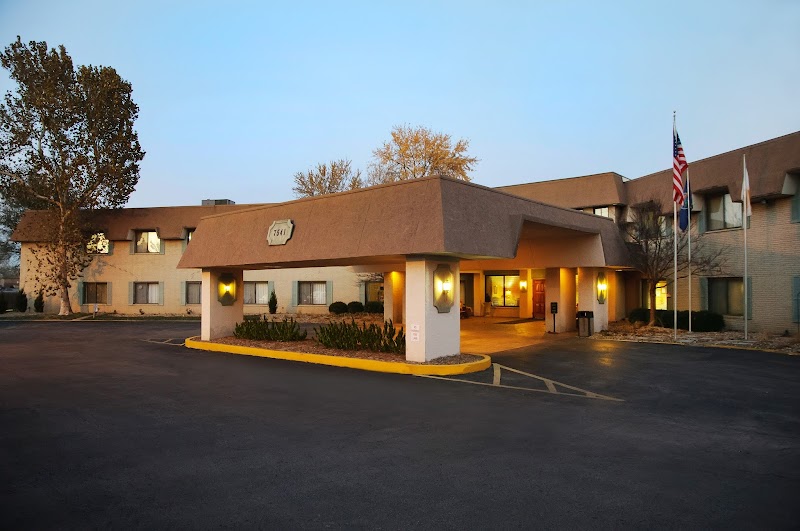
GARDEN TERRACE AT OVERLAND PARK

7541 SWITZER ROAD, OVERLAND PARK, KS 66214 (913) 631-2273
For profit - Corporation 163 Beds LIFE CARE CENTERS OF AMERICA Data: November 2025 2 Immediate Jeopardy citations
Trust Grade
31/100
#125 of 295 in KS
Last Inspection: May 2025

Inspected within the last 6 months. Data reflects current conditions.

Overview

Garden Terrace at Overland Park currently holds a Trust Grade of F, indicating significant concerns about its overall care and management. Ranked #125 out of 295 facilities in Kansas, it is still in the top half but is experiencing a troubling trend, with issues increasing from 4 in 2024 to 20 in 2025. Although staffing is a relative strength with a 4/5 star rating and a turnover rate of 38%, which is lower than the state average, there have been critical incidents of physical abuse and inadequate supervision that raise serious red flags. The facility has incurred $44,718 in fines, which is concerning but average compared to other facilities in the state, and while RN coverage is average, there are significant deficiencies, including a failure to provide necessary education for staff, potentially impacting the quality of care. Families considering this nursing home should weigh these strengths against the serious weaknesses when making their decision.

Trust Score
F
31/100
In Kansas
#125/295
Top 42%
Safety Record
High Risk
Review needed
Inspections
Getting Worse
4 → 20 violations
Staff Stability
○ Average
38% turnover. Near Kansas's 48% average. Typical for the industry.
Penalties
✓ Good
$44,718 in fines. Lower than most Kansas facilities. Relatively clean record.
Skilled Nurses
○ Average
Each resident gets 39 minutes of Registered Nurse (RN) attention daily — about average for Kansas. RNs are the most trained staff who monitor for health changes.
Violations
⚠ Watch
45 deficiencies on record. Higher than average. Multiple issues found across inspections.
★★★☆☆
3.0
Overall Rating
★★★★☆
4.0
Staff Levels
★★★★★
5.0
Care Quality
★★☆☆☆
2.0
Inspection Score
Stable
2024: 4 issues
2025: 20 issues

The Good

  • 4-Star Staffing Rating · Above-average nurse staffing levels
  • 5-Star Quality Measures · Strong clinical quality outcomes
  • Full Sprinkler Coverage · Fire safety systems throughout facility
  • No fines on record
  • Staff turnover below average (38%)

    10 points below Kansas average of 48%

Facility shows strength in staffing levels, quality measures, fire safety.

The Bad

3-Star Overall Rating

Near Kansas average (2.9)

Meets federal standards, typical of most facilities

Staff Turnover: 38%

Near Kansas avg (46%)

Typical for the industry

Federal Fines: $44,718

Above median ($33,413)

Moderate penalties - review what triggered them

Chain: LIFE CARE CENTERS OF AMERICA

Part of a multi-facility chain

Ask about local staffing decisions and management

The Ugly 45 deficiencies on record

2 life-threatening
May 2025 20 deficiencies
CONCERN (D) 📢 Someone Reported This

A family member, employee, or ombudsman was alarmed enough to file a formal complaint

Potential for Harm - no one hurt, but risky conditions existed

Deficiency F0558 (Tag F0558)

Could have caused harm · This affected 1 resident

**NOTE- TERMS IN BRACKETS HAVE BEEN EDITED TO PROTECT CONFIDENTIALITY** The facility identified a census of 147 residents. The sample included 31 residents, with two residents sampled for reasonable a...

Read full inspector narrative →
**NOTE- TERMS IN BRACKETS HAVE BEEN EDITED TO PROTECT CONFIDENTIALITY** The facility identified a census of 147 residents. The sample included 31 residents, with two residents sampled for reasonable accommodations of needs. Based on observation, record review, and interview, the facility failed to ensure Resident (R) 25's food preferences were met, due to nursing staff taking dietary items away from the tray. This deficient practice placed R25 at risk for impaired physical, mental, and psychosocial well-being. Findings included: - R25's Electronic Medical Record (EMR) from the Diagnosis tab documented diagnoses of Alzheimer's disease (progressive mental deterioration characterized by confusion and memory failure), psychosis (any major mental disorder characterized by a gross impairment in reality perception), hypertension (high blood pressure), hyperlipidemia (condition of elevated blood lipid levels), acquired absence of right great toe, acquired absence of left great toe, anemia (an inadequate number of healthy red blood cells to carry adequate oxygen to body tissues), foot drop (inability or difficulty in moving the ankle and toes upward), anxiety (mental or emotional reaction characterized by apprehension, uncertainty, and irrational fear), depression (a mood disorder that causes a persistent feeling of sadness and loss of interest), diabetes mellitus (DM - when the body cannot use glucose, not enough insulin is made, or the body cannot respond to the insulin), retention of urine, history of falling, muscle weakness, unsteadiness on feet, encephalopathy (a broad term for any brain disease that alters brain function or structure), and dementia (a progressive mental disorder characterized by failing memory and confusion). The Quarterly Minimum Data Set (MDS) dated [DATE] documented a Brief Interview of Mental Status (BIMS) score of nine, which indicated moderately impaired cognition. The MDS documented R25 depended on staff for dressing upper and lower body, and bathing. The MDS documented R25 was independent with eating and required partial/moderate assistance with toileting. The MDS documented R25 was a diabetic. The Nutritional Status Care Area Assessment (CAA) dated 08/22/24 documented R25 Nutritional CAA triggered secondary a calculation used to estate body fat percentage based on height and weight()R25's CAA documented the risk factors included weight instability, impaired fluid balance, abnormal lab values, and impaired skin integrity. The care plan would be reviewed and updated to include interventions to address risk factors. R25's Care Plan revised 02/20/25 documented R25 had a nutritional risk related to diabetes and Alzheimer's Disease. R25's plan of care had a history of diabetic foot ulcers. R25's plan of care documented she had her left and right great toe amputation. R25's plan of care documented R25 would maintain her weight without significant weight changes. R25's plan of care directed staff to provide her diet as ordered by the physician and monitor and record her food intake. R25's EMR under Orders revealed the following: Double protein with all meals dated 03/14/25. Regular diet, easy-to-chewy texture, thin consistency with diabetic condiments dated 03/14/25. On 05/12/25 at 08:27 AM, Certified Nurses Aid (CNA) N took toast from R25's breakfast tray after asking Licensed Nurse (LN) G if R25 should get all her bread due to blood glucose readings. LN G stated she should take half the bread from R25's tray. CNA N took two halves of toast from R25's tray. On 05/14/25 at 12:36 PM, LN G took R25's bread stick from her meal tray after stating her blood sugar would be high. R25 grabbed for the bread. LN G put bread on the tray and placed the tray in the food warmer. R25 then grabbed the bread off R124's plate and ate half of R124's breadstick. LN G stated R124 was a good [NAME]. On 05/14/25 at 12:45 PM, LN G stated R25's blood glucose was high, and she got double portions. LN G stated she did not want to call the physician. LN G stated R124 was a good [NAME] and R25 got some bread. On 05/15/25 at 09:17 AM, CNA N stated she always asked the nurse what the residents who are diabetics s would have for each meal. She stated she would tell me if the blood sugars were high or low. She stated during each meal the diabetic's bread or dessert would be pulled from their tray. On 05/15/25 at 02:42 PM, Administrative Nurse D stated residents should get what was served on the resident's tray. She stated staff should never take food away from the resident. The facility's Resident Rights policy revised 09/10/24 documented at the time of admission and periodically throughout their stay, the facility would inform each resident, orally and in writing of their rights.
CONCERN (D) 📢 Someone Reported This

A family member, employee, or ombudsman was alarmed enough to file a formal complaint

Potential for Harm - no one hurt, but risky conditions existed

Notification of Changes (Tag F0580)

Could have caused harm · This affected 1 resident

The facility identified a census of 147 residents. The sample included 31 residents, with one reviewed for notification of changes. Based on observation, record review, and interviews, the facility fa...

Read full inspector narrative →
The facility identified a census of 147 residents. The sample included 31 residents, with one reviewed for notification of changes. Based on observation, record review, and interviews, the facility failed to notify Resident (R) 198's physician of changes related to his head injury from staff-assisted cares. This deficient practice resulted in a delay in acute medical treatment. Findings Included: - The Medical Diagnosis section within R198's Electronic Medical Records (EMR) included diagnoses of dementia (a progressive mental disorder characterized by failing memory and confusion), acute femur (upper leg bone) fracture (broken bone), and anxiety disorder (mental or emotional reaction characterized by apprehension, uncertainty, and irrational fear). R198's Significant Change Minimum Data Set (MDS) dated 10/25/24 noted a Brief Interview for Mental Status (BIMS) score of zero, indicating severe cognitive impairment. The MDS noted no behaviors observed. The MDS noted one-sided upper extremity impairment and bilateral (both sides) lower extremity impairment. The MDS noted he used a wheelchair for mobility. The MDS noted he was dependent on staff assistance for bed mobility, toileting, bathing, lower body dressing, putting on footwear, and personal hygiene. The MDS noted he was always incontinent of bowel and bladder. The MDS noted he had fractures and other multiple traumas. R198's Cognitive Impairment Care Area Assessment (CAA) completed 07/12/24 noted he had behaviors related to his dementia diagnosis and required 24-hour daycare. The CAA noted he required total care. R198's Communication CAA completed 07/12/24 noted he had severe cognitive impairment that rendered him unclear with garbled speech. The CAA noted he was unable to voice his needs. R198's Care Plan initiated 07/01/24 indicated he was at risk for activities of daily living (ADL) self-care deficit and falls related to his medical diagnoses. R198's plan noted he had verbal and physically aggressive behaviors (07/12/24). The plan instructed staff to speak to him calmly and divert his attention. The plan noted he was dependent on staff assistance for his transfers, toileting, dressing, personal hygiene, bathing, and oral hygiene. The plan noted he required total assistance from two staff for repositioning and turning in bed (10/28/24). The plan noted he required total assistance from two staff for transfers but was changed to a Hoyer lift (full mechanical body lift) on 11/13/24. R198's EMR under Progress Notes revealed an Event Note completed 01/02/25 at 07:48 PM by Licensed Nurse (LN) K. The note indicated staff found R198 in his bed with a blood-soaked Band-Aid. The note revealed staff then reported the injury to LN K. The note revealed R198 did not have this injury the previous evening. LN K cleaned and assessed the wound to find a three-centimeter (cm) laceration on his forehead. The note revealed LN K believed the wound might need sutures and notified the medical provider. R198 was sent out to an acute care facility for evaluation and treatment. R198's EMR revealed no progress notes or nursing assessments completed at the time of R198's injury prior to LN K's discovery of the wound. The facility was unable to provide this documentation as requested on 05/15/25. A Skin Related Injury report # 5074 completed 01/02/25 indicated staff found R198 around 04:30 PM with a blood-saturated Band-Aid on his forehead. The report noted R198 had a three-centimeter laceration on his forehead and the wound needed to be sutured. The report revealed R198 was unable to explain how he received the injury. The note revealed R198 was sent out to an acute care facility at 05:30 PM for evaluation and treatment. A Witness Statement completed by CNA PP on 01/03/25 indicated she was assisting with R198's Hoyer Lift transfer before his injury occurred. The statement indicated CNA's PP and CNA Q transferred R198 to his bed from his wheelchair. The statement then indicated CNA PP left the room to assist other residents. A Witness Statement completed by CNA Q on 01/03/25 indicated she assisted with R198's wheelchair-to-bed transfer via a Hoyer lift after lunch. The statement indicated CNA PP left the room to assist another resident and returned to check on R198. The statement revealed upon returning to the room CNA Q found R198's feet were on the floor. The statement revealed R198 placed his feet back on his bed and noticed that R198 was incontinent of bowel. The statement revealed CNA Q raised the bed and turned R198 towards the wall. The statement revealed CNA Q turned R198 back towards her, and R198 punched CNA Q in the mouth. The statement revealed CNA Q saw that R198's head was bleeding as R198 grabbed her shirt. The statement revealed CNA Q placed a Band-Aid on his forehead and told CNA PP that R198 punched her in her mouth. R198's EMR under the Interdisciplinary Team (IDT) note completed on 01/07/24 indicated R198's injury was caused when he struck his head on a wall outlet next to his bed while he was agitated during care. On 05/15/25 at 09:34 AM, CNA Q stated on 01/02/25 that she moved R198 back to his bed after lunch with another staff. She stated that both staff left the room to assist other residents. CNA Q stated she re-entered the room briefly and found R198 hanging off the side of his bed with his feet on the floor. She stated she pulled his feet back up on the bed and noticed he had a bowel movement. She stated she turned him on his side (facing the wall). She stated that upon turning him back, R198 grabbed her and punched her. She stated she noticed his head bleeding. She stated she reported the incident to CNA PP and put a Band-Aid on his head. On 05/15/25 at 09:34 AM, CNA PP stated she assisted CNA Q with R198's bed transfer on 01/02/25 but then left the room to assist other residents. She stated the unit nurse left early that day, so she was not sure who the accident was reported to or if R198 was assessed. She stated the facility completed annual abuse, neglect, and exploitation training. She stated that injuries and accidents a required to be reported to the nurse immediately. On 05/15/25 at 11:43 AM, LN K stated he started his shift with no knowledge or pass-down information related to R198's injury. He stated that the previous shift nurse left early. LN K stated the staff found R198 in his bed, resting, and noticed the head injury. LN K stated he notified Administrative Nurse D and the medical provider upon assessment of the wound's condition and recommended further evaluation. On 05/15/25 at 02:44 PM, Administrative Nurse D stated she did not feel the accidents were abuse-related due to having witnesses for the accidents. She stated the first accident was related to a slip of the Sit-to-stand lift, and the second was due to his head hitting a wall outlet. She stated that the witness statements corroborated the observations at the time. She stated that staff received annual training related to abuse, neglect, and exploitation. She stated staff were expected to report falls, accidents, and injuries immediately to the on-duty nurse. The facility's Changes in Resident Condition or Status revised 11/2018 indicated the facility must immediately inform the resident's physician of accidents that require physician intervention related to physical, mental, or psychosocial changes.
CONCERN (D) 📢 Someone Reported This

A family member, employee, or ombudsman was alarmed enough to file a formal complaint

Potential for Harm - no one hurt, but risky conditions existed

Deficiency F0582 (Tag F0582)

Could have caused harm · This affected 1 resident

The facility identified a census of 147 residents. The sample included 31 residents, with three reviewed for Center for Medicare and Medicaid Services (CMS) Beneficiary Liability notices. Based on int...

Read full inspector narrative →
The facility identified a census of 147 residents. The sample included 31 residents, with three reviewed for Center for Medicare and Medicaid Services (CMS) Beneficiary Liability notices. Based on interview and record review, the facility failed to issue Center for Medicare/Medicaid Services (CMS) Notification of Medicare Non-Coverage Form 10123 (NOMNC - the form used to notify Medicare A participants of their rights to appeal and the last covered date of participants of potential financial liability when a Medicare Part A episode ends) with the required information for Resident (R) 199. This failure placed the resident at risk for decreased autonomy and impaired decision-making. Findings included: - A review of R199's Electronic Medical Record (EMR) documented that the Medicare Part A episode began on 03/28/25 and ended on 04/16/25. R199 did not remain in the facility for custodial care and was discharged to home. R199's clinical record lacked evidence of a NOMNC issued for this Medicare Part A episode. Review of R199 EMR under the Assessment tab revealed a Discharge Summary Information dated 04/14/25 that documented R199 had met her therapy goals and would be discharged home. On 05/15/25 at 10:10 AM, Social Services Staff X stated the facility did not issue NOMNC notices to residents who had been discharged from the facility with Medicare A days remaining. On 05/15/25 at 11:40 AM, Administrative Nurse F stated the facility was not required to issue a NOMNC notice to a resident who was discharged to home or going to get therapy outside the facility. The facility's Denial or End of Benefits policy last reviewed 05/06/25 documented the denial or end of benefits process was in place to help the resident and family understand their options and needs that they might have regarding their care.
CONCERN (D) 📢 Someone Reported This

A family member, employee, or ombudsman was alarmed enough to file a formal complaint

Potential for Harm - no one hurt, but risky conditions existed

Comprehensive Care Plan (Tag F0656)

Could have caused harm · This affected 1 resident

The facility identified a census of 147 residents. The sample included 31 residents, with 31 residents reviewed for comprehensive care plans. Based on observation, record review, and interviews, the f...

Read full inspector narrative →
The facility identified a census of 147 residents. The sample included 31 residents, with 31 residents reviewed for comprehensive care plans. Based on observation, record review, and interviews, the facility failed to develop a comprehensive care plan for Resident (R) 46 for person-centered preferences. The facility also failed to develop a comprehensive care plan for R82 for respiratory therapy. These deficient practices placed these residents at risk for impaired care due to uncommunicated care needs. Findings included: - R46's Electronic Medical Record (EMR) from the Diagnosis tab documented diagnoses of dementia (a progressive mental disorder characterized by failing memory and confusion), depression (a mood disorder that causes a persistent feeling of sadness and loss of interest), cognitive communication deficit (difficulty with any aspect of communication that is affected by disruption of cognitive processes), and lack of coordination. The Annual Minimum Data Set (MDS) dated 01/03/25 documented a Brief Interview of Mental Status (BIMS) score of 99 and a staff interview was conducted, which indicated severely impaired cognition. The MDS documented R46 required substantial to maximum assistance with personal hygiene and dressing. The Quarterly MDS dated 04/16/25 documented a BIMS score of 99 and a staff interview was conducted, which indicated severely impaired cognition. The MDS documented R46 required substantial to maximum assistance with personal hygiene and dressing. R46's Behavioral Symptoms Care Area Assessment (CAA) dated 01/08/25 documented he had a diagnosis of dementia with ongoing cognitive impairment. R46 could be socially inappropriate due to his dementia. R46's Care Plan, dated 01/26/22, documented staff anticipated and met his needs. The plan of care documented R46 required extensive assistance with bed mobility, transfers, dressing, toilet use, and personal hygiene. The plan of care lacked direction to the staff of R46's person-centered choices for personal hygiene. On 05/12/25 at 12:46 PM, R46 sat asleep in his wheelchair in the common area. R46 had several days of facial hair on his face. On 05/13/25 at 08:09 AM, R46 sat asleep at the dining room table in his wheelchair. R46 had several days of facial hair on his face. On 05/14/25 at 03:01 PM, R46 was pushed in his wheelchair by staff into the common area. R46 continued to have several days of facial hair on his face and neck area. On 05/15/25 at 11:14 PM, R46 sat in his wheelchair in the common area. R46 had several days of facial hair on his face and neck area. R46 stated he was not trying to grow a beard and would prefer to be shaved on a daily basis. On 05/15/25 at 11:39 AM, Certified Nurse Aide (CNA) O stated the staff shaved the gentlemen on their shower days. CNA O stated he would not know where to find if a resident had preferred to be shaved on a daily basis. CNA O stated everyone had access to the resident's care plan or Kardex (a nursing tool that gives a brief overview of the care needs of each resident) which should include a resident's preferences. On 05/15/25 at 11:42 AM, Licensed Nurse (LN) H stated that R46's shaving of facial hair would be provided twice weekly on his shower/bath day or if R46 requested to be shaved. LN H stated that R46 was an evening bath, and she was not sure if the evening staff offered R46 on a daily basis to be shaved. LN H stated his choice should be listed on R46's Care Plan. LN H stated the residents had dementia so they may say yes at one time and then not the next. LN H stated everyone had access to the resident's Kardex. On 05/15/25 at 02:43 PM, Administrative Nurse D stated she would expect each resident's preference for personal hygiene to be on their care plan. Administrative Nurse D stated the facility tried to get the residents' preferences at the time of admission, but sometimes the residents were unable to answer the questions asked of them due to their dementia or cognitive impairments. The facility's Comprehensive Care Plans and Revisions policy last reviewed on 09/11/24 documented the facility would ensure the timeliness of each resident's person-centered, comprehensive care plan, and to ensure that the comprehensive care plan was reviewed and revised by an interdisciplinary team composed of individuals who have knowledge of the resident and his/her needs and that each resident and resident representative, if applicable, was involved in developing the care plan and making decisions about his or her care. - R82's Electronic Medical Record (EMR) from the Diagnosis tab documented diagnoses of dementia (a progressive mental disorder characterized by failing memory and confusion), congestive heart failure (CHF - a condition with low heart output and the body becomes congested with fluid), abnormal findings of lung fields, and hypoxia (inadequate supply of oxygen). The Significant Change Minimum Data Set (MDS) dated 11/13/24 documented a Brief Interview of Mental Status (BIMS) score of 10, which indicated moderately impaired cognition. The MDS lacked documentation that R82 was on oxygen therapy and had an order for a bi-level positive airway pressure (BIPAP - a device that helps with breathing) during the observation period. The Quarterly MDS dated 04/10/25 documented a BIMS score of eight, which indicated moderately impaired cognition. The MDS lacked documentation that R82 was on oxygen therapy and had an order for a BIPAP during the observation period. R82's Functional Abilities (Self-Care and Mobility) Care Area Assessment (CAA) dated 11/22/24 documented she required staff assistance with some of her activities of daily living. R82's Care Plan, last revised 11/20/24, documented the hospice provider had supplied her with an oxygen concentrator, wheelchair, nebulizer (a device that changed liquid medication into a mist easily inhaled into the lungs), bed frame, and a foam mattress. The care plan lacked direction for her oxygen therapy and the use of a BiPAP machine at bedtime. R82's EMR under the Orders tab revealed the following physician orders: BiPAP upon arrival to the facility while asleep or in bed. Mode: non-invasive ventilation continuous positive airway pressure (CPAP- ventilation device that blows a gentle stream of air into the nose to keep the airway open during sleep), dated 11/01/24. Check oxygen saturation every shift and titrate oxygen to keep stats above 90% every shift for CHF exacerbation, dated 11/01/24. The order lacked dosing instructions for the oxygen. On 05/13/25 at 08:21 AM, R82 sat at the dining room table with oxygen tubing in her nares. On 05/14/25 at 07:13 AM, R82's oxygen tubing laid directly on the dining room table unbagged. On 05/15/25 at 10:15 AM, Certified Nurse Aide (CNA) P stated she would ask the charge nurse what R82's oxygen flow should be set at. CNA P stated that R82's oxygen tubing should be stored in a bag when not in use. CNA P stated respiratory care should be included in R82's care plan. On 05/15/25 at 10:30 AM, Licensed Nurse (LN) I stated oxygen equipment should be stored in a bag when not in use, and it should not be left unbagged on the dining room table when not in use. LN I stated that R82 should have an order to administer oxygen which included the specific dose to be administered. LN I stated respiratory therapy and her use of a BiPAP should be included in the care plan. On 05/15/25 at 02:43 PM, Administrative Nurse D stated she would expect R82's BiPAP and oxygen equipment to be stored in a bag when not in use. Administrative Nurse D stated she would expect there to be a physician order for the use of oxygen therapy. Administrative Nurse D stated she would expect a resident's care plan to have respiratory therapy. Administrative Nurse D stated everyone had access to the care plans and Kardex. The facility's Comprehensive Care Plans and Revisions policy last reviewed on 09/11/24 documented the facility would ensure the timeliness of each resident's person-centered, comprehensive care plan, and to ensure that the comprehensive care plan was reviewed and revised by an interdisciplinary team composed of individuals who have knowledge of the resident and his/her needs, and that each resident and resident representative, if applicable, was involved in developing the care plan and making decisions about his or her care.
CONCERN (D) 📢 Someone Reported This

A family member, employee, or ombudsman was alarmed enough to file a formal complaint

Potential for Harm - no one hurt, but risky conditions existed

Deficiency F0657 (Tag F0657)

Could have caused harm · This affected 1 resident

The facility identified a census of 147 residents. The sample included 31 residents, with 31 residents reviewed for care plan for resident centered revisions. The facility failed to revise the care pl...

Read full inspector narrative →
The facility identified a census of 147 residents. The sample included 31 residents, with 31 residents reviewed for care plan for resident centered revisions. The facility failed to revise the care plan to include resident-centered functional abilities for Resident (R) 23. This placed the resident at risk for unmet care needs. Findings included: - R23's Electronic Medical Record (EMR) from the Diagnosis tab documented diagnoses of hemiplegia (paralysis of one side of the body), hemiparesis/hemiplegia (weakness and paralysis on one side of the body), muscle weakness, and cerebrovascular accident (CVA - stroke - sudden death of brain cells due to lack of oxygen caused by impaired blood flow to the brain by blockage or rupture of an artery to the brain). The admission Minimum Data Set (MDS) dated 10/15/24 documented a Brief Interview of Mental Status (BIMS) score of three, which indicated severely impaired cognition. The MDS documented R23 had no behavioral symptoms during the observation period. The Quarterly MDS dated 04/10/25 documented a BIMS score of four, which indicated severely impaired cognition. The MDS documented that R23 had no behavioral symptoms during the observation period. The MDS documented R23 had received antidepressant (a class of medications used to treat mood disorders) medication and antianxiety (a class of medications that calm and relax people) medication during the observation period. R23's Cognitive Loss/Dementia Care Area Assessment (CAA) dated 10/23/24 documented she had ongoing cognitive impairment related to her history of strokes. R23's Care Plan dated 10/25/24 directed the staff to reassure her when she was resistive with activities of daily living (ADL), leave and return in five to 10 minutes later and try again as safety allowed. R23's EMR under the Progress Notes tab revealed the following: On 03/28/25 at 08:50 PM, a Behavior Note that documented R23 was verbally and physically aggressive toward the staff during the assistance of ADLs. R23 stated stop and go away to the staff. R23 continued to hit, pinch, and kick during the ADL assistance. Staff had redirected R23 with minimal effect and R23 continued the verbal and physical aggressive behavior toward the staff during their assistance with ADLs. On 03/29/25 at 01:28 PM a Behavior Note documented R23 was combative during a transfer from her bed into the wheelchair with assistance of two staff members. On 03/29/25 at 06:46 PM a Behavior Note documented R23 was verbally and physically aggressive toward staff during ADL assistance. R23 stated stop and quit it to the staff as they assisted her. R23 kicked, bite and pinched the staff during their assistance. Staff redirected R23 with minimal effect as they continued to provide care. On 03/29/25 at 05:50 PM an Event Note documented a staff member that had provided assistance to R23 and reported R23 had an open area on her right arm. A skin tear was noted on R23's right arm. On 04/21/25 at 06:40 PM a Behavior Note documented R23 was verbally and physically aggressive toward the staff as they provided her assistance with ADLs. R23 yelled leave me alone and she would get them. R23 continued to hit, pinch, and hit at the staff during their assistance. Staff attempted to redirect R23 with minimal effectiveness, and R23 continued to be aggressive toward the staff. On 04/22/25 09:01 PM a Behavior Note documented R23 was verbally and physically aggressive toward the staff as they provided her assistance with ADLs. R23 yelled quit it and leave me alone. R23 continued to hit, pinch, and hit at the staff during their assistance. Staff attempted to redirect R23 with minimal effectiveness, and R23 continued to be aggressive toward the staff. On 05/2/25 at 01:00 PM a Behavior Note documented R23 was combative toward staff when they attempted to administer her medication. R23 attempted to hit staff and bite down on the spoon and made it difficult for staff to administer R23 her medications. On 05/10/25 at 10:40 AM a Skin/Wound Note documented R23 had received a skin tear on her right forearm during staff assistance with ADLs. Staff reported R23 had been combative during assistance with ADLs, dressing, transfers, and grooming. On 05/11/25 at 01:42 PM a Behavior Note documented R23 was combative with transfers from her bed into the wheelchair. R23 had resisted toward staff during their assistance with ADLs. R23 would bite staff and grab at staff's arms during their assistance with ADLs. On 05/13/25 at 07:32 AM, R23 laid asleep on her right side on the bed. R23's bed was in the lowest position, asleep on her bed, on her left side with the bed in the low position. On 05/15/25 at 10:15 AM, Certified Nurse Aide (CNA) P stated R23 had behaviors at times. CNA P stated she would attempt to reapproach later. CNA P stated it would be helpful to have other person-centered interventions to help with R23's behaviors. CNA P stated she had access to the Kardex (nursing tool that gives a brief overview of the care needs of each resident) . On 05/15/25 at 10:30 AM, Licensed Nurse (LN) I stated when R23 became combative with staff during their assistance. LN I stated they were to leave and reapproach her later. LN I was not sure if there were any person-centered interventions on R23 care plan for staff to use when she became combative. LN I stated everyone had access to the resident's care plan and Kardex. On 05/15/25 at 02:43 PM, Administrative Nurse D stated the staff would try to redirect the resident when they became combative during staff assistance with ADLs. Administrative Nurse D stated she would not expect staff to care plan every behavioral intervention. Administrative Nurse D stated everyone had access to the resident's care plan and Kardex. The facility's Comprehensive Care Plans and Revisions policy last reviewed 09/11/24 documented the facility would ensure the timeliness of each resident 's person-centered, comprehensive care plan, and to ensure that the comprehensive care plan was reviewed and revised by an interdisciplinary team composed of individuals who have knowledge of the resident and his/her needs, and that each resident and resident representative, if applicable, was involved in developing the care plan and making decisions about his or her care. The facility would monitor the resident over time to help identify changes in the resident condition that may warrant an update to the person-centered plan of care. When these changes occurred, the facility should review and update the plan of care to reflect the changes to care delivery.
CONCERN (D) 📢 Someone Reported This

A family member, employee, or ombudsman was alarmed enough to file a formal complaint

Potential for Harm - no one hurt, but risky conditions existed

ADL Care (Tag F0677)

Could have caused harm · This affected 1 resident

The facility identified a census of 147 residents. The sample included 31 residents, with six residents reviewed for activities of daily living (ADL). Based on observation, record review, and intervie...

Read full inspector narrative →
The facility identified a census of 147 residents. The sample included 31 residents, with six residents reviewed for activities of daily living (ADL). Based on observation, record review, and interviews, the facility failed to provide the necessary assistance with personal hygiene for Resident (R) 46. This deficient practice placed R46 at risk for poor hygiene, decreased self-esteem, and impaired dignity. Findings included: - R46's Electronic Medical Record (EMR) from the Diagnosis tab documented diagnoses of dementia (a progressive mental disorder characterized by failing memory and confusion), depression (a mood disorder that causes a persistent feeling of sadness and loss of interest), cognitive communication deficit (difficulty with any aspect of communication that is affected by disruption of cognitive processes), and lack of coordination. The Annual Minimum Data Set (MDS) dated 01/03/25 documented a Brief Interview of Mental Status (BIMS) score of 99 and a staff interview was conducted which indicated severely impaired cognition. The MDS documented R46 required substantial to maximum assistance with personal hygiene and dressing. The Quarterly MDS dated 04/16/25 documented a BIMS score of 99 and a staff interview was conducted which indicated severely impaired cognition. The MDS documented R46 required substantial to maximum assistance with personal hygiene and dressing. R46's Behavioral Symptoms Care Area Assessment (CAA), dated 01/08/25 documented he had a diagnosis of dementia with ongoing cognitive impairment. R46 could be socially inappropriate due to his dementia. R46's Care Plan, dated 01/26/22, documented staff anticipated and met his needs. The plan of care documented R46 required extensive assistance with bed mobility, transfers, dressing, toilet use, and personal hygiene. The plan of care lacked direction to the staff of R46's person-centered choices for personal hygiene. On 05/12/25 at 12:46 PM, R46 sat asleep in his wheelchair in the common area. R46 had several days of facial hair on his face. On 05/13/25 at 08:09 AM, R46 sat asleep at the dining room table in his wheelchair. R46 had several days of facial hair on his face. On 05/14/25 at 03:01 PM, R46 was pushed in his wheelchair by staff into the common area. R46 continued to have several days of facial hair on his face and neck area. 05/15/25 11:14 PM, R46 sat in his wheelchair in the common area. R46 had several days of facial hair on his face and neck area. R46 stated he was not trying to grow a beard and would prefer to be shaved on a daily basis. On 05/15/25 at 11:39 AM, Certified Nurse Aide (CNA) O stated the staff shaved the gentlemen on their shower days. CNA O stated he would not know where to find if a resident had preferred to be shaved on a daily basis. On 05/15/25 at 11:42 AM, Licensed Nurse (LN) H stated that R46's shaving of facial hair would be provided twice weekly on his shower/bath day or if R46 requested to be shaved. LN H stated that R46 was an evening bath, and she was not sure if the evening staff offered R46 on a daily basis to be shaved. LN H stated his choice should be listed on R46's care plan. LN H stated the residents had dementia so they may say yes at one time and then not the next. On 05/15/25 at 02:43 PM, Administrative Nurse D stated she would expect each resident's preference for personal hygiene to be on their care plan. Administrative Nurse D stated the facility tried to get the residents' preferences at the time of admission, but sometimes the residents were unable to answer the questions asked of them due to their dementia or cognitive impairments. The facility's Resident Rights policy last revised on 09/10/24 documented the facility must treat each resident with respect, dignity, and care for each resident in a manner and in an environment that promotes the maintenance or enhancement of his or her quality of life, recognizing each resident's individuality. The facility must protect and promote the rights of the residents.
CONCERN (D) 📢 Someone Reported This

A family member, employee, or ombudsman was alarmed enough to file a formal complaint

Potential for Harm - no one hurt, but risky conditions existed

Quality of Care (Tag F0684)

Could have caused harm · This affected 1 resident

The facility identified a census of 147 residents. The sample included 31 residents with one resident reviewed for quality of care. Based on observation, record review, and interviews, the facility fa...

Read full inspector narrative →
The facility identified a census of 147 residents. The sample included 31 residents with one resident reviewed for quality of care. Based on observation, record review, and interviews, the facility failed to follow a physician's order to apply thrombo-embolic-deterrent hose (TED hose - specialized compression stockings designed to help manage swelling of the feet/legs) in the mornings for edema (swelling resulting from an excessive accumulation of fluid in the body tissues). This deficient practice placed R90 at risk for increased edema, pain, and skin-related difficulties. Findings Included: - R90's Electronic Medical Record (EMR) from the Diagnosis tab documented diagnoses of pain, hypertension (high blood pressure), insomnia (unable to sleep), cognitive-communication deficit( often stems from problems with attention, memory, executive functions), history of falling, muscle weakness, hyperlipidemia ( an abnormally high concentration of fats and lipid in the blood), aphasia (condition with disordered or absent language function), chronic obstructive pulmonary disease (COPD - a progressive and irreversible condition characterized by diminished lung capacity and difficulty or discomfort in breathing), and dementia (a progressive mental disorder characterized by failing memory and confusion). The Annual Minimum Data Set (MDS) dated 01/31/25, documented a Brief Interview of Mental Status (BIMS) score of zero which indicated severely impaired cognition. The MDS documented R90 needed substantial to maximal assistance with dressing, toileting, and set up for eating. The MDS documented R90 received a diuretic (a medication to promote the formation and excretion of urine) during the observation period. The Urinary Incontinence/Indwelling Catheter Care Area Assessment (CAA) dated 01/31/25 documented R90 triggered for urinary incontinence CAA triggered secondary to incontinence of bowel and bladder and dependence of staff for incontinent care. The CAA for R90 documented contributing factors included weakness, impaired mobility, and cognitive loss. R90's CAA documented the risk factors included skin breakdown, falls, and recurrent urinary tract infections (UTI). The CAA documented R90's plan of care would be reviewed and updated. R90's Care Plan dated 05/15/25 documented R90 received diuretic therapy medication related to edema. R90's plan of care documented R90 received diuretic medication as ordered by the physician. R90's EMR chart under Orders revealed the following orders: Lasix (diuretic) oral tablet 40 milligrams (mg) give one tablet by mouth two times a day for edema dated 06/01/23. TED stockings off bilateral lower extremities at bedtime for skin integrity dated 07/30/23. TED stockings on bilateral lower extremities on everyday shift for edema dated 03/14/24. On 05/12/25 at 07:45 AM, R90 sat at the dining room table. R90 had nonskid socks on, and R90 did not have TED stockings on his feet. On 05/13/25 at 08:25 AM, R90 sat in front of the nursing station. R90 had nonskid socks on, and R90 did not have TED hose stockings on his feet. On 05/15/25 at 09:25 AM, Licensed Nurse (LN) J stated that if a resident should have TED hose in the AM, it was all the nursing staff's obligation to ensure the TED hose were put on him. On 05/15/25 at 02:27 PM, Certified Nurse's Aide (CNA) QQ stated it was the CNA's duty to apply TED hose when helping get a resident up for the day. CNA QQ stated she had access to the Kardex (nursing tool that gives a brief overview of the care needs of each resident), and any special instructions for a resident would be communicated to her by the charge nurse. On 05/15/25 at 02:42 PM, Administrative Nurse D stated she could not say it was one person's duty to ensure the TED hose were placed as ordered for a resident. She stated all nursing departments could apply the TED hose. The facility's Skin Integrity and Pressure Ulcer /Injury Prevention and Management policy dated 03/31/23 documented skin observations occurred through points of care provided by CNAs and during ADL care, and any changes or open areas were reported to the nurse.
CONCERN (D) 📢 Someone Reported This

A family member, employee, or ombudsman was alarmed enough to file a formal complaint

Potential for Harm - no one hurt, but risky conditions existed

Pressure Ulcer Prevention (Tag F0686)

Could have caused harm · This affected 1 resident

**NOTE- TERMS IN BRACKETS HAVE BEEN EDITED TO PROTECT CONFIDENTIALITY** - R122's Electronic Medical Record (EMR) from the Diagnosis tab documented diagnoses of dementia (a progressive mental disorder ...

Read full inspector narrative →
**NOTE- TERMS IN BRACKETS HAVE BEEN EDITED TO PROTECT CONFIDENTIALITY** - R122's Electronic Medical Record (EMR) from the Diagnosis tab documented diagnoses of dementia (a progressive mental disorder characterized by failing memory and confusion), diabetes mellitus (DM - when the body cannot use glucose, not enough insulin is made, or the body cannot respond to the insulin), and muscle weakness. The admission Minimum Data Set (MDS) dated 05/08/24 documented a Brief Interview of Mental Status (BIMS) score of seven, which indicated severely impaired cognition. The MDS documented R122 was not at risk of the development of pressure-related injuries. The MDS documented R122 had a pressure-reducing device on her bed. The Quarterly MDS dated 02/07/25 documented a staff interview was conducted and R122 had moderately impaired cognition. The MDS documented that R122 was not at risk of development of a pressure-relayed injury. The MDS documented R122 had a pressure-reducing device on her bed. R122's Pressure Ulcer Care Area Assessment (CAA), dated 05/16/24 documented she did not have a pressure injury. R122's Care Plan, dated 04/18/25 documented she had a pressure-reducing mattress on her bed. The plan of care documented staff would encourage her to wear heel protectors while in bed as tolerated. R122's EMR under the Orders tab revealed the following physician orders: Bilateral heels - heel suspension boots at all times when in bed every evening and night shift for skin integrity dated 03/18/25. Right heel - encourage non-weight bearing as much as possible, except for therapy and transfers as needed for wound healing dated 04/18/25. R122's EMR under the Assessment tab revealed a Skin Integrity Update assessment dated [DATE] that documented finding a blister (a bubble that forms on the skin, typically due to friction, burns, or other skin injuries) on R122's right heel. A Wound Observation Tool assessment dated [DATE] of R122's right heel documented was a stage three (full thickness tissue loss, subcutaneous (beneath the skin) fat may be visible, but bone, tendon, or muscle are not exposed), Slough (dead tissue, usually cream or yellow in color) may be present but does not obscure the depth of tissue loss, may include undermining and tunneling. On 05/13/25 at 07:23 AM, R122 laid on her bed asleep on her left side and her heels laid directly on the mattress. R122's suspension boot sat in the chair next to her bed and no extra pillow was noted on R122's bed or in the chair beside her bed. On 05/15/25 at 10:15 AM, Certified Nurse Aide (CNA) P stated she did not always put R122's pressure-reducing boots on her heels, because R122 tried to get up and walk. CNA P stated she was worried R122 would fall. On 05/15/25 at 10:30 AM, Licensed Nurse (LN) I stated she was not sure what pressure-reducing devices were in place for R122 without checking. LN I stated the pressure-reducing devices should be in R122's care plan. LN I stated R122 would stand on her right heel to transfer. On 05/15/25 at 02:43 PM, Administrative Nurse D stated it was everyone's responsibility to ensure a resident had their pressure-reducing device in place. The facility's Skin Integrity and Pressure Ulcer/Injury Prevention and Management policy last revised 07/0924 documented a resident received care, consistent with professional standards of practice, to prevent pressure ulcers and to prevent the development of pressure ulcers unless the individual's clinical condition demonstrated that the pressure ulcers were unavoidable. The facility identified a census of 147 residents. The sample included 31 residents, with five residents reviewed for treatment and services to prevent and heal pressure ulcers (localized injury to the skin and/or underlying tissue usually over a bony prominence, because of pressure, or pressure in combination with shear and/or friction). Based on observation, record review, and interviews, the facility failed to ensure pressure Resident (R) 9 and R122's offloading boots were applied to their heels to prevent pressure ulcers. This placed R9 and R122 at increased risk for pressure ulcer development. Findings Included: - R9's Electronic Medical Record (EMR) from the Diagnosis tab documented diagnoses of cellulitis (a common bacterial infection of the skin and underlying tissues) of left lower limb, intracapsular fracture (a bone fracture that occurs within the joint capsule, specifically in the hip, the femoral head and femoral neck) of left femur (thigh bone), unsteadiness on feet, muscle weakness, Alzheimer's disease (progressive mental deterioration characterized by confusion and memory failure), dementia (a progressive mental disorder characterized by failing memory and confusion), and Stage 2 pressure ulcer (partial-thickness skin loss into but no deeper than the dermis including intact or ruptured blisters) of right buttock, and left buttock. The Modification of Quarterly Minimum Data Set (MDS) for R9 dated 03/04/25 documented that a mental status interview should not be performed, R9 was rarely or never understood. The MDS documented R9 required supervision or touching with eating, dependent on staff for toileting, and substantial to maximal assistance by staff for bathing. The MDS documented R9 had a Stage 1 (pressure wound which appears reddened, does not blanche, and may be painful but is not open) or greater over a bony prominence. The MDS documented R9 was a t risk of pressure ulcers. The MDS documented R9 had three Stage 2 (partial-thickness skin loss into but no deeper than the dermis including intact or ruptured blisters) and had a pressure-reducing device for bed. The Pressure Ulcer/Injury Care Area Assessment (CAA) dated 01/16/25 documented R9 had no pressure ulcers. R9's Care Plan dated 01/13/25 documented R9 was at risk for unavoidable pressure injury development or decline of skin integrity. The plan of care for R9 documented staff were to clean and apply a moisture barrier after each incontinent episode. The plan of care for R9 documented staff were to encourage and assist with turning and repositioning. The plan of care documented R9 had a pressure redistribution mattress, and staff were to do wound treatments as the physician ordered. R9's EMR under Orders revealed the following physician orders: Low air loss mattress, check functionality and setting, setting at auto firm mode, and on #3 every shift for wounds dated 02/18/25. Heel protectors were on at all times when in bed every shift for heel protection dated 01/20/25. On 05/12/25 at 07:22 AM, R9 laid in bed on his right side facing the door. R9 had nonskid socks on his feet. R9 did not have heel protectors on. On 05/13/25 at 07:25 AM, R9 laid on his bed. R9's heels laid directly on the mattress. R9 did not have heel protectors on. On 05/15/25 at 09:25 AM, Licensed Nurse (LN) J stated all nursing staff have access to the care plan. LN stated if placing boots on a resident was on the Treatment Administrative Record TAR the nurse would check the resident to ensure the heel protectors were in place. She stated placing heel protectors on residents was the responsibility of the nurses and the Certified Nursing Aide (CNA). On 05/15/25 at 02:27 PM, CNA N stated all CNAs have access to the Kardex (nursing tool that gives a brief overview of the care needs of each resident). CNA N stated nursing would let us know if a resident required any special equipment. On 05/15/25 at 02:42 PM, Administrative Nurse D stated CNAs have access to the Kardex. She stated if a resident was to have heel protectors, the CNA or the nurse could put the heel protectors on the resident. Administrative Nurse D stated the expectation was that a nursing staff member apply heel protectors as ordered by the physician. The facility's Skin Integrity and Pressure Ulcer/Injury Prevention and Management dated 07/09/24 documented the facility would provide associates and LN with procedures to manage skin integrity, prevent pressure ulcer/injury, complete would assessment documentation and provide treatment and care of skin and would utilizing professional standards.
CONCERN (D) 📢 Someone Reported This

A family member, employee, or ombudsman was alarmed enough to file a formal complaint

Potential for Harm - no one hurt, but risky conditions existed

Deficiency F0688 (Tag F0688)

Could have caused harm · This affected 1 resident

**NOTE- TERMS IN BRACKETS HAVE BEEN EDITED TO PROTECT CONFIDENTIALITY** The facility identified a census of 147 residents. The sample included 31 residents, with four residents reviewed for positionin...

Read full inspector narrative →
**NOTE- TERMS IN BRACKETS HAVE BEEN EDITED TO PROTECT CONFIDENTIALITY** The facility identified a census of 147 residents. The sample included 31 residents, with four residents reviewed for positioning and mobility. Based on observation, record review, and interviews, the facility failed to ensure Resident (R) 89's braces to both knees were applied. This deficient practice placed the resident at risk for discomfort and decreased range of motion (ROM - the full movement potential of a joint, usually its range of flexion and extension). Findings included: - R89's Electronic Medical Record (EMR) from the Diagnosis tab documented diagnoses of diabetes mellitus (when the body cannot use glucose, not enough insulin is made, or the body cannot respond to the insulin), pain, insomnia (inability to sleep), anxiety (mental or emotional reaction characterized by apprehension, uncertainty, and irrational fear), hyperlipidemia (condition of elevated blood lipid levels), history of falling, abnormal weight loss, unsteadiness of fee, and dementia (a progressive mental disorder characterized by failing memory and confusion). The Quarterly Minimum Data Set (MDS) dated [DATE] documented R89 had a memory problem and was never or rarely understood. The MDS documented R89 had impairment on both sides of her lower body. The MDS documented R89 was dependent on staff for all activities of daily living (ADL). R89's Cognitive Loss/Dementia Care Area Assessment (CAA) dated 06/27/24 documented R89 had a long history and diagnosis of dementia with ongoing cognitive and physical impairments that continue to require 24-hour day care. R89 was unable to make her needs known in any manner, she was total care for by the nursing staff. R89's Care Plan dated 08/02/22 documented R89 had an ADL self-care performance deficit related to dementia. R89's plan of care documented R89 was dependent on staff for bed mobility. R89's plan of care documented R89 was to walk 75 feet, and R89 was to wear knee extension braces daily for as long as tolerated. A review of R89's clinical record documented no refusals of staff applying knee brace. On 05/12/25 at 07:44 AM, R89 sat in her Broda chair (specialized wheelchair with the ability to tilt and recline) in the dining room waiting for breakfast. R89 did not have braces on her knees. On 05/13/25 at 08:10 AM, R89 sat in her Broda chair in the dining room eating breakfast. R89 did not have braces on her knees. On 05/15/25 at 09:25 AM, Licensed Nurse (LN) J stated all nursing staff have access to the resident's plan of care. She stated that if a resident was to have a brace or any special equipment, it would be the responsibility of all nursing staff to ensure the brace was applied. LN J stated if a resident refused a brace or special equipment, that would be documented in the resident's medical record. On 05/15/25 at 02:27 PM, Certified Nurse's Aide (CNA) QQ stated CNAs have access to the Kardex (nursing tool that gives a brief overview of the care needs of each resident). CNA QQ stated if a resident required special equipment or devices, it was the responsibility of the CNA that the information would be verbally communicated by the nurse. On 05/15/25 at 02:42 PM, Administrative Nurse D stated she could not say it was one specific person's duty to ensure a brace or any other devices were placed on a resident. She stated the facility worked as a team, and anyone could apply the brace. The facility's Restorative Nursing policy dated 09/20/24 documented the facility would promote the residents' optimum function, a restorative program may be developed by proactively identifying, care planning, and monitoring of a resident's assessments and indicators. Nursing Assistants must be trained in the techniques that promote residents and involvement in restorative activities.
CONCERN (D) 📢 Someone Reported This

A family member, employee, or ombudsman was alarmed enough to file a formal complaint

Potential for Harm - no one hurt, but risky conditions existed

Incontinence Care (Tag F0690)

Could have caused harm · This affected 1 resident

**NOTE- TERMS IN BRACKETS HAVE BEEN EDITED TO PROTECT CONFIDENTIALITY** Citation Text for Tag 0690, Regulation FF16 [NAME], [NAME] The facility identified a census of 147 residents. The sample include...

Read full inspector narrative →
**NOTE- TERMS IN BRACKETS HAVE BEEN EDITED TO PROTECT CONFIDENTIALITY** Citation Text for Tag 0690, Regulation FF16 [NAME], [NAME] The facility identified a census of 147 residents. The sample included 31 residents, with three sampled residents reviewed for bowel and bladder incontinence and catheter (a flexible tube inserted through a narrow opening into a body cavity, particularly the bladder, for removing fluid) care. Based on observation, record review, and interview, the facility failed to ensure staff provided appropriate treatment and services to prevent potential urinary tract infections (UTI - an infection in any part of the urinary system) for Resident (R) 11 when staff failed to ensure R11's catheter bag (a urine drainage bag that collects urine from a catheter, a tube inserted into the bladder to allow urine to drain) was drained each shift and as needed. This placed R11 at risk of complications, infection, and further urinary problems. Findings included: - R11's Electronic Medical Record (EMR) recorded diagnoses of dementia (a progressive mental disorder characterized by failing memory and confusion) with agitation (feeling of aggravation or restlessness brought on by a provocation or a medical condition), retention of urine (a condition in which you are unable to empty all the urine from your bladder), and chronic kidney disease (the kidneys are damaged and can't filter blood properly, leading to a buildup of waste and fluid in the body). R11's admission Minimum Data Set (MDS) dated 02/26/25 documented R11 had a Brief Interview for Mental Status (BIMS) score of zero, which indicated severely impaired cognition. The MDS documented R11 displayed signs and symptoms of delirium (sudden severe confusion, disorientation, and restlessness) including inattention and disorganized thinking. The MDS documented R11 required the use of an indwelling catheter. R11's Urinary Incontinence and Indwelling Catheter Care Area Assessment (CAA) dated 02/27/25 documented R11 had an indwelling catheter and was at risk related to psychotropic (altered mood or thought) medication and she needed assistance with toileting. R11's Care Plan was revised on 03/05/25 and directed staff to do catheter care every shift. The plan of care directed staff to position the catheter bag and tubing below the level of the bladder. The plan of care directed staff to observe R11 for pain and discomfort due to the catheter and document. The plan of care directed staff to observe for and report to the physician any signs and symptoms of a UTI. The plan of care lacked staff direction for the frequency of emptying the catheter bag. R11's Order tab of the EMR documented a physician's order dated 02/18/25 for an indwelling catheter to straight drainage. Size 18 French (French gauge is a system of measurement used to size catheters). Change the catheter for infection, obstruction, or when the closed system is compromised every shift and as needed for urinary retention. R11's Order tab of the EMR documented a physician's order dated 02/19/25 for catheter care every shift for urinary retention, keep the catheter bag placed below the level of the bladder. R11's Order tab of the EMR documented a physician's order dated 02/19/25 to change the catheter bag every seven day(s) for urinary retention/infection control. R11's Order tab of the EMR documented a physician's order dated 02/19/25 to record urine output every shift. R11's Order tab of the EMR documented a physician's order dated 02/19/25 to secure a catheter with an anchoring device to prevent tension check every shift and as needed, change the device when clinically indicated and as recommended by the manufacturer. On 05/14/25 at 12:15 PM, R11 sat at the dining table for lunch in her Broda Chair (specialized wheelchair with the ability to tilt and recline). R11's catheter bag hung from the side of her Broda chair and was visibly full of urine. The catheter tubing was also full of urine. On 05/14/25 at 02:35 PM, R11 sat at the dining table in her Broda chair and was verbally complaining of her back hurting and an unidentified Certified Nurse Aide (CNA) was rubbing R11's back. R11's catheter bag hung from the side of the Broda chair, and the catheter tubing and bag were visibly full of urine. On 05/14/25 at 03:16 PM, R11 was propelled back to her room by staff. The unidentified CNA exited R11's room and exited the secure unit to find another staff member to assist with putting R11 back in bed using the Hoyer (total body mechanical lift) lift. After R11 was transferred the staff assisted to empty R11's catheter bag. On 05/14/25 at 03:25 PM, CNA OO stated a resident's catheter bag should be emptied at least each shift and as needed. CNA OO stated the bag, and tubing should not be overfilled with urine that could back up into the bladder and cause pain or infection. On 05/15/25 at 02:08 PM, Licensed (LN) H stated that the catheter bag should be emptied at least every shift and emptied any time the bag appeared full. LN H stated the tubing, and bag should not ever be so full that urine could flow back into the bladder. LN H stated that urine back flowing into the bladder could cause infection or other complications. On 05/15/25 at 02:45 PM, Administrative Nurse D stated the catheter bag should be emptied at least once each shift but could need more depending on the resident's output. Administrative Nurse D stated the tubing, and bag should never be full as that was a big risk for infection and UTI. The facility's Indwelling Urinary Catheter Management policy last revised 06/27/23 documented the facility would ensure residents admitted with a urinary catheter or were determined to need a catheter for a medical indication would have the following addressed; timely and appropriate assessments related to the indication for use of the indwelling catheter; insertion, ongoing care, and catheter removal protocols that adhere to professional standards of practice and infection prevention and control procedures; the response of the resident during the use of the catheter; and ongoing monitoring for changes in condition related to potential catheter-associated UTI's, recognizing, reporting, and addressing such changes. Maintain unobstructed urine flow by keeping the catheter and collection tube from kinking. Always keep the collecting bag below the level of the bladder. Do not rest the bag on the floor. Empty the collecting bag regularly using a separate, clean collecting container for each patient, avoid splashing, and prevent contact of the drainage spigot with the nonsterile collecting container.
CONCERN (D) 📢 Someone Reported This

A family member, employee, or ombudsman was alarmed enough to file a formal complaint

Potential for Harm - no one hurt, but risky conditions existed

Respiratory Care (Tag F0695)

Could have caused harm · This affected 1 resident

The facility identified a census of 147 residents. The sample included 31 residents, with two residents reviewed for respiratory care. Based on observation, record review, and interviews, the facility...

Read full inspector narrative →
The facility identified a census of 147 residents. The sample included 31 residents, with two residents reviewed for respiratory care. Based on observation, record review, and interviews, the facility failed to ensure there was a physician indication for oxygen administration for Resident (R) 82 and failed to ensure the oxygen tubing was stored in a sanitary manner to and contamination. This placed R82 at increased risk for respiratory infection and complications. Findings included: - R82's Electronic Medical Record (EMR) from the Diagnosis tab documented diagnoses of dementia (a progressive mental disorder characterized by failing memory and confusion), congestive heart failure (CHF - a condition with low heart output and the body becomes congested with fluid), abnormal findings of lung fields, and hypoxia (inadequate supply of oxygen). The Significant Change Minimum Data Set (MDS) dated 11/13/24 documented a Brief Interview of Mental Status (BIMS) score of 10, which indicated moderately impaired cognition. The MDS lacked documentation that R82 was on oxygen therapy and had an order for a bi-level positive airway pressure (BIPAP- a device that helps with breathing) during the observation period. The Quarterly MDS dated 04/10/25 documented a BIMS score of eight 1 which indicated moderately impaired cognition. The MDS lacked documentation that R82 was on oxygen therapy and had an order for a BIPAP during the observation period. R82's Functional Abilities (Self-Care and Mobility) Care Area Assessment (CAA) dated 11/22/24 documented she required staff assistance with some of her activities of daily living. R82's Care Plan, last revised 11/20/24, documented the hospice provider had supplied her with an oxygen concentrator, wheelchair, nebulizer (a device that changes liquid medication into a mist easily inhaled into the lungs), bed frame, and a foam mattress. The care plan lacked direction for her oxygen therapy and the use of a BiPAP machine at bedtime. R82's EMR under the Orders tab revealed the following physician orders: BiPAP upon arrival to the facility while asleep or in bed. Mode: non-invasive ventilation continuous positive airway pressure (CPAP- ventilation device that blows a gentle stream of air into the nose to keep the airway open during sleep), dated 11/01/24. Check oxygen saturation every shift and titrate oxygen to keep stats above 90% every shift for CHF exacerbation, dated 11/01/24. The order lacked dosing instructions for the oxygen. On 05/13/25 at 08:21 AM, R82 sat at the dining room table with oxygen tubing in her nares. On 05/14/25 at 07:13 AM, R82's oxygen tubing laid directly on the dining room table unbagged. On 05/15/25 at 10:15 AM, Certified Nurse Aide (CNA) P stated she would ask the charge nurse what R82's oxygen flow was to set at. CNA P stated that R82's oxygen tubing should be stored in a bag when not in use. CNA P stated respiratory care should be included in R82's care plan. On 05/15/25 at 10:30 AM, Licensed Nurse (LN) I stated oxygen equipment should be stored in a bag when not in use, and it should not be left unbagged on the dining room table when not in use. LN I stated that R82 should have an order to administer oxygen which included the specific dose to be administered. LN I stated respiratory therapy and her use of a BiPAP should be included in the care plan. On 05/15/25 at 02:43 PM, Administrative Nurse D stated she would expect R82's BiPAP and oxygen equipment to be stored in a bag when not in use. Administrative Nurse D stated she would expect there to be a physician order for the use of oxygen therapy. The facility's Oxygen Administration (Infection Control, Safety, and Storage) policy last reviewed on 04/08/25 documented to ensure that oxygen was administered and stored safely within the facility or in an outside storage area.
CONCERN (D) 📢 Someone Reported This

A family member, employee, or ombudsman was alarmed enough to file a formal complaint

Potential for Harm - no one hurt, but risky conditions existed

Deficiency F0726 (Tag F0726)

Could have caused harm · This affected 1 resident

The facility identified a census of 147 residents. The sample included 31 residents with one reviewed for competent staffing. Based on observation, record review, and interviews, the facility failed t...

Read full inspector narrative →
The facility identified a census of 147 residents. The sample included 31 residents with one reviewed for competent staffing. Based on observation, record review, and interviews, the facility failed to ensure staff possessed the appropriate skills and knowledge to safely provide direct care and nursing services related to Resident (R) 198's care needs. These deficient practices resulted in preventable injuries and delayed medical treatment. Findings Included: - On 05/15/25 a review of Certified Nurses Aide (CNA) Q personnel file revealed she received a Corrective Action Form on 11/04/25. The counseling form was a final notice counseling related to an injury-related accident that occurred with R198 on 11/01/24. (See Citation F600) A Skin Related Injury report #4946 completed 11/01/24 indicated R198 received a laceration to his scalp (top of head) during a transfer from his wheelchair to his bed. The report indicated he received sutures on his scalp due to a head injury. The report noted R198 was unable to explain how he got injured. The report lacked a root-cause analysis or description of how the injury occurred. The report indicated that witness statements were found. No witness statements were provided with this report. A review of Certified Nurse's Aide (CNA) Q's Corrective Action Form completed on 11/04/24 noted she received a written (final) warning counseling related to R198's accident on 11/04/24. The form indicated R198 became agitated and anxious while being transferred from a Sit-to-stand lift by CNA Q. The form indicated this caused a laceration to R198's head. The form indicated this action put the resident at risk for injuries. The form indicated CNA Q was provided additional training for the utilization of mechanical lifts. The form noted she was expected to complete training in safety and person-centered care related to distracting and reapproaching residents. The form noted she completed the training on 11/13/24. A review of R198's EMR revealed he was involved had a second head injury on 01/02/25 while under the care of CNA Q. The facility investigation and incident witness statements revealed CNA Q turned R198 without additional staff assistance resulting in R198 hitting his head on a wall outlet during incontinence cares. (See Citation F600) A Skin Related Injury report # 5074 completed 01/02/25 indicated staff found R198 around 04:30 PM with a blood-saturated Band-Aid on his forehead. The report noted R198 had a three-centimeter laceration on his forehead and the wound needed to be sutured. The report revealed R198 was unable to explain how he received the injury. The note revealed R198 was sent out to an acute care facility at 05:30 PM for evaluation and treatment. R198's EMR revealed no assessments were completed at the time of injuries injury and the physician was not notified until the next shift found R198 with a bloody gauze on his forehead while in bed. The facility was unable to provide documentation showing R198 was assessed by a nurse at the time of his injury. (See Citation F600) A review of CNA Q's Termination Form completed on 01/07/25 indicated CNA Q was terminated due to her failure to comply with company standards regarding her CNA position. The form noted the risk of poor resident outcomes and a burden to her coworker as the consequences of her actions. On 05/15/25 at 11:43 AM, LN K stated he started his shift with no knowledge or pass-down information related to R198's injury. He stated that the previous shift nurse left early. LN K stated his direct care staff found N198 in his bed, resting, and noticed the head injury. He stated he notified Administrative Nurse D and the medical provider upon assessment of the wound's condition and recommended further evaluation. He stated staff were required to report injuries immediately to the nurse, director of nursing, and medical provider. On 05/15/25 at 02:44 PM, Administrative Nurse D stated the staff were expected to report falls and injuries immediately to the nurse. She stated residents were to be assessed at the time of injury and the medical provider was to be notified. She stated the facility did not have an assessment for R198's injury on 01/02/25. She stated the direct care staff should have notified the on-duty nurse. She stated the nurse may have gone home early for the unit, and indicated that the facility still had other nurses covering the floor. The facility's Competent Staff policy 09/2022 indicated the facility was to ensure staff had sufficient competencies and skill sets to provide nursing services to ensure resident safety.
CONCERN (D) 📢 Someone Reported This

A family member, employee, or ombudsman was alarmed enough to file a formal complaint

Potential for Harm - no one hurt, but risky conditions existed

Deficiency F0757 (Tag F0757)

Could have caused harm · This affected 1 resident

The facility identified a census of 148 residents. The sample included 29 residents, with five sampled residents reviewed for unnecessary medications. Based on observation, record review, and intervie...

Read full inspector narrative →
The facility identified a census of 148 residents. The sample included 29 residents, with five sampled residents reviewed for unnecessary medications. Based on observation, record review, and interview, the facility failed to ensure that Resident (R) 93, and R248's physician-ordered parameters were obtained and monitored prior to administration of their beta-blocker (medications that help lower blood pressure and heart rate) antihypertensive (a class of medication used to treat high blood pressure) medications. The facility failed to ensure R93's diclofenac gel (topical medication used to treat pain and inflammation) order included the required dosage amount. These deficient practices placed R93 and R248 at risk of unnecessary medication administration and related complications. Findings included: - R93's Electronic Medical Record (EMR) recorded diagnoses of dementia (a progressive mental disorder characterized by failing memory and confusion), psychosis (any major mental disorder characterized by a gross impairment perception), insomnia (inability to sleep), hypertension (HTN - elevated blood pressure), and chronic obstructive pulmonary disease (COPD - a progressive and irreversible condition characterized by diminished lung capacity and difficulty or discomfort in breathing) R93's admission Minimum Data Set (MDS) dated 04/24/25 documented she had a Brief Interview for Mental Status (BIMS) score of three, which indicated severely impaired cognition. R93 displayed symptoms of delirium (sudden severe confusion, disorientation, and restlessness) that included inattention and disorganized thinking. R93's MDS documented she displayed both physical and verbal behaviors directed toward others. R93's MDS documented she utilized a Broda chair (specialized wheelchair with the ability to tilt and recline). R93's MDS documented she required set-up assistance for eating and substantial to being dependent on staff for her activities of daily living (ADL) and functional abilities. R93's MDS documented she was frequently incontinent of bladder and always incontinent of bowel. The MDS documented R93 received an antipsychotic (a class of medications used to treat major mental conditions that cause a break from reality), an antianxiety (a class of medications that calm and relax people), an anticoagulant (a class of medications used to prevent the blood from clotting), and an antidepressant (a class of medications used to treat mood disorders) medication on a regular basis. R93's Psychotropic Drug Use Care Area Assessment (CAA) dated 05/01/25 documented she used psychotropic medications. The facility administered the medications per physician orders and observed the resident for adverse effects. R93's Care Plan revised on 04/22/25 directed staff to avoid taking the blood pressure reading after physical activity or emotional distress. The plan of care directed staff to give antihypertensive medications as ordered and observe for side effects such as orthostatic hypotension (blood pressure dropping with change of position), increased heart rate, and effectiveness. The plan of care directed staff to administer pain medication as ordered. R93's Orders tab of the EMR documented a physician's order dated 04/18/25 for metoprolol (a beta blocker medication) extended-release tablet 100 milligrams (mg) to give one tablet by mouth in the morning for HTN, hold medication if the systolic blood pressure (SBP - top number, the force your heart exerts on the walls of your arteries each time it beats) was below 110 or the pulse was below 60. R93's Orders tab of the EMR documented a physician's order dated 04/18/25 for diclofenac sodium external gel one percent (%) to apple topically to both knees twice daily for knee pain. This order lacked a dosage amount to apply. Upon review of R93's Medication Administration Record (MAR) from April 2025 revealed R93's blood pressure and pulse had not been obtained and recorded prior to administration of her metoprolol. The MAR lacked blood pressure and pulse readings on 30 of 30 opportunities prior to the administration of metoprolol. Upon review of R93's Medication Administration Record (MAR) from May 2025 revealed R93's blood pressure and pulse had not been obtained and recorded prior to administration of her metoprolol. The MAR lacked blood pressure and pulse readings on 14 of 14 opportunities prior to the administration of metoprolol. On 05/13/25 at 08:17 AM, R93 laid in her bed resting. R93's bed was in the low position and the call light was within reach. On 05/15/25 at 02:08 PM, Licensed Nurse (LN) H stated that blood pressure and pulse should be taken prior to the administration of blood pressure medications. LN H stated the medication should be held according to the parameters and the physician notified when the reading had been out of parameters and held. LN H stated that R93's diclofenac should have a dosage amount to apply. On 05/15/25 at 02:45 PM, Administrative Nurse D stated that R93's blood pressure and pulse should be monitored and recorded prior to the administration of her metoprolol due to the physician-ordered parameters for the medication. Administrative Nurse D further stated that R93's diclofenac should have a dosage amount to be applied. The facility's policy Area of Focus: Physician Orders documented a physician, physician assistant, or nurse practitioner must provide orders for the resident's immediate care and ongoing care of the resident. The facility was obligated to follow and carry out the order of the prescriber in accordance with all applicable state and federal guidelines. The facility's Unnecessary Medication policy revised on 04/22/25 documented the facility would ensure proper monitoring and accurate documentation of a medication to evaluate the ongoing benefits as well as risks of various medications.
CONCERN (D) 📢 Someone Reported This

A family member, employee, or ombudsman was alarmed enough to file a formal complaint

Potential for Harm - no one hurt, but risky conditions existed

Deficiency F0849 (Tag F0849)

Could have caused harm · This affected 1 resident

**NOTE- TERMS IN BRACKETS HAVE BEEN EDITED TO PROTECT CONFIDENTIALITY** - R11's Electronic Medical Record (EMR) recorded diagnoses of dementia (a progressive mental disorder characterized by failing m...

Read full inspector narrative →
**NOTE- TERMS IN BRACKETS HAVE BEEN EDITED TO PROTECT CONFIDENTIALITY** - R11's Electronic Medical Record (EMR) recorded diagnoses of dementia (a progressive mental disorder characterized by failing memory and confusion) with agitation (feeling of aggravation or restlessness brought on by a provocation or a medical condition), retention of urine (a condition in which you are unable to empty all the urine from your bladder), and chronic kidney disease (the kidneys are damaged and can't filter blood properly, leading to a buildup of waste and fluid in the body). R11's admission Minimum Data Set (MDS) dated 02/26/25 documented R11 had a Brief Interview for Mental Status (BIMS) score of zero, which indicated severely impaired cognition. The MDS documented R11 displayed signs and symptoms of delirium (sudden severe confusion, disorientation, and restlessness) including inattention and disorganized thinking. The MDS documented R11 was dependent on staff for all activities of daily living (ADL). The MDS documented R11 required the use of an indwelling catheter. The MDS documented R11 was on hospice care. R11's Cognitive Loss/Dementia Care Area Assessment (CAA) dated 02/27/25 documented she had a history and diagnosis of dementia with ongoing cognitive impairments that require 24-hour a day care. R11 needed staff assistance to total dependence on staff with ADL cares. R11's Care Plan revised on 02/21/25 directed staff that R11 had terminal illness and was on hospice services. The plan of care directed staff to keep the environment quiet and calm. The plan of care directed staff to keep linens clean, dry, and wrinkle-free. The plan of care directed staff to keep the lighting low and familiar objects nearby. The plan of care directed staff to give medication as ordered. The plan of care directed staff to observe R11 closely for signs of pain, administer pain medications as ordered, and notify the physician immediately if there was breakthrough pain. The plan of care directed staff to reposition R11 for comfort as needed. The plan of care directed staff to work cooperatively with the hospice team to provide the resident's spiritual, emotional, intellectual, physical, and social needs. The plan of care lacked staff direction on the hospice providers' contact information; the services, medications, and equipment provided by hospice; and how often hospice staff would make visits. On 05/15/25 at 07:45 AM, R11 laid in bed with her call light in reach. R11 had no complaints of pain currently and only asked for a drink. R11 utilized her call light to have staff come to assist her. On 05/15/25 at 09:25 AM, Licensed Nurse (LN) J stated the hospice team had a binder at the nurse's station. She stated all nurses could read the binder. LN J stated the plan of care with equipment and supplies were in the binder and staff could look at the hospice binder if the staff members needed to know anything about R31. LN J stated she did not believe the information was in the faculty care plan. LN J stated she thought the care plans should match. On 05/15/25 at 02:42 PM, Administrative Nurse D stated anything the resident received should be in the facility's plan of care. Administrative Nurse D stated she did believe the care plans should match. The facility's Hospice policy reviewed on 11/19/24 documented the facility provides hospice care under a written agreement and must ensure that each resident's written plan of care includes both the most recent hospice plan of care and a description of the services furnished by the long-term care facility to attain and maintain the residents highest practicable physical, mental, and psychosocial well-being. The facility identified a census of 147 residents. The sample included 31 residents, with two residents reviewed for hospice (a type of health care that focuses on the terminally ill patient's pain and symptoms and attending to their emotional and spiritual needs at the end of life) services. Based on observation, record review, and interview, the facility failed to ensure a coordinated plan of care, which coordinated care and services provided by the facility with the care and services provided by hospice, was developed and available for Resident (R) 31 and R11. This placed the resident at risk for inappropriate end-of-life care. Findings Included: - R31's Electronic Medical Record (EMR) from the Diagnosis tab documented diagnoses of Alzheimer's disease (progressive mental deterioration characterized by confusion and memory failure), psychosis (any major mental disorder characterized by a gross impairment in reality perception), hypothyroidism (a condition characterized by decreased activity of the thyroid gland), delusional disorders (a mental illness characterized by persistent false beliefs, known as delusions, that persist for at least one month), major depressive disorder (major mood disorder that causes persistent feelings of sadness), history of falling, hypertension(high blood pressure), contracture (abnormal permanent fixation of a joint or muscle) of the left hand, lack of coordination, dementia (a progressive mental disorder characterized by failing memory and confusion), and Parkinson's disease (a slowly progressive neurologic disorder characterized by resting tremors, rolling of the fingers, masklike faces, shuffling gait, muscle rigidity, and weakness). The Modification of Quarterly Minimum Data Set (MDS) dated [DATE] documented a Brief Interview of Mental Status (BIMS) score of zero, which indicated severely impaired cognition. The MDS documented R31 was dependent on staff for toileting, bathing, dressing, and eating. The MDS documented R31 did not receive hospice services during the observation period. R31's Cognitive Loss/Dementia Care Area Assessment (CAA) dated 01/21/25 documented R31 had a long history and diagnosis of dementia. The CAA documented R31 had ongoing cognitive and physical impairments that continue to require 24-hour day care. The CAA documented R31 had end-stage dementia disease that rendered her unable to make her needs known in any manner. The staff were responsible for all her care. R31's Care Plan dated 01/16/25 documented R31 had a terminal prognosis and was receiving hospice care. R31's plan of care documented R31's comfort would be maintained. The plan of care for R31 documented staff would honor advance directives and provide comfort with dignity, medication as ordered, repositioning for comfort as needed, and treatment as ordered. The plan of care for R31 documented nursing staff would work cooperatively with the hospice team to provide the resident's spiritual, emotional, intellectual, physical, and social needs. R31's Care Plan lacked direction to staff for collaboration of care and services with the hospice provider which included the services, frequency of visits, medications, and equipment provided by hospice. A review of R31's hospice binder documented R31 was admitted to hospice on 01/15/25. On 05/15/25 at 09:25 AM, Licensed Nurse (LN) J stated the hospice team had a binder at the nurse's station. She stated all nurses could read the binder. LN J stated the plan of care with equipment and supplies were in the binder and staff could look at the hospice binder if the staff members needed to know anything about R31. LN J stated she did not believe the information was in the facility care plan. LN J stated she thought the care plans should match. On 05/15/25 at 02:42 PM, Administrative Nurse D stated anything the resident received should be in the facility's plan of care. Administrative Nurse D stated she did believe the care plans should match. The facility's Hospice policy reviewed on 11/19/24 documented the facility provided hospice care under a written agreement and must ensure that each resident's written plan of care included both the most recent hospice plan of care and a description of the services furnished by the long-term care facility to attain and maintain the residents highest practicable physical, mental, and psychosocial well-being.
CONCERN (E) 📢 Someone Reported This

A family member, employee, or ombudsman was alarmed enough to file a formal complaint

Potential for Harm - no one hurt, but risky conditions existed

Resident Rights (Tag F0550)

Could have caused harm · This affected multiple residents

The facility identified a census of 147 residents. The sample included 31 residents, with three residents reviewed for dignity. Based on observation, interview, and record review, the facility failed ...

Read full inspector narrative →
The facility identified a census of 147 residents. The sample included 31 residents, with three residents reviewed for dignity. Based on observation, interview, and record review, the facility failed to provide a dignified care environment for Residents (R) 127, R137, R4, R91, R8, and R11. This deficient practice placed the residents at risk for impaired dignity and quality of life. Findings Included: - On 05/12/25 at 07:23 AM, R127 (a severely cognitively impaired resident) stood in the first room right off the dining room. R127 had her pants and briefs pulled down and was feeling the inside of her briefs. R127 was not in her bedroom. On 05/12/25 at 07:23 AM, R127 stood in the first room right off the dining room. R127 had her pants and briefs pulled down and was feeling the inside of her briefs. R127 was not in her bedroom. On 05/13/25 at 08:04 AM, R137 (a severely cognitively impaired resident) walked down the hallway to the dining room. R137 pushed her left hand down the front of her shirt, causing her whole upper sweater to come down with her upper chest exposed. She then exited the dining room. No staff in the dining room to assist her with her shirt. On 05/14/25 at 12:10 PM, R127 walked holding herself between her legs. R127 walked into the first bedroom right off the dining room, pulled down her pants and briefs, and was feeling in the inside of her briefs. R127 was not in her bedroom. On 05/14/25 at 12:10 PM, R127 walked holding herself between her legs. R127 walked into the first bedroom right off the dining room, pulled down her pants and briefs, and was feeling in the inside of her briefs. R127 was not in her bedroom. On 05/14/25 at 12:35 PM, R4 sat at the dining room table next to the emergency exit. Staff walked up to her, placed a clothing protector on her without asking or speaking to her, and then left her alone. On 05/14/25 at 12:45 PM, R91 (a severely cognitively impaired resident) sat in the dining room at the table next to the wall column. R8 (a severely cognitively impaired resident) at to the left of R91 at the table. Staff placed R8's tray on the table in front of her. R91 began grabbing R8's food off her tray. R8 abruptly stood up and took her tray to her room, stating, I can't stand this. R8 returned to the table with her tray once R91's meal was served. On 05/14/25 at 02:55 PM, R11 (a severely cognitively impaired resident) sat at the dining room table closest to the window. R11 received her ice cream from the facility's Ice Cream Social activity. Upon receiving her ice cream, R11 was immediately pulled away from the table by direct care staff and taken to her bed without staff talking to her or asking if she wanted to take her ice cream. On 05/15/25 at 09:03 AM, Licensed Nurse (LN) G stated that residents should not be in any other resident's room. She stated they should not have their clothing off or pulled down. She stated staff were expected to ensure each resident had a safe and dignified environment. She stated staff were expected to ask the resident's permission before providing care or moving them. On 05/15/25 at 09:17 AM, Certified Nurse's Aide (CNA) M stated the residents were expected to be fully clothed while out on the unit or in others' rooms. She stated staff were to ensure residents were treated with dignity and ask their permission before caring. On 05/15/25 at 02:42 PM, Administrative Nurse D stated that residents should never have themselves exposed in another resident's room or public areas. She stated staff were expected to engage in conversation with each resident and ask their permission before performing care. The facility's Behavioral Health Services dated 03/11/25 documented that the facility would provide behavioral health care and services that create an environment that promotes emotional, psychosocial well-being, resident needs, and includes individualized approaches to care.
CONCERN (E) 📢 Someone Reported This

A family member, employee, or ombudsman was alarmed enough to file a formal complaint

Potential for Harm - no one hurt, but risky conditions existed

Deficiency F0605 (Tag F0605)

Could have caused harm · This affected multiple residents

**NOTE- TERMS IN BRACKETS HAVE BEEN EDITED TO PROTECT CONFIDENTIALITY** The facility identified a census of 148 residents. The sample included 29 residents, with five sampled residents reviewed for un...

Read full inspector narrative →
**NOTE- TERMS IN BRACKETS HAVE BEEN EDITED TO PROTECT CONFIDENTIALITY** The facility identified a census of 148 residents. The sample included 29 residents, with five sampled residents reviewed for unnecessary medications. Based on observation, record review, and interview, the facility failed to ensure that Resident (R) 37, R93, R248, and R90 were free from antipsychotic (a class of medications used to treat major mental conditions that cause a break from reality) medication use without an appropriate indication for use or a gradual dose reduction (GDR - tapering of a medication dose to determine if symptoms, conditions, or risks can be managed by a lower dose or if the dose or medication can be discontinued). The facility failed to ensure the physician provided the risk versus benefit statement for the continued use of antipsychotic medications. These deficient practices placed R37, R93, R248, and R90 at risk of unnecessary medication administration and related complications. Findings included: - R37's Electronic Medical Record (EMR) recorded diagnoses of psychosis (any major mental disorder characterized by gross impairment in perception), Alzheimer's disease (progressive mental deterioration characterized by confusion and memory failure), and dementia (a progressive mental disorder characterized by failing memory and confusion) with agitation (feeling of aggravation or restlessness brought on by a provocation or a medical condition). R37's Annual Minimum Data Set (MDS) dated 08/08/24 documented a Brief Interview for Mental Status (BIMS) score of 12, which indicated moderately impaired cognition. R37 displayed the behaviors of inattention and disorganized thinking that were present and fluctuated. R37 required supervision for his functional abilities. R37's Delirium Care Area Assessment (CAA) dated 08/13/24 documented he had a history and diagnosis of dementia with ongoing cognitive impairments. R37 could be inattentive and had disorganized thinking related to his dementia disease. R37's Psychotropic Drug Use CAA dated 08/13/24 documented he triggered this CAA due to the use of psychotropic medication use. R37's care plan directed staff to monitor R37 for medication side effects. R37's Care Plan was last revised on 02/13/25 and directed staff to administer antipsychotic medications as ordered by the physician. The plan of care directed staff to consult with the pharmacy and the physician to consider a dosage reduction when clinically appropriate. The plan of care directed staff to discuss with the physician and family the ongoing need for the use of the medication. The plan of care directed staff to educate the resident, family, and caregivers about the risks, benefits, and side effects of psychotropic medication drugs being given. R37's Orders tab of the EMR documented a physician's order dated 06/25/24 for Seroquel (an antipsychotic medication) 25 milligram (mg) tablet by mouth one time a date for psychosis. This order was discontinued on 09/27/24. R37's Orders tab of the EMR documented a physician's order dated 09/27/24 for Seroquel 25 mg tablet to give 12.5 mg by mouth twice daily for psychosis. This order was discontinued on 09/28/24. R37's Orders tab of the EMR documented a physician's order dated 09/28/24 for Seroquel 25 mg tablet by mouth twice daily for psychosis. This order was discontinued on 11/21/24. R37's Orders tab of the EMR documented a physician's order dated 11/21/24 for Seroquel 25 mg tablet by mouth two times a day for psychosis. A review of the Consultant Pharmacist's Recommendation to Physician reports from May 2024 to the present for R37 revealed that a GDR had not been attempted or recommended since November 2023. The reports also lacked a consultant pharmacist (CP) recommendation for an appropriate indication for the use of Seroquel or a physician's risk versus benefit for the continued use of the medication. On 05/13/25 at 08:34 AM, R37 sat at the dining table of a secured unit. R37 sat at a table with another male resident and took the other resident's ice cream. The certified nurse aide (CNA) intervened and moved R37 to another table. On 05/15/25 at 02:08 PM, Licensed Nurse (LN) H stated she could not say for certain what an appropriate indication for the use of antipsychotic medication was but knew that dementia should not be used. On 05/15/25 at 02:42 PM, Administrative Nurse D stated many of the residents came to the facility already being on antipsychotic medication. Administrative Nurse D stated it has been a team effort with the Interdisciplinary Team (IDT) to try to get the GDRs done and the physician's risk versus benefit done on residents. Administrative Nurse D stated that dementia was not a good indication for the use of an antipsychotic. Administrative Nurse D stated dementia should not be used as a diagnosis for an antipsychotic without proper physician rationale. Administrative Nurse D stated that R248 was a fairly new resident, and recommendations had not been performed yet by the CP. The facility's Unnecessary Medication policy last revised on 04/22/25 documented the facility would ensure only medications required to treat the resident's assessed condition were being used, reducing the need for, and maximizing the effectiveness of medications were important considerations for all residents. As a part of medication management, it was important for the IDT to implement non-pharmacological approaches designed to meet the individual needs of each resident. The facility would assess the resident's underlying condition, current, symptoms, and expressions, and preferences and goals for treatment. This would assist the facility in determining if there were any indications for initiating, withdrawing, or withholding medications as well as the use of non-pharmacological approaches. The resident's medical record should show documentation of adequate indicators for a medication's use and the diagnosed condition for which a medication was described, when there were multiple prescribers, the continuation of a medication needed to be evaluated to determine if the medication was still warranted in the context of the resident's other medications and comorbidities. - R93's Electronic Medical Record (EMR) recorded diagnoses of dementia (a progressive mental disorder characterized by failing memory and confusion), psychosis (any major mental disorder characterized by gross impairment in reality perception), insomnia (inability to sleep), and mood disorder (category of mental health problems, feelings of sadness, helplessness, guilt, and wanting to die were more intense and persistent than what may normally be felt from time to time). R93's admission Minimum Data Set (MDS) dated 04/24/25 documented she had a Brief Interview for Mental Status (BIMS) score of three, which indicated severely impaired cognition. R93 displayed symptoms of delirium (sudden severe confusion, disorientation, and restlessness) that included inattention and disorganized thinking. R93's MDS documented she displayed both physical and verbal behaviors directed toward others. R93's MDS documented she utilized a Broda chair (specialized wheelchair with the ability to tilt and recline). R93's MDS documented she required set-up assistance for eating and substantial to being dependent on staff for her activities of daily living (ADL) and functional abilities. R93's MDS documented she was frequently incontinent of bladder and always incontinent of bowel. The MDS documented R93 received an antipsychotic, an antianxiety (a class of medications that calm and relax people), an anticoagulant (a class of medications used to prevent the blood from clotting), and an antidepressant (a class of medications used to treat mood disorders) medication on a regular basis. R93's Psychotropic Drug Use Care Area Assessment (CAA) dated 05/01/25 documented she used psychotropic medications. The facility administered the medications per physician orders and observed the resident for adverse effects. R93's Care Plan revised on 04/22/25 directed staff to administer her antipsychotic medications as ordered by the physician. The plan of care directed staff to consult with the pharmacy and the physician to consider a dosage reduction when clinically appropriate. The plan of care directed staff to discuss with the physician and family the ongoing need for the use of the medication. The plan of care directed staff to educate the resident, family, and caregivers about the risks, benefits, and side effects of psychotropic medication drugs being given. The plan of care directed staff to observe for and report as needed any adverse reactions to the antipsychotic medications. R93's Orders tab of the EMR documented an order dated 04/18/25 for brexpiprazole (Rexulti - an antipsychotic medication) 3 milligrams (mg) by mouth in the afternoon for psychosis. R93's Orders tab of the EMR documented an order dated 04/18/25 for Seroquel (an antipsychotic medication) 25 mg tablet by mouth twice daily for psychosis. A review of the Consultant Pharmacist's Medication Regimen Review (MRR) for April 2025 lacked a recommendation for an appropriate indication for the use of the antipsychotics Seroquel and brexpiprazole. On 05/13/25 at 08:17 AM, R93 laid in her bed resting. R93's bed was in the low position and the call light was within reach. On 05/15/25 at 02:08 PM, Licensed Nurse (LN) H stated she could not say for certain what an appropriate indication for the use of antipsychotic medication was but knew that dementia should not be used. On 05/15/25 at 02:42 PM, Administrative Nurse D stated many of the residents came to the facility already being on antipsychotic medication. Administrative Nurse D stated it has been a team effort with the Interdisciplinary Team (IDT) to try to get the GDRs done and the physician's risk versus benefit done on residents. Administrative Nurse D stated that dementia was not a good indication for the use of an antipsychotic. Administrative Nurse D stated dementia should not be used as a diagnosis for an antipsychotic without proper physician rationale. Administrative Nurse D stated that R248 was a fairly new resident, and recommendations had not been performed yet by the CP. The facility's Unnecessary Medication policy last revised on 04/22/25 documented the facility would ensure only medications required to treat the resident's assessed condition were being used, reducing the need for, and maximizing the effectiveness of medications were important considerations for all residents. As a part of medication management, it was important for the IDT to implement non-pharmacological approaches designed to meet the individual needs of each resident. The facility would assess the resident's underlying condition, current, symptoms, and expressions, and preferences and goals for treatment. This would assist the facility in determining if there were any indications for initiating, withdrawing, or withholding medications as well as the use of non-pharmacological approaches. The resident's medical record should show documentation of adequate indicators for a medication's use and the diagnosed condition for which a medication was described, when there were multiple prescribers, the continuation of a medication needed to be evaluated to determine if the medication was still warranted in the context of the resident's other medications and comorbidities. - R248's Electronic Medical Record (EMR) documented diagnoses of dementia (a progressive mental disorder characterized by failing memory and confusion), Parkinson's disease (a slowly progressive neurologic disorder characterized by resting tremors, rolling of the fingers, masklike faces, shuffling gait, muscle rigidity, and weakness), major depressive disorder (major mood disorder that causes persistent feelings of sadness), hypertension (elevated blood pressure), and congestive heart failure (CHF - a condition with low heart output and the body becomes congested with fluid). R248's admission Minimum Data Set (MDS) was still in progress and had not been completed. R248's Care Area Assessment was still in progress and had not been completed. R248's Care Plan dated 05/05/25 directed staff to administer antipsychotic medications as ordered by the physician. R248's plan of care directed staff to observe R248 for side effects and the effectiveness of medications each shift. R248's Orders tab of the EMR documented a physician's order dated 05/05/25 for Aripiprazole (an antipsychotic medication) 5 milligram (mg) tablet by mouth once daily for dementia. This order lacked an approved indication for antipsychotic medication use. A Consultant Pharmacist (CP) review had not been completed yet as R248 was admitted to the facility on [DATE]. On 05/13/25 at 10:19 AM, R248 sat in his wheelchair in his room watching TV. R248's call light was within reach. On 05/15/25 at 02:08 PM, Licensed Nurse (LN) H stated she could not say for certain what an appropriate indication for the use of antipsychotic medication was but knew that dementia should not be used. On 05/15/25 at 02:42 PM, Administrative Nurse D stated many of the residents came to the facility already being on antipsychotic medication. Administrative Nurse D stated it has been a team effort with the Interdisciplinary Team (IDT) to try to get the GDRs done and the physician's risk versus benefit done on residents. Administrative Nurse D stated that dementia was not a good indication for the use of an antipsychotic. Administrative Nurse D stated dementia should not be used as a diagnosis for an antipsychotic without proper physician rationale. Administrative Nurse D stated that R248 was a fairly new resident, and recommendations had not been performed yet by the CP. The facility's Unnecessary Medication policy last revised on 04/22/25 documented the facility would ensure only medications required to treat the resident's assessed condition were being used, reducing the need for, and maximizing the effectiveness of medications were important considerations for all residents. As a part of medication management, it was important for the IDT to implement non-pharmacological approaches designed to meet the individual needs of each resident. The facility would assess the resident's underlying condition, current, symptoms, and expressions, and preferences and goals for treatment. This would assist the facility in determining if there were any indications for initiating, withdrawing, or withholding medications as well as the use of non-pharmacological approaches. The resident's medical record should show documentation of adequate indicators for a medication's use and the diagnosed condition for which a medication was described, when there were multiple prescribers, the continuation of a medication needed to be evaluated to determine if the medication was still warranted in the context of the resident's other medications and comorbidities.- R90's Electronic Medical Record (EMR) from the Diagnosis tab documented diagnoses of Pain, hypertension (high blood pressure), insomnia (unable to sleep), cognitive-communication deficit( often stems from problems with attention, memory, executive functions), deficit, history of falling, muscle weakness, hyperlipidemia ( an abnormally high concentration of fats and lipid in the blood), aphasia (a condition with disordered or absent language function), chronic obstructive pulmonary disease (COPD - a progressive and irreversible condition characterized by diminished lung capacity and difficulty or discomfort in breathing), and dementia (a progressive mental disorder characterized by failing memory and confusion). The Annual Minimum Data Set (MDS) dated 01/31/25, documented a Brief Interview of Mental Status (BIMS) score of zero, which indicated severely impaired cognition. The MDS documented R90 needed substantial to maximal assistance with dressing and toileting. The MDS documented R90 required setup for eating. The MDS documented R90 received an antidepressant (a class of medications used to treat mood disorders), antipsychotic (a class of medications used to treat major mental conditions that cause a break from reality), hypnotic (a class of medications used to induce sleep), and an antianxiety (a class of medications that calm and relax people during the observation period. R90's Psychotropic Drug Use Care Area Assessment (CAA) dated 01/31/25 triggered secondary to R90 receiving antipsychotic, antianxiety, and antidepressant medications. R90's CAA documented the contributing factors including diagnosis of depression and psychosis. The CAA documented risk factors including side effects, allergic reactions, and improper dosing. The CAA documented R90's care plan would be reviewed and updated to include interventions to address risk factors. R90's Care Plan revised 10/24/24 documented R90 used psychotropic medications. The plan of care for R90 documented nursing staff were to administer medication as the physician ordered and monitor for side effects and effectiveness. R90's plan of care documented nursing staff were to consult with the pharmacy, and the physician to consider dosage reduction when clinically appropriate at least quarterly. The facility was to review behaviors, interventions, and alternate therapies attempted and their effectiveness as per facility policy. The plan of care for R90 documented staff were to educate the resident, family, and caregivers about the risks, benefits, and side effects of psychotropic medication. R90's EMR under Orders documented the following physician's order: Seroquel (anti-psychotropic) oral tablet (Quetiapine Fumarate) give 75 milligrams (mg) three times a day for psychosis dated 11/14/24. Review of R90's EMR lacked evidence of a physician-documented rationale for including the risks versus benefits of R48's antipsychotic medication. On 05/14/25 at 07:32 AM, R90 laid on his bed, with the head of the bed elevated. On 05/15/25 at 02:08 PM, Licensed Nurse (LN) H stated she could not say for certain what an appropriate indication for the use of antipsychotic medication was but knew that dementia should not be used. On 05/15/25 at 02:42 PM, Administrative Nurse D stated many of the residents came to the facility already on antipsychotic medication. Administrative Nurse D stated it has been a team effort with the Interdisciplinary Team (IDT) to try to get the Gradual Dose Reduction (GDRs) done and the physician's risk versus benefit done on residents. Administrative Nurse D stated that psychosis in a dementia resident was not a good indication for the use of Seroquel. Administrative Nurse D stated R90 had many behaviors and the Seroquel seemed to help with his symptoms. On 05/19/25 at 10:40 AM, communication from the facility documented 07/25/23 a pharmacy consult was obtained and approved by the physician for a dose reduction for R90's Seroquel. A GDR was declined on 12/23 for R90's Seroquel. The facility's Unnecessary Medication policy last revised on 04/22/25 documented the facility would ensure only medications required to treat the resident's assessed condition were being used, reducing the need for, and maximizing the effectiveness of medications was an important consideration for all residents. As a part of medication management, it was important for the IDT to implement non-pharmacological approaches designed to meet the individual needs of each resident. The facility would assess the resident's underlying condition, current, symptoms, and expressions, and preferences and goals for treatment. This would assist the facility in determining if there were any indications for initiating, withdrawing, or withholding medications as well as the use of non-pharmacological approaches. The resident's medical record should show documentation of adequate indicators for a medication's use and the diagnosed condition for which a medication was described, when there were multiple prescribers, the continuation of a medication needed to be evaluated to determine if the medication was still warranted in the context of the resident's other medications and comorbidities.
CONCERN (E) 📢 Someone Reported This

A family member, employee, or ombudsman was alarmed enough to file a formal complaint

Potential for Harm - no one hurt, but risky conditions existed

Accident Prevention (Tag F0689)

Could have caused harm · This affected multiple residents

- R34's Electronic Medical Record (EMR) from the Diagnosis tab documented diagnoses of dementia (a progressive mental disorder characterized by failing memory and confusion), history of cervical verte...

Read full inspector narrative →
- R34's Electronic Medical Record (EMR) from the Diagnosis tab documented diagnoses of dementia (a progressive mental disorder characterized by failing memory and confusion), history of cervical vertebra fracture (broken bone of the spinal column), history of falls, and unsteadiness on her feet. The Annual Minimum Data Set (MDS) dated 12/06/24 documented a Brief Interview of Mental Status (BIMS) score of 99 and a staff interview was conducted, which indicated severely impaired cognition. The MDS documented R34 was independent with walking 10 feet and 50 feet. R34 required partial to moderate assistance with walking 150 feet. The Quarterly MDS dated 04/23/25 documented a BIMS score of 99 and a staff interview was conducted, which indicated severely impaired cognition. The MDS documented that R34 was independent to walk 10 feet, required supervision to touch assistance to walk 50 feet, and required partial to moderate assistance to walk 150 feet. R34's Falls Care Area Assessment (CAA) dated 12/16/24 documented she was at risk for fall-related to her psychotropic (alters mood or thought) medication use during the observation period. R34's Care Plan, dated 12/05/22 documented staff would place her call light within reach. R34's EMR under the Assessment tab revealed the following Fall Risk Evaluation dated 05/01/25 that documented a score of 15, which indicated a resident's score above 10 was at risk for falls. On 05/13/25 at 07:27 AM, R34 sat reclined in a Broda chair (specialized wheelchair with the ability to tilt and recline) asleep. She was covered with a blanket. R34's call light was across the room on her bed, out of her reach. On 05/14/25 at 07:20 AM, R34 sat reclined in a Broda chair asleep. She was covered with a blanket. R34's call light was across the room on her bed, out of her reach. On 05/15/25 at 10:15 AM, Certified Nurse Aide (CNA) P stated R34 was not able to recline the Broda chair or cover herself with a blanket. CNA P stated the call light should be within R34's reach. CNA P stated every resident on the unit was a high fall risk. On 05/15/25 at 10:30 AM, Licensed Nurse (LN) I stated every resident on the unit was a high fall risk. LN I stated a call light should always be within reach when a resident was in the room. LN I stated R34 was not able to recline herself in the Broda chair or cover herself up with a blanket. On 05/15/25 at 02:43 PM, Administrative Nurse D stated she would expect the resident's call light to within reach when the resident was in their room. The facility's Fall Management last reviewed on 03/11/25 documented the facility would assess the resident upon admission and readmission, quarterly with change in the condition and with and fall event for any fall risks and would identify appropriate interventions to minimize the risk of injury related to falls.The facility reported a census 147 residents. The sample included 31 residents, with six reviews for accidents. Based on observations, interviews, and record review, the facility failed to promote a safe care environment free from accidents and hazards for Residents (R) 198, R9, and R34. These deficient practices placed the residents at risk for preventable falls and injuries. Findings Included: - The Medical Diagnosis section within R198's Electronic Medical Records (EMR) included diagnoses of dementia (a progressive mental disorder characterized by failing memory and confusion), acute femur (upper leg bone) fracture (broken bone), and anxiety disorder (mental or emotional reaction characterized by apprehension, uncertainty, and irrational fear). R198's Significant Change Minimum Data Set (MDS) dated 10/25/24 noted a Brief Interview for Mental Status (BIMS) score of zero, indicating severe cognitive impairment. The MDS noted no behaviors observed. The MDS noted one-sided upper extremity impairment and bilateral (both sides) lower extremity impairment. The MDS noted he used a wheelchair for mobility. The MDS noted he was dependent on staff assistance for bed mobility, toileting, bathing, lower body dressing, putting on footwear, and personal hygiene. The MDS noted he was always incontinent of bowel and bladder. The MDS noted he had fractures and other multiple traumas. R198's Cognitive Impairment Care Area Assessment (CAA) completed 07/12/24 noted he had behaviors related to his dementia diagnosis and required 24-hour a day care. The CAA noted he required total care. R198's Communication CAA completed 07/12/24 noted he had severe cognitive impairment that rendered him unclear with garbled speech. The CAA noted he was unable to voice his needs. R198's Care Plan initiated 07/01/24 indicated he was at risk for activities of daily living (ADL) self-care deficit and falls related to his medical diagnoses. R198's plan noted he had verbal and physically aggressive behaviors (07/12/24). The plan instructed staff to speak to him calmly and divert his attention. The plan noted he was dependent on staff assistance for his transfers, toileting, dressing, personal hygiene, bathing, and oral hygiene. The plan noted he required total assistance from two staff for repositioning and turning in bed (10/28/24). The plan noted he required total assistance from two staff for transfers but was changed to a Hoyer lift (full mechanical body lift) on 11/13/24. R198's EMR under Progress Note revealed an Event Note completed on 11/01/24. The note revealed R198 suffered a laceration of his scalp during a staff-assisted transfer from his wheelchair to his bed. The note revealed that he was sent to an acute medical facility for evaluation and treatment for his head injury. A Skin Related Injury report #4946 completed 11/01/24 indicated R198 received a laceration to his scalp (top of head) during a transfer from his wheelchair to his bed. The report indicated he received sutures on his scalp due to a head injury. The report noted R198 was unable to explain how he got injured. The report lacked a root-cause analysis or description of how the injury occurred. The report indicated that witness statements were found. No witness statements were provided with this report. A review of Certified Nurse's Aide (CNA) Q's Corrective Action Form completed on 11/04/24 noted she received a written (final) warning counseling related to R198's accident on 11/04/24. The form indicated R198 became agitated and anxious while being transferred from a Sit-to-stand lift by CNA Q. The form indicated this caused a laceration to R198's head. The form indicated this action put the resident at risk for injuries. The form indicated CNA Q was provided additional training for the utilization of mechanical lifts. The form noted she was expected to complete training in safety and person-centered care related to distracting and reapproaching residents. The form noted she completed the training on 11/13/24. R198's EMR under Progress Notes revealed an Event Note completed 01/02/25 at 07:48 PM by Licensed Nurse (LN) K. The note indicated staff found R198 in his bed with a blood-soaked Band-Aid. The note revealed the oncoming direct care staff then reported the injury to LN K. The note revealed R198 did not have this injury the previous evening. LN K cleaned and assessed the wound to find a three-centimeter (cm) laceration on his forehead. The note revealed LN K believed the wound might need sutures and notified the medical provider. R198 was sent out to an acute care facility for evaluation and treatment. R198's EMR revealed no progress notes or nursing assessments completed at the time of R198's injury prior to LN K's discovery of the wound. The facility was unable to provide this documentation as requested on 05/15/25. A Skin Related Injury report # 5074 completed 01/02/25 indicated staff found R198 around 04:30 PM with a blood-saturated Band-Aid on his forehead. The report noted R198 had a three-centimeter laceration on his forehead and the wound needed to be sutured. The report revealed R198 was unable to explain how he received the injury. The note revealed R198 was sent out to an acute care facility at 05:30 PM for evaluation and treatment. A Witness Statement completed by CNA PP on 01/03/25 indicated she was assisting with R198's Hoyer Lift transfer before his injury occurred. The statement indicated CNA's PP and CNA Q transferred R198 to his bed from his wheelchair. The statement then indicated CNA PP left the room to assist other residents. A Witness Statement completed by CNA Q on 01/03/25 indicated she was assisting with R198's wheelchair-to-bed transfer via a Hoyer lift after lunch. The statement indicated CNA PP left the room to assist another resident and returned to check on R198. The statement revealed upon returning to the room CNA Q found R198's feet were on the floor. The statement revealed R198 placed his feet back on his bed and noticed that R198 was incontinent of bowel. The statement revealed CNA Q raised the bed and turned R198 towards the wall. The statement revealed CNA Q turned R198 back towards her, and R198 punched CNA Q in the mouth. The statement revealed CNA Q saw that R198's head was bleeding as R198 grabbed her shirt. The statement revealed CNA Q placed a Band-Aid on his forehead and told CNA PP that R198 punched her in her mouth. A review of CNA Q's Termination Form completed on 01/07/25 indicated CNA Q was terminated due to her failure to comply with company standards regarding her CNA position. The form noted the risk of poor resident outcomes and a burden to her coworker as the consequences of her actions. R198's EMR under Interdisciplinary Team (IDT) note completed on 01/07/24 indicated R198's injury was caused when he struck his head on a wall outlet next to his bed while he was agitated during care. On 05/15/25 at 09:11 AM, LN NN stated she worked with CNA Q during his accident on 11/01/24. She stated CNA Q brought R198 back to his room after lunch. She stated R198 was agitated and had behaviors with CNA Q. LN NN stated on the 11/01/24 incident, R198 punched CNA Q resulting in the Sit-to-stand to slip and strike him in the head. She stated the Sit-to-stand brakes were not locked. On 05/15/25 at 09:34 AM, CNA Q stated R198 was highly agitated during both accidents. She stated she was attempting to transfer him into his bed via the Sit-to-stand lift. She stated she bent down to look at him, and he punched her in the mouth. She stated the shock of this punch caused her to grab the lift, resulting in the lift arm striking his head (11/01/24). CNA Q stated on 01/02/25 that she moved R198 back to his bed after lunch with another staff. She stated that both staff left the room to assist other residents. She stated she re-entered the room briefly and found R198 hanging off the side of his bed with his feet on the floor. She stated she pulled his feet back up on the bed and noticed he had a bowel movement. She stated she turned him on his side (facing the wall). She stated that upon turning him back, R198 grabbed her and punched her. She stated she noticed his head bleeding. She stated she reported the incident to CNA PP and put a Band-Aid on his head. On 05/15/25 at 09:34 AM, CNA PP stated she assisted CNA Q with R198's bed transfer on 01/02/25 but then left the room to assist other residents. She stated the unit nurse left early that day, so she was not sure who the accident was reported to or if R198 was assessed. She stated the facility completed annual abuse, neglect, and exploitation training. She stated that injuries and accidents a required to be reported to the nurse immediately. On 05/15/25 at 11:43 AM, LN K stated he started his shift with no knowledge or pass-down information related to R198's injury. He stated that the previous shift nurse left early. LN K stated the staff found R198 in his bed, resting, and noticed the head injury. He stated he notified Administrative Nurse D and the medical provider upon assessment of the wound's condition and recommended further evaluation. On 05/15/25 at 02:44 PM, Administrative Nurse D stated she did not feel the accidents were abuse-related due to having witnesses for the accidents. She stated the first accident was related to a slip of the Sit-to-stand lift, and the second was due to his head hitting a wall outlet. She stated that the witness statements corroborated the observations at the time. She stated that staff received annual training related to abuse, neglect, and exploitation. She stated staff were expected to report falls, accidents, and injuries immediately to the on-duty nurse. The Fall Management policy last revised 04/07/22 documented residents would be assessed upon admission, readmission, quarterly, change in condition and with any fall utilizing the Fall Risk Assessment. During the admission and readmission process, a care plan would be developed and initiated by the admitting nurse for any residents assessed to be a risk for falls. Upon completion of the other interdisciplinary teams (IDT) admission and readmission assessments, the IDT will review any additional fall risk indicators and revise the resident's care plan as indicated.- R9 ' s Electronic Medical Record (EMR) from the Diagnosis tab documented diagnoses of cellulitis (a common bacterial infection of the skin and underlying tissues) of left lower limb, intracapsular fracture (a bone fracture that occurs within the joint capsule, specifically in the hip, the femoral head and femoral neck) of left femur, unsteadiness on feet, muscle weakness, Alzheimer ' s disease (progressive mental deterioration characterized by confusion and memory failure), dementia (a progressive mental disorder characterized by failing memory and confusion), and Stage 2 (partial-thickness skin loss into but no deeper than the dermis including intact or ruptured blisters) of right buttock and left buttock. The Modification of Quarterly Minimum Data Set (MDS) for R9 dated 03/04/25 documented a Brief Interview for Mental Status (BIMS) should not be performed, R9 was rarely or never understood. The MDS documented R9 required supervision or touching with eating, dependent on staff for toileting, and substantial to maximal assistance by staff for bathing. The MDS documented R9 had one non-injury fall, one fall with injury, and no falls resulting in a fracture. R9's Cognitive Loss/Dementia Care Area Assessment (CAA) dated 01/1/25 documented R9 had a history and diagnosis of dementia with ongoing cognitive impairments. R9 was unable to attend his assessment, resulting in a BIMS score of 99. R9's Care Plan dated 01/29/24 documented R9 was a fall risk, and staff were to assist him with his activities of daily living (ADL) as needed and place his call light within his reach. R9 ' s plan of care documented staff were to provide activities that minimize the potential for falls while providing diversion and distraction and utilize activities that interested residents at that time. R9 ' s plan of care documented staff were to toilet R9 upon waking, before, and after meals, and at bedtime. R9 ' s plan of care dated 05/03/24 documented staff were to ensure R9 was in the center of his bed. The plan of care documented a yellow star placed outside of the room on the shadow box along with yellow tape on any ambulation assistive devices to signal to all staff that they are a high fall risk. R9 ' s plan of care dated 01/03/25 documented staff were not to put R9 in his bed until he was fatigued. R9 ' s EMR note Event Note dated 01/02/25 documented at approximal 01:40 PM the nurse was called to R9 ' s room by a CNA. When the nurse entered the room, R9 was observed by the nurse to be on the floor, he was sitting on his buttocks in the middle of his room, with his back against the window. The nurse noted adequate lighting, and there was dried blood on the floor of R9 ' s floor. R9 attempted to clean the blood on the floor with a paper towel. R9 was wearing only his socks and no shoes. R9 ' s bed was in a high position, above the nurse ' s waist. The bed remote was on R9 ' s bed by the head of the bed. The nurse documented R9 was alert and appeared to be alert to himself with confusion per his normal baseline. The nurse documented R9 had bleeding on the right side of his eyebrow. The nurse documented no other injuries during the assessment. R9 was toileted and assisted back to his bed for a nap by the CNA after lunch. The nurse documented CNAs stated R9 ' s bed was placed in the lowest position when he was placed in his bed, but when R9 was found his bed was found to be in the highest position. The nursing staff informed the physician and received orders to send R9 to the emergency room (ER). R9 ' s guardian was called and informed of the transfer. R9 ' s EMR under Physicians Notes documented the resident took Eliquis (blood thinner) and had an open laceration. The physician ordered R9 to be sent to the ER for further evaluation and management with concerns related to fractures or intracranial bleed with the level of fall R9 obtained. The physician documented R9 needed suturing of a laceration. R9 ' s EMR under Event Note dated 01/02/25 at 05:49 PM documented R9 returned from the hospital with no evidence of acute intracranial pathology from the scan, R9 ' s laceration to the left eye was secured with sutures to be removed in seven days. R9 ' s EMR under Event Note dated 01/02/25 at 10:40 PM documented when the nurse was doing neuro checks on R9, R9's left leg had less movement and he grimaced. The nurse noted that the physician was called for an emergent (STAT) X-ray of the left hip order. The X-ray department stated they would not be in the facility until 01/03/25. The physician was notified and ordered to send R9 to the ER for evaluation. R9 ' s EMR under Alert Note dated 01/02/25 nurse noted R9 left the building to go to the ER. R9 ' s EMR under Event Note dated 01/03/25 documented an unwitnessed fall on 01/02/25 with head and hip injuries. R9 attempted to get out of bed after lunch. R9 ' s updated plan of care directed staff to ensure R9 did not lay down until he was ready for a nap. R9 ' s EMR under Admission/Readmission dated 01/10/25 at 02:16 PM documented R9 returned to the facility after his hospital stay. R9 ' s EMR lacked a bed control device assessment to ensure he was safe to operate his bed. On 05/15/25 at 09:25 AM, Licensed Nurse (LN) J stated if a resident had dementia, nursing ensured the resident did not have the bed control. She stated residents with dementia were not safe to operate their own bed. LN J stated that would be a fall risk. On 05/15/25 at 02:27 PM, Certified Nurse ' s Aide (CNA) QQ stated residents with dementia did not have their bed controls, the nursing staff put the bed control at the top of the resident ' s bed to ensure the resident did not raise the bed to a high position. CNA QQ stated residents that had dementia used beds that were put at the lowest position due to the resident being a fall risk. On 05/15/25 at 02:42 PM, Administrative Nurse D stated the Interdisciplinary Team (IDT) reviewed each fall and decided on an appropriate plan of care. Administrative Nurse D stated the team would start with the least restrictive plan, such as ensuring the resident was not laid down in his bed until he was fatigued. Administrative Nurse D stated taking the resident's bed control, which raises his bed up or down would be a restraint. Administrative Nurse D stated she was unsure what an assessment to ensure the resident was safe with a bed device was, she stated the facility does not have an assessment for devices. The facility's Fall Management last reviewed on 03/11/25 documented the facility would assess the resident upon admission and readmission, quarterly with change in the condition and with and fall event for any fall risks and would identify appropriate interventions to minimize the risk of injury related to falls.
CONCERN (E) 📢 Someone Reported This

A family member, employee, or ombudsman was alarmed enough to file a formal complaint

Potential for Harm - no one hurt, but risky conditions existed

Deficiency F0744 (Tag F0744)

Could have caused harm · This affected multiple residents

**NOTE- TERMS IN BRACKETS HAVE BEEN EDITED TO PROTECT CONFIDENTIALITY** - R23's Electronic Medical Record (EMR) from the Diagnosis tab documented diagnoses of hemiplegia (paralysis of one side of the ...

Read full inspector narrative →
**NOTE- TERMS IN BRACKETS HAVE BEEN EDITED TO PROTECT CONFIDENTIALITY** - R23's Electronic Medical Record (EMR) from the Diagnosis tab documented diagnoses of hemiplegia (paralysis of one side of the body), hemiparesis/hemiplegia (weakness and paralysis on one side of the body), muscle weakness, and cerebrovascular accident (CVA - stroke - sudden death of brain cells due to lack of oxygen caused by impaired blood flow to the brain by blockage or rupture of an artery to the brain). The admission Minimum Data Set (MDS) dated 10/15/24 documented a Brief Interview of Mental Status (BIMS) score of three, which indicated severely impaired cognition. The MDS documented R23 had no behavioral symptoms during the observation period. The Quarterly MDS dated 04/10/25 documented a BIMS score of four, which indicated severely impaired cognition. The MDS documented that R23 had no behavioral symptoms during the observation period. The MDS documented R23 had received antidepressant (a class of medications used to treat mood disorders) medication and antianxiety (a class of medications that calm and relax people) during the observation period. R23's Cognitive Loss/Dementia Care Area Assessment (CAA) dated 10/23/24 documented. She had ongoing cognitive impairment related to her history of strokes. R23's Care Plan dated 10/25/24 directed the staff to reassure her when she was resistive with activities of daily living (ADL), leave and return five to 10 minutes later, and try again as safety allowed. R23's EMR under the Progress Notes tab revealed the following: On 03/28/25 at 08:50 PM, a Behavior Note that documented R23 was verbally and physically aggressive toward the staff during the assistance of ADLs. R23 stated to stop and go away to the staff. R23 continued to hit, pinch, and kick during the ADL assistance. Staff had redirected R23 with minimal effect and R23 continued the verbally and physically aggressive behavior toward the staff during their assistance with ADLs. On 03/29/25 at 01:28 PM a Behavior Note documented R23 was combative during a transfer from her bed into the wheelchair with the assistance of two staff members. On 03/29/25 at 06:46 PM a Behavior Note documented R23 was verbally and physically aggressive toward staff during ADL assistance. R323stated stop and quit it to the staff as they assisted her. R23 kicked, bit, and pinched the staff during their assistance. Staff redirected R23 with minimal effect as they continued to provide care. On 03/29/25 at 05:50 PM an Event Note documented a staff member who had provided assistance to R23 and reported R23 had an open area on her right arm. A skin tear was noted on R23's right arm. On 04/21/25 at 06:40 PM a Behavior Note documented R23 was verbally and physically aggressive toward the staff as they provided her assistance with ADLs. R23 yelled leave me alone and she would get them. R23 continued to hit, pinch and hit at the staff during their assistance. Staff attempted to redirect R23 with minimal effectiveness, and R23 continued to be aggressive toward the staff. On 04/22/25 at 09:01 PM a Behavior Note documented R23 was verbally and physically aggressive toward the staff as they provided her assistance with ADLs. R23 yelled quit it and leave me alone. R23 continued to hit, pinch and hit at the staff during their assistance. Staff attempted to redirect R23 with minimal effectiveness, and R23 continued to be aggressive toward the staff. On 05/2/25 at 01:00 PM a Behavior Note documented R23 was combative toward staff when they attempted to administer her medication. R23 attempted to hit staff and bite down on the spoon which made it difficult for staff to administer R23 her medications. On 05/10/25 at 10:40 AM a Skin/Wound Note documented R23 had received a skin tear on her right forearm during staff assistance with ADLs. Staff reported R23 had been combative during assistance with ADLs, dressing, transfers, and grooming. On 05/11/25 at 01:42 PM a Behavior Note documented R23 was combative with transfers from her bed into the wheelchair. R23 had resisted staff during their assistance with ADLs. R23 would bite staff and grab at staff's arms during their assistance with ADLs. On 05/13/25 at 07:32 AM R23 laid asleep on the right side of the bed. R23's bed was in the lowest position, asleep on her bed, on her left side with the bed in the low position. On 05/15/25 at 10:15 AM, Certified Nurse Aide (CNA) P stated R23 had behaviors at times. CNA P stated she would attempt to reapproach later. CNA P stated it would be helpful to have other person-centered interventions to help with R23's behaviors. On 05/15/25 at 10:30 AM, Licensed Nurse (LN) I stated when R23 became combative with staff during their assistance. LN I stated they were to leave and reapproach her later. LN I was not sure if there were any person-centered interventions on R23 care plan for staff to use when she became combative. On 05/15/25 at 02:43 PM, Administrative Nurse D stated the staff would try to redirect the resident when they became combative during staff assistance with ADLs. Administrative Nurse D stated she would not expect staff to care plan every behavioral intervention. The facility's Residents Rights policy revised on 09/2024 documented the residents have a right to a dignified existence, self-determination, and communication with and access to personnel, and services inside and outside the facility. - R11's Electronic Medical Record (EMR) recorded diagnoses of dementia (a progressive mental disorder characterized by failing memory and confusion) with agitation (feeling of aggravation or restlessness brought on by a provocation or a medical condition), retention of urine (a condition in which you are unable to empty all the urine from your bladder), and chronic kidney disease (the kidneys are damaged and can't filter blood properly, leading to a buildup of waste and fluid in the body). R11's admission Minimum Data Set (MDS) dated 02/26/25 documented R11 had a Brief Interview for Mental Status (BIMS) score of zero, which indicated severely impaired cognition. The MDS documented R11 displayed signs and symptoms of delirium (sudden severe confusion, disorientation, and restlessness) including inattention and disorganized thinking. The MDS documented R11 was dependent on staff for all activities of daily living (ADL)The MDS documented R11 required the use of an indwelling catheter (tube placed in the bladder to drain urine into a collection bag). The MDS documented R11 was on hospice care. R11's Cognitive Loss/Dementia Care Area Assessment (CAA) dated 02/27/25 documented she had a history and diagnosis of dementia with ongoing cognitive impairments that require 24-hour a day care. R11 needed staff assistance to total dependence on staff with ADL cares. R11's Care Plan revised on 02/19/25 directed staff when she became agitated to intervene before the agitation escalated, guide her away from the source of distress, and engage calmly in conversation. The plan of care directed staff to allow R11 extra time to respond to questions and instructions. The plan of care lacked person-centered staff direction on activities and services to direct staff for her dementia care needs. On 05/14/25 at 02:35 PM, R11 sat in her Broda chair (specialized wheelchair with the ability to tilt and recline) at the dining table awaiting activity staff to pass out ice cream to residents on the unit. Upon receiving the ice cream from the activity staff there was no interaction or further activity with the resident. On 05/15/25 at 02:18 PM, LN H stated the residents were not allowed to enter other residents' rooms or take their property. She stated that staff were expected to redirect and document the behaviors of each resident. She stated staff were expected to intervene when residents exhibited behaviors. On 05/15/25 at 02:27 PM, Certified Nurse's Aide (CNA) QQ stated that residents on the locked unit could walk around the unit under supervision but were not to go into other residents' rooms or take their property. She stated staff were expected to supervise the residents to ensure no behaviors or falls occurred. On 05/15/25 at 02:44 PM, Administrative Nurse D stated that staff were expected to monitor and intervene when resident behaviors occurred. She stated staff were expected to keep residents from entering peers' rooms and taking items from them. The facility's Residents Rights policy revised on 09/2024 documented the residents have a right to a dignified existence, self-determination, and communication with and access to personnel, and services inside and outside the facility. - R37's Electronic Medical Record (EMR) recorded diagnoses of psychosis (any major mental disorder characterized by a gross impairment in perception), Alzheimer's disease (progressive mental deterioration characterized by confusion and memory failure), and dementia (a progressive mental disorder characterized by failing memory and confusion) with agitation (feeling of aggravation or restlessness brought on by a provocation or a medical condition). R37's Annual Minimum Data Set (MDS) dated 08/08/24 documented a Brief Interview for Mental Status (BIMS) score of 12, which indicated moderately impaired cognition. R37 displayed the behaviors of inattention and disorganized thinking that were present and fluctuated. R37 required supervision for his functional abilities. R37's Delirium Care Area Assessment (CAA) dated 08/13/24 documented he had a history and diagnosis of dementia with ongoing cognitive impairments. R37 could be inattentive and have disorganized thinking related to his dementia disease. R37's Psychotropic Drug Use CAA dated 08/13/24 documented he triggered for this CAA due to the use of psychotropic medication use. A care plan directed staff to monitor R37 for medication side effects. R37's Care Plan was last revised on 02/13/25 and directed staff to allow extra time for him to respond to questions and instructions. The plan of care directed staff to face R37 and speak clearly when communicating with him. The plan of care directed staff R37 was on a secured unit. The plan of care directed staff to call R37 by his preferred name. The plan of care lacked person-centered staff direction on activities and services to direct staff for her dementia care needs. On 05/13/25 at 08:32 AM, R37 sat at the dining table at breakfast with another resident on the secured unit. R37 took the other residents' ice cream and started eating it. Certified Nurse Aide (CNA) MM intervened by taking the ice cream from R37 and moved him to another table away from R18. On 05/14/25 at 11:45 AM, CNA MM stated she had been on this secured unit for quite a while. R37 had a lot of behaviors toward other residents and was hard to redirect at times. CNA MM stated the area for dining and watching tv was very small on the secure unit and sometimes staff were not always able to do activities due to resident behaviors and the resident's lack of staying focused. On 05/15/25 at 02:18 PM, LN H stated the residents were not allowed to enter other residents' rooms or take their property. She stated that staff were expected to redirect and document the behaviors of each resident. She stated staff were expected to intervene when residents exhibited behaviors. On 05/15/25 at 02:44 PM, Administrative Nurse D stated that staff were expected to monitor and intervene when resident behaviors occurred. She stated staff were expected to keep residents from entering peers' rooms and taking items from them. The facility's Residents Rights policy revised on 09/2024 documented the residents have a right to a dignified existence, self-determination, and communication with and access to personnel, and services inside and outside the facility.The facility identified a census of 147 residents. The sample included 31 residents, with seven reviewed for dementia (a progressive mental disorder characterized by failing memory and confusion). Based on interviews, record reviews, and observations, the facility failed to provide consistent dementia-related care services for Residents (R) 78, R91, R37, R11, R23, and R25 to promote the resident's highest practicable level of well-being. This deficient practice placed the residents at risk for decreased quality of life, isolation, and impaired dignity. - The Medical Diagnosis section within R78's Electronic Medical Records (EMR) included diagnoses of dementia, dysphagia (difficulty swallowing), major depressive disorder (major mood disorder), aphasia (difficulty speaking), and the need for assistance with personal cares. R78's Significant Change Minimum Data Set (MDS) dated 02/12/25 noted a Brief Interview for Mental Status (BIMS) score of zero, indicating severe cognitive impairment. The MDS noted she exhibited physical, verbal, and self-directed behaviors for one to three days during the assessment. The MDS noted her behaviors would significantly interfere with the care of her and others. The MDS noted her behaviors could put others at risk for privacy intrusion and physical injury. The MDS noted she exhibited wandering behaviors for one to three days during the assessment. The MDS noted she could independently complete her activities of daily living. The MDS noted she could ambulate independently by walking. R78's Dementia Care Area Assessment (CAA) completed 02/24/25 indicated R78 had ongoing cognitive and physical impairments. The CAA noted she required 24-hour care. The MDS noted she was less able to make her needs known and required more assistance with her activities of daily living (ADLs). R78's Behavioral Symptoms CAA completed 02/24/25 indicated she exhibited dementia-related symptoms of physical aggression, verbal aggression, and inappropriate behaviors. The CAA noted she was at risk for falls, ADL decline, incontinence, and impaired cognitive function. The CAA noted that a care plan was implemented to address her risks. R78's Care Plan initiated 02/14/22 indicated she was at risk for an ADL self-care deficit, falls, and a communication deficit related to her dementia diagnosis. The plan noted she had delusions (untrue persistent beliefs or perceptions held by a person, although evidence shows it was untrue), wandering, rummaging through belongings, and sleeping in peers' beds. The plan instructed staff to intervene to protect the rights and safety of others, divert her attention, develop coping methods, and provide redirection from peers. The plan instructed staff to monitor and report episodes of physical and verbal aggression toward others. On 05/14/25 at 11:50 AM, R78 exited her room and into the hallway. R78 was confused and asked which room her daughter was in. R78 headed down the hallway, going into R10's room. R78 exited R10's room and went into R8's room. On 05/14/25 at 12:15 PM, R78 came out of the room and into the hallway holding a green jacket and a white shoe. R78 walked toward the dining area and stopped in the hallway adjacent to the dining room. Licensed Nurse (LN) RR was at the nurse's station looking in the direction of both residents during the argument. R8 yelled out, This is my stuff, and yanked the items out of R78's hands. LN RR left the desk area and walked to the resident's R78 punched R8 in the right upper arm and grabbed her shirt. LN RR separated the residents and returned to the desk. R8 immediately went into her room to put her items up, and R78 followed her in. R78 exited R8's room and returned to the dining area. On 05/14/25 at 02:51 PM, R78 and R91 walked down the hallway holding hands. R78 led R91 into R119's room. R78 opened a drawer, looking through the items in the drawer, and closed it. Both residents exited the room and continued walking around the hallway. On 05/14/25 at 03:16 PM, R78 and R91 walked back into R119's room and took a stuffed bear from the dresser. Both residents returned to the hallway and entered R12's room. R12 attained a plastic trash bag and shoved it down the front of her pants. Both residents exited the room and walked down the hallway to the dining room. On 05/15/25 at 02:18 PM, LN H stated the residents were not allowed to enter other residents' rooms or take their property. She stated that staff were expected to redirect and document the behaviors of each resident. She stated staff were expected to intervene when residents exhibited behaviors and ensure the director of nursing was immediately notified. On 05/15/25 at 02:27 PM, Certified Nurses Aide (CNA) QQ stated that residents on the locked unit could walk around the unit under supervision but were not to go into other residents' rooms or take their property. She stated staff were expected to supervise the residents to ensure no behaviors or falls occurred. On 05/15/25 at 02:44 PM, Administrative Nurse D stated that staff were expected to monitor and intervene when resident behaviors occurred. She stated staff were expected to keep residents from entering peers' rooms and taking items from them. The facility was unable to provide a policy related to dementia care as requested on 05/19/25. The facility's Residents Rights policy, revised on 09/10/24, documented that the residents have a right to a dignified existence, self-determination, and communication with and access to personnel and services inside and outside the facility. - The Medical Diagnosis section within R91's Electronic Medical Records (EMR) included diagnoses of dementia (a progressive mental disorder characterized by failing memory and confusion), dysphagia (difficulty swallowing), cognitive-communication deficit, insomnia (difficulty sleeping), and need for assistance with personal cares. R91's Quarterly Minimum Data Set (MDS) dated 02/05/25 noted a Brief Interview for Mental Status (BIMS) score of zero indicating severe cognitive impairment. The MDS noted she exhibited wandering behaviors daily. The MDS noted she required patrial to moderate assistance for bathing, oral hygiene, personal hygiene, dressing, and toileting. The MDS noted she could ambulate independently by walking. R91's Behavioral Symptoms Care Area Assessment (CAA) completed 05/08/24 indicated she exhibited dementia-related behaviors related to wandering the unit and grabbing other residents. The CAA noted a care plan was implemented to address her risks. R91's Care Plan initiated 05/06/24 indicated she had cognitive impairment and exhibited behaviors related to her dementia diagnosis. The plan indicated she wandered the unit and exhibited behaviors of grabbing peers. The plan instructed staff to anticipate her needs and provide a safe environment for wandering. The plan instructed staff to provide diversions and distractions such as food, drink, toileting, or other meaningful activities. The plan instructed staff to reorient her when needed. On 05/14/25 at 12:45 PM, R91 sat in the dining room at the table next to the wall column. R8 sat to the left of R91 at the table. Staff placed R8's tray on the table in front of her. R91 began grabbing R8's food off her tray. R8 abruptly stood up and took her tray to her room stating, I can't stand this. R8 returned to the table with her tray once R91's meal was served. On 05/14/25 at 02:51 PM, R91 and R78 (severely cognitively impaired resident) walked down the hallway holding hands. R78 led R91 into R119's room. R78 opened a drawer, looking through the items in the drawer, and closed it. Both residents exited the room and continued walking around the hallway. On 05/14/25 at 03:16 PM, R91 and R78 walked back into R119's room and took a stuffed bear from the dresser. Both residents returned to the hallway and entered R12's room. R12 attained a plastic trash bag and shoved it down the front of her pants. R91 sat down at the first table in the dining room and pulled the trash bag out of her pants. R91 handed the bag to another resident at the table and stated, This is for you. On 05/15/25 at 02:18 PM, LN H stated the residents were not allowed to enter other residents' rooms or take their property. She stated that staff were expected to redirect and document the behaviors of each resident. She stated staff were expected to intervene when residents exhibited behaviors. On 05/15/25 at 02:27 PM, Certified Nurse's Aide (CNA) QQ stated that residents on the locked unit could walk around the unit under supervision but were not to go into other residents' rooms or take their property. She stated staff were expected to supervise the residents to ensure no behaviors or falls occurred. On 05/15/25 at 02:44 PM, Administrative Nurse D stated that staff were expected to monitor and intervene when resident behaviors occurred. She stated staff were expected to keep residents from entering peers' rooms and taking items from them. The facility was unable to provide a policy related to dementia care as requested on 05/19/25. The facility's Residents Rights policy, revised on 09/10/24, documented that the residents have a right to a dignified existence, self-determination, and communication with and access to personnel and services inside and outside the facility. - R25's Electronic Medical Record (EMR) from the Diagnosis tab documented diagnoses of Alzheimer's disease (progressive mental deterioration characterized by confusion and memory failure), psychosis (any major mental disorder characterized by a gross impairment in reality perception), hypertension (high blood pressure), hyperlipidemia (condition of elevated blood lipid levels), acquired absence of right great toe, acquired absence of left great toe, anemia (an inadequate number of healthy red blood cells to carry adequate oxygen to body tissues), foot drop (inability or difficulty in moving the ankle and toes upward), anxiety (mental or emotional reaction characterized by apprehension, uncertainty, and irrational fear), depression (a mood disorder that causes a persistent feeling of sadness and loss of interest), diabetes mellitus (DM - when the body cannot use glucose, not enough insulin is made, or the body cannot respond to the insulin), retention of urine, history of falling, muscle weakness, unsteadiness on feet, encephalopathy (a broad term for any brain disease that alters brain function or structure), and dementia (a progressive mental disorder characterized by failing memory and confusion). The Quarterly Minimum Data Set (MDS) dated [DATE] documented a Brief Interview of Mental Status (BIMS) score of nine, which indicated moderately impaired cognition. The MDS documented R25 depended on staff for dressing upper and lower body, and bathing. The MDS documented R25 was independent with eating and required partial/moderate assistance with toileting. The MDS documented R25 was a diabetic. The Behavioral Symptoms Care Area Assessment (CAA) dated 08/22/24 documented due to R25's dementia she could be impatient with peers' behaviors and may be verbally aggressive. R25's Care Plan dated 10/05/22 documented R25, had the potential to be verbally aggressive related to dementia. R25 would verbalize understanding of the need to control verbally abusive behavior. R25's plan of care documented when R25 became agitated staff should intervene before agitation escalated and guide her away from the source of distress. On 05/13/25 at 12:28 PM, R25 was served her tray, R69 grabbed for R25's tray, R25 pushed R69's hand away from her plate. R25 ate her lunch with her arm guarding her tray. On 05/15/25 at 09:03 AM, Licensed Nurse (LN) G stated residents should never be able to grab another resident's food. LN G stated the nursing staff monitored to ensure residents did not grab another resident's belongings. On 05/15/25 at 09:17 AM, Certified Nurse's Aide (CNA) N stated nursing staff monitor the dining area to ensure residents do not take food from other residents. She stated residents should not grab at other residents' trays or take from other residents' trays. On 05/15/25 at 02:42 PM, Administrative Nurse D stated residents should not grab food from other residents' trays. She stated residents should not have to guard their trays during mealtime. The facility's Residents Rights policy revised on 09/2024 documented the residents have a right to a dignified existence, self-determination, and communication with and access to personnel, and services inside and outside the facility.
CONCERN (E) 📢 Someone Reported This

A family member, employee, or ombudsman was alarmed enough to file a formal complaint

Potential for Harm - no one hurt, but risky conditions existed

Drug Regimen Review (Tag F0756)

Could have caused harm · This affected multiple residents

The facility identified a census of 148 residents. The sample included 29 residents, with five sampled residents reviewed for unnecessary medications. Based on observation, record review, and intervie...

Read full inspector narrative →
The facility identified a census of 148 residents. The sample included 29 residents, with five sampled residents reviewed for unnecessary medications. Based on observation, record review, and interview, the facility failed to ensure that the Consultant pharmacist (CP) identified and reported Resident (R) 37 and R90's antipsychotic (a class of medications used to treat major mental conditions that cause a break from reality) medication use without an appropriate indication for use. The facility failed to ensure the CP recommended a gradual dose reduction (GDR - tapering of a medication dose to determine if symptoms, conditions, or risks can be managed by a lower dose or if the dose or medication can be discontinued) for R37 and R90's antipsychotic medication. The facility also failed to ensure the physician provided the risk versus benefit for the continued use of R90's antipsychotic medications. These deficient practices placed R37, and R90 at risk of unnecessary medication administration and related complications. Findings included: - R37's Electronic Medical Record (EMR) recorded diagnoses of psychosis (any major mental disorder characterized by a gross impairment in perception), Alzheimer's disease (progressive mental deterioration characterized by confusion and memory failure), and dementia (a progressive mental disorder characterized by failing memory and confusion) with agitation (feeling of aggravation or restlessness brought on by a provocation or a medical condition). R37's Annual Minimum Data Set (MDS) dated 08/08/24 documented a Brief Interview for Mental Status (BIMS) score of 12, which indicated moderately impaired cognition. R37 displayed the behaviors of inattention and disorganized thinking that were present and fluctuated. R37 required supervision for his functional abilities. R37's Delirium Care Area Assessment (CAA) dated 08/13/24 documented he had a history and diagnosis of dementia with ongoing cognitive impairments. R37 can be inattentive and have disorganized thinking related to his dementia disease. R37's Psychotropic Drug Use CAA dated 08/13/24 documented he triggered this CAA due to the use of psychotropic medication use. A care plan directed staff monitored R37 for medication side effects. R37's Care Plan was last revised on 02/13/25 and directed staff to administer antipsychotic medications as ordered by the physician. The plan of care directed staff to consult with the pharmacy and the physician to consider a dosage reduction when clinically appropriate. The plan of care directed staff to discuss with the physician and family the ongoing need for the use of the medication. The plan of care directed staff to educate the resident, family, and caregivers about the risks, benefits, and side effects of psychotropic medication drugs being given. R37's 'Orders tab of the EMR documented a physician's order dated 06/25/24 for Seroquel (an antipsychotic medication) 25 milligram (mg) tablet by mouth one time a date for psychosis. This order was discontinued on 09/27/24. This order lacked an appropriate indication for use for a resident with a diagnosis of dementia. R37's 'Orders tab of the EMR documented a physician's order dated 09/27/24 for Seroquel 25 mg tablet to give 12.5 mg by mouth twice daily for psychosis. This order was discontinued on 09/28/24. This order lacked an appropriate indication for use for a resident with a diagnosis of dementia. R37's 'Orders tab of the EMR documented a physician's order dated 09/28/24 for Seroquel 25 mg tablet by mouth twice daily psychosis. This order was discontinued on 11/21/24. This order lacked an appropriate indication for use for a resident with a diagnosis of dementia. R37's 'Orders tab of the EMR documented a physician's order dated 11/21/24 for Seroquel 25 mg tablet by mouth two times a day for psychosis. This order lacked an appropriate indication for use for a resident with a diagnosis of dementia. A review of the CP's Recommendation to Physician reports from May 2024 to the present for R37 revealed that a GDR had not been attempted or recommended since September 2023. The reports also lacked a CP recommendation for an appropriate indication for the use of Seroquel. A Physician Progress Note in the EMR dated 05/01/25 at 12:51 PM documented R37 continued with episodes of agitation and anxiety (mental or emotional reaction characterized by apprehension, uncertainty, and irrational fear). R37 continued on Seroquel, 25 mg twice daily. There was a desire to reduce this medication but given the failed attempts in the past, he would continue with the same dose for now. The plan was for R37 to remain on Seroquel at this time for Alzheimer's (progressive mental deterioration characterized by confusion and memory failure) associated agitation. All the available medical records and lab results had been reviewed. On 05/13/25 at 08:34 AM, R37 sat at the dining table of a secured unit. R37 sat at a table with another male resident and took the other resident's ice cream. The certified nurse aide (CNA) intervened and moved R37 to another table. On 05/15/25 at 02:08 PM, Licensed Nurse (LN) H stated she could not say for certain what an appropriate indication for use of an antipsychotic medication was but knew that dementia should not be used. On 05/15/25 at 02:42 PM, Administrative Nurse D stated many of the residents came to the facility already being on antipsychotic medication. Administrative Nurse D stated it has been a team effort with the Interdisciplinary Team (IDT) to try to get the GDRs done and the physician's risk versus benefit done on residents. Administrative Nurse D stated that psychosis in a dementia resident was not a good indication for the use of Seroquel. Administrative Nurse D stated that R37 had many behaviors and the Seroquel seemed to help with his symptoms. The facility policy Area of Focus: Pharmacy recommendations dated 11/19/24 documented the Medication Regimen Review (MRR) was a thorough evaluation of the medication regimen of a resident with the goal of promoting positive outcomes and minimizing adverse consequences and potential risks associated with medications. The pharmacist must report any irregularities to the attending physician, the facility's medical record, and the director of nursing. These reports must be acted upon. The attending physician must document in the resident's medical record that the identified irregularity had been reviewed and what, if any, action had been taken to address it. The pharmacist's review considered factors such as: Whether the physicians and staff have documented objective findings, diagnoses, symptom(s), and/or resident goals and preferences to support indications for use; whether the medication dose, frequency, route of administration, and duration was consistent with the resident's condition, manufacturer's recommendations, and applicable standards of practice; whether the physician and staff have documented attempts for GDR or added any non-pharmacological approaches, in an effort to reduce or discontinue the medication.- R90's Electronic Medical Record (EMR) from the Diagnosis tab documented diagnoses of Pain, hypertension (high blood pressure), insomnia (unable to sleep), cognitive communication deficit ( often stems from problems with attention, memory, executive functions), history of falling, muscle weakness, hyperlipidemia ( an abnormally high concentration of fats and lipid in the blood), aphasia (a condition with disordered or absent language function), chronic obstructive pulmonary disease (COPD - a progressive and irreversible condition characterized by diminished lung capacity and difficulty or discomfort in breathing), and dementia (a progressive mental disorder characterized by failing memory and confusion). The Annual Minimum Data Set (MDS) dated 01/31/25, documented a Brief Interview of Mental Status (BIMS) score of zero, which indicated severely impaired cognition. The MDS documented R90 needed substantial to maximal assistance with dressing and toileting and set up for eating. The MDS documented R90 received an antidepressant (a class of medications used to treat mood disorders), antipsychotic (a class of medications used to treat major mental conditions that cause a break from reality), hypnotic (a class of medications used to induce sleep), and an antianxiety (a class of medications that calm and relax people during the observation period). R90's Psychotropic Drug Use Care Area Assessment (CAA) dated 01/31/25 documented R90 was receiving antipsychotic, antianxiety, and antidepressant medications. The CAA documented the contributing factors included diagnoses of depression and psychosis. The CAA documented Risk factors include side effects, allergic reactions, and improper dosing. The CAA documented R90's care plan would be reviewed and updated to include interventions to address risk factors. R90's Care Plan revised 10/24/24 documented R90 used psychotropic medications. The plan of care for R90 documented nursing staff were to administer medication as the physician ordered and monitor for side effects and effectiveness. R90's plan of care documented nursing staff were to consult with the pharmacy, and the physician to consider dosage reduction when clinically appropriate at least quarterly. The facility was to review behaviors, interventions, and alternate therapies attempted and their effectiveness as per facility policy. The plan of care for R90 documented staff were to educate the resident, family, and caregivers about the risks, benefits, and side effects of psychotropic medication. R90's EMR under Orders documented the following physician's order: Seroquel (anti-psychotropic) oral tablet (Quetiapine Fumarate) give 75 milligrams (mg) three times a day for psychosis, dated 11/14/24. A review of the CP's Monthly Medication Reviews (MMR) from 04/2024 to 04/2025 revealed no recommendations noting the inappropriate indication of use related to R90's quetiapine fumarate medication. On 05/14/25 at 07:32 AM, R90 laid on his bed, with the head of the bed elevated. On 05/15/25 at 09:25 AM, Licensed Nurse (LN) J stated she did not do anything with the pharmacy reviews. She was unsure who would inform the physician about the correct indication for psychotropic medication. On 05/15/25 at 02:42 PM, Administrative Nurse D stated many of the residents came to the facility already being on antipsychotic medication. Administrative Nurse D stated it has been a team effort with the Interdisciplinary Team (IDT) to try to get the GDRs done and the physician's risk versus benefit done on residents. Administrative Nurse D stated the physician works hard to ensure the correct indication for medication. The facility's Unnecessary Medication policy last revised on 04/22/25 documented the facility would ensure only medications required to treat the resident's assessed condition were being used, reducing the need for, and maximizing the effectiveness of medications was an important consideration for all residents. As a part of medication management, it was important for the IDT to implement non-pharmacological approaches designed to meet the individual needs of each resident. The facility would assess the resident's underlying condition, current, symptoms, and expressions, and preferences and goals for treatment. This would assist the facility in determining if there were any indications for initiating, withdrawing, or withholding medications as well as the use of non-pharmacological approaches. The resident's medical record should show documentation of adequate indicators for a medication's use and the diagnosed condition for which a medication was described. When there were multiple prescribers, the continuation of a medication needed to be evaluated to determine if the medication was still warranted in the context of the resident's other medications and comorbidities.
CONCERN (E) 📢 Someone Reported This

A family member, employee, or ombudsman was alarmed enough to file a formal complaint

Potential for Harm - no one hurt, but risky conditions existed

Deficiency F0883 (Tag F0883)

Could have caused harm · This affected multiple residents

The facility identified a census of 147 residents. The sample included 31 residents, with five reviewed for immunization status. Based on record reviews and interviews, the facility failed to obtain c...

Read full inspector narrative →
The facility identified a census of 147 residents. The sample included 31 residents, with five reviewed for immunization status. Based on record reviews and interviews, the facility failed to obtain consent or declinations for the Pneumococcal Conjugate Vaccine (PCV20 - vaccination for bacterial infections) pneumococcal (type of bacterial infection) vaccination for Resident (R) 37 R93, R90, R248, and R143 This placed the residents at increased risk for complications related to pneumonia. Findings included: - Review of R37's clinical record revealed PPSV23 was administered on. 04/17/20. R37's clinical record lacked documentation the PCV20 was offered or declined and lacked documentation of a historical administration or a physician-documented contraindication. A review of R93's clinical record revealed a declination was signed for the PPSV23. R93's clinical record lacked documentation the PCV20 was offered or declined and lacked documentation of a historical administration. A review of R90's clinical record revealed the PPSV23 was administered on 01/12/23. R90's clinical record lacked documentation the PCV20 was offered or declined and lacked documentation of a historical administration. A review of R248's clinical record lacked documentation the PCV20 was offered or declined and lacked documentation of a historical administration. A review of R143's clinical record lacked documentation the PCV20 was offered or declined and lacked documentation of a historical administration. On 05/15/25 at 10:30 AM, Licensed Nurse (LN) I stated when a resident was due for an immunization it would be listed on the Treatment Administration Record (TAR). LN I stated the infection preventionist (IP) would track the resident's immunizations. LN I stated the Infection Preventionist (IP) would order the vaccines as needed. On 05/15/25 at 11:24 AM, Licensed Nurse (LN) H stated the charge nurses tracked the residents' immunizations. LN H stated the charge nurse would ask the resident at the time of admission for the past immunizations they had received, but sometimes they are unable to ask the questions. LN H stated if the resident was due for an immunization the charge nurse would order the vaccines and administer the vaccine when delivered from the pharmacy. On 05/15/25 at 02:42 PM, Administrative Nurse D stated she was unsure if the PCV20 had been offered. Administrative Nurse D stated the IP would follow up on all vaccines. The facility's Pneumococcal Vaccine policy dated 04/08/25 documented the facility must follow their state rules and regulations regarding physician-approved policies and procedures that incorporate physician orders for the administration of pneumococcal vaccines into physicians' standing orders.
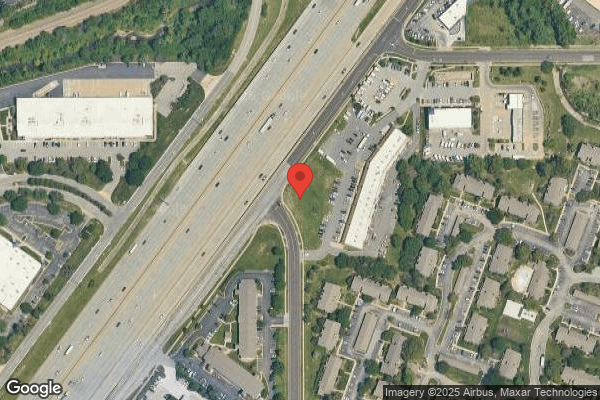
Oct 2024 1 deficiency 1 IJ
CRITICAL (J) 📢 Someone Reported This

A family member, employee, or ombudsman was alarmed enough to file a formal complaint

Immediate Jeopardy (IJ) - the most serious Medicare violation

Free from Abuse/Neglect (Tag F0600)

Someone could have died · This affected 1 resident

The facility identified a census of 154 residents. The sample included three residents. Based on observation, record review, and interviews, the facility failed to ensure cognitively impaired Resident...

Read full inspector narrative →
The facility identified a census of 154 residents. The sample included three residents. Based on observation, record review, and interviews, the facility failed to ensure cognitively impaired Resident (R) 1 remained free from physical abuse. On 10/09/24 at approximately 08:25 AM, Licensed Nurse (LN) G overheard Certified Nurse Aide (CNA) M tell R1 she could not have any sugar because she was diabetic (a condition when the body cannot use glucose, not enough insulin made or the body cannot respond to the insulin) and R1 became upset. LN G turned around and observed R1 hit CNA M in the stomach. LN G observed CNA M react to R1 by making a fist and punching R1 in the left upper arm. LN G immediately notified Administrative Nurse D who removed CNA M from the building and suspended her pending investigation. R1 complained of left upper arm pain. Staff assessed the area and identified R1 had a blue bruise on her left upper arm. R1 continued to complain of left upper arm pain and required as-needed (PRN) pain medication. The facility's failure to ensure R1 remained free from staff-to-resident physical abuse placed R1 in immediate jeopardy. Findings included: - R1's Electronic Medical Record (EMR) documented diagnoses of dementia (a progressive mental disorder characterized by failing memory, and confusion) without behavioral disturbance, generalized muscle weakness, and Parkinson's disease (a slowly progressive neurologic disorder characterized by resting tremors, rolling of the fingers, masklike faces, shuffling gait, muscle rigidity, and weakness). The Annual Minimum Data Set (MDS) dated 04/11/24, documented R1 had a Brief Interview for Mental Status (BIMS) score of seven which indicated severe cognitive impairment. R1 had no behaviors in the assessment period. R1's activity preferences documented it was very important to be with groups of people, take care of her personal belongings, choose her own bedtime, and have family involved in discussions with her care. The Quarterly MDS dated 08/26/24, documented R1 was unable to complete the BIMS interview. R1 had delusions (untrue persistent beliefs or perceptions held by a person although evidence shows it was untrue); physical behavioral symptoms directed towards others, verbal behavioral symptoms directed towards others, and rejection of care one to three days in the assessment period. The Cognitive Loss/Dementia Care Area Assessment (CAA) dated 04/16/24, documented R1 had a history and diagnosis of dementia with ongoing cognitive impairments. R1's Care Plan revised 04/17/23, documented R1 had the potential to be physically and verbally aggressive related to dementia and poor impulse control. The care plan directed when R1 became agitated, staff intervened before the agitation escalated, guided R1 away from the source of distress, engaged calmly in conversation, and if R1's became aggressive, staff calmly walked away and approached later. LN G's notarized Witness Statement on 10/09/24, stated at 08:25 AM, LN G was at the medication cart passing morning medications when she heard CNA M yell at R1 that the resident could not have sugar because the resident was diabetic. LN G then heard R1 and CNA M arguing and R1 stated Stop that. LN G stated she turned toward CNA M and R1 and observed R1 hit CNA M in the stomach with a closed fist. LN G observed CNA M hit R1 in her left upper arm with a closed fist. LN G stated she told CNA M that she could not hit R1 and CNA M asked why R1 could hit her but she could not hit R1. CNA M walked away from the area and LN G immediately notified Administrative Nurse D. LN G's notarized Witness Statement on 10/21/24, stated on 10/09/24 at 08:25 AM, she was at the medication cart administering morning medications when she heard CNA M tell R1 the resident could not have sugar because the resident was diabetic. She then heard CNA M and R1 arguing and R1 stated Stop that. LN G stated as she turned around, she observed R1 hit CNA M in the stomach then CNA M hit R1 back with a closed fist in R1's left upper arm. LN G stated she had a clear view of the incident as she was within a few feet of CNA M and R1. The facility's Investigation dated 10/11/24, documented on 10/09/24 around 08:25 AM, R1 sat in the dining room eating breakfast. R1 went to reach for a sugar packet and LN G overheard CNA M yell at R1 that the resident could not have the sugar because the resident was diabetic. LN G heard R1 arguing with CNA M. LN G stood at the medication cart and turned to face the argument in the dining room. At that time, she observed R1 hit CNA M in the stomach with a closed fist then CNA M hit R1 with a closed fist in her left upper arm. LN G immediately moved CNA M away from R1 and notified Administrative Nurse D about the incident. Administrative Nurse D walked CNA M off the unit and out of the facility, suspending CNA M pending investigation. Staff completed a skin assessment on R1 and found what appeared to be the start of a bruise on her left upper arm which had not been there previously. R1 exhibited signs of pain and staff gave her pain medication. Staff notified R1's provider and he ordered an x-ray of her left arm and shoulder. The x-ray did not reveal any acute findings. R1's EMR revealed the following: A Skin Integrity Update on 10/09/24, documented a blue-colored bruise to R1's upper left arm below her left shoulder. An Event Note on 10/09/24 at 10:30 AM, documented on 10/09/24 at approximately 08:25 AM, LN G observed CNA M hit R1 in the left upper arm with a closed fist. LN G immediately removed CNA M and notified Administrative Nurse D who removed CNA M from the facility. Staff completed a skin assessment on R1 and found what appeared to be the start of a bruise on her left upper arm which previously was not there. R1 exhibited signs of pain and received pain medication. Staff notified R1's family, the provider, and law enforcement. A Physician/Physician's Assistant (PA)/Nurse Practitioner (NP) progress note on 10/09/24 at 03:44 PM, documented a staff member struck R1 in the left arm. R1 sat upright in her wheelchair and told Consultant GG her left arm hurt. R1 had a contusion (bruise) to the left arm and received Tylenol (pain medication) for discomfort. An Event Note on 10/10/24 at 08:45 AM, documented alleged abuse occurred between R1 and a nursing staff member. Administrative Nurse D removed the staff member from the unit and escorted her out of the building. Staff completed a skin assessment on R1 which revealed what appeared to be the start of a bruise on her left upper arm and R1 complained of pain to the left upper arm. R1 received pain medication for the pain. The facility notified local law enforcement who came to the facility and interviewed R1 and LN G then received contact information for CNA M. On 10/21/24 at 12:28 PM, R1 lay in bed on her right side, facing the wall. She did not respond to knocking or talking. On 10/21/24 at 12:30 PM, observation of the area where the incident occurred revealed a table in the dining room, right beside the nurse's station. The medication cart was located within 10 feet of the table with a clear view of where R1 sat on 10/09/24. On 10/21/24 at 12:30 PM, LN G stated on 10/09/24, she stood at the medication cart while R1 sat in her wheelchair at the dining room table and CNA M stood beside her. She stated she had a clear view of the table from the medication cart. LN G stated she heard CNA M yelling at R1and CNA M's tone of voice upset R1. LN G stated she turned around and saw R1 hit CNA M in the stomach then CNA M punched R1 in her left upper arm. LN G stated she told CNA M she could not hit the resident and CNA M asked why. LN G stated she notified Administrative Nurse D immediately. She stated immediately after the incident, R1 complained that her arm hurt, and she cried. LN G stated even when they removed R1's shirt to assess her skin, R1 cried and appeared upset and angry. She stated R1 commented that she was hit and her arm hurt. On 10/21/24 at 12:43 PM, CNA M stated on 10/09/24, R1 sat at the dining room table with R2 who was a diabetic. She stated she served R1 and R2 breakfast and R1 tried to put sugar in R2's oatmeal. She stated she told R1 to give her the sugar because R2 could not have sugar as she was diabetic. CNA M stated R1 said to leave her alone and she could do what she wanted then started hitting CNA M. She stated she tried blocking CNA M from hitting her when LN G turned around and told CNA M not to hit R1. CNA M stated she backed away and said she was not hitting R1 and was only blocking R1 from hitting her. She stated when she started her shift that morning, R1 had her shirt off and there was no bruising. CNA M stated she did not touch R1 or her left arm. On 10/21/24 at 12:55 PM, Administrative Nurse D stated LN G notified her on 10/09/24 of what happened between CNA M and R1 and she immediately went to the unit to remove CNA M. She stated she walked CNA M to the timeclock and CNA M stated she did not do it. Administrative Nurse D stated CNA M told her R1 hit her and out of frustration, CNA M brushed her off. She stated she informed CNA M there had been an allegation and it had to be investigated. Administrative Nurse D stated she notified corporate and Administrative Staff A. She stated staff completed a skin assessment which revealed R1 already had bruising started which lined up with what LN G said happened. R1 complained of pain to that arm and the facility completed an x-ray on her left arm. She stated all of the residents on that unit received skin assessments and any residents with a BIMS score of ten or higher were interviewed. Administrative Nurse D stated the facility called law enforcement and an officer came out to take LN G's statement; he talked to R1 even though she was confused, and then he left. She stated the facility terminated CNA M and banned her from returning to the facility. On 10/21/24 at 02:30 PM, Consultant GG stated he saw R1 on 10/09/24 and she appeared visibly shaken. He stated R1 had bruising on her left arm developing already and she made a statement that the place was crazy or there was a ruckus. On 10/21/24 at 02:35 PM, Administrative Staff A stated Administrative Nurse D notified her of the incident on 10/09/24 via phone as she was out of the building. She stated Administrative Nurse D informed her of the interventions and parts of the investigation she had done, and Administrative Staff A guided her on what else she needed to do. Administrative Staff A stated CNA M should have gotten the nurse and removed herself when R1 had behaviors. The facility's Abuse- Identification of Types policy, dated 10/04/22, directed the resident had the right to be free from abuse, neglect, and exploitation of resident property. The policy directed the risk for abuse may increase when a resident exhibits a behavior that may provoke a reaction by staff, residents, or others such as physically aggressive behavior. On 10/21/24 at 02:43 PM, Administrative Staff A received a copy of the Immediate Jeopardy [IJ] Template and was informed that the facility's failure to ensure R1 remained free from staff-to-resident physical abuse placed R1 in immediate jeopardy. The facility completed the following corrective actions by 10/10/24: The facility suspended CNA M immediately pending investigation on 10/09/24. The facility completed a skin assessment on R1 which revealed a bruise on R1's left upper arm on 10/09/24. The facility notified the State Agency (SA) and law enforcement on 10/09/24. Law enforcement obtained witness statements at the facility on 10/09/24 and provided a case number. The provider saw R1 on 10/09/24 following the incident. The facility completed an x-ray on 10/09/24 on R1's left arm/shoulder with no positive findings. The facility completed skin assessments on all residents on that unit on 10/09/24. The facility interviewed all residents on that unit with a BIMS of 10 or higher for safety and abuse on 10/09/24. Staff received abuse education on 10/09/24. Social Services visited with R1 daily for three days, starting on 10/09/24. The facility terminated CNA M on 10/10/24 and banned her from returning. Because all corrective actions were completed prior to the onsite survey, the deficient practice was cited as past non-compliance, and the scope and severity remained a J.
Jul 2024 1 deficiency 1 IJ
CRITICAL (J) 📢 Someone Reported This

A family member, employee, or ombudsman was alarmed enough to file a formal complaint

Immediate Jeopardy (IJ) - the most serious Medicare violation

Accident Prevention (Tag F0689)

Someone could have died · This affected 1 resident

**NOTE- TERMS IN BRACKETS HAVE BEEN EDITED TO PROTECT CONFIDENTIALITY** The facility identified a census of 156 residents. The sample included three residents. Based on observation, record review, and...

Read full inspector narrative →
**NOTE- TERMS IN BRACKETS HAVE BEEN EDITED TO PROTECT CONFIDENTIALITY** The facility identified a census of 156 residents. The sample included three residents. Based on observation, record review, and interviews, the facility failed to provide adequate supervision to prevent Resident (R) 1, a cognitively impaired resident who had a history of making comments about leaving and was at risk for falls, from eloping from the facility. On 07/15/24 at 01:20 PM, Housekeeping Staff U notified Licensed Nurse (LN) G that R1 made a statement to her that he wanted to go home. LN G retrieved a vital sign machine then went to R1's room to obtain his vital signs and noted he was not in his room. LN G asked other staff members if they had seen R1, but they had not. LN G informed Administrative Nurse D that R1 was missing at 01:21 PM. A Dr. Walker code was called to inform staff of a missing resident and a resident count began while the facility was searched. Administrative Nurse D and Social Services X exited the second-floor stairwell and exited the facility to the parking lot. R1 was found sitting on the grass, between two parked cars, holding a water glass at approximately 01:30 PM. The temperature outside at 01:00 PM was 92 degrees Fahrenheit (F) and at 02:00 PM was 93 degrees F. R1 wore a T-shirt and long shorts. The door alarm for the stairs where R1 exited did not alarm because the alarm had been turned off for unknown reasons. This placed R1 in immediate jeopardy. Findings included: - R1 admitted to the facility on [DATE]. R1's Electronic Medical Record (EMR) documented diagnoses of an anxiety disorder (mental or emotional reaction characterized by apprehension, uncertainty, and irrational fear), chronic respiratory failure, chronic kidney disease (gradual loss of kidney function), and dependence on supplemental oxygen. The admission Minimum Data Set (MDS), dated 05/09/24, documented R1 had a Brief Interview for Mental Status (BIMS) score of 11 which, indicated moderate cognitive impairment. R1 had no behaviors. R1 required supervision or touching assistance with transfers and walking. The Cognitive Loss/Dementia (progressive mental disorder characterized by failing memory, confusion) Care Area Assessment (CAA), dated 05/09/24, documented R1 had a BIMS score of 11, retained the ability to make his needs known, and ambulated with a walker. The Functional Abilities CAA, dated 05/16/24, documented R1 needed assistance with activities of daily living (ADLs). The Falls CAA, dated 05/16/24, documented R1 had a history of falls. R1's Care Plan, dated 05/03/24, documented R1 was at risk for falls and directed staff to assist R1 with ADLs as needed, place R1's call light within reach, complete fall risk assessment, and orient R1 to his room. R1's Care Plan, dated 05/23/24, documented R1 had a behavior problem with physical aggression and directed staff to administer medications as ordered, anticipate and meet R1's needs, explain all procedures to R1 before starting, allow him to adjust to changes, and intervene as necessary to protect the rights and safety of others. R1's EMR documented a Nursing (NRSG) Elopement Risk Evaluation, dated 05/03/24, that documented R1 as cognitively impaired with poor decision-making skills, which indicated a yes answer in the evaluation. The summary of findings asked if the resident was at risk for elopement at the time and any yes answer would indicate that the resident had a potential for elopement. The answer to the question was selected as no, R1 was not at risk for elopement at that time. R1's EMR revealed the following: A Behavior Note on 05/14/24 at 01:10 PM documented at around 12:50 PM, the housekeeper reported to the nurse that R1 threw an oxygen cylinder to the window. The nurse went to R1's room and found R1 getting to his couch. R1 stated to the nurse he would go through the window, that was what his intentions were, and all he wanted was to get out of the facility. R1 was agitated and wanted to fight. The Director of Nursing (DON) received an order from the Advanced Practice Registered Nurse (APRN) for Haldol (antipsychotic medication used to treat certain mental/mood disorders) five milligrams (mg) immediately. A quick assessment was done with no injuries noted to R1. A Behavior Note on 05/24/24 at 02:55 PM documented R1 constantly removed his oxygen cannula. He got up multiple times, walked by himself, and stated he wanted to go home. An Orders- Administration Note on 06/19/24 at 01:27 PM, documented that staff administered lorazepam (antianxiety medication used to treat anxiety) 0.5 mg because R1 was anxious and trying to elope. An Orders- Administration Note on 06/21/24 at 01:16 PM, documented that staff administered lorazepam 0.5 mg because R1 kept trying to elope. A Physician/Physician Assistant (PA)/Nurse Practitioner (NP) note on 07/15/24 at 04:52 PM, documented the provider saw R1 after he had been outside for a short time. R1 was anxious and combative, and staff brought him back inside. The provider ordered a Haldol 1 mg injection one time to help calm R1 down. The provider ordered laboratory tests and Ativan (lorazepam) 0.5 mg three times a day scheduled to help with R1's agitation. An Event Note on 07/15/24 at 05:06 PM, documented at approximately 01:20 PM, R1 told a housekeeper that he was going home, and she alerted the nurse. When the nurse checked on R1, he was missing from his room. The nurse asked staff members if they saw R1 enter other rooms and they stated no. Staff began looking for R1 and Administrative Nurse D was notified at 01:21 PM that staff could not locate R1. The facility called a Dr. [NAME] (code name used to indicate a missing resident) and staff searched for R1. Administrative Nurse D went to R1's unit and proceeded to the stairwell with Social Services X. Administrative Nurse D and Social Services X searched the stairwell, exited out of the stairwell door to the parking lot, and found R1 at 01:30 PM. R1 sat on the ground, on the grass, between two parked cars and another resident's family member was with him. R1 stated that he was going home and when he walked outside, he saw a lot of people, so he sat down between the cars to hide. Social Services X obtained a wheelchair from inside and staff assisted R1 back into the facility. R1 was agitated and tried to hit staff. Staff notified the provider at 01:33 PM and received an order for Haldol 1 mg injection. Staff notified R1's family at 01:36 PM and hospice at 01:38 PM. In a Witness Statement, dated 07/15/24, Housekeeping Staff U stated she went into R1's room to clean his room. R1 stated to her that he wanted to go home, and he was leaving. Housekeeping Staff U told Licensed Nurse (LN) G what R1 said, and LN G replied okay. Housekeeping Staff U stated she went into another resident's room and two to three minutes had passed when LN G went into R1's room, came out, and stated R1 was not in his room and asked Housekeeping Staff U if she saw R1 leave to which Housekeeping Staff U responded with no, she was in another resident's room. In a Witness Statement, dated 07/15/24, LN G stated while she was passing noon medications and was on hold for a nurse to give her report on a new admission, Housekeeping Staff U cleaned the floors. LN G stated Housekeeping Staff U told her R1 stated he wanted to go home. LN G stated R1 stated he wanted to go home on a regular basis. She stated she asked Housekeeping Staff U if R1 was agitated, and he was not according to Housekeeping Staff U. LN G stated she hung up the phone and walked down the other end of the hall to get the blood pressure machine for R1 but was interrupted by another resident about a wound on his arm. She stated she would be back to help him with a new bandage after getting vital signs on R1. LN G stated R1 was not in his room and no alarms went off to alert staff that a resident needed help. She stated she asked Housekeeping Staff U and Certified Medication Aide (CMA) R if they saw R1 enter another resident's room and they both said no. LN G stated she and CMA R searched the area and could not find R1. She stated she informed Administrative Nurse D that R1 was missing. LN G stated R1 was found and brought back to the unit after receiving Haldol injection for his combative behavior. In a Witness Statement, dated 0715/24, CMA R stated he came out of his office and saw LN G in the hall. He stated LN G asked him if he had seen R1 and he stated no. CMA R stated he and LN G started looking down the hall and, in every room, bathroom, and closet. He stated when they did not find R1, LN G reported it to Administrative Nurse D. The facility's investigative report, dated 07/18/24, documented on 07/15/24 at approximately 01:20 PM, Housekeeping Staff U alerted LN G that R1 stated he was going to go home. LN G questioned Housekeeping Staff U if R1 seemed agitated or upset at that time and Housekeeping Staff U stated R1 did not appear upset. LN G waited on the phone to receive a report from another facility regarding a new admission. LN G hung up the phone and got the vital sign machine then headed for R1's room. She planned to assess R1 and gather his vital signs for his afternoon medications. By the time LN G got to R1's room, he was not in there. LN G asked two staff members if they observed R1 going into another resident's room, and they stated no. At that time, staff searched the unit for R1. LN G notified Administrative Nurse D at 01:21 PM that staff were unable to locate R1. At that time, Administrative Nurse D notified Administrative Staff A, and the facility called Dr. Walker code immediately. All staff searched for R1 while Administrative Nurse D and Social Services X exited the stairwell to the parking lot. Administrative Nurse D found R1 sitting on the grass in a seated position between two parked cars with a water glass in his hand. Another resident's family member was with R1 who had given her his phone and asked them to call 911. The family member gave the phone to Administrative Nurse D while Social Services X obtained a wheelchair from the facility. Staff brought R1 back into the facility. R1 was agitated and tried to hit staff. Staff notified the provider at 01:33 PM and obtained an order for Haldol 1 mg injection one time. Staff notified R1's family at 01:36 PM and hospice at 01:38 PM. Nursing staff completed a skin assessment with no injuries found along with a pain assessment without any complaints of pain. R1 wore a short-sleeve T-shirt and a long pair of shorts. The temperature outside at the time was approximately 97 degrees F. According to the Kansas State University Historical Weather website, the temperature on 07/15/24 at 01:00 PM was 92 degrees F and the temperature on 07/15/24 at 02:00 PM was 93 degrees F. On 07/22/24 at 12:12 PM, R1 sat in a recliner in the day area drinking water. On 07/22/24 at 12:12 PM, R1's room was the third room from the unit door to the stairwell at the end of the hall. Administrative Nurse D and Maintenance V accompanied the surveyor to the stairwell door. Administrative Nurse D pushed on the door which alarmed, and she continued pressing the door for 15 seconds until it opened. There was a keypad beside the top of the door to the left and a slider alarm located on the door in the top left corner. Observation of the area revealed the parking lot with uneven surfaces and the grassy hill sloped up towards another parking lot with uneven surfaces. There was a street that ran in front of the facility with a posted speed limit of 30 miles per hour (mph). On 07/22/24 at 02:02 PM, there was a box located over the keypad beside the unit stairwell door. On 07/22/24 at 02:17 PM, R1 stood up from the recliner and started walking while pushing a tray table. Nursing staff immediately went to him and asked if he needed the restroom, which he replied he did. The nursing staff took R1 to the bathroom down the hallway. On 07/22/24 at 12:12 PM, Administrative Nurse D stated the slider alarm was turned off on 07/15/24 when R1 eloped, and they did not know how or why it was turned off. She stated R1 went down the stairs and exited out the side door. R1 had a cup of water and his phone in his hand. Administrative Nurse D stated she found R1 sitting on a grassy hill directly in front of the door, between two parked cars. On 07/22/24 at 12:15 PM, Administrative Nurse D stated the road in front of the facility was open, not blocked off like it was today. She stated she asked R1 if he had fallen when she found him. Administrative Nurse D stated R1 told her he saw a lot of people, so he hid. She stated there was a band going into the facility, so she assumed that was what R1 saw. Administrative Nurse D stated a box was added over the keypad so the alarm could not be turned off unless they had the key and only limited staff had a key to the box. On 07/22/24 at 12:20 PM, Administrative Nurse D stated on 07/15/24, she just finished a meeting around 01:20 PM and LN G went to her office to report they could not find R1. She stated Housekeeping Staff U reported to LN G that R1 stated he wanted to go home, and staff could not find R1 in his room. Administrative Nurse D stated the facility called a Dr. Walker which was a code for a missing resident and prompted all staff to look for the resident. She stated she went upstairs to search the unit with Social Services X. Administrative Nurse D and Social Services X proceeded down the stairwell and went outside. She stated they observed R1 sitting on the ground between the cars, on the grass with a cup of water. Administrative Nurse D stated another resident's family member had R1's phone because R1 asked her to call 911. The family member asked if they were looking for R1 and gave the phone to Administrative Nurse D. She stated Social Services X obtained a wheelchair from inside and they assisted R1 into the wheelchair and then into the facility. Administrative Nurse D stated R1 denied being hurt and staff completed skin and pain assessments. She stated R1 was agitated, stating he wanted to leave and find his girls. Administrative Nurse D stated R1 had two granddaughters that visit. She stated staff obtained an order for Haldol 1 mg injection on time and notified the family and hospice. Administrative Nurse D stated R1 was out of the staff's sight for about 10 minutes. She stated when R1 first admitted to the facility, he broke a window with his oxygen tank and nursing staff told her occasionally R1 stated he wanted to go home but never actually tried to exit. Administrative Nurse D stated she reviewed R1's nurse's notes but did not see any notes that he had exit-seeking behaviors in the past. She stated if a resident exhibited exit-seeking behaviors, she expected staff to provide redirection and if they were near doors then they notified the administration the resident was trying to elope. Administrative Nurse D stated on 07/15/24 when R1 went missing, there were no alarms going off because the slider alarm was turned off and the door opened after being pressed for 15 seconds. On 07/22/24 at 12:38 PM, Housekeeping staff U stated on 07/15/24, she entered R1's room to ask him if she could clean it and he said fine. She stated he said to her that he wanted to go home. Housekeeping Staff U stated she told LN G, and she replied okay. She stated LN G asked her if she saw R1 go into another room because he was not in his room, and she told LN G she had not. Housekeeping Staff U stated everybody started looking for R1 and the facility called a Dr. Walker code. She stated when she was in R1's room to clean it, he sat in his wheelchair. She stated the stairwell door at the end of the hallway did not alarm and no other alarms were on. On 07/22/24 at 12:44 PM, LN G stated on 07/15/24 around 01:20 PM, Housekeeping Staff U reported to her R1 said he wanted to go home. She stated R1 says he wants to go home a lot. LN G stated she was on the phone trying to verify orders for a new admission that day and immediately hung up the phone. She stated she went to the end of the other hall to get the vital sign machine and was on her way to R1's room when she was stopped by another resident for a bandage. She told him she would help him later after checking on R1. LN G stated she went down the hall as fast as she could with the vital sign machine to R1's room but he was not in his room. She stated she asked CMA R if he had seen R1, but he had not. She stated they checked every room and bathroom then she notified Administrative Nurse D when they were unable to locate R1. LN G stated she found out the door alarm to the stairwell door was off. She stated R1 took his oxygen off, left his wheelchair in his room, took his water with him, and went down the stairs. LN G stated R1 would say he wanted to go home, and she would talk to him about it but he had not had any exit-seeking behaviors on her shifts. She stated if a resident was actively exit-seeking, she redirected the resident with something they liked such as a snack, music, their family, or an activity. She stated she knew who an elopement risk was by the elopement risk assessments and by word of mouth. LN G stated the care plan addressed residents with elopement risks and the aides had access to the care plans. On 07/22/24 at 01:09 PM, Certified Nurse Aide (CNA) M stated she knew what residents were at risk for elopement by the elopement book at reception and the [NAME] (a nursing tool that gives a brief overview of the care needs of each resident). She stated if a resident was exit seeking, she told the nurse and redirected the resident with something they were interested in to shift their mind off of the behavior. On 07/22/24 at 02:10 PM, Maintenance V stated when the unit door was pushed, the magnetic lock alarmed and the slider alarm went off. He stated the slider alarm went off regardless of if the code was put into the keypad or not and the slider alarm was supposed to stay turned on. On 07/22/24 at 02:16 PM, CMA R stated on 07/15/24 when R1 eloped, he did not hear any alarms going off. On 07/22/24 at 02:18 PM, Social Services X stated on 07/15/24, she heard a Dr. Walker code called and went upstairs to look for R1. She stated she and Administrative Nurse D went to the end of R1's hall. Social Services X stated there were no alarms going off. On 07/22/24 at 02:31 PM, Administrative Staff A stated on 07/15/24, she was in her office on a call when Administrative Nurse D came in and reported they could not find R1. She stated Social Services X came in for a wheelchair for R1 and staff assisted him into the wheelchair and then brought him inside. She stated R1 was very agitated and said he was hiding from the facility. Administrative Staff A stated the slider alarm was turned off on the unit's stairwell door. She stated her expectations if a resident had exit-seeking behaviors or made a comment about going home the CNA would tell the nurse or if a housekeeper heard it, they were to stay with the resident and use the call light for assistance. The facility's Elopement Policy revised 07/09/14, directs each resident will have an individualized care plan identifying the risk of elopement and appropriate interventions for their safety. Residents who are identified as High Risk for elopement will be determined by a yes to any of the following questions: history of elopement from home prior to admission; history of leaving the unit or facility without staff knowledge; expressing a desire to go home, packing belongings, or staying near or attempting to exit door; new admission; family or responsible party voiced concerns that the resident may try to leave. The facility failed to provide adequate supervision for R1 who eloped from the facility on 07/15/24 at approximately 01:20 PM. R1 was found outside in the parking lot and the temperature outside was 92 to 93 degrees F. The door alarm to the second-floor stairwell door was not turned on and did not alarm to alert staff the resident exited the building. This deficient practice placed R1 in immediate jeopardy. The facility completed the following corrective actions, which were verified by the onsite surveyor:: 1. The facility placed R1 on one-on-one supervision immediately on 07/15/24. 2. The facility updated R1's Care Plan to include the resident's risk for elopement on 07/15/24. 3. An Ad-Hoc Quality Assurance and Performance Improvement (QAPI) meeting was held on 07/15/24. 4. Maintenance audited exit doors and alarms on 07/15/24 with continued audits planned. 5. A key-access-only box was placed over the keypad for the second-floor stairwell door on 07/15/24. 6. Staff education on elopement was completed from 07/15/24 to 07/16/24. 7. An elopement drill was completed on 07/16/24. 8. Residents with a BIMS of 12 or below were audited from 7/15/24 to 7/16/24. 9. Residents at risk for elopement were audited with their care plans updated accordingly from 7/15/24 to 7/16/24. Because all corrective measures were implemented and completed prior to the onsite survey, this deficient practice was cited as past noncompliance. The scope and severity remain a J.
May 2024 1 deficiency
CONCERN (D) 📢 Someone Reported This

A family member, employee, or ombudsman was alarmed enough to file a formal complaint

Potential for Harm - no one hurt, but risky conditions existed

Deficiency F0744 (Tag F0744)

Could have caused harm · This affected 1 resident

**NOTE- TERMS IN BRACKETS HAVE BEEN EDITED TO PROTECT CONFIDENTIALITY** The facility identified a census of 155 residents. The sample included three residents reviewed for dementia (a progressive ment...

Read full inspector narrative →
**NOTE- TERMS IN BRACKETS HAVE BEEN EDITED TO PROTECT CONFIDENTIALITY** The facility identified a census of 155 residents. The sample included three residents reviewed for dementia (a progressive mental disorder characterized by failing memory, and confusion) care. Based on observations, record review, and interviews, the facility failed to provide dementia care and services for Resident (R) 1 when the facility failed to ensure staff utilized resident-specific interventions for behaviors. This deficient practice created an environment that affected R1's ability to maintain his highest practicable level of physical, mental, and psychosocial well-being. Findings included: - R1 was admitted to the facility on [DATE]. The Diagnoses tab of R1's Electronic Medical Record (EMR) documented diagnoses of Parkinson's disease (a slowly progressive neurologic disorder characterized by resting tremor, rolling of the fingers, masklike faces, shuffling gait, muscle rigidity, and weakness), unsteadiness on feet, generalized muscle weakness, repeated falls, and dementia with agitation. The Significant Change Minimum Data Set (MDS) dated 12/28/23, documented R1 had a Brief Interview for Mental Status (BIMS) score of three which indicated severe cognitive impairment. R1 had physical behaviors directed toward others and other behavioral symptoms not directed toward others one to three days in the assessment period. R1 rejected care and wandered for one to three days during the assessment period. It was very important to R1 to have books, newspapers, and magazines to read; very important to be around animals or pets; very important for R1 to go outside to get fresh air; very important for R1 to participate in religious services; somewhat important for R1 to listen to music she likes; somewhat important for R1 to do her favorite activities. The Quarterly MDS dated 03/26/24, documented R1 had a BIMS score of zero which indicated severe cognitive impairment. R1 had no behaviors in the assessment period. The Cognitive Loss/Dementia Care Area Assessment (CAA) dated 01/03/24, documented R1 had a history and diagnosis of dementia with ongoing cognitive impairments. The Behavioral Symptoms CAA dated 01/03/24, documented R1 rejected care, wandered, and grabbed people related to her dementia disease. The Communication CAA dated 01/03/24, documented R1 had difficulty communicating related to her dementia disease. R1's Care Plan, dated 05/30/23, documented R1 was dependent on staff for meeting emotional, intellectual, physical, and social needs related to the disease process. The plan documented interventions, dated 05/30/23, that all staff conversed with R1 while providing care, staff invited R1 to scheduled activities, and staff thanked R1 for attendance at activity functions. The plan documented interventions on 06/14/23 that R1 preferred jazz, classical, and pop, and she enjoyed being in a band and playing the clarinet; R1 preferred to watch Downtown [NAME] on television. R1's Care Plan, dated 05/31/23, documented R1 had a behavior problem of being combative with care due to dementia disease. R1's Care Plan documented interventions, dated 05/31/23, for staff to anticipate and meet R1's needs, explain all procedures to R1 before starting, and allow R1 time to adjust to changes. The plan documented an intervention, dated 07/03/23, that when staff observed R1 trying to take off her gait belt, staff intervened and redirected or engaged R1 with meaningful activities such as walking with her. The facility's reportable investigation, dated 05/29/24, documented on 05/23/24 around 03:30 PM, Activity AA was coloring with a resident at a table in the unit's common area when R1 was pushed to the table by Certified Nurse Aide (CNA) N so she could join in the coloring activity. Consultant GG was present in the unit and stated that R1 went to reach for coloring supplies and Activity AA quickly began smacking R1's hands several times and stated to R1 [expletive] [expletive], leave it alone, your husband just left, do not be bad, you are so bad. Consultant GG stated at this time, R1 tried to stand up from her wheelchair, and Activity AA grabbed R1 by her right arm. Consultant GG stated she stepped in and told Activity AA she could not grab R1's arms. Consultant GG made sure R1 was safe and left R1 with CNA N. A head-to-toe skin assessment and pain evaluations were completed on R1 with no noted injuries or pain. Activity AA was removed from the unit and suspended pending investigation. Consultant GG's notarized Witness Statement on 05/23/24, stated at approximately 03:30 PM, Activity AA was coloring at the table with a resident. CNA N brought R1 to the table. Consultant GG stated R1 grabbed the coloring supplies with Activity AA quickly smacking her hands multiple times, used cuss words, and said Leave it alone, your husband just left, do not be bad, you are so bad. Consultant GG stated R1 attempted to stand from her wheelchair and Activity AA grabbed R1's right arm. She stated she stepped in and told Activity AA she could not grab R1's arms. Consultant GG stated she made sure R1 was safe and requested help from CNA N. CNA N's notarized Witness Statement on 05/23/24, documented that after R1 used the bathroom, she propelled her to the table with Activity AA. CNA N stated she assisted another resident and did not witness the incident with R1 and Activity AA. She stated Activity AA told her that Consultant GG accused her of hitting R1 and Activity AA stated she tapped it and told R1 to sit down. On 05/28/24 at 12:58 PM, R1 sat in the recliner in the television area and watched television. She fidgeted with her shirt. On 05/28/24 at 11:35 AM, Consultant GG stated on 05/23/24 she was on the unit assisting a resident and sat at a table by the window. She stated Activity AA was at a table coloring with a resident and CNA N brought R1 to the table. Consultant GG stated R1 had trouble controlling her movements and she stood up to get markers and coloring sheets when she observed Activity AA swatting at R1's hands and saying [exlpeteive], [expleteive], I said no. Consultant GG stated R1 stood up and Activity AA grabbed her arm and told her to sit down. Consultant GG stated she told Activity AA not to grab R1 like that and Activity AA asked what should she do. Consultant GG stated she told Activity AA to ask for help if she was uncomfortable. She stated she asked CNA N for help and then left the unit. Consultant GG stated she was in the line of sight of the table but Activity AA's back was to her and she could not say 100 percent if any contact was made with R1 during the swatting but it was the arm grab that got her attention. Consultant GG stated R1 seemed upset with the arm grab. She stated she believed there was something in place on R1's Care Plan about standing and ways to redirect her. On 05/28/24 at 11:41 AM, Activity AA stated on 05/23/24, she was getting done coloring and R1 was getting agitated. She stated she cussed but it was not at her and that she tapped the table to get R1's attention but did not hit her. Activity AA stated R1 was lurching forward and she was a high fall risk so she tried to get her to sit back down. She stated she put one hand under R1's elbow and the other hand on top of her arm to assist her back down. Activity AA stated R1 did not seem upset with her touching her arm but she seemed upset that Activity AA gathered up the supplies R1 wanted. She stated R1 was already agitated which was usual for her after her husband leaves. On 05/28/24 at 12:43 PM, Activity AA stated she had access to care plans, and sometimes the care plans addressed behaviors and care plans. R1's behaviors included outbursts, fits, sprinting down the hallway, and falling. She stated R1 liked to do activities, but she was destructive. Activity AA stated staff usually sat and talked with R1 but that day she was unable to be redirected. She stated after her husband left, she got very agitated. Activity AA stated staff tried to redirect R1 when she stood up, gave R1 something for her hands to stay busy, played music, and just distracted her to get her to sit down. On 05/28/24 at 01:01 PM, CNA M stated she did not have access to care plans. She stated R1's behaviors included pacing, hallucinations, wandering, screaming, refusing care, and being combative at times. CNA M stated staff redirected R1 by talking to her, watching television, giving her magazines, giving her snacks, and toileting. She stated if R1 stood up, staff put a gait belt on her and walked her to the bathroom or redirected her. CNA M stated if staff grabbed R1's arms, R1 became resistive. On 05/28/24 at 01:07 PM, Licensed Nurse (LN) G stated the care plan had triggers, behaviors, and interventions for behaviors. She stated CNAs had access to the care plans and staff discussed resident behaviors. LN G stated R1 liked moving and she started running down the hallways but she was a high fall risk. She stated if R1 was in the recliner, she was fine but if she was placed in a chair then she walked down the hallway trying to find an exit. LN G stated staff redirected her and knew she liked to watch television. She stated staff talked to R1 to get her to sit down but grabbing her arms agitated her more. On 05/28/24 at 01:34 PM, Administrative Nurse D stated CNAs had access to care plans which included behavioral care plans that were specific to the resident. She stated she expected staff to review the care plan to see what they could do to calm R1 down including redirection or providing a meaningful activity depending on the state R1 was in. Administrative Nurse D stated R1 was upset on 05/23/24 because her husband left her there when she thought she was going home. She stated it depended on R1's mood if staff were able to touch her with redirection. On 05/28/24 at 01:57 PM, Activity Z stated activity personnel had access to the care plans and she believed behaviors were on there. She stated Activity AA was the unit coordinator on that unit and she knew where to go for information to help with the residents. Activity Z stated Activity AA should have known what interventions worked for R1. She stated she never received any complaints about Activity AA. The facility's Care of the Cognitively Impaired (Dementia Care), dated 08/29/22, directed the facility to provide dementia treatment and services which may include, but were not limited to the following: ensuring the necessary care and services were person-centered and reflected the resident's goals, while maximizing the resident's dignity, autonomy, privacy, socialization, independence, choice, and safety; and utilizing individualized, non-pharmacological approaches to care. The facility failed to provide dementia care and services for R1 when the facility failed to ensure staff utilized resident-specific interventions for behaviors. This deficient practice created an environment that affected R1's ability to maintain his highest practicable level of physical, mental, and psychosocial well-being.
May 2024 1 deficiency
CONCERN (D) 📢 Someone Reported This

A family member, employee, or ombudsman was alarmed enough to file a formal complaint

Potential for Harm - no one hurt, but risky conditions existed

Deficiency F0676 (Tag F0676)

Could have caused harm · This affected 1 resident

The facility identified a census of 155 residents. The sample included three residents reviewed for activities of daily living (ADL). Based on observation, record review, and interview, the facility f...

Read full inspector narrative →
The facility identified a census of 155 residents. The sample included three residents reviewed for activities of daily living (ADL). Based on observation, record review, and interview, the facility failed to ensure Resident (R)1 received the necessary assistive care and services with ADL to maintain her highest practicable ability and promote independence. This placed R1 at risk for injury, pain, and decreased ability to perform ADL. Findings included: - R1's Electronic Medical Record (EMR) from the Diagnosis tab documented diagnoses of displaced intertrochanteric (where the hip and thigh bone meet) fracture of the right femur (thigh bone), displaced intertrochanteric fracture of the left femur, unsteadiness on feet, muscle weakness, dementia (a progressive mental disorder characterized by failing memory, confusion), fractures of the upper end of the left humerus (upper arm bone), history of falling, restless leg syndrome, and anxiety (mental or emotional reaction characterized by apprehension, uncertainty and irrational fear). The admission Minimum Data Set (MDS) dated 01/17/24 documented that a Brief Interview for Mental Status (BIMS) could not be completed. The staff interview revealed R1 had short- and long-term memory concerns. R1 was independent with her ADL including walking and transfers. The Care Area Assessment (CAA) for Falls dated 01/17/24 documented R1 triggered for falls related to her use of antidepressants (a class of medications used to treat mood disorders). The CAA for Communication dated 01/17/24 documented R1 had a diagnosis of dementia with ongoing cognitive impairments. R1 had difficulty communicating and following conversations related to her dementia diagnosis. The Five Day MDS dated 03/15/24 documented a BIMS score of five which indicated severely impaired cognition. R1 needed some help with self-care and indoor mobility (ambulation). R1 had a limitation in her functional range of motion on one side for the upper and lower extremities. R1 required substantial to maximal assistance for toileting. R1 was dependent on staff for lower body dressing. R1 was dependent on staff for sit-to-stand activity, transfers, and propelling a wheelchair. R1's Care Plan initiated on 03/28/24 directed that R1 was to be one-on-one at night until released by therapy or orthopedics (medical practice specializing in bones). Staff were directed to assist R1 with ADLs as needed, and if R1 was restless at night, staff were to bring R1 to the common area as tolerated. Staff were directed to assist R1 to the toilet upon waking, before and after meals, at bedtime, and as needed. Staff were directed to assist with ADLs as needed. R1's Care Plan lacked further directions for ADLs related to assistance required or any weight-bearing restrictions R1 had. R1's Physician Orders tab documented a Physician Order dated 04/16/24 that R1 was cleared to weight bear as tolerated for transfers. There were no further orders active or discontinued related to the R1's weight-bearing status in 2024. A review of R1's acute hospital discharge packet scanned under the Misc tab documented progress notes signed by the physician on 03/08/24 which recorded R1 had a cephalomedullary nail (a locked hip screw-surgically placed for the treatment of femur fractures). The plan documented R1 was non-weight bearing to her bilateral lower extremities. R1's Skilled Note dated 03/13/24 at 01:31 PM documented R1 was nonambulatory due to fractures and required total assistance with all ADLs. R1's Physical Therapy: Evaluation and Plan of Treatment dated 03/13/24 at 03:01 PM documented that therapy staff attempted to clarify R1's weight-bearing status from the orthopedic doctor, but had not received a return call yet. Staff determined R1 remained non-weight bearing to her lower extremities until confirmation could be obtained from the orthopedic physician. R1's Skilled Note dated 03/14/24 at 01:27 PM documented an order clarification from the orthopedic physician for non-weight bearing status to the right lower extremity and weight bearing as tolerated only for transfers on R1's left lower extremity. R1's Skilled Note dated 03/14/24 at 06:28 PM documented R1 used a wheelchair and required the assistance of one staff member with transfers and ADLs. R1's Skilled Note dated 03/15/24 at 05:14 AM documented R1 required extensive assistance with toileting and peri care. R1 was weight-bearing as tolerated to her right lower extremity. R1's Skilled Note dated 03/16/24 at 05:51 AM documented R1 required extensive assistance with toileting and peri care. R1 was weight-bearing as tolerated to the right lower extremity and had an unsteady gait and feet. R1's Skilled Note dated 03/20/24 at 02:24 AM documented R1 required total assistance with peri care. R1 had one one-on-one in the room to assist with bed positioning and care for safety. R1 had bilateral hip precautions in place and weight bearing as tolerated on the right hip. R1's Physical Therapy: Therapy Progress Report dated 03/26/24 at 02:28 PM documented a team communication and or collaboration with therapists and primary caregivers to facility development and follow-through on R1's plan of treatment. R1's Physical Therapy: Therapy Progress Report dated 04/09/24 at 11:47 AM documented R1 continued to have non-weight bearing status to the right lower extremity and weight bearing as tolerated with transfers only for the left lower extremity. R1's Orthopedic: Physical Therapy appointment date of 04/16/24 documented R1 was okay to weight bear as tolerated for transfers. R1's Physician Orders tab documented a Physician Order dated 04/16/24 that R1 was cleared to weight bear as tolerated for transfers. R1's EMR lacked evidence there were any orders entered for weight-bearing status until this 04/16/24 order. R1's Physical Therapy: Treatment Encounter Note(s) dated 05/06/24 at 10:12 AM documented R1 had precautions of bilateral lower extremities weight bearing as tolerated for transfers only. R1 worked with physical therapy for sit-to-stand transfers with weight bearing as tolerated with minimal assistance of one staff member and cueing to try and shift her weight forward onto the metatarsal heads to work on stability when standing in preparation for walking with R1 received approval and indications that R1 is ready to ambulate. On 05/06/24 at 11:35 AM R1 sat in the commons area in a recliner with her feet elevated. R1 appeared clean and well-groomed. On 05/06/24 at 11:41 AM Certified Nurse Aide (CNA) M stated R1 was only to stand and pivot but was otherwise supposed to be non-weight bearing. CNA M stated R1's weight-bearing status was communicated to staff by word of mouth. CNA M stated that R1 wanted to walk to the bathroom in the common area on 05/03/24 and did want to use the wheelchair. CNA M went on to say she walked R1 to the bathroom because that was what R1 wanted. CNA M stated R1 would get up and walk when she indicated she needed to go to the bathroom. On 05/06/24 at 12:05 PM, R1's representative stated that on 05/03/24 staff walked R1 to the bathroom in the commons area. R1's representative questioned staff about the incident because R1 had restrictions with walking and weight-bearing and the staff continued to walk R1 to the bathroom even after R1's representative pointed it out. R1's representative stated staff opened R1's chart and said there were no weight-bearing restrictions listed in R1's chart. R1's representative stated that when staff assisted R1 back to the recliner, R1 appeared to be in pain. R1's representative stated that about 20 minutes after R1 returned from the bathroom, staff came back and confirmed that there were orders limiting R1's weight-bearing status to transfers only. On 05/06/24 at 02:35 PM, Licensed Nurse (LN) G stated that R1 had no weight-bearing or ADL restrictions. LN G stated R1 required the assistance of one staff member. LN G stated R1 was released to walk in April 2024. LN G stated that R1 was never non-weight bearing. On 05/06/24 at 03:30 PM Administrative Nurse D stated that R1's weight-bearing status should have been placed in R1's Physician Orders when she returned after each hospitalization related to her hip repairs. Administrative Nurse D confirmed that there were no orders indicating R1's weight-bearing status either in February or March after R1's hip repairs. Administrative Nurse D revealed staff failed to make sure R1 maintained her non-weight bearing status. Administrative Nurse D further stated that staff walked R1 to the bathroom in the commons area when they should have assisted her in a wheelchair. The facility's policy Activities of Daily Living revised 02/12/24 documented that residents would receive assistance as needed to complete ADL. The policy documented that a resident would be given the appropriate treatment and services to maintain and improve his or her ability to carry out the activities of daily living. The policy also documented the facility would utilize appropriate safety measures and any necessary equipment to maintain resident safety. The facility failed to ensure R1 received the necessary assistive care and services with ADL to maintain her highest practicable ability and promote independence. This placed R1 at risk for injury, pain, and decreased ability to perform ADL.
Sept 2023 17 deficiencies
CONCERN (D)

Potential for Harm - no one hurt, but risky conditions existed

Resident Rights (Tag F0550)

Could have caused harm · This affected 1 resident

-The Medical Diagnosis section within R109's Electronic Medical Records (EMR) included diagnoses of dementia (progressive mental disorder characterized by failing memory, confusion), depression (abnor...

Read full inspector narrative →
-The Medical Diagnosis section within R109's Electronic Medical Records (EMR) included diagnoses of dementia (progressive mental disorder characterized by failing memory, confusion), depression (abnormal emotional state characterized by exaggerated feelings of sadness, worthlessness and emptiness), major depressive disorder (major mood disorder), and chronic obstructive pulmonary disease (progressive and irreversible condition characterized by diminished lung capacity and difficulty or discomfort in breathing). R109's Quarterly Minimum Data Set (MDS) completed 07/11/23 noted a Brief Interview for Mental Status (BIMS) score of zero indicating severe cognitive impairment. The MDS indicated she required total dependence from staff for meals, bed mobility, transfers, toileting, locomotion, dressing, and bathing. The MDS noted she received hospice care (end of life care for terminal residents). A review of R109's Dementia Care Area Assessment (CAA) completed 01/13/23 indicated she had cognitive and physical impairments that required 24-hour care. The CAA noted R109's care plan will address the identified concern. A review of R109's Communication CAA completed 01/13/23 indicated she was rarely understood by others due to her cognitive loss. The CAA noted she was at a self-care deficit with risks of decreased socialization and mood. The CAA noted R109's care plan will address the identified concern. A review of R109's Psychosocial Well-Being CAA completed 01/13/23 indicated she was unable to make her needs known and was a total care resident. The CAA noted R109's care plan will address the identified concern. R109's Activities of Daily Living (ADLs) CAA was not triggered. R109's Care Plan initiated 01/03/23 indicated she required assistance with all ADLs. The plan indicated she was on hospice for her terminal diagnosis of Alzheimer's disease. The plan noted she was at risk for psychosocial wellbeing related to her cognitive decline, pain, and medical diagnoses. The plan instructed staff to ensure when she was in the common areas to make sure she faced other resident for socialization. The plan noted she used a Broda chair (specialized wheelchair with the ability to tilt and recline) and required staff assistance for ambulation. The plan noted she had impaired cognitive ability. The plan instructed stay to face her during questioning and give simple yes/no questions. On 09/07/23 at 12:58PM R109 sat to the far-left table off the dining hall for lunch. The ceiling leaked on R109 as she sat there. On 09/11/23 at 11:58AM R109 sat in her Broda chair in front of the television. R41 (a severely cognitively impaired resident) walked over to R109 and pulled her Broda chair out of the television to a table in the dining room. R109 was left in a reclined position facing outward away from the table. Certified Nurse Aide (CNA) Q entered the dining room once R41 sat back down at the table but did not ask R109 about being moved or offer to reposition her. R109 remained in this position until lunch arrived at 12:30PM. On 09/12/23 at 11:54AM, CNA P stated residents were not allowed to move or reposition other residents. She stated staff should check on R109 frequently due to her limited ability to communicate her needs. She stated R109 should always face other residents or toward an activity. She stated she was not aware of the leaking ceiling the previous week and the environment should be continuously monitored for safety. On 09/12/23 at 02:25AM Administrative Nurse D stated residents were not allowed to move other resident for safety concerns of causing falls and injuries. She stated maintenance completed weekly rounding and fixed any facility concerns as they were reported. She stated staff were expected to report any environmental hazards and ensure resident remained in safe areas. A review of the facility's Resident's Right policy reviewed 11/2022 noted all residents had a right to a dignified existence. The policy noted staff would ensure each residents choices, preferences, treatments received care that reflected dignity. The facility failed to ensure R109 received dignified care reflective of her treatment goals and interventions. This deficient practiced placed the R109 at risk for impaired psychosocial wellbeing. The facility identified a census of 153 residents. The sample included 30 residents. Based on observation, record review, and interview the facility failed to ensure dignified care for Resident (R) 14, R30 and R109. This placed the residents at risk for decreased self-esteem and impaired psychosocial well-being. Findings included: - On 09/12/23 at 07:45 AM R14 and R30, both assisted diners, sat in their wheelchairs at dining tables on the second floor with no staff near them. Other residents sat at dining tables and were offered drinks. At 08:16 the food cart was brought to the dining area. At 08:38 AM, R14 and R30 continued to sit at the dining table and staff still had not assisted the residents or offered fluids while the other residents in the area had already received their meal trays. At 08:45 AM R14 and R30 continued to sit unatteneded by staff while the other residnets ate. On 09/12/23 at 08:45 AM Licensed Nurse (LN) J stated typically the staff pass out trays to the residents that require little to no assistance and then the aides would sit down to assist the dependent residents with their meals. On 09/12/23 at 02:23 PM Administrative Nurse D stated staff typically began bringing residents to the dining room in the morning prior to breakfast around 07:30 AM and the meal carts are brought up at different times depending on the unit. Administrative Nurse D stated the staff should be interacting and talking to the resident while they are seated at the table. Administrative Nurse D stated she would not expect residents to be seated at tables for more than 30 minutes waiting for drinks or staff not assisting them. The facility Dignity policy reviewed 09/30/22 documented: Each resident had the right to be treated with dignity and respect. Interactions and activities with residents by staff, temporary agency staff, or volunteers must focus on maintaining and enhancing the resident's self-esteem, self-wroth, and incorporating the resident's goals, preferences, and choices. Staff must respect the resident's individuality as well as, honor and value their input. The facility failed to ensure that resident's rights and dignity were respected by staff when R14 and R30 sat at the dining table for an hour without staff assistance during meal services. This placed the residents at risk for decreased self-esteem and impaired wellbeing.
CONCERN (D)

Potential for Harm - no one hurt, but risky conditions existed

Deficiency F0558 (Tag F0558)

Could have caused harm · This affected 1 resident

- R45's electronic medical record (EMR) documented diagnoses of Alzheimer's disease (progressive mental deterioration characterized by confusion and memory failure), peripheral vascular disease (abnor...

Read full inspector narrative →
- R45's electronic medical record (EMR) documented diagnoses of Alzheimer's disease (progressive mental deterioration characterized by confusion and memory failure), peripheral vascular disease (abnormal condition affecting the blood vessels), impulse disorder (disorder where a person lacks the ability to maintain self-control), and dementia (progressive mental disorder characterized by failing memory, confusion). A review of R45's Minimum Data Set (MDS) dated 05/04/23 noted the Brief Interview for Mental Status (BIMS) assessment was unable to be completed. The MDS documented R45 had problems with recall ability, short-term and long-term memory. The MDS further documented R45 had poor decision making and required cues and supervision. The MDS documented R45 required extensive assistance of one staff member for activities of daily living (ADL) including locomotion on the unit. R45's Cognitive Loss / Dementia Care Area Assessment (CAA) dated 05/04/23 documented R45 had a history and diagnosis of dementia with ongoing cognitive impairments. The Care Plan dated 05/18/21, documented R45 had impaired cognitive ability and impaired thought processes related to dementia. On 09/07/23 at 01:51 PM an observation revealed R45 propelled himself in his wheelchair and attempted to enter the dining room while staff were cleaning it. Staff attempted to redirect R45 out of the dining room while they mopped the floor and would push him in his wheelchair away from the area/down the hallway. R45's wheelchair lacked foot pedals and his feet slid across the floor while staff pushed him. On 09/12/23 at 10:06 AM Licensed Nurse (LN) L stated R45 liked to propel himself in the hallway; however, she did state that if staff were to push him in his wheelchair, that they should put pedals on his wheelchair before doing so. On 09/12/23 at 11:54 AM, Certified Nurse Aide (CNA) P stated the foot pedals should be used when staff push the residents in their wheelchairs. On 09/12/23 at 02:25 PM Administrative Nurse D stated staff were expected to use the foot pedals when pushing the wheelchairs. She stated staff should never allow any resident's feet to be dragged or pulled due to the risk of injury or falling out of their wheelchair. A review of the facility's Activities of Daily Living policy reviewed 08/2023 indicated staff were to ensure medical devices and mobility equipment remained in serviceable condition and utilized per the manufacturers recommendations while aiding dependent residents. The facility failed to provide foot pedals for R45's wheelchair. This placed the resident at risk for preventable accidents. The facility had a census of 153 residents. The sample included 30 residents with two reviewed for accommodation of needs. Based on observation, record review and interview the facility failed to provide and use foot pedals during wheelchair transports for Resident (R)17 and R45. This placed the resident at risk for preventable accidents. Findings Included: -The Medical Diagnosis section within R17's Electronic Medical Records (EMR) included diagnoses of dementia, dysphagia (difficulty swallowing), muscle weakness, osteoporosis (abnormal loss of bone density and deterioration of bone tissue with an increased fracture risk), and history of fractures (broken bone). R17's Quarterly Minimum Data Set (MDS) completed 06/09/23 noted a Brief Interview for Mental Status (BIMS) score of zero indicating severe cognitive impairment. The MDS indicated she required extensive assistance from one staff for bed mobility, transfers, toileting, locomotion, dressing, and bathing. The MDS indicated she required supervision and setup from staff for meals. A review of R17's Dementia Care Area Assessment (CAA) completed 12/14/22 indicated she had cognitive and physical impairments that required 24-hour care. The CAA noted R17's care plan will address the identified concern. A review of R17's Falls CAA completed 12/14/22 indicated she was at risk for falls related to her dementia, incontinence, and hearing impairment. The MDS indicated she had no falls since her admission. The CAA noted R17's care plan will address the identified concern. R17's Care Plan initiated 12/03/22 indicated staff was to assist her with ADLs as needed. The plan noted she required assistance from staff for transfers, toileting, dressing, and grooming. The plan noted she used a wheelchair for mobility. The plan noted she could wander in observable areas. The plan encouraged staff to ask to assist her during transfers to prevent falls. On 09/07/23 at 08:13AM R17 was pushed from her room to the dining room by Certified Nurse's Aid (CNA) O. R17 had non-slip socks on but her feet drug on the ground during the escort. The wheelchair lacked foot pedals. On 09/12/23 at 11:54AM, CNA P stated the foot pedals should be used when staff push the residents in their wheelchairs. She stated resident's feet shouldn't touch the ground during transport. On 09/12/23 at 12:20PM, Licensed Nurse (LN) K stated all the wheelchairs on the unit have attachable foot pedals and staff should ensure they were being used before transporting the residents. She stated sometimes foot pedals get misplaced, but staff should ensure each resident is safe before moving them. On 09/12/23 at 02:25AM Administrative Nurse D stated staff were expected to use the foot pedals when pushing the wheelchairs. She stated staff should never allow any resident's feet to be dragged or pulled due to the risk of injury or falling out of their wheelchair. A review of the facility's Activities of Daily Living policy reviewed 08/2023 indicated staff were to ensure medical devices and mobility equipment remained in serviceable condition and utilized per the manufacturers recommendations while aiding dependent residents. The facility failed to provide foot pedals for R17's wheelchair. This placed the resident at risk for preventable accidents.
CONCERN (D)

Potential for Harm - no one hurt, but risky conditions existed

Transfer Notice (Tag F0623)

Could have caused harm · This affected 1 resident

**NOTE- TERMS IN BRACKETS HAVE BEEN EDITED TO PROTECT CONFIDENTIALITY** The facility identified a census of 153. The sample included 30 residents. Based on record review and interview, the facility fa...

Read full inspector narrative →
**NOTE- TERMS IN BRACKETS HAVE BEEN EDITED TO PROTECT CONFIDENTIALITY** The facility identified a census of 153. The sample included 30 residents. Based on record review and interview, the facility failed to provide a written notification of transfers with the required information to Resident (R) 3 or the durable power of attorney (DPOA- legal document that named a person to make healthcare decisions when the resident was no longer able to) in a practicable amount of time. This deficient practice had the risk of miscommunication between facility and resident/family and possible missed opportunity for healthcare service for R3. Findings included: - The electronic medical record (EMR) for R3 documented diagnosis of dementia (a progressive mental disorder characterized by failing memory, confusion), cellulitis (skin infection caused by bacteria characterized by heat, redness and swelling) of left lower limb, non-pressure ulcer (an ulcer as a result from an inadequate blood supply) of left lower leg. The Annual Minimum Data Set (MDS) dated [DATE] for R3 documented R had a Brief Interview for Mental Status (BIMS) score of zero which indicated severely impaired cognition. R3 required limited to extensive assistance of one staff for activities of daily living (ADLs) The Quarterly MDS dated 05/16/23 documented R3 had a BIMS score of zero. which indicated severely impaired cognition. R3 required limited to extensive assistance of one staff for ADLs. The Cognition Care Area Assessment (CAA) dated 11/11/22 for R3 documented she had a long history and diagnosis of dementia with ongoing cognitive and physical impairments that continue to require 24 hour a day care. The Discharge Care Plan revised 11/25/19 for R3 directed staff that R3 would be long term stay. R3 was admitted to the facility on [DATE] and was transferred to the hospital on [DATE] and returned on 08/18/23. R3 was transferred to the hospital on [DATE] and returned to the facility on [DATE]. A Health Status Note dated 08/04/23 at 04:18 PM documented R3 had a red swollen left leg that was hot to touch and complained of pain when weight bearing. The provider was present at this time and assessed R3's leg. Staff received an order to send the resident to hospital. The resident transferred to the hospital of choice. The facility was unable to provide evidence of a written notification of transfer for R3 or the DPOA for the 08/24/23 transfer. On 09/11/23 at 12:15 PM Administrative Nurse D stated that the Nursing Home to Hospital Transfer Form and the Bed Hold was sent in the packet with the resident to the hospital. The DPOA was notified of the transfer by a phone call, but no written notification was mailed to the DPOA. The Notice of Transfers and Discharges policy reviewed 08/10/23 documented: before the facility transfers or discharged a resident, the facility must- notify the resident and the resident's representative(s) of the transfer or discharge and the reasons for the move in writing and in a language and manner they understand. The facility must send a copy of the notice to a representative of the Office of the State Long-Term Care Ombudsman. The facility must record the reasons for the transfer or discharge in the resident's medical record. The written notice must include the reason for transfer or discharge; the effective date of transfer or discharge; the location to which transferred or discharged ; and a statement of the resident's right to appeal. The facility failed to provide written notification of transfers with the required information to R3 or their family/DPOA in a practicable amount of time. This deficient practice had the risk of miscommunication between facility and resident/family and possible missed opportunity for healthcare service for R3.
CONCERN (D)

Potential for Harm - no one hurt, but risky conditions existed

Deficiency F0625 (Tag F0625)

Could have caused harm · This affected 1 resident

**NOTE- TERMS IN BRACKETS HAVE BEEN EDITED TO PROTECT CONFIDENTIALITY** The facility identified a census of 153 residents. The sample included 30 residents with four residents reviewed for hospitaliza...

Read full inspector narrative →
**NOTE- TERMS IN BRACKETS HAVE BEEN EDITED TO PROTECT CONFIDENTIALITY** The facility identified a census of 153 residents. The sample included 30 residents with four residents reviewed for hospitalization. Based on observation, record review, and interviews, the facility failed to provide a bed hold notice when Resident (R) 115 was hospitalized . This deficient practice placed R115 at risk of uninformed choices. Findings included: - R115's Electronic Medical Record (EMR) from the Diagnoses tab documented diagnoses of other artificial openings of urinary tract status, dementia (progressive mental disorder characterized by failing memory, confusion), and acute kidney disease (severely damaged kidneys and unable to filter blood the way they should). The admission Minimum Data Set (MDS) dated [DATE] documented a Brief Interview of Mental Status (BIMS) score of eight which indicated moderately impaired cognition. The MDS documented that R115 required extensive assistance of one staff member for activities of daily living (ADLs). R115's EMR revealed a Discharge Return Anticipated MDS dated [DATE]. R115's EMR revealed a Entry MDS dated [DATE]. Review of R115's EMR under Progress Notes revealed a Health Status Note dated 07/16/23 at 12:59 AM R115 was found on the floor beside his bed. No injuries were noted R115 was transferred to the hospital. R115's clinical record lacked documentation a bed hold notice was given to the resident or his legal representative. On 09/12/23 at 07:24 AM R115 laid on the bed on his left side faced toward the wall. R115's catheter bag and nephrostomy bag rested directly onto the floor next to his bed. On 09/12/23 at 12:55 PM Licensed Nurse (LN) H stated she would send a copy of the bed hold policy with a resident when they were sent to the hospital. LN H stated she was not sure who called the legal representative for the consent of the bed hold. On 09/12/23 at 02:30 PM Administrative Nurse D stated she was aware that each resident or their representative signed the bed-hold policy at the time of admission. Administrative Nurse D stated she thought the admission coordinator or someone in the social service contact the resident's legal representative concerning the bed-hold payments if needed. On 09/12/23 at 03:20 PM Administrative Staff B stated the office manager would contact the legal; representative concerning payment of the bed hold if needed. The facility's Bed-Hold policy last reviewed 08/09/23 documented the bed-hold policy would be given upon admission, upon transfer of a resident to the hospital (if in an emergency within 24 hours), or the resident goes on therapeutic leave of absence. The facility would provide written information to the resident or resident's representative the nursing facility policy on bed-hold periods and the residents return to the facility to ensure that residents are made aware of a facility's bed-hold and reserve bed payment policy before and upon transfer to a hospital or when taking a therapeutic leave of absence from the facility. Before a nursing facility transfers a resident to a hospital or the resident goes on therapeutic leave, the nursing facility must provide written information to the resident or resident representative that specifies: The duration of the state bed-hold policy, if any, during which the resident is permitted to return and resume residence in the nursing facility; The reserve bed payment policy in the state plan, if any; The nursing facility's policies regarding bed-hold periods, which must be consistent with the transfers and discharge policy, permitting a resident to return; and The information specified in the transfers and discharges policy. The facility failed to provide bed hold for R115's hospitalization. This deficient practice placed R115 at risk of uninformed choices.
CONCERN (D)

Potential for Harm - no one hurt, but risky conditions existed

ADL Care (Tag F0677)

Could have caused harm · This affected 1 resident

The facility identified a census of 153 residents. The sample included 30 residents with five reviewed for activities of daily living (ADLs). Based on observations, interviews, and record reviews, the...

Read full inspector narrative →
The facility identified a census of 153 residents. The sample included 30 residents with five reviewed for activities of daily living (ADLs). Based on observations, interviews, and record reviews, the facility failed to provide the required ADL assistance to Resident (R)41. The facility additionally failed to provide R41's special adaptive equipment (small-sized spoon) for her meals. This deficient practice placed R41 at risk for complications related to weight loss and physical decline. Findings Included: - The Medical Diagnosis section within R41's Electronic Medical Records (EMR) included diagnoses of chronic major depressive disorder (major mood disorder), Alzheimer's disease (progressive mental deterioration characterized by confusion and memory failure), anxiety (mental or emotional reaction characterized by apprehension, uncertainty, and irrational fear), dysphagia (swallowing difficulty), and a history of falls. R41's Quarterly Minimum Data Set (MDS) completed 08/18/23 noted a Brief Interview for Mental Status (BIMS) score of zero indicating severe cognitive impairment. The MDS noted she required she required supervision from staff for bed mobility, transfers, dressing, toileting, grooming, and bathing. The MDS indicated she required extensive assistance from one staff for meals. The MDS indicated no swallowing disorders or weight loss. The MDS indicated she was always incontinent of bowel and bladder but no on a toileting program. R41's Dementia Care Area Assessment (CAA) completed 02/16/23 indicated she had cognitive and physical impairments that required 24-hour care. The CAA noted R41's care plan will address the identified concern. R41's Nutrition CAA completed 02/16/23 indicated she was at risk for nutritional impairment related to her dysphagia. The CAA noted she was on a mechanically altered diet. The CAA indicated she had difficulty understanding and being understood by others. The CAA noted R41's care plan will address the identified concern. R41's Activities of Daily Living (ADLs) CAA completed 02/16/23 indicated she required assistance for her ADLs related to her medical diagnoses and cognitive decline. The CAA noted R41's care plan will address the identified concern. R41's Care Plan initiated 08/04/2019 indicated she had chewing/swallowing issues related to her dysphagia diagnosis. The plan noted she was a dependent diner and required full staff assistance with meals (08/16/23). The plan indicated she required a smaller spoon for meals to promote smaller bites. On 09/06/23 at 12:20PM R41 arrived in the dining room and sat at her preferred table. At 12:46PM R41 received her pureed meal. R41 received normal sized silverware to use during the meal. R41 sat and looked at her meal. At 01:03PM R41 was instructed by staff to try and eat her food. R41 did not attempt to eat her food. Certified Nurse Aide (CNA) LL then sat with R41 and assisted her with her meal. On 09/07/23 at 12:42PM R41 sat at the dining room table with her pureed meal in front of her. R41 had normal sized silverware. R41 attempted several bites from her pureed meal. R41 received no encouragement from staff during this time. At 12:58PM R41 picked up her barely eaten meal and walked over the food delivery cart and attempted to put the food back on the cart. At 01:00PM CNA O escorted R41 back to her seat and sat down to assist her with her meal. R41 ate her meal after she was assisted by CNA O. On 09/12/23 at 11:54PM, CNA P stated R41 required staff to sit and assist her with her meals or she would not eat. She stated staff should provide encouragement and ensure she doesn't leave the table and wander off during mealtime. She stated she was not sure if R41 required special silverware to eat. On 09/12/23 at 12:20PM, Licensed Nurse (LN) K stated R41 required staff assistance and encouragement for meals due to her cognitive impairment. She stated staff should ensure each resident's care plan was reviewed before caring for the residents. On 09/12/23 at 02:25PM Administrative Nurse D stated staff were expected to review the care plans and review each resident's level of care assistance required to complete their ADLs. She stated the care plan should indicate the level of assistance required for meals and if special needs equipment was needed. The stated all ADL requirements should be reflected on the care plan. A review of the facility's Activities of Daily Living policy reviewed 08/2023 indicated the facility will utilize the comprehensive assessment to provide person-centered intervention for each resident's care needs. The policy indicated the facility will ensure the care plans were implemented, reviewed, and followed. The facility failed to provide the requried ADL assistance to R41. This deficient practice placed R41 at risk for complications related to weight loss and physical decline.
CONCERN (D) 📢 Someone Reported This

A family member, employee, or ombudsman was alarmed enough to file a formal complaint

Potential for Harm - no one hurt, but risky conditions existed

Quality of Care (Tag F0684)

Could have caused harm · This affected 1 resident

- R45's Electronic Medical Record (EMR) documented diagnoses of Alzheimer's disease (progressive mental deterioration characterized by confusion and memory failure), peripheral vascular disease (abnor...

Read full inspector narrative →
- R45's Electronic Medical Record (EMR) documented diagnoses of Alzheimer's disease (progressive mental deterioration characterized by confusion and memory failure), peripheral vascular disease (abnormal condition affecting the blood vessels), impulse disorder (disorder where a person lacks the ability to maintain self-control), and dementia (progressive mental disorder characterized by failing memory, confusion). A review of R45's Minimum Data Set (MDS) dated 05/04/23 noted the Brief Interview for Mental Status (BIMS) assessment was unable to be completed. The MDS documented R45 had problems with recall ability, short-term and long-term memory. The MDS further documented R45 had poor decision making and required cues and supervision. The MDS documented R45 required extensive assistance of one staff member for activities of daily living (ADL) including locomotion on the unit. R45's Cognitive Loss / Dementia Care Area Assessment (CAA) dated 05/04/23 documented R45 had a history and diagnosis of dementia with ongoing cognitive impairments. The Care Plan dated 05/18/21, documented R45 had impaired cognitive ability and impaired thought processes related to dementia. The Care Plan with an intervention dated 08/19/23, directed staff to provide wound treatment per orders. An Event Note dated 08/30/23, documented R45 sustained a skin issue on top of his left foot with edema (swelling resulting from an excessive accumulation of fluid in the body tissues). The note further documented that staff believed the skin issue/wound occurred due to the edema in R45's foot. A Physician's Order dated 08/31/23 documented R45 was to wear tubigrips to his bilateral lower extremities. The tubigrips were ordered to be put on in the morning and removed at bedtime for skin integrity. On 09/12/23 at 09:43 AM an observation revealed R45 propelled himself in his wheelchair down the hallway. R46 did not have tubigrips on. He did have a dressing in place and non-slip socks on. On 09/12/23 at 10:06 AM Licensed Nurse (LN) L stated R45 should have had his tubigrips on that morning. She stated R45 normally had issues with edema in his feet and ankles. She stated his wound and edema were being monitored and that he should have a dressing in place, with the tubigrips over the top of the dressing and then non-slip socks. She stated that she believed the wound was related to his edema. On 09/12/23 at 02:30 PM Administrative Nurse D stated R45 should have his tubigrips on in the morning and off at night. She stated staff should be doing that, and if not, then it needed to be documented as to why they were not in place. The facility policy Activities of Daily Living (ADLs) dated 12/11/18, documented that quality of care is a fundamental principle that applies to all treatment and care provided to facility residents. The facility must ensure that residents receive treatment and care in accordance with professional standards of practice. The facility failed to ensure the physician ordered tubigrips were applied to R45 for skin integrity. This deficient practice put R45 at increased risk for excess fluid retention and skin integrity issues. The facility identified a census of 153 residents. The sample included 30 residents. Based on observation, record review, and interview the facility failed to ensure staff provided the care and services as directed in the plan of care for Resident (R)41. The deficient practice placed R41 at risk preventable aspiration and respiratory illness. The facility also failed to ensure that physician-ordered tubigrips (elasticated tubular bandage used reduce swelling) were applied to R45 for skin integrity. This deficient practice put R45 at increased risk for excess fluid retention and skin integrity issues. Findings Inlcuded: - The Medical Diagnosis section within R41's Electronic Medical Records (EMR) included diagnoses of chronic major depressive disorder (major mood disorder), Alzheimer's disease (progressive mental deterioration characterized by confusion and memory failure), anxiety (mental or emotional reaction characterized by apprehension, uncertainty, and irrational fear), dysphagia (difficulty swallowing), and a history of falls. R41's Quarterly Minimum Data Set (MDS) completed 08/18/23 noted a Brief Interview for Mental Status (BIMS) score of zero indicating severe cognitive impairment. The MDS noted she required she required supervision from staff for bed mobility, transfers, dressing, toileting, grooming, and bathing. The MDS indicated she required extensive assistance from one staff for meals. The MDS indicated no swallowing disorders or weight loss. R41's Dementia Care Area Assessment (CAA) completed 02/16/23 indicated she had cognitive and physical impairments that required 24-hour care. The CAA noted R41's care plan will address the identified concern. R41's Nutrition CAA completed 02/16/23 indicated she was at risk for nutritional impairment related to her dysphagia. The CAA noted she was on a mechanically altered diet. The CAA indicated she had difficulty understanding and being understood by others. The CAA noted R41's care plan will address the identified concern. R41's Activities of Daily Living (ADLs) CAA completed 02/16/23 indicated she required assistance for her ADLs related to her medical diagnoses and cognitive decline. The CAA noted R41's care plan will address the identified concern. R41's Care Plan initiated 08/04/2019 indicated she had chewing/swallowing issues related to her dysphagia diagnosis. The plan noted she was a dependent diner and required full staff assistance with meals (08/16/23). The plan indicated she required pureed meals with honey-thick liquids (09/20/2018). The plan instructed staff not to sit her at the table before the meal was ready and to clean the table immediately after her meals to prevent behaviors. The plan indicated she would eat only under staff supervision and her mouth would be checked after meals for food-pocketing (06/21/23). The plan instructed staff to encourage R41 to eat slowly and chew her food thoroughly (06/21/23). R41's EMR indicated she had a history pneumonitis (inflammation of lung tissue) due to inhalation of food and vomit. On 09/06/23 at 12:20PM R41 sat at the dining room table next to the emergency exit door. R41 had frequent coughing episodes. At 12:46 PM the food cart arrived on the English Ivy unit and R41 received her pureed meal. R41 had normal sized silverware. R41 sat looking at her meal. At 01:03PM R41 was instructed by staff to try and eat her food. Certified Nurse Aide (CNA) LL then sat with her and assisted her with her meal. Staff did not check R41's mouth for pocketed food after her meal. R41 remained at her table with her empty food tray after completing her meal. R41 picked up her food tray and placed into the food delivery cart. R41 then cleaned off dishes from an empty table. R41 drank several drinks of water from a peer's dirty cup and delivered the peer's tray to the food cart. CNA LL directed R41 away from the food cart and to the common area. CNA LL stated residents were not allowed to touch or clean up other resident's food due to the trying to eat the food. On 09/07/23 at 12:42PM R41 sat at the dining room table with her pureed meal in front of her. R41 had normal sized silverware. R41 attempted several bites from her pureed meal. R41 received no encouragement from staff during this time. At 12:58PM R41 picked up her barely eaten meal and walked over the food delivery cart and attempted to put the food back on the cart. At 01:00PM CNA O escorted R41 back to her seat and sat down to assist her with her meal. R41 ate her meal. R41's mouth was not checked for pocketed food after her meal. On 09/11/23 at 11:55PM R41 went to the nurse's station and retrieved a cup of water and returned to her seat. R41 drank the water in the cup. CNA Q entered the dining room and retrieved the cup from R41 stating she was not supposed to have regular fluids. CNA Q stated R41 was supposed to receive honey thick liquids to drink due to her dysphagia. On 09/12/23 at 11:54AM, CNA P stated R41 required frequent reminders during mealtime for meals. She stated R41 required pureed meals and honey-thick liquids due to her issues swallowing. She stated staff should ensure the resident remained active with activities to prevent behaviors. She stated residents should never be allowed to move other residents due to the risk of falls. She stated staff should she encourage R41 to eat slowly and takes small bites during mealtimes. She stated all staff had access to the care plans and could review each resident's care needs when needed. She stated staff should monitor all residents in the common areas to prevent accidents and falls from occurring. She stated staff would attempt to toilet the resident every two hours. On 09/12/23 at 12:20PM, Licensed Nurse (LN) K stated R41 required honey thick liquids and required constant encouragement and supervision during mealtimes. She stated staff should monitor and prevent R41's from taking cup and food from other resident's trays. She stated R41 had dysphagia and was a choking hazards if given the wrong diet. On 09/12/23 at 02:25AM Administrative Nurse D stated staff should watch wandering residents closely to prevent accidents, falls, and behaviors from occurring. She stated She stated staff should provide redirection and attempt to reorient wandering residents. She stated residents were allowed to move, reposition, or transfer other residents due to the risk of injury or falls. She stated staff were to ensure each resident's dietary requirements were being followed by review the care plans. A review of the facility's Dementia Care policy reviewed 08/22/23 indicated the facility will provide dementia treatment and services that ensure adequate medical care, person-centered care, safety, and dignity. The policy will indicate the facility will provide care to ensure the resident received the highest practicable mental, physical, and psychosocial well-being. A review of the facility's Activities of Daily Living policy reviewed 08/2023 noted the facility will ensure each resident received the treatment and cares based upon the comprehensive assessments to meet professional standards of care. The policy noted staff will ensure the safety of dependent residents during assistive cares. The policy noted staff will follow each resident's care planned interventions and respect the resident's choices. The facility failed to provide an appropriate care when staff failed to provide R41's preventative interventions to decrease the risk of reoccurring pneumonitis. The deficient practices placed R41 at risk preventable aspiration and respiratory illness.
CONCERN (D)

Potential for Harm - no one hurt, but risky conditions existed

Deficiency F0688 (Tag F0688)

Could have caused harm · This affected 1 resident

**NOTE- TERMS IN BRACKETS HAVE BEEN EDITED TO PROTECT CONFIDENTIALITY** - R45's Electronic Medical Record (EMR) documented diagnoses of Alzheimer's disease (progressive mental deterioration characteri...

Read full inspector narrative →
**NOTE- TERMS IN BRACKETS HAVE BEEN EDITED TO PROTECT CONFIDENTIALITY** - R45's Electronic Medical Record (EMR) documented diagnoses of Alzheimer's disease (progressive mental deterioration characterized by confusion and memory failure), peripheral vascular disease (abnormal condition affecting the blood vessels), impulse disorder (disorder where a person lacks the ability to maintain self-control), and dementia (progressive mental disorder characterized by failing memory, confusion). A review of R45's Minimum Data Set (MDS) dated 05/04/23 noted the Brief Interview for Mental Status (BIMS) assessment was unable to be completed. The MDS documented R45 had problems with recall ability, short-term and long-term memory. The MDS further documented R45 had poor decision making and required cues and supervision. The MDS documented R45 required extensive assistance of one staff member for activities of daily living (ADL) including locomotion on the unit. R45's Cognitive Loss / Dementia Care Area Assessment (CAA) dated 05/04/23 documented R45 had a history and diagnosis of dementia with ongoing cognitive impairments. The Care Plan dated 05/18/21, documented R45 had impaired cognitive ability and impaired thought processes related to dementia. A Physician's Order dated 06/06/23, directed staff to apply a splint/brace to R45's right hand/wrist for 6-8 hours. The splint/brace was to be on in the morning and off in the evening. The order further documented staff were to assess for pain level, circulation, and skin integrity around and under the splint/brace. A Health Status Note dated 07/12/23, documented R45 removed hand splint during the day and left it laying around on the unit. The note further documented R45 removed the splint twice that day. A Health Status Note dated 07/22/2, documented R45's right hand splint was applied in the morning and again in the afternoon as R45 removed it. Review of the Medication Administration Record (MAR) from 09/01/23 through 09/12/23 revealed R45 refused to wear his hand/wrist splint eight out of 12 days of the lookback period. R45's clinical record lacked evidence staff reported R45's refusal to wear the brace or continued removals to the physician. The record further lacked evidence staff reassessed R45 for continued use of the brace with the refusals and removals and lacked evidence staff assessed for alternative interventions to ensure R45 maintained ROM in his hand. On 09/07/23 at 01:53 PM an observation revealed R45 propelled himself in his wheelchair on the unit. He did not have a brace on his right hand/wrist. On 09/12/23 at 09:43 AM an observation revealed R45 sat in his wheelchair in the dining room. He did not have a brace on his right hand/wrist. On 09/12/23 at 12:25 PM Certified Nurse Aide (CNA) N stated she was not aware of the anyway that the staff provided for the resident to prevent the loss of ADL function. CNA N stated the facility had a restorative aide that provide restorative programs, so the CNAs did not provide restorative/maintenance programs. On 09/12/23 at 12:55 PM Licensed Nurse (LN) G stated she was not aware of anything in place to prevent a resident for the loss of ADL function other than just working the residents' muscles with normal everyday dressing and transfers. LN G stated she was not aware of a restorative aide that worked with the residents. On 09/12/23 at 12:59 PM LN L stated R45's brace was being used to help prevent contracture and to help with the pain in his hand. She stated that R45 often took the brace off as soon as it was put on and would hide it in different places on the unit. She stated that he used his hand to propel himself in his wheelchair but was not able to state any other restorative intervention used when R45 did not wear the brace. On 09/12/23 at 02:30 PM Administrative Nurse D stated the facility did not have an active restorative/maintenance program for the residents. Administrative Nurse D stated the CNA's provided ROM during ADL's and ROM was provided during activities. She further stated R45 was supposed to have his brace on to prevent contractures. She stated if it was not on then staff should document why he was not wearing it. The facility's Range-of-Motion Exercises policy last reviewed 09/20/22 documented the facility would provide Range-of-Motion Exercises in accordance with professional standards. The services provided or arranged by the facility, that was outlined by the comprehensive care plan, must meet professional standards of quality. The facility failed to ensure R45's right hand/wrist splint was applied, or alternative restorative options were in place to prevent an avoidable reduction of ROM and/or mobility. This deficient practice left R45 at risk for further decline and decreased ROM. The facility identified a census of 153 residents. The sample included 30 residents with one resident reviewed for limited range of motion (ROM- the full movement potential of a joint, usually its range of flexion and extension). Based on observation, record review, and interviews, the facility failed to implement a ROM program to help maintain and prevent a potential decrease in ROM/mobility for Resident (R) 143. The facility further failed to ensure R45's righthand splint was applied to prevent contractures. This deficient practices placed these residents at risk of loss of ability to perform activities of daily living (ADLs) and development of contractures. Findings included: - R143's Electronic Medical Record (EMR) from the Diagnoses tab documented diagnoses of unsteadiness on feet, generalized muscle weakness, history of falling, dementia (progressive mental disorder characterized by failing memory, confusion), and anxiety (mental or emotional reaction characterized by apprehension, uncertainty, and irrational fear). The admission Minimum Data Set (MDS) dated [DATE] documented a Brief Interview of Mental Status (BIMS) score of zero which indicated severely impaired cognition. The MDS documented that R143 required extensive assistance of one staff member for ADLs. The Quarterly MDS dated 07/13/23 documented a BIMS score of 10 which indicated moderately impaired cognition. The MDS documented that R143 required extensive assistance of one staff member for ADLs. R143's Cognitive Loss Care Area Assessment (CAA) dated 01/20/23 documented R143 had a history and diagnosis of dementia with ongoing cognitive impairment. R143's Care Plan dated 01/06/23 documented the staff would assist R143 with mobility and ADLs as needed. Review of the Physical Therapy Discharge Summary dated 04/14/23 documented discharge recommendations was for 24-hour care. No restorative program or functional maintence program was indicated to maintain R143's highest practical level. Review of Occupational Therapy Discharge Summary dated 04/14/23 documented discharge recommendations was nursing to encourage R143 to participate in ADLs and functional mobility as much as possible to decrease risk for falls and facilitate highest level of independence. No restorative program or functional maintence program was indicated to assist R143 to maintain her highest practical level. R143's clinical record lacked evidence staff provided a consistent program or exercises aimed to maintain abilities and prevent loss of function. On 09/11/23 at 12:50 PM R143 sat on the side of her bed, Certified Nurse Aide (CNA) M assisted R143 from a seated position to a standing position by lifting her under her left arm. R143 was able to ambulate from her bed to a chair for lunch. On 09/12/23 at 07:08 AM Administrative Nurse D stated no one at the facility was on a restorative program at that time. On 09/12/23 at 07:55 AM Certified Occupational Therapy Assistant (COTA) HH stated therapy would like to discharge more residents onto restorative/maintence programs, but from her understanding there was only so many people allowed onto restorative programs. COTA HH stated the therapy director had to ask nursing if there was a time available to discharge a resident on a restorative/maintence program. COTA HH stated she had not discharged anyone on a restorative/maintence program for a long period of time. On 09/12/23 at 12:25 PM Certified Nurse Aide (CNA) N stated she was not aware of the anyway that the staff provided for the resident to prevent the loss of ADL function. CNA N stated the facility had a restorative aide that provide restorative programs, so the CNAs did not provide restorative/maintence programs. On 09/12/23 at 12:55 PM Licensed Nurse (LN) G stated she was not aware of anything in place to prevent a resident for the loss of ADL function other than just working the residents' muscles with normal everyday dressing and transfers. LN G stated she was not aware of a restorative aide that worked with the residents. On 09/12/23 at 02:30 PM Administrative Nurse D stated the facility did not have an active restorative/maintence program for the residents. Administrative Nurse D stated the CNA's provided ROM during ADL's and ROM was provided during activities. The facility's Range-of-Motion Exercises policy last reviewed 09/20/22 documented the facility would provide Range-of-Motion Exercises in accordance with professional standards. The services provided or arranged by the facility, that was outlined by the comprehensive care plan, must meet professional standards of quality. The facility failed to implement a ROM program to help maintain and prevent a potential decrease in ROM/mobility for R143. This deficient practice placed her at risk of loss of ability to perform ADLs.
CONCERN (D)

Potential for Harm - no one hurt, but risky conditions existed

Incontinence Care (Tag F0690)

Could have caused harm · This affected 1 resident

**NOTE- TERMS IN BRACKETS HAVE BEEN EDITED TO PROTECT CONFIDENTIALITY** The facility identified a census of 153 residents. The sample included 30 residents with three residents reviewed for catheter (...

Read full inspector narrative →
**NOTE- TERMS IN BRACKETS HAVE BEEN EDITED TO PROTECT CONFIDENTIALITY** The facility identified a census of 153 residents. The sample included 30 residents with three residents reviewed for catheter (a flexible tube inserted through a narrow opening into a body cavity, particularly the bladder, for removing fluid) and urinary tract infection (UTI-an infection in any part of the urinary system). Based on observation, record review, and interviews, the facility failed to provide appropriate treatment for Resident (R) 115 with an indwelling catheter (tube inserted into the bladder to drain urine into a collection bag) and a nephrostomy tube (an artificial opening between the kidney and the skin which allows urine to drain from the body) when the facility failed to prevent the drainage bags from resting on the floor, failed to have an anchor for the catheter tubing to prevent pulling and injury, and failed to maintain the urine drainage bag below the bladder. This deficient practices placed the resident at risk for catheter related complications. Findings included: - R115's Electronic Medical Record (EMR) from the Diagnoses tab documented diagnoses of other artificial openings of urinary tract status, dementia (progressive mental disorder characterized by failing memory, confusion), and acute kidney disease (severely damaged kidneys and unable to filter blood the way they should). The admission Minimum Data Set (MDS) dated [DATE] documented a Brief Interview of Mental Status (BIMS) score of eight which indicated moderately impaired cognition. The MDS documented that R115 required extensive assistance of one staff m ember for activities of daily living (ADLs). R115's Urinary Incontinence and Indwelling Catheter Care Area Assessment (CAA) dated 05/26/23 documented CAA was triggered related to R115's use of a catheter. R115's Care Plan dated 05/15/23 documented staff would provide catheter care every shift. Review of the EMR under Orders tab revealed the following physician orders: Catheter care every shift. Keep catheter bag placed below the level of the bladder dated 07/19/23. Review of the clinical record revealed R115 was treated for a UTI on 06/02/23, 07/18/23, and 08/31/23. On 09/12/23 at 07:24 AM R115 laid on the bed on his left side faced toward the wall. R115's catheter bag and nephrostomy bag rested directly onto the floor next to his bed. On 09/12/23 at 07:31 AM Licensed Nurse (LN) H washed her hands, touched the trash can and the resident, then donned a pair of gloves. LN H removed R115's sweatpants. LN H noted R115 did not have an anchor for his foley catheter and then unfastened his incontinent brief. LN H gathered items for catheter care and then placed the catheter drainage bag onto the bed with resident. LN H doffed gloves and donned new gloves without performing hand hygiene. LN H cleansed R115's penis and catheter tubing with gauze sprayed with cleanser. LN H doffed her gloves and donned new gloves without performing hand hygiene. LN H provided peri care and changed R115's incontinent brief, doffed her gloves donned new gloves but still did not perform hand hygiene. LN H lifted nephrostomy drainage bag from the floor The nephrostomy drainage was leaking onto the floor. LN H then placed the catheter and nephrostomy drainage bags onto a chair next to R115's bed, lowered the bed to the lowest position, which placed the drainage bags higher than R115's bladder. On 09/12/23 at 07:55 AM LN H stated the urinary drainage bags should never rest directly on the floor and R115 should have a way to anchor the foley catheter tubing to prevent tugging and pulling of the tube. On 09/12/23 at 12:25 PM Certified Nurse Aide (CNA) N stated the urinary drainage bags should have a privacy bag to cover the bag and the bags should never rest on the floor. CNA N stated hand hygiene should be preformed between glove changes. On 09/12/23 at 12:55 PM LN G stated a urinary drainage bag should never be placed above a resident's bladder and the drainage bags should never be placed on the floor. LN G stated hand hygiene should always be preformed between donning and doffing gloves. On 09/12/23 at 02:30 PM Administrative Nurse D stated hand hygiene should be performed between glove changes. Administrative Nurse D stated the urinary drainage bags should never be placed on the floor or be placed above a resident's bladder. The facility's Indwelling Urinary Catheter (Foley) Management last reviewed 08/24/23 documented based on comprehensive assessment of a resident, the facility must ensure that residents received treatment and care in accordance with professional standards of practice, the comprehensive person-centered care plan, and the resident's choices. A resident who was incontinent of bladder received appropriate treatment and services to prevent urinary tract infections and to restore continence to the extent possible. Staff would maintain unobstructed urine flow. The catheter and collecting tube would be kept free from kinking. The collecting bag would be always kept below the level of the bladder. Urinary drainage bag would not rest on the floor. The catheter would be anchored to prevent excessive tension on the catheter, which can lead to urethral tears or dislodging the catheter and securing the catheter would facilitate the flow of urine, preventing kinking of the tubing. The facility failed to ensure the standard of care was provided during catheter care, failed to ensure an anchor was in place for catheter tubing, and further failed to maintain the catheter drainage bag below his bladder for R115, who had a history of frequent UTIs. This deficient practice placed R115 at risk of catheter related complications and further UTIs.
CONCERN (D)

Potential for Harm - no one hurt, but risky conditions existed

Deficiency F0697 (Tag F0697)

Could have caused harm · This affected 1 resident

**NOTE- TERMS IN BRACKETS HAVE BEEN EDITED TO PROTECT CONFIDENTIALITY** The facility identified a census of 153 residents. The sample included 30 residents with one resident reviewed for pain manageme...

Read full inspector narrative →
**NOTE- TERMS IN BRACKETS HAVE BEEN EDITED TO PROTECT CONFIDENTIALITY** The facility identified a census of 153 residents. The sample included 30 residents with one resident reviewed for pain management. Based on observation, record review, and interviews, the facility failed to recognize, assess, and treat Resident (R) 94 for pain. This placed R94 at risk of ongoing pain, impaired psychosocial wellbeing, and diminished quality of life. Findings included: - R94's electronic medical record (EMR) from the Diagnoses tab documented diagnoses of dementia (progressive mental disorder characterized by failing memory, confusion) and pressure ulcer (localized injury to the skin and/or underlying tissue usually over a bony prominence, because of pressure, or pressure in combination with shear and/or friction) of sacral region (large triangular bone between the two hip bones). The Annual Minimum Data Set (MDS) dated [DATE] documented a Brief Interview of Mental Status (BIMS) score of three which indicated severely impaired cognition. The MDS documented that R94 required extensive assistance of one staff member for activities of daily living (ADLs). The MDS documented R94 did not have pain during the look back period. The Quarterly MDS dated 07/12/23 documented a BIMS score of five which indicated severely impaired cognition. The MDS documented that R94 required extensive assistance of one staff member for ADLs. The MDS documented R94 was unable to answer pain related assessment questions. R94's Cognitive Loss Care Area Assessment (CAA) dated 02/01/23 documented R94 had a history and diagnosis of dementia with ongoing cognitive impairment. R94's Care Plan dated 08/24/23 documented staff would reposition R94 as needed for comfort. The Care Plan lacked direction of R94's non-verbal cues to indicate pain. Review of the EMR under the Orders tab revealed the following physician orders: Morphine sulfate (opioid-a class of medication used to treat pain) 20 milligram (mg)/milliliters (ml) give one ml by mouth every hour as needed for shortness of breath/pain dated 08/31/23. Review of R94's Medication Administration Record (MAR) for September 2023 revealed a pain scale of zero was documented all three shifts from 09/01/23 to 09/06/23. On 09/07/23 a pain level of four was documented on the second shift, and a four was documented for pain on 09/08/23 on dayshift. The MAR documented morphine sulfate was administered on 09/01/23 two times for pain, 09/02/23 two times for pain, 09/03/23 five times for pain, 09/04/23 four times for pain, 09/05/23 four times for pain, 09/06/23 six times for pain, 09/07/23 lacked documentation of morphine administration, 09/08/23 it was given six times for pain, 09/09/23 four times for pain, and 09/10/23 four times for pain. On 09/06/23 at 09:55 AM R94 laid on her bed. She moaned and yelled out continuously. On 09/07/23 at 07:54 AM R94 laid on her bed. R94 could be heard moaning and yelling out from her room. On 09/07/23 at 10:57 AM R94 laid her back on her bed. R94 could be heard yelling for help and moaning. On 09/07/23 at 12:57 PM R94 laid on her bed and could be heard yelling out and moaning. On 09/07/23 at 02:58 PM R94 remained in bed and could be heard moaning out and yelling. On 09/12/23 at 12:25 PM Certified Nurse Aide (CNA) M stated if a resident was unable to verbally express pain, she would report any changes in facial grimacing, change in behaviors, moaning or yelling out to the nurse. On 09/12/23 at 01:30 PM Licensed Nurse (LN) H stated any pain for a resident should be treated. LN H stated if resident was unable to verbalize pain, she would know the resident was in pain if there was a change in the resident's behavior, moaning/yelling out or facial grimacing. LN H stated R94 had increased pain on 09/07/23 during ADLs. On 09/12/23 at 02:30 PM Administrative Nurse D stated each resident had their own specific nonverbal cues that indicated pain. Administrative Nurse D stated those specific cues should be placed on the care plan along with the pain-relieving interventions. Administrative Nurse D stated a resident moaning and yelling should be assessed for pain. The facility's Pain Assessment and Management policy last revised 09/12/23 documented based on the comprehensive assessment of a resident, this facility must ensure that residents receive the treatment and care in accordance with professional standards of practice, the comprehensive care plan, and the resident's choices related to pain management. All residents would be assessed for pain indicators upon admission/readmission, quarterly and with any change in condition. An individualized pain management care plan would be developed and initiated when pain indicators are identified. The care plan would be reviewed and revised by the interdisciplinary team upon completion of each MDS assessment and as needed. The facility must ensure that pain management was provided to residents who required such services; consistent with professional standards of practice, the comprehensive person- centered care plan, and the residents' goals and preferences. The facility would address/treat the underlying causes of the pain, to the extent possible. Develop and implement both nonpharmacological and pharmacological interventions /approaches to pain management, depending on factors such as whether the pain is episodic, continuous, or both. Identifying target signs and symptoms (including verbal reports and non-verbal indicators from the resident) and use standardized assessment tools can help the interdisciplinary team evaluate the resident's pain and responses to interventions and determine whether the care plan should be revised. The facility failed to recognize, assess, and treat R94 for pain. This placed R94 at risk of untreated pain, impaired psychosocial wellbeing, and diminished quality of life.
CONCERN (D)

Potential for Harm - no one hurt, but risky conditions existed

Deficiency F0744 (Tag F0744)

Could have caused harm · This affected 1 resident

**NOTE- TERMS IN BRACKETS HAVE BEEN EDITED TO PROTECT CONFIDENTIALITY** - R45's Electronic Medical Record (EMR) documented diagnoses of Alzheimer's disease (progressive mental deterioration characteri...

Read full inspector narrative →
**NOTE- TERMS IN BRACKETS HAVE BEEN EDITED TO PROTECT CONFIDENTIALITY** - R45's Electronic Medical Record (EMR) documented diagnoses of Alzheimer's disease (progressive mental deterioration characterized by confusion and memory failure), peripheral vascular disease (abnormal condition affecting the blood vessels), impulse disorder (disorder where a person lacks the ability to maintain self-control), and dementia (progressive mental disorder characterized by failing memory, confusion). A review of R45's Minimum Data Set (MDS) dated 05/04/23 noted the Brief Interview for Mental Status (BIMS) assessment was unable to be completed. The MDS documented R45 had problems with recall ability, short-term and long-term memory. The MDS further documented R45 had poor decision making and required cues and supervision. The MDS documented R45 required extensive assistance of one staff member for activities of daily living (ADL) including locomotion on the unit. R45's Cognitive Loss / Dementia Care Area Assessment (CAA) dated 05/04/23 documented R45 had a history and diagnosis of dementia with ongoing cognitive impairments. The Care Plan dated 05/18/21, documented R45 had impaired cognitive ability and impaired thought processes related to dementia. The Care Plan dated 05/17/21 documented R45 was at risk for elopement. The Care Plan recorded an intervention dated 05/17/21 which directed staff to provide for safe wandering for R45 due to him being an elopement (when a cognitively impaired resident leaves the safe area without staff supervision or knowledge) risk and to encourage participation in activities to divert from exit seeking behaviors. The Care Plan lacked interventions that addressed R45's wandering into other resident's rooms. On 09/07/23 at 01:51 PM an observation revealed R45 was in the hallway and propelled himself in his wheelchair. He was dragging a Wet Floor cone down the hallway with him. R45 propelled himself into another resident's room. One of the resident's assigned to that room was currently in the room when R45 entered their room. R45 then propelled out into the hallway and went into another resident's room. Staff did not intervene/redirect 45 during this time. On 09/07/23 at 01:53 PM an observation revealed R45 propelled himself into another resident's room. Staff walked past R45 and did not intervene or redirect him. On 09/07/23 at 02:07 PM an observation revealed R45 propelled himself into another resident's room. The resident assigned to that room was laying in their bed at the time. Staff walked by and did not intervene or redirect R45 while he was in the other resident's room. On 09/12/23 at 10:06 AM Licensed Nurse (LN) L stated staff do try to keep residents out of other resident's rooms. She stated if staff witness a resident in another resident's room, then staff will guide/encourage them out. She stated that residents can become irritated when other residents wander into their rooms and at times wandering residents attempt to climb into the wrong beds. On 09/12/23 at 02:30 PM Administrative Nurse D stated that when a resident wandered into another resident's room, she expected staff to try and redirect them as best they can. Administrative Nurse D stated staff should be redirecting and intervening when they walk by and note the resident in other residents' rooms. The facility policy Care of the Cognitively Impaired (Dementia Care) issued 08/29/22, documented the facility would provide dementia treatment and services that may include utilizing individualized, non-pharmacological approaches to care. It further documented the facility would review and revise care plans that have not been effective and/or when the resident has a change in condition. The facility failed to provide supervision, redirection, and meaningful interaction for R45, who displayed wandering behaviors and had dementia. This deficient practice placed R45 at risk for impaired ability to achieve his highest practicable level of wellbeing. The facility identified a census of 153 residents. The sample included 30 residents with 30 reviewed for dementia (progressive mental disorder characterized by failing memory, confusion) care. Based on record review, interviews, and observations, the facility failed to provide dementia care and services in order attain and maintain the residents highest practicable quality of life for Residents (R)17, R41, and R45. This deficient practiced placed the residents at risk for impaired quality of life and decreased psychosocial wellbeing. Findings Included: -The Medical Diagnosis section within R17's Electronic Medical Records (EMR) included diagnoses of dementia, dysphagia (difficulty swallowing), muscle weakness, osteoporosis (abnormal loss of bone density and deterioration of bone tissue with an increased fracture risk), and history of fractures (broken bone). R17's Quarterly Minimum Data Set (MDS) completed 06/09/23 noted a Brief Interview for Mental Status (BIMS) score of zero indicating severe cognitive impairment. The MDS indicated she required extensive assistance from one staff for bed mobility, transfers, toileting, locomotion, dressing, and bathing. The MDS indicated she required supervision and setup from staff for meals. The MDS indicated she had verbal behaviors directed at others. R17's Dementia Care Area Assessment (CAA) completed 12/14/22 indicated she had cognitive and physical impairments that required 24-hour care. The CAA noted R17's care plan will address the identified concern. R17's Behavioral CAA completed 12/14/22 indicated she had a history of verbal aggression towards staff and wandered the unit. The CAA noted R17's care plan will address the identified concern. R17's Falls CAA completed 12/14/22 indicated she was at risk for falls related to her dementia, incontinence, and hearing impairment. The MDS indicated she had no falls since her admission. The CAA noted R17's care plan will address the identified concern. R17's Activities of Daily Living (ADLs) CAA was not triggered. R17's Care Plan initiated 12/03/22 indicated she had potential to be verbally and physically aggressive. The plan instructed staff to monitor her behaviors and intervene before her agitation escalated. The plan instructed staff to guide her away from her distress and engage in calm conversation. The plan noted is R17 was aggressive, staff should calmly walk away and approach her later. The plan instructed staff to cue, orient and supervise as needed (12/03/22). The plan indicated staff were to face R17 and speak clearly when giving redirection and to be aware of her position when in groups, activities, and dining to promote clear communication. The plan noted for staff to move [NAME] to a calm environment and allow to vent her feelings. The plan noted she required set-up with her meals (04/27/23). The care plan indicated R17 was moved to the secured unit due to her potentially aggressive behaviors (08/28/23). On 09/06/23 at 12:01PM R17 sat in the center table of the dining room. R34 (severely cognitive impaired resident) sat down at the table on R17's left side of the table. R17 asked R34 why are you sitting at my table? R34 ignored the request. R17 stated answer me or I'll pop you, fathead. An unidentified staff instructed R17 to be nice. R17 continued to threaten R34 by telling her Don't look at me or I'll pop you good with no staff intervention until the meal tray arrived at 12:46PM. R17 and R41 sat next to each other. R17 started pulling items off R41's plate thinking it was her plate and ate it. On 09/12/23 at 11:54AM, Certified Nurse Aide (CNA) P stated staff should provide distraction and offer activities when residents had behaviors. CNA P said some residents should be moved away from their triggers and given time to calm down; R17 usually will calm down once she was reoriented or provided distractions. She stated staff were expected to intervene if a resident had aggression or behaviors towards other residents and not allow it to escalate. On 09/12/23 at 12:20PM, Licensed Nurse (LN) K stated most resident were easily redirectable during behaviors, but staff may also provide distractions or activities to reorient their attention. She stated staff should attempted to move and aggressive resident away from their triggers to prevent the situation from escalating. She stated R17 can be aggressive and often shift her behaviors towards multiple peers. On 09/12/23 at 02:25AM Administrative Nurse D staff were expected to follow the care planned interventions for residents with behaviors. She stated staff were expected to provide activities and reduce possible triggers to keep the unit active and calm. She stated for residents with behaviors staff may offer redirections to diffuse the interaction but may also provide one to one time with the residents. A review of the facility's Dementia Care policy reviewed 08/22/23 indicated the facility will provide dementia treatment and services that ensure adequate medical care, person-centered care, safety, and dignity. The policy will indicate the facility will provide care to ensure the resident received the highest practicable mental, physical, and psychosocial well-being. The facility failed to provide dementia care related care and services for R17. This deficient practiced placed the R17 at risk for unmet care needs to maintain their highest practicable level of functioning. -The Medical Diagnosis section within R41's Electronic Medical Records (EMR) included diagnoses of chronic major depressive disorder (major mood disorder), Alzheimer's disease (progressive mental deterioration characterized by confusion and memory failure), anxiety (mental or emotional reaction characterized by apprehension, uncertainty, and irrational fear), dysphagia (swallowing difficulty), and a history of falls. R41's Quarterly Minimum Data Set (MDS) completed 08/18/23 noted a Brief Interview for Mental Status (BIMS) score of zero indicating severe cognitive impairment. The MDS noted she required she required supervision from staff for bed mobility, transfers, dressing, toileting, grooming, and bathing. The MDS indicated she required extensive assistance from one staff for meals. The MDS indicated no swallowing disorders or weight loss. The MDS indicated she was always incontinent of bowel and bladder but no on a toileting program. A review of R41's Dementia Care Area Assessment (CAA) completed 02/16/23 indicated she had cognitive and physical impairments that required 24-hour care. The CAA noted R41's care plan will address the identified concern. R41's Activities of Daily Living (ADLs) CAA completed 02/16/23 indicated she required assistance for her ADLs related to her medical diagnoses and cognitive decline. The CAA noted R41's care plan will address the identified concern. R41's Care Plan initiated 02/08/21 indicated she required supervision with walking, eating, bed mobility, and transfers. The Plan noted she required no assistive devices during ambulation. The plan indicated she was dependent on staff assistance for all meals. The plan instructed staff to clean the floors and tables after resident's meals to prevent her behaviors of cleaning the tables and wandering into other resident's personal space. The plan indicated she had poor safety awareness and required frequent monitoring (02/23/22). The plan noted R41 had a history of being intrusive with other residents. The plan noted she had a history of attempting to assist other residents. The plan instructed staff to encourage R41 to stay out of other resident's personal space and provide redirection when behaviors occurred. On 09/06/23 at 12:20PM R41 sat at the dining room table next to the emergency exit door. R41 had frequent coughing episodes. At 12:46 the food cart arrived on the English Ivy unit and R41 was given her pureed meal. After being assisted with her meal, R41 remained at her table with her empty food tray. R41 picked up her food tray and placed into the food delivery cart. R41 then cleaned off dishes from a nearby empty table. R41 drink several drinks water from a peer's dirty cup and delivered the peers tray to the food cart. Certified Nurse Aide (CNA) LL directed R41 away from the food cart and to the common area. CNA LL stated residents were not allowed to touch or clean up other resident's food due to the trying to eat the food. On 09/11/23 at 11:55PM R41 entered the dining room and sat at the table next to the emergency exit. R41 then got up and exited the dining room to the television area. R41 grabbed the back handle of R109 (a severely cognitively impaired resident dependent of staff assists for all ADLs) Broda chair (specialized wheelchair with the ability to tilt and recline) and pulled her backwards towards the dining room to the table R41 previously sat at. R41 then went to the nurse's station and retrieved a cup of water and returned to her seat. On 09/12/23 at 11:54AM, CNA P stated residents should never be allowed to move other residents due to the risk of falls. She stated R41 required frequent monitoring and redirection due to her wandering into peer's areas. She stated resident should be engaged in activities and monitoring closely prevent behaviors. She stated most residents are easily redirectable when behaviors occurred. On 09/12/23 at 12:20PM, Licensed Nurse (LN) K stated most resident were easily redirectable during behaviors, but staff may also provide distractions or activities to reorient their attention. She stated R41 behaviors occurred mainly during cares and would often be easily reoriented. On 09/12/23 at 02:25AM Administrative Nurse D said staff were expected to follow the care planned interventions for residents with behaviors. She stated staff were expected to provide activities and reduce possible triggers to keep the unit active and calm. She stated for residents with behaviors staff may offer redirections to diffuse the interaction but may also provide one to one time with the residents. A review of the facility's Dementia Care policy reviewed 08/2023 indicated the facility will provide dementia treatment and services that ensure adequate medical care, person-centered care, safety, and dignity. The policy will indicate the facility will provide care to ensure the resident received the highest practicable mental, physical, and psychosocial well-being. The facility failed to provide dementia care and services for R41's dementia related behaviors. This deficient practiced placed the R41 at risk for unmet care needs to maintain their highest practicable level of functioning.
CONCERN (D)

Potential for Harm - no one hurt, but risky conditions existed

Drug Regimen Review (Tag F0756)

Could have caused harm · This affected 1 resident

**NOTE- TERMS IN BRACKETS HAVE BEEN EDITED TO PROTECT CONFIDENTIALITY** The facility identified a census of 153. The sample included 30 residents with five sample residents reviewed for unnecessary me...

Read full inspector narrative →
**NOTE- TERMS IN BRACKETS HAVE BEEN EDITED TO PROTECT CONFIDENTIALITY** The facility identified a census of 153. The sample included 30 residents with five sample residents reviewed for unnecessary medications. Based on observation, record review, and interview the facility failed to ensure the Consultant Pharmacist (CP) identified and reported that Resident (R)133 had an inappropriate indication and lacked a documented physician rationale which included the multiple unsuccessful attempts for nonpharmacological symptom management and risk versus benefits for the continued use of Seroquel (antipsychotic). This deficient practice placed R133 at risk of unnecessary medication administration and possible adverse side effects. Findings included: - The electronic medical record for R133 documented diagnosis of dementia (a progressive mental disorder characterized by failing memory, confusion), and psychosis (any major mental disorder characterized by a gross impairment in reality testing). The Annual Minimum Data Set (MDS) dated [DATE] documented R133 had a Brief Interview for Mental Status (BIMS) score of three which indicated severely impaired cognition. R133 required extensive assistance of one to two staff with all activities of daily living (ADLs). R133 received an antipsychotic medication on seven of seven days during the lookback period. The Quarterly MDS dated 06/23/23 documented R133 had a BIMS score three of which indicated severely impaired cognition. R133 required extensive assistance of one to two staff with ADLs. R133 received an antipsychotic mediation on seven of seven days during the lookback period. The Cognition Care Area Assessment (CAA) dated 03/08/23 document R133 had a history and diagnosis of dementia with ongoing cognitive and physical impairments that continued to require 24 hour a day care. The Psychotropic Drug Use Care Area Assessment (CAA) dated 03/06/23 documented the care area triggered secondary to R133 taking medications. Contributing factors included a diagnosis of psychosis. Risk factors included side effects, allergic reactions, and improper dosing. The Psychotropic Care Plan last revised 07/30/22 for R133 directed staff to administer psychotropic (a drug that affects behavior, mood, thoughts, or perception) medications as ordered by the physician. Staff was to observe for side effects and effectiveness every shift. Staff was to consult with the pharmacy and physician to consider dosage reduction when clinically appropriate at least quarterly. Staff was to discuss with the physician and family for ongoing need for the use of medications. Staff was to review behaviors/interventions and alternate therapies attempted and their effectiveness as per facility policy. The Orders tab in the EMR recorded an order dated 07/31/23 for Seroquel 100 milligrams (mg) by mouth three times daily for psychosis. The EMR for R133 lacked a documented physician rationale which included the multiple unsuccessful attempts for nonpharmacological symptom management and risk versus benefits for the continued use of the Seroquel. Review of the CP Monthly Regimen Review (MRR) of R133's medications from January 2023 to August 2023 lacked identification of the inappropriate indication for use, or lack of a documented physician rationale which included the multiple unsuccessful attempts for nonpharmacological symptom management and risk versus benefits for the continued use of Seroquel. On 09/12/23 at 07:39 AM R133 sat in his wheelchair in the commons area visiting with a staff member about his days when he was a teacher. On 09/12/23 at 12:29 PM Licensed Nurse (LN) J stated antipsychotics were not recommended for residents with dementia and the facility had been working on reducing the use of these medications. LN J stated she had not personally had anything to do with the pharmacy recommendations and that was taken care of by the director of nursing (DON) or the assistant director of nursing (ADON). On 09/12/23 at 02:23 PM Administrative Nurse D stated the facility had been working with the pharmacist and facility provider very diligently trying to get the residents taking antipsychotic medications dosages reduced or the medication discontinued unless contraindicated. Administrative Nurse D stated she took over back in April 2023 and had noted at that time that some of the pharmacy reviews had not been addressed so they began a Performance Improvement Project (PIP). The facility Medication Regimen Review policy revised 03/03/20 documented the CP would conduct MRRs if required under a Pharmacy Consultant Agreement and would make recommendations based on the information available in the residents' health record. The facility should ensure the CP had access to the residents complete health record; the resident and/or the resident's Responsible Party; the residents records, in accordance with Applicable Law; resident's laboratory test; physician/prescriber progress notes, nurse notes, and other documents which may assist the CP in making a professional judgement as to whether or not irregularities exist in the medication regimen; and any other necessary information in the residents' health record, in accordance with Applicable Law. The facility failed to ensure the CP identified and reported an inappropriate indication for use, or lack of the required physician documentation, for the antipsychotic medication Seroquel for R133. This deficient practice placed this resident at risk of unnecessary medication administration and possible adverse side effects.
CONCERN (D)

Potential for Harm - no one hurt, but risky conditions existed

Medication Errors (Tag F0758)

Could have caused harm · This affected 1 resident

**NOTE- TERMS IN BRACKETS HAVE BEEN EDITED TO PROTECT CONFIDENTIALITY** The facility identified a census of 153. The sample included 30 residents with five sample residents reviewed for unnecessary me...

Read full inspector narrative →
**NOTE- TERMS IN BRACKETS HAVE BEEN EDITED TO PROTECT CONFIDENTIALITY** The facility identified a census of 153. The sample included 30 residents with five sample residents reviewed for unnecessary medications. Based on observation, record review, and interview the facility failed to ensure Resident (R)133 had an appropriate indication for use, or a documented physician rationale which included the multiple unsuccessful attempts for nonpharmacological symptom management and risk versus benefits for the continued use of Seroquel (antipsychotic). This deficient practice placed R133 at risk of unnecessary medication administration and possible adverse side effects. Findings included: -The electronic medical record for R133 documented diagnosis of dementia (a progressive mental disorder characterized by failing memory, confusion), and psychosis (any major mental disorder characterized by a gross impairment in reality testing). The Annual Minimum Data Set (MDS) dated [DATE] documented R133 had a Brief Interview for Mental Status (BIMS) score of three which indicated severely impaired cognition. R133 required extensive assistance of one to two staff with all activities of daily living (ADLs). R133 received an antipsychotic medication on seven of seven days during the lookback period. The Quarterly MDS dated 06/23/23 documented R133 had a BIMS score three of which indicated severely impaired cognition. R133 required extensive assistance of one to two staff with ADLs. R133 received an antipsychotic mediation on seven of seven days during the lookback period. The Cognition Care Area Assessment (CAA) dated 03/08/23 document R133 had a history and diagnosis of dementia with ongoing cognitive and physical impairments that continued to require 24 hour a day care. The Psychotropic Drug Use Care Area Assessment (CAA) dated 03/06/23 documented the care area triggered secondary to R133 taking medications. Contributing factors included a diagnosis of psychosis. Risk factors included side effects, allergic reactions, and improper dosing. The Psychotropic Care Plan last revised 07/30/22 for R133 directed staff to administer psychotropic (a drug that affects behavior, mood, thoughts, or perception)medications as ordered by the physician. Staff was to observe for side effects and effectiveness every shift. Staff was to consult with the pharmacy and physician to consider dosage reduction when clinically appropriate at least quarterly. Staff was to discuss with the physician and family for ongoing need for the use of medications. Staff was to review behaviors/interventions and alternate therapies attempted and their effectiveness as per facility policy. The Orders tab in the EMR recorded an order dated 07/31/23 for Seroquel 100 milligrams (mg) by mouth three times daily for psychosis. The EMR for R133 lacked a documented physician rationale which included the multiple unsuccessful attempts for nonpharmacological symptom management and risk versus benefits for the continued use. On 09/12/23 at 07:39 AM R133 sat in his wheelchair in the commons area visiting with a staff member about his days when he was a teacher. On 09/12/23 at 12:29 PM Licensed Nurse (LN) J stated antipsychotics were not recommended for residents with dementia and the facility had been working on reducing the use of these medications. On 09/12/23 at 02:23 PM Administrative Nurse D stated the facility had been working with the pharmacist and facility provider to very diligently trying to get the residents taking antipsychotic medications dosages reduced or the medication discontinued unless contraindicated. The facility Psychotropic Medication Management policy dated 11/23/22 documented psychotropic medications should be given only when necessary to treat a specific diagnosed and documented condition. Implementing Gradual Dose Reduction (GDR) and other non-pharmacologic interventions for residents who receive psychotropic medications, unless contraindicated. The resident's medical record must show documentation of adequate indications for a medication's use and the diagnosed condition for which a medication was prescribed. The facility failed to ensure an appropriate indication for use, or the required physician documentation, for the antipsychotic medication Seroquel for R133. This deficient practice placed this resident at risk of unnecessary medication administration and possible adverse side effects.
CONCERN (E) 📢 Someone Reported This

A family member, employee, or ombudsman was alarmed enough to file a formal complaint

Potential for Harm - no one hurt, but risky conditions existed

Accident Prevention (Tag F0689)

Could have caused harm · This affected multiple residents

**NOTE- TERMS IN BRACKETS HAVE BEEN EDITED TO PROTECT CONFIDENTIALITY** The facility identified a census of 153 residents. The sample included 30 residents. Based on observation, record review, and in...

Read full inspector narrative →
**NOTE- TERMS IN BRACKETS HAVE BEEN EDITED TO PROTECT CONFIDENTIALITY** The facility identified a census of 153 residents. The sample included 30 residents. Based on observation, record review, and interview, the facility failed to secure the soiled utility room, which contained a hazardous material, to be kept out of reach of cognitively impaired, independently mobile residents. The facility additonally failed to ensure staff followed care planned interventions for Resident (R)145 to prevent accidents and falls. These deficient practices placed these residents at risk for preventable accidents and injuries. Findings included: - On 09/06/23 at 08:58 AM on the [NAME] Avenue Hall an observation revealed the door to the soiled utility room was not completely closed and could be opened by only pressing on it. There was a locking mechanism on the door; however, it was not closed enough to engage the lock. The door was slightly crooked in the frame making it difficult to close. There were no staff in the immediate area at the time. An observation inside the soiled utility room revealed a bottle of a germicidal solution (disinfectant solution used to kill microorganisms) in a pull out, unsecured drawer. The bottle contained a warning that it was a hazard to humans and to be kept out of reach of children. Staff came by after and closed the door. On 09/07/23 at 07:56 AM on [NAME] Avenue Hall the soiled utility room door was not completely closed. On inspection of the room, the germicidal solution was still in the drawer. On 09/07/23 at 08:34 AM Administrative Nurse D stated the soiled utility room door should be closed and not left open. She stated that she would have maintenance come fix the door immediately so that it would close correctly. She ensured the door was closed before leaving to report it to maintenance. The facility policy Globally Harmonized System - Hazard Communication Plan revised 07/20/16, documented the Occupational Safety and Health Administration (OSHA) defined hazardous chemicals as any chemical which presented a physical hazard or health hazard and the chemical could be a solid, liquid or gas. The facility failed to secure the soiled utility room, which contained a hazardous material, to be kept out of reach of cognitively impaired, independently mobile, residents. This deficient practice placed residents at risk for preventable injuries and accidents. -The Medical Diagnosis section within R145's Electronic Medical Records (EMR) included diagnoses of Alzheimer's disease (progressive mental deterioration characterized by confusion and memory failure), anxiety (mental or emotional reaction characterized by apprehension, uncertainty and irrational fear), dysphagia (difficulty swallowing), depression (abnormal emotional state characterized by exaggerated feelings of sadness, worthlessness and emptiness), impulsive disorder (sudden, forceful, irresistible urges to do something), repeated falls, and history of hip fractures (broken bone). R145's Quarterly Minimum Data Set (MDS) completed 07/13/23 noted a Brief Interview for Mental Status (BIMS) score of zero indicating severe cognitive impairment. The MDS indicated she required extensive assistance from one staff for bed mobility, transfers, toileting, locomotion, dressing, and bathing. The MDS noted she required supervision and setup for meals. The MDS noted she had two injury related falls. R145's Dementia Care Area Assessment (CAA) completed 04/13/23 indicated she had cognitive and physical impairments that required 24-hour care. The CAA noted R145's care plan will address the identified concern. R145's Falls CAA completed 04/13/23 indicated she was at risk for falls related to her need for assistance with all cares and history of falls. The CAA noted R145's care plan will address the identified concern. R145's Activities of Daily Living (ADLs) CAA was not triggered. R145's Care Plan initiated 04/17/23 indicated she required extensive assistance from staff for her ADLs. The plan noted she remained at risk for actual falls. The plan instructed staff to remove her wheelchair's foot peddles when she was not being propelled to prevent falls (04/19/23). The plan indicated she was to have a gait belt always worn while awake 06/12/23. R145's EMR revealed a Interdisciplinary Team review completed 04/18/23, which noted R145 had a non-injury fall due to her feet being tangled in the wheelchair's foot pedals as she attempted to stand. The review indicated staff would remove the foot pedals when she was not being propelled. On 09/06/23 at 09:00AM R145 sat in dining room. R145's foot pedals still in place and no gait belt was in place. On 09/07/23 at 11:58AM R145 was propelled in her wheelchair to the center dining room table by therapy staff. R145 had no gait belt on, and her foot pedals remained in place as she was left at the table. On 09/07/23 at 03:47PM R145 was at the nurse's desk. Certified Nurse's Aide (CNA) O pushed R145's wheelchair back to the center dining room table with her feet daggling off the foot pedals and drug on the floor during transport. R145 was positioned at the table with her foot pedals still in place. R145 stood up several times while at the table and struggled with her positioning due to the foot pedals. CNA O redirected and assisted R145 back into her wheelchair. No gait belt was used during the interaction. On 09/11/23 at 09:25AM, an unidentified male staff wheeled R145 back to the common area from her room. R145 had no foot pedals attached to her wheelchair. R145's feet and toes drug as she was transported to the nurse's station. No gait belt was in place during the interaction. On 09/12/23 at 11:54AM, CNA P indicated R145 had several falls since her admission due to her attempts to complete her ADLs without asking for assistance. She stated staff give her frequent reminders to not stand by herself. She stated staff should use a gait belt when transferring her but was not sure if a belt was to be always left on her. She stated staff should ensure her foot pedals were in place during transport. She stated the resident's feet should not be dragged during transport. She stated all staff had access to review the care plans. On 09/12/23 at 12:20PM, Licensed Nurse (LN) K stated R145 was a high fall risk and required frequent reminders throughout the day not to stand by herself. She stated staff were to use a gait belt when assisting her with transfers or adjusting her position. She stated foot pedals should be in place when pushing residents to protect their feet. On 09/12/23 at 02:25AM Administrative Nurse D stated all staff had access to review the care plans and were expected to follow each resident's care interventions. She stated resident's feet should never be dragged during transport and staff were to inspect the foot pedals placement before moving them. A review of the facility's Fall Management policy reviewed 09/2022 indicated the facility will provide interventions to identified risks related to falls. The policy noted staff will review and follow implemented person-centered intervention to reduce and prevent fall related incidents. The facility failed to ensure R145's care planned fall interventions were followed related to her gait belt and wheelchair foot pedals. This deficient practice placed R145 at risk for preventable falls and injuries.
CONCERN (E)

Potential for Harm - no one hurt, but risky conditions existed

Infection Control (Tag F0880)

Could have caused harm · This affected multiple residents

**NOTE- TERMS IN BRACKETS HAVE BEEN EDITED TO PROTECT CONFIDENTIALITY** The facility identified a census of 153 residents and one resident with COVID-19 (highly contagious respiratory virus). The samp...

Read full inspector narrative →
**NOTE- TERMS IN BRACKETS HAVE BEEN EDITED TO PROTECT CONFIDENTIALITY** The facility identified a census of 153 residents and one resident with COVID-19 (highly contagious respiratory virus). The sample included 30 residents. The facility failed to ensure staff did appropriate hand hygiene during Resident (R) 115's catheter (tube inserted into the bladder to drain the urine into a collection bag) care. The facility failed to ensure staff wore the facility-mandated personal protective equipment (PPE- masks) appropriately. This deficient practice placed residents at risk related to infectious diseases. Findings included: - Upon initial entry to the facility on [DATE] at 07:05 AM Maintenance Staff U was not wearing a mask. On 09/06/23 at 07:17 AM Licensed Nurse (LN) G failed to perform hand hygiene after administering medications to R127. On 09/06/23 at 07:50 AM the Administrative Nurse D wore a mask without the bottom strap secured around her neck. On 09/06/23 at 07:59 AM Maintenance Staff U brought a table to the surveyors and his mask was below his nose and mouth. . On 09/12/23 at 08:38 Housekeeping Staff V pushed her cart down the hall with her mask down below her chin. On 09/12/23 at 07:31 AM LN H washed her hands, touched the trash can and the resident, then donned a pair of gloves. LN H removed R115's sweatpants. LN H noted R115 did not have an anchor for his foley catheter and then unfastened his incontinent brief. LN H gathered items for catheter care and then placed the catheter drainage bag onto the bed with resident. LN H doffed gloves and donned new gloves without performing hand hygiene. LN H cleansed R115's penis and catheter tubing with gauze sprayed with cleanser. LN H doffed her gloves and donned new gloves without performing hand hygiene. LN H provided peri care and changed R115's incontinent brief, doffed her gloves donned new gloves but still did not perform hand hygiene. LN H lifted nephrostomy drainage bag from the floor The nephrostomy drainage was leaking onto the floor. LN H then placed the catheter and nephrostomy drainage bags onto a chair next to R115's bed, lowered the bed to the lowest position, which placed the drainage bags higher than R115's bladder. On 09/12/23 at 12:09 PM Administrative Nurse E stated hand hygiene should be performed before entering a room/before exiting a room, after using the bathroom, after doffing dirty gloves, when leaving a residents' room, in between serving residents at meals, in between passing medications with residents; anytime in contact with soiled items. Administrative Nurse E stated during catheter care or anytime the bag should never touch the floor surface, and the catheter bag should never be placed above the level of a residents' bladder where the urine could flow backward to the bladder. On 09/12/23 at 02:23 PM Administrative Nurse D stated they should sanitize between glove changes and if they touch their mouth then they should sanitize before they would pass a room tray or and wash their hands if they're visibly soiled but otherwise use the sanitizer yes. Administrative Nurse D stated she would not expect staff to ever place a residents catheter bag above the level of the bladder or let the bag touch the floor. Administrative Staff D stated masks should always be worn appropriately, and not be worn down off of the nose and mouth. The Infection Prevention and Control Program (IPCP) and Plan revised 01/25/23 documented the facility had an ongoing infection prevention and control program to prevent, recognize, and control the onset and spread of infection to the extent possible and reviews and updates the IPCP annually and as necessary. Ensure staff follow the IPCP's standards, policies, and procedures (e.g., hand hygiene and appropriate used of personal protective equipment (PPE) while other needs are specific to particular roles, responsibilities and situations. The Standard Precautions policy revised 08/22/22 documented the facility utilized standard precautions as the first line of defense in preventing the transmission of microorganisms (a living thing that is too small to be viewed with the naked eye such as bacteria or a virus). Standard precautions include: hand hygiene; appropriate used of PPE; respiratory hygiene and cough etiquette; safe handling of equipment or items that are likely contaminated with infectious body fluid; cleaning and disinfecting or sterilizing of potentially contaminated surfaces and equipment between resident use; removal of blood and bodily fluid spills and the use of blood spill kit to decontaminate the area; handling soiled linen as little as possible; and bagging wastes in leak-proof, puncture-resistant bags. The facility failed to ensure staff did appropriate hand hygiene during R115's catheter care. The facility failed to ensure staff wore their facility- mandated COVID-19 PPE appropriately. These deficient practices placed residents at risk related to infectious diseases.
CONCERN (F)

Potential for Harm - no one hurt, but risky conditions existed

Deficiency F0730 (Tag F0730)

Could have caused harm · This affected most or all residents

The facility had a census of 153 residents. The sample included 30 residents and five Certified Nurse Aide's (CNA) reviewed for performance evaluations and required in-service training. Based on recor...

Read full inspector narrative →
The facility had a census of 153 residents. The sample included 30 residents and five Certified Nurse Aide's (CNA) reviewed for performance evaluations and required in-service training. Based on record review and interview, the facility failed to ensure three of the five CNA staff reviewed had the required 12 hours of in-service education per year. This placed the residents at risk for inadequate care. Findings included: - Review of the facility's in-service records revealed the following: CNA NN, hired 06/11/15, had 6.78 hours of in-service in the past 12 months. CNA OO, hired 01/20/17, had 8.9 hours of in-service in the past 12 months. CNA PP, hired 03/26/15, had 6.53 hours of in-service in the past 12 months. On 09/12/23 at 002:2 PM, Administrative Staff A the person who was usually responsible to track the in-service hours for CNA recently left but a new person would be starting soon. She stated in-service education was done through an online training academy and in person. The facility's Required Inservice for Nurse Aides dated 09/13/22, documented the facility must complete a performance review of every nurse aide once every 12 months and must provide regular in-service education based on the outcome of these reviews. The in-service training must comply with the regulation and be sufficient to ensure the continuing competence of nurse aide but must be no less than 12 hours. The facility failed to ensure nurse aides employed at least one year completed 12 hours of required in-service education, placing the residents who resided in the facility at risk for receiving inadequate care.
CONCERN (F)

Potential for Harm - no one hurt, but risky conditions existed

Food Safety (Tag F0812)

Could have caused harm · This affected most or all residents

The facility identified a census of 153 residents. The facility failed to ensure that staff members properly secured their hair in a hairnet when preparing and serving residents' food. The facility fa...

Read full inspector narrative →
The facility identified a census of 153 residents. The facility failed to ensure that staff members properly secured their hair in a hairnet when preparing and serving residents' food. The facility failed to ensure proper hand hygiene during mealtime. This placed all residents who ate food from the facility at risk for food borne illness. Findings included: - On 09/06/23 at 12:46 PM Dietary Staff CC touched her facial mask and continued to pass out lunch plates to the residents without performing hand hygiene On 09/07/23 at 10:29 AM two dietary staff wore hairnets that did not cover all enter hair while serving and preparing food in the kitchen. On 09/12/23 at 12:00 PM Certified Dietary Manager BB stated the kitchen staff's hairnet should completely cover all their hair. She said she always tried to make sure the hair was completely covered. On 09/12/23 at 12:09 PM Administrative Nurse E stated hand hygiene should be performed before entering a room/before exiting a room, after doffing dirty gloves, when leaving a resident's room, in between serving residents at meals, in between passing medications with residents, and anytime in contact with soiled items. On 09/12/23 at 12:25 PM Certified Nurse Aide (CNA) N stated hand hygiene should always be performed after a staff member touched their facial mask or anything. On 09/12/23 at 02:30 PM Administrative Nurse D stated hand hygiene should always be preformed during serving meals to the residents, after touching anything between passing trays and as frequently as needed. The facility's Safe Food Handling policy last revised 04/26/23 documented all food purchased, stored, and distributed was handled with accepted food-handling practices, and per federal, state, and local requirements. The facility would store, prepare, distribute, and serve food in accordance with professional standards for food service safety. Associates would wash their hands before handling or consuming food including working with clean equipment and utensils, and: After touching their hair, mouth, or using tobacco products. After handling dirty dishes, soiled equipment, or utensils. After handling soiled equipment or utensils. During food preparation, as often as necessary to remove soil and contamination and to prevent cross contamination when changing tasks. Before donning gloves to initiate a task that involves working with food. After engaging in any other activities that contaminate the hands. The facility failed to ensure a safe food preparation and servicing area when staff failed to wear proper head covering and ensure staff practiced standard infection control precautions to prevent the spread of infection when staff failed to perform proper hand hygiene. These deficient practices placed residents at risk for contamination and food borne illness.
CONCERN (F)

Potential for Harm - no one hurt, but risky conditions existed

Deficiency F0947 (Tag F0947)

Could have caused harm · This affected most or all residents

The facility had a census of 153 residents. Five Certified Nurse Aides (CNA) were reviewed for required in-service training. Based on record review and interview, the facility failed to provide CNA PP...

Read full inspector narrative →
The facility had a census of 153 residents. Five Certified Nurse Aides (CNA) were reviewed for required in-service training. Based on record review and interview, the facility failed to provide CNA PP the required in-service education for dementia (progressive mental disorder characterized by failing memory, confusion) care. This placed the residents at risk for decreased quality of life and/or inadequate care. Findings included: - Review of trainings for CNA PP for past year lacked evidence of the required education on the topic of dementia. On 09/12/23 at 02:12 PM, Administrative Staff A stated the facility uses an online training academy for in-service education which included dementia training. She said dementia training was done yearly from staff anniversary hire) date. Administrative Staff A verified CNA PP lacked dementia education for the past 12 months and provided a completion certificate dated 09/12/23. The facility's Required Inservice for Nurse Aides dated 09/13/22, documented the facility must complete a performance review of every nurse aide once every 12 months and must provide regular in-service education based on the outcome of these reviews. The in-service training must comply with the regulation and be sufficient to ensure the continuing competence of nurse aide but must be no less than 12 hours. The policy documented the required in-services would include dementia management training and abuse prevention training. The facility failed to provide dementia education for one of five CNA, placing the residents at risk for decreased quality of life and/or inadequate dementia care.
Mar 2022 4 deficiencies
CONCERN (D)

Potential for Harm - no one hurt, but risky conditions existed

Notification of Changes (Tag F0580)

Could have caused harm · This affected 1 resident

The facility had a census of 111 residents. The sample included 23 residents with 11 reviewed for accidents/falls. Based on observation, record review and interview, the facility failed to notify the ...

Read full inspector narrative →
The facility had a census of 111 residents. The sample included 23 residents with 11 reviewed for accidents/falls. Based on observation, record review and interview, the facility failed to notify the physician of low blood pressures for one sampled resident, Resident (R) 57. This placed the resident at risk for continued low blood pressures and adverse medication side effects. Findings included: - The Physician Order Sheet, dated 02/02/22, recorded R57 had diagnoses of Alzheimer's disease (progressive mental deterioration characterized by confusion and memory failure), dementia (persistent mental disorder marked by memory loss and impaired reasoning), anxiety (mental health disorder characterized by worry and fear that interferes with daily life), psychosis (any major mental disorder characterized by gross impairment in reality testing), muscle weakness and hypertension (elevated blood pressure). R57's Quarterly Minimum Data Set (MDS), dated 01/13/22, documented the resident had a Brief Interview for Mental Status (BIMS) score of six (severe cognitive impairment). The MDS documented R57 required extensive staff assistance with transfers, limited staff assistance with walking, and had one non-injury fall in the past 90 days. The Accident/Fall Care Plan, dated 01/15/22, recorded R57 was a fall risk due to cognitive impairment, poor safety awareness and limited mobility. The Accident/Fall Care Plan, directed staff to check R57's blood pressure as ordered by the physician, monitor for signs and symptoms of hypotension (less than normal blood pressure), and notify the physician of abnormal blood pressures and changes in condition. The Physician's Order, dated 11/08/21, directed staff to administer Norvasc (anti-hypertensive medication) 2.5 mg at 08:00 PM every day for R57's diagnoses of hypertension. The order further directed staff to hold R57's medication if his systolic blood pressure (SBP-top number: blood pressure caused by heart contracting and pushing blood into arteries) less than 105, diastolic blood pressure (DBP-bottom number: force of blood flow against artery walls) less than 50, or pulse less than 55. The Physician's Order, dated 11/08/21, directed staff to administer Coreg (anti-hypertensive medication) 3.125 milligrams (mg) at 04:00 PM every day for R57's diagnoses of hypertension. The order further directed staff to hold R57's medication if his SBP was less than 105, DBP less than 50, or pulse less than 55. The February 2022 Medication Administration Record (MAR) recorded staff held R57's Coreg medication 12 times and Norvasc medication 15 times due to blood pressures below the physician ordered parameters. Review of R57's medical record lacked documentation staff notified the physician about medications held 27 times due to the resident's blood pressure below physician ordered parameters. On 03/03/22 at 09:53 AM, observation revealed R57 ambulated with staff assistance to the dining room to participate in a group activity (BINGO). On 03/03/22 at 09:29 AM, Licensed Nurse (LN) G stated staff checked R57's blood pressure prior to administering hypertension medication and held the medication if the resident's blood pressure was below the physician ordered parameters. LN G stated staff should monitor R57's blood pressures and report adverse changes in condition to the physician. On 03/03/22 at 11:13 AM, Administrative Nurse D stated staff should administer R57's anti-hypertension medications as ordered by the physician, monitor the resident's blood pressure, and notify the physician if R57 had a change in condition related to abnormal blood pressures. The facility's Change in Resident Condition or Status policy, dated 04/02/21, directed staff to notify the physician of abnormal or adverse vital signs or laboratory values related to medications. The facility failed to notify the physician of R57's low blood pressures, placing the resident at risk for continued low blood pressures and adverse medication side effects.
CONCERN (D)

Potential for Harm - no one hurt, but risky conditions existed

Deficiency F0582 (Tag F0582)

Could have caused harm · This affected 1 resident

The facility had a census of 111 residents. The sample included 23 residents, with three reviewed for Beneficiary Notices. Based on record review and interview, the facility failed to provide the thre...

Read full inspector narrative →
The facility had a census of 111 residents. The sample included 23 residents, with three reviewed for Beneficiary Notices. Based on record review and interview, the facility failed to provide the three sampled residents, Resident (R) 13, R14, and R214 (or their representative) the completed Notice of Medicare Non-Coverage (NOMNC) Form 10123 Centers for Medicare and Medicaid Services (CMS), and R214 the completed Skilled Nursing Facility Advanced Beneficiary Notice of Non Coverage (SNF ABN) Form 10055 . Findings included: - The Medicare Form 10123 informed the beneficiary that Medicare may not pay for future skilled therapy. The form included detailed explanation of non-coverage and explained the appeal process. The Medicare Form 10055 informed the beneficiary that Medicare may not pay for skilled therapy services and provided a cost estimate for continued services. It explained: (1) if Medicare does not pay, the resident would be responsible for payment, but can make an appeal to Medicare, (2) receive therapy listed, but do not bill Medicare, would be responsible for payment for services, or (3) does not want the listed services. A provider must issue advance written notice to enrollees before termination of services in a Skilled Nursing Facility (SNF), Home Health Agency (HHA), or Comprehensive Outpatient Rehabilitation Facility (CORF). If an enrollee files an appeal, then the plan must deliver a detailed explanation of why services should end. The facility documented staff provided R13, or her representative, form 10055 which included the estimated cost documentation for the services to be able to make an informed choice whether the resident wanted to receive the items or services, knowing she may have to pay out of pocket, but failed to provide the 10123 form which included detailed explained of non-coverage and explained the appeal process. The resident's skilled services ended on 12/23/21. The facility documented staff provided R14, or her representative, form 10055 which included the estimated cost documentation for the services to be able to make an informed choice whether the resident wanted to receive the items or services, knowing she may have to pay out of pocket, but failed to provide the 10123 form which included detailed explained of non-coverage and explained the appeal process. The resident's skilled services ended on 11/03/21. The facility documented staff failed to provided R214, or her representative, form 10123 which included detailed explanation of non-coverage and explained the appeal process, or form 10055 which included the estimated cost documentation for the services to be able to make an informed choice whether the resident wanted to receive the items or services, knowing she may have to pay out of pocket. The resident's skilled services ended on 01/16/22. On 03/07/22 at 12:45 PM, Social Service X verified the facility failed to provide the residents CMS form 10055 for R214, and failed to provide R13, R14, and R214 the CMS form 10123 form. On 03/07/22 at 01:30 PM, Administrative Staff A verified the facility failed to provide the residents CMS form 10055 for R214, and failed to provide R13, R14, and R214 the CMS form 10123 form. The facility's Medicare Denial or End of Benefits policy, dated 02/17/22, recorded the denial or end of benefits process is in place to help the resident and the family understand their options and needs that they might have regarding their care. Weekly care management meetings are held to determine each resident's needs including nursing, therapy, or other services. Upon end of coverage under Medicare, the resident and family will receive a notice that specifically states the reason for non-coverage. The Manage Care Organization (MCOs) will supply the resident/patient with a denial notice. The interdisciplinary team communicates on a daily/weekly basis regarding the resident's/patients' needs and progress. The policy recorded for all residents who are Medicare, private pay, or managed care, the staff (nursing, therapy, social services and admission) will ensure through discharge planning that the resident is aware of his/her options. Upon discharge, all residents will receive a list of community resources. The social services director or representative will be available to help families in this process. The facility failed to provide the CMS form 10123 to the resident's, or their representative, when discharged from skilled care for R13, R14 and R214, and failed to provide R214 the CMS form 10055, placing the residents, or their representatives, at risk to make uninformed decisions about continuation of their skilled care.
CONCERN (D)

Potential for Harm - no one hurt, but risky conditions existed

Deficiency F0849 (Tag F0849)

Could have caused harm · This affected 1 resident

**NOTE- TERMS IN BRACKETS HAVE BEEN EDITED TO PROTECT CONFIDENTIALITY** The facility had a census of 111 residents. The sample included 23 residents with one reviewed for hospice (a type of health car...

Read full inspector narrative →
**NOTE- TERMS IN BRACKETS HAVE BEEN EDITED TO PROTECT CONFIDENTIALITY** The facility had a census of 111 residents. The sample included 23 residents with one reviewed for hospice (a type of health care that focused on the terminally ill patient's pain and symptoms and attending to their emotional and spiritual needs at the end of life) services. Based on observation, record review, and interview, the facility failed to ensure a coordinated plan of care, which coordinated care and services provided by the facility with the care and services provided by hospice, was developed and available for Resident (R) 41. This placed R41 at risk for inappropriate end of life cares. Findings included: - R41's Physician Order Sheet, dated 03/01/22, revealed diagnosis of Alzheimer's Disease (a progressive disease that destroys memory and other important mental functions), dementia with behavioral disturbance (progressive mental disorder characterized by failing memory, confusion), and chronic kidney disease (longstanding disease of the kidneys leading to kidney failure). R41's Significant Change Minimum Data Set (MDS), dated [DATE], recorded R41 had severely impaired cognition. The MDS recorded she required extensive two staff assistance with bed mobility and transfers and received hospice services. The Activities of Daily Living (ADL) Care Plan, dated 11/04/21, recorded R41 required extensive assistance with bed mobility, transfers, locomotion, dressing, toileting, hygiene and limited assistance with eating. The Care Plan documented the resident was admitted to a terminal prognosis of Alzheimer's disease and received hospice services. Review of R41's Care Plans revealed there was no care plan for hospice services, and no evidence of coordination of care between hospice and the facility. On 03/02/22 at 08:30 AM, observation revealed R41 sat in a broda chair in the living room. Licensed Nurse (LN) G administered R41's medications. R41 was non-verbal, with her eyes closed. On 03/03/22 at 11:30 AM, Administrative Nurse D stated she expected the facility to have a hospice care plan for R41 to be able to coordinate care with hospice services. Administrative Nurse D verified the facility lacked a hospice care plan for R41. The facility's undated Hospice Care Plan policy documented it was the resident's/responsible party to chose to receive hospice services, the attending physician must write an order referring the resident to hospice. If the hospice representative determines the resident's needs can be met through the provision of hospice services, the attending physician must write an order to admit to hospice services. The interdisciplinary member facilitates communication between the facility and hospice and includes the resident's representative in decision making. The facility provides hospice care under a written agreement and must ensure that each resident's written plan of care includes both the most recent hospice care plan of care and a description of the services, furnished by the Long Term Care facility to attain or maintain the resident's highest practicable physical, mental, and psychosocial well-being. The facility failed to coordinate care between themselves and hospice services for R41, who received hospice services, placing her at risk for inappropriate end of life care.
CONCERN (F)

Potential for Harm - no one hurt, but risky conditions existed

Food Safety (Tag F0812)

Could have caused harm · This affected most or all residents

The facility had a census of 111 residents. Based on observation, record review, and interview the facility failed to provide a backflow device (unwanted flow of water in the reverse direction) or a t...

Read full inspector narrative →
The facility had a census of 111 residents. Based on observation, record review, and interview the facility failed to provide a backflow device (unwanted flow of water in the reverse direction) or a two-inch air gap for the drainage system of the kitchen ice machine, used by the 111 residents who resided in the facility. This placed the affected residents at risk to receive contaminated ice. Findings Included: - On 03/02/22 at 11:15 AM, observation revealed three white plastic drainpipes extended from the back of the ice machine and inserted into a six inch white plastic drainpipe at the floor drain. The ice machine drainage system had no backflow device or two-inch air gap. On 03/02/22 at 11:37 AM, Dietary Staff BB verified the ice machine drainage system did not have a backflow device, or two-inch air gap to prevent possible backflow of contamination into the ice supply. The facility's Preventive Maintenance - Ice Machine, policy, dated 07/19/21, directed staff to complete a monthly inspection to ensure the ice machine operational with no infection control problems to contaminate the ice supply. The facility failed to provide a backflow device or two-inch air gap for the drainage system of the kitchen ice machine, placing the 111 residents who resided in the facility at risk for contaminated ice.
Understanding Severity Codes (click to expand)
Life-Threatening (Immediate Jeopardy)
J - Isolated K - Pattern L - Widespread
Actual Harm
G - Isolated H - Pattern I - Widespread
Potential for Harm
D - Isolated E - Pattern F - Widespread
No Harm (Minor)
A - Isolated B - Pattern C - Widespread

Questions to Ask on Your Visit

  • "What changes have you made since the serious inspection findings?"
  • "Can I speak with families of current residents?"
  • "What's your RN coverage like on weekends and overnight?"

Our Honest Assessment

Strengths
  • • 38% turnover. Below Kansas's 48% average. Good staff retention means consistent care.
Concerns
  • • Multiple safety concerns identified: 2 life-threatening violation(s), $44,718 in fines. Review inspection reports carefully.
  • • 45 deficiencies on record, including 2 critical (life-threatening) violations. These warrant careful review before choosing this facility.
  • • $44,718 in fines. Higher than 94% of Kansas facilities, suggesting repeated compliance issues.
  • • Grade F (31/100). Below average facility with significant concerns.
Bottom line: Trust Score of 31/100 indicates significant concerns. Thoroughly evaluate alternatives.

About This Facility

What is Garden Terrace At Overland Park's CMS Rating?

CMS assigns GARDEN TERRACE AT OVERLAND PARK an overall rating of 3 out of 5 stars, which is considered average nationally. Within Kansas, this rating places the facility higher than 99% of the state's 100 nursing homes. This mid-range rating indicates the facility meets federal standards but may have areas for improvement.

How is Garden Terrace At Overland Park Staffed?

CMS rates GARDEN TERRACE AT OVERLAND PARK's staffing level at 4 out of 5 stars, which is above average compared to other nursing homes. Staff turnover is 38%, compared to the Kansas average of 46%. This relatively stable workforce can support continuity of care.

What Have Inspectors Found at Garden Terrace At Overland Park?

State health inspectors documented 45 deficiencies at GARDEN TERRACE AT OVERLAND PARK during 2022 to 2025. These included: 2 Immediate Jeopardy (the most serious level, indicating potential for serious harm or death) and 43 with potential for harm. Immediate Jeopardy findings are rare and represent the most serious regulatory concerns. They require immediate corrective action.

Who Owns and Operates Garden Terrace At Overland Park?

GARDEN TERRACE AT OVERLAND PARK is owned by a for-profit company. For-profit facilities operate as businesses with obligations to shareholders or private owners. The facility is operated by LIFE CARE CENTERS OF AMERICA, a chain that manages multiple nursing homes. With 163 certified beds and approximately 144 residents (about 88% occupancy), it is a mid-sized facility located in OVERLAND PARK, Kansas.

How Does Garden Terrace At Overland Park Compare to Other Kansas Nursing Homes?

Compared to the 100 nursing homes in Kansas, GARDEN TERRACE AT OVERLAND PARK's overall rating (3 stars) is above the state average of 2.9, staff turnover (38%) is near the state average of 46%, and health inspection rating (2 stars) is below the national benchmark.

What Should Families Ask When Visiting Garden Terrace At Overland Park?

Based on this facility's data, families visiting should ask: "What changes have been made since the serious inspection findings, and how are you preventing similar issues?" "Can I visit during a mealtime to observe dining assistance and food quality?" "How do you handle medical emergencies, and what is your hospital transfer rate?" "Can I speak with family members of current residents about their experience?" These questions are particularly relevant given the facility's Immediate Jeopardy citations.

Is Garden Terrace At Overland Park Safe?

Based on CMS inspection data, GARDEN TERRACE AT OVERLAND PARK has documented safety concerns. Inspectors have issued 2 Immediate Jeopardy citations (the most serious violation level indicating risk of serious injury or death). The facility has a 3-star overall rating and ranks #1 of 100 nursing homes in Kansas. Families considering this facility should ask detailed questions about what corrective actions have been taken since these incidents.

Do Nurses at Garden Terrace At Overland Park Stick Around?

GARDEN TERRACE AT OVERLAND PARK has a staff turnover rate of 38%, which is about average for Kansas nursing homes (state average: 46%). Moderate turnover is common in nursing homes, but families should still ask about staff tenure and how the facility maintains care continuity when employees leave.

Was Garden Terrace At Overland Park Ever Fined?

GARDEN TERRACE AT OVERLAND PARK has been fined $44,718 across 3 penalty actions. The Kansas average is $33,526. While any fine indicates a compliance issue, fines under $50,000 are relatively common and typically reflect isolated problems that were subsequently corrected. Families should ask what specific issues led to these fines and confirm they've been resolved.

Is Garden Terrace At Overland Park on Any Federal Watch List?

GARDEN TERRACE AT OVERLAND PARK is not on any federal watch list. The most significant is the Special Focus Facility (SFF) program, which identifies the bottom 1% of nursing homes nationally based on persistent, serious quality problems. Not being on this list means the facility has avoided the pattern of deficiencies that triggers enhanced federal oversight. This is a positive indicator, though families should still review the facility's inspection history directly.