TALLGRASS CREEK, INC
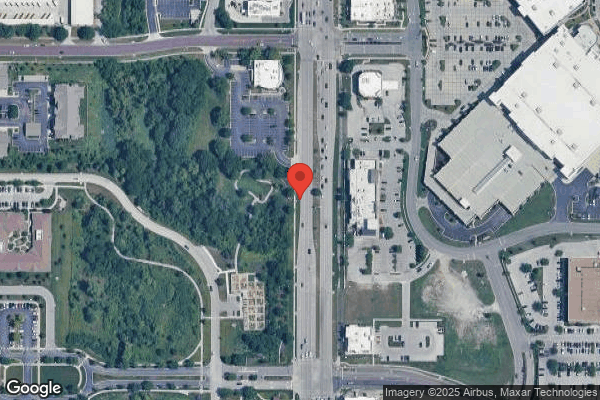
13760 METCALF AVENUE, OVERLAND PARK, KS 66223 (913) 945-2350
For profit - Limited Liability company 44 Beds ERICKSON SENIOR LIVING Data: November 2025 1 Immediate Jeopardy citation
Trust Grade
71/100
#42 of 295 in KS
Last Inspection: May 2024

Within standard 12-15 month inspection cycle. Federal law requires annual inspections.

Overview

Tallgrass Creek, Inc has received a Trust Grade of B, indicating it is a good choice for families, though not the very best. Ranking #42 out of 295 facilities in Kansas places it in the top half statewide, and #5 out of 35 in Johnson County means there are only four local options that are better. However, the facility's trend is concerning as the number of issues has worsened significantly, increasing from 1 issue in 2023 to 7 in 2024. Staffing is a strong point, with a 5-star rating and a turnover rate of 40%, which is lower than the state average, suggesting good staff retention. On the downside, there have been some serious incidents, including a resident at risk for elopement who managed to exit the facility unsupervised, and issues with hazardous materials being accessible to residents, which raise safety concerns.

Trust Score
B
71/100
In Kansas
#42/295
Top 14%
Safety Record
High Risk
Review needed
Inspections
Getting Worse
1 → 7 violations
Staff Stability
○ Average
40% turnover. Near Kansas's 48% average. Typical for the industry.
Penalties
⚠ Watch
$7,446 in fines. Higher than 81% of Kansas facilities, suggesting repeated compliance issues.
Skilled Nurses
✓ Good
Each resident gets 72 minutes of Registered Nurse (RN) attention daily — more than 97% of Kansas nursing homes. RNs are the most trained staff who catch health problems before they become serious.
Violations
⚠ Watch
17 deficiencies on record. Higher than average. Multiple issues found across inspections.
★★★★★
5.0
Overall Rating
★★★★★
5.0
Staff Levels
★★★★☆
4.0
Care Quality
★★★★☆
4.0
Inspection Score
Stable
2023: 1 issues
2024: 7 issues

The Good

  • 5-Star Staffing Rating · Excellent nurse staffing levels
  • 4-Star Quality Measures · Strong clinical quality outcomes
  • Full Sprinkler Coverage · Fire safety systems throughout facility
  • No fines on record
  • Staff turnover below average (40%)

    8 points below Kansas average of 48%

Facility shows strength in staffing levels, quality measures, fire safety.

The Bad

Staff Turnover: 40%

Near Kansas avg (46%)

Typical for the industry

Federal Fines: $7,446

Below median ($33,413)

Minor penalties assessed

Chain: ERICKSON SENIOR LIVING

Part of a multi-facility chain

Ask about local staffing decisions and management

The Ugly 17 deficiencies on record

1 life-threatening
May 2024 7 deficiencies
CONCERN (D) 📢 Someone Reported This

A family member, employee, or ombudsman was alarmed enough to file a formal complaint

Potential for Harm - no one hurt, but risky conditions existed

Resident Rights (Tag F0550)

Could have caused harm · This affected 1 resident

The facility identified a census of 42 residents. The sample included 13 residents with one resident reviewed for dignity. Based on observation, interview, and record review, the facility failed to pr...

Read full inspector narrative →
The facility identified a census of 42 residents. The sample included 13 residents with one resident reviewed for dignity. Based on observation, interview, and record review, the facility failed to provide a dignified care environment for Resident (R)23. This placed R23 at risk for impaired dignity and quality of life. Findings Included: - R23's Electronic Medical Records (EMR) included diagnoses of dementia (a progressive mental disorder characterized by failing memory, and confusion), cognitive-communication disorder, dysphagia (difficulty swallowing), and aphasia (difficulty speaking). R23's Quarterly Minimum Data Set (MDS) completed 03/27/24 indicated a Brief Interview for Mental Status (BIMS) was not completed due to severe cognitive impairment. The MDS indicated she required maximal assistance with bed mobility, transfers, dressing, personal hygiene, and bathing. The MDS indicated she had unclear speech and was rarely understood. R23's Dementia Care Area Assessment (CAA) completed 12/26/23 indicated she was severely impaired related to her advanced dementia and aphasia. The MDS indicated she was at risk for potential miscommunications of safety cues and at risk for falls and injuries. The CAA noted care planned interventions would be implemented to compensate for communication impairments and reduce the risk associated with her impairments. R23's Care Plan initiated on 12/26/23 indicated she required extensive staff assistance for transfers, bathing, toileting, personal hygiene, and dressing. The plan indicated she had a history of falls from her bed. The plan indicated her bed was to be placed in the lowest position with a fall mat on the floor next to her bed. The plan indicated her door was to be left open unless personal care was being performed. On 05/06/23 at 07:45 AM an inspection of R23's room revealed her door open. R23 slept in her bed. Her bed was in the lowest position. A fall mat was placed on the floor left of her bed. R23's covers were pulled up over her upper body. Her lower body was exposed and she had only an incontinence brief covering her. R23 was visible from the hallway as she slept with the door open. She remained in the same position until she was awoken by staff for breakfast at 09:15 AM. Multiple residents and staff walked by R23's room during the observation period. On 05/08/24 at 10:10 AM Certified Nurse Aide (CNA) M stated staff were expected to check on the resident at least every two hours but she preferred to check in with the residents every 30 minutes. She stated R23 would often pull her covers down or off but staff should be monitoring her and attempt to cover her up. On 05/08/24 at 10:23 AM Licensed Nurse (LN) G stated cognitively impaired residents should never be left uncovered or exposed. She stated staff should be checking them frequently to ensure they did not need care or assistance. She stated R23 could move herself around in bed and adjust her covers if she wanted. On 05/08/24 at 12:20 AM Administrative Nurse D stated R23's staff should have checked in on her every couple of hours to ensure she was not left exposed or repositioned her covers. The facility's Resident Rights policy 06/2023 indicated the facility will promote and protect each resident's rights to be treated with respect and ensure dignity. The facility failed to provide a dignified care environment for R23. This placed R23 at risk for impaired dignity and quality of life.
CONCERN (D) 📢 Someone Reported This

A family member, employee, or ombudsman was alarmed enough to file a formal complaint

Potential for Harm - no one hurt, but risky conditions existed

Deficiency F0804 (Tag F0804)

Could have caused harm · This affected 1 resident

The facility identified a census of 42 residents. The facility had one main kitchen and one kitchenette area. The facility had two residents that required a pureed diet. Based on observation, record r...

Read full inspector narrative →
The facility identified a census of 42 residents. The facility had one main kitchen and one kitchenette area. The facility had two residents that required a pureed diet. Based on observation, record review, and interview, the facility failed to ensure that dietary staff prepared food that conserved the nutritive value, flavor, and appearance when preparing pureed foods. This placed the residents who received pureed foods at risk of decreased palatability and impaired nutritional status. Findings included: - On 05/07/24 at 10:24 AM observation during the preparation of the pureed foods revealed that Dietary Staff (DS) CC obtained two servings of the baked tilapia (fish) and placed them into the Robo coupe (a food processing machine used to finely chop/puree foods) container and then obtained an undetermined amount of water from the faucet and poured the unmeasured amount of water into the pureed container. DS CC turned the machine on until the food and water were mixed. The finished pureed product was poured into a clean metal storage container and covered with plastic wrap. The pureed food item was runny and lacked an attractive appearance or smell. On 05/07/24 at 10:30 AM DS CC obtained two servings of cooked lima beans and placed them in the Robo coupe container. DS CC obtained hot water from the faucet into a pitcher and returned to the Robo coupe and poured an unmeasured amount of water into the Robo coupe container and turned the machine on. DS CC turned the machine off, took off the lid, poured the pureed mixture into a clean metal storage container, and covered it with plastic wrap. The food item had an appearance of a green soup-like consistency. On 05/07/24 at 10:35 AM DS CC obtained two servings of prepared barbecued pulled pork and placed them in the Robo coupe container. DS CC obtained hot water from the faucet into a pitcher and returned to the Robo coupe and poured an unmeasured amount of water into the Robo coupe container and turned the machine on. DS CC turned the machine off, took off the lid, poured the pureed mixture into a clean metal storage container, and covered it with plastic wrap. The pureed barbecued pulled pork after puree had no color to it and did not appear or smell like barbecued pulled pork. On 05/07/24 at 10:39 AM DS CC stated that there used to be puree recipes that he followed but since the new policy was in place, no recipes were used. DS CC stated the new policy was to add water to the original cooked foods until a pudding-thick consistency was obtained. On 05/07/24 at 11:08 AM, DS BB stated the facility had just implemented a new standard operating practice for the preparation of pureed foods and did not require a recipe any longer. On 05/05/24 at 11:39 AM the temperature of the foods on the steam table was obtained by DS EE who was unable to distinguish between the different puree food items of tilapia, French fries, and barbecued pulled pork as the food items lacked labeling. On 05/08/24 at 11:14 AM Consultant GG stated the facility recently implemented a new standard operating procedure for food preparation. The new policy and standard of practice had them prepare the food to a pudding consistency and no recipe was followed any longer. Consultant GG stated none of the nutritive value or flavor would be compromised by only adding water to the food. Consultant GG stated the residents who received the pureed food would still receive the same portion and nutrients that residents on a regular diet would receive. The Standard Operating Procedure (SOP) Purees dated December 2023 documented that hot food items would be pureed using food prepared for regular diets. Food would have been cooked to the 'cook to' temperature noted in the recipe and held at a temperature above 140 degrees or greater in the kitchen. Hot food would be pureed following the instructions noted in the recipe. The SOP Texture Modified Diets policy dated January 2024 documented that a recipe should be pureed to a smooth consistency thick enough to mound on the plate and molded or formed to give an attractive plate presentation. If a fortified thickener was used, portion equivalence was to add one ounce to the original portion. Meats and equivalents should add sauces or gravy when possible. The facility failed to ensure that dietary staff prepared food that conserved the nutritive value, flavor, and appearance when preparing pureed foods. This placed the residents who received pureed foods at risk of decreased palatability and impaired nutritional status.
CONCERN (D) 📢 Someone Reported This

A family member, employee, or ombudsman was alarmed enough to file a formal complaint

Potential for Harm - no one hurt, but risky conditions existed

Deficiency F0807 (Tag F0807)

Could have caused harm · This affected 1 resident

The facility identified a census of 42 residents. The sample included 13 residents. Based on observation, record review, and interviews, the facility failed to provide Resident (R) 28's therapeutic di...

Read full inspector narrative →
The facility identified a census of 42 residents. The sample included 13 residents. Based on observation, record review, and interviews, the facility failed to provide Resident (R) 28's therapeutic diet as ordered by his physician. This deficient practice placed R28 at risk for complications including choking. Findings included: - R28's Electronic Medical Records (EMR) included diagnoses of dementia (a progressive mental disorder characterized by failing memory, and confusion) and Alzheimer's disease (progressive mental deterioration characterized by confusion and memory failure). R28's Quarterly Minimum Data Set (MDS) dated 02/28/24 noted a Brief Interview for Mental Status (BIMS) was unable to be done and no staff interview was completed. The MDS noted that R28 required substantial to maximum assistance from staff for eating. The MDS documented R28 had difficulty or pain with swallowing. R28's Care Plan dated 09/06/23 documented an intervention dated 04/24/24 which directed R28's diet was changed to pureed, with nectar thick liquids. The plan documented R28 required total assistance from staff with eating and directed staff to offer fluids throughout the day. R28's Orders tab under Treatments revealed a dietary order for nectar thick liquids dated 01/11/24. On 05/06/24 at 02:36 PM, an unidentified staff member placed a plastic cup of thin water (not thickened) in R28's room on his dresser. There were no thickened liquids visible in the room. On 05/07/24 at 07:14 AM, observation revealed fresh, thin ice water in a plastic cup in R28's room. There were no thickened liquids visible in R28's room. On 05/07/24 at 09:53 AM observation revealed staff served R28 a pureed breakfast with nectar thick liquids. On 05/07/24 at 02:51 PM observation revealed R28 had nectar thick liquid in a plastic cup, sitting on his dresser. On 05/08/24 at 10:10 AM, Certified Nurse's Aide (CNA) N stated care plans with diet orders were found in the closet in each resident's room and a drawer in the dining room. CNA N said the nurses and CNA passed fresh water each shift and any resident with an order for thickened liquids should never be given thin liquid. In an interview on 05/08/24 at 10:40 AM, Licensed Nurse (LN) I stated that care plans for residents were located in the closet in each resident's room and the hard chart at the nurses' station. LN I reported that R28's diet was pureed with nectar thick liquids. LN I reported she witnessed the incorrect consistency of fluids in R28's room on previous occasions and she thought it was placed there by the night shift. LN I stated that if R28 received thin liquids he could suffer potential consequences such as aspiration pneumonia (an inflammatory condition of the lungs caused by inhaling foreign material or vomit). In an interview on 05/08/24 at 11:30 AM Administrative Nurse D stated that R28 should never be given thin liquids. She said the nursing staff has had education regarding the risks and benefits of diet and liquid consistency. The facility's Thickened Liquids policy revised 03/2020 indicated the facility will provide thickened liquids when ordered. The policy indicated thickener was used to promote ease of swallowing. The policy also indicated the thickener was used to prevent choking and aspiration. The facility failed to provide R28's therapeutic diet as ordered by his physician. This deficient practice placed R28 at risk for complications including choking.
CONCERN (E) 📢 Someone Reported This

A family member, employee, or ombudsman was alarmed enough to file a formal complaint

Potential for Harm - no one hurt, but risky conditions existed

Accident Prevention (Tag F0689)

Could have caused harm · This affected multiple residents

The facility had a census of 42 residents. The sample included 13 residents with two reviewed for accidents. Based on observation, record review, and interview, the facility failed to ensure a safe en...

Read full inspector narrative →
The facility had a census of 42 residents. The sample included 13 residents with two reviewed for accidents. Based on observation, record review, and interview, the facility failed to ensure a safe environment free from hazardous materials for nine cognitively impaired independently mobile residents. The facility additionally failed to ensure an environment free from avoidable accidents for Resident (R)15 who was injured during a lift-assisted transfer. This deficient practice placed the residents at risk for preventable accidents and injuries. Findings Included: - On 05/06/24 at 07:10 AM an initial walkthrough of the facility was completed. An inspection of the west hall's laundry room revealed the door was unlocked. An inspection of the room revealed a bottle of Oxivir-TB spray (disinfectant that kills bacteria and viruses) left on top of the washing machine. The bottle contained the warning, Keep out of reach of children, hazardous to humans can cause eye irritation, harmful if swallowed. An inspection of the west hall also revealed an unlocked spa room. The spa room contained an unlocked cabinet with disposable ice packs and alcohol cleaning wipes. The items contained the warning, Keep out of reach of children, hazardous to humans can cause eye irritation, harmful if swallowed. On 05/06/24 at 08:03 AM An inspection of the east hallway's activity area revealed a small, shared corridor outside R12's room. The corridor contained an unsupervised supplemental oxygen storage rack with 10 oxygen cylinders. Three of the ten cylinders were pressured above 1000 pounds per square inch (PSI) and remained accessible in the common area. At 08:15 AM the cylinders and rack were removed from the area. On 05/08/24 at 10:10 AM Certified Nurse's Aide (CNA) M stated the laundry rooms should remain locked and chemicals should never be accessible to the residents. She stated the facility had a secured oxygen storage room for pressurized oxygen tanks. On 05/08/24 at 10:23 AM Licensed Nurse (LN) G stated chemical wipes and hazardous equipment should remain locked up when not in use by staff. She stated staff were expected to closely monitor rooms that were to be locked with hazardous materials in them. On 05/08/24 at 12:20 AM Administrative Nurse D stated the R12's oxygen was moved around by hospice and her representative preferred it to be stored close to her room. She stated the facility has since moved the storage rack and oxygen out of the common area hallway. She stated staff were expected to ensure hazardous chemicals and materials remained locked up and not accessible to the residents. The facility's Incident Reporting and Investigation policy revised 03/2020 indicated staff will ensure the resident environment remains free from potential risk of accidents and falls. The policy noted staff will inspect and report any potential concerns related to fall risks, hazardous materials, and possible injury concerns. The facility failed to ensure a safe environment free from hazardous materials and out of reach from nine cognitively impaired independently mobile residents. This deficient practice placed the residents at risk for preventable accidents and injuries. - R15's Electronic Medical Records (EMR) included diagnoses of dementia (a progressive mental disorder characterized by failing memory, and confusion), cognitive-communication disorder, dysphagia (difficulty swallowing), and hemiparesis/hemiplegia (weakness and paralysis on one side of the body). R15's Quarterly Minimum Data Set (MDS) completed 04/17/24 indicated a Brief Interview for Mental Status (BIMS) score of four indicating severe cognitive impairment. The MDS indicated he had upper and lower extremity impairments on one side of his body. The MDS indicated he was dependent on staff for transfers, dressing, toileting, bed mobility, and bathing. The MDS indicated he was at risk for pressure injuries (localized injury to the skin and/or underlying tissue usually over a bony prominence, as a result of pressure, or pressure in combination with shear and/or friction) and skin breakdown. The MDS indicated he had one non-injury fall since admission. R15's Falls Care Area Assessment (CAA) completed 07/30/23 indicated he was at risk for injuries during transitions related to his medical diagnoses. The CAA noted he required a Hoyer lift (full-body mechanical lift) with the assistance of two staff for all transfers. The CAA indicated he required extensive assistance with toileting, dressing, grooming, mobility, and bathing. R15's Care Plan initiated on 10/18/23 indicated he required staff assistance for bed mobility, toileting, dressing, grooming, personal hygiene, and bathing. The plan indicated he required the assistance of two staff and the use of a Hoyer lift for all transfers. A Resident Incident Report Form completed on 05/03/24 noted R15 received an injury while being transferred with a Hoyer lift. The report indicated R15 was in the Hoyer lift and placed his left hand in between two moving levers of the lift. The report indicated he suffered a quarter-size skin tear on the top of his left hand. The report noted he was immediately assessed by the nurse. The report noted his wound was cleansed and Steri-strips (adhesive wound closures) were applied to his wound. The note indicated staff were to provide frequent reminders and guidance during transfers for proper hand placement. On 05/06/24 at 08:34 AM R15 rested in his bed. R15 had a small skin tear on his left hand secured with three Steri-strips. R15 reported he was not sure how or when the wound occurred. On 05/08/24 at 10:10 AM Certified Nurses Aide (CNA) M indicated R15 required two staff and a Hoyer lift for all transfers due to his limited mobility and fall risk. She stated R15 often would get agitated or anxious during care and move around a lot. She stated staff would talk to him and calm him down before attempting to move him. She stated that R15's hands should be securely on his chest during transfers. She stated the levers on the Hoyer lift are attached to the sling and rotate during transfers. On 05/08/24 at 10:23 AM Licensed Nurse (LN) G stated R15 often got overexcited during care and sometimes moved around a lot. She stated staff should talk to him and ensure he was calm before attempting to move or lift him. She stated the facility required two staff for Hoyer transfers and one of the assisting staff should monitor his hand placement during transfers. On 05/08/24 at 12:20 AM Administrative Nurse D stated R15's hand injury occurred when he lifted his arms during transfers and his hand got stuck in the moving levers. Administrative Nurse D stated R15 often was anxious and moved around during care. She stated staff were expected to monitor his body placement and behaviors while moving him. She stated his representative comes in to help assist with his anxiety during care and to help him calm down. The facility's Lift, Transfers, and Bed Mobility policy revised 03/2023 indicated the facility will ensure the appropriate personnel as needed, training, and safety for all transfer types. The policy indicated staff will ensure safe positioning and techniques were followed during all assisted transfers. The facility failed to ensure safe Hoyer lift practices were followed during R15's Hoyer transfer resulting in an avoidable accident. This deficient practice placed R15 at risk for preventable accidents and injuries and resulted in a minor injury.
CONCERN (E) 📢 Someone Reported This

A family member, employee, or ombudsman was alarmed enough to file a formal complaint

Potential for Harm - no one hurt, but risky conditions existed

Pharmacy Services (Tag F0755)

Could have caused harm · This affected multiple residents

The facility identified a census of 42 residents. The facility had two medication rooms. Based on observation, record review, and interview, the facility failed to the facility failed to ensure an acc...

Read full inspector narrative →
The facility identified a census of 42 residents. The facility had two medication rooms. Based on observation, record review, and interview, the facility failed to the facility failed to ensure an accurate reconciliation of controlled medications (substances that have an accepted medical use, and have a potential for abuse, ranging from low to high, and may also lead to physical or psychological dependence) was completed consistently. This placed residents at risk of medication misappropriation, diversion, and ineffective medication regimens. Findings included: - On 05/06/24 at 10:47 AM, observation of the west wing medication room revealed the daily controlled medication record log from 04/20/24 to 05/06/24 lacked evidence of two nurse signatures indicating a reconciliation was completed on 10 of 72 opportunities. On 05/06/24 at 10:50 AM Licensed Nurse (LN) H stated that the count sheet should be signed by the off-going nurse and the on-coming nurse at the beginning and the end of each shift after the narcotic (controlled medications) count had been completed and the medication room keys exchanged. On 05/08/24 at 12:32 PM Administrative Nurse D stated she expected the two nursing staff to be signing the narcotic count shift sheet at the beginning and the end of each shift to indicate the count was completed as required. Administrative Nurse D stated those sign-off sheets were audited two to four times a month by the nurse manager. Administrative Nurse D stated in each of the medication rooms there was a sign posted on the wall to remind staff that the shift narcotic count sheet must be signed off by both staff each shift when the keys for the medication room were exchanged by the off-going to the on-coming nurse. The Narcotics/Controlled Substances policy dated May 2021 documented that narcotic/Controlled substances were counted on a regular basis by the off-going nurse/care associate and the on-coming nurse/care associate. Where permitted by state or local regulations, a licensed nurse and medication technician/registered or certified medication aide may count narcotics/controlled substances. The facility failed to ensure an accurate reconciliation of controlled medications was completed consistently. This placed residents at risk of medication misappropriation, diversion, and ineffective medication regimens.
CONCERN (E) 📢 Someone Reported This

A family member, employee, or ombudsman was alarmed enough to file a formal complaint

Potential for Harm - no one hurt, but risky conditions existed

Food Safety (Tag F0812)

Could have caused harm · This affected multiple residents

The facility identified a census of 42 residents. The facility had one main kitchen and one kitchenette and dining area. Based on observation and interview, the facility failed to ensure staff stored,...

Read full inspector narrative →
The facility identified a census of 42 residents. The facility had one main kitchen and one kitchenette and dining area. Based on observation and interview, the facility failed to ensure staff stored, prepared and served food items and maintained the freezer unit in accordance with the professional standards for food service safety. This placed residents at risk of foodborne illness and cross-contamination (the transfer of harmful substances to food). Findings included: - On 05/06/24 at 07:12 AM the initial tour of the kitchen revealed the following: in the walk-in freezer there was an opened box and bag of breaded chicken strips that was not in a sealed bag and lacked an open date. The walk-in freezer unit had frozen water icicles that had dropped onto an opened box of food below it. On 05/07/24 at 10:24 AM during the preparation of the puree foods, Dietary Staff CC failed to properly wash and sanitize the Robo coupe (a food processing machine used to puree foods) container and lid in between each food item that was pureed. On 05/08/24 at 10:48 AM Dietary Staff EE stated that he expected his staff to either run the food containers through the dishwasher or wash and sanitize in the three-bin wash sinks. Dietary EE stated he had not been aware that the freezer unit was leaking and would get that matter addressed. The Standard Operating Procedure (SOP) Food Preparation and Service policy dated February 2024 documented: strict food preparation procedures were maintained to assure consistent high-quality food service. Sinks, slicing machines, and cutting boards must be cleaned and sanitized after each use before handling other food. The facility failed to ensure staff stored, prepared and served food items and maintained the freezer unit in accordance with the professional standards for food service safety. This placed residents at risk of foodborne illness and cross-contamination.
CONCERN (E) 📢 Someone Reported This

A family member, employee, or ombudsman was alarmed enough to file a formal complaint

Potential for Harm - no one hurt, but risky conditions existed

Infection Control (Tag F0880)

Could have caused harm · This affected multiple residents

The facility identified a census of 42 residents. The sample included 13 residents. Based on record review, observations, and interviews, the facility failed to ensure infection control standards were...

Read full inspector narrative →
The facility identified a census of 42 residents. The sample included 13 residents. Based on record review, observations, and interviews, the facility failed to ensure infection control standards were followed during shared equipment use, transport of clean linens, and storage of Resident (R)12's oxygen therapy equipment. This deficient practice placed the residents at risk for infectious diseases. Findings Included: - On 05/06/24 at 07:15 AM an inspection of R12's bathroom revealed her supplemental oxygen face mask and two oxygen connector ports stored on a paper towel on a shared sink. On 05/07/24 at 08:44 AM, an unidentified nurse completed blood pressure checks for R29 and R136. The nurse failed to sanitize the shared blood pressure equipment in between taking the residents' vitals. On 05/07/24 at 09:49 AM staff pushed the Hoyer (total body mechanical lift) lift into R28's room. Staff then transferred R28 from his bed to his wheelchair. The Hoyer lift was then pushed by staff back out to the hallway without sanitizing the machine before or after use. On 05/07/24 at 02:24 PM a large, uncovered cart carrying brown towels was transported through the facility's east hall. On 05/08/24 at 10:10 AM Certified Nurse's Aide (CNA) M stated staff can wash residents' clothing and items in the small laundry rooms. She stated all laundry should be covered in transport. She stated lifts and other shared equipment should be cleaned and sanitized in between uses. She stated oxygen tubing and masks should be stored in a clean bag when not in use. On 05/08/24 at 10:23 AM Licensed Nurse (LN) G stated oxygen mask and tubing should always be labeled. She stated the mask and tubing should be placed in a clean bag for storage when not in use. She stated staff should cover the laundry baskets and carts when transporting them around the facility. She stated that shared lifts and equipment should be sanitized in between use. On 05/08/24 at 12:20 PM Administrative Nurse D stated staff were expected to store the oxygen equipment in the provided clean bags. She stated R12's oxygen mask may have been cleaned by staff and left out to dry until it could be stored in a bag. She stated staff was expected to clean all shared equipment in between uses. The facility's Infection Prevention and Control Surveillance and Monitoring policy revised 05/2021 indicated the facility will implement and ensure safe infection control practices related to the sanitary handling and storage of medical equipment, medications, and care practices to prevent contamination and infections. The policy indicated staff will ensure the sanitary handling of oxygen therapy equipment, medications, care environments, and contact precautions. The facility failed to ensure infection control standards were followed during shared equipment, transport of linens, and storage of R12's oxygen therapy equipment. This deficient practice placed the residents at risk for infectious diseases.
Oct 2023 1 deficiency 1 IJ
CRITICAL (J) 📢 Someone Reported This

A family member, employee, or ombudsman was alarmed enough to file a formal complaint

Immediate Jeopardy (IJ) - the most serious Medicare violation

Accident Prevention (Tag F0689)

Someone could have died · This affected 1 resident

The facility identified a census of 43 residents. The sample included two residents reviewed for elopement (when a cognitively impaired resident leaves the facility without the knowledge or supervisio...

Read full inspector narrative →
The facility identified a census of 43 residents. The sample included two residents reviewed for elopement (when a cognitively impaired resident leaves the facility without the knowledge or supervision of staff) risk. Based on observations, record review, and interviews, the facility failed to provide adequate supervision to cognitively impaired Resident (R) 1, who was at risk for elopement and exited the facility. On 10/06/23 at 06:21 PM R1 pressed on an exit door for 30 seconds, which opened the door. The door alarm sounded, but the staff failed to promptly respond to the alarm. R1 wore a WanderGuard (bracelet that sets off an alarm when residents wearing one attempt to exit the building without an escort) on her wheelchair, which alarmed as well, but staff failed to respond. An Independent Living (IL) resident in the parking lot saw R1 outside of the facility and brought R1 back into the facility near the kitchen, where Dietary staff BB then escorted R1 to the nurse's station. R1 was outside unattended for approximately four minutes, and it was seven minutes before staff were aware of her exit. The facility's failure to respond to the door alarm which allowed cognitively impaired R1 to exit the facility without staff knowledge into an unsupervised location placed R1 in immediate jeopardy. Findings included: - R1's Electronic Medical Record (EMR) documented a diagnosis of Alzheimer's disease (progressive mental deterioration characterized by confusion and memory failure). The Significant Change Minimum Data Set (MDS) dated 08/24/23, documented R1 had a Brief Interview for Mental Status (BIMS) score of three, which indicated severe cognitive impairment. R1 wandered daily. She required extensive assistance with one staff for bed mobility, transfers, locomotion off unit, dressing, toileting, and personal hygiene; and limited assistance with one staff for locomotion on unit. The Falls Care Area Assessment dated 08/24/23, documented R1 needed assistance for transfers and mobility and factors that placed her at risk included a balance probably and assistance needs for support during transfers. The Care Plan dated 08/18/23, documented R1 could propel herself in her wheelchair within the unit, sometimes went to the exit doors, and she had a WanderGuard hooked to her wheelchair that alarmed if she went too close to the exit doors. The Care Plan directed to check R1's WanderGuard weekly on Wednesdays. The Care Plan dated 08/18/23, documented due to R1's confusion she explored her environment in her wheelchair. The Care Plan instructed staff to redirect R1 and involve her in activities, staff listened to her and provided her comfort when she became confused and agitated, communicated with her in manner that promoted mental and psychological well-being, and provided an environment conducive to mental and psychological well-being. The facility's report, dated 10/13/23, documented on 10/06/23, R1 was able to exit through a secured back door with a 30 second delated egress that led to the IL Clubhouse. It was 54 degrees Fahrenheit (F) and she wore a red long-sleeve shirt, pants, socks, and shoes. At 06:12 PM, R1 was seen on camera heading towards the nurse's station in the East hallway. At 06:13 PM, she turned back around and headed towards the dining room, the nurse was on the phone at that time. At 06:15 PM, R1 turned around and headed back down to the East nurse's station and appeared to try and talk to the nurse, she was then viewed from another camera coming back down the hallway. At 06:16 PM, R1 wheeled herself down the hallway and turned the corner towards the exit. At 06:21 PM, R1 was seen on camera rolling down the walkway in her wheelchair and coming to rest in the mulch on the sidewalk. At 06:24 PM, a man parked his car in the visitor parking lot and saw R1. At 06:25 PM, the man walked over to her. At 06:27 PM, the man came into view on the camera pushing R1 toward the kitchen area back inside the facility. At 06:28 PM, Dietary BB appeared at the end of the hallway talking to the man. At 06:29 PM, Dietary BB took R1 to the nurse's station. It was determined that no one let R1 out of the door as she was able to push on the delayed egress crash bar which released the door and she was able to exit. In a witness statement, not dated, Dietary BB stated after dinner on 10/06/23, R1 was brought to the kitchen by an unknown individual. He asked Dietary BB if he knew where R1 went, and Dietary BB said yes and asked R1 how she was doing. Dietary BB stated he took R1 to the nurse's station and told them what happened. In a witness statement on 10/12/23, Licensed Nurse (LN) G stated R1 was last visualized between 06:00 PM and 06:15 PM. She was propelling self in her wheelchair as she normally did. LN G stated a staff member brought resident and informed her that R1 had been outside the IL exit doors. In a witness statement on 10/12/23, LN H stated she last saw R1 at approximately 06:00 PM on 10/06/23. R1 was attempting to find her family and wondering how everything was being paid for. LN H stated she explained to R1 her sons had already taken care of everything. LN H stated she did not remember seeing her again until R1 returned. According to the Kansas State University Historical Weather website, the temperature on 10/06/23 at 06:00 PM was 57.3 degrees Fahrenheit (F) and at 07:00 PM, it was 52.2 degrees F. On 10/16/23 at 11:26 AM, Administrative Staff A showed the surveyor the door R1 exited on 10/06/23. The surveyor pushed on the door and an alarm sounded. After about 30 seconds, the door lock released, and the door opened. Observation of the area outside the door revealed a clean sidewalk in good repair with mulch located to the left as you exit the door. The sidewalk continued down a decline towards the IL clubhouse and at the end of the decline, there was a path that turned left, towards the back of the building, and led to the parking lot. On 10/16/23 at 01:47 PM, R1 sat in her wheelchair in the day area and conversed with visitors. A WanderGuard was attached to the right side of her wheelchair. On 10/16/23 at 03:22 PM, R1 wanted to go outside, and staff told her to wait a little bit. She was easily redirected, and staff brought her to an area to listen to music. On 10/16/23 at 03:28 PM, staff assisted R1 outside to get some fresh air. On 10/16/23 at 11:18 AM, Administrative Staff A stated on 10/06/23, an IL resident saw R1 stuck in her wheelchair in the mulch, 20 feet from the back door. He brought her back in, went to the kitchen, and asked if R1 belonged over there. Dietary BB said hey to R1 and brought her to nursing. Administrative Staff A saw R1 around 06:10 PM and 06:14 PM, and she was going back and forth around the East nurse's station. R1 went down the hallway and was not seen on the wall-phone camera, which went to the concierge and security if someone pushed the button. She stated it determined R1 pushed on the doors which alarmed then released and she ended up getting out of the door. Administrative Staff A stated the alarm sounded for about eight minutes. R1 had a roam alert that was alarming and roam alerts were sent to the nurse call system which wound vibrate on the phones the call lights go to and had a message with where the alarm was going off at. Administrative Staff A stated there was another resident actively passing away in that time frame and it was right around the time staff were getting residents out of the dining room and helping them into bed. On 10/16/23 at 01:55 PM, LN I stated when the door alarms went off, staff located the resident and called the front desk. She stated if a resident with a WanderGuard got close to a door, a page was sent to the phones. On 10/16/23 at 01:58 PM, Certified Nurse Aide (CNA) M stated if the door alarms went off, she checked her phone to see which door it was to make sure it was not a wander alarm. She stated if a wander alarm went off, the alert on the phone said the resident's room number and which door was alarming for staff to check it out. On 10/16/23 at 02:21 PM, LN J stated on 10/06/23, she saw R1 propelling through the halls and dining area, but she never tried to exit any doors. She stated the doors beep if someone is holding it down then it turned to a steady beep. If a resident had a WanderGuard then the wander alarm also beeped and sent an alert to the call system on their phones with the door that was alarming. LN J stated usually if R1 was wandering around and it was not close to mealtime, staff engaged with her too see if she needed to use the restroom, if she wanted to join activities, or if she wanted to call her sons. She stated if R1 said she was looking for her family, she told her they had not been in yet, and took her to the nurse's station to call one of her sons. On 10/16/23 at 02:27 PM, Administrative Nurse D stated on 10/06/23, she received a call that R1 had exited the door going towards IL and was back inside. She stated there had been a resident actively passing away so R1's nurse was attending to that resident and a few CNAs had been assisting residents out of the dining room. Administrative Nurse D stated when the door alarms, staff could hear the door alarm and an alert was sent to the monitor at the nurse's station and their individual phones. She stated R1 had a WanderGuard as well because she liked to explore her environment. Administrative Nurse D stated if a door alarm went off, she expected staff to respond immediately and if they were with another resident, they made sure that resident was safe and then checked on the alarm. On 10/20/23 at 11:56 AM, LN G stated R1 used to get agitated after dinner but it was progressively getting earlier, and she was getting really anxious. LN G stated R1 was difficult to redirect and fought staff so they let her wander which she was usually safe to do. She stated on 10/06/23, she found out R1 had exited the facility when Dietary BB informed her R1 had been outside. She stated she saw R1 about 20 minutes prior to her exit, when R1 was propelling around the nurse's station then down the hallways and she was pretty agitated. LN G stated she did not hear the alarm going off and the alarm was not audible at the nurse's station at that time but had since been changed to make a sound. The door itself was too far from the nurse's station to hear the beeping on the door. She stated she carried the call system phone on her at all times, but the roam alerts were the same sound as call lights so there was no differentiation between call light alerts and roam alerts. LN G stated when she received a roam alert, she looked at the location in the alert then went to the location to check. The facility's Alarms Response policy, dated May 2021, directed when a continuing care exit alarm sounded or wander alert device had been activated, staff immediately checked the doors in the alarming area and ensured all residents were within the neighborhood or their whereabouts were known. The policy directed if a wander alert device of exit alarm was triggered for an unknown/unwitnessed cause, within five minutes staff from that neighborhood promptly responded to the door that was alarming; a staff member was designated to conduct an immediate count of all residents; a staff member was designated to search the exit area; and if a resident was determined to be missing, elopement of a resident procedure was initiated. The facility failed to provide adequate supervision to promptly respond to a door alarm and intercept R1 when she exited the facility on 10/06/23. This deficient practice placed R1 in immediate jeopardy. The facility put the following corrections into place by 10/12/23: 1. Updated R1's care plan after 10/06/23. 2. Security completed daily door checks starting on 10/06/23. 3. Completed staff education regarding Alarms Response and Missing Resident from 10/09/23 to 10/11/23. 4. Conducted a Quality Assurance and Performance Improvement (QAPI) meeting on 10/12/23 with discussion of elopement on 10/06/23. Due to the corrective measures implemented and completed prior to the onsite survey, this deficient practice was cited as past noncompliance at a J scope and severity.
Oct 2022 6 deficiencies
CONCERN (D)

Potential for Harm - no one hurt, but risky conditions existed

Resident Rights (Tag F0550)

Could have caused harm · This affected 1 resident

The facility identified a census of 43 residents. Based on observation, record review, and interviews, the facility failed to promote a dignified dining experience during meal service for Resident (R)...

Read full inspector narrative →
The facility identified a census of 43 residents. Based on observation, record review, and interviews, the facility failed to promote a dignified dining experience during meal service for Resident (R)17, R26, and R28. This deficient practice placed the residents at risk for impaired dignity and decreased psychosocial well-being. Findings Included: - On 10/25/22 at 11:55AM R28 attempted to eat his meal in the dining room. R28 sat across from R26 (severely physically and cognitively impaired resident). R26 struggled to eat his meal and began coughing. R26 was unable to cover his mouth due to his physical impairment and coughed in the direction of R26's plate and drink. Staff did not intervene or help R26 during this time. At 12:05PM R28 requested to be moved to a different table and stated, I can't enjoy my meal with him coughing all over my food. R28 was moved to a different table close to the window. On 10/25/22 at 12:15PM R17 was transported into the dining room for his lunch in his Broda Chair (specialized wheelchair with the ability to tilt and recline). While being transported to his table, an unidentified staff member requested that R28 be moved out of the way so staff could bring in the feeder. Staff referred to R17 as the feeder in reference to him needing total assistance for his meals. R28 was moved again to allow R17 access to the rear table by the window. R28 was not offered a new plate of food or to have his food warm during/after the incident. On 10/27/22 at 01:30PM in an interview, Certified Nurses Aid (CNA) M, stated each resident has the right to be treated with respect and dignity. He stated that staff would never refer to resident with nicknames and should call them by their preferred names. On 10/27/22 at 03:03PM in an interview, Administrative Nurse D stated that all residents should be treated with dignity and respect. She stated that staff should never use the term feeder to identify a resident. She stated that staff should always call the residents by their preferred names and ask permission before moving them. A review of the facility's Resident's Right and Responsibilities revised 06/2021 stated that each resident had the right to be treated with dignity, consideration, courtesy, and respect with full recognition of their individuality. The facility failed to promote a dignified dining experience during meal service for R17, R26, and R28. This deficient practice placed the residents at risk for impaired dignity and decreased psychosocial well-being.
CONCERN (D)

Potential for Harm - no one hurt, but risky conditions existed

Deficiency F0676 (Tag F0676)

Could have caused harm · This affected 1 resident

**NOTE- TERMS IN BRACKETS HAVE BEEN EDITED TO PROTECT CONFIDENTIALITY** The facility identified a census of 43 residents. The sample included 12 residents with five reviewed for activities of daily li...

Read full inspector narrative →
**NOTE- TERMS IN BRACKETS HAVE BEEN EDITED TO PROTECT CONFIDENTIALITY** The facility identified a census of 43 residents. The sample included 12 residents with five reviewed for activities of daily living (ADL's). Based on observation, record review, and interviews, the facility failed to provide Resident (R)26's assistance with eating to prevent aspiration (inhaling liquid or food into the lungs) during his meals. This deficient practice placed him at risk for aspiration and related complications. Findings Included: -The Medical Diagnosis section within R26's Electronic Medical Records (EMR) included diagnoses of Parkinson's disease (slowly progressive neurologic disorder characterized by resting tremor, rolling of the fingers, masklike faces, shuffling gait, muscle rigidity and weakness), Alzheimer's disease (progressive mental deterioration characterized by confusion and memory failure), dysphagia (swallowing difficulty), chronic kidney disease, gastro-esophageal reflux disease (GERD- progressive mental deterioration characterized by confusion and memory failure), and history of unspecified pneumonia (inflammation of the lungs). A review of R26's Significant Change Minimum Data Set (MDS) dated 10/12/22 revealed a Brief Interview for Mental Status (BIMS) score of three indicating severe cognitive impairment. The MDS indicated that he weighed 181 pounds (lbs.) with no weight loss and received a mechanically altered diet. He required supervision, oversight, encouragement and cueing with one person physical assistance with eating. A review of R26's Nutrition Care Area Assessment (CAA) dated 10/22/22 indicated that he was a risk related to his cognitive loss, medical diagnoses, and reduced vision. The CAA noted that he required a mechanically soft diet. R26's Care Plan revised 10/16/22 indicated that he was at risk for aspiration and pocketing food while consuming his meals. The plan noted that he would experience a loss of food and liquids, coughing, and choking during meals and medications administration. The plan instructed staff to encourage him to consume his meals. The plan noted he was to eat his meals in the dining room. The plan noted that staff would cue R26 to alternate his food and drink per speech therapy recommendations. The plan instructed staff to provide nectar thick liquids to drink. A review of R26's Physician's Orders indicated that he admitted to the facility on [DATE] with a mechanically soft diet with ground meats. R26 received a new dietary order on 09/02/22 for him to start a pureed diet with nectar thick liquids. A review of R26's Functional Maintenance Plan dated 09/06/22 indicated recommendations from the speech therapist that staff were to encourage small bites and sips, offer drinks every two to three bites, and encourage R26 to eat slowly. On 10/25/22 at 09:13AM R26 was in the dining room for breakfast. R26 sat in his [NAME] Chair (specialized wheelchair with the ability to tilt and recline) in the main dining room. He had his pureed meal served to him on a divided plate with a side guard to prevent spillage. R26 was served a bright red drink of thin liquid consistency. He then picked up his weighted spoon and scooped up a large spoonful of his pureed meal. He ate the spoonful and continued to consume his meal with spoonful sized bites of his meal. R26 then consumed his liquid thin drink without sipping or taking small drinks. Staff were observed assisting other residents during meal service but not supervising R26's meal or fluid consumption. At 09:36 R26 began coughing. He sat in the dining room coughing for ten minutes before staff moved him to his room to recover. On 10/25/22 at 11:55AM R26 sat in the dining room and ate his lunch without staff assistance. R26 scooped spoonful-size bites of his pureed beef and swallowed it. He began coughing loudly. He drank some of his thin liquid juice and continued to struggle with coughing. Staff did not intervene with assisting him until 12:05PM. Staff did not cue him to takes small bites and sips until he began to cough. R26 continued to have repeated coughing and aspiration observations during both breakfast and lunch meal services for 10/26, and 10/27 with staff not supervising him during meal consumption. On 10/27/22 at 01:30PM in an interview with Certified Nurses Aid (CNA) M, he stated that R26 was supposed to be on a pureed diet with nectar thick liquids per his physician orders. He stated that the CNA staff were responsible for preparing drinks and assisting with all the resident's meals. He stated that each resident's dietary requirements were listed in the Care Plans and on a dietary sheet at the dining room. He stated that staff were to encourage R26 to eat his meals slowly. He stated that staff were to watch him for signs of choking and encourage him to take small bite and sips from his drink. On 10/27/22 at 01:50PM in an interview with Licensed Nurse (LN) G, she stated that the direct care staff assist the residents with meals and drinks. She stated that R26 required a pureed diet and nectar thick liquids to drink. She stated that staff were to ensure that he was sitting upright and to encourage R26 to eat slowly with small bites and sips from his drink. A review of the facility's Rehabilitative Services policy revised 06/2021 indicated that the therapy departments will work with community nurses to develop effective restorative nursing programs for residents including physical therapy, occupational therapy, and speech-language therapy. The policy noted that treatment programs were planned based on the findings and recommendations of the therapist. The facility failed to provide R26 the required assistance with eating to prevent aspiration during his meals. This deficient practice placed him at risk for aspiration and related complications.
CONCERN (D)

Potential for Harm - no one hurt, but risky conditions existed

Accident Prevention (Tag F0689)

Could have caused harm · This affected 1 resident

**NOTE- TERMS IN BRACKETS HAVE BEEN EDITED TO PROTECT CONFIDENTIALITY** The facility identified a census of 43 residents. The sample included 12 residents with four residents reviewed for accidents. B...

Read full inspector narrative →
**NOTE- TERMS IN BRACKETS HAVE BEEN EDITED TO PROTECT CONFIDENTIALITY** The facility identified a census of 43 residents. The sample included 12 residents with four residents reviewed for accidents. Based on observation, record review, and interviews, the facility failed to follow Resident (R) 24's plan of care which directed extensive assistance of two staff members for transfers. This placed R24, who had a history of falls, at increased risk for accidents and potential major injuries related to falls. Findings included: - R24's Electronic Medical Record (EMR) from the Diagnoses tab documented diagnoses of Alzheimer's disease (progressive mental deterioration characterized by confusion and memory failure), instability right knee and repeated falls. The Significant Change Minimum Data Set (MDS) dated [DATE] documented a Brief Interview of Mental Status (BIMS) score of three which indicated severely impaired cognition. The MDS documented that R24 required extensive assistance of two staff members for activities of daily living (ADLs). The MDS documented R24 had one fall with major injury (bone fracture, joint dislocations, closed head injury with altered consciousness, subdural hematoma) during the look back period. R24's Urinary Incontinence and Indwelling Catheter Care Area Assessment (CAA) dated 09/15/22 documented R24 required extensive assistance with toileting transfers. R24's Care Plan dated 03/07/22 documented R24 was lowered to the floor in the bathroom. Staff were educated on R24's care planned transfer status. The Functional Management Program sheet dated 03/01/22 located in the care plan book stored in R24's closet, documented for transfers the sit to stand lift was to be used. Review of the Nurse Notes documented on 03/07/22 at 04:22 PM R24 was on the toilet when Certified Nurse's Aide (CNA) O attempted to transfer R24 by turn and pivot. Due to miscommunication from the (unidentified) Licensed Nurse (LN) on R24's transfer status, R24 lost footing when attempting to transfer back to the wheelchair and was lowered to the floor by the CNA. Review of the Fall Investigation dated 03/07/22 documented CNA O was the only witness to the fall. On 10/26/22 at 02:02 PM R24 sat in the wheelchair in the common area outside her room, no behaviors or distress noted. noted. On 10/27/22 at 01:45 PM CNA N stated the staff know how and how much assistance each resident required for transfer could be found in the care plan book located in each resident's closet or in the EMR. CNA N stated R24 was transferred with two people and the sit to stand lift. On 10/27/22 at 02:20 PM LN H stated after a resident fell, she notified the director of nursing and or the assistant director of nursing of the fall. LN H stated they discussed an intervention to care plan to prevent further falls. LN H stated the mode of transfer and the assistance needed for each resident was found in the care plan cook in the resident's closet. On 10/27/22 at 03:05 PM Administrative Nurse D stated education would be provided to staff when an incorrect transfer had occurred that resulted in a fall. The facility Fall Management policy last revised May 2021 documented to minimize and/or decrease the risk of falls was through an interdisciplinary review of resident and develop an individualized care/service approach. Completing a Holistic Assessment Care Plan) to ensure fall risk section was accurately reflected the resident. The facility failed to follow the care plan for transfers for R24, which placed her at risk of major injury from falls.
CONCERN (D)

Potential for Harm - no one hurt, but risky conditions existed

Incontinence Care (Tag F0690)

Could have caused harm · This affected 1 resident

**NOTE- TERMS IN BRACKETS HAVE BEEN EDITED TO PROTECT CONFIDENTIALITY** The facility identified a census of 43 residents. The sample included 12 residents with two reviewed for bowel and bladder incon...

Read full inspector narrative →
**NOTE- TERMS IN BRACKETS HAVE BEEN EDITED TO PROTECT CONFIDENTIALITY** The facility identified a census of 43 residents. The sample included 12 residents with two reviewed for bowel and bladder incontinence. Based on observation, record review, and interviews, the facility failed to establish an individualized bowel and bladder programs for Resident (R)16 and R34. This deficient practice placed the residents at risk for complications related to incontinence and increased incontinence. Findings Included: -The Medical Diagnosis section within R16's Electronic Medical Records (EMR) included diagnoses of major depressive disorder (major mood disorder), moderate weakness, epilepsy (brain disorder characterized by repeated seizures), chronic pain syndrome, lack of coordination, overactive bladder, and arthritis (inflammation of a joint characterized by pain, swelling, heat, redness and limitation of movement). A review of R16's Quarterly Minimum Data Set (MDS) dated 08/26/22 revealed a Brief Interview for Mental Status (BIMS) score 15 indicating no cognitive impairment. The MDS indicated that she was occasionally incontinent of urine and frequently incontinent of bowel. The MDS noted that a toileting program had not been attempted. R16's Urinary Incontinence Care Area Assessment (CAA) dated (03/11/22) revealed that she required extensive assistance for all activities for daily livings (ADL's). The CAA noted that she was occasionally incontinent of urine. A review of R16's Care Plan revised 08/26/22 indicated that R16 required extensive one-person physical assistance for toileting. The plan noted that R16 must use a slide board for transfers and a bedpan for toileting due to her recent shoulder surgery. The plan stated that staff were to check on her routinely for incontinence. The plan noted that R16 was always continent of bowel. The plan noted that R16 was at potential risk for infections and skin breakdown related to her incontinence. R16's clinical record lacked evidence the facility assessed voiding/elimination patterns, and lacked evidence ressident centered interventions were identified and implemented in an effort to decrease incontinent episodes. On 10/25/22 at 11:35AM R16 reported that the facility attempted to do their best with assisting her with her ADLs but sometimes were a little slow. She stated that she has had many episodes of both bowel and bladder incontinence related to staff not answering the call light on time or even checking in on her. R16 stated that she was not on a toileting program and was not sure if a trial program was attempted since her admission. She stated that she used to complete her toileting by herself before she was admitted but required assistance now due to her decline in health. On 10/27/22 at 01:30PM in an interview, Certified Nurses Aid (CNA) M, stated that all the resident were checked on every two hours for restroom breaks and incontinence. He stated that R16 was not on a specified toileting plan or program but R16 could alert staff when she needed to use the restroom. He stated that R16 was incontinent and does have periodic episodes of both bowel and bladder incontinence. On 10/27/22 at 01:50PM in an interview, Licensed Nurse (LN) G stated that R16 was not on a toileting program and was not sure if a voiding trail had been completed since her admission. She stated that R16 was able to notify staff when she needed a restroom break and if she needed assistance with incontinence cares. On 10/27/22 at 03:03PM in an interview, Administrative Nurse D stated that R16 was aware enough of her bathroom needs to alert staff when she needed to use the restroom. She stated that the facility did not complete a specific bowel or bladder assessment or establish incontinence patterns, but rather used information provided by the resident upon admission to determine the residents needs for incontinence. She stated that the facility also talked with each resident about there specific needs to add interventions for care. On 10/27/22 at 03:10PM Administrative Nurse D stated that the facility did not have a policy for Bowel and Bladder Incontinence Management. The facility failed to establish an individualized bowel and bladder toileting program for R16. This deficient practice placed the resident at risk for complications related to incontinence and for impaired dignity related to increased incontinence. - R34's Electronic Medical Record (EMR) from the Diagnoses tab documented diagnoses of mixed incontinence (stress incontinence: the unintentional loss of urine) and urge incontinence (involuntary passage of urine occurring soon after a strong sense of urgency to void) symptoms at the same time. The Annual Minimum Data Set (MDS) dated [DATE] documented a Brief Interview of Mental Status (BIMS) score of 15 which indicated intact cognition. The MDS documented that R34 required limited assistance for activities of daily living (ADLs). The MDS documented R34 was not on a toileting program and was frequently incontinent of bladder (seven episodes of urinary incontinence and at least one episode of continence) during the look back period. R34's Urinary Incontinence and Indwelling Catheter Care Area Assessment (CAA) dated 10/09/22 documented R34 was continent of bowel and had occasional bladder incontinence, related to mixed incontinence. R34's Care Plan dated 01/13/22 documented staff were to offer toileting upon rising, before and after meals, at bedtime and as needed. R34's clinical record lacked evidence a bladder retraining program was attempted or implemented. On 10/25/22 at 10:54 AM R34 sat the wheelchair next to the bed. He stated he had an incontinent episode that morning. R34 stated he did not make it in time for the bathroom. On 10/27/22 at 01:45 PM Certified Nurses Aide (CNA) N stated she was not aware of any residents that had an individualized toileting plan or any type of bowel or bladder assessment. CNA N stated R34 was incontinent of his bladder at times and every one that was incontinent was helped with toileting upon rising, before and after meals, at bedtime and after incontinent episodes. On 10/27/22 at 02:20 PM Licensed Nurse (LN) H stated the facility had a bowel and bladder assessment that was completed in the past at the time of admission, but that assessment was no longer in use. LN H stated she was not aware of any resident that was on an individualized toileting plan or bladder retraining program. On 10/27/22 at 02:40 PM Administrative Nurse E stated the facility did not complete a true bowel and bladder assessment for the residents at the time of admission. Administrative Nurse E stated the facility completed a holistic collaborative plan (care plan) of toileting the residents every two hours. On 10/27/22 at 03:05 PM Administrative Nurse D stated the facility did not complete any type of monitoring of voiding patterns for the residents upon admission. Administrative Nurse D stated the facility received report from the discharging facility concerning the resident's continence, and the facility offered every two-hour voiding until the facility determined the residents' routines. The facility was unable to provide a policy related to bowel and bladder assessments. The facility failed to provide an individualized toileting program and/or bladder retraining for R34 to promote continence and maintain dignity and well-being.
CONCERN (D)

Potential for Harm - no one hurt, but risky conditions existed

Deficiency F0807 (Tag F0807)

Could have caused harm · This affected 1 resident

**NOTE- TERMS IN BRACKETS HAVE BEEN EDITED TO PROTECT CONFIDENTIALITY** The facility identified a census of 43 residents. The sample included 12 residents with five reviewed for specialized diets. Bas...

Read full inspector narrative →
**NOTE- TERMS IN BRACKETS HAVE BEEN EDITED TO PROTECT CONFIDENTIALITY** The facility identified a census of 43 residents. The sample included 12 residents with five reviewed for specialized diets. Based on observation, record review, and interviews, the facility failed to provide Resident (R) 26's physician ordered nectar thick liquids during meal service. This deficient practice placed him at risk for complications related to aspiration (inhaling liquid or food into the lungs) . Findings Included: - The Medical Diagnosis section within R26's Electronic Medical Records (EMR) included diagnoses of Parkinson's disease (slowly progressive neurologic disorder characterized by resting tremor, rolling of the fingers, masklike faces, shuffling gait, muscle rigidity and weakness), Alzheimer's disease (progressive mental deterioration characterized by confusion and memory failure), dysphagia (swallowing difficulty), chronic kidney disease, gastro-esophageal reflux disease (GERD- progressive mental deterioration characterized by confusion and memory failure), and history of unspecified pneumonia (inflammation of the lungs). A review of R26's Significant Change Minimum Data Set (MDS) dated 10/12/22 revealed a Brief Interview for Mental Status (BIMS) score of three indicating severe cognitive impairment. The MDS indicated that indicated that he weighed 181 pounds (lbs.) with no weight loss indicated and a mechanically altered diet. A review of R26's Nutrition Care Area Assessment (CAA) dated 10/22/22 indicated that he was a risk related to his cognitive loss, medical diagnoses, and reduced vision. The CAA noted that he required a mechanically soft diet. R26's Care Plan revised 10/16/22 indicated that he was at risk for aspiration and pocketing food while consuming his meals. The plan noted that he would experience a loss of food and liquids, coughing, and choking during meals and medications administration. The plan instructed staff to encourage him to consume his meals. The plan noted he was to eat his meals in the dining room. The plan noted that staff would cue R26 to alternate his food and drink per speech therapy recommendations. The plan instructed staff to provide nectar thick liquids to drink and a puree diet A review of R26's Physician's Orders indicated a dietary order on 09/02/22 for a pureed diet with nectar thick liquids. On 10/25/22 at 09:13AM R26 was in the dining room for breakfast. R26 sat in his [NAME] Chair (specialized wheelchair with the ability to tilt and recline) in the main dining room. He had his pureed meal served to him on a divided plate with a side guard to prevent spillage. R26 was served a bright red drink of thin liquid consistency. He then picked up his weighted spoon and scooped up a large spoonful of his pureed meal. He ate the spoonful and continued to consume his meal with spoonful sized bites of his meal. R26 then consumed his liquid thin drink without sipping or taking small drinks. At 09:36AM R26 began coughing. He sat in the dining room coughing for ten minutes before staff moved him to his room to recover. He continued to cough in his room until 09:44AM. On 10/25/22 at 11:05PM R26 was observed drinking thin liquid juice for lunch. R26 continued to struggle with coughing. R26 took several drinks from his juice. Staff intervened at 12:09PM to cue him to slow down and take smaller bites. R26's coughing improved with staff's assistance. An observation of R26's drinks for his breakfast and lunch for 10/26 and 10/27 revealed he had the correct nectar thick consistency drinks. On 10/27/22 at 01:30PM in an interview with Certified Nurses Aid (CNA) M, he stated that R26 was supposed to be on a pureed diet with nectar thick liquids per his physician orders. He stated that the CNA staff were responsible for preparing drinks and assisting with all the resident's meals. He stated that each resident's dietary requirements were listed in the Care Plans and on a dietary sheet at the dining room. He stated that staff were to encourage R26 to eat his meals slowly. He stated that staff were to watch him for signs of choking and encourage him to take small bite and sips from his drink. On 10/27/22 at 01:50PM in an interview with Licensed Nurse (LN) G, she stated that the direct care staff assist the residents with meals and drinks. She stated that R26 required a pureed diet and nectar thick liquids to drink. She stated that staff were to ensure that he was sitting upright and to encourage R26 to eat slowly with small bites and sips from his drink. A review of the facility's Interpretation of Diet Orders policy revised 01/2020 indicated that specialized diets would be provided based upon the resident's and preferences. Staff will follow the dietary orders as they are written and will consult with the dietician if needed for changes to the orders. The facility failed to provide R26's physician ordered nectar thick liquids during meal service. This deficient practice placed him at risk for complications related to aspiration.
CONCERN (E)

Potential for Harm - no one hurt, but risky conditions existed

Infection Control (Tag F0880)

Could have caused harm · This affected multiple residents

The facility identified a census of 43 residents. The sample included 12 residents. Based on observation, record review and interview, the facility failed to ensure staff followed infection control st...

Read full inspector narrative →
The facility identified a census of 43 residents. The sample included 12 residents. Based on observation, record review and interview, the facility failed to ensure staff followed infection control standards of practice. The facility failed to appropriately store/cover residents' clean laundry. The facility failed to properly store the scoop for an ice machine in a sanitary manner. This placed the residents at risk for increased infection and transmission of communicable disease. Findings included: - An observation on 10/25/22 at 07:18 AM revealed multiple uncovered laundry baskets of clean residents clothing sat on the floor outside of the resident rooms (rooms 116, 117, 126,128, 129. 130, 133, 142, and 144). An observation on 10/25/22 at 07:41 AM revealed a community ice machine scoop rested directly on a shelf with no barrier present and no cover. On 10/27/22 at 2:00 PM Certified Nurse Aide (CNA) M stated that the clean laundry was transported uncovered in each resident's basket. On 10/27/22 at 02:37 PM Administrative Nurse E stated the ice scoop should have had a barrier to be stored in and not on top of a shelf. Administrative Nurse E stated the current facility policy was that evening shift was to pull the dirty laundry from the resident's rooms and the night shift staff washed and folded the clean clothes and placed in the resident's laundry basket. The night shift staff would then place the clean laundry basket on the floor directly outside of the resident's door until the resident woke and the basket could be brought into the room. On 10/27/22 at 03:05 PM Administrative Nurse D stated the ice scoop that was by the ice machine should not have been lying on a shelf. Administrative Nurse D said the clean laundry baskets were placed on the floor outside of resident rooms after they had been laundered during the night. Administrative Nurse D did not believe that the baskets were ever covered during transport around the facility. The facility Laundry Policy for House Linens and Personal Laundry at Continuing Care dated 11/01/14 documented personal laundry would be cleaned following a published schedule that would provide the residents with and adequate supply of clean personal clothing. Clothing would be picked up from rooms according to schedule and items logged. The cart containing soiled items must be covered during transport. Clean clothing would be returned to the resident's room as soon as possible according to the planned schedule. (The policy documented that clean linen carts must be clean and covered when delivering linen to storage closets on the floor but lacked direction of clean clothing transport). The facility failed to ensure the ice scoop was stored in a sanitary manner and failed to ensure clean linens and clothes were transported and stored in a sanitary manner. These deficient practices left the facility's residents vulnerable for the potential spread of infection and disease to all residents of the facility.
Jun 2021 3 deficiencies
CONCERN (D)

Potential for Harm - no one hurt, but risky conditions existed

Deficiency F0883 (Tag F0883)

Could have caused harm · This affected 1 resident

**NOTE- TERMS IN BRACKETS HAVE BEEN EDITED TO PROTECT CONFIDENTIALITY** The facility identified a census of 39 residents. The sample included 13 residents with five residents sampled for pneumococcal ...

Read full inspector narrative →
**NOTE- TERMS IN BRACKETS HAVE BEEN EDITED TO PROTECT CONFIDENTIALITY** The facility identified a census of 39 residents. The sample included 13 residents with five residents sampled for pneumococcal immunizations (vaccine used to help prevent pneumonia- inflammation of the lungs). Based on record reviews and interviews the facility failed to provide information regarding the status of past pneumococcal vaccinations and failed to provide documentation which indicated education regarding the pneumococcal vaccine was provided to Residents (R)14 and R32. Findings included: - Review of R14's Electronic Medical Record (EMR) under the Holistic Assessment dated 06/23/21 revealed a lack of documentation of a pneumococcal vaccine administration history or education provided to the resident regarding the benefits and potential side effects of the pneumococcal vaccine. Review of R32's Electronic Medical Record (EMR) under the Holistic Assessment dated 09/03/20 revealed a lack of documentation of a pneumococcal vaccine administration history or education provided to the resident regarding the benefits and potential side effects of the pneumococcal vaccine. The Center for Disease Control at https://www.cdc.gov recommended the PPSV23 pneumococcal vaccine for all adults over [AGE] years of age and recommended the PCV13 pneumococcal vaccine to people over two years of age with certain medical conditions. On 06/23/21 at 02:22 PM Licensed Nurse G stated the staff asked residents about their pneumococcal vaccination history upon admission. The information was then documented in the Holistic Assessment. On 06/23/21 at 02:48 PM Administrative Nurse D stated admissions to the facility were generally from the Independent Living Center of the facility's complex and the staff had access to the residents' immunization records. The staff checked the residents' immunization history, upon admission, and documented the information in the Holistic Assessment. Administrative Nurse D was not aware if education on pneumococcal vaccines was provided to residents upon admission. The facility's Infection Prevention and Control Preventing Transmission of Infectious Agents policy dated May 2021 documented a resident's pneumococcal vaccination history was obtained and vaccines offered per the Centers for Disease Control guidelines on vaccine administration. The facility failed to provide information regarding the status of possible past administration of pneumococcal vaccinations and failed to provide documentation, which indicated education regarding the pneumococcal vaccine was provided to R14 and R32. This had the potential for the resident's inability to make an informed decision for their healthcare needs.
CONCERN (E)

Potential for Harm - no one hurt, but risky conditions existed

Food Safety (Tag F0812)

Could have caused harm · This affected multiple residents

The facility identified a census of 39 residents. Based on observation, record review, and interviews, the facility failed to ensure safe and sanitary food storage in the designated resident refrigera...

Read full inspector narrative →
The facility identified a census of 39 residents. Based on observation, record review, and interviews, the facility failed to ensure safe and sanitary food storage in the designated resident refrigerator and failed to ensure appropriate hair net usage in unit kitchenette. Findings included: - An observation of the resident designated refrigerator on 06/22/21 at 08:56 AM revealed the following items in the freezer: 1. A cup with a lid and straw had frozen unidentified contents, dated 03/25/21. 2. A cold pack (used for muscle pain) was placed on top of ice cream boxes. 3. An insulated bag, which contained ice cream, with a used by date of 5/19/21. 4. A frozen shake, not labeled or dated. 5. A frozen dinner with a use by date of 6/19/21. Further observation of the refrigerator side of the resident designated refrigerator revealed the following items: 1. A carton of milk with an expiration date of 6/15/21. 2. Two bowls of dark pudding like substance, not labeled or dated. 3. Three slices of individually wrapped cheese, dated 04/09/21 with a use by date of 04/12/21. 4. A container of yogurt, dated 5/18/21 with a use by date 5/19/21. 5. A to-go container from a restaurant, not labeled or dated. 6. An opened bottle of pomegranate juice, dated 06/18/21, with no name or use by date. 7. An opened, unsealed bag of salad mix, dated 05/05/21. 8. A sandwich bag of carrots, not labeled or dated. 9. A container with a half-eaten sandwich, not dated 10. A container of food, dated 05/09/21. 11. A container with a cinnamon roll, not labeled or dated. 12. A bag of fruit, not labeled or dated. 13. A bag of fruit with dark fuzzy substance, dated 05/07/21. 14. A bowl of fruit, dated 04/23/21 with a use by date of 04/27/21. 15. A container of chocolate pie, not labeled or dated. 16. An unidentified, foil wrapped item, not labeled or dated. 17. An opened bottle of Ensure, not labeled or dated. 18. A stapled paper brown bag, not labeled or dated. 19. An insulated green lunch bag, not labeled or dated. 20. A paper bag of unidentified food and french fries, not labeled or dated. 21. A container of cut cucumbers, not labeled or dated. 22. An opened box of individual bottles of Boost with an expiration date of 06/09/21. 23. Three small sandwich sized bags marked as kale salad, dated 06/01/21 with a use by date of 06/07/21. 24. An opened jug of orange juice, dated 05/24/21 with an expiration date of 06/13/21. 25. An opened bottle of peak tea, not labeled or dated. 26. A box of unidentified food, not labeled or dated. 27. A plastic bag that contained a container of watermelon and container of pasta salad with a store sticker dated 06/05/21, not labeled. 28. Two containers of unidentified food, not labeled or dated. 29. An opened bottle of coffee creamer, not labeled or dated. 30. An opened a bottle of Ensure, not labeled or dated. 31. An opened bottle of unidentified juice, dated 06/19/21 with a use date of 06/20/21. 32. A bowl of unidentified food, dated 05/14/21. 33. An opened bottle of Gatorade, not labeled or dated. 34. An opened bottle of Italian salad dressing, not labeled or dated. 35. An opened bottle of Boost, dated 05/06/21. 36. A bag with two bagels, dated 03/28/21 with use by date 04/01/21. 37. An opened bottle of chocolate syrup, dated 03/21/21 with a use by date of 04/30/21. In an observation on 06/21/21 at 08:31 AM, Dietary Staff BB entered the food preparation area in the kitchenette on the unit without wearing a hair net. A sign posted outside the door stated that a hair net must be worn before staff entered the kitchen. During an interview on 06/22/21 at 09:42 AM, Dietary Staff DD stated all items placed in the resident's refrigerator were to be dated, have a use by date, and the resident's name. Dietary Staff DD also stated that it was everyone's responsibility to monitor and check the items in the refrigerator. During an interview on 06/22/21 at 09:52 AM, Dietary Manager BB stated that all items placed in in the resident's refrigerator were to be dated, have a use by date, and the resident's name. Dietary Manager BB also stated that it was everyone's responsibility to monitor and check the items in the refrigerator and that the facility planned to review the current policy. During an interview on 06/23/21 at 01:56 PM, Dietary Manager BB stated that a hairnet should have been worn by staff when in a food production area, when serving food, and when in the unit kitchenette area. The Food Storage in Activity/Resident's Refrigerator facility policy, last reviewed August 2016, directed staff that perishable and potentially hazardous items were to be stored no more than 72 hours. Food items that remained in the refrigerator after the three days were to be discarded. The Food Labeling and Dating facility policy, dated April 2016, directed that all opened food items or items not in original containers were to be covered, clearly labeled, and dated. The Infection Prevention and Control Preventing Transmission of Infectious Agents facility policy, last revised June 2021, lacked direction on hair net usage in kitchen areas. The facility failed to ensure safe and sanitary storage of perishable food in the designated resident refrigerator and appropriate hair net usage in the unit kitchenette. This deficient practice had the potential to spread foodborne illness and infection among residents and staff.
CONCERN (E)

Potential for Harm - no one hurt, but risky conditions existed

Infection Control (Tag F0880)

Could have caused harm · This affected multiple residents

The facility identified a census of 39 residents. The sample included 13 residents. Based on observations, interviews, and record review, the facility failed to ensure the staff practiced infection co...

Read full inspector narrative →
The facility identified a census of 39 residents. The sample included 13 residents. Based on observations, interviews, and record review, the facility failed to ensure the staff practiced infection control precautions, in order to prevent the spread of infection, when staff failed to properly wear face masks and perform hand hygiene. This had the potential to increase the residents' risk for transmission of infectious disease. Findings included: - On 06/21/21 at 08:16 AM, an unidentified staff member assisted a resident, in a wheelchair, into the dining room. She performed hand hygiene, removed her face mask from nose and mouth and placed the face mask under her chin. She did not perform hand hygiene, opened a cereal container, and poured milk from a cup into the cereal container. She then performed hand hygiene and exited dining room with the face mask still under her chin. On 06/21/21 at 08:25 AM, Licensed Nurse (LN) H assisted a resident with writing an order on the paper menu at the dining room table. LN H went into the serving kitchen and obtained coffee for a resident. She did not perform hand hygiene. On 06/21/21 at 08:36 AM, Certified Nurse Aide (CNA) N assisted a resident with a drink. After she finished helping one resident with the drink she immediately went to a different table and assisted a different resident. She opened a banana, took the banana out of the peel with her hands, and handed the banana to a resident. She did not perform hand hygiene between the two residents. On 06/21/21 at 08:45 AM, an unidentified staff member who wore a face mask covering only her mouth, removed goggles from her face and placed them onto the top of her head. The staff member entered the serving kitchen and prepared coffee for a resident without performing hand hygiene. She then pulled the face mask up to cover her nose and delivered coffee to the table. She did not perform hand hygiene before and after touching face mask. On 06/21/21 at 08:53 AM, Dietary Staff CC delivered a plate of food to a table, returned to the kitchen, obtained another plate and delivered the plate of food to a different resident. She did not perform hand hygiene. On 06/23/21 at 01:56 PM, Dietary Staff BB stated hand hygiene was performed after every task. He stated staff performed hand hygiene using soap and water before and after glove use. On 06/23/21 at 02:02 PM, CNA N stated a face mask covered both the nose and mouth. She stated hand hygiene was performed in between each resident task in the dining room. She stated hand hygiene and infection control in-services were held annually. On 06/23/21 at 02:22 PM, LN G stated a face mask covered both the nose and mouth. She stated hand hygiene was performed anytime something was touched in the dining room. She stated hand hygiene in-services were held annually. On 06/23/21 at 02:42 PM, Dietary Staff DD stated a face mask covered both the nose and mouth. She stated hand hygiene was performed after four plate passes in the dining room. She stated hand hygiene in-services were held every two months. On 06/23/21 at 02:47 PM, Administrative Nurse D stated a face mask covered both the nose and mouth. She stated hand hygiene was performed after three plate passes in the dining room. She stated hand hygiene and infection control in-services were held annually and at random audits throughout the year. The facility's Infection Prevention and Control Preventing Transmission and Infectious Agents policy revised 05/2021 documented hand hygiene was performed immediately after exposure or possible exposure to infectious materials or sources of potentially infectious materials. If hands were not visibly soiled, staff used an alcohol-based hand cleaner. The policy documented face masks were to be worn for all tasks or procedures that were likely to generate droplets, sprays, spatters, or splashes of blood, or other potentially infectious materials where eye, nose, or mouth contamination was anticipated. According to the Centers for Disease Control and Prevention (CDC) at https://www.cdc.gov protective face masks were to be worn over the nose and mouth and secured under the chin, snugly fitted to the face. The facility failed to ensure staff properly wore face masks and performed hand hygiene. This has the potential to increase the residents' risk for transmission of infectious disease.
Understanding Severity Codes (click to expand)
Life-Threatening (Immediate Jeopardy)
J - Isolated K - Pattern L - Widespread
Actual Harm
G - Isolated H - Pattern I - Widespread
Potential for Harm
D - Isolated E - Pattern F - Widespread
No Harm (Minor)
A - Isolated B - Pattern C - Widespread

Questions to Ask on Your Visit

  • "What changes have you made since the serious inspection findings?"
  • "Can I speak with families of current residents?"
  • "What's your RN coverage like on weekends and overnight?"

Our Honest Assessment

Strengths
  • • 40% turnover. Below Kansas's 48% average. Good staff retention means consistent care.
Concerns
  • • Multiple safety concerns identified: 1 life-threatening violation(s). Review inspection reports carefully.
  • • 17 deficiencies on record, including 1 critical (life-threatening) violation. These warrant careful review before choosing this facility.
Bottom line: Mixed indicators with Trust Score of 71/100. Visit in person and ask pointed questions.

About This Facility

What is Tallgrass Creek, Inc's CMS Rating?

CMS assigns TALLGRASS CREEK, INC an overall rating of 5 out of 5 stars, which is considered much above average nationally. Within Kansas, this rating places the facility higher than 99% of the state's 100 nursing homes. This rating reflects solid performance across the metrics CMS uses to evaluate nursing home quality.

How is Tallgrass Creek, Inc Staffed?

CMS rates TALLGRASS CREEK, INC's staffing level at 5 out of 5 stars, which is much above average compared to other nursing homes. Staff turnover is 40%, compared to the Kansas average of 46%. This relatively stable workforce can support continuity of care.

What Have Inspectors Found at Tallgrass Creek, Inc?

State health inspectors documented 17 deficiencies at TALLGRASS CREEK, INC during 2021 to 2024. These included: 1 Immediate Jeopardy (the most serious level, indicating potential for serious harm or death) and 16 with potential for harm. Immediate Jeopardy findings are rare and represent the most serious regulatory concerns. They require immediate corrective action.

Who Owns and Operates Tallgrass Creek, Inc?

TALLGRASS CREEK, INC is owned by a for-profit company. For-profit facilities operate as businesses with obligations to shareholders or private owners. The facility is operated by ERICKSON SENIOR LIVING, a chain that manages multiple nursing homes. With 44 certified beds and approximately 42 residents (about 95% occupancy), it is a smaller facility located in OVERLAND PARK, Kansas.

How Does Tallgrass Creek, Inc Compare to Other Kansas Nursing Homes?

Compared to the 100 nursing homes in Kansas, TALLGRASS CREEK, INC's overall rating (5 stars) is above the state average of 2.9, staff turnover (40%) is near the state average of 46%, and health inspection rating (4 stars) is above the national benchmark.

What Should Families Ask When Visiting Tallgrass Creek, Inc?

Based on this facility's data, families visiting should ask: "What changes have been made since the serious inspection findings, and how are you preventing similar issues?" "Can I visit during a mealtime to observe dining assistance and food quality?" "How do you handle medical emergencies, and what is your hospital transfer rate?" "Can I speak with family members of current residents about their experience?" These questions are particularly relevant given the facility's Immediate Jeopardy citations.

Is Tallgrass Creek, Inc Safe?

Based on CMS inspection data, TALLGRASS CREEK, INC has documented safety concerns. Inspectors have issued 1 Immediate Jeopardy citation (the most serious violation level indicating risk of serious injury or death). The facility has a 5-star overall rating and ranks #1 of 100 nursing homes in Kansas. Families considering this facility should ask detailed questions about what corrective actions have been taken since these incidents.

Do Nurses at Tallgrass Creek, Inc Stick Around?

TALLGRASS CREEK, INC has a staff turnover rate of 40%, which is about average for Kansas nursing homes (state average: 46%). Moderate turnover is common in nursing homes, but families should still ask about staff tenure and how the facility maintains care continuity when employees leave.

Was Tallgrass Creek, Inc Ever Fined?

TALLGRASS CREEK, INC has been fined $7,446 across 1 penalty action. This is below the Kansas average of $33,153. While any fine indicates a compliance issue, fines under $50,000 are relatively common and typically reflect isolated problems that were subsequently corrected. Families should ask what specific issues led to these fines and confirm they've been resolved.

Is Tallgrass Creek, Inc on Any Federal Watch List?

TALLGRASS CREEK, INC is not on any federal watch list. The most significant is the Special Focus Facility (SFF) program, which identifies the bottom 1% of nursing homes nationally based on persistent, serious quality problems. Not being on this list means the facility has avoided the pattern of deficiencies that triggers enhanced federal oversight. This is a positive indicator, though families should still review the facility's inspection history directly.