THE VILLAGE AT MISSION
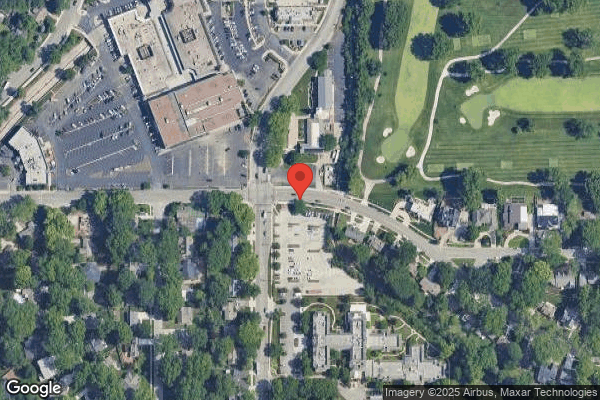
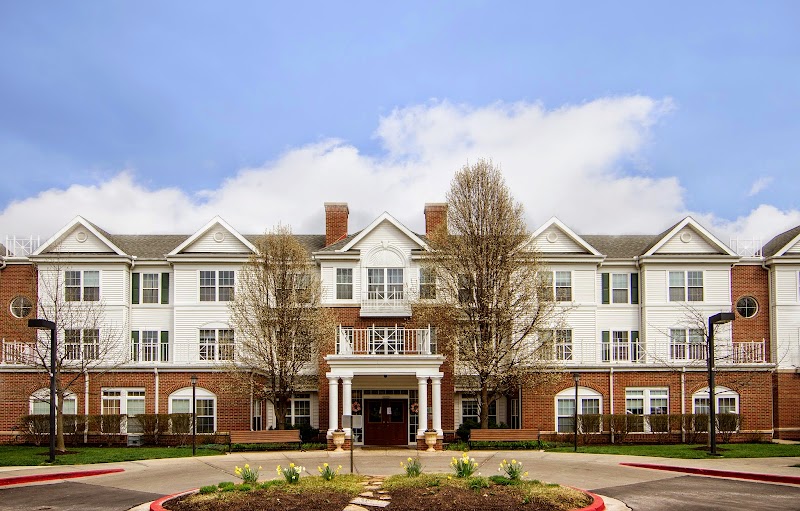
7105 MISSION ROAD, PRAIRIE VILLAGE, KS 66208 (913) 262-1611
For profit - Limited Liability company 45 Beds TUTERA SENIOR LIVING & HEALTH CARE Data: November 2025 1 Immediate Jeopardy citation
Trust Grade
46/100
#166 of 295 in KS
Last Inspection: October 2023

Over 2 years since last inspection. Current conditions may differ from available data.

Overview

The Village at Mission has a Trust Grade of D, indicating below-average care, with some concerns regarding resident safety and compliance. It ranks #166 out of 295 nursing homes in Kansas, placing it in the bottom half, and #21 out of 35 in Johnson County, meaning there are only a few better options available nearby. Unfortunately, the facility is worsening, with issues increasing from 11 in 2022 to 14 in 2023. While staffing is a strength with a turnover rate of 0%-far below the state average of 48%-the facility has faced significant challenges, including a critical incident where staff failed to respond properly during a cardiac arrest. Additionally, there were concerns about improper food storage practices that could lead to foodborne illnesses, as well as risks related to residents' mobility and fall prevention. Overall, families should weigh these strengths and weaknesses carefully when considering this facility.

Trust Score
D
46/100
In Kansas
#166/295
Bottom 44%
Safety Record
High Risk
Review needed
Inspections
Getting Worse
11 → 14 violations
Staff Stability
○ Average
Turnover data not reported for this facility.
Penalties
○ Average
$15,269 in fines. Higher than 71% of Kansas facilities. Some compliance issues.
Skilled Nurses
✓ Good
Each resident gets 49 minutes of Registered Nurse (RN) attention daily — more than average for Kansas. RNs are trained to catch health problems early.
Violations
⚠ Watch
35 deficiencies on record. Higher than average. Multiple issues found across inspections.
★★★☆☆
3.0
Overall Rating
★★★☆☆
3.0
Staff Levels
★★★★☆
4.0
Care Quality
★★★☆☆
3.0
Inspection Score
Stable
2022: 11 issues
2023: 14 issues

The Good

  • 4-Star Quality Measures · Strong clinical quality outcomes
  • Full Sprinkler Coverage · Fire safety systems throughout facility
  • No fines on record

Facility shows strength in quality measures, fire safety.

The Bad

3-Star Overall Rating

Near Kansas average (2.9)

Meets federal standards, typical of most facilities

Federal Fines: $15,269

Below median ($33,413)

Minor penalties assessed

Chain: TUTERA SENIOR LIVING & HEALTH CARE

Part of a multi-facility chain

Ask about local staffing decisions and management

The Ugly 35 deficiencies on record

1 life-threatening
Oct 2023 13 deficiencies
CONCERN (D) 📢 Someone Reported This

A family member, employee, or ombudsman was alarmed enough to file a formal complaint

Potential for Harm - no one hurt, but risky conditions existed

Deficiency F0583 (Tag F0583)

Could have caused harm · This affected 1 resident

The facility identified a census of 34 residents. The sample include 14 with one reviewed for privacy. Based on observation, record review, and interviews, the facility failed to ensure privacy for Re...

Read full inspector narrative →
The facility identified a census of 34 residents. The sample include 14 with one reviewed for privacy. Based on observation, record review, and interviews, the facility failed to ensure privacy for Resident (R)108 when staff audio recorded medical treatment without consent. This deficient practice placed R108 at risk for decreased psychosocial wellbeing and impaired rights. Findings Included- - The Medical Diagnosis section within R108's Electronic Medical Records (EMR) included diagnoses of multiple sclerosis (MS- progressive disease of the nerve fibers of the brain and spinal cord), hypoxia (inadequate supply of oxygen), acute respiratory failure, and acute kidney failure. R108's EMR indicated she admitted the facility on 10/12/23 and expired (passed away) on 10/21/23 at the facility. A Minimum Data Set (MDS) assessment was not yet completed or due. R108's Care Plan initiated 10/16/23 indicated she was a full code (term used to indicate the desire to receive resuscitative measures in the event of cardiac arrest) and had altered respiratory status related to acute respiratory failure. The plan instructed staff to monitor her for respiratory distress, changes in orientation, increased restlessness, and air hunger (form of respiratory distress characterized by gasping and labored breathing). R108's EMR revealed a Health Status note dated 10/21/23 indicating she was found unresponsive by staff at 03:52AM. The note indicated staff initiated cardiopulmonary resuscitation (CPR- emergency lifesaving procedure performed when the heart stops beating) on R108 and contacted emergency services (EMS). The note indicated EMS continued CPR upon arrival but R108 passed away during resuscitation attempts. A review of a Facility Reported Incident (FRI) dated 10/24/23 revealed the facility was notified that a medical emergency on 10/21/23 was videotaped and updated to a social media video platform belonging to Licensed Nurse (LN) H. On 10/24/23 at 15:33PM, LN H reported that he responded to the medical emergency related to R108 but did not record the event. He stated he would never record a resident or allow others to do so due to ethical concerns. He stated he did not even have his phone on him or in the room at the time of the event. On 10/25/23 at 11:10AM, LN I stated he responded to the medical emergency. He stated he did not witness LN H recording the event or have his phone with him. He stated staff were expected not use their phones around the residents and he would not allow any employees to record the resident's treatment or care. He stated the facility held annual in-service training related resident rights, privacy, and protected health information (PHI). On 10/25/23 at 13:05PM, Administrative Staff B reported she reviewed the footage. She reported that LN H was on his lunch break filming a food review in the breakroom. She reported LN H was called to assist with the code and walked down the hall to R108's room. She stated R108 turned the video feed off, but the live audio recording remained on. She stated the audio recording contained the EMS response and commotion of the event but never revealed the identity of R108. She stated she ensured the sound recording was taken down from social media. On 10/24/23 at 02:33PM, Administrative Staff A reported staff were expected to not use their cell phones or record the residents in the facility at any time. She stated LN H had been removed from the facility's schedule and will not be allowed to return to the facility. She stated all staff will be re-educated on resident rights and usage of personal communication devices while at work. A review of the facility's Resident's Rights policy revised 10/2022 indicated the facility would ensure the privacy and confidentiality for each resident's related to treatment, personal cares, decision making, grievances, and medical records. The facility failed ensure privacy for R108 when staff audiotaped medical treatment as it occurred, without the resident's permission. This deficient practice placed R108 at risk for decreased psychosocial wellbeing.
CONCERN (D)

Potential for Harm - no one hurt, but risky conditions existed

Comprehensive Care Plan (Tag F0656)

Could have caused harm · This affected 1 resident

**NOTE- TERMS IN BRACKETS HAVE BEEN EDITED TO PROTECT CONFIDENTIALITY** The facility identified a census of 34 residents. The sample included 14 residents. Based on observation, record review, and int...

Read full inspector narrative →
**NOTE- TERMS IN BRACKETS HAVE BEEN EDITED TO PROTECT CONFIDENTIALITY** The facility identified a census of 34 residents. The sample included 14 residents. Based on observation, record review, and interviews, the facility failed to develop a person-centered comprehensive care plan for Resident (R) 53 related to his limited range of motion (ROM- the full movement potential of a joint, usually its range of flexion and extension). This deficient practice placed R53 at risk of loss of ability to perform activities of daily living (ADLs) and development or worsening contractures (abnormal permanent fixation of a joint or muscle) due to uncommunicated care needs. Findings included: - R53's Electronic Medical Record (EMR) from the Diagnoses tab documented diagnoses of anoxic (lack of oxygen) brain damage, quadriplegia (inability to move the arms, legs, and trunk of the body below the level of an associated injury to the spinal cord), and dementia (progressive mental disorder characterized by failing memory, confusion). The admission Minimum Data Set (MDS) dated [DATE] documented a Brief Interview of Mental Status (BIMS) score of zero which indicated severely impaired cognition. The staff interview was not completed. The MDS documented that R53 was dependent on two staff member assistance for ADLs. The MDS documented R53 had not received physical therapy, occupational therapy, speech therapy or a restorative program during the observation period. The Quarterly MDS dated 09/19/23 documented a BIMS score of zero which indicated severely impaired cognition. A staff interview was not completed. The MDS documented that R53 was dependent on two staff members assistance for ADLs. The MDS documented R53 had received speech therapy and occupational therapy from during the observation period. R53's Pressure Ulcer Care Area Assessment (CAA) dated 06/20/23 documented he was totally dependent on staff for ADLs. R53's Care Plan lacked direction for care and prevention of worsening contractures. Review of R53's the EMR under Documentation Survey Report from 06/01/23 to 10/22/23 (144 days) lacked clinical evidence a consistent program or exercises aimed to maintain abilities and prevent loss of function. The Physical Therapy Evaluation and Plan of Treatment dated 10/19/23 documented functional limitations were present due to contractures. Physical therapy would not treat, or address contractures and nursing was managing R53's contracture impairment. Review of R53's the EMR under Documentation Survey Report from 06/01/23 to 10/22/23 (144 days) lacked clinical evidence a consistent program or exercises aimed to maintain abilities and prevent loss of function. Observation on 10/23/23 at 10:55 AM R53 laid on his left side with his bilateral lower extremities bent and his knees rested at waist level. R53 was unable to straighten out his lower extremities when asked. On 10/25/23 at 03:13 PM Certified Nurse Aide (CNA) M stated she was not sure if R53 had a restorative program. CNA M stated she would be able to find that information on the [NAME] (nursing tool that gives a brief overview of the care needs of each resident). On 10/25/23 at 04:24 PM Administrative Nurse D stated the CNAs provided ROM during ADLs and should be documented under tasks in the EMR. Administrative Nurse D stated a resident at the time of discharge from therapy, therapy would educate and train the nursing staff about a resident's restorative program and that would be added to the plan of care and found on the [NAME]. Administrative Nurse D stated the MDS coordinator developed the plan of care from the MDS and every department was able to make change and update as needed. The facility's Care Planning-Interdisciplinary Team policy dated 01/2017 documented every resident would be assessed using the MDS according to the guidelines set forth in the Resident Assessment Instrument (RAI) manual. While the CAAs identify common areas of concern in nursing home residents, the plan of care was not to be limited to the triggered areas. The comprehensive plan of care must address all care issues that would be relevant to the individual, whether they are specifically covered in the CAA process. The facility failed to develop a person-centered comprehensive care plan for R53 related to his limited ROM. This deficient practice placed R53 at risk of loss of ability to perform ADL and development or worsening contractures due to uncommunicated care needs.
CONCERN (D)

Potential for Harm - no one hurt, but risky conditions existed

ADL Care (Tag F0677)

Could have caused harm · This affected 1 resident

**NOTE- TERMS IN BRACKETS HAVE BEEN EDITED TO PROTECT CONFIDENTIALITY** The facility identified a census of 34 residents. The sample included 14 residents with five residents reviewed for activities o...

Read full inspector narrative →
**NOTE- TERMS IN BRACKETS HAVE BEEN EDITED TO PROTECT CONFIDENTIALITY** The facility identified a census of 34 residents. The sample included 14 residents with five residents reviewed for activities of daily living (ADLs). Based on observation, record review, and interviews, the facility failed to provide consistent bathing opportunities for Resident (R)104 and R53. This deficient practice placed the residents at risk for skin complications and impaired dignity. Findings Included: - The Medical Diagnosis section within R104's Electronic Medical Records (EMR) included diagnoses of acute kidney failure, morbid obesity (severely overweight), dysphagia (difficulty swallowing), cerebral infarction (stroke - sudden death of brain cells due to lack of oxygen caused by impaired blood flow to the brain by blockage or rupture of an artery to the brain), and history of brain hemorrhages (bleeding of the brain). R104''s admission Minimum Data Set (MDS) completed 08/28/23 indicated a Brief Interview for Mental Status assessment was not completed due to severe cognitive impairment. The MDS indicated she required total assistance from one to two staff for all ADL. R104's Cognitive Impairment Care Area Assessment (CAA) dated 08/28/23 indicated she was triggered for severe cognitive impairment related to her medical diagnoses. R104's ADL CAA was not triggered R104's Care Plan initiated 09/11/23 indicated she was totally dependent on one staff for bathing, dressing, grooming, toileting, mobility, ad meals. The plan noted she preferred to have bed baths twice weekly on Monday and Thursday evenings. A review of R104's EMR for bathing indicated she had only four baths (08/31/23, 09/25/23, 09/28/23, 10/02/23). The EMR indicated she was not available for bathing on 09/07/23 and not applicable was marked on 09/27/23. On 10/23/23 at 07:45AM R104 rested in her bed. Her hair and face were greasy. R104's hair was uncombed. R104 had a low-air loss mattress and a cushion in her wheelchair. Her bed was in the low position with a fall mat next to her bed. On 10/25/23 at 03:02 PM Certified Nurse Aide (CNA) M stated she looked in the EMR to know who required a bath for each shift. She stated if a resident refused a bath, she would ask three times and then report it to the nurse. CNA M stated that refusals, and alternative bathing options, would be documented in the resident's chart. CNA M stated R104 was to receive two bed baths a week. She stated the bed baths were documented in the EMR. On 10/25/23 at 03:30 PM Licensed Nurse (LN) G stated nurses told the aides which resident required a bath for each shift and then it was to be charted in the EMR whether it was done or refused. He further stated if a resident refused a bath, then the nurses would attempt to find out why and address the issue, if they continued to refuse then it would be documented in the resident's chart as to why. On 10/25/23 at 04:26 PM Administrative Nurse D stated R104's bed baths should have been documented in the EMR. She stated staff should have documented if a resident missed a bathing opportunity or missed a bath. She stated staff should have offered an alternative time or date for the missed occurrence. The facility did not provide a policy related to bathing as requested on 10/25/23. The facility failed to provide consistent bathing opportunities for R104. This deficient practice placed R104 at risk for infections and skin breakdown due to poor hygiene. - R53's Electronic Medical Record (EMR) from the Diagnoses tab documented diagnoses of anoxic (lack of oxygen) brain damage, quadriplegia (inability to move the arms, legs, and trunk of the body below the level of an associated injury to the spinal cord), and dementia (progressive mental disorder characterized by failing memory, confusion). The admission Minimum Data Set (MDS) dated [DATE] documented a Brief Interview of Mental Status (BIMS) score of zero which indicated severely impaired cognition. The staff interview was not completed. The MDS documented that R53 was dependent on two staff member assistance for ADLs. The MDS documented R53 had not received physical therapy, occupational therapy, speech therapy or a restorative program during the observation period. The MDS documented R53 was dependent on one staff member for bathing activity during the observation period. The MDS documented R53 did not exhibit refusal of care behavior during the observation period. The Quarterly MDS dated 09/19/23 documented a BIMS score of zero which indicated severely impaired cognition. A staff interview was not completed. The MDS documented that R53 was dependent on two staff members assistance for ADLs. The MDS documented R53 had received speech therapy and occupational therapy from during the observation period. The MDS documented R53 was dependent on one staff member for bathing activity during the observation period. The MDS documented R53 did not exhibit refusal care behavior during the observation period. R53's Pressure Ulcer Care Area Assessment (CAA) dated 06/20/23 documented he was dependent on staff for ADLs and was at risk for skin breakdown related to bowel incontinence. R53's Care Plan dated 07/12/23 documented he was dependent on two staff for his bath. Review of the EMR under Documentation Survey Reports tab for bathing reviewed for the dates R53 was in the facility from 07/01/23 to 07/03/23 (3 days was discharged to hospital) no documentation of bath/shower was provided. Reviewed 07/06/23 (returned to facility) to 07/17/23 (12 days was discharged to the hospital) revealed no documentation a bath/shower was provided. Reviewed from 07/22/23 (returned to the facility) to 08/08/23 (18 days was discharged to the hospital) R53 received a bath/shower on 07/30/23. Reviewed from 08/10/23 (returned to the facility) to 10/10/23 (62 days was discharged to the hospital) R53 received two bath/shower on 08/02/23 and 09/29/23. Reviewed from 10/18/23 (returned to the facility) to 10/23/23 (5 days) no documentation of bath/shower was provided. R53's clinical record lacked documentation of R53's refusal for bathing. Observation on 10/23/23 at 10:55 AM R53 laid on his left side with his bilateral lower extremities bent and his knees rested at waist level. R53 was unable to straighten out his lower extremities when asked. The room smelled of urine. On 10/25/23 at 03:13 PM Certified Nurse Aide (CNA) M stated staff check the point of care (POC-charting terminal) at the beginning of the shift to find out which residents are scheduled for a bath/shower. CNA M stated if a resident refused their bath/shower after three attempts, staff report the refusal to the nurse. CNA M stated she had never given R53 a bath/shower. CNA M stated staff would document the bath if given or the refusal in POC. On 10/25/23 at 03:30 PM Licensed Nurse (LN) G stated the charge nurse at the beginning of the shift lists the shower/baths due during that shift. LN G stated if a resident was to refuse their bath/shower, the CNA would report it to the nurse. LN G stated the nurse would ask the resident why they refused. LN G stated the nurse would make a note under the Progress Note tab and the CNA would document in the POC. On 10/25/23 at 04:24 PM Administrative Nurse D stated the resident was given a choice of day shift or evening for their bath/shower. Administrative Nurse D stated each resident should receive at least two baths/showers weekly. Administrative Nurse D stated if the resident refused their bath/shower after several attempts the staff would report the refusal to the nurse who then should ask the resident why they had refused and document the reason under the progress note tab. The facility was unable to provide a policy related to bathing. The facility failed to ensure a shower/bath was provided for R53, who was dependent on staff assistance with ADLs, which had the potential to cause skin breakdown and/or skin complications due to poor personal hygiene and impaired psychosocial wellbeing.
CONCERN (D)

Potential for Harm - no one hurt, but risky conditions existed

Quality of Care (Tag F0684)

Could have caused harm · This affected 1 resident

**NOTE- TERMS IN BRACKETS HAVE BEEN EDITED TO PROTECT CONFIDENTIALITY** The facility identified a census of 34 residents. The sample included 14 residents with one reviewed for quality of care. Based ...

Read full inspector narrative →
**NOTE- TERMS IN BRACKETS HAVE BEEN EDITED TO PROTECT CONFIDENTIALITY** The facility identified a census of 34 residents. The sample included 14 residents with one reviewed for quality of care. Based on observation, record review, and interviews, the facility failed to complete physician ordered daily weights for Residents (R)106 and R51. This deficient practice placed both residents at risk for complications related to edema (swelling resulting from an excessive accumulation of fluid in the body tissues). Findings Included: - The Medical Diagnosis section within R106's Electronic Medical Records (EMR) included diagnoses of congestive heart failure (CHF-a condition with low heart output and the body becomes congested with fluid), acute respiratory failure, morbid obesity (severely overweight), post-traumatic stress disorder (PTSD- mental disorder characterized by an acute emotional response to a traumatic event or situation involving severe environmental stress), anxiety disorder (mental or emotional reaction characterized by apprehension, uncertainty and irrational fear), and insomnia (difficulty sleeping). R106's Quarterly Minimum Data Set (MDS) completed 07/25/23 noted a Brief Interview for Mental Status (BIMS) score of 15 indicating intact cognition. The MDS noted she was independent for transfers, bed mobility, toileting, locomotion, meals, and dressing. The MDS noted she took diuretics (medication to promote the formation and excretion of urine). The MDS indicated she weighed 300 pounds (lbs.). R106's Activities of Daily Living (ADLs) Care Area Assessment (CAA) completed 11/21/22 indicated she required assistance with ADLs and transfers. The CAA noted her care plan will be completed to reflect her needs. R106's Urinary Incontinence CAA completed 11/21/22 noted she was at risk for incontinent episodes related to her diuretic medication. R106's Care Plan initiated 11/09/22 indicated she had congestive heart failure. The plan instructed staff to weigh her daily and report weight changes per her ordered parameters. The plan noted she was on a low sodium diet and fluid restriction of 1500 milliliters (ml) daily. A review of R106's Physician Orders revealed an order dated 03/22/23 for staff to complete daily weights and notify the provider if R106 gained more than (>) five pounds in three days related to her CHF. R106's Physician's Order revealed she took Bumex (diuretic medication) related to swelling and edema. A review of R108's EMR for weights between 08/01/23 through 10/25/23 (116 days reviewed) indicated she missed 22 daily weights (10/23, 10/18, 10/8, 10/6, 10/5, 10/4, 9/29, 9/28, 9/25, 9/21, 9/17, 9/15, 9/13, 9/11, 9/8, 8/27, 8/24, 8/20, 8/13, 8/10, 8/7, and 8/4) The EMR indicated no weights were refused on the identified dates. On 10/23/23 at 12:46PM R106 wheeled herself back to her room from the dining hall. R106 reported she wasn't happy but understood why she needed a low sodium diet. She reported that facility controlled her fluid intake, but she was not weighed everyday by staff. On 10/25/23 at 03:28PM Certified Nurse's Aide (CNA) M stated the resident should be weighed and monitored for significant changes. She stated some residents were weighed daily and the nurse provided the list every day. She stated the direct care staff would enter the weights in the EMR after obtaining them. She stated the nurse would be notified of the weights and any refusals. She stated refusals would be noted in the EMR. She stated she would make three attempts before notifying the nurse of the refusal. On 10/25/23 at 0340PM Licensed Nurse (LN) G stated the direct care staff would notify him of the weights obtained and report any missed or refused weights. He stated the nurse would talk with the resident and reschedule the weight time if the resident could not be weighed. He stated the weights should be documented in the EMR. On 10/25/23 at 04:27PM Administrative Nurse D stated staff were expected to follow the residents weight schedules listed in the EMR. She stated the nurse should be notified of refusals and attempt to weigh the resident before documenting the refusal. The facility did not provide a policy related to monitoring physician's orders for weights as requested on 10/26/23. The facility failed to complete daily weights for R106. This deficient practice placed R106 at risk for complications related to edema. - R51's Electronic Medical Record (EMR) from the Diagnoses tab documented diagnoses of dementia (progressive mental disorder characterized by failing memory, confusion), repeated falls, muscle weakness, and depression (a mood disorder that causes a persistent feeling of sadness and loss of interest). The Annual Minimum Data Set (MDS) dated [DATE] documented a Brief Interview of Mental Status (BIMS) score of six which indicated severely impaired cognition. The MDS documented that R51 required extensive assistance of one staff member for activities of daily living (ADLs). The Quarterly MDS dated 08/23/23 documented a BIMS score of five which indicated severely impaired cognition. The MDS documented that R51 required extensive assistance of one staff member for ADLs. R51's Dehydration/Fluid maintenance Care Area Assessment (CAA) dated 07/05/23 documented staff would encourage fluids and monitor for signs/symptoms of dehydration. R51's Care Plan dated 05/06/23 documented staff would weigh R51 daily related to fluid overload. Staff would weigh R51 every morning before breakfast and document the weight to monitor for fluid overload. Review of the EMR under Orders tab revealed the following active physician orders: Weight: Daily weight related to fluid overload. Weigh patient every morning before breakfast document results dated 05/05/23. Review of the Medication Administration Record (MAR) and the Treatment Administration Record (TAR) from 05/06/23 thru 10/23/23 (171 days) lacked clinical evidence of a daily weight for R51. The Vitals tab of R51's EMR revealed R51 was weighed on 05/01/23, 06/01/23, 06/02/23, 06/16/23, 07/10/23, 08/01/23, 08/21/23, 09/01/23, and 10/01/23. The tab documented seven other dates where weights were recorded but struck out due to data entry error or duplicate entry per staff documentation. Observation on 10/24/23 at 11:57 AM Certified Nurse Aide (CNA) N pushed R51 from the nursing desk into the dining room with the resident's bilateral feet sliding on the floor. On 10/25/23 at 03:13 PM CNA M stated dayshift staff obtain the daily weights. On 10/25/23 at 03:30 PM Licensed Nurse (LN) G stated the staff obtain the daily weights before breakfast and the weights are documented under the Vitals tab in the residents' EMR. LN G stated the physician was notified of any weight gain concerns. On 10/25/23 at 04:24 PM Administrative Nurse D stated the CNAs obtain the daily weight and report the weight to the charge nurse who then records the weight into the resident's EMR. Administrative Nurse D stated R51 was not supposed to be a daily weight, the order had been changed by the physician and was not updated. The facility was unable to provide a policy related to physician orders. The facility failed to follow a physician order for daily weights to monitor weight gain for fluid overload for R51. This deficient practice placed R51 at risk of adverse side effects for unnecessary complications related to fluid overload and edema.
CONCERN (D)

Potential for Harm - no one hurt, but risky conditions existed

Deficiency F0688 (Tag F0688)

Could have caused harm · This affected 1 resident

**NOTE- TERMS IN BRACKETS HAVE BEEN EDITED TO PROTECT CONFIDENTIALITY** The facility identified a census of 34 residents. The sample included 14 residents with two residents reviewed for limited range...

Read full inspector narrative →
**NOTE- TERMS IN BRACKETS HAVE BEEN EDITED TO PROTECT CONFIDENTIALITY** The facility identified a census of 34 residents. The sample included 14 residents with two residents reviewed for limited range of motion (ROM- the full movement potential of a joint, usually its range of flexion and extension). Based on observation, record review, and interviews, the facility failed to implement a ROM program to help maintain and prevent a decrease in ROM/mobility for Resident (R) 53. This deficient practice placed R53 at risk of loss of ability to perform activities of daily living (ADLs) and development of worsening contractures (abnormal permanent fixation of a joint or muscle). Findings included: - R53's Electronic Medical Record (EMR) from the Diagnoses tab documented diagnoses of anoxic (lack of oxygen) brain damage, quadriplegia (inability to move the arms, legs, and trunk of the body below the level of an associated injury to the spinal cord), and dementia (progressive mental disorder characterized by failing memory, confusion). The admission Minimum Data Set (MDS) dated [DATE] documented a Brief Interview of Mental Status (BIMS) score of zero which indicated severely impaired cognition. The staff interview was not completed. The MDS documented that R53 was dependent on two member assistance for ADLs. The MDS documented R53 had not received physical therapy, occupational therapy, speech therapy or a restorative program during the observation period. The Quarterly MDS dated 09/19/23 documented a BIMS score of zero which indicated severely impaired cognition. A staff interview was not completed. The MDS documented that R53 was dependent on two staff members assistance for ADLs. The MDS documented R53 had received speech therapy and occupational therapy from during the observation period. R53's Pressure Ulcer Care Area Assessment (CAA) dated 06/20/23 documented he was totally dependent on staff for ADLs. R53's Care Plan lacked direction for care and prevention of worsening contractures. Review of R53's the EMR under Documentation Survey Report from 06/01/23 to 10/22/23 (144 days) lacked clinical evidence a consistent program or exercises aimed to maintain abilities and prevent loss of function. The Physical Therapy Evaluation and Plan of Treatment dated 10/19/23 documented functional limitations were present due to contractures. Physical therapy would not treat or address contractures and nursing was managing R53's contracture impairment. Review of R53's the EMR under Documentation Survey Report from 06/01/23 to 10/22/23 (144 days) lacked clinical evidence a consistent program or exercises aimed to maintain abilities and prevent loss of function. Observation on 10/23/23 at 10:55 AM R53 laid on his left side with his bilateral lower extremities bent and his knees rested at waist level. R53 was unable to straighten out his lower extremities when asked. On 10/25/23 at 03:13 PM Certified Nurse Aide (CNA) M stated she was not sure if R53 had a restorative program. CNA M stated she would be able to find that information on the [NAME] (nursing tool that gives a brief overview of the care needs of each resident). On 10/25/23 at 03:30 PM Licensed Nurse (LN) G stated R53 did not have a restorative/exercise program in place to prevent his contractures for worsening. On 10/25/23 at 04:24 PM Administrative Nurse D stated the CNAs provided ROM during ADLs and should be documented under tasks in the EMR. Administrative Nurse D stated a resident at the time of discharge from therapy, therapy would educate and train the nursing staff about a resident's restorative program and that would be added to the plan of care and found on the [NAME]. The facility's Restorative Nursing policy and Procedure undated policy documented it was the policy of the facility to provide restorative nursing which promoted the resident's ability to adapt and adjust to living as independently and safely as possible. Restorative nursing focused on achieving and/or maintaining optimal physical, mental, and psychological function of the resident. The restorative nurse, restorative nursing assistant, along with the interdisciplinary team would determine what programs would be initiated for the residents. The facility failed to implement a ROM/restorative program to help maintain and prevent a potential decrease in ROM/mobility for R53. This deficient practice placed him at risk of loss of ability to perform or participate with ADLs.
CONCERN (D)

Potential for Harm - no one hurt, but risky conditions existed

Deficiency F0692 (Tag F0692)

Could have caused harm · This affected 1 resident

The facility identified a census of 34 residents. The sample included 14 residents with two reviewed for nutrition. Based on observation, interviews, and record review, the facility failed to provide ...

Read full inspector narrative →
The facility identified a census of 34 residents. The sample included 14 residents with two reviewed for nutrition. Based on observation, interviews, and record review, the facility failed to provide consistent weekly weight monitoring as required by Resident (R)105's physician's orders. This deficient practice placed R105 at risk for complication related to weight loss and malnutrition (condition that develops when the body is deprived of vitamins, minerals and other nutrients). Findings Included: - The Medical Diagnosis section within R105's Electronic Medical Records (EMR) included diagnoses of COVID-19 (highly contagious respiratory virus), dysphagia (swallowing difficulty), and aphasia (condition with disordered or absent language function). R105's Significant Change Minimum Data Base (MDS) completed 09/20/23 noted a Brief Interview for Mental Status (BIMS) assessment was not completed due to severe cognitive impairment. The MDS indicated he required total assistance from one staff for meals. The MDS noted he weighed 133 pounds (lbs.) and had weight loss. The MDS noted he was not on a weight-loss regimen. R105's Nutritional Care Area Assessment completed 03/25/23 indicated he was at risk for weight loss. The CAA noted he had supplemental tube feedings in the evenings for weight loss. R105's Care Plan initiated 03/10/23 indicated he had a potential nutritional problem. The plan noted he was at risk for malnutrition. The plan instructed staff to weigh him per his orders and monitor for significant loss. The plan instructed staff to notify the medical provider and dietician immediately related to weight changes. R105's EMR under Orders revealed an order started 10/02/23 instructing staff to weigh him weekly due to his supplemental tube feeding. The order indicated R105 was to be weighed every Monday. R105's EMR revealed his last documented weight of 139lbs. occurred on 10/02/23. The EMR revealed missing weights for the weeks of 10/09/23, 10/16/23, and 10/23/23. R105's EMR revealed no refusals were reported. R105's EMR indicated he tested positive for COVID-19 and was placed on isolation from 10/11/23 through 10/24/23. On 10/23/23 at 07:45AM R105 sat upward in his bed. R105 was assisted eating his breakfast by staff. R105 ate his full breakfast without concerns. R105 was assisted with personal hygiene and rested in bed after breakfast. On 10/25/23 at 03:28PM Certified Nurses Aide (CNA) M stated weights were completed based on each resident's orders in the EMR. She stated residents at risk for weight loss would have been weighed weekly. She was not sure if R105 was a monthly or weekly weight. She was not sure if a resident in isolation would continue being weighed or how to weigh them. On 10/25/23 at 03:40PM Licensed Nurse (LN) G stated R105 was on monthly weights. He stated R105's weight monitoring should have been continued while he was on isolation due to the increased risk of weight loss. On 10/25/23 at 04:27PM Administrative Nurse D stated she was not sure how residents on isolation would be weighed due to the scale being too large to enter the rooms, but staff should encourage the resident to wear a mask and take them to the weight room. She stated all weights should be entered into the EMR and reviewed by the nurse. She stated refusals should be noted in progress notes or on the tasks section of the EMR. A review of the facility's Nutrition and Weight Loss policy revised 09/2012 noted the facility will closely monitor residents at risk for weight loss. The policy indicated staff will ensure the individualized dietary requirements and weigh scheduled was followed to ensure high risk residents with acute illness or symptoms are closely monitored preventative care needs. The facility failed to provide consistent weekly weight monitoring as required by R105's physician's orders. This deficient practice placed R105 at risk for complication related to weight loss and malnutrition.
CONCERN (D)

Potential for Harm - no one hurt, but risky conditions existed

Deficiency F0699 (Tag F0699)

Could have caused harm · This affected 1 resident

The facility identified a census of 34 residents. The sample included 14 residents with one reviewed for trauma informed care (treatment or care directed to prevent re-experiencing or reducing the eff...

Read full inspector narrative →
The facility identified a census of 34 residents. The sample included 14 residents with one reviewed for trauma informed care (treatment or care directed to prevent re-experiencing or reducing the effects of traumatic events). Based on observation, record review, and interviews, the facility failed to identify trauma-based triggers related to Resident (R)106's childhood sexual abuse and failed to implement individualized interventions to prevent re-traumatization. These deficient practices placed R106 at risk for decreased psychosocial well-being and ineffective treatment. Findings Included: - The Medical Diagnosis section within R106's Electronic Medical Records (EMR) included diagnoses of congestive heart failure (CHF-a condition with low heart output and the body becomes congested with fluid), acute respiratory failure, morbid obesity (severely overweight), post-traumatic stress disorder (PTSD- mental disorder characterized by an acute emotional response to a traumatic event or situation involving severe environmental stress), anxiety disorder (mental or emotional reaction characterized by apprehension, uncertainty and irrational fear), and insomnia (difficulty sleeping). R106's Quarterly Minimum Data Set (MDS) completed 07/25/23 noted a Brief Interview for Mental Status (BIMS) score of 15 indicating intact cognition. The MDS noted she was independent for transfers, bed mobility, toileting, locomotion, meals, and dressing. The MDS noted she required physical assistance from one staff for bathing. The MDS noted she had PTSD. R106's Psychosocial Well-Being Care Area Assessment (CAA) completed 11/21/22 indicated she was at risk for problems related to issues related decreased interest and pleasure in activities. The CAA noted a social service assessment and care plan would be completed to address her needs. The CAA lacked documentation related to her PTSD. R106's Mood State CAA completed 11/21/22 indicated she was at risk for a decline in social involvement. The CAA noted a social service assessment and care plan would be completed to address her needs. The CAA lacked documentation related to her PTSD. R106's Behaviors CAA was not triggered. R106's Care Plan initiated 11/09/22 indicated she had potential psychosocial wellbeing problem related to her depression, and PTSD. The plan indicted staff were to assist, encourage, and support realistic goals and identify problems that can be controlled. The plan noted she would be consulted with pastoral, social, and psychiatric services. The plan instructed staff to monitor and document R106's feelings relative to depression, isolation, unhappiness, anger, and loss. The plan instructed staff to encourage referrals for social relationships. The plan lacked documentation identifying trauma-based triggers and individualized interventions to prevent reoccurring episodes related to her PTSD. R106's admission Nursing Assessment completed 11/08/22 identified she verbalized anxiety and PTSD from abuse in her childhood. The EMR lacked further assessment for R106 related to her identified PTSD. On 10/23/23 at 12:46PM R106 wheeled herself back to her room from the dining hall. R106 reported she suffered from PTSD related to early sexualized trauma in her childhood. She reported she had fears related to males. She stated she felt comfortable with some of the males at the facility, but the facility used agency staff and new people were brought in. She stated the facility was aware of her PTSD. On 10/25/23 at 03:28PM Certified Nurses Aide (CNA) M stated staff should be aware if a resident had specific care need or requirement. She stated the care plans should reflect if a resident had fears or a history of abuse. She stated was not sure if R106 had specific PTSD related needs, but staff should take the time to meet with the resident and aid them. On 10/25/23 at 04:09PM, Social Service X stated all residents were screened upon admission for trauma informed care. She stated the information should be reflected on the care plan and specific triggers should have been identified. She stated the resident were screened for preferences and care needs. She stated she was not aware of R106's childhood abuse or fear of male staff. On 10/25/23 at 04:27PM Administrative Nurse D stated staff were assigned to care for each resident based on the needs and preferences of the residents. She stated if a resident had a specific known concern or need, the facility would accommodate them. She was not aware of R106's history of abuse from males. The facility's Trauma Informed Care policy 10/2022 indicated the facility will screen and provide residents with identified past traumatic experiences with person centered care plans designed to avoid re-traumatization through the application of trauma informed care. The facility failed to identify trauma-based triggers related to R106's childhood abuse and implement individualized interventions to prevent re-traumatization. These deficient practices placed R106 at risk for decreased psychosocial well-being and ineffective treatment.
CONCERN (D) 📢 Someone Reported This

A family member, employee, or ombudsman was alarmed enough to file a formal complaint

Potential for Harm - no one hurt, but risky conditions existed

Pharmacy Services (Tag F0755)

Could have caused harm · This affected 1 resident

The facility reported a census of 34 residents. The sample included 14 residents with six reviewed for pharmacy services. Based on observation, record review, and interviews, The facility failed to es...

Read full inspector narrative →
The facility reported a census of 34 residents. The sample included 14 residents with six reviewed for pharmacy services. Based on observation, record review, and interviews, The facility failed to establish a system to enable accurate medication reconciliation and maintenance of Resident (R)106's controlled hypnotic medication (a class of medications used to induce sleep) records. This deficient practice placed the affected residents at risk for medication diversion and/or misappropriation. Findings Included: - The Medical Diagnosis section within R106's Electronic Medical Records (EMR) included diagnoses of congestive heart failure, acute respiratory failure, morbid obesity (severely overweight), post-traumatic stress disorder (PTSD- mental disorder characterized by an acute emotional response to a traumatic event or situation involving severe environmental stress), anxiety disorder (mental or emotional reaction characterized by apprehension, uncertainty and irrational fear), and insomnia (difficulty sleeping). R106's Quarterly Minimum Data Set (MDS) completed 07/25/23 noted a Brief Interview for Mental Status (BIMS) score of 15 indicating intact cognition. The MDS noted she was independent for transfers, bed mobility, toileting, locomotion, meals, and dressing. The MDS noted she took hypnotic medication. R106's Psychotropic Medication Care Area Assessment (CAA) completed 11/21/22 indicated she was at risk for adverse reactions. The CAA indicated she was monitored by nursing staff every shift and evaluated by the pharmacist on a routine basis. The CAA noted care planned interventions were implemented alongside mental health monitoring. R106's Care Plan initiated 11/09/22 indicated she had insomnia and took eszopiclone (Lunesta-hypnotic medication used to induce sleep). The plan instructed staff to encourage her preferred bedtime routine and evaluate factors that contribute to her sleep difficulties including noise, light, temperature, and diet. A review of R106's Physician Orders revealed an order started 02/03/23 to administer one milligram (one tablet) of eszopiclone by mouth at bedtime for insomnia. A review of R106's Controlled Drug Record for her eszopiclone from June 2023 to October 2023 revealed August and September's records were missing. The facility was unable to provide the missing documentation as requested on 10/25/23. On 10/25/23 at 02:43PM, Licensed Nurse G stated staff were required to maintain accurate records for all controlled medications. He stated each time a medication was needed to be pulled, the nurse would verify the order and sign out the medication. He stated he would administer the medication and immediately sign-off on the EMR that it was given. He stated if a medication was not administered two nurses would destroy the medication and sign-off on the count sheet that it was destroyed. He stated each shift was required to complete a count of the controlled medications. He stated after the month was completed the count sheet were turned into Administrative Nurse D. On 10/25/23 at 04:30PM, Administrative Nurse D stated the facility had no record keeping process to track and maintain the controlled medication sheet until she took over and put one in place. She stated she was not able to find the missing medication sheets for August and September of 2023. A review of the Pharmacy Services policy revised 01/2022 indicated the facility will follow applicable laws regarding the administering, handling, and destruction of medications to ensure the safety of the residents. The policy indicated the facility was to ensure controlled medications were closely monitor and maintain necessary documentation for each medication. The facility failed to establish a system to enable accurate medication reconciliation and to maintain records of R106's controlled hypnotic medication. This deficient practice placed R106 at risk for unnecessary medication and misappropriation.
CONCERN (D)

Potential for Harm - no one hurt, but risky conditions existed

Deficiency F0779 (Tag F0779)

Could have caused harm · This affected 1 resident

The facility identified a census of 34 residents. The sample included 14 residents. Based on observation, record review, and interviews, the facility failed to ensure physician ordered chest x-ray res...

Read full inspector narrative →
The facility identified a census of 34 residents. The sample included 14 residents. Based on observation, record review, and interviews, the facility failed to ensure physician ordered chest x-ray results for Resident (R) 53 were signed and scanned into the clinical record. This deficient practice could result in unnecessary tests and delayed treatment. Findings included: - R53's Electronic Medical Record (EMR) under the Medication Administration Record (revealed the following physician orders: Chest X-ray two views to rule out pneumonia (inflammation of the lungs) dated 07/21/23. Chest X-ray two views due to congestion and cough 09/15/23. R53's EMR, including the Misc. tab, lacked the chest x-ray results. The facility obtained and provided a copy of R53's unsigned x-ray results upon request. On 10/25/23 at 04:22 PM Administrative Nurse D stated she expected lab and x-ray results to reviewed and scanned into the residents EMR within 24 hours but no later than 72 hours. The facility was unable to provide a policy related to medical records. The facility failed to ensure physician ordered chest x-ray results for R53 were signed and scanned into the clinical record. This deficient practice could result in unnecessary tests and delayed treatment.
CONCERN (E)

Potential for Harm - no one hurt, but risky conditions existed

Accident Prevention (Tag F0689)

Could have caused harm · This affected multiple residents

**NOTE- TERMS IN BRACKETS HAVE BEEN EDITED TO PROTECT CONFIDENTIALITY** - R151's Electronic Medical Record (EMR) documented R151 had a diagnosis of generalized muscle weakness, difficulty in walking a...

Read full inspector narrative →
**NOTE- TERMS IN BRACKETS HAVE BEEN EDITED TO PROTECT CONFIDENTIALITY** - R151's Electronic Medical Record (EMR) documented R151 had a diagnosis of generalized muscle weakness, difficulty in walking and other abnormalities of gait and mobility. The admission Minimum Data Set (MDS) dated [DATE], documented R151 had a Brief Interview for Mental Status (BIMS) score of 12, which indicated moderately impaired cognition . The MDS documented R151 used a walker and ambulated independently. The Quarterly MDS dated 10/11/23, documented R151 had two or more falls since previous assessment. The Cognitive Loss / Dementia Care Area Assessment (CAA), dated 04/11/23, documented R151 had altered mental status (term used to describe various disorders of mental functioning) and disorganized thinking. The Falls CAA dated 04/11/23, documented R151 was at risk for falls due to not always using his walker when he ambulated. R151's Care Plan with an initiated date of 03/31/23, documented R151 was at risk for falls. An intervention initiated 04/13/23, directed staff to encourage R151 to use his walker when ambulating and documented that sometimes R151 would get up and leave his walker behind. The Fall Risk assessment dated [DATE] documented R151 used an assistive device/walker to aid in ambulation and was in the high-risk category for falls. The Occurrence Report dated 09/04/23 documented Licensed Nurse (LN) I heard a bang after R151 passed them in the hallway. The report documented R151 was ambulating in the hallway with his walker at the time. The report documented LN I then saw R151 on the floor in a seated position and his walker was turned upside down. The report further documented R151 stated that his legs gave up and he sat on the floor. The report, under the Follow up Report section, documented R151 ambulated throughout the halls and had a hard time knowing when he was fatigued. The Occurrence Report dated 10/17/23 documented R151 walked past the nurses' station and down the hallway and shortly after LN I heard someone call out for help. The report documented LN I found R151 on the floor in a seated position with his legs stretched out straight and his walker in reach. The report further documented R151 stated that he was walking and both legs gave up and he decided to sit. The report, under the Follow up Report section, documented R151 ambulated in the hallway and got tired and weak. The report further documented R151 did not recognize when he got tired. On 10/23/23 at 09:15 AM R151 walked out of his room and down the hallway. He did not have his walker with him. R151 walked past two staff members as he walked down the hallway, passed the nurses station, and into the physical therapy room. He was met by a staff member in the physical therapy room and R151 turned around and walked back down the hallway to his room to get his walker. He then took his walker and walked back down to the therapy room. No staff assisted or intervened while R151 walked in the hallway without his walker. On 10/25/23 at 03:02 PM Certified Nurse Aide (CNA) M stated R151 often forgot to use his walker while walking in the hallway and that staff reminded him to use it or must get it for him. She stated that she would not tell R151 to go get his walker if he was not using it during ambulation but would either assist him while going back to get it or have him sit in a safe place while she got it for him. She further stated that she would not send him to get his walker on his own without assistance. On 10/25/23 at 03:30 PM Licensed Nurse (LN) G stated he would redirect R151 if he saw him attempting to walk without using his walker. LN G further stated he would have R151 sit somewhere safe and then bring the walker to him as it would not be safe for R151 to walk alone to get his walker by himself. 10/25/23 at 04:26 PM Administrative Nurse D stated if R151 was walking in the hallway without his walker, she expected staff to contact guard him and ask someone to get his walker for him. She further stated it was not appropriate for R151 to walk in the hallway without the walker. The facility provided Fall Policy revised 09/17/19, documented the facility shall ensure that a Fall Management Program will be maintained to reduce the incidence of falls and risk of injury to the resident and promote independence and safety. The policy further documented residents found to be high risk for falls are placed on the Fall Program and interventions are implemented to meet individual needs. The facility failed to assist/intervene while R151 ambulated in the hallway without his walker. This placed R151 at risk for further falls and potential injury. The facility had a census of 34 residents. The sample included 14 residents with five reviewed for accidents. Based on observation, record review and interview, the facility failed to secure 33 pressurized medical oxygen tanks in a safe, locked area, and out of reach of the two cognitively impaired independently mobile residents. The facility failed to ensure a safe environment free from accident hazards when staff failed to use foot pedals on Resident(R)52's wheelchair when staff pushed the wheelchair. The facility further failed to assist R151 while walking without his walker. These deficient practices placed the residents at risk for preventable accidents and injuries. Findings Included- - On 10/23/23 at 07:15AM, an inspection of the facility's oxygen storage room revealed the door unlocked. The room contained 33 pressurized supplemental oxygen cylinders stored on the racks. At 07:17AM, Certified Nurse Aid (CNA) N stated the door should be locked and always secured. The door locked upon closing. On 10/23/23 at Licensed Nurse (LN) G stated the oxygen room should be locked at all times and impaired residents should not be allowed access to the pressurized cylinders. On 10/25/23 at 04:30PM Administrative Nurse D stated oxygen tanks should be stored in a locked room and staff were expected to ensure the door secured properly upon opening the door. A review of the facility's Administration of Oxygen policy revised 10/2010 noted that all oxygen cylinders will be stored in dry, secure, and well-ventilated areas away from sources of combustion. The facility failed to secure 33 pressurized medical oxygen tanks in a safe, locked area, and out of reach of the two cognitively impaired independently mobile residents. This deficient practice placed the residents at risk for preventable accidents and injuries. - R52's Electronic Medical Record (EMR) from the Diagnoses tab documented diagnoses of altered mental status, cognitive communication deficit, history transient ischemic attack (TIA- temporary episode of inadequate blood supply to the brain), seizure (violent involuntary series of contractions of a group of muscles), and cerebral infarction (stroke - sudden death of brain cells due to lack of oxygen caused by impaired blood flow to the brain by blockage or rupture of an artery to the brain). The admission Minimum Data Set (MDS) was in progress. R52's Care Area Assessment (CAA) had not been completed and was in progress. R52's Care Plan dated 10/16/23 documented staff would encourage R52 to participate in activities that promoted exercise, physical activity for strengthening and improved mobility. Observation on 10/23/23 at 09:30 AM an unidentified staff member pushed R52 down the hallway to her room with her bilateral lower extremities slightly raised off the floor. R52 had foot boot on her left foot. On 10/25/23 at 03:13 PM Certified Nurse Aide (CNA) M stated staff should not push some resident without foot pedals. CNA M stated she was not sure if R52 should have foot pedals on her wheelchair, she would have to check the [NAME] (nursing tool that gives a brief overview of the care needs of each resident). On 10/25/23 at 03:30 PM Licensed Nurse (LN) G stated every resident should have foot pedals on their wheelchair if staff was going to push them to prevent injury from falls. LN G stated he was not sure if R52 was to have foot pedals on her wheelchair. On 10/25/23 at 04:24 PM Administrative Nurse D stated staff should not be pushing resident in their wheelchair without foot pedals. The facility's Fall policy dated 09/17/19 documented the purpose of the Fall Management Program was to develop, implement, monitor, and evaluate an interdisciplinary team falls prevention approach and manage strategies and interventions that fostered resident independence and quality of life. The Fall Management Program promoted safety, prevention, and education of both Staff and residents. The facility failed to ensure a safe environment free from accident hazards when staff failed to use foot pedals on R52's wheelchair when staff pushed the wheelchair. This deficient practice placed R52 at risk of accident and related injuries.
CONCERN (E) 📢 Someone Reported This

A family member, employee, or ombudsman was alarmed enough to file a formal complaint

Potential for Harm - no one hurt, but risky conditions existed

Deficiency F0761 (Tag F0761)

Could have caused harm · This affected multiple residents

The facility reported a census of 34 residents. Based of observations, record review, and interviews, the facility failed to ensure safe storage and handling of the resident's medications. This defici...

Read full inspector narrative →
The facility reported a census of 34 residents. Based of observations, record review, and interviews, the facility failed to ensure safe storage and handling of the resident's medications. This deficient practice placed the residents at risk for unnecessary medication and administration errors. Findings Included: - On 10/26/23 at 07:10AM a walkthrough of the facility was completed with the following observations: An unsecured treatment cart located across from the dining room was inspected. The top drawer contained Bactroban (topical ointment used to treat bacterial infections) and Nystatin (topical ointment used to treat fungal infections) cream for Resident (R)106; and Nystatin cream for R105. The drawer also contained Voltaren cream (topical cream used to treat inflammation) and betamethasone (medication used to treat inflammation) for R151. All medications contained the Keep out of reach from children warning due to the risk of poisoning. The cart was secured by an unidentified staff member after the inspection. On 10/25/23 at 03:30PM Licensed Nurse (LN) G stated the treatment carts and medications inside should be secured at all times to prevent tampering with the medications. He stated the treatment carts only contained creams and treatment products. On 10/25/23 at 04:30PM Administrative Nurse D stated staff were to ensure that all treatment and medication carts remained locked when not in use and supervised when used. She stated staff were given frequent reminders and educated on the importance of securing medications. She stated medications should never be left unsecured due to safety concerns. A review of the Pharmacy Services policy revised 01/2022 indicated all medications provided to the facility will stored in a safe manner. The policy indicated all medication rooms and carts containing medications will be secured and always supervised. The facility failed to ensure safe storage and handling of the resident's medications. This deficient practice placed the residents at risk for unnecessary medication and administration errors.
CONCERN (E)

Potential for Harm - no one hurt, but risky conditions existed

Infection Control (Tag F0880)

Could have caused harm · This affected multiple residents

The facility identified a census of 34 residents. The sample included 14 residents. The facility identified three COVID-19 (highly contagious, potentially life-threatening respiratory virus) positive ...

Read full inspector narrative →
The facility identified a census of 34 residents. The sample included 14 residents. The facility identified three COVID-19 (highly contagious, potentially life-threatening respiratory virus) positive residents. Based on record review, observations, and interviews, the facility failed to ensure infection control standards were followed related to isolation precautions signage, water management for Legionella disease (Legionella is a bacterium which can cause pneumonia in vulnerable populations), and laundry services. This deficient practice placed the residents at risk for infectious diseases. Findings Included: - On 10/23/23 at 08:30AM an inspection was completed on the facility's laundry service room. An inspection of the facility's water temperature logs for the washing machine revealed no temperature testing was conducted after March 2023. On 10/23/23 at 09:13AM a walkthrough of the facility revealed Residents (R)154 and R111 were in isolation for COVID-19. Isolation carts were placed outside the rooms, but no signs were posted indicating the required precautions to enter the rooms or to seek nurse prior to entering. A review of the facilities water management program for Legionella indicated the facility was not actively monitoring the water after April 2023. On 10/23/23 at 10:12AM Maintenance Staff U stated he had no record the washing machine temperatures were checked after March 2023. He was not able to locate the washing machine water temperature logs for April, May, June, July, August, September, and October of 2023. He stated he would start a new log immediately and ensure staff were checking the temperatures. He stated he had no record of the facility's water management treatment for Legionella and would immediately start monitoring it. On 10/25/23 at 0430PM, Administrative Nurse D stated all resident in isolation should have visible signs posted outside their doors indicating that precautions were required before entering the rooms. She stated signs have been posted for the identified residents with missing signs. The facility's Infection Control and Program policy (2010) indicated staff will be notified of all residents placed on special contact precautions. The policy noted signs with be placed outside of isolation rooms to direct staff and visitors of the required PPE. The policy indicated the facility will monitor and prevent the spread of pathogens by ensuring consistent infection control standards were followed to include hand hygiene, wearing of PPE, monitoring processes of dining/laundry services, and infection surveillance. The facility did not provide a policy related to water management and legionella testing as requested on 10/23/23. The facility failed to ensure infection control standards were followed related to isolation precaution signage, water management monitoring, and laundry services. This deficient practice placed the residents at risk for infectious diseases.
CONCERN (F)

Potential for Harm - no one hurt, but risky conditions existed

Food Safety (Tag F0812)

Could have caused harm · This affected most or all residents

The facility identified a census of 34 residents. Based on observations, record review, and interviews, the facility failed to ensure refrigerated food items were covered, labeled, and dated, and fail...

Read full inspector narrative →
The facility identified a census of 34 residents. Based on observations, record review, and interviews, the facility failed to ensure refrigerated food items were covered, labeled, and dated, and failed to ensure consistent temperature monitoring for walk-in refrigerator and walk-in freezer in the kitchen. This deficient practice had the risk to spread foodborne illness to the residents. Findings included: - On 10/23/23 at 07:19 AM a tour of the kitchen revealed the following: Uncovered fruit cocktail; eight opened, pre-thickened containers of juice which were undated; uncovered cake, and undated and uncovered dipping sauces in the cooler/refrigerator. Temperature logs for the walk-in refrigerator and walk-in freezer lacked evidence staff assessed and recorded temperatures from 10/17/23 through 10/22/23. On 10/25/23 at 12:29 PM Dietary BB stated the food items in the refrigerator should be labeled, dated, and covered. Dietary BB further stated the temperature for the walk-in refrigerator and freezer should have been measured and documented for each day. The undated facility provided Food Storage (Dry, Refrigerated, and Frozen) policy, documented food shall be stored at appropriate temperatures and using appropriate methods to ensure the highest level of food safety. The policy further documented all food items will be labeled that includes name of the food and the date by which it should be sold, consumed, or discarded. The facility failed to ensure refrigerated food items were covered, labeled, and dated, and failed to ensure consistent temperature monitoring for the walk-in refrigerator and walk-in freezer in the kitchen. This deficient practice had the risk to spread foodborne illness to the residents.
Apr 2023 1 deficiency 1 IJ
CRITICAL (J) 📢 Someone Reported This

A family member, employee, or ombudsman was alarmed enough to file a formal complaint

Immediate Jeopardy (IJ) - the most serious Medicare violation

Deficiency F0726 (Tag F0726)

Someone could have died · This affected 1 resident

**NOTE- TERMS IN BRACKETS HAVE BEEN EDITED TO PROTECT CONFIDENTIALITY** The facility identified a census of 34 residents. The sample included three residents. Based on interviews and record review, th...

Read full inspector narrative →
**NOTE- TERMS IN BRACKETS HAVE BEEN EDITED TO PROTECT CONFIDENTIALITY** The facility identified a census of 34 residents. The sample included three residents. Based on interviews and record review, the facility failed to ensure licensed nursing staff possessed the skills and knowledge necessary to respond to cardiac arrest. On 03/26/23 between 11:30 and 11:45 AM, Certified Nurse Aide (CNA) M and CNA O prepared to transfer R1 with a full body lift. At that time, R1's representatives entered the room and identified R1 appeared unresponsive. R1's representatives called for Licensed Nurse (LN) G. LN G, a certified cardiopulmonary resuscitation (CPR) instructor, assessed R1 and determined R1 had no pulse (cardiac arrest) and directed the CNA staff who were present to start CPR. CNA M and CNA O, who both had online CPR training but no hands-on skills assessment, started CPR. CNA O called 911 and CNA M began compressions while LN G left the room to look for the automated external defibrillator (AED-device which evaluates heart rhythms and delivers a shock if needed in cardiac emergencies). R1's representative became concerned with CNA M's ability to perform appropriate compressions and began delivering the CPR herself. LN G, unable to locate the AED, called 911 to make sure they were on the way, and then called facility administrative staff to alert them to the situation. During this time, LN H entered R1's room and assumed responsibility for the CPR. Emergency Medical Services (EMS) arrived shortly after and took over care of R1. R1 was pronounced dead in the facility at 12:13 PM. LN G never returned to R1's room until after the death was declared. The facility LN staff failed to possess the skills and knowledge necessary to ensure R1 received adequate resuscitative measures when the CPR certified LN left the room and delegated the rescue effort to unlicensed, untrained staff. This placed R1 in immediate jeopardy. Findings included: - R1's Electronic Medical Record (EMR), under the Diagnosis tab listed diagnoses of difficulty in walking, muscle weakness, and chronic diastolic heart failure (a condition in which the heart's main pumping chamber (left ventricle) becomes stiff and unable to fill properly). The Significant Minimum Data Set (MDS) assessment dated [DATE] documented a Brief Interview for Mental Status (BIMS) score of 99, which indicated severely impaired cognition; staff interview documented R1 had impaired short- and long-term memory. R1 required extensive two staff member assistance with bed mobility. R1 was totally dependent on two staff members for toilet use and transfers. R1 was totally dependent on one staff member for eating, toilet use, and locomotion on and off of the unit. R1 required extensive assistance of one staff member for dressing. The Cognitive loss Care Area Assessment (CAA) dated 09/17/22 documented R1 would be able to make basic needs known. The Quarterly MDS dated 03/16/23 documented a BIMS score of 99, which indicated severely impaired cognition; staff interview documented R1 had impaired short- and long-term memory. R1 was totally dependent of two staff members for transfers and locomotion off the unit. R1 was totally dependent of one staff member for bed mobility, locomotion on the unit, dressing, eating, toilet use, and personal hygiene. The Advanced Directive Care Plan initiated 08/20/22 directed R1 had a Full Code (desires resuscitative measures in the event of cardiac or respiratory arrest) status. The Orders tab documented a Full Code ordered on 06/10/22. Review of the Facility Investigation noted Licensed Nurse (LN) G's Basic Life Support (BLS) Instructor certificate was issued on 10/09/21and expired on 10/2023 . The investigation included a certificate from an online CPR provider (which did not include a hands-on skills evaluation) for CNA M obtained on 09/05/22, and for CNA O obtained on 02/14/23. Review of the Notarized Witness Statement dated 03/29/23 by CNA M documented CNA M and CNA O entered R1's room to get him up for lunch. CNA M documented R1 required the Hoyer lift (total body mechanical lift used to transfer residents) for transfers. CNA M documented R1's representatives entered the room prior to staff starting the transfer and R1's representatives began shaking R1's shoulder to wake him up. R1 did not respond and his representative lifted R1's head and his head quickly dropped back in its resting position. CNA M noted vomit or drool in the corner of R1's mouth and observed R1's skin was paler than usual. CNA M noted R1's representative ran into the hall and yelled for LN G to come to the room. CNA M stayed with R1, CNA O, and R1's other representative. LN G entered the room and checked R1 for a pulse; R1 did not have a pulse and did not appear to be breathing. LN G instructed CNA M and CNA O to start CPR. CNA M noted R1's representative was yelling instructions to the staff, and she tried to pull on R1's legs to get him out of the chair. Staff intervened, then lowered R1 to the floor using the lift sling. LN G instructed staff to start CPR. CNA M stated R1's representative jumped in and began compressions before staff could start. R1's representative stated there was food in the back of R1's throat and a sweep should be performed to remove the food. R1's representative moved to perform the oral sweep and CNA M took over chest compressions at that time. CNA O held R1's head to keep R1's airway open and called 911 from his phone. LN G left the room to locate the AED. CNA M stated R1's representatives yelled at him, and stated he was doing the CPR wrong. At that point, R1's representative grabbed CNA M's shoulders and pushed CNA M off R1 and began doing chest compressions again. CNA M stated he jumped up and ran into the hall and yelled for LN H for help. LN H entered the room and took control of the situation. LN H took over CPR and instructed R1's representatives to step back. CNA M then left the room and retrieved the crash cart (cart where supplies are stored to use in the event of cardiac arrest) and returned to the room. CNA M documented LN G returned to R1's room and the police entered R1's room behind her. The police took over the room and sent R1's representative and CNA M, CNA O, and LN H out of the room. LN G stayed with the police for a few minutes. Review of the Notarized Witness Statement dated 03/30/23 by CNA O documented CNA M asked CNA O to help get R1 up in R1's wheelchair to bring R1 down for lunch. CNA O watched CNA M shake R1's shoulder and stated R1's name. R1 did not respond, R1 appeared to be asleep. CNA O then documented R1's representatives entered R1's room and stood beside R1. R1's representatives started to shake R1's shoulder to wake R1. R1 still did not respond. R1's representative lifted R1's head up and it dropped back down. R1's representative stated there was food in R1's mouth. CNA O documented it looked like vomit and some spots of vomit on R1's shirt as well. CNA O documented R1's skin looked normal and felt warm to CNA O. R1's representative then ran and yelled for LN G to help. CNA O stayed beside R1 with CNA M. CNA M continued to attempt to wake R1 up. LN G came in and checked R1 for a pulse. R1 did not have a pulse, and he was not breathing. LN G stated CNA M and CNA O needed to start CPR. R1's representative yelled and cursed at CNA M, CNA O and LN G. R1's representative pulled on R1's legs to get R1 out of the chair. LN G, CNA M, and CNA O placed R1 on the floor. LN G directed the CNA staff to start CPR. CNA M started doing CPR, and CNA O called 911 from his phone. CNA O then held R1's head. R1's representative jumped in and began an oral sweep of R1's mouth. R1's representative then pushed CNA M out of the way and started doing CPR. R1's representative yelled at CNA M saying he was doing it [compressions] wrong. CNA M jumped up, ran to the hall, and yelled for LN H to help. LN H entered the room, told R1's representatives to stand back and LN H started CPR. LN G then returned to the room and stated LN G was unable to locate an AED. A little while later, the police arrived and took over. LN H and CNA O stayed in the room. Review of the Notarized Witness Statement dated 03/29/23 by LN G, documented around 11:30 AM on 03/26/23, LN G walked down the hall when R1's representative came out of R1's room and yelled come quick and said something was wrong with R1. LN G entered the room and CNA M, CNA O, and R1's representatives attempted to wake R1. LN G noted that R1 looked grey in the face and had what appeared to be a small amount of vomit on his neck collar and shirt. LN G tried to wake R1, then checked for a pulse. LN G determined R1 had no pulse. LN G, CNA M, CNA O, and R1's representative pulled R1 to the floor. CNA O called 911. LN G documented she instructed CNA M and CNA O to start chest compressions. LN G ran to locate an AED. LN G documented she observed LN H enter R1's room to help run the code. LN G documented she went to get the crash cart but noted a staff member had already grabbed the cart. LN G then called 911 to make sure 911 had been notified, since LN G had not heard a phone conversation with 911 and CNA O, and afterwards called the on-call administrative staff for the facility to notify them about the incident and to ask where the AED was stored. LN G observed law enforcement enter R1's room with an AED so she began to gather the paperwork requested by the first responders. LN G documented CNA O remained in the room with the first responders, but she did not reenter the room until after the time of death was pronounced. Review of the unnotarized, undated Witness Statement by LN H documented at approximately 11:45 AM, CNA M interrupted LN H and asked if she knew CPR. LN H followed CNA M to R1's room to find R1 on the floor with R1's representative performing chest compressions and CNA O tilting R1's head back to open R1's airway. LN H took over chest compressions immediately and yelled for staff to bring an ambu bag (bag valve mask- a self-refilling device used for artificial respirations). R1 had no pulse before or after LN H performed chest compressions. CNA O was on the phone with 911 the whole time LN H performed chest compressions. LN H was relieved by emergency services who administered an AED. On 04/04/23 at 12:40 PM LN G stated she was called to R1's room. LN G stated she dropped everything and went to R1's room and observed R1, in the recliner. LN G said R1 appeared gray in color and was not moving. LN G, CNA M, and CNA O placed the resident on the floor and LN G told CNA M and CNA O to start compressions at that time. LN G stated she went and looked for the AED and returned to the room, but LN H was in R1's room and took over R1's code. LN G stated, to her knowledge, R1 needed a shock. LN G stated that in her experience, when people were gray, they never revive or come back. LN G further stated her goal was to get compressions started on R1 immediately. LN G revealed she thought everyone that worked in health care was CPR certified, but that she did not really know who at the facility was CPR certified. On 04/04/23 at 01:35 PM Administrative Nurse D stated that LN G left the code and, per LN G explanation, attempted to find the AED. Administrative Nurse D stated LN G had been at the facility enough to know there was no AED at the facility. Administrative Nurse D revealed she felt LN G panicked and just left the room. Administrative Nurse D further revealed she expected the licensed nurses to stay and run the code and was very disappointed in LN G. The facility's policy Emergency Procedure - Cardiopulmonary Resuscitation reviewed 02/21 directed personnel have completed training on the initiation of Cardiopulmonary Resuscitation (CPR)/Basic Life Support (BLS) in victims of sudden cardiac arrest. Maintain equipment and supplies necessary for CPR/BLS in the facility at all times. Begin CPR if the adult victim is unresponsive and not breathing normally (ignoring occasional gasps) without assessing the victim's pulse. Following initial assessment, begin CPR with chest compressions rather than opening the airway and delivering rescue breathing. All rescuers trained should provide chest compressions to victims of cardiac arrest. The facility failed to ensure licensed nursing staff possessed the skills and knowledge necessary to respond to cardiac arrest. The LN staff failed to possess the skills and knowledge necessary to ensure R1 received adequate resuscitative measures when the CPR certified LN left the room and delegated the rescue effort to unlicensed, untrained staff. This placed R1 in immediate jeopardy. On 03/26/23 the facility completed the following corrective actions: The facility conducted an audit of code status for each resident. The facility immediately began providing re-education to all relevant staff on cardiopulmonary resuscitation (CPR) which included verifying code status using the medical record, ensuring a certified staff member was available for each shift, maintaining equipment and supplies necessary for CPR/BLS The facility provided training to Licensed Nurses and relevant staff on delivering basic life support per standards of practice, including starting chest compressions, maintaining a patent airway, and delivering air/oxygen. The facility immediately conducted an audit of staff scheduled to ensure the availability of a CPR certified staff member for all shifts. Daily staffing sheets were updated to include an asterisk to identify the CPR certified staff members. The facility educated the staffing coordinator on the process for identifying certified staff members. The facility conducted an audit of certified staff members to ensure certificates were current and met the requirements for a hands-on skills assessment. The corrective actions were completed prior to the start of the survey therefore the deficient practice was cited as past noncompliance.
Dec 2022 2 deficiencies
CONCERN (D) 📢 Someone Reported This

A family member, employee, or ombudsman was alarmed enough to file a formal complaint

Potential for Harm - no one hurt, but risky conditions existed

Safe Transfer (Tag F0626)

Could have caused harm · This affected 1 resident

**NOTE- TERMS IN BRACKETS HAVE BEEN EDITED TO PROTECT CONFIDENTIALITY** The facility identified a census of 36 residents. The sample included four residents reviewed for admissions, discharge and tran...

Read full inspector narrative →
**NOTE- TERMS IN BRACKETS HAVE BEEN EDITED TO PROTECT CONFIDENTIALITY** The facility identified a census of 36 residents. The sample included four residents reviewed for admissions, discharge and transfers. Based on record review and interviews, the facility failed to permit Resident(R)1 to return to the facility after a hospitalization while his appeal was ongoing. This placed R1 at risk for impaired ability to receive his required care and services. Findings included: - R1's Electronic Medical Record (EMR) listed diagnoses of: left sided hemiparesis and hemiplegia following a cerebral vascular accident (limited or total immobility of ones left side caused by a stroke, lack of blood flow to the brain), neuralgia/neuritis (severe pain due to damaged nerves that causes severe burning pain), and chronic obstructive pulmonary disease (COPD-a chronic inflammatory lung disease that causes obstructed airflow from the lungs). The Quarterly Minimum Data Set (MDS) assessment dated [DATE] documented the resident had a Brief Interview for Mental Status score of 13 which indicated R1's cognition was intact. The assessment recorded R1 was incontinent of bowel and bladder, had upper and lower extremity impairment on one side, and required extensive to total assistance with most activities of daily living (ADLs). The assessment documented R1 did not have a discharge plan and made no requests to discuss discharging from the facility. R1's Care Plan dated 10/26/22 recorded R1 wished to stay in the skilled nursing facility and the anticipated length of stay was simply stated long term care. Review of R1's EMR recorded R1 paid privately for facility services since 06/01/21 R1's EMR recorded a Social Services Progress Note dated 06/10/22 at 12:33 PM which documented R1's responsible party was informed that referrals were sent to several other communities due to R1's non- payment. The note documented R1 understood. Review of R1's paper file revealed documentation of a letter from the facility given to R1, and forwarded to R1's responsible party and the State Long Term Care Ombudsman (LTCO). The letter was dated 10/21/22 and documented the facility's intent to transfer/discharge the resident on 11/21/22 due to failure to pay for services after a reasonable and appropriate notice to pay. Continued review revealed a document dated 10/25/22 from the Kansas Office of Administrative Hearings noting receipt of a request for a fair hearing (appeal) on the matter of the involuntary discharge due to non payment. R1's paper file revealed other documents which noted the sending of pre-hearing questionnaires and a video pre-hearing conference scheduled for 12/06/22 at 11:00 A.M. A Progress Note, dated 11/28/22 at 01:06 PM documented: R1 was transferred to the hospital for a skin condition with bleeding. A Discharge Plan, Instructions and Recapitulation of Stay dated 11/28/22 , located in the EMR under the assessments tab, was incomplete, and just noted the resident was transferred to the hospital. R1's vital signs and R1's personal belongings remained in R1's room. A Social Services Progress Note dated 11/28/22 at 03:42 PM recorded a Transfer/Discharge and bed hold was sent with R1 and mailed to R1's representative. A Progress Note, dated 12/03/22 at 02:30 PM documented R1 returned from R1's hospital stay. A late entry Progress Note, dated 12/04/22 at 05:06 PM, documented R1 was sent out due to a change in his level of consciousness, fatigue, inability to stay awake, fever, facial grimace, and grunting. On 12/09/22 Complaint Intake KS00176697 recorded Social Work Consultant II reported to the State Agency (SA) that R1 admitted to the acute care hospital on [DATE] for sepsis (the body's extreme response to an infection). When Consultant II attempted to arrange R1 to readmit to the facility, the facility told Consultant II an involuntary discharge notice was issued in October 2022 and the facility would not allow R1 back to the facility. Interviewed on 12/27/22 at 09:53 AM, Administrative Nurse D verbalized she did not know R1's whereabouts. Administrative Nurse D stated she last heard R1 was at the hospital and the facility was not allowing R1's return due to the facility was unable to care for R1. Administrative Nurse D was unable to say what cares R1 needed that the facility was unable to provide. Administrative Nurse D stated R1 returned on Saturday, 12/03/22. He was very ill and continued to worsen and was then sent back to the hospital. Administrative Nurse D stated there were multiple concerns from R1's family and R1 had a fall in July (2022) and since then, the facility was unable to meet R1's needs. There was a hearing scheduled for 12/06/22, but Administrative Nurse D did not know if this was conducted. R1 had been given a thirty-day discharge notice prior to hospitalization. Administrative Nurse D confirmed the notice of involuntary discharge was given on 10/21/22 with a discharge date of 11/21/22. Interviewed on 12/27/22 at 11:58 AM Social Services Designee (SSD) X stated she was not involved with the notifications of involuntary discharge; those were provided by Administrative Staff A and the business office. SSD X stated Administrative Staff A was in communication with R1 and his family. SSD X called a representative at the hospital and was informed R1 was admitted to another long-term care facility. On 12/27/22 Administrative Staff A was not available for interview. The facility did not provide a policy related to resident's transfers and/or discharge. The facility failed to permit R1 to return to the facility after hospitalization while his appeal was ongoing. This placed R1 at risk for impaired ability to receive his required care and services.
CONCERN (D) 📢 Someone Reported This

A family member, employee, or ombudsman was alarmed enough to file a formal complaint

Potential for Harm - no one hurt, but risky conditions existed

Quality of Care (Tag F0684)

Could have caused harm · This affected 1 resident

**NOTE- TERMS IN BRACKETS HAVE BEEN EDITED TO PROTECT CONFIDENTIALITY** The facility identified a census of 36 residents. The sample included four residents at risk for non-pressure related skin issue...

Read full inspector narrative →
**NOTE- TERMS IN BRACKETS HAVE BEEN EDITED TO PROTECT CONFIDENTIALITY** The facility identified a census of 36 residents. The sample included four residents at risk for non-pressure related skin issues. Based on record review and interviews, the facility failed to provide treatment and care in accordance with professional standards of practice which included consistent and accurate assessment of the skin when Resident (R)1 developed an abscess or lesion (damage or abnormal change in the tissue of an organism, usually caused by disease or trauma) on R1's genitals. This deficient practice placed the resident at risk for delayed identification and treatment and related complications. Findings included: - R1's Electronic Medical Record (EMR) listed diagnoses of: left sided hemiparesis and hemiplegia following a cerebral vascular accident, (limited or total immobility of ones left side caused by a stroke, lack of blood flow to the brain), neuralgia and neuritis, (severe pain due to damaged nerves that causes severe burning pain) and chronic obstructive pulmonary disease, (COPD- a chronic inflammatory lung disease that causes obstructed airflow from the lungs). The Quarterly Minimum Data Set (MDS) assessment dated [DATE] documented the resident had a Brief Interview for Mental Status score of 13 which indicated R1's cognition was intact. The assessment recorded R1 was incontinent of bowel and bladder, had upper and lower extremity impairment on one side, and required extensive to total assistance with most activities of daily living (ADL). The assessment documented R1 was at risk for pressure ulcers but had no pressure ulcers at present. The MDS documented moisture associated skin damage (MASD) but no open lesions, venous stasis ulcers and/or surgical wounds and R1 received pressure reduction cushions, medications and ointments as prevention. The ADL Care Area Assessment (CAA) dated 05/22/22 documented R1 required nearly total assistance with ADLs, was evaluated as a poor candidate for rehabilitation, but would be periodically re-screened for decline and/or potential gains. The CAA for pressure ulcers recorded R1 had no pressure injuries. R1's Care Plan dated 10/26/22 recorded a potential for impairment to skin integrity related to incontinence and decreased mobility and directed staff to administer treatments as ordered and monitor for effectiveness. The Care Plan lacked any specific information in any area (i.e. ADL, urinary incontinence, nutrition) to address any recent lesions, abscess, or other areas of concern with R1's skin. The Physicians Order Sheet (POS) documented an order dated 07/04/22 for Xarelto (anticoagulant medication used to treat and prevent blood clots) tablet 15 milligrams (mg) 1 tablet by mouth one time a day for blood clot prevention. This medication was discontinued on 11/30/22. Review of the R1's most recent weekly skin assessment dated [DATE] documented: scarred pink tissue on R1's left and right buttocks from old wounds. The weekly skin assessment lacked any other skin disruptions. R1's clinical record lacked evidence the facility performed a skin assessment between 11/13/22 and the 11/28/22 ( 15 days). A Progress Note, dated 11/28/22 at 01:06 PM documented R1 was found in bed by an aide, and when the aide went to do a brief change, R1's brief was soaked in blood; R1 was last changed four hours previous at 06:00 AM. R1's pad inside the brief, and the brief, were soaked with blood. R1 was transferred to the hospital and Consulting Practioner HH and R1's family were notified. A subsequent Progress Note, dated 11/28/22 at 03:48 PM documented the resident's hospital transfer was due to an excessive amount of blood in his brief from skin area on the scrotum. The hospital Discharge Summary dated 12/03/22 documented R1 was brought from the nursing home on [DATE] with a left scrotal injury with bleeding. R1 was on Xarelto and bleeding persisted despite dressings at the nursing home. In the emergency room a sacral (tailbone) ultrasound showed a lesion to R1's left inferior scrotum. R1's scrotum did not bother him however it had recurrent bleeding. Urology (physician specializing in study of the urinary system) was consulted and performed a skin tag removal and suturing of the wound on 12/02/22. Interviewed on 12/27/22 at 02:33 PM, Administrative Nurse D stated she was unaware of any skin lesions until 11/28/22 when the resident presented with a skin tag or something and it bled and the resident was hospitalized . Administrative Nurse D stated she believed the nurse applied a pad inside the brief due to the bleeding but it soaked through the pad. Administrative Nurse D acknowledged the documentation of R1's wound was a poor description and lacked documentation of any potential cause. Administrative Nurse D stated since October 2022 some staff had to be let go and the interdisciplinary team (IDT) identified problems with skin assessments in the Quality Assurance Performance, Improvement meetings. Administrative Nurse D stated a performance improvement plan (PIP) was being developed to address this issue. During a telephone interview on 12/27/22 at 03:30 PM, R1's representative acknowledged being notified on 11/28/22 of R1's bleeding and subsequent hospitalization. The facility's Skin Checks Policy revised 03/2022 documented the staff nurse or wound care nurse will implement weekly skin checks, for all residents; The nurse will assess the individual residents skin from head to toe to determine if there are any new or additional skin issues present; Any new wounds and or skin conditions will be assessed by the nurse finding the wound or skin issue; and the nurse will also pass information on in report and add information to the communication board for continued monitoring and follow-up. The facility failed to provide treatment and care in accordance with professional standards of practice which included consistent and accurate assessment of the skin when R1 developed an abscess or lesion on his genitals. This deficient practice placed the resident at risk for delayed identification and treatment.
Feb 2022 9 deficiencies
CONCERN (D)

Potential for Harm - no one hurt, but risky conditions existed

Resident Rights (Tag F0550)

Could have caused harm · This affected 1 resident

**NOTE- TERMS IN BRACKETS HAVE BEEN EDITED TO PROTECT CONFIDENTIALITY** The facility had a census of 43 residents. The sample included 12 residents, with two reviewed for urinary catheters. Based on o...

Read full inspector narrative →
**NOTE- TERMS IN BRACKETS HAVE BEEN EDITED TO PROTECT CONFIDENTIALITY** The facility had a census of 43 residents. The sample included 12 residents, with two reviewed for urinary catheters. Based on observation, record review, and interview, the facility failed to cover urinary catheter bags for two sampled residents, Resident (R) 8 and R18. This placed R8 and R18 at risk for impaired dignity and psychosocial wellbeing. Findings included: - The Physician Order Sheet, dated 02/04/22, recorded R8 had diagnoses of dementia (persistent mental disorder marked by memory loss and impair reasoning), neurogenic bladder (dysfunction of the urinary bladder caused by a lesion of the nervous system), and a history of urinary tract infection (UTI). The Quarterly Minimum Data Set (MDS), dated [DATE], recorded R8 had a Brief Interview for Mental Status (BIMS) score of seven (severe cognitive impairment) with no behaviors. The MDS recorded R8 required extensive staff assistance with transfers, had a urinary catheter, and used a wheelchair for mobility. The Urinary Catheter Care Plan, dated 02/09/22, recorded R8 had a urinary catheter for the diagnosis of neurogenic bladder, and a history of recurrent UTIs. The Urinary Catheter Care Plan directed staff to monitor R8 for signs and symptoms of a UTI, and provide sanitary catheter cares every shift to prevent infection. On 02/10/22 at 07:47 AM, observation revealed R8 sat in her wheelchair, and staff propelled the resident to the dining room. R8's urinary catheter tubing stuck out of the bottom of the resident's pants, and the catheter tubing and uncovered collection bag contacted the floor. Continued observation revealed R8's catheter tubing and uncovered collection bag remained touching the floor throughout the meal, and staff did not attempt to reposition the catheter tubing or uncovered collection bag. On 02/16/22 at 07:39 AM, observation revealed R8 sat in her wheelchair, and staff propelled the resident to the dining room. R8's urinary catheter tubing stuck out of the bottom of the resident's pants, and the catheter tubing and uncovered collection bag contacted the floor. Continued observation revealed R8's catheter tubing and uncovered collection bag remained touching the floor throughout the meal, and staff did not attempt to reposition the catheter tubing or uncovered collection bag. On 02/16/22 at 01:21 PM, Certified Nurse Aide (CNA) M stated she was not aware of a protective bag for R8's catheter bag, and verified staff took the resident to the dining room with an uncovered catheter bag. On 02/16/22 at 10:49 AM, Licensed Nurse (LN) G verified R8's uncovered catheter bag was visible under the resident's wheelchair in the dining room. On 02/17/22 at 08:11 AM, Administrative Nurse D stated staff should cover R8's catheter bag to maintain the resident's dignity. The facility's undated Resident Rights, policy directed staff to provide cares and services to maintain the resident's respect and dignity. The facility failed to cover R8's urinary catheter bag placing the resident at risk for impaired dignity and psychosocial wellbeing. - The Physician Order Sheet, dated 02/04/22, recorded R18 had diagnoses of multiple sclerosis (MS) progressive disease of the nerve fibers of the brain and spinal cord), neurogenic bladder (dysfunction of the urinary bladder caused by a lesion of the nervous system), and a history of urinary tract infection (UTI). The Medicare 5-Day Minimum Data Set (MDS), dated [DATE], recorded R18 had a Brief Interview for Mental Status (BIMS) score of 12 (cognitively intact) with no behaviors. The MDS recorded R18 required total extensive staff assistance with transfers, dressing, personal hygiene, had a urinary catheter, and used a wheelchair for mobility. The Urinary Catheter Care Plan, dated 01/20/22, recorded R18 had a urinary catheter for the diagnosis of neurogenic bladder, and a history of recurrent UTIs. The Urinary Catheter Care Plan directed staff to monitor R8 for signs and symptoms of a UTI, and provide sanitary catheter cares every shift to prevent infection. On 02/09/22 at 12:20 PM, observation revealed R18 sat in her wheelchair at the dining table, and staff seated next to the resident provided total assistance with her food and drink. Continued observation revealed R18's catheter tubing and uncovered collection bag contacted the floor beneath the resident's wheelchair, and staff did not reposition R18's uncovered catheter bag or tubing. On 02/10/22 at 07:48 AM, observation revealed R18 sat in her wheelchair, and staff pushed the wheelchair to the dining room. Continued observation revealed R18's catheter tubing and uncovered collection bag slid on the floor, and five staff in the hall area did not attempt to reposition the catheter tubing or uncovered collection bag. On 02/16/22 at 01:21 PM, Certified Nurse Aide (CNA) M stated she was not aware of a protective bag for R18's catheter bag, and verified staff took the resident to the dining room with an uncovered catheter bag. On 02/16/22 at 10:49 AM, Licensed Nurse (LN) G verified R18's uncovered catheter bag was visible under the resident's wheelchair in the dining room. On 02/17/22 at 08:11 AM, Administrative Nurse D stated staff should cover R18's catheter bag to maintain the resident's dignity. The facility's undated Resident Rights, policy directed staff to provide cares and services to maintain the resident's respect and dignity. The facility failed to cover R18's urinary catheter bag placing the resident at risk for impaired dignity and psychosocial wellbeing.
CONCERN (D)

Potential for Harm - no one hurt, but risky conditions existed

Accident Prevention (Tag F0689)

Could have caused harm · This affected 1 resident

**NOTE- TERMS IN BRACKETS HAVE BEEN EDITED TO PROTECT CONFIDENTIALITY** The facility had a census of 43 residents. The sample included 12 residents with three reviewed for accident hazards. Based on o...

Read full inspector narrative →
**NOTE- TERMS IN BRACKETS HAVE BEEN EDITED TO PROTECT CONFIDENTIALITY** The facility had a census of 43 residents. The sample included 12 residents with three reviewed for accident hazards. Based on observation, record review and interview, the facility failed to provide adequate supervision and assistance devices to prevent accidents for two of three sampled residents, Residents (R) 8 and 32. This placed R8 and R32 at risk for skin injuries and falls. Findings included: - The Physician Order Sheet, dated 01/28/22, recorded R8 had diagnoses of dementia (persistent mental disorder marked by memory loss and impair reasoning), anxiety (mental health disorder characterized by worry and fear that interferes with daily life), and muscle weakness. The Quarterly Minimum Data Set (MDS), dated [DATE], recorded R8 had a Brief Interview for Mental Status (BIMS) score of seven (severely impaired cognition). The MDS recorded R8 required extensive staff assistance with transfers, impaired balance that required staff assistance to stabilize, history of falls, and used a wheelchair for mobility. The Fall/Accident Care Plan, dated 12/18/21, recorded R8 had a history of falls, impaired cognitive function, poor safety awareness and limited physically mobility. The Fall/Accident Care Plan, directed staff to assist R8 with transfers, wheelchair mobility, and provide adequate supervision to prevent falls. The Fall Assessment, dated 02/01/22, recorded R8 was at high fall risk due to cognitive impairment, limited mobility, weakness and use of assistive devices. The Physician's Progress Note, dated 02/08/22 at 01:17 PM, recorded R8 received hospice services for advanced cancer, chronic illness and debility (physical weakness resulting from illness). On 02/09/22 at 12:09 PM, observation revealed R8 sat in her wheelchair as staff propelled the resident approximately 30 feet down the hall to the dining room. R8's wheelchair lacked foot pedals, and the resident's slipper clad feet slid on the carpeted floor without any staff intervention. On 02/16/22 at 01:01 PM, Certified Nurse Aide (CNA) M stated R8's wheelchair lacked foot pedals and staff instructed the resident to hold her feet off the floor while staff propelled her wheelchair. CNA M stated R8 was a fall risk due to her confusion, weakness, poor balance, and the resident had a history of falls. On 02/16/22 at 01:21 PM, Licensed Nurse (LN) G stated R8's wheelchair lacked foot pedals, staff provided wheelchair mobility for the resident most times, and R8 was a fall risk. On 02/17/22 at 10:10 AM, Administrative Nurse D stated R8 was assessed a fall risk, and to prevent skin injuries and accidents, staff should place foot pedals on R8's wheelchair before pushing the resident in her wheelchair. Upon request the facility was unable to provide a related policy. The facility failed to provide R8 adequate supervision and assistance devices to prevent accidents, placing the resident at risk for skin injuries and falls. - The Physician Order Sheet, dated 01/28/22, recorded R32 had diagnoses of cerebral infarctions (disrupted blood flow to the brain that causes damage or death to brain cells), altered mental status, lack of coordination, muscle weakness and seizures (uncontrolled brain activity that cause abnormal muscle movements such as twitching, rigidity, limpness). The admission Minimum Data Set (MDS), dated [DATE], recorded R32 had a Brief Interview for Mental Status (BIMS) score of eight (moderately impaired cognition). The MDS recorded R32 required extensive staff assistance with transfers, impaired balance that required staff assistance to stabilize, and used a wheelchair for mobility. The Fall/Accident Care Plan, dated 01/28/22 (admission), recorded R32 had a history of falls, impaired visual function, and limited physically mobility. The Fall/Accident Care Plan, directed staff to assist R32 as needed with activities of daily living (ADLs) and provide adequate supervision to prevent falls. The Progress Note, dated 01/29/22 at 10:30 PM, recorded staff found R32 seated on the floor in his room, assessed no injuries, and provided extensive assistance to transfer the resident back to bed. The Fall Assessment, dated 01/30/22, recorded R32 a fall risk related to poor safety awareness, lack of strength, and impaired mobility. The Progress Note, dated 02/15/22 at 11:43 PM, recorded R32 required occupational and physical therapy skilled services for limited mobility, muscle weakness and seizure activity. On 02/09/22 at 12:12 PM, observation revealed R32 sat in his wheelchair as staff propelled the resident approximately 100 feet down the hall to the dining room. R32's wheelchair lacked foot pedals, and the resident's stocking clad feet slid on the carpeted floor. On 02/16/22 at 01:01 PM, Certified Nurse Aide (CNA) M stated R32's wheelchair lacked foot pedals, and staff instructed the resident to hold his feet off the floor while staff propelled his wheelchair. CNA M stated R32 was a fall risk due to his confusion, weakness, and poor balance. On 02/16/22 at 01:21 PM, Licensed Nurse (LN) G stated R32's wheelchair lacked foot pedals, staff provided wheelchair mobility for the resident most times, and R32 was a fall risk. On 02/17/22 at 10:10 AM, Administrative Nurse D stated R32 was assessed a fall risk and to prevent skin injuries and accidents, staff should place foot pedals on R32's wheelchair before pushing the resident in his wheelchair. Upon request the facility was unable to provide a wheelchair positioning policy. The facility failed to provide R32 adequate supervision and assistance devices to prevent accidents, placing the resident at risk for skin injuries and falls.
CONCERN (D)

Potential for Harm - no one hurt, but risky conditions existed

Deficiency F0698 (Tag F0698)

Could have caused harm · This affected 1 resident

The facility had a census of 43 residents. The sample included 12 residents with one reviewed for dialysis. Based on observation, record review, and interview, the facility failed to provide ongoing c...

Read full inspector narrative →
The facility had a census of 43 residents. The sample included 12 residents with one reviewed for dialysis. Based on observation, record review, and interview, the facility failed to provide ongoing communication and assessment of the resident's dialysis (the process of removing waste products and excess fluid from the body when the kidneys are not able to adequately filter the blood) treatment, including monitoring for Resident (R) 135. This placed the resident at risk for complications and health decline. Findings included: - R135's Physician's Order Sheet, dated 01/26/22 documented the resident had diagnoses of end stage renal disease (decline in kidney function.) R135's admission Minimum Data Set (MDS), dated 02/06/22, recorded R135 had a Brief Interview for Mental Status (BIMS) score of 10 which indicated moderately impaired cognition. The MDS recorded he required extensive assistance of one staff for bed mobility, dressing, toileting, and personal hygiene. The MDS further recorded R135 was occasionally incontinent of urine and did not record the resident received dialysis treatment. The Dialysis Care Plan, dated 02/10/22, documented R135 received dialysis, lacked a frequency of visits, and lacked mode of transportation to the appointment. The Care Plan recorded the facility would send a sack lunch with the resident. The Medication Administration Record (MAR), dated 01/26/22 to 02/17/22 documented staff assessed the resident's left upper chest AV (artery-vein) fistula (a connection from a blood vessel that carries blood away from your heart to a vein) and checked for thrill (a fine vibration felt which reflects the blood flow by a dialysis resident's shunt) and bruit (blowing or swishing sound heard which reflects the blood flow with a dialysis resident's shunt). The facility lacked evidence of communication and collaboration from the dialysis center to the facility for orders, guidance or direction . On 02/16/22 at 07:15 AM, observation revealed R135 sat on the side of his bed, with the bedside table in front of him, eating breakfast. R135 wore a hospital gown with the sleeve falling off his right shoulder exposing a gauze dressing which covered the dialysis site. On 02/10/22 at 08:30 AM, Licensed Nurse (LN) H verified R135 received dialysis three times a week and the facility failed to send a communication sheet with the resident when he left the facility. LN H stated the facility did not receive a communication sheet from the dialysis center when R135 returned to the facility. On 02/16/22 at 09:40 AM, Administrative Nurse D verified the facility failed to send a communication sheet with the resident to dialysis and the dialysis center did not send a communication sheet to the facility after the resident completed his treatment. The facility's Dialysis, Communication, policy, dated February 2021, documented it is the policy of the facility to communicate openly and effectively with any provider of dialysis for a resident of the facility. The DON or designee would contact the dialysis unit to establish the communication, explain the facility would be sending a communication form that would facilitate the sharing of resident information surrounding dialysis, The nurse in charge of the care of the resident, on the days of scheduled dialysis would initiate the dialysis communication form and would ensure the form is sent with the resident. The policy documented upon return of the resident from the dialysis center the nurse in charge of the resident would review the communication form and would obtain necessary post dialysis information. The policy recorded the nurse would communicate any significant information, complications, concerns to the medical practitioner and/or representative. The facility failed to provide R135 dialysis communication with the dialysis facility, placing the resident at risk for complications and health decline.
CONCERN (D)

Potential for Harm - no one hurt, but risky conditions existed

Medication Errors (Tag F0758)

Could have caused harm · This affected 1 resident

**NOTE- TERMS IN BRACKETS HAVE BEEN EDITED TO PROTECT CONFIDENTIALITY** The facility had a census of 43 residents. The sample included 12 residents, of which five were reviewed for unnecessary medicat...

Read full inspector narrative →
**NOTE- TERMS IN BRACKETS HAVE BEEN EDITED TO PROTECT CONFIDENTIALITY** The facility had a census of 43 residents. The sample included 12 residents, of which five were reviewed for unnecessary medications. Based on observation, record review, and interview, the facility failed to ensure one of five sampled residents, Resident (R) 12, received as needed (PRN) Xanax (an antianxiety medication that calm and relax people with excessive restlessness, nervousness and tension) with a 14 day stop date and rationale for use. This placed R12 at risk to receive unnecessary psychotropic medications (medications that affect the chemical make-up of the brain). Findings included: - R12's Physician's Order Sheet, dated 02/04/22, recorded diagnoses of bipolar disorder (major mental illness that caused people to have episodes of severe high and low moods) and anxiety (mental or emotional reaction characterized by apprehension, uncertainty and irrational fear). The Quarterly Minimum Data Set (MDS), dated [DATE], recorded R12 had a Brief Interview for Mental Status (BIMS) score of 13 which indicated intact cognition. The MDS recorded the resident required limited assistance of one staff for bed mobility, transfers, dressing and personal hygiene. The MDS documented R12 received an antianxiety medication. The Care Plan, dated 01/26/22, directed staff to observe R12 and document for any signs and symptoms of adverse effects of medications. The Care Plan directed the staff to monitor for respiratory depression and sedation after the medication administration. The Physician's Order, dated 12/24/21, directed staff to administer Xanax, 0.25 milligrams (mg), one tablet as needed, every 8 hours as needed for anxiety. R12's Electronic Medical Record lacked documentation the PRN Xanax had a 14 day stop date and rationale for use. On 02/10/22 at 08:00 AM, observation revealed R12 sat in her recliner at the side of the bed and ate her breakfast. On 02/17/22 at 10:00 AM, Administrative Nurse D verified R12 received the PRN Xanax for anxiety. Administrative Nurse D verified the PRN Xanax had no rationale for continued use and no 14 day stop date. The facility's Psychotropic Medication Use policy, dated February 2021 recorded residents would receive psychotropic medications when necessary to treat specific conditions for which they are indicated and effective. The policy documented based on assessing the resident's symptoms and overall situation, the medical practitioner would determine whether to continue, adjust, or stop existing psychotropic medications. The facility failed to ensure R12's PRN antianxiety medication had a 14 day stop date and rationale for use, placing the resident at risk for adverse medication side effects and unnecessary psychotropic medications.
CONCERN (D)

Potential for Harm - no one hurt, but risky conditions existed

Deficiency F0761 (Tag F0761)

Could have caused harm · This affected 1 resident

The facility had a census of 43 residents. The sample included 12 residents. Based on observation, record review, and interview, the facility failed to ensure insulin (hormone that lowers the level of...

Read full inspector narrative →
The facility had a census of 43 residents. The sample included 12 residents. Based on observation, record review, and interview, the facility failed to ensure insulin (hormone that lowers the level of glucose in the blood.) pens were dated when opened for Resident (R) 2, R28, and R138. This placed the affected residents at risk for decreased medication effectiveness. Findings included: - On 02/09/22 at 08:23 AM, observation revealed insulin pens not dated when opened for the following residents: R2 - Lantus insulin pen R28 - Lantus insulin pen and Humalog insulin pen R138 - Novolog insulin pen On 02/09/22 at 08:23 AM, Licensed Nurse (LN) G stated staff marked the insulin pen with a marker that easily rubbed off and verified the insulin pens did not have a readable open date. On 02/17/22 at 10:10 AM, Administrative Nurse D stated staff should ensure insulin pens were dated when opened to maintain the effectiveness of the medication. The Medication Storage Policy, dated May 2019, directed staff to store medications per manufacturer guidelines to maintain the medication therapeutic effectiveness. The facility failed to ensure insulin pens were dated when opened for R2, R28, and R138, placing the affected residents at risk for decreased medication effectiveness.
CONCERN (E)

Potential for Harm - no one hurt, but risky conditions existed

ADL Care (Tag F0677)

Could have caused harm · This affected multiple residents

**NOTE- TERMS IN BRACKETS HAVE BEEN EDITED TO PROTECT CONFIDENTIALITY** - Resident (R) 23's Physician's Order Sheet, dated 02/09/22, recorded the following diagnoses of major depressive disorder (MDD)...

Read full inspector narrative →
**NOTE- TERMS IN BRACKETS HAVE BEEN EDITED TO PROTECT CONFIDENTIALITY** - Resident (R) 23's Physician's Order Sheet, dated 02/09/22, recorded the following diagnoses of major depressive disorder (MDD) (a mental disorder characterized by a persistent depressed mood and long-term loss of pleasure or interest in life, often with other symptoms such as disturbed sleep, feelings of guilt or inadequacy, and suicidal thoughts), and cerebral infarct (sudden death of brain cells due to lack of oxygen caused by impaired blood flow to the brain by blockage or rupture of an artery to the brain) affecting the right dominate side. R23's Quarterly Change Minimum Data Set (MDS), dated [DATE], recorded R23 had a Brief Interview for Mental Status (BIMS) score of 15 which indicated intact cognition. The MDS recorded bathing did not occur during the seven day look back period and she required one staff assistance with personal hygiene and bathing. The Activities of Daily Living (ADL) Bathing Care Plan, dated 06/18/21, directed two staff to provide R23 assistance with bathing on Wednesday and Saturdays in the morning. R23s Bathing Report and bath sheets documented the resident received a shower/bath on Wednesday evening shift and Saturday day shift. The December Bathing Report documented the resident received a shower/bath on the following days : 12/01/22 to 12/22/21, no shower/bath for 21 days. The January Bathing Report documented the resident received a shower/bath on the following days: no bath or shower documented the entire month (39 days since last shower/bath) The February Bathing Report documented the resident received a shower/bath on the following days: 02/01- 02/17/22, no shower or bath for 17 days. On 02/17/22 at 08:50 AM, observation revealed R23 sat in bed dressed in a hospital gown. His hair was uncombed and greasy On 02/18/22 at 10:30 AM, Administrative Nurse D verified the residents have scheduled bath/shower days including a skin assessment. The aides documented in the electronic health records when the resident received a shower/bath, and if it was not documented, it was not completed Upon request no Activity of Daily Living or Bathing policy was provided by the facility. The facility failed to provide the necessary care and bathing services for R23, placing the resident at risk for poor hygiene. - Resident (R) 5's Physician's Order Sheet, dated 02/11/22, recorded the following diagnoses of major depressive disorder (major mental illness that caused people to have episodes of severe high and low moods) and pneumonia (inflammation of the lungs.) R5's admission Minimum Data Set (MDS), dated [DATE], recorded R5 had a Brief Interview for Mental Status (BIMS) score of 13 which indicated intact cognition. The MDS recorded she required extensive two staff assistance with personal hygiene and bathing. The Activities of Daily Living (ADL) Care Plan, dated 02/11/22, directed one staff to provide R5 assistance with a sponge bath when a full bath or shower could not be tolerated. R5's Bathing Report and bath sheets documented the resident received a shower/bath on Tuesday and Saturday day shift. The December Bathing Report documented the resident received a shower/bath on the following days: 12/01/21 until 12/30/21 no bath for 29 days . The January Bathing Report documented the resident received no shower/bath for the entire month - 31 days. The February Bathing Report documented the resident received a shower/bath on the following days: 02/01- 02/17/22 - no shower/bath for 17 days. On 02/11/22 at 08:00 AM, observation revealed R5 laid in bed awaiting staff to assist her up for breakfast. R5 wore a hospital gown and her hair was uncombed and greasy. On 02/18/22 at 10:30 AM, Administrative Nurse D verified the residents have scheduled bath/shower days including a skin assessment. The aides documented in the electronic health records when the resident received a shower/bath, and if it was not documented, it was not completed. Upon request no Activity of Daily Living or Bathing policy was provided by the facility. The facility failed to provide the necessary care and bathing services for R5, placing the resident at risk for poor hygiene. The facility had a census of 43 residents. The sample included 12 residents, with five reviewed for activities of daily living (ADLs). Based on observation, record review, and interview, the facility failed to provide scheduled bathing for five sampled residents, Resident (R) 9, R17, R32, R23, and R5. This placed these residents at risk for skin problems and poor hygiene. Findings included: - R9's Physician's Order Sheet, dated 02/07/22, recorded diagnoses of dementia (persistent mental disorder marked by memory loss and impaired reasoning), muscle weakness, and seizure disorder (uncontrolled brain activity that cause abnormal movements such as twitching, rigidity, limpness) The Quarterly Minimum Data Set (MDS), dated [DATE], recorded R9 had a Brief Interview for Mental Status (BIMS) score of 12 (cognitively intact) with no behaviors. The MDS recorded R9 required extensive to total staff assistance with transfers, dressing, personal hygiene, bathing, and was incontinent of bowel and urine. The Activities of Daily Living (ADLS) Care Plan, dated 12/29/21, recorded R9 required a mechanical lift to transfer, and was on a check and change toileting program every two to three hours. The ADL Care Plan directed staff to provide supervision and extensive assistance with the resident's dressing, grooming, bathing, and personal hygiene. The facility's undated Bathing schedule, directed staff to shower R9 on Wednesday and Saturday every week. The January and February Bathing Report recorded R9 had a shower on 02/02/22 and no other showers in January and February. On 02/10/22 at 07:41 AM, observation revealed R9 sat in his wheelchair at the dining table. R9 wore the same soiled shirt as the previous day, and had dry, flaky skin on his scalp. On 02/10/22 at 01:44 PM, Certified Nurse Aide (CNA) N stated staff record completed bathing on the computer program, and staff should provide bathing as scheduled for the resident. On 02/16/22 at 10:49 AM, Licensed Nurse (LN) G stated R9 required extensive staff assistance with bathing, and staff should provide R9's bathing as scheduled. On 02/17/22 at 10:10 AM, Administrative Nurse D stated staff should provide R9's bathing as scheduled and record completed bathing on the computer program. Upon request the facility could not provide bathing or ADL policy. The facility failed to provide scheduled bathing for R9, placing the resident at risk for skin problems and poor hygiene. - R17's Physician's Order Sheet, dated 02/07/22, recorded diagnoses of metastatic breast cancer (spread of cancer cells to other organs and tissues of the body), dementia (progressive mental disorder characterized by failing memory and confusion) muscle weakness, chronic pain, and neurogenic bladder (dysfunction of the urinary bladder caused by a lesion of the nervous system) The Significant Change Minimum Data Set (MDS), dated [DATE], recorded R17 had a Brief Interview for Mental Status (BIMS) score of 12 (cognitively intact) with no behaviors. The MDS recorded R17 required extensive to total staff assistance with transfers, dressing, personal hygiene, bathing, and was incontinent of bowel and urine. The Activities of Daily Living (ADLS) Care Plan, dated 01/22/22, recorded R17 had impaired skin integrity and was incontinent of bowel and urine. The ADL Care Plan directed staff to provide supervision and extensive assistance with the resident's dressing, grooming, bathing, and personal hygiene. The facility's undated Bathing Schedule, directed staff to shower R17 on Monday and Thursday every week. The January and February Bathing Report recorded R17 had a shower on 02/10/22 and no other showers in January and February. On 02/09/22 at 03:10 PM, observation revealed R17 rested quietly in bed on her left side with pillows for support and comfort. On 02/10/22 at 01:44 PM, Certified Nurse Aide (CNA) N stated staff record completed bathing on the computer program, and staff should provide bathing as scheduled for the resident. On 02/16/22 at 10:49 AM, Licensed Nurse (LN) G stated R17 required extensive staff assistance with bathing, and staff should provide R17's bathing as scheduled. On 02/17/22 at 10:10 AM, Administrative Nurse D stated staff should provide R17's bathing as scheduled and record completed bathing on the computer program. Upon request the facility could not provide bathing or ADL policy. The facility failed to provide scheduled bathing for R17, placing the resident at risk for skin problems and poor hygiene. - R32's Physician's Order Sheet, dated 01/28/22, recorded diagnoses of cerebral infarction (disrupted blood flow to the brain that causes damage or death to brain cells), dementia (progressive mental disorder characterized by failing memory and confusion) muscle weakness, and seizures (uncontrolled brain activity that cause abnormal muscle movements such as twitching, rigidity, limpness). The admission Minimum Data Set (MDS), dated [DATE], recorded R32 had a Brief Interview for Mental Status (BIMS) score of eight (moderately impaired cognition) with no behaviors. The MDS recorded R32 required extensive staff assistance with transfers, dressing, personal hygiene, bathing, and was incontinent of bowel and urine. The Activities of Daily Living (ADLS) Care Plan, dated 01/29/22, recorded R32 had self care deficit related to impaired physical mobility and was incontinent of bowel and urine. The ADL Care Plan directed staff to provide supervision and extensive assistance with the resident's dressing, grooming, bathing, and personal hygiene. The facility's undated Bathing Schedule directed staff to shower R32 on Monday and Thursday every week. The January and February Bathing Report, recorded R32 admitted to the facility on [DATE] and staff completed a shower for R32 on 02/14/22 (16 days after admission). On 02/09/22 at 12:12 PM, observation revealed R32 sat in his wheelchair at the dining table. R32 was unshaven, had uncombed hair, and wore a soiled long sleeved dark grey t-shirt. On 02/10/22 at 01:44 PM, Certified Nurse Aide (CNA) N stated staff record completed bathing on the computer program, and staff should provide bathing as scheduled for the resident. On 02/16/22 at 10:49 AM, Licensed Nurse (LN) G stated R32 required extensive staff assistance with bathing, and staff should provide R32's bathing as scheduled. On 02/17/22 at 10:10 AM, Administrative Nurse D stated staff should provide R32's bathing as scheduled and record completed bathing on the computer program. Upon request the facility could not provide bathing or ADL policy. The facility failed to provide scheduled bathing for R32, placing the resident at risk for skin problems and poor hygiene.
CONCERN (E)

Potential for Harm - no one hurt, but risky conditions existed

Deficiency F0804 (Tag F0804)

Could have caused harm · This affected multiple residents

The facility had a census of 43 residents. Based on observation, record review, and interview, the facility failed to serve palatable food during meals that maintained appetizing temperatures for the ...

Read full inspector narrative →
The facility had a census of 43 residents. Based on observation, record review, and interview, the facility failed to serve palatable food during meals that maintained appetizing temperatures for the residents who resided in the facility and received food from the facility kitchen. This placed the residents at risk for nutritional status problems and weight loss. Findings included: - The 02/09/22 lunch menu recorded club sandwich, macaroni salad, fruit cobbler, and potato/vegetable soup. On 02/09/22 at 12:30 PM, observation during the noon meal revealed staff brought the insulated food cart to the North 100 hall. At 12:45 PM staff removed the last tray out of the food cart. Upon request, Registered Dietician (RD) GG obtained a thermometer and measured the temperatures of the last tray of food on the cart for Resident (R) 5 with the following results: Cheese Pizza slice 160.0 degrees Fahrenheit (F) (the resident chose an alternate) Potato/Vegetable soup 122.5 F Macaroni pasta salad 67.9 degrees F On 02/09/22 at 09:35 AM, R5 stated her food was usually cold and late. On 02/09/22 at 12:35 PM, RD GG verified the temperatures of the food were not palatable. She stated she had been working with the kitchen staff for a while however, they have had a turn over from the dietary manager to dietary aides and is a work in progress. On 02/09/22 at 01:00 PM, Dietary Staff (DS) BB stated the cold macaroni salad should be 40 degrees and below, the potato/vegetable soup should be 135 degrees or hotter. DS BB stated she worked at the facility for a few months and attempted to work on a new process for serving the trays to the residents. DS BB verified the main kitchen located in the Assisted Living side prepared the food, which was then delivered to the Long-Term Care side and the food was not always kept cold or warm during transport. DS BB stated she had been training new staff to keep the food at palatable temperatures. Upon request a policy for palatable food was not obtained from the facility. The facility failed to serve palatable food during meals that maintained appetizing temperatures for the residents who resided in the facility and received food from the facility kitchen. This placed the residents at risk for nutritional status problems and weight loss.
CONCERN (E)

Potential for Harm - no one hurt, but risky conditions existed

Food Safety (Tag F0812)

Could have caused harm · This affected multiple residents

The facility had a census of 43 residents. The sample included 12 residents. Based on observation, record review, and interview, the facility failed to prepare, store, distribute, and serve food under...

Read full inspector narrative →
The facility had a census of 43 residents. The sample included 12 residents. Based on observation, record review, and interview, the facility failed to prepare, store, distribute, and serve food under sanitary conditions for the 43 residents in the facility, who received their meals from the facility kitchen. This placed the residents at risk for food borne illness. Findings included: - On 02/09/22 at 08:30 AM, during initial tour, observation revealed the following in the long-term care kitchenette: 1- eighteen by eighteen-inch square air vent located above the food steam table and food serving area with brownish gray fuzzy substance on the grill and on the ceiling tiles surrounding the air grill. The refrigerator revealed one 12-ounce container of macaroni and cheese with an expiration date of 12/24/21. The food temperature logs and refrigerator/freezer/dishwasher temperatures had not been documented since February 1. On 02/09/22 at 08:40 AM, Dietary Staff (DS) BB verified the refrigerator/freezer/dishwasher temperatures had not been documented since February 1, and stated the facility use to have sheets in a three ring binder in the kitchenette, but they had not been filled out for the month of February. DS BB verified the macaroni and cheese was expired and would be discarded. DS BB stated staff should document the refrigerator/freezer, dishwasher temperatures twice daily, document the food temperature with each meal, and discard expired products. Upon request a policy for sanitization/safety and food storage was not obtained from the facility. The facility failed to prepare, store, distribute and serve food under sanitary conditions for the 43 residents residing in the facility, who received meals from the facility kitchen. The facility failed to log daily refrigerator/freezer/dishwasher temperatures daily, log food temperatures with each meal, and store food in a safe and sanitary manner, placing the residents at risk for food borne illness
CONCERN (E)

Potential for Harm - no one hurt, but risky conditions existed

Infection Control (Tag F0880)

Could have caused harm · This affected multiple residents

**NOTE- TERMS IN BRACKETS HAVE BEEN EDITED TO PROTECT CONFIDENTIALITY** - On 02/17/22 at 11:35 AM, observation revealed Licensed Nurse (LN) I obtained a blood glucose test for R138. After completing t...

Read full inspector narrative →
**NOTE- TERMS IN BRACKETS HAVE BEEN EDITED TO PROTECT CONFIDENTIALITY** - On 02/17/22 at 11:35 AM, observation revealed Licensed Nurse (LN) I obtained a blood glucose test for R138. After completing the blood glucose test, LN I cleaned the blood glucose testing device with an alcohol wipe. On 02/17/22 at 11:40 AM, observation revealed LN I obtained a blood glucose test for R86. After completing the blood glucose test, LN I cleaned the blood glucose testing device with an alcohol wipe. LN I verified four residents at the facility received blood glucose tests and the blood glucose meter was shared with the four residents. On 02/17/22 at 11:40 AM, LN I verified he cleaned the testing device with alcohol and did not clean the glucometer with a disinfectant wipe. On 02/17/22 at 11:45 AM, Administrative Nurse D verified LN I should have cleaned the blood glucose testing device with a disinfectant wipe after each use. Upon request the facility lacked a blood glucose monitoring policy and procedure. The Assure Platinum blood glucose monitor manufacturer's Operators Manual documented the meter should be cleaned and disinfected between each patient. The approved cleaning products are Cavi wipes, Microdot Bleach wipes, Clorox Healthcare Bleach Germicidal and Disinfectant, Super Sani cloth Germicidal Disposable wipes, and Medline Micro-kill Bleach Germicidal Bleach wipes. The disinfecting process reduces the risk of transmitting the viruses and infectious diseases through indirect contact if it is properly performed. The facility failed to properly disinfectant the blood glucose meter between and after R138 and R86, placing the residents at risk for infection. The facility had a census of 43 residents. The sample included 12 residents, with two reviewed for urinary catheters. Based on observation, record review, and interview, the facility failed to ensure urinary catheter tubing and collection bag did not contact the floor for Resident (R) 8 and R18, and appropriate disinfectant cleaning of the glucometer (device used to measure blood sugar) for R138 and R86. This placed R8 and R18 at risk for urinary tract infections (UTIs) and R138 and R86 at risk for blood borne infections. Findings included: - The Physician Order Sheet, dated 02/04/22, recorded R8 had diagnoses of dementia (persistent mental disorder marked by memory loss and impair reasoning), neurogenic bladder (dysfunction of the urinary bladder caused by a lesion of the nervous system), and a history of urinary tract infection (UTI). The Quarterly Minimum Data Set (MDS), dated [DATE], recorded R8 had a Brief Interview for Mental Status (BIMS) score of seven (severe cognitive impairment) with no behaviors. The MDS recorded R8 required extensive staff assistance with transfers, had a urinary catheter, and used a wheelchair for mobility. The Urinary Catheter Care Plan, dated 02/09/22, recorded R8 had a urinary catheter for the diagnosis of neurogenic bladder, and a history of recurrent UTIs. The Urinary Catheter Care Plan directed staff to monitor R8 for signs and symptoms of a UTI, and provide sanitary catheter cares every shift to prevent infection. On 02/10/22 at 07:47 AM, observation revealed R8 sat in her wheelchair, and staff propelled the resident to the dining room. R8's urinary catheter tubing stuck out of the bottom of the resident's pants, and the catheter tubing and uncovered collection bag contacted the floor. Continued observation revealed R8's catheter tubing and uncovered collection bag remained touching the floor throughout the meal, and staff did not attempt to reposition the catheter tubing or uncovered collection bag. On 02/16/22 at 07:39 AM, observation revealed R8 sat in her wheelchair, and staff propelled the resident to the dining room. R8's urinary catheter tubing stuck out of the bottom of the resident's pants, and the catheter tubing and uncovered collection bag contacted the floor. Continued observation revealed R8's catheter tubing and uncovered collection bag remained touching the floor throughout the meal, and staff did not attempt to reposition the catheter tubing or uncovered collection bag. On 02/16/22 at 01:21 PM, Certified Nurse Aide (CNA) M stated she was not aware of a protective bag for R8's catheter bag, and staff should position R8's catheter tubing to not contact the floor while assisting the resident with cares . On 02/16/22 at 10:49 AM, Licensed Nurse (LN) G verified R8's urinary catheter tubing and collection bag contacted the floor under the resident's wheelchair, and this was an infection control problem. On 02/17/22 at 08:11 AM, Administrative Nurse D stated staff should cover R8's catheter bag, and ensure the catheter bag and tubing do not touch the floor due to infection risks. The Urinary Catheter Cares, policy, dated February 2021 directed staff to ensure the resident's urinary catheter tubing or collection bag did not contact the floor to minimize infection risks, and to clean urinary catheter tubing with disinfecting wipes if it did contact the floor. The facility failed to ensure R8's urinary catheter tubing and collection bag did not contact the floor, placing the resident at risk for UTIs. - The Physician Order Sheet, dated 02/04/22, recorded R18 had diagnoses of multiple sclerosis (MS) progressive disease of the nerve fibers of the brain and spinal cord), neurogenic bladder (dysfunction of the urinary bladder caused by a lesion of the nervous system), and a history of urinary tract infection (UTI). The Medicare 5-Day Minimum Data Set (MDS), dated [DATE], recorded R18 had a Brief Interview for Mental Status (BIMS) score of 12 (cognitively intact) with no behaviors. The MDS recorded R18 required total extensive staff assistance with transfers, dressing, personal hygiene, had a urinary catheter, and used a wheelchair for mobility. The Urinary Catheter Care Plan, dated 01/20/22, recorded R18 had a urinary catheter for the diagnosis of neurogenic bladder, and a history of recurrent UTIs. The Urinary Catheter Care Plan directed staff to monitor R18 for signs and symptoms of a UTI, and provide sanitary catheter cares every shift to prevent infection. On 02/09/22 at 12:20 PM, observation revealed R18 sat in her wheelchair at the dining table, and staff seated next to the resident provided total assistance with her food and drink. R18's catheter tubing and uncovered collection bag contacted the floor beneath the resident's wheelchair, and staff did not reposition R18's uncovered catheter bag or tubing. On 02/10/22 at 07:48 AM, observation revealed R18 sat in her wheelchair, and staff pushed the wheelchair to the dining room. R18's catheter tubing and uncovered collection bag slid on the floor, and five staff in the hall area did not attempt to reposition the catheter tubing or uncovered collection bag. On 02/16/22 at 01:21 PM, Certified Nurse Aide (CNA) M stated she was not aware of a protective bag for R18's catheter bag, and staff should position R18's catheter tubing to not contact the floor while assisting the resident with cares. On 02/16/22 at 10:49 AM, Licensed Nurse (LN) G stated R18 had a urinary catheter, and staff should ensure infection control when providing catheter cares for the resident. On 02/17/22 at 08:11 AM, Administrative Nurse D stated staff should cover R18's catheter bag, and ensure the catheter bag and tubing do not touch the floor due to infection risks. The Urinary Catheter Cares, policy, dated February 2021, directed staff to ensure the resident's urinary catheter tubing or collection bag did not contact the floor to minimize infection risks, and to clean urinary catheter tubing with disinfecting wipes if it did contact the floor. The facility failed to ensure R18's urinary catheter tubing and collection bag did not contact the floor, placing the resident at risk for UTIs.
Jul 2020 10 deficiencies
CONCERN (D)

Potential for Harm - no one hurt, but risky conditions existed

Notification of Changes (Tag F0580)

Could have caused harm · This affected 1 resident

The facility identified a census of 12 residents. The sample included 12 residents. Based on interviews and record review the facility failed to provide change of condition notification to one Residen...

Read full inspector narrative →
The facility identified a census of 12 residents. The sample included 12 residents. Based on interviews and record review the facility failed to provide change of condition notification to one Resident's (R83) representative when he transferred to the hospital. Findings included: - R83's electronic medical record (EMR) documented diagnoses of Alzheimer's disease (progressive mental deterioration characterized by confusion and memory failure), atrial fibrillation (rapid, irregular heart beat), and acute kidney failure (inability of the kidneys to excrete wastes, concentrate urine and conserve electrolytes). The Five Day Minimum Data Set dated 06/12/20 documented a Brief Interview for Mental Status score of 2, which indicated severely impaired cognition. The baseline Care Plan dated 06/10/20 documented R83 had short and long- term memory deficits. He required extensive staff assistance for his Activities of Daily Living and uses a wheelchair for locomotion. He was at risk for falls due to multiple medications, gait problems, impaired balance, age, and dementia (progressive mental disorder characterized by failing memory, confusion). The Progress Note dated 06/12/20 at 07:08 AM documented R83 was found on the floor in a supine (lying horizontally on the back) next to the closet with his feet facing the doorway. He was unable to tell the staff what had happened. Range of motion to legs and arms was at his normal range. He did not complain of pain at the time. His pupils were nonreactive to light, with the right eye noted to be very dry. No active bleeding was noted. He was noted to be fatigued and restless. The doctor was notified, and an order was received to send R83 to the hospital for further evaluation. The Director of Nursing was notified. R83's representative was unable to be reached. The oncoming shift was notified to attempt to reach his representative later. The EMR lacked documentation for further attempts to contact R83's representative. On 07/29/20 at 11:32 AM Social Service Designee X stated she provides written notification to the resident and representative regarding hospital discharges. On 07/30/20 at 10:48 AM Licensed Nurse (LN) G stated when she received an order to send a resident to the hospital for evaluation, she sent the resident even if she was unable to reach the resident's representative. On 07/30/20 at 12:37 PM Administrative Nurse D stated she was notified of the inability to reach R83's representative. She expected another attempt to be made later in the day and the attempt to be documented. The facility's Responding To Medical Emergencies policy dated 02/29/16 documented the LN notified the resident's legally responsible party to inform them of the change in condition and any subsequent physician orders. The facility failed to notify R83's representative of his fall and subsequent transfer to the hospital.
CONCERN (D)

Potential for Harm - no one hurt, but risky conditions existed

Deficiency F0657 (Tag F0657)

Could have caused harm · This affected 1 resident

**NOTE- TERMS IN BRACKETS HAVE BEEN EDITED TO PROTECT CONFIDENTIALITY** The facility identified a census of 12 residents. The sample included 12 residents. Based on observation, interviews, and record...

Read full inspector narrative →
**NOTE- TERMS IN BRACKETS HAVE BEEN EDITED TO PROTECT CONFIDENTIALITY** The facility identified a census of 12 residents. The sample included 12 residents. Based on observation, interviews, and record review the facility failed to update the care plan to reflect change in code status for Resident (R) 32. Findings included: - The Diagnoses tab of R32's electronic medical record (EMR) documented diagnoses of multiple sclerosis (progressive disease of the nerve fibers of the brain and spinal cord ), quadriplegia (paralysis of the arms, legs and trunk of the body below the level of an associated injury to the spinal cord), and pressure ulcer of right buttock. The Annual Minimum Data Set (MDS) dated [DATE] revealed R32 had a Brief Interview for Mental Status (BIMS) score of 10 which indicated moderate cognitive impairment. R32 required total dependence with two staff assistance for bed mobility, toileting, and transfers. R32 required total dependence with one staff for locomotion, dressing, eating, and personal hygiene. The Quarterly MDS dated 05/25/2020 revealed R32 had a BIMS score of 13 which indicated cognitively intact. R32 required total dependence with two staff assistance for transfers, total dependence with one staff assistance for locomotion, dressing, eating, and personal hygiene. The Cognitive Loss/Dementia Care Area Assessment dated 11/26/2019 revealed R32 had some cognitive deficits which may have impaired his ability to adequately communicate his needs and wants. The Care Plan revised on 12/05/2019 documented R32 was a Full Code (a technique of basic life support for the purpose of oxygenating the brain and heart until appropriate medical treatment can restore normal heart and ventilation action) and directed staff to honor R32's preference for full code. The Orders tab of R32's EMR documented an order with start date 05/21/20 for DNR (Do not resuscitate [DNR]- or no code, a written legal order to withhold cardiopulmonary resuscitation, in respect of the wishes of a person in case their heart stopped or they stopped breathing). The signed DNR form was present in R32's physical chart. An observation on 07/30/20 at 08:48 AM revealed R32 laid in bed, activities director told R32 jokes at bedside. On 07/30/2020 at 10:48 AM, Licensed Nurse (LN) G stated a resident's code status was in the EMR and in the chart. She stated if a code status was changed the Assistant Director of Nursing updated the care plan. On 07/30/2020 at 12:27 PM Administrative Nurse D stated code status was in the EMR and DNRs are in the physical chart. She stated the MDS coordinator updated the care plans. The Individualized Care Plan policy effective date 02/29/2016 directed facility the comprehensive care plan included any services that were not provided due to the resident's exercising of rights including the right to refuse treatment. The facility failed to update the care plan to reflect the change in code status. This placed R32 at risk for not having his wishes regarding resuscitative measures honored.
CONCERN (D)

Potential for Harm - no one hurt, but risky conditions existed

Deficiency F0661 (Tag F0661)

Could have caused harm · This affected 1 resident

The facility identified a census of 12 residents. The sample included 12 residents. Based on interviews and record review the facility failed to document a recapitulation of the facility stay upon dis...

Read full inspector narrative →
The facility identified a census of 12 residents. The sample included 12 residents. Based on interviews and record review the facility failed to document a recapitulation of the facility stay upon discharge from the facility for Resident (R) 35 sampled for discharge. Findings included: - The Diagnoses tab of R35's electronic medical record (EMR) documented diagnoses of malignant neoplasm of the frontal and occipital lobes (brain cancer), hemiplegia (paralysis of one side of the body), and muscle weakness. R35's admission Minimum Data Set dated 12/10/19 documented a Brief Interview for Mental Status (BIMS) score of 12, which indicated moderately impaired cognition. He required limited to extensive staff assistance with his Activities of Daily Living (ADLs). The ADL Functional/Rehabilitation Potential Care Area Assessment dated 12/10/19 documented R35 required staff assistance for his ADLs due to his diagnoses. The Care Plan dated 12/12/19 documented R35's goal was to be discharged to home but, due to continuing decline in his condition he required a setting which was able to meet and accommodate his needs. The Physician's Order tab of the EMR documented an order for discharge to a rehabilitation facility dated 01/31/20. The nurse's Progress Note dated 01/31/20 documented R35 was discharged to another facility. His belongings and medications were given to his mother. He was transported by the other facility's service. Follow up instructions and education were provided to the admitting facility. The Transfer/Discharge Summary tab of the EMR documented, under Line 6, the recapitulation of stay must include diagnoses, course of illness/treatment and progress with therapy, pertinent lab, radiology, and consultation results. Facility staff documented only follow up care to follow at facility of choice. The form lacked a full recapitulation of R35's stay On 07/30/20 at 10:48 AM Licensed Nurse G stated residents and their representatives were educated on the process for transferring to another facility. She documented transfers on the transfer/discharge section of the EMRs. There was a box to document which services and their condition history residents had received prior to the transfer. On 07/30/20 at 12:37 PM Administrative Nurse D verified there was no recapitulation of R35's stay in the EMR. The facility's Transfer, Discharge, & Bed-Hold Notices policy dated 10/1/17 lacked documentation for the need for a recapitulation of the residents' stays. The facility failed to document a recapitulation of R35's facility stay after his discharge from the facility.
CONCERN (D)

Potential for Harm - no one hurt, but risky conditions existed

Quality of Care (Tag F0684)

Could have caused harm · This affected 1 resident

**NOTE- TERMS IN BRACKETS HAVE BEEN EDITED TO PROTECT CONFIDENTIALITY** The facility identified a census of 12 residents. The sample included 12 residents. Based on record reviews, observations, and i...

Read full inspector narrative →
**NOTE- TERMS IN BRACKETS HAVE BEEN EDITED TO PROTECT CONFIDENTIALITY** The facility identified a census of 12 residents. The sample included 12 residents. Based on record reviews, observations, and interviews the facility failed to ensure Resident (R)19 received treatment and care in accordance with professional standards of practice when the facility failed to follow a physician's order which directed staff to apply compression stocking (specially made socks which help prevent leg swelling and possible blood clots) to R19's lower extremities. Findings included: - The Diagnoses tab of R19's electronic medical record (EMR) documented diagnoses of chronic obstructive pulmonary failure (COPD- progressive and irreversible condition characterized by diminished lung capacity and difficulty or discomfort in breathing), muscle weakness, hemiplegia of his left side (paralysis of one side of the body), and acute/chronic renal failure (inability of the kidneys to excrete wastes, concentrate urine and conserve electrolytes). The admission Minimum Data Set (MDS) dated [DATE] documented a Brief Interview for Mental Status (BIMS) score of 15, which indicated intact cognition. R19 required extensive staff assistance with dressing. The Activity of Daily Living (ADL) Functional/Rehabilitation Potential Care Area Assessment dated 05/12/20 documented R19 required maximum assistance with his ADLs. The Care Plan dated 10/28/19 documented R19 required compression stockings applied in the morning and removed at bedtime. He had edema (swelling) to both legs. The EMR documented a physician's order for bilateral leg compression stockings to be donned in the am and doffed in the PM every 12 hours for deep vein thrombosis (DVT-potentially life- threatening blood clot, usually in the legs) and edema dated 05/07/20. The EMR also documented an order for Torsemide (medication used to remove excess fluid from the body) 20 milligrams twice daily for edema. R19's Treatment Administration Record (TAR) dated July 2020 indicated the bilateral leg compression stockings were donned at 08:00 AM and doffed at 08:00 PM. The TAR documented compression stockings were applied to R19 on 07/28/20 and 07/29/20. On 07/28/20 at 02:05 PM R19 rested in his bed. He had no compression stockings on. There was no edema noted to his legs. On 07/28/20 at 03:30 PM R19 rested in his bed. He had no compression stockings on. He stated the staff had not applied them today. On 07/29/20 at 02:30 PM R19 sat in his wheelchair with his legs elevated. He had no compression stockings on. He stated sometimes the staff donned the stockings and sometimes they didn't. On 07/30/20 at 11:55 AM R19 rested in his bed. He had no compression stockings on. On 07/30/20 at 10:30 AM Certified Nurse Aide (CNA) M stated the CNAs apply the residents' compression stockings most of the time. On 07/30/20 at 12:19 PM Licensed Nurse (LN) G stated the CNAs don the residents' compression stockings and the nurses record the procedure. LN G stated she assessed the resident to make sure the stockings had been donned prior to recording on the TAR. On 07/30/20 at 12:37 PM Administrative Nurse D stated the CNAs are responsible for the donning of compression stockings. The procedure was recorded by the nurses in the TAR. She expected the procedure to be done as it was documented. The facility lacked a policy for following physician orders and documentation on the TAR. The facility failed to ensure staff applied R19's compression stockings as directed by the physician's order. This failure had the potential of increased leg edema and possible DVT formation, which could result in unnecessary complications and hospitalization.
CONCERN (D)

Potential for Harm - no one hurt, but risky conditions existed

Pressure Ulcer Prevention (Tag F0686)

Could have caused harm · This affected 1 resident

**NOTE- TERMS IN BRACKETS HAVE BEEN EDITED TO PROTECT CONFIDENTIALITY** The facility identified a census of 12 residents. The sample included 12 residents with one resident reviewed for pressure ulcer...

Read full inspector narrative →
**NOTE- TERMS IN BRACKETS HAVE BEEN EDITED TO PROTECT CONFIDENTIALITY** The facility identified a census of 12 residents. The sample included 12 residents with one resident reviewed for pressure ulcers (localized injury to the skin and/or underlying tissue usually over a bony prominence, as a result of pressure, or pressure in combination with shear and/or friction). Based on observations, interviews, and record reviews, the facility failed to follow wound care orders for Resident (R) 32 as ordered by the wound care center provider for a stage four (wound that extends below the subcutaneous [beneath the skin] fat into deep tissues like muscles, tendons, and ligaments) pressure ulcer on the resident's right buttocks/ischium (part of the hip bone). Findings included: - The Diagnoses tab of R32's electronic medical record (EMR) documented diagnoses of multiple sclerosis (progressive disease of the nerve fibers of the brain and spinal cord), quadriplegia (paralysis of the arms, legs and trunk of the body below the level of an associated injury to the spinal cord), and pressure ulcer of right buttock stage four. The Annual Minimum Data Set (MDS) assessment dated [DATE] revealed R32 did not have a pressure ulcer at the time of the assessment but was at risk for development of a pressure ulcer. The Quarterly MDS assessment dated [DATE] revealed R32 had a stage four unhealed pressure ulcer. The Pressure Ulcer/Injury Care Area Assessment (CAA) dated 11/26/2019 revealed R32 was at increased potential for pressure ulcer/injury related to immobility, presence of catheter (soft hollow tube, which is passed into the bladder to drain urine), incontinence of bowel (inability to control bowel movements) and dependence on others for repositioning. The Care Plan dated 07/27/2020 documented the resident had a stage four pressure wound to right ischium and directed facility to administer medications and treatments as ordered and monitor for effectiveness. The Orders tab of the EMR documented an order with a start date of 07/27/20 to crust peri-wound (tissue surrounding a wound) with stoma powder (nonmedicated powder that is designed to absorb moisture from raw and broken skin) and skin prep (a solution when applied that forms a protective waterproof barrier on the skin) with every wound-vac (method of decreasing air pressure around a wound to assist the healing) dressing change every Monday, Wednesday, and Friday for wound care. Wound care center orders from 07/22/20 provider visit directed staff to crust peri-wound with stoma powder and skin prep with each dressing change. An observation on 07/27/2020 at 02:53 PM revealed Licensed Nurse (LN) G failed to crust peri-wound with stoma powder and skin prep as ordered with wound-vac dressing change. An observation on 07/29/2020 at 04:01 PM revealed LN G failed to crust peri-wound with stoma powder and skin prep as ordered with wound-vac dressing change. On 07/29/2020 at 03:58 PM LN G stated there was a new order for stoma powder but that it was for R32's peri-area rash. She stated R32 did not have any other wounds. On 07/30/2020 at 09:10 AM Administrative Nurse E stated the nurses review new orders from the wound clinic and that she reviewed the orders on weekly wound assessments. She stated she had not seen the most recent order from R32's last wound clinic visit. On 07/30/2020 at 10:48 AM LN G stated when the resident came back from the wound clinic, the nurse put new orders in the computer, notified the wound nurse of the new order, and gave a copy to the facility provider. On 07/30/2020 at 12:27 PM Administrative Nurse D stated the charge nurse verified any new orders from the wound clinic and the wound nurse made sure it was in place. On R32's new order for stoma powder peri-wound, she expected staff to put it around the outside of the wound. The facility failed to provide a policy for wound care and wound care orders. The facility failed to follow wound care orders from wound care clinic for R32's stage four pressure ulcer which had the potential for a prolonged healing process and possible complications.
CONCERN (D)

Potential for Harm - no one hurt, but risky conditions existed

Accident Prevention (Tag F0689)

Could have caused harm · This affected 1 resident

The facility identified a census of 12 residents. The sample included 12 residents with three residents sampled for accidents. Based on observations, interviews, and record reviews the facility failed...

Read full inspector narrative →
The facility identified a census of 12 residents. The sample included 12 residents with three residents sampled for accidents. Based on observations, interviews, and record reviews the facility failed to ensure staff implemented interventions to prevent injury from falls when staff failed to provide a floor mat as indicated in R2's plan of care. This deficient practice placed R2 at risk for injury due to falls and/or accidents. Findings included: - R2's electronic medical record (EMR) documented diagnoses of muscle weakness, difficulty walking, cognitive communication deficit, anxiety (mental or emotional reaction characterized by apprehension, uncertainty, and irrational fear) and Alzheimer's disease (progressive mental deterioration characterized by confusion and memory failure). The 09/18/19 admission Minimum Data Set (MDS) documented a Brief Interview for Mental Status (BIMS) score of 99, which indicated severely impaired cognition. She required extensive staff assistance with her Activities of Daily Living (ADLs). She was incontinent of bowel and bladder. She had no falls since her admission. The Quarterly MDS dated 06/16/20 documented a BIMS score of one, which indicated severely impaired cognition. She required extensive to total assistance with her ADLS. She had no falls since the prior assessment. The 09/19/19 Falls Care Area Assessment documented R2 had increased potential for falls related to her gait and balance deficits and cognitive impairment with poor safety awareness. The resident's Care Plan dated 12/04/19 documented R2 was at risk for falls related to Alzheimer's diagnosis and poor safety awareness. She was provided with fall mats at her bedside, when she was in bed, to reduce the risk for injury from falls. A Progress Note dated 12/3/19 documented R2 was found lying on the floor, face down with the left side of her face touching the floor. She sustained a small abrasion to her right pointer finger, both knees were reddened, her right big toe was bleeding, her left eyebrow was swollen, and her left upper cheek was red and tender to touch. She was sent to the hospital for further evaluation. On 07/29/20 at 01:21 PM R2 was resting in bed with her eyes closed. One side of her bed was against the wall. The bed was in a low position. There was no floor mat noted beside the bed. A small stool with rollers on it was next to the bed. On 07/29/20 at 03:25 PM R2 was resting in bed. The bed was in the low position. There was no floor mat beside the bed. The small stool with rollers on it was about 3 feet from the bed. On 07/30/20 at 10:30 AM Certified Nurse Aide (CNA) M stated staff knew when residents were a fall risk from staff report and observations of the residents' movements. CNA M stated R2 required her bed to be in a low position and a floor mat placed beside her bed to help prevent injury from falls. On 07/30/20 at 10:48 AM Licensed Nurse G stated an immediate intervention was started by the nurse on duty after a resident fall. The comprehensive care plan was then revised by the administrative staff. On 07/30/20 at 12:37 PM Administrative Nurse D stated falls are investigated to analyze the root cause of the fall and care plan interventions are implemented. She expected the floor mat to be placed by R2's bedside when the resident was in bed. The undated Fall Management Program v 1.0 documented the fall investigation ensured the residents' comprehensive care plans were adjusted as needed. The facility's Individualized Care Plan policy dated 11/1/17 documented the residents' comprehensive care plans were revised with significant changes in the residents' conditions. The facility failed to ensure a floor mat was placed beside R2's bed, while she rested in bed. This deficient practice failed to ensure her environment was free from accident hazards, as directed by her comprehensive care plan. This had the potential for unnecessary injuries associated with a fall.
CONCERN (D)

Potential for Harm - no one hurt, but risky conditions existed

Tube Feeding (Tag F0693)

Could have caused harm · This affected 1 resident

**NOTE- TERMS IN BRACKETS HAVE BEEN EDITED TO PROTECT CONFIDENTIALITY** The facility identified a census of 12. The sample included 12 residents with one resident reviewed for feeding tube (tube for i...

Read full inspector narrative →
**NOTE- TERMS IN BRACKETS HAVE BEEN EDITED TO PROTECT CONFIDENTIALITY** The facility identified a census of 12. The sample included 12 residents with one resident reviewed for feeding tube (tube for introducing high calorie fluids into the stomach). The facility failed to provide appropriate care and services to prevent complications of enteral feedings when staff failed to date and time the feeding tube administration tubing and feeding formula bag for Resident (R) 32. Findings included: - The Diagnoses tab of the electronic medical record (EMR) documented diagnoses of multiple sclerosis (progressive disease of the nerve fibers of the brain and spinal cord ), protein-calorie malnutrition (nutritional status in which reduced availability of nutrients leads to changes in body composition and function), adult gastrostomy status (surgical creation of an artificial opening into the stomach thru the abdominal wall), and dysphagia (difficulty swallowing). The Annual Minimum Data Set (MDS) dated [DATE] revealed R32 did not have a feeding tube at the time of the assessment. The Quarterly MDS dated 05/25/2020 revealed R32 had a feeding tube and received 51% or more of total calories through feeding tube. The Nutritional Status Care Area Assessment (CAA) dated 11/26/2019 indicated R32 required assistance with meals. The Care Plan initiated 05/21/2020, revision on 06/15/2020 documented R32 required tube feedings related to multiple sclerosis. He was dependent with tube feedings and water flushes ordered by the physician. The Orders tab of the EMR documented an order with a start date of 07/09/2020 for enteral feeding (tube feedings) of Fibersource (feeding tube formula) HN (high nutrition) at 60 milliliters (mL) per hour every shift. An observation on 07/27/2020 at 09:11 AM revealed R32's feeding tube administration tubing and feeding formula bag was not dated/timed. An observation on 07/30/20 at 08:30 AM revealed the feeding tube administration tubing and feeding formula bag was not dated/timed, R32 was receiving feeding formula through administration tubing at 60 mL per hour. On 07/30/2020 at 10:48 AM Licensed Nurse (LN) G stated the tube feeding bags and tubing are changed on night shift and are dated. On 07/30/2020 at 12:27 PM Administrative Nurse D stated she expected staff to change tube feeding bags every 24 hours and to date/initial the tubing and bag. The procedural guideline Care of Gastrostomy or Jejunostomy (surgical creation of an opening through the skin at the front of the abdomen and the wall of the jejunum [part of the small intestine]) Tube dated 2014 did not address dating the feeding administration tubing or formula bag. The facility failed to date and time feeding tube administration tubing and feeding formula bag for R32 which had the potential for administration of unsafe equipment and unwarranted physical complications.
CONCERN (D)

Potential for Harm - no one hurt, but risky conditions existed

Deficiency F0697 (Tag F0697)

Could have caused harm · This affected 1 resident

**NOTE- TERMS IN BRACKETS HAVE BEEN EDITED TO PROTECT CONFIDENTIALITY** The facility identified a census of 12 residents. The sample included 12 residents. Based on observations, interviews, and recor...

Read full inspector narrative →
**NOTE- TERMS IN BRACKETS HAVE BEEN EDITED TO PROTECT CONFIDENTIALITY** The facility identified a census of 12 residents. The sample included 12 residents. Based on observations, interviews, and record reviews, the facility failed to assess Resident (R) 32's pain before, during, and after wound dressing change. Findings included: - The Diagnoses tab of R32's electronic medical record (EMR) documented diagnoses of multiple sclerosis (progressive disease of the nerve fibers of the brain and spinal cord ), quadriplegia (paralysis of the arms, legs and trunk of the body below the level of an associated injury to the spinal cord), and pressure ulcer (localized injury to the skin and/or underlying tissue usually over a bony prominence, as a result of pressure, or pressure in combination with shear and/or friction ) of right buttock/ischium (part of the hip bone) stage four. The 'Annual Minimum Data Set' (MDS) assessment dated [DATE] revealed R32 complained of pain rarely during the assessment period and did receive PRN (as needed) pain medication. The Quarterly MDS assessment dated [DATE] revealed R32 denied the presence of pain and did not receive PRN pain medication during the assessment period. The Cognitive Loss/Dementia Care Area Assessment dated 11/26/2019 revealed R32 had some cognitive deficits which may have impaired his ability to adequately communicate his needs and wants. The Care Plan dated 12/06/2020 documented the resident had a stage four pressure wound to right ischium and directed facility to assess and treat pain before, during, and after wound care treatment. On the Orders tab of the EMR, there was no order for pain assessment scheduled in the Medication Administration Record (MAR). An observation on 07/27/2020 at 03:12 PM revealed Licensed Nurse (LN) G did not assess pain before, during, or after dressing change. An observation on 07/29/2020 at 04:09 PM revealed LN G did not assess pain before, during, and after wound dressing change. An interview on 07/27/20 at 09:11 AM R32 stated the wound on his buttocks became uncomfortable when he sat in the wheelchair too long and he did not receive pain medication for it. An interview on 07/30/2020 at 12:27 PM Administrative Nurse D stated every resident was assessed for pain every shift and pain was documented on the MAR. An interview on 07/30/2020 at 12:41 PM LN H stated that residents were assessed for pain every shift and the pain assessment was on the MAR. The undated Pain Management Program directed that a pain assessment included current level of pain and pain management. The facility failed to assess pain before, during, or after wound dressing change for R32 which placed R32 at risk for increased pain, physical and psychosocial complications.
CONCERN (D)

Potential for Harm - no one hurt, but risky conditions existed

Drug Regimen Review (Tag F0756)

Could have caused harm · This affected 1 resident

**NOTE- TERMS IN BRACKETS HAVE BEEN EDITED TO PROTECT CONFIDENTIALITY** The facility identified a census of 12 residents. The sample included 12 residents. Five residents were sampled for unnecessary ...

Read full inspector narrative →
**NOTE- TERMS IN BRACKETS HAVE BEEN EDITED TO PROTECT CONFIDENTIALITY** The facility identified a census of 12 residents. The sample included 12 residents. Five residents were sampled for unnecessary medication review. Based on observations, record reviews, and interviews the facility failed to ensure the Consultant Pharmacist (CP) identified and reported a blood pressure medication was given outside of the Primary Care Provider's (PCP) ordered parameters for Resident (R) 14. Findings included: - The Diagnoses tab of R14's electronic medical record (EMR) documented diagnoses of atrial fibrillation (rapid irregular heartbeat) and congestive heart failure (CHF-a condition with low heart output and the body becomes congested with fluid). The admission Minimum Data Set (MDS) dated [DATE] documented a Brief Interview for Mental Status (BIMS) score of 15, which indicated intact cognition. She required extensive to total staff assistance with her Activities of Daily Living (ADLs). The Quarterly MDS dated 05/13/20 documented a BIMS score of seven, which indicated severely impaired cognition. She required extensive to total staff assistance with her ADLs. The 08/14/19 ADL Functional/Rehab Potential Care Area Assessment documented R14 required extensive assistance with self-care due to hemiparesis (paralysis of one side of the body). The Care Plan dated 08/22/19 documented R14 had altered cardiovascular status due to her CHF and atrial fibrillation. The facility administered her medications. The Physician's Order tab of R14's EMR documented an order for Carvedilol (medication used to treat hypertension- (elevated blood pressure) and CHF) 3.125 milligrams twice daily for hypertension. Hold if the systolic blood pressure (the pressure in arteries during the contraction of the heart) was under 85 millimeters of mercury (mmHg) or the heart rate was under 60 and notify the Cardiovascular Physician dated 12/7/19. The Medication Administration Record (MAR) reviewed from February 2020 through 07/27/20 indicated the Carvedilol was given when systolic blood pressure readings were below 85 mmHg seven of 58 times in February, one of 62 times in March, one of 60 times in April, one of 62 times in May, one of 60 times in June, and three of 54 times in July. The monthly Medication Regimen Review (MRR) from August 2019 to June 2020 lacked evidence the CP notified the facility of Carvedilol given outside of ordered parameters for R14. On 07/28/20 at 02:22 PM R14 colored a picture, as she laid in bed. On 07/30/20 at 10:48 AM Licensed Nurse G stated she held the medication, notified the physician, and documented the information in the progress notes when a resident's blood pressure was below physician ordered parameters. On 07/30/20 at 12:27 PM Administrative Nurse D stated she expected the nursing staff to notify the physician if a blood pressure was outside of the ordered parameters. On 08/03/20 at 08:08 AM Administrative Nurse D stated she expected the nursing staff to hold a blood pressure medication when a blood pressure was low. 08/03/20 at 12:52 PM Consultant GG stated she looked at antihypertensives to see if the medication had parameters and if the medications were given within parameters. She stated if she saw any that were given outside parameters, she let the facility know. She stated she noticed several administrations for carvedilol for R14 were given outside parameters and noted that on the July MRR. The Medication Regimen Review Policy dated 12/01/2007 directed Consultant Pharmacist will conduct MMRs if required under a Pharmacy Consultant Agreement. The facility failed to ensure the CP identified R14's blood pressure medication was given when her blood pressures were outside of physician ordered parameters. This deficient practice had the potential of unnecessary medication use and unwarranted side effects.
CONCERN (D)

Potential for Harm - no one hurt, but risky conditions existed

Deficiency F0757 (Tag F0757)

Could have caused harm · This affected 1 resident

**NOTE- TERMS IN BRACKETS HAVE BEEN EDITED TO PROTECT CONFIDENTIALITY** The facility identified a census of 12 residents. The sample included 12 residents. Five residents were sampled for unnecessary ...

Read full inspector narrative →
**NOTE- TERMS IN BRACKETS HAVE BEEN EDITED TO PROTECT CONFIDENTIALITY** The facility identified a census of 12 residents. The sample included 12 residents. Five residents were sampled for unnecessary medication review. Based on observations, record reviews, and interviews the facility failed to hold antihypertensive (medication used to treat high blood pressure) medication for Resident (R) 14, when her blood pressures were outside standing order parameters. Findings included: - The Diagnoses tab of R14's electronic medical record (EMR) documented diagnoses of atrial fibrillation (rapid irregular heartbeat) and congestive heart failure (CHF-a condition with low heart output and the body becomes congested with fluid). The admission Minimum Data Set (MDS) dated [DATE] documented a Brief Interview for Mental Status (BIMS) score of 15, which indicated intact cognition. She required extensive to total staff assistance with her Activities of Daily Living (ADLs). The Quarterly MDS dated 05/13/20 documented a BIMS score of seven, which indicated severely impaired cognition. She required extensive to total staff assistance with her ADLs. The 08/14/19 ADL Functional/Rehab Potential Care Area Assessment documented R14 required extensive assistance with self-care due to hemiparesis (paralysis of one side of the body). The Care Plan dated 08/22/19 documented R14 had altered cardiovascular status due to her CHF and atrial fibrillation. The facility administered her medications. The Physician's Order tab of R14's EMR documented an order for Carvedilol (medication used to treat hypertension- (elevated blood pressure) and CHF) 3.125 milligrams twice daily for hypertension. Hold if the systolic blood pressure (the pressure in arteries during the contraction of the heart) was under 85 millimeters of mercury (mmHg) or the heart rate was under 60 and notify the Cardiovascular Physician dated 12/7/19. The Medication Administration Record (MAR) reviewed from February 2020 through 07/27/20 indicated the Carvedilol was given when systolic blood pressure readings were below 85 mmHg seven of 58 times in February, one of 62 times in March, one of 60 times in April, one of 62 times in May, one of 60 times in June, and three of 54 times in July. On 07/28/20 at 02:22 PM R14 colored a picture, as she laid in bed. On 07/30/20 at 10:48 AM Licensed Nurse G stated she held the medication, notified the physician, and documented the information in the progress notes when a resident's blood pressure was below physician ordered parameters. On 07/30/20 at 12:27 PM Administrative Nurse D stated she expected the nursing staff to notify the physician if a blood pressure was outside of the ordered parameters. On 08/03/20 at 08:08 AM Administrative Nurse D stated she expected the nursing staff to hold a blood pressure medication when a blood pressure was low. The facility failed to provide a policy on administration of antihypertensive medications and their parameters. The facility failed to hold R14's antihypertensive medication when her blood pressures were outside of physician ordered parameters. This deficient practice had the potential of unnecessary medication use and unwarranted side effects.
Understanding Severity Codes (click to expand)
Life-Threatening (Immediate Jeopardy)
J - Isolated K - Pattern L - Widespread
Actual Harm
G - Isolated H - Pattern I - Widespread
Potential for Harm
D - Isolated E - Pattern F - Widespread
No Harm (Minor)
A - Isolated B - Pattern C - Widespread

Questions to Ask on Your Visit

  • "What changes have you made since the serious inspection findings?"
  • "Can I speak with families of current residents?"
  • "What's your RN coverage like on weekends and overnight?"

Our Honest Assessment

Strengths
  • • Licensed and certified facility. Meets minimum state requirements.
Concerns
  • • Multiple safety concerns identified: 1 life-threatening violation(s). Review inspection reports carefully.
  • • 35 deficiencies on record, including 1 critical (life-threatening) violation. These warrant careful review before choosing this facility.
  • • $15,269 in fines. Above average for Kansas. Some compliance problems on record.
  • • Grade D (46/100). Below average facility with significant concerns.
Bottom line: Trust Score of 46/100 indicates significant concerns. Thoroughly evaluate alternatives.

About This Facility

What is The Village At Mission's CMS Rating?

CMS assigns THE VILLAGE AT MISSION an overall rating of 3 out of 5 stars, which is considered average nationally. Within Kansas, this rating places the facility higher than 99% of the state's 100 nursing homes. This mid-range rating indicates the facility meets federal standards but may have areas for improvement.
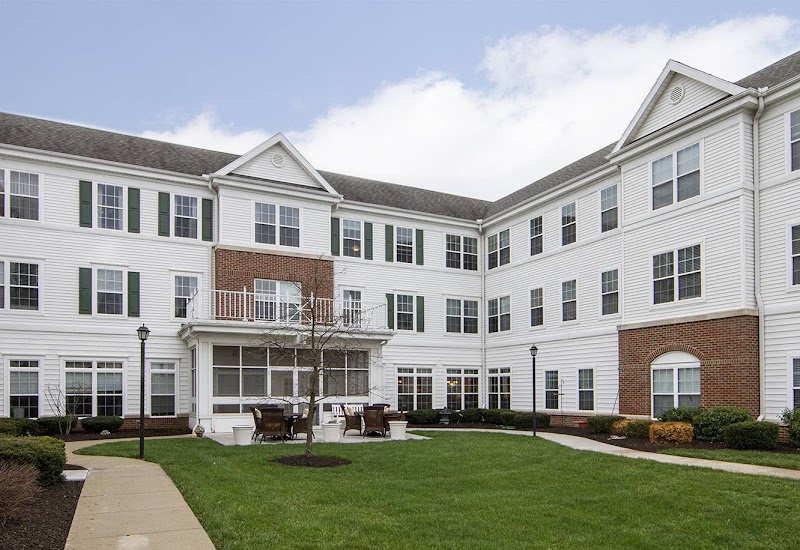
How is The Village At Mission Staffed?

CMS rates THE VILLAGE AT MISSION's staffing level at 3 out of 5 stars, which is average compared to other nursing homes.

What Have Inspectors Found at The Village At Mission?

State health inspectors documented 35 deficiencies at THE VILLAGE AT MISSION during 2020 to 2023. These included: 1 Immediate Jeopardy (the most serious level, indicating potential for serious harm or death) and 34 with potential for harm. Immediate Jeopardy findings are rare and represent the most serious regulatory concerns. They require immediate corrective action.

Who Owns and Operates The Village At Mission?

THE VILLAGE AT MISSION is owned by a for-profit company. For-profit facilities operate as businesses with obligations to shareholders or private owners. The facility is operated by TUTERA SENIOR LIVING & HEALTH CARE, a chain that manages multiple nursing homes. With 45 certified beds and approximately 34 residents (about 76% occupancy), it is a smaller facility located in PRAIRIE VILLAGE, Kansas.
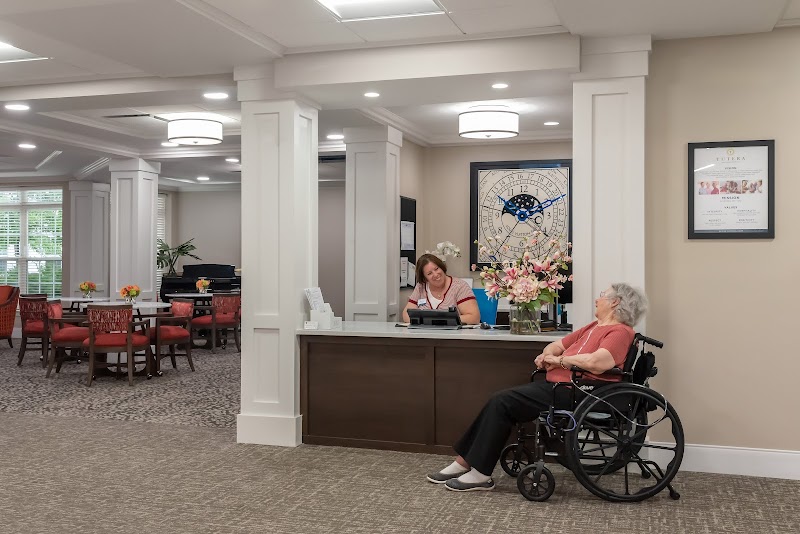
How Does The Village At Mission Compare to Other Kansas Nursing Homes?

Compared to the 100 nursing homes in Kansas, THE VILLAGE AT MISSION's overall rating (3 stars) is above the state average of 2.9 and health inspection rating (3 stars) is at the national benchmark.

What Should Families Ask When Visiting The Village At Mission?

Based on this facility's data, families visiting should ask: "What changes have been made since the serious inspection findings, and how are you preventing similar issues?" "Can I visit during a mealtime to observe dining assistance and food quality?" "How do you handle medical emergencies, and what is your hospital transfer rate?" "Can I speak with family members of current residents about their experience?" These questions are particularly relevant given the facility's Immediate Jeopardy citations.

Is The Village At Mission Safe?

Based on CMS inspection data, THE VILLAGE AT MISSION has documented safety concerns. Inspectors have issued 1 Immediate Jeopardy citation (the most serious violation level indicating risk of serious injury or death). The facility has a 3-star overall rating and ranks #1 of 100 nursing homes in Kansas. Families considering this facility should ask detailed questions about what corrective actions have been taken since these incidents.

Do Nurses at The Village At Mission Stick Around?

THE VILLAGE AT MISSION has not reported staff turnover data to CMS. Staff turnover matters because consistent caregivers learn residents' individual needs, medications, and preferences. When staff frequently change, this institutional knowledge is lost. Families should ask the facility directly about their staff retention rates and average employee tenure.

Was The Village At Mission Ever Fined?

THE VILLAGE AT MISSION has been fined $15,269 across 1 penalty action. This is below the Kansas average of $33,232. While any fine indicates a compliance issue, fines under $50,000 are relatively common and typically reflect isolated problems that were subsequently corrected. Families should ask what specific issues led to these fines and confirm they've been resolved.

Is The Village At Mission on Any Federal Watch List?

THE VILLAGE AT MISSION is not on any federal watch list. The most significant is the Special Focus Facility (SFF) program, which identifies the bottom 1% of nursing homes nationally based on persistent, serious quality problems. Not being on this list means the facility has avoided the pattern of deficiencies that triggers enhanced federal oversight. This is a positive indicator, though families should still review the facility's inspection history directly.