GRAND PLAINS SKILLED NURSING BY AMERICARE
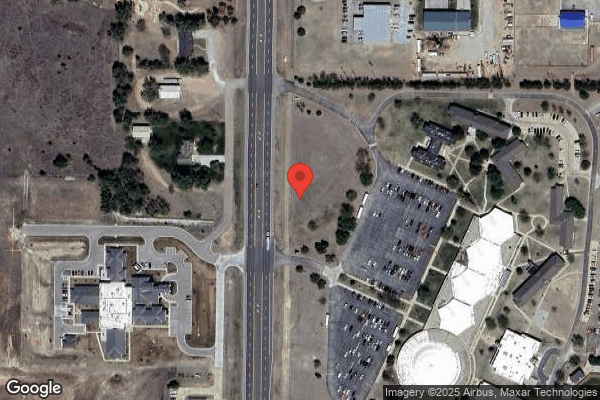
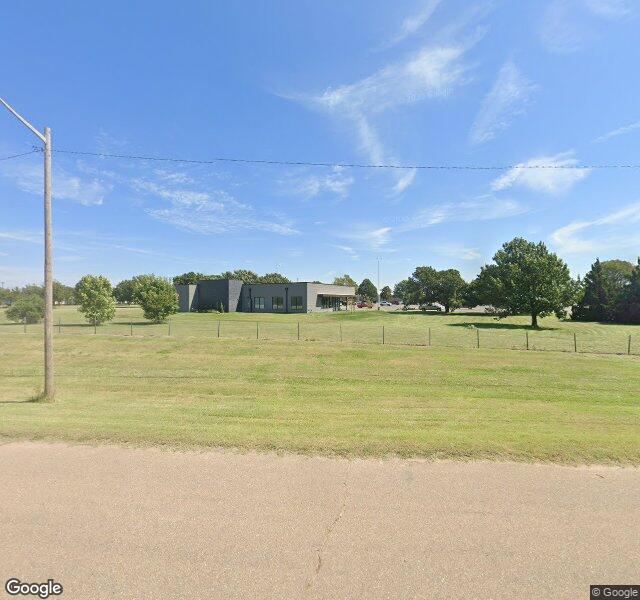
331 NE STATE ROAD 61, PRATT, KS 67124 (620) 330-9850
For profit - Limited Liability company 60 Beds AMERICARE SENIOR LIVING Data: November 2025
Trust Grade
30/100
#192 of 295 in KS
Last Inspection: March 2025

Within standard 12-15 month inspection cycle. Federal law requires annual inspections.

Overview

Grand Plains Skilled Nursing by Americare in Pratt, Kansas, has a Trust Grade of F, indicating significant concerns about the quality of care provided. They rank #192 out of 295 facilities in Kansas, placing them in the bottom half, and are the second-best option in Pratt County, with only one local facility rated higher. The facility's trend is worsening, having increased from 5 issues in 2023 to 8 in 2025, which raises red flags about its quality of care. Staffing is average with a turnover rate of 54%, which is slightly above the state average, and while there have been no fines reported, the overall health inspection rating is only 2 out of 5 stars. Specific incidents of concern include a resident being struck by another resident with cognitive impairments, indicating a lack of adequate safety measures, and failures in implementing necessary interventions to prevent pressure ulcers for at-risk residents. While they offer some strengths, like no fines and decent quality measures, the serious incidents and overall poor ratings warrant careful consideration.

Trust Score
F
30/100
In Kansas
#192/295
Bottom 35%
Safety Record
High Risk
Review needed
Inspections
Getting Worse
5 → 8 violations
Staff Stability
⚠ Watch
54% turnover. Above average. Higher turnover means staff may not know residents' routines.
Penalties
✓ Good
No fines on record. Clean compliance history, better than most Kansas facilities.
Skilled Nurses
⚠ Watch
Each resident gets only 27 minutes of Registered Nurse (RN) attention daily — below average for Kansas. Fewer RN minutes means fewer trained eyes watching for problems.
Violations
⚠ Watch
17 deficiencies on record. Higher than average. Multiple issues found across inspections.
★★☆☆☆
2.0
Overall Rating
★★★☆☆
3.0
Staff Levels
★★★★☆
4.0
Care Quality
★★☆☆☆
2.0
Inspection Score
Stable
2023: 5 issues
2025: 8 issues

The Good

  • 4-Star Quality Measures · Strong clinical quality outcomes
  • Full Sprinkler Coverage · Fire safety systems throughout facility
  • No fines on record

Facility shows strength in quality measures, fire safety.

The Bad

2-Star Overall Rating

Below Kansas average (2.9)

Below average - review inspection findings carefully

Staff Turnover: 54%

Near Kansas avg (46%)

Higher turnover may affect care consistency

Chain: AMERICARE SENIOR LIVING

Part of a multi-facility chain

Ask about local staffing decisions and management

The Ugly 17 deficiencies on record

2 actual harm
Oct 2025 3 deficiencies 1 Harm
SERIOUS (G) 📢 Someone Reported This

A family member, employee, or ombudsman was alarmed enough to file a formal complaint

Actual Harm - a resident was hurt due to facility failures

Free from Abuse/Neglect (Tag F0600)

A resident was harmed · This affected 1 resident

The facility reported a census of 51 residents. The sample included six residents who were reviewed for abuse. Based on observation, interview, and record review, the facility failed to ensure residen...

Read full inspector narrative →
The facility reported a census of 51 residents. The sample included six residents who were reviewed for abuse. Based on observation, interview, and record review, the facility failed to ensure residents remained free from resident-to-resident abuse when, on 09/03/25 at approximately 05:00 AM, Resident (R)1 wandered into R2's room and struck R2, a cognitively and physically impaired resident, in the head. Findings included:- R1's Electronic Health Record (EHR) documented diagnoses that included unspecified dementia (a progressive mental disorder characterized by failing memory and confusion).R1's 07/28/25 admission Minimum Data Set (MDS) documented a Brief Interview for Mental Status (BIMS) score of eight, which indicated moderately impaired cognition. The assessment documented R1 had physical behavioral symptoms directed towards others, rejection of care, and wandering behaviors that occurred one-to-three days during the look-back period.The 07/28/25 Behavioral Symptoms Care Area Assessment (CAA) documented R1 had wandering behaviors with rejection of care. The CAA documented risk factors included invading others' space and disruptions during activities and in the common areas.R1's 08/19/25 Significant Change Minimum Data Set was incomplete.R1's Care Plan dated 07/29/25 documented R1 wandered aimlessly and directed staff to develop a rapport and trust with R1 through regular visitation. The plan directed staff to anticipate R1's needs by following his physical or non-verbal indicators of discomfort and distress and follow up as indicated. Review of R1's EHR Progress Notes revealed the following: On 09/03/25 at 07:52 AM, Licensed Nurse (LN) G documented on 09/03/25 at 05:00 AM, staff heard someone yelling and found R1 in R2's room. R2's wife reported R1 had hit her and was trying to hit R2. LN G documented R2 nodded his head to indicate yes and rubbed the left side of his forehead when asked if R1 had hit him. LN G documented R2 had a red area on the left side of his forehead. LN G documented Administrative Staff A ordered one-on-one observation of R1.On 09/05/25 at 11:45 AM, LN I documented R1 left the facility with facility staff and his wife to go to a behavioral health unit (BHU).On 09/29/25 at 05:15 PM, LN I documented R1 arrived at the facility via Emergency Medical Services (EMS) from the hospital.The facility's investigation documented on 09/03/25 at 05:00 AM, staff heard yelling from R2's room and entered to find R1 swinging (fists) at R2's wife. Staff were able to remove R1 from R2's room and returned R1 to his room. The nurse assessed R2 and found a red mark on his upper left forehead without swelling or bruising.LN G's undated and unnotarized Witness Statement documented on 09/03/25, someone was yelling down the hall, and R1 was found in R2's room. R2's wife was present and reported R1 had hit her and said she was unsure if R1 had struck R2. R2 nodded yes when asked if R1 had hit him and rubbed the left side of his forehead. LN G documented R2 appeared to have a red area on the left side of his forehead. LN G also documented R1 was violent with staff and struck staff. LN G notified Administrative Staff A and was instructed to notify EMS and Law Enforcement Officers (LEO). Administrative Staff A ordered one-on-one observation for R1.Certified Nurse Aide (CNA) M's undated and unnotarized Witness Statement documented on 09/03/25 at an unknown time, she and CNA O heard yelling and went to investigate. Upon entering R2's room, R1 was standing between the bed and the wall with his arm up like he was ready to swing at R2; R2's wife was shielding him from R1. Staff removed R1 from R2's room, and R1 became violent and punched CNA M and kicked CNA O.CNA O's undated and unnotarized Witness Statement documented on 09/03/25 at an unknown time, she and CNA M heard yelling and went to investigate. R1 was observed with his arm up as if to hit R2, and R2's wife was attempting to block R1. Staff removed R1 from R2's room, and R1 became violent and punched CNA M and kicked CNA O.Administrative Staff B's undated and unnotarized Witness Statement documented on 09/03/25 at approximately 05:15 PM, she helped complete a care plan in R2's room and did not notice any marks on R2.Administrative Staff A's undated and unnotarized Witness Statement documented on 09/03/25 at an unknown time; no injuries were observed on R2's face or arms.Social Services X's undated and unnotarized Witness Statement documented on 09/03/25 at an unknown time; no injuries were observed on R2.Administrative Staff A's undated and unnotarized Witness Statement documented on 09/05/25 at 12:45 PM, LN I reported to Administrative Staff A that R2 had a black eye. Administrative Staff A documented that she and Activity Z went to R2's room and did not observe any bruising, swelling, or redness in R2's eyes or face.Administrative Nurse D's undated and unnotarized Witness Statement documented on 09/03/25 and 09/05/25 at unknown times, she looked at R2's face and did not see any bruising.Activity Z's unnotarized Witness Statement, dated 09/05/25 at 12:30 PM, documented she went with Administrative Staff A to R2's room to provide informational materials to R2's wife, and R2 did not have swelling, redness, or bruising to his face.Consultant GG's undated and unnotarized Witness Statement documented on 09/08/25 at approximately 10:30 AM, she was visiting with R2's wife regarding consultant/contract services after R2's discharge home, when R2's wife started to report unhappiness about how an abuse situation was handled. Consultant GG stopped R2's wife and reported the concern to Administrative Staff A. Administrative Staff A came into the room to speak with R2 and his wife. R2's wife stated she wanted to press charges against another resident.Administrative Staff A's unnotarized and undated Witness Statement documented on 09/08/25 at an unknown time, R2's wife reported to Consultant GG that she wanted to report to LEO and requested charges be filed against R1. Administrative Staff A went into the room and met with R2's wife, who requested to speak to LEO. Administrative Staff A called the police, and a LEO met with R2's wife.Review of the facility's investigation revealed documentation of one-on-one observation of R1 from 09/03/25 through 09/04/25.During an observation on 10/01/25 at 12:25 PM, R2 sat in his wheelchair in his room with his wife present.During an observation on 10/01/25 at 01:00 PM, R1 rested on his bed in his room with family present.During an interview on 10/01/25 at 12:25 PM, R2's wife reported R1 entered R2's room four times that she knew of before the incident on 09/03/25. R2's wife stated she was able to redirect R1 out of R2's room without incident, but on the morning of 09/03/25, she was awakened by R1 entering the room; R1 interlaced his fingers, raised his hands above his head, and tried to strike R2. R2's wife said she placed her arms and body between R2 and R1 and started yelling for help, and R1 struck her prior to staff responding and removing R1. R2's wife stated that at the time of the incident, she was unsure if R1 had struck R2 but confirmed facial bruising later developed.During an interview on 10/01/25 at 12:40 PM, CNA N reported on the morning of 09/03/25, the night shift informed her of an altercation between R1 and R2. Upon entering R2's room, she observed a bruise to R2's face near his eye. CNA N said if staff observed or suspected resident-to-resident abuse, staff should separate the residents and alert the nurse with the two-way radio, ensure the residents were safe, follow instructions from the nurse, and immediately fill out a report and/or witness statement.During an interview on 10/01/25 at 12:55 PM, Certified Medication Aide (CMA) R said if resident-to-resident abuse was observed or suspected, staff were instructed to separate the residents and redirect them as appropriate to ensure a safe environment. Staff would then alert other staff to notify the nurse, then follow instructions the nurse provided, and provide a written report and/or witness statement for the nurse. CMA R reported she was aware of the incident between R1 and R2 but was not directly involved in the event.During an interview on 10/01/25 at 01:15 PM, CNA P reported when she came to work on the morning of 09/03/25, R2 had bruising on his face near his eye. CNA P said Administrative Staff A spoke with staff to convince them nothing happened to R2.During an interview on 10/01/25 at 02:15 PM, LN H said if staff observe or suspect resident-to-resident abuse, they should separate the residents to ensure safety and alert other staff to let the nurse know or notify the nurse directly. When the nurse arrived in the area, the nurse would perform assessments and provide aid if needed, and document any injuries in the report and in the EHR progress notes. LN H said the nurse would collect written statements by any staff directly involved, notify administration and law enforcement, and fill out an incident report, including the witness statements from staff. LN H said she was aware of the incident between R1 and R2 but was not directly involved in the incident.During an interview on 10/01/25 at 02:40 PM, Administrative Staff A said that if resident-to-resident abuse was observed or suspected, the expectation was for staff to separate, ensure the safety of the residents, provide aid as necessary, and notify the nurse. The nurse was expected to call the building administration, the resident's physician, LEO, EMS, and the residents' representatives. If there was any suspicion that any resident struck another resident, the nurse should also collect written witness statements from the staff. If the incident was willful abuse, then a report would be filed with the State Agency (SA). Administrative Staff A stated on the morning of 09/03/25, she received a call from the nurse who reported R1 entered R2's room and struck R2 and hit R2's wife. Administrative Staff A confirmed LEO and EMS were notified. Administrative Staff A reported R1 was placed on one-on-one observation by Administrative Staff A until 08:00 AM, when R1's wife arrived and assumed one-on-one observation until she left at 06:00 PM. Staff then provided one-on-one observation if R1's wife was not present until R1 was transferred to a BHU. Administrative Staff A stated she had not reported the incident to the SA as required.The facility's Abuse, Neglect and Exploitation Policy and Procedure policy, dated 05/2023, documented that the facility prohibited abuse from any perpetrator that included but was not limited to staff, volunteer, contracted staff, vendor, family member, visitor, or any other resident.This deficient practice was cited at a scope and severity of G (actual harm, isolated) to reflect fear and anxiety because of the noncompliance using the reasonable person concept due to R2's impaired cognition.
CONCERN (D) 📢 Someone Reported This

A family member, employee, or ombudsman was alarmed enough to file a formal complaint

Potential for Harm - no one hurt, but risky conditions existed

Report Alleged Abuse (Tag F0609)

Could have caused harm · This affected 1 resident

The facility reported a census of 51 residents. The sample included six residents who were reviewed for abuse. Based on observation, interview, and record review, the facility failed to report an alle...

Read full inspector narrative →
The facility reported a census of 51 residents. The sample included six residents who were reviewed for abuse. Based on observation, interview, and record review, the facility failed to report an allegation of resident-to-resident abuse to the State Agency, as required. (Refer to F600) Findings included:- Review of R1's EHR Progress Notes revealed the following: On 09/03/25 at 07:52 AM, Licensed Nurse (LN) G documented on 09/03/25 at 05:00 AM, staff heard someone yelling and found R1 in R2's room. R2's wife reported R1 had hit her and was trying to hit R2. LN G documented R2 nodded his head to indicate yes and rubbed the left side of his forehead when asked if R1 had hit him. LN G documented R2 had a red area on the left side of his forehead. LN G documented Administrative Staff A ordered one-on-one observation of R1. The facility's investigation documented on 09/03/25 at 05:00 AM, staff heard yelling from R2's room and entered to find R1 swinging (fists) at R2's wife. Staff were able to remove R1 from R2's room and returned R1 to his room. The nurse assessed R2 and found a red mark on his upper left forehead without swelling or bruising. LN G's undated and unnotarized Witness Statement documented on 09/03/25, someone was yelling down the hall, and R1 was found in R2's room. R2's wife was present and reported R1 had hit her and said she was unsure if R1 had struck R2. R2 nodded yes when asked if R1 had hit him and rubbed the left side of his forehead. LN G documented R2 appeared to have a red area on the left side of his forehead. LN G notified Administrative Staff A and was instructed to notify EMS and Law Enforcement Officers (LEO). Administrative Staff A ordered a one-on-one observation for R1. Certified Nurse Aide (CNA) M's undated and unnotarized Witness Statement documented on 09/03/25 at an unknown time, she and CNA O heard yelling and went to investigate. Upon entering R2's room, R1 was standing between the bed and the wall with his arm up like he was ready to swing at R2; R2's wife was shielding him from R1. Staff removed R1 from R2's room, and R1 became violent and punched CNA M and kicked CNA O. CNA O's undated and unnotarized Witness Statement documented on 09/03/25 at an unknown time, she and CNA M heard yelling and went to investigate. R1 was observed with his arm up as if to hit R2, and R2's wife was attempting to block R1. Staff removed R1 from R2's room, and R1 became violent and punched CNA M and kicked CNA O. Administrative Staff A's undated and unnotarized Witness Statement documented on 09/03/25 at an unknown time; no injuries were observed on R2's face or arms. Administrative Staff A's unnotarized and undated Witness Statement documented on 09/08/25 at an unknown time, R2's wife reported to Consultant GG that she wanted to report to LEO and requested charges be filed against R1. Administrative Staff A went into the room and met with R2's wife, who requested to speak to LEO. Administrative Staff A called the police, and a LEO met with R2's wife. During an observation on 10/01/25 at 01:00 PM, R1 rested on his bed in his room with family present. During an interview on 10/01/25 at 12:25 PM, R2's wife reported R1 entered R2's room four times that she knew of before the incident on 09/03/25. R2's wife stated she was able to redirect R1 out of R2's room without incident, but on the morning of 09/03/25, she was awakened by R1 entering the room; R1 interlaced his fingers, raised his hands above his head, and tried to strike R2. R2's wife said she placed her arms and body between R2 and R1 and started yelling for help, and R1 struck her prior to staff responding and removing R1. R2's wife stated that at the time of the incident, she was unsure if R1 had struck R2, but confirmed facial bruising later developed. During an interview on 10/01/25 at 01:15 PM, CNA P reported that when she came to work on the morning of 09/03/25, R2 had bruising on his face near his eye. CNA P said Administrative Staff A spoke with staff to convince them that nothing happened to R2. During an interview on 10/01/25 at 02:40 PM, Administrative Staff A said that if resident-to-resident abuse was observed or suspected, the expectation was for staff to separate, ensure the safety of the residents, provide aid as necessary, and notify the nurse. The nurse was expected to call the building administration, the resident's physician, LEO, EMS, and the residents' representatives. If there was any suspicion that any resident struck another resident, the nurse should also collect written witness statements from the staff. If the incident was willful abuse, then a report would be filed with the State Agency (SA). Administrative Staff A stated on the morning of 09/03/25, she received a call from the nurse who reported R1 entered R2's room and struck R2 and R2's wife. Administrative Staff A confirmed LEO and EMS were notified. Administrative Staff A stated she had not reported the incident to the SA as required. The facility's Abuse, Neglect and Exploitation Policy and Procedure policy, dated 05/2023, documented that the Administrator would notify the SA within 24 hours of the incident unless the incident met the definition of a crime against a person or resulted in serious bodily injury, then the report would be made to LEO and SA no later than two hours after the incident.
CONCERN (E) 📢 Someone Reported This

A family member, employee, or ombudsman was alarmed enough to file a formal complaint

Potential for Harm - no one hurt, but risky conditions existed

Investigate Abuse (Tag F0610)

Could have caused harm · This affected multiple residents

The facility reported a census of 51 residents. The sample included six residents who were reviewed for abuse. Based on observation, interview, and record review, the facility failed to initiate prote...

Read full inspector narrative →
The facility reported a census of 51 residents. The sample included six residents who were reviewed for abuse. Based on observation, interview, and record review, the facility failed to initiate protective actions to prevent the opportunity for additional resident-to-resident abuse, as required. On 09/03/25 at approximately 05:00 AM, Resident (R)1 wandered into R2's room and struck R2, a cognitively and physically impaired resident, in the head. R1 was placed on one-on-one observation by facility staff; however, R1 continued to wander into other resident's rooms with the potential to harm other residents on the unit. (Refer to F600) Findings included:- R1's Electronic Health Record (EHR) documented diagnoses that included unspecified dementia (a progressive mental disorder characterized by failing memory and confusion).R1's 07/28/25 admission Minimum Data Set (MDS) documented a Brief Interview for Mental Status (BIMS) score of eight, which indicated moderately impaired cognition. The assessment documented R1 had physical behavioral symptoms directed towards others, rejection of care, and wandering behaviors that occurred one to three days during the look-back period. The 07/28/25 Behavioral Symptoms Care Area Assessment (CAA) documented R1 had wandering behaviors with rejection of care. The CAA documented risk factors included invading others' space and disruptions during activities and in the common areas. R1's 08/19/25 Significant Change Minimum Data Set was incomplete.R1's Care Plan dated 07/29/25 documented R1 wandered aimlessly and directed staff to develop a rapport and trust with R1 through regular visitation. The plan directed staff to anticipate R1's needs by following his physical or non-verbal indicators of discomfort and distress and follow up as indicated. R1's EHR Progress Notes revealed a note dated 09/03/25 at 07:52 AM, by Licensed Nurse (LN) G, which documented on 09/03/25 at 05:00 AM, staff heard someone yelling and found R1 in R2's room. R2's wife reported R1 had hit her and was trying to hit R2. LN G documented R2 nodded his head to indicate yes and rubbed the left side of his forehead when asked if R1 had hit him. LN G documented R2 had a red area on the left side of his forehead. LN G documented Administrative Staff A ordered one-on-one observation of R1. In a progress note dated 09/03/25 at 10:11 PM, LN G documented that the resident received one-on-one observation and had wandered in and out of other residents' rooms. R1 became violent and shattered the lid of a toilet tank.In a note dated 09/05/25 at 11:45 AM, LN I documented R1 left the facility with facility staff and his wife to go to a behavioral health unit (BHU).Review of the facility's investigation revealed documentation of one-on-one observation of R1 from 09/03/25 through 09/04/25.During an observation on 10/01/25 at 01:00 PM, R1 rested on his bed in his room with family present. During an interview on 10/01/25 at 02:40 PM, Administrative Staff A said that if resident-to-resident abuse was observed or suspected, the expectation was for staff to separate, ensure the safety of the residents, provide aid as necessary, and notify the nurse. The nurse was expected to call the building administration, the resident's physician, LEO, EMS, and the residents' representatives. If there was any suspicion that any resident struck another resident, the nurse should also collect written witness statements from the staff. If the incident was willful abuse, then a report would be filed with the State Agency (SA). Administrative Staff A stated on the morning of 09/03/25, she received a call from the nurse who reported R1 entered R2's room and struck R2 and R2's wife. Administrative Staff A confirmed LEO and EMS were notified, but not the State Survey Agency. Administrative Staff A reported R1 was placed on one-on-one observation by Administrative Staff A until 08:00 AM, when R1's wife arrived and assumed one-on-one observation until she left at 06:00 PM. Staff then provided one-on-one observation if R1's wife was not present until R1 was transferred to a BHU. The facility's Abuse, Neglect and Exploitation Policy and Procedure policy, dated 05/2023, documented that he facility will take steps to prevent mistreatment while the investigation is underway. Residents who allegedly mistreated another resident will be removed from contact with the resident during the course of the investigation. The resident suspected of elder-to-elder abuse will be provided supervision by staff until the physician, family, and facility management staff assess and provide treatment options to stop any further aggressive, abusive behavior by the elder. The accused resident's condition shall be immediately evaluated to determine the most suitable therapy, care approaches, and placement, considering his or her safety, as well as the safety of other residents and employees of the facility.
Mar 2025 5 deficiencies
CONCERN (D) 📢 Someone Reported This

A family member, employee, or ombudsman was alarmed enough to file a formal complaint

Potential for Harm - no one hurt, but risky conditions existed

Resident Rights (Tag F0550)

Could have caused harm · This affected 1 resident

The facility reported a census of 49 residents with 13 residents sampled. Based on observation, interview, and record review the facility failed to protect the privacy and dignity of Resident (R) 36 w...

Read full inspector narrative →
The facility reported a census of 49 residents with 13 residents sampled. Based on observation, interview, and record review the facility failed to protect the privacy and dignity of Resident (R) 36 when the indwelling catheter bag was left with no privacy cover. These practices had the potential to lead to negative psychosocial effects related to dignity. Findings included: - The Electronic Health Record (EHR) for R36 included the diagnosis of neuromuscular bladder. The admission Minimum Data Set (MDS) dated 12/29/24 documented a Brief Interview for Mental Status score of 12, which indicated mildly impaired cognition. The assessment documented R36 as dependent on staff for all cares. The Urinary Incontinence and Indwelling Catheter Care Area Assessment (CAA) dated 12/29/24 documented R36 required a urinary catheter and was dependent on staff. Observations on 03/10/25 at 04:58 PM, 03/11/25 at 11:02 AM, 03/12/25 at 08:38 AM, R36's indwelling catheter drainage bag was facing the window in his room with no privacy cover, covering it from the staff and public that parked in the parking lot and walking down the sidewalk right next to the window. The blinds on the window are open for each observation. Interview on 03/13/25 at 10:45 AM, CNA Q revealed if there were an enhanced barrier precautions sign on their door, she would wear a gown and gloves when providing close contact care. CNA Q would expect every indwelling urinary catheter drainage bag to have a privacy cover on it. Interview on 03/13/25 at 11:23 AM, Licensed Nurse (LN) K confirmed all urinary indwelling catheter drainage bags would have a privacy cover on them. Interview on 03/14/24 at 08:25 AM, Administrative Nurse B stated her expectation was to have a privacy cover on the urinary indwelling catheter drainage bag. The facility's Promoting/Maintaining Resident Dignity policy dated 2024 documented the facility would protect and promote resident rights and treat each resident with respect and dignity as well as care for each resident in a manner and in an environment, that maintained or enhanced resident's quality of life by recognizing each resident's individuality. The facility failed to protect the dignity of R36 when his indwelling catheter bag was left open to the public with no privacy cover. This deficient practice had the potential to lead to negative psychosocial effects related to dignity.
CONCERN (D) 📢 Someone Reported This

A family member, employee, or ombudsman was alarmed enough to file a formal complaint

Potential for Harm - no one hurt, but risky conditions existed

Garbage Disposal (Tag F0814)

Could have caused harm · This affected 1 resident

The facility reported a census 49 residents. Based on observation, interview, and record review, the facility failed to maintain and/or dispose of garbage and refuse properly in a sanitary condition t...

Read full inspector narrative →
The facility reported a census 49 residents. Based on observation, interview, and record review, the facility failed to maintain and/or dispose of garbage and refuse properly in a sanitary condition to prevent the harborage and feeding of pests. Findings included: - Initial tour of the outside trash dumpsters on 03/10/25 at 02:40 PM with Kitchen Manager CC, revealed four dumpsters had the lids in the open position, one of which was missing the dumpster lid. Dumpster lids were all failed to completely cover the trash cans. On 03/10/25 at 02:40 PM, Kitchen Manager CC, revealed she was not aware of the requirement to have trash covered. On 03/13/25 at 04:48 PM, Administrative Staff A stated that the dumpsters belonged to the city. The facility lacked a policy related to garbage and refuse handling and disposal. The facility failed to provide sanitary garbage and refuse containers that were maintained with lids closed or otherwise covered. This deficient practice had the potential to lead to harborage and feeding of pest animals.
CONCERN (E) 📢 Someone Reported This

A family member, employee, or ombudsman was alarmed enough to file a formal complaint

Potential for Harm - no one hurt, but risky conditions existed

Food Safety (Tag F0812)

Could have caused harm · This affected multiple residents

The facility reported a census of 49 residents. Based on observation, interview, and record review, the facility failed to store, prepare, and serve food in a sanitary manner to prevent possible food-...

Read full inspector narrative →
The facility reported a census of 49 residents. Based on observation, interview, and record review, the facility failed to store, prepare, and serve food in a sanitary manner to prevent possible food-borne illness to the residents of the facility. Findings included: - On 03/10/24 at 02:40 PM during an initial tour of the main kitchen, refrigerator and dry food storage areas with Kitchen Manager CC, the following areas of concern were observed: One unsealed bag of ham open to air undated in walk in freezer. Two bag of undated and unlabeled chicken patties. Two bag of undated and unlabeled chicken nuggets. One bag of undated and unlabeled tater tots. One bag of undated and unlabeled French fries. Eight bottles of expired Lemon Juice dated 01/19/25. On 03/10/25 at 03:28 PM an interview with Kitchen Manager CC, revealed she expected staff to label, and date opened food items. Kitchen Manager CC, revealed that the above concerns identified with dry storage and freezer storage, which included undated and unsealed items were unacceptable. The facility's policy Food Receiving and Storage undated revealed that all foods stored in the refrigerator or freezer will be covered, labeled and dated (use by date). Foods will be rotated using a first in- first out system. The facility failed to store, prepare, and serve food in a sanitary manner to prevent possible food-borne illness to the residents of the facility.
CONCERN (E) 📢 Someone Reported This

A family member, employee, or ombudsman was alarmed enough to file a formal complaint

Potential for Harm - no one hurt, but risky conditions existed

Infection Control (Tag F0880)

Could have caused harm · This affected multiple residents

The facility identified a census of 49 residents. The sample included 13 residents. The facility identified residents on Enhanced Barrier Precautions (EBP-infection control interventions designed to r...

Read full inspector narrative →
The facility identified a census of 49 residents. The sample included 13 residents. The facility identified residents on Enhanced Barrier Precautions (EBP-infection control interventions designed to reduce transmission of resistant organisms that employ targeted gown and glove use during high contact care). Based on observations, interviews, and record review, the facility failed to ensure the EBP residents were cared for by staff using appropriate precautions. Further the facility failed to ensure staff used appropriate hand hygiene and glove changes with resident care. These deficient practices placed the residents at risk for infectious diseases. Findings included: - On 03/10/25 at 04:58 PM, observation of two unidentified Certified Nurse Aides provided care for an unidentified resident. Resident (R) had enhanced barrier precaution (EBP) sign on the door instructing staff to gown and glove when providing close contact care for the resident. Both CNAs were not wearing gowns while taking the resident, with an indwelling catheter, to the restroom. On 03/11/25 at 11:02 AM, observation of CNA N and CNA O provided toileting care for R36. R36 had a sign on his door instructing staff to use EBP when performing close contact care. Both CNAs where not wearing the appropriate personal protective equipment (PPE). On 03/11/25 at 11:02 AM, CNA N revealed she had not been educated to wear a gown with close contact care with a resident with an indwelling catheter. CNA N confirmed the sign on the door and that she should have worn a gown with her gloves. On 03/11/25 at 11:02 AM, CNA O revealed she should have had a gown on during the care for R36. On 03/12/25 at 10:40 AM, Licensed Nurse (LN) I performed percutaneous endoscope gastrostomy tube (PEG - a tube inserted through the wall of the abdomen directly into the stomach) for R6, not wearing appropriate PPE. CNA P entered the room to assist with care for R6, not wearing appropriate PPE. On 03/12/25 at 11:03 AM, LN I confirmed he should have worn a gown for the peg tube feeding and that he had not. LN I confirmed the sign on the door instructed staff to use EBP for close contact care with R6. On 03/05/25 at 09:05 AM CNA P confirmed she should have worn a gown as instructed on the resident's door. On 03/12/25 at 01:04 PM, CNA M and CNA N were performing peri care on an unknown resident. CNA M cleans resident peri area with a wipe, then with the same gloved hands touches the residents head, pillow, blanket, and oxygen tubing. On 03/12/25 at 01:20 PM, CNA M confirmed she did not change gloves from dirty to clean and should have. CNA M confirmed she had been educated to do so. On 03/05/25 at 09:45 AM, Licensed Nurse (LN) I confirmed each resident with EBP should have a sign on their door instructing staff to use EBP with close care of those residents. LN I revealed the supplies were in the closets right on both ends of the hallways. On 03/12/25 at 06:56 AM, Administrative Nurse D revealed every resident with EBP should have a sign on their door. She confirmed she would expect all staff providing close care for those residents to wear the appropriate PPE. Administrative Nurse D stated they had the supplies in two closets on all the halls and that they were looking into hanging storage on the doors for the PPE. Administrative Nurse D stated they had put the PPE on the halls as they felt the carts in the hallway would have cluttered the halls. The facility's Enhanced Barrier Precautions (EBP) policy dated 2025 documented that the policy of the facility was to implement enhanced barrier precautions for the prevention of transmission of multidrug-resistant organisms, that employ targeted gown and glove use during high contact resident care activities. The facility failed to ensure staff followed EBP protocol with tube feedings, catheter care and glove use. This deficient practice placed the residents at risk for infection.
CONCERN (E) 📢 Someone Reported This

A family member, employee, or ombudsman was alarmed enough to file a formal complaint

Potential for Harm - no one hurt, but risky conditions existed

Room Equipment (Tag F0908)

Could have caused harm · This affected multiple residents

The facility reported a census of 49 residents. Based on observation, interview, and record review, the facility failed to ensure the availability of proper maintenance equipment for the dishwasher an...

Read full inspector narrative →
The facility reported a census of 49 residents. Based on observation, interview, and record review, the facility failed to ensure the availability of proper maintenance equipment for the dishwasher and appropriate monitoring to automatic sanitizing to maintain properly functioning equipment. Findings included: - On 03/10/25 at 03:28 PM Kitchen Manager CC was observed making sanitizer water that registered at 50 parts per million. Kitchen Manager CC was unable to provide chlorine test strips to test the chlorine level in the dishwasher. Interview on 03/10/25 at 03:54 PM with Kitchen Manager CC revealed dietary staff were expected to test the sanitizer level daily. There was no written log of the results of the sanitizer test as staff were trusted to be testing it as expected. Kitchen Manager CC revealed, sanitizer was working 03/06/25 to her last knowledge. Kitchen Manager CC revealed, being unaware how long kitchen staff have been without chlorine testing strips for the dishwasher. Staff had not brought either of these issues to Kitchen Manager CC's attention. The facility failed to provide a policy related to maintaining properly functioning equipment. The facility failed to maintain mechanical equipment in safe operating condition.
Jun 2023 5 deficiencies 1 Harm
SERIOUS (G)

Actual Harm - a resident was hurt due to facility failures

Pressure Ulcer Prevention (Tag F0686)

A resident was harmed · This affected 1 resident

**NOTE- TERMS IN BRACKETS HAVE BEEN EDITED TO PROTECT CONFIDENTIALITY** The facility had a census of 42 residents. The sample included 12 residents, with two reviewed for pressure ulcers/pressure inju...

Read full inspector narrative →
**NOTE- TERMS IN BRACKETS HAVE BEEN EDITED TO PROTECT CONFIDENTIALITY** The facility had a census of 42 residents. The sample included 12 residents, with two reviewed for pressure ulcers/pressure injury (localized injury to the skin and/or underlying tissue usually over a bony prominence, as a result of pressure, or pressure in combination with shear and/or friction). Based on observation, record review and interview, the facility failed to implement interventions to prevent the development of a facility-acquired, right heel pressure ulcer for Resident (R)22 and R39 who were at risk for pressure injuries. Findings included: - R22's Electronic Medical Record (EMR) documented she admitted to the facility on [DATE] from the community. R22's EMR documented she had diagnoses of unsteadiness, osteoporosis (abnormal loss of bone density and deterioration of bone tissue with an increased fracture risk), and reduced mobility. R22's admission Minimum Data Set (MDS), dated [DATE], documented R22 had a Brief Interview of Mental Status (BIMS) score of 15, which indicated intact cognition. R22 required extensive assistance of one staff for transfers, walking in the room, toilet use, and bed mobility. The MDS recorded the resident had pressure reducing devices to her bed and chair but had no pressure ulcers and was not at risk for pressure injuries. The 09/23/22 Pressure Ulcer Care Area Assessment triggered and addressed in the care plan. The 09/10/22 Braden Scale (an assessment used to measure risk for pressure ulcer development) documented R22's score was 18, which indicated R22 was at risk for developing a pressure ulcer. R22's Quarterly MDS dated 04/19/23, documented R22 had a BIMS score of 12, which indicated moderate cognitive impairment. The MDS documented the resident did not walk and required total staff assistance with locomotion. R22 required extensive staff assistance with most activities of daily living (ADL) including bed mobility. The MDS documented the resident had lower extremity impairment on one side. The MDS recorded the resident had one unhealed stage three (full thickness skin loss) pressure injury, was at risk for pressure injuries, and had pressure reducing devices on her bed and wheelchair but was not on a turning and/or repositioning program. R22's ADL Care Plan, revised on 04/14/23, documented R22 required one staff assistance with ADLs except eating. R22's Skin Integrity Care Plan dated 09/28/22 and revised on 12/08/22 directed R22 was at risk for alteration in skin integrity as evidenced by a pressure area to the right heel. The care plan instructed the charge nurse to perform weekly skin assessments and notify the nurse if R22 had any new skin issues (initiated on 09/28/22). The care plan instructed staff to place heel protectors on R22 at all times and place a pressure reducing mattress to her bed at all times (created on 03/10/23 with initiation backdated to 10/05/23). The care plan lacked evidence of pressure injury preventative measures developed and/or implemented prior to development of the pressure injury. A Nurses Note, dated 10/06/22 at 10:15 AM documented staff noted an intact blister to R22's right heel which measured 4.7 centimeters (cm) by 6.7 cm. Staff notified the physician and staff placed heel lift boots on R22's bilateral feet. The note recorded staff would use skin prep (liquid skin protectant) twice a day to the area. The 12/05/22 at 09:30 AM, Wound Specialist Note documented R22 had an unstageable (full-thickness pressure injuries in which the base is obscured by slough [moist, loose, stringy dead tissue] and/or eschar [dry dead tissue]) pressure ulcer on her right heel. The wound was there for over a month. R22 received clindamycin (antibiotic medication) for infection. The note documented the right heel ulcer was debrided (medical removal of dead, damaged, or infected tissue to improve the healing potential for the remaining healthy tissue), and the ulcer increased in size in all dimensions by one millimeter (mm). The bone was exposed, and a wound culture was obtained. The note documented a vacuum assisted closure device (Wound-Vac-device which decreases pressure on the wound to help the wound heal more quickly) was ordered. The 01/19/23 at 09:15 AM Wound Specialist Note documented R22's right heel ulceration to the posterior (back) aspect of the right heel measured 4 cm by 3.4 cm and was granular in nature, had odor, and a Wound-Vac was placed on the ulcer. The 05/15/23 at 02:45 PM Wound Specialist Note documented R22's ulcer to the posterior (back) aspect of the right heel measured 3.8 cm by 2.2 cm and had one area of eschar on the top of the wound, and the physician instructed staff to use Santyl (a medication used to remove dead skin tissue and aid in wound healing) on the area with eschar. On 06/22/23 at 10:35 AM, R22 sat in a recliner with the footrest up and heel protectors on. LN H asked the resident if he could change the dressing to her right heel. R22 consented. LN H applied gloves, sat the items on a bedside table after removing other items, then removed the residents heel protector boot on her right foot. LN H removed a four-by-four gauze pad and revealed a small amount of serosanguineous (semi-thick reddish drainage) drainage on the dressing. The wound was approximately 4 cm in diameter with approximately 4 cm long with 0.25 cm wide eschar at the top of the wound. The wound area presented with visible eschar, at the top. On 06/26/23 at 04:07 PM, LN I stated when R22 was first admitted to the facility she walked short distances in her room to the bathroom, but not in the hallway. LN I verified the only interventions in place prior to the resident acquiring a pressure ulcer to her right heel was the charge nurse was to do weekly skin checks and notify the nurse of any new skin issues. On 06/27/23 at 09:50 AM, Administrative Nurse D verified appropriate preventative measure were not in place prior to R22 acquiring the pressure ulcer to her right heel, in the facility. Administrative Nurse D stated she was not employed at the facility at the time of R22's admission, but if she had been, she would have initiated appropriate preventative measures for R22 due to the resident's risk for developing pressure ulcers. The facility's Pressure Injury Prevention and Management Policy, revised 01/01/23, documented the facility should establish and utilize a systematic approach for pressure injury prevention and management, including prompt assessment and treatment, intervening to stabilize, reduce or remove underlying risk factors, monitoring the impact of the interventions and modifying the interventions as appropriate. The facility failed to develop interventions that addressed R22's risk for pressure ulcer development which resulted in a facility-acquired, unstageable pressure ulcer to the resident's right heel. - R39's Physician Order Sheet included diagnoses of arterial sclerotic heart disease (ASHD-a condition where the arteries become narrowed and hardened due to buildup of fat in the artery wall.), edema (swelling resulting from an excessive accumulation of fluid in the body tissues), atrial fibrillization (rapid, irregular heartbeat), and hypertension (elevated blood pressure). R39's admission Minimum Data Set (MDS) assessment, dated 04/17/23, recorded the resident had a Brief Interview for Mental Status (BIMS) score of four, which indicated severely impaired cognition. The assessment revealed the resident required extensive assistance of two staff for bed mobility, transfers, walking in room, dressing, toilet use, personal hygiene, and had functional impairment of upper extremity on one side. The MDS further documented the resident had a surgical wound. The 04/19/23 Pressure Ulcer Care Area Assessment (CAA) documented the resident had no pressure ulcers. The Urinary Incontinence CAA, documented R39 required two staff assistance with toileting, and the resident was incontinent and wore incontinent products. R39's Braden [Scale (an assessment tool used to assess and document a resident's risk for developing pressure ulcers) dated 04/12/23, documented a score of 16.0 which indicated the resident was at risk for pressure ulcer development. The Skin Integrity Care Plan, dated 04/19/23 directed the charge nurse to perform weekly skin assessments and notify the charge nurse of any skin alterations. The Activities of Daily Living [ADL] Care Plan, dated 04/19/23 directed two staff to assist the resident with toileting and the required incontinent products. The plan directed R39 required assistance of two staff with bed mobility, dressing and toileting. The Progress Notes, dated 06/08/23 at 10:38 AM, recorded the nurse left a message for the physician concerning R39 buttocks. The note recorded R39's scratch/wound was healed although there were petechia (pinpoint spots on the skin) noted on R39's buttocks and the skin were deep purple in color, in the area of the scratch/wound. The Weekly Pressure Ulcer Healing Assessment, dated 06/14/23, documented R39 had a facility-acquired right buttocks pressure ulcer identified on 06/14/23. The right buttocks pressure area measured 0.5 centimeters (cm) by 0.5 cm with no depth, a scant amount of exudate (secretion) with serosanguineous (exudate mixed with blood) drainage and was inaccurately documented as a stage one (skin intact, but red and non-blanchable). The assessment documented an order to change the dressing, pat dry, apply calcium alginate (highly absorbent material), and cover with Mepilex AG (a nonstick soft spongy grey foam pad that has silver within it and the foam dressing shields the wound and the silver helps to kill the bacteria). The Weekly Pressure Ulcer Healing Assessment, dated 06/22/23, documented R39 had a right buttocks pressure ulcer identified on 06/14/23. The right buttocks pressure area measured 3.4 cm by 7.0, with no depth, a moderate amount of serosanguineous drainage and noted the wound size had increased. The nurses cleansed with wound cleanser, patted dry, applied Mepilex AG, and changed the dressing on Monday, Wednesday, and Friday. On 06/21/23 at 12:00 PM, R39 laid on his back in bed and visited with his guests. On 06/22/23 at 09:00 AM, R39 laid in bed on his back. Administrative Nurse E, Certified Nurse Aide (CNA) M, and CNA N positioned R39 on his left side. Administrative Nurse E removed the old dressing and cleansed the open area on R39's right buttocks with wound cleanser. The wound appeared as a two-inch reddened round area with approximately three-quarters of an inch open. Administrative Nurse E applied a Mepilex dressing and covered with an Opsite (a breathable, flexible, waterproof dressing) dressing. Administrative Nurse E stated the wound treatment was recently changed after the resident's representative took a picture of the area and showed it to the physician's office, and the physician changed the treatment to a different dressing. On 06/22/23 at 09:10 AM, Administrative Nurse E verified R39 developed a facility-acquired pressure ulcer on his right buttocks. Administrative Nurse E verified in mid-May, the resident developed a scratch on his bottom that went away and then developed the pressure area mid-June. Administrative Nurse E stated the physician thought the area could be a Kennedy Ulcer (a term used to describe the development and rapid progression of a pressure-based tissue injury in residents identified as being imminently terminal) however she checked with the physician, and he did not diagnose the ulcer as a Kennedy ulcer but instead diagnosed a facility-acquired pressure ulcer. On 06/26/23 at 02:00 PM interview with Administrative Nurse D verified R39 had a scratch that was noted on his bottom mid-May and that went away in a few days. On 06/14/23 the resident developed a pressure area to his bottom and verified the pressure ulcer was facility acquired. Administrative Nurse D stated after the development of the ulcer the physician ordered an air mattress on the bed, and before the air mattress, the staff changed R39's position hourly. Administrative Nurse D verified the nurse who documented the stage one ulcer on the Weekly Wound Assessments should have documented at least a stage two ulcer (an open wound which extends into the layers beneath the skin) due to the skin area was open. Administrative Nurse D verified the interventions, including an air mattress or skin treatments, were not documented in the care plan and should be. The Pressure Injury Prevention and Management, policy dated 01/01/23, documented the facility was committed to the prevention of avoidable pressure injury, prevent infection and the development of additional pressure ulcers. The facility would establish and utilize a systemic approach for pressure injury prevention and management, including prompt assessment and treatment, interventions to stabilize, reduce or remove underlying risk factors; monitoring the impact of the interventions; and modifying the interventions as appropriate. A Licensed Nurse would conduct a pressure injury risk assessment, using the Braden scale, on all residents upon admission/re-admission, weekly for four weeks, then quarterly or whenever the resident's condition changes significantly. The Braden scale would be used in conjunction with other risk factors not captured by the risk assessment tool. After completion of the assessments/evaluations the interdisciplinary team would develop a relevant care plan that included measurable goals for prevention and management of pressure injuries with appropriate interventions. Interventions on a resident's care plan would be modified as needed. The facility failed to implement preventative measures to prevent a facility-acquired stage two pressure ulcers for R39, who was at risk for pressure ulcer development. The facility failed to identify and respond to deep purple discoloration which evolved into an open pressure injury. The facility further failed to accurately assess R39's facility acquired pressure injury to obtain appropriate treatment orders. These deficient practices placed R39 at risk for further injury and/or delayed wound healing.
CONCERN (D)

Potential for Harm - no one hurt, but risky conditions existed

Deficiency F0582 (Tag F0582)

Could have caused harm · This affected 1 resident

The facility had a census of 42 residents. The sample included 12 residents. Based on record review and interview, the facility failed to provide Resident (R)20 and R21, or their representative, the c...

Read full inspector narrative →
The facility had a census of 42 residents. The sample included 12 residents. Based on record review and interview, the facility failed to provide Resident (R)20 and R21, or their representative, the completed Skilled Nursing Facility Advanced Beneficiary Notices (ABN) form 10055. This placed the resident, or their representatives at risk to make uninformed decisions about their skilled services and at risk to incur charges if exercising their right to appeal. Findings included: - The Medicare ABN form 10055 informed the beneficiary that Medicare may not pay for future skilled therapy services. The form included an option for the beneficiary to receive specific services listed, and bill Medicare for an official decision on payment. The form stated 1) I understand if Medicare does not pay, I will be responsible for payment, but can make an appeal to Medicare, (2) receive therapy listed, but do not bill Medicare, I am responsible for payment for services, (3) I do not want the listed services. The facility failed to provide R20, or her representative, the completed form 10055, knowing she may have to pay out of pocket. The resident's skilled services ended on 02/09/23. The facility staff failed to provide R21, or her representative, the completed form 10055, knowing she may have to pay out of pocket. The resident's services ended on 11/03/22. On 06/27/23 at 09:15 AM, Administrative Staff B and Nurse Consultant GG verified the facility had not provided R20 or R21, and/or their representative the CMS form 10055. The facility's Advance Beneficiary Notices policy, dated 01/01/23, recorded the facility would inform Medicare beneficiaries of his/her potential liability for payment and a Medicare liability notice would be issued to Medicare beneficiaries upon admission or during a resident ' s stay, before the facility provides an item or service that is usually paid for by Medicare, but may not be paid for in particular instance because it is not medically reasonable and necessary. The current CMS approved version of the forms shall be used at the time of issuance to the beneficiary (resident or resident representative). The facility failed to provide R20 and R21 or their representatives, the completed 10055 form when discharged from skilled care, which placed them at risk to make uninformed decisions about their services and continuation of their skilled services.
CONCERN (D)

Potential for Harm - no one hurt, but risky conditions existed

Deficiency F0657 (Tag F0657)

Could have caused harm · This affected 1 resident

**NOTE- TERMS IN BRACKETS HAVE BEEN EDITED TO PROTECT CONFIDENTIALITY** - R11's Electronic Medical Record (EMR) documented she had diagnoses of cerebral infraction (sudden death of brain cells due to ...

Read full inspector narrative →
**NOTE- TERMS IN BRACKETS HAVE BEEN EDITED TO PROTECT CONFIDENTIALITY** - R11's Electronic Medical Record (EMR) documented she had diagnoses of cerebral infraction (sudden death of brain cells due to lack of oxygen caused by impaired blood flow to the brain by blockage or rupture of an artery to the brain ), diabetes (when the body cannot use glucose, not enough insulin made or the body cannot respond to the insulin), and dementia (progressive mental disorder characterized by failing memory, confusion). R11's Significant Change Minimum Data Set (MDS), dated [DATE], documented R11 had a Brief Interview of Mental Status (BIMS) score of 10, which indicated moderately impaired cognition. The MDS documented the resident required total staff assistance with locomotion on and off unit and limited staff assistance with the rest of her activities of daily living (ADLs). The MDS documented the resident received hospice services. The Care Area Assessment (CAA) did not trigger for hospice services. R11's Hospice Care Plan, revised 05/02/23, documented R11 would make her needs known and instructed staff to follow hospice care plan. The care plan lacked instructions which included what services, hospice would provide for R11. On 06/21/23 at 03:30 PM, observation revealed R11 sat in a recliner in her room, smiled and visited with staff. On 06/27/23 at 09:50 AM, Administrative Nurse D verified R11's hospice care plan lacked instructions to staff on care hospice would provide and what facility staff would provide. The Hospice Services and Facility Agreement, dated 10/10/20, documented hospice would develop a written plan of care in consultation with facility for each hospice patient, in accordance with the following criteria all hospice services furnished to the patient would be in accord with the plan of care. The hospice plan of care would also specify the palliative and supportive care that is to be provided the discipline who would provide the services and the hospice representative responsible for coordinating care. The facility failed to update R11's hospice care plan with information on care hospice would provide and care facility staff would provide. This placed R11 at risk for uncommunicated and/or unmet care needs. The facility had a census of 42 residents. The sample included 12 residents, with two reviewed for skin conditions. Based on observation, record review, and interview, the facility failed to update Resident (R)39's care plan with interventions related to prevention of pressure injuries and failed to update R11's care plan with instructions to staff regarding hopsice care. This placed R39 at risk for further injuries to his skin due to uncommunicated or unmet needs and R11 at risk for unmet care needs Findings included: - R39's Physician Order Sheet included diagnoses of arterial sclerotic heart disease (ASHD-a condition where the arteries become narrowed and hardened due to buildup of fat in the artery wall.), edema (swelling resulting from an excessive accumulation of fluid in the body tissues), atrial fibrillization (rapid, irregular heartbeat), and hypertension (elevated blood pressure). R39's admission Minimum Data Set (MDS) assessment, dated 04/17/23, recorded the resident had a Brief Interview for Mental Status (BIMS) score of four, which indicated severely impaired cognition. The assessment revealed the resident required extensive assistance of two staff for bed mobility, transfers, walking in room, dressing, toilet use, personal hygiene, and had functional impairment of upper extremity on one side. The MDS further documented the resident had a surgical wound. The 04/19/23 Pressure Ulcer Care Area Assessment (CAA) documented the resident had no pressure ulcers. The Urinary Incontinence CAA, documented R39 required two staff assistance with toileting, and the resident was incontinent and wore incontinent products. R39's Braden [Scale (an assessment tool used to assess and document a resident's risk for developing pressure ulcers) dated 04/12/23, documented a score of 16.0 which indicated the resident was at risk for pressure ulcer development. The Skin Integrity Care Plan, dated 04/19/23 directed the charge nurse to perform weekly skin assessments and notify the charge nurse of any skin alterations. The Activities of Daily Living [ADL] Care Plan, dated 04/19/23 directed two staff to assist the resident with toileting and the required incontinent products. The plan directed R39 required assistance of two staff with bed mobility, dressing and toileting. The Progress Notes, dated 06/08/23 at 10:38 AM, recorded the nurse left a message for the physician concerning R39 buttocks. The note recorded R39's scratch/wound was healed although there were petechia (pinpoint spots on the skin) noted on R39's buttocks and the skin were deep purple in color, in the area of the scratch/wound. The Weekly Pressure Ulcer Healing Assessment, dated 06/14/23, documented R39 had a facility-acquired right buttocks pressure ulcer identified on 06/14/23. The right buttocks pressure area measured 0.5 centimeters (cm) by 0.5 cm with no depth, a scant amount of exudate (secretion) with serosanguineous (exudate mixed with blood) drainage, and was inaccurately documented as a stage one (skin intact, but red and non-blanchable). The assessment documented an order to change the dressing, pat dry, apply calcium alginate (highly absorbent material), and cover with Mepilex AG (a nonstick soft spongy grey foam pad that has silver within it and the foam dressing shields the wound and the silver helps to kill the bacteria). The Weekly Pressure Ulcer Healing Assessment, dated 06/22/23, documented R39 had a right buttocks pressure ulcer identified on 06/14/23. The right buttocks pressure area measured 3.4 cm by 7.0, with no depth, a moderate amount of serosanguineous drainage and noted the wound size had increased. The nurses cleansed with wound cleanser, patted dry, applied Mepilex AG, and changed the dressing on Monday, Wednesday, and Friday. On 06/21/23 at 12:00 PM, R39 laid on his back in bed and visited with his guests. On 06/22/23 at 09:00 AM, R39 laid in bed on his back. Administrative Nurse E, Certified Nurse Aide (CNA) M, and CNA N positioned R39 on his left side. Administrative Nurse E removed the old dressing and cleansed the open area on R39's right buttocks with wound cleanser. The wound appeared as a two-inch reddened round area with approximately three-quarters of an inch open. Administrative Nurse E applied a Mepilex dressing and covered with an Opsite (a breathable, flexible, waterproof dressing) dressing. Administrative Nurse E stated the wound treatment was recently changed after the resident's representative took a picture of the area and showed it to the physician's office; the physician changed the treatment to a different dressing. On 06/26/23 at 2:00 PM interview with Administrative Nurse D verified the interventions including an air mattress or skin treatments were not documented in the care plan and should be. The facility's Care Plan Revisions upon Status Change policy, dated, December 2016, documented the purpose of the procedure is to provide a consistent process for reviewing and revising the care plan for that resident experiencing a status change. The comprehensive care plan would be reviewed, and revised as necessary, when a resident experienced a status change. The unit manager would conduct an audit on all residents experiencing a change of status, when identified, to ensure the care plans have been updated to reflect current resident's needs. The facility failed to revise R39's care plan with an appropriate intervention to prevent pressure injuries. This placed R39 at risk for further injury to his skin due to uncommunicated and/or unmet care needs.
CONCERN (E)

Potential for Harm - no one hurt, but risky conditions existed

Deficiency F0761 (Tag F0761)

Could have caused harm · This affected multiple residents

The facility had a census of 42 residents. The sample included 12 residents. Based on observation, interview, and record review the facility failed to ensure the insulin (a hormone that lowers the lev...

Read full inspector narrative →
The facility had a census of 42 residents. The sample included 12 residents. Based on observation, interview, and record review the facility failed to ensure the insulin (a hormone that lowers the level of glucose [a type of sugar] in the blood) for Residents (R) 4, R36, R29 and R147 was labeled in accordance with currently accepted professional standards with an open date or expiration date, failed to discard expired insulin, and failed to ensure refrigerated stock medications were not expired. This deficient practice placed residents at risk for treatment with expired or ineffective medication. Findings included: - On 06/21/23 at 09:02 AM, observation revealed Certified Medication Aide (CMA) R dispensing medications from the north/west medication cart. On 06/21/23 at 09:05 AM, observation revealed the medication room refrigerator held: Two boxes of influenza (flu)vaccines, expiration date 05/06/2023. A box of Tylenol (pain reliver and fever reducer) suppositories expiration date 01/2023. A box of promethazine (drug used to treat allergies and to prevent vomiting) suppositories, expiration date 05/2023. On 06/21/23 at 09:17 AM, observation of the nurse's medication cart revealed: R4's Levemir (long acting) insulin pen was not dated when opened. R29's Basaglar (long acting) insulin pen was not dated when opened. R147's Novolog (fast acting) insulin pen was not dated when opened. R36's Novolog insulin pen was dated 04/16/23 (65 days old). The Novolog insulin pen storage directions stated the pens could be used for up to 28 days. On 06/21/23 at 09:05 AM, CMA R verified the expired medications in the medication room refrigerator. On 06/21/23 at 09:17 AM, Licensed Nurse G verified the undated and expired insulins on the nurse's medication cart and stated nurses were to date all insulin pens when they were opened. The facility's Labeling of Medications and Biologicals policy, dated 2023, stated all medications and biologicals would be labeled in accordance with current accepted pharmacological practices. The facility's Medication Storage policy, dated 2023, stated all medication rooms are routinely inspected by the consultant pharmacist for outdated, discontinued, or deteriorated medications. The facility failed to ensure the insulin pens for R4, R36, R29 and R147 were labeled, in accordance with currently accepted professional standards, with an open date or expiration date; failed to discard expired insulin, and failed to ensure the refrigerated stock medications were not expired. This placed the residents at risk for treatment with expired or ineffective medication.
MINOR (C)

Minor Issue - procedural, no safety impact

Deficiency F0576 (Tag F0576)

Minor procedural issue · This affected most or all residents

The facility had a census of 42 residents. The sample included 12 residents. Based on record review and interview the facility failed to deliver mail on Saturdays. Findings included: - On 06/26/23 at...

Read full inspector narrative →
The facility had a census of 42 residents. The sample included 12 residents. Based on record review and interview the facility failed to deliver mail on Saturdays. Findings included: - On 06/26/23 at 1:15PM, during the resident council meeting, four residents present at the meeting, voiced they had not received their mail on Saturdays. On 06/26/23 at 01:32 PM, Activity Staff U verified residents did not receive their mail on Saturday. Activity Staff U stated the business office usually picked up mail during the week and they were not there on Saturdays. Activity Staff U stated on Monday mornings she did two different deliveries of residents mail, one from Saturday, then Monday's mail. On 06/27/23 at 10:47 AM, Administrative Nurse D stated mail was delivered to the facility by the post office on Saturdays and it was placed in the mail box at the entrance door. Administrative Nurse D stated the nurse or nurse aide on duty should get the mail and deliver it to residents. The facility's Resident Rights Policy, revised on 01/01/23, documented the resident had the right to send and receive mail, and to receive letters, packages and other materials delivered to the facility for the resident through a means other than a postal service. The facility failed to ensure residents received their mail on Saturdays.
Mar 2022 4 deficiencies
CONCERN (D)

Potential for Harm - no one hurt, but risky conditions existed

Resident Rights (Tag F0550)

Could have caused harm · This affected 1 resident

The facility reported a census of 38 residents with 12 included in the sample. Based on observation, interview, and record review, the facility failed to ensure the dignity of one resident who used a ...

Read full inspector narrative →
The facility reported a census of 38 residents with 12 included in the sample. Based on observation, interview, and record review, the facility failed to ensure the dignity of one resident who used a urinary catheter (tube inserted into the bladder to drain urine into a collection bag) by failing to place the urinary drainage bag in a dignity cover for Resident (R) 2. Findings included: - The 03/01/22 Medical Diagnoses in R2's electronic health record (EHR) documented the following diagnoses: neuromuscular dysfunction of the bladder (when a person lacks bladder control due to brain, spinal cord or nerve problems) and urethral stricture (scarring that narrows the tube that carries urine out of the body). The 12/09/21 Quarterly Minimum Data Set (MDS) documented a Brief Interview for Mental Status (BIMS) score of three, which indicated severe cognitive impairment and R2 had an indwelling urinary catheter. The 03/11/21 Urinary Incontinence and Indwelling Catheter Care Area Assessment (CAA) documented R2 had a urinary catheter and noted to provide cares as ordered and as needed (PRN), monitor skin with cares, and report changes to the nurse for further assessment. The 10/26/21 Care Plan documented R2 was at risk for self-care deficit and activities of daily living (ADL) function. Interventions included a suprapubic urinary catheter. The 06/29/21 Physician's Orders documented to provide catheter care every shift and a dignity bag in place. Observation on 03/01/22 at 11:50 AM revealed R2 laid on his back with a pillow under his head. He had a urinary catheter in place, however the urinary drainage bag laid on the floor under the bed and lacked a dignity cover. On 03/01/22 at 03:10 PM Certified Nurse Aide (CNA) F stated the urinary catheter bag should always be in a dignity cover. If he found the catheter bag without a dignity cover, he would get a cover to put over the dignity bag. On 03/03/22 at 08:51 AM Licensed Nurse (LN) D stated the dignity covers used did not cover the catheter bags entirely but that is what the facility had. On 03/03/22 at 09:00 AM Administrative Nurse B stated she agreed the dignity covers did not cover the entire catheter bags and were open at the bottom. The catheter bags hung out the bottom when they became fuller. She would research to order something different. The facility's 01/2020 Incontinent Care and Catheter Care Policy and Procedure policy documented Foley catheter drainage bags will be covered by a dignity bag at all times. The facility failed to maintain dignity for R2 by not placing his urinary catheter drainage bag inside a dignity cover.
CONCERN (D)

Potential for Harm - no one hurt, but risky conditions existed

Transfer Notice (Tag F0623)

Could have caused harm · This affected 1 resident

The facility census totaled 38 residents with 12 residents included in the sample. Based on observation, interview, and record review the facility failed to provide written notice to the State Ombudsm...

Read full inspector narrative →
The facility census totaled 38 residents with 12 residents included in the sample. Based on observation, interview, and record review the facility failed to provide written notice to the State Ombudsman of the 01/15/22 facility-initiated hospitalization transfer of Resident (R)18. Findings included: - R18's 02/2022 Physician Orders documented a diagnosis of epilepsy (brain disorder characterized by repeated seizures). The 11/27/21 Five-day Scheduled Minimum Data Set (MDS) documented a Brief Interview for Mental Status (BIMS) score of 11, which indicated moderately impaired cognition. The 01/26/22 admission MDS documented a BIMS score of eight, which indicated moderately impaired cognition. The Fall Care Area Assessment (CAA) dated 01/26/22 documented R18 had a fall out of bed at the hospital but has had no falls since readmission. R18 had a seizure disorder (violent involuntary series of contractions of a group of muscles). The 11/02/21 Care Plan revealed R18 was at risk for falls related to frequent falls at home and a history of falls. The 01/15/22 Nurses Note documented R18 was not tracking right and could not follow simple commands. The staff notified the physician and the physician ordered the staff to send R18 to the emergency room to be checked out. R18 left with Emergency Medical Staff (EMS) to a local hospital. The 01/20/22 Nurses Note documented R18 readmitted to the facility from the hospital with a new diagnosis of seizure disorder. Observation on 03/01/22 at 11:00 AM revealed R18 had a dark purple bruise under his left eye and a bruise on his other cheek that lined up with his glasses. R18 was awake and alert and able to tell what happened to cause the bruising and talked about a fall he had awhile back. He could not say where of how it happened only that it did and not occur at the facility. On 03/02/22 at 10:00 AM Social Service Designee (SSD) E reported the facility sent a monthly log to the ombudsman with all discharges from the facility. SSD E stated they did not send the report and did not know whether discharges to the hospital were included in the report. On 03/02/22 at 10:20 AM Administrative Staff A reported it was her responsibility to notify the Ombudsman and she sent a list monthly with all the discharges on it. She did not know the regulation included discharges to the hospital and she had not put hospital discharges on the list. Administrative Staff A stated she did not include R18 on the ombudsman list for 01/2022. The 09/2018 Emergency Transfer Notification Policy documented, The state ombudsman will be sent a list of emergency transfers on a monthly basis. The facility failed to notify the ombudsman of R18's 01/15/22 facility-initiated hospitalization transfer.
CONCERN (D)

Potential for Harm - no one hurt, but risky conditions existed

Deficiency F0661 (Tag F0661)

Could have caused harm · This affected 1 resident

The facility census totaled 38 residents, with 12 residents included in the sample and one resident reviewed for discharge. Based on interview and record review the facility failed to develop a discha...

Read full inspector narrative →
The facility census totaled 38 residents, with 12 residents included in the sample and one resident reviewed for discharge. Based on interview and record review the facility failed to develop a discharge summary which included a recapitulation of the resident's stay, a final summary of the resident's status, reconciliation of all pre-and post-discharge medications, and develop a post-discharge plan of care, including discharge instructions for Resident (R) 39. Findings included: - On 03/02/22 the Medical Diagnoses in R39's electronic health record (EHR) documented diagnoses of diabetes mellitus (when the body cannot use glucose, not enough insulin made or the body cannot respond to the insulin) and major depressive disorder (abnormal emotional state characterized by exaggerated feelings of sadness, worthlessness, emptiness and hopelessness). The 01/24/22 Discharge Minimum Data Set (MDS) documented R39's memory was ok. The undated Care Plan revealed R39 had a goal to return to the community. The 01/24/22 Nurses Note documented R39 was discharged to the local hospital emergency room. The medical record lacked evidence of a discharge summary provided to R39 or his responsible party. On 03/02/22 at 04:16 PM Licensed Nurse (LN) D stated she would document the resident's medications, an overview of the resident's stay at the facility, anything to do with home health or hospice or any needed appointments. LN D stated she would go over this information with the resident and or their family and have them sign it and keep a copy for the facility and send a copy with them. On 03/02/22 at 04:26 PM Administrative Nurse B revealed she expected a recapitulation to be completed but did not know who was responsible to complete them. The 12/2016 Discharge Summary and Plan policy documented, The discharge summary will include a recapitulation of the resident's stay at this facility and a final summary of the resident's status at the time of the discharge in accordance with established regulations. As part of the discharge summary, the nurse will reconcile all pre-discharge medication with the resident's post-discharge medications. The medication reconciliation will be documented. A copy of the following will be provided to the resident and a copy will be filed in the resident's medical records: a. An evaluation of the resident's discharge needs; b. The post-discharge plan; and c. The discharge summary. The facility failed to develop a discharge summary, recapitulation, and discharge instructions for R39.
CONCERN (D)

Potential for Harm - no one hurt, but risky conditions existed

Infection Control (Tag F0880)

Could have caused harm · This affected 1 resident

The facility had a census of 38 residents with 12 residents in the sample. Based on observation, interview, and record review the facility failed to perform blood sugar testing in a sanitary manner wh...

Read full inspector narrative →
The facility had a census of 38 residents with 12 residents in the sample. Based on observation, interview, and record review the facility failed to perform blood sugar testing in a sanitary manner when Licensed Nurse (LN) D failed to clean the facility glucometer (instrument used to calculate blood glucose) after using it on an unidentified resident and/or before using it to test another Resident (R)20. The facility also failed to ensure staff handled R2's urinary catheter (insertion of a catheter into the bladder to drain the urine into a collection bag) in a sanitary manner. Findings included: - Observation on 03/02/22 at 07:30 AM LN D completed a blood sugar check for an unidentified resident without cleaning the glucometer before returning it to the top drawer of the medication cart. Observation on 03/02/22 at 08:10 AM LN D took a resident to her room and proceeded to use the same glucometer she used on R20 resident without cleaning the glucometer between residents. On 03/02/22 at 8:15 AM LN D stated she wiped down the glucose monitor with disinfecting wipes prior to putting it away in the medication cart. LN D acknowledged she had not done that when she checked blood sugar of first resident. She acknowledged the same glucometer was used on both residents, but she had not cleaned it after the first resident. The 09/2014 Blood Sampling- Capillary (Finger Sticks) policy documented, Always ensure that blood glucose meters intended for reuse are cleaned and disinfected between resident uses. The facility failed to cleanse a glucometer used for multiple residents in between residents. - The 03/01/22 Medical Diagnoses in R2's electronic health record (EHR) documented the following diagnoses: neuromuscular dysfunction of the bladder (when a person lacks bladder control due to brain, spinal cord or nerve problems) and urethral stricture (scarring that narrows the tube that carries urine out of the body). The 12/09/21 Quarterly Minimum Data Set (MDS) documented a Brief Interview for Mental Status (BIMS) score of three, which indicated severe cognitive impairment and R2 had an indwelling urinary catheter. The 03/11/21 Urinary Incontinence and Indwelling Catheter Care Area Assessment (CAA) documented R2 had a urinary catheter and noted to provide cares as ordered and as needed (PRN), monitor skin with cares, and report changes to the nurse for further assessment. The 10/26/21 Care Plan documented R2 was at risk for self-care deficit and activities of daily living (ADL) function. Interventions included a suprapubic (catheter inserted into the bladder through the abdomen) urinary catheter. The 06/29/21 Physician's Orders documented to provide catheter care every shift and keep tubing off the floor. Observation on 03/01/22 at 11:50 AM revealed R2 laid on his back with a pillow under his head. He had a urinary catheter in place, however the urinary drainage bag laid on the floor in full contact with the carpet. On 03/01/22 at 03:10 PM Certified Nurse Aide (CNA) F stated the urinary catheter bag should always be off the floor. If he found the catheter bag laying on the floor, he would rehang the catheter bag. The 01/2020 Incontinent Care and Catheter Care Policy and Procedure did not address how to handle the catheter tubing in a sanitary manner. The facility failed to ensure sanitary handling of the R2's urinary catheter bag and tubing.
Understanding Severity Codes (click to expand)
Life-Threatening (Immediate Jeopardy)
J - Isolated K - Pattern L - Widespread
Actual Harm
G - Isolated H - Pattern I - Widespread
Potential for Harm
D - Isolated E - Pattern F - Widespread
No Harm (Minor)
A - Isolated B - Pattern C - Widespread

Questions to Ask on Your Visit

  • "What safeguards are in place to prevent abuse and neglect?"
  • "Can I speak with families of current residents?"
  • "What's your RN coverage like on weekends and overnight?"

Our Honest Assessment

Strengths
  • • No fines on record. Clean compliance history, better than most Kansas facilities.
Concerns
  • • Multiple safety concerns identified: Federal abuse finding, 2 harm violation(s). Review inspection reports carefully.
  • • 17 deficiencies on record, including 2 serious (caused harm) violations. Ask about corrective actions taken.
  • • Grade F (30/100). Below average facility with significant concerns.
Bottom line: This facility has a substantiated abuse finding. Extreme caution advised. Explore alternatives.

About This Facility

What is Grand Plains Skilled Nursing By Americare's CMS Rating?

CMS assigns GRAND PLAINS SKILLED NURSING BY AMERICARE an overall rating of 2 out of 5 stars, which is considered below average nationally. Within Kansas, this rating places the facility higher than 0% of the state's 100 nursing homes. A rating at this level reflects concerns identified through health inspections, staffing assessments, or quality measures that families should carefully consider.

How is Grand Plains Skilled Nursing By Americare Staffed?

CMS rates GRAND PLAINS SKILLED NURSING BY AMERICARE's staffing level at 3 out of 5 stars, which is average compared to other nursing homes. Staff turnover is 54%, compared to the Kansas average of 46%.

What Have Inspectors Found at Grand Plains Skilled Nursing By Americare?

State health inspectors documented 17 deficiencies at GRAND PLAINS SKILLED NURSING BY AMERICARE during 2022 to 2025. These included: 2 that caused actual resident harm, 14 with potential for harm, and 1 minor or isolated issues. Deficiencies causing actual harm indicate documented cases where residents experienced negative health consequences.

Who Owns and Operates Grand Plains Skilled Nursing By Americare?

GRAND PLAINS SKILLED NURSING BY AMERICARE is owned by a for-profit company. For-profit facilities operate as businesses with obligations to shareholders or private owners. The facility is operated by AMERICARE SENIOR LIVING, a chain that manages multiple nursing homes. With 60 certified beds and approximately 52 residents (about 87% occupancy), it is a smaller facility located in PRATT, Kansas.

How Does Grand Plains Skilled Nursing By Americare Compare to Other Kansas Nursing Homes?

Compared to the 100 nursing homes in Kansas, GRAND PLAINS SKILLED NURSING BY AMERICARE's overall rating (2 stars) is below the state average of 2.9, staff turnover (54%) is near the state average of 46%, and health inspection rating (2 stars) is below the national benchmark.

What Should Families Ask When Visiting Grand Plains Skilled Nursing By Americare?

Based on this facility's data, families visiting should ask: "What safeguards and monitoring systems are in place to protect residents from abuse or neglect?" "Can I visit during a mealtime to observe dining assistance and food quality?" "How do you handle medical emergencies, and what is your hospital transfer rate?" "Can I speak with family members of current residents about their experience?" These questions are particularly relevant given the substantiated abuse finding on record.

Is Grand Plains Skilled Nursing By Americare Safe?

Based on CMS inspection data, GRAND PLAINS SKILLED NURSING BY AMERICARE has documented safety concerns. The facility has 1 substantiated abuse finding (meaning confirmed case of resident harm by staff or other residents). The facility has a 2-star overall rating and ranks #100 of 100 nursing homes in Kansas. Families considering this facility should ask detailed questions about what corrective actions have been taken since these incidents.

Do Nurses at Grand Plains Skilled Nursing By Americare Stick Around?

GRAND PLAINS SKILLED NURSING BY AMERICARE has a staff turnover rate of 54%, which is 8 percentage points above the Kansas average of 46%. Moderate turnover is common in nursing homes, but families should still ask about staff tenure and how the facility maintains care continuity when employees leave.

Was Grand Plains Skilled Nursing By Americare Ever Fined?

GRAND PLAINS SKILLED NURSING BY AMERICARE has no federal fines on record. CMS issues fines when nursing homes fail to meet care standards or don't correct problems found during inspections. The absence of fines suggests the facility has either maintained compliance or corrected any issues before penalties were assessed. This is a positive indicator, though families should still review recent inspection reports for the full picture.

Is Grand Plains Skilled Nursing By Americare on Any Federal Watch List?

GRAND PLAINS SKILLED NURSING BY AMERICARE is not on any federal watch list. The most significant is the Special Focus Facility (SFF) program, which identifies the bottom 1% of nursing homes nationally based on persistent, serious quality problems. Not being on this list means the facility has avoided the pattern of deficiencies that triggers enhanced federal oversight. This is a positive indicator, though families should still review the facility's inspection history directly.