RICHMOND HEALTHCARE & REHAB CENTER
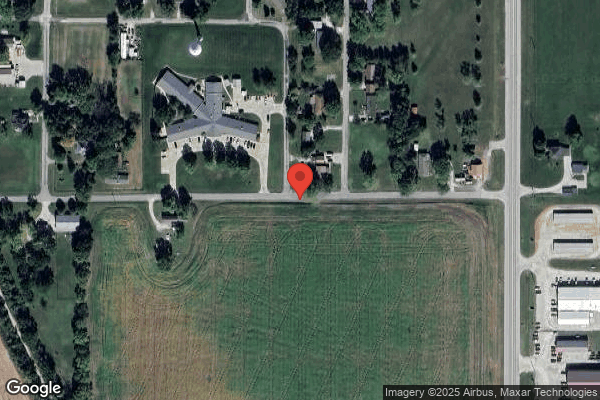
340 E SOUTH STREET, RICHMOND, KS 66080 (785) 835-6135
For profit - Corporation 60 Beds RECOVER-CARE HEALTHCARE Data: November 2025
Trust Grade
35/100
#277 of 295 in KS
Last Inspection: February 2025

Within standard 12-15 month inspection cycle. Federal law requires annual inspections.

Overview

Richmond Healthcare & Rehab Center has received a Trust Grade of F, indicating significant concerns and a poor overall reputation. In terms of rankings, it stands at #277 out of 295 facilities in Kansas, placing it in the bottom half of all state options and #3 out of 3 in Franklin County, meaning only one local facility is worse. The trend is worsening, with the number of issues found increasing dramatically from 2 in 2024 to 19 in 2025. Staffing is a notable concern, with a turnover rate of 62%, significantly higher than the state average of 48%, which may impact the quality of care. While the facility has not incurred any fines, which is a positive sign, the RN coverage is only average, and recent inspector findings raised alarms over inadequate performance evaluations for staff and the absence of a certified dietary manager, which could jeopardize residents' nutrition and safety. Overall, families should weigh these strengths and weaknesses carefully when considering this facility for their loved ones.

Trust Score
F
35/100
In Kansas
#277/295
Bottom 7%
Safety Record
Low Risk
No red flags
Inspections
Getting Worse
2 → 19 violations
Staff Stability
⚠ Watch
62% turnover. Above average. Higher turnover means staff may not know residents' routines.
Penalties
✓ Good
No fines on record. Clean compliance history, better than most Kansas facilities.
Skilled Nurses
○ Average
Each resident gets 39 minutes of Registered Nurse (RN) attention daily — about average for Kansas. RNs are the most trained staff who monitor for health changes.
Violations
⚠ Watch
39 deficiencies on record. Higher than average. Multiple issues found across inspections.
★☆☆☆☆
1.0
Overall Rating
★★☆☆☆
2.0
Staff Levels
★☆☆☆☆
1.0
Care Quality
★★☆☆☆
2.0
Inspection Score
Stable
2024: 2 issues
2025: 19 issues

The Good

  • Full Sprinkler Coverage · Fire safety systems throughout facility
  • No fines on record

Facility shows strength in fire safety.

The Bad

1-Star Overall Rating

Below Kansas average (2.9)

Significant quality concerns identified by CMS

Staff Turnover: 62%

16pts above Kansas avg (46%)

Frequent staff changes - ask about care continuity

Chain: RECOVER-CARE HEALTHCARE

Part of a multi-facility chain

Ask about local staffing decisions and management

Staff turnover is elevated (62%)

14 points above Kansas average of 48%

The Ugly 39 deficiencies on record

Feb 2025 19 deficiencies
CONCERN (D)

Potential for Harm - no one hurt, but risky conditions existed

Resident Rights (Tag F0550)

Could have caused harm · This affected 1 resident

The facility identified a census of 47 residents. The sample included 12 residents, with one resident reviewed for dignity. Based on observation, interview, and record review, the facility failed to p...

Read full inspector narrative →
The facility identified a census of 47 residents. The sample included 12 residents, with one resident reviewed for dignity. Based on observation, interview, and record review, the facility failed to provide a dignified care environment for Resident (R) 35 and R43. This deficient practice placed the residents at risk for impaired dignity and quality of life. Findings Included: - On 02/24/25 at 07:23 AM, Certified Nurse Aide (CNA) PP stood over R35 during the breakfast meal service. CNA PP fed R35 her breakfast standing over her for the entirety of her meal. On 02/24/25 at 12:20 PM, R43 sat in her electric wheelchair with her lunch. An unidentified staff member stood over R43 several times during meal service to assist by feeding her meal due to R43's difficulty using the silverware. On 02/26/25 at 10:03 AM, CNA N stated staff should never stand over the residents while assisting them with their meals. CNA N stated staff should be seated next to them. On 02/26/25 at 10:15 AM, Licensed Nurse (LN) G stated staff were to sit next to the residents while assisting them with their meals during meal service. She stated staff were to sit at the residents' level to help assist them and provide dignity. On 02/26/25 at 11:30 AM, Administrative Nurse D stated staff were expected to sit next to the residents while assisting them with the meals. The facility's Resident's Rights policy revised 02/2024 indicated the facility was to ensure a care environment that promotes dignity, choice, and respect for all residents. The facility failed to provide a dignified care environment for R35 and R43. This deficient practice placed the residents at risk for impaired dignity and quality of life.
CONCERN (D)

Potential for Harm - no one hurt, but risky conditions existed

Deficiency F0558 (Tag F0558)

Could have caused harm · This affected 1 resident

**NOTE- TERMS IN BRACKETS HAVE BEEN EDITED TO PROTECT CONFIDENTIALITY** The facility identified a census of 47 residents. The sample included 12 residents, with two residents reviewed for accommodatio...

Read full inspector narrative →
**NOTE- TERMS IN BRACKETS HAVE BEEN EDITED TO PROTECT CONFIDENTIALITY** The facility identified a census of 47 residents. The sample included 12 residents, with two residents reviewed for accommodation of needs. Based on observation, record review, and interviews, the facility failed to provide wheelchair foot pedals for Resident (R) 16's wheelchair while pushing her in the hall. This placed R16 at an increased risk for preventable falls and injuries. Findings included: - R16's Electronic Medical Record (EMR) from the Diagnosis tab documented diagnoses of anxiety (mental or emotional reaction characterized by apprehension, uncertainty, and irrational fear), bipolar disorder (a major mental illness that causes people to have episodes of severe high and low moods), diabetes mellitus (DM - when the body cannot use glucose, not enough insulin was made, or the body cannot respond to the insulin), sleep apnea (a disorder of sleep characterized by periods without respirations), asthma (a disorder of narrowed airways that causes wheezing and shortness of breath), muscle weakness, unsteadiness on feet, need for assistance with personal care, cognitive communication deficit, hypertension (high blood pressure), major depressive disorder (major mood disorder that causes persistent feelings of sadness), and dysphagia (swallowing difficulty). The Quarterly Minimum Data Set (MDS) dated [DATE] documented a Brief Interview of Mental Status (BIMS) score of six which indicated severely impaired cognition. The MDS documented R16 was impaired on both sides of her body in her upper extremities. The MDS documented R16 was dependent on staff for toileting and needed substantial to maximum assistance with bathing. The Annual MDS dated 07/19/24 documented a BIMS score of 14 which indicated intact cognition. The MDS documented R16 was impaired on both sides of her body in her upper extremities. The MDS documented R16 was dependent on staff for toileting and showers and required setup for eating and oral hygiene. R16's Functional Abilities (Self-Care and Mobility) Care Area Assessment (CAA) dated 07/19/24 documented staff were to continue to assist R16 with activities of daily living (ADL) and her mobility. The CAA documented staff were to ensure R16 was under standard fall precautions and were to monitor for decline in functional abilities and report to the physician immediately. Staff were to ensure R16 had breaks while performing ADLs. The CAA documented staff were to ensure R16's call light was within her reach. The Care Plan dated 08/30/21 documented staff were to ensure R16 was wearing appropriate non-skid footwear when ambulating or mobilizing in a wheelchair. R16's plan of care dated 12/26/23 documented R16 required assistance with ADLs related to her diagnosis. On 02/24/25 at 07:34 AM, R16 was pushed to her room from breakfast by Licensed Nurse (LN) G without foot pedals. LN G asks R16 to hold her feet up. On 02/24/25 at 12:43 PM, R16 was pushed up hall 300 to eat lunch without her foot pedals on her wheelchair by Certified Nurse's Aide (CNA) S. On 02/26/25 at 09:56 AM, CNA M stated some of the residents do not like having the foot pedals applied to their wheelchairs. CNA M stated staff should let the residents pedal themselves if they wish to not have pedals placed on their chairs. On 02/26/25 at 10:14 AM, LN G stated residents should have foot pedals on wheelchairs if staff are pushing the wheelchair. She stated pushing residents with pedals would be the safest. On 02/26/25 at 11:23 AM, Administrative Nurse D stated that many of our residents do not like having foot pedals on their wheelchairs. She stated that this should be care planned if residents do not want the foot pedals and staff are pushing the wheelchair. The facility's Accidents and Supervision policy, dated 02/01/20, documented that the resident environment remains as free of accident hazards as possible and that each resident receives adequate supervision and assistive devices to prevent accidents. The facility failed to provide wheelchair foot pedals for R16's wheelchair while pushing her in the hall. This placed R16 at increased risk for preventable falls and injuries.
CONCERN (D)

Potential for Harm - no one hurt, but risky conditions existed

Transfer Notice (Tag F0623)

Could have caused harm · This affected 1 resident

**NOTE- TERMS IN BRACKETS HAVE BEEN EDITED TO PROTECT CONFIDENTIALITY** The facility identified a census of 47 residents. The sample included 12 residents, with one resident reviewed for hospitalizati...

Read full inspector narrative →
**NOTE- TERMS IN BRACKETS HAVE BEEN EDITED TO PROTECT CONFIDENTIALITY** The facility identified a census of 47 residents. The sample included 12 residents, with one resident reviewed for hospitalization. Based on observation, record review, and interviews, the facility failed to provide written notification of the reason and location for the facility-initiated transfer for Resident (R ) 7. This deficient practice placed R7 at risk of delayed care or uncommunicated care needs. Findings Included: - The Medical Diagnosis section within R7's Electronic Medical Records (EMR) included diagnoses of muscle weakness, type two diabetes mellitus (DM - when the body cannot use glucose, not enough insulin is made, or the body cannot respond to the insulin), repeated falls, insomnia (difficulty sleeping), and dysphagia (difficulty swallowing). R7's Annual Minimum Data Set (MDS) completed 01/07/25 noted a Brief Interview for Mental Status (BIMS) score of nine indicating mild cognitive impairment. The MDS noted she had bilateral upper and lower extremity impairment. The MDS noted she required total staff assistance for bathing, toileting, dressing, bed mobility, and personal hygiene. R7's EMR recorded a Discharge Assessment-Return Anticipated MDS which recorded R7's discharge to the acute hospital on [DATE]. R7's Entry Tracking Record MDS documented that R7 returned to the facility on [DATE]. R7's Care Plan initiated on 01/04/23 indicated her goal was to remain at her long-term care facility. The plan noted she participated in rehabilitation therapy to improve her ability to complete her activities of daily living (ADL). R7's EMR under Progress Notes revealed a General Note complete on 01/11/25. The note revealed that R7 exhibited severe vomiting and was sent out to an acute care facility. R7's EMR under Progress Notes revealed a General Note completed on 01/14/25. The note revealed she returned to the facility. The EMR lacked documentation showing a written notification of transfer was provided to R7 or her representative. On 02/26/25 the facility was unable to provide written notification of transfer related to R7's hospitalization on 01/11/25. On 02/26/25 at 11:30 AM, Administrative Nurse D stated all residents were provided a bed-hold upon hospitalizations. She stated the facility used electronic forms and could provide the forms per the request of the resident or their representative. The facility failed to provide a policy related to notification of transfers as requested on 02/26/25. The facility failed to provide written notification of the reason and location for the facility-initiated transfer for R7. This deficient practice placed R7 at risk of delayed care or uncommunicated care needs.
CONCERN (D)

Potential for Harm - no one hurt, but risky conditions existed

Deficiency F0625 (Tag F0625)

Could have caused harm · This affected 1 resident

**NOTE- TERMS IN BRACKETS HAVE BEEN EDITED TO PROTECT CONFIDENTIALITY** The facility identified a census of 47 residents. The sample included 12 residents, with one resident reviewed for hospitalizati...

Read full inspector narrative →
**NOTE- TERMS IN BRACKETS HAVE BEEN EDITED TO PROTECT CONFIDENTIALITY** The facility identified a census of 47 residents. The sample included 12 residents, with one resident reviewed for hospitalization. Based on observations, interviews, and record review, the facility failed to provide a copy of the facility bed hold policy to Resident (R) 7 and/or their representative, with a written notice specifying the duration and cost of the bed hold, at the time of R7's transfer to the hospital. This placed the resident at risk for impaired rights. Findings Included: - The Medical Diagnosis section within R7's Electronic Medical Records (EMR) included diagnoses of muscle weakness, type two diabetes mellitus (DM - when the body cannot use glucose, not enough insulin is made, or the body cannot respond to the insulin), repeated falls, insomnia (difficulty sleeping), and dysphagia (difficulty swallowing). R7's Annual Minimum Data Set (MDS) completed 01/07/25 noted a Brief Interview for Mental Status (BIMS) score of nine indicating mild cognitive impairment. The MDS noted she had bilateral upper and lower extremity impairment. The MDS noted she required total staff assistance for bathing, toileting, dressing, bed mobility, and personal hygiene. R7's EMR recorded a Discharge Assessment-Return Anticipated MDS which recorded R7's discharge to the acute hospital on [DATE]. R7's Entry Tracking Record MDS documented that R7 returned to the facility on [DATE]. R7's Care Plan initiated on 01/04/23 indicated her goal was to remain at her long-term care facility. The plan noted she participated in rehabilitation therapy to improve her ability to complete her activities of daily living (ADL). R7's EMR under Progress Notes revealed a General Note complete on 01/11/25. The note documented that R7 exhibited severe vomiting and was sent out to an acute care facility. R7's EMR under Progress Notes revealed a General Note completed on 01/14/25. The note documented she returned to the facility. R7's clinical record lacked documentation for the completed bed hold related to her hospitalization on 01/11/25. On 02/26/25 the facility was unable to provide the bed-hold related to R7's hospitalization on 01/11/25. On 02/26/25 at 11:30 AM, Administrative Nurse D stated all residents were provided a bed-hold upon hospitalizations. She stated the facility used electronic forms and could provide the forms per the request of the resident or their representative. The facility's Bed Hold Notice policy revised 02/2024 indicated the facility would provide a written bed hold to each resident and/or representative regardless of the payment source. The facility failed to provide a copy of the facility bed hold policy to R7 and/or their representative, with a written notice specifying the duration and cost of the bed hold policy, at the time of the resident's two transfers to the hospital. This placed the resident at risk for impaired rights.
CONCERN (D)

Potential for Harm - no one hurt, but risky conditions existed

Assessment Accuracy (Tag F0641)

Could have caused harm · This affected 1 resident

The facility identified a census of 47 residents. The sample included 12 residents, with 12 residents whose Minimum Data Set (MDS) were reviewed. Based on observation, record review, and interviews, t...

Read full inspector narrative →
The facility identified a census of 47 residents. The sample included 12 residents, with 12 residents whose Minimum Data Set (MDS) were reviewed. Based on observation, record review, and interviews, the facility failed to complete an accurate MDS assessment for Resident (R) 35's status regarding admission to hospice services. This deficient practice placed R35 at risk for inappropriate care planning and care needs. Findings included: - R35's Electronic Medical Record (EMR) from the Diagnosis tab documented diagnoses of dementia (a progressive mental disorder characterized by failing memory and confusion), anxiety (mental or emotional reaction characterized by apprehension, uncertainty, and irrational fear), and major depressive disorder (major mood disorder that causes persistent feelings of sadness). The Significant Change MDS dated 11/26/24 documented a Brief Interview of Mental Status (BIMS) score of five which indicated severely impaired cognition. The MDS documented R35 was dependent on staff assistance for her activities of daily living (ADL). R35's MDS lacked indication she had received hospice services during the observation period. R35's Functional Abilities (Self-Care and Mobility) Care Area Assessment (CAA) dated 12/20/24 documented she was dependent on staff assistance for ADLs. R35's Care Plan dated 11/19/24 documented staff would consult with hospice if her pain was not controlled with the present medication regimen. R35's EMR under the Orders tab revealed the following physician orders: Admit to hospice services on 11/14/24. On 02/25/25 at 01:10 PM, R35 sat upright in her Broda chair (specialized wheelchair with the ability to tilt and recline) at the dining room table after lunch. On 02/26/25 at 11:31 AM, Administrative Nurse D stated the person who completed the MDS nurse worked remotely. Administrative Nurse D stated the facility would notify the MDS nurse after a resident was admitted to a hospice provider. Administrative Nurse D stated she would have expected a modification would have been completed for the Significant Change MDS dated 11/26/24 which would have R35 had received hospice services during the observation period. The facility's MDS 3.0 Completion policy dated 03/24/23 documented the residents are assessed, using a comprehensive assessment process, to identify care needs and to develop an interdisciplinary care plan. Significant Change in Status Assessment is required when a resident enrolls in a hospice program or changes hospice providers and remains in the facility, or a resident in the facility receiving hospice services discontinues those services (known as revocation of hospice care) and remains in the facility. The facility failed to accurately document R35's status on the MDS for her admission to hospice services. This deficiency placed R35 at risk for inappropriate care planning and care needs.
CONCERN (D)

Potential for Harm - no one hurt, but risky conditions existed

ADL Care (Tag F0677)

Could have caused harm · This affected 1 resident

**NOTE- TERMS IN BRACKETS HAVE BEEN EDITED TO PROTECT CONFIDENTIALITY** The facility identified a census of 47 residents. The sample included 12 residents, with one resident reviewed for activities of...

Read full inspector narrative →
**NOTE- TERMS IN BRACKETS HAVE BEEN EDITED TO PROTECT CONFIDENTIALITY** The facility identified a census of 47 residents. The sample included 12 residents, with one resident reviewed for activities of daily living (ADL) care. Based on observation, record review, and interviews, the facility failed to ensure staff assisted Resident (R) 16 with grooming and face shaving. This deficient practice placed R16 at risk for impaired dignity, comfort, and a further decline in ADLs. Findings Included: - R16's Electronic Medical Record (EMR) from the Diagnosis tab documented diagnoses of anxiety (mental or emotional reaction characterized by apprehension, uncertainty, and irrational fear), bipolar disorder (a major mental illness that causes people to have episodes of severe high and low moods), diabetes mellitus (DM - when the body cannot use glucose, not enough insulin is made, or the body cannot respond to the insulin), sleep apnea (a disorder of sleep characterized by periods without respirations), asthma (a disorder of narrowed airways that causes wheezing and shortness of breath), muscle weakness, unsteadiness on feet, need for assistance with personal care, cognitive communication deficit (an impairment in organization, sequencing, attention, memory, planning, problem-solving, and safety awareness), hypertension (high blood pressure), major depressive disorder (major mood disorder that causes persistent feelings of sadness), and dysphagia (swallowing difficulty). The Quarterly Minimum Data Set (MDS) dated [DATE] documented a Brief Interview of Mental Status (BIMS) score of six which indicated severely impaired cognition. The MDS documented R16 was impaired on both sides of her body in her upper extremities. The MDS documented R16 was dependent on staff for toileting and needed substantial to maximum assistance with bathing. The Annual MDS dated [DATE] documented a Brief Interview of Mental Status (BIMS) score of 14 which indicated intact cognition. The MDS documented R16 was impaired on both sides of her body, in her upper extremities. The MDS documented R16 was dependent on staff for toileting and showers and required setup for eating and oral hygiene. R16's Functional Abilities (Self-Care and Mobility) Care Area Assessment (CAA) dated 07/19/24 documented staff were to continue to assist R16 with ADLs and her mobility. The CAA documented staff were to ensure R16 was using the standard fall precautions and were to monitor for decline in functional abilities and report to the physician immediately. Staff were to ensure R16 had breaks while performing ADLs. The CAA documented staff were to ensure R16's call light was within her reach. R16's Care Plan dated 12/26/23 documented R16 required assistance with ADLs related to her diagnosis. R16's plan of care documented she often refuses a bath or shower, and staff were to remind her of the importance of hygiene. Staff were to offer R16 a washcloth and soapy water for a sponge bath. R16's EMR lacked documentation of refusals for bathing or shaving her face. On 02/24/25 at 08:55 AM, R16 sat in the hallway waiting to go back to her room. R16's hair was matted to the right side of her head, her blue shirt had food on the front of it. R16's face had long gray whiskers. On 02/24/25 at 11:44 AM, R16 sat in her room in her wheelchair, R16's face remained with food on her shirt and face, and her face remained unshaven. On 02/26/24 at 09:56 AM, Certified Nurse Aide (CNA) M stated all residents should have clean clothes, their hair combed, and their face shaved. She stated it was the CNAs who ensured residents had clean clothes and shaved. CNA M stated if a resident refused care the CNA M would inform the nurse. On 02/26/25 at 10:14 AM, Licensed Nurse (LN) G stated all residents should be clean, and shaven and have their hair combed. LN G stated it was all staff duty to ensure residents were well groomed. LN G stated the CNAs have bathing sheets, if a resident refused grooming or bathing, the CNA would put that on the sheet and turn the sheet in to the Director of Nursing. On 02/26/25 at 11:23 AM, Administrative Nurse D stated it was all nursing staff's duties to ensure all residents were clean, were offered bathing, and the resident's faces were shaven. Administrative Nurse D stated residents' preferences to have their face shaved should be placed on the care plan, and refusals for bathing or care should be documented. The facility's Activities of Daily Living (ADL) dated 12/24/24 documented that the facility would ensure a resident's abilities in ADLs would not deteriorate unless deterioration was unavoidable. A resident who was unable to carry out activities of daily living would receive the necessary services to maintain good nutrition, grooming, and personal and oral hygiene. The facility would maintain the individual objectives of the care plan and would review the care plan as needed. The facility failed to ensure staff assisted R16 with grooming and facial shaving. This deficient practice placed R16 at risk for impaired dignity and a further decline in ADLs.
CONCERN (D)

Potential for Harm - no one hurt, but risky conditions existed

Quality of Care (Tag F0684)

Could have caused harm · This affected 1 resident

**NOTE- TERMS IN BRACKETS HAVE BEEN EDITED TO PROTECT CONFIDENTIALITY** The facility identified a census of 47 residents. The sample included 12 residents, with one resident reviewed for quality of ca...

Read full inspector narrative →
**NOTE- TERMS IN BRACKETS HAVE BEEN EDITED TO PROTECT CONFIDENTIALITY** The facility identified a census of 47 residents. The sample included 12 residents, with one resident reviewed for quality of care. Based on observation, record review, and interviews, the facility failed to follow a physician's order for weekly weights to monitor Resident (R) 17 for fluid overload. This deficient practice placed R17 at risk for delay in treatment related to fluid overload and untreated illness. Findings included: - R17's Electronic Medical Record (EMR) from the Diagnosis tab documented diagnoses of congestive heart failure (CHF - a condition with low heart output and the body becomes congested with fluid), diabetes mellitus (DM - when the body cannot use glucose, not enough insulin is made, or the body cannot respond to the insulin), chronic obstructive pulmonary disease (COPD - a progressive and irreversible condition characterized by diminished lung capacity and difficulty or discomfort in breathing), anemia (an inadequate number of healthy red blood cells to carry adequate oxygen to body tissues), muscle weakness, obesity (excessive body fat), hypoxia (inadequate supply of oxygen), unsteadiness on feet, fibromyalgia (condition of musculoskeletal pain, spasms, stiffness, fatigue, and severe sleep disturbance), and dysphagia (swallowing difficulty). The Quarterly Minimum Data Set (MDS) dated [DATE] documented a Brief Interview of Mental Status (BIMS) of 12 which indicated moderately impaired cognition. The MDS documented R17 had impairment on both sides of her body. The MDS documented R17 required partial to moderate assistance with toileting. The MDS documented R17 received a diuretic (medication to promote the formation and excretion of urine) during the observation period. The Significant Change MDS dated 05/06/24 documented R17 had a BIMS of 14 which indicated intact cognition. The MDS documented R17 was impaired on both sides of her body. The MDS documented R17 required clean-up assistance with toileting. The MDS documented R17 received a diuretic during the observation period. R17's Urinary Incontinence and Indwelling Catheter Care Area Assessment (CAA) dated 05/06/24 documented R17 was monitored for complications associated with incontinence, toileting hygiene, and toileting transfers. The CAA documented the physician would be notified of any changes in patient skin and activities of daily living (ADL). The CAA documented peri care and brief changes would be administered by staff. R17's Care Plan dated 05/02/24 documented R17 had CHF, and desired to lose weight through diuretics. R17's plan of care documented staff would monitor R17's weight. R17's plan of care documented staff would weigh R17 weekly, per the recommendation of the physician related to diuretic use. R17's plan of care dated 07/19/23 documented staff would administer diuretic medications as ordered by the physician and monitor for side effects and effectiveness every shift. R17's EMR under the Orders tab dated 04/27/21 revealed the following physician orders: Torsemide (diuretic) tablet 40 milligrams (mg); give one tablet by mouth in the morning for CHF dated 01/16/24. Weekly weights every Thursday dated 11/7/24. Review of R17's Medication Administration Record (MAR) from 11/07/24 to 02/25/24 (15 weeks) lacked evidence staff measured and recorded R17's weight on the following dates 12/19, 12/26, 01/09, 01/23, 01/30, 02/20. R17's clinical record lacked documentation of physician notification the weekly weights were not obtained and lacked evidence R17 refused to be weighed. On 02/25/25 at 08:19 AM R17 sat on the side of her bed, waiting for her breakfast to arrive in her room. On 02/26/24 at 09:56 AM, Certified Nursing Aide (CNA) M stated nursing would let the CNA staff know if a resident needed to be weighed. CNA M stated the nurses usually made a list of residents who needed to be weighed. CNA M stated if the resident was not weighed on the date scheduled, the CNA would try to get the weight the following day. On 02/26/25 at 10:14 AM, Licensed Nurse (LN) G stated the weights for residents are on the nursing Treatment Administration Record (TAR). She stated the nurse would let the CNAs know what residents needed to be weighed each morning. LN G stated she would not notify the physician of non-completed or refusal of weights. On 02/26/25 at 11:23 AM, Administrative Nurse D stated the CNAs got the residents' weight as each resident would get up in the morning. She stated the weights were given to the nurse to put in the resident's EMR. Administrative Nurse D stated if a nurse was unable to obtain the weight, the physician would be notified. The facility's Provision of Physician Ordered Services dated 12/12/24 documented that this policy was to provide a reliable process for the proper and consistent provision of physician-ordered services according to professional standards of quality. The facility failed to follow a physician's order for weekly weights to monitor R17 for fluid overload. This deficient practice placed R17 at risk for a delay in treatment related to fluid overload and untreated illness.
CONCERN (D)

Potential for Harm - no one hurt, but risky conditions existed

Accident Prevention (Tag F0689)

Could have caused harm · This affected 1 resident

**NOTE- TERMS IN BRACKETS HAVE BEEN EDITED TO PROTECT CONFIDENTIALITY** - R32's Electronic Medical Record (EMR) from the Diagnosis tab documented diagnoses of unsteadiness on feet, muscle weakness, fr...

Read full inspector narrative →
**NOTE- TERMS IN BRACKETS HAVE BEEN EDITED TO PROTECT CONFIDENTIALITY** - R32's Electronic Medical Record (EMR) from the Diagnosis tab documented diagnoses of unsteadiness on feet, muscle weakness, fractured right femur (broken thigh bone), and dementia (a progressive mental disorder characterized by failing memory and confusion). The Significant Change Minimum Data Set (MDS) dated [DATE] documented R32 had severely impaired cognition. The MDS documented R32 had no falls since admission or the previous MDS. The MDS documented R32 was dependent on staff assistance for transfers and bed mobility during the observation period. The MDS documented R32 had no limitation in her functional range of motion (ROM - the full movement potential of a joint, usually its range of flexion and extension). The Quarterly MDS dated 12/13/24 documented R32 had severely impaired cognition. The MDS documented that R32 had no falls since admission or the previous MDS. The MDS documented R32 had limited ROM in her bilateral extremities. The MDS documented R32 was dependent on staff for transfers and bed mobility. R32's Falls Care Area Assessment (CAA) dated 03/25/24 documented she was a high fall risk, and she was unaware of safety issues. R32 had not had a fall since 05/01/23. R32's Care Plan dated 08/05/22 documented she had an unwitnessed fall and directed the nursing staff to place a fall mat on the floor beside her bed and place the bed in the lowest position. The plan of care directed the nursing staff to be sure her call light was within her reach and to respond promptly to all requests for assistance. The plan of care dated 11/08/22 documented R32 had an unwitnessed fall and had obtained laboratory work. The plan of care dated 04/18/23 documented R32 had an unwitnessed fall and her antipsychotic (a class of medications used to treat major mental conditions that cause a break from reality) medication was restarted. The plan of care dated 05/11/23 documented R32 had an unwitnessed non-injury fall and directed staff to assist her to the bathroom immediately after meals and before bedtime. The plan of care dated 01/03/25 R32 had a witnessed fall and directed the nursing staff to use foot pedals on her wheelchair when staff pushed her wheelchair. R32's EMR under the Progress Notes tab revealed the following Einteract Situation, Background, Assessment, Recommendation (SBAR) summary for providers situation note dated 01/03/25 at 10:20 AM documented R32 had a fall, and the intervention was to use foot pedals when pushing her in the wheelchair. On 02/24/25 at 11:53 AM, R32 sat asleep in her wheelchair, in her room. R32's two call lights were pinned onto the call light cords on the other side of her bed, out of her reach. On 02/25/25 at 07:36 AM, Certified Nurse Aide (CNA) M pushed R32 from her room to the dining room in her wheelchair without foot pedals on the wheelchair. R32's feet slid on the floor as CNA M pushed her to the dining room. On 02/26/25 at 09:55 AM, CNA N stated a resident's call light should always be within their reach. CNA N stated everyone had access to the resident's care plan. CNA N stated the fall interventions could be found on the Kardex (a nursing tool that gives a brief overview of the care needs of each resident). CNA N stated some residents were able to propel themselves in their wheelchairs and did not use foot pedals. CNA N stated the nursing staff should use foot pedals when pushing the resident in their wheelchair if a resident cannot lift their feet. On 02/26/25 at 10:14 AM, Licensed Nurse (LN) G stated the residents should have foot pedals on their wheelchairs when staff pushed the residents. LN G stated a resident's call light should always be within their reach. LN G stated it was the nurse's responsibility to ensure the fall interventions were in place. On 02/26/25 at 11:31 AM, Administrative Nurse D stated she would expect R32 to have foot pedals on her wheelchair when staff pushed the chair. Administrative Nurse D stated that R32 had fallen out of her wheelchair on 01/03/25 when hospice staff was pushing R32 to the shower room. Administrative Nurse D stated that R32 had put her feet down and fell forward out of her wheelchair. Administrative Nurse D stated call lights should always be placed within a resident's reach. The facility's Accidents and Supervision policy dated 02/02/20 documented that the resident environment remained as free of accident hazards as possible. Each resident received adequate supervision and assistive devices to prevent accidents. These included: identifying hazards and risks, evaluating, and analyzing hazards, implementing interventions to reduce hazards and risks, monitoring for effectiveness, and modifying interventions when necessary. The facility failed to ensure R32's foot pedals were placed on her wheelchair when pushed her to the dining room. The facility further failed to ensure R32's call light was within her reach. These deficient practices placed R32 at risk of falls and possible injuries. The facility reported a census of 47 residents. The sample included 12 residents, with 5 reviewed for accidents. Based on observations, record reviews, and interviews, the facility failed to ensure a safe care environment related to the following Residents (R) 29, R33, and R32. This deficient practice placed the residents at risk for preventable accidents and injuries. Findings Included: - The Medical Diagnosis section within R29's Electronic Medical Records (EMR) included diagnoses of Alzheimer's disease (progressive mental deterioration characterized by confusion and memory failure), type two diabetes mellitus (DM - when the body cannot use glucose, not enough insulin is made, or the body cannot respond to the insulin), cognitive-communication disorder (an impairment in organization, sequencing, attention, memory, planning, problem-solving, and safety awareness), weakness, and history of falls. R29's Quarterly Minimum Data Set (MDS) completed 02/03/25 noted a Brief Interview for Mental Status (BIMS) score of zero indicating severe cognitive impairment. The MDS noted she had bilateral lower extremity impairment. The MDS noted she used a wheelchair for mobility. The MDS noted she required total staff assistance for bathing, toileting, bed mobility, dressing, transfers, and personal hygiene. The MDS noted she was at risk for falls and had one minor injury fall. R29's Falls Care Area Assessment (CAA) completed 12/27/24 noted she was at risk for falls related to her medical diagnoses, medications, and a recent fall. The CAA noted a plan was created to minimize the risk. R29's Care Plan initiated on 10/14/21 indicated she was dependent on staff assistance for meals, oral hygiene, toileting, bathing, dressing, personal hygiene, transfers, and wheelchair mobility. The plan noted she was at risk for falls related to her impaired mobility and gait problems. The plan noted she had a history of unwitnessed non-injury falls. The plan instructed staff to ensure her call light was within reach and her room remained clutter-free. The plan noted she had a non-skid strip placed on the floor next to her bed and used a fall mat while in bed. The plan noted she had a non-injury fall from her bed on 01/31/25 and was to have a perimeter mattress to reduce the risks of further falls. On 02/25/25 at 08:30 AM, an inspection of R29's room was completed. R29's bed was in a low position with her fall mat against the wall. Her room had a non-skid strip on the floor next to her bed. R29's bed lacked a perimeter mattress. On 02/26/25 at 09:08 AM, an inspection of R29's bed revealed no perimeter mattress. On 02/26/25 at 09:10 AM, Certified Nurse Aide (CNA) Q stated staff should inspect each resident's room to ensure the fall interventions were in place. On 02/26/25 at 10:14 AM, Licensed Nurse (LN) G stated staff were expected to ensure all fall interventions were in place during each shift. She stated all direct care staff had access to the care plans and were expected to follow the interventions. On 02/26/25 at 11:23 AM, Administrative Nurse D stated staff were expected to review each resident's care plans and ensure the implemented interventions were in place. The facility's Accident and Supervision policy revised 01/2024 indicated the facility provided an environment free from potential accidents. The policy indicated that at-risk residents would be provided with individualized care plan interventions. The policy indicated staff would ensure the interventions were implemented correctly and consistently. The facility failed to ensure a safe care environment related to following R29's preventative fall interventions. This deficient practice placed R29 at risk for preventable falls and injuries. - The Medical Diagnosis section within R33's Electronic Medical Records (EMR) included diagnoses of dementia (a progressive mental disorder characterized by failing memory and confusion), insomnia (difficulty sleeping), and repeated falls. R33's Quarterly Minimum Data Set (MDS) completed 12/02/24 noted a Brief Interview for Mental Status (BIMS) score of zero indicating severe cognitive impairment. The MDS noted she had bilateral upper and lower extremity impairments. The MDS noted she used a wheelchair. The MDS noted she was totally dependent on staff assistance for bathing, dressing, bed mobility, transfers, personal hygiene, and toileting. The MDS noted no falls since her last assessment. R33's Falls Care Area Assessment (CAA) completed 11/18/24 indicated she was at high risk for falls related to her medical diagnoses, medications, and history of falls. The CAA indicated that a care plan was completed to reduce the risks related to falls. R33's Care Plan initiated on 10/18/22 indicated she was dependent on staff assistance for meals, oral hygiene, toileting, bathing, dressing, personal hygiene, transfers, and wheelchair mobility. The plan noted she transferred with a Sit-to-Stand lift. The plan noted she was at risk for falls related to her impaired mobility and gait problems. The plan instructed staff to anticipate her needs, ensure her room was free from clutter, and have a fall mat next to her bed. The plan noted she was to keep a Dycem (non-slip mat used for stabilization and grip to prevent slipping) mat in her wheelchair related to an unwitnessed fall on 11/22/22. The plan noted her wheelchair was switched to a Broda chair (specialized wheelchair with the ability to tilt and recline) on 10/18/23. On 02/25/25 at 08:02 AM, R33 sat in her Broda chair in front of the television in the main lobby area. R33's chair had no Dycem underneath her. On 02/26/25 at 09:08 AM, R33 was moved from her Broda chair to her bed. R33 had no Dycem in her chair. On 02/26/25 at 09:10 AM, Certified Nurse Aide (CNA) Q stated sometimes the Dycem didn't get transferred or put back in place after moving her from her bed. On 02/26/25 at 10:14 AM, Licensed Nurse (LN) G stated staff were expected to ensure all fall interventions were in place during each shift. She stated all direct care staff had access to the care plans and were expected to follow the interventions. She stated that R33's chair was switched to a broad chair and may not have needed the Dycem. On 02/26/25 at 11:23 AM, Administrative Nurse D stated staff were expected to review each resident's care plans and ensure the implemented interventions were in place. The facility's Accident and Supervision policy revised 01/2024 indicated the facility provided an environment free from potential accidents. The policy indicated that at-risk residents will be provided with individualized care plan interventions. The policy indicated staff will ensure the interventions were implemented correctly and consistently. The facility failed to ensure a safe care environment related to following R33's preventative fall interventions. This deficient practice placed R33 at risk for preventable falls and injuries.
CONCERN (D)

Potential for Harm - no one hurt, but risky conditions existed

Respiratory Care (Tag F0695)

Could have caused harm · This affected 1 resident

**NOTE- TERMS IN BRACKETS HAVE BEEN EDITED TO PROTECT CONFIDENTIALITY** The facility identified a census of 47 residents. The sample included 12 residents, with one resident reviewed for respiratory c...

Read full inspector narrative →
**NOTE- TERMS IN BRACKETS HAVE BEEN EDITED TO PROTECT CONFIDENTIALITY** The facility identified a census of 47 residents. The sample included 12 residents, with one resident reviewed for respiratory care. Based on observation, record review, and interviews, the facility failed to ensure Resident (R) 15's nebulizer (a device that changes liquid medication into a mist easily inhaled into the lungs) mask and nasal cannula were stored in a sanitary manner. This placed R15 at an increased risk for respiratory infection and complications. Findings included: - R15's Electronic Medical Record (EMR) from the Diagnosis tab documented diagnoses of chronic obstructive pulmonary disease (COPD - a progressive and irreversible condition characterized by diminished lung capacity and difficulty or discomfort in breathing), major depressive disorder (major mood disorder that causes persistent feelings of sadness), myocardial infarction (heart attack), rhabdomyolysis (breakdown of damaged skeletal tissue), bipolar disorder (a major mental illness that causes people to have episodes of severe high and low moods), dysphagia (swallowing difficulty), anxiety (mental or emotional reaction characterized by apprehension, uncertainty, and irrational fear), assistance with personal care, muscle weakness, hypertension (high blood pressure), unsteadiness of feet, and Parkinson's disease (a slowly progressive neurologic disorder characterized by resting tremors, rolling of the fingers, masklike faces, shuffling gait, muscle rigidity, and weakness). The Quarterly Minimum Data Set (MDS) dated [DATE] documented a Brief Interview of Mental Status (BIMS) score of 15 which indicated intact cognition. The MDS documented R15 was impaired on both sides of her body. The MDS documented R15 was dependent on staff for bathing and needed substantial to maximum assistance for toileting and oral hygiene. The Annual MDS dated 04/09/24 documented a Brief Interview of Mental Status (BIMS) score of 15 which indicated intact cognition. The MDS documented R15 required set-up and clean-up assistance for eating, bathing, and dressing. R15 required substantial to maximum assistance for toileting. R15's The Functional Abilities (Self-care and Mobility) Care Area Assessment (CAA) dated 04/09/24 documented staff would continue to assist R15 with care. R15's Care Plan dated 12/04/22 documented R15 required the use of supplemental oxygen and was at risk for complications. R15 would maintain adequate oxygenation daily. R15's plan of care documented staff were to change oxygen tubing and rinse filters weekly. R15's plan of care lacked documentation for storing the nebulizer when not in use. R15's EMR under the Orders tab revealed the following physician orders: Nursing was to change oxygen (O2) or nebulizer tubing and rinse the filter weekly, every Sunday night shift, and date each component. For oxygen use, nursing was to date tubing when changed and to add the number of liters ordered for the resident to the sticker on the tank, dated 04/09/23. Ipratropium-Albuterol inhalation solution (medication inhaled to open airways) 2.5-3.0 give 3 milligrams (mg)per 3 milliliters (ml) nursing to give one vial nebulizer every six hours for wheezing as needed and shortness of breath, dated 04/19/24. On 02/24/25 at 07:35 AM, R15 laid on her bed asleep, with her nasal cannula in place. R15's nebulizer mask laid directly on her bedside table. At the bottom of R15's bed sat an oxygen tank. The green oxygen tank sat on a stand, and a nasal cannula was wrapped around the handle. R15's nebulizer mask and nasal cannula were not stored in a sanitary manner. On 02/26/25 at 09:56 AM, Certified Nurse Aide (CNA) M stated staff should place the nebulizer and nasal cannula, when not in use, in a bag labeled with the resident's name. On 02/26/25 at 10:14 AM, Licensed Nurse (LN) G stated all respiratory equipment should be placed in an appropriate bag, labeled with the resident's name when the resident was not using the equipment. On 02/26/25 at 11:23 AM, Administrative Nurse D stated all staff were responsible for ensuring the respiratory equipment not in use was contained in a sanitary bag. The facility's Oxygen Administration policy dated 01/08/24 documented oxygen was administered to residents who needed it, consistent with professional standards of practice, the comprehensive person-centered care plans, and the residents' goals and preferences. Staff would perform hand hygiene and don gloves when administering oxygen or when in contact with oxygen equipment. Staff would follow manufacturer recommendations for the frequency of cleaning equipment filters, and change oxygen/mask weekly and as needed. Staff were to keep delivery devices covered in plastic bags when not in use. The facility failed to ensure R15's nebulizer mask and nasal cannula were stored in a sanitary manner. This deficient practice placed R15 at an increased risk for respiratory infection and complications.
CONCERN (D)

Potential for Harm - no one hurt, but risky conditions existed

Deficiency F0744 (Tag F0744)

Could have caused harm · This affected 1 resident

**NOTE- TERMS IN BRACKETS HAVE BEEN EDITED TO PROTECT CONFIDENTIALITY** The facility identified a census of 47 residents. The sample included 12 residents, with four reviewed for dementia (a progressi...

Read full inspector narrative →
**NOTE- TERMS IN BRACKETS HAVE BEEN EDITED TO PROTECT CONFIDENTIALITY** The facility identified a census of 47 residents. The sample included 12 residents, with four reviewed for dementia (a progressive mental disorder characterized by failing memory, and confusion) care. Based on interviews, record reviews, and observations, the facility failed to provide dementia-related care services for Resident (R) 91 to promote the resident's highest practicable level of well-being. This deficient practice placed R91 at risk for decreased quality of life, isolation, and impaired dignity. Findings Included: - The Medical Diagnosis section within R91's Electronic Medical Records (EMR) included diagnoses of dementia (a progressive mental disorder characterized by failing memory and confusion), anemia (an inadequate number of healthy red blood cells to carry adequate oxygen to body tissues), thrombocytopenia (abnormally low number of platelets, the parts of the blood that help blood to clot, sometimes associated with abnormal bleeding), kidney disease (damage to the kidneys that impairs their ability to filter waste products from the blood and produce urine), hypokalemia (low level of potassium in the blood), hyperlipidemia (condition of elevated blood lipid levels), muscle weakness, difficulty in walking, unsteadiness on feet, lack of coordination, and major depressive disorder (major mood disorder that causes persistent feelings of sadness). R91's EMR indicated she was admitted on [DATE]. R91's EMR indicated admission Minimum Data Set (MDS) was in process. R91's EMR indicated the Care Area Assessments (CAA) were not completed due to her new admission. R91's Care Plan initiated 02/11/25 indicated she resided on the Memory Care Unit related to her severe cognitive impairment. The plan noted she had poor safety judgment and was a risk for elopement. The plan noted she wore a Wander Guard (a bracelet that helps monitor residents who are at risk of wandering) bracelet due to her elopement risk. The plan instructed staff to provide meaningful activities, directional cues, and activities to distract the resident from elopement behaviors. On 02/24/25 at 07:00 AM, R91 wandered around the secured Memory Care Unit. R91 went into R32's room and began digging through R32's personal items in the room. Staff directed R91 to come out of R32's room and sit at the table for breakfast. On 02/25/25 at 08:30 PM, R91 was left unsupervised by the Memory Care close to the patio exit doors. Upon hearing the facility's fire alarm, R91 attempted multiple times to open the patio door without staff intervention. On 02/25/25 at 09:07 AM, R91 was left alone to push on the patio doors without staff intervention. On 02/25/25 at 01:14 PM, R91 attempted to push through the dining room exit doors. On 02/26/25 at 10:13 AM, Certified Nurse Aide (CNA) M stated staff were expected to keep the cognitively impaired residents out of other resident's rooms. She stated staff were to provide supervision, activities, and redirection to help prevent wandering or elopement attempts. On 02/26/25 at 10:30 AM, Licensed Nurse G stated staff were expected to closely monitor wandering residents and ensure the were safe. She stated staff were expected to provide ongoing supervision to prevent potential elopement from the rear doors. On 02/26/25 at 11:30 AM, Administrative Nurse D stated the direct care staff were expected to monitor the exit doors in case they became unlocked, or the memory care residents attempt to exit. She stated the residents should not be entering other resident's room and staff were expected to redirect them from entering other rooms. The facility was unable to provide a policy related to dementia care as requested on 02/26/25. The facility failed to provide dementia-related care services for R91 to promote the resident's highest practicable level of well-being. This deficient practice placed R91 at risk for decreased quality of life, isolation, and impaired dignity.
CONCERN (D)

Potential for Harm - no one hurt, but risky conditions existed

Deficiency F0849 (Tag F0849)

Could have caused harm · This affected 1 resident

**NOTE- TERMS IN BRACKETS HAVE BEEN EDITED TO PROTECT CONFIDENTIALITY** The facility identified a census of 47 residents. The sample included 12 residents, with three residents reviewed for hospice (a...

Read full inspector narrative →
**NOTE- TERMS IN BRACKETS HAVE BEEN EDITED TO PROTECT CONFIDENTIALITY** The facility identified a census of 47 residents. The sample included 12 residents, with three residents reviewed for hospice (a type of health care that focuses on the terminally ill patient's pain and symptoms and attending to their emotional and spiritual needs at the end of life) services. Based on observation, record review, and interview, the facility failed to ensure a coordinated plan of care, which coordinated care and services provided by the facility with the care and services provided by hospice, was developed and available for Resident (R) 15. This placed the resident at risk for inappropriate end-of-life care. Finding Included: - R15's Electronic Medical Record (EMR) from the Diagnosis tab documented diagnoses of chronic obstructive pulmonary disease (COPD - a progressive and irreversible condition characterized by diminished lung capacity and difficulty or discomfort in breathing), major depressive disorder (major mood disorder that causes persistent feelings of sadness), myocardial infarction (heart attack), rhabdomyolysis (breakdown of damaged skeletal tissue), bipolar disorder (a major mental illness that causes people to have episodes of severe high and low moods), dysphagia (swallowing difficulty), anxiety (mental or emotional reaction characterized by apprehension, uncertainty, and irrational fear), assistance with personal care, muscle weakness, hypertension (high blood pressure), unsteadiness of feet, and Parkinson's disease (a slowly progressive neurologic disorder characterized by resting tremors, rolling of the fingers, masklike faces, shuffling gait, muscle rigidity, and weakness). The Quarterly Minimum Data Set (MDS) dated [DATE] documented a Brief Interview of Mental Status (BIMS) score of 15 which indicated intact cognition. The MDS documented R15 was impaired on both sides of her body. The MDS documented R15 was dependent on staff for bathing and needed substantial to maximum assistance for toileting and oral hygiene. The Annual MDS dated 04/09/24 documented a BIMS score of 15 which indicated intact cognition. The MDS documented R15 required assistance with set-up and clean-up for eating, bathing, and dressing. R15 required substantial to maximum assistance for toileting. R15's The Functional Abilities (Self-care and Mobility) Care Area Assessment (CAA) dated 04/09/24 documented staff would continue to assist R15 with care. R15's Care Plan dated 01/29/25 documented R15 was admitted to hospice with a terminal illness. R15's plan of care documented her symptoms would be managed by interventions throughout the end of life. Staff would assess for pain, restlessness, agitation, constipation, and other symptoms of discomfort. Staff would medicate as ordered and evaluate effectiveness. R15's plan of care documented staff would provide nonpharmacological approaches to aid in decreasing discomfort. Bereavement services would be provided by hospice and the facility staff would notify hospice of any significant changes. R15's plan of care documented staff would provide medications per hospice and physician orders. On 02/24/25 at 07:35 AM, R15 laid on her bed asleep, with her nasal cannula in place. On 02/25/25 at 08:50 AM, R15 laid on her bed asleep, with her nasal cannula in place. On 02/26/25 at 09:56 AM, Certified Nursing Aide (CNA) M stated she was unsure what hospice provided for the residents. She stated the hospice aides would let the staff know if the hospice provider left any supplies. CNA M stated the facility provided showers on opposite days of hospice. She stated the hospice aide had scheduled days to give showers. CNA M stated she did not think what supplies or equipment, nor when the aide or nurse would be in the facility were on the resident's care plan. On 02/26/25 at 10:14 AM, Licensed Nurse (LN) G stated she was unsure what hospice provided. LN G stated she did not think what hospice provided would need to be on the facility's care plan, as it was on the hospice plan of care. LN G stated hospice aides and nurses were good at telling the facility what equipment and supplies they had brought to the resident. On 02/27/25 at 11:23 AM, Administrated Nurse D said she knew what supplies hospice provided were on the detailed care plan hospice provided. She stated the aides and nurses were good at reporting to staff when supplies were left and showers were given to the resident. She stated it would probably benefit the facility and the staff if the care plan was more detailed and matched the hospice providers. The facility's Coordination of Hospice Services dated 02/22/24 documented when a resident chooses to receive hospice care and services, the facility would coordinate and provide care in cooperation with hospice staff to promote the resident's highest practicable physical, mental, and psychosocial well-being. The facility and hospice provider would coordinate a plan of care and would implement the intervention according to the resident's needs, foals, and recognized standards of practice in consultation with the resident's attending physician and resident representative to the extent possible. The care plan would identify the care and services that each entity would provide to meet the needs of the resident and his expressed desire for hospice care. The facility failed to ensure a coordinated plan of care, which coordinated care and services provided by the facility with the care and services provided by hospice, was developed and available for R15. This placed the resident at risk for inappropriate end-of-life care.
CONCERN (E)

Potential for Harm - no one hurt, but risky conditions existed

Deficiency F0679 (Tag F0679)

Could have caused harm · This affected multiple residents

The facility identified a census of 47 residents. The sample included 12 residents. Based on observation, record review, and interviews, the facility failed to develop and implement individualized act...

Read full inspector narrative →
The facility identified a census of 47 residents. The sample included 12 residents. Based on observation, record review, and interviews, the facility failed to develop and implement individualized activities programming based on resident preferences for the residents on weekends. This deficient practice placed the affected residents at risk for decreased psychosocial well-being, boredom, and isolation. Findings Included: - A review of the facility's Activity Calendars for December 2024, January 2025, and February 2025 was completed. The calendars revealed church services, coloring, puzzles, and movies were provided on Sundays. The calendars revealed reminiscing, coloring, puzzles, and independent activities were provided on Saturday. On 02/25/25 at 10:30 AM the facility's Resident Council reported activities on the weekends were inconsistent compared to weekdays. The council reported the facility lacked staff-led activities on Saturdays and Sundays when direct care staff got busy. The council reported the facility would provide coloring pages and puzzles. The council reported weekends were slow without staff-led activities to keep the residents busy. The council reported staff would often turn on the television for the residents on the weekends when staff-led activities were not held. On 02/26/25 at 10:30 AM the facility held a bowling activity in the dining hall. On 02/26/25 at 10:06 AM, Certified Nurse's Aide (CNA) N stated staff were expected to provide the activities on weekends. She stated the activities schedules were posted on the wall and staff could provide direct activities if they chose. She stated there was no staff assigned to provide activities on the weekends, but the Activities Coordinator (AC) was responsible for planning and ensuring they were completed. On 02/26/25 at 10:15 AM, Licensed Nurse (LN) G stated the kitchen staff often held the activities on weekends. She stated the residents were provided movies, coloring pages, puzzles, and sometimes played games on the weekend. On 02/26/25 at 11:14 AM, Activity Staff Z stated the unit staff were expected to complete the weekend activities for the residents. She stated staff could provide activities not on the calendars if they wanted to including finger painting, music therapy, and going outside. The facility was unable to provide a policy related to activities as requested on 02/26/25. The facility failed to develop and implement individualized activities programming based on residents' interests and preferences. This placed the affected residents at risk for boredom, isolation, and decreased quality of life.
CONCERN (E)

Potential for Harm - no one hurt, but risky conditions existed

Pharmacy Services (Tag F0755)

Could have caused harm · This affected multiple residents

The facility identified a census of 47 residents. The sample included 12 residents, with one medication room and four medication carts. Based on observation, record review, and interviews, the facilit...

Read full inspector narrative →
The facility identified a census of 47 residents. The sample included 12 residents, with one medication room and four medication carts. Based on observation, record review, and interviews, the facility failed to ensure controlled substances were accounted for and reconciled between shifts. This deficient practice placed the residents at risk for misappropriation and/or diversion of controlled substances. Findings included: - On 02/25/25 at 07:14 AM a review of the December 2024, January, and February 2025 Narcotic Count Sheet on the 100, 200, and 300 halls revealed a missing signature for Nurse On for the dates of 2024 were 12/22 and 12/31. The missing signatures for Nurse On for 2025 were 01/01, 01/08, 01/12, 01/13, 01/16, 01/17, 01/18, 01/19, 01/22, 01/23, 01/24, 01/27, 01/28, 01/29, 01/30, 02/19, 02/20, 02/22, and 02/23. On 02/25/25 at 07:14 PM, a review of the December 2024, January, and February 2025 Narcotic Count Sheet on the 100, 200, and 300 halls revealed a missing signature for the Nurse Off for the dates of 2024 were 12/22, 12/23, 12/25, 12/30, and 12/31. The missing signatures for Nurse Off for 2025 were 01/01, 01/02, 01/03, 01/04, 01/05, 01/06, 01/07, 01/08, 01/09, 01/10, 01/11, 01/12, 01/13, 01/14, 01/15, 01/16, 01/17, 01/18, 01/19, 01/20, 01/21, 01/22, 01/24, 01/25, 01/26, 02/17, 02/18, 02/19, 02/20, 02/21, 02/22, 02/23, and 02/24. On 02/25/24 at 07:14 AM, Certified Medication Aide (CMA) stated the facility's policy was nurses or a CMA were to count with the oncoming CMA and the off-going CMA, to ensure the narcotic count was correct. On 02/26/25 at 07:14 AM, Licensed Nurse (LN) G stated each nurse or Certified Medication Aide (CMA) was to count with the on-coming and off-going nurse daily. She stated nursing staff were not supposed to leave the facility until the narcotic count was correct. On 02/26/24 at 02:26 PM, Administrative Nurse D said she expected anyone on the medication carts to count with the oncoming nurse each shift. The facility's Medication Storage dated 04/16/24 documented that the facility was to ensure all medications housed on the premises would be stored in medication rooms or medication carts. The facility would store medications according to the manufacturer's recommendation and sufficient to ensure proper sanitation, temperature, light ventilation, moisture control, segregation, and security. All narcotics are stored under a double lock and key. Any discrepancies that cannot be resolved must be reported immediately to the Director of Nursing, charge nurse, or designee. Staff were to complete an incident report detailing the discrepancy, steps taken to resolve it, and the names of all licensed staff working when the discrepancy was noted. Nursing staff must not leave the area until discrepancies are resolved or reported as unresolved discrepancies. The facility failed to ensure an accurate reconciliation of controlled medications was completed. This deficient practice placed residents at risk of medication misappropriation and diversion.
CONCERN (E)

Potential for Harm - no one hurt, but risky conditions existed

Deficiency F0761 (Tag F0761)

Could have caused harm · This affected multiple residents

**NOTE- TERMS IN BRACKETS HAVE BEEN EDITED TO PROTECT CONFIDENTIALITY** The facility identified a census of 47 residents. The sample included 12 residents, with one medication room and four medication...

Read full inspector narrative →
**NOTE- TERMS IN BRACKETS HAVE BEEN EDITED TO PROTECT CONFIDENTIALITY** The facility identified a census of 47 residents. The sample included 12 residents, with one medication room and four medication carts. Based on observation, record review, and interviews, the facility failed to appropriately store medications and biologicals when staff failed to ensure the tuberculin (a sterile liquid used to diagnose tuberculosis) test serum was dated after the vial was opened. This placed the residents at risk for adverse outcomes or ineffective medication regimens. Findings included: - On [DATE] at 07:51 AM, the facility's medication room refrigerator contained two vials of tuberculin test serum that were undated. The tuberculin serum was opened, and the vials were undated. On [DATE] at 07:53 AM, Licensed Nurse (LN) G stated all tuberculin should have an opened date, either on the box or on the vial. LN G was unsure how long the vial was good for after the vial was opened. LN G verified the vials of tuberculin were undated. On [DATE] at 11:23 AM, Administrative Nurse D stated the tuberculin test serum should be dated with an open date or an expired date when the vials were opened. The facility's Medication Storage policy dated [DATE] documented all medications requiring refrigeration are stored in refrigerators located in the pharmacy and at each medication room. The pharmacy and the medication room would be routinely inspected by the consultant pharmacist for discontinued, outdated, defective, or deteriorated medications with worn, illegible missing labels. These medications are destroyed in accordance with our destruction of unused drugs policy. The facility failed to ensure the tuberculin test serum was dated when the vials were opened. This placed the residents at risk for adverse outcomes or ineffective medication regimens.
CONCERN (E)

Potential for Harm - no one hurt, but risky conditions existed

Infection Control (Tag F0880)

Could have caused harm · This affected multiple residents

The facility identified a census of 47 residents. The facility identified eight residents on Enhanced Barrier Precautions (EBP - infection control interventions designed to reduce transmission of resi...

Read full inspector narrative →
The facility identified a census of 47 residents. The facility identified eight residents on Enhanced Barrier Precautions (EBP - infection control interventions designed to reduce transmission of resistant organisms that employ targeted gown and glove use during high contact care). Based on record review, observations, and interviews, the facility failed to ensure the linen cart was covered, and wash clothes were not stuffed in the guard rails outside of resident's rooms, and further failed to ensure all oxygen cannulas and nebulizer (a device that changes liquid medication into a mist easily inhaled into the lungs) masks were stored in a sanitary manner. These deficient practices placed the residents at risk for infectious diseases. Findings included: - On 02/24/25 at 07:07 AM on the initial walk-through of the facility, wash clothes were placed in the handrails outside residents' rooms on the 100, 200, and 300 halls. On the 300 hall, the linen cart with towels, washcloths, and bedding was left uncovered. On 02/24/25 at 07:35 AM, R15's nebulizer mask laid directly on her bedside table. At the bottom of R15's bed sat an oxygen tank. The green oxygen tank sat on a stand, and a nasal cannula was wrapped around the handle. R15's nebulizer mask and nasal cannula were not stored in a sanitary manner. On 02/26/25 at 10:14 AM, Licensed Nurse (LN) G stated all respiratory equipment should be placed in an appropriate bag labeled with the resident's name when the resident was not using the equipment. LN G stated washcloths should not be stored outside residents' rooms on side rails. LN G stated the linen cart should always have the flap down. On 02/26/25 at 11:23 AM, Administrative Nurse D stated all staff were responsible for ensuring the respiratory equipment not in use was contained in a sanitary bag. Administrative Nurse D stated the linen cart should always be covered in a sanitary manner. She stated washcloths should not be on the guardrail outside residents' rooms. The facility's Oxygen Administration policy dated 01/08/24 documented oxygen was administered to residents who needed it, consistent with professional standards of practice, the comprehensive person-centered care plans, and the residents' goals and preferences. Staff would perform hand hygiene and don gloves when administering oxygen or when in contact with oxygen equipment. Staff would follow manufacturer recommendations for the frequency of cleaning equipment filters, and change oxygen/mask weekly and as needed. Staff were to keep delivery devices covered in plastic bags when not in use. The facility did not provide a policy for the storage of linens in a linen cart, or proper storage of washcloths. The facility failed to ensure the linen cart was covered, and wash clothes were not stuffed in the guard rails outside resident rooms. The facility further failed to ensure all oxygen cannulas and nebulizer masks were stored in a sanitary manner. These deficient practices placed the residents at risk for infectious diseases.
CONCERN (F)

Potential for Harm - no one hurt, but risky conditions existed

Deficiency F0730 (Tag F0730)

Could have caused harm · This affected most or all residents

The facility identified a census of 47 residents. The sample included 12 residents and five Certified Nurse Aides (CNA) reviewed for yearly performance evaluations and the associated in-service traini...

Read full inspector narrative →
The facility identified a census of 47 residents. The sample included 12 residents and five Certified Nurse Aides (CNA) reviewed for yearly performance evaluations and the associated in-service training. Based on record review and interview, the facility failed to ensure one of the five CNA staff reviewed had yearly performance evaluations completed. This deficient practice placed the residents at risk for inadequate care. Findings included: - A review of the facility's staffing list revealed the following CNA was employed with the facility for more than 12 months: CNA O, hired 03/06/23, had no yearly performance evaluation upon request. On 02/26/25 at 11:31 AM, Administrative Nurse D stated she was responsible for completing the nursing staff's yearly performance reviews. Administrative Nurse D stated CNA O worked nights. Administrative Nurse D stated she had not completed CNA O's yearly performance review. The facility's Required Training, Certification and Continuing Education of Nurse Aides policy dated 03/01/24 documented it was the policy of the facility to comply with State and Federal regulations and requirements as they pertained to the training, certification, and continuing education of its nurse aides. In-service training would be provided by qualified personnel and be based on the needs of the residents in the facility and any areas of weakness as determined in the nurse aide's performance reviews and facility assessment. The facility failed to ensure one of the five CNA staff reviewed had the required yearly performance evaluations completed. This deficient practice placed the residents at risk for inadequate care.
CONCERN (F)

Potential for Harm - no one hurt, but risky conditions existed

Deficiency F0801 (Tag F0801)

Could have caused harm · This affected most or all residents

The facility identified a census of 47 residents and one kitchen. Based on record review and interviews, the facility failed to provide the services of a full-time certified dietary manager for the 47...

Read full inspector narrative →
The facility identified a census of 47 residents and one kitchen. Based on record review and interviews, the facility failed to provide the services of a full-time certified dietary manager for the 47 residents who resided in the facility and received their meals from the kitchen. This placed the residents at risk for inadequate nutrition. Findings included: - On 02/25/25 at 02:30 PM, Administrative Staff A reported the facility currently did not have a certified dietary manager. On 02/26/25 at 11:00 AM, Dietary Staff BB stated she had been with the facility for over a year but was not certified. She stated the dietary manager came monthly. She stated she had not started classes but was looking into them. The facility's Dietitian policy last revised 04/2024 indicated the facility was to ensure a qualified, competent, and skilled dietary manager would help oversee the food and nutrition services in the facility. The facility failed to employ a full-time certified dietary manager to evaluate residents' nutritional concerns and oversee the ordering, preparation, and storage of food for the 47 residents in the facility. This placed the residents at risk for inadequate nutrition.
CONCERN (F)

Potential for Harm - no one hurt, but risky conditions existed

Food Safety (Tag F0812)

Could have caused harm · This affected most or all residents

The facility identified a census of 47 residents with one kitchen. Based on observation, record review, and interviews, the facility failed to follow sanitary dietary standards related to storage, pre...

Read full inspector narrative →
The facility identified a census of 47 residents with one kitchen. Based on observation, record review, and interviews, the facility failed to follow sanitary dietary standards related to storage, preparation, and meal service. This deficient practice placed the residents at risk for food-borne illnesses and food safety concerns. Findings Included: - On 02/24/25 at 07:00 AM, a walkthrough of the facility was completed. An inspection of the dining hall revealed the dining room was closed off to the residents. The dining room ceiling fixtures hung from the ceiling. Dust covered the tables and floor of the dining room. No barriers were in place between the construction area and the food preparation areas. On 02/24/25 between 07:00 AM and 04:00 PM the door between the dining room, leading directly into the kitchen's cooking area remained propped open during meal preparation for breakfast, lunch, and dinner services. The dining room was cleaned and reopened on 02/25/25 for breakfast. On 02/24/25 at 07:30 AM, an inspection of the Memory Care Unit's kitchenette revealed opened/undated ice cream in the freezer unit. On 02/24/25 at 07:09 AM, Certified Nursing Aide (CNA) N stated the dining room was closed due to the roof caving in during the recent ice storm. She stated the dining room was under construction and off-limits to the resident. On 02/25/25 at 03:39 PM, CNA OO assisted with positioning several residents for breakfast, passed several food trays out, and began to provide assistive feeding to three residents for breakfast. CNA OO failed to complete hand hygiene during the entire breakfast service or during assistive feedings. On 02/26/25 at 10:15 AM, CNA N stated staff were expected to complete hand hygiene in between assisting residents or after touching soiled surfaces. She stated hand hygiene should be completed when switching between assisting different resident's meals. CNA N stated staff were expected to check and clean out the refrigerators outside the kitchen area. On 02/26/25 at 11:06 AM, Dietary Staff BB stated staff were expected to complete hand hygiene before, during, and after assisting residents or passing meals. She stated the facility had a verbal agreement for the memory care staff to clean the refrigerator. She stated the facility was to ensure plastic was placed to prevent contamination from the dining room construction if the doors were propped open. A review of the facility's Food Services and Nutrition policy (undated) indicated the facility would promote a system that identified proper service, cleaning, and food storage. The policy noted all surfaces within the dining room and kitchen were to be cleaned and sanitized per professional standards. The policy indicated food would be labeled/dated and stored in a manner that is safe and maintains nutritional value. The policy indicated staff were to ensure safe food handling practices to prevent cross-contamination and food-borne illness. The policy indicated staff should complete hand hygiene in between touching surfaces related to direct food preparation, handling, and serving. The policy noted all kitchen and dining equipment would be stored in a manner that prevented soiling or contamination of clean items. The facility failed to follow sanitary dietary standards related to food storage, preparation, and meal service. This deficient practice placed the residents at risk related to food-borne illnesses and food safety concerns.
CONCERN (F)

Potential for Harm - no one hurt, but risky conditions existed

Deficiency F0947 (Tag F0947)

Could have caused harm · This affected most or all residents

The facility had a census of 47 residents. Five Certified Nurse Aides (CNA) were sampled for required in-service training. Based on record review and interview, the facility failed to ensure five of t...

Read full inspector narrative →
The facility had a census of 47 residents. Five Certified Nurse Aides (CNA) were sampled for required in-service training. Based on record review and interview, the facility failed to ensure five of the five CNA staff reviewed had the required 12 hours of in-service education. This placed the residents at risk for decreased quality of life and/or inadequate care. Findings included: - A review of the information facility's in-service records revealed the following CNAs were employed with the facility for more than 12 months: CNA O, hired 09/02/14, had not completed the required in-services in the past 12 months. CNA NN, hired 11/08/18, had not completed the required in-services in the past 12 months. CNA Q, hired 08/03/21, had not completed the required in-services in the past 12 months. CNA P, hired 03/06/23, had not completed the required in-services in the past 12 months. CNA MM, hired 04/12/23, had not completed the required in-services in the past 12 months. On 02/26/25 at 11:31 AM, Administrative Nurse D stated she was responsible for ensuring the direct care staff received their required 12 hours of in-service education. The facility's Required Training, Certification and Continuing Education of Nurse Aides policy dated 03/01/24 documented the facility would provide at least 12 hours of in-service training annually, based on the employment date, not calendar year. The facility failed to ensure five of the five CNA staff reviewed had the required 12 hours of in-service education. This placed the residents at risk for decreased quality of life and/or inadequate care.
Oct 2024 2 deficiencies
CONCERN (E) 📢 Someone Reported This

A family member, employee, or ombudsman was alarmed enough to file a formal complaint

Potential for Harm - no one hurt, but risky conditions existed

Deficiency F0757 (Tag F0757)

Could have caused harm · This affected multiple residents

The facility reported a census of 45 residents with 22 residents selected for review, including 19 sampled for unnecessary medications. Based on record review and interview, the facility failed to ens...

Read full inspector narrative →
The facility reported a census of 45 residents with 22 residents selected for review, including 19 sampled for unnecessary medications. Based on record review and interview, the facility failed to ensure 19 residents, Resident (R) 3, R4, R5, R6, R8, R9, R11, R14, R15, R16, R17, R18, R19, R20, R21, R22, R23, R24, and R25 received their physician ordered medication scheduled on 04/08/24 during the 06:00 PM to 09:00 PM medication pass. Findings included: - The facility incident summary for the medication errors on 04/08/24, revealed on 04/08/24 at 06:00 PM, Administrative Nurse D was working as a charge nurse when Certified Medication Aide (CMA) R stated she needed to leave. Administrative Nurse D misunderstood CMA R thinking CMA R told her she had given all but one resident their medication. On 04/09/24 at 05:30 PM, Administrative Nurse D received a call from CMA S asking who administered medication last evening, in which she responded CMA R had. CMA S informed Administrative Nurse D several residents had not received their medication. Administrative Nurse D discovered CMA R had given a handful of medications for the evening pass. The summary revealed Administrative Nurse D called Administrative Nurse E, who said she had only given medications on the (specified) unit. The summary revealed on 04/09/24 Administrative Nurse D notified residents, families, and doctors explaining medications were missed. The Medication Error Report Forms dated 04/09/24, revealed on 04/08/24 between 06:00 PM and 09:00 PM, staff failed to administer the following physician ordered medications to these residents: R3 did not receive: 1. Eliquis (blood thinner), 2.5 milligrams (mg). 2. Lortab (used to treat moderate to severe pain), 5-325 mg. 3. Ibuprofen (NSAID - non-steroidal anti-inflammatory), 400 mg. 4. Miralax (laxative), 17 grams (gm). 5. Pravastatin (used to lower cholesterol), 40 (lacked units). 6. Melatonin (used for insomnia [difficulty sleeping]), five mg. R4 did not receive: 1. Galantamine (used to treat Alzheimer's disease [progressive mental deterioration characterized by confusion and memory failure]), lacked dosage. 2. Memantine (used to treat Alzheimer's disease), 10 mg. 3. Melatonin, lacked dosage. R5 did not receive: 1. Atorvastatin (used to lower cholesterol), 20 mg. 2. Tizanidine (used to relieve muscle spasms), lacked dosage. 3. Eliquis, five mg. 4. Oxybutynin (used to treat symptoms of overactive bladder), five mg. R6 did not receive: 1. Budesonide -Formoterol inhaler (used to help control symptoms of asthma ([disorder of narrowed airways that caused wheezing and shortness of breath]), lacked dosage. 2. Divalproex (used to treat types of seizures), 500 mg. 3. Eliquis, five mg. 4. Melatonin, three mg. 5. Montelukast (can treat asthma), 10 mg. R8 did not receive: 1. Atorvastatin, 40 mg. 2. Gabapentin (can treat nerve pain or seizures), 800 mg. 3. Tramadol (used to treat moderate to severe pain), 50 mg. R9 did not receive: 1. Melatonin, three mg. 2. Memantine, 10 mg. 3. Montelukast, lacked dosage. 4. Metoclopramide (used to treat nausea and vomiting), five mg. 5. Morphine extended release (used to treat severe pain), 15 mg. R11 did not receive: 1. Ropinirole (used to treat restless leg syndrome), one mg. 2. APAP (analgesic), 650 mg. 3. Magnesium, 400mg. 4. Potassium, 20 milliequivalents (mEq). 5. Voltaren gel (NSAID gel), lacked dose. 6. Bisoprolol (used to treat hypertension [HTN- high blood pressure]), 10 mg. 7. Gabapentin, 400 mg. 8. Hydralazine (used to treat HTN), lacked dosage. 9. Meloxicam (NSAID), 7.5 mg. 10. Metformin (used to help lower blood sugar levels), 500mg. 11. Montelukast, 10 mg. R14 did not receive: 1. Memantine, 10 mg. 2. Oxybutynin, 10 mg. 3. Carvedilol (used to treat HTN), 12.5 mg. 4. Rosuvastatin (used to treat high cholesterol), 40 mg. 5. Fluticasone (can be used to treat allergy symptoms), lacked dosage. 6. Melatonin, five mg. R15 did not receive: 1. ASA (acetylsalicylic acid - NSAID), lacked dosage. 2. Atorvastatin, lacked dosage. 3. Metformin, lacked dosage. 4. APAP, 1,000 mg. R16 did not receive: 1. Carvedilol, lacked dosage. 2. Apixaban (Eliquis), lacked dosage. 3. Metformin, lacked dosage. 4. Atorvastatin, lacked dosage. 5. Pantoprazole (reduces amount of acid the stomach makes), lacked dosage. R17 did not receive: 1. Gabapentin, 300 (lacked units) in the PM, and 300 (lacked units) at HS (hour of sleep). 2. Potassium, 20 mEq. R18 did not receive: 1. APAP, 1,000 mg. 2. Senna-docusate (stool softener), 8.6 - 50 mg. R19 did not receive: 1. Atorvastatin, 40mg. 2. Eliquis, 2.5 mg. 3. Gabapentin, 100 mg. 4. Latanoprost (used to treat glaucoma - abnormal condition of elevated pressure within an eye caused by obstruction to the outflow), lacked dosage. R20 did not receive: 1. APAP, 650 mg. 2. Finasteride (used to treat benign prostate hyperplasia [non-cancerous enlargement of the prostate which can lead to interference with urine flow, urinary frequency and urinary tract infections]), five mg. 3. Apixaban (blood thinner), five mg. R21 did not receive: 1. Gabapentin, lacked dosage. 2. Memantine, lacked dosage. 3. Magnesium oxide, lacked dosage. 4. Lipitor (used to treat high cholesterol), lacked dosage. 5. Famotidine (used to treat and prevent heartburn), lacked dosage. 6. Carbidopa/Levodopa (used to treat symptoms of Parkinson's disease [slowly progressive neurologic disorder characterized by resting tremor, rolling of the fingers, masklike faces, shuffling gait, muscle rigidity and weakness]), lacked dosage. 7. Primidone (used to treat seizures), lacked dosage. 8. Tamsulosin (used to treat men with symptoms of an enlarged prostate), lacked dosage. R22 did not receive: 1. Docusate (stool softener), 100 mg. 2. Gabapentin, 300mg. 3. Levetiracetam (used to help control seizures), 1,000 mg. 4. Ropinirole, one mg. 5. Simvastatin (used to help lower cholesterol), 20 mg. 6. Melatonin, three mg. R23 did not receive: 1. Acetaminophen (APAP), 500 mg. 2. Oxybutynin, five mg. 3. Cholestyramine (used to lower cholesterol or bile acids from the body), lacked dosage. R24 did not receive: 1. Carvedilol, 3.25 mg. 2. Brimonidine (used to treat glaucoma) ophthalmic solution, lacked dosage. 3. Dorzolamide (used to treat glaucoma) ophthalmic solution, lacked dosage. R25 did not receive: 1. Lipitor, lacked dosage. 2. Fluticasone, lacked dosage. 3. Gabapentin, lacked dosage. 4. Apixaban, lacked dosage. 5. Depakote, (used to treat seizures and can stabilize mood), lacked dosage. 6. Metformin, lacked dosage. 7. Metoprolol (used to treat HTN), lacked dosage. 8. Tylenol, (APAP), lacked dosage. 9. Melatonin, lacked dosage. On 10/24/24 at 01:43 PM, Administrative Nurse D stated she thought CMA R had told her all of the medications had been given except for to one resident, and when she looked, that resident had received his medication. Administrative Nurse D stated she gave meds on the (specified hallways). Administrative Nurse D stated medications were not administered to the residents on (specified hallway). Administrative Nurse D stated the night shift charge nurse should look to see all medications were passed before the CMA left her shift. The facility policy Medication Administration dated 2024, revealed medications were to be administered as ordered by the physician. The staff were to review the Medication Administration Record to identify medication to be administered. The facility failed to ensure R3, R4, R5, R6, R8, R9, R11, R14, R15, R16, R17, R18, R19, R20, R21, R22, R23, R24, and R25 received their physician ordered medication scheduled 04/08/24 during the 06:00 PM to 09:00 PM medication pass.
CONCERN (E) 📢 Someone Reported This

A family member, employee, or ombudsman was alarmed enough to file a formal complaint

Potential for Harm - no one hurt, but risky conditions existed

Medication Errors (Tag F0758)

Could have caused harm · This affected multiple residents

The facility reported a census of 45 residents with 22 residents selected for review, including 19 sampled for unnecessary medications. Based on record review and interview, the facility failed to ens...

Read full inspector narrative →
The facility reported a census of 45 residents with 22 residents selected for review, including 19 sampled for unnecessary medications. Based on record review and interview, the facility failed to ensure 10 residents, Resident (R) 3, R4, R5, R6, R17, R20, R21, R22, R24, and R25 received their physician ordered psychotropic (alters mood or thought) medication scheduled on 04/08/24 during the 06:00 PM to 09:00 PM medication pass. Findings included: - The facility incident summary for the medication errors on 04/08/24, revealed on 04/08/24 at 06:00 PM, Administrative Nurse D was working as a charge nurse when Certified Medication Aide (CMA) R stated she needed to leave. Administrative Nurse D misunderstood CMA R thinking CMA R told her she had given all but one resident their medication. On 04/09/24 at 05:30 PM, Administrative Nurse D received a call from CMA S asking who administered medication last evening, in which she responded CMA R had. CMA S informed Administrative Nurse D several residents had not received their medication. Administrative Nurse D discovered CMA R had given a handful of medications for the evening pass. The summary revealed Administrative Nurse D called Administrative Nurse E, who said she had only given medications on the (specified) unit. The summary revealed on 04/09/24 Administrative Nurse D notified residents, families, and doctors explaining medications were missed. The Medication Error Report Forms dated 04/09/24, revealed on 04/08/24 between 06:00 PM and 09:00 PM, staff failed to administer the following physician ordered psychotropic medications to these residents: R3 did not receive: 1. Duloxetine (antidepressant - class of medications used to treat mood disorders), lacked dosage. 2. Trazadone (antidepressant), lacked dosage. R4 did not receive: 1. Mirtazapine (antidepressant), 7.5 milligrams (mg). 2. Quetiapine (antipsychotic - class of medications used to treat major mental conditions which cause a break from reality), 25 mg. R5 did not receive Trazadone, 100 mg. R6 did not receive: 1. Clonazepam (benzodiazepine - class of depressant medications used to treat anxiety, insomnia, and seizures), lacked dosage. 2. Risperidone (antipsychotic), 0.5 mg. R7 did not receive: 1. Thioridazine (antipsychotic), 50 mg between 02:00 PM and 05:00 PM, and 100 mg at hour of sleep (HS). 2. Sertraline (antidepressant), lacked dosage. R20 did not receive: 1. Seroquel (quetiapine), 50 mg. 2. Buspirone (antianxiety - class of medications that calm and relax people), 10 mg. 3. Sertraline, 100 mg. R21 did not receive sertraline, lacked dosage. R22 did not receive: 1. Buspirone, five mg. 2. Trazadone, 150 mg. R24 did not receive mirtazapine, 7.5 mg. R25 did not receive Zyprexa (antipsychotic), lacked dosage. On 10/24/24 at 01:43 PM, Administrative Nurse D stated she thought CMA R had told her all of the medications had been given except for to one resident, and when she looked, that resident had received his medication. Administrative Nurse D stated she gave meds on the (specified hallways). Administrative Nurses D stated medications were not administered to the residents on (specified hallway). Administrative Nurse D stated the night shift charge nurse should look to see all medications were passed before the CMA left her shift. The facility policy Medication Administration dated 2024, revealed medications were to be administered as ordered by the physician. The staff were to review the Medication Administration Record to identify medication to be administered. The facility failed to ensure R3, R4, R5, R6, R17, R20, R21, R22, R24, and R25 received their physician ordered psychotropic medication scheduled on 04/08/24 during the 06:00 PM to 09:00 PM medication pass.
Apr 2023 8 deficiencies
CONCERN (D)

Potential for Harm - no one hurt, but risky conditions existed

Deficiency F0625 (Tag F0625)

Could have caused harm · This affected 1 resident

**NOTE- TERMS IN BRACKETS HAVE BEEN EDITED TO PROTECT CONFIDENTIALITY** The facility reported a census of 43 residents with 14 residents sampled, including two residents reviewed for hospitalization. ...

Read full inspector narrative →
**NOTE- TERMS IN BRACKETS HAVE BEEN EDITED TO PROTECT CONFIDENTIALITY** The facility reported a census of 43 residents with 14 residents sampled, including two residents reviewed for hospitalization. Based on interview and record review, the facility failed to provide one of the two reviewed, Resident (R)24 and/or their representative, with a written notice specifying the duration and cost of the bed hold policy, at the time of the resident's transfer to the hospital. Findings included: - Review of Resident (R)24's electronic medical record (EMR) revealed the resident had a diagnosis of Alzheimer's disease (progressive mental deterioration characterized by confusion and memory failure). The annual Minimum Data Set (MDS), dated [DATE], documented the resident had a Brief Interview for Mental Status (BIMS) score of six, indicating severe cognitive impairment. Review of the Cognitive Loss/Dementia Care Area Assessment (CAA), dated 04/05/23, documented staff would anticipate the resident's needs. The quarterly MDS, dated 01/03/23, documented the resident had a BIMS score of six, indicating severe cognitive impairment. Review of the resident's EMR included a discharge MDS, dated 11/05/22, which documented the resident had an unplanned discharge from the facility to an acute hospital on [DATE]. Review of the resident's EMR included a reentry MDS, dated 11/07/22, which documented the resident readmitted to the facility from an acute hospital. Review of the resident's EMR, lacked a signed bed hold with a written notice specifying the duration and cost of the bed hold policy, at the time of the resident's transfer to the hospital on [DATE]. On 04/27/23 at 12:11 PM, Administrative Nurse E stated the facility lacked a bed hold for the resident when she admitted to the hospital. The facility policy for Bed Hold Notice Upon Transfer, undated, included: Before a resident is transferred to the hospital, the facility will provide to the resident and/or the resident representative written information regarding the duration of the state bed-hold policy. In the event of an emergency transfer of a resident, the facility will provide within 24 hours a written notice of the facility's bed-hold policy. The facility failed to provide R24 and/or their representative, with a written notice specifying the duration and cost of the bed hold policy, at the time of the resident's transfer to the hospital.
CONCERN (D)

Potential for Harm - no one hurt, but risky conditions existed

Deficiency F0657 (Tag F0657)

Could have caused harm · This affected 1 resident

**NOTE- TERMS IN BRACKETS HAVE BEEN EDITED TO PROTECT CONFIDENTIALITY** - Resident (R)18's Physician Orders, dated 04/25/23, documentation included diagnoses of hemiplegia (paralysis of one side of th...

Read full inspector narrative →
**NOTE- TERMS IN BRACKETS HAVE BEEN EDITED TO PROTECT CONFIDENTIALITY** - Resident (R)18's Physician Orders, dated 04/25/23, documentation included diagnoses of hemiplegia (paralysis of one side of the body)and hemiparesis (muscle weakness or partial paralysis on one side of the body that can affect the arms, legs, and facial muscles) following a cerebral vascular event (CVA- damage to the brain from the interruption of its blood supply which affecting left non dominate side), muscle weakness, and hypertension (high blood pressure). The Annual Minimum Data Set (MDS), dated [DATE], documented a Brief Interview for Mental Status (BIMS) score of 13 indicating cognitively intact. He required extensive assistance of staff for bed mobility, transfer, locomotion, and walking did not occur. His balance during transition was not steady, and he could only stabilize with staff assistance. The resident had functional limitation in his range of motion with his upper and lower extremity on one side of his body. He used a wheelchair (w/c) as an assistive mobility device. He did not experience any falls since the previous MDS. The ADL Functional/Rehabilitation Potential and Fall Care Area Assessment, (CAA) dated 12/7/23, respective documentation included staff to continue with current plan of care. He required two staff assistance for all transfers and toileting. The resident was able to self-propel his w/c, however occasionally required staff assistance. The Care Plan, (CP), dated 12/04/22, documented interventions did not include Dycem to prevent the resident from sliding from the w/c. The active CP as of 04/25/23 did not include an intervention to prevent further falls following the 03/20/23 fall. Additionally, the CP lacked the intervention to use of Dycem to prevent the resident from sliding from the w/c to prevent further falls. Review of the Nurses Notes (NN), dated 03/20/23 at 12:10 PM, documentation included the Certified Medication Aide (CMA), witnessed the resident slide from his w/c to the floor in the dining room. She reported the w/c cushion was positioned at an incline. The resident did not hit his head. The Dycem was noted to be missing from his w/c at the time of the fall. On 04/26/23 at 08:59 AM, the resident sat upright in the w/c, in the therapy room, with a hot pack around both knees and right shoulder to loosen them up prior to therapy for stretching. He had a cushion in the w/c and non-slip footwear on his feet. His feet were positioned flat on the floor, and he sat upright in the w/c. On 04/26/23 at 09:04 AM, Consultant GG stated he had a lot of tone (rigidity) in his left shoulder. She reported he received therapy to reduce contractures in left upper extremity and increase ability to extend legs and range of motion in his legs. On 04/26/23 at 09:30 AM, Consultant HH initiated doing stretches with his left leg while Consultant GG continued range of motion of the residents left shoulder and arm. They both repositioned the resident in the chair. On 04/26/23 at 10:08 AM, Administrative Nurse D, verified the above findings. She reported the care plan interventions should be specific to the resident's individual needs and circumstances related to the individual fall. The investigation should include an assessment of the effectiveness of previous interventions to determine the need to revise the resident's care plan. On 04/26/23 at 11:12 AM, Administrative Nurse D verified the above findings. She agreed the facility failed to investigate to determine the root cause and or the contributing factors of the resident's fall on 03/20/23. Additionally, she agreed the intervention to use Dycem to prevent the resident from sliding from the w/c was not present at the time of the fall on 03/20/23 or on the current care plan as it should have been. The facility lacked a system to ensure that care planned interventions were in place to prevent further falls. The undated facility policy Accidents and Supervision, documentation included the resident environment remains as free of accident hazards as is possible and each resident receives adequate supervision and assistive devices to prevent accidents. This includes evaluating and analyzing hazards and risk, implementing interventions to reduce hazards and risks, and monitoring for effectiveness and modifying interventions when necessary. The facility failed to investigate to determine contributing factors and causes of the resident's falls and failed to initiate appropriate immediate interventions to prevent further falls for this dependent resident. - Review of Resident (R)28's Physician Orders, dated 04/16/23, documentation included diagnoses of pain in left knee, unsteadiness on feet, cerebral infarct, atrial fib, spinal stenosis, lack of coordination, muscle weakness, hemiplegia and hemiparesis. The Significant Change in Status Minimum Data Set, (MDS), dated [DATE], documentation included Brief Interview for Mental Status Score (BIMS) score of eight indicating moderate cognitive impairment. He required extensive assistance of staff with bed mobility and was totally dependent on staff for transfers. His balance during transition was not steady and he was only able to stabilize with staff assistance. He had functional limitations in range of motion in his upper and lower extremities on one side of his body. The resident used a wheelchair (w/c) as a mobility device. The resident had two or more no injury falls. The ADL Functional/Rehabilitation Potential and Fall Care Area Assessment, (CAA) dated 01/30/23, respective documentation included staff to continue with current plan of care. The resident required increased assistance of two staff for transfers to the w/c with a full body lift to the w/c. He was able to propel his w/c short distances. The Care Plan, (CP), dated 02/07/23, documentation included interventions for Dycem in the w/c to keep the resident from sliding out of the chair for safety, initiated on 12/16/22. An additional intervention, dated 3/30/23, included an unwitnessed fall. The staff were instructed to reapply Dycem to the w/c and check weekly on Wednesday, upon getting resident into his w/c to ensure Dycem has not moved or become dislodged. The CP lacked an appropriate immediate intervention following the fall that occurred on 04/07/23, to prevent repeated accidents. Review of Nurse's Note, (NN), dated 03/30/23 at 01:39 PM, documented staff walked into the client's room to get him for lunch and saw him lying on the floor. He was laying on his right side, face down, alert, and oriented per his usual. He had no complaints of pain and no apparent injury on assessment. He was assisted from the floor by four staff, with the use of a gait belt and returned to his w/c. His brief was dry, and he was fully dressed. The resident stated he slid out of the w/c. The investigative notes did not indicate an assessment at the time of the fall. He had one foot pedal in place. The investigation lacked a root cause analysis to determine the contributing factors and cause of the fall. An immediate intervention was not put in place to prevent further falls. The resident was put back in the w/c from which he had slid. Review of the NN dated 04/7/23 at 05:30 PM, the resident noted to slid from his w/c. The investigation lacked a root cause analysis to determine the contributing factors and cause of the fall. An immediate intervention was not put in place to prevent further falls. The investigation report did not address the assessment nor root cause of the fall. The facility did not thoroughly investigate the resident's fall nor put an immediate intervention in place to prevent further falls. On 04/25/23 at 10:41 AM, the resident sat in his recliner with his legs elevated on the footrest. He moved the left leg and maintained his right leg in a stationary extended position. His lower body was thrust forward in the seat and the resident adjusted himself in the recliner. He stated that weeks ago he slid from the w/c when he tried to adjust himself. He reported he had some difficulty walking. On 04/25/23 at 12:01 PM, the resident was sitting upright in his w/c. A cushion was in the w/c Dycem (a non-slip device) was between the cushion and the w/c. On 04/26/23 at 10:08 AM, Administrative Nurse D, verified the above findings. She reported the facility staff should initiate an investigation when a resident falls to determine the root cause and contributing factors of the fall. The nursing staff should then initiate an immediate intervention to prevent further falls. The care plan interventions should be specific to the resident's individual needs and circumstances related to the individual fall. The investigation should include an assessment of the effectiveness of previous interventions to determine the need to revise the resident's care plan. The undated facility policy Accidents and Supervision, documentation included the resident environment remains as free of accident hazards as is possible and each resident receives adequate supervision and assistive devices to prevent accidents. This includes evaluating and analyzing hazards and risk, implementing interventions (on the care plan) to reduce hazards and risks, and monitoring for effectiveness and modifying interventions when necessary. The facility failed to review and revise the resident's plan of care folloiwng a fall and initiate appropriate immediate interventions to prevent further falls for this dependent resident. The facility reported a census of 43 residents with 14 residents sampled for review. Based on observation, interview, and record review, the facility failed to review and revise the plan of cares for three sampled residents including; Resident (R ) 14, 18 and 28, related to implementing appropriate interventions following falls. Findings included: - Review of Resident (R)14's electronic medical record (EMR), revealed a diagnosis of dementia (progressive mental disorder characterized by failing memory, confusion). The admission Minimum Data Set (MDS), dated [DATE], documented the resident had a Brief Interview for Mental Status (BIMS) score of six, indicating severe cognitive impairment. The resident required extensive assistance of one staff for bed mobility, transfers, toilet use, dressing and personal hygiene and limited assistance of one staff for walking in his room. His balance was not steady, and he was only able to stabilize with staff assistance. He used a walker and a wheelchair and had no falls since admission. The Falls Care Area Assessment (CAA), dated 11/19/22, documented the resident was at risk for falls due to weakness, impaired balance and being unaware of safety issues. The quarterly MDS, dated 04/13/23, documented the resident had a BIMS score of six, indicating severe cognitive impairment. He required extensive assistance of two staff for bed mobility, transfers, dressing and toilet use. His balance was not steady, and he was only able to stabilize with staff assistance. He used a wheelchair for locomotion. He had two or more non-injury falls since the prior assessment. The falls care plan, revised 03/09/23, included instruction to the staff to ensure the resident wore non-skid footwear, to keep items within reach of the resident, to keep the call light within reach of the resident and educate the resident regarding the importance of using the call light. Review of the resident's electronic medical record (EMR) revealed the resident had non-injury falls on 02/18/23, 02/27/23, 03/02/23 and 03/04/23, which lacked fall interventions to prevent further falls. On 04/26/23 at 10:08 AM, Administrative Nurse D, verified the above findings. She reported the care plan interventions should be specific to the resident's individual needs and circumstances related to the individual fall. The investigation should include an assessment of the effectiveness of previous interventions to determine the need to revise the resident's care plan. On 04/27/23 at 08:35 AM, Licensed Nurse (LN) stated the staff should implement a new intervention following each fall. On 04/27/23 at 10:45 AM, Administrative Nurse D stated, it was the expectation for the staff to implement a new intervention following each fall. The facility policy for Accidents and Supervision, undated: included: Thee facility will implement interventions (on the care plan) to reduce the risk of falling and will monitor the interventions for effectiveness. The facility failed to review and revise the care plan for this resident with falls, following four non-injury falls, to prevent repeated accidents.
CONCERN (D)

Potential for Harm - no one hurt, but risky conditions existed

ADL Care (Tag F0677)

Could have caused harm · This affected 1 resident

**NOTE- TERMS IN BRACKETS HAVE BEEN EDITED TO PROTECT CONFIDENTIALITY** The facility reported a census of 43 residents with 14 residents sampled, including three residents reviewed for Activity of Dai...

Read full inspector narrative →
**NOTE- TERMS IN BRACKETS HAVE BEEN EDITED TO PROTECT CONFIDENTIALITY** The facility reported a census of 43 residents with 14 residents sampled, including three residents reviewed for Activity of Daily Living (ADL). Based on observation, interview and record review, the facility failed to provide appropriate care to one dependent Resident (R)29, regarding hair care. Findings included: - Review of Resident (R)29's electronic medical record (EMR), revealed diagnoses of dementia (progressive mental disorder characterized by failing memory, confusion) and Schizophrenia (psychotic disorder characterized by gross distortion of reality, disturbances of language and communication and fragmentation of thought). The significant change Minimum Data Set (MDS), dated [DATE], documented the resident had a Brief Interview for Mental Status (BIMS) score of nine, indicating severe cognitive impairment. She required supervision of one staff for personal hygiene. The Activity of Daily Living Functional/Rehabilitation Potential (ADL) Care Area Assessment (CAA), dated 08/26/22, documented the resident required supervision with her ADLs. The quarterly MDS, dated 02/09/23, documented the resident had a BIMS score of nine, indicating severe cognitive impairment. She required limited assistance of one staff for personal hygiene. The ADL care plan, revised 03/02/23, instructed staff the resident required supervision of one staff for personal hygiene. Review of the resident's electronic medical record (EMR), from 03/27/23 through 04/24/23, revealed the resident required supervision through extensive assistance of one staff for completion of personal hygiene. On 04/24/23 at 04:18 PM, the resident ambulated in the memory care unit. She had greasy, messy hair. On 04/25/23 at 10:01 AM, the resident ambulated in the memory care unit. She had greasy, messy hair. On 04/26/23 at 09:11 AM, the resident ambulated in the memory care unit. She had greasy, messy hair. On 04/24/23 at 04:18 PM, Certified Medication Aide (CMA) R stated the resident required assistance with grooming. On 04/26/23 at 09:51 AM, Certified Nurse Aide (CNA) N confirmed the resident had greasy, messy hair. CNA N stated the resident required assistance with combing her hair. On 04/27/23 at 08:35 AM, Administrative Nurse E stated staff should be combing the resident's hair each morning and as needed. On 04/27/23 at 10:45 AM, Administrative Nurse D stated it was the expectation for staff to ensure the resident's hair was clean and well groomed. The facility policy for ADL Care of Dementia Unit Residents, undated, included: Staff will provide ADL care to residents on the dementia unit to ensure all needs are met on a daily basis. The facility failed to provide appropriate care to this dependent resident regarding grooming of her hair.
CONCERN (D)

Potential for Harm - no one hurt, but risky conditions existed

Quality of Care (Tag F0684)

Could have caused harm · This affected 1 resident

**NOTE- TERMS IN BRACKETS HAVE BEEN EDITED TO PROTECT CONFIDENTIALITY** The facility reported a census of 43 residents with 14 residents sampled. Based on observation, interview, and record review, re...

Read full inspector narrative →
**NOTE- TERMS IN BRACKETS HAVE BEEN EDITED TO PROTECT CONFIDENTIALITY** The facility reported a census of 43 residents with 14 residents sampled. Based on observation, interview, and record review, revealed the facility failed to complete adequate neurological checks (checks for disorders of the central nervous system) for one Resident (R)24, following a fall which resulted in a head injury. Findings included: - Review of Resident (R)24's electronic medical record (EMR), revealed a diagnosis of Alzheimer's disease (progressive mental deterioration characterized by confusion and memory failure). The annual Minimum Data Set (MDS), dated [DATE], documented the resident had a Brief Interview for Mental Status (BIMS) score of six, indicating severe cognitive impairment. Her balance was not stable, and she was only able to stabilize with staff assistance. She had one non-injury fall since her prior assessment. The Falls Care Area Assessment (CAA), dated 04/05/23, documented staff would anticipate the needs of the resident. The quarterly MDS, dated 01/03/23, documented the resident had a BIMS of six, indicating severe cognitive impairment. Her balance was not steady, and she was only able to stabilize with staff assistance. She had no falls since the prior assessment. The falls care plan, revised 04/18/23, instructed staff the resident was at risk for falls related to impaired mobility and dementia (progressive mental disorder characterized by failing memory, confusion). Review of the resident's electronic medical record (EMR) revealed the resident had a fall on 04/17/23 while in her room. The resident had a laceration (wound to the skin) above her left eye which resulted in the resident being sent to the emergency room (ER) for stitches. The resident also had bruising to the left side of her face. Review of the resident's EMR revealed the facility did obtain neurological checks neurological checks (checks for disorders of the central nervous system), dated 04/17/23 from 09:20 PM through 04/18/23 at 10:50 PM, slightly longer than 24 hours. On 04/27/23 at 12:11 PM, Administrative Nurse E stated the facility should have obtained neurological checks for greater than 24 hours due to the resident having had a head injury from the fall. The facility policy for Head Injury, undated, included: Neurological checks shall be monitored for 72 hours following the incident. The facility failed to obtain adequate neurological checks for this dependent resident with a head injury following a fall.
CONCERN (D)

Potential for Harm - no one hurt, but risky conditions existed

Accident Prevention (Tag F0689)

Could have caused harm · This affected 1 resident

**NOTE- TERMS IN BRACKETS HAVE BEEN EDITED TO PROTECT CONFIDENTIALITY** - Resident (R)18's Physician Orders, dated 04/25/23, documentation included diagnoses of hemiplegia (paralysis of one side of th...

Read full inspector narrative →
**NOTE- TERMS IN BRACKETS HAVE BEEN EDITED TO PROTECT CONFIDENTIALITY** - Resident (R)18's Physician Orders, dated 04/25/23, documentation included diagnoses of hemiplegia (paralysis of one side of the body)and hemiparesis (muscle weakness or partial paralysis on one side of the body that can affect the arms, legs, and facial muscles) following a cerebral vascular event (CVA- damage to the brain from the interruption of its blood supply which affecting left non dominate side), muscle weakness, and hypertension (high blood pressure). The Annual Minimum Data Set (MDS), dated [DATE], documented a Brief Interview for Mental Status (BIMS) score of 13 indicating cognitively intact. He required extensive assistance of staff for bed mobility, transfer, locomotion, and walking did not occur. His balance during transition was not steady, and he could only stabilize with staff assistance. The resident had functional limitation in his range of motion with his upper and lower extremity on one side of his body. He used a wheelchair (w/c) as an assistive mobility device. He did not experience any falls since the previous MDS. The ADL Functional/Rehabilitation Potential and Fall Care Area Assessment, (CAA) dated 12/7/23, respective documentation included staff to continue with current plan of care. He required two staff assistance for all transfers and toileting. The resident was able to self-propel his w/c, however occasionally required staff assistance. The Care Plan, (CP), dated 12/04/22, documented interventions did not include Dycem to prevent the resident from sliding from the w/c. The active CP as of 04/25/23 did not include an intervention to prevent further falls following the 03/20/23 fall. Additionally, the CP lacked the intervention to use of Dycem to prevent the resident from sliding from the w/c to prevent further falls. Review of the Nurses Notes (NN), dated 03/20/23 at 12:10 PM, documentation included the Certified Medication Aide (CMA), witnessed the resident slide from his w/c to the floor in the dining room. She reported the w/c cushion was positioned at an incline. The resident did not hit his head. The Dycem was noted to be missing from his w/c at the time of the fall. On 04/26/23 at 08:59 AM, the resident sat upright in the w/c, in the therapy room, with a hot pack around both knees and right shoulder to loosen them up prior to therapy for stretching. He had a cushion in the w/c and non-slip footwear on his feet. His feet were positioned flat on the floor, and he sat upright in the w/c. On 04/26/23 at 09:04 AM, Consultant GG stated he had a lot of tone (rigidity) in his left shoulder. She reported he received therapy to reduce contractures in left upper extremity and increase ability to extend legs and range of motion in his legs. On 04/26/23 at 09:30 AM, Consultant HH initiated doing stretches with his left leg while Consultant GG continued range of motion of the residents left shoulder and arm. They both repositioned the resident in the chair. On 04/26/23 at 11:12 AM, Administrative Nurse D verified the above findings. She agreed the facility failed to investigate to determine the root cause and or the contributing factors of the resident's fall on 03/20/23. Additionally, she agreed the intervention to use Dycem to prevent the resident from sliding from the w/c was not present at the time of the fall on 03/20/23 or on the current care plan as it should have been. The facility lacked a system to ensure that care planned interventions were in place to prevent further falls. The undated facility policy Accidents and Supervision, documentation included the resident environment remains as free of accident hazards as is possible and each resident receives adequate supervision and assistive devices to prevent accidents. This includes evaluating and analyzing hazards and risk, implementing interventions to reduce hazards and risks, and monitoring for effectiveness and modifying interventions when necessary. The facility failed to investigate to determine contributing factors and causes of the resident's falls and failed to initiate appropriate immediate interventions to prevent further falls for this dependent resident. - Review of Resident (R)28's Physician Orders, dated 04/16/23, documentation included diagnoses of pain in left knee, unsteadiness on feet, cerebral infarct, atrial fib, spinal stenosis, lack of coordination, muscle weakness, hemiplegia and hemiparesis. The Significant Change in Status Minimum Data Set, (MDS), dated [DATE], documentation included Brief Interview for Mental Status Score (BIMS) score of eight indicating moderate cognitive impairment. He required extensive assistance of staff with bed mobility and was totally dependent on staff for transfers. His balance during transition was not steady and he was only able to stabilize with staff assistance. He had functional limitations in range of motion in his upper and lower extremities on one side of his body. The resident used a wheelchair (w/c) as a mobility device. The resident had two or more no injury falls. The ADL Functional/Rehabilitation Potential and Fall Care Area Assessment, (CAA) dated 01/30/23, respective documentation included staff to continue with current plan of care. The resident required increased assistance of two staff for transfers to the w/c with a full body lift to the w/c. He was able to propel his w/c short distances. The Care Plan, (CP), dated 02/07/23, documentation included interventions for Dycem in the w/c to keep the resident from sliding out of the chair for safety, initiated on 12/16/22. An additional intervention, dated 3/30/23, included an unwitnessed fall. The staff were instructed to reapply Dycem to the w/c and check weekly on Wednesday, upon getting resident into his w/c to ensure Dycem has not moved or become dislodged. The CP lacked an appropriate immediate intervention following the fall that occurred on 04/07/23, to prevent repeated accidents. Review of Nurse's Note, (NN), dated 03/30/23 at 01:39 PM, documented staff walked into the client's room to get him for lunch and saw him lying on the floor. He was laying on his right side, face down, alert, and oriented per his usual. He had no complaints of pain and no apparent injury on assessment. He was assisted from the floor by four staff, with the use of a gait belt and returned to his w/c. His brief was dry, and he was fully dressed. The resident stated he slid out of the w/c. The investigative notes did not indicate an assessment at the time of the fall. He had one foot pedal in place. The investigation lacked a root cause analysis to determine the contributing factors and cause of the fall. An immediate intervention was not put in place to prevent further falls. The resident was put back in the w/c from which he had slid. Review of the NN dated 04/7/23 at 05:30 PM, the resident noted to slid from his w/c. The investigation lacked a root cause analysis to determine the contributing factors and cause of the fall. An immediate intervention was not put in place to prevent further falls. The investigation report did not address the assessment nor root cause of the fall. The facility did not thoroughly investigate the resident's fall nor put an immediate intervention in place to prevent further falls. On 04/25/23 at 10:41 AM, the resident sat in his recliner with his legs elevated on the footrest. He moved the left leg and maintained his right leg in a stationary extended position. His lower body was thrust forward in the seat and the resident adjusted himself in the recliner. He stated that weeks ago he slid from the w/c when he tried to adjust himself. He reported he had some difficulty walking. On 04/25/23 at 12:01 PM, the resident was sitting upright in his w/c. A cushion was in the w/c Dycem (a non-slip device) was between the cushion and the w/c. On 04/26/23 at 10:08 AM, Administrative Nurse D, verified the above findings. She reported the facility staff should initiate an investigation when a resident falls to determine the root cause and contributing factors of the fall. The nursing staff should then initiate an immediate intervention to prevent further falls. The care plan interventions should be specific to the resident's individual needs and circumstances related to the individual fall. The investigation should include an assessment of the effectiveness of previous interventions to determine the need to revise the resident's care plan. The undated facility policy Accidents and Supervision, documentation included the resident environment remains as free of accident hazards as is possible and each resident receives adequate supervision and assistive devices to prevent accidents. This includes evaluating and analyzing hazards and risk, implementing interventions to reduce hazards and risks, and monitoring for effectiveness and modifying interventions when necessary. The facility failed to assess to determine the contributing factors and causes of the resident's falls and initiate appropriate immediate interventions to prevent further falls for this dependent resident. The facility reported a census of 43 residents with 14 residents sampled, including six residents reviewed for accidents. Based on observation, interview, and record review, the facility failed to implement appropriate interventions following falls for three dependent Residents (R)14, R 18 and R 28. Findings included: - Review of Resident (R)14's electronic medical record (EMR), revealed a diagnosis of dementia (progressive mental disorder characterized by failing memory, confusion). The admission Minimum Data Set (MDS), dated [DATE], documented the resident had a Brief Interview for Mental Status (BIMS) score of six, indicating severe cognitive impairment. The resident required extensive assistance of one staff for bed mobility, transfers, toilet use, dressing and personal hygiene and limited assistance of one staff for walking in his room. His balance was not steady, and he was only able to stabilize with staff assistance. He used a walker and a wheelchair and had no falls since admission. The Falls Care Area Assessment (CAA), dated 11/19/22, documented the resident was at risk for falls due to weakness, impaired balance and being unaware of safety issues. The quarterly MDS, dated 04/13/23, documented the resident had a BIMS score of six, indicating severe cognitive impairment. He required extensive assistance of two staff for bed mobility, transfers, dressing and toilet use. His balance was not steady, and he was only able to stabilize with staff assistance. He used a wheelchair for locomotion. He had two or more non-injury falls since the prior assessment. The falls care plan, revised 03/09/23, included instruction to the staff to ensure the resident wore non-skid footwear, to keep items within reach of the resident, to keep the call light within reach of the resident and educate the resident regarding the importance of using the call light. Review of the resident's electronic medical record (EMR) revealed the resident had non-injury falls on 02/18/23, 02/27/23, 03/02/23 and 03/04/23, which lacked fall interventions to prevent further falls. On 04/27/23 at 08:35 AM, Licensed Nurse (LN) stated the staff should implement a new intervention following each fall. On 04/27/23 at 10:45 AM, Administrative Nurse D stated, it was the expectation for the staff to implement a new intervention following each fall. The facility policy for Accidents and Supervision, undated: included: Thee facility will implement interventions to reduce the risk of falling and will monitor the interventions for effectiveness. The facility failed to implement appropriate interventions for this dependent resident following four non-injury falls.
CONCERN (D)

Potential for Harm - no one hurt, but risky conditions existed

Incontinence Care (Tag F0690)

Could have caused harm · This affected 1 resident

**NOTE- TERMS IN BRACKETS HAVE BEEN EDITED TO PROTECT CONFIDENTIALITY** The facility reported a census of 43 residents with 14 residents sampled including one resident reviewed for bowel and bladder. ...

Read full inspector narrative →
**NOTE- TERMS IN BRACKETS HAVE BEEN EDITED TO PROTECT CONFIDENTIALITY** The facility reported a census of 43 residents with 14 residents sampled including one resident reviewed for bowel and bladder. Based on observation, interview and record review, revealed the facility failed to toilet one Resident (R)24 timely in order to achieve or maintain as much normal bladder function as possible. Findings included: - Review of Resident (R)24's electronic medical record (EMR) revealed a diagnosis of Alzheimer's disease (progressive mental deterioration characterized by confusion and memory failure). The annual Minimum Data Set (MDS), dated [DATE], documented the resident had a Brief Interview for Mental Status (BIMS) score of six, indicating severe cognitive impairment. He required extensive assistance of two staff for toileting and was always incontinent of bladder (inability to hold urine). The Urinary Incontinence and Indwelling Catheter Care Area Assessment (CAA), dated 04/05/23, documented the resident used incontinence briefs for urinary incontinence. The quarterly MDS, dated 01/03/23, documented the resident had a BIMS score of six, indicating severe cognitive impairment. She required extensive assistance of two staff for toileting and was always incontinent of urine. The Activity of Daily Living (ADL) care plan, revised 04/18/23, instructed staff to toilet the resident every two hours. Review of the resident's EMR, from 03/27/23 through 04/24/23, revealed the resident required extensive to total assistance of one to two staff for toileting and was incontinent at all times of bladder. On 04/24/23 at 03:30 PM, Certified Medication Aide (CMA) R and Activity assistant staff Z, transferred the resident from a dining room chair to her wheelchair. The back of the resident's pants were wet down to her knees and she was incontinent of urine, onto the floor, during the transfer. On 04/26/23 at 07:33 AM, Certified Nurse Aide (CNA) N entered the resident's room to get her up for the day with a clean, dry brief put on the resident. CNA N propelled the resident from her room to the dining room for breakfast. Following breakfast staff failed to offer toileting to the resident. The resident remained up in her wheelchair following breakfast until 10:04 AM, when Activity assistant Z took the resident for an activity. Activity staff Z failed to offer toileting to the resident before taking her to the activity. At 10:28 AM, the resident informs Activity staff Z that she needed to toilet. Resident was not taken to the bathroom. Following mass at 10:58 AM, Activity staff Z took the resident back to her room and Certified Medication Aide (CMA) S and Activity staff Z transferred the resident to her bed to change her brief. Staff removed the resident's brief which was heavily saturated with urine. On 04/25/23 at 03:48 PM, Certified Nurse Aide (CNA) M stated staff were to check and change the resident's brief every two hours. On 04/26/23 at 07:33 AM, CNA N stated all residents were to be toileted every two hours. On 04/26/23 at 10:58 AM, Activity staff Z stated staff were to toilet the resident every two hours. On 04/27/23 at 08:35 AM, Licensed Nurse (LN) G stated staff were to toilet the resident at least every two hours. On 04/27/23 at 10:45 AM, Administrative Nurse D stated staff were to check and change the resident every two hours. The facility policy for Helping a Resident with Toileting, undated, included: The facility will assist residents with toileting needs in order to maintain the resident's dignity as well as proper hygiene. The facility failed to toilet this incontinent dependent resident in a timely manner to maintain as much normal bladder function as possible.
CONCERN (D) 📢 Someone Reported This

A family member, employee, or ombudsman was alarmed enough to file a formal complaint

Potential for Harm - no one hurt, but risky conditions existed

Pharmacy Services (Tag F0755)

Could have caused harm · This affected 1 resident

**NOTE- TERMS IN BRACKETS HAVE BEEN EDITED TO PROTECT CONFIDENTIALITY** The facility reported a census of 43 residents. The 14 sampled residents included six reviewed for unnecessary medications. Base...

Read full inspector narrative →
**NOTE- TERMS IN BRACKETS HAVE BEEN EDITED TO PROTECT CONFIDENTIALITY** The facility reported a census of 43 residents. The 14 sampled residents included six reviewed for unnecessary medications. Based on observation, interview and record review the facility failed to ensure the staff administered the resident's antidepressant medications as ordered by the physician for one of the six residents reviewed, (R)32. Findings included: - Review of resident (R)32's physician orders, dated 04/16/23, revealed diagnoses which included depression (abnormal emotional state characterized by exaggerated feeling of sadness, worthlessness, emptiness, and hopelessness), anxiety disorder (mental or emotional reaction characterized by apprehension, uncertainty, and irrational fear), and psychosis (major mental disorder characterized by a gross impairment in reality testing). Review of the admission Minimum Data Set, (MDS), dated [DATE], documentation included the resident's Brief Interview for Mental Status, score of 15, indicating cognitively intact. He was feeling tired or having little energy. He received antianxiety medication and antidepressants for five days of the look back period. The Psychotropic Drug Use Care Area Assessment, (CAA), dated 02/24/23 documented the resident's care plan would include monitoring for the use of the psychotropic medication and to monitor for effectiveness and any potential side effects. The Care Plan, dated 02/24/23, directed staff to give medications as ordered by the physician and monitor for effectiveness an adverse side effect. On 04/26/23 at 12:11 PM, the resident was ambulating in his room using crutches. He was alert and oriented and reported he reported to the facility and the State Agency (SA) that he had not received his antidepressant medication for several days. The physician increased his order for his antidepressant medication and the facility ran out of his initial dose before getting in the new medication dose. Review of the Physician Orders, dated 04/16/23, revealed an order for Fluvoxamine Maleate(antidepressant) extended release (ER), 150 milligrams (MG), give by mouth at bedtime for depression, ordered on 03/28/23. Review of the Medication Administration Record (MAR) for 03/2023, revealed an order for Fluvoxamine (antidepressant),100 milligram (mg) dose ordered on 02/17/23. The medication was increased to 150mg, on 03/28/23. The resident did not receive Fluvoxamine 100 mg or 150 mg on 03/29, 03/30, or on 03/31/23. On 04/27/23 at 09:25 AM, Administrative Nurse D verified the above findings. She confirmed the resident did not receive either dose of Fluvoxamine for three days on 3/29/23, 3/30/23, and 3/31/23. The facility lacked a policy to address the administration of medications as ordered by the physician. The facility failed to ensure the staff administered the resident his antidepressant medications as ordered by the physician.
CONCERN (F)

Potential for Harm - no one hurt, but risky conditions existed

Food Safety (Tag F0812)

Could have caused harm · This affected most or all residents

The facility reported a census of 43 residents. Based on observation, interview, and record review, the facility failed to maintain a clean, sanitary kitchen for food storage, preparation, and serving...

Read full inspector narrative →
The facility reported a census of 43 residents. Based on observation, interview, and record review, the facility failed to maintain a clean, sanitary kitchen for food storage, preparation, and serving to the residents of the facility. Findings included: - During the initial tour of the kitchen on 04/25/23 at 07:37 AM, revealed the following areas of concern: 1. Two 14-inch skillets lacked the non-stick cooking surface, making the skillets uncleanable. 2. The reach-in refrigerator had food debris littered across on the bottom. 3. The reach-in refrigerator had an opened five pound (lb) container of cottage cheese, which lacked an open date. 4. The inside of the microwave had splattered, dried on food on the inside surfaces. 5. Three knives had gnawed, rubber handles, making them uncleanable. On 04/25/23 at 07:37 AM, Dietary staff BB confirmed the areas of concern needed to be addressed. The facility lacked a cleaning schedule. The facility failed to maintain a clean, sanitary kitchen for food storage, preparation and serving to all of the residents of the facility.
Jan 2023 5 deficiencies
CONCERN (D) 📢 Someone Reported This

A family member, employee, or ombudsman was alarmed enough to file a formal complaint

Potential for Harm - no one hurt, but risky conditions existed

Deficiency F0808 (Tag F0808)

Could have caused harm · This affected 1 resident

**NOTE- TERMS IN BRACKETS HAVE BEEN EDITED TO PROTECT CONFIDENTIALITY** The facility reported a census of 42 residents with three selected for review. Based on observation, interview and record review...

Read full inspector narrative →
**NOTE- TERMS IN BRACKETS HAVE BEEN EDITED TO PROTECT CONFIDENTIALITY** The facility reported a census of 42 residents with three selected for review. Based on observation, interview and record review, the facility failed to ensure one Resident (R)1, of the three residents sampled, received appropriate therapeutic diet as ordered by the physician. Findings included: - Review of Resident (R)1's electronic medical record, revealed diagnoses included cerebral infarction (stroke-sudden death of brain cells due to lack of oxygen caused by impaired blood flow to the brain by blockage or rupture of an artery to the brain), dysphasia (swallowing difficulty), history of malignant neoplasm (cancer)of the colon and recent COVID infection. The admission Minimum Data Set (MDS), dated [DATE], assessed the resident with normal cognitive function, no behaviors or psychosis (any major mental disorder characterized by a gross impairment in reality testing). The resident required extensive assistance of one staff for bed mobility, transfer, toilet use and personal hygiene. The resident required supervision for eating. The resident had no impairment in functional range of motion in her upper and lower extremities. The resident had no swallowing or dental issues. The ADL (Activity of Daily Living) Functional/Rehabilitation Potential Care Area Assessment (CAA), dated 05/25/22, assessed the resident had bilateral (both) lower extremity weakness and required assistance for ADL, but was able to feed herself. The Quarterly MDS, dated 10/06/22, assessed the resident with normal cognitive function, and required supervision for ADL's. The Care Plan, reviewed 11/2022, instructed staff the resident had chronic back problems and colon cancer and cerebral vascular accidents. The resident had a behavior problem of making false accusations against staff and fellow residents. Staff instructed to anticipate the resident's needs and assist the resident to develop appropriate methods of coping and interacting. Review of the Transition of Care Form from Acute care to the facility, signed by the physician 01/04/23, instructed staff to provide hospice services and provide level 4 pureed diet (a diet with the consistency of mashed potatoes) with nectar thick {sic liquids} as verified by Administrative Staff D on 01/09/23 at 10:40 AM. The Discharge Summary dated 01/05/22, indicated the resident to follow a General Healthful Diet. This Discharge Summary indicated the resident had diagnoses of cerebral infarct (stroke), generalized weakness, and severe oropharyngeal dysphagia (swallowing difficulty that causes disruption or delay in swallowing.) This Discharge Summary documented the final impression from a swallow study, indicated the resident had aspiration (inhalation of food into the lungs) with thin and nectar consistency barium (a liquid substance that allows monitoring of the passage when swallowing during a swallow study) and penetration (entry of substance into the larynx [area before the vocal cords] but not into the lungs) with honey consistency barium and advised staff to refer to the pathology report for further details and treatment recommendations. A Physician's Order in the electronic medical record, dated 01/05/23, instructed staff to provide a regular/general diet with pureed texture and nectar consistency. Observation, on 01/09/23 at 08:00AM, revealed the resident leaning to the right in her bed. The resident had a large mug with a lid and straw, but the resident stated she had difficulty holding the mug and spilled water onto her shirt. Observation at that time revealed an area of wetness approximately four inches in diameter on the front of the resident's shirt. The resident's tongue was beefy red in color with multiple patches of white substance and yellow crusting. The resident stated staff did not assist her with fluids. Observation, on 01/09/23 at 09:30 AM, revealed Certified Nurse Aide (CNA) M, positioned the resident upright in bed, and placed a plate of regular textured scrambled eggs, thin consistency water and apple juice on the resident's over the bed table in front of her. CNA M placed the silverware on the resident's left side (weak side) which the resident was unable to reach. Observation, on 01/09/23 at 10:00 AM, with Administrative Nurse D, confirmed the texture of the resident's eggs was not pureed, and the liquids on her bedside table, including the mug of water was not thickened. Administrative Nurse D examined the resident's tongue and determined the resident had oral thrush (yeast infection) and stated she would notify the physician. Interview, on 01/09/23 at 10:50 AM, with Certified Medication Aide R, revealed the resident requested her medication in yogurt uncrushed so she broke them into pieces. Interview, on 01/09/23 at 02:15 PM, with dietary staff BB, revealed he did not receive a change in diet from regular to pureed and would need to obtain an order from the hospice agency. Interview, on 01/09/23 at 03:30 PM, with Administrative Nurse D, confirmed conflicting orders for the resident's diet. Review of the hospice orders dated 01/05/23, revealed lack of dietary instructions. Administrative Nurse D stated staff should verify the diet order for the resident. The facility policy admission Orders undated, instructed staff the admission orders should include dietary orders. The orders should allow staff to provide essential care to the resident consistent with the resident's mental and physical status on admission. The facility failed to clarify conflicting physician orders for therapeutic diet for this dependent resident at risk for aspiration.
CONCERN (E) 📢 Someone Reported This

A family member, employee, or ombudsman was alarmed enough to file a formal complaint

Potential for Harm - no one hurt, but risky conditions existed

Deficiency F0883 (Tag F0883)

Could have caused harm · This affected multiple residents

The facility reported a census of 42 residents. Based on observation, interview and record review, the facility failed to ensure two Residents (R) 6 and R 8, received vaccine information for influenza...

Read full inspector narrative →
The facility reported a census of 42 residents. Based on observation, interview and record review, the facility failed to ensure two Residents (R) 6 and R 8, received vaccine information for influenza to determine the benefit verses risk for administration and the opportunity to accept or decline the vaccination when offered annually as required. The facility failed to offer residents R9, R10, and R11, who declined the pneumonia vaccine in 2021, an opportunity to receive the pneumonia education and vaccination in 2022. Findings included: - Review of Resident (R) 6's vaccine record, revealed the resident declined the influenza vaccine in 2021. The medical record lacked a declination for the 2022 influenza vaccine or an opportunity for the resident to receive the annual vaccination in 2022. Review of R 8's vaccine record, revealed the resident declined the influenza vaccine in 2021, but the record lacked declination for the 2022 influenza vaccine or an opportunity for the resident to receive the annual vaccination in 2022 Review of R 9, R10 and R11, lacked evidence of an opportunity for the resident to change their mind or vaccination education from their declinations for pneumonia before 2022. Interview, on 01/09/23 at 03:30 PM, with Administrative Nurse D, revealed the facility lacked declinations for the 2022 influenza vaccine, and did not offer the pneumonia vaccine to residents that declined it in the past. The facility lacked a policy for influenza/pneumonia vaccine administration/declination. The facility failed to offer residents who declined the influenza/pneumonia vaccine prior to 2022 and opportunity to accept the vaccines for 2022 to ensure optimal health and prevention of infections for this high-risk population.
CONCERN (E) 📢 Someone Reported This

A family member, employee, or ombudsman was alarmed enough to file a formal complaint

Potential for Harm - no one hurt, but risky conditions existed

Deficiency F0887 (Tag F0887)

Could have caused harm · This affected multiple residents

The facility reported a census of 42 residents. Based on interview and record review, the facility failed to ensure five residents that declined the COVID-19 vaccine prior to 2022 were offered opportu...

Read full inspector narrative →
The facility reported a census of 42 residents. Based on interview and record review, the facility failed to ensure five residents that declined the COVID-19 vaccine prior to 2022 were offered opportunity to receive the vaccination in 2022. Findings included: - Review of R 6's medical record, revealed the resident decline the COVID-19 vaccination prior to 2022, but lacked documentation of staff offering an opportunity to receive the vaccination in 2022. Review of R8's medical record revealed the resident declined the COVID-19 vaccination prior to 2022 but lacked documentation of staff offering an opportunity receive the vaccination in 2022. Review of R 9's medical record revealed the resident declined the COVID-19 vaccination prior to 2022 but lacked documentation of staff offering an opportunity receive the vaccination in 2022. Review of R10's medical record revealed the resident declined the COVID-19 vaccination prior to 2022 but lacked documentation of staff offering an opportunity receive the vaccination in 2022. Review of R11's medical record revealed the resident received the COVID-19 vaccination on 07/23/21 but lacked opportunity for vaccine in 2022. Interview, on 01/09/23 at 03:30 PM, with Administrative Staff A, revealed the residents declined another COVID-19 vaccine. Interview, on 01/09/23 at 03:30 PM, with Administrative Nurse D, revealed the facility did not have documentation of staff providing an opportunity for the resident's that declined the COVID vaccine in 2021, an opportunity to receive/decline the vaccine in 2022. The facility lacked a policy for vaccine administration/declination. The facility failed to offer resident's that declined the COVID -19 vaccine in 2021, opportunity to receive the vaccination in 2022 to ensure these high-risk residents understood the benefits/risks of the vaccine to ensure optimal health and well-being.
CONCERN (F) 📢 Someone Reported This

A family member, employee, or ombudsman was alarmed enough to file a formal complaint

Potential for Harm - no one hurt, but risky conditions existed

Garbage Disposal (Tag F0814)

Could have caused harm · This affected most or all residents

The facility reported a census of 42 residents. Based on observation, interview and record review, the facility failed to ensure staff discarded bags of trash in the dumpsters in a manner to allow clo...

Read full inspector narrative →
The facility reported a census of 42 residents. Based on observation, interview and record review, the facility failed to ensure staff discarded bags of trash in the dumpsters in a manner to allow closure of the lids to prevent the spread of infections. Findings included: - Observation, on 01/09/23 at 07:45 AM, revealed two facility dumpsters contained bags of trash stacked on the top of one end of the dumpster at a height which did not allow closure of the lids. Interview, on 01/09/23 at 08:15 AM, with Administrative staff A, confirmed staff placed bags of trash in the front section of the dumpster instead of distributing the trash in the back portion of the dumpster to enable lid closure. The facility policy Preventive Maintenance Program revised 2017, instructed staff to ensure a safe functional , sanitary and comfortable environment for residents, staff and the public. The facility failed to contain trash in dumpsters in a manner to allow lid closure to prevent the spread of infection.
CONCERN (F) 📢 Someone Reported This

A family member, employee, or ombudsman was alarmed enough to file a formal complaint

Potential for Harm - no one hurt, but risky conditions existed

Infection Control (Tag F0880)

Could have caused harm · This affected most or all residents

**NOTE- TERMS IN BRACKETS HAVE BEEN EDITED TO PROTECT CONFIDENTIALITY** The facility reported a census of 42 residents. Based on observation, interview and record review, the facility failed to ensure...

Read full inspector narrative →
**NOTE- TERMS IN BRACKETS HAVE BEEN EDITED TO PROTECT CONFIDENTIALITY** The facility reported a census of 42 residents. Based on observation, interview and record review, the facility failed to ensure staff provided effective infection prevention to prevent the spread of infections related to: staff transported soiled resident laundry by dragging it on the floor from a resident room to a soiled utility room, staff failed to assist one unsampled resident to keep opened bags of food items off the floor and one unsampled resident to keep oxygen tubing and cannula off the floor. Staff failed to sanitize a multi resident use blood glucose monitor after obtaining a blood glucose to prevent the spread of infection. Staff failed to provide COVID testing for one newly admitted unvaccinated resident. Findings included: - Observation, on 01/09/23 at 11:20 AM, revealed an unsampled resident's room contained two opened bags of chips, opened bottle of soda, and drinking cups directly on the floor. The resident also had bottles of personal care items directly on the floor. Interview with the resident at that time, revealed the resident did not have room for the items. Housekeeping Staff U confirmed these observations. Observation, on 01/09/23 at 11:45 AM, revealed Certified Nurse Aide (CNA) N, dragged a bag of soiled resident linen from and unsampled resident room to soiled utility room. Observation, on 01/09/23 at 01:15 PM, revealed an unsampled resident's room contained oxygen tubing and cannula stored directly on the floor. Administrative Nurse D confirmed this and stated she would expect staff to keep the resident's tubing and cannula contained in a bag attached to the oxygen concentrator to prevent the spread of infection. Interview, on 01/09/23 at 01:15 PM with Administrative Nurse D, revealed she would expect staff to transport soiled laundry to the soiled utility room in a manner to prevent the spread of infection. The facility policy Preventive Maintenance Program revised 2017, instructed staff to ensure a safe functional , sanitary and comfortable environment for residents, staff and the public. The facility failed to ensure staff provided sanitary storage for this unsampled resident's opened food items, opened drinks and cups to prevent the spread of infection. The facility failed to ensure sanitary storage of this unsampled resident's oxygen tubing and canula to prevent the spread of infection. - Review of Resident (R) 7's electronic medical record, revealed the resident admitted to the facility from home on [DATE]. The electronic medical record lacked indication of COVID status or vaccination status. The resident's room door contained a sign for isolation precautions. The sign advised staff/visitors to see the charge nurse and don a face shield, mask, gloves and gown prior to entry. The area outside the room lacked a cart containing these items and lacked effective trash disposal for these items. Review of the CDC Community Tramsission Rate on 01/09/23, indicated [NAME] County was in red status indicating high transmission rate. Interview, on 01/09/23 at 01:15 PM, with Certified Medication Aide (CMA) S, revealed the resident was newly admitted to the facility and was on isolation. CMA S stated usually staff placed the personal protective equipment (PPE) in a storage unit outside the resident's room, but this resident did not have one. CMA S stated staff could obtain PPE from a nearby supply closet which lacked face shields. Interview, on 01/09/23 at 01:35 PM, with Administrative Nurse D, revealed the staff provide droplet isolation for newly admitted residents and provide COVID testing upon admission and again in 48 hours. Administrative Nurse D stated R 7 admitted from home and was unvaccinated. The resident admitted for respite care and was also HIV (human immunodeficiency virus a virus that damages the immune system) positive. Administrative Nurse D stated she would expect staff to administer a COVID rapid test upon admission and again in 48 hours. Administrative Nurse D confirmed staff did not administer a COVID test. The facility policy Coronavirus and Response, dated 09/28/22, instructed staff admissions in counties where community transmission levels are high should be tested upon admission and if negative again in 48 hours. The facility failed to determine a resident's COVID status upon admission to prevent the spread of infection for this newly admitted unvaccinated resident. - Observation, on 10/09/23 at 07:45AM, revealed Licensed Nurse (LN) G, obtained blood glucose sample from an unsampled resident. Upon completion of the task, LN G placed the glucometer on top of another glucometer in the treatment cart without sanitizing the device. Upon questioning, LN G confirmed multiple residents used the glucometer, and the glucometer required sanitation and proceeded to remove the glucometer from the drawer to sanitize it with an appropriate wipe but did not sanitize the glucometer that it came in contact with. Interview, on 10/09/23 at 03:35 PM, with Administrative Nurse D, revealed 10 residents required blood glucose testing and utilized multi resident use glucometers. Administrative Nurse D stated she would expect staff to sanitize the glucometer after each resident. The facility did not provide a policy for glucometer sanitation. The facility failed to ensure staff sanitized multi resident use equipment to prevent the spread of infection amongst the 10 residents who required blood glucose testing to prevent the spread of infection.
Oct 2021 5 deficiencies
CONCERN (D)

Potential for Harm - no one hurt, but risky conditions existed

Deficiency F0657 (Tag F0657)

Could have caused harm · This affected 1 resident

**NOTE- TERMS IN BRACKETS HAVE BEEN EDITED TO PROTECT CONFIDENTIALITY** The facility reported a census of 48 residents with 16 selected for review. Based on observation, interview and record review, t...

Read full inspector narrative →
**NOTE- TERMS IN BRACKETS HAVE BEEN EDITED TO PROTECT CONFIDENTIALITY** The facility reported a census of 48 residents with 16 selected for review. Based on observation, interview and record review, the facility failed to review and revise the care plan for one sampled resident (R)37, with interventions for dementia (progressive mental disorder characterized by failing memory, confusion) care strategies when the resident frequently yelled/screamed out. Findings included: - Review of R37's Physician Order Sheet, dated 09/27/21, revealed diagnosis included Alzheimer's disease (progressive mental deterioration characterized by confusion and memory failure,) anxiety (mental or emotional reaction characterized by apprehension, uncertainty and irrational fear,) and psychosis (any major mental disorder characterized by a gross impairment testing). Review of the Significant Change Minimum Data Set (MDS), dated [DATE], assessed the resident with severely impaired cognitive function, with a mood score of 18 indicating moderately severe depression. The resident had verbal behaviors directed toward others daily. The resident was dependent of two-person assistance for all activities of daily living. The resident had no features of pain. The Behavioral Symptoms Care Area Assessment (CAA), dated 03/25/21, assessed the resident yelled and screamed out episodically (occurring occasionally and at irregular intervals). The Cognitive Loss/Dementia CAA, dated 03/25/21, assessed the resident was on hospice on 03/20/21, with diagnoses of Alzheimer's disease. The resident was alert with confusion and was mainly nonverbal but did yell and scream out. Review of the Quarterly MDS, dated 09/14/21, assessed the resident with severely impaired cognitive function, with a mood score of 18 indicating moderately severe depression. The resident had verbal behaviors directed toward others daily. Staff assessment of the resident revealed the lack of pain indications. The Care Plan, reviewed 09/26/21, instructed staff the resident yelled and made loud noises and the resident enjoyed listening to music with headphones and watching westerns on the iPad. Staff were to keep the resident's routine consistent and try to provide consistent care givers as much as possible to decrease confusion. Present just one thought, idea, question or command at a time. The resident had impaired communication related to cognitive communication deficit and staff advised to allow enough time for the resident to process and respond and to gain attention and eye contact before speaking with the resident. The resident's care plan lacked instructions for staff related to the use of a white noise machine to calm the resident, or a plan for ensuring the batteries in the resident's CD player remained active so it would work when the resident wore the headphones. Observation, on 09/28/21 at 11:28 AM, on the memory care unit, which housed 10 residents, revealed the resident positioned in bed, yelling out loudly. Observation continued through the noon meal with the resident yelling out from her room, with other residents at the common dining table and within hearing distance from the resident. Interview, on 09/28/21 at 12:30 PM, with Certified Nurse Aide (CNA) Q, revealed the resident yelled frequently and staff put her headphones with the CD player on her to help calm her down. CNA Q stated the resident did not talk. CNA Q stated she did not know of any other interventions to use to calm the resident. Interview, on 09/28/21 at 12:40 PM, with Certified Medication Aide (CMA) Z revealed the resident did seem to calm down with the use of her CD player. CMA Z attempted to activate the CD player and determined it needed batteries to work. Observation, on 09/30/21 at 10:30 AM, revealed CNA Q, and CMA R, transferred the resident to bed. The resident yelled and screamed out, continuously. CMA R attempted to play the CD player and determined it needed batteries and went to the charge nurse on the main nursing units to obtain batteries. Observation, on 10/04/21 at 09:00 AM, revealed the resident in her room in a chair with the headphones on and the CD player playing. Interview, on 10/04/21 at 09:29 AM, with CMA Z, revealed the resident yelled out at times and if the CD player did not work, staff could notify CMA Z and she would provide massages and a manicure to help calm the resident down. Observation, on 10/04/21 at 11:45 AM, revealed the resident remained in her chair in her room. The resident's headphones were in place on her head, but the CD player was not working. CNA NN attempted to feed the resident her noon meal, but the resident yelled out loudly. CNA NN stated when the resident yelled out, staff tried to determine what she needed, but most of the time the resident just yelled, and staff had no other interventions other than the tv or CD player with headphones to calm the resident. Interview, on 10/04/21 at 12:30 PM, with CNA MM, revealed she did have dementia training but, this resident yelled out a lot, and there was little staff could do to calm her down other than her CD player or television. CNA MM stated the residents of the unit were bothered by the yelling at times, especially one resident who would begin to yell out in mocking behavior towards the resident. Observation, on 10/04/21 at 12:45 PM, revealed CNA MM and CNA NN transferred the resident to bed. The resident had a white noise device (an electronic device that plays recordings of rain, thunder, waves, birds) on her bedside table. Interview at that time with CNA MM, revealed she did not know the resident had the device and did not know how to use it. Interview, on 10/05/21 at 11:15 AM, with Administrative Nurse E, revealed she reviews the care plan quarterly and as needed and adjusts based on the information in the Minimum Data Set MDS, Care Area Assessments (CAA), and staff input. Administrative Nurse E stated the care plan interventions for dementia care and activities included the use of the CD player and iPad for westerns. Interview, on 10/04/21 at 01:00 PM, with Licensed Nurse (LN) G, confirmed the resident yelled out at times, and staff should try to determine why the resident yelled. LNG stated the yelling could be random. Staff could use the CD player with headphones or use and iPad to play westerns for the resident to watch. LN G determined the CD player was not functioning properly and provided adjustments to it. LN G stated she did not know the resident had a white noise machine. Interview, on 10/04/21 at 01:45 PM, with Administrative Nurse D, revealed staff should ensure the CD player had enough battery power and should use the white noise machine as well. Administrative Nurse D stated the resident did yell out at intervals and at times staff could not determine the cause of the yelling. Administrative Nurse D stated staff should try other interventions. The facility policy Care Plan Revisions upon Status Change, dated 02/01/20, instructed staff to update the Care Plan with new or modified interventions. The facility failed to review and revise the plan of care with instructions for staff related to the use of a white noise machine to calm the resident, or a plan for ensuring the batteries in the resident's CD player remained active so it would work when the resident wore the headphones. .
CONCERN (D)

Potential for Harm - no one hurt, but risky conditions existed

Deficiency F0679 (Tag F0679)

Could have caused harm · This affected 1 resident

**NOTE- TERMS IN BRACKETS HAVE BEEN EDITED TO PROTECT CONFIDENTIALITY** The facility reported a census of 48 residents with 16 selected for review which included one resident selected for review for a...

Read full inspector narrative →
**NOTE- TERMS IN BRACKETS HAVE BEEN EDITED TO PROTECT CONFIDENTIALITY** The facility reported a census of 48 residents with 16 selected for review which included one resident selected for review for activities. Based on observation, interview and record review, the facility failed to provide activities for the one sampled dependent resident (R)37 with dementia. Findings included: - Review of R37's Physician Order Sheet, dated 09/27/21, revealed diagnosis included Alzheimer's disease (progressive mental deterioration characterized by confusion and memory failure,) anxiety (mental or emotional reaction characterized by apprehension, uncertainty and irrational fear,) and psychosis (any major mental disorder characterized by a gross impairment testing). Review of the Significant Change Minimum Data Set (MDS), dated [DATE], assessed the resident with severely impaired cognitive function, with a mood score of 18 indicating moderately severe depression. The resident was unable to indicate her preferences and the facility staff did not indicate her preferences for activities. The resident was dependent of two-person assistance for all activities of daily living. The Activities Care Area Assessment (CAA), dated 03/25/21, Indicated staff would monitor the resident and attempt to determine activities of interest. The Cognitive Loss/Dementia CAA, dated 03/25/21, assessed the resident was on hospice on 03/20/21, with diagnoses of Alzheimer's disease. The resident was alert with confusion and was mainly nonverbal but did yell and scream out. Review of the Quarterly MDS, dated 09/14/21, assessed the resident with severely impaired cognitive function, with a mood score of 18 indicating moderately severe depression. The resident had verbal behaviors directed toward others daily. Staff assessment of the resident revealed the lack of pain indications. The Care Plan, reviewed 09/26/21, instructed staff the resident yelled and made loud noises and the resident enjoyed listening to music with headphones and watching westerns on the iPad. Staff were to keep the resident's routine consistent and try to provide consistent care givers as much as possible to decrease confusion. Present just one thought, idea, question or command at a time. The resident had impaired communication related to cognitive communication deficit and staff advised to allow enough time for the resident to process and respond and to gain attention and eye contact before speaking with the resident. Observation, on 09/28/21 at 11:28 AM, on the memory care unit, which housed 10 residents, revealed the resident positioned in bed, yelling out loudly. Observation continued through the noon meal with the resident yelling out from her room, with other residents at the common dining table and within hearing distance from the resident. Interview, on 09/28/21 at 12:30 PM, with Certified Nurse Aide (CNA) Q, revealed the resident yelled frequently and staff put her headphones with the CD player on her to help calm her down. CNA Q stated the resident did not talk. CNA Q stated she did not know of any other interventions to use to calm the resident. Interview, on 09/28/21 at 12:40 PM, with Certified Medication Aide (CMA) Z revealed the resident did seem to calm down with the use of her CD player. CMA Z attempted to activate the CD player and determined it needed batteries to work. Observation, on 09/30/21 at 10:30 AM, revealed CNA Q, and CMA R, transferred the resident to bed. The resident yelled and screamed out, continuously. CMA R attempted to play the CD player and determined it needed batteries and went to the charge nurse on the main nursing units to obtain batteries. Observation, on 10/04/21 at 09:00 AM, revealed the resident in her room in a chair with the headphones on and the CD player playing. Interview, on 10/04/21 at 09:29 AM, with CMA Z, revealed the resident yelled out at times and if the CD player did not work, staff could notify CMA Z and she would provide massages and a manicure to help calm the resident down. CMA Z stated she provided activities of massages and nail care to the resident as a one on one activity. CMA Z stated the resident did not tolerate group activities. Observation, on 10/04/21 at 11:45 AM, revealed the resident remained in her chair in her room. The resident's headphones were in place on her head, but the CD player was not working. CNA NN attempted to feed the resident her noon meal, but the resident yelled out loudly. CNA NN stated when the resident yelled out, staff tried to determine what she needed, but most of the time the resident just yelled, and staff had no other interventions other than the tv or CD player with headphones to calm the resident. Interview, on 10/04/21 at 12:30 PM, with CNA MM, revealed she did have dementia training but, this resident yelled out a lot, and there was little staff could do to calm her down other than her CD player or television. However, the staff did not have a system to ensure the batteries in the CD player remained functional to keep this resident active. Observation, on 10/04/21 at 12:45 PM, revealed CNA MM and CNA NN transferred the resident to bed. The resident had a white noise device (an electronic device that plays recordings of rain, thunder, waves, birds) on her bedside table. Interview at that time with CNA MM, revealed she did not know the resident had the device and did not know how to use it. Therefore, the resident had activity equipment that the staff were not aware of and did not provide to the resident to keep her active. Interview, on 10/04/21 at 01:00 PM, with Licensed Nurse (LN) G, confirmed the resident yelled out at times, and staff should try to determine why the resident yelled. LN G stated the yelling could be random. Staff could use the CD player with headphones or use and iPad to play westerns for the resident to watch. LN G determined the CD player was not functioning properly and provided adjustments to it. LN G stated she did not know the resident had a white noise machine. Interview, on 10/04/21 at 01:45 PM, with Administrative Nurse D, revealed staff should ensure the CD player had enough battery power and should use the white noise machine as well. Administrative Nurse D stated the resident did yell out at intervals and at times staff could not determine the cause of the yelling. Administrative Nurse D stated staff should try other interventions. The facility policy Activities, implemented 08/31/19, instructed staff to provide an ongoing program to support residents in their choice of activities based on their comprehensive assessment, care plan and preferences. Staff instructed that activities will be designed to meet the interests of and support the physical mental and psychosocial well-being of each resident. as well as encourage both independence and interaction within the community. The facility failed to ensure staff maintained and operated this dependent resident's CD player and white noise machine to ensure the staff provided ongoing activities to this resident to enhance her sense of well-being.
CONCERN (D)

Potential for Harm - no one hurt, but risky conditions existed

Accident Prevention (Tag F0689)

Could have caused harm · This affected 1 resident

**NOTE- TERMS IN BRACKETS HAVE BEEN EDITED TO PROTECT CONFIDENTIALITY** The facility reported a census of 48 residents with 16 residents sampled, including three residents reviewed for accidents. Base...

Read full inspector narrative →
**NOTE- TERMS IN BRACKETS HAVE BEEN EDITED TO PROTECT CONFIDENTIALITY** The facility reported a census of 48 residents with 16 residents sampled, including three residents reviewed for accidents. Based on observation, interview, and record review, the facility failed to place foot pedals on the wheelchair of one of the three sampled residents, Resident (R)7, when being propelled by staff, to prevent accidents. Findings included: - The electronic medical record (EMR) for Resident (R)7, under the Med Diagnosis tab, revealed the resident had a diagnosis of dementia progressive mental disorder characterized by failing memory, confusion). The annual Minimum Data Set (MDS), dated [DATE], documented the resident had a Brief Interview for Mental Status (BIMS) score of 8, indicating moderately impaired cognition. She required supervision with setup help only for locomotion on the unit with the use of a wheelchair. She had no impairment in functional range of motion (ROM). The Activities of Daily Living Functional/Rehabilitation Potential (ADL) Care Area Assessment (CAA), dated 11/20/20, documented the resident was able to self-propel herself in her wheelchair for short distances. The quarterly MDS, dated 07/29/21, documented the resident had a BIMS score of 0, indicating severely impaired cognition. She required total assistance of one staff for locomotion on the unit with the use of her wheelchair. She had no impairment in her functional ROM. The care plan for ADLs, dated 08/02/21, instructed staff the resident required assistance with cares related to weakness and impaired balance. The resident was able to propel her wheelchair but may require assistance from staff due to fatigue or confusion. Review of the resident's EMR, under the Tasks tab, from 09/05/21 through 10/03/21, included documentation that the resident required limited to total assistance of one staff with locomotion in her wheelchair on the unit. On 09/28/21 at 11:04 AM, Certified Nurse Aide (CNA) M pushed the resident in her wheelchair to her room. The wheelchair lacked foot pedals and the resident's feet with tennis shoes skimmed along directly touching on the floor during the transport by staff. On 09/29/21 at 08:36 AM, CNA N propelled the resident from the dining room to her room in her wheelchair. The wheelchair lacked foot pedals and the resident's feet with tennis shoes skimmed along directly touching on the floor during transport by staff. On 09/28/21 at 11:04 AM, CNA M stated, the resident did not have foot pedals on her wheelchair because she would use her feet to propel herself at times. CNA M confirmed the resident's feet would skim along directly touching on the floor while staff propelled her in her wheelchair. On 09/29/21 at 08:36 AM, CNA N stated, the resident did not have foot pedals for her wheelchair because she would sometimes propel herself for short distances. For longer distances, the resident would need staff to propel her in the wheelchair. The foot pedals were left off of the wheelchair so that the resident could have more freedom of movement. However, none were available when staff propelled the resident in the wheelchair and the resident did not/could not hold her feet up off of the floor during transport by staff. On 10/04/21 at 09:12 AM, Licensed Nurse (LN) G stated, if staff were propelling a resident in their wheelchair, there should be foot pedals. On 10/04/21 at 09:43 AM, Administrative Nurse D stated, staff tell the residents to raise their feet while being propelled in their wheelchairs. The resident can self-propel herself at times in the wheelchair so the foot pedals would be considered a restraint. The facility policy for Use of Assistive Devices, dated 09/09/20, included: Direct care staff will be trained on the use of the devices as needed to carry out their roles and responsibilities regarding the devices. The facility failed to implement interventions to prevent this dependent resident, who was not able to hold her feet off of the floor during transport by staff in the wheelchair, to prevent accidents.
CONCERN (D)

Potential for Harm - no one hurt, but risky conditions existed

Deficiency F0744 (Tag F0744)

Could have caused harm · This affected 1 resident

**NOTE- TERMS IN BRACKETS HAVE BEEN EDITED TO PROTECT CONFIDENTIALITY** The facility reported a census of 48 residents with 16 selected for review which included one resident selected for review for d...

Read full inspector narrative →
**NOTE- TERMS IN BRACKETS HAVE BEEN EDITED TO PROTECT CONFIDENTIALITY** The facility reported a census of 48 residents with 16 selected for review which included one resident selected for review for dementia. Based on observation, interview and record review, the facility failed to provide appropriate treatment and care services for the one sampled resident (R)37 with dementia who frequently yelled out. Findings included: - Review of R37's Physician Order Sheet, dated 09/27/21, revealed diagnosis included Alzheimer's disease (progressive mental deterioration characterized by confusion and memory failure,) anxiety (mental or emotional reaction characterized by apprehension, uncertainty and irrational fear,) and psychosis (any major mental disorder characterized by a gross impairment testing). Review of the Significant Change Minimum Data Set (MDS), dated [DATE], assessed the resident with severely impaired cognitive function, with a mood score of 18 indicating moderately severe depression. The resident had verbal behaviors directed toward others daily. The resident was dependent of two-person assistance for all activities of daily living. The resident had no features of pain. The Behavioral Symptoms Care Area Assessment (CAA), dated 03/25/21, assessed the resident yelled and screamed out episodically (occurring occasionally and at irregular intervals). The Cognitive Loss/Dementia CAA, dated 03/25/21, assessed the resident was on hospice on 03/20/21, with diagnoses of Alzheimer's disease. The resident was alert with confusion and was mainly nonverbal but did yell and scream out. Review of the Quarterly MDS, dated 09/14/21, assessed the resident with severely impaired cognitive function, with a mood score of 18 indicating moderately severe depression. The resident had verbal behaviors directed toward others daily. Staff assessment of the resident revealed the lack of pain indications. The Care Plan, reviewed 09/26/21, instructed staff the resident yelled and made loud noises and the resident enjoyed listening to music with headphones and watching westerns on the iPad. Staff were to keep the resident's routine consistent and try to provide consistent care givers as much as possible to decrease confusion. Present just one thought, idea, question or command at a time. The resident had impaired communication related to cognitive communication deficit and staff advised to allow enough time for the resident to process and respond and to gain attention and eye contact before speaking with the resident. Observation, on 09/28/21 at 11:28 AM, on the memory care unit, which housed 10 residents, revealed the resident positioned in bed, yelling out loudly. Observation continued through the noon meal with the resident yelling out from her room, with other residents at the common dining table and within hearing distance from the resident. One resident finished his meal and adamantly demanded to go outside to smoke. Another resident remarked that the yelling was terrible. Interview, on 09/28/21 at 12:30 PM, with Certified Nurse Aide (CNA) Q, revealed the resident yelled frequently and staff put her headphones with the CD player on her to help calm her down. CNA Q stated the resident did not talk. CNA Q stated she did not know of any other interventions to use to calm the resident. Interview, on 09/28/21 at 12:40 PM, with Certified Medication Aide (CMA) Z revealed the resident did seem to calm down with the use of her CD player. CMA Z attempted to activate the CD player and determined it needed batteries to work. Observation, on 09/30/21 at 10:30 AM, revealed CNA Q, and CMA R, transferred the resident to bed. The resident yelled and screamed out, continuously. CMA R attempted to play the CD player and determined it needed batteries and went to the charge nurse on the main nursing units to obtain batteries. Observation, on 10/04/21 at 09:00 AM, revealed the resident in her room in a chair with the headphones on and the CD player playing. Interview, on 10/04/21 at 09:29 AM, with CMA Z, revealed the resident yelled out at times and if the CD player did not work, staff could notify CMA Z and she would provide massages and a manicure to help calm the resident down. Observation, on 10/04/21 at 11:45 AM, revealed the resident remained in her chair in her room. The resident's headphones were in place on her head, but the CD player was not working. CNA NN attempted to feed the resident her noon meal, but the resident yelled out loudly. CNA NN stated when the resident yelled out, staff tried to determine what she needed, but most of the time the resident just yelled, and staff had no other interventions other than the tv or CD player with headphones to calm the resident. Observation, on 10/04/21 at 12:00 PM, on the memory care unit, revealed several residents seated in the common dining area. One unsampled resident verbalized annoyance with the constant yelling. Interview, on 10/04/21 at 12:30 PM, with CNA MM, revealed she did have dementia training but, this resident yelled out a lot, and there was little staff could do to calm her down other than her CD player or television. CNA MM stated the residents of the unit were bothered by the yelling at times, especially one resident who would begin to yell out in mocking behavior towards the resident. Observation, on 10/04/21 at 12:45 PM, revealed CNA MM and CNA NN transferred the resident to bed and found the resident incontinent of stool. The resident continued to yell out during peri care. The resident had a white noise device (an electronic device that plays recordings of rain, thunder, waves, birds) on her bedside table. Interview at that time with CNA MM, revealed she did not know the resident had the device and did not know how to use it. Interview, on 10/04/21 at 01:00 PM, with Licensed Nurse (LN) G, confirmed the resident yelled out at times, and staff should try to determine why the resident yelled. LN G stated the yelling could be random. Staff could use the CD player with headphones or use and iPad to play westerns for the resident to watch. LN G determined the CD player was not functioning properly and provided adjustments to it. LN G stated she did not know the resident had a white noise machine. Interview, on 10/04/21 at 01:45 PM, with Administrative Nurse D, revealed staff should ensure the CD player had enough battery power and should use the white noise machine as well. Administrative Nurse D stated the resident did yell out at intervals and at times staff could not determine the cause of the yelling. Administrative Nurse D stated staff should try other interventions. The facility policy, undated, instructed staff that approaches will be in accordance with dementia care principles and dementia care resources will be kept on the unit for staff use. The care plan interventions will be monitored on an ongoing basis for effectiveness and reviewed revised as necessary. The facility failed to provide appropriate treatment and care services for the one sampled resident (R)37 with dementia who frequently yelled out to enhance her sense of well-being.
CONCERN (F)

Potential for Harm - no one hurt, but risky conditions existed

Food Safety (Tag F0812)

Could have caused harm · This affected most or all residents

The facility reported a census of 48 residents. Based on observation, interview, and record review, the facility failed to store, prepare, and serve food under sanitary conditions to prevent the sprea...

Read full inspector narrative →
The facility reported a census of 48 residents. Based on observation, interview, and record review, the facility failed to store, prepare, and serve food under sanitary conditions to prevent the spread of food borne illnesses to the residents of the facility. Findings included: - An environmental tour of the kitchen, on 09/30/21 at 11:34 AM, noted the following areas of concern: 1) The bottom of the toaster had a large build-up of crumbs. 2) The empty coffee pot contained two live flies. 3) Five cutting boards were deeply gouged and not easily sanitized. 4) The juice machine in the dining room had a sticky build-up on the four nozzles and congealed juice in the spill tray. 5) One storage rack, in the dry storage room, had a build-up of grease substance. 6) The dry storage room had one case of cake mix (6-5 pound (lb) bags) and 18 cans of vegetables resting directly on the floor. On 09/30/21 at 11:49 AM, Dietary staff BB stated, the supplies in the storage room should not be left on the floor. The items had been on the floor since the food delivery on 09/28/21. On 10/04/21 at 11:27 AM, Dietary staff BB stated, staff were to clean the toaster after breakfast and lunch. Dietary staff BB confirmed the toaster had a heavy build-up of crumbs in the bottom. Staff were to clean the juice machine after each meal. Staff BB further confirmed that the cutting boards were in poor condition and needed to be replaced. Review of the Cleaning Schedule for the kitchen, instructed staff to clean the toaster when used and to clean the juice machine after each meal. The facility policy for Food Safety and Sanitation, dated 2017, included: Stored food is handled to prevent contamination and growth of pathogenic organisms. Food stored in dry storage is placed on clean racks at least 6 inches above the floor. The room should be clean, dry and cool. The facility policy for General Sanitation of Kitchen, dated 2017, included: Food and nutrition services staff will maintain the sanitation of the kitchen. The facility failed to provide clean, sanitary conditions in the kitchen to prevent the spread of food borne illnesses to the residents of the facility. - Observation of the noon meal on the facility Memory Care Unit, on 09/28/21 at 12:04 PM, revealed Certified Nurse Aide (CNA) Q served the resident's their meal from the warming cart without wearing a hairnet. Observation of the noon meal, on the Memory Care Unit, on 10/04/21 at 11:45 AM, revealed CNA MM served the residents their meal from the warming cart without wearing a hairnet. Interview, on 10/04/21 at 11:45 AM, with CNA MM, revealed she did not know she needed to wear a hairnet, and did not think the unit had hairnets. Interview, on 10/04/21 at 12:00 PM with Dietary Staff BB, revealed the hairnets were in a drawer in the memory care kitchen area and she would expect staff to wear a hairnet when serving food from the warming cart to the residents. The facility policy Food Safety and Sanitation undated, instructed staff to wear a hair restraint to cover all the hair on their head. The facility failed to serve food on the memory care unit in a sanitary manner to prevent the spread of infection.
Understanding Severity Codes (click to expand)
Life-Threatening (Immediate Jeopardy)
J - Isolated K - Pattern L - Widespread
Actual Harm
G - Isolated H - Pattern I - Widespread
Potential for Harm
D - Isolated E - Pattern F - Widespread
No Harm (Minor)
A - Isolated B - Pattern C - Widespread

Questions to Ask on Your Visit

  • "Why is there high staff turnover? How do you retain staff?"
  • "Can I speak with families of current residents?"
  • "What's your RN coverage like on weekends and overnight?"

Our Honest Assessment

Strengths
  • • No major safety red flags. No abuse findings, life-threatening violations, or SFF status.
  • • No fines on record. Clean compliance history, better than most Kansas facilities.
Concerns
  • • 39 deficiencies on record. Higher than average. Multiple issues found across inspections.
  • • Grade F (35/100). Below average facility with significant concerns.
  • • 62% turnover. Above average. Higher turnover means staff may not know residents' routines.
Bottom line: Trust Score of 35/100 indicates significant concerns. Thoroughly evaluate alternatives.

About This Facility

What is Richmond Healthcare & Rehab Center's CMS Rating?

CMS assigns RICHMOND HEALTHCARE & REHAB CENTER an overall rating of 1 out of 5 stars, which is considered much below average nationally. Within Kansas, this rating places the facility higher than 0% of the state's 100 nursing homes. A rating at this level reflects concerns identified through health inspections, staffing assessments, or quality measures that families should carefully consider.

How is Richmond Healthcare & Rehab Center Staffed?

CMS rates RICHMOND HEALTHCARE & REHAB CENTER's staffing level at 2 out of 5 stars, which is below average compared to other nursing homes. Staff turnover is 62%, which is 16 percentage points above the Kansas average of 46%. High turnover can affect care consistency as new staff learn residents' individual needs.

What Have Inspectors Found at Richmond Healthcare & Rehab Center?

State health inspectors documented 39 deficiencies at RICHMOND HEALTHCARE & REHAB CENTER during 2021 to 2025. These included: 39 with potential for harm.
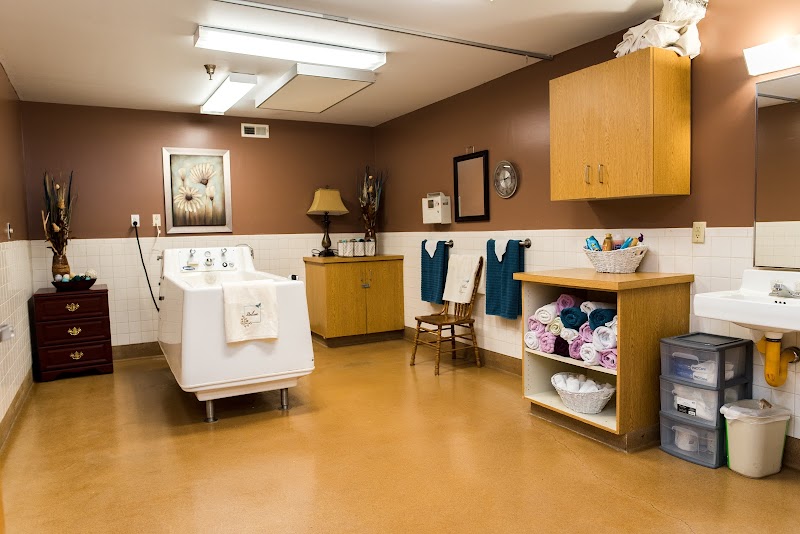
Who Owns and Operates Richmond Healthcare & Rehab Center?

RICHMOND HEALTHCARE & REHAB CENTER is owned by a for-profit company. For-profit facilities operate as businesses with obligations to shareholders or private owners. The facility is operated by RECOVER-CARE HEALTHCARE, a chain that manages multiple nursing homes. With 60 certified beds and approximately 51 residents (about 85% occupancy), it is a smaller facility located in RICHMOND, Kansas.
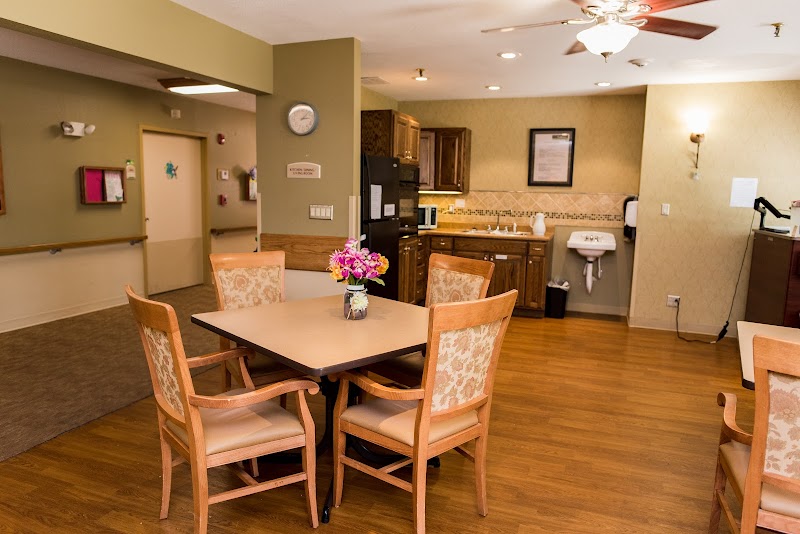
How Does Richmond Healthcare & Rehab Center Compare to Other Kansas Nursing Homes?

Compared to the 100 nursing homes in Kansas, RICHMOND HEALTHCARE & REHAB CENTER's overall rating (1 stars) is below the state average of 2.9, staff turnover (62%) is significantly higher than the state average of 46%, and health inspection rating (2 stars) is below the national benchmark.

What Should Families Ask When Visiting Richmond Healthcare & Rehab Center?

Based on this facility's data, families visiting should ask: "How do you ensure continuity of care given staff turnover, and what is your staff retention strategy?" "Can you walk me through typical staffing levels on day, evening, and night shifts?" "Can I visit during a mealtime to observe dining assistance and food quality?" "How do you handle medical emergencies, and what is your hospital transfer rate?" These questions are particularly relevant given the facility's high staff turnover rate and the below-average staffing rating.

Is Richmond Healthcare & Rehab Center Safe?

Based on CMS inspection data, RICHMOND HEALTHCARE & REHAB CENTER has a clean safety record: no substantiated abuse findings (meaning no confirmed cases of resident harm), no Immediate Jeopardy citations (the most serious violation level indicating risk of serious injury or death), and is not on the Special Focus Facility watch list (a federal program monitoring the lowest-performing 1% of nursing homes). The facility has a 1-star overall rating and ranks #100 of 100 nursing homes in Kansas. While no facility is perfect, families should still ask about staff-to-resident ratios and recent inspection results during their visit.

Do Nurses at Richmond Healthcare & Rehab Center Stick Around?

Staff turnover at RICHMOND HEALTHCARE & REHAB CENTER is high. At 62%, the facility is 16 percentage points above the Kansas average of 46%. High turnover means new staff may not know residents' individual needs, medications, or preferences. It can also be disorienting for residents, especially those with dementia who rely on familiar faces. Families should ask: What is causing the turnover? What retention programs are in place? How do you ensure care continuity during staff transitions?

Was Richmond Healthcare & Rehab Center Ever Fined?

RICHMOND HEALTHCARE & REHAB CENTER has no federal fines on record. CMS issues fines when nursing homes fail to meet care standards or don't correct problems found during inspections. The absence of fines suggests the facility has either maintained compliance or corrected any issues before penalties were assessed. This is a positive indicator, though families should still review recent inspection reports for the full picture.

Is Richmond Healthcare & Rehab Center on Any Federal Watch List?

RICHMOND HEALTHCARE & REHAB CENTER is not on any federal watch list. The most significant is the Special Focus Facility (SFF) program, which identifies the bottom 1% of nursing homes nationally based on persistent, serious quality problems. Not being on this list means the facility has avoided the pattern of deficiencies that triggers enhanced federal oversight. This is a positive indicator, though families should still review the facility's inspection history directly.