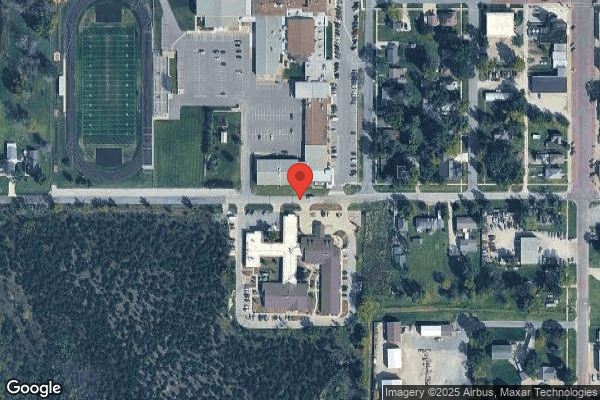
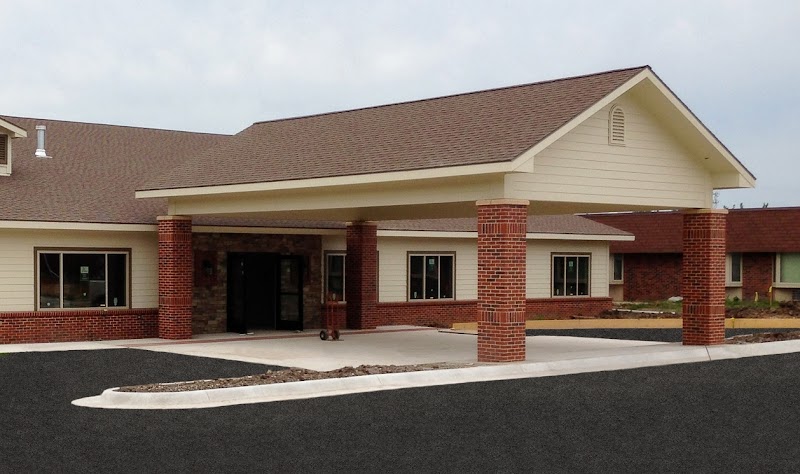
WELLSVILLE MANOR

304 W 7TH ST, WELLSVILLE, KS 66092 (785) 883-4101
For profit - Corporation 51 Beds Independent Data: November 2025
Trust Grade
80/100
#101 of 295 in KS
Last Inspection: August 2024

Within standard 12-15 month inspection cycle. Federal law requires annual inspections.

Overview

Wellsville Manor in Wellsville, Kansas, has earned a Trust Grade of B+, indicating it is above average and a recommended choice for families. It ranks #101 out of 295 nursing homes in the state, placing it in the top half, and is the best option among the three facilities in Franklin County. However, the facility is experiencing a worsening trend, with issues increasing from four in 2022 to five in 2024. Staffing is rated at 4 out of 5 stars, which is a strength, although the turnover rate is average at 50%. Notably, the facility has no fines, which is a positive sign. Despite these strengths, there are significant concerns regarding food safety and resident assessments. Recent inspections revealed unsanitary conditions in the kitchen, such as dirty trash cans and improperly stored food items, which could pose health risks. Additionally, there were deficiencies in the assessment of residents related to the use of bedrails, indicating potential oversight in care plans. Families should weigh these strengths and weaknesses carefully when considering Wellsville Manor.

Trust Score
B+
80/100
In Kansas
#101/295
Top 34%
Safety Record
Low Risk
No red flags
Inspections
Getting Worse
4 → 5 violations
Staff Stability
⚠ Watch
50% turnover. Above average. Higher turnover means staff may not know residents' routines.
Penalties
✓ Good
No fines on record. Clean compliance history, better than most Kansas facilities.
Skilled Nurses
✓ Good
Each resident gets 42 minutes of Registered Nurse (RN) attention daily — more than average for Kansas. RNs are trained to catch health problems early.
Violations
○ Average
10 deficiencies on record. Average for a facility this size. Mostly minor or procedural issues.
★★★★☆
4.0
Overall Rating
★★★★☆
4.0
Staff Levels
★★☆☆☆
2.0
Care Quality
★★★★☆
4.0
Inspection Score
Stable
2022: 4 issues
2024: 5 issues

The Good

  • 4-Star Staffing Rating · Above-average nurse staffing levels
  • Full Sprinkler Coverage · Fire safety systems throughout facility
  • No fines on record

Facility shows strength in staffing levels, fire safety.

The Bad

Staff Turnover: 50%

Near Kansas avg (46%)

Higher turnover may affect care consistency

The Ugly 10 deficiencies on record

Aug 2024 5 deficiencies
CONCERN (D)

Potential for Harm - no one hurt, but risky conditions existed

Deficiency F0637 (Tag F0637)

Could have caused harm · This affected 1 resident

**NOTE- TERMS IN BRACKETS HAVE BEEN EDITED TO PROTECT CONFIDENTIALITY** The facility reported a census of 43 residents with 14 sampled for review. Based on observation, interview, and record review, t...

Read full inspector narrative →
**NOTE- TERMS IN BRACKETS HAVE BEEN EDITED TO PROTECT CONFIDENTIALITY** The facility reported a census of 43 residents with 14 sampled for review. Based on observation, interview, and record review, the facility failed to complete a Significant Change Minimum Data Set (MDS), within 14-days, as required, for two Residents (R)19 and R 44, regarding admission on to hospice care. Findings included: - Review of Resident (R)19 electronic medical record (EMR), revealed a diagnosis of dementia (progressive mental disorder characterized by failing memory, confusion). The Significant Change Minimum Data Set (MDS), dated [DATE], documented the resident's Brief Interview for Mental Status (BIMS) score to be four, indicating severe cognitive impairment. The resident did not have a condition or chronic disease which would result in a life expectancy of less than six months, and she did not receive hospice care during the assessment period. The Cognitive Loss/Dementia Care Area Assessment (CAA), dated 01/26/24, documented the resident had a diagnosis of dementia. The Quarterly MDS, dated 08/06/24, documented the staff assessment for cognition revealed severe cognitive impairment. The resident had a condition or chronic disease that could result in a life expectancy of less than six months, and she received hospice care during the assessment period. The care plan, revised 08/13/24, lacked staff instruction regarding hospice care. Review of the resident's EMR revealed the following physician's order: Admit to hospice care for the diagnosis of cerebrovascular disease (the death of brain cells due to lack of oxygen caused by impaired blood flow to the brain by blockage or rupture of an artery to the brain), ordered 08/06/24. On 08/20/24 at 01:51 PM, Administrative Nurse D stated the facility was not aware of the need to complete a significant change MDS when a resident admitted to hospice. The facility utilized the Resident Assessment Instrument (RAI) in the completion of MDS's. The facility failed to complete a significant change MDS, within the 14 -days, as required, for this resident who admitted to hospice care. - Review of Resident (R)44's electronic medical record (EMR), revealed a diagnosis of cerebrovascular accident (CVA-stroke- sudden death of brain cells due to lack of oxygen caused by impaired blood flow to the brain by blockage or rupture of an artery to the brain). The Annual Minimum Data Set (MDS), dated [DATE], documented the staff assessment for cognition revealed moderate impairment. The resident did not have a condition or chronic disease that could result in a life expectancy of less than six months. He did not receive hospice care during the assessment period. The Cognitive Loss/Dementia Care Area Assessment (CAA), dated 06/24/24, documented the resident had impaired cognition related to a past CVA. The Quarterly MDS, dated 03/14/24, documented the staff assessment for cognition revealed moderate impairment. The resident did not have a condition or chronic disease which would result in a life expectancy of less than six months, and she did not receive hospice care during the assessment period. The care plan, revised 07/25/24, instructed staff the resident received hospice care for end-of-life care and support. Review of the resident's EMR revealed the following physician's order: Admit to hospice care for the diagnosis of cerebrovascular accident (CVA-the death of brain cells due to lack of oxygen caused by impaired blood flow to the brain by blockage or rupture of an artery to the brain), ordered 07/02/24. On 08/20/24 at 01:51 PM, Administrative Nurse D stated the facility was not aware of the need to complete a significant change MDS when a resident admitted to hospice. The facility utilized the Resident Assessment Instrument (RAI) in the completion of MDS's. The facility failed to complete a significant change MDS, as required, for this resident who admitted to hospice care.
CONCERN (D)

Potential for Harm - no one hurt, but risky conditions existed

Comprehensive Care Plan (Tag F0656)

Could have caused harm · This affected 1 resident

**NOTE- TERMS IN BRACKETS HAVE BEEN EDITED TO PROTECT CONFIDENTIALITY** The facility reported a census of 43 residents with 14 sampled for review. Based on observation, interview, and record review, t...

Read full inspector narrative →
**NOTE- TERMS IN BRACKETS HAVE BEEN EDITED TO PROTECT CONFIDENTIALITY** The facility reported a census of 43 residents with 14 sampled for review. Based on observation, interview, and record review, the facility failed to complete a comprehensive care plan for one Resident (R)19, regarding admission on to hospice care. Findings included: - Review of Resident (R)19 electronic medical record (EMR), revealed a diagnosis of dementia (progressive mental disorder characterized by failing memory, confusion). The Significant Change Minimum Data Set (MDS), dated [DATE], documented the resident's Brief Interview for Mental Status (BIMS) score to be four, indicating severe cognitive impairment. The resident did not have a condition or chronic disease which would result in a life expectancy of less than six months, and she did not receive hospice care during the assessment period. The Cognitive Loss/Dementia Care Area Assessment (CAA), dated 01/26/24, documented the resident had a diagnosis of dementia. The Quarterly MDS, dated 08/06/24, documented the staff assessment for cognition revealed severe cognitive impairment. The resident had a condition or chronic disease that could result in a life expectancy of less than six months, and she received hospice care during the assessment period. The care plan, revised 08/13/24, lacked staff instruction regarding hospice care. Review of the resident's EMR revealed the following physician's order: Admit to hospice care for the diagnosis of cerebrovascular disease (the death of brain cells due to lack of oxygen caused by impaired blood flow to the brain by blockage or rupture of an artery to the brain), ordered 08/06/24. On 08/20/24 at 01:51 PM, Administrative Nurse D stated a resident's care plan should include hospice care instructions for the staff. The facility policy for Care Plan Revisions, undated, included: When changes in a resident's condition occurs, the plan of care will be updated timely. The care plan will be revised when a resident or their family makes the decision to accept hospice services. The care plan shall include detailed and comprehensive instructions to staff on which staff from which specific organization provides services and equipment for the care of the resident and support to the family. The facility failed to complete a comprehensive care plan for this resident who admitted to hospice care.
CONCERN (D)

Potential for Harm - no one hurt, but risky conditions existed

Respiratory Care (Tag F0695)

Could have caused harm · This affected 1 resident

**NOTE- TERMS IN BRACKETS HAVE BEEN EDITED TO PROTECT CONFIDENTIALITY** The facility reported a census of 43 resident with 14 residents selected for review, which included two residents reviewed for r...

Read full inspector narrative →
**NOTE- TERMS IN BRACKETS HAVE BEEN EDITED TO PROTECT CONFIDENTIALITY** The facility reported a census of 43 resident with 14 residents selected for review, which included two residents reviewed for respiratory needs. Based on observation, interview, and record review, the facility failed to provide appropriate nebulizer equipment for one of the two Residents (R)2. Findings included: - Review of Resident (R) 2's medical record revealed diagnoses that included femur (long bone in the thigh) fracture and chronic obstructive pulmonary disease (COPD progressive and irreversible condition characterized by diminished lung capacity and difficulty or discomfort in breathing). The Annual Minimum Data Set (MDS), dated [DATE], assessed the resident with a Brief Interview for Mental Status (BIMS) score of 13, which indicated normal cognitive status. The ADL (Activity of Daily Living) Functional/Rehabilitation Potential Care Area Assessment (CAA), dated 04/08/24, assessed the resident with COPD and slept with the head of the bed elevated due to shortness of breath when lying flat. The Care Plan reviewed 08/01/24, instructed staff the resident received oxygen therapy and to observe for signs and symptoms of oxygen deprivation and assess lung sounds as needed. The resident may receive inhalers and breathing treatments in dining area/public areas if she chose. A Physician Order dated 08/18/24, instructed staff to administer ipratropium-albuterol (medications used to dilate airways) breathing solution for nebulization (a technique that require a machine and mask or handheld mouthpiece that turns liquid medication into a mist to inhale into the lungs), 0.5 milligrams (mg)-3 mg (2.5 mg base)/3 ml, every six hours, through 08/20/24. Review of the Medication/Treatment Administration Record dated August 2024, revealed the resident received administration of the ipratropium-albuterol medication on 08/18/24 at 12:00 PM and 06:00 PM, and on 08/19/24 at 06:00 AM (12:00 PM not administered due to wrong size mask) and 09:26 PM (15 and a half hours later). A Nurse Note dated 08/19/24 at 02:31 PM, notified the physician of a delay in providing the breathing treatment due to unavailable supplies. A Physician Order dated 08/20/24, instructed staff to administer the above order through 08/23/24. Observation, on 08/19/24 at 12:47 AM, revealed Certified Medication Aide (CMA) M, prepared to administer the ipratropium-albuterol medication for nebulization. CMA M noted the mask used to place over the resident's nose and mouth was a pediatric (child) size and did not fit the resident appropriately to ensure R2 received the full benefit of the medication. CMA M searched the facility for an appropriately sized mask or handheld inhalation device and was unable to locate one. Interview, on 08/19/24 at 02:18 PM with Licensed Nurse G, confirmed the facility received pediatric masks instead of the ordered adult masks. Interview, on 08/19/24 at 04:30 PM, with Administrative Nurse D, revealed staff obtained the appropriate nebulizer supplies through a local retailer. The facility policy Nebulizer Treatment undated, instructed staff to provide safe and effective delivery of medication to the trachea (windpipe the connection from the voice box (larynx) to the lungs, bronchi (two tubes that connect the lungs to the trachea) and or lungs using proper technique and universal precautions. The facility failed to provide proper nebulizer equipment for R2 to ensure optimal effectiveness of ipratropium-albuterol.
CONCERN (E)

Potential for Harm - no one hurt, but risky conditions existed

Assessment Accuracy (Tag F0641)

Could have caused harm · This affected multiple residents

**NOTE- TERMS IN BRACKETS HAVE BEEN EDITED TO PROTECT CONFIDENTIALITY** The facility reported a census of 43 residents with 14 sampled for review. Based on observation, interview, and record review, t...

Read full inspector narrative →
**NOTE- TERMS IN BRACKETS HAVE BEEN EDITED TO PROTECT CONFIDENTIALITY** The facility reported a census of 43 residents with 14 sampled for review. Based on observation, interview, and record review, the facility failed to complete an accurate assessment/Minimum Data Set (MDS for four residents (R)23, R 37, R 2, and R 13 related to siderails used as restraints. Findings included: - Review of Resident (R)23's undated Physician Orders documented diagnoses which included hypertension (high blood pressure), chronic kidney disease, and heart failure. The admission Minimum Data Set (MDS) dated [DATE], documented the resident's Brief Interview for Mental Status (BIMS) score of 15, indicating cognitively intact. The MDS indicated bedrails not used as restraints (physical restraint are any manual method or physical or mechanical device, material or equipment attached or adjacent to the resident's body that the individual cannot remove easily which restricts freedom of movement or normal access to one's body). The Quarterly MDS dated 04/04/24, documented BIMS score of 15, indicating cognitively intact. The bedrails used as restraint daily. The Quarterly MDS dated 08/04/24, documented a BIMS score of 15, indicating cognitively intact. The bedrails used as restraint daily. Observation on 08/20/24 at 10:21 AM, revealed the resident as alert and oriented. She sat in her wheelchair and self-propelled her wheelchair about the room. There were bedrails at the head of the resident's bed. On 08/19/24 at 12:10 PM, R 23 reported she requested the bedrails at the head of her bed. The bedrails did not restrict her movement in any way. She reported she used the bedrails to reposition herself in the bed and she would object to their removal. On 08/20/24 at 01:53 PM, Certified Nurse Aide (CNA) N stated the facility did not have any residents that used bedrails as restraints. Residents used bedrails to increase their independence. R 23 preferred to lay in the bed with her legs positioned on a pillow. She used her bedrails to turn side to side. On 08/21/24 at 10:29 AM, Licensed Nurse (LN) G confirmed the resident used the bedrails to position herself in the bed, turn from side to side, and enter and exit the bed. She had full access to her body. The bedrails did not restrict her movements but increased her independence. He stated the facility did not use restraints in the facility. On 08/21/24 01:33 PM, Administrative Nurse D confirmed the above findings. She reported the facility did not use bedrails to restrain residents. She stated the MDS Coordinator had inaccurately coded bedrails used daily as a restraint She stated, upon review, inaccurate assessment affected 31 resident's assessments. Administrative Nurse D verified the bedrail use by the resident did not meet the definition of restraints as given in the Resident Assessment Instrument Manual (RAI), which the facility used for guidance to accurately compete the residents MDS. The undated facility policy Bedrails documentation included each resident has the right to be free from any physical restraints. It is the policy of the facility to be restraint-free environment. The facility failed to complete an accurate assessment/Minimum Data Set (MDS for (R)23, related to bedrails used as restraint. - Review of Resident (R)37's undated Physician Orders documented diagnoses which included pain, depression (a mood disorder that causes a persistent feeling of sadness and loss of interest), and osteoporosis (abnormal loss of bone density and deterioration of bone tissue with an increased fracture risk) with current pathological fracture (broken bone caused by disease). The admission Minimum Data Set (MDS) dated [DATE], documented the resident's Brief Interview for Mental Status (BIMS) score of two, indicating severe cognitive impairment. The MDS indicated bedrails not used as restraints (physical restraint are any manual method or physical or mechanical device, material or equipment attached or adjacent to the resident's body that the individual cannot remove easily which restricts freedom of movement or normal access to one's body). The Quarterly MDS dated 03/07/24, documented BIMS score of one, indicating severe cognitive impairment. The bedrails used as restraint daily. The Quarterly MDS dated 06/06/2424, documented BIMS score of one, indicating severe cognitive impairment. The bedrails used as restraint daily. Observation on 08/19/24 at 12:36 PM, revealed the resident's bed with bedrails at the head of the bed. On 08/19/24 at 12:10 PM, upon inquiry 37 reported she could move around without limitation. The bedrails helped her to move around. On 08/20/24 at 01:53 PM, Certified Nurse Aide (CNA) N stated the facility did not have any residents that used bedrails as restraints. Residents used bedrails to increase their independence and self-position when in the bed. R 37 used her bedrails to enter and exit the bed independently. The resident is impulsive but the bedrails help her with her balance when she gets in and out of bed independently. On 08/21/24 at 10:29 AM, Licensed Nurse (LN) G confirmed the resident used the bedrails to position herself in the bed, turn from side to side, and enter and exit the bed. She had full access to her body. The bedrails did not restrict her movements but increased her independence. He stated the facility did not use restraints in the facility. LN G reported the resident was impulsive and moved around the room getting in and out of bed independently. On 08/21/24 01:33 PM, Administrative Nurse D confirmed the above findings. She reported the facility did not use bedrails to restrain residents. She stated the MDS Coordinator had inaccurately coded bedrails used daily as a restraint. She stated, upon review, inaccurate assessment affected 31 resident's assessments. Administrative Nurse D verified the bedrail use by the resident did not meet the definition of restraints as given in the Resident Assessment Instrument Manual (RAI), which the facility used for guidance to accurately compete the residents MDS. The undated facility policy Bedrails documentation included each resident has the right to be free from any physical restraints. It is the policy of the facility to be restraint-free environment. The facility failed to complete an accurate assessment/Minimum Data Set (MDS for (R)37 related to bedrails used as restraint. - Review of Resident (R) 2's medical record revealed diagnoses that included femur (long bone in the thigh) fracture and chronic obstructive pulmonary disease (COPD progressive and irreversible condition characterized by diminished lung capacity and difficulty or discomfort in breathing). The Annual Minimum Data Set (MDS), dated [DATE], assessed the resident with a Brief Interview for Mental Status (BIMS) score of 13, which indicated normal cognitive status. The resident had no devices used as a restraint. The ADL (Activity of Daily Living) Functional/Rehabilitation Potential Care Area Assessment (CAA), dated 04/08/24, assessed the resident with no weight bearing of the right extremity and on a turning and repositioning program with a pressure reducing mattress on her bed. The Quarterly MDS, dated 06/19/24, assessed the resident with a Brief Interview for Mental Status (BIMS) score of 13 which indicated normal cognitive status. The resident used a restraint of bed rails daily. The Care Plan reviewed 08/01/24, instructed staff the resident use side rails for mobility and independence. The Siderail Use and Risk Assessment, dated 04/04/24, assessed the resident used two bed rails for the promotion of resident mobility, positioning, and independence. The device assisted to maintain proper body alignment. Observation, on 08/19/24 at 1:11 PM, revealed the resident seated in her recliner in her room. The bed contained two quarter rails. Interview with the resident at that time revealed she had been bed bound for a while due to femur fracture, but now received therapy. The resident stated she used the rails to help turn and reposition when in bed, but now slept in her recliner. Interview, on 08/19/24 at 1:30 PM, with Administrative Nurse D and Administrative Staff A, revealed the facility was restraint free, and confirmed the MDS inaccurately coded the bed rail as a restraint. The facility policy Bed Rails undated, instructed staff the facility was to provide a restraint free environment. If a bed rail is used the facility will ensure individual bed rail assessments and evaluations are performed on a regular basis. The facility follows the RAI (Resident Assessment Instrument) Manual for the completion of the MDS. The facility inaccurately assessed this resident's use of side rails as a restraint on the MDS dated [DATE]. - Review of Resident (R) 13's medical record, revealed diagnoses of vascular dementia (a progressive mental disorder characterized by failing memory and confusion caused by a decreased blood flow to the brain). The Annual Minimum Data Set (MDS), dated [DATE], assessed the resident with a Brief Interview for Mental Status (BIMS) score of 9, which indicated moderately impaired cognitive status. The resident utilized two bed rails as a physical restraint daily. The Cognitive Loss Care Area Assessment (CAA) dated 01/11/24, assessed the resident utilized bed rails for positioning assistance. The Quarterly MDS dated 04/11/24,assessed the resident daily use of bed rail as a restraint. The Quarterly MDS dated 07/11/24, assessed the resident daily use of bed rail as a restraint. The Care Plan reviewed 06/25/24, instructed staff the resident used side rails for independence and mobility. The Siderail Use and Risk Assessment, dated 04/06/24 and 07/09/24, assessed the resident utilized bed rails to maintain proper body alignment. Observation, on 08/20/24 at 09:13 AM, revealed the resident positioned in bed with two quarter bed rails in the down position. Certified Nurse Aide (CNA) O and P used a draw sheet to turn and reposition the resident to prepare for transfer with a mechanical lift. CNA P stated the resident did not usually assist staff to turn with the use of side rails. Interview, on 08/21/24 at 01:00 PM, with Administrative Nurse D, confirmed the MDS coding of the bed rail as a restraint was inaccurate. Administrative Nurse D stated the facility was restraint free. The facility policy Bed Rails undated, instructed staff the facility was to provide a restraint free environment. If a bed rail is used, the facility will ensure individual bed rail assessments and evaluations are performed on a regular basis. The facility follows the RAI (Resident Assessment Instrument) Manual for the completion of the MDS. The facility inaccurately assessed this resident's use of side rails as a restraint on the MDS, dated 01/11/24, 04/11/24 and 07/11/24.
CONCERN (F)

Potential for Harm - no one hurt, but risky conditions existed

Food Safety (Tag F0812)

Could have caused harm · This affected most or all residents

The facility reported a census of 43 residents. Based on observation, record review and interview, the facility failed to prepare and serve food under sanitary conditions, to the residents of the faci...

Read full inspector narrative →
The facility reported a census of 43 residents. Based on observation, record review and interview, the facility failed to prepare and serve food under sanitary conditions, to the residents of the facility appropriately to prevent the potential for food borne bacteria. Findings included: - During an initial tour of the kitchen on 08/20/24 at 07:41 AM, the following areas of concern were noted: 1. The trash can in the dish washing area contained dried-on food and liquid substances on all sides and the lid. 2. The trash can by the hand washing sink contained dried-on food and liquid substances on all sides and the lid. 3. The shelf underneath a preparation table which held plastic pitchers, cutting boards and clean eating utensils, contained food debris. 4. The inside of the microwave contained dried-on food on all sides and the top. 5. Four colored cutting boards contained deep grooves and were discolored. 6. An oscillating fan had a build-up of dust in the slats of the fan. 7. One side of the stove had dried-on food substances. 8. One of two reach-in freezers had a build-up of food substances on the bottom. 9. One of two reach-in freezers had a build-up of food substances on the bottom and a build-up of a black substance in the rubber door seals. 10. Three plastic tubs, beneath a prep table, which held clean cooking utensils, contained a sticky substance on the bottom of the tubs. 11. Five plastic containers on a wire rack which contained clean kitchen utensils, had a heavy build-up of food debris and a sticky substance on the container latches. 12. The table holding the large stand mixer, had a build-up of food substance on the bottom shelf, holding the two large mixing bowls. On 08/21/24 at 10:50 AM, Dietary staff BB confirmed the areas of concern and stated the areas would need to be included on a cleaning schedule. The facility lacked a policy for kitchen cleanliness. The facility failed to prepare and serve food under sanitary conditions for the residents of the facility appropriately to prevent the potential for food borne bacterial.
Nov 2022 4 deficiencies
CONCERN (D)

Potential for Harm - no one hurt, but risky conditions existed

Accident Prevention (Tag F0689)

Could have caused harm · This affected 1 resident

The facility reported a census of 48 residents and identified three as confused and self-mobile. The facility failed to keep hazardous chemicals out of the reach of the identified three confused self-...

Read full inspector narrative →
The facility reported a census of 48 residents and identified three as confused and self-mobile. The facility failed to keep hazardous chemicals out of the reach of the identified three confused self- mobile residents to prevent incidental ingestion and accidents. Findings included: - Observation on 11/30/22 at 07:50 AM, revealed an unlocked whirlpool/shower room door on the Meadowlark area. An unlocked cabinet next to the whirlpool contained a gallon bottle of 12% bleach. The bottle label documented, Keep out of the reach of children. On 11/30/22 at 07:55 AM, Licensed Nurse G verified the door to the whirlpool/shower room was to be locked at all times. Observation on 11/30/22 at 08:00 AM, revealed an unlocked whirlpool/shower room door on the Countryview area. A spray bottle containing Pro-con turquoise 3 cleaner disinfectant sat out directly available on a sink countertop. The bottle had a label that documented, Keep out of the reach of children. On 11/30/22 at 08:15 AM, housekeeping employee U verified the doors to the whirlpool/shower door in the Meadowlark area were to always remain locked. They can be unlocked by either key, or a code being entered into a keypad on the lock. She did not know how long the door had been unlocked or who had unlocked it. Housekeeping employee U also verified that the Meadowlark whirlpool/shower room door was unlocked. Additionally, housekeeping employee U confirmed the 12% bleach bottle was in an unlocked cabinet. On 11/30/22 at 08:20 AM, housekeeping employee U verified the doors to the whirlpool/shower door in the Countryview area were to always remain locked. They can be unlocked by either key, or a code entered a keypad on the lock. She did not know how long the door had been unlocked or who had unlocked it. Housekeeping employee U also verified that the Countryview area whirlpool/shower room door was unlocked. Additionally, housekeeping employee U confirmed the bottle of Pro-con turquoise 3 cleaner disinfectant was on a sink countertop. There was a lock on a cabinet under the sink that was unlocked. Housekeeper U did not know where the key was. On 11/30/22 at 09:40 AM, Administrative Staff A reported staff should keep hazardous chemicals locked up. The facility's policy for Control of Hazardous Chemicals, with no date, documented all substances with warning labels, including but not exclusive to Keep out of reach of children, would be locked and inaccessible at all times. All hazardous chemicals are to be locked at all times to avoid accessibility of any elder in the facility. The facility failed to keep these hazardous chemicals out of the reach for the three confused, self-mobile residents to prevent accidental ingestion and accidents.
CONCERN (D)

Potential for Harm - no one hurt, but risky conditions existed

Respiratory Care (Tag F0695)

Could have caused harm · This affected 1 resident

**NOTE- TERMS IN BRACKETS HAVE BEEN EDITED TO PROTECT CONFIDENTIALITY** The facility reported a census of 48 residents with 13 residents sampled, including two residents reviewed for respiratory. Base...

Read full inspector narrative →
**NOTE- TERMS IN BRACKETS HAVE BEEN EDITED TO PROTECT CONFIDENTIALITY** The facility reported a census of 48 residents with 13 residents sampled, including two residents reviewed for respiratory. Based on interview, record review and observation, the facility failed to ensure sanitary use of respiratory equipment to prevent respiratory infections for one of the two sampled residents, Resident (R)4, regarding storage of distilled water for the oxygen (O2) concentrator. Findings included: - Review of Resident (R)4's electronic medical record (EMR) included the following diagnoses: Alzheimer's (progressive mental deterioration characterized by confusion and memory failure), lung cancer (cancer of the lung) and chronic respiratory failure (a condition that occurs when the lungs cannot get enough oxygen into the blood or eliminate enough carbon dioxide from the body). The annual Minimum Data Set (MDS), dated [DATE], documented the resident had a Brief Interview for Mental Status (BIMS) score of seven, indicating severe cognitive impairment. She had a diagnoses of cancer, Chronic Obstructive Pulmonary Disease (COPD- progressive and irreversible condition characterized by diminished lung capacity and difficulty or discomfort in breathing), and respiratory failure. The resident received oxygen (O2) therapy while a resident at the facility. The Activities of Daily Living (ADL) Functional/Rehabilitation Potential Care Area Assessment (CAA), dated 04/07/22, documented the resident admitted to the facility on hospice services and required continuous supplemental oxygen. The quarterly MDS, dated 10/06/22, documented the resident had a BIMS score of seven, indicating severe cognitive impairment. She had a diagnoses of cancer, Chronic Obstructive Pulmonary Disease (COPD- progressive and irreversible condition characterized by diminished lung capacity and difficulty or discomfort in breathing), and respiratory failure. The resident received oxygen therapy while a resident at the facility. The care plan for respiratory, updated 10/04/22, instructed staff the resident used supplemental oxygen continuously due to diagnoses of COPD and lung cancer. Review of the resident's EMR, included a physician's order, dated 07/09/22, which included: instructions for the staff to administer oxygen at two to five liters (L) per nasal cannula (NC), to maintain oxygen saturations above 90%. On 11/28/22 at 02:14 PM, the resident rested in bed with her eyes closed. The resident received oxygen via NC at 2L, as ordered. The oxygen concentrator had a humidifier bottle attached with the water bubbling, indicating the resident's oxygen had humidification. A gallon jug of distilled water sat directly on the floor next to the oxygen concentrator, lacking a barrier. On 11/29/22 at 07:53 AM, the resident rested in bed with her eyes closed. The resident received oxygen via NC at 2L, as ordered. The oxygen concentrator had a humidifier bottle attached with the water bubbling, indicating the resident's oxygen had humidification. A gallon jug of distilled water sat on the floor next to the oxygen concentrator, lacking a barrier. On 11/28/22 at 08:30 AM, Certified Nurse Aide (CNA) M stated the resident used oxygen at all times. On 11/29/22 at 01:45 PM, CNA N stated the resident used oxygen at all times. CNA N was unsure of the care required by the resident's oxygen concentrator. On 11/29/22 at 02:36 PM, Licensed Nurse (LN) G stated the distilled water container should not be stored on the floor. On 11/30/22 at 09:52 AM, Administrative Nurse D stated the gallon jug of distilled water should not be stored on the floor without a barrier. The facility policy for Administration of Oxygen, undated, included: Oxygen concentrators will be kept and maintained in such a way as to be compliant with all relevant health and safety guidelines. The facility failed to ensure proper care of oxygen equipment for this dependent resident with respiratory issues, to prevent respiratory infections.
CONCERN (E)

Potential for Harm - no one hurt, but risky conditions existed

Deficiency F0692 (Tag F0692)

Could have caused harm · This affected multiple residents

The facility reported a census of 48 residents and identified four residents on physician ordered pureed diets. Based on observation, interview and record review, the facility failed to ensure staff p...

Read full inspector narrative →
The facility reported a census of 48 residents and identified four residents on physician ordered pureed diets. Based on observation, interview and record review, the facility failed to ensure staff prepared the pureed (a process to render foods to a consistency of pudding or mashed potatoes) foods in a manner to provide nutritional support as planned in the recipes and menus. Findings included: - Interview, on 11/28/22 at 08:44 AM, with Dietary Staff BB, revealed four residents received pureed foods. Review of the Diet Spreadsheet for Wednesday (11/29/22) for pureed diet lunch, revealed the following for the planned pureed consistency meal: grilled chicken, oven roasted rosemary potatoes, California blend vegetables, chef's choice of dessert, and buttered dinner roll. Review of the recipe for pureed foods for five servings of the pureed oven roasted rosemary potatoes, instructed staff to measure 2.5 cups of potatoes and add 0.5 cup of hot milk gradually to blend until smooth consistency. The recipe indicated that the liquid specified in the recipe was a suggested amount. Review of the recipe for the planned pureed biscuit, for five servings, instructed staff to place five biscuits in the food processor and add 1.5 cups of milk. Interview, on 11/29/22 at 11:15 AM, with Dietary Staff BB, revealed she did not have the recipe to puree the oven roasted rosemary potatoes and used chicken broth to obtain the desired pudding/mashed potato consistency. At that time Dietary Staff BB proceeded to place the potatoes in the food processor and added an unmeasured amount of chicken broth. Dietary staff BB proceeded to puree the California vegetables grilled chicken and placed them in the oven to reheat to ensure they were reheated to 165 degrees Fahrenheit. At approximately 12:00PM, Dietary Staff BB sent the pureed hot foods and pureed pineapple upside down cake to the nursing unit to serve to the four residents with pureed diets. Interview on 11/29/22 at 12:10 PM, Dietary Staff BB, confirmed she did not provide the four pureed diet residents the buttered dinner roll per the menu. Dietary Staff BB stated the facility did not have dinner rolls and so she obtained four slices of unbuttered bread and placed them in the food processor. Dietary Staff BB confirmed she did not have a recipe for pureed bread but would use chicken broth to obtain the correct texture. The facility policy Diet and Nutrition Care Manual dated 2021, instructed staff that standardize pureed recipes are the first step to assure a product that is consistent in taste, appearance, consistency, and nutrient content. The facility failed to ensure these four residents receiving pureed foods, received the full nutritional support as planned in the menus and recipes to prevent weight loss.
CONCERN (F)

Potential for Harm - no one hurt, but risky conditions existed

Food Safety (Tag F0812)

Could have caused harm · This affected most or all residents

The facility reported a census of 48 residents. Based on observation, interview and record review, the facility failed to store, prepare, and serve food in a sanitary manner for the residents of the f...

Read full inspector narrative →
The facility reported a census of 48 residents. Based on observation, interview and record review, the facility failed to store, prepare, and serve food in a sanitary manner for the residents of the facility. Findings included: - Observation, on 11/28/22 at 08:44 AM, revealed the following areas of concern in the refrigerators in the main kitchen: 1) Five condiment squeeze bottles without caps over the open tips. 2) Three sausage patties in a baggie dated 11/21/22. 3) Biscuit gravy in a plastic container dated 11/23/22. 4) An opened bag of bacon bits dated 11/12/22. 5) Sliced black olives in a plastic bag dated 11/15/22. 6) Two ice packs for resident treatments. 7) A resident's personal bowl of turkey and mashed potatoes covered with plastic wrap dated 11/25/22. The pantry contained the following areas of concern: 1) No open date or expiration date on a bag of crushed cornflakes. 2) An opened and unsealed bag of flour. 3) A box of bread dated 11/18/22, with no date on the individual loaves of bread. 4) Raisin Bran in a plastic cereal container dated 07/22. 5) [NAME] crisp cereal in a plastic cereal container dated 07/22. Interview, on 11/28/22 at 08:45 AM, with Dietary Staff BB, revealed all refrigerated items must be dated when opened and confirmed the identified items above noted were past their safe use by timeframe. Dietary Staff BB stated the resident family brought in the turkey and mashed potatoes and explained that it should contain the name and date. The ice pack for resident treatments should not be kept in the kitchen refrigerator with resident foods. The Country View kitchen refrigerator contained the following areas of concern: 1) Five slices of sausage pizza in a plastic bag dated 11/23/22. 2) An open package of cheddar cheese with an open date of 10/14/22. 3) A plastic bag containing lunchmeat with a noted white slime contained no open date. 4) No date on sliced turkey lunchmeat in a baggie. 5) Five boiled eggs in a baggie with no date. 6) One half of a tomato in a baggie with no date. 7) Three large tortillas in a bag with no expiration date or open date. 8) A resident's personal, opened strawberry jam dated 08/15/22. 9) A plastic squeeze bottle of ranch dressing dated 11/08/22 with no cover over the open tip. 10) A plastic squeeze bottle of French dressing undated and with no cover over the open tip. 11) Two plastic squeeze bottles with an unknown white and yellow substance with no date or cover over the open tips. 12) BBQ sauce in a plastic squeeze bottle with no cover over the open tip. 13) Salsa in a plastic squeeze bottle dated 10/18/22 and no cover over the tip. 14) Two plastic bags of ham and turkey both with no dates. 15) An open plastic bag of bacon bits dated 10/12/22. 16) A jar of salsa dated 08/2/22 with expiration dated 11/23/22. 17) A staff member's personal lunch bag. Interview, on 11/28/22 at 09:30 AM, with Dietary Staff EE, confirmed the above areas of concern, and stated the staff member should not keep their personal lunch bag in the kitchen refrigerator. Observation, on 11/29/22 at 02:00 PM, during the environmental tour of the main kitchen revealed the following areas of concern: 1) The entire surface of the back of the prep table contained multiple splashes and drips of an unknown substance. 2) Two air vents above the prep table contained dust build up and the two air vents above the stove also contained dust build up. 3) Eight vents above the stove contained grime and dust. 4) The lids and interior surfaces of eight plastic boxes containing cooking utensils contained dust, dirt crumbs and grime. 5) Three small skillets contained scratches and chipping of the nonstick surface. 6) One large skillet contained unknown substances in areas of the interior surface. 7) Five of the six burners of the stove contained an accumulation of grime and burnt on substances. 8) The left oven of the stove contained burnt on substance and brown discolorations across all of the interior surfaces. 9) The right oven contained a large amount of brown greasy substance down the door and on the floor of the oven. Interview, on 11/29/22 at 02:30 PM, with Dietary Staff BB, confirmed the above and stated she did have a cleaning schedule, but staff did not keep up with the cleaning. Dietary Staff BB stated she thought the spillage in the right oven occurred with the noon meal. Observation, on 11/29/22 at 02:00PM, revealed the dishwasher in the Country View unit, contained an empty bottle of sanitizer as staff ran it for the dishware from the noon meal. Interview at that time with dietary staff CC revealed he did not check the dishwasher sanitation level and did not know if the dishwasher provided high temperature or chemical sanitation. Interview, on 11/29/22 at 03:30 PM, with Administrative Staff A, revealed the dishwashers utilized a low temperature water with a chemical sanitizing agent and staff should ensure the sanitizer feeds into the machine. The facility policy Food brought in by Family and Visitors: undated, instructed staff that food must be kept in resealable containers with tightly fitting lids and labeled with resident name and use by date. The Food Storage Policy, undated, instructed staff to monitor the refrigerator daily and discard the food when it has been in the refrigerator for 72 hours or when food is past the printed expiration date, which ever comes first. The facility failed to store, prepare, and serve food in a sanitary manner for the residents of the facility.
May 2021 1 deficiency
CONCERN (D)

Potential for Harm - no one hurt, but risky conditions existed

Incontinence Care (Tag F0690)

Could have caused harm · This affected 1 resident

**NOTE- TERMS IN BRACKETS HAVE BEEN EDITED TO PROTECT CONFIDENTIALITY** The facility reported a census of 42 residents with 16 residents sampled, including one resident reviewed for an indwelling urin...

Read full inspector narrative →
**NOTE- TERMS IN BRACKETS HAVE BEEN EDITED TO PROTECT CONFIDENTIALITY** The facility reported a census of 42 residents with 16 residents sampled, including one resident reviewed for an indwelling urinary catheter (insertion of a catheter into the bladder to drain the urine into a collection bag). Based on interview, record review, and observation, the facility failed to ensure staff provided care of the catheter tubing in a sanitary manner to prevent urinary tract infections for the one Resident (R) 39, sampled. Findings included: - The Physician Order Sheet (POS), dated 03/03/21, documented R 39 had a diagnosis of neuropathic bladder (dysfunction of the urinary bladder caused by a lesion of the nervous system). The Annual Minimum Data Set (MDS), dated [DATE], documented the resident had a Brief Interview for Mental Status (BIMS) score of 14, indicating she was cognitively intact. She required extensive assistance of one staff for toileting and used a walker and wheelchair for locomotion. She had an indwelling urinary catheter and was frequently incontinent of bowel. The Urinary Incontinence and Indwelling Catheter Care Area Assessment (CAA), dated 01/18/21, documented the resident had an indwelling urinary catheter due to permanent urinary retention (lack of ability to urinate and empty the bladder). The quarterly MDS, dated 04/29/21, documented the resident had a Brief Interview for Mental Status (BIMS) score of 14, indicating she was cognitively intact. She required extensive assistance of one staff for toileting and used a walker and wheelchair for locomotion. She had an indwelling urinary catheter and was frequently incontinent of bowel. The Urinary Incontinence Care Plan, updated 03/23/21, instructed staff to complete catheter care twice daily and as needed (PRN). Staff were to ensure the catheter bag was secure and suspended appropriately from the wheelchair. Review of the resident's electronic medical record EMR, revealed the resident re-admitted to the facility from a local hospital with an indwelling urinary catheter on 05/06/19, due to urinary retention following a back surgery. On 05/18/21 at 10:39 AM, Activity staff Z, propelled the resident from an activity back to her room. The resident's catheter tubing noted to drag on the floor underneath the wheelchair during the transport. On 05/18/21 at 11:47 AM, the resident sat at the dining room table in her wheelchair. The catheter tubing was in direct contact with the floor underneath her wheelchair. On 05/19/21 at 12:04 PM, the resident sat at the dining room table in her wheelchair awaiting lunch. The catheter tubing was in direct contact with the floor underneath her wheelchair. On 05/19/21 at 01:10 PM, Certified Nurse Aides (CNA) O and N toileted the resident in the resident's bathroom. The catheter tubing was in direct contact with the bathroom floor as the resident sat on the toilet. On 05/24/21 at 11:27 AM, CNA P was visiting with the resident in the commons area. The resident's catheter tubing rested directly on the floor underneath her wheelchair. On 05/18/21 at 10:39 AM, Activity staff Z stated, she did not do cares with the resident's catheter. She was only bringing the resident back to her room following an activity. On 05/19/21 at 01:10 PM, CNA O stated, he was unsure if the catheter tubing should be on the floor or not. CNA O stated the resident's catheter tubing was always on the floor. On 05/19/21 at 01:10 PM CNA P stated, the resident's catheter tubing would normally drag on the floor beneath her wheelchair. On 05/20/21 at 10:14 AM, CNA M stated, the resident's tubing should not come in contact with the floor. On 05/20/21 at 10:14 AM, CNA, P stated, the resident's catheter tubing was usually on the floor due to it not staying in the dignity bag beneath the wheelchair. On 05/20/21 at 11:47 AM, Licensed Nurse (LN) G stated, the catheter tubing should not be on the floor. On 05/20/21 at 02:10 PM, Administrative Nurse, D stated, the catheter tubing should not rest directly on the floor. The facility policy for Foley Catheter Care, undated, included: Catheter tubing should be arranged so it does not hang in a dependent loop. The facility failed to ensure staff handled this dependent resident's urinary catheter tubing in a sanitary manner to prevent urinary tract infections.
Understanding Severity Codes (click to expand)
Life-Threatening (Immediate Jeopardy)
J - Isolated K - Pattern L - Widespread
Actual Harm
G - Isolated H - Pattern I - Widespread
Potential for Harm
D - Isolated E - Pattern F - Widespread
No Harm (Minor)
A - Isolated B - Pattern C - Widespread

Questions to Ask on Your Visit

  • "Can I speak with families of current residents?"
  • "What's your RN coverage like on weekends and overnight?"

Our Honest Assessment

Strengths
  • • Grade B+ (80/100). Above average facility, better than most options in Kansas.
  • • No major safety red flags. No abuse findings, life-threatening violations, or SFF status.
  • • No fines on record. Clean compliance history, better than most Kansas facilities.
Concerns
  • • No significant concerns identified. This facility shows no red flags across CMS ratings, staff turnover, or federal penalties.
Bottom line: Generally positive indicators. Standard due diligence and a personal visit recommended.

About This Facility

What is Wellsville Manor's CMS Rating?

CMS assigns WELLSVILLE MANOR an overall rating of 4 out of 5 stars, which is considered above average nationally. Within Kansas, this rating places the facility higher than 99% of the state's 100 nursing homes. This rating reflects solid performance across the metrics CMS uses to evaluate nursing home quality.

How is Wellsville Manor Staffed?

CMS rates WELLSVILLE MANOR's staffing level at 4 out of 5 stars, which is above average compared to other nursing homes. Staff turnover is 50%, compared to the Kansas average of 46%.

What Have Inspectors Found at Wellsville Manor?

State health inspectors documented 10 deficiencies at WELLSVILLE MANOR during 2021 to 2024. These included: 10 with potential for harm.

Who Owns and Operates Wellsville Manor?

WELLSVILLE MANOR is owned by a for-profit company. For-profit facilities operate as businesses with obligations to shareholders or private owners. The facility operates independently rather than as part of a larger chain. With 51 certified beds and approximately 48 residents (about 94% occupancy), it is a smaller facility located in WELLSVILLE, Kansas.

How Does Wellsville Manor Compare to Other Kansas Nursing Homes?

Compared to the 100 nursing homes in Kansas, WELLSVILLE MANOR's overall rating (4 stars) is above the state average of 2.9, staff turnover (50%) is near the state average of 46%, and health inspection rating (4 stars) is above the national benchmark.

What Should Families Ask When Visiting Wellsville Manor?

Based on this facility's data, families visiting should ask: "Can I visit during a mealtime to observe dining assistance and food quality?" "How do you handle medical emergencies, and what is your hospital transfer rate?" "Can I speak with family members of current residents about their experience?"

Is Wellsville Manor Safe?

Based on CMS inspection data, WELLSVILLE MANOR has a clean safety record: no substantiated abuse findings (meaning no confirmed cases of resident harm), no Immediate Jeopardy citations (the most serious violation level indicating risk of serious injury or death), and is not on the Special Focus Facility watch list (a federal program monitoring the lowest-performing 1% of nursing homes). The facility has a 4-star overall rating and ranks #1 of 100 nursing homes in Kansas. While no facility is perfect, families should still ask about staff-to-resident ratios and recent inspection results during their visit.

Do Nurses at Wellsville Manor Stick Around?

WELLSVILLE MANOR has a staff turnover rate of 50%, which is about average for Kansas nursing homes (state average: 46%). Moderate turnover is common in nursing homes, but families should still ask about staff tenure and how the facility maintains care continuity when employees leave.

Was Wellsville Manor Ever Fined?

WELLSVILLE MANOR has no federal fines on record. CMS issues fines when nursing homes fail to meet care standards or don't correct problems found during inspections. The absence of fines suggests the facility has either maintained compliance or corrected any issues before penalties were assessed. This is a positive indicator, though families should still review recent inspection reports for the full picture.

Is Wellsville Manor on Any Federal Watch List?

WELLSVILLE MANOR is not on any federal watch list. The most significant is the Special Focus Facility (SFF) program, which identifies the bottom 1% of nursing homes nationally based on persistent, serious quality problems. Not being on this list means the facility has avoided the pattern of deficiencies that triggers enhanced federal oversight. This is a positive indicator, though families should still review the facility's inspection history directly.