RUSSELL REGIONAL HOSPITAL LTCU
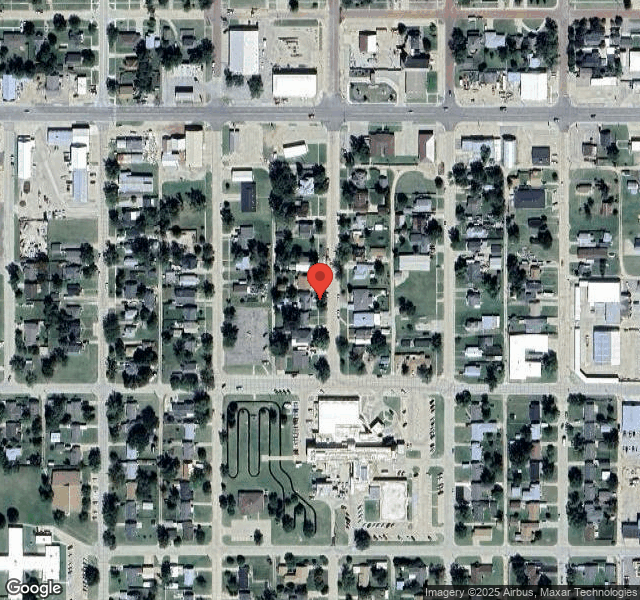
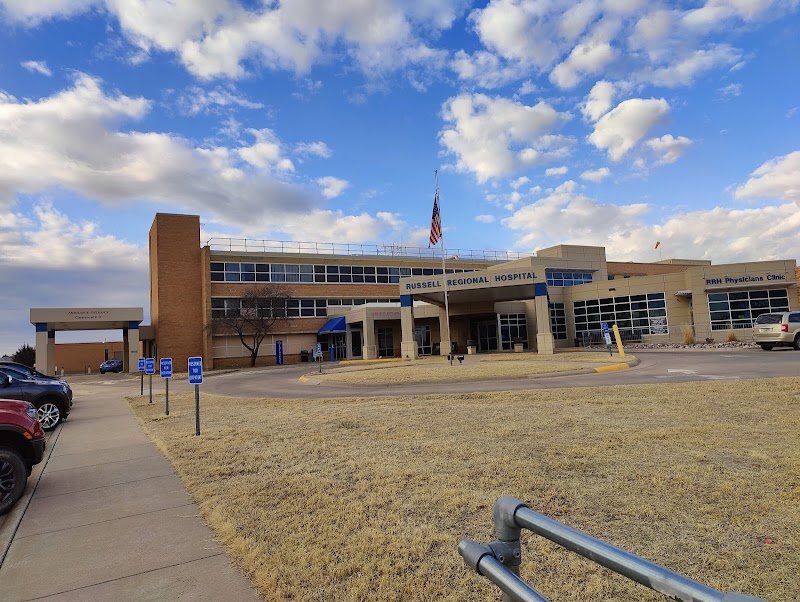
200 S MAIN STREET, RUSSELL, KS 67665 (785) 483-3131
Non profit - Corporation 23 Beds Independent Data: November 2025
Trust Grade
40/100
#281 of 295 in KS
Last Inspection: January 2024

Within standard 12-15 month inspection cycle. Federal law requires annual inspections.

Overview

Russell Regional Hospital LTCU has received a Trust Grade of D, indicating below-average quality and some significant concerns. It ranks #281 out of 295 nursing facilities in Kansas, placing it in the bottom half statewide, and is the second option out of two in Russell County. The facility is worsening overall, with issues increasing from 8 in 2022 to 13 in 2024. While the staffing turnover is impressively low at 0%, which is well below the state average, the facility has no registered nurse coverage for at least eight hours a day, which could jeopardize proper medical oversight. Specific incidents include the failure to submit required health assessments on time, the absence of a certified dietary manager leading to potential nutrition risks, and inadequate RN coverage that could result in insufficient medical guidance for residents.

Trust Score
D
40/100
In Kansas
#281/295
Bottom 5%
Safety Record
Low Risk
No red flags
Inspections
Getting Worse
8 → 13 violations
Staff Stability
○ Average
Turnover data not reported for this facility.
Penalties
✓ Good
No fines on record. Clean compliance history, better than most Kansas facilities.
Skilled Nurses
○ Average
RN staffing data not reported for this facility.
Violations
⚠ Watch
21 deficiencies on record. Higher than average. Multiple issues found across inspections.
★☆☆☆☆
1.0
Overall Rating
★☆☆☆☆
1.0
Staff Levels
★☆☆☆☆
1.0
Care Quality
★★☆☆☆
2.0
Inspection Score
Stable
2022: 8 issues
2024: 13 issues

The Good

  • Full Sprinkler Coverage · Fire safety systems throughout facility
  • No fines on record

Facility shows strength in fire safety.

The Bad

1-Star Overall Rating

Below Kansas average (2.9)

Significant quality concerns identified by CMS

The Ugly 21 deficiencies on record

Jan 2024 13 deficiencies
CONCERN (D)

Potential for Harm - no one hurt, but risky conditions existed

Transfer Notice (Tag F0623)

Could have caused harm · This affected 1 resident

**NOTE- TERMS IN BRACKETS HAVE BEEN EDITED TO PROTECT CONFIDENTIALITY** The facility had a census of 19 residents. The sample included eight residents with one reviewed for hospitalization. Based on o...

Read full inspector narrative →
**NOTE- TERMS IN BRACKETS HAVE BEEN EDITED TO PROTECT CONFIDENTIALITY** The facility had a census of 19 residents. The sample included eight residents with one reviewed for hospitalization. Based on observation, interview, and record review, the facility failed to notify the state Long Term Care (LTC) Ombudsman (a person who advocates for residents of nursing homes), as required, of Resident (R) 14's discharge from the facility. This placed the resident at risk for impaired rights and/or advocate involvement. Findings included: - R14 's Electronic Medical Record (EMR) documented diagnoses of psychosis (any major mental disorder characterized by gross impairment in reality perception), dementia (a progressive mental disorder characterized by failing memory, and confusion), and osteoporosis (abnormal loss of bone density and deterioration of bone tissue with an increased fracture risk). The Quarterly Minimum Data Set (MDS), dated [DATE], documented a Brief Interview for Mental Status (BIMS) score of 11, indicating moderately impaired cognition. The MDS documented R14 was independent with most activities of daily living and had no falls during the lookback period. R14's Care Plan, dated 11/10/23, stated R14 was independent in her room and the hallway; she needed verbal cues and used no assistive device. The care plan stated R14 ambulated often throughout the day and on the walking track with staff at times. The care plan update on 11/02/23 stated R14 transferred in a wheelchair, was non-weight bearing on the right lower extremity, and staff were to assist with activities of daily living. R14's EMR documented R14 was hospitalized from [DATE] to 11/02/23. R14's EMR lacked evidence a bed hold was issued. The facility was further unable to provide evidence the Ombudsman was notified of the facility-initiated discharge. On 01/10/24 at 03:20 PM, R14 ambulated with a gait belt and staff to the exercise room. On 01/16/24 at 10:28 AM, Social Services Staff X verified she had not sent an email to the office of the LTC Ombudsman to notify them of any discharges during October/November 2023 and stated she was not aware of the requirement to do so. On 01/17/24 at 01:36 PM, Administrative Nurse D verified the facility had not notified the LTC Ombudsman of R14's discharge to the hospital on [DATE]. The facility's undated Bed Hold policy stated before a resident transfers the facility would provide written information to the resident or their representative that specifies the duration of the state bed hold policy, and any potential charges. The policy stated any discharges for immediate emergency care would be reported on a monthly basis to the State Ombudsman Office. The facility failed to notify the state LTC Ombudsman, as required, of R14's facility-initiated discharge from the facility, placing the resident at risk for impaired rights and/or advocate involvement.
CONCERN (D)

Potential for Harm - no one hurt, but risky conditions existed

Deficiency F0625 (Tag F0625)

Could have caused harm · This affected 1 resident

**NOTE- TERMS IN BRACKETS HAVE BEEN EDITED TO PROTECT CONFIDENTIALITY** The facility had a census of 19 residents. The sample included eight residents with one reviewed for hospitalization. Based on o...

Read full inspector narrative →
**NOTE- TERMS IN BRACKETS HAVE BEEN EDITED TO PROTECT CONFIDENTIALITY** The facility had a census of 19 residents. The sample included eight residents with one reviewed for hospitalization. Based on observation, interview, and record review, the facility failed to provide a bed hold notice, as required, to Resident (R) 14 or their representative upon discharge from the facility. This placed the resident at risk for impaired rights. Findings included: - R14 's Electronic Medical Record (EMR) documented diagnoses of psychosis (any major mental disorder characterized by gross impairment in reality perception), dementia (a progressive mental disorder characterized by failing memory, and confusion), and osteoporosis (abnormal loss of bone density and deterioration of bone tissue with an increased fracture risk). The Quarterly Minimum Data Set (MDS), dated [DATE], documented a Brief Interview for Mental Status (BIMS) score of 11, indicating moderately impaired cognition. The MDS documented R14 was independent with most activities of daily living and had no falls during the lookback period. R14's Care Plan, dated 11/10/23, stated R14 was independent in her room and the hallway; she needed verbal cues and used no assistive device. The care plan stated R14 ambulated often throughout the day and on the walking track with staff at times. The care plan update on 11/02/23 stated R14 transferred in a wheelchair, was non-weight bearing on the right lower extremity, and staff were to assist with activities of daily living. R14's EMR documented R14 was hospitalized from [DATE] to 11/02/23. R14's EMR lacked evidence a bed hold was issued. On 01/10/24 at 03:20 PM, R14 ambulated with a gait belt and staff to the exercise room. On 01/17/24 at 01:36 PM, Administrative Nurse D verified the facility had not provided a Bed Hold Notice to R14 or her representative when she was discharged from the facility on 10/20/23. The facility's undated Bed Hold policy stated before a resident transfers the facility would provide written information to the resident or their representative that specified the duration of the state bed hold policy and any potential charges. The policy stated any discharges for immediate emergency care would be reported on a monthly basis to the State Ombudsman Office. The facility failed to provide a bed hold notice, as required, to R14 or their representative upon discharge from the facility, placing the resident at risk for impaired rights.
CONCERN (D)

Potential for Harm - no one hurt, but risky conditions existed

Accident Prevention (Tag F0689)

Could have caused harm · This affected 1 resident

The facility had a census of 19 residents. The sample included eight residents. Based on observation, interview, and record review, the facility failed to ensure the stovetop burners in the activity r...

Read full inspector narrative →
The facility had a census of 19 residents. The sample included eight residents. Based on observation, interview, and record review, the facility failed to ensure the stovetop burners in the activity room were disabled when not in use, placing one cognitively impaired, independently mobile resident at risk for injury. Findings included: - On 01/10/24 at 09:40 AM, observation in the facility's activity room revealed an electric stove with four burners which were not disabled. When activated, the burners became hot. At that time, no residents were in the area and the staff was in sight of the stove. On 01/11/24 at 03:15 PM, observation revealed three residents sat in the activity room without staff present. The stove top burner was able to be activated. On 01/11/24 at 03:16 PM, Certified Nurse Aide (CNA) M verified the stove should be locked out, and she notified Administrative Nurse E who verified it should be locked. Continued observation revealed the nurse aides working did not know where the key was or how to lock out the stove. Certified Medication Aide R found the stove key, but the staff could not lock the stove. Administrative Nurse E notified the facility maintenance supervisor. On 01/11/24 at 03:25 PM, Maintenance Staff U demonstrated to staff how to lock out the stove. On 01/17/24 at 02:00 PM, Administrative Nurse D stated the facility had one independently mobile, cognitively impaired resident. The facility's Accidents and Incident policy, undated, stated the facility was committed to providing a safe and secure environment for residents. The facility's environmental safety officer would conduct regular inspections of the facility to identify and address potential hazards including equipment safety. The facility failed to ensure the stove was disabled when not in use, placing one cognitively impaired, independently mobile resident at risk for burn injury.
CONCERN (D)

Potential for Harm - no one hurt, but risky conditions existed

Drug Regimen Review (Tag F0756)

Could have caused harm · This affected 1 resident

**NOTE- TERMS IN BRACKETS HAVE BEEN EDITED TO PROTECT CONFIDENTIALITY** The facility had a census of 19 residents. The sample included eight residents, with five reviewed for unnecessary medications. ...

Read full inspector narrative →
**NOTE- TERMS IN BRACKETS HAVE BEEN EDITED TO PROTECT CONFIDENTIALITY** The facility had a census of 19 residents. The sample included eight residents, with five reviewed for unnecessary medications. Based on observation, interview, and record review, the facility failed to ensure the Consultant Pharmacist identified and reported the lack of an appropriate indication, or the required physician documentation, for Resident (R) 12's use of an antipsychotic medication (class of medications used to treat any major mental disorder characterized by a gross impairment in reality testing and other mental-emotional conditions). This placed the resident at risk for inappropriate use of an antipsychotic medication with side effects. Findings include: - R12's Electronic Medical Record (EMR) recorded diagnoses of dementia (progressive mental deterioration characterized by confusion and memory failure) with behavioral disturbance, and traumatic subdural hemorrhage (SDH-serious condition, typically caused by head injury, where blood collects between the skull and the surface of the brain.) R12's Annual Minimum Data Set (MDS), dated [DATE], recorded R12 had a Brief Interview for Mental Status (BIMS) score of 13 which indicated intact cognition. The MDS recorded R12 required one staff assistance with most activities of daily living (ADLS.) The MDS recorded R12 received an antipsychotic medication. The Psychotropic Care Area Assessment (CAA), dated 08/03/23, recorded the area triggered but did not give a description as to why the area was triggered. R12's Care Plan, dated 08/09/23 and 10/26/23 recorded R12 received Black Box Warning (BBW-highest safety-related warning that medications can have assigned by the Food and Drug Administration,) medication and referenced the Medication Administration Record (MAR) in the EMR. The Physician's Order, dated 01/03/24, (initially ordered on 11/28/22, directed the staff to administer Seroquel (antipsychotic) 50 milligrams (mg), in the morning and administer Seroquel 50 mg, two times a day for a diagnosis of dementia. The 10/18/23 Consultant Pharmacist monthly review for R12 revealed a recommendation for a gradual dose reduction and a risk versus benefit. The physician responded and declined a dose reduction and stated the resident required the medication secondary to aggressive behavior seen by staff with known normal pressure hydrocephalus (build-up of fluid in the cavities deep within the brain) diagnosis. Review of the Consultant Pharmacist monthly review for R12 revealed on 12/16/23, 11/16/23, 09/21/23, 08/21/23, 07/22/23, and 06/26/23 lacked a recommendation for the appropriate indication for the Seroquel. R12's EMR lacked a documented physician rationale which included unsuccessful attempts for nonpharmacological symptom management and risk versus benefits for the continued Seroquel use. On 01/11/24 at 08:00 AM, observation revealed R12 sat in the dining room, Certified Medication Aide (CMA) R administered R12's medications which included the Seroquel 50 mg tablet. On 01/11/24 at 02:30 PM, Administrative Nurse D verified the resident received Seroquel, an antipsychotic medication with a diagnosis of dementia. Administrative Nurse D said that was an inaccurate diagnosis for the medication. Administrative Nurse D verified the pharmacist sent monthly reviews to the facility for a gradual dose reduction with appropriate diagnoses, however, they failed to get an appropriate diagnosis for the use of Seroquel. The facility's Pharmacist Services for Residents policy dated 05/18/23 recorded the pharmaceutical services are conducted or overseen by a current licensed, registered pharmacist. These activities are in accordance with applicable laws and regulations, as well as ethical and professional practices. The pharmacist is responsible for developing, coordinating, and monitoring pharmaceutical services. The services include assuring the facility is in compliance with laws and regulations including checking the resident's drug list during the monthly review to ensure that it is correct, necessary labs are ordered, and diagnoses are correct and applicable. (Nursing, physician, and pharmacist review the medication list on a monthly basis and sign) The pharmacist would monitor for drug allergies, and correct dose form i.e., not crushing a sustained release form. Monitoring drug use for necessity, especially PRNs. If not used in the last 6 months, seek discontinuance. Monitor drug/drug, drug/food, and drug/diagnosis interactions. The facility failed to ensure the Consultant Pharmacist reported the inappropriate indication for the continued use of antipsychotic medication Seroquel for R12. This placed the resident at risk for unnecessary antipsychotic medication with side effects.
CONCERN (D)

Potential for Harm - no one hurt, but risky conditions existed

Medication Errors (Tag F0758)

Could have caused harm · This affected 1 resident

**NOTE- TERMS IN BRACKETS HAVE BEEN EDITED TO PROTECT CONFIDENTIALITY** The facility had a census of 19 residents. The sample included eight residents, with five reviewed for unnecessary medications. ...

Read full inspector narrative →
**NOTE- TERMS IN BRACKETS HAVE BEEN EDITED TO PROTECT CONFIDENTIALITY** The facility had a census of 19 residents. The sample included eight residents, with five reviewed for unnecessary medications. Based on observations, interviews, and record review, the facility failed to ensure an appropriate indication, or a documented physician rationale which included the unsuccessful attempts for nonpharmacological symptom management and risk versus benefits for the continued use of Resident (R)12's antipsychotic (a medication used to treat any major mental disorder characterized by a gross impairment testing). This placed R12 at risk for unintended effects related to psychotropic (alters mood or thought) drug medications. Findings include: - R12's Electronic Medical Record (EMR) recorded diagnoses of dementia (progressive mental deterioration characterized by confusion and memory failure) with behavioral disturbance, and traumatic subdural hemorrhage (SDH-serious condition, typically caused by head injury, where blood collects between the skull and the surface of the brain.) R12's Annual Minimum Data Set (MDS), dated [DATE], recorded R12 had a Brief Interview for Mental Status (BIMS) score of 13 which indicated intact cognition. The MDS recorded R12 required one staff assistance with most activities of daily living (ADLS.) The MDS recorded R12 received an antipsychotic medication. The Psychotropic Care Area Assessment (CAA), dated 08/03/23, recorded the area triggered but did not give a description as to why the area was triggered. R12'sThe Care Plan, dated 08/09/23 and 10/26/23 recorded R12 received Black Box Warning (BBW-highest safety-related warning that medications can have assigned by the Food and Drug Administration,) medication and referenced the Medication Administration Record (MAR) in the EMR. The Physician's Order, dated 01/03/24, (initially ordered on 11/28/22, directed the staff to administer Seroquel (antipsychotic) 50 milligrams (mg), in the morning and administer Seroquel 50 mg, two times a day for a diagnosis of dementia. R12's EMR lacked a documented physician rationale which included unsuccessful attempts for nonpharmacological symptom management and risk versus benefits for the continued Seroquel use. On 01/11/23 at 08:00 AM, observation revealed R12 seated sat in the dining room; Certified Medication Aide (CMA) R administered R12's medications which included the Seroquel 50 mg tablet. On 01/11/24 at 02:30 PM, Administrative Nurse D verified the resident received Seroquel, an antipsychotic medication with a diagnosis of dementia and that was an inaccurate diagnosis for the medication. Administrative Nurse D verified the pharmacist had sent monthly reviews to the facility for a gradual dose reduction with appropriate diagnoses, however, they failed to get an appropriate diagnosis for the use of the Seroquel. The Psychotropic Medication Use and Monitoring policy dated 05/18/2023 recorded psycho-pharmacological medications are drugs that affect the brain activities associated with mental processes and behavior. These drugs are also called psychoactive or psychotherapeutic medications. Psychotropic medications are divided into four broad categories: anti-psychotic, anti-depressant, anti-anxiety, and hypnotic medication. CCMS regulations state that each resident's drug regimen must be free from unnecessary drugs and define what is considered an unnecessary drug. in excessive dose, for excessive duration, without adequate indication, without adequate monitoring, or without adequate indications for its use, presence of adverse consequences, which indicate the dosage should be reduced or discontinued. The facility will administer psychotropic medications appropriately working with an interdisciplinary team to ensure the appropriate use, evaluation, and monitoring. The attending physician must have a qualifying diagnosis for the medication and certify that a psychotropic medication is necessary to treat a specific condition/behavior. The facility failed to ensure R12 did not receive antipsychotic medication without an appropriate diagnosis or required documentation for its use, placing R12 at risk for adverse side effects related to the use of Seroquel.
CONCERN (D)

Potential for Harm - no one hurt, but risky conditions existed

Deficiency F0761 (Tag F0761)

Could have caused harm · This affected 1 resident

The facility had a census of 19 residents. The sample included eight residents. Based on observation, interview, and record review, the facility failed to label Resident (R)3's insulin (a hormone whic...

Read full inspector narrative →
The facility had a census of 19 residents. The sample included eight residents. Based on observation, interview, and record review, the facility failed to label Resident (R)3's insulin (a hormone which allows cells throughout the body to uptake glucose) flex pen with the name, date opened, and discard date and failed to discard expired stock medication in one medication cart. This placed the affected residents at risk for ineffective medications. Findings included: - On 01/10/24 at 09:20 AM, observation of the medication cart revealed the following: One bottle of loperamide hydrochloride (Imodium-anti diarrhea medication) 2 milligrams (mg), 100 count tablets, expired 11/2023. On 01/10/24 at 09:45 AM, observation of the treatment cart revealed the following: A Tresiba (long-acting insulin) flex pen, that was open but lacked a name, date opened, and a discard date. On 01/10/24 at 09:25 AM, Certified Medication Aide (CMA) R verified the insulin pen belonged to R3 and verified the medication aides and nurses were to look at the medication bottles and verify expiration dates before administering the medications. CMA R said staff should discard expired medications. On 1/10/24 at 9:30 AM, Licensed Nurse (LN) G verified the nurses were to date the insulin pen with the resident's name and verify when opened and the discard date before administering the insulin. On 01/11/23 at 11:30 AM, Administrative Nurse D verified the nurses should label and date the insulin pens and vials with the resident's name and discard expired items. Administrative Nurse D verified expired stock medications are to be discarded. The facility's Labeling Standards policy, dated 04/24/17, documented that all drugs must be labeled and drug labels must be clear, consistent, legible, and in compliance with state and federal requirements. These shall be a standard method for appropriately and safely labeling medications dispensed. Medication labels shall include at a minimum, generic drug name, dose, manufacturer's lot, expiration date, and name of manufacture. The facility failed to label and date R3's insulin flex pen and failed to discard expired stock medications, placing the residents at risk for ineffective medication.
CONCERN (E)

Potential for Harm - no one hurt, but risky conditions existed

Deficiency F0883 (Tag F0883)

Could have caused harm · This affected multiple residents

The facility identified a census of 19 residents. The sample included eight residents with five residents reviewed for immunizations Resident (R)2, R5, R8, R12, and R119, to include pneumococcal (a di...

Read full inspector narrative →
The facility identified a census of 19 residents. The sample included eight residents with five residents reviewed for immunizations Resident (R)2, R5, R8, R12, and R119, to include pneumococcal (a disease that refers to a range of illnesses that affect various parts of the body and is caused by infection) vaccinations. Based on record review and interviews, the facility failed to provide the latest guidance from the Centers for Disease Control and Prevention (CDC) when they failed to offer, obtain an informed declination or a physician-documented contraindication for pneumococcal PCV 20- vaccination. This deficient practice placed the residents at risk of acquiring, spreading, and experiencing complications from the pneumococcal disease. Findings included: - Review of R2, R5, R8, R12, and R119's clinical medical records lacked evidence the facility or the resident representative received or signed consent or informed declination for the current pneumococcal vaccine PCV20. The records lacked evidence of a physician-documented contraindication. On 01/18/24 at 11:25 AM, Administrative Nurse E stated the facility was up to date on offering the past pneumococcal vaccine requirements, however, she said the facility was unaware of the current pneumococcal PCV20 vaccine and lacked knowledge of the new CDC vaccination recommendation. Administrative Nurse E stated the facility had not implemented any system to address it. The facility's Pneumococcal Vaccine policy dated 06/21/22 documented each resident was assessed at the time of admission for pneumococcal immunization and every resident was offered a pneumococcal immunization unless medically contraindicated or the resident was already immunized. The policy directed the resident or the Durable Power of Attorney (DPOA) to sign a consent or declination form regarding the vaccine. The facility failed to offer the pneumococcal (PCV20) vaccination. This deficient practice placed the residents at risk of acquiring, spreading, and experiencing complications from pneumococcal disease.
CONCERN (F)

Potential for Harm - no one hurt, but risky conditions existed

MDS Data Transmission (Tag F0640)

Could have caused harm · This affected most or all residents

**NOTE- TERMS IN BRACKETS HAVE BEEN EDITED TO PROTECT CONFIDENTIALITY** The facility had a census of 19 residents. The sample included eight residents. Based on record review and interview, the facili...

Read full inspector narrative →
**NOTE- TERMS IN BRACKETS HAVE BEEN EDITED TO PROTECT CONFIDENTIALITY** The facility had a census of 19 residents. The sample included eight residents. Based on record review and interview, the facility failed to submit to the Center for Medicare and Medicaid Services (CMS) a Minimum Data Set (MDS) assessment within 92 days of the previous assessment for all 19 residents of the facility and one discharged resident. This placed the residents at risk for lack of oversight to ensure their needs were met. Findings included: A review of the facility's MDS documentation revealed transmittal of the comprehensive MDS was past due for the following residents: Resident (R) 119, due 10/4/23 R3 due 10/11/23 R4 due 10/18/23 R14 due 11/08/23 R10 due 11/08/23 R116 due 12/5/23 R13 due 12/20/23 R17 was admitted on [DATE] and the admission MDS was due on 11/14/23. R 15 was admitted [DATE], and no MDS were completed for R15 A review of the facility's MDS documentation revealed transmittal of the Quarterly MDS was past due for the following residents: R118 due 10/12/23 R11 due 10/28/23 R2 due 11/02/23 R12 due 11/04/23 R6 due 11/18/23 R7 due 11/25/23 R66 due 12/1/23 R9 due 12/07/23 R1 due 12/07/23 R5 due 12/07/23 R8 due 12/14/23 On 01/10/24 at 11:30 AM, Administrative Nurse D stated she had not been able to send in the MDS for a few months since October 2023 due to a system failure of the facility's computer program. She stated the State (Agency) was aware. Administrative Nurse D stated the facility did all the assessments but had not completed an electronic MDS to submit/transmit to CMS. On 01/17/24 at 01:08 PM, Administrative Nurse D stated the facility's system was updated on 01/16/24 and she would have all the MDS submitted by 01/18/24. The facility's Resident Assessment- Comprehensive policy, dated 05/18/23, the facility would conduct initial and periodic comprehensive, accurate, standardized, reproducible assessments of each resident's function capacity. The Resident Assessment Instrument (RAI) system developed by the federal government would be used as the basis for the assessment, care planning, and documentation system. The MDS would be completed within 14 days of admission or as required by law and regulation. Re-assessment using the full MDS would be scheduled not less than once every 12 months. The re-assessment using a quarterly MDS would be done not less often than every 90 days. Transmission of the MDS data would be no longer than seven days following completion of the MDS. The facility failed to submit to CMS an MDS assessment within 92 days of the previous assessment for all 19 residents of the facility and one discharged resident, placing the residents at risk for lack of oversight to ensure their needs are met.
CONCERN (F)

Potential for Harm - no one hurt, but risky conditions existed

Deficiency F0727 (Tag F0727)

Could have caused harm · This affected most or all residents

The facility had a census of 19 residents. Based on record review and interview, the facility failed to provide the services of a Registered Nurse (RN) for at least eight consecutive hours a day, seve...

Read full inspector narrative →
The facility had a census of 19 residents. Based on record review and interview, the facility failed to provide the services of a Registered Nurse (RN) for at least eight consecutive hours a day, seven days a week, for the 19 residents who resided in the facility. This placed the facility and residents at risk for inadequate nurse guidance and leadership. Findings included: - The Payroll-Based Journal (PBJ) report indicated no RN hours on 08/20/23, 09/01/23, 09/16/23 and 09/30/23. A review of the facility's payroll data revealed the facility lacked a registered nurse eight consecutive hours a day on 08/20/23 and 09/30/23. On 01/17/24 at 01:39 PM, Administrative Nurse D verified on 08/20/23 and 09/30/23 the facility lacked RN coverage. She stated on those days the RN from the hospital assessed and guided the licensed nurse on duty. The facility's RN Coverage on Main Street Manor (long term care) policy, dated 05/18/23, stated MSM would have at least eight hours of RN coverage seven days per week. The facility failed to provide the services of an RN for at least eight consecutive hours a day, seven days a week, for the 19 residents who resided in the facility. This placed the facility and residents at risk for inadequate nurse guidance and leadership.
CONCERN (F)

Potential for Harm - no one hurt, but risky conditions existed

Deficiency F0801 (Tag F0801)

Could have caused harm · This affected most or all residents

The facility had a census of 19 residents. Based on observation, record review, and interview the facility failed to provide the services of a full-time certified dietary manager for the 19 residents ...

Read full inspector narrative →
The facility had a census of 19 residents. Based on observation, record review, and interview the facility failed to provide the services of a full-time certified dietary manager for the 19 residents who resided in the facility and received their meals from the kitchen, placing the residents at risk for inadequate nutrition. Findings included: - On 01/10/24 at 09:12 AM, observation revealed Dietary Staff (DS) BB in the facility kitchen overseeing the preparation for the noon meal. On 01/10/24 at 09:12 AM, DS BB stated she was the Food Services Manager for the facility and verified she did not have dietary manager certification and was currently taking classes for that. The facility's Dietary Services policy, dated 05/18/23, stated if a qualified dietician does not serve as director of food services, the director of food services would be subject to the state requirements for the position. The facility failed to employ a full-time certified dietary manager to evaluate residents' nutritional concerns and oversee the ordering, preparing, and storage of food for the 19 residents of the facility, placing the residents at risk for inadequate nutrition.
CONCERN (F)

Potential for Harm - no one hurt, but risky conditions existed

Staffing Data (Tag F0851)

Could have caused harm · This affected most or all residents

The facility had a census of 19 residents. Based on record review and interview, the facility failed to submit complete and accurate staffing information through the Payroll Based Journal (PBJ) as req...

Read full inspector narrative →
The facility had a census of 19 residents. Based on record review and interview, the facility failed to submit complete and accurate staffing information through the Payroll Based Journal (PBJ) as required. This deficient practice placed the residents at risk for unidentified and ongoing inadequate nurse staffing. Findings included: - The PBJ report provided by the Centers for Medicare & Medicaid Services (CMS) for Fiscal Year (FY) 2023 Quarter 3 indicated the facility did not have licensed nurse coverage 24 hours a day, seven days a week on the following days: 05/20/23, 05/27/23, 06/04/23, 06/09/23, and 06/16/23. The PBJ report for Quarter 4 indicated no licensed nurse coverage on 07/31/23, 08/29/23, 0/09/23, and 09/16/23. The PBJ report also indicated no Registered Nurse (RN) hours on 08/20/23, 09/01/23, 09/16/23 and 09/30/23. A review of the facility licensed nurse payroll data for the dates listed on the PBJ revealed a licensed nurse was on duty for 24 hours a day seven days a week. On 01/17/24 at 09:20 AM, Administrative Nurse D verified the facility failed to submit complete nursing hour data for the PBJ. She stated the facility performed a PBJ audit in September 2023 for April through June 2023 after receiving notice that Quarter 2 had incomplete nursing hours. On 01/17/24 at 210 PM, Administrative Nurse D verified the facility did not have a policy for submitting the PBJ and was in the process of developing one. The facility failed to submit accurate PBJ data which placed the residents at risk for unidentified and ongoing inadequate staffing.
CONCERN (F)

Potential for Harm - no one hurt, but risky conditions existed

Deficiency F0868 (Tag F0868)

Could have caused harm · This affected most or all residents

The facility had a census of 19 residents. The sample included eight residents. Based on observation, record review and interview the facility failed to ensure the Medical Director attended the Qualit...

Read full inspector narrative →
The facility had a census of 19 residents. The sample included eight residents. Based on observation, record review and interview the facility failed to ensure the Medical Director attended the Quality Assessment and Assurance (QAA) Committee meetings at least quarterly as required. This placed the 19 residents who resided in the facility at risk for impaired quality of care. Findings included: - The facility provided QAA committee attendance rosters for 01/26/23, 02/23/23, 03/16/23, 04/26/23, 05/31/23, 06/28/23, 07/26/23, 08/30/23, 09/27/23, 10/25/23, 11/29/23, and 12/27/23. The documentation lacked evidence the medical director attended any of the meetings. On 01/17/24 at 09:25 PM, Administrative Nurse E verified the QAA meetings were held monthly and were to include the medical director at least quarterly. Administrative Nurse E verified the dates of the monthly meetings and stated it was hard to get the medical director to come to the meetings due to his busy schedule. Administrative Nurse F verified the facility had meetings on the above-documented dates. The facility's Quality Assurance and Performance Improvement policy, dated 09/13/23, documented the facility would maintain and improve safety and quality while involving all departments in practical and creative problem solving. The QAPI program would ensure a consistent focus on the delivery of health care and responsive customer service. Projects of the program are designed to support building a strong future for the organization while assuring the delivery of high-quality services. The Quality Manager would organize the meetings, at least quarterly, collecting and organizing data and quality reports from each department and service. Data would be collected from a variety of sources and reported to the appropriate regulatory and quality improvement entities. The Quality Manager would ensure that the quality efforts are focused and effective by: Ongoing monitoring and data collection, Problem prevention, identification and data analysis, Identification of corrective actions, Evaluation of corrective actions, and, Measures to improve quality on a continuing basis. QAPU activities would be reviewed on an ongoing basis by the Quality Committee with a final assessment by the Governing Body. The QAPI plan would be reviewed annually with ant suggested revisions being made as necessary. The facility failed to ensure the required members of the QAA committee including the medical director met quarterly, placing the 19 residents who resided in the facility at risk for impaired quality of care.
MINOR (C)

Minor Issue - procedural, no safety impact

Deficiency F0577 (Tag F0577)

Minor procedural issue · This affected most or all residents

The facility had a census of 19 residents. The sample included eight residents. Based on record review and interview, the facility failed to ensure the most recent survey and complaint survey results ...

Read full inspector narrative →
The facility had a census of 19 residents. The sample included eight residents. Based on record review and interview, the facility failed to ensure the most recent survey and complaint survey results were available for public review. Findings included: - On 01/11/23 at 02:00 PM, observation revealed the facility lacked the display and/or posting of the last survey results survey and lacked availability of the past three years of surveys and complaints. On 01/11/23 at 02:10 PM, Administrative Nurse D verified the facility lacked the public posting or availability of the last survey and lacked availability of the last three years of surveys and complaints. The facility lacked a policy for posting of state survey results. The facility failed to ensure the last three years of surveys and complaint survey results were available for public review, placing the residents at risk for lack of information regarding survey results.
Jun 2022 8 deficiencies
CONCERN (D)

Potential for Harm - no one hurt, but risky conditions existed

MDS Data Transmission (Tag F0640)

Could have caused harm · This affected 1 resident

The facility had a census of 20 residents. The sample included 12 residents with one reviewed for transmitting a Quarterly Minimum Data Set (MDS) (an assessment which contains resident specific inform...

Read full inspector narrative →
The facility had a census of 20 residents. The sample included 12 residents with one reviewed for transmitting a Quarterly Minimum Data Set (MDS) (an assessment which contains resident specific information for payment and quality measure purposes). The facility failed to transmit the Quarterly MDS for Resident (R) 4 to Centers for Medicare Services (CMS). Findings included: - On 06/23/22 review of the Electronic Medical Record (EMR) documented a completed Quarterly MDS on 04/28/22. Review of the CMS submission validation report revealed no transmission of the 04/28/22 to CMS. The last MDS for R4 transmitted on 01/26/22 (120 days). On 06/23/22 at 08:50AM, Licensed Nurse (LN) G verified the MDS completed on 04/28/22 not transmitted when completed to CMS. Verified the last MDS transmitted to CMS on 01/26/22. On 06/27/22 at 11:00AM, Administrative Nurse (AN) D verified no submission of the completed MDS on 04/28/22. The facility's policy is the Resident Assessment Instrument (RAI) manual. The RAI stated Transmittal requirements. Within 14 days after a facility completed a resident's assessment, a facility must electronically transmit encoded, accurate, and complete MDS data to the CMS System. The facility failed to transmit R4 quarterly MDS to CMS, placing the resident at risk for no current assessment of care they received.
CONCERN (D)

Potential for Harm - no one hurt, but risky conditions existed

Pressure Ulcer Prevention (Tag F0686)

Could have caused harm · This affected 1 resident

**NOTE- TERMS IN BRACKETS HAVE BEEN EDITED TO PROTECT CONFIDENTIALITY** The facility had a census of 20 residents. The sample included 12 residents with four reviewed for pressure ulcers. Based on obs...

Read full inspector narrative →
**NOTE- TERMS IN BRACKETS HAVE BEEN EDITED TO PROTECT CONFIDENTIALITY** The facility had a census of 20 residents. The sample included 12 residents with four reviewed for pressure ulcers. Based on observation, record review and interview, the facility failed to complete an assessment for a redeveloped pressure ulcer and notify the physician for one of four sampled residents, Resident (R) 18. This placed the resident at risk for a worsened pressure ulcer and development of more skin issues. Findings included: - The Physician Order Sheet, dated 06/03/22, recorded R18 had diagnoses of dementia with behaviors (persistent mental disorder marked by memory loss and impaired reasoning), depression (mental health disorder characterized by persistent depressed mood, causing impairment of daily life), anxiety (mental health disorder characterized by worry and fear that interferes with daily life) and Chronic Obstructive Pulmonary Disease (COPD) (progressive and irreversible condition characterized by diminished lung capacity and difficulty or discomfort in breathing). The Quarterly Minimum Data Set (MDS), dated [DATE], recorded R18 had a Brief Interview for Mental Status (BIMS) score of five (severe cognitive impairment) with inattention, disorganized thinking, and verbal behaviors. The MDS recorded R18 required limited to extensive staff assistance with all activities of daily living (ADLs) and was risk to develop pressure ulcers. The Pressure Ulcer Care Plan, dated 06/01/22, recorded R18 at risk for skin issues due to poor nutrition and limited mobility related to dementia, and incontinence of bowel and urine. The Pressure Ulcer Care Plan directed staff to assess and record skin breakdown, monitor the wound progress, and notify the physician. The Wound Assessment Form, dated 02/20/22, recorded R18's coccyx (base of the spine) pressure ulcer had healed and directed staff to continue Allevyn dressing (absorbent foam dressing) to protect the healed wound. The Braden Scale, dated 03/30/22, recorded R18 a moderate risk to develop a pressure ulcer. On 06/22/22 at 10:13 AM, observation revealed R18 stand at his walker while Licensed Nurse (LN) G completed a dressing change on the resident's coccyx. Continued observation revealed the old Allevyn dressing had a small amount of serosanguineous drainage (semi-thick reddish drainage), and R18 had two superficial 1.0 centimeter (cm) open areas side by side on the coccyx. On 06/27/22 at 10:01 AM, observation revealed R18 stand at his walker while LN I completed a dressing change on the resident's coccyx. Continued observation revealed the old Allevyn dressing had a small amount of serosanguineous drainage, and R18 had 0.5 cm open area with a tan wound bed on the coccyx. Review of R18's medical record lacked documentation staff assessed and documented the pressure ulcer description and size or notified the physician of the pressure ulcer. On 06/27/22 at 10:09 AM, LN I stated R18's medical record lacked documentation of the resident's open area on his coccyx. LN I stated the facility's policy directed staff to assess skin breakdown and notify the physician for treatment orders. On 06/27/22 at 10:31 AM, Administrative Staff D stated the nurse should assess R18's skin breakdown, document the assessment in the medical record and notify the physician for treatment orders. The facility's Skin Integrity/Pressure Ulcer Policy, dated March 2010, directed staff to assess wounds, record the assessment in the medical record, monitor the wound status and notify the physician for treatment orders. The facility failed to complete an assessment for R18's redeveloped pressure ulcer and notify the physician, placing the resident at risk for a worsened pressure ulcer and development of more skin issues.
CONCERN (D)

Potential for Harm - no one hurt, but risky conditions existed

Pharmacy Services (Tag F0755)

Could have caused harm · This affected 1 resident

**NOTE- TERMS IN BRACKETS HAVE BEEN EDITED TO PROTECT CONFIDENTIALITY** The facility had a census of 20 residents. The sample included 12 residents. Based on observation, record review, and interview ...

Read full inspector narrative →
**NOTE- TERMS IN BRACKETS HAVE BEEN EDITED TO PROTECT CONFIDENTIALITY** The facility had a census of 20 residents. The sample included 12 residents. Based on observation, record review, and interview the facility failed to date an opened insulin (an injectable medication, a hormone used to move sugar from the blood into other body tissues) vial (small glass bottle) for one of one medication carts. Findings included: - On [DATE] at 08:39AM, observation revealed an opened Lantus (a long-acting insulin) vial in the top drawer of the medication cart. Further observation revealed the vial not dated when opened. On [DATE] at 08:40AM, Licensed Nurse (LN) G verified the undated insulin vial. On [DATE] at 11:00AM, Administrative Nurse (AN) D verified insulin should be dated when opened. The facility lacked a policy for dating opened insulin. The facility failed to date opened insulin for one of one medication carts, placing Resident (R) 15 at risk for use of expired medication.
CONCERN (D)

Potential for Harm - no one hurt, but risky conditions existed

Drug Regimen Review (Tag F0756)

Could have caused harm · This affected 1 resident

**NOTE- TERMS IN BRACKETS HAVE BEEN EDITED TO PROTECT CONFIDENTIALITY** The facility had a census of 20 residents. The sample included 12 residents with five reviewed for unnecessary medications. Base...

Read full inspector narrative →
**NOTE- TERMS IN BRACKETS HAVE BEEN EDITED TO PROTECT CONFIDENTIALITY** The facility had a census of 20 residents. The sample included 12 residents with five reviewed for unnecessary medications. Based on observation, record review, and interview, the facility's consultant pharmacist failed to notify the Director of Nursing (DON), medical director, or physician of recommendations for a 14 day stop date or physician's rationale for extended use on as needed (PRN) psychotropic medications (medications used to treat mental illness, moods, behaviors) for two sampled residents, Resident (R) 10, and R18. This placed the residents at risk for unnecessary psychotropic medications and adverse side effects. Findings included: - The Physician Order Sheet, dated 06/02/22, recorded R10 had diagnoses of dementia with behaviors (persistent mental disorder marked by memory loss and impaired reasoning), depression (mental health disorder characterized by persistent depressed mood, causing impairment of daily life), delusions (untrue persistent beliefs or perceptions held by a person although evidence shows it was untrue) and anxiety (mental health disorder characterized by worry and fear that interferes with daily life). The Quarterly Minimum Data Set (MDS), dated [DATE], recorded R10 had severe cognitive impairment with inattention, disorganized thinking, altered level of consciousness, delusions, physical behaviors, and verbal behaviors. The MDS recorded R10 required extensive to total staff assistance with all activities of daily living (ADLs) and received scheduled antianxiety medication (medications used to calm and relax people with excessive anxiety, nervousness, and tension) seven days a week. The Medication Care Plan, dated 04/05/22, recorded R10 had frequent physical and verbal behaviors related to delusions, agitation, and restlessness. The care plan directed staff to administer R10's medications as ordered by the physician, and monitor the medications for effectiveness, and/or adverse side effects. The Physician's Order, dated 03/08/22, directed staff to administer Ativan (antianxiety medication used to treat anxiety, agitation, and behavior problems) 0.5 milligrams (mg) every 6 hours PRN to R10 for anxiety. Review of R10's medical record lacked documentation the PRN Ativan had a 14 day stop date or physician's rationale for extended use. Review of the April 2022 Medication Administration Record (MAR), recorded staff administered prn Ativan to R10 twelve times. Review of the May 2022 MAR, recorded staff administered prn Ativan to R10 twelve times. Review of the June 2022 MAR, recorded staff administered prn Ativan to R10 seventeen times. The Pharmacist Medication Reviews, dated 03/11/22, 04/13/22, 05/11/22, 06/15/22, lacked documentation the pharmacist addressed the 14 day stop date or a physician's rationale for extended use for R10's PRN Ativan. On 06/22/22 at 08:01 AM, observation revealed R10 sat in a Broda chair (specialized wheelchair with ability to tilt and recline) at the dining table. On 06/27/22 at 10:03 AM, Administrative Nurse D stated the pharmacist had not addressed R10's PRN psychotropic medications without a 14 day stop date or physician's rationale for extended use. The facility's Psychotropic Medication policy, dated September 2002, lacked documentation PRN psychotropic medications had a 14 day stop date, or a physician's rationale for extended use. The facility's consultant pharmacist failed to notify the Director of Nursing (DON), medical director, or physician of recommendation for a 14 day stop date or physician's rationale for extended use on a PRN psychotropic medication R10. This placed the residents at risk for unnecessary psychotropic medications and adverse side effects. - The Physician Order Sheet, dated 06/03/22, recorded R18 had diagnoses of dementia with behaviors (persistent mental disorder marked by memory loss and impaired reasoning), depression (mental health disorder characterized by persistent depressed mood, causing impairment of daily life), anxiety (mental health disorder characterized by worry and fear that interferes with daily life) and Chronic Obstructive Pulmonary Disease (COPD) (progressive and irreversible condition characterized by diminished lung capacity and difficulty or discomfort in breathing). The Quarterly Minimum Data Set (MDS), dated [DATE], recorded R18 had a Brief Interview for Mental Status (BIMS) score of five (severe cognitive impairment) with inattention, disorganized thinking, and verbal behaviors. The MDS recorded R18 required limited to extensive staff assistance with all activities of daily living (ADLs) and received scheduled antianxiety medication (medications used to calm and relax people with excessive anxiety, nervousness, and tension) seven days a week. The Medication Care Plan, dated 06/05/22, recorded R18 had severe cognitive impairment and delusions related to dementia and frequently resisted cares. The care plan directed staff to administer R18's medications as ordered by the physician, and monitor the medications for effectiveness, and/or adverse side effects. The Physician's Order, dated 03/31/22, directed staff to administer Xanax (antianxiety medication used to treat anxiety, agitation, and behavior problems) 0.5 milligrams (mg) every 6 hours PRN to R18 for anxiety. Review of R18's medical record lacked documentation the PRN Xanax had a 14 day stop date or physician's rationale for extended use. Review of the April 2022 Medication Administration Record (MAR), recorded staff administered prn Xanax to R18 twenty-nine times. Review of the May 2022 MAR, recorded staff administered prn Xanax to R18 thirty-nine times. Review of the June 2022 MAR, recorded staff administered prn Xanax to R18 twenty-eight times. The Pharmacist Medication Reviews, dated 04/24/22, 05/23/22, lacked documentation the pharmacist addressed the 14 day stop date or a physician's rationale for extended use for R18's PRN Xanax. On 06/22/22 at 07:41 AM, observation revealed R18 sat in a wheelchair and staff pushed the resident to the dining room. On 06/27/22 at 10:03 AM, Administrative Nurse D stated the pharmacist had not addressed R18's PRN psychotropic medications without a 14 day stop date or physician's rationale for extended use. The facility's Psychotropic Medication policy, dated September 2002, lacked documentation PRN psychotropic medications had a 14 day stop date, or a physician's rationale for extended use. The facility's consultant pharmacist failed to notify the Director of Nursing (DON), medical director, or physician of recommendation for a 14 day stop date or physician's rationale for extended use on a PRN psychotropic medication R18. This placed the residents at risk for unnecessary psychotropic medications and adverse side effects.
CONCERN (D)

Potential for Harm - no one hurt, but risky conditions existed

Medication Errors (Tag F0758)

Could have caused harm · This affected 1 resident

**NOTE- TERMS IN BRACKETS HAVE BEEN EDITED TO PROTECT CONFIDENTIALITY** The facility had a census of 20 residents. The sample included 12 residents with five reviewed for unnecessary medications. Base...

Read full inspector narrative →
**NOTE- TERMS IN BRACKETS HAVE BEEN EDITED TO PROTECT CONFIDENTIALITY** The facility had a census of 20 residents. The sample included 12 residents with five reviewed for unnecessary medications. Based on observation, record review and interview, the facility failed to ensure a 14 day stop date or physician's rationale for extended use for PRN (as needed) psychotropic medication (medications that affect a person's mental state) for two sampled residents, Residents (R) 10, and R18. This placed the residents at risk for unnecessary psychotropic medications and adverse medication side effects. Findings included: - The Physician Order Sheet, dated 06/02/22, recorded R10 had diagnoses of dementia with behaviors (persistent mental disorder marked by memory loss and impaired reasoning), depression (mental health disorder characterized by persistent depressed mood, causing impairment of daily life), delusions (untrue persistent beliefs or perceptions held by a person although evidence shows it was untrue) and anxiety (mental health disorder characterized by worry and fear that interferes with daily life). The Quarterly Minimum Data Set (MDS), dated [DATE], recorded R10 had severe cognitive impairment with inattention, disorganized thinking, altered level of consciousness, delusions, physical behaviors, and verbal behaviors. The MDS recorded R10 required extensive to total staff assistance with all activities of daily living (ADLs) and received scheduled antianxiety medication (medications used to calm and relax people with excessive anxiety, nervousness, and tension) seven days a week. The Medication Care Plan, dated 04/05/22, recorded R10 had frequent physical and verbal behaviors related to delusions, agitation, and restlessness. The care plan directed staff to administer R10's medications as ordered by the physician, and monitor the medications for effectiveness, and/or adverse side effects. The Physician's Order, dated 03/08/22, directed staff to administer Ativan (antianxiety medication used to treat anxiety, agitation, and behavior problems) 0.5 milligrams (mg) every 6 hours PRN to R10 for anxiety. Review of R10's medical record lacked documentation the PRN Ativan had a 14 day stop date or physician's rationale for extended use. Review of the April 2022 Medication Administration Record (MAR), recorded staff administered prn Ativan to R10 twelve times. Review of the May 2022 MAR, recorded staff administered prn Ativan to R10 twelve times. Review of the June 2022 MAR, recorded staff administered prn Ativan to R10 seventeen times. The Pharmacist Medication Reviews, dated 03/11/22, 04/13/22, 05/11/22, 06/15/22, lacked documentation the pharmacist addressed the 14 day stop date or a physician's rationale for extended use for R10's PRN Ativan. On 06/22/22 at 08:01 AM, observation revealed R10 sat in a Broda chair (specialized wheelchair with ability to tilt and recline) at the dining table. On 06/27/22 at 10:03 AM, Administrative Nurse D stated the facility had not addressed R10's PRN psychotropic medications without a 14 day stop date or physician's rationale for extended use. The facility's Psychotropic Medication policy, dated September 2002, lacked documentation PRN psychotropic medications had a 14 day stop date, or a physician's rationale for extended use. The facility failed to ensure a 14 day stop date or physician's rationale for extended use for R10's PRN psychotropic medications, placing the resident at risk for unnecessary psychotropic medications and adverse medication side effects. - The Physician Order Sheet, dated 06/03/22, recorded R18 had diagnoses of dementia with behaviors (persistent mental disorder marked by memory loss and impaired reasoning), depression (mental health disorder characterized by persistent depressed mood, causing impairment of daily life), anxiety (mental health disorder characterized by worry and fear that interferes with daily life) and Chronic Obstructive Pulmonary Disease (COPD) (progressive and irreversible condition characterized by diminished lung capacity and difficulty or discomfort in breathing). The Quarterly Minimum Data Set (MDS), dated [DATE], recorded R18 had a Brief Interview for Mental Status (BIMS) score of five (severe cognitive impairment) with inattention, disorganized thinking, and verbal behaviors. The MDS recorded R18 required limited to extensive staff assistance with all activities of daily living (ADLs) and received scheduled antianxiety medication (medications used to calm and relax people with excessive anxiety, nervousness, and tension) seven days a week. The Medication Care Plan, dated 06/05/22, recorded R18 had severe cognitive impairment and delusions related to dementia and frequently resisted cares. The care plan directed staff to administer R18's medications as ordered by the physician, and monitor the medications for effectiveness, and/or adverse side effects. The Physician's Order, dated 03/31/22, directed staff to administer Xanax (antianxiety medication used to treat anxiety, agitation, and behavior problems) 0.5 milligrams (mg) every 6 hours PRN to R18 for anxiety. Review of R18's medical record lacked documentation the PRN Xanax had a 14 day stop date or physician's rationale for extended use. Review of the April 2022 Medication Administration Record (MAR), recorded staff administered prn Xanax to R18 twenty-nine times. Review of the May 2022 MAR, recorded staff administered prn Xanax to R18 thirty-nine times. Review of the June 2022 MAR, recorded staff administered prn Xanax to R18 twenty-eight times. The Pharmacist Medication Reviews, dated 04/24/22, 05/23/22, lacked documentation the pharmacist addressed the 14 day stop date or a physician's rationale for extended use for R18's PRN Xanax. On 06/22/22 at 07:41 AM, observation revealed R18 sat in a wheelchair and staff pushed the resident to the dining room. On 06/27/22 at 10:03 AM, Administrative Nurse D stated the facility had not addressed R18's PRN psychotropic medication without a 14 day stop date or physician's rationale for extended use. The facility's Psychotropic Medication policy, dated September 2002, lacked documentation PRN psychotropic medications had a 14 day stop date, or a physician's rationale for extended use. The facility failed to ensure a 14 day stop date or physician's rationale for extended use for R18's PRN psychotropic medication, placing the resident at risk for unnecessary psychotropic medications and adverse medication side effects.
CONCERN (E)

Potential for Harm - no one hurt, but risky conditions existed

Assessment Accuracy (Tag F0641)

Could have caused harm · This affected multiple residents

**NOTE- TERMS IN BRACKETS HAVE BEEN EDITED TO PROTECT CONFIDENTIALITY** - The Physician Order Sheet, dated 06/01/22, recorded R13 had diagnoses of dementia (persistent mental disorder marked by memory...

Read full inspector narrative →
**NOTE- TERMS IN BRACKETS HAVE BEEN EDITED TO PROTECT CONFIDENTIALITY** - The Physician Order Sheet, dated 06/01/22, recorded R13 had diagnoses of dementia (persistent mental disorder marked by memory loss and impaired reasoning), anxiety (mental health disorder characterized by worry and fear that interferes with daily life), seizure disorder (sudden, uncontrolled electrical disturbance in the brain), and psychosis (a mental disorder characterized by a disconnection from reality). The Quarterly Minimum Data Set (MDS), dated [DATE], recorded R13 had severely impaired cognition, inattention, and disorganized thinking. The MDS recorded R13 required extensive to total staff assistance with all activities of daily living (ADLs), and received restorative services for bed mobility, dressing/grooming, eating/swallowing, and communication 7 days a week. The Restorative Care Plan, dated 05/14/22, recorded R13 received passive range of motion (PROM) to upper and lower extremities, and to wear a hand brace at night. The Physical Therapy Consult, dated 05/23/22, documented the resident was unable to follow commands and had chronic severe hamstring contractures. The resident did not tolerate PROM of lower extremities and a restortative nursing program was likely not appropriate for this resident. On 06/22/22 at 08:05 AM, observation revealed R13 sat in a Broda chair (specialized wheelchair with ability to tilt and recline) at the dining table, and staff provided total assistance with the resident's meal. On 06/23/22 at 08:51 AM, Restorative Aide (RA) M stated she provided PROM for R13 five times a week and recorded the exercises on a flow sheet. RA M stated she was not aware of nursing oversite for the restorative program, or restorative documentation for the MDS. On 06/27/22 at 10:31 AM, Administrative Nurse D stated staff did not provide restorative services to R13 for bed mobility, dressing/grooming, eating/swallowing, and communication seven days a week, and the restorative program did not have nursing oversite. The facility's Rehabilitative Services Policy, dated September 2002, directed therapy staff to establish a restorative program for residents based on needs and functional ability, and directed restorative staff to implement the program with nursing oversite. The facility failed to provide an accurate assessment reflective of restorative needs and services for R13, placing the resident at risk not to receive restorative services based on needs and function ability. - The Physician Order Sheet, dated 06/01/22 recorded R19 had diagnoses of dementia (persistent mental disorder marked by memory loss and impaired reasoning) and anxiety (mental health disorder characterized by worry and fear that interferes with daily life). The Quarterly Minimum Data Set (MDS), dated [DATE], recorded R19 had severely impaired cognition, inattention, and disorganized thinking. The MDS recorded R13 required extensive to total staff assistance with all activities of daily living (ADLs), and received restorative services for bed mobility, dressing/grooming, eating/swallowing, and communication 7 days a week. The Restorative Care Plan, dated 05/10/22, recorded R19 received ROM to prevent contractures two to four times a week or as tolerated. The Physical Therapy Consult, dated 05/11/22, documented R19 had recently completed six physical therapy visits with no progress made due to decreased cognitive function and difficulty following commands. On 06/22/22 at 08:05 AM, observation revealed R19 sat on a dining chair at the dining table, and staff provided minimal assistance with the meal. On 06/23/22 at 08:51 AM, Restorative Aide (RA) M stated she provided PROM for R19 two to four times a week and recorded the exercises on a flow sheet. RA M stated she was not aware of nursing oversite for the restorative program, or restorative documentation in the MDS. On 06/27/22 at 10:31 AM, Administrative Nurse D stated staff did not provide restorative services to R19 for bed mobility, dressing/grooming, eating/swallowing, and communication seven days a week, and the restorative program did not have nursing oversite. The facility's Rehabilitative Services Policy, dated September 2002, directed therapy staff to establish a restorative program for residents based on needs and functional ability, and directed restorative staff to implement the program with nursing oversite. The facility failed to provide an accurate assessment reflective of restorative needs and services for R19, placing the resident at risk not to receive restorative services based on needs and function ability. The facility had a census of 20 residents. The sample included 12 residents with five resident reviewed for rehab and restorative services. Based on observation, record review, and interview the facility failed to provide an accurate assessment reflective of restorative needs and services for five of five sampled residents, Resident (R) 1, R10, R13, R18 and R19. This placed the residents at risk not to receive restorative services based on needs and function ability. Findings included: - The Physician Order Sheet, dated 06/01/22, recorded R1 had diagnoses of dementia (persistent mental disorder marked by memory loss and impaired reasoning), anxiety (mental health disorder characterized by worry and fear that interferes with daily life), and End-Stage Renal Disease (medical condition in which a person has impaired or no kidney function). The admission Minimum Data Set (MDS), dated [DATE], recorded R1 had Brief Interview for Mental Status (BIMS) score of 2 (severe cognitive impairment) inattention and disorganized thinking. The MDS recorded R1 required extensive to total staff assistance with all activities of daily living (ADLs), and received restorative services for bed mobility, dressing/grooming, eating/swallowing, and communication 7 days a week. The Restorative Care Plan, dated 05/16/22, recorded R1 received comfort cares upon her 05/11/22 admission to the facility, and family requested a Physical Therapy (PT) evaluation to receive restorative services on 05/16/22. The Physical Therapy Consult, dated 05/31/22, recommended restorative staff provide passive range of motion (PROM) and active range of motion (AROM) exercises as tolerated for R1 two times a week. The Restorative Summary, dated 05/31/22, recorded restorative staff provided PROM as tolerated for R1 to prevent contractures. On 06/22/22 at 08:05 AM, observation revealed R1 sat in a Broda chair (specialized wheelchair with ability to tilt and recline) at the dining table, and staff provided extensive assistance with the resident's meal. On 06/23/22 at 08:51 AM, Restorative Aide (RA) M stated she provided PROM for R1 two or three times a week and recorded the exercises on a flow sheet. RA M stated she was not aware of nursing oversite for the restorative program, or restorative documentation in the MDS. On 06/27/22 at 10:31 AM, Administrative Nurse D stated staff did not provide restorative services to R1 for bed mobility, dressing/grooming, eating/swallowing, and communication seven days a week, and the restorative program did not have nursing oversite. The facility's Rehabilitative Services Policy, dated September 2002, directed therapy staff to establish a restorative program for residents based on needs and functional ability, and directed restorative staff to implement the program with nursing oversite. The facility failed to provide an accurate assessment reflective of restorative needs and services for R1, placing the resident at risk not to receive restorative services based on needs and function ability. - The Physician Order Sheet, dated 06/02/22, recorded R10 had diagnoses of dementia with behaviors (persistent mental disorder marked by memory loss and impaired reasoning), depression (mental health disorder characterized by persistent depressed mood, causing impairment of daily life), delusions (untrue persistent beliefs or perceptions held by a person although evidence shows it was untrue), anxiety (mental health disorder characterized by worry and fear that interferes with daily life) and hip fracture. The Quarterly Minimum Data Set (MDS), dated [DATE], recorded R10 had severe cognitive impairment with inattention, disorganized thinking, delusions, physical behaviors, and verbal behaviors. The MDS recorded R10 required extensive to total staff assistance with all activities of daily living (ADLs), and received restorative services for bed mobility, transfers, dressing/grooming, eating/swallowing, and communication 7 days a week. The Restorative Care Plan, dated 04/05/22, recorded R10 had dementia with behaviors, had difficulty following directions, and often resisted restorative services. The care plan recorded restorative staff provided passive range of motion (PROM) for R10 two to three times a week to enhance repositioning and prevent pressure ulcers. The Physical Therapy Consult, dated 01/10/22, recommended restorative staff provide PROM exercises two to three times a week using two staff assistances to emphasize repositioning and transfers. The Restorative Summary, dated 03/31/22, recorded R10 recently returned from the hospital after hip surgery, and restorative staff provided PROM as tolerated depending on R10's mood and level of participation. On 06/22/22 at 08:01 AM, observation revealed R10 sat in a Broda chair (specialized wheelchair with ability to tilt and recline) at the dining table. On 06/23/22 at 08:51 AM, Restorative Aide (RA) M stated she provided PROM for R10 two or three times a week as the resident allowed and recorded the exercises on a flow sheet. RA M stated she was not aware of nursing oversite for the restorative program, or restorative documentation in the MDS. On 06/27/22 at 10:31 AM, Administrative Nurse D stated staff did not provide restorative services to R10 for bed mobility, transfers, dressing/grooming, eating/swallowing, and communication seven days a week, and the restorative program did not have nursing oversite. The facility's Rehabilitative Services Policy, dated September 2002, directed therapy staff to establish a restorative program for residents based on needs and functional ability, and directed restorative staff to implement the program with nursing oversite. The facility failed to provide an accurate assessment reflective of restorative needs and services for R10, placing the resident at risk not to receive restorative services based on needs and function ability. - The Physician Order Sheet, dated 06/03/22, recorded R18 had diagnoses of dementia with behaviors (persistent mental disorder marked by memory loss and impaired reasoning), depression (mental health disorder characterized by persistent depressed mood, causing impairment of daily life), anxiety (mental health disorder characterized by worry and fear that interferes with daily life) and Chronic Obstructive Pulmonary Disease (COPD) (progressive and irreversible condition characterized by diminished lung capacity and difficulty or discomfort in breathing). The Quarterly Minimum Data Set (MDS), dated [DATE], recorded R18 had a Brief Interview for Mental Status (BIMS) score of five (severe cognitive impairment) with inattention, disorganized thinking, and verbal behaviors. The MDS recorded R18 required limited to extensive staff assistance with all activities of daily living (ADLs), and received restorative services for bed mobility, transfers, dressing/grooming, eating/swallowing, and communication seven days a week. The Restorative Care Plan, dated 06/08/22, recorded R18 had dementia with behaviors, and often resisted restorative services. The care plan recorded restorative staff provided active range of motion (AROM) for R18 two to three times a week to enhance repositioning and prevent pressure ulcers, and the resident participated in group exercises at times. The Physical Therapy Consult, dated 11/18/21, recommended restorative staff provide standing exercises and walk to dine as tolerated with care giver assistance two to three times a week to maintain function and strength. The Restorative Summary, dated 06/08/22, recorded restorative staff walk R18 with a walker and gait belt to the dining room two to three times a week, and assist the resident with AROM exercises two to three times a week. On 06/22/22 at 07:41 AM, observation revealed R18 sat in a wheelchair and staff pushed the resident to the dining room. On 06/23/22 at 08:51 AM, Restorative Aide (RA) M stated she provided walk to dine and AROM for R18 two or three times a week as the resident allowed and recorded the exercises on a flow sheet. RA M stated she was not aware of nursing oversite for the restorative program, or restorative documentation on the MDS. On 06/27/22 at 10:31 AM, Administrative Nurse D stated staff did not provide restorative services to R18 for bed mobility, transfers, dressing/grooming, eating/swallowing, and communication seven days a week, and the restorative program did not have nursing oversite. The facility's Rehabilitative Services Policy, dated September 2002, directed therapy staff to establish a restorative program for residents based on needs and functional ability, and directed restorative staff to implement the program with nursing oversite. The facility failed to provide an accurate assessment reflective of restorative needs and services for R18, placing the resident at risk not to receive restorative services based on needs and function ability.
CONCERN (E)

Potential for Harm - no one hurt, but risky conditions existed

Deficiency F0659 (Tag F0659)

Could have caused harm · This affected multiple residents

**NOTE- TERMS IN BRACKETS HAVE BEEN EDITED TO PROTECT CONFIDENTIALITY** - The Physician Order Sheet, dated 06/01/22, recorded R13 had diagnoses of dementia (persistent mental disorder marked by memory...

Read full inspector narrative →
**NOTE- TERMS IN BRACKETS HAVE BEEN EDITED TO PROTECT CONFIDENTIALITY** - The Physician Order Sheet, dated 06/01/22, recorded R13 had diagnoses of dementia (persistent mental disorder marked by memory loss and impaired reasoning), anxiety (mental health disorder characterized by worry and fear that interferes with daily life), seizure disorder (sudden, uncontrolled electrical disturbance in the brain), and psychosis (a mental disorder characterized by a disconnection from reality). The Quarterly Minimum Data Set (MDS), dated [DATE], recorded R13 had severely impaired cognition, inattention, and disorganized thinking. The MDS recorded R13 required extensive to total staff assistance with all activities of daily living (ADLs), and received restorative services for bed mobility, dressing/grooming, eating/swallowing, and communication 7 days a week. The Restorative Care Plan, dated 05/14/22, recorded R13 received passive range of motion (PROM) to upper and lower extremities, and to wear a hand brace at night. The Physical Therapy Consult, dated 05/23/22, documented the resident was unable to follow commands and had chronic severe hamstring contractures. The resident did not tolerate PROM of lower extremities and a restortative nursing program was likely not appropriate for this resident. On 06/22/22 at 08:05 AM, observation revealed R13 sat in a Broda chair (specialized wheelchair with ability to tilt and recline) at the dining table, and staff provided total assistance with the resident's meal. On 06/23/22 at 08:51 AM, Restorative Aide (RA) M stated she provided walk to dine and AROM for R13 two or three times a week as the resident allowed and recorded the exercises on a flow sheet. RA M stated she was not aware of nursing supervision for the restorative program documentation and services. On 06/27/22 at 10:31 AM, Administrative Nurse D stated the facility did not provide nursing supervision to monitor the restorative program documentation and services or ensure accurate documentation on the MDS. The facility's Rehabilitative Services Policy, dated September 2002, directed therapy staff to establish a restorative program based on needs and functional ability of the resident, and directed nursing staff to supervise the documentation, services, and assessments of the restorative program. The facility failed to provide nursing supervision for the restorative program documentation and services for R13, placing the resident at risk not to receive appropriate restorative services and accurate restorative assessments. - The Physician Order Sheet, dated 06/01/22 recorded R19 had diagnoses of dementia (persistent mental disorder marked by memory loss and impaired reasoning) and anxiety (mental health disorder characterized by worry and fear that interferes with daily life). The Quarterly Minimum Data Set (MDS), dated [DATE], recorded R19 had severely impaired cognition, inattention, and disorganized thinking. The MDS recorded R13 required extensive to total staff assistance with all activities of daily living (ADLs), and received restorative services for bed mobility, dressing/grooming, eating/swallowing, and communication 7 days a week. The Restorative Care Plan, dated 05/10/22, recorded R19 received ROM to prevent contractures two to four times a week or as tolerated. The Physical Therapy Consult, dated 05/11/22, documented R19 had recently completed six physical therapy visits with no progress made due to decreased cognitive function and difficulty following commands. On 06/22/22 at 08:05 AM, observation revealed R19 sat on a dining chair at the dining table, and staff provided minimal assistance with the meal. On 06/23/22 at 08:51 AM, Restorative Aide (RA) M stated she provided walk to dine and AROM for R19 two or three times a week as the resident allowed and recorded the exercises on a flow sheet. RA M stated she was not aware of nursing supervision for the restorative program documentation and services. On 06/27/22 at 10:31 AM, Administrative Nurse D stated the facility did not provide nursing supervision to monitor the restorative program documentation and services or ensure accurate documentation on the MDS. The facility's Rehabilitative Services Policy, dated September 2002, directed therapy staff to establish a restorative program based on needs and functional ability of the resident, and directed nursing staff to supervise the documentation, services, and assessments of the restorative program. The facility failed to provide nursing supervision for the restorative program documentation and services for R19, placing the resident at risk not to receive appropriate restorative services and accurate restorative assessments. The facility had a census of 20 residents. The sample included 12 residents with five residents reviewed for rehab and restorative services. Based on observation, record review, and interview the facility failed to provide nursing supervision for the restorative program documentation and services for five of five sampled residents, Resident (R) 1, R10, R13, R18 and R19. This placed the residents at risk not to receive appropriate restorative services and accurate restorative assessments. Findings included: - The Physician Order Sheet, dated 06/01/22, recorded R1 had diagnoses of dementia (persistent mental disorder marked by memory loss and impaired reasoning), anxiety (mental health disorder characterized by worry and fear that interferes with daily life), and End-Stage Renal Disease (medical condition in which a person has impaired or no kidney function). The admission Minimum Data Set (MDS), dated [DATE], recorded R1 had Brief Interview for Mental Status (BIMS) score of 2 (severe cognitive impairment) inattention and disorganized thinking. The MDS recorded R1 required extensive to total staff assistance with all activities of daily living (ADLs), and received restorative services for bed mobility, dressing/grooming, eating/swallowing, and communication 7 days a week. The Restorative Care Plan, dated 05/16/22, recorded R1 received comfort cares upon her 05/11/22 admission to the facility, and family requested a Physical Therapy (PT) evaluation to receive restorative services on 05/16/22. The Physical Therapy Consult, dated 05/31/22, recommended restorative staff provide passive range of motion (PROM) and active range of motion (AROM) exercises as tolerated for R1 two times a week. The Restorative Summary, dated 05/31/22, recorded restorative staff provided PROM as tolerated for R1 to prevent contractures. On 06/22/22 at 08:05 AM, observation revealed R1 sat in a Broda chair (specialized wheelchair with ability to tilt and recline) at the dining table, and staff provided extensive assistance with the resident's meal. On 06/23/22 at 08:51 AM, Restorative Aide (RA) M stated she provided PROM for R1 two or three times a week and recorded the exercises on a flow sheet. RA M stated she was not aware of nursing supervision for the restorative program documentation and services. On 06/27/22 at 10:31 AM, Administrative Nurse D stated the facility did not provide nursing supervision to monitor the restorative program documentation and services, or ensure accurate documentation on the MDS. The facility's Rehabilitative Services Policy, dated September 2002, directed therapy staff to establish a restorative program based on needs and functional ability of the resident, and directed nursing staff to supervise the documentation, services, and assessments of the restorative program. The facility failed to provide nursing supervision for the restorative program documentation and services for R1, placing the resident at risk not to receive appropriate restorative services and accurate restorative assessments. - The Physician Order Sheet, dated 06/02/22, recorded R10 had diagnoses of dementia with behaviors (persistent mental disorder marked by memory loss and impaired reasoning), depression (mental health disorder characterized by persistent depressed mood, causing impairment of daily life), delusions (untrue persistent beliefs or perceptions held by a person although evidence shows it was untrue), anxiety (mental health disorder characterized by worry and fear that interferes with daily life) and hip fracture. The Quarterly Minimum Data Set (MDS), dated [DATE], recorded R10 had severe cognitive impairment with inattention, disorganized thinking, delusions, physical behaviors, and verbal behaviors. The MDS recorded R10 required extensive to total staff assistance with all activities of daily living (ADLs), and received restorative services for bed mobility, transfers, dressing/grooming, eating/swallowing, and communication seven days a week. The Restorative Care Plan, dated 04/05/22, recorded R10 had dementia with behaviors, had difficulty following directions, and often resisted restorative services. The care plan recorded restorative staff provided passive range of motion (PROM) for R10 two to three times a week to enhance repositioning and prevent pressure ulcers. The Physical Therapy Consult, dated 01/10/22, recommended restorative staff provide PROM exercises two to three times a week using two staff assistances to emphasize repositioning and transfers. The Restorative Summary, dated 03/31/22, recorded R10 recently returned from the hospital after hip surgery, and restorative staff provided PROM as tolerated depending on R10's mood and level of participation. On 06/22/22 at 08:01 AM, observation revealed R10 sat in a Broda chair (specialized wheelchair with ability to tilt and recline) at the dining table. On 06/23/22 at 08:51 AM, Restorative Aide (RA) M stated she provided PROM for R10 two or three times a week as the resident allowed and recorded the exercises on a flow sheet. RA M stated she was not aware of nursing supervision for the restorative program documentation and services. On 06/27/22 at 10:31 AM, Administrative Nurse D stated the facility did not provide nursing supervision to monitor the restorative program documentation and services or ensure accurate documentation on the MDS. The facility's Rehabilitative Services Policy, dated September 2002, directed therapy staff to establish a restorative program based on needs and functional ability of the resident, and directed nursing staff to supervise the documentation, services, and assessments of the restorative program. The facility failed to provide nursing supervision for the restorative program documentation and services for R10, placing the resident at risk not to receive appropriate restorative services and accurate restorative assessments. - The Physician Order Sheet, dated 06/03/22, recorded R18 had diagnoses of dementia with behaviors (persistent mental disorder marked by memory loss and impaired reasoning), depression (mental health disorder characterized by persistent depressed mood, causing impairment of daily life), anxiety (mental health disorder characterized by worry and fear that interferes with daily life) and Chronic Obstructive Pulmonary Disease (COPD) (progressive and irreversible condition characterized by diminished lung capacity and difficulty or discomfort in breathing). The Quarterly Minimum Data Set (MDS), dated [DATE], recorded R18 had a Brief Interview for Mental Status (BIMS) score of five (severe cognitive impairment) with inattention, disorganized thinking, and verbal behaviors. The MDS recorded R18 required limited to extensive staff assistance with all activities of daily living (ADLs), and received restorative services for bed mobility, transfers, dressing/grooming, eating/swallowing, and communication 7 days a week. The Restorative Care Plan, dated 06/08/22, recorded R18 had dementia with behaviors, and often resisted restorative services. The care plan recorded restorative staff provided active range of motion (AROM) for R18 two to three times a week to enhance repositioning and prevent pressure ulcers, and the resident participated in group exercises at times. The Physical Therapy Consult, dated 11/18/21, recommended restorative staff provide standing exercises and walk to dine as tolerated with care giver assistance two to three times a week to maintain function and strength. The Restorative Summary, dated 06/08/22, recorded restorative staff walked R18 with a walker and gait belt to the dining room two to three times a week, and assisted the resident with AROM exercises two to three times a week. On 06/22/22 at 07:41 AM, observation revealed R18 sat in a wheelchair and staff pushed the resident to the dining room. On 06/23/22 at 08:51 AM, Restorative Aide (RA) M stated she provided walk to dine and AROM for R18 two or three times a week as the resident allowed and recorded the exercises on a flow sheet. RA M stated she was not aware of nursing supervision for the restorative program documentation and services. On 06/27/22 at 10:31 AM, Administrative Nurse D stated the facility did not provide nursing supervision to monitor the restorative program documentation and services or ensure accurate documentation on the MDS. The facility's Rehabilitative Services Policy, dated September 2002, directed therapy staff to establish a restorative program based on needs and functional ability of the resident, and directed nursing staff to supervise the documentation, services, and assessments of the restorative program. The facility failed to provide nursing supervision for the restorative program documentation and services for R18, placing the resident at risk not to receive appropriate restorative services and accurate restorative assessments.
CONCERN (F)

Potential for Harm - no one hurt, but risky conditions existed

Infection Control (Tag F0880)

Could have caused harm · This affected most or all residents

The facility had a census of 20 residents. The sample included 12 residents. Based on observation, record review and interview the facility failed to monitor and adhere to the use of facial masks. Pla...

Read full inspector narrative →
The facility had a census of 20 residents. The sample included 12 residents. Based on observation, record review and interview the facility failed to monitor and adhere to the use of facial masks. Placing the residents at risk for infection. Findings included: - On 06/21/22 at 08:00AM, observation revealed a sign posted on the front door of the facility which stated, facial masks are to be worn at all times when in the facility. Further observation revealed facial masks available in a container by the front door. During initial tour on 06/21/22 at 08:10AM, observation revealed Resident 123 (R) with a three-drawer plastic container outside the door of his room. Further observation revealed the container contained personal protective equipment (PPE). On 06/21/22 at 11:28AM, observation revealed a visitor walking out of R123's room. Further observation revealed the visitor standing at the nurse's desk, not wearing a facial mask while talking to facility staff who wore facial masks. On 06/21/22 at 11:30AM, Licensed Nurse (LN) H verified the visitor with no mask on. LN H ambulated on down the hallway without asking the visitor to apply a mask. On 06/21/22 at 11:45AM, observation revealed a visitor standing in the hallway outside of R123 room with no mask on. On 06/22/22 at 11:15AM, observation revealed three visitors in hallway outside of R123's room. Further observation revealed all three visitors with facial masks pulled down around their necks and not on the face. Several staff members walked past the visitors in the hallway. On 06/22/22 at 11:50AM, observation revealed Dietary Staff (DS) BB pushed a food cart to the kitchenette. Further observation revealed DS BB with a facial mask on, but not covering her nose. On 06/22/22 at 1:45PM, observation revealed two visitors seated in the living room area, with facial masks around both of their necks and not on the face. Further observation revealed LN G wore a facial mask and spoke to the two visitors. On 06/23/22 at 08:50AM, observation revealed a visitor standing at the nurse's desk with a mask not covering her face pushed down around her neck and spoke to three staff members. On 06/23/22 at 09:45AM, Administrative Nurse Infection Control (AN) E verified visitors should wear a facial mask when visiting. AN E stated she expected staff to remind and inform visitors to wear a mask. On 06/27/22 at 11:00AM, AN D verified visitors should a mask when visiting. The facility's Visitor policy, dated 03/22/22, stated visitors are required to screen at front desk, and to wear a mask while in the facility. The facility failed to enforce infection control measures by allowing visitors to not wear facial masks, placing all 20 residents in the facility at risk for infection.
Understanding Severity Codes (click to expand)
Life-Threatening (Immediate Jeopardy)
J - Isolated K - Pattern L - Widespread
Actual Harm
G - Isolated H - Pattern I - Widespread
Potential for Harm
D - Isolated E - Pattern F - Widespread
No Harm (Minor)
A - Isolated B - Pattern C - Widespread

Questions to Ask on Your Visit

  • "Can I speak with families of current residents?"
  • "What's your RN coverage like on weekends and overnight?"

Our Honest Assessment

Strengths
  • • No major safety red flags. No abuse findings, life-threatening violations, or SFF status.
  • • No fines on record. Clean compliance history, better than most Kansas facilities.
Concerns
  • • 21 deficiencies on record. Higher than average. Multiple issues found across inspections.
  • • Grade D (40/100). Below average facility with significant concerns.
Bottom line: Trust Score of 40/100 indicates significant concerns. Thoroughly evaluate alternatives.

About This Facility

What is Russell Regional Hospital Ltcu's CMS Rating?

CMS assigns RUSSELL REGIONAL HOSPITAL LTCU an overall rating of 1 out of 5 stars, which is considered much below average nationally. Within Kansas, this rating places the facility higher than 0% of the state's 100 nursing homes. A rating at this level reflects concerns identified through health inspections, staffing assessments, or quality measures that families should carefully consider.
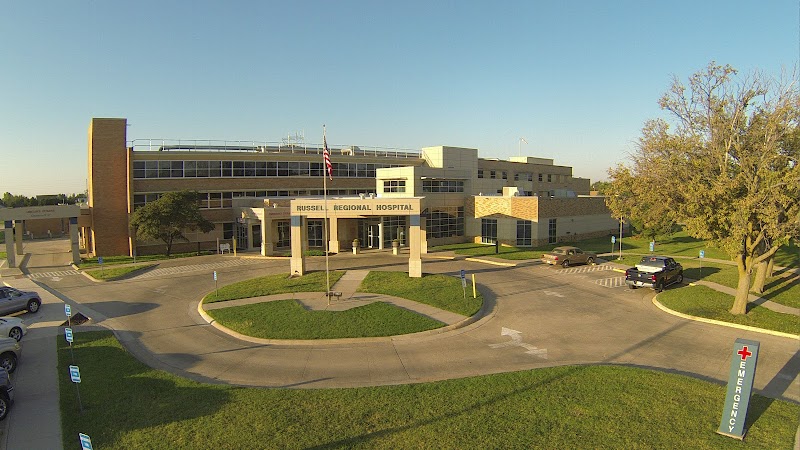
How is Russell Regional Hospital Ltcu Staffed?

CMS rates RUSSELL REGIONAL HOSPITAL LTCU's staffing level at 1 out of 5 stars, which is much below average compared to other nursing homes.

What Have Inspectors Found at Russell Regional Hospital Ltcu?

State health inspectors documented 21 deficiencies at RUSSELL REGIONAL HOSPITAL LTCU during 2022 to 2024. These included: 20 with potential for harm and 1 minor or isolated issues.
Who Owns and Operates Russell Regional Hospital Ltcu?

RUSSELL REGIONAL HOSPITAL LTCU is owned by a non-profit organization. Non-profit facilities reinvest revenue into operations rather than distributing to shareholders. The facility operates independently rather than as part of a larger chain. With 23 certified beds and approximately 18 residents (about 78% occupancy), it is a smaller facility located in RUSSELL, Kansas.
How Does Russell Regional Hospital Ltcu Compare to Other Kansas Nursing Homes?

Compared to the 100 nursing homes in Kansas, RUSSELL REGIONAL HOSPITAL LTCU's overall rating (1 stars) is below the state average of 2.9 and health inspection rating (2 stars) is below the national benchmark.

What Should Families Ask When Visiting Russell Regional Hospital Ltcu?

Based on this facility's data, families visiting should ask: "Can you walk me through typical staffing levels on day, evening, and night shifts?" "Can I visit during a mealtime to observe dining assistance and food quality?" "How do you handle medical emergencies, and what is your hospital transfer rate?" "Can I speak with family members of current residents about their experience?" These questions are particularly relevant given the below-average staffing rating.

Is Russell Regional Hospital Ltcu Safe?

Based on CMS inspection data, RUSSELL REGIONAL HOSPITAL LTCU has a clean safety record: no substantiated abuse findings (meaning no confirmed cases of resident harm), no Immediate Jeopardy citations (the most serious violation level indicating risk of serious injury or death), and is not on the Special Focus Facility watch list (a federal program monitoring the lowest-performing 1% of nursing homes). The facility has a 1-star overall rating and ranks #100 of 100 nursing homes in Kansas. While no facility is perfect, families should still ask about staff-to-resident ratios and recent inspection results during their visit.

Do Nurses at Russell Regional Hospital Ltcu Stick Around?

RUSSELL REGIONAL HOSPITAL LTCU has not reported staff turnover data to CMS. Staff turnover matters because consistent caregivers learn residents' individual needs, medications, and preferences. When staff frequently change, this institutional knowledge is lost. Families should ask the facility directly about their staff retention rates and average employee tenure.

Was Russell Regional Hospital Ltcu Ever Fined?

RUSSELL REGIONAL HOSPITAL LTCU has no federal fines on record. CMS issues fines when nursing homes fail to meet care standards or don't correct problems found during inspections. The absence of fines suggests the facility has either maintained compliance or corrected any issues before penalties were assessed. This is a positive indicator, though families should still review recent inspection reports for the full picture.

Is Russell Regional Hospital Ltcu on Any Federal Watch List?

RUSSELL REGIONAL HOSPITAL LTCU is not on any federal watch list. The most significant is the Special Focus Facility (SFF) program, which identifies the bottom 1% of nursing homes nationally based on persistent, serious quality problems. Not being on this list means the facility has avoided the pattern of deficiencies that triggers enhanced federal oversight. This is a positive indicator, though families should still review the facility's inspection history directly.