
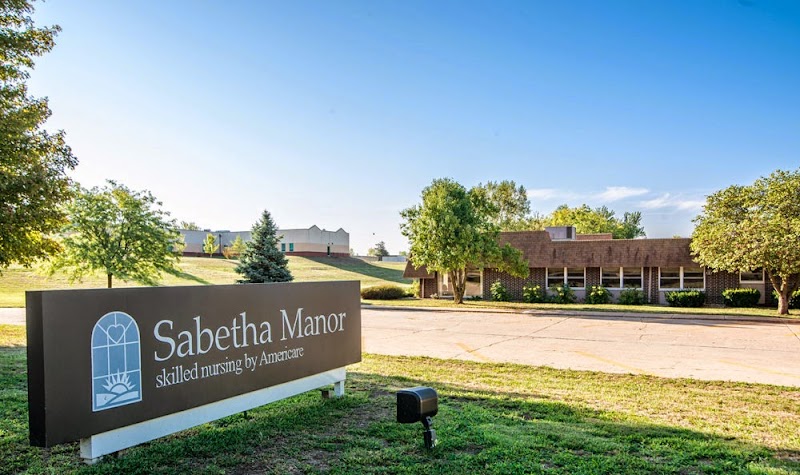
SABETHA MANOR

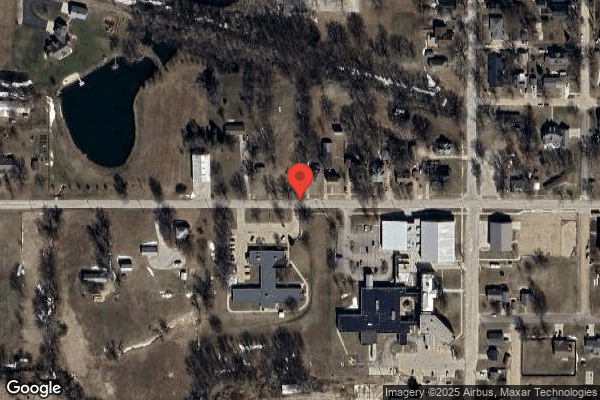
1441 OREGON STREET, SABETHA, KS 66534 (785) 284-3411
For profit - Corporation 40 Beds AMERICARE SENIOR LIVING Data: November 2025
Trust Grade
50/100
#220 of 295 in KS
Last Inspection: March 2024

Within standard 12-15 month inspection cycle. Federal law requires annual inspections.

Overview

Sabetha Manor has a Trust Grade of C, which means it is average and sits in the middle of the pack among nursing homes. It ranks #220 out of 295 facilities in Kansas, placing it in the bottom half of the state, and #5 out of 5 in Nemaha County, indicating it is the lowest-ranked option available locally. Although the facility has shown improvement, reducing its issues from 10 in 2024 to just 1 in 2025, it still faces concerns with staffing; it has a staffing rating of 4 out of 5 stars, but a high turnover of 61%, which is above the state average. There have been no fines issued, which is a positive sign, but the RN coverage is concerning, as it is less than 93% of other facilities in Kansas, affecting the quality of care residents receive. Specific incidents have raised alarms, including the failure to provide adequate RN coverage for eight consecutive hours daily and not employing a full-time certified dietary manager, which puts residents at risk for inadequate nutrition. Additionally, the facility has been cited for improper food storage practices, including expired food items, which could lead to foodborne illnesses. While there are strengths in staffing ratings, these weaknesses highlight significant areas that families should consider carefully.

Trust Score
C
50/100
In Kansas
#220/295
Bottom 26%
Safety Record
Low Risk
No red flags
Inspections
Getting Better
10 → 1 violations
Staff Stability
⚠ Watch
61% turnover. Above average. Higher turnover means staff may not know residents' routines.
Penalties
✓ Good
No fines on record. Clean compliance history, better than most Kansas facilities.
Skilled Nurses
⚠ Watch
Each resident gets only 23 minutes of Registered Nurse (RN) attention daily — below average for Kansas. Fewer RN minutes means fewer trained eyes watching for problems.
Violations
⚠ Watch
18 deficiencies on record. Higher than average. Multiple issues found across inspections.
★★☆☆☆
2.0
Overall Rating
★★★★☆
4.0
Staff Levels
★★☆☆☆
2.0
Care Quality
★★☆☆☆
2.0
Inspection Score
Stable
2024: 10 issues
2025: 1 issues

The Good

  • 4-Star Staffing Rating · Above-average nurse staffing levels
  • Full Sprinkler Coverage · Fire safety systems throughout facility
  • No fines on record

Facility shows strength in staffing levels, fire safety.

The Bad

2-Star Overall Rating

Below Kansas average (2.9)

Below average - review inspection findings carefully

Staff Turnover: 61%

15pts above Kansas avg (46%)

Frequent staff changes - ask about care continuity

Chain: AMERICARE SENIOR LIVING

Part of a multi-facility chain

Ask about local staffing decisions and management

Staff turnover is elevated (61%)

13 points above Kansas average of 48%

The Ugly 18 deficiencies on record

Jul 2025 1 deficiency
CONCERN (E) 📢 Someone Reported This

A family member, employee, or ombudsman was alarmed enough to file a formal complaint

Potential for Harm - no one hurt, but risky conditions existed

Deficiency F0602 (Tag F0602)

Could have caused harm · This affected multiple residents

The facility identified a census of 26 residents. The sample included four residents, with four residents reviewed for misappropriation of medications. Based on observations, record review, and interv...

Read full inspector narrative →
The facility identified a census of 26 residents. The sample included four residents, with four residents reviewed for misappropriation of medications. Based on observations, record review, and interviews, the facility failed to ensure Resident (R) 1, R2, R3, and R4 remained free from misappropriation of medications. This deficient practice had the risk for missed medications and further misappropriation of medications for the affected residents.Findings included:- R1's Electronic Medical Record (EMR) documented an order with a start date of 05/24/25 for oxycodone (narcotic pain medication) five milligrams (mg) every 12 hours as needed (PRN) for breakthrough pain.R2's EMR documented an order with a start date of 02/24/25 for oxycodone five mg two times a day for pain.R3's EMR documented an order with a start date of 05/01/25 for fludrocortisone (corticosteroid medication used to treat pain and inflammation) 0.1 mg one time a day for hyperkalemia (high levels of potassium in the blood).R4's EMR documented an order with a start date of 11/26/24 for fludrocortisone 0.1 mg in the morning for corticosteroid.The facility's Investigation dated 06/03/25, documented on 05/26/25 around 06:35 PM, Licensed Nurse (LN) G and LN H completed narcotic count at change of shift and noted a small piece of tape on the back of the bubble pack. LN H notified Administrative Nurse D and Administrative Nurse E, who both arrived at the facility to investigate. Upon investigation, the facility noted a narcotic medication bubble pack had been tampered with, which involved a slit in the foil and a small piece of tape placed on the back of the bubble pack. R1's oxycodone was tampered with, and she missed eight tablets of oxycodone, which had been replaced with fludrocortisone tablets. R2's oxycodone was tampered with, and she missed 21 tablets of oxycodone, which had been replaced with fludrocortisone tablets. R3 was missing 16 tablets of fludrocortisone. R4 was missing eight tablets of fludrocortisone. The facility followed the narcotic count policy, but the minute change in the medication card was difficult to detect. The facility immediately started investigating, which included drug testing all staff who passed medications or were licensed nurses. The facility notified the police and immediately replaced the medications. The facility reviewed 24-hour video surveillance and noted suspicious footage of Certified Medication Aide (CMA) R. On 05/28/25, CMA R arrived for work, and the facility asked her to go to Administrative Staff A's office to meet with Administrative Staff A and Administrative Nurse D. The facility showed CMA R the video surveillance, and she offered no explanation of her actions on camera. The facility asked CMA R what she was doing in the video, and she responded that she did not know. The facility suspended CMA R pending investigation and later terminated her that day for refusing to provide information regarding the investigation.Upon request, the facility provided a timeline of the video surveillance, and Administrative Staff A confirmed on 07/24/25 at 02:18 PM that the video surveillance timeline only involved CMA R.The timeline documented on 05/21/25 at 11:37 AM, CMA R removed a medication card from the second drawer and popped medications out of the card. She moved the medical tape to the corner of the medication room, then retrieved something from the trash can. She put a new narcotic medication card into the narcotic box and retrieved a narcotic medication card from the narcotic box, and placed it on top of the medication cart. CMA R stood in the corner of the medication room with the medication card, then reopened the medication drawer and popped more medications out before returning the medication card in the corner. CMA R grabbed a spoon, put the medication card back in the drawer, grabbed a medication cup, then went to the bathroom. On 05/22/25 at 06:40 AM, CMA R opened the narcotic box in the medication cart and set a medication card on top of the medication cart. CMA R went into the corner of the medication room with the medication card then slipped a medication cup into her pocket. On 05/24/25 at 06:47 AM, CMA R opened the narcotic box and pulled a medication card out then went to the corner of the medication room. She grabbed a medication cup then put her cupped hand in her pocket and went to the bathroom. On 05/25/25 at 03:00 PM, CMA R grabbed a medication card from the second drawer and popped pills out with a spoon. She then taped the back of the card with medical tape and returned the card to the second drawer. On 05/26/25 at 06:40 AM, CMA R took a narcotic medication card out of the narcotic box and placed it on top of the medication cart. She retrieved something from the trash can then went to the bathroom. On 05/26/25 at 07:19 AM, CMA R retrieve a narcotic medication out of the narcotic box and popped the medication out of the bubble pack before returning the card to the narcotic drawer of the medication cart.On 07/17/25 at 01:08 PM, R4 laid in bed with her eyes closed.On 07/17/25 at 01:13 PM, R3 sat in her recliner in her room. She stated the facility told her that her medications had been taken, but she had no concerns from the incident.On 07/17/25 at 01:15 PM, R1 sat in her wheelchair in the day area and played bingo with other residents.On 07/17/25 at 01:15 PM, R2 sat in her wheelchair in the day area and played bingo with other residents.On 07/17/25 at 11:17 AM, Administrative Staff A stated the medication diversion was with the county attorney at that time, and the facility had a suspect. She stated the facility sent CMA R a certified letter to her to get a witness statement, but received no response. Administrative Staff A stated that when the facility interviewed her during the investigation and asked CMA R what she was doing in the video, CMA R responded with she did not know.On 07/17/25 at 12:25 PM, Administrative Staff A stated the facility did not do abuse, neglect, and exploitation (ANE) education immediately after the incident because it was an isolated incident. She stated the facility watched the surveillance video and saw that CMA R stood with her back turned to the camera, brought the tape over, and pulled narcotic medication cards from the narcotic box. She stated they were able to see CMA R do something with her hand in the video and put something into her pocket. Administrative Staff A stated the facility did not do ANE education immediately after the incident because they knew who did it. She stated they did change the process for narcotic count.On 07/17/25 at 12:37 PM, Administrative Staff A stated the facility completed ANE education at the last in-service on 07/02/25.On 07/17/25 at 01:24 PM, Administrative Nurse D stated the facility completed ANE training recently. She stated the facility figured out quickly who had diverted the medications, and they did not think about doing ANE education immediately after. Administrative Nurse D stated the facility provided education on narcotic count to the nurses, and the facility completed random audits of the narcotic medications.On 07/17/25 at 01:25 PM, Administrative Nurse E stated she remembered Administrative Staff A going over the ANE policy at the last in-service, and misappropriation of medications was on the policy.On 07/17/25 at 01:57 PM, Administrative Nurse E stated she expected staff to count the medications and check the narcotic cards. She stated she expected staff to bring it to her attention if there was a discrepancy. Administrative Nurse E stated she expected staff not to misappropriate medications.On 07/24/25 at 03:09 PM, CMA R was unavailable for an interview.On 07/24/25 at 03:14 PM, CMA S was unavailable for an interview.On 07/24/25 at 03:16 PM, LN G stated on 05/26/25 during shift change narcotic count, LN H noticed a narcotic medication card looked smashed, so they turned the card around and saw tiny pieces of tape where somebody had popped the medication out and replaced it. She stated they notified Administrative Nurse D and Administrative Nurse E and they both went to the facility to investigate. LN G stated they checked the narcotic cards and discovered the oxycodone tablets were not oxycodone, but they looked like oxycodone. She stated she received education on the proper way to count the medications, including flipping the cards over. LN G stated she prevented misappropriation of medications by making sure the count was correct and flipping the cards over with both people counting.The facility's Abuse, Neglect, and Exploitation Policy and Procedure, dated May 2023, directed the facility to ensure all residents remained free of physical abuse, emotional abuse, sexual abuse, neglectful treatment, exploitation of residents, and misappropriation of funds and resources.The facility put the following corrective actions into place prior to the onsite visit with a compliance date of 07/02/25:The facility drug tested all nurses and CMAs prior to their next shift from 05/26/25 to 05/30/25.The facility reported the missing medications to police on 05/26/25.The facility completed narcotic count policy education with all nurses and CMAs from 05/26/25 to 05/30/25.The facility replaced and paid for the missing medications for R1, R2, R3, and R4 on 05/27/25.The facility suspended and then terminated CMA R on 05/28/25.The facility completed ANE training with all staff on 07/02/25.This deficient practice was cited at past noncompliance. The scope and severity remain a E.
Jul 2024 1 deficiency
CONCERN (D) 📢 Someone Reported This

A family member, employee, or ombudsman was alarmed enough to file a formal complaint

Potential for Harm - no one hurt, but risky conditions existed

Report Alleged Abuse (Tag F0609)

Could have caused harm · This affected 1 resident

The facility identified a census of 29 residents. The sample included three residents. Based on observation, record review, and interviews, the facility failed to report an allegation of abuse between...

Read full inspector narrative →
The facility identified a census of 29 residents. The sample included three residents. Based on observation, record review, and interviews, the facility failed to report an allegation of abuse between staff and Resident (R) 1 and an injury of unknown origin for R1 to the State Agency (SA) as required. This deficient practice placed R1 at risk for unidentified and ongoing abuse. Findings included: - R1's Electronic Medical Record (EMR) documented a diagnosis of dementia (a progressive mental disorder characterized by failing memory, and confusion) without behavioral disturbance. The Significant Change Minimum Data Set (MDS) dated 03/18/24, documented R1 had a Brief Interview for Mental Status (BIMS) score of 13 which indicated intact cognition. R1 had no behaviors. R1 was dependent on staff assistance for activities of daily living (ADLs) except she required substantial/maximal assistance for upper body dressing. R1 received antiplatelet (medications that prevent platelets from sticking together and forming blood clots) medications. The Functional Abilities Care Area Assessment (CAA) dated 03/18/24, documented R1 was dependent on staff assistance for all ADLs and mobility except upper body dressing. R1's Care Plan, dated 05/24/16, documented an intervention, dated 06/27/23, that directed R1 wore arm-protecting sleeves that were applied when she woke up and were removed before she went to bed, R1 had bruising on both upper extremities due to thin skin and medications she took. R1's Care Plan, dated 05/24/16, documented an intervention, last revised on 08/12/21, that directed R1 was unable to dress herself at times and preferred staff to assist her with all of her dressing needs. In an undated Witness Statement, Certified Nurse Aide (CNA) M stated that on 06/21/24 around 07:00 AM, she checked on R1 to see if the resident wanted to get up for breakfast and R1 declined. Around 10:00 AM, R1's hospice nurse went to the nurse's station and asked about two big bruises on R1's left arm and if the staff knew how they got there. CNA M stated she told the hospice nurse she knew about the bruises on R1's right arm but not the ones on her left arm. CNA M stated she also told the hospice nurse that at times CNA N could be rough when transferring and rolling residents. In an undated Witness Statement, Licensed Nurse (LN) G stated on 06/21/24, R1's hospice nurse reported bruising on R1's left arm and asked LN G if R1 had a fall. According to R1's progress notes, she did not have a fall and the bruising was of unknown origin. LN G assessed R1's left arm and noted two large bruises with many smaller bruises present. The main bruises measured 7.5 centimeters (cm) by 4.5 cm and nine cm by 4.5 cm. The facility's investigation, dated 06/22/24, documented on 06/21/24 at approximately 11:17 AM, Administrative Staff A received a phone call from R1's hospice nurse who reported she noted increased bruising to R1's left arm and reported that a CNA stated the bruising may have been caused by CNA N being rough when turning R1. CNA N was immediately suspended, and the investigation was begun. On 06/20/24 at 02:35 PM, LN H noted scattered bruising on R1's arm. At approximately 10:00 AM on 06/21/24, the amount of bruising had increased on the left arm. As per R1's Care Plan, R1 was known to have scattered bruising on her arms. Regarding CNA M. who made a statement regarding CNA N, CNA M stated she was having a bad day and spouted off to the hospice nurse about CNA N but she had not witnessed CNA N being rough on 06/21/24. CNA N denied any rough handling of R1 and recited the proper interventions per R1's plan of care. There were no concerns noted regarding CNA N's treatment of residents. In an interview with CNA O, she stated that she and CNA P assisted R1 into the shower chair on 06/20/24 at 09:30 AM. CNA O stated R1 was leaning to the left while in the shower chair which was hard plastic and they attempted to correct the lean as much as possible using the lift sling. In an interview with CNA P, she stated she was called into the shower house by CNA O to assist with R1 who was leaning in her shower chair. CNA P stated R1 was leaning on her left arm on the shower chair, and they assisted R1 to off-load the left arm and correct R1's positioning in the shower chair. In conclusion, the investigation did not indicate concerns regarding abuse or neglect. The cause of the bruising was determined to be related to pressure from leaning on the shower chair combined with the fragile skin and long-term use of blood thinners. The investigation lacked evidence the facility reported the allegation of abuse to the SA. R1's EMR revealed a Nurses Note on 06/21/24 at 10:49 AM that documented the hospice nurse reported bruising on R1's left arm. The bruising was of unknown origin and was a mix of black and purple. The main bruises were 7.5 cm by 4.5 cm and nine cm by 4.5 cm. The hospice nurse said she had to report bruising due to it being of unknown origin. On 07/02/24 at 12:44 PM, R1 sat in her Broda chair (specialized wheelchair with the ability to tilt and recline) with Geri-sleeves (protective sleeves) in place. She stated she did not recall any bruising and felt safe in the facility. On 07/02/24 at 11:29 AM, Administrative Staff A stated the facility did not find any abuse with R1 and did not report the allegation and bruising to the SA. On 07/02/24 at 12:54 PM, CNA Q stated she reported any new bruising or injuries of unknown origin to the nurse immediately. She stated R1 mostly leans to her left side in her wheelchair. On 07/02/24 at 12:57 PM, LN G stated for any new bruising she checked the charting for the bruising, asked around to see if anybody knew what happened, completed risk management, and notified Administrative Nurse D. On 07/02/24 at 01:01 PM, Administrative Nurse D stated she expected CNAs to notify the charge nurse if they found new bruising and she expected the charge nurse to assess the bruising and try to figure out how it happened then notify her of the bruising. She stated she notified Administrative Staff A to let her know what was going on and do an investigation if the bruising was of unknown origin. Administrative Nurse D stated the facility reported to the SA injuries of unknown origin if the investigation could not determine where the bruising or injury came from. She stated the timeframe for reporting to the SA was 24 hours or two hours depending on what it was. Administrative Nurse D stated if an allegation was brought to her, she made sure the resident was safe, suspended the staff if there was a name in the allegation, and started an investigation. Administrative Nurse D stated she would report abuse to the SA only if the investigation concluded there was possible abuse. On 07/02/24 at 01:10 PM, Administrative Staff A stated she expected CNAs to tell the charge nurse of any new bruising or injuries of unknown origin who then notified her or Administrative Nurse D. She stated she then launched an investigation, if there was a suspicion of abuse, the employee was suspended pending investigation. She interviewed residents and staff and looked in the chart for any notes on when the bruising appeared. Administrative Staff A stated she reported to the SA if there was a finding of abuse or neglect. She stated the investigation on R1's bruising did not find any abuse, so it was not reported to the SA. The facility's Abuse, Neglect, and Exploitation Policy and Procedure, updated 03/31/20, documented that any report of neglect or abuse made by a resident, family member, visitor, or employee was investigated within 24 hours. The Administrator, Director of Nursing (DON), or designee was notified immediately of the report. The investigation was conducted by the Administrator, DON, or any member of the administrative staff. The Administrator contacted the SA within 24 hours of the incident unless the incident met the definition of a crime against a person or resulted in serious bodily injury then the report was made directly to law enforcement and the SA no later than two hours after forming the suspicion. The investigation of the alleged or suspected violations was completed and submitted to the SA within five days. The facility failed to report an allegation of abuse and an injury of unknown origin for R1 to the SA. This deficient practice placed R1 at risk for unresolved and ongoing abuse.
Mar 2024 9 deficiencies
CONCERN (D) 📢 Someone Reported This

A family member, employee, or ombudsman was alarmed enough to file a formal complaint

Potential for Harm - no one hurt, but risky conditions existed

Transfer Notice (Tag F0623)

Could have caused harm · This affected 1 resident

The facility had a census of 25 residents. The sample included 12 residents with one reviewed for hospitalization. Based on observation, record review, and interview, the facility failed to provide a ...

Read full inspector narrative →
The facility had a census of 25 residents. The sample included 12 residents with one reviewed for hospitalization. Based on observation, record review, and interview, the facility failed to provide a written notice for a facility-initiated transfer to Resident (R) 14, or her representative, when she was transferred to the hospital and failed to notify the Office of the Long-Term Care Ombudsman (LTCO-a public official who works to resolve resident issues in nursing facilities) of the discharge. This placed the resident at risk for uninformed care choices. Findings included: - R14's Electronic Medical Record (EMR) documented R14 had a diagnosis of chronic obstructive pulmonary disease (COPD- a progressive and irreversible condition characterized by diminished lung capacity and difficulty or discomfort in breathing). R14's Medicare Five Day Minimum Data Set (MDS) documented R14 had a Brief Interview of Mental Status (BIMS) score of 15, which indicated intact cognition. The MDS documented R14 required maximal to partial staff assistance with most activities of daily living (ADLs). R14's Care Plan, revised 12/21/23, documented R14 required continuous oxygen, and instructed staff to check R14's oxygen saturation every shift and as needed (PRN) and monitor for changes in R14's breathing patterns. The Progress Note, dated 02/05/2024 at 03:44 PM, documented R14 was admitted to the hospital. A review of R14's clinical record lacked evidence the resident or representative was provided written notice when he was transferred to the hospital. The facility was unable to provide evidence the LTCO was notified of the transfer. On 12/27/23 at 3:06 PM, observation revealed R14 sat in a recliner in her room with oxygen on per nasal cannula. 03/20/24 at 09:35 AM, Social Service X stated she was unaware she was responsible for notifying the resident or representative in writing when R14 went to the hospital because she had not received training regarding providing the written notice. Social Service X verified R14's transfer to the hospital was also not sent to the LTCO due to it did not come up on her report in the computer notification. Social Service X said the notice of the transfer should have been sent to the LTCO. 03/20/24 at 09:44 AM, Licensed Nurse (LN) H stated social service staff was responsible for providing transfer information to R14 or her representative when R14 was transferred to the hospital. The facility's Emergency Transfer Notification Policy, revised 09/2018, documented that when a resident is transferred on an emergency basis the resident and representative would be notified verbally as soon as is practicable and would be notified of transfer in writing by the SSD as soon as is practicable. a copy of this notification would be kept on file and documentation that this notification was completed would be placed in the medical record. The policy documented the facility would notify the resident, representative, and state ombudsman of emergency transfers. The facility failed to provide R14 or her representative written notice regarding R14's facility-initiated transfer to the hospital and failed to notify the LTCO of the transfer. This placed the resident and/or her representative at risk of uninformed care choices.
CONCERN (D) 📢 Someone Reported This

A family member, employee, or ombudsman was alarmed enough to file a formal complaint

Potential for Harm - no one hurt, but risky conditions existed

Deficiency F0625 (Tag F0625)

Could have caused harm · This affected 1 resident

The facility had a census of 25 residents. The sample included 12 residents with one reviewed for hospitalization. Based on observation, record review, and interview, the facility failed to provide Re...

Read full inspector narrative →
The facility had a census of 25 residents. The sample included 12 residents with one reviewed for hospitalization. Based on observation, record review, and interview, the facility failed to provide Resident (R)14 or his representative with written information regarding the facility bed hold policy when R14 was transferred to the hospital. This placed R14 at risk of not being permitted to return and resume residence in the nursing facility. Findings included: - R14's Electronic Medical Record (EMR) documented R14 had a diagnosis of chronic obstructive pulmonary disease (COPD- a progressive and irreversible condition characterized by diminished lung capacity and difficulty or discomfort in breathing). R14's Medicare Five Day Minimum Data Set (MDS) documented R14 had a Brief Interview of Mental Status (BIMS) score of 15, which indicated intact cognition. The MDS documented R14 required maximal to partial staff assistance with most activities of daily living (ADLs). R14's Care Plan, revised 12/21/23, documented R14 required continuous oxygen, and instructed staff to check R14's oxygen saturation every shift and as needed (PRN) and monitor for changes in R14's breathing patterns. The Progress Note, dated 02/05/2024 at 03:44 PM, documented R14 was admitted to the hospital. A review of R14's clinical record lacked evidence the resident or representative was provided the facility's bed hold policy when R14 went to the hospital. On 12/27/23 at 3:06 PM, observation revealed R14 sat in a recliner in her room with oxygen on per nasal cannula. 03/20/24 at 09:35 AM, Social Service X stated nursing was responsible for sending the bed hold policy and she was unaware the facility was supposed to have a signed copy from the resident or representative regarding they were notified. 03/20/24 at 09:44 AM, Licensed Nurse (LN) H stated nursing was responsible for providing transfer information to R14 or her representative with the bed hold policy when R14 was transferred to the hospital. LN H stated she did not check to see if the signed bed hold policy came back to the facility. The facility's Bed Hold Policy, revised 11/2017, documented to ensure that residents are made aware of a facility's bed hold and reserve bed payment policy before and upon transfer to a hospital or when taking a therapeutic leave of absence from the facility. At the time of transfer, or in cases of emergency transfer, written notice must be provided to the resident and if applicable the resident's representative within 24 hours. Documentation of multiple attempts to reach the resident's representative would be retained in the medical record in cases where the facility was unable to notify the representative. The facility failed to provide R14 or his representatives with the bed hold policy when R14 was transferred to the hospital. This placed the resident at risk of not being permitted to return and resume residence in the nursing facility.
CONCERN (E) 📢 Someone Reported This

A family member, employee, or ombudsman was alarmed enough to file a formal complaint

Potential for Harm - no one hurt, but risky conditions existed

Deficiency F0804 (Tag F0804)

Could have caused harm · This affected multiple residents

The facility had a census of 25 residents. The sample included 12 residents. Based on observation, record review, and interview the facility failed to check the food temperatures of pureed (an eating ...

Read full inspector narrative →
The facility had a census of 25 residents. The sample included 12 residents. Based on observation, record review, and interview the facility failed to check the food temperatures of pureed (an eating plan where all the foods have a soft, pudding-like consistency) foods and the regular breakfast food items before serving to ensure the appropriate food temperature for food safety and palatability. This placed the residents at risk for food-borne illness and impaired palatability. Findings included: - On 03/14/24 at 12:05 PM, Dietary Manager (DM) BB stated the facility had two residents on a fully pureed and one with pureed meat only. Observation revealed DM BB placed two 4-ounce scoops of sauerkraut into a blender, added one teaspoon (tsp) of chicken broth, and blended to the consistency of mashed potatoes. DM BB placed the sauerkraut on a plastic divided plate on the counter next to the microwave and covered it with a room tray lid. DM BB then ran the blender container through the dishwasher, brought it back to the counter, placed two 4-ounce scoops of German potato salad into the blender container, and then blended it. DM BB added chicken broth a little at a time until the potato salad was the consistency of pudding. Observation revealed DM BB placed the potato salad into a different section of the same plate the sauerkraut was on, then covered it with the lid. DM BB used the same procedure to clean the blender container and then placed three 4-ounce scoops of sausage pieces into the blender, added chicken broth, and blended to the consistency of mashed potatoes. DM BB then placed one scoop into a different section of each plate on the counter, with the other pureed food items. Further observation revealed at 12:11 PM, DM BB handed a dietary staff the pureed diet plate. After the survey team intervened and requested a temperature for the food items, the items were assessed, and the following inadequate temperatures were noted: pureed sausage at 120 degrees Fahrenheit (F), potatoes at 120 degrees F, and sauerkraut at 120 degrees F. DM BB stated she typically does not leave the food plate on the counter as she did during the observation but did not confirm whether she assessed food temperatures on pureed food items routinely before serving. The Food Temp Sheet, for January, February, and March 2024 revealed no food temperatures were assessed and recorded for breakfast food items every day. The sheet lacked pureed food temperatures for breakfast, lunch, and supper, every day. On 03/18/24 at 10:16 AM, DM BB stated dietary staff do not check breakfast food temperature because the food is made to order. DM BB said the sausage gravy was in the refrigerator, and the staff placed it in a microwave for about two minutes, and that made it hot. DM BB verified the above Food Temp Sheets lacked evidence that pureed food temperatures were assessed due to there being no column to record them. The facility's Record of Food Temperatures Policy, revised February 2023, documented food temperatures would be checked on all items prepared in the dietary department. Hot foods would be held at 135 degrees Fahrenheit or greater. Measure and record the temperatures for each food product and milk at all meals and record the temperature on the temperature log. The facility dietary staff failed to measure, and record pureed and breakfast food item temperatures before serving them. This placed the residents at risk for foodborne illness and impaired palatability.
CONCERN (F) 📢 Someone Reported This

A family member, employee, or ombudsman was alarmed enough to file a formal complaint

Potential for Harm - no one hurt, but risky conditions existed

Deficiency F0727 (Tag F0727)

Could have caused harm · This affected most or all residents

The facility had a census of 25 residents. Based on observation, record review, and interview, the facility failed to provide Registered Nurse (RN) coverage eight consecutive hours a day, seven days a...

Read full inspector narrative →
The facility had a census of 25 residents. Based on observation, record review, and interview, the facility failed to provide Registered Nurse (RN) coverage eight consecutive hours a day, seven days a week and failed to employ a full-time Director of Nursing (DON) placing all residents who resided in the facility at risk for decreased quality of care. Findings included: - A review of the August, September, and October 2023 nursing schedule revealed there was not an RN for eight consecutive hours on the following dates: 08/07/23, 09/07/23, 09/13/23, 09/14/23, 09/16/23, 09/17/23, 09/20/23, 09/28/23, 10/03-5/23, 10/09/23, 10/10/23, and 10/11/23. On 03/13/24 at 09:00 AM, during the initial entrance conference Administrative Staff A verified the facility did not have a current DON but there was a Registered Nurse that had been at the facility for a long time that was in charge. On 03/18/24 at 11:50 AM, Administration Staff A brought in a handwritten list of dates from 08/07/23 to 09/20/23 and stated the hours were when the previous director of nursing served as the eight-consecutive-hour RN. Administrative Staff A was unable to provide any verifiable documentation for those dates. Administrative Staff A verified the lack of RN coverage on 09/28/23 and the October dates listed above. The facility's Nursing Services-Registered Nurse (RN) Policy, revised in February 2023, documented the facility would utilize the services of an RN for at least eight consecutive hours per day, seven days per week. The facility would designate an RN to serve as the Director of Nursing on a full-time basis. The facility failed to provide RN coverage eight consecutive hours a day, seven days a week and failed to employ a full-time DON placing the residents who resided in the facility at risk of decreased quality of care.
CONCERN (F) 📢 Someone Reported This

A family member, employee, or ombudsman was alarmed enough to file a formal complaint

Potential for Harm - no one hurt, but risky conditions existed

Deficiency F0801 (Tag F0801)

Could have caused harm · This affected most or all residents

The facility had a census of 25 residents. The sample included 12 residents and one kitchen. Based on observation, record review, and interview, the facility failed to employ a full-time certified die...

Read full inspector narrative →
The facility had a census of 25 residents. The sample included 12 residents and one kitchen. Based on observation, record review, and interview, the facility failed to employ a full-time certified dietary manager for the 25 residents who resided in the facility and received meals from the facility kitchen. This placed the residents at risk for inadequate nutrition. Findings included: - On 03/13/24 at 11:00 AM, the noon meal consisted of grilled sausage cuts, German potato salad, sauerkraut with bacon, and cookies. On 03/13/24 at 11:30 AM, observation revealed Dietary Staff BB in the kitchen preparing the noon meal. On 03/13/24 at 11:35 AM, Dietary Staff BB verified she was not a certified dietary manager. Dietary Staff BB stated she was on the last section of the dietary manager class. On 03/13/24 at 09:51 AM, Administrative Staff A verified Dietary Staff BB did not have a dietary manager certification. The facility's Dietary Services-Staffing Policy, revised February 2023, documented the facility would employ a qualified dietitian or other clinically qualified nutrition professional on a full-time, part-time, or consultant basis. The facility failed to employ a full time certified dietary manager for 25 residents who resided in the facility and received meals from the kitchen. This placed the residents at risk for inadequate nutrition.
CONCERN (F) 📢 Someone Reported This

A family member, employee, or ombudsman was alarmed enough to file a formal complaint

Potential for Harm - no one hurt, but risky conditions existed

Food Safety (Tag F0812)

Could have caused harm · This affected most or all residents

The facility had a census of 25 residents. Based on observation, record review, and interview, the facility failed to store, prepare, distribute, and serve food in accordance with professional standar...

Read full inspector narrative →
The facility had a census of 25 residents. Based on observation, record review, and interview, the facility failed to store, prepare, distribute, and serve food in accordance with professional standards for food service safety when staff stored unlabeled, undated, expired food in the refrigerators. This placed the 25 residents who received their meals from the facility's kitchen at risk for foodborne illness. Findings included: - On 03/13/24 at 09:00 AM, observation in the kitchen revealed the following: A white refrigerator/freezer had seven 4-ounce vanilla Mighty Shakes with an expiration date of 01/18/24. A two-door silver refrigerator had an unsealed package of yellow cheese slices. On 03/13/24 at 09:05 AM, Social Service X verified the above findings and discarded the food item in the trash. On 03/13/24 at 9:15 AM the white upright refrigerator /freezer, located in the dining room, had eight 7-ounce Ensure Plus high protein strawberry containers with an expiration date of 01/01/24 and three Ensure original 7-ounce containers with an expiration date of 01/01/24 in the freezer. Social Service X verified the Ensure products were expired and stated staff should discard expired food items. Social Service X discarded the items in the trash. On 03/14/24 at 10:48 AM, observation during a follow-up to the kitchen revealed: The mopboard around the edge of the kitchen had a black substance on it. Underneath the steam table in the outside corner, the mopboard was coming away from the wall approximately one-half inch (in) to 1 in. The edge of the oven hood had numerous areas of varying size where the paint was peeling. The bottom and top cabinets located across from the ovens had numerous areas with the top layer of wood missing. Three lower cabinet drawers below the toaster had eight screw holes with screws sunk inside of the hole. The three lower cabinet drawers to the left of the sink had nine screw holes with the same screws sunk inside. The cabinet below the coffee pot had a missing cupboard door and the bottom shelf inside the cabinet had a missing top layer of wood approximately 1.5 in by one-eighth in. Underneath the ice machine were four plastic blue gowns in plastic packages, and a plastic cup lid. The legs underneath the counter where the dirty dishes go in were rusted from top to bottom, The pipe starting underneath the dishwasher to the garbage disposal, approximately 18 inches long, had numerous areas of brown substance. The board above the sink located across from the ovens, above the window, had an area of approximately 18 in. by 4.5 in with a missing top layer of wood. On 03/18/24 at 10:30 AM, Dietary Manager (DM) BB verified the above findings with the issues in the kitchen and stated she would notify maintenance about the oven hood and cupboard issues. DM BB said staff have a daily cleaning they should be doing, but the kitchen had been short-staffed. The facility's Dietary Cleaning Procedures Policy, undated, documented the facility would store, prepare, distribute, and serve food under sanitary conditions to ensure that proper sanitation and food handling practices to prevent the outbreak of foodborne illnesses. The procedure instructed staff on how and what cleaning to do in the kitchen. The facility kitchen staff failed to prepare, store, distribute, and serve food in accordance with professional standards for food service safety. This placed the 25 residents who received their food from the facility's kitchen at risk for foodborne illness.
CONCERN (F) 📢 Someone Reported This

A family member, employee, or ombudsman was alarmed enough to file a formal complaint

Potential for Harm - no one hurt, but risky conditions existed

Staffing Data (Tag F0851)

Could have caused harm · This affected most or all residents

The facility had a census of 25 residents. Based on observation, interview, and record review, the facility failed to submit complete and accurate staffing information through Payroll Based Journaling...

Read full inspector narrative →
The facility had a census of 25 residents. Based on observation, interview, and record review, the facility failed to submit complete and accurate staffing information through Payroll Based Journaling (PBJ) as required. This deficient practice placed the residents at risk for unidentified and ongoing inadequate nurse staffing. Findings included: - The PBJ report provided by the Centers for Medicare & Medicaid Services (CMS) for Fiscal Year (FY) 2023 Quarter 4 and FY 2024 Quarters 1 indicated the facility did not have licensed nurse coverage 24 hours a day, seven days a week on multiple (15) dates. A review of the facility licensed nurse timeclock data for the dates listed on the PBJ revealed a licensed nurse was on duty for 24 hours a day seven days a week. On 03/20/24 AM, observation revealed a registered nurse on duty in the facility. On 03/18/24 at 11:50 AM, Consultant Nurse (CN) GG stated she helped with reporting data to CMS for the payroll-based data. CN GG said when she looked at her documentation regarding the information she reported it showed the information was reported correctly, so she was not sure why CMS records were different. The facility's Payroll-Based Journal Policy,' revised February 2023, documented the facility would electronically submit timely to Centers of Medicare/Medicaid Services (CMS) complete and accurate direct care staffing information, including information for agency and contract staff, based on payroll and other verifiable and auditable data in a uniform format according to specifications established by CMS. The facility failed to submit accurate PBJ data which placed the residents at risk for unidentified and ongoing inadequate staffing.
CONCERN (F) 📢 Someone Reported This

A family member, employee, or ombudsman was alarmed enough to file a formal complaint

Potential for Harm - no one hurt, but risky conditions existed

Deficiency F0868 (Tag F0868)

Could have caused harm · This affected most or all residents

The facility had a census of 25 residents. The sample included 12 residents. Based on observation, record review and interview the facility failed to have the required members participate and attend Q...

Read full inspector narrative →
The facility had a census of 25 residents. The sample included 12 residents. Based on observation, record review and interview the facility failed to have the required members participate and attend Quality Assurance and Performance Improvement (QAPI) meetings at least quarterly for the quality assurance program. This placed the 25 residents who resided in the facility at risk for decreased quality of care. Findings included: - On 03/20/24 at 11:00 AM, the QAPI committee sign-in sheets for quarterly meetings lacked a Director of Nursing and Infection Preventionist on the committee on 03/07/24, 01/23/24, 11/28/23, and 09/26/23. On 03/20/24 at 11:10 AM, Administrative Staff A verified the facility did not employ a full-time Director of Nursing or an Infection Preventionist. The facility's undated Quality Assurance and Performance Improvement Plan (QAPI) policy documented the facility's Quality Assurance Committee should consist of a Director of Nursing and an Infection Preventionist. The facility failed to have the required members attend and participate at least quarterly in the QAPI program. This placed the residents in the facility at risk for decreased quality of care.
CONCERN (F) 📢 Someone Reported This

A family member, employee, or ombudsman was alarmed enough to file a formal complaint

Potential for Harm - no one hurt, but risky conditions existed

Deficiency F0882 (Tag F0882)

Could have caused harm · This affected most or all residents

The facility had a census of 25 residents. The sample included 12 residents. Based on observation, record review, and interview, the facility failed to ensure the facility employed a designated staff ...

Read full inspector narrative →
The facility had a census of 25 residents. The sample included 12 residents. Based on observation, record review, and interview, the facility failed to ensure the facility employed a designated staff person for the Infection Preventionist (IP) who was responsible for the facility's Infection Prevention and Control Program (IPCP) and who completed the specialized training in infection prevention and control. This placed the residents at increased risk for infections. Findings included: - On 03/13/24 at 09:00 AM, during the initial entrance conference Administrative Staff A verified the facility did not have an IP. On 03/18/24 at 10:00 AM, Nurse Consultant GG verified she had been tracking infections, but the facility did not employ an onsite IP. The facility' Infection Preventionist undated policy, documented the facility will employ one or more qualified individuals with responsibility for implementing the facility's infection prevention and control program. The facility will ensure the Infection Preventionist is qualified by education, training, and certification. Develop and implement an ongoing infection prevention and control program to recognize and control the onset and spread of infections to provide safe, sanitary, and comfortable environment-wide systems for the prevention, identification, reporting, investigation, and control of infections and communicable diseases of residents, staff, and visitors. Oversight of and ensuring the requirements are met for the facility's antibiotic stewardship program. Review and or revise the facility's infection prevention and control program its standards, policies, and procedures annually and as needed for changes to the facility assessment to ensure they are effective and in accordance with current standards of practice for preventing and controlling infections. Provide infection control training for staff. The facility failed to employ a designated staff person as the Infection Preventionist who possessed the required certification, placing the residents at increased risk for infections.
Nov 2022 2 deficiencies
CONCERN (F)

Potential for Harm - no one hurt, but risky conditions existed

Deficiency F0801 (Tag F0801)

Could have caused harm · This affected most or all residents

The facility had a census of 26 residents. The sample included 12 residents. Based on observation, record review and interview the facility failed to employ a full time certified dietary manager to pl...

Read full inspector narrative →
The facility had a census of 26 residents. The sample included 12 residents. Based on observation, record review and interview the facility failed to employ a full time certified dietary manager to plan and supervise the preparation of meals for the 26 residents who resided in the facility and received their meals from the facility kitchen. Findings included: - On 11/14/22 at 11:45 AM, observation revealed Dietary Staff (DS) BB in the kitchen preparing a pureed meal. On 11/14/22 at 11:50 AM, DS BB stated she was not certified as a dietary manager. DS BB stated she had been employed at the facility for several months as the dietary manager. On 11/15/22 at 10:10AM, Administrative Staff A verified the dietary manager was not a Certified Dietary Manager. The facility's Food Services Manager policy, dated 12/2008, documented the daily functions of the food services department are to be under the supervision of a qualified food services manager, licensed by the state and is knowledgeable and trained in food procurement, storage, handling, and preparation of food delivery. The facility failed to employ a full time Certified Dietary Manager for the 26 residents that resided in the facility and received meals from the facility kitchen, placing the residents at risk for inadequate nutrition.
CONCERN (F)

Potential for Harm - no one hurt, but risky conditions existed

Food Safety (Tag F0812)

Could have caused harm · This affected most or all residents

The facility had a census of 26 residents. Based on observation, record review and interview, the facility failed to wear hair coverings in one of one kitchens, placing the residents at risk for food ...

Read full inspector narrative →
The facility had a census of 26 residents. Based on observation, record review and interview, the facility failed to wear hair coverings in one of one kitchens, placing the residents at risk for food borne illness. Findings included: - On 11/14/22 at 09:00 AM, observation of the facility's kitchen revealed a staff member standing in the kitchen by the steam table with no hair covering. On 11/14/22 at 12:15 PM, observation during food service revealed Dietary Staff (DS) BB with a hair net on, with her bangs and back of hair not covered by the hair net. On 11/14/22 at 12:30 PM, observation during food service revealed a staff member walked into the kitchen, poured a cup of coffee. Further observation revealed the staff member with no hair covering. On 11/14/22 at 12:35 PM, DS BB verified the staff are to wear hair covering when in the kitchen. On 11/15/22 at 10:10AM, Administrative Staff A verified the expectation was staff wear hair coverings when in the kitchen and food prep area. The facility's Dietary Employee Personal Hygiene policy, dated 07/18/2022, documented staff are to wear hair restraints, hairnet, hat and or beard restraints to prevent hair from contacting food. The facility failed to wear hair coverings for food safety for the 26 residents who received meals from the facility kitchen, placing the residents at risk for food borne illness.
Jun 2021 5 deficiencies
CONCERN (D)

Potential for Harm - no one hurt, but risky conditions existed

Deficiency F0676 (Tag F0676)

Could have caused harm · This affected 1 resident

**NOTE- TERMS IN BRACKETS HAVE BEEN EDITED TO PROTECT CONFIDENTIALITY** The facility identified a census of 19 residents. The sample included 11 residents with one resident sampled for communication r...

Read full inspector narrative →
**NOTE- TERMS IN BRACKETS HAVE BEEN EDITED TO PROTECT CONFIDENTIALITY** The facility identified a census of 19 residents. The sample included 11 residents with one resident sampled for communication review. Based on observations, record review, and interviews, the facility failed to facilitate effective communication between Resident (R) 10 and facility staff. This placed R10 at risk for unmet needs/wants and impaired psychosocial well-being. Findings included: - The Diagnoses tab of R10's electronic medical record (EMR) documented diagnoses of dementia (progressive mental disorder characterized by failing memory, confusion) without behavioral disturbance, aphasia (condition with disordered or absent language function), and cognitive communication deficit (difficulty with any aspect of communication that was affected by disruption of cognition). The Annual Minimum Data Set (MDS) dated [DATE] documented R10 had moderate cognitive impairment per Staff Assessment for Mental Status. R10 had adequate hearing and clear speech; sometimes made self understood, sometimes understood others, and responded to simple, direct communication only. R10 had moderately impaired vision. R10 required extensive physical assistance with two staff for bed mobility, transfers, dressing, and toileting; extensive physical assistance with one staff for eating, locomotion, and personal hygiene. The Quarterly MDS dated 04/28/21 documented R10 had severe cognitive impairment per Staff Assessment for Mental Status. R10 had minimal hearing difficulty and unclear speech; rarely made self understood and rarely understood others. R10 had impaired vision and good read large print. R10 required extensive physical assistance with two staff for bed mobility, transfers, dressing, locomotion, toileting, and personal hygiene; extensive physical assist with one staff for eating. The Cognitive Loss/Dementia Care Area Assessment (CAA) dated 12/2/20 documented R10 spoke German but was usually able to get her needs across to staff using her eyes and gestures. The Communication CAA dated 12/2/20 documented R10 appeared to have understood what staff was saying to her in English, other times she went along with what staff helped her with. Therapy tried communication picture books with little success. The Mood State CAA dated 12/2/20 documented R10 required total assistance with all activities of daily living (ADLs) and usually accepted staff assistance without any issues. R10 occasionally did not understand what staff tried to do or got frustrated and yelled at staff. When that happened due to communication difficulties, staff made sure she was safe and let her calm down. The Care Plan dated 01/02/20, revised 06/18/20, documented R10 did not always speak English and her dementia reverted her back to her primary language of German. An intervention initiated 06/18/20 directed R10 had a book that Speech Therapy made for her to use for cuing and directed that staff pointed at a picture or phrase to help R10 understand what they wanted to do, it did not always work though. An intervention initiated 06/18/20 directed staff to talk to R10 while they helped her as she might understand what staff wanted and to use simple sentences, words, or gestures as those were easier for R10 to understand. In an observation on 06/07/21 at 10:20 AM, R10 sat in her wheelchair in her room. R10 did not communicate with surveyor, no communication board was observed readily available in room. In an observation on 06/07/21 at 12:07 PM, R10 sat in her wheelchair at dining room table, staff assisted her with lunch without talking to her or attempting to engage her in conversation. In an observation on 06/08/21 at 03:37 PM, Certified Nurse Aide (CNA) M and CNA N explained to R10 in simple sentences that they were going to transfer R10 from her recliner into her wheelchair. R10 mumbled an incoherent verbal response and was unable to follow staff's verbal commands during the transfer. CNA M and CNA N assisted R10 onto the sit-to-stand lift (device designed to help residents who lack the strength or muscle control to rise to a standing position and quickly transferring) and physically placed her hands/legs onto the sit-to-stand lift appropriately. In an observation on 06/09/21 at 07:20 AM, R10 sat in her wheelchair at dining room table, staff assisted her with breakfast without talking to her. In an interview on 06/07/21 at 10:20 AM, Dietary Manager BB stated R10 did not talk or respond and if she did it was in German. In an interview on 06/08/21 at 03:37 PM, CNA M stated there was no communication board to use. CNA M stated staff just knew how to provide care for R10. In an interview on 06/09/21 at 09:25 AM, CNA M stated staff monitored R10's noises and body language to anticipate her needs. CNA M was not aware of a communication board, but she had cues on the wall for greetings in German. In an interview on 06/09/21 at 09:40 AM, Licensed Nurse (LN) G stated she was not sure if R10 had a communication board, but staff did not use it. LN G stated R10 did not respond to staff but when she did it was in German which staff did not understand. She stated staff used hand motions and gestures to communicate care with R10. In an interview on 06/09/21 at 01:35 PM, Administrative Nurse D stated R10's family provided pages of pictures for communication but was not aware of a communication book. The facility's Communication with Elders policy, dated 11/30/17, directed if a resident's primary language was other than English, staff provided interpreting and translations services as necessary. The policy directed staff communicated with a resident with dementia by speaking in a normal tone of voice and greeting them as staff would anyone else and repeated key words if the resident did not understand the first time around. The facility failed to facilitate effective communication between R10 and facility staff. This deficient practice had the risk for unwarranted physical, emotional, and mental complications related to miscommunication of care and needs for R10.
CONCERN (D)

Potential for Harm - no one hurt, but risky conditions existed

Medication Errors (Tag F0758)

Could have caused harm · This affected 1 resident

**NOTE- TERMS IN BRACKETS HAVE BEEN EDITED TO PROTECT CONFIDENTIALITY** The facility identified a census of 19 residents. The sample included 11 residents with five residents reviewed for unnecessary ...

Read full inspector narrative →
**NOTE- TERMS IN BRACKETS HAVE BEEN EDITED TO PROTECT CONFIDENTIALITY** The facility identified a census of 19 residents. The sample included 11 residents with five residents reviewed for unnecessary medications. Based on observations, interview, and record review the facility failed to obtain physician ordered laboratory blood testing used for medication monitoring for Resident (R) 5. Findings included: - The Diagnoses tab in R5's electronic medical record (EMR) documented diagnoses of bipolar disorder (major mental illness that caused people to have episodes of severe high and low moods), hypothyroidism (condition characterized by decreased activity of the thyroid gland), diabetes mellitus (when the body cannot use glucose, not enough insulin made or the body cannot respond to the insulin) and hypertension (elevated blood pressure). The Annual Minimum Data Set (MDS) dated [DATE] documented a Brief Interview for Mental Status (BIMS) score of 12, which indicated intact cognition. She required extensive assistance of one to two staff with most activities of daily living (ADLs). She received seven days of antipsychotic (class of medications used to treat psychosis and other mental emotional conditions), antidepressant (class of medications used to treat mood disorders and relieve symptoms of depression) and antianxiety (class of medications that calm and relax people with excessive anxiety, nervousness, or tension) medications. The Psychotropic Drug Use Care Area Assessment dated 05/06/21 documented R5 received several scheduled psychotropic (effects the chemical makeup of the brain and nervous system) medications and the physician and consultant pharmacist reviewed the medications at routine intervals for possible gradual dose reduction and/or continued need for the medications. The Comprehensive Care Plan revised on 04/07/21 documented labs to be drawn routinely related to medications R5 had received. R5's EMR documented an order for: Depakote level to be drawn every three months dated 03/02/20 R5's EMR reviewed 03/02/21 through 06/09/21 revealed the Depakote level was drawn on 03/05/20 and 02/25/21. The EMR lacked documentation of the Depakote level being completed on June 2020, September 2020 and December 2020. An observation on 06/09/21 at 07:20 AM resident propelled self to the dining room. R5 had no complaints of pain or discomfort. In an interview on 06/09/21 at 09:40 AM, Licensed Nurse (LN) H stated the director of nursing (DON) reviewed the lab orders that needed to be completed and provided a list to the floor nurses of which labs needed to be drawn for each week. LN stated the list is then faxed to the hospital on Wednesdays for the draw to be completed at the facility on Thursday by the hospital lab technician. In an interview on 06/09/21 at 12:40 PM, Administrative Nurse D stated that the facility missed collecting three Depakote draws for R5. In an interview on 06/09/21 at 01:30 PM, Administrative Nurse D stated she completed a performance improvement plan (PIP) in February 2021. Administrative Nurse D stated she reviewed the outstanding lab orders and sorted them by month. She further stated immediate order labs are collected by the facility nurses and taken to the hospital and routine order labs are completed on Thursday by the hospital technician. The facility's undated Physician Orders for Medications and Treatments policy, lacks documentation regarding laboratory testing. The facility failed to ensure that the physician order was followed for the Depakote level lab draw. This had the potential for unwarranted side effects of unnecessary medication administration.
CONCERN (E)

Potential for Harm - no one hurt, but risky conditions existed

Drug Regimen Review (Tag F0756)

Could have caused harm · This affected multiple residents

**NOTE- TERMS IN BRACKETS HAVE BEEN EDITED TO PROTECT CONFIDENTIALITY** - The Diagnoses tab in R5's electronic medical record (EMR) documented diagnoses of bipolar disorder (major mental illness that ...

Read full inspector narrative →
**NOTE- TERMS IN BRACKETS HAVE BEEN EDITED TO PROTECT CONFIDENTIALITY** - The Diagnoses tab in R5's electronic medical record (EMR) documented diagnoses of bipolar disorder (major mental illness that caused people to have episodes of severe high and low moods), hypothyroidism (condition characterized by decreased activity of the thyroid gland), diabetes mellitus (when the body cannot use glucose, not enough insulin made or the body cannot respond to the insulin) and hypertension (elevated blood pressure). The Annual Minimum Data Set (MDS) dated [DATE] documented a Brief Interview for Mental Status (BIMS) score of 12, which indicated intact cognition. She required extensive assistance of one to two staff with most activities of daily living (ADLs). She received seven days of antipsychotic (class of medications used to treat psychosis and other mental emotional conditions), antidepressant (class of medications used to treat mood disorders and relieve symptoms of depression) and antianxiety (class of medications that calm and relax people with excessive anxiety, nervousness, or tension) medications. The ADL Care Area Assessment date 05/06/21 documented R5 needed increased assistance with her ADL's. The Psychotropic Drug Use Care Area Assessment dated 05/06/21 documented R5 received several scheduled psychotropic (effects the chemical makeup of the brain and nervous system) medications and the physician and consultant pharmacist reviewed the medications at routine intervals for possible gradual dose reduction and/or continued need for the medications. The Comprehensive Care Plan revised on 04/07/21 documented labs to be drawn routinely related to medications R5 had received. R5's EMR documented an order for: Thyroid Stimulating Hormone (TSH) and Lipids to be drawn every six months dated 03/03/20 Depakote level to be drawn every three months dated 03/02/20 R5's EMR reviewed 03/3/20 through 06/09/21 revealed the lipid lab was drawn on 04/21/20 and 02/25/21. The EMR lacked documentation of the lipid lab being completed in October 2020 R5's EMR reviewed 03/02/21 through 06/09/21 revealed the Depakote level was drawn on 03/05/20 and 02/25/21. The EMR lacked documentation of the Depakote level being completed on June 2020, September 2020 and December 2020. The Medication Regiment Review by the consultant pharmacist from May 2020 through May 2021 lacked a recommendation to obtain the blood laboratory testing. An observation on 06/09/21 at 07:20 AM resident propelled self to the dining room. R5 had no complaints of pain or discomfort. In an interview on 06/09/21 at 09:40 AM, Licensed Nurse (LN) H stated the director of nursing (DON) reviewed the lab orders that needed to be completed and provided a list to the floor nurses of which labs needed to be drawn for each week. LN stated the list is then faxed to the hospital on Wednesdays for the draw to be completed at the facility on Thursday by the hospital lab technician. In an interview on 06/09/21 at 12:40 PM, Administrative Nurse D stated that the facility missed collecting three Depakote draws for R5. In an interview on 06/09/21 at 01:30 PM, Administrative Nurse D stated she completed a performance improvement plan (PIP) in February 2021. Administrative Nurse D stated she reviewed the outstanding lab orders and sorted them by month. She further stated immediate order labs are collected by the facility nurses and taken to the hospital and routine order labs are completed on Thursday by the hospital technician. On 06/10/21 at 12:51 PM Consultant Pharmacist (CP) GG was unavailable for interview. The facility's undated Physician Orders for Medications and Treatments policy, lacks documentation regarding laboratory testing. The facility's Drug Regimen Review dated 11/2016 outlines that the facility is to provide the CP with laboratory results for the management of medication regimen. The facility failed to ensure that the CP identified unobtained lab orders by the physician were followed for the lipid and Depakote lab draws. This had the potential for unwarranted side effects of unnecessary medication administration. The facility identified a census of 19 residents. The sample included 11 residents, with five residents sampled for unnecessary medication use. Based on observations, interviews, and record reviews the facility failed to ensure the Consultant Pharmacist (CP) identified and reported blood sugar levels outside of physician ordered parameters for one Resident (R)18 and physician ordered blood laboratory tests lacking for R18, R5, R8, and R6. Findings included: - R18's electronic medical record (EMR) for from the Diagnoses tab documented diagnoses of hypertension (elevated blood pressure) and diabetes mellitus (DM- when the body cannot use glucose, not enough insulin made, or the body cannot respond to the insulin). The Annual Minimum Data Set (MDS) dated [DATE] documented a Brief Interview of Mental Status (BIMS) score of 14, which indicated intact cognition. The MDS documented R18 required supervision of one staff member for Activities of Daily Living (ADL's). The MDS documented R18 received insulin injections (medication to regulate blood sugar), antipsychotic (class of medications used to treat psychosis (any major mental disorder characterized by a gross impairment in reality testing) and other mental emotional conditions) medication, antidepressant (- class of medications used to treat mood disorders and relieve symptoms of depression (abnormal emotional state characterized by exaggerated feelings of sadness, worthlessness and emptiness) medication, hypnotic (a class of medications used to induce sleep and treat insomnia) medication, opiod (a class of medication used to treat pain) medication, and anticoagulant (class of medications used to prevent the formation of blood clots) medication for seven days during the look back period. R18's Psychotropic Drug Use Care Area Assessment (CAA) dated 05/27/21 documented nursing monitored for effectiveness and side effects of medication administered to R18. R18's Care Plan with revision date 04/05/18 documented for the nurse to check her blood sugar as ordered and to notify the physician if less (<) than 60 or greater (>) than 300. R18's Care Plan with revision date 03/04/21 documented she had blood drawn for routine labs every three months for hemoglobinA1c (HgbA1c-blood test that reflects blood glucose levels over the past three months), because of the medications ordered. Review of the EMR under Orders tab revealed: HgbA1c every three months dated 02/29/20. Notify physician if blood sugar <60 or >300. Humalog solution (insulin) lispro (human) inject as per sliding scale: 140-180 = eight units (u); 181-220 = 12u; 221-260 = 14u; 261-300 = 18u; 301-350 =20u; 351-400 =22u; 401-500 = 24u, subcutaneously two June 2020times a day for DM. Notify the physician if blood sugar <60 or >300 dated 08/24/18. Review of EMR under the Misc. tab lacked a blood laboratory test for December 2020 for R18's Hgb A1c as ordered. Review of the EMR under Wts/Vitals tab documented blood sugars outside physician ordered parameters from June 2020 to June 8th, 2021: 06/08/20-307; 06/11/20-326; 06/13/20-356; 06/18/20-355; 07/27/20-306; 10/10/20-307; 10/31/20-330; 11/09/20-323; 11/12/20-314; 01/29/21-411; 02/26/21-398; 02/27/21-345; 05/07/21-329; 05/22/21-330; and 05/29/21-309. The clinical record lacked documentation that the physician was notified of blood sugars outside parameters. The Medication Regiment Review performed by the CP, reviewed June 2020 through May 2021 did not address the lack of routine lab ordered by the physician in December 2020 and lack of physician notification of outside the parameter blood sugars as ordered by the physician. Observation on 06/08/21 at 08:20 AM R18 laid in bed with her eyes closed, blankets pulled to her chest area, lights off in her room. No distress or behaviors noted. On 06/08/21 at 11:28 AM during an interview with Licensed Nurse (LN) G stated that R18 had physician ordered blood sugar parameters on the Medication Administration Record (MAR). LN G stated that notification of the physician of out of parameter blood sugars was documented under the progress notes in the EMR. On 06/08/21 at 05:12 PM during an interview with Administrative Nurse D stated that the routine lab work that was ordered for R18 in December 2020 was not obtained but was obtained in February 2021. On 06/09/21 at 09:40 AM during interview with Licensed Nurse (LN) H stated that the laboratory staff came every Thursday to draw blood. That every Wednesday the day shift charge nurse faxed the list of resident's and what blood tests ordered. On 06/09/21 at 01:32 PM during an interview with Administrative Nurse D stated that blood sugar parameters are on the MAR that the nursing follow and chart in the progress notes when a physician is notified. On 06/10/21 at 12:15 PM, CP GG was unavailable for interview. The facility's Drug Regimen Review policy, dated November 2016, directed the CP performed a drug regimen review on each resident at least monthly and the facility provided laboratory results to the CP for review. The policy directed the CP reviewed the following of physician-ordered notification/holding parameters for drugs as appropriate. The facility failed to ensure the CP GG recognized and reported missing documentation of physician notification for blood sugars outside parameters and missing lab work as ordered for R18. This had the potential harm for unwanted side effects of unnecessary medications. - The Medical Diagnoses tab of R8's electronic medical record (EMR) documented a diagnosis of diabetes mellitus (when the body cannot use glucose, not enough insulin was made, or the body cannot respond to the insulin). The Quarterly Minimum Data Set (MDS) dated [DATE] documented a Brief Interview for Mental Status (BIMS) score of 13 which, indicated intact cognition. R8 required supervision with her Activities of Daily Living (ADLs). She did not receive insulin (medication used to treat diabetes) during the look back period. The Annual MDS dated 05/10/21 documented a BIMS score of 15 which indicated intact cognition. She was independent with her ADLs. She did not receive insulin during the look back period. The ADL Functional/Rehabilitation Potential Care Area Assessment dated 05/13/21 documented R8 was receiving Physical, Occupational, and Speech Therapies due to a recent diagnosis of Covid-19 (an infectious disease caused by a severe acute respiratory syndrome which caused an ongoing world-wide pandemic). The Comprehensive Care Plan documented R8 was at risk for drug to drug interactions related to some of her medications. R8 received routine blood laboratory work related to medications she received. The Physician's Order tab documented an order for a Hemoglobin A1C (HGB A1C-blood test which shows the average blood sugar levels over the previous two or three months) obtain every six months dated 02/10/21. There were no orders for medications used to treat diabetes. Review of R8's EMR lacked documentation for HgbA1C levels obtained. Review of the Consultant Pharmacist's monthly Medication Regiment Reviews from February 2021 through May 2021 revealed a lack of documentation regarding the HgbA1C blood testing. On 06/08/21 at 04:35 PM R8 sat in her room, as she colored a picture. She was alert and cheerful and stated she enjoyed the activity. On 06/08/21 at 05:12 PM Administrative Nurse D stated an order for a HgbA1c was received on 02/10/21 the facility staff transcribed the order on 02/10/21 but, the order was sent to the laboratory for an August 2021 testing date. On 06/09/21 at 01:32 PM Administrative Nurse D stated an audit of residents' EMRs in February identified there were blood laboratory tests ordered which, had not been obtained. Administrative Nurse D assumed the missing tests were due to Covid-19 outbreaks the facility had undergone. On 06/10/21 at 12:51 PM the Consultant Pharmacist was unavailable for comment. The facility's Drug Regimen Review policy dated November 2016 documented the Consultant Pharmacist performed a medication regimen review at least monthly and the facility provided residents' laboratory results to the Consultant Pharmacist. The facility failed to ensure the Consultant Pharmacist identified and reported the facility's failure to provide physician ordered HgbA1C was obtained. This had the potential for inadequate treatment needed to treat R8's diabetes. - The Medical Diagnoses tab of R6's electronic medical record (EMR) documented diagnoses of congestive heart failure (CHF- a condition with low heart output and the body becomes congested with fluid) and Alzheimer's disease (progressive mental deterioration characterized by confusion and memory failure). The Significant Change Minimum Data Set (MDS) dated [DATE] documented a Brief Interview for Mental Status (BIMS) score of 11 which, indicated moderately impaired cognition. She required supervision to extensive assistance with her Activities of Daily Living (ADLs). She had CHF and Alzheimer's disease. The Quarterly MDS dated 05/07/21 documented a BIMS score of nine, which indicated moderately impaired cognition. She required supervision to extensive assistance with her ADLs. The Nutritional Status Care Area Assessment dated 10/07/20 documented the facility staff monitored R6's weights since she had a history of weight gain from fluid retention due to her CHF. The Comprehensive Care Plan documented R6 had CHF and received Torsemide (medication used to treat CHF) daily. The staff monitored her for signs of fluid retention. R6 had routine blood laboratory tests to monitor for medications she was administered. The staff notified the physician if there were abnormal results, so medication orders were changed if needed. The Physician's Order tab documented orders for a Complete Blood Count (CBC-a blood test used to evaluate the cells that circulate in the body, which can evaluate a person's overall health), a Comprehensive Metabolic Profile (CMP-blood test which measures fluid balance, kidney function, and liver function), and Lipase level (blood test used to help monitor possible diseases of the pancreas) obtain every three months for biliary stricture (a narrowing of the bile duct) dated 03/02/20 and discontinued 06/09/21. A physician's verbal order was written on 06/09/21 for the same tests to be done every three months for biliary stricture. Review of R6's EMR revealed a lack of documentation for lipase levels drawn in June, September, or December 2020. There were no CBC or CMP levels for December 2020. Review of the Consultant Pharmacist's monthly Medication Regiment Reviews from June 2020 through May 2021 lacked documentation for the laboratory testing. On 06/08/21 at 01:17 PM R6 ambulated from her room to the common area to watch television. She used a walker and had a slow shuffling gait. On 06/09/21 at 01:32 PM Administrative Nurse D stated an audit of residents' EMRs in February identified there were blood laboratory tests ordered which, had not been obtained. Administrative Nurse D assumed the missing tests were due to Covid-19 outbreaks the facility had undergone. On 06/10/21 at 12:51 PM the Consultant Pharmacist was unavailable for comment. The facility's Drug Regimen Review policy dated November 2016 documented the Consultant Pharmacist performed a medication regimen review at least monthly and the facility provided residents' laboratory results to the Consultant Pharmacist. The facility failed to ensure the Consultant Pharmacist identified and reported the facility's failure to provide physician ordered blood laboratory tests. This had the potential for inadequate treatments of the biliary stricture and unwarranted side effects. The facility failed to ensure the Consultant Pharmacist identified and reported the facility's failure to ensure physician ordered blood tests were obtained. This had the potential for inadequate treatments of the biliary stricture and unwarranted side effects.
CONCERN (E)

Potential for Harm - no one hurt, but risky conditions existed

Deficiency F0757 (Tag F0757)

Could have caused harm · This affected multiple residents

**NOTE- TERMS IN BRACKETS HAVE BEEN EDITED TO PROTECT CONFIDENTIALITY** -The Diagnoses tab in R5's electronic medical record (EMR) documented diagnoses of bipolar disorder (major mental illness that c...

Read full inspector narrative →
**NOTE- TERMS IN BRACKETS HAVE BEEN EDITED TO PROTECT CONFIDENTIALITY** -The Diagnoses tab in R5's electronic medical record (EMR) documented diagnoses of bipolar disorder (major mental illness that caused people to have episodes of severe high and low moods), hypothyroidism (condition characterized by decreased activity of the thyroid gland), diabetes mellitus (when the body cannot use glucose, not enough insulin made or the body cannot respond to the insulin) and hypertension (elevated blood pressure). The Annual Minimum Data Set (MDS) dated [DATE] documented a Brief Interview for Mental Status (BIMS) score of 12, which indicated intact cognition. She required extensive assistance of one to two staff with most activities of daily living (ADLs). The ADL Care Area Assessment date 05/06/21 documented R5 needed increased assistance with her ADL's. The Comprehensive Care Plan revised on 04/07/21 documented labs to be drawn routinely related to medications R5 had received. R5's EMR documented orders for: Thyroid Stimulating Hormone (TSH) and Lipids to be drawn every six months dated 03/03/20 R5's EMR reviewed 03/3/20 through 06/09/21 revealed the lipid lab was drawn on 04/21/20 and 02/25/21. The EMR lacked documentation of the lipid lab being completed in October 2020 An observation on 06/09/21 at 07:20 AM resident propelled self to the dining room. R5 had no complaints of pain or In an interview on 06/09/21 at 09:40 AM, Licensed Nurse (LN) H stated the director of nursing (DON) reviewed the lab orders that needed to be completed and provided a list to the floor nurses of which labs needed to be drawn for each week. LN stated the list is then faxed to the hospital on Wednesdays for the draw to be completed at the facility on Thursday by the hospital lab technician. In an interview on 06/09/21 at 12:40 PM, Administrative Nurse D stated that the facility missed collecting one lipid draw and three Depakote draws for R5. In an interview on 06/09/21 at 01:30 PM, Administrative Nurse D stated she completed a performance improvement plan (PIP) in February 2021 Administrative Nurse D stated she reviewed the outstanding lab orders and sorted them by month. She further stated immediate order labs are collected by the facility nurses and taken to the hospital and routine order labs are completed on Thursday by the hospital technician. The facility's undated Physician Orders for Medications and Treatments policy, lacks documentation regarding laboratory testing. The facility failed to ensure that the physician orders were followed for the lipid lab draw. This had the potential for unwarranted side effects of unnecessary medication administration. The facility identified a census of 19 residents. The sample included 11 residents, with five residents sampled for unnecessary medication use. Based on observations, interviews, and record reviews. The facility failed to identify blood sugar levels outside of physician ordered parameters for one Resident (R)18 and failed to ensure physician ordered blood laboratory tests were obtained for R18, R5, R8, and R6. Findings included: - R18's electronic medical record (EMR) for from the Diagnoses tab documented diagnoses of hypertension (elevated blood pressure) and diabetes mellitus (DM- when the body cannot use glucose, not enough insulin made, or the body cannot respond to the insulin). The Annual Minimum Data Set (MDS) dated [DATE] documented a Brief Interview of Mental Status (BIMS) score of 14, which indicated intact cognition. The MDS documented R18 required supervision of one staff member for Activities of Daily Living (ADL's). The MDS documented R18 received insulin injections (medication to regulate blood sugar), antipsychotic (class of medications used to treat psychosis (any major mental disorder characterized by a gross impairment in reality testing) and other mental emotional conditions) medication, antidepressant (- class of medications used to treat mood disorders and relieve symptoms of depression (abnormal emotional state characterized by exaggerated feelings of sadness, worthlessness and emptiness) medication, hypnotic (a class of medications used to induce sleep and treat insomnia) medication, opiod (a class of medication used to treat pain) medication, and anticoagulant (class of medications used to prevent the formation of blood clots) medication for seven days during the look back period. R18's Psychotropic Drug Use Care Area Assessment (CAA) dated 05/27/21 documented nursing monitored for effectiveness and side effects of medication administered to R18. R18's Care Plan with revision date 04/05/18 documented for the nurse to check her blood sugar as ordered and to notify the physician if less (<) than 60 or greater (>) than 300. R18's Care Plan with revision date 03/04/21 documented she had blood drawn for routine labs every three months for hemoglobinA1c (HgbA1c-blood test that reflects blood glucose levels over the past three months), because of the medications ordered. Review of the EMR under Orders tab revealed: HgbA1c every three months dated 02/29/20. Notify physician if blood sugar <60 or >300. Humalog solution (insulin) lispro (human) inject as per sliding scale: 140-180 = eight units (u); 181-220 = 12u; 221-260 = 14u; 261-300 = 18u; 301-350 =20u; 351-400 =22u; 401-500 = 24u, subcutaneously two June 2020times a day for DM. Notify the physician if blood sugar <60 or >300 dated 08/24/18. Review of EMR under the Misc. tab lacked a blood laboratory test for December 2020 for R18's Hgb A1c as ordered. Review of the EMR under Wts/Vitals tab documented blood sugars outside physician ordered parameters from June 2020 to June 8th, 2021: 06/08/20-307; 06/11/20-326; 06/13/20-356; 06/18/20-355; 07/27/20-306; 10/10/20-307; 10/31/20-330; 11/09/20-323; 11/12/20-314; 01/29/21-411; 02/26/21-398; 02/27/21-345; 05/07/21-329; 05/22/21-330; and 05/29/21-309. The clinical record lacked documentation that the physician was notified of blood sugars outside parameters. Observation on 06/08/21 at 08:20 AM R18 laid in bed with her eyes closed, blankets pulled to her chest area, lights off in her room. No distress or behaviors noted. On 06/08/21 at 11:28 AM during an interview with Licensed Nurse (LN) G stated that R18 had physician ordered blood sugar parameters on the Medication Administration Record (MAR). LN G stated that notification of the physician of out of parameter blood sugars was documented under the progress notes in the EMR. On 06/08/21 at 05:12 PM during an interview with Administrative Nurse D stated that the routine lab work that was ordered for R18 in December 2020 was not obtained but was obtained in February 2021. On 06/09/21 at 09:40 AM during interview with Licensed Nurse (LN) H stated that the laboratory staff came every Thursday to draw blood. That every Wednesday the day shift charge nurse faxed the list of resident's and what blood tests ordered. On 06/09/21 at 01:32 PM during an interview with Administrative Nurse D stated that blood sugar parameters are on the MAR that the nursing follow and chart in the progress notes when a physician is notified. The facility's Physician Orders for Medications and Treatments policy, not dated, lacked direction for laboratory testing and notifying physician as ordered. The facility failed to ensure that physician ordered blood laboratory tests were obtained and the physician was not notified of outside ordered blood sugars parameters, which had the potential for unnecessary medication use and unwarranted side effects for R18. - The Medical Diagnoses tab of R8's electronic medical record (EMR) documented a diagnosis of diabetes mellitus (when the body cannot use glucose, not enough insulin was made, or the body cannot respond to the insulin). The Quarterly Minimum Data Set (MDS) dated [DATE] documented a Brief Interview for Mental Status (BIMS) score of 13 which, indicated intact cognition. R8 required supervision with her Activities of Daily Living (ADLs). She did not receive insulin (medication used to treat diabetes) during the look back period. The Annual MDS dated 05/10/21 documented a BIMS score of 15 which indicated intact cognition. She was independent with her ADLs. She did not receive insulin during the look back period. The ADL Functional/Rehabilitation Potential Care Area Assessment dated 05/13/21 documented R8 was receiving Physical, Occupational, and Speech Therapies due to a recent diagnosis of Covid-19 (an infectious disease caused by a severe acute respiratory syndrome which caused an ongoing world-wide pandemic). The Comprehensive Care Plan documented R8 was at risk for drug to drug interactions related to some of her medications. R8 received routine blood laboratory work related to medications she received. The Physician's Order tab documented an order for a Hemoglobin A1C (HGB A1C-blood test which shows the average blood sugar levels over the previous two or three months) obtain every six months dated 02/10/21. There were no orders for medications used to treat diabetes. Review of R8's EMR lacked documentation for HgbA1C levels obtained. On 06/08/21 at 04:35 PM R8 sat in her room, as she colored a picture. She was alert and cheerful and stated she enjoyed the activity. On 06/08/21 at 05:12 PM Administrative Nurse D stated an order for a HgbA1c was received on 02/10/21 the facility staff transcribed the order on 02/10/21 but, the order was sent to the laboratory for an August 2021 testing date. On 06/09/21 at 01:32 PM Administrative Nurse D stated an audit of residents' EMRs in February identified there were blood laboratory tests ordered which, had not been obtained. Administrative Nurse D assumed the missing tests were due to Covid-19 outbreaks the facility had undergone. The facility's undated Physician Orders for Medications and Treatments policy lacked documentation for laboratory testing. The facility failed to ensure the physician ordered HgbA1C was obtained. This had the potential for inadequate treatment needed to treat R8's diabetes. - The Medical Diagnoses tab of R6's electronic medical record (EMR) documented diagnoses of congestive heart failure (CHF- a condition with low heart output and the body becomes congested with fluid) and Alzheimer's disease (progressive mental deterioration characterized by confusion and memory failure). The Significant Change Minimum Data Set (MDS) dated [DATE] documented a Brief Interview for Mental Status (BIMS) score of 11 which, indicated moderately impaired cognition. She required supervision to extensive assistance with her Activities of Daily Living (ADLs). She had CHF and Alzheimer's disease. The Quarterly MDS dated 05/07/21 documented a BIMS score of nine, which indicated moderately impaired cognition. She required supervision to extensive assistance with her ADLs. The Nutritional Status Care Area Assessment dated 10/07/20 documented the facility staff monitored R6's weights since she had a history of weight gain from fluid retention due to her CHF. The Comprehensive Care Plan documented R6 had CHF and received Torsemide (medication used to treat CHF) daily. The staff monitored her for signs of fluid retention. R6 had routine blood laboratory tests to monitor for medications she was administered. The staff notified the physician if there were abnormal results, so medication orders were changed if needed. The Physician's Order tab documented orders for a Complete Blood Count (CBC-a blood test used to evaluate the cells that circulate in the body, which can evaluate a person's overall health), a Comprehensive Metabolic Profile (CMP-blood test which measures fluid balance, kidney function, and liver function), and Lipase level (blood test used to help monitor possible diseases of the pancreas) obtain every three months for biliary stricture (a narrowing of the bile duct) dated 03/02/20 and discontinued 06/09/21. A physician's verbal order was written on 06/09/21 for the same tests to be done every three months for biliary stricture. Review of R6's EMR revealed a lack of documentation for lipase levels drawn in June, September, or December 2020. There were no CBC or CMP levels for December 2020. On 06/08/21 at 01:17 PM R6 ambulated from her room to the common area to watch television. She used a walker and had a slow shuffling gait. On 06/09/21 at 01:32 PM Administrative Nurse D stated an audit of residents' EMRs in February identified there were blood laboratory tests ordered which, had not been obtained. Administrative Nurse D assumed the missing tests were due to Covid-19 outbreaks the facility had undergone. The facility's undated Physician Orders for Medications and Treatments policy lacked documentation for laboratory testing. The facility failed to ensure physician ordered blood laboratory tests were obtained. This had the potential for inadequate treatments of the biliary stricture and unwarranted side effects.
CONCERN (E)

Potential for Harm - no one hurt, but risky conditions existed

Deficiency F0761 (Tag F0761)

Could have caused harm · This affected multiple residents

**NOTE- TERMS IN BRACKETS HAVE BEEN EDITED TO PROTECT CONFIDENTIALITY** The facility identified a census of 19 residents, one medication cart, one treatment cart, and one medication storage room. Base...

Read full inspector narrative →
**NOTE- TERMS IN BRACKETS HAVE BEEN EDITED TO PROTECT CONFIDENTIALITY** The facility identified a census of 19 residents, one medication cart, one treatment cart, and one medication storage room. Based on observations, record reviews, and interviews, the facility failed to properly store and date one tuberculin purified protein derivative (PPD- sterile solution of a purified protein derivative used in the diagnosis of tuberculosis) vial in refrigerator in the medication storage room and three medicated eye drop bottles and five medicated inhalers (device used for administering a medication that was breathed in to relieve asthma or other lung disorders) in the medication cart. Findings included: - On [DATE] at 10:03 AM, the refrigerator in the medication storage room contained a Tubersol (tuberculin PPD) vial, opened and not dated. On [DATE] at 10:08 AM, the medication cart contained the following medicated eye drop bottles and medicated inhalers: One bottle of latanoprost eye drops (medication used to lower pressure in the eye by increasing the flow of natural eye fluids out of the eye) opened, no open date One bottle of timolol eye drops (medication used to treat high pressure inside the eye) opened, no open date One bottle of brimonidine eye drops (medication used to lower pressure in the eyes) opened, no open date Two Symbicort inhalers (medication used to control and prevent symptoms caused by asthma [disorder of narrowed airways that caused wheezing and shortness of breath] or ongoing lung disease) opened, no open date Two Flovent inhalers (medication used to control and prevent symptoms caused by asthma) opened, no open date One Combivent Respimat inhaler (medication used to treat and prevent symptoms caused by ongoing lung disease) opened, no open date A review of the facility's Expiration Dates/Drug Stability and Recordkeeping guide directed ophthalmic (eye) solution or suspensions expired six months after opening except Xalatan (latanoprost) eye drops which expired six weeks after opened. A review of the facility's Expiration Dates/Drug Stability and Recordkeeping guide directed tuberculin vials expired 30 days after opened. A review of the facility's Medications with Shortened Expiration Dates guide directed Flovent inhalers were discarded six weeks or two months after opened depending on the medication strength, Symbicort inhalers were discarded three months after removed from foil package, latanoprost eye drops were discarded six weeks after opened, and tubersol vials were discarded 30 days after opened. The guide directed the opened date was noted on each container/vial of medication known to have a shortened beyond use or expiration date. A review of the manufacturer's instructions for Combivent Respimat inhaler directed Combivent Respimat inhalers were discarded three months after assembly of inhaler. In an interview on [DATE] at 08:12 AM, Certified Medication Aide (CMA) R stated there was a list that stated when different medications expired once opened and that every medication bottle, vial, and inhaler were dated when opened. She stated without an open date, staff did not know how long the medication had been opened. She stated if there was no open date, she threw the medication away and got a new bottle/inhaler out. In an interview on [DATE] at 09:09 AM, Licensed Nurse (LN) H stated the bottle or box of medication was always dated when opened. She was unaware of a list for expiration dates of certain medications. In an interview on [DATE] at 02:00 PM, Administrative Nurse D stated she expected medication bottles/vials/inhalers to be dated when opened. She stated there was a cheat sheet that directed how long medications were good once opened. She stated tuberculin vials were dated and good for 30 days once opened. The facility's Storage of Medications policy, last revised [DATE], directed the facility shall not use discontinued or outdated drugs or biologicals. The policy lacked direction on dating opened medication bottles, vials, and inhalers. The facility failed to ensure proper storage and dating for identified tuberculin vial, medicated eye drops, and medicated inhaler. This deficient practice had the risk for unwarranted physical complications and ineffective treatment for affected residents.
Understanding Severity Codes (click to expand)
Life-Threatening (Immediate Jeopardy)
J - Isolated K - Pattern L - Widespread
Actual Harm
G - Isolated H - Pattern I - Widespread
Potential for Harm
D - Isolated E - Pattern F - Widespread
No Harm (Minor)
A - Isolated B - Pattern C - Widespread

Questions to Ask on Your Visit

  • "Why is there high staff turnover? How do you retain staff?"
  • "Can I speak with families of current residents?"
  • "What's your RN coverage like on weekends and overnight?"

Our Honest Assessment

Strengths
  • • No major safety red flags. No abuse findings, life-threatening violations, or SFF status.
  • • No fines on record. Clean compliance history, better than most Kansas facilities.
Concerns
  • • 18 deficiencies on record. Higher than average. Multiple issues found across inspections.
  • • Grade C (50/100). Below average facility with significant concerns.
  • • 61% turnover. Above average. Higher turnover means staff may not know residents' routines.
Bottom line: Mixed indicators with Trust Score of 50/100. Visit in person and ask pointed questions.

About This Facility

What is Sabetha Manor's CMS Rating?

CMS assigns SABETHA MANOR an overall rating of 2 out of 5 stars, which is considered below average nationally. Within Kansas, this rating places the facility higher than 0% of the state's 100 nursing homes. A rating at this level reflects concerns identified through health inspections, staffing assessments, or quality measures that families should carefully consider.

How is Sabetha Manor Staffed?

CMS rates SABETHA MANOR's staffing level at 4 out of 5 stars, which is above average compared to other nursing homes. Staff turnover is 61%, which is 15 percentage points above the Kansas average of 46%. High turnover can affect care consistency as new staff learn residents' individual needs.

What Have Inspectors Found at Sabetha Manor?

State health inspectors documented 18 deficiencies at SABETHA MANOR during 2021 to 2025. These included: 18 with potential for harm.

Who Owns and Operates Sabetha Manor?

SABETHA MANOR is owned by a for-profit company. For-profit facilities operate as businesses with obligations to shareholders or private owners. The facility is operated by AMERICARE SENIOR LIVING, a chain that manages multiple nursing homes. With 40 certified beds and approximately 25 residents (about 62% occupancy), it is a smaller facility located in SABETHA, Kansas.

How Does Sabetha Manor Compare to Other Kansas Nursing Homes?

Compared to the 100 nursing homes in Kansas, SABETHA MANOR's overall rating (2 stars) is below the state average of 2.9, staff turnover (61%) is significantly higher than the state average of 46%, and health inspection rating (2 stars) is below the national benchmark.

What Should Families Ask When Visiting Sabetha Manor?

Based on this facility's data, families visiting should ask: "How do you ensure continuity of care given staff turnover, and what is your staff retention strategy?" "Can I visit during a mealtime to observe dining assistance and food quality?" "How do you handle medical emergencies, and what is your hospital transfer rate?" "Can I speak with family members of current residents about their experience?" These questions are particularly relevant given the facility's high staff turnover rate.

Is Sabetha Manor Safe?

Based on CMS inspection data, SABETHA MANOR has a clean safety record: no substantiated abuse findings (meaning no confirmed cases of resident harm), no Immediate Jeopardy citations (the most serious violation level indicating risk of serious injury or death), and is not on the Special Focus Facility watch list (a federal program monitoring the lowest-performing 1% of nursing homes). The facility has a 2-star overall rating and ranks #100 of 100 nursing homes in Kansas. While no facility is perfect, families should still ask about staff-to-resident ratios and recent inspection results during their visit.

Do Nurses at Sabetha Manor Stick Around?

Staff turnover at SABETHA MANOR is high. At 61%, the facility is 15 percentage points above the Kansas average of 46%. High turnover means new staff may not know residents' individual needs, medications, or preferences. It can also be disorienting for residents, especially those with dementia who rely on familiar faces. Families should ask: What is causing the turnover? What retention programs are in place? How do you ensure care continuity during staff transitions?

Was Sabetha Manor Ever Fined?

SABETHA MANOR has no federal fines on record. CMS issues fines when nursing homes fail to meet care standards or don't correct problems found during inspections. The absence of fines suggests the facility has either maintained compliance or corrected any issues before penalties were assessed. This is a positive indicator, though families should still review recent inspection reports for the full picture.

Is Sabetha Manor on Any Federal Watch List?

SABETHA MANOR is not on any federal watch list. The most significant is the Special Focus Facility (SFF) program, which identifies the bottom 1% of nursing homes nationally based on persistent, serious quality problems. Not being on this list means the facility has avoided the pattern of deficiencies that triggers enhanced federal oversight. This is a positive indicator, though families should still review the facility's inspection history directly.