LIFE CARE CENTER OF SENECA
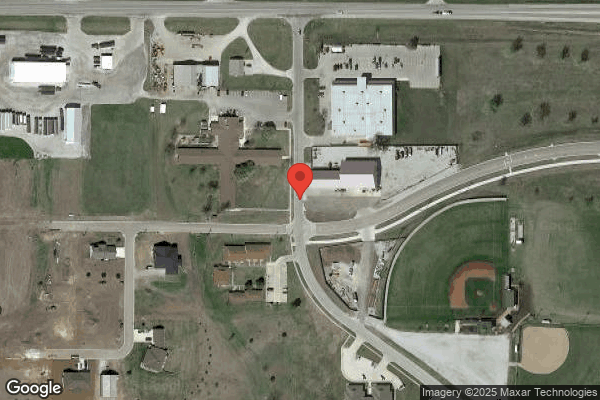
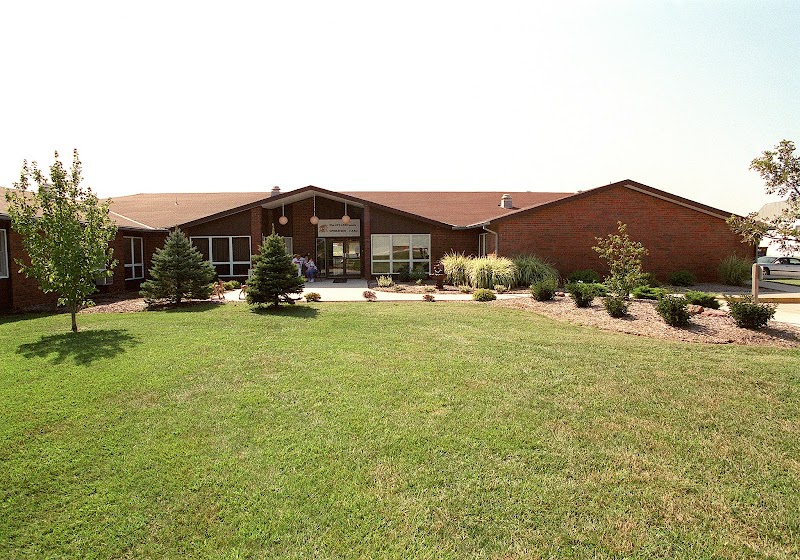
512 COMMUNITY DRIVE, SENECA, KS 66538 (785) 336-3528
For profit - Corporation 60 Beds LIFE CARE CENTERS OF AMERICA Data: November 2025
Trust Grade
90/100
#25 of 295 in KS
Last Inspection: April 2025

Within standard 12-15 month inspection cycle. Federal law requires annual inspections.

Overview

Life Care Center of Seneca has received an excellent Trust Grade of A, indicating it is highly recommended and performs well compared to other facilities. It ranks #25 out of 295 nursing homes in Kansas, placing it in the top half of state facilities, and is #2 out of 5 in Nemaha County. The facility is improving, as it decreased from 6 issues in 2023 to 5 in 2025. Staffing is a notable strength, with a perfect 5-star rating and a low turnover rate of 13%, much better than the state average of 48%. While there have been no fines, some areas need attention, such as the failure to maintain proper infection control practices and sanitation in the kitchen, which could pose risks to residents' health.

Trust Score
A
90/100
In Kansas
#25/295
Top 8%
Safety Record
Low Risk
No red flags
Inspections
Getting Better
6 → 5 violations
Staff Stability
✓ Good
13% annual turnover. Excellent stability, 35 points below Kansas's 48% average. Staff who stay learn residents' needs.
Penalties
✓ Good
No fines on record. Clean compliance history, better than most Kansas facilities.
Skilled Nurses
✓ Good
Each resident gets 47 minutes of Registered Nurse (RN) attention daily — more than average for Kansas. RNs are trained to catch health problems early.
Violations
⚠ Watch
16 deficiencies on record. Higher than average. Multiple issues found across inspections.
★★★★★
5.0
Overall Rating
★★★★★
5.0
Staff Levels
★★★☆☆
3.0
Care Quality
★★★★☆
4.0
Inspection Score
Stable
2023: 6 issues
2025: 5 issues

The Good

  • 5-Star Staffing Rating · Excellent nurse staffing levels
  • Low Staff Turnover (13%) · Staff stability means consistent care
  • Full Sprinkler Coverage · Fire safety systems throughout facility
  • No fines on record
  • Staff turnover is low (13%)

    35 points below Kansas average of 48%

Facility shows strength in staffing levels, staff retention, fire safety.

The Bad

Chain: LIFE CARE CENTERS OF AMERICA

Part of a multi-facility chain

Ask about local staffing decisions and management

The Ugly 16 deficiencies on record

Apr 2025 5 deficiencies
CONCERN (D)

Potential for Harm - no one hurt, but risky conditions existed

Resident Rights (Tag F0550)

Could have caused harm · This affected 1 resident

**NOTE- TERMS IN BRACKETS HAVE BEEN EDITED TO PROTECT CONFIDENTIALITY** - On 04/29/25 at 10:00 AM, observation revealed Certified Nurse Aide (CNA) N and CNA P positioned R2 flat in bed pulled her shir...

Read full inspector narrative →
**NOTE- TERMS IN BRACKETS HAVE BEEN EDITED TO PROTECT CONFIDENTIALITY** - On 04/29/25 at 10:00 AM, observation revealed Certified Nurse Aide (CNA) N and CNA P positioned R2 flat in bed pulled her shirt up and pulled down her attends to expose above pubic area, then cleaned R2's urinary catheter tubing with peri wipes and repositioned the gauze sponge around the insertion of the catheter tubing. CNA N reattached the residents attends. The continued observation revealed the resident's two windows had the blinds half up and a visualization of the South Hall resident rooms/windows. On 04/30/25 at 08:00 AM, Administrative Nurse D stated staff should not provide personal cares for the residents without closing the blinds and providing the resident privacy. The facility's Dignity Policy, dated 09/26/2024, documented each resident has the right to be treated with dignity and respect, the interactions, and activities with residents by staff, temporary agency staff, or volunteers must focus on maintaining and enhancing the resident's self-esteem, self-worth, and incorporating and resident's goals, preferences, and choices. The policy documented that staff must respect the resident's individuality as well as honor and value their input. The facility had a census of 39 residents. The sample included 13 residents. Based on observation, record review, and interview, the facility failed to provide dignified toileting care by leaving curtains and window blinds open for Resident (R) 3 and R16 during toileting activities, and R2 during suprapubic catheter (urinary bladder catheter inserted through the abdomen into the bladder) care. This placed the residents at risk for impaired dignity and decreased psychosocial well-being. Findings included: - R3's Electronic Medical Record (EMR) recorded diagnoses of dementia (a progressive mental disorder characterized by failing memory and confusion), anxiety (mental or emotional reaction characterized by apprehension, uncertainty, and irrational fear), Down's syndrome (chromosomal abnormality characterized by varying degrees of mental retardation and multiple defects), abnormalities of gait and mobility, need for assistance with personal care, and dysphagia (swallowing difficulty). The Quarterly Minimum Data Set (MDS), dated [DATE], documented R3's had severe cognitive impairment, dependent on staff for all functional activities and mobility. R3 was frequently incontinent of urine, always incontinent with bowel. The MDS further documented R3 received scheduled pain medication regimen and an anticonvulsant (a group of medications used to prevent seizures). R3's Care Plan, dated 03/17/25, documented R3 had an activities of daily living self-performance deficit related to diagnoses of dementia with behaviors and Down's syndrome. R3 was dependent on two staff for repositioning and turning, dressing, personal hygiene, and toileting. The care plan directed staff to check and change briefs, transfer with a Hoyer (total body mechanical lift) lift, but R3 only required one staff member for eating. On 04/28/25 at 12:00 PM, R3 was sitting in the dining room in her Broda chair (specialized wheelchair with the ability to tilt and recline) wearing a shirt with the side seam open, exposing her left side from mid waist area to breast fold, open two to three inches. On 04/29/25 at 08:44 PM, Certified Nurse Aide (CNA) M and CNA N took R3 into her room and closed the door to the hallway, then used a mechanical lift to transfer R3 from the Broda chair onto the bed. CNA M and CNA N proceeded to undress the resident from the waist down to check and change R3's brief. CNA M and CNA N provided incontinent care and brief change without drawing the curtain or the blinds to the window, which looked out to the patio and exit walkway. CNA M reported that staff placed a blanket across R3's lap when she was seated in the Broda chair, due to arm movements which would lift her shirt and expose her skin. On 04/30/25 at 08:11 AM, Administrative Nurse D stated her expectation of staff was to provide privacy for the residents during cares and in public places. The facility's Dignity policy, dated 09/26/24, documented the facility must treat each resident with respect and dignity and for each resident in a manner and in an environment that promotes maintenance or enhancement of his or her quality of life, recognizing each resident's individuality. The facility must protect and promote the rights of the resident. - R16's Electronic Medical Record (EMR) included diagnoses of anxiety (mental or emotional reaction characterized by apprehension, uncertainty, and irrational fear), diabetes mellitus (DM - when the body cannot use glucose, not enough insulin is made, or the body cannot respond to the insulin), history of falls, major depressive disorder (major mood disorder that causes persistent feelings of sadness), insomnia (inability to sleep), vascular dementia (a progressive mental disorder characterized by failing memory and confusion caused by a decreased blood flow to the brain) with severe agitation (feeling of aggravation or restlessness brought on by a provocation or a medical condition), and abnormalities of gait and mobility R16's Quarterly Minimum Data Set (MDS), dated [DATE], documented R16 had severe cognitive impairment, had physical and verbal behaviors directed toward others, one to three days of the seven-day look-back period. R16 was dependent on staff for toileting hygiene and lower body dressing. The MDS further documented R16 was always incontinent of urine and bowel. R16's Care Plan, dated 03/25/25, documented R16 had an activities of daily living self-care performance deficit related to dementia. The care plan instructed staff that R16 required extensive assistance of two staff for toileting and transfers. On 04/29/25 at 09:02 AM, while R16 was sitting in her wheelchair in her room, Certified Nurse Aide (CNA) M and CNA O explained they would assist R16 into the bathroom for toileting. R16 commented on being undressed in public, CNA M and CNA O reassured R16 and explained they would take R16 into the bathroom before undressing so she would be able to sit on the toilet. The staff then proceeded to wheel R16 into her bathroom and assisted R16 onto the toilet. Once R16 was finished in the bathroom, CNA M and CNA O provided toileting hygiene, applied a brief, and pulled up lower body clothing. During the process, the open bathroom door was in visual line of the exterior window, through which the exit and walkway to the courtyard. Staff failed to close the window drapes or window shades. On 04/30/25 at 08:11 AM, Administrative Nurse D stated her expectation of staff was to provide privacy for the residents during cares and in public places. The facility's Dignity policy, dated 09/26/24, documented the facility must treat each resident with respect and dignity and for each resident in a manner and in an environment that promotes maintenance or enhancement of his or her quality of life, recognizing each resident's individuality. The facility must protect and promote the rights of the resident.
CONCERN (D)

Potential for Harm - no one hurt, but risky conditions existed

Accident Prevention (Tag F0689)

Could have caused harm · This affected 1 resident

**NOTE- TERMS IN BRACKETS HAVE BEEN EDITED TO PROTECT CONFIDENTIALITY** The facility had a census of 39 residents. The sample included 12 residents. Based on observation, record review, and interview,...

Read full inspector narrative →
**NOTE- TERMS IN BRACKETS HAVE BEEN EDITED TO PROTECT CONFIDENTIALITY** The facility had a census of 39 residents. The sample included 12 residents. Based on observation, record review, and interview, the facility failed to ensure an environment free from chemicals and hazards for four cognitively impaired, independently mobile residents who resided in the facility. Findings included: - On 04/28/25 at 09:00 AM, observation during initial facility tour revealed an unlocked housekeeping room door on the East Hall. The housekeeping room contained the following: Two 32-ounce (oz) bottles of Diversey clinging toilet bowl cleaner, with the warning may cause burns, damage to eyes, and be harmful if swallowed, and keep out of reach of children. One 32-oz bottle of Diversey [NAME] Sporicidal disinfecting cleaner, with the warning may cause severe skin burns and serious eye damage and may be corrosive to metals, and keep out of reach of children. One gallon jug of Prominence heavy-duty cleaner, with the warning may cause eye irritation, mildly irritating to skin, irritating to mouth, throat, stomach, and respiratory tract. One 15-oz spray can of IND/COM disinfectant cleaner, with the warning may cause skin and eye irritation, and potentially severe burns and damage, and keep out of reach of children. On 04/28 at 09:05 AM, Maintenance Staff U verified the chemicals in the unlocked housekeeping room and stated the housekeeping door should be locked and the chemicals were to be stored in a locked, secure location. Maintenance Staff U verified the door had a keypad on the hallway door side, and on the inside of the door, it had a lever that allowed it to be positioned to keep the door unlocked. Maintenance Staff U verified the inside door lever was turned to the unlocked position, which allowed the door to remain unlocked. On 04/30/25 at 08:00 AM, Administrative Nurse D verified that the housekeeping room should always be locked and chemicals should not be accessible to the residents. The facility Storage of Chemicals, dated 06/17/2024, documented the facility would store chemicals in accordance with manufacturer guidelines while maintaining supervision while in use. The policy documented the resident has the right to a safe, clean, comfortable, and homelike environment, including but not limited to receiving treatment and supports for daily living safely. The policy documented the facility would maintain supervision of chemicals when in active use, and when not actively in use, would be stored out of reach of residents in accordance with Globally Harmonized System (GHS) for classification and Labeling of Chemicals. The policy recorded all flammable and combustible materials must be clearly labeled, and they must be stored in approved storage cabinets or inside a storage area.
CONCERN (D)

Potential for Harm - no one hurt, but risky conditions existed

Deficiency F0757 (Tag F0757)

Could have caused harm · This affected 1 resident

**NOTE- TERMS IN BRACKETS HAVE BEEN EDITED TO PROTECT CONFIDENTIALITY** The facility had a census of 39 residents. The sample included 13 residents, with five reviewed for unnecessary medications. Bas...

Read full inspector narrative →
**NOTE- TERMS IN BRACKETS HAVE BEEN EDITED TO PROTECT CONFIDENTIALITY** The facility had a census of 39 residents. The sample included 13 residents, with five reviewed for unnecessary medications. Based on observation, record review, and interview, the facility failed to notify the physician of blood sugars (a system which measures blood glucose in the body) outside of ordered parameters for one resident, Resident (R) 28 and failed to hold insulin (medication that lowers the level of glucose [a type of sugar] in the blood) when the medication was out of the physician ordered parameters. This placed the residents at risk for adverse effects related to medication. Findings included: - The Electronic Medical Record (EMR) for R28 documented diagnoses of Diabetes Mellitus (DM - when the body cannot use glucose, not enough insulin is made, or the body cannot respond to the insulin) type two, chronic obstructive pulmonary disease (COPD - a progressive and irreversible condition characterized by diminished lung capacity and difficulty or discomfort in breathing), hypertension (high blood pressure), and anxiety (mental or emotional reaction characterized by apprehension, uncertainty, and irrational fear). The Medicare 5 Day Minimum Data Set (MDS), dated [DATE], documented R28 had intact cognition. R28 required partial assistance of staff for upper body dressing, toileting, and ambulation. The MDS documented R28 received three days of insulin (a hormone that lowers the level of glucose in the blood) and seven days of antidepressant (a class of medications used to treat mood disorders) medication during the look-back period. R28's Quarterly MDS, dated 03/02/25, documented intact cognition. R28 required set-up assistance for eating, dressing, and personal hygiene. R28 received seven days of insulin and antidepressant medication during the lookback period. R28's Care Plan, dated 02/19/25, initiated on 05/09/24, directed staff to perform Accu-checks (blood glucose monitoring test) as ordered, administer medications as ordered, and provide her diet as ordered. The Physician's Order, dated 05/09/24, directed staff to notify the physician if R28's Accu-checks were below 70 milligrams (mg) per deciliter (dL) or above 400 mg/dL. R28's Medication Administrative Record, dated February 2025, documented R28's blood sugar was out of parameters and the physician was not notified for the following days. 02/15/25 - 61 mg/dl 02/18/25 - 48 mg/dl 02/21/25 - 56 mg/dl 04/23/25 - 52 mg/dl 02/27/25 - 55 mg/dl R28's Medication Administration Record, dated March 2025, documented R28's blood sugar was out of parameters, and the physician was not notified on the following day: 03/05/25 - 68 mg/dl The Physician's Order, dated 02/05/25, directed staff to administer Lantus (insulin) 20 units (U) at bedtime and hold if her blood sugar was less than 120 mg/dl. This order was discontinued on 02/26/25. R28's Medication Administration Record, dated February 2025, documented the following days R28 received her insulin when her blood sugar was out of the physician's ordered parameters: 02/18/25 at 08:04 PM - 100 mg/dl 02/20/25 at 07:15 PM - 99 mg/dl On 04/29/25 at 07:40 AM, Licensed Nurse (LN) G provided R28 her morning medication in her room without incident. On 04/29/25 at 11:55 AM, LN G stated R28's blood sugar parameters were standing orders provided at admission, and R28 has had problems with her blood sugars for a while. LN G verified R28 had received her bedtime Lantus when her blood sugar was out of parameters, and that staff should have notified the physician of her low blood sugars. On 04/30/25 at 07:53 AM, Administrative Nurse D stated she expected staff to follow the physician's orders and hold the Lantus medication if her blood sugars were out of parameters. She further stated that the physician should be notified if her blood sugar readings were out of parameters. The facility's Blood Glucose Monitoring policy, dated 09/23/24, documented, associates who obtain capillary blood glucose specimens would do so in accordance with their scope of practice and in accordance with all applicable local, state, and federal guidelines. Upon request, a policy for medication administration was not provided by the facility.
CONCERN (E)

Potential for Harm - no one hurt, but risky conditions existed

Infection Control (Tag F0880)

Could have caused harm · This affected multiple residents

**NOTE- TERMS IN BRACKETS HAVE BEEN EDITED TO PROTECT CONFIDENTIALITY** The facility had a census of 39 residents. The sample size included 13 residents. Based on observation, record review, and inter...

Read full inspector narrative →
**NOTE- TERMS IN BRACKETS HAVE BEEN EDITED TO PROTECT CONFIDENTIALITY** The facility had a census of 39 residents. The sample size included 13 residents. Based on observation, record review, and interview, the facility failed to adhere to infection control procedures for R33 who had enhanced barrier precautions (EBP - an infection control intervention designated to reduce transmission of resistant organisms that employs targeted gown and glove used during high contact resident care activities), and failed to adhere to personal cares and change gloves for Resident (R) 2 who had a suprapubic catheter (urinary bladder catheter inserted through the abdomen into the bladder) and failed to adhere to infection control procedures when dietary staff placed a rubber dish tub on the table with dirty dishes while the residents were still eating their meal. This placed the residents at increased risk for infection. Findings included: - On 04/29/24 at 10:00 AM, observation revealed Certified Nurse (CNA) N and CNA P entered the room of R2, who was on EBP. Observation revealed a sign posted on the outside of the resident's room giving instructions on personal protective equipment (PPE - gown and gloves). The PPE equipment and supplies were located in a plastic storage tote outside the resident's room in the hallway. Continued observation revealed CNA N and CNA P donned gowns and gloves and entered the resident's room. CNA N cleansed the resident's suprapubic tubing (a thin flexible tube that drains urine from the bladder through a small incision in the lower abdomen) and cleaned around the tubing insertion site and the first few inches of the catheter tubing. Then reposition the gauze sponge around the catheter tubing. CNA N removed her gloves and washed her hands. On 04/29/25 at 10:10 AM, observation revealed CNA N and CNA P transferred R2 from her bed to the shower chair with a sit-to-stand lift. R2 stated she just had a BM, and CNA N removed the resident's incontinent brief and cleansed the resident with peri wipes, then lowered the R2 onto the shower chair. Continued observation revealed CNA N continued to wear the same gloves she cleaned the residents with and opened the closet doors, and got the residents' shirt, pants, then went to her dresser and got a pair of socks. CNA N proceeded to open the resident bathroom door with the same gloves still on and got an incontinent brief. CNA N then removed her gloves and used hand sanitizer, and transported the resident to the shower room. On 04/30/25 at 08:00 AM, Administrative Nurse D verified that the staff should wear PPE when providing care for R2 and should change their gloves after personal cares. Administrative Nurse D said the facility would do some education with the staff regarding wearing PPE for resident care and when to remove the gloves between personal cares. The facility's Infection Prevention and Control Program policy, dated 06/13/2024, documented the facility has an ongoing infection prevention and control program (IPCP) to prevent, recognize, and control the onset and spread of infection to the extent possible, and reviews and updates the IPCP annually and as necessary. The facility has systems for the prevention, identification, reporting, investigation, and control of infections and communicable diseases of residents, staff, and visitors. This system includes an ongoing system of surveillance designed to identify possible communicable diseases and infections before they can spread to other persons in the facility, and procedures for reporting possible incidents of communicable disease or infections. Written standards, policies, and procedures for the program, which must include, but are not limited to, hand hygiene procedures to be followed by staff involved in direct resident contact. The policy documented the facility would ensure staff followed the IPCP's standards and procedures (hand hygiene and appropriate use of PPE), while other needs were specific to particular roles, responsibilities, and situations, such as injection safety and point of care testing. Surveyor: [NAME], [NAME] - R33's Electronic Medical Record (EMR) documented that R43 had diagnoses of obstructive and reflux uropathy (a condition where the normal flow of urine through the urinary tract is blocked, while reflux uropathy (vesicoureteral reflux or VUR) is when urine flows backward from the bladder to the ureters (small tubular structure that drains urine from the bladder) and kidneys (a pair of organs in the abdomen which remove waste and extra water from the blood (as urine), and help keep chemicals (such as sodium, potassium, and calcium) balanced in the body) instead of flowing forward). R33's Quarterly Minimum Data Set (MDS), dated [DATE], documented that R33 had short and long-term memory problems and severely impaired cognition. The MDS documented R33 had a urinary catheter, frequent incontinence of urine, and no urinary tract infection (UTI - infection in any part of the urinary system). R33's Care Plan, revised 04/22/25, documented R33 dependent on staff with toileting. The plan documented the resident had a urinary catheter and instructed staff to encourage R33 to drink fluids and administer medications as ordered. The plan instructed staff to observe R33 for signs or symptoms of a UTI, provide catheter care every shift, position the catheter bag and tubing below the level of the bladder, and check the catheter tubing for kinks. The plan documented R33 was on enhanced barrier precautions (EBP). Review of R33's clinical record revealed R33 had positive UTIs on 09/07/24,12/19/24, and 04/23/25. On 04/29/25 at 09:20 AM, Certified Nurse Aide (CNA) M and CNA O donned a gown, applied masks, and gloves outside R33's room door, then entered the room with a sit-to-stand lift. CNA M placed a lift jacket on R33, while CNA O took off R33's heel protector boots. CNA O unhooked R33's catheter bag from underneath the wheelchair seat, draped it over the sit-to-stand lift machine, and placed the strap around the back of R33's lower legs. CNA O slowly raised R33 with the lift machine control and transferred him over the toilet. CNA M pulled R33's pants down, removed the incontinent brief, placed it in the trash, removed and discarded gloves, then CNA O lowered the resident onto the toilet. CNA M both stepped out of the bathroom so the resident could have privacy. R33 reported he was done. CNA M provided back perineal care and catheter care, removed and discarded gloves, applied new gloves, then placed a new incontinent brief on the resident. CNA O left R33's room with her gown still on, went down the west hall to the soiled utility, stood outside the soiled utility, then removed her gown and placed it in the soiled utility room. On 04/29/25 at 09:22 AM, CNA O verified she had left her gown on when she left R33's room and stated she should have taken it off and discarded it in the resident's room. On 04/30/25 at 10:33 AM, Administrative Nurse D stated that if a resident was on EBP, staff should remove his/her gown before he/she exited R33's room. The facility's Enhanced Barrier Precautions (EBP) Policy, revised 04/22/25, documented EBP referred to an infection control intervention designed to reduce transmission of multidrug-resistant organisms that employs targeted gown and glove use during high contact resident care activities. Personal protective equipment (PPE) for enhanced barrier precautions was only necessary when performing high-contact care activities. - On 04/28/25 at 12:06 PM, Dietary Staff (DS) BB placed a plastic tub of dirty dishes on a table where residents were eating their noon meal and continued to place dirty dishes in the pan from other tables. DS BB left the dirty dishpan on the table and asked residents who entered the dining room what they would like to drink. On 04/30/25 at 10:33 AM, Administrative Nurse D verified the above finding and stated she had been concerned also, so she asked Certified Dietary Manager (CDM) CC about the concern and was told staff could place the dirty dishpan on the table if it was only half full. On 04/30/25 at 10:43 AM, CDM CC stated staff should not place a dirty dishpan on a table with residents who are still eating. The facility's Infection Prevention and Control Program (IPCP) and Plan policy, revised 06/13/24, documented methods to reduce the risks associated with procedures, including applicable precautions, as appropriate, based on care, treatment, and service setting.
CONCERN (F)

Potential for Harm - no one hurt, but risky conditions existed

Staffing Data (Tag F0851)

Could have caused harm · This affected most or all residents

The facility had a census of 39 residents. Based on observation, interview, and record review, the facility failed to submit complete and accurate staffing information through Payroll Based Journaling...

Read full inspector narrative →
The facility had a census of 39 residents. Based on observation, interview, and record review, the facility failed to submit complete and accurate staffing information through Payroll Based Journaling (PBJ) as required. This deficient practice placed the residents at risk for unidentified and ongoing inadequate nurse staffing. Findings included: - The PBJ report provided by the Centers for Medicare & Medicaid Services (CMS) for Fiscal Year (FY) 2024, Quarter 1 and 2, indicated the facility had excessively low weekend nurse staffing Review of the facility's weekend nursing schedules for the above Quarters revealed the facility had adequate staffing. On 04/30/25 at 08:00 AM, Administrative Nurse D verified the facility had not submitted the correct information for weekend nursing staffing and stated Administrative Staff B was responsible for submitting the PBJ information. Administrative Nurse D stated the Centers for Medicare and Medicaid Services (CMS) had done a PBJ audit in December and had cleared the facility. The facility's Staffing Posting and Payroll Based Journal (PBJ) Submission Policy, revised 04/22/25, documented the facility maintained adequate staff on each shift to meet residents' needs, posts daily staffing data, and furnishes staffing information to the state as specified in the Federal regulations. Long-term care facilities must electronically submit to CMS complete and accurate direct care staffing information, including information for agency and contract staff, based on payroll and other verifiable and auditable data in a uniform format according to specifications established by CMS.
Aug 2023 5 deficiencies
CONCERN (D)

Potential for Harm - no one hurt, but risky conditions existed

Resident Rights (Tag F0550)

Could have caused harm · This affected 1 resident

**NOTE- TERMS IN BRACKETS HAVE BEEN EDITED TO PROTECT CONFIDENTIALITY** The facility had a census of 35 residents. The sample included 12 residents. Based on observation, record review, and interview,...

Read full inspector narrative →
**NOTE- TERMS IN BRACKETS HAVE BEEN EDITED TO PROTECT CONFIDENTIALITY** The facility had a census of 35 residents. The sample included 12 residents. Based on observation, record review, and interview, the facility failed to provide dignity during dining for Resident (R) 24 when staff disregarded her repeated requests for assistance and for R11, who had uncombed hair and unclean clothing. This placed R24 and R11 at risk for impaired dignity and decreased psychosocial wellbeing. Findings included: - R24's Electronic Medical Record (EMR) recorded diagnoses of anemia (condition without enough healthy red blood cells to carry adequate oxygen to body tissues), major depressive disorder (abnormal emotional state characterized by exaggerated feelings of sadness, worthlessness, emptiness and hopelessness), moderate protein-calorie malnutrition, adult failure to thrive, muscle weakness, need of assistance with personal care, legal blindness, and generalized anxiety (mental or emotional reaction characterized by apprehension, uncertainty and irrational fear). The Annual Minimum Data Set (MDS), dated [DATE], documented R24 had intact cognition. The MDS documented R24 required extensive assistance from one staff for eating. The MDS recorded R24 had severely impaired vision and saw nothing (or only light). The Activity of Daily Living Care Area Assistance (CAA), dated 07/28/23, documented R24 required assistance with activities of daily living. The Care Plan dated 08/11/23 documented R24 required set up assistance by one staff to eat, due to visual impairment, and needed staff to set up her plate. The care plan directed staff to inform R24 of the location of food on the plate, silverware placement, and drink. The Physician Order, dated 04/25/22, directed staff to provide R24 a regular mechanically altered texture in a divided plate. The Progress Note, dated 05/24/23 at 04:27 PM, documented R24 continued eating at baseline and had been more receptive to allowing staff to help her. On 08/21/23 at 11:39 AM, observation revealed R24 sat in the dining room at a table and repeatedly asked for sugar in her coffee. There were numerous staff in the dining room and survey team member informed staff of R24's request for sugar in her coffee. Staff member provided R24 a spoon of sugar in her coffee and left promptly. R24 asked if staff provided two spoons of sugar, but staff had already left. Other staff members passed by R24, who continued to make her request out loud. Staff continued to serve food to other residents in the dining room. R24 then asked if she had food in front of her and an unidentified staff, who was talking to other residents, told R24 there was no food in front of her. R24 inquired if the staff was talking to her, but the staff did not respond to her. R24 continued to ask if she could have more sugar in her coffee and the question continued to be unanswered as staff passed by. When staff finally sat at R24's table, staff addressed her sugar request and let the kitchen staff know R24 was ready for her plate. On 08/23/23 at 09:35 AM, Certified Nurse Aide (CNA) N stated R24 needed extensive assistance with activities of daily living and eating. CNA N stated staff were to inform R24 where her food was located on the plate. CNA N reported staff used of the clock method for food placement description, and used straws for R24's liquids, reminding her often of food and drink placement. On 08/23/23 at 11:01 AM, Administrative Staff D reported R24 needed assistance at mealtime, and staff should have responded to R24's questions and requests. The facility's Dignity policy, dated 09/30/22, documented each resident had the right to be treated with dignity and respect. Staff and volunteers must interact with residents in a manner that considered the physical limitations of resident and assures communication and maintains respect. The facility failed to respond to R24's questions and request for assistance in the dining room which placed the resident at risk for a less dignified experience and decreased psychosocial wellbeing. - The Electronic Medical Record (EMR) for R11 documented diagnoses of chronic pain, intervertebral disc degeneration (the discs between the vertebrae lose cushioning, fragmentation and herniation related to aging), depression (abnormal emotional state characterized by exaggerated feelings of sadness, worthlessness, and emptiness), adult failure to thrive (includes not doing well, feeling poorly, weight loss, poor self-care that could be seen in elderly individuals), and chronic obstructive pulmonary disease (progressive and irreversible condition characterized by diminished lung capacity and difficulty or discomfort in breathing). The 5 Day Medicare Minimum Data Set (MDS), dated [DATE], documented R11 had severely impaired cognition and required extensive assistance of one staff for bed mobility, transfers, locomotion on and off the unit, dressing, toileting, and personal hygiene. The Care Plan, dated 05/23/23, documented R11 had activities of daily living (ADL) self-care performance deficit related to impaired balance, chronic pain, and impaired cognition. The plan directed staff to provide extensive assistance for dressing, bathing, personal hygiene, and dressing. On 08/21/23 at 09:00 AM, observation revealed R11's hair was uncombed, and smashed to the back of her head. On 08/21/23 at 02:52 PM, observation revealed R11 was in her room, drinking a glass of juice. Her sweatshirt appeared dirty with dry food stains down the front of it. On 08/22/23 at 01:06 PM, observation revealed R 11 wore a shirt which looked dirty and had dry food stains down the front of it. On 08/22/23 at 10:00 AM, Certified Nurse Aide (CNA) M stated staff assisted R11 with all her ADL. CNA M stated R11 sometimes drooled on her clothing. On 08/23/23 at 09:00 AM, Administrative Nurse D stated she observed and assisted R11 daily and R11 had a habit of picking at her hair but staff should make sure R11's clothes were clean. The facility's Dignity policy, dated 09/30/22, documented each resident had the right to be treated with dignity and respect. Staff and volunteers must interact with residents in a manner that considered the physical limitations of resident and assures communication and maintains respect. The facility failed to promote care in a manner to maintain and enhance dignity, and respect for R11. This placed R11 at risk for impaired dignity and decreased psychosocial well being.
CONCERN (D)

Potential for Harm - no one hurt, but risky conditions existed

Deficiency F0655 (Tag F0655)

Could have caused harm · This affected 1 resident

The facility had a census of 35 residents. The sample included 12 residents of which three were reviewed for urinary catheter (tube inserted into the bladder to drain urine). Based on observation, rec...

Read full inspector narrative →
The facility had a census of 35 residents. The sample included 12 residents of which three were reviewed for urinary catheter (tube inserted into the bladder to drain urine). Based on observation, record review and interview one of the three reviewed, Resident (R) 89, lacked a baseline care plan on admission to the facility for straight catheterization (inserting a catheter into the bladder) twice a day. This placed the resident at risk for inappropriate care due to uncommunicated care needs. Findings included: - R89's Electronic Medical Record (EMR) documented diagnoses of neurogenic bladder (lack of bladder control caused by nerve damage) and urinary retention (difficulty urinating and emptying the bladder). R89's Physician admission Orders on 08/09/23 documented straight catheterization twice daily. The Baseline Care Plan completed on admission lacked interventions for the staff for straight catheterization. On 08/22/23 at 09:40AM, observation revealed R89 laid on her bed. Further observation revealed Licensed Nurse (LN) G inserted a straight catheter to drain urine. On 08/22/23 at 11:40AM, Administrative Nurse E verified the baseline care plan lacked interventions for the use of a straight catheter. On 08/22/23 at 02:30PM, Administrative Nurse D verified the lack of a baseline care plan for use of the straight catheter. Administrative Nurse D verified she expected the baseline care plan on admission to include any special treatments. The Baseline Care Plan policy, dated 08/17/22, stated a baseline care plan will be developed for every resident within 48 hours of admission to provide initial set of instructions needed to provide effective and person-centered care of the resident that meets professional standards of care. The facility failed to develop a baseline care plan for R89 who received straight catheterization twice daily, placing the resident at risk for inappropriate care and services due to uncommunicated care needs.
CONCERN (D)

Potential for Harm - no one hurt, but risky conditions existed

Deficiency F0657 (Tag F0657)

Could have caused harm · This affected 1 resident

**NOTE- TERMS IN BRACKETS HAVE BEEN EDITED TO PROTECT CONFIDENTIALITY** The facility had a census of 35 residents. The sample included 12 residents, Based on observation, record review, and interview,...

Read full inspector narrative →
**NOTE- TERMS IN BRACKETS HAVE BEEN EDITED TO PROTECT CONFIDENTIALITY** The facility had a census of 35 residents. The sample included 12 residents, Based on observation, record review, and interview, the facility failed to revise care plans for two sampled residents, Resident (R) 11 for her refusals to be transferred to her bed or recliner, and R13's interventions to prevent bruising. This placed the residents at risk for unmet care needs. Findings included: - The Electronic Medical Record (EMR) for R11 documented diagnoses of chronic pain, intervertebral disc degeneration (the discs between the vertebrae lose cushioning, fragmentation and herniation related to aging), depression (abnormal emotional state characterized by exaggerated feelings of sadness, worthlessness, and emptiness), adult failure to thrive (includes not doing well, feeling poorly, weight loss, poor self-care that could be seen in elderly individuals), and chronic obstructive pulmonary disease (progressive and irreversible condition characterized by diminished lung capacity and difficulty or discomfort in breathing). The 5-Day Medicare Minimum Data Set (MDS), dated [DATE], documented R11 had severely impaired cognition and required extensive assistance of one staff for bed mobility, transfers, locomotion on and off the unit, dressing, toileting, and personal hygiene. The MDS further documented R11 did not ambulate and she had upper functional impairment on one side. The Care Plan, dated 05/23/23, documented R11 had an enabler bar to the left side of her bed to aide in turning, positioning, and exiting the bed. The care plan directed staff to provide one staff for turning, and repositioning; one staff to assist R11 for transfers; continue to offer and maneuver R11's wheelchair chair slowly as she refused wheelchair pedals. It directed staff to make sure she was able to hold her legs up. The Occupational Therapy Treatment Encounter, dated 06/12/23, documented the resident and caregivers were instructed on proper body mechanics and safe transfer techniques specifically wheelchair and toilet transfers in order to prevent a decline from current level of skill performance with partial carryover demonstrated during training. On 08/21/23 at 09:00 AM, observation revealed R11 sat in her wheelchair in the hallway. Her body leaned forward, bent at the waist, with her head down. On 08/21/23 at 11:08 AM, observation revealed R11, in the hallway, used two fingers on her right hand to propel her wheelchair as she used her left heel to help propel the wheelchair. Continued observation revealed R11 slowly propelled her wheelchair and staff did not offer to assist her. On 08/21/23 at 02:09 PM, observation revealed R11 sat in her wheelchair in her room. Her body leaned forward, bent at the waist, with her head down. On 08/22/23 at 07:15 AM, observation revealed R11 sat in her wheelchair, in the hallway. Her body leaned forward, bent at the waist, with her head down. Continued observation at 07:30 AM revealed R11 was still in the hallway, in the same position. On 08/22/23 at 01:15 PM, observation revealed R11, sat in wheelchair in her room. She was bent over and her chest almost touched her knees. Her eyes were closed. On 08/23/23 at 07:10 AM, observation revealed R11 was in the dining room, and her wheelchair was not completely under the table. R11 was bent over with her head almost resting on the dining table. On 08/22/23 at Certified Nurse Aide (CNA) M stated R11 often refused to be laid down in bed or recliner and verified R11 would feel better if she laid down. On 08/22/23 at 01:00 PM, Administrative Nurse E stated she was unsure if R11's refusal to lay down was documented in the care plan. She said she would make she put it in R11's plan of care. On 08/23/23 at 09:00 AM, Administrative Nurse D stated she often asked to assist R11 in her wheelchair and R11 would sometimes refuse the assistance. Administrative Nurse D further stated she would make sure there was documentation in the care plan that reflected R11's refusals and would make sure the care plan reflected how R11 was on a daily basis. The facility Comprehensive Care Plan and Revisions policy, dated 08/17/22, documented the facility should monitor the resident over time to help identify changes in the resident condition that may warrant an update to the person-centered plan of care. When changes occur, the facility should review and update the plan of care to reflect the changes to care delivery things can include additional interventions on existing problems, updating goal or problem statements, adding a short-term problem goal, and interventions to address a time limited condition. The facility failed to update R11's care plan to reflect her refusals to lay down in bed or sit in her recliner when she started to lean forward in her wheelchair. This placed the resident at risk for unmet care needs. - The Electronic Medical Record (EMR) for R13 documented diagnoses of edema (excess fluid trapped in the body's tissue), repeated falls, chronic obstructive pulmonary disease (progressive and irreversible condition characterized by diminished lung capacity and difficulty or discomfort in breathing), and anxiety (a feeling of worry, nervousness, or unease, typically about an imminent event or something with an uncertain outcome). The Quarterly Minimum Data Set (MDS), dated [DATE], documented R13 had intact cognition and required extensive assistance of one staff for bed mobility, transfers, ambulation in room, dressing, toileting and personal hygiene. The MDS further documented R13 had a pressure ulcer (localized injury to the skin and/or underlying tissue usually over a bony prominence, as a result of pressure, or pressure in combination with shear and/or friction). The Care Plan, dated 08/16/23, documented R13 was at risk for a break in skin integrity, received anticoagulant (blood thinner medication) therapy, and directed staff to perform weekly skin checks, observe for and report adverse reactions. The care plan lacked interventions to protect skin from bruising. The Weekly Skin Assessment from 08/05/23 to 08/18/23 lacked documentation regarding the bruises on R13's hands and arms. On 08/21/23 at 10:15 AM, observation revealed two dark purple bruises to R13's right hand, multiple small bruises to her right arm, one purple bruise to her left hand and one to her left wrist. On 08/22/23 at 09:08 AM, observation revealed two dark purple bruises to R13's right hand, eight small bruises to her right arm, one purple bruise to her left hand and one to her left wrist. On 08/22/23 at 09:10 AM, Licensed Nurse (LN) G stated the bruises were probably from a couple of falls that R13 had. On 08/22/23 at 08:50 AM, Certified Nurse Aide (CNA) M stated the resident fell and the bruises were likely from her falls. On 08/22/23 at 01:00 PM, Administrative Nurse E stated she would look at the care plan to see if there were interventions in place for the prevention of bruising. At 01:30 PM, Administrative Nurse E verified there were no interventions on the care plan and stated she received an order for Geri-sleeves (protective sleeves used to protect fragile skin) for R13 to help prevent the bruising. On 08/23/23 at 12:15 PM, Administrative Nurse D verified the bruises to the resident's arms and hands, and stated that they were probably from a blood draw and R13's falls. The facility Comprehensive Care Plan and Revisions policy, dated 08/17/22, documented the facility should monitor the resident over time to help identify changes in the resident condition that may warrant an update to the person-centered plan of care. When changes occur, the facility should review and update the plan of care to reflect the changes to care delivery things can include additional interventions on existing problems, updating goal or problem statements, adding a short-term problem goal, and interventions to address a time limited condition. The facility failed to update R13's care plan with direction to staff with interventions to prevent bruising. This placed the resident at risk for unmet care needs.
CONCERN (D)

Potential for Harm - no one hurt, but risky conditions existed

ADL Care (Tag F0677)

Could have caused harm · This affected 1 resident

**NOTE- TERMS IN BRACKETS HAVE BEEN EDITED TO PROTECT CONFIDENTIALITY** The facility had a census of 35 residents. The sample included 12 residents. Based on observation, record review, and interview,...

Read full inspector narrative →
**NOTE- TERMS IN BRACKETS HAVE BEEN EDITED TO PROTECT CONFIDENTIALITY** The facility had a census of 35 residents. The sample included 12 residents. Based on observation, record review, and interview, the facility failed to provide the required assistance for Resident (R) 24, who was legally blind and required extensive assist with eating and for R11, who required assistance with grooming. This placed the residents at risk for impaired quality of life and care. Finding included: - R24's Electronic Medical Record (EMR) recorded diagnoses of anemia (condition without enough healthy red blood cells to carry adequate oxygen to body tissues), major depressive disorder (abnormal emotional state characterized by exaggerated feelings of sadness, worthlessness, emptiness and hopelessness), moderate protein-calorie malnutrition, adult failure to thrive, muscle weakness, need of assistance with personal care, legal blindness, and generalized anxiety (mental or emotional reaction characterized by apprehension, uncertainty and irrational fear). The Annual Minimum Data Set (MDS), dated [DATE], documented R24 had intact cognition. The MDS documented R24 required extensive assist from one staff for eating. The MDS recorded R24 had severely impaired vision and saw nothing, or only light. The Activity of Daily Living Care Area Assistance (CAA), dated 07/28/23, documented R24 required assistance with activities of daily living. The Care Plan dated 08/11/23 documented R24 required set up assistance by one staff to eat, due to visual impairment, and needed staff to set up plate. The care plan directed staff to inform R24 the location of food on the plate, silverware placement, and drink. The Physician Order, dated 04/25/22, directed staff to provide R24 a regular mechanically altered texture in a divided plate. The Progress Note, dated 05/24/23 at 04:27 PM, documented R24 continued eating at baseline and had been more receptive to allowing staff to help her. On 08/21/23 at 11:39 AM, observation revealed R24 sat in the dining room at a table and repeatedly asked for sugar in her coffee. There were numerous staff in the dining room and survey team member informed staff of R24's request for sugar in her coffee. Staff member provided R24 a spoon of sugar in her coffee and left promptly. R24 asked if staff provided two spoons of sugar, but staff had already left. Other staff members passed by R24, who continued to make her request out loud. Staff continued to serve food to other residents in the dining room. R24 then asked if she had food in front of her and an unidentified staff, who was talking to other residents, told R24 there was no food in front of her. R24 inquired if the staff was talking to her, but the staff did not respond to her. R24 continued to ask if she could have more sugar in her coffee and the question continued to be unanswered as staff passed by. When staff finally sat at R24's table, staff addressed her sugar request and let the kitchen staff know R24 was ready for her plate. On 08/23/23 at 09:35 AM, Certified Nurse Aide (CNA) N stated R24 needed extensive assistance with activities of daily living and eating., CNA N stated staff were to inform R24 where her food was located on the plate. CNA N reported staff used of the clock method for food placement description, and used straws for R24's liquids, reminding her often of food and drink placement. On 08/23/23 at 11:01 AM, Administrative Staff D reported R24 needed assistance at mealtime, and staff should have responded to R24's questions and requests. The facility's Activities of Daily Living (ADL) policy, dated 08/22/22, documented the resident will receive assistance as needed to complete activities of daily living (ADLs). Any change in the ability to perform ADLs will be documented and reported to the licensed nurse. A resident who is unable to carry out activities of daily living receives the necessary services to maintain good nutrition, grooming, and personal and oral hygiene. The facility failed to provide R24 the required assistance with eating. This placed the resident at risk for impaired quality of life and weight loss. - The Electronic Medical Record (EMR) for R11 documented diagnoses of chronic pain, intervertebral disc degeneration (the discs between the vertebrae lose cushioning, fragmentation and herniation related to aging), depression (abnormal emotional state characterized by exaggerated feelings of sadness, worthlessness, and emptiness), adult failure to thrive (includes not doing well, feeling poorly, weight loss, poor self-care that could be seen in elderly individuals), and chronic obstructive pulmonary disease (progressive and irreversible condition characterized by diminished lung capacity and difficulty or discomfort in breathing). The 5 Day Medicare Minimum Data Set (MDS), dated [DATE], documented R11 had severely impaired cognition and required extensive assistance of one staff for bed mobility, transfers, locomotion on and off the unit, dressing, toileting, and personal hygiene. The Care Plan, dated 05/23/23, documented R11 had activities of daily living (ADL) self-care performance deficit related to impaired balance, chronic pain, and impaired cognition. The plan directed staff to provide extensive assistance for dressing, bathing, personal hygiene, and dressing. On 08/21/23 at 09:00 AM, observation revealed R11's hair was uncombed, and smashed to the back of her head. On 08/21/23 at 02:52 PM, observation revealed R11 was in her room, drinking a glass of juice. Her sweatshirt appeared dirty with dry food stains down the front of it. On 08/22/23 at 01:06 PM, observation revealed R11 wore a shirrt which looked dirty and had dry food stains down the front of it. On 08/22/23 at 10:00 AM, Certified Nurse Aide (CNA) M stated staff assisted R11 with all her ADL. CAN M stated R11l sometimes drooled on her clothing. On 08/23/23 at 09:00 AM, Administrative Nurse D stated she observed and assisted R11 daily and R11 had a habit of picking at her hair but staff should make sure R11's clothes were clean. The facility's Activities of Daily Living policy, dated 08/22/22, documented the resident would receive assistance as needed to complete activities of daily living and any change in the ability to perform ADL would be documented and reported to the licensed nurse. The facility failed to provide appropriate cares for grooming for cognitively impaired R11, who had dirty clothes two of the three days on survey. This placed the resident at risk for poor hygiene.
CONCERN (D)

Potential for Harm - no one hurt, but risky conditions existed

Quality of Care (Tag F0684)

Could have caused harm · This affected 1 resident

**NOTE- TERMS IN BRACKETS HAVE BEEN EDITED TO PROTECT CONFIDENTIALITY** The facility had a census of 35 residents. The sample included 12 residents, with one reviewed for positioning, Resident (R) 11,...

Read full inspector narrative →
**NOTE- TERMS IN BRACKETS HAVE BEEN EDITED TO PROTECT CONFIDENTIALITY** The facility had a census of 35 residents. The sample included 12 residents, with one reviewed for positioning, Resident (R) 11, and two reviewed for skin conditions not pressure related. Based on observation, record review, and interview, the facility failed to provide care and treatment in accordance with professional standards of practice with staff failed to reposition R11 when she was bent over at the waist in her wheelchair on multiple occasions. Staff further failed to provide interventions to staff to prevent bruises for R13. This placed the residents at risk for decreased function, pain, and further injury. Findings included: - The Electronic Medical Record (EMR) for R11 documented diagnoses of chronic pain, intervertebral disc degeneration (the discs between the vertebrae lose cushioning, fragmentation and herniation related to aging), depression (abnormal emotional state characterized by exaggerated feelings of sadness, worthlessness, and emptiness), adult failure to thrive (includes not doing well, feeling poorly, weight loss, poor self-care that could be seen in elderly individuals), and chronic obstructive pulmonary disease (progressive and irreversible condition characterized by diminished lung capacity and difficulty or discomfort in breathing). The 5-Day Medicare Minimum Data Set (MDS), dated [DATE], documented R11 had severely impaired cognition and required extensive assistance of one staff for bed mobility, transfers, locomotion on and off the unit, dressing, toileting, and personal hygiene. The MDS further documented R11 did not ambulate and she had upper functional impairment on one side. The Care Plan, dated 05/23/23, documented R11 had an enabler bar to the left side of her bed to aide in turning, positioning, and exiting the bed. The care plan directed staff to provide one staff for turning, and repositioning; one staff to assist R11 for transfers; continue to offer and maneuver R11's wheelchair chair slowly as she refused wheelchair pedals. It directed staff to make sure she was able to hold her legs up. The Occupational Therapy Treatment Encounter, dated 06/12/23, documented the resident and caregivers were instructed on proper body mechanics and safe transfer techniques specifically wheelchair and toilet transfers in order to prevent a decline from current level of skill performance with partial carryover demonstrated during training. On 08/21/23 at 09:00 AM, observation revealed R11, sat in her wheelchair in the hallway. Her body leaned forward, bent at the waist, with her head down. On 08/21/23 at 11:08 AM, observation revealed R11, in the hallway, used two fingers on her right hand to propel her wheelchair as she used her left heel to help propel the wheelchair. Continued observation revealed R11 slowly propelled her wheelchair and staff did not offer to assist her. On 08/21/23 at 02:09 PM, observation revealed R11 sat in her wheelchair in her room. Her body leaned forward, bent at the waist, with her head down. On 08/22/23 at 07:15 AM, observation revealed R11 sat in her wheelchair, in the hallway. Her body leaned forward, bent at the waist, with her head down. Continued observation at 07:30 AM revealed R11 was still in the hallway, in the same position. On 08/22/23 at 01:15 PM, observation revealed R11, sat in wheelchair in her room. She was bent over and her chest almost touched her knees. Her eyes were closed. On 08/23/23 at 07:10 AM, observation revealed R11 was in the dining room, and her wheelchair was not completely under the table. R11 was bent over with her head almost resting on the dining table. On 08/22/23 at Certified Nurse Aide (CNA) M stated R11 often refused to be laid down in bed or recliner and verified R11 would feel better if she laid down. On 08/22/23 at 01:00 PM, Administrative Nurse E stated she was unsure if R11's refusal to lay down was documented in the care plan. She said she would make she put it in R11's plan of care. On 08/23/23 at 09:00 AM, Administrative Nurse D stated she often asked to assist R11 in her wheelchair and R11 would sometimes refuse the assistance. Administrative Nurse D further stated she would make sure there was documentation in the care plan that reflected R11's refusals and would make sure the care plan reflected how R11 was on a daily basis. The facility's Activities of Daily Living policy, dated 08/22/22, documented the resident would receive assistance as needed to complete activities of daily living and would assist residents with bed or wheelchair repositioning as necessary to promote good body alignment and to prevent skin breakdown. The facility failed to provide the necessary care and services to ensure appropriate wheelchair positioning for R11, placing the resident at risk for pain and decreased function. - The Electronic Medical Record (EMR) for R13 documented diagnoses of edema (excess fluid trapped in the body's tissue), repeated falls, chronic obstructive pulmonary disease (progressive and irreversible condition characterized by diminished lung capacity and difficulty or discomfort in breathing), and anxiety (a feeling of worry, nervousness, or unease, typically about an imminent event or something with an uncertain outcome). The Quarterly Minimum Data Set (MDS), dated [DATE], documented R13 had intact cognition and required extensive assistance of one staff for bed mobility, transfers, ambulation in room, dressing, toileting and personal hygiene. The MDS further documented R13 had a pressure ulcer. The Care Plan, dated 08/16/23, documented R13 was at risk for a break in skin integrity, received anticoagulant (blood thinner medication) therapy, and directed staff to perform weekly skin checks, observer for and report as needed adverse reactions. The care plan lacked interventions to prevent bruising. The Weekly Skin Assessment from 08/05/23 to 08/18/23 lacked documentation regarding the bruises on R13's hands and arms. On 08/21/23 at 10:15 AM, observation revealed two dark purple bruises to R13's right hand, multiple small bruises to her right arm, one purple bruise to her left hand and one to her left wrist. On 08/22/23 at 09:08 AM, observation revealed two dark purple bruises to R13's right hand, eight small bruises to her right arm, one purple bruise to her left hand and one to her left wrist. On 08/22/23 at 09:10 AM, Licensed Nurse (LN) G stated the bruises were probably from a couple falls that R13 had. On 08/22/23 at 08:50 AM, Certified Nurse Aide (CNA) M stated the resident has fallen and the bruises were likely from her falls. On 08/22/23 at 01:00 PM, Administrative Nurse E stated she would look at the care plan to see if there were interventions in place for the prevention of bruising. At 01:30 PM, Administrative Nurse E verified there were no interventions on the care plan and stated she received an order for Geri-sleeves for R13 to help prevent the bruising. On 08/23/23 at 12:15 PM, Administrative Nurse D verified the bruises to the resident's arms and hands, stated that they were probably from a blood draw and her falls. The facility Anticoagulation Therapy policy, dated 08/25/22, documented education was provided to the resident and families by nursing staff regarding the risks of anticoagulation therapy and any other assessed needs related to anticoagulation therapy are documented in the medical record. The facility failed to address and provide interventions to prevent bruises for R13 who was on anticoagulation therapy and had multiple bruises to her hands and arms. This placed the resident at risk for further injury.
Jun 2023 1 deficiency
CONCERN (D) 📢 Someone Reported This

A family member, employee, or ombudsman was alarmed enough to file a formal complaint

Potential for Harm - no one hurt, but risky conditions existed

Free from Abuse/Neglect (Tag F0600)

Could have caused harm · This affected 1 resident

The facility identified a census of 38 residents with three residents reviewed for abuse and neglect. Based on record review, observation and interview, the facility failed to provide the required sup...

Read full inspector narrative →
The facility identified a census of 38 residents with three residents reviewed for abuse and neglect. Based on record review, observation and interview, the facility failed to provide the required supervision for Resident (R) 2 to prevent a resident to resident altercation directed at R1. On 06/25/23 at approximately 03:00 AM, R2 entered R1's room and stood at her bedside and R1 shoved R2 away from her bed and R2 hit R1 before staff intervened. The facility failed to protect R1 from abuse placing her at risk for injury, pain, and adverse effect on R1's psychosocial well-being. Findings included: - R1's Electronic Medical Record (EMR) documented diagnoses of Parkinson's disease (slowly progressive neurologic disorder characterized by resting tremor, rolling of the fingers, masklike faces, shuffling gait, muscle rigidity and weakness), anxiety (mental or emotional reaction characterized by apprehension, uncertainty and irrational fear) and dementia (progressive mental disorder characterized by failing memory, confusion). The Quarterly Minimum Data Set (MDS), dated 03/31/23, documented R1 had a Brief Interview for Mental Status (BIMS) score of 13 which indicated intact cognition. The MDS documented R1 was independent with set up help only with bed mobility, transfer, ambulation, toileting, eating, and personal hygiene. The Cognitive Loss/Dementia Care Area Assessment (CAA), dated 02/01/23, documented R1 was inattentive and had disorganized thinking and the behaviors fluctuated. The Activity of Daily Living Functional/Rehabilitation Potential CAA, dated 02/01/23, documented R1 required some assistance with her activities of daily living. The Alteration in Psychosocial Well-being Care Plan, revised 02/14/23, directed staff to observe for changes in R1's mental status caused by situational stressors, observe for increased anxiety or changes in mood/behavior, and provide R1 opportunities to express feeling related to situational stressors. The Health Status Note, dated 06/25/23, documented at approximately 03:00 AM, R1 put on her call light and almost immediately started yelling for help. Upon staffs' arrival to R1's room, the nurse turned on the light by the door. At that time R2 stood next to R1's bed. When the lights came on, R2 started walking towards staff. R1 stated R2 hit her. The nurse placed herself between R1 and R2 and instructed R2 he needed to leave the room. R2 told the nurse to sit down and shut up until she (the nurse) got this figured out. Another staff member arrived to R1's room and escorted R2 out of R1's room and back to his room. R2 went to bed without difficulty. R1 and R2 were assessed. R2 did not remember the incident in less the five minutes after the incident and stated he had been out in the yard trying to find out if there was anything running in the yard. R1 stated that she thought that it was staff coming into her room to pass fresh ice water and towels when the door opened. R1 stated R2 came into her room and stood in the dark for a while when R1 asked R2 what he was doing and R2 responded with shut up. R2 turned the lights on in the room dimly, and walked across the room to stand at R1's bedside. R1 stated that R2 then told her he was sick and tired of her. R2 attempted to sit on R1's bed and R1 pushed R2 away. R2 stated, I'm going to make you pay for this. At that time, R2 struck R1's left forearm three times and once to her left cheek. R1 stated that while R2 was striking her R2 stated I'm sick of you and you're going to get some more. At this time, R1 stated she turned on her call light and started yelling for help. R1 denied R2 was trying to wake her up and R2 kept getting more and more angry with her saying it was her fault. After the assessment of R1, it was noted that R1 had some bruising underneath her left eye and left forearm. R1 accepted an ice pack to her left cheek but denied accepting an ice pack for her left forearm. The police department was called. A motion sensor alarm was placed on the outer frame of R2's door to alert staff when R2 was leaving his room. R1 was offered a different room but refused. On 06/28/23 at 10:30 AM, observation revealed R1 sat in her recliner watching TV. R1 had a large black and purple bruise on her left forearm and a small discoloration on her left cheek. On 06/28/23 at 10:30 AM, R1 stated that she did not know what was going on when R2 entered her room. R1 stated that she thought it was staff coming into her room, but then she saw that it was R2. R1 stated that it was not the first time that R2 had come into her room but normally she would tell him that it was not his room and to go on and R2 would leave. R1 pointed out the bruises on her left forearm. On 06/28/23 at 11:00 AM, Certified Nurse's Aide (CNA) M stated R2 had never exhibited any physical or verbal aggression towards anyone in the facility since his admission. CNA M stated R2 was easily re-directable. CNA M stated R1 did not seem to have any after effects from the incident and was up and around per her normal routine. On 06/28/23 at 11:30 AM, Administrative Nurse D stated she had come into the facility at 05:00 AM the morning of 06/25/23 and started on trying to get R2 placed in a behavioral unit and to make sure that R1 was okay. Administrative Nurse D stated that the behavioral unit accepted R2's insurance but had to wait until 07:00 AM when the admissions team arrived to see if they would accept R2 into the behavioral unit. Administrative Nurse D stated the facility received notification R2 was accepted into the behavioral unit and R2 was transferred on 06/25/23 at 10:40 AM. Administrative Nurse D stated that they had no idea that R2 had any aggressive behaviors towards others since he arrived at the facility ten days prior but she stated he did wander in the common areas. Administrative Nurse D stated that she had talked with R2's wife and she stated R2 had never had any physical aggression towards her when R2 was at home. Administrative Nurse D stated R2's room would be moved away from R1's room upon his return to the facility. Administrative Nurse D stated that she had no noticed any changes in R1's behavior since the incident and R1 was functioning per her normal routine. On 06/28/23 at 12:00 PM, Social Services Designee X stated that she had talked with R1 about the incident and that R1 had not shared and fears or feelings regarding the incident. Social Services Designee X stated R1 was just excited about moving out the nursing home and back to her own apartment. On 06/28/23 at 01:00 PM, Administrative Staff A stated that she had conversed with R1 everyday since the incident and R1 had not mentioned any fear or anxiety R1 might have had to her during their conversations. The facility's undated Protection of Residents: Reducing the Threat of Abuse and Neglect Policy, documented the facility would minimize the threat of abuse and/or neglect by incorporating clear-cut policies and practices that demonstrate a hardline, zero-tolerance approach to resident abuse. Each resident has the right to be free from abuse, neglect, misappropriation of resident property, and exploitation of any type by anyone. This includes but is not limited to freedom from corporal punishment, involuntary seclusion, and any physical or chemical restraint not required to treat the resident's medical symptoms. Residents must not be subjected to abuse by anyone. This includes but is not limited to: staff, other residents, consultants, volunteers, staff from other agencies serving our residents, family members, the resident representative, friends or any other individuals. The facility failed to protect R1 from abuse placing her at risk for injury, pain, and adverse effect on R1's psychosocial well-being.
Dec 2021 5 deficiencies
CONCERN (D)

Potential for Harm - no one hurt, but risky conditions existed

Drug Regimen Review (Tag F0756)

Could have caused harm · This affected 1 resident

**NOTE- TERMS IN BRACKETS HAVE BEEN EDITED TO PROTECT CONFIDENTIALITY** The facility had a census of 37 residents. The sample included 12 residents with five reviewed for unnecessary medications. Base...

Read full inspector narrative →
**NOTE- TERMS IN BRACKETS HAVE BEEN EDITED TO PROTECT CONFIDENTIALITY** The facility had a census of 37 residents. The sample included 12 residents with five reviewed for unnecessary medications. Based on observation, record review, and interview, the facility's Consultant Pharmacist failed to report to the Director of Nursing, physician and medical director medication concerns for two of five sampled residents. Resident (R) 9's pulses out of physician ordered parameters, and medication not held when pulses were out of physician ordered parameters for R31. Findings included: - R9's Physician Order Sheet (POS), dated 11/29/21, documented diagnoses of diastolic congestive heart failure (occurs when your left ventricle can no longer relax between heartbeats because the tissues have become still and won't fill up with blood before the next heart beat), atrial fibrillation (rapid, irregular heart beat) and hypertension (high blood pressure), The Quarterly Minimum Data Set (MDS), dated [DATE], documented the resident had intact cognition and required extensive assistance of two staff for bed mobility, transfers, dressing, toileting and personal hygiene. The assessment documented the resident received anticoagulant (medication to inhibit the clotting of blood) and diuretic (medication to promote the formation and excretion of urine). The Congestive Heart Failure Care Plan, dated 11/12/21, directed staff to obtain vital signs per protocol and give cardiac medications as ordered. The Physicians Order, dated 11/17/20, directed staff to administer digoxin (a blood pressure medication to treat heart failure), 180 micrograms (mcg) one tablet daily. The staff were directed to hold and report to the physician if the resident's heart rate was less than 60 beats per minute (bpm)and give and report to the physician if heart rate was more than 120 bpm. The Medication Administration Record (MAR), dated September 10, 2021, documented the resident's pulse was 55. The record documented the digoxin medication was held but the physician was not notified of the out of parameter pulse. The MAR, dated September 17, 2021, documented the resident's pulse was 52. The record documented the digoxin medication was held but the physician was not notified of the out of parameter pulse. The Physicians Order, dated 01/26/21, directed staff to administer Cardizem ER 24 (a high blood pressure medication), 180 milligrams (mg) one tablet daily for the diagnosis of Atrial Fibrillation. The staff were directed to hold and report to the physician if the resident's heart rate was less than 60 bpm and give and report to the physician if heart rate was more than 120 bpm. The MAR, dated September 17, 2021, documented the resident's pulse was 53. The record documented the Cardizem medication was held but the physician was not notified of the out of parameter pulse. The MAR, dated September 25, 2021, documented the resident's pulse was 52. The record documented the Cardizem medication was held but the physician was not notified of the out of parameter pulse. The Medication Regimen Reviews, dated 09/28/21, 10/20/21, and 11/29/21, failed to identify pulses out of physician ordered parameters. On 11/30/21 at 09:31 AM, observation revealed the resident seated in her wheelchair, looking out of her window in her room. On 12/02/21 at 08:41 AM, Licensed Nurse (LN) G verified the physician had not been notified of the out of parameter medications. On 12/02/21 at 09:40 AM, Administrative Nurse D stated she expected staff to follow the physician's order if the resident's pulse was out of parameters and was unaware the pharmacist did not address the concern. The facility's Medication Regimen Review policy, dated 11/28/16, documented the Consultant Pharmacist would identify an urgent medication irregularity during the review that required immediate action and would notify the nurse and request the facility contact the attending physician to communicate the issue and obtain direction or new orders. If the irregularity did not require urgent action but should be addressed before the consultant pharmacist next monthly review, the facility staff and the consultant pharmacist would confer on the timeliness of attending physician responses to identified irregularities based on the specify resident's clinical condition. The facility's Consultant Pharmacist failed to report to the Director of Nursing, physician and medical director R9's physician ordered out of parameter pulses, placing the resident at risk for physical decline. - R31's Physician Order Sheet (POS), dated 11/29/21, documented diagnoses of congestive heart failure (a condition with low heart output and the body becomes congested with fluid), atrial fibrillation (rapid, irregular heart beat) and hypertension (high blood pressure). The Quarterly Minimum Data Set (MDS), dated [DATE], documented the resident had moderately impaired cognition and required extensive assistance of one staff for bed mobility, transfers, dressing, toileting, and personal hygiene. The assessment documented the resident received anticoagulant (inhibited the clotting of blood) and diuretic (medication to promote the formation and excretion of urine). The Congestive Heart Failure Care Plan, dated 10/04/21, directed staff to give cardiac medications as ordered and report any signs and symptoms to the physician. The Physicians Order, dated 06/23/21, directed staff to administer digoxin (a blood pressure medication to treat heart failure), 125 micrograms (mcg) one tablet daily. The staff were directed to hold and report to the physician if the resident's heart rate was less than 60 beats per minute (bpm) and give and report to the physician if heart rate was more than 120 bpm. The Medication Administration Record (MAR), dated August 26, 2021, documented the resident's pulse was 57. The record documented the digoxin medication was given and the physician was not notified of the out of parameter pulse. The Physicians Order, dated 06/23/21, directed staff to administer carvedilol (an antihypertensive medication), 6.25 milligrams (mg) one tablet daily for the diagnosis of hypertension. The staff were directed to hold and report to the physician if the resident's heart rate was less than 60 bpm and give and report to the physician if heart rate was more than 120 bpm. The MAR, dated August 26, 2021, documented the resident's pulse was 57. The record documented the carvedilol medication was given and the physician was not notified of the out of parameter pulse. The MAR, dated October 19, 2021, documented the resident's pulse was 42. The record documented the carvedilol medication was refused by the resident and the physician was not notified of the out of parameter pulse. The Medication Regimen Reviews, dated 09/30/21, 10/31/21 and 11/30/21, failed to identify pulses out of physician ordered parameters. On 12/02/21 at 08:00 AM, observation revealed the resident was seated in the dining room waiting for breakfast. On 12/02/21 at 08:47 AM, Licensed Nurse (LN) G verified the medication were given and the physician was not notified regarding the out of parameter pulses. On 12/02/21 at 09:40 AM, Administrative Nurse D stated she expected staff to follow the physician's order if the resident's pulse was out of parameters and was unaware the pharmacist did not address the concern. The facility's Medication Regimen Review policy, dated 11/28/16, documented the Consultant Pharmacist would identify an urgent medication irregularity during the review that required immediate action and would notify the nurse and request the facility contact the attending physician to communicate the issue and obtain direction or new orders. If the irregularity did not require urgent action but should be addressed before the consultant pharmacist next monthly review, the facility staff and the consultant pharmacist would confer on the timeliness of attending physician responses to identified irregularities based on the specify resident's clinical condition. The facility's Consultant Pharmacist failed to report to the Director of Nursing, physician, and medical director R31's physician ordered out of parameter pulses, placing the resident at risk for physical decline.
CONCERN (D)

Potential for Harm - no one hurt, but risky conditions existed

Deficiency F0757 (Tag F0757)

Could have caused harm · This affected 1 resident

**NOTE- TERMS IN BRACKETS HAVE BEEN EDITED TO PROTECT CONFIDENTIALITY** The facility had a census of 37 residents. The sample included 12 residents with five reviewed for unnecessary medications. Base...

Read full inspector narrative →
**NOTE- TERMS IN BRACKETS HAVE BEEN EDITED TO PROTECT CONFIDENTIALITY** The facility had a census of 37 residents. The sample included 12 residents with five reviewed for unnecessary medications. Based on observation, record review, and interview, the facility failed to hold, and report physician ordered out of parameter pulses for two of five sampled residents, Resident (R)9 and R31. Findings included: - R9's Physician Order Sheet (POS), dated 11/29/21, documented diagnoses of diastolic congestive heart failure (occurs when your left ventricle can no longer relax between heartbeats because the tissues have become still and won't fill up with blood before the next heart beat), atrial fibrillation (rapid, irregular heart beat) and hypertension (high blood pressure), The Quarterly Minimum Data Set (MDS), dated [DATE], documented the resident had intact cognition and required extensive assistance of two staff for bed mobility, transfers, dressing, toileting and personal hygiene. The assessment documented the resident received anticoagulant (medication to inhibit the clotting of blood) and diuretic (medication to promote the formation and excretion of urine). The Congestive Heart Failure Care Plan, dated 11/12/21, directed staff to obtain vital signs per protocol and give cardiac medications as ordered. The Physicians Order, dated 11/17/20, directed staff to administer digoxin (a blood pressure medication to treat heart failure), 180 micrograms (mcg) one tablet daily. The staff were directed to hold and report to the physician if the resident's heart rate was less than 60 beats per minute (bpm) and give and report to the physician if heart rate was more than 120 bpm. The Medication Administration Record (MAR), dated September 10, 2021, documented the resident's pulse was 55. The record documented the digoxin medication was held but the physician was not notified of the out of parameter pulse. The MAR, dated September 17, 2021, documented the resident's pulse was 52. The record documented the digoxin medication was held but the physician was not notified of the out of parameter pulse. The Physicians Order, dated 01/26/21, directed staff to administer Cardizem ER 24 (a high blood pressure medication), 180 milligrams (mg) one tablet daily for the diagnosis of Atrial Fibrillation. The staff were directed to hold and report to the physician if the resident's heart rate was less than 60 bpm and give and report to the physician if heart rate was more than 120 bpm. The MAR, dated September 17, 2021, documented the resident's pulse was 53. The record documented the Cardizem medication was held but the physician was not notified of the out of parameter pulse. The MAR, dated September 25, 2021, documented the resident's pulse was 52. The record documented the Cardizem medication was held but the physician was not notified of the out of parameter pulse. On 11/30/21 at 09:31 AM, observation revealed the resident seated in her wheelchair, looking out of her window in her room. On 12/02/21 at 08:41 AM, Licensed Nurse (LN) G verified the physician had not been notified of the out of parameter medications. On 12/02/21 at 09:40 AM, Administrative Nurse D stated she expected staff to follow the physician's order if the resident's pulse was out of parameters. The facility's Monitoring Parameters for Blood Pressure and Pulse policy, dated 02/08/17, documented it was the practice of the facility to monitor certain medications with either a pulse or blood pressure to monitor the effectiveness of the medications. The policy further documented the following guidelines have been established with the Medical Director and the primary care physicians for reporting of abnormal pulse or blood pressure. The pulse ranges for all medications are expected to fall in the range of 60 to 120 unless otherwise individually established. Any pulse outside of this range should be reported to the charge nurse for further assessment. If the pulse is less than 60, hold, the charge nurse will report findings to the physician. If the pulse is greater than 120, give and the charge nurse will report findings to the physician. The facility failed to report R9's out of parameter pulses to the physician, placing her at risk for physical decline. - R31's Physician Order Sheet (POS), dated 11/29/21, documented diagnoses of congestive heart failure (a condition with low heart output and the body becomes congested with fluid), atrial fibrillation (rapid, irregular heart beat) and hypertension (high blood pressure). The Quarterly Minimum Data Set (MDS), dated [DATE], documented the resident had moderately impaired cognition and required extensive assistance of one staff for bed mobility, transfers, dressing, toileting, and personal hygiene. The assessment documented the resident received anticoagulant (inhibited the clotting of blood) and diuretic (medication to promote the formation and excretion of urine). The Congestive Heart Failure Care Plan, dated 10/04/21, directed staff to give cardiac medications as ordered and report any signs and symptoms to the physician. The Physicians Order, dated 06/23/21, directed staff to administer digoxin (a blood pressure medication to treat heart failure), 125 micrograms (mcg) one tablet daily. The staff were directed to hold and report to the physician if the resident's heart rate was less than 60 beats per minute (bpm) and give and report to the physician if heart rate was more than 120 bpm. The Medication Administration Record (MAR), dated August 26, 2021, documented the resident's pulse was 57. The record documented the digoxin medication was given and the physician was not notified of the out of parameter pulse. The Physicians Order, dated 06/23/21, directed staff to administer carvedilol (an antihypertensive medication), 6.25 milligrams (mg) one tablet daily for the diagnosis of hypertension. The staff were directed to hold and report to the physician if the resident's heart rate was less than 60 bpm and give and report to the physician if heart rate was more than 120 bpm. The MAR, dated August 26, 2021, documented the resident's pulse was 57. The record documented the carvedilol medication was given and the physician was not notified of the out of parameter pulse. The MAR, dated October 19, 2021, documented the resident's pulse was 42. The record documented the carvedilol medication was refused by the resident and the physician was not notified of the out of parameter pulse. On 12/02/21 at 08:00 AM, observation revealed the resident was seated in the dining room waiting for breakfast. On 12/02/21 at 08:47 AM, Licensed Nurse (LN) G verified the medication were given and the physician was not notified regarding the out of parameter pulses. On 12/02/21 at 09:40 AM, Administrative Nurse D stated she expected staff to follow the physician's order if the resident's pulse was out of parameters. The facility's Monitoring Parameters for Blood Pressure and Pulse policy, dated 02/08/17, documented it was the practice of the facility to monitor certain medications with either a pulse or blood pressure to monitor the effectiveness of the medications. The policy further documented the following guidelines have been established with the Medical Director and the primary care physicians for reporting of abnormal pulse or blood pressure. The pulse ranges for all medications are expected to fall in the range of 60 to 120 unless otherwise individually established. Any pulse outside of this range should be reported to the charge nurse for further assessment. If the pulse is less than 60, hold, the charge nurse will report findings to the physician. If the pulse is greater than 120, give and the charge nurse will report findings to the physician. The facility failed to hold medication and report R31's out of parameter pulses to the physician, placing her at risk for physical decline.
CONCERN (E)

Potential for Harm - no one hurt, but risky conditions existed

Resident Rights (Tag F0550)

Could have caused harm · This affected multiple residents

The facility had a census of 37 residents. The sample included 12 residents. Based on observation, record review, and interview, the facility failed to promote care in a manner to maintain and enhance...

Read full inspector narrative →
The facility had a census of 37 residents. The sample included 12 residents. Based on observation, record review, and interview, the facility failed to promote care in a manner to maintain and enhance dignity and respect, when staff served one resident from each table and the tablemates had to wait for long periods of time for their meals. This deficient practice affected Resident (R) 7, R9, R11, R12, R16, R18, R22, R25, and R38. Findings included: - On 11/29/21 at 04:50 PM, observation revealed R18 and R9 sat at the same dining room table. Further observation revealed R9 received her supper meal and R18 had to wait and did not receive her meal until 45 minutes after her tablemate, when this surveyor asked when the resident would be receiving her supper meal. On 11/30/21 at 12:00 PM, observation revealed R22 and R9 seated at the same dining room table. Further observation revealed R9 received her meal at 12:38 PM and R22 did not receive her meal until 12:54 PM, 16 minutes later. On 11/30/21 at 12:46 PM, observation revealed R7 had not received her noon meal. Further observation revealed R7 asked Dietary Staff BB several times when R7 would receive her meal and DS BB did not acknowledge the resident's questions. On 11/30/21 at 01:00 PM, observation revealed R38 and R12 sat at the same dining room table. Further observation revealed R38 received his meal though R12 did not receive his meal until 01:15 PM On 12/1/21 at 11:45 AM, observation revealed R11 and R25 sat at the same dining room table, Further observation revealed R11 was served her meal and R25 had to wait 15 more minutes for her meal. On 12/1/21 at 01:15 PM, observation revealed R18 and R16 sat at the same dining room table. Further observation revealed R16 laid her head on the dining table while R18 ate her noon meal. Continued observation revealed R16 did not receive her meal until 01:30 PM. On 11/30/21 at 12:30 PM, Dietary Staff CC stated the meal was slow that day due to trying to train a person in the kitchen. On 12/02/21 at 09:40 AM, Administrative Nurse D stated there are a lot of concerns with the dining process that they are trying to work on. The facility's Resident Dining Services policy, dated April 2019, documented a process was in place to ensure residents received a pleasant dining experience in a timely manner and residents seated together and served in consecutive order so they can eat at the same time. The facility failed to promote care in a manner to maintain and enhance dignity and respect, when staff served one resident from each table and the tablemates had to wait for long periods of time for their meals.
CONCERN (E)

Potential for Harm - no one hurt, but risky conditions existed

ADL Care (Tag F0677)

Could have caused harm · This affected multiple residents

**NOTE- TERMS IN BRACKETS HAVE BEEN EDITED TO PROTECT CONFIDENTIALITY** - R31's Quarterly Minimum Data Set (MDS), dated [DATE], documented the resident had moderately impaired cognition, required exte...

Read full inspector narrative →
**NOTE- TERMS IN BRACKETS HAVE BEEN EDITED TO PROTECT CONFIDENTIALITY** - R31's Quarterly Minimum Data Set (MDS), dated [DATE], documented the resident had moderately impaired cognition, required extensive of one staff with dressing, toileting, personal hygiene, and bathing. The Activities of Daily Living (ADL) Care Area Assessment (CAA), dated 06/30/21, documented the resident required assistance of one staff for most ADL's to achieve her highest level of functioning. The ADL Care Plan, dated 10/04/21, directed staff to provide extensive assistance of one staff for personal hygiene and to assist with all ADL's as needed. The September 2021 Bathing Record documented the resident requested showers on Tuesday and Friday and documented the resident did not receive a bath or shower during the following days: 09/04/21-09/13/21 (10 days) 09/11/21-09/26/21 (16 days) On 11/29/21 at 05:03 PM, observation revealed the resident's hair was uncombed and smashed against the back of her head. On 12/01/21 at 09:10 AM, Certified Nurse Aide (CNA) M stated showers were given on the hall the resident lived on and if he or she refused, staff went back and asked several times. CNA M further stated the charge nurse would be notified if a resident had not gotten a bath or shower. On 11/30/21 at 11:10 AM, Licensed Nurse (LN) G stated the nurse aides chart if a resident refused showers and would ask the resident several times if she wanted a bath or shower. On 12/02/21 at 09:40 AM, Administrative Nurse D verified the resident had not had a bath or shower on the documented days. The facility's Activities of Daily Living policy, dated 07/17/21, documented a resident who was unable to carry out ADL's received the necessary care and services to maintain good nutrition, grooming, and personal hygiene. The facility failed to provide R31 bathing services, placing the resident as risk for poor hygiene. - R40's Annual Minimum Data Set (MDS), dated [DATE], documented the resident had moderately impaired cognition and was independent with one staff assistance for personal hygiene and bathing did not occur during the seven-day lookback period. The Activities of Daily Living (ADL) Care Area Assessment (CAA), dated 09/30/21, documented the resident required some assistance with ADL's. The ADL Care Plan, dated 10/11/21, documented the resident able to shower himself one time a week with set up and supervision. The care plan further documented the resident often refused. The November 2021 Bathing Record documented the resident requested baths or showers on Thursday evenings. The record documented the resident had not received any baths or showers during the following days: 11/19/21 - 11/30/21 (12 days) On 11/30/21 at 09:10 AM, observation revealed the resident unshaven and had dried food on his jeans. On 12/01/21 at 08:40 AM, observation revealed the resident had the same jeans on from the previous day and had dried food on them. On 12/02/21 at 08:08 AM, observation revealed the resident had the same jeans on from the previous two days and had more dried food on them. On 12/01/21 at 09:10 AM, Certified Nurse Aide (CNA) M stated showers were given on the hall the resident lived on and if he or she refused, staff would go back and ask several times. CNA M further stated the charge nurse would be notified if a resident had not gotten a bath or shower. On 11/30/21 at 11:10 AM, Licensed Nurse (LN) G stated the nurse aides chart if a resident refused showers and stated the resident dressed himself and at times would ask for assistance. Licensed Nurse G further stated if the residents' clothes were dirty staff told him to change them. On 12/02/21 at 09:40 AM, Administrative Nurse D verified the resident had not had a bath or shower on the documented days. The facility's Activities of Daily Living policy, dated 07/17/21, documented a resident who was unable to carry out ADL's received the necessary care and services to maintain good nutrition, grooming, and personal hygiene. The facility failed to provide R40 bathing services, placing the resident as risk for poor hygiene. The facility had a census of 37 residents. The sample included 12 residents with four reviewed for activities of daily living (ADL's). Based on observation, record review, and interview, the facility failed to provide the necessary services to maintain good personal hygiene, including bathing for three of four sampled residents, Resident (R) 7, 31 and 40 and good personal hygiene for R1. Findings included: - R7's Quarterly Minimum Data Set (MDS), dated [DATE], recorded the resident had moderately impaired cognition, required moderate assist from one to two staff for personal hygiene, and required extensive assist of one staff for bathing. The ADL Care Plan, dated 10/14/21, directed one to two staff to assist the resident with personal hygiene, which included changing the resident's clothing daily, and a shower every Friday. Review of the South Shower Schedule documented the resident schedule included a shower on Fridays on the 06:00 AM to 02:00 PM shift. The sheet documented the nurse aide would inform the charge nurse prior to the end of the shift if the resident refused her shower. The facility's June 2021 Bathing documentation revealed the resident received a shower on the following days: 06/04/21 and the next shower on 06/18/21. (14 days without a shower) 06/18/21 and the next shower on 06/30/21. (12 days without a shower) The facility's August 2021 Bathing documentation revealed the resident received a shower on the following days: 08/01/21 and the next shower on 08/27/21. (25 days without a shower) The facility's September 2021 Bathing documentation revealed the resident received a shower on the following days: 09/10/21 and the next shower on 09/30/21. (19 days without a shower) The facility's October 2021 Bathing documentation revealed the resident received a shower on the following days: 10/02/21 and the next shower on 10/15/21. (12 days without a shower) The facility's November 2021 Bathing documentation revealed the resident received a shower on the following days: 11/12/21 and the next shower on 11/26/21. (13 days without a shower) On 11/29/21 at 02:00 PM, observation revealed the resident wearing a gray with blue trim sweater top. Further observation revealed the sweater top with brown and yellow dried substance on the front, fingernails on both hands jagged and brown substance under nails on both hands. On 11/30/21 at 08:20 AM, observation revealed the resident seated in her wheelchair propelling herself down the south hallway. Further observation revealed the resident wearing the same clothes as the day before and her hair uncombed and sticking up in the back. On 12/01/21 at 07:50 AM, observation revealed the resident seated in the dining room in her wheelchair. Further observation revealed the resident wearing the same clothes as the day before and dried brown and yellow stains on her clothing. On 12/02/21 at 11:10 AM, observation revealed the resident lying on her bed with her eyes closed. Further observation revealed the resident wearing the same clothing as the day before with the same stains on the clothing. On 12/01/21 at 10:15 AM, Certified Nurse Aide (CNA) N stated R7 slept in her clothes and wore the same thing. CNA N stated it was difficult to remove the clothing from the resident and wash them as the resident had become combative at times making it difficult to provide R7 with cares. On 12/01/21 at 10:30 AM, CNA O stated R7 was to receive a shower every Friday and the reason she had not received some of her showers was because sometimes there was just too much going on to get done all the things staff needed to do for the residents. CNA O stated if staff do not get a resident's bath or shower completed on their shift, staff are to report to the charge nurse. On 12/02/21 at 08:10 AM, Licensed Nurse (LN) H stated the resident can be combative at times and made it difficult for them to give her a bath and R7's clothes should be changed daily. On 12/02/21 at 08:40 AM, Administrative Nurse D verified R7 should have her clothing changed daily and as needed, and she would expect staff to provide the resident her shower weekly as scheduled. Administrative Nurse D verified the resident had not received her shower on the scheduled days. The facility's Activities of Daily Living policy, dated 07/17/21, documented each resident is to be provided needed care and services that are resident centered, in accordance with the resident's preferences for care. The facility failed to provide R7 the necessary care and services for bathing and dressing, placing the resident at risk for poor hygiene. - Resident (R) 1's Quarterly Minimum Data Set (MDS), dated [DATE], recorded R1 had a Brief Interview for Mental Status (BIMS) score of 12 which indicated moderately impaired cognition. The MDS recorded R1 required extensive assistance with personal hygiene. The Care Plan, dated 10/11/21, informed staff R1 required two staff assist for personal hygiene, needs assistance with cleaning her glasses, and combing her hair. On 11/29/21 at 03:10 PM, observation revealed the resident seated in her wheelchair near the nurse's desk. Further observation revealed the resident with a dried substance surrounding her mouth, facial hair on chin approximately one inch long, fingernails on both hands jagged with a brownish yellow substance under the nails and hair uncombed. On 11/30/21 at 12:45 PM, observation revealed the resident seated in her wheelchair by the dining room. Further observation revealed the resident with a dark flaky substance on both hands, and on the front of her shirt. On 11/30/21 at 01:50 PM, observation revealed the resident seated in her wheelchair coming out of the living room area after attending an activity. Further observation revealed the resident with the same dark flaky substance on both hands and on the front of her shirt. On 12/01/21 at 10:10 AM, observation revealed the resident seated in her wheelchair, hair uncombed, and a dark brown substance under nails on both hands. On 12/01/21 at 10:15 AM, Certified Nurse Aide (CNA) N stated staff were to help R1 change her clothes, wash her hands and face and provide nail care. On 12/01/21 at 10:30 AM, CNA O stated the reason R1 had not had nail care done or personal hygiene was because sometimes there was just too much going on to get done all the things staff needed to do for the residents. On 12/02/21 at 08:10 AM, Licensed Nurse (LN) H stated she would expect the nurse aides to assist R1 with washing her hands and face as needed. On 12/02/21 at 08:40 AM, Administrative Nurse (AD) D stated the direct care staff were to provide and assist R1 with personal hygiene as needed. The facility's Activities of Daily Living policy, dated 07/17/21, documented each resident is to be provided needed care and services that are resident centered, in accordance with the resident's preferences for care. The facility failed to provide R1 the necessary care and services for personal hygiene, placing the resident at risk for poor hygiene.
CONCERN (F)

Potential for Harm - no one hurt, but risky conditions existed

Food Safety (Tag F0812)

Could have caused harm · This affected most or all residents

The facility had a census of 37 residents. The sample included 12 residents. Based on observation, record review, and interview, the facility failed to store, prepare, and serve food under sanitary co...

Read full inspector narrative →
The facility had a census of 37 residents. The sample included 12 residents. Based on observation, record review, and interview, the facility failed to store, prepare, and serve food under sanitary conditions for the 37 residents who received food from the facility kitchen. Findings included: - On 11/29/21 observation revealed: The refrigerator and freezers in the main kitchen lacked documentation of temperatures for 22 days in November 2021. The dry storage room freezers lacked documentation of temperatures for 22 days in November 2021. The dry storage refrigerator lacked documentation of temperatures for the entire month of November 2021. On 11/30/21 observation revealed: A metal fan mounted to the wall in the dishwashing room directed at the area the clean dishes exited the dishwashing machine covered with a thick layer of gray lint type material. A square ceiling vent above the serving steam table with gray/black lint type material on the edges. Clean cups and glasses stored on a shelf under the microwave next to a trash can. The oven doors had dark brown and black dry material that continued to the inside of the oven. The white mixer had dried debris on the stand and the metal blender had white paint missing from it which had flaked off. On 12/02/21 at 09:23 AM, Administrative Staff A verified the metal fan in the dishwasher room and the vent above the serving table had gray to black lint type debride on both, the oven had accumulating debride on the knobs, doors, and interior of the oven, the white mixer had dried debride on mixer stand/base, the paint peeling off the beater, and clean cups and glasses should not be stored next to a trash receptacle. Administrative Staff A also verified the lack of documented refrigerator and freezer temperatures for the month of November. The facility's undated Food and Nutrition Services policy documented the director of Food and Nutrition Service monitors the cleaning schedule to ensure the tasks are completed timely and appropriately, temperatures recorded at least daily on the Refrigerator/Freezer Temperature log. All equipment is cleaned and sanitized per department guidelines, and staff will be trained on how to operate and clean the machine and how to store items appropriately. The facility failed to store, prepare, and serve food under sanitary conditions for 37 residents who received their meals prepared in the facility kitchen.
Understanding Severity Codes (click to expand)
Life-Threatening (Immediate Jeopardy)
J - Isolated K - Pattern L - Widespread
Actual Harm
G - Isolated H - Pattern I - Widespread
Potential for Harm
D - Isolated E - Pattern F - Widespread
No Harm (Minor)
A - Isolated B - Pattern C - Widespread

Questions to Ask on Your Visit

  • "Can I speak with families of current residents?"
  • "What's your RN coverage like on weekends and overnight?"

Our Honest Assessment

Strengths
  • • Grade A (90/100). Above average facility, better than most options in Kansas.
  • • No major safety red flags. No abuse findings, life-threatening violations, or SFF status.
  • • No fines on record. Clean compliance history, better than most Kansas facilities.
  • • 13% annual turnover. Excellent stability, 35 points below Kansas's 48% average. Staff who stay learn residents' needs.
Concerns
  • • 16 deficiencies on record. Higher than average. Multiple issues found across inspections.
Bottom line: Generally positive indicators. Standard due diligence and a personal visit recommended.

About This Facility

What is Life Of Seneca's CMS Rating?

CMS assigns LIFE CARE CENTER OF SENECA an overall rating of 5 out of 5 stars, which is considered much above average nationally. Within Kansas, this rating places the facility higher than 99% of the state's 100 nursing homes. This rating reflects solid performance across the metrics CMS uses to evaluate nursing home quality.
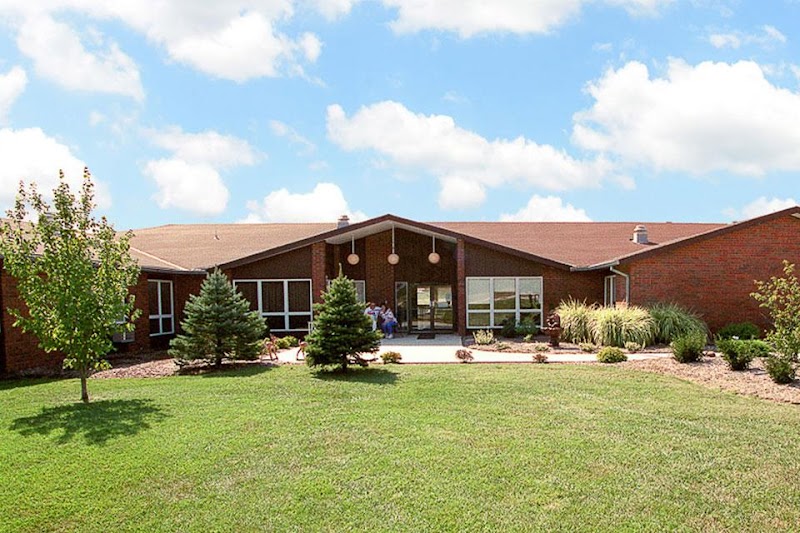
How is Life Of Seneca Staffed?

CMS rates LIFE CARE CENTER OF SENECA's staffing level at 5 out of 5 stars, which is much above average compared to other nursing homes. Staff turnover is 13%, compared to the Kansas average of 46%. This relatively stable workforce can support continuity of care.

What Have Inspectors Found at Life Of Seneca?

State health inspectors documented 16 deficiencies at LIFE CARE CENTER OF SENECA during 2021 to 2025. These included: 16 with potential for harm.
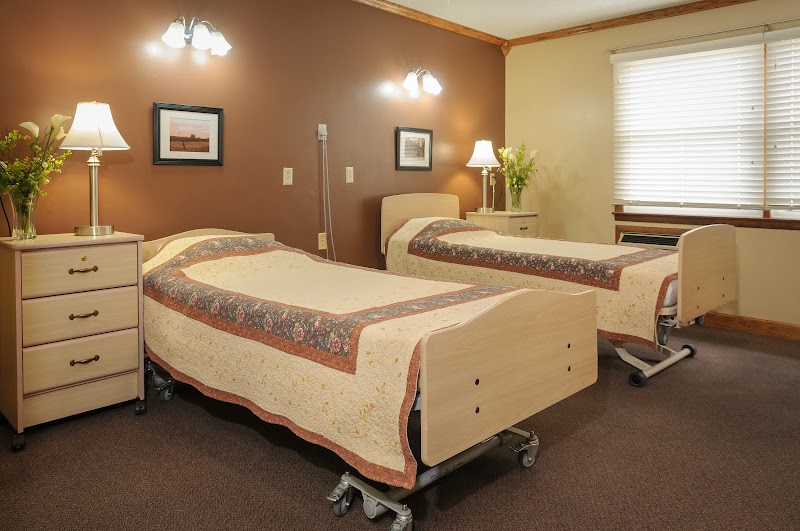
Who Owns and Operates Life Of Seneca?

LIFE CARE CENTER OF SENECA is owned by a for-profit company. For-profit facilities operate as businesses with obligations to shareholders or private owners. The facility is operated by LIFE CARE CENTERS OF AMERICA, a chain that manages multiple nursing homes. With 60 certified beds and approximately 40 residents (about 67% occupancy), it is a smaller facility located in SENECA, Kansas.
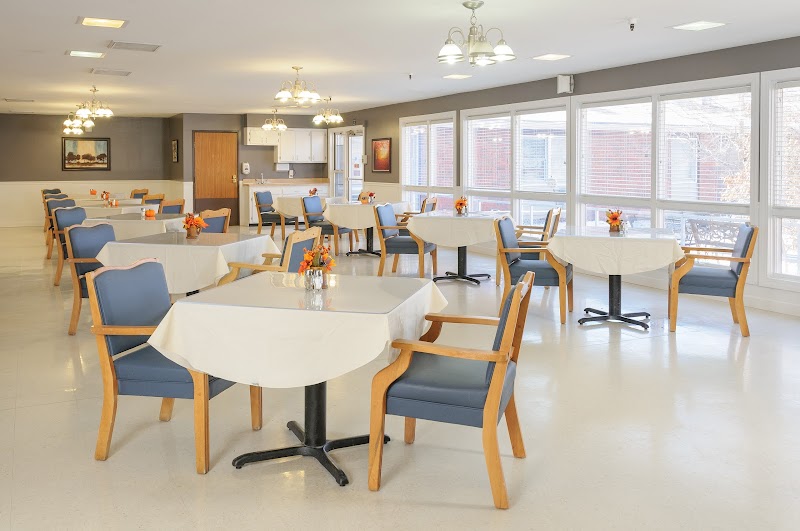
How Does Life Of Seneca Compare to Other Kansas Nursing Homes?

Compared to the 100 nursing homes in Kansas, LIFE CARE CENTER OF SENECA's overall rating (5 stars) is above the state average of 2.9, staff turnover (13%) is significantly lower than the state average of 46%, and health inspection rating (4 stars) is above the national benchmark.

What Should Families Ask When Visiting Life Of Seneca?

Based on this facility's data, families visiting should ask: "Can I visit during a mealtime to observe dining assistance and food quality?" "How do you handle medical emergencies, and what is your hospital transfer rate?" "Can I speak with family members of current residents about their experience?"

Is Life Of Seneca Safe?

Based on CMS inspection data, LIFE CARE CENTER OF SENECA has a clean safety record: no substantiated abuse findings (meaning no confirmed cases of resident harm), no Immediate Jeopardy citations (the most serious violation level indicating risk of serious injury or death), and is not on the Special Focus Facility watch list (a federal program monitoring the lowest-performing 1% of nursing homes). The facility has a 5-star overall rating and ranks #1 of 100 nursing homes in Kansas. While no facility is perfect, families should still ask about staff-to-resident ratios and recent inspection results during their visit.

Do Nurses at Life Of Seneca Stick Around?

Staff at LIFE CARE CENTER OF SENECA tend to stick around. With a turnover rate of 13%, the facility is 33 percentage points below the Kansas average of 46%. Low turnover is a positive sign. It means caregivers have time to learn each resident's needs, medications, and personal preferences. Consistent staff also notice subtle changes in a resident's condition more quickly.

Was Life Of Seneca Ever Fined?

LIFE CARE CENTER OF SENECA has no federal fines on record. CMS issues fines when nursing homes fail to meet care standards or don't correct problems found during inspections. The absence of fines suggests the facility has either maintained compliance or corrected any issues before penalties were assessed. This is a positive indicator, though families should still review recent inspection reports for the full picture.

Is Life Of Seneca on Any Federal Watch List?

LIFE CARE CENTER OF SENECA is not on any federal watch list. The most significant is the Special Focus Facility (SFF) program, which identifies the bottom 1% of nursing homes nationally based on persistent, serious quality problems. Not being on this list means the facility has avoided the pattern of deficiencies that triggers enhanced federal oversight. This is a positive indicator, though families should still review the facility's inspection history directly.