SHARON LANE HEALTH AND REHABILITATION
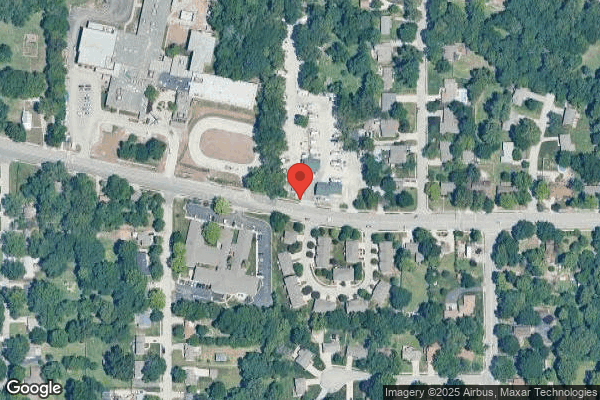
10315 JOHNSON DRIVE, SHAWNEE, KS 66203 (913) 631-8200
For profit - Corporation 78 Beds Independent Data: November 2025
Trust Grade
90/100
#41 of 295 in KS
Last Inspection: January 2024

Within standard 12-15 month inspection cycle. Federal law requires annual inspections.

Overview

Sharon Lane Health and Rehabilitation in Shawnee, Kansas, has received a Trust Grade of A, indicating it is considered excellent and highly recommended. It ranks #41 out of 295 nursing homes in Kansas, placing it in the top half, and #4 out of 35 in Johnson County, meaning only three local facilities are rated higher. However, the facility's trend is worsening, with issues increasing from 3 in 2022 to 5 in 2024. Staffing is a relative strength, with a 4 out of 5 stars rating and a turnover rate of 34%, significantly lower than the state average of 48%. Importantly, there have been no fines reported, which is a positive sign. Despite these strengths, some concerning incidents were noted during inspections. For example, the facility failed to secure oxygen tanks in a locked area, posing safety risks for cognitively impaired residents. Additionally, a resident was not properly monitored for pressure ulcer prevention, increasing their risk for skin injuries. Another resident's central line was inadequately monitored for complications, raising concerns about potential health risks. Overall, while Sharon Lane offers strong staffing and no fines, families should be aware of the recent increase in safety concerns.

Trust Score
A
90/100
In Kansas
#41/295
Top 13%
Safety Record
Low Risk
No red flags
Inspections
Getting Worse
3 → 5 violations
Staff Stability
○ Average
34% turnover. Near Kansas's 48% average. Typical for the industry.
Penalties
✓ Good
No fines on record. Clean compliance history, better than most Kansas facilities.
Skilled Nurses
○ Average
Each resident gets 35 minutes of Registered Nurse (RN) attention daily — about average for Kansas. RNs are the most trained staff who monitor for health changes.
Violations
○ Average
8 deficiencies on record. Average for a facility this size. Mostly minor or procedural issues.
★★★★★
5.0
Overall Rating
★★★★☆
4.0
Staff Levels
★★★★★
5.0
Care Quality
★★★★★
5.0
Inspection Score
Stable
2022: 3 issues
2024: 5 issues

The Good

  • 4-Star Staffing Rating · Above-average nurse staffing levels
  • 5-Star Quality Measures · Strong clinical quality outcomes
  • Full Sprinkler Coverage · Fire safety systems throughout facility
  • No fines on record
  • Staff turnover below average (34%)

    14 points below Kansas average of 48%

Facility shows strength in staffing levels, quality measures, fire safety.

The Bad

Staff Turnover: 34%

12pts below Kansas avg (46%)

Typical for the industry

The Ugly 8 deficiencies on record

Jan 2024 5 deficiencies
CONCERN (D)

Potential for Harm - no one hurt, but risky conditions existed

Pressure Ulcer Prevention (Tag F0686)

Could have caused harm · This affected 1 resident

The facility identified a census of 54 residents. The sample included 14 residents with three reviewed for pressure ulcers (localized injury to the skin and/or underlying tissue usually over a bony pr...

Read full inspector narrative →
The facility identified a census of 54 residents. The sample included 14 residents with three reviewed for pressure ulcers (localized injury to the skin and/or underlying tissue usually over a bony prominence, as a result of pressure, or pressure in combination with shear and/or friction). Based on observation, record review, and interviews, the facility failed to ensure pressure-reducing measures were placed on Resident (R) 34's bilateral lower extremities to prevent pressure ulcers and further failed to monitor refusals to evaluate the ongoing necessity and effectiveness of interventions. This placed R34 at increased risk for pressure ulcer development. Findings included: - R34's Electronic Medical Record (EMR) documented diagnoses of dementia (a progressive mental disorder characterized by failing memory, and confusion). The Quarterly Review Minimum Data Set (MDS) dated 10/16/23, documented R34 had a Brief Interview for Mental Status (BIMS) score of seven which indicated severe cognitive impairment. The MDS further documented R34 was at risk for pressure ulcers and was dependent on staff assistance for toileting, bathing, personal hygiene, and mobility/transfers. The Pressure Ulcer/Injury Care Area Assessment (CAA) dated 01/20/23, documented R34 required extensive assistance with bed mobility and positioning. The CAA further documented R34 was at risk for pressure ulcer development. R34's Care Plan listed an intervention initiated on 11/24/23 which directed staff to place Zero G boots (pressure reducing boot that floats heels and eliminates pressure and friction to the skin) on his bilateral (both sides) lower extremities when in bed as resident would allow. R34's EMR lacked documentation of any refusal to wear the Zero G boots while in bed for all of January 2024 including 01/29/24 and 01/30/24. On 01/29/24 at 08:09 AM R34 slept in his room in bed. R34's Zero G boots were on the floor at the foot of his bed. On 01/30/24 at 07:29 AM R34 slept in his bed. R34's Zero G boots were on a shelf across from the foot of his bed. R34's feet/heels rested on his mattress. On 01/31/24 at 09:06 AM Licensed Nurse (LN) G stated R34 refused care a lot and that the nursing aides should have let nurses know when he did. LN G stated the nurses assessed R34's heels for skin breakdown, but nurses should have entered a note if R34 refused to wear the Zero G boots. On 01/31/24 at 12:27 PM LN G stated residents with foam boots were care planned to wear them as the residents allowed. LN G stated staff offered and tried to place the Zero G boots, but R34 did not always allow staff to put the boots on him. LN G stated the facility did not have a policy that stated staff should document applying pressure reduction boots or resident refusals. LN G stated the only way staff were able to track if the boots were a necessary intervention was to know how much time a resident spent in bed. On 01/31/24 at 01:01 PM Administrative Nurse D stated she expected staff to encourage R34 to wear the Zero G boots while he was in bed. Administrative Nurse D stated R34 may let staff put the Zero G boots on him and ask for them to be removed when staff were ready to leave the room. Administrative Nurse D stated R34 was uncooperative with care and was care planned to have the boots on if he allowed staff to put them on. Administrative Nurse D further stated she did not believe staff documented refusals or when the boots were applied, and staff would know if the boots were effective if R34's heels/feet did not have skin breakdown. The facility's Skin Assessment policy with a revised date of 11/23/22, documented that a full body or head-to-toe skin assessment would be conducted by a licensed or registered upon admission/re-admission and weekly thereafter. The facility failed to ensure pressure-reducing measures were placed on R34's bilateral lower extremities to prevent pressure ulcers and further failed to monitor refusals to evaluate the ongoing necessity and effectiveness of interventions. This placed R34 at increased risk for pressure ulcer development.
CONCERN (D)

Potential for Harm - no one hurt, but risky conditions existed

Deficiency F0698 (Tag F0698)

Could have caused harm · This affected 1 resident

**NOTE- TERMS IN BRACKETS HAVE BEEN EDITED TO PROTECT CONFIDENTIALITY** The facility identified a census of 54 residents. The sample included 14 residents with one resident reviewed for hemodialysis (...

Read full inspector narrative →
**NOTE- TERMS IN BRACKETS HAVE BEEN EDITED TO PROTECT CONFIDENTIALITY** The facility identified a census of 54 residents. The sample included 14 residents with one resident reviewed for hemodialysis (a procedure using a machine to remove excess water, solutes, and toxins from the blood in people whose kidneys can no longer perform these functions naturally). Based on observation, record review, and interviews, the facility failed to consistently monitor and document Resident (R) 48's central venous catheter (central line- a catheter placed in a large vein) for signs of infection, bleeding, and other complications. This deficient practice placed R48 at risk of potential adverse outcomes and physical complications related to dialysis. Findings included: - R48's Electronic Medical Record (EMR) from the Diagnoses tab documented diagnoses of hypertension (elevated blood pressure), chronic kidney disease (inability of the kidneys to excrete wastes, concentrate urine and conserve electrolytes), dementia (progressive mental disorder characterized by failing memory, confusion), anxiety (mental or emotional reaction characterized by apprehension, uncertainty and irrational fear), hyperlipidemia (condition of elevated blood lipid levels), and anemia (inadequate number of healthy red blood cells to carry adequate oxygen to body tissues). R48's Annual Minimum Data Set (MDS) dated [DATE] documented a Brief Interview for Mental Status (BIMS) score of 13 which indicated intact cognition. R48 needed assistance with activities of daily living (ADLS). R48 received dialysis during the observation period. R48's Nutritional Care Area Assessment (CAA) documented R48 received a regular diet with diabetic condiments and thin liquids. R48 received dietary supplements and could make her food preferences known. R48's Care Plan dated 07/26/22 directed staff to monitor the dialysis catheter site every shift, before and upon return from dialysis for dislodgement. The plan directed staff to monitor the site every shift for signs and symptoms of infection and report symptoms to the physician. R48's EMR under the Orders tab revealed a physician order revised 01/10/24 for R48 to attend dialysis three times a week on Monday, Wednesday, and Friday with a chair time of 03:00 PM. A review of R48's Dialysis Communication sheets revealed staff documented the dialysis access site was monitored before and after R48 had dialysis on Mondays, Wednesdays, and Fridays. A review of R48's clinical record lacked documentation staff monitored the catheter site for bleeding, infection, or complications on non-dialysis days. Observation on 01/29/24 at 07:25 AM R48 sat on the side of her bed. Licensed Nurse (LN) K assessed the catheter site. Interview on 01/30/24 at 02:42 PM LN K stated R48's catheter site was only monitored before and after dialysis, and when R48 bathed. LN K stated the catheter site was not typically monitored and documented at any other time. On 01/31/24 at 01:00 PM Administrative Nurse D stated R48's catheter site was monitored and documented before and after dialysis. Administrative Nurse D stated the site was monitored daily as staff saw and spoke to R48 each day. Administrative Nurse D stated she did not think nursing would document an assessment, except on the dialysis sheet sent with R48 to dialysis and returned with R48 after dialysis. The facility's Resident with Dialysis policy Revised 11/10/219 documented it is the policy of the facility to ensure residents receive continuity of care when receiving dialysis services. The facility failed to consistently monitor and document R48's dialysis access site for signs of infection, bleeding, and other complications on non-dialysis days. This deficient practice placed R48 at risk of potential adverse outcomes and physical complications related to dialysis.
CONCERN (D)

Potential for Harm - no one hurt, but risky conditions existed

Deficiency F0757 (Tag F0757)

Could have caused harm · This affected 1 resident

The facility identified a census of 54 residents. The sample included 14 residents with five residents reviewed for unnecessary medication. Based on observation, record review, and interviews, the fac...

Read full inspector narrative →
The facility identified a census of 54 residents. The sample included 14 residents with five residents reviewed for unnecessary medication. Based on observation, record review, and interviews, the facility failed to follow Resident (R)2's physician's orders to notify the medical provider of weight gain related to his diuretic medication (promotes the formation and excretion of urine). These deficient practices placed the resident at risk for unnecessary medications and side effects. Findings Included: - The Medical Diagnosis section within R2's Electronic Medical Records (EMR) included diagnoses of edema (swelling resulting from an excessive accumulation of fluid in the body tissues), congestive heart failure (CHF-a condition with low heart output and the body becomes congested with fluid), type two diabetes mellitus (DM-when the body cannot use glucose, not enough insulin made or the body cannot respond to the insulin), and atrial fibrillation (rapid, irregular heartbeat). R2's Quarterly Minimum Data Set (MDS) completed 11/20/23 noted a Brief Interview for Mental Status (BIMS) score of 14 indicating intact cognition. The MDS indicated he weighed 182 pounds (lbs.) with no significant weight loss. The MDS noted he took diuretic medication. R2's Urinary Incontinence Care Area Assessment (CAA) completed 06/23/23 indicated he was at risk for skin breakdown and falls. The CAA noted he required extensive assistance with his activities of daily living (ADLs). R2's Care Plan initiated on 07/20/23 indicated he required substantial assistance with bathing, dressing, personal hygiene, and toileting. The plan indicated he took Lasix (a diuretic) and required monitoring for side effects related to low blood pressure, dizziness, headache, and weight loss. The plan instructed staff to weigh him daily related to his diuretic use and report weight gain of two pounds within one day or five pounds within one week to his medical provider (12/08/23). R2's EMR under Physician's Orders revealed an order dated 08/03/23 for staff to administer 20 milligrams (mg) of Lasix once daily by mouth for edema. On 11/20/23 weight parameters were added to the order that instructed staff to monitor R2's weight daily and report weight gain of two pounds in one day or five pounds in one week to the medical provider related to edema. A review of R2's EMR under Weights from 11/20/23 through 01/31/24 revealed he had weight gain outside the provided parameters on five occasions. The review revealed weight gains on 12/4/23 (2.6 lbs.), 12/9/23 (2.2 lbs.), 12/26/23 (3.4 lbs.), 01/05/24 (4.3 lbs.), and 1/15/24 (two pounds). The EMR noted the physician was only notified of the 12/26/23 weight gain. On 01/30/24 at 07:15 AM R2 was weighed via wheelchair scale by staff. R2 weighed 174.8 lbs. R2 received his Lasix medication at 07:45 AM. On 01/31/2024 at 12:30 PM, Licensed Nurse (LN) G stated that any time a medication or treatment order indicated physician notification a progress note would have been completed noting the loss and communication with instructions of the provider. She stated the nurse would note the weight change and enter a progress note into the EMR. On 01/31/2024 at 01:20 PM Administrative Nurse stated staff were expected to notify the physician based on the resident's ordered parameters and document the weight change in the EMR and staff could enter a comment indicating the communication in a progress note. The facility's Physician's Orders for Medication and Treatment policy 10/2023 indicated the facility would ensure each resident's orders would be implemented per the medical provider's instructions. The policy indicates the facility will ensure the medical provider is notified of changes within the resident's medical status or care needs related to medications held or outside of given parameters. The facility failed to follow R2's physician's orders to notify the medical provider of weight gain related to his diuretic medications. This deficient practice placed R2 at risk for unnecessary medications and side effects.
CONCERN (D)

Potential for Harm - no one hurt, but risky conditions existed

Deficiency F0760 (Tag F0760)

Could have caused harm · This affected 1 resident

**NOTE- TERMS IN BRACKETS HAVE BEEN EDITED TO PROTECT CONFIDENTIALITY** The facility identified a census of 54 residents. The sample included 14 residents with three residents reviewed for hospitaliza...

Read full inspector narrative →
**NOTE- TERMS IN BRACKETS HAVE BEEN EDITED TO PROTECT CONFIDENTIALITY** The facility identified a census of 54 residents. The sample included 14 residents with three residents reviewed for hospitalization. Based on observation, record review, and interviews, the facility failed to prevent a significant medication error when Resident (R) 4 continued to receive an anticoagulant (class of medications used to prevent the formation of blood clots) and mood stabilizer after the medications were discontinued. This deficient practice placed R4 at risk for increased complications and adverse side effects related to medication interaction. Findings included: - R4's Electronic Medical Record (EMR) from the Diagnoses tab documented diagnoses of dementia (progressive mental disorder characterized by failing memory, confusion), cerebral infarction (stroke - sudden death of brain cells due to lack of oxygen caused by impaired blood flow to the brain by blockage or rupture of an artery to the brain), history of embolism (an obstruction in a blood vessel due to a blood clot or other foreign matter that gets stuck while traveling through the bloodstream) and thrombosis (clot that developed within a blood vessel). The Annual Minimum Data Set (MDS) dated [DATE] documented a Brief Interview of Mental Status (BIMS) score of 12 which indicated moderately impaired cognition. The MDS documented R4 required extensive assistance of two staff members for transfers. The MDS documented R4 had no falls during the observation period. The MDS documented R4 received anticoagulant medication during the observation period. The Quarterly MDS dated 12/19/23 documented a BIMS score of 11 which indicated moderately impaired cognition. The MDS documented R4 was dependent on staff for all effort during a sit-to-stand transfer. The MDS documented R4 received anticoagulant medications during the observation period. R4's Activities of Daily Living (ADLs) Functional/Rehabilitation Potential Care Area Assessment (CAA) dated 04/07/23 documented R4 had difficulty with balance and required assistance with ADLs. R4 required a stand-up lift for transfers. R4's Care Plan dated 03/06/20 documented staff would administer medications as ordered by the physician. R4's EMR, under the Orders tab, revealed the following physician orders: Eliquis tablet (anticoagulant)) five milligrams (mg), give one tablet by mouth two times a day related to cardiac arrhythmia (pounding racing heart rate) dated 04/22/20. Depakote (mood stabilizer) oral tablet delayed release 250mg, give 250 mg by mouth two times a day related to mood disorder with major depression (a mood disorder that causes a persistent feeling of sadness and loss of interest dated 08/08/23. R4's EMR, under the Misc. tab, revealed Hospital Discharge Orders provided to the facility on R4's readmission dated 01/19/24 documented the following medications were discontinued: apixaban (Eliquis) 5 mg tablet divalproex (Depakote) 250 mg tablet, delayed release A review of R4's EMR under the Progress Note tab revealed an admission Note dated 01/19/24 at 11:31 PM which documented R4 arrived back at the facility at 03:45 PM from the hospital. The physician was notified of R4's return to the facility, and the current orders were verified with the physician and the discharge orders were faxed to the pharmacy. Review of R4's January 2024 Medication Administration Record (MAR) revealed the Depakote order, started 08/08/23 and on hold from 01/1524 through 01/19/24 was administered from 01/19/24 through current. R4's MAR revealed the Eliquis order, started on 04/04/2 and on hold from 01/15/24 through 01/19/24 was administered from 01/19/24 through current. The clinical record lacked documentation, including the clinical rationale, from the physician to reorder Eliquis or Depakote for R4. Observation on 01/30/24 at 09:40 AM R4 slept in a recliner at the foot of her bed. Her bilateral lower extremities were elevated, and her call light was within reach. On 01/29/24 at 04:05 PM Administrative Nurse D and Administrative Nurse E stated the physician wanted R4 to continue to take the Eliquis and Depakote. Administrative Nurse D stated that the documentation in R4's medical record which stated that the physician reviewed the orders upon readmission did not clearly reflect or indicate that the physician ordered the Eliquis and Depakote to continue despite the fact the hospital physician ordered to discontinue. On 01/29/24 at 04:35 PM Consultant Pharmacist HH stated he reviewed current physician orders for R4 and confirmed the Eliquis and Depakote had been discontinued on 01/19/24. Consultant Pharmacist HH stated he was unable to find a current physician order for R4 to restart Eliquis or Depakote. The facility's Physician Orders for Medication and Treatment policy last revised on 10/16/23 documented all medications would be administered as ordered by a health care professional authorized by the state to order medications. All physician orders would be signed and dated, including the facility standing orders. All orders for medications and treatments would be written, dated, and signed by the health professional with the authority to write medication and treatment orders. The facility failed to ensure R4 was free from medication errors when staff administered Eliquis and Depakote despite orders to discontinue the medications. This placed R4 at risk for potential adverse side effects related to medication interactions.
CONCERN (E)

Potential for Harm - no one hurt, but risky conditions existed

Accident Prevention (Tag F0689)

Could have caused harm · This affected multiple residents

**NOTE- TERMS IN BRACKETS HAVE BEEN EDITED TO PROTECT CONFIDENTIALITY** The facility had a census of 54 residents. The sample included 14 residents with two reviewed for accidents. Based on observatio...

Read full inspector narrative →
**NOTE- TERMS IN BRACKETS HAVE BEEN EDITED TO PROTECT CONFIDENTIALITY** The facility had a census of 54 residents. The sample included 14 residents with two reviewed for accidents. Based on observation, record review, and interview, the facility failed to secure 33 pressurized medical oxygen tanks in a safe, locked area, and out of reach of the nine cognitively impaired independently mobile residents. The facility additionally failed to appropriately transfer Resident (R)4 with two staff resulting in a non-injury fall. This deficient practice placed the residents at risk for preventable accidents and injuries. Findings Included: - On 01/29/24 at 07:15 AM a walkthrough of the facility's Wizard's Way hallway revealed an unlocked oxygen storage closet. The closet contained 15 fully pressurized supplemental oxygen tanks stored in a floor rack and one cylindrical container on a portable stand. At 07:20 AM Certified Nurses Aid (CNA) O walked down the hall and stated she was not sure if the door was supposed to be locked but secured the door. At 07:25 AM a walkthrough of the facility's Ruby Lane hallway revealed an unsecured oxygen storage room with a broken door. The room contained 18 fully pressurized oxygen tanks. At 07:33 AM the door hinges were fixed by maintenance and secured. On 01/30/24 at 07:20 AM the Wizard's Way oxygen storage room was again unsecured with 15 full oxygen tanks stored in it. ON 01/31/24 at 0130PM Administrative Nurse D stated the Wizard's Way room door remained unlocked in case of emergencies. She confirmed the nurses had keys to lock and unlock the storage rooms. On 01/31/24 at 02:15 PM Administrative Staff A stated the facility started leaving the Wizard's Way oxygen storage room unlocked in case emergency oxygen was needed. She confirmed staff were not stationed to continuously monitor the unlocked oxygen storage closet. The facility's Administration of Oxygen policy revised 10/2021 noted that all oxygen cylinders will be stored in dry, securely fastened, and well-ventilated areas away from sources of combustion. The facility failed to secure 33 pressurized medical oxygen tanks in a safe, locked area, and out of reach of the nine cognitively impaired independently mobile residents. This deficient practice placed the residents at risk for preventable accidents and injuries.- R4's Electronic Medical Record (EMR) from the Diagnoses tab documented diagnoses of dementia (progressive mental disorder characterized by failing memory, confusion), cerebral infarction (stroke - sudden death of brain cells due to lack of oxygen caused by impaired blood flow to the brain by blockage or rupture of an artery to the brain), history of embolism (an obstruction in a blood vessel due to a blood clot or other foreign matter that gets stuck while traveling through the bloodstream) and thrombosis (clot that developed within a blood vessel). The Annual Minimum Data Set (MDS) dated [DATE] documented a Brief Interview of Mental Status (BIMS) score of 12 which indicated moderately impaired cognition. The MDS documented R4 required extensive assistance of two staff members for transfers. The MDS documented R4 had no falls during the observation period. The MDS documented R4 received anticoagulant medication during the observation period. The Quarterly MDS dated 12/19/23 documented a BIMS score of 11 which indicated moderately impaired cognition. The MDS documented R4 was dependent on staff for all effort during a sit-to-stand transfer. The MDS documented R4 received anticoagulant medications during the observation period. R4's Fall Care Area Assessment (CAA) dated 04/07/23 documented R4 had difficulty with balance and required assistance with ADLs. R4 required a stand-up lift for transfers. R4's Care Plan dated 06/08/17 documented the transfer technique changed for R4 to extensive assistance of one or two staff members. The plan of care dated 10/01/23 documented R4 was dependent on two staff members, or the stand-up lift was to be used. A review of R4's EMR under the Progress Notes tab revealed an Incident Note dated 01/30/24 at 08:01 AM which documented a Certified Nurse Aide (CNA) lowered R4 to the floor during a transfer from her bed to the wheelchair. A review of the Fall Investigation dated 01/30/24 documented that at 07:30 AM CNA M transferred R4 from her bed and during the transfer R4's legs became weak. CNA M had to lower R4 to the floor. Observation on 01/30/24 at 09:40 AM R4 slept in a recliner at the foot of her bed. Her bilateral lower extremities were elevated, and her call light was within reach. On 01/30/24 at 12:07 PM, CNA M stated R4 was transferred with two staff members and the sit-to-stand lift. On 01/31/24 at 11:56 AM, CNA P stated the staff would find the information for each resident's individualized care from the [NAME] (a nursing tool that gives a brief overview of the care needs of each resident) which comes from the resident's care plan. CNA P stated R4 was to be transferred with the assistance of two staff members or by the sit-to-stand lift. CNA P stated the decision for which method of transfer for R4 would be determined by therapy. On 01/31/24 at 12:27 PM, Licensed Nurse (LN) G stated the staff would find the information for each resident's care from the [NAME]. LN G stated she was not sure how many staff were had assisted with R4's transfer on 01/20/24 when she was lowered to the floor. LN G stated after she reviewed the incident report from R4's fall on 01/30/24, she stated CNA M had transferred R4 alone. LN G stated R4 had recently returned from the hospital and had needed more assistance. On 01/31/24 at 01:02 PM Administrative Nurse D stated everyone had access to the [NAME] with the resident's information could be found. Administrative Nurse D stated CNA N had lowered R4 to the floor during a transfer. Administrative Nurse D stated R4's functional abilities would fluctuate during the day and staff assistance would change. Administrative Nurse D stated R4 would decide the mode of level of assistance needed for transfers. Administrative Nurse D stated the staff would always provide a safe transfer. The facility's Accident/Fall Prevention policy last revised on 10/16/23 documented the facility would provide an environment as free from accident hazards as possible and provide adequate supervision and assistance to prevent accidents. The care plan team would investigate and determine the root cause of the fall and implement appropriate fall interventions to prevent further falls. Discussion would focus on interventions that have been implemented and other intentions that may be required to prevent/reduce falls and meet the resident's needs. Any new interventions would be updated on the resident care plan. The facility failed to ensure staff followed R4's plan of care which included she was dependent on two staff members' assistance with a sit-to-stand lift for transfers. This deficient practice placed R4 at risk of further falls and related injuries.
May 2022 3 deficiencies
CONCERN (D)

Potential for Harm - no one hurt, but risky conditions existed

ADL Care (Tag F0677)

Could have caused harm · This affected 1 resident

**NOTE- TERMS IN BRACKETS HAVE BEEN EDITED TO PROTECT CONFIDENTIALITY** The facility identified a census of 53 residents. The sample included 15 residents with 10 residents reviewed for activities of ...

Read full inspector narrative →
**NOTE- TERMS IN BRACKETS HAVE BEEN EDITED TO PROTECT CONFIDENTIALITY** The facility identified a census of 53 residents. The sample included 15 residents with 10 residents reviewed for activities of daily living (ADLs). Based on observation, record review, and interview, the facility failed to ensure that bathing was provided for one resident who required partial or complete assistance from staff for bathing. This deficient practice placed resident (R)50 at risk for potential skin breakdown and/or skin complications from not maintaining good personal hygiene and bathing practices and impaired psychosocial well-being. Findings included: - The electronic medical record (EMR) for R50 documented diagnosis of transient ischemic attack (TIA-an episode of cerebrovascular insufficiency), contracture (abnormal permanent fixation of a joint) of bilateral knees and left ankle, and peripheral vascular disease (PVD-an abnormal condition affecting the blood vessels). The Annual Minimum Data Set (MDS) dated [DATE] documented R50 had a Brief Interview for Mental Status (BIMS) score of 10 which indicated a moderately impaired cognition. R50 required extensive to total dependence of one to two staff for ADLs. R50 required the use of a wheelchair for mobility. The Quarterly MDS dated 04/08/22 documented R50 had a BIMS score of 11 which indicated a moderately impaired cognition. R50 required extensive to total dependence on one to two staff for ADLs. R50 required the use of a wheelchair for mobility. R50 was total dependent on staff of one for bathing. The ADL Care Area Assessment (CAA) dated 10/22/21 documented R50 needed assistance with ADLs due to impaired function and mobility. R50 transferred with a Hoyer lift (total body mechanical lift used to transfer residents) and assist of two. He needed limited to extensive assist of one to two with bed mobility, toileting, dressing and hygiene. He used a wheelchair for locomotion. He was incontinent of bowel and bladder and wore a disposable brief and staff assisted with peri-care. The Life Preferences Care Plan initiated 11/03/20 documented that R50's bathing would be done based on personal preferences to include type of bathing and frequency. Staff were to continue bathing practices based on R50's individual preferences/choices through the next review period. R50 preferred to have a bath in the evening on Tuesdays and Fridays. The ADL Care Plan dated 11/10/20 documented R50 required limited to extensive assistance of one for bathing. Review of the Documentation Survey Report between 02/01/22 and 02/28/22 revealed R50 preferred to take a shower in the evening on Tuesday and Friday. The report revealed that R50 received a shower on three occasions (02/04/22, 02/08/22, 02/22/22). R50 refused a shower on 02/15/22. The report lacked any documentation on scheduled shower days on four occasions (02/01/22, 02/11/22, 02/18/22, and 02/25/22). Review of the Documentation Survey Report between 04/01/22 and 04/30/22 documented that R50 preferred a shower in the evening on Tuesday and Friday. The report revealed that R50 received a shower on four occasions (04/01/22, 04/05/22, 04/15/22, and 04/29/22). The report lacked documentation on scheduled shower days on five occasions (04/08/22, 04/12/22, 04/19/22, 04/22/22, 04/26/22). The Progress Notes tab of R50's EMR lacked documentation why a bath or shower was not given or was refused on the dates documented above. On 05/04/22 at 01:40 PM Certified Medication Aide (CMA) R stated there was a binder at the nurse's station that had bathing/shower schedules for residents in it. The shower schedule was updated regularly for residents that wanted to change their shower days or frequency. Residents who refused a shower/bath were asked the resident later in the day and if the resident still refused the aide would let the charge nurse know. Staff would then chart the bath/shower or the refusal under Tasks in the resident's chart. On 05/04/22 at 01:55PM Licensed Nurse G stated that a resident's shower schedule was in the shower book as well as in their care plan. The aide would let her know if a resident had refused a bath, the she would go in and talk to the resident and try to get them to take a shower, if the resident still refused she would then document a progress note stating that the resident refused. Showers/baths are documented under the Tasks tab and there should be something documented on each day that a resident was scheduled for a shower saying what type of shower/bath was given or if the bath was refused. There would not be any reason blank space on bath days other than if it was simply not given or offered. On 05/04/22 at 02:15 PM Administrative Nurse D stated R50 was often non-compliant and resistant of cares. He would often refuse initially and later take a shower. Most days R50 would not even allow staff to lay him down. Administrative Nurse D stated that ideally there should be no reason why a scheduled shower day would not have something documented on that day. Staff could chart that the shower/bath was given, if it was refused, or resident was not available. The facility Routine Procedures Personal Hygiene-Bathing-Shower policy dated 04/01/18 documented: It is the policy of this facility to promote skin integrity and dignity for each resident. Each resident will be given a choice for their preference of type of bathing and frequency of bathing. The facility failed to ensure a shower/bath was provided for R50, who required extensive assistance with bathing, which had the potential to cause skin breakdown and/or skin complications due to poor personal hygiene and impaired psychosocial well-being.
CONCERN (D)

Potential for Harm - no one hurt, but risky conditions existed

Accident Prevention (Tag F0689)

Could have caused harm · This affected 1 resident

**NOTE- TERMS IN BRACKETS HAVE BEEN EDITED TO PROTECT CONFIDENTIALITY** The facility identified a census of 56 residents. The sample included 15 residents, with two residents reviewed for accidents. B...

Read full inspector narrative →
**NOTE- TERMS IN BRACKETS HAVE BEEN EDITED TO PROTECT CONFIDENTIALITY** The facility identified a census of 56 residents. The sample included 15 residents, with two residents reviewed for accidents. Based on observation, record review, and interviews, the facility failed to ensure staff implemented interventions per the plan of care for Resident (R) 52. This deficient practice placed R52 at risk for major injuries related to falls. Findings included: - R52's electronic medical record (EMR) from the Diagnoses tab documented diagnoses of Alzheimer's disease (progressive mental deterioration characterized by confusion and memory failure) and hypertension (elevated blood pressure). The admission Minimum Data Set (MDS) dated [DATE] documented a Brief Interview of Mental Status (BIMS) score of 10 which indicated moderately impaired cognition. The MDS documented that R52 required extensive assistance of one staff member for transfers and toileting, limited assistance of one staff member for bed mobility, ambulation in room and dressing. The MDS documented R52 required supervision of one staff member for ambulation in hallway, locomotion on the unit, and personal hygiene and was independent with eating after setting up assistance. The MDS documented R52 had one fall with injury during look back period. The Quarterly MDS dated 04/08/22 documented a BIMS score of nine which indicated moderately impaired cognition. The MDS documented that R52 required extensive assistance of one staff member for locomotion on and off the unit, limited assistance of one staff member transfers, bed mobility, ambulation in room, dressing, toileting, and personal hygiene and was independent with eating after setting up assistance. The MDS documented R52 had one non-injury fall during the look back period. R52's Fall Care Area Assessment (CAA) dated 12/06/21 documented she was at risk for further falls related the need of assistance with activities of daily living (ADL's) and use of antipsychotic (class of medications used to treat psychosis (any major mental disorder characterized by a gross impairment testing) and other mental emotional conditions). R52's Care Plan dated 11/23/21 documented R52 required a call light within reach and directed staff to ensure her room and environment was clutter-free. Review of the EMR under Progress Notes tab revealed R52 had an unwitnessed fall in the bathroom on 11/25/21 which she received a skin tear to right forearm and an x-ray of left hip was ordered related to pain, which was negative for a fracture. On 01/15/22 an unwitnessed non-injury fall was documented which occurred in R52's room. On 03/28/22 an unwitnessed non-injury fall occurred in the bathroom. On 05/02/22 at 01:38 PM R52 laid on her bed with her eyes closed. The bedside table was outside of her reach and the call light hung across bedside table, also out of reach. Papers and clothing were observed on the floor next her bed. On 05/03/22 at 08:26 AM R52 laid on bed asleep. The bedside table was out of reach and the call light was on the floor next to the bed, also out of reach. On 05/03/22 at 02:42 PM R52 sat in her wheelchair. She propelled herself out of the room, and down the hallway. R52 asked facility staff where her bathroom was located. Facility staff directed R52 to a bathroom location. R52 propelled herself into the bathroom and transferred herself onto the toilet. On 05/04/22 at 07:10 AM R52 laid on bed. The bedside table was out of reach., Paperclothing were onserved on the floor next to the bed and the call light was also noted on the floor next to bed, out of reach. On 05/04/22 at 01:46 PM in an interview, Certified Medication Aide (CMA) R stated the fall interventions were on each of the resident's [NAME] (a medical information system used by nursing staff to communicate important information on their patients. It was a quick summary of individual patient needs that was updated at every shift change) and everyone had access to the [NAME]. On 05/04/22 at 02:00 PM in an interview, Licensed Nurse (LN) G stated the staff should review the care plan daily. LN G stated the nurses can make changes to the resident's care plan when needed such as falls. LN G stated nurses start the fall investigation after a fall occurred and then sent to be review by administration. LN G stated R52 required minimal contact assist with transfers and reminders to use her call light. On 05/04/22 at 02:14 PM in an interview, Administrative Nurse D stated charge nurses add an intervention to the resident's care plan directly after each fall. Administrative Nurse D stated the nurse starts the fall investigation after each fall and all staff can review the resident's care plan. Administrative Nurse D stated any changes or new intervention come across the resident's [NAME] as an alert. Review of the facility Accident/Fall Prevention policy last revised on March 2020 documented the charge nurse would review the resident's care plan and make any additions to the care plan that are needed. The care plan team will investigate and determine the root cause of the fall and implement appropriate fall interventions to prevent further falls. The facility failed to implement the fall interventions for R52, which placed her at risk for further falls.
CONCERN (D)

Potential for Harm - no one hurt, but risky conditions existed

Incontinence Care (Tag F0690)

Could have caused harm · This affected 1 resident

**NOTE- TERMS IN BRACKETS HAVE BEEN EDITED TO PROTECT CONFIDENTIALITY** The facility identified a census of 56 residents. The sample included 15 residents with four reviewed for incontinence care. Bas...

Read full inspector narrative →
**NOTE- TERMS IN BRACKETS HAVE BEEN EDITED TO PROTECT CONFIDENTIALITY** The facility identified a census of 56 residents. The sample included 15 residents with four reviewed for incontinence care. Based on observation, record review, and interviews, the facility failed to implement incontinence care interventions for Residents (R) 37 and R204. This deficient practice placed the residents at risk for complications related to and increased incontinence. Findings Included: -The electronic medical record (EMR) indicated the following diagnosis for R37: type two diabetes mellitus (when the body cannot use glucose, not enough insulin made or the body cannot respond to the insulin), diabetic neuropathy (nerve damage due to persistent high blood sugar resulting in loss of sensation or presence of nerve related pain), dementia without behaviors (progressive mental disorder characterized by failing memory, and confusion), muscle weakness, and sciatica (a severe pain that radiates from the back into the hip and outer side of the leg). R37's Quarterly Minimum Data Set (MDS) dated 03/11/22 noted a Brief Interview for Mental Status (BIMS) score of six indicating severe cognitive impairment. The MDS indicated that she had frequent bowel and bladder incontinence with a toileting program in place. Her MDS stated that she required extensive assistance with bed mobility, transfers, personal hygiene, locomotion, and toileting. R37's Activities of Daily Living (ADL's) Care Area Assessment (CAA) dated 09/10/21 stated that she required limited to extensive assistance with all ADL's related to her medical diagnosis. The CAA stated that she was occasionally incontinent of bladder but continent of bowel. R37's Urinary Incontinence CAA dated 09/10/21 stated the she was a risk for skin breakdown and urinary tract infections related to her occasional incontinence. The CAA indicated that she had a Braden (scale for predicting pressure ulcer risk) score of 18 and required to have a pressure relieving mattress and wheelchair cushion. A review of R37's Care Plan dated 09/20/21 indicated that she required limited to extensive assistance from one staff member for bathing, bed mobility, dressing, personal grooming, and toileting. The care plan indicated that she usually had to use the bathroom once per night but lacked documentation of an individualized toileting program and lacked person centered interventions related to the management of bowel and bladder incontinence including timeframes for night time toileting. A review of R37's Bowel and Bladder assessment completed 09/05/21 indicated that she was incontinent three times or less each week and continent of bowel upon her admission. The assessment indicated that she had mixed urge and stress incontinence. The assessment recorded a voiding dairy and a toileting plan were completed. The assessment indicated that R204 should be wearing incontinence briefs. R37's ADL Function and Restorative Assessment completed 03/10/22 indicated that she required limited assistance toileting. The assessment indicated that she was bowel continent and bladder continent with dribbles. A review of R37's Bladder Incontinence Lookback report from 01/01/22 through 05/03/22 (123 days reviewed) revealed that she had 79 bladder incontinence occurrences reported. On 05/02/22 at 08:00 AM R37 was observed in her room watching television. R37's wheelchair had protective cushioning per her care plan for skin prevention. R37 reported that she did require some assistance from staff but does not know of a toileting program. An interview on 05/04/22 at 01:48 PM with Certified Medication Aid (CMA) R, she stated that the direct care staff use a [NAME] (condensed form containing information pulled directly from resident's care plan) to identify a resident's toileting status and if any special precautions were needed. She reported that R37 was incontinent but unable to verify if the resident was on a toileting program. She reported that the direct care staff can let the charge nurse know if information is missing from the [NAME] or needed to update information. An interview on 05/04/22 at 02:00 PM with Licensed Nurse (LN) G, she stated that toileting plans should be in the care plan utilized by direct care staff. She reported that R37 was started on a toileting program after the voiding dairy was completed. She reported that R37 was incontinent and does require cares and assistance with toileting. She stated the nursing staff can view both the care plans and the [NAME] information. She noted that the nursing staff can reported missing information to the MDS coordinator or the Director of Nursing to update a resident's care plan. An interview on 05/04/22 at 02:13 PM with Administrative Nurse D, she stated that toileting programs should be in the care plans. She stated each resident will have a bowel and bladder assessment to assess if an individual program was needed. The resident would have a three-day voiding assessment completed and then a plan for toileting completed. A review of the facility's Urinary and Bowel Incontinence policy revised 2019 stated that the facility will complete a three-day voiding and bowel pattern upon admission to assess residents continency and frequency of incontinent episodes. The policy stated that facility will develop an appropriate toileting plan for each resident and repeat the assessment if the resident had a change in patterns. The policy stated that resident's that are incontinent of bowel and bladder will receive appropriate treatment and services to prevent urinary tract infections and restore as much normal function as possible. The facility failed to implement a toileting program for R37. This deficient practice placed the residents at risk for complications related to incontinence. -The electronic medical record (EMR) indicated the following diagnosis for R204: muscle weakness, obstructive uropathy (blockage in your urinary tract), hypertension (high blood pressure), hemiplegia (paralysis of one right side of the body), hemiparesis (muscular weakness of one half of the body), type two diabetes mellitus (when the body cannot use glucose, not enough insulin made or the body cannot respond to the insulin), nephritis (Inflammation of the kidneys that causes swelling of the face, hands, feet and legs, blood pressure, blood in urine, and reduced kidney function), cerebral infarction (stroke - sudden death of brain cells due to lack of oxygen caused by impaired blood flow to the brain by blockage or rupture of an artery to the brain), and need for assistance with personal cares. R204's Entry Minimum Data Set (MDS) dated 04/19/22 noted a Brief Interview for Mental Status (BIMS) score of nine indicating moderate cognitive impairment. The MDS indicated she had an indwelling urinary catheter (tube inserted into the bladder to drain urine into a collection bag). The MDS noted that her bowel incontinence was not rated and had no bowel program initiated. The MDS indicated that R204 required extensive assistance with mobility, transfers, locomotion, toileting, and bathing. A review of R204's MDS revealed no Care Area Assessment (CAA) available to view in the resident's EMR due to resident's admission to facility on 04/14/22. A review of R204's Care Plan revised 05/03/22 stated that she required catheter care every shift, monitor for symptoms of infections, provide privacy, and check the catheter bags position for comfort. The care plan lacked resident-centered interventions related to the management and/or prevention of her bowel incontinence. A review of R204's Bowel and Bladder assessment completed 04/25/22 indicated that she was bowel incontinent three times or less weekly and had an indwelling urinary catheter. The assessment decision stated to review for continued use of the indwelling catheter but did not mention developing a toileting plan for bowel maintenence. The assessment indicated that R204 should be wearing incontinence briefs. A review of R204's Incontinence Lookback report from her admission on [DATE] through 05/03/22 (21 days reviewed) revealed that she had 22 bowel incontinence occurrences reported. On 05/04/22 at AM R204 sat in her room watching television. She denied any concerns or complaints. An interview on 05/04/22 at 01:48 PM with Certified medication Aid (CMA) R, she stated that the direct care staff use a [NAME] (condensed form containing information pulled directly from resident's care plan) to identify a resident's toileting status and if any special precautions were needed. She reported that she knows of R204 but has not directly worked with her. She reported that the direct care staff can let the charge nurse know if information is missing from the [NAME] or needed to update information. An interview on 05/04/22 at 02:00 PM with Licensed Nurse (LN) G, she stated that toileting plans should be in the care plan. She reported that R204 had a bowel and bladder assessment completed but not sure if a toileting planned had been added to the care plan. She stated the nursing staff can view both the care plans and the [NAME] information. She noted that the nursing staff can reported missing information to the MDS coordinator or the Director of Nursing to update a resident's care plan. An interview on 05/04/22 at 02:13 PM with Administrative Nurse D, she stated that toileting programs should be in the care plans. She stated each resident will have a bowel and bladder assessment to assess if a individual program is needed. The resident will have a three-day voiding assessment completed and then a plan to for toileting completed. A review of the facility's Urinary and Bowel Incontinence policy revised 01/2019 stated that the facility will complete a three-day voiding and bowel pattern upon admission to assess residents continency and frequency of incontinent episodes. The policy stated that facility will develop an appropriate toileting plan for each resident and repeat the assessment if the resident had a change in patterns. The policy stated that resident's that are incontinent of bowel and bladder will receive appropriate treatment and services to prevent urinary tract infections and restore as much normal function as possible. The facility failed to implement bowel incontinence interventions for R204 resulting in frequent bowel incontinence. This deficient practice placed the residents at risk for complications related to incontinence.
Understanding Severity Codes (click to expand)
Life-Threatening (Immediate Jeopardy)
J - Isolated K - Pattern L - Widespread
Actual Harm
G - Isolated H - Pattern I - Widespread
Potential for Harm
D - Isolated E - Pattern F - Widespread
No Harm (Minor)
A - Isolated B - Pattern C - Widespread

Questions to Ask on Your Visit

  • "Can I speak with families of current residents?"
  • "What's your RN coverage like on weekends and overnight?"

Our Honest Assessment

Strengths
  • • Grade A (90/100). Above average facility, better than most options in Kansas.
  • • No major safety red flags. No abuse findings, life-threatening violations, or SFF status.
  • • No fines on record. Clean compliance history, better than most Kansas facilities.
  • • 34% turnover. Below Kansas's 48% average. Good staff retention means consistent care.
Concerns
  • • No significant concerns identified. This facility shows no red flags across CMS ratings, staff turnover, or federal penalties.
Bottom line: Generally positive indicators. Standard due diligence and a personal visit recommended.

About This Facility

What is Sharon Lane's CMS Rating?

CMS assigns SHARON LANE HEALTH AND REHABILITATION an overall rating of 5 out of 5 stars, which is considered much above average nationally. Within Kansas, this rating places the facility higher than 99% of the state's 100 nursing homes. This rating reflects solid performance across the metrics CMS uses to evaluate nursing home quality.
How is Sharon Lane Staffed?

CMS rates SHARON LANE HEALTH AND REHABILITATION's staffing level at 4 out of 5 stars, which is above average compared to other nursing homes. Staff turnover is 34%, compared to the Kansas average of 46%. This relatively stable workforce can support continuity of care.

What Have Inspectors Found at Sharon Lane?

State health inspectors documented 8 deficiencies at SHARON LANE HEALTH AND REHABILITATION during 2022 to 2024. These included: 8 with potential for harm.
Who Owns and Operates Sharon Lane?

SHARON LANE HEALTH AND REHABILITATION is owned by a for-profit company. For-profit facilities operate as businesses with obligations to shareholders or private owners. The facility operates independently rather than as part of a larger chain. With 78 certified beds and approximately 44 residents (about 56% occupancy), it is a smaller facility located in SHAWNEE, Kansas.
How Does Sharon Lane Compare to Other Kansas Nursing Homes?

Compared to the 100 nursing homes in Kansas, SHARON LANE HEALTH AND REHABILITATION's overall rating (5 stars) is above the state average of 2.9, staff turnover (34%) is significantly lower than the state average of 46%, and health inspection rating (5 stars) is much above the national benchmark.

What Should Families Ask When Visiting Sharon Lane?

Based on this facility's data, families visiting should ask: "Can I visit during a mealtime to observe dining assistance and food quality?" "How do you handle medical emergencies, and what is your hospital transfer rate?" "Can I speak with family members of current residents about their experience?"

Is Sharon Lane Safe?

Based on CMS inspection data, SHARON LANE HEALTH AND REHABILITATION has a clean safety record: no substantiated abuse findings (meaning no confirmed cases of resident harm), no Immediate Jeopardy citations (the most serious violation level indicating risk of serious injury or death), and is not on the Special Focus Facility watch list (a federal program monitoring the lowest-performing 1% of nursing homes). The facility has a 5-star overall rating and ranks #1 of 100 nursing homes in Kansas. While no facility is perfect, families should still ask about staff-to-resident ratios and recent inspection results during their visit.

Do Nurses at Sharon Lane Stick Around?

SHARON LANE HEALTH AND REHABILITATION has a staff turnover rate of 34%, which is about average for Kansas nursing homes (state average: 46%). Moderate turnover is common in nursing homes, but families should still ask about staff tenure and how the facility maintains care continuity when employees leave.

Was Sharon Lane Ever Fined?

SHARON LANE HEALTH AND REHABILITATION has no federal fines on record. CMS issues fines when nursing homes fail to meet care standards or don't correct problems found during inspections. The absence of fines suggests the facility has either maintained compliance or corrected any issues before penalties were assessed. This is a positive indicator, though families should still review recent inspection reports for the full picture.

Is Sharon Lane on Any Federal Watch List?

SHARON LANE HEALTH AND REHABILITATION is not on any federal watch list. The most significant is the Special Focus Facility (SFF) program, which identifies the bottom 1% of nursing homes nationally based on persistent, serious quality problems. Not being on this list means the facility has avoided the pattern of deficiencies that triggers enhanced federal oversight. This is a positive indicator, though families should still review the facility's inspection history directly.