SHAWNEE GARDENS HEALTHCARE & REHAB CENTER
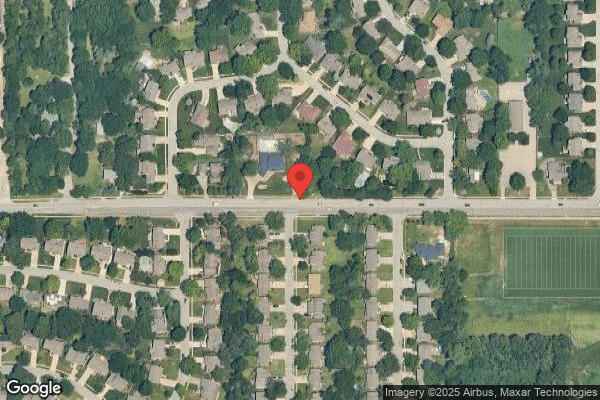
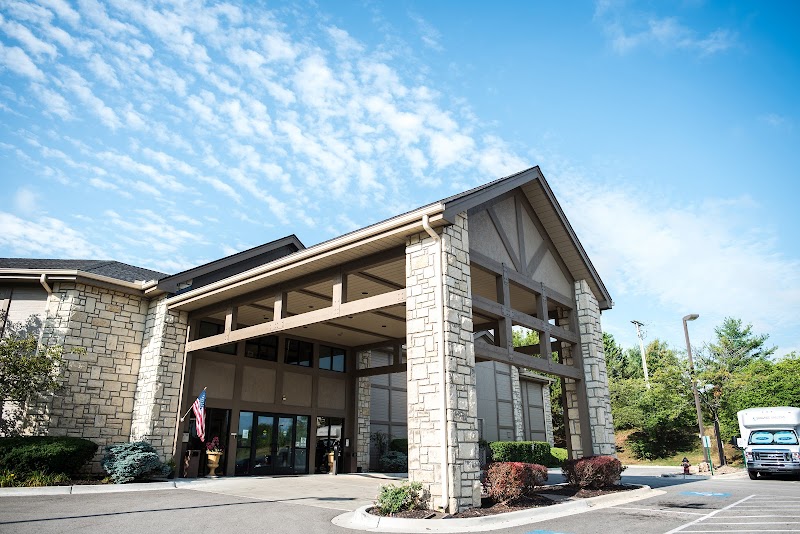
6416 LONG STREET, SHAWNEE, KS 66216 (913) 631-2146
For profit - Corporation 130 Beds RECOVER-CARE HEALTHCARE Data: November 2025 1 Immediate Jeopardy citation
Trust Grade
0/100
#282 of 295 in KS
Last Inspection: September 2024

Within standard 12-15 month inspection cycle. Federal law requires annual inspections.

Overview

Shawnee Gardens Healthcare & Rehab Center has a Trust Grade of F, indicating significant concerns about the quality of care provided. The facility ranks #282 out of 295 in Kansas, placing it in the bottom half of all facilities in the state, and #32 out of 35 in Johnson County, meaning there are only a few local options that are better. While there is a positive trend of improvement-reducing issues from 22 in 2024 to 6 in 2025-staffing remains a concern with a 68% turnover rate, significantly higher than the state average of 48%. Additionally, the facility has incurred fines totaling $53,148, which, while average, indicates potential compliance problems. Specific incidents of concern include a failure to prevent resident-to-resident sexual abuse, not allowing a resident to receive visitors of their choice, and delays in obtaining critical lab tests for a resident who later developed severe health issues. Overall, while there are some improvements, the facility has serious weaknesses that families should consider.

Trust Score
F
0/100
In Kansas
#282/295
Bottom 5%
Safety Record
High Risk
Review needed
Inspections
Getting Better
22 → 6 violations
Staff Stability
⚠ Watch
68% turnover. Above average. Higher turnover means staff may not know residents' routines.
Penalties
✓ Good
$53,148 in fines. Lower than most Kansas facilities. Relatively clean record.
Skilled Nurses
⚠ Watch
Each resident gets only 22 minutes of Registered Nurse (RN) attention daily — below average for Kansas. Fewer RN minutes means fewer trained eyes watching for problems.
Violations
⚠ Watch
63 deficiencies on record. Higher than average. Multiple issues found across inspections.
★☆☆☆☆
1.0
Overall Rating
★☆☆☆☆
1.0
Staff Levels
★★☆☆☆
2.0
Care Quality
★☆☆☆☆
1.0
Inspection Score
Stable
2024: 22 issues
2025: 6 issues

The Good

  • Full Sprinkler Coverage · Fire safety systems throughout facility
  • No fines on record

Facility shows strength in fire safety.

The Bad

1-Star Overall Rating

Below Kansas average (2.9)

Significant quality concerns identified by CMS

Staff Turnover: 68%

22pts above Kansas avg (46%)

Frequent staff changes - ask about care continuity

Federal Fines: $53,148

Above median ($33,413)

Moderate penalties - review what triggered them

Chain: RECOVER-CARE HEALTHCARE

Part of a multi-facility chain

Ask about local staffing decisions and management

Staff turnover is elevated (68%)

20 points above Kansas average of 48%

The Ugly 63 deficiencies on record

1 life-threatening 5 actual harm
Aug 2025 1 deficiency
CONCERN (E) 📢 Someone Reported This

A family member, employee, or ombudsman was alarmed enough to file a formal complaint

Potential for Harm - no one hurt, but risky conditions existed

Deficiency F0602 (Tag F0602)

Could have caused harm · This affected multiple residents

The facility identified a census of 114 residents. The sample included eight residents, with seven residents reviewed for misappropriation of medications. Based on observations, record review, and int...

Read full inspector narrative →
The facility identified a census of 114 residents. The sample included eight residents, with seven residents reviewed for misappropriation of medications. Based on observations, record review, and interviews, the facility failed to ensure Resident (R) 1, R2, R3, R4, R5, R6, and R7 remained free from misappropriation of medications. This deficient practice had the risk of missed medications and further misappropriation of medications for the affected residents.Findings included:- R1's Electronic Medical Record (EMR) documented an order with a start date of 07/24/25 for morphine sulfate (narcotic pain medication) solution 20 milligrams (mg)/milliliters (mL) with instructions to give 0.5 mL by mouth every four hours as needed for shortness of breath (SOB) or pain.R2's EMR documented an order with a start date of 06/18/25 for morphine sulfate solution 20 mg/mL with instructions to give 0.25 mL by mouth every hour as needed for pain/SOB.R3's clinical record documented an order with a start date of 10/03/24 for morphine 20 mg/mL with instructions to give 0.25 mL orally every four hours as needed for pain/SOB.R4's EMR documented an order with a start date of 03/29/25 and a discontinued date of 04/06/25 for morphine solution 20 mg/mL with instructions to give 0.5 mL sublingually (under the tongue) every four hours as needed for pain/SOB.R5's EMR documented an order with a start date of 05/14/25 and a discontinued date of 07/22/25 for morphine sulfate solution 20 mg/mL with instructions to give 0.5 mL sublingually every four hours as needed for moderate pain. R5's EMR documented an order with a start date of 05/14/25 and a discontinued date of 07/22/25 for morphine sulfate solution 20 mg/mL with instructions to give 0.25 mL sublingually every four hours as needed for pain or SOB.R6's EMR documented an order with a start date of 09/30/24 for morphine sulfate solution 20 mg/mL with instructions to give 0.25 mL by mouth every four hours as needed for pain or SOB.R7's EMR documented an order with a start date of 04/22/25 and a discontinued date of 08/24/25 for morphine sulfate solution 20 mg/mL with instructions to give 0.25 mL orally every four hours as needed for pain/air hunger (a form of respiratory distress characterized by gasping and labored breathing).The facility's Investigation dated 08/27/25, documented on 08/20/25, Licensed Nurse (LN) G reported to Administrative Nurse D and Administrative Staff A a noted color discrepancy for several liquid narcotics. The facility immediately started investigating, and staff assessed residents on liquid narcotics for pain and gave medication as needed. The facility audited liquid narcotics with no other discrepancies noted. The facility notified the provider and affected residents' representatives. The facility reported the discrepancies to the police. The facility suspended LN I on 08/20/25 pending the investigation, as she worked on both units during the timeframe. The facility contacted the pharmacy, and Consultant GG went to the facility to investigate. Consultant GG discovered R1, R2, R3, R4, R5, R6, and R7 had liquid morphine that appeared to be different in color or smell. Consultant GG destroyed the tampered medications per protocol. The facility reviewed camera footage and was unable to identify any suspicious activity of diversion. The facility identified multiple staff members who had access to the medications in question and were unable to narrow down the exact date the medications may have been tampered with. The investigation included the Individual Resident's Controlled Substance Record sheets for the affected residents. The sheets revealed the following last doses of liquid morphine received for each affected resident: R1 on 08/20/25, R2 on 08/07/25, R3 on 03/01/25, R4 on 04/07/25, R5 on 07/22/25, R6 on 05/02/25, and R7 never received any doses.R5 passed away on 07/22/25.On 08/27/25 at 02:11 PM, R6 laid in bed with her eyes closed. R6 appeared comfortable and without signs of pain or discomfort.On 08/27/25 at 02:13 PM, R2 laid in bed with her eyes closed. R2 appeared comfortable and without signs of pain or discomfort.On 08/27/25 at 02:16 PM, R3 laid in bed on his left side facing the wall. R3 appeared comfortable and without signs of pain or discomfort.On 08/27/25 at 02:56 PM, R1 laid in her bed. R1 appeared comfortable and without signs of pain or discomfort.On 08/27/25 at 02:58 PM, R4 laid in bed. R4 appeared comfortable and without signs of pain or discomfort.On 08/27/25 at 03:00 PM, R7 sat in her wheelchair near the nurses' station and talked to staff. R7 appeared comfortable and without signs of pain or discomfort.On 08/27/25 at 03:34 PM, LN H stated she prevented misappropriation of narcotics by performing a count with the oncoming nurse or with the off-going nurse during shift change. She stated the nurses counted the number of cards and bottles and compared them to the narcotic log. LN H stated the off-going nurse read the count book and the oncoming nurse counted the amount in the cards/bottles. LN H stated the nurse verified the resident's name, medication name, and count number. She stated if the nurse received new medications or removed a medication, the card count was reflected on the log.On 08/27/25 at 04:01 PM, Administrative Nurse D stated on 08/20/25, LN G completed count at the beginning of her shift and noticed some of the bottles of morphine were questionable as far as color and consistency. LN G notified Administrative Nurse D of the problem, and the facility pulled out all of the morphine bottles to compare with the count sheets. Administrative Nurse D stated the facility started an investigation and immediately suspended the last nurse who worked the cart. She stated the facility had notified the police and the pharmacy. She stated Consultant GG went to the facility and completed an assessment, then talked to her boss, before giving the facility the findings. Administrative Nurse D stated she and Consultant GG destroyed the liquid narcotics together. She stated the facility had the pharmacy initially only refill R1's morphine as she was the only one actively using it. Administrative Nurse D stated the facility collected evidence and educated nurses on proper narcotic counts and being precise with dosages. She stated the facility pulled the schedules and suspected the upstairs nurse, but throughout the investigation, the facility could not officially put it on LN I. Administrative Nurse D stated the facility investigated every nurse that touched the narcotic carts, and after the investigation was unsubstantiated, the facility allowed LN I to return to work. She stated LN I never appeared altered under the influence, and the facility policy did not drug test unless the staff member appeared altered.On 08/27/25 at 04:31 PM, Administrative Nurse D stated that staff prevented misappropriation of narcotics by conducting a narcotic count. She stated the oncoming nurse counted the cards while the off-going nurse read the narcotic sheet in the book. Administrative Nurse D stated the nurses counted all the medications in total and made sure the total count was correct, then they went one-by-one and compared. She stated that when the nurse got to the liquid narcotics, they placed the bottle on a flat surface to read the amount and made sure the color looked appropriate. Administrative Nurse D stated she expected that even if the medication had not been given recently, the staff would remove it from the box and view it with their own eyes. She stated if staff found a discrepancy, she expected them to report to her immediately, and she expected staff not to take someone's medications.The facility's Abuse, Neglect, and Exploitation policy, not dated, directed the facility provided protections for the health, welfare, and rights of each resident by developing and implementing written policies and procedures that prohibited and prevented abuse, neglect, exploitation, and misappropriation of resident property.The facility's Controlled Substance Administration and Accountability policy, dated 01/01/20, directed two licensed nurses to account for all controlled substances and access keys at the end of each shift.The facility put the following corrective actions into place prior to the onsite visit with a compliance date of 08/20/25:The facility reported the liquid morphine discrepancies to the police on 08/20/25.The facility notified the liquid morphine discrepancies to the pharmacy on 08/20/25.Consultant GG inspected the seven bottles of morphine for signs of tampering and reported her findings to the facility.Administrative Nurse D and Consultant GG destroyed the tampered morphine bottles on 08/20/25.The facility replaced R1's morphine as she was the only one actively using it on 08/20/25.The pharmacy planned to bill the facility for the diverted morphine bottles that the residents paid for on 08/20/25.The facility conducted an Ad-Hoc Quality Assurance and Performance Improvement (QAPI) meeting on 08/20/25.The facility educated Licensed Nurses and Certified Medication Aides (CMA) on Controlled Substances and The Elder Justice Act on 08/20/25.This deficient practice was cited at past noncompliance. The scope and severity remain an E.
Jun 2025 2 deficiencies 2 Harm
SERIOUS (G) 📢 Someone Reported This

A family member, employee, or ombudsman was alarmed enough to file a formal complaint

Actual Harm - a resident was hurt due to facility failures

Deficiency F0563 (Tag F0563)

A resident was harmed · This affected 1 resident

**NOTE- TERMS IN BRACKETS HAVE BEEN EDITED TO PROTECT CONFIDENTIALITY** The facility identified a census of 116. The sample included five residents, with one resident reviewed for visitation rights. B...

Read full inspector narrative →
**NOTE- TERMS IN BRACKETS HAVE BEEN EDITED TO PROTECT CONFIDENTIALITY** The facility identified a census of 116. The sample included five residents, with one resident reviewed for visitation rights. Based on observations, record review, and interviews, the facility failed to ensure Resident (R) 1 was able to exercise her right to receive visitors of their choosing at the time of R1's choice. This deficient practice affected R1's psychosocial well-being and placed R1 at risk for impaired resident rights and social isolation. Findings included: - R1's Electronic Medical Record (EMR) documented diagnoses of cerebral infarction (stroke - sudden death of brain cells due to lack of oxygen caused by impaired blood flow to the brain by blockage or rupture of an artery to the brain) and dementia (a progressive mental disorder characterized by failing memory and confusion). R1's Annual Minimum Data Set (MDS) dated [DATE], documented R1 had a Brief Interview for Mental Status (BIMS) score of three, which indicated severe cognitive impairment. The Cognitive Loss/Dementia Care Area Assessment (CAA) dated [DATE], documented R1 was alert and oriented to person and had a BIMS of three. R1's Care Plan dated, [DATE], documented R1 had impaired cognitive function/dementia or impaired through processes related to cerebral infarction. The plan directed staff to allow R1 to make daily decisions about clothing, daily care, meal alternatives, et cetera (etc.); staff kept R1's routine consistent and tried to provide consistent caregivers as much as possible in order to decrease confusion. The facility's Investigation, dated [DATE], documented on [DATE] at approximately 06:11 PM, Licensed Nurse (LN) G immediately reported to Administrative Staff A that R1's family was confrontational with staff and when R1 was upset and wanted it to stop, R1's family told R1 to shut up or she would slap her face. LN G asked R1's family to leave and when she refused, police were called and R1's family left the facility. LN G assessed R1 with no injuries noted. R1 was visibly upset and calmed down with staff support. The facility notified R1's representative, primary care provider, and police. R1's family returned to the facility and met with Social Services and Administrative Staff A. R1's family denied threatening R1 but admitted to stepping towards and cussing at staff. R1's family was unable to take responsibility for her behavior or work to create a safe plan for future visits and the facility issued a trespassing order and police escorted R1's family from the property. Upon request, the facility provided the Trespass Order for R1's family. The order, dated [DATE], stated R1's family was ordered to vacate the facility and not return, if she returned then she would be prosecuted for criminal trespass. The order expired in one year. On [DATE] at 01:38 PM, R1 sat in her wheelchair in the television room and conversed with the surveyor. She stated her family got kicked out and had not threatened to smack her. She stated she never felt unsafe around her family, and it made her feel terrible as her family was the only people who visited her. R1 stated all of a sudden now her family could not come in to see her and she wanted her family to be able to come in. R1 became visibly upset and started crying while stating her family was the only person she had. On [DATE] at 12:03 PM, R1's representative stated he had nothing to do with the decision to give R1's family a trespassing order. He stated sometimes the family member lost control of herself, but she never became violent. R1's representative stated he thought it was fine that R1's family went to visit R1 and that R1 was upset that she could not see her family. He stated R1 was very upset that her family got into trouble and the facility said there was nothing they could do about it right now. R1's representative stated that R1's family had issues controlling her anger, but she had never struck R1 but got verbally abusive to staff. In a witness statement on [DATE], Certified Nurse Aide (CNA) M stated she went in to change R1's roommate and pulled the curtain. R1's family told CNA M not to touch the curtain and CNA M told her it was for privacy. CNA M stated R1 told R1's family to stop and R1's family told R1 to shut up, or she would slap her. CNA M stated she immediately stopped care and got LN G who went to R1's room. She stated that R1's family started to yell and got in CNA M and LN G's faces. CNA M stated LN G asked R1 if she felt safe and R1 stated no. CNA M stated LN G asked R1's family to leave then called the police when she refused but R1's family left before the police arrived. On [DATE] at 11:39 AM, Administrative Staff A stated R1's family threatened to slap R1. She stated that R1's family admitted to getting up in the nurse ' s face but denied saying she would slap R1 in the face. Administrative Staff A stated R1's representative understood the situation and the facility notified him he could be present during the visit, but he did not want to be at the facility. She stated R1's family had threatened R1 but never put her hands on R1 and had gotten into staff's faces. Administrative Staff A stated that R1 wanted to see her family and the facility told R1's family her significant other could pick R1 up from the facility and take R1 for a visit outside the facility. On [DATE] at 01:43 PM, LN H stated she was in the facility sometimes when R1's family visited and had never seen her threaten or hit R1. She stated sometimes R1 called her family and seemed upset about R1's family not coming in to visit. On [DATE] at 05:23 PM, Administrative Staff A stated prior to the incident, R1's family had issues with staff and the facility talked to her significant other about the inappropriate behavior. She stated that R1's family upset R1 and threatened to slap her and confronted staff. The facility called the police and R1's family left before they arrived. Administrative Staff A stated when staff notified her of the threat, the facility filed a police report and reported it to the State Agency (SA). She stated the next time R1's family and her significant other came to the facility; she told them they needed to talk. She stated R1's family admitted to profanity and going up to staff. Administrative Staff A stated she notified R1's family that for the safety of residents and staff, she received a no-trespassing order which upset R1's family. She stated R1's family asked what they could do to drop the trespassing order but R1's family could not come up to the facility for visitation. Administrative Staff A stated she did not reach out to the Long-Term Care Ombudsman regarding the visitation restriction. She stated R1's family received the trespassing order for being combative towards staff after being warned. The facility's Resident Rights policy, last revised [DATE], directed the facility to inform the residents orally and in writing, in a language they understood, of their rights and all rules and regulations governing resident conduct and responsibilities during their stay in the facility. The policy included Resident Rights which documented the resident had a right to receive visitors of his or her choosing at the time of his or her choosing, subject to the resident's right to deny visitation when applicable, and in a manner that did not impose on the rights of another resident.
SERIOUS (G) 📢 Someone Reported This

A family member, employee, or ombudsman was alarmed enough to file a formal complaint

Actual Harm - a resident was hurt due to facility failures

Quality of Care (Tag F0684)

A resident was harmed · This affected 1 resident

**NOTE- TERMS IN BRACKETS HAVE BEEN EDITED TO PROTECT CONFIDENTIALITY** The facility identified a census of 116 residents. The sample included five residents. Based on record review and interviews, th...

Read full inspector narrative →
**NOTE- TERMS IN BRACKETS HAVE BEEN EDITED TO PROTECT CONFIDENTIALITY** The facility identified a census of 116 residents. The sample included five residents. Based on record review and interviews, the facility failed to obtain a physician-ordered urinalysis (UA- lab analysis of urine) and other laboratory tests ordered on 06/03/25. The facility further failed to notify the physician related to the delay in obtaining the ordered UA and laboratory tests for Resident (R) 2. R2 had fallen on 06/05/25 and 06/06/25, and R2 had a change in condition on 06/07/25. R2 went to the hospital where he was admitted to the Intensive Care Unit (ICU) for septic syndrome (a life-threatening condition that arises when the body ' s response to an infection injures its own tissues and organs), urinary infection (UTI) with urosepsis (a severe, life-threatening condition where a systemic infection originating in the urinary tract, spreads throughout the body), high fever, and unresponsiveness. Findings included: - R2's Electronic Medical Record (EMR) documented diagnoses of hypertensive chronic kidney disease (kidney damage caused by long-term high blood pressure), personal history of UTI, atrial fibrillation (rapid, irregular heartbeat), repeated falls, major depressive disorder (a mood disorder that causes a persistent feeling of sadness and loss of interest), and cognitive communication deficit (an impairment in organization, sequencing, attention, memory, planning, problem-solving, and safety awareness). R2's Annual Minimum Data Set (MDS) dated 04/19/25, documented R2 had a Brief Interview for Mental Status (BIMS) score of 15, which indicated intact cognition. R2 had impairment on both sides of his lower extremities. R2 required setup or clean-up assistance with toileting hygiene, personal hygiene, and transfers. R2 was occasionally incontinent of urine and bowel movements. The Functional Abilities / Rehabilitation Potential Care Area Assessment (CAA) dated 04/28/25, documented R2 needed assistance with activities of daily living (ADL) related to chronic kidney disease, cardiac disease, hearing loss, unsteady gait and balance, dysphagia (difficulty swallowing), depression, and poor vision. R2's Care Plan, dated 04/10/23, documented R2 was occasionally incontinent of bowel and bladder and was at risk for complications. The plan directed staff to monitor and document signs and symptoms of UTI which included pain, burning, blood-tinged urine, cloudiness, no output, deepening of urine color, increased pulse, increased temperature, urinary frequency, foul smelling urine, chills, altered mental status, changes in behavior, and changes in eating patterns. R2's EMR revealed the following: An order on 06/03/25 for a UA, complete blood count (CBC- laboratory blood test), comprehensive metabolic panel (CMP- laboratory blood test), and magnesium (laboratory blood test) level. R2's EMR lacked documentation on signs and symptoms or the reason behind the diagnostic test orders. An eInteract SBAR [situation, background, assessment, and recommendation] Summary for Providers note on 06/05/25 at 03:51 PM documented R2 had a change in condition related to a fall. An eInteract Change in Condition Evaluation on 06/05/25 at 03:51 PM documented R2's signs and symptoms improved since the change in condition and the nurse selected No when asked if the facility notified the primary care clinician of the change in condition and notifications. An Orders- Administration Note on 06/06/25 at 02:31 PM documented R2 sat in his chair and did not feel well. R2 was uncooperative with wound care. The note lacked evidence staff notified the physician. A Nurse's Note on 06/06/25 at 04:13 PM documented staff called the nurse into R2's room after staff found him on the floor in his room. R2 stated he attempted to go from his wheelchair to his recliner and slipped. R2 denied hitting his head and was confused. The nurse did not note any trauma and staff assisted R2 into his recliner. The nurse took R2's vital signs and initiated neurological checks. R2's call light was within reach and staff educated the resident to call when he needed to transfer. An eInteract Change in Condition Follow-Up on 06/06/25 at 04:20 PM documented R2 had improved after the initial change in condition. A Nurse's Note on 06/07/25 at 07:45 PM documented R2 was confused and disoriented throughout the shift. R2 made several attempts to use the restroom but did not remove his pants. R2 became combative when the staff offered him assistance. The note documented Licensed Nurse (LN) I attempted to obtain a urine sample multiple times, but R2 refused and remained uncooperative. After lunch, R2 had a near fall on his way to the bathroom but did not sustain any injuries. Around 06:00 PM, R2 had a noticeable change in condition, staff could arouse him, but he was very drowsy and breathing loudly and heavily. LN I placed R2 on supplemental oxygen via a face mask when his oxygen saturation dropped to 85% (normal saturations are 95-100%). R2 removed the face mask, and staff switched him to a nasal cannula which he also removed several times. Due to R2's continued respiratory distress and altered mental status, LN I called for an ambulance to take R2 to the hospital. R2's medical record lacked evidence staff attempted to collect the UA as ordered by the resident's physician prior to 06/07/25. R2's medical record lacked evidence that he refused the UA or laboratory tests prior to 06/07/25. R2's medical record further lacked evidence staff notified R2's physician of any alleged refusals for the UA or the staff's inability to collect the samples for the UA and laboratory (labs) tests. R2's medical record lacked evidence the facility completed the UA or laboratory tests, ordered on 06/03/25. Upon request, the facility was unable to provide the UA results or laboratory results. A History and Physical Note from the hospital on [DATE] at 10:03 PM, documented R2 arrived at the emergency department from the nursing facility due to a high fever and unresponsiveness. R2 was unresponsive and had a temperature of 104.2 degrees Fahrenheit (F) (normal body temperature is 98.7 F). R2 was tachycardic (high heart rate), and tachypneic (rapid breathing), and was placed on bilevel positive airway pressure (BiPAP- treatment that uses mild air pressure to keep your airways open). The note documented R2 received intravenous (IV-administered directly into the bloodstream via a vein) fluids and antibiotics (medications used to treat infections) and was admitted to the ICU for septic syndrome, urinary infection with urosepsis, high fever, healthcare-associated pneumonia (facility-acquired lung infection), atrial fibrillation, acute hypoxic (inadequate oxygen supply) respiratory failure, and unresponsiveness. On 06/11/25 at 03:21 PM, Certified Medication Aide (CMA) R stated R2 was very confused and fell a couple of times. She stated he got combative because he was used to being independent. CMA R stated staff tried to get a UA on R2 and he refused. On 06/11/25 at 03:43 PM, Administrative Nurse D stated R2 refused cares, the UA, and ordered labs. She stated the provider rounded and put the resident's orders in. On 06/11/25 at 03:59 PM, Administrative Nurse D stated Consultant GG entered R2's UA and lab orders herself. She stated she was not sure why there was no note on the orders. On 06/11/25 at 04:37 PM, LN J stated if a resident had a change in condition, she notified the doctor, family, her supervisor, and hospice if applicable. She stated if a provider ordered labs, the facility notified the lab and put the labs into the portal to be drawn Monday through Friday. She stated a UA should have been completed within 24 hours after the order was received. If the resident refused, she notified the provider the resident refused and would see what else they could do. LN J stated she documented behaviors, notifications to family and doctors, refusals for UAs, and attempts at obtaining a UA in a nurse's note. LN J stated if a resident had confusion, staff did change in condition charting for 72 hours. She confirmed R2 had a delay in care if staff did not attempt to get a UA until 06/07/25 when it was ordered on 06/03/25. On 06/11/25 at 04:58 PM, Administrative Nurse D stated she did not see any documentation for R2's UA and lab refusals, staff attempts at obtaining R2's UA, or notification to the provider of R2's refusals of the UA and other labs. She stated Consultant GG ordered labs that R2 kept refusing and everybody told her R2 refused the UA and labs. Administrative Nurse D stated she expected the nurse to follow through with the UA order, document attempts at obtaining the UA, notification to physicians, and resident refusals. She stated she expected if staff noticed a significant change in a resident's condition, staff should immediately call the provider. She stated if they received an order and did not see an improvement within a couple of hours, she expected staff to call the physician again. Administrative Nurse D stated she noticed the nurse's note regarding R2 being confused all shift on 06/07/25 and she called the facility to ask the nurse what they did about it. She stated the nurse said they were watching R2 because everyone said it was his normal baseline. She stated she directed the nurse to call the physician. Administrative Nurse D stated if only viewing R2's medical record, it did appear he had a delay in care but if viewing in the building, it was not an intentional delay in care while they attempted to put steps into place. On 06/11/25 at 05:16 PM, Administrative Nurse E stated on 06/05/25, she was notified a resident was on the floor when R2 fell in the bathroom. She stated if the facility received an order for a UA, the facility obtained the UA and put it in the specimen refrigerator. She stated the lab order went into the EMR then the staff put the order into the lab portal. Administrative Nurse E stated staff tried to get the UA and R2 refused. She stated she expected staff to document when a resident refused a UA, when they notified the family and/or physician and attempted to get the UA. She stated if a resident refused to do the UA, she expected staff to continue to attempt to obtain the UA and notify the physician of the refusals. Administrative Nurse E stated she expected labs to be drawn the next day, and she did not believe there was a delay in inputting orders in the lab portal. She stated she expected the UA to be completed in the first two days and the physician should be notified about refusals or the inability to get the UA timely. On 06/12/25 at 02:42 PM, Administrative Staff A emailed additional documentation from the laboratory company, which included on 06/06/25 at 04:34 PM, R2's urinalysis with culture attempt was unsuccessful because the specimen was not collected. On 06/18/25 at 01:47 PM, LN I stated on 06/05/25, she went to lunch and received a text reporting a resident fell. She stated Administrative Nurse E took over until she returned and continued neurological checks on R2. LN I stated she notified Consultant HH and was instructed to continue with assessments and neurological checks with no change to his plan of care. She stated she did not know R2 very well or much about his baseline. LN I stated she saw R2 had an order for a UA and labs but nobody could obtain them. She stated she did not document the refusals for the UA and noted the facility used a book to communicate with the provider during rounds. Staff would write it in the book if they were unable to obtain the UA. LN I stated whoever notified the physician would document the notification. On 06/18/25 at 01:56 PM, Consultant GG stated on 06/03/25, she had a brief interaction with staff who mentioned R2 reported he had brain fog but otherwise seemed at baseline. She stated as she left the facility that day, she put in an order for a UA and labs to figure out why R2 did not feel great. Consultant GG stated she did not know if the facility completed the UA and labs as she went on vacation the next day and Consultant HH took over for her while she was gone. She stated the facility had a book to communicate to the provider during rounds for anything not emergent like medication refills or rashes. Consultant GG stated she expected staff to call with anything that needed immediate intervention and typically received calls when a resident refused a UA or labs. On 06/18/25 at 02:01 PM, Consultant HH was unavailable for an interview. On 06/18/25 at 02:03 PM, LN K stated on 06/07/25, R2 had a change in condition and was confused and not able to do things for himself like he normally did. She stated the facility was supposed to do a UA that day but was not able to obtain it. She stated sometimes R2 got up to the toilet, would sit there, and then go back to his chair. LN K stated when she did rounds in the afternoon, she and the CMA went into R2's room and found him having a hard time breathing. She stated she took his vital signs and placed an oxygen mask on him, but he removed the mask, so she placed a nasal cannula for supplemental oxygen. LN K stated R2 could hear but he would not open his eyes, so she called for an ambulance. She stated she was told that staff were unable to get the UA because he was confused and aggressive with refusing care. She stated she was not told whether the facility notified the physician about the refusals and behaviors. LN K stated normally, she notified the provider for refusals and documented the refusals and physician notification. She stated that R2's representative sounded very frustrated and told her he had been asking for prophylactic (preventative in nature) antibiotics for a UTI. On 06/18/25 at 02:12 PM, LN L stated on 06/06/25, she learned R2 had two previous falls prior to her taking care of him. She stated it was the first day she met him and did not know his baseline. She stated she did not remember his full report. LN L stated if a resident had an order for a UA, she tried to get the UA done but residents had the right to refuse, and she had to make sure medications were given correctly and timely before getting a UA. She stated she assessed R2 throughout the day, his vitals were okay, and he was oriented to himself. LN L stated nursing was a 24-hour job so if one shift did not obtain the UA then the next shift should have obtained it. She stated she usually notified the physician of refusals of UA and lab tests and documented the physician's notification and refusal in the resident's record. LN L stated the CNA reported to her that R2 needed help to the bathroom, and he became combative, but he did not appear combative when she went to help, just confused. The facility's Notification of Changes policy, last revised on 10/21/24, directed the facility to consult with the resident's physician when there was a change requiring such notification. Circumstances that required notification included a significant change in the resident's physical, mental, or psychosocial condition such as deterioration in health, mental, or psychosocial status; and circumstances that required a need to alter treatment such as a new treatment or discontinuation of current treatment due to adverse consequences, acute condition, or exacerbation of a chronic condition. The facility's Provision of Physician Ordered Services policy, dated 2025, directed the facility to provide a reliable process for the proper and consistent provision of physician ordered services according to professional standards of quality.
Feb 2025 3 deficiencies 1 IJ
CRITICAL (J) 📢 Someone Reported This

A family member, employee, or ombudsman was alarmed enough to file a formal complaint

Immediate Jeopardy (IJ) - the most serious Medicare violation

Free from Abuse/Neglect (Tag F0600)

Someone could have died · This affected 1 resident

The facility identified a census of 117 residents. The sample included eight residents, with one resident reviewed for abuse and neglect. Based on observation, record review, and interview, the facili...

Read full inspector narrative →
The facility identified a census of 117 residents. The sample included eight residents, with one resident reviewed for abuse and neglect. Based on observation, record review, and interview, the facility failed to prevent an episode of resident-to-resident sexual abuse for cognitively impaired Resident (R) 2. On 02/08/25, facility staff witnessed R1 groping R2's nipples, breast, and buttocks while both were seated at the dinner table on the locked unit for cognitively impaired residents. R2 voiced she did not consent to R1 touching her. This placed R2 in immediate jeopardy and at risk for ongoing and/or unidentified abuse and feelings of fear for R2, based on reasonable person concept. Findings Included: - The Medical Diagnosis section within R1's Electronic Medical Records (EMR) included diagnoses of chronic obstructive pulmonary disease (COPD - a progressive and irreversible condition characterized by diminished lung capacity and difficulty or discomfort in breathing), depression (a mood disorder that causes a persistent feeling of sadness and loss of interest), and a history of sexual behaviors related to psychiatric illness. R1's Quarterly Minimum Data Set (MDS) completed 12/15/24 noted a Brief Interview for Mental Status (BIMS) score of 12 indicating mild cognitive impairment. The MDS noted he had verbal and physical aggression one to three days weekly. The MDS noted he had rejection of care behaviors one to three days weekly. The MDS noted he was independent with transfers, bed mobility, bathing, toileting, and walking. R1's MDS noted no sexual behaviors. R1's Cognitive Loss/Dementia Care Area Assessment (CAA) completed 06/11/24 noted he had impaired cognition related to his medical diagnoses. The CAA noted he required reorientation, reminders, and reassurance to make sense of things. The CAA noted a care plan was implemented with interventions and monitoring to reduce the risks. R1's Behavioral Symptoms CAA was not triggered. R1's Care Plan initiated on 10/25/23 noted he was admitted to the long-term care unit due to his medical diagnoses. The plan noted he exhibited sexually inappropriate behaviors related to his psychiatric illness (03/04/24). The plan instructed staff to explain and reinforce to R1 why his behaviors were inappropriate or unacceptable (03/04/24). The plan instructed staff to educate and collaborate with R1 to find successful coping and interaction strategies (03/04/24). The plan instructed staff to administer and monitor his medication's side effects and effectiveness (03/04/24). The plan revealed that R1 was moved to another unit due to exhibiting sexually inappropriate behaviors (related to a sexual behavioral episode with R2 on 02/08/24). R2's Care Plan initiated 06/15/24 revealed R2 had a deficit related to her severe cognitive impairment. The plan noted she had difficulty understanding others and making her needs known. The plan instructed staff to provide R2 with a calm and safe environment. The plan instructed staff to allow her to share her feelings and verbalize her feelings, perceptions, and fears. The plan noted she had a history of behavioral concerns related to other peers invading her personal space. The plan instructed staff to ensure other residents respected her personal space. The plan noted she exhibited wandering behaviors and had impaired safety awareness. R1's EMR under Assessments revealed a Social Service Assessment completed on 04/17/24 revealed he had a history of sexual behaviors, and a medication change was implemented for his Estradiol medication. R1's EMR under Progress Notes revealed a Nursing Note completed on 07/10/24. The note revealed direct care staff reported they observed R1 seated in the dining room next to R2. The note revealed that R1 and R2 were inappropriately touching each other. The note indicated R2 was immediately moved away from R1 and both residents were kept separated for the rest of the shift. R2's EMR under Progress Note revealed an Alert Note completed 02/08/25. The note documented that R2 was in the dining room attempting to stand up at the table. The note indicated that R1 grabbed R2's breast and buttocks. The note indicated both residents were immediately separated. The note revealed that R1 was moved off the unit due to his sexual behaviors towards female residents. (Refer to F610) A Facility Incident Report #3462 completed on 02/08/25 revealed that R1 was observed by staff touching R2's breast and buttocks during meal service. The report indicated that R1 was moved away from R2 and placed on one-on-one supervision. A Staff Witness Statement completed 02/08/25 revealed that R1 sat at the dining room table next to R2. The statement revealed staff witnessed R1 grope R2's nipples and pulled her breast downward. The statement indicated that R2 was visibly upset and reported to staff she felt like she was being held against her will. The statement indicated that R2 continued to verbalize she was scared. The statement indicated R1 was supervised for the remainder of the evening. On 02/19/25 at 11:10 AM, R2 sat in walked around the locked memory care unit. R2 was unable to recall the incident that occurred on 02/08/25. On 02/19/25 at 11:55 AM, R1 walked from his room to the 2nd-floor dining area without staff assistance or supervision. On 02/19/25 at 11:03 AM, Certified Nurse Aide (CNA) M stated cognitively impaired residents should be monitored closely due to the potential risk of injuries and abuse. CNA M stated residents with noted behaviors should be monitored closely around other residents and said male residents with sexual behaviors should not be left unsupervised around female residents. CNA M stated R1 should not be seated next to or be around female residents unsupervised. On 02/19/25 at 01:04 PM, Licensed Nurse (LN) G stated R1 was recently moved from the locked unit due to sexual behaviors towards females. LN G stated the direct care staff documented behavioral monitoring under the Tasks section of the EMR. LN G stated R1 recently moved to the unit, so he was not sure if the monitoring section was under Tasks for the resident. LN G stated staff were expected to keep an eye on R1 while he was out walking around. LN G stated all staff had access to the care plan and the care plans should reflect his repeated behaviors toward females, monitoring, coping strategies, and interventions to prevent his behaviors. LN G said suspected abuse allegations were reported immediately to the director of nursing and facility administrator. LN G stated staff would immediately separate the perpetrator from other residents and ensure everyone was safe. On 02/19/25 at 02:40 PM, Administrative Nurse D stated R1 was immediately separated from R2 and placed on one-on-one supervision. Administrative Nurse D stated R1 was moved to another hall. Administrative Nurse D said R1 had medication changes occurring and was not a risk to the females in the new hallway. Administrative Nurse D said she expected staff to monitor R1's behaviors and document them under the Psychotropic Medication Monitoring section of his MAR. She stated events should be documented there. She stated staff were expected to immediately separate the suspected perpetrator from all potential victims. The facility's Abuse, Neglect, and Exploitation policy revised 11/2017 indicated the facility will provide safety and dignity for all residents by implementing proper procedures for enforcing resident rights. The policy noted the facility will protect residents of suspected abuse and all potentially affected residents from incidents of abuse. The facility failed to ensure cognitively impaired R2 remained free from abuse when the facility failed to prevent an episode of resident-to-resident sexual abuse. This placed R2 at risk for ongoing and/or unidentified abuse and mistreatment based on the reasonable person concept, this deficient practice resulted in feelings of fear for R2 and placed R2 at risk for further psychosocial harm, intimidation, and neglect. The facility failed to identify and implement preventative interventions related to Resident (R)1's sexual behaviors upon moving him to a new unit. This deficient practice placed 19 female residents at risk for sexual abuse. On 02/19/25 at 03:31 PM, Administrative Staff A was provided a copy of the IJ template and notified of the facility's failure to prevent the sexual abuse of R2, the facility additionally placed 19 other female residents at risk for sexual abuse after moving R1 to another unit without addressing his sexual behaviors. The facility provided an acceptable plan for the removal of the immediacy on 02/19/25 at 04:30PM which included the following: 1. R1 was immediately placed on one-on-one supervision until psychiatric evaluation can be completed. 02/19/25 2. The facility identified all at-risk residents on the new unit. 02/19/25 3. Staff were provided in-service upon hire, annually, and post-allegation on abuse, neglect, and exploitation with comprehensive testing. 02/19/25 4. Safe survey conducted on female residents of new unit. 02/19/25 5. Psychiatric evaluation will be completed. The Surveyor verified the implementation of the IJ removal plan while onsite on 02/19/25 at 04:45 PM. The deficient practice remained at a G after removal of the immediacy based on reasonable person concept.
SERIOUS (G) 📢 Someone Reported This

A family member, employee, or ombudsman was alarmed enough to file a formal complaint

Actual Harm - a resident was hurt due to facility failures

Investigate Abuse (Tag F0610)

A resident was harmed · This affected 1 resident

The facility identified a census of 117 residents, with eight residents sampled, including two residents reviewed for abuse. Based on observation, record review, and interviews, the facility failed to...

Read full inspector narrative →
The facility identified a census of 117 residents, with eight residents sampled, including two residents reviewed for abuse. Based on observation, record review, and interviews, the facility failed to implement effective preventative interventions related to Resident (R)1's sexual behaviors to protect the female residents in the facility including R2 (See F600). This failure placed 19 female residents at risk. Findings Included: - The Medical Diagnosis section within R1's Electronic Medical Records (EMR) included diagnoses of chronic obstructive pulmonary disease (COPD - a progressive and irreversible condition characterized by diminished lung capacity and difficulty or discomfort in breathing), depression (a mood disorder that causes a persistent feeling of sadness and loss of interest), and a history of sexual behaviors related to psychiatric illness. R1's Quarterly Minimum Data Set (MDS) completed 12/15/24 noted a Brief Interview for Mental Status (BIMS) score of 12 indicating mild cognitive impairment. The MDS noted he had verbal and physical aggression one to three days weekly. The MDS noted he had rejection of care behaviors one to three days weekly. The MDS noted he was independent with transfers, bed mobility, bathing, toileting, and walking. R1's MDS noted no sexual behaviors. R1's Cognitive Loss Care Area Assessment (CAA) completed 06/11/24 noted he had impaired cognition related to his medical diagnoses. The CAA noted he required reorientation, reminders, and reassurance to make sense of things. The CAA noted a care plan was implemented with interventions and monitoring to reduce the risks. R1's Behavioral Symptoms CAA was not triggered. R1's Care Plan initiated on 10/25/23 noted he was admitted to the long-term care unit due to his medical diagnoses. The plan noted he exhibited sexually inappropriate behaviors related to his psychiatric illness (03/04/24). The plan instructed staff to explain and reinforce to R1 why his behaviors were inappropriate or unacceptable (03/04/24). The plan instructed staff to educate and collaborate with R1 to find successful coping and interaction strategies (03/04/24). The plan instructed staff to administer and monitor his medication's side effects and effectiveness (03/04/24). The plan revealed that R1 was moved to another unit due to exhibiting sexually inappropriate behaviors (02/08/24). The plan lacked information related to his sexual behaviors towards female residents, required supervision around female residents, and required monitoring while out of his room on the unit. R1's Care Plan revealed a resolved intervention that noted R1 was separated from a female resident on 07/10/24 due to inappropriate touching. R1's EMR under Physician Orders revealed an order (started 03/04/24) for him to receive one milligram of Estrace (Estradiol- lowers hormonal imbalances) every morning by mouth for sexual behaviors. No changes to this order have been documented since its start date. R1's EMR under Progress Notes revealed a Nursing Note completed on 03/04/24. The note revealed direct care staff observed R1 as he sat on a female resident's rollator walker seat. The note revealed that R1 had his head between the female resident's breasts as she pushed him down the hallway for lunch. The note indicated staff separated the residents and asked them to sit away from the female residents during meals. The note revealed that R1 was to be supervised at all times while outside of his room and around other residents. R1's EMR under Assessments revealed a Social Service Assessment completed on 04/17/24 revealed he had a history of sexual behaviors, and a medication change was implemented for his Estradiol medication. R1's EMR under Progress Notes revealed a Nursing Note completed on 07/10/24. The note revealed direct care reported they observed R1 seated in the dining room next to R2 (severely cognitively impaired resident). The note revealed that R1 and R2 were inappropriately touching each other. The note indicated R2 was immediately moved away from R1 and both residents were kept separated for the rest of the shift. R1's EMR under Progress Notes revealed a Nursing Note completed on 07/14/24. The note revealed that R1 walked up to a female resident and began patting her on the shoulder. The note revealed the resident became distressed and attempted to push his hand away from her. The note revealed staff had to ask R1 to leave the female resident alone. R1's EMR under Progress Notes revealed a Nursing Note completed on 12/07/24. The note revealed that R1 punched a female residents' hand as she attempted to throw food at him. The note revealed she was moved to another table. R1's EMR under Progress Notes revealed a Nursing Note completed on 02/02/25. The note revealed staff observed R1 approach a female resident while she lay in the common area recliner. The note revealed that R1 began touching the female residents outer arm. The note revealed the female resident attempted to push his arm away and R1 resisted. The note revealed that R1 pushed the female residents arm downward and continued touching her arm. The note revealed staff immediately separated both residents. The note indicated staff sat with the female resident during meal service due to concerns for her safety. A Facility Incident Report #3462 completed on 02/08/25 revealed that R1 was observed by staff touching R2's breast and buttocks during meal service. The report indicated that R1 was moved away from R2 and placed on one-on-one supervision. A Staff Witness Statement completed 02/08/25 revealed that R1 sat at the dining room table next to R2. The statement revealed staff witnessed R1 groped R2's nipples and pulled her breast downward. The statement indicated that R2 was visibly upset and reported to staff she felt like she was being held against her will. The statement indicated that R2 continued to verbalize she was scared. The statement indicated that R1 was supervised for the remainder of the evening. R1's EMR under Progress Notes revealed a Nursing Note completed on 02/08/25. The note revealed R1 was moved off the secured unit and moved to the Sunflower Hall. No information related to R1's sexual behavior episode on 02/08/25 was completed in his progress notes. R1's EMR under Tasks revealed no entries related to behavioral monitoring. R1's EMR under Treatment Administration Report (TAR) revealed no monitoring related to his sexual behaviors or noting of his previous sexual behavioral episodes. R1's EMR under Medication Administration Report (MAR) revealed psychotropic medication monitoring for behaviors but lacked monitoring related to his sexual behaviors or noting of his previous sexual behavioral episodes. On 02/19/25 at 11:20 AM, inspection of the Sunflower Hall revealed 19 female residents within the secured floor. On 02/19/25 at 11:55 AM, R1 walked from his room to the 2nd-floor dining area without staff assistance or supervision. On 02/19/25 at 11:03 AM, Certified Nurse Aide (CNA) M stated R1 was independently mobile and could ambulate without staff assistance. She stated he sometimes used a wheelchair or cane. She stated she was aware of his history of touching females and staff were to monitor his behaviors and document them under the Tasks section of the EMR. She stated care plan should note he was not to be left alone around females or attempt to enter their rooms. She stated she was expected to report all potential behaviors to the nurse. She stated potential abuse should be reported immediately to the nurse, director of nursing, and facility administrator. She stated staff were expected to immediately separate the suspected abuser from the victim and keep everyone safe. On 02/19/25 at 01:04 PM, Licensed Nurse (LN) G stated that R1 was recently moved from the locked unit due to sexual behaviors towards females. He stated behavioral monitoring was documented by the direct care staff under the Tasks section of the EMR. He stated that R1 recently moved to the unit, so he was not sure if the monitoring section was under Tasks for him. He stated staff were expected to keep an eye on him while he was out walking around. He stated all staff had access to the care plan. He stated the care plans should reflect his repeated behaviors toward females, monitoring, coping strategies, and interventions to prevent his behaviors. He reported suspected abuse allegations were to be reported immediately to the director of nursing and facility administrator. He stated staff would immediately separate the perpetrator from other residents and ensure everyone was safe. On 02/19/25 at 02:40 PM, Administrative Nurse D stated R1 was immediately separated from R2 and placed on one-on-one supervision. She stated that R1 was moved to the Sunflower Hall. She stated that R1 had medication changes occurring and was not a risk to the females in the new hallway. She stated staff were expected to monitor R1's behaviors and document them under the Psychotropic Medication Monitoring section of his MAR. She stated events should be documented there. She stated staff were expected to immediately separate the suspected perpetrator from all potential victims. The facility's Abuse, Neglect, and Exploitation policy revised 11/2017 indicated the facility would provide safety and dignity for all residents by implementing proper procedures for enforcing resident rights. The policy noted the facility would protect residents of suspected abuse and all potentially affected residents from incidents of abuse. The facility failed to implement effective preventative interventions related to Resident (R)1's sexual behaviors to protect the female residents of the facility. This deficient practice placed R2 (See F600) and 19 female residents at risk.
CONCERN (D) 📢 Someone Reported This

A family member, employee, or ombudsman was alarmed enough to file a formal complaint

Potential for Harm - no one hurt, but risky conditions existed

Deficiency F0740 (Tag F0740)

Could have caused harm · This affected 1 resident

The facility identified a census of 117 residents. The sample included eight residents with two reviewed for behavioral services. Based on observation, record review, and interviews, the facility to i...

Read full inspector narrative →
The facility identified a census of 117 residents. The sample included eight residents with two reviewed for behavioral services. Based on observation, record review, and interviews, the facility to implement effective behavioral monitoring and interventions related to Resident (R) 1's ongoing sexual behaviors toward female residents. This deficient practice placed R1 at risk for continued behavioral episodes and unmet care needs. Findings Included: - The Medical Diagnosis section within R1's Electronic Medical Records (EMR) included diagnoses of chronic obstructive pulmonary disease (COPD - a progressive and irreversible condition characterized by diminished lung capacity and difficulty or discomfort in breathing), depression (a mood disorder that causes a persistent feeling of sadness and loss of interest), and a history of sexual behaviors related to psychiatric illness. R1's Quarterly Minimum Data Set (MDS) completed 12/15/24 noted a Brief Interview for Mental Status (BIMS) score of 12 indicating mild cognitive impairment. The MDS noted he had verbal and physical aggression one to three days weekly. The MDS noted he had rejection of care behaviors one to three days weekly. The MDS noted he was independent with transfers, bed mobility, bathing, toileting, and walking. R1's MDS noted no sexual behaviors. R1's Cognitive Loss Care Area Assessment (CAA) completed 06/11/24 noted he had impaired cognition related to his medical diagnoses. The CAA noted he required reorientation, reminders, and reassurance to make sense of things. The CAA noted a care plan was implemented with interventions and monitoring to reduce the risks. R1's Behavioral Symptoms CAA was not triggered. R1's Care Plan initiated on 10/25/23 noted he was admitted to the long-term care unit due to his medical diagnoses. The plan noted he exhibited sexually inappropriate behaviors related to his psychiatric illness (03/04/24). The plan instructed staff to explain and reinforce to R1 why his behaviors were inappropriate or unacceptable (03/04/24). The plan instructed staff to educate and collaborate with R1 to find successful coping and interaction strategies (03/04/24). The plan instructed staff to administer and monitor his medication's side effects and effectiveness (03/04/24). The plan revealed that R1 was moved to another unit due to exhibiting sexually inappropriate behaviors (02/08/24). The plan lacked information related to his sexual behaviors towards female residents, required supervision around female residents, and required monitoring while out of his room as noted in progress notes. The plan lacked specific triggers and coping strategies needed to prevent his sexual behaviors. R1's EMR under Progress Notes revealed a Nursing Note completed on 03/04/24. The note revealed direct care staff observed R1 as he sat on a female resident's rollator walker seat. The note revealed that R1 had his head between the female resident's breasts as she pushed him down the hallway for lunch. The note indicated staff separated the residents and asked them to sit away from the female residents during meals. The note revealed that R1 was to be supervised at all times while outside of his room and around other residents. R1's EMR under Progress Notes revealed a Nursing Note completed on 07/10/24. The note revealed direct care reported they observed R1 seated in the dining room next to R2 (severely cognitively impaired resident). The note revealed that R1 and R2 were inappropriately touching each other. The note indicated R2 was immediately moved away from R1 and both residents were kept separated for the rest of the shift. R1's EMR under Progress Notes revealed a Nursing Note completed on 07/14/24. The note revealed that R1 walked up to a female resident and began patting her on the shoulder. The note revealed the resident became distressed and attempted to push his hand away from her. The note revealed staff had to ask R1 to leave the female resident alone. R1's EMR under Progress Notes revealed a Nursing Note completed on 12/07/24. The note revealed that R1 punched a female resident hand as she attempted to throw food at him. The note revealed she was moved to another table. R1's EMR under Progress Notes revealed a Nursing Note completed on 02/02/25. The note revealed staff observed R1 approach a female resident while she lay in the common area recliner. The note revealed that R1 began touching the female resident's outer arm. The note revealed the female resident attempted to push his arm away and R1 resisted. The note revealed that R1 pushed the female resident's arm downward and continued touching her arm. The note revealed staff immediately separated both residents. The note indicated staff sat with the female resident during meal service due to concerns for her safety. A Facility Incident Report #3462 completed on 02/08/25 revealed that R1 was observed by staff touching R2's breast and buttocks during meal service. The report indicated that R1 was moved away from R2 and placed on one-on-one supervision. R1's EMR under Progress Notes revealed a Nursing Note completed on 02/08/25. The note revealed R1 was moved off the secured unit and moved to the Sunflower Hall. No information related to R1's sexual behavior episode on 02/08/25 was completed in his progress notes. R1's EMR under Tasks revealed no entries related to behavioral monitoring. R1's EMR under Treatment Administration Report (TAR) revealed no monitoring related to his sexual behaviors or noting of his previous sexual behavioral episodes. R1's EMR under Medication Administration Report (MAR) revealed psychotropic medication monitoring for behaviors but lacked monitoring related to his sexual behaviors or noting of his previous sexual behavioral episodes. On 02/19/25 at 11:55 AM, R1 walked from his room to the 2nd-floor dining area without staff assistance or supervision. On 02/19/25 at 11:03 AM, Certified Nurse's Aide (CNA) M stated R1 was independently mobile and could ambulate without staff assistance. She stated he sometimes used a wheelchair or cane. She stated she was aware of his history of touching females and staff were to monitor his behaviors and document them under the Tasks section of the EMR. She stated care plan should note he was not to be left alone around female or attempt to enter their rooms. She stated she was expected to report all potential behaviors to the nurse. On 02/19/25 at 01:04 PM, Licensed Nurse (LN) G stated the care plan should identify specific behaviors and interventions each resident. He stated R1 had behavioral monitoring and preventative interventions in place to prevent his behaviors. On 02/19/25 at 02:40 PM, Administrative Nurse D stated R1 was immediately separated from R2 and placed on one-on-one supervision. She stated that R1 was moved to the Sunflower Hall. She stated that R1 had medication changes occurring and was not a risk to the females in the new hallway. She stated staff were expected to monitor R1's behaviors and document them under the Psychotropic Medication Monitoring section of his MAR. She stated events should be documented there. She stated staff were expected to immediately separate the suspected perpetrator from all potential victims. The facility's ADL Care of Dementia Unit Residents policy revised 10/2019 indicated staff will ensure the appropriate supervision, and ongoing behavioral monitoring for cognitively impaired residents to maintain the highest level of functioning. The plan indicated care plan intervention will be monitored on an ongoing basis for effectiveness and updated as needed. The facility failed to implement effective behavioral monitoring and interventions related to R1's ongoing sexual behaviors toward female residents. This deficient practice placed R1 at risk for continued behavioral episodes and unmet care needs.
Sept 2024 21 deficiencies
CONCERN (D) 📢 Someone Reported This

A family member, employee, or ombudsman was alarmed enough to file a formal complaint

Potential for Harm - no one hurt, but risky conditions existed

Deficiency F0558 (Tag F0558)

Could have caused harm · This affected 1 resident

**NOTE- TERMS IN BRACKETS HAVE BEEN EDITED TO PROTECT CONFIDENTIALITY** The facility identified at a census of 115 residents. The sample included 26 residents. One resident was sampled for reasonable ...

Read full inspector narrative →
**NOTE- TERMS IN BRACKETS HAVE BEEN EDITED TO PROTECT CONFIDENTIALITY** The facility identified at a census of 115 residents. The sample included 26 residents. One resident was sampled for reasonable accommodations of resident needs and preferences. Based on observation, record review, and interview, the facility failed to ensure Resident (R)37's call light was within his reach. This deficient practice left R37 vulnerable for unmet care needs due to the inability to call for staff assistance. Findings included: - R37's Electronic Medical Record (EMR) from the Diagnoses tab documented diagnoses of sleep apnea (a disorder of sleep characterized by periods without respirations), diabetes mellitus (DM-when the body cannot use glucose, not enough insulin is made, or the body cannot respond to the insulin), hypertension (HTN-elevated blood pressure), congestive heart failure (CHF-a condition with low heart output and the body becomes congested with fluid), congestive heart failure (CHF-a condition with low heart output and the body becomes congested with fluid), bipolar disorder (a major mental illness that causes people to have episodes of severe high and low moods), depressive disorder (a mood disorder that causes a persistent feeling of sadness and loss of interest), Parkinson's disease (a slowly progressive neurologic disorder characterized by resting tremors, rolling of the fingers, masklike faces, shuffling gait, muscle rigidity, and weakness), chronic obstructive pulmonary disease (COPD- a progressive and irreversible condition characterized by diminished lung capacity and difficulty or discomfort in breathing), dysphagia (swallowing difficulty), dialysis (a procedure where impurities or wastes are removed from the blood), and end-stage renal disease (ESRD-a terminal disease of the kidneys). The Quarterly Minimum Data Set (MDS) dated [DATE] documented a Brief Interview of Mental Status (BIMS) score of 11 which indicated moderately impaired cognition. The MDS documented R37 was dependent on staff for eating, showering, and personal hygiene. The MDS documented R37 was impaired on both sides of his body. R37's ADL Functional/Rehabilitation Care Area Assessment (CAA) dated 01/27/24 documented R37 required staff assistance for all activities of daily living (ADLs). The CAA documented R37 was impaired in his upper and lower extremities and used a wheelchair for locomotion. R37's Care Plan dated 03/22/24 documented R37 needed assistance with ADLs, due to his diagnosis. R37's plan of care documented R37 was dependent on staff for toileting, showering, and eating. On 09/17/24 at 08:35 AM, R37 lay in his bed, on his back. His call light was on the floor on the right side of his bed. On 09/18/24 at 07:50 AM R37 sat in his room in his wheelchair. R37's call light was on the floor on the right side of his bed. On 09/18/24 at 01:22 PM, Licensed Nurse (LN) H stated all call lights should be within reach of the resident if a resident was in his room. On 09/18/24 at 01:28 PM, Certified Nurse's Aide (CNA) N stated call lights should be clipped to the person and staff should let the resident know where staff clipped the call light, or let the resident know where the call light was placed. On 08/18/24 at 03:11 PM Administrative Nurse D stated call lights should be placed within the resident's reach always. The facility's Accommodation of Needs policy documented the facility will treat each resident with respect and dignity and will evaluate and make reasonable accommodations for the individual needs and preferences of a resident, except when the health and safety of the individual or other residents would be endangered. The facility failed to ensure R37's call light was within his reach. This deficient practice left R37 vulnerable for unmet care needs.
CONCERN (D) 📢 Someone Reported This

A family member, employee, or ombudsman was alarmed enough to file a formal complaint

Potential for Harm - no one hurt, but risky conditions existed

Deficiency F0657 (Tag F0657)

Could have caused harm · This affected 1 resident

The facility reported a census of 115 residents. The sample included 26 with 26 residents reviewed for care plan revisions. Based on observations, interviews, and record review, the facility failed to...

Read full inspector narrative →
The facility reported a census of 115 residents. The sample included 26 with 26 residents reviewed for care plan revisions. Based on observations, interviews, and record review, the facility failed to revise Resident (R)106's Care Plan to reflect his current toileting needs after discontinuation of his Foley catheter (a tube inserted into the bladder to drain urine into a collection bag). This deficient practice placed R106 at risk for impaired care due to uncommunicated care needs. Findings Included: - R106's Medical Diagnosis section within the Electronic Medical Record (EMR) noted diagnoses of intracranial hemorrhage (sudden death of brain cells due to lack of oxygen caused by impaired blood flow to the brain by rupture of an artery to the brain), aphasia (condition with disordered or absent language function), chronic kidney disease, and agitation. R106's Quarterly Minimum Data Set (MDS) completed 08/30/24 revealed a Brief Interview for Mental Status (BIMS) score of 15 indicating no cognitive impairment. The MDS revealed no upper or lower extremity impairments. The MDS noted he could independently complete his activities of daily living (ADLs). The MDS indicated no indwelling urinary catheter was in place. The MDS noted he was always continent of bowel and bladder. R106's Functional Abilities Care Area Assessment (CAA) completed 03/04/24 indicated he was mostly independent with his ADLs but required staff assistance for a few things. The CAA noted a plan of care would be implemented to address his functional ability needs. R106's Care Plan initiated on 02/27/24 indicated he was admitted to the Memory Care Unit due to poor safety awareness, impaired cognitive function, and thought processes related to dementia (a progressive mental disorder characterized by failing memory and confusion). The plan indicated he had behaviors of agitation and paranoia. The plan instructed staff to provide positive interactions, conversations about his feelings, and behavior monitoring. The plan noted R106 was independent with most of his ADLs but instructed staff to provide set-up and clean-up assistance when needed. The plan indicated R106 had a Foley catheter in place but was able to provide self-care (02/27/24). The plan of care lacked instruction to staff regarding R106's toileting needs and the level of assistance required. R106's EMR under Orders revealed he was admitted to the facility with a Foley catheter on 02/23/24 but the Foley catheter was discontinued on 02/26/24. On 09/17/24 at 10:05 AM R106 reported he had not had a urinary catheter since he was first admitted to the facility. R106 reported he completed his own toileting and personal hygiene without assistance. On 09/18/24 at 01:30 PM, Certified Nurse's Aide (CNA) M stated the care plans should include the basic care needs of each resident and be updated with changes. She stated that R106 had not had a urinary catheter since she had worked with him for the past few months. On 09/18/24 at 01:50 PM Licensed Nurse (LN) G stated R106 did not have a Foley catheter and his care plan should have been updated. She stated staff should be reviewing the plans daily and reporting any discrepancies found to nursing leadership. On 09/18/24 at 03:12 PM Administrative Nurse D stated the care plans should be reviewed quarterly, annually, and with changes. She stated staff should report issues related to inappropriate care interventions or inaccurate data on the care plans so it can be corrected. The facility's Care Plan Revision revised 11/2017 indicated the facility will consistently review and update care plans to reflect the most accurate treatment and care needs of each resident. The facility failed to revise R106's plan of care to reflect his discontinued Foley catheter and current toileting needs. This deficient practice placed R106 at risk for impaired care due to uncommunicated care needs.
CONCERN (D) 📢 Someone Reported This

A family member, employee, or ombudsman was alarmed enough to file a formal complaint

Potential for Harm - no one hurt, but risky conditions existed

Deficiency F0676 (Tag F0676)

Could have caused harm · This affected 1 resident

The facility reported a census of 115 residents. The sample included 26 residents with eight reviewed for activities of daily living (ADLs). Based on record review, interviews, and observations, the f...

Read full inspector narrative →
The facility reported a census of 115 residents. The sample included 26 residents with eight reviewed for activities of daily living (ADLs). Based on record review, interviews, and observations, the facility failed to ensure Resident (R) 99 received supportive care and services to promote and maintain her quality of life when the facility did not implement tools and/or strategies to allow R99 to communicate her wants, needs, or feelings. This deficient practice placed the resident at risk for decreased quality of life, isolation, and impaired dignity. Findings Included: - R99's Medical Diagnosis section within the Electronic Medical Record (EMR) noted diagnoses of dementia (a progressive mental disorder characterized by failing memory and confusion), general anxiety disorder (mental or emotional reaction characterized by apprehension, uncertainty, and irrational fear), and cognitive communication disorder (an impairment in organization, sequencing, attention, memory, planning, problem-solving, and safety awareness). R99's Quarterly Minimum Data Set (MDS) completed 06/17/24 revealed a Brief Interview for Mental Status (BIMS) assessment was not complete due to severe cognitive impairment. The MDS indicated she sometimes could make her needs known with simple communication and sometimes understood others with simple communication. The MDS indicated she had delusions. The MDS noted she had verbal behaviors towards others. The MDS noted she exhibited refusals of care and wandering daily. The MDS indicated she could ambulate independently. The MDS indicated she had one non-injury fall since her last assessment. R99's Dementia Care Area Assessment (CAA) completed 09/25/23 indicated she was admitted to the facility's dementia Memory Care Unit due to her severe cognitive impairment, behavioral symptoms, and wandering. R99's Communication CAA completed 06/25/23 indicated she had an impaired ability to make herself understood and understand others. The CAA instructed staff to give her time for thought process during conversations. R99's Care Plan initiated 09/19/24 indicated she resided in the Memory Care Unit. The plan noted she had impaired cognitive function related to her medical diagnoses. The plan indicated she spoke [non-English language]. The plan indicated she required an interpreter. The plan instructed staff to encourage her independence while inside the building but ensure supervision while she was outside. The plan instructed staff to re-direct her while she wandered around doors and exits. The plan instructed staff to provide conversation and activities, promote consistent routines, and visualize her whereabouts frequently. R99's EMR under Progress Note revealed a note dated 07/20/24 that indicated R99 attempted to move into and slept in her old room. The note indicated staff attempted to redirect R99 to her new room but R99 could not understand the redirection. The note indicated staff attempted to contact R99's representative to translate but was unable to reach her. The note indicated R99 eventually calmed down while she sat on the hallway couch outside her room. On 09/17/24 at 07:31 AM R99 walked around the locked Memory Care Unit. R99 entered R73's (severely cognitively impaired female resident) room while she slept in her bed. R99 made several attempts to wake R73 up while she was in her bed. Staff intervened and walked R99 out of the room and to the dining room. Staff attempted to redirect R99 in English but R99 remained confused. R99 then continued to walk around the unit. R99 then walked into R74's (severely cognitively impaired male resident) room briefly and then exited the room. Staff did not attempt to use the translator service or cue card to assess R99's needs or intentions during this event. On 09/17/24 at 12:21 PM R99 entered the dining room and sat next to R73 for lunch. Both residents began to eat their lunch. The assistive staff stepped out of the dining room to assist with another resident's behaviors leaving one support staff on the opposite side of the dining room by the kitchen. At 12:29 PM R99 attempted to assist R73 by adjusting her plate. R73 began yelling Help, help, help out for staff to intervene. Staff were not able to intervene during this event. R73 stated She's crazy, she's stupid, you're crazy, you're stupid repeatedly to R99. R99 continued to adjust R73's tray while speaking in her native language. Residents looked around the unit for assistance while yelling out. R99 eventually stood up and left the table. R99 continued to walk around the dining area. R99 then approached another table and attempted to stand the resident up by grabbing her by the arm. The staff then intervened and redirected her in English. R99 let go of the resident's arm and walked back to her room. Staff did not attempt to use the translator service or cue card to assess R99's needs or intentions during this event. On 09/18/24 at 01:30 PM, an inspection of the dementia unit cue cards revealed pictures depicting basic ADL care needs written in English. On 09/18/24 at 01:30 PM Certified Nurse's Aide (CNA) M stated staff should use the translator service, cue card, or call R99's representative to attempt to identify her needs. She stated R99 may not understand what is being told to her. She stated R99 used to be in R73's room and would often wander into the room thinking it was hers. She stated that R99's representative had attempted several times to explain this to R99. She stated R99 doesn't understand English. On 09/18/24 at 01:50 PM Licensed Nurse (LN) G stated staff should always monitor the dining rooms during meal service and intervene during behaviors. She stated R99's representative will often provide translations for R99 and staff have cue cards to show her. On 09/18/24 at 03:12 PM Administrative Nurse D stated staff should use the translator service to assess the needs of residents that do not speak English. She stated staff should always be monitoring the unit for behaviors and wandering. The facility's Communication with Limited English Proficiency revised 07/2022 indicated language assistance services will be provided to all staff and residents in need of translation services. The facility's ADL Care of Dementia Unit Residents revised 10/2019 indicated staff will provide the assistance and services outlined in each resident's plan of care. The plan indicated care plan intervention will be monitored on an ongoing basis for effectiveness and updated as needed. The plan indicated the facility would assess and identify the care needs of each resident in the dementia unit. The facility failed to utilize the provided translation services to identify R99's care needs. This deficient practice placed R99 at risk for decreased quality of life, isolation, and impaired dignity.
CONCERN (D) 📢 Someone Reported This

A family member, employee, or ombudsman was alarmed enough to file a formal complaint

Potential for Harm - no one hurt, but risky conditions existed

ADL Care (Tag F0677)

Could have caused harm · This affected 1 resident

**NOTE- TERMS IN BRACKETS HAVE BEEN EDITED TO PROTECT CONFIDENTIALITY** - R37's Electronic Medical Record (EMR) from the Diagnoses tab documented diagnoses of sleep apnea (a disorder of sleep characte...

Read full inspector narrative →
**NOTE- TERMS IN BRACKETS HAVE BEEN EDITED TO PROTECT CONFIDENTIALITY** - R37's Electronic Medical Record (EMR) from the Diagnoses tab documented diagnoses of sleep apnea (a disorder of sleep characterized by periods without respirations), diabetes mellitus (DM-when the body cannot use glucose, not enough insulin is made, or the body cannot respond to the insulin), hypertension (HTN-elevated blood pressure), congestive heart failure (CHF-a condition with low heart output and the body becomes congested with fluid), congestive heart failure (CHF-a condition with low heart output and the body becomes congested with fluid), bipolar disorder (a major mental illness that causes people to have episodes of severe high and low moods), depressive disorder (a mood disorder that causes a persistent feeling of sadness and loss of interest), Parkinson's disease (a slowly progressive neurologic disorder characterized by resting tremors, rolling of the fingers, masklike faces, shuffling gait, muscle rigidity, and weakness), chronic obstructive pulmonary disease (COPD- a progressive and irreversible condition characterized by diminished lung capacity and difficulty or discomfort in breathing), dysphagia (swallowing difficulty), dialysis (a procedure where impurities or wastes are removed from the blood), and end-stage renal disease (ESRD-a terminal disease of the kidneys). The Quarterly Minimum Data Set (MDS) dated [DATE] documented a Brief Interview of Mental Status (BIMS) score of 11 which indicated moderately impaired cognition. The MDS documented R37 was dependent on staff for eating, showering, and personal hygiene. The MDS documented R37 was impaired on both sides of his body. R37's ADL Functional/Rehabilitation Care Area Assessment (CAA) dated 01/27/24 documented R37 required staff assistance for all activities of daily living (ADLs). The CAA documented R37 was impaired in his upper and lower extremities and used a wheelchair for locomotion. R37's Care Plan dated 03/22/24 documented R37 needed assistance with ADLs, due to his diagnosis. R37's plan of care documented R37 was dependent on staff for eating. R37's EMR under Task under Eating for eating assistance lacked documentation for the morning of 09/17/24. On 09/17/24 at 08:33 AM Certified Nurse's Aide (CNA)P stated she was the only staff available, and she said she could not use the Hoyer (total body mechanical lift) lift by herself, so the nursing staff was to feed R37 in his room. On 09/17/24 at 08:35 AM, R37 lay in his bed, on his back. His call light was on the floor on the right side of his bed, his breakfast tray was sat on his bedside table. R37 stated he asked to get up to go to the dining room for breakfast, but the CNA told him she was the only staff person, and he would have to wait. R37 stated the CNA said he would be fed his breakfast meal in his room. On 09/17/24 at 09:22 AM, R37 grabbed a fried egg on his plate and was able to get part of the egg in his mouth; the other part of the egg went on R37's bed. R37 stated he could not eat the rest of his breakfast by himself. On 09/17/24 at 09:34 AM R37 was sleeping. CNA Q removed R37's tray without waking the resident. R37's cereal, sausage, and two covered sippy cups were untouched and uneaten. On 09/18/24 at 01:22 PM, Licensed Nurse (LN) H stated there was always enough staff to ensure residents could get out of bed if they wished. LN H stated all nurses were responsible for ensuring the residents get the help they need. She stated all nursing staff had been trained to help a resident eat. On 09/18/24 at 01:28 PM CNA N stated if there is only one aide, the aide should go get a nurse or an aide from a different hall to assist residents that require two staff get out of bed if the resident wants to come out for meals. CNA N stated if a person needed help with eating, all nursing staff could help, as all have been trained to help residents eat. On 09/18/24 at 03:11 PM Administrative Nurse D stated if a resident wished to get out of bed and eat in the dining room, the staff should accommodate the resident's needs. She stated the facility was never short-staffed and CNA P should have asked for help. Administrative Nurse D stated there was also staff to help the residents eat their meals. The facility's Activities for Daily Living policy reviewed on 08/01/19 documented that the facility will ensure a resident's abilities in ADLs do not deteriorate unless deterioration is unavoidable; this includes bathing dressing and grooming, transfer and ambulating, eating, and speech. The facility failed to provide adequate assistance with ADL including transfers and eating for R37 who was dependent on staff for both. This deficient practice placed R37 at risk for impaired nutrition, impaired ADL, and decreased quality of life. - R68's Medical Diagnosis section within the Electronic Medical Record (EMR) noted diagnoses of dementia (a progressive mental disorder characterized by failing memory and confusion), major depressive disorder (major mood disorder), cognitive-communication disorder (an impairment in organization, sequencing, attention, memory, planning, problem-solving, and safety awareness), and a need for assistance with personal cares. R68's Quarterly Minimum Data Set (MDS) indicated a Brief Interview for Mental Status could not be completed due to severe cognitive impairment. The MDS indicated he had bilateral upper and lower extremity impairment. The MDS indicated he used a wheelchair for mobility and was dependent on staff for ambulation. The MDS noted he was dependent on staff assistance for bed mobility, transfers, personal hygiene, meals, toileting, dressing, and bathing. The MDS indicated he was always incontinent of bowel and bladder with no toileting program. R68's Urinary Incontinence Care Area Assessment (CAA) completed 04/22/24 indicated he was incontinent of bowel and bladder and dependent on staff for assistive care. The CAA indicated staff were to provide toileting hygiene. The CAA noted he required staff assistance for ambulation, bed mobility, transfers, meals, bathing, and personal hygiene. R68's Care plan initiated 05/06/24 indicated he required total assistance from staff for all his activities of daily living (ADLs) related to his medical diagnoses. The plan noted he was incontinent of bowel and bladder. The plan instructed staff to provide checks and changes to promote dignity, peri-care for skin breakdown, and complete incontinence assessments quarterly. R68's EMR under Evaluations revealed a Bowel and Bladder assessment completed on 07/27/24. The assessment indicated he was always incontinent of bowel and bladder. The assessment indicated he did not qualify for a bowel and bladder training program but was a candidate for timed toileting with a score of nine. On 09/17/23 at 07:09 AM R68 sat in his Broda chair ( special wheelchair with the ability to tilt and recline) next to the window in the dining room. R68 was assisted with his breakfast and remained in the same position after breakfast services. R68 remained by the window throughout the morning and into lunch. R68 was not toileted or checked for incontinence from 07:09 AM through 11:25 AM. On 09/17/24 at 11:30 AM R68 received incontinent care. On 09/18/24 at 01:30 PM Certified Nurse's Aid (CNA) M stated R68 could not communicate his toileting needs and staff should be checking on him every two hours. She stated he was a check and change resident so staff should be checking him for incontinence. She stated he was frequently incontinent of bowel and bladder. On 09/18/24 at 01:50 PM Licensed Nurse (LN) G stated staff should be providing bathroom opportunities for R68 after meals and every two hours to prevent incontinent episodes. She stated incontinence should be prevented and skin care should be provided. LN g said R68 should not be left sitting for long periods of time without restroom breaks. On 09/18/24 at 03:12 PM Administrative Nurse D stated staff were expected to provide check and change for incontinent residents per their care plans. She stated residents should be provided toileting opportunities per their quarterly bowel and bladder assessments. The facility's ADL Care of Dementia Unit Residents revised 10/2019 indicated staff will provide the assistance and services outlined in each resident's plan of care. The plan indicated care plan intervention will be monitored on an ongoing basis for effectiveness and updated as needed. The facility failed to provide R68 with the ADL assistance required for toileting. This placed the resident at risk for complications related to incontinence and impaired quality of life.The facility identified a census of 115 residents. The sample included 26 residents with eight residents sampled for activities of daily living (ADLs). Based on observation, record review, and interview, the facility failed to ensure staff provided ADL assistance for Resident (R) 92 who was dependent on staff for ADLs. The facility also failed to ensure staff provided assistance for toileting and eating for R68 and R37. This placed these residents at risk for impaired care and decreased quality of life. Findings included: - R92's Electronic Medical Record (EMR) documented diagnoses of quadriplegia (inability to move the arms, legs, and trunk of the body below the level of an associated injury to the spinal cord), dementia (a progressive mental disorder characterized by failing memory and confusion), and encephalopathy (a broad term for any brain disease that alters brain function or structure). R92's admission Minimum Data Set (MDS) dated 10/16/23 documented a Brief Interview for Mental Status (BIMS) score of 10 which indicated a moderately impaired cognition. R92 had impairment on both sides of his upper and lower extremities. R92 utilized a wheelchair for mobility. R92 required substantial/maximal assistance to total dependence on staff for his functional abilities. R92 was always incontinent of both bladder and bowel. R92 received an antianxiety (a class of medications that calm and relax people), and an antidepressant (a class of medications used to treat mood disorders) medication. R92's Quarterly MDS dated 07/12/24 documented a BIMS score of six which indicated a severely impaired cognition. R92 had impairment on both sides of his upper and lower extremities. R92 used a wheelchair for mobility. R92 required substantial/maximal assistance to total dependence on staff for his functional abilities. R92 was always incontinent of both bladder and bowel. R92 received an antianxiety and an antidepressant medication. R92's Incontinence Care Area Assessment (CAA) dated 10/18/23 documented he was incontinent of bladder and bowel. R92 was dependent on staff for toileting and toileting hygiene. R92's Care Plan last revised 04/04/24 directed staff to check and change the resident to maintain his dignity. Staff was directed to use absorbent incontinent briefs that hold moisture away from his skin. On 09/16/24 at 01:15 PM, R92 sat in his wheelchair in the dining room eating. Observation revealed R92 had urine leaking from his brief onto the dining room floor. Numerous residents were in the dining room at the time and several residents yelled to staff members that R92 needed to be taken to get changed. On 09/16/24 at 01:22 PM, staff propelled R92 back to his room. On 09/18/24 at 01:33 PM Certified Nurse Aide (CNA) NN stated that R92 was on two-hour checks so he should be toileted often, especially before meals. CNA NN stated she was familiar with R92, and he was always incontinent. On 09/18/24 at 01:35 PM Licensed Nurse (LN) J stated she had not worked on R92's unit frequently so she could not say what his toileting habits were. LN J stated she expected residents to be checked and changed prior to being taken to the dining room for a meal. On 09/18/24 at 03:11 PM Administrative Nurse D stated that residents all should be checked and changed or toileted prior to meals. Administrative Nurse D stated that R92 was to be checked on frequently and there should be no reason for R92 to have an accident in the dining room unless due to a sudden illness. Administrative Nurse D stated staff should have immediately attended to R92 on the day of his incident. Administrative Nurse D stated she would be re-educating staff on toileting. The Activities of Daily Living (ADLs) Policy implemented 08/08/19 documented: The facility would ensure a resident's abilities in ADLs do not deteriorate unless the deterioration was unavoidable. This included the resident's ability to toilet. A resident who was unable to carry out ADL would receive the necessary services to maintain good nutrition, grooming, and personal hygiene. The facility failed to ensure staff provided adequate ADL assistance to R92, who was dependent on staff assistance for toileting. This placed R92 at risk for impaired care and decreased quality of life.
CONCERN (D) 📢 Someone Reported This

A family member, employee, or ombudsman was alarmed enough to file a formal complaint

Potential for Harm - no one hurt, but risky conditions existed

Pressure Ulcer Prevention (Tag F0686)

Could have caused harm · This affected 1 resident

The facility identified a census of 115 residents. The sample included 26 residents with three sample residents reviewed for pressure ulcers (localized injury to the skin and/or underlying tissue usua...

Read full inspector narrative →
The facility identified a census of 115 residents. The sample included 26 residents with three sample residents reviewed for pressure ulcers (localized injury to the skin and/or underlying tissue usually over a bony prominence, as a result of pressure, or pressure in combination with shear and/or friction). Based on observation, record review, and interview, the facility failed to ensure Resident (R) 2's pressure-reducing interventions were implemented correctly when their low air-loss mattress pump was set at an inappropriate weight for the resident. This deficient practice placed R2 at risk for complications related to skin breakdown and pressure ulcers. Findings included: - The Electronic Medical Record (EMR) for R2 documented diagnoses of multiple sclerosis (MS- progressive disease of the nerve fibers of the brain and spinal cord), heart failure (a condition with low heart output and the body becomes congested with fluid), and pressure ulcer of the sacral (large triangular bone/area between the two hip bones) region. R2's Annual Minimum Data Set (MDS) dated 03/09/24 documented a Brief Interview for Mental Status (BIMS) score of 15 which indicated intact cognition. R2 had a functional limitation in range of motion impairment on both sides of her upper and lower extremities. R92 was dependent on staff for all functional abilities. R2 was incontinent of both bladder and bowel function. R2 had a Stage 1 pressure ulcer (pressure wound that appears reddened, does not blanche, and may be painful but is not open) or a greater scar over a bony prominence. R2 was at risk for pressure ulcers and had one or more unhealed pressure ulcers. R2 had a Stage 3 (full-thickness pressure injury extending through the skin into the tissue below) pressure ulcer. R2 had a pressure-reducing device for her bed, nutrition, or hydration interventions to manage skin problems, and received pressure ulcer care. R2's Quarterly MDS dated 06/09/24 documented a BIMS score of 15 which indicated intact cognition. R2 had a functional limitation in range of motion impairment on both sides of her upper and lower extremities. R92 was dependent on staff for all functional abilities. R2 was incontinent of both bladder and bowel function. R2 a Stage 3 pressure ulcer. R2 had a pressure-reducing device on her bed, received nutrition or hydration interventions to manage her skin problems, and received pressure ulcer care. R2's Care Plan last revised on 07/08/24 directed staff that she had a low air loss (LAL) mattress. Staff was directed that R2 often refused to be repositioned and preferred to be on her left side. Staff was directed to avoid positioning her on her back. R2's EMR tab for Wounds/Skin documented as of 07/17/24 a resolved recurring Stage 3 pressure ulcer to her coccyx (area at the base of the spine). R2's Orders tab of the EMR documented an order dated 09/09/23 for a LAL mattress every shift for pressure reduction and prevention of skin breakdown. Check the mattress and pump function to ensure proper working order. Check to ensure the pump was set at the correct setting (the setting was based on weight). R2's Weight/Vitals tab documented the last obtained weight on 07/22/24 of 137 pounds (lb.). R2's Treatment Administration Record (TAR) for May 2024 to September 2024 had an order for a LAL mattress every shift for pressure reduction/prevention of skin breakdown; check the mattress and pump function to ensure proper working order; check to ensure correct setting (setting is based on weight) dated 09/29/23. The sign-off lacked an area to document R2's weight and or the setting of the LAL machine. A review of the low air-loss mattress manufacturer's operation guide (ProActive Protekt Aire 6000) indicated the pump and mattress were intended to reduce the incidence of pressure ulcers while optimizing comfort. The guide indicated that firmness can be adjusted based on the recommendations of the health care professional and the patient's weight. On 09/18/24 at 07:24 AM R2 laid on her LAL mattress that was set at 220 lbs. R2 stated she stayed in bed all the time and did not like to be repositioned at times. On 09/18/24 at 01:19 PM Certified Nurse Aide (CNA) NN stated she knew R2 had a LAL mattress but did not know what it should be set at. CNA NN stated that the nurse was responsible for making sure the mattress was set correctly. On 09/18/24 at 01:21 PM Licensed Nurse (LN) J stated she could not say what setting a LAL mattress should be set at, but she could find out. On 09/18/24 at 03:11 PM Administrative Nurse D stated a resident's LAL mattress should be set by what the physician has ordered or was typically determined by the resident's weight. Administrative Nurse D stated that R2's LAL mattress should be set by her weight according to her physician's order. Administrative Nurse D stated she would re-educate her nurse staff on the LAL mattresses and the correct setting they should be set. The Use of Support Surfaces policy documented: Support surfaces would be chosen by matching the potential therapeutic benefit with the resident's specific situation. Support surfaces would be utilized in accordance with the manufacturer's recommendations. For powered devices or those that require air, the licensed nurse would check each shift and as needed for proper functioning and/or inflation. Guidelines for the support surface may be utilized in obtaining a physician order. The guidelines were to be used to assist in the treatment decision-making. Due to the unique needs and the situation of individuals, the guidelines may not be appropriate for use in all circumstances. The effectiveness of the support surfaces would be monitored through ongoing assessment of the resident and the wound. The facility failed to ensure R2's low air-loss mattress pump was appropriately set to her current weight. This deficient practice placed R2 at risk for complications related to skin breakdown and pressure ulcers. placed R2 at risk for complications related to skin breakdown and pressure ulcers.
CONCERN (D) 📢 Someone Reported This

A family member, employee, or ombudsman was alarmed enough to file a formal complaint

Potential for Harm - no one hurt, but risky conditions existed

Accident Prevention (Tag F0689)

Could have caused harm · This affected 1 resident

**NOTE- TERMS IN BRACKETS HAVE BEEN EDITED TO PROTECT CONFIDENTIALITY** The facility reported a census of 115 residents. The sample included 26 residents with five reviewed for accidents. Based on rec...

Read full inspector narrative →
**NOTE- TERMS IN BRACKETS HAVE BEEN EDITED TO PROTECT CONFIDENTIALITY** The facility reported a census of 115 residents. The sample included 26 residents with five reviewed for accidents. Based on record review, interviews, and observations, the facility failed to implement the fall intervention of anti-rollback (device to prevent the wheelchair from rolling backward) devices per R41's care plan. The facility additionally failed to ensure a safe environment free from accident hazards when R36's bed was left in a high position. This placed the residents at risk for preventable accidents and injuries. Findings Included: - R41's Medical Diagnosis section within the Electronic Medical Record (EMR) noted diagnoses of dysphagia (difficulty swallowing), aphasia (difficulty speaking), hemiplegia (paralysis of one side of the body), and epilepsy (brain disorder characterized by repeated seizures). R41's Annual Minimum Data Set (MDS) completed 07/23/24 revealed a Brief Interview for Mental Status (BIMS) score of two indicating severe cognitive impairment. The MDS indicated he was dependent on staff assistance for toileting, transfers, bathing, dressing, bed mobility, and personal hygiene. The MDS noted he independently used a wheelchair for mobility. The MDS indicated he had one non-injury fall since his last assessment. R41's Falls Care Area Assessment (CAA) completed 07/23/24 indicated he was at risk for falls related to his medical diagnoses, functional limitations, and need for assistance with care. The CAA noted he had one fall since his admission. R41's Care Plan initiated on 02/27/24 indicated he required assistance with his activities of daily living related to his medical diagnosis. The plan noted he self-propelled in his wheelchair. The plan indicated he required partial to moderate assistance with toileting, bathing, dressing, bed mobility, and transfers. The plan indicated he was at risk for falls related to his limited mobility, poor safety awareness, and muscle weakness. The plan indicated he was to wear non-skid slippers on his feet, use a Dycem (non-slip mat) in his wheelchair, and required safety reminders. The plan indicated staff was to apply an anti-rollback device on his wheelchair (07/10/24). On 09/16/24 at 08:12 AM R41 wheeled himself in the dining room of the Memory Care Unit. R41 had a blue Dycem pad in between himself and the wheelchair seat. R41's wheelchair had anti-tip bars on the lower back portion of the chair but lacked an anti-rollback device. R41's wheelchair still rolled backward as he attempted to adjust himself in the wheelchair. On 09/18/24 at 01:40 PM, Certified Nurse's Aide (CNA) M stated R41 was at risk for falls due to his limited physical mobility. She stated was not sure if an anti-rollback device was ever placed on his wheelchair. On 09/18/24 at 01:55 PM, Licensed Nurse (LN) G identified R41 should have an anti-rollback device on his wheelchair per his care plan. She stated he had the anti-tip bars but was not sure if they were the same as the anti-rollback. On 09/18/24 at 03:12 PM Administrative Nurse D stated the care plans should be reviewed quarterly, annually, and with changes. She stated staff should report issues related to inappropriate care interventions or inaccurate data on the care plans so it can be corrected. The facility's Accidents and Supervision policy dated 11/2017 indicated the facility will assess each resident's risk related to falls and accidents. The policy indicated individualized interventions would be implemented to minimize the risks related to accidents. The policy indicated ongoing reviews will be completed to monitor the effectiveness of the interventions. The facility failed to implement the fall intervention of anti-rollback devices per R41's care plan. This placed R41 at risk for preventable falls and injuries. - R36's Electronic Medical Record (EMR) from the Diagnoses tab documented diagnoses of anxiety (mental or emotional reaction characterized by apprehension, uncertainty, and irrational fear), cerebrovascular accident (CVA-stroke- sudden death of brain cells due to lack of oxygen caused by impaired blood flow to the brain by blockage or rupture of an artery to the brain), frontotemporal neurocognitive disorder (damage of brain), hypertension (HTN-elevated blood pressure), obesity (excessive body fat), abnormal posture, lack of coordination, hemiparesis (muscular weakness of one half of the body), and hemiplegia (paralysis of one side of the body). The Significant Change Minimum Data Set (MDS) dated [DATE] documented a Brief Interview of Mental Status (BIMS) score of one which indicated severely impaired cognition. The MDS documented R36 had limited function on one side for both the upper and lower extremities. The MDS documented R36 was dependent on staff assistance for toileting hygiene, bathing, upper and lower body dressing, personal hygiene, and putting on or taking off her footwear. The MDS documented R36 was dependent on staff assistance for mobility. The Quarterly MDS dated 09/05/24 documented a staff interview that indicated moderately impaired cognition. The MDS documented that R36 was dependent on staff assistance for her mobility and activities of daily living except eating, for which she required verbal cues or steadying from staff. R36's Falls Care Area Assessment (CAA) dated 03/11/24 documented she was a high fall risk. She was dependent on staff assistance for her ADLs, she had poor safety judgment and decreased cognition. R36's Care Plan dated 07/07/22 documented the staff would assess her fall risk quarterly and as needed. The plan of care documented that staff would encourage her to participate in activities that promote exercise, and physical activity for strengthening and improvement of mobility. The plan of care documented the staff would ensure she wore appropriate footwear. The plan of care documented that staff would place her call light within reach and encourage her to use it if she was physically and cognitively able to do so. On 09/16/24 at 10:53 AM R36 laid on the bed sideways with her legs over the left side of the bed. R36's bed was in a high position, three feet off the floor. R36 was able to move her feet back onto the bed. On 09/18/24 at 12:12 PM R36 laid on her bed. R36's bed was elevated three feet off the floor. R36 was not able to lower the bed when asked. R36 was rolling around on her bed from side to side. On 09/18/24 at 01:28 PM, Certified Nurse Aide (CNA) MM stated he was an as-needed worker and did not know how much assistance R36 required. CNA MM said he would ask the nurse if he needed help. On 09/18/24 at 01:35 PM, Licensed Nurse (LN) I stated that R36's bed should not be kept in a high position. LN I stated that R36's level of staff assistance varies from day to day. LN I stated R36 gets out of bed only on Tuesdays. On 09/18/24 at 03:11 PM, Administrative Nurse D stated she expected the staff to follow R36's care plan. Administrative Nurse D stated that R36's bed should not be left elevated after staff provided care. Administrative Nurse D stated that placed R36 at a risk for a fall. The facility's undated Accidents and Supervision policy documented that the resident's environment remained as free of accident hazards as possible, and each resident received adequate supervision and assistive devices to prevent accidents. This included: Identifying hazard(s) and risk(s). Evaluating and analyzing hazard(s) and risk(s). Implementing interventions to reduce hazard(s) and risk(s). Monitoring for effectiveness and modifying interventions when necessary. The facility failed to ensure a safe environment free from accident hazards when R36's bed was left in a high position. This deficient practice placed R36 at risk for injury from falls.
CONCERN (D) 📢 Someone Reported This

A family member, employee, or ombudsman was alarmed enough to file a formal complaint

Potential for Harm - no one hurt, but risky conditions existed

Deficiency F0698 (Tag F0698)

Could have caused harm · This affected 1 resident

**NOTE- TERMS IN BRACKETS HAVE BEEN EDITED TO PROTECT CONFIDENTIALITY** The facility identified a census of 115 residents. The sample included 26 residents with one resident reviewed for hemodialysis ...

Read full inspector narrative →
**NOTE- TERMS IN BRACKETS HAVE BEEN EDITED TO PROTECT CONFIDENTIALITY** The facility identified a census of 115 residents. The sample included 26 residents with one resident reviewed for hemodialysis (a procedure using a machine to remove excess water, solutes, and toxins from the blood in people whose kidneys can no longer perform these functions naturally). Based on observation, record review, and interviews, the facility failed to consistently communicate Resident (R) 37's medical condition with the dialysis center. This deficient practice placed R37 at risk of potential adverse outcomes and physical complications related to dialysis. Findings included: - R37's Electronic Medical Record (EMR) from the Diagnoses tab documented diagnoses of sleep apnea (a disorder of sleep characterized by periods without respirations), diabetes mellitus (DM-when the body cannot use glucose, not enough insulin is made, or the body cannot respond to the insulin), hypertension (HTN-elevated blood pressure), congestive heart failure (CHF-a condition with low heart output and the body becomes congested with fluid), bipolar disorder (a major mental illness that causes people to have episodes of severe high and low moods), depressive disorder (a mood disorder that causes a persistent feeling of sadness and loss of interest), Parkinson's disease (a slowly progressive neurologic disorder characterized by resting tremors, rolling of the fingers, masklike faces, shuffling gait, muscle rigidity, and weakness), chronic obstructive pulmonary disease (COPD- a progressive and irreversible condition characterized by diminished lung capacity and difficulty or discomfort in breathing), dysphagia (swallowing difficulty), dialysis (a procedure where impurities or wastes are removed from the blood), and end-stage renal disease (ESRD-a terminal disease of the kidneys). The Quarterly Minimum Data Set (MDS) dated [DATE] documented a Brief Interview of Mental Status (BIMS) score of 11 which indicated moderately impaired cognition. The MDS documented R37 was impaired on both sides of his body. The MDS documented R37 required hemodialysis during the observation period. R37's ADL Functional/Rehabilitation Care Area Assessment (CAA) dated 01/27/24 documented R37 required staff assistance for all activities of daily living (ADLs). The CAA documented R37 was impaired in his upper and lower extremities and used a wheelchair for locomotion. R37's Care Plan dated 06/01/23 documented R37 needed dialysis related to renal failure. R37's plan of care documented R37's dressing should be checked and changed daily at the access site; staff should not draw blood or take blood pressure in his right arm. R37's plan of care documented he received dialysis Monday, Wednesday, and Friday, at 10:00 AM and should have a snack sent to the dialysis center with him. R37's EMR under the Orders tab revealed the following physician's orders: Obtain dialysis wet weight prior to dialysis and dry weight upon return from each dialysis appointment on Monday Wednesday and Friday. Nursing was to contact the hemolysis center to obtain the communication sheet if the communication sheet was not returned, dated 07/26/24. Auscultate bruit (blowing or swishing sound heard when blood flows through a shunt) and palpate thrill (a fine vibration felt that reflects the blood flow by a dialysis resident ' s shunt) every shift, notify the physician if the absence of thrill or bruit, dated 07/26/24. Nurses were to monitor the hemodialysis port site for signs of infection, edema, and bleeding upon return from dialysis and notify the physician of any signs of bleeding. Nursing was to apply pressure for 15 minutes and notify the physician if the bleeding did not stop. A review of R37's clinical record including the facility dialysis communication forms lacked evidence of pre-hemodialysis assessment for the dialysis dates of 01/15/24, 02/07/24, 04/15/24, 07/26/24, 07/31/24, 09/06/24, and 09/16/24. A review of R37's clinical record including the facility dialysis communication forms lacked evidence of post-hemodialysis assessment for the dialysis dates of 02/09/24, 04/26/24, 05/27/24, 07/03/24, 07/12/24, 07/15/24, 07/17/24, 07/29/24, 08/12/24, 08/15/24, 08/30/24, and 09/11/24. On 09/18/24 at 07:38 AM Licensed Nurse (LN) H stated the nurse on duty was to fill out the pre-dialysis communication sheets. LN H stated if the communication sheet was not returned to the resident, the charge nurse or any administrative nurse could call the dialysis facility and have them fax the sheet to the facility. On 07/10/24 at 03:05 PM Administrative Nurse D stated she expected nursing staff to fill out the pre-dialysis sheet and send the sheet with the resident. Administrative Nurse D said nursing staff were to ensure the post-dialysis communication sheet was completed and returned with the resident. Administrative Nurse D stated if the dialysis sheet was not returned, nursing was to call the dialysis center to get the sheet faxed to the facility. The facility's Hemodialysis policy dated 11/20 documented the facility will provide the necessary care and treatment, consistent with professional standards of practice, physician orders, the comprehensive person-centered care plan, and residents goals and preferences to meet the special medical, nursing, mental, psychosocial needs of resident receiving hemodialysis. The facility failed to consistently communicate R37's medical condition to the dialysis center. This deficient practice placed R37 at risk of potential adverse outcomes and physical complications related to dialysis.
CONCERN (D) 📢 Someone Reported This

A family member, employee, or ombudsman was alarmed enough to file a formal complaint

Potential for Harm - no one hurt, but risky conditions existed

Deficiency F0744 (Tag F0744)

Could have caused harm · This affected 1 resident

The facility identified a census of 115 residents. The sample included 26 residents with one reviewed for dementia (a progressive mental disorder characterized by failing memory, and confusion) care. ...

Read full inspector narrative →
The facility identified a census of 115 residents. The sample included 26 residents with one reviewed for dementia (a progressive mental disorder characterized by failing memory, and confusion) care. Based on interviews, record reviews, and observations, the facility failed to provide dementia-related care services for Resident (R)99 to promote the resident's highest practicable level of well-being. This deficient practice placed the resident at risk for decreased quality of life, isolation, and impaired dignity. Findings Included: - R99's Medical Diagnosis section within the Electronic Medical Record (EMR) noted diagnoses of dementia (a progressive mental disorder characterized by failing memory and confusion), general anxiety disorder (mental or emotional reaction characterized by apprehension, uncertainty, and irrational fear), and cognitive communication disorder (an impairment in organization, sequencing, attention, memory, planning, problem-solving, and safety awareness). R99's Quarterly Minimum Data Set (MDS) completed 06/17/24 revealed a Brief Interview for Mental Status (BIMS) assessment was not complete due to severe cognitive impairment. The MDS indicated she sometimes could make her needs known with simple communication and sometimes understood others with simple communication. The MDS indicated she had delusions. The MDS noted she had verbal behaviors towards others. The MDS noted she exhibited refusals of care and wandering daily. The MDS indicated she could ambulate independently. The MDS indicated she had one non-injury fall since her last assessment. R99's Dementia Care Area Assessment (CAA) completed 09/25/23 indicated she was admitted to the facility's dementia Memory Care Unit due to her severe cognitive impairment, behavioral symptoms, and wandering. R99's Communication CAA completed 06/25/23 indicated she had an impaired ability to make herself understood and understand others. The CAA instructed staff to give her time for thought process during conversations. R99's Care Plan initiated 09/19/24 indicated she resided in the Memory Care Unit. The plan noted she had impaired cognitive function related to her medical diagnoses. The plan indicated she spoke [non-English language]. The plan indicated she required an interpreter. The plan instructed staff to encourage her independence while inside the building but ensure supervision while she was outside. The plan instructed staff to re-direct her while she wandered around doors and exits. The plan instructed staff to provide conversation and activities, promote consistent routines, and visualize her whereabouts frequently. R99's EMR under Progress Note revealed a note dated 07/20/24 that indicated R99 attempted to move into and slept in her old room. The note indicated staff attempted to redirect R99 to her new room but R99 could not understand the redirection. The note indicated staff attempted to contact R99's representative to translate but was unable to reach her. The note indicated R99 eventually calmed down while she sat on the hallway couch outside her room. On 09/17/24 at 07:31 AM R99 walked around the locked Memory Care Unit. R99 entered R73's (severely cognitively impaired female resident) room while she slept in her bed. R99 made several attempts to wake R73 up while she was in her bed. Staff intervened and walked R99 out of the room and to the dining room. Staff attempted to redirect R99 in English but R99 remained confused. R99 then continued to walk around the unit. R99 then walked into R74's (severely cognitively impaired male resident) room briefly and then exited the room. Staff did not attempt to use the translator service or cue card to assess R99's needs or intentions during this event. On 09/17/24 at 12:21 PM R99 entered the dining room and sat next to R73 for lunch. Both residents began to eat their lunch. The assistive staff stepped out of the dining room to assist with another resident's behaviors leaving one support staff on the opposite side of the dining room by the kitchen. At 12:29 PM R99 attempted to assist R73 by adjusting her plate. R73 began yelling Help, help, help out for staff to intervene. Staff were not able to intervene during this event. R73 stated She's crazy, she's stupid, you're crazy, you're stupid repeatedly to R99. R99 continued to adjust R73's tray while speaking in her native language. Residents looked around the unit for assistance while yelling out. R99 eventually stood up and left the table. R99 continued to walk around the dining area. R99 then approached another table and attempted to stand the resident up by grabbing her by the arm. The staff then intervened and redirected her in English. R99 let go of the resident's arm and walked back to her room. Staff did not attempt to use the translator service or cue card to assess R99's needs or intentions during this event. On 09/18/24 at 01:30 PM, Certified Nurse's Aide (CNA) M stated the facility provided dementia annually and she was in the last dementia class. She stated staff were expected to monitor the dining area and intervene when behaviors were present. She stated R99 needed frequent redirection due to her confusion related to her old room and wandering. On 09/18/24 at 01:50 PM Licensed Nurse (LN) G stated R99 liked to help other residents and often would become confused. She stated staff provided supervision to ensure she was not invading other resident's personal space or touching their food. On 09/18/24 at 03:12 PM Administrative Nurse D stated all staff received dementia care training to address care needs and behaviors. She stated staff were expected to assist and monitor the resident per their care planned instructions. She stated staff were expected to intervene if residents exhibited behaviors and ensure the residents understood the redirections that were provided. The facility's ADL Care of Dementia Unit Residents policy revised 10/2019 indicated staff will provide the assistance and services outlined in each resident's plan of care. The plan indicated care plan intervention will be monitored on an ongoing basis for effectiveness and updated as needed. The plan indicated the facility would assess and identify the care needs of each resident in the dementia unit. The facility failed to provide dementia-related services for R99. This deficient practice placed R99 at risk for decreased quality of life, isolation, and impaired dignity.
CONCERN (D) 📢 Someone Reported This

A family member, employee, or ombudsman was alarmed enough to file a formal complaint

Potential for Harm - no one hurt, but risky conditions existed

Pharmacy Services (Tag F0755)

Could have caused harm · This affected 1 resident

The facility identified a census of 115 residents. The sample included 26 residents with two medication rooms and four medication carts. Based on observation, record review, and interviews, the facili...

Read full inspector narrative →
The facility identified a census of 115 residents. The sample included 26 residents with two medication rooms and four medication carts. Based on observation, record review, and interviews, the facility failed to ensure controlled substances were accounted for and reconciled between shifts. This placed the residents at risk for misappropriation and/or diversion of controlled substances. Findings included: - On 09/18/24 at 07:34 AM a review of the July, August, and September 2024 Narcotic Hand Off Count Sheet on the 100 halls revealed a missing signature either for the on-coming nurse or the off-going nurse for the morning shift on 07/27, 07/28, 08/03, 08/10, 09/03, 09/7, and 09/18. On 09/18/24 at 07:34 AM, a review of the July, August, and September 2024 Narcotic Hand Off Count Sheet on the 100 halls revealed a missing signature either for the on-coming nurse or the off-going nurse for the evening shift on 07/6, 7/27, 8/3, 8/5, 8/6, 8/23, 8/30, 9/2, 9/9, 9/13, and 9/16. On 09/18/24 at 07:42 AM Certified Medication Aide (CMA)R stated the narcotics were always to be counted between shifts and a signature of the nurse or CMA was to be documented. On 09/18/24 at 01:22 PM Licensed Nurse (LN)H the narcotics should be counted, and the sheet signed each shift, after ensuring the narcotic count was correct. On 09/18/24 at 03:11 PM Administrative Nurse D stated it was the facility policy that narcotic counts should be done every shift and the Narcotic Hand-Off Count Sheet be signed by the incoming nurse and outgoing nurse. The facility's Controlled Substance Administration and Accountability policy dated 01/01/20 documented that the facility was to promote safe, high-quality patient care, compliant with state and federal regulations regarding monitoring the use of controlled substances the facility will have safeguards in place to prevent loss, diversion or accidental exposure. The facility failed to ensure an accurate reconciliation of controlled medications was completed. This placed residents at risk of medication misappropriation and diversion.
CONCERN (D) 📢 Someone Reported This

A family member, employee, or ombudsman was alarmed enough to file a formal complaint

Potential for Harm - no one hurt, but risky conditions existed

Drug Regimen Review (Tag F0756)

Could have caused harm · This affected 1 resident

**NOTE- TERMS IN BRACKETS HAVE BEEN EDITED TO PROTECT CONFIDENTIALITY** The facility identified a census of 115 residents. The sample included 26 residents with five sampled residents reviewed for unn...

Read full inspector narrative →
**NOTE- TERMS IN BRACKETS HAVE BEEN EDITED TO PROTECT CONFIDENTIALITY** The facility identified a census of 115 residents. The sample included 26 residents with five sampled residents reviewed for unnecessary medications. Based on observation, record review, and interview, the facility failed to ensure the Consultant Pharmacist (CP) identified and reported a missing dosage and location of the application for Resident (R) 92's physician-ordered diclofenac (a topical medication used to treat pain and swelling). The facility further failed to ensure the CP recommendations for R35 were submitted to the physician for review. This placed the residents at risk for unnecessary medication side effects. Findings included: - R92's Electronic Medical Record (EMR) documented diagnoses of quadriplegia (inability to move the arms, legs, and trunk of the body below the level of an associated injury to the spinal cord), dementia (a progressive mental disorder characterized by failing memory and confusion), and encephalopathy (a broad term for any brain disease that alters brain function or structure). R92's admission Minimum Data Set (MDS) dated 10/16/23 documented a Brief Interview for Mental Status (BIMS) score of 10 which indicated a moderately impaired cognition. R92 had impairment on both sides of his upper and lower extremities. R92 utilized a wheelchair for mobility. R92 required substantial/maximal assistance to total dependence on staff for his functional abilities. R92 was always incontinent of both bladder and bowel. R92 received an antianxiety (a class of medications that calm and relax people), and an antidepressant (a class of medications used to treat mood disorders) medication. R92's Quarterly MDS dated 07/12/24 documented a BIMS score of six which indicated a severely impaired cognition. R92 had impairment on both sides of his upper and lower extremities. R92 used a wheelchair for mobility. R92 required substantial/maximal assistance to total dependence on staff for his functional abilities. R92 was always incontinent of both bladder and bowel. R92 received an antianxiety and an antidepressant medication. R92's Incontinence Care Area Assessment (CAA) dated 10/18/23 documented he was incontinent of bladder and bowel. R92 was dependent on staff for toileting and toileting hygiene. R92's Care Plan last revised 04/04/24 directed staff to administer medications as ordered. Staff was to monitor and document side effects and effectiveness. R92's Order Summary Report documented an order dated 10/10/23 for diclofenac sodium external gel one percent (1%) to apply to the affected area topically three times a day for pain. This order was discontinued on 10/11/23. This order lacked a dosage amount or specific location to apply. R92's Order Summary Report documented an order dated 10/11/23 for diclofenac sodium external gel 1% to apply to the affected area topically three times a day for pain. This order was discontinued on 10/27/23. This order lacked a dosage amount or specific location to apply. R92's Order Summary Report documented an order dated 10/19/23 for diclofenac sodium external gel 1% to apply two grams (gm) to bilateral elbows area topically three times a day for pain. This order was discontinued on 05/07/24. R92's Order Summary Report documented an order dated 10/19/23 for diclofenac sodium external gel 1% to apply four gm topically to bilateral knees three times a day for pain. This order was discontinued on 05/07/24. R92's Order Summary Report documented a current order dated 05/07/24 for diclofenac sodium external gel 1% to apply to the affected area topically three times a day for pain. This order lacked a dosage amount or specific location to be applied. The CP monthly medication regimen reviews (MRR) from May 2024 to August 2024 lacked evidence the CP identified and reported the missing dosage and affected area for the diclofenac. On 09/17/24 at 02:03 PM, staff propelled R92 in his wheelchair from the outside patio back into the building. On 09/18/24 at 01:25 PM Licensed Nurse (LN) J stated she never had to do anything with the pharmacy recommendations. LN J stated that diclofenac never had an indicated dosage amount to apply that she knew of. LN J stated she would just squeeze out an amount for the area indicated and apply enough to cover the area. On 09/18/24 at 03:11 PM Administrative Nurse D stated all orders for diclofenac should indicate the amount to apply as well as the area to apply. Administrative Nurse D stated the CP did come monthly to do the MRR. R92's diclofenac order must have been overlooked by the CP for lacking a dosage or where to apply the medication. The Medication Regimen Review (M RR) policy implemented on 01/01/20 documented that the MRR was a thorough evaluation of the medication regimen of a resident. The MRR included a review of the medical record to prevent, identify, report, and resolve medication-related problems, medication errors, or irregularities. The pharmacist shall document, either manually or electronically, that each medication regimen review has been completed. The pharmacist shall document that no irregularity was identified or the nature of any identified irregularities. The facility failed to ensure the CP identified and reported R92's physician-ordered diclofenac lacked a dosage amount and specific area to be applied. This placed the resident at risk for unnecessary medication side effects. - R35's Electronic Medical Record (EMR) from the Diagnoses tab documented diagnoses of diabetes mellitus (DM-when the body cannot use glucose, not enough insulin is made, or the body cannot respond to the insulin), depressive disorder (a mood disorder that causes a persistent feeling of sadness and loss of interest), atrial fibrillation (rapid, irregular heartbeat), and hypertension (HTN-elevated blood pressure). The Significant Change Minimum Data Set (MDS) dated [DATE] documented a Brief Interview for Mental Status (BIMS) score of one which indicated severely impaired cognition. The MDS documented R35 had received an antianxiety (a class of medications that calm and relax people), anticoagulant (a class of medications used to prevent the blood from clotting), antidepressant (a class of medications used to treat mood disorders), hypoglycemic (a class of medication used to treat high sugar levels in the blood in the blood), and opioid (a class of controlled drugs used to treat pain). The MDS lacked evidence a drug regimen review was completed during the observation period. The Quarterly MDS dated 07/25/24 documented a BIMS score of zero which indicated severely impaired cognition. The MDS documented that R35 had received anticoagulant medication, antidepressant medication, opioid medication, hypoglycemic medication, and a diuretic (a medication to promote the formation and excretion of urine). The MDS lacked evidence a drug regimen review was completed during the observation period. R35's Psychotropic Drug Use Care Area Assessment (CAA) dated 01/29/24 documented he received antidepressant medication. R35's Care Plan dated 07/22/24 documented staff would consult with the pharmacist and physician to consider a dose reduction when clinically appropriate, quarterly, and more frequently as needed. R35's EMR under the Progress Notes tab revealed a Pharmacist-Drug Regimen Review on 03/27/24 at 02:07 PM was completed and a recommendation was made to the attending physician. On 05/28/2024 at 01:37 PM a Pharmacy-Drug Regimen Review was completed, and a recommendation was made to the attending physician. A review of R35's Monthly Medication Review (MMR) from September 2023 through August 2024 provided by the facility lacked evidence the attending physician had reviewed or addressed the CP's recommendation from 03/27/24 and 05/28/24. The facility was unable to provide evidence the physician reviewed the recommendations made on 03/27/24 or 05/28/24 upon request. On 09/17/24 at 07:28 AM R35 lay in bed with only an incontinent brief on and his blankets pulled down below his knees. The room door was open to the hallway while Certified Nurse Aide (CNA) PP and CNA QQ provided personal care. On 09/18/24 at 01:25 PM Licensed Nurse (LN) J stated she never had to do anything with the pharmacy recommendations. On 09/18/24 at 03:11 PM Administrative Nurse D stated the CP did come monthly to do the MRR. Administrative Nurse D stated the facility was unable to locate documentation that R35's March 2024 and May 2024 MRR had been reviewed by the attending physician. Administrative Nurse D stated the CP emailed the monthly reviews to the director of nursing, medical records would print the recommendations off, then place the recommendations into the physician fold to be reviewed and signed. Administrative Nurse D stated once the MRR was reviewed and signed, the unit nurses would make the changes if any orders, and then return to medical records to be uploaded into the resident's EMR. The Medication Regimen Review (M RR) policy implemented on 01/01/20 documented that the MRR was a thorough evaluation of the medication regimen of a resident. The MRR included a review of the medical record to prevent, identify, report, and resolve medication-related problems, medication errors, or irregularities. The pharmacist would document, either manually or electronically, that each medication regimen review had been completed. The pharmacist would document that no irregularity was identified or the nature of any identified irregularities. The staff would act upon all recommendations according to procedures for addressing medication regimen irregularities. The facility failed to ensure the physician reviewed and addressed the CP recommendations for R35. This deficient practice placed R35 at risk for unnecessary medication use, side effects, and physical complications.
CONCERN (D) 📢 Someone Reported This

A family member, employee, or ombudsman was alarmed enough to file a formal complaint

Potential for Harm - no one hurt, but risky conditions existed

Deficiency F0757 (Tag F0757)

Could have caused harm · This affected 1 resident

The facility identified a census of 115 residents. The sample included 26 residents with five sample residents reviewed for unnecessary medications. Based on observation, record review, and interview,...

Read full inspector narrative →
The facility identified a census of 115 residents. The sample included 26 residents with five sample residents reviewed for unnecessary medications. Based on observation, record review, and interview, the facility failed to ensure Resident (R) 92's physician ordered diclofenac (a topical medication used to treat pain and swelling) had an indicated dosage or an indicated location to apply the medication. This placed R92 at risk of unnecessary medication administration and possible adverse side effects. Findings included: - R92's Electronic Medical Record (EMR) documented diagnoses of quadriplegia (inability to move the arms, legs, and trunk of the body below the level of an associated injury to the spinal cord), dementia (a progressive mental disorder characterized by failing memory and confusion), and encephalopathy (a broad term for any brain disease that alters brain function or structure). R92's admission Minimum Data Set (MDS) dated 10/16/23 documented a Brief Interview for Mental Status (BIMS) score of 10 which indicated a moderately impaired cognition. R92 had impairment on both sides of his upper and lower extremities. R92 utilized a wheelchair for mobility. R92 required substantial/maximal assistance to total dependence on staff for his functional abilities. R92 was always incontinent of both bladder and bowel. R92 received an antianxiety (a class of medications that calm and relax people), and an antidepressant (a class of medications used to treat mood disorders) medication. R92's Quarterly MDS dated 07/12/24 documented a BIMS score of six which indicated a severely impaired cognition. R92 had impairment on both sides of his upper and lower extremities. R92 used a wheelchair for mobility. R92 required substantial/maximal assistance to total dependence on staff for his functional abilities. R92 was always incontinent of both bladder and bowel. R92 received an antianxiety and an antidepressant medication. R92's Incontinence Care Area Assessment (CAA) dated 10/18/23 documented he was incontinent of bladder and bowel. R92 was dependent on staff for toileting and toileting hygiene. R92's Care Plan last revised 04/04/24 directed staff to administer medications as ordered. Staff was to monitor and document side effects and effectiveness. R92's Order Summary Report documented a current order dated 05/07/24 for diclofenac sodium external gel 1% to apply to the affected area topically three times a day for pain. This order lacked a dosage amount or specific location to be applied. On 09/17/24 at 02:03 PM, staff propelled R92 in his wheelchair from the outside patio back into the building. On 09/18/24 at 01:25 PM Licensed Nurse (LN) J stated diclofenac never had an indicated dosage amount to apply that she knew of. LN J stated she would just squeeze out an amount for the area indicated and apply enough to cover the area. On 09/18/24 at 03:11 PM Administrative Nurse D stated all orders for diclofenac should indicate the amount to apply as well as the area to apply the medication. The facility failed to provide a policy regarding physician's orders as requested. The facility failed to ensure R92's physician-ordered diclofenac indicated a dosage amount and specific area to be applied. This placed the resident at risk for unnecessary medication administration and side effects.
CONCERN (D) 📢 Someone Reported This

A family member, employee, or ombudsman was alarmed enough to file a formal complaint

Potential for Harm - no one hurt, but risky conditions existed

Deficiency F0849 (Tag F0849)

Could have caused harm · This affected 1 resident

**NOTE- TERMS IN BRACKETS HAVE BEEN EDITED TO PROTECT CONFIDENTIALITY** - R5's Electronic Medical Record (EMR) from the Diagnoses tab documented diagnoses of convulsions (a condition where a person's ...

Read full inspector narrative →
**NOTE- TERMS IN BRACKETS HAVE BEEN EDITED TO PROTECT CONFIDENTIALITY** - R5's Electronic Medical Record (EMR) from the Diagnoses tab documented diagnoses of convulsions (a condition where a person's muscles contract and relax rapidly, causing the body to shake uncontrollably), bipolar disorder (a major mental illness that causes people to have episodes of severe high and low moods), depressive disorder (a mood disorder that causes a persistent feeling of sadness and loss of interest), anxiety (mental or emotional reaction characterized by apprehension, uncertainty, and irrational fear), cerebral infarction (stroke - sudden death of brain cells due to lack of oxygen caused by impaired blood flow to the brain by blockage or rupture of an artery to the brain), Bell's palsy (paralyzed on one side of the face), protein-calorie malnutrition, weakness, dysphagia (swallowing difficulty), and congestive heart failure (CHF-a condition with low heart output and the body becomes congested with fluid). The Significant Change Minimum Data Set (MDS) dated [DATE] documented R5 had a Brief Interview for Mental Status (BIMS) score of 15, which indicated intact cognition. The MDS documented R5 had impairment of the lower extremities. The MDS documented R5 received hospice services during the observation period. R5's ADL Functional/Rehabilitation Potential Care Area Assessment (CAA) dated 07/18/24 documented R5 required staff assistance with all activities of daily living (ADLs). R5's Care Plan dated 07/12/24 documented R5 required end-of-life services related to malnutrition. The plan of care documented R5 was to maintain an adequate comfort level with staff support and hospice interventions. R5's plan of care documented nursing was to administer pain medications as ordered to assure R5's comfort level. R5's plan of care documented staff to alternate bath days with hospice, to promote and provide additional skin care, and staff were to turn and reposition R5 as she tolerated or allowed, to prevent breakdown. R5's plan of care did not include what services hospice would provide, such as medication, equipment, and supplies or hospice worker visits. A review of the hospice-provided communication binder revealed R5 was admitted to hospice services on 07/12/24. On 09/17/24 at 08:25 AM R5 lay in her bed looking at her phone. On 09/18/24 at 08:44 R5 laid in her bed on her back, filing her fingernails. On 09/18/24 at 01:28 PM, Certified Nursing Aide (CNA) N stated all hospice binders were kept at the nurses' desk, and the hospice provider's schedule was in the binder. CNA N was unsure if the facility's care plan documented what services the hospice provided to the resident. On 09/18/24 at 01:22 PM Licensed Nurse (LN) H stated nurses were to do the initial care plan, and the nurses can add to the plan of care as needed. LN H stated administrative nurses would do the plan of care for hospice. LN H was unsure what services should be in the president's plan of care. On 09/18/24 at 03:11 PM, Administrated Nurse D stated the facility should have developed a care plan that indicated the medication, equipment, and frequency of services provided for each resident, and the hospice provider should have a care plan as well to ensure collaboration of care. The facility's Coordination of Hospice Services documented that when a resident chooses to receive hospice care and services, the facility will coordinate and provide care in cooperation with hospice staff to promote the resident's highest practicable physical, mental, and psychosocial well-being. The facility and hospice provider will coordinate a plan of care and will implement interventions in accordance with the resident's needs goals and recognized standards of practice in consultation with the resident's attending physician and resident's representative, to the extent possible. The facility failed to ensure collaboration between the facility and the hospice provider for R5's end-of-life care. This deficient practice created a risk for missed or delayed services and impaired care for R5. The facility identified a census of 115 residents. The sample included 26 residents with three residents reviewed for hospice services. Based on observation, record review, and interviews, the facility failed to ensure collaboration regarding Resident (R) 20 and R5's care between the nursing home and the hospice 24 hours a day, seven days a week including documentation of a description of the services, medication, and equipment provided to these residents by hospice. This deficient practice created a risk of missed opportunities for services and delayed physical, mental, and psychosocial needs for these residents. Findings included: - R20's Electronic Medical Record (EMR) from the Diagnoses tab documented diagnoses of dementia (a progressive mental disorder characterized by failing memory and confusion), major depressive disorder (major mood disorder that causes persistent feelings of sadness), diabetes mellitus (DM-when the body cannot use glucose, not enough insulin is made, or the body cannot respond to the insulin), and chronic obstructive pulmonary disease (COPD- a progressive and irreversible condition characterized by diminished lung capacity and difficulty or discomfort in breathing). The Significant Change Minimum Data Set (MDS) dated [DATE] documented a Brief Interview of Mental Status (BIMS) score of zero which indicated severely impaired cognition. The MDS documented no staff interview was completed. The MDS documented R20 received hospice care during the observation period. The Quarterly MDS dated 06/21/24 documented a staff interview that indicated severely impaired cognition. The MDS documented that R20 received hospice care during the observation period. R20's Cognitive Loss/Dementia Care Area Assessment (CAA) dated 04/04/24 documented her BIMS score was zero and she had a diagnosis of dementia. R20's Care Plan dated 03/19/24 documented that staff assessed her for pain or discomfort, administered medications as ordered, and evaluated the effectiveness. The plan of care documented bereavement services would be provided by hospice as needed. The plan of care documented that staff would notify the hospice of any significant changes. The plan of care documented that staff would provide activities of daily living (ADL) and companionship to provide comfort. The plan of care documented staff would administer medication as ordered and provide food and fluids as she desired. R20's Care Plan dated 03/20/24 documented the facility would coordinate all care with the hospice provider. The plan of care documented weight loss would be expected. The plan of care documented the hospice provider provided a bed and a wheelchair. The plan of care lacked documentation regarding the medications covered by hospice and what personal care items were provided by hospice as well as the frequency of hospice visits. R20's EMR under the Orders tab revealed the following physician orders: Admit to the hospice provider on 03/19/24. R20's communication book provided by hospice lacked a current hospice care plan, physician order with admitting diagnosis for hospice, and a list of medications covered by the hospice provider. On 09/17/24 at 12:14 PM, R20 sat in her wheelchair at the dining room table as staff assisted her with her lunch. On 09/18/24 at 01:28 PM, Certified Nurse Aide (CNA) MM stated the nurse would let the staff know which residents received hospice services. CNA MM stated he was not sure if a resident's hospice information was their plan of care. On 09/18/24 at 01:35 PM, Licensed Nurse (LN) I stated the hospice provider would communicate with the staff. LN I stated the hospice information should be listed on the care plan. LN I stated everyone had access to the resident's plan of care. On 09/18/24 at 03:11 PM, Administrated Nurse D stated the facility should have developed a care plan that indicated the medication, equipment, and frequency of services provided for each resident, and the hospice provider should have a care plan as well to ensure collaboration of care. The facility's Coordination of Hospice Services documented that when a resident chooses to receive hospice care and services, the facility will coordinate and provide care in cooperation with hospice staff to promote the resident's highest practicable physical, mental, and psychosocial well-being. The facility and hospice provider will coordinate a plan of care and will implement interventions in accordance with the resident's needs goals and recognized standards of practice in consultation with the resident's attending physician and resident's representative, to the extent possible. The facility failed to ensure a collaborative process was in place to communicate necessary information regarding R20's care between the nursing home and the hospice 24 hours a day, seven days a week including documentation of these communications, which had the potential for negative outcomes for R20.
CONCERN (D) 📢 Someone Reported This

A family member, employee, or ombudsman was alarmed enough to file a formal complaint

Potential for Harm - no one hurt, but risky conditions existed

Deficiency F0883 (Tag F0883)

Could have caused harm · This affected 1 resident

The facility identified a census of 115 residents. The sample included 26 residents with five residents reviewed for immunizations. Based on observation, record review, and interviews, the facility fa...

Read full inspector narrative →
The facility identified a census of 115 residents. The sample included 26 residents with five residents reviewed for immunizations. Based on observation, record review, and interviews, the facility failed to offer and/or obtain an informed declination for Resident (R) 35 and R75's Pneumococcal Conjugate Vaccine (PCV20- vaccination for bacterial lung infections). This placed the residents at increased risk for complications related to pneumonia (a type of bacterial infection). Findings included: - R35's Electronic Medical Record (EMR) under the Immunization tab documented Refused for the PCV20 vaccination. R35's clinical record lacked evidence of an informed declination for R35 regarding the PCV20 vaccine. R75's EMR under the Immunization tab documented Refused for the PCV20 vaccination. R75's clinical record lacked evidence of an informed declination for R75 regarding the PCV20 vaccine. Upon request, the facility was unable to provide evidence of an informed declination of the PCV20 for R35 and R75. On 09/17 /24 at 10:22 AM Administrative Nurse E stated he had not had time to investigate the refusals and could not provide evidence of the informed declinations for the PCV20 for R35 and R75. The facility's Vaccine Information Statement revised 06/01/22 documented that before the administration of any vaccine, a copy of the most current, relevant vaccine information statement will be provided to the resident or legal representative. Individuals receiving vaccines, or the legal representative, will be required to sign a consent form prior tie the administration of the vaccine. The completed signed and dated record would be placed in the individual's permanent medical record. The facility failed to offer and/or obtain an informed declination for the PCV20 vaccine for R35 and R75. This placed the residents at increased risk for pneumonia.
CONCERN (E) 📢 Someone Reported This

A family member, employee, or ombudsman was alarmed enough to file a formal complaint

Potential for Harm - no one hurt, but risky conditions existed

Resident Rights (Tag F0550)

Could have caused harm · This affected multiple residents

The facility identified a census of 115 residents. The sample included 26 residents. Based on observation, record review, and interview, the facility failed to ensure Resident (R) 17 and R41's dignity...

Read full inspector narrative →
The facility identified a census of 115 residents. The sample included 26 residents. Based on observation, record review, and interview, the facility failed to ensure Resident (R) 17 and R41's dignity was maintained while being aided with meals. The facility failed to ensure staff maintained R92's dignity during an incontinent accident. The facility failed to ensure staff maintained R35's dignity while personal care was provided. The facility failed to ensure staff treated R108 in the Memory Unit with respect while assistance was provided during mealtime. The facility failed to ensure staff maintained R35's dignity when staff stated that R35 was a Feeder. This deficient practice placed these residents at risk of decreased self-esteem and decreased self-worth. Findings included: - On 09/16/24 at 08:30 AM R17 and R41 sat in the dining room and awaited their breakfast. Upon receiving their breakfast plates staff stood over both residents and assisted feeding them with their breakfast. On 09/16/24 at 01:15 PM, R92 sat in his wheelchair in the dining room when he had an incontinent accident where urine leaked from his brief onto the floor at lunchtime. Other residents present in the dining room noticed R92's accident and yelled out at staff that he had peed on the floor and needed to be taken to be changed. Staff in the dining room waited several minutes before removing R92 from the dining room and taking him to his room. On 09/17/24 at 07:28 AM R35 lay in bed with only an incontinent brief on and his blankets pulled down below his knees. The room door was open to the hallway while Certified Nurse Aide (CNA) PP and CNA QQ provided R35's personal care. On 09/17/24 at 09:05 AM Activity Z was on the Memory Unit assisting with breakfast. She positioned herself between R17 and R108. Activity Z then engaged in conversation about the residents eating with another staff standing by the nurse's station. Activity Z loudly stated This one, I have trouble with while pointing to R108. R108 stopped eating her breakfast and refused to allow Activity Z to feed her. Activity Z instructed R108 to continue eating repeatedly. R108 wheeled herself away from the table and sat at the table next to the television. R108 refused to finish her breakfast. On 09/17/24 at 01:00 PM CNA RR carried R35's lunch tray to his room, CNA TT yelled halfway down the hallway to CNA RR that R35 was a feeder. CNA TT asked CNA RR to stay in R35's room and feed him. On 09/18/24 at 01:19 PM, CNA NN stated residents should be toileted before being brought to the dining room for a meal. CNA NN stated staff should not stand up while assisting a resident to eat. On 09/18/24 at 01:44 PM, CNA M stated staff were expected to sit with the residents during mealtimes and feed them. Staff should never call out residents as being difficult or point them out on the unit. On 09/18/24 at 01:4 PM, Licensed Nurse (LN) G stated staff were expected to sit with the residents during mealtimes and feed them. On 09/18/24 at 03:11 PM Administrative Nurse D stated she expected nursing staff to treat all residents with dignity and respect. Administrative Nurse D stated staff should not stand next to residents while assisting with meals. Administrative Nurse D stated nursing staff should never yell down the hallway saying a resident was a feeder or ignore a resident who had an incontinent accident. Administrative Nurse D stated privacy should be always respected while care is provided. The Promoting/Maintaining Resident Dignity policy implemented 01/01/20 documented: It was the practice of this facility to protect and promote resident rights and treat each resident with respect and dignity as well as care for each resident in a manner and in an environment, that maintains or enhances resident's quality of life by recognizing each resident's individuality. Staff conversation should be resident-focused, and resident centered. Speak respectfully to the residents; avoid conversations about the residents that may be overheard. Maintain resident privacy. Each resident would be provided equal access to quality care regardless of diagnosis, severity of condition, or payment source. The facility failed to ensure staff protected and maintained R17, R41, R92, R108, and R35's dignity. This placed these residents at risk of decreased self-esteem and decreased self-worth.
CONCERN (E) 📢 Someone Reported This

A family member, employee, or ombudsman was alarmed enough to file a formal complaint

Potential for Harm - no one hurt, but risky conditions existed

Deficiency F0806 (Tag F0806)

Could have caused harm · This affected multiple residents

The facility identified a census of 115 residents. The sample included 26 residents. Based on observations, interviews, and record reviews, the facility failed to accommodate dietary preferences. This...

Read full inspector narrative →
The facility identified a census of 115 residents. The sample included 26 residents. Based on observations, interviews, and record reviews, the facility failed to accommodate dietary preferences. This deficient practice placed the residents at risk for impaired nutrition and decreased psycho-social well-being. Findings Included- - On 09/16/24 at 09:01 AM the breakfast cart arrived on the unit of the Memory Care Unit. Resident (R)75 stated multiple times that she would like pancakes for breakfast. R75 was told by staff that pancakes were not available and that she would have to eat what was served to her. R75 was provided her meal. After she ate what was on her plate R75 requested toast. She was told by staff that toast was not available and given a bowl of Cheerios cereal. R75 complained she was not given an option for her meal or side items. On 09/16/24 at 09:50 AM upon completion of serving the residents in the Memory Care Unit, staff announced that seconds were not available for the residents. On 09/16/24 at 02:45 PM, R75 asked the unit staff for coffee. R75 was told that coffee was not available. R75 was told by staff she would have to wait until the dinner cart arrived at the unit. On 09/17/24 at 08:40 AM R60 entered the dining room of the Memory Care Unit and sat at the table closest to the kitchen. R60 was given a bowl of Cheerios. R60 asked for another type of cereal. R60 was told they only had Cheerios available. R60 ate the Cheerios. On 09/16/24 at 11:35 AM the Resident Council reported the facility did not provide options or alternative meals for breakfast. The council stated, You get what you get. The council reported pancakes were only served on Saturdays. On 09/18/24 at 07:40 AM R107 entered the dining area on the locked Memory Care Unit and asked for a cup of coffee. R107 was told by staff that coffee was not available and that the breakfast cart would be up eventually. At 08:45 the breakfast cart arrived on the unit with the coffee. On 09/18/24 at 01:30 PM, Certified Nurse Aide (CNA) M stated coffee was always available on the unit, but staff had to call down to the kitchen for it. She stated alternative menus were only for lunch and dinner and the residents could not request different breakfast items. She stated the kitchen would often not send everything up and staff had to call down sometimes for items or drinks. On 09/18/24 at 03:30 PM Administrative Nurse D stated staff were expected to communicate with the kitchen if items were needed or requested by the residents. She stated the units should always have drinks, snacks, and other alternative options available for the residents. On 09/18/24 at 12:40 AM Dietary Staff BB stated the facility could not provide alternatives for the breakfast meals. She stated pancakes, coffee, and cereal options can be provided at any time. She stated staff should call down to the kitchen if additional items were needed. The facility's Food Preferences policy (undated) indicated the facility would assess each resident's dietary needs, choices, and preferences to ensure adequate nutritional options are identified. The policy indicated the facility would accommodate the resident's preferences based on nutritional needs, choices, and intake requirements. The facility failed to accommodate the dietary preferences of the residents. This deficient practice placed the residents at risk for impaired nutrition and decreased psycho-social well-being.
CONCERN (E) 📢 Someone Reported This

A family member, employee, or ombudsman was alarmed enough to file a formal complaint

Potential for Harm - no one hurt, but risky conditions existed

Infection Control (Tag F0880)

Could have caused harm · This affected multiple residents

The facility identified a census of 115 residents. The facility identified eleven residents on Enhanced Barrier Precautions (EBP-infection control interventions designed to reduce transmission of resi...

Read full inspector narrative →
The facility identified a census of 115 residents. The facility identified eleven residents on Enhanced Barrier Precautions (EBP-infection control interventions designed to reduce transmission of resistant organisms that employ targeted gown and glove use during high contact care). Based on record reviews, observations, and interviews, the facility failed to implement signage or indicators within the physical environment to alert staff and visitors of the required EBP. The facility failed to sanitize shared equipment between use. The facility failed to ensure staff performed adequate hand hygiene, ensure trash was stored and contained properly, and that spills or leakage was cleaned under dining room sinks. These deficient practices placed the residents at risk for infectious diseases. Findings included: - An initial walkthrough of the facility was completed on 09/16/24 at 07:07 AM. An inspection of the 100-hall revealed two large trash bags that sat on the floor across from the nurse's station, one bag contained trash including several soiled and wet briefs, and the second trash bag contained soiled clothing. In the dining room for the 100 halls, in the cabinet area, there was a puddle of brown substance in the lower cabinet. An inspection of Resident (R)164's room revealed no protective equipment (PPE) readily available for EBP. R164 had no signage or indicators R164 was on EBP. R164 had a percutaneous endoscope gastrostomy tube (PEG-a tube inserted through the wall of the abdomen directly into the stomach). An inspection of R20's room revealed no PPE readily available for EBP. R20 had no signage or indicators R20 was on EBP. R20 had an open wound. An inspection of R50's room revealed no PPE readily available for EBP. R50 had no signage or indicators R50 was on EBP. R50 had a percutaneous endoscope gastrostomy tube. An inspection of R6's room revealed no readily available PPE for EBP.R6 had a suprapubic catheter (urinary bladder catheter inserted through the abdomen into the bladder). On 09/17/24 at 07:11 AM on the 100-hall, two large trash bags lay on the floor across from the nursing station. The bags contained several briefs and wipes in one bag, and the other bag contained soiled laundry. On 09/17/24 at 01:26 PM, Certified Nurse Aide (CNA) SS and CNA RR transferred R11 into the bed with the Hoyer (total body mechanical lift) lift. CNA RR and CNA SS did not disinfect the Hoyer lift before they transferred R11 into her bed. CNA RR and CNA SS then took the same lift to R84 and transferred R84 without cleaning or disinfecting the lift. On 09/17/24 at 01:30 PM R1 laid on her bed. CNA SS and CNA RR donned gloves and provided peri-care to R1's front side, CNA RR assisted R1 to turn onto her right side. CNA SS provided peri-care to R1's rectal area. CNA SS cleaned bowel movement from R1's rectal area. Without changing her soiled gloves, CNA SS placed a clean incontinent brief on R1 and removed R1's slacks. Wearing the same soiled gloves, CNA SS touched R1's blankets and adjusted her pillows. On 09/18/24 at 03:11 PM Administrative Nurse D stated all signs should be on the outside of residents' rooms that require EBP, and the expectation was for staff to wear the PPE which was indicated for each resident. Administrative Nurse D stated hand hygiene should be done between residents' care when going to the bathroom, serving foods, from dirty to clean, and leaving a resident's room. She stated trash of any kind should not be left on the floors, she stated trash and laundry should be put in large grey containers and kept in the soiled utility room. Administrative Nurse D stated if there is a spill anywhere all staff were to ensure the spill was cleaned quickly. The facility's Infection Prevention and Control Program dated 11/01/19 documented the facility was to establish and maintain an infection prevention and control program designed to provide a safe sanitary, and comfortable environment and to help prevent the development and transmission of communicable diseases and infections. The facility failed to implement signage or indicators within the physical environment to alert staff and visitors of the required EBP. The facility failed to sanitize shared equipment between use. The facility further failed to ensure staff performed adequate hand hygiene, ensure trash was stored and contained properly, and spills or leakage was cleaned under dining room sinks. These deficient practices placed the residents at risk for infectious diseases.
CONCERN (F) 📢 Someone Reported This

A family member, employee, or ombudsman was alarmed enough to file a formal complaint

Potential for Harm - no one hurt, but risky conditions existed

Deficiency F0838 (Tag F0838)

Could have caused harm · This affected most or all residents

The facility identified a census of 115 residents. The sample included 26 residents. Based on observations, interviews, and record reviews, the facility failed to conduct a thorough facility-wide asse...

Read full inspector narrative →
The facility identified a census of 115 residents. The sample included 26 residents. Based on observations, interviews, and record reviews, the facility failed to conduct a thorough facility-wide assessment to determine the resources necessary to care for residents competently during both day-to-day operations and emergencies. This deficient practice placed all 115 residents residing in the facility at risk for inadequate care. Findings Included: - An inspection of the Facility Assessment dated 09/10/24 provided by the facility revealed the following: The assessment did not identify the facility's resident capacity. The assessment did not identify the means of input gathered from the residents and their representatives when formulating the assessment data. The assessment did not identify the specific staffing needs of each unit based on the type of resident population within the unit. The assessment did not identify the competencies and skill sets needed by nursing staff to provide care for the facility's resident population. On 09/19/2024 at 03:20 PM Administrative Nurse D stated the facility assessment was recently revised this month. The facility did not provide a policy related to its facility assessment as requested on 09/18/24. The facility failed to conduct a thorough, facility-wide assessment to determine what resources were necessary to care for residents competently during both day-to-day operations and emergencies. This failure affected all 115 residents residing in the facility at risk for inadequate care.
CONCERN (F) 📢 Someone Reported This

A family member, employee, or ombudsman was alarmed enough to file a formal complaint

Potential for Harm - no one hurt, but risky conditions existed

Deficiency F0941 (Tag F0941)

Could have caused harm · This affected most or all residents

The facility identified a census of 115 residents. Based on record review and interviews, the facility failed to ensure agency staff received the required communication training. This placed the resid...

Read full inspector narrative →
The facility identified a census of 115 residents. Based on record review and interviews, the facility failed to ensure agency staff received the required communication training. This placed the residents at risk for impaired care and decreased quality of life. Findings included: - On 09/11/24 at 11:45 AM the facility was unable to provide proof of training records for agency staff. The staff reviewed were Licensed Nurse (LN) K, LN L, and Certified Nurse's Aide (CNA) OO. On 09/11/24 at 02:40 PM Administrative Nurse D stated the facility would review the records online or be told over the phone what training or classes the agency staff completed. The facility was unable to provide the required training records as requested on 09/18/24. The facility's Nursing Services and Sufficient Staffing policy revised 10/2022 indicated the facility will provide sufficient staffing with the appropriate training, competencies, and skill sets to assure resident safety and attain the highest level of resident care. The facility failed to ensure the completion of the required communication training for staff who provided care in the facility. This placed the residents at risk for impaired care and decreased quality of life.
CONCERN (F) 📢 Someone Reported This

A family member, employee, or ombudsman was alarmed enough to file a formal complaint

Potential for Harm - no one hurt, but risky conditions existed

Deficiency F0942 (Tag F0942)

Could have caused harm · This affected most or all residents

The facility identified a census of 115 residents. Based on record review and interviews, the facility failed to ensure agency staff received the required resident rights training. This placed the res...

Read full inspector narrative →
The facility identified a census of 115 residents. Based on record review and interviews, the facility failed to ensure agency staff received the required resident rights training. This placed the residents at risk for impaired care and decreased quality of life. Findings included: - On 09/11/24 at 11:45 AM the facility was unable to provide proof of training records for agency staff. The staff reviewed were Licensed Nurse (LN) K, LN L, and Certified Nurse's Aide (CNA) OO. On 09/11/24 at 02:40 PM Administrative Nurse D stated the facility would review the records online or be told over the phone what training or classes the agency staff completed. The facility was unable to provide the required training records as requested on 09/18/24. The facility's Nursing Services and Sufficient Staffing policy revised 10/2022 indicated the facility will provide sufficient staffing with the appropriate training, competencies, and skill sets to assure resident safety and attain the highest level of resident care. The facility failed to ensure the completion of the required resident rights training for staff who provided care in the facility. This placed the residents at risk for impaired care and decreased quality of life.
CONCERN (F) 📢 Someone Reported This

A family member, employee, or ombudsman was alarmed enough to file a formal complaint

Potential for Harm - no one hurt, but risky conditions existed

Deficiency F0945 (Tag F0945)

Could have caused harm · This affected most or all residents

The facility identified a census of 115 residents. Based on record review and interviews, the facility failed to ensure agency staff received the required infection control training. This placed the r...

Read full inspector narrative →
The facility identified a census of 115 residents. Based on record review and interviews, the facility failed to ensure agency staff received the required infection control training. This placed the residents at risk for impaired care and decreased quality of life. Findings included: - On 09/11/24 at 11:45 AM the facility was unable to provide proof of training records for agency staff. The staff reviewed were Licensed Nurse (LN) K, LN L, and Certified Nurse's Aide (CNA) OO. On 09/11/24 at 02:40 PM Administrative Nurse D stated the facility would review the records online or be told over the phone what training or classes the agency staff completed. The facility was unable to provide the required training records as requested on 09/18/24. The facility's Nursing Services and Sufficient Staffing policy revised 10/2022 indicated the facility will provide sufficient staffing with the appropriate training, competencies, and skill sets to assure resident safety and attain the highest level of resident care. The facility failed to ensure the completion of the required infection control training for staff who provided care in the facility. This placed the residents at risk for impaired care and decreased quality of life.
MINOR (C) 📢 Someone Reported This

A family member, employee, or ombudsman was alarmed enough to file a formal complaint

Minor Issue - procedural, no safety impact

Staffing Information (Tag F0732)

Minor procedural issue · This affected most or all residents

The facility reported a census of 115 residents. The sample included 26 residents. Based on record review and interviews, the facility failed to post the daily staffing with census and maintain 18 mon...

Read full inspector narrative →
The facility reported a census of 115 residents. The sample included 26 residents. Based on record review and interviews, the facility failed to post the daily staffing with census and maintain 18 months of daily posted staffing hours as required. Findings Included: - On 09/16/24 at 07:05 AM an inspection of the main lobby revealed the daily posted staffing sheet displayed next to the reception desk. The staffing sheet was dated 09/13/24 and lacked a census. On 09/17/24 at 07:10 AM an inspection of the displayed daily posted staffing revealed the correct date but lacked a census of the residents. A review of the facility's Daily Posted Staffing from 04/01/23 to 09/16/24 revealed multiple missing daily posted staffing records from 07/12/23 through 12/01/23. On 09/18/24 at 03:40 PM Administrative Nurse D stated the facility was required to post the daily staffing hours and identify the current census each day. She stated the posted data should be maintained for at least 18 months. The facility was unable to provide a policy related to posted staffing. The facility failed to post the daily staffing with the census and maintain 18 months of daily posted staffing hours as required.
May 2024 1 deficiency 1 Harm
SERIOUS (G) 📢 Someone Reported This

A family member, employee, or ombudsman was alarmed enough to file a formal complaint

Actual Harm - a resident was hurt due to facility failures

Accident Prevention (Tag F0689)

A resident was harmed · This affected 1 resident

**NOTE- TERMS IN BRACKETS HAVE BEEN EDITED TO PROTECT CONFIDENTIALITY** The facility identified a census of 120 residents. The sample included three residents reviewed for falls. Based on record revie...

Read full inspector narrative →
**NOTE- TERMS IN BRACKETS HAVE BEEN EDITED TO PROTECT CONFIDENTIALITY** The facility identified a census of 120 residents. The sample included three residents reviewed for falls. Based on record review and interviews, the facility failed to identify and implement appropriate, resident-centered interventions to prevent falls for Resident (R) 1, who was cognitively impaired. The facility further failed to ensure R1 received post-fall care including neurological evaluations and nursing assessments following an unwitnessed fall that resulted in obvious head trauma on 04/27/24 at 03:28 AM. R1 was later sent out to the hospital on [DATE] at 08:45 AM where he was found to have nasal bone fractures and multiple rib fractures. This also placed R1 at risk for increased pain and other complications. Findings included: - R1 admitted to the facility on [DATE] and discharged to the hospital 04/27/24. The Diagnoses tab of R1's Electronic Medical Record (EMR) documented diagnoses of generalized muscle weakness, difficulty in walking, altered mental status, and vascular dementia (a progressive mental disorder characterized by failing memory and confusion caused by a decreased blood flow to the brain). The admission Minimum Data Set (MDS) dated 04/08/24, documented R1 had a Brief Interview for Mental Status (BIMS) score of zero, which indicated severe cognitive impairment. R1 had two or more non-injury falls since admission. The Cognitive Loss/Dementia Care Area Assessment (CAA) dated 04/15/24, documented R1 had a diagnosis of vascular dementia and had a BIMS score of zero. The Falls CAA dated 04/15/24, documented R1 required staff assistance for activities of daily living (ADLs) completion. R1 was a high risk for falls. R1's Care Plan dated 04/02/24, documented R1 was at risk for falls related to impaired mobility, confusion, gait/balance problems, and unawareness of safety needs. The plan documented interventions for staff to anticipate and meet R1's needs. Staff were to make sure R1's call light was within reach and encourage him to use it for assistance as needed. The plan directed staff to educate R1 about safety reminders and what to do if a fall occurred; staff followed facility fall protocol. R1's Care Plan documented the following interventions added after actual falls: An intervention, dated 04/02/24, for staff education to orientate R1 to new surroundings and the use of the call light with ADL help. An intervention, dated 04/08/23, instructed staff to put a sign in R1's room directing R1 to ask for assistance before walking on his own. An intervention, dated 04/10/24, documented pharmacy would do a medication review. An intervention, dated 04/13/24, documented staff received education to provide R1 with an activity while he was awake. An intervention, dated 04/16/24, directed staff to make sure R1's wheelchair was locked and placed next to his bed while he was in bed. An intervention, dated 04/22/24, documented R1 would be added to the restorative (care provided to maintain a person's highest level of physical, mental, and psychosocial function to prevent declines that impact quality of life) nursing program for mobility, strength, and balance. An intervention, dated 04/24/24, documented that R1 had the right to fall, and he continued to fall with interventions in place. The Orders tab of R1's EMR documented an order with a start date of 04/02/24 for apixaban (anticoagulant medication- medication used to prevent blood from thickening or clotting), five milligrams (mg) two times a day for anticoagulant. The facility provided the following root cause analysis and intervention documentation upon request: The fall on 04/03/24 at 01:30 AM recorded the root cause of the fall as R1 was in a new environment and was not using the call light or asking for assistance with ADL. The intervention documented staff received education to help orientate R1 to his new surroundings and use the call light for assistance. The fall on 04/07/24 at 07:15 PM recorded the root cause of the fall as R1 had memory issues and was in a new environment. The intervention documented that staff placed a sign in R1's room to call for assistance. The fall on 04/10/24 at 05:30 AM recorded the root cause of the fall as R1 had an increase in falls with no identifiable cause at that time with possible medication side effects. The intervention documented the consultant pharmacist would conduct a medication review. The fall on 04/13/24 at 05:30 AM recorded the root cause of the fall as R1 was awake and appeared to be curious about the phone jack. The intervention documented staff were educated to provide R1 with an activity while he was awake. The fall on 04/17/24 at 05:00 AM recorded the root cause of the fall as R1 did not remember to check that his brakes were locked on his wheelchair before initiating a transfer. The intervention documented staff received education to make sure R1's wheelchair was placed next to his bed with the brakes locked while he was in the bed. The fall on 04/22/24 at 08:45 PM recorded the root cause of the fall as R1 continued to not use his call light for assistance with getting in and out of his bed, and it appeared he was unable to remember to lock his wheelchair brakes. The intervention documented R1 would be placed on a restorative program. The fall on 04/23/24 at 11:30 PM recorded the root cause of the fall as R1 did not have the ability to recall education or known physical limitations. The intervention directed R1 had the right to fall, and he continued to fall with interventions in place. The fall on 04/24/24 recorded the root cause of the fall as R1 did not have the ability to be educated regarding his imitations secondary to his cognitive problems. The intervention documented R1 continued to fall with interventions in place. R1's EMR, under the Notes tab, documented an Incident Note, on 04/22/24 at 11:20 PM, which recorded staff observed R1 sitting on the floor near his bed and R1 was unable to communicate how the fall occurred. R1 denied pain or discomfort and had a skin tear on his left elbow which was cleaned and had Steri-strips (adhesive wound closures) applied. The nursing staff lifted R1 off the floor and onto the bed. An Incident Note, on 04/23/24 at 11:59 PM, documented R1 sat in his wheelchair in the dining room and continuously attempted to stand up without assistance. R1's wheelchair slipped out from under him during one of his attempts to stand and he landed on his buttocks. Two staff members witnessed the fall. An Incident Note, on 04/24/24 at 04:14 AM, documented R1 laid on the floor beside his bed with his head near the foot of the bed. R1 had his covers under his head, and he had pulled his dry incontinence brief off. R1 did not voice any complaints of pain or discomfort and he moved his extremities independently without any indications of pain. Staff assisted R1 to his wheelchair and brought him to the dining area for supervision. Staff initiated neurological checks. An Incident Note, on 04/24/24 at 06:39 AM, documented staff left a message with R1's provider's answering service regarding R1's two non-injury falls. R1 slept approximately two hours during the night and was very difficult to redirect. He refused snacks and drinks when offered and was checked and changed as required. An Interdisciplinary Team (IDT) Note, on 04/25/24 at 10:53 AM, documented R1 had a balance problem and needed assistance for support during transfers. No wandering behavior had been reported. R1 had eight falls in the last monthmonth, and he received staff support for transfers and safety needs. R1 was care planned for a right to fall and he continued to work with therapy, but he was forgetful at times. Staff continued to monitor for any changes. In an Incident Note on 04/27/24 at 04:53 AM, Licensed Nurse (LN) G documented R1 was found in another resident's room on the floor. R1 was lying prone (face down) with a head injury. R1 was unable to recall how he fell and what he was doing before the fall. R1 had two small skin tears along the nose and a hematoma (a collection of blood trapped in the tissues of the skin or an organ, resulting from trauma) between his eyebrows. Vitals signs and neurological checks were performed and R1's wounds were cleaned and dressed. Ice was applied to the swelling between his eyebrows. R1's physician and family were notified. The Assessments tab revealed Neuro Checks- 15 minutes for an hour on 04/27/24 were completed at 03:30 AM, 03:45 AM, 04:00 AM, and 04:15 AM. R1's clinical record lacked evidence that neurological checks were completed after 04:15 AM on 04/27/24. In an Incident Note on 04/27/24 at 08:44 AM, LN H documented R1's family called the unit to follow up on R1's fall incident. LN H assessed R1 and consulted with Administrative Nurse D and the Nurse Practitioner (NP). R1 was sent to the hospital to rule out any possible complications at 08:45 AM. A Trauma History and Physical on 04/27/24 at 03:50 PM documented R1 admitted to trauma services after sustaining a fall. R1's catalog of injuries included bilateral nasal bone fractures and fractures of his right fifth through seventh ribs and his left sixth rib. The facility's undated investigative report documented that on 04/27/24 at approximately 03:28 AM, R1 was found in another resident's room lying prone on the floor with a head injury. R1 was unable to recall how he fell or what he was doing before the fall. Vital signs and neurological checks were completed and the skin tears on R1's face were cleaned and dressed. Staff noted a hematoma between R1's eyes and applied an ice pack to assist with swelling prevention. Staff notified the family, on-call management, and physician and received an order to send R1 out for evaluation and treatment at the hospital. The hospital notes indicated R1 had nasal fractures as well as bilateral rib fractures. On 05/01/24 at 12:22 PM, Administrative Staff A stated neurological checks were completed under the Assessments tab and if there were only 15-minute checks in R1's EMR from 04/27/24, then that was all they had. On 05/01/24 at 12:59 PM, LN I stated if there was an unwitnessed fall when in doubt, send the resident to the hospital. She stated if the resident had a visible injury, she checked vital signs, performed neurological checks, and then called 911 immediately, especially if the resident was on anticoagulant medications. LN I stated if the resident did not go to the hospital, neurological checks were completed every 15 minutes for an hour, every 30 minutes for an hour, every hour for four hours, and every four hours. She stated when a resident had a fall, a risk management was completed which populated the neurological checks in the computer for the nurse to complete. On 05/01/24 at 01:25 PM, Administrative Nurse D stated if a resident had an unwitnessed fall, staff were expected to assess for injuries, make sure the resident was safe, and notify her, management, the provider, and the family. She stated the nurse completed the risk management and the assessments that populated, which included pain, fall assessment, neurological checks, and change in condition. Administrative Nurse D stated if a resident fell and had injuries on their head, she expected the nurse to call the provider and receive orders to send out or any other orders the provider gave. She stated neurological checks were completed every 15 minutes times four, every 30 minutes times four, every hour times four, every four hours times four, and maybe daily for four times. Administrative Nurse D stated if a resident was on neurological checks, she expected the nurse to pass that on in the report so that the checks were continued. She stated neurological checks were continued past an hour after a fall. She stated on 04/27/24, she was not notified that night of R1's fall but LN H called her to inform her R1 had a fall that night and was acting a little different and informed her the previous nurse did not send him out. Administrative Nurse D stated she told LN H to notify the provider of what happened and then notify the family. She stated she expected if a resident was on anticoagulant medications, the nurse assessed the resident and called the on-call provider for orders. Administrative Nurse D stated she educated LN G to always check a resident's diagnosis and orders to see what medications they were on and even if the nurse did not see any bleeding, the nurse was to tell the doctor the resident was on an anticoagulant medication. On 05/01/24 at 05:26 PM, LN H stated on 04/27/24, she arrived at the unit around 08:00 AM after she was pulled from another unit when LN G's relief did not show up. She stated LN G was already gone and she received a written report. LN H stated R1 had a dressing on his forehead between his eyebrows onto his nose and did not appear to be bleeding through the dressing. She stated R1's family called as soon as she had arrived at the unit and asked about his fall. LN H asked R1's family to give her a few minutes to find out what happened. She stated she read a note in R1's chart that said he was found in another resident's room. LN H stated she called Administrative Nurse D, who did not know about the fall and called the on-call provider. She stated she told the provider R1 had clear airways, his vitals were within normal limits, and he was on an anticoagulant medication. She received an order to send R1 to the hospital for evaluation. LN H stated the written report she received said R1 was found in another resident's room and had a skin tear on his nose. She did not recall if the written report mentioned neurological checks for R1. On 05/02/24 at 03:40 PM, LN G stated on 04/27/24, he returned from break and the aides told him R1 was found on the floor in the room next to his. He stated when he entered the room, R1's face was bleeding. LN G stated he cleaned the wound, took R1's vital signs which were good, and did a quick neurological assessment which revealed his pupils were reactive. He stated R1 did not complain of any pain or a headache and he denied any dizziness. LN G stated they helped R1 off of the floor and brought him to the nurse's station. He continued to check R1's vital signs and pupils every 15 minutes, applied a dressing to R1's nose, and applied an ice pack to his nose which seemed to help. LN G stated he called R1's representative and notified her of his fall then let her talk to R1. He then notified the on-call service for the provider and was told the provider would call him back, but he did not receive a call back before the end of his shift. LN G stated neurological checks were completed every 15 minutes times four, every 30 minutes times four-, and every hour times four after a fall. He stated he had called on-call provider service before 04:00 AM and his shift ended at 07:00 AM. LN G stated he did not try to call the on-call provider again before his shift ended since R1 was stable and had the same cognition as he usually had. LN G stated he did not check to see if R1 was on an anticoagulant medication but if he had and had seen he was on an anticoagulant, he would have sent R1 to the hospital. On 05/07/24 at 10:21 AM, Certified Nurse Aide (CNA) M stated on 04/27/24, R1 kept getting out of his recliner and walking around. She stated she redirected him back to his wheelchair or his recliner. CNA M stated she went to break and when she returned, the nurse went to break, and she began her rounds. She stated a female resident came into the hallway, which was strange. CNA M went into her room and found R1 on the floor. She stated R1's fall interventions were redirecting him back to his room and completing frequent rounds every hour. She stated he did not have a fall mat and he was checked and changed every two hours for incontinence. The facility's Accidents and Supervision policy, not dated, directed the resident's environment remained as free from accident hazards as possible and each resident received adequate supervision and assistive devices to prevent accidents which included identifying hazards and risks, evaluating, and analyzing hazards and risks, implementing interventions to reduce hazards and risks, and monitoring for effectiveness and modifying interventions when necessary. The facility's Nursing Services and Sufficient Staff policy, not dated, directed the facility provided sufficient staff with appropriate competencies and skill sets to assure resident safety. The policy directed the facility ensured licensed nurses had the specific competencies and skill sets necessary to care for resident's needs as identified through resident assessments and described in the plan of care. The policy directed providing care included but was not limited to, assessing, evaluating, planning, and implementing resident care plans and responding to resident's needs. The facility's Head Injury policy, revised on 10/16/23, directed the facility reported head injuries to the physician and implement interventions to prevent further injury. The policy directed the facility notified the physician and followed orders for care; performed neurological checks as indicated or as specified by the physician; continued monitoring for 72 hours following the incident; and notified the family and documented all assessments, actions, and notifications. The facility failed to identify and implement appropriate, resident-centered interventions to prevent falls for R1 and failed to ensure R1 received post-fall care including neurological evaluations and nursing assessments following an unwitnessed fall. R1 sustained nasal bone fractures and multiple rib fractures. This also placed R1 at risk for increased pain and other complications.
Dec 2023 1 deficiency 1 Harm
SERIOUS (G) 📢 Someone Reported This

A family member, employee, or ombudsman was alarmed enough to file a formal complaint

Actual Harm - a resident was hurt due to facility failures

Deficiency F0726 (Tag F0726)

A resident was harmed · This affected 1 resident

**NOTE- TERMS IN BRACKETS HAVE BEEN EDITED TO PROTECT CONFIDENTIALITY** The facility identified a census of 110 residents The sample included three residents reviewed for accidents. Based on record re...

Read full inspector narrative →
**NOTE- TERMS IN BRACKETS HAVE BEEN EDITED TO PROTECT CONFIDENTIALITY** The facility identified a census of 110 residents The sample included three residents reviewed for accidents. Based on record review, interview, and observation, the facility failed to ensure staff possessed the appropriate knowledge, skills, and training to provide resident care in a safe manner when uncertified Nurse Aide Student (NAS) M transferred Resident (R)1 without a facility staff member or her nursing instructor present. NAS M could not complete the transfer with R1, which resulted in an assisted fall and R1 subsequently diagnosed with a left distal (away from the farthest point of origin or attachment) femur (thigh bone) fracture. Findings included: - R1's Electronic Medical Record (EMR), under the Diagnosis tab listed diagnoses of cerebral palsy (progressive disorder of movement, muscle tone or posture caused by injury or abnormal development in the immature brain, most often before birth), lack of coordination, abnormal posture, pain in left upper arm, and muscle weakness. The Annual Minimum Data Set (MDS) assessment dated [DATE] documented a Brief Interview for Mental Status (BIMS) score of 15, which indicated intact cognition. R1 was dependent on staff for bed to chair transfers, toilet transfers, and sitting to standing. R1 was dependent on staff for lower body dressing and applying or removing footwear. The Falls Care Area Assessment (CAA) dated 05/02/23 documented R1 as at risk for falls related to her chronic health conditions. The Activities of Daily Living (ADL) CAA dated 05/02/23 documented R1 required extensive assistance with daily care related to her chronic health conditions. The Quarterly MDS dated 11/02/23 lacked a BIMS assessment. The MDS also lacked an ADL assessment. R1's ADL Care Plan initiated 06/23/22 documented R1 required minimal assistance of one staff member for transfers. The facility's Fall Incident dated 12/04/23 at 01:40 PM documented R1 reported her bed was too high and her feet could not touch the ground while sitting up, prior to her transfer. Review of NAS M's notarized Witness Statement dated 12/04/23 documented NAS M lowered R1's bed as low as it would go. NAS M placed a gait belt on R1 and lifted R1 into a sitting position and moved R1's legs so they hung off of the bed. NAS M then placed R1's wheelchair beside the bed with the brakes on and started to lift R1. NAS M tried to guide R1 into her wheelchair, but reported it seemed like R1's legs gave out. R1 stated her legs hurt. NAS M realized that R1 could not be lifted high enough to get into her wheelchair. NAS M revealed she lowered R1 to the ground and asked NAS N to get a nurse. Review of NAS N's notarized Witness Statement dated12/04/23 documented NAS N saw R1 falling down and NAS M holding R1 up with the gait belt. NAS N stated she grabbed R1 from the back of the belt and tried placing R1 down slowly. R1 complained of pain while NAS M lowered her, so NAS N went to get a nurse. NAS N revealed R1 complained she needed a new bed and stated her bed was not able to go low enough. On 12/11/23 at 11:24 AM R1 laid in her bed with the bed in the lowest position. R1 stated when NAS M attempted to transfer her from the bed into her wheelchair, NAS M dropped her. R1 revealed that NAS M was alone when NAS M attempted to perform the transfer. R1 further revealed her leg broke and she had to go out to the hospital and have surgery. On 12/11/23 at 11:29 AM Certified Medication Aide (CMA) R stated prior to the fall R1, required one person to transfer and further stated R1 could stand and pivot easily with one staff member. CMA R revealed NAS M was with R1 without a facility staff member when the incident happened. CMA R stated students were not supposed to transfer a resident alone and were required to have a staff member with them. On 12/11/23 at 11:31 AM Licensed Nurse (LN) G stated all students were supposed to have a staff member with them when transferring a resident so the level of care needed for the residents was known, and the residents were kept safe. On 12/11/23 at 11:33 AM LN H stated the students had different levels of training. The care the students were allowed to give depended on where they were in the program. LN H revealed the students' instructor was present on the unit. LN H said they did not understand what NAS M was doing alone, because students were supposed to always have a staff member with them. On 12/11/23 at 12:08 PM Administrative Nurse D stated the facility relied on the instructor to know how the students were doing and the students' ability to transfer residents safely or not. Administrative Nurse D revealed the students were never told they could not do cares without staff present. Administrative Nurse D further revealed she expected R1's feet to touch the floor prior to starting a transfer. Administrative Nurse D confirmed the facility was uncertain if R1 had footwear on as it was not documented in any of the statements. On 12/11/23 at 01:03 PM R1 reported the day she fell, she did not have any footwear on because she had just gotten up from sleeping and was not dressed yet. R1 confirmed that her bed was not lowered all the way and her feet did not touch the ground. On 12/11/23 at 03:06 PM Administrative Staff A stated she expected a facility staff member to be present when the students transferred a resident. On 12/11/23 at 03:35 PM Consultant GG stated he felt that R1 had a spontaneous fracture that resulted in her fall. Consultant GG further stated that for R1 to break her femur, it would have needed to be a big fall. The Facility's Nursing Services and Sufficient Staff revised October 22 documented the facility would provide sufficient staff with appropriate competencies and skill sets to assure resident safety and attain or maintain the highest practicable physical, mental, and psychosocial well-being of each resident. The facility must ensure that nurse aides are able to demonstrate competency in skills and techniques necessary to care for residents' needs, as identified through resident assessments, and described in the plan of care. The facility failure to ensure trained staff with the appropriate skills and knowledge necessary were present during a transfer. As a result, R1 had an assisted fall which resulted in a left distal femur fracture.
Sept 2023 1 deficiency
CONCERN (D) 📢 Someone Reported This

A family member, employee, or ombudsman was alarmed enough to file a formal complaint

Potential for Harm - no one hurt, but risky conditions existed

Deficiency F0559 (Tag F0559)

Could have caused harm · This affected 1 resident

**NOTE- TERMS IN BRACKETS HAVE BEEN EDITED TO PROTECT CONFIDENTIALITY** The facility identified a census of 114 residents. The sample included five residents with three residents reviewed for notifica...

Read full inspector narrative →
**NOTE- TERMS IN BRACKETS HAVE BEEN EDITED TO PROTECT CONFIDENTIALITY** The facility identified a census of 114 residents. The sample included five residents with three residents reviewed for notification of changes. Based on observations, record review, and interviews, the facility failed to provide written notification, including the reason for the change, to Resident (R) 1 and her representative before she moved rooms. This deficient practice had the risk for miscommunication between R1/her representative and the facility and placed R1 at risk for decreased psychosocial well-being related to moving rooms without notice. Findings included: - R1 admitted to the facility on [DATE]. The Diagnoses tab of R1's Electronic Medical Record (EMR) documented diagnoses of Parkinson's disease (slowly progressive neurologic disorder characterized by resting tremor, rolling of the fingers, masklike faces, shuffling gait, muscle rigidity and weakness), difficulty in walking, and cognitive communication deficit (an impairment in organization, sequencing, attention, memory, planning, problem-solving, and safety awareness). The admission Minimum Data Set (MDS) dated 02/05/23, documented R1 had a Brief Interview for Mental Status (BIMS) score of zero which indicated severe cognitive impairment. The Quarterly MDS dated 07/14/23, documented R1 had a BIMS score of zero which indicated severe cognitive impairment. The Cognitive Loss/Dementia (progressive mental disorder characterized by failing memory, confusion) Care Area Assessment (CAA) dated 02/09/23, documented R1 had some cognitive loss/impairment. The Care Plan, dated 02/13/23, documented R1 required activities of daily living (ADL) assistance for weakness from recent hospitalization. The Census tab of R1's EMR documented R1 moved rooms on 06/14/23, 06/16/23, and 07/06/23. The Notes tab of R1's EMR revealed an Interdisciplinary Note on 06/15/23 at 01:21 PM that documented R1 moved to a new unit and had a fall. R1's clinical record lacked evidence that R1 and her representative were notified in writing prior to R1's room moves. On 09/14/23 at 01:21 PM, R1 sat in her wheelchair at the dining room table and ate lunch. On 09/14/23 at 12:18 PM, R1's representative stated she was not notified of the room changes including when R1 was moved to the new unit. On 09/14/23 at 01:39 PM, Licensed Nurse (LN) G stated the representative was notified of falls, incidents between residents, changes in medications or treatments, any medical changes, and room changes. She stated usually social services notified the family of room changes but if they did not then she did. On 09/14/23 at 01:49 PM, Social Services X stated if a resident was moving rooms, she or Administrative Staff B notified the resident and representative of the room move. She stated the resident was not moved until the move was approved by family. On 09/14/23 at 01:51 PM, Administrative Staff B stated she had to get consent from R1's family to move her to the locked unit and she received a verbal consent from R1's representative. She stated the consent and notification was documented in the Notes tab or Miscellaneous tab of the EMR. On 09/14/23 at 02:10 PM, Administrative Staff A stated if a resident was moving rooms, there was a discussion in the stand-up meeting, the facility talked to the resident and family, and the facility notified the new roommate if applicable. She stated the notification was documented in a note or in an assessment and the resident should not have been moved without the resident and family being notified. The facility's Notification of Changes policy, not dated, directed the facility informed the resident and/or notified the resident's family member or legal representative when there was a change that required notification. Circumstances that required notification included accidents; significant changes in the resident's physical, mental, or psychosocial condition; circumstances that required a need to alter treatment; a transfer or discharge of the resident from the facility; a change of room or roommate assignment; and a change in resident rights. The facility failed to provide written notification, including the reason for the change, to R1 and her representative before she moved rooms. This deficient practice had the risk for miscommunication between R1/her representative and the facility and placed R1 at risk for decreased psychosocial well-being related to moving rooms without notice.
May 2023 3 deficiencies
CONCERN (D) 📢 Someone Reported This

A family member, employee, or ombudsman was alarmed enough to file a formal complaint

Potential for Harm - no one hurt, but risky conditions existed

Notification of Changes (Tag F0580)

Could have caused harm · This affected 1 resident

**NOTE- TERMS IN BRACKETS HAVE BEEN EDITED TO PROTECT CONFIDENTIALITY** The facility identified a census of 105 residents. The sample included five residents. Based on observations, record review, and...

Read full inspector narrative →
**NOTE- TERMS IN BRACKETS HAVE BEEN EDITED TO PROTECT CONFIDENTIALITY** The facility identified a census of 105 residents. The sample included five residents. Based on observations, record review, and interviews, the facility failed to notify Resident (R) 2's physician in a timely manner when she experienced a change in condition. This deficient practice had the risk for delayed treatment and negative physical complications. The facility further failed to notify R3's representative of changes in medication orders. This deficient practice had the risk for miscommunication and delayed treatment decisions between R3, their representative, and the facility. Findings included: - R2 admitted to the facility on [DATE], discharged to hospital 04/05/23, readmitted to facility 04/12/23, discharged to hospital 05/03/23, and readmitted to facility on 05/10/23. The Diagnoses tab of R2's Electronic Medical Record documented a diagnosis of Alzheimer's disease (progressive mental deterioration characterized by confusion and memory failure) and type two diabetes mellitus (when the body cannot use glucose, not enough insulin made or the body cannot respond to the insulin). The admission Minimum Data Set (MDS) dated 03/13/23, documented R2 had a Brief Interview for Mental Status (BIMS) score of 99 which indicated severe cognitive impairment. R2 required extensive assistance with two staff for bed mobility, transfers, dressing, and toileting; extensive assistance with one staff for personal hygiene; limited assistance with one staff for walking. R2 had no or unknown weight loss. The Cognitive Loss/Dementia (progressive mental disorder characterized by failing memory, confusion) Care Area Assessment (CAA) dated 03/31/23, documented R2 had impaired cognition. The Care Plan dated 03/08/23, documented R2 had a potential for diet/nutrition changes due to new environment and recent admission to center. The Care Plan directed staff to encourage her to attend meals in the dining area. The Rehabilitation/Mobility Care Plan dated 03/08/23, documented R2 had an activities of daily living (ADL) self-care performance deficit and required assistance with her care needs. The Care Plan directed staff discussed with resident and family any concerns related to loss of independence and/or decline in function. The Care Plan directed staff monitored/documented/reported as needed any changes or declines in function. The Notes tab of R2's EMR revealed the following: An Alert Note on 05/01/23 at 06:25 PM documented R2 had been lethargic that day, had been weak, non-ambulatory, and bedbound. She was not tolerating oral intake or medications crushed in yogurt except for minimal bites and sips with maximum assistance. A request was placed on the primary care physician (PCP) communication book for follow-up by the advanced registered nurse practitioner (ARNP). R2's vital signs were: temperature 96.9 degrees Fahrenheit, blood pressure 98/58 millimeters of Mercury (mmHg), heart rate 65 to 72 beats per minute, oxygen saturation 93% on room air. A General Note on 05/03/23 at 09:43 AM that documented that nurse was given report that R2 had not been out of bed for two days. She had not been able to swallow. The Certified Nurse Aide (CNA) asked the nurse to observe resident as her hands were turning black. R2's oxygen saturation was 52% and her other vital signs were out of parameters. See the rest in incident report. The nurse notified emergency medical services (EMS). R2's blood sugar was 34 milligrams per deciliter mm/dL with a history of being diabetic. EMS transferred R2 to the hospital and the nurse notified the ARNP and R2's family. The Miscellaneous tab of R2's EMR revealed a History and Physical from the hospital, dated 05/04/23. The History and Physical documented R2 was found to be unresponsive to staff and EMS was called. EMS checked R2's blood sugar and it was 38 mg/dL. R2 was admitted to the hospital with dehydration and abnormal labs. R2's medical record lacked evidence the ARNP followed-up with R2 on 05/02/23. Upon request, the facility was unable to find any progress notes for R2 for 05/01/23, 05/02/23, and 05/03/23. On 05/15/23 at 12:12 PM, R2 sat in her wheelchair at the dining room table while staff sat beside her and encouraged her to eat. On 05/15/23 at 01:50 PM, Consultant GG stated he expected staff to call for a change in condition and there was an on-call service available. He stated the communication book was checked daily by the ARNP as the facility had seven-day ARNP coverage. Consultant GG stated he was unable to find a note that R2 was seen on 05/01/23, 05/02/23, or 05/03/23. He stated if R2's vitals were stable at the time, the facility did not necessarily need to call and it would have taken more than two days to cause the dehydration. On 05/15/23 at 03:30 PM, Licensed Nurse (LN) H stated if a resident had a change in condition, the nurse called the doctor and notified management. He stated if a resident was lethargic, the nurse assessed the resident and pushed fluids then called the on-call physician and put it in the communication book. On 05/15/23 at 04:21 PM, Administrative Staff A stated there was no incident report filled out for the incident as it was not needed. She stated she saw the General Note in the EMR that referenced the incident report. On 05/15/23 at 04:24 PM, Administrative Nurse D stated if a resident had a change in condition, staff notified her and if it was something that needed a physician's order, staff called the on-call service or they had a teledoctor system they could use. She stated if a resident had a change in condition, staff called the physician, not placed it in the communication book. Administrative Nurse D stated R2 had Alzheimer's disease and at times, she forgot to eat or did not have the desire to eat and on 05/01/23, her vitals were stable so the ARNP could look at her the next day. She stated she did not have any documentation the ARNP had seen R2 the next day and she was concerned that she was not seen the next day. Administrative Nurse D stated the nurse should have followed up with the ARNP to make sure R2 was seen on 05/02/23 because by time 05/03/23 came, she had gone 72-hours without eating. The facility's Notification of Changes policy, not dated, directed the facility promptly informed the resident, physician, and representative when there was a change requiring notification. The policy directed circumstances that required notification included significant change in the resident's physical condition such as deterioration in health and circumstances that required a need to alter treatment. The facility failed to notify R2's physician in a timely manner when she experienced a change in condition. This deficient practice had the risk for delayed treatment and physical complications. - R3 admitted to the facility on [DATE] and was transferred to the hospital on [DATE]. The Diagnoses tab of R3's Electronic Medical Record (EMR) documented diagnoses of cerebral infarction (sudden death of brain cells due to lack of oxygen caused by impaired blood flow to the brain by blockage or rupture of an artery to the brain) and vascular dementia (a progressive mental disorder characterized by failing memory and confusion caused by a decreased blood flow to the brain). The admission Minimum Data Set (MDS) dated 12/25/22, documented R3 had a Brief Interview for Mental Status (BIMS) score of 99 which indicated severe cognitive impairment. The Quarterly MDS dated 03/27/23, documented R3 had a BIMS score of zero which indicated severe cognitive impairment. The Cognitive Loss/Dementia Care Area Assessment (CAA) dated 01/02/23, documented R3 had impaired cognition. The Care Plan dated 12/21/22, documented R3 had a tendency to exhibit behavior issues such as aggression towards others related to dementia and agitation. The Care Plan directed staff administered medications as ordered and educated R3 and family on possible outcomes of not complying with treatments and orders. The Orders tab of R3's EMR documented an order with a start date of 01/07/23 and discontinued date of 04/14/23 for lisinopril (antihypertensive- medication used to treat hypertension [high blood pressure]) 10 milligrams (mg) give 1.5 tablets one time a day for hypertension; an order with a start date of 01/28/23 and discontinued date of 04/14/23 for clonidine (antihypertensive) hydrochloride (HCl) 0.1 mg one time a day for hypertension; an order with a start date of 01/28/23 for amlodipine (antihypertensive) five mg one time a day for hypertension; and an order with a start date of 04/15/23 for lisinopril 20 mg one time a day for hypertension. The Miscellaneous tab of R3's EMR revealed a Progress Note on 04/13/23 that directed the plan of care for hypertension as increase lisinopril to 20 mg daily, continue amlodipine 5 mg daily, and discontinue clonidine HCl 0.1 mg daily. R3's medical record lacked evidence his family was notified of the medication changes on 04/14/23. On 05/15/23 at 03:30 PM, Licensed Nurse (LN) H stated the family was notified of any new medication changes and the notification was documented in the EMR. On 05/15/23 at 04:24 PM, Administrative Nurse D stated if there was a new medication order, the nurse printed the order off and sent it to the pharmacy to be filled. She stated the family was notified of new orders including new medications and diet changes and the notification was documented in the nurses notes. The facility's Notification of Changes policy, not dated, directed the facility promptly informed the resident, physician, and representative when there was a change requiring notification. The policy directed circumstances that required notification included any new treatments. The facility failed to notify R3's representative of changes in medication orders. This deficient practice had the risk for miscommunication and delayed treatment decisions between R3, their representative, and the facility.
CONCERN (D) 📢 Someone Reported This

A family member, employee, or ombudsman was alarmed enough to file a formal complaint

Potential for Harm - no one hurt, but risky conditions existed

Quality of Care (Tag F0684)

Could have caused harm · This affected 1 resident

**NOTE- TERMS IN BRACKETS HAVE BEEN EDITED TO PROTECT CONFIDENTIALITY** The facility identified a census of 105 residents. The sample included five residents. Based on observations, record review, and...

Read full inspector narrative →
**NOTE- TERMS IN BRACKETS HAVE BEEN EDITED TO PROTECT CONFIDENTIALITY** The facility identified a census of 105 residents. The sample included five residents. Based on observations, record review, and interviews, the facility failed to identify and provide necessary treatment for Resident (R) 2. This deficient practice had the risk for delayed treatment and physical complications. Findings included: - R2 admitted to the facility on [DATE], discharged to hospital 04/05/23, readmitted to facility 04/12/23, discharged to hospital 05/03/23, and readmitted to facility on 05/10/23. The Diagnoses tab of R2's Electronic Medical Record documented a diagnosis of Alzheimer's disease (progressive mental deterioration characterized by confusion and memory failure) and type two diabetes mellitus (when the body cannot use glucose, not enough insulin made or the body cannot respond to the insulin). The admission Minimum Data Set (MDS) dated 03/13/23, documented R2 had a Brief Interview for Mental Status (BIMS) score of 99 which indicated severe cognitive impairment. R2 required extensive assistance with two staff for bed mobility, transfers, dressing, and toileting; extensive assistance with one staff for personal hygiene; limited assistance with one staff for walking. R2 had no or unknown weight loss. The Cognitive Loss/Dementia (progressive mental disorder characterized by failing memory, confusion) Care Area Assessment (CAA) dated 03/31/23, documented R2 had impaired cognition. The Care Plan dated 03/08/23, documented R2 had a potential for diet/nutrition changes due to new environment and recent admission to center. The Care Plan directed staff to encourage her to attend meals in the dining area. The Rehabilitation/Mobility Care Plan dated 03/08/23, documented R2 had an activities of daily living (ADL) self-care performance deficit and required assistance with her care needs. The Care Plan directed staff discussed with resident and family any concerns related to loss of independence and/or decline in function. The Care Plan directed staff monitored, documented, and reported as needed any changes or declines in function. The Notes tab of R2's EMR revealed the following: An Alert Note on 05/01/23 at 06:25 PM documented R2 had been lethargic that day, had been weak, non-ambulatory, and bedbound. She was not tolerating oral intake or medications crushed in yogurt except for minimal bites and sips with maximum assistance. A request was placed on the primary care physician (PCP) communication book for follow-up by the advanced registered nurse practitioner (ARNP). R2's vital signs were: temperature 96.9 degrees Fahrenheit, blood pressure 98/58 millimeters of Mercury (mmHg), heart rate 65 to 72 beats per minute, oxygen saturation 93% on room air. A General Note on 05/03/23 at 09:43 AM that documented that nurse was given report that R2 had not been out of bed for two days. She had not been able to swallow. The Certified Nurse Aide (CNA) asked the nurse to observe resident as her hands were turning black. R2's oxygen saturation was 52% and her other vital signs were out of parameters. See the rest in incident report. The nurse notified emergency medical services (EMS). R2's blood sugar was 34 milligrams per deciliter mm/dL with a history of being diabetic. EMS transferred R2 to the hospital and the nurse notified the ARNP and R2's family. The Miscellaneous tab of R2's EMR revealed a History and Physical from the hospital, dated 05/04/23. The History and Physical documented R2 was found to be unresponsive to staff and EMS was called. EMS checked R2's blood sugar and it was 38 mg/dL. R2 was admitted to the hospital with dehydration and abnormal labs. R2's medical record lacked evidence the ARNP followed-up with R2 on 05/02/23. Upon request, the facility was unable to find any progress notes for R2 for 05/01/23, 05/02/23, and 05/03/23. On 05/15/23 at 12:12 PM, R2 sat in her wheelchair at the dining room table while staff sat beside her and encouraged her to eat. On 05/15/23 at 01:50 PM, Consultant GG stated he expected staff to call for a change in condition and there was an on-call service available. He stated the communication book was checked daily by the ARNP as the facility had seven-day ARNP coverage. Consultant GG stated he was unable to find a note that R2 was seen on 05/01/23, 05/02/23, or 05/03/23. He stated if R2's vitals were stable at the time, the facility did not necessarily need to call, and it would have taken more than two days to cause the dehydration. On 05/15/23 at 03:30 PM, Licensed Nurse (LN) H stated if a resident had a change in condition, the nurse called the doctor and notified management. He stated if a resident was lethargic, the nurse assessed the resident and pushed fluids then called the on-call physician and put it in the communication book. On 05/15/23 at 04:21 PM, Administrative Staff A stated there was no incident report filled out for the incident as it was not needed. She stated she saw the General Note in the EMR that referenced the incident report. On 05/15/23 at 04:24 PM, Administrative Nurse D stated if a resident had a change in condition, staff notified her and if it was something that needed a physician's order, staff called the on-call service or they had a teledoctor system they could use. She stated if a resident had a change in condition, staff called the physician, not placed it in the communication book. Administrative Nurse D stated R2 had Alzheimer's disease and at times, she forgot to eat or did not have the desire to eat and on 05/01/23, her vitals were stable so the ARNP could look at her the next day. She stated she did not have any documentation the ARNP had seen R2 the next day and she was concerned that she was not seen the next day. Administrative Nurse D stated the nurse should have followed up with the ARNP to make sure R2 was seen on 05/02/23 because by time 05/03/23 came, she had gone 72-hours without eating. The facility's Notification of Changes policy, not dated, directed the facility promptly informed the resident, physician, and representative when there was a change requiring notification. The policy directed circumstances that required notification included significant change in the resident's physical condition such as deterioration in health and circumstances that required a need to alter treatment. The facility failed to identify and provide necessary treatment for R2. This deficient practice had the risk for delayed treatment and physical complications.
CONCERN (D) 📢 Someone Reported This

A family member, employee, or ombudsman was alarmed enough to file a formal complaint

Potential for Harm - no one hurt, but risky conditions existed

Deficiency F0692 (Tag F0692)

Could have caused harm · This affected 1 resident

**NOTE- TERMS IN BRACKETS HAVE BEEN EDITED TO PROTECT CONFIDENTIALITY** The facility identified a census of 105 residents. The sample included five residents with three residents reviewed for weight l...

Read full inspector narrative →
**NOTE- TERMS IN BRACKETS HAVE BEEN EDITED TO PROTECT CONFIDENTIALITY** The facility identified a census of 105 residents. The sample included five residents with three residents reviewed for weight loss. Based on observations, record review, and interviews, the facility failed to obtain ordered weights and failed to act upon recommendations made by the dietitian and approved by the physician for Resident (R) 2. This deficient practice had the risk for unintended weight loss and physical complications for R2. Findings included: - R2 admitted to the facility on [DATE], discharged to hospital 04/05/23, readmitted to facility 04/12/23, discharged to hospital 05/03/23, and readmitted to facility on 05/10/23. The Diagnoses tab of R2's Electronic Medical Record documented a diagnosis of Alzheimer's disease (progressive mental deterioration characterized by confusion and memory failure). The admission Minimum Data Set (MDS) dated 03/13/23, documented R2 had a Brief Interview for Mental Status (BIMS) score of 99 which indicated severe cognitive impairment. R2 required extensive assistance with two staff for bed mobility, transfers, dressing, and toileting; extensive assistance with one staff for personal hygiene; limited assistance with one staff for walking. R2 had no or unknown weight loss. The Cognitive Loss/Dementia (progressive mental disorder characterized by failing memory, confusion) Care Area Assessment (CAA) dated 03/31/23, documented R2 had impaired cognition. The Care Plan dated 03/08/23, documented R2 had a potential for diet/nutrition changes due to new environment and recent admission to center. The Care Plan directed staff to encourage her to attend meals in the dining area. The Rehabilitation/Mobility Care Plan dated 03/08/23, documented R2 had an activities of daily living (ADL) self-care performance deficit and required assistance with her care needs. The Care Plan directed R2 was totally dependent on staff for eating, staff provided finger foods when she had difficulty using utensils, and staff provided milkshakes and liquid food supplements when she refused or had difficulty with solid food or provided nutritious foods that were taken from am cup or a mug when appropriate. The Weights/Vitals tab of R2's EMR documented her weight on 03/27/23 as 147.0 pounds (lbs), her weight on 04/12/23 as 142.0 lbs, her weight on 05/02/23 as 121.0 lbs, and her weight on 05/10/23 as 134.2 lbs. The Miscellaneous tab of R2's EMR revealed a Dietitian Recommendations dated 03/10/23 that documented Consultant HH recommended the facility provided health shakes twice a day (BID) between breakfast/lunch and between lunch/dinner to support increased oral intakes. The Dietitian Recommendations was agreed to by R2's primary care physician on 04/14/23. The Orders tab of R2's EMR documented an order with a start date of 04/17/23 and discontinued date of 05/09/23, to weigh weekly in the morning every Monday. R2's Orders tab lacked evidence of an order for health shakes BID as recommended by dietitian and as ordered by physician. Review of R2's Treatment Administration Record (TAR) for April 2023 revealed R2's weight was not obtained as ordered on 04/17/23 and 04/24/23. On 05/15/23 at 12:12 PM, R2 sat in her wheelchair at the dining room table while staff sat beside her and encouraged her to eat. Staff assisted R2 with drinking a health shake. On 05/15/23 at 12:31 PM, staff attempted to get R2 to eat her pureed (mechanically altered) diet but R2 was not responding to prompts by staff. R2 had her hand on her forehead and did not engage with staff. Staff stated R2 was eating good until she received her medications but now she was not eating anymore. On 05/15/23 at 11:30 AM, R2's representative stated he was concerned for her overall health because she has lost so much weight. On 05/15/23 at 04:24 PM, Administrative Nurse D stated the certified nurse aides (CNAs) were responsible for obtaining weights and wrote them down for the nurses to document in the EMR. She was not sure if the nurses reviewed the previous weights but she reviewed weights weekly for all residents. Administrative Nurse D stated weight losses were discussed during the Client at Risk (CAR) meetings and the report pulled for the meetings showed weight losses. She stated the staff did not discuss R2's weight loss in the CAR meeting and R2's weight loss should have been caught. Administrative Nurse D stated it was ultimately her responsibility to catch any weight losses. She stated staff notified family of any new orders including medications and diet changes. On 05/15/23 at 04:55 PM, CNA M stated the CNAs obtained the weights on the residents and the nurses documented them. On 05/15/23 at 04:56 PM, Licensed Nurse (LN) G stated the CNAs obtained the weights and the nurses documented the weights. She stated she looked at the previous weights and if there was a big difference, a reweigh was completed. LN G stated R2 had been declining and staff tried to assist her with eating. She stated she gave R2 health shakes, but she was unable to find an order for the health shakes on the TAR. On 05/15/23 at 05:06 PM, Consultant HH stated she was in the facility twice a week and she saw residents after their admission but did not review residents again unless they had a weight loss or there was a reason to. She stated she did not see R2 on her report she had printed that day that had all the residents who received supplements. The facility's Weight Monitoring policy, dated 01/02/20, directed the facility ensured residents maintained acceptable parameters of nutritional status such as usual body weight or desirable body weight range. The policy directed interventions were identified, implemented, monitored, and modified as appropriate and consistent with the resident's assessed needs, preferences, goals, and current professional standards to maintain acceptable parameters of nutritional status. The facility failed to obtain ordered weights and failed to act on recommendations made by the dietitian and approved by the physician for R2. This deficient practice had the risk for unintended weight loss and physical complications for R2.
Apr 2023 1 deficiency
CONCERN (D) 📢 Someone Reported This

A family member, employee, or ombudsman was alarmed enough to file a formal complaint

Potential for Harm - no one hurt, but risky conditions existed

Deficiency F0726 (Tag F0726)

Could have caused harm · This affected 1 resident

**NOTE- TERMS IN BRACKETS HAVE BEEN EDITED TO PROTECT CONFIDENTIALITY** The facility identified a census of 112 residents. The sample included five residents reviewed for medications. Based on record ...

Read full inspector narrative →
**NOTE- TERMS IN BRACKETS HAVE BEEN EDITED TO PROTECT CONFIDENTIALITY** The facility identified a census of 112 residents. The sample included five residents reviewed for medications. Based on record review, observation and interview, the facility failed to ensure staff possessed the skills and abilities to competently administer intravenous (IV-administered, through a canula inserted into a vein, directly into the bloodstream) medications to Resident (R) 1. This placed the resident at risk for adverse outcomes and avoidable complications. Findings included: - R1 was hospitalized from [DATE] and returned to the facility on [DATE] at 05:45 P.M. R1's Electronic Medical Record (EMR), under the Diagnoses tab recorded diagnoses of sepsis from unspecified organism (a life-threatening condition that arises when the body's response to infection causes injury to its own tissues and organs), osteomyelitis (an infection of bone) and cognitive communication deficit (a difficulty with communication that has an underlying cause in a cognitive deficit more than a language or speech deficit). R1's Quarterly Minimum Data Set (MDS) dated [DATE] documented a Brief Interview for Mental Status (BIMS) score of 13 which indicated intact cognition. R1 required extensive to total assistance of one to two staff for bed mobility, transfers, and toilet use. R1 ambulated by use of a wheelchair and had stage 4 pressure sores (pressure wounds which extend all the way to the bone or deep tendons). The Physician Order Sheet (POS) documented an order dated 02/16/23 for cefiderocol sulfate tosylate (an antibiotic medication): give two grams IV every eight hours for bone infection for six days. R1's Care Plan revised 02/14/2023 lacked documentation of the resident's intravenous antibiotic use and/or any directions regarding administration of the medications and/or monitoring and routine flushes of the IV site. Review of the Medication Administration Record (MAR) revealed on 02/18/23 the 07:00 A.M. and 03:00 P.M. doses for the IV antibiotic medication were signed as administered by Licensed Nurse (LN) G, who was not certified to give the medication. A notarized Witness Statement dated 04/11/23 signed by LN G documented on Saturday 02/18/23 LN H arrived on the unit and stated she was down there to do the IV medications. LN G obtained the IV medications form the refrigerator along with flushes, caps, and alcohol pads and placed them on the nurses' counter. LN G called the Administrative Nurse D and informed her that LN H was hanging [administering] IVs. LN G wrote in her statement that Administrative Nurse D responded, No, I guess I do now. LN G wrote she was unaware LN H had restrictions to her nursing license. LN G documented she did not actually see LN H administer the medication but did see LN H remove it from the counter and later in her shift recorded the medication as administered. LN G documented she typically would chart in the Notes if the IV antibiotic and flush was provided by the IV nurse, but she did not on that day due to being too busy. The notarized Witness Statement dated 04/11/23 signed LN H noted she did not administer any medications and explained she had a Kansas State Board of Nursing (KSBN) restriction on her nurse license. LN H's statement recorded she had not violated the restriction or signed for any medications. The notarized Witness Statement dated 04/11/23 signed by Administrative Nurse D documented she was made aware of LN H allegedly administering IV medications, but Administrative Nurse D was unaware LN H had a restricted license. Administrative Nurse D was new to the facility and did not hire LN H. Administrative Nurse D stated she later attempted to verify LN H's license restrictions. She further stated she interviewed LN G and explained the procedure used for administering R1's IV medications. On 04/11/23 at 01:00 P.M. R1 sat in a wheelchair in the activity area playing a card game with other residents. R1 remembered receiving intravenous antibiotic medication for a long time but could not recall who administered the medications. Interviewed on 04/11/23 at 11:45 A.M. LN H reported there was a restriction on nursing license imposed by KSBN and stated she did not give medications at the facility, whether IV or by mouth. LN H expressed concern regarding the allegations and stated again she did not give any medications. LN H was upset that someone would allege that she had administered medications. LN H stated the facility administration knew all about the restriction on her license and her inability to administer prescription medications. Interviewed on 04/11/23 at 11:45 A.M. Administrative Staff A said she was aware of the restriction on LN H's license and stated LN H did not pass medications at the facility. Administrative Staff A expressed an unawareness of the rumor surrounding LN H having allegedly passed IV medications to any residents. Interviewed on 04/11/23 at 02:46 P.M. Administrative Nurse D verbalized she had awareness of the rumor that circulated regarding LN H administering medications, but there was no evidence that LN H gave the medication. Administrative Nurse D stated an attorney's office called the facility and verified that LN H could not administer any medications other than over the counter (OTC) meds; LN H was called back into the office and Administrative Nurse D told LN H not to administer any medications at all. The facility was unable to provide evidence of competency checks or assessments for either nurse, LN H or LN G, regarding medication administration. The facility failed to ensure staff possessed the skills and competencies necessary to provide IV medications for R1. This placed R1 at risk for adverse outcomes and avoidable complications.
Feb 2023 3 deficiencies
CONCERN (D) 📢 Someone Reported This

A family member, employee, or ombudsman was alarmed enough to file a formal complaint

Potential for Harm - no one hurt, but risky conditions existed

Quality of Care (Tag F0684)

Could have caused harm · This affected 1 resident

**NOTE- TERMS IN BRACKETS HAVE BEEN EDITED TO PROTECT CONFIDENTIALITY** The facility identified a census of 102 residents. The sample included three residents with one reviewed for non-pressure relate...

Read full inspector narrative →
**NOTE- TERMS IN BRACKETS HAVE BEEN EDITED TO PROTECT CONFIDENTIALITY** The facility identified a census of 102 residents. The sample included three residents with one reviewed for non-pressure related skin issues. Based on observations, record review, and interviews, the facility failed to provide ordered wound care treatments for Resident (R) 1 who had multiple traumatic wounds to bilateral medial (inner) thighs. This deficient practice had the risk for delayed wound healing and related physical complications for R1. Findings included: - R1 admitted to the facility on [DATE]. The Diagnoses tab of R1's Electronic Medical Record (EMR) documented diagnoses of paraplegia (paralysis characterized by motor or sensory loss in the lower limbs and trunk), generalized muscle weakness, and neuromuscular dysfunction of bladder (neurogenic bladder- dysfunction of the urinary bladder caused by a lesion of the nervous system). The admission Minimum Data Set (MDS) dated 07/12/22, documented R1 had a Brief Interview for Mental Status (BIMS) score of 13 which indicated intact cognition. R1 required extensive assistance with two staff for bed mobility; total dependence with two staff for transfers and toileting; extensive assist with one staff for locomotion and dressing; limited assistance with one staff for personal hygiene; and supervision with setup help only for eating. R1 had an indwelling catheter (tube placed in the bladder to drain urine into a collection bag). The Quarterly MDS dated 01/11/23, documented R1 had a BIMS score of 13 which indicated intact cognition. R1 required extensive assistance with one for bed mobility and toileting; extensive assistance with two staff for transfers; limited physical assistance with one staff for locomotion, dressing, and personal hygiene; and supervision with setup help only with eating. R1 had an indwelling catheter and had open lesions. The Activities of Daily Living (ADL) Functional/Rehabilitation Potential Care Area Assessment (CAA) dated 07/22/22, documented R1 required assistance with ADLs. The Urinary Incontinence and Indwelling Catheter CAA dated 07/22/22, documented R1 had an indwelling urinary catheter. The Pressure Ulcer (localized injury to the skin and/or underlying tissue usually over a bony prominence, as a result of pressure, or pressure in combination with shear and/or friction)/Injury CAA dated 07/22/22, documented R1 was at risk for further skin breakdown. The Preventative Skin Measures Care Plan dated 07/14/22, documented R1 was at risk for skin breakdown and documented an intervention, dated 01/18/23, to provide treatment as ordered for R1's skin concerns and educate him to adjust his catheter accordingly. R1's medical record revealed the following: Consultant GG's Wound Care note on 01/18/23 documented R1 had a left medial thigh wound that came from the adhesive patch to secure the indwelling catheter and a right medial thigh wound that was present before. The Note documented the wound care plan for left and right medial thighs was to start skin prep (a solution when applied that forms a protective waterproof barrier on the skin) daily. Consultant GG's Wound Care note on 01/23/23 documented R1 had traumatic wounds to left and right medial thighs. The Note documented the wound care plan for left and right medial thighs was to continue skin prep daily. Consultant GG's Wound Care note on 02/01/23 documented R1 had traumatic wounds to left and right medial thighs. The Note documented the wound care plan for left and right medial thighs was to continue skin prep daily. The Orders tab of R1's EMR lacked evidence of an order for skip prep to left and right medial thighs daily. On 02/14/23 at 01:06 PM, R1 sat up in his bed and watched television. He appeared comfortable and conversed with surveyor. He stated his indwelling catheter was anchored with the butterfly shaped anchor tape on his right thigh and he changed the anchors himself. He stated staff do not use skin prep on his thigh wounds, but he would use it himself when supplied. On 02/14/23 at 03:29 PM, Administrative Nurse E stated she rounded with Consultant GG every Wednesday and he told staff what he wanted the wound dressings to be. She stated the orders were written down on paper and the nurses managers put the orders into the computer. Administrative Nurse E stated R1 was supposed to have an order for skin prep to his medial thighs but he did not have an order in his EMR. On 02/14/23 at 03:41 PM, Licensed Nurse (LN) G stated if a resident was supposed to receive skin prep, it would show up on the treatments for the day. On 02/14/23 at 03:56 PM, Administrative Nurse D stated Consultant GG's Wound Note on 01/23/23 documented R1's left and right thighs were to have skin prep daily but he did not have an order for the skin prep in the EMR. The facility's Wound Treatment Management policy, last revised 01/01/20, directed wound treatments were provided in accordance with physician orders, including the cleansing method, type of dressing, and frequency of dressing change. The facility failed to provide ordered wound care treatments for R1 who had multiple traumatic wounds to bilateral medial thighs. This deficient practice had the risk for delayed wound healing and unwarranted physical complications for R1.
CONCERN (D) 📢 Someone Reported This

A family member, employee, or ombudsman was alarmed enough to file a formal complaint

Potential for Harm - no one hurt, but risky conditions existed

Accident Prevention (Tag F0689)

Could have caused harm · This affected 1 resident

**NOTE- TERMS IN BRACKETS HAVE BEEN EDITED TO PROTECT CONFIDENTIALITY** The facility identified a census of 102 residents. The sample included three residents with one reviewed for accidents. Based on...

Read full inspector narrative →
**NOTE- TERMS IN BRACKETS HAVE BEEN EDITED TO PROTECT CONFIDENTIALITY** The facility identified a census of 102 residents. The sample included three residents with one reviewed for accidents. Based on observations, record review, and interviews, the facility failed to prevent injury during a sit-to-stand lift (mechanical lift used for transferring residents) transfer for Resident (R) 1. The facility further failed to investigate the incident to determine the cause of the injury. This deficient practice had the risk for further injuries and related physical complications. Findings included: - R1 admitted to the facility on [DATE]. The Diagnoses tab of R1's Electronic Medical Record (EMR) documented diagnoses of paraplegia (paralysis characterized by motor or sensory loss in the lower limbs and trunk), generalized muscle weakness, and neuromuscular dysfunction of bladder (neurogenic bladder- dysfunction of the urinary bladder caused by a lesion of the nervous system). The admission Minimum Data Set (MDS) dated 07/12/22, documented R1 had a Brief Interview for Mental Status (BIMS) score of 13 which indicated intact cognition. R1 required extensive assistance with two staff for bed mobility; total dependence with two staff for transfers and toileting; extensive assist with one staff for locomotion and dressing; limited assistance with one staff for personal hygiene; and supervision with setup help only for eating. The Quarterly MDS dated 01/11/23, documented R1 had a BIMS score of 13 which indicated intact cognition. R1 required extensive assistance with one for bed mobility and toileting; extensive assistance with two staff for transfers; limited physical assistance with one staff for locomotion, dressing, and personal hygiene; and supervision with setup help only with eating. The Activities of Daily Living (ADL) Functional/Rehabilitation Potential Care Area Assessment (CAA) dated 07/22/22, documented R1 required assistance with ADLs. The Care Plan dated 07/14/22, documented staff encourage R1 to anticipate in his cares to the extent that he was able to promote his independence and self-confidence. Interventions dated 07/14/22 directed staff to ensure R1 was wearing appropriate footwear when ambulating or mobilizing and R1 required minimal assist with one staff and a sit-to-stand lift for transfers. The Care Plan revealed an intervention on 08/19/22 that documented on 08/10/22, during a sit-to-stand transfer, R1 was uncooperative with safety instructions and obtained a skin concern to his left foot. The Care Plan directed staff encouraged R1 to allow staff to assist with sit-to-stand properly. The facility's Investigation dated 08/10/22, documented Licensed Nurse (LN) H was called to R1's room to be the second staff for sit-to-stand transfer. Staff applied the lift sling and attempted to assist R1's with feet/legs when R1 began trying to lift his own left leg. LN H stated R1 cursed and shook his leg roughly to put it on the sit-to-stand foot rest. The Certified Nurse Aide (CNA) and LN H attempted to guide R1's leg slowly and he yelled at staff to let him do it himself, refusing to let staff assist him. LN H stated once both feet were on the foot rest of the sit-to-stand, the lift was raised and R1 began to curse again stating he could not be raised up because his arms needed surgery. R1 refused to put his arms in the correct position on the outside of lift arms and stated his arms had to be on the inside because he was too tall. LN H documented once R1 was back in bed, the CNA advised his left sock was bloody. The sock was removed, and an abrasion was noted to R1's dorsal second toe on his left foot. R1 had stated wound care was there that day and his left second toe was healed. LN H advised R1 that his left second toe had an open area at that point. The Investigation documented a predisposing situation factor for the incident was improper footwear. The Investigation lacked a root cause analysis to determine what caused the abrasion on the left second toe. On 02/14/23 at 01:06 PM, R1 sat up in his bed and watched television. He stated staff rolled over his toes during the sit-to-stand transfer twice. On 02/14/23 at 03:23 PM, CNA M stated she kept residents safe during sit-to-stand transfers by having another person available, always checking the residents' feet, and making sure they wore nonskid socks or rubber-soled shoes. She stated she made sure she did not run over the residents' feet/toes. On 02/14/23 at 03:41 PM, Licensed Nurse (LN) G stated staff safely used the sit-to-stand lift with two people in the room and staff made sure the resident was able to bear weight with their arms. She stated staff were required to stop a transfer if a resident did not comply with the instructions for the arms with the sit-to-stand and looked for alternative forms of transfer. She stated if a resident was unable to lift their feet onto the foot rest of the sit-to-stand, the staff picked their feet up. LN G stated R1 had reported to her that his toe was ran over by the lift but had not really explained what happened. On 02/14/23 at 03:56 PM, Administrative Nurse D stated staff safely used sit-to-stand lifts with two members and proper footwear was utilized. She stated proper footwear was shoes if possible or non-skid socks if shoes were not possible. Administrative Nurse D stated she did not see a correlation between improper hand positioning and obtaining a toe wound and a more detailed investigation could have determined what caused the toe wound. The facility's Accidents and Supervision policy, not dated, directed each resident received adequate supervision and assistive devices to prevent accidents. The facility failed to prevent injury during a sit-to-stand lift transfer for R1. The facility further failed to investigate the incident to determine the cause of the injury. This deficient practice had the risk for further injuries and physical complications.
CONCERN (D) 📢 Someone Reported This

A family member, employee, or ombudsman was alarmed enough to file a formal complaint

Potential for Harm - no one hurt, but risky conditions existed

Incontinence Care (Tag F0690)

Could have caused harm · This affected 1 resident

**NOTE- TERMS IN BRACKETS HAVE BEEN EDITED TO PROTECT CONFIDENTIALITY** The facility identified a census of 102 residents. The sample included three residents with three reviewed for indwelling cathet...

Read full inspector narrative →
**NOTE- TERMS IN BRACKETS HAVE BEEN EDITED TO PROTECT CONFIDENTIALITY** The facility identified a census of 102 residents. The sample included three residents with three reviewed for indwelling catheters (tube placed in the bladder to drain urine into a collection bag). Based on observations, record review, and interviews, the facility failed to provide appropriate indwelling catheter cares including effective anchoring to prevent pulling and skin injuries for Resident (R) 1. Findings included: - R1 admitted to the facility on [DATE]. The Diagnoses tab of R1's Electronic Medical Record (EMR) documented diagnoses of paraplegia (paralysis characterized by motor or sensory loss in the lower limbs and trunk), generalized muscle weakness, and neuromuscular dysfunction of bladder (neurogenic bladder- dysfunction of the urinary bladder caused by a lesion of the nervous system). The admission Minimum Data Set (MDS) dated 07/12/22, documented R1 had a Brief Interview for Mental Status (BIMS) score of 13 which indicated intact cognition. R1 required extensive assistance with two staff for bed mobility; total dependence with two staff for transfers and toileting; extensive assist with one staff for locomotion and dressing; limited assistance with one staff for personal hygiene; and supervision with setup help only for eating. R1 had an indwelling catheter. The Quarterly MDS dated 01/11/23, documented R1 had a BIMS score of 13 which indicated intact cognition. R1 required extensive assistance with one for bed mobility and toileting; extensive assistance with two staff for transfers; limited physical assistance with one staff for locomotion, dressing, and personal hygiene; and supervision with setup help only with eating. R1 had an indwelling catheter and had open lesions. The Activities of Daily Living (ADL) Functional/Rehabilitation Potential Care Area Assessment (CAA) dated 07/22/22, documented R1 required assistance with ADLs. The Urinary Incontinence and Indwelling Catheter CAA dated 07/22/22, documented R1 had an indwelling urinary catheter. The Pressure Ulcer (localized injury to the skin and/or underlying tissue usually over a bony prominence, as a result of pressure, or pressure in combination with shear and/or friction)/Injury CAA dated 07/22/22, documented R1 was at risk for further skin breakdown. The Preventative Skin Measures Care Plan dated 07/14/22, documented R1 was at risk for skin breakdown and documented an intervention, dated 01/18/23, to provide treatment as ordered for R1's skin concerns and educate him to adjust his catheter accordingly. The Care Plan dated 08/03/22, documented R1 had a foley (indwelling) catheter for neuromuscular dysfunction of bladder and directed staff anchored catheter tubing to prevent injury. R1's medical record revealed the following: Consultant GG's Wound Care note on 08/17/22 documented R1 had a new wound to his penis because the foley catheter was tight and the urethra had a split present. Apply collagen powder (wound care component used to enhance wound repair) paste daily. Consultant GG's Wound Care note on 08/31/22 documented R1's penis wound was from the foley catheter. Continue collagen powder paste daily. Consultant GG's Wound Care note on 09/07/22 documented R1's penile wound was slowly healing, the foley catheter caused the meatus (opening) to split but the area was getting smaller. Continue collagen powder paste daily. Consultant GG's Wound Care note on 09/14/22 documented R1's penile wound was from his foley catheter. Continue collagen powder paste daily. Consultant GG's Wound Care note on 09/21/22 documented R1's penis wound was about the same and required time to heal because his foley catheter was still in place. Continue collagen powder paste daily. Consultant GG's Wound Care note on 10/12/22 documented R1's penis wound was still present, and he still had a foley catheter which was causing the injury. Continue collagen powder paste daily. Consultant GG's Wound Care note on 10/26/22 documented R1's penile wound was about the same and the catheter continued to pull down on the meatus. Apply collagen powder twice daily. Consultant GG's Wound Care note on 11/02/22 documented R1's penile wound was not changed but he saw the urologist (doctor who specializes in the treatment and study of the urinary system) that past week who gave him a longer catheter. His catheter was too short and was constantly pulling down on the open meatus. Continue collagen powder paste twice daily. Consultant GG's Wound Care note on 11/07/22 documented R1's penile wound was about the same and the new foley catheter was not pulling down on the meatus any longer. Continue collagen powder paste twice daily. Consultant GG's Wound Care note on 11/14/22 documented R1's penis wound was filling in and had done better since he got a longer catheter that did not put added pressure against the meatus. Continue collagen powder paste twice daily. Consultant GG's Wound Care note on 11/21/22 documented R1's penile wound was about the same and was caused by his catheter. Continue collagen powder paste twice daily. Consultant GG's Wound Care note on 11/30/22 documented R1's penile wound was from the catheter pulling down through the meatus and had not changed that week. Continue collagen powder paste twice daily. Consultant GG's Wound Care note on 12/07/22 documented R1's penile wound was about the same and he had some bleeding that week from some catheter trauma. The meatus was split by the foley catheter. Continue collagen powder paste twice daily. Consultant GG's Wound Care note on 12/14/22 documented R1's penile wound was about the same and the foley catheter was not pulling on the penis as much. Continue collagen powder paste twice daily. Consultant GG's Wound Care note on 12/21/22 documented R1's penile wound was unchanged and there was an opening in the meatus that was caused by his foley catheter that was still in place. Continue collagen powder paste twice daily. Consultant GG's Wound Care note on 12/28/22 documented R1's penile wound was a chronic split of the meatus that was having difficulty in healing because he had a foley catheter. Continue collagen powder paste twice daily. Consultant GG's Wound Care note on 01/04/23 documented R1's penile wound was unchanged, and the meatus was split from the foley catheter. Continue collagen powder paste twice daily. Consultant GG's Wound Care note on 01/11/23 documented R1's penile wound was about the same. Continue collagen powder paste twice daily. Consultant GG's Wound Care note on 01/18/23 documented R1's penile wound continued to be able the same, the foley catheter put pressure on the wound and it had been slow to heal. Continue collagen powder paste twice daily. Consultant GG's Wound Care note on 01/23/23 documented R1's penis wound was caused by the foley catheter. Continue collagen powder paste twice daily. Consultant GG's Wound Care note on 02/01/23 documented R1's penile wound was from the foley catheter causing constant pressure, it was unchanged. Continue collagen powder paste twice daily. Upon request, the facility provided the following Purchase Order invoices: On 08/11/22, catheter straps with foam and Velcro strap were ordered. On 10/27/22, intravenous (IV- infusion administration of fluids into a vein by means of a steel needle or plastic catheter) StatLock (stabilization device) peripherally inserted central catheter (PICC- a form of intravenous access that can be used for a prolonged period of time) Plus catheter securement devices (stabilization/anchor devices used to secure PICC line catheters) were ordered. On 11/03/22, IV StatLock PICC Plus catheter securement devices were ordered. On 02/14/23 at 01:06 PM, R1 sat up in his bed and watched television. He stated his indwelling catheter was anchored with the butterfly shaped anchor tape on his right thigh and he changed the anchors himself. He stated the anchor does not allow the catheter to move around and pivot with movement, so it pulled frequently which caused the wounds on his inner thihs and his private parts. He stated he asked for the catheter anchor that pivots with movement, but the facility has not provided it. On 02/14/23 at 03:23 PM, Certified Nurse Aide (CNA) M stated catheters were anchored depending on the resident and if one fell off, she notified the nurse. On 02/14/23 at 03:29 PM, Administrative Nurse E stated the anchors that R1 liked were on backorder according to central supply. On 02/14/23 at 03:41 PM, Licensed Nurse (LN) G stated a butterfly catheter anchor was attached to the side of the leg and if the anchor fell off, staff let the nurse know to replace it. On 02/14/23 at 03:56 PM, Administrative Nurse D stated staff prevented pulling on catheters by anchoring the catheter to the thigh and up on the leg. She stated she had not heard of any complaints about the type of catheter anchor from R1. The facility's Catheter Care Policy dated 10/01/19, directed catheter care was provided to all residents that had an indwelling catheter in an effort to reduce bladder and kidney infections. The policy did not address anchoring the catheter to prevent pulling. The facility failed to provide appropriate indwelling catheter care including anchorage to prevent pulling and skin injuries for R1.
Jan 2023 18 deficiencies
CONCERN (D) 📢 Someone Reported This

A family member, employee, or ombudsman was alarmed enough to file a formal complaint

Potential for Harm - no one hurt, but risky conditions existed

Deficiency F0558 (Tag F0558)

Could have caused harm · This affected 1 resident

The facility identified a census of 106 residents. The sample included 25 residents. Based on observations, record review, and interviews, the facility failed to ensure adequate equipment was availabl...

Read full inspector narrative →
The facility identified a census of 106 residents. The sample included 25 residents. Based on observations, record review, and interviews, the facility failed to ensure adequate equipment was available and used during wheelchair locomotion for Resident (R) 7 and R30. This deficient practice had the risk for accidents and physical complications for affected residents. Findings included: - On 01/19/23 at 01:37 PM, an unidentified Certified Nurse Aide (CNA) propelled R7 in her wheelchair without foot pedals. R7 was unable to keep her feet off the floor during propulsion. On 01/23/23 at 10:51 AM, Activities Z propelled R30 in her wheelchair, without foot pedals. An unidentified licensed nurse (LN) took over propelling R30 to her room, R30's feet dragged on the floor. On 01/23/23 at 12:21 PM, R7 sat in her wheelchair in the doorway of another resident's room. CNA M turned R7's wheelchair around from the doorway, R7 stated to CNA M that she ran over R7's foot. CNA M propelled R7 in her wheelchair to the dining room, no foot pedals were utilized. On 01/23/23 at 01:17 PM, unidentified staff propelled R30 in her wheelchair without foot pedals down the hallway, R30 planted her feet on the floor trying to stop her wheelchair. On 01/23/23 at 01:33 PM, Activities Z propelled R30 in her wheelchair, without foot pedals, off of the unit. R30's feet dragged on the floor. On 01/24/23 at 12:20 PM, CNA N stated she kept residents safe during wheelchair propulsion by going slow, making sure the resident was all the way back in their wheelchair, and using foot pedals if they have them. She stated she did not know if a resident used foot pedals unless they were located in the resident's room. On 01/24/23 at 12:57 PM, LN G stated if staff propelled residents in their wheelchairs, they should use foot pedals. On 01/24/23 at 02:02 PM, Administrative Nurse D stated if staff propelled residents in their wheelchairs, feet should be on foot pedals. The facility's Use of Assistive Devices policy, dated 09/09/20, directed the facility provided a reliable process for the proper use and consistent use of assistive devices for those residents who required equipment to maintain or improve function and/or dignity. The facility failed to ensure adequate equipment was available and used during wheelchair locomotion for R7 and R30. This deficient practice had the risk for accidents and physical complications for affected residents.
CONCERN (D) 📢 Someone Reported This

A family member, employee, or ombudsman was alarmed enough to file a formal complaint

Potential for Harm - no one hurt, but risky conditions existed

Deficiency F0582 (Tag F0582)

Could have caused harm · This affected 1 resident

The facility identified a census of 106 residents. The sample included 25 residents with three residents reviewed for beneficiary notices review. Based on observation, record review, and interviews, t...

Read full inspector narrative →
The facility identified a census of 106 residents. The sample included 25 residents with three residents reviewed for beneficiary notices review. Based on observation, record review, and interviews, the facility failed to provide Resident (R)309 with an Advanced Beneficiary Notice of Non-coverage (ABN-form 10055). This deficient practice placed R309 at risk for delay in care or missed services. Findings Included: - Review of R309's EMR indicated that her last covered day (LCD) for Medicare Part A services was 08/24/22. R309 was discharged from the facility on 12/08/22. On 01/18/23 a review of R309 beneficiary notifications revealed the facility or provider initiated her discharge from Medicare Part A services when she had benefit days remaining. The review indicated that an ABN form 10055 was not completed and provided to her upon discharge from the services. On 01/25/23 at 01:05PM Social Service X stated that she wasn't aware at the time of R309's discharge from services that the business office was no longer handling the Medicare notices and was not familiar with what forms should have been provided to the residents at that time. She stated that the ABN was not completed but the facility did have continual contact with the resident and her resident representative. A review of the facility's Advance Beneficiary Notes revised 11/01/19 indicated that the facility will provide timely notices regarding Medicare eligibility and coverage to all residents. The policy noted that if a reduction of care occurs and the beneficiary wants to continue receiving the care that is no longer considered medically reasonable and necessary, the facility will issue an ABN prior to furnishing non-covered care. The facility failed to provide R309 with an ABN Form 10055. This deficient practice placed R309 at risk for delay in care or missed services.
CONCERN (D) 📢 Someone Reported This

A family member, employee, or ombudsman was alarmed enough to file a formal complaint

Potential for Harm - no one hurt, but risky conditions existed

Transfer Notice (Tag F0623)

Could have caused harm · This affected 1 resident

**NOTE- TERMS IN BRACKETS HAVE BEEN EDITED TO PROTECT CONFIDENTIALITY** The facility identified a census of 106 residents. The sample included 25 residents with two residents reviewed for hospitalizat...

Read full inspector narrative →
**NOTE- TERMS IN BRACKETS HAVE BEEN EDITED TO PROTECT CONFIDENTIALITY** The facility identified a census of 106 residents. The sample included 25 residents with two residents reviewed for hospitalization. Based on observation, record review, and interviews, the facility failed to notify the state ombudsman of transfers and failed to provide a written notification of transfers with the required information to Resident (R) 20 and or to their family/durable power of attorney (DPOA- legal document that named a person to make healthcare decisions when the resident was no longer able to) in a practicable amount of time. This deficient practice had the risk of miscommunication between facility and resident/family and possible missed opportunity for healthcare service for R20. Findings included: - R20 admitted to the facility on [DATE], transferred to the hospital on [DATE], readmitted to the facility on [DATE], transferred to the hospital on [DATE], and readmitted to the facility on [DATE]. The Diagnoses tab of R20's Electronic Medical Record (EMR) documented diagnoses of cellulitis (skin infection caused by bacteria characterized by heat, redness and swelling) of chest wall and dementia (progressive mental disorder characterized by failing memory, confusion) without behavioral disturbance. The Annual Minimum Data Set (MDS) dated 12/15/22, documented R20 had a Brief Interview for Mental Status (BIMS) score of eight which indicated moderate cognitive impairment. The Cognitive Loss/Dementia Care Area Assessment (CAA) dated 12/23/22, documented R20 had some cognitive impairment. The Cognitive Loss/Dementia Care Plan dated 09/01/20, documented R20 had impaired cognitive function related to a diagnosis of dementia and directed staff communicated with R20, her family, and caregivers regarding her capabilities and needs. The Assessments tab of R20's EMR revealed an eInteract Transfer Form on 05/27/22 at 09:26 AM that documented an unplanned transfer to the hospital for chest pain. The Notes tab of R20's EMR revealed a Nurse's Note on 12/08/22 at 12:15 PM that documented condition change to breast area, doctor order to send to emergency room (ER). Upon request, the facility provided a written notification of transfer for R20's 05/27/22 transfer but was unable to provide a written notification of transfer for R20's 12/08/22 transfer. Upon request, the facility provided the ombudsman notification for May and December 2022. R20 was not listed on the notification. On 01/24/23 at 08:09 AM, R20 sat in her wheelchair at the table in the dining room and waited for breakfast. On 01/23/23 at 11:50 AM, Administrative Staff A stated there was no written notification of transfer for R20 for 12/08/22. On 01/24/23 at 12:36 PM, Social Services X stated when a resident transferred to the hospital, a written notification of transfer form was sent to the resident/family that included the resident's name, the DPOA, what hospital the resident transferred to, and the reason for the transfer. Social Services X stated he notified the ombudsman at the beginning of the month for the previous month by printing out the admissions/discharge list. The facility's Transfer and Discharge policy, dated 02/01/20, directed for emergency transfers/discharges, the facility provided a transfer notice as soon as practicable to the resident and representative and the social services director provided notice of transfer to the ombudsman. The facility failed to notify the state ombudsman of transfers and failed to provide a written notification of transfers to R20 or to her family/DPOA in a practicable amount of time. This deficient practice had the risk of miscommunication between facility and resident/family and possible missed opportunity for healthcare service for R20.
CONCERN (D) 📢 Someone Reported This

A family member, employee, or ombudsman was alarmed enough to file a formal complaint

Potential for Harm - no one hurt, but risky conditions existed

Deficiency F0625 (Tag F0625)

Could have caused harm · This affected 1 resident

**NOTE- TERMS IN BRACKETS HAVE BEEN EDITED TO PROTECT CONFIDENTIALITY** The facility identified a census of 106 residents. The sample included 25 residents with two residents reviewed for hospitalizat...

Read full inspector narrative →
**NOTE- TERMS IN BRACKETS HAVE BEEN EDITED TO PROTECT CONFIDENTIALITY** The facility identified a census of 106 residents. The sample included 25 residents with two residents reviewed for hospitalization. Based on observation, record review, and interviews, the facility failed to provide a bed hold policy to Resident (R) 20 and R42 or to their family/durable power of attorney (DPOA- legal document that named a person to make healthcare decisions when the resident was no longer able to) when they transferred to the hospital. This deficient practice had the risk of impaired ability to return to the facility and to the previous room for R20 and R42. Findings included: - R20 admitted to the facility on [DATE], transferred to the hospital on [DATE], readmitted to the facility on [DATE], transferred to the hospital on [DATE], and readmitted to the facility on [DATE]. The Diagnoses tab of R20's Electronic Medical Record (EMR) documented diagnoses of cellulitis (skin infection caused by bacteria characterized by heat, redness and swelling) of chest wall and dementia (progressive mental disorder characterized by failing memory, confusion) without behavioral disturbance. The Annual Minimum Data Set (MDS) dated 12/15/22, documented R20 had a Brief Interview for Mental Status (BIMS) score of eight which indicated moderate cognitive impairment. The Cognitive Loss/Dementia Care Area Assessment (CAA) dated 12/23/22, documented R20 had some cognitive impairment. The Cognitive Loss/Dementia Care Plan dated 09/01/20, documented R20 had impaired cognitive function related to a diagnosis of dementia and directed staff communicated with R20, her family, and caregivers regarding her capabilities and needs. The Assessments tab of R20's EMR revealed an eInteract Transfer Form on 05/27/22 at 09:26 AM that documented an unplanned transfer to the hospital for chest pain. The Notes tab of R20's EMR revealed a Nurse's Note on 12/08/22 at 12:15 PM that documented condition change to breast area, doctor order to send to emergency room (ER). Upon request, the facility provided a bed hold policy for R20's 05/27/22 transfer but was unable to provide a bed hold policy for R20's 12/08/22 transfer. On 01/24/23 at 08:09 AM, R20 sat in her wheelchair at the table in the dining room and waited for breakfast. On 01/23/23 at 11:50 AM, Administrative Staff A stated there was no written notification of transfer for R20 for 12/08/22. On 01/24/23 at 12:36 PM, Social Services X stated bed hold policies were given upon admission but not with transfers. The facility's Bed Hold Prior to Transfer policy, not dated, directed the facility provided written information to the resident and/or the resident representative regarding bed hold policies prior to transferring a resident to the hospital. The facility failed to provide a bed hold policy to R20 or to her family/durable power of attorney when they transferred to the hospital. This deficient practice had the risk of impaired ability to return to the facility and to the previous room for R20. - R42 admitted to the facility on [DATE], transferred to the hospital on [DATE], and readmitted to the facility on [DATE]. The Diagnoses tab of R42's Electronic Medical Record (EMR) documented diagnoses of diabetes mellitus (when the body cannot use glucose, not enough insulin made or the body cannot respond to the insulin) with diabetic nephropathy (nerve damage that can occur with diabetes) and cerebrovascular disease (a group of conditions that affect blood flow and the blood vessels in the brain). The admission Minimum Data Set (MDS) dated 06/16/22, documented R42 had a Brief Interview for Mental Status (BIMS) score of 15 which indicated intact cognition. The Quarterly MDS dated 01/03/23, documented R42 had a BIMS score of 15 which indicated intact cognition. The Cognitive Loss/Dementia (progressive mental disorder characterized by failing memory, confusion) Care Area Assessment (CAA) dated 06/22/22, documented staff approached in a calm and non-threatening manner to help R42 feel calm and unhurried. The Cognitive Loss/Dementia Care Plan dated 06/21/22, documented R42 had impaired cognition and thought processes related to refusal of care at times and directed staff allowed and encouraged R42 to make daily decisions about his care. The Notes in R42's EMR revealed a General Note on 11/07/22 at 05:43 PM that documented R42 was on the floor in his room. Upon arrival to his room, R42 laid on his left side with legs bent with bare feet towards the frame of the bed. He reported he was transferring unassisted to his bed and fell forward into his bedside table, hitting his head. The nurse practitioner advised to send R42 out to evaluate and treat. Upon request, the facility was unable to provide a bed hold policy for R42's 11/07/22 transfer to the hospital. On 01/24/23 at 08:21 AM, R42 self-propelled in his wheelchair from the dining room to the lobby. On 01/24/23 at 12:36 PM, Social Services X stated bed hold policies were given upon admission but not with transfers. The facility's Bed Hold Prior to Transfer policy, not dated, directed the facility provided written information to the resident and/or the resident representative regarding bed hold policies prior to transferring a resident to the hospital. The facility failed to provide a bed hold policy to R42 or to her family/durable power of attorney when they transferred to the hospital. This deficient practice had the risk of impaired ability to return to the facility and to the previous room for R42.
CONCERN (D) 📢 Someone Reported This

A family member, employee, or ombudsman was alarmed enough to file a formal complaint

Potential for Harm - no one hurt, but risky conditions existed

ADL Care (Tag F0677)

Could have caused harm · This affected 1 resident

The facility identified a census of 106 residents. The sample included 25 residents with four residents reviewed for activities of daily living (ADLs). Based on observations, record review, and interv...

Read full inspector narrative →
The facility identified a census of 106 residents. The sample included 25 residents with four residents reviewed for activities of daily living (ADLs). Based on observations, record review, and interviews, the facility failed to provide consistent bathing for Resident (R) 2. This deficient practice had the risk for poor hygiene and decreased self-esteem and dignity for R2. Findings included: - The Diagnoses tab of R2's Electronic Medical Record (EMR) documented diagnoses of cerebral palsy (progressive disorder of movement, muscle tone or posture caused by injury or abnormal development in the immature brain, most often before birth) and generalized muscle weakness. The Annual Minimum Data Set (MDS) dated 06/15/22, documented a Brief Interview for Mental Status (BIMS) score of 15 which indicated intact cognition. R2 required extensive assistance with one staff for bed mobility, transfers, dressing, and toileting; limited assistance with one staff for locomotion and personal hygiene; and total dependence with one staff for bathing. The Quarterly MDS dated 12/20/22, documented a BIMS score of 15 which indicated intact cognition. R2 required extensive assistance with one staff for bed mobility, personal hygiene, and bathing; extensive assistance with two staff for transfers, dressing, and toileting. The ADL Functional/Rehabilitation Potential Care Area Assessment (CAA) dated 06/23/22, documented staff assisted R2 with ADL cares as needed and anticipated cares so care needs were effectively met. The ADL Functional/Rehabilitation Potential Care Plan dated 06/23/22, documented R2 had a self-care deficit and required assistance with ADLs related to decreased mobility. The Care Plan directed R2 required minimal assistance with one staff for bathing and staff offered washcloths, soapy water, or wet wipes for sponge bathing if she refused showers/bathing. The Care Plan directed R2 often refused bathing/showers and R2 could request a bath/shower at any time and staff did their best to accommodate her. The Care Plan dated 04/27/17, documented R2 had an ADL self-care performance deficit related to impaired balance and weakness. The Care Plan directed R2 needed physical assistance with one staff to assist for bathing. The Tasks tab of R2's EMR documented a task for bathing/shower on Monday and Thursday day shift. Review of bathing documentation from 10/01/22 to 01/23/23 revealed the following: shower received on 11/03/22, 11/07/22, 12/08/22, 12/12/22, 12/19/22, 01/19/23, and 01/22/23; bed/towel bath on 01/21/23; tub bath on 11/11/22 and 11/20/22; refusals on 10/27/22 and 11/17/22; and not applicable documented on 11/14/22, 12/01/22, 12/15/22, 12/29/22. On 01/18/23 at 09:06 AM, R2 stated she did not receive regular bathing. On 01/19/23 at 09:37 AM, R2 sat in her wheelchair in her room and read a book. On 01/24/23 at 12:20 PM, Certified Nurse Aide (CNA) N stated the CNAs were responsible for completing bathing and bathing was documented in Point of Care (POC- CNA EMR documentation system). She stated each aide had their own sections assigned and were expected to get their assigned bathing completed in their section. On 01/24/23 at 12:57 PM, Licensed Nurse (LN) G stated CNAs completed bathing and documented bathing in POC. He stated he reviewed bathing documentation to make sure they completed it. LN G stated R2 did not have any issues with bathing. On 01/24/23 at 02:02 PM, Administrative Nurse D stated CNAs completed bathing and documented bathing in POC. She expected staff to get bathing completed and the Assistant Director of Nursing (ADON) completed bathing audits. The facility's Bathing a Resident policy, dated 09/09/20, directed it was the practice of the facility to assist residents with bathing to maintain proper hygiene and help prevent skin issues. The facility's ADLs policy, dated 08/01/19, directed a resident who was unable to carry out ADLs received the necessary services to maintain good grooming and personal hygiene. The facility failed to provide consistent bathing for R2. This deficient practice had the risk for poor hygiene and decreased self-esteem and dignity for R2.
CONCERN (D) 📢 Someone Reported This

A family member, employee, or ombudsman was alarmed enough to file a formal complaint

Potential for Harm - no one hurt, but risky conditions existed

Quality of Care (Tag F0684)

Could have caused harm · This affected 1 resident

**NOTE- TERMS IN BRACKETS HAVE BEEN EDITED TO PROTECT CONFIDENTIALITY** The facility identified a census of 106 residents. The sample included 25 residents. Based on observation, record review and int...

Read full inspector narrative →
**NOTE- TERMS IN BRACKETS HAVE BEEN EDITED TO PROTECT CONFIDENTIALITY** The facility identified a census of 106 residents. The sample included 25 residents. Based on observation, record review and interview, the facility failed to follow physician ordered daily weights for Resident (R) 81 who required the use of a diuretic (a medication used for the formation and secretion of urine and reduce excess fluids). This deficient practice placed R81 at risk for excess fluid accumulation and physical complications. Findings included: - The electronic medical record (EMR) for R81 documented diagnoses of congestive heart failure (CHF-a condition with low heart output and the body becomes congested with fluid), hypertension (HTN- elevated blood pressure), and cardiomyopathy (heart disease). The Annual Minimum Data Set (MDS) dated [DATE] documented R81 had a Brief Interview for Mental Status (BIMS) score of 15 which indicated intact cognition. R81 required limited to extensive assistance of one staff for her activities of daily living (ADLs). R81 was administered a diuretic on seven of seven days during the look back period. The Quarterly MDS dated 01/02/23 documented R81 had a BIMS score of 15 which indicated intact cognition. R81 required extensive assistance of two staff for her ADLs. R81 was administered a diuretic on seven of seven days during the look back period. The ADL Care Area Assessment (CAA) dated 10/04/22 for R81 documented staff was to assist with ADL cares as needed, anticipate cares, so that needs were effectively met. Therapy services to be used as needed to help increase functional mobility. Staff was to encourage resident to participated in ADL cares as much as able to promote independence. The Nutrition CAA dated 10/04/22 for R81 documented staff was to monitor body weight every week to help monitor for trends in body weight. Staff to monitor as to whether intrinsic factors, such as pain or functional mobility was affecting food and fluid intake. The registered dietician was to meet with resident regularly to help ensure that nutritional needs were being met. The CHF Care Plan initiated 12/22/21 for R81 documented her body weight would remain within normal limits through the review date. Staff was to monitor weight per physician's orders. The Order Summary Report documented a physician's order dated 12/05/21 to obtain weight every dayshift for heart failure and notify physician if weight gain of two or more pounds in 24 hours or five pounds or more in one week. If applicable, subtract wheelchair weight prior to entering weight. Under the Orders tab an order for weekly weights on Wednesday was dated 08/19/22. This order was discontinued on 01/18/23. The Order Summary Report documented an order dated 01/29/22 for Lasix (a medication used to treat fluid retention and swelling caused by CHF) to take one tablet twice daily for edema/heart failure. The July 2022 Treatment Administration Report (TAR) documented R81's weight was not obtained on 17 of 31 opportunities. R81 refused to be weighed on 11 of 31 opportunities. The August 2022 TAR documented R81's weight was not obtained on 15 of 31 opportunities. R81 refused to be weighed on 11 of 31 opportunities. The September 2022 TAR documented R81's weight was not obtained on 15 of 30 opportunities. R81 refused to be weighed on seven of 30 opportunities. The October 2022 TAR documented R81's weight was not obtained on 12 of 31 opportunities. R81 refused to be weighed on seven of 31 opportunities. The November 2022 TAR documented R81's weight was not obtained on 13 of 30 opportunities. R81 refused to be weighed on four of 30 opportunities. The December 2022 TAR documented R81's weight was not obtained on nine of 31 opportunities. R81 refused to be weighed on 11 of 31 opportunities. The January 2023 TAR documented R81's weight was not obtained on five of 19 opportunities. R81 refused to be weighed on three of 19 opportunities. The Progress Notes reviewed from August 2022 to present lacked documentation that the physician was notified of R81's refusal of being weighed. On 01/24/23 at 11:58 PM Certified Nurse Aide (CNA) P stated the aides obtained the weights. CNA P stated each morning the aides received a list of the residents who needed to be weighed that day. CNA P stated if a resident refused to be weighed the nurse would be notified. CNA P stated that R81 did refused to be weighed frequently. On 01/24/23 at 12:04 PM Licensed Nurse (LN) H stated the aides would notify her when a resident had refused to be weighed the nurse would go talk to the resident and ask the resident if staff could try to weigh them later in the day. LN H stated she would go back to ask the resident at least twice to try to get the resident weighed. LN H stated that R81 did refuse to get weighed often. LN H stated the weights were documented in the TAR by the nurses and something should be documented every day for R81 no matter if she had refused, or if the weight was not obtained for whatever reason a progress note should reflect so. On 01/24/23 at 02:01 PM Administrative Nurse D stated the aides were responsible for obtaining the weights daily/weekly depending on the order. Administrative Nurse D said the aide should notify the nurse that a resident had refused a weight so the nurse could go back an ask the resident later if the resident would allow them to get the weight. Administrative Nurse D stated if a resident was to be weighed daily the physician should be notified if the resident had refused frequently or when there was a change in the weight per the physician's order. The undated Weight Monitoring facility policy documented based on the resident's comprehensive assessment, the facility would ensure all residents maintain acceptable parameters of nutritional status, such as usual body weight or desirable body weight range and electrolyte balance, unless the resident's clinical condition demonstrated that this was not possible or resident preferences indicate otherwise. Assessment should include any fluid loss or retention. A weight monitoring schedule would be developed upon admission for all residents. Newly admitted residents' weight was to be monitored weekly for four weeks; residents with weight loss would be monitored weekly; if clinically indicated weight would be monitored daily; and all others would be monitored monthly. The physician should be informed of a significant change in weight and may order nutritional interventions. The facility failed to ensure a physician ordered daily weight was obtained for R81, who required the use of a diuretic for fluid retention. This deficient practice put R81at increased risk for excess weight/fluid retention and adverse side effects.
CONCERN (D) 📢 Someone Reported This

A family member, employee, or ombudsman was alarmed enough to file a formal complaint

Potential for Harm - no one hurt, but risky conditions existed

Pressure Ulcer Prevention (Tag F0686)

Could have caused harm · This affected 1 resident

**NOTE- TERMS IN BRACKETS HAVE BEEN EDITED TO PROTECT CONFIDENTIALITY** The facility identified a census of 106 residents. The sample included 25 residents with three residents reviewed for pressure u...

Read full inspector narrative →
**NOTE- TERMS IN BRACKETS HAVE BEEN EDITED TO PROTECT CONFIDENTIALITY** The facility identified a census of 106 residents. The sample included 25 residents with three residents reviewed for pressure ulcers (localized injury to the skin and/or underlying tissue usually over a bony prominence, as a result of pressure, or pressure in combination with shear and/or friction). Based on observations, record review, and interviews, the facility failed to follow wound care as ordered by Consultant GG for Resident (R) 58. This deficient practice had the risk for delayed wound healing and physical complications for R58. Findings included: - R58 admitted to the facility at 06/10/22, discharged to hospital 11/25/22, readmitted [DATE], discharged [DATE], readmitted [DATE], and discharged to hospital 01/19/23. The Diagnoses tab of R58's Electronic Medical Record (EMR) documented diagnoses of generalized muscle weakness and pressure ulcer of sacral (large triangular bone between the two hip bones) region stage four (full-thickness skin and tissue loss- these sores extend below the subcutaneous fat into the deep tissues, including muscle, tendons, and ligaments) pressure ulcer on his coccyx (small triangular bone at the base of the spine). The admission Minimum Data Set (MDS) dated 06/17/22, documented a Brief Interview for Mental Status (BIMS) score of 15 which indicated intact cognition. R58 required extensive assistance with one staff for bed mobility, dressing, and personal hygiene; extensive assistance with two staff for transfers; and supervision with setup help only with eating and locomotion. R58 was at risk for pressure ulcers and had one stage four pressure ulcer that was present on admission. The Quarterly MDS dated 01/06/23, documented a BIMS score of 13 which indicated intact cognition. R58 required extensive assistance with one staff for bed mobility, dressing, and toileting; total dependence with two staff for transfers; and supervision with setup help for locomotion, eating, and personal hygiene. R58 was at risk for pressure ulcers and had two stage four pressure ulcers with one present upon admission. The Pressure Ulcer/Injury Care Area Assessment (CAA) dated 06/23/22, documented staff assisted R58 with repositioning per protocol and as needed to help maintain skin integrity. Licensed nursing staff to monitor skin integrity every week to help monitor for any skin issues. The Pressure Ulcer/Injury/Skin Breakdown Care Plan dated 06/10/22, documented R58 had actual skin impairment and was at risk for further skin impairment related to disease process. The Care Plan directed staff administered treatments and wound healing supplementation as ordered by R58's physician. R58's EMR revealed the following: Consultant GG's Wound Care note on 11/09/22 documented R58 had a left posterior thigh pressure ulcer and a sacral pressure ulcer. The Note documented the wound care plan for left posterior thigh pressure wound was to change order to Santyl (a sterile enzymatic debriding ointment) covered with alginate (calcium-alginate dressing which forms a soft, gel that absorbs when it comes into contact with wound drainage) and bordered gauze (absorptive dressing that consists of three layers to ensure wound healing), change daily; the wound care plan for sacral stage four pressure wound was collagen powder (wound care component used to enhance wound repair) to wound, lightly wet gauze with Dakin's solution (antiseptic solution), alginate rope, cover with Optifoam (adhesive foam island dressing [sterile non-woven adhesive backing with an absorbent wound pad which provides a waterproof and bacterial barrier] that is waterproof and has a high fluid-handling capacity) if available, or double abdominal pads (ABD pad- highly absorbent dressing that provides padding and protection for large wounds) if Optifoam unavailable, cover with ABD pad and change as often as they were wet. An order with a start date of 09/22/22 and a discontinued date of 10/17/22 for wound care of left ischial tuberosity (anatomical term for the v-shaped bone at the bottom of the pelvis that makes contact with a surface when a person sits) to clean wound with wound cleanser, gently pat dry with four by four gauze then mix with collagen and vitamin A and D (A&D- skin protectant) ointment two times a day for wound care. An order with a start date of 10/21/22 and a discontinued date of 11/29/22 for wound care of sacral wound to cleanse with wound cleanser, pat dry, apply collagen powder to wound base, moisten with normal saline, apply calcium alginate rope, ABD pad and tape two times a day for wound care. Consultant GG's Wound Care note on 11/14/22 documented the wound care plan for left posterior thigh pressure wound to continue Santyl and alginate to wound and cover with bordered gauze, change daily; and the wound care plan for sacral pressure wound to place collagen powder in wound, then Dakin's, then alginate rope, fill space with doubled ABD pads and cover with ABD pad, change frequently. Consultant GG's Wound Care note on 11/21/22 documented the wound care plan for left posterior thigh pressure wound to continue Santyl with alginate and apply daily, cover with bordered gauze; and the wound care plan for sacral pressure wound to continue collagen powder in wound first, lightly dampened gauze with Dakin's, then alginate rope, pack wound with ABD pads and change those as needed (PRN) for saturation. An order with a start date of 11/30/22 and a discontinued date of 12/16/22 for wound care of sacral wound to cleanse with wound cleanser, apply Dakin's soaked kerlix (gauze bandage dressing) to wound base, cover with ABD and tape, two times a day for wound care. An order with a start date of 11/30/22 and a discontinued date of 12/16/22 for wound care of left ischial tuberosity to clean with wound cleanser, apply Dakin's soaked kerlix and cover with bordered gauze two times a day for wound care. Consultant GG's Wound Care note on 12/07/22 documented the wound care plan for left posterior thigh pressure wound to start collagen pad to wound, pack with gauze, cover with ABD pad, change daily; and the wound care plan for sacral pressure wound to continue collagen powder to wound base, gauze with Dakin's solution, alginate rope, pack with gauze, and cover with ABD pad, change whenever saturated. Consultant GG's Wound Care note on 12/14/22 documented the wound care plan for left posterior thigh pressure wound to Santyl to the wound then pack with four by fours and cover with ABD pad, change whenever saturated; the wound care plan for sacral pressure wound to continue collagen powder to wound base, Dakin's gauze, alginate rope, pack wound with ABD pads, and cover with ABD pads, change whenever saturated. An order with a start date of 12/16/22 and a discontinued date of 12/30/22 for wound care left ischial tuberosity wound to cleanse with wound cleanser, apply nickel thick layer of Santyl to wound bed, pack two times a day for wound care. An order with a start date of 12/16/22 and a discontinued date of 12/30/22 for wound care of sacral wound to apply collagen powder, apply Dakin's soaked gauze to wound bed, pack with alginate rope, pack with ABD pad, cover with ABD pad two times a day for wound care. Consultant GG's Wound Care note on 01/04/23 documented the wound care plan for left posterior thigh pressure wound to continue powder to wound then Dakin's gauze then ABD packing, change daily; and the wound care plan for sacral pressure wound to continue collagen powder to wound, then Dakin's gauze, pack with ADB for drainage absorption, change daily and PRN. An order with a start date of 01/04/23 for wound care of left gluteal fold wound to clean with normal saline, sprinkle with collagen powder, gently pack with Kerlix moistened with Dakin's, cover with ABD and tape in place every shift. An order with a start date of 01/04/23 for wound care of sacral wound to clean with normal saline, sprinkle with collagen powder to entire wound bed, gently pack with calcium alginate rope, pack with Dakin's moistened kerlix, cover with ABD and tape in place every shift. On 01/19/23 at 09:29 AM, R58 laid in bed, watched television, and conversed with surveyor. On 01/24/23 at 01:30 PM, Administrative Nurse E stated she rounded with Consultant GG when he did wound rounds. Consultant GG told the nurses what wound care he wanted ordered and also typed it in a progress note. She stated she reviewed the orders on the progress notes and put the orders in place in EMR. Administrative Nurse E stated when R58 returned from the hospital on [DATE], he should have been reevaluated by Consultant GG to see if Santyl needed to be started. She stated R58's dressings were completed twice a day. On 01/24/23 at 02:02 PM, Administrative Nurse D when Consultant GG rounded, he let nursing know what treatments he wanted done. She stated the treatment orders should have matched the progress note plan and Santyl should have been started by the next day it was ordered. The facility's Wound Treatment Management policy, dated 01/01/20, directed wound treatments were provided in accordance with physician orders, including the cleansing method, type of dressing, and frequency of dressing change. The facility failed to follow wound care as ordered by Consultant GG for R58. This deficient practice had the risk for delayed wound healing and physical complications for R58.
CONCERN (D) 📢 Someone Reported This

A family member, employee, or ombudsman was alarmed enough to file a formal complaint

Potential for Harm - no one hurt, but risky conditions existed

Deficiency F0688 (Tag F0688)

Could have caused harm · This affected 1 resident

The facility identified a census of 106 residents. The sample included 25 residents with two residents sampled for positioning and limited range of motion (ROM) of extremities. Based on observations, ...

Read full inspector narrative →
The facility identified a census of 106 residents. The sample included 25 residents with two residents sampled for positioning and limited range of motion (ROM) of extremities. Based on observations, record reviews, and interviews, the facility failed to ensure restorative care (care provided to maintain a person's highest level of physical, mental, and psychosocial function in order to prevent declines that impact quality of life) was performed for Resident (R) 31. This deficient practice had the risk for a decline in functional mobility for R31. Findings included: - The Diagnoses tab of R31's Electronic Medical Record (EMR) documented diagnoses of hemiplegia (paralysis of one side of the body) and hemiparesis (muscular weakness of one half of the body) affecting the left non-dominant side and generalized muscle weakness. The Annual Minimum Data Set (MDS) dated 10/16/22, documented R31 had a Brief Interview for Mental Status (BIMS) score of 15 which indicated intact cognition. R31 required extensive assistance with two staff for bed mobility and dressing; total dependence with two staff for transfers and toileting; extensive assistance with one staff for locomotion and personal hygiene; and limited assistance with one staff for eating. R31 had impairment on one side for upper and lower extremities and received restorative care one day in the last seven days of the assessment period. The Activities of Daily Living (ADL) Functional/Rehabilitation Potential Care Area Assessment (CAA) dated 10/30/22, documented R31 required assistance with ADLs. The Care Plan dated 06/17/21, documented R31 was on a restorative program. The Care Plan documented an intervention, dated 02/07/22, that directed R31 required splint or brace assistance daily. The Tasks tab of R31's EMR revealed a Restorative Nursing task for Splint or brace assistance: Assist resident to don (put on) and doff (remove) left upper extremity edema glove and splint daily. Review of the documentation for 12/01/22 to 01/18/23 revealed the following dates missing restorative documentation: 12/03/22, 12/04/22, 12/09/22 to 12/31/22, and 01/01/23 to 01/18/23. On 01/24/23 at 12:42 PM, R31 laid in bed and watched television. No splint was observed on her left arm. On 01/24/23 at 01:48 PM, Certified Nurse Aide (CNA) NN stated restorative care was documented in Point of Care (POC- CNA EMR documentation system). She stated R31 was on restorative care and she helped R31 put her brace on five days a week when she worked. On 01/24/23 at 02:02 PM, Administrative Nurse D stated the restorative aide was expected to completed restorative care as ordered. The facility's Restorative Nursing Programs policy, not dated, directed the facility provided maintenance and restorative services designed to maintain or improve a resident's abilities to the highest practicable level. The facility failed to ensure restorative care was performed for R31. This deficient practice had the risk for a decline in functional mobility for R31.
CONCERN (D) 📢 Someone Reported This

A family member, employee, or ombudsman was alarmed enough to file a formal complaint

Potential for Harm - no one hurt, but risky conditions existed

Accident Prevention (Tag F0689)

Could have caused harm · This affected 1 resident

**NOTE- TERMS IN BRACKETS HAVE BEEN EDITED TO PROTECT CONFIDENTIALITY** The facility identified a census of 106 residents. The sample included 25 residents with six residents reviewed for accidents. B...

Read full inspector narrative →
**NOTE- TERMS IN BRACKETS HAVE BEEN EDITED TO PROTECT CONFIDENTIALITY** The facility identified a census of 106 residents. The sample included 25 residents with six residents reviewed for accidents. Based on observations, record review, and interviews, the facility failed to implement fall prevention interventions after falls for Resident (R) 16 and R22, and failed to investigate to determine the root cause and implement an intervention for R54's non-injury fall. This deficient practice placed the affected residents at risk for injuries and accidents. Findings included: - R16's electronic medical record (EMR) from the Diagnoses tab documented diagnoses of dementia (progressive mental disorder characterized by failing memory, confusion), rheumatoid arthritis (chronic inflammatory disease that affected joints and other organ systems), and depressive disorder (abnormal emotional state characterized by exaggerated feelings of sadness, worthlessness, emptiness and hopelessness). The Significant Change Minimum Data Set (MDS) dated [DATE] documented a Brief Interview of Mental Status (BIMS) score of nine which indicated moderately impaired cognition. The MDS documented that R16 required extensive assistance of one staff member for activities of daily living (ADLs). R16's Fall Care Area Assessment (CAA) dated 01/02/23 documented staff would anticipate and meet R22's care needs, to prevent unsafe attempts to perform ADLs R16's Care Plan dated 11/04/22 documented R16 had a fall in the shower during a transfer and intervention was two staff members would assist R16 with transfers in the shower room. The Care Plan dated 01/08/23 documented fall intervention for a bolster mattress would be applied to air mattress. Review of the EMR under Progress Notes tab revealed nurses notes: On 11/09/22 at 06:30 PM nurses note documented skin concerns identified during cares. The first area was noted to the inside of the resident's left foot. The second area was purple/bluish colored bruising noted to the back of the resident's right thigh. The third area was a blackish purple area noted to the outside of the resident's right foot, towards her toes. The peri-wound was red. The fourth and final area was noted to the inside of the right ankle, circular in shape. The area was black and hard to touch. The large peri-wound area was red. No drainage was noted to any of the areas. All areas appeared tender to touch during assessment. Management and on-call provider were notified. On 11/10/22 at 07:06 AM nurses note documented bruising of R16's right toe/leg at thigh. Staff notified the on-call physician and received order for an X-ray. On 11/10/22 at 04:28 PM a nurses note documented R16 was admitted to the hospital with a right femur fracture. On 01/09/23 09:30 AM a nurses note documented R16 was found on the floor next to the bed on her left side. On 01/19/23 at 09:46 AM R16 sat upright in a Broda chair (specialized wheelchair with the ability to tilt and recline) at the dining room table, with no activities or food on the dining room table. R16's bed lacked a bolster mattress. On 01/24/23 at 08:07 AM R16 sat upright in a Broda chair at the dining room table. R16's bed lacked a bolster mattress. On 01/24/23 at 12:07 PM Certified Nurse's Aide (CNA) RR stated she would notify the nurse when someone fell. CNA RR stated R16's fall interventions in place she was aware of was R16 was to stand and pivot for transfers. On 01/24/23 at 12:23 PM Administrative Nurse E stated the nurse would document a fall in the resident's EMR, notify the family, physician, and director of nursing. Administrative Nurse E stated it was ultimately her responsibility to make sure an intervention was initiated. Administrative Nurse E stated R16's fall interventions in place were a bolster mattress and not sure what other interventions that were in place at that time. On 01/24/23 at 02:01 PM Administrative Nurse D stated the charge nurse's responsibility to ensure the fall interventions had been implemented. Administrative Nurse D stated some of the items were available in central supply or could be ordered through central supply. Administrative Nurse D stated fall interventions were discussed in morning meeting. The facility's Accidents and Supervision undated policy documented the resident's environment remained as free of accident hazards as possible; and each resident received adequate supervision and assistive devices to prevent accidents. Included: 1. Identifying hazards and risks. 2. Evaluating and analyzing hazards and risks. 3. Implantation of interventions to reduce hazards and risks. 4. Monitoring for effectiveness and medication of the interventions when necessary. The facility failed to ensure fall interventions were implemented to prevent future falls for R16. This deficient practice placed R16 at risk for injuries from falls. - R22's electronic medical record (EMR) from the Diagnoses tab documented diagnoses of lack of coordination, anxiety (mental or emotional reaction characterized by apprehension, uncertainty and irrational fear), dementia (progressive mental disorder characterized by failing memory, confusion), and acetabulum fracture (is a break in the socket portion of the ball and socket hip joint). The Significant Change Minimum Data Set (MDS) dated [DATE] documented a severely impaired cognition. The MDS documented that R22 required extensive assistance of two staff members for activities of daily living (ADLs). The MDS documented no falls for R22 during the look back period. The Quarterly MDS dated 01/07/23 documented a BIMS score of zero and staff interview was completed. The MDS documented that R22 was dependent on two staff members assistance for ADLs. The MDS documented R22 had no falls during the look back period. The MDS documented R22 had major surgery during the look back period. R22's Fall Care Area Assessment (CAA) dated 06/06/22 documented staff would anticipate and meet R22's care needs, to prevent unsafe attempts to perform ADLs. R22's Care Plan dated 10/17/22 documented anti-roll back brakes (a device placed on wheelchair wheel that are weight sensitive braking mechanism) would be applied to R22's wheelchair for fall prevention. The Care Plan dated 12/22/22 documented non-injury fall intervention was for non-skid strips would be placed in front of R22's bed. On 01/19/23 at 10:14 AM R22 sat in a wheelchair with no anti-roll back brakes, faced toward the window with the curtains closed. No non-skid strips on the floor in front of R22's bed. On 01/23/23 at 08:57 AM R22 sat in a wheelchair with out anti rollback brakes at the dining room table and ate breakfast. No non-skid strips were observed on the floor in front of R22's bed. On 01/24/23 at 08:56 AM R22 sat in a wheelchair without anti rollback brakes at the dining room table waiting for breakfast. On 01/24/23 at 12:07 PM Certified Nurse's Aide (CNA) RR stated she would notify the nurse when someone fell. CNA RR stated R22's fall interventions in place she was aware of was R22's bed was to be in the lowest position when in bed. On 01/24/23 at 12:23 PM Administrative Nurse E stated the nurse would document a fall in the resident's EMR, notify the family, physician, and director of nursing. Administrative Nurse E stated it was ultimately her responsibility to make sure an intervention was initiated. Administrative Nurse E stated R22's fall interventions in place were a bolster mattress on her bed and remind R22 to call for assistance for transfers and other ADL's On 01/24/23 at 02:01 PM Administrative Nurse D stated the charge nurse's responsibility to ensure the fall interventions had been implemented. Administrative Nurse D stated some of the items were available in central supply or could be ordered through central supply. Administrative Nurse D stated fall interventions were discussed in morning meeting. The facility's Accidents and Supervision undated policy documented the resident's environment remained as free of accident hazards as possible; and each resident received adequate supervision and assistive devices to prevent accidents. Included: 1. Identifying hazards and risks. 2. Evaluating and analyzing hazards and risks. 3. Implantation of interventions to reduce hazards and risks. 4. Monitoring for effectiveness and medication of the interventions when necessary. The facility failed to ensure fall interventions were implemented to prevent future falls for R22. This deficient practice placed R22 at risk for injuries from falls. - R54's Electronic Medical Record (EMR) from the Diagnoses tab documented diagnoses of muscle weakness, difficulty in walking, and dementia (progressive mental disorder characterized by failing memory, confusion). The Annual Minimum Data Set (MDS) dated [DATE] documented a Brief Interview of Mental Status (BIMS) score of 12 which indicated moderately impaired cognition. The MDS documented that R54 required extensive assistance of one staff member for activities of daily living (ADLs). The MDS documented no falls during the look back period. The Quarterly MDS dated 12/29/22 documented a BIMS score of eight which indicated moderately impaired cognition. The MDS documented that R54 required extensive assistance of one staff member for ADLs. The MDS documented one non-injury fall during the look back period. R54's Fall Care Area Assessment (CAA) dated 05/15/22 documented staff would anticipate and meet R54's care needs, to prevent unsafe attempts to perform ADL's. R54's Care Plan lacked an intervention related to a non-injury fall that had occurred on 12/08/22 to prevent falls and possible injuries. Review of the EMR under Progress Notes tab revealed an eInteract situation, background, assessment, and recommendation (SBAR) summary for providers evaluation dated 12/08/22 at 11:19 AM documented R54 sat in the dining room on a chair at the table. R54 attempted to self-transfer into a wheelchair and tipped over. Staff witnessed the fall. The facility was unable to provide a fall investigation for 12/08/22 to determine a root cause analysis to determine an individualized intervention to assist in preventing falls and possible injuries. On 01/19/23 at 01:50 PM R54 sat in a wheelchair asleep in the middle of her room and call light was pinned to the bed. On 01/19/23 at 03:34 PM R54 self-propelled the wheelchair in the hallway. On 01/24/23 at 09:45 AM Administrative Staff A stated a fall investigation was not completed for R54's 12/08/22 non-injury fall. On 01/24/23 at 12:07 PM Certified Nurse's Aide (CNA) RR stated she would notify the nurse when someone fell. CNA RR stated R54's fall interventions in place she was aware of was R54's bed was to be in the lowest position when in bed and R54 required assistance with transfers. On 01/24/23 at 12:23 PM Administrative Nurse E stated the nurse would document a fall in the resident's EMR, notify the family, physician, and director of nursing. Administrative Nurse E stated it was ultimately her responsibility to make sure an intervention was initiated. The facility's Accidents and Supervision undated policy documented the resident's environment remained as free of accident hazards as possible; and each resident received adequate supervision and assistive devices to prevent accidents. Included: 1. Identifying hazards and risks. 2. Evaluating and analyzing hazards and risks. 3. Implantation of interventions to reduce hazards and risks. 4. Monitoring for effectiveness and medication of the interventions when necessary. The facility failed to investigate to determine the root cause and implement an intervention for R54's non-injury fall. This deficient practice placed R54 at risk of future falls and possible major injuries related to falls.
CONCERN (D) 📢 Someone Reported This

A family member, employee, or ombudsman was alarmed enough to file a formal complaint

Potential for Harm - no one hurt, but risky conditions existed

Incontinence Care (Tag F0690)

Could have caused harm · This affected 1 resident

**NOTE- TERMS IN BRACKETS HAVE BEEN EDITED TO PROTECT CONFIDENTIALITY** The facility identified a census of 106 residents. The sample included 25 residents with two residents sampled for bowel and bla...

Read full inspector narrative →
**NOTE- TERMS IN BRACKETS HAVE BEEN EDITED TO PROTECT CONFIDENTIALITY** The facility identified a census of 106 residents. The sample included 25 residents with two residents sampled for bowel and bladder review. Based on observations, record review, and interviews, the facility failed to provide a resident-centered toileting program for Resident (R) 42. This deficient practice had the risk for increased incontinence (lack of voluntary control over urination and defecation), skin breakdown, loss of dignity, and physical complications for R42. Findings included: - R42 admitted to the facility on [DATE]. The Diagnoses tab of R42's Electronic Medical Record (EMR) documented diagnoses of diabetes mellitus (when the body cannot use glucose, not enough insulin made or the body cannot respond to the insulin) with diabetic nephropathy (nerve damage that can occur with diabetes) and cerebrovascular disease (a group of conditions that affect blood flow and the blood vessels in the brain). The admission Minimum Data Set (MDS) dated 06/16/22, documented R42 had a Brief Interview for Mental Status (BIMS) score of 15 which indicated intact cognition. R42 required supervision with setup help only for bed mobility, transfers, locomotion, dressing, eating, and toileting. R42 was occasionally incontinent of urine and always incontinent of bowel movements. The Quarterly MDS dated 01/03/23, documented R42 had a BIMS score of 15 which indicated intact cognition. R42 required limited assistance with one staff for bed mobility, transfers, locomotion, dressing, and toileting; supervision with setup help only with eating; and extensive assistance with one staff for personal hygiene. R42 was occasionally incontinent of urine and frequently incontinent of bowel movements. The Cognitive Loss/Dementia (progressive mental disorder characterized by failing memory, confusion) Care Area Assessment (CAA) dated 06/22/22, documented staff approached in a calm and non-threatening manner to help R42 feel calm and unhurried. The Activities of Daily Living (ADL) Functional/Rehabilitation Potential CAA dated 06/22/22, documented staff assisted R42 with ADL cares as needed and anticipated cares so care needs were effectively met. The Urinary Incontinence/Indwelling Catheter CAA dated 06/22/22, documented staff monitored for signs and symptoms of consequences of incontinence and provided incontinence cares as needed to help minimize risks of incontinence. The ADL Functional/Rehabilitation Potential Care Plan dated 06/10/22, documented R42 had a self-care performance deficit and required assistance with his ADLs related to immobility. The Care Plan directed R42 required supervision with one person for toileting and was typically incontinent of urine and bowel movements. The Care Plan dated 06/10/22, documented R42 was incontinent of urine related to immobility and was at risk for complications. The Care Plan directed staff provided R42 with moisture barrier cream and encouraged him to use it on his buttocks and peri-area when toileting. The Care Plan did not address a toileting schedule. The Assessments tab of R42's EMR documented a Bowel and Bladder Assessment on 06/12/22 that documented he was occasionally incontinent of urine with no history of bowel movement incontinence. R42 scored a 16 on the Assessment which indicated he was a candidate for toileting schedule time voiding which required a bowel and bladder diary. R42's EMR lacked evidence of a bowel and bladder diary or toileting schedule. On 01/18/23 at 11:43 AM, R42 complained of not getting assistance with toileting and having accidents. On 01/24/23 at 08:21 AM, R42 propelled himself from the dining area to the lobby and conversed with the surveyor. On 01/24/23 at 12:20 PM, Certified Nurse Aide (CNA) N stated if a resident was on a toileting schedule or program, management let the staff know. She stated rounds were completed every two hours on everyone. On 01/24/23 at 12:57 PM, Licensed Nurse (LN) G stated if a resident qualified for a toileting schedule/program, it was discussed during the care plan meetings. He was not sure if R42 was on a toileting schedule but he toileted whenever he felt like he needed to. LN G stated R42 sometimes had accidents and staff assisted him. On 01/24/23 at 02:02 PM, Administrative Nurse D stated after a bowel and bladder assessment was completed, the unit manager placed the resident on a toileting program if they qualified for it per the assessment. She stated if the resident qualified for a toileting program, they were placed on a toileting program per facility policy. The facility's Bladder and Bowel Management policy, dated 02/01/20, directed residents were assessed for bladder and bowel functioning with seven days of admission, quarterly, and with any change in condition that affected continence. The policy directed the interdisciplinary team developed an individualized toileting routine for each individual resident. The facility failed to provide a resident-centered toileting program for R42. This deficient practice had the risk for increased incontinence, skin breakdown, loss of dignity, and physical complications for R42.
CONCERN (D) 📢 Someone Reported This

A family member, employee, or ombudsman was alarmed enough to file a formal complaint

Potential for Harm - no one hurt, but risky conditions existed

Deficiency F0692 (Tag F0692)

Could have caused harm · This affected 1 resident

**NOTE- TERMS IN BRACKETS HAVE BEEN EDITED TO PROTECT CONFIDENTIALITY** The facility identified a census of 106 residents. The sample included 25 residents with three reviewed for nutrition. Based on ...

Read full inspector narrative →
**NOTE- TERMS IN BRACKETS HAVE BEEN EDITED TO PROTECT CONFIDENTIALITY** The facility identified a census of 106 residents. The sample included 25 residents with three reviewed for nutrition. Based on observation, record review, and interviews, the facility failed to offer and monitor intake of nutritional supplements for Resident (R) 54, who was at risk for weight loss. This placed the resident at further risk for unintended weight loss and malnutrition. Findingls included: - R54's Electronic Medical Record (EMR) from the Diagnoses tab documented diagnoses of muscle weakness, difficulty in walking, and dementia (progressive mental disorder characterized by failing memory, confusion). The Annual Minimum Data Set (MDS) dated [DATE] documented a Brief Interview of Mental Status (BIMS) score of 12 which indicated moderately impaired cognition. The MDS documented that R54 required extensive assistance of one staff member for activities of daily living (ADLs). The MDS documented no falls during the look back period. The Quarterly MDS dated 12/29/22 documented a BIMS score of eight which indicated moderately impaired cognition. The MDS documented that R54 required extensive assistance of one staff member for ADLs. The MDS documented one non-injury fall during the look back period. R54's ADL Functional/Rehabilitation Potential Care Area Assessment (CAA) dated 05/15/22 documented staff would assist R54 as needed. R54's Care Plan dated 01/18/23 documented supplements would be given as ordered. Review of the EMR under Orders tab revealed physician orders: Regular/general diet, regular texture, regular consistency, fortified foods, at all meals dated 06/09/20. Health shake daily in the morning to promote increased calorie intakes dated 12/19/22. Carnation instant breakfast shake one time a day for nutritional support dated 12/20/22. Health shake in the morning to promote increases calorie intakes dated 01/05/23. Health shake daily at bedtime to promote increased calorie intakes dated 01/18/23. Carnation instant breakfast shake in the afternoon for nutritional support dated 01/18/23. Review of the EMR under the Wts/Vitals tab revealed a weight of 130.6 pounds (lbs.) on 10/17/22 and on 01/17/23 weight of 113.5 lbs. which indicated a weight loss for R54. Review of the EMR under the Progress Note tab revealed: On 11/10/22 at 10:33 AM a Weight Change note documented a 11.8 lbs. weight loss in one week. Recommendation for a reweight to verify current weight loss. Orders for weekly weights for four weeks to support monitoring on weights. On 12/06/22 at 12:23 PM a Nutrition/Dietary note documented recommendation to continue weekly weights for four more weeks. On 12/08/22 at 06:37 PM a Nutrition/Dietary note documented recommendation for a fortified diet at all meals. Offer carnation instant breakfast ice cream shake daily after supper. Offer/provide a health shake daily at breakfast. Weekly weights for eight weeks. On 01/18/23 at 02:30 PM a Weight Change note documented a recommendation to consider offering/providing R54 a high calorie/high protein snack twice a day between meals, such as yogurt, puddings, ice cream cups, half of peanut butter/jelly sandwich with a glass of whole milk, etc. to support/increase oral intake. Future consideration if weight loss continued to occur, would recommend a consult with physician regarding an appetite stimulant. On 01/24/23 at 08:48 AM R54 sat at a dining room table in a wheelchair, nursing staff placed breakfast on the table in front of R54. Staff did not provide verbal encouragement to R54. R54 consumed 70% of breakfast without assistance. No health shake was offered to R54 during the mealtime On 01/24/23 at 12:07 PM Certified Nurses Aide (CNA) RR stated kitchen provided the supplements and snacks for the residents. CNA RR stated the kitchen provided the same snacks daily. On 01/24/23 at 12:23 PM Administrative Nurse E stated kitchen does not provide snacks daily. Administrative Nurse E stated the unit has cookies and health shakes available to pass out for snacks for the residents. Administrative Nurse E stated she was not aware of any high protein snacks provided for the residents. On 01/24/23 at 12:45 PM Licensed Nurse (LN) I stated she had never seen kitchen provide snacks for the residents. On 01/24/23 at 02:01 PM Administrative Nurse D stated kitchen should provide the snacks ordered for the residents. The facility was unable to provide a policy related dietary supplements. The facility failed to ensure physician ordered dietary supplements to promote increased calorie intake was provided for R54. This deficient practice placed R54 at risk for continued weight loss and possible malnutrition.
CONCERN (D) 📢 Someone Reported This

A family member, employee, or ombudsman was alarmed enough to file a formal complaint

Potential for Harm - no one hurt, but risky conditions existed

Deficiency F0698 (Tag F0698)

Could have caused harm · This affected 1 resident

The facility identified a census of 106 residents. The sample included 25 residents with one resident sampled for dialysis (procedure where impurities or wastes were removed from the blood) review. Ba...

Read full inspector narrative →
The facility identified a census of 106 residents. The sample included 25 residents with one resident sampled for dialysis (procedure where impurities or wastes were removed from the blood) review. Based on observations, record review, and interviews, the facility failed to consistently complete dialysis communication sheets before and/or after dialysis which included vital signs and assessments for Resident (R) 31. This deficient practice had the risk for adverse outcomes and unwarranted physical complications for R31. Findings included: - The Diagnoses tab of R31's Electronic Medical Record (EMR) documented a diagnosis of chronic kidney disease stage four (disease where the kidneys were moderately or severely damaged and were not working as well as they should be to filter waste from the blood). The Annual Minimum Data Set (MDS) dated 10/16/22, documented R31 had a Brief Interview for Mental Status (BIMS) score of 15 which indicated intact cognition. R31 required extensive assistance with two staff for bed mobility and dressing; total dependence with two staff for transfers and toileting; and extensive assistance with one for locomotion and personal hygiene. R31 received dialysis. The Activities of Daily Living (ADL) Functional/Rehabilitation Potential Care Area Assessment (CAA) dated 10/30/22, documented R31 required assistance with ADLs. The Dehydration/Fluid Maintenance CAA dated 10/30/22, documented R31 was at risk for fluid imbalance. The Care Plan dated 08/20/22, documented R31 had acute/chronic renal failure (inability of the kidneys to excrete wastes, concentrate urine and conserve electrolytes) and renal insufficiency (poor function of the kidneys that may be due to a reduction in blood flow to the kidneys caused by renal artery disease [occurs when the arteries that supply blood to the kidneys become stiff and narrow]) that required dialysis. The Care Plan directed staff to monitor R31's shunt site for signs/symptoms of infection, bleeding, or edema and R31 received dialysis Monday, Wednesday, and Friday. Review of R31's Dialysis Communication Book from 10/01/22 to 01/13/23 revealed the following Dialysis Communication Form: Pre-Dialysis section only completed by facility staff on 10/17/22, 10/24/22, 10/26/22, 10/28/22, 10/31/22, 11/02/22, 11/09/22, 11/14/22, 11/16/22, 11/18/22, 11/20/22, 11/22/22, 11/25/22, 12/02/22, 12/05/22, 12/09/22, 12/14/22, 12/19/22, 12/21/22, 12/23/22, 12/30/22, and 01/09/23; Post-Dialysis section only completed by facility staff on 12/01/22 and 01/04/23; Pre-Dialysis and Post-Dialysis section blank on 12/28/22 and 01/11/23; and there was a lack of evidence of Dialysis Communication Form for scheduled dialysis days on 10/03/22, 10/19/22, 10/21/22, 11/04/22, 11/07/22, 11/11/22, 11/28/22, 11/30/22, 12/07/22, 12/12/22, 12/16/22, 12/26/22, 01/02/23, and 01/13/23. On 01/24/23 at 12:42 PM, R31 laid in bed and watched television. She waited for lunch to be delivered while she conversed with the surveyor. On 01/24/23 at 12:57 PM, Licensed Nurse (LN) G stated vital signs and medications were filled out on the Dialysis Communication Form before dialysis and the post-dialysis section was filled out when the resident returned from dialysis. On 01/24/23 at 02:02 PM, Administrative Nurse D stated a Dialysis Communication Form was filled out with vital signs and pre-dialysis weight then sent with the resident to dialysis. The post-dialysis section was expected to be completed upon return. The facility's Hemodialysis dated 01/01/20, directed the facility coordinated and collaborated with the dialysis facility to assure that there was ongoing communication and collaboration for the development and implementation of the dialysis care plan by nursing home and dialysis staff. The policy directed the LN communicated with the dialysis facility via telephonic communication or written format such as a dialysis communication form. The facility failed to consistently complete dialysis communication sheets before and/or after dialysis which included vital signs and assessments for R31. This deficient practice had the risk for adverse outcomes and unwarranted physical complications for R31.
CONCERN (D) 📢 Someone Reported This

A family member, employee, or ombudsman was alarmed enough to file a formal complaint

Potential for Harm - no one hurt, but risky conditions existed

Deficiency F0726 (Tag F0726)

Could have caused harm · This affected 1 resident

**NOTE- TERMS IN BRACKETS HAVE BEEN EDITED TO PROTECT CONFIDENTIALITY** The facility identified a census of 106 residents. The sample included 25 residents. Based on record review and interviews, the ...

Read full inspector narrative →
**NOTE- TERMS IN BRACKETS HAVE BEEN EDITED TO PROTECT CONFIDENTIALITY** The facility identified a census of 106 residents. The sample included 25 residents. Based on record review and interviews, the facility failed to ensure nursing staff possessed the knowledge and skills to assess neurological status (an evaluation of a person's neurological system to identify signs of disorders affecting the brain, spinal cord, and nerves) for Resident (R) 259 after she had an unwitnessed fall with head injury. This deficient practice placed R259 at risk for fall related complications and further injuries. Findings included: - R1 admitted on [DATE] and discharged [DATE]. The Diagnoses tab of R259's Electronic Medical Record (EMR) documented diagnoses of difficulty in walking, lack of coordination, generalized muscle weakness, and unsteadiness on feet. The admission Minimum Data Set (MDS) dated 02/28/22, documented R259 had a Brief Interview for Mental Status (BIMS) score of 10 which indicated moderate cognitive impairment. R259 did not have any falls since admission. The Quarterly MDS dated 10/01/22, documented R259 had a BIMS score of 12 which indicated moderate cognitive impairment. R259 had one noninjury fall since last assessment. The Cognitive Loss/Dementia (progressive mental disorder characterized by failing memory, confusion) Care Area Assessment (CAA) dated 03/06/22, documented staff monitored for signs and symptoms of acute mental status changes to help treat the underlying condition and staff communicated using short and simple sentences to allow adequate time for R1 to understand others. The Falls CAA dated 03/06/22, documented R259 was at risk for falls. The Cognitive Loss/Dementia Care Plan dated 02/25/22, documented staff cued, reoriented, and supervised as needed; staff asked R1 yes or no questions in order to determine her needs and reduce her confusion; and staff allowed and encouraged R1 to make daily decisions about her care. The Falls Care Plan dated 02/21/22, documented R259 was at risk for falls and documented an intervention, dated 09/27/22, that directed R259 was found face down on the floor in front of her wheelchair and additional interventions put into place included: hourly checks throughout the shift, charge nurse provided frequent rounding for needs and safety remainder of the shift, and resident educated regarding risk versus benefit related to use of call light and staff assistance. The facility's Fall Investigation documented on 09/26/22 at 01:15 PM, R259 ate lunch then was taken to her room per her request. The Certified Nurse Aide (CNA) asked R259 to stay sitting so she could gather her supplies. Upon returning, R259 was face down on the floor with her arm horizontal at her side. She was assisted to her side with assessment completed, there was moderate swelling to her left forehead with an abrasion noted to left cheek and both knees. Neurological checks were completed, and close observation was continued. A General Note on 09/26/22 at 01:20 PM documented R1 was taken to her room per her request and the Certified Nurse Aide (CNA) asked R1 to stay sitting while she gathered supplies. When the CNA returned to R1's room, R1 was observed face down on the floor in front of her wheelchair which was facing the door. R1 stated she thought she could get to the bed and could make it. There was moderate swelling to R1's left forehead, an abrasion to her left cheek and on both knees. An assessment was completed with vital signs; neurological checks were completed. The Assessments tab of R259's EMR documented a Neurological Check List on 09/26/22 at 01:15 PM. The Assessments tab lacked evidence of further neurological assessments after the initial check. Upon request, the facility was unable to provide evidence of continued neurological assessments after the fall on 09/26/22. A Health Status Note on 09/30/22 at 04:55 PM documented R1 complained of pain to her right ribs and left arm, there was a new order to obtain an x-ray. A Social Service Note on 09/30/22 at 05:12 PM documented R1's DPOA had concerns with R1's fall with a head injury. A Health Status Note on 10/01/22 at 03:11 PM documented R1 had a fracture to left elbow and was sent to the hospital for further evaluation and treatment. R1's DPOA was notified. An Emergency Documentation note on 10/01/22, documented R259 presented to the emergency room (ER) with concerns of injury after a fall. The fall occurred approximately five days ago and was believed to be mechanical at the facility. R259 had x-rays done which showed a fracture of her left radial (lower arm bone) head. It appeared R259 struck her head, but no imaging of the head was obtained. R259 found to have likely a small subdural hematoma (occurs when a blood vessel in the space between the skull and brain was damaged) as well as intraparenchymal hematoma (occurs when blood pools in the tissues of the brain) related to her fall from a few days ago. On 01/24/23 at 12:57 PM, Licensed Nurse (LN) G stated when a resident falls, the nurse completed an assessment and neurological checks then notified the physician, family, and management. If the resident was injured such as a broken hip or head injury, they were sent to the hospital. He stated neurological checks were completed every 15 minutes times four, every 30 minutes times four, every one hour times four, every four hours times four, then every shift times four. LN G stated neurological checks were completed more than just one time after an unwitnessed fall. On 01/24/23 at 02:02 PM, Administrative Nurse D stated after a fall, the nurse assessed the resident for injuries to determine if they were safe to move. Neurological checks were started, and the nurse made the appropriate notifications. She stated neurological checks were completed for 72-hours after an unwitnessed fall. The facility's Head Injury policy, not dated, directed potential head injuries were reported to the physician and interventions were implemented to prevent further injury. Staff performed neurological checks as indicated or as specified by the physician and continued monitoring for 72 hours following the incident. The facility failed to ensure competent nursing staff provided continued neurological assessments for R259 after she had an unwitnessed fall with head injury. This deficient practice had the risk for physical complications and further injuries for R259.
CONCERN (D) 📢 Someone Reported This

A family member, employee, or ombudsman was alarmed enough to file a formal complaint

Potential for Harm - no one hurt, but risky conditions existed

Deficiency F0744 (Tag F0744)

Could have caused harm · This affected 1 resident

The facility identified a census of 106 residents. The sample included 25 residents with two residents reviewed for dementia (progressive mental disorder characterized by failing memory, confusion) ca...

Read full inspector narrative →
The facility identified a census of 106 residents. The sample included 25 residents with two residents reviewed for dementia (progressive mental disorder characterized by failing memory, confusion) care services. Based on observation, record review, and interviews, the facility failed to provide consistent dementia related assistance related to meals, wandering, and staff interactions with Resident (R)12. This deficient practice placed R12 at risk for impaired ability to achieve and/or maintain her highest practicable level of physical and emotional wellbeing. Findings Included: - The Medical Diagnosis section within R12's Electronic Medical Records (EMR) included diagnoses of dementia, agitation (feeling of aggravation or restlessness brought on by a provocation or a medical condition), dysphagia (swallowing difficulty), cognitive communication deficit, macular degeneration of both eyes (progressive deterioration of the retina), and history of falls. A review of R12's admission Minimum Data Set (MDS) dated 12/19/23 noted a Brief Interview for Mental Status (BIMS) score of eight indicating moderate cognitive impairment. The MDS indicated that she required extensive assistance from one staff member for bed mobility, transfers, locomotion, dressing, toileting, personal hygiene, eating and bathing. The MDS noted she used a wheelchair for ambulation. R12's Activities of Daily Living (ADLs) Care Area Assessment (CAA) completed 12/21/22 indicated that staff were to encourage her to participate in her ADL cares as much as possible and to anticipate her needs and ensure they were met. R12's Dementia CAA was triggered on 12/21/22 but no notes were provided on the assessment. R12's Communication CAA completed 12/21/22 indicated that staff would communicate in a calm and friendly manner allowing her time to understand and make her needs known. A review of R12's Care Plan initiated 12/12/22 indicated that staff should speak calmly into her right ear due to hearing loss in her left ear. The plan noted that R12 required assistance from one staff for locomotion, toileting, transfers, bed mobility, and bathing but only required meal setup assistance. The plan noted that staff should encourage R12 to attend meals in the dining area to engage with other residents. The plan instructed staff to approach her in a gentle, friendly, and unhurried manner. The plan lacked interventions related to wandering into peers rooms or personal space. On 12/08/22 a Wandering Risk Scale assessment indicated that R12 was at high risk for wandering. The scale indicated that was unable to follow instructions, had a history of wandering, and can move in her wheelchair without assistance. The assessment noted that she was not exit seeking. A review of R12's EMR under Behavior Notes revealed a note on 12/11/22 indicating that R12 was up all night going in and out of other resident's room waking them up. The note indicated R12 was resistive to cares offered. The note lacked documentation indicating if staff attempted to intervene or if interventions were attempted. A Behavior Note completed 12/26/22 indicated that R12 was agitated most of the day but staff redirection was not successful. The note lacked documentation indicating if staff attempted to intervene or if interventions were attempted. A Behavior Note completed 01/17/23 noted that R12 was up most of the shift wandering in and out of other resident's rooms. The note indicated that R12 kept running into other residents in her wheelchair. The note indicated verbal redirections were not successful. The note lacked documentation indicating if staff attempted to intervene or if interventions were attempted. On 01/24/23 at 09:05AM R12 sat in a recliner on the Memory Care unit next to the nurse's station. R12 sat in a reclined position attempting to eat her meal off of a bedside table in front of her. R12 was not oriented to her food and drink's positioning. The bedside table was position higher than R12's position resulting in her struggling to locate the contents of her plate and having to reach upward in an attempt to retrieve her food from her plate. At 09:10AM R12 spilled her plate of food and drink into her lap. At 09:15AM R15 was taken to her room and cleaned up. On 01/24/23 at 09:25AM R12 returned to the recliner area. Certified Nurses Aid (CNA) MM positioned R12 in front of her recliner. CNA MM leaned into R12's left side and spoke into her left spoke Would you like to stay in your wheelchair or move to the recliner?. R12 replied what and huh?. CNA MM quickly stated Well I'll just let you set in your wheelchair for a little bit without speaking into R12 non-impaired ear (right side) and allowing her time to respond. At 09:33AM R12 called out to staff that she was thirsty. Staff were not in the immediate area to assist or monitor her. R12 wheeled herself to a dining room table that R74 (severely cognitively impaired resident). R12 continued to call out that she was thirsty, but staff did not respond to her request. R12 began taking food off of R74's plate and drank from a glass at the table that R74 sat at. At 09:38AM Activity Staff Z went over to the table and moved R12 away from the table and to the wall adjacent to the nurse's station next to the activities cart. R12 was given a small amount of orange juice and left alone by the activities cart. R12 continued to call out that she was thirsty. R12 grabbed several items off of the activities cart including a cup full of assorted items and attempted to drink it. Activities staff Z brought R12 a small amount of milk. R12 continued to ask for more to drink. Activities Staff Z abruptly stated, I don't know what you like and walked away from R12. R12 remained next to the activities cart calling out for a drink until CNA () brought her a cup of water. On 01/24/23 at 12:05PM in an interview with CNA RR, she stated that R12 usually just required meal setup assistance and for staff to orient her to the location of her food due to her visual impairment. She stated that R12 will often ate her meals in the recliner by choice, but staff should ensure that her meal tray was at a comfortable level for her. CNA RR stated that R12 will often wonder the unit touching everything because of her visual impairment. She stated that R12 would often go into other resident's rooms and need to be brought back to the common area by staff. CNA RR stated that she has not received dementia care related training from the facility. On 01/24/23 at 12:20PM in an interview with Administrative Nurse E stated that R12 usually preferred to sit in her recliner. She stated that the main activity provided to R12 is at night when the other residents go to bed, R12 is allowed to roam the unit and hallways for exercise in her wheelchair. She stated that R12 does not like to participate in activities but does have a sensory activity pouch she uses. She stated that staff should be monitoring if R12 wanders into other resident's rooms and personal space to prevent accidents. She stated that staff should be assisting R12 with meals. She stated that staff should either sit with R12 and cue her eating or ensure that she was oriented with the set-up of her meals. On 01/24/23 at 02:03PM Administrative Nurse D stated that the facility has not provided any recent Dementia Care in services for employees but will start in February of 2023. A review of the facility's Dementia Care policy revised 10/2019 indicated that the facility will ensure that all ADL needs of the residents on the dementia unit will be met daily. The policy noted that the resident's needs will be care planned. The plan noted that the facility will provide strategies and approaches to address triggers and behaviors so that the level of distress will be minimized. The facility failed to provide consistent dementia related assistance related to meals, wandering, and staff interactions with R12. This deficient practice placed R12 at risk for impaired ability to achieve and/or maintain her highest practicable level of physical and emotional wellbeing.
CONCERN (D) 📢 Someone Reported This

A family member, employee, or ombudsman was alarmed enough to file a formal complaint

Potential for Harm - no one hurt, but risky conditions existed

Medication Errors (Tag F0758)

Could have caused harm · This affected 1 resident

**NOTE- TERMS IN BRACKETS HAVE BEEN EDITED TO PROTECT CONFIDENTIALITY** The facility identified a census of 106 residents. The sample included 25 residents with five residents reviewed for unnecessary...

Read full inspector narrative →
**NOTE- TERMS IN BRACKETS HAVE BEEN EDITED TO PROTECT CONFIDENTIALITY** The facility identified a census of 106 residents. The sample included 25 residents with five residents reviewed for unnecessary medications. Based on observation, record review, and interviews, the facility failed to ensure Resident (R)22 was free from unnecessary psychotropic (affecting mood or thinking) medications when the facility failed to ensure R22's as needed (PRN) lorazepam (psychotropic antianxiety medication) had the required stop date of 14 days. This placed R22 at risk for unnecessary medications and side effects associated with lorazepam use. Findings included: - R22's Electronic Medical Record (EMR) from the Diagnoses tab documented diagnoses of lack of coordination, anxiety (mental or emotional reaction characterized by apprehension, uncertainty and irrational fear), dementia (progressive mental disorder characterized by failing memory, confusion), and acetabulum fracture (is a break in the socket portion of the ball and socket hip joint). The Significant Change Minimum Data Set (MDS) dated [DATE] documented R22 had severely impaired cognition. The MDS documented that R22 required extensive assistance of two staff members for activities of daily living (ADLs). The MDS documented R22 had received insulin (medication to regulate blood sugar), antidepressant (class of medications used to treat mood disorders and relieve symptoms of depression), and antianxiety medication for seven days during the look back period. The Quarterly MDS dated 01/07/23 documented R22 was dependent on two staff members assistance for ADLs. The MDS documented R22 had no falls during the look back period. The MDS documented R22 had received antianxiety medication, antidepressant medication for three days, ant psychotropic medications for two days and insulin for one day during the look back period. R22's Psychotropic Drug Use Care Area Assessment (CAA) dated 06/06/22 documented nursing staff would monitor foe any side effects of medication and administer medication as ordered by the physician. R22's Care Plan dated 06/14/21 direct staff to consult with the pharmacist and physician to consider a dose reduction when clinically appropriate, quarterly, and more frequently as needed. Review of the EMR under Orders tab revealed the following active physician order: Lorazepam (antianxiety) tablet 0.5 milligrams (mg), give 0.25mg by mouth every four hours as needed for anxiety dated 01/05/23. The order lacked a stop date. R22's EMR lacked evidence of a physician evaluation and rationale for continued use of the as needed lorazepam. On 01/24/23 at 08:56 AM R22 sat in a wheelchair without anti rollback brakes at the dining room table waiting for breakfast. On 01/24/23 at 12:23 PM Administrative Nurse E stated she was not aware that as needed antianxiety medication required a 14 stop date or reevaluation for continued use. Administrative Nurse E stated she would clarify the order with the physician. On 01/24/23 at 02:01 PM Administrative Nurse D stated she expected an as needed lorazepam to have a 14 day stop date, then be reevaluated for continued use. The facility did not provide a policy related to psychotropic medication. The facility failed to ensure R22 was free from unnecessary psychotropic medication use when the facility failed to ensure the physician evaluated and documented a rationale for continued use of PRN lorazepam and failed to ensure a specified duration for the PRN psychotropic lorazepam. This placed R22 at increased risk for unnecessary medications and increased risk for adverse effects related to psychotropic medication use.
CONCERN (E) 📢 Someone Reported This

A family member, employee, or ombudsman was alarmed enough to file a formal complaint

Potential for Harm - no one hurt, but risky conditions existed

Deficiency F0761 (Tag F0761)

Could have caused harm · This affected multiple residents

The facility identified four medication rooms. The facility failed to maintain refrigerator temperature logs in two of the four medication rooms used for medication and biological storage. This defici...

Read full inspector narrative →
The facility identified four medication rooms. The facility failed to maintain refrigerator temperature logs in two of the four medication rooms used for medication and biological storage. This deficient practice placed the residents at risk ineffective medication and related side effects. Findings Include: - On 01/18/23 at 10:20AM an inspection of the facility's first floor medication room (100-121 hallway) revealed that the temperature log on the medication refrigerator were from August 2022. Licensed Nurse (LN) J stated that the temperature should be checked daily, but he did not know why the logs were not updated. On 01/18/23 at 11:00AM an inspection of the facility's second floor medication room (200-223 hallway) revealed an incomplete temperature log from January 2023. The only documented date the refrigerator was checked was 01/18/23. Licensed Nurse (LN) I stated that staff are checking the temperatures but may not be documenting them on the sheet. She stated that the refrigerator temperatures should be checked daily by the nurse assigned to the floor. On 01/24/22 at 02:05PM Administrative Nurse D stated that the day shift nurse should be checking the refrigerator temperature logs and completing the logs daily. She stated that the logs should be audited by the unit managers each month to ensure they are being completed. A review of the facility's Storage of medication Requiring Refrigeration policy implemented 1/2020 indicated that the facility will ensure safe storage of all drugs and biologicals in a locked storage under the proper temperature controls. The policy noted the refrigerators temperature will be monitored and documented daily on a temperature log posted on the outside of the refrigerator. The facility failed to assess and maintain refrigerator temperature logs in two of the four medication rooms related medication and biological storage. This deficient practice placed the residents at risk ineffective medication and related side effects.
CONCERN (E) 📢 Someone Reported This

A family member, employee, or ombudsman was alarmed enough to file a formal complaint

Potential for Harm - no one hurt, but risky conditions existed

Infection Control (Tag F0880)

Could have caused harm · This affected multiple residents

**NOTE- TERMS IN BRACKETS HAVE BEEN EDITED TO PROTECT CONFIDENTIALITY** The facility identified a census of 106 residents. The facility identified one resident positive with Carbapenem-resistant Acine...

Read full inspector narrative →
**NOTE- TERMS IN BRACKETS HAVE BEEN EDITED TO PROTECT CONFIDENTIALITY** The facility identified a census of 106 residents. The facility identified one resident positive with Carbapenem-resistant Acinetobacter baumannii (CRAB - highly contagious, drug resistant bacterial infection) on isolation precautions. Based on observations, record review, and interviews, the facility failed to ensure proper infection control standards were followed related to transporting clean laundry. The facility additionally failed to store clean linens and hygiene supplies in a sanitary manner. This deficient practice placed the residents at risk for complications related to infectious diseases. Findings Included: - On 01/18/23 at 07:45AM an initial walk-through of the facility was completed. A drawer containing incontinent briefs and bed pads was left open with an opened package of incontinent briefs out on top of the drawer on the second-floor hallway outside of R32's room. On 01/18/23 07:50AM a trash bag filled with trash sat on the floor of a resident's room. The bag remained on the floor at 09:05AM. On 01/18/23 at 09:00AM a laundry cart was observed on the first floor ERU unit without a cover or barrier. CNA Q picked up R54's silverware and began feeding her breakfast. CNA completed R54's breakfast assistance without completing hand hygiene. On 01/24/23 at 07:33AM clean bed linen was stored on top of a drawer in the hallway next to the dining room on the Memory Care. No cover or barrier to protect the linen. On 01/23/23 at 02:12PM a red supply cart sat across from R81's room. The cart contained opened packages of incontinent briefs and clean towels. No cover or barrier to protect the supplies or clean linen. A soiled incontinent brief sat at the footboard of R46's room next to the entry door to the room. On 01/24/23 at 11:30AM an interview with CNA RR, she stated that hand hygiene should be completed before and after care, between meal services, and when visibly soiled. She stated that laundry and clean linens should not be left out and transported covered. She stated that staff do have frequent training and reminders for hand hygiene and infection control. On 01/24/23 at 02:12PM with House Keeping Staff U stated that laundry should always be covered when in transport and linens should always be stored in a clean area to prevent exposure. He stated that the laundry carts all have covers and should be used by staff when in transport. On 01/24/23 at 02:20PM Administrative Nurse E stated that all staff have annual training on infection control and basic hand hygiene practices. She stated that hand hygiene should be completed in between serving residents meal and before and after cares. She stated that the linens should all be stored in linen closest or designated drawers but should never be left open. A review of the facility's Laundry policy revised 03/2020 indicated that clean linens must be transported by methods that ensure cleanliness and protects from [NAME] during transport. The policy stated that clean linen must be transported utilizing a protective cover and stored in a location free from dust and other environmental contaminants. A review of the facility's Hand Hygiene revised 11/2019 indicated that staff were to complete hand hygiene when in direct contact with resident care, while performing cares to residents, and when visibly soiled or after glove usage. The policy noted that staff will adhere to professional practices to protect residents from the spread of infections. The facility failed to ensure proper infection control standards were followed related to transporting clean laundry. The facility additionally failed to store clean linens and hygiene supplies in a sanitary manner. This deficient practice placed the residents at risk for complications related to infectious diseases.
CONCERN (F) 📢 Someone Reported This

A family member, employee, or ombudsman was alarmed enough to file a formal complaint

Potential for Harm - no one hurt, but risky conditions existed

Food Safety (Tag F0812)

Could have caused harm · This affected most or all residents

The facility identified a census of 106 residents and one kitchen. Based on observation, record review, and interviews, the facility failed to maintain sanitary dietary standards related to food stora...

Read full inspector narrative →
The facility identified a census of 106 residents and one kitchen. Based on observation, record review, and interviews, the facility failed to maintain sanitary dietary standards related to food storage, preparation, and handling. This deficient practice placed the residents at risk related to food borne illnesses and food safety concerns. Findings Included: - On 01/18/23 at 07:10AM an initial walkthrough of facility's kitchen was completed. A review of the kitchen's two hand washing sinks revealed the paper towel dispensers were empty with no clean hand drying option available. Next to the sink were several used yellow cloth towels lying on a table. An inspection of the kitchen's microwave revealed old food stains and residue splattered on the inside of the microwave. The clean storage rack for cooking pans contained a small saucepan with visible grease and food residue stuck on the inside of it. The kitchen's ice machine area had old food and trash directly underneath the machine and behind it. The kitchen's oven and flat-top grill was covered in grease and food residue. The overhead oven hood had grease dripping onto the stove burners and floor. The floor surrounding the oven contained a layer of grease drippings. An inspection of the kitchen's juice dispenser revealed sticky residue covering the bottom of the vent tray, control wand, and output nozzle. An inspection of the facility's dry-food storage area revealed food and trash on the floor. An opened package of undated oatmeal cookies was stocked on a shelf. An inspection of the facility's Walk-In refrigerator unit revealed a tray of mixed fruit bowls with no cover or barrier. The kitchen's dishwashing area contained trash and food particles on the floor and inside the floor drains. A cart of clean plates was stored in the dishwashing area with no barrier or covering to keep the plates sanitary. On 01/18/23 at 07:30AM Certified Nurses Aid (CNA) Q was assisting with breakfast during meal service for the residents on Memory Care unit. CNA Q touched several residents on the memory care unit. CNA Q sat down and assisted Resident (R)54 with her meal. CNA Q then adjusted R54's Broda chair (specialized wheelchair with the ability to tilt and recline) and sat back down to help her eat her meal. CNA Q picked up R54's silverware and began feeding her breakfast. On 01/18/23 at 12:34 metal food delivery rack was inspected and revealed the drink were not covered in transport to the unit. On 01/18/23 at 12:47PM CNA O assisted several residents with their wheelchair positioning during lunch service, fixed multiple residents drink, and assisted with passing out meals without completing hand hygiene. On 01/19/23 at 10:30AM, Dietary Staff BB stated that staff were expected to clean throughout the shift and a weekly deep clean of the kitchen areas is completed once a week. She stated that kitchen staff should be cleaning in between meal services and at the end of the day. She stated that all food should be properly labeled and dated. She stated that all clean utensils and plates should be covered to keep them clean and while in transport to other units. On 01/24/23 at 02:20PM Administrative Nurse E stated that all staff have annual training on infection control and basic hand hygiene practices. She stated that hand hygiene should be completed in between serving residents meal and before and after cares. A review of the facility's Cleaning and Sanitation of the Food Service Area indicated that staff will maintain the cleanliness and sanitation of the food service areas through the cleaning schedule. The policy noted that all service areas will be clean, organized and stored in a manner that prevents contamination. The policy noted that all food will be labeled and stored in a safe manner to prevent food-borne illnesses and maintain the highest nutritive value. The facility failed to maintain sanitary dietary standards related to food storage, preparation, and handling. This deficient practice placed the residents at risk related to food borne illnesses and food safety concerns.
Jun 2021 8 deficiencies
CONCERN (D)

Potential for Harm - no one hurt, but risky conditions existed

Deficiency F0608 (Tag F0608)

Could have caused harm · This affected 1 resident

**NOTE- TERMS IN BRACKETS HAVE BEEN EDITED TO PROTECT CONFIDENTIALITY** The facility had a census of 108 residents. The sample included 22 residents, with one reviewed for abuse. Based on observation,...

Read full inspector narrative →
**NOTE- TERMS IN BRACKETS HAVE BEEN EDITED TO PROTECT CONFIDENTIALITY** The facility had a census of 108 residents. The sample included 22 residents, with one reviewed for abuse. Based on observation, record review, and interview, the facility failed to ensure staff reported an allegation of rape to administrative staff after Resident (R) 64 made a allegation of rape to a licensed nurse, who failed to report it to administrative for 24 hours. - R64's Physician Order Sheet, dated 05/28/21, documented diagnosis of cerebral infarction (damage to the tissues in the brain due to a lack of oxygen to the area), and cognitive communication deficit (problems with communication that have an underlying cause in a cognitive deficit rather than a primary language or speech deficit). The Quarterly Minimum Data Set (MDS), dated [DATE], documented the resident had short- and long-term memory loss and moderately impaired cognitive skills. The MDS documented the resident required one staff assistance with bathing. The Activities of Daily Living Care Plan, dated 01/14/21, directed two staff to assist the resident with her bathing/showering on scheduled days as necessary. The Bathing/Shower Log documented the resident received a shower/bath on 05/26/21. Review of R64's May 2021 Progress Notes lacked any documentation of the alleged rape incident. On 06/08/21 at 10:50 AM, observation revealed R64 sat quietly in a recliner across from the nurse's station. On 05/28/21 at 07:00 AM, during morning report, LN J reported to LN G that R64 alleged she had been raped in the shower on 05/26/21 and she failed to report the incident. On 06/07/21 at 10:00 AM, Administrative Nurse D stated she had been informed of the rape allegation on 05/28/21 from LN G, who was notified of the alleged incident from LN J after morning report. Administrative Nurse D verified LN J had been informed of the incident from R64 on 5/27/21 and had failed to report the incident until 05/28/21 at 07:00 AM. Administrative Nurse D stated she expected staff to report the incident immediately to administration and the nurse did not follow the facility's Abuse Neglect and Exploitation policy. On 06/09/21, CNA N documented in her witness statement, on 05/26/21 she took R64 to the shower in her wheelchair after dinner. R64 took her shirt off in the shower room and stated it was cold, so CNA N covered R64 up with a towel. The resident complained the aide was a boy and CNA N informed her she was a girl not a boy. CNA N washed the resident's back, arms, legs, and feet then handed the washcloth to the resident and she washed her frontal part and her private areas, and the aide rinsed the resident. The witness statement documented the resident dried herself and returned to the wheelchair after 10-15 minutes in the shower. The aide then wheeled the resident out of the shower. The aide documented later in the shift she showed the resident pictures of her grandchildren, and she documented the resident apologized for saying the aide was a boy and crying. On 06/09/21, LN J documented in her witness statement she worked the night shift on 05/26/21. At about 07:30 PM, after dinner, CNA N took the resident to the shower, and after 10 minutes the aide wheeled the resident out of the shower to the dining room. R64 appeared upset and the nurse asked her what was going on, the resident stated she did not like her socks, so another aide went to get her socks and CNA N placed her in the dining room., LN J documented later in the shift the resident wanted to go to bed, so the nurse took her to her room and assisted her to bed. LN J assisted the resident up in the morning and the resident stated, the boy that gave me a bath last night raped me. R64 continued, he controls me and doesn't let me get out of the room. LN J assured the resident no on the unit worked with her. The next night LN J worked the resident appeared calm. On 5/28/21 in the morning LN J reported the alleged incident to the charge nurse during report, and the charge nurse said she would report the incident to the Director of Nursing. On 06/09/21, LN G documented in her witness statement that on 05/28/21 at approximately 07:10 AM she received morning report from LN J and she reported R64 told her that she had a shower by a boy and he raped her. After report LN G called the Director of Nursing and reported the allegation. The facility's Abuse, Neglect, and Exploitation policy, dated October 2017, documented the facility would not use verbal, mental, sexual, or physical abuse, corporal punishment, or involuntary seclusion. The policy documented all associates have a duty to report any reasonable suspicion of a crime and report all alleged violations of abuse, neglect, exploitation or mistreatment, including injuries of unknown source. The facility must have evidence that all alleged violations are thoroughly investigated. The facility failed to ensure staff reported 64's allegation of rape to administration in a timely manner, placing the residents at risk for abuse.
CONCERN (D)

Potential for Harm - no one hurt, but risky conditions existed

Comprehensive Assessments (Tag F0636)

Could have caused harm · This affected 1 resident

The facility had a census of 108 residents. The sample included 22 residents. Based on observation, record review, and interview, the facility failed to complete a Comprehensive admission Assessment f...

Read full inspector narrative →
The facility had a census of 108 residents. The sample included 22 residents. Based on observation, record review, and interview, the facility failed to complete a Comprehensive admission Assessment for one of 22 sampled residents, Resident (R) 164. Findings included: - R164's medical record documented the facility admitted the resident on 05/03/21. The facility's Electronic Health Record system documented the Assessment Reference Date (ARD) for the admission Minimum Data Set (MDS), as 05/10/21. On 06/08/21, review of R164's medical record-MDS revealed the admission MDS had not completed. On 06/09/21 at 7:40 AM, observation revealed the resident sat in his wheelchair in his room. On 06/09/21 at 01:50 PM, Administrative Nurse E verified she was responsible for completing MDS assessments on the residents in the facility. Administrative Nurse E verified R164's admission MDS was not completed. On 01/10/21 at 08:30 AM, Administrative Nurse D verified she expected the MDS assessments to be completed in a timely manner. The facility's Minimum 3.0 Completion policy, dated 02/01/20, documented the admission Minimum Data set should be completed within 14 days of a resident's admission to the facility. The facility failed to complete R164's admission MDS in a timely manner, placing the resident at risk for receiving inappropriate care.
CONCERN (D)

Potential for Harm - no one hurt, but risky conditions existed

Deficiency F0638 (Tag F0638)

Could have caused harm · This affected 1 resident

The facility had a census of 108 residents. The sample included 22 residents. Based on observation, record review, and interview, the facility failed to ensure the timely completion of Quarterly Minim...

Read full inspector narrative →
The facility had a census of 108 residents. The sample included 22 residents. Based on observation, record review, and interview, the facility failed to ensure the timely completion of Quarterly Minimum Data Sets (MDS) for Resident (R) 12 and R76. Findings included: - R76's Quarterly MDS had an Assessment Reference Date of 05/18/21 and was due to be completed by 06/01/21. On 06/10/21 the Quarterly MDS had not been completed. According to the Resident Assessment Instrument (RAI), the Quarterly MDS must be completed 14 calendar days from the Assessment Reference Date. On 06/10/21 at 01:44 PM, Administrative Nurse E stated that May had been a busy month, she just got behind and did not get the MDS's done. On 06/10/21 at 02:15 PM, Administrative Nurse D stated the MDS's should have been completed according to the MDS completion dates. The MDS 3.0 Completion policy dated 02/01/20, documented residents are assessed using a comprehensive assessment process, in order to identify care needs and to develop an interdisciplinary care plan. Persons completing part of the assessment must attest to the accuracy of the section they completed by signature and indication of the relevant section. The RN Coordinator signs, dates, and attests to timely completion of the Resident Assessment Instrument (RAI), once all other disciplines have completed their sections. The facility failed to complete the R76's Quarterly MDS in 14 days from the Assessment Reference Date, placing the resident at risk for receiving inappropriate care. - R12's medical record documented the facility admitted the resident on 12/21/2018. The facility's Electronic Health Record system documented the Assessment Reference Data (ARD) for the Quarterly Minimum Data Set (MDS), as 05/14/21. On 06/08/21, review of F12's Electronic Medical Record-MDS revealed the Quarterly MDS had not been completed. R12's last Quarterly MDS was completed on 02/11/21. (117 days) On 06/09/21 at 08:10 AM, observation revealed the resident sat in her broda chair in the dining room. On 06/09/21 at 01:50 PM, Administrative Nurse E verified she was responsible for completing MDS assessments on the residents in the facility. Administrative Nurse E verified R12's Quarterly MDS was not completed. On 01/10/21 at 08:30 AM, Administrative Nurse D verified she expected the MDS assessments to be completed in a timely manner. The facility's MDS 3.0 Completion policy, dated 02/01/20, documented the quarterly assessment should be completed no greater than 92 days from the most recent prior quarterly or comprhensive assessment. The facility failed to complete R123's Quarterly MDS in a timely manner, placing the resident at risk for receiving inappropriate care.
CONCERN (D)

Potential for Harm - no one hurt, but risky conditions existed

Deficiency F0676 (Tag F0676)

Could have caused harm · This affected 1 resident

**NOTE- TERMS IN BRACKETS HAVE BEEN EDITED TO PROTECT CONFIDENTIALITY** The facility had a census of 108 residents. The sample included 22 residents, with three reviewed for activities of daily living...

Read full inspector narrative →
**NOTE- TERMS IN BRACKETS HAVE BEEN EDITED TO PROTECT CONFIDENTIALITY** The facility had a census of 108 residents. The sample included 22 residents, with three reviewed for activities of daily living (ADLs). Based on observation, record review, and interview, the facility failed to provide bathing services as care planned for one of three sampled residents, Resident (R) 45. Findings included: - R45's Quarterly Minimum Data Set (MDS), dated [DATE], documented the resident had intact cognition, required limited assistance of one staff for personal hygiene, and physical help of one staff for bathing. The ADL Care Area Assessment (CAA), dated 08/05/20, documented the resident required supervision with her ADL cares for safety concerns and oversight. The ADL Care Plan, dated 05/25/21, documented the resident required physical assistance of one person to transfer in and out of the shower, able to shower with supervision, and often refused showers. The care plan directed staff to remind the resident the importance of hygiene, and offer the resident washcloths and soapy water for sponge bathing if the resident refused bathing. The March 2021 Bathing Record documented the resident was out of the facility from March 17-25, 2021. The bathing record lacked documentation the resident had a bath or shower prior to or after the resident returned. The April 2021 Bathing Record documented the resident did not received a bath or shower the entire month of April. The May 2021 Bathing Record documented the resident received a bath or shower on the following days: 05/02/21 05/05/21 05/13/21 (7) The June 1-10, 2021 Bathing Record documented the resident had not received a bath or shower since 05/13/21 (28 days). On 06/8/21 at 1:30 PM, observation revealed the resident had on a yellow facemask, discolored around the mouth area, with her long, thin hair hanging loose underneath her safety helmet. On 06/10/21 at 11:00 AM, observation revealed the resident had on a yellow facemask, discolored around the mouth area, and debris under her right thumb nail. On 06/09/21 at 10:08 AM, Certified Nurse Aide (CNA) M stated the resident often refused her showers even when they would move the shower to the day the resident said she would take it. On 06/10/21 at 12:20 PM, Licensed Nurse (LN) I stated the resident refused her shower all last week, would often change her mind, and had an excuse not to take a shower On 06/10/21 at 10:45 AM, Administrative Nurse D stated the resident was independent and could choose whether she wanted a shower or not. The facility's Bathing a Resident policy, dated 09/09/20, documented the facility assisted residents with bathing to maintain proper hygiene and to prevent skin issues. The facility failed to provide R45 bathing services as care planned, placing the resident at risk for poor hygiene.
CONCERN (D)

Potential for Harm - no one hurt, but risky conditions existed

Deficiency F0761 (Tag F0761)

Could have caused harm · This affected 1 resident

**NOTE- TERMS IN BRACKETS HAVE BEEN EDITED TO PROTECT CONFIDENTIALITY** The facility had a census of 108 residents. Based on observation, interview, and record review, the facility failed to label ins...

Read full inspector narrative →
**NOTE- TERMS IN BRACKETS HAVE BEEN EDITED TO PROTECT CONFIDENTIALITY** The facility had a census of 108 residents. Based on observation, interview, and record review, the facility failed to label insulin (hormone which allows cells throughout the body to uptake glucose) pens with the date opened for Resident (R) 96, failed to discard an expired insulin pen for R105, and failed to discard expired stock medications on two of four units. Findings included: - On 06/07/21 at 10:00 AM, observation of the medication cart on Reflection Unit revealed R96's Humalog (fast acting insulin starts to work in 15 minutes) flex pen, and Lantus (long acting insulin up to 24 hours) flex pen, lacked a date opened. On 06/07/21 at 10:10 AM, Licensed Nurse (LN) G verified R96 received insulin daily, and the insulin flex pens lacked a date opened. On 06/08/21 at 08:50 AM, observation of the medication cart on [NAME]/Jayhawks Hall revealed R105's Basaglar (long acting insulin peak effect at 12 hours) flex pen, opened 05/08/21, and expired 06/04/21, still in use. Continued observation revealed the following expired medications: [NAME] -Tussin DM (dextromethorphan-cough and mucous expectorant), 16 fluid ounces, expired 03/21 Zinc Sulfate (dietary mineral supplement), 220 milligrams (mg), 100 tablets, expired 03/21 Vitamin B12/thiamin, 100 mg, 100 tablets, expired 03/21 Multi Vitamin, 200 tablets, expired 02/21. On 06/08/21 at 09:00 AM, LN H verified R105 received insulin daily, the flex pen had expired, and was still in use. LN G verified the stock medications had expired and were still in use on the cart. On 06/10/21 at 10:30 AM, Administrative Nurse D stated the nurses were to date the insulin pens when opened and discard expired medications. The facility's Medication Storage policy, dated 01/01/20, documented medications will be properly and safely stored, and staff would remove any expired medications from active stock and discard medications according to facility policy. The facility's Insulin Pen policy, dated 01/01/20, documented insulin pens would be clearly labeled with the resident's name, physician name, date dispensed, type of insulin, amount to be given frequency, and expiration date. The facility failed to document the date opened on R96's Humalog and Lantus flex pens, discard R105's expired Basaglar flex pen, and discard expired stock medications, placing the residents at risk for use of ineffective medications.
CONCERN (F)

Potential for Harm - no one hurt, but risky conditions existed

Deficiency F0576 (Tag F0576)

Could have caused harm · This affected most or all residents

The facility had a census of 108 residents. The sample included 22 residents. Based on observation, record review, and interview, the facility failed to deliver resident mail on Saturdays. Findings in...

Read full inspector narrative →
The facility had a census of 108 residents. The sample included 22 residents. Based on observation, record review, and interview, the facility failed to deliver resident mail on Saturdays. Findings included: - On 06/09/21 at 11:30 AM, the surveyor met with five of the resident council members. During the meeting the residents verbalized mail was not always distributed to the residents on Saturdays. On 06/09/21 at 01:30 PM, observation of the front reception area revealed a mail carrier entering the facility. On 06/09/21 at 02:10 PM, Activity Staff (AS) Z stated there was an activity assistant who worked on Saturday and Sunday, and AS Z expected the mail to be delivered on Saturday. On 06/10/21 at 01:10 PM, AS Z stated she spoke with the weekend activity assistant and she verbalized she did not always get the Saturday mail distributed to the residents. On 06/10/21 at 01:20 PM, Administrative Staff A stated the weekend activity assistant was to deliver the mail to residents on Saturdays. The facility's Resident Rights policy, dated December 2020, documented the resident has the right to send and receive mail. The facility failed to distribute resident mail on Saturdays, placing the residents who received mail at risk for decreased communication.
CONCERN (F)

Potential for Harm - no one hurt, but risky conditions existed

Deficiency F0801 (Tag F0801)

Could have caused harm · This affected most or all residents

The facility had a census of 108 residents. Based on observation, record review, and interview, the facility failed to provide a dietary manager to carry out the functions of food and nutritional serv...

Read full inspector narrative →
The facility had a census of 108 residents. Based on observation, record review, and interview, the facility failed to provide a dietary manager to carry out the functions of food and nutritional services for the 103 resident who residents who received meals from the facility kitchen. Findings included: - On 06/09/21 at 11:45 AM, observation revealed Dietary Staff (DS) BB participated and provided oversight of the lunch meal preparation and service. On 06/07/21 at 10:30 AM, DS BB stated he was not a certified dietary manager, had passed all of his classes, and was waiting for a testing time to be scheduled so he could become certified. On 06/10/21 at 01:30 PM, Administrative Nurse D stated DS BB was not certified, but had paid for his test, and was waiting for a test date to become certified. The facility's Director of Food and Nutritional Services policy, dated 2017, documented the director of food and nutrition services will be responsible for the safe, sanitary, economical, and nutritional operation of the food and nutrition services department. The director of food and nutrition services will be qualified according to the position's job description and guidelines put forth by the agency that regulates the facility. The facility failed to provide a certified dietary manager to carry out the function of food and nutritional services, placing the 103 residents who received meals from the facility kitchen at risk for nutritional problems and weight loss.
CONCERN (F)

Potential for Harm - no one hurt, but risky conditions existed

Food Safety (Tag F0812)

Could have caused harm · This affected most or all residents

The facility had a census of 108 residents. Based on observation, record review, and interview, the facility failed to prepare, store, and serve meals under sanitary conditions for the 103 residents w...

Read full inspector narrative →
The facility had a census of 108 residents. Based on observation, record review, and interview, the facility failed to prepare, store, and serve meals under sanitary conditions for the 103 residents who received meals from the facility kitchen. Findings included: - On 06/07/21 at 09:45 AM, observation during initial tour of the kitchen revealed the following: Food debris, dried brown crumbs, all over a large bag of sugar. Food debris, dried brown crumbs, all over the tops of Heinz Minestrone Soup cans. Floor in the dry storage area with food debris and dried brown crumbs all over the floor Walk-in freezer floor covered with dried food debris and brown crumbs. Walk-in refrigerator with food debris on the floor, onion skins, brown crumbs, and a wet brown sticky substance. Outside of the side by side refrigerator doors were covered with dried food debris. Inside the side by side refrigerator with a dried on brown food spill on the bottom of the refrigerator. On 06/09/21 at 12:15 PM, observation revealed Dietary Staff (DS) DD served food in the lower dining room. DS DD used gloved hands to take bread out of the bread sack and served the residents. Half way through the serving process, DS DD rubbed her jeans and shirt with her gloved hands and failed to remove the gloves, wash her hands, and apply clean gloves. Continued observation revealed DS DD continued to serve slices of bread out of the bread sack with soiled gloves and used a soiled gloved hand to slide turkey off of the spatula onto a plate. On 06/09/21 at 12:45 PM, observation revealed DS EE used gloved hands to take bread out of the bread sack and served the residents. DS EE grabbed a box of gloves from the bottom of the serving cart and handed the box to a Certified Nurse Aide (CNA), but failed to remove her soiled gloves, wash her hands, and apply clean gloves. DS EE continued to serve slices of bread out of the bread sack with soiled gloves and used a soiled gloved hand to slide turkey off the spatula onto a plate. On 06/07/21 at 09:45 AM, Dietary Staff (DS) CC stated the cleaning schedule was normally hung on the bulletin board but was not there. DS CC looked through papers on a clip board and could not find a cleaning schedule. On 06/07/21 at 10:30 AM, DS BB stated he could not provide a cleaning schedule for the months of May or June. On 06/10/21 at 01:30 PM, Administrative Nurse D verified the cleanliness of the kitchen was something the facility was working on. She verified the cleaning schedules should have been available to view, staff should use utensils to serve all food products and not gloved hands, and staff should have changed their gloves and washed their hands after touching soiled clothing and a box of gloves. The facility's General Sanitation of Kitchen policy, dated 2017, documented food and nutrition services staff will maintain the sanitation of the kitchen through compliance with a written, comprehensive cleaning schedule. Cleaning and sanitation tasks for the kitchen will be outlined in a written cleaning schedule. Tasks will be assigned to be the responsibility of specific positions. Frequency of cleaning for each task will be defined. Method and materials/cleaning compounds to be used for cleaning/sanitizing will be written for each task. The facility's Employee Sanitary Practices policy, dated 2017, documented all nutrition and food service employees will practice good personal hygiene and safe food handling practices. Employees will use utensils to handle food, avoiding bare hand contact with food. Avoid touching mouth or face while preparing food and wash hands if contaminated. The facility failed to prepare, store, distribute, and serve food under sanitary conditions for the 103 residents who received meals from the facility kitchen, placing the residents at risk for food borne illnesses.
Understanding Severity Codes (click to expand)
Life-Threatening (Immediate Jeopardy)
J - Isolated K - Pattern L - Widespread
Actual Harm
G - Isolated H - Pattern I - Widespread
Potential for Harm
D - Isolated E - Pattern F - Widespread
No Harm (Minor)
A - Isolated B - Pattern C - Widespread

Questions to Ask on Your Visit

  • "What changes have you made since the serious inspection findings?"
  • "What safeguards are in place to prevent abuse and neglect?"
  • "Why is there high staff turnover? How do you retain staff?"
  • "Can I speak with families of current residents?"
  • "What's your RN coverage like on weekends and overnight?"

Our Honest Assessment

Strengths
  • • Licensed and certified facility. Meets minimum state requirements.
Concerns
  • • Multiple safety concerns identified: Federal abuse finding, 1 life-threatening violation(s), 5 harm violation(s), $53,148 in fines. Review inspection reports carefully.
  • • 63 deficiencies on record, including 1 critical (life-threatening) violation. These warrant careful review before choosing this facility.
  • • $53,148 in fines. Extremely high, among the most fined facilities in Kansas. Major compliance failures.
  • • Grade F (0/100). Below average facility with significant concerns.
Bottom line: This facility has a substantiated abuse finding. Extreme caution advised. Explore alternatives.

About This Facility

What is Shawnee Gardens Healthcare & Rehab Center's CMS Rating?

CMS assigns SHAWNEE GARDENS HEALTHCARE & REHAB CENTER an overall rating of 1 out of 5 stars, which is considered much below average nationally. Within Kansas, this rating places the facility higher than 0% of the state's 100 nursing homes. A rating at this level reflects concerns identified through health inspections, staffing assessments, or quality measures that families should carefully consider.
How is Shawnee Gardens Healthcare & Rehab Center Staffed?

CMS rates SHAWNEE GARDENS HEALTHCARE & REHAB CENTER's staffing level at 1 out of 5 stars, which is much below average compared to other nursing homes. Staff turnover is 68%, which is 22 percentage points above the Kansas average of 46%. High turnover can affect care consistency as new staff learn residents' individual needs. RN turnover specifically is 69%, which is notably high. RNs provide skilled clinical oversight, so turnover in this role can affect medical care quality.

What Have Inspectors Found at Shawnee Gardens Healthcare & Rehab Center?

State health inspectors documented 63 deficiencies at SHAWNEE GARDENS HEALTHCARE & REHAB CENTER during 2021 to 2025. These included: 1 Immediate Jeopardy (the most serious level, indicating potential for serious harm or death), 5 that caused actual resident harm, 56 with potential for harm, and 1 minor or isolated issues. Immediate Jeopardy findings are rare and represent the most serious regulatory concerns. They require immediate corrective action.
Who Owns and Operates Shawnee Gardens Healthcare & Rehab Center?

SHAWNEE GARDENS HEALTHCARE & REHAB CENTER is owned by a for-profit company. For-profit facilities operate as businesses with obligations to shareholders or private owners. The facility is operated by RECOVER-CARE HEALTHCARE, a chain that manages multiple nursing homes. With 130 certified beds and approximately 113 residents (about 87% occupancy), it is a mid-sized facility located in SHAWNEE, Kansas.
How Does Shawnee Gardens Healthcare & Rehab Center Compare to Other Kansas Nursing Homes?

Compared to the 100 nursing homes in Kansas, SHAWNEE GARDENS HEALTHCARE & REHAB CENTER's overall rating (1 stars) is below the state average of 2.9, staff turnover (68%) is significantly higher than the state average of 46%, and health inspection rating (1 stars) is much below the national benchmark.

What Should Families Ask When Visiting Shawnee Gardens Healthcare & Rehab Center?

Based on this facility's data, families visiting should ask: "What changes have been made since the serious inspection findings, and how are you preventing similar issues?" "What safeguards and monitoring systems are in place to protect residents from abuse or neglect?" "How do you ensure continuity of care given staff turnover, and what is your staff retention strategy?" "Can you walk me through typical staffing levels on day, evening, and night shifts?" These questions are particularly relevant given the facility's Immediate Jeopardy citations, the substantiated abuse finding on record, the facility's high staff turnover rate, and the below-average staffing rating.

Is Shawnee Gardens Healthcare & Rehab Center Safe?

Based on CMS inspection data, SHAWNEE GARDENS HEALTHCARE & REHAB CENTER has documented safety concerns. The facility has 1 substantiated abuse finding (meaning confirmed case of resident harm by staff or other residents). Inspectors have issued 1 Immediate Jeopardy citation (the most serious violation level indicating risk of serious injury or death). The facility has a 1-star overall rating and ranks #100 of 100 nursing homes in Kansas. Families considering this facility should ask detailed questions about what corrective actions have been taken since these incidents.

Do Nurses at Shawnee Gardens Healthcare & Rehab Center Stick Around?

Staff turnover at SHAWNEE GARDENS HEALTHCARE & REHAB CENTER is high. At 68%, the facility is 22 percentage points above the Kansas average of 46%. Registered Nurse turnover is particularly concerning at 69%. RNs handle complex medical decisions and coordinate care — frequent RN changes can directly impact care quality. High turnover means new staff may not know residents' individual needs, medications, or preferences. It can also be disorienting for residents, especially those with dementia who rely on familiar faces. Families should ask: What is causing the turnover? What retention programs are in place? How do you ensure care continuity during staff transitions?

Was Shawnee Gardens Healthcare & Rehab Center Ever Fined?

SHAWNEE GARDENS HEALTHCARE & REHAB CENTER has been fined $53,148 across 3 penalty actions. This is above the Kansas average of $33,610. Fines in this range indicate compliance issues significant enough for CMS to impose meaningful financial consequences. Common causes include delayed correction of deficiencies, repeat violations, or care failures affecting resident safety. Families should ask facility leadership what changes have been made since these penalties.

Is Shawnee Gardens Healthcare & Rehab Center on Any Federal Watch List?

SHAWNEE GARDENS HEALTHCARE & REHAB CENTER is not on any federal watch list. The most significant is the Special Focus Facility (SFF) program, which identifies the bottom 1% of nursing homes nationally based on persistent, serious quality problems. Not being on this list means the facility has avoided the pattern of deficiencies that triggers enhanced federal oversight. This is a positive indicator, though families should still review the facility's inspection history directly.