SPRING HILL CARE AND REHAB
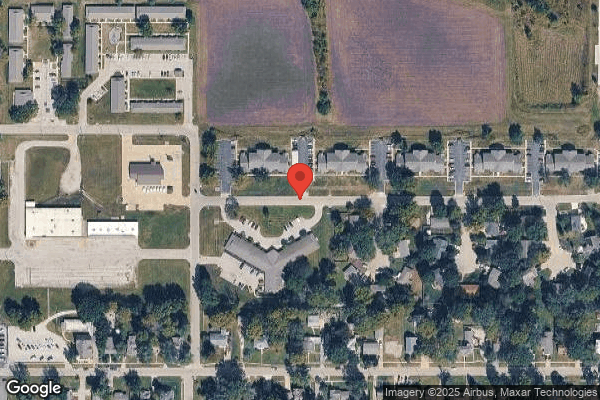
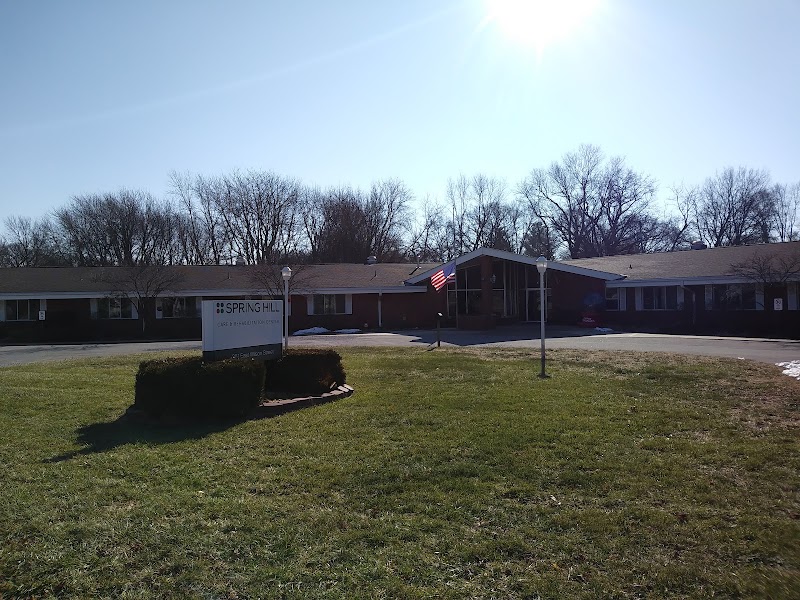
251 E WILSON AVENUE, SPRING HILL, KS 66083 (913) 592-3100
For profit - Limited Liability company 45 Beds MISSION HEALTH COMMUNITIES Data: November 2025
Trust Grade
40/100
#223 of 295 in KS
Last Inspection: June 2025

Inspected within the last 6 months. Data reflects current conditions.

Overview

Spring Hill Care and Rehab has received a Trust Grade of D, which indicates below-average performance with some serious concerns. Ranking #223 out of 295 facilities in Kansas places it in the bottom half, while its county rank of #25 out of 35 shows that there are better local options available. The facility is worsening, with issues increasing from 9 in 2023 to 21 in 2025. Staffing is a major concern, with a low rating of 2 out of 5 stars and a high turnover rate of 73%, significantly above the state average of 48%. While there have been no fines recorded, which is a positive sign, the facility has faced serious issues such as failing to provide adequate dietary management for residents and not maintaining sufficient RN coverage for the required hours, putting residents at risk for decreased quality of care. Overall, while there are strengths like good RN coverage compared to other facilities, significant weaknesses raise concerns for families considering this home.

Trust Score
D
40/100
In Kansas
#223/295
Bottom 25%
Safety Record
Low Risk
No red flags
Inspections
Getting Worse
9 → 21 violations
Staff Stability
⚠ Watch
73% turnover. Very high, 25 points above average. Constant new faces learning your loved one's needs.
Penalties
✓ Good
No fines on record. Clean compliance history, better than most Kansas facilities.
Skilled Nurses
✓ Good
Each resident gets 49 minutes of Registered Nurse (RN) attention daily — more than average for Kansas. RNs are trained to catch health problems early.
Violations
⚠ Watch
35 deficiencies on record. Higher than average. Multiple issues found across inspections.
★★☆☆☆
2.0
Overall Rating
★★☆☆☆
2.0
Staff Levels
★★☆☆☆
2.0
Care Quality
★★☆☆☆
2.0
Inspection Score
Stable
2023: 9 issues
2025: 21 issues

The Good

  • Full Sprinkler Coverage · Fire safety systems throughout facility
  • No fines on record

Facility shows strength in fire safety.

The Bad

2-Star Overall Rating

Below Kansas average (2.9)

Below average - review inspection findings carefully

Staff Turnover: 73%

27pts above Kansas avg (46%)

Frequent staff changes - ask about care continuity

Chain: MISSION HEALTH COMMUNITIES

Part of a multi-facility chain

Ask about local staffing decisions and management

Staff turnover is very high (73%)

25 points above Kansas average of 48%

The Ugly 35 deficiencies on record

Jul 2025 2 deficiencies
CONCERN (D) 📢 Someone Reported This

A family member, employee, or ombudsman was alarmed enough to file a formal complaint

Potential for Harm - no one hurt, but risky conditions existed

Notification of Changes (Tag F0580)

Could have caused harm · This affected 1 resident

The facility identified a census of 35 residents. The sample included three residents, with three residents reviewed for notification of changes. Based on observation, record review, and interviews, t...

Read full inspector narrative →
The facility identified a census of 35 residents. The sample included three residents, with three residents reviewed for notification of changes. Based on observation, record review, and interviews, the facility failed to notify Resident (R) 1's representative of changes in condition, plan of care changes, and results. This deficient practice placed R1 at risk for further decline and a delay in treatment.Findings included:- R1's Electronic Medical Record (EMR) documented diagnoses of generalized muscle weakness, difficulty in walking, and hemiplegia and hemiparesis (weakness and paralysis on one side of the body) following cerebral infarction (stroke - sudden death of brain cells due to lack of oxygen caused by impaired blood flow to the brain by blockage or rupture of an artery to the brain).The Annual Minimum Data Set (MDS), dated 06/19/25, documented R1 had a Brief Interview for Mental Status (BIMS) score of seven, which indicated severe cognitive impairment.The Cognitive Loss/Dementia (a progressive mental disorder characterized by failing memory and confusion) Care Area Assessment (CAA), dated 07/09/25, documented R1 had some cognitive loss and was at risk for impaired memory and difficulty with communication.R1's Care Plan dated 08/12/24, documented R1 had a communication problem related to minimal hard of hearing in bilateral ears. The plan directed staff to anticipate and meet R1's needs and discussed with the resident/family any concerns or feelings regarding his communication difficulty.R1's EMR revealed the following:A Durable Power of Attorney (DPOA- a legal document that names a person to make healthcare decisions when the resident is no longer able to) for Health Care Decisions General Statement of Authority Granted signed and executed on 08/23/24 that documented R1's representatives were effective as DPOA effective immediately and were not affected by R1's subsequent disability or incapacity or upon the occurrence of his disability or incapacity.A Nursing: Progress Note on 03/27/25 at 02:26 PM, documented the Certified Nurse Aide (CNA) notified the nurse that R1 reported he broke his tooth while eating lunch. The nurse assessed R1, and his bottom middle tooth was broken with only a small amount of tooth remaining. R1 reported he broke his tooth while biting into a pork chop. The nurse informed the dietary manager of the incident and Social Services X about needing to make R1 a dentist appointment.A Nursing: Progress Note on 04/16/25 at 11:01 AM, documented during a post follow-up, R1 reported right shoulder pain. The facility received an order for a two-view x-ray of his right humerus (upper arm bone) and a two-view x-ray of his right shoulder.A Nursing: Progress Note on 04/17/25 at 12:35 PM, documented the facility had notified the provider of R1's x-ray results. R1's right shoulder results documented the findings were compatible with a chronic right rotator cuff (a group of muscles and tendons that hold the shoulder joint in place and allow you to move your arm and shoulder) tear. R1's right humerus results were unremarkable.A Nursing: Progress Note on 04/24/25 at 06:10 PM, documented the facility received an order to obtain a three-view right shoulder x-ray for pain and mobility limitations. The facility notified R1 of the new order.A Nursing: Progress Note on 04/25/25 at 09:55 AM, documented the facility received the results of the x-ray and sent the results to the provider. The X-ray results likely reflect chronic rotator cuff pathology.A Nursing: Progress Note on 04/25/25 at 12:40 PM, documented the facility received an order to obtain an orthopedic (pertaining to bones) evaluation for a possible arthroscopy (surgery performed for the examination of the interior of a joint).A Social Services: Note on 05/08/25 at 04:40 PM, documented R1 was scheduled for a dentist appointment due to a broken tooth. Social Services X notified R1, nursing, and transportation.A Nursing: Progress Note on 05/23/25 at 11:24 AM, documented R1 had an occasional cough with a minimal amount of white, frothy sputum (a mixture of saliva and mucus coughed up from the respiratory tract). R1's provider ordered laboratory tests, a chest x-ray, Lasix (diuretic medication- a medication to promote the formation and excretion of urine) 40 milligrams (mg) twice daily for five days, then resume 40 mg daily, and weigh R1 daily for the next seven days.A Nursing: Progress Note on 05/23/25 at 03:24 PM, documented the facility notified R1's provider of laboratory results and waited for the x-ray results.A Nursing: Progress Note on 05/23/25 at 07:46 PM, documented the facility notified R1's provider of the chest x-ray results and received no new orders.A Nursing: Progress Note on 06/15/25 at 07:29 PM, documented the facility received orders from neurology (a branch of medicine that deals with the diagnoses and treatment of disorders in the nervous system) for memantine (medication used to treat the symptoms of Alzheimer's [progressive mental deterioration characterized by confusion and memory failure) disease) five mg twice daily for dementia and start physical therapy (PT) for balance. The facility notified R1 of the orders and received consent to update his plan of care.There was a lack of documentation that R1's representative was notified of the changes in condition, new orders, and/or results in the above notes.On 07/22/25 at 12:47 PM, R1 sat in the recliner in his room and ate lunch. He stated he wanted his representative notified of any new orders and changes.On 07/22/25 at 12:59 PM, Licensed Nurse (LN) G stated she notified the resident's representative of any change in condition, new orders, and incidents. She stated she notified R1's representative of any and all changes. LN G stated that whenever she received a new order, she checked the resident's profile page to see who needed to be notified. She stated R1's representative had to be notified of changes because they were the DPOA, effective immediately.On 07/22/25 at 01:44 PM, Administrative Nurse D stated if there was a change in condition, including abnormal vital signs, skin issues, falls, and new orders, she expected the nurse to notify the physician and the resident's representative. She stated that staff found the DPOA information under their contacts. Administrative Nurse D stated R1's representative was DPOA effective immediately, and his representative was notified of any and all changes. She stated the facility had issues with R1's DPOA in the past due to nobody knew whether it was effective immediately, whether he was incapacitated or not. She stated staff used to ask R1 if he wanted them to call his representative, but now, they just call the representative.The facility's Change in a Resident's Condition or Status policy, last revised November 2017, directed the facility to promptly notify the resident, his/her attending physician, and the resident's representative of changes in the resident's medical/mental condition and/or status.
CONCERN (D) 📢 Someone Reported This

A family member, employee, or ombudsman was alarmed enough to file a formal complaint

Potential for Harm - no one hurt, but risky conditions existed

Deficiency F0790 (Tag F0790)

Could have caused harm · This affected 1 resident

The facility identified a census of 35 residents. The sample included three residents, with three residents reviewed for dental services. Based on observation, record review, and interviews, the facil...

Read full inspector narrative →
The facility identified a census of 35 residents. The sample included three residents, with three residents reviewed for dental services. Based on observation, record review, and interviews, the facility failed to obtain emergency dental services for Resident (R) 1 after he broke a tooth on 03/27/25. This deficient practice had the risk of dental pain, difficulty eating, and unnecessary physical complications for R1.Findings included:- R1's Electronic Medical Record (EMR) documented diagnoses of generalized muscle weakness, difficulty in walking, and hemiplegia and hemiparesis (weakness and paralysis on one side of the body) following cerebral infarction (stroke - sudden death of brain cells due to lack of oxygen caused by impaired blood flow to the brain by blockage or rupture of an artery to the brain).The Annual Minimum Data Set (MDS), dated 06/19/25, documented R1 had a Brief Interview for Mental Status (BIMS) score of seven, which indicated severe cognitive impairment.The Cognitive Loss/Dementia (a progressive mental disorder characterized by failing memory and confusion) Care Area Assessment (CAA), dated 07/09/25, documented R1 had some cognitive loss and was at risk for impaired memory and difficulty with communication.R1's Care Plan, dated 08/12/24, documented R1 had oral/dental health problems related to missing/broken teeth. The plan directed staff to coordinate arrangements for dental care and transportation as needed.R1's EMR revealed the following:A Nursing Note on 03/27/25 at 02:26 PM, documented the Certified Nurse Aide (CNA) notified the nurse that R1 reported he broke his tooth while eating lunch. The nurse assessed R1, and his bottom middle tooth was broken with only a small amount of tooth remaining. R1 reported he broke his tooth while biting into a pork chop. The nurse informed the dietary manager of the incident and Social Services X about needing to make R1 a dentist appointment.A Nutrition: Nutrition Note on 03/27/25 at 04:30 PM, documented the dietary manager interviewed R1 regarding the incident at lunch, where R1 had a partial loss of tooth after eating a pork chop. R1 stated he cut a strip of pork chop off and put it in his mouth, then bit it with his front teeth. He stated he heard a pop, began to chew, and felt the tooth on his tongue. No bleeding occurred, and R1 reported minimal pain. The dietary manager followed up with the charge nurse to confirm findings.There was a lack of evidence that the facility made an emergency dental appointment for R1's broken tooth between 03/27/25 and 05/07/25.A Social Services: Note on 05/08/25 at 04:40 PM, documented R1 was scheduled for a dentist appointment due to a broken tooth. Social Services X notified R1, nursing, and transportation.A Social Services: Note on 07/21/25 at 01:43 PM, documented R1 was having tooth pain, and his representative wanted R1 to be scheduled for the first available appointment by the dentist. R1's appointment is scheduled for tomorrow. Social Services X notified R1, his representative, nursing, and transportation.Upon request, the facility provided a Care Note Summary, dated 05/13/25, from R1's dental visit on 05/13/25. The summary documented R1 had a broken tooth without pain and a recommendation for full mouth endentulation (loss of teeth) and fabrication of complete dentures.On 07/22/25 at 12:47 PM, R1 sat in the recliner in his room and ate lunch. He stated he broke a tooth a while ago, but did not see the dentist until May.On 07/22/25 at 02:03 PM, R1 stated he did not have any dental pain from the broken tooth until recently, but he had difficulty eating food. He stated there was a small piece of tooth left over that came out later.On 07/22/25 at 12:59 PM, Licensed Nurse (LN) G stated if a resident had dental pain or a broken tooth, she would notify the doctor, the family, and her supervisor. She stated the facility had an in-house dentist who visited, but if a resident needed in sooner, she notified the doctor for a dentist referral if needed.On 07/22/25 at 01:12 PM, Social Services X stated the dentist visited the facility every six months, and a dental hygienist visited in between. She stated if a resident had an acute dental issue, the facility sent them to an outside dentist, depending on their preference. Social Services X stated R1 broke a tooth towards the beginning of April and saw the dentist in May for a basic exam. She stated the dentist said they would forward the information on to R1's representative for next steps, but the facility never heard anything else. Social Services X stated she was notified yesterday that R1 had dental discomfort with eating, and he was scheduled with the dentist for today. She stated she communicated with R1's representative after his tooth broke about getting him seen by the dentist, and R1's representative first told her to find a dentist that accepted R1's insurance. Then she told Social Services X that R1 would see the in-house dentist. Social Services X stated that normally, she documented all family communication and attempted communication in the EMR.On 07/22/25 at 01:44 PM, Administrative Nurse D stated R1 had a broken tooth and was sent to the dentist in May. She stated the facility did not receive any paperwork back from the dentist in May, but he went to the dentist today and was told he needed his teeth pulled for dentures. Administrative Nurse D stated he was not seen by the dentist sooner between 03/27/25 and 05/13/25 because he did not complain of any pain with his teeth during that time. She stated that if a resident broke a tooth or had dental problems, the facility notified the physician and received recommendations, then they notified the resident's representative. She stated she expected staff to document communication with the family in the notes. Administrative Nurse D stated the facility had a care plan meeting on 07/11/25, and R1's representative asked the facility what was going on with his broken tooth because he complained about pain on the right side and a bad taste in his mouth.The facility's Routine Dental Care policy, last revised October 2012, directed the facility to notify the attending physician of a resident's need for dental treatment and ordered dental consultation as appropriate.
Jun 2025 19 deficiencies
CONCERN (D) 📢 Someone Reported This

A family member, employee, or ombudsman was alarmed enough to file a formal complaint

Potential for Harm - no one hurt, but risky conditions existed

Resident Rights (Tag F0550)

Could have caused harm · This affected 1 resident

The facility identified a census of 36 residents. The sample included 12 residents, with five reviewed for dignity. Based on observation, record review, and interviews, the facility failed to provide ...

Read full inspector narrative →
The facility identified a census of 36 residents. The sample included 12 residents, with five reviewed for dignity. Based on observation, record review, and interviews, the facility failed to provide a dignified care environment for Resident (R) 20. This deficient practice placed R20 at risk for impaired dignity and unmet care needs. Findings Included: - The Medical Diagnosis section within R20's Electronic Medical Records (EMR) included diagnoses of benign prostatic hyperplasia (BPH - non-cancerous enlargement of the prostate which can lead to interference with urine flow, urinary frequency, and urinary tract infections), anxiety disorder (mental or emotional reaction characterized by apprehension, uncertainty, and irrational fear), dysphagia (difficulty swallowing), and dementia (a progressive mental disorder characterized by failing memory and confusion). R20's Quarterly Minimum Data Set (MDS) dated 04/15/25 noted a Brief Interview for Mental Status (BIMS) score of zero, indicating severe cognitive impairment. The MDS indicated he used a walker for mobility. The MDs noted he was dependent on staff for oral hygiene, toileting, bathing, dressing, personal hygiene, and bed mobility. The MDS noted he was always incontinent of bowel and bladder, but had a toileting program. The MDS noted he had difficulty swallowing due to holding residual food in his mouth (pocketing). The MDS noted he had a mechanically altered diet. R20's Nutrition Care Area Assessment (CAA) completed 01/27/25 indicated he was at risk for weight loss and nutritional impairment. The CAA instructed staff to provide adequate intake during mealtimes. The CAA noted he was on a mechanically altered diet with thin liquids. R20's Functional Abilities CAA completed 01/27/25 indicated he required cueing during his activities of daily living (ADL) and incontinence care every two hours. R20's Care Plan initiated 03/08/22 indicated he was at risk for altered nutrition related to his cognitive impairment and medical diagnoses. The plan instructed staff to provide set-up assistance during meals. The plan indicated he required staff assistance for bed mobility, bathing, toileting, personal hygiene, transfers, and dressing. The plan indicated he had impaired cognitive function and thought processes related to his dementia. The plan instructed staff to provide consistency with caregivers and care to reduce confusion. The plan instructed staff to notify nursing if incontinent during activities and provide care as needed. On 06/10/25 at 09:00 AM, R20 sat in the dining room and completed his breakfast meal. R20 stood up and walked toward the dining room exit. The back of R20's pants were soaked with urine down to his knees. R20 walked to the staff and reported he was sticky and needed to be cleaned. Staff asked R20 to sit on the chair next to the nurses. R20 sat down in the chair next to the nurse's cart. R20 kept repeatedly saying loudly I'm sticky, I need help as numerous staff walked past him. R20 stood up from the chair several times while waiting for staff to come assist him. At 09:10 AM, R20 was finally escorted to his room as he continued to yell out I'm sticky, please help me. On 06/11/25 at 11:20 AM, Certified Nurse Aide (CNA) M stated staff should always assist the resident with care needs as a priority and ensure they were clean. She stated that R20 should have been provided with hygiene care immediately. On 06/11/25 at 11:35 AM, Licensed Nurse (LN) G stated residents should immediately provide incontinence care to avoid skin breakdown and infections. On 06/11/25 at 12:24 PM, Administrative Nurse D stated staff were expected to assist or find someone to assist residents with personal care to prevent them from waiting. She stated residents were to be provided incontinence care at the time of staff being informed. The facility's Dignity policy revised 10/2022 stated the facility was to ensure an environment that maintained and enhanced each resident's dignity and respect in full recognition of each resident's individuality.
CONCERN (D) 📢 Someone Reported This

A family member, employee, or ombudsman was alarmed enough to file a formal complaint

Potential for Harm - no one hurt, but risky conditions existed

Free from Abuse/Neglect (Tag F0600)

Could have caused harm · This affected 1 resident

The facility identified a census of 36 residents. The sample included 12 residents, with one resident reviewed for abuse and neglect. Based on observation, record review, and interview, the facility f...

Read full inspector narrative →
The facility identified a census of 36 residents. The sample included 12 residents, with one resident reviewed for abuse and neglect. Based on observation, record review, and interview, the facility failed to prevent an episode of resident-to-resident sexual abuse between cognitively impaired Resident (R) 21 and R17. This deficient practice placed R17 at ongoing risk for preventable abuse and mistreatment. Findings Included: - The Medical Diagnosis section within R21's Electronic Medical Records (EMR) included diagnoses of dementia (a progressive mental disorder characterized by failing memory and confusion), muscle weakness, repeated falls, and the need for assistance with personal care. R21's Annual Minimum Data Set (MDS) dated 04/27/25 noted a Brief Interview for Mental Status (BIMS) score of six, indicating severe cognitive impairment. The MDS indicated she had bilateral lower extremity impairments and used a wheelchair for mobility. The MDS indicated he was dependent on staff for bathing, toileting, personal hygiene, transfers, and bed mobility. The MDS indicated no behavioral concerns but indicated he displayed physically aggressive behaviors on his previous Quarterly MDS completed 01/27/25. R21's Dementia Care Area Assessment (CAA) completed 01/27/25 indicated he was dependent on staff assistance for toileting, personal hygiene, bathing, dressing, and transfers. The CAA noted he had dementia with cognitive loss. R21's Care Plan initiated on 10/04/23 indicated he was at risk for a decline in cognition, activities of daily living (ADL), falls, and incontinence related to his medical diagnoses. The plan indicated he required staff assistance for mobility in his wheelchair (10/03/23). The plan indicated he had difficulty with communication. The plan instructed staff to be conscious of his position when in groups, activities, and dining to promote proper communication with others (10/03/23). The plan noted he had a history of alleged sexual accusations (10/03/23). The plan instructed staff to anticipate his needs and provide his medications as ordered (10/03/23). The plan instructed staff to intervene as necessary to protect the rights and safety of others (10/04/23). The plan instructed staff to move him from the situation to an alternate area. The plan instructed staff to monitor his behaviors and attempt to determine an underlying cause (10/04/23). R21's plan was updated on 05/27/25 with a new intervention for sexual behaviors. The intervention instructed staff to provide medication daily. A Facility Incident Report #5635 completed on 05/27/25 revealed Licensed Nurse (LN) H walked into the television room and witnessed R21 in the television room groping R17's (Severely cognitively impaired resident) breast. The report indicated both residents were immediately separated. The note revealed that R17 was assessed with no injuries found. The report indicated both residents had no recollection of the incident when interviewed. The note revealed the medical provider, resident representative, and local law enforcement were notified. The report revealed that R21 was immediately placed on one-to-one supervision and started on medication to reduce his sexual behaviors. A Witness Statement completed by LN H on 05/27/25 indicated he observed the incident and separated the two residents. LN H reported in the statement he observed R21 touching R17's breast with his left hand. LN H reported in the statement that he immediately separated the residents and assessed R17. The statement revealed that R21 was agitated when asked to not touch R17. On 06/10/25 at 07:30 AM, R21 lay in his bed. R21 had no memory of the encounter between R17 and himself. On 06/11/25 at 08:00 AM, R17 sat in her room. R17 had no memory of the encounter between R21 and herself. R17 reported she felt safe in the facility. On 06/11/25 at 11:24 AM, Certified Nurse's Aide (CNA) M stated residents with noted behaviors were not to be left alone with other residents. She stated staff were expected to monitor all residents for safety and care needs. She stated that R21 had a history of inappropriate behaviors towards females and had to be supervised. She stated the facility provided frequent dementia and abuse training for staff to complete. She stated the facility had an abuse, neglect, and exploitation (ANE) class in May 2025. On 06/11/25 at 12:24 PM, Administrative Nurse D stated R21 had inappropriate sexual behaviors toward a female. She stated residents with behaviors were to be supervised while in the common areas or placed close together. She stated that R21 had numerous behavioral incidents in the past. She stated all staff received annual ANE classes. The facility's Abuse Prevention Program revised 08/2024 indicated the facility was committed to protecting residents from abuse. The policy indicated all staff were trained to recognize and report allegations of abuse. The policy noted the facility was to provide management for dementia and behavioral symptoms for residents at risk for abuse. The policy indicated the facility promoted an environment safe for the treatment and care of the residents.
CONCERN (D) 📢 Someone Reported This

A family member, employee, or ombudsman was alarmed enough to file a formal complaint

Potential for Harm - no one hurt, but risky conditions existed

Deficiency F0605 (Tag F0605)

Could have caused harm · This affected 1 resident

The facility identified a census of 36 residents. The sample included 12 residents, with five residents reviewed for unnecessary medications. Based on observation, record review, and interviews, the f...

Read full inspector narrative →
The facility identified a census of 36 residents. The sample included 12 residents, with five residents reviewed for unnecessary medications. Based on observation, record review, and interviews, the facility failed to ensure Resident (R) 1's psychotropic (alters mood or thought) medication had an indication for administration. This deficient practice placed R1 at risk for ineffective treatment, unnecessary medication use, and unwarranted side effects. Findings included: - R1's Electronic Medical Record (EMR) from the Diagnosis tab documented diagnoses of hypertension (HTN - elevated blood pressure), major depressive disorder (major mood disorder that causes persistent feelings of sadness), calculus (a hardened deposit, usually composed of mineral salts, that forms within the body) of the gallbladder, and diabetes mellitus (DM - when the body cannot use glucose, not enough insulin is made, or the body cannot respond to the insulin). The Annual Minimum Data Set (MDS) dated 09/19/24 documented a Brief Interview of Mental Status (BIMS) score of 15, which indicated intact cognition. The MDS documented R1 had received anticoagulant (a class of medications used to prevent the blood from clotting) medication, antidepressant (a class of medications used to treat mood disorders) medication, antianxiety (a class of medications that calm and relax people) medication, antiplatelet (medication that helps prevent blood clots from occurring) medication, diuretic (a medication to promote the formation and excretion of urine) medication, opioid (a class of controlled drugs used to treat pain) medication, and hypoglycemic (a class of medication used to lower blood sugar) medication during the observation period. The Quarterly MDS dated 02/20/25 documented a BIMS score of 15, which indicated intact cognition. The MDS documented that R1 had received anticoagulant medication, antidepressant medication, antianxiety medication, antiplatelet medication, diuretic medication, opioid medication, and hypoglycemic medication during the observation period. R1's Functional Abilities (Self-Care and Mobility) Care Area Assessment (CAA) dated 10/07/24 documented she received anticoagulant therapy and psychotropic medications with monitoring in place. R1's Care Plan, dated 10/28/22, documented staff were educated on the administration of giving medication as ordered and the five rights of medication administration. R1's EMR under the Orders tab revealed the following physician orders: Cymbalta (antidepressant) oral capsule, delayed release particles, 20 mg give one capsule by mouth daily, dated 04/22/25. The medication order lacked an indication for administration. On 06/10/25 at 08:26 AM, R1 propelled herself in her wheelchair from her room to the dining room without difficulty. On 06/11/25 at 11:35 AM, Licensed Nurse (LN) G stated every medication required an indication for administration. LN G stated she would clarify an order if there was no indication for administration. On 06/11/25 at 12:05 PM, Administrative Nurse D stated she expected a physician's order to be followed. Administrative Nurse D stated every medication required and indication for administration. The facility's Free from Chemical Restraints, Unnecessary Psychotropic Medications policy last reviewed 04/2025 documented chemical restraints would only be used for the safety and well-being of the resident(s) and only after other alternatives have been tried unsuccessfully. Chemical restraints would only be used to treat the resident's medical symptom(s) and never for discipline or staff convenience.
CONCERN (D) 📢 Someone Reported This

A family member, employee, or ombudsman was alarmed enough to file a formal complaint

Potential for Harm - no one hurt, but risky conditions existed

Comprehensive Assessments (Tag F0636)

Could have caused harm · This affected 1 resident

**NOTE- TERMS IN BRACKETS HAVE BEEN EDITED TO PROTECT CONFIDENTIALITY** The facility identified a census of 36 residents. The sample included 12 residents. Based on observation, record review, and int...

Read full inspector narrative →
**NOTE- TERMS IN BRACKETS HAVE BEEN EDITED TO PROTECT CONFIDENTIALITY** The facility identified a census of 36 residents. The sample included 12 residents. Based on observation, record review, and interviews, the facility failed to indicate on the comprehensive Minimum Data Set (MDS) that Resident (R) 33 received and required the use of a continuous positive airway pressure (CPAP- ventilation device that blows a gentle stream of air into the nose to keep the airway open during sleep). This placed R33 at risk for inaccurate reflections of the resident's status and needs to develop an individualized comprehensive plan of care. Findings included: - R33's Electronic Medical Record (EMR) from the Diagnosis tab documented diagnoses of acquired absence of right foot, pressure ulcer (localized injury to the skin and/or underlying tissue usually over a bony prominence, as a result of pressure, or pressure in combination with shear and/or friction) of sacral region, hematogenous osteomyelitis (a type of bone infection where bacteria travel through the bloodstream to the bones, causing inflammation and potentially bone destruction), lack of coordination, muscle weakness, and anxiety (mental or emotional reaction characterized by apprehension, uncertainty, and irrational fear). The admission Minimum Data Set (MDS) dated [DATE] documented a Brief Interview of Mental Status (BIMS) score of 12 which indicated moderately impaired cognition. The MDS documented R33 had impairment on one side of her lower extremities. The MDS documented R33 needed setup or cleanup for eating, was dependent on staff for toileting, and needed substantial/maximal assistance from staff for bathing. The MDS did not indicate R33 required the use of a CPAP. R33's Functional Abilities (self-care mobility) Care Area Assessment (CAA) dated 04/21/25 documented R33 was currently taking insulin (a hormone that lowers the level of glucose in the blood), antihypertensive (a class of medication used to treat high blood pressure), anticoagulation (blood thinner), and medication for constipation which could cause an increase in falls. The CAA documented R33 had had no falls since admission. The CAA documented R33 was dependent on staff for most activities of daily living (ADL) and required the assistance of one staff. The CAA documented R33 ambulated with a wheelchair and was dependent on staff for wheeling her chair. The CAA documented R33 currently received medication for wound healing. The CAA documented R33 was on a regular diet, with regular texture with thin liquids. The CAA documented R33 was incontinent and required a pull-up. R33's Care Plan dated 04/18/25 documented R33 was at risk for altered nutritional and hydration status related to inadequate intake and wound healing. R33's plan of care documented staff would encourage the consumption of fluids that were provided and monitor and record meal intakes. The plan of care for R33 documented staff would provide and serve supplements as ordered. R33's plan of care lacked indication of R33's CPAP. On 06/11/25 at 12:05 PM, Administrative Nurse D stated that R33 required a CPAP. Administrative Nurse D stated all CPAPs should be indicated on the MDS. The facility Comprehensive Assessment dated 03/25 documented a comprehensive assessment of a resident's needs shall be made within fourteen days of the resident's admission. A comprehensive assessment of the resident's needs strengths, goals, life history, and preferences would be completed. A comprehensive assessment would be completed with defined significant change. Residents would receive an accurate assessment, reflective of the resident's status at the time of the assessment, by staff qualified to assess relevant care areas and knowledgeable about the resident's status, needs, strengths, and areas of decline.
CONCERN (D) 📢 Someone Reported This

A family member, employee, or ombudsman was alarmed enough to file a formal complaint

Potential for Harm - no one hurt, but risky conditions existed

Comprehensive Care Plan (Tag F0656)

Could have caused harm · This affected 1 resident

The facility identified a census of 36 residents. The sample included 12 residents, with five reviewed for care plan revisions. Based on observation, record review, and interviews, the facility failed...

Read full inspector narrative →
The facility identified a census of 36 residents. The sample included 12 residents, with five reviewed for care plan revisions. Based on observation, record review, and interviews, the facility failed to revise Resident (R) 20's Care Plan to remove his therapeutic diet. This deficient practice placed R20 at risk for uncommunicated care needs. Findings Included: - The Medical Diagnosis section within R20's Electronic Medical Records (EMR) included diagnoses of benign prostatic hyperplasia (BPH - non-cancerous enlargement of the prostate which can lead to interference with urine flow, urinary frequency, and urinary tract infections), anxiety disorder (mental or emotional reaction characterized by apprehension, uncertainty, and irrational fear), dysphagia (difficulty swallowing), and dementia (a progressive mental disorder characterized by failing memory and confusion). R20's Quarterly Minimum Data Set (MDS) dated 04/15/25 noted a Brief Interview for Mental Status (BIMS) score of zero, indicating severe cognitive impairment. The MDS indicated he used a walker for mobility. The MDs noted he was dependent on staff for oral hygiene, toileting, bathing, dressing, personal hygiene, and bed mobility. The MDS noted he was always incontinent of bowel and bladder but had a toileting program. The MDS noted he had difficulty swallowing due to holding residual food in his mouth (pocketing). The MDS noted he had a mechanically altered diet. R20's Nutrition Area Assessment (CAA) completed 01/27/25 indicated he was at risk for weight loss and nutritional impairment. The CAA instructed staff to provide adequate intake during mealtimes. The CAA noted he was on a mechanically altered diet with thin liquids. R20's Functional Abilities CAA completed 01/27/25 indicated he required cueing during his activities of daily living (ADL) and incontinence care every two hours. R20's Care Plan initiated 03/08/22 indicated he was at risk for altered nutrition related to his cognitive impairment and medical diagnoses. The plan indicated he required a regular, mechanically soft diet with pureed meat texture and thin liquids due to his difficulty swallowing. The plan instructed staff to provide set-up assistance during meals. The plan indicated he required staff assistance for bed mobility, bathing, toileting, personal hygiene, transfers, and dressing. The plan indicated he had impaired cognitive function and thought processes related to his dementia. The plan instructed staff to provide consistency with caregivers and care to reduce confusion. The plan instructed staff to notify nursing if R20 was incontinent during activities and provide care as needed. R20's EMR under Orders revealed an active dietary order stated 05/21/25. The order indicated he received a regular, mechanically soft diet with chopped meat texture. On 06/10/24 at 12:23 PM, R20 sat at the dining room table for lunch. R20 was provided his meal. R20's meat was of chopped consistency. R20 consumed his meal with no observed swallowing concerns. Staff supervised him as he ate his meal. On 06/09/25 at 11:36 AM, Licensed Nurse (LN) G stated the care plans were updated quarterly or changed. She stated the plans were to reflect to most accurate changes related to each resident's care. She stated the plan should include the type of diet and consistency for each resident. On 06/11/25 at 12:05 PM, Administrative Nurse D stated all staff had access to view the care plans. She stated the plans were reviewed by the interdisciplinary team and updated when needed. She stated the individual departments would also review the plan to ensure their areas were accurate and up to date. The facility's Comprehensive Care plan policy revised 04/2022 indicated each resident was to have a comprehensive assessment and provided individualized interventions to reflect their treatment needs. The policy indicated the care plans were reviewed and updated to reflect changes that may occur with the resident's goals and care needs.
CONCERN (D) 📢 Someone Reported This

A family member, employee, or ombudsman was alarmed enough to file a formal complaint

Potential for Harm - no one hurt, but risky conditions existed

Deficiency F0657 (Tag F0657)

Could have caused harm · This affected 1 resident

The facility identified a census of 36 residents. The sample included 12 residents, with five reviewed for care plan revisions. Based on observation, record review, and interviews, the facility failed...

Read full inspector narrative →
The facility identified a census of 36 residents. The sample included 12 residents, with five reviewed for care plan revisions. Based on observation, record review, and interviews, the facility failed to revise Resident (R) 20's Care Plan to remove his therapeutic diet. This deficient practice placed R20 at risk for uncommunicated care needs. Findings Included: - The Medical Diagnosis section within R20's Electronic Medical Records (EMR) included diagnoses of benign prostatic hyperplasia (BPH - non-cancerous enlargement of the prostate which can lead to interference with urine flow, urinary frequency, and urinary tract infections), anxiety disorder (mental or emotional reaction characterized by apprehension, uncertainty, and irrational fear), dysphagia (difficulty swallowing), and dementia (a progressive mental disorder characterized by failing memory and confusion). R20's Quarterly Minimum Data Set (MDS) dated 04/15/25 noted a Brief Interview for Mental Status (BIMS) score of zero, indicating severe cognitive impairment. The MDS indicated he used a walker for mobility. The MDs noted he was dependent on staff for oral hygiene, toileting, bathing, dressing, personal hygiene, and bed mobility. The MDS noted he was always incontinent of bowel and bladder but had a toileting program. The MDS noted he had difficulty swallowing due to holding residual food in his mouth (pocketing). The MDS noted he had a mechanically altered diet. R20's Nutrition Area Assessment (CAA) completed 01/27/25 indicated he was at risk for weight loss and nutritional impairment. The CAA instructed staff to provide adequate intake during mealtimes. The CAA noted he was on a mechanically altered diet with thin liquids. R20's Functional Abilities CAA completed 01/27/25 indicated he required cueing during his activities of daily living (ADL) and incontinence care every two hours. R20's Care Plan initiated 03/08/22 indicated he was at risk for altered nutrition related to his cognitive impairment and medical diagnoses. The plan indicated he required a regular, mechanically soft diet with pureed meat texture and thin liquids due to his difficulty swallowing. The plan instructed staff to provide set-up assistance during meals. The plan indicated he required staff assistance for bed mobility, bathing, toileting, personal hygiene, transfers, and dressing. The plan indicated he had impaired cognitive function and thought processes related to his dementia. The plan instructed staff to provide consistency with caregivers and care to reduce confusion. The plan instructed staff to notify nursing if incontinent during activities and provide care as needed. R20's EMR under Orders revealed an active dietary order stated 05/21/25. The order indicated he received a regular, mechanically soft diet with chopped meat texture. On 06/10/24 at 12:23 PM, R20 sat at the dining room table for lunch. R20 was provided his meal. R20's meat was of chopped consistency. R20 consumed his meal with no observed swallowing concerns. Staff supervised him as he ate his meal. On 06/09/25 at 11:36 AM, Licensed Nurse (LN) G stated the care plans were updated quarterly or changed. She stated the plans were to reflect the most accurate changes related to each resident's care. She stated the plan should include the type of diet and consistency for each resident. On 06/11/25 at 12:05 PM, Administrative Nurse D stated all staff had access to view the care plans. She stated the plans were reviewed by the interdisciplinary team and updated when needed. She stated the individual departments would also review the plan to ensure their areas were accurate and up to date. The facility's Comprehensive Care Plan policy revised 04/2022 indicated each resident was to have a comprehensive assessment and provided individualized interventions to reflect their treatment needs. The policy indicated the care plans were reviewed and updated to reflect changes that may occur with the resident's goals and care needs.
CONCERN (D) 📢 Someone Reported This

A family member, employee, or ombudsman was alarmed enough to file a formal complaint

Potential for Harm - no one hurt, but risky conditions existed

ADL Care (Tag F0677)

Could have caused harm · This affected 1 resident

**NOTE- TERMS IN BRACKETS HAVE BEEN EDITED TO PROTECT CONFIDENTIALITY** The facility identified a census of 36 residents. The sample included 12 residents, with one resident reviewed for activities of...

Read full inspector narrative →
**NOTE- TERMS IN BRACKETS HAVE BEEN EDITED TO PROTECT CONFIDENTIALITY** The facility identified a census of 36 residents. The sample included 12 residents, with one resident reviewed for activities of daily living (ADL) care. Based on observation, record review, and interviews, the facility failed to provide Resident (R) 9 with assistance with eating and further failed to ensure R9's call light was within his reach. This defiant practice placed R9 at risk of aspiration and unmet needs. Findings included: - R9's Electronic Medical Record (EMR) from the Diagnosis tab documented diagnoses of hemiparesis/hemiplegia (weakness and paralysis on one side of the body)following cerebrovascular accident (CVA-stroke - sudden death of brain cells due to lack of oxygen caused by impaired blood flow to the brain by blockage or rupture of an artery to the brain) effecting left non-dominant side, pulmonary edema (accumulation of extravascular fluid in the lung tissues), pain, obesity (excessive calories), dementia (a progressive mental disorder characterized by failing memory and confusion), hypertension (high blood pressure), sleep apnea (a disorder of sleep characterized by periods without respirations), edema (swelling resulting from an excessive accumulation of fluid in the body tissues), contracture (abnormal permanent fixation of a joint or muscle) left hand, elbow and shoulder, depression (a mood disorder that causes a persistent feeling of sadness and loss of interest), and respiratory failure with hypoxia (occurs when the lungs were unable to adequately provide oxygen to the bloodstream, leading to low oxygen levels in the blood). The Significant Change Minimum Data Set (MDS) dated [DATE] documented a Brief Interview of Mental Status (BIMS) should not be conducted, and that R9 was rarely or never understood. MDS documented R9 was dependent on staff for all activities of daily living (ADL) except eating and needed setup or cleanup from staff. The MDS documented R9 had impairment on one side of his upper body, and both sides of his lower body. R9's Functional Abilities (Self-Care Mobility) Care Area Assessment (CAA) dated 01/24/25 documented R9 required supervision while eating related to being on a mechanically altered diet. The CAA documented R9 could feed himself and required set-up and clean-up assistance. R9 was dependent on staff for all care, hygiene, toileting hygiene, wheeling the wheelchair, bathing, dressing the upper and lower body, and applying footwear. The resident currently had shown a decline in ADLs and had chosen Hospice services. R9's Care Plan dated 01/14/25 documented R9 preferred to eat in his room, and R9 preferred to stay in his room most of the time. R9's plan of care documented on 09/16/24 R9 spilled hot water on himself. R9's plan of care dated 07/15/24 documented R9 required supervisor/touching assistance with eating. R9's plan of care documented R9 used a trapeze above his bed to assist in repositioning, and staff were to maintain the call bell within his reach. R9's EMR under Orders documented the following physician's order: Elevate the head of bed thirty-forty-five degrees to prevent/treat shortness of breath while he laid in bed every shift for respiratory failure and pulmonary edema, dated 09/23/23. On 06/09/25 at 09:34 AM, R9 was laid flat in his bed on his back. R9 had a bowl of oatmeal trying to spoon the oatmeal to his mouth. R9's call light was wrapped around his trapeze arm, out of R9's reach. R9 had no staff assistance in his room to help or monitor his eating. On 06/11/25 at 11:35 AM, Licensed Nurse (LN) G stated call lights should always be within the resident's reach. LN G stated all residents should be raised as high as the resident could be when eating alone in their bed. She stated a resident's bed should never be laid flat when a resident was eating. On 06/11/25 at 11:53 AM, Certified Nurse Aide (CNA) M stated the CNAs and sometimes kitchen staff delivered meals to the residents' rooms. CNA M stated residents should not be laid flat when they are eating. She stated call lights should always be laid on the resident or where the resident could reach it if needed. On 06/11/25 at 12:05 PM, Administrative Nurse D stated resident's bed should be elevated when a resident was eating in bed, never laid flat. Administrative Nurse D stated call lights should be within the resident's reach. The facility's Quality of Life policy dated 04/25 documented the community environment and staff behaviors were directed toward assisting the resident in maintaining and or achieving independent functioning dignity and well-being. Residents who were unable to carry out activities of daily living receive the necessary care and services to maintain good nutrition grooming and personal and oral hygiene.
CONCERN (D) 📢 Someone Reported This

A family member, employee, or ombudsman was alarmed enough to file a formal complaint

Potential for Harm - no one hurt, but risky conditions existed

Pressure Ulcer Prevention (Tag F0686)

Could have caused harm · This affected 1 resident

**NOTE- TERMS IN BRACKETS HAVE BEEN EDITED TO PROTECT CONFIDENTIALITY** The facility identified a census of 36 residents. The sample included 12 residents, with three reviewed for pressure ulcers (loc...

Read full inspector narrative →
**NOTE- TERMS IN BRACKETS HAVE BEEN EDITED TO PROTECT CONFIDENTIALITY** The facility identified a census of 36 residents. The sample included 12 residents, with three reviewed for pressure ulcers (localized injury to the skin and/or underlying tissue usually over a bony prominence, because of pressure, or pressure in combination with shear and/or friction). Based on interviews, observations, and record reviews, the facility failed to ensure Resident (R) 27's pressure-reducing low air-loss mattress (specialized air mattress used to reduce the pressure applied to the body) was utilized per her weight and manufacturer's safe use recommendations. The facility additionally failed to apply R9's pressure-reducing boots, which were used to off-load the heels of his feet per his care plan. These deficient practices placed both residents at risk for preventable wounds and impaired wound healing. Findings included: - The Medical Diagnosis section within R27's Electronic Medical Records (EMR) included diagnoses of major depressive disorder (major mood disorder), muscle failure, and kyphosis (abnormal spinal curvature in the upper back). R27's Annual Minimum Data Set (MDS) dated 03/27/25 noted a Brief Interview for Mental Status (BIMS) score of 13, indicating mild cognitive impairment. The MDS noted she required partial to moderate assistance from staff for bed mobility, transfers, bathing, dressing, toileting, and personal hygiene. The MDS noted she was at risk for developing a pressure ulcer. The MDS noted she had no unhealed pressure ulcers. The MDS noted she had pressure-relieving devices for her wheelchair and bed. R27's previous Quarterly MDS completed 02/08/25 noted she had an unhealed stage-two (partial-thickness skin loss into but no deeper than the dermis including intact or ruptured blisters) pressure injury. R27's Pressure Ulcer Care Area Assessment (CAA) completed 03/25/25 indicated she was at risk for skin breakdown and pressure ulcers related to her limited mobility, history of pressure ulcers, and medical diagnoses. The CAA noted the facility would implement care-planned interventions to minimize the risks. R27's Care Plan initiated 05/27/24 indicated she had activities of daily living (ADL) self-care deficit. The plan indicated she required partial to moderate assistance from staff for toileting, bathing, transfers, bed mobility, dressing, and personal hygiene. The plan indicated she had bladder incontinence and was at risk for skin impairments. The plan instructed staff to provide a two-hour incontinence check and skin monitoring. The plan lacked documentation related to her risks for pressure ulcers or the use of her low air-loss mattress. R27's EMR under Assessments revealed a Braden Scale assessment completed on 03/28/25. The assessment revealed a score of 11 indicating she was at high risk for the development of pressure ulcers. R27's EMR under Weekly Skin Evaluation revealed she had a reddened area on her thoracic spine area (mid-back spine) that was resolving. R27's EMR under Vitals revealed she weighed 86.1 pounds (lbs.) on 06/04/25. A review of the low air-loss mattress manufacturer's operation (ProActive Protekt Aire 6000) manual indicated the mattress system was intended to reduce the incidence of pressure ulcers while optimizing comfort. The manual indicated the mattress pump's pressure levels and firmness were preset based on the weight range selected. The manual revealed that using the mattress while deflated placed the resident at risk for injuries. On 06/09/25 at 08:21 AM, R27 sat in her bed. The head of her bed was raised above 45 degrees as she ate her breakfast. R27's low air-loss mattress was set to 180 lbs. The mattress pump had fixed weight settings of 80lbs, 130lbs, 180lbs, 230lbs, 280lbs, 340lbs, 400lbs, and 450lbs. On 06/10/24 at 10:11 AM, R27 slept in her bed. Her mattress pump was set to 180lbs. On 06/11/25 at 10:32 AM, R27 sat in her bed as she colored in her sketchbook. She sat upright with the head of her bed raised over 45 degrees. R27's air mattress was deflated, and the low air-loss control panel was off. R27 sat directly on the frame of the bed. She stated she was not sure how long the bed was off but thought staff turned it back on when she left the room earlier in the morning. On 06/11/25 at 10:34 AM, Certified Medication Aide (CMA) entered the room and checked the bed control. She turned the panel on and stated she was not sure why the panel was off. She stated staff were expected to check the bed each shift and set it to R27's weight. On 06/11/25 at 12:05 PM, Administrative Nurse D stated the low air-loss mattresses were to be set according to the resident's weight and checked each time staff entered the room. The facility's Prevention of Pressure Injuries policy revised 08/2022 indicated the facility was to identify and implement preventative interventions for residents at risk for pressure injuries. The policy indicated the facility was to implement and provide ongoing monitoring for wound care and preventative services to ensure effective treatment and wound prevention.- R9's Electronic Medical Record (EMR) from the Diagnosis tab documented diagnoses of hemiparesis/hemiplegia (weakness and paralysis on one side of the body) following cerebrovascular accident (CVA-stroke - sudden death of brain cells due to lack of oxygen caused by impaired blood flow to the brain by blockage or rupture of an artery to the brain) effecting left non-dominant side, pulmonary edema (accumulation of extravascular fluid in the lung tissues), pain, obesity (excessive calories), dementia (a progressive mental disorder characterized by failing memory and confusion), hypertension (high blood pressure), sleep apnea (a disorder of sleep characterized by periods without respirations), contracture (abnormal permanent fixation of a joint or muscle) of left hand, elbow and shoulder, depression (a mood disorder that causes a persistent feeling of sadness and loss of interest), and respiratory failure with hypoxia (occurs when the lungs were unable to adequately provide oxygen to the bloodstream, leading to low oxygen levels in the blood). The Significant Change Minimum Data Set (MDS) dated [DATE] documented a Brief Interview of Mental Status (BIMS) should not be conducted. The MDS documented R9 was rarely or never understood. The MDS documented R9 was dependent on staff for all activities of daily living (ADL) except eating and needed setup or cleanup. The MDS documented R9 had impairment on one side of his upper body, and both sides of his lower body. R9's Pressure Injury/Ulcer Care Area Assessment (CAA) dated 01/24/25 documented R9 was always incontinent of both bowel and bladder. The CAA documented R9 required assistance with all care. The CAA documented R9 was seen by the wound physician weekly, with daily dressing changes. The CAA documented R9 was admitted to Hospice services. R9's Care Plan dated 04/05/23 documented R9 had a low air loss mattress with bolsters, staff were to check low air loss mattress for proper setting according to R9's weight. R9's plan of care documented R9 had a pressure-reducing wheelchair cushion. R9's plan of care dated 06/23/24 documented R9 had a potential and actual impairment to skin integrity related to immobility and fragile skin. R9's plan of care documented staff were to encourage and assist in turning and repositioning at least every two hours and as needed for comfort and to offload pressure. R9's Braden Scale for Prediction Pressure Sore Risk dated 04/15/25 documented a score of 13 indicating a moderate risk for pressure ulcers. R9's Weekly Wound Assessment dated 06/04/25 documented R9 had a left lateral malleolus wound. R9's physician's orders under the Orders tab revealed the following orders: Apply barrier cream to buttock one time a day for wound healing and as needed (PRN), dated 05/07/25. Cleanse right lower leg distal/lateral ankle with cleanser and apply Skin-prep (liquid skin protectant) to peri-wound. Apply Medi honey (wound dressing), then calcium alginate (highly absorbent dressing), and cover with a foam dressing one time a day for skin integrity, and as needed (PRN), dated 05/28/25. On 06/09/25 at 07:24 AM, R9 laid on his back on his bed. R9's heels were directly on his low air loss mattress. R9 had heel protector boots, one on the right-side bottom of his bed and one on the left-side bottom of his bed. On 06/10/25 at 07:50 AM, R9 laid on his back on his bed. R9's heels laid directly on his low air-loss mattress. One of R9's heel protector boots laid on his bedside table. On 06/11/25 at 7:26 AM, R9 laid on his back on his bed. R9's heels laid directly on the mattress. On 06/11/25 at 11:35 AM, Licensed Nurse (LN) G stated she did remind CNAs to ensure residents with wounds, or the residents that need their heels elevated have their heels elevated. LN G stated it was the nurse's responsibility to ensure boots were placed on the residents. LN G stated R9 needed to have his heels floated when in bed. On 06/11/25 at 11:53 AM, Certified Nurse's Aide (CNA) M stated if a resident needed boots on, or their heels floated, the nurse would let the CNAs know. CNA M stated the nurse also ensured heels were floating. On 06/11/25 at 12:05 PM, Administrative Nurse D stated the CNAs and nursing knew what residents needed to have their heels floated. Administrative Nurse D stated it was the responsibility of all nursing staff to ensure heels were floated or boots were on the resident when the resident was in bed. The facility's Prevention of Pressure Injuries policy dated 10/24 documented the facility would identify specific risk factors and establish goals and prevention interventions with the physician's input. The facility would establish approaches to identify, stabilize, or minimize risk factors associated with pressure injuries.
CONCERN (D) 📢 Someone Reported This

A family member, employee, or ombudsman was alarmed enough to file a formal complaint

Potential for Harm - no one hurt, but risky conditions existed

Respiratory Care (Tag F0695)

Could have caused harm · This affected 1 resident

**NOTE- TERMS IN BRACKETS HAVE BEEN EDITED TO PROTECT CONFIDENTIALITY** The facility identified a census of 36 residents. The sample included 12 residents, with two residents reviewed for respiratory ...

Read full inspector narrative →
**NOTE- TERMS IN BRACKETS HAVE BEEN EDITED TO PROTECT CONFIDENTIALITY** The facility identified a census of 36 residents. The sample included 12 residents, with two residents reviewed for respiratory care. Based on observation, record review, and interviews, the facility failed to ensure Resident (R) 33's continuous positive airway pressure (CPAP - ventilation device that blows a gentle stream of air into the nose to keep the airway open during sleep) mask was stored in a sanitary manner. This placed R33 at an increased risk for respiratory infection and complications. Findings included: - R33's Electronic Medical Record (EMR) from the Diagnosis tab documented diagnoses of the acquired absence of right foot, pressure ulcer (localized injury to the skin and/or underlying tissue usually over a bony prominence, as a result of pressure, or pressure in combination with shear and/or friction) of sacral region, hematogenous osteomyelitis (a type of bone infection where bacteria travel through the bloodstream to the bones, causing inflammation and potentially bone destruction), lack of coordination, muscle weakness, and anxiety (mental or emotional reaction characterized by apprehension, uncertainty, and irrational fear). The admission Minimum Data Set (MDS) dated [DATE] documented a Brief Interview of Mental Status (BIMS) score of 12, which indicated moderately impaired cognition. The MDS documented R33 had impairment on one side of her lower extremities. The MDS documented R33 needed setup or cleanup for eating, was dependent on staff for toileting, and needed substantial to maximal assistance from staff for bathing. The MDS did not indicate R33 required the use of a CPAP. R33's Functional Abilities (self-care mobility) Care Area Assessment (CAA) dated 04/21/25 documented R33 was currently taking insulin (a hormone that lowers the level of glucose in the blood), antihypertensive (a class of medication used to treat high blood pressure), anticoagulation (blood thinner), and medication for constipation which could cause an increase in falls. The CAA documented R33 had had no falls since admission. The CAA documented R33 was dependent on staff for most activities of daily living (ADL) and required the assistance of one staff. The CAA documented R33 ambulated with a wheelchair and was dependent on staff for wheeling her chair. The CAA documented R33 received medication for wound healing. The CAA documented R33 was on a regular diet, with regular texture with thin liquids. The CAA documented R33 was incontinent and required a pull-up. R33's Care Plan dated 04/18/25 documented R33 was at risk for altered nutritional and hydration status related to inadequate intake and wound healing. R33's plan of care documented staff would encourage the consumption of fluids that were provided and monitor and record meal intakes. The plan of care for R33 documented staff would provide and serve supplements as ordered. R33's plan of care lacked indication of R33's CPAP. R33's EMR under the Orders tab lacked staff direction for the use, and cleaning of CPAP and lacked staff direction for sanitary storage of CPAP. R33's EMR under Progress Notes dated 05/29/25 documented Licensed Nurse (LN) received a call from the X-ray department for a follow-up on R33's chest X-ray findings. The findings indicated left basal infiltrate/effusion (abnormal accumulation of fluid or other substances in the lower part(basal)of the lungs, specifically within the lung tissue (infiltrate) or in the space around the lungs(effusion). LN called the physician on call and received an order for the facility to continue Levaquin (antibiotic) as ordered. On 06/09/25 at 07:57 AM, R33 laid on her right side in her bed. R33's CPAP mask was draped over the CPAP machine without a clean barrier and sanitary container. On 06/11/25 at 11:35 AM, Licensed Nurse (LN) G stated CPAP mask should be cleaned, air-dried, and placed in a plastic bag. LN G stated R33 used a CPAP. On 06/11/25 at 11:53 AM, Certified Nurse's Aide (CNA) M stated the CPAP mask should be placed in a drawer. She stated the nurse on duty usually took care of the respiratory equipment. On 06/11/25 at 02:05 PM, Administrative Nurse D stated it was all nursing staff's duty to ensure all respiratory equipment was placed in a bag in a sanitary manner. The facility did not provide a respiratory storage policy.
CONCERN (D) 📢 Someone Reported This

A family member, employee, or ombudsman was alarmed enough to file a formal complaint

Potential for Harm - no one hurt, but risky conditions existed

Deficiency F0744 (Tag F0744)

Could have caused harm · This affected 1 resident

**NOTE- TERMS IN BRACKETS HAVE BEEN EDITED TO PROTECT CONFIDENTIALITY** The facility identified a census of 36 residents. The sample included 12 residents, with two residents reviewed for dementia (a ...

Read full inspector narrative →
**NOTE- TERMS IN BRACKETS HAVE BEEN EDITED TO PROTECT CONFIDENTIALITY** The facility identified a census of 36 residents. The sample included 12 residents, with two residents reviewed for dementia (a progressive mental disorder characterized by failing memory and confusion) care. Based on observation, record review, and interviews, the facility failed to provide Resident (R) 17 with dementia services related to supervision and accidents. The defiant practice placed R17 at risk for preventable accidents. Findings Included: - R17's Electronic Medical Record (EMR) from the Diagnosis tab documented diagnoses of a history of falls, muscle weakness, hypothyroidism (a condition characterized by decreased activity of the thyroid gland), insomnia (inability to sleep), dementia (a progressive mental disorder characterized by failing memory and confusion), anxiety (mental or emotional reaction characterized by apprehension, uncertainty, and irrational fear), major depressive disorder (major mood disorder that causes persistent feelings of sadness), unsteadiness on feet, and peripheral vascular disease (PVD - slow and progressive circulation disorder causing narrowing, blockage, or spasms in a blood vessel). The Annual Minimum Data Set (MDS) dated [DATE] documented a Brief Interview of Mental Status (BIMS) score of zero, which indicated severely impaired cognition. The MDS documented R17 needed set-up or clean-up assistance with eating, and substantial/maximal assistance from staff for toileting and bathing. The MDS documented R17 had a fall since admission and had two or more non-injury falls. R17's Communication Care Area Assessment (CAA) dated 03/23/25 documented R17's CAA related to R17 not understanding others, and others not understanding her. The CAA documented R17 was alert to herself only. R17's Care Plan dated 07/02/19 documented staff were to keep R17's call light within her reach. R17's plan of care dated 05/29/23 documented a non-injury fall related to R17 walking unassisted and without calling for assistance, the intervention for the fall was to keep R17's door open, for staff to easily view R17. A Facility Incident Report #5635 completed on 05/27/25 revealed Licensed Nurse (LN) H walked into the television room and witnessed R17 (Severely cognitively impaired resident) in the television room with R21. LN H witnessed R21 groping R17's breast. The report indicated both residents were immediately separated. The note revealed that R17 was assessed with no injuries found. The report indicated both residents had no recollection of the incident when interviewed. The note revealed the medical provider, resident representative, and local law enforcement were notified. The report revealed that R21 was immediately placed on one-to-one supervision and started on medication to reduce his sexual behaviors. A Witness Statement completed by LN H on 05/27/25 indicated he observed the incident and separated the two residents. LN H reported in the statement he observed R21 touching R17's breast with his left hand. LN H reported in the statement that he immediately separated the residents and assessed R17. The statement revealed that R21 was agitated when asked to not touch R17. On 06/09/25 at 07:28 AM, R17's laid on her bed, and R17's call light laid on the floor. R17's call light was not within her reach. On 06/11/25 at 11:35 AM, Licensed Nurse (LN) G stated residents with dementia should be left alone and should be monitored frequently. LN G stated call lights should always be within the resident's reach. On 06/11/25 at 11:53 AM, Certified Nurse's Aide (CNA) M stated residents with dementia should be checked on frequently. CNA M stated resident's call light should be laid on the resident, always within the resident's reach. On 06/11/25 at 12:05 PM, Administrative Nurse D stated that residents with dementia should be monitored. Administrative Nurse D stated call lights should be within the resident's reach. The facility's Dementia Care of the Resident policy dated 10/24 documented that residents with diagnosed dementia or displays symptoms of dementia would receive necessary care and services to maintain or attain their highest practicable physical, mental, and psychosocial well-being.
CONCERN (D) 📢 Someone Reported This

A family member, employee, or ombudsman was alarmed enough to file a formal complaint

Potential for Harm - no one hurt, but risky conditions existed

Drug Regimen Review (Tag F0756)

Could have caused harm · This affected 1 resident

The facility identified a census of 36 residents. The sample included 12 residents, with five residents reviewed for unnecessary medications. Based on observation, record review, and interviews, the f...

Read full inspector narrative →
The facility identified a census of 36 residents. The sample included 12 residents, with five residents reviewed for unnecessary medications. Based on observation, record review, and interviews, the facility failed to ensure the Consultant Pharmacist (CP) identified and reported irregularities in Resident (R) 1's medication which lacked an indication for administration. The facility also failed to ensure the CP identified and reported the physician's order for monitoring the pulse for an antihypertensive (a class of medication used to treat high blood pressure) medication. This deficient practice placed R1 at risk for unnecessary medication use, side effects, and physical complications. Findings included: - R1's Electronic Medical Record (EMR) from the Diagnosis tab documented diagnoses of hypertension (HTN - elevated blood pressure), major depressive disorder (major mood disorder that causes persistent feelings of sadness), calculus (a hardened deposit, usually composed of mineral salts, that forms within the body) of the gallbladder, and diabetes mellitus (DM - when the body cannot use glucose, not enough insulin is made, or the body cannot respond to the insulin). The Annual Minimum Data Set (MDS) dated 09/19/24 documented a Brief Interview of Mental Status (BIMS) score of 15, which indicated intact cognition. The MDS documented R1 had received anticoagulant (a class of medications used to prevent the blood from clotting) medication, antidepressant (a class of medications used to treat mood disorders) medication, antianxiety (a class of medications that calm and relax people) medication, antiplatelet (medication that helps prevent blood clots from occurring) medication, diuretic (a medication to promote the formation and excretion of urine) medication, opioid (a class of controlled drugs used to treat pain) medication, and hypoglycemic (a class of medication used to lower blood sugar) medication during the observation period. The Quarterly MDS dated 02/20/25 documented a BIMS score of 15, which indicated intact cognition. The MDS documented that R1 had received anticoagulant medication, antidepressant medication, antianxiety medication, antiplatelet medication, diuretic medication, opioid medication, and hypoglycemic medication during the observation period. R1's Functional Abilities (Self-Care and Mobility) Care Area Assessment (CAA) dated 10/07/24 documented she received anticoagulant therapy and psychotropic medications with monitoring in place. R1's Care Plan, dated 10/28/22, documented staff were educated on the administration of giving medication as ordered and the five rights of medication administration. R1's EMR under the Orders tab revealed the following physician orders: Ursodiol, (medication used to dissolve gallstones) oral capsule 300 milligrams (mg) give one capsule by mouth three times a day, dated 04/8/25. The medication order lacked an indication for administration. Tamsulosin (medication used to assist with the output of urine) capsule 0.4 mg, give one capsule by mouth daily, dated 04/8/25. The medication order lacked an indication for administration. Cymbalta (antidepressant) oral capsule, delayed release particles, 20 mg give one capsule by mouth daily, dated 04/22/25. The medication order lacked an indication for administration. Metoprolol succinate (antihypertensive) tablet extended release 24-hour 25 mg give one tablet by mouth daily for HTN, hold for systolic blood pressure (SBP - top number, the force your heart exerts on the walls of your arteries each time it beats) less than (<) 110 millimeters (mm) of mercury (Hg) and a heart rate < 60 beats per minute. Do not crush medication, dated 04/09/25. Review of R1's Medication Administration Record (MAR), Treatment Administration Record (TAR), and her EMR from 03/01/25 to 06/09/25 (100 days) lacked heart monitoring as ordered by the physician for antihypertensive medication Metoprolol revealed for 61 days. The MMR's lacked evidence of the CP identified the lack of indication for medication administration. Review of the Monthly Medication Review (MMR) from June 2024 to May 2025 documented recommendations from March 2023 to review antihypertensive medication orders for hold parameters and physician notification. The MMR's lacked CP noted the irregularities of no indication for medication administration and heart monitoring for antihypertensive medication. On 06/10/25 at 08:26 AM, R1 propelled herself in her wheelchair from her room to the dining room without difficulty. On 06/11/25 at 11:35 AM, Licensed Nurse (LN) G stated every medication required an indication for administration. LN G stated she would clarify an order if there was no indication for administration. LN G stated if the physician had a specific parameter for monitoring a resident's heart rate, then the heart rate should be obtained prior to medication administration. On 06/11/25 at 12:05 PM, Administrative Nurse D stated she expected a physician's order to be followed. Administrative Nurse D stated if the physician had ordered a heart rate to monitor for hypertensive medication, she expected the heart rate to be obtained prior to medication administration. Administrative Nurse D stated every medication required and indication for administration. The facility's Medication Regimen Reviews policy last reviewed 02/2025 documented the Consultant Pharmacist would review the medication regimen per state and federal guidelines. The policy directed reporting of irregularities to the attending physician, the facility medical director, and the director of nursing.
CONCERN (D) 📢 Someone Reported This

A family member, employee, or ombudsman was alarmed enough to file a formal complaint

Potential for Harm - no one hurt, but risky conditions existed

Deficiency F0757 (Tag F0757)

Could have caused harm · This affected 1 resident

The facility identified a census of 36 residents. The sample included 12 residents, with five residents reviewed for unnecessary medications. Based on observation, record review, and interviews, the f...

Read full inspector narrative →
The facility identified a census of 36 residents. The sample included 12 residents, with five residents reviewed for unnecessary medications. Based on observation, record review, and interviews, the facility failed to ensure physician parameters were followed for a hypertensive medication (class of medication used to treat hypertension (high blood pressure) for Resident (R) 1. The facility also failed to ensure R1's medication had an indication for administration. These deficient practices placed R1 at risk for the potential of unnecessary medication administration thus leading to possible harmful side effects. Findings included: - R1's Electronic Medical Record (EMR) from the Diagnosis tab documented diagnoses of hypertension (HTN - elevated blood pressure), major depressive disorder (major mood disorder that causes persistent feelings of sadness), calculus (a hardened deposit, usually composed of mineral salts, that forms within the body) of the gallbladder, and diabetes mellitus (DM - when the body cannot use glucose, not enough insulin is made, or the body cannot respond to the insulin). The Annual Minimum Data Set (MDS) dated 09/19/24 documented a Brief Interview of Mental Status (BIMS) score of 15, which indicated intact cognition. The MDS documented R1 had received anticoagulant (a class of medications used to prevent the blood from clotting) medication, antidepressant (a class of medications used to treat mood disorders) medication, antianxiety (a class of medications that calm and relax people) medication, antiplatelet (medication that helps prevent blood clots from occurring) medication, diuretic (a medication to promote the formation and excretion of urine) medication, opioid (a class of controlled drugs used to treat pain) medication, and hypoglycemic (a class of medication used to lower blood sugar) medication during the observation period. The Quarterly MDS dated 02/20/25 documented a BIMS score of 15, which indicated intact cognition. The MDS documented that R1 had received anticoagulant medication, antidepressant medication, antianxiety medication, antiplatelet medication, diuretic medication, opioid medication, and hypoglycemic medication during the observation period. R1's Functional Abilities (Self-Care and Mobility) Care Area Assessment (CAA) dated 10/07/24 documented she received anticoagulant therapy and psychotropic medications with monitoring in place. R1's Care Plan, dated 10/28/22, documented staff were educated on the administration of giving medication as ordered and the five rights of medication administration. R1's EMR under the Orders tab revealed the following physician orders: Ursodiol (medication used to dissolve gallstones) oral capsule 300 milligrams (mg) give one capsule by mouth three times a day, dated 04/8/25. The medication order lacked an indication for administration. Tamsulosin (medication used to assist with the output of urine) capsule 0.4 mg, give one capsule by mouth daily, dated 04/8/25. The medication order lacked an indication for administration. Metoprolol succinate (antihypertensive) tablet extended release 24-hour 25 mg give one tablet by mouth daily for HTN, hold for systolic blood pressure (SBP - top number, the force your heart exerts on the walls of your arteries each time it beats) less than (<) 110 millimeters (mm) of mercury (Hg) and a heart rate < 60 beats per minute. Do not crush medication, dated 04/09/25. Review of R1's Medication Administration Record (MAR), Treatment Administration Record (TAR), and her EMR from 03/01/25 to 06/09/25 (100 days) lacked heart monitoring as ordered by the physician for antihypertensive medication Metoprolol revealed for 61 days. The MMR's lacked evidence of the CP identified the lack of indication for medication administration. Review of the Monthly Medication Review (MMR) from June 2024 to May 2025 documented recommendations from March 2023 to review antihypertensive medication orders for hold parameters and physician notification. The MMR's lacked CP noted the irregularities of no indication for medication administration and heart monitoring for antihypertensive medication. On 06/10/25 at 08:26 AM, R1 propelled herself in her wheelchair from her room to the dining room without difficulty. On 06/11/25 at 11:35 AM, Licensed Nurse (LN) G stated every medication required an indication for administration. LN G stated she would clarify an order if there was no indication for administration. LN G stated if the physician had a specific parameter for monitoring a resident's heart rate, then the heart rate should be obtained prior to medication administration. On 06/11/25 at 12:05 PM, Administrative Nurse D stated she expected a physician's order to be followed. Administrative Nurse D stated if the physician had ordered a heart rate to monitor for hypertensive medication, she expected the heart rate to be obtained prior to medication administration. Administrative Nurse D stated every medication required and indication for administration. The facility's Unnecessary Medications policy last reviewed 04/2025 documented the resident's drug regimen would be free from unnecessary drugs. Residents or their representatives had the right to refuse ordered medications. Unnecessary Drug - was any drug used in excessive dose, including duplicative therapy or for excessive duration, or without adequate monitoring or without adequate indications for its use or in the presence of adverse consequences which indicate the dose should be reduced or discontinued or any combination of the reasons above. Adequate Indications for Use - refers to the identified, documented clinical rationale for administering a medication that was based upon an assessment of the resident's condition and therapeutic goals, and after any safer treatments have been deemed clinically contraindicated. Also, adequate indication for use means that the medication administered was consistent with the manufacturer's recommendations and/or clinical practice guidelines, clinical standards of practice, medication references, clinical studies, or evidence-based review articles that are published in medical and/or pharmacy journals.
CONCERN (D) 📢 Someone Reported This

A family member, employee, or ombudsman was alarmed enough to file a formal complaint

Potential for Harm - no one hurt, but risky conditions existed

Deficiency F0849 (Tag F0849)

Could have caused harm · This affected 1 resident

The facility identified a census of 36 residents. The sample included 12 residents, with two residents reviewed for hospice services. Based on observation, record review, and interviews, the facility ...

Read full inspector narrative →
The facility identified a census of 36 residents. The sample included 12 residents, with two residents reviewed for hospice services. Based on observation, record review, and interviews, the facility failed to provide a description of the medication and equipment provided to Resident (R) 12 by hospice. This deficient practice created a risk for missed or delayed services, impaired physical, and psychosocial care for R12. Findings included: - R12's Electronic Medical Record (EMR) from the Diagnosis tab documented diagnoses of dementia (a progressive mental disorder characterized by failing memory and confusion), major depressive disorder (major mood disorder that causes persistent feelings of sadness), and cognitive communication deficit (an impairment in organization, sequencing, attention, memory, planning, problem-solving, and safety awareness). The Significant Change Minimum Data Set (MDS) dated 01/17/25 documented a Brief Interview of Mental Status (BIMS) score of six, which indicated severely impaired cognition. The MDS documented R12 was dependent on staff assistance for transfers, dressing, and personal hygiene. The MDS documented R12 was on hospice services. The Quarterly MDS dated 04/29/25 documented a BIMS score of zero, which indicated severely impaired cognition. The MDS documented that R12 was dependent on staff assistance for bed mobility, dressing, personal hygiene, and transfers. The MDS documented R12 was on hospice services. R12's Cognitive Loss/Dementia Care Area Assessment (CAA), dated 02/07/25 documented she was dependent on a wheelchair for mobility related to her physical status of a fractured left hip and was on hospice services. R12's Care Plan, dated 01/14/25 documented the nursing staff would notify the hospice provider of any changes in R12's condition. The plan of care documented hospice would provide nursing visits two times weekly and as needed, a bath aide would visit two times weekly, social services would visit monthly and as needed, and the chaplain would visit monthly and as needed. R12's EMR under the Orders tab revealed the following physician orders: Admit to hospice with a diagnosis of senile degeneration of the brain, dated 01/14/25. On 06/09/25 at 08:15 AM, R12 laid on her back in bed. R12 call light was on the floor behind her bed on the floor. R12's floor mat was folded up and stood upright away from her bed. On 06/11/25 at 11:35 AM, Licensed Nurse (LN) G stated hospice provider supplied a notebook for each resident on hospice services. LN G stated she would refer to the notebook provided by hospice for any information concerning R12's hospice care. LN G stated the hospice information should also be on R12's person-centered care plan. LN G stated R12's care plan should include the equipment supplied and medication covered by the hospice provider. On 06/11/25 at 11:52 AM, Certified Nurse Aide (CNA) M stated she would know which residents were on hospice services if there was a hospice notebook in the cupboard at the nurse's station. CNA M stated the items provided by the hospice provider should be included in the resident's care plan. On 06/11/25 at 12:05 PM, Administrative Nurse D stated everyone had access to the resident's care plans and their Kardex (a nursing tool that gives a brief overview of the care needs of each resident). Administrative Nurse D stated the hospice information should be the resident's care plan with the information of what services, supplies, and equipment that was provided by hospice. The facility's Hospice Program policy last reviewed 10/2024 documented the facility may contract for hospice services for residents who wish to participate in such programs, including services that would be provided and the coordination of services. The facility may limit the hospice providers as related to the coordination and communication of care within the community.
CONCERN (E) 📢 Someone Reported This

A family member, employee, or ombudsman was alarmed enough to file a formal complaint

Potential for Harm - no one hurt, but risky conditions existed

Accident Prevention (Tag F0689)

Could have caused harm · This affected multiple residents

The facility had a census of 36 residents. The sample included 12 residents, with three reviewed for accidents. Based on observation, record review, and interview, the facility failed to secure pressu...

Read full inspector narrative →
The facility had a census of 36 residents. The sample included 12 residents, with three reviewed for accidents. Based on observation, record review, and interview, the facility failed to secure pressurized supplemental oxygen tanks in a safe, locked area, and out of reach of the 22 cognitively impaired independently mobile residents. The facility additionally failed to ensure fall interventions were in place for Resident (R) 12 and R4. This deficient practice placed the residents at risk for preventable accidents and injuries. Findings included: - On 06/11/25 at 07:58 AM, a walkthrough of the facility revealed an unsecured oxygen storage room. The room contained 35 pressurized supplemental oxygen cylinder tanks stored in floor racks. The room had a key lock on the entry door. On 06/11/25 at 11:35 AM, Licensed Nurse (LN) G stated oxygen should be stored in a locked room in a storage rack. On 06/11/25 at 11:52 AM, Certified Nurse Aide (CNA) M stated oxygen tanks should be stored in a locked room in storage racks. On 06/11/25 at 12:05 PM, Administrative Nurse D stated she expected oxygen tanks would be stored in a locked room. The facility's Fire Safety Precaution Including Oxygen Storage policy last revised 04/2025 documented personnel would follow the facility's established fire safety precautions in order to provide safety to all concerned. - R12's Electronic Medical Record (EMR) from the Diagnosis tab documented diagnoses of dementia (a progressive mental disorder characterized by failing memory and confusion), major depressive disorder (major mood disorder that causes persistent feelings of sadness), and cognitive communication deficit (an impairment in organization, sequencing, attention, memory, planning, problem-solving, and safety awareness). The Significant Change Minimum Data Set (MDS) dated 01/17/25 documented a Brief Interview of Mental Status (BIMS) score of six, which indicated severely impaired cognition. The MDS documented R12 was dependent on staff assistance for transfers, dressing, and personal hygiene. The MDS documented R12 was on hospice services. The Quarterly MDS dated 04/29/25 documented a BIMS score of zero, which indicated severely impaired cognition. The MDS documented that R12 was dependent on staff assistance for bed mobility, dressing, personal hygiene, and transfers. The MDS documented R12 was on hospice services. R12's Falls Care Area Assessment (CAA) dated 02/07/25 documented she was dependent on a wheelchair for mobility related to her physical status of a fractured left hip and was on hospice services. R12's Care Plan, initiated date of 09/24/18 and a revision date of 01/19/23, documented staff would keep the call light within reach. The plan of care documented staff would provide R12 with frequent education about how to use the call light and keep the call light secured and within reach. The plan of care dated 12/19/24 documented R12 had an injury fall on 12/18/24 and the intervention that was implemented was staff would remove the Hoyer (total body mechanical lift) sling after each use from under R12. The plan of care with an initiated date 04/22/25 documented R12 had an injury fall. The intervention that was implemented was staff would recline her in the Broda chair (specialized wheelchair with the ability to tilt and recline) after she was finished eating. The plan of care also documented Dycem (a non-slip mat used for stabilization and gripping to prevent slipping) would be placed in her chair. The plan of care dated 06/05/25 documented R12 had an injury fall and the intervention implemented was the staff would ensure her bed was in the lowest position and a floor mat was in place next to the bed. On 06/09/25 at 08:15 AM, R12 laid on her back in bed. R12 call light was on the floor behind her bed. R12's floor mat was folded up and stood upright away from her bed. On 06/11/25 at 11:35 AM, Licensed Nurse (LN) G stated all staff have access to each resident's care plan. LN G stated it was all nursing staff's responsibility to ensure fall interventions were in place before leaving a resident's room. LN G stated staff could review the resident's fall interventions from the Kardex (a nursing tool that gives a brief overview of the care needs of each resident). On 06/11/25 at 11:53 AM, Certified Nurse's Aide (CNA) M stated she did have access to the resident's care plans. CNA M stated if a new intervention for a fall was put in place the director of nursing would come to the floor and let all staff know. CNA M stated it was the CNA's job to ensure the interventions for falls were put in place before leaving the resident. On 06/11/25 at 12:05 PM, Administrative Nurse D stated all nursing staff have access to the care plans. Administrative Nurse D stated she would expect the person who laid the resident down to ensure all fall interventions were put in place before leaving the resident's room. The facility's Falls and Fall Risk Managing policy dated 04/24 documented based on previous evaluations and current data, the staff would identify interventions related to the residents' specific risks and causes to try to prevent the resident from falling and to try to minimize complications from falling. - R4's Electronic Medical Record (EMR) from the Diagnosis tab documented diagnoses of major depressive disorder (major mood disorder that causes persistent feelings of sadness), hypertension (high blood pressure), hypothyroidism (a condition characterized by decreased activity of the thyroid gland), hyperlipidemia (condition of elevated blood lipid levels), dementia (a progressive mental disorder characterized by failing memory and confusion), hemiparesis/hemiplegia (weakness and paralysis on one side of the body), following cerebral infarction (stroke - sudden death of brain cells due to lack of oxygen caused by impaired blood flow to the brain by blockage or rupture of an artery to the brain), pain, insomnia (inability to sleep), anemia (an inadequate number of healthy red blood cells to carry adequate oxygen to body tissues), anxiety (mental or emotional reaction characterized by apprehension, uncertainty, and irrational fear), cerebral infarction (stroke - sudden death of brain cells due to lack of oxygen caused by impaired blood flow to the brain by blockage or rupture of an artery to the brain), and mood disorder (category of mental health problems, feelings of sadness, helplessness, guilt, and wanting to die were more intense and persistent than what may normally be felt from time to time). The Quarterly Minimum Data Set (MDS) for R4 dated 03/24/25 recorded a Brief Interview for Mental Status (BIMS) score of five, which indicated severely impaired cognition. The MDS documented R4 needed setup or cleanup for eating and substantial to maximal assistance from staff for toileting and bathing. The MDS documented R4 had falls since admission. The MDS documented R4 had two non-injury falls. R4's Falls Care Area Assessment (CAA) dated 12/22/24 documented R4's fall CAA triggered related to R4 taking an antidepressant (a class of medications used to treat mood disorders) routinely. R4's Care Plan dated 03/14/23 documented R4 had a non-injury fall and staff would place her call light within her reach. R4's plan of care dated 09/05/24 documented a non-injury fall and the facility would place nonskid strips in front of her toilet. R4's plan of care dated 05/05/25 documented R4 was at risk for falls and has had an actual fall related to sliding out of her bed, R4's bed would be placed in a low position, a fall mat would be placed beside her bed, and her wheelchair would be placed at the bedside. On 06/09/25 at 07:34 AM, R4 laid on her bed, R4's bed was in a low position. R4's call light laid on the floor, and her fall mat was folded up at the top of her bed. R4 did not have nonskid strips in her bathroom. On 06/10/25 at 02:07 PM, R4 laid in on her bed. R4's bed was at waist height. R4's fall mat was folded up at the head of her bed. R4 did not have nonskid strips on her bathroom floor. On 06/11/25 at 11:35 AM, Licensed Nurse (LN) G stated all staff have access to each resident's care plan. LN G stated it was all nursing staff's responsibility to ensure fall interventions were in place before leaving a resident's room. On 06/11/25 at 11:53 AM, Certified Nurse's Aide (CNA) M stated she did have access to the resident's care plans. CNA M stated if a new intervention for a fall was put in place the director of nursing would come to the floor and let all staff know. CNA M stated it was the CNA's job to ensure the interventions for falls were put in place before leaving the resident. On 06/11/25 at 12:05 PM, Administrative Nurse D stated all nursing staff have access to the care plans. Administrative Nurse D stated she would expect the person who laid the resident down to ensure all fall interventions were put in place before leaving the resident's room. The facility's Falls and Fall Risk Managing policy dated 04/24 documented based on previous evaluations and current data, the staff would identify interventions related to the residents' specific risks and causes to try to prevent the resident from falling and to try to minimize complications from falling.
CONCERN (E) 📢 Someone Reported This

A family member, employee, or ombudsman was alarmed enough to file a formal complaint

Potential for Harm - no one hurt, but risky conditions existed

Infection Control (Tag F0880)

Could have caused harm · This affected multiple residents

The facility identified a census of 36 residents. The facility identified eight residents on Enhanced Barrier Precautions (EBP - infection control interventions designed to reduce transmission of resi...

Read full inspector narrative →
The facility identified a census of 36 residents. The facility identified eight residents on Enhanced Barrier Precautions (EBP - infection control interventions designed to reduce transmission of resistant organisms that employ targeted gown and glove use during high contact care). Based on record reviews, observations, and interviews, the facility failed to store Resident (R) 33, R34, R6, and R1's respiratory equipment in a sanitary manner, and the facility further failed to transport linens in a sanitary manner. These deficient practices placed the residents at risk for infectious diseases. Included findings: - On 06/09/25 at 07:44 AM, a walkthrough of the facility was completed. On 06/09/25 at 07:57 AM, R33 laid on her right side in her bed. R33's CPAP mask was draped over the CPAP machine without a clean barrier and sanitary container. On 06/09/25 at 07:59 AM, R34 laid on his back on his bed. R34's CPAP mask laid on the floor on the right side of his bed. R34's CPAP machine without a clean barrier and sanitary container. On 06/09/25 at 08:02 AM, R6's nebulizer (a device that changes liquid medication into a mist easily inhaled into the lungs) mask hung from a thumb tack on her message board. R6's nebulizer mask was not stored in a sanitary manner. On 06/09/25 at 08:04 AM, R1's nasal cannula laid draped over her wheelchair. R1's nasal cannula was not contained in a sanitary manner. On 06/09/25 at 08:10 AM, laundry staff pushed a covered linen cart down the [NAME] Hall with bath blankets on top of the cart. The bath blankets were not stored in a sanitary manner. On 06/11/25 at 11:35 AM, Licensed Nurse (LN) G stated CPAP mask should be cleaned, air-dried, and placed in a plastic bag. LN G stated R33 used a CPAP. LN G stated linens should be transported in a cover cart. On 06/11/25 at 11:53 AM, Certified Nurse's Aide (CNA) M stated the CPAP mask should be placed in a drawer. She stated the nurse on duty usually took care of the respiratory equipment. CNA M stated she was unsure how linens should be transported. On 06/11/25 at 2:05 PM, Administrative Nurse D stated it was all nursing staff's duty to ensure all respiratory equipment was placed in a bag in a sanitary manner. Administrative Nurse D stated linens should be covered when transported in the halls. The facility did not provide a respiratory equipment storage policy. The facility's Handling of Clean Linen and Linen Distribution policy dated 10/24 documented clean laundry and bedding shall be handled in a manner that prevents gross microbial contamination of the air and person handling the linen.
CONCERN (F) 📢 Someone Reported This

A family member, employee, or ombudsman was alarmed enough to file a formal complaint

Potential for Harm - no one hurt, but risky conditions existed

Deficiency F0801 (Tag F0801)

Could have caused harm · This affected most or all residents

The facility identified a census of 36 residents. The facility failed to provide the services of a full-time certified dietary manager for the 36 residents who resided in the facility and received the...

Read full inspector narrative →
The facility identified a census of 36 residents. The facility failed to provide the services of a full-time certified dietary manager for the 36 residents who resided in the facility and received their meals from the kitchen. This placed the residents at risk for inadequate nutrition. Findings included: - On 09/09/25 at 08:23 AM, Dietary Staff BB stated she was currently in class to become a Certified Dietary Manager (CDM). Dietary Staff BB stated the Registered Dietician (RD) came to the facility monthly. The facility's Food Service Staffing policy last reviewed 10/2024 documented the facility would employ sufficient staff with the appropriate competencies and skill sets to carry out the functions of the food and nutrition service.
CONCERN (F) 📢 Someone Reported This

A family member, employee, or ombudsman was alarmed enough to file a formal complaint

Potential for Harm - no one hurt, but risky conditions existed

Deficiency F0838 (Tag F0838)

Could have caused harm · This affected most or all residents

The facility identified a census of 36 residents. The sample included 12 residents. Based on observations, interviews, and record reviews, the facility failed to conduct a thorough facility-wide asses...

Read full inspector narrative →
The facility identified a census of 36 residents. The sample included 12 residents. Based on observations, interviews, and record reviews, the facility failed to conduct a thorough facility-wide assessment to determine the resources necessary to care for residents competently during both day-to-day operations and emergencies. This failure affected all 36 residents residing in the facility. Findings Included: - On 06/09/25 Administrative Staff A provided a Facility Assessment updated 12/2024. A review of the assessment revealed the following: The assessment failed to identify the specific staffing levels needed for each unit and identify the number of Registered Nurses (RN), Licensed Nurses (LPN/LVN), Certified Medication Aides (CMA), and Certified Nurse Aides (CNA) needed for each unit, patient acuity, and census. The assessment lacked staffing levels required for each shift, day, and weekend. On 06/09/25 a review of the facility's Payroll Based Journaling (PBJ - Staffing Data Report) from 04/01/24 to 03/31/25 revealed excessively low weekend staffing triggered on Quarter Three (04/01/24 to 06/30/24) and Quarter Four (07/01/24 to 09/30/24). On 06/11/24 at 12:24 PM, Administrative Nurse D stated the facility assessment update was completed recently by the management team. She stated the assessment should include the staffing requirements. On 06/11/24 at 01:22 PM, Administrator A stated the assessment was recently updated to include the staffing requirement put out by the Centers for Medicare and Medicaid Services (CMS). The facility's Facility Assessment policy revised 01/2017 indicated the facility would conduct and document a facility-wide assessment to determine what resources were necessary to care for the residents during day-to-day operations including evenings, nights, and weekends.
MINOR (C) 📢 Someone Reported This

A family member, employee, or ombudsman was alarmed enough to file a formal complaint

Minor Issue - procedural, no safety impact

Staffing Information (Tag F0732)

Minor procedural issue · This affected most or all residents

The facility identified a census of 36 residents. The sample included 12 residents. Based on observation, record review, and interview the facility failed to post its updated daily posted staffing she...

Read full inspector narrative →
The facility identified a census of 36 residents. The sample included 12 residents. Based on observation, record review, and interview the facility failed to post its updated daily posted staffing sheet. Findings included: - On 06/09/25 at 07:04 AM an inspection of the facility revealed the facility's Direct Care Report form posted on the wall across from the nurse's station. The form was dated 06/06/25. On 06/09/25 at 07:04 AM, Licensed Nurse (LN) I stated nursing staff were responsible for updating the form each day and posting it. On 06/11/25 at 12:24 PM, Administrative Nurse D stated the charge nurse was responsible for creating and posting the staffing form each day. A review of the facility's Staffing policy revised 11/2023 indicated that staffing hours must be maintained for facility records for a minimum of 18 months. The policy indicated the records must be made available upon request.
MINOR (C) 📢 Someone Reported This

A family member, employee, or ombudsman was alarmed enough to file a formal complaint

Minor Issue - procedural, no safety impact

Staffing Data (Tag F0851)

Minor procedural issue · This affected most or all residents

The facility reported a census of 36 residents. The sample included 12 residents. Based on record review and interviews, the facility failed to submit accurate staffing information to the federal regu...

Read full inspector narrative →
The facility reported a census of 36 residents. The sample included 12 residents. Based on record review and interviews, the facility failed to submit accurate staffing information to the federal regulatory agency through Payroll Based Journaling (PBJ - Staffing Data Report), when the facility failed to submit accurate weekend staffing coverage hours. This placed the residents at risk for unidentified and ongoing inadequate staffing. Findings included: - A review of the facility's submitted PBJ data from 04/01/24 through 03/31/25 indicated the facility triggered for excessively low weekend staffing for Fiscal Year (FY) Quarter Three (04/01/24 to 06/30/24) and FY Quarter Four (07/01/24 to 09/30/24). A review of the facility's working schedule, time sheets/punches, and posted staffing hours indicated no gaps or loss of hours. On 06/09/25, a review of the Facility Assessment updated 12/2024 revealed the assessment failed to identify the specific staffing levels needed for each unit and identify the number of Registered Nurses (RN), Licensed Nurses (LPN/LVN), Certified Medication Aides (CMA), and Certified Nurse's Aide (CNA) needed for each unit, patient acuity, and census. The assessment lacked staffing levels required for each shift, day, and weekend. On 06/11/25 at 11:30 AM, Licensed Nurse (LN) G stated she worked weekends and didn't have concerns related to low weekend staffing. She stated the nurse manager would come in and help if the staff called off. On 06/11/25 at 12:24 PM, Administrative Nurse D stated the facility had gaps in staffing or issues with weekend staffing. She stated the facility provided incentives for staff to pick up extra shifts and other staff could cover any open shift. On 06/11/25 at 01:04 PM, Administrator A stated the facility recently switched to a new tracking system but the facility has been adequately staffed. He stated the facility has been triggered for low weekend staffing several times when the facility had no issues with staffing. The facility's Payroll-Based Journaling policy revised 11/2017 indicated staffing and census information will be reported electronically to the Centers for Medicare and Medicaid Services (CMS). The policy indicated staffing information during the recorded time period shall be made available to residents, family members, and the public within 24 hours of a written or verbal request.
Oct 2023 9 deficiencies
CONCERN (D)

Potential for Harm - no one hurt, but risky conditions existed

Deficiency F0558 (Tag F0558)

Could have caused harm · This affected 1 resident

**NOTE- TERMS IN BRACKETS HAVE BEEN EDITED TO PROTECT CONFIDENTIALITY** - The electronic medical record (EMR) for R27 documented diagnoses of dementia (progressive mental disorder characterized by fai...

Read full inspector narrative →
**NOTE- TERMS IN BRACKETS HAVE BEEN EDITED TO PROTECT CONFIDENTIALITY** - The electronic medical record (EMR) for R27 documented diagnoses of dementia (progressive mental disorder characterized by failing memory, confusion), reduced mobility, and age-related physical debility (state of general weakness or feebleness). The Annual Minimum Data Set (MDS) dated [DATE] noted R27 had a Brief Interview for Mental Status (BIMS) score of seven which indicated severe cognitive impairment. The MDS documented R27 required limited assistance of one staff member for transfers and locomotion on and off unit. The Cognitive Loss / Dementia Care Area Assessment (CAA) dated 02/03/23 documented R27 triggered for cognitive loss/dementia related to BIMS score of seven. The CAA further documented care plan interventions included focusing on reducing risks associated with dementia and directed staff to provide for R27's safety and to maintain a safe environment. R27's Care Plan dated 01/26/22 documented R27 was deconditioned, had gait/balance problems and was unaware of safety needs. On 10/02/23 at 08:34 AM an observation revealed Certified Nurse Aide (CNA) M pushed R27 through the hallway in her wheelchair. R27's wheelchair did not have foot pedals in place, and she was holding her feet slightly off the floor. On 10/02/23 an observation revealed R27 was in the hallway in her wheelchair and asked staff if she could lay down. A female staff member pushed R27 to her room in her wheelchair. R27's wheelchair did not have foot pedals in place. On 10/03/23 at 11:01 AM an observation revealed CNA M pushed R27 through the hallway, toward the dining room, in her wheelchair. R27's wheelchair did not have foot pedals in place. On 10/04/23 at 11:41 AM CNA M stated from classes/education received at the facility, staff were not supposed to propel residents in their wheelchairs without having foot pedals in place. He stated that he would sometimes help propel them at a slow rate of speed for those that can usually propel themselves. On 10/04/23 at 11:55 AM Licensed Nurse G stated staff were not supposed to propel residents in their wheelchairs without having foot pedals in place. On 10/04/23 at 12:40 PM Administrative Nurse D stated if staff propelled residents in their wheelchairs, then she expected them to have foot pedals in place before doing so. She further stated that staff should not push residents in their wheelchairs unless they were using foot pedals. A review of the facility's Reasonable Accommodation of Needs policy revised 11/2017 indicated each resident's individual needs shall be accommodated related to adaptive devices for performing cares related to activities of daily living, maintaining independence during daily activities, and safety within the resident's environment. The facility failed to provide R27 wheelchair foot pedals during transport. This deficient practice placed R27 at risk for decreased quality of care and potential injury. The facility identified a census of 43 residents. The sample included 12 residents with two reviewed for accommodation of needs. Based on record review, interviews, and observations, the facility failed to provide Resident (R)33's care planned adaptive equipment to support his dietary needs during meal service. The facility additionally failed to provide R27 wheelchair foot pedals during transport. This deficient practice placed both residents at risk for decreased quality of care. Findings Included: - R33's Electronic Medical Record (EMR) noted diagnoses of gastro-esophageal reflux disease (GERD- backflow of stomach contents to the esophagus), dysphagia (difficulty swallowing) dementia (progressive mental disorder characterized by failing memory, confusion), anxiety disorder (mental or emotional reaction characterized by apprehension, uncertainty and irrational fear), and delusional disorder (untrue persistent belief or perception held by a person although evidence shows it was untrue). R33's Quarterly Minimum Data Set (MDS) completed 07/21/23 noted a Brief Interview for Mental Status (BIMS) score of five indicating severe cognitive impairment. The MDS noted he required supervision and physical assistance from one staff during meals. The MDS noted no weight loss and weighed 143 pounds (lbs.). R33's Nutritional Care Area Assessment (CAA) completed 02/09/23 indicated he was on a mechanically altered diet related to his swallowing disorder. The CAA noted care planned interventions would be implemented. R33's Activities of Daily Living (ADLs) CAA completed 02/09/23 noted he required limited assistance with his ADLs. The CAA noted care planned interventions would be implemented. R33's Care Plan initiated 03/08/22 indicated he had impaired cognitive function and thought processes related to his dementia diagnosis. The plan noted he required reminders, prompting, and verbal cues during meals (11/16/22). The plan noted he had dysphagia and GERD that resulted hyperacidity (frequent acid reflux). The plan instructed staff to provide supervision during meals and encourage him to take small bites and to alternate drink sips with his meal. The plan instructed him to use a teaspoon for smaller bites. The plan indicated he was at risk for aspiration and choking during meals. The plan instructed staff to monitor for coughing, food pocketing, drooling, and prolonged swallowing. The plan instructed staff to provide adaptive equipment (02/03/23). A Quarterly Nutritional Evaluation completed 07/24/23 indicated he weighed 142.5 lbs. The assessment indicated he was on a mechanically soft diet with pureed meats. The assessment instructed staff to decrease R33's intake rate with smaller drinks and bites. The assessment instructed staff to place his food in separate bowls for meals. On 10/03/23 at 12:25PM R33 sat in the recliner chair in front of the nurse's station and faced the television room. R33 ate his lunch of mashed potatoes and pureed meat. His meal was not divided into smaller bowels, and he was given regular-sized silverware. R33 had several episodes of coughing during his meal after taking bites of his food. Staff did not inspect his mouth for pocketed food after his meal. On 10/04/23 at 11:45AM R33 sat in the right-side recliner next to the nurse's station. R33 was given an oatmeal cream pie as a snack to eat before lunch service. R33 took a large bite of the snack. R33 began coughing and drooling. R33 was not monitored during the snack for food pocketing or aspiration. On 10/04/23 at 12:45PM R33 sat in the secondary dining room for lunch. R33's meal was served in three divided smaller bowels. R33 utilized a regular sized spoon to eat his pureed meal. Staff sat next to him and encourage hit to take small bites. On 10/04/23 at 11:48AM Certified Nurses Aide (CNA) M stated R33 required a mechanically soft diet with pureed meats. He stated R33 frequently put too much food in his mouth during meals and was a risk for aspiration. He stated staff would space out all R33's meals and snacks to provide smaller more frequent meals during the day. He was not sure if R33 required special adaptive equipment during meals. On 10/04/23 at 12:00PM Licensed Nurse (LN) G stated R33 utilized regular silverware but required small, separated bowls during meals to enforce smaller bites and eating slower. She stated R33 would out too much food in his mouth at one time and aspirate. She stated staff were to encourage him to take smaller bites and sip during meals. On 10/04/23 at 12:45PM Administrative Nurse D stated staff was expected to review the care plan before caring for each resident. She stated she was not familiar with R33's dietary needs but expected staff to follow each resident's interventions. A review of the facility's Reasonable Accommodation of Needs policy revised 11/2017 indicated each resident's individual needs shall be accommodated related to adaptive devices for performing cares related to activities of daily living, maintaining independence during daily activities, and safety within the resident's environment. The facility failed to provide R33's care planned adaptive equipment to support his dietary needs during meal service. This deficient practice placed him at risk for complications related to aspiration and weight loss.
CONCERN (D)

Potential for Harm - no one hurt, but risky conditions existed

Transfer Notice (Tag F0623)

Could have caused harm · This affected 1 resident

**NOTE- TERMS IN BRACKETS HAVE BEEN EDITED TO PROTECT CONFIDENTIALITY** The facility identified a census of 43 residents. The sample included 12 residents with two residents reviewed for hospitalizati...

Read full inspector narrative →
**NOTE- TERMS IN BRACKETS HAVE BEEN EDITED TO PROTECT CONFIDENTIALITY** The facility identified a census of 43 residents. The sample included 12 residents with two residents reviewed for hospitalization. Based on observation, record review, and interviews, the facility failed to provide written notification of the reason and location for the facility-initiated transfer for Resident (R)35. This deficient practice placed the resident at risk of delayed care or uncommunicated care needs. Findings Included: - R35's Electronic Medical Record (EMR) noted diagnoses of morbid obesity (severely overweight), anxiety disorder (mental or emotional reaction characterized by apprehension, uncertainty and irrational fear), type two diabetes mellitus (when the body cannot use glucose, not enough insulin made or the body cannot respond to the insulin), heart failure, and chronic kidney disease. R35's EMR recorded a Discharge Assessment-Return Anticipated Minimum Data Set (MDS) which recorded R35 discharged to the acute hospital on [DATE]. R35's Entry Tracking Record MDS documented R35 returned to the facility on [DATE]. Another Discharge Assessment-Return Anticipated dated 07/13/23 recorded R35 discharged to the acute hospital and the Entry Tracker Record recorded she returned to the facility on [DATE]. R35's Annual MDS completed 07/04/23 noted a Brief Interview for Mental Status (BIMS) score of 13 indicating mild cognitive impairment. The MDS indicated she required extensive staff assistance from one staff for her activities of daily living (ADLs). The MDS indicated she had frequent urinary incontinence episodes. R35's Care Plan initiated 12/12/22 indicated she required extensive staff assistance from staff for bathing, toileting, transfers, bed mobility, and personal hygiene. The plan indicated she had bladder incontinence and required timed toileting to prevent episodes. The plan instructed staff to monitor R35 for signs of urinary infections related to her bladder dysfunction. R35's EMR under Progress Notes tab documented a Nursing Note on 06/21/23 indicated she had increased confusion and difficulty responding to staff. The note indicated R33 was sent out for emergency treatment to an acute care facility. The note indicated she was admitted for evaluation of vascular stenosis (narrowing of the blood vessels in the neck) and a urinary tract infection (UTI). R35's EMR indicated she returned to the facility on [DATE]. R35's EMR under Progress Notes tab documented a Nursing Note on 07/13/23 indicated she was readmitted to the acute care facility for complications related to her chronic kidney disease. R35's EMR indicated she returned to the facility on [DATE]. R35's clinical record lacked evidence of written notification of the facility-initiated transfer which included location and reason for transfer was provided to R35 or her representatives. The facility was unable to provide this documentation as requested on 10/03/23. On 10/03/23 at 07:40AM R35 sat in wheelchair and prepared for breakfast. She stated she recently had increased health issues related to her kidneys that led to her going to the hospital. On 10/03/23 at 01:30PM Administrative Staff A reported that the facility did not issue bed holds or written notification of transfers to residents sent out. He stated they assumed the residents sent out would be returning to their rooms. The facility policy Transfer or Discharge Notice dated 10/2022 noted the facility would provide a resident and/or the resident's representative with notice of an impending transfer or discharge. Under the following circumstances, the notice would be given as soon as practicable but before the transfer or discharge: The transfer is necessary for the resident's welfare and the resident's needs cannot be met in the facility. The facility failed to provide written notification of the reason and location for the facility-initiated transfer to the hospital to R35 or her representative. This deficient practice placed R35 at risk of delayed care.
CONCERN (D)

Potential for Harm - no one hurt, but risky conditions existed

Deficiency F0625 (Tag F0625)

Could have caused harm · This affected 1 resident

**NOTE- TERMS IN BRACKETS HAVE BEEN EDITED TO PROTECT CONFIDENTIALITY** The facility identified a census of 43 residents. The sample included 12 residents with one resident reviewed for hospitalizatio...

Read full inspector narrative →
**NOTE- TERMS IN BRACKETS HAVE BEEN EDITED TO PROTECT CONFIDENTIALITY** The facility identified a census of 43 residents. The sample included 12 residents with one resident reviewed for hospitalization. Based on observation, interview and record review, the facility failed to provide a copy of the facility bed hold policy to Resident (R)35 and/or their representative, with a written notice specifying the duration and cost of the bed hold, at the time of the resident's two transfers to the hospital. This placed the resident at risk for impaired rights. Findings Included: - R35's Electronic Medical Record (EMR) noted diagnoses of morbid obesity (severely overweight), anxiety disorder (mental or emotional reaction characterized by apprehension, uncertainty and irrational fear), type two diabetes mellitus (when the body cannot use glucose, not enough insulin made or the body cannot respond to the insulin), heart failure, and chronic kidney disease. R35's EMR recorded a Discharge Assessment-Return Anticipated Minimum Data Set (MDS) which recorded R35 discharged to the acute hospital on [DATE]. R35's Entry Tracking Record MDS documented R35 returned to the facility on [DATE]. Another Discharge Assessment-Return Anticipated dated 07/13/23 recorded R35 discharged to the acute hospital and the Entry Tracker Record recorded she returned to the facility on [DATE]. R35's Annual MDS completed 07/04/23 noted a Brief Interview for Mental Status (BIMS) score of 13 indicating mild cognitive impairment. The MDS indicated she required extensive staff assistance from one staff for her activities of daily living (ADLs). The MDS indicated she had frequent urinary incontinence episodes. R35's Care Plan initiated 12/12/22 indicated she required extensive staff assistance from staff for bathing, toileting, transfers, bed mobility, and personal hygiene. The plan indicated she had bladder incontinence and required timed toileting to prevent episodes. The plan instructed staff to monitor R35 for signs of urinary infections related to her bladder dysfunction. R35's EMR under Progress Notes tab documented a Nursing Note on 06/21/23 indicated she had increased confusion and difficulty responding to staff. The note indicated R33 was sent out for emergency treatment to an acute care facility. The note indicated she was admitted for evaluation of vascular stenosis (narrowing of the blood vessels in the neck) and a urinary tract infection (UTI). R35's EMR indicated she returned to the facility on [DATE]. R35's EMR under Progress Notes tab documented a Nursing Note on 07/13/23 indicated she was readmitted to the acute care facility for complications related to her chronic kidney disease. R35's EMR indicated she returned to the facility on [DATE]. R35's clinical record lacked evidence a bed-hold was provided to him or his representatives at the time of transfer. On 10/03/23 at 01:30PM Administrative Staff A reported that the facility did not issue bed holds or written notification of transfers to residents sent out. He stated they assumed the residents sent out would be returning to their rooms. The facility policy Discharge/Transfer policy revised 10/2022 indicted a bed hold will be completed upon hospitalization or therapeutic leave depending on the state's policy. The policy indicated a copy will be provided to the legal representative and a copy maintained with the resident's medical records. The facility failed to provide a copy of the facility bed hold policy to R35 and/or their representative, with a written notice specifying the duration and cost of the bed hold policy, at the time of the resident's two transfers to the hospital. This placed the resident at risk for impaired rights.
CONCERN (D)

Potential for Harm - no one hurt, but risky conditions existed

Deficiency F0657 (Tag F0657)

Could have caused harm · This affected 1 resident

The facility identified a census of 43 residents. The sample included 12 residents. Based on observation, record review, and interviews, The facility failed to update/revise Residents (R)9 care plans ...

Read full inspector narrative →
The facility identified a census of 43 residents. The sample included 12 residents. Based on observation, record review, and interviews, The facility failed to update/revise Residents (R)9 care plans to reflect post-fall interventions and changes in assistive care requirements. This deficient practice placed the resident at risk for preventable injuries and ineffective treatment due to uncommunicated care needs. Findings Included: - R9's Electronic Medical Record (EMR) noted a diagnose of overactive bladder, major depressive disorder (major mood disorder), abnormalities of gait and mobility, fracture of left femur (broken large bone), obesity (overweight), and history of falls. R9's Annual Minimum Data Set (MDS) completed 06/01/23 noted a Brief Interview for Mental Status (BIMS) score of nine indicating moderate cognitive impairment. The MDS indicated she required limited assistance from one staff for transfers, bed mobility, locomotion, and walking. The MDS indicated no previous falls. The MDS noted she used a walker for mobility. R9's Quarterly MDS completed 08/08/23 indicated her functional assistance increased to extensive assistance from two staff for bed mobility, transfers, locomotion, dressing, toileting, personal hygiene, and bathing after her major injury fall. The MDS noted she switched a wheelchair for mobility. R9's Fall Care Area Assessment (CAA) completed 07/15/23 indicated she was at risk for falls related to her medical diagnoses. The CAA noted she required staff assistance for her activities of daily living (ADLs) and had incontinence episodes. The CAA noted she used an assistive walker for mobility. The CAA indicated R9's Care Plan will address her ADL needs and fall prevention. R9's Care Plan initiated 08/04/21 indicated she required limited assistance from one staff for bed mobility, ambulation, and transfers. The plan noted she required extensive assistance from one staff for toileting, personal hygiene, dressing, and bathing. R9's plan indicated she was a high risk for falls. The plan instructed staff to use contact assist during ambulation (03/19/22), educate her on safety (08/04/21), ensure appropriate footwear (08/04/21), anticipate her needs (08/04/21), and keep her call light within reach (08/04/23). The plan indicated she still used her wheeled walker for mobility (07/05/22). The plan lacked revisions related to her fall intervention on 08/01/23 or changes in her care requirements reflected on her Quarterly MDS dated 08/08/23. The care plan lacked direction that R9 no longer used her walker. A Fall Investigation completed 08/01/23 indicated she was assisted to the dining room by staff for breakfast service. The investigation indicated R9 attempted to stand and fell to the ground on her left side and sustained a femur fracture of the left leg. The investigation indicated the facility would attach a sign to her walker to remind her to call her assistance. On 10/03/23 at 08:11AM R9 attended breakfast in the dining room. She stated she recently broke her hip when she fell. She stated she was working with therapy to help her walk again. R9's wheeled walker was stored in her room next to her bed. On 10/04/23 at 11:48AM Certified Nurse's Aide (CNA) M stated R9's care requirements increased after her hip fracture. He stated she required two staff, and a gait belt transfers. He stated all direct care staff had access to the care plan and were expected to follow them. On 10/04/23 at 12:00PM Licensed Nurse (LN) G stated staff were responsible for reviewing and following the care plan interventions. She stated the interdisciplinary team (IDT) would meet and discuss changes to the plans. She stated it wouldn't take more than 24 hours to update interventions to the plans. She stated Administrative Nurse D would be notified if changes needed to be made to the plans. She stated R9 was a high fall risk and required extensive assistance from two staff for most cares due to her hip injury. On 10/03/23 at 01:30PM Administrative Staff A stated that IDT team met weekly to discuss the care plan, but change could be made at any time to reflect the care needs. She stated she had not worked with R9 much since starting in August, but the care plans should all be revised at least quarterly with the MDS assessment. A review of the facility's Care Plan policy revised 10/2022 indicated care plans will be reviewed and updated by the interdisciplinary team to reflect goals, treatments, and changes to the resident's care with appropriate revision reviewed. The facility failed to revise R9's care plan to reflect her increased care needs after a major injury fall. This deficient practice placed the residents at risk for preventable injuries and ineffective treatment.
CONCERN (D)

Potential for Harm - no one hurt, but risky conditions existed

Medication Errors (Tag F0758)

Could have caused harm · This affected 1 resident

The facility identified a census of 43. The sample included 12 residents with five residents reviewed for unnecessary medications. Based on observation, record review, and interview the facility faile...

Read full inspector narrative →
The facility identified a census of 43. The sample included 12 residents with five residents reviewed for unnecessary medications. Based on observation, record review, and interview the facility failed to ensure Resident (R)33 had an appropriate indication for use, or a documented physician rationale which included the multiple unsuccessful attempts for nonpharmacological symptom management and risk versus benefits for the continued use of Zyprexa (antipsychotic-class of medications used to treat major mental conditions which cause a break from reality). This deficient practice placed R33 at risk of unnecessary medication administration and possible adverse side effects. Findings Included: - R33's Electronic Medical Record (EMR) noted a diagnose of dementia (progressive mental disorder characterized by failing memory, confusion), anxiety disorder (mental or emotional reaction characterized by apprehension, uncertainty and irrational fear), and delusional disorder (untrue persistent belief or perception held by a person although evidence shows it was untrue). R33's Quarterly Minimum Data Set (MDS) completed 07/21/23 noted a Brief Interview for Mental Status (BIMS) score of five indicating severe cognitive impairment. The MDS noted he required supervision and physical assistance from one staff during meals. The MDS noted no weight loss. The MDS indicated he received antipsychotic medication on a routine basis. The MDS noted a gradual dose reduction had not been attempted or documented as contraindicated by a physician. R33's Dementia Care Area Assessment (CAA) completed 02/09/23 indicated he had severe cognitive impairment with a BIMS score of five. The CAA noted he was easily distractable. The CAA indicated care planned interventions were implemented to maintain a safe environment. R33's Behaviors CAA completed 02/09/23 indicated he was triggered for behaviors due to aimless wandering. The CAA indicated a care planned interventions were implemented to maintain a safe environment. R33's Psychotropic Medication CAA completed 02/09/23 indicated he took antipsychotic medications. The CAA instructed staff to monitor him for side effects and adverse reactions reduce the risks associated with the medication. R33's Care Plan initiated 11/16/22 indicated his olanzapine (Zyprexa) medication had a black box warning (BBW- highest safety-related warning that medications can have assigned by the Food and Drug Administration) related to an increased mortality rate (higher rate of death) associated with elderly patients with dementia related psychosis taking antipsychotic medications. The plan indicated olanzapine was not an approved treatment for patients with dementia related psychosis (11/16/22). R33's EMR revealed an order noted under Physician's Orders dated 03/08/22 for staff to administer five milligrams (mg) of Zyprexa (antipsychotic medication) at bedtime related to anxiety disorder. A Pharmacy Consultation Report dated 03/23/22 noted R33 received olanzapine without documentation of a diagnosis and adequate indication of use in his medical record. The medical provider responded to the review on 05/06/23 indicating R33 had occasional paranoia, delusions, and psychosis. R33's EMR indicated delusional disorders was added to his diagnoses on 05/06/23. R33's EMR revealed an order noted under Physician's Orders dated 05/08/22 indicated his indicated diagnosis for his Zyprexa was changed to psychosis, delusions, and paranoia. A review of R33's Periodic Psychiatric Evaluation dated 09/10/23 indicated R33 was calm with occasional behavioral disturbances. The note indicated his confusion had improved. The note indicated R33 had advanced dementia and could not fully participate in the evaluation. The note indicated he was taking the olanzapine medication for delusional disorders. On 10/04/23 at 12:00PM Licensed Nurse (LN) G stated R33 had behaviors but was easily redirected by staff. She stated she was not sure if a diagnosis delusional disorder was an appropriate indication for antipsychotic medication use. On 10/04/23 at 12:45PM Administrative Nurse D stated the goal was to lower R33's olanzapine medication and eventually have it discontinued due to it being an antipsychotic. She stated she believed R33's behaviors were more associated with his advanced dementia and not psychotic related. She stated R33 admitted to the facility on the antipsychotic medication. A review of the facility's Psychotropic Medication policy dated 06/2023 indicated all psychotropic medications will be evaluated for accurate indicated use and will be used per professional guidelines. The policy noted antipsychotic medication will be monitored for behavioral changes and side effects. The facility failed to ensure an appropriate indication for use, or the required physician documentation, for the antipsychotic medication Zyprexa for R33. This deficient practice placed this resident at risk of unnecessary medication administration and possible adverse side effects.
CONCERN (E)

Potential for Harm - no one hurt, but risky conditions existed

Employment Screening (Tag F0606)

Could have caused harm · This affected multiple residents

The facility identified a census of 43 residents. Based on interview and record review, the facility failed to conduct a criminal background check as required for two employees. The two employees were...

Read full inspector narrative →
The facility identified a census of 43 residents. Based on interview and record review, the facility failed to conduct a criminal background check as required for two employees. The two employees were allowed access to residents without knowing if they had been found guilty of abuse, neglect, exploitation, misappropriation of property or mistreatment by a court of law. The deficient practice placed affected residents at risk for abuse, neglect, misappropriation, or mistreatment. Findings included: - Employee review of Certified Nurse Aide (CNA) M revealed a hire date of 04/06/20. The facility was unable to produce the results of CNA M's background check upon request. Employee review of Licensed Nurse (LN) H revealed a hire date of 03/12/19. The facility was unable to produce the results of LN H's background check upon request. On 10/03/23 at 03:52 PM Administrative Staff B stated that the facility did not have the background checks for CNA M or LN H. She stated that they ran the background check for CNA M but do not have the results. She further stated LN H was hired during receivership and they do not have the results of her background check. On 10/04/23 at 01:25 PM Administrative Staff A stated Administrative Staff B initiates the process for obtaining background checks. He stated LN H was hired during receivership and they were not able to obtain the results from the company that was previously used to process LN H's background check. The Facility provided Abuse Prevention Program policy revised 08/2022, documented background checks are completed per state guidelines. This community will not knowingly employ any individual who has been found guilty of abuse, neglect, exploitation, misappropriation of property, or mistreatment by a court of law. The facility failed to perform criminal background checks on two employees with direct access to the residents who resided in the facility. This deficient practice placed affected residents in the facility at risk for abuse, neglect and/or exploitation.
CONCERN (F)

Potential for Harm - no one hurt, but risky conditions existed

Deficiency F0727 (Tag F0727)

Could have caused harm · This affected most or all residents

The facility identified a census of 43 residents. Based on record review and interviews, the facility failed to provide a Registered Nurse (RN) for at least eight consecutive hours, seven days a week....

Read full inspector narrative →
The facility identified a census of 43 residents. Based on record review and interviews, the facility failed to provide a Registered Nurse (RN) for at least eight consecutive hours, seven days a week. This placed all residents in the facility at risk for decreased quality of care. Findings included: - RN coverage documentation for 04/22/23 - 04/23/23 and 06/17/23 - 06/20/23 was requested from the facility. The facility provided documents Direct Care Staffing for Spring Hill Care and Rehab recorded the name of the nurse who provided RN coverage each day. The documents listed the following dates where RN coverage was recorded as provided by Administrative Nurse E (the former Director of Nursing): 04/23/23 and 06/19/23. Upon request, the facility was unable to provide verifiable times which demonstrated the eight consecutive hours as required for Administrative Nurse E on the above dates. On 10/03/23 at 11:08 AM Administrative Nurse D stated that Administrative Nurse F clocked in for work and her hours would be logged; however, she did not clock in as she worked in a salary position. She stated that she was unsure how her hours could be logged/tracked since she did not clock in for work. On 10/04/23 at 11:18 AM Administrative Staff B stated that she manually entered the eight hours for Administrative Nurse E has they hold a salary position and do not clock in or out. On 10/04/23 at 01:25 PM Administrative Staff A stated the facility had no way to show consecutive hours for their administrative nurses that worked in a salary position as they did not clock in. Administrative Staff A stated they planned to have Administrative Nurses use their clocking system in order to track logged hours going forward. The facility provided Nursing Services policy revised on 10/2022, documented under guidelines to complete the Facility Assessment annually, review quarterly, as needed to address appropriate numbers of licensed nursing staff to provide direct services to residents as well as to assist and monitor the aides that they have on their shift. The facility failed to provide RN services for at least eight consecutive hours, seven days a week. This placed all residents in the facility at risk for decreased quality of care.
CONCERN (F)

Potential for Harm - no one hurt, but risky conditions existed

Deficiency F0730 (Tag F0730)

Could have caused harm · This affected most or all residents

The facility had a census of 43 residents. The sample included 12 residents and five Certified Nurse Aide's (CNA) reviewed for performance evaluations and required in-service training. Based on record...

Read full inspector narrative →
The facility had a census of 43 residents. The sample included 12 residents and five Certified Nurse Aide's (CNA) reviewed for performance evaluations and required in-service training. Based on record review and interview, the facility failed to ensure four of the five CNA staff reviewed had the required yearly performance evaluations completed. This placed the residents at risk for inadequate care. Findings included: - Review of the facility's performance evaluation records revealed the following: CNA N, hired 11/09/18, last annual performance evaluation provided by the facility was dated for a review period of January 2019 to December 2019. No further yearly performance evaluations were provided by the facility for CNA N after 2019. CNA O, hired 07/08/22, no yearly performance evaluations were provided upon request. CNA P, hired 04/06/22, no yearly performance evaluations were provided upon request. CNA Q, hired 08/23/21, no yearly performance evaluations were provided upon request. On 10/04/23 at 01:44 PM Administrative Staff A stated Administrative Staff B would have provided the yearly staffing evaluations. He stated that the facility provided what they had available. He stated that he received a notification from Administrative Staff B when a staff member was due for a yearly performance evaluation, and he then turned that information over to the Director of Nursing (DON) and other department heads to be completed. He further stated that once completed, the documents were scanned into the employees' files. He said that he believed the evaluations were completed by the prior DON, but the facility was unable to locate them. On 10/04/23 at 02:25 PM Administrative Nurse D stated all of the yearly employee evaluations were likely done by the previous DON and stated that she would check with Administrative Staff B about the missing evaluations. Upon return, she stated that the facility did not have the yearly evaluations for the requested CNAs. The facility provided Nursing Services policy revised 10/2022, documented the community provides adequate staffing with the appropriate competencies and skills sets to provide nursing and related services to assure resident safety and attain or maintain the highest practicable physical, mental, and psychosocial well-being of each resident. The facility failed to ensure four of the five CNA staff reviewed had the required yearly performance evaluations completed. This placed the residents at risk for inadequate care.
CONCERN (F)

Potential for Harm - no one hurt, but risky conditions existed

Deficiency F0882 (Tag F0882)

Could have caused harm · This affected most or all residents

The facility identified a census of 43 residents. Based on record review, and interviews, the facility failed to provide a certified infection preventionist to oversee the facility's Infection Prevent...

Read full inspector narrative →
The facility identified a census of 43 residents. Based on record review, and interviews, the facility failed to provide a certified infection preventionist to oversee the facility's Infection Prevention and Control Program (IPCP). This deficient practice placed all residents at increased risk for infections related to lack of identification, tracking/trending, and treatment of infections. Findings included: - A review of the facility's infection control log indicated the facility infection control log for July, August, and September 2023 indicated the facility had 16 urinary tract infections and 15 upper respiratory infections. On 10/02/23 at 09:30AM, Administrative Nurse D reported that she assumed the responsibilities of infection preventionist (IP) after the previous IP nurse quit the facility. She stated that she was currently working on becoming certified. She reported the last IP quit in July of 2023. On 10/03/23 at 10:20AM, Administrative Staff A reported the facility recently had lost two IP's within the last year. He reported Administrative Nurse D was completing the required course to become certified but said the facility had not had a certified IP since 07/17/23. A review of the facility's Infection Prevention and Control Program policy revised 10/2022 indicated the facility will maintain a certified IP to ensure professional standards and protocols were maintained related to staff training/education, infection prevention and monitoring, antibiotic stewardship program, and immunizations. The facility failed to provide a certified infection preventionist to oversee the facility's IPCP program. This deficient practice placed all residents at increased risk for infections related to lack of identification, tracking/trending, and treatment of infections.
Feb 2022 5 deficiencies
CONCERN (D)

Potential for Harm - no one hurt, but risky conditions existed

Deficiency F0558 (Tag F0558)

Could have caused harm · This affected 1 resident

**NOTE- TERMS IN BRACKETS HAVE BEEN EDITED TO PROTECT CONFIDENTIALITY** The facility identified a census of 41 residents. The sample included 13 residents with one resident reviewed for reasonable acc...

Read full inspector narrative →
**NOTE- TERMS IN BRACKETS HAVE BEEN EDITED TO PROTECT CONFIDENTIALITY** The facility identified a census of 41 residents. The sample included 13 residents with one resident reviewed for reasonable accommodations. Based on observations, record reviews, and interviews, the facility failed provide Resident (R)37 with access to his room's assigned telephone. This deficient practice placed the resident at risk for physical and psychosocial well-being. Findings Included: - The electronic medical records (EMR) documented the following diagnosis for R37: hemiplegia affecting right dominant side (paralysis of right side of the body), intracranial hemorrhage (loss of a large amount of blood in a short period of time), cerebral aneurysm (rupture of an artery to the brain), hypertension (high blood pressure), dysphagia (swallowing difficulty), gout (inflammation of the joints), constipation (difficulty passing stools), hyperlipidemia (condition of elevated blood lipid levels), cognitive communication deficit, muscle weakness, and major depressive disorder (major mood disorder). A review of R37's Annual Minimum Data Set (MDS) dated [DATE] noted a Brief Interview for Mental Status (BIMS) score of 15 indicating intact cognition. R37's Activities for Daily Living Care Area Assessment (CAA) triggered for deficits related to his right sided paralysis, impaired range of motion (ROM), extensive assistance with two staff needed for bathing, mobility, transfers, toileting, and assistance from one staff for locomotion with his wheelchair. An observation of R37's room on 02/01/22 at 09:55 AM revealed a two-person shared room divided by a privacy curtain. R37's utilized a recliner chair instead of a bed related to personal preference. No telephone was observed reachable in his living space. The telephone was located five feet away from R37's recliner on roommate's side of room and blocked by divider curtain. The phone was unable to be moved closer due to short line setup of phone. On 02/01/22 at 10:00 AM R37 reported that he had not been able to access his room phone due to it being installed on the other side of the room since his admission. He stated that due to his physical limitations he cannot freely move himself around the room to answer or make calls out to his family and friends. He reported feeling isolated and bored due to not being able use the phone that is supposed to be available to him for use. He reported that if his family called, they were required to call the main desk and then see if a staff member was available to run a cordless phone to the room. He reported that he did not like using the cordless phone because staff may be listening to him complaining about the facility. On 02/03/22 at 12:30 PM R37's responsible party stated that she had notified the facility multiple times that she would like her father to have access to his room phone. She offered to bring in a telephone line splitter to allow another telephone but was unable to get an answer about why this would not be possible. She reported that instead of being able to call her father directly, she must call the main line of the facility and wait for staff to take a cordless phone to his room. She reported this took up to 30 minutes at times and often must hang up and call again. In an interview completed on 02/03/22 at 02:15 PM, Certified Nurses Aid (CNA) M stated that each room had one phone per room that was shared between the two residents. Each resident had an individual phone number assigned to them for family members to call. If the phone in the room stopped working, the families can also call the main desk for assistance. An interview with Social Service X on 02/03/22 at 02:00 PM stated that the phone system will not allow a splitter to work with two phones in the room. She had notified R37's family to call the main desk and ask for the cordless phone when needed. A review of the facility's Resident Rights policy revised 11/2017 stated the facility will make every effort to assist each resident in exercising his/her rights to assure that the resident is always treated with respect, kindness, and dignity. No policy was provided by the facility related to access to the telephone system. The facility failed to provide R37 with access to his room's assigned telephone. This deficient practice placed the resident at risk for physical and psychosocial well-being.
CONCERN (D)

Potential for Harm - no one hurt, but risky conditions existed

Deficiency F0582 (Tag F0582)

Could have caused harm · This affected 1 resident

The facility had a census of 41 residents. The sample included 13 residents with three reviewed for Center for Medicare and Medicaid Services (CMS) Beneficiary Liability notices. Based on record revie...

Read full inspector narrative →
The facility had a census of 41 residents. The sample included 13 residents with three reviewed for Center for Medicare and Medicaid Services (CMS) Beneficiary Liability notices. Based on record review and interview, the facility failed to provide form CMS 10055, Advanced Beneficiary Notice (ABN), which included the estimated cost for continued services for skilled services to the resident or their representative for the two residents, Resident (R) 28, and R32. This deficient practice placed both residents at risk for uninformed decisions and unanticipated costs related to skilled services. Findings included: - The Medicare ABN form informed the beneficiaries that Medicare may not pay for future skilled therapy and did not provide an estimated cost to continue their services. The form included an option for the beneficiary to (1) receive specified services listed, and bill Medicare for an official decision on payment. I understand if Medicare does not pay, I will be responsible for payment, but can appeal to Medicare. (2) receive therapy listed, but do not bill Medicare, I am responsible for payment of services. Or (3) I do not want the listed services. The facility lacked documentation staff provided R28 or their representative the ABN form 10055 when the resident's skilled services ended 11/03/21. The facility provided form CMS-R-131 which lacked a cost estimate for continued services. The facility lacked documentation staff provided R82 or their representative the ABN form 10055 when the resident's skilled services ended 10/25/21. The facility provided the facility provided a facility-generated form CMS-R-131 which lacked a cost estimate for continued services. On 02/03/22 at 02:32 PM, Administrative Nurse D stated facility used the form she downloaded from the CMS website. Administrative Nurse D stated that she had not used the form CMS 10055, and acknowledged the facility had not provided the cost estimate for continued services. The facility did not provide a policy regarding beneficiaries. The facility failed to provide R28 and R32 with the appropriate non-coverage notice and cost estimate for further services, placing the residents at risk for uninformed decisions regarding skilled services.
CONCERN (D)

Potential for Harm - no one hurt, but risky conditions existed

Safe Environment (Tag F0584)

Could have caused harm · This affected 1 resident

**NOTE- TERMS IN BRACKETS HAVE BEEN EDITED TO PROTECT CONFIDENTIALITY** The facility identified a census of 41 residents. The sample included 13 residents. Based on observations, record reviews, and i...

Read full inspector narrative →
**NOTE- TERMS IN BRACKETS HAVE BEEN EDITED TO PROTECT CONFIDENTIALITY** The facility identified a census of 41 residents. The sample included 13 residents. Based on observations, record reviews, and interviews, the facility failed provide R37 with a comfortable home-like environment as evidenced by loud television noises in his room and uncomfortable water temperatures during showers. This deficient practice placed the resident at risk for impaired psychosocial well-being. -Findings Included: -The electronic medical records (EMR) documented the following diagnosis for R37: hemiplegia affecting right dominant side (paralysis of right side of the body), intracranial hemorrhage (loss of a large amount of blood in a short period of time), cerebral aneurysm (rupture of an artery to the brain), hypertension (high blood pressure), dysphagia (swallowing difficulty), gout (inflammation of the joints), constipation (difficulty passing stools), hyperlipidemia (condition of elevated blood lipid levels), cognitive communication deficit, muscle weakness, and major depressive disorder (major mood disorder). A review of R37's Annual Minimum Data Set (MDS) dated [DATE] noted a Brief Interview for Mental Status (BIMS) score of 15 indicating intact cognition. R37's Activities for Daily Living Care Area Assessment (CAA) triggered for deficits related to his right sided paralysis, impaired range of motion (ROM), extensive assistance with two staff needed for bathing, mobility, transfers, toileting, and assistance from 1 staff for locomotion with his wheelchair. R37's Psychosocial Wellbeing (CAA) triggered for major depressive disorder. A review of R37's EMR under Care Tasks indicated that he prefers his showers on Sunday and Thursday during the day shift. A review of the resident's Lookback Report revealed R37 refused showering on five occasion during his first 45 days admitted . (5/12, 5/23, 6/2, 6/13, and 6/23) On 02/01/22 at 10:00 AM R37 reported that he has made multiple complaints about the water temperatures during his bathing session. He reported that the water is either too hot or cold when given baths. He stated that he has reported that a specific Certified Nurses Aid (CNA) keeps dismissing his concerns each time she tries to give him a bath. R37 reported that he has refused bathing several times when he first admitted due to being assigned that specific CNA. During the interview with R37 loud television noises were present in his room. R37 reported that these noises keep him from being able to enjoy his own television and he often just sets in his room must days. On 02/02/22 at 11:00 AM R37 was observed sitting in his recliner watching his television with the sound muted. He appeared calm and happy. He reported that his daughter brought in some headphones to wear while watching television, but they hurt his ears. He reported that he was just watching to see what was on the news. The volume of the other television in the room was fairly high upon observation. On 02/03/22 at 12:30 PM R37's responsible party stated that since her father's paralysis, his body has become very sensitive to temperatures. She reported that he easily gets overheated with water temperatures and needs to be monitored closely during bathing. She reported that her father cannot watch his television due to the loud noises in his room. She reported that her father cannot wear noise canceling devices due to the sensitivity of his ear related to his recent paralysis. She notified the facility of both concerns. In an interview completed on 02/03/22 at 02:00 AM, Certified Nurses Aid (CNA) M stated that residents will sometimes refuse showers, but staff will always offer alternatives or try and reschedule to meet the resident's preference. CMA M reported that R37 has been known to refuse cares but not sure if it was related to water temperatures. He reported he was unaware of the loud television noises in R37's room. An interview on 02/03/22 at 02:20 AM with Social Service X stated that the facility was unaware of R37's bathing concerns until 01/31/2022. She reported that R37 will be taken to the other unit shower for bathing and a plumber has been called to come look at the water heating system. She also reported that she was unaware of the noise complaint in R37's room. An interview with Administrative Nurse D on 02/03/22 at 02:44 AM stated that she was notified about the water temperature complaint on 01/31/2022 and has completed a maintenance ticket. She reassigned that bathing CNA for R37 to a different staff. A review of the Shower/Tub Bath dated 05/2021 stated bathing area should be at a comfortable temperature and staff should test the water with a thermometer before bathing resident. The policy indicated staff should document how each resident tolerates the bathing task and report to supervisor any concerns or refusals. A review of the facility's Resident Rights policy revised 11/2017 stated the facility will make every effort to assist each resident in exercising his/her rights to assure that the resident is always treated with respect, kindness, and dignity. The facility failed provide R37 with a comfortable home-like environment as evidenced by the loud television noises in his room and uncomfortable water temperatures during showers. This deficient practice placed the resident at risk for impaired psychosocial well-being
CONCERN (D)

Potential for Harm - no one hurt, but risky conditions existed

Drug Regimen Review (Tag F0756)

Could have caused harm · This affected 1 resident

**NOTE- TERMS IN BRACKETS HAVE BEEN EDITED TO PROTECT CONFIDENTIALITY** The facility identified a census of 41 residents. The sample included 13 residents, five residents reviewed for unnecessary medi...

Read full inspector narrative →
**NOTE- TERMS IN BRACKETS HAVE BEEN EDITED TO PROTECT CONFIDENTIALITY** The facility identified a census of 41 residents. The sample included 13 residents, five residents reviewed for unnecessary medications. Based on observation, record review, and interviews, the facility failed ensure the Consultant Pharmacist (CP) identified and reported irregularities for hypertensive medication (class of medication used to treat hypertension (high blood pressure) given outside the physician ordered parameters. which had the potential of unnecessary medication administration thus leading to possible harmful side effects. The CP had not reported irregularities related to physician notification and insulin (medication to regulate blood sugar) administered when blood sugar was outside the physician ordered parameters for Resident (R) 24. These failures placed the resident at risk for possible harmful side effects. Findings included: - R24's electronic medical record (EMR) from the Diagnoses tab documented diagnoses of diabetes mellitus (- when the body cannot use glucose, not enough insulin made, or the body cannot respond to the insulin), depression (abnormal emotional state characterized by exaggerated feelings of sadness, worthlessness and emptiness), and hypertension (elevated blood pressure). The Annual Minimum Data Set (MDS) dated [DATE] documented a Brief Interview of Mental Status (BIMS) score of 14 which indicated intact cognition. The MDS documented that R24 required limited assistance of one staff member for activities of daily living (ADL's). The MDS documented R24 had received insulin and antidepressant medication (class of medications used to treat mood disorders and relieve symptoms of depression) for seven days during the look back period. The Quarterly MDS dated 12/24/21 documented a BIMS score of 14 which indicated intact cognition. The MDS documented that R24 required limited assistance of one staff member for ADL's. The MDS documented R24 received insulin and antidepressant for the seven days during the look back period. R24's Activities of Daily Living Functional/Rehabilitation Potential Care Area Assessment (CAA) dated 10/07/21 lacked documentation of analyze of findings. R24's Care Plan with a revision date of 10/11/21 documented antihypertensive medication was to be given as ordered. The Care Plan directed the staff was to monitor for side effects such as orthostatic hypotension (blood pressure dropping with change of position) and tachycardia (increased heart rate) and effectiveness. The Care Plan dated 05/18/21 directed staff to hold Novolog insulin for blood sugar less then (<) 100 and notify the physician for blood sugar greater then (>) 350. Review of the EMR under the Orders tab revealed physician orders: Amlodipine besylate (antihypertensive) tablet five milligram (mg) give one tablet by mouth daily shift for hypertension. Hold medication for Systolic (relating to the phase of the heartbeat when the heart muscle contracts and pumps blood from the chambers into the arteries) blood pressure (SBP) <110 millimeters of mercury (mmHg), diastolic blood pressure (minimum level of blood pressure measured between contractions of the heart; the bottom number of a blood pressure reading) (DBP)<60 mmHg dated 10/15/2020. Hold antihypertensive medications if SBP <110 mmHg and call physician if SBP >180mmHg daily related to hypertension dated 10/15/2020. Lisinopril tablet five mg give one tablet by mouth daily for hypertension hold for SBP<100mmHg, DBP<60mmHg dated 02/08/2021. Insulin lispro solution (insulin) inject five unit subcutaneously (SQ) in the evening for diabetes mellites to be given with scheduled three units for total dosage of eight units dated 06/28/2021. Levemir (insulin) flex touch solution pen-injector 100 units/milliliter (ml), inject 48 units SQ at bedtime for diabetes mellitus dated 10/11/2021. Levemir insulin inject 20 units every morning for diabetes mellitus. Hold for blood sugar <120 dated 12/11/2021. Insulin lispro solution 100 units/ml, inject eight units SQ before meals for diabetes mellitus dated 01/22/22. Insulin lispro solution 100 units/ml, inject as per sliding scale if blood sugar 100 to 150 give none, 151 to 200 inject two units SQ, 201 to 250 inject four units SQ, 251 to 300 inject seven units SQ, 301 to 350 inject 10 units SQ. Notify physician if blood sugar > 350 dated 01/21/22. Hold NovoLog/insulin lispro solution for blood sugar < 100. Notify physician if blood sugar >350 every day lacked a date. Review of the EMR under Medication Administration Record (MAR) from November 2021 to January 2022 documented lisinopril was administered outside the physician ordered parameters on 11/30/21 and 01/01/22. Physician was not notified of blood sugars >350 on 11/02/21 of 380, 11/04/21 of 386, 11/12/21 of 459, 11/21/21 of 472, 12/09/21 of 381 and 12/23/21 of 382. The clinical record lacked documentation of physician notification. 01/25/22 blood sugar 97, Insulin lispro solution was administered. Review of the Monthly Medication Review (MMR) reviewed November 2021 through January 2022 revealed no recommendation. On 02/02/22 at 11:51 AM laid on her back in bed, leg brace intact on right lower extremity. She watched TV, denied pain and no distress noted. On 02/03/22 at 02:15 PM in an interview, Administrative Nurse E stated the pharmacist reviews every resident's chart monthly and notifies the facility of any irregularities noted. Administrative Nurse E stated she did not recall any recommendation for R24 regarding lack of physician notification of blood sugars outside the physician ordered parameters, or antihypertensive medication given outside the physician ordered parameters. On 02/03/22 at 02:32 PM in an interview, Administrative Nurse D stated the pharmacist reviews the resident's clinical record monthly. Administrative Nurse D stated the reports are emailed monthly, she than reviews the reports. Administrative Nurse D stated she has the physician review the reports and recommendations made by the pharmacist. Administrative Nurse D stated she did not remember any irregularities related to R24. On 02/07/22 CP GG was unable to reach for an interview. The facility failed to provide a policy related to monthly pharmacy review. The facility failed to ensure the CP identified and reported irregularities when antihypertensive medication was administered outside the physician ordered parameters, insulin was administered outside physician ordered parameters and physician was not notified for blood sugars >350 for R24, which had the potential of unnecessary medication administration thus leading to possible harmful side effects.
CONCERN (D)

Potential for Harm - no one hurt, but risky conditions existed

Deficiency F0757 (Tag F0757)

Could have caused harm · This affected 1 resident

**NOTE- TERMS IN BRACKETS HAVE BEEN EDITED TO PROTECT CONFIDENTIALITY** The facility identified a census of 41 residents. The sample included 13 residents, five residents reviewed for unnecessary medi...

Read full inspector narrative →
**NOTE- TERMS IN BRACKETS HAVE BEEN EDITED TO PROTECT CONFIDENTIALITY** The facility identified a census of 41 residents. The sample included 13 residents, five residents reviewed for unnecessary medications. Based on observation, record review, and interviews, the facility failed ensure that hypertensive medication (class of medication used to treat hypertension (high blood pressure) given outside the physician ordered parameters. which had the potential of unnecessary medication administration thus leading to possible harmful side effects. The facility failed to ensure the physician was notified and insulin (medication to regulate blood sugar) administered when blood sugar was outside the physician ordered parameters for Resident (R) 24. These failures placed the resident at risk for possible harmful side effects. Findings included: - R24's electronic medical record (EMR) from the Diagnoses tab documented diagnoses of diabetes mellitus (when the body cannot use glucose, not enough insulin made, or the body cannot respond to the insulin), depression (abnormal emotional state characterized by exaggerated feelings of sadness, worthlessness and emptiness), and hypertension (elevated blood pressure). The Annual Minimum Data Set (MDS) dated [DATE] documented a Brief Interview of Mental Status (BIMS) score of 14 which indicated intact cognition. The MDS documented that R24 required limited assistance of one staff member for activities of daily living (ADL's). The MDS documented R24 had received insulin and antidepressant medication (class of medications used to treat mood disorders and relieve symptoms of depression) for seven days during the look back period. The Quarterly MDS dated 12/24/21 documented a BIMS score of 14 which indicated intact cognition. The MDS documented that R24 required limited assistance of one staff member for ADL's. The MDS documented R24 received insulin and antidepressant for the seven days during the look back period. R24's Activities of Daily Living Functional/Rehabilitation Potential Care Area Assessment (CAA) dated 10/07/21 lacked documentation of analyze of findings. R24's Care Plan with a revision date of 10/11/21 documented antihypertensive medication was to be given as ordered. The Care Plan directed the staff was to monitor for side effects such as orthostatic hypotension (blood pressure dropping with change of position) and tachycardia (increased heart rate) and effectiveness. The Care Plan dated 05/18/21 directed staff to hold Novolog insulin for blood sugar less then (<) 100 and notify the physician for blood sugar greater then (>) 350. Review of the EMR under the Orders tab revealed physician orders: Amlodipine besylate (antihypertensive) tablet five milligram (mg) give one tablet by mouth daily shift for hypertension. Hold medication for Systolic (relating to the phase of the heartbeat when the heart muscle contracts and pumps blood from the chambers into the arteries) blood pressure (SBP) <110 millimeters of mercury (mmHg), diastolic blood pressure (minimum level of blood pressure measured between contractions of the heart; the bottom number of a blood pressure reading) (DBP)<60 mmHg dated 10/15/2020. Hold antihypertensive medications if SBP <110 mmHg and call physician if SBP >180mmHg daily related to hypertension dated 10/15/2020. Lisinopril tablet five mg give one tablet by mouth daily for hypertension hold for SBP<100mmHg, DBP<60mmHg dated 02/08/2021. Insulin lispro solution (insulin) inject five unit subcutaneously (SQ) in the evening for diabetes mellites to be given with scheduled three units for total dosage of eight units dated 06/28/2021. Levemir (insulin) flex touch solution pen-injector 100 units/milliliter (ml), inject 48 units SQ at bedtime for diabetes mellitus dated 10/11/2021. Levemir insulin inject 20 units every morning for diabetes mellitus. Hold for blood sugar <120 dated 12/11/2021. Insulin lispro solution 100 units/ml, inject eight units SQ before meals for diabetes mellitus dated 01/22/22. Insulin lispro solution 100 units/ml, inject as per sliding scale if blood sugar 100 to 150 give none, 151 to 200 inject two units SQ, 201 to 250 inject four units SQ, 251 to 300 inject seven units SQ, 301 to 350 inject 10 units SQ. Notify physician if blood sugar > 350 dated 01/21/22. Hold NovoLog/insulin lispro solution for blood sugar < 100. Notify physician if blood sugar >350 every day lacked a date. Review of the EMR under Medication Administration Record (MAR) from November 2021 to January 2022 documented lisinopril was administered outside the physician ordered parameters on 11/30/21 and 01/01/22. Physician was not notified of blood sugars >350 on 11/02/21 of 380, 11/04/21 of 386, 11/12/21 of 459, 11/21/21 of 472, 12/09/21 of 381 and 12/23/21 of 382. The clinical record lacked documentation of physician notification. 01/25/22 blood sugar 97, Insulin lispro solution was administered. On 02/02/22 at 11:51 AM R24 laid on her back in bed, leg brace intact on right lower extremity. She watched TV, denied pain and no distress noted. On 02/03/22 at 02:15 PM in an interview, Administrative Nurse E stated she would follow the physician ordered parameters for blood sugars and hypertensive medications. Administrative Nurse E stated she was not aware of any out of parameter blood sugars for R24. On 02/03/22 at 02:32 PM in an interview, Administrative Nurse D stated the would except the nurses to follow physician ordered parameters for blood sugar and antihypertensive medications. Administrative Nurse D stated she was aware that R24 blood sugars were elevated at times, but not aware off the physician was not notified of outside physician ordered parameters. The facility failed to provide a policy related to following a physician order. The facility failed to ensure the antihypertensive medication was not administered outside the physician ordered parameters, insulin was not administered outside physician ordered parameters and physician was notified for blood sugars >350 for R24, which had the potential of unnecessary medication administration thus leading to possible harmful side effects.
Understanding Severity Codes (click to expand)
Life-Threatening (Immediate Jeopardy)
J - Isolated K - Pattern L - Widespread
Actual Harm
G - Isolated H - Pattern I - Widespread
Potential for Harm
D - Isolated E - Pattern F - Widespread
No Harm (Minor)
A - Isolated B - Pattern C - Widespread

Questions to Ask on Your Visit

  • "Why is there high staff turnover? How do you retain staff?"
  • "Can I speak with families of current residents?"
  • "What's your RN coverage like on weekends and overnight?"

Our Honest Assessment

Strengths
  • • No major safety red flags. No abuse findings, life-threatening violations, or SFF status.
  • • No fines on record. Clean compliance history, better than most Kansas facilities.
Concerns
  • • 35 deficiencies on record. Higher than average. Multiple issues found across inspections.
  • • Grade D (40/100). Below average facility with significant concerns.
  • • 73% turnover. Very high, 25 points above average. Constant new faces learning your loved one's needs.
Bottom line: Trust Score of 40/100 indicates significant concerns. Thoroughly evaluate alternatives.

About This Facility

What is Spring Hill Care And Rehab's CMS Rating?

CMS assigns SPRING HILL CARE AND REHAB an overall rating of 2 out of 5 stars, which is considered below average nationally. Within Kansas, this rating places the facility higher than 0% of the state's 100 nursing homes. A rating at this level reflects concerns identified through health inspections, staffing assessments, or quality measures that families should carefully consider.

How is Spring Hill Care And Rehab Staffed?

CMS rates SPRING HILL CARE AND REHAB's staffing level at 2 out of 5 stars, which is below average compared to other nursing homes. Staff turnover is 73%, which is 27 percentage points above the Kansas average of 46%. High turnover can affect care consistency as new staff learn residents' individual needs. RN turnover specifically is 71%, which is notably high. RNs provide skilled clinical oversight, so turnover in this role can affect medical care quality.

What Have Inspectors Found at Spring Hill Care And Rehab?

State health inspectors documented 35 deficiencies at SPRING HILL CARE AND REHAB during 2022 to 2025. These included: 33 with potential for harm and 2 minor or isolated issues.

Who Owns and Operates Spring Hill Care And Rehab?

SPRING HILL CARE AND REHAB is owned by a for-profit company. For-profit facilities operate as businesses with obligations to shareholders or private owners. The facility is operated by MISSION HEALTH COMMUNITIES, a chain that manages multiple nursing homes. With 45 certified beds and approximately 35 residents (about 78% occupancy), it is a smaller facility located in SPRING HILL, Kansas.

How Does Spring Hill Care And Rehab Compare to Other Kansas Nursing Homes?

Compared to the 100 nursing homes in Kansas, SPRING HILL CARE AND REHAB's overall rating (2 stars) is below the state average of 2.9, staff turnover (73%) is significantly higher than the state average of 46%, and health inspection rating (2 stars) is below the national benchmark.

What Should Families Ask When Visiting Spring Hill Care And Rehab?

Based on this facility's data, families visiting should ask: "How do you ensure continuity of care given staff turnover, and what is your staff retention strategy?" "Can you walk me through typical staffing levels on day, evening, and night shifts?" "Can I visit during a mealtime to observe dining assistance and food quality?" "How do you handle medical emergencies, and what is your hospital transfer rate?" These questions are particularly relevant given the facility's high staff turnover rate and the below-average staffing rating.

Is Spring Hill Care And Rehab Safe?

Based on CMS inspection data, SPRING HILL CARE AND REHAB has a clean safety record: no substantiated abuse findings (meaning no confirmed cases of resident harm), no Immediate Jeopardy citations (the most serious violation level indicating risk of serious injury or death), and is not on the Special Focus Facility watch list (a federal program monitoring the lowest-performing 1% of nursing homes). The facility has a 2-star overall rating and ranks #100 of 100 nursing homes in Kansas. While no facility is perfect, families should still ask about staff-to-resident ratios and recent inspection results during their visit.

Do Nurses at Spring Hill Care And Rehab Stick Around?

Staff turnover at SPRING HILL CARE AND REHAB is high. At 73%, the facility is 27 percentage points above the Kansas average of 46%. Registered Nurse turnover is particularly concerning at 71%. RNs handle complex medical decisions and coordinate care — frequent RN changes can directly impact care quality. High turnover means new staff may not know residents' individual needs, medications, or preferences. It can also be disorienting for residents, especially those with dementia who rely on familiar faces. Families should ask: What is causing the turnover? What retention programs are in place? How do you ensure care continuity during staff transitions?

Was Spring Hill Care And Rehab Ever Fined?

SPRING HILL CARE AND REHAB has no federal fines on record. CMS issues fines when nursing homes fail to meet care standards or don't correct problems found during inspections. The absence of fines suggests the facility has either maintained compliance or corrected any issues before penalties were assessed. This is a positive indicator, though families should still review recent inspection reports for the full picture.

Is Spring Hill Care And Rehab on Any Federal Watch List?

SPRING HILL CARE AND REHAB is not on any federal watch list. The most significant is the Special Focus Facility (SFF) program, which identifies the bottom 1% of nursing homes nationally based on persistent, serious quality problems. Not being on this list means the facility has avoided the pattern of deficiencies that triggers enhanced federal oversight. This is a positive indicator, though families should still review the facility's inspection history directly.