BRIGHTON PLACE NORTH
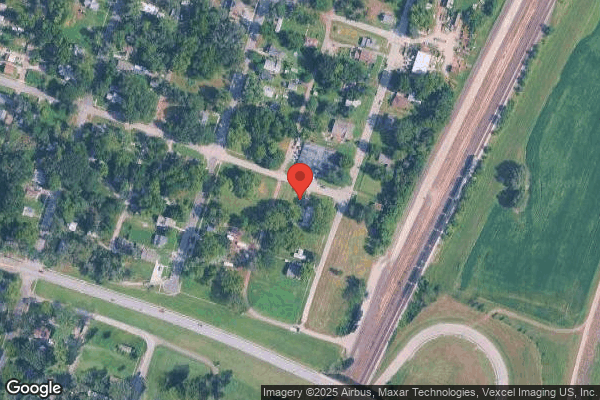
1301 NE JEFFERSON STREET, TOPEKA, KS 66608 (785) 233-5127
For profit - Corporation 34 Beds Independent Data: November 2025
Trust Grade
83/100
#9 of 295 in KS
Last Inspection: February 2024

Within standard 12-15 month inspection cycle. Federal law requires annual inspections.

Overview

Brighton Place North has received a Trust Grade of B+, indicating it is above average and recommended for families considering care options. It ranks #9 out of 295 nursing homes in Kansas, which places it in the top half of facilities in the state, and #2 out of 15 in Shawnee County, meaning only one local option is better. However, the facility's trend is concerning as the number of identified issues has increased from 3 in 2022 to 7 in 2024, indicating a decline in quality. Staffing is below average with a 2/5 star rating, but the turnover rate of 35% is better than the state average, suggesting some staff stability. Notably, the facility has been cited for not employing a certified dietary manager, which poses a risk to residents' nutrition, and has also failed to provide accurate staffing information, raising concerns about adequate nurse coverage. Overall, while Brighton Place North has strengths in its ranking and some staffing stability, the recent increase in deficiencies and specific incidents highlight areas for potential improvement.

Trust Score
B+
83/100
In Kansas
#9/295
Top 3%
Safety Record
Low Risk
No red flags
Inspections
Getting Worse
3 → 7 violations
Staff Stability
○ Average
35% turnover. Near Kansas's 48% average. Typical for the industry.
Penalties
⚠ Watch
$9,408 in fines. Higher than 94% of Kansas facilities. Major compliance failures.
Skilled Nurses
⚠ Watch
Each resident gets only 21 minutes of Registered Nurse (RN) attention daily — below average for Kansas. Fewer RN minutes means fewer trained eyes watching for problems.
Violations
⚠ Watch
17 deficiencies on record. Higher than average. Multiple issues found across inspections.
★★★★★
5.0
Overall Rating
★★☆☆☆
2.0
Staff Levels
★★★★★
5.0
Care Quality
★★★★☆
4.0
Inspection Score
Stable
2022: 3 issues
2024: 7 issues

The Good

  • 5-Star Quality Measures · Strong clinical quality outcomes
  • Full Sprinkler Coverage · Fire safety systems throughout facility
  • No fines on record
  • Staff turnover below average (35%)

    13 points below Kansas average of 48%

Facility shows strength in quality measures, fire safety.

The Bad

Staff Turnover: 35%

11pts below Kansas avg (46%)

Typical for the industry

Federal Fines: $9,408

Below median ($33,413)

Minor penalties assessed

The Ugly 17 deficiencies on record

Feb 2024 7 deficiencies
CONCERN (D)

Potential for Harm - no one hurt, but risky conditions existed

Deficiency F0657 (Tag F0657)

Could have caused harm · This affected 1 resident

**NOTE- TERMS IN BRACKETS HAVE BEEN EDITED TO PROTECT CONFIDENTIALITY** The facility had a census of 33 residents. The sample included 12 residents. Based on observation, record review, and interview,...

Read full inspector narrative →
**NOTE- TERMS IN BRACKETS HAVE BEEN EDITED TO PROTECT CONFIDENTIALITY** The facility had a census of 33 residents. The sample included 12 residents. Based on observation, record review, and interview, the facility failed to revise Resident (R)7's Care Plan to include a section with instructions to staff regarding R7's safety with smoking. This placed the resident at risk for impaired care due to uncommunicated care needs. Findings included: - R7's Electronic Medical Record (EMR) documented R7 had diagnoses of schizoaffective disorder (mental disorder characterized by gross distortion of reality, disturbances of language and communication, and fragmentation of thought) and diabetes mellitus (DM-when the body cannot use glucose, not enough insulin made, or the body cannot respond to the insulin). R7's Annual Minimum Data Set (MDS), dated [DATE], documented R7 had a Brief Interview of Mental Status (BIMS) score of 14, which indicated intact cognition. The MDS documented R7 was independent with activities of daily living (ADLs) and had delusions (untrue persistent beliefs or perceptions held by a person although evidence shows it was untrue). The Care Area Assessment (CAA) did not trigger for smoking. R7's Care Plan, revised 02/02/24, documented R7 had an ADL self-care performance deficit related to her schizoaffective disorder. The care plan lacked a section with instructions to staff on R7's smoking safety. The Smoking Safety Screen, dated 11/01/23, documented R7 smoked five to ten times daily and she required supervision while smoking. The screen recorded the facility would store R7's lighter and cigarettes and instructed staff to light R7's cigarettes. On 02/20/24 at 08:27 AM, observation revealed R7 lined up by the exit door located off the dining room. Staff retrieved cigarettes from a locked locker on a tray with each resident's name on a separate cup. Staff gave R7 a cigarette, unlocked the exit door, and lit the cigarette outside the door. R7 went to the patio with staff supervision and smoked her cigarette. On 02/21/24 at 01:05 PM, Administrative Nurse D verified R7's Care Plan lacked a smoking section and stated she never developed a care plan for smokers unless they had health-related concerns. Administrative Nurse D said she did complete quarterly smoking assessments on R7. The facility's Care Plans-Comprehensive Policy, undated, documented the care planning/interdisciplinary team was responsible for periodic review and updating of care plans. The facility failed to update R7's Care Plan with a smoking section with instructions to staff for keeping R7 safe while smoking. This placed the resident at risk for impaired care due to uncommunicated care needs.
CONCERN (D)

Potential for Harm - no one hurt, but risky conditions existed

Drug Regimen Review (Tag F0756)

Could have caused harm · This affected 1 resident

**NOTE- TERMS IN BRACKETS HAVE BEEN EDITED TO PROTECT CONFIDENTIALITY** The facility had a census of 33. The sample included 12 residents with five reviewed for unnecessary medications. Based on obser...

Read full inspector narrative →
**NOTE- TERMS IN BRACKETS HAVE BEEN EDITED TO PROTECT CONFIDENTIALITY** The facility had a census of 33. The sample included 12 residents with five reviewed for unnecessary medications. Based on observation, record review, and interview the facility failed to ensure the consultant pharmacist (CP) identified and reported the lack of a stop date for Resident (R) 24's as-needed (PRN) psychotropic (altering mood or thoughts) medication. This placed the resident at risk for unnecessary medication side effects. Findings included: - R24's Electronic Medical Record (EMR) documented R24 had a diagnosis of schizophrenia (a mental disorder characterized by gross distortion of reality, disturbances of language and communication, and fragmentation of thought). R24's admission Minimum Data Set (MDS), dated [DATE], documented R24 had a Brief Interview of Mental Status (BIMS) score of 11, which indicated moderate cognitive impairment. The MDS documented R24 was independent with most activities of daily living (ADLs) and received PRN antianxiety (class of medications that calm and relax people) medication daily during the observation period. R24's Care Plan, revised 01/27/24, documented the resident used psychotropic medications and instructed staff to administer those medications as the physician ordered. The plan directed staff to monitor, document, and report as needed any adverse reaction to the medications. The Physician Order, dated 12/23/23, instructed staff to administer lorazepam (antianxiety medication), 1 milligram (mg), twice a day PRN. The order lacked a stop date. The facility's CP Regimen Review, for 01/08/24 and 02/05/24 lacked documentation the CP identified R24's PRN lorazepam did not have a stop date. On 02/19/24 at 03:07 PM, observation revealed R24 sat quietly in a chair in the living room area, looking at a book. On 02/20/24 at 01:00 PM, Administrative Nurse D verified R24's PRN lorazepam had no stop date and the pharmacist had failed to identify it needed one. Administrative Nurse D stated the facility had to keep the lorazepam PRN for the resident because she had anxiety. Administrative Nurse D stated as far as she knew, mental health facilities were exempt from having a stop date on psychotropic medications. The Pharmacy Services Policy, undated, documented the licensed pharmacist would help establish procedures for conducting the monthly medication regimen review (MRR) for each resident in the facility. The facility failed to ensure the CP identified and reported the lack of a stop date for R24's PRN psychotropic medication. This placed the resident at risk for unnecessary medication side effects.
CONCERN (D)

Potential for Harm - no one hurt, but risky conditions existed

Medication Errors (Tag F0758)

Could have caused harm · This affected 1 resident

**NOTE- TERMS IN BRACKETS HAVE BEEN EDITED TO PROTECT CONFIDENTIALITY** The facility had a census of 33 residents. The sample included 12 residents with five reviewed for unnecessary medications. Base...

Read full inspector narrative →
**NOTE- TERMS IN BRACKETS HAVE BEEN EDITED TO PROTECT CONFIDENTIALITY** The facility had a census of 33 residents. The sample included 12 residents with five reviewed for unnecessary medications. Based on observation, record review, and interview the facility failed to ensure a 14-day stop date for Resident (R) 18's as-needed (PRN) antipsychotic (class of medications used to treat mental disorder characterized by a gross impairment testing) and further failed to ensure R24's PRN lorazepam had a 14-day stop date, or a specified duration with a physician documented rationale for extended use. This placed the residents at risk for unnecessary psychotropic (alters mood or thought) medications. Findings Included: - R18's Electronic Medical Record (EMR) documented R18 had diagnoses of schizoaffective disorder (a mental disorder characterized by gross distortion of reality, disturbances of language and communication, and fragmentation of thought) and psychosis (any major mental disorder characterized by a gross impairment in perception). R18's Annual Minimum Data Set (MDS), dated [DATE], documented R18's Brief Interview of Mental Status (BIMS) score was 15, which indicated intact cognition. The MDS documented R18 was independent with activities of daily living (ADLs). The MDS documented R18 received an antipsychotic, an antianxiety (class of medications that calm and relax people) medication, and an antidepressant (class of medications used to treat mood disorders) medication every day during the observation period. The Psychotropic Care Area Assessment (CAA), dated 02/02/24, documented R18 yelled out at unseen others and had mental illness which affected her memory and thought process at times. R18 received a psychotropic medication daily during the observation period. R18's Care Plan, revised 11/07/23, documented R18 had an increased risk for ADL self-care performance deficit related to schizoaffective disorder and instructed staff to praise her for all efforts she made towards independent decisions about ADLs. The plan directed staff to provide reassurance that the water and soap would not make R18 sick and to wash and give R18 her clothes back to her as soon as possible. Staff should supervise R18 when she shaved. The care plan instructed staff to administer R18 all medication on time per physician order, observe for any adverse or positive effects, and report and document refusal of medication to the psychiatric physician. The care plan instructed staff to make sure R18's Haldol (antipsychotic medication) and lorazepam (antianxiety) medications were readily available to manage R18's acute episodes of agitation and aggression. The Physician Order, dated 02/02/23, instructed staff to administer Haldol, 10 milligrams (mg), one-half tablet PRN. The order lacked a stop date. On 02/19/24 at 04:20 PM, observation revealed R18 sat quietly in a chair in the living area by the front entrance door. On 02/20/24 at 01:00 PM, Administrative Nurse verified R18's physician order for PRN Haldol had no stop date. Administrative Nurse D stated the facility had to keep the PRN Haldol for the resident. Administrative Nurse D said as far as she knew, mental health facilities were exempt from having a stop date on PRN psychotropic medications. The facility's Psychotropic Drug Use Policy, undated, documented PRN antipsychotics would be limited to 14 days. They may not be renewed unless the practitioner evaluates the resident for the appropriateness of the drug. The facility failed to place a stop date on R18's PRN Haldol. This placed the resident at risk of receiving unnecessary medication and complications. - R24's Electronic Medical Record (EMR) documented R24 had a diagnosis of schizophrenia (a mental disorder characterized by gross distortion of reality, disturbances of language and communication, and fragmentation of thought). R24's admission Minimum Data Set (MDS), dated [DATE], documented R24 had a Brief Interview of Mental Status (BIMS) score of 11, which indicated moderate cognitive impairment. The MDS documented R24 was independent with most activities of daily living (ADLs) and received PRN antianxiety (class of medications that calm and relax people) medication daily during the observation period. R24's Care Plan, revised 01/27/24, documented the resident used psychotropic medications and instructed staff to administer those medications as the physician ordered. The plan directed staff to monitor, document, and report as needed any adverse reaction to the medications. The Physician Order, dated 12/23/23, instructed staff to administer lorazepam (antianxiety medication), 1 milligram (mg), twice a day PRN. The order lacked a stop date. On 02/19/24 at 03:07 PM, observation revealed R24 sat quietly in a chair in the living room area, looking at a book. On 02/20/24 at 01:00 PM, Administrative Nurse D verified R24's PRN lorazepam had no stop date and stated the facility had to keep the lorazepam PRN for the resident because she had anxiety. Administrative Nurse D stated as far as she knew, mental health facilities were exempt from having a stop date on psychotropic medications. The facility's Psychotropic Drug Use Policy, undated documented PRN antipsychotics would be limited to 14 days. They may not be renewed unless the practitioner evaluates the resident for the appropriateness of the drug. The facility failed to place a stop date on R24's PRN lorazepam. This placed the resident at risk of receiving unnecessary medication and complications.
CONCERN (E)

Potential for Harm - no one hurt, but risky conditions existed

Deficiency F0726 (Tag F0726)

Could have caused harm · This affected multiple residents

The facility had a census of 33 residents. The sample included 12 residents. Based on observation, record review, and interview the facility failed to ensure staff possessed the knowledge necessary to...

Read full inspector narrative →
The facility had a census of 33 residents. The sample included 12 residents. Based on observation, record review, and interview the facility failed to ensure staff possessed the knowledge necessary to provide medications within acceptable standards of practice when staff pre-set nine residents' medications before administration time. This placed the residents at risk of receiving the wrong medications. Findings included: - On 02/19/24 at 09:40 AM, observation in the top drawer of the medication cart revealed medication cups, each containing various unidentified and unlabeled pills. The cups were labeled with a resident name. Licensed Nurse (LN) G verified the cups contained noon medications for nine residents and stated she always set them up a little early. On 02/19/24 at 09:43 AM, Administrative Nurse D verified the above resident medications were pre-set and stated it was all right for LN G to pre-set medications if the medication cups were well marked. Administrative Nurse D stated if the nurse had an emergency and had to leave after pre-setting the medications, staff would destroy the medications and administer new ones from the residents' pill cards. The facility's Medication Management Policy, undated, documented medications would be administered at the time they are prepared. Medications are not pre-poured. Medications would be administered without unnecessary interruptions. The person who prepares the dose for administration is the person who administers the dose. The facility failed to ensure staff possessed the knowledge necessary to provide medications within acceptable standards of practice when staff pre-set nine residents' medications before administration time. This placed the residents at risk of receiving the wrong medications.
CONCERN (E)

Potential for Harm - no one hurt, but risky conditions existed

Deficiency F0761 (Tag F0761)

Could have caused harm · This affected multiple residents

The facility had a census of 33 residents. The sample included 12 residents. Based on observation, interview, and record review, the facility failed to discard an outdated insulin (a hormone that lowe...

Read full inspector narrative →
The facility had a census of 33 residents. The sample included 12 residents. Based on observation, interview, and record review, the facility failed to discard an outdated insulin (a hormone that lowers the level of glucose in the blood) pen and failed to place an open date on two insulin pens (a disposable or reusable instrument, the size of a marker, used to deliver insulin) in the medication room. The facility failed to store medications properly, in their original packaging which included the medication name, dosage, and instructions for administration. This placed the residents at risk for medication errors and receiving ineffective medications. Findings included: - On 02/19/24 at 09:32 AM, observation of the medication room revealed a resident's Lantus (long-acting insulin) insulin pen with an open date of 12/25/23, a Humalog (a fast-acting insulin) pen without an open date, and an unreadable open date on a resident's Levemir (a long-acting insulin) insulin pen. On 02/19/24 at 09:32 AM, Licensed Nurse (LN) G verified the above findings and discarded the insulin pens in the medication room. On 02/19/24 at 09:40 AM, observation in the top drawer of the medication cart revealed medication cups, each containing various unidentified and unlabeled pills. The cups were labeled with a resident name. Licensed Nurse (LN) G verified the cups contained noon medications for nine residents and stated she always set them up a little early. On 02/19/24 at 09:43 AM, Administrative Nurse D verified the above resident medications were pre-set and stated it was all right for LN G to pre-set medications if the medication cups were well marked. Administrative Nurse D stated if the nurse had an emergency and had to leave after pre-setting the medications, staff would destroy the medications and administer new ones from the residents' pill cards. On 02/21/24 at 01:05 PM, Administrative Nurse D stated she expected staff to immediately date insulin pens when they opened the pens. The facility's Storage of Medications Policy, undated, documented the facility shall not use discontinued, outdated, or deteriorated drugs or biologicals. All such drugs shall be returned to the dispensing pharmacy or destroyed. The facility failed to appropriately store medications and failed to ensure insulin pens were dated when opened and discarded when outdated. This placed the affected residents at risk for medication errors and ineffective medications.
CONCERN (F)

Potential for Harm - no one hurt, but risky conditions existed

Deficiency F0801 (Tag F0801)

Could have caused harm · This affected most or all residents

The facility had a census of 33 residents. The facility had one kitchen. Based on observation, record review, and interview, the facility failed to employ a full-time certified dietary manager for the...

Read full inspector narrative →
The facility had a census of 33 residents. The facility had one kitchen. Based on observation, record review, and interview, the facility failed to employ a full-time certified dietary manager for the 32 residents who resided in the facility and received meals from the facility kitchen. This placed the residents at risk for inadequate nutrition. Findings included: - On 02/20/24 at 10:30 AM, a review of the noon meal consisted of spaghetti and noodles, lettuce salad, and peach cobbler. On 02/20/24 at 11:00 AM, observation revealed Dietary Staff (DS) BB in the kitchen overseeing the preparation of the noon meal. On 02/20/24 at 10:30 AM, DS BB stated he was not certified and was not enrolled in certified dietary manager classes. On 2/21/24 at 1:05 PM, Administrative Nurse D verified DS BB was not certified and had not started dietary certification classes. Upon request, the facility did not provide a policy regarding a certified dietary manager. The facility failed to employ a full-time certified dietary manager, for 33 residents who resided in the facility who received meals from the kitchen. This placed the residents at risk of not receiving adequate nutrition.
CONCERN (F)

Potential for Harm - no one hurt, but risky conditions existed

Staffing Data (Tag F0851)

Could have caused harm · This affected most or all residents

The facility had a census of 33 residents. Based on observation, interview, and record review, the facility failed to submit complete and accurate staffing information through Payroll Based Journaling...

Read full inspector narrative →
The facility had a census of 33 residents. Based on observation, interview, and record review, the facility failed to submit complete and accurate staffing information through Payroll Based Journaling (PBJ) as required. This deficient practice placed the residents at risk for unidentified and ongoing inadequate nurse staffing. Findings included: - The PBJ report provided by the Centers for Medicare & Medicaid Services (CMS) for Fiscal Year (FY) 2023 Quarter 1 and FY 2023 Quarter 2 indicated the facility did not have licensed nurse coverage 24 hours a day, seven days a week on multiple (10) dates. A review of the facility licensed nurse timeclock data for the dates listed on the PBJ revealed a licensed nurse was on duty for 24 hours a day seven days a week. On 02/19/24 at 08:30 AM, observation revealed a registered nurse on duty in the facility. On 02/21/24 at 10:00 AM, Administrative Staff verified the facility did not send in the correct data to CMS for payroll-based data. The facility's undated Reporting Payroll Based Data Journal policy, states that complete, and accurate direct care staffing information is to be reported electronically and, in the uniform, specified by CMS. The facility failed to submit accurate PBJ data which placed the residents at risk for unidentified and ongoing inadequate staffing.
Oct 2022 3 deficiencies
CONCERN (D)

Potential for Harm - no one hurt, but risky conditions existed

Incontinence Care (Tag F0690)

Could have caused harm · This affected 1 resident

The facility identified a census of 34 residents. The sample included 12 residents with two reviewed for bowel and bladder management. Based on observation, record review, and interviews, the facility...

Read full inspector narrative →
The facility identified a census of 34 residents. The sample included 12 residents with two reviewed for bowel and bladder management. Based on observation, record review, and interviews, the facility failed to assess, identify and implement an individualized bowel and bladder interventions for Resident (R)18 who had increased incontinence. This deficient practice placed the resident at risk for complications related to increased incontinence. Findings Included: - The Medical Diagnosis section within R18's Electronic Medical Records (EMR) included diagnoses of schizophrenia (psychotic disorder characterized by gross distortion of reality, disturbances of language and communication and fragmentation of thought), gastro-esophageal reflux disease (GERD- backflow of stomach contents to the esophagus), seizure (violent involuntary series of contractions of a group of muscles), obesity, and essential hypertension (high blood pressure). R18's Quarterly Minimum Data Set (MDS) dated 08/27/22 noted a Brief Interview for Mental Status (BIMS) score of eight indicating moderate cognitive impairment. The MDS recorded he was always continent of bladder but occasionally incontinent of bowel. The MDS noted he had no toileting program for bowel or bladder and was independent with all his activities of daily living (ADL's). A review of R18's Cognitive Loss Care Area Assessment (CAA) dated 06/10/22 noted that he was diagnosed with limited intelligence ability. The CAA noted that he had infrequent periods of time with bowel and bladder incontinence. R18's Urinary Incontinence CAA was not triggered. A review of R18's Baseline Care Plan dated 05/13/21 noted that he was continent of bowel and bladder. R18's Care Plan initiated 09/7/21 noted that he had increased bowel and bladder incontinence. The plan indicated to establish a voiding pattern, provide incontinence products and peri-care, and wash clothing and bedding immediately after incontinence episode to avoid odor. A review of R18's Bladder Incontinence Evaluation dated 02/10/22 noted that he had complete control of his bladder and a bladder program was not indicated. The evaluation noted that R18 had occasional bowel incontinence but did not list interventions or if a bowel toileting program would be appropriate. R18's EMR lacked documentation of other evaluations. A review of R18's coloscopy (examination of the colon for abnormalities) results on 03/22/22 revealed no abnormalities or complications. A review of R18's Care Plan Note dated 07/08/22 noted that he required assistance with his ADL's. The note indicated that he wore incontinent briefs at all times due to him being incontinent of both bowel and bladder. The note indicated that R18 had no seizure activity since his admission. R18 could not tolerate community living due to not initiating any of his self-care activities himself; R18 had daily delusions. R18's clinical record lacked evidence the facility reassessed R18's voiding and elimination patterns or type of incontinence and lacked evidence interventions were attempted to address the increased bowel and bladder incontinence. On 10/18/22 at 12:38PM R18 returned from his lunch. He stated that he was heading back to his room to rest. He stated that he does have episodes of incontinence of both bowel and bladder and wore briefs under his clothing in case he had an accident. R18 did not know if he had an individualized toileting program to help incontinent episodes. On 10/20/22 at 11:40AM an interview with Certified Medication Aid (CMA) R, she stated that all residents were toileted every two hours. She stated that R18 was incontinent of bowel and bladder with occasional accidents. She stated that R18 was not on a toileting program for his incontinence. On 10/20/22 at 11:50AM an interview with Licensed Nurse (LN) G, she stated that R18 went to the bathroom on his own and she not sure if R18e was on an individualized toileting program. She stated that the residents were taken to the bathroom every two hours and ensured they were clean. On 10/20/22 at 12:30PM an interview with Administrative Nurse D, she stated that R18 could toilet himself and a trial toileting program was not completed because he would become easily agitated. She stated that he was sent out for a colonoscopy which revealed he had a sensitivity to spicy food. A review of the facility's Incontinence policy (undated) indicated that the bowel continence will be evaluated upon admission and quarterly. The policy states that staff will appropriately manage and screen individuals with fecal incontinence. The facility failed implement an individualized bowel and bladder toileting program to address increased incontinence for R18. This deficient practice placed the resident at risk for complications related to incontinence.
CONCERN (D)

Potential for Harm - no one hurt, but risky conditions existed

Drug Regimen Review (Tag F0756)

Could have caused harm · This affected 1 resident

**NOTE- TERMS IN BRACKETS HAVE BEEN EDITED TO PROTECT CONFIDENTIALITY** The facility identified a census of 43 residents. The sample included 12 residents, which included five residents reviewed for u...

Read full inspector narrative →
**NOTE- TERMS IN BRACKETS HAVE BEEN EDITED TO PROTECT CONFIDENTIALITY** The facility identified a census of 43 residents. The sample included 12 residents, which included five residents reviewed for unnecessary medications. Based on observation, record review, and interviews, the facility failed to ensure the Consultant Pharmacist (CP) identified and reported irregularities for Resident (R) 5 and R15 related to the lack of a 14 day stop date for as needed (PRN) antipsychotic medication (class of medications used to treat psychosis (any major mental disorder characterized by a gross impairment in reality testing) and other mental emotional conditions). This deficient practice placed R5 and R15 at risk for unnecessary medication administration thus leading to possible harmful side effects. Findings included: - R5's electronic medical record (EMR) from the Diagnoses tab documented diagnoses of dementia (progressive mental disorder characterized by failing memory, confusion), depression (abnormal emotional state characterized by exaggerated feelings of sadness, worthlessness and emptiness), and schizoaffective disorder bipolar type (a mental disorder in which a person experiences a combination of symptoms of schizophrenia and mood disorder). The Annual Minimum Data Set (MDS) dated [DATE] documented a Brief Interview of Mental Status (BIMS) score of eight which indicated severely impaired cognition. The MDS documented that R5 required limited assistance of one staff member for activities of daily living (ADL's). The MDS documented R5 had received antipsychotic medication, antianxiety medication (class of medications that calm and relax people with excessive anxiety, nervousness, or tension), and antidepressant medication (class of medications used to treat mood disorders and relieve symptoms of depression) for seven days during the look back period. R5's Psychotropic Drug Use Care Area Assessment (CAA) dated 07/14/22 documented she received antipsychotic medication daily. R5's Care Plan last revised 05/06/22 directed staff was to administer medication as ordered. Review of the EMR under Orders tab revealed physician orders: Olanzapine ODT (antipsychotic) five milligrams (mg) tablet by mouth every 24 hours as needed for psychosis dated 05/27/22. Review of the Medication Administration Record from 07/01/22 through 10/19/22 revealed olanzapine was last administrated on 08/02/22. Review of the Monthly Medication Review (MMR), performed by the CP, reviewed October 2022 through October 2022 did not address the lack of 14 day stop date for the as needed antipsychotic medication. On 10/19/22 at 07:11 AM R5 laid on the bed full dressed, eyes closed, no behaviors noted. On 10/20/22 at 11:50 AM Licensed Nurse (LN) G stated she did not know of a 14 day stop date for as needed antipsychotic medication. LN G stated the CP reviewed the resident's charts monthly and the Director of Nursing received the MRR's. LN G stated she would change any new orders received from the physician. On 10/20/22 at 12:10 PM Administrative Nurse D stated the MRR's are sent to her, she prints them are had the physician review, make changes and return. Administrative Nurse D stated since the facility was a mental health facility and the medication were reviewed by a nurse practitioner from the psychiatrist office, the as needed antipsychotic medications did not need a duration or stop date. On 10/24/22 at 09:36 AM CP GG stated he reviewed the resident's clinical record monthly. CP GG stated he had noted and made recommendations for a duration for as needed antipsychotic medications and the facility had requested the CP not make those recommendations related to the facility being a mental health facility and the medications were reviewed by a nurse practitioner from the psychiatrist office The facility's Pharmacy Services policy undated documented the CP would conduct monthly medication regimen reviews of each resident's chart. The CP would collaborate with the staff and practitioners to address and resolve medication-related needs or problems. The facility Psychotropic Drugs undated policy documented as needed orders for psychotropic drugs are limited to 14 days unless the attending physician or prescribing practitioner believes that is appropriate for the as needed order to be extended beyond the 14 days. The facility failed to ensure the CP identified and reported the lack of a 14 day stop date for PRN antipsychotic medication for R5, which had the potential of unnecessary psychotropic medication administration thus leading to possible harmful side effects. - R15's electronic medical record (EMR) from the Diagnoses tab documented diagnoses of schizoaffective disorder, depressive type (a mental disorder in which a person experiences a combination of symptoms of schizophrenia and mood disorder). The admission Minimum Data Set (MDS) dated [DATE] documented a Brief Interview of Mental Status (BIMS) score of 12 which indicated moderately impaired cognition. The MDS documented that R15 required supervision of one staff member after setting up assistance for activities of daily living (ADL's). The MDS documented R15 had received antipsychotic medication (class of medications used to treat psychosis (any major mental disorder characterized by a gross impairment in reality testing) and other mental emotional conditions) and antidepressant medication (class of medications used to treat mood disorders and relieve symptoms of depression (abnormal emotional state characterized by exaggerated feelings of sadness, worthlessness and emptiness) for seven days during the look back period. The MDS documented R15 had verbal behavioral symptoms directed toward others and other behavioral symptoms not directed toward others, four to six days, but less than daily during the look back period. The Quarterly MDS dated 06/20/22 documented a BIMS score of 11 which indicated moderately impaired cognition. The MDS documented that R15 required supervision of one staff member after setting up assistance for ADL's. The MDS documented R15 had received antipsychotic medication, antidepressant medication, antianxiety medication (class of medications that calm and relax people with excessive anxiety (mental or emotional reaction characterized by apprehension, uncertainty and irrational fear), nervousness, or tension), and hypnotic medication (a class of medications used to induce sleep and treat insomnia) for seven days during the look back period. The MDS documented R15 had verbal behavioral symptoms directed toward others had occurred one to [NAME] days during the look back period. R15's Psychotropic Drug Use Care Area Assessment (CAA) dated 03/30/22 documented she received antipsychotic medication daily. R15's Care Plan last dated 04/25/22 directed staff to administer antipsychotic medication as ordered by the physician. Monitor for side effects and effectiveness every shift. Review of the EMR and clinical record under Orders tab revealed physician orders: Chlorpromazine (antipsychotic) 50 milligrams (mg) give one tablet by mouth every six hours as needed for agitation/anxiety dated 03/17/22. The order lacked a stop date. Chlorpromazine 50mg/milliliter (ml) inject 100mg intermuscular (IM) every six hours as needed for agitation/anxiety dated 03/17/22. The order lacked a stop date. Review of clinical record of the Medication Administration Record from 07/01/22 through 10/19/22 revealed chlorpromazine was last administrated on 09/21/22 for R15. Review of the Monthly Medication Review (MMR), performed by the CP, reviewed October 2022 through October 2022 failed to address the lack of 14 day stop date for the PRN antipsychotic medication for R15. On 10/19/22 at 09:10 AM R15 sat in a chair in common area, with no behaviors noted. On 10/20/22 at 11:50 AM Licensed Nurse (LN) G stated she did not know of a 14 day stop date for as needed antipsychotic medication. LN G stated the CP reviewed the resident's charts monthly and the Director of Nursing received the MRR's. LN G stated she would change any new orders received from the physician. On 10/20/22 at 12:10 PM Administrative Nurse D stated the MRR's are sent to her, she prints them are had the physician review, make changes and return. Administrative Nurse D stated since the facility was a mental health facility and the medication were reviewed by a nurse practitioner from the psychiatrist office, the as needed antipsychotic medications did not need a duration to be given. On 10/24/22 at 09:36 AM CP GG stated he reviewed the resident's clinical record monthly. CP GG stated he had noted and made recommendations for a duration for as needed antipsychotic medications and the facility had requested the CP not make those recommendations related to the facility being a mental health facility and the medications were reviewed by a nurse practitioner from the psychiatrist office The facility's Pharmacy Services policy undated documented the CP would conduct monthly medication regimen reviews of each resident's chart. The CP would collaborate with the staff and practitioners to address and resolve medication-related needs or problems. The facility Psychotropic Drugs undated policy documented as needed orders for psychotropic drugs are limited to 14 days unless the attending physician or prescribing practitioner believes that is appropriate for the as needed order to be extended beyond the 14 days. The facility failed to ensure the CP identified and reported the lack of a stop date for PRN antipsychotic medication for R15, which had the potential of unnecessary psychotropic medication administration thus leading to possible harmful side effects.
CONCERN (D)

Potential for Harm - no one hurt, but risky conditions existed

Medication Errors (Tag F0758)

Could have caused harm · This affected 1 resident

**NOTE- TERMS IN BRACKETS HAVE BEEN EDITED TO PROTECT CONFIDENTIALITY** The facility identified a census of 43 residents. The sample included 12 residents, which included five residents reviewed for u...

Read full inspector narrative →
**NOTE- TERMS IN BRACKETS HAVE BEEN EDITED TO PROTECT CONFIDENTIALITY** The facility identified a census of 43 residents. The sample included 12 residents, which included five residents reviewed for unnecessary medications. Based on observation, record review, and interviews, the facility failed to ensure the physician documented a duration not to exceed 14 days for use of as needed (PRN) antipsychotic medication (class of medications used to treat psychosis (any major mental disorder characterized by a gross impairment testing) and other mental emotional conditions). This deficient practice placed Resident (R)5 and R15 at risk for unnecessary medication administration thus leading to possible harmful side effects. Findings included: - R5's electronic medical record (EMR) from the Diagnoses tab documented diagnoses of dementia (progressive mental disorder characterized by failing memory, confusion), depression (abnormal emotional state characterized by exaggerated feelings of sadness, worthlessness and emptiness), and schizoaffective disorder bipolar type (a mental disorder in which a person experiences a combination of symptoms of schizophrenia and mood disorder). The Annual Minimum Data Set (MDS) dated [DATE] documented a Brief Interview of Mental Status (BIMS) score of eight which indicated severely impaired cognition. The MDS documented that R5 required limited assistance of one staff member for activities of daily living (ADL's). The MDS documented R5 had received antipsychotic medication, antianxiety medication (class of medications that calm and relax people with excessive anxiety, nervousness, or tension), and antidepressant medication (class of medications used to treat mood disorders and relieve symptoms of depression) for seven days during the look back period. R5's Psychotropic Drug Use Care Area Assessment (CAA) dated 07/14/22 documented she received antipsychotic medication daily. R5's Care Plan last revised 05/06/22 directed staff was to administer medication as ordered. Review of the EMR under Orders tab revealed physician orders: Olanzapine ODT (antianxiety) five milligrams (mg) tablet by mouth every 24 hours as needed for psychosis dated 05/27/22. The order lacked a stop date. Review of the Medication Administration Record from 07/01/22 through 10/19/22 revealed olanzapine was last administrated on 08/02/22. On 10/19/22 at 07:11 AM R5 laid on the bed full dressed, eyes closed, and no behaviors noted. On 10/20/22 at 11:50 AM Licensed Nurse (LN) G stated she did not know of a 14 day stop date for as needed antipsychotic medication. LN G stated the CP reviewed the resident's charts monthly and the Director of Nursing received the MRR's. LN G stated she would change any new orders received from the physician. On 10/20/22 at 12:10 PM Administrative Nurse D stated the MRR's are sent to her, she prints them are had the physician review, make changes and return. Administrative Nurse D stated the medication were reviewed by a nurse practitioner from the psychiatrist office. The facility Psychotropic Drugs undated policy documented as needed orders for psychotropic drugs are limited to 14 days unless the attending physician or prescribing practitioner believes that is appropriate for the as needed order to be extended beyond the 14 days. The facility failed to ensure a 14 day stop date for PRN antipsychotic medication for R5, which had the potential of unnecessary psychotropic medication administration thus leading to possible harmful side effects. - R15's electronic medical record (EMR) from the Diagnoses tab documented diagnoses of schizoaffective disorder, depressive type (a mental disorder in which a person experiences a combination of symptoms of schizophrenia and mood disorder). The admission Minimum Data Set (MDS) dated [DATE] documented a Brief Interview of Mental Status (BIMS) score of 12 which indicated moderately impaired cognition. The MDS documented that R15 required supervision of one staff member after setting up assistance for activities of daily living (ADL's). The MDS documented R15 had received antipsychotic medication (class of medications used to treat psychosis (any major mental disorder characterized by a gross impairment in reality testing) and other mental emotional conditions) and antidepressant medication (class of medications used to treat mood disorders and relieve symptoms of depression (abnormal emotional state characterized by exaggerated feelings of sadness, worthlessness and emptiness) for seven days during the look back period. The MDS documented R15 had verbal behavioral symptoms directed toward others and other behavioral symptoms not directed toward others, four to six days, but less than daily during the look back period. The Quarterly MDS dated 06/20/22 documented a BIMS score of 11 which indicated moderately impaired cognition. The MDS documented that R15 required supervision of one staff member after setting up assistance for ADL's. The MDS documented R15 had received antipsychotic medication, antidepressant medication, antianxiety medication (class of medications that calm and relax people with excessive anxiety (mental or emotional reaction characterized by apprehension, uncertainty and irrational fear), nervousness, or tension), and hypnotic medication (a class of medications used to induce sleep and treat insomnia) for seven days during the look back period. The MDS documented R15 had verbal behavioral symptoms directed toward others had occurred one to [NAME] days during the look back period. R15's Psychotropic Drug Use Care Area Assessment (CAA) dated 03/30/22 documented she received antipsychotic medication daily. R15's Care Plan last dated 04/25/22 directed staff to administer antipsychotic medication as ordered by the physician. Monitor for side effects and effectiveness every shift. Review of the EMR and clinical record under Orders tab revealed physician orders: Chlorpromazine (antipsychotic) 50 milligrams (mg) give one tablet by mouth every six hours as needed for agitation/anxiety dated 03/17/22. The order lacked a stop date. Chlorpromazine 50mg/milliliter (ml) inject 100mg intermuscular (IM) every six hours as needed for agitation/anxiety dated 03/17/22. The order lacked a stop date. Review of clinical record of the Medication Administration Record from 07/01/22 through 10/19/22 revealed chlorpromazine was last administrated on 09/21/22 for R15. On 10/19/22 at 09:10 AM R15 sat in a chair in common area, with no behaviors noted. On 10/20/22 at 11:50 AM Licensed Nurse (LN) G stated she did not know of a 14 day stop date for as needed antipsychotic medication. LN G stated the CP reviewed the resident's charts monthly and the Director of Nursing received the MRR's. LN G stated she would change any new orders received from the physician. On 10/20/22 at 12:10 PM Administrative Nurse D stated the MRR's are sent to her, she prints them are had the physician review, make changes and return. Administrative Nurse D stated since the facility was a mental health facility and the medication were reviewed by a nurse practitioner from the psychiatrist office, the as needed antipsychotic medications did not need a duration to be given. On 10/24/22 at 09:36 AM CP GG stated he reviewed the resident's clinical record monthly. CP GG stated The facility Psychotropic Drugs undated policy documented as needed orders for psychotropic drugs are limited to 14 days unless the attending physician or prescribing practitioner believes that is appropriate for the as needed order to be extended beyond the 14 days. The facility failed to ensure a 14 day stop date for PRN antipsychotic medication for R15, which had the potential of unnecessary psychotropic medication administration thus leading to possible harmful side effects.
Jul 2021 7 deficiencies
CONCERN (D)

Potential for Harm - no one hurt, but risky conditions existed

Medication Errors (Tag F0758)

Could have caused harm · This affected 1 resident

**NOTE- TERMS IN BRACKETS HAVE BEEN EDITED TO PROTECT CONFIDENTIALITY** The facility identified a census of 34 residents. There were 13 residents in the sample; five residents sampled for unnecessary ...

Read full inspector narrative →
**NOTE- TERMS IN BRACKETS HAVE BEEN EDITED TO PROTECT CONFIDENTIALITY** The facility identified a census of 34 residents. There were 13 residents in the sample; five residents sampled for unnecessary medication review. Based on observations, record review, and interviews, the facility failed to act upon physician order for a gradual dose reduction (GDR) of Trazadone (antidepressant medication) for Resident (R) 25. Findings included: - The June 2021 paper Physician Order Sheet (POS) for R25 documented diagnosis of major depressive disorder (major mood disorder). The Annual Minimum Data Set (MDS) dated [DATE] documented R25 had a Brief Interview for Mental Status (BIMS) score of 15 which indicated intact cognition. R25 received antidepressant medications (medications used to treat depression) seven days in the seven-day lookback period during the assessment. The Quarterly MDS dated 04/11/21 documented R25 had a BIMS score of 14 which indicated intact cognition. R25 received antidepressant medications seven days in the seven-day lookback period during the assessment. The Psychotropic Drug Use Care Area Assessment (CAA) dated 10/09/20, documented R25 had mental health medications that were ordered and was monitored by psychiatric provider with daily behavior monitoring. The Care Plan dated 11/07/19, documented R25 had a diagnosis of depression and directed staff administered medications as ordered and monitored/documented for side effects and effectiveness. The paper POS for R25 documented an order with a start date of 09/26/19 for trazodone (antidepressant medication) 100 milligrams at bedtime for major depression disorder. The September 2020 Medication Regimen Review for R25 documented a recommendation for physician to review trazodone due to black box warning (warning for drugs and medical devices to alert the public and health care providers to serious side effects) for suicidal thinking and unusual behaviors. The physician addressed the recommendation with an order to change trazodone 50 mg at bedtime as needed (PRN) for restlessness until 09/01/21. Review of R25's medical record lacked evidence the trazodone order was acted upon, transcribed, or addressed by the facility. R25's September 2020 and October 2020 MAR were reviewed and lacked an order change for trazodone. Current POS revealed trazodone order remained at 100 mg at bedtime since original start date of 09/26/19. In an observation on 07/01/21 at 09:13 AM, R25 sat in a chair in the day room, eyes closed. R25 appeared comfortable and without signs of distress or discomfort. In an interview on 07/06/21 at 03:02 PM, Licensed Nurse (LN) G stated pharmacy recommendations were reviewed with the provider and the nurse put new orders on the MAR and POS. In an interview on 07/06/21 at 03:23 PM, Administrative Nurse D stated the nurse changed the orders in the MAR if there were new orders from pharmacy recommendations. She stated pharmacy received a copy of the new orders so the order was permanently placed on the MAR. The facility's Physician Medication Orders policy, not dated, lacked direction on transcription of physician orders. The facility failed to act upon a physician ordered GDR for R25. This deficient practice had the risk for unwarranted physical complications and unnecessary medication usage.
CONCERN (D)

Potential for Harm - no one hurt, but risky conditions existed

Unnecessary Medications (Tag F0759)

Could have caused harm · This affected 1 resident

The facility identified a census of 34 residents. The sample included 13 residents. Based on observations, record review, and interviews, the facility failed to ensure the medication error rate was le...

Read full inspector narrative →
The facility identified a census of 34 residents. The sample included 13 residents. Based on observations, record review, and interviews, the facility failed to ensure the medication error rate was less than five percent during administration of insulin (medication used to treat a chronic condition that affected the way the body processed blood sugar) to Resident (R) 18, R28, and R25. Findings included: - There were 28 medication administration observations made, three observations with medication errors for a medication error rate of 10.71%. An observation on 07/06/21 at 11:12 AM revealed Licensed Nurse (LN) G removed a tray with three glucometer (instrument used to calculate blood glucose) machines, glucometer supplies, and three Novolog insulin pens from the medication room. An observation on 07/06/21 at 11:13 AM revealed LN G entered R18's room with glucometer tray. After LN G obtained R18's blood sugar reading, she referenced a hand-written page of insulin orders for residents who received insulin. She dialed up the dosage of insulin R18 was to receive as based on her blood sugar reading and insulin order. LN G did not prime the insulin pen before she dialed up the dosage and administered the insulin to R18. An observation on 07/06/21 at 11:15 AM revealed LN G entered R28's room with glucometer tray. After she obtained R28's blood sugar reading, she referenced a hand-written page of insulin orders for residents who received insulin. She dialed up the dosage R28 was to receive based on her blood sugar reading and insulin order. LN G did not prime the insulin pen before she dialed up the dosage and administered the insulin to R28. An observation on 07/06/21 at 11:18 AM revealed LN G entered R25's room with glucometer tray. After she obtained R25's blood sugar reading, she referenced a hand-written page of insulin orders for residents who received insulin. She dialed up the dosage R25 was to receive based on her blood sugar reading and insulin order. LN G did not prime the insulin pen before she dialed up the dosage and administered the insulin to R25. In an interview on 07/06/21 at 11:21 AM, LN G stated she turned the insulin pen dial to the dosage the resident was to receive based on their order. She stated she looked at the hand-written sheet she carried around for what dosage the resident received after their blood sugar was obtained. She stated she did not prime the insulin pens before she turned the insulin pen dial to the ordered dose. In an interview on 07/06/21 at 03:23 PM, Administrative Nurse D stated she recently learned the nursing staff were to use two units of insulin from the pens to prime the pen then dial the amount needed for the order. The facility's Insulin Administration policy, not dated, directed the nursing staff had access to specific instructions including manufacturer, if appropriate, on all forms of insulin delivery systems prior to their use. The facility's Identifying and Managing Medication Errors and Adverse Consequences policy, not dated, directed the facility followed relevant clinical guidelines and manufacturer's specifications for use, dose, and administration of medication. The facility failed to ensure medication administration error rate was less than five percent by not priming three insulin pens before administration to R18, R28, and R25. This deficient practice had the risk for inadequate dosage received by the residents and the risk for ineffective blood glucose management.
CONCERN (E)

Potential for Harm - no one hurt, but risky conditions existed

Drug Regimen Review (Tag F0756)

Could have caused harm · This affected multiple residents

**NOTE- TERMS IN BRACKETS HAVE BEEN EDITED TO PROTECT CONFIDENTIALITY** - The paper Physician Order Sheet (POS) dated June 2021 in R11's medical record documented diagnoses of schizoaffective disorder...

Read full inspector narrative →
**NOTE- TERMS IN BRACKETS HAVE BEEN EDITED TO PROTECT CONFIDENTIALITY** - The paper Physician Order Sheet (POS) dated June 2021 in R11's medical record documented diagnoses of schizoaffective disorder bipolar type (a mental health condition including schizophrenia [psychotic disorder characterized by gross distortion of reality, disturbances of language and communication and fragmentation of thought]and mood disorder symptoms) and hypertension (elevated blood pressure). The Annual Minimum Data Set (MDS) dated [DATE] documented a Brief Interview for Mental Status (BIMS) score of nine, indicating cognitive impairment. The MDS documented R11 was independent with most activities of daily living (ADLs) with supervision of staff. The ADL Care Area Assessment (CAA) dated 10/31/21 lacked documentation for care plan considerations. The Quarterly MDS dated 04/19/21 documented a BIMS score of 10, indicating cognitive impairment. The MDS documented R11 was independent with most ADLs and required assistance with bathing. The Comprehensive Care Plan dated 10/13/19 documented staff would monitor, record use and side effects of medication and report to the physician as necessary. R11's paper POS for April 2021 through June 2021 documented for the following: An active order dated 02/07/14 for clonidine hydrochloride (medication used to treat high blood pressure) 0.2 milligram (mg) tablet to be given three times a day for blood pressure. Hold medication if systolic blood pressure (sbp-the amount of force the heart exerts each time it beats) is less than (<) 110. Review of the paper Medication Administration Record and Vital Signs tab from the electronic medical record (EMR) from April 2021 through June 2021 lacked documentation of a blood pressure being recorded for all administration days in April 2021, 24 of the administration days in May 2021 and all of the administration days in June 2021. The Medication Regimen Review by the CP, from June 2020 through June 2021, lacked identification of blood pressure not being recorded for medication administration. In an observation on 07/01/21 at 03:13 PM R11 sat in a chair in the lobby and watched the facility dog. In an interview on 07/06/21 at 03:02 PM, Licensed Nurse (LN) G stated she charted the blood pressure for medications on the MAR or in the computer. In an interview on 07/06/21 at 03:27 PM, Administration Nurse D stated if the medication for blood pressure had a parameter of when to hold it, she would expect the blood pressure to be written on the MAR. In an interview on 07/07/21 at 01:26 PM, CP stated blood pressure parameters were set up for most residents on the MAR. He stated there were few issues with blood pressures. The facility's undated Pharmacy Services policy documented the CP must give the facility's Director of Nursing Services, Medical Director, and staff feedback about performance and practices related to medication administration and medication errors; and recommend current resources to help staff understand and identify medications and related information such as contraindications, adverse consequences and appropriate monitoring. The facility failed to ensure the CP identified and reported lack of blood pressure documentation for medications with blood pressure parameters. This put R11 at risk for unwarranted medication side effects. - The paper Physician's Order Sheet (POS) dated June 2021 in R28's medical record documented diagnoses of diabetes mellitus type two (when the body cannot use glucose, not enough insulin made or the body cannot respond to the insulin) and hypertension (elevated blood pressure). The admission Minimum Data Set (MDS) dated [DATE] documented a Brief Interview for Mental Status (BIMS) score of 13, indicating intact cognition. The MDS documented R28 was independent with most activities for daily living (ADLs) with setup and supervision from staff. The MDS documented she received seven insulin injections during the lookback period. The ADL Care Area Assessment (CAA) dated 02/07/21 documented R28 used a cane for ambulation assistance. The Quarterly MDS dated 05/05/21 documented a BIMS score of 15, indicating intact cognition. The MDS documented R28 was independent with most ADLs with supervision of staff. The MDS documented she received seven insulin injections during the look back period. The Comprehensive Care Plan dated 02/27/21 documented diabetic medication was administered as ordered by physician. R28's paper POS for April 2021 and May 2021 documented for the following: A discontinued order dated 01/29/21 for Novolog Flexpen (medication used to treat elevated blood sugars) 100units(u)/milliliter (ml) inject 5u subcutaneous (SQ-beneath the skin) and sliding scale (SS) insulin with breakfast and supper. Inject 7u SQ and SS with supper. Administer SS insulin at bedtime (HS) and hold insulin if blood sugar (BS) is less than (<) 100. Sliding scale order is administer 2u if BS is between 151 and 200; administer 4u if BS is between 201 and 250; administer 6u if BS is between 251 and 300; administer 8u if BS is between 301 and 350; administer 10u if BS is 351and 400; administer 12u if BS is between 401-450; administer 16u if BS is between 451-500; over (>) 500 call the physician. Order was discontinued on 06/10/21. R28's paper Medication Administration Record (MAR) from 04/01/21 through 04/30/21 documented 18 occurrences of Novolog insulin given when BS results were < 100. R28's paper MAR from 05/01/21 through 05/31/21 documented 31 occurrences of Novolog insulin given when BS results were < 100. The Medication Regimen Review by the CP, from June 2020 through June 2021, lacked documentation the CP identified the occurrences when Novolog insulin was given outside of the physician ordered parameter. In an observation on 07/01/21, R28 sat in a chair in the lobby with other residents. In an interview on 07/06/21 at 03:02 PM, Licensed Nurse (LN) G stated she held insulin if the blood sugar was less than 100. She stated she wrote on the back of the MAR and put in a nurse note why she held the insulin. In an interview on 07/06/21 at 03:27 PM, Administrative Nurse D stated the nurses do not administer insulin if the blood sugar is less than 100. In an interview on 07/07/21 at 01:26 PM, the CP stated he has not spent time on reviewing insulin administration and when the insulin was held. He stated that was a nursing issue. The facility's undated Pharmacy Services policy documented the CP must give the facility's Director of Nursing Services, Medical Director, and staff feedback about performance and practices related to medication administration and medication errors; and recommend current resources to help staff understand and identify medications and related information such as contraindications, adverse consequences and appropriate monitoring. The facility failed to ensure the CP identified and reported when insulin was given outside of the parameter as ordered by the physician. This put R28 at risk for unwarranted medication side effects. The facility identified a census of 34 residents. There were 13 residents in the sample; five residents sampled for unnecessary medication review. Based on observations, record review, and interviews, the facility failed to ensure the Consultant Pharmacist (CP) identified and reported incorrect sliding scale insulin (medication used to treat a chronic condition that affected the way the body processed blood sugar [SS- sliding scale refers to the progressive increase in the pre-meal or nighttime insulin dose based on pre-defined blood glucose ranges]) dosage administered to Resident (R) 25, identified and reported lack of a blood pressure monitoring on the medication administration record (MAR) for blood pressure medications with set parameters for R5 and R11, and identified and reported insulin given outside of ordered parameters for R28. Findings included: - The June 2021 paper Physician Order Sheet (POS) for R25 documented diagnosis of diabetes mellitus type two (when the body cannot use glucose, not enough insulin made, or the body cannot respond to the insulin). The Annual Minimum Data Set (MDS) dated [DATE] documented R25 had a Brief Interview for Mental Status (BIMS) score of 15 which indicated intact cognition. R25 received insulin seven days in the seven-day lookback period during the assessment. The Quarterly MDS dated 04/11/21 documented R25 had a BIMS score of 14 which indicated intact cognition. R25 received insulin seven days in the seven-day lookback period during the assessment. The Activities of Daily Living (ADL) Functional/Rehabilitation Potential Care Area Assessment (CAA) dated 10/09/20 documented R25 required assistance with bathing. The Care Plan dated 11/07/19 documented R25 had diabetes mellitus and directed staff to administer diabetes medications as ordered by doctor and to monitor/document for side effects and effectiveness. The paper POS for R25 documented an order with a start date of 04/08/20 for Novolog Flexpen (insulin pen) subcutaneously (beneath the skin) with meals and at bedtime per sliding scale. The sliding scale parameters were: blood sugar reading 0- 150 milligrams per deciliter (mg/dL) received zero units of insulin; 151- 200 mg/dL received four units; 201- 300 mg/dL received eight units; 301- 350 mg/dL received 12 units; 351- 400 mg/dL received 16 units; 401- 450 mg/dL received 18 units. The POS did not document an order for accuchecks (brand of instrument used to calculate blood glucose). R25's March 2021 to June 2021 MAR documented an order without a start date for accuchecks before meals and at bedtime. Review of R25's March 2021 to June 2021 MARs revealed the following administrations for incorrect dosage of SS insulin given: four out of 124 administrations in March 2021, four out of 120 administrations in April 2021, one out of 124 administrations in May 2021, and three out of 120 administrations in June 2021. Review of R25's March 2021 to June 2021 MARs revealed the following administrations that were missing SS unit documentation: 03/02/21 bedtime, 03/13/21 supper, 04/09/21 lunch, 04/12/21 lunch, 05/02/21 lunch, and 06/29/21 bedtime. Review of the Medication Regimen Review (MRR) for March 2021 to June 2021 lacked evidence the CP identified and reported the facility's incorrect dosage administration of sliding scale insulin for R25. In an observation on 07/01/21 at 09:13 AM, R25 sat in a chair in the day room, eyes closed. R25 appeared comfortable and without signs of distress or discomfort. In an interview on 07/06/21 at 03:02 PM, Licensed Nurse (LN) G stated she referenced a hand-written sheet with insulin orders and ensured the correct dose of sliding scale of insulin was given then accurately documented in the MAR the dose that was given. In an interview on 07/06/21 at 03:23 PM, Administrative Nurse D stated the nurse obtained the blood sugar reading then administered the routine amount as ordered and the sliding scale insulin depending on the order. She stated the nurse documented the correct dosage of sliding scale given in the MAR. In an interview on 07/07/21 at 01:26 PM, CP GG stated he had not spent a lot of time reviewing insulin administration as it was a nursing issue. The facility's Pharmacy Services policy, not dated, directed the CP gave the facility's Director of Nursing Services, Medical Director, and staff feedback about performance and practices related to medication administration and medication errors. The CP recommended current resources to help staff to understand and identify medications and related information such as appropriate monitoring. The facility failed to ensure the CP identified and reported incorrect sliding scale insulin dosage administered for R25. This deficient practice had the risk for ineffective blood glucose management, unwarranted physical complications, and unnecessary medication usage. - The Diagnoses tab of R5's Electronic Medical Record (EMR) documented diagnosis for hypertension (high blood pressure). The Annual Minimum Data Set (MDS) dated [DATE] documented R5 had a Brief Interview for Mental Status (BIMS) score of 13 which indicated intact cognition. The Quarterly MDS dated 04/01/21 documented R5 had a BIMS score of 15 which indicated intact cognition. The Activities of Daily Living (ADL)/Rehabilitation Potential Care Area Assessment (CAA) dated 12/30/20 lacked care plan considerations. The Care Plan dated 01/20/20, directed R5 had a history of falls and directed staff to monitor blood pressure as ordered. The June 2021 paper Physician Order Sheet (POS) for R5 documented an order with a start date of 01/06/20 for losartan (antihypertensive- medication used to treat high blood pressure) 50 milligrams (mg) every morning for hypertension with instructions to check blood pressure and hold if systolic (the force your heart exerts on the walls of your arteries each time it beats) blood pressure was less than 100 millimeters of mercury (mmHg). Review of R5's March 2021 to June 2021 MARs revealed documentation section for losartan lacked a line for blood pressure documentation before administration of medication with set parameters. Review of the Medication Regimen Reviews (MRR) for March 2021 to June 2021 lacked evidence the CP identified and reported the lack of a line for blood pressure documentation for losartan administration for R5. In an observation on 07/01/21 at 09:08 AM, R5 sat in chair in day room, eyes open. R5 appeared comfortable and without signs of distress or discomfort. Her walker was positioned in front of her. In an interview on 07/06/21 at 03:02 PM, Licensed Nurse G stated blood pressure medications had parameters and if she had seen that an order did not have a section to document blood pressure, she would fax the POS to pharmacy to have them correct it before next month. She stated if the blood pressure medication was signed off as given then it was assumed that the blood pressure was within parameters of the order. In an interview on 07/06/21 at 03:23 PM, Administrative Nurse D stated blood pressure medications had parameters. She stated if there was no place to document the blood pressure on the MAR then the nurse can write it in on a different line. In an interview on 07/07/21 at 01:26 PM, Consultant GG stated most residents had a place to document blood pressure on the MARs and there were very few issues with blood pressures. The facility's Pharmacy Services policy, not dated, directed the CP gave the facility's Director of Nursing Services, Medical Director, and staff feedback about performance and practices related to medication administration and medication errors. The CP recommended current resources to help staff to understand and identify medications and related information such as appropriate monitoring. The facility failed to ensure the CP identified and reported the lack of blood pressure monitoring for blood pressure medication with set parameters for R5. This deficient practice had the risk for unwarranted physical complications and unnecessary medication use.
CONCERN (E)

Potential for Harm - no one hurt, but risky conditions existed

Deficiency F0757 (Tag F0757)

Could have caused harm · This affected multiple residents

**NOTE- TERMS IN BRACKETS HAVE BEEN EDITED TO PROTECT CONFIDENTIALITY** - The paper Physician Order Sheet (POS) dated June 2021 in R11's medical record documented diagnoses of schizoaffective disorder...

Read full inspector narrative →
**NOTE- TERMS IN BRACKETS HAVE BEEN EDITED TO PROTECT CONFIDENTIALITY** - The paper Physician Order Sheet (POS) dated June 2021 in R11's medical record documented diagnoses of schizoaffective disorder bipolar type (a mental health condition including schizophrenia [psychotic disorder characterized by gross distortion of reality, disturbances of language and communication and fragmentation of thought] and mood disorder symptoms) and hypertension (elevated blood pressure). The Annual Minimum Data Set (MDS) dated [DATE] documented a Brief Interview for Mental Status (BIMS) score of nine, indicating cognitive impairment. The MDS documented R11 was independent with most activities of daily living (ADLs) with supervision of staff. The ADL Care Area Assessment (CAA) dated 10/31/21 lacked documentation for care plan considerations. The Quarterly MDS dated 04/19/21 documented a BIMS score of 10, indicating cognitive impairment. The MDS documented R11 was independent with most ADLs and required assistance with bathing. The Comprehensive Care Plan dated 10/13/19 documented staff would monitor, record use and side effects of medication and report to the physician as necessary. R11's paper POS for April 2021 through June 2021 documented for the following: An active order dated 02/07/14 for clonidine hydrochloride (medication used to treat high blood pressure) 0.2 milligram (mg) tablet to be given three times a day for blood pressure. Hold medication if systolic blood pressure (sbp-the amount of force the heart exerts each time it beats) is less than (<) 110. Review of the paper Medication Administration Record and Vital Signs tab from the electronic medical record (EMR) from April 2021 through June 2021 lacked documentation of a blood pressure being recorded for all administration days in April 2021, 24 of the administration days in May 2021 and all of the administration days in June 2021. In an observation on 07/01/21 at 03:13 PM R11 sat in a chair in the lobby and watched the facility dog. In an interview on 07/06/21 at 03:02 PM, Licensed Nurse (LN) G stated she charted the blood pressure for medications on the MAR or in the computer. In an interview on 07/06/21 at 03:27 PM, Administration Nurse D stated if the medication for blood pressure had a parameter of when to hold it, she would expect the blood pressure to be written on the MAR. The facility's undated Identifying and Managing Medication Errors and Adverse Consequences policy, documented the staff shall try and prevent medication errors and adverse medication consequences, and shall strive to identify and manage them appropriately when they occur by following relevant clinical guidelines and manufacturer's specifications for use, dose, administration, duration and monitoring of the medication. The facility failed to ensure staff recorded blood pressure readings for medications with blood pressure parameters. This put R11 at risk for unwarranted medication side effects. - The paper Physician's Order Sheet (POS) dated June 2021 in R28's medical record documented diagnoses of diabetes mellitus type two (when the body cannot use glucose, not enough insulin made or the body cannot respond to the insulin) and hypertension (elevated blood pressure). The admission Minimum Data Set (MDS) dated [DATE] documented a Brief Interview for Mental Status (BIMS) score of 13, indicating intact cognition. The MDS documented R28 was independent with most activities for daily living (ADLs) with setup and supervision from staff. The MDS documented she received seven insulin injections during the lookback period. The ADL Care Area Assessment (CAA) dated 02/07/21 documented R28 used a cane for ambulation assistance. The Quarterly MDS dated 05/05/21 documented a BIMS score of 15, indicating intact cognition. The MDS documented R28 was independent with most ADLs with supervision of staff. The MDS documented she received seven insulin injections during the look back period. The Comprehensive Care Plan dated 02/27/21 documented diabetic medication was administered as ordered by physician. R28's paper POS for April 2021 and May 2021 documented for the following: A discontinued order dated 01/29/21 for Novolog Flexpen (medication used to treat elevated blood sugars) 100units(u)/milliliter (ml) inject 5u subcutaneous (SQ-beneath the skin) and sliding scale (SS) insulin with breakfast and supper. Inject 7u SQ and SS with supper. Administer SS insulin at bedtime (HS) and hold insulin if blood sugar (BS) is less than (<) 100. Sliding scale order is administer 2u if BS is between 151 and 200; administer 4u if BS is between 201 and 250; administer 6u if BS is between 251 and 300; administer 8u if BS is between 301 and 350; administer 10u if BS is 351and 400; administer 12u if BS is between 401-450; administer 16u if BS is between 451-500; over (>) 500 call the physician. Order was discontinued on 06/10/21. R28's paper Medication Administration Record (MAR) from 04/01/21 through 04/30/21 documented 18 occurrences of Novolog insulin given when BS results were < 100. R28's paper MAR from 05/01/21 through 05/31/21 documented 31 occurrences of Novolog insulin given when BS results were < 100. In an observation on 07/01/21, R28 sat in a chair in the lobby with other residents. In an interview on 07/06/21 at 03:02 PM, Licensed Nurse (LN) G stated she held insulin if the blood sugar was less than 100. She stated she wrote on the back of the MAR and put in a nurse note why she held the insulin. In an interview on 07/06/21 at 03:27 PM, Administrative Nurse D stated the nurses do not administer insulin if the blood sugar is less than 100. The facility's undated Identifying and Managing Medication Errors and Adverse Consequences policy documented the staff shall try and prevent medication errors and adverse medication consequences, and shall strive to identify and manage them appropriately when they occur by following relevant clinical guidelines and manufacturer's specifications for use, dose, administration, duration and monitoring of the medication. The facility failed to ensure the staff did not administer insulin when outside of the physician ordered parameter. This put R28 at risk for unwarranted medication side effects. The facility identified a census of 34 residents. There were 13 residents in the sample; five residents sampled for unnecessary medication review. Based on observations, record review, and interviews, the facility failed to ensure correct sliding scale insulin (medication used to treat a chronic condition that affected the way the body processed blood sugar [SS- sliding scale refers to the progressive increase in the pre-meal or nighttime insulin dose based on pre-defined blood glucose ranges]) dosage was administered and failed to act upon physician orders for Resident (R) 25, failed to record blood pressure on the medication administration record (MAR) for blood pressure medications with set parameters for R5 and R11, and failed to hold insulin when blood sugar was out of ordered parameters for R28. Findings included: - The June 2021 paper Physician Order Sheet (POS) for R25 documented diagnosis of diabetes mellitus type two (when the body cannot use glucose, not enough insulin made, or the body cannot respond to the insulin) and pain. The Annual Minimum Data Set (MDS) dated [DATE] documented R25 had a Brief Interview for Mental Status (BIMS) score of 15 which indicated intact cognition. R25 received scheduled and as needed (PRN) pain medication and complained of frequent pain during the assessment period. R25 received insulin seven days in the seven-day lookback period during the assessment. The Quarterly MDS dated 04/11/21 documented R25 had a BIMS score of 14 which indicated intact cognition. R25 received scheduled pain medication during the assessment period. R25 received insulin seven days in the seven-day lookback period during the assessment. The Activities of Daily Living (ADL) Functional/Rehabilitation Potential Care Area Assessment (CAA) dated 10/09/20 documented R25 required assistance with bathing. The Pain CAA dated 10/09/20 documented R25 received daily medication for pain. The Care Plan dated 11/07/19, documented R25 had diabetes mellitus and directed staff to administer diabetes medications as ordered by doctor and to monitor/document for side effects and effectiveness. The Care Plan dated 11/07/19, documented R25 was on pain medication therapy and directed staff to administer analgesic (pain relieving) medications as ordered by physician. The paper POS for R25 documented an order with a start date of 04/08/20 for Novolog Flexpen (insulin pen) subcutaneously (beneath the skin) with meals and at bedtime per sliding scale. The sliding scale parameters were: blood sugar reading 0- 150 milligrams per deciliter (mg/dL) received zero units of insulin; 151- 200 mg/dL received four units; 201- 300 mg/dL received eight units; 301- 350 mg/dL received 12 units; 351- 400 mg/dL received 16 units; 401- 450 mg/dL received 18 units. The POS did not document an order for accuchecks (brand of instrument used to calculate blood glucose). The POS documented an order with a start date of 09/26/19 for meloxicam (Mobic- pain medication used to relieve pain, tenderness, swelling, and stiffness) 7.5 mg every morning for pain. R25's March 2021 to June 2021 MAR documented an order without a start date for accuchecks before meals and at bedtime. Review of R25's March 2021 to June 2021 MARs revealed the following administrations for incorrect dosage of SS insulin given: four out of 124 administrations in March 2021, four out of 120 administrations in April 2021, one out of 124 administrations in May 2021, and three out of 120 administrations in June 2021. Review of R25's March 2021 to June 2021 MARs revealed the following administrations that were missing SS unit documentation: 03/02/21 bedtime, 03/13/21 supper, 04/09/21 lunch, 04/12/21 lunch, 05/02/21 lunch, and 06/29/21 bedtime. The February 2021 Medication Regimen Review documented a recommendation for the physician to review Mobic due to black box warning (warning for drugs and medical devices to alert the public and health care providers to serious side effects) for gastrointestinal bleed (bleeding into the stomach and/or digestive tract), cardiac risks, and renal (kidney) stress. The physician responded to the recommendation to start Voltaren gel (analgesic topical [on the surface of the skin] ointment) PRN with no change to Mobic as R25 was stable on the current medication dose which was necessary to maintain/improve R25's function, wellbeing, safety, and quality of life. Review of R25's medical record lacked evidence the Voltaren gel order was acted upon, transcribed, or addressed by the facility. R25's February 2021 to June 2021 MAR and treatment administration record (TAR) were reviewed and lacked an order for Voltaren gel. In an observation on 07/01/21 at 09:13 AM, R25 sat in a chair in the day room, eyes closed. R25 appeared comfortable and without signs of distress or discomfort. In an interview on 07/06/21 at 03:02 PM, Licensed Nurse (LN) G stated she referenced a hand-written sheet with insulin orders and ensured the correct dose of sliding scale of insulin was given then accurately documented in the MAR the dose that was given. She stated pharmacy recommendations were reviewed with the provider and the nurse put new orders on the MAR and POS. In an interview on 07/06/21 at 03:23 PM, Administrative Nurse D stated the nurse obtained the blood sugar reading then administered the routine amount as ordered and the sliding scale insulin depending on the order. She stated the nurse documented the correct dosage of sliding scale given in the MAR. She stated the nurse changed the orders in the MAR if there were new orders from pharmacy recommendations. She stated pharmacy received a copy of the new orders so the order was permanently placed on the MAR. The facility's Insulin Administration policy, not dated, directed the type of insulin, dosage requirements, strength, and method of administration were verified before administration to assure it corresponded with the order on the medication sheet and physician order. The policy directed the resident's blood glucose result and the dose was documented. The facility's Identifying and Managing Errors and Adverse Consequences policy, not dated, directed the facility tried to prevent medication errors and adverse medication consequences. The facility's Physician Medication Orders policy, not dated, lacked direction on transcription of physician orders. The facility failed to ensure correct dosage of sliding scale insulin was administered and physician order was acted upon for R25. This deficient practice had the risk for ineffective blood glucose management, unwarranted physical complications, and unnecessary medication usage. - The Diagnoses tab of R5's Electronic Medical Record (EMR) documented diagnosis for hypertension (high blood pressure). The Annual Minimum Data Set (MDS) dated [DATE] documented R5 had a Brief Interview for Mental Status (BIMS) score of 13 which indicated intact cognition. The Quarterly MDS dated 04/01/21 documented R5 had a BIMS score of 15 which indicated intact cognition. The Activities of Daily Living (ADL)/Rehabilitation Potential Care Area Assessment (CAA) dated 12/30/20 lacked care plan considerations. The Care Plan dated 01/20/20, directed R5 had a history of falls and directed staff to monitor blood pressure as ordered. The June 2021 paper Physician Order Sheet (POS) for R5 documented an order with a start date of 01/06/20 for losartan (antihypertensive- medication used to treat high blood pressure) 50 milligrams (mg) every morning for hypertension with instructions to check blood pressure and hold if systolic (the force your heart exerts on the walls of your arteries each time it beats) blood pressure was less than 100 millimeters of mercury (mmHg). Review of R5's March 2021 to June 2021 MARs revealed documentation section for losartan lacked evidence of blood pressure monitoring before administration of medication with set parameters. In an observation on 07/01/21 at 09:08 AM, R5 sat in chair in day room, eyes open. R5 appeared comfortable and without signs of distress or discomfort. Her walker was positioned in front of her. In an interview on 07/06/21 at 03:02 PM, Licensed Nurse G stated blood pressure medications had parameters and if she had seen that an order did not have a section to document blood pressure, she would fax the POS to pharmacy to have them correct it before next month. She stated if the blood pressure medication was signed off as given then it was assumed that the blood pressure was within parameters of the order. In an interview on 07/06/21 at 03:23 PM, Administrative Nurse D stated blood pressure medications had parameters. She stated if there was no place to document the blood pressure on the MAR then the nurse can write it in on a different line. The facility's Identifying and Managing Errors and Adverse Consequences policy, not dated, directed the facility tried to prevent medication errors and adverse medication consequences. The facility failed to ensure blood pressure was monitored on the MAR for blood pressure medication with set parameters for R5. This deficient practice had the risk for unwarranted physical complications and unnecessary medication use.
CONCERN (F)

Potential for Harm - no one hurt, but risky conditions existed

Deficiency F0801 (Tag F0801)

Could have caused harm · This affected most or all residents

The facility had a census of 34 residents. Based on observations, record review, and interview, the facility failed to provide a certified dietary manager to carry out the functions of food and nutrit...

Read full inspector narrative →
The facility had a census of 34 residents. Based on observations, record review, and interview, the facility failed to provide a certified dietary manager to carry out the functions of food and nutritional services for the 34 residents who resided in the facility and received meals from the facility kitchen. Findings included: - On 07/01/21 at 11:36 AM, observations revealed Dietary Staff (DS) BB participated and provided oversight of the lunch meal preparation and service. On 07/06/21 at 08:02 AM, observations revealed DS BB participated and provided oversight of the breakfast meal preparation and service. In an interview on 07/06/21 at 10:41 AM, Administrative Staff A stated the facility did not have a dietician or a certified dietary manager on staff. He also stated they have a dietician consultant who came to the facility once a month and as needed. The facility's undated Food Service Staffing policy, documented the facility must have a qualified dietitian, certified dietary manager, certified food service manager or staff member with similar certification in food service management and safety from a national certifying body on staff. The facility failed to provide a certified dietary manager to carry out the function of food and nutritional services, placing the 34 residents who received meals from the facility kitchen at risk for nutritional problems and weight loss
CONCERN (F)

Potential for Harm - no one hurt, but risky conditions existed

Food Safety (Tag F0812)

Could have caused harm · This affected most or all residents

The facility identified a census of 34 residents who attended meals in the main dining room. Based on observation, interview and record review, the facility failed to distribute and store food in a sa...

Read full inspector narrative →
The facility identified a census of 34 residents who attended meals in the main dining room. Based on observation, interview and record review, the facility failed to distribute and store food in a safe and sanitary manner related to unsanitary handling of serving dishes, undated storage of opened dry cereal, unsafe handling of food and lack of documentation for temperature readings on temperature log for refrigerators and freezers in storage room. Findings included: - During the initial tour of the facility kitchen on 06/29/21 at 07:36 AM an observation revealed two plastic containers of cereal undated in a storage room inside the kitchen. An observation on 06/29/21 at 07:37 AM revealed the temperature log for the month of June on refrigerator #2 in the storage room lacked documentation for temperature checks for at least 15 days throughout the month for all three refrigerators and freezers located in the storage room. An observation on 06/29/21 at 07:53 AM Certified Nurse Aide (CNA) M carried three breakfast plates from the kitchen to the dining room. She carried one plate in one of her hands. The other two plates were in her other hand, one plate touched the food of the second plate. All three plates were served to residents in the dining room. An observation on 06/29/21 at 08:00 AM Dietary Staff (DS) DD carried six dry cereal bowls into the dining room. He carried three in each hand, three bowls stacked on top of one another, bottom of bowl touching the cereal in two of the bowls in each hand. The bowls of cereal were served to residents in the dining room. An observation on 06/29/21 at 08:21 AM CNA M carried three breakfast plates from the kitchen to the dining room. She carried two plates in her left hand, one plate touched the food of the second plate in left hand. She also carried a plate in her right hand. All three plates were served to the residents in the dining room. An observation on 06/29/21 at 08:23 AM CNA M carried two breakfast plates from the kitchen to the dining room. The bottom of one plate touched the toast on the second plate. Both plates were served to the residents in the dining room. An observation on 07/01/21 at 11:58 AM DS BB touched the door frame of a door in the kitchen with her gloved left hand. DS BB then obtained a hamburger bun from a bag with her gloved hand and placed the bun on a plate with other meal items. The plate was then served to a resident in the dining room. DS BB did not change gloves between touching the kitchen door frame and obtaining the bun from the bag. In an interview on 07/01/21 at 11:50 AM DS BB, stated refrigerator and freezer temps are recorded daily. She also stated that when she opened a dry cereal, she put a date on the container. In an interview on 07/01/21 at 02:25 PM DS CC stated that he performed hand hygiene before and after he served food. He stated that he carried out one plate at a time to serve the residents. He stated that he changed gloves after he touched anything not food related. In an interview on 07/06/21 at 03:27 PM, Administrative Nurse D stated that hand hygiene is performed before and after serving food. In an interview on 07/06/21 at 04:43 PM, Administrative Nurse D stated that staff carried two plates at a time from the kitchen, one in each hand. She then stated that she preferred staff to carry one plate at a time. She stated staff placed parchment paper between the cereal bowls before stacking them. The facility's undated Food Safety Storage policy documented that refrigerated foods must be stored at or below 41 degrees Fahrenheit (F) and the freezer must keep frozen foods solid, unless otherwise specified by law. The policy also documented that refrigeration and food temperatures were monitored at designated intervals throughout the day. The policy also documents that opened dry foods are stored or sealed in airtight containers and returned to dry storage. The facility's undated Preventing Foodborne Illness-Food Handling policy documented that food will be stored, prepared and handled and served so that the risk of foodborne illness is minimized. The facility failed to distribute and store food in a safe and sanitary manner. This has the potential for contamination of food and foodborne illness for the residents.
CONCERN (F)

Potential for Harm - no one hurt, but risky conditions existed

Infection Control (Tag F0880)

Could have caused harm · This affected most or all residents

The facility identified a census of 34 residents. Based on observations, record reviews, and interviews, the facility failed to ensure proper face mask usage during the COVID-19 pandemic [an acute res...

Read full inspector narrative →
The facility identified a census of 34 residents. Based on observations, record reviews, and interviews, the facility failed to ensure proper face mask usage during the COVID-19 pandemic [an acute respiratory illness in humans caused by coronavirus, capable of producing severe symptoms and in some cases death]), failed to perform hand hygiene after touching masks, failed to perform hand hygiene during medication administration, and failed to perform hand hygiene before donning (putting on) and doffing (removing) gloves during glucometer (instrument used to calculate blood glucose) usage and insulin administration (medication used to treat a chronic condition that affected the way the body processed blood sugar). Findings included: - Upon arriving at the facility on 06/29/21 at 07:29 AM, the front door was locked, and a doorbell was rung for entry. Licensed Nurse (LN) G opened the door and let the surveyors in the building. LN G was not wearing a mask at the time of entry. Upon entering the facility on 06/29/21 at 07:29 AM, a sign was observed in the front area that directed that all staff must wear a mask at all times in the facility. In an observation on 06/29/21 at 07:31 AM, Social Services X entered the beauty salon which the surveyors were directed to use for the survey. She was not wearing a mask. In an observation on 06/29/21 at 07:36 AM, Dietary DD did not wear a mask in the kitchen. In an observation on 06/29/21 at 07:50 AM, LN G was not wearing a mask during medication administration. She received a phone call and asked the caller if she was supposed to put a mask on. She donned a mask, no hand hygiene performed, and continued to pass medications. LN G did not perform hand hygiene between residents during medication administration. In an observation on 06/29/21 at 07:54 AM, LN G pulled her mask down to talk, no hand hygiene performed. In an observation on 06/29/21 at 08:01 AM, LN G did not perform hand hygiene between residents during medication administration. In an observation on 06/29/21 at 08:03 AM, LN G touched her mask, pulled mask down, then back up. No hand hygiene performed. In an observation on 06/29/21 at 08:06 PM, LN G touched her mask, no hand hygiene performed. In an observation on 06/29/21 at 10:45 AM, Administrative Nurse D assisted residents outside to smoke. She pulled the mask down below her chin multiple times to speak to the residents. No hand hygiene performed. In an observation on 06/29/21 at 04:19 PM, Dietary CC did not wear a mask in the kitchen. In an observation on 07/01/21 at 07:15 AM, Social Services X exited kitchen with mask off face and hung off one ear. In an observation on 07/01/21 at 07:25 AM, Social Services X pulled mask off to one ear to talk to another employee then put mask back on. No hand hygiene observed. In an observation on 07/01/21 at 11:53 AM, Dietary DD did not wear mask appropriately over nose. In an observation on 07/01/21 at 01:43 PM, LN G exited the medication room without wearing a mask. Mask was sitting on the nurses' desk outside the medication room. In an observation on 07/01/21 at 02:14 PM, Administrative Nurse D stood behind the nurses' desk without mask on face, mask hung off one ear. In an observation on 07/06/21 at 11:13 AM, LN G entered Resident (R) 18's room to obtain blood sugar reading and administer insulin. LN G donned gloves, no hand hygiene performed before. After procedure, LN G doffed gloves before exiting room. No hand hygiene performed. In an observation on 07/06/21 at 11:15 AM, LN G entered R28's room to obtain blood sugar reading and administer insulin. LN G donned gloves, no hand hygiene performed before. After procedure, LN G doffed gloves before exiting room. No hand hygiene performed. In an observation on 07/06/21 at 11:18 AM, LN G entered R25's room to obtain blood sugar reading and administer insulin. LN G donned gloves, no hand hygiene performed before. After procedure, LN G doffed gloves before exiting room. No hand hygiene performed. In an interview on 06/29/21 at 04:19 PM, Dietary CC stated staff did not have to wear a mask since everyone was vaccinated and only wore masks when there were visitors like the surveyors. In an interview on 07/06/21 at 02:29 PM, Certified Nurse Aide (CNA) M stated hand hygiene was performed after any care was completed and after doffing gloves. She stated masks were worn in the facility and hand hygiene was performed after touching the mask. In an interview on 07/06/21 at 03:02 PM, LN G stated hand hygiene was performed before and after any task including before donning and after doffing gloves. She stated masks were worn in the facility along with gloves when needed. Hand hygiene was performed after touching the mask. In an interview on 07/06/21 at 03:23 PM, Administrative Nurse D stated hand hygiene was performed before and after any procedure, before and after passing medications, before and after touching a mask, and before donning and after doffing gloves. She stated staff should wear a mask. The facility's Standard Precautions policy, not dated, directed that hand hygiene was performed before and after contact with a resident, before an aseptic (free from contamination caused by harmful bacteria, viruses, or other microorganisms) task was performed, and after personal protective equipment was removed. The facility's Handwashing/Hand Hygiene policy, not dated, directed employees washed hands for at least twenty seconds using antimicrobial or non-antimicrobial soap and water before and after an invasive procedure was performed, before and after direct resident contact, and after gloves were removed. The policy directed that the preferred method of hand hygiene if hands were not visibly soiled was alcohol-based hand rub and was used before and after direct contact with residents, before medications were handled or prepared, after contact with objects in the immediate vicinity of the resident, and after gloves were removed. The policy directed the use of gloves did not replace handwashing/hand hygiene. The facility's Personal Protective Equipment policy, not dated, lacked direction on proper mask usage during the COVID-19 pandemic. The Centers for Disease Control (CDC) website (https://www.cdc.gov/coronavirus/2019-ncov/hcp/infection-control-recommendations.html) defined source control as well-fitting cloth masks, facemasks, or respirators to cover a person's mouth and nose to prevent spread of respiratory secretions when they are breathing, talking, sneezing, or coughing. The CDC recommended source control measures for everyone in a healthcare facility. The CDC website directed that healthcare providers wore well-fitting source control at all times while they are in the healthcare facility including breakrooms or other spaces where they encountered co-workers. The facility failed to ensure proper face mask usage during the COVID-19 pandemic, failed to perform hand hygiene after touching masks, failed to perform hand hygiene during medication administration, and failed to perform hand hygiene during donning and doffing of gloves. This deficient practice had the potential to spread illness and infection to all residents and staff.
Understanding Severity Codes (click to expand)
Life-Threatening (Immediate Jeopardy)
J - Isolated K - Pattern L - Widespread
Actual Harm
G - Isolated H - Pattern I - Widespread
Potential for Harm
D - Isolated E - Pattern F - Widespread
No Harm (Minor)
A - Isolated B - Pattern C - Widespread

Questions to Ask on Your Visit

  • "Can I speak with families of current residents?"
  • "What's your RN coverage like on weekends and overnight?"

Our Honest Assessment

Strengths
  • • Grade B+ (83/100). Above average facility, better than most options in Kansas.
  • • No major safety red flags. No abuse findings, life-threatening violations, or SFF status.
  • • 35% turnover. Below Kansas's 48% average. Good staff retention means consistent care.
Concerns
  • • 17 deficiencies on record. Higher than average. Multiple issues found across inspections.
Bottom line: Generally positive indicators. Standard due diligence and a personal visit recommended.

About This Facility

What is Brighton Place North's CMS Rating?

CMS assigns BRIGHTON PLACE NORTH an overall rating of 5 out of 5 stars, which is considered much above average nationally. Within Kansas, this rating places the facility higher than 99% of the state's 100 nursing homes. This rating reflects solid performance across the metrics CMS uses to evaluate nursing home quality.

How is Brighton Place North Staffed?

CMS rates BRIGHTON PLACE NORTH's staffing level at 2 out of 5 stars, which is below average compared to other nursing homes. Staff turnover is 35%, compared to the Kansas average of 46%. This relatively stable workforce can support continuity of care.

What Have Inspectors Found at Brighton Place North?

State health inspectors documented 17 deficiencies at BRIGHTON PLACE NORTH during 2021 to 2024. These included: 17 with potential for harm.

Who Owns and Operates Brighton Place North?

BRIGHTON PLACE NORTH is owned by a for-profit company. For-profit facilities operate as businesses with obligations to shareholders or private owners. The facility operates independently rather than as part of a larger chain. With 34 certified beds and approximately 33 residents (about 97% occupancy), it is a smaller facility located in TOPEKA, Kansas.

How Does Brighton Place North Compare to Other Kansas Nursing Homes?

Compared to the 100 nursing homes in Kansas, BRIGHTON PLACE NORTH's overall rating (5 stars) is above the state average of 2.9, staff turnover (35%) is significantly lower than the state average of 46%, and health inspection rating (4 stars) is above the national benchmark.

What Should Families Ask When Visiting Brighton Place North?

Based on this facility's data, families visiting should ask: "Can you walk me through typical staffing levels on day, evening, and night shifts?" "Can I visit during a mealtime to observe dining assistance and food quality?" "How do you handle medical emergencies, and what is your hospital transfer rate?" "Can I speak with family members of current residents about their experience?" These questions are particularly relevant given the below-average staffing rating.

Is Brighton Place North Safe?

Based on CMS inspection data, BRIGHTON PLACE NORTH has a clean safety record: no substantiated abuse findings (meaning no confirmed cases of resident harm), no Immediate Jeopardy citations (the most serious violation level indicating risk of serious injury or death), and is not on the Special Focus Facility watch list (a federal program monitoring the lowest-performing 1% of nursing homes). The facility has a 5-star overall rating and ranks #1 of 100 nursing homes in Kansas. While no facility is perfect, families should still ask about staff-to-resident ratios and recent inspection results during their visit.

Do Nurses at Brighton Place North Stick Around?

BRIGHTON PLACE NORTH has a staff turnover rate of 35%, which is about average for Kansas nursing homes (state average: 46%). Moderate turnover is common in nursing homes, but families should still ask about staff tenure and how the facility maintains care continuity when employees leave.

Was Brighton Place North Ever Fined?

BRIGHTON PLACE NORTH has been fined $9,408 across 3 penalty actions. This is below the Kansas average of $33,173. While any fine indicates a compliance issue, fines under $50,000 are relatively common and typically reflect isolated problems that were subsequently corrected. Families should ask what specific issues led to these fines and confirm they've been resolved.

Is Brighton Place North on Any Federal Watch List?

BRIGHTON PLACE NORTH is not on any federal watch list. The most significant is the Special Focus Facility (SFF) program, which identifies the bottom 1% of nursing homes nationally based on persistent, serious quality problems. Not being on this list means the facility has avoided the pattern of deficiencies that triggers enhanced federal oversight. This is a positive indicator, though families should still review the facility's inspection history directly.