BOTKIN CARE AND REHAB
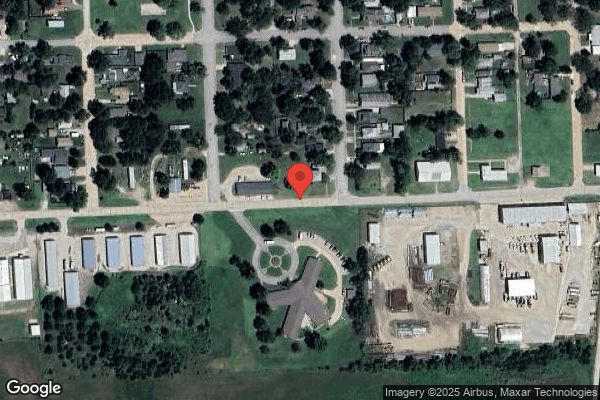
102 W BOTKIN STREET, WELLINGTON, KS 67152 (620) 326-7437
For profit - Corporation 45 Beds MISSION HEALTH COMMUNITIES Data: November 2025
Trust Grade
80/100
#53 of 295 in KS
Last Inspection: February 2025

Within standard 12-15 month inspection cycle. Federal law requires annual inspections.

Overview

Botkin Care and Rehab in Wellington, Kansas, has a Trust Grade of B+, which means it is above average and recommended for families considering placement. It ranks #53 out of 295 facilities in Kansas, placing it in the top half, and #3 out of 4 in Sumner County, indicating only one local option is better. The facility's trend is stable, with the same number of issues reported in both 2023 and 2025. Staffing is a strength, with a 4/5 star rating and a turnover rate of 36%, which is lower than the state average of 48%. While there are no fines on record, indicating good compliance, there have been some concerning incidents. For example, staff were observed handling ready-to-eat foods in an unsanitary manner, risking potential infection for residents. Additionally, a resident's nebulizer and CPAP mask were not stored properly, increasing the risk of infection. On the positive side, the facility has a good staffing level with decent RN coverage, although overall nursing quality could improve. Families should weigh both the strengths and the concerns when making their decision.

Trust Score
B+
80/100
In Kansas
#53/295
Top 17%
Safety Record
Low Risk
No red flags
Inspections
Holding Steady
5 → 5 violations
Staff Stability
○ Average
36% turnover. Near Kansas's 48% average. Typical for the industry.
Penalties
✓ Good
No fines on record. Clean compliance history, better than most Kansas facilities.
Skilled Nurses
○ Average
Each resident gets 32 minutes of Registered Nurse (RN) attention daily — about average for Kansas. RNs are the most trained staff who monitor for health changes.
Violations
○ Average
10 deficiencies on record. Average for a facility this size. Mostly minor or procedural issues.
★★★★☆
4.0
Overall Rating
★★★★☆
4.0
Staff Levels
★★★★☆
4.0
Care Quality
★★★★☆
4.0
Inspection Score
Stable
2023: 5 issues
2025: 5 issues

The Good

  • 4-Star Staffing Rating · Above-average nurse staffing levels
  • 4-Star Quality Measures · Strong clinical quality outcomes
  • Full Sprinkler Coverage · Fire safety systems throughout facility
  • No fines on record
  • Staff turnover below average (36%)

    12 points below Kansas average of 48%

Facility shows strength in staffing levels, quality measures, fire safety.

The Bad

Staff Turnover: 36%

Near Kansas avg (46%)

Typical for the industry

Chain: MISSION HEALTH COMMUNITIES

Part of a multi-facility chain

Ask about local staffing decisions and management

The Ugly 10 deficiencies on record

Feb 2025 5 deficiencies
CONCERN (D) 📢 Someone Reported This

A family member, employee, or ombudsman was alarmed enough to file a formal complaint

Potential for Harm - no one hurt, but risky conditions existed

Deficiency F0625 (Tag F0625)

Could have caused harm · This affected 1 resident

**NOTE- TERMS IN BRACKETS HAVE BEEN EDITED TO PROTECT CONFIDENTIALITY** The facility reported a census of 40 residents with 14 residents sampled, including two residents reviewed for hospitalization. ...

Read full inspector narrative →
**NOTE- TERMS IN BRACKETS HAVE BEEN EDITED TO PROTECT CONFIDENTIALITY** The facility reported a census of 40 residents with 14 residents sampled, including two residents reviewed for hospitalization. Based on interview and record review, the facility failed to provide one Resident (R)30 and/or their representative with a written notice specifying the duration and cost of the bed hold policy, at the time of the resident's transfer to the hospital. Findings included: - Review of Resident (R)30's electronic medical record (EMR) revealed a diagnosis of chronic obstructive pulmonary disease (COPD- progressive and irreversible condition characterized by diminished lung capacity and difficulty or discomfort in breathing). The admission Minimum Data Set (MDS), dated [DATE], documented the resident had a Brief Interview for Mental Status (BIMS) score of 15, indicating intact cognition. He used oxygen while a resident while a resident in the facility. The Functional Abilities Care Area Assessment (CAA), dated 09/06/24, documented the resident required staff assistance with all Activities of Daily Living (ADL). The Quarterly MDS, dated 02/01/25, documented the resident had a BIMS score of 15, indicating intact cognition. He used oxygen while a resident while a resident in the facility. The care plan, revised 01/07/25, instructed staff the resident utilized oxygen. Review of the resident's EMR revealed the resident admitted to the hospital on [DATE] with a diagnosis of sepsis (life threatening systemic reaction that develops due to infections which cause inflammation throughout the entire body). Review of the resident's EMR revealed the facility lacked a signed bed-hold for the resident's hospital admission on [DATE]. On 02/26/24 at 09:19 AM, Administrative Nurse D stated it was the expectation for staff to obtain a signed bed-hold for all residents upon admission to the hospital. Administrative Nurse D confirmed the facility lacked a bed-hold for the resident's admission on [DATE]. The facility policy for Bed Hold, revised 05/23, included: The facility will provide the resident and the resident representative with information concerning the bed-hold policy. The facility failed to provide the resident and/or their representative with a written notice specifying the duration and cost of the bed-hold policy, at the time of the resident's transfer to the hospital.
CONCERN (D) 📢 Someone Reported This

A family member, employee, or ombudsman was alarmed enough to file a formal complaint

Potential for Harm - no one hurt, but risky conditions existed

Accident Prevention (Tag F0689)

Could have caused harm · This affected 1 resident

**NOTE- TERMS IN BRACKETS HAVE BEEN EDITED TO PROTECT CONFIDENTIALITY** The facility reported a census of 40 residents with 14 residents sampled, including six residents reviewed for accidents. Based ...

Read full inspector narrative →
**NOTE- TERMS IN BRACKETS HAVE BEEN EDITED TO PROTECT CONFIDENTIALITY** The facility reported a census of 40 residents with 14 residents sampled, including six residents reviewed for accidents. Based on observation, interview, and record review, the facility failed to provide safe transportation for one dependent Resident (R)18, regarding failure to utilize footrests while transporting the resident in a wheelchair. The facility also failed to ensure care planned fall interventions were in place for R19. Findings included: - Review of Resident (R)18's electronic medical record (EMR) revealed a diagnosis of dementia (progressive mental disorder characterized by failing memory, confusion). The Annual Minimum Data Set (MDS), dated [DATE], documented the resident had a Brief Interview for Mental Status (BIMS) score of eight, indicating moderately impaired cognition. She used a wheelchair for mobility with substantial to maximal staff assistance for distances for 150 feet. The Functional Abilities Care Area Assessment (CAA), dated 10/08/24, documented the resident self-propelled her wheelchair for short distances. The Quarterly MDS, dated 01/08/5, documented the resident had a BIMS score of seven, indicating severe cognitive impairment. She used a wheelchair for mobility with partial to moderate staff assistance for distances for 150 feet. The care plan, revised 10/31/24, lacked staff instruction regarding the resident's need for staff assistance with propelling her wheelchair and the use of foot pedals while staff propel her in her wheelchair. Review of the resident's EMR, from 01/28/25 through 02/25/25, revealed she used a wheelchair for mobility throughout the facility. On 02/24/25 at 11:51 AM, Certified Medication Aide (CMA) S propelled the resident in her wheelchair from her room to the dining room for lunch. The resident wore non-skid socks which skimmed the floor during transport. The wheelchair lacked footrests. On 02/25/25 at 08:27 AM, Certified Nurse Aide (CNA) M propelled the resident in her wheelchair from her room to the dining room for lunch. The resident wore non-skid socks which skimmed the floor during transport. The wheelchair lacked footrests. On 02/24/25 at 11:551 AM, CMA S stated the staff did not use footrests on the resident's wheelchair because the resident was able to propel herself for short distances at times and the footrests would prevent her from being able to propel the wheelchair with her feet. On 02/26/25 at 07:21 AM, CNA O stated staff used the footrests on the resident's wheelchair when she felt weak and would not be able to hold her feet up while staff propelled her wheelchair. On 02/26/25 at 07:41 AM, CNA N stated the resident was able to propel her wheelchair using her feet at times, otherwise staff would propel her wheelchair. Staff did not use footrests for her wheelchair. On 02/26/25 at 09:19 AM, Administrative Nurse D stated it was the expectation for staff to utilize footrests while propelling residents in their wheelchairs. The facility policy for Ambulation Assistance, revised 01/23, included: While propelling a resident in their wheelchair, ensure the footrests are down and the resident's feet are properly placed on the footrests to avoid getting their feet caught under the wheelchair as they are being propelled. The facility failed to provide safe transportation for this dependent resident by failing to utilize footrests while being propelled in her wheelchair. - The Electronic Health Records (EHR) documented R19 had the following diagnoses: dementia (progressive mental disorder characterized by failing memory, confusion), psychosis (any major mental disorder characterized by a gross impairment in reality perception), a history of falling, and chronic pain. The 06/20/24 Significant Change Minimum Data Set (MDS) documented R19 had impaired short term and long-term memory and severely impaired decisions making skills. Staff interview documented for that R19 was not understood by others or able to understand others. It documented R19 did not know staff, where her room was, the season, or that she was in a nursing home. Staff interview for mood documented a Total severity score of eight which indicated mild depression. R19 had delusions. She was dependent on staff for wheelchair mobility. She required partial to moderate assistance from staff for toileting, bathing, lower body dressing and footwear. She required supervision or touching assistance for transfers and walking with a walker. R19 had two or more falls from 03/29/24 to 06/20/24. The 06/20/24 Falls Care Area Assessment (CAA) documented R19 was at risk for falling and has a history of falling. All previous fall interventions to remain in place unless otherwise indicated. The 06/20/24 Cognitive Loss / Dementia: CAA documented R19 received hospice services for overall decline in health related to senile degeneration of the brain. The 11/29/24 Quarterly MDS documented R19 had impaired short term and long-term memory and severely impaired decisions making skills regarding tasks of daily life. Staff interview documented for that R19 was not understood by others and not able to understand others. It documented R19 did not know staff, where her room was, the season, or that she was in a nursing home. Staff interview for mood documented a Total severity score of eight which indicated mild depression. R19 had delusions. She was dependent on staff for wheelchair mobility. She required partial to moderate assistance from staff for toileting, bathing, lower body dressing and footwear. She required supervision or touching assistance for transfers and walking with a walker. R19 had two or more noninjury falls and no injury falls between 08/29/24 and 11/29/24. Review of the Care Plan on 02/24/25 documented R19 was at risk for falls related to macular degeneration and dementia. She also had an unsteady gait and at times would walk without her walker. The 02/24/25 Care Plan documented the following fall prevention interventions: Initiated on 06/14/20: Non-slip strips put in front of chair and bed. Initiated on 12/27/20: Ensure R19 had on nonskid socks or appropriate shoes. Initiated on 07/15/21: Provide R19 her walker when she attempts to leave her room without it Initiated on 05/12/24: Staff to assist R19 to put on nonskid socks before bed, and remove boots before sleeping. Initiated on 10/04/24: Fall mat next to bed. Initiated on 10/06/24: Pick floor mat off floor when R19 was not in bed. The 02/24/25 Care Plan lacked mention of a wheelchair R19 used when she had pain or weakness. The Fall Risk Evaluation for R19, documented the following: On 06/03/24 a score of six, which indicated a low risk for falls. On 07/02/24 a score of 12, which indicated a high risk for falls. On 08/30/24 a score of 12, which indicated a high risk for falls. On 12/01/24 a score of 14, which indicated a high risk for falls. Review of the Progress Notes indicated the following: The Nursing Note on 07/30/24 at 08:56 AM, documented an unwitnessed fall. R19 was on the floor in her bathroom without her walker. The IDT Note: Patient at Risk on 07/31/24 at 01:43 PM documented R19 had a non-injury fall on 07/30/24. Resident was found in her bathroom on the floor between the toilet and the wall. Nonskid strips were added to the floor. All previous fall interventions were to remain in place unless otherwise indicated. The Nursing: Skilled Note on 10/04/24 at 02:10 AM documented an unwitnessed fall. R19 was on the floor beside her bed. R19 denied pain with no apparent injuries. The Nursing: Skilled Note on 10/04/24 at 09:50 AM documented an unwitnessed fall. R19 was laying on her left side on the floor facing towards the bathroom with a pool of blood under her head. She complained of pain on the left side of her head and left shoulder. R19 had a laceration approximately one inch long above her left eyebrow. Steri-strips (adhesive wound closures) applied to laceration. R19 was sent to the hospital for further evaluation. The Nursing: Skilled Note on 10/06/24 at 07:16 PM documented an unwitnessed fall. R19 was sitting on the floor in her room on the fall mat. R19 stated she had fallen out of bed. The Progress Note from the provider for date of service 10/09/24 documented bruising around her left eye and face from a fall on 10/04/24. The IDT Note: Patient at Risk on 10/09/24 at 01:18 PM documented R19 had a noninjury fall on 10/04/24. A new fall intervention included a fall mat on the floor next to her bed. R19 had a second fall that night while walking with no assistance. She received a laceration above her left eye and was taken to the emergency room for treatment. R19 again fell on [DATE]. The note documented that the cause of the fall was her tripping over the fall mat getting into bed not falling out of bed as she had stated. The new intervention was to keep the fall mat off the floor unless R19 was in bed. The plan was to report the fall on 10/04/24 and follow the care plan as directed. During an observation on 02/24/25 at 01:37 PM, R19 was climbing out of bed. There was no fall mat in place, and no nonskid strips were on the floor. The surveyor alerted a staff member who assisted R19. During an observation on 02/25/25 at 07:47 AM, R19 was not in her room. Her walker was at her bedside, nonskid strips were not on the floor. R19 was in the dining area in a wheelchair. During an observation on 02/25/25 at 08:49 AM, R19 was in the hallway in her wheelchair, independently and slowly propelling to her room. During an observation on 02/25/25 at 09:22 AM, R19 reported pain to her shoulders. She was in bed, with no nonskid strips by bed or chair, no fall mat, and she had her boots on. During an observation on 02/25/25 at 12:47 PM, Certified Nurse Aide (CNA) P assisted R19 to her room from the dining room. CNA P guided R19 as she walked with a walker and assisted her into bed. CNA P lowered her bed and asked her if she wanted her shoes off, but R19 did not. CNA P assured R19's call light was in reach, washed her hands, and left the room. During an interview on 02/26/25 at 10:29 AM, CNA P revealed that R19 had a wheelchair since she started hospice and sometimes used it if her legs were hurting, or if she was tired. CNA P was unaware if it was in the care plan and stated that the Director of Nursing, Administrative Nurse D, or Administrative Nurse E usually updated the care plan. CNA P stated the fall interventions were the low bed, and she used to have a fall mat, but she was unsure what happened to it. During an interview on 02/26/24 at 10:38 AM, Licensed Nurse (LN) G revealed R19 fell and interventions included nonskid socks and a fall mat. LN G said she was not sure if the fall mat was still in her room. During an interview on 02/26/25 at 02:12 PM, Administrative Nurse E revealed that she expected the fall interventions for R19 to be used. Administrative Nurse E said R19's room was to have nonskid strips in front of her chair, her bed, and in the bathroom. she said staff were to take her shoes off and put on nonskid socks before bed, and said sometimes she refused taking off her shoes. Administrative Nurse E said R19 had a fall mat but tripped over it, so they removed it, and she discontinued it from the care plan during the interview. Administrative Nurse E revealed R19 sometimes used a wheelchair when she was tired or in pain, and that should have been in the care plan. During an interview on 02/26/24 at 02:31 PM, Administrative Nurse D revealed it is her expectation that the care plans be accurate so the staff will know how to care for the residents and that all interventions be followed to prevent further falls. The facility policy for Comprehensive Care Plans, revised 08/2022, included: The Interdisciplinary Team (IDT) shall be responsible for the periodic review and updating of the resident care plans. The facility failed to ensure care planned fall interventions were in place for R19. This placed the resident at risk for continued falls.
CONCERN (D) 📢 Someone Reported This

A family member, employee, or ombudsman was alarmed enough to file a formal complaint

Potential for Harm - no one hurt, but risky conditions existed

Infection Control (Tag F0880)

Could have caused harm · This affected 1 resident

The facility reported a census of 40 residents. The sample included 14 residents. Based on observation, interview, and record review, the facility failed to maintain an effective infection control pro...

Read full inspector narrative →
The facility reported a census of 40 residents. The sample included 14 residents. Based on observation, interview, and record review, the facility failed to maintain an effective infection control program related to failing to clean the vent on the oxygen concentrator for resident (R)30 and R18, and failed to follow enhanced barrier precautions (EBP, a set of infection control measures that use gowns and gloves to reduce the spread of multidrug-resistant organisms (MDROs) in nursing homes) R19 and R30. This deficient practice had the potential to spread possible infections to the residents in the facility. Findings included: - During an observation on 02/24/25 at 10:31 AM, R30 rested in bed with eyes closed. R30's nebulizer was not put away properly, with the face mask and medication barrel still attached. R30's face mask had dried debris on the inside, and it rested on top of the dresser and lacked a cover. During an interview on 02/24/25 at 01:30 PM, R30 stated that he had been to the hospital twice a few months back for pneumonia, but was feeling better now. R30 stated he gets four breathing treatments per day. During an observation on 02/25/25 at 08:23 AM, R30 sat on the side of the bed. The nebulizer face mask remained in the same location on R30's dresser. The oxygen concentrator had a heavy build-up of dust and debris covering the vent on the back of the machine. During an interview on 02/26/24 at 09:19 AM, Administrative Nurse D stated that nebulizers are cleaned with soap and water and put on a paper towel to dry after each use. Administrative Nurse D stated that oxygen concentrators should be cleaned between use of residents, and staff changed and dated the tubing weekly. Administrative Nurse D stated staff cleaned the filters as needed and staff were to ensure there was a bag for storage of the tubing. During an observation on 02/25/25 at 01:20 PM, CNA P and CMA S went into R30's room to empty the urinary catheter. CNA P and CMA S wore gloves, performed proper hand hygiene, but failed to wear the gown required for the EBP for R30. During an interview on 02/25/25 at 01:05 PM, Administrative Nurse D stated she did not know why the pump was on the floor. She would expect it to be hanging on the bed or have some type of barrier rather than rest directly on the floor. During an observation on 02/24/25 at 01:19 PM, R19 was resting in his bed, with pillows to float the right heel. R19 had a pressure ulcer currently. The door to R19's room lacked EBP instructions for staff. During an interview on 02/26/25 at 07:21 AM, CNA O was unsure about EBP. She would have to ask someone about that. During an observation on 02/24/25 at 02:37 PM, R18's oxygen concentrator filter was filled with dust. The distilled water for the oxygen humidifier rested directly on the floor. During an observation on 02/25/25 at 08:17 AM, R18 rested in bed with eyes closed wearing oxygen. Bottle of water for humidifier sat between the foot of the bed and the wall, rested directly on the floor. The filter on the oxygen concentrator was heavily soiled and discolored from dust and debris. During an interview on 02/26/25 at 07:21 AM, CNA O revealed R18 always used oxygen. The nurses were responsible for changing tubing, usually, but sometimes the CNAs did it. During an interview on 02/26/25 at 07:41 AM, CNA N stated R18 used the oxygen at night while in bed. The night nurse was responsible for changing the tubing and cleaning the filters of the concentrator. During an interview on 02/26/25 at 07:41 AM, CNA N stated that EBP was something new the facility was doing. Staff were to put on PPE when going into residents' rooms who have a catheter or a wound. CNA N stated they had not done that, until the day before. During an interview on 02/26/25 at 07:57 AM, CMA R reported staff needed to gown and glove when going into a resident's room who had a wound or a pressure ulcer. CMA R said this was new and they had not always done that. During an interview on 02/26/25 at 07:37 AM, Licensed Nurse (LN) G stated the facility practiced EBP for residents with a catheter or wound care. During an interview on 02/26/25 at 08:04 AM, Administrative Nurse D stated EBP applied to the residents with chronic wounds or an indwelling catheter of some type. They were to wear gowns and gloves to give high contact care. This included toileting, bathing, high contact care. This was not being done before yesterday. During the infection control interview on 02/26/25 at 01:05 PM, Administrative Nurse D confirmed that the facility had not been following the EBP but is now following the policy for all residents that had an open wound or a catheter, etc. Also confirmed that the dirty oxygen filters were an infection control issue and have been changed out. It was her expectation that the catheter bag and tubing would be covered and not dragging on the ground. Administrative Nurse D confirmed that the air bed hose should not have been on the floor. The facility lacked a policy for the care and upkeep of oxygen concentrators. The facility policy for Enhanced Barrier Precautions, revised 03/24, included: The use of gown and gloves for high-contact resident care activities was indicated, when Contact Precautions did not otherwise apply, for nursing home residents with wounds and/or indwelling medical devices regardless of MDROR colonization as well as for residents with MDRO infection or colonization. The facility failed to maintain an effective infection control program related to improper infection control practices which included failed to wear the proper PPE when staff cared for residents on EBP to prevent cross contamination in the facility.
CONCERN (E) 📢 Someone Reported This

A family member, employee, or ombudsman was alarmed enough to file a formal complaint

Potential for Harm - no one hurt, but risky conditions existed

Deficiency F0657 (Tag F0657)

Could have caused harm · This affected multiple residents

**NOTE- TERMS IN BRACKETS HAVE BEEN EDITED TO PROTECT CONFIDENTIALITY** The facility reported a census of 40 residents with 14 residents included in the sample. Based on observation, record review and...

Read full inspector narrative →
**NOTE- TERMS IN BRACKETS HAVE BEEN EDITED TO PROTECT CONFIDENTIALITY** The facility reported a census of 40 residents with 14 residents included in the sample. Based on observation, record review and interview, the facility failed to review and revise the care plans for five of the Resident's sampled, including R9, R30 and R17, regarding failure to review and revise the care plan to include Enhanced Barrier Precautions (EBP-a set of infection control practices that use gowns and gloves to reduce the spread of multidrug-resistant organisms (MDROs), R17, regarding the use of antianxiety medication (medication used to calm and relax people) and R18, regarding the use of footrests on the resident's wheelchair. Findings included: - Review of Resident (R)9's electronic medical record (EMR) revealed a diagnosis of urinary retention (the inability to pass urine). The Annual Minimum Data Set (MDS), dated [DATE], documented the resident had a Brief Interview for Mental Status (BIMS) score of nine, indicating moderately impaired cognition. He had an indwelling urinary catheter (insertion of a catheter into the bladder to drain the urine into a collection bag). The Functional Abilities Care Area Assessment (CAA), dated 09/26/24, documented the resident required staff assistance with emptying his indwelling urinary catheter. The Quarterly MDS, dated 12/27/24, documented the resident had a BIMS score of nine, indicating moderately impaired cognition. He had a indwelling urinary catheter. The care plan, revised 01/28/25, lacked staff instruction regarding Enhanced Barrier Precautions (EBP-a set of infection control practices that use gowns and gloves to reduce the spread of multidrug-resistant organisms (MDROs) for the use of his indwelling urinary catheter. On 02/24/25 at 11:05 AM, the resident's room door lacked signage indicating the resident was on EBP due to the indwelling urinary catheter. On 02/26/25 at 08:04 AM, Administrative Nurse D stated the resident's care plan had not been reviewed and revised to include EBP related to his indwelling urinary catheter. The facility policy for Comprehensive Care Plans, revised 08/22, included: The Interdisciplinary Team (IDT) shall be responsible for the periodic review and updating of the resident care plans. The facility failed to review and revise this resident's care plan to include EBP related to his indwelling urinary catheter. - Review of Resident (R)17's electronic medical record (EMR) revealed a diagnosis of dementia (progressive mental disorder characterized by failing memory, confusion). The Significant Change Minimum Data Set (MDS), dated [DATE], documented the staff assessment for cognition revealed severe impairment. She did not receive antianxiety medication (medication that helps to calm and relax people) during the assessment period and had an unhealed stage III pressure ulcer (PU-a full-thickness tissue loss where subcutaneous fat is visible), not pressent on admission. The Psychotropic Drugs Care Area Assessment (CAA), dated 02/08/25, documented the resident's psychotropic medications were discontinued during the assessment period due to the resident's inability to take medications and being put on comfort care. The Pressure Ulcer CAA, dated 02/08/25, documented the residen was at high risk for the development of PUs. The Significant Change MDS, dated 12/20/24, documented the staff assessment for cognition revealed severe impairment. The resident did not receive antianxiety medication during the assessment period and had a stage III PU, not present on admission. The care plan, revised 01/24/25, lacked staff instruction on the use of the antianxiety medication and the need for EBP due to the resident's PU. Review of the resident's EMR revealed the following physician's order: Lorazepam (an antianxiety medication), 0.5 milligrams (mg), by mouth (po) or sublingual (sl), every (Q) four hours, as needed (PRN), for anxiety, ordered 02/07/25. Review of the resident's Medication Administration Record (MAR) for February 2025, revealed the resident had received the medication on three occasions with effective results. Review of the resident's EMR revealed the resident had a stage III PU to her right heel with treatments ordered twice weekly. On 02/24/25 at 01:19 PM, the resident's room door lacked signage indicating the need for EBP related to the resident having a PU. On 02/26/25 at 08:04 AM, Administrative Nurse D stated the resident's care plan had not been reviewed and revised to include EBP related to her PU and had not been reviewed and revised to include staff instruction regarding the use of the antianxiety medication. The facility policy for Comprehensive Care Plans, revised 08/22, included: The Interdisciplinary Team (IDT) shall be responsible for the periodic review and updating of the resident care plans. The facility failed to review and revise the resident's care plan to include EBP related to her PU and failed to review and revise the resident's care plan related to the use of the antianxiety medication. - Review of Resident (R)18's electronic medical record (EMR) revealed a diagnosis of dementia (progressive mental disorder characterized by failing memory, confusion). The Annual Minimum Data Set (MDS), dated [DATE], documented the resident had a Brief Interview for Mental Status (BIMS) score of eight, indicating moderately impaired cognition. She used a wheelchair for mobility with substantial to maximal staff assistance for distances for 150 feet. The Functional Abilities Care Area Assessment (CAA), dated 10/08/24, documented the resident self-propelled her wheelchair for short distances. The Quarterly MDS, dated 01/08/5, documented the resident had a BIMS score of seven, indicating severe cognitive impairment. She used a wheelchair for mobility with partial to moderate staff assistance for distances for 150 feet. The care plan, revised 10/31/24, lacked staff instruction regarding the resident's need for staff assistance with propelling her wheelchair and the use of foot pedals while staff propel her in her wheelchair. Review of the resident's EMR, from 01/28/25 through 02/25/25, revealed she used a wheelchair for mobility throughout the facility. On 02/26/25 at 08:04 AM, Administrative Nurse D stated the resident's care plan had not been reviewed and revised to include staff instruction to utilize footrests while propelling the resident in her wheelchair. The facility policy for Comprehensive Care Plans, revised 08/22, included: The Interdisciplinary Team (IDT) shall be responsible for the periodic review and updating of the resident care plans. The facility failed to review and revise this resident's care plan to include staff instruction to utilize footrests while propelling the resident in her wheelchair. - Review of Resident (R)30's electronic medical record (EMR) revealed a diagnosis of neuromuscular dysfunction of the bladder (the muscles that control the flow of urine out of the body do not relax and prevent the bladder from fully emptying). The admission Minimum Data Set (MDS), dated [DATE], documented the resident had a Brief Interview for Mental Status (BIMS) score of 15, indicating intact cognition. He had an indwelling urinary catheter (tube placed in the bladder to drain urine into a collection bag). The Functional Abilities Care Area Assessment (CAA), dated 09/06/24, documented the resident was dependent on staff for activities of daily living (ADL). The Quarterly MDS, dated 02/01/25, documented the resident had a BIMS score of 15, indicating intact cognition. He had an indwelling urinary catheter. The care plan, revised 01/07/25, lacked staff instruction regarding Enhanced Barrier Precautions (EBP-a set of infection control practices that use gowns and gloves to reduce the spread of multidrug-resistant organisms (MDROs) for the use of his indwelling urinary catheter. On 02/24/25 at 10:31 AM, the resident's room door lacked signage indicating the resident was on EBP due to the indwelling urinary catheter. On 02/26/25 at 08:04 AM, Administrative Nurse D stated the resident's care plan had not been reviewed and revised to include EBP related to his indwelling urinary catheter. The facility policy for Comprehensive Care Plans, revised 08/22, included: The Interdisciplinary Team (IDT) shall be responsible for the periodic review and updating of the resident care plans. The facility failed to review and revise this resident's care plan to include EBP related to his indwelling urinary catheter.
CONCERN (E) 📢 Someone Reported This

A family member, employee, or ombudsman was alarmed enough to file a formal complaint

Potential for Harm - no one hurt, but risky conditions existed

Medication Errors (Tag F0758)

Could have caused harm · This affected multiple residents

**NOTE- TERMS IN BRACKETS HAVE BEEN EDITED TO PROTECT CONFIDENTIALITY** The facility reported a census of 40 residents with 14 residents sampled including six residents reviewed for unnecessary medica...

Read full inspector narrative →
**NOTE- TERMS IN BRACKETS HAVE BEEN EDITED TO PROTECT CONFIDENTIALITY** The facility reported a census of 40 residents with 14 residents sampled including six residents reviewed for unnecessary medications. Based on observation, record review and interview, the facility failed to monitor two Residents (R)17 and R 19, regarding failing to have a stop date for as needed (PRN) Lorazepam (an antianxiety medication). Findings included: - Review of Resident (R)17's electronic medical record (EMR) revealed a diagnosis of anxiety (mental or emotional reaction characterized by apprehension, uncertainty and irrational fear). The Significant Change Minimum Data Set (MDS), dated [DATE], documented the staff assessment for cognition revealed severe impairment. She did not receive antianxiety medication (medication that helps to calm and relax people) during the assessment period. The Psychotropic Drugs Care Area Assessment (CAA), dated 02/08/25, documented the resident's psychotropic medications were discontinued during the assessment period due to the resident's inability to take medications and being put on comfort care. The Significant Change MDS, dated 12/20/24, documented the staff assessment for cognition revealed severe impairment. The resident did not receive antianxiety medication during the assessment period. The care plan, revised 01/24/25, instructed staff the resident had been put on comfort care. Review of the resident's EMR revealed the following physician's order: Lorazepam (an antianxiety medication), 0.5 milligrams (mg), by mouth (po) or sublingual (sl), every (Q) four hours, as needed (PRN), for anxiety, ordered 02/07/25. Review of the resident's Medication Administration Record (MAR) for February 2025, revealed the resident had received the medication on three occasions with effective results. On 02/26/25 at 10:23 AM, Administrative Nurse D stated PRN antianxiety medications required a stop date and confirmed this resident's Lorazepam lacked a stop date. The facility lacked a policy for PRN psychotropic medications. The facility failed to ensure R17's PRN Lorazepam order had a stop date. - The Electronic Health Records (EHR) documented R19 had the following diagnoses: dementia (progressive mental disorder characterized by failing memory, confusion), psychosis (any major mental disorder characterized by a gross impairment in reality perception), a history of falling, and chronic pain. The 06/20/24 Significant Change Minimum Data Set (MDS) documented R19 had impaired short term and long-term memory and severely impaired decisions making skills. Staff interview documented for that R19 was not understood by others or able to understand others. It documented R19 did not know staff, where her room was, the season, or that she was in a nursing home. Staff interview for mood documented a Total severity score of eight which indicated mild depression. R19 had delusions, received antipsychotic medication, and R19 had two or more falls from 03/29/24 to 06/20/24. The 06/20/24 Falls Care Area Assessment (CAA) documented R19 was at risk for falling and has a history of falling. All previous fall interventions to remain in place unless otherwise indicated. The 06/20/24 Cognitive Loss / Dementia: CAA documented R19 received hospice services for overall decline in health related to senile degeneration of the brain. The 11/29/24 Quarterly MDS documented R19 had impaired short term and long-term memory and severely impaired decisions making skills regarding tasks of daily life. Staff interview documented R19 was not understood by others and not able to understand others. It documented R19 did not know staff, where her room was, the season, or that she was in a nursing home. Staff interview for mood documented a Total severity score of eight which indicated mild depression. R19 had hallucinations. She was dependent on staff for wheelchair mobility. She required partial to moderate assistance from staff for toileting, bathing, lower body dressing and footwear. She required supervision or touching assistance for transfers and walking with a walker. R19 had two or more noninjury falls and no injury falls between 08/29/24 and 11/29/24. Review of the Care Plan on 02/24/25 documented R19 lacked any documentation of Ativan as needed. The Electronic Health Records (EHR) Physician Orders documented Ativan 0.5mg tablet by mouth as needed for restlessness or yelling out, started on 02/20/25 with no stop date. During an observation on 02/24/25 at 01:37 PM, R19 was climbing out of bed. The surveyor alerted a staff member who assisted R19. During an interview on 02/26/25 at 10:29 AM, Certified Nurse Aide (CNA) P revealed that R19 was on hospice services and had behaviors. She looked for the door and called out for her family. During an interview on 02/26/25 at 10:38 AM, Licensed Nurse (LN) G revealed that R19 had behaviors at times. She had sundowners and yelled out for parents. Staff talked with her when she did that. She had an order for Ativan that could be given when needed. During an interview on 02/25/25 10:22 AM, Administrative Nurse D revealed there was a stop date for as needed psychotropic medications, but not if the resident was on hospice services. During an interview on 02/26/24 at 02:31 PM, Administrative Nurse D revealed there should have been a stop date on all psychotropic medications, and she would update the orders. The facility lacked a policy for PRN psychotropic medications. The facility failed to provide a stop date for as needed Ativan medication for R19.
Apr 2023 5 deficiencies
CONCERN (D)

Potential for Harm - no one hurt, but risky conditions existed

Transfer Notice (Tag F0623)

Could have caused harm · This affected 1 resident

**NOTE- TERMS IN BRACKETS HAVE BEEN EDITED TO PROTECT CONFIDENTIALITY** The facility reported a census of 40 residents. Based on record review and interview, the facility failed to notify/ send a copy...

Read full inspector narrative →
**NOTE- TERMS IN BRACKETS HAVE BEEN EDITED TO PROTECT CONFIDENTIALITY** The facility reported a census of 40 residents. Based on record review and interview, the facility failed to notify/ send a copy of the notice of facility-initiated hospitalization transfer/discharge to a representative of the Office of the State Long-Term Care Ombudsman of the reason as required, for the transfers for one Resident (R36)that required hospitalization. Findings included: - Review of R36's Minimum Data Set (MDS) tracking form documented the resident discharged to the hospital on [DATE] and returned to the facility on [DATE]. Review of R36's Medical Record lacked evidence of a written notification of the facility-initiated hospitalizations transfer/discharges to the Office of the State Long-Term Care Ombudsman. On 04/05/23 at 04:00 PM, Social Service staff X confirmed she did not send a notice to the Office of the State Long Term Care Ombudsman when this resident discharged to the hospital and was not sure how she had missed it. The facility lacked a policy for Ombudsman notification when a resident required discharge to the hospital. The facility failed to notify/ send a copy of the notice of facility-initiated hospitalization transfer/discharge to a representative of the Office of the State Long-Term Care Ombudsman of the reason as required, for the transfer for R36's required hospitalization.
CONCERN (D)

Potential for Harm - no one hurt, but risky conditions existed

ADL Care (Tag F0677)

Could have caused harm · This affected 1 resident

The facility reported a census of 40 residents, with 12 sampled, including one resident sampled for activities of daily living (ADL). Based on observation, interview, and record review, the facility f...

Read full inspector narrative →
The facility reported a census of 40 residents, with 12 sampled, including one resident sampled for activities of daily living (ADL). Based on observation, interview, and record review, the facility failed to provide care consistent with standard of practice for Resident (R) 11 to maintain good grooming and personal hygiene related to showers, nail care and facial hair removal. Findings included: - The 09/29/22 Electronic Health Record (EHR) documented R11 had the following diagnosis of orthopedic aftercare (aftercare following a joint replacement). The 09/29/22 Significant Change Minimum Data Set (MDS) documented a brief interview for mental status (BIMS) of nine, indicating moderately impaired cognition. R11 required supervision and set up assistance of one staff for all ADL. The 09/29/22 ADL Functional/Rehabilitation Potential Care Area Assessment (CAA) documented R11 needed assistance with dressing of the resident's lower body and required reminders to change clothing daily. The 01/19/23 Care Plan lacked documentation regarding bathing preferences for R11. The Progress Notes from January 2023 through March 2023, lacked documentation of the resident's refusals of showers/baths. The Tasks document in the last 30 days, revealed eight scheduled opportunities, R11 received six of the eight showers, with one refusal noted, and three not given. On 04/03/23 at 01:00 PM, R11 observed with long fingernails with a dark substance under them. The resident had facial growth and was unshaved. On 04/04/23 at 08:03 AM, R11 observed with long fingernails with a dark substance under them. The resident had facial growth and was unshaved. On 04/05/23 at 03:41 PM, R11 observed with long fingernails with a dark substance under them. The resident had facial growth and was unshaved. On 04/06/23 at 07:48 AM, R11 observed with long fingernails with a dark substance under them. The resident had facial growth and was unshaved. On 04/03/23 at 01:00 PM, R11 revealed someone had told him they would help him shave and clip his nails. On 04/04/23 at 03:34 PM, R11 revealed he had gotten no help to shave or clip his nails. On 04/05/23 at 03:38 PM, Certified Nurse Aide (CNA) M revealed she gave the resident a shower occasionally. There was always one CNA assigned to give showers and staff should document them in the electronic record and on the shower sheet. On 04/06/23 at 09:09 AM, CNA N, revealed he was the shower aide assigned to showers for the day. He stated he would try three times to give a shower to a resident, if they refused all three, he would get the charge nurse. He stated showers were to be documented in the electronic record and on a shower sheet. On 04/06/23 at 09:54 AM, Licensed Nurse (LN) H revealed staff should document showers in the electronic record as well as on shower sheets that the nurse would sign and place in the medical records box. On 04/06/23 at 10:14 AM, Administrative Nurse D revealed she expected her staff to provide bathing as per the residents' preference, to document it in the electronic record, on a shower sheet, and the nurse to sign it. The facility policy dated May 2022, documented the community environment and staff behaviors are directed toward assisting the resident in maintaining and /or achieving independent functioning, dignity, and well-being. Residents who were unable to carry out ADL, receive the necessary care and services to maintain good nutrition, grooming, and personal hygiene. The facility failed to provide care consistent with professional standard of practice, for R 11 to maintain good grooming, and personal hygiene related to showers, nail care and facial hair removal.
CONCERN (E)

Potential for Harm - no one hurt, but risky conditions existed

Safe Environment (Tag F0921)

Could have caused harm · This affected multiple residents

The facility reported a census of 40 residents. Based on observation, interview, and record review, the facility failed to provide a safe, functional, and comfortable environment by failure to repair,...

Read full inspector narrative →
The facility reported a census of 40 residents. Based on observation, interview, and record review, the facility failed to provide a safe, functional, and comfortable environment by failure to repair, clean, or maintain the laundry room. Findings Included: - Observation during the initial tour on 04/06/23 at 08:51 AM, revealed the laundry room entry was too small for the barrels of laundry brought in and to be sorted. The entry into the washing area revealed the walls of the laundry room did not go completely to the floor, were in poor condition with holes in several places, with approximately four inches of space between the floor and the bottom of the sheet rock. The area behind the two washing machines had trash, dust, and dried dusty water marks down the walls. The pipes were covered with a dark thick dusty film substance, that appeared to be slush. A cabinet in the corner behind the door in the washing area had laminate on the top and sides that peeled back which exposed the raw wood underneath. The edge trim had large areas that lacked a covering that exposed the wood underneath. This cabinet was not a cleanable surface. There was a rack for different cleaning agents and various other items stored on top of the cabinet. A tour was conducted on 04/06/23 at 3:00 PM with Maintenance staff U reported unaware of a solution for the unrepaired cabinet and reported the walls were going to be replaced but was unable to provide a definite plan. On 04/06/23 at 11:30 AM, Administrative Staff A toured the laundry room with surveyor and problem areas reviewed. She was unaware of the condition of the laundry room and would try to get something done to fix the issues. The facility failed to provide a policy for maintainance of the laundry. The facility failed to ensure a safe, functional, sanitary, and comfortable environment to include laundry facilities.
CONCERN (F)

Potential for Harm - no one hurt, but risky conditions existed

Food Safety (Tag F0812)

Could have caused harm · This affected most or all residents

The facility reported a census of 40 residents with one main kitchen to serve meals to 39 of the 40 residents. Based on observation, interview, and record review, the facility failed to serve food in ...

Read full inspector narrative →
The facility reported a census of 40 residents with one main kitchen to serve meals to 39 of the 40 residents. Based on observation, interview, and record review, the facility failed to serve food in a sanitary manner when staff handled ready to eat foods, touched the food surfaces of the plates as staff were ready to serve to residents after staff touched their face and the diet sheets. This had the potential to affect 39 of the 40 residents in the facility. Findings included: - During initial tour of the kitchen on 04/03/23 at 8:30 AM, revealed dietary staff BB handled plates on the serving line. He wore gloves, touched the stove, then picked up a wet cleaning rag he had on the counter next to utensils. He then cut toast in half handling a knife that was laid directly on the counter beside the cleaning rag. He placed the toast with the same gloved hands on a plate with other food items. Staff failed to change his gloves and failed to provide hand hygiene. On 04/04/23 at 12:05 PM, dietary staff CC prepared a peanut butter and jelly sandwich for a resident request. She put the package of bread on the counter and retrieved the peanut butter and jelly and placed them on the counter. She then donned gloves and picked up the package of bread and took the wire breadwrapper off. She then reached into the package and took two slices out of the package and put the bread on a plate. She closed the package and set the bread package aside. She then took the lid off the peanut butter and the jelly, picked the bread up and while holding the tub of peanut butter stable, and used a spatula to put the peanut butter on the bread. She then repeated the process with the jelly. Dietary staff CC wore the same gloves throughout the whole making of the sandwich touching multiple surfaces including the bread for the resident. On 04/04/23 at 12:10 PM, dietary staff CC began serving the plates for the noon meal with the assistance of dietary staff BB. Dietary Staff CC served the plates as dietary staff BB told her what the resident wanted by reading the diet slip. Dietary staff BB kept touching his face and nose and licking his thumb to separate the tickets. He then would pick up the plate and would touch the eating surface as well as placed cups of sour cream and salsa on the tray with the plate while touching all these surfaces. On 04/04/23 at 12:25 PM, Dietary staff DD reported staff BB was in orientation. She agreed that a person should have been assigned to supervise dietary staff BB since he was new to the kitchen. She also would have expected better hand hygiene from a seasoned staff while making the sandwich. Review of the facility policy called Preventing Foodborne Illness- Employee Hygiene and Sanitary Practices dated 10/24/22 revealed: Staff do not need to wear gloves .unless touching ready to eat food. Gloves are considered single-use items and must be discarded after completing the task for which they are used. The use of disposable gloves does not substitute for proper handwashing. The facility failed to serve food in a sanitary manner by touching ready to eat foods without proper hand hygiene, touching the food surfaces of the plates when they were ready to serve after touching his face and licking his fingers to separate the diet sheets.
CONCERN (F)

Potential for Harm - no one hurt, but risky conditions existed

Infection Control (Tag F0880)

Could have caused harm · This affected most or all residents

The facility reported a census of 40 residents with 12 residents included in the sample. Based on observation, interview, and record review, the facility failed to provide a sanitary environment to pr...

Read full inspector narrative →
The facility reported a census of 40 residents with 12 residents included in the sample. Based on observation, interview, and record review, the facility failed to provide a sanitary environment to prevent spread of infection and illness in the facility by failing to clean and store Resident (R) 36 nebulizer and continuous positive airway pressure (CPAP) mask. In addition, the facility failed to prevent potential infections when the laundry room washing machine had a heavy build-up of black grime. Findings included: - Observation on 04/03/23 at 10:11 AM, R36 had a nebulizer on her bedside table and the mask laid directly on the bare table, with no covering. On a table right inside the resident's room, a CPAP mask, connected by the hose to the machine, lacked a barrier and stored on the bare wood of the table. Observation on 04/04/23 at 01:38 PM, revealed the resident sat in her room with oxygen (O2) at 2 liters per minute per nasal cannula. The resident's nebulizer mask laid directly on the bedside table without a barrier or covering. The nebulizer chamber had moisture droplets inside the chamber. On a table by the bed was the residents CPAP mask, that laid directly on a table, without a barrier or covering. Observation on 04/06/23 at 08:25 AM, the resident was on the way to her room, propelled by Licensed Nurse (LN) H. Upon entering the resident room, the resident's nebulizer mask remained on the table beside her bed, without a barrier or a covering. The nebulizer chamber had moisture droplets that remained in the chamber. On 04/06/23 at 10:17 AM, Administrative Nurse D reported she expected the nurses to be cleaning the nebulizer mask after use, per the facility's policy. The CPAP mask should be in a bag on the nightstand when not in use. Review of the facility's policy Administering Medications through a Small Volume Nebulizer dated 05/22, revealed when a treatment is complete, rinse and disinfect the nebulizer equipment according to facility protocol- wash pieces with warm, soapy water, rinse with hot water, place all pieces in a bowl and cover with isopropyl alcohol. Soak for five minutes, then rinse in sterile water and allow to air dry on a paper towel. The facility failed to provide a sanitary environment to prevent spread of infection and illness in the facility by failing to clean and store the nebulizer and CPAP mask in a sanitary manner, for this resident that required CPAP use and nebulizer treatments. Observation of the facility's laundry room on 04/05/23 at 02:45 PM with housekeeping staff V, revealed the facility identified the washing machine used for the residents personal laundry. Observation of the inside upper area of the washing machine had a build-up of black grime and debris. Housekeeping Staff V verified the dirty build-up inside the upper rim of the washer. The facility failed to provide a policy for infection control. The facility failed to maintain the cleaning of the resident's washing machine to prevent possible infections.
Understanding Severity Codes (click to expand)
Life-Threatening (Immediate Jeopardy)
J - Isolated K - Pattern L - Widespread
Actual Harm
G - Isolated H - Pattern I - Widespread
Potential for Harm
D - Isolated E - Pattern F - Widespread
No Harm (Minor)
A - Isolated B - Pattern C - Widespread

Questions to Ask on Your Visit

  • "Can I speak with families of current residents?"
  • "What's your RN coverage like on weekends and overnight?"

Our Honest Assessment

Strengths
  • • Grade B+ (80/100). Above average facility, better than most options in Kansas.
  • • No major safety red flags. No abuse findings, life-threatening violations, or SFF status.
  • • No fines on record. Clean compliance history, better than most Kansas facilities.
  • • 36% turnover. Below Kansas's 48% average. Good staff retention means consistent care.
Concerns
  • • No significant concerns identified. This facility shows no red flags across CMS ratings, staff turnover, or federal penalties.
Bottom line: Generally positive indicators. Standard due diligence and a personal visit recommended.

About This Facility

What is Botkin Care And Rehab's CMS Rating?

CMS assigns BOTKIN CARE AND REHAB an overall rating of 4 out of 5 stars, which is considered above average nationally. Within Kansas, this rating places the facility higher than 99% of the state's 100 nursing homes. This rating reflects solid performance across the metrics CMS uses to evaluate nursing home quality.

How is Botkin Care And Rehab Staffed?

CMS rates BOTKIN CARE AND REHAB's staffing level at 4 out of 5 stars, which is above average compared to other nursing homes. Staff turnover is 36%, compared to the Kansas average of 46%. This relatively stable workforce can support continuity of care.

What Have Inspectors Found at Botkin Care And Rehab?

State health inspectors documented 10 deficiencies at BOTKIN CARE AND REHAB during 2023 to 2025. These included: 10 with potential for harm.

Who Owns and Operates Botkin Care And Rehab?

BOTKIN CARE AND REHAB is owned by a for-profit company. For-profit facilities operate as businesses with obligations to shareholders or private owners. The facility is operated by MISSION HEALTH COMMUNITIES, a chain that manages multiple nursing homes. With 45 certified beds and approximately 38 residents (about 84% occupancy), it is a smaller facility located in WELLINGTON, Kansas.

How Does Botkin Care And Rehab Compare to Other Kansas Nursing Homes?

Compared to the 100 nursing homes in Kansas, BOTKIN CARE AND REHAB's overall rating (4 stars) is above the state average of 2.9, staff turnover (36%) is near the state average of 46%, and health inspection rating (4 stars) is above the national benchmark.

What Should Families Ask When Visiting Botkin Care And Rehab?

Based on this facility's data, families visiting should ask: "Can I visit during a mealtime to observe dining assistance and food quality?" "How do you handle medical emergencies, and what is your hospital transfer rate?" "Can I speak with family members of current residents about their experience?"

Is Botkin Care And Rehab Safe?

Based on CMS inspection data, BOTKIN CARE AND REHAB has a clean safety record: no substantiated abuse findings (meaning no confirmed cases of resident harm), no Immediate Jeopardy citations (the most serious violation level indicating risk of serious injury or death), and is not on the Special Focus Facility watch list (a federal program monitoring the lowest-performing 1% of nursing homes). The facility has a 4-star overall rating and ranks #1 of 100 nursing homes in Kansas. While no facility is perfect, families should still ask about staff-to-resident ratios and recent inspection results during their visit.

Do Nurses at Botkin Care And Rehab Stick Around?

BOTKIN CARE AND REHAB has a staff turnover rate of 36%, which is about average for Kansas nursing homes (state average: 46%). Moderate turnover is common in nursing homes, but families should still ask about staff tenure and how the facility maintains care continuity when employees leave.

Was Botkin Care And Rehab Ever Fined?

BOTKIN CARE AND REHAB has no federal fines on record. CMS issues fines when nursing homes fail to meet care standards or don't correct problems found during inspections. The absence of fines suggests the facility has either maintained compliance or corrected any issues before penalties were assessed. This is a positive indicator, though families should still review recent inspection reports for the full picture.

Is Botkin Care And Rehab on Any Federal Watch List?

BOTKIN CARE AND REHAB is not on any federal watch list. The most significant is the Special Focus Facility (SFF) program, which identifies the bottom 1% of nursing homes nationally based on persistent, serious quality problems. Not being on this list means the facility has avoided the pattern of deficiencies that triggers enhanced federal oversight. This is a positive indicator, though families should still review the facility's inspection history directly.