WELLINGTON HEALTH AND REHAB
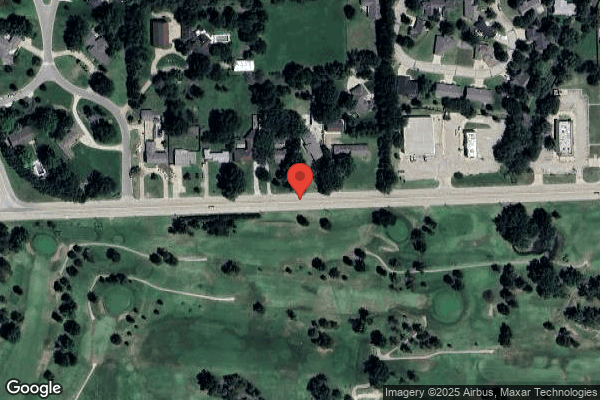
1600 W 8TH STREET, WELLINGTON, KS 67152 (620) 326-2232
For profit - Limited Liability company 44 Beds MISSION HEALTH COMMUNITIES Data: November 2025
Trust Grade
90/100
#46 of 295 in KS
Last Inspection: August 2025

Inspected within the last 6 months. Data reflects current conditions.

Overview

Wellington Health and Rehab has an impressive Trust Grade of A, indicating excellent care and high recommendations from residents and families. Ranking #46 out of 295 facilities in Kansas places them in the top half, and they are #2 of 4 in Sumner County, suggesting only one local option provides better care. However, the facility is experiencing a worsening trend, with issues increasing from 4 in 2023 to 5 in 2025. Staffing is somewhat average with a 3 out of 5-star rating and a 48% turnover, which is on par with the state average, meaning staff stability may be a concern. Notably, there are no fines on record, which is a positive sign, and they provide more RN coverage than most facilities, helping to catch potential problems early. However, there are specific areas of concern. Recent inspections found that the facility failed to maintain sanitary food preparation standards, which poses a risk for foodborne illnesses. Additionally, there was a documented failure to ensure proper care for a resident with diabetes, leading to an open wound that required treatment, highlighting potential lapses in adherence to care plans. Despite these weaknesses, Wellington Health and Rehab remains a solid option, but families should consider these issues when making their decision.

Trust Score
A
90/100
In Kansas
#46/295
Top 15%
Safety Record
Low Risk
No red flags
Inspections
Getting Worse
4 → 5 violations
Staff Stability
⚠ Watch
48% turnover. Above average. Higher turnover means staff may not know residents' routines.
Penalties
✓ Good
No fines on record. Clean compliance history, better than most Kansas facilities.
Skilled Nurses
⚠ Watch
Each resident gets only 28 minutes of Registered Nurse (RN) attention daily — below average for Kansas. Fewer RN minutes means fewer trained eyes watching for problems.
Violations
⚠ Watch
12 deficiencies on record. Higher than average. Multiple issues found across inspections.
★★★★★
5.0
Overall Rating
★★★☆☆
3.0
Staff Levels
★★★★★
5.0
Care Quality
★★★★★
5.0
Inspection Score
Stable
2023: 4 issues
2025: 5 issues

The Good

  • 5-Star Quality Measures · Strong clinical quality outcomes
  • Full Sprinkler Coverage · Fire safety systems throughout facility
  • No fines on record

Facility shows strength in quality measures, fire safety.

The Bad

Staff Turnover: 48%

Near Kansas avg (46%)

Higher turnover may affect care consistency

Chain: MISSION HEALTH COMMUNITIES

Part of a multi-facility chain

Ask about local staffing decisions and management

The Ugly 12 deficiencies on record

Aug 2025 5 deficiencies
CONCERN (D) 📢 Someone Reported This

A family member, employee, or ombudsman was alarmed enough to file a formal complaint

Potential for Harm - no one hurt, but risky conditions existed

Accident Prevention (Tag F0689)

Could have caused harm · This affected 1 resident

**NOTE- TERMS IN BRACKETS HAVE BEEN EDITED TO PROTECT CONFIDENTIALITY** The facility reported a census of 43 resident. The sample included 12 residents with three residents sampled for accidents. Base...

Read full inspector narrative →
**NOTE- TERMS IN BRACKETS HAVE BEEN EDITED TO PROTECT CONFIDENTIALITY** The facility reported a census of 43 resident. The sample included 12 residents with three residents sampled for accidents. Based on observation, interview, and record review, the facility failed to complete a thorough root cause analysis to identify causative factors and/or failed to implement the care planned interventions to prevent further falls for Resident(R) 38 and R28. This deficient practice placed the residents at risk for further falls and associated injuries. Findings included- R38's Electronic Health Record (EHR) documented diagnoses which included dementia (a progressive mental disorder characterized by failing memory and confusion), a history of falling, and muscle weakness. R38’s 03/25/25 Annual Minimum Data Set (MDS) documented a Brief Interview for Mental Status (BIMS) score of six, which indicated severely impaired cognition. The MDS documented R38 required supervision with most activities of daily living (ADLs), except set up for wheelchair mobility, bed mobility, and upper dressing. The MDS documented R38 had one fall with minor injury. R38’s 04/13/25 Falls Care Area Assessment (CAA) documented staff attempt to minimize serious injury with frequent toilet cueing, placing the call light in reach, and utilizing non-skid footwear. The CAA noted a padded beanie head protector would be applied upon arousal; staff would ambulate the resident, otherwise the resident would use a wheelchair for mobility. R38’s 06/25/25 “Quarterly MDS” documented a BIMS of six. ADLs remained the same as the Annual MDS. The MDS documented R38 had one non-injury fall. R38’s “Care Plan” dated 08/01/25, directed staff to provide a bed and chair alarm; check and change every two hours while the resident was in bed for the next 10 days. Staff were instructed to provide supervision assistance with ADLs while R38 was awake. R38’s “Fall Risk Evaluation” dated 03/16/25, 06/16/25, and 6/18/25 documented R38 was a low risk for falls. R38’s “Fall Risk Evaluation” dated 07/23/25, 08/01/25, and 08/22/25 documented R38 was a high risk for falls. R38’s “Progress Note” dated 8/1/25 at 09:35 PM, documented the resident self-propelled out of his room, dove out of his wheelchair when he struck the door jam. Staff placed R38 on fall precautions, and a bed and chair alarm were placed as interventions. During an observation on 08/24/25 at 02:54 PM, R38 was in bed. There was no bed alarm observed on his bed. A personal alarm was noted on the wheelchair. During an interview on 08/25/25 at 10:37 AM, Certified Nurse Aide (CNA) M reported that the alarm that is on his wheelchair should be moved to the bed when staff assist R38 to bed. CNA M reported that R38 required the alarm on his wheelchair and bed. During an interview on 08/26/25 at 10:05 AM, Licensed Nurse (LN) H stated she expected staff to have all fall interventions per the resident's care plan. During an interview on 08/26/25 at 10:30 AM, Administrative Nurse D reported she expected staff to follow the care plan and to always have the fall interventions in place. The facility policy titled Fall and Fall Risk, Managing F689” dated 06/2025, documented if position alarms were utilized as an intervention, the staff would monitor their placement per an established schedule. - R28's Physician Orders” dated 08/20/25, documented diagnoses of neuromuscular dysfunction of the bladder (dysfunction of the urinary bladder caused by a lesion of the nervous system,) hypertension (high blood pressure), type 2 diabetes (DM-when the body cannot use glucose, not enough insulin is made, or the body cannot respond to the insulin), anxiety disorder (mental or emotional disorder characterized by apprehension, uncertainty, and irrational fear), psychosis (any major mental disorder characterized by a gross impairment in reality perception)disturbances, mood and behavior disturbances), chronic kidney disease, abnormal posture, and repeated falls. R28's 03/02/25 admission Minimum Data Set (MDS) documented a Brief Interview for Mental Status (BIMS) score of 10, indicating moderate cognitive impairment. The MDS noted R28 had no functional impairment in range of motion (ROM) of his upper or lower extremities. He required supervision or touching and/or partial moderate assistance from staff for completion of activities of daily living (ADLs). The resident used a walker as a mobility device, and staff provided partial moderate assistance for dressing. He had an indwelling catheter (a flexible tube inserted through a narrow opening into a body cavity, particularly the bladder, for removing fluid) and was always continent of bowel without constipation. The resident fell two to six months prior to admission. No documentation of falls after admission. R28 received occupational therapy (OT) on one day of the look-back period for 40 minutes and physical therapy (PT) one day of the look-back period for 45 minutes. R28's Quarterly MDS dated [DATE] documented changes from the above MDS, which included a BIMS score of 11, indicating moderate cognitive impairment. R28 received as-needed (PRN) pain medication. He reported occasional pain frequency and rated pain as rarely or did not interfere with sleep or ADLs. The “Falls Care Area Assessment” (CAA), dated 03/03/25, was triggered for falls related to him falling before admission to the facility. He had periods of confusion/tremors. R28's Care Plan dated 03/05/25 identified the resident as at high risk for falls related to a history of falls prior to admission. The plan directed staff to position, empty, and monitor his indwelling urinary catheter; administer his medications as ordered, and monitor for side effects and effectiveness. The plan directed staff to ensure R28 wears appropriate footwear, such as non-skid socks or shoes, when ambulating or mobilizing in a wheelchair, and keep the environment and floors free from spills and/or clutter. Staff were to provide adequate glare-free lighting, a reachable call light, the bed in low position at night, handrails on the walls, and personal items within reach. Additional fall interventions initiated after falls to prevent further falls included assisting R28 to the toilet after breakfast, initiated 03/17/25. The plan directed staff to reinforce to the resident to call for assistance, directed the use of a leg bag during the day, initiated on 07/05/25. R28's “Progress Notes documented a note on 07/04/25 at 06:37 PM, which noted R28 notified the nurse that he went to the bathroom and was trying to button up his pants, lost his balance, and fell. He got himself up and ambulated to his bed. The new intervention was to provide staff training regarding infection control related to the use of a leg bag during the day. Additionally, staff were to remind the resident to call for assistance for toileting. R28's “Progress Notes documented a note on 07/19/25 at 04:10 PM, noted that R28's roommate reported that his roommate (R28) was on the floor. The nurse entered R28’s room and noted him lying with his mid-upper back and head resting on his recliner, facing the door. He reported his right elbow and cheek hurt a little. He stated he was at the sink refilling his water glass when he got the shakes, and then just went down. Upon assessment, R28 had a slight redness noted on his right cheek. Two staff members assisted the resident to a standing position, then to his bed. He was shaky and not confident in his movement, but with encouragement and redirection, staff were able to get him stabilized and situated on the side of the bed. The staff explained to R28 that he needed to call for assistance when getting up to ambulate for the rest of the day, as he had complained of the shakes. The resident voiced his understanding. His call light was within reach on the side of his bed. Therapy services for continued evaluation and guidance with ADLs. R28's Electronic Health record (EHR) lacked evidence that a new intervention was implemented to prevent further falls. On 07/19/2025 at 10:18 PM, R28's EHR recorded an “Alert Charting for Fall follow-up” note that documented R28 stated he got tangled up in his catheter tubing. The investigation lacked consideration of the resident’s report of causative/contributing factors as part of the root cause analysis and lacked an associated intervention to prevent further falls. R28's “Progress Notes documented a note on 08/05/25 at 04:30 AM, which noted R28 sat on the floor near the restroom with his walker. The call light was attached to the pillow, and his bed was in the lowest position. R28 reported he was on his way to the restroom to have a bowel movement and lost his balance. Staff assisted the resident to the toilet and then to bed. Interventions directed staff to continue to remind resident to use the call light for assistance and therapy to continue to provide oversight, evaluation, and guidance. R28's EHR lacked evidence that a new intervention was implemented to prevent further falls. The Progress Notes documented a note on 08/21/25 at 04:15 PM that noted R28 attempted to transfer to the bathroom to have a bowel movement. He experienced tremors and lost his balance. The investigation lacked a root cause analysis and lacked a new appropriate intervention to prevent further falls. On 08/24/25 at 11:41 AM, R28 lay on his side on his bed with his legs over the side of the bed. He wore tennis shoes. Additionally, the resident’s catheter urine collection bag and tubing were positioned on the walker in the dignity bag. The resident reported he placed the collection bag in the dignity bag and then carried it when he went to the bathroom to have a bowel movement. On 08/25/25 at 11:48 AM, R28 lay in bed with a pillow roll behind his back. The catheter collection bag was positioned in a dignity bag with the tubing and bag hanging on his wheelchair beside the bed. On 08/25/25 at 11:54 AM, CNA M, entered R28’s room and asked him if she could help him with anything. R28 said no. CNA M asked if R28 wanted to go to the dining room for lunch, and he said yes. She asked if he wanted to go to the bathroom, but he said no. On 08/24/2025 at 11:41 AM, R28 stated he was supposed to turn on his call light when needing to go to the bathroom, but when he needs to go, he forgets to use his call light. He stated he had fallen going into the bathroom to have a bowel movement. He said he did not have to go to the bathroom for his bladder because the bag collected his urine. He said he did have trouble moving the bag and tubing, and he got tangled up sometimes. He said the bag is heavy when it is full. On 08/25/25 at 07:17 PM, R28’s representative said R28 had dementia, and his difficulty retaining instructions and limited safety awareness with toileting were concerning. She confirmed the facility was aware of the concerns related to the resident’s multiple falls. She stated R28 was supposed to have a catheter leg collection bag on during the day because he maneuvers his own catheter bag and tubing, and he gets tangled in it. On 08/25/25 at 11:54 AM, CNA M stated R28 was able to transfer himself with staff assistance when he gets shaky. She reported R28 knew when he needed to have a bowel movement and would turn on his call light for staff to walk with him to the bathroom. CNA M stated the resident was at risk for falls when he gets shaky, but he was good about letting the staff know when he needed to walk, and the staff assisted him to prevent him from falling. On 08/26/25 at 12:36 PM, Administrative Nurse E confirmed R28 was supposed to have a leg bag for urine collection for his catheter because the resident had fallen related to getting tangled in the catheter tubing and collection bag when transferring himself and toileting. She confirmed the care plan conference dated 08/21/25 included the discussion of the resident’s fall and review of the existing interventions. Administrative Nurse E said the use of a leg bag as a fall intervention was discussed and added to the Treatment Administration Record (TAR) on 08/22/25 to ensure staff would check for the leg bag placement. On review of the resident’s TAR, she confirmed the staff had signed the leg bag as used from 08/22/25 to current date, but said the leg bag had not been used because the resident refused, though it was not documented. Additionally, she verified the resident’s fall on 08/21/25 lacked a thorough investigation, with an intervention initiated to prevent further falls. On 08/26/25 at 12:56 PM, Administrative Nurse F confirmed on 08/21/25, staff identified concerns related to the resident’s multiple falls, and interventions were discussed during a care plan conference. She confirmed R28 had a diagnosis of dementia and often forgot to use his call light when going to the bathroom. Administrative Nurse F verified R28's Care Plan included to use a leg bag for the collection of urine from the catheter to prevent the resident from getting tangled in the straight drain urine collection bag and tubing when toileting himself. On 08/26/25 at 01:10 PM, Administrative Nurse F verified the staff had signed R28's TAR to indicate the resident had the leg bag in place, and he did not have a leg bag in place. She reported the direct care staff confirmed the leg bag had not been used as an intervention to prevent falls since 07/09/25. The facility policy titled Fall and Fall Risk, Managing F689” dated 06/2025, documentation included, “ . based on previous evaluations and current data, the staff will identify interventions related to the resident's specific risks and causes to try and prevent the resident from falling and to try to minimize complications from falling.”
CONCERN (D) 📢 Someone Reported This

A family member, employee, or ombudsman was alarmed enough to file a formal complaint

Potential for Harm - no one hurt, but risky conditions existed

Deficiency F0697 (Tag F0697)

Could have caused harm · This affected 1 resident

**NOTE- TERMS IN BRACKETS HAVE BEEN EDITED TO PROTECT CONFIDENTIALITY** The facility reported a census of 43 resident. The sample included 12 residents with two residents sampled for pain management. ...

Read full inspector narrative →
**NOTE- TERMS IN BRACKETS HAVE BEEN EDITED TO PROTECT CONFIDENTIALITY** The facility reported a census of 43 resident. The sample included 12 residents with two residents sampled for pain management. Based on observation, interview, and record review, the facility failed to monitor, treat and provide interventions including medication and non-pharmacological measures to manage Resident (R) 28's pain in accordance with his goals and preferences. This deficient practice placed the resident at risk for unmanaged pain, a decline in function and impaired quality of life. Findings included- R28's Physician Orders dated 08/20/25, documented diagnoses of neuromuscular dysfunction of the bladder (dysfunction of the urinary bladder caused by a lesion of the nervous system,) hypertension (high blood pressure), type 2 diabetes (DM-when the body cannot use glucose, not enough insulin is made, or the body cannot respond to the insulin), anxiety disorder (mental or emotional disorder characterized by apprehension, uncertainty, and irrational fear), psychosis (any major mental disorder characterized by a gross impairment in reality perception)disturbances, mood and behavior disturbances), chronic kidney disease, abnormal posture, and repeated falls.R28's 03/02/25 admission Minimum Data Set (MDS) documented a Brief Interview for Mental Status (BIMS) score of 10, indicating moderate cognitive impairment. The MDS noted R28 had no functional impairment in the range of motion (ROM) of his upper or lower extremities. He required supervision or touching and/or partial moderate assistance from staff for completion of activities of daily living (ADLs). The MDS noted R28 did not receive scheduled or as needed (PRN) medications for pain or non-medication interventions for pain. R28 received high-risk medications, which included opioids, during the look-back period. R28's Quarterly MDS dated [DATE] documented changes from the above MDS, which included a BIMS score of 11, indicating moderate cognitive impairment. R28 received PRN pain medication. He reported occasional pain that rarely interfered with sleep or his ADL. He continued to receive opioid medication during the look-back period.The Cognitive Loss/Dementia and Care Area Assessment, (CAA), dated 03/03/25, documented R28 had a BIMS score of 10 and required reminders and cues 10; He had periods of confusion. The Pain CAA did not trigger.R28's Care Plan dated 03/05/25 noted the resident had impaired cognitive function/ and directed staff to monitor, document, and report to the provider any changes in cognitive function, specifically changes in: decision-making ability, memory, recall and general awareness, difficulty expressing self, difficulty understanding others, level of consciousness, and mental status. The plan directed staff to give medications as ordered. The care plan did not address the resident's pain or list non-pharmacological interventions to address pain.The Physician Order Sheet (POS) dated 08/20/25, included the following orders: Oxycodone ( opioid pain medication) 5 milligrams (mg), give half a tablet by mouth every six hours as needed for moderate to severe pain ordered 02/27/25.Acetaminophen 325 mg, two tablets by mouth every four hours for pain PRN, do not exceed 3 grams per day.R28's Medication Administration Record (MAR) dated 06/01/25 through 08/25/25, revealed R28's oxycodone was not administered.R28's MAR dated 06/01/25 through 08/25/25 documented the acetaminophen 325mg, two tablets, was given as follows:06/24/25 at 11:50 AM for pain rated a 7 out of 10 (0-10 scale where zero equals no pain and 10 equals the worst pain imaginable).06/30/25 at 08:32 AM, for pain rated 5.07/16/25 at 12:08 PM, for pain rated 5.08/05/25 at 11:00 AM, for pain rated 7.08/05/25 at 05:45 PM, for pain rated 8.08/06/25 at 012:48 PM, for pain rated 6.08/09/25 at 06:34 PM, for pain rated 6.08/10/25 at 00:17 AM, for pain rated 6.All the above pain medications were described as being effective.Review of R28's Mar or Treatment Administration Record (TAR) from 08/11/25 through 08/25/25 lacked indication the staff monitored, offered, or provided pain relief measures.On 08/25/25 at 11:48 AM, R28 laid in bed with a pillow roll behind his back. He reported he had pain in his back and beneath his right upper arm, but said he had not reported his pain to the staff. He turned his call light on. On 08/25/25 at 11:54 AM, Certified Nurse Aide (CNA) M entered R28's room and asked the resident if she could help him with anything. R28 said no. R28 did not report the presence of pain he had described six minutes earlier.On 08/25/25 at 11:59 AM, CNA M confirmed R28 did not report pain and said the resident did not recall why he had turned his call light on. CNA M reported the resident often complained of back pain, and the pillow that was behind his back was put there by the staff because it seemed to help. CNA M stated that when a resident reported pain, the staff would try to make the resident comfortable and notify the nurse, who should assess the resident. She confirmed R28 had dementia and sometimes forgot what he turned his light on for, but he would turn on his call light to let the staff know if he needed something. CNA M stated she would notify the nurse he reported pain. On 08/25/25 at 07:17 PM, R28's representative confirmed the facility was aware of the concerns related to R28's pain. She stated R28 would use his call light; however, he may forget why he turned the call light on for assistance, and if the staff does not specifically ask if he is having pain, he will not remember to tell them. R28's representative reported a meeting was held with the facility staff on 08/21/25, where they discussed the resident's increased pain. The staff agreed they would contact the physician to request acetaminophen on a scheduled basis rather than just upon request, since he could not remember to express to the staff when he had pain. R28's representative expressed concern that the pain would result in a decline in the resident's ability to ambulate and said he was using his wheelchair more often.On 08/26/25 at 12:36 PM, Administrative Nurse E confirmed that the care plan conference dated 08/21/25 included the discussion of the R28's pain and the request of his representative for the facility to contact the physician and ask for scheduled acetaminophen to manage the resident's pain. Additionally, upon review of R28's physician orders, progress notes, and care plan, Administrative Nurse E confirmed nothing had been done to address R28's pain in response to the concerns voiced by the resident's representative in the care plan conference on 8/21/25.On 08/26/25 at 12:56 PM, Administrative Nurse F confirmed the 08/21/25 care plan conference where staff identified concerns related to R28's pain and the interventions that were discussed. She confirmed the resident had a diagnosis of dementia and often forgot to use his call light. The facility policy titled F697, Pain Assessment and Management, dated 04/2025, documentation included discussion with the resident (or legal representative) his or her goals for pain management, and satisfaction with the current level of pain control. Staff should assess and re-assess the resident's pain and the consequences of pain upon admission, quarterly, and with new pain.
CONCERN (D)

Potential for Harm - no one hurt, but risky conditions existed

Infection Control (Tag F0880)

Could have caused harm · This affected 1 resident

**NOTE- TERMS IN BRACKETS HAVE BEEN EDITED TO PROTECT CONFIDENTIALITY** The facility reported a census of 43 resident; there were 12 residents in the sample. Based on observation, interview and record...

Read full inspector narrative →
**NOTE- TERMS IN BRACKETS HAVE BEEN EDITED TO PROTECT CONFIDENTIALITY** The facility reported a census of 43 resident; there were 12 residents in the sample. Based on observation, interview and record review the facility failed to maintain an infection program related to. Enhanced Barrier Precautions (EBP- infection control interventions designed to reduce transmission of resident organisms which employ targeted gown and glove use during high contact care) when providing dressing changes on a abdominal peritoneal dialysis (a home-based treatment for kidney failure that uses the patient's own abdominal lining as a filter to remove waste and excess fluid from the blood) catheter for Resident (R) 2. This placed the resident at risk for infection. Findings included:- R2's Physician Orders in the Electronic Medical Record (EMR) dated 08/19/25 revealed the following diagnoses: chronic kidney disease stage five (a condition where the kidneys gradually lose their ability to filter waste products from the blood) and type two diabetes (DM-when the body cannot use glucose, not enough insulin is made, or the body cannot respond to the insulin). R2's Annual Minimum Data Set (MDS) dated [DATE] revealed a Brief Interview for Mental Status (BIMS) score of 15, indicating intact cognition. R2 required supervision or touch assistance with activities of daily living (ADLs) and received peritoneal dialysis. R2's Quarterly MDS dated [DATE] documented no changes from the 12/01/24 MDS. R2's Care Plan dated 02/25/25 documented R2 has a dialysis catheter placement on 01/30/25. The plan directed staff to use Enhanced Barrier Precautions, and gowns and gloves should be worn during the following high-contact resident care activities: dressing, bathing or showering, transferring, providing hygiene, changing briefs or toileting, and wound care. On 08/25/25 at 08:15 AM, R2 was in the dining room for breakfast. R2 had a knee brace on the right knee. On 08/25/25 at 10:20 AM, R2 was in activities with the other residents playing a game. On 08/25/25 at 02:20 PM, Licensed Nurse (LN) G prepared the equipment to change R2's dressing over her peritoneal site on the lower left side of the resident's abdomen. LN G wore gloves during the procedure but did not wear a gown during the dressing change. On 08/25/25 at 03:37 PM, LN G stated she should have had a gown on before cleaning R1's catheter site. On 08/25/25 at 04:05 PM, Administrative Nurse D stated she expected staff to wear both gown and gloves for residents with EBP. The facility's policy Multidrug-Resistant Organism (MDRO) and Enhanced Barrier Precautions refers to an infection control intervention designed to reduce transmission of multidrug-resistant organisms that employs targeted gown and glove use during high-contact resident activities.
CONCERN (F)

Potential for Harm - no one hurt, but risky conditions existed

Food Safety (Tag F0812)

Could have caused harm · This affected most or all residents

The facility reported a census of 43 residents, and one main kitchen. Based on observation, record review and interview the facility failed to prepare and serve food under sanitary conditions to preve...

Read full inspector narrative →
The facility reported a census of 43 residents, and one main kitchen. Based on observation, record review and interview the facility failed to prepare and serve food under sanitary conditions to prevent the potential for food borne bacteria. This placed the residents at risk for food borne illnesses. Findings included:- Observation of the kitchen and food storage areas on 08/24/25 at 09:40 AM revealed the following areas of concern:Walk-In Cooler:A white Styrofoam cooler on the top shelf, with no date and no label, contained several rolled-up items in foil. Dietary Staff CC opened one of the foil packets and reported it was hot dogs from a facility picnic the previous Thursday.Free-standing freezer:One bag of cooked bacon with no date or label.One brown bag in a zip lock bag with no date or label.One bag of sealed French fries with no date.One bag of hash browns unsealed.One bag of ready-to-bake chocolate chip cookies with no date or label.During an interview on 08/24/25 at 10:10 AM, Dietary Staff CC reported that all food items required an open date and were required to be sealed properly.During an interview on 08/25/2025 at 11:20 AM, Certified Dietary Manager BB stated she expected staff to label, date, and seal all food properly.During an interview on 08/25/25 at 01:00 PM, Administrative Staff A stated he expected all food items to be stored, sealed, labeled, and dated properly.The facility's policy Food Safety Requirements, dated 10/2024, documented food shall be received and stored in a manner that complies with safe food handling practices. All food stored in the freezer or refrigerator will be covered, labeled, and dated.
MINOR (C)

Minor Issue - procedural, no safety impact

Staffing Information (Tag F0732)

Minor procedural issue · This affected most or all residents

The facility reported a census of 43 residents. Based on observation, interview, and record review, the facility failed to post Nurse Staffing information for Registered Nurses, Licensed Practical Nur...

Read full inspector narrative →
The facility reported a census of 43 residents. Based on observation, interview, and record review, the facility failed to post Nurse Staffing information for Registered Nurses, Licensed Practical Nurses, Certified Nurse Aides, the resident census, and the total number of actual hours worked by each category, daily as required. Findings included: - Review of Daily Staff Posting Sheets, dated 07/01/24 through 12/31/24, and 08/15/25 through 08/25/25, revealed the facility lacked adjustment to the Daily Staff Posting Sheets, for actual staff hours worked versus scheduled hours worked by the direct care staff.On 08/26/25 at 10:36 AM, Administrative Staff B reported her responsibilities included to make sure all the lunches were removed for any hourly employee on a monthly basis and the nursing hours were accurately submitted to the corporate office. She verified she did not report or address the redesignation or call-in coverage otherwise.On 08/26/25 at 03:38 PM, Administrative Staff A confirmed the Daily Staff Posting Sheets, noted above, lacked documentation to reflect the adjustments for call-ins, meal breaks, and change in coverage. Additionally, he reported he was not aware that the Daily Staff Posting Sheets, should be adjusted to reflect changes in the scheduled direct care staff. The facility policy, Nursing Services F725, F726, dated 08/2025, documentation included the community provides adequate staffing with the appropriate competencies and skill sets to provide nursing and related services to assure resident safety and attain or maintain the highest practicable physical, mental, and psychosocial well-being of each resident.
Nov 2023 4 deficiencies
CONCERN (D)

Potential for Harm - no one hurt, but risky conditions existed

Assessment Accuracy (Tag F0641)

Could have caused harm · This affected 1 resident

**NOTE- TERMS IN BRACKETS HAVE BEEN EDITED TO PROTECT CONFIDENTIALITY** The facility reported a census of 40 residents with 12 selected for review. Based on observation, interview, and record review, ...

Read full inspector narrative →
**NOTE- TERMS IN BRACKETS HAVE BEEN EDITED TO PROTECT CONFIDENTIALITY** The facility reported a census of 40 residents with 12 selected for review. Based on observation, interview, and record review, the facility failed to accurately complete the Minimum Data Set (MDS) for one sampled resident, Resident (R)35, related to the use of the resident's continuous positive airway pressure (CPAP, a non-invasive mechanical ventilator that provides respiratory support to decrease the work of breathing) machine. This placed the resident at risk for uncommunicated care needs. Findings include: - The 02/27/23 Electronic Health Records (EHR) documented R35 had the following diagnoses that included echinococcus granulosis infection of the lung (a parasitic infection that causes cysts and tumor-like growths), malignant neoplasm (cancer) of the lower respiratory tract (lung) and pneumonitis (inflammation of lung tissue) due to inhalation of solids and liquids. The 09/28/23 admission Minimum Data Set (MDS) documented a Brief Interview for Mental Status (BIMS) score of 15, indicating intact cognition. R35 required limited or extensive assistance of two staff for all cares except eating which required supervision and setup. The assessment documented that R35 did not receive oxygen or non-invasive mechanical ventilator (CPAP) use. The 09/28/23 Care Area Assessment (CAA) lacked documentation related to oxygen therapy or CPAP use. The 10/31/23 Care Plan documented the resident had chronic lung disorders and instructed staff to give oxygen therapy as ordered by the physician. The care plan lacked instructions related to CPAP use. The Physician Orders in the EHR lacked orders related to oxygen therapy or CPAP use. The 09/27/23 to 10/31/23 Medication Administration Record (MAR) and Treatment Administration Record (TAR) lacked documentation related to administration of oxygen, changing of oxygen tubing, care of oxygen concentrator or humidifier, administration of CPAP use and care of CPAP equipment. The Progress Notes documented the following: 1. On 10/04/23 at 02:20 AM, R35 used the CPAP. 2. On 10/18/23 at 08:15 PM, R35 used the CPAP and oxygen per physician order. 3. On 10/19/23 at 11:13 PM, R35 used the CPAP and oxygen. 4. On 10/20/23 at 04:30 AM, the resident's CPAP was in place and functioning. 5. On 10/21/23 at 08:13 PM, R35 used the CPAP at night. 6. On 10/22/23 at 08:18 PM, R35 used the CPAP at night. 7. On 10/23/23 at 09:15 PM, the resident's CPAP was in place while sleeping. 8. On 10/24/23 at 12:00 AM, R35 used oxygen and the CPAP. 9. On 10/25/23 at 12:45 AM, R35 removed the CPAP to take a medication. 10. On 10/28/23 at 07:47 PM, the resident's CPAP and oxygen was in place. 11. On 10/29/23 at 12:23 AM, R35 was in her recliner with the CPAP in place. 12. On 10/30/23 at 08:47 PM, R35 utilized the CPAP while at rest. 13. On 10/31/23 at 05:34 AM, R35 was in the recliner with the CPAP in place. On 10/30/23 at 11:42 AM, R35 observed to be sitting in her recliner with the CPAP machine on her over-the-bed table next to her recliner with the tubing and the mask intact and stored beside the CPAP machine. R35 had her oxygen therapy via nasal cannula. On 10/31/23 at 08:34 AM, R35 observed to be in her recliner. The CPAP machine observed on the over-the-bed table next to her recliner with the tubing and the mask intact. R35 had her oxygen on via nasal cannula. On 11/01/23 at 09:59 AM, R35 observed to be sitting in her recliner. The CPAP machine remained on her over-the-bed table next to her recliner with the tubing and the mask intact. R35 had her oxygen on via nasal cannula. On 10/31/23 at 02:51 PM, R35 revealed that she utilized the CPAP and oxygen therapy in the hospital prior to being admitted to the facility. R35 further stated that staff had not performed any cleaning or maintenance to the CPAP machine since she came to the facility (09/27/23). On 10/31/23 at 03:10 PM, Certified Nurse Aide (CNA) F revealed that R35 required oxygen and had no experience with assisting R35 with her CPAP mask as the resident only wore it at night. On 10/31/23 at 03:20 PM, Licensed Nurse (LN) I revealed R35 wore the CPAP at night while sleeping and required oxygen all the time. Stated that the CPAP tubing was configured to deliver oxygen therapy as well. On 10/31/23 at 03:55 PM, Administrative Nurse D, revealed that information from MDS assessments was gathered from various parts of the EHR that included progress notes and nursing assessments as well as visual assessments of the resident performed by Administrative Nurse D. Administrative Nurse D confirmed that the MDS assessment dated [DATE] lacked documentation of oxygen therapy and CPAP use. On 11/01/23 at 02:14 PM, Administrative Nurse B revealed that her expectation was for all assessments including MDS assessments to be accurate. The facility's Comprehensive Assessment policy dated 08/2022, documented that residents would receive an accurate assessment reflective of the resident's status at the time of the assessment by staff who were qualified to assess and knowledgeable about the resident's status. The facility failed to accurately complete the MDS for R35 related to oxygen and CPAP use. This placed the resident at risk for uncommunicated care needs.
CONCERN (D)

Potential for Harm - no one hurt, but risky conditions existed

Comprehensive Care Plan (Tag F0656)

Could have caused harm · This affected 1 resident

The facility reported a census of 40 residents with 12 selected for review. Based on observation, interview, and record review, the facility failed to develop a person-centered comprehensive care plan...

Read full inspector narrative →
The facility reported a census of 40 residents with 12 selected for review. Based on observation, interview, and record review, the facility failed to develop a person-centered comprehensive care plan for Resident (R)35, related to the use of the resident's continuous positive airway pressure (CPAP, a non-invasive mechanical ventilator that provides respiratory support to decrease the work of breathing) machine. This placed the resident at risk for uncommunicated care needs. Findings include: - The 02/27/23 Electronic Health Records (EHR) documented R35 had the following diagnoses that included echinococcus granulosis infection of the lung (a parasitic infection that causes cysts and tumor-like growths), malignant neoplasm (cancer) of the lower respiratory tract (lung) and pneumonitis (inflammation of lung tissue) due to inhalation of solids and liquids. The 09/28/23 admission Minimum Data Set (MDS) documented a Brief Interview for Mental Status (BIMS) score of 15, indicating intact cognition. R35 required limited or extensive assistance of two staff for all cares except eating which required supervision and setup. The assessment documented that R35 did not receive oxygen or non-invasive mechanical ventilator (CPAP) use. The 09/28/23 Care Area Assessment (CAA) lacked documentation related to oxygen therapy or CPAP use. The 10/31/23 Care Plan documented the resident had chronic lung disorders and instructed staff to give oxygen therapy as ordered by the physician. The care plan lacked instructions related to CPAP use. The Physician Orders in the EHR lacked orders related to oxygen therapy or CPAP use. The 09/27/23 to 10/31/23 Medication Administration Record (MAR) and Treatment Administration Record (TAR) lacked documentation related to administration of oxygen, changing of oxygen tubing, care of oxygen concentrator or humidifier, administration of CPAP use and care of CPAP equipment. The Progress Notes documented the following: 1. On 10/04/23 at 02:20 AM, R35 used the CPAP. 2. On 10/18/23 at 08:15 PM, R35 used the CPAP and oxygen per physician order. 3. On 10/19/23 at 11:13 PM, R35 used the CPAP and oxygen. 4. On 10/20/23 at 04:30 AM, the resident's CPAP was in place and functioning. 5. On 10/21/23 at 08:13 PM, R35 used the CPAP at night. 6. On 10/22/23 at 08:18 PM, R35 used the CPAP at night. 7. On 10/23/23 at 09:15 PM, the resident's CPAP was in place while sleeping. 8. On 10/24/23 at 12:00 AM, R35 used oxygen and the CPAP. 9. On 10/25/23 at 12:45 AM, R35 removed the CPAP to take a medication. 10. On 10/28/23 at 07:47 PM, the resident's CPAP and oxygen was in place. 11. On 10/29/23 at 12:23 AM, R35 was in her recliner with the CPAP in place. 12. On 10/30/23 at 08:47 PM, R35 utilized the CPAP while at rest. 13. On 10/31/23 at 05:34 AM, R35 was in the recliner with the CPAP in place. On 10/30/23 at 11:42 AM, R35 observed to be sitting in her recliner with the CPAP machine on her over-the-bed table next to her recliner with the tubing and the mask intact and stored beside the CPAP machine. R35 had her oxygen therapy via nasal cannula. On 10/31/23 at 08:34 AM, R35 observed to be in her recliner. The CPAP machine observed on the over-the-bed table next to her recliner with the tubing and the mask intact. R35 had her oxygen on via nasal cannula. On 11/01/23 at 09:59 AM, R35 observed to be sitting in her recliner. The CPAP machine remained on her over-the-bed table next to her recliner with the tubing and the mask intact. R35 had her oxygen on via nasal cannula. On 10/31/23 at 02:51 PM, R35 revealed that she utilized the CPAP and oxygen therapy in the hospital prior to being admitted to the facility. R35 further stated that staff had not performed any cleaning or maintenance to the CPAP machine since she came to the facility (09/27/23). On 10/31/23 at 03:10 PM, Certified Nurse Aide (CNA) F revealed that R35 required oxygen and had no experience with assisting R35 with her CPAP mask as the resident only wore it at night. CNA F revealed that she did not know if oxygen was on the care plan and said that the CPAP was on the care plan. On 10/31/23 at 03:20 PM, Licensed Nurse (LN) I revealed R35 wore the CPAP at night while sleeping and required oxygen all the time. Stated that the CPAP tubing was configured to deliver oxygen therapy as well. On 10/31/23 at 03:55 PM Administrative Nurse D confirmed that the comprehensive care plan lacked documentation of oxygen therapy and CPAP use. On 11/01/23 at 02:14 PM, Administrative Nurse B revealed that her expectation was the care plans to be complete with all interventions. The facility's Comprehensive Care Plans policy dated 08/2022, documented that the facility would develop an individualized care plan based on a thorough assessment. The facility failed to develop a person-centered comprehensive care plan for R35 related to oxygen therapy and CPAP use. This placed the resident at risk for uncommunicated care needs.
CONCERN (D)

Potential for Harm - no one hurt, but risky conditions existed

Quality of Care (Tag F0684)

Could have caused harm · This affected 1 resident

The facility reported a census of 40 residents with 12 residents selected for review. Based on observation, interview, and record review, the facility failed to address edema (swelling resulting from ...

Read full inspector narrative →
The facility reported a census of 40 residents with 12 residents selected for review. Based on observation, interview, and record review, the facility failed to address edema (swelling resulting from an excessive accumulation of fluid in the body tissues) for Resident (R) 140's lower extremities. This deficient practice had the potential to place R140 at an increased risk for development of additional medical problems. Findings included: - R140's Electronic Medical Record (EMR) included a diagnosis of congestive heart failure (CHF - a condition with low heart output and the body slowly becomes congested with fluid), localized edema and diabetes mellitus, type 2 (DM2 - when the body cannot use glucose, not enough insulin is made, or the body cannot respond to the insulin). The 10/23/23 admission Minimum Data Set (MDS), documented a Brief Interview for Mental Status (BIMS) score of 12, indicating moderately impaired cognition. No behaviors documented with rejections of cares. R140 received a diuretic (a class of medications used promote the formation and excretion of urine) medication during look-back period. The 10/23/23 Care area assessment (CAA) lacked documentation related to lower extremity edema. The 10/30/23 Care Plan lacked documentation related to lower extremity edema. The Physician's orders included Lasix (furosemide - a diuretic) 40 milligrams (mg) once daily, related to localized edema, ordered 10/17/23. Review of the Progress Notes from 10/16/23 to 10/30/23, lacked documentation of lower extremity edema. The EHR Assessments documented: 1. On 10/23/23 at 09:19 PM, a weekly skin assessment performed by Licensed Nurse (LN) J documented No to the question if the resident currently had edema to lower extremities. 2. On 10/30/23 at 01:47 PM, a weekly skin assessment performed by Administrative Nurse C documented No to the question if the resident currently had edema to lower extremities. On 10/30/23 at 10:36 AM (three hours and 11 minutes before the 10/30/23 weekly skin assessment), R140 observed seated in his recliner with his legs elevated and swelling observed to both lower legs with a shiny appearance and a rust-colored discoloration to the skin. On 10/31/23 at 08:01 AM, R140 observed seated in the dining area with other residents present, both ankles visible with shiny appearance and rust-colored discoloration to his skin. On 10/31/23 at 09:55 AM, R140 observed in his recliner with his legs elevated and swelling observed to both lower legs with a shiny appearance and a rust-colored discoloration to the skin. On 11/01/23 at 10:00 AM, R140 observed in his recliner with his legs elevated and swelling continued to both lower legs with a shiny appearance and a rust-colored discoloration to his skin. On 10/30/23 at 10:40 AM, R140 revealed that his legs had been swollen and discolored for a while but was unable to specify how long. On 10/31/23 at 03:10 PM, Certified Nurse Aide (CNA) F revealed that she did not know of any interventions for R140's lower extremity edema other than to remind him to elevate his legs as much as practical. On 10/31/23 at 03:20 PM, LN I stated she was unaware of any edema to R140's lower extremities. LN I assessed R140's legs and reported R140's legs had grade three (moderate or approximately six millimeter [mm] indent with mild pressure [lasting five seconds] that remained present for approximately 30 seconds after release) pitting edema. On 10/31/23 at 03:41 PM, Administrative Nurse B stated that she was unaware of R140's edema and stated that her expectation was for skin assessments to be accurate. The facility failed to address edema of R140's lower extremities. This deficient practice had the potential to place R140 at an increased risk for development of additional medical problems.
CONCERN (F)

Potential for Harm - no one hurt, but risky conditions existed

Infection Control (Tag F0880)

Could have caused harm · This affected most or all residents

- The 10/30/23 Electronic Health Records (EHR) documented that Resident (R18) had the pertinent diagnosis of Diabetes Mellitus Type 2 (DM2 - when the body cannot use glucose, not enough insulin is mad...

Read full inspector narrative →
- The 10/30/23 Electronic Health Records (EHR) documented that Resident (R18) had the pertinent diagnosis of Diabetes Mellitus Type 2 (DM2 - when the body cannot use glucose, not enough insulin is made or the body cannot respond to the insulin). The 06/23/23 Annual Minimum Data Set (MDS) documented a Brief Interview for Mental Status (BIMS) of 11, which indicated moderately impaired cognition. R18 was at risk for impaired skin integrity and had an open lesion. The 06/23/23 Pressure Ulcer/Injury Care Area Assessment (CAA) documented an old wound behind her knee which required treatment. R18's physician order included staff to cleanse wound with a generic wound cleaner, pat dry, apply skin prep (a solution, when applied to the skin, forms a protective waterproof barrier on the skin), fill the wound bed with calcium alginate (a dressing placed into a wound bed that promotes wound healing), cover with border gauze (a specialized dressing placed over chronic or large wounds that contains three specialized layers that are non-adherent, highly absorbent, and waterproof), daily, ordered 10/04/23. On 11/01/23 at 01:35 PM, Administrative Nurse C performed wound care on R18's chronic wound on her left leg. Administrative Nurse C performed hand hygiene, applied gloves and removed the soiled dressing, then discarded the soiled dressing in the trash can and removed her gloves. Administrative Nurse C applied new gloves, however, failed to perform hand hygiene before applying new gloves. Administrative Nurse C then cleaned R18's wound with a commercially available wound cleanser and gauze, discarded the soiled gauze in a trash can and removed her gloves, and applied new gloves, without hand hygiene. Administrative Nurse C then wiped around the wound with skin prep and placed calcium alginate into the wound bed then removed her gloves, failed to perform hand hygiene and did not apply new gloves, then placed a border gauze dressing. Administrative Nurse C then performed hand hygiene. On 11/01/23 at 01:47 PM, Administrative Nurse C acknowledged the lack of appropriate hand hygiene between the different phases of wound care and lack of gloves when applying the final dressing to the wound. Administrative Nurse C stated that hand hygiene should have been performed when gloves were changed and that gloves should have been worn when placing the final dressing. On 11/01/23 at 02:10 PM, Administrative Nurse B stated that the expectation for the staff was to change gloves and perform hand hygiene when going from dirty to clean phases of wound care. The facility failed to provide a policy related to glove use as requested on 11/01/23. The facility failed to provide a policy related to wound care as requested on 11/01/23. The facility's Infection Control policy dated 10/2022, documented that the facility would maintain practices to prevent the spread of communicable and contagious diseases and would follow accepted national standards such as those from the Centers for Disease Control (CDC - a national public health agency of the United States and federal agency under the Department of Health and Human Services). The facility failed to ensure appropriate hand hygiene and glove use during wound care. This deficient practice had the potential to lead to delayed wound healing and spread of communicable and contagious diseases in the facility. The facility reported a census of 40 residents with 12 residents included in the sample. Based on observation, interview, and record review, the facility failed to ensure good infection control techniques for residents in the facility by the failure to change gloves and perform hand hygiene when going from soiled to clean while providing wound care for one resident, Resident (R18), and while providing incontinent care on residents and the failure to disinfect the full body mechanical lift after use on R7 who required use of the lift for transfers. Findings included: - Observation on 10/31/23 at 02:20 PM revealed Certified Nursing Assistant (CNA) E and CNA F entered R7's room. Both staff donned (applied) gloves. CNA E first took a tissue and wiped a large amount of mucous from the resident's left nostril. Staff pulled R7's covers down and the disposable brief the resident wore was untaped and pulled down in front. CNA E used wet wipes and spray cleaner to clean the resident's genital area in front, then both CNAs repositioned the resident, and CNA E proceeded to use wipes and spray to cleanse the resident's buttock and peri area. While wearing the same soiled gloves, CNA E obtained a clean brief and unfolded the brief. She then placed it to the back of the resident. The resident was then turned to his back and the brief was positioned into place and taped on the resident. CNA E then got a wet wipe (without changing her gloves from the perineal care) and proceeded to wipe the resident's nose again. Staff removed their gloves, and both CNAs opened the bedroom door and left the room, without hand hygiene. Interview on 10/31/23 at 02:35 PM, CNA E reported that was how she usually changed residents but then stated she maybe should have changed her gloves before she wiped the resident's nose. CNA E reported she did not think to perform hand hygiene after she removed her gloves. Observation on 11/01/23 at 01:02 PM, Certified Nursing Assistant (CNA) G and CNA H transferred R7 to bed using the Hoyer lift. The resident was placed in bed and turned to his left side to remove the sling. The resident was soiled, and his brief unfastened and removed. CNA G used wet wipes to clean the resident's buttocks of feces (bowel movement) while the resident laid on a cloth incontinent pad. She then placed a clean brief on the resident while he was still on the incontinent brief. Staff failed to change her gloves or provide hand hygiene after the incontinence care. The resident was then turned to the other side and CNA H removed the soiled incontinent pad and handed it to CNA G who then tossed it directly onto the bare floor. CNA H taped the resident's clean brief in place with no glove changing or hand hygiene. The resident was then pulled up in bed and repositioned. CNA H gathered the trash bag out of the can and placed a clean bag in the can with same gloves. She then picked up the soiled pad off the floor and left the room with her soiled gloves on. CNA G removed her gloves and lacked hand hygiene before moving R7's wheelchair out of the way of the lift. CNA G then propelled the mechanical lift to the hall into a cubby storage for the lifts. Staff failed to disinfect the mechanical lift after use. Interview on 11/01/23 at 01:25 PM, CNA G stated she did not think to change gloves or clean hands after she removed her gloves. She verified she always put the soiled pads on the floor. She did not know she had to clean the lift after using it on a resident and had not done that when she used the lift on any resident. On 11/01/23 at 01:40 PM, Administrative Nurse B reported she expected the staff to change gloves and perform hand hygiene when going from soiled to clean when providing incontinent care on a dependent resident. Staff were not to place soiled items directly on the floor. In addition, Administrative Nurse B reported mechanical lifts should be cleansed between resident use. The facility's policy for Handwashing/Hand Hygiene dated 09/23, revealed hand hygiene needed to be completed after removal of gloves. A policy for glove usage requested on 11/01/23 with no policy provided. The facility's policy for Cleaning and Disinfection of Resident-Care Items and Equipment dated 09/23, revealed durable medical equipment (DME) must be cleaned and disinfected before reuse by another resident. The facility failed to ensure infection control techniques for residents in the facility by the failure to change gloves and perform hand hygiene when going from dirty to clean while providing incontinent care on residents and the failure to disinfect the mechanical lift after use on R7 who required use of the lift for transfers.
Apr 2022 3 deficiencies
CONCERN (D)

Potential for Harm - no one hurt, but risky conditions existed

Accident Prevention (Tag F0689)

Could have caused harm · This affected 1 resident

**NOTE- TERMS IN BRACKETS HAVE BEEN EDITED TO PROTECT CONFIDENTIALITY** The facility reported a census of 34 residents with 15 residents sampled, including two residents reviewed for accidents. Based ...

Read full inspector narrative →
**NOTE- TERMS IN BRACKETS HAVE BEEN EDITED TO PROTECT CONFIDENTIALITY** The facility reported a census of 34 residents with 15 residents sampled, including two residents reviewed for accidents. Based on observation, interview, and record review, the facility failed to ensure appropriate safety measures were used while staff ambulated Resident (R)133. The resident fell and received a skin tear to the resident's right wrist. Findings included: - Resident (R)133's electronic medical record (EMR), under the Med Diagnosis tab, included: congestive heart failure (CHF) -a condition with low heart output and the body becomes congested with fluid) and altered mental status (an abnormal state of alertness or awareness). The admission Minimum Data Set (MDS), dated [DATE], documented the resident had a Brief Interview for Mental Status (BIMS) score of nine, indicating moderately impaired cognition. He required limited assistance of one staff for walking in his room. His balance was not steady and he was only able to stabilize with staff assistance. He had no impairment in functional range of motion (ROM). He had one fall with an injury since admission to the facility. The Falls Care Area Assessment (CAA), dated 04/07/22, documented the resident was at risk for falling and had a fall since admission. The care plan for falls, dated 04/03/22, instructed staff that the resident had impaired cognition, an unsteady gait and difficulty with balance. The resident was able to ambulate short distances with the use of his front wheeled walker and a gait belt. Review of the resident's EMR, under the Assessments tab, included a fall assessment, dated 03/30/22, which placed the resident at a high risk for falls. Review of the resident's EMR, under the Progress Notes tab, dated 04/03/22, included documentation that the resident had been ambulating with a staff member and his walker, when he became weak and was assisted to the floor. The resident received a skin tear to his right wrist which measured 1.5 by 3.6 centimeters (cm). The staff had not been using a gait belt while ambulating the resident and the nurse gave immediate re-education to the staff member of the importance of always using a gait belt while ambulating a resident. On 04/13/22 at 10:48 AM, Certified Nurse Aide (CNA) P and N transferred the resident from his bed to the wheelchair with the use of a gait belt and extensive assistance of two staff. The resident was able to bear weight and pivot during the transfer without difficulty. On 04/13/22 at 10:48 AM, CNA P stated, staff were to always use a gait belt while transferring the resident as he was weak at times. On 04/13/22 at 01:08 PM, CNA N stated, the resident required more assistance with ambulating at times, depending on the day. Staff would always use a gait belt to ensure his safety. On 04/14/22 at 07:53 AM, Licensed Nurse (LN) G stated, the staff are to use a gait belt while transferring and ambulating all residents. On 04/14/22 at 10:21 AM, Administrative Nurse D stated, the CNA who was ambulating with the resident at the time of the fall on 04/03/22 was not utilizing a gait belt. It was the expectation that a gait belt be used at all times while ambulating with the resident. The facility policy for Falls and Fall Risk Management, dated 04/22, included: The Interdisciplinary Team (IDT) will identify and implement relevant interventions to try to minimize serious consequences of falling. The facility failed to use appropriate safety measures while ambulating with this dependent resident, which resulted in a fall. The resident received a skin tear to his right wrist.
CONCERN (D)

Potential for Harm - no one hurt, but risky conditions existed

Incontinence Care (Tag F0690)

Could have caused harm · This affected 1 resident

**NOTE- TERMS IN BRACKETS HAVE BEEN EDITED TO PROTECT CONFIDENTIALITY** The facility reported a census of 34 residents with 15 residents sampled, including one Resident (R)23 reviewed for bowel and bl...

Read full inspector narrative →
**NOTE- TERMS IN BRACKETS HAVE BEEN EDITED TO PROTECT CONFIDENTIALITY** The facility reported a census of 34 residents with 15 residents sampled, including one Resident (R)23 reviewed for bowel and bladder. Based on observation, interview, and record review, the facility failed to toilet this dependent resident, as care planned. Findings included: - The Physician Order Sheet (POS), dated 04/08/22, documented Resident (R)23 had diagnoses of cognitive deficit (failing memory) and type II diabetes mellitus (when the body cannot use glucose, not enough insulin made or the body cannot respond to the insulin). The annual Minimum Data Set (MDS), dated [DATE], documented the resident had a Brief Interview for Mental Status (BIMS) score of seven, indicating severe cognitive impairment. The resident required extensive assistance of two staff for toileting. She was incontinent of bladder and frequently incontinent of bowel. The Urinary Incontinence and Indwelling Catheter Care Area Assessment (CAA), dated 03/22/22, documented the resident relied on the staff for toileting and proper perineal (peri) care. The Activity of Daily Living (ADL) Functional/Rehabilitation Potential CAA, dated 03/22/22, documented the resident was able to voice her needs appropriately but was not always able to ask for help due to dementia (progressive mental disorder characterized by failing memory, confusion). The quarterly MDS, dated 02/07/22, documented the resident had a BIMS score of seven, indicating severe cognitive impairment. She required extensive assistance of one staff for toileting. She was frequently incontinent of bladder and always incontinent of bowel. The care plan for toileting, dated 04/06/22, instructed staff to toilet the resident upon awakening, after meals and at bedtime. Review of the resident's electronic medical record (EMR), under the Tasks tab, included: the resident required limited to extensive staff assistance of one to two staff for toileting. She had episodes of bladder continence and incontinence. The resident's EMR lacked a 72- hour voiding diary. On 04/12/22 at 08:31 AM, Certified Nurse Aide (CNA) O, took the resident from the dining room to her room following breakfast. CNA O transferred the resident from the wheelchair to the bed. CNA O failed to offer the resident a toileting opportunity. On 04/13/22 at 11:09 AM, CNAs N and P entered the resident's room to get her up for lunch. The resident slept in her bed between breakfast and lunch. CNAs provided peri care due to the resident having been incontinent of urine in her brief. The staff failed to offer a toileting opportunity to the resident. On 04/12/22 at 08:31 AM, CNA O stated, she did not offer to toilet the resident before putting her into bed following breakfast. Staff were to toilet the resident before and after each meal. On 04/13/22 at 09:46 AM, CNA M stated, staff were to toilet the resident every two hours, but would sometimes just change her brief instead of toileting her. On 04/14/22 at 09:27 AM, CNA Q stated, the resident was usually continent when staff would toilet her. Staff were to toilet the resident every two hours. On 04/14/22 at 07:53 AM, Licensed Nurse (LN) G stated, staff were to toilet the resident upon awakening, before and after meals and anytime staff got her up from bed. The resident was often incontinent but could be continent when taken to the toilet in the bathroom. The facility did not complete a three -day voiding diary to determine her voiding pattern. On 04/13/22 at 02:47 PM, Administrative Nurse D stated, the facility did not have a three- day voiding diary for the resident. Staff were to take the resident to toilet every two hours. The facility policy for Urinary Continence and Incontinence, dated 04/2022, included: The nursing staff will provide appropriate services and treatment to help residents restore or improve bladder function and prevent urinary tract infections to the extent possible. The facility failed to toilet this dependent resident, as care planned.
CONCERN (F)

Potential for Harm - no one hurt, but risky conditions existed

Antibiotic Stewardship (Tag F0881)

Could have caused harm · This affected most or all residents

The facility reported a census of 34 residents. Based on record review and interview, the facility failed to ensure ongoing antibiotic stewardship to ensure appropriate antibiotic use. Findings inclu...

Read full inspector narrative →
The facility reported a census of 34 residents. Based on record review and interview, the facility failed to ensure ongoing antibiotic stewardship to ensure appropriate antibiotic use. Findings included: - Review of the notebook containing a log of infection tracking for January 2022, revealed a Physician Order, dated 01/05/22, instructed staff to administer to resident (R)24, Cephalexin (anantibiotic) 500 milligrams (mg), twice a day, for urinary tract infection, but lacked culture results. This resident's medical record lacked the IDT (Inter Departmental Team) assessment for antibiotic use compliance utilizing assessment tools such as Loeb's ( a criteria with a minimum set of signs and symptoms which when met indicate that the resident likely has an infection and antibiotics may be indicated) or McGeer's criteria (a tool used for identification of symptoms of infection for antibiotic use.) Review of the infection tracking log for February 2022, revealed two unsampled residents admitted to the facility from acute care on antibiotics for urinary tract infections, but lacked identification of organisms. Review of the infection tracking log for March 2022 revealed one unsampled resident admitted from acute care on antibiotics for a urinary tract infection but lacked identification of organisms. A Physician Order, dated 03/31/22 instructed staff to administer to R 14, Amoxicillin, 500 mg, three times a day, for urinary tract infection, but lacked the IDT assessment for antibiotic use compliance. Review of the infection tracking log for April 2022, revealed a Physician Order dated 04/06/22, instructed staff to administer to R29, Bactrim DS (an antibiotic) 800-160 mg, twice a day, for ten days, for an unspecified infection without specification of infection site or culture. A Nurse Note, dated 04/07/22, documented the resident had a large amount of white discharge from his penis. The resident's medical record lacked IDT assessment for antibiotic use compliance. Review of the infection tracking log for April 2022, revealed a Physician Order, dated 04/12/22, instructed staff to administer to R 18, Cephalexin (an antibiotic,) 500 mg, three times a day, for ten days for urinary tract infection. The Physician's Order, dated 04/14/22 instructed staff to discontinue the Cephalexin and start Cipro 500 mg, twice a day for ten days, due to culture results showing Klebsiella pneumoniae (a bacterium normally found in the intestines which does not cause issue and have developed antimicrobial resistance) which was resistant to Cephalexin. R 18's medical record lacked the IDT assessment for antibiotic use compliance. Interview, on 04/13/22 at 3:30 PM, with Licensed Nurse (LN) H, revealed she utilized standard of care assessment for residents with a change in condition. LN H stated she did not know about specific criteria for infection assessment documentation in the electronic medical record. Interview, on 04/14/22 at 10:30 AM, with LN G, revealed she uses general nursing assessment for a resident's change in condition and did not know specific criteria for documentation in the electronic medical record. Interview, on 04/14/22 at 10:45 AM, with Administrative Nurse E, confirmed lack of cultures/results and lack of IDT review for compliance with antibiotic stewardship. Interview, on 04/14/22 at 11:30 AM, with Administrative Nurse D, revealed she would expect staff compliance with the antibiotic stewardship program. The facility policy Infection Control Program- Antibiotic Stewardship F881 instructed staff that the infection prevention and control program included protocols to establish a system for the use and monitoring of adverse effects of antibiotics such as Loeb Criteria for the initiation of antibiotics and McGeer Criteria for infection surveillance. The facility failed to ensure an ongoing antibiotic stewardship program to monitor infections including culture results to determine organism prevalence in the facility and antibiotic appropriateness to prevent the adverse effects of antibiotics.
Understanding Severity Codes (click to expand)
Life-Threatening (Immediate Jeopardy)
J - Isolated K - Pattern L - Widespread
Actual Harm
G - Isolated H - Pattern I - Widespread
Potential for Harm
D - Isolated E - Pattern F - Widespread
No Harm (Minor)
A - Isolated B - Pattern C - Widespread

Questions to Ask on Your Visit

  • "Can I speak with families of current residents?"
  • "What's your RN coverage like on weekends and overnight?"

Our Honest Assessment

Strengths
  • • Grade A (90/100). Above average facility, better than most options in Kansas.
  • • No major safety red flags. No abuse findings, life-threatening violations, or SFF status.
  • • No fines on record. Clean compliance history, better than most Kansas facilities.
Concerns
  • • 12 deficiencies on record. Higher than average. Multiple issues found across inspections.
Bottom line: Generally positive indicators. Standard due diligence and a personal visit recommended.

About This Facility

What is Wellington Health And Rehab's CMS Rating?

CMS assigns WELLINGTON HEALTH AND REHAB an overall rating of 5 out of 5 stars, which is considered much above average nationally. Within Kansas, this rating places the facility higher than 99% of the state's 100 nursing homes. This rating reflects solid performance across the metrics CMS uses to evaluate nursing home quality.
How is Wellington Health And Rehab Staffed?

CMS rates WELLINGTON HEALTH AND REHAB's staffing level at 3 out of 5 stars, which is average compared to other nursing homes. Staff turnover is 48%, compared to the Kansas average of 46%.

What Have Inspectors Found at Wellington Health And Rehab?

State health inspectors documented 12 deficiencies at WELLINGTON HEALTH AND REHAB during 2022 to 2025. These included: 11 with potential for harm and 1 minor or isolated issues.
Who Owns and Operates Wellington Health And Rehab?

WELLINGTON HEALTH AND REHAB is owned by a for-profit company. For-profit facilities operate as businesses with obligations to shareholders or private owners. The facility is operated by MISSION HEALTH COMMUNITIES, a chain that manages multiple nursing homes. With 44 certified beds and approximately 38 residents (about 86% occupancy), it is a smaller facility located in WELLINGTON, Kansas.
How Does Wellington Health And Rehab Compare to Other Kansas Nursing Homes?

Compared to the 100 nursing homes in Kansas, WELLINGTON HEALTH AND REHAB's overall rating (5 stars) is above the state average of 2.9, staff turnover (48%) is near the state average of 46%, and health inspection rating (5 stars) is much above the national benchmark.

What Should Families Ask When Visiting Wellington Health And Rehab?

Based on this facility's data, families visiting should ask: "Can I visit during a mealtime to observe dining assistance and food quality?" "How do you handle medical emergencies, and what is your hospital transfer rate?" "Can I speak with family members of current residents about their experience?"

Is Wellington Health And Rehab Safe?

Based on CMS inspection data, WELLINGTON HEALTH AND REHAB has a clean safety record: no substantiated abuse findings (meaning no confirmed cases of resident harm), no Immediate Jeopardy citations (the most serious violation level indicating risk of serious injury or death), and is not on the Special Focus Facility watch list (a federal program monitoring the lowest-performing 1% of nursing homes). The facility has a 5-star overall rating and ranks #1 of 100 nursing homes in Kansas. While no facility is perfect, families should still ask about staff-to-resident ratios and recent inspection results during their visit.

Do Nurses at Wellington Health And Rehab Stick Around?

WELLINGTON HEALTH AND REHAB has a staff turnover rate of 48%, which is about average for Kansas nursing homes (state average: 46%). Moderate turnover is common in nursing homes, but families should still ask about staff tenure and how the facility maintains care continuity when employees leave.

Was Wellington Health And Rehab Ever Fined?

WELLINGTON HEALTH AND REHAB has no federal fines on record. CMS issues fines when nursing homes fail to meet care standards or don't correct problems found during inspections. The absence of fines suggests the facility has either maintained compliance or corrected any issues before penalties were assessed. This is a positive indicator, though families should still review recent inspection reports for the full picture.

Is Wellington Health And Rehab on Any Federal Watch List?

WELLINGTON HEALTH AND REHAB is not on any federal watch list. The most significant is the Special Focus Facility (SFF) program, which identifies the bottom 1% of nursing homes nationally based on persistent, serious quality problems. Not being on this list means the facility has avoided the pattern of deficiencies that triggers enhanced federal oversight. This is a positive indicator, though families should still review the facility's inspection history directly.