AVITA HEALTH AND REHAB AT REEDS COVE
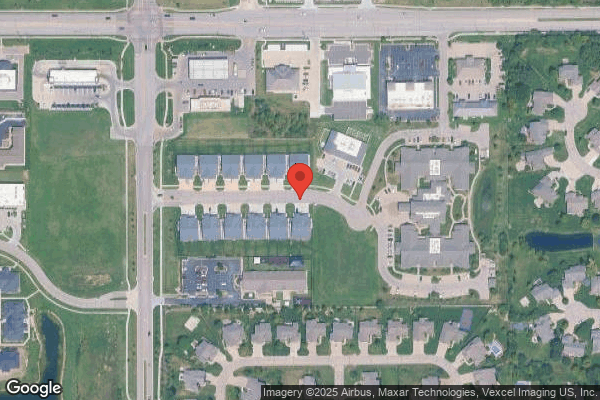
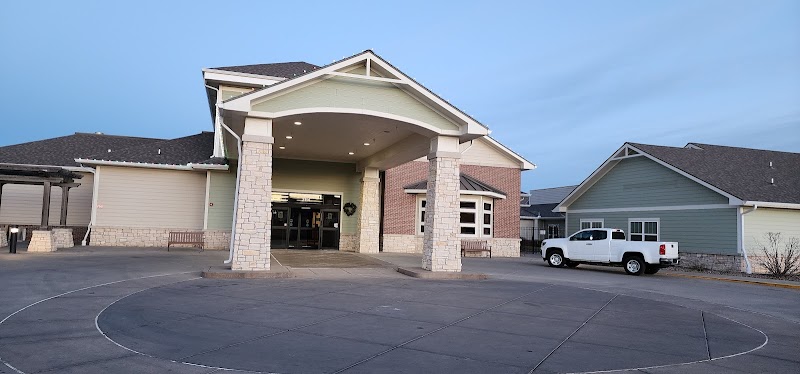
2114 N 127TH COURT EAST, WICHITA, KS 67228 (316) 500-8800
For profit - Limited Liability company 76 Beds Independent Data: November 2025 1 Immediate Jeopardy citation
Trust Grade
11/100
#240 of 295 in KS
Last Inspection: August 2024

Within standard 12-15 month inspection cycle. Federal law requires annual inspections.

Overview

Avita Health and Rehab at Reeds Cove has received a Trust Grade of F, indicating significant concerns about its operations and care quality. It ranks #240 out of 295 nursing homes in Kansas, placing it in the bottom half of facilities, and #24 out of 29 in Sedgwick County, highlighting that there are few local options that perform better. While the facility's trend is improving, going from 20 issues in 2024 to just 1 in 2025, the high turnover rate of 61% is concerning, as it exceeds the state average and could affect the quality of care. Staffing is a relative strength, rated 4 out of 5 stars, but the facility has faced serious incidents, including a critical medication error where a staff member incorrectly administered medications to a resident with a feeding tube, and failures in monitoring pressure ulcers, leading to complications for several residents. Additionally, the facility has incurred $8,827 in fines, which is average compared to other nursing homes in Kansas, suggesting some compliance issues but not the most severe level of concern.

Trust Score
F
11/100
In Kansas
#240/295
Bottom 19%
Safety Record
High Risk
Review needed
Inspections
Getting Better
20 → 1 violations
Staff Stability
⚠ Watch
61% turnover. Above average. Higher turnover means staff may not know residents' routines.
Penalties
⚠ Watch
$8,827 in fines. Higher than 79% of Kansas facilities, suggesting repeated compliance issues.
Skilled Nurses
✓ Good
Each resident gets 56 minutes of Registered Nurse (RN) attention daily — more than average for Kansas. RNs are trained to catch health problems early.
Violations
⚠ Watch
49 deficiencies on record. Higher than average. Multiple issues found across inspections.
★☆☆☆☆
1.0
Overall Rating
★★★★☆
4.0
Staff Levels
★★★☆☆
3.0
Care Quality
★☆☆☆☆
1.0
Inspection Score
Stable
2024: 20 issues
2025: 1 issues

The Good

  • 4-Star Staffing Rating · Above-average nurse staffing levels
  • Full Sprinkler Coverage · Fire safety systems throughout facility
  • No fines on record

Facility shows strength in staffing levels, fire safety.

The Bad

1-Star Overall Rating

Below Kansas average (2.9)

Significant quality concerns identified by CMS

Staff Turnover: 61%

15pts above Kansas avg (46%)

Frequent staff changes - ask about care continuity

Federal Fines: $8,827

Below median ($33,413)

Minor penalties assessed

Staff turnover is elevated (61%)

13 points above Kansas average of 48%

The Ugly 49 deficiencies on record

1 life-threatening 2 actual harm
Apr 2025 1 deficiency 1 Harm
SERIOUS (G) 📢 Someone Reported This

A family member, employee, or ombudsman was alarmed enough to file a formal complaint

Actual Harm - a resident was hurt due to facility failures

Pressure Ulcer Prevention (Tag F0686)

A resident was harmed · This affected 1 resident

**NOTE- TERMS IN BRACKETS HAVE BEEN EDITED TO PROTECT CONFIDENTIALITY** The facility identified a census of 66 residents, with 10 residents sampled. Based on observation, interview, and record review,...

Read full inspector narrative →
**NOTE- TERMS IN BRACKETS HAVE BEEN EDITED TO PROTECT CONFIDENTIALITY** The facility identified a census of 66 residents, with 10 residents sampled. Based on observation, interview, and record review, the facility failed to prevent the development of facility-acquired pressure ulcers (localized injury to the skin and/or underlying tissue usually over a bony prominence, as a result of pressure, or pressure in combination with shear and/or friction) on Resident (R)1's right and left buttock when staff failed to adequately monitor wounds after the initial development including measurements, presence of infection, drainage and effectiveness of treatments, failed to implement routine repositioning in the bed and the wheelchair until after the wounds progressed, and did not implement standard interventions such as low air loss mattress (a medical-grade mattress designed to prevent and treat pressure injuries by continuously circulating air to reduce moisture and heat buildup) until after the pressure ulcers worsened. The facility did not immediately implement nutritional interventions to address wound prevention or healing. As a result, R1 developed a facility-acquired Stage 3 (full-thickness pressure injury extending through the skin into the tissue below) pressure injury and placed the resident at risk for the development of new pressure ulcers, and delayed healing and worsening of existing ulcers. Findings included: - R1's Electronic Health Record (EHR) revealed diagnoses of osteoarthritis (degenerative changes to one or many joints characterized by swelling and pain), weakness, and urinary tract infection (UTI- an infection in any part of the urinary system). The 01/28/25 admission Minimum Data Set (MDS) documented the resident had a Brief Interview for Mental Status (BIMS) score of 15, which indicated intact cognition. R1 required moderate assistance with activities of daily living (ADL) including transfers, bed mobility, and turning from side to side. The MDS documented R1 was at risk of developing pressure ulcers/injuries and was not on a turn and reposition schedule. The 02/04/25 Pressure Ulcer/Injury Care Area Assessment (CAA) triggered secondary to the potential for pressure ulcers. The CAA noted contributing factors included ADL impairment and incontinence and the risk factors included pain, development of pressure ulcers, skin conditions, and fluid deficit risk. The CAA noted a licensed nurse would assess R1's skin each week and place proper interventions in place to prevent skin breakdown; the skin was also assessed by caregivers with each bath and each time the resident was dressed. The CAA noted the physician would be notified of any abnormal findings and treatment orders are obtained and the dietitian was monitoring R1's food and fluid intake and implementing dietary interventions as necessary. R1's Braden Scale (a formal assessment used to predict pressure ulcer risk) dated 01/15/25 documented R1 was at low risk for pressure injuries with a score of 18. The scale dated 01/23/25 documented R1 had no risk with a score of 19. The scales dated 02/06/25 and 02/23/25 recorded R1 was at low risk for pressure injuries with a score of 18. R1s Care Plan documented R1 did not want to develop any pressure injuries and included interventions dated 02/11/25 that directed staff to assist with repositioning for comfort as necessary. Staff were to assist R1 with bed mobility and transfers as necessary. The plan noted R1 would use a one-quarter side rail attached to the bed to assist him with repositioning. The plan noted R1's skin would remain intact and without redness or breakdown throughout the next review period and staff would provide a pressure-reducing mattress and wheelchair cushion. The plan directed staff to assist R1 with repositioning as needed. The Licensed Nurse were to complete skin and Braden Scale (a tool used to assess a patient's risk for developing a pressure injury) assessments per facility protocol. R1's Care Plan was updated on 03/03/25 with an intervention that directed staff to reposition R1 every two to three hours while the resident was in bed and to reposition or change location to the bed as needed when R1 was uncomfortable in his wheelchair. R1's Tasks in the EHR lacked a turn and repositioning program. R1's EHR revealed a Weekly Skin Data Collection Tool, completed weekly from 01/15/25 through 02/28/25, all documented R1 had no skin issues present. R1's EHR recorded a Progress Note dated 02/26/25 noting R1's representative called and informed the nurse that R1 told them he had a wound on his coccyx (area at the base of the spine). The note documented the nurse informed R1's representative that no new wounds for R1 were reported to nursing and nursing would follow up. R1's Physician's Orders documented an order dated 02/26/25 that directed staff to clean the coccyx wound with normal saline, apple Skin-prep (liquid skin protectant), and cover with a sacral border foam dressing. The order noted to change the dressing Monday, Wednesday, and Friday or as needed (PRN) for soiling or dislodgement. The order was discontinued on 02/26/25. R1's Medication Administration Record (MAR) and Treatment Administration Record (TAR) lacked evidence staff administered the treatment. R1's Physician's Orders documented an order dated 02/26/25 that directed staff to clean the coccyx wound with normal saline, cover with a sacral border foam dressing until healed, and change the dressing Monday, Wednesday, and Friday or as needed (PRN) for soiling or dislodgement. The order was discontinued on 02/27/25. R1's MAR/TAR lacked evidence that staff administered the treatment. A Progress Note dated 02/27/25 at 12:35 PM documented the nurse spoke to R1's representative and informed her that R1 did not have any new wounds. A Progress Note dated 02/28/25 at 05:46 AM recorded R1's skin was intact but also noted skin discolorations to the coccyx. R1's 03/01/25 Weekly Skin Data Collection Tool documented small open wounds to the scrotum and bilateral buttocks and noted there was a treatment in place. The tool lacked measurements of the open areas, assessment of the peri-wound (skin surrounding the wound) and presence of drainage or signs of infection. R1's Physician's Orders documented an order dated 03/01/25 which directed staff to apply silver sulfadiazine cream (used to prevent and treat wound infections) to the right buttock topically every shift for wound care. The order was discontinued on 03/02/25. R1's Physician's Orders documented an order dated 03/01/25 which directed staff to apply silver sulfadiazine cream to the inner buttocks topically every shift for wound care. The order was discontinued on 03/02/25. R1's Physician's Orders documented an order dated 03/02/25 which directed staff to apply silver sulfadiazine cream to the buttocks, scrotum, and sacrum (large triangular bone/area between the two hip bones) topically every shift for wound care and apply to buttocks, scrotum, sacrum topically as needed for wound, ordered 03/02/25. The order continued through 03/25/25 when it was discontinued. A Progress Note dated 03/05/25 at 05:01 PM documented R1's buttocks wound started to open starting to open and had some bloody drainage. The note lacked evidence of physician notification. The 03/07/25 Weekly Skin Data Collection Tool documented an open area to R1's buttocks, scrotum, and sacrum with a treatment in place. The tool lacked measurements of the open areas, assessment of the peri-wound, presence of drainage or signs of infection. A Progress Note dated 03/07/25 at 08:38 AM documented staff assessed R1's sacral wound that morning; it was the same area the resident had problems with. The note documented the area reopened that day and staff applied Silvadene (silver sulfadiazine) cream to the affected areas and R1's sacral area was off-loaded with a big blue pad. The note lacked evidence of physician notification. R1's Physician's Orders documented an order dated 03/11/25 for a liquid protein supplement, 30 milliliters by mouth, twice daily for supplement and wound healing. The 03/14/25 Weekly Skin Data Collection Tool documented R1 had open areas on his bilateral (both sides) buttocks, sacrum, and peri area with a treatment in place. The tool lacked measurements of the open areas, assessment of the peri-wound, presence of drainage, or signs of infection. The 03/17/25 Mid-Kansas Wound provider assessment documented wound one on R1's left buttock was a chronic Stage 3 pressure injury acquired on 03/10/25. The assessment noted the wound measured 4.5 centimeters(cm) by 2.5 cm by 0.1 cm and had an area of 11.25 square (sq) cm, and a volume of 1.125 cubic cm as well as a small amount of serosanguinous (semi-thick blood-tinged drainage) drainage with a mild odor. The assessment noted wound two on R1's right buttock was a chronic Stage 3 pressure ulcer acquired on 03/10/25 that measured 9.25 cm by 6.5 cm by 0.1 cm and had an area of 59.8 sq cm and a volume of 5.98 cubic cm; there was a small amount of serosanguinous drainage with a mild odor. The assessment noted both areas were debrided medical removal of dead, damaged, or infected tissue to improve the healing potential for the remaining healthy tissue) by the provider. R1's Physician's Orders documented an order dated 03/19/25 that directed staff to cleanse the wounds with wound cleanser by applying to gauze and soaking the wound for five minutes with each dressing change; rinse with normal saline, then place alginate (dressing which forms a soft, gel that absorbs when it comes into contact with wound drainage) in the wound bed and cover with a bordered foam dressing one time a day on Monday, Wednesday, and Friday. A Progress Note dated 03/20/25 at 09:15 AM documented at approximately 09:00 AM that morning the Certified Nurse Aide (CNA) notified the nurse R1 had a large sore, skin spot on his bottom. The note documented the nurse looked at it and observed it looked like a large bruise spot, almost black. The note documented the nurse put a dressing over it in addition to the ordered cream and would notify the provider when the provider arrived. A Provider Note dated 03/21/25 documented that per staff, R1 had a worsening sacral wound; the wound nurse was contacted and given new wound orders. The note directed staff to follow up with the wound provider the following week. The 03/24/25 Mid-Kansas Wound wound provider assessment documented R1's wounds were measuring significantly larger. The assessment noted the left buttock chronic Stage 3 pressure injury acquired on 03/10/25 measured 8.5 cm by 3.5 cm by 0.1 cm and had an area of 29.75 sq cm and a volume of 2.975 cubic cm. with adipose (fat) tissue exposed and large amount of serosanguinous drainage with a mild odor. The assessment noted R1's right buttock chronic Stage 3 pressure ulcer acquired on 03/10/25 measured 13 cm by 6 cm by 0.1 cm and had an area of 78 sq cm and a volume of 7.8 cubic cm, with adipose tissue exposed and a small amount of serosanguinous drainage with a mild odor. A Provider Note dated 03/24/25 documented the provider saw R1 that day and the nurse reported R1 had a fever of 102.3 degrees Fahrenheit (F) (normal temperature is 98.6 degrees F), chills, and shaking. The note documented the wound provider saw R1 that morning and was concerned about the appearance and odor of the wound. The wound provider recommended sending R1 to the hospital with concerns of sepsis (a life-threatening systemic reaction that develops due to infections that causes inflammation throughout the entire body). R1 agreed and the staff contacted his representative. The note documented staff contacted Emergency Medical Services (EMS). The note also documented the provider suspected sepsis was secondary to the wound infection. R1's Physician's Orders documented an order dated 03/24/25 that directed staff to offload and rotate R1 every one-to-three hours for sacral wounds every shift. R1's Physician's Orders documented an order dated 03/24/25 that directed staff to admit R1 to the hospital for possible sepsis and wound debridement for wound care and change in condition. On 04/23/25, R1 remained in the hospital and was unavailable for observation. During an interview on 04/23/25 at 01:37 PM, CNA F reported she let the nurse know if a resident had a new skin issue. CNA F reported the nurse would let Administrative Nurse C know. CNA F reported a treatment would put in place right away and have seen the facility apply an air mattress right away on the resident's bed if there was a skin issue. During an interview on 04/23/25 at 03:30 PM, CNA G reported if a resident was on a turn and reposition schedule, it would be on the EHR for the staff to document that task. During an interview on 04/23/25 at 12:46 PM, Licensed Nurse (LN) E reported the nurse would assess any skin concerns, document it in her, and then notify the provider and get a treatment. LN E reported the nurse that provided the dressing change should measure the wound and document on the weekly skin tool. LN E said the wound care provider also completed measurements of a wound. During an interview on 04/23/25 at 01:55 PM, Administrative Nurse D reported the staff would report any skin concerns to the charge nurse and the CNAs also have a shower sheet and would document skin concerns on that sheet and report it back to the unit manager. Administrative Nurse D said the measurements of the wounds at the time when R1 was in the facility should have been completed by Administrative Nurse C. She reported that R1 did not have any open wounds when he was admitted and he was walking in the first unit he lived on, then R1 declined when he moved to the other unit. She could not recall when R1 received an air mattress. During an interview on 04/23/25 at 2:22 PM, Administrative Nurse C reported she had not completed wound assessments on R1 as the person who trained her did not correctly train her, so there was a gap of no wound assessments completed. Administrative Nurse C reported the first time she assessed R1's wounds was on 03/17/25 when Mid-Kansas Wound assessed the wounds. She reported the CNAs do not have a place to document on the EHR for the turn and reposition and said it was on the [NAME] (a nursing tool that gives a brief overview of the care needs of each resident), and the nurses were responsible to make sure the CNAs were repositioning the residents that required assistance. During an interview on 04/24/25 at 10:40 AM, Administrative Nurse B reported R1 admitted on [DATE] with no open areas. She said she reviewed the Weekly Skin Data Collection Tools and reported she expected staff to communicate with the unit managers, interdisciplinary team, and the wound care team when a wound was identified. Administrative Nurse B said she expected the nurse to let the CNAs know what residents required to be turned and repositioned. Administrative Nurse B stated she expected nurses to measure wounds when documenting in the EHR. She reported the facility started working on a Performance Improvement Plan (PIP- a formal document outlining specific steps for an employee to improve their performance) around mid-March (2025) as the facility identified the tracking of wounds on the documents was not effective. During an interview on 04/24/25 at 12:06 PM, Physician Assistant H reported she assessed R1's wounds near the end of his stay. She said she expected the nurses would be documenting the wounds weekly including measurements and progression of the wounds. Physician Assistant H reported she relied on Mid-Kansas Wounds to handle the wounds and if there was a concern with any wounds, she would get involved. Physician Assistant H said she expected the facility to have applied an air mattress on R1's bed sooner than it was but she could not recall the exact date R1 received the air mattress. Physician Assistant H reported the facility had not placed preventative measures to prevent the pressure ulcers R1 acquired. The facility's policy Wound Management dated 01/10/25 documented the facility is committed to providing a comprehensive wound management program to minimize the development of in-house acquired pressure ulcers. Any resident with a wound receives treatment and services with the resident's goals of treatment.
Nov 2024 1 deficiency 1 IJ
CRITICAL (J) 📢 Someone Reported This

A family member, employee, or ombudsman was alarmed enough to file a formal complaint

Immediate Jeopardy (IJ) - the most serious Medicare violation

Deficiency F0760 (Tag F0760)

Someone could have died · This affected 1 resident

**NOTE- TERMS IN BRACKETS HAVE BEEN EDITED TO PROTECT CONFIDENTIALITY** The facility reported a census of 29 residents. The sample included three residents reviewed for medications. Based on observati...

Read full inspector narrative →
**NOTE- TERMS IN BRACKETS HAVE BEEN EDITED TO PROTECT CONFIDENTIALITY** The facility reported a census of 29 residents. The sample included three residents reviewed for medications. Based on observation, interview, and record review, the facility failed to prevent the significant medication error of cognitively impaired Resident (R) 1. On 10/11/24, Certified Medication Aide (CMA) R incorrectly administered R2's medications to R1, which included clopidogrel (antiplatelet medication) 75 mg (milligram), morphine (opioid medication used to treat severe pain) extended release (ER) 15 mg, as well as acetaminophen (analgesic) 650 mg. On 10/11/24 at 06:00 AM, during nursing shift report, Licensed Nurse (LN) G ensured that CMA R knew that R1 had a jejunostomy tube (J-Tube, a soft plastic tube surgically inserted into the small intestine to deliver food and medicine) and R1 could not receive any medications by mouth. CMA R drew a line through R1's medications and documented do not give medications. Later, LN G heard R2 coughing, assessed her oral cavity, and found four tablets in R2's mouth. LN G removed the four tablets to further prevent coughing or choking due to residents' history of aspiration pneumonia (a lung infection that occurs when food, liquid, or other substances are inhales into the lungs). Findings included: - R1's Physician Order Sheet (POS), dated 11/08/24, revealed R1 admitted on [DATE] with the following diagnoses; hereditary ataxia (a group of neurological disorders that cause a loss of balance and coordination due to faulty genes, multiple system atrophy (a rare, progressive neurodegenerative disease that affects the autonomic nervous system and other parts of the brain and nervous system), quadriplegia, (a condition that causes the complete or severe loss of motor function in all four limbs), basal ganglia dysfunction (a problem with the deep brain structures that help start and control movement), dysphagia (difficulty swallowing), and aphagia (the inability or refusal to swallow food, liquid, or saliva). The 05/03/24 Annual Minimum Data Set (MDS), documented the resident had short-term and long-term memory problems. R1 was dependent on nursing staff for Activities of Daily Living (ADLs). The resident required a peg-tube for nutrition and fluid intake and medication administration. The Nutrition Care Area Assessment (CAA), dated, 05/13/24, revealed the resident was dependent on a jejunostomy tube for nutrition and water flushes. The licensed nurse would continue to administer medications via the tube feeding as ordered for nutrition. R1's 08/02/24 Quarterly MDS documented the resident had short-term and long-term memory problems. R1 was dependent on nursing staff for ADL. The resident required a peg-tube for nutrition and fluid intake and medication administration. R1's Care Plan, revised on 07/10/24, documented R1's medications would be managed by the nursing and physician team during her stay. The care plan noted R1's medications were administered through the J-Tube. A Nursing Note, dated 10/11/24, revealed LN G reported to the Administrative Staff A, Licensed Nurse H, and the health care provider that R1 had been administered R2's medications. The health care provider ordered a chest X-ray, due to the resident's history of aspiration pneumonia (a lung infection that occurs when food, liquid, or other substances are inhaled into the lungs instead of swallowed), vitals signs to be obtained every four hours for 72 hours, and Augmentin (antibiotic) for ten days. A Health Care Provider (HCP) Encounter, dated 10/11/24, revealed the resident was assessed after nursing staff reported a medication error. R1 was administered R2's medications. R1 is NPO (nothing by mouth) and has a J-Tube for administration of medications. The HCP ordered a chest x-ray with no specific findings; however, the HCP did recommend Augmentin (antibiotic) for ten days and to monitor her vital signs every four hours for 72 hours. R1's Mobile Chest x-ray, dated 10/11/24, documented an increased airspace disease (a condition that occurs when the air in the lungs' alveoli is replaced by other substances, such as fluid, pus, blood, cells or fat) in the medial (middle or center) right lung base which may represent atelectasis (a partial or complete collapse of a lung that can cause shortness of breath), infection (occurs when a microorganism, like a virus, bacteria, or fungi, enters the body and causes harm), and/or aspiration (accidentally inhaling food or liquid through your vocal cord into your airway. CMA R's Witness Statement, dated 10/11/24, documented she walked into R1's room and administered R2's medications including clopidogrel 75 mg, morphine extended release (ER) 15 mg, as well as acetaminophen 650 mg to R1. R2's Electronic Medical Administration Records (EMAR) reflects the following orders: Plavix 75 mg tablet (clopidogrel Bisulfate) start date 03/17/22, administered by mouth in the morning for coronary artery disease. Morphine Sulfate ER Tablet Extended Release 15 mg, state date 08/08/24, administered one tablet my mouth every 12 hours for pain do not crush. Acetaminophen tablet 325 mg, start date 11/01/23, administer two tablets by mouth three times a day for pain. On 10/11/24 at 10:30 AM Licensed Nurse (LN) G reported she was walking past R1's room and heard R1 coughing. She entered R1's room and assessed her oral cavity to find four tablets in her mouth. LN G removed the four tablets from R1's mouth. While LN G was in R1's room, CMA R entered R1's room to advise her that she had walked out of R2's room and realized she administered R2's medications to R1. LN G verified on CMA R's report from earlier that morning and CMA R had appropriately identified R1 as do not give medications. LN G reported she educated CMA R the resident had a J-Tube and only a nurse could administer R1's medications. CMA R verbalized she understood. CMA R administered R2's medications which included clopidogrel 75 mg, Morphine Sulfate ER 15 mg, acetaminophen 650 mg 2 tablets. LN G notified the physician extended, who assessed the resident. The HCP ordered a chest x-ray due to R1's history of aspiration pneumonia, Augmentin (antibiotic) for ten days, and to monitor her vital signs every four hours for 72 hours. On 11/14/24 at 12:33 PM Consultant GG reported she was advised by LN G that CMA R had administered R2's medications to R1, that included clopidogrel 75 mg, Morphine Sulfate ER 15 mg, acetaminophen 650 mg. Consultant GG ordered a chest x-ray that indicated nonspecific findings related to the medications error. Consultant GG ordered R1's vital signs to be monitored four times a day for 72 hours and Augmentin for 10 days, as a precautionary, due to R1's history of aspiration pneumonia. The provider recommended a follow up chest x-ray in one month that indicated no concern. On 11/14/24 at 10:09 AM Administrative Staff A reported that LN G reported CMA R incorrectly administered R2's medications to R1. LN G reported to her that CMA R verbalized understanding and drew a line through R1's name with a note of do not administer medications. CMA R completed a witness statement and was asked to leave the building and put on a do not return (DNR) list for the facility. Administrative Staff A expected the CMAs to follow all medication orders and if the CMAs had questions, she expected them to ask the LN. On 11/14/24 at 2:16 PM the Administrative Nurse A was provided the IJ Template. The facility was notified they failed to prevent the significant medication error of dependent and cognitively impaired R1 on 10/11/24 when CMA R incorrectly administered R2's medications, orally to R1 who had a J-tube, placed R1 in immediate jeopardy. The immediately jeopardy was determined to first exist on 10/11/24 at 09:00 AM, when CMA R incorrectly administered R2's medications orally to NPO resident R1. The surveyor verified the facility identified the implemented corrective actions were completed prior to onsite survey on 11/14/24 when the facility completed the following: 1. On 10/11/24 at 09:00 AM the facility asked the CMA R to complete a witness statement, was escorted out of the facility, and placed the CMA on the Do Not Return (DNR) list. 2. Licensed Nurses (LN) and Certified Medications Aides (CMA) were provided education on 10/11/24 at 09:30 AM through 10/15/24 at 06:00 AM related to medications administration. 3. Licensed Nurses (LN) and Certified Medications Aides (CMA) completed a medication administration checkoff, observed by the Unit Managers on 10/11/24 at 09:30 AM through 10/15/24 at 06:00 AM. Due to corrective actions the facility completed prior to the onsite visit, the deficient practice was deemed past non-compliance and existed at a J scope and severity.
Aug 2024 19 deficiencies
CONCERN (D)

Potential for Harm - no one hurt, but risky conditions existed

Deficiency F0553 (Tag F0553)

Could have caused harm · This affected 1 resident

The facility reported a census of 57 residents. The sample included 17 residents. Based on observation, interview, and record review, the facility failed to include Resident (R)21 for the development ...

Read full inspector narrative →
The facility reported a census of 57 residents. The sample included 17 residents. Based on observation, interview, and record review, the facility failed to include Resident (R)21 for the development and continued planning of the resident's care plan quarterly. This deficient practice placed the residents at risk for impaired care and services. This practice had the potential to lead to negative psychosocial effects related to safety and uncommunicated needs. Findings included: - Resident 21's medical diagnoses included diabetes mellitus (DM-when the body cannot use glucose, not enough insulin made, or the body cannot respond to the insulin), and osteoarthritis (degenerative changes to one or many joints characterized by swelling and pain) of unspecified shoulder. The 10/30/23 Significant Change Minimum Data Set (MDS), documented a Brief Interview for Mental Status (BIMS) score of 13, indicating intact cognition. R21 had a total mood severity score of 02, indicating minimal depression and there were no behaviors. R21 required supervision assistance with activities of daily living (ADLs), with toileting hygiene, bathing, dressing, personal care, and transfers. R21 required total assistance for mobility. The 10/30/23 Functional Abilities Care Area Assessment (CAA) documented R9 required assist with ADLs. Staff will assist him as needed. The 07/06/24 Quarterly MDS documented a BIMS score of 15, indicating intact cognition. R21 required maximal assistance with ADL's, toileting, transfers, dressing, mobility, and personal hygiene. He required moderated assistance with bathing and was independent with eating. The 08/13/24 Care Plan documented R21 was to be invited to attend all care plan meetings with the facility team and family, date revised 11/10/2023. Review of the Progress Notes from 01/01/24 to 08/13/24 revealed the following: On 02/02/24 at 04:00 PM, Social Service progress note revealed the care plan scheduled for 02/08/24 at 01:30 PM, Social Service staff called family member and confirmed time, she will be attending. On 05/07/24 at 11:04 AM, Social Service progress note revealed the care plan scheduled for 05/09/24 at 02:00 PM, family member and hospice staff will be attending. On 08/13/24 at 09:31 AM, R21 is seated up right in his bed, reported that he has never been invited to a care plan meeting with staff. On 08/15/24 at 11:50 AM, Social service staff U reported that there is no attendance sign in sheet when care plan meetings completed. She confirmed there was no progress note on paper or in EHR that a care plan meeting occurred. On 08/15/24 at 11:50 AM, social service staff V confirmed she documented in the EHR, when a care plan meeting was scheduled, and did not document R21 being informed, she stated I thought that would be implied. Social service staff V reported that R21 had intact cognition and a good memory. On 08/15/24 at 12:10 PM, Administrative Nurse D reported residents should be invited to care plan meetings. The facility's Care Conferences Meeting policy dated 01/10/24 documented: Scheduling of care plan conferences would be conducted at least every 90 days and whenever there is a significant change in resident's condition. Participants included resident, family, or healthcare representative, as invited by the resident and the interdisciplinary team included, Nurse, Social Service Designee (SSD), Dietary, and any other relevant personnel. Document the details of the care plan conference, including attendees, discussion, decisions made, and any updates to the care plan. The facility failed to include Resident (R)21 to his care plan meetings. This deficient practice placed the residents at risk for inadequate care and services. This practice had the potential to lead to negative psychosocial effects related to safety and uncommunicated needs.
CONCERN (D) 📢 Someone Reported This

A family member, employee, or ombudsman was alarmed enough to file a formal complaint

Potential for Harm - no one hurt, but risky conditions existed

Deficiency F0578 (Tag F0578)

Could have caused harm · This affected 1 resident

**NOTE- TERMS IN BRACKETS HAVE BEEN EDITED TO PROTECT CONFIDENTIALITY** - Resident (R) 3's Electronic Health Record (EHR) revealed diagnoses of schizophrenia (mental disorder characterized by gross di...

Read full inspector narrative →
**NOTE- TERMS IN BRACKETS HAVE BEEN EDITED TO PROTECT CONFIDENTIALITY** - Resident (R) 3's Electronic Health Record (EHR) revealed diagnoses of schizophrenia (mental disorder characterized by gross distortion of reality, disturbances of language and communication and fragmentation of thought) and bipolar (major mental illness that caused people to have episodes of severe high and low moods). The [DATE] Significant Change Minimum Data Set (MDS) documented a Brief Interview for Mental Status (BIMS) score of 13, indicating intact cognition. R3 had a total mood severity score of 00, indicating no depression and there were no behaviors. She was independent with activities of daily living (ADLs), with toileting hygiene, dressing, personal hygiene, mobility, and transfers. R9 required supervision assistance with bathing. The [DATE] Functional Abilities Care Area Assessment (CAA) documented ADL function CAA triggered secondary for the need for assistance with ADL's. Contributing factors included depression, anxiety, medication usage, history of falls, and weakness. The [DATE] Quarterly MDS documented a BIMS score of seven, indicating moderately impaired cognition. R3 required maximal assistance with dressing, and toileting and set up for eating and oral care. Total severity score of two indicating minimal depression. The Care Plan dated [DATE] documented R3 had established an advance directive (a written document which indicated the medical decisions for health care professionals when the person could not make their own decisions) and had selected Do Not Resuscitate (DNR- or no code, a legal document or order that means the person does not desire CPR in the event of cardiac arrest). Check R3's advanced directives quarterly, as needed and with any significant change. The care plan lacked documentation that R3 had a guardian (someone who has the right and responsibility to make decisions about another person's health care, education, personal care, and other matters). The Physician's Order dated [DATE], documented a Do Not Resuscitate order. On [DATE] review of EHR an uploaded document dated [DATE], a DNR by verbal consent from R3's guardian, that was signed by a Licensed Nurse and Administrative Nurse D. On [DATE] review of EHR an uploaded document dated [DATE], a signed guardianship by a County District Court, however lacked direction of advanced directives. Interview on [DATE] at 02:24 PM, Administrative Nurse D stated that she was not aware a guardian could not sign a DNR. The facility's policy for Advanced Directives, dated [DATE], documented the facility would assess each resident as to whether or not they had advanced directives and update the EHR with supporting documentation. Additionally, a guardian is not allowed to make end of life decisions. The facility failed to obtain proper authorization for a DNR for R3 when the facility allowed the resident's guardian to consent. This deficient practice had the potential to lead to uncommunicated needs specifically to end-of-life care. The facility reported a census of 57 residents with 17 residents sampled. Based on observation, interview, and record review, the facility failed to verify Resident (R)8's advanced directives (a legal document in which a person specified what actions should be taken for their health, which may or may not include a do not resuscitate [DNR-decision whether or not to withhold medical intervention in the event the resident's heart stops] order). Additionally, the facility failed to obtain proper authorization for a DNR for R3 when the facility allowed the resident's guardian to consent. These deficient practices had the potential to lead to uncommunicated needs specifically to end-of-life care. Findings included: - Review of the Electronic Health Record (EHR) for R8 included diagnoses of chronic obstructive pulmonary disease (COPD - a progressive and irreversible condition characterized by diminished lung capacity and difficulty or discomfort in breathing), diabetes mellitus type 2 (DM2 - a disease when the body cannot use glucose, not enough insulin [a hormone that lowers the level of glucose in the blood] is made or the body cannot respond to the insulin) and chronic respiratory failure (a condition in which respiratory function is inadequate to maintain the body's need for oxygen supply and/or carbon dioxide removal while at rest) with hypoxia (inadequate supply of oxygen). The admission Minimum Data Set (MDS) dated [DATE] documented a Brief Interview of Mental Status (BIMS) of 13, which indicated intact cognition. The assessment documented that R8 received oxygen. The Care Area Assessment (CAA) lacked the resident's wishes regarding advanced directives (a written document which indicated the medical decisions for health care professionals when the person could not speak). The [DATE] Care Plan documented on [DATE] that R8 was a full code and indicated that R8's advanced directives would be posted in the chart. Review of the Physician Orders revealed an order for full code (a term used to indicate the desire to receive resuscitative measures in the event of cardiac arrest), dated [DATE]. Review of the resident's EHR home screen revealed R8 documented the code status (full code or DNR) as full code. Review of the scanned documents in the EHR revealed an un-rescinded DNR order signed by R8 on [DATE]. Review of the progress notes revealed a provider's progress note related to education of advanced directives that documented R8 had stated that R8 wished to be a full code and R8 understood the risks and benefits. On [DATE] at 02:15 PM, Certified Medication Aide (CMA) JJ stated the resident's code status should be documented in the orders in the EHR and in the chart. There were lanyards in the medication room which documented the resident's code status, but upon inspection were found to be empty. On [DATE] at 02:20 PM, Certified Nurse Aide (CNA) KK stated that in the event of a resident's cardiac arrest, the nurse would be notified and then look in the care plan book for the resident's current advanced directives, but upon inspection, CNA KK was unable to locate R8's advance directive wishes. CNA KK was able to locate code status on the EHR home screen. On [DATE] at 02:22 PM, Licensed Nurse (LN) R stated that a resident's advanced directive wishes should be documented in the EHR under the physician orders and in the scanned documents with a hard copy in the charts at the nurses' station. On [DATE] at 02:24 PM, Administrative Nurse D stated that if a discrepancy between the DNR order and the full code order was present, the expectation was for staff to honor the advanced directives that had the most recent date. The facility's policy for Advanced Directives, dated [DATE], documented the facility would assess each resident as to whether or not they had advanced directives and update the EHR with supporting documentation. The facility failed to verify R8's advanced directives and code status. This deficient practice had the potential to lead to uncommunicated needs specifically to end-of-life care.
CONCERN (D) 📢 Someone Reported This

A family member, employee, or ombudsman was alarmed enough to file a formal complaint

Potential for Harm - no one hurt, but risky conditions existed

Deficiency F0655 (Tag F0655)

Could have caused harm · This affected 1 resident

**NOTE- TERMS IN BRACKETS HAVE BEEN EDITED TO PROTECT CONFIDENTIALITY** The facility reported a census of 57 residents with 17 residents sampled that included one resident reviewed for baseline care p...

Read full inspector narrative →
**NOTE- TERMS IN BRACKETS HAVE BEEN EDITED TO PROTECT CONFIDENTIALITY** The facility reported a census of 57 residents with 17 residents sampled that included one resident reviewed for baseline care plan. Based on interviews, observations, and record review, the facility failed to develop a person-centered baseline care plan for one resident, Resident (R) 153. This deficient practice had the potential to lead to uncommunicated needs. Findings included: - The Electronic Health Record (EHR) for Resident (R)153, admitted to the facility on [DATE] with documented diagnoses that included acute pancreatitis (a condition characterized by inflammation of the pancreas that can be accompanied by severe pain with nausea and vomiting), chronic kidney disease (CKD - long term kidney disease with gradual decline in kidney function) and diabetes mellitus type 2 (DM2 - a disease when the body cannot use glucose, not enough insulin [a hormone that lowers the level of glucose in the blood] is made or the body cannot respond to the insulin). The admission Minimum Data Set (MDS) was incomplete and in progress. The Care Area Assessment (CAA) was incomplete and in progress. Review of the EHR lacked a baseline care plan that included instructions needed to provide effective and person-centered care of R153. The 08/13/24 Care Plan documented on 08/09/24 that R153 requested a mesh stop sign to be put on her door to deter other residents from entering her room, and staff provided R153 with a grabber. The care plan lacked any additional information or directions for cares. Review of the physical chart on 08/19/24 at 10:45 AM with Administrative Nurse D revealed that a baseline care plan document that was dated 08/04/24 was in the chart but incomplete. The baseline care plan document failed to address resident's initial goals, preferred name, representative name, communication (vision/hearing) risk, dietary preferences, dietary risks, dietary interventions, therapy/restorative services, functional interventions, social/psychosocial services, special treatments/procedures, alarms/restraints, skin concerns, other conditions/concerns, resident life history/daily routine preferences/cultural and ethnic preferences, discharge plans/goals, resident/caregiver education needs and/or hospice/outside coordination needs. Additionally, the baseline care plan was unsigned and undated by the interdisciplinary team (IDT - a team of healthcare professionals across all the available modalities of care which includes [but not limited to] nursing, dietary, physical/occupational therapy, social services). On 08/13/24 at 11:46 AM, R153 stated that she had not had a care plan meeting with the staff, nor had any staff asked her about her needs/wishes with regard to her care since she arrived in the facility. On 08/19/24 at 09:40 AM, Administrative Nurse D stated that her expectation is that staff to meet with all new residents and would have the document completed within the first 48 hours from a collaboration between the resident and staff, which included being signed and dated by the IDT team members and the resident or resident's representative. The facility's Care Planning policy, dated 11/12/18 documented that the facility's care planning and interdisciplinary team (IDT - a team of healthcare professionals across all the available modalities of care which includes [but not limited to] nursing, dietary, physical/occupational therapy, social services) was responsible to provide the residents and their representatives a summary of the baseline care plan within 48 hours of admission. The facility failed to complete a baseline care plan for one resident, R153. This deficient practice had the potential to lead to uncommunicated needs.
CONCERN (D) 📢 Someone Reported This

A family member, employee, or ombudsman was alarmed enough to file a formal complaint

Potential for Harm - no one hurt, but risky conditions existed

Comprehensive Care Plan (Tag F0656)

Could have caused harm · This affected 1 resident

**NOTE- TERMS IN BRACKETS HAVE BEEN EDITED TO PROTECT CONFIDENTIALITY** The facility identified a census of 57 residents which included 17 residents sampled and reviewed for care plan development. Bas...

Read full inspector narrative →
**NOTE- TERMS IN BRACKETS HAVE BEEN EDITED TO PROTECT CONFIDENTIALITY** The facility identified a census of 57 residents which included 17 residents sampled and reviewed for care plan development. Based on interview, observations, and record review, the facility failed to develop a comprehensive person-centered care plan for one resident, Resident (R)30's, regarding oxygen delivery or nebulized (a device which changes liquid medication into a mist easily inhaled into the lungs) medication administration. This deficient practice had the potential to lead to uncommunicated needs which could lead to negative impacts on the resident's physical well-being. Findings included: - R30's Electronic Health Record (EHR) included diagnoses of obstructive sleep apnea (OSA - a disorder of sleep characterized by periods without respirations due to anatomical obstructions in the airway) and chronic obstructive pulmonary disease (COPD - a progressive and irreversible condition characterized by diminished lung capacity and difficulty or discomfort in breathing). The Annual Minimum Data Set (MDS), dated [DATE], documented a Brief Interview of Mental Status (BIMS) score of 15, which indicated intact cognition and R30 did not receive oxygen. The Care Area Assessment (CAA), dated 11/03/23, lacked documentation related to oxygen use or nebulized medication. The 05/29/24 Care Plan lacked documentation related to oxygen use or nebulized medication. The Physician's Orders documented the following: Ipratropium (a long-acting medication used to open medium and large airways of the lungs) - albuterol (a short-acting medication used to open the airways of the lungs), 0.25-2.5 milligrams (mg) per milliliter (mL), 3 mL inhaled by mouth (orally) by nebulizer, every four hours as needed, for shortness of breath or wheezing, ordered 02/05/24. Ipratropium-albuterol, 0.2-2.5 mg/mL, inhaled by mouth by nebulizer, four times per day for cough/wheezing, and every four hours as needed for cough/wheezing, ordered 02/06/24. Oxygen at two liters per minute by nasal cannula, may titrate (adjust) to maintain oxygen saturation above 90 percent (%) or above as needed, every shift for shortness of breath and low oxygen saturation, ordered 07/08/24. Supplemental oxygen (O2) at two liters per minute, to maintain oxygen saturation above 90%, two times per day, for coughing and hypoxia (low oxygen saturation in the blood), ordered 08/09/24. On 08/14/24 at 09:04 AM, Certified Nurse Aide (CNA) LL identified R30 wore oxygen and stated that the tubing and nebulizers were to be changed every Wednesday, usually on night shift. On 08/19/24 at 05:53 AM, CNA F stated that cares are sometimes listed in the care plans in the care plan book, but not all residents are in the care plan book and it's not always accurate. CNA F further stated that if they questioned what cares that a resident should receive, they would ask the nurse. On 08/19/24 at 08:54 AM, Licensed Nurse (LN) K stated that all cares that a resident should get are listed in the care plan in the care plan book and in the EHR. On 08/19/24 at 10:33 AM, Administrative Nurse D confirmed that oxygen use and nebulized medication use was not on R30's care plan. Administrative Nurse D further stated that her expectation is that care plans should be accurate to reflect the cares that are administered to the residents. The facility's Care Planning policy, dated 11/12/18 documented that the facility's care planning and interdisciplinary team (IDT - a team of healthcare professionals across all the available modalities of care which includes [but not limited to] nursing, dietary, physical/occupational therapy, social services) was responsible to develop an individualized comprehensive care plan for each resident and that the care plan was current and revised whenever the resident's conditions changed. The facility failed to develop a comprehensive person-centered care plan for R30 related to oxygen use or nebulized medication use. This deficient practice had the potential to lead to uncommunicated needs that would negatively affect the physical well-being of R30.
CONCERN (D) 📢 Someone Reported This

A family member, employee, or ombudsman was alarmed enough to file a formal complaint

Potential for Harm - no one hurt, but risky conditions existed

Deficiency F0657 (Tag F0657)

Could have caused harm · This affected 1 resident

The facility reported a census of 57 residents with 17 residents selected for review. Based on observation, interview, and record review, the facility failed to accurately revise two residents care pl...

Read full inspector narrative →
The facility reported a census of 57 residents with 17 residents selected for review. Based on observation, interview, and record review, the facility failed to accurately revise two residents care plans after Resident (R)22 and R9's had a fall. This placed the residents at risk for uncommunicated care needs. Findings included: - Resident (R) 22's Electronic Health Record (EHR) revealed diagnoses of bipolar (major mental illness that caused people to have episodes of severe high and low moods) and dementia (progressive mental disorder characterized by failing memory, confusion). The 03/01/24 Annual Minimum Data Set (MDS) documented a Brief Interview for Mental Status (BIMS) score of 15, indicating intact cognition. R22 had a total mood severity score of 00, indicating no depression and there were no behaviors. She was independent with activities of daily living (ADLs), with toileting hygiene, dressing, personal hygiene, and transfers. R22 required supervision assistance with bathing and ambulation. R22 had no falls. The 03/01/24 Functional Abilities Care Area Assessment (CAA) documented ADL function CAA triggered for need for assistance for ADL's. Contributing factors included dementia, weakness, and anemia (inadequate number of healthy red blood cells to carry adequate oxygen to body tissues). The 03/01/24 Falls CAA documented R22 had a history of falls, weakness and physical performance limitations affecting gait, balance, and endurance. R22 received medications that placed her at a risk for falls. The 05/31/24 Quarterly MDS, documented a BIMS score of 12, indicating moderately impaired cognition. R22 remained independent with ADLs, except supervision for bathing. R22 had no falls. The 08/13/24 Care Plan documented interventions included staff were instructed to remove the clutter on R22's bed to give her more room to lay down and reposition self, dated 04/09/24. Staff educated R22 on the importance of locking her wheelchair when she would transfer to the wheelchair, dated 04/09/24. Review of the Progress Notes from 01/01/24 to 08/13/24 revealed the following: On 04/06/24 at 01:53 PM, R22 was conversing with another resident at the dining room table, staff overheard R22 state she rolled out of her bed. The (unidentified) Nurse spoke with R22, and she stated she fell out of bed, crawled back to wheelchair or bed, and assisted self-up. On 08/12/24 at 06:23 PM, Nurse documented in progress note, R22's family member told the facility nurse that R22 reported to them she had a fall sometime over the weekend. R22 had a yellow bruise on the middle of her back. R22 reported she fell on the concrete. Staff administered as needed Acetaminophen (a medication that reduces pain and fever) for pain. On 08/13/24 at 11:15 AM, R22 reported she fell out of her wheelchair the other day in her room and landed on concrete, as she pointed to an open area in her room in front of her window. She stated that the floor felt like concrete. She reported the staff knew she had a fall. On 08/15/24 at 12:02 PM, Administrative Nurse S reported care plans are updated as a team approach, but interdisciplinary staff members need to follow up to make sure the care plan has been updated. On 08/15/24 at 12:10 PM, Administrative Nurse D confirmed R22's care plan was not revised after her fall after family reported the fall on 08/12/24. Administrative Nurse D stated she had not been updated or aware of the progress note in R22's EHR. She expected the nurses would follow the falls protocol and update the care plan with an intervention the same day as the fall. On 08/15/24 at 02:31 PM, Licensed Nurse (LN) K reported witnessed, unwitnessed, or if a resident stated they had a fall, staff should assess the resident for pain, injury, and neurological exam (checks a person's mental status, coordination, ability to walk, and how well the muscles, sensory systems, and deep tendon reflexes work), complete a risk management in EHR, determine what caused the fall, notify Administrative Nurse D, Administrative Staff B, responsible party, and the physician. LN K stated she would document in the progress notes in EHR. The Administrative Nurse D and Administrative Nurse S should update the care plans. The facility's Care Plan Revision Policy dated 04/24/24 documented the following: The care planning process includes patient assessment, goal setting, intervention, referrals to other health care professionals, evaluation of patient response to treatment and revision of care and treatment in order to meet the patient's needs. Revisions of the care plan will be the responsibility of a Licensed Nurse, in collaboration with the elder, responsible party, direct care staff, and the entire interdisciplinary team and changes will be communicated with all staff on all shifts. The facility failed to revise R22's care plan after a fall to prevent possible further falls. This placed the residents at risk for uncommunicated care needs. This deficient practice had the potential to have a negative effect on the overall physical and psychosocial well-being of the resident in the facility. - The Electronic Health Records (EHR) documented Resident (R)9 had the following diagnoses that included dementia (progressive mental disorder characterized by failing memory, confusion), fracture (broken bone) of right hip with routine healing after an open reduction (surgical procedure for reducing a fracture or dislocation by exposing the skeletal parts involved), abnormal gait, and muscle weakness. The 05/05/24 Significant Change Minimum Data Set (MDS) documented a Brief Interview for Mental Status (BIMS) score of 13, indicating intact cognition. R9 had a total mood severity score of 00, indicating no depression and there were no behaviors. R9 was dependent on staff assistance with activities of daily living (ADLs), with toileting hygiene, bathing, and transfers. R9 required maximal assistance with dressing and personal hygiene. R9 had a fall with major injury. The 05/05/24 Functional Abilities Care Area Assessment (CAA) documented R9 had a fall in the facility while in her room. Initial x-rays were negative for fracture, but follow-up x-ray revealed right valgus impacted femoral neck fracture (a type of hip fracture that occurs when the proximal fragment of the femur impacts the fracture site in a valgus configuration [a force that pushes toward the center of the body]). She admitted to the hospital for the fracture. The 05/05/24 Falls CAA documented R9 had a recent fall, interventions in place to prevent further falls and R9 received Effexor (medication is used to treat depression) and would be monitored by the nurse and the physician. The 04/05/24 Quarterly MDS documented a BIMS score of 13. The resident had no falls. R9 was independent with ADL's except required set up assistance for eating and dressing. The 08/13/24 Care Plan lacked any guidance or staff instructions regarding right hip fracture precautions for weight bearing status. The hospital discharge orders, dated 05/03/24 located in R9's EHR documented weight bearing status was touch toe weight bearing (TTWB a weight-bearing restriction that allows a person to stand or walk while only touching the floor with their toes for balance, without putting any weight on their leg) of her right lower extremity. The Physician Orders included weight bearing status of right lower extremity and non- weight bearing until x-ray results seen by surgeon, ordered 6/14/2024. Occupational therapy two times week, for 30 days, for exercise, self-care and wheelchair management, date ordered 08/07/24. Physical therapy, three times a week, for 30 days for exercise and gait training, ordered 08/09/24. Review of the Progress Notes from 01/01/24 to 08/13/24 revealed the following: On 04/26/24 at 11:15 PM, R9 had an unwitnessed fall when she stated she tripped and fell when she ambulated out of the bathroom. The resident complained of pain of the right side. Administrative Nurse D notified and instructed to contact the physician if pain intensified. On 04/29/24 at 04:17 PM, the physician ordered another x-ray of the right femur, Norco (contains a combination of acetaminophen and hydrocodone. Hydrocodone is an opioid pain medication) 5/235 milligram, by mouth, twice a day, and Intravenous (IV-administered directly into the bloodstream via a vein) fluids of Normal Saline (NS- saline water solution for medical use) at 100 milliliter per hour, for one liter. Results from the x-ray showed a possible impacted fracture of right hip femoral head and neck junction (a closed fracture that occurs when the ends of a broken bone are jammed together by force). R9 transferred to the hospital. On 05/02/24 at 12:39 PM, hospital physical therapy notes revealed R9's weight bearing status was touch toe weight bearing of her right lower extremity. On 05/03/24 at 11:32 AM, R9 re-admitted to the facility. On 08/15/24 at 08:18 AM, reviewed the following therapy communication and team progress notes that were received from the Therapy Director T, and confirmed the communications were not in the care plan update book on the unit or in R9's paper chart or EHR. On 05/06/24, therapy to nursing communication form documented R9 was TTWB of her right lower extremity. On 05/21/24, a multidisciplinary therapy screen form documented R9 continued TTWB for her right lower extremity, follow up orthopedic (pertaining to bones) appointment in five weeks. On 08/05/24, a multidisciplinary therapy screen form documented R9's weight bearing status changed to weight bearing as tolerated per orthopedic physician. On 08/08/24, a therapy to nursing communication form documented staff instructed to provide a front wheeled walker and R9 required minimal assist with ADLs and was weight bearing as tolerated for right lower extremity. On 08/15/24 at 08:18 AM, Therapy Director T reported that R9 had therapy when she was re-admitted in May,2024 and she reached her goals, as R9 was TTWB. Therapy Director T revealed provider ordered therapy on 08/09/24, as her weight bearing status upgraded to weight bearing as tolerated. Therapy Director revealed that she did not update the care plan in EHR, she would communicate with nursing on a therapy communication form. She stated the forms were not uploaded in the EHR, however, Administrative Nurse D, Administrative Nurse S, and to the nursing unit where the resident resided would be given a copy of the therapy communication form. On 08/15/24 at 08:46 AM, Licensed Nurse (LN) R reported Administrative Nurse D and Administrative Nurse S should update the care plans because the floor nurse does not update the care plan. LN R confirmed that therapy should deliver communication forms with recommendations for care plan changes and those forms were to be placed in the care plan book at the nurse's station. LN R revealed the only therapy communication form for R9 in the care plan book was dated 04/12/24 for transfer technique, stand pivot, R9 independent with wheelchair in her room only, and R9 was seen for neck pain. On 08/15/24 at 12:02 PM, Administrative Nurse S reported care plans are updated as a team approach, but interdisciplinary staff members need to follow up to make sure the care plan had been updated. Administrative Nurse S reported R9's care plan was not updated with her right hip fracture weight bearing status, and confirmed the therapy communication forms were not in the care plan book for R9. On 08/15/24 at 12:10 PM, Administrative Nurse D confirmed R9's care plan was not revised. Administrative Nurse D expected the nurses would update the care plan as needed. The facility's Care Plan Revision Policy dated 04/24/24 documented the following: The care planning process includes patient assessment, goal setting, intervention, referrals to other health care professionals, evaluation of patient response to treatment and revision of care and treatment in order to meet the patient's needs. Revisions of the care plan will be the responsibility of a Licensed Nurse, in collaboration with the elder, responsible party, direct care staff, and the entire interdisciplinary team and changes will be communicated with all staff on all shifts. The facility failed to revise R9's care plan after a fall with ordered weight bearing status. This placed the residents at risk for uncommunicated care needs. This deficient practice had the potential to have a negative effect on the overall physical and psychosocial well-being of the resident in the facility.
CONCERN (D) 📢 Someone Reported This

A family member, employee, or ombudsman was alarmed enough to file a formal complaint

Potential for Harm - no one hurt, but risky conditions existed

Deficiency F0658 (Tag F0658)

Could have caused harm · This affected 1 resident

The facility identified a census of 57 residents which included 17 residents in the sample. Based on observations, interviews, and record review, the facility failed to provide services to meet profes...

Read full inspector narrative →
The facility identified a census of 57 residents which included 17 residents in the sample. Based on observations, interviews, and record review, the facility failed to provide services to meet professional standards of care related to the unsanitary manner medications administered when CMA II dropped Resident (R)6's medications, picked them up from the floor and the medication cart, and administered the medications to the resident. Findings included: - On 08/14/24 at 07:57 AM, Certified Medication Aide (CMA) II prepared medications for R6's morning medication administration. CMA II spilled the medication cup that contained all R6's by mouth pills except for the Oxycodone (pain medication). Six of the by mouth medications landed on the floor and four landed on the top of the medication cart. CMA II picked up all the medications that fell out and placed them back into the medication cup. She removed the Oxycodone tablet from the blister pack, by popping into the medication cup with all the other pills. CMA II went to R6's table in the dining room and asked R6 if she would like her medications. CMA II handed R6 the medication cup with the by mouth medications and R6 swallowed them with her juice. On 08/14/24 at 08:20 AM, CMA II confirmed that she should not have administered the medications that dropped out of the medication cup, she stated she should have started with all new medications. On 08/14/24 at 08:25 AM, Administrative Nurse M confirmed that R6's medication should not have been administered after the pills fell out of the medication cup and landed on the cart and floor. On 08/15/24 at 02:55 PM, Administrative Nurse D confirmed the above concerns, and expected all medications to be administered following infection control standards. The facility's policy Medication Administration Policy dated 04/24/24 documented the following: All medications will be administered to every resident as ordered by a physician in a safe and sanitary manner. The facility's policy Infection Control dated 03/14/24 documented the following: The facility will facilitate safe care of all residents by establishing and maintaining an infection prevention and control program designed to provide a safe, sanitary, and comfortable environment. The facility failed to provide services to meet professional standards of care related to the unsanitary manner medications administered when CMA II dropped R6's medications, picked them up from the floor and the medication cart, and administered the medications to the resident.
CONCERN (D) 📢 Someone Reported This

A family member, employee, or ombudsman was alarmed enough to file a formal complaint

Potential for Harm - no one hurt, but risky conditions existed

ADL Care (Tag F0677)

Could have caused harm · This affected 1 resident

The facility identified a census of 57 residents. The sample included 17 residents. Based on observation, record review, and interviews, the facility failed to ensure Resident (R)19, who was dependen...

Read full inspector narrative →
The facility identified a census of 57 residents. The sample included 17 residents. Based on observation, record review, and interviews, the facility failed to ensure Resident (R)19, who was dependent on staff, received care for removal of facial hair. Additionally, the facility failed to ensure (R)40, who was dependent on staff, received care for removal of facial hair and oral care. These deficient practices placed the residents at risk for decreased psychosocial well-being. Findings included: - Resident (R) 19's Electronic Health Record (EHR) revealed diagnoses of dementia (progressive mental disorder characterized by failing memory, confusion), hemiplegia (paralysis of one side of the body), and depression. The 09/25/23 Significant Change Minimum Data Set (MDS) documented a Brief Interview for Mental Status (BIMS) score of seven, indicating severely impaired cognition. Total severity score of one, indicating minimal depression, and there were no behaviors. R19 required maximal assistance with ADL's (activities of daily living such as bed mobility, transfers, dressing, and personal hygiene. She required total assistance with toileting and locomotion. R19 was always incontinent of bladder and bowel and had an impairment on one side of her body upper and lower extremity. The 09/25/23 Functional Abilities Care Area Assessment (CAA) documented ADL function CAA triggered secondary for the need for assistance with ADL's. The 05/07/24 Quarterly MDS documented a BIMS score of four, indicating severely impaired cognition. R19 required total assistance with ADLs, except supervision for eating. The 08/13/24 Care Plan lacked documentation for facial hair removal. Review of the Progress Notes from 01/01/24 to 08/13/24 lacked documentation related to personal hygiene care. On 08/13/24 at 11:44 AM, R19 was in her wheelchair in the dining room. R19's chin had several approximately 1/4- inch length facial whiskers. On 08/14/24 at 08:29 AM, R19 continued to have facial whiskers on her chin. On 08/15/24 at 08:24 AM, R19's facial whiskers remained. R19 stated she had a shower this morning. On 08/13/24 at 11:44 AM, a family member reported R19 would be bothered that she had the facial hair on her chin. He stated that he has removed the facial hair when he has visited. On 08/15/24 at 08:55 AM, Licensed Nurse (LN) R reviewed R 19's completed shower sheet documented by Certified Nurse Aide (CNA) AA earlier that morning. LN R stated that the no box on shower sheet was marked for facial removed, and that meant R19 must not have had facial hair. LN R confirmed R19 had several whiskers on her chin and reported that facial hair should be removed on shower days as residents allowed. On 08/15/24 at 09:13 AM, CNA AA reported she did not know that she had to remove residents' facial hair on shower days. On 08/15/24 at 12:10 PM, Administrative Nurse D expected staff to complete residents' personal cares as the residents allowed and expected facial hair to be removed on shower days or as when needed. The facility's policy Right to Dignity dated 12/07/23 documented the facility will promote care for elders of the facility in a manner and in an environment that maintains and enhances each elder's dignity and respect in full recognition of the elder's individuality. Elder's will be groomed as they wish including hair care, facial hair shaved or trimmed as the elder wishes. The facility failed to ensure dependent resident R19 received care for removal of facial hair. This deficient practice placed the resident at risk for decreased psychosocial well-being. - The Electronic Health Records (EHR) documented Resident (R)40 had the following diagnoses that included dementia (progressive mental disorder characterized by failing memory, confusion), and metabolic encephalopathy (condition in which brain function is disturbed either temporarily or permanently due to different diseases or toxins in the body). The 07/30/24 admission Minimum Data Set (MDS), documented a Brief Interview for Mental Status (BIMS) score of five, indicating severely impaired cognition. R40 had a total mood severity score of 00, indicating no depression and had one to three days of screaming and yelling behaviors documented. R40 required total assistance with activities of daily living, which included toileting, dressing, transfers, oral care, personal hygiene, eating, and bathing. The 07/30/24 Functional Abilities Care Area Assessment (CAA) documented R40 triggered secondary to the need for assistance with ADL's. Contributing factors included depression, anxiety, medication usage, end of life care and weakness. Care plan would be initiated to maintain ADL status. The 08/13/24 Care Plan documented R40 had required assistance with personal cares and staff instructed that R40 was dependent for all ADLs. Review of the Progress Notes from 01/01/24 to 08/13/24 lacked documentation related to personal hygiene care and oral care. Review of the Tasks Documentation in EHR for oral care 08/10/24 thru 08/15/24 revealed: On 08/10/24 at 01:30 AM, charted non applicable. On 08/11/24 no charting of oral care completed. On 08/12/24 at 01:37 AM, support provided. On 08/13/24 at 03:12 AM, support provided. On 08/14/24 at 06:12 PM, support provided. On 08/15/24 at 02:40 AM, support provided. On 08/13/24 at 10:27 AM, R40 was in her wheelchair in the dining room. R40's chin had several approximately 1/4- inch length facial whiskers. Additionally, she had dried scaly lips with few small cracks and her upper front teeth had a dried brown substance covering them. On 08/14/24 at 07:45 AM, R40 was in her wheelchair at the dining room table. She attempted to remove the dried brown-green colored substance from her upper front teeth with her clothing protector. Facial hair remained on her chin. At 08:23 AM, an unidentified Certified Nurse Assistant (CNA) assisted R40 to eat her breakfast. On 08/14/24 at 08:38 AM, R40 was in her wheelchair in front of a television, the dried green-brown substance remained on her upper front teeth and her lips remained dry and scaly. On 08/14/24 at 11:45 AM, observed in R40's nightstand drawer a full Ziploc bag of pink oral sponges, tube of mouth moisturizer, and a full bottle of mouthwash. On 08/15/24 at 09:13 AM, R40 seated up in her bed. CNA AA assisted R40 with breakfast meal. R40 had facial hair that remained on her chin. Her upper front teeth had a green-brown substance on them. On 08/14/24 at 11:52 AM, CNA Z reported R40's teeth and lips looked that way for at least the last five days. CNA Z stated she gave R40 oral care this morning with a toothbrush in the shared bathroom. Observed two toothbrushes on the left -hand side of the sink, one toothbrush sealed in plastic wrapper. The second toothbrush was a dry purple toothbrush that had no water underneath it on the sink countertop. The toothbrushes and toothpaste tubes lacked a label to indicate the resident's personal care item. CNA Z reported that the toothbrush head that faced the backsplash was bed B and the other toothbrush head that faced the edge of sink was bed A. She stated the toothpaste with the cap that faced the backsplash was bed B, and the other tube of toothpaste was bed A as the cap faced in the opposite direction. CNA Z confirmed R40 was not resistive when she received oral care and only used a toothbrush. CNA Z confirmed she did not know R40 had oral care supplies in her nightstand drawer. CNA Z reported the Activity Staff was to remove residents' facial hair, that she was not required to remove residents' facial hair. On 08/14/24 at 12:08 PM, Licensed Nurse (LN) BB reported R40's mouth was always dry and always had some film on her teeth. LN BB confirmed that she has never heard how CNA described how to determine which residents' personal supplies were on the counter in a shared bathroom. LN BB confirmed that the purple toothbrush was dry and looked to not be used. LN BB stated that hospice has oral care supplies in her drawer in her room. LN BB then delivered oral care to R40 with the pink oral sponges and the unopened bottle of mouthwash. LN BB removed most of the dried substance on R40's teeth. LN BB reported that the resident's facial hair should be removed when a resident received a shower. On 08/15/24 at 12:10 PM, Administrative Nurse D expected staff to complete residents' personal cares as the residents allowed and expected facial hair to be removed on shower days or as when needed. She expected staff to provide oral care in the morning, night, and as needed. The facility's policy Right to Dignity dated 12/07/23 documented the facility will promote care for elders of the facility in a manner and in an environment that maintains and enhances each elder's dignity and respect in full recognition of the elder's individuality. Elder's will be groomed as they wish including hair care, facial hair shaved or trimmed as the elder wishes. The facility failed to ensure dependent resident R40 received care for removal of facial hair and adequate oral care. This deficient practice placed the resident at risk for decreased psychosocial well-being and possible illness due to improper oral care.
CONCERN (D) 📢 Someone Reported This

A family member, employee, or ombudsman was alarmed enough to file a formal complaint

Potential for Harm - no one hurt, but risky conditions existed

Pressure Ulcer Prevention (Tag F0686)

Could have caused harm · This affected 1 resident

**NOTE- TERMS IN BRACKETS HAVE BEEN EDITED TO PROTECT CONFIDENTIALITY** The facility census totaled 57 residents with 17 residents included in the sample, that included five residents reviewed for pre...

Read full inspector narrative →
**NOTE- TERMS IN BRACKETS HAVE BEEN EDITED TO PROTECT CONFIDENTIALITY** The facility census totaled 57 residents with 17 residents included in the sample, that included five residents reviewed for pressure ulcers. Based on observation, interview, and record review, the facility failed to use effective infection control practices when providing wound care to one Resident (R103), who admitted with a pressure ulcer (localized injury to the skin and/or underlying tissue usually over a bony prominence, as a result of pressure, or pressure in combination with shear and/or friction) This deficient practice had the potential to inhibit wound healing. Findings included: - Resident (R)103's physician orders identified the following diagnoses that included muscle weakness, need for assistance with personal care, diabetes mellitus type two (DM-when the body cannot use glucose, not enough insulin made or the body cannot respond to the insulin), chronic kidney disease (inability of the kidneys to excrete wastes, concentrate urine and conserve electrolytes), and disseminated intravascular coagulation (defibrination syndrome- serious condition that causes abnormal blood clotting throughout the body's blood vessels). The admission Minimum Data Set (MDS) dated [DATE], revealed a Brief Interview for Mental Status (BIMS) score of nine, indicating moderately impaired cognition. The resident required substantial assistance to total dependence for daily cares. The resident had a urinary catheter (tube inserted into the bladder to drain urine). The resident had a pressure ulcer (localized injury to the skin and/or underlying tissue usually over a bony prominence, as a result of pressure, or pressure in combination with shear and/or friction) to coccyx (area at the base of the spine) that he had on admission to the facility. R103's care plan, dated 08/14/2024 revealed the resident was at risk for alterations in skin integrity/breakdown related to weakness and bowel incontinence. Certified Nursing Assistants (CNA's) were to observe the condition of R103's skin during bath and report changes or alterations to the charge nurse. Staff were to provide a pressure reducing mattress and wheelchair cushion. Staff were to assist with incontinent cares as needed. The resident wore adult briefs for dignity and protection purposes. Staff were to assist with repositioning as needed and provide treatment as ordered. Review of the physician orders revealed: Indwelling urinary catheter on admission, related to neurogenic bladder (dysfunction of the urinary bladder caused by a lesion of the nervous system), ordered 07/27/24. Record urinary catheter output every shift, ordered on 07/27/24. Urinary catheter care every shift and as needed, ordered 07/27/24. The physician's order included care for R103's Sacrum (large triangular bone/area between the two hip bones) ulcer. Staff were to cleanse the area with normal saline, apply Medihoney dressing (a type of wound dressing made of 100% Active Leptospermum medical grade Honey to maintain a moist environment conducive to healing), and Alginate (a biodegradable dressing made from seaweed that absorbs exudate and forms a gel), cut to wound bed size. Cover with sacral border dressing and change on Mondays, Wednesdays, and Saturdays, and as needed. Observation on 08/14/24 at 03:00 PM, Licensed Nurse (LN) G and CNA F entered the resident's room to change his incontinent brief. Staff transferred the resident with a full body mechanical lift and repositioned R103 to his left side. When staff removed the resident's brief, a large dressing exposed on the resident coccyx area. The nurse with gloves on, pulled the dressing off the wound, and exposed the open area. The wound was in stages of healing, clean and approximately three inches in diameter without depth. R103 was incontinent of bowel movement. LN G cleansed the resident's rectal area with wet wipes. She removed the gloves, used hand sanitizer, and replaced gloves. She then cleaned the wound, but before redressing the resident, the resident continued to have a bowel movement. LN G wiped the BM from the resident, and without changing gloves, and continued to provide wound care. On 08/14/24 at 11:35 AM, CNA F reported the resident was dependent on staff for transfers and mobility. He had a catheter and was incontinent of bowel. On 08/14/24 at 03:34 PM, LN G reported gloves are required so often, LN G forgot to change the gloves between dirty to clean phases. On 08/15/24 at 02:24 PM, Administrative Nurse D reported gloves should be changed when appropriate as it presented as an infection control problem. Review of the facility policy for Wound Management dated 04/24/24 revealed general infection control practices should be maintained during wound care and dressing changes. The facility failed to use infection control practices when providing wound care to this resident that had a pressure ulcer.
CONCERN (D) 📢 Someone Reported This

A family member, employee, or ombudsman was alarmed enough to file a formal complaint

Potential for Harm - no one hurt, but risky conditions existed

Incontinence Care (Tag F0690)

Could have caused harm · This affected 1 resident

**NOTE- TERMS IN BRACKETS HAVE BEEN EDITED TO PROTECT CONFIDENTIALITY** The facility reported a census of 57 residents, with three residents sampled for urinary catheters. Based on observation, record...

Read full inspector narrative →
**NOTE- TERMS IN BRACKETS HAVE BEEN EDITED TO PROTECT CONFIDENTIALITY** The facility reported a census of 57 residents, with three residents sampled for urinary catheters. Based on observation, record review and interview, the facility failed to provide proper care to prevent urinary infection for one Resident (R103), when staff failed to properly handle the urinary catheter collection bag to ensure the bag remained below the level of the bladder to prevent urine backflow and the development of urinary tract infection. Findings included: - Resident (R)103's Electronic Health Record (EMR) revealed diagnoses that included hydronephrosis (condition of excess urine accumulation in kidney(s) that causes swelling of kidneys), diabetes mellitus type two (DM-when the body cannot use glucose, not enough insulin made or the body cannot respond to the insulin), and neuromuscular dysfunction of the bladder (the muscles that control the flow of urine out of the body do not relax and prevent the bladder from fully emptying). The admission Minimum Data Set (MDS) dated [DATE] revealed a Brief Interview for Mental Status (BIMS) score of nine, indicating moderately impaired cognition. The resident required substantial assistance to total dependence for daily care. The resident had an indwelling urinary catheter. R103's Care Plan dated 07/31/24 revealed the resident had an indwelling urinary catheter due to a neuromuscular dysfunction of the bladder and included staff to change the catheter per facility protocol/provider order, provide catheter care as ordered/per facility protocol, monitor/document pain/discomfort related to the catheter, and position the catheter bag and tubing below the level of the bladder. Provide enhanced barrier precautions per facility protocol, related to urinary catheter, revised 08/02/24. Observation on 08/14/24 at 08:45 AM, revealed Certified Nursing assistant (CNA) E and CNA F propelled R103 from the dining room to his room. Staff removed the resident's urinary catheter collection bag from underneath his wheelchair and placed the bag on the resident's lap. The tubing contained urine. During a full body mechanical lift transfer, R103 held the urinary collection bag against his chest. Once R103 was on the bed, CNA F took the urinary collection bag and held the collection bag above her head and emptied the urometer (plastic measuring tube on side of bag) into the catheter bag. The catheter bag was approximately four feet above the resident's bladder. Staff then placed the catheter collection bag on the lower bar of his bed. On 08/14/24 at 09:00 AM, CNA F reported was not aware to keep a urinary collection bag below the resident's bladder. On 08/14/24 at 09:10 AM, Licensed Nurse (LN) G reported all CNAs should be trained how to place the catheter below the bladder. The resident has recently admitted from the hospital and has had urinary stents and a urostomy tube in place. On 08/15/24 at 02:24 PM, Administrative Nurse D reported all staff should know the proper position the urinary catheter, and the catheter collection bag was to be kept below the resident's bladder. The facility policy for Foley Catheter care, dated 12/07/23, revealed the catheter and drainage bag should be kept at a level lower than the bladder to allow drainage by gravity. The facility failed to properly place the urinary catheter below the level of the bladder to prevent backflow of urine into the bladder and risk of causing a urinary tract infection.
CONCERN (D) 📢 Someone Reported This

A family member, employee, or ombudsman was alarmed enough to file a formal complaint

Potential for Harm - no one hurt, but risky conditions existed

Respiratory Care (Tag F0695)

Could have caused harm · This affected 1 resident

**NOTE- TERMS IN BRACKETS HAVE BEEN EDITED TO PROTECT CONFIDENTIALITY** The facility reported a census of 57 residents with 17 residents selected for review which included four residents reviewed for ...

Read full inspector narrative →
**NOTE- TERMS IN BRACKETS HAVE BEEN EDITED TO PROTECT CONFIDENTIALITY** The facility reported a census of 57 residents with 17 residents selected for review which included four residents reviewed for respiratory care. Based on observation, interview, and record review, the facility failed to properly clean and store the nebulizer (a device for administering inhaled medications) for Resident (R)30. Additionally, the facility failed to obtain a physician's order to administer oxygen to R1 and replace a contaminated cannula for R1. These deficient practices had the potential to have a negative impact on the residents' physical and psychosocial well-being. Findings included: - The Electronic Health Records (EHR) documented R1 had the following diagnoses that included chronic obstructive pulmonary disease (COPD - a progressive and irreversible condition characterized by diminished lung capacity and difficulty or discomfort in breathing), obstructive sleep apnea (OSA - a disorder of sleep characterized by periods without respirations due to anatomical obstructions in the airway) and chronic respiratory failure (a condition in which respiratory function is inadequate to maintain the body's need for oxygen supply and/or carbon dioxide removal while at rest) with hypoxia (inadequate supply of oxygen). The 08/05/24 Significant Change Minimum Data Set (MDS) documented a Brief Interview for Mental Status (BIMS) score of 11, which indicated moderately impaired cognition. R1 received oxygen. The 08/05/24 Care Area Assessment (CAA) lacked documentation related to oxygen use. The 08/13/24 Care Plan documented the following: On 06/15/23, staff were to administer oxygen via nasal cannula (NC) as ordered. On 06/15/23, staff were to change the oxygen tubing per facility protocol. On 06/15/23, staff were to keep the oxygen tubing in a plastic bag when not in use. On 06/15/23, staff were to titrate (adjust) the oxygen as needed to maintain oxygen saturation above 90 percent (%). On 07/24/24, R1 had a history of not waiting for staff assistance with the oxygen tubing and would remove the cannula and throw it on the bed/floor/etc but lacked specific instructions for staff to follow. The Physician Orders in the EHR documented the following: Change oxygen tubing and bagging every Wednesday. Label and date all tubing, every day shift, every Wednesday, dated 05/08/24. The Physician's Orders lacked documentation related to the administration of oxygen. Review of the Medication Administration Record (MAR) and Treatment Administration Record (TAR) from 06/01/24 to 08/19/24, lacked documentation related to oxygen administration. On 08/14/24 at 07:39 AM, R1 sat at a table in dining area with peers present, oxygen cannula observed in place connected to an oxygen concentrator. On 08/14/24 at 08:58 AM, R1 removed her oxygen cannula and placed the cannula with the nasal prongs in direct contact with the surface of an arm on the chair and ambulated with a four-wheeled-walker to her room. On 08/14/24 at 09:04 AM, Certified Nurse Aide (CNA) LL placed R1's oxygen cannula back in the plastic bag that hung on the oxygen concentrator. When questioned, CNA LL removed the cannula and stated that the cannula should be replaced if the cannula had been contaminated. On 08/14/24 at 09:04 AM, CNA LL replaced R1's cannula and failed to place a date on R1's cannula. CNA LL stated staff would place a date on the oxygen cannulas when changed on Wednesdays. On 08/19/24 at 08:34 AM, Certified Medication Aide (CMA) J stated that she would know how/when to administer a medication or treatment by looking at the MAR/TAR or asking the nurse or unit manager. On 08/19/24 at 08:35 AM, Licensed Nurse (LN) K stated that she would know how/when to administer a medication or treatment by looking in the EHR under the orders tab which would show all the necessary information. On 08/19/24 at 10:33 AM, Administrative Nurse D stated that staff should replace oxygen tubing if it becomes contaminated as it cannot be cleaned effectively. Staff have standing orders that could be initiated for oxygen , but should contact the provider within 24 hours and place an order in the EHR to correspond to cares that are being delivered. Confirmed the lack of orders in the EHR for oxygen administration for R1 and stated that orders and care plans should be accurate to reflect the cares that are delivered to the residents in the facility. The facility's Administration of Oxygen policy dated 04/24/24 documented that the facility would provide oxygen therapy in accordance with prescribed order. Cannulas and oxygen tubing would be placed in a labeled and dated plastic bag. At no time would oxygen tubing be allowed to drag on or touch the floor. The facility failed to obtain a physician's order to administer oxygen to R1 and replace a contaminated cannula for R1. These deficient practices had the potential to have a negative impact on the residents' physical and psychosocial well-being. -R30's Electronic Health Record (EHR) included diagnoses of obstructive sleep apnea (OSA - a disorder of sleep characterized by periods without respirations due to anatomical obstructions in the airway) and chronic obstructive pulmonary disease (COPD - a progressive and irreversible condition characterized by diminished lung capacity and difficulty or discomfort in breathing). The Annual Minimum Data Set (MDS), dated [DATE], documented a Brief Interview of Mental Status (BIMS) score of 15, which indicated intact cognition and R30 did not receive oxygen. The Care Area Assessment (CAA), dated 11/03/23, lacked documentation related to oxygen use or nebulizer (device which changes liquid medication into a mist easily inhaled into the lungs) medication use. The 05/29/24 Care Plan lacked documentation related to oxygen use or nebulized medication. The Physician's Orders documented the following: Ipratropium (a long-acting medication used to open medium and large airways of the lungs) - albuterol (a short-acting medication used to open the airways of the lungs), 0.25-2.5 milligrams (mg) per milliliter (mL), 3 mL inhaled by mouth (orally) by nebulizer, every four hours as needed, for shortness of breath or wheezing, ordered 02/05/24. Ipratropium-albuterol, 0.2-2.5 mg/mL, inhaled by mouth by nebulizer, four times per day for cough/wheezing, and every four hours as needed for cough/wheezing, ordered 02/06/24. Oxygen at two liters per minute by nasal cannula, may titrate (adjust) to maintain oxygen saturation above 90 percent (%) or above as needed, every shift for shortness of breath and low oxygen saturation, ordered 07/08/24. Supplemental oxygen (O2) at two liters per minute, to maintain oxygen saturation above 90%, two times per day, for coughing and hypoxia (low oxygen saturation in the blood), ordered 08/09/24. On 08/12/24 at 03:18 PM, R30 was seated in his room with a nebulizer intact on bedside table on top of nebulizer machine. On 08/14/24 at 04:03 PM, R30 was seated in his room, nebulizer mask placed in R30's lap, nebulizer equipment lacked a date marking. On 08/14/24 at 09:04 AM, Certified Nurse Aide (CNA) LL identified R30 wore oxygen and stated that the tubing and nebulizers were to be changed every Wednesday, usually on night shift. On 08/19/24 at 05:53 AM, CNA F stated that oxygen and nebulizer tubing was changed on Wednesdays and should have some marking of a date on the tubing. On 08/19/24 at 08:54 AM, Licensed Nurse (LN) K stated that oxygen and nebulizer tubing was changed on Wednesdays and should be labeled with the date that it was used. On 08/19/24 at 10:33 AM, Administrative Nurse D stated all oxygen and nebulizer tubing should be dated whenever a new one is placed. When a nebulizer treatment completed, staff were expected to disassemble the nebulizer, rinse the components with water, and allow to air dry. The facility's Administration of Oxygen policy dated 04/24/24, documented after an aerosol (nebulized) treatment, staff were to rinse the device and store the equipment in a dated plastic bag at the bedside.
CONCERN (D) 📢 Someone Reported This

A family member, employee, or ombudsman was alarmed enough to file a formal complaint

Potential for Harm - no one hurt, but risky conditions existed

Deficiency F0761 (Tag F0761)

Could have caused harm · This affected 1 resident

**NOTE- TERMS IN BRACKETS HAVE BEEN EDITED TO PROTECT CONFIDENTIALITY** - Resident (R) 22's Electronic Health Record (EHR) revealed diagnoses of bipolar (major mental illness that caused people to hav...

Read full inspector narrative →
**NOTE- TERMS IN BRACKETS HAVE BEEN EDITED TO PROTECT CONFIDENTIALITY** - Resident (R) 22's Electronic Health Record (EHR) revealed diagnoses of bipolar (major mental illness that caused people to have episodes of severe high and low moods) and dementia (progressive mental disorder characterized by failing memory, confusion). The 03/01/24 Annual Minimum Data Set (MDS) documented a Brief Interview for Mental Status (BIMS) score of 15, indicating intact cognition. R22 had a total mood severity score of 00, indicating no depression and there were no behaviors. She was independent with activities of daily living (ADLs), with toileting hygiene, dressing, personal hygiene, and transfers. R22 required supervision assistance with bathing and ambulation. The 03/01/24 Functional Abilities Care Area Assessment (CAA) documented ADL function CAA triggered for need for assistance ADL's. Contributing factors included dementia, weakness, and anemia (inadequate number of healthy red blood cells to carry adequate oxygen to body tissues). The 05/31/24 Quarterly MDS documented a BIMS score of 12, indicating moderately impaired cognition. R22 remained independent with ADLs, except supervision for bathing. The 08/13/24 Care Plan documented interventions included staff were instructed to administer medications as ordered, date initiated 12/06/22. The 08/13/24 Physician Orders Fluticasone Propionate Suspension (medication used to relieve seasonal and year-round allergic and non-allergic nasal symptoms), 50 mg per actuate (when you cause the inhaler to spray the medicine plus propellant), give two sprays into each nostril at bedtime, for congestion, ordered on 03/14/24. The order lacked documentation that staff may leave medications at bedside for R22 to self-administer. Lacked documentation for an order for Saline Nasal Spray (a sterile saltwater solution used to lubricate, moisturize, and flush nasal passages in adults). Review of the Assessments from 01/01/24 to 08/13/24 lacked safety assessment to self-administer medications. Review of the Progress Notes from 01/01/24 to 08/13/24 lacked documentation that staff may leave medications at bedside for R22 to self-administer. On 08/13/24 at 09:16 AM, observation of R22's room included a bottle of Fluticasone Propionate Suspension 50 mg per actuate and a bottle of Saline Nasal Spray in plain view on her overbed table. On 08/14/24 at 07:50 AM, observation of R22's room continued to have a bottle of Fluticasone Propionate Suspension 50 mg per actuate that was approximately three quarters full. Additionally, an open bottle of Saline Nasal Spray remained in plain view on R22's overbed table. On 08/15/24 at 09:13 AM, Certified Nurse Aide (CNA) AA stated she was not aware if a resident was allowed to have medications left in R22's room. On 08/15/24 at 09:20 AM, Licensed Nurse (LN) R stated medications should not be left in a resident room unless the resident has a physician order and a self-administer medications assessment completed. LN R stated that R22 may have behaviors if medications removed from her room. On 08/15/24 at 02:24 PM, Administrative Nurse D stated a self-administration assessment is required, with a physician order. Her expectations that medications should not be in a residents' room. The facility lacked a policy for medication storage in a resident's room. The facility failed to provide proper storage of R22's medications in a safe manner and failed to complete a self-administration assessment for medications left in her room. This deficient practice had the potential to have a negative effect on the overall physical and psychosocial well-being of the resident in the facility. The facility reported a census of 57 residents. Based on observation, interview and record review, the facility failed to store medications properly for three residents, Resident (R)8, R153 and R22, all of whom had over-the-counter medications stored in their individual bedrooms. The facility failed to screen the residents for safety related to medication storage and safe self-medication administration. Findings included: - The Electronic Health Record (EHR) for Resident (R)153, admitted to the facility on [DATE] with documented diagnoses that included acute pancreatitis (a condition characterized by inflammation of the pancreas that can be accompanied by severe pain with nausea and vomiting), chronic kidney disease (CKD - long term kidney disease with gradual decline in kidney function) and diabetes mellitus type 2 (DM2 - a disease when the body cannot use glucose, not enough insulin [a hormone that lowers the level of glucose in the blood] is made or the body cannot respond to the insulin). The admission Minimum Data Set (MDS) was incomplete and in progress. The Care Area Assessment (CAA) was incomplete and in progress. The 08/13/24 Care Plan documented on 08/09/24 that R153 requested a mesh stop sign to be put on her door to deter other residents from entering her room, and staff provided R153 with a grabber. The care plan lacked any additional information or directions for cares. The 08/13/24 Physician Orders lacked an order for miconazole (an over-the-counter anti-fungal treatment) powder to be administered or to be kept at bedside. Review of the EHR Assessments lacked a safety assessment for self-administration of medications. Review of the Progress Notes from 08/07/24 to 08/13/24 lacked documentation that staff may leave medications at bedside for R153 to self-administer. On 08/13/24 at 11:47 AM, observation of R153's room revealed a bottle of miconazole medicated powder stored on the bedside table. On 08/15/24 at 09:13 AM, Certified Nurse Aide (CNA) AA stated she was not aware if a resident was allowed to have medications left in a resident's room. On 08/15/24 at 09:20AM, Licensed Nurse (LN) R stated medications should not be left in a resident room unless the resident has a physician order and a self-administer medications assessment completed. On 08/15/24 at 02:24 PM, Administrative Nurse D stated a self-administration assessment is required, with a physician order. Her expectations that medications should not be in a residents' room. The facility lacked a policy for medication storage in a resident's room. The facility failed to provide proper storage of R153's medications in a safe manner and failed to complete a self-administration assessment for medications left in her room. This deficient practice had the potential to have a negative effect on the overall physical and psychosocial well-being of the resident in the facility. - Review of the Electronic Health Record (EHR) for R8 included diagnoses of chronic obstructive pulmonary disease (COPD - a progressive and irreversible condition characterized by diminished lung capacity and difficulty or discomfort in breathing), diabetes mellitus type 2 (DM2 - a disease when the body cannot use glucose, not enough insulin [a hormone that lowers the level of glucose in the blood] is made or the body cannot respond to the insulin) and chronic respiratory failure (a condition in which respiratory function is inadequate to maintain the body's need for oxygen supply and/or carbon dioxide removal while at rest) with hypoxia (inadequate supply of oxygen). The admission Minimum Data Set (MDS) dated 06/11/24 documented a Brief Interview of Mental Status (BIMS) of 13, which indicated intact cognition. The assessment documented R8 received oxygen. The Care Area Assessment (CAA) lacked information related to R8's ability to safely store medications in her room. The 08/13/24 Care Plan lacked documentation related to safety assessments for self-administration of medication, or safe storage of medications in her room. Review of the Physician Orders included Voltaren Gel (diclofenac - an over-the-counter pain reliever gel), 1 Percent (%), apply [unspecified dose] to the affected area, topically (on the skin), two times a day for pain. Use dosing card to measure, ordered on 08/09/24 at 05:00 PM. The order lacked specific dose, or instructions to leave the medication at the resident's bedside. The Physician Orders lacked an order for Fluticasone Propionate Suspension (an over-the-counter medication used to relieve seasonal and year-round allergic and non-allergic nasal symptoms) or an over-the-counter petroleum-based salve medication that contained eucalyptus, camphor and menthol. Review of the EHR Assessments lacked a safety assessment for self-administration of medications. Review of the Progress Notes from 06/01/24 to 08/13/24 lacked documentation that staff may leave medications at bedside for R8 to self-administer. On 08/12/24 at 04:19 PM, observation of R8's room revealed a tube of Voltaren (diclofenac) sat on the over-the-bed table, a Flonase (fluticasone propionate) container sat on the bedside table, a jar of an over-the-counter petroleum-based salve medication that contained eucalyptus, camphor and menthol sat on the over-the-bed table. On 08/15/24 at 10:57 AM, observation of R8's room revealed a tube of Voltaren (diclofenac), Flonase (fluticasone propionate), and a jar of an over-the-counter petroleum-based salve medication that contained eucalyptus, camphor and menthol remained on the resident's over-the-bed table. On 08/12/24 at 04:19 PM, R8 stated that when she experienced pain she used a dollop of the Voltaren (diclofenac) gel and then would rub it in. R8 was unable to verbalize the size of the dollop she utilized or frequency of how often she used it. R8 stated that she utilized the Flonase (fluticasone) and the over-the-counter petroleum-based salve medication that contained eucalyptus, camphor and menthol whenever she wanted to. On 08/15/24 at 09:13 AM, Certified Nurse Aide (CNA) AA stated she was not aware if a resident was allowed to have medications left in a resident's room. On 08/15/24 at 09:20AM, Licensed Nurse (LN) R stated medications should not be left in a resident room unless the resident has a physician order and a self-administer medications assessment completed. On 08/15/24 at 02:24 PM, Administrative Nurse D stated a self-administration assessment is required, with a physician order. Her expectations that medications should not be in a residents' room. The facility lacked a policy for medication storage in a resident's room. The facility failed to provide proper storage of R8's medications in a safe manner and failed to complete a self-administration assessment for medications left in her room. This deficient practice had the potential to have a negative effect on the overall physical and psychosocial well-being of the resident in the facility.
CONCERN (E) 📢 Someone Reported This

A family member, employee, or ombudsman was alarmed enough to file a formal complaint

Potential for Harm - no one hurt, but risky conditions existed

Resident Rights (Tag F0550)

Could have caused harm · This affected multiple residents

The facility reported a census of 57 residents with 17 residents sampled. Based on interview, observation, and record review, the facility failed to protect the privacy and dignity of residents that w...

Read full inspector narrative →
The facility reported a census of 57 residents with 17 residents sampled. Based on interview, observation, and record review, the facility failed to protect the privacy and dignity of residents that were dependent on staff assistance for eating when staff labeled the residents as feeders. This practice had the potential to lead to negative psychosocial effects related to dignity. Findings included: - On 08/15/24 at 12:40 PM, Certified Nurse Aide (CNA) GG was observed referring to residents who required feeding assistance as feeders. On 08/15/24 at 12:42 PM, CNA GG confirmed that she had referred to residents with a label and that it violated the dignity of the residents as there were other residents around her when she spoke it. On 08/15/24 at 01:58 PM, Licensed Nurse (LN) K stated that residents should be called by their names and not labels. On 08/15/24 at 02:05 PM, Administrative Nurse HH stated that residents should never be referred to with labels. On 08/15/24 at 02:24 PM, Administrative Nurse D stated that the use of labels to refer to residents is a dignity problem. The facility's Right to Dignity policy, dated 12/07/23 documented that the facility would care for the residents in a manner that maintains and enhances the resident's dignity and respect. Further, documented that staff would never call residents by terms or labels. The facility failed to protect the dignity of the residents of the facility that were dependent on the assistance of facility staff to eat, when staff labeled residents as feeders.
CONCERN (E) 📢 Someone Reported This

A family member, employee, or ombudsman was alarmed enough to file a formal complaint

Potential for Harm - no one hurt, but risky conditions existed

Deficiency F0625 (Tag F0625)

Could have caused harm · This affected multiple residents

**NOTE- TERMS IN BRACKETS HAVE BEEN EDITED TO PROTECT CONFIDENTIALITY** - Resident (R) 3's Electronic Health Record (EHR) revealed diagnoses of schizophrenia (mental disorder characterized by gross di...

Read full inspector narrative →
**NOTE- TERMS IN BRACKETS HAVE BEEN EDITED TO PROTECT CONFIDENTIALITY** - Resident (R) 3's Electronic Health Record (EHR) revealed diagnoses of schizophrenia (mental disorder characterized by gross distortion of reality, disturbances of language and communication and fragmentation of thought) and bipolar (major mental illness that caused people to have episodes of severe high and low moods). The 08/02/24 Significant Change Minimum Data Set (MDS) documented a Brief Interview for Mental Status (BIMS) score of 13, indicating intact cognition. R3 had a total mood severity score of 00, indicating no depression and there were no behaviors. She was independent with activities of daily living (ADLs), with toileting hygiene, dressing, personal hygiene, mobility, and transfers. R9 required supervision assistance with bathing. The 08/02/24 Functional Abilities Care Area Assessment (CAA) documented ADL function CAA triggered secondary for the need for assistance with ADL's. Contributing factors included depression, anxiety, medication usage, history of falls, and weakness. The 05/15/24 Quarterly MDS documented a BIMS score of seven, indicating moderately impaired cognition. R3 required maximal assistance with dressing, and toileting and set up for eating and oral care. Total severity score of two indicating minimal depression. Review of the Progress Notes from 01/01/24 to 08/13/24 revealed the following: On 05/12/24 at 03:28 PM, R3 had decreased appetite and stated the food was poisoned, she refused breakfast and lunch meal. R3's family member notified, and family member brought in food for R3; which she took two bites of hamburger and declined remainder of food and fluids. On 05/13/24 provider note after visit, revealed R3 lethargic (lacking energy or feeling sluggish), not eating and drinking well. Family member concerned R3 could have a urinary tract infection (UTI-an infection in any part of the urinary system). Provider recommended R3 to have intravenous (IV-administered directly into the bloodstream via a vein) fluids and labs (blood work) ordered. R3 understood and agreed. On 05/13/24 at 04:29 PM, the provider ordered IV fluids, normal saline to run at 100 milliliters per hour for one liter and labs were ordered. On 05/14/24 provider note after visit, revealed R3 received 1 liter of IV fluids, but continued to not eat. On 05/15/24 provider note after visit, revealed R3 continued to refuse eat or drink. Recommended to send R3 to hospital, family member agreed. On 05/15/24 at 17:03 PM, R3 admitted to a hospital for altered mental status and lethargy. The progress notes lacked documentation for a bed hold. On 06/05/24 at 04:10 PM, R3 re-admitted to the facility. On 08/13/24 at 08:21 AM, R3 seated in the dining room, eating her breakfast, and smiled as staff walked by. On 08/13/24 at 11:45 AM, R3 ambulated out of her room independently to the dining room, seated herself down in a chair at the table. On 08/15/24 at 11:50 AM, Social Service Designee (SSD) U and SSD V stated no bed hold form was located in R3's EHR or in the progress notes. SSD U stated that administrative staff CC should complete the bed hold paperwork. On 08/15/24 at 12:10 PM, Administrative Nurse D stated she would have to check the bed hold policy. However, administrative staff CC and the SSD should work together to complete a bed hold. Administrative Nurse D expected a bed hold would be completed with every resident that transfers to the hospital and to follow the policy. On 08/15/24 at 12:40 PM, administrative staff CC reported she would call the family member or responsible party on the phone and have a verbal conversation about a bed hold, then chart the conversation in the EHR. Administrative staff CC stated that she did not complete any bed hold paperwork. 08/15/24 at 02:31 PM, Licensed nurse (LN) K stated when a resident is transferred to the hospital, the SSD was to complete the bed hold, and she stated that she did not know how to complete a bed hold. The facility's policy Bed Hold Policy dated 09/01/23 documented when a resident transfers to a hospital, the facility must provide written information to the resident, a responsible party or legal representative, the bed hold form, consisted of the bed hold price and what to do with resident's belongings. The facility failed to provide R3 and/or representatives with a bed hold. This deficient practice had the potential to lead to uncommunicated needs which could lead to negative impacts on the resident's physical, mental and psychosocial well-being. - Resident (R) 22's Electronic Health Record (EHR) revealed diagnoses of bipolar (major mental illness that caused people to have episodes of severe high and low moods) and dementia (progressive mental disorder characterized by failing memory, confusion). The 03/01/24 Annual Minimum Data Set (MDS) documented a Brief Interview for Mental Status (BIMS) score of 15, indicating intact cognition. R22 had a total mood severity score of 00, indicating no depression and there were no behaviors. She was independent with activities of daily living (ADLs), with toileting hygiene, dressing, personal hygiene, and transfers. R22 required supervision assistance with bathing and ambulation. The 03/01/24 Functional Abilities Care Area Assessment (CAA) documented ADL function CAA triggered for need for assistance ADL's. Contributing factors included dementia, weakness, and anemia (inadequate number of healthy red blood cells to carry adequate oxygen to body tissues). The 05/31/24 Quarterly MDS documented a BIMS score of 12, indicating moderately impaired cognition. R22 remained independent with ADLs, except supervision for bathing. Review of the Progress Notes from 01/01/24 to 08/13/24 revealed the following: On 03/27/24 at 04:38 PM, provider note revealed R22 scheduled for left-sided nephrectomy (surgery to remove all or part of a kidney) on 03/28/24. The progress notes lacked documentation for a bed hold. On 04/01/24 at 04:00 PM, R22 re-admitted to the facility. Review of the MDS tracker in EHR revealed 03/28/24 discharge return anticipated assessment completed and on 04/01/24 Entry assessment completed. On 08/15/24 at 11:50 AM, Social Service Designee (SSD) U and SSD V stated no bed hold form located in R22's EHR or in the progress notes. SSD U stated that Administrative Staff CC should complete the bed hold paperwork. On 08/15/24 at 12:10 PM, Administrative Nurse D stated she would have to check the bed hold policy. However, Administrative staff CC and the SSD should work together to complete a bed hold. Administrative Nurse D expected a bed hold would be completed with every resident that transfers to the hospital and to follow the policy. On 08/15/24 at 12:40 PM, Administrative staff CC stated she would call the family member or responsible party on the phone and have a verbal conversation about a bed hold, then chart it in the EHR. Administrative staff CC stated that she did not complete any bed hold paperwork. On 08/15/24 at 02:31 PM, Licensed Nurse (LN) K reported when a resident is transferred to the hospital, the SSD should complete the bed hold, and she stated that she did not know how to complete a bed hold. The facility's policy Bed Hold Policy dated 09/01/23 documented when a resident transfers to a hospital, the facility must provide written information to the resident, a responsible party or legal representative, the bed hold form, consisted of the bed hold price and what to do with resident's belongings. The facility failed to provide R22 with a bed hold. This deficient practice had the potential to lead to uncommunicated needs which could lead to negative impacts on the resident's physical, mental and psychosocial well-being. The facility reported a census of 57 residents which included 17 residents sampled, with four residents reviewed for hospitalization. Based on observation, interview, and record review, the facility failed to provide four residents, Resident (R) 22, R3, R8 and R32 and/or their representative with a written notice specifying the duration and cost of the bed hold policy, at the time of the residents transfers to the hospital. This deficient practice placed these residents at risk to not be allowed to return to their former rooms at the facility. Findings include: - Review of the Electronic Health Record (EHR) for R8 included the pertinent diagnoses of chronic obstructive pulmonary disease (COPD - a progressive and irreversible condition characterized by diminished lung capacity and difficulty or discomfort in breathing), diabetes mellitus type 2 (DM2 - a disease when the body cannot use glucose, not enough insulin [a hormone that lowers the level of glucose in the blood] is made or the body cannot respond to the insulin), and chronic respiratory failure (a condition in which respiratory function is inadequate to maintain the body's need for oxygen supply and/or carbon dioxide removal while at rest) with hypoxia (inadequate supply of oxygen). The admission Minimum Data Set (MDS) dated 06/11/24 documented a Brief Interview of Mental Status (BIMS) of 13, which indicated intact cognition. The assessment documented that R8 received oxygen. The 06/11/24 Care Area Assessment (CAA) lacked documentation related to hospitalizations. The 08/13/24 Care Plan lacked documentation related to hospitalizations. The EHR census log for R8 documented a hospitalization from 08/04/24 to 08/09/24. The Progress Notes documented on 08/04/24 at 01:05 PM, R8 transferred to a hospital via ambulance and returned to the facility on [DATE] at 03:47 PM. Review of the EHR documents revealed Administrative Staff CC held a conversation with R8 via telephone on 08/06/24 at 04:03 PM. On 08/15/24 at 09:30 AM, Licensed Nurse (LN) K stated when a resident is transferred to the hospital, a bed hold is part of the paperwork that is included in the transfer packet that the resident or resident's representative received. On 08/15/24 at 11:50 AM, Social Services U and Social Services V stated Administrative Staff CC would complete any bed-hold paperwork after the resident or resident's responsible party was notified. On 08/15/24 at 12:10 PM, Administrative Nurse D stated that Social Services U and Social Services X and Administrative Staff CC work collaboratively to complete the bed hold process and that she expected staff to follow the policy. On 08/15/24 at 02:05 PM, Administrative Staff CC stated she would call the family or responsible party for a verbal consent for the bed-hold and chart it into the EHR and confirmed that she did not complete any form. On 08/19/24 at 11:20 AM, Administrative Staff A and Administrative Staff B stated that it was their expectation that the transferring nurse to complete the written bed hold if practicable, depending on the condition of the resident. The facility's Bed Hold Policy policy, dated 09/01/23 documented that the facility must provide written information to the resident or resident's representative that is sent with the appropriate paperwork in the transfer packet when a resident is sent to a hospital. The facility failed to provide a written bed-hold notice to R8 for a hospitalization on 08/04/24. This deficient practice placed R8 at risk to not be allowed to return to their former rooms at the facility. - Review of the Electronic Health Record (EHR) for R32 included the pertinent diagnoses of diabetes mellitus type 2 (DM2 - a disease when the body cannot use glucose, not enough insulin [a hormone that lowers the level of glucose in the blood] is made or the body cannot respond to the insulin) and atherosclerotic heart disease (heart disease caused by narrowing of the vessels on the heart). The Significant Change Minimum Data Set (MDS) dated 12/22/23, documented a Brief Interview of Mental Status (BIMS) of 15, which indicated intact cognition. The 12/22/23 Care Area Assessment (CAA) lacked documentation related to hospitalizations. The Quarterly MDS dated, 06/21/24 documented a BIMS of 15, which indicated intact cognition. The 08/13/24 Care Plan lacked documentation related to hospitalizations. The EHR census log for R32 documented a hospitalization from 02/16/24 to 02/17/24. The Progress Notes documented on 02/16/24, R32 was transferred to the hospital for a planned procedure with an overnight stay. Review of the EHR documents revealed Administrative Staff CC documented on 02/16/24 at 10:40 AM, documented that the family had always done a bed hold for the resident. The documentation lacked evidence of verbal or written contact with R32 or R32's representative. On 08/15/24 at 09:30 AM, Licensed Nurse (LN) K stated when a resident is transferred to the hospital, a bed hold is part of the paperwork that is included in the transfer packet that the resident or resident's representative received. On 08/15/24 at 11:50 AM, Social Services U and Social Services V stated Administrative Staff CC should complete any bed-hold paperwork after the resident or resident's responsible party notified. On 08/15/24 at 12:10 PM, Administrative Nurse D stated Social Services U, Social Services X, and Administrative Staff CC work collaboratively to complete the bed hold process and that she expected staff to follow the policy. On 08/15/24 at 02:05 PM, Administrative Staff CC stated she would call the family or responsible party for a verbal consent for the bed-hold and chart it into the EHR. She confirmed she did not complete any form. Further, Administrative Staff CC stated that she gave verbal notice to R32's representative when he was transferred to the hospital. On 08/19/24 at 11:20 AM, Administrative Staff A and Administrative Staff B stated it was their expectation that the transferring nurse complete the written bed hold if practicable, depending on the condition of the resident. The facility's Bed Hold Policy policy dated 09/01/23, documented the facility must provide written information to the resident or resident's representative that is sent with the appropriate paperwork in the transfer packet when a resident is sent to a hospital. The facility failed to provide a written bed-hold notice to R32 and/or their representative, specifying the duration and cost of the bed hold policy, at the time of the resident's transfer to a hospital.
CONCERN (E)

Potential for Harm - no one hurt, but risky conditions existed

Accident Prevention (Tag F0689)

Could have caused harm · This affected multiple residents

**NOTE- TERMS IN BRACKETS HAVE BEEN EDITED TO PROTECT CONFIDENTIALITY** The facility reported a census of 57 residents and the facility identified five residents that had impaired cognition that were ...

Read full inspector narrative →
**NOTE- TERMS IN BRACKETS HAVE BEEN EDITED TO PROTECT CONFIDENTIALITY** The facility reported a census of 57 residents and the facility identified five residents that had impaired cognition that were independently mobile. Based on observation, interview, and record review, the facility failed to provide a secure door to the maintenance shop area located in the main hallway that led to resident units. The maintenance shop contained multiple chemicals that documented to Keep out of Reach of Children and were harmful or fatal if ingested that included the following: Micro Kill disinfectant, neutral floor cleaner, goo gone, Mold [NAME] Rapid Cleaner, bleach, spray paint and insect cleaner. Furthermore, the facility failed to have a functional alarm on an unsecured door that led to the outside. Additionally, the facility failed to provide an environment that remained free from accident hazards for one resident when the facility failed to appropriately place an electric cord for Resident (R) 9's lamp. The approximately five-foot cord extended in front of resident's window on the carpeted floor between the resident's recliner and the dresser that could have the potential to result in an injury. Furthermore, R9 had a fall on 04/24/24 that resulted in a right hip fracture. Findings included: - On 08/14/24 at 08:38 AM, observation revealed the maintenance shop door was three quarters of the way opened. There was a keypad lock on the door. Upon entry into the maintenance shop, no staff observed in the maintenance shop area. Approximately ten seconds afterwards, at 08:39 AM, Dietary Staff P exited the open maintenance door that slowly closed. Dietary Staff P pushed the door back to open so he could exit, as he held a bag of cereal and stated that the door would close on its own. Dietary Staff P attempted to pull the door shut, it was resistant, and he stated it was hard to shut. Dietary Staff P walked away, and the door stayed opened for 15 seconds longer. At 08:46 AM, Dietary Staff P, and unknown dietary staff opened the maintenance shop door and walked back into the shop with an empty black cart. They both walked through the shop straight through an open door and turned to the left. It took forty seconds for the maintenance shop door to close. On 08/14/24 at 08:48 AM, Maintenance Staff O entered the maintenance shop door when he used the keypad entrance code. Maintenance Staff O stated he set the maintenance door to close slowly to make is easier to take equipment in and out of the shop. He stated that he set that door to slowly close about two years ago. Maintenance Staff O stated that there were chemicals stored in the maintenance shop that are on the shelf and in the cabinets that were not locked. He stated that he did not always wait for that door to close completely when he would exit the maintenance shop. On 08/14/24 at 08:50 AM, observation revealed chemicals labeled as harmful or fatal if ingested that included the following: Micro Kill disinfectant, neutral floor cleaner, goo gone, Mold [NAME] Rapid Cleaner, bleach, spray paint, toilet bowl cleaner and fly insect spray. These chemicals were located on a shelf that was open and directly to the left of the open door. On 08/14/24 at 08:58 AM, Environmental Supervisor N confirmed the above was a concern. On 08/14/24 at 09:12 AM, a tour of the maintenance area, with Environmental Supervisor N, revealed staff could enter the maintenance shop, and walk to the dietary section through an open door that faced an exit door. The exit door had a sensor, however no alarm sounded. The exit door faced the facility parking lot that was located approximately 850 feet south of a major four-lane roadway that services heavy traffic that included semi-trucks with a speed limit of 40 miles per hour (MPH). The facility was approximately 550 feet east of a major two-lane road with a speed limit of 40 miles per hour. Maintenance Staff O stated that no alarm would sound when the door opened and the sensor should send an alarm to his email, to the Environmental Supervisor N email, and to Administrative Staff A's email. He confirmed that no email received when the door opened. He stated that a red light should be on the sensor, however no red light observed. Maintenance Staff O stated that the battery must be dead, and he had no way to know the last time he had received an email for that door sensor. Maintenance Staff O stated that the exit door was not a door that he had on his log sheet when he completed alarm and sensor checks for exit doors. He stated that no resident should have access to the exit door. Environmental Supervisor N stated that the staff on the units should know to not let any of the residents exit off the unit without staff or family, however some of the residents do exit the unit by themselves. Review of the facility's policy Chemical Storage dated 01/13/23, documented the following: To provide a safe environment for all residents, staff, and visitors. All chemicals that are deemed hazardous to residents will be stored in a locked area. This is defined as any chemical that will cause harm, or states to keep away from children. Review of the facility policy Electronic Monitoring System for Exit Doors dated 04/02/24 documented the following: The electronic monitoring system for exit doors for facility will be operational so the elders who wander do not leave the facility without an appropriate escort. The environmental services team will ensure that each electronic door monitor is tested at least monthly. The facility failed to provide a secure door to the maintenance shop area located in the main hallway leading to resident units and failed to keep hazardous chemicals from the confused, self-mobile residents of the facility Furthermore, the facility failed to have a functional alarm on an unsecured door that led to the outside. This deficient practice could potentially result in resident injury. - The Electronic Health Records (EHR) documented Resident (R)9 had the following diagnoses that included dementia (progressive mental disorder characterized by failing memory, confusion), fracture (broken bone) of right hip with routine healing after an open reduction (surgical procedure for reducing a fracture or dislocation by exposing the skeletal parts involved), abnormal gait, and muscle weakness. The 05/05/24 Significant Change Minimum Data Set (MDS) documented a Brief Interview for Mental Status (BIMS) score of 13, indicating intact cognition. R9 had a total mood severity score of 00, indicating no depression and there were no behaviors. Dependent assistance with activities of daily living (ADLs), with toileting hygiene, bathing, and transfers. R9 required maximal assistance with dressing and personal hygiene. R9 had a fall with major injury. The 05/05/24 Functional Abilities Care Area Assessment (CAA) documented R9 had a fall in the facility while in her room. Initial x-rays were negative for fracture, but follow-up x-ray revealed right valgus impacted femoral neck fracture (a type of hip fracture that occurs when the proximal fragment of the femur impacts the fracture site in a valgus configuration [a force that pushes toward the center of the body]). She was admitted to the hospital for the fracture. The 05/05/24 Falls CAA documented R9 had a recent fall, interventions in place to prevent further falls, R9 received Effexor (medication is used to treat depression) and would be monitored by the nurse and the physician. The 04/05/24 Quarterly MDS documented a BIMS score of 13. The resident had no falls. R9 was independent with ADL's except required set up assistance for eating and dressing. The 08/13/24 Care Plan documented interventions included Staff were instructed to provide R9 with bed mobility and transfers as necessary, date initiated 04/06/23. Nurses were instructed to monitor for side effects of medications that may increase fall risk and to notify the physician, date initiated 04/06/2023. Staff were to encourage R9 to use her call light for assistance when toileting, dated initiated 10/17/23. Staff were to provide stand pivot transfers and R9 was independent with wheelchair mobility in her room, date initiated 04/15/24. R9 was educated to slow down and take her time with ambulation and transfers, date initiated 04/26/24. The Physician Orders included Occupational therapy two times week, for 30 days, for exercise, self-care and wheelchair management, date ordered 08/07/24. Physical therapy, three times a week, for 30 days for exercise and gait training, ordered 08/09/24. Review of the Progress Notes from 01/01/24 to 08/13/24 revealed the following: On 04/26/24 at 11:15 PM, R9 had an unwitnessed fall when she stated she tripped and fell when she ambulated out of the bathroom. The resident complained of pain of the right side. Administrative Nurse D notified and instructed to contact the physician if pain intensified. On 04/27/24 at 06:45 AM, R9 stated right pain was more painful and requested an X-ray. The oncoming nurse notified to call the physician. On 04/28/24 at 06:00 AM, R9 remained in pain of right hip, pain medication administered all night. On 04/28/24 at 11:20 AM, R9 complained of right hip pain, pain medication administered. R9 in bed. On 04/28/24 at 04:51 PM, R9 complained of pain, swelling and warmth to medial (towards the middle) aspect of right knee Staff notified the physician. On 04/29/24 the provider visit note documented R9 had a fall over the weekend, on-call provider was contacted, right hip x-rays completed, and both showed no acute fracture. R9 reported pain persisted and had difficulty ambulating since fall. On 04/29/24 at 04:17 PM, the physician ordered another x-ray of the right femur, Norco (contains a combination of acetaminophen and hydrocodone. Hydrocodone is an opioid pain medication) 5/235 milligram, by mouth, twice a day, and Intravenous (IV-administered directly into the bloodstream via a vein) fluids of Normal Saline (NS- saline water solution for medical use) at 100 milliliter per hour, for one liter. Results from the x-ray showed a possible impacted fracture of right hip femoral head and neck junction (a closed fracture that occurs when the ends of a broken bone are jammed together by force). R9 transferred to the hospital. On 05/02/24 at 12:39 PM, hospital physical therapy note revealed R9 reported to the therapist that she would transfer and did not use a walker to assist with transfers, rather she furniture surfs. On 05/03/24 at 11:32 AM, R9 re-admitted to facility. Reviewed fall investigation for 04/26/24 and it was determined R9 ambulated independently from her bathroom to the bed and tripped. On 08/13/24 at 10:05 AM, Observation of R9's room included an approximately five-foot cord extended in front of the resident's window on the carpeted floor, between the resident's recliner and the dresser. On 08/14/24 at 07:56 AM, cord remains on carpeted floor in front of window as noted on previous day. On 08/13/24 at 10:05 AM, R9 stated she had a lot of falls and broke her hip. She stated that she will furniture surf in her room to get to areas. She confirmed she would open her windows at times. Observation of R9's room included an approximately five-foot cord extended in front of the resident's window on the carpeted floor, between the resident's recliner and the dresser. On 08/13/24 at 11:10 AM, Certified Nurse Aide (CNA) Q stated R9's lamp cord has been in front of the window in her room for a long time, and R9 did not ambulate around in her room that much. On 08/15/24 at 08:18 AM, Therapy Director T confirmed that R9 would furniture surf in her room. R9 had therapy when she returned from the hospital and met her goals, but Therapy Director T stated resident restarted therapy last week as the weight bearing status was clarified as weight bearing as tolerated for R9's right hip. On 08/15/24 at 09:15 AM, Licensed Nurse (LN) R stated R9 was known to furniture surf and she would open her window at times by herself. LN R confirmed the cord on the floor in front of R9's window could be a tripping hazard and stated R9 might now allow staff to move her lamp in her room, as R9 liked to read in the recliner. Her room has been set up like it was for a long time. On 08/15/24 at 12:10 PM, Administrative Staff D confirmed the lamp cord was a tripping hazard and it should be removed. The facility's policy Fall Prevention Protocol dated 12/07/23 documented each elder residing at the facility will be provided services and care to ensure that the elder's environment remains as free from hazards as possible that included staff to be alert for anything that would be in the path of traffic which could create a walking hazard. The facility failed to provide an environment that remained free from accident hazards for one resident when the facility was aware the resident furniture surfed and failed to appropriately place an electric cord for Resident (R) 9's lamp where it would not be a fall hazard. The approximately five-foot cord extended in front of resident's window on the carpeted floor between the resident's recliner and the dresser that could have the potential to result in an injury.
CONCERN (E) 📢 Someone Reported This

A family member, employee, or ombudsman was alarmed enough to file a formal complaint

Potential for Harm - no one hurt, but risky conditions existed

Pharmacy Services (Tag F0755)

Could have caused harm · This affected multiple residents

The facility reported a census of 57 residents. The facility identified 20 residents that resided on the 400 hall on 07/21/24. Based on interview and record review, the facility failed to ensure 12 of...

Read full inspector narrative →
The facility reported a census of 57 residents. The facility identified 20 residents that resided on the 400 hall on 07/21/24. Based on interview and record review, the facility failed to ensure 12 of the 20 residents (R) 30, R8, R11, R32, R42, R26, R39, R48, R13, R36, R4 and R29, received medications from 07/21/24 from 06:00 PM to 07/22/24 at 06:00 AM shift, when Licensed Nurse I failed to administer medications, as ordered by the physician. Findings included: - Review of the investigation report dated 07/23/24, revealed the facility employed a licensed nurse from a nursing agency to work from 07/21/24 from 06:00 PM to 07/22/24 06:00 AM shift in one of three houses for 20 residents. It was found that many medications were not administered to the residents during the shift and that the agency licensed nurse had weird behavior. Upon review of the resident Electronic Medication Administration records (EMAR) and Electronic Treatment Administration Record (EMAR) it was found medications were not given for a variety of reasons. Review of EMAR, ETAR, and progress notes initiated. The review found medication and treatment errors for 15 of the 20 residents residing in the house. R30 had a Brief Interview for Mental Status BIMS of 15, indicating intact cognition. Investigation of records indicated the following: On the order for his oxygen (O2) to be placed and titrated, Licensed Nurse I documented in the record upon assessment. CPAP worn at night. On order for Levaquin (antibiotic that fights bacteria in the body), LN I documented upon assessment medication administration not utilized. On order for Proventil HFA Inhalation Aerosol Solution (medication inhaler that relaxes airway muscles and prevents or treats bronchospasm), LN I documented upon assessment medication not given. On order for Senna (medication to treat constipation) tablet, LN I documented upon assessment medication administration not utilized. Medication not given. On order Ipratropium Albuterol Solution (medication used to open the airway in the lungs), LN I documented upon assessment patient. Medication administration not utilized. R8 with a BIMS of 13, indicating intact cognition. Review of the EHR revealed: On order for Atorvastatin Calcium (medication used for high cholesterol), LN I documented upon assessment patient. Medication unavailable. Regarding medication. Medication request utilization update as it relates to oncoming AM nurse. On 07/22/24 at 08:00 AM Administrative nurse D documented the medication was available to administer in the medication cart. R1 had a BIMS of 11, indicating moderately impaired cognition. Investigation of EHR revealed: Order for Donepezil HCL (medication to treat confusion related to Alzheimer's [progressive mental deterioration characterized by confusion and memory failure]), Mirtazapine (antidepressant [class of medication used to treat mood disorders]), Pepcid (medication to decrease stomach acid production and used to treat peptic ulcer disease), Zoloft (antidepressant), and Zyprexa (antipsychotic [class of medications used to treat major mental conditions which cause a break from reality]), LNI documented upon assessment patient. Medication unavailable. Regarding medication. Medication request utilization update as it relates to oncoming AM nurse. On 07/22/24 at 08:00 AM, administrative nurse D documented medication was available to administer in the medication cart. Order to assess for any signs and symptoms of anxiety, LN I documented upon assessment. Patient AAO (undetermined abbreviation), no complaints of pain of discomfort. Order to assess for any signs and symptoms of behaviors related to psychosis, LN I documented, upon assessment patient alert awake and oriented. Order to assess for signs and symptoms of depression, LN I documented upon assessment patient alert awake and oriented. No fluctuation in neuro status. R32 had a BIMS of 15, indicating intact cognition. Investigation of the EHR revealed: Order for Atorvastatin Calcium, Duloxetine, Famotidine (medication to relieve symptoms of acid reflux and heartburn), Latanoprost Eye Drop (medication to treat high pressure inside the eye due to glaucoma [abnormal pressure within an eye caused by obstruction to the outflow), Melatonin (medication used to treat sleeplessness), Brimonidine Tartrate Eye Drop (medication used to treat glaucoma), Dorzolamide HCL(used to treat glaucoma), Guaifenesin (medication used to treat cough/congestion), and Durezol Emulsion (medication for the eye used to treat eye pain and inflammation), LN I documented upon assessment patient. Medication unavailable. Regarding medication. Medication request utilization update as it relates to oncoming AM nurse. On 07/22/24 at 08:00 AM, administrative nurse D documented medication was available to administer in the medication cart. Order for routine Morphine Sulfate (extended release) (medication used to relieve moderate to severe pain, LN I documented upon assessment patient verbalized pain 2/10. Medication not given. On order for Basaglar (long-acting insulin), LN I documented upon blood glucose assessment blood glucose level 70 and documented that it was not given. On order for routine Percocet (pain medication), LN I documented upon assessment. Patient verbalized no complaints of pain or discomfort. On order for A&D Ointment, LN I documented upon assessment. Medication not given. Will follow up. On order for respiratory assessment, LN I documented upon assessment will follow up. R42 had a BIMS of 13, indicating intact cognition. Investigation of EHR revealed: On order for melatonin, TUMS (antacid), and ocean nasal spray, LN I documented upon assessment. Medication not given. Will follow up. Order for Nepro not documented. On order to cleanse bilateral (both) forearm skin tears LN I documented upon assessment. Not done. Will follow up. R26 had a BIMS of 13, indicating intact cognition. Investigation of the EHR revealed: On order for Otezla (medication used for treatment of certain types of psoriasis (chronic skin disorder characterized by red patches covered by thick, dry, silvery adherent scales) and psoriatic arthritis, LN I documented upon assessment. Medication not given. Medication unavailable. Medication request update to oncoming nurse. Will follow up. On 07/22/24 at 08:00 AM administrative nurse D documented medication was available to administer in the medication cart. Order for apply lotion to both lower extremities, LN I documented upon assessment. Not done. Will follow up. On order to complete Covid assessment, LN I documented upon assessment. Medication not given. Will follow up. Order for Lantus (insulin), LN I documented upon assessment. Medication not given. Will follow up. LN I documented a blood glucose of 93 in the record. Order for fluid restriction LN I documented upon assessment. Assess patient food intake per unspecified diastolic congestive heart failure order. Orders to monitor for signs and symptoms of acute anxiety and depression, LN I documented upon assessment acute anxiety and upon assessment, in regard to acute restlessness, as needed administered. During shift change narcotic count LN I documented on narcotic sheet that he administered two of the as needed (PRN) Ativan and Norco at 06:00 AM, one Zolpidem at 06:00 AM, and one Oxycontin at 06:00 AM on 7/22/2024. No documentation on 07/21/24 at 08:00 PM on the eMAR to reflect LN I administered the Oxycontin ER. R39 had a BIMS of 12, indicating moderate cognitive impairment. R39 reported he thought he did receive some medications but did not know what medications may have been administered. On order for fluid restriction monitoring, LN I stated upon assessment. Not done. Will follow up. On order for Respiratory assessment, he stated upon assessment. No complaints of shortness of breath. R48 had a BIMS of 13, indicating intact cognition. R48 reported LN I gave him some medications, but he tried to give him an additional dose of Keppra. R13 had a BIMS of 99, indicating severe cognitive impairment. The EHR revealed: Order to cleanse left gluteal cleft with skin prep and apply barrier cream with incontinent episodes, and Tubi grips to bilateral (both) arms for protection LN I documented upon assessment. Not done. Will follow up. R36 had a BIMS of 12 indicating moderate cognitive impairment. Investigation of the EHR revealed: Order for Percocet, Baclofen (medication used to treat muscle spasms), Colace (stool softener), Ativan (medication to treat anxiety), and sennosides (medication used to treat constipation, LN I documented upon assessment. Medication not given. Will follow up. R4 had a BIMS of 99. Investigation of the EHR records indicated that on routine orders he stated upon assessment. Not done. Will follow up. The investigation lacked the medications LN I failed to administer. R29 had a BIMS of 15. On orders for Insulin Glargine, Compression Wraps, and respiratory assessment, LN I documented upon assessment. Medication not given. Will follow up. Interview on 08/15/24 at 11:10 AM, R30 reported the nurse did not give him his medications he was supposed to. Interview on 08/15/24 at 11:15 AM, R26 reported she kept asking the nurse for her Ambien she received every night. He told her she could not have it now and he never gave her the medication. Interview on 08/15/24 at 11:22 AM, R36 reported she had a couple of medications due that night, but the nurse told her she did not need them. Interview on 08/15/24 at 11:30 AM, certified medication aide (CMA) J reported she was the Medication Aide on duty the night LN I came on shift. When he took the shift, the narcotic/ scheduled medication count was correct, but when she returned the next morning to count, pills had not been administered, not signed out, and the count was wrong. LN I just signed out the medications all at the same time, making it look like he gave the residents two narcotics at the same time. He kept quoting he was with state and that was how things were done. Interview on 08/15/24 at 11:45 AM, Licensed Nurse K reported she tried to give LN I report on the residents by going room to room to tell him a little bit about each one since he had not been there before. He told her he would assess the residents for himself to see if she was right and what they would need. She reported when she came in the next morning, she noticed the computer screen was yellow, indicating missed medications. When she asked him about it, he said these are the meds (medications) that he assessed and determined the residents did not need them and he did not give them. She reported to the director of nursing when she arrived, and they started reviewing each residents' medical records. Interview on 08/15/24 at 12:20 PM, Administrative nurse D said she was notified of the issue when she came in to work that morning. She rounded on the unit in question to speak with additional floor staff regarding agency LN I and his behavior. LN K, and CMA J, who received shift change report and reconciled the count of narcotic medications, informed administrative nurse D that it appeared as if some medications were not administered overnight and received reports that the night nurse was weird. It was difficult to see if any medications other than the medications not documented because their medication cards aren't set up by the day. The nurse would just punch the next one on the card. There were several medications not documented or would be charted as not given with a note in the nurses notes why he did not think the medication was necessary. She made several attempts to contact the nurse but had no response. The contracted agency was contacted and after report given, was issued a do not return to the facility notice. The agency reported they were unable to reach the nurse. On 08/15/24 at 03:30 PM, administrative staff L reported she would check all agency staff background prior to them entering the facility. There were no red flags on his record, and his license was active. She had gotten report the nurse was acting weird, but staff did not know he was not giving the scheduled medication. A statement by the physician assistant regarding the medication not being administered overnight on 07/22/24 revealed LN I failed to administer some of the medications for several of the residents. In addition, LN I failed to document in the EMAR of medications he may have administered. On the medications/treatments LN I failed to administer, LN I failed to notify the physician for hold order. Additionally, he failed to complete vital signs and document scheduled assessments for Covid and skin. The physician assistant reviewed orders and found that in her professional opinion, no significant harm done by the omittance of medications. She was able to substantiate that medications/treatments were not carried out per physician orders. Review of the facility policy for Medication Administration, dated 02/22 revealed all medications will be administered to every resident as ordered by a physician in a safe and sanitary manner. The facility failed to ensure 15 of the 20 residents received medications from 07/21/24 from 06:00 PM to 07/22/24 at 06:00 AM shift, when Licensed Nurse I failed to administer medications, as ordered by the physician.
CONCERN (E) 📢 Someone Reported This

A family member, employee, or ombudsman was alarmed enough to file a formal complaint

Potential for Harm - no one hurt, but risky conditions existed

Unnecessary Medications (Tag F0759)

Could have caused harm · This affected multiple residents

The facility had a census of 57 residents. The sample included 17 residents. Based on observation, interview, and record review, the facility failed to ensure Resident (R) 6 reviewed during the medica...

Read full inspector narrative →
The facility had a census of 57 residents. The sample included 17 residents. Based on observation, interview, and record review, the facility failed to ensure Resident (R) 6 reviewed during the medication administration pass, remained free of medication errors. Twenty-five medication opportunities were observed with twelve medication errors. This placed the resident at risk for adverse reactions from the medications and resulted in a medication error rate of 48%. Findings Included: - Resident 6's medical diagnoses included diabetes mellitus (DM-when the body cannot use glucose, not enough insulin made, or the body cannot respond to the insulin), hypertension (HTN-elevated blood pressure) and heart failure (a condition with low heart output and the body becomes congested with fluid). The Electronic Health Record (EHR) revealed the following physician medications: Cholecalciferol (a dietary supplement prescribed for with vitamin D insufficiency or deficiency) tablet 1000-unit tablet, give one tablet, by mouth (po), daily for Vitamin D deficiency, ordered on 06/12/22. Aspirin (a medication that reduces pain, fever, inflammation, and blood clotting), tablet 81 milligram (mg), give one tablet by mouth, daily for atherosclerotic heart disease (a common condition that develops when a sticky substance called plaque builds up inside your artery), ordered on 06/12/22. Thera-M (Multiple Vitamins-Minerals) (a dietary supplement that contains a combination of vitamins and minerals, and sometimes other ingredients) tablet, give one tablet by mouth, daily, ordered on 06/12/22. Bupropion Extended Release (medication used to treat depression), 150 mg tablet, give one tablet by mouth daily, for depression, ordered on 07/22/22. Escitalopram (medication used to treat certain mental/mood disorders), 10 mg tablet, give one tablet by mouth daily, for depression, ordered on 04/13/23. Gabapentin (medicine used to treat partial seizures, nerve pain from shingles and restless leg syndrome), 300 mg capsule, give one capsule by mouth every 12 hours, for radiculopathy (a temporary condition that occurs when a nerve root in the spine is injured or compressed), ordered on 06/16/23. Acetaminophen (a medication that reduces pain and fever), 325 mg tablet, give two tablets by mouth, two times a day, for chronic pain, ordered on 11/01/23. Oxycodone (medication used to treat moderate to severe pain), five mg tablet, give one tablet by mouth, every 12 hours, for chronic pain ordered 04/12/24. Losartan Potassium (medication used to treat high blood pressure),100 mg tablet, give one tablet by mouth daily, hold if systolic blood pressure (SBP- top number, the force your heart exerts on the walls of your arteries each time it beats) is less than 110 or diastolic blood pressure (DBP-minimum level of blood pressure measured between contractions of the heart; the bottom number of a blood pressure reading) is less than 60, for HTN, ordered on 04/16/24. Fluticasone Propionate Suspension (medication used to relieve seasonal and year-round allergic and non-allergic nasal symptoms), 50 mg per actuate (when you cause the inhaler to spray the medicine plus propellant), give two sprays into each nostril daily, for congestion, ordered on 04/30/24. Amlodipine (medication used to treat high blood pressure) five mg tablet, give, one tablet by mouth daily, hold if systolic blood pressure is less than 110 or diastolic blood pressure is less than 60, for HTN, ordered on 05/01/24. Lasix (is a diuretic, also called a water pill, that is commonly used to reduce edema (fluid retention), 40 mg tablet, give one tablet by mouth, daily, for heart failure, ordered on 05/10/24. Potassium Chloride extended release (supplement used to prevent or to treat low blood levels of potassium), 10 milliequivalents tablet, give one tablet by mouth daily, ordered on 08/07/24. Guaifenesin liquid (is an expectorant that thins the mucus in the air passages to make it easier to cough up the mucus and clear the airways), 100 mg per five milliliters (ml), give ten ml by mouth as needed for cough, every four hours, ordered on 08/12/24. On 08/14/24 at 07:57 AM, Certified Medication Aide (CMA) II prepared medications for R6's morning medication administration. CMA II, hand hygiene with hand sanitizer on medication cart, then she verified all the medications as she prepared them. CMA II revealed R6's blood pressure was 108/58 and had hold order for Amlodipine five mg tablet and Losartan 100 mg tablet and those medications would not be administered. CMA II spilled the medication cup that contained all of R6's by mouth pills except for the Oxycodone. Six of the by mouth medications landed on the floor and four landed on the medication cart top. CMA II picked up all the medications that fell out and placed them back into the medication cup. She proceeded to remove the Oxycodone tablet from the blister pack, by popping into the medication cup with all the other pills. CMA II went to R6's table in the dining room and asked R6 if she would like her medications. R6 stated yes. CMA II took the cap off the Fluticasone Propionate nasal spray and sprayed one spray into R6's right nostril, which caused R6 to start coughing. CMA II waited for R6 to stop coughing and sprayed one spray into R6's left nostril, then repeated a second spray into each nostril and resident started to cough again. No gloves were worn by the CMA II when she administered the nasal spray. CMA II handed R6 the medication cup with the by mouth medications and R6 swallowed them with her juice. R6 requested cough medication. CMA II walked back to the medication cart; without hand hygiene performed. CMA II verified and prepared the as needed Guaifenesin liquid order and administered it to R6. CMA II walked back to the medication cart and started to prepare another residents medication and failed to perform hand hygiene. On 08/14/24 at 08:20 AM, CMA II confirmed that she should not have administered the medications that dropped out of the medication cup, she stated she should have started with all new medications. Additionally, CMA II stated she should have applied gloves before administering the nasal spray and did confirm that no hand hygiene occurred, she stated I know I should have washed my hands. On 08/14/24 at 08:25 AM, Administrative Nurse M confirmed that R6's medication should not have been administered after the pills fell out of the medication cup and landed on the cart and floor. She stated that CMA II should have washed her hands after giving medications and should have worn gloves when she administered the nasal spray. On 08/15/24 at 02:55 PM, Administrative Nurse D confirmed the above concerns, and expected all medications to be administered following infection control standards. The facility's policy Medication Administration Policy dated 04/24/24 documented the following: All medications will be administered to every resident as ordered by a physician in a safe and sanitary manner. The facility failed to ensure that R 6's medications were in a sanitary manner. Furthermore, the facility failed to ensure that the overall medication error rate was below 5%. These deficient practices had the potential to have a negative effect on the overall physical and psychosocial well-being of the residents in the facility.
CONCERN (E) 📢 Someone Reported This

A family member, employee, or ombudsman was alarmed enough to file a formal complaint

Potential for Harm - no one hurt, but risky conditions existed

Medical Records (Tag F0842)

Could have caused harm · This affected multiple residents

The facility reported a census of 57 residents. The facility identified 20 residents that resided on the 400 hall on 07/21/24. Based on interview and record review, the facility failed to maintain med...

Read full inspector narrative →
The facility reported a census of 57 residents. The facility identified 20 residents that resided on the 400 hall on 07/21/24. Based on interview and record review, the facility failed to maintain medical records on each resident that were complete, accurately documented, readily accessible for seven residents when Licensed Nurse I failed to document medications/ treatments/assessments from 07/21/24 at 06:00 PM to 07/22/24 at 06:00 AM. Findings included: - Review of the investigation report dated 07/23/24, revealed the facility employed a licensed nurse from a nursing agency to work from 07/21/24 from 06:00 PM to 07/22/24 06:00 AM shift in one of three houses for 20 residents. Upon review of the resident Electronic Medication Administration records (EMAR) and Electronic Treatment Administration Record (ETAR), multiple medications were not documented or given for a variety of reasons. The facility initiated a review of EMAR, ETAR, and progress notes of the 20 residents that LN I was in charge of medication administration and identified the following concerns: R30 had a Brief Interview for Mental Status BIMS of 15, indicating intact cognition. Investigation of records indicated the following: No vital signs documented in eMAR or progress notes. An order to place ASV (Adaptive servo-ventilation- a type of CPAP machine), off in AM and on at bedtime (HS), LN I failed to document. R42 had a BIMS of 13, indicating intact cognition. Investigation of EHR revealed: On order for melatonin, TUMS (antacid), and ocean nasal spray, LN I documented upon assessment. Medication not given. Will follow up. No documentation as to the reason the medications were not given. Order for Nepro not documented. On order to cleanse bilateral (both) forearm skin tears LN I documented upon assessment. Not done. Will follow up. No documentation as to the reason the treatment and assessment were not completed. R26 had a BIMS of 13, indicating intact cognition. Investigation of the EHR revealed: On order for Otezla (medication used for treatment of certain types of psoriasis (chronic skin disorder characterized by red patches covered by thick, dry, silvery adherent scales) and psoriatic arthritis, LN I documented upon assessment. Medication not given. Medication unavailable. Medication request update to oncoming nurse. Will follow up. No documentation as to the reason the medications were not given. On 07/22/24 at 08:00 AM administrative nurse D documented medication was available to administer in the medication cart. Order for apply lotion to both lower extremities, LN I documented upon assessment. Not done. Will follow up. No documentation why the treatment was not done as ordered. On order to complete Covid assessment, LN I documented upon assessment. assessment not completed. Will follow up. No documentation why the assessment was not done as ordered. Order for Lantus (insulin), LN I documented upon assessment. Medication not given. Will follow up. LN I documented a blood glucose of 93 in the record. No documentation or follow up documented. Order for fluid restriction LN I documented upon assessment. Assess patient food intake per unspecified diastolic congestive heart failure order. Fluid restriction not documented during the shift. During shift change narcotic count LN I documented on narcotic sheet that he administered two of the as needed (PRN) Ativan and Norco at 06:00 AM, one Zolpidem at 06:00 AM, and one Oxycontin at 06:00 AM on 7/22/2024. No documentation on 07/21/24 at 08:00 PM on the eMAR to reflect LN I administered the Oxycontin ER. R39 had a BIMS of 12, indicating moderate cognitive impairment. R39 reported he thought he did receive some medications but did not know what medications may have been administered. On order for fluid restriction monitoring, LN I stated upon assessment. Not done. Will follow up. On order for Respiratory assessment, he stated upon assessment. No complaints of shortness of breath. Review of the eMAR revealed no documentation of any medications given during the shift. R13 had a BIMS of 99, indicating severe cognitive impairment. The EHR revealed: Order to cleanse left gluteal cleft with skin prep and apply barrier cream with incontinent episodes, and Tubi grips to bilateral arms for protection LN I documented upon assessment. Not done. Will follow up. No documentation for the reason treatments were not completed as ordered. R4 had a BIMS of 99. Investigation of the EHR records indicated that on routine orders he stated upon assessment. Not done. Will follow up. The investigation lacked the medications LN I failed to administer. No follow up was documented in the eMAR and no reason to hold the medications. R29 had a BIMS of 15. On orders for Insulin Glargine, Compression Wraps, and respiratory assessment, LN I documented upon assessment. Medication not given. Will follow up. No follow up was documented in the eMAR and no reason to hold the medications. Interview on 08/15/24 at 11:30 AM, certified medication aide (CMA) J reported she was the Medication Aide on duty the night LN I came on shift. When he took the shift, the narcotic/ scheduled medication count was correct, but when she returned the next morning to count, pills had not been administered, not signed out, and the count was wrong. LN I just signed out the medications all at the same time, making it look like he gave the residents two narcotics at the same time. He kept quoting he was with state and that was how things were done. Interview on 08/15/24 at 11:45 AM, Licensed Nurse K reported she tried to give LN I report on the residents by going room to room to tell him a little bit about each one since he had not been there before. He told her he would assess the residents for himself to see if she was right and what they would need. She reported when she came in the next morning, she noticed the computer screen was yellow, indicating missed medications. When she asked him about it, he said these are the meds (medications) that he assessed and determined the residents did not need them and he did not give them. She reported to the director of nursing when she arrived, and they started reviewing each residents' medical records. Interview on 08/15/24 at 12:20 PM, Administrative nurse D reported it was difficult to see if any medications other than the medications not documented because their medication cards aren't set up by the day. The nurse would just punch the next one on the card. There were several medications not documented. She made several attempts to contact the nurse but had no response. The contracted agency was contacted and after report given, was issued a do not return to the facility notice. The agency reported they were unable to reach the nurse. A written statement by the physician assistant regarding the medication not being administered overnight on 07/22/24 revealed LN I failed to document in the EMAR of medications he may have administered. Additionally, he failed to complete vital signs and document scheduled assessments for Covid and skin. Review of the facility policy for Medication Administration, dated 02/22 revealed all medications will be administered to every resident as ordered by a physician in a safe and sanitary manner. The facility failed to maintain medical records on each resident that were complete, accurately documented, readily accessible for eight residents when Licensed Nurse I failed to document medications/ treatments/assessments from 07/21/24 at 06:00 PM to 07/22/24 at 06:00 AM.
CONCERN (E) 📢 Someone Reported This

A family member, employee, or ombudsman was alarmed enough to file a formal complaint

Potential for Harm - no one hurt, but risky conditions existed

Infection Control (Tag F0880)

Could have caused harm · This affected multiple residents

The facility reported a census of 57 residents. The sample included 17 residents. Based on observation, interview, and record review, the facility failed to maintain an effective infection control pro...

Read full inspector narrative →
The facility reported a census of 57 residents. The sample included 17 residents. Based on observation, interview, and record review, the facility failed to maintain an effective infection control program related to the sanitary manner medications administered and lacked proper hand hygiene during medication administration. This deficient practice had the potential to spread possible infections to the residents in the facility. Findings included: - On 08/14/24 at 07:57 AM, Certified Medication Aide (CMA) II prepared medications for R6's morning medication administration. CMA II performed hand hygiene with hand sanitizer located on the medication cart. CMA II spilled the medication cup that contained all R6's by mouth pills except for the Oxycodone (pain medication). Six of the by mouth medications landed on the floor and four landed on the top of the medication cart. CMA II picked up all the medications that fell out and placed them back into the medication cup. She removed the Oxycodone tablet from the blister pack, by popping into the medication cup with all the other pills. CMA II went to R6's table in the dining room and asked R6 if she would like her medications. R6 stated yes. CMA II took the cap off the Fluticasone Propionate nasal spray and sprayed one spray into R6's right nostril, which caused R6 to cough. CMA II waited for R6 to stop coughing and sprayed one spray into R6's left nostril, then repeated a second spray into each nostril and resident started to cough again. CMA II lacked gloves when she administered the nasal spray. CMA II handed R6 the medication cup with the by mouth medications and R6 swallowed them with her juice. R6 requested cough medication. CMA II walked back to the medication cart, and without hand hygiene, prepared the as needed Guaifenesin (medication used to treat cough) liquid order and administered it to R6. CMA II walked back to the medication cart and started to prepare another residents medication and again, failed to perform hand hygiene. On 08/14/24 at 08:20 AM, CMA II confirmed that she should not have administered the medications that dropped out of the medication cup, she stated she should have started with all new medications. Additionally, CMA II stated she should have applied gloves before administering the nasal spray and did confirm that no hand hygiene occurred, she stated I know I should have washed my hands. On 08/14/24 at 08:25 AM, Administrative Nurse M confirmed that R6's medication should not have been administered after the pills fell out of the medication cup and landed on the cart and floor. She stated that CMA II should have washed her hands after giving medications and should have worn gloves when she administered the nasal spray. On 08/15/24 at 02:55 PM, Administrative Nurse D confirmed the above concerns, and expected all medications to be administered following infection control standards. The facility's policy Medication Administration Policy dated 04/24/24 documented the following: All medications will be administered to every resident as ordered by a physician in a safe and sanitary manner. The facility's policy Infection Control dated 03/14/24 documented the following: The facility will facilitate safe care of all residents by establishing and maintaining an infection prevention and control program designed to provide a safe, sanitary, and comfortable environment. Hand hygiene refers to washing with plain or anti-microbial (something can inhibit, resist, or prevent the growth of microorganisms, such as bacteria, mold, viruses, fungi, and parasites) soap and water and use of alcohol gel. Perform hand hygiene before and after contact with a resident. The facility failed to ensure that R 6's medications were administered in a sanitary manner. These deficient practices had the potential to have a negative effect on the overall physical and psychosocial well-being of the residents in the facility.
CONCERN (F) 📢 Someone Reported This

A family member, employee, or ombudsman was alarmed enough to file a formal complaint

Potential for Harm - no one hurt, but risky conditions existed

Food Safety (Tag F0812)

Could have caused harm · This affected most or all residents

The facility reported a census of 57 residents. The facility identified three kitchen/food service areas. Based on observation, interview, and record review, the facility failed to store, prepare, and...

Read full inspector narrative →
The facility reported a census of 57 residents. The facility identified three kitchen/food service areas. Based on observation, interview, and record review, the facility failed to store, prepare, and serve food under sanitary conditions for the residents of the facility. This placed the affected residents at risk for decreased palatability of food and food-borne illness. Findings included: - Observation of the Berlin House kitchen, on 08/12/24 at 12:50 PM, with Dietary Staff EE, revealed the following areas of concerns: 1. Dietary Staff EE was unable to locate the thermometers in the upright refrigerator and freezer. 2. In the stand-alone refrigerator; a large zipper style plastic bag of macaroni salad lacked a preparation date, an expirations date, or a label of contents. 3. In the stand-alone freezer; a container of breadsticks was open to air. 4. In the stand-alone freezer; a zipper style plastic bag that contained an unknown frozen clear liquid lacked a preparation date, expiration date, or label of contents. 5. In the stand-alone freezer; a box of sausage patties was open to air. In addition, walk-through corridor between Berlin House and Reddy House dry storage area with Dietary Staff EE, revealed the following concerns: 1. Contained a large bin with various pasta with a package of egg noodles and tortilla chips that both lacked open or expiration dates. An observation in Saghbene Kitchen 08/12/24 a 01:00 PM with Dietary Staff FF revealed the following areas of concern: 1. A refrigerator temperature of 46 degrees Fahrenheit (F). Dietary Staff FF stated the temperature should be 41 degrees or lower. 2. In the stand-alone freezer; a plastic bag with an unknown meat product that lacked an open date, expiration date, or label of contents. 3. In the stand-alone freezer; a box of hamburger patties and a box of breakfast biscuits that were open to air. 4. The stand-alone refrigerator; contained an unknown loaf of discolored luncheon meat that lacked an open date, an expiration date, or label of contents. On 08/12/24 at 01:13 PM, Administrative Nurse D reported that in the absence of the Certified Dietary Manager (CDM), she was in charge of the kitchen and was made aware of above concerns. On 08/13/24 at 07:32 AM, Dietary Staff P stated refrigerators should be at 41 degrees F or below and was made aware of above concerns and on follow-up tour, he stated that all the items had been corrected. The facility's Dietary Food Storage dated 03/13/24, documented the following: Food shall be stored on shelves in a clean, dry area, free from contaminants. Food shall be stored at appropriate temperatures and using appropriate methods to ensure the highest level of food safety. All food items taken out of original packaging will be labeled and stored in air-tight containers. The label must include received by date and or open date. Set refrigerators to the proper temperature. The setting must ensure the internal temperature of the food is 41 degrees Fahrenheit or lower. Place hanging thermometer in the warmest part of the refrigerator. The facility failed to store, prepare, and serve food under sanitary conditions for the residents in the facility. This placed the residents at risk for unpalatable food and food-borne illness.
Nov 2022 16 deficiencies 1 Harm
SERIOUS (G) 📢 Someone Reported This

A family member, employee, or ombudsman was alarmed enough to file a formal complaint

Actual Harm - a resident was hurt due to facility failures

Pressure Ulcer Prevention (Tag F0686)

A resident was harmed · This affected 1 resident

**NOTE- TERMS IN BRACKETS HAVE BEEN EDITED TO PROTECT CONFIDENTIALITY** The facility identified a census of 49 residents. The sample included 15 residents, with five residents reviewed for pressure ul...

Read full inspector narrative →
**NOTE- TERMS IN BRACKETS HAVE BEEN EDITED TO PROTECT CONFIDENTIALITY** The facility identified a census of 49 residents. The sample included 15 residents, with five residents reviewed for pressure ulcer (localized injury to the skin and/or underlying tissue usually over a bony prominence, because of pressure, or pressure in combination with shear and/or friction). Based on observation, record review, and interviews, the facility failed to prevent the redevelopment of a pressure related injury for Resident (R) 33 and failed to ensure pressure reducing measures were in place for R9. This deficient practice placed R33 and R9 at increased risk of development or worsening of pressure related injuries. Findings included: - R33's electronic medical record (EMR) from the Diagnoses tab documented diagnoses of anxiety (mental or emotional reaction characterized by apprehension, uncertainty and irrational fear), atrial fibrillation (rapid, irregular heartbeat), and depression (abnormal emotional state characterized by exaggerated feelings of sadness, worthlessness and emptiness). The Annual Minimum Data Set (MDS) dated [DATE] documented a Brief Interview of Mental Status (BIMS) score of 11 which indicated moderately impaired cognition. The MDS documented that R33 required extensive assistance of one staff member for activities of daily living (ADL's). The MDS documented R33 was at risk of development of pressure ulcers and did not have an unhealed pressure ulcer during the look back period. The Quarterly MDS dated 11/02/22 documented a BIMS score of nine, which indicated moderately impaired cognition. The MDS documented that R33 required limited assistance of one for ADL's. The MDS documented R33 did not have an unhealed pressure ulcer during the look back period. R33's Pressure Ulcer Care Area Assessment (CAA) dated 09/12/22 documented R33 was at risk of development of pressure ulcers related to limited mobility, weakness, and incontinence. The Licensed Nurse (LN) would complete weekly skin assessments as ordered and notify the physician of any skin related issues. R33's Care Plan dated 05/07/21 documented LN would complete skin and Braden scale ( a standardized tool to assess pressure ulcer risk) assessments per facility protocol. The Care Plan dated 06/08/21 documented Certified Nurses Aide (CNA) would make observations of R33's skin during bathing and report any changes or skin alterations to the LN. The Care Plan documented staff would assist R33 with bed mobility as needed. The Care Plan dated 04/27/22 documented a pressure reducing mattress and wheelchair cushion would be provided for R33 and treatment would be provided as ordered. The Care Plan with revision date of 11/03/22 documented staff would assist R33 with repositioning on rounds and as needed. Review of the EMR under Orders tab revealed a physician order for a Braden scale assessment every three months on night shift dated 06/18/21. Review of the EMR revealed a physician order for skin assessment every Thursday on day shift dated 06/23/22. The Weekly Skin Data Collection Tool dated 08/18/22 recorded the assessment was completed with no additional notes/information. The next Weekly Skin Data Collection Tool was completed on 09/05/22 and again on 09/08/22 with no additional notes/information. The medical record lacked documentation of the Weekly Skin Data Collection Tool until 9/29/22, which was 23 days later. A wound Visit Report dated 09/20/22 recorded Consultant HH assessed R33's right buttock was a chronic stage three pressure injury (full-thickness pressure injury with loss of skin that extends to the subcutaneous [under the skin] tissue) which had a status of not healed. The note recorded initial encounter as 1 centimeter (cm) length by 1.2 cm width by 0.1 cm depth, no tunneling or undermining present. There was scant amount of drainage and the wound bed had 76-100 percent (%) granulation (new tissue growth). The periwound (skin around the wound) had normal moisture; scarring and erythema (redness) were also noted on the periwound. The note recorded a wound order for right buttock pressure ulcer to apply collagen (protein infused dressing used to assist in wound healing) sheet 1 inch by 1 inch to wound every day for 30 days, apply hydrogel filler (define) to wound every day for 30 days. Cover wound with silicone dressing pad every day for 30 days. R33's clinical record lacked evidence this order was addressed. R33's clinical record lacked evidence the right buttock wound was measured, and the wound bed, drainage and periwound assessed after 09/20/22. The Wound Data Collection Tool dated 09/21/22 recorded there was an area of small, intact, non-blanchable erythema (redness) 2.5 cm distal to the lower right buttock wound edge . The tool recorded a treatment to cleanse with cleanser of choice, apply skin prep to periwound, apply hydrogel to moisten wound bed. Cover with a dry dressing and change daily. R33's EMR recorded an order dated 09/22/22 for the right buttock: cleanse the area with a wound cleanser of choice, apply skin prep skin prep (a solution when applied that forms a protective waterproof barrier on the skin) to the peri-wound (is the tissue surrounding the wound), hydrogel (water-based gel which donates moisture and aides autolytic debridement) to the peri bed and cover with a dry dressing, change daily on day shift. This order was discontinued 9/25/22. R33's EMR recorded an order dated 09/25/22 for the right buttock: cleanse the area with a wound cleanser of choice, apply skin prep to the peri-wound, hydrogel to the peri bed and cover with a dry dressing for one time only for wound care. (Discontinued 10/05/22.) R33's EMR recorded an order dated 09/26/22 for right buttock: cleanse the area with a wound cleanser of choice, apply skin prep to the peri-wound, hydrogel to the peri bed, cover with a dry dressing, change daily on day shift. (Discontinued 10/05/22.) The Wound Data Collection Tool dated 09/28/22 documented the right buttock pressure ulcer wound showed good progress however the resident had moisture associated skin damage (MASD) on the intergluteal cleft (area between buttocks) The tool recorded barrier cream would be applied with each incontinent episode. The Weekly Skin Data Collection Tool dated 09/29/22 recorded the assessment was completed with no additional notes/information. The Wound Data Collection Tool dated 10/05/22 recorded the right buttock pressure wound was resolved. The tool directed to apply skin prep and cover with a dry dressing. The resident continued with MASD which showed good improvement. R33's EMR recorded an order dated 10/06/22 for right buttock: cleanse the area with a wound cleanser of choice, apply skin prep and cover with form dressing change every seven days and as needed in the morning. (Discontinued 10/11/22.) The Weekly Skin Data Collection Tool dated 10/06/22 recorded R33's skin was intact with old healing area to the coccyx (small triangular bone at the base of spine). There was a treatment in place. R33's EMR recorded an order dated 10/11/22 which directed to apply skin prep twice a day and cover with moisture barrier cream two times a day for wound healing. The Weekly Skin Data Collection Tool dated 10/27/22 documented a new skin issue was noted but lacked further information or assessment findings. The record lacked evidence of further weekly skin assessments until 11/17/22. A Nurses Note on 10/30/22 at 03:25 PM documented R33's right bottom was open and red; the area was cleansed with normal saline. R33 was to be in bed after meals to relieve pressure and staff to reposition every two hours. Family was notified. The Weekly Skin Data Collection Tool dated 11/17/22 recorded blanchable redness to the coccyx/sacrum area, the area was not open. Staff would continue to monitor. No further weekly skin assessments were completed as of review on 11/28/22. A Nurses Note on 11/21/22 at 02:42 PM documented R33 had skin breakdown on her coccyx that was bleeding; the area was cleaned with normal saline, staff applied barrier cream and covered with dry dressing. R33's EMR recorded an order dated 11/22/22 to cleanse wound with normal saline, apply collagen to wound bed, skin prep to peri-wound, and cover with dry dressing daily on day shift. R33's clinical record lacked further information including wound bed assessments, periwound assessments, drainage, and wound measurements . Observation of wound care for R33 on 11/30/22 at 11:41 AM Licensed Nurse (LN) J And LN I prepared to perform wound treatment. LN J explained the procedure to R33. LN I donned gloves, removed R33's soiled brief and provided peri-care. LN I doffed her soiled gloves, donned clean gloves without performing hand hygiene, and removed the saturated dressing from R33's coccyx area, LN I doffed the soiled gloves and without performing hand hygiene, donned clean gloves, and cleansed R33's coccyx area with normal saline. The skin was dark pink and blanchable. LN I measured and stated R33's coccyx wound was 13 cm by 10 cm, LN I then removed her gloves, but did not perform hand hygiene. LN J then donned clean gloves without performing hand hygiene after she had assisted with providing cares for R33. LN J than changed places with LN I, cleansed R33's coccyx area again with normal saline, donned her soiled gloves and without performing hand hygiene doffed clean gloves then applied skin prep to the peri-wound area. LN j then removed the soiled gloves and [NAME] clean gloves without performing hand hygiene. LN J touched her glasses, then cut a collagen dressing, applied hydrogel to the collagen dressing and applied the dressing to R33's coccyx area. On 11/30/22 at 11:29 AM Certified Nurse's Aide (CNA) P stated she would report any new skin related issues for any resident to the charge nurse. CNA P stated for R33, she would apply moisture barrier cream after every incontinent episode when she provided care for R33. CNA P stated she referred to the care plan to review if any changes for R33 had occurred. On 11/30/22 at 12:12 PM LN I stated R33's coccyx area reopens frequently from R33 scratching her skin. LN I stated the dressing was ordered to be changed daily. LN I stated she was not sure if any new interventions had been added to prevent R33's coccyx area from opening since the most recent occurrence of the pressure wound reopening. On 11/30/22 at 03:08 PM Administrative Nurse D stated R33's coccyx area had reopened, and she was unsure when the area had healed, and a dressing was applied for protection. Administrative Nurse D stated she would need to review R33's care plan to know what pressure reducing measure had been in place. The facility was unable to provide a policy related to prevention of pressure related injuries. The facility failed to prevent the redevelopment of a pressure related injury for R33 when they failed to consistently monitor the area, failed to identify and implement preventative measures, The facility further failed to ensure staff performed appropriate hand hygiene during dressing changes. - R9's electronic medical record (EMR) from the Diagnoses tab documented diagnoses of muscle weakness, reduced mobility, depression (abnormal emotional state characterized by exaggerated feelings of sadness, worthlessness and emptiness) and chronic pain. The Annual Minimum Data Set (MDS) dated [DATE] documented a Brief Interview of Mental Status (BIMS) score of 13 which indicated intact cognition. The MDS documented that R9 required limited assistance of one staff member for activities of daily living (ADLs). The MDS documented R9 was at risk of pressure ulcer development and would have a pressure reducing device on her bed and in her wheelchair. R9's Pressure Ulcer Care Area Assessment (CAA) dated 11/12/22 documented R9 was at risk related to bowel and bladder incontinence which required assistance with person al hygiene and mobility. Staff would monitor for skin breakdown during weekly skin assessments. R9's Care Plan dated 05/09/22 documented R9 was to have a special pressure reducing mattress on her bed and a cushion in her wheelchair. On 11/29/22 at 09:27 AM R9 laid on the bed. Her wheelchair was next to the bed with no wheelchair cushion noted. On 11/29/22 at 03:21 PM R9 sat at the dining room table; she participated in the afternoon activity. R9's wheelchair lacked a cushion. On 11/30/22 at 11:29 AM Certified Nurses Aide (CNA) P stated any resident that was in a wheelchair should have a wheelchair cushion to help prevent skin breakdown, CNA P stated she would notify the nurse if there was a resident without a cushion. On 11/30/22 at 12:12 PM Licensed Nurse (LN) I stated any resident that was at risk for skin breakdown and was in a wheelchair should have a cushion to help prevent pressure related injuries from occurring. On 11/30/22 at 03:08 PM Administrative Nurse D stated some residents refused to have a cushion in their wheelchairs, but resident that were at risk of development of pressure related breakdown should have a cushion in the its wheelchair. The facility was unable to provide a policy related to prevention of pressure related injury. The facility failed to ensure a pressure reducing cushion was in R9's wheelchair to help prevent and reduce the development of pressure related injury. This deficient practice placed R9 at an increased risk of development or worsening of pressure related injuries.
CONCERN (D) 📢 Someone Reported This

A family member, employee, or ombudsman was alarmed enough to file a formal complaint

Potential for Harm - no one hurt, but risky conditions existed

Deficiency F0558 (Tag F0558)

Could have caused harm · This affected 1 resident

**NOTE- TERMS IN BRACKETS HAVE BEEN EDITED TO PROTECT CONFIDENTIALITY** The facility identified a census of 49 residents. The sample included 15 residents. Based on observation, record review, and int...

Read full inspector narrative →
**NOTE- TERMS IN BRACKETS HAVE BEEN EDITED TO PROTECT CONFIDENTIALITY** The facility identified a census of 49 residents. The sample included 15 residents. Based on observation, record review, and interviews, the facility failed to ensure foot pedals were available and utilized for Resident (R) 11's wheelchair to prevent her feet from dragging on the floor while the staff propelled R11 in the chair. This deficient practice placed R11 at risk for preventable injuries. Findings included: - R11's Electronic Medical Record (EMR) from the Diagnoses tab documented diagnoses of cervicalgia (neck pain), other symptoms and signs involving cognitive functions and awareness, low back pain and type two diabetes (when the body cannot use glucose, not enough insulin made or the body cannot respond to the insulin) with diabetic polyneuropathy (damage or disease to nerves characterized by weakness, numbness and/or pain to the affected area[s]). The Significant Change Minimum Data Set (MDS) dated [DATE] documented a Brief Interview for Mental Status (BIMS)score of 14, indicating intact cognition. The MDS documented that R11 required extensive assistance of one to two staff members for activities of daily living (ADL's). R11's Falls Care Area Assessment (CAA) dated 08/26/22 documented R11 was at risk for falls related to her unsteadiness, and her level of assistance she required with mobility. R11's ADL CAA dated 08/26/22 documented R11 required limited to extensive assistance with mobility and locomotion, and documented staff assisted as needed. R11's Care Plan revised 09/06/22 documented R11 required mobility assistance due to weakness and impaired mobility. On 11/30/22 at 09:40 AM nursing staff pushed R11's wheelchair while R11's left foot drug on the floor. R11 wore a pressure relief boot on her left foot. Staff continued to propel R11 with her foot dragging from the main corridor down the hall to R11's room. On 11/28/22 at 10:21 AM R11 revealed that there were foot pedals, but the pedals did not fit correctly. R11 said that she has asked staff to adjust the pedals, but that action had not occurred yet. On 11/30/22 at 10:26 AM Certified Nurse Aide (CNA) P stated residents' feet should not drag on the floor when the residents were pushed along the hallway. CNA P stated foot pedals should be installed whenever residents were out of their room. On 11/30/22 at 11:17 AM Certified Medication Aide (CMA) R revealed foot pedals should be properly utilized in all applicable residents; except in cases where the installation of foot pedals would restrict self-locomotion or range of motion. On 11/30/22 at 02:08 PM Licensed Nurse (LN) H stated that staff should be utilizing foot pedals when the residents were unable to lift their own feet during transport. LN H stated that resident's feet should never drag on the ground. On 11/30/22 at 03:30 PM Administrative Nurse D stated that she was unaware that R11 was not using her foot pedals and denied R11 had requested her foot pedals to be adjusted. Administrative Nurse D stated that staff were expected to ensure resident's feet never drag, and staff should retrieve and install the foot pedals if necessary. The facility was unable to provide a policy related to reasonable accommodation of needs/preferences. The facility failed to ensure foot pedals were available and utilized for R11's wheelchair to prevent her feet from dragging on the floor. This deficient practice placed R11 at risk for preventable injuries.
CONCERN (D) 📢 Someone Reported This

A family member, employee, or ombudsman was alarmed enough to file a formal complaint

Potential for Harm - no one hurt, but risky conditions existed

Notification of Changes (Tag F0580)

Could have caused harm · This affected 1 resident

**NOTE- TERMS IN BRACKETS HAVE BEEN EDITED TO PROTECT CONFIDENTIALITY** The facility identified a census of 49 residents. The sample included 15 residents with two residents reviewed for notification ...

Read full inspector narrative →
**NOTE- TERMS IN BRACKETS HAVE BEEN EDITED TO PROTECT CONFIDENTIALITY** The facility identified a census of 49 residents. The sample included 15 residents with two residents reviewed for notification of changes. Based on observations, interviews, and record reviews, the facility failed to notify Resident (R) 43's resident representative of a change in condition. This deficient practice placed the resident at risk for delayed treatment decisions and decreased psychosocial well-being. Findings Included: - The Medical Diagnosis section within R43's Electronic Medical Records (EMR) included diagnoses of hypertensive heart disease (chronic high blood pressure that damages the heart), chronic obstructive pulmonary disease (COPD - progressive and irreversible condition characterized by diminished lung capacity and difficulty or discomfort in breathing), type two diabetes mellitus (when the body cannot use glucose, not enough insulin made or the body cannot respond to the insulin), anxiety disorder (mental or emotional reaction characterized by apprehension, uncertainty and irrational fear), and need for care with personal care. R43 was admitted to the facility on [DATE] for assistance with orthopedic aftercare related to a right rotator cuff surgery. A review of R43's Five Day Minimum Data Set (MDS) dated [DATE] revealed a Brief Interview for Mental Status (BIMS) score of 15 indicating intact cognition. The MDS indicated that she received oxygen therapy. The MDS noted that she was independent with walking in her room without staff assistance, but required supervision for bed mobility, transfers, dressing and toileting. A review of R43's Death In Facility MDS dated [DATE] indicated that she died on [DATE]. R43's Baseline Care Plan initiated [DATE] indicated she was a Full Code Status [a technique of basic life support for the purpose of oxygenating the brain and heart until appropriate medical treatment can restore normal heart and ventilation action]. The plan noted that she was independent with bed mobility, walking, transfers, and eating but required assistance with toileting, personal hygiene, and bathing. R43's EMR revealed a Nursing Progress Note dated [DATE] at 11:26AM indicating R42 went to utilize the restroom without her supplemental oxygen. The note indicated that she had difficulty breathing and was helped back to her bed. The note indicated that she had signs of respiratory distress, chest retractions, rapid respirations of 32 breaths per minute and her heart rate was 46 beats per minutes. The note indicated that staff notified the on-call provider. The note instructed that staff were to monitor R43 and report back if her condition did not improve within an hour. The note indicated that R43's condition improved. The note lacked documentation showing that R43's representative was notified of her health decline and/or change in status. On [DATE] at 05:42PM a Nursing Progress Note revealed R43 was found unresponsive by staff in her bed at 02:00PM. The note indicated that R43 had no pulse and staff began cardiopulmonary resuscitation (CPR- emergency medical procedure for restoring normal heartbeat and breathing to victims of heart failure, drowning, etc.). The note revealed that R43 was pronounced dead by emergency medical services at 02:24PM and R43's resident representative was notified. On [DATE] at 01:22PM R43's representative stated that the facility called her to notify her that the resident had passed away, but confirmed she had not been notified of the change earlier in the day. On [DATE] at 03:25PM an interview with Administrative Nurse D, she stated the decline occurred so quickly that staff may have been more focused on R43's care at the time and then called when staff were able. She stated that the nursing staff were responsible for notifying the resident representatives within a reasonable amount of time during a status change or decline of a resident's health. A review of the facility's Notification of Changes policy revised [DATE] noted the facility would report appropriate and timely information about changes relevant to a resident's change in condition to the resident's representative. The policy noted that staff will document notifications of changes in the resident's medical record. The facility failed to notify R43's resident representative of her change in condition. This deficient practice placed the resident at risk for delayed treatment decisions and decreased psychosocial well-being.
CONCERN (D) 📢 Someone Reported This

A family member, employee, or ombudsman was alarmed enough to file a formal complaint

Potential for Harm - no one hurt, but risky conditions existed

ADL Care (Tag F0677)

Could have caused harm · This affected 1 resident

**NOTE- TERMS IN BRACKETS HAVE BEEN EDITED TO PROTECT CONFIDENTIALITY** The facility identified a census of 49 residents. The sample included 15 residents with 15 reviewed for activities of daily livi...

Read full inspector narrative →
**NOTE- TERMS IN BRACKETS HAVE BEEN EDITED TO PROTECT CONFIDENTIALITY** The facility identified a census of 49 residents. The sample included 15 residents with 15 reviewed for activities of daily living (ADL). Based on observations, record review, and interviews, the facility failed to provide consistent bathing opportunities for R196. This deficient practice placed R196 at risk for preventable infections and decreased psychosocial well-being. Findings Included: - The Medical Diagnosis section within R196's Electronic Medical Records (EMR) included diagnoses of hydrocephalus (fluid build-up in the brain's cavities), muscle weakness, cognitive communication deficit, type two diabetes mellitus (when the body cannot use glucose, not enough insulin made or the body cannot respond to the insulin), and hypertensive heart disease (chronic high blood pressure that damages the heart). A review of R196's admission Minimum Data Set (MDS) dated 11/16/22 noted she had a Brief Interview for Mental Status (BIMS) score of 12 indicating mild cognitive impairment. The MDS noted that she required limited assistance from two staff for toileting, and dressing. The MDS noted she required extensive assistance from two staff for bed mobility, transfers, personal hygiene, and bathing. The MDS noted that she utilized a wheelchair for mobility. The MDS noted she was occasionally incontinent of urine and frequently incontinent of bowel with no toileting program. R196's ADL Care Area Assessment (CAA) dated 11/20/22 indicated that she was at risk for a decline in her ADL's related to her medical diagnoses. The CAA noted that a care plan will be initiated to assist R196 with her ADL status. R196's Urinary Incontinence CAA dated 11/20/22 noted that she required assistance with toileting and incontinence episodes. The CAA noted that her incontinence created risk factors for skin breakdown, falls, and recurrent urinary tract infections (UTI). A review of R196's Care Plan initiated 11/20/22 indicated that she required assistance with personal care and mobility related to her medical diagnoses. The care plan noted that she needed extensive to total assistance for most of her ADL's from one to two staff. The plan noted staff will offer her bathing twice a week and as needed. A review of R196's Bathing Lookback Report and Tasks revealed no documented bathing opportunities occurred between her admission on [DATE] through her discharge on [DATE] (18 days reviewed). On 11/28/22 at 08:01AM R 196 reported that she would like for staff to check on her more for restroom breaks and showers. She stated that since her admission on 11/10, she has been provided with only two baths. She stated that she was told she would be able to get at least two baths a week. She stated that staff would often promise to give her a bath, but something would come up and it would get cancelled. She stated that her hair has not been washed in over a week and a half. R196's hair appeared greasy and tangled. Her nails were clean and filed. She stated that they do clean her during incontinence care but do not provide actual baths. She stated that she has never refused care during her stay. On 11/30/22 at 01:30PM an interview with Certified Nurses Aid (CNA) O, she stated that a bath schedule is put out based upon the room number. During each week the direct care staff would document in the EMR when a bath has occurred and if a resident refused the nurse would talk with the resident to reschedule the bath or find out why. CNA O was unaware of R197 not getting bathed. On 11/30/22 at 01:40PM an interview with Licensed Nurse (LN) H stated that the direct care staff should be checking on the resident every hour and asking if the residents need assistance. She stated that the resident can also activate the call light to alert staff. She stated that the residents should get two scheduled baths per week and extra baths if needed. LN H did not recall R197 refusing cares. The facility did not provide a policy related to bathing as requested on 11/30/22. The facility failed provide consistent bathing opportunities for R196. This deficient practice placed R196 at risk for preventable infections and decreased psychosocial well-being.
CONCERN (D) 📢 Someone Reported This

A family member, employee, or ombudsman was alarmed enough to file a formal complaint

Potential for Harm - no one hurt, but risky conditions existed

Quality of Care (Tag F0684)

Could have caused harm · This affected 1 resident

**NOTE- TERMS IN BRACKETS HAVE BEEN EDITED TO PROTECT CONFIDENTIALITY** The facility identified a census of 49 residents. The sample included 15 residents with 15 reviewed for quality of care. Based o...

Read full inspector narrative →
**NOTE- TERMS IN BRACKETS HAVE BEEN EDITED TO PROTECT CONFIDENTIALITY** The facility identified a census of 49 residents. The sample included 15 residents with 15 reviewed for quality of care. Based of observations, record review, and interviews, the facility failed to ensure physician's order were in place for R197's care related to his Wound-Vac (vacuum assisted closure machine used to aid in wound healing). This deficient practice placed R197 at risk for complication related to ineffective wound care. Findings Included: - The Medical Diagnosis section within R197's Electronic Medical Records (EMR) included diagnoses of cellulitis of right lower limb (skin infection caused by bacteria characterized by heat, redness and swelling), atherosclerotic heart disease, atrial fibrillation (rapid, irregular heart beat), acute kidney failure, type two diabetes mellitus (when the body cannot use glucose, not enough insulin made or the body cannot respond to the insulin), osteoarthritis (degenerative changes to one or many joints characterized by swelling and pain), sepsis (a systemic reaction that develops when the chemicals in the immune system release into the blood stream to fight an infections which cause inflammation throughout the entire body instead. Severe cases of sepsis can lead to the medical emergency, septic shock), and chronic obstructive pulmonary disease (COPD - progressive and irreversible condition characterized by diminished lung capacity and difficulty or discomfort in breathing). A review of R197's EMR revealed no Minimum Data Set (MDS) information was available for review. R196 had no Care Area Assessments (CAA) available for review. R197 was admitted to the facility on [DATE] for cellulitis of his lower right limb. R197's Baseline Care Plan created on 11/23/22 indicated he required assistance from two staff for transfers, bed mobility, toileting, dressing, and bathing. The care plan noted that he had a Wound-Vac but lacked documentation related to its settings, maintenance, and application. A review of R197's EMR under Physicians Orders revealed an active order started 11/25/22 instructing staff to provide Wound-Vac dressing changes during day shift every Monday, Wednesday, and Friday. R197's EMR lacked orders related to the type of dressing of the Wound-Vac, maintenance, settings ( the amount of negative pressure), and when/how long to apply it. A Wound Data Collection report created 11/30/22 indicated that R197's surgical wound measured 24 centimeter (cm) long by 2.4cm wide and 2.8cm in depth. The report noted a moderate amount of exudate (drainage) with edema in the surrounding tissue. On 11/28/22 at 01:00PM R197 was in his room watching television. He reported that he felt like the facility did their best with the Wound-Vac but felt like staff werenot sure what to do with it. He stated that he worried that he would end up back in the hospital. An inspection of his wound revealed a surgical incision on his right inner thigh. The dressing site was dry and clean. The Wound-Vac was set to 125 millimeters of mercury (mmHg) continuous. Inspection of the fluid collection cannister revealed the pump was actively draining fluid. A previously used, filled cannister sat on a chair by the entry door. The tubing and cannister had no barrier. The cannister contained brownish-red fluid. On 11/29/22 at 08:45AM R197 was in the dining room. R197's pants were soaked. His urinary catheter tubing ran down the right side of his leg and his urine collection bag hung on his wheelchair underneath his right leg. The bottom of R197's collection bag was rested directly on the floor. At 09:00AM staff took R197 back to his room. Once in the room R197 reported that his Wound-Vac was not working properly, and that his wound was leaking all morning. An inspection of R197's Wound-Vac revealed the collection cannister was empty and dry. R197's right leg and groin area was saturated in fluid leaking from his wound. R197 pulled up his shorts revealing that his urinary catheter was positioned down his right leg next to his leaking wound. R197's genitals and the urinary catheter were saturated in the leaking fluid. At 09:30AM R197 was bathed and his urinary catheter was wiped down by Licensed Nurse (LN) O. An inspection of the wound bed revealed a 24 to 30cm long by 2cm wide surgical wound with defined borders. The wound had exudate and granulation (new tissue growth) present. LN O cleansed R197's wounds with wound cleanser, completed a wound culture, and replaced the Wound-Vac foam and seal. On 11/30/22 at 01:30PM LN O reported that R197's Wound-Vac order instructed staff to change the dressing three times a week. LN O said that R197's machine was always set to the 125mmHg. LN O was unable to find orders or instructions for his Wound-Vac settings in R197's EMR. On 11/30/22 at 12:41 PM Administrative Nurse D reported that R197's Wound-Vac orders were in his EMR. She stated that staff were to change his dressing every Monday, Wednesday, and Friday. She stated that they did not have orders related to the use of the machine itself but would provide an instructional form. The facility failed to provide a policy or protocol related to Wound-Vac Care. The facility failed to ensure physician's order were in place for R197's care related to his Wound-Vac. This deficient practice placed R197 at risk for complication related to ineffective wound care.
CONCERN (D) 📢 Someone Reported This

A family member, employee, or ombudsman was alarmed enough to file a formal complaint

Potential for Harm - no one hurt, but risky conditions existed

Incontinence Care (Tag F0690)

Could have caused harm · This affected 1 resident

**NOTE- TERMS IN BRACKETS HAVE BEEN EDITED TO PROTECT CONFIDENTIALITY** The facility identified a census of 49 residents. The sample included 15 residents with two reviewed for bowel and bladder manag...

Read full inspector narrative →
**NOTE- TERMS IN BRACKETS HAVE BEEN EDITED TO PROTECT CONFIDENTIALITY** The facility identified a census of 49 residents. The sample included 15 residents with two reviewed for bowel and bladder management. Based of observations, record review, and interviews, the facility failed to implement an individualized bowel and bladder toileting program for Residents (R)196 and failed to provide sanitary Foley catheter care (tube inserted into the bladder to drain urine into a collection bag) for (R)197. This deficient practice placed the residents at risk for complications related urinary tract infections. Findings Included: - The Medical Diagnosis section within R196's Electronic Medical Records (EMR) included diagnoses of hydrocephalus (fluid build-up in the brain's cavities), muscle weakness, cognitive communication deficit, type two diabetes mellitus (when the body cannot use glucose, not enough insulin made or the body cannot respond to the insulin), and hypertensive heart disease (chronic high blood pressure that damages the heart). A review of R196's admission Minimum Data Set (MDS) dated 11/16/22 noted she had a Brief Interview for Mental Status (BIMS) score of 12 indicating mild cognitive impairment. The MDS noted that she required limited assistance from two staff for toileting, and dressing. The MDS noted she required extensive assistance from two staff for bed mobility, transfers, personal hygiene, and bathing. The MDS noted that she utilized a wheelchair for mobility. The MDS noted she was occasionally incontinent of urine and frequently incontinent of bowel with no toileting program. R196's Activities of Daily Living (ADL) Care Area Assessment (CAA) dated 11/20/22 indicated that she was at risk for a decline in her ADL's related to her medical diagnoses. The CAA noted that a care plan will be initiated to assist R196 with her ADL status. R196's Urinary Incontinence CAA dated 11/20/22 noted that she required assistance with toileting and incontinence episodes. The CAA noted that her incontinence created risk factors for skin breakdown, falls, and recurrent urinary tract infections (UTI). A review of R196's Care Plan initiated 11/20/22 indicated that she required assistance with personal care and mobility related to her medical diagnoses. The care plan noted that she needed extensive to total assistance for most of her ADL's from one to two staff. The plan noted staff will offer her bathing twice a week and as needed. The plan noted that she was at risk for incontinence and wore briefs for dignity and protection purposes. The care plan instructed staff to provide incontinence cares as needed but lacked interventions to prevent and manage incontinent episodes. On 11/28/22 at 08:01AM R196 reported that she would like for staff to check on her more for restroom breaks and showers. She stated that she would have less incontinent accidents (episodes) if staff would provide more opportunities for restroom breaks. She stated that she was not sure if she had been offered an option for an individualized toileting program to manage her incontinence. A review of an ADL Function and Restorative Data Collection assessment completed 11/10/22 indicated that R196 required limited assistance for toileting and was continent of both bowel and bladder. The assessment indicated that an incontinence retraining program was not recommended due to her being continent. A review of R196's Bowel and Bladder Lookback revealed daily occurrences of both bowel and bladder incontinence from her admission on [DATE] through 11/28/22. On 11/28/22 at 08:01AM R196 reported that she would like for staff to check on her more for restroom breaks and showers. She stated that she would have less incontinent accidents (episodes) if staff would provide more opportunities for restroom breaks. She stated that she was not sure if she had been offered an option for an individualized toileting program to manage her incontinence. On 11/30/22 at 01:30PM an interview with Certified Nurses Aid (CNA) O, she stated that the residents on Saghbene Hall don't have specific toileting schedules or programs, but most can either use the restroom independently or alert staff when they need to use the restroom. She stated that R196 was incontinent but would call staff if she needed assistance. On 11/30/22 at 01:40PM an interview with Licensed Nurse (LN) H stated that the direct care staff should be checking on the resident every hour and asking if the residents need assistance. She stated that the resident can also activate the call light to alert staff. On 11/30/22 at 03:30PM an interview with Administrative Nurse D, she stated that all new residents are screened for incontinence upon admission and should have interventions listed on the care plan. She stated that staff should be checking in on the residents frequently and offering restroom breaks. The facility did not provide a Bowel and Bladder Incontinence policy as requested on 11/30/22. The facility failed to idenitfy and implement individualized incontinence interventions for R196. This deficient practice placed the R196 at risk for complications related urinary tract infections. - The Medical Diagnosis section within R197's Electronic Medical Records (EMR) included diagnoses of cellulitis of right lower limb (skin infection caused by bacteria characterized by heat, redness and swelling), atherosclerotic heart disease, atrial fibrillation (rapid, irregular heart beat), acute kidney failure, type two diabetes mellitus (when the body cannot use glucose, not enough insulin made or the body cannot respond to the insulin), osteoarthritis (degenerative changes to one or many joints characterized by swelling and pain), sepsis (a systemic reaction that develops when the chemicals in the immune system release into the blood stream to fight an infections which cause inflammation throughout the entire body instead. Severe cases of sepsis can lead to the medical emergency, septic shock), and chronic obstructive pulmonary disease (COPD - progressive and irreversible condition characterized by diminished lung capacity and difficulty or discomfort in breathing). A review of R197's EMR revealed no Minimum Data Set (MDS) information was available for review. R197 had no Care Area Assessments (CAA) available for review. R197 was admitted to the facility on [DATE] for cellulitis of his lower right limb. R197's Baseline Care Plan created on 11/23/22 indicated he required assistance from two staff for transfers, bed mobility, toileting, dressing, and bathing. The care plan noted that he had a Foley catheter (tube inserted into the bladder to drain urine into a collection bag) and a Wound-Vac (vacuum assisted closure machine used to aid in wound healing). The plan noted that skin and wound treatments would be followed as listed on the Treatment Administration Report (TAR). A review of R197's EMR under Physicians Orders revealed no orders related R197's Foley Catheter. On 11/28/22 at 08:43AM R197 was in his room watching television. R197's catheter line ran down the right side of his leg and his bag was hung in the under his wheelchair towards the back of the chair. No dignity/privacy bag was in place. The urinary collection bag was half filled with dark yellow urine. At 12:30PM R197 ate his lunch in the dining room. His urinary collection bag lacked a dignity bag. On 11/28/22 at 08:45AM R197 was in the dining room. R197's pants were soaked. His urinary catheter tubing ran down the right side of his leg and his urine collection bag was hung on his wheelchair underneath his right leg. The bottom of R197's collection bag rested on the floor. At 09:00AM he was taken back to his room. As he was being pushed in his wheelchair to his room the tubing and bottom of the catheter bag dragged on the floor. Once in the room, R197 reported that his Wound-Vac was not working properly, and that his wound was leaking all morning. An inspection of R197's Wound-Vac revealed the collection cannister was empty and dry. R197's right leg and groin area was saturated in fluid leaking from his wound. R197 pulled up his shorts revealing that his urinary catheter was positioned down his right leg next to his leaking wound. R197's genitals and urinary catheter were saturated in the leaking fluid. At 09:30AM R197 was bathed and his urinary catheter was wiped down by Licensed Nurse (LN) O. LN O cleansed R197's wounds, completed a wound culture, and replaced his Wound-Vac foam and seal. On 11/30/22 at 01:30PM LN O reported that R197 catheter and bag should be hung in a dignity bag and never touch contaminated surfaces or common areas. She stated that staff should be checking the catheter and bag placement during each encounter and with cares provided to R197. On 11/30/22 at 03:15PM Administrative Nurse D reported that staff should have checked R197's indwelling catheter during each interaction. She stated that the catheter collection bag should be positioned in a dignity bag and below the level of his bladder. She stated staff should never allow the catheter tubing or collection bag to touch the floor. A review of the facility's Indwelling Catheter Protocol revised 02/22/22 indicated that indicated that indwelling catheters must have physician's order including indication for use, size of catheter, and cares to be provided. The policy instructed staff to provide a dignity bag during use and never allow contamination from other surfaces. The facility failed to maintain R197's indwelling urinary catheter in a safe and sanitary manner. The facility additionally failed to provide a physician's order related to indication for placement of the urinary catheter for R197.
CONCERN (D) 📢 Someone Reported This

A family member, employee, or ombudsman was alarmed enough to file a formal complaint

Potential for Harm - no one hurt, but risky conditions existed

Respiratory Care (Tag F0695)

Could have caused harm · This affected 1 resident

**NOTE- TERMS IN BRACKETS HAVE BEEN EDITED TO PROTECT CONFIDENTIALITY** The facility identified a census of 49 residents. The sampled included 15 residents. Based on observation, record review and int...

Read full inspector narrative →
**NOTE- TERMS IN BRACKETS HAVE BEEN EDITED TO PROTECT CONFIDENTIALITY** The facility identified a census of 49 residents. The sampled included 15 residents. Based on observation, record review and interview, the facility failed to ensure one resident (R) 12's supplemental oxygen tubing was stored appropriately when not in use. This deficient practice places R12 at risk for respiratory complications and increased infection. Findings included: - The electronic medical record (EMR) for R12 documented diagnoses of respiratory failure with hypoxia (the body does not have enough oxygen), pulmonary hypertension (HTN-when the pressure in the blood vessels leading from the heart to the lungs is too high), and atrial fibrillation (A-fib and irregular, rapid heartbeat). The Significant Change Minimum Data Set (MDS) dated [DATE] documented R12 had a Brief Interview for Mental Status (BIMS) score of seven which indicated a severely impaired cognition. R12 required extensive assistance of one to two staff for her activities of daily living (ADLs). R12 required the use of a walker or a wheelchair for mobility. R12 required the use of supplemental oxygen. R12's Care Plan lacked staff direction for supplemental oxygen usage. An order dated 08/25/22 for oxygen (O2) at two liters (L) via nasal cannula (medical device to provide supplemental oxygen therapy to people who have lower oxygen levels). (No diagnosis indicated for use). An order dated 08/31/22 to change all O2 supplies every Wednesday day shift (bag, tubing, bubbler). An initial observation of R12 on 11/28/22 at 09:30 AM of noted R12's portable oxygen tank tubing on the back of her wheelchair was not stored in a bag. R12's dresser had an oxygen tubing draped over the top that was not stored in a bag. On 11/28/22 at 11:44 AM R12 sat in her wheelchair at the dining table eating lunch, supplemental oxygen on. On 11/30/22 at 02:23PM R12 rested in her bed supplemental oxygen on. On 11/30/22 at 02:08 PM Licensed Nurse (LN) I stated she changed out the oxygen tubing on the unit every Wednesday. LN I stated she changed out the tubing and bubbler cup for the water and would date each of them. LN I stated a resident's O2 tubing should be stored in a dated bag when not being used. LN I stated if the tubing was on the floor or not in a bag then she would expect staff to change out to new and place in the bag. On 11/30/22 at 03:07 PM Administrative Nurse D stated O2 tubing should have a bag for it to be stored in when not in use. Administrative nurse D said the aide or the nurse would usually change out the tubing and new bottle every week. A review of the facility's Administration of Oxygen policy revised 10/2022 noted that all oxygen cylinders will be stored in a dry, secure, and well-ventilated areas away from sources of combustion. The policy noted oxygen tubing, cannulas, and nebulizer masks should be stored in a bag when not in use. The policy noted that tubing should be changed out as per orders. The facility failed to ensure staff provided R12 necessary maintenance of respiratory care/oxygen therapy equipment with handling and storage of oxygen tubing. This placed R12 at risk for respiratory complications and increased infection.
CONCERN (D) 📢 Someone Reported This

A family member, employee, or ombudsman was alarmed enough to file a formal complaint

Potential for Harm - no one hurt, but risky conditions existed

Deficiency F0757 (Tag F0757)

Could have caused harm · This affected 1 resident

**NOTE- TERMS IN BRACKETS HAVE BEEN EDITED TO PROTECT CONFIDENTIALITY** The facility identified a census of 49 residents. The sample included 15 residents. Five sampled residents were reviewed for unn...

Read full inspector narrative →
**NOTE- TERMS IN BRACKETS HAVE BEEN EDITED TO PROTECT CONFIDENTIALITY** The facility identified a census of 49 residents. The sample included 15 residents. Five sampled residents were reviewed for unnecessary medications. Based on observation, record review, and interview, the facility failed to ensure nursing staff administered R12's antihypertensive medication (a medication used to lower an elevated blood pressure) metoprolol within physician ordered parameters. The deficient practice placed R12 at risk for unnecessary medication administration and possible adverse side effects. Findings included: - The electronic medical record (EMR) for R12 documented diagnoses of respiratory failure with hypoxia (the body does not have enough oxygen), pulmonary hypertension (HTN-when the pressure in the blood vessels leading from the heart to the lungs is too high), and atrial fibrillation (A-fib- irregular, rapid heartbeat). The Significant Change Minimum Data Set (MDS) dated [DATE] documented R12 had a Brief Interview for Mental Status (BIMS) score of seven which indicated a severely impaired cognition. R12 required extensive assistance of one to two staff for her activities of daily living (ADLs). R12 required the use of a walker or a wheelchair for mobility. R12 required the use of supplemental oxygen. The ADL Care Plan dated 10/09/22 documented R12 needed assistance for ADLs with contributing factors of respiratory failure, medication usage, and weakness. Risk factors included further decline in ADLs. The Medication Care Plan last revised 10/12/22 directed staff that medication would be overseen and managed by nursing/physician. Administer medications as ordered. Monitor/document for side effects and effectiveness. The Orders tab documented an order for R12 dated 08/24/22 for metoprolol (a medication used to treat elevated blood pressure) 50 mg to give one and a half tablets by mouth twice a day for HTN. This order was discontinued 09/05/22. (No parameters indicated for medication administration). The Orders tab for R12 documented an order dated 09/07/22 for metoprolol tablet 50 mg to give a half a tablet by mouth twice daily for HTN. Hold if systolic blood pressure (SBP-the pressure exerted when the heart beats and blood is ejected into the arteries) was less than 110 or the heart rated was below 55. This order was discontinued on 10/17/22. The Medication Administration Record (MAR) for September 2022 for R12 revealed metoprolol was given out of ordered parameters on three of 60 opportunities (09/13/22 AM and PM administration, 09/28/22). The October 2022 MAR for R12 revealed her metoprolol was administered outside of ordered parameters on four (10/02/22 both administration times, 10/07/22 and 10/16/22) of 33 opportunities. On 11/28/22 at 11:44 AM R12 sat in her wheelchair at the dining table eating lunch, supplemental oxygen on. On 11/30/22 at 02:08 PM Licensed Nurse (LN) I stated blood pressure medications should have the parameter. LN I stated the medication administration screen would flag the staff member administering the medication if the reading was out of parameters. LN I stated a medication should be held if either the SBP or the pulse were below the physician's parameter. On 11/30/22 at 03:07 PM Administrative Nurse D stated nursing staff should follow the physician's parameters when giving blood pressure medications. Administrative Nurse D stated R12's the metoprolol should be held when the blood pressure or pulse were out of parameters. The facility policy Medication Administration Policy approved 2/22 and reviewed on 10/05/22 documented all medications would be administered to every resident as ordered by a physician in safe and sanitary manner. Each resident's drug regimen would be free from unnecessary drugs for excessive duration, without adequate, recommended monitoring or without adequate indications for use. The pulse rate should be obtained prior to administration of cardiac rhythm medications and document and follow holding/notification parameters as ordered by physician. The facility failed to ensure the nursing staff administered R12's prescribed metoprolol within physician ordered parameters. This deficient practice left R12 at risk for unnecessary medication administration and possible adverse side effects.
CONCERN (D) 📢 Someone Reported This

A family member, employee, or ombudsman was alarmed enough to file a formal complaint

Potential for Harm - no one hurt, but risky conditions existed

Medication Errors (Tag F0758)

Could have caused harm · This affected 1 resident

**NOTE- TERMS IN BRACKETS HAVE BEEN EDITED TO PROTECT CONFIDENTIALITY** The facility identified a census of 49 residents. The sample included 15 residents. Five of the sampled residents were reviewed ...

Read full inspector narrative →
**NOTE- TERMS IN BRACKETS HAVE BEEN EDITED TO PROTECT CONFIDENTIALITY** The facility identified a census of 49 residents. The sample included 15 residents. Five of the sampled residents were reviewed for unnecessary medications. Based on observation, record review and interview the facility failed to ensure a 14-day stop date or an appropriate rationale for continued use and a duration for as needed (PRN) Ativan (lorazepam, an antianxiety- class of medications that calm and relax people with excessive anxiety, nervousness, or tension) for Resident (R) 2, R10, and R32. This deficient practice placed R2, R10, and R32, at risk for unnecessary medication administration and possible adverse side effects. Findings included: - The electronic medical record (EMR)for R2 documented diagnoses of quadriplegia (paralysis of the arms, legs and trunk of the body below the level of an associated injury to the spinal cord), anxiety (mental or emotional reaction characterized by apprehension, uncertainty and irrational fear), mood disorder (category of mental health problems, feelings of sadness, helplessness, guilt, wanting to die were more intense and persistent than what may normally be felt from time to time), and dementia (progressive mental disorder characterized by failing memory, confusion). The Annual Minimum Data Set (MDS) dated [DATE] documented R2 had both short and long-term memory problem. R2 had severely impaired cognitive skills for daily decision making. R2 required total dependence of two or more staff for all activities of daily living (ADLs). R2 had impairment on both sides of upper and lower extremities with functional limitation in range of motion. R2 required the use of a wheelchair for mobility. During the lookback period, R2 received an antianxiety medication seven of seven days. The Quarterly MDS dated 09/22/22 documented R2 had both short and long-term memory problem. R2 had severely impaired cognitive skills for daily decision making. R2 required total dependence of two or more staff ADLs. R2 had impairment on both sides of upper and lower extremities with functional limitation in range of motion. R2 required the use of a wheelchair for mobility. During the lookback period, R2 received an antianxiety medication seven of seven days. The Psychotropic Drug Use Care Area Assessment (CAA) documented R2 was at risk for injury due to antianxiety and antidepressant (a medication used to treat mood disorders and relieve abnormal emotional states characterized by exaggerated feelings of sadness, worthlessness and emptiness) use. The Antianxiety and Antidepressant Care Plan revised 09/09/22 documented staff was directed to administer medications as ordered use. R2 was administered lorazepam (Ativan) for anxiety. Staff was to monitor for changes in R2's mood and behaviors and notify physician as needed. Nursing was to monitor for change in mood and increased restlessness and notify provider of any changes. Staff was to monitor for increase in anxiety/behaviors and alert the nurse if any increase was noted. The Orders tab noted an order dated 02/01/22 for lorazepam concentrate 2 milligrams(mg) per milliliter (ml) to give 0.5 mg by J-Tube (jejunostomy tube- a soft tube placed through the skin of the abdomen into the midsection of the small intestine used for nutrition) every eight hours PRN for anxiety. The Orders: noted an order for lorazepam concentrate (Ativan) 2 mg/ml to give 0.25 ml via J-Tube every eight hours PRN for anxiety related to anxiety dated 8/29/22. The 10/30/22 MRR Note to Attending Physician/Prescriber documented Centers for Medicare and Medicaid (CMS) Regulations require that an anxiolytic (medication used to reduce anxiety) that was PRN can only be issued for 14 days upon its initial order. These PRN medications were able to remain available beyond that initial 14-day period so long as the provider gave a specified stop date and the provider gave a rationale for the continued availability. The patient had a PRN order for lorazepam 0.25ml every eight hours PRN. The 11/04/22 physician response to the 10/30/22 MRR documented to continue the PRN lorazepam until 05/04/23 for chronic anxiety/agitation; had attempted reducing in the past. On 11/30/22 at 08:32 AM R2 laid in her bed the head of the bed elevated greater than 30 degrees, R2's head was supported by a large pillow, supplemental oxygen (O2) via nasal canula (a hollow tube used to provide supplemental O2), R2's bilateral hand splints were on. On 11/30/22 at 02:08 PM Licensed Nurse (LN) I stated Ativan when first prescribed by the physician should have a 14 day stop date. LN I stated after the first order the physician should put a duration and a rationale reason for continuing the use of the medication. On 11/30/22 at 03:07 PM Administrative Nurse D stated R2's PRN Ativan should have a stop date on the order and new orders for PRN Ativan should have a duration and rationale for the continued use of the medication. The facility policy Medication Administration Policy approved 2/22 and reviewed on 10/05/22 documented all medications would be administered to every resident as ordered by a physic in safe and sanitary manner. Each resident's drug regimen would be free from unnecessary drugs for excessive duration, without adequate, recommended monitoring or without adequate indications for use. The facility failed to ensure the physician provided implemented an appropriate 14-day stop date or an appropriate rationale for continued use and duration for PRN Ativan for R2. This deficient practice left R2 at risk for unnecessary medication administration and possible adverse side effects. - The electronic medical record (EMR) for R10 documented diagnoses of anxiety disorder (a mental or emotional reaction characterized by apprehension, uncertainty and irrational fear), major depressive disorder (major mood disorder), and dementia with behavioral disturbance (a progressive mental disorder characterized by failing memory, confusion and behaviors including agitation, verbal and physical aggression, wandering and hoarding). The Annual Minimum Data Set (MDS) dated [DATE] documented R10 had both long and short-term memory problem. R10 had moderately impaired cognitive skills for daily decision making. R10 had disorganized thinking that was present and fluctuated. R10 required limited assist of one staff for his activities of daily living (ADLs). R10 received an antianxiety medication on zero of seven days. The Quarterly MDS dated 08/19/22 documented R10 had a Brief Interview for Mental Status (BIMS) score of seven which indicated a severely impaired cognition. R10 required supervision limited assist of one to two staff for ADLs. The MDS documented R10 did not receive an antianxiety medication during the look back period. The Orders tab for R10 documented an order for lorazepam/Ativan dated 08/25/21 to give one milligram (mg) tablet by mouth every 6 hours PRN for anxiety. This medication was discontinued on 05/16/22. On 11/29/22 at 07:48 AM R10 rested in bed with supplemental oxygen on. On 11/29/22 at 12:25 PM R10 sat at the edge of his bed with his supplemental oxygen on and bedside table in front of him eating lunch. On 11/30/22 at 02:08 PM Licensed Nurse (LN) I stated Ativan when first prescribed by the physician should have a 14 day stop date. LN I stated after the first order the physician should put a duration and a rationale reason for continuing the use of the medication. On 11/30/22 at 03:07 PM Administrative Nurse D stated R10's PRN Ativan should have a stop date on the order and new orders for PRN Ativan should have a duration and rationale for the continued use of the medication. The facility policy Medication Administration Policy approved February 2022 and reviewed on 10/05/22 documented all medications would be administered to every resident as ordered by a physician in safe and sanitary manner. Each resident's drug regimen would be free from unnecessary drugs for excessive duration, without adequate, recommended monitoring or without adequate indications for use. The facility failed to ensure the physician provided implemented an appropriate 14-day stop date or an appropriate rationale for continued use and duration for PRN Ativan for R10. This deficient practice left R10 at risk for unnecessary medication administration and possible adverse side effects. - The electronic medical record for R32 documented diagnoses of anxiety disorder (mental or emotional reaction characterized by apprehension, uncertainty and irrational fear) and depression (abnormal emotional state characterized by exaggerated feelings of sadness, worthlessness and emptiness). The Significant Change Minimum Data Set (MDS) dated [DATE] documented R32 had a Brief Interview for Mental Status (BIMS) score of 15 which indicated intact cognition. R32 needed supervision of one assist for her activities of daily living (ADLs) but was total dependent on one staff for bathing. R32 received an antianxiety medication seven of seven days during the look back period. The Psychotropic Drug Use Care Area Assessment (CAA) dated 10/27/22 documented R32 was at risk for injury related to antianxiety therapy. R32 took lorazepam for anxiety. The charge nurse was to monitor for side effects of medication and notify the physician. The charge nurse was to observe R32 for increased anxiety or changes in mood or behaviors. The Psychotropic Medication Usage Care Plan revised 10/27/22 documented staff was to administer medications as ordered by the physician. Staff was to monitor and document side effects and effectiveness. Nursing staff was to monitor for decline or change in mood and increased restlessness and notify the physician of any changes. The Orders tab for R32 documented an order for lorazepam/Ativan dated 06/08/20 to give one milligram (mg) tablet by mouth every 6 hours PRN for anxiety. The medication order was reordered on 04/15/22. This medication was discontinued on 05/12/22. A Note to Attending Physician/Prescriber from the pharmacist dated 02/25/22 documented there was no stop dated currently reflected within the electronic Medication Administration Record (MAR) for lorazepam/Ativan one mg every six hours PRN order. There must be, pursuant to Centers for Medicare & Medicaid (CMS) regulation, and failure to assign said stop date and rationale may result in survey deficiency and/or fine. A Consultant Pharmacist's Medication Regimen Review (MRR) for recommendations 04/01/22 and 11/30/22 documented a recommendation the PRN anxiolytic (a medication used to treat anxiety) order lacks a stop date and thereby was not adhering to CMS regulation regarding psychotropic. Please review input of PRN lorazepam to ensure it abided by the regulation. The physician's response dated 05/11/22 to the 02/25/22 Note to Attending Physician/Prescriber documented the physician wished this order to continue for a period of six months with a rationale of patient failed a dose reduction previously. On 11/29/22 at 09:35 AM R32 rested in bed with the lights dim, supplemental oxygen on. On 11/30/22 at 01:58 PM R32 ambulated with walker to her bathroom. On 11/30/22 at 02:08 PM Licensed Nurse (LN) I stated Ativan when first prescribed by the physician should have a 14 day stop date. LN, I stated after the first order the physician should put a duration and a rationale reason for continuing the use of the medication. On 11/30/22 at 03:07 PM Administrative Nurse D stated R2's PRN Ativan should have a stop date on the order and new orders for PRN Ativan should have a duration and rationale for the continued use of the medication. The facility policy Medication Administration Policy approved 2/22 and reviewed on 10/05/22 documented all medications would be administered to every resident as ordered by a physic in safe and sanitary manner. Each resident's drug regimen would be free from unnecessary drugs for excessive duration, without adequate, recommended monitoring or without adequate indications for use. The facility failed to ensure the physician provided implemented an appropriate 14-day stop date or an appropriate rationale for continued use and duration for PRN Ativan for R32. This deficient practice left R32 at risk for unnecessary medication administration and possible adverse side effects.
CONCERN (E) 📢 Someone Reported This

A family member, employee, or ombudsman was alarmed enough to file a formal complaint

Potential for Harm - no one hurt, but risky conditions existed

Accident Prevention (Tag F0689)

Could have caused harm · This affected multiple residents

The facility had a census of 49 residents. The sample included 15 residents. Based on observation, record review and interview, the facility failed to secure 21 pressurized medical oxygen tanks in a s...

Read full inspector narrative →
The facility had a census of 49 residents. The sample included 15 residents. Based on observation, record review and interview, the facility failed to secure 21 pressurized medical oxygen tanks in a safe, locked area, and out of reach of the five cognitively impaired independently mobile residents. The facility additionally failed to utilize a gait belt for safe transfers for Resident (R) 6. This deficient practice placed the affected residents at risk for preventable accidents and injuries. Findings Included: - On 11/28/22 at 07:15AM an environmental inspection of Reddy Hall was completed. An inspection of the Utility Storage Room revealed the entry door was not securely locked. A sign posted on the door noted Oxygen Storage. The room contained 21 pressurized oxygen cylinder tanks stored with unpressurized tanks. On 11/30/22 at 02:15PM an interview with Licensed Nurse (LN) H, she stated the oxygen tanks and equipment should be stored in a secure and sanitary location. She stated that door should be locked at all times to keep the residents safe. On 11/30/22 at 03:25PM an interview with Administrative Nurse D, she stated oxygen tanks should be stored in locked rooms and staff should ensure the door is securely closed upon entering and exiting the storage rooms. She stated that staff have been informed to ensure the door is secured at all times. A review of the facility's Administration of Oxygen policy revised 10/2022 noted that all oxygen cylinders will be stored in dry, secure, and well-ventilated areas away from sources of combustion. The policy noted oxygen tubing, cannulas, and nebulizer masks should be stored in a bag when not in use. The facility failed to secure 21 pressurized oxygen cylinder tanks by leaving the storage room door unsecured. This deficient practice placed the residents at risk for preventable accidents and injuries. - R6's pertinent diagnoses from Diagnoses tab in the Electronic Health Record (EHR) documented: femur fracture (a break of the thigh bone), osteoporosis (abnormal loss of bone density and deterioration of bone tissue with an increased fracture risk), spinal stenosis (degenerative condition of the spine that could cause weakness and loss of use of extremities) and dementia (progressive mental disorder characterized by failing memory, confusion). The 11/10/22 Significant Change Minimum Data Set (MDS) documented a Brief Interview for Mental Status (BIMS) score of six, indicating severely impaired cognition. The resident required extensive assistance of one to two staff for all activities of daily living (ADLs) except eating. The MDS recorded R6 had one fall, with minor injury, since the last assessment. The Care Area Assessment (CAA) dated 11/10/22 revealed that R6 required assistance with all transfers and refused use of mechanical lift or slide board for transfers. The 11/15/22 Care Plan identified R6 at increased risk for falls/injury and instructed staff to assist with transfers as necessary. R6's Care Plan lacked instruction to staff regarding how or what type of transfer R6 required. Observation on 11/29/22 at 08:25 AM Certified Nurse Aide (CNA) M assisted R6 from R6'swheelchair to the toilet using a stand- pivot transfer, without the use of a gait belt. CNA M placed one arm under R6's armpit and lifted the resident to a standing position, pivoted R6 to the toilet, then sat R6 on the toilet. Observation on 11/29/22 at 08:30 AM CNA M assisted R6 to the wheelchair from the toilet with a stand-pivot transfer without the use of a gait belt. CNA M placed one arm under the resident's armpit and lifted the resident to a standing position, pivoted to the wheelchair, then to a seated position in the wheelchair. Observation on 11/29/22 at 08:32 AM CNA M assisted R6 from the wheelchair to the recliner using a stand-pivot transfer without the use of a gait belt. CNA M placed one arm under the resident's armpit and lifted the resident to a standing position, pivoted to recliner, then to a seated position in the recliner. In an interview on 11/29/22 at 08:40 AM, CNA M stated that all resident transfers were supposed to occur with the use of gait belts. CNA M went on to say that she failed to utilize a gait belt. In an interview on 11/29/22 at 03:15 PM, Licensed Nurse (LN) J said that all resident transfers should occur with the use of a gait belt. In an interview on 11/30/22 at 11:17 AM, Administrative Nurse F revealed she expected staff to utilize gait belts for all transfers. The facility did not provide a policy related to transfers or gait belt use as requested on 11/28/2022. The facility failed to ensure staff used proper transfer technique, which included use of a gait belt, to transfer R6. This placed R6 at risk for preventable accidents and related injuries.
CONCERN (E) 📢 Someone Reported This

A family member, employee, or ombudsman was alarmed enough to file a formal complaint

Potential for Harm - no one hurt, but risky conditions existed

Pharmacy Services (Tag F0755)

Could have caused harm · This affected multiple residents

**NOTE- TERMS IN BRACKETS HAVE BEEN EDITED TO PROTECT CONFIDENTIALITY** The facility had a census of 49 residents. The sample included 15 residents. Based on observation, record review and interview t...

Read full inspector narrative →
**NOTE- TERMS IN BRACKETS HAVE BEEN EDITED TO PROTECT CONFIDENTIALITY** The facility had a census of 49 residents. The sample included 15 residents. Based on observation, record review and interview the facility failed to properly store and secure medications on two of three nursing units. This placed the affected residents at risk for complications related to unnecessary medication administration. Finding Included: - On 11/28/22 at 07:17AM an environmental inspection of Berlin-[NAME] Hall was completed. A walk-through of the resident's day room revealed a grey storage bin located outside the medication room. A sign displayed on the box stated, Cycle fill medications - due not start using until the morning of November 24th. An inspection of the unlocked bin revealed around 90 partially used pharmacy bubble cards for multiple residents on the unit. No staff monitored the storage bin during the walk-through. At 07:29AM Licensed Nurse (LN) G reported that the medication bin should not be left unsecured in the common area and moved the box into the locked medication room. On 11/28/22 at 07:31AM an environmental inspection of Saghbene Hall was completed. An inspection of a medication cart stored next to the east wall revealed an unlocked medical supply cart. Staff were not observed in the immediate area of the cart. An inspection of the second drawer of the cart revealed R42's Levemir insulin (a long acting hormone which regulates blood sugar) flexpen (opened 11/27/22) and Novolog insulin (a fast-acting hormone which regulates blood sugar) flexpen (opened 11/26/22). The drawer also contained R197's Novolog insulin flexpen (opened 11/21/22). At 07:35AM LN H stated that the cart should have been locked and she just stepped away to help a resident in his room. She then secured the cart and returned to the nursing station. On 11/30/22 at 03:25PM in an interview with Administrative Nurse D, she stated that staff wee expected to ensure that the medication carts were secured and supervised at all times. She said she was not sure why the medication bin was left outside of the medication room but she would talk to staff about the issue. She stated that medications should be locked up and kept out of access of the residents. A review of the facility's Medication Administration policy revised 02/2022 stated each resident's medication should be stored, monitored, and administered in a safe and sanitary manner. The policy noted that the facility implements a liberalized medication administration related to the timing of the medications, but the facility must follow the manufacturers recommendations for preparation, storage, and administration. The facility failed to properly store and secure medications on two of three nursing units. This placed the affected residents at risk for complications related to unnecessary medication administration.
CONCERN (E) 📢 Someone Reported This

A family member, employee, or ombudsman was alarmed enough to file a formal complaint

Potential for Harm - no one hurt, but risky conditions existed

Drug Regimen Review (Tag F0756)

Could have caused harm · This affected multiple residents

**NOTE- TERMS IN BRACKETS HAVE BEEN EDITED TO PROTECT CONFIDENTIALITY** The facility identified a census of 49 residents. The sample included 15 residents. Five of the sampled residents were reviewed ...

Read full inspector narrative →
**NOTE- TERMS IN BRACKETS HAVE BEEN EDITED TO PROTECT CONFIDENTIALITY** The facility identified a census of 49 residents. The sample included 15 residents. Five of the sampled residents were reviewed for unnecessary medications. Based on observation, record review and interview the facility failed to ensure the provider ackowledged and responded to the Consultant Pharmacist (CP) recommendation in a timely manner for a prescribed, as needed (PRN) Ativan (lorazepam-an antianxiety medication that calm and relax people with excessive anxiety, nervousness, or tension) had the required 14-day stop date for Resident (R)2, R10, and R32. The CP further failed to identify and report R12's antihypertensive (a medication used to treat elevated blood pressure) medications given outside the physician ordered parameters. This deficient practice placed R2, R10, R32, and R12 at risk for unnecessary medication administration and possible adverse side effects. Findings included: - The electronic medical record (EMR) for R2 documented diagnoses of quadriplegia (paralysis of the arms, legs and trunk of the body below the level of an associated injury to the spinal cord), anxiety (mental or emotional reaction characterized by apprehension, uncertainty and irrational fear), mood disorder (category of mental health problems, feelings of sadness, helplessness, guilt, wanting to die were more intense and persistent than what may normally be felt from time to time), and dementia (progressive mental disorder characterized by failing memory, confusion). The Annual Minimum Data Set (MDS) dated [DATE] documented R2 had both short and long-term memory problem. R2 had severely impaired cognitive skills for daily decision making. R2 required total dependence of two or more staff for all activities of daily living (ADLs). R2 had impairment on both sides of upper and lower extremities with functional limitation in range of motion. R2 required the use of a wheelchair for mobility. During the lookback period, R2 received an antianxiety medication seven of seven days. The Quarterly MDS dated 09/22/22 documented R2 had both short and long-term memory problem. R2 had severely impaired cognitive skills for daily decision making. R2 required total dependence of two or more staff ADLs. R2 had impairment on both sides of upper and lower extremities with functional limitation in range of motion. R2 required the use of a wheelchair for mobility. During the lookback period, R2 received an antianxiety medication seven of seven days. The Psychotropic Drug Use Care Area Assessment (CAA) documented R2 was at risk for injury due to antianxiety and antidepressant (a medication used to treat mood disorders and relieve abnormal emotional states characterized by exaggerated feelings of sadness, worthlessness and emptiness) use. The Antianxiety and Antidepressant Care Plan revised 09/09/22 documented staff was directed to administer medications as ordered use. R2 was administered lorazepam (Ativan) for anxiety. Staff was to monitor for changes in R2's mood and behaviors and notify physician as needed. Nursing was to monitor for change in mood and increased restlessness and notify provider of any changes. Staff was to monitor for increase in anxiety/behaviors and alert the nurse if any increase was noted. The Orders tab noted an order dated 02/01/22 for lorazepam concentrate 2milligrams(mg) per milliliter (ml) to give 0.5 mg by J-Tube (jejunostomy tube- a soft tube placed through the skin of the abdomen into the midsection of the small intestine used for nutrition) every eight hours PRN for anxiety. The Orders: noted an order for lorazepam concentrate (Ativan) 2 mg/ml to give 0.25 ml via J-Tube every eight hours PRN for anxiety related to anxiety dated 8/29/22. The 02/25/22 Monthly Medication Regimen Review (MRR) note to the physician documented there was no stop date currently reflected for lorazepam PRN order. The signed physician response, dated 05/11/22, documented the physician wished to continue the order for a period of six months for chronic anxiety, restlessness due to the cerebellar ataxia (uncoordinated muscle movement due to injury to the are of the brain that controls muscle movement). A note at the bottom of signed off by Licensed Nurse (LN) I documented R2's current PRN order for lorazepam was not active at that time on 05/16/22. The 10/30/22 MRR Note to Attending Physician/Prescriber documented Centers for Medicare and Medicaid (CMS) Regulations require that an anxiolytic (medication used to reduce anxiety) that was PRN can only be issued for 14 days upon its initial order. These PRN medications were able to remain available beyond that initial 14-day period so long as the provider gave a specified stop date and the provider gave a rationale for the continued availability. The patient had a PRN order for lorazepam 0.25ml every eight hours PRN. The 11/04/22 physician response to the 10/30/22 MRR documented to continue the PRN lorazepam until 05/04/23 for chronic anxiety/agitation; had attempted reducing in the past. On 11/30/22 at 08:32 AM R2 laid in her bed the head of the bed elevated greater than 30 degrees, R2's head was supported by a large pillow, supplemental oxygen (O2) via nasal canula (a hollow tube used to provide supplemental O2), R2's bilateral hand splints were on. On 11/30/22 at 02:08 PM LN I stated that medical records received the pharmacy recommendations and if there were nursing recommendations, they would be forwarded to the unit managers. LN, I stated when the facility received the responses back from the provider nursing staff would enter the response into the medical record and medical records would scan the response into the Misc. tab. On 11/30/22 at 03:07 PM Administrative Nurse D stated the CP emailed the recommendations to medical records at the facility and the recommendations would be forwarded to the providers. Administrative Nurse D stated when the provider returned the responses the unit managers would be given those. Administrative Nurse D stated back at the beginning of the year the facility had changed the pharmacy used so they had a delay in MRR's for a bit. Attempted to contact Consultant GG on 12/01/22 at 10:24 AM without success. The facility policy Medication Administration Policy approved 2/22 and reviewed on 10/05/22 documented all medications would be administered to every resident as ordered by a physic in safe and sanitary manner. Each resident's drug regimen would be free from unnecessary drugs for excessive duration, without adequate, recommended monitoring or without adequate indications for use. The contracted CP would review the appropriateness of all medication orders for medications to be administered at the facility remotely at the time of admission, during the fist consultant visit after the resident's admission and no less than monthly. The facility failed to ensure the physician acknowledged and responded to the CP recommendations in a timely manner for prescribed PRN Ativan/lorazepam that lacked a 14 day stop date for R2. This deficient practice left R2 at risk for unnecessary medication administration and possible adverse side effects. - The electronic medical record (EMR) for R10 documented diagnoses of anxiety disorder (a mental or emotional reaction characterized by apprehension, uncertainty and irrational fear), major depressive disorder (major mood disorder), and dementia with behavioral disturbance (a progressive mental disorder characterized by failing memory, confusion and behaviors including agitation, verbal and physical aggression, wandering and hoarding). The Annual Minimum Data Set (MDS) dated [DATE] documented R10 had both long and short-term memory problem. R10 had moderately impaired cognitive skills for daily decision making. R10 had disorganized thinking that was present and fluctuated. R10 required limited assist of one staff for his activities of daily living. R10 received an antianxiety medication on zero of seven days. The Quarterly MDS dated 08/19/22 documented R10 had a Brief Interview for Mental Status (BIMS) score of seven which indicated a severely impaired cognition. R10 required supervision limited assist of one to two staff for ADLs. The MDS documented R10 did not receive an antianxiety medication during the look back period. The Orders tab for R10 documented an order for lorazepam/Ativan dated 08/25/21 to give one milligram (mg) tablet by mouth every 6 hours PRN for anxiety. This medication was discontinued on 05/16/22. A Note to Attending Physician/Prescriber from the pharmacist dated 02/25/22 documented there was no stop dated currently reflected within the electronic Medication Administration Record (MAR) for lorazepam/Ativan one mg every six hours PRN order. There must be, pursuant to Centers for Medicare & Medicaid (CMS) regulation, and failure to assign said stop date and rationale may result in survey deficiency and/or fine. A Consultant Pharmacist's Medication Regimen Review (MRR) with recommendations from 04/01/22 and 11/30/22 for R10 documented a recommendation the PRN anxiolytic (a medication used to treat anxiety) order lacks a stop date and thereby was not adhering to CMS regulation regarding psychotropic. Please review input of PRN lorazepam to ensure it abided by the regulation. The physician's response dated 05/11/22 to the 02/25/22 Note to Attending Physician/Prescriber documented the physician wished this order to continue for a period of six months with a rationale of patient failed a dose reduction previously. On 11/29/22 at 07:48 AM R10 rested in bed with supplemental oxygen on. On 11/29/22 at 12:25 PM R10 sat at the edge of his bed with his supplemental oxygen on and bedside table in front of him eating lunch. On 11/30/22 at 02:08 PM LN I stated that medical records received the pharmacy recommendations and if there were nursing recommendations, they would be forwarded to the unit managers. LN, I stated when the facility received the responses back from the provider nursing staff would enter the response into the medical record and medical records would scan the response into the Misc. tab. On 11/30/22 at 03:07 PM Administrative Nurse D stated the CP emailed the recommendations to medical records at the facility and the recommendations would be forwarded to the providers. Administrative Nurse D stated when the provider returned the responses the unit managers would be given those. Administrative Nurse D stated back at the beginning of the year the facility had changed the pharmacy used so they had a delay in MRR's for a bit. Attempted to contact Consultant GG on 12/01/22 at 10:24 AM without success. The facility policy Medication Administration Policy approved 2/22 and reviewed on 10/05/22 documented all medications would be administered to every resident as ordered by a physic in safe and sanitary manner. Each resident's drug regimen would be free from unnecessary drugs for excessive duration, without adequate, recommended monitoring or without adequate indications for use. The contracted CP would review the appropriateness of all medication orders for medications to be administered at the facility remotely at the time of admission, during the first consultant visit after the resident's admission and no less than monthly. The facility failed to ensure the physician responded in a timely manner to the CP recommendation for prescribed PRN Ativan/lorazepam which lacked a 14 day stop date for R10. This deficient practice left R10 at risk for unnecessary medication administration and possible adverse side effects. - The electronic medical record for R32 documented diagnoses of anxiety disorder (mental or emotional reaction characterized by apprehension, uncertainty and irrational fear) and depression (abnormal emotional state characterized by exaggerated feelings of sadness, worthlessness and emptiness). The Significant Change Minimum Data Set (MDS) dated [DATE] documented R32 had a Brief Interview for Mental Status (BIMS) score of 15 which indicated intact cognition. R32 needed supervision of one assist for her activities of daily living (ADLs) but was total dependent on one staff for bathing. R32 received an antianxiety medication seven of seven days during the look back period. The Psychotropic Drug Use Care Area Assessment (CAA) dated 10/27/22 documented R32 was at risk for injury related to antianxiety therapy. R32 took lorazepam for anxiety. The charge nurse was to monitor for side effects of medication and notify the physician. The charge nurse was to observe R32 for increased anxiety or changes in mood or behaviors. The Psychotropic Medication Usage Care Plan revised 10/27/22 documented staff was to administer medications as ordered by the physician. Staff was to monitor and document side effects and effectiveness. Nursing staff was to monitor for decline or change in mood and increased restlessness and notify the physician of any changes. The Orders tab for R32 documented an order for lorazepam/Ativan dated 06/08/20 to give one milligram (mg) tablet by mouth every 6 hours PRN for anxiety. The medication order was reordered on 04/15/22. This medication was discontinued on 05/12/22. A Note to Attending Physician/Prescriber from the pharmacist dated 02/25/22 documented there was no stop dated currently reflected within the electronic Medication Administration Record (MAR) for lorazepam/Ativan one mg every six hours PRN order. There must be, pursuant to Centers for Medicare & Medicaid (CMS) regulation, and failure to assign said stop date and rationale may result in survey deficiency and/or fine. A Consultant Pharmacist's Medication Regimen Review (MRR) for recommendations 04/01/22 and 11/30/22 documented a recommendation the PRN anxiolytic (a medication used to treat anxiety) order lacks a stop date and thereby was not adhering to CMS regulation regarding psychotropic. Please review input of PRN lorazepam to ensure it abided by the regulation. The physician's response dated 05/11/22 to the 02/25/22 Note to Attending Physician/Prescriber documented the physician wished this order to continue for a period of six months with a rationale of patient failed a dose reduction previously. On 11/29/22 at 09:35 AM R32 rested in bed with the lights dim, supplemental oxygen on. On 11/30/22 at 01:58 PM R32 ambulated with walker to her bathroom. On 11/30/22 at 02:08 PM LN I stated that medical records received the pharmacy recommendations and if there were nursing recommendations, they would be forwarded to the unit managers. LN, I stated when the facility received the responses back from the provider nursing staff would enter the response into the medical record and medical records would scan the response into the Misc. tab. On 11/30/22 at 03:07 PM Administrative Nurse D stated the CP emailed the recommendations to medical records at the facility and the recommendations would be forwarded to the providers. Administrative Nurse D stated when the provider returned the responses the unit managers would be given those. Administrative Nurse D stated back at the beginning of the year the facility had changed the pharmacy used so they had a delay in MRR's for a bit. Attempted to contact Consultant GG on 12/01/22 at 10:24 AM without success. The facility policy Medication Administration Policy approved 2/22 and reviewed on 10/05/22 documented all medications would be administered to every resident as ordered by a physic in safe and sanitary manner. Each resident's drug regimen would be free from unnecessary drugs for excessive duration, without adequate, recommended monitoring or without adequate indications for use. The contracted CP would review the appropriateness of all medication orders for medications to be administered at the facility remotely at the time of admission, during the first consultant visit after the resident's admission and no less than monthly. The facility failed to ensure the physician responded in a timely manner to the CP recommendation for prescribed PRN Ativan/lorazepam which lacked a 14 day stop date for R32. This deficient practice left R32 at risk for unnecessary medication administration and possible adverse side effects. - The electronic medical record (EMR) for R12 documented diagnoses of respiratory failure with hypoxia (the body does not have enough oxygen), pulmonary hypertension (HTN-when the pressure in the blood vessels leading from the heart to the lungs is too high), and atrial fibrillation (A-fib- irregular, rapid heartbeat). The Significant Change Minimum Data Set (MDS) dated [DATE] documented R12 had a Brief Interview for Mental Status (BIMS) score of seven which indicated a severely impaired cognition. R12 required extensive assistance of one to two staff for her activities of daily living (ADLs). R12 required the use of a walker or a wheelchair for mobility. R12 required the use of supplemental oxygen. The ADL Care Plan dated 10/09/22 documented R12 needed assistance for ADLs with contributing factors of respiratory failure, medication usage, and weakness. Risk factors included further decline in ADLs. The Medication Care Plan last revised 10/12/22 directed staff that medication would be overseen and managed by nursing/physician. Administer medications as ordered. Monitor/document for side effects and effectiveness. The Orders tab documented an order for R12 dated 08/24/22 for metoprolol (a medication used to treat elevated blood pressure) 50 mg to give one and a half tablets by mouth twice a day for HTN. This order was discontinued 09/05/22. (No parameters indicated for medication administration). The Orders tab for R12 documented an order dated 09/07/22 for metoprolol tablet 50 mg to give a half a tablet by mouth twice daily for HTN. Hold if systolic blood pressure (SBP-the pressure exerted when the heart beats and blood is ejected into the arteries) was less than 110 or the heart rated was below 55. This order was discontinued on 10/17/22. The Medication Administration Record (MAR) for September 2022 for R12 revealed metoprolol was given out of ordered parameters on three of 60 opportunities (09/13/22 AM and PM administration, and 09/28/22). The October 2022 MAR for R12 revealed her metoprolol was administered outside of ordered parameters on four of 33 opportunities (10/02/22 both administration times, 10/07/22 and 10/16/22). The monthly Medication Regimen Review (MRR) was conducted the months of August, September, October, and November 2022. A Pharmacy Consult progress note documented no significant irregularities. Nurse and Provider was to refer to recommendation. On 11/28/22 at 11:44 AM R12 sat in her wheelchair at the dining table eating lunch, supplemental oxygen on. On 11/30/22 at 02:08 PM Licensed Nurse (LN) I stated that medical records received the pharmacy recommendations and if there were nursing recommendations, they would be forwarded to the unit managers. LN I stated when the facility received the responses back from the provider nursing staff would enter the response into the medical record and medical records would scan the response into the Misc. tab. On 11/30/22 at 03:07 PM Administrative Nurse D stated the CP emailed the recommendations to medical records at the facility and the recommendations would be forwarded to the providers. Administrative Nurse D stated when the provider returned the responses the unit managers would be given those. Administrative Nurse D stated back at the beginning of the year the facility had changed the pharmacy used so they had a delay in MRR's for a bit. Attempted to contact Consultant GG on 12/01/22 at 10:24 AM without success. The facility policy Medication Administration Policy approved 2/22 and reviewed on 10/05/22 documented all medications would be administered to every resident as ordered by a physician in safe and sanitary manner. Each resident's drug regimen would be free from unnecessary drugs for excessive duration, without adequate, recommended monitoring or without adequate indications for use. The contracted CP would review the appropriateness of all medication orders for medications to be administered at the facility remotely at the time of admission, during the first consultant visit after the resident's admission and no less than monthly. The pulse rate should be obtained prior to administration of cardiac rhythm medications and document and follow holding/notification parameters as ordered by physician. The facility failed to ensure the CP identified irregularities for R12's prescribed metoprolol being administered outside of physician ordered parameters. This deficient practice left R12 at risk for unnecessary medication administration and possible adverse side effects.
CONCERN (E) 📢 Someone Reported This

A family member, employee, or ombudsman was alarmed enough to file a formal complaint

Potential for Harm - no one hurt, but risky conditions existed

Food Safety (Tag F0812)

Could have caused harm · This affected multiple residents

**NOTE- TERMS IN BRACKETS HAVE BEEN EDITED TO PROTECT CONFIDENTIALITY** The facility reported a census of 49 residents. The facility identified three kitchen/food service areas. Based on observation, ...

Read full inspector narrative →
**NOTE- TERMS IN BRACKETS HAVE BEEN EDITED TO PROTECT CONFIDENTIALITY** The facility reported a census of 49 residents. The facility identified three kitchen/food service areas. Based on observation, interview, and record review, the facility failed to store, prepare, and serve food under sanitary conditions for the residents of the facility. This placed the affected residents at risk for decreased palatability of food and food-borne illness. Findings included: - Observation of the [NAME] House kitchen, on 11/28/22 at 07:35 AM, with Dietary Staff BB, revealed the following areas of concern: 1. Dietary Staff DD prepared foods with hair retention device only partially covering her hair. 2. In the residential freezer; a large bag of French fries with an open date 11/02/2022 lacked expiration date. 3. In the residential freezer; a large bag of mixed vegetables with an open 09/05/22 use by date 09/15/22. 4. In the residential freezer; three large bags of corn lacked open date or expiration date. 5. In the residential freezer; a medium bag of sliced, grilled chicken with an open date of 11/07/22 lacked an expiration date. 6. In the residential freezer; a large bag of pre-cooked chicken strips with an open date 11/02/22 lacked an expiration date. 7. In the residential refrigerator; a partially full bottle of a purple-colored sports drink bottle lacked open date, expiration date, or resident identifying information. Identified by Dietary Staff DD as a personal item belonging to unknown staff member from previous shift. 8. In the residential refrigerator; a zipper lock style bag of pineapple chunks with an open date of 11/24/22 lacked an expiration date. 9. In the residential refrigerator; a zipper lock style bag containing unknown red liquid with an open date of 11/24/22 lacked an expiration date. 10. In the residential refrigerator; a partially full package of hot dogs unsealed with an open date of 11/16/22 lacked an expiration date. 11. In the residential refrigerator; one half of a large yellow onion lacked packaging and date markings. 12. In the residential refrigerator; an open quart container of cream lacked open and expiration dates. 13. The food preparation sink drain lacked a two-inch air gap between the discharge line and the municipal sewer connection. In addition, walk-through corridor between [NAME] House and [NAME] House dry storage area with Dietary Staff BB, revealed the following concerns: 1. One large box of cake mix with an open date of 06/25/22 lacked an expiration date. 2. Five assorted sized boxes of assorted cake mixes were open and lacked open dates or expiration dates. 3. A bucket of apple pie filling was open to air with the lid not sealed adequately, not refrigerated, lacked open date and expiration date. 4. A large bag of fried onions, unsealed, lacked an open date and expiration date. 5. A large bag of croutons with an open date of 09/15/22 lacked an expiration date. 6. A large bag of vanilla wafers with an open date 09/28/22 lacked an expiration date. 7. A medium bag of corn bread mix lacked an open date or expiration date. 8. A medium bag of coconut shavings lacked an open date or expiration date. 9. A small bag chocolate pudding mix lacked an open date or expiration date. The contents leaked onto the shelf. 10. A small bag vanilla pudding mix lacked an open date or expiration date. 11. A medium container of breadcrumbs, unsealed, lacked an open date or expiration date. 12. A large plastic tub contained seven large bags of assorted dry pasta which lacked open dates or expiration dates. Observation of the [NAME] House kitchen, on 11/28/22 at 08:05 AM, with Dietary Staff BB, revealed the following areas of concern: 1. The food preparation sink contained a large metal bowl of frozen pork chops, defrosting in metal bowl, uncovered, no running water. 2. In the residential refrigerator; two containers of liquid eggs lacked open dates and expiration dates. 3. In the residential refrigerator; one container of half & half lacked an open date and expiration date. 4. In the residential refrigerator; one box-container of grape juice mix with a screw-off lid was observed with the corner cut open; it lacked an open date and expiration date. 5. The food preparation sink drain lacked a two-inch air gap between the discharge line and the municipal sewer connection. An observation in Saghbene Kitchen on 11/28/22 at 08:20 AM with Dietary Staff CC revealed the following areas of concern: 1. In the residential refrigerator, two large partially full containers of diary products lacked open dates or expiration dates. 2. In the residential refrigerator, one small bowl of prepared salad covered with plastic cling wrap lacked preparation or expiration date. 3. The food preparation sink drain lacked a two-inch air gap between the discharge line and the municipal sewer connection. In addition, walk-through corridor between [NAME] House and [NAME] House with Dietary Staff BB, revealed the following concerns: 1. The side-by-side refrigerator contained multiple packages of foods that lacked open dates or expiration dates. 2. The side-by-side freezer contained multiple packages of foods that lacked open dates or expiration dates. 3. An ice machine lacked two-inch air gap between the discharge line and the floor drain. 4. The side-by-side refrigerator temperature measured at 48 degrees Fahrenheit on the unit-mounted thermometer. In addition, walk-through corridor behind Saghbene House with Dietary Staff BB, revealed the following concerns: 1. The side-by-side refrigerator contained multiple packages of foods that lacked open dates or expiration dates. 2. The side-by-side freezer contained multiple packages of foods that lacked open dates or expiration dates. 3. An ice machine lacked two-inch air gap between the discharge line and the floor drain. An interview on 11/28/22 at 08:25 AM with Dietary Staff CC revealed that all items in the refrigerators, freezers and dry storage should be discarded within seven days of opening. An interview on 11/28/22 at 09:15 AM Dietary Staff BB revealed dietary staff were expected to follow manufacturer's recommendation for expiration dates listed on the packaging; if the manufacturer's packaging lacked expiration dates, staff were instructed to use expiration dates provided by food supplier. Dietary Staff BB stated that staff food or drink should not be stored in kitchen area residential refrigerators or freezers; all clinical and dietary staff were to store personal food and drink items in the break room refrigerator or freezer. Dietary Staff BB went on to say that all products were supposed to be labeled with a sticker with the date received into the facility and staff were expected to put a sicker on the products that were opened with an open date, then were to follow manufacturer recommendation for expiration date. Dietary Staff BB said the drains for the food preparation sinks and ice machines should have gaps between the discharge lines and the sewer connection. The facility was unable to produce a policy related to food storage and preparation. The facility provided an undated Use by Date Guide which revealed that all opened containers of food in dry storage area should be placed in an enclosed container and labeled with an open date and expiration date seven days from opening. The Use by Date Guide included an incomplete list of foods stored in and used by the facility with use-by dates ranging from daily to 18 months. The facility failed to store, prepare, and serve food under sanitary conditions for the residents in the facility. This deficient practice placed the residents at risk for unpalatable food and food-borne illness.
CONCERN (E) 📢 Someone Reported This

A family member, employee, or ombudsman was alarmed enough to file a formal complaint

Potential for Harm - no one hurt, but risky conditions existed

Infection Control (Tag F0880)

Could have caused harm · This affected multiple residents

**NOTE- TERMS IN BRACKETS HAVE BEEN EDITED TO PROTECT CONFIDENTIALITY** The facility identified a census of 49 residents. Based on observation, record review and interview, the facility failed to ensu...

Read full inspector narrative →
**NOTE- TERMS IN BRACKETS HAVE BEEN EDITED TO PROTECT CONFIDENTIALITY** The facility identified a census of 49 residents. Based on observation, record review and interview, the facility failed to ensure staff followed infection control standard of practice. The facility failed to practice proper hand hygiene, failed to ensure a urinary catheter (the insertion of a hollow tube into the bladder to drain the urine into a collection bag) bag was kept off the floor, failed to ensure sanitary storage of oxygen tubing, and failed to ensure face mask covered nose and mouth. This placed the residents at risk for increased infection and transmission of communicable disease. Findings included: - On 11/28/22 08:17 AM, Certified Nurse Aid (CNA) O touched her facemask and pulled it down off her nose for a minute and placed it back on her face, then walked up to the kitchen area and grabbed a plate for a resident without performing hand hygiene after touching her mask. On 11/28/22 at 08:45AM Resident (R) 197 was in the dining room. R197's pants were soaked. His urinary catheter tubing ran down the right side of his leg and his urine collection bag was hung on his wheelchair underneath his right leg. The bottom of R197's collection bag rested directly on the floor. At 09:00AM he was taken back to his room. As he was being pushed in his wheelchair to his room the tubing and bottom of the catheter bag dragged on the floor. Once in the room R197 reported that his Wound-Vac was not working properly, and that his wound was leaking all morning. An inspection of R197's Wound-Vac revealed the collection cannister was empty and dry. R197's right leg and groin area was saturated in fluid leaking from his wound. R197 pulled up his shorts revealing that his urinary catheter was positioned down his right leg next to his leaking wound. R197's genitals and urinary catheter were saturated in the leaking fluid. At 09:30AM R197 was bathed and his urinary catheter was wiped down by Licensed Nurse (LN) O. LN O cleansed R197's wounds using sterile technique, completed a wound culture, and replaced his Wound-Vac foam and seal. An initial observation of R12 on 11/28/22 at 09:30 AM of noted R12's portable oxygen tank tubing on the back of her wheelchair was not stored in a bag. R12's dresser had an oxygen tubing draped over the top that was not stored in a bag. On 11/28/22 at 11:44 AM Dietary SS was in [NAME] House kitchen area with her mask down at her chin area. During an interview on 11/29/22 08:40 AM CNA M stated hand hygiene was performed with hand sanitizer she had in her pocket before donning gloves (not observed). On 11/30/22 at 01:30PM Licensed Nurse (LN) O reported that R197 catheter and bag should be hung in a dignity bag and never touch contaminated surfaces. She stated that staff should be checking the catheter and bag placement during each encounter and with cares provided to R197. On 11/30/22 at 02:08 PM LN I stated a resident's O2 tubing should be stored in a dated bag when not being used. LN I stated if the tubing was on the floor or not in a bag then she would expect staff to change out to new and place in the bag. LN I stated hand hygiene should be performed before providing resident cares, before eating, after using the bathroom, after serving of each resident's plates of food at meal times. LN I stated the vital sign machine cuff should be sanitized after each use on each resident. On 11/30/22 at 03:07 PM Administrative Nurse D stated O2 tubing should have a bag for it to be stored in when not in use. Administrative nurse D stated hand hygiene should be done before and after providing resident care, after using the bathroom, after taking off gloves and putting new gloves on. Administrative Nurse D stated shared community equipment should be cleaned after each use. Administrative Nurse D stated community shared equipment like the vital machine or lifts should be sanitized after each use with a resident. On 11/30/22 at 03:15PM Administrative Nurse D reported that staff should have checked R197's indwelling catheter during each interaction. She stated that the catheter collection bag should be positioned in a dignity bag and below the level of his bladder. She stated staff should never allow the catheter tubing or collection bag to touch the floor. A review of the facility's Indwelling Catheter Protocol revised 02/22/22 indicated that indicated that indwelling catheters must have physician's order including indication for use, size of catheter, and cares to be provided. The policy instructed staff to provide a dignity bag during use and never allow contamination from other surfaces. A review of the facility's Administration of Oxygen policy revised 10/2022 noted that all oxygen cylinders will be stored in a dry, secure, and well-ventilated areas away from sources of combustion. The policy noted oxygen tubing, cannulas, and nebulizer masks should be stored in a bag when not in use. The policy noted that tubing should be changed out as per orders. A review of the facility's Infection Control Policy approved 06/09/22 documented the facility would follow standard precautions for Infection Control and Prevention to protect residents, staff and visitors to ensure staff do not carry infectious pathogens on hands or via equipment during resident care including hand hygiene (refers to both washing hands with plain or anti-microbial soap and water and use of alcohol based hand rub ABHR). Perform hand hygiene before and after contact with a resident; immediately after touching blood, body fluids, non-intact skin, mucous membranes or contaminated items; immediately after removing gloves; when moving from contaminated body sites to clean body sites during resident care; after touching objects and medical equipment in immediate resident care area; before eating; after using the restroom; and after coughing or sneezing into a tissue. At no time will a device or equipment with potential for contamination be brought into a resident room before it had been appropriately disinfected including but not limited to: the medication cart, the treatment cart, housekeeping cart, vital sign equipment, activity cart, and snack cart. The facility failed to practice proper hand hygiene, failed to ensure a urinary catheter bag was kept off the floor , failed to store oxyen tubing in a santiary manner, and failed to ensure staff face masks covered nose and mouth. This placed the residents at risk for increased infection and transmission of communicable disease.
CONCERN (F) 📢 Someone Reported This

A family member, employee, or ombudsman was alarmed enough to file a formal complaint

Potential for Harm - no one hurt, but risky conditions existed

Deficiency F0727 (Tag F0727)

Could have caused harm · This affected most or all residents

The facility identified a census of 49 residents. The sample included 15 residents. Based on observation, record review, and interviews, the facility failed to provide Registered Nurse (RN) coverage e...

Read full inspector narrative →
The facility identified a census of 49 residents. The sample included 15 residents. Based on observation, record review, and interviews, the facility failed to provide Registered Nurse (RN) coverage eight consecutive hours a day, seven days a week. This placed all residents who resided in the facility at risk of lack of assessment and inappropriate care. Findings included: - Review of the nursing schedule from 09/01/22 through 11/28/22 revealed a lack of Registered Nurse coverage for eight consecutive hours a day, on the following dates: 09/19/22, 09/26/22, 10/10/22, 10/15/22, 10/17/22, 10/24/22, 10/31/22, 11/07/22, 11/14/22, 11/21/22, and 11/28/22. On 11/30/22 at 09:22 AM Administrative Staff B stated the salary nurse was the Registered Nurse coverage for the listed dates apart from the 10/15/22. Administrative Staff B stated he was unable to provide the documentation of eight consecutive hours when worked by the salaried Registered Nurse hours. On 11/30/22 at 03:08 PM Administrative Nurse D stated she was responsible for ensuring Registered Nurse coverage for the facility. Administrative Nurse D stated on 10/15/22 when the two Registered Nurse scheduled that day call off for their shifts she was always available and on call if needed. The facility was unable to provide a policy related to Registered Nurse coverage. The facility failed to provide Registered Nurse coverage eight consecutive hours a day, seven days a week, as required. This placed the residents who resided in the facility at risk of lack of assessment and inappropriate care.
MINOR (C) 📢 Someone Reported This

A family member, employee, or ombudsman was alarmed enough to file a formal complaint

Minor Issue - procedural, no safety impact

Staffing Information (Tag F0732)

Minor procedural issue · This affected most or all residents

**NOTE- TERMS IN BRACKETS HAVE BEEN EDITED TO PROTECT CONFIDENTIALITY** The facility identified a census of 49 residents. Based on observation, record review, and interviews, the facility failed to re...

Read full inspector narrative →
**NOTE- TERMS IN BRACKETS HAVE BEEN EDITED TO PROTECT CONFIDENTIALITY** The facility identified a census of 49 residents. Based on observation, record review, and interviews, the facility failed to retain the daily posted nursing staffing data for the 18 months as required. Findings included: - Review of the daily posted nursing staffing data provided by the facility lacked any posted nursing staffing data for June 2021 21 (30 days) for the [NAME]-[NAME] household and the [NAME] household. Review of the daily posted nursing hours for the [NAME]-[NAME] household from 07/01/21 through 11/28/22 (516 days) lacked 63 days on the following dates: 07/13/22, 01/12/22, 01/13/22, 01/14/22, 01/15/22, 01/16/22, 01/17/22, 01/18/22, 01/19/22, 01/20/22, 01/21/22, 01/22/22, 01/23/22, 01/24/22, 01/25/22, 01/26/22, 01/27/22, 01/28/22. 01/29/22, 01/30/22, 01/31/22, 02/01/22, 02/02/22, 02/03/22, 02/04/22, 02/05/22, 02/06/22, 02/07/22, 02/08/22, 02/09/22, 02/10/22, 02/11/22, 02/12/22, 02/13/22, 02/14/22, 02/15/22, 02/16/22, 02/17/22, 02/18/22, 02/19/22, 02/20/22, 02/21/22, 02/23/22, 02/24/22, 02/25/22, 02/26/22, 02/27/22, 02/28/22, 03/01/22, 03/02/22, 03/03/22. 03/04/22, 04/28/22, 04/29/22, 04/30/22, 05/01/22, 05/02/22, 05/03/22, 05/04/22, 05/05/22, 05/06/22, 05/07/22, 05/08/22, and 05/09/22. Review of the daily posted nursing hours for the [NAME] household lacked six days on the following dates: 11/11/22, 11/12/22, 11/13/22, 11/19/22, 11/20/22, and 11/27/22. On 11/30/22 at 03:08 PM Administrative Nurse D stated each unit manager was responsible to post the daily nursing hours and retain the posted daily nursing hours for the required 18 months. The facility was unable to provide a policy related to the retention of if the daily posted nurse hours for the past 18 months. The facility failed to retain the daily posted nursing staffing data for the 18 months as required.
Apr 2021 12 deficiencies
CONCERN (D)

Potential for Harm - no one hurt, but risky conditions existed

Resident Rights (Tag F0550)

Could have caused harm · This affected 1 resident

The facility had a census of 47 residents. The sample included 17 residents. Based on observation, record review, and interview the facility failed to promote care in a manner to maintain and enhance ...

Read full inspector narrative →
The facility had a census of 47 residents. The sample included 17 residents. Based on observation, record review, and interview the facility failed to promote care in a manner to maintain and enhance dignity and respect when staff placed Resident (R) 37 at the dining room table, without her meal, and served other residents their meals, within her view. Findings included: - On 03/30/21 at 12:00 PM, staff propelled R37 in a wheelchair to a dining room table without her meal, and served R26, R6, R31, R13, and R34 their noon meals. At 12:29 PM the resident had not received her meal and the other residents continued to eat their meals, and staff served them ice cream, in full view of the resident. At 12:36 PM staff propelled R1 in a wheelchair to the dining room, served him ice cream, and he independently ate his ice cream in full view of the resident. At 12:37 PM Certified Nurse Aide (CNA) MM told the cook she was ready for R37's meal, walked around the dining room, refilled R13's drinking glass with water, and at 12:42 PM retrieved R37's meal and preceded to assist the resident to eat, after the five other residents had finished their meals (42 minutes after the first residents were served). On 04/01/21 at 11:30 AM, staff propelled R37 in a wheelchair to the dining room table. At 11:45 AM staff propelled R6 in a wheelchair to a dining room table in front of the resident close to the commons area. Observation revealed at 12:00 PM office staff, administrator, medical records and another staff member came into the dining room and started serving other residents their meals. At 12:15 PM R26, R31, R13, and R34 had received their meals, including desert. R37 yelled out with unclear speech, sounded like a screech and staff brought R6 some juice and gave her a drink. Further observation revealed office staff left the dining room and R37 still had not received her meal. Continued observation revealed at 12:35 PM staff retrieved a plate of food for R31 and assisted her with eating her meal, the other four residents had completed eating their meals, then at 12:36 PM staff retrieved a meal plate for R37 and preceded to assist the resident with it (an hour and six minutes after the first residents were served their meals). On 04/01/21 at 12:35 PM, LN K verified the above findings and stated staff have to wait until there is someone available to assist the resident with her meal. On 04/01/21 at 03:00 PM, Administrative Nurse D stated the resident should not have to watch other residents eat while waiting for her meal. The facility's Right to Dignity policy, revised on 01/05/21, documented the facility would promote care for elders of the facility in a manner and in an environment that maintains and enhances each elder's dignity and respect in full recognition of the elder's individuality. Each elder would be provided with independence and dignity during all dining experiences regardless of the amount of assistance the elder required. The facility failed to treat R37 with dignity when staff served five other residents their meals with the resident able to view, placing the resident at risk for an undignified experience.
CONCERN (D)

Potential for Harm - no one hurt, but risky conditions existed

Deficiency F0675 (Tag F0675)

Could have caused harm · This affected 1 resident

**NOTE- TERMS IN BRACKETS HAVE BEEN EDITED TO PROTECT CONFIDENTIALITY** The facility had a census of 46 residents. The sample included 17 residents. Based on observation, record review, and interview ...

Read full inspector narrative →
**NOTE- TERMS IN BRACKETS HAVE BEEN EDITED TO PROTECT CONFIDENTIALITY** The facility had a census of 46 residents. The sample included 17 residents. Based on observation, record review, and interview the facility failed to provide necessary assessments, treatments and cares to maintain appropriate wheelchair positioning during meals for one sampled resident, Resident (R) 24. Findings included: - R24's Significant Change Minimum Data Set (MDS), dated [DATE], recorded the resident had a Brief Interview for Mental Status (BIMS) score of seven (severe cognitive impairment) with disorganized thinking. The MDS recorded R24 required extensive staff assistance with bed mobility and transfers, impaired balance, used a wheelchair for mobility, and received hospice services. The Activities of Daily Living Care Plan, dated 02/26/21, recorded R24 received hospice services for Parkinson's disease (slowly progressive neurologic disorder characterized by tremors, muscle rigidity and general weakness), required extensive staff assistance with positioning and transfers, and staff supervision for eating and drinking. The care plan directed staff to provide R24 extensive assistance to reposition the resident routinely. The Hospice Communication Note, dated 02/04/21, recorded hospice enrolled R24 for services, and provided the resident with a wheelchair and gel seat cushion. Review of R24's medical record lacked documentation hospice or the facility assessed the resident for wheelchair positioning. The Progress Note, dated 03/01/21 at 05:51 PM, recorded R24 had increased posture problems with concerns for function, and staff notified hospice. Review of R24's medical record lacked documentation hospice or the facility assessed the resident for wheelchair positioning after the 03/01/21 progress note On 03/30/21 at 09:06 AM, observation revealed R24 sat in a wheelchair at the dining table eating breakfast, and the top of the table was level with the resident's upper chest. Continued observation revealed R24 had slow, unsteady hand and arm movements, and difficulty reaching his food and drinks. Continued observation revealed R24 frequently leaned to the right with his torso against the wheelchair arm, and the leaning increased R24's difficulty to reach his food and drinks. Continued observation revealed two staff walked by R24 at this time, and did not offer to reposition the resident. On 04/01/21 at 11:19 AM, Certified Nurse Aide (CNA) M stated she frequently observed R24 leaning to the right in his wheelchair. CNA M stated staff reposition R24 in his wheelchair at times, the resident did not have a positioning device for his wheelchair, and she had not reported the resident's leaning problems to the nurse. On 04/01/21 at 11:25 AM, Licensed Nurse (LN) H stated R24 frequently leaned in his wheelchair, and the resident did not have a positioning device in his wheelchair. LN H was not aware if R24 had been assessed for wheelchair positioning, and she had not reported the resident's leaning problem to hospice or therapy. On 04/05/21 at 09:55 AM, Therapy Staff GG stated nursing staff had not reported R24's positioning problems. Therapy Staff GG stated therapy staff assessed the resident this morning, and placed R24 in his original wheelchair, which sat higher and allowed the resident to reach easier at dining table. Therapy Staff GG stated R24 leaned in his wheelchair due to his worsened spinal stenosis (degenerative condition of the spine that causes weakness and loss of use of extremities), therapy staff would place a positioning device in the resident's wheelchair, and reassess R24's wheelchair positioning in a few weeks. On 04/05/21 at 11:02 AM, Administrative Nurse D stated staff should monitor R24's wheelchair positioning, and report problems to therapy staff to assess and implement interventions. The facility's Wheelchair policy, dated 01/04/21, directed therapy staff to evaluate correct wheelchair positioning to maintain safety, mobility, and quality of life. The facility failed to provide necessary assessments, treatments, and cares to maintain appropriate wheelchair positioning for R24 during meals, placing the resident at risk for weight loss.
CONCERN (D)

Potential for Harm - no one hurt, but risky conditions existed

ADL Care (Tag F0677)

Could have caused harm · This affected 1 resident

**NOTE- TERMS IN BRACKETS HAVE BEEN EDITED TO PROTECT CONFIDENTIALITY** The facility had a census of 46 residents. The sample included 17 residents with seven reviewed for Activities of Daily Living (...

Read full inspector narrative →
**NOTE- TERMS IN BRACKETS HAVE BEEN EDITED TO PROTECT CONFIDENTIALITY** The facility had a census of 46 residents. The sample included 17 residents with seven reviewed for Activities of Daily Living (ADLs). Based on observation, record review, and interview the facility failed to provide routine bathing services for one of seven sampled residents, Resident (R) 16. Findings included: - R16's Quarterly Minimum Data Set (MDS), dated [DATE], documented the resident had short and long term memory problems and severely impaired cognition. The MDS documented the resident required total staff assistance with ADLs including bathing. The ADL Care Plan, dated 01/27/21, documented the resident as dependent on staff for all cares and instructed staff to provide the resident a shower on Monday, Wednesday, and Friday and bed bath on Saturday and Sunday. Review of the Shower Schedule revealed the resident as scheduled for a shower Monday, Wednesday, and Friday. The schedule lacked documentation regarding the resident being scheduled for a bed bath on Saturday and Sunday. Review of the Bathing Sheets revealed the resident lacked baths on the following dates: 01/01/21 to 01/06/21 (4 days) 01/13/21 to 01/18/21 (4 days) 03/10/21 to 03/18/21 (7 days) On 03/31/21 at 10:33 AM, observation revealed the resident resting in bed, had hair up in ponytails with hair greasy and white specks noted in her hair. On 03/30/21 at 02:30 PM, Certified Nurse Aide (CNA) Q stated staff tried to provide the resident baths three times a week but they were not always completed due to being short staffed. On 03/25/21 at 10:00 AM, Administrative Nurse D verified the above findings, and stated staff should provide the resident with bathing as care planned. The facility's undated Bath and Shower, policy indicated it was the policy of the facility to ensure the residents' baths/showers are performed and documented in accordance with the resident's preferences to maintain each resident's hygiene and dignity while honoring their preference. The facility failed to provide bathing services for R16, as requested, placing the resident at risk for poor hygiene.
CONCERN (D)

Potential for Harm - no one hurt, but risky conditions existed

Quality of Care (Tag F0684)

Could have caused harm · This affected 1 resident

**NOTE- TERMS IN BRACKETS HAVE BEEN EDITED TO PROTECT CONFIDENTIALITY** - R30's Physician Order Sheet, dated 03/10/21, documented the diagnoses of multiple sclerosis (progressive disease of the nerve ...

Read full inspector narrative →
**NOTE- TERMS IN BRACKETS HAVE BEEN EDITED TO PROTECT CONFIDENTIALITY** - R30's Physician Order Sheet, dated 03/10/21, documented the diagnoses of multiple sclerosis (progressive disease of the nerve fibers of the brain and spinal cord), peripheral vascular disease (PVD - abnormal condition affecting the blood vessels), type 2 diabetes (when the body cannot use glucose, not enough insulin made or the body cannot respond to the insulin), weight loss, and absence of the left leg above the knee. The Annual Minimum Data Set (MDS), dated 03/02/21, recorded R30 was cognitively intact with a BIMS score of 13. R30 required extensive to total dependence of two staff for bed mobility, transfers, dressing, and toilet use, had lower extremity impairment on one side, one Stage 1 pressure ulcer, 3 venous/arterial ulcers, moisture associated skin damage (MASD), a pressure relieving device for her chair and bed, was on a turning/repositioning program, was on a nutrition/hydration program to manage skin issues, and was receiving pressure ulcer/injury care. The Pressure Ulcer Care Area Assessment (CAA), dated 03/02/21, stated R30 was at risk for alteration in skin integrity related to weakness, limited mobility, and frequent bowel incontinence. R30 used ¼ assist rails to aid in re-positioning and staff to provide the assistance needed. Charge nurse to perform skin assessments and ensure interventions are in place to avoid changes in skin. R30 had a stage one pressure area to her right heel, three areas of vascular wounds related to diagnosis of PVD and MASD. The revised Skin Care Plan, dated 12/28/20, directed staff to use barrier cream as ordered, observe condition of skin during bath and report changes or skin alteration to nurse, licensed nurse to complete skin assessment and Braden assessments per facility protocol, and ensure appropriate interventions are in place to prevent changes in skin. The care plan directed staff to assist R30 with bed mobility as needed. The Braden Scale Assessment, (assessment for predicting pressure ulcer risk) dated 06/19/20, documented a score of 15 which indicated a low risk for pressure ulcers. The Electronic Medical Record, recorded an order for Miconazole powder had been discontinued on 03/04/21. The resident had an order to use Triad Cream daily and as needed (prn) for the redness to the peri area. On 04/01/21 at 08:20 AM, observation revealed R30 received AM cares by CNA M. CNA M rolled resident to the left side and performed peri care to her buttocks with cleansing wipes and peri spray. CNA M stated, We are supposed to put cream on it but I think alternating it with powder is best so I put powder on her yesterday and I'm going to put powder on her today. With contaminated gloves, CNA M obtained miconazole powder that was physician ordered out of the residents' drawer by the bed and applied the powder to the resident's buttocks with contaminated gloves. CNA M then placed a clean brief and continued to get the resident dressed with contaminated gloves. On 04/01/21 at 10:26 AM, CNA M stated that she had not realized that she had not changed her soiled gloves. CNA M verified she did not know the powder was outdated, understood that CNAs were allowed to apply medicated powders and creams, and R30 had told her the powder in the drawer was used by other staff. On 04/01/21 at 10:25 AM, LN H stated CNA's could apply medicated powders and creams but if something like Voltaren Gel (topical pain medication), nurses applied because pain needed to be evaluated. On 04/05/21 at 11:52 AM, Administrative Nurse D stated that CNA's should not be applying topical medications to the residents. Administrative Nurse D verified the nurse of the resident should apply all topical medications, there was no reason for the CNA to apply a medication that had been discontinued, and was unsure why the discontinued medication was in the drawer by the resident's bed. The facility's Medication Administration policy, dated 01/05/21, documented medications and treatments shall be given only as ordered by a practitioner. Medications shall be administered by medication certified or licensed nursing personnel as allowed within the individual's license or certification scope of practice. The facility failed to follow the Medication Administration policy allowing an unqualified staff member to apply a medicated topical powder that had been discontinued from use on 03/04/21, placing the resident at risk for harm to her skin. - R19's Significant Change Minimum Data Set (MDS), dated [DATE], recorded R19 had a Brief Interview for Mental Status (BIMS) score of five, indicating severe cognitive impairment. R19 required extensive assistance of one-two staff for all activities of daily living, received scheduled pain medication, and lacked any therapy services. The Chronic Pain Care Plan, dated 02/16/21, documented staff assisted the resident to reposition as necessary for comfort. The care plan documented the resident was at risk for falls from Parkinson's (slowly progressive neurologic disorder characterized by resting tremor, rolling of the fingers, masklike faces, shuffling gait, muscle rigidity and weakness) disease and general debility. The Electronic Medical Record (EMR) lacked documentation R19 had a therapy evaluation or therapy had worked with the resident in the month of March. On 03/30/21 at 12:30 PM, observation revealed R19 sat in a recliner in the living room, leaned to the right, and over the arm of the chair. Continued observation revealed Certified Nurse Aide (CNA) N stated to the resident R19 let me reposition you then assisted the resident to sit upright in the recliner. On 03/31/21 at 12:05 PM, observation revealed R19 sat in a chair in the living room and leaned to the right. Continued observation revealed the resident leaned over the arm of the chair and CNA N assisted the resident to transfer from the chair to the wheelchair then transported to the dining room table for lunch. On 03/31/21 at 08:30 AM, CNA R stated R19 frequently sat in the chair and recliner in the living room, leaned over the side of the chair, and staff repositioned him when they observed him leaning to the side. On 04/01/21 at 03:05 PM, Consultant GG stated she was unaware of the resident leaning in the chair and recliner and stated she would speak with Hospice and the therapist to request an evaluation, then would request orders from the physician. On 04/05/21 at 11:20 AM, Consultant GG stated she evaluated the resident on 04/02/21 and verified he leaned to the right and would try a pillow or a lateral support when he was in the chair and recliner. Consultant GG verified she had tried a lateral support in his wheelchair and a pillow in the chair to take up space so he does not lean to the right. Consultant GG verified they would provide a 3-5 day treatment therapy plan to obtain the correct stabilization and positioning for the resident. On 03/25/21 at 10:45 PM, Administrative Nurse D stated she expected if the CNA and nursing staff had concerns regarding the resident's positioning they should report it to therapy and then therapy would do a screen on the resident to see if there was anything that could be done regarding the residents leaning/position. The facility's Wheelchair policy, dated 01/04/21, stated therapy would evaluate residents for correct wheelchair and adaptive equipment for residents to achieve best quality of life with the least restriction of general movement that should not restrain the resident. Therapy would perform evaluations when residents need adaptive equipment for positioning, with an evaluation process and attempt trials that achieve the best patient positioning with least restriction of general movement. Staff would continuously evaluate the resident for proper positioning. The facility failed to communicate concerns regarding positioning of R19 to therapy and failed to initiate interventions to prevent R19 from falling out of the chair and recliner, placing him at risk for a fall and injury. The facility had a census of 46 residents. The sample included 17 residents. Based on observation, record review, and interview the facility failed to provide necessary assessments, treatments and cares to maintain appropriate chair and wheelchair positioning for two sampled residents, Resident, (R) 24, and R19, and ensure treatment and care in accordance with professional standards for R30. Findings included: - R24's Significant Change Minimum Data Set (MDS), dated [DATE], recorded the resident had a Brief Interview for Mental Status (BIMS) score of seven (severe cognitive impairment) with disorganized thinking. The MDS recorded R24 required extensive staff assistance with bed mobility and transfers, impaired balance, used a wheelchair for mobility, and received hospice services. The Activities of Daily Living Care Plan, dated 02/26/21, recorded R24 received hospice services for Parkinson's disease (slowly progressive neurologic disorder characterized by tremors, muscle rigidity and general weakness), and required extensive staff assistance with positioning and transfers due to general weakness and limited mobility. The care plan directed staff to provide R24 extensive assistance to reposition routinely. The Hospice Communication Note, dated 02/04/21, recorded hospice enrolled R24 for services, and provided the resident with a wheelchair and gel seat cushion. Review of R24's medical record lacked documentation hospice or the facility assessed the resident for wheelchair positioning. The Progress Note, dated 03/01/21 at 05:51 PM, recorded R24 had increased posture problems with concerns for function, and staff notified hospice. On 03/30/21 at 09:06 AM, observation revealed R24 sat in a wheelchair at the dining table eating breakfast, and the top of the table was level with the resident's upper chest. Continued observation revealed R24 had slow, unsteady hand and arm movements, and difficulty reaching his food and drinks. Continued observation revealed R24 frequently leaned to the right with his torso against the wheelchair arm, and the leaning increased R24's difficulty to reach his food and drinks. Continued observation revealed two staff walked by R24 at this time, and did not offer to reposition the resident. On 04/01/21 at 01:24 PM, observation revealed R24 sat in his wheelchair, leaned to the right with his torso against the wheelchair arm and his right arm dangling over the side of the wheelchair. On 04/01/21 at 11:19 AM, Certified Nurse Aide (CNA) M stated she frequently observed R24 leaning to the right in his wheelchair. CNA M stated staff reposition R24 in his wheelchair at times, the resident did not have positioning devices for his wheelchair, and she had not reported the resident's leaning problems to the nurse. On 04/01/21 at 11:25 AM, Licensed Nurse (LN) H stated R24 frequently leaned in his wheelchair, and the resident did not have a positioning device in his wheelchair. LN H was not aware if R24 had been assessed for wheelchair positioning and she had not reported the resident's leaning problem to hospice or therapy. On 04/05/21 at 09:55 AM, Therapy Staff GG stated nursing staff had not reported R24's positioning problems, therapy staff assessed resident this morning, and placed R24 in his original wheelchair, which sat higher and allowed the resident to reach easier at dining table. Therapy Staff GG stated R24's leaning was due to his worsened spinal stenosis (degenerative condition of the spine that causes weakness and loss of use of extremities), therapy staff would place a positioning device in the resident's wheelchair, and reassess R24's wheelchair positioning in a few weeks. On 04/05/21 at 11:02 AM, Administrative Nurse D stated staff should monitor R24's wheelchair positioning, and report problems to therapy staff to assess and implement interventions. The facility's Wheelchair policy, dated 01/04/21, directed therapy staff to evaluate correct wheelchair positioning to maintain safety, mobility, and quality of life. The facility failed to provide necessary assessments, treatments and cares for R24 to maintain appropriate wheelchair positioning, placing the resident at risk for decreased mobility and pain.
CONCERN (D)

Potential for Harm - no one hurt, but risky conditions existed

Accident Prevention (Tag F0689)

Could have caused harm · This affected 1 resident

**NOTE- TERMS IN BRACKETS HAVE BEEN EDITED TO PROTECT CONFIDENTIALITY** The facility had a census of 46 residents with three Pyxis (computerized medicine storage and dispensing cabinet)systems. Based ...

Read full inspector narrative →
**NOTE- TERMS IN BRACKETS HAVE BEEN EDITED TO PROTECT CONFIDENTIALITY** The facility had a census of 46 residents with three Pyxis (computerized medicine storage and dispensing cabinet)systems. Based on observation, interview, and record review, the facility failed to properly secure medications that were prepared in advance in medication cups prior to administration time and placed on top of the Pyxis counter and failed to provide an environment free of chemical and medication accident hazards for cognitively impaired, independently mobile residents who resided in the [NAME] House and [NAME]-[NAME] House. Findings included: - On 03/30/21 at 08:31 AM, observation revealed numerous medication cups with pills on top of the Pyxis counter in [NAME] house labeled with resident initials and room numbers. On 03/30/21 at 08:31 AM, Licensed Nurse (LN) H stated that she never prepared medications before administration time, but the unit was short staffed today and did it to make up time. LN H stated she knew she was wrong in pulling the medications and placing them in medication cups ahead of time. On 04/05/21 at 03:30 PM, LN I stated there were four cognitively impaired/independently mobile residents residing in the [NAME]-[NAME] house. Upon request the facility failed to provide an accident hazard policy. The facility failed to safely store medications when staff set up multiple resident's medications and placed them on top of the Pyxis counter in an unsecured location, placing the residents at risk for accidents. - On 03/30/21 at 08:55 AM, observation during initial tour of [NAME] House nourishment station revealed a cupboard, above the sink, unlocked with a 450 cubic centimeter (cc) spray bottle containing Ecolab Facilipro 93 concentrated acid bathroom cleanser, labeled to keep out of reach of children. Certified Medication Aide (CMA) S removed the item. Further observation during the initial tour of [NAME] House revealed an unlocked cabinet of Sure Scent Apple Cinnamon 10 ounce (oz.) can of spray, three spray bottles Ecolab 456-11 (disinfectant cleaner) containing 200 cc's, 350 cc's, and 450 cc's, labeled to keep out of reach of children, was harmful if absorbed through skin, and caused moderate eye irritation. Certified Nurse Aide (CNA) M removed the spray cans and cleaner to locked cabinet in the soiled utility room. On 03/30/21 at 08:55 AM, CMA S stated the chemicals should be locked in the housekeeping closet. On 03/30/21 at 08:55 AM, CNA M stated the cleaners should be in a locked cabinet. On 04/05/21 at 03:30 PM, Licensed Nurse (LN) J reported seven cognitively impaired, independently mobile residents resided in [NAME] House. On 04/05/21 at 03:30 PM, LN I reported six cognitively impaired, independently mobile residents resided in the [NAME] House. The facility's Chemical Storage policy, dated 01/10/21, documented all chemicals that are deemed hazardous to residents will be stored in a locked area. The policy defined any chemical that will cause harm or labeled to keep out of reach of children. The facility failed to provide an environment free of accident hazards for 13 cognitively impaired, independently mobile residents, who resided in the [NAME] House, and [NAME] House, placing them at risk for chemical injuries.
CONCERN (D)

Potential for Harm - no one hurt, but risky conditions existed

Deficiency F0757 (Tag F0757)

Could have caused harm · This affected 1 resident

**NOTE- TERMS IN BRACKETS HAVE BEEN EDITED TO PROTECT CONFIDENTIALITY** - R28's Physician Order Sheet, dated 03/30/21, documented diagnoses of type 2 diabetes (when the body cannot use glucose, not en...

Read full inspector narrative →
**NOTE- TERMS IN BRACKETS HAVE BEEN EDITED TO PROTECT CONFIDENTIALITY** - R28's Physician Order Sheet, dated 03/30/21, documented diagnoses of type 2 diabetes (when the body cannot use glucose, not enough insulin[a hormone which regulates the amount of glucose in the blood] made or the body cannot respond to the insulin), atrial fibrillation (rapid irregular heart beat), hypertension (elevated blood pressure), and hyperlipidemia (condition of elevated blood lipid levels). The admission Minimum Data Set (MDS), dated [DATE], recorded R28 had moderate cognitive impairment with a Brief Interview for Mental Status (BIMS) score of 10. R28 required extensive to total dependence of one to two staff for all activities of daily living except eating which he needed set up assistance only. The MDS recorded R28 received seven days of insulin injections, antipsychotic (class of medication used to treat psychosis and other mental emotional disorders) medications, antidepressant (class of medications used to treat mood disorders and relieve symptoms of depression) medications, anticoagulant (class of medications that inhibit coagulation of blood) medications, antibiotic medication, and diuretic (class of medications to promote the formation and excretion of urine) medication. The Medication Care Plan, dated 02/24/21, stated R28 would be monitored as recommended and would experience no adverse side effects from medication regimes during the next review . The Electronic Medication Administration Record (EMAR) recorded R28 received Basaglar (a long-acting insulin to used to treat high blood sugar in adults) KwikPen (disposable prefilled pen) Solution 100 unit/ml, 10 units subcutaneously at bedtime for diabetes. The facility's Standing Orders for Skilled and Long-Term Care Units, dated 04/01/19, stated Blood glucose (BG) - Diabetic patients to have finger stick blood sugars checked fasting and 2 hours after meals unless otherwise specified. For Hypoglycemia (BG<60), see protocol. For Hyperglycemia, call provider > 300 unless otherwise specified. Have available BG trend and insulin doses. On 02/25/21, the Electronic Medical Record (EMR) recorded a blood sugar of 311 mg/dl, with no nurses note written or phone call made to the primary care physician, and no extra insulin given. On 03/17/21, the EMR recorded a blood sugar of 355 mg/dl, with no nurses note written or phone call made to the primary care physician, and no extra insulin given. On 03/22/21, the EMR recorded a blood sugar of 305 mg/dl, with no nurses note written or phone call made to the primary care physician, and no extra insulin given. On 04/05/21 at 11:52 AM, Administrative Nurse D stated the primary care physician placed standing orders related to blood sugars that were out of range and according to the facility's policy, blood sugars greater than 300 should have been called to the primary care physician. The facility's policy for TEAMHealth Standing Orders for Skilled and Long-Term Care Units, dated 04/01/19, stated Blood glucose (BG) - Diabetic patients to have finger stick blood sugars checked fasting and 2 hours after meals unless otherwise specified. For Hypoglycemia (BG<60), see protocol. For Hyperglycemia, call provider > 300 unless otherwise specified. Have available BG trend and insulin doses . The facility failed to follow the standing orders to call the physician for blood glucose greater than 300 mg/dl placing the residents at risk for complications related to high blood sugars. The facility has a census of 46 residents. The sample included 17 residents, with five reviewed for unnecessary medications. Based on observation, record review, and interview, the facility failed to adequately monitor blood sugars below or above physician ordered parameters to ensure appropriate care and treatment for two of five sampled residents. Resident (R)4, and R28. Findings included: - R4's Quarterly Minimum Data Set (MDS), dated [DATE], recorded the resident had intact cognition required staff assistance with Activities of Daily Living (ADLs), had a diagnosis of diabetes mellitus (when the body cannot use glucose, not enough insulin made or the body cannot respond to insulin), and received insulin (hormone that regulates blood sugar levels) injections seven days a week. The Diabetic Care Plan, dated 11/12/20, recorded R4 had diabetes mellitus and directed staff to monitor R4's blood sugar and administer insulin as ordered by the physician. The 04/01/19 Physician's Standing Order directed staff to check R4's blood sugar four times a day (before meals and at bedtime) and notify the physician if R4's blood sugar was less than 60 milligrams/deciliter (mg/dl) or greater than 300 mg/dl. R4's Blood Sugar Summary Record documented the following low and elevated blood sugars without physician notification, assessment of R4's medical status, and/or recheck R4's blood sugar after insulin administration: March 2021 03/30/21 at 08:05 PM - 311 mg/dl 03/29/21 at 10:09 PM - 314 mg/dl 03/17/21 at 08:42 PM - 312 mg/dl 03/09/21 at 06:16 PM - 309 mg/dl February 2021 02/25/21 at 04:59 PM - 357 mg/dl 02/15/21 at 07:52 PM - 393 mg/dl 02/14/21 at 07:23 PM - 344 mg/dl January 2021 01/31/21 at 11:48 AM - 357 mg/dl 01/29/21 at 08:16 PM - 392 mg/dl 01/23/21 at 07:57 PM - 357 mg/dl 01/22/21 at 10:09 PM - 362 mg/dl 01/19/21 at 11:00 AM - 312 mg/dl 01/16/21 at 04:57 PM - 321 mg/dl 01/16/21 at 07:06 AM - 431 mg/dl 01/15/21 at 07:35 PM - 450 mg/dl 01/13/21 at 07:35 PM - 336 mg/dl 01/12/21 at 08:11 PM - 376 mg/dl 01/08/21 at 10:24 AM - 324 mg/dl 01/07/21 at 03:37 PM - 367 mg/dl 01/02/21 at 06:53 PM - 341 mg/dl 01/02/21 at 03:53 AM - 324 mg/dl 01/02/21 at 11:46 AM - 414 mg/dl 01/01/21 at 12:58 PM - 386 mg/dl 01/01/21 at 10:15 AM - 317 mg/dl 01/01/21 at 05:30 AM - 389 mg/dl On 03/31/21 at 08:30 AM, observation revealed R4 sat in his wheelchair at the dining table, made food choices, and ate independently. On 03/30/21 at 11:00 AM, Licensed Nurse (LN) G stated nursing staff checked R4's blood sugar before meals and at bedtime, verified she had only worked one day at the facility and did not know where the residents care plan was located. On 04/05/21 at 10:30 AM, Administrative Nurse D stated staff should assess R4 when blood sugar levels were out of the physician ordered parameters, verified the resident did see an Endocrinologist (physician who specializes in diagnosing and treating health condition's related to problems with the body's hormones, hormonal glands, and related issues) and he would review the residents blood sugars with appointments. Administrative Nurse D verified the staff did not contact the physician with blood sugars below 60 and above 300. The facility's Blood Sugar Monitoring policy, dated 01/05/21, directed staff to assess residents with abnormal blood sugar levels below 50 and above 400, recheck blood sugars as needed, and notify the physician of blood sugars below or above parameters. The facility failed to adequately monitor R4's blood sugars above physician ordered parameters to ensure appropriate care and treatment, placing the resident at risk for continued abnormal blood sugars and adverse side effects.
CONCERN (D)

Potential for Harm - no one hurt, but risky conditions existed

Deficiency F0761 (Tag F0761)

Could have caused harm · This affected 1 resident

**NOTE- TERMS IN BRACKETS HAVE BEEN EDITED TO PROTECT CONFIDENTIALITY** The facility had a census of 46 residents with three Pyxis (computerized medicine storage and dispensing cabinet) systems. Based...

Read full inspector narrative →
**NOTE- TERMS IN BRACKETS HAVE BEEN EDITED TO PROTECT CONFIDENTIALITY** The facility had a census of 46 residents with three Pyxis (computerized medicine storage and dispensing cabinet) systems. Based on observation, interview, and record review, the facility failed to label insulin (hormone which allows cells throughout the body to uptake glucose) pens with the opened date for three of six insulin dependent residents (R)36, R20 and R28. Findings included: - On 03/31/21 at 10:30 AM, observation of the Pyxis automated medication supply station on [NAME]-[NAME] Neighborhood, revealed R36's Novolog (fast acting insulin starts to work in 15 minutes) flex pen, and Levemir (long acting insulin up to 24 hours) flex pen, R20's Levemir, flex pen, and R 28's Basaglar (long acting starts working several hours after injection and keeps working for 24 hours) flex pen, lacked a date to identify when it was opened. On 03/31/21 at 10:40 AM, Licensed Nurse (LN) G verified R36, R20, and R28's received the insulins daily, and the insulin flex pens, lacked a date to identify when they were opened. On 04/05/21 at 10:30 AM, Administrative Nurse D stated the nurses were to date the insulin pens when opened. The facility's Medication Storage policy, dated 01/05/21, documented medications are labeled according to facility requirements and Kansas and federal law. All drug containers will be labeled, and drugs labels must be clear, consistent, legible and in compliance with state and Federal requirements. The policy documented upon opening insulin pens, the licensed nurse would write the date opened along with the resident's name on the pen itself. The facility failed to document the date opened on R36's Novolog and Levemir flex pens, R20's Levemir flex pen, and R28's Basaglar flex pen, placing the residents at risk for use of ineffective medications.
CONCERN (D)

Potential for Harm - no one hurt, but risky conditions existed

Deficiency F0804 (Tag F0804)

Could have caused harm · This affected 1 resident

**NOTE- TERMS IN BRACKETS HAVE BEEN EDITED TO PROTECT CONFIDENTIALITY** The facility had a census of 46 residents. The sample included 17 residents. Based on observation, record review and interview t...

Read full inspector narrative →
**NOTE- TERMS IN BRACKETS HAVE BEEN EDITED TO PROTECT CONFIDENTIALITY** The facility had a census of 46 residents. The sample included 17 residents. Based on observation, record review and interview the facility failed to provide palatable (pleasant to taste), attractive food at an appetizing temperature for one sampled resident. Resident (R) 24 Findings included: - R 24's Significant Change Minimum Data Set (MDS), dated [DATE], recorded the resident had a Brief Interview for Mental Status (BIMS) score of seven (severe cognitive impairment) with disorganized thinking, and required setup assistance and supervision with eating. The Activities of Daily Living (ADL) Care Plan, dated 02/26/21, recorded R24 received hospice services for Parkinson's disease (slowly progressive neurologic disorder characterized by tremors, muscle rigidity and general weakness), received a regular diet, and required set up assistance and supervision at meals. The care plan directed staff to provide R24 with built-up utensils at every meal. The Registered Dietician Progress Note, dated 03/17/21, recorded R24 received a regular diet, nutritional supplements, and was at risk for weight loss. On 03/31/21 at 08:31 AM, observation revealed R24 sat in his wheelchair at the dining table, and staff served the resident two fried eggs, four bacon strips and two slices of toast. At 10:38 AM, (upon surveyor request, two hours and seven minutes after the meal was served) Dietary Staff (DS) CC checked the temperature of R24's eggs (65 degrees). On 03/31/21 at 11:58 PM, observation revealed R24 sat in his wheelchair at the dining table, and staff served the resident ham, sweet potatoes, and broccoli with cheese sauce. At 01:04 PM, (upon surveyor request, one hour and 6 minutes after the meal was served) DS CC checked the temperature of R24's sweet potatoes (71 degrees) and broccoli with cheese sauce (70 degrees). On 03/31/21 at 01:04 PM, DS CC stated staff frequently leave R24 at the table with his meal for long periods of time. On 03/31/21 at 01:41 PM, Dietary Consultant II stated R24 was assessed as a weight loss risk, and takes a long time to eat. Dietary Consultant II stated staff should not allow R24's meals to sit on the table for longer than 20 to 30 minutes, and staff should replace the meal or offer different food as R24 chooses. On 04/01/21 at 08:18 AM, Licensed Nurse (LN) H stated R24 eats very slow and frequently sits at the table for long periods of time with his meal. LN H stated staff should offer fresh food or different food, when a meal has sat for 30 minutes. The facility's undated Food Handling policy directed staff to provide a meal service that maintains attractive, delicious food at an appetizing temperature. The facility failed to provide palatable, attractive food at an appetizing temperature for R24, placing the resident at risk for weight loss.
CONCERN (D)

Potential for Harm - no one hurt, but risky conditions existed

Deficiency F0810 (Tag F0810)

Could have caused harm · This affected 1 resident

**NOTE- TERMS IN BRACKETS HAVE BEEN EDITED TO PROTECT CONFIDENTIALITY** The facility had a census of 46 residents. The sample included 17 residents. Based on observation, record review and interview t...

Read full inspector narrative →
**NOTE- TERMS IN BRACKETS HAVE BEEN EDITED TO PROTECT CONFIDENTIALITY** The facility had a census of 46 residents. The sample included 17 residents. Based on observation, record review and interview the facility failed to provide built-up utensils to maintain the ability to eat independently for sampled Resident (R) 24. Findings included: - R24's Significant Change Minimum Data Set (MDS), dated [DATE], recorded the resident had a Brief Interview for Mental Status (BIMS) score of seven (severe cognitive impairment) with disorganized thinking, and required setup assistance and supervision with eating. The Activities of Daily Living Care Plan, dated 02/26/21, recorded R24 received hospice services for Parkinson's disease (slowly progressive neurologic disorder characterized by tremors, muscle rigidity and general weakness), received a regular diet, and required set up assistance and supervision at meals. The care plan directed staff to provide R24 with built-up utensils at every meal. The Therapy to Nursing Communication, dated 11/17/20, directed staff to ensure R24 ate all meals in the dining room, and provide the resident with built-up utensils at every meal. The Registered Dietician Progress Note, dated 03/31/21, directed staff to provide R24 with built-up utensils at meals. On 03/30/21 at 09:06 AM, observation revealed R24 sat in his wheelchair at dining table eating breakfast. Continued observation revealed R24 had difficulty handling regular utensils, scooped several small bites of egg yolk with a spoon, and used his fingers to eat sausage links and toast. On 03/31/21 at 08:31 AM, observation revealed R24 sat in his wheelchair at dining table eating breakfast with regular utensils. Continued observation revealed R24 attempted several times to cut his fried eggs without success, and used his fingers to eat bacon and toast. On 03/31/21 at 01:41 PM, Dietary Consultant II stated therapy staff assessed R24 to use adaptive utensils to maintain his independent eating function, and staff should provide the resident with adaptive utensils at every meal. On 04/01/21 at 08:18 AM, Licensed Nurse (LN) H stated she was not aware R24 should use adaptive utensils until today. On 04/01/21 at 11:19 AM, Certified Nurse Aide (CNA) M stated R24 took a long time at meals, had difficulty eating independently at times, and was not using adaptive tableware. On 04/01/21 at 03:20 PM, Consultant Staff GG stated R24 assessed in November 2020 for eating problems, and therapy staff recommended R24 use adaptive utensils at every meal to maintain his ability to eat independently. The facility's Adaptive Eating Devices, policy, dated 2016, recorded therapy services would assess residents for the use of adaptive eating utensils to maintain the resident's dining functions, and directed staff to provide adaptive utensils as recommended by therapy services. The facility failed to provide built-up utensil to maintain R24's ability to eat independently, placing the resident at risk for weight loss.
CONCERN (E)

Potential for Harm - no one hurt, but risky conditions existed

Deficiency F0676 (Tag F0676)

Could have caused harm · This affected multiple residents

**NOTE- TERMS IN BRACKETS HAVE BEEN EDITED TO PROTECT CONFIDENTIALITY** The facility had a census of 46 residents. The sample included 17 residents with seven reviewed for Activities of Daily Living (...

Read full inspector narrative →
**NOTE- TERMS IN BRACKETS HAVE BEEN EDITED TO PROTECT CONFIDENTIALITY** The facility had a census of 46 residents. The sample included 17 residents with seven reviewed for Activities of Daily Living (ADLs). Based on observation, record review, and interview, the facility failed to provide the necessary services to maintain good personal hygiene, including bathing for five of seven sampled residents, Resident (R) 4, 17, 19, 24, and 92. Findings included: - R4's Quarterly Minimum Data Set (MDS), dated [DATE], documented the resident had intact cognition, required supervision with oversight for personal hygiene, and transfers, with set up help for bathing. The ADL Care Plan, dated 11/12/20, directed one staff to assist with personal hygiene, and provide limited assistance of one staff for three showers a week on Tuesday, Thursday, and Sunday afternoon. Review of the Bath Communication Sheets documented the resident's schedule included a shower on Tuesdays, Thursday, and Sunday. The facility's January 2021 Bathing Report documented the resident received a shower on the following days: 01/02/21 and the next shower on 01/21/21 (18 days without a shower). Received a shower on 01/26/21, and the next shower was on 01/28/21 (4 days without a shower). The facility's February Bathing Report documented the resident received a shower or bath on the following days: 02/07/21 and the next shower on 02/14/21 (6 days without a shower). Received a shower 02/14//21 and the next shower 02/21/21 (6 days without a shower). The facility's March Bathing Report documented the resident received a shower on the following days: 03/07/21, and the next shower 03/14/21 (6 days without a shower). Received a shower 03/18/21, and the next shower 03/28/21 (9 days without a shower). On 03/31/21 at 08:30 AM, observation revealed the resident seated at the dining room table eating breakfast in her wheelchair and dressed in street clothes. On 03/30/2021 at 02:00 PM, R4 verified she had not received a shower on the specific days and shifts as scheduled. The resident stated the facility had a lot of agency staff the last few months and the facility did not have adequate staff to complete her baths as scheduled. On 04/05/2021 at 10:20 AM, Certified Medication Aide (CMA) R verified the resident's schedule was to have a shower three times a week in the evenings, but according to the documentation her shower were not provided as scheduled. On 04/05/2021 at 10:50 AM, Administrative Nurse D stated the resident's schedule was to get a shower three times a week and verified the lack of documentation. Administrative Nurse D verified the facility recently hired a bath aide during the day shift and the residents would be getting their baths as scheduled. The facility's undated Bath and Shower policy, documented the facility would ensure the resident's baths and showers are performed and documented in accordance with the resident's preferences to maintain each resident's hygiene and dignity while honoring their preferences. Upon admission to the facility the charge nurse would ensure the resident's bathing preferences are asked and communicated to the CNAs. The CNAs would document what day of the week, time of the day and type of bath/shower the resident receives. The facility failed to provide R4 the necessary care and services for bathing, placing the resident at risk for poor hygiene. - R17's Quarterly Minimum Data Set (MDS), dated [DATE], documented the resident had a Brief Interview for Mental Status (BIMS) score of four, indicating severe cognitive impairment, required extensive assistance of one staff for all activities of daily living, and physical help of one staff for bathing. The ADL Care Plan, dated 11/30/20, directed one to two staff to assist with personal hygiene, and assistance of one staff for three showers a week on Monday, Wednesday, and Friday in the evening. Review of the Bath Communication Sheets documented the resident schedule included a shower on Monday, Wednesday, and Friday in the evening. The facility's January 2021 Bathing Report documented the resident received a shower on the following days: 01/08/21 and the next shower on 01/18/21 (9 days without a shower). Received a shower on 1/18/21, and the next shower on 01/25/21 (6 days without a shower). The facility's February Bathing Report documented the resident received a shower or bath on the following days: 02/01/21 and the next shower on 02/17/21 (16 days without a shower). Received a shower on 02/22//21 and the next shower on 02/28/21 (5 days without a shower). The facility's March Bathing Report documented the resident received a shower on the following days: 02/28/21, and the next shower 03/10/21. (9 days without a shower). Received a shower on 03/17/21, and the next shower on 03/28/21 (10 days without a shower). On 03/30/21 at 02:30 PM, observation revealed the resident sat in a wheelchair in her room watching TV, hair uncombed with fly away strands, and dressed in street clothes. On 04/05/2021 at 10:20 AM, CMA R verified the resident's schedule was to have a shower three times a week in the evenings, but according to the documentation she had not received her showers as scheduled. On 04/05/2021 at 10:50 AM, Administrative Nurse D stated the resident's schedule was to get a shower three times a week and verified the lack of documentation the resident received her scheduled showers three times a week. Administrative Nurse D verified the facility recently hired a bath aide during the day shift and the residents would be getting their baths as scheduled. The facility's undated Bath and Shower policy, documented the facility would ensure the resident's baths and showers are performed and documented in accordance with the resident's preferences to maintain each resident's hygiene and dignity while honoring their preferences. Upon admission to the facility the charge nurse would ensure the resident's bathing preferences are asked and communicated to the CNAs. The CNAs would document what day of the week, time of the day and type of bath/shower the resident receives. The facility failed to provide R17 the necessary care and services for bathing, placing the resident at risk for poor hygiene. - R19's Significant Change Minimum Data Set (MDS), dated [DATE], recorded R19 had a Brief Interview for Mental Status (BIMS) score of five, indicating severe cognitive impairment. R19 required extensive assistance of one-two staff for all activities of daily living, and physical help of one staff assistance with bathing. The ADL Care Plan, dated 01/12/21, directed one staff to assist with personal hygiene, and provide limited assistance of one staff for two showers a week and not particular about the time of day he received a shower. Review of the Bath Communication Sheets documented the resident schedule included a shower on Monday, Wednesday, and Friday evening. The facility's January 2021 Bathing Report documented the resident received a shower on the following days: no shower from 01/01/21 until 01/17/21 (16 days without a shower). Received a shower on 1/21/21, and the next shower on 02/04/21 (12 days without a shower). The facility's February Bathing Report documented the resident received a shower or bath on the following days: 02/04/21 and the next shower on 02/11/21 (6 days without a shower). Received a shower on 02/11/21 and the next shower on 02/18/21 (6 days without a shower). Received a shower on 02/22/21 and the next shower on 02/28/21 (5 days without a shower). The facility's March Bathing Report documented the resident received a shower on the following days: 02/28/21 and the next shower 03/10/21 (9 days without a shower). Received a shower on 03/17/21, and the next shower on 03/29/21 (11 days without a shower). On 03/30/21 at 12:30 PM, observation revealed the resident seated at the dining room table eating lunch in his wheelchair and dressed in street clothes. On 04/05/2021 at 10:20 AM, CMA R verified the resident's schedule was to have a shower three times a week in the evenings, but according to the documentation he had not received his showers as scheduled. On 04/05/2021 at 10:50 AM, Administrative Nurse D stated the resident's schedule was to get a shower three times a week and verified the lack of documentation the resident received his scheduled showers three times a week. Administrative Nurse D verified the facility recently hired a bath aide during the day shift and the residents would be getting their baths as scheduled. The facility's undated Bath and Shower policy, documented the facility would ensure the resident's baths and showers are performed and documented in accordance with the resident's preferences to maintain each resident's hygiene and dignity while honoring their preferences. Upon admission to the facility the charge nurse would ensure the resident's bathing preferences are asked and communicated to the CNAs. The CNAs would document what day of the week, time of the day and type of bath/shower the resident receives. The facility failed to provide R19 the necessary care and services for bathing, placing the resident at risk for poor hygiene. - R24's Significant Change Minimum Data Set (MDS), dated [DATE], recorded the resident had a Brief interview for Mental Status (BIMS) score of 7 (severe cognitive impairment) with disorganized thinking. The MDS recorded R24 was incontinent of urine, and required extensive staff assistance with personal hygiene and bathing. The Activities of Daily Living Care Plan, dated 02/26/21, recorded R24 required extensive staff assistance with personal cares due to his limited mobility and general weakness. The care plan directed staff to provide personal cares to ensure R24 was neatly groomed, and his skin clean, dry, and intact. The facility's undated Bathing Schedule, recorded R24 preferred evening showers on Monday, Wednesday, and Friday. The facility's 30 Day Bathing Report, dated 03/02/21 to 04/01/21, lacked documentation staff provided bathing for R24 during this time period. The facility's Bath Communication Tool form recorded staff showered R24 on 02/24/21, and lacked documentation staff provided the resident bathing after that date. On 03/31/21 at 02:58 PM, observation revealed R24 sat in a recliner in his room with a blanket on his legs. Continued observation revealed the resident was unshaven with food stains and particles in his mustache and beard. On 04/01/21 at 11:19 AM, Certified Nurse Aide (CNA) M stated R24 required extensive staff assistance with personal hygiene and bathing, and received scheduled evening showers. CNA M stated staff recorded R24's completed showers on the computer and bathing sheets, and notified the charge nurse if the resident's scheduled showers were not completed. On 04/01/21 at 02:02 PM, Licensed Nurse (LN) H stated R24 required extensive staff assistance with showers, and staff should provide the resident's showers as scheduled. LN H stated staff recorded completed showers on the computer and bath sheets, and she was not aware who monitored R24's bathing records. On 04/05/21 at 11:02 AM, Administrative Nurse D stated staff should complete R24's showers as scheduled, or report the uncompleted showers to the charge nurse. Administrative Nurse D stated the facility did not have a system to monitor R24's bathing. The facility's undated Bathing and Personal Hygiene, policy directed staff to complete and document bathing in accordance with the residents' preferences, and maintain the residents' personal hygiene and dignity. The facility failed to provide R24 necessary bathing to maintain appropriate grooming and personal hygiene, placing the resident at risk for infections and skin problems. - R92's admission Minimum Data Set (MDS), dated [DATE], recorded the resident had a Brief Interview for Mental Status (BIMS) score of 13 (cognitively intact), and required limited staff assistance with personal hygiene and bathing. The Activities of Daily Living Care Plan, dated 01/10/21, recorded R92 had good motivation for rehabilitation, and received Occupational Therapy (OT) and Physical Therapy (PT) services. The care plan directed staff to assist R92 with dressing, grooming, personal hygiene, and bathing. R92's medical record lacked documentation of bathing preferences or a bathing schedule. The facility's Bathing Report, dated 01/01/21 to 01/14/21, lacked documentation staff provided bathing for R92 during this time period. The facility's Bath Communication Tool form lacked documentation staff provided R92 bathing during her 14 day stay. The Occupational Therapy Daily Treatment Note, dated 01/06/21, recorded therapy staff assessed R92's dressing and shower function. On 04/05/21 at 11:02 AM, Administrative Nurse D stated staff should have completed R92's showers as scheduled, or reported the uncompleted showers to the charge nurse. Administrative Nurse D stated the facility did not have a system to monitor R92's bathing. The facility's undated Bathing and Personal Hygiene, policy directed staff to complete and document bathing in accordance with the residents' preferences, and maintain the residents' personal hygiene and dignity. The facility failed to provide R92 necessary bathing to maintain appropriate grooming and personal hygiene, placing the resident at risk for infections and skin problems.
CONCERN (E)

Potential for Harm - no one hurt, but risky conditions existed

Food Safety (Tag F0812)

Could have caused harm · This affected multiple residents

**NOTE- TERMS IN BRACKETS HAVE BEEN EDITED TO PROTECT CONFIDENTIALITY** - On 03/31/21 at 11:30 AM observation revealed Dietary Staff (DS) BB in Saghbene House prepared food to serve, donned gloves and...

Read full inspector narrative →
**NOTE- TERMS IN BRACKETS HAVE BEEN EDITED TO PROTECT CONFIDENTIALITY** - On 03/31/21 at 11:30 AM observation revealed Dietary Staff (DS) BB in Saghbene House prepared food to serve, donned gloves and served plates of food. Observation revealed DS BB grabbed rolls with her gloved hands and then answered her personal cellular phone. DS BB did not change her gloves or wash her hands and picked up a washcloth and began wiping food particles onto the floor. DS BB still did not change her gloves and began making a grilled cheese sandwich for a resident. DS BB then placed dirty dishes into the dishwasher, removed her gloves and washed her hands. On 03/31/21 at 11:55 AM, observation revealed the strawberry shortcake desserts and drinks not covered with lids or wrap when taken to the resident rooms. On 03/31/21 at 12:56 PM, observation revealed CNA P took a resident water pitcher and used the water pitcher to scoop ice out of the ice chest with her bare hand. On 04/01/21 at 08:30 AM, observation revealed CNA O brought an uncovered plate of breakfast food into a residents room. On 04/01/21 at 12:51 PM, observation revealed DS BB with her personal cellular phone out on the food preparation counter after lunch served. On 04/05/21 at 02:03 PM, Administrative Nurse D stated that she would expect the cook to have changed her gloves and washed her hands multiple times in the kitchen after touching anything that was contaminated. Administrative Nurse D stated the CNA's should never scoop the whole cup into the ice chest with a bare hand because the ice chest and all of the ice in the ice chest was now contaminated, and food should always be covered for delivery to the rooms. The facility's undated Food Preparation and Handling policy, stated gloves will be worn whenever touching food. Food items will never be touched directly without clean gloves in place. Gloves will be changed, and hand washed between preparation of different food items and any time the gloves have been contaminated by any potentially soiled surface. The facility's Dietary In Room Dining policy, revised date 02/16/21, stated all food and drinks must be covered when delivering to rooms. The facility dietary staff failed to change gloves and wash their hands when preparing residents food and failed to cover all food and drink when delivered to resident rooms, placing the residents at risk for infection. The facility had a census of 46 residents. The sample included 17 residents. Based on observation, record review, and interview the facility failed to prepare, store, distribute, and serve food under sanitary conditions for the 46 residents who received meals from three of three kitchens. Findings included: - On 03/31/2021 at 12:20 PM, during the meal service, observation revealed Dietary Aide CC in the [NAME] -[NAME] Neighborhood kitchenette placed the plate of food on the countertop and Certified Nurse Aide (CNA) O delivered room trays to Residents (R) 20, R25, and R146. Continued observation revealed the food was not covered with plastic wrap before transport to the resident's rooms. On 04/01/21 at 08:24 AM, during the meal service, observation revealed a Dietary Aide CC in the [NAME]-[NAME] Neighborhood kitchenette placed a plate of food and three drinks in Styrofoam cups on the countertop and Licensed Nurse (LN) H delivered the drinks to R12 and delivered the plate of food to R28. Continued observation revealed the food and drinks was not covered with plastic wrap before transport to the resident's rooms. On 04/05/2021 at 10:50 AM, Administrative Nurse D stated the room trays including the resident's drinks are to be covered before transport from the kitchenette to the resident's rooms. The facility's Dietary in the Dining Room policy, dated 02/16/21, documented the facility encourage long term residents to eat in dining rooms to encourage socialization and monitoring in room dining is offered to the resident that may prefer to stay in their room or who might be so critically ill or physical unable to go to the dining room, All food and drinks must be covered when delivering them to rooms. Residents meals will be served in a sanitary environment with proper food handling procedures. The facility failed to cover food items when delivered to R12, R20, R25, R28 and R146's rooms, placing the residents at risk for contaminated food.
CONCERN (E)

Potential for Harm - no one hurt, but risky conditions existed

Infection Control (Tag F0880)

Could have caused harm · This affected multiple residents

The facility had a census of 46 residents. The sample included 17 residents. Based on observation, record review, and interview, the facility failed to provide a safe, sanitary, and comfortable enviro...

Read full inspector narrative →
The facility had a census of 46 residents. The sample included 17 residents. Based on observation, record review, and interview, the facility failed to provide a safe, sanitary, and comfortable environment to help prevent the development and transmission of disease and infection for one unsampled resident, Resident (R) 6 and one sampled resident, R17, when staff failed to properly disinfect the facility's glucometer between residents, failed to store oxygen tubing appropriately for one sampled resident, R4, and failed to perform proper hand hygiene during incontinence cares for one sampled resident, R30. Findings included: - On 04/01/21 at 09:11 AM, observation revealed R30 received AM cares from Certified Nurse Aide (CNA) M. CNA M did not wash her hands prior to donning gloves, removed R30's brief and provided peri care with cleansing wipes and peri spray. CNA M did not change her gloves or wash her hands after performing peri care. CNA M applied powder to R30's peri area with soiled gloves, and proceeded to place an incontinence brief and dress the resident with soiled gloves. After completing cares, CNA M doffed gloves and washed hands . On 04/01/21 at 10:26 AM CNA M stated that she had not realized that she hadn't changed her gloves or performed proper hand hygiene during AM cares. CNA M stated she had been educated to change her gloves when soiled. On 04/05/21 at 02:03 PM Administrative Nurse D stated that she would expect all CNA's to perform hand hygiene before and after contact with a resident and gloves should have been changed after becoming soiled with hand hygiene performed afterwards. The facility's undated Infection Control Policy, stated hand hygiene would be performed before and after contact with a resident, immediately after touching blood, body fluids, non-intact skin, mucous membranes or contaminated items, (even when gloves are worn during contact), and when moving from contaminated body sites to clean body sites during resident care. The facility failed to perform hand hygiene during incontinent cares for R30, placing the resident at risk for infection. - On 03/31/21 at 10:35 AM, observation revealed Certified Medication Aide (CMA) S used an alcohol wipe to clean the Even Care G3 blood glucose monitor, went into Resident (R) 6's room, checked her blood sugar, then used an alcohol wipe to clean the blood glucose monitor and placed it back into the plastic container at the nurse's station. On 03/31/21 at 10:35 AM, CMA S stated the glucometer was shared between residents and she always used an alcohol wipe to disinfectant the glucometer between resident use. On 04/07/21 at 09:07 AM, Administrative Nurse D stated she expected staff to follow the facility policy when disinfecting a multiuse glucometer. Review of the facility's undated Blood Glucose Monitoring Policy and Protocol, indicated all glucometers would be cleaned per manufacturer recommendations prior to performing a bedside test. Review of the undated Even Care G3 blood glucose monitor manufacturer's Operators Manual documented the meter should be cleaned and disinfected between each patient. The approved cleaning products are Medline Micro-Kill Disinfecting, Deodorizing, Cleaning Wipes, Dispatch Hospital Cleaner Disinfectant Towels with Bleach, Clorox Healthcare Bleach Germicidal and Disinfectant, and Medline Micro-kill Bleach Germicidal Bleach wipes. The disinfecting process reduces the risk of transmitting infectious diseases if it is properly performed. The facility failed to use the appropriate disinfectant for the blood glucose meter between resident uses, placing the residents at risk for infection. - On 03/31/21 at 11:20 AM, observation revealed Licensed Nurse (LN) G obtained a blood glucose test for R17. After completing the blood glucose test LN G cleaned the blood glucose testing device with an alcohol wipe. On 03/31/21 at 11:30 AM, LN G verified she cleaned the testing device with alcohol and did not have any disinfectant to clean the glucometer. On 04/04/21 at 10:30 PM, Administrative Nurse D verified LN G should have cleaned the blood glucose testing device with a disinfectant after each use. The facility's Blood Glucose Monitoring Policy and Protocol, dated 01/05/21, stated the blood glucose meter is to be cleaned per manufactures recommendations, prior to each use and after use. The Even Care G3 blood glucose monitor manufacturer's Operators Manual documented the meter should be cleaned and disinfected between each patient. The approved cleaning products are Medline Micro-Kill Disinfecting, Deodorizing, Cleaning Wipes, Dispatch Hospital Cleaner Disinfectant Towels with Bleach, Clorox Healthcare Bleach Germicidal and Disinfectant, and Medline Micro-kill Bleach Germicidal Bleach wipes. The disinfecting process reduces the risk of transmitting infectious diseases if it is properly performed. The facility failed to use the appropriate disinfectant for the blood glucose meter between resident uses, placing the residents at risk for infection. - On 03/31/2021 at 02:30 PM, observation revealed R4's uncovered oxygen cannula and tubing coiled up and tucked into the concentrator handle. On 04/05/21 at 10:12 AM, observation revealed R4's uncovered oxygen cannula and tubing coiled up and lying across the top of the concentrator. On 04/05/21 at 10:20 AM, Administrative Nurse D stated the staff should store the resident's nasal cannulas and tubing in a plastic bag when not in use. The facility's undated Administration of Oxygen policy, documented the facility would provide oxygen therapy for the resident when prescribed by the physician. The oxygen concentrators, cylinders and equipment would be kept and maintained to be compliant with all relevant health and safety guidelines. The policy documented the staff would store the equipment in a plastic bag and leave at bedside. The facility failed to store R4's oxygen tubing and nasal cannula in a sanitary environment, placing the resident at risk for infection.
Understanding Severity Codes (click to expand)
Life-Threatening (Immediate Jeopardy)
J - Isolated K - Pattern L - Widespread
Actual Harm
G - Isolated H - Pattern I - Widespread
Potential for Harm
D - Isolated E - Pattern F - Widespread
No Harm (Minor)
A - Isolated B - Pattern C - Widespread

Questions to Ask on Your Visit

  • "What changes have you made since the serious inspection findings?"
  • "Why is there high staff turnover? How do you retain staff?"
  • "Can I speak with families of current residents?"
  • "What's your RN coverage like on weekends and overnight?"

Our Honest Assessment

Strengths
  • • Licensed and certified facility. Meets minimum state requirements.
Concerns
  • • Multiple safety concerns identified: 1 life-threatening violation(s), 2 harm violation(s). Review inspection reports carefully.
  • • 49 deficiencies on record, including 1 critical (life-threatening) violation. These warrant careful review before choosing this facility.
  • • Grade F (11/100). Below average facility with significant concerns.
  • • 61% turnover. Above average. Higher turnover means staff may not know residents' routines.
Bottom line: Trust Score of 11/100 indicates significant concerns. Thoroughly evaluate alternatives.

About This Facility

What is Avita Health And Rehab At Reeds Cove's CMS Rating?

CMS assigns AVITA HEALTH AND REHAB AT REEDS COVE an overall rating of 1 out of 5 stars, which is considered much below average nationally. Within Kansas, this rating places the facility higher than 0% of the state's 100 nursing homes. A rating at this level reflects concerns identified through health inspections, staffing assessments, or quality measures that families should carefully consider.
How is Avita Health And Rehab At Reeds Cove Staffed?

CMS rates AVITA HEALTH AND REHAB AT REEDS COVE's staffing level at 4 out of 5 stars, which is above average compared to other nursing homes. Staff turnover is 61%, which is 15 percentage points above the Kansas average of 46%. High turnover can affect care consistency as new staff learn residents' individual needs.

What Have Inspectors Found at Avita Health And Rehab At Reeds Cove?

State health inspectors documented 49 deficiencies at AVITA HEALTH AND REHAB AT REEDS COVE during 2021 to 2025. These included: 1 Immediate Jeopardy (the most serious level, indicating potential for serious harm or death), 2 that caused actual resident harm, 45 with potential for harm, and 1 minor or isolated issues. Immediate Jeopardy findings are rare and represent the most serious regulatory concerns. They require immediate corrective action.
Who Owns and Operates Avita Health And Rehab At Reeds Cove?

AVITA HEALTH AND REHAB AT REEDS COVE is owned by a for-profit company. For-profit facilities operate as businesses with obligations to shareholders or private owners. The facility operates independently rather than as part of a larger chain. With 76 certified beds and approximately 62 residents (about 82% occupancy), it is a smaller facility located in WICHITA, Kansas.
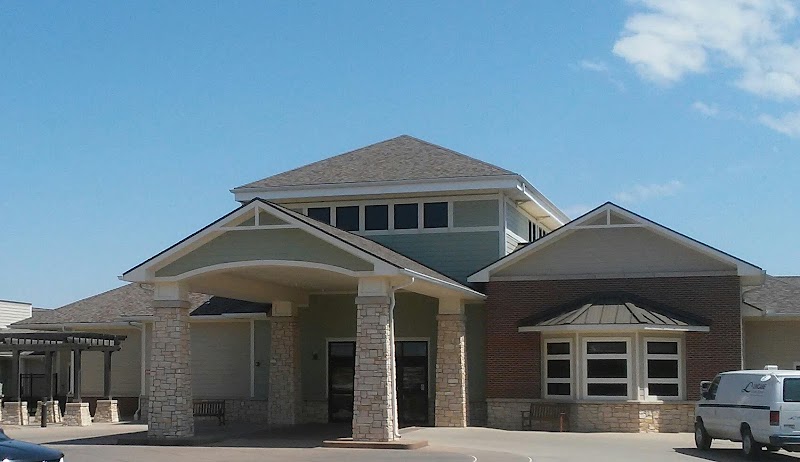
How Does Avita Health And Rehab At Reeds Cove Compare to Other Kansas Nursing Homes?

Compared to the 100 nursing homes in Kansas, AVITA HEALTH AND REHAB AT REEDS COVE's overall rating (1 stars) is below the state average of 2.9, staff turnover (61%) is significantly higher than the state average of 46%, and health inspection rating (1 stars) is much below the national benchmark.

What Should Families Ask When Visiting Avita Health And Rehab At Reeds Cove?

Based on this facility's data, families visiting should ask: "What changes have been made since the serious inspection findings, and how are you preventing similar issues?" "How do you ensure continuity of care given staff turnover, and what is your staff retention strategy?" "Can I visit during a mealtime to observe dining assistance and food quality?" "How do you handle medical emergencies, and what is your hospital transfer rate?" These questions are particularly relevant given the facility's Immediate Jeopardy citations and the facility's high staff turnover rate.

Is Avita Health And Rehab At Reeds Cove Safe?

Based on CMS inspection data, AVITA HEALTH AND REHAB AT REEDS COVE has documented safety concerns. Inspectors have issued 1 Immediate Jeopardy citation (the most serious violation level indicating risk of serious injury or death). The facility has a 1-star overall rating and ranks #100 of 100 nursing homes in Kansas. Families considering this facility should ask detailed questions about what corrective actions have been taken since these incidents.

Do Nurses at Avita Health And Rehab At Reeds Cove Stick Around?

Staff turnover at AVITA HEALTH AND REHAB AT REEDS COVE is high. At 61%, the facility is 15 percentage points above the Kansas average of 46%. High turnover means new staff may not know residents' individual needs, medications, or preferences. It can also be disorienting for residents, especially those with dementia who rely on familiar faces. Families should ask: What is causing the turnover? What retention programs are in place? How do you ensure care continuity during staff transitions?

Was Avita Health And Rehab At Reeds Cove Ever Fined?

AVITA HEALTH AND REHAB AT REEDS COVE has been fined $8,827 across 1 penalty action. This is below the Kansas average of $33,167. While any fine indicates a compliance issue, fines under $50,000 are relatively common and typically reflect isolated problems that were subsequently corrected. Families should ask what specific issues led to these fines and confirm they've been resolved.

Is Avita Health And Rehab At Reeds Cove on Any Federal Watch List?

AVITA HEALTH AND REHAB AT REEDS COVE is not on any federal watch list. The most significant is the Special Focus Facility (SFF) program, which identifies the bottom 1% of nursing homes nationally based on persistent, serious quality problems. Not being on this list means the facility has avoided the pattern of deficiencies that triggers enhanced federal oversight. This is a positive indicator, though families should still review the facility's inspection history directly.