EXCEL HEALTHCARE AND REHAB WICHITA
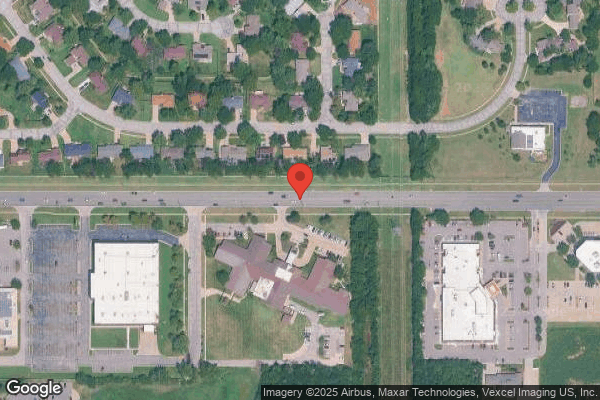
7101 E 21ST STREET NORTH, WICHITA, KS 67206 (316) 867-6101
For profit - Limited Liability company 118 Beds ANEW HEALTHCARE Data: November 2025 3 Immediate Jeopardy citations
Trust Grade
0/100
#249 of 295 in KS
Last Inspection: February 2025

Within standard 12-15 month inspection cycle. Federal law requires annual inspections.

Overview

Excel Healthcare and Rehab in Wichita, Kansas, has received a Trust Grade of F, which indicates significant concerns and is considered poor. The facility ranks #249 out of 295 in Kansas and #26 out of 29 in Sedgwick County, placing it in the bottom half for both state and county rankings. Trends show that the situation is worsening, with issues increasing dramatically from 2 in 2024 to 25 in 2025. Staffing is a concern with a 2 out of 5 rating and a turnover rate of 72%, significantly higher than the state average of 48%, meaning many staff do not stay long, affecting care consistency. There have also been critical incidents, including a failure to readmit a resident after discharge, which put their continuity of care at risk, and a lack of proper identification and treatment of a resident's fecal impaction, leading to hospitalization. While there are severe weaknesses in care and safety, families should be aware of these issues when considering this facility for their loved ones.

Trust Score
F
0/100
In Kansas
#249/295
Bottom 16%
Safety Record
High Risk
Review needed
Inspections
Getting Worse
2 → 25 violations
Staff Stability
⚠ Watch
72% turnover. Very high, 24 points above average. Constant new faces learning your loved one's needs.
Penalties
✓ Good
$49,505 in fines. Lower than most Kansas facilities. Relatively clean record.
Skilled Nurses
⚠ Watch
Each resident gets only 16 minutes of Registered Nurse (RN) attention daily — below average for Kansas. Fewer RN minutes means fewer trained eyes watching for problems.
Violations
⚠ Watch
58 deficiencies on record. Higher than average. Multiple issues found across inspections.
★☆☆☆☆
1.0
Overall Rating
★★☆☆☆
2.0
Staff Levels
★★☆☆☆
2.0
Care Quality
★☆☆☆☆
1.0
Inspection Score
Stable
2024: 2 issues
2025: 25 issues

The Good

  • Full Sprinkler Coverage · Fire safety systems throughout facility
  • No fines on record

Facility shows strength in fire safety.

The Bad

1-Star Overall Rating

Below Kansas average (2.9)

Significant quality concerns identified by CMS

Staff Turnover: 72%

25pts above Kansas avg (46%)

Frequent staff changes - ask about care continuity

Federal Fines: $49,505

Above median ($33,413)

Moderate penalties - review what triggered them

Chain: ANEW HEALTHCARE

Part of a multi-facility chain

Ask about local staffing decisions and management

Staff turnover is very high (72%)

24 points above Kansas average of 48%

The Ugly 58 deficiencies on record

3 life-threatening 7 actual harm
Mar 2025 1 deficiency
CONCERN (D) 📢 Someone Reported This

A family member, employee, or ombudsman was alarmed enough to file a formal complaint

Potential for Harm - no one hurt, but risky conditions existed

Deficiency F0658 (Tag F0658)

Could have caused harm · This affected 1 resident

**NOTE- TERMS IN BRACKETS HAVE BEEN EDITED TO PROTECT CONFIDENTIALITY** The facility reported a census of 105 residents with four residents included in the sample. Based on interview and record review...

Read full inspector narrative →
**NOTE- TERMS IN BRACKETS HAVE BEEN EDITED TO PROTECT CONFIDENTIALITY** The facility reported a census of 105 residents with four residents included in the sample. Based on interview and record review the facility failed to ensure the staff administration of resident's medication met professional standards. The Certified Medication Aide administered Trazodone to Resident (R)2 at the incorrect time, and left R3's medication in her room, without observing the resident consume the medication and staff later found 15 medication cups with one gabapentin (medication used for nerve pain) and one tramadol (medication used for moderate to severe pain) in each cup and also found 19 tramadol pills in R3's drawer. Findings included: - R2's Electronic Medical Record (EMR) dated 05/29/24 indicated the following diagnoses: acute/chronic respiratory failure with hypoxia (persisting for a long period, often for the remainder of a person's lifetime, chronically poor airflow) and type two diabetes (a disease in which the body's ability to produce or respond to the hormone insulins is impaired, resulting in abnormal metabolism of carbohydrates and elevated levels of glucose in the blood and urine). R2's admission Minimum Data Set (MDS) dated [DATE] revealed a Brief Interview Mental Status score of 10, indicating moderate cognitive impairment. R2 received daily insulin (a hormone produced by the pancreas that plays a crucial role in regulating blood sugar levels) in the seven-day, look back period. The Care Plan revised 06/05/24 included R2 received a Trazodone which had a black box warning (BBW) to monitor for adverse events, such as suicidal thoughts and behaviors. The EMR revealed an order dated 06/05/24 for Trazodone 50 milligrams (mg) by mouth at bedtime for insomnia/depression. The Nurses Notes dated 01/05/25 at 05:00 PM revealed R2 had increased exhaustion the last couple of days around noon. The medication cart review revealed the nighttime Trazodone dose was placed with the noon medications and given at noon. The team notified the physician regarding the medication given at the wrong time and received orders to monitor the resident for side effects. The Medication Error report dated 01/15/25 revealed R2's Trazodone 50 mg bedtime dose was in the morning medications which caused R2 increased exhaustion around noon the last couple of days. The report revealed R2 received the Trazodone in the morning and continued to receive the evening Trazodone dose also and noted the Certified Medication Aide (CMA) did not verify the medication prior to administration. During an observation on 03/19/25 at 10:45 AM, R2 was in her bed and alert. During an interview on 03/19/25 at 10:45 AM, R2 said she received her Trazodone at noon and it just made her sleepy. R2 said she did not have any other effects to the medication. During an interview on 03/19/25 on 12:20 PM, Licensed Nurse (LN) G said R2 told staff she was tired a lot so we checked her medication and found the Trazodone in the noon slot instead of the bedtime. We notified the nurse practitioner regarding the medication error and received no new orders and continued to monitor R2 for side effects. During an interview on 03/19/25 at 3:30 PM, Administrative Nurse D revealed they expected the staff to give the current medication at the correct time. The facility's policy Administering Medication revision date April 2019, medications are administered in a safe and timely manner as prescribed. The individual administering the medications checks the label three times, to verify, the right resident, right medication, right dosage, right time and right method before giving the medication The facility failed to ensure the medication administration met professional standards when the Certified Medication Aide administered the evening dose of R2's Trazodone at noon, and staff also administered R2's evening dose of Trazodone. - Resident (R) 3's Electronic Medication Record (EMR) dated 09/21/24 revealed a diagnosis of cerebral vascular disease (a condition that affects blood flow to the brain). The Annual Minimum Data Set (MDS) dated [DATE] revealed a Brief Interview of Mental Status score of seven indicating severely impaired cognition. The MDS documented R3 received antidepressant medication in the seven-day lookback period. The Quarterly MDS dated [DATE] indicated no changes from the 07/04/24 Annual MDS. The Care Plan revised 04/26/24 indicated R3 had potential alterations in comfort related to arthritis (inflammation of a joint characterized by pain, swelling, heat, redness and limitation of movement) and aging process. The staff were to monitor for side effects of pain medication such as, increase agitation, restlessness, confusion, dizziness, and falls. The Tramadol (opioid pain medication) had a black box warning (BBW) because the use of tramadol exposed users to the risk of opioid addiction, abuse and misuse, which could lead to overdose and death. The EMR orders included an order dated 02/13/25 to administer Tramadol 50 milligrams (mg), by mouth, three times a day for knee pain, and a 10/28/24 order for Gabapentin 100 mg, two tablets by mouth, two times a day for neuropathy. The Nurses Notes dated 01/03/25 revealed the unit manager found 15 medication cups in the resident's room with one gabapentin and one tramadol in each cup. An hour later the roommate reported to staff R3 had more tramadol in her drawer and the staff entered the room and removed 19 more Tramadol. On 01/03/25 the facility completed education regarding medication administration, noting when medication was being prepared and given to residents ensure the residents takes the medication while the medication aide or nurse is present, If the resident refuse to take the medication do not leave the medication in the room, return it to the medication cart. During an interview on 03/19/25 at 11:00 AM, R3 said she had no idea why she had not taken her pills and said she would leave them everywhere. R3 said now the staff watch her take her medication all the time. During an interview on 03/19/25 at 11:25 AM, Licensed Nurse (LN) H said the staff did not watch R3 take her medication and found 15 cups in R3's room with one gabapentin and one tramadol in each cup, and 19 Tramadol in R3's drawer. During an interview on 03/19/25 at 03:30 PM, Administrative Nurse D revealed they expected staff to visualize the residents taking their medications. The facility's policy Administering Medication revision date April 2019, medications are administered in a safe and timely manner as prescribed. The individual administering the medications checks the label three times, to verify, the right resident, right medication, right dosage, right time and right method before giving the medication. The facility failed to ensure the medication administration met professional standards when the Certified Medication Aides did not observe the resident taking the medication and left the medication in her room, to which staff later found 15 medication cups with gabapentin and tramadol medication in each cup and also found 19 tramadol in her drawer.
Mar 2025 2 deficiencies 2 IJ
CRITICAL (J) 📢 Someone Reported This

A family member, employee, or ombudsman was alarmed enough to file a formal complaint

Immediate Jeopardy (IJ) - the most serious Medicare violation

Safe Transfer (Tag F0626)

Someone could have died · This affected 1 resident

**NOTE- TERMS IN BRACKETS HAVE BEEN EDITED TO PROTECT CONFIDENTIALITY** The facility reported a census of 100 residents with eight residents sampled and one resident reviewed for proper discharge from...

Read full inspector narrative →
**NOTE- TERMS IN BRACKETS HAVE BEEN EDITED TO PROTECT CONFIDENTIALITY** The facility reported a census of 100 residents with eight residents sampled and one resident reviewed for proper discharge from facility. The facility failed to readmit Resident (R) 77 back into the facility. The likelihood for a serious adverse outcome existed, due to the threat to R77's continuity of care, feelings of insecurity to his safety in not having a place to discharge to after the facility had been providing his care for the past two years and four months. The negative psychosocial impact is significant and traumatic, with R77s history of having to live in a men's shelter. This placed R77 in immediate jeopardy. Findings Included: - Review of the Electronic Health Record (EHR), documented R77 had diagnoses of autistic disorder (is a neurological and developmental disorder that affects how people interact with others, communicate, learn, and behave), anxiety, and schizoaffective disorder (a mental health condition that is marked by a mix of schizophrenia symptoms, such as hallucinations and delusions). The 12/11/24 Quarterly Minimum Data Set (MDS) documented a Brief Interview for Mental Status (BIMS) score of one, which indicated severely impaired cognition. R77 required total assistance with all activities of daily living (ADL) eating, dressing, mobility, transfers, bathing, oral care, and toileting. R77 had difficulty focusing attention, for example, being easily distractible or having difficulty keeping track of what was said on a daily basis, and R77's thinking was disorganized or incoherent (rambling or irrelevant conversation, unclear or illogical flow of ideas, or unpredictable switching from subject to subject on a daily basis. No depression or behaviors noted. The 09/11/24 Annual MDS documented a BIMS score of one, which indicated severely impaired cognition. R77 required total assistance with all ADLs. R77 had difficulty focusing attention, for example, being easily distractible or having difficulty keeping track of what was said on a daily basis, and R77's thinking was disorganized or incoherent (rambling or irrelevant conversation, unclear or illogical flow of ideas, or unpredictable switching from subject to subject on a daily basis. No depression noted, R77 had rejected care one to three days in seven day look-back period of 09/05/24 thru 09/11/24. The 09/17/24 Behavioral Symptoms Care Area Assessment (CAA) documented R77 continued to reside in facility at this time. R77 had diagnosis of schizoaffective disorder, and autistic disorder. R77 had cognitive deficits with interventions in place. R77 had multiple behaviors R77 had communication deficits but was usually able to make needs known. R77 planned to remain in facility for long term care. The resident's Care Plan documented the following: On 01/17/23 R77's focus of care plan was placement long-term. 01/25/23 - Staff were instructed to encourage participation in social/recreational activities to promote well-being in long term placement. 01/25/23 - Staff would provide support and encouragement to help resident adjust to long-term placement. 09/28/23 - Staff were instructed to refer for psychiatry/ psychology evaluation and follow-up if indicated. The resident's Care Plan lacked any discharge focus or goals. Review of the Physician Orders documented 10/08/22 - Admit R77 long-term care. Review of R77's EHR lacked a discharge order or a 30-day discharge in writing to R77 and or durable power of attorney (DPOA- legal document that named a person to make healthcare decisions when the resident was no longer able to). On 02/10/25 at 12:50 PM Social Service Note revealed Social Service Designee (SSD) X received a follow on a referral she had sent to a local facility on 02/07/24, to accept R77. The reply was they currently did not have room and had a long waiting list. SSD X requested that R77 be placed on waiting list. On 02/21/2025 at 03:19 PM Progress Note revealed R77 had attended therapy and became very lethargic and did not want to participate. Vital signs assessed temperature 100.5 degrees Fahrenheit, pulse 102, blood pressure 168/94. Covid and flu swabs were negative. Administrative Nurse F attempted to straight catheterize (a flexible tube inserted through a narrow opening into a body cavity, particularly the bladder, for removing fluid) resident to obtain urine sample, resident did not have any urine output. Resident was transferred to hospital for evaluation. DPOA, Administrative Nurse B was notified of transfer. Bed hold signed by two nurses and sent with resident. On 02/21/25 at 04:55 PM emergency room Note R77 complaints were abdominal pain, decreased urine output, and lethargy. A computed tomography (CT scan- test that used x-ray technology to make multiple cross-sectional views of organs, bone, soft tissue and blood vessels) was completed and revealed a massive rectosigmoid (the part of the large intestine where the upper rectum meets the lower sigmoid colon) stool burden with associated rectal wall thickening. Findings were concerning for fecal impaction. Would consult a general surgeon on 02/22/25 for possible evaluation under anesthesia. On 02/24/25 the hospital was informed Administrative Staff A was not allowing R77 to be re-admitted back to the facility, as his care level was outside the facility's level of care, due to his falls. The hospital staff documented they contacted Administrative Staff A regarding abandoning the patient (R77) at the hospital, and Administrative Staff A stated they will not be back out to reassess the patient and would not take him back. On 02/25/25 at 03:04 PM, Social Service Note revealed Social Service Designee (SSD) X attempted to contact R77's DPOA to inform them that R77 would not be returning to facility. SSD was not able to leave a voicemail. SSD would continue to contact the family. On 03/04/25 at 10:12 AM phone interview with DPOA revealed he had not spoken to any staff at the nursing facility and that they rarely call him. He reported that he did not have voicemail set up on his phone and most calls come in as spam so he would not answer those calls. DPOA reported that R77 was admitted to the hospital on the 21st of February for a fecal impaction and he has been in contact with the hospital. DPOA reported that he has never received a 30 day notice of discharge and was surprised and upset that nursing facility would not accept R77 back to the facility. On 03/04/25 at10:57 AM phone interview with R77's case manager at hospital reported that she had spoken to Administrative Staff on over the phone last week and was informed that R77 was not allowed to return to the facility as his level of care was outside the facility's level of care and due to his falls. During an interview on 03/04/25 at 12:15 PM, Administrative Nurse F reported that R77 would not be readmitted to the facility. Administrative Nurse F reported the facility did not have the means to take care of him as R77 required more behavioral assistance, he did have a helmet and nice chair to be positioned in, but R77 had several falls. Administrative Nurse F reported that she was not in the meeting when it was discussed to not readmit R77. During an interview on 03/04/25 at 12:22 PM, SSD X reported that R77 would not be coming back to the facility as the facility was unable to meet R77's cares, but we had discussed it prior to discharge with DPOA at a care plan meeting to find placement for R77, and referrals had been sent to other facilities. SSD X reported that the clinical team that consisted of Administrative Staff A, Administrative Nurse B, and Administrative Nurse F decided to not let R77 return to the facility. SSD X reported that no 30 day discharge notice had been given to resident or DPOA. SSD X reported she had tried to call the DPOA, and he did not answer. However, she reported her phone when she called out would show on the receiving end the call would come from Utah. SSD X reported that she had just noticed that not long ago. SSD X reported she had no idea if DPOA knew that R77 was not allowed to come back to the facility. During an interview on 03/04/25 at 01:09 PM, Administrative Staff A and Administrative Nurse B reported the facility had attempts to find an appropriate facility to admit R77 and the documentation would be in the referral notes of SSD X in EHR. Administrative Staff A reported that no 30 day notice was given to resident or DPOA. Administrative Staff A reported that when R77 had a previous admission to a hospital it was recommended that R77 have a seat belt placed on chair and a helmet. Administrative Staff A revealed the facility could not use a seat belt as the facility was a restraint free facility and R77 would not be able to self-release a seatbelt and R77's level of care has increased prior to him going to the hospital on the 21st of February. Administrative Nurse B reported that a conversation between therapy and nursing had occurred. However, no evaluation was completed to see if therapy could assist with finding a seatbelt that he could he use and then R77 went to the hospital. Administrative Nurse B reported that the facility decided not to re-admit R77 back on 02/24/25. Administrative Nurse B reported it was an interdisciplinary team decision, and reported it was not documented in the EHR. On 03/05/25 at 09:30 AM, the admission Coordinator reported the facility currently had a censes of 102 residents with a capacity of 115 to 118 beds (13 to 15 beds available). The admission Coordinator reported that she had accepted R77 back on 02/24/24 around 09:00 AM on the website used between the hospital and facility. admission Coordinator reported that R77 was their resident, and the facility had to accept him back, she was not aware if a bed hold had been completed. However, she reported she knew she had to accept him back. admission Coordinator reported after the facility's morning meeting she had to go back into website and decline R77 as a re-admission as the Administrative Staff A reported the facility would not accept R77 back. The admission Coordinator showed the correspondents on the website between the facility and hospital that showed the above. The facility's policy Transfer or Discharge, Facility-Initiated dated October 2022 documented once admitted to the facility, residents have the right to remain in the facility. Facility-initiated transfers and discharges, when necessary, must meet specific criteria and require resident/representative notification and orientation, and documentation as specified in this policy. When residents who are sent emergently to an acute care setting, these scenarios are considered facility-initiated transfers, not discharges, because the resident's return is generally expected. Residents who are sent emergently to an acute care setting, such as a hospital, are permitted to return to the facility. If the facility does not permit a resident's return to the facility (i.e., initiates a discharge) based on inability to meet the resident's needs, the facility will notify the resident, and/or his or her representative in writing of the discharge, including notification of appeal rights. If the resident chooses to appeal the discharge, the facility will allow the resident to return to his or her room or an available bed in the facility during the appeal process, unless there is documented evidence that the resident's return would endanger the health or safety of the resident or other individuals in the facility. The facility failed to allow R77 return to the facility after he was in the hospital. The likelihood for a serious adverse outcome existed, due to the threat to R77's continuity of care, feelings of insecurity to his safety in not having a place to discharge to after the facility had been providing his care for the past two years and 4 months. The negative psychosocial impact is significant and traumatic, with R77's history of having to live in a men's shelter. This deficient practice placed all residents who are discharged to the hospital are allowed to return to the facility at risk in immediate jeopardy. On 03/05/25 at 11:40 AM, Administrative Staff A, Administrative Nurse B, Regional Nurse Consultant GG, Regional Nurse Consultant II, and Regional Therapy Consultant HH were provided the Immediate Jeopardy (IJ) template and notified the facility the failure for not allowing R77 to return to the facility that he has lived at for two years and four months. The facility submitted an acceptable plan for removal of the immediate jeopardy on 03/06/25 at 12:21 PM which included the following: Identify those residents who have suffered, or are likely to suffer, a serious adverse outcome as a result of the alleged noncompliance: 1. Resident R77 is currently not at the facility. 2. DON will conduct an immediate review of all residents currently at the hospital. 3. Facility marketing staff went to assess resident R77 at the hospital. 4. Facility marketing staff requested updated requests for Resident R77. 5. Administrator will educate Admission/marketing, social services, DON and clinical manager on discharge and readmission policies. Specify the action(s) the facility will take to alter the process or system failure to prevent serious adverse outcome from occurring or recurring, and when the action(s) will be complete. 1. Administrator will review and update the facility's policy and procedure related to readmission of resident's post-hospitalization care needs. 2. Administrator and admission/marketing staff will review and improve communication protocols with hospital staff, ensuring that clear and timely decisions are made about resident readmissions. 3. Administrator will educate admission/marketing staff to complete a comprehensive assessment process before making decisions regarding readmission. 4. Administrator will educate admission/marketing staff on the communication with hospital staff. 5. Administrator and admission/marketing staff will review and improve communication protocols with hospital staff, ensuring that clear and timely decisions are made about resident readmissions. Any refusal to readmit should be discussed thoroughly with hospital staff to ensure that all potential solutions or alternatives are explored, and the rationale for the decision is documented. 6. R77 will return to the facility upon completion of hospital discharge planning. The removal plan was verified when R77 returned to the facility on [DATE] at 03:06 PM. The scope and severity remained at a G (isolated, actual harm) scope and severity.
CRITICAL (J) 📢 Someone Reported This

A family member, employee, or ombudsman was alarmed enough to file a formal complaint

Immediate Jeopardy (IJ) - the most serious Medicare violation

Deficiency F0675 (Tag F0675)

Someone could have died · This affected 1 resident

The facility reported a census of 100 residents with eight residents sampled and one resident reviewed for fecal impaction (accumulation of hardened feces in the rectum that the individual was unable ...

Read full inspector narrative →
The facility reported a census of 100 residents with eight residents sampled and one resident reviewed for fecal impaction (accumulation of hardened feces in the rectum that the individual was unable to move), and constipation (difficulty passing stools). Based on observation, interview, and record review the facility failed to have an adequate system in place to identify the known signs and symptoms of fecal impaction for Resident (R) 77, who was required to have a large stool ball removed from his upper rectum, under anesthesia on 02/25/25 at 10:30 AM at the local hospital. This deficient practice placed all residents at risk in immediate jeopardy. Findings Included: - Review of the Electronic Health Record (EHR) documented R77 had a diagnosis of constipation. The 12/11/24 Quarterly Minimum Data Set (MDS) documented a Brief Interview for Mental Status (BIMS) score of one, which indicated severely impaired cognition. R77 required total assistance with all activities of daily living (ADL) eating, dressing, mobility, transfers, bathing, oral care, and toileting. R77 was always incontinent of bowel. The 09/11/24 Annual MDS documented a BIMS score of one, which indicated severely impaired cognition. R77 required total assistance with all ADLs. R77 was always incontinent of bowel. The 09/27/24 Urinary Incontinence and Indwelling Catheter Care Area Assessment (CAA) documented due to the resident's diagnosis, interventions included to apply incontinence devices as identified as appropriate for the resident, identify voiding patterns, monitor and document no output, increased pulse, increased temperature, altered mental status, change in behavior, and change in eating pattern. The resident's Care Plan documented R77 had impaired gastrointestinal function related to constipation, and included the following interventions: 10/18/22 - Staff were instructed to administer medications per physician orders. 10/18/22 - Staff were instructed to evaluate the resident for abdominal distention, bowel sounds and abdominal discomfort, after three days of no documented bowel movement. 10/18/22 - Staff were instructed to encourage adequate dietary and fluid intake. 10/18/22 - Staff were instructed to monitor for signs and symptoms and or complaints of gastrointestinal upset, nausea, vomiting, and distention. Review of the Physician Orders lacked any orders for monitoring, or medications for, the resident's bowels. Review of the Bowel Incontinence in the EHR from 02/11/25 through 02/21/25 revealed staff documented R77 was incontinent of bowel movements (BMs) on the following days: On 02/12/25 at 10:59 AM, R77 had a medium bowel movement. On 02/13/25 at 11:18 AM, R77 had a medium bowel movement. On 02/15/25 at 09:25 AM, R77 had a small bowel movement. On 02/18/25 at 12:21 AM, R77 had a small bowel movement. On 02/19/25 at 03:21 AM, R77 had a medium bowel movement. All the BMs documented were charted as normal and formed. For all other days during that time frame no BMs were documented. The 02/21/25 at 03:19 PM Progress Note revealed R77 had attended therapy and became very lethargic and did not want to participate. Staff assessed his vital signs, and the resident had a temperature of 100.5 degrees Fahrenheit, pulse of 102 beats per minute, blood pressure of 168/94 millimeters of mercury (mmHg), and his Covid and flu swabs were negative. Administrative Nurse F attempted to straight catheterize (a flexible tube inserted through a narrow opening into a body cavity, particularly the bladder, for removing fluid) the resident to obtain a urine sample, however the resident did not have any urine output. The facility transferred R77 to the local hospital for evaluation. The 02/21/25 at 04:55 PM emergency room Note revealed R77 complained of abdominal pain, decreased urine output, and lethargy. A computed tomography (CT scan- test that used x-ray technology to make multiple cross-sectional views of organs, bone, soft tissue and blood vessels) scan was completed and revealed a massive rectosigmoid (the part of the large intestine where the upper rectum meets the lower sigmoid colon) stool burden with associated rectal wall thickening. Findings were concerning for fecal impaction. The Note included they would consult a general surgeon on 02/22/25 for possible evaluation under anesthesia. The 02/25/25 at 10:30 AM Hospital Operative Report revealed R77 required surgery to have a large stool ball removed from his upper rectum under anesthesia. During a phone interview on 03/04/25 at 10:57 AM, R77's case manager at the hospital reported that R77 required the fecal impaction had to be removed while R77 was under anesthesia in the operating room on 02/25/25, as the medications and enemas administered to R77 during his admission from 02/21/25 thru 02/25/25 were not effective. During an interview on 03/04/25 at 11:23 AM, Certified Medication Aide (CMA) R reported that the nurse on duty would have to provide her with instructions to administer an as needed medication for any resident. CMA R reported she would look at the bowel movement report that should be printed every day, and if she noted that a resident did not have a bowel movement in three days she would let the nurse know. During an interview on 03/04/25 at 11:40 AM, Licensed Nurse (LN) G reported she would print out the bowel log every morning from the computer, and if a resident had more than three days of no bowel movement documented she provided the CMA direction to use standing orders of as needed milk of magnesia to be administered. LN G reported if a resident had an as needed medication for constipation already ordered she would provide the CMA direction to administer the ordered medication. Furthermore, LN G reported a small bowel movement documented in EHR would not count as a normal bowel movement. LN G reported the staff should document every day on every shift whether a resident had a bowel movement or no bowel movement. During an interview on 03/04/25 at 12:15 PM, Administrative Nurse F reported that bowel protocol is initiated when a resident did not have a normal bowel movement in three days. Administrative Nurse F reported the facility had standing orders for as needed bowel medications to relieve constipation. Administrative Nurse F reported that small BMs should not count as a normal BM and staff should chart every shift if a resident had a BM or not. Administrative Nurse F reviewed the BM charting in the EHR for R77 and confirmed some shifts were missing documentation and confirmed the resident he had not received any medications to treat constipation in the EHR. Administrative Nurse F reported R77 admitted to the hospital for a fecal impaction. During an interview on 03/04/25 at 01:09 PM, Administrative Staff A and Administrative Nurse B both confirmed R77 admitted to the local hospital with a bowel impaction. Administrative Staff A reported it was a concern that R77 required surgery to remove the fecal ball, but stated the resident was having normal bowel movements. Administrative Staff A and Administrative Nurse B could not answer if a small BM that was documented would count as a normal bowel movement. Administrative Staff A reported the facility did not have a bowel protocol policy and the facility used the standing orders for no BMs in three days. Administrative Nurse B reviewed the bowel movement documented in the EHR charting and reported she was concerned with the lack of charting noted for R77. During an interview on 03/04/25 at 01:49 PM, Certified Nurse Aide (CNA) N reported the resident did not have normal bowel movements right before he was discharged and stated it was a smear or visible mark of BM in R77's brief. CNA N reported she was told to document that as a small BM by the prior Director of Nursing of the facility. CNA N reported she noticed R77's breath started to smell like BM last month and his stool looked like putty and hard clay. CNA N said she reported that to the unknown agency nurse, as CNA N could not recall who the nurse was and stated the facility staffed a lot of agencies. CNA N reported she assisted an unknown, agency CMA to administer milk of magnesia to R77, prior to the transfer to the hospital. The facility lacked a policy for monitoring and documentation of bowel movements. The facility's Standing Orders from team health dated 04/04/24 documented if no BM in three days, give milk of magnesia (a medication is used for a short time to treat occasional constipation) 30 milliliters, by mouth. If no results within 24 hours, administer Lactulose (a synthetic sugar used to treat constipation) 20 milliliters, by mouth, every two hours, maximum three doses. If no results administer a Dulcolax suppository (a rectal medication used to treat occasional constipation) 10 milligrams. If no results administer a Fleets enema (is a saline laxative that provides reliable relief from occasional constipation that is inserted via rectum) once and notify the physician if no results. The facility failed to have an adequate system in place to identify the known signs and symptoms of fecal impaction for Resident (R) 77, who was required to have a large stool ball removed from his upper rectum, under anesthesia on 02/25/25 at 10:30 AM at the local hospital. This deficient practice placed all residents at risk in immediate jeopardy. On 03/04/25 at 06:20 PM, Administrative Staff A, Administrative Nurse B, Regional Nurse Consultant GG, and Regional Therapy Consultant HH were provided the Immediate Jeopardy (IJ) template and notified the facility failure for staff pervasive disregard for R77's dignity, in noting his breath smelled of bowel movement; lack of competent staff, who were incorrectly charting smear BM as small BM and lack of staff identification of R77's lack of urine output; lack of behavioral management and staff neglecting to recognize known clinical signs and symptoms of constipation and fecal impaction; Lack of staff training regarding resident behavioral issues and staff not providing adequate ADL assistance regarding bowel management placed R77s in immediate jeopardy to his health and safety, and placed all residents at risk. The deficient practice at F675 also constituted substandard quality of care at 42 CFR 483.24. The facility submitted an acceptable plan for removal of the immediate jeopardy on 03/04/25 at 08:46 PM which included the following: Identify those residents who have suffered, or are likely to suffer, a serious adverse outcome as a result of the alleged noncompliance: 1. R77 is currently at the hospital. 2. Clinical managers will interview interviewable residents for last BM, signs and symptoms of constipation, and fecal impaction. 3. CNAs will document BMs before the end of their shifts. 4. Nurses will assess non interviewable residents for signs and symptoms of constipation or fecal impaction. 5. If any residents are identified with constipation and fecal impaction, MD will be notified, and orders will be follow as needed. Specify the action(s) the facility will take to alter the process or system failure to prevent serious adverse outcome from occurring or recurring, and when the action(s) will be complete. 1. DON/designee will educate clinical staff on proper BM documentation, urinary output, signs and symptoms of constipation and fecal impaction. 2. DON/designee will educate CNAs to document BMs on POC before they leave their shift. 3. DON/designee will educate nurses to review POC documentation before end of the shift that CNA has completed BM documentation. 4. DON/designee will educate nurses to review alerts on PCC before the end of the shift. 5. DON/designee will educate Nurses to assess residents with no BMs for 3 days, signs and symptoms of impaction, or abdominal pain; notify MD; and follow physician's orders. 6. DON/designee will educate (in-services mentioned above) clinical staff prior to their next scheduled shift. 7. Unit manager will review POC documentation on daily clinical meeting to ensure compliance with BM documentation, urinary output and necessarily follow up. 8. DON will perform random audit on POC documentation, progress notes, MD notification, and medication administration for residents identified with no BM for 3 days or signs and symptoms of constipation or fecal impaction. 9. If additional discrepancies are identified, they will be corrected immediately according to physician's orders.? The surveyor verified the above corrective actions were implemented while on-site on 03/05/25. This deficient practice remained at a scope and severity of a G (isolated, actual harm).
Feb 2025 22 deficiencies 4 Harm
SERIOUS (G) 📢 Someone Reported This

A family member, employee, or ombudsman was alarmed enough to file a formal complaint

Actual Harm - a resident was hurt due to facility failures

Free from Abuse/Neglect (Tag F0600)

A resident was harmed · This affected 1 resident

The facility reported a census of 102 residents. The sample included 21 residents. Based on interview and record review the facility failed to provide adequate supervision for Resident (R) 157 when a ...

Read full inspector narrative →
The facility reported a census of 102 residents. The sample included 21 residents. Based on interview and record review the facility failed to provide adequate supervision for Resident (R) 157 when a tourniquet was left on his arm from a blood draw on a Friday and not found until Monday, a total of 5 days. Findings included: - R157's Electronic Health Record (EHR) revealed a diagnoses transient ischemic attack (TIA- temporary episode of inadequate blood supply to the brain), sepsis (life threatening systemic reaction that develops due to infections which cause inflammation throughout the entire body), and lactic acidosis (excessive accumulation of lactic acid produced by the muscle cells with the breakdown of carbohydrates for energy). The Electronic Health Record (EHR) documented an order dated 01/10/25 for hyponatremia (less than normal concentration of sodium in the blood), hyperkalemia (greater than normal amount of potassium in the blood), and transaminitis (a liver enzyme in the blood) lab tests to be obtained. The Progress Notes documented the following: On 01/09/25 at 12:00 PM, provider noted labs from today were pending. On 01/13/25 at 11:05 AM, Licensed Nurse (LN) J noted was informed that a tourniquet was found on R157's right arm. LN J assessed R157's arm and found it to have a deep blue ring around the upper right arm and reddish discoloration going down the arm. R157 had a brace to his right hand and his skin was not excessively warm. The resident's provider was notified and the facility received new orders for a doppler to his right arm. Mobile radiology was notified. On 02/10/25 at 12:48 PM Licensed Nurse (LN) C revealed their lab vendor left a tourniquet on a resident's arm and did not collect all of the ordered labs. On 02/10/25 at 12:54 PM LN J revealed she completed the assessment on R157's arm, obtained the order for the doppler, and notified mobile radiology. On 02/11/25 at 12:29 PM, Administrative Staff A revealed R157 had lab drawn on a Friday and the tourniquet was found on R157's right arm the following Monday. She confirmed that her expectation would have been that the tourniquet on the resident's arm be found much sooner. The facility's policy Abuse, Neglect, Exploitation, and Misappropriation Prevention Program dated 04/2021 documented residents have the right to be free from abuse, neglect, misappropriation of property, and exploitation. This includes but is not limited to freedom from corporal punishment, involuntary seclusion, verbal, mental, sexual or physical abuse, and physical and chemical restraint not required to treat the resident's symptoms. The facility failed to provide a safe and secure living environment for the residents of the facility by the failure to provide adequate supervision to prevent Resident (R)157 from having a tourniquet left tightly on his arm for five days.
SERIOUS (G) 📢 Someone Reported This

A family member, employee, or ombudsman was alarmed enough to file a formal complaint

Actual Harm - a resident was hurt due to facility failures

Pressure Ulcer Prevention (Tag F0686)

A resident was harmed · This affected 1 resident

**NOTE- TERMS IN BRACKETS HAVE BEEN EDITED TO PROTECT CONFIDENTIALITY** The facility identified a census of 102 residents with 21 sampled, which included one resident reviewed for pressure ulcers (loc...

Read full inspector narrative →
**NOTE- TERMS IN BRACKETS HAVE BEEN EDITED TO PROTECT CONFIDENTIALITY** The facility identified a census of 102 residents with 21 sampled, which included one resident reviewed for pressure ulcers (localized injury to the skin and/or underlying tissue usually over a bony prominence, as a result of pressure, or pressure in combination with shear and/or friction). Based on observation, interview, and record review the facility failed to implement care plan interventions to prevent the development of facility-acquired, stage 3 pressure ulcers/injuries (full thickness pressure injury extending through the skin into the tissue below) for Resident (R)14. Findings include: - Review of R14's diagnoses from the Electronic Health Record (EHR) documented: anorexia (lack or loss of appetite), metabolic encephalopathy (condition in which brain function is disturbed either temporarily or permanently due to different diseases or toxins in the body), and dementia (progressive mental disorder characterized by failing memory, confusion). The 11/27/24 Quarterly MDS documented a BIMS score of two, which indicated severely impaired cognition. R14 required set up assistance from staff for eating, supervision of staff for bed mobility, and he was independent with transfers. The MDS noted R14 had no pressure ulcer injuries or skin concerns. The 01/26/25 Significant Change Minimum Data Set (MDS) documented a Brief Interview for Mental Status (BIMS) score of one, which indicated severely impaired cognition. R14 required total staff assistance with activities of daily living (ADLs) including toileting hygiene, bathing, dressing, bed mobility, and transfers. R14 was incontinent of bladder and bowel frequently. The MDS indicated R14 received tube feedings and had an unplanned weight loss of five percent (%) or more in the last month or loss of 10% or more in last 6 months. R14 was at risk for pressure ulcers and had no pressure ulcer/injuries or skin concerns noted on the assessment. The 02/04/25 Pressure Ulcer/Injury Care Area Assessment (CAA) documented R14 readmitted from the hospital with a diagnosis of metabolic encephalopathy. R14 was noted to have dysphagia (swallowing difficulty) and moderate malnutrition. Interventions would include to apply moisturizer to his skin as needed, not massaging over bony prominences, and the use of mild cleansers for care. The staff would provide frequent incontinent care and prompt removal of wet/damp clothing or sheets as need and provide the resident with pressure relieving devices. The 02/03/25 Care Plan documented interventions initiated 08/04/21 and revised 02/24/23, as follows: Staff were instructed to apply moisturizer to R14's skin as needed, instructed not to massage over bony prominences, and use mild cleansers for peri care/washing. Staff were instructed to minimize extended exposure of the resident's skin to moisture by providing frequent incontinence care and prompt removal of wet/damp clothing or sheets as needed. Staff were instructed to monitor, document, and report to the provider changes in R14's skin status. Staff were instructed to provide a pressure relieving/reducing device on the resident's bed and wheelchair. The Physicians Orders dated 02/03/25 documented the following: 01/20/25 - May have Wound nurse consult; Complete Braden Score (pressure ulcer score) weekly times four. 01/21/25 - Complete a weekly skin evaluation every Saturday during evening shift. 01/31/25 - Wound care to the right and left medial (towards the middle) buttocks. Staff were to cleanse open areas to both of R14's inner buttocks with normal saline (NS- saline water solution for medical use), apply Xeroform (sterile non-adhering fine mesh gauze treated with a bacteriostatic agent) to wound bed, cover with Calcium Alginate (a highly absorbent wound dressing made from seaweed) and secure the area with a foam boarder for full thickness skin loss on each medial buttock. The dressing would be changed every Monday, Wednesday, Friday, and as needed if soiled, saturated, or missing. The 01/20/25 at 05:41 PM readmission Evaluation documented R14 had bruises and identified R14's coccyx had areas of friction present. Administrative Nurse D informed LN I (wound nurse) of the findings and pictures of the areas were taken. The evaluation further noted R14 had incontinence of bowel movement upon readmission to the facility and the Mepliex (absorbent, bordered foam dressing) on the resident's coccyx was removed. The 01/20/25 at 06:45 PM Skin/Wound Note documented a bruise on R14's left inner arm and left hand, from readmission. The 01/20/25 at 09:26 PM Braden Scale assessment documented R14 had a score of 17, which indicated the resident was at risk for skin breakdown. The 01/28/25 at 11:16 AM Skin Evaluation/Assessment documented no new skin concerns. The Progress Note dated 01/31/25 at 11:07 PM documented R14 had open areas to the right and left medial buttocks. Staff notified LN I (wound nurse) and the provider, with no new orders received. The 02/04/25 at 10:40 AM Skin/Wound Evaluation was not completed by LN I, who opened the evaluation, and it remained in progress on 02/11/25. Review of the EHR from 01/31/25 thru 02/11/25 lacked measurements of the open areas to the resident's buttocks. During an observation on 02/03/25 at 02:52 PM R14 was in his bed with the television on, and the head of bed elevated. R14 was positioned on his buttocks. During an observation on 02/04/25 at 05:07 AM R14 was in his bed low to floor, fall mat in place head of bed elevated, and he was positioned on his buttocks. During an observation on 02/04/25 at 07:27 AM, LN Y completed wound care on R14. Observation revealed three open areas on the resident's medical buttocks. One open area on left medial buttock had a red wound base that extended through all the skin layers. The two open areas on the right medial buttock had a deep, reddish crater that has extended through all skin layers. LN Y reported she would not measure the areas as the wound nurse measured the pressure ulcers. During an observation on 02/04/25 at 01:59 PM, the facility applied an air mattress to R14's bed by an outside vendor. The Physicians Orders dated 02/04/25 instructed staff to apply a low air loss mattress to the resident's bed for skin management and set it according to resident's weight. Staff were to check the setting and function every shift for mattress monitoring. During an observation on 02/10/25 at 12:15 PM R14 was in his bed low to floor, fall mat in place head of bed elevated, and he was positioned on his buttocks. During an interview on 02/10/25 at 12:49 PM Certified Nurse Aide (CNA) AA, observed exiting R14's room, reported she had provided incontinent care to R14 and left him on his back as he had no positioning pillows or devices in the room, and he had no repositioning on his care plan. CNA AA reported R14 had a dressing on his buttocks. During an interview on 02/03/25 at 11:52 AM, LN I wound nurse reported she could not call R14's Guardian/Conservator (is a person who manages the day-to-day life of another person, while a conservator is a person who manages the financial affairs of another person) as his old Guardian had been removed in 12/24 in the EHR. The court appointed a new guardian/conservator as the death of the original guardian occurred. LN I said a required consent was needed before the facility wound consultant company would assess R14's wounds. LN I reported the nurse who first assessed R14's wounds on 01/31/25 received an order and treatment from the provider. During an interview on 02/03/25 at 03:25 PM, LN I reported the camera was not working the day she looked at R14's wound, but another nurse may have taken a picture. LN I reported she wanted a wound protocol at the facility, and she was fairly new to this position. LN I reported R14 should be repositioned off of his back at least every two hours. LN I stated R14 should have an air mattress on the bed, and she was not sure why he did not have an air mattress but would look into that. LN I reported R14 had a Stage 3 pressure ulcer on each buttock and R14 did not have any skin breakdown when he readmitted to the facility on [DATE]. During an interview on 02/10/25 at 12:51 PM, Administrative Nurse E reported R14 should have had positioning devices in place to reposition R14 off his buttock and be repositioned by staff at least every two hours. During an interview on 02/10/25 at 04:10 PM, Administrative Nurse D reported R14 developed a facility acquired pressure ulcer since his readmission on [DATE]. Administrative Nurse D reported R14 should have had positioning devices in his room to use when staff repositioned him in bed. Administrative Nurse D reported staff were not to leave the resident on his back in bed and noted he should be turned side to side. Administrative Nurse D said R14 did not have an air mattress applied to his bed until the afternoon of 02/04/25, as the facility had to wait for an air mattress to be delivered. The facility's Pressure Ulcer/Skin Breakdown- Clinical Protocol dated 03/2014 documented the nursing staff and attending physician would assess and document on individuals significant risk factors for developing pressure ulcers, for example immobility, recent weight loss and history of pressure ulcers. The facility failed to implement interventions to prevent the development of three facility-acquired, stage 3 pressure injuries for R14. The facility further failed to regularly assess, monitor, and document R14's wounds after staff initially identified the resident's wounds had developed. These failures resulted in preventable wounds to R14's buttocks and placed him at an increased risk for further development of pressure injuries skin conditions.
SERIOUS (G) 📢 Someone Reported This

A family member, employee, or ombudsman was alarmed enough to file a formal complaint

Actual Harm - a resident was hurt due to facility failures

Accident Prevention (Tag F0689)

A resident was harmed · This affected 1 resident

**NOTE- TERMS IN BRACKETS HAVE BEEN EDITED TO PROTECT CONFIDENTIALITY** The facility reported a census of 102 residents with 21 sampled. Based on observation, interview, and record review the facility...

Read full inspector narrative →
**NOTE- TERMS IN BRACKETS HAVE BEEN EDITED TO PROTECT CONFIDENTIALITY** The facility reported a census of 102 residents with 21 sampled. Based on observation, interview, and record review the facility failed to ensure staff assessed Resident (R) 409 after a fall on 01/27/25 and failed to document the fall and/or the resident's status after the fall until the resident transferred to a local hospital and was diagnosed with multiple fractures (broken bones). Findings included: - R409's Physician's Orders dated 01/09/25 revealed the resident had a diagnosis of unspecified fracture of the left femur (broken bone). The admission Minimum Data Set (MDS) dated [DATE] revealed a Brief Interview Mental Status (BIMS) score of 11 indicating moderately impaired cognition. The resident had no behaviors exhibited, required a wheelchair for mobility and required substantial/maximal assistance with all activities of daily living (ADL). The Care Area Assessment[s] dated 01/15/25 for Cognitive Loss/Dementia and Falls revealed R409 admitted from hospital after falling at home and sustaining a left femur (thigh bone) fracture and left clavicle (collarbone) fracture. The Care Plan revision dated 01/21/25 revealed R409 had a risk for falls related to confusion gait/balance problems, incontinence, weakness, and a recent fall with femur and clavicle fracture. The Care Plan intervention dated 01/21/25 revealed the resident required the use of anti-roll back brakes to the wheelchair, a fall mat beside the bed, frequent checks, and staff would monitor/document the resident's pain level. Staff would ensure the surgical incision to the resident's left femur had a dressing in place until she could be seen by the orthopedic physician. Review of the facility Investigation Notes dated 02/05/25 revealed on 01/27/25 at 04:30 PM a local hospital notified the charge nurse, Licensed Nurse (LN) J, R409 had a right-side fracture of the pelvis. The nurses' notes lacked any reports of the resident falling or any indication of pain since the last recorded incident on 01/16/25. Upon further investigation by the facility, R409's roommate reported R409 fell while attempting to stand from her unlocked wheelchair. Staff alerted the nurse of the fall, and she assessed R409, then all three of the staff members lifted the resident from the floor. The resident was transported to the nurse's station. The investigative note documented on 01/27/25 the facility attempted to contact the Licensed Nurse working on the shift when R409 fell to write a statement regarding the resident's record lacking a fall assessment or documentation the facility's fall protocol was followed. Observation on 02/03/25 at 02:54 PM revealed R409 was in her wheelchair with her left arm in a sling and no facial grimace or signs of pain noted. Interview with Certified Nurse Aide (CNA) R on 02/10/25 at 11:25 AM revealed the resident was on fall precautions as she always tried to get up out of her bed. CNA R reported she heard the resident sustained a fracture of the pelvic area the last time she fell. Interview with CNA S on 02/11/25 at 12:50 PM revealed if a resident fell staff were to report it to the charge nurse, and not move the resident until an assessment was completed. During an interview on 02/10/25 at 02:20 PM Administrative Nurse D revealed she expected for all nurses to assess a resident with each fall, notify the provider, responsible party, and nurse manager. Administrative Nurse D stated she would re-educate any nurse who did not provide appropriate care to residents. The facility policy Fall and Fall Management dated March 2018 revealed facility staff will identify interventions related to resident's specific risk factors and causes to try to prevent the resident from falling and to try to minimize complications from the fall. The facility failed to assess R409 after a fall on 01/27/25. The facility further failed to document the fall and/or the resident's status after the fall until the resident transferred to a local hospital and was diagnosed with multiple fractures.
SERIOUS (G) 📢 Someone Reported This

A family member, employee, or ombudsman was alarmed enough to file a formal complaint

Actual Harm - a resident was hurt due to facility failures

Deficiency F0692 (Tag F0692)

A resident was harmed · This affected 1 resident

The facility identified a census of 102 residents, with 21 sampled, and one resident reviewed for weight loss. Based on observation, interview, and record review, the facility failed to monitor the we...

Read full inspector narrative →
The facility identified a census of 102 residents, with 21 sampled, and one resident reviewed for weight loss. Based on observation, interview, and record review, the facility failed to monitor the weight loss and failed to develop care plan interventions to address the weight loss for cognitively impaired Resident (R) 14, who had an identified weight loss of 20.54% in one month. This deficient practice had the potential to negatively affect the resident's physical well-being. Findings include: - Review of R14's diagnoses from the Electronic Health Record (EHR) documented, anorexia (lack or loss of appetite), metabolic encephalopathy (condition in which brain function is disturbed either temporarily or permanently due to different diseases or toxins in the body), and dementia (progressive mental disorder characterized by failing memory, confusion). The 11/27/24 Quarterly Minimum Data Set (MDS) documented a BIMS score of two, which indicated severely impaired cognition. R14 required set up for eating and no weight loss noted. The 01/26/25 Significant Change (MDS) documented a Brief Interview for Mental Status (BIMS) score of one, which indicated severely impaired cognition. R14 required total staff assistance with activities of daily living (ADL). The MDS indicated R14 received tube feedings and had an unplanned weight loss of five percent (%) or more in the last month or a loss of 10% or more in the last six months . The 02/04/25 Nutritional Status Care Area Assessment (CAA) documented R14 readmitted from the hospital for a diagnosis of metabolic encephalopathy. R14 was noted to have dysphagia (swallowing difficulty) and moderate malnutrition. Due to R14's diagnosis, interventions included to monitor R14's weights per protocol, observe for chewing or swallowing problems, provide the diet and consistency per provider orders, and nothing by mouth (NPO a medical abbreviation used to indicate that a patient should not consume any food, liquids, or medications orally). The CAA also noted to refer R14 to speech therapy for a speech/swallowing evaluation. The 02/03/25 Care Plan documented interventions for R14 which included: 08/04/21 - Staff instructed to observe R14 for chewing or swallowing problems and to offer alternatives of comparative nutritional value. 10/14/21- Staff instructed to refer to speech therapy for a speech/swallowing evaluation. Staff were to provide the diet and consistency, per physician order - puree, double portion meat portions. 07/11/23 - Staff to provide Ensure plus once daily. 01/01/25 - Staff instructed to monitor R14's weights, per protocol. The Physicians Orders dated 01/30/25 documented: 01/20/25 - Speech therapy evaluation and treatment as indicated 01/21/25 - NPO diet. 01/21/25 - Administer Mirtazapine (antidepressant medication) tablet 7.5 milligram (mg), give 7.5 mg, via feeding tube at bedtime for appetite. 01/21/25 - Complete admission and weekly weight for four weeks. 01/24/25 - Provide Glucerna 1.5 Cal (brand name of a family of tube feeding formula that was a calorically dense formula with specialized blend of low glycemic {release glucose slowly into the bloodstream, resulting in a gradual and moderate rise in blood sugar} and slowly digestible carbohydrates), administer one carton every four hours and flush with 30 milliliters of water after each feeding. Review of weights in the EHR from 06/17/24 until 02/07/25 documented the following weights for R14: 06/17/24 at 11:12 AM weighed 162.6 pounds (lbs.). 07/02/24 at 01:22 PM weighed 167.0 lbs. 08/08/24 at 08:06 AM weighed 162.2 lbs. 08/19/24 at 01:06 PM weighed 165.5 lbs. 09/03/24 at 01:29 PM weighed 160.6 lbs. 10/01/24 at 08:56 AM weighed 163.2 lbs. 12/17/24 at 04:59 PM weighed 167.0 lbs. 01/09/25 at 10:56 AM weighed 137.2 lbs. 01/20/25 at 08:27 PM weighed 137.2 lbs. (a 17.10% loss since 08/19/24 and a 20.54% loss since 12/17/24). 02/07/24 at 05:00 PM weighed 155.2 lbs. (18 days since the prior weight). The 01/09/25 (unknown time) Provider Progress Note included the provider saw R14 and Administrative Nurse E reported the resident had a recent weight loss noted. It was reported R14 also had decreased intake/appetite overall, as well as increased weakness/fatigue and an overall change in condition. The provider ordered a Chest X-ray, labs, and Mirtazapine 7.5 mg tablet, give one tablet orally, at bedtime for appetite stimulant. The 01/11/25 at 04:05 PM Progress Note revealed R14 looked different than what was normal for him. Vital signs included a blood pressure of 98 millimeters of Mercury (mmHg) systolic over 56 mmHg diastolic, and a pulse of 105 beats per minute. R14 refused oxygen monitoring, and his breathing was labored. The staff called the Physician and received an order to send R14 to the hospital . The 01/202/25 at 05:41 PM, Progress Note revealed R14 was readmitted to facility from the hospital. The 01/21/25 (unknown time) Provider Progress Note revealed the provider assessed R14 and adjusted R14 to NPO at that time, until evaluated by speech therapy in the facility. The 01/23/25 at 09:38 AM Dietary Progress Note revealed Consultant Staff JJ (Registered Dietician) received consult for tube feeding. R14's current body weight was 137.2 lbs., indicating underweight, with an ideal body weight of 148 lbs. The recommended tube feeding order included Glucerna 1.5 Cal, one carton every four hours, with a goal of gradual weight gain to R14's ideal body weight. The staff were to monitor tube feeding tolerance, residuals, and weights. The 01/26/25 (unknown time) Provider Progress Note included Speech therapy planned to evaluate R14 today to determine if he was safe for PO intake . During a review on 02/11/25 of the EHR, lacked a documented speech evaluation. During an observation on 01/30/25 at 01:20 PM, noted sign in R14's room which read NPO. During an observation on 02/10/25 at 09:10 AM, R14 was in his bed on his back with the head of bed elevated. R14 put his hand up to his mouth as if he was holding a utensil, when R14 was asked with a note written do you want to eat food R14 shook his head yes. R14 used a white board to communicate with staff as he was deaf. During an observation on 02/10/25 at 03:32 PM, R14 was observed by surveyor to have a weight completed by Certified Nurse Aide (CNA) R, CNA AA, and Administrative Nurse E. Staff utilized a mechanical lift scale which had been zeroed out. Weight revealed 141.0 pounds. During an interview on 01/30/25 at 01:20 PM, R14 reported he would eat food when he asked for the food. During an interview on 02/04/25 at 02:04 PM, Certified Nurse Aide (CNA) O reported R14 would ask her for something to eat, and she knew he could no longer eat. During an interview on 02/10/25 at 12:51 PM, Administrative Nurse E reported she had not witnessed the weight obtained on 02/07/25 for R14. Administrative Nurse E said CNA O reported the weight of 155.2 lbs. to her, and she documented that weight in the EHR. During an interview on 02/10/25 at 01:02 PM, Therapy Staff II (Director of Therapy) reported Therapy Staff LL (Speech Therapist) completed an evaluation for R14 and R14 had not started speech therapy. During an interview on 02/10/25 at 03:45 PM, Consultant Staff II reported she attempted to contact Consultant Staff LL, who completed R14's evaluation, as the evaluation could not be located. Consultant Staff II reported the speech evaluation was written on a piece of paper. During an interview on 02/11/25 at 01:17 PM, Consultant Staff LL reported she had completed a speech evaluation on R14 on 01/27/25 the last day she worked at the facility. Additionally, Consultant Staff LL reported she wrote the evaluation on a piece of paper, as she did not know to complete the evaluation in the EHR. Consultant Staff LL reported she texted Consultant Staff II the evaluation was completed, and she recommend R14 to start speech therapy. Consultant Staff LL reported she could not locate the locate the handwritten speech evaluation and reported that was a concern During an interview on 02/10/24 at 04:10 PM, Administrative Nurse D reported R14 had a speech evaluation completed and she did not know the evaluation could not be located. Administrative Nurse D stated it was reported by Consultant Staff II the evaluation was written on a piece of paper. Administrative Nurse D expected the evaluation to be completed and documented in the EHR. Administrative Nurse D expected R14 would have started speech therapy already. Administrative Nurse D reported she expected weights to be completed for all residents, per the physician orders. Administrative Nurse D confirmed R14 had a significant weight loss, and the weight loss was unacceptable. Administrative Nurse D confirmed the weight loss and tube feeding was not documented on the care plan in a timely manner. During an interview on 02/10/25 at 04:46 PM, Consultant Staff JJ (Registered Dietician) reported a virtual weight loss meeting occurred once a month with the interdisciplinary team (IDT) for weight loss that triggered for every single resident. Consultant Staff JJ confirmed R14 had a significant weight loss of 18% in one month and she had recommended weekly weights on 02/04/25. Consultant Staff JJ expected staff to obtain weights as ordered. She also reported the Speech Therapist had completed an evaluation for R14; however, she had not received a copy of the speech recommendations. The facility's undated policy Evaluation Therapy Plan of Care documented an evaluation by Speech-Language Pathologist required professional skills to make clinical judgement about conditions for which services were indicated based on objective measurement, and subjective evaluation of patient performance and abilities. Initiate the evaluation 24 hours after the order was obtained or next business day. The facility's policy Weight Assessment and Intervention dated 03/2022 documented resident's weights are monitored for undesirable or unintended weight loss or gain. Residents are weighed upon admission and intervals established by the IDT. Any weight change of 5% or more would be re-weighed the next day to confirm weight. If 5% weight change was confirmed the Registered Dietician would be notified in writing by nursing. One month weight loss of greater that 5% was severe. The facility failed to monitor weight loss and care plan weight loss interventions for cognitively impaired R14, who had a severe weight loss of 20.54% in one month. This deficient practice had the potential to negatively affect the resident's physical well-being.
CONCERN (D) 📢 Someone Reported This

A family member, employee, or ombudsman was alarmed enough to file a formal complaint

Potential for Harm - no one hurt, but risky conditions existed

Resident Rights (Tag F0550)

Could have caused harm · This affected 1 resident

The facility reported a census of 102 residents with 21 residents sampled. Based on interview, observation, and record review the facility failed to protect the dignity of Resident (R) 80 and R27 when...

Read full inspector narrative →
The facility reported a census of 102 residents with 21 residents sampled. Based on interview, observation, and record review the facility failed to protect the dignity of Resident (R) 80 and R27 when the staff failed to remove unwanted facial hair and/or trim resident fingernails as needed. The facility further failed to ensure staff knocked before entering resident rooms and blinds were closed to the outside when performing resident care activities. These practices had the potential to lead to negative psychosocial effects related to dignity. Findings included: - An observation on 01/30/25 at 01:14 PM, R80 sat in his wheelchair with visitor present and visible facial hair over one inch long present on R80's face. During the obsesrvation an unknown staff member walked into R80's room without knocking or announcing themself. When the staff member was greeted by R80, the staff member turned around and walked out of the room. During an interview on 01/30/25 at 01:14 PM, R80 revealed he preferred to be clean shaven and stated staff had not assisted him. R80 stated the presence of his beard bothered him. R80 further revealed staff members frequently walked in his room without knocking or announcing themselves. During an observation on 01/30/25 at 01:53 PM, R27 rested in her bed with visible facial hair covering approximately two inches of her chin. Additionally, R27's fingernails were approximately two inches long on all fingers. During an interview on 01/30/25 at 01:53 PM, R27 reported she was ashamed of her long facial hair and fingernails and reported staff would not assist her with facial hair removal or clipping of fingernails. During an observation on 02/04/25 at 09:56 AM, R27 rested in her bed with visible facial hair covering approximately two inches of her chin. Additionally, R27's fingernails were approximately two inches long on all fingers. During an interview on 02/10/25 at 02:25 PM, R27 reported that the unwanted facial hair was removed on 02/09/25 by an unidentified staff member, but the staff member refused to cut her fingernails. During an observation on 02/10/25 at 03:09 PM, Certified Nurse Aide (CNA) SS and CNA TT performed incontinence care on R80 and failed to close the window blinds to the exterior of the building which had a public sidewalk approximately 25 feet from the building with public parking lot immediately beyond the sidewalk. During an interview on 02/10/25 at 04:10 PM CNA SS confirmed blinds in resident rooms should be closed during incontinence care. During an interview on 02/11/25 at 09:22 AM, Administrative Staff A stated nail care should be offered twice a month and removal of unwanted facial hair should be performed with shower/bathing. Administrative Staff A further confirmed residents had filed grievances with the facility related to lack of nail care. The facility did not provide a policy related to protecting residents' dignity as requested on 02/11/24 at 03:00 PM. The facility failed to protect the dignity of Resident (R) 80 and R27 when the staff failed to remove unwanted facial hair and/or trim resident fingernails as needed. The facility further failed to ensure staff knocked before entering resident rooms and blinds were closed to the outside when performing resident care activities. These practices had the potential to lead to negative psychosocial effects related to dignity.
CONCERN (D) 📢 Someone Reported This

A family member, employee, or ombudsman was alarmed enough to file a formal complaint

Potential for Harm - no one hurt, but risky conditions existed

Deficiency F0561 (Tag F0561)

Could have caused harm · This affected 1 resident

**NOTE- TERMS IN BRACKETS HAVE BEEN EDITED TO PROTECT CONFIDENTIALITY** The facility reported a census of 102 residents with 21sampled, which included three residents reviewed for choices. Based on ob...

Read full inspector narrative →
**NOTE- TERMS IN BRACKETS HAVE BEEN EDITED TO PROTECT CONFIDENTIALITY** The facility reported a census of 102 residents with 21sampled, which included three residents reviewed for choices. Based on observation, interview, and record review, the facility failed to provide choices for dependent Resident (R) 82 related to her preferences for type and frequency of bath/shower. Findings included: - Review of the Resident (R)82's, Physician Orders, dated 05/18/22, revealed diagnoses which included anxiety disorder, muscle weakness, reduced mobility, obesity (severe overweight), and need for assistance with personal care. The Annual Minimum Data Set (MDS) dated [DATE], documentation included her Brief Interview for Mental Status (BIMS) score of 15, which indicated intact cognition. She reported it was very important to choose what clothes to wear and type of bath. The resident was partial to moderate dependent on staff for assistance with bathing and dressing. The Functional Abilities (Self-Care and Mobility) Care Area Assessment (CAA) dated 01/06/25 documentation included the resident remained in the facility for assistance with cares. The resident was incontinent of bladder and required staff assistance with toileting and bathing/hygiene. The Care Plan (CP) dated 12/03/24, lacked indication of the residents bathing preference for frequency and desired type of bath. The CP directed staff to allow the resident to make decisions about her treatment regimen to provide her with a sense of control, initiated 07/36/23. The resident had a self-performance activities of daily living (ADLs) deficit due related to weakness, obesity, impaired mobility, and pain initiated 11/24/24. Review of R82's Bath Sheets for 01/14/25 through 02/08/24 (25 days) revealed the facility staff offered the resident opportunities for baths on five occasions, which included the resident received her preferred type of bath, (a shower) on one occasion on 01/28/25. Three of the five occasions bed baths were offered, of which two were not given due to no hot water on 01/21/25 and 01/25/25. On 02/03/25 at 11:25 AM Certified Nurse Aide (CNA) UU assisted the resident with a transfer from the toilet to her wheelchair with the use of a gait belt, verbal cues, and physical guidance. The resident reported the facility was out of hot water for three weeks. The first two weeks the facility staff did not offer alternate bathing methods in the place of her preferred morning shower. She stated after a couple of weeks the facility offered her a bath with wipes and reported she did not feel clean doing that. She stated she felt dirty which mad her crabby. R82 stated the regular staff would wash her bottom with wipes, but they did not have hot water. R 82 stated she had reported her concerns to the administrator and the administrator told her last month they were working on the problems, and to give it time, but things did not get any better. R82 revealed staff had not followed up on the resident's grievances. On 02/10/25 at 12:34 PM, Licensed Nurse (LN) H reported the facility was without water and the staff had not bathed residents in accordance with their preferences due to water temperatures when her water was turned on. He stated the staff should document on the bath sheets, including a skin assessment, when giving a bath and if the resident refused an offered bath or shower staff would notify the nurse of any bath refusals. On 02/11/25 at 09:48 AM Administrative Nurse F, stated the staff interviewed residents on admission regarding their preferences, which included preferred bathing type and frequency. She stated R82's bathing preference was for a shower before breakfast, four days a week on Sunday, Tuesday, Thursday, and Saturday. Upon review of the resident's medical record Administrative Nurse F verified R82's care plan lacked her preferences for type and frequency of bath. Additionally, the staff did not offer a bathing option four times a week as noted above. Administrative Nurse F reported the facility had difficulty with a maintenance issue related to the hot water boiler, which the facility had been working on repairs with an outside contractor. During the time the system was malfunctioning (01/14/25 through 02/11/25) the facility staff were to provide the residents with alternate methods of bathing to include bath wipes and heating the water in the kitchen. She verified the findings as noted above. The facility Policy Bed bath, dated 03/2021, lacked direction regarding indication of the resident's bathing preferences for frequency and type of bathing. The facility failed to provide choices for a dependent Resident 82 related to bathing preferences for four showers weekly or alternatives when hot water was not available.
CONCERN (D) 📢 Someone Reported This

A family member, employee, or ombudsman was alarmed enough to file a formal complaint

Potential for Harm - no one hurt, but risky conditions existed

Deficiency F0582 (Tag F0582)

Could have caused harm · This affected 1 resident

The facility reported a census of 102 residents. The sample included 21 residents. Based on interview and record review the facility failed to ensure the correct and complete Beneficiary Protection No...

Read full inspector narrative →
The facility reported a census of 102 residents. The sample included 21 residents. Based on interview and record review the facility failed to ensure the correct and complete Beneficiary Protection Notification Forms were issued to one of three residents reviewed, Resident (R)56. Findings included: - On 02/10/25 review of the Skilled Nursing Facility Advance Beneficiary Notice of Non-Coverage Form CMS-10055 (SNF ABN) revealed Resident (R) 56 lacked the SNFABN form. On 02/11/25 at 10:49 AM, Administrative Staff A confirmed the form should have been given as required. The facility's policy Medicare Advance Beneficiary and Medicare Non-Coverage Notices dated September 2024, documented residents were given a Skilled Nursing Facility Advance Beneficiary Notice (CMA form 10055) when termination- if the facility proposes to stop furnishing all extended care items or services to a beneficiary because it expects that Medicare will not continue to pay for the items or services that a physician has ordered, the SNF ABN is issued to the beneficiary before such extended care items or services are terminated. The facility failed to ensure the correct and complete Beneficiary Protection Notification forms (SNF ABN 10055) were issued to R56, as required.
CONCERN (D) 📢 Someone Reported This

A family member, employee, or ombudsman was alarmed enough to file a formal complaint

Potential for Harm - no one hurt, but risky conditions existed

Transfer Notice (Tag F0623)

Could have caused harm · This affected 1 resident

**NOTE- TERMS IN BRACKETS HAVE BEEN EDITED TO PROTECT CONFIDENTIALITY** The facility had a census of 102 residents. The sample included 21 residents with eight reviewed for hospitalization. Based on o...

Read full inspector narrative →
**NOTE- TERMS IN BRACKETS HAVE BEEN EDITED TO PROTECT CONFIDENTIALITY** The facility had a census of 102 residents. The sample included 21 residents with eight reviewed for hospitalization. Based on observation, interview, and record review the facility failed to provide written notice for facility-initiated transfers for Residents (R) 79 or their representative when they were transferred to the hospital. Findings included: - Review of the Electronic Health Record (EHR) census log for R79 revealed a discharge from the facility to a hospital on [DATE] and noted the resident readmitted to the facility on [DATE]. Additionally, a discharge from the facility to a hospital on [DATE] and noted the resident readmitted to the facility on [DATE]. The EHR lacked documentation related to written notification of the resident or resident's representative related to this discharge/transfer. During an interview on 02/11/25 at 08:25 AM Social Services Designee (SSD) X revealed when a resident was sent to the hospital, the nursing staff would notify the resident and/or resident's representative verbal the transfer/discharge and revealed that she was aware of regulatory requirement that notification was to be in writing. The facility failed to provide a policy related to discharge notifications. The facility failed to provide written notification of facility-initiated discharges/transfers to the residents, the resident's representative.
CONCERN (D) 📢 Someone Reported This

A family member, employee, or ombudsman was alarmed enough to file a formal complaint

Potential for Harm - no one hurt, but risky conditions existed

Quality of Care (Tag F0684)

Could have caused harm · This affected 1 resident

**NOTE- TERMS IN BRACKETS HAVE BEEN EDITED TO PROTECT CONFIDENTIALITY** The facility census totaled 102, with 21 residents in the sample. Based on observation, interview, and record review the facilit...

Read full inspector narrative →
**NOTE- TERMS IN BRACKETS HAVE BEEN EDITED TO PROTECT CONFIDENTIALITY** The facility census totaled 102, with 21 residents in the sample. Based on observation, interview, and record review the facility failed to provide the necessary care for Resident (R) 88 related to obtaining ordered medications. Findings included: - Resident (R) 88's Electronic Health Record (EHR) revealed diagnoses of edema (swelling resulting from an excessive accumulation of fluid in the body tissues), pain, and anxiety (mental or emotional reaction characterized by apprehension, uncertainty and irrational fear). The Annual Minimum Data Set (MDS) dated 01/01/25, documented a Brief Interview of Mental Status (BIMS) score of 11, which indicated moderately impaired cognition. The assessment documented R88 was continent of bowel and occasionally incontinent of bladder and required substantial/maximal assistance with ADL's (activities of daily living such as grooming, shower, footwear). The Electronic Health Record (EHR) documented an order dated 12/09/24 for Replens external comfort vaginal gel (vaginal moisturizer) insert one application vaginally at bedtime every Tuesday, Thursday, and Saturday for vaginal dryness. The EHR Census log documented R88 was on paid hospital leave from 01/26/25 to 01/30/25. The Progress Notes Encounter documented on 12/08/24 at 11:00 PM, documented R88 did have itchiness to her labia and nursing reported she had been scratching the area frequently. Replens external comfort vaginal gel was ordered for vaginal dryness. The Progress Notes documented on 12/12/24 at 09:04 PM, documented R88's Replens external comfort vaginal gel was on order. The Progress Notes documented on 12/26/24 at 11:26 PM, documented R88's Replens external comfort vaginal gel was pending delivery. The Progress Notes documented on 01/04/25 at 09:04 PM, R88's Replens external comfort vaginal gel was unable to be located and that pharmacy was notified. The Progress Notes documented on 01/21/25 at 08:55 PM, documented R88's Replens external comfort vaginal gel was pending delivery. The Progress Notes Encounter documented on 01/30/25 at 11:00 PM, documented R88 presented to the hospital on [DATE] with vaginal itching and was found to have candidiasis, returned from the hospital with miconazole cream. The Electronic Health Record (EHR) documented an order dated 01/30/25 for Replens external comfort vaginal gel (vaginal moisturizer) insert one application vaginally at bedtime every Tuesday, Thursday, and Saturday for vaginal dryness. Observation on 02/04/25 05:41 AM, revealed R88 lying in her bed in her room with no signs of distress noted. During an interview on 02/11/25 at 11:58 AM, Licensed Nurse G stated that the night shift would administer the Replens gel. LN G searched the treatment cart and could not find the gel. LN G stated she would order from the pharmacy. During an interview on 02/11/25 at 01:06 PM, Consultant MM reported that the pharmacy had not delivered Replens external comfort vaginal gel until this date. That the applicators delivered would last two and a half weeks and could, if the facility requested, be put on automatic refill. The facility failed to provide a policy as requested on 02/11/25. The facility failed to provide the necessary care for R88 related to obtaining ordered medications.
CONCERN (D)

Potential for Harm - no one hurt, but risky conditions existed

Tube Feeding (Tag F0693)

Could have caused harm · This affected 1 resident

The facility identified a census of 102 residents, with 21 sampled, one resident was reviewed for tube feeding (administration of nutritionally balanced liquefied foods or nutrients though a tube) man...

Read full inspector narrative →
The facility identified a census of 102 residents, with 21 sampled, one resident was reviewed for tube feeding (administration of nutritionally balanced liquefied foods or nutrients though a tube) management. Based on observation, interview, and record review, the facility failed to check for residual (the volume of fluid remaining in the stomach at a point in time during enteral nutrition feeding) or placement prior to a bolus feed (a method of administering liquid nutrition through a feeding tube). Additionally, staff failed to have head of bed elevated for at least 60 minutes after a bolus feed was completed. This deficient practice had the potential to negatively affect the resident's physical well-being. Findings include: - Review of R14's diagnoses from the Electronic Health Record (EHR) documented, anorexia (lack or loss of appetite), metabolic encephalopathy (condition in which brain function is disturbed either temporarily or permanently due to different diseases or toxins in the body), and dementia (progressive mental disorder characterized by failing memory, confusion). The 11/27/24 Quarterly Minimum Data Set (MDS) documented a BIMS score of two, which indicated severely impaired cognition. R14 required set up for eating and no weight loss noted. The 01/26/25 Significant Change (MDS) documented a Brief Interview for Mental Status (BIMS) score of one, which indicated severely impaired cognition. R14 required total staff assistance with activities of daily living (ADL). The MDS indicated R14 received tube feedings. The 02/04/25 Nutritional Status Care Area Assessment (CAA) documented R14 readmitted from the hospital for a diagnosis of metabolic encephalopathy. R14 was noted to have dysphagia (swallowing difficulty) and moderate malnutrition. Due to R14's diagnosis, interventions included to monitor R14's weights per protocol, observe for chewing or swallowing problems, provide the diet and consistency per provider orders, and nothing by mouth (NPO a medical abbreviation used to indicate that a patient should not consume any food, liquids, or medications orally). The CAA also noted to refer R14 to speech therapy for a speech/swallowing evaluation. The Physicians Orders dated 01/30/25 documented: 01/21/25 - NPO diet. 01/24/25 - Provide Glucerna 1.5 Cal (brand name of a family of tube feeding formula that was a calorically dense formula with specialized blend of low glycemic {release glucose slowly into the bloodstream, resulting in a gradual and moderate rise in blood sugar} and slowly digestible carbohydrates), administer one carton every four hours and flush with 30 milliliters of water after each feeding. The 01/23/25 at 09:38 AM Dietary Progress Note revealed Consultant Staff JJ (Registered Dietician) received consult for tube feeding. R14's current body weight was 137.2 lbs., indicating underweight, with an ideal body weight of 148 lbs. The recommended tube feeding order included Glucerna 1.5 Cal, one carton every four hours, with a goal of gradual weight gain to R14's ideal body weight. The staff were to monitor tube feeding tolerance, residuals, and weights. During an observation on 02/04/25 at 01:20 PM, Licensed Nurse (LN) Y administered R14's bolus feed as per ordered. LN Y failed to assess for placement of feeding tube prior to administering the bolus feed. During an interview on 02/04/25 at 01:30 PM LN Y reported there was no order to check for placement in the EHR. LN Y reported that she should have checked for placement without an order and confirmed she had not. During an observation on 02/04/25 at 01:49 PM Administrative Nurse E and Certified Nurse Aide (CNA) placed R14's head of bed less than 30 degrees elevation until 02/04/25 01:53 PM (four minutes). Administrative Nurse E and CNA O placed a lift sling under R14 to transfer R14 out of bed into his wheelchair. During an interview on 02/10/25 at 01:59 PM, Administrative Nurse E reported that she expected the nurse to check for placement of feeding tube prior to administered water, bolus feed, and or medications. Administrative Nurse E confirmed that R14's head of bed was placed less than 30 degrees as staff had to transfer R14 out of bed to wheelchair, so an air mattress could be applied to his bed. Administrative Nurse E reported she did know that R14 had just been administered a tube feeding and was not sure if there was a specific time to leave head of bed elevated after a tube feeding was administered. During an interview on 02/04/24 at 02:54 PM, Administrative Nurse E reported that the enteral feedings - safety precaution policy was reviewed and she educated herself and the staff to maintain head of bed at least 30 degrees for one hour after a feeding was administered. The facility's Enteral Feeding - Safety Precautions dated November 2018 documented all responsible for preparing, storing, and administering enteral nutrition formulas would be trained, qualified and competent. To prevent aspiration (inhaling liquid or food into the lungs), check gastric residual volume as ordered and maintain head of bed at least 30 degrees for one hour after a tube feeding was administered. The facility failed to check for residual/placement prior to a bolus feed. Additionally, staff failed to have head of bed elevated for at least 60 minutes after a bolus feed completed. This deficient practice had the potential to negatively affect the resident's physical well-being.
CONCERN (D)

Potential for Harm - no one hurt, but risky conditions existed

Deficiency F0698 (Tag F0698)

Could have caused harm · This affected 1 resident

The facility reported a census of 102 residents with 21 residents sampled, including one resident reviewed for dialysis (the clinical purification of blood by dialysis, as a substitute for the normal ...

Read full inspector narrative →
The facility reported a census of 102 residents with 21 residents sampled, including one resident reviewed for dialysis (the clinical purification of blood by dialysis, as a substitute for the normal function of the kidney). Based on observation, record review, and interview the facility failed to ensure coordination of care between the dialysis center and the facility, for one Resident (R) 85, regarding a lack of regular dialysis communication sheets, with the facility. Findings included: - Review of R85's Electronic Health Record (EHR), revealed a diagnosis of end stage renal disease (ESRD a condition in which the kidneys do not function normally and requires external support to meet the daily requirements of life). The 08/19/24 Annual Minimum Data Set (MDS), documented the resident had a Brief Interview for Mental Status (BIMS) score of 15, indicating intact cognition. He received dialysis while a resident of the facility. No weight loss or gain concerns noted. The 08/23/24 Dehydration/Hydration Care Area Assessment (CAA) documented R85 was on dialysis due to ESRD. Resident was working with therapy services and plans to return to the community once goals are met. The 11/13/24 Quarterly MDS documented a BIMS score of 15. R85 received dialysis, had no weight loss or gain concerns noted. The 02/03/25 Care Plan documented interventions initiated 08/23/24, as follows: Staff were instructed to encourage R85 go to scheduled dialysis appointments at dialysis center Tuesday, Thursday, and Saturday. Staff were instructed to monitor labs and report to physician as needed. Staff were instructed to obtain vital signs and report abnormalities to physician. Staff were instructed to monitor access site for redness, swelling, warmth and or drainage. Staff were instructed to obtain weights as per physician orders. Staff were instructed to monitor for bleeding, hemorrhage (loss of a large amount of blood in a short period of time) or septic shock (a life-threatening condition that occurs when an infection spreads throughout the body and causes a drop in blood pressure that cannot be corrected with fluids alone). The Physicians Orders dated 02/03/25 documented the following: 01/09/2025, Please complete after dialysis nursing - hemodialysis communication observation/assessment - facility post-dialysis evaluation one time a day every Tuesday, Thursday, and Saturday. 01/09/2025, Please complete before dialysis nursing - hemodialysis communication observation/assessment - facility pre-dialysis evaluation one time a day every Tuesday, Thursday, and Saturday. 01/09/2025, Wake up at 03:30 AM for dialysis at center. Please give breakfast one time a day every Tuesday, Thursday, and Saturday. 01/09/2025, Monitor for tenderness at dialysis shunt site. Notify physician reported concerns of tenderness every shift. 01/09/2025, Monitor for redness at dialysis shunt site. Notify physician reported concerns of redness every shift. 01/09/2025, Monitor for warmth at dialysis shunt site. Notify physician reported concerns of warmth every shift. 01/09/2025, Monitor for infection, bleeding, or pain at dialysis shunt site. Notify physician reported concerns of infection, bleeding, or pain every shift. 01/09/2025, Assess R85's circulation by palpating (a physical examination using touch) pulses distal (away from the farthest point of origin or attachment) to vascular access (a way to access a patient's bloodstream to deliver fluids, medications, blood products, or perform hemodialysis), observe for capillary refill (the duration it takes for the skin to regain its normal color after pressure is applied to it) of R85's fingers, assess for numbness, tingling, altered sensation, coldness or pallor of the affected extremity. Notify physician of changes every shift. Review of the resident's EHR from 09/10/2024 thru 02/10/25 revealed a lack of a pre-dialysis communication forms completed for the following 33 days: 09/12/24, 09/19/24, 09/21/24, 09/24/24, 09/26/24, 10/01/24, 10/03/24, 10/05/24, 10/08/24, 10/10/24, 10/12/24, 10/15/24, 10/17/24, 10/22/24, 10/24/24, 10/29/24, 10/31/24, 11/02/24, 11/07/24, 11/09/24, 11/14/24, 11/16/24, 11/23/24, 12/07/24, 12/12/24, 12/21/24, 01/02/25, 01/04/25, 01/11/25, 01/14/25, 01/16/25, 01/18/25, and 01/25/25. During an interview on 02/03/25 at 09:09 AM, R85 reported that staff would not always assess his vital signs, weight and his access site before and after dialysis every day. During an interview on 02/04/25 at 04:09 AM, Licensed Nurse (LN) K reported that charge nurse would complete a pre/post-dialysis communication form in the EHR every day R85 was scheduled for dialysis. During an interview on 02/10/25 at 03:50 PM, Administrative Nurse D reported that a dialysis form would be completed on paper form soon, instead of the communication being completed in the EHR. She confirmed that there was several days of communication not documented in the EHR and that was a concern, as she expected the nurse to complete dialysis documentation every day a resident would have dialysis completed. The facility's policy Dialysis Communication dated 11/2024 documented, the care of the resident receiving dialysis must reflect ongoing communication, coordination, and collaboration between dialysis staff and nursing home. Use of a dialysis communication form would ensure the coordination of safe, and effective care of the resident who required dialysis. The facility failed to ensure adequate communication between the dialysis center and the facility for this resident who received dialysis.
CONCERN (E) 📢 Someone Reported This

A family member, employee, or ombudsman was alarmed enough to file a formal complaint

Potential for Harm - no one hurt, but risky conditions existed

Deficiency F0625 (Tag F0625)

Could have caused harm · This affected multiple residents

**NOTE- TERMS IN BRACKETS HAVE BEEN EDITED TO PROTECT CONFIDENTIALITY** The facility had a census of 102 residents. The sample included 21 residents with seven residents reviewed for hospitalization. ...

Read full inspector narrative →
**NOTE- TERMS IN BRACKETS HAVE BEEN EDITED TO PROTECT CONFIDENTIALITY** The facility had a census of 102 residents. The sample included 21 residents with seven residents reviewed for hospitalization. Based on observation, interview, and record review, the facility failed to provide a bed hold notice to seven residents, Resident (R) 14, R75, R79, R88, R92, R96, and R409 and/or their representative with a written notice specifying the duration of the bed-hold policy, at the time of the residents' transfers to the hospital. Findings include: - Review of R14's Electronic Health Record (EHR) revealed the lack of a completed bed hold form, or a progress note of a bed hold obtained, when R14 admitted to the hospital on [DATE] and 01/11/25. Review of R75's EHR revealed the lack of a completed bed hold form, or a progress note of a bed hold obtained, when R75 admitted to the hospital on [DATE]. Review of R79's EHR revealed the lack of a completed bed hold form, or a progress note of a bed hold obtained, when R79 admitted to the hospital on [DATE], and 11/12/24. Review of R88's EHR revealed the lack of a completed bed hold form, or a progress note of a bed hold obtained, when R88 admitted to the hospital on [DATE]. Review of R92's EHR revealed the lack of a completed bed hold form, or a progress note of a bed hold obtained, when R92 admitted to the hospital on [DATE]. Review of R96's EHR revealed the lack of a completed bed hold form, or a progress note of a bed hold obtained, when R96 admitted to the hospital on [DATE], 10/09/24, 12/07/24, and 01/29/25. Review of R409's EHR revealed the lack of a completed bed hold form, or a progress note of a bed hold obtained, when R409 admitted to the hospital on [DATE]. During an interview on 02/10/25 at 05:15 AM, Licensed Nurse (LN) K reported he would send a bed hold form with the resident if they were going to the hospital and let the next shift coming on know that he had sent a form. He reported that if he could get the form signed before the resident left he would send a copy of that form. During an interview on 02/10/25 at 09:20 AM, Social Service Designee (SSD) X verified she had not completed bed hold forms for the above residents and dates. During an interview on 02/10/25 at 03:50 PM, Administrative Nurse D reported she expected the nurse to complete a bed hold form when a resident was transferred to the hospital. She expected the nurse to notify nursing management that follow up would be required if the bed hold form was not signed by the resident or responsible party prior to transfer. The facility's policy Transfer or Discharge, Facility Acquired dated 10/2022 documented facility initiated transfers when necessary, must be specific criteria and require resident/representative notification and orientation, and documentation as specified in this policy. Notice of a facility of a facility related bed hold and return policies are provided to resident/representative within 24 hours of emergency transfer. The facility failed to provide a bed hold notice to R14, R75, R79, R88, R92, R96, and R409 or their representative specifying the duration of the bed-hold policy, at the time of the resident's transfer to the hospital.
CONCERN (E) 📢 Someone Reported This

A family member, employee, or ombudsman was alarmed enough to file a formal complaint

Potential for Harm - no one hurt, but risky conditions existed

Comprehensive Care Plan (Tag F0656)

Could have caused harm · This affected multiple residents

**NOTE- TERMS IN BRACKETS HAVE BEEN EDITED TO PROTECT CONFIDENTIALITY** - Review of the Resident (R)82's, Physician Orders, dated 05/18/22, revealed diagnoses which included anxiety disorder, muscle w...

Read full inspector narrative →
**NOTE- TERMS IN BRACKETS HAVE BEEN EDITED TO PROTECT CONFIDENTIALITY** - Review of the Resident (R)82's, Physician Orders, dated 05/18/22, revealed diagnoses which included anxiety disorder, muscle weakness, reduced mobility, obesity (severe overweight), and need for assistance with personal care. The Annual Minimum Data Set (MDS) dated [DATE], documentation included her Brief Interview for Mental Status (BIMS) score of 15, which indicated cognitively intact. She reported it was very important to choose what clothes to wear and type of bath. The resident was dependent on staff for partial to moderate for assistance with bathing and dressing. The Functional Abilities (Self-Care and Mobility) Care Area Assessment (CAA) dated 01/06/25 documentation included the resident remained in the facility for assistance with cares. Resident has diagnosis included heart failure, major depressive disorder, respiratory failure, chronic kidney diseases, morbid obesity, chronic obstructive pulmonary disease (COPD-), and hypertension (high blood pressure). The resident was incontinent of bladder and required staff assistance with toileting and bathing/hygiene. The Care Plan (CP), dated 12/3/24, lacked address of residents bathing preference for frequency and desired type of bath. On 02/10/25 at 12:34 PM, Licensed Nurse (LN) H He stated he did not know if the resident's care plan addressed her bathing preferences, but they should be in the care plan. On 02/11/25 at 09:48 AM, Administrative Nurse F, stated the staff interviewed residents on admission regarding their preferences which included bathing type and frequency all residents mid-January regarding their bathing preferences an updated the residents care plans. She stated R 82's bathing preference was for a shower before breakfast, four days a week on Sunday, Tuesday, Thursday, and Saturday. Upon review of the resident's medical record Administrative Nurse F verified R 82's care plan lacked her preferences for type and frequency of bath. The facility lacked a policy to address the development of a care plan related to the resident's preferences for type of bathing and/or frequency of bath. The facility failed to develop and implement a plan of care for dependent Resident (R)82 related to her preferences for type and frequency of bath/shower. The facility identified a census of 102 residents, which included 21 residents sampled and reviewed for care plan development. Based on interview, observations, and record review, the facility failed to develop a comprehensive person-centered care plan for four residents. Resident (R) 88, R75, and R82's comprehensive person-centered care plans did not contain resident's preferences for days and/or types of bathing. R14's comprehensive person-centered care plan did not have the tube feeding on his care plan. This deficient practice had the potential to lead to uncommunicated needs, which could lead to negative impacts on the resident's physical, mental and psychosocial well-being. Findings included: - Resident (R)88's Electronic Health Record (EHR) revealed diagnoses of edema (swelling resulting from an excessive accumulation of fluid in the body tissues), pain, and anxiety (mental or emotional reaction characterized by apprehension, uncertainty and irrational fear). The Annual Minimum Data Set (MDS) dated 01/01/25, documented a Brief Interview of Mental Status (BIMS) score of 11, which indicated moderately impaired cognition. The assessment documented R88 was continent of bowel and occasionally incontinent of bladder and required substantial/maximal assistance with ADL's (activities of daily living such as grooming, shower, footwear). Also, that it was very important to choose between bed bath, shower, and tub bath. The Functional Abilities (Self-Care and Mobility) Care Area Assessment (CAA) dated 01/01/25, documented R88 required substantial/maximal assistance with shower/bathes. The Care Plan dated 01/14/25, documented R88 required staff assistance for shower/bathing. The care plan lacked any documentation regarding R88's preference on times, days, or type of bathing. Observation on 02/04/25 05:41 AM, revealed R88 lying in her bed in her room with no signs of distress noted. During an interview on 02/11/24 at 02:46 PM, Licensed Nurse (LN) G revealed the floor nurses could add to, change, and start care plans. She stated she would expect their preferences to be on the care plan and available to their caregivers. During an interview on 12/11/24 at 03:31 PM, Administrative Nurse F revealed that the nurse was expected to update care plans as needed. Confirmed that the resident's preferences should be on the care plan. The facility's policy Care Plans, Comprehensive Person-Centered dated 03/2022 documented each resident's comprehensive person-entered care plan is consistent with the resident's rights to participate in the development and implementation of his or her plan of care, including the right to participate in the planning process, identify individuals or roles to be included, request meetings, request revisions to the plan of care, participate in establishing the expected goals and outcomes of care, participate in determining the type, amount, frequency, and duration of care. The facility failed to develop a comprehensive person-centered care plan for R88 to include preferences of bathing time and type. -Resident (R)75's Electronic Health Record (EHR) revealed diagnoses of Parkinson's disease (slowly progressive neurologic disorder characterized by resting tremor, rolling of the fingers, masklike faces, shuffling gait, muscle rigidity and weakness), depression (a mood disorder that causes a persistent feeling of sadness and loss of interest), and anxiety (mental or emotional reaction characterized by apprehension, uncertainty and irrational fear). The admission Minimum Data Set (MDS) dated 10/07/24, documented a Brief Interview of Mental Status (BIMS) score of 15, which indicated intact cognition. The assessment documented R75 was frequently incontinent of bowel and occasionally incontinent of bladder and required partial/moderate assistance with ADL's (activities of daily living such as grooming, shower, footwear). Also, that it was very important to choose between bed bath, shower, and tub bath. The Functional Abilities (Self-Care and Mobility) Care Area Assessment (CAA) dated 01/01/25, documented R75 required assistance with shower/bathes. The Care Plan dated 10/14/24, documented R75 required staff assistance for shower/bathing. The care plan lacked any indication of R75's preference on times, days, or type of bathing. Observation on 02/04/25 05:41 AM, revealed R75 lying in her bed in his room with no signs of distress noted. During an interview on 02/11/24 at 02:46 PM, Licensed Nurse (LN) G revealed the floor nurses could add to, change, and start care plans. She stated she would expect their preferences to be on the care plan and available to their caregivers. During an interview on 12/11/24 at 03:31 PM, Administrative Nurse F revealed that the nurse was expected to update care plans as needed. Confirmed that the resident's preferences should be on the care plan. The facility's policy Care Plans, Comprehensive Person-Centered dated 03/2022 documented each resident's comprehensive person-entered care plan is consistent with the resident's rights to participate in the development and implementation of his or her plan of care, including the right to participate in the planning process, identify individuals or roles to be included, request meetings, request revisions to the plan of care, participate in establishing the expected goals and outcomes of care, participate in determining the type, amount, frequency, and duration of care. The facility failed to develop a comprehensive person-centered care plan for R75 to include preferences of bathing time and type. - Review of R14's diagnoses from the Electronic Health Record (EHR) documented, anorexia (lack or loss of appetite), metabolic encephalopathy (condition in which brain function is disturbed either temporarily or permanently due to different diseases or toxins in the body), and dementia (progressive mental disorder characterized by failing memory, confusion). The 11/27/24 Quarterly Minimum Data Set (MDS) documented a BIMS score of two, which indicated severely impaired cognition. R14 required set up for eating and no weight loss noted. The 01/26/25 Significant Change (MDS) documented a Brief Interview for Mental Status (BIMS) score of one, which indicated severely impaired cognition. R14 required total staff assistance with activities of daily living (ADL). The MDS indicated R14 received tube feedings and had an unplanned weight loss of five percent (%) or more in the last month or a loss of 10% or more in the last six months. The 02/04/25 Nutritional Status Care Area Assessment (CAA) documented R14 readmitted from the hospital for a diagnosis of metabolic encephalopathy. R14 was noted to have dysphagia (swallowing difficulty) and moderate malnutrition. Due to R14's diagnosis, interventions included to monitor R14's weights per protocol, observe for chewing or swallowing problems, provide the diet and consistency per provider orders, and nothing by mouth (NPO a medical abbreviation used to indicate that a patient should not consume any food, liquids, or medications orally). The CAA also noted to refer R14 to speech therapy for a speech/swallowing evaluation. The 02/03/25 Care Plan lacked documented interventions for tube feeding for R14. The Physicians Orders dated 01/30/25 documented: 01/20/25 - Speech therapy evaluation and treatment as indicated 01/21/25 - NPO diet. 01/24/25 - Provide Glucerna 1.5 Cal (brand name of a family of tube feeding formula that was a calorically dense formula with specialized blend of low glycemic {release glucose slowly into the bloodstream, resulting in a gradual and moderate rise in blood sugar} and slowly digestible carbohydrates), administer one carton every four hours and flush with 30 milliliters of water after each feeding. The 01/202/25 at 05:41 PM, Progress Note revealed R14 was readmitted to facility from the hospital. The 01/21/25 (unknown time) Provider Progress Note revealed the provider assessed R14 and adjusted R14 to NPO at that time, until evaluated by speech therapy in the facility. The 01/23/25 at 09:38 AM Dietary Progress Note revealed Consultant Staff JJ (Registered Dietician) received consult for tube feeding. R14's current body weight was 137.2 lbs., indicating underweight, with an ideal body weight of 148 lbs. The recommended tube feeding order included Glucerna 1.5 Cal, one carton every four hours, with a goal of gradual weight gain to R14's ideal body weight. The staff were to monitor tube feeding tolerance, residuals, and weights. During an observation on 01/30/25 at 01:20 PM, noted sign in R14's room which read NPO. During an observation on 02/10/25 at 09:10 AM, R14 was in his bed on his back with the head of bed elevated. R14 put his hand up to his mouth as if he was holding a utensil, when R14 was asked with a note written do you want to eat food R14 shook his head yes. R14 used a white board to communicate with staff as he was deaf. During an interview on 02/04/25 at 02:04 PM, Certified Nurse Aide (CNA) O reported R14 would ask her for something to eat, and she knew he could no longer eat as he had a feeding tube. CNA O reported she would locate the information on the resident's care plan to know what care to provide. During an interview on 02/10/25 at 12:51 PM, Administrative Nurse E reported that R14 did not have the care plan updated for his tube feeding interventions when he was readmitted on [DATE], until 02/04/25 (16 days later from admission). Administrative Nurse E reported the care plan should have been updated by the admission nurse to reflect the changes so staff would know what care was needed to be provided to R14. During an interview on 02/10/25 at 03:50 PM, Administrative Nurse D reported that R14's CP had been updated for his tube feeding and that the facility had 21 days to complete a comprehensive care plan. When the care plan was reviewed with Administrative Nurse D and Consultant Nurse KK, the care plan had routine visual checks after bolus tube feeding, date initiated 01/12/24 and revised on 02/04/2025 was observed. Furthermore, surveyor questioned the date initiated 01/12/24 date as R14 did not have a feeding tube until 01/20/25 when he returned from hospital. Nurse Consultant KK reported it must have been a clerical error when entered. Nurse Consultant KK opened the history button on the care plan in EHR which showed only revision dates of 02/02/25 and 02/04/25 for nutrition, no revised date noted for 01/2025. Administrative Nurse D reported that she expected the charge nurse would update the care plan in a timely manner for new interventions as needed. However, Administrative Nurse D could not state what a timely manner was. During an interview on 02/11/24 at 02:46 PM, Licensed Nurse (LN) G revealed the floor nurses could add to, change, and start care plans. The facility's policy Care Plans, Comprehensive Person-Centered dated 03/2022 documented each resident's comprehensive person-entered care plan is consistent with the resident's rights to participate in the development and implementation of his or her plan of care. The interdisciplinary team would review and update care plans when a significant change occurred for residents. The facility failed to develop a comprehensive care plan for Resident (R)14's tube feeding and interventions.
CONCERN (E) 📢 Someone Reported This

A family member, employee, or ombudsman was alarmed enough to file a formal complaint

Potential for Harm - no one hurt, but risky conditions existed

ADL Care (Tag F0677)

Could have caused harm · This affected multiple residents

- Resident (R)88's Electronic Health Record (EHR) revealed diagnoses of edema (swelling resulting from an excessive accumulation of fluid in the body tissues), pain, and anxiety (mental or emotional r...

Read full inspector narrative →
- Resident (R)88's Electronic Health Record (EHR) revealed diagnoses of edema (swelling resulting from an excessive accumulation of fluid in the body tissues), pain, and anxiety (mental or emotional reaction characterized by apprehension, uncertainty and irrational fear). The Annual Minimum Data Set (MDS) dated 01/01/25, documented a Brief Interview of Mental Status (BIMS) score of 11, which indicated moderately impaired cognition. The assessment documented R88 was continent of bowel and occasionally incontinent of bladder and required substantial/maximal assistance with ADL's (activities of daily living such as grooming, shower, footwear). The Functional Abilities (Self-Care and Mobility) Care Area Assessment (CAA) dated 01/01/25, documented R88 required substantial/maximal assistance with shower/bathes. The Care Plan dated 01/14/25, documented R88 required staff assistance for shower/bathing. Review of the Task Bathing dated 01/11/25 through 02/11/25 documented showers given five out of 10 opportunities with up to 11 days between: 01/16/25 at 12:14 PM shower given. 01/20/25 at 12:27 PM shower given. 01/26/25 at 11:40 AM shower given. 02/05/25 at 01:59 PM shower given. 02/08/25 at 10:02 AM shower given. Observation on 02/04/25 05:41 AM, revealed R88 lying in her bed in her room with no signs of distress noted. During an interview on 02/11/25 at 11:20 AM, Certified Nurse Aide (CNA) R revealed she had not given showers as there has been no hot water, they are out of the wipes they were using for bathing. CNA R confirmed they had been unable to give showers for several weeks due to water availability issues. During an interview on 02/11/25 at 02:46 PM, Licensed Nurse (LN) G revealed that she was unsure of showers at this time as it had been an issue for some time, she stated she did know they had gotten wipes to use instead of showers. During an interview on 02/11/24 at 10:45 AM, Administrative Nurse F revealed the facility had no hot water in the showers at this time, but that residents should be offered baths with ready bath wipes which already have soap on them, and they can be placed in the microwave to get them warm. Administrative Nurse F revealed the facility had no microwaveable wipes but had others that could be used without warming up. The facility's policy ADL (Activities of Daily Living) dated 03/2018 documented the facility staff would provide for residents who were unable to carry out ADL independently, with consent of the resident and in accordance with the plan of care, including appropriate support and assistance with hygiene bathing, dressing, grooming, and oral care. The facility failed to ensure R88, who was unable to carry out activities of daily living, received the necessary services to maintain good grooming and personal hygiene. The facility reported a census of 102 residents which included 21 residents sampled and seven reviewed for ADL (activities of daily living such as walking, grooming, toileting, dressing and eating) care. Based on observations, interviews and record reviews, the facility failed to provide baths and/or showers to six residents who were dependent on staff for ADL care, Resident (R) 27, R80, R79, R76, R88 and R82. These deficient practices led to a failure to ensure the necessary services required for good personal hygiene were provided to the residents in the facility. Findings included: - Review of Resident (R) 79's Electronic Health Record (EHR) bathing task list from 01/06/25 to 02/02/25 revealed the resident received bath on 01/06/25 and 02/02/25. Review of R80's EHR Bathing Task List from 01/05/25 to 02/03/25 revealed the resident received baths on 01/06/25, 01/09/25, 01/11/25, 01/12/25, 01/28/25 and 02/01/25 with a documented refusal of a bath on 02/02/25. Review of R27's EHR Bathing Task List from 01/05/25 to 02/03/25 revealed the resident received baths 01/06/25, 01/09/25 and 01/24/25. Review of R76's EHR Bathing Task List from 01/06/25 to 02/03/25 revealed the resident received baths on 01/06/25, 01/09/25 with a documented refusal on 02/02/25. Review of R88's EHR Bathing Task List from 01/08/25 to 02/04/25 documented five showers during the look-back period. Review of R82's EHR Bathing Task List from 01/08/25 to 02/08/25 documented a bed bath on 01/21/25, a shower on 01/28/25, a bed bath on 02/01/25 and a bed bath on 02/08/25. During an interview on 02/11/25 at 10:37 AM, Certified Nurse Aide (CNA) R revealed baths and/or showers had not been given due to hot water being unavailable in the facility. During an interview on 02/11/25 at 10:45 AM, Licensed Nurse (LN) G revealed that baths and/or showers had not been given due to hot water being unavailable in the facility. During an interview on 02/11/25 at 10:45 AM, Administrative Nurse F revealed residents should have been bathed with bath wipes instead of a bath and/or shower. Administrative Nurse F did not have bathing wipes available for review. During an interview on 02/11/25 at 12:55 PM, Administrative Staff A revealed her expectation is for staff to accomidate for the lack of hot water and to be able to provide baths, which included the kitchen heating pots of water to provide warm water. Additionally, Administrative Staff A revealed residents should be provided with the same level of care even with the lack of hot water and reported that all members of management are certified and/or licensed and can assist with cares and are on site between the hours of 05:30 AM and 08:00 PM. The facility's Activities of Daily Living (ADL), Supporting policy, dated 03/2018 documented that residents would be provided with care, treatment and services as appropriate to maintain or improve their ability to carry out ADLs. Residents who were unable to carry out the ADLs independently would receive the services necessary to maintain good personal hygiene in accordance with the plan of care and included appropriate support and assistance. The facility failed to provide baths and/or showers to six residents who were dependent on staff for ADL care, R27, R80, R79, R76, R88 and R82. These deficient practices led to a failure to ensure the necessary services required for good personal hygiene were provided to the residents in the facility.
CONCERN (E) 📢 Someone Reported This

A family member, employee, or ombudsman was alarmed enough to file a formal complaint

Potential for Harm - no one hurt, but risky conditions existed

Deficiency F0800 (Tag F0800)

Could have caused harm · This affected multiple residents

The facility had a census of 102 residents. The sample included 21 residents. Based on observation, interview, and record review, the facility failed to serve the residents of the facility food, which...

Read full inspector narrative →
The facility had a census of 102 residents. The sample included 21 residents. Based on observation, interview, and record review, the facility failed to serve the residents of the facility food, which was palatable, attractive, and served at the appropriate temperature. Findings included: - During an interview on 01/30/25 at 12:48 PM, Resident (R) 92 reported food does not always taste good and is served cold. During an interview on 02/03/25 at 09:09 AM, R85 reported he felt like the kitchen staff do not care, the food is cold and does not taste well at times. During an observation on 02/04/25 the prepared food was placed on the steam table at 10:30 AM and had reached correct cooked temperatures. The pureed corn temperature read at 105 degrees Fahrenheit (F). These food items were below the required serving temperature of 135 degrees F. Dietary Staff CC used the same thermometer to complete temperatures on all the food. She used a white cloth towel that she picked up from the counter and wiped off the thermometer after each food item temperature was obtained with the same white cloth towel. Dietary Staff CC wrote the temperatures on temperature log, and the food was served. Review of the facility's grievance forms on 02/10/25 revealed the following: On 10/09/24, R64 had completed a grievance form during his care plan meeting that the food he would receive could be hotter. The grievance lacked a response from dietary about the cold food concern. On 12/06/24, R26 completed a grievance form that revealed food is cold, mislabeled, and meals are late. Dietary Staff BB responded on 12/07/24 that the kitchen would use warmers to keep the food hot, if the food was served not as hot as R26 would like it, she could let the staff know so food could be heated up or a fresh plate made. On 01/15/25, R84 completed a grievance form that revealed R84 would go on a hunger strike due to the food being terrible. Dietary Staff BB responded on 01/15/25 and spoke to R84 about receiving her meal in a timely manner, and if she did have a concern to let Dietary Staff BB know. On 01/21/25, R27 completed a grievance form that revealed food is cold. Dietary Staff BB responded on 01/23/25. However, the response lacked a action plan to prevent cold food. Review of 12/17/24 Resident Council Meeting Notes revealed Ombudsman was present with 28 residents in attendance as well as Dietary Staff BB. Residents complained at that time the food was cold. During an interview on 02/10/25 at 04:46 PM, Consultant Staff JJ (Registered Dietician) reported the temperatures for the pureed corn, hamburger patties, and peach cobbler were unacceptable, and she expected staff to serve all food at the correct holding temperatures. Consultant Staff JJ reported she expected the thermometer to be cleaned and sanitized in-between each food item temperature. During an interview on 02/11/25 at 10:44 AM, Administrative Staff A reported she had received several complaints about cold food served. She expected that the food should be served at the correct temperatures for a more palatable and enjoyable meal experience. Additionally, she reported she expected the thermometer to be cleaned and sanitized in-between each food item. The facility's policy Food Preparation and Service dated 2001 documented food and nutrition service employees would prepare, distribute, and serve food in a manner that complies with safe food handling practices. The danger zone for food temperatures was above 41 degrees F. or below 135 degrees F. The temperature range promotes rapid growth pathogenic microorganisms that could cause foodborne illness. The facility failed to serve the residents of the facility food, which was palatable, attractive, and served at the appropriate temperatures.
CONCERN (E) 📢 Someone Reported This

A family member, employee, or ombudsman was alarmed enough to file a formal complaint

Potential for Harm - no one hurt, but risky conditions existed

Food Safety (Tag F0812)

Could have caused harm · This affected multiple residents

The facility reported a census of 102 residents. Based on observation, interview, and record review, the facility failed to store, prepare, and serve food in a sanitary manner to prevent possible food...

Read full inspector narrative →
The facility reported a census of 102 residents. Based on observation, interview, and record review, the facility failed to store, prepare, and serve food in a sanitary manner to prevent possible food-borne illness to the residents of the facility. Findings included: - Observation of the kitchen and food storage areas on 01/30/25 at 11:15 AM, revealed the following areas of concern: A large bag of panko crumbs with a ripped hole in the center of the bag, not sealed properly. There was a piece of plastic wrap laid partially over the ripped hole, no date when bag was opened. Several bags of pasta were opened and not sealed. A bag of honey granola no date labeled when opened. Two standing freezers in dry storage area had several unidentifiable frozen items in the door no dates and no labels noted. Turkey burgers no expiration date and no label. On the top shelf of standing freezer was a bag of cut up potatoes and some kind of pink meat that had no label or date. Dietary Staff BB (Dietary Manager) reported that the bag of potatoes and turkey that was noted was just used and should have been labeled and dated. On 01/30/25 at 11:28 AM observed in the walk in cooler two heads of lettuce opened no date. A bag of cheese no date and no label. A bag of some toasted bread no date, and no label. During an interview on 01/30/25 at 11:30 AM, Dietary Staff BB reported that the standing freezers generally were not used and confirmed that all the items dry, refrigerated or frozen should be labeled and dated when opened. During and observation on 01/30/25 at 11:45 AM the drain for the ice maker was not off the floor it was lying directly on the drain cover on the floor that was visibly dirty. Dietary Staff BB reported she was unaware that the ice machine drain had to be off the floor and confirmed the floor and drain were quite dirty and she reported she would let maintenance know. During an observation on 02/04/25 at 04:09 AM, the nourishment room east side of facility, the refrigerator had a gallon of open milk with no date when opened noted. The ice machine drain was touching the drain on the floor. During an interview on 02/04/25 at 04:09 AM, Licensed Nurse (LN) K reported that he was unaware if food items required a date open label on them. During an interview on 02/11/25 at 10:44 AM, Administrative Staff A reported that she expected all food items to be labeled and stored per policy. Administrative Staff A reported the ice machine drains could not be touching the floor drain. The facility's policy Food Receiving and Storge dated 2001documented food shall be received and stored in a manner the complies with safe food handling practices. Dry foods that are removed from original packaging are labeled and dated. All foods stored in the refrigerator/freezer are covered, labeled and dated. The facility failed to prepare and serve food under sanitary conditions, to the residents of the facility appropriately to prevent the potential for food borne illness. This deficient practice had the potential to negatively affect the residents of the facility.
CONCERN (F) 📢 Someone Reported This

A family member, employee, or ombudsman was alarmed enough to file a formal complaint

Potential for Harm - no one hurt, but risky conditions existed

Deficiency F0568 (Tag F0568)

Could have caused harm · This affected most or all residents

The facility identified a census of 102 residents, which included 57 residents with active trusts held by the facility. Based on observations, interviews, and record review, the facility failed to pro...

Read full inspector narrative →
The facility identified a census of 102 residents, which included 57 residents with active trusts held by the facility. Based on observations, interviews, and record review, the facility failed to provide quarterly statements for the 57 residents with trust accounts in the facility. Findings included: - Review of Trust Transaction History of all 57 residents who had active trusts held by the facility revealed no quarterly statements available for review. During an interview on 02/11/25 at 10:19 AM Administrative Staff PP revealed the facility maintained trust funds for 57 residents in the facility. Administrative Staff PP revealed quarterly statements were printed out and hand delivered to residents that had high cognitive functioning or mailed to the residents' representatives if the resident had low cognitive functioning. The facility was unable to provide documentation, which indicated quarterly statements were given to the 57 residents of the facility. The facility did not provide a policy related to management of trust funds. The facility failed to provide quarterly statements of each resident's personal funds entrusted to the facility on the resident's behalf.
CONCERN (F) 📢 Someone Reported This

A family member, employee, or ombudsman was alarmed enough to file a formal complaint

Potential for Harm - no one hurt, but risky conditions existed

Deficiency F0726 (Tag F0726)

Could have caused harm · This affected most or all residents

**NOTE- TERMS IN BRACKETS HAVE BEEN EDITED TO PROTECT CONFIDENTIALITY** The facility reported a census of 102 with 21 residents in the sample. Based on observations, interview and record review the fa...

Read full inspector narrative →
**NOTE- TERMS IN BRACKETS HAVE BEEN EDITED TO PROTECT CONFIDENTIALITY** The facility reported a census of 102 with 21 residents in the sample. Based on observations, interview and record review the facility failed to ensure competent nursing staff when the LN did not apply a pressure dressing to R5's ruptured and heavily bleeding hematoma (collection of blood trapped in the tissues of the skin or in an organ, resulting from trauma) on the resident's right lower leg. The facility failed to maintain the quality of care for R409 which included lack of assessment, documentation from a fall on 01/27/25 which caused a fracture (broken bone) of the pelvic area. Findings included: - The Physician's Orders dated 02/03/25 revealed R5 had a diagnosis of hemiplegia (muscle weakness of one half of the body) and hemiparesis (paralysis of one side of the body) following a cerebral infraction (stroke- sudden death of brain cells due to lack of oxygen caused by impaired blood flow to the brain by blockage or rupture of an artery to the brain). The Significant Change Minimum Data Set (MDS) dated [DATE] revealed a Brief Interview for Mental Status (BIMS) score of six, indicating severely impaired cognition. The MDS noted the resident was at risk for pressure ulcers and had no open lesions. The Quarterly MDS dated 11//13/24 revealed a BIMS score of three, indicating severely impaired cognition. The Care Plan revised on 02/02/25 revealed R5 had actual impairment to skin on the leg related to pressure, the facility staff are to follow the protocols regarding treatment of an injury. Monitor and document location, size and treatment of skin injury, report abnormalities, failure to heal sign and symptoms of infection. The Nurse's Notes revealed on 01/23/25 R5 observed to have acute swelling to right lower leg noted localized warmth and pain throughout the appearance could be due to cellulitis versus hematoma due to lump noted as well. Doppler order for venous and arterial which results indicated negative outcome. The Nurses Notes dated 01/26/25 at 12:40 PM revealed R5 had an with an open area to the right lower leg shin site the area was cleansed with normal saline and a pressure dressing applied. A nurse aide later noticed there was blood oozing out of wound site and running down R5's leg and foot. The nurses' notes dated 01/26/25 at 12:55 PM revealed an order received to send R5 to the emergency room for evaluation and treatment of bleeding of the right lower leg. The Investigation revealed on 02/10/25 at 09:30 AM the nurse on duty requested Licensed Nurse (LN) I to come to her unit to address R5's wound. The LN on the east side did not provide adequate nursing care she did not applying pressure to the wound on the resident's right lower leg but did obtain an order to send R5 to the emergency room. The facility removed LN from the schedule and terminated LN. Observation on 02/04/25 at 10:40 AM revealed R5 in his bed watching television in a hospital gown on. R5's right leg had a wound vac (a vacuum assisted wound treatment that applies gentle suction to a wound to help it heal) in place. Observation on 02/10/25 at 03:50 PM revealed LN I provided wound care to R5. The wound sited measured approximately 13 centimeters (cm) in length by 9.3 cm in width by 0.6 cm in depth. The tissue was bright red in color, with no abnormal tissue noted, and the LN reapplied the wound vac. Interview on 02/11/25 at 09:20 AM with LN I revealed R5 had a hematoma, that started out as a blister, and it opened on 01/26/25 two days after the blisters formed. LN I said R5 had skin missing on the top part of both blisters and staff were cleaning the area with normal saline and putting a dressing over the area. On 01/26/25 the resident started having extreme bleeding and the nurse on his side of the facility did not apply pressure to the area or explain to LN I the bleeding was extreme. Interview on 02/10/25 at 09:45 AM with Administrative Nurse D revealed the nurse failed to provide appropriate care such as applying pressure or a pressure dressing to a bleeding wound the nurse voiced it was too much for her. The Pressure Ulcer and Skin breakdown revision date 02/2014 revealed treatment management the physician will authorize pertinent orders related to wound treatment including wound cleansing, dressing and applications of topical agents if indicated. The facility did not provide a policy on skin issues as requested on 02/11/25 The facility failed to ensure competent nursing staff when the licensed nurse did not apply a pressure dressing in response to R5's ruptured and heavily bleeding hematoma (collection of blood trapped in the tissues of the skin or in an organ, resulting from trauma). - R409's Physician's Orders dated 01/09/25 revealed the resident had a diagnosis of unspecified fracture of the left femur (broken bone). The admission Minimum Data Set 9MDS) dated [DATE] revealed a Brief Interview Mental Status (BIMS) score of 11 indicating moderately impaired cognition. The resident had no behaviors exhibited, required a wheelchair for mobility and required substantial/maximal assistance with all activities of daily living (ADL). The Care Area Assessment[s] dated 01/15/25 for Cognitive Loss/Dementia, and Falls revealed R409 admitted from hospital after falling at home and sustaining a left femur (thigh bone) fracture and left clavicle (collarbone) fracture. The Care Plan revision dated 01/21/25 revealed R409 had a risk for falls related to confusion gait/balance problems, incontinence, weakness, and a recent fall with femur and clavicle fracture. The Care Plan intervention dated 01/21/25 revealed the resident required the use of anti-roll back brakes to the wheelchair, a fall mat beside the bed, frequent checks, and staff would monitor/document the resident's pain level. Staff would ensure the surgical incision to the resident's left femur had a dressing in place until she could be seen by the orthopedic physician. The Agency Nurse on 1/27/25 sent R 409 to the hospital for changes in mental status and complaints of pain and agitation the hospital notified the facility of the facture to the pelvic area the EMR lacked x-ray report from the hospital Review of the facility Investigation Notes dated 02/05/25 revealed on 01/27/25 at 04:30 PM a local hospital notified the charge nurse, Licensed Nurse (LN) J, R409 had a right-side fracture of the pelvis. The nurses' notes lacked any reports of the resident falling or any indication of pain since the last recorded incident on 01/16/25. Upon further investigation by the facility, R409's roommate reported R409 fell while attempting to stand from her unlocked wheelchair. Staff alerted the nurse of the fall, and she assessed R409, then all three of the staff members present lifted the resident from the floor. The resident was transported to the nurse's station. The investigative noted documented on 01/27/25 the facility attempted to contact the Licensed Nurse working on the shift when R409 fell to write a statement regarding the resident's record lacking a fall assessment or documentation the facility's fall protocol was followed. Observation on 02/03/25 at 02:54 PM revealed R409 in her wheelchair with her left arm in a sling and no facial grimace or signs of pain noted. Interview with Certified Nurse Aide (CNA) R on 02/10/25 at 11:25 AM revealed the resident was on fall precautions as she always tried to get up out of her bed. CNA R reported she heard the resident sustained a fracture of the pelvic area the last time she fell. Interview with CNA S on 02/11/25 at 12:50 PM revealed if a resident fell staff were to report it to the charge nurse, and not move the resident until an assessment was completed. During an interview on 02/10/25 at 02:20 PM Administrative Nurse D revealed she expected for all nurses to assess a resident with each fall, notify the provider, responsible party, and nurse manager. Administrative Nurse D stated she would re-educate any nurse who did not provide appropriate care to residents. The facility policy Fall and Fall Management dated March 2018 revealed facility staff will identify interventions related to resident's specific risk factors and causes to try to prevent the resident from falling and to try to minimize complications from the fall. The facility failed to assess R409 after a fall on 01/27/25. The facility further failed to document the fall and/or the resident's status after the fall until the resident transferred to a local hospital and was diagnosed with multiple fractures.
CONCERN (F) 📢 Someone Reported This

A family member, employee, or ombudsman was alarmed enough to file a formal complaint

Potential for Harm - no one hurt, but risky conditions existed

Deficiency F0730 (Tag F0730)

Could have caused harm · This affected most or all residents

The facility reported a census of 102 residents. Based on observation, interview, and record review, the facility failed to conduct annual performance reviews for five of the five direct care staff re...

Read full inspector narrative →
The facility reported a census of 102 residents. Based on observation, interview, and record review, the facility failed to conduct annual performance reviews for five of the five direct care staff reviewed, to ensure the residents receive adequate cares. Findings included: - Review of employment files for five sampled certified medication aides/certified nurse aides (CMA/CNA) employed at the facility for one year or more revealed all five lacked an annual performance review for: 1. CNA VV 2. CNA WW 3. CMA XX 4. CMA YY 5. CNA ZZ On 02/10/25 at 11:13 AM Administrative Staff A confirmed the five direct care/CMA/CNA reviewed lacked annual performance evaluations. She stated that the direct care staff employed over one year should have an annual performance review which included identified weaknesses and action plan to improve their performance. The nursing staff work throughout the facility with all the residents. The facility failed to provide a policy to address completion of a required performance review to identify direct care staff weaknesses and an action plan to improve staff performance. The facility failed to conduct annual performance reviews for five direct care staff, to ensure the residents received adequate cares.
CONCERN (F) 📢 Someone Reported This

A family member, employee, or ombudsman was alarmed enough to file a formal complaint

Potential for Harm - no one hurt, but risky conditions existed

Deficiency F0919 (Tag F0919)

Could have caused harm · This affected most or all residents

The facility reported a census of 102 residents with 21 residents sampled for review. Based on observation, interview, and record review the facility failed to be adequately equipped to allow resident...

Read full inspector narrative →
The facility reported a census of 102 residents with 21 residents sampled for review. Based on observation, interview, and record review the facility failed to be adequately equipped to allow residents to call for staff assistance through a communication system which relayed the call directly to a staff member or to a centralized staff work area from the resident's bedside, toilet, and bathing facilities. Findings included: - Tour on 02/03/25 at 02:30 PM, of the facility revealed call lights from any resident room or bathing facility area in the facility had only a light above the door that activated upon the call light being activated. When the call light was activated, the only indicator was the light above the door in the hallway that had no audible indicator nor to a console anywhere else in the facility. Review of the November 2024 through February 2025 resident council minutes, including grievances, documented the council reported the following: On 11/08/24 residents reported that call lights were not answered timely, with no response noted. On 12/13/24 residents reported having a problem with long call lights with two to three hour wait times, many residents noted one hour wait times for call lights. With no response noted. On 01/24/25 residents reported call lights were not answered timely. The response was answer call in timely both unit managers agree to watch out for this-solved. On 02/10/25 residents reported that call light answer time had gotten a little better since they had gone to 12-hour shifts, since the first of the year. Last month Administration was invited to resident council and residents reported all lights being answered at appropriate times had been an on-going issue. Residents did believe that the administration had attempted to fix the call light problem. On 01/30/25 during survey screening process, multiple residents reported long call light answering times. During an interview on 02/04/25 at 04:09 AM, Certified Nurse Aide (CNA) T revealed she walked the halls to see which light was on, there were no pagers or board/screen to indicate which light was activated. She stated it was the same on both East and [NAME] halls. During an interview on 02/04/25 at 04:21 AM, Licensed Nurse (LN) L revealed that the only way to know which or when a call light was activated was to walk down the halls on both the East and [NAME] sides. During an interview on 02/11/25 at 12:16 PM, Administrative Nurse F revealed there was no way to see down all three hallways in the bubble mirror or corner wall mirrors if sitting at the nurse station. Administrative Nurse F revealed you must actually come out from behind the desk and look down each hallway to see if and which call light was on. During an interview on 02/11/25 at 12:18 PM, CNA S revealed there was no way to see the call lights in the mirrors in you were seated at the nurse station, there are no bubble mirrors on the west side, you would actually have to come out of behind the nurse station to the middle of the hallway and look down all three hallways to see if a call light was going off. During an interview on 02/11/25 at 11:21 AM, Administrative Staff revealed none of the resident council complaints were reported to her. Administrative Staff revealed with the bubble reflector she believed you could see all the way down all the hallways. That it was all the staff's responsibility to answer call lights within their scope of practice and retrieve the correct staff if the request was out of their capacity. Confirmed the wait time should be no more than 15-20 minutes. The facility failed to produce a policy as requested. The facility failed to provide a call system that would ensure each resident had a direct communication with their caregivers that could delay response time and cause serious injury to the residents.
CONCERN (F) 📢 Someone Reported This

A family member, employee, or ombudsman was alarmed enough to file a formal complaint

Potential for Harm - no one hurt, but risky conditions existed

Deficiency F0943 (Tag F0943)

Could have caused harm · This affected most or all residents

The facility reported a census of 102 residents. Based on observation, interview, and record review, the facility failed to ensure the continuing competence of nurse aides included annual mandatory tr...

Read full inspector narrative →
The facility reported a census of 102 residents. Based on observation, interview, and record review, the facility failed to ensure the continuing competence of nurse aides included annual mandatory training for abuse, neglect, and exploitation training. Findings included: - Review of employment files for five sampled certified medication aides/certified nurse aides (CMA/CNA) employed at the facility for one year or more revealed all five lacked continuing education, training provided for Abuse, Neglect, and Exploitation (ANE) for: 1. CNA VV 2. CNA WW 3. CMA XX 4. CMA YY 5. CNA ZZ On 02/10/25 at 11:13 AM, Administrative Staff A, confirmed the . above findings. She stated the facility should ensure the staff employed over one year should continuing education which include the mandatory Inservice training to for Abuse Neglect and exploitation (ANE). Additionally, she reported she could not guarantee the above noted staff had received mandatory in-services for ANE. The facility policy Abuse Prevention Program, dated 04/2021, documentation include the facility should provide staff orientation and training/orientation programs that include topics such as abuse prevention, identification, and reporting of abuse, stress management and handling verbally or physically aggressive residents. The the facility failed to ensure the continuing competence of nurse aides included annual mandatory training for abuse, neglect, and exploitation training.
CONCERN (F) 📢 Someone Reported This

A family member, employee, or ombudsman was alarmed enough to file a formal complaint

Potential for Harm - no one hurt, but risky conditions existed

Deficiency F0947 (Tag F0947)

Could have caused harm · This affected most or all residents

The facility reported a census of 102 residents. Based on observation, interview, and record review, the facility failed to ensure the continuing competence of nurse aides but must be no less than 12 ...

Read full inspector narrative →
The facility reported a census of 102 residents. Based on observation, interview, and record review, the facility failed to ensure the continuing competence of nurse aides but must be no less than 12 hours per year and Include dementia management training and resident abuse prevention training and address areas of weakness as determined in nurse aides' performance reviews which address the special needs of residents as determined by the facility staff. Findings included: - Review of employment files for five sampled certified medication aides/certified nurse aides (CMA/CNA) employed at the facility for one year or more revealed all five lacked 12 hours of continuing education, training provided based on identified weaknesses, or evidence of mandatory training which included Abuse, Neglect, and Exploitation for: 1. CNA VV 2. CNA WW 3. CMA XX 4. CMA YY 5. CNA ZZ On 02/10/25 at 11:13 AM, Administrative Staff A, confirmed the . above findings. She stated the facility should ensure the staff employed over one year should have a minimum of 12 hours of continuing education which include the mandatory Inservice training to include Abuse Neglect and exploitation (ANE) and address identified weaknesses in performance to ensure the residents receive adequate care. Additionally, she reported she had no way to assure all staff had received mandatory in-services. Such as ANE. The facility policy Abuse Prevention Program, dated 04/2021, documentation include the facility should provide staff orientation and training/orientation programs that include topics such as abuse prevention, identification, and reporting of abuse, stress management and handling verbally or physically aggressive. The facility failed to ensure the continuing competence of nurse aides, no less than 12 hours per year and Include dementia management training, resident abuse prevention/training, and address areas of weakness as determined in nurse aides' performance reviews which address the special needs of residents.
Jun 2024 2 deficiencies
CONCERN (D) 📢 Someone Reported This

A family member, employee, or ombudsman was alarmed enough to file a formal complaint

Potential for Harm - no one hurt, but risky conditions existed

Deficiency F0602 (Tag F0602)

Could have caused harm · This affected 1 resident

**NOTE- TERMS IN BRACKETS HAVE BEEN EDITED TO PROTECT CONFIDENTIALITY** The facility identified a census of 98 residents. The sample included three residents reviewed for misappropriation of property....

Read full inspector narrative →
**NOTE- TERMS IN BRACKETS HAVE BEEN EDITED TO PROTECT CONFIDENTIALITY** The facility identified a census of 98 residents. The sample included three residents reviewed for misappropriation of property. Based on observation, record review, and interviews, the facility failed to ensure Resident (R) 1 remained free from misappropriation of medications when two tablets of Percocet (narcotic pain medication) were unaccounted for and never found by the facility. This deficient practice had the risk of missed medications and further misappropriation of medications for R1. Findings included: - R1 admitted to the facility on [DATE]. R1's Electronic Medical Record (EMR) documented diagnoses of generalized muscle weakness and primary generalized osteoarthritis (degenerative changes to one or many joints characterized by swelling and pain). The admission Minimum Data Set (MDS) dated 05/15/24, documented R1 had a Brief Interview for Mental Status (BIMS) score of 14 which indicated intact cognition. R1 received scheduled pain medications and complained of occasional pain rated highest at eight out of 10 in the last five days of the assessment period. R1 received opioid medications. The Pain Care Area Assessment, dated 05/21/24, documented R1 required assistance with some activities of daily living (ADLs) and was working with therapy services. R1's Care Plan, dated 03/07/24, documented R1 had pain related to arthritis, impaired mobility, obesity, wound status, and muscle spasms. The plan directed staff to administer analgesia per orders; staff anticipated R1's need for pain relief and responded immediately to any complaint of pain; and notified the physician if interventions were unsuccessful. R1's EMR documented an order with a start date of 05/28/24 for oxycodone-acetaminophen (Percocet) 7.5 milligrams (mg)- 325 mg one tablet three times a day for chronic pain and an order with a start date of 05/28/24 for oxycodone-acetaminophen 7.5 mg-325 mg one tablet as needed (PRN) for pain. In a notarized Witness Statement on 06/14/24, CMA R stated on 06/12/24 around 09:45 PM, she and LN G counted the narcotics, and the count was off by one. She stated she looked at the narcotic count sheet and saw she signed the medication off for the pill but assumed she did not pop it out. CMA R stated LN G told her to pop it out and give it to R1, so she did that before she left. She stated the count was correct around 10:15 PM after counting three times. In a notarized Witness Statement on 06/14/24, LN G stated she worked on 06/12/24 from 06:00 PM to 06:00 AM and she counted with CMA R. She stated when they got to R1's Percocet, there was a difference of one pill and she alerted CMA R. LN G stated CMA R said she signed it but may have forgotten to pop it and give it to R1 so CMA R popped it in LN G's presence and gave it to R1. LN G stated, the next morning, when the CMA came in and counted with her, they were short two pills. She stated she realized when she counted with CMA R, she was short by one pill and CMA R popping another pill made it short by two pills. LN G stated she notified Administrative Nurse D who then told her he would investigate. The facility's investigation, dated 06/21/24, documented one medication cart on the East wing was found to be short two Percocet tablets at shift change on the morning of 06/13/24. The count appeared off at 10:00 PM on 06/12/24 and Certified Medication Aide (CMA) R and Licensed Nurse (LN) G thought they corrected the one pill error by administering another Percocet. After recounting, LN G accepted the medication cart. At the end of the shift on the morning of 06/13/24, the medication cart was found to be short of Percocet tablets. CMA R and LN G were suspended pending investigation and the incident was immediately reported to Administrative Nurse D and Administrative Staff A. CMA R and LN G were drug screened and tested negative for opiates. The pharmacy was contacted to order a replacement for the two tabs of Percocet. The facility found no substantiated theft. The investigation included a copy of the narcotic count sheet for R1's oxycodone/acetaminophen 7.5 mg-325 mg tablets documented on 06/12/24 at 07:27 PM, 138 tablets were remaining. The investigation included copies of R1's three medication cards of oxycodone/acetaminophen 7.5 mg-325 mg tablets. Card one had 18 tablets, card two had 60 tablets, and card three had 58 tablets for a total of 136 tablets of oxycodone/acetaminophen. Upon request, the facility was unable to provide an invoice or receipt to verify the facility had replaced R1's missing Percocet tabs. On 06/24/24 at 02:57 PM, R1 lay in bed with her eyes closed. On 06/24/24 at 02:44 PM, Administrative Staff A stated the facility requested two replacement Percocet pills for R1 and the pharmacy sent a whole card and had not billed the facility. She stated she would reach out to the pharmacy to find out how the pharmacy could charge the facility for the missing pills. On 06/24/24 at 03:57 PM, CMA S stated she prevented discrepancies with narcotics by looking at the count sheet, how many pills were left, and who signed the last dose out. She stated she signed the narcotic count sheet when she popped a pill out. CMA S stated if there was a discrepancy, she notified the unit manager. She stated each new card has its narcotic count sheet now but only the nurses filled the sheets out when the medication came in. On 06/24/24 at 04:15 PM, LN H stated if she gave a narcotic, she verified in the count sheet before and after administering the medication. She stated she signed off the narcotic on the count sheet as she gave the medication and any discrepancies were reported to the nurse manager. On 06/24/24 at 04:35 PM, Administrative Nurse D stated the facility redid the narcotic count books because they were doing all of the narcotic cards on one page but now it is one page per narcotic card. He stated when staff came onto shift, one person stood over the narcotic book and one person stood by the cards. One person counted the medications while the other stated the medication and count number and the first person acknowledged the count. He stated when staff popped out a narcotic medication, they reviewed the order, signed the medication out in the narcotic count book then gave the medication. Administrative Nurse D stated the facility was unable to pinpoint a single person who took the two missing Percocet tablets. On 06/24/24 at 04:55 PM, Administrative Staff A stated it was difficult to substantiate misappropriation because they were unable to figure out where the Percocet tablets went. She stated the missing Percocet was initially treated as if it was a misappropriation until it was investigated but the facility could not substantiate it since they did not know who did it. She stated the facility also kind of treated it as a medication error to cover all of the bases. The facility's Controlled Substance Administration and Accountability policy, last revised February 2023, directed all controlled substances obtained from a non-automated medication cart or cabinet were recorded on the designated usage form and written documentation was legible with all applicable information provided. For areas without automated dispensing systems, two licensed nurses accounted for all controlled substances and access keys at the end of each shift. The facility's Abuse, Neglect, and Exploitation policy, revised February 2023, directed the facility to provide protections for the health, welfare, and rights of each resident by developing and implementing written policies and procedures that prohibited and prevented abuse, neglect, exploitation, and misappropriation of resident property. The facility failed to ensure R1 remained free from misappropriation of medications when two tablets of Percocet were unaccounted for and never found by the facility. This deficient practice had the risk of missed medications and further misappropriation of medications for R1.
CONCERN (D) 📢 Someone Reported This

A family member, employee, or ombudsman was alarmed enough to file a formal complaint

Potential for Harm - no one hurt, but risky conditions existed

Accident Prevention (Tag F0689)

Could have caused harm · This affected 1 resident

**NOTE- TERMS IN BRACKETS HAVE BEEN EDITED TO PROTECT CONFIDENTIALITY** The facility identified a census of 98 residents. The sample included three residents reviewed for falls. Based on observation, ...

Read full inspector narrative →
**NOTE- TERMS IN BRACKETS HAVE BEEN EDITED TO PROTECT CONFIDENTIALITY** The facility identified a census of 98 residents. The sample included three residents reviewed for falls. Based on observation, record review, and interviews, the facility failed to implement interventions to prevent falls for Resident (R) 2, who was at risk for falls. This deficient practice had the risk of further falls/injuries and unwarranted physical complications for R2. Findings included: - R2's Electronic Medical Record (EMR) documented diagnoses of hemiplegia (paralysis of one side of the body) and hemiparesis (muscular weakness of one half of the body) following cerebral infarction (sudden death of brain cells due to lack of oxygen caused by impaired blood flow to the brain by blockage or rupture of an artery to the brain) affecting left non-dominant side, abnormal posture, generalized muscle weakness, and dementia (progressive mental disorder characterized by failing memory, confusion) without behavioral disturbance. The Annual Minimum Data Set (MDS) dated 11/22/23, documented R2 had a Brief Interview for Mental Status (BIMS) score of two which indicated severe cognitive impairment. R2 had impairment on both sides of the upper and lower extremities and was dependent on staff for activities of daily living (ADLs). R2 had no falls since the last assessment. The Quarterly MDS dated 05/22/24, documented a BIMS was not completed due to R2 rarely/never understood. R2 had impairment on both sides of the upper and lower extremities and was dependent on staff for ADLs. R2 had no falls since the last assessment. The Cognitive Loss/Dementia Care Area Assessment (CAA) dated 11/29/23, documented R2 had major cognitive impairment with nonsensical communication. R2 was dependent and required assistance with all needs. R2's Care Plan revised 03/21/23, documented R2 was at risk for falls and had an actual fall related to altered mobility and dementia. The care plan documented an intervention, dated 01/31/20, that directed staff ensured R2's call light was within reach and encouraged R2 to use it for assistance as needed. The care plan documented interventions, revised 07/11/23, that directed R2's bed was placed in a low position, R2 had a perimeter mattress, R2 had a wide mattress, and staff may place mats around the scoop mattress for increased safety. R2's EMR revealed an Incident Note on 06/06/24 at 08:40 PM, that documented the CNA summoned the nurse to R2's room. The nurse entered R2's room and saw him lying face down on his abdomen on the floor to the right of his bed. The CNA stated they were giving R2 a bed bath and he rolled out of the bed and onto the floor when they rolled him over to wash his back. On 06/24/24 at 02:59 PM, R2 lay in bed with eyes open. R2 had a perimeter mattress on his wide mattress. R2's bed was not in the lowest position; R2's call light was hanging on a dispenser on the wall, out of R2's reach; and there were no fall mats observed on the floor. On 06/24/24 at 04:23 PM, Certified Nurse Aide (CNA) M stated staff knew what residents were at risk for falls from the care plan and in reports. She stated the care plan documented interventions to prevent falls which included the call light within reach and the bed in the lowest position for the least impact to the floor. On 06/24/24 at 04:27 PM, Licensed Nurse (LN) I stated staff knew what residents were at risk for falls from the [NAME] (a nursing tool that gives a brief overview of the care needs of each resident) and staff checked the [NAME]. She stated the [NAME] had interventions to prevent falls and if there was a new intervention, it popped up on the EMR dashboard. LN I stated staff placed the call light within reach and the bed in the lowest position before leaving the room. On 06/24/24 at 04:35 PM, Administrative Nurse D stated he expected staff to prevent falls by rounding every two hours. He stated staff had access to the [NAME] which had interventions for falls. Administrative Nurse D stated if there were fall interventions on the care plan, he expected staff to put the interventions in place before they left the resident's room. He stated bed was left in the lowest position unless care planned otherwise, and the call light was left within reach. The facility's Fall Prevention Program, dated 2023, directed the facility to implement environmental interventions that decreased the risk of a resident falling including, but not limited to a clear pathway to the bathroom and bedroom doors, bed locked and lowered to a level that allowed resident's feet to be flat on the floor when the resident was sitting on the edge of the bed, call light and frequently used items were within reach, adequate lighting, and wheelchairs and assistive devices were in good repair. The facility failed to implement interventions to prevent falls for R2, who was at risk for falls. This deficient practice had the risk of further falls/injuries and unwarranted physical complications for R2.
Dec 2023 1 deficiency 1 IJ
CRITICAL (J) 📢 Someone Reported This

A family member, employee, or ombudsman was alarmed enough to file a formal complaint

Immediate Jeopardy (IJ) - the most serious Medicare violation

Accident Prevention (Tag F0689)

Someone could have died · This affected 1 resident

**NOTE- TERMS IN BRACKETS HAVE BEEN EDITED TO PROTECT CONFIDENTIALITY** The facility reported a census of 107 residents with one resident reviewed for accidents. Based on observation, interview, and r...

Read full inspector narrative →
**NOTE- TERMS IN BRACKETS HAVE BEEN EDITED TO PROTECT CONFIDENTIALITY** The facility reported a census of 107 residents with one resident reviewed for accidents. Based on observation, interview, and record review, the facility failed to ensure a safe environment on 12/10/23 when a facility staff member gave their personal vaping pen (an electronic device shaped like a pen that is used to inhale vapor when vaping), (which allegedly contained tetrahydro cannabinol [THC], an illegal psychoactive substance) to cognitively intact Resident (R) 1, who had a known history of substance abuse. R1 used the staff members vape pen (a device using marijuana that vaporize the active molecules in concentrated marijuana oil) and was found by staffR1 unable to function and required transfer to the emergency room for evaluation. This deficient practice placed R1 in immediate jeopardy. Findings included: - Review of the 08/05/21 Physicians Orders revealed R1 had diagnoses of alcohol abuse (a spectrum of unhealthy drinking behavior) and psychoactive substance abuse (substance that when taking in or administered into one's system affect mental processes). The Annual Minimum Data Set (MDS) dated [DATE] indicated a Brief Interview Mental Status (BIMS) score of 15, indicating intact cognition. R1 was independent with all Activities of Daily Living (ADL). The 06/22/23 Activities of Daily Living [ADL] Care Area Assessment indicated R1 was independent with all ADLs. The Quarterly MDS dated 10/13/23 indicated no change in cognition or ADL status. The Care Plan dated 12/10/23 revealed R1 had a history of substance abuse and demonstrated ineffective coping skills related to a history of drug and alcohol abuse. R1 reported on 12/10/23 he had consumed THC via a vape pen. Staff educated R1 on illegal substance use and smoking policies on 12/16/23. Intervention addition previously on 08/17/21, instructed the staff to encourage participation in recommended support groups. Staff to provide enhancement of the resident's self-esteem, confidence, and self-acceptance. Accept responsibility for the consequences of his behavior. The Nurses Notes indicated on 12/10/23 at 04:20 AM, staff found R1 on the floor of his room between the wheelchair and his bed. R1 could not support his own weight and an unidentified Certified Nurse Aide (CNA) had to provide support. R1 showed generalized weakness over his entire body. Staff used a full body mechanical lift to transfer R1 back to his bed. A Nurses Notes dated 12/10/23 at 04:22 AM, indicated R1 showed confusion, was lethargic, barely able to hold himself up or keep his eyes open. R1 was sweating profusely and had no core strength present with generalized weakness. The staff attempted to give fluids to R1, but he was drooling and unable to hold the cup of fluid. The Nurses Notes dated 12/10/23 at 06:49 AM, documented staff transferred R1 to an acute hospital by Emergency Medical Services (EMS) for an evaluation. The resident returned to the facility on [DATE] at 10:57 AM with no new orders. Review of the emergency room Physician Report, dated 12/10/23 at 07:02 AM, documented the chief complaint was Marijuana use and hit head. The notes explained the resident with a significant past medical history of diabetes and hypertension.who presents after [hitting (inhalation into the lungs) a vape pen]. He stated he hit the vape pen at least three times in the past three days. He has had significant symptoms after inhaling the contents of the vape pen, such as transient (lasting only for a short time) hearing loss, palpitations (hard, fast, or irregular heartbeat), and severe fatigue. He stated this morning (12/10/23) he fell three times and hit his head on the heater in his room due to his disorientation . R1 denied alcohol or other substance abuse. The physician documented she highly advised that the resident stop using the vape pen and he agreed and understood. R1's history included drug use with Methamphetamines (past meth use, no intravenous [IV] drug use). A Urine Drug Monitoring Screen Test, obtained on 12/12/23 at 08:00 PM and reported results on 12/15/23, revealed the resident's urine was positive for Marijuana Metabolites at 20 nanograms (ng/ml), with notation to See Note A. Note A documented, The results are presumptive, based only on screening methods, and they have not been confirmed by a definitive method. Healthcare Providers needing interpretation assistance, please contact us at [phone number] . The facility 12/19/23 self-investigation report of the incident contained a typed and signed statement by Administrative Nurse A. The statement, dated 12/19/23 at 09:30 AM, documented the nurse spoke with a physician at the laboratory that conducted a urine drug screen on the resident on 12/12/23. Clarification received that test results indicated that Marijuana Metabolite was present in the specimen, but the test did not distinguish between THC or CBD (chemical found in marijuana) use or a level of the drug in the urine, only that the drug present in the specimen. [Doctor] also stated that marijuana may be detected in a urine drug screen for up to 90 days after use. A handwritten statement by Licensed Nurse (LN) G, undated, documented that on the afternoon into the early evening of 12/09/23, R1 did not appear to have any alteration from his baseline health status other than complaining of his ears feeling clogged in the afternoon but later reported his ears felt better. An undated, handwritten statement by LN I, documented she was the charge nurse on duty with the incident of 12/09/23-12/10/23. She explained being called to R1's room at 04:00 AM, that the resident fell out of bed trying to get to the bathroom, which was not usual for R1. Earlier in the shift the nurse also noted changes with R1 and his demeanor. The resident slept a lot more during the shift than he normally would. The resident stated he had ringing in his ears and could barely hear anything earlier in the shift but then his hearing came back. During that time the resident was sweating profusely to which the nurse checked his vital signs and blood glucose (sugar), which were all normal at that time. After the assessment, R1 was back in bed and called the nurse back into the room. R1 wanted to disclose he knew what was going on with his health and that he needed to come clean because he did not want to die. R1 then explained he had all of these things going on with his health because he was vaping someone's THC pen but he did not want to say whose pen it was. He did not want to get anyone in trouble. The nurse asked R1 if he got if from a resident or a staff member, and R1 stated it was from a staff member. The nurse then asked how much he took. R1 stated he vaped three to four times, but they were pretty big hits. R1 then reported he got it from Laundry Staff U, but he did not want to get her in trouble. LN I then asked if this was the only time this happened and he stated, No he did it two days in a row and lost hearing the first day, but the side effects were not as bad as now. LN I asked where the vape pen was now and R1 explained Laundry Staff U took it back and still had it. LN I then notified the facility supervisors of the situation. An undated, handwritten statement by LN G, documented the prior charge nurse (LN I) reported R1 informed LN I he had hit a vape THC pen three times the prior day around 03:00 PM. LN G talked with R1 about the incident. The nurse asked R1 when he had hit the vape pen and R1 stated the day before (12/09/23) around 03:00 PM as well as on 10/08/23 at an undetermined time with two puffs from the pen at that time. The resident reported to LN G that a member of facility staff let him puff on the pen and then took it back. R1 reported Laundry Staff U provided the vape pen to him. The room lacked a visible vape pen at that time. An undated, handwritten statement from Laundry Staff U, documented denial of giving a vape pen to R1. However, she did explain that R1 asked for a pen three times, but she did not share her pen with R1. On 12/19/23, a phone call to Laundry Staff U phone number, revealed no answer, and the surveyor left a message to call the surveyor back. However, no return call from Laundry Staff U came through 12/20/23. Review of the facility timeclock record for Laundry Staff U revealed she was on duty in the facility as follows: Friday, 12/08/23, in at 05:46 AM and out at 02:26 PM. Saturday, 12/09/23, in at 06:06 AM and out at 02:58 PM. Sunday, 12/10/23, in at 05:47 AM and out at 02:00 PM. Monday, 12/11/23, in at 06:00 AM and out at 02:00 PM. Another typed and signed statement by Social Service Designee (SSD) X, dated 12/13/23, documented interview of the resident related to the vape pen and marijuana incident. The typed statement included, .stated that he smoked the vape pen with Delta 8 [Delta 8 THC is a cannabinoid that occurs naturally in cannabis, but it is not extracted directly from the plant] around 03:00 PM and shortly afterwards he fell asleep. [R1] stated that once he woke up around 04:00 AM the next morning he couldn't feel his fingers or push himself out of bed. [R1] stated that he fell on the floor several times and hit his head on the air conditioning (AC) unit while trying to get up. [R1] stated that while he was on the floor a nurse aide found him on the floor and called the paramedics. He was later admitted to the hospital. On 12/19/23 at 08:20 AM, R1 sat in the hallway, in his wheelchair and was not very talkative. On 12/19/23 at 09:25 AM, R1 returned from smoking outside. R1 self-propelled his wheelchair to his room. Interview with R1, on 12/19/23 at 09:35 AM, revealed on the day of the incident the Housekeeping Staff U told R1 their personal vape pen had THC in it, but R1 did not believe her and used it anyway. R1 further explained he took a nap at 3:00 PM and woke up about 04:00 AM. R1 said he fell to the floor and hit his head on the vent by the bed. R1 also indicated he was not able to drink anything or support himself and the facility staff sent him to the hospital. R1 revealed the hospital did not check R1 for THC. Interview with R1, on 12/19/23 at 03:15 PM, revealed he did use a vape pen at the facility before this incident. He explained there was a group of residents (would not reveal which residents) in one room (would not reveal which room) that passed a vape pen around for each to use and share. He did not know what was in the vape pen, but he explained he used marijuana and methamphetamine (illegal drugs) before admission into the facility. Interview with Administrative Staff A and Administrative Nurse D on 12/19/23 at 11:00 AM revealed the facility used the Abuse and Neglect Policy and expected staff to not use drugs before coming to work and staff were not to share their personal items with other staff or residents. They expected the staff to follow the company's policy. The facility policy dated 07/23 for, Reporting Abuse to Facility Management documented It is the responsibility of the employees, facility consultants, attending physicians, visitors and family members to promptly report any incident or suspected incident of neglect or resident abuse, including injuries of unknown source. The facility failed to ensure a safe environment for R1 who had a known history of substance abuse, when a facility staff member gave their personal vaping pen, allegedly containing THC, to R1. R1 used the pen and staff found the resident lethargic and required EMS transfer to the ER for evaluation. The facility collected a urine sample from R1 to test for THC on 12/12/23 with results that indicated marijuana metabolite. The facility was provided the Immediate Jeopardy (IJ) Template on 12/19/23 at 04:11 PM, reviewed with Administrative Staff A and Administrative Nurse D regarding a facility staff member that provided their personal vaping pen allegedly containing THC to a cognitively intact Resident 1, who had a known history of substance abuse. R1 used the staff members vape pen and had been found later unable to function. Staff had to have R1 transferred to the hospital for evaluation and placed R1 in immediate jeopardy. There was the likelihood for serious adverse outcome due to staff member providing their own personal vape which contained alleged THC to a resident with known history of substance abuse. The facility provided an acceptable plan of removal of the immediate jeopardy on 12/19/23 at 05:00 PM. The plan included: a special resident council meeting to educate the residents on substance abuse, smoking policy to include vape pens not sharing of smoking material and used only during smoking time in the designated smoking area. If any suspicious activity or illegal activity report to the charge nurse immediately. Staff education initiated on 12/19/23 at 05:30 PM for the following: Accidents-Substance Use Disorder (SUD) undated, Policy. Safety for resident with substance use disorder. Warning signs of substance use disorder. Review of the Drug and Alcohol Policy Handbook, undated. Staff shall not share smoking paraphernalia or drugs with resident that are not prescribed to the residents. All residents smoking paraphernalia must be kept locked up and used only at the designated smoking times in the designated smoking area, this includes vaping pens and e-cigarettes. The survey team validated the immediate jeopardy was removed on 12/20/23 at 11:00 AM, following the facility's implementation of the plan for removal of the immediate jeopardy. The deficient practice remained at the scope and severity of a D following the removal of the immediate jeopardy.
Jun 2023 22 deficiencies 2 Harm
SERIOUS (G) 📢 Someone Reported This

A family member, employee, or ombudsman was alarmed enough to file a formal complaint

Actual Harm - a resident was hurt due to facility failures

Pressure Ulcer Prevention (Tag F0686)

A resident was harmed · This affected 1 resident

**NOTE- TERMS IN BRACKETS HAVE BEEN EDITED TO PROTECT CONFIDENTIALITY** The facility identified a census of 104 residents. The sample included 23 residents. Based on observation, record review and int...

Read full inspector narrative →
**NOTE- TERMS IN BRACKETS HAVE BEEN EDITED TO PROTECT CONFIDENTIALITY** The facility identified a census of 104 residents. The sample included 23 residents. Based on observation, record review and interview, the facility failed to ensure Resident (R) 95, who was at risk for pressure ulcers (a localized injury to the skin and/or underlying tissue usually over a bony prominence, as a result of pressure, or pressure in combination with shear and/or friction), received the proper care and treatments to avoid the worsening of a deep tissue injury (DTI - a purple or maroon localized area of discolored intact skin or blood?filled blister due to damage of underlying soft tissue from pressure and/or shear) and the new development of a stage three (full-thickness) pressure injury/ulcer to her sacral/coccyx (small triangular bone at the base of the spine) area. This deficient practice also placed R95 at risk for further skin breakdown and complications from wound infection. Findings included: - The electronic medical record (EMR) for R95 documented diagnoses of hypertension (HTN-an elevated blood pressure), type 2 diabetes mellitus (when the body cannot use glucose, not enough insulin made or the body cannot respond to the insulin), neuropathy (weakness, numbness, and pain from damage to the nerves usually in the hands or feet), and a pressure ulcer. The Significant Change Minimum Data Set (MDS) dated [DATE] documented R95 had a Brief Interview for Mental Status (BIMS) score of two which indicated severely impaired cognition. R95 required extensive assistance of one staff for her activities of daily living (ADLs). R95 was at risk for and had a pressure ulcer. The Pressure Ulcer Care Plan initiated 01/20/23 directed staff to apply moisturizer as needed to skin. Staff were to minimize extended exposure of skin to moisture by providing frequent incontinence care and prompt removal of wet/damp clothing or sheets. Staff were to monitor R95's nutritional status, monitor intake and record. Staff werr to monitor/document/report to physician changes in skin status. Staff was to provide resident with pressure relieving/reducing device on bed and on her chair R95 was to be turned and repositioned every two to four hours as tolerated and as needed. The Alteration in Skin Integrity Care Plan initiated 01/27/23 directed staff to evaluate wound weekly and as needed, document wound measurement, wound bed, appearance, odor drainage, and surrounding tissue. Staff were to monitor/document/report to physician as needed any changes in skin status. Staff werr to ensure R95 had a Prevalon boot (a specialty boot that keeps the heel elevated off the mattress to relieve pressure) to the right foot while in bed as resident allowed. The plan did not address the wound treatments or include updated interventions when the existing wound worsened or when a new facility acquired pressure injury was noted. The RN: Wound Assessment (Initial) effective 01/20/23 and signed on 01/24/23 recorded R95 admitted with two wounds. Wound one was a surgical incision to the mid lower back. Wound two was a suspected DTI to the right heel, which measured 5 centimeters (cm) width x3 cm length. The assessment documented the wound treatment was Sureprep (liquid skin protectant) to the heel every shift and application of a Prevelon boot to the right foot when the resident was in bed. The assessment recorded the following interventions would be implemented: repositioning, heels raised while in bed, pressure relieving wheelchair seat cushion, specialty mattress, labs as ordered, protein supplements as ordered, additional supplements as ordered, resident education, resident, and representative education. Under the additional comments section, it directed staff should apply Calmoseptine (skin barrier) ointment to R95's buttocks, sacrum, and coccyx every day for wound prevention. A LN: Weekly Skin/Braden Scale for Prediction Pressure Sore Risk assessment dated [DATE] documented R95's skin was intact with no impairment resulting in a low-risk determination. The Wound Documentation notes dated 02/28/23 through 03/07/23 recorded the right heel DTI measured 2.5 cm x 3 cm and directed all interventions continued. A new Physician Order was initiated on 03/18/23 to cleanse the right heel with wound cleanser and apply Sureprep to the periwound (skin surrounding the wound bed). Cut Aquacel AG (antimicrobial wound dressing) to fit wound bed, and cover with gauze dressing. Change once daily on Mondays, Wednesdays, and Fridays and as needed (PRN) for saturation, soiling or unscheduled removal. The treatment was scheduled as PRN. Review of the Medication Administration Record/Treatment Administration Record (MAR/TAR) for March 2023 revealed the above dressing was not administered until 03/31/23. The late entry Wound Documentation note marked as effective for 03/20/23 recorded the right heel wound remained a DTI and measured 2.7 cm x 2 cm with no depth. The late entry Wound Documentation notes marked as effective for dates 03/21/23 and 03/28/23 recorded the right heel wound was still a DTI which measured 3 cm x 2 cm with a new finding of a depth of 0.1 cm. Review of the MAR/TAR for March 2023 revealed R95 wore her Prevalon boot every shift with no refusals recorded and staff applied Calmoseptine to R95's buttocks once a day. R95's clinical record lacked evidence the resident refused or removed her boot. On 04/03/23 the Wound Documentation note recorded the resident was assessed by the wound care provider. The note recorded R95 had a DTI which measured 3 cm by 3 cm by 0.1 cm. The wound care specialist Progress Note dated 04/03/23 recorded an initial visit for R95's right heel wound. The report documented R95 had a stage three pressure injury to the right heel which measured 3cm x 3 cm x 0.1 cm. There was a small amount of serosanguinous (drainage with small amount of blood present) drainage. The note documented staff reported to the wound care provider R95 frequently removed her Prevalon boots. The note recorded contributing conditions were dementia, impaired mobility, and noncompliance. The wound care specialist Progress Note dated 04/17/23 recorded a stage three pressure ulcer to the right foot. The note documented staff reported the resident frequently removed her boot. R95's representative was present and tried to explain to R95 the importance of keeping the boot on. The wound care specialist Progress Note dated 04/24/23 recorded a stage three pressure ulcer to the right foot. The note documented staff reported the resident was wearing her boot more. The wound measured 3 cm x 6 cm x 0.1 cm. The wound was debrided (medical removal of dead, damaged, or infected tissue) on this date. Review of the MAR/TAR for March 2023 revealed R95 wore her Prevalon boot every shift with no refusals recorded and staff applied Calmoseptine to R95's buttocks once a day. R95's clinical record lacked evidence of refusals/noncompliance. The LN: Weekly Skin Monitoring Report dated 05/03/23 documented previously noted skin alteration right heel with no new skin issues noted. The LN: Weekly Skin Monitoring Report effective 05/17/23 signed on 05/19/23 inaccurately documented R95's skin was intact. The unsigned and unlocked LN: Weekly Skin Monitoring Report effective 05/17/23 created on 05/19/23 documented R95 had a previously noted skin alteration to her right heel with a treatment in place. A late entry Wound Documentation note dated 05/21/23 documented R95 had a stage three pressure wound to her sacral/coccyx area. The wound care specialist Progress Note dated 05/22/23 documented R95's stage three wound to the right heel. It further recorded an initial evaluation of a second wound to R95's coccyx. The note diagnosed stage three pressure ulcer with measurements of 2 cm by 1.5 cm by 0.1 cm depth. There was a moderate amount of drainage noted. The note recorded a treatment plan and documented the coccyx ulcer was healable and the goal was to heal through aggressive means as fast as possible. A provider Encounter Note dated 05/22/23 documented Advanced Practice Registered Nurse (APRN) JJ assessed R95 due to weight loss and overall decline. The note recorded Consultant JJ discussed hospice with R95's representative. The note further documented R95's representative expressed concern regarding he right heel ulcer. Consultant JJ spoke with the wound nurse who reported the wound healed well with no complications. There was a new area of concern on the resident's sacrum which was followed by the wound specialist and the note documented Consultant JJ would await the recommendations. The wound care specialist Progress Note dated 06/01/23 recorded R95 had a stage three pressure ulcer to her right heel which measured 2 cm x 1.5 cm x 0.1cm. The note recorded a stage three pressure wound to R95's coccyx which measured 2 cm x 2.5cm x 0.1 cm with moderate drainage. The area was debrided that day however the resident did not tolerate well. The wound care specialist note recorded the wound was healable, with a goal to heal by aggressive means as fast as possible. A Encounter Note dated 06/06/23 at 05:50 PM documented the facility wound nurse requested Consultant JJ assess R95's worsening sacral ulcer. Consultant JJ noted that the wound specialist followed this wound. Consultant JJ noted the wound could be a Kennedy terminal ulcer (KTU- an ulcer which develops and progresses very rapidly during active dying process). The note recorded the wound care specialist did follow the resident in-house and it appeared that the sacral ulcer was new as of 5/22/23 and nursing reported that it has worsened in appearance. Wound orders were adjusted, and the resident was started on prophylactic doxycycline (a medication used to treat infections). The wound nurse reported a wound culture was obtained. Consultant JJ recorded the resident's representative was notified that day of concern for KTU and what that indicated and recommended hospice/palliative care. A 06/13/23 Primary Physician Note for R95 documented skin- pink, warm and dry, sacral ulcer stage three, appears consistent with Kennedy ulcer. A 06/23/23 Primary Physician Note for R95 documented the wound culture results were available at that time for the sacral ulcer and antibiotic medications were prescribed to treat an infection. The note documented the wound appearance was previously concerning for Kennedy ulcer and nursing would continue to monitor. On 06/28/23 at 10:06 AM R95 laid in her bed. She had a right heel boot on her right foot and a low air loss mattress on the bed. On 06/29/23 at 02:32 PM Licensed Nurse (LN) H stated weekly skin assessments were done by the nurse on staff each week. LN H stated the wound nurse did weekly assessments as well as the wound dressing changes. On 06/29/23 at 03:38 PM LN I stated when R95 was admitted to the facility there had been a different wound nurse that was no longer with the facility. LN I stated R95 was non-compliant with wearing her Prevalon boot and repositioning. LN I stated weekly skin assessments should be done by the nurses and the wound care nurse does a weekly assessment of wounds as well as the wound dressing changes. LN I stated the wound specialist came to the facility weekly and made rounds with the wound nurse. On 06/29/23 at 04:02 PM Administrative Nurse D stated R95 admitted with a deep tissue wound to the heel and did not have an open area so R95 was not referred to wound specialist at that time. Administrative Nurse D stated she could not say why new interventions had not been put in place to prevent further wound breakdown. Administrative Nurse D stated at that time up until March or April the facility had a different wound nurse than the current wound nurse. Administrative Nurse D stated R95 had been non-compliant with wearing the boot and other treatments, but R95 did start seeing the wound specialist in April when the wound became worse. Administrative Nurse D stated the nurses do weekly skin checks and those should be documented in R95's chart. Administrative Nurse D stated R95 should be seen weekly by the facility wound nurse. Administrative Nurse D stated treatments and the care plan should be updated as needed for R95 if the wound had not been improving and the physician should have been notified if the wound was not improving. Administrative Nurse D could not say why a nurse would have charted on a weekly skin assessment that R95's skin was intact as she has had noted open wounds to her right heel and coccyx area for several weeks. Administrative Nurse D stated she would be educating the nurse staff on proper documentation for skin monitoring. The facility policy Skin and Pressure Injury Prevention revised 03/13/23 documented: The facility would assess residents for risk in the development of pressure injuries and implement preventative measures in accordance with current standards of practice. Assess the resident on admission/re-admission for existing pressure/injury risk factors utilizing the Braden Risk Assessment. Repeat the Braden Risk Assessment weekly for four weeks then quarterly, annually or change in resident skin status/integrity. Braden should be completed for new onset illness. Conduct a comprehensive skin assessment upon admission/re-admission, including skin integrity and areas of impaired circulation/mobility due to pressure from positioning or medical devices. Weekly skin monitoring done by a licensed nurse. Staff inspect the skin when performing or assisting with personal cares or ADLs. Identify any signs of developing pressure injuries. General prevention should include frequent position change based on individual needs; determine need for a special low air loss air mattress; a cushion for chair; use draw sheet to move from side to side and up in bed; positioning devices should be monitored to prevent pressure; protect bony prominences as needed. The facility failed to ensure staff had appropriate wound interventions and documented accurate skin assessments to prevent the further decline of R95's right heel pressure wound and the development of a stage three pressure ulcer/wound to her sacral area, healable per the wound care specialist and later (16 days after development) determined to have the potential for a KTU. This deficient practice also places R95 at risk for further skin damage/wounds and complications from wound infection.
SERIOUS (G) 📢 Someone Reported This

A family member, employee, or ombudsman was alarmed enough to file a formal complaint

Actual Harm - a resident was hurt due to facility failures

Deficiency F0697 (Tag F0697)

A resident was harmed · This affected 1 resident

**NOTE- TERMS IN BRACKETS HAVE BEEN EDITED TO PROTECT CONFIDENTIALITY** The facility had a census of 104 residents. The sample included 23 residents. Based on observation, record review, and interview...

Read full inspector narrative →
**NOTE- TERMS IN BRACKETS HAVE BEEN EDITED TO PROTECT CONFIDENTIALITY** The facility had a census of 104 residents. The sample included 23 residents. Based on observation, record review, and interview the facility failed to recognize, evaluate, manage, and treat Resident (R) 305's pain. This deficient practice resulted in uncontrolled pain which also placed the resident at risk for impaired mobility and diminished quality of life. Findings included: - The Electronic Medical Record (EMR) documented R305 had diagnoses of end stage renal disease (inability of the kidneys to excrete wastes, concentrate urine and conserve electrolytes), dependence on renal dialysis (procedure to remove waste products and excess fluid from the blood when the kidneys stop working properly), chronic pain syndrome, acute pain due to trauma, muscle weakness, fracture (broken bone) of second lumbar (lower back) vertebra (small bones forming the backbone), and altered mental status. The admission Minimum Data Set (MDS), dated 06/21/23, documented R305 had a Brief Interview for Mental Status (BIMS) score of four, which indicated severely impaired cognition. The MDS indicated R305 required dialysis. The Cognitive Loss / Dementia Care Area Assessment (CAA), dated 06/21/23, documented R305 admitted from a long-term acute care hospital with a diagnosis of end stage renal disease. The CAA further documented R305 was recently involved in a motor vehicle accident and sustained a L2 (second lumbar vertebra) fracture (broken bone) and had multiple upper extremity soft tissue damage. The CAA indicated he required assistance with activities of daily living (ADL) and worked with therapy services. The Pain CAA dated 06/21/23, directed staff to administer medications as ordered and to monitor for signs and symptoms of pain with each interaction. The CAA documented if R305 appeared to be in pain, staff would utilize appropriate non-pharmacological and pharmacological interventions, and notify the physician if interventions were unsuccessful, or if current complaint was a significant change from R305's past experience of pain. It directed staff to reposition R305 frequently and utilize non-pharmacological pain interventions to promote comfort. The Care Plan dated 06/15/23, documented R305 required hemodialysis related to end stage renal disease. An intervention dated 06/15/23, documented R305 attended dialysis three times a week on Mondays, Wednesdays, and Fridays. The Care Plan dated 06/15/23, documented R305 required assistance with activities of daily living related to confusion, fracture, limited mobility, and pain. An intervention dated 06/15/23, documented R305 required extensive assistance of two staff members for bed mobility. An intervention dated 06/21/23, documented R305 required total dependence of two staff and the use of a Hoyer (total body mechanical lift) lift for transfers. The Care Plan dated 06/26/23, documented R305 had alteration in comfort related to his diagnoses. The plan directed staff to administer R305's medications as ordered. The plan directed staff to monitor for signs and symptoms of pain with each interaction and if the resident appeared to be in pain, to utilize appropriate nonpharmacological and pharmacological interventions. The plan further directed staff to notify R305's physician if intervention were unsuccessful R305's EMR recorded a Physician Order for oxycodone (medication used to treat pain) 5 milligrams (mg) by mouth, every four hours as needed, for moderate to severe pain dated 06/14/23 and a Physician Order for Tylenol 325 MG two tablets every six hours as needed for pain, dated 06/14/23. Review of the Medication Administration Record (MAR) for June 2023 revealed R305 received one dose of oxycodone on 06/15/23, 06/16/23, 06/17/23, 06/18/23, 06/19/23, 06/23/23, 06/26/23, 06/28/23, and 06/29/23. The MAR further documented R305 received a second dose of oxycodone 5 MG by mouth on 06/19/23 as a one-time order. No other doses of oxycodone were administered. The MAR recorded one administration of Tylenol for pain on 06/25/23. The MAR lacked evidence staff assessed effectiveness of the medication. Review of the MAR for June 2023 revealed staff documented a pain evaluation each eight-hour shift. The evaluations and administrations documented on the MAR revealed the following: On 06/15/23 on the morning shift, 06:00 AM -02:00 PM, R305 reported a pain level of four. The PRN medication was noted as administered on 05:24 PM for a pain rating of four. The evening shift, 02:00 PM though 10:00 PM, recorded R305's pain as zero. On 06/16/23 the MAR recorded a pain assessment was unable to be completed as the residnet was out of the facility though the MAR recorded the pain medication as administered at 08:28 AM with a pain score of seven. The evening shift and night shift, 10:00 PM to 06:00 AM, both recorded R305 had no pain. On 06/17/23 all three shifts recorded R305 had no pain though the MAR recorded pain medication was administered on that day at 05:47 PM with a pain score of five. On 06/18/23 all three shifts recorded a pain score of zero however, the pain medications was recorded as administered that morning at 08:16 AM with a pain score of five. On 06/19/23 the morning pain assessment revealed R305's pain was a zero though the MAR recorded pain medication was administered at 09:57 AM and a one-time dose at 11:09 AM. The evening shift recorded a pain score of six, with no associated pain medication administration. On 06/21/23 the MAR documented R305 had a pain score of four in the morning shift, and two in the evening shift and night shift with no pain medication administered. On 06/22/23 the morning shift recorded a pain score of two and the evening shift a pain score of three; no pain medication was administered. On 06/25/23 the pain assessments recorded R305 had no pain all three shifts though The MAR recorded R305 received Tylenol for a pain score of six at 12:11PM. On 06/27/23 the MAR recorded R305 had no pain and received no pain medication that day. A Nursing Progress Note dated 06/19/23, documented R305 requested, and received as needed oxycodone 5 mg before dialysis and he left for his dialysis appointment. The note further documented R305 returned to the facility because he refused to go to dialysis because of pain. Staff notified the physician and obtained an order for a one-time dose of oxycodone 5 mg and administered the dose to R305. The note documented R305 then agreed to have dialysis and was scheduled for a later time that day. A Comprehensive Care Path SPN note dated 06/28/23, documented R305 received physical therapy, occupational therapy, and speech therapy and R305 received pain management after therapy. The note further documented R305 stated pain levels were not tolerable with current interventions. R305's clinical record lacked evidence the staff notified the physician, or if alternative interventions implemented. On 06/26/23 at 10:08 AM R305 sat in his wheelchair in his room. R305 appeared restless and attempted to reposition himself in his wheelchair several times. His leg was shaking, he was letting out small moaning sounds as if in pain and breathing heavily. R305 stated he was in the worst pain in his lifetime and he was not sure if he had received anything for pain during the morning. He stated the pain medication did help when he took them. He also reported he was late for his dialysis appointment and wanted to ask staff why transport had not picked him up. On 06/26/23 at 10:14 AM R305 rolled in his wheelchair out into the hallway, just outside of his door. He began asking why he was not taken to his dialysis appointment and stated he was an hour late for his appointment. R305 continued to appear restless while seated in his wheelchair, his leg continued to shake, he continued to [NAME] heavily, and made sounds as if in pain. Staff members walked past R305 in the hallway without acknowledging him. An unknown staff member stated she would ask the nurse to come speak with him regarding his dialysis appointment. Licensed Nurse (LN) K approached R305 and stated transport was running behind and his dialysis appointment was rescheduled for a later time, and then walked away. She returned and pushed him in the wheelchair down the hallway. R305 asked if someone could do something for his pain and LN K stated she had already given him a pain pill while he was working with physical therapy and having breakfast. On 06/27/23 at 09:16 AM R305 was in his room working with therapy staff. R305 asked for pain medication and stated he needed something to help with his pain. On 06/28/23 at 08:16 AM staff assisted R305 down the hallway in his wheelchair. R305 was shifting his weight around in his wheelchair and appeared uncomfortable, making slight moaning sounds as if in pain. On 06/29/23 at 07:18 AM R305 sat in his wheelchair in his room. He appeared uncomfortable, shifting his weight around in his wheelchair and made noises as if in pain. R305 stated every time staff got him up into his wheelchair, his pain became unbearable. He stated staff do not bring him anything to help with his pain. He reported he thought it would help if staff would give him pain medication before getting him up in his chair and before doing therapy. On 06/29/23 at 11:43 PM Consultant HH stated R305 often complained his pain was 9 to 10, out of 10, with 10 being the worst. She stated R305 was resistant to therapy due to increased pain levels and he often complained of pain throughout the day. She further stated she had to take the resident to the desk to request pain medication and request was not always immediately addressed by nursing. On 06/29/23 at 11:43 PM Consultant II stated on the previous day, R305 rated his pain 11 out of 10 and refused to participate in therapy with her, unless he was given something to help with his pain. She stated R305 received therapy about three times per day and each session lasted around 30 to 45 minutes. On 06/29/23 at 02:33 PM LN H stated she saw staff assessing R305 before getting him out of bed, but she was not sure how often it was done. She stated R305 was confused and further stated it could be an issue for him when notifying staff about his pain before it became unbearable. On 06/29/23 at 04:04 PM Administrative Nurse D stated staff should assess residents for pain, offer to reposition them, and asking them about their pain if a resident is noted to be restless, uncomfortable, or moaning as if they are in pain. She stated it would not be appropriate for staff to walk by a resident displaying these behaviors and not acknowledge them. The facility's Pain Management Policy revised on 07/2019, documented the facility is committed to reducing physical and psychosocial symptoms associated with pain to assist the resident in achieving their highest practicable level of functioning. It further documented identifying potential causes for a resident's pain, evaluating alleviating and or exacerbating factors and to review effectiveness of past and current treatment. The facility failed to recognize, evaluate, manage, and treat R305's pain, who had severe cognitive impairment, and displayed both visible signs and verbal complaints of pain. This deficient practice resulted in uncontrolled pain which also placed the resident at risk for impaired mobility and diminished quality of life.
CONCERN (D) 📢 Someone Reported This

A family member, employee, or ombudsman was alarmed enough to file a formal complaint

Potential for Harm - no one hurt, but risky conditions existed

Resident Rights (Tag F0550)

Could have caused harm · This affected 1 resident

**NOTE- TERMS IN BRACKETS HAVE BEEN EDITED TO PROTECT CONFIDENTIALITY** The facility identified a census of 104 residents. The sample included 23 residents with three residents reviewed for dignity. B...

Read full inspector narrative →
**NOTE- TERMS IN BRACKETS HAVE BEEN EDITED TO PROTECT CONFIDENTIALITY** The facility identified a census of 104 residents. The sample included 23 residents with three residents reviewed for dignity. Based on observation, record review, and interviews the facility failed to ensure Resident (R) 88's urinary catheter (a flexible tube inserted through a narrow opening into a body cavity, particularly the bladder, for removing fluid) drainage bag was placed in a privacy bag and a privacy curtain was provided during personal care. This deficient practice placed R88 at risk for impaired dignity and decreased psychosocial well-being. Findings included: - R88's Electronic Medical Record (EMR) from the Diagnoses tab documented diagnoses of need for assistance with personal care and diabetes mellitus (when the body cannot use glucose, not enough insulin made, or the body cannot respond to the insulin). The admission Minimum Data Set (MDS) dated [DATE] documented a Brief Interview of Mental Status (BIMS) score of 10 which indicated moderately impaired cognition. The MDS documented that R88 was dependent on two staff members assistance for activities of daily living (ADLs). The MDS documented R88 did not have an indwelling catheter during the look back period. The Quarterly MDS dated 03/31/23 documented a BIMS score of nine which indicated moderately impaired cognition. The MDS documented that R88 was dependent on two staff members assistance for ADLs. The MDS documented R88 had an indwelling catheter during the look back period. R88's Urinary Incontinence and Indwelling Catheter Care Area Assessment (CAA) dated 09/08/22 documented R88 was incontinent and required assistance with ADLs. R88's Care Plan dated 01/17/23 documented staff would ensure catheter tubing was anchored to prevent pulling and maintain urine collection bag below the level of the bladder. On 06/26/23 at 03:40 PM R88 laid on the bed. The catheter drainage bag contained amber colored urine with sediment noted in catheter tubing, which was attached to the bed frame though rested on the floor. The uncovered drainage bag was visible from the hallway. On 06/28/23 at 07:09 AM R88 laid on the bed. The catheter drainage bag was attached to the bed frame. Certified Nurse Aide (CNA) Q was providing personal care for R88. CNA Q washed hands and donned gloves. CNA Q pulled R88's blanket back and unattached the catheter drainage bag from the bed, then placed drainage bag onto the bed. CNA Q unfastened the incontinennce brief, assisted R88 onto the right side, removed the soiled brief, and placed a clean brief under R88. CNA Q doffed gloves, washed hands, donned new gloves, and removed a wipe from the package. CNA Q wiped downward, and repeated that process for five more wipes. CNA Q did clean the tubing but not the meatus (the opening where the catheter goes in). CNA Q doffed gloves but did not perform hand hygiene and donned new gloves. CNA Q assisted R88 with pulling his slacks up. R88 did not have an anchor for his catheter tubing. CNA Q did not pull the privacy curtain during these personal care; R88 was on the bed closest to the doorway/hallway. Certified Medication Aide (CMA) S knocked and then immediately entered the room two times during the cares to administer medication to R88's roommate. On 06/29/23 at 02:00 PM Certified Nurse Aide (CNA) M stated catheter care was provided every shift; the urine drainage bag should be in privacy bag and never placed on the floor. CNA M stated the door should be closed and privacy curtain should be closed when staff provided care. On 06/29/23 at 02:30 PM Licensed Nurse (LN) H stated catheter care should be provided every shift, and catheter bags should have a dignity bag. LN H said urinee drainage bags should never be placed on the floor or above the resident's bladder and tubing should be anchored to prevent pulling or trauma. LN H stated staff should pull the privacy curtain between residents and close the door when changing a resident. On 06/29/23 at 04:02 PM Administrative Nurse D stated catheter care should be provided every shift; catheter drainage bags should be kept in a dignity bag and off the floor and never be placed above the resident's bladder. Administrative Nurse D stated she expected staff to close the door and pull the privacy curtain when providing care to the residents. The facility's Quality of Life/Dignity policy last revised 10/2021 documented each resident would be cared for in a manner that promotes and enhances quality of life, dignity, respect, and individuality. Residents would be always treated with dignity and respect. Staff would promote, maintain, and protect resident privacy, including bodily privacy during assistance with personal care and during treatment procedures and use of telemedicine when applicable The facility failed to ensure the privacy curtain was provided during personal care and failed to ensure R88's urinary catheter drainage bag was placed in a privacy bag. This deficient practice placed R88 at risk for impaired dignity and decreased psychosocial well-being.
CONCERN (D) 📢 Someone Reported This

A family member, employee, or ombudsman was alarmed enough to file a formal complaint

Potential for Harm - no one hurt, but risky conditions existed

Deficiency F0558 (Tag F0558)

Could have caused harm · This affected 1 resident

The facility had a census of 104 residents. The sample included 23 residents with two reviewed for accommodation of needs. Based on observation, record review and interview the facility failed to prov...

Read full inspector narrative →
The facility had a census of 104 residents. The sample included 23 residents with two reviewed for accommodation of needs. Based on observation, record review and interview the facility failed to provide foot pedals for Resident (R)19's wheelchair. This placed the resident at risk for preventable accidents due to lack of necessary equipment. Findings included: - The Medical Diagnosis section within R19's Electronic Medical Records (EMR) included diagnoses of seizures (violent involuntary series of contractions of a group of muscles), dementia (progressive mental disorder characterized by failing memory, confusion), anxiety (mental or emotional reaction characterized by apprehension, uncertainty, and irrational fear), major depressive disorder (major mood disorder), muscle weakness, morbid obesity (severely overweight). R19's Quarterly Minimum Data Set (MDS) completed 03/21/23 noted a Brief Interview for Mental Status (BIMS) score of six indicating severe cognitive impairment. The MDS indicated she required extensive assistance from two staff for bed mobility, transfers, locomotion, dressing, toileting, personal hygiene, and bathing. The MDS indicated she was a fall risk and had one non-injury fall. R19's Annual MDS completed 05/21/23 indicated she required extensive assistance from two staff for bed mobility, transfers, locomotion, dressing, toileting, personal hygiene, and bathing. The MDS indicated she had two non-injury falls since her last assessment. R19's Cognitive Loss Care Area Assessment (CAA) completed 06/01/23 she had severe cognitive impairment related to her medical diagnoses. The CAA instructed staff to encourage R19 to participate in simple, structured activates to avoid overly demanding tasks. The CAA noted R19 should have consistent staffing to prevent and routine to decrease confusion related to cares. The MDS indicated she had Wander Guard (bracelet that sets off an alarm when residents wearing one attempt to exit the building without an escort) in place related to wandering behaviors. R19's Activities of Daily Living (ADLs) CAA completed 06/01/23 indicated she remained in the facility for long-term care. The CAA noted she required assistance with all ADLs related to her physical and mental care needs. R19's Fall CAA completed 06/01/23 indicated staff were to anticipate R19's care needs and ensure ask for assistance with ADLs or use her call light. The CAA instructed staff to remind R19 to hold her feet up when being pushed in her wheelchair. A review of R19's Care Plan created 12/28/18 indicated she required extensive assistance from two staff for bed mobility, dressing toileting, locomotion. The plan noted she was at risk for falls related to confusion, poor gait/balance, and her medical diagnoses (07/27/20). The plan instructed staff to remind her to hold her feet up when being pushed in her wheelchair. The plan indicated she required extensive assistance from one staff for bathing and personal hygiene activities but two staff for all transfers (01/04/23). On 06/27/23 at 09:00AM R19 sat at the nurse's station in her wheelchair. R19's feet were on the floor with no foot pedals. Staff escorted R19 back to her room. Staff asked her to raise her legs while in transport. On 06/28/23 at 07:15AM R19 rested in her bed. Licensed Nurse (LN) K and Certified Nurses Aid (CNA) M knocked on her door and entered the room. Staff completed hand hygiene and moved R19's wheelchair to her bedside. Staff transferred her to wheelchair. R19's Wander Gaurd bracelet was attached to her back wheelchair rail. Staff pushed R19 in the wheelchair to the hallway outside the nurse's station. R19's wheelchair did not have foot pedals in place. R19 was moved to the dining room for breakfast. Her feet dragged several times while being pushed by staff in her wheelchair. In an interview on 06/29/23 at 02:00PM, CNA M stated R19 required two staff for all transfers due to her being legs being weak and the risk of falls. She stated she always tried to ensure R19 had foot pedals but some staff did not always put them in place. She stated R19 could be injured if her feet got caught under her wheelchair. In an interview on 06/29/23 at 02:25PM, Licensed Nurse (LN) H stated R19 required two staff for all transfers and care due to her weakness and past falls. She stated staff were required to review the care plans and make sure R19 was safely transported. In an interview on 06/29/23 at 04:00PM, Administrative Nurse D stated staff were expected to follow the care planned interventions and requirements. She stated R19 required two staff for transfers. She stated staff were provided monthly in-service training related to transfers, dementia care, and abuse. She stated R19 had wheelchair foot pedals and staff should use them to prevent injuries. A review of the facility's Assistive Devices policy revised 10/2015 indicated equipment used by residents will be maintained and frequently inspected to ensure safety and serviceability. The facility failed to provide foot pedals for R19 and instead required the resident to hold her legs up during transport. This deficient practice placed the resident at risk for preventable accidents and injuries.
CONCERN (D)

Potential for Harm - no one hurt, but risky conditions existed

Deficiency F0582 (Tag F0582)

Could have caused harm · This affected 1 resident

The facility identified a census of 104 residents. The sample included 23 residents with three residents reviewed for beneficiary notices review. Based on observation, record review, and interviews, t...

Read full inspector narrative →
The facility identified a census of 104 residents. The sample included 23 residents with three residents reviewed for beneficiary notices review. Based on observation, record review, and interviews, the facility failed to provide Resident (R)307, who had Medicare Part A days remaining, with an Notice of Medicare Non-coverage (NOMNC CMS-form 10123) as required. This deficient practice placed R307 at risk for uninformed decisions and impaired ability to appeal. Findings Included: - A review of R307's Discharge Minimum Data Set (MDS) completed 04/06/23 indicated she had a Brief interview for Mental Status (BIMS) score of 15 indicating intact cognition. The MDS indicated she had a planned discharge with no return anticipated. The MDS indicated she discharged to the community on 04/06/23. Review of R307's Electronic Medical Record indicated that her last covered day (LCD) for Medicare Part A services was 04/06/23. R307 was discharged from the facility on 04/06/23. The facilty was unable to provide evidence R307 received a NOMNC. On 06/28/23 an review of R307 Beneficiary Notification Review was completed. The review indicated she voluntarily discharged and was not provided NOMNC form 10123 upon discharge from services. On 06/29/23 at 09:22AM Social Service X reported R307 had a planned discharge from the facility after completion of therapy. He stated R307 reached her baseline and therapy discharged . He stated she did not discharge against medical advice or on a unplanned date. Social Services X stated R307 was not given a NOMNC and said he was not sure if R307 needed one. The facility did not provide a policy related Beneficiary Notifications as requested. The facility failed to provide R307 with a NOMNC when her Medicare Part A services, with eligible days remaining, ended due to therapy discharged . This deficient practice placed R307 at risk for for uninformed decisions and impaired ability to appeal.
CONCERN (D) 📢 Someone Reported This

A family member, employee, or ombudsman was alarmed enough to file a formal complaint

Potential for Harm - no one hurt, but risky conditions existed

Free from Abuse/Neglect (Tag F0600)

Could have caused harm · This affected 1 resident

**NOTE- TERMS IN BRACKETS HAVE BEEN EDITED TO PROTECT CONFIDENTIALITY** - The Medical Diagnosis section within R19's Electronic Medical Records (EMR) included diagnoses of seizures (violent involuntar...

Read full inspector narrative →
**NOTE- TERMS IN BRACKETS HAVE BEEN EDITED TO PROTECT CONFIDENTIALITY** - The Medical Diagnosis section within R19's Electronic Medical Records (EMR) included diagnoses of seizures (violent involuntary series of contractions of a group of muscles), dementia (progressive mental disorder characterized by failing memory, confusion), anxiety (mental or emotional reaction characterized by apprehension, uncertainty, and irrational fear), major depressive disorder (major mood disorder), muscle weakness, morbid obesity (severely overweight). A review of R19's Quarterly Minimum Data Set (MDS) completed 03/21/23 noted a Brief Interview for Mental Status (BIMS) score of six indicating severe cognitive impairment. The MDS indicated she required extensive assistance from two staff for bed mobility, transfers, locomotion, dressing, toileting, personal hygiene, and bathing. The MDS indicated she was a fall risk and had one non-injury fall. A review of R19's Annual MDS completed 05/21/23 indicated she required extensive assistance from two staff for bed mobility, transfers, locomotion, dressing, toileting, personal hygiene, and bathing. The MDS indicated she had two non-injury falls since her last assessment. R19's Cognitive Loss Care Area Assessment (CAA) completed 06/01/2023 she had severe cognitive impairment related to her medical diagnoses. The CAA instructed staff to encourage R19 to participate in simple, structured activates to avoid overly demanding tasks. The CAA noted R19 should have consistent staffing to prevent and routine to decrease confusion related to cares. The MDS indicated she had Wander Guard (bracelet that sets off an alarm when residents wearing one attempt to exit the building without an escort) in place related to for wandering behaviors. R19's Activities of Daily Living (ADLs) CAA completed 06/01/2023 indicated she remained in the facility for long-term care. The CAA noted she required assistance with all ADLs related to her physical and mental care needs. R19's Fall CAA completed 06/01/2023 indicated staff were to anticipate R19's care needs and ensure ask for assistance with ADLs or use her call light. The CAA instructed staff to remind R19 to hold her feet up when being pushed in her wheelchair. A review of R19's Care Plan created 12/28/18 indicated she required extensive assistance from two staff for bed mobility, dressing toileting, locomotion. The plan noted she was at risk for falls related to confusion, poor gait/balance, and her medical diagnoses (07/27/20). The plan instructed staff to remind her to hold her feet up when being pushed in her wheelchair. The plan indicated she required extensive assistance from one staff for bathing and personal hygiene activities but two staff for all transfers (01/04/23). On 05/08/23 R19's plan indicated an intervention was added to replace shower chair but lacked documentation about the reason. A review of R19's EMR revealed she fell on [DATE] and 05/17/23 while being assisted by staff during transfer. A reveal of R19's Fall Investigation completed 01/13/23 indicated she had a non-injury fall when staff attempted to transfer her from her wheelchair to bed. The report indicated only one staff was present during her transfer and R19 slipped from her wheelchair to the ground. The report indicated she had no injuries. A review of R19's Fall Investigation completed 05/17/23 indicated she had a non-injury fall when staff attempted to transfer R19 to her wheelchair in the shower room. The report indicated only one staff was present during her transfer and R19 slipped from her wheelchair to the ground. The report indicated she had no injuries. On 06/28/23 at 07:15AM R19 rested in her bed. Licensed Nurse (LN) K and Certified Nurses Aid (CNA) M knocked on her door and entered the room. Staff completed hand hygiene and moved R19's wheelchair to her bedside. Staff transferred her to wheelchair. R19's Wander Gaurd bracelet was attached to her back wheelchair rail. Staff pushed R19 to the hallway outside the nurse's station. R19's wheelchair did not have foot pedals in place. R19 was moved to the dining room for breakfast. Her feet dragged several times while being pushed by staff in her wheelchair. In an interview on 06/29/23 at 02:00PM, CNA M stated R19 required two staff for all transfers due to her being legs being weak and the risk of falls. She stated staff should never attempt to transfer R19 without at least two staff. She stated all staff access to the care plans. She stated the facility provided monthly in-services related to abuse, neglect, and exploitation, and stated neglect was when a resident did not receive the services or assistance needed to keep them safe or healthy. In an interview on 06/29/23 at 02:25PM, LN H stated R19 required two staff for all transfers and care due to her weakness and past falls. She stated R19 has fallen during transfers. She stated should were required to review the care plans and make sure R19 was safely transferred. In an interview on 06/29/23 at 04:00PM, Administrative Nurse D stated staff were expected to follow the care planned interventions and requirements. She stated R19 required two staff for transfers. She stated staff were provided monthly in-service training related to transfers, dementia care, and abuse. A review of the facility's Abuse policy revised 02/2019 indicated all incident related to suspected abuse will be investigated and reported to the investigative agency. The policy indicated the facility will provide a safe and supportive environment for all residents with the deployment of trained and qualified staff to meet the care planned needs of each resident. The facility neglected to provide the necessary care and/or services required per R19's plan of care. The deficient practice placed R19 at risk for preventable injuries and impaired psychosocial well being including fear. The facility identified a census of 104 residents. The sample included 23 residents. Based on observation, record review and interview that facility failed to ensure the residents were free from neglect when the facility failed to provide the necessary care and services for Resident (R) 90 and R19. This deficient practice placed the residents at risk for impaired health and decreased quality of life. Findings included: - The electronic medical record (EMR) for R90 documented diagnoses of schizoaffective disorder (a combination disorder with mood and psychotic disorder characterized by gross distortion of reality, disturbances of language and communication and fragmentation of thought), autistic disorder (a developmental disorder caused by differences in the brain), and cerebral ataxia (impaired ability to coordinate muscle movement). The admission Minimum Data Set (MDS) dated [DATE] for R90 documented R90 had both long and short -term memory problems. R90 had severely impaired cognitive skills for daily decision making. R90 showed signs and symptoms of delirium (sudden severe confusion, disorientation, and restlessness) such as disorganized thinking and inattention continuously. R90 required extensive assistance to total dependence on staff for activities of daily living (ADLs) of two assist. R90 required the use of a wheelchair for mobility with staff assist to propel. R90 received antipsychotic (class of medications used to treat mental disorders characterized by a gross impairment in and other mental emotional conditions The Quarterly MDS dated 03/28/23 for R90 documented a Brief Interview for Mental Status (BIMS) score of three which indicated severely impaired cognition. R90 showed signs and symptoms of delirium that included continuous disorganized thinking and inattention that fluctuated. R90 required extensive to total dependence of two staff for ADLs. The ADL Care Area Assessment (CAA) dated 10/18/23 for R90 documented he had severely impaired cognition and language deficits. R90 had a history of falls and interventions were in place. R90 required assistance with ADLs. The ADLs Care Plan for R90 created on 10/08/22 directed staff that R90 required extensive assist of two staff (staff physically lift, bear, hold or support any amount of weight at any time while resident is turning, rolling, sitting, lying, or positioning) for bed mobility and transfers. Upon review of the facility Investigation dated 06/21/23, Administrative Nurse D documented on 06/14/23 around 08:15 PM Certified Nurse Aide (CNA) P propelled R90 to his room in his wheelchair and placed the wheelchair next to his bed. CNA P went to R90's closet to retrieve clean clothing and placed the clothing on the end of R90's bed. CNA P then stand/pivot transferred R90 to his bed with no other staff present and assisted him to put his legs up on the bed. R90 had a diagnosis of cerebellar ataxia that caused uncontrolled movement. R90 laid flat on the bed then jerked and rolled off the bed opposite of CNA P. CNA P immediately moved the bed away from R90 to decrease the risk of injury from possibly striking the bed when having uncontrolled movements. CNA P called for CNA Q, who was in the hall and instructed CNA Q to get the nurse. Licensed Nurse (LN) LL entered the room, assessed R90 and noted an abrasion on R90's right forehead. R90 was transferred back into bed with the assist of the three staff present. The physician and family representative were notified of the fall on 06/14/23 at 08:20 PM. The investigation recorded R90's care plan directed he required extensive assistance of two staff for bed mobility and transfers. CNA P failed to follow R90's care plan when she transferred R90 into bed without assistance from a second staff member. A Notarized Complaint Witness Statement of Facts by CNA P dated 06/15/23 documented at around 08:15 PM on 06/14/23 CNA P was with R90. R90 told CNA P that he needed to be changed. CNA P took R90 to his room. R90 sat in his chair nearest to his neighbor. CNA P was in front of his closet, R90 picked out his clothes. CNA P went around the bed to R90's side and made sure R90's chair was locked. CNA P helped R90 stand up and sat him on the side of the bed. CNA P moved his chair out of the way a little. CNA P got his legs up on the bed. R90 was lying flat. After a moment R90 rolled and flopped onto to the floor nearest his closet. R90 flailed around and CNA P moved the bed out of the way. R90 did not immediately hit his head right when he fell. CNA Q came into the room. CNA P asked for help, and she went and got LN LL. R90 continued to flail. After a moment the three staff were able to get R90 up off the floor. LN LL and CNA Q were on the side of the bed by the closet and CNA P was on the opposite. The three staff grabbed R90 from under his arms. CNA P had one knee on the bed and grabbed his pants, the three staff were able to get him onto the bed. R90 calmed down after a bit and LN LL and CNA P changed R90. A Complaint Witness Statement of Facts that was undated by LN LL documented at approximately 08:20 PM LN LL sat at the nurse's station when CNA Q came to the desk and stated R90 was on the floor. As LN LL entered R90's room she saw CNA P and R90 on the floor on his hands and knees. LN LL did a quick assessment on R90 and noted a small abrasion above his right eye. LN LL made sure R90 was safe to be transferred with assistance from the two aides. On 06/27/23 at 08:13 AM R90 sat in his wheelchair near the nurse's station, with staff present and near resident. On 06/28/23 at 07:08 AM R90 sat in his wheelchair in the main 100 hallway near the nurse station. On 06/29/23 at 02:00PM CNA M stated R90 should be transferred with two staff. CNA M stated the [NAME] (tool which outlines the residents' care needs) tells staff how much assistance a resident needed, and staff were reminded often that R90 must have two staff when transferred. CNA M stated R90 had a lot of jerky movements of the arms and legs and would not be safe with only one person doing a transfer. She stated the facility provided monthly in-services related to abuse, neglect, and exploitation, and stated neglect was when a resident did not receive the services or assistance needed to keep them safe or healthy. On 06/29/23 at 02:32 PM LN H stated R90 was care planned to be a two-person transfer. LN H stated R90 had involuntary muscle movements and was not steady and should never be transferred by just one person. On 06/29/23 at 04:00 PM Administrative Nurse D stated R90 should be a two-person transfer anytime. Administrative Nurse D stated it would never be okay for one staff to transfer R90 and that the agency aide, on the day of the incident with R90, was suspended. Administrative Nurse D stated staff were provided monthly in-service training related to transfers, dementia care, and abuse. Administrative Nurse D stated all staff including agency staff had access to the care plans and/or [NAME]. The facility policy Abuse last revised 02/2019 documented: The facility prohibits the mistreatment, neglect, and abuse of resident/patients. The policy documented neglect was the failure to provide goods and services necessary to avoid physical harm, mental anguish, or mental illness. The facility failed to ensure staff the necessary care and services when staff neglected to use the appropriate number of staff to transfer R90 from his wheelchair to his bed which resulted in R90 falling from his bed to the floor. This deficient placed R90 at risk for injuries and related complications.
CONCERN (D) 📢 Someone Reported This

A family member, employee, or ombudsman was alarmed enough to file a formal complaint

Potential for Harm - no one hurt, but risky conditions existed

Report Alleged Abuse (Tag F0609)

Could have caused harm · This affected 1 resident

The facility identified a census of 104 residents. The sample included 23 residents with four residents reviewed for abuse and neglect. Based on observation, record review, and interviews, the facilit...

Read full inspector narrative →
The facility identified a census of 104 residents. The sample included 23 residents with four residents reviewed for abuse and neglect. Based on observation, record review, and interviews, the facility failed to identify as an allegation of abuse, and report to the appropriate abuse coordinator within the facility, when Resident (R)3 reported rough handling during cares to nursing staff. This placed R3 at risk for unidentified and ongoing abuse and /or neglect and related complications. Finding included: - The Medical Diagnosis section within R3's Electronic Medical Records (EMR) included diagnoses of osteoarthritis (degenerative changes to one or many joints characterized by swelling and pain), morbid obesity (severely overweight), reduced mobility, unsteadiness on feet, muscle weakness, heart failure (severe failure of the heart to function properly), and rotator cuff tear (right shoulder tear). A review of R3's admission Minimum Data Set (MDS) dated 05/18/23 noted Brief Interview for Mental Status (BIMS) score of 15 indicating intact cognition. The MDS indicated she required extensive assist from two staff for bed mobility. The MDS indicated she required total assistance from two staff for transfers, locomotion, dressing, toileting, personal hygiene, and bathing. The MDS indicated no behaviors. R 3's Activities of Daily Living [ADL] Functional/Rehabilitation Potential Care Area Assessment (CAA) dated 05/18/23 documented R3 required assistance with ADLs. R3's Care Plan created 05/12/23 indicated she was at risk for abuse, neglect, and/or exploitation. The plan instructed staff to monitor for signs/symptoms of abuse and report it to the facility's designated abuse officer or medical provider (05/12/23). The plan instructed staff to separate R3 from her aggressor and remove her from the abusive situation (05/12/23). The plan indicated she required extensive assistance from one staff for bed mobility but total assistance from two staff for transfers, bathing, dressing, and toileting. The plan instructed staff to handle her gently during ADL care and support her extremities during movement, exercises, and social activities (05/18/23). The plan instructed staff not to turn or reposition her abruptly. The plan indicated she was at risk for impaired skin integrity and bleeding due to aspirin (blood thinning medication) and anticoagulant (use to prevent blood clots) medications. On 06/27/23 at 01:30 PM R3 laid on the bed with the head of her bed elevated. R3 stated she received rough cares and reported that to Licensed Nurse (LN) G. R3 stated staff turned her too quickly and pushed her roughly onto her side. She stated staff leaned hard on her in order hold her in a side lying position when they changed her soiled brief. R3 stated she knew that there was one staff member not allowed to enter her room. On 06/29/23 at 12:00PM Licensed Nurse (LN) G completed a Witness Statement related to R3's report of rough cares provided by staff. LN G noted that R3 informed her about Certified Nurse Aide (CNA) N quickly entered R3's room unannounced and completed cares without asking permission or explaining cares to the residents. LN G reported that R3 informed her the CNA N has come into her room several times and rolled and turned her without notice or asking permission. LN G reported R3 stated CNA N was too fast and rough when providing cares. LN G reported R3 stated she did not want CNA N to care for her anymore because she either ignored her or talked to other people while performing cares on R3. LN G noted she removed CNA N from R3's care for the evening and spoke with Administrative Nurse F that evening and informed Social Services X the following day. On 06/29/23 at 12:00PM Licensed Nurse (LN) G stated, on the evening of 06/26/23, she was informed by R3 that the previous evening CNA N went into R3's room unannounced, unfastened her incontinence brief, and rolled her over without asking or talking to R3. LN G stated R3 reported to her that CNA N refused to talk to her during cares and rudely told R3 that she was not talking to R3 but quickly apologized. LN G stated R3 told her CNA N was rough during cares. On 06/29/23 at 12:00PM Administrative Staff A stated she was the facility's abuse coordinator and was not informed of the abuse allegations reported to LN G. She stated that LN G was immediately suspended pending investigation. On 06/29/23 at 12:15PM Social Services X stated he was not informed of the abuse allegation reported to LN G. On 06/29/23 at 12:30PM Administrative Nurse F stated she was aware of CNA N providing care with ear buds in but not aware of R3's abuse allegation. A review of the facility's Abuse policy revised 02/2019 indicated all incident related to suspected abuse will be investigated and reported to the investigative agency within two hours of discovery. The policy indicated the alleged abuse was reported to the Administrator and Director of Nursing immediately and initiate gathering requested information for an investigation. The facility failed to identify as an allegation of abuse, and report to the appropriate abuse coordinator within the facility, when R3 reported rough handling during cares to nursing staff. This placed R3 at risk for unidentified and ongoing abuse and /or neglect and related complications.
CONCERN (D) 📢 Someone Reported This

A family member, employee, or ombudsman was alarmed enough to file a formal complaint

Potential for Harm - no one hurt, but risky conditions existed

Transfer Notice (Tag F0623)

Could have caused harm · This affected 1 resident

**NOTE- TERMS IN BRACKETS HAVE BEEN EDITED TO PROTECT CONFIDENTIALITY** The facility identified a census of 104 residents. The sample included 23 with two reviewed for transfer notifications. Based on...

Read full inspector narrative →
**NOTE- TERMS IN BRACKETS HAVE BEEN EDITED TO PROTECT CONFIDENTIALITY** The facility identified a census of 104 residents. The sample included 23 with two reviewed for transfer notifications. Based on record review, observations, and interviews, the facility failed to provide written notification of the reason and location for the facility-initiated transfer to the hospital for Resident (R)91 or her representative. This deficient practice placed R91 at risk of delayed care or uninformed choices. Findings Included: - The Medical Diagnosis section within R91's Electronic Medical Records (EMR) included diagnoses of chronic respiratory failure, hearing loss, muscle weakness, peripheral vascular disease (PVD-circulatory condition in which narrowed blood vessels reduce blood flow to the limbs), urinary retention, acute kidney failure, type two diabetes mellitus (when the body cannot use glucose, not enough insulin made or the body cannot respond to the insulin), and end stage renal disease. R91's Discharge Minimum Data Set (MDS) completed 03/27/23 noted a Brief Interview for Mental Status (BIMS) score of 14 indicating intact cognition. The MDS indicated she discharged on 03/13/23 to an acute care facility. The MDS indicated her return to the facility was anticipated. R91's Urinary Incontinence Care Area Assessment (CAA) completed 06/01/2023 indicated she was at risk for urinary infections related to her medical diagnoses and reduced mobility. The CAA noted she was on dialysis (process of removing excess water, solutes, and toxins from the blood in people whose kidneys can no longer perform these functions naturally). R91's Care Plan created 01/28/23 indicated she was at risk for urinary infections. The plan instructed staff to monitor R91 for abnormal lab results and notify her medical provider. The plan indicated R91 wished to remain at the facility long term and not discharge back to community. R91's EMR revealed a Nurse Progress note dated 03/27/23 she was sent to an acute care facility due to abnormal lab values. The note indicated she was hospitalized and returned to the facility on [DATE]. R91's EMR contained a ten-day bed hold but did not contain a written notification of transfer provided to the resident's representative indicating the reason/location for the transfer. On 05/18/23 at 10:40 AM Social Service X stated the facility must have notified the representative by phone call due to her going for acute medical treatment but said the facility should have sent out a notification to R91's responsible party. On 06/28/23 at 10:02AM, Administrative Nurse D provided a copy of R91's bed-hold but stated she could not locate the transfer notification for R91. A review of the facility's Discharge and Transfer policy revised (12/2019) indicated the facility will provide written notification for facility-initiated transfers and discharges to the resident representatives. The facility failed to provide written notification of the reason and location for the facility-initiated transfer to the hospital for R91 or her representative. This deficient practice placed R91 at risk of delayed care.
CONCERN (D)

Potential for Harm - no one hurt, but risky conditions existed

Deficiency F0657 (Tag F0657)

Could have caused harm · This affected 1 resident

The facility identified a census of 104. The sample included 23 residents with 23 reviewed for care plan revisions. Based on observation, record review, and interviews, the facility failed to complete...

Read full inspector narrative →
The facility identified a census of 104. The sample included 23 residents with 23 reviewed for care plan revisions. Based on observation, record review, and interviews, the facility failed to complete care plan revisions for Residents (R)89. This deficient practice placed the residents at risk for ineffective treatment and unmet care needs. Findings Included: -The Medical Diagnosis section within R89's Electronic Medical Records (EMR) included diagnoses of type two diabetes mellitus (when the body cannot use glucose, not enough insulin made or the body cannot respond to the insulin), anoxic brain damage (brain damage caused by lack of oxygen), need for assistance with personal cares, traumatic brain injury, hemiparesis (muscular weakness of one half of the body), hemiplegia (paralysis of one side of the body), aphasia (condition with disordered or absent language function), and dysphagia (swallowing difficulty). A review of R89's Quarterly Minimum Data Set (MDS) dated 04/14/23 noted a Brief Interview for Mental Status (BIMS) score could not be completed due to severe cognitive impairment. The MDS indicated he required extensive assistance from two staff with transfers, bed mobility, dressing, and bathing. The MDS indicated he required total assistance with locomotion toileting and eating. The MDS indicated he had tube feedings (nutrition introduced via a tube surgically placed directly into the stomach) while a resident at the facility. A review of R89's Nutrition Care Area Assessment (CAA) completed 10/25/22 indicated he had swallowing problems and functional limitations in his range of motion (ROM). The CAA noted the resident was edentulous (having no teeth) and was NPO (nothing by mouth). The CAA noted he required assistance with all his activities of daily living (ADLs). A review of R89's Tube Feeding CAA completed 10/25/22 indicated he had a history of tube feedings and recently had a new tube placed due to dysphagia. R89's Care Plan created 09/26/22 indicated he would like identified foods included in his meal plan (09/14/22). The plan indicated to provide his diet as ordered (09/14/22). The plan noted he received tube feedings and quarterly evaluations from the Registered Dietician (RD) (active since 10/17/22). The plan indicated his diet was mechanical soft with thin liquids (active since 09/26/22). The plan indicated he was placed on an NPO/tube feed diet (active since 10/19/22). R89's Care Plan lacked revisions, including removal of outdated interventions no longer applicable. A review of R89's EMR under Physician Orders revealed an order dated 10/14/22. The order indicated his dietary status was changed to NPO. The NPO order was changed to mechanically soft texture with thin (regular) consistency on 04/12/23. The order indicated R89 required close supervision during meals. The EMR indicated R89 was receiving both tube feeding and oral intake. On 06/26/23 at 08:10AM R89 ate breakfast in the dining room. R89 ate oatmeal with assistance from staff. On 06/29/23 at 11:25AM Administrative Nurse E stated the care plans were reviewed each week by the interdisciplinary team and updated by herself and other nursing staff. She stated R89's care plan should not have indicated he was NPO and would be changed to reflect it. She stated the facility recently transitioned and updating the plans was a major ongoing project. On 06/29/23 at 02:03PM Certified Nurses Aide (CNA) M stated all staff had access to the care plans. She stated if she found any issues or concerns with the interventions, she would notify the nurse and clarify what level of cares was needed. She stated R89 still primarily had tube feedings but would be provided oral foods under close supervision from staff. On 06/29/23 at 04:00PM Administrative Nurse D stated R89's plan would be corrected with his actual dietary needs. A review of the facility's Care Plan policy revised 01/2020 indicated each resident's plan would be reviewed by the interdisciplinary team to ensure consistency with each resident's level of function and care needed. The policy indicated care plans will be revised and changed as the ongoing care and treatment is provided. The facility failed to revise R89's care plan to reflect his current dietary intake requirements. This placed R89 at risk for complication related to weight loss and choking hazards.
CONCERN (D) 📢 Someone Reported This

A family member, employee, or ombudsman was alarmed enough to file a formal complaint

Potential for Harm - no one hurt, but risky conditions existed

Deficiency F0676 (Tag F0676)

Could have caused harm · This affected 1 resident

The facility identified a census of 104 residents. The sample included 23 residents with one resident reviewed for communication. Based on observation, record review, and interviews, the facility fail...

Read full inspector narrative →
The facility identified a census of 104 residents. The sample included 23 residents with one resident reviewed for communication. Based on observation, record review, and interviews, the facility failed to ensure Resident (R)70 received the necessary services to promote meaningful interaction and communication to support both physical and psychosocial needs in the presence of a language barrier. This deficient practice placed R70 at risk for unidentified care needs as well as risk for isolation and/or loneliness. Findings included: - The Diagnoses tab of R70's Electronic Medical Record (EMR) revealed diagnoses for end stage renal disease, dependence on renal dialysis (procedure where impurities or wastes were removed from the blood), dementia (progressive mental disorder characterized by failing memory, confusion), and schizoaffective disorder (a mental disorder in which a person experiences a combination of symptoms of schizophrenia [psychotic disorder characterized by gross distortion of reality, disturbances of language and communication and fragmentation of thought]). The Annual Minimum Data Set (MDS) dated 02/08/23, documented R70 had a Brief Interview for Mental Status (BIMS) score of three which indicated severe cognitive impairment. R70 was independent for activities of daily living (ADL). The MDS recorded a PHQ-9 score of four which indicated mild depression (abnormal emotional state characterized by exaggerated feelings of sadness, worthlessness, and emptiness). R70's Quarterly MDS dated 05/10/23 recorded a BIMS was not conducted because the resident was rarely or never understood. R70 was independent with all ADL. The MDS a staff interview which indicated R70 had moderate depression with a PHQ-9 score of six. The Cognitive Loss/Dementia Care Area Assessment (CAA) dated 02/08/23, documented R70 had a diagnosis of dementia, end stage renal disease and she attended dialysis three times per week. The CAA documented R70 spoke very little English and that a translator was utilized. The Communication CAA dated 02/08/23, directed staff to provide a translator as necessary to communicate with the resident. The Communication CAA further documented that a translator was needed under special communication needs. The Care Plan dated 02/17/21, documented R70 had difficulty communicating related to a language barrier, dementia, and schizoaffective disorder. An intervention dated 02/17/21 directed staff to provide a translator as necessary to communicate with resident and documented the native language. The plan directed staff use communication techniques which enhanced interaction. A General Progress Note dated 03/03/23 documented R70 refused to take her medications. The note recorded the nurse attempted to get R70 to take the medications, but she continued to refuse. The nurse tried to speak to the resident about what may happen if the resident continued to refuse dialysis and medications but due to a language barrier, the resident did not understand. DPOA was very understanding and said she will talk to her sister about these issues and changing code status to DNR if she is going to continue to refuse. An Encounter Note dated 05/08/23 recorded R70 had some recent mood changes per staff and recorded the physician would closely monitor. On 06/28/23 at 08:03 AM observation revealed an unidentified staff approached R70, asked if staff could obtain vitals. Without waiting for an answer, the unidentified staff assessed R70's vitals in her left lower arm. Staff did not speak to the resident at all during the provision of care after asking permission to obtain vital signs. On 06/28/23 at 08:26 AM observation revealed Certified Medication Aide (CMA) T gave R70 her morning medications. CMA T called R70's name and stated that she had medications for R70. R70 took the medications with no issues. There were no other communication attempts noted between CMA T and R70 at that time. On 06/28/23 at 07:53 AM Housekeeping Staff V stated R70 could speak enough English to communicate basic needs. She said staff need to use simple sentences/words. On 06/29/23 at 02:00 PM Certified Nurse Aide (CNA) M stated R70 spoke very little English. She said R70 could say things like water or would just point at what she needed. CNA M said she was unsure if anyone every tried to use a translator with R70. On 06/29/23 at 02:33 PM Licensed Nurse (LN) H stated R70 could understand some English and said she could usually understand what R70 needed. She stated if she could understand, she called R70's representative. LN H said she had not ever used or observed other staff using a translator to communicate with R70. She said staff typically asked her to help if they could not understand R70, but she was unsure what staff did to communicate when she was not there. On 06/29/23 at 04:04 PM Administrative Nurse D stated R70 spoke some English and understood more than she spoke. She said the facility had telephonic translator services and the number was posted on the units in the nursing book. Administrative Nurse D stated she was uncertain if the translator information was included on R70's care plan. The facility policy Translation Services last revised 01/2020 directed the facility's language access program ensured that individuals with limited English proficiency would have meaningful access to information and services provided by the facility. The policy directed family members and friends would not be relied upon to provide interpretive services for the residnet unless explicitly requested. The policy directed that translation/interpretive service must be provided in a way that was culturally relevant and appropriate for the resident. The facility failed to ensure R70 received the necessary services to promote meaningful interaction and communication to support both physical and psychosocial needs in the presence of a language barrier. This deficient practice placed R70 at risk for unidentified care needs as well as risk for isolation and/or loneliness.
CONCERN (D) 📢 Someone Reported This

A family member, employee, or ombudsman was alarmed enough to file a formal complaint

Potential for Harm - no one hurt, but risky conditions existed

ADL Care (Tag F0677)

Could have caused harm · This affected 1 resident

**NOTE- TERMS IN BRACKETS HAVE BEEN EDITED TO PROTECT CONFIDENTIALITY** The facility identified a census of 104 residents. The sample included 23 residents with six residents reviewed for activities o...

Read full inspector narrative →
**NOTE- TERMS IN BRACKETS HAVE BEEN EDITED TO PROTECT CONFIDENTIALITY** The facility identified a census of 104 residents. The sample included 23 residents with six residents reviewed for activities of daily living (ADL) cares. Based on observation, record review, and interviews, the facility failed to ensure bathing was provided for Resident (R) 38 who required assistance from staff to complete the care. This deficient practice placed resident R38 at risk for further potential skin breakdown and/or skin complications from not maintaining good personal hygiene and bathing practices. Findings included: - R38's Electronic Medical Record (EMR) from the Diagnoses tab documented diagnoses of major depressive disorder (major mood disorder), diabetes mellitus (when the body cannot use glucose, not enough insulin made or the body cannot respond to the insulin), and cerebrovascular accident (CVA-stroke- sudden death of brain cells due to lack of oxygen caused by impaired blood flow to the brain by blockage or rupture of an artery to the brain) affecting left non-dominant side. The Annual Minimum Data Set (MDS) dated [DATE] documented a Brief Interview of Mental Status (BIMS) score of 13 which indicated intact cognition. The MDS documented R38 was dependent on two staff members assistance for ADL. The MDS documented R38 was dependent on two staff members assistance for bathing during the look back period. The Quarterly MDS dated 04/20/23 documented a BIMS score of 13 which indicated intact cognition. The MDS documented that R38 was dependent on two staff members assistance for ADL. The MDS documented no bathing activity occurred for R38 during the look back period. R38's ADL Functional/Rehabilitation Potential Care Area Assessment (CAA) dated 01/30/23 documented R38 required assistance with all ADL. R38's Care Plan dated 09/21/20 documented R38 was dependent on two staff members for bathing, and he did not participate in the bathing activity at all. Review of the EMR under Look Back Report (POC) under daily charting for bathing for R38 reviewed from 03/01/23 to 06/27/23 (119 days) revealed six bath/shower documented on following dates: 03/01/23, 03/18/23, 03/20/23, 04/22/23, 04/24/23, and 06/17/23. Resident Refused was documented on two times on the following dates: 03/04/23 and 05/27/23. Not Applicable was documented on the following dates: 03/08/23, 03/11/23, 03/15/23, 03/22/23, 03/25/23, 03/29/23, 04/01/23, 04/05/23, 04/08/23, 04/12/23, 04/15/23, 04/19/23, 04/26/23, 04/29/23, 05/03/23, 05/06/23, 05/10/23, 05/13/23, 05/17/23, 05/20/23, 05/24/23, 05/31/23, 06/03/23, 06/07/23, 06/10/23, 06/14/23, 06/21/23, and 06/24/23. On 07/11/23 (12 days after the survey), the facility provided handwritten shower/bath sheets that documented Bed Bath/Shower was provided five days on following dates: 05/16/23, 05/15/23, 05/25/23, 05/30/23, 06/15/23, 06/19/23, 06/22/23, and 06/26/23. The handwritten sheets documented refusals on the following dates: 05/18/23, 06/06/23, 06/08/23, 06/12/23, and 06/26/23. On 06/29/23 at 09:20 AM R38 laid on his left side in bed with his hair was uncombed. R38 stated he would never refuse a shower. R38 stated he never felt completely clean after a bed bath. R38 stated staff reported they were unable to bath him because the shower did not work. On 06/29/23 at 02:00 PM Certified Nurse Aide (CNA) M stated everyone had access to the [NAME] (a medical information system used by nursing staff to communicate important information on their patients). CNA M stated the charge nurse would assign a staff member to the daily baths every day. CNA M stated water temperatures were too cold a few months ago to give bath/showers but it had been repaired. CNA M stated staff documented bath/showers in the point of care (POC-clinical record) and would also document refusals in the POC. On 06/29/23 at 02:30 PM Licensed Nurse (LN) H stated there was a shower book at the nurse's station with a bath schedule and it was also on the [NAME]. LN H stated the daily baths were assigned to specific staff for accountability. LN H stated that resident refusals were reported to the nurse and the nurse would encourage the resident to take their bath or an alterative method of bathing was offered. LN H stated R38 refused his bath and refused to get up out of bed. LN H stated the water temperature was too cold a few months ago to give baths but had been warm enough recently that bath/shower could be given. On 06/29/23 at 04:02 PM Administrative Nurse D stated she expected a resident to receive a bath/shower at least two times weekly or how often the resident preferred. Administrative Nurse D stated if a resident refused, she expected an alternative bath/shower be offered and if the resident refused, the refusal was documented into the POC and nurse documented in the progress note why the resident refused. The facility's ADL-Bath (Shower) policy last revised July 2019 documented it was the policy of the facility to shower residents, to cleanse and refresh the resident, observe the skin, and to provide increased circulation. The facility failed to ensure a shower/bath was provided for R38, who required assistance with ADL, which had the potential to cause further skin breakdown and/or skin complications due to poor personal hygiene and impaired psychosocial wellbeing.
CONCERN (D) 📢 Someone Reported This

A family member, employee, or ombudsman was alarmed enough to file a formal complaint

Potential for Harm - no one hurt, but risky conditions existed

Accident Prevention (Tag F0689)

Could have caused harm · This affected 1 resident

**NOTE- TERMS IN BRACKETS HAVE BEEN EDITED TO PROTECT CONFIDENTIALITY** The facility had a census of 104 residents. The sample included 23 residents with four residents reviewed for accidents. Based o...

Read full inspector narrative →
**NOTE- TERMS IN BRACKETS HAVE BEEN EDITED TO PROTECT CONFIDENTIALITY** The facility had a census of 104 residents. The sample included 23 residents with four residents reviewed for accidents. Based on observation, record review and interview, the facility failed to ensure Resident (R)19 had a safe/functionable shower chair to prevent avoidable accidents. This deficient practice placed the resident at risk for preventable accidents and injuries. Findings included: - The Medical Diagnosis section within R19's Electronic Medical Records (EMR) included diagnoses of seizures (violent involuntary series of contractions of a group of muscles), dementia (progressive mental disorder characterized by failing memory, confusion), anxiety (mental or emotional reaction characterized by apprehension, uncertainty, and irrational fear), major depressive disorder (major mood disorder), muscle weakness, morbid obesity (severely overweight). R19's Quarterly Minimum Data Set (MDS) completed 03/21/23 noted a Brief Interview for Mental Status (BIMS) score of six indicating severe cognitive impairment. The MDS indicated she required extensive assistance from two staff for bed mobility, transfers, locomotion, dressing, toileting, personal hygiene, and bathing. The MDS indicated she was a fall risk and had one non-injury fall. The MDS indicated she weighed 332 pounds (lbs.). R19's Annual MDS completed 05/21/23 indicated she required extensive assistance from two staff for bed mobility, transfers, locomotion, dressing, toileting, personal hygiene, and bathing. The MDS indicated she had two non-injury falls since her last assessment. The MDS indicated she weighed 334 lbs. R19's Cognitive Loss Care Area Assessment (CAA) completed 06/01/23 she had severe cognitive impairment related to her medical diagnoses. The CAA instructed staff to encourage R19 to participate in simple, structured activates to avoid overly demanding tasks. The CAA noted R19 should have consistent staffing to prevent and routine to decrease confusion related to cares. The MDS indicated she had Wander Guard (bracelet that sets off an alarm when residents wearing one attempt to exit the building without an escort) in place related to wandering behaviors. R19's Activities of Daily Living (ADLs) CAA completed 06/01/23 indicated she remained in the facility for long-term care. The CAA noted she required assistance with all ADLs related to her physical and mental care needs. R19's Fall CAA completed 06/01/23 indicated staff were to anticipate R19's care needs and ensure ask for assistance with ADLs or use her call light. The CAA instructed staff to remind R19 to hold her feet up when being pushed in her wheelchair. R19's Care Plan created 12/28/18 indicated she required extensive assistance from two staff for bed mobility, dressing toileting, locomotion. The plan noted she was at risk for falls related to confusion, poor gait/balance, and her medical diagnoses (07/27/20). The plan instructed staff to remind her to hold her feet up when being pushed in her wheelchair. The plan indicated she required extensive assistance from one staff for bathing and personal hygiene activities but two staff for all transfers (01/04/23). On 05/08/23 R19's Care Plan documented an intervention was added to replace shower chair but lacked documentation about the reason. A review of R19's EMR revealed she fell on [DATE] while being assisted by staff during transfer after her shower. A review of R19's Fall Investigation completed 05/07/23 indicated she had a non-injury fall when staff attempted to transfer R19 to the facility's shower chair in the shower room. The report indicated R19 was given a shower. The report indicated staff attempted to transfer R19 to her wheelchair but had her sit back on the shower chair. The report indicated once she sat on the shower chair legs gave out (bent) and caused R19 to fall to the floor. The report indicated two Certified Nurses Aides (CNA) were present during the transfer but did not mention the weight allowance on the chair or if the chair was already damaged. The facility was unable to provide documentation showing the broken shower chair's last inspection or weight allowance. On 06/28/23 at 07:15AM R19 rested in her bed. Licensed Nurse (LN) K and CNA M knocked on the door and entered the room. Staff completed hand hygiene and moved R19's wheelchair to her bedside. Staff transferred R19 to a wheelchair. R19's Wander Gaurd bracelet was attached to her back wheelchair rail. Staff pushed R19 to the hallway outside the nurse's station. R19's wheelchair did not have foot pedals in place. R19 was moved to the dining room for breakfast. Her feet dragged several times while being pushed by staff in her wheelchair. On 06/28/23 at 10:21AM an inspection of the facility's 100 Hallway shower room was completed. The inspection revealed two shower chairs; a smaller chair indicated a weight capacity of 285 lbs. and a larger chair with no labelled weight capacity. In an interview on 06/29/23 at 02:00PM, CNA M stated R19 required two staff for all transfers due to her being legs being weak and the risk of falls. She stated staff should never attempt to transfer R19 without at least two staff. She stated all staff access to the care plans. She stated were expected to check the weight allowances of the shower chairs before using them. In an interview on 06/29/23 at 04:00PM, Administrative Nurse D stated the facility had no documentation to show the broken shower chair was within a safe range but could provide documentation for the new chair. She stated all maintenance orders and requests for new equipment go through the main corporate office. She stated staff were expected to check the safety ratings on the equipment before using them. A review of the facility's Fall policy revised 01/2020 indicated the facility will assess and implement interventions to prevent accidents/falls while promoting safety within the resident's treatment, care, and environment. The policy noted staff will ensure the safety of the medical equipment provided to the residents during cares. The facility failed to provide safe shower equipment resulting in a non-injury fall for R19. The deficient practice placed R19 at risk for preventable falls and injuries.
CONCERN (D) 📢 Someone Reported This

A family member, employee, or ombudsman was alarmed enough to file a formal complaint

Potential for Harm - no one hurt, but risky conditions existed

Incontinence Care (Tag F0690)

Could have caused harm · This affected 1 resident

**NOTE- TERMS IN BRACKETS HAVE BEEN EDITED TO PROTECT CONFIDENTIALITY** - The Medical Diagnosis section within R12's Electronic Medical Records (EMR) included diagnoses of history of urinary tract inf...

Read full inspector narrative →
**NOTE- TERMS IN BRACKETS HAVE BEEN EDITED TO PROTECT CONFIDENTIALITY** - The Medical Diagnosis section within R12's Electronic Medical Records (EMR) included diagnoses of history of urinary tract infections (UTI), overactive bladder, generalized muscle weakness, need for assistance with personal care, and transverse myelitis (a neurological disorder caused by inflammation of the spinal cord that can cause pain, muscle weakness, paralysis, sensory problems, or bladder and bowel dysfunction). A review of R83's admission Minimum Data Set (MDS) dated [DATE] noted a Brief Interview for Mental Status (BIMS) score of 15 indicating intact cognition. The MDS indicated she required extensive assistance of two staff members for transfers and toileting. The MDS recorded she had an indwelling catheter. A review of R83's Urinary Incontinence and Indwelling Catheter Care Area Assessment (CAA) completed 03/15/23 indicated R83 was admitted from the hospital with a UTI with chronic suprapubic catheter (urinary bladder catheter inserted through the skin), self-care deficits, weakness, and pain. The Urinary Incontinence and Indwelling Catheter CAA indicated she required assistance with activities of daily living. A review of R83's Care Plan created 03/09/23 indicated R83 required assistance with ADLs related to weakness, impaired mobility, and self-care deficit. The Care Plan created 03/09/23 indicated R83 had chronic UTIs and took prophylactic (preventing the spread of disease) antibiotics (medication that inhibits or destroys microorganism that cause infections). The Care Plan created on 03/09/23, documented R83 had a suprapubic catheter related to effects of transverse myelitis and chronic UTIs. An intervention dated 03/09/23 directed staff to perform catheter care every shift and as needed. On 06/26/23 at 09:38 AM R83 sat in her wheelchair in her room. She stated that night shift staff had not been emptying her catheter bag over the last four to five nights. She stated that she sometimes had to empty the bag herself because it got too full, and she was worried it would break open. R83 also stated that she had chronic UTIs and was worried that she may develop another one If her catheter was not emptied and cared for properly. On 06/27/23 at 08:06 AM observation revealed R83's catheter bag laid directly on the floor on the side of her bed. The catheter bag was between her bed and the wall. R83 stated her catheter bag was often left on the floor if staff emptied it. On 06/29/23 at 02:00 PM Certified Nurse Aide (CNA) M stated that catheter bags should be placed inside of a privacy bag and should never be placed on the floor. On 06/29/23 at 02:33 PM Licensed Nurse (LN) H stated catheter care should be done every shift and as needed. She stated an anchor should be used, and attached to the catheter tubbing, to help keep it in place as it is better for the resident. She further stated that a resident's catheter bag should never be placed on the floor and should be put inside a privacy/dignity bag. On 06/29/23 at 04:04 PM Administrative Nurse D stated catheter care should be done every shift and that the bag should also be emptied and never be placed on the floor. The facility's Catheter Care policy revised on 05/2019, documented the purpose of the procedure is to prevent catheter-associated urinary tract infections and provide required care of resident's who have an indwelling catheter. The facility failed to ensure R83's catheter bag was secured in an appropriate location for it to remain off the floor. This deficient practice placed R83 at increased risk for infection. The facility identified a census of 104 residents. The sample included 23 residents with six residents reviewed for bowel/bladder incontinence, catheter (a flexible tube inserted through a narrow opening into a body cavity, particularly the bladder, for removing fluid) and urinary tract infection (UTI-an infection in any part of the urinary system). Based on observation, record review, and interviews, the facility failed to provide appropriate treatment for Resident (R) 88 and R83 with indwelling catheters when the facility failed to prevent the catheter drainage bag from resting on the floor and the facility failed to maintain the catheter drainage bag below R88's bladder. The facility also failed to have an appropriate indication for R88's catheter and have an anchor for the catheter tubing to prevent pulling a d injury. This deficient practice placed these residents at risk for catheter related complications. Findings included: - R88's electronic medical record (EMR) from the Diagnoses tab documented diagnoses of need for assistance with personal care and diabetes mellitus (when the body cannot use glucose, not enough insulin made, or the body cannot respond to the insulin). The admission Minimum Data Set (MDS) dated [DATE] documented a Brief Interview of Mental Status (BIMS) score of 10 which indicated moderately impaired cognition. The MDS documented that R88 was dependent on two staff members assistance for activities of daily living (ADLs). The MDS documented R88 did not have an indwelling catheter during the look back period. The Quarterly MDS dated 03/31/23 documented a BIMS score of nine which indicated moderately impaired cognition. The MDS documented that R88 was dependent on two staff members assistance for ADLs. The MDS documented R88 had an indwelling catheter during the look back period. R88's Urinary Incontinence and Indwelling Catheter Care Area Assessment (CAA) dated 09/08/22 documented R88 was incontinent and required assistance with ADLs. R88's Care Plan dated 01/17/23 documented staff would ensure catheter tubing was anchored to prevent pulling and maintain urine collection bag below the level of the bladder. Review of the EMR under Orders tab revealed the following physician orders: Indwelling catheter French 16 with 10 cubic centimeter (cc) bulb, change as needed dated 01/02/23 Indwelling catheter- catheter care and output every shift dated 01/02/23. Ceftriaxone Sodium Injection (antibiotic used to treat bacterial infections) solution reconstituted two grams (gm) inject two gm intravenously (administered through the vein into the bloodstream) at bedtime for UTI until 01/10/23 dated 01/02/23. Catheter care every shift dated 01/23/23. Review of the physician orders lacked indication for an indwelling catheter. Augmentin (antibiotic used to treat bacterial infections) 875 milligram (mg) give one tablet by mouth two times a day for five days for UTI dated 04/13/23. On 06/26/23 at 03:40 PM R88 laid on the bed. The catheter drainage bag contained amber colored urine with sediment noted in catheter tubing, which was attached to the bed frame though rested on the floor, which was visible from the hallway. On 06/28/23 at 07:09 AM R88 laid on the bed. The catheter drainage bag was attached to the bed frame. Certified Nurse Aide (CNA) Q was providing personal care for R88. CNA Q washed hands and donned gloves. CNA Q pulled R88's blanket back and unattached the catheter drainage bag from the bed, then placed drainage bag onto the bed. CNA Q unfasted the incontinent brief, assisted R88 onto the right side, removed soiled brief, placed a clean brief under R88. CNA Q doffed gloves, washed hands, donned new gloves, and removed a wipe from the package, wiped downward, repeated that process for five more wipes. CNA Q did clean the tubing but not the meatus (the opening where the urine comes out, or catheter goes in). CNA Q doffed gloves but did not perform hand hygiene and donned new gloves. CNA Q assisted R88 with pulling his slacks up. R88 did not have an anchor for his catheter tubing. CNA Q did not pull the privacy curtain `during personal care, R88 was on the bed closest to the doorway/hallway. Certified Medication Aide (CMA) S knocked and entered the room two times during care to administer medication to R88's roommate. On 06/28/23 at 07:21 AM CNA Q placed R88 onto the Hoyer lift (total body mechanical lift used to transfer residents) sling, CMA S assisted with transfer and CNA Q placed R88's drainage bag above his bladder and attached it to the lift arm by R88's left arm during the transfer. CMA S removed Hoyer lift from room and placed Hoyer lift into another resident's room (who was on enhanced precautions) with no disinfecting. On 06/29/23 at 02:00 PM Certified Nurse Aide (CNA) M stated catheter care was provided every shift, the catheter drainage bag should be in privacy bag and never rest on the floor. CNA M stated hand hygiene should be preformed between cloves changes. On 06/29/23 at 02:30 PM Licensed Nurse (LN) H stated hand hygiene should be completed between each glove change, shared equipment should be disinfected between each use. LN H stated catheter care should be provided every shift, catheter bags should have a dignity bag, never be placed on the floor or above the resident's bladder and have an anchor for the catheter tubing to prevent pulling or trauma. On 06/29/23 at 04:02 PM Administrative Nurse D stated catheter care should be provided every shift; catheter drainage bags should be kept in a dignity bag and off the floor and never be placed above the resident's bladder. Administrative Nurse D stated shared equipment should be disinfected between each use and hand hygiene between glove changes. The facility's Catheter-Care policy last revised 05/2019 documented the purpose of this procedure was to prevent catheter-associated urinary tract infections and provided required care for resident's who have an indwelling catheter. The facility failed to ensure the standard of care was provided during catheter care, failed to ensure an anchor was in place for catheter tubing, and failed to ensure an appropriate indication for use for an indwelling catheter. The facility further failed to maintain the catheter drainage bag below his bladder for R88, who had a history of frequent UTIs. This deficient practice placed R88 at risk of catheter related complications and further UTIs.
CONCERN (D)

Potential for Harm - no one hurt, but risky conditions existed

Deficiency F0698 (Tag F0698)

Could have caused harm · This affected 1 resident

The facility identified a census of 104 residents. The sample included 23 residents. Based on observation, record review, and interviews, the facility failed to ensure ongoing communication and collab...

Read full inspector narrative →
The facility identified a census of 104 residents. The sample included 23 residents. Based on observation, record review, and interviews, the facility failed to ensure ongoing communication and collaboration with the dialysis (procedure where impurities or wastes were removed from the blood) facility regarding dialysis care and services and failed to obtain physician ordered weight for Resident (R) 305, who was on a fluid restriction and received dialysis. This deficient practice placed R305 at risk of physical complications related to dialysis. Findings included: - The Electronic Medical Record (EMR) documented R305 had diagnoses of end stage renal disease (inability of the kidneys to excrete wastes, concentrate urine and conserve electrolytes), dependence on renal dialysis (procedure to remove waste products and excess fluid from the blood when the kidneys stop working properly), chronic pain syndrome, acute pain due to trauma, muscle weakness, fracture (broken bone) of second lumbar (lower back) vertebra (small bones forming the backbone), and altered mental status. The admission Minimum Data Set (MDS), dated 06/21/23, documented R305 had a Brief Interview for Mental Status (BIMS) score of four which indicated severely impaired cognition. The MDS indicated R305 required dialysis. The Cognitive Loss / Dementia Care Area Assessment (CAA), dated 06/21/23, documented R305 was admitted from a long-term acute care hospital with a diagnosis of end stage renal disease. The CAA further documented R305 was in an accident and sustained a L2 (second lumbar vertebra) fracture and had multiple upper extremity soft tissue damage. The CAA indicated he required assistance with activities of daily living (ADL) and was working with therapy services. The Care Plan dated 06/15/23, documented that R305 required hemodialysis related to end stage renal disease. An intervention dated 06/15/23, documented R305 attended dialysis three times a week on Mondays, Wednesdays, and Fridays. R305's Care Plan directed staff to communicate with the dialysis center as needed. Review of the EMR under Orders tab revealed physician orders: Arteriovenous (AV) fistula (surgical connection between an artery and a vein used as a type of access for hemodialysis) /AV graft (used as a type of access for hemodialysis): monitor for bruit (blowing or swishing sound heard which reflects the blood flow with a dialysis resident's shunt) and thrill (a fine vibration felt which reflects the blood flow by a dialysis resident's shunt) every shift and notify physician for absence. Monitor for bleeding, if noted, apply pressure and notify physician. No blood pressure in arm. Every shift for dialysis started on 06/14/23 Fluid restriction of 2000 milliliters started on 06/14/23 Hemodialysis: AV shunt (provides vascular access for hemodialysis): Remove dressing 6-8 hours post dialysis one time a day every Monday, Wednesday, and Friday. Start date 06/16/23. Hemodialysis: send meal with resident on dialysis days one time a day every Monday, Wednesday, and Friday. Start date 06/16/23. Perma-cath/Central Catheters (central line - is a catheter placed in a large vein): Monitor for bleeding and placement every shift. If bleeding noted apply pressure and notify physician. If dislodged apply pressure and call 911. Every shift for Dialysis. Start date 06/14/23. Resident to attend dialysis 3 times a week on Monday, Wednesday and Friday. Start date 06/16/23. Weigh on admission/readmission on e time, then weigh weekly four times, then weigh monthly every Wednesday. Monthly weights must be obtained by the seventh of each month. Start date 06/21/23. R305's EMR documented an admission weight on 06/14/23 at 06:57 PM of 120.6 pounds. No other weights documented in EMR noted. Review of R305's dialysis communication book reviewed from 06/14/23 to 06/29/23 (16 days) revealed the communication sheets on 06/16/23 was incomplete and lacked the specified information including post dialysis documentation. The 06/19/23 form lacked pre-dialysis vital signs, fluid restriction notification, diet restrictions, and post dialysis fluid removed. The 06/21/23 form lacked post dialysis weight and amount of fluid removed. The 06/23/23 form was incomplete and lacked the specified information including post dialysis documentation. The 06/26/23 and 06/28/23s forms lacked post dialysis documentation for services provided those days. On 06/28/23 at 08:16 AM staff assisted R305 down the hallway, in his wheelchair, to wait for transport for his dialysis appointment. On 06/29/23 at 02:33 PM Licensed Nurse (LN) H stated that she believed staff were obtaining weights for residents that received dialysis prior to sending them to their appointments but staff did not weight the resident upon his return from dialysis. She said staff typically used the weights taken by the center that provided dialysis. She further stated that communication sheets, used to send and receive information to and from the dialysis center, were kept in a binder. She stated that the communication sheet should be filled out and sent with the resident each time he left for dialysis and returned from dialysis. She further stated if the sheets were not returned with the resident, staff call the dialysis center and have the center return that sheets with the resident at their next appointment. On 06/29/23 at 04:04 PM Administrative Nurse D stated that staff use the weight obtained from dialysis and do not weigh the resident prior to sending them to dialysis. She reported that the dialysis communication sheets should be filled out and sent with the resident each time they go to and return from a dialysis appointment. She reported that if a resident returns from an appointment without the communication sheet, the charge nurse should call the dialysis center to ask for it to be returned. Dialysis policy not provided as requested on 06/29/23. The facility failed to ensure ongoing communication and collaboration with the dialysis facility regarding dialysis care and services and failed to obtain physician ordered weight for R305. This deficient practice placed R305 at risk of physical complications related to dialysis.
CONCERN (D) 📢 Someone Reported This

A family member, employee, or ombudsman was alarmed enough to file a formal complaint

Potential for Harm - no one hurt, but risky conditions existed

Drug Regimen Review (Tag F0756)

Could have caused harm · This affected 1 resident

**NOTE- TERMS IN BRACKETS HAVE BEEN EDITED TO PROTECT CONFIDENTIALITY** The facility identified a census of 104 residents. The sample included 23 residents with six residents sampled for unnecessary m...

Read full inspector narrative →
**NOTE- TERMS IN BRACKETS HAVE BEEN EDITED TO PROTECT CONFIDENTIALITY** The facility identified a census of 104 residents. The sample included 23 residents with six residents sampled for unnecessary medications. Based on observation, record review and interview, the facility failed to ensure the Consultant Pharmacist (CP) identified and reported the lack of pulse monitoring prior to the administration of a beta blocker (a medication used to slow down the action of the heart), for Resident (R)95. The facility failed to ensure the CP identified and reported an inappropriate indication for R93's antipsychotic (class of medications used to treat psychosis and other mental emotional conditions) medication Seroquel (antipsychotic) and R13's Vrylar (antipsychotic). The facility failed to ensure the CP identified and reported R13's blood glucose (the amount of sugar in the blood) levels that were outside of physician ordered parameters. This failure had to potential of unnecessary medication administration and related side effects for R95, R93, and R13. Findings included: -The electronic medical record (EMR) for R95 documented diagnoses of hypertension (HTN-an elevated blood pressure), type 2 diabetes mellitus (when the body cannot use glucose, not enough insulin made or the body cannot respond to the insulin), neuropathy (weakness, numbness and pain from damage to the nerves usually in the hands or feet), and a pressure ulcer (localized injury to the skin and/or underlying tissue usually over a bony prominence, as a result of pressure, or pressure in combination with shear and/or friction). The Significant Change Minimum Data Set (MDS) dated [DATE] documented R95 had a Brief Interview for Mental Status (BIMS) score of two which indicated severely impaired cognition. R95 required extensive assistance of one staff for her activities of daily living (ADLs). R95 was at risk for and had a pressure ulcer (localized injury to the skin and/or underlying tissue usually over a bony prominence, because of pressure, or pressure in combination with shear and/or friction)/injury. The Cognition Care Area Assessment (CAA) dated 06/01/23 documented R95 had diagnoses of hypertension, diabetes mellitus with neuropathy. R95 admitted with a pressure ulcer and recently acquired another. R95 required assist with ADLs and was working with therapy services. The Cardiovascular Care Plan initiated 01/27/23 for R95 directed staff to administer medications as prescribed. Staff was directed to monitor blood pressure and vitals. The Order Summary Report for R95 documented an order dated 01/18/23 for metoprolol tartrate (a medication used to treat hypertension) 25 milligrams (mg) twice daily for HTN. The Medication Administration Record (MAR) for January 2023 lacked monitoring and documentation of R95's pulse prior to her metoprolol administration twice daily on 26 of 26 opportunities. The February 2023 MAR lacked monitoring and documentation of R95's pulse prior to her metoprolol administration twice daily on 56 of 56 opportunities. The March 2023 MAR lacked monitoring and documentation of R95's pulse prior to her metoprolol administration twice daily on 62 of 62 opportunities. The April 2023 MAR lacked monitoring and documentation of R95's pulse prior to her metoprolol administration twice daily on 60 of 60 opportunities. The May 2023 MAR lacked monitoring and documentation of R95's pulse prior to her metoprolol administration twice daily on 62 of 62 opportunities. The June 2023 MAR lacked monitoring and documentation of R95's pulse prior to her metoprolol administration twice daily on 54 of 54 opportunities. The Monthly Medication Regimen Review (MRR) by the CP for the months of January, February, March, April and May 2023 for R95 lacked any recommendations for pulse monitoring prior to metoprolol administration. On 06/27/23 at 08:38 AM R95 sat in her wheelchair near the nurse's station; she had a right heel boot noted to her right foot, and a cushion in her wheelchair seat. On 06/28/23 at 10:06 AM R95 laid in her bed. She had a right heel boot on her right foot. On 06/29/23 at 02:32 PM Licensed Nurse (LN) H stated she only documented the recommendations after they were received from the physician and had been reviewed by the Director or Nursing (DON). On 06/29/23 at 04:02 PM Administrative Nurse D stated R95's blood pressure and pulse should be monitored prior to administration of her metoprolol. Administrative Nurse D stated she received the CP's recommendations monthly and would forward them on to the physicians. Administrative Nurse D received the responses from the physicians and reviewed them before she would give them to the unit managers to make changes and document in the EMR. Administrative Nurse D stated she was not aware that R95's pulse had not been monitored and documented prior to administration. On 07/05/23 at 08:35 AM and on 07/05/23 at 10:15 AM Consultant GG was unavailable for interview. The facility policy Pharmacy Consultant Med Review last revised March 2020 documented: The Pharmacy Consultant reviewed each medication regimen of all residents in the facility once per month to examine- supporting diagnosis; pertinent lab orders; contraindications between medications; contraindications between medication and foods; gradual dose reductions attempted; determine if medication was administered in the correct dosage and form; identify adverse consequences; identify medication errors, including those related to documentation. The Pharmacy Consultant should produce and submit a report at least quarterly: staff performance in complying with regulatory requirements related to medication utilization and monitoring; problem areas noted; follow-up reports relative to facility's corrective action to noted problems; and any key findings from medication regimen reviews. The facility failed to ensure the CP identified and reported recommendations for pulse monitoring prior to administration of R95's metoprolol. This deficient practice placed R95 at risk of unnecessary mediation administration and potential adverse side effects. - The electronic medical record (EMR) for R93 documented diagnoses of anxiety (a mental or emotional reaction characterized by apprehension, uncertainty and irrational fear), bipolar disorder (major mental illness that caused people to have episodes of severe high and low moods), major depressive disorder (a persistent feeling of sadness and loss of interest) and transient ischemic attack (TIA-a temporary lack of blood supply to the brain). The admission Minimum Data Set (MDS) dated [DATE] for R93 documented a Brief Interview for Mental Status (BIMS) score of 10 which indicated moderately impaired cognition. The Psychotropic Drug Use Care Area Assessment (CAA) dated 06/05/23 documented R93 received an antipsychotic medication during seven of seven days during the lookback period. The Psychoactive (substances that affect metal processes) Care Plan initiated 05/25/23 for R93 directed staff to monitor/record/report to physician as needed and side effects and adverse reaction from medications. Staff was to give medications as ordered by the physician and monitor/document side effects and effectiveness. The Orders tab documented an order for Seroquel (an antipsychotic medication) dated 05/24/23 to give one 25 milligrams (mg) tablet by mouth twice daily for mood. This order was discontinued on 05/24/23. The Orders tab documented an order for Seroquel dated 05/25/23 to give 12.5 mg by mouth twice daily for mood. The 05/31/23 CP Recommendation to Physician documented a recommendation for a gradual dose reduction for quetiapine (Seroquel). The 06/08/23 physician's response to the 05/31/23 CP Recommendation to Physician documented this medication was R93's home regimen. R93 was skilled, no changes. R93's EMR lacked evidence of a documented physician rationale which included the multiple unsuccessful attempts for nonpharmacological symptom management and risk versus benefits The 06/25/23 Monthly Medication Regimen Review documented the CP had noted no irregularities upon review. On 06/27/23 at 01:32 AM R93 sat in her wheelchair in the lobby by the nurse's station visiting with staff. On 06/29/23 at 02:32 PM Licensed Nurse (LN) H stated she only documented the pharmacy recommendations after they were received from the physician and had been reviewed by the Director or Nursing (DON). On 06/29/23 at 04:02 PM Administrative Nurse D stated that mood was not an appropriate indication for used of Seroquel. Administrative Nurse D stated she received the CP's recommendations monthly and would forward them on to the physicians. Administrative Nurse D received the responses from the physicians and reviewed them before she would give them to the unit managers to make changes and document in the EMR. Administrative Nurse D stated she was not aware that R95's pulse had not been monitored and documented prior to administration. On 07/05/23 at 08:35 and on 07/05/23 at 10:15 AM Consultant GG was attempted to be reached via phone for interview and was unaavilable. The facility policy Pharmacy Consultant Med Review last revised March 2020 documented: The Pharmacy Consultant reviewed each medication regimen of all residents in the facility once per month to examine- supporting diagnosis; pertinent lab orders; contraindications between medications; contraindications between medication and foods; gradual dose reductions attempted; determine if medication was administered in the correct dosage and form; identify adverse consequences; identify medication errors, including those related to documentation. The Pharmacy Consultant should produce and submit a report at least quarterly: staff performance in complying with regulatory requirements related to medication utilization and monitoring; problem areas noted; follow-up reports relative to facility's corrective action to noted problems; and any key findings from medication regimen reviews. The facility failed to ensure the CP identified and reported an inappropriate indication for use or a documented physician rationale which included the multiple unsuccessful attempts for nonpharmacological symptom management and risk versus benefits for R93's anti-psychotic medication Seroquel. This failure had the potential of unnecessary antipsychotic medication use and related side effects for R93. - R13's Electronic Medical Record (EMR) from the Diagnoses tab documented diagnoses of bipolar disorder (major mental illness that caused people to have episodes of severe high and low moods), diabetes mellitus (when the body cannot use glucose, not enough insulin made or the body cannot respond to the insulin), anxiety (mental or emotional reaction characterized by apprehension, uncertainty and irrational fear), major depressive disorder (major mood disorder), and constipation (difficulty passing stools). The Annual Minimum Data Set (MDS) dated [DATE] documented a Brief Interview of Mental Status (BIMS) score of 15 which indicated intact cognition. The MDS documented that R13 was dependent on two staff members assistance for activities of daily living (ADLs). The MDS documented R13 had received insulin (medication to regulate blood sugar), antianxiety (class of medications that calm and relax people with excessive anxiety, nervousness, or tension), anticoagulant (class of medications used to prevent the formation of blood clots), diuretic (medication to promote the formation and excretion of urine), and opioid (a class of medication used to treat pain) for seven days and antibiotic (class of medication used to treat bacterial infections) for five days during look back period. The Quarterly MDS dated 04/18/23 documented a BIMS score of 15 which indicated intact cognition. The MDS documented that R13 was dependent on two staff members assistance for ADLs. The MDS documented R13 had received insulin, antianxiety, anticoagulant, diuretic, opioid, and antipsychotic (class of medications used to treat psychosis [any major mental disorder characterized by a gross impairment testing] and other mental emotional conditions) for seven days and antibiotic for six days during the look back period. R13's Psychotropic Drug Use Care Area Assessment (CAA) dated 01/24/23 documented R13 received psychotropic medication. R13's Care Plan dated 02/11/22 documented staff would administer medication as ordered by physician and staff would monitor/document side effects and effectiveness. Review of the EMR under Orders tab revealed the following physician orders: Obtain blood sugar four times per day before meals, at bedtime and as needed for diabetes management. Notify physician if blood glucose is less (<) than 60 or greater (>) than 300 dated 04/11/23. Review of EMR under Vitals tab revealed from 03/01/23 to 04/03/23 (34 days) and 04/11/23 to 06/27/23 (78 days) documented blood sugar results outside the physician ordered three times on following dates: 04/28/23, 05/05/23, and 05/16/23 the physician was notified on 05/17/23 of blood sugar outside ordered parameter. The clinical record lacked documentation the physician was notified for 04/28/23 and 05/05/23. Review of the EMR under Orders tab revealed the following physician orders: Oxycodone hcl (opioid) tablet 15 milligram (mg) give one tablet by mouth in the afternoon for pain control dated 04/11/23. Oxycodone hcl tablet 15mg give 15 mg by mouth every 4 hours as needed for pain dated 04/11/23. Senna tablet (stool softener) give one tablet by mouth daily for constipation Phone Active 04/11/2023 04/12/2023 Docusate sodium (stool softener)100mg give one capsule by mouth two times a day for constipation dated 04/11/23. Lactulose encephalopathy (laxative) 10 gram (gm)/15 milliliters (ml) give 20 ml by mouth every two hours as needed for constipation dated 04/16/23. Review of the EMR under Look Back Reports under POC charting for bowel monitoring reviewed 03/01/23 to 04/03/23 (34 days) and 04/11/23 to 06/27/23 (78 days) revealed lack of bowel movement charting on following dates: 03/01/23 to 03/04/23 (four days), 03/24/23 to 03/31/23 (eight days), 04/13/23 to 04/16/23 (four days), 04/28/23 to 05/03/23 (five days), 05/10/23 to 05/15/23 (six days), 05/17/23 to 05/21/23 (five days), and 06/09/23 to 06/14/23 (six days), and as needed laxative was administered on 05/11/23 with no results documented. Review of the EMR under Orders tab revealed the following physician orders: Vraylar oral capsule (antipsychotic) give 1.5mg by mouth at bedtime for depression dated 04/11/23. Review of the Monthly Medication Review (MMR) from July 2022 to May 2023 3 lacked evidence of notification to physician for blood sugars outside ordered parameters, bowel monitoring for a resident on routine opioid medication and appropriate indication for use of antipsychotic medication. R13's clinical record lacked a documented physician rationale which included the multiple unsuccessful attempts for nonpharmacological symptom management and risk versus benefits On 06/27/23 at 09:24 AM R13 sat on electric wheelchair on the outside patio to smoke. On 06/29/23 at 02:32 PM Licensed Nurse (LN) H stated she only documented the recommendations after they were received from the physician and had been reviewed by the Director or Nursing (DON). On 06/29/23 at 04:02 PM Administrative Nurse D stated she received the CP's recommendations monthly and would forward them on to the physicians. Administrative Nurse D received the responses from the physicians and reviewed them before she would give them to the unit managers to make changes and document in the EMR. Administrative Nurse D stated she would except the CP to review the resident's chart monthly for any irregularities. On 07/05/23 at 08:35 AM and on 07/05/23 at 10:15 AM Consultant GG was unavailable for interview. The facility policy Pharmacy Consultant Med Review last revised March 2020 documented: The Pharmacy Consultant reviewed each medication regimen of all residents in the facility once per month to examine- supporting diagnosis; pertinent lab orders; contraindications between medications; contraindications between medication and foods; gradual dose reductions attempted; determine if medication was administered in the correct dosage and form; identify adverse consequences; identify medication errors, including those related to documentation. The Pharmacy Consultant should produce and submit a report at least quarterly: staff performance in complying with regulatory requirements related to medication utilization and monitoring; problem areas noted; follow-up reports relative to facility's corrective action to noted problems; and any key findings from medication regimen reviews. The facility failed to ensure the CP reviewed and noted the lack of physician notification of blood sugars outside the physician ordered parameters, lack of bowel monitoring for R13 who was on a routine opioid medication and an appropriate indication for an antipsychotic medication use. This deficient practice placed R13 at risk for adverse consequences related to unnecessary medication and potential delay in identifying and treating constipation.
CONCERN (D) 📢 Someone Reported This

A family member, employee, or ombudsman was alarmed enough to file a formal complaint

Potential for Harm - no one hurt, but risky conditions existed

Deficiency F0757 (Tag F0757)

Could have caused harm · This affected 1 resident

**NOTE- TERMS IN BRACKETS HAVE BEEN EDITED TO PROTECT CONFIDENTIALITY** - The Medical Diagnosis section within R21's Electronic Medical Records (EMR) included diagnoses of atrial fibrillation (rapid, ...

Read full inspector narrative →
**NOTE- TERMS IN BRACKETS HAVE BEEN EDITED TO PROTECT CONFIDENTIALITY** - The Medical Diagnosis section within R21's Electronic Medical Records (EMR) included diagnoses of atrial fibrillation (rapid, irregular heartbeat), type two diabetes mellitus (when the body cannot use glucose, not enough insulin made or the body cannot respond to the insulin), dementia (progressive mental disorder characterized by failing memory, confusion), chronic respiratory failure, and heart failure. R21's Quarterly Minimum Data Set (MDS) dated 05/07/23 noted a Brief Interview for Mental Status (BIMS) score could not be completed due to severe cognitive impairment. The MDS indicated she took diuretics (medication to promote the formation and excretion of urine). The MDS indicated she required supervision for her activities of daily living (ADLs). The MDs noted she had oxygen therapy. R21's Dementia Care Area Assessment (CAA) completed 11/09/22 indicated she was at the facility for long term care. The CAA noted she was hard of hearing and required some assistance with her ADLs. The CAA instructed staff to provide care and medications as ordered with consistency to reduce complications and confusion. R21's Care Plan created 10/16/22 indicated she had an alteration in cardiovascular function related to her medical diagnoses. The plan instructed staff to give her medications as ordered and monitor her for potential side effects. The plan indicated labs would be completed as ordered and the physician would be notified for abnormalities. R21's EMR under Physician's Orders indicated an order (started 11/25/22) to give 125 micrograms (mcg) of digoxin (medication used to treat heart failure and irregular heartbeats) daily by mouth for atrial fibrillation. The order instructed staff to hold the medication if R21's pulse (heart rate) was less than (<) 60 beats per minute (bpm). A review of R21's Consulting Pharmacist Recommendations for May 2023 revealed R21's digoxin had recommended level monitoring. The review requested staff to draw her digoxin blood levels the next day and was acknowledged by the medical provider on 06/08/23. The review was noted by staff on 06/20/23. R21's EMR revealed a Progress Note dated 06/20/23 instructing staff to complete a digoxin level the next day. R21's EMR revealed no lab results showing her digoxin levels were reviewed since R21 started the medication on 11/25/22. On 06/28/23 at 12:05PM R21 rested in her bed. Certified Medication Aid (CMA) R checked R21's pulse and gave her daily digoxin medication. On 06/29/23 at 12:02PM Administrative Nurse D provided a printed copy of R21's completed digoxin levels (06/21/23) indicating her serum levels were 2.1 nanograms per milliliter (ng/ml) and above the toxic range of 2.0 ng/ml. The diagnostic report was not signed or dated to indicate review. She stated staff were expected to notify the medical providers of critical or abnormal labs. She stated the labs were scanned into the resident EMR after being signed. On 06/29/23 at 02:20PM Licensed Nurse (LN) H stated abnormal or critical lab results should be reported to the medical provider promptly. She stated digoxin required labs for monitoring serum (blood) levels and for toxicity. She was not sure if the facility had standing orders for digoxin labs to be drawn. On 06/29/23 at 12:02PM Administrative Nurse D stated she receives the pharmacy reviews and then forwards them to the medical provider. She stated once the provider has reviewed them, she reviews the changes or recommendations. She stated the orders would then be placed. A review of the facility's Medication Administration policy revised 12/2019 indicated medication with potential adverse consequences instructed the staff to consult with the medical provider to discuss concerns of the medication. A review of the facility's Lab/Test Results policy indicated critical values would be called to the medical provider upon notification of the nurse. The policy indicated staff will write on the results sheet indicating which provider was notified and dated. The facility failed to ensure blood serum levels were monitored for R21's digoxin medication. This deficient practice placed R21 at risk for unnecessary medication administration and toxicity. The facility identified a census of 104 residents. The sample included 23 residents with six residents sampled for unnecessary medications. Based on observation, record review and interview, the facility failed to ensure Resident (R)95's pulse was monitored and documented prior to administration of a beta blocker (a medication used to slow down the action of the heart). The facility failed to ensure staff followed physician ordered parameters for R13's blood glucose readings and failed to monitor bowels for R13 who received multiple bowel management medications and medications which contributed to constipation. The facilty failed to ensure blood serum levels were monitored for R21's digoxin ( medication used to control heart rate) medication. This failure had the potential of unnecessary medication administration and/or complications for the affetced residnets Findings included: -The electronic medical record (EMR) for R95 documented diagnoses of hypertension (HTN-an elevated blood pressure), type 2 diabetes mellitus (when the body cannot use glucose, not enough insulin made or the body cannot respond to the insulin), neuropathy (weakness, numbness and pain from damage to the nerves usually in the hands or feet), and a pressure ulcer (localized injury to the skin and/or underlying tissue usually over a bony prominence, as a result of pressure, or pressure in combination with shear and/or friction). The Significant Change Minimum Data Set (MDS) dated [DATE] documented R95 had a Brief Interview for Mental Status (BIMS) score of two which indicated severely impaired cognition. R95 required extensive assistance of one staff for her activities of daily living (ADLs). R95 was at risk for and had a pressure ulcer. The Cognition Care Area Assessment (CAA) dated 06/01/23 documented R95 had diagnoses of hypertension, diabetes mellitus with neuropathy. R95 admitted with a pressure ulcer and recently acquired another. R95 required assist with ADLs and was working with therapy services. The Cardiovascular Care Plan initiated 01/27/23 for R95 directed staff to administer medications as prescribed. Staff was directed to monitor blood pressure and vitals. The Order Summary Report for R95 documented an order dated 01/18/23 for metoprolol tartrate (a medication used to treat hypertension) 25 milligrams (mg) twice daily for HTN. The Medication Administration Record (MAR) for January 2023 lacked monitoring and documentation of R95's pulse prior to her metoprolol administration twice daily on 26 of 26 opportunities. The February 2023 MAR lacked monitoring and documentation of R95's pulse prior to her metoprolol administration twice daily on 56 of 56 opportunities. The March 2023 MAR lacked monitoring and documentation of R95's pulse prior to her metoprolol administration twice daily on 62 of 62 opportunities. The April 2023 MAR lacked monitoring and documentation of R95's pulse prior to her metoprolol administration twice daily on 60 of 60 opportunities. The May 2023 MAR lacked monitoring and documentation of R95's pulse prior to her metoprolol administration twice daily on 62 of 62 opportunities. The June 2023 MAR lacked monitoring and documentation of R95's pulse prior to her metoprolol administration twice daily on 54 of 54 opportunities. The Monthly Medication Regimen Review (MRR) by the CP for the months of January, February, March, April and May 2023 for R95 lacked any recommendations for pulse monitoring prior to metoprolol administration. On 06/27/23 at 08:38 AM R95 sat in her wheelchair near the nurse's station; she had a right heel boot noted to her right foot, and a cushion in her wheelchair seat. On 06/28/23 at 10:06 AM R95 laid in her bed. She had a right heel boot on her right foot. On 06/29/23 at 02:32 PM Licensed Nurse (LN) H stated R95's pulse should be monitored and documented prior to administering metoprolol. On 06/29/23 at 04:02 PM Administrative Nurse D stated R95's blood pressure and pulse should be monitored prior to administration of her metoprolol. Administrative Nurse D stated she would ensure R95's pulse would be monitored from here on out. The facility policy Medication Administration last revised December 2019 documented: Medications shall be administered in a safe and timely manner, and as prescribed. The following information must be checked/verified for each resident prior to administering medications: allergies to medications; and vital signs, if necessary related to parameters. The facility failed to ensure staff monitored R95's pulse prior to administration of metoprolol. This deficient practice placed R95 at risk of unnecessary medication administration and potential adverse side effects. - R13's electronic medical record (EMR) from the Diagnoses tab documented diagnoses of bipolar disorder (major mental illness that caused people to have episodes of severe high and low moods), diabetes mellitus (when the body cannot use glucose, not enough insulin made or the body cannot respond to the insulin), anxiety (mental or emotional reaction characterized by apprehension, uncertainty and irrational fear), major depressive disorder (major mood disorder), and constipation (difficulty passing stools). The Annual Minimum Data Set (MDS) dated [DATE] documented a Brief Interview of Mental Status (BIMS) score of 15 which indicated intact cognition. The MDS documented that R13 was dependent on two staff members assistance for activities of daily living (ADLs). The MDS documented R13 had received insulin (medication to regulate blood sugar), antianxiety (class of medications that calm and relax people with excessive anxiety, nervousness, or tension), anticoagulant (class of medications used to prevent the formation of blood clots), diuretic (medication to promote the formation and excretion of urine), and opioid (a class of medication used to treat pain) for seven days and antibiotic (class of medication used to treat bacterial infections) for five days during look back period. The Quarterly MDS dated 04/18/23 documented a BIMS score of 15 which indicated intact cognition. The MDS documented that R13 was dependent on two staff members assistance for ADLs. The MDS documented R13 had received insulin, antianxiety, anticoagulant, diuretic, opioid, and antipsychotic (class of medications used to treat psychosis [any major mental disorder characterized by a gross impairment testing] and other mental emotional conditions) for seven days and antibiotic for six days during the look back period. R13's Psychotropic Drug Use Care Area Assessment (CAA) dated 01/24/23 documented R13 received psychotropic medication. R13's Care Plan dated 04/11/23 documented staff would monitor blood sugar finger stick per physician orders. Administer medication as ordered and monitor for effectiveness and side effects. Monitor and after three days of no documented bowel movement, staff would evaluate resident abdominal distention, bowel sounds and abdominal discomfort. Review of the EMR under Orders tab revealed a physician order to obtain blood sugar four times per day before meals, at bedtime and as needed for diabetes management. Notify physician if blood glucose is less (<) than 60 or greater (>) than 300 dated 04/11/23. Review of EMR under Vitals tab revealed from 03/01/23 to 04/03/23 (34 days) and 04/11/23 to 06/27/23 (78 days) documented blood sugar results outside the physician ordered three times on following dates: 04/28/23, 05/05/23, and 05/16/23 the physician was notified on 05/17/23 of blood sugar outside ordered parameter. The clinical record lacked documentation the physician was notified for 04/28/23 and 05/05/23. Review of the EMR under Orders tab revealed the following physician orders: Oxycodone hcl (opioid) tablet 15 milligram (mg) give one tablet by mouth in the afternoon for pain control dated 04/11/23. Oxycodone hcl tablet 15mg give 15 mg by mouth every 4 hours as needed for pain dated 04/11/23. Senna tablet (stool softener) give one tablet by mouth daily for constipation Phone Active 04/11/2023 04/12/2023 Docusate sodium (stool softener)100mg give one capsule by mouth two times a day for constipation dated 04/11/23. Lactulose encephalopathy (laxative) 10 gram (gm)/15 milliliters (ml) give 20 ml by mouth every two hours as needed for constipation dated 04/16/23. Review of the EMR under Look Back Reports under POC charting for bowel monitoring reviewed 03/01/23 to 04/03/23 (34 days) and 04/11/23 to 06/27/23 (78 days) revealed lack of bowel movement charting on following dates: 03/01/23 to 03/04/23 (four days), 03/24/23 to 03/31/23 (eight days), 04/13/23 to 04/16/23 (four days), 04/28/23 to 05/03/23 (five days), 05/10/23 to 05/15/23 (six days), 05/17/23 to 05/21/23 (five days), and 06/09/23 to 06/14/23 (six days), and as needed laxative was administered on 05/11/23 with no results documented. On 06/27/23 at 09:24 AM R13 sat on electric wheelchair on the outside patio to smoke. On 06/29/23 at 02:32 PM Licensed Nurse (LN) H stated the weekend supervisor, or the charge nurse would print of a bowel; monitoring report for the residents who had not had a documented bowel movement in the past three days. LN H stated the resident was an evaluated and given a as needed laxative if needed. LN H stated the physician would be notified by phone at of any outside parameter blood sugar results as ordered. On 06/29/23 at 04:02 PM Administrative Nurse D stated the nurses were expected to check the dashboard daily for the residents who had not had a documented bowel movement in the past three days. Administrative Nurse D stated and administer as needed need laxatives. Administrative Nurse D stated she would except the nurse to notify the physician od any blood sugars that were outside the physician ordered parameters. The facility policy Medication Administration last revised December 2019 documented: Medications shall be administered in a safe and timely manner, and as prescribed. The following information must be checked/verified for each resident prior to administering medications: allergies to medications; and vital signs, if necessary related to parameters. The facility failed to ensure the physician was notified of blood sugars results outside the physician ordered parameters and ensure bowel monitoring was completed for R13 who received routine opioid medication. This deficient practice placed R13 at risk of the potential for unnecessary medication use and medication side effects such as constipation.
CONCERN (D) 📢 Someone Reported This

A family member, employee, or ombudsman was alarmed enough to file a formal complaint

Potential for Harm - no one hurt, but risky conditions existed

Medication Errors (Tag F0758)

Could have caused harm · This affected 1 resident

**NOTE- TERMS IN BRACKETS HAVE BEEN EDITED TO PROTECT CONFIDENTIALITY** The facility identified a census of 104 residents. The sample included 23 residents with six residents sampled for unnecessary m...

Read full inspector narrative →
**NOTE- TERMS IN BRACKETS HAVE BEEN EDITED TO PROTECT CONFIDENTIALITY** The facility identified a census of 104 residents. The sample included 23 residents with six residents sampled for unnecessary medications. Based on observation, record review and interview, the facility failed to ensure Resident (R) 93's antipsychotic (class of medications used to treat psychosis and other mental emotional conditions) medication Seroquel and R13's antipsychotic Vrylar had an appropriate indication for use or a documented physician rationale which included the multiple unsuccessful attempts for nonpharmacological symptom management and risk versus benefits. This failure had the potential of unnecessary antipsychotic medication use and related side effects for R93 and R13. Findings included: - The electronic medical record (EMR) for R93 documented diagnoses of anxiety (a mental or emotional reaction characterized by apprehension, uncertainty and irrational fear), bipolar disorder (major mental illness that caused people to have episodes of severe high and low moods), major depressive disorder (a persistent feeling of sadness and loss of interest) and transient ischemic attack (TIA-a temporary lack of blood supply to the brain). The admission Minimum Data Set (MDS) dated [DATE] for R93 documented a Brief Interview for Mental Status (BIMS) score of 10 which indicated moderately impaired cognition. The Psychotropic Drug Use Care Area Assessment (CAA) dated 06/05/23 documented R93 received an antipsychotic medication during seven of seven days during the lookback period. The Psychoactive (substances that affect metal processes) Care Plan initiated 05/25/23 for R93 directed staff to monitor/record/report to physician as needed and side effects and adverse reaction from medications. Staff was to give medications as ordered by the physician and monitor/document side effects and effectiveness. The Orders tab documented an order for Seroquel (an antipsychotic medication) dated 05/24/23 to give one 25 milligrams (mg) tablet by mouth twice daily for mood. This order was discontinued on 05/24/23. The Orders tab documented an order for Seroquel dated 05/25/23 to give 12.5 mg by mouth twice daily for mood. R93's EMR lacked a physician rationale which included the multiple unsuccessful attempts for nonpharmacological symptom management and risk versus benefits for the continued use of R93's antipsychotic medication. On 06/27/23 at 01:32 AM R93 sat in her wheelchair in the lobby by the nurse's station visiting with staff. On 06/29/23 at 02:32 PM Licensed Nurse (LN) H stated mood would not be an appropriate diagnosis for anti-psychotic medications. On 06/29/23 at 04:02 PM Administrative Nurse D stated that mood was not an appropriate indication for use of R93's Seroquel. Administrative Nurse D stated psychosis and a couple other diagnoses she could not think of was an appropriate diagnosis for Seroquel. The Medication Orders facility policy last revised September 2020 documented orders for mediations must include: order date; communication method; name of medication; dose or administration quantity; route of administration; frequency of administration; name of prescriber; name of transcriber; indication of use; and duration of administration if applicable. The facility failed to ensure R93's anti-psychotic medication Seroquel had an inappropriate indication for use. This failure had the potential of unnecessary antipsychotic medication use and related side effects for R93. - R13's Electronic Medical Record (EMR) from the Diagnoses tab documented diagnoses of bipolar disorder (major mental illness that caused people to have episodes of severe high and low moods), diabetes mellitus (when the body cannot use glucose, not enough insulin made or the body cannot respond to the insulin), anxiety (mental or emotional reaction characterized by apprehension, uncertainty and irrational fear), major depressive disorder (major mood disorder), and constipation (difficulty passing stools). The Annual Minimum Data Set (MDS) dated [DATE] documented a Brief Interview of Mental Status (BIMS) score of 15 which indicated intact cognition. The MDS documented that R13 was dependent on two staff members assistance for activities of daily living (ADLs). The MDS documented R13 had received insulin (medication to regulate blood sugar), antianxiety (class of medications that calm and relax people with excessive anxiety, nervousness, or tension), anticoagulant (class of medications used to prevent the formation of blood clots), diuretic (medication to promote the formation and excretion of urine), and opioid (a class of medication used to treat pain) for seven days and antibiotic (class of medication used to treat bacterial infections) for five days during look back period. The Quarterly MDS dated 04/18/23 documented a BIMS score of 15 which indicated intact cognition. The MDS documented that R13 was dependent on two staff members assistance for ADLs. The MDS documented R13 had received insulin, antianxiety, anticoagulant, diuretic, opioid, and antipsychotic (class of medications used to treat psychosis [any major mental disorder characterized by a gross impairment testing] and other mental emotional conditions) for seven days and antibiotic for six days during the look back period. R13's Psychotropic Drug Use Care Area Assessment (CAA) dated 01/24/23 documented R13 received psychotropic medication. R13's Care Plan dated 02/11/22 documented staff would administer medication as ordered by physician and staff would monitor/document side effects and effectiveness. Review of the EMR under Orders tab revealed physician orders: Vraylar oral capsule (antipsychotic) give 1.5mg by mouth at bedtime for depression dated 04/11/23. R13's EMR lacked evidence of a documented physician rationale which included the multiple unsuccessful attempts for nonpharmacological symptom management and risk versus benefits for the continued use of an antipsychotic. On 06/27/23 at 09:24 AM R13 sat on electric wheelchair on the outside patio to smoke. On 06/29/23 at 02:32 PM Licensed Nurse (LN) H stated depression would not be an appropriate diagnosis for antipsychotic medications. On 06/29/23 at 04:02 PM Administrative Nurse D stated that depression was not an appropriate indication for use of antipsychotic medication use. Administrative Nurse D stated psychosis and a couple other diagnoses she could not think of was an appropriate diagnosis for Seroquel. The Medication Orders facility policy last revised September 2020 documented orders for mediations must include order date; communication method; name of medication; dose or administration quantity; route of administration; frequency of administration; name of prescriber; name of transcriber; indication of use; and duration of administration if applicable. The facility failed to ensure an appropriate indication or a documented physician rationale which included the multiple unsuccessful attempts for nonpharmacological symptom management and risk versus benefits for the continued use of an antipsychotic for R13's antipsychotic medication use. This deficient practice placed R13 at risk of the potential of unnecessary antipsychotic medication use and related side effects.
CONCERN (D)

Potential for Harm - no one hurt, but risky conditions existed

Deficiency F0773 (Tag F0773)

Could have caused harm · This affected 1 resident

The facility identified a census of 104 residents. The sample included 23 residents with three reviewed for physician lab result notification. Based on observation, record review, and interviews, the ...

Read full inspector narrative →
The facility identified a census of 104 residents. The sample included 23 residents with three reviewed for physician lab result notification. Based on observation, record review, and interviews, the facility failed to notify the medical provider of Resident (R)21's abnormal digoxin (medication used to treat heart failure and irregular heartbeats) lab result. This deficient practice placed R21 at risk for delayed treatment and/or toxicity. Findings included: - The Medical Diagnosis section within R21's Electronic Medical Records (EMR) included diagnoses of atrial fibrillation (rapid, irregular heartbeat), type two diabetes mellitus (when the body cannot use glucose, not enough insulin made or the body cannot respond to the insulin), dementia (progressive mental disorder characterized by failing memory, confusion), chronic respiratory failure, and heart failure. R21's Quarterly Minimum Data Set (MDS) dated 05/07/23 noted a Brief Interview for Mental Status (BIMS) score could not be completed due to severe cognitive impairment. The MDS indicated she took diuretics (medication to promote the formation and excretion of urine). The MDS indicated she required supervision for her activities of daily living (ADLs). The MDs noted she had oxygen therapy. R21's Dementia Care Area Assessment (CAA) completed 11/09/22 indicated she was at the facility for long term care. The CAA noted she was hard of hearing and required some assistance with her ADLs. The CAA instructed staff to provide care and medications as ordered with consistency to reduce complications and confusion. R21's Care Plan created 10/16/22 indicated she had an alteration in cardiovascular function related to her medical diagnoses. The plan instructed staff to give her medications as ordered and monitor her for potential side effects. The plan indicated labs would be completed as ordered and the physician would be notified for abnormalities. R21's EMR under Physician's Orders indicated an order (started 11/25/22) to give 125 micrograms (mcg) of digoxin daily by mouth for atrial fibrillation. The order instructed staff to hold the medication if R21's pulse (heart rate) was less than (<) 60 beats per minute (bpm). R21's Consulting Pharmacist Recommendations for May 2023 revealed R21's digoxin had recommended level monitoring. The review requested staff to draw her digoxin blood levels the next day and was acknowledged by the medical provider on 06/08/23. The CP review was noted by staff on 06/20/23. R21's EMR revealed a Progress Note dated 06/20/23 instructing staff to complete a digoxin level the next day. R21's EMR revealed no scanned in lab results showing her digoxin levels were reviewed since R21 started the medication on 11/25/22. A Pathology Diagnostics report dated 06/21/23, provided by the facility upon request, documented digoxin serum levels were 2.1 nanograms per milliliter (ng/ml) and above the toxic range of 2.0 ng/ml. The diagnostic report was not signed or dated to indicate review. A review of R21's EMR revealed no documentation indicating the medical provider was notified of the abnormal lab results. On 06/28/23 at 12:05PM R21 rested in her bed. Certified Medication Aid (CMA) R checked R21's pulse and gave her daily digoxin medication. On 06/29/23 at 12:02PM Administrative Nurse D provided printed copy of R21's completed digoxin levels (06/21/23) indicating her serum levels were 2.1ng/ml and above the toxic range of 2.0 ng/ml. Admisnitrative Nurse D acknowledged the diagnostic report was not signed or dated to indicate review. She stated staff were expected to notify the medical providers of critical or abnormal labs. She stated labs were scanned into the residents' EMR after being signed. On 06/29/23 at 02:20PM Licensed Nurse (LN) H stated abnormal or critical lab results should be reported to the medical provider promptly. She stated digoxin required labs for monitoring serum (blood) levels and for toxicity. She was not sure if the facility had standing orders for digoxin labs to be drawn. On 06/29/23 at 12:02PM Administrative Nurse D stated expected staff to notify the on-call medical provider of critical or abnormal lab results. She said staff should have documented when the medical providers were notified of labs in a progress note. A review of the facility's Medication Administration policy revised 12/2019 indicated medication with potential adverse consequences instructed the staff to consult with the medical provider to discuss concerns of the medication. A review of the facility's Lab/Test Results policy indicated critical values would be called to the medical provider upon notification of the nurse. The policy indicated staff will write on the results sheet indicating which provider was notified and dated. The policy also indicated staff would document the notification in the resident's EMR. The facility failed to notify the medical provider of R21's abnormal digoxin lab result. This deficient practice placed R21 at risk for unnecessary medication administration and unwarranted side effects.
CONCERN (D)

Potential for Harm - no one hurt, but risky conditions existed

Deficiency F0775 (Tag F0775)

Could have caused harm · This affected 1 resident

The facility identified a census of 104 residents. The sample included 23 residents. Based on observation, record review, and interviews, the facility failed to ensure physician ordered laboratory tes...

Read full inspector narrative →
The facility identified a census of 104 residents. The sample included 23 residents. Based on observation, record review, and interviews, the facility failed to ensure physician ordered laboratory test results for Resident (R) 13 and R21 were included in the residents' clinical medical record. This deficient practice could result in unnecessary tests and delayed treatment. Findings included: - R13's Electronic Medical Record (EMR) lacked laboratory tests obtained on 04/17/23, 04/25/23, 05/09/23 and 06/21/23. Review of the EMR under Orders tab revealed physician order: Losartan potassium tablet 50 milligram (mg) give one tablet by mouth daily for hypertension (elevated blood pressure). Hold medication until creatine level (kidney function test) returns to baseline, then resume medication dated 04/11/23. On 06/27/23 at 09:24 AM R13 sat on electric wheelchair on the outside patio to smoke. On 06/29/23 at 04:03 PM Administrative Nurse D stated she expected the laboratory tests to be called to the physician upon results arrival and scanned into the medical record within the next day. The facility's Lab Services policy last revised 08/2019 documented the facility would provide or obtain laboratory services to meet the needs of its residents. The facility would log the results in the physician's book for physician to review. The nurse would document the physician's response in the resident's chart and file the test results under the laboratory section of the resident's chart. The facility failed to ensure physician ordered laboratory test results for R13 were scanned into the clinical record. This deficient practice could result in unnecessary tests and delayed treatment. - The Medical Diagnosis section within R21's Electronic Medical Records (EMR) included diagnoses of atrial fibrillation (rapid, irregular heartbeat), type two diabetes mellitus (when the body cannot use glucose, not enough insulin made or the body cannot respond to the insulin), dementia (progressive mental disorder characterized by failing memory, confusion), chronic respiratory failure, and heart failure. R21's EMR under Physician's Orders indicated an order (started 11/25/22) to give 125 micrograms (mcg) of digoxin daily by mouth for atrial fibrillation. The order instructed staff to hold the medication if R21's pulse (heart rate) was less than (<) 60 beats per minute (bpm). R21's EMR revealed a Progress Note dated 06/20/23 instructing staff to complete a digoxin level the next day. R21's EMR revealed no scanned in lab results showing her digoxin levels were reviewed since R21 started the medication on 11/25/22. A Pathology Diagnostics report dated 06/21/23, provided by the facility upon request, documented digoxin serum levels were 2.1 nanograms per milliliter (ng/ml) and above the toxic range of 2.0 ng/ml. The diagnostic report was not signed or dated to indicate review. A review of R21's EMR revealed no documentation indicating the medical provider was notified of the abnormal lab results. On 06/28/23 at 12:05PM R21 rested in her bed. Certified Medication Aid (CMA) R checked R21's pulse and gave her daily digoxin medication. On 06/29/23 at 12:02PM Administrative Nurse D provided printed copy of R21's completed digoxin levels (06/21/23) indicating her serum levels were 2.1ng/ml and above the toxic range of 2.0 ng/ml. Admisnitrative Nurse D acknowledged the diagnostic report was not signed or dated to indicate review. She stated staff were expected to notify the medical providers of critical or abnormal labs. She stated labs were scanned into the residents' EMR after being signed. A review of the facility's Lab/Test Results policy indicated critical values would be called to the medical provider upon notification of the nurse. The policy indicated staff will write on the results sheet indicating which provider was notified and dated. The policy also indicated staff would document the notification in the resident's EMR. The facility failed to ensure physician ordered laboratory test results for R21 were scanned into the clinical record. This deficient practice could result in unnecessary tests and delayed treatment.
CONCERN (E) 📢 Someone Reported This

A family member, employee, or ombudsman was alarmed enough to file a formal complaint

Potential for Harm - no one hurt, but risky conditions existed

Safe Environment (Tag F0584)

Could have caused harm · This affected multiple residents

The facility identified a census of 104 residents. The sample included 23 residents. Based on observation, and interviews, the facility failed to provide a clean, home-like environment for all the res...

Read full inspector narrative →
The facility identified a census of 104 residents. The sample included 23 residents. Based on observation, and interviews, the facility failed to provide a clean, home-like environment for all the residents who resided in the facility. This placed the affected residents at risk for impaired health and wellness. Findings included: - On 06/26/23 at 07:18 AM the north hallway had a strong urine odor. An unused oxygen concentrator sat in the hallway. On 06/26/23 at 07:30 AM the south hallway had empty armchairs lining the wall on one side of the hallway. Nursing staff stood on the other side of the hallway with medication carts. Residents had difficulty propelling their wheelchairs down the hallway. On 06/27/23 at 01:25 PM R20's window curtain-panel was discolored grey, torn, and pinned up to prevent the curtain from blocking the air flow from the heater/air conditioning system under the window. Wallpaper peeled away from the wall beside the heating/air conditioning device and behind the headboard of the bed. On 06/29/23 at 09:20 AM R38's room wallpaper peeled away from the wall. On 06/29/23 at 02:30 PM Licensed Nurse (LN) H stated staff filled out a work order for repairs or notified the maintenance department verbally. LN H did report that facility response to repairs or maintenance requests had just recently improved. On 06/29/23 at 04:02 PM Administrative Nurse D stated maintenance made rounds on a regular basis to check for needed repairs. Administrative Nurse D stated the new owners have scheduled for repairs and replacement of items. The facility did not provide a policy related to environment. The facility failed provide the residents living at the facility a clean and homelike environment which placed the affected residents at risk for impaired health and wellness.
CONCERN (F) 📢 Someone Reported This

A family member, employee, or ombudsman was alarmed enough to file a formal complaint

Potential for Harm - no one hurt, but risky conditions existed

Grievances (Tag F0585)

Could have caused harm · This affected most or all residents

The facility identified a census of 104 residents. The sample include 23 residents. Based on observation, record review, and interviews, the facility failed to implement a system to allow residents an...

Read full inspector narrative →
The facility identified a census of 104 residents. The sample include 23 residents. Based on observation, record review, and interviews, the facility failed to implement a system to allow residents and/or their representatives to file grievances anonymously. This deficient practice placed the residents at risk for decreased psychosocial wellbeing. Findings Included: - An inspection of the facility revealed grievance form available in the front lobby on a table. The inspection revealed the facility had no labeled grievance boxes or other visible method in place to submit the form anonymously. On 06/27/23 at 01:30PM in a confidential interview, Resident Council members reported they were not aware if the facility provided a way to complete an anonymous grievance. The council reported they turned their complaints into Social Services X. The council residents stated they were not aware of any grievance form drop box or system the facility had in place. On 06/28/23 at 12:20PM Social Services X reported the residents could put anonymous grievances in his mailbox outside his door. He reported the facility needed to inform the residents how to file the grievances anonymously. In an interview on 06/29/23 at 02:00PM, CNA M stated she was not sure how the residents would fill out a grievance anonymously. She stated they could give the forms to Administrative Staff A or Administrative Nurse D. A review of the facility's Grievances policy revised 02/01/23 indicated residents have the right to make grievances orally, anonymously, and in writing. The facility failed to implement a system to allow anonymous grievances. This deficient practice placed 45 residents at risk for decreased psychosocial wellbeing due to unresolved issues.
CONCERN (F) 📢 Someone Reported This

A family member, employee, or ombudsman was alarmed enough to file a formal complaint

Potential for Harm - no one hurt, but risky conditions existed

Infection Control (Tag F0880)

Could have caused harm · This affected most or all residents

- The facility identified a census of 104 residents. Based on observations, record review, and interviews, the facility failed to ensure proper infection control standards were followed related to han...

Read full inspector narrative →
- The facility identified a census of 104 residents. Based on observations, record review, and interviews, the facility failed to ensure proper infection control standards were followed related to hand hygiene during cares, disinfecting of shared equipment, monitoring of washing machine water temperature logs, and proper care for catheter (tube inserted into the bladder). The facility failed to ensure staff wore proper personal protective equipment (PPE) when care was provided for residents on enhanced barrier precautions. This deficient practice placed the residents at risk for complications related to infectious diseases. Findings Included: - On 06/26/23 at 07:36 AM review of the washing machine water temperature logs from 03/01/23 to 06/26/23 (118 days) revealed laundry water temperatures were assessed and documented on the following dates: 03/24/23, 04/14/23, 04/21/23, 05/12/23, 05/19/23, 06/05/23, and 06/16/23. On 06/26/23 at 03:40PM Resident (R)88's urinary catheter collection bag sat on the floor next to his bed without a barrier to protect from contamination. On 06/28/23 at 07:09 AM R88 laid on the bed. The catheter drainage bag was attached to the bed frame. Certified Nurse Aide (CNA) Q was providing personal care for R88. CNA Q washed hands and donned gloves. CNA Q pulled R88's blanket back and unattached the catheter drainage bag from the bed, then placed drainage bag onto the bed. CNA Q unfasted the incontinent brief, assisted R88 onto the right side, removed the soiled brief, and placed a clean brief under R88. CNA Q doffed gloves, washed hands, donned new gloves, and removed a wipe from the package. CNA Q wiped downward, then repeated that process for five more wipes. CNA Q did clean the tubing but not the meatus (the opening where the urine comes out, or catheter goes in). CNA Q doffed gloves but did not perform hand hygiene then donned new gloves. CNA Q assisted R88 with pulling his slacks up. R88 did not have an anchor for his catheter tubing. CNA M did not wear a gown during care provided to R88 who was on enhanced barrier precautions. On 06/28/23 at 07:21 AM CNA Q placed R88 onto the Hoyer sling; CMA S assisted with transfer. CNA M and CMA S did not wear gowns while personal care was provided for R88 who was on enhanced barrier precautions. On 06/28/23 at 07:26AM Certified Medication Aide (CMA) S moved the Hoyer lift from R88's (enhanced barrier precaution) room to R9's (non-enhanced barrier precautions) room without disinfecting the lift. On 06/28/23 at 08:44AM Licensed Nurse (LN) J gathered supplies to conduct wound care on R86. A sign outside R86's indicated he was on enhanced barrier precautions and staff were required to wear protective gowns and gloves when providing direct cares. LN J entered R86's room with supplies on a clean tray. LN J completed hand hygiene. LN J sat the supply tray down on a bedside table and moved the table to the right side of R86's bed. LN J donned (put on) her gloves and adjusted the bedding. LN J assisted R86 with turning on his left side. LN J removed R86's brief. LN J then removed the adhesive dressing and blue hydrofera foam (foam used to prevent infections in wounds) with her soiled gloves and placed them on a designated dirty tray. LN J then reach into the wound and pulled out the wound filler material and placed it on the dirty tray. LN J then doffed her gloves and washed her hands. LN J donned new gloves and sprayed R86's with wound cleanser and allowed to dry. LN G applied new wound filler material and hydrafera foam. LN G replaced his adhesive bandage. LN G doffed her gloves and completed hand hygiene. LN replaced R86's brief and repositioned him. On 06/26/23 at 09:10 AM Maintence Director U stated he tried to obtain the laundry washing machine water temperature weekly. Maintence Director U stated he does not always get the water temperatures weekly. On 06/29/23 at 11:40 AM LN G reported Enhanced Barrier Precaution room were designated for any resident that had a wound, ostomy, catheter, or open hole of exposure. She stated staff were expected to complete hand hygiene and wear gowns/gloves upon while providing direct care. She stated staff are expected to complete hand hygiene and change gloves frequently to prevent the spread of germs during cares. The facility's Standard of Practice policy last revised 05/18/23 documented the facility followed Centers for Disease Control (CDC) recommendations for implementing standard precautions during the care of all residents, regardless of suspected or confirmed infection status. These actions protect healthcare personnel and residents by preventing the spread of infections among residents, healthcare personnel, and visitors and ensures healthcare personnel do not carry infectious pathogens on their hands or via equipment during resident care. A review of the facility's Wound Care policy (undated) indicated wound treatment and dressing changes would follow infection control standards to prevent the contamination and spread of harmful pathogens. The policy stated staff would frequently complete hand hygiene before, during, and after providing treatment to residents. The facility failed to ensure staff practiced standard infection control precautions to prevent the spread of infection which placed the residents at risk for transmission of infectious disease.
Apr 2022 8 deficiencies 1 Harm
SERIOUS (G)

Actual Harm - a resident was hurt due to facility failures

Pressure Ulcer Prevention (Tag F0686)

A resident was harmed · This affected 1 resident

The facility census totaled 105 residents, with 38 included in the sample, and seven reviewed for pressure ulcers (localized injury to the skin and/or underlying tissue usually over a bony prominence,...

Read full inspector narrative →
The facility census totaled 105 residents, with 38 included in the sample, and seven reviewed for pressure ulcers (localized injury to the skin and/or underlying tissue usually over a bony prominence, as a result of pressure, or pressure in combination with shear and/or friction). Based on observation, interview, and record review the facility failed to do weekly skin assessments from 12/21/21 to 02/08/22 to monitor Resident (R) 69's skin and identify the development and prevent worsening of two avoidable pressure ulcers, a stage III (full-thickness skin loss potentially extending into the subcutaneous tissue layer) on the right heel and an unstageable (full-thickness tissue loss in which the base of the ulcer is covered by slough, non-viable yellow, tan, gray, green or brown tissue, and/or eschar, dead or devitalized tissue, ulcer in the wound bed) to the left heel. Findings included: - R69's signed Physician Orders dated 03/23/22 revealed a diagnosis of quadriplegia with incomplete lesion at C4 level of cervical spinal cord (paralysis of the arms, legs and trunk of the body below the level of an associated injury to the spinal cord). The 02/16/22 Significant Change in Status Minimum Data Set (MDS) revealed a Brief Interview for Mental Status (BIMS) score of 15 indicating intact cognition. The resident was totally dependent for all care and received scheduled pain medication and as needed for frequent pain rated seven out of 10 on a scale of 0 - 10, with 10 being the most severe pain. The resident had a stage III and an unstageable pressure ulcer with treatment. The 02/16/22 Care Area Assessment (CAA) revealed the resident was dependent on staff for all needs and worked with therapy services. The resident had a significant change recently with two new pressure ulcers to both heels and a treatment order was in place. The 10/23/21 Care Plan revealed the resident required total assistance of two staff for daily care related to musculoskeletal impairment and quadriplegia. Approaches included for staff to encourage the resident to participate to the fullest extent possible with each interaction, encourage the resident to use a bell to call for assistance, and weekly skin inspection to monitor for redness, open areas, scratches, cuts, bruises and report changes to the nurse. The Alteration in Skin Integrity Care Plan dated 02/10/22 revealed R69 had actual pressure ulcers to both heels related to pressure and impaired mobility. Approaches included to assess the wounds weekly, document wound measurements, wound bed appearance, odor, drainage, and surrounding tissue. The staff were to float the resident's heels and monitor the dressing daily to ensure it was clean/dry/intact. Monitor/document/report to the physician as needed (PRN) changes in skin status including appearance, color, wound healing, signs of infection, wound size (length, width, and depth), and stage. The staff were to provide the resident with pressure relieving/reducing devices on the bed and in the chair and refer to the wound care specialist, as needed. The Weekly Skin Assessments dated 11/14/21, 11/16/21, 11/18/21, 11/22/21, 11/28/21, 12/02/21, 12/06/21, 12/14/21, and 12/21/21 revealed the resident's skin was warm, dry, and pink. The record lacked evidence of further skin assessments documented between 12/21/21 and 02/08/22, almost 50 days later, when breakdown was found on both heels on 02/08/22. The resident wore rigid plastic boots to prevent foot drop (inability or difficulty in moving the ankle and toes upward). The 02/08/22 In-House Acquired Pressure Ulcer Investigation revealed the resident wore rigid plastic (Prafo) boots on both feet to treat foot drop due to quadriplegia. The record lacked documented evidence the staff removed the Prafo boots to check for skin breakdown. The 02/09/22 at 05:49 PM Wound Documentation Note: Wound assessment/measurements revealed R69 with a stage III right heel wound which measured 1.5 centimeters (cm) in length and width, and had a depth of 0.1 cm. The wound had a small amount of serosanguineous exudate (semi-thick reddish drainage) present. The resident had an unstageable pressure ulcer to his left heel which measured 2.0 cm in length and width and had a depth of 0.1 centimeter (cm). (The wound assessment note lacked a description of the appearance of the wounds and the skin surrounding the wounds.) The 02/16/22 at 04:39 PM Wound Documentation Note: Wound assessment/measurements revealed R69 continued with a stage III pressure ulcer to the right heel which measured 1.0 cm in length and width, and had a depth of 0.1 cm. The resident also had a suspected deep tissue injury (A pressure-related injury to subcutaneous tissues under intact skin) noted to the left heel which measured 2.0 cm in length, 1.5 cm in width, and 0.1 cm in depth. (The wound assessment note lacked a description of the appearance of the wounds and the skin surrounding the wounds.) Observation on 04/18/22 at 10:30 AM revealed the resident laid in bed watching television. The resident had his legs elevated on pillows with Prevalon boots (soft padded pressure relieving boots) on both feet. The resident laid on his back with pillows to each side, elevating him slightly. The resident was awake and voiced no concerns. Observation on 04/18/22 at 04:00 PM Wound Nurse F entered R 69's room and asked resident permission to do his wound care. The resident agreed and she proceeded to gather her supplies needed. With gloved hands the nurse removed the sheet from the resident's feet. Both feet were elevated with Prevalon boots in place. She then removed the right boot and the dressing from the heel exposing a stage 3 pressure wound approx 2.5cm on the heel. The wound had fresh bleeding in the wound bed. The nurse cleaned the wound with gauze and wound cleaner. She then removed her gloves and used hand sanitizer before re-gloving. She then placed a piece of calcium alginate and covered with a bordered gauze. She then disposed of the supplies used and removed her gloves. She then used hand sanitizer and donned clean gloves and repeated the procedure to the left heel. A stage II open wound approximately 2.5 cm was present with fresh bleeding from wound. Following treatment, staff replaced the Prevalon boots on both feet and placed the legs on pillows. During an interview on 04/18/22 at 04:20 PM, Certified Medication Aide (CMA) O reported the resident admitted with a wound on his sacrum. She did not think he came with the wounds to his heels. She did not know when the other wounds appeared. The wound nurse provided his treatments and the staff always keep boots on him. During an interview on 04/19/22 at 01:30 PM, CMA K reported the resident was quadriplegic and was dependent upon the staff for his care. CMA K said the staff provided repositioning, by putting pillows at his sides to relieve pressure to sacral area. Staff elevated his legs and heels, and he always wore Prevalon boots. During an interview on 04/18/22 at 4:00 PM, Licensed Nurse (LN) F reported the resident admitted with a wound to his coccyx, which healed, but the resident now had two pressure ulcers on each heel. She reported the resident wore rigid plastic boots at all times to prevent foot drop. After the wounds appeared the resident was changed to Prevalon boots to prevent further breakdown. The areas are looking pretty good and healing and both have good blood flow. On 04/20/22 at 07:25 AM, LN H reported the resident was to have a weekly skin check and those were entered into the computer when completed. Those assessments are under the assessment tab in the Electronic Medical Record (EMR). On 04/20/22 at 07:30 AM, Administrative Nurse C confirmed no skin assessments were completed between 12/21/21 and 02/09/22. The resident was in the hospital the end of March, but she saw the wounds were identified in February. The wound nurse provided care for the wounds now. Administrative Nurse C stated R69 admitted with a large wound on his sacrum which healed, but she thought maybe after the one wound healed the nurses just did not do anymore weekly skin checks. On 04/20/22 at 04:10 PM, Administrative Nurse B confirmed there were no skin assessments completed between 12/21/21 and 02/08/22. During a phone call on 04/20/22 at 01:39 PM, Physician I stated he was made aware of the resident's condition and the fact there were no skin assessments since 12/21/21 and the wounds were discovered on 02/08/22. Physician I stated if someone would have been looking at his feet, they would have seen the sores develop. The 04/2019 Wound-Ulcer policy documented licensed staff would complete a head to toe skin assessment weekly and as needed. The skin assessment would be documented on the EHR skin assessment. Any unusual findings would be reported to the Registered Nurse for evaluation. Staff was to consult wound care providers when appropriate. The licensed nurse could initiate wound treatment following the facility skin/wound treatment protocol. The facility failed to do weekly skin assessments to the resident from 12/21/21 to 02/08/22, to monitor R69's skin and identify the development and prevent worsening of two avoidable pressure ulcers, a stage III on the right heel and an unstageable to the left heel.
CONCERN (D)

Potential for Harm - no one hurt, but risky conditions existed

Deficiency F0688 (Tag F0688)

Could have caused harm · This affected 1 resident

The facility reported a census of 105 residents, with 38 included in the sample, and one reviewed for range of motion. Based on observation, interview, and record review the facility failed to provide...

Read full inspector narrative →
The facility reported a census of 105 residents, with 38 included in the sample, and one reviewed for range of motion. Based on observation, interview, and record review the facility failed to provide necessary equipment to meet the needs of Resident (R)7 when staff failed to apply the ordered splint maintain/treat the contractor of the left hand. Finding include: - The 04/08/22 Physician Order sheet revealed the following diagnoses: cerebral vascular disease (sudden death of brain cells due to lack of oxygen caused by impaired blood flow to the brain by blockage or rupture of an artery to the brain) and hemiplegia (paralysis on one side of the body). The 12/19/21 Quarterly Minimum Data Set (MDS) revealed a Brief Interview for Mental Status (BIMS) score of 11, indicating moderate impaired cognition. The resident required total dependence upon staff for all activities of daily living (ADL) cares. The Special Treatment and Programs lacked documentation regarding a splint, the functional range of motion revealed an impairment of both sides of the upper and lower extremities The 03/21/22 Significant Change MDS revealed a BIMS score of 13, indicating intact cognition. The resident remained total dependent upon staff for all ADL cares, and the Special Treatment and Programs did not indicate the use of a splint for the left hand, the functional range of motion revealed an impairment of both sides of the upper and lower extremities The 03/01/22 Care Plan revealed R7 required assistance with ADL related to cerebral vascular accident which caused left side weakness. The staff were to encourage R7 to wear the left-hand splint always, and R7 may remove left resting hand splint during bathing and ADL. Observation on 04/18/22 at 09:16 AM revealed R7's left hand rested on the bed with no splint in place. Observation on 4/19/22 at 08:30 AM revealed R7's left hand rested on the bed, with no splint in place. Observation at 04/20/22 10:35 AM revealed R7 watched television in bed, with no left-hand splint in place. Interview on 04/18/22 at 10:45 AM with Certified Nurse Aide (CNA) U revealed she did not know if the staff used hand towels for the contractures to the resident's hands. Interview on 04/20/22 at 08:55 AM with Physical Therapy (PT) staff S revealed the nursing staff took care of the hands splint for the resident and the splint was located in the resident's closet. Interview on 04/20/22 at 03:52 PM with Licensed Nurse (LN) R revealed the staff were responsible to place the splint on her left hand. Interview on 04/20/22 at 04:25 PM with Administrative Nurse B revealed the therapy department made the recommendations for all splints, which included how long a resident wore a splint. The 04/2019 Appliances-Splints, Brace, Slings policy documented, to promote quality care the facility used appropriate techniques and devices for appliances, splints, braces, and slings. All splints, braces, slings would be used appropriately and cared for properly. The upper and lower extremities were to be maintained in a functional position. Staff was to be aware of the location of the device and the device was to be stored by the nursing staff. Staff was to ensure the schedule for donning and doffing of the appliance was followed. The facility failed to provide necessary equipment to meet the needs of R7 when staff failed to apply a splint to treat R7's left hand contracture.
CONCERN (D)

Potential for Harm - no one hurt, but risky conditions existed

Respiratory Care (Tag F0695)

Could have caused harm · This affected 1 resident

The facility reported a census of 105 residents, with 38 residents in the sample, and two residents reviewed for respiratory care. Based on observation, interview, and record review the facility faile...

Read full inspector narrative →
The facility reported a census of 105 residents, with 38 residents in the sample, and two residents reviewed for respiratory care. Based on observation, interview, and record review the facility failed to ensure staff rinsed the nebulizer (a respiratory treatment) after each use for Resident (R) 67. Findings included: - The 04/12/22 Physicians Orders indicated the following diagnoses: chronic obstructive pulmonary disease (COPD, progressive and irreversible condition characterized by diminished lung capacity and difficulty or discomfort in breathing) and malignant neoplasm of the lung (the tendency of a medical condition, especially tumors, to become progressively worse, most familiar as a characteristic of cancer). The 02/01/22 admission Minimum Data Set (MDS) revealed a Brief Interview for Mental Status (BIMS) score of 11, indicating moderate cognitive impairment. R67 required extensive assistance of two staff for most activities of daily living (ADL). The MDS did not indicate R67 received oxygen therapy. The 01/26/22 Care Plan indicated R67 had alteration in respiratory system related to COPD and the staff were to administer treatment (nebulizer) and medications, per physician orders. The 01/26/22 Physician's Order included the following nebulizer treatment: Ipratropium-Albuterol Solution 0.5 milligrams (mg), 2.5 mg in 3 milliliters (ml), inhalation orally, every eight hours for bronchospasms (spasm of bronchial smooth muscle). Observation on 04/18/22 at 01:40 PM revealed nebulizer equipment next to the bed on the nightstand, with tubing and nebulizer attached, and clear liquid in the base of the bowl of the nebulizer. Observation on 04/19/22 at 02:10 PM revealed nebulizer equipment next to the bed on the nightstand, with tubing and nebulizer attached, and clear fluid in the base of the bowl of the nebulizer. Observation on 04/20/22 at 03:41 PM revealed nebulizer equipment next to the bed on the nightstand, with tubing and nebulizer attached, and clear fluid in the base of the bowl of the nebulizer. Interview on 04/20/22 at 02:54 PM with Licensed Nurse (LN) C revealed she expected the staff to take the nebulizer apart and rinse it after each use. LN C stated R67 received two nebulizer treatments a day. Interview on 04/20/22 at 04:15 PM with Administrative Nurse B revealed they expected the staff to rinse the nebulizer after each treatment and once dry, to store the nebulizer in a plastic bag. The 09/2019 Nebulizer Medication policy indicated the purpose of the procedure was to safely and aseptically administer aerosolized particles of medication into the resident's airway. The nebulizer treatments would be administered by licensed nursing staff or respiratory therapists as directed using proper technique and universal precautions. When the treatment was complete, staff was to turn off the nebulizer and disconnect t-piece, mouthpiece, and medication cup. Staff would then rinse and disinfect the nebulizer equipment, and when completely dried, it was to be stored in a plastic bag with the resident's name and date on it. The facility failed to rinse the nebulizer after each treatment for resident R67.
CONCERN (D)

Potential for Harm - no one hurt, but risky conditions existed

Deficiency F0726 (Tag F0726)

Could have caused harm · This affected 1 resident

The facility census totaled 105 residents, with 38 included in the sample, and seven reviewed for pressure ulcers (localized injury to the skin and/or underlying tissue usually over a bony prominence,...

Read full inspector narrative →
The facility census totaled 105 residents, with 38 included in the sample, and seven reviewed for pressure ulcers (localized injury to the skin and/or underlying tissue usually over a bony prominence, as a result of pressure, or pressure in combination with shear and/or friction). Based on observation, interview, and record review the facility failed ensure competent nursing staff, when the licensed nurses did not conduct weekly skin assessments from 12/21/21 to 02/08/22 to monitor Resident (R) 69's skin and identify the development and prevent worsening of two avoidable pressure ulcers. (See F689) Findings included: - R69's signed Physician Orders dated 03/23/22 revealed a diagnosis of quadriplegia with incomplete lesion at C4 level of cervical spinal cord (paralysis of the arms, legs and trunk of the body below the level of an associated injury to the spinal cord). The 02/16/22 Significant Change in Status Minimum Data Set (MDS) revealed a Brief Interview for Mental Status (BIMS) score of 15 indicating intact cognition. The resident was totally dependent for all care and received scheduled pain medication and as needed for frequent pain rated seven out of 10 on a scale of 0 - 10, with 10 being the most severe pain. The resident had a stage III and an unstageable pressure ulcer with treatment. The 02/16/22 Care Area Assessment (CAA) revealed the resident was dependent on staff for all needs and worked with therapy services. The resident had a significant change recently with two new pressure ulcers to both heels and a treatment order was in place. The 02/10/22 Alteration in Skin Integrity Care Plan revealed R69 had actual pressure ulcers to both heels related to pressure and impaired mobility. Approaches included to assess the wounds weekly, document wound measurements, wound bed appearance, odor, drainage, and surrounding tissue. The staff were to float the resident's heels and monitor the dressing daily to ensure it was clean/dry/intact. Monitor/document/report to the physician as needed (PRN) changes in skin status including appearance, color, wound healing, signs of infection, wound size (length, width, and depth), and stage. The staff were to provide the resident with pressure relieving/reducing devices on the bed and in the chair and refer to the wound care specialist, as needed. Review of the Weekly Skin Assessments dated 11/14/21, 11/16/21, 11/18/21, 11/22/21, 11/28/21, 12/02/21, 12/6/21, 12/14/21 and 12/21/21 revealed the resident's skin was warm, dry and pink. The record lacked evidence of further skin assessments documented from 12/22/21 to 02/08/22, almost 50 days later, when breakdown was found on both heels on 02/08/22. The resident wore rigid plastic boots to prevent foot drop (inability or difficulty in moving the ankle and toes upward). The 02/08/22 In-House Acquired Pressure Ulcer Investigation revealed the resident wore rigid plastic (Prafo) boots on both feet to treat foot drop due to quadriplegia. The record lacked documented evidence the staff removed the Prafo boots to check for skin breakdown. The 02/08/22 at 05:49 PM Wound Documentation Note: Wound assessment/measurements revealed R69 with a stage III right heel wound which measured 1.5 centimeters (cm) in length and width, and had a depth of 0.1 cm. The wound had a small amount of serosanguineous exudate (semi-thick reddish drainage) present. The resident had an unstageable pressure ulcer to his left heel which measured 2.0 cm in length and width and had a depth of 0.1 centimeter (cm). (The wound assessment note lacked a description of the appearance of the wounds and the skin surrounding the wounds.) Observation on 04/18/22 at 04:00 PM Wound Nurse F entered R 69's room and asked resident permission to do his wound care. The resident agreed and she proceeded to gather her supplies needed. With gloved hands the nurse removed the sheet from the resident's feet. Both feet were elevated with Prevalon boots in place. She then removed the right boot and the dressing from the heel exposing a stage III pressure wound approximately 2.5cm on the heel. The wound had fresh bleeding in the wound bed. The nurse cleaned the wound with gauze and wound cleaner. She then removed her gloves and used hand sanitizer before re-gloving. She then placed a piece of calcium alginate and covered with a bordered gauze. She then disposed of the supplies used and removed her gloves. She then used hand sanitizer and donned clean gloves and repeated the procedure to the left heel. A stage II open wound approximately 2.5 cm was present with fresh bleeding from wound. Following treatment, staff replaced the Prevalon boots on both feet and placed the legs on pillows. During an interview on 04/18/22 at 04:20 PM, Certified Medication Aide (CMA) O reported the resident admitted with a wound on his sacrum. She did not think he came with the wounds to his heels. She did not know when the other wounds appeared. The wound nurse provided his treatments and the staff always keep boots on him. During an interview on 04/19/22 at 01:30 PM, CMA K reported the resident was quadriplegic and was dependent upon the staff for his care. CMA K said the staff elevated his legs and heels, and he always wore Prevalon boots. On 04/20/22 at 07:25 AM, LN H reported the resident was to have a weekly skin check and those were entered into the computer when completed. Those assessments are under the assessment tab in the Electronic Medical Record (EMR). On 04/20/22 at 07:30 AM, Administrative Nurse C confirmed no skin assessments were completed between 12/21/21 and 02/09/22. Administrative Nurse C stated R69 admitted with a large wound on his sacrum which healed, but she thought maybe after the one wound healed the nurses just did not do anymore weekly skin checks. Administrative Nurse C reported the facility has used a lot of agency nurses and it was hard to follow behind them every day. They have competencies done at the agency, but did not think they take responsibility like a facility nurse would. Administrative Nurse C stated staff check the skin assessments on the dependent residents to make sure they are being done. On 04/20/22 at 04:10 PM, Administrative Nurse B confirmed there were no skin assessments completed between 12/21/21 and 02/08/22. All Nurses are aware they are to do skin assessments and chart them in the EMR. There was a separate assessment to be completed for the weekly skin assessments. The facility had a wound nurse who took care of the wounds, but it was the job of the floor nurse to report skin issues following the weekly skin assessment. During a phone call on 04/20/22 at 01:39 PM, Physician I stated he was made aware of the resident's condition and the fact there were no skin assessments since 12/21/21 and the wounds were discovered on 02/08/22. Physician I stated if someone would have been looking at his feet, they would have seen the sores develop. The 04/2019 Wound-Ulcer policy revealed licensed staff would complete a head to toe skin assessment weekly and as needed. The skin assessment would be documented on the EHR skin assessment. Any unusual findings would be reported to the Registered Nurse for evaluation. The licensed nurse could initiate wound treatment following the facility skin/wound treatment protocol. The facility failed to ensure competent nursing staff, when the licensed nurses failed to conduct weekly skin assessments from 12/21/21 to 02/08/22, to monitor R69's skin and identify the development and prevent worsening of two avoidable pressure ulcers, a stage III on the right heel and an unstageable to the left heel.
CONCERN (D)

Potential for Harm - no one hurt, but risky conditions existed

Pharmacy Services (Tag F0755)

Could have caused harm · This affected 1 resident

The facility had a census of 105 residents. The sample included 38 residents. Based on observation, interview, and record review the facility failed to notify the provider of blood glucose (BG, amount...

Read full inspector narrative →
The facility had a census of 105 residents. The sample included 38 residents. Based on observation, interview, and record review the facility failed to notify the provider of blood glucose (BG, amount of sugar in the blood) levels greater that 400 milligrams per deciliter (mg/dL) and failed to provide insulin (hormone which regulates blood sugar) per sliding scale for blood glucose over 150 mg/dL for Resident (R) 53. Findings included: - The 04/14/22 Physician's Orders indicated R53 had a diagnosis of type two diabetes mellitus (when the body cannot use glucose, not enough insulin made or the body cannot respond to the insulin). The 09/17/21 Annual Minimum Data Set (MDS) revealed a Brief Interview for Mental Status (BIMS) score of 15, indicating intact cognition. R53 received insulin daily during the seven-day look back period. The 01/26/22 Quarterly MDS indicated R53 had a BIMS of 12, indicating moderate cognitive impairment, and the resident continued to receive daily insulin. The 02/07/22 Care Plan indicated R53 had diabetes mellitus, was insulin dependent, and noncompliant with diet. The Electronic Health Record (EHR) indicated Accuchecks (instrument used to calculate blood glucose) fasting before meals, and at bedtime. The staff was to notify the provider if the blood glucose (BG) was below 60 mg/dL or greater than 400 mg/dL. From 09/01/21 to 09/30/21, the facility failed to administer and document 18 sliding scale insulins for BG's over 400 mg/dL and failed to notify the provider. From 10/01/21 to 10/31/21, the facility failed to administer and document 19 sliding scale insulins for BG's over 400 mg/dL and failed to notify the provider of two BG less than 60 mg/dL and one greater than 593 mg/dL. Form 11/01/21-11/30/21, the facility failed to administer and document 12 sliding scale insulins for BG over 400 mg/dL and failed to notify the provider of one BG less than 60 mg/dL and one greater than 514 mg/dL. From 12/01/21-12/31/21, the facility failed to administer and document 131 sliding scale insulins for BG's over 150 mg/dL and 13 BG above 400 mg/dL, and failed to notify the provider for a BG 575 mg/dL. From 01/01/22-01/31/22, the facility failed to administer and document 114 sliding scale insulins for BG above 150 mg/dL and failed to notify the provider for 13 BG greater than 400 mg/dL. From 02/01/22-02/28/22, the facility failed to administer and document 103 sliding scale insulins for BG over 150 mg/dL and failed to notify the provider of 11 BG greater than 400 mg/dL. From 03/01/22-03/31/22, the facility failed to administer and document 107 sliding scale insulins for BG over 150 mg/dL, and failed to notify the provider of five BG greater than 400 mg/dL. From 04/01/22-04/20/22, the facility failed to administer and document 56 sliding scale insulins for BG's over 150 mg/dL and failed to notify the provider of one BG greater than 400 mg/dL. Observation on 04/19/22 at 08:42 AM revealed R53 was in a wheelchair and had scheduled insulin given after R53 ate the morning meal. Interview on 04/19/22 at 09:09 AM with Certified Medication Aide (CMA) J revealed she would obtain the blood glucose readings and give the information to the nurse on duty. Interview on 04/19/22 at 09:09 AM with Licensed Nurse (LN) W revealed the CMA obtained the blood glucose, gave the list to the nurses, who then administered the insulin, per sliding scale. LN W stated if the blood glucose levels were out of parameters they notified the provider. Interview on 04/19/22 at 10:21 AM with Administrative Nurse C revealed they expected the licensed nurses to follow the orders, document the findings, and notify the provider. Interview on 04/19/22 at 10:36 AM with Physician Extender E revealed they expected the nursing staff to follow their orders. Physician Extender E stated if a blood glucose level was out of parameters the nursing staff should report the parameters to her by phone, if she was not in the building. The 01/2020 Insulin Administration policy documented staff was to provide the safe administration of insulin to residents with diabetes. The facility failed to notify the provider of blood glucose greater that 400 mg/dL and failed to provide insulin per sliding scale orders, for blood glucose over 150 mg/dL.
CONCERN (D)

Potential for Harm - no one hurt, but risky conditions existed

Infection Control (Tag F0880)

Could have caused harm · This affected 1 resident

The facility census totaled 105 residents with 38 included in the sample. Based on observation, interview, and record review the facility failed to ensure a sanitary environment by the failure to repl...

Read full inspector narrative →
The facility census totaled 105 residents with 38 included in the sample. Based on observation, interview, and record review the facility failed to ensure a sanitary environment by the failure to replace the pad on a shower gurney which had large cracks in the cover, exposing the foam pad beneath the cover, for one dependent resident who used the gurney for all showers; Resident (R) 69. Findings included: - On 04/13/22 at 01:20 PM during the initial environmental tour of the facility the west shower room had a shower gurney that was covered with a pad that was approximately two inches thick and covered with a blue plastic cover. The cover had multiple cracks on it that extended through the cover to the foam. The cracks covered the entire surface of the pad and made it an uncleanable, unsanitary surface for the resident to lay on. On 04/13/22 at 02:07 PM, R69 reported staff wanted him to take a shower, but he had sores on both feet, and he did not think the shower gurney was very clean. The resident was very afraid of getting an infection, so he refused a shower sometimes and the staff give him bed baths. R69 had a diagnosis of quadriplegia (paralysis of the arms, legs and trunk of the body below the level of an associated injury to the spinal cord) and was totally dependent on staff for showering. On 04/18/22 at 10:30 AM, Housekeeping Staff X reported the procedures included to clean the shower room daily, after the last shower. She reported she sprayed the bath gurney and pad down with sanitizer and let it sit for three minutes before wiping. She cleaned over the cracks even though she could not clean in the cracks. On 04/18/22 at 02:30 PM, Administrative Nurse B accompanied the surveyor to the west shower room to look at the shower gurney pad. Administrative Nurse B agreed it was not usable in its poor condition and she reported a new pad or gurney would be ordered that same day. The facility did not provide a policy as requested on 04/18/22 at 12:30 PM. The facility failed to provide a sanitary environment by the failure to replace the pad on a shower gurney that had large cracks in the cover exposing the foam pad beneath the cover.
CONCERN (D)

Potential for Harm - no one hurt, but risky conditions existed

Safe Environment (Tag F0921)

Could have caused harm · This affected 1 resident

The facility census totaled 105 residents with 38 included in the sample. Based on observation, interview, and record review the facility failed to provide a safe, functional, sanitary, and comfortabl...

Read full inspector narrative →
The facility census totaled 105 residents with 38 included in the sample. Based on observation, interview, and record review the facility failed to provide a safe, functional, sanitary, and comfortable environment by the failure to replace the pad on a shower gurney which had large cracks in the cover, exposing the foam pad beneath the cover, for one dependent resident who used the gurney for all showers. Resident (R) 69. Findings included: - On 04/13/22 at 01:20 PM, during the initial environmental tour of the facility the west shower room had a shower gurney that was covered with a pad that was approximately two inches thick and covered with a blue plastic cover. The cover had multiple cracks on it that extended through the cover to the foam. The cracks covered the entire surface of the pad and made it an uncleanable, unsanitary surface for the resident to lay on. On 04/13/22 at 02:07 PM, R69 reported staff wanted him to take a shower, but he had sores on both feet and he did not think the shower gurney was very clean. The resident was very afraid of getting an infection, so he refused a shower sometimes and the staff give him bed baths. R69 had a diagnosis of quadriplegia (paralysis of the arms, legs and trunk of the body below the level of an associated injury to the spinal cord) and was totally dependent on staff for showering. On 04/18/22 at 02:30 PM, Administrative Nurse B accompanied the surveyor to the west shower room to look at the shower gurney pad. Administrative Nurse B agreed it was not usable in its poor condition and she reported a new pad or gurney would be ordered that same day. The facility did not provide a policy as requested on 04/18/22 at 12:30 PM. The facility failed to provide a safe, functional, sanitary, and comfortable environment by the failure to replace the pad on a shower gurney that had large cracks in the cover exposing the foam pad beneath the cover.
CONCERN (D)

Potential for Harm - no one hurt, but risky conditions existed

Deficiency F0943 (Tag F0943)

Could have caused harm · This affected 1 resident

The facility reported a census of 105 residents, with 38 residents included in the sample. Based on interview and record review the facility failed to ensure one of the five nurse aides reviewed recei...

Read full inspector narrative →
The facility reported a census of 105 residents, with 38 residents included in the sample. Based on interview and record review the facility failed to ensure one of the five nurse aides reviewed received abuse, neglect, and exploitation training. Finding include: - Review of the facility provided training logs on 04/20/22 at 10:26 AM revealed Certified Nurse Aide (CNA) V, one of five CNA's reviewed, lacked documented evidence of abuse, neglect and exploitation within the past 12 months. On 04/21/22 at 10:00 AM, Administrative Nurse B confirmed the CNA did not have required abuse training in the last 12 months The facility did not provide a policy regarding CNA training for abuse, neglect and exploitation as requested on 04/21/22. The facility failed to ensure one of the five nurse-aides reviewed received abuse, neglect and exploitation training, annually.
Understanding Severity Codes (click to expand)
Life-Threatening (Immediate Jeopardy)
J - Isolated K - Pattern L - Widespread
Actual Harm
G - Isolated H - Pattern I - Widespread
Potential for Harm
D - Isolated E - Pattern F - Widespread
No Harm (Minor)
A - Isolated B - Pattern C - Widespread

Questions to Ask on Your Visit

  • "What changes have you made since the serious inspection findings?"
  • "Why is there high staff turnover? How do you retain staff?"
  • "Can I speak with families of current residents?"
  • "What's your RN coverage like on weekends and overnight?"

Our Honest Assessment

Strengths
  • • Licensed and certified facility. Meets minimum state requirements.
Concerns
  • • Multiple safety concerns identified: 3 life-threatening violation(s), Special Focus Facility, 7 harm violation(s), $49,505 in fines, Payment denial on record. Review inspection reports carefully.
  • • 58 deficiencies on record, including 3 critical (life-threatening) violations. These warrant careful review before choosing this facility.
  • • $49,505 in fines. Higher than 94% of Kansas facilities, suggesting repeated compliance issues.
  • • Grade F (0/100). Below average facility with significant concerns.
Bottom line: This facility is on CMS's Special Focus list for poor performance. Consider alternatives strongly.

About This Facility

What is Excel Healthcare And Rehab Wichita's CMS Rating?

CMS assigns EXCEL HEALTHCARE AND REHAB WICHITA an overall rating of 1 out of 5 stars, which is considered much below average nationally. Within Kansas, this rating places the facility higher than 0% of the state's 100 nursing homes. A rating at this level reflects concerns identified through health inspections, staffing assessments, or quality measures that families should carefully consider.

How is Excel Healthcare And Rehab Wichita Staffed?

CMS rates EXCEL HEALTHCARE AND REHAB WICHITA's staffing level at 2 out of 5 stars, which is below average compared to other nursing homes. Staff turnover is 72%, which is 25 percentage points above the Kansas average of 46%. High turnover can affect care consistency as new staff learn residents' individual needs. RN turnover specifically is 100%, which is notably high. RNs provide skilled clinical oversight, so turnover in this role can affect medical care quality.

What Have Inspectors Found at Excel Healthcare And Rehab Wichita?

State health inspectors documented 58 deficiencies at EXCEL HEALTHCARE AND REHAB WICHITA during 2022 to 2025. These included: 3 Immediate Jeopardy (the most serious level, indicating potential for serious harm or death), 7 that caused actual resident harm, and 48 with potential for harm. Immediate Jeopardy findings are rare and represent the most serious regulatory concerns. They require immediate corrective action.

Who Owns and Operates Excel Healthcare And Rehab Wichita?

EXCEL HEALTHCARE AND REHAB WICHITA is owned by a for-profit company. For-profit facilities operate as businesses with obligations to shareholders or private owners. The facility is operated by ANEW HEALTHCARE, a chain that manages multiple nursing homes. With 118 certified beds and approximately 102 residents (about 86% occupancy), it is a mid-sized facility located in WICHITA, Kansas.

How Does Excel Healthcare And Rehab Wichita Compare to Other Kansas Nursing Homes?

Compared to the 100 nursing homes in Kansas, EXCEL HEALTHCARE AND REHAB WICHITA's overall rating (1 stars) is below the state average of 2.9, staff turnover (72%) is significantly higher than the state average of 46%, and health inspection rating (1 stars) is much below the national benchmark.

What Should Families Ask When Visiting Excel Healthcare And Rehab Wichita?

Based on this facility's data, families visiting should ask: "What changes have been made since the serious inspection findings, and how are you preventing similar issues?" "How do you ensure continuity of care given staff turnover, and what is your staff retention strategy?" "Can you walk me through typical staffing levels on day, evening, and night shifts?" "Can I visit during a mealtime to observe dining assistance and food quality?" These questions are particularly relevant given the facility's Immediate Jeopardy citations, the facility's high staff turnover rate, and the below-average staffing rating.

Is Excel Healthcare And Rehab Wichita Safe?

Based on CMS inspection data, EXCEL HEALTHCARE AND REHAB WICHITA has documented safety concerns. Inspectors have issued 3 Immediate Jeopardy citations (the most serious violation level indicating risk of serious injury or death). The facility is currently on the Special Focus Facility watch list (a federal program monitoring the lowest-performing 1% of nursing homes nationwide). The facility has a 1-star overall rating and ranks #100 of 100 nursing homes in Kansas. Families considering this facility should ask detailed questions about what corrective actions have been taken since these incidents.

Do Nurses at Excel Healthcare And Rehab Wichita Stick Around?

Staff turnover at EXCEL HEALTHCARE AND REHAB WICHITA is high. At 72%, the facility is 25 percentage points above the Kansas average of 46%. Registered Nurse turnover is particularly concerning at 100%. RNs handle complex medical decisions and coordinate care — frequent RN changes can directly impact care quality. High turnover means new staff may not know residents' individual needs, medications, or preferences. It can also be disorienting for residents, especially those with dementia who rely on familiar faces. Families should ask: What is causing the turnover? What retention programs are in place? How do you ensure care continuity during staff transitions?

Was Excel Healthcare And Rehab Wichita Ever Fined?

EXCEL HEALTHCARE AND REHAB WICHITA has been fined $49,505 across 5 penalty actions. The Kansas average is $33,574. While any fine indicates a compliance issue, fines under $50,000 are relatively common and typically reflect isolated problems that were subsequently corrected. Families should ask what specific issues led to these fines and confirm they've been resolved.

Is Excel Healthcare And Rehab Wichita on Any Federal Watch List?

EXCEL HEALTHCARE AND REHAB WICHITA is currently an SFF Candidate, meaning CMS has identified it as potentially qualifying for the Special Focus Facility watch list. SFF Candidates have a history of serious deficiencies but haven't yet reached the threshold for full SFF designation. The facility is being monitored more closely — if problems continue, it may be added to the official watch list. Families should ask what the facility is doing to address the issues that led to this status.