FAMILY HEALTH & REHABILITATION CENTER
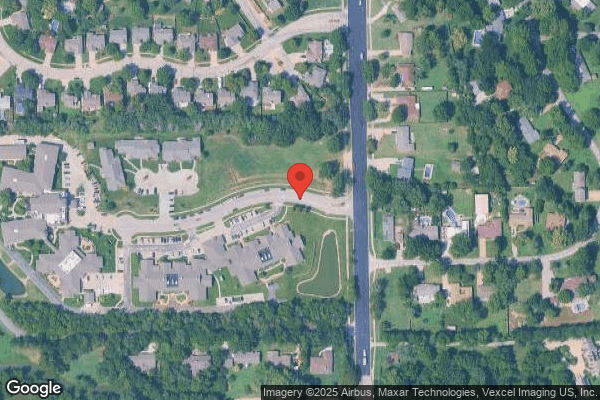
639 S MAIZE COURT, WICHITA, KS 67209 (316) 425-5600
For profit - Limited Liability company 72 Beds Independent Data: November 2025
Trust Grade
60/100
#124 of 295 in KS
Last Inspection: April 2024

Within standard 12-15 month inspection cycle. Federal law requires annual inspections.

Overview

Family Health & Rehabilitation Center has a Trust Grade of C+, indicating it is slightly above average but not highly recommended. It ranks #124 out of 295 facilities in Kansas, placing it in the top half, and #13 out of 29 in Sedgwick County, meaning that only a few local options are better. Unfortunately, the facility is experiencing a worsening trend, with issues increasing from 6 in 2022 to 11 in 2024. Staffing is a relative strength, rated 4 out of 5, although a 61% turnover rate is concerning, above the state average of 48%. There have been no fines reported, which is a positive aspect, but the facility has less RN coverage than 87% of Kansas facilities, raising concerns about adequate oversight. Specific incidents noted include failures in infection control practices, where staff did not change gloves between dirty and clean areas, and incomplete COVID-19 screenings for visitors. Additionally, the facility failed to protect a resident during an investigation of an abuse allegation, potentially putting vulnerable residents at risk. There were also issues with the reconciliation of controlled substances, indicating a risk of medication mismanagement. Overall, while the center has some strengths, such as staffing ratings and no fines, there are significant weaknesses in infection control and resident protection that families should consider.

Trust Score
C+
60/100
In Kansas
#124/295
Top 42%
Safety Record
Low Risk
No red flags
Inspections
Getting Worse
6 → 11 violations
Staff Stability
⚠ Watch
61% turnover. Above average. Higher turnover means staff may not know residents' routines.
Penalties
✓ Good
No fines on record. Clean compliance history, better than most Kansas facilities.
Skilled Nurses
○ Average
Each resident gets 33 minutes of Registered Nurse (RN) attention daily — about average for Kansas. RNs are the most trained staff who monitor for health changes.
Violations
⚠ Watch
18 deficiencies on record. Higher than average. Multiple issues found across inspections.
★★★☆☆
3.0
Overall Rating
★★★★☆
4.0
Staff Levels
★★★★☆
4.0
Care Quality
★★★☆☆
3.0
Inspection Score
Stable
2022: 6 issues
2024: 11 issues

The Good

  • 4-Star Staffing Rating · Above-average nurse staffing levels
  • 4-Star Quality Measures · Strong clinical quality outcomes
  • Full Sprinkler Coverage · Fire safety systems throughout facility
  • No fines on record

Facility shows strength in staffing levels, quality measures, fire safety.

The Bad

3-Star Overall Rating

Near Kansas average (2.9)

Meets federal standards, typical of most facilities

Staff Turnover: 61%

15pts above Kansas avg (46%)

Frequent staff changes - ask about care continuity

Staff turnover is elevated (61%)

13 points above Kansas average of 48%

The Ugly 18 deficiencies on record

Apr 2024 11 deficiencies
CONCERN (D) 📢 Someone Reported This

A family member, employee, or ombudsman was alarmed enough to file a formal complaint

Potential for Harm - no one hurt, but risky conditions existed

Report Alleged Abuse (Tag F0609)

Could have caused harm · This affected 1 resident

The facility identified a census of 64 residents. The sample included 16 residents with one resident reviewed for abuse and neglect. Based on observation, record review, and interviews, the facility f...

Read full inspector narrative →
The facility identified a census of 64 residents. The sample included 16 residents with one resident reviewed for abuse and neglect. Based on observation, record review, and interviews, the facility failed to ensure staff reported an allegation of staff-to-resident abuse for Resident (R) 25 to the facility administrator immediately. The facility additionally failed to report R25's allegation of abuse to the State Agency (SA) as required. This placed R25 at risk for unidentified and ongoing abuse and /or neglect. Findings included: - The Medical Diagnosis section within R25's Electronic Medical Records (EMR) included diagnoses of acute kidney failure, lower extremity deep vein thrombosis (potentially life-threatening blood clot, usually in the legs), congestive heart failure (CHF-a condition with low heart output and the body becomes congested with fluid), depression (a mood disorder that causes a persistent feeling of sadness and loss of interest), and dementia (progressive mental disorder characterized by failing memory, and confusion). R25's admission Minimum Data Set (MDS) completed 01/25/24 noted a Brief Interview for Mental Status score of 13 indicating mild cognitive impairment. The MDS indicated she required touch assistance for bathing, toileting, dressing, bed mobility, personal hygiene, and transfers. The MDS noted she had a history of falls. The MDS noted no behaviors or care refusals. R25's Functional Abilities Care Area Assessment (CAA) completed 01/25/24 indicated she required staff assistance to complete her activities of daily living (ADLs). The MDS indicated she had venous wounds to her left lower heel. R25's Pressure Ulcer CAA completed 01/25/24 indicated she had a venous ulcer (wound caused by poor blood circulation) to her lower left extremity. The CAA instructed staff to implement pressure-reducing devices and frequent repositioning. R25's Care Plan initiated 02/11/24 indicated she required supervision for bed mobility, dressing, transfers, meals, bathing, personal hygiene, and toileting. The plan noted she was at risk for pain related to her neuropathy and lower left extremity wound. The plan instructed staff to inspect her for skin breakdown, complete skin checks, and encourage adequate nutrition. The plan instructed staff to respect her wishes, concerns, and preferences. The plan encouraged her to verbalize her fears and concerns. The plan encouraged her to discuss her depression and anxiety. The plan lacked evidence showing a history of accusations and behaviors. R25's EMR under Progress Notes revealed a note entered on 03/19/24 at 02:36 AM. The note indicated R25 reported to nursing staff at 09:00 PM (03/18/24) that the Certified Nurse's Aide (CNA) taking care of her hurt her leg and was rough with her. The note indicated R25 was sobbing and crying. The progress note lacked evidence the situation was reported to the administrator, physician, and family. A Resident/Family Concern form completed 03/19/24 at 07:20 AM indicated R25 reported to Administrative Nurse E that during her shower the previous evening (03/18/24) R25 requested her plastic wound covering be rolled hallway down and cut off after her shower was completed. R25 reported instead of cutting it off staff pulled her wound cover plastic off her leg causing severe pain and burning sensations to her wounded leg. The grievance was signed by Administrative Nurse E and Administrative Staff A. On 04/24/24 at 11:15 AM R25 sat in her room on her bed. R25 stated she could not remember the specific incident but remembered staff pulling off her leg dressing and that she was left in pain. She stated staff pulled the cover off her wound. She stated she reported it to the facility. She stated she currently felt safe in the facility. On 04/23/24 at 03:45 PM Administrative Nurse D stated she was made aware of the issue, but the facility did not report the issue as an alleged abuse because she reviewed the cameras, and she did not feel the incident was abuse. She stated the incident was not reported to the SA. She stated staff were expected to report all alleged allegations of abuse to the administrator immediately and notify the SA. She reported the facility had annual abuse, neglect, and exploitation in-service training. On 04/24/24 at 10:23 AM Administrative Nurse E stated she was called to R25's room by staff to talk to R25 on 03/19/24 at 07:11 AM. She stated R25 was crying and reported she was hurt by the overnight staff during her shower. She stated R25 told her that the staff member pulled her protective plastic shower cover off her leg instead of cutting it off. She stated R25 preferred staff to cut the plastic cover off to prevent pain in her lower extremity wound. Administrative Nurse E stated she immediately reported the incident to Administrative Staff A and Administrative Nurse D at 07:15 AM. On 04/24/24 at 10:12 AM Administrative Staff A stated she was not notified of the allegation until Administrative Nurse E brought the grievance to her on 03/19/24. She stated the allegation was not reported to the SA because R25 had a history of making complaints towards staff and the facility reviewed the situation and felt it was not abuse. She identified the alleged perpetrator as Certified Nurses Aid (CNA)TT. She stated she was not notified by the night shift staff of the alleged abuse allegation. The facility's Reporting of Abuse Neglect, and Exploitation (ANE) policy revised 01/13/23 indicated all alleged or suspected mistreatment, neglect, or abuse will be immediately reported to the facility's administrator. The policy indicated the facility will also report. The facility failed to ensure staff immediately notified the administrator of an allegation of abuse and additionally failed to report the allegation of abuse to the SA. This placed R25 at risk for unidentified and ongoing abuse and /or neglect.
CONCERN (D) 📢 Someone Reported This

A family member, employee, or ombudsman was alarmed enough to file a formal complaint

Potential for Harm - no one hurt, but risky conditions existed

Accident Prevention (Tag F0689)

Could have caused harm · This affected 1 resident

**NOTE- TERMS IN BRACKETS HAVE BEEN EDITED TO PROTECT CONFIDENTIALITY** The facility identified a census of 64 residents. The sample included 16 residents. One resident was sampled for accidents and h...

Read full inspector narrative →
**NOTE- TERMS IN BRACKETS HAVE BEEN EDITED TO PROTECT CONFIDENTIALITY** The facility identified a census of 64 residents. The sample included 16 residents. One resident was sampled for accidents and hazards. Based on observation, record review, and interviews, the facility failed to provide Resident (R) 42's fall interventions as directed by her care plan. This deficient practice placed R42 at risk of falls and related injuries. Findings included: - R42's Electronic Medical Record (EMR) from the Diagnoses tab documented diagnoses of quadriplegia (inability to move the arms, legs, and trunk of the body below the level of an associated injury to the spinal cord), epilepsy (brain disorder characterized by repeated seizures), a feeding tube (tube for introducing high-calorie fluids into the stomach), and transient ischemic attack (TIA- temporary episode of inadequate blood supply to the brain). The Quarterly Minimum Data Set (MDS) dated [DATE] documented that the facility was unable to conduct a Brief Interview of Mental Status (BIMS) score, R42's MDS documented the resident was rarely or never understood. The MDS documented R42 was dependent on staff for all activities of daily living (ADLs). R42's Falls Care Area Assessment (CAA) dated 06/05/23 documented R42 was at risk for falls related to poor safety awareness and a history of falls. R42 used a wheelchair for mobility. She required staff assistance with transfers and mobility. She had a history of falls with interventions in place. R42 was at risk of falls related to her impaired physical mobility. R42's Care Plan dated 02/03/23 documented that staff would arrange R42's bed next to the wall, and her bed would be in the lowest position. R42's Care Plan dated 03/21/23 documented staff would place a fall mat next to the bed for R42's safety. On 04/22/24 at 07:38 AM R42 laid in bed on her right side, with her eyes shut. R42's floor mat was rolled up next to her small dresser and the bathroom door. R42's bed was pulled away from the wall. On 04/23/24 at 07:36 AM R42 lay in bed on her back, her feet were pulled up next to her chest at times and moving randomly in the air. R42's fall mat was not in place next to her bed and her bed was pulled away from the wall. On 04/24/24 at 08:08 AM Licensed Nurse (LN) I stated every nursing staff member was responsible for the care of each resident. LN I stated all staff members can find the fall precautions for each resident in the care plan. LN I stated each time care plans were updated; it was discussed in the morning during the facility's huddle and report. LN I stated R42's fall mat should have been in place on the floor next to her bed while she was in her bed. On 04/24/24 at 09:00 AM Certified Nursing Aide (CNA)P stated all nursing staff were responsible for the safety of each resident. CNA P said nurses were responsible for ensuring all fall precautions were in place and stated the CNAs got updates for each resident in the report before their shift. CNA P said she was unaware R42's bed should be against the wall. On 04/24/24 at 12:43 PM Administrative Nurse D stated if R42 was in bed, the fall mats should have been in place and the bed should be against the wall. Administrative Nurse D stated all facility nurses knew where the care plans, were. She stated nursing staff knew where the fall preventions were in the care plan. The facility's Falls policy revised on 01/18/24 documented each patient residing at eh facility is provided services and care that ensures that the patients' environment remains as free from accident hazards as possible and that injuries are minimized. The facility failed to ensure R42's bed was next to the wall, and that her fall mats were in place while R42 was in her bed. This deficient practice placed R42 at risk of falls.
CONCERN (D) 📢 Someone Reported This

A family member, employee, or ombudsman was alarmed enough to file a formal complaint

Potential for Harm - no one hurt, but risky conditions existed

Incontinence Care (Tag F0690)

Could have caused harm · This affected 1 resident

The facility identified a census of 64 residents. The sample included 16 residents with three reviewed for urinary catheters (a tube inserted into the bladder to drain urine) care. Based on observatio...

Read full inspector narrative →
The facility identified a census of 64 residents. The sample included 16 residents with three reviewed for urinary catheters (a tube inserted into the bladder to drain urine) care. Based on observations, record reviews, and interviews, the facility failed to follow standards of practices related to indwelling catheter care for Resident (R)44. This deficient practice placed R44 at risk for catheter-related complications including urinary tract infections (UTI). Findings included: - The Medical Diagnosis section within R44's Electronic Medical Records (EMR) included diagnoses of hemiplegia (paralysis of one side of the body), hemiparesis (weakness and paralysis on one side of the body), aphasia (a condition with disordered or absent language function), anxiety (mental or emotional reaction characterized by apprehension, uncertainty and irrational fear), and cerebral infarction (stroke - sudden death of brain cells due to lack of oxygen caused by impaired blood flow to the brain by blockage or rupture of an artery to the brain). R44's Annual Minimum Data Set (MDS) completed 01/18/24 noted a Brief Interview for Mental Status score of zero indicating severe cognitive impairment. The MDS indicated he required maximal assistance with transfers, bed mobility, bathing, personal hygiene, dressing, and mobility. The MDS indicated he had an indwelling urinary catheter. The MDS indicated he was at risk for developing pressure ulcers (localized injury to the skin and/or underlying tissue usually over a bony prominence, because of pressure, or pressure in combination with shear and/or friction). The MDS indicated he had pressure-reducing devices for his wheelchair and bed in place. The MDS indicated he weighed 164 pounds (lbs.) upon admission. R44's Pressure Ulcer Care Area Assessment (CAA) completed 01/25/24 indicated he returned from an acute care facility with a stage two (partial-thickness skin loss into but no deeper than the dermis including intact or ruptured blisters) pressure ulcer to his coccyx (area at the base of the spine). The CAA indicated a care plan would address his pressure ulcer risks. R44's Urinary Catheter Care Area Assessment (CAA) completed 01/25/24 indicated he had neurogenic bladder dysfunction and required an indwelling urinary catheter. The CAA indicated a care plan would address catheter care needs. The MDS indicated he was dependent on staff for all his activities of daily living (ADLs). R44's Care Plan initiated on 04/06/23 indicated he was at risk for falls, skin breakdown, and an ADL deficit related to his medical diagnoses. The plan indicated he was dependent on staff to complete transfers, toileting, bed mobility, bathing, dressing, and personal hygiene. The plan instructed staff to provide urinary catheter care each shift. The plan instructed staff to check the tubing for kinks and ensure the catheter collection bag remained below the level of his bladder. On 04/22/24 at 09:07 AM R44 slept in his bed. His bed was in the lowest position with a fall mat positioned on the floor to the left side. R44's urinary catheter bag lay on the floor at the foot of his bed on the right side. At 11:10 AM R44's catheter bag remained on the floor. On 04/23/24 at 09:02 AM Licensed Nurse (LN) K completed hand hygiene and gathered supplies for catheter care for R44. LN K donned gloves and a gown and placed the catheter care supplies on the resident's bedside table. LN K adjusted the table knocking over two small bottles from the table onto the floor. LN K picked up the items with her gloved hands and placed them back on the table. Wearing the same gloves, LN K removed R44's covers and unfastened his incontinence brief. LN K inspected R44's groin area and refastened his brief. LN K unfastened R44's catheter stat-lock (device to stabilize the catheter tubing) and prepped the catheter port to be flushed. LN K wiped the catheter port with a sanitary wipe. LN K filled a syringe with 60 milliliters (ml) of saline solution. LN K grabbed R44's catheter port and flushed 60ml of saline solution. R44 became agitated and requested the task be stopped. LN K then removed her gloves but failed to complete hand hygiene before donning clean gloves. LN K wiped R44's catheter port and reattached the stat-lock. LN K repositioned R44 and gathered the supplies used. LN K stated staff were expected to check R44's catheter collection bag placement during each encounter to ensure it was not on the floor. On 04/24/24 at 09:30 AM R44 rested in his bed. His urinary catheter collection bag lay on the floor of the right side of his bed. Yellow urine pooled in the tubing as the bag sat on the floor. On 04/24/24 at 08:30 AM Certified Nurses Aid (CNA) UU stated R44's urine collection bag should be attached to the bed and never be on the floor due to contamination risks. On 04/24/24 at 12:43 PM Administrative Nurse D stated R44's urinary collection bag should be placed below the level of his bladder. She stated staff should be completing hand hygiene in between glove changes and when touching soiled surfaces or items. The facility did not provide a policy related to urinary catheter care as requested on 04/24/24. The facility failed to follow standards of practices related to indwelling catheter care for R44. This deficient practice placed R44 at risk for complications related to UTI.
CONCERN (D) 📢 Someone Reported This

A family member, employee, or ombudsman was alarmed enough to file a formal complaint

Potential for Harm - no one hurt, but risky conditions existed

Deficiency F0698 (Tag F0698)

Could have caused harm · This affected 1 resident

**NOTE- TERMS IN BRACKETS HAVE BEEN EDITED TO PROTECT CONFIDENTIALITY** The facility identified a census of 64 residents. The sample included 16 residents with one resident reviewed for hemodialysis (...

Read full inspector narrative →
**NOTE- TERMS IN BRACKETS HAVE BEEN EDITED TO PROTECT CONFIDENTIALITY** The facility identified a census of 64 residents. The sample included 16 residents with one resident reviewed for hemodialysis (a procedure using a machine to remove excess water, solutes, and toxins from the blood in people whose kidneys can no longer perform these functions naturally). Based on observation, record review, and interviews, the facility failed to monitor Resident (R) 39's access site for complications at least daily and failed to obtain communication from the dialysis center related to R39's treatment. These deficient practices placed R39 at risk of potential adverse outcomes and physical complications related to dialysis. Findings included: - R39's Electronic Medical Record (EMR) from the Diagnoses tab documented diagnoses of diabetes mellitus (DM-when the body cannot use glucose, not enough insulin made or the body cannot respond to the insulin), end-stage renal disease (ESRD-a terminal disease of the kidneys), and dependence on dialysis. The Significant Change Minimum Data Set (MDS) dated [DATE] documented a Brief Interview of Mental Status (BIMS) score of 15 which indicated intact cognition. The MDS documented R39 received dialysis during the observation period. R39's Urinary Incontinence and Indwelling Catheter Care Area Assessment (CAA) dated 03/22/24 documented she required staff assistance with her toileting needs. R39's Care Plan dated 07/07/24 documented the facility would communicate R39's condition with the dialysis provider per a written communication form with each of R39's dialysis visits. The plan of care documented the nursing staff would monitor R39's arteriovenous (AV-a surgically created connection between an artery and a vein) fistula located in her left upper chest, every shift, before and upon return from dialysis for dislodgement, signs, or symptoms of infection such as redness, edema, or drainage. R39's EMR under the Orders tab revealed the following physician orders: Prepare dialysis paperwork every Monday, Wednesday, and Friday dated 06/13/23. Complete dialysis assessment day shift every Monday, Wednesday, and Friday dated 12/17/23. R39's clinical record revealed staff assessed the AV site after R39 returned from dialysis on Monday, Wednesday, and Friday but lacked evidence staff assessed the site on non-dialysis days and as needed. A review of R39's clinical record and information provided by the facility lacked evidence of communication between the facility and the dialysis provider on the following dialysis dates: 01/10/24, 01/19/24, 01/29/24, 01/31/24, 02/09/24, 02/26/24, 03/06/24, 03/15/24, 03/22/24, 03/27/24, 04/01/24, 04/08/24, and 04/22/24. On 04/24/24 at 09:20 AM R39 sat in her wheelchair at the dining room table and ate her breakfast without assistance. R39 sat and visited with several other residents. On 04/24/24 at 09:20 AM, Certified Nurse Aide (CNA) RR stated she assisted R39 with getting her dialysis bag together for R39's scheduled dialysis appointments. On 04/24/24 at 09:40 AM, Licensed Nurse (LN) G stated the nurse would fill out a communication form for R39 to take to the dialysis center and if the communication sheet did not return from the dialysis center when R39 returned, the nurse would call the provider. LN G stated the nurse would document that report from the dialysis center in R39's EMR under the progress note tab. LN G stated R39's AV fistula should be assessed, and the nurse would document the assessment under the assessment tab in R39's EMR. Ln g confirmed R39's EMR under the assessment tab lacked consistent documented assessment of R39's AV fistula. On 04/24/24 at 12:44 PM, Administrative Nurse D stated she expected R39's AV fistula to be assessed for bleeding and/or infection every shift and documented in her EMR. The facility's Hemo-Dialysis Policy dated 12/03/23 documented it was the policy of this facility to provide excellence in care and services to residents with End Stage-Renal Disease (ESRD) receiving heme-dialysis at a certified renal dialysis unit off-site. Facility staff would initiate a written communication form that would accompany the resident off-site to the Dialysis Unit and returned, completed by the Dialysis Unit staff for every visit. Facility staff would inspect and document the fistula site every day for a pulse-if a pulse is not palpated or cannot be auscultated with a stethoscope, notify the Dialysis Unit immediately. Facility staff would assess and document signs of infection daily. The facility failed to monitor R39's dialysis access site at least daily for signs of infection, bleeding, and the status of the dressing in place and failed to obtain communication from the dialysis center. These deficient practices placed R39 at risk of potential adverse outcomes and physical complications related to dialysis.
CONCERN (D) 📢 Someone Reported This

A family member, employee, or ombudsman was alarmed enough to file a formal complaint

Potential for Harm - no one hurt, but risky conditions existed

Deficiency F0757 (Tag F0757)

Could have caused harm · This affected 1 resident

The facility reported a census of 64 residents. The sample included 16 residents with five reviewed for unnecessary medications. Based on record review, observations, and interviews, the facility fail...

Read full inspector narrative →
The facility reported a census of 64 residents. The sample included 16 residents with five reviewed for unnecessary medications. Based on record review, observations, and interviews, the facility failed to follow the physician-ordered parameters related to Resident (R)17's as-needed (PRN) bumetanide (diuretic- medication to promote the formation and excretion of urine). This deficient practice placed R17 at increased risk for unnecessary medication and side effects. Findings included: - The Medical Diagnosis section within R17's Electronic Medical Records (EMR) included diagnoses of dementia (a progressive mental disorder characterized by failing memory, and confusion), osteoarthritis (degenerative changes to one or many joints characterized by swelling and pain), depression (a mood disorder that causes a persistent feeling of sadness and loss of interest), left femur (large leg bone) fracture (bone break), and edema (swelling resulting from an excessive accumulation of fluid in the body tissues). R17's Quarterly Minimum Data Set (MDS) completed 04/05/24 noted a Brief Interview for Mental Status score of 11 indicating mild cognitive impairment. The MDS indicated she required touch assistance for transfers, bed mobility, dressing, bathing, personal hygiene, and ambulation. The MDS indicated she took diuretic medication. R17's Urinary Incontinence Care Area Assessment (CAA) completed 01/15/24 indicated she was incontinent of the bladder. The CAA indicated she required partial assistance to the restroom. The CAA indicated she took diuretic medications to assist with her edema. R17's Care Plan initiated 04/09/24 indicated she took medications with Black Box Warnings (BBW- highest safety-related warning that medications can be assigned by the Food and Drug Administration). The plan indicated she took bumetanide and instructed staff to monitor for weight gain or loss. R17's EMR indicated she was to be weighed every Wednesday and Sunday morning. R17's EMR under Physician's Order revealed an order (dated 01/02/24) instructing staff to administer two milligrams of bumetanide by mouth twice daily for edema. The order instructed staff to monitor R17's weight and administer an additional two milligrams PRN for weight gains over (>) three pounds (lbs.). R17's Medication Administration Report (MAR) indicated the PRN medication had not been administered since ordered. R17's EMR under Weight History indicated she had weight gains of over three pounds on 01/14/24 (3.5 lbs.), 01/21/24 (7.0 lbs.), 03/20/24 (4.0 lbs.), 04/07/24 (4.0 lbs.) and 04/14/24 (3.5 lbs.). On 04/22/24 at 08:03 AM R17 sat in her recliner. Her feet were propped out in the recliner. She reported no pain or current swelling in the lower extremities. R17 reported she completed most of her ADLs with minimal assistance needed. R17 walked to the dining room using her support walker. On 04/24/24 at 10:21 AM Licensed Nurse (LN) G stated nurses would follow the parameters given for diuretic medications and notify the physician if changes occurred for the medications or weights. She stated R17 had concerns with her lower extremity edema but was walking better now. On 04/24/24 at 12:43 PM Administrative Nurse D state staff were expected to follow the ordered parameters of the physicians. She stated the PRN medication should have been given for R17 if her weight increased over three pounds. The facility's Medication Administration policy revised 01/2024 indicated staff will ensure adequate monitoring and medication with black box warnings and significant risks. The policy indicated staff will follow the physician's intended indication and instructions for medication administrations. The facility failed to follow the physician-ordered parameters related to R17's PRN diuretic medication. This deficient practice placed R17 at increased risk for unnecessary medication and side effects.
CONCERN (E) 📢 Someone Reported This

A family member, employee, or ombudsman was alarmed enough to file a formal complaint

Potential for Harm - no one hurt, but risky conditions existed

Investigate Abuse (Tag F0610)

Could have caused harm · This affected multiple residents

The facility identified a census of 64 residents. The sample included 16 residents with one resident reviewed for abuse and neglect. Based on observation, record review, and interviews, the facility f...

Read full inspector narrative →
The facility identified a census of 64 residents. The sample included 16 residents with one resident reviewed for abuse and neglect. Based on observation, record review, and interviews, the facility failed to protect Resident (R)25 and other vulnerable residents during the facility investigation after an abuse allegation. This placed R25 and the other residents under the care of Certified Nurse Aide (CNA) TT at risk for unidentified and ongoing abuse and /or neglect. Findings included: - The Medical Diagnosis section within R25's Electronic Medical Records (EMR) included diagnoses of acute kidney failure, lower extremity deep vein thrombosis (potentially life-threatening blood clot, usually in the legs), congestive heart failure (CHF-a condition with low heart output and the body becomes congested with fluid), depression (a mood disorder that causes a persistent feeling of sadness and loss of interest), and dementia (progressive mental disorder characterized by failing memory, and confusion). R25's admission Minimum Data Set (MDS) completed 01/25/24 noted a Brief Interview for Mental Status score of 13 indicating mild cognitive impairment. The MDS indicated she required touch assistance for bathing, toileting, dressing, bed mobility, personal hygiene, and transfers. The MDS noted she had a history of falls. The MDS noted no behaviors or care refusals. R25's Functional Abilities Care Area Assessment (CAA) completed 01/25/24 indicated she required staff assistance to complete her activities of daily living (ADLs). The MDS indicated she had venous wounds to her left lower heel. R25's Pressure Ulcer CAA completed 01/25/24 indicated she had a venous ulcer (wound caused by poor blood circulation) to her lower left extremity. The CAA instructed staff to implement pressure-reducing devices and frequent repositioning. R25's Care Plan initiated 02/11/24 indicated she required supervision for bed mobility, dressing, transfers, meals, bathing, personal hygiene, and toileting. The plan noted she was at risk for pain related to her neuropathy and lower left extremity wound. The plan instructed staff to inspect her for skin breakdown, complete skin checks, and encourage adequate nutrition. The plan instructed staff to respect her wishes, concerns, and preferences. The plan encouraged her to verbalize her fears and concerns. The plan encouraged her to discuss her depression and anxiety. The plan lacked evidence showing a history of accusations and behaviors. R25's EMR under Progress Notes completed by Licensed Nurse (LN) L revealed a note entered on 03/19/24 at 02:36 AM. The note indicated R25 reported to nursing staff at 09:00 PM (03/18/24) that the CNA taking care of her hurt her leg and was rough with her. The note indicated R25 was sobbing and crying. The progress note lacked evidence the situation was reported to the administrator, physician, and family. A Resident/Family Concern form completed 03/19/24 at 07:20 AM indicated R25 reported to Administrative Nurse E that during her shower the previous evening (03/18/24) R25 requested her plastic wound covering be rolled hallway down and cut off after her shower was completed. R25 reported instead of cutting it off staff pulled her wound cover plastic off her leg causing severe pain and burning sensations to her wounded leg. The grievance was signed by Administrative Nurse E and Administrative Staff A. The note indicated LN L was placed on the Do Not Return (DNR) list for the facility after the incident occurred. A review of the facility's investigation completed on 03/19/24 indicated no protective measures, corrective actions, or additional training occurred after the abuse allegation was made known to the facility. A review of Certified Nurse's Aides (CNA) TT's timecard for 03/18/24 indicated she clocked in at 04:47 PM and clocked out at 09:41 PM. CNA TT's records indicated she returned to work on 04/20/24. On 04/24/24 at 11:15 AM R25 sat in her room on her bed. R25 stated she could not remember the specific incident but remembered staff pulling off her leg dressing and that she was left in pain. She stated staff pulled the cover off her wound. She stated she reported it to the facility. She stated she currently felt safe in the facility. On 04/23/24 at 03:45 PM Administrative Nurse D stated she was made aware of the issue, but the facility did not report the issue as an alleged abuse because she reviewed the cameras, and she did not feel the incident was abuse. She stated staff were expected to report abuse, separate the alleged perpetrator, and assess the resident's health/safety. On 04/24/24 at 10:23 AM Administrative Nurse E stated she was called to R25's room by staff to talk to R25 on 03/19/24 at 07:11 AM. She stated R25 was crying and reported she was hurt by the overnight staff during her shower. She stated R25 told her that the staff member pulled her protective plastic shower cover off her leg instead of cutting it off. She stated R25 preferred staff to cut the plastic cover off to prevent pain in her lower extremity wound. Administrative Nurse E stated she immediately reported the incident to Administrative Staff A and Administrative Nurse D at 07:15 AM. On 04/24/24 at 10:12 AM Administrative Staff A stated she was not notified of the allegation until Administrative Nurse E brought the grievance to her on 03/19/24. She identified the alleged perpetrator as Certified Nurses Aid (CNA)TT. She stated she was not notified by the night shift staff of the alleged abuse allegation. She stated LN L was placed on Do Not Return (DNR) status at the facility due to conflicts on the unit. She stated his DNR was not related to the abuse allegation. The facility's Reporting of Abuse Neglect, and Exploitation (ANE) policy revised 01/13/23 indicated all alleged abuse allegations will be immediately investigated by the facility. The policy indicated the resident would immediately be assessed and separated from the alleged perpetrator until a thorough investigation had been completed. The policy indicated the administrator will be immediately notified of all abuse allegations. The facility failed to protect R25 after an alleged abuse allegation. This placed R25 and the other residents under the care of CNA TT at risk for unidentified and ongoing abuse and /or neglect.
CONCERN (E) 📢 Someone Reported This

A family member, employee, or ombudsman was alarmed enough to file a formal complaint

Potential for Harm - no one hurt, but risky conditions existed

Pharmacy Services (Tag F0755)

Could have caused harm · This affected multiple residents

**NOTE- TERMS IN BRACKETS HAVE BEEN EDITED TO PROTECT CONFIDENTIALITY** The facility identified a census of 64 residents. The facility had four medication carts. Based on observation, record review, a...

Read full inspector narrative →
**NOTE- TERMS IN BRACKETS HAVE BEEN EDITED TO PROTECT CONFIDENTIALITY** The facility identified a census of 64 residents. The facility had four medication carts. Based on observation, record review, and interview, the facility failed to ensure accurate reconciliation of controlled substances (substances that have an accepted medical use, and have a potential for abuse, ranging from low to high, and may also lead to physical or psychological dependence) was completed consistently. This placed residents at risk of medication misappropriation and diversion. Findings included: - On 04/22/24 at 09:18 AM, an observation of the medication cart on [NAME] House revealed the narcotic reconciliation sign-off sheets from 03/07/24 to 03/31/24 lacked a signature on 11 of 152 opportunities. On 04/22/24 at 09:18 AM, an observation of the medication cart on [NAME] House revealed the narcotic reconciliation sign-off sheets from 04/01/24 to 04/21/24 lacked a signature on 16 of 136 opportunities. On 04/22/24 at 11:26 AM Certified Medication Aide (CMA) S stated that the narcotic sign-on and off sheet should be signed after the narcotic count has been completed and the keys to the medication cart have been exchanged between the off-going and the oncoming staff member. On 04/22/24 at 02:11 PM, Licensed Nurse (LN) G stated she expected staff to be signing on and off on the narcotic count sheet at the beginning and end of each shift after the narcotic count was completed and the medication cart keys had been exchanged between the off-going nurse or CMA and the oncoming staff. On 04/22/24 at 02:24 PM Administrative Nurse D stated the narcotic sign-on and off sheets were expected to be signed by the off-going and the on-coming nursing staff at the end and beginning of each shift exchange of the keys for the medication cart. The facility did not provide a policy for controlled medication reconciliation. The facility failed to ensure an accurate reconciliation of controlled substances was consistently completed. This placed residents at risk of medication misappropriation and diversion.
CONCERN (E) 📢 Someone Reported This

A family member, employee, or ombudsman was alarmed enough to file a formal complaint

Potential for Harm - no one hurt, but risky conditions existed

Unnecessary Medications (Tag F0759)

Could have caused harm · This affected multiple residents

The facility identified a census of 64 residents. The sample included 16 residents. Based on observation, record review, and interview, the facility failed to ensure the medication error rate did not ...

Read full inspector narrative →
The facility identified a census of 64 residents. The sample included 16 residents. Based on observation, record review, and interview, the facility failed to ensure the medication error rate did not exceed five percent (%) when staff failed to ensure Resident (R) 12 was administered her scheduled morning medications within the ordered timeframe. The facility failed to ensure the insulin (a hormone that lowers the level of glucose in the blood) pen and needle were appropriately primed before insulin administration to R161. This resulted in a medication error rate of 46.15%. Findings included: - On 04/22/24 at 12:20 PM Certified Medication Aide (CMA) WW washed her hands and returned to her medication cart to begin dispensing medications for R12. CMA WW pulled up R12's Medication Administration Record (MAR) and pulled R12's medication cards from the medication cart. CMA WW dispensed each medication (listed below) into a medication cup. CMA WW walked with the medication cup over to R12 who sat at the dining table eating lunch. R12 placed several of her medications in her hand at a time and placed them in her mouth and swallowed them without difficulty. R12 continued to place her medications into her mouth until all the pills had been taken. CMA WW returned to her medication cart and laptop to sign off on the medication that R12 had taken. On 04/22/24 at 12:42 PM, Licensed Nurse (LN) J was administering R161 his scheduled lispro insulin. LN J washed her hands and unlocked her cart to gather R161's insulin pen, disposable needle, and an alcohol wipe. LN J verified the amount to administer by looking at R161's MAR. LN J walked over to R161's room after locking her medication cart and the screen on her laptop. LN J donned clean gloves. LN J then knocked on R161's door, she announced herself and told R161 what she was there for. LN J entered R161's room and walked over to where he was seated. LN J took the lid off the insulin pen she held in her hand and opened an alcohol wipe to wipe the hub of the pen for several seconds with the alcohol wipe. LN J then opened the disposable insulin needle and screwed it onto the end of the insulin pen. LN J dialed the insulin pen to 15 units. LN J opened another alcohol wipe as she lifted the sleeve of R161's shirt and wiped his right upper arm with the alcohol wipe and then inserted the insulin needle into R161's arm and administered the insulin. LN J failed to prime the pen and needle with two units of insulin before the administration of the 15 scheduled units. A review of R12's physician's orders revealed a scheduled administration time of 08:00 AM for her omeprazole (a medication used to treat acid reflux) 40 milligrams (mg), probiotic (a supplement taken to improve the good bacteria in the digestive system), ferosul (iron supplement), Thera-m (a multivitamin supplement), acetaminophen (pain reliever, fever reducer), and aspirin. Review of R12's physician's orders revealed a scheduled administration time of 06:00 AM to 10:00 AM for the following medications: nebivolol (a medication used to treat high blood pressure), potassium chloride (a medication used for treatment of low potassium), lisinopril-hydrochlorothiazide (a combination medication used to lower blood pressure and a medication used to rid the body of extra salt and water), and fluticasone propionate nasal suspension (a medication used to treat season and year-round allergies). R12 was administered the above physician-ordered medications outside of the allowable timeframe for medication administration which included up to one hour before and one hour after the scheduled administration time of 08:00 AM and 06:00 AM to 10:00 AM. On 04/22/24 at 01:00 PM, CMA WW stated she was the only CMA passing medications to two houses and she had gotten behind today. CMA WW stated R12's medications should be administered no more than one hour before or one hour after the scheduled time. On 04/22/24 at 12:45 PM, LN J stated she was not aware that the insulin needle needed to be primed before the administration of the insulin. LN J could not say what the policy for insulin administration said. On 04/22/24 LN G stated it was common standard of practice to prime the insulin pen and needle with two units before the scheduled amount. LN G stated she would be re-educating her nursing staff regarding this. LN G stated all medication was expected to be administered within a one-hour window before or after the scheduled time. LN G stated there should not be any reason for R12's medications to be administered late. LN G stated on the long-term care side the nurse and the CMA both should be administering the medication and expected to get all medications given on time. On 04/22/24 at 02:24 PM Administration Nurse D stated she expected staff to prime the insulin pen/needle with two units before administration. Administrative Nurse D stated that was just standard practice and expected her nursing staff to be aware of that. Administrative Nurse D stated she expected nursing staff administering medications to make sure the medications were given within the one-hour window before or after the scheduled time. Administrative Nurse D stated R12 had many medications had a scheduled time between 06:00 AM and 10 AM and should be no reason for the medications to be late. The facility policy Medication Administration last revised 01/16/24 documented: that this facility implements a liberalized medication administration policy for timing of medication administration. In the event the medication was ordered more than daily, the time of administration would be written on the MAR, accompanied by the initials verifying administration and time of administration of the medications. The facility failed to ensure the medication error rate did not exceed five percent when staff failed to ensure R 12 was administered her scheduled morning medications within the allowable timeframe. The facility failed to ensure the insulin pen and needle were appropriately primed before insulin administration to R161. This resulted in a medication error rate of 46.15%.
CONCERN (E) 📢 Someone Reported This

A family member, employee, or ombudsman was alarmed enough to file a formal complaint

Potential for Harm - no one hurt, but risky conditions existed

Deficiency F0761 (Tag F0761)

Could have caused harm · This affected multiple residents

**NOTE- TERMS IN BRACKETS HAVE BEEN EDITED TO PROTECT CONFIDENTIALITY** The facility identified a census of 64 residents. The facility had four medication storage refrigerators and four medication car...

Read full inspector narrative →
**NOTE- TERMS IN BRACKETS HAVE BEEN EDITED TO PROTECT CONFIDENTIALITY** The facility identified a census of 64 residents. The facility had four medication storage refrigerators and four medication carts. Based on observation, record review, and interview, the facility failed to ensure safe and secure storage of medications and biologicals. This deficient practice created a risk of adverse side effects and ineffective medication administration. Findings included: - On 04/22/24 at 07:32 AM the medication refrigerator on the [NAME] House was left unlocked, and there was insulin (a hormone that lowers the level of glucose in the blood) for several residents unsecured. On 04/22/24 at 07:36 AM the medication refrigerator on [NAME] House was left unlocked and insulin for residents was unsecured. The inside of the refrigerator had a large amount of ice formation at the top. On 04/22/24 at 07:38 AM a medication cart on [NAME] House was left unlocked, and there was no nursing staff around the cart to monitor. The Nursing Facility Surveyor (NFS) stayed at the cart until Licensed Nurse (LN) H came and locked the cart. On 04/22/24 at 07:40 AM LN H stated all carts should be locked unless the staff was in site of the cart. LN H stated when a refrigerator was opened for medication it should be immediately locked after each medication pass. On 04/22/24 at 02:24 PM Administrative Nurse D stated she expected nursing staff to keep the medication carts and the medication refrigerators locked when not used. Administrative Nurse D stated nursing staff should lock the medication cart every time they stepped away from the cart or were out of direct sight of the cart. The facility policy Medication Storage last revised 02/14/24 did not address the storage of medications in the medication carts or medication refrigerators. The facility failed to ensure safe and secure storage of medications and biologicals which created a risk for adverse medication effects and ineffective medication administration.
CONCERN (E) 📢 Someone Reported This

A family member, employee, or ombudsman was alarmed enough to file a formal complaint

Potential for Harm - no one hurt, but risky conditions existed

Infection Control (Tag F0880)

Could have caused harm · This affected multiple residents

**NOTE- TERMS IN BRACKETS HAVE BEEN EDITED TO PROTECT CONFIDENTIALITY** The facility identified a census of 64 residents. The facility identified 25 residents on enhanced barrier precautions (EBP-infe...

Read full inspector narrative →
**NOTE- TERMS IN BRACKETS HAVE BEEN EDITED TO PROTECT CONFIDENTIALITY** The facility identified a census of 64 residents. The facility identified 25 residents on enhanced barrier precautions (EBP-infection control interventions designed to reduce transmission of resistant organisms which employs targeted gown and glove use during high contact care). Based on observations, record review, and interviews, the facility failed to ensure consistent infection control standards were followed related to enhanced barrier precautions, storage of oxygen tubing, indwelling catheter (tube placed in the bladder to drain urine into a collection bag) care, laundry, and shared equipment. These deficient practices placed the residents at risk for complications related to infectious diseases. Findings Included- - On 04/22/24 at 08:00 AM an inspection of the identified EBP rooms revealed Resident (R)45 and R8's rooms lacked the required signage identifying the precautions needed to provide care. All 25 of the reviewed enhanced barrier precaution rooms stored the personal protective equipment (PPE) inside the rooms. An inspection of the facility's [NAME] House laundry room revealed soiled pillows, clothing, and a foot brace lying directly on the floor. On 04/22/23 at 08:19 AM an inspection of R210's room revealed her supplemental oxygen tubing and nasal cannula (tubing that delivers oxygen directly through both nostrils of the nose) draped over the back of the stationary oxygen machine. An inspection of her portable oxygen cylinder revealed the tubing draped over the oxygen cylinder. No clean storage bags or containers were available in her room to store the oxygen tubing. The tubing remained outside of a sanitary storage device until staff provided bags on the morning of 04/23/24. On 04/22/24 at 09:07 AM R44 slept in his bed. His bed was in the lowest position with a fall mat positioned on the floor to the left side. R44's urinary catheter bag lay on the floor at the foot of his bed on the right side. At 11:10 AM R44's catheter bag remained on the floor. On 04/23/24 at 08:38 AM Certified Nurse Aide (CNA) M pushed the Hoyer (total body mechanical lift) out of R45's room back into the hallway after use and returned to R45's room without disinfecting the lift after use. On 04/23/24 at 08:32 AM Licensed Nurse (LN) K prepared R42's enteral feeding (provision of nutrients through the gastrointestinal tract when the resident cannot ingest, chew, or swallow food) supplies. R42 was on EBP due to her percutaneous endoscope gastrostomy tube (PEG-a tube inserted through the wall of the abdomen directly into the stomach). LN K failed to wear the required gown while administering R42's enteral feeding. On 04/23/24 at 09:02 AM Licensed Nurse (LN) K completed hand hygiene and gathered supplies for catheter care for R44. LN K donned gloves and a gown and placed the catheter care supplies on the resident's bedside table. LN K adjusted the table knocking over two small bottles from the table onto the floor. LN G picked up the items with her gloved hands and placed them back on the table. Wearing the same gloves, LN K removed R44's covers and unfastened his incontinence brief. LN K inspected R44's groin area and refastened his brief. LN K unfastened R44's catheter stat-lock (device to stabilize the catheter tubing) and prepped the catheter port to be flushed. LN K wiped the catheter port with a sanitary wipe. LN K filled a syringe with 60 milliliters (ml) of saline solution. LN K grabbed R44's catheter port and flushed 60ml of saline solution. R44 became agitated and requested the task be stopped. LN K then removed her gloves but failed to complete hand hygiene before donning clean gloves. LN K wiped R44's catheter port and reattached the stat-lock. LN K repositioned R44 and gathered the supplies used. LN K stated staff were expected to check R44's catheter collection bag placement during each encounter to ensure it was not on the floor. On 04/24/24 at 09:30 AM R44 rested in his bed. His urinary catheter collection bag lay on the floor of the right side of his bed. Yellow urine pooled in the tubing as the bag sat on the floor. Certified Nurses Aid (CNA) UU stated R44's urine collection bag should be attached to the bed and never be on the floor due to contamination risks. She reattached R44's catheter collection bag to his bed. On 04/23/24 at 09:30 AM LN K stated hand hygiene should be completed in between PPE use or when visibly soiled. She stated the urinary collection bag should be secured to the bed and never allowed to touch the floor. On 04/24/24 at 07:30 AM, CNA UU stated the unit's staff were responsible for completing the resident's laundry and maintaining the items in the laundry room. She stated items should never be left on the floor. She stated catheter bags should be stored on the bed or below the level of the bladder and oxygen equipment should be stored in a bag when not in use. She stated hand hygiene should be completed before, during, and after care with the residents. On 04/24/24 at 12:43 PM Administrative Nurse D stated staff were expected to complete hand hygiene and glove changes whenever visibly soiled or in between glove changes. She stated that shared equipment and lifts were disinfected weekly. She stated oxygen tubing and equipment were to be stored in a clean bag when not in use. She stated signage should be posted inside the enhanced barrier precautions rooms along with the personal protective equipment. She was not able to explain what enhanced barrier precautions were or used for. She stated the facility stored the equipment inside the rooms due to the high number of residents on enhanced barrier precautions in the facility. The facility's Infection Control policy revised 07/2023 indicated the facility will ensure the safe handling of medications, medical equipment, laundry, and environment to prevent the transmission of communicable diseases and avoid preventable infections. The policy indicated staff will follow designated standards and contact precautions per federal standards and Centers for Disease Control (CDC) guidelines. The facility's Enhanced Barrier Precautions revised 01/2024 indicated precautions will be implemented for residents with known colonized or targeted drug-resistant organisms for a resident with open wounds, urinary catheters, PEG tubes, and increased risks for infections related to open skin sites. The facility failed to ensure consistent infection control standards were followed related to EBP, oxygen equipment, indwelling catheter care, laundry, and shared equipment. These deficient practices placed the residents at risk for complications related to infectious diseases.
CONCERN (E) 📢 Someone Reported This

A family member, employee, or ombudsman was alarmed enough to file a formal complaint

Potential for Harm - no one hurt, but risky conditions existed

Deficiency F0947 (Tag F0947)

Could have caused harm · This affected multiple residents

The facility had a census of 64 residents. The sample included 16 residents and three Certified Nurse Aides (CNAs) reviewed for 12 hours of required in-service training. Based on record review and int...

Read full inspector narrative →
The facility had a census of 64 residents. The sample included 16 residents and three Certified Nurse Aides (CNAs) reviewed for 12 hours of required in-service training. Based on record review and interview, the facility failed to ensure three of the three CNA staff reviewed had the required 12 hours of in-service education which included the required dementia management training. This placed the residents at risk for inadequate care. Findings included: - A review of the facility's staffing list revealed the following CNAs were employed with the facility for more than 12 months: CNA N, hired on 01/19/23 lacked evidence of dementia in-service training. CNA O, hired on 06/16/20 lacked evidence of dementia in-service training. CNA P, hired on 02/21/22 lacked evidence of dementia in-service training. A review of the Elopement and Missing Resident in-service training provided by the facility included one slide titled Characteristics of dementia and progressive dementia but lacked direction for staff on interventions and methods of approach for residents with dementia. A review of the Communication in-service training provided by the facility included a slide titled Ten Tips for Improving Communication with a Resident with Dementia, but dementia lacked direction on providing care to residents with dementia and how to identify and implement interventions to promote quality of life for residents with dementia. On 04/24/24 at 08:25 AM, Administrative Staff A stated that required in-services were completed electronically. Administrative Staff A stated the dementia training was in the facility's elopement training and communication in-services. On 04/24/24 at 12:44 PM, Administrative Nurse D stated the facility's dementia training was provided electronically at the time of hire and annually. Administrative Nurse D stated she did provide some in-services to the facility staff monthly. Administrative Nurse D stated she was unsure if dementia was a required training topic. The facility's Required Training and In-Services of Staff policy dated 12/08/23 documented the facility developed, implemented, and maintains an effective training program for all new and existing staff, individuals providing services under a contractual arrangement, and volunteers, consistent with defined and expected roles. The facility determines the amount and types of training necessary based on the Facility Assessment and individual training needs based on each staff member's performance evaluation. Competencies and skill sets for all new and existing staff, individuals providing services under a contractual arrangement, and volunteers will be consistent with expected roles. It is the policy of this facility that all certified personnel including but not limited to Certified Nurse Aides and Certified Medication Aides participate in regularly scheduled in-service training classes based on Federal Rules of Participation and on identified educational needs of each staff member through competency evaluation. The facility failed to ensure three CNA staff reviewed had dementia management training part of the required 12 hours of in-service education. This placed the residents at risk for inadequate care.
Aug 2022 6 deficiencies
CONCERN (D)

Potential for Harm - no one hurt, but risky conditions existed

Deficiency F0583 (Tag F0583)

Could have caused harm · This affected 1 resident

The facility census totaled 69 residents. Based on observation, interview, and record review, the facility failed to appropriately ensure all resident information was protected and kept private when a...

Read full inspector narrative →
The facility census totaled 69 residents. Based on observation, interview, and record review, the facility failed to appropriately ensure all resident information was protected and kept private when a staff member left a computer screen unattended with resident information on the screen and visible. Findings included: - An observation on 08/25/22 at 08:08AM revealed the medication cart in House-3 was located outside of a resident's room with the computer screen open and contained resident information displaying upon the screen. The cart was left unattended by staff and observation revealed residents in the area, eating breakfast. Interview on 08/25/22 at 08:10AM with Certified Medication Aide (CMA) N revealed it was not normal to leave resident information on display while not using the computer. She stated she stepped away from the medication cart and computer screen to give a resident medication and did not lock the screen before walking away. CMA N stated best practice was to lock the computer screen prior to leaving the area to prevent the sharing of resident information. Interview on 08/31/22 at 08:25AM with Administrative Nurse B revealed resident information should never be left out for anyone to see, and the computer should be locked when not in use. Administrative Nurse B stated anyone walking past the medication cart could read the private resident information when the screen was not locked. The 01/26/22 Medication Storage policy documented the computer screens were to be locked when not in use to protect resident information. The facility failed to ensure the privacy and protection of resident information when a facility staff member left a computer screen up and unattended, with resident specific information displayed on the screen.
CONCERN (D)

Potential for Harm - no one hurt, but risky conditions existed

Transfer Notice (Tag F0623)

Could have caused harm · This affected 1 resident

**NOTE- TERMS IN BRACKETS HAVE BEEN EDITED TO PROTECT CONFIDENTIALITY** The facility reported a census of 69 residents with 17 included in the sample including one for hospitalization. Based on observ...

Read full inspector narrative →
**NOTE- TERMS IN BRACKETS HAVE BEEN EDITED TO PROTECT CONFIDENTIALITY** The facility reported a census of 69 residents with 17 included in the sample including one for hospitalization. Based on observation, interview, and record review the facility failed to send a copy of the facility-initiated hospitalization transfer/discharge notice to the representative of the Office of the State Long-Term Care Ombudsman for Resident (R) 34. Findings included: - Review of R34's Minimum Data Set (MDS) tracking form documented the resident discharged to the hospital on [DATE] and returned to the facility on [DATE]. Review of R34 Medical Record lacked evidence of written notification of the facility-initiated hospitalization transfer/discharge notice to the representative of the Office of the State Long-Term Care Ombudsman. Observation of 08/29/22 at 07:04 AM revealed the resident sat at the dining room table, and staff were around preparing for the morning meal. On 08/30/22 review of the facility Ombudsman transfer/discharge notice list revealed it lacked notification of R34's hospitalization on 06/10/22. On 08/31/22 at 11:00 AM Administrative staff A stated she did not know of the need to notify the ombudsman with hospitalizations. The facility policy named Transfer and Discharge lacked instructions to notify the State Long-Term Ombudsman of any hospitalization. The facility failed to send a copy of the facility-initiated hospitalization transfer/discharge notice to the representative of the Office of the State Long-Term Care Ombudsman.
CONCERN (D)

Potential for Harm - no one hurt, but risky conditions existed

ADL Care (Tag F0677)

Could have caused harm · This affected 1 resident

- The 06/17/22 Electronic Health Record (EHR) documented R11 had the following diagnoses: need for assistance with personal care, full incontinence of feces and Down Syndrome (chromosomal abnormality ...

Read full inspector narrative →
- The 06/17/22 Electronic Health Record (EHR) documented R11 had the following diagnoses: need for assistance with personal care, full incontinence of feces and Down Syndrome (chromosomal abnormality characterized by varying degrees of mental retardation and multiple defects). The 06/30/22 admission Minimum Data Set (MDS) documented a Brief Interview for Mental Status (BIMS) of 99, indicating the interview could not be completed. R11 had memory problems with severely impaired cognitive and decision-making skills. R11 required extensive assistance with one-to-two-person physical assistance with all activities of daily living (ADLs). The 07/08/22 Care Plan documented R11 required personal grooming assistance of one staff member. The 07/31/22 to 08/29/22 Certified Nurse Aide (CNA) Tasks: Bathing documented R11 received four baths out of a total 48 documented baths. The 07/31/22 to 08/29/22 CNA Tasks: Personal Hygiene/Oral Care Performance documented R11 required staff assistance 59 times out of the total 61 entries documented. The 06/17/22 to 08/30/22 Shower Sheets revealed no evidence staff performed grooming of R11. The 06/17/22 through 08/30/22 Progress Notes lacked documentation related to performing ADL cares such as shaving for R11. Observation of R11 at 08/25/22 at 09:31AM revealed resident appeared to have two to three days of beard growth. Observation of R11 at 08/29/22 at 03:07PM revealed resident appeared well kempt. Observation of R11 at 08/31/22 at 07:11AM revealed resident appeared to have two to three days of beard growth and was in need of shaving An interview on 08/31/22 at 07:20AM with CNA P revealed were documented in the EHR but CNA P could not show or describe where the documentation was in the EHR. An interview on 08/31/22 at 07:30AM with License Nurse (LN) Q revealed the staff member performed oral care whenever she was in R11's room but could not show documentation of this completed. An interview on 08/31/22 at 07:43AM with Administrative Nurse B revealed staff should be documenting what ADLs are performed. The facility 01/25/22 Shaving policy documented residents were to receive or participate in self-care as desired, and for staff to notify the nurse if the resident chose not to shave. The facility failed to provide personal hygiene/oral care or grooming care for R11. The facility reported a census of 69 residents, with 17 sampled, including four for Activities of Daily Living (ADL). Based on observation, interview, and record review the facility failed to provide ADL assistance to include bathing services and shaving services to maintain good grooming for Residents (R) 9, who required limited assistance of one staff with bathing, and for R11, who required extensive assistance of one to two staff with bathing. Findings Included: - The 08/29/22 Electronic Health Record (EHR) documented R9 had the following diagnosis: hemiplegia (paralysis of one side of the body) of his right side. The 06/06/22 Quarterly Minimum Data Set (MDS) documented a Brief Interview for Mental Status (BIMS) of 15, indicating intact cognition. The 03/11/22 Cognition Loss/Dementia Care Area Assessment (CAA) documented R9 required assistance with ADLs due to the history of a traumatic brain injury (TBI, a head injury causing damage to the brain by external force or mechanism) and right sided hemiplegia. R9 required limited assistance of one staff with most ADLs, including physical help with bathing. The 06/23/22 Care Plan documented R9 had an ADL self-care performance related to a TBI and required assistance with bathing. The care plan lacked bathing preferences on how often R9 liked to bath or style of bathing. The 08/29/22 EHR documented five showers for R9 in the last 30 days, with no documentation of any refusals from R9. Review of the June and July 2022 Shower Sheets utilized by the facility documented eight showers given, out of the 24 possible opportunities, with no documentation of refusal by R9. On 08/25/22 at 10:08 AM R9 sat in his room and had long fingernails on both hands that appeared sharp. R9 had a flaccid (soft and hanging loosely or limply) right arm with his nails leaving indentations in his palm. On 08/25/22 at 10:08 AM R9 stated that he had to ask staff to have his fingernails trimmed. On 08/31/22 at 09:09 AM Certified Nurse Aid (CNA) S stated he gave showers and he documented them on a shower sheet and in the electronic charting system. He stated the nurses signed the shower sheet. On 08/31/22 at 08:20 AM Licensed Nurse (LN) L revealed CNAs who were assigned showers completed the showers and documented the shower sheets and in the electronic charting system. On 08/31/22 at 08:51 AM Administrative Nurse I confirmed showers should be given as preferred by the residents, but for the care of all the residents sometimes the shower aids were pulled to work the floor. Administrative Nurse I stated they always showered them twice a week. The facility 01/25/22 Bathing policy documented residents will have the opportunity to chose what day, what time, and how they bath. All staff will chart the outcome of every opportunity given to the resident. Staff should document each time refused. The facility failed to provide bathing and grooming as preferred by R9, to maintain good personal hygiene and to ensure his comfort.
CONCERN (D)

Potential for Harm - no one hurt, but risky conditions existed

Deficiency F0757 (Tag F0757)

Could have caused harm · This affected 1 resident

The facility reported a census of 69 residents, with 17 included in the sample, and five reviewed for unnecessary medications. Based on observation, interview, and record review, the facility failed t...

Read full inspector narrative →
The facility reported a census of 69 residents, with 17 included in the sample, and five reviewed for unnecessary medications. Based on observation, interview, and record review, the facility failed to ensure staff monitored the efficacy of insulin (hormone which regulates blood sugar) when staff failed to obtain physician ordered blood glucose (BG, blood sugar) values and failed to notify the physician of BG values outside of the ordered parameters for R31 and R50. Findings included: - R31's 07/21/22 Physician's Orders in the Electronic Medical Record (EMR) included a diagnosis of Diabetes Mellitus type 2 (DM2, when the body cannot use glucose, not enough insulin made, or the body cannot respond to the insulin). The 07/27/22 admission Minimum Data Set (MDS) documented a Brief Interview for Mental Status (BIMS) score of 11, indicating moderately impaired cognition. R31 received insulin daily in the seven-day observation period. The 08/10/22 Care Plan instructed staff to administer diabetes medications as ordered and monitor/document R31 for side effects and effectiveness. Staff were to obtain R31's BG per orders and report any abnormal findings to the nurse or physician. The Electronic Health Records (EHR) included Physician Orders which documented the following: 07/21/22: Accu-Check blood glucose testing to be done fasting (before breakfast) and two hours after each meal, every 24 hours for DM2. If BG was greater than 300 milligrams per deciliter mg/dL, staff was to notify the Primary Care Physician (PCP) with trends. Staff were to hold meal insulins if BG was less than 60 mg/dL or if R31 did not eat the meal. 07/21/22: Insulin Glargine-YFGN U100 Pen Inject 25 units subcutaneously (into the belly fat) at bedtime for DM2. 07/22/22: Insulin Lispro 100U/milliliter(ml) Pen Inject 10 units subcutaneously with meals for DM2. 07/22/22: Glipizide 5 milligram(mg) tablet, 1 tablet by mouth, in the morning, for DM2. The 07/2022 through 08/2022 Medication Administration Record (MAR) and Treatment Administration Record (TAR) lacked BG completion without documented physician notification on 07/25/22 at the noon meal, 08/02/22 at the noon meal and evening meal, 08/07/22 at the noon meal, 08/19/22 at the noon meal, 08/24/22 at the evening meal, 08/25/22 at the morning meal, noon meal and evening meals. The 07/2022 through 08/2022 MAR/TAR lacked documentation of insulin doses on 07/28/22 at the noon meal, 08/02/22 at the morning meal and noon meal, 08/07/22 at the noon meal, and 08/19/22 at the noon meal. The 07/2022 through 08/2022 MAR/TAR documented a BG level greater than 300 mg/dL without evidence of provider notification, on 08/23/22 with a value of 308 mg/dL in the evening and on 08/25/22 with a value of 341 mg/dL for the 24 hour BG. An interview on 08/31/22 at 11:10AM with License Nurse (LN) L revealed normally the LN staff obtained the BG, and said the LN was responsible for documenting the BG value in the EMR. The LN called the PCP for every BG out of ordered parameters. LN L stated there should never be a blank in the MAR and if something was off or could not be administered, they documented an 8 and wrote a progress note. LN wrote a progress note for physician notifications. An interview on 08/31/22 at 11:17AM with LN M revealed the LN staff obtained BG and documented them in the EHR. If a BG was outside of parameters, LN staff were to call the PCP, and then made a progress note. The 01/2022 Medication Administration policy documented that all staff were to administer medications in accordance with prescriber orders. The 06/2015 Glucose Level policy documented that the person who performs the procedure should be the one recording the findings including (but not limited to): the blood sugar results, any interventions performed and/or notifying the provider per order parameters. The facility failed to ensure staff monitored the efficacy of insulin treatment when staff failed to document BG levels and notify the physician of levels outside of ordered parameters. - R50's 02/15/22 Physician's Orders in the Electronic Medical Record included a diagnosis of DM2. The 02/21/22 admission Minimum Data Set (MDS) documented a BIMS score of 14, indicating intact cognition. R50 received insulin daily in the seven-day observation period. The 08/08/22 Quarterly MDS documented a BIMS score of 13, indicating intact cognition. R50 received insulin daily in the seven-day observation period. The 08/01/22 Care Plan documented staff were to administer medications and treatments as ordered by the provider. The EHR Physician Orders documented the following: 02/16/22: BG testing two hours after eating a meal, at 06:00AM (fasting), and to notify the provider if the findings were greater than 300 milligrams per deciliter (mg/dL) or less than 60 mg/dL. 08/26/22: HumaLOG Solution 100 UNIT/ML (Insulin Lispro), inject 4 units subcutaneously with meals for Diabetes Mellitus. 08/26/22: Basaglar KwikPen Solution Pen-injector 100 UNIT/ML (Insulin Glargine), inject 17 units subcutaneously at bedtime for DM The 06/01/22 through 08/31/22 MAR/TAR lacked documentation of the BG completion without documented physician notification on 06/06/22 at 06:00AM, 06/18/22 at 06:00AM, 06/25/22 at 06:00AM, 08/07/22 at 06:00AM, 08/18/22 at 06:00AM and 08/19/22 at 06:00AM and 10:00AM. The 06/01/22 through 08/31/22 MAR/TAR lacked documentation of insulin administration without documented physician notification on 06/23/22 at 08:00PM and 06/25/22 at 08:00PM. The 06/01/22 through 08/31/22 MAR/TAR lacked documentation of provider notification for 12 BGs greater than 300mg/dL An interview on 08/31/22 at 11:10AM with License Nurse (LN) L revealed staff would notify the provider for BG levels outside of ordered parameters or ones that were concerning. An interview on 08/31/22 at 11:17AM with LN M revealed the LN staff obtained BG and documented them in the EHR. If a BG was outside of parameters, LN staff were to call the PCP, and then made a progress note. An interview on 08/31/22 at 08:25AM with Administrative Nurse B revealed the staff notified the provider but did not receive contact back from the provider. Administrative Nurse B expected the staff to contact the provider if BG levels were trending (two or more in a row) but not for a single finding out of ordered parameters. Administrative Nurse B stated the orders on when to contact provider were unclear and needed clarification. The 01/2022 Medication Administration policy documented that all staff were to administer medications in accordance with prescriber orders. The 06/2015 Glucose Level policy documented that the person who performs the procedure should be the one recording the findings including (but not limited to): the blood sugar results, any interventions performed and/or notifying the provider per order parameters. The facility failed to ensure staff monitored the efficacy of insulin treatment when staff failed to document BG levels and notify the physician of levels outside of ordered parameters for R50.
CONCERN (D)

Potential for Harm - no one hurt, but risky conditions existed

Deficiency F0761 (Tag F0761)

Could have caused harm · This affected 1 resident

The facility census totaled 69 residents. Based on observation, interview and record review, the facility failed to appropriately ensure all medication carts remained locked when not in use by staff o...

Read full inspector narrative →
The facility census totaled 69 residents. Based on observation, interview and record review, the facility failed to appropriately ensure all medication carts remained locked when not in use by staff or when unattended. Findings included: - An observation on 08/25/22 at 08:08AM revealed the medication cart in House-3 located outside of a resident room, unlocked, and with the key in the lock. The cart was found unattended by staff, and residents were noted to be in the common area, eating breakfast. Interview on 08/25/22 at 08:10AM with Certified Medication Aide (CMA) N revealed the CMA working was the only staff member with keys to the medication cart for that shift. CMA N stated it was not normal to leave the keys in the medication cart and unlocked, and said normally the medication cart was locked when unattended and the keys in CMA N's pocket. CMA N stated they left the cart unlocked because a resident was leaving for dialysis and needed medication before leaving the facility. Interview on 08/30/22 at 09:00AM with Licensed Nurse (LN) H revealed when not using the medication cart, the cart would be locked, and the key would remain with LN H. On 08/31/22 at 08:25 AM, Administrative Nurse B expected the medication cart to always be locked when not in use, and the key to always remain with the CMA. Administrative Nurse B stated by leaving the medication unlocked, anyone going by the cart including residents and visitors, could open a drawer and remove a medication. Administrative Nurse B stated that the facility had some residents who were confused and could be curious about the unlocked medication cart, which would cause potential issues for all parties involved. The 01/26/22 Medication Storage policy documented all medications were to be locked in the medication cart or to be under supervision when not locked. The key was to be kept on the CMA or LN's person, and not left unattended. The facility failed to ensure the medication carts remained locked when not in use or unattended by staff members.
CONCERN (F)

Potential for Harm - no one hurt, but risky conditions existed

Infection Control (Tag F0880)

Could have caused harm · This affected most or all residents

The facility census totaled 69 residents. Based on observation, interview, and record review, the facility failed to ensure infection control practices when direct care staff did not change gloves whe...

Read full inspector narrative →
The facility census totaled 69 residents. Based on observation, interview, and record review, the facility failed to ensure infection control practices when direct care staff did not change gloves when going from dirty to clean areas while providing care to Residents (R) 41 and R25. The facility also failed to ensure all staff members and visitors appropriately completed all COVID-19 (respiratory virus) screening, including temperature and signs/symptoms questionnaire. These failures had the ability to affect all 69 residents in the facility. Findings included: - The 08/29/22 through 08/31/22 COVID Screening Sheets were reviewed in each house for thorough completion. Of the 84 sheets reviewed, 42 of the sheets lacked documentation of a recorded temperature or completion of the COVID signs and symptoms questions. On 08/30/22 at 12:31 PM Certified Nurse Aide (CNA) D opened the house door for a visitor to enter the facility. CNA D did not ask the visitor to complete the screening, nor was screening offered or completed by the resident. Visitor entered the building without a mask and walked around the common area. CNA D did not notify the visitor about the mask requirement. CNA D was observed walking away to a resident room, then reappeared at 12:42PM to open the door for a second visitor. This visitor was not asked about screening or offered screening. On 08/30/22 at 12:45PM, a visitor opened the front door for a third visitor, both bypassing the screening at the front door. Visitors observed walking into the common area of the house, without being prompted by staff to complete screening. An interview on 08/30/22 at 12:44 PM with Administrative Nurse C revealed visitors were required to screen for COVID at the main door to the facility Monday through Friday during business hours of 07:00AM through 05:00PM. After screening at the main door, the visitor could come to the resident house they are visiting. Once in the house, the staff would let the visitor in, and the staff were expected to ask if the visitor completed screening at the main door. During off hours and on weekends, visitors would screen for COVID at the house they were visiting. All staff were required to complete self-screening upon entrance into the house they work. All visitors were required to wear a mask in the common area. All the COVID screening were completed on the honor-system, meaning the screening was self-directed and not verified by a staff member. Administrative Nurse C stated that allowing visitors to enter the building without being screened or wearing a mask, was not standard practice. An interview on 08/31/22 at 07:53AM with Administrative Nurse B revealed all staff were required to self-screen for COVID at the beginning of each shift, including temperature and the questions and then sign the sheet. Staff members who work directly in one house, screened themselves at the house they work in, while all other staff members were required to self-screen at the facility's main door. Visitors were required to be screened at the facility's main door Monday through Friday during business hours. During the weekend and on off-hours, visitors could be screened at the house they were visiting. Visitors were required to always wear a mask while in the common area of the house and should be screened by staff, not self-screened. An interview on 08/31/22 at 11:20 AM with Administrative Nurse I revealed staff should screen all visitors upon entry into the building and ensure the screening paper was completed correctly. Staff completed self-screening without verification from another staff member and should always be completed thoroughly. The 02/16/22 Staff, Vendor and Visitor Screening during Pandemic (including COVID-19) policy documented the charge nurse in each house or management team member were to screen staff, visitors, and vendors, which included temperature, screening questions, observe handwashing, complete the log, and place a colored sticker (in a visible area) on the staff member, visitor. or vendor. Staff were to wash their hands, complete screening with the charge nurse, and then clock in for their shift. The facility failed to ensure all persons entering the facility appropriately completed the COVID screening sheets. - On 8/29/22 at 11:40 PM observation revealed Certified Medication Aide (CMA) E provided care to Resident (R) 41 prior to the noon meal. With gloved hands CMA E turned the resident to her back and pulled the resident's pants down to check the resident's brief. The brief was soiled and CMA E removed the brief touching the inside of the brief, then pulled R41's pants back into place. The staff then pivoted the resident to the side of the bed and transferred the resident into a wheelchair. CMA E then took the resident's dentures out of a denture cup and placed them in the resident's mouth, with the same gloved hands she wore to check the residents brief, and then she transferred the resident to the wheelchair. On 08/29/22 at 11:55 AM CMA E reported she did not think about changing gloves before handling the resident's dentures and placing them in the resident's mouth. On 08/31/22 at 11:00 AM Administrative Nurse B reported the staff should not handle resident dentures after checking a residents brief, if wearing the same gloves. The facility's policy named Glove Use dated 01/31/22 revealed all staff were required to wear gloves during direct contact during resident care. The facility failed to provide sanitary care to R41 when CMA E did not change gloves after checking the residents brief, and the placed dentures into the resident's mouth. - Observation on 08/31/22 at 08:40 AM Certified Nursing Aide (CNA) D entered R25's room to get the resident out of bed. CNA D donned gloves placed a gait belt on the resident and assisted the resident with transferring to her wheelchair. CNA D took the resident to the bathroom. The resident holding the grab bar and stood up. CNA D removed the resident's wet brief and assisted her to sit on the toilet. CNA D then removed the resident's nightgown, and then placed a clean shirt, a pull up brief, pants, and slippers back on the resident. CNA D wore the same gloves throughout the transfer, changing the soiled brief, and dressing the resident. CNA D went through the resident's dresser and other clothes twice looking for another pair of pants that fit the resident and socks while wearing the same gloves. CNA D then removed her gloves and replaced them with latex free gloves before providing peri care to the resident. On 08/31/22 at 08:55 AM CNA D reported that she wears the same gloves, and that is why she only touched the outside of the brief so she would not soil her gloves. CNA D stated her hands are so sensitive she cannot change her gloves like other staff. She did remove gloves and replaced them with latex free gloves before peri care. On 08/31/22 at 09:20 AM Administrative Nurse C reported all staff were trained on the proper use of gloves and changing from clean to dirty. The CNA should have removed her gloves after removing the brief and performed hand hygiene when the gloves are removed. She thinks some retraining will be necessary. The facility's policy named Glove Use dated 01/31/2022 revealed all staff are required to wear gloves during direct contact during resident care. The facility failed to provide sanitary care by the failure of CNA D to change gloves during the care of R25.
Jan 2021 1 deficiency
CONCERN (D)

Potential for Harm - no one hurt, but risky conditions existed

Medication Errors (Tag F0758)

Could have caused harm · This affected 1 resident

**NOTE- TERMS IN BRACKETS HAVE BEEN EDITED TO PROTECT CONFIDENTIALITY** The facility census totaled 60 residents (R) with 15 residents in the sample, and five reviewed for unnecessary medication use. ...

Read full inspector narrative →
**NOTE- TERMS IN BRACKETS HAVE BEEN EDITED TO PROTECT CONFIDENTIALITY** The facility census totaled 60 residents (R) with 15 residents in the sample, and five reviewed for unnecessary medication use. Based on interview and record review the facility failed to complete behavior monitoring for three of five residents reviewed. (R30, R27 and R14) Findings included: - Review of R30's Electronic Medical Record diagnosis dated 10/30/20 revealed the following diagnoses: dementia (a progressive mental disorder characterized by failing memory, confusion) with behavioral disturbance, major depressive disorder (major mood disorder), and anxiety (mental or emotional reaction characterized by apprehension, uncertainty and irrational fear). Review of the 08/06/20 Annual Minimum Data Set (MDS) revealed physical behaviors directed towards others and other behavioral symptoms not directed at others occurred one to three days of the seven-day review period, with wandering behaviors noted four to six days. R30 received antipsychotic medication, antianxiety medication and an antidepressant daily during the seven-day review period. Review of the 10/29/20 Quarterly MDS revealed no significant changes. Review of the 08/06/20 Behavioral Symptoms Care Area Assessment (CAA) revealed R30 demonstrated behaviors at times that were not new and trained staff observed the behavior common to the resident. She attempted biting, licking, grabbing, wandering/impulsiveness, yelling, hitting out and crying. Review of the 03/23/18 Behavior Care Plan revealed the resident exhibited disruptive behaviors such as yelling, pushing, hitting, crying, pinching, wandering and/or biting. The staff monitored and documented the number of times the resident became physically abusive with staff, the number of times she wandered every shift, and recorded the number of episodes of physical behaviors such as biting, licking, grabbing, etc. Review of 11/10/19 Physician's Orders revealed the staff were to document the number of times the resident became physical with staff or residents (biting, licking, grabbing, etc.), the number of times the resident attempted to get out of wheelchair or bed without assistance, and the number of times the resident wandered, every shift, for behaviors. Review of the Electronic Medication Record (EMAR) revealed lack of documentation for behaviors above on the following dates: October 2020: 1, 5-6, 10-11, 14, 20, 23-25, 28-30 November 2020: 5, 7-8, 17 December 2020: 8, 16-18 During an interview on 01/06/21 at 10:07 AM with Certified Nurse Aide (CNA) C stated R30 received Risperdal (antipsychotic medication), could be a little combative, and wandered a lot. CNA C reported any behaviors exhibited by the resident to the charge nurse for documentation purposes. During an interview on 01/06/21 at 04:01 PM with CNA E reported they charted R30's behaviors in the computer and told the charge nurse who then charted them as well. During an interview on 01/07/21 at 08:53 AM with Licensed Nurse (LN) G revealed R30 would at times hit at staff or bang on things. LN G stated that behavior monitoring should be completed as ordered and verified the missing documentation for R30 for October, November, and December 2020. During an interview on 01/07/21 at 10:35 AM with Administrative Nurse B revealed if there was an order to monitor for behaviors each shift, she expected nursing staff to complete this documentation and if the MAR/TAR lacked documentation, it was not completed. Review of 07/12/18 Behavioral Monitoring policy revealed it was the policy of the facility to monitor the residents for behavioral issues, and to provide the necessary treatment and services for the management of those behavioral issues. The staff would monitor and document on the residents for behavioral issues who were currently receiving antipsychotic, antianxiety, antidepressant, and/or hypnotic medications. CNA's would monitor and document behavioral issues in EMR under behaviors for individual residents, as necessary. The facility failed to complete behavior monitoring for R30 in October, November, and December 2020. - Review of R27's signed Physician Progress Note dated 10/26/20 revealed the following diagnoses: dementia (progressive mental disorder characterized by failing memory, confusion) and depression (abnormal emotional state characterized by exaggerated feelings of sadness, worthlessness and emptiness). Review of the Annual Minimum Data Set (MDS) dated [DATE] revealed R27 experienced behaviors, which occurred one to three days of the seven-day review period, to include physical behavioral symptoms directed towards others and verbal behavioral symptoms directed towards others. R27 received an antidepressant medication daily. Review of the Quarterly MDS dated 11/19/20 revealed R27 exhibited no behaviors and received an antidepressant medication daily. Review of the Behavioral Symptoms Care Area Assessment (CAA) dated 08/27/20 revealed R27 had behaviors of grabbing and yelling out at times. Review of the 08/27/20 Psychotropic Drug Use CAA revealed R27 received Zoloft (antidepressant medication) daily with a diagnosis of depression. Review of the 06/04/14 Medication Care Plan revealed R27's potential to demonstrate physical behaviors of grabbing/yelling out related to dementia. Review of 11/10/19 Physician Orders instructed staff to document the number of occurrences of anxiety/restlessness, every shift related to anti-anxiety medication use for R27. Review of Electronic Medication Administration Record (EMAR) for the above orders revealed lack of documentation for the following dates: October 2020: 1, 5-6, 10-11, 14, 20, 22, 23-25, 28-30 November 2020: 5, 7-8, 17, 30 December 2020: 16-18 During an interview on 01/06/21 at 10:02 AM with Certified Nurse Aide (CNA) C stated R27 received Sertraline (antidepressant medication) for depression. During an interview on 01/07/21 at 09:13 AM with Licensed Nurse (LN) G verified missing behavior documentation on the November 2020 behavior monitoring. During an interview on 01/07/21 at 10:35 AM with Administrative Nurse B stated that if there was an order to monitor for behaviors each shift, she expected the nursing staff to complete the documentation and if the MAR/TAR lacked documentation, it was not completed. Review of 07/12/18 Behavioral Monitoring policy revealed it was the policy of the facility to monitor the residents for behavioral issues, and to provide the necessary treatment and services for the management of those behavioral issues. The staff would monitor and document on the residents for behavioral issues who were currently receiving antipsychotic, antianxiety, antidepressant, and/or hypnotic medications. CNA's would monitor and document behavioral issues in EMR under behaviors for individual residents, as necessary. The facility failed to complete behavior monitoring for R27 in October, November, and December 2020 - Review of R14's Signed Physician Progress Note dated 01/04/21 revealed the following diagnoses: depression (abnormal emotional state characterized by exaggerated feelings of sadness, worthlessness and emptiness), anxiety (mental or emotional reaction characterized by apprehension, uncertainty and irrational fear), dementia (progressive mental disorder characterized by failing memory, confusion) with disruptive behaviors, and brief psychotic disorder. Review of the Annual Minimum Data Set (MDS) dated [DATE] revealed R14 had physical behavioral symptoms for one to three days out of the seven-day look back period directed towards others and received antipsychotic and antidepressant medication daily. Review of the Behavioral Symptoms care area assessment (CAA) dated 02/13/20 revealed he refused showers and lab draws at times and was at risk for increased behaviors related to his disease process. Review of the 08/18/15 Behavior Care Plan revealed the staff were to document the number of times the resident attempted to self-transfer, and the number of times he refused cares, medications, and lab draws. Some of the resident's behaviors included slamming his bedroom door, stuffing paper towels, medication cups and toilet paper rolls down the toilet, and slamming drinking glasses on the kitchen counter. Review of 11/22/19 Physician's Orders instructed the staff to document the number of times the resident refuses cares/medications/lab draw and record a behavioral note in the electronic medical record, every shift. Review of the Electronic Administration Record (EMAR) for the above order revealed lack of documentation on the following dates: October 2020: 1, 5-6, 10-11, 14-15, 18, 20, 24-26, 28-29 November 2020: 7, 9, 21, 27 During an interview on 01/06/21 at 01:34 PM with Certified Nurse Aide (CNA) K revealed if R14 had behaviors she let the charge nurse know and would go check out the resident and the charge nurse documented any behaviors. During an interview on 01/06/21 at 03:14 PM with CNA J revealed in the past R14 got frustrated and threw his drink on the floor. CNA J stated the resident received Remeron (antidepressant medication), Risperidone (antipsychotic medication), and Depakote (anti-seizure medication). CNA J stated if R14 exhibited any negative behaviors, she told the charge nurse, who charted those behaviors. During an interview on 01/06/21 at 1:24 PM LN I (7a-7p) stated R14 exhibited combative behaviors, more so in the past but has been better more recently due to a change in medication. Stated they monitor behaviors and chart them in the computer. They monitor for self-transferring, refusal of cares, lab draws, medications. During an interview on 01/07/21 at 12:16 PM with LN G stated the staff monitored for behaviors and documented them in the computer. LN G stated she expected the behavior monitoring to be completed in the computer and verified the lack of documentation on R14's MAR. During an interview on 01/07/21 at 10:35 AM with Administrative Nurse B stated if there was a order to monitor for behaviors each shift, she expected the nursing staff to complete the documentation. Administrative Nurse B stated if it was not documented, it was not considered completed. Review of 07/12/18 Behavioral Monitoring policy revealed it was the policy of the facility to monitor the residents for behavioral issues, and to provide the necessary treatment and services for the management of those behavioral issues. The staff would monitor and document on the residents for behavioral issues who were currently receiving antipsychotic, antianxiety, antidepressant, and/or hypnotic medications. CNA's would monitor and document behavioral issues in EMR under behaviors for individual residents, as necessary. The facility failed to complete behavior monitoring for R14, in October and November 2020.
Understanding Severity Codes (click to expand)
Life-Threatening (Immediate Jeopardy)
J - Isolated K - Pattern L - Widespread
Actual Harm
G - Isolated H - Pattern I - Widespread
Potential for Harm
D - Isolated E - Pattern F - Widespread
No Harm (Minor)
A - Isolated B - Pattern C - Widespread

Questions to Ask on Your Visit

  • "Why is there high staff turnover? How do you retain staff?"
  • "Can I speak with families of current residents?"
  • "What's your RN coverage like on weekends and overnight?"

Our Honest Assessment

Strengths
  • • No major safety red flags. No abuse findings, life-threatening violations, or SFF status.
  • • No fines on record. Clean compliance history, better than most Kansas facilities.
Concerns
  • • 18 deficiencies on record. Higher than average. Multiple issues found across inspections.
  • • 61% turnover. Above average. Higher turnover means staff may not know residents' routines.
Bottom line: Mixed indicators with Trust Score of 60/100. Visit in person and ask pointed questions.

About This Facility

What is Family Health & Rehabilitation Center's CMS Rating?

CMS assigns FAMILY HEALTH & REHABILITATION CENTER an overall rating of 3 out of 5 stars, which is considered average nationally. Within Kansas, this rating places the facility higher than 99% of the state's 100 nursing homes. This mid-range rating indicates the facility meets federal standards but may have areas for improvement.
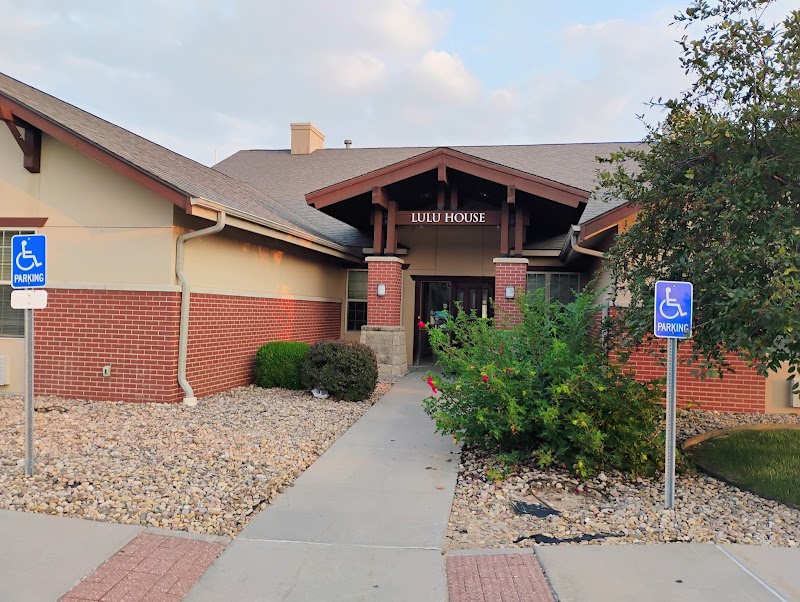
How is Family Health & Rehabilitation Center Staffed?

CMS rates FAMILY HEALTH & REHABILITATION CENTER's staffing level at 4 out of 5 stars, which is above average compared to other nursing homes. Staff turnover is 61%, which is 15 percentage points above the Kansas average of 46%. High turnover can affect care consistency as new staff learn residents' individual needs.

What Have Inspectors Found at Family Health & Rehabilitation Center?

State health inspectors documented 18 deficiencies at FAMILY HEALTH & REHABILITATION CENTER during 2021 to 2024. These included: 18 with potential for harm.
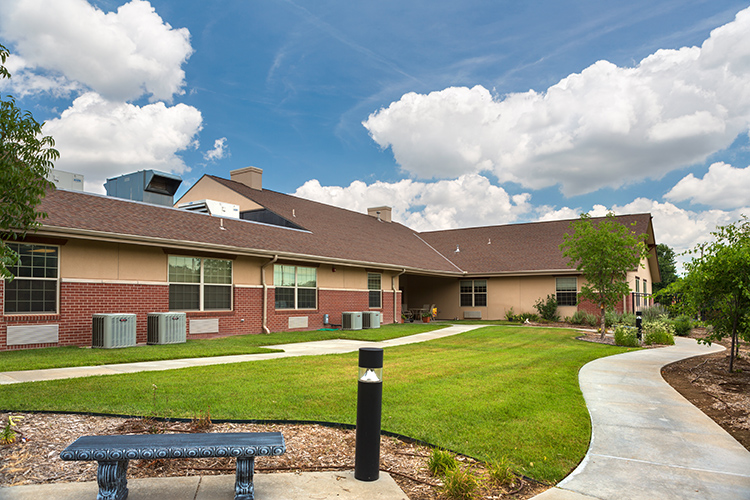
Who Owns and Operates Family Health & Rehabilitation Center?

FAMILY HEALTH & REHABILITATION CENTER is owned by a for-profit company. For-profit facilities operate as businesses with obligations to shareholders or private owners. The facility operates independently rather than as part of a larger chain. With 72 certified beds and approximately 66 residents (about 92% occupancy), it is a smaller facility located in WICHITA, Kansas.
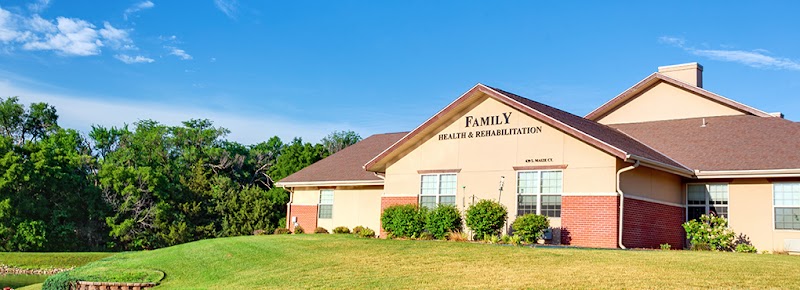
How Does Family Health & Rehabilitation Center Compare to Other Kansas Nursing Homes?

Compared to the 100 nursing homes in Kansas, FAMILY HEALTH & REHABILITATION CENTER's overall rating (3 stars) is above the state average of 2.9, staff turnover (61%) is significantly higher than the state average of 46%, and health inspection rating (3 stars) is at the national benchmark.

What Should Families Ask When Visiting Family Health & Rehabilitation Center?

Based on this facility's data, families visiting should ask: "How do you ensure continuity of care given staff turnover, and what is your staff retention strategy?" "Can I visit during a mealtime to observe dining assistance and food quality?" "How do you handle medical emergencies, and what is your hospital transfer rate?" "Can I speak with family members of current residents about their experience?" These questions are particularly relevant given the facility's high staff turnover rate.

Is Family Health & Rehabilitation Center Safe?

Based on CMS inspection data, FAMILY HEALTH & REHABILITATION CENTER has a clean safety record: no substantiated abuse findings (meaning no confirmed cases of resident harm), no Immediate Jeopardy citations (the most serious violation level indicating risk of serious injury or death), and is not on the Special Focus Facility watch list (a federal program monitoring the lowest-performing 1% of nursing homes). The facility has a 3-star overall rating and ranks #1 of 100 nursing homes in Kansas. While no facility is perfect, families should still ask about staff-to-resident ratios and recent inspection results during their visit.

Do Nurses at Family Health & Rehabilitation Center Stick Around?

Staff turnover at FAMILY HEALTH & REHABILITATION CENTER is high. At 61%, the facility is 15 percentage points above the Kansas average of 46%. High turnover means new staff may not know residents' individual needs, medications, or preferences. It can also be disorienting for residents, especially those with dementia who rely on familiar faces. Families should ask: What is causing the turnover? What retention programs are in place? How do you ensure care continuity during staff transitions?

Was Family Health & Rehabilitation Center Ever Fined?

FAMILY HEALTH & REHABILITATION CENTER has no federal fines on record. CMS issues fines when nursing homes fail to meet care standards or don't correct problems found during inspections. The absence of fines suggests the facility has either maintained compliance or corrected any issues before penalties were assessed. This is a positive indicator, though families should still review recent inspection reports for the full picture.

Is Family Health & Rehabilitation Center on Any Federal Watch List?

FAMILY HEALTH & REHABILITATION CENTER is not on any federal watch list. The most significant is the Special Focus Facility (SFF) program, which identifies the bottom 1% of nursing homes nationally based on persistent, serious quality problems. Not being on this list means the facility has avoided the pattern of deficiencies that triggers enhanced federal oversight. This is a positive indicator, though families should still review the facility's inspection history directly.