HOMESTEAD HEALTH CENTER
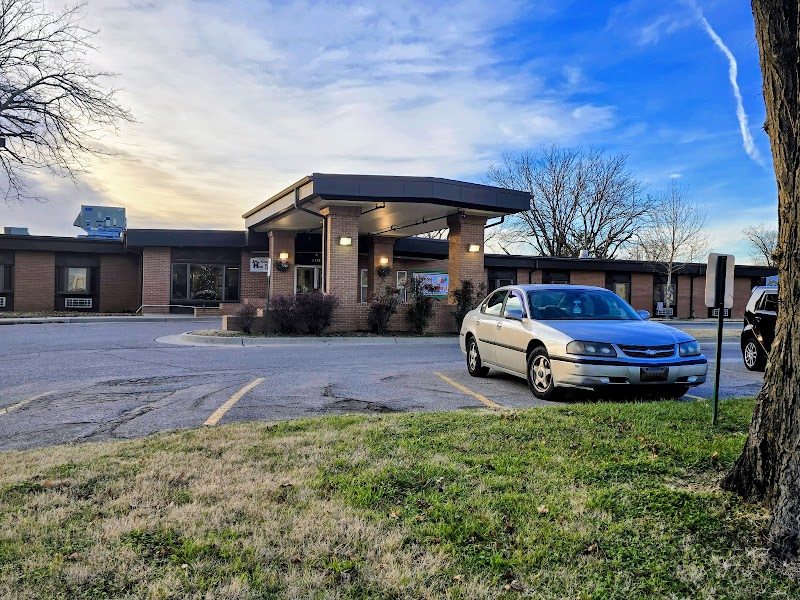
2133 S ELIZABETH STREET, WICHITA, KS 67213 (316) 262-4473
Non profit - Corporation 45 Beds Independent Data: November 2025 2 Immediate Jeopardy citations
Trust Grade
1/100
#251 of 295 in KS
Last Inspection: August 2024

Within standard 12-15 month inspection cycle. Federal law requires annual inspections.

Overview

Homestead Health Center in Wichita, Kansas, has a Trust Grade of F, indicating significant concerns about the quality of care. Ranking #251 out of 295 facilities in Kansas means it is in the bottom half of nursing homes in the state, and at #27 out of 29 in Sedgwick County, it is near the bottom locally as well. The facility's issues have remained stable, with eight problems noted in both 2022 and 2024. Staffing is a weak point, with a low rating of 1 out of 5 stars and 45% turnover, which is actually better than the Kansas average, but still indicates instability. Additionally, the facility has accrued $59,829 in fines, which is concerning and suggests ongoing compliance issues. Specific incidents include a critical error where a nurse improperly managed a resident’s urinary catheter, using non-sterile equipment and causing the patient pain. Another serious finding involved a resident with dementia who required assistance but was not adequately monitored for fall risks despite a history of instability. While the facility has some strengths, such as decent quality measures rated at 4 out of 5, the overall picture raises serious concerns about safety and care quality.

Trust Score
F
1/100
In Kansas
#251/295
Bottom 15%
Safety Record
High Risk
Review needed
Inspections
Holding Steady
8 → 8 violations
Staff Stability
⚠ Watch
45% turnover. Above average. Higher turnover means staff may not know residents' routines.
Penalties
○ Average
$59,829 in fines. Higher than 68% of Kansas facilities. Some compliance issues.
Skilled Nurses
⚠ Watch
Each resident gets only 11 minutes of Registered Nurse (RN) attention daily — below average for Kansas. Fewer RN minutes means fewer trained eyes watching for problems.
Violations
⚠ Watch
25 deficiencies on record. Higher than average. Multiple issues found across inspections.
★☆☆☆☆
1.0
Overall Rating
★☆☆☆☆
1.0
Staff Levels
★★★★☆
4.0
Care Quality
★★☆☆☆
2.0
Inspection Score
Stable
2022: 8 issues
2024: 8 issues

The Good

  • 4-Star Quality Measures · Strong clinical quality outcomes
  • Full Sprinkler Coverage · Fire safety systems throughout facility
  • No fines on record

Facility shows strength in quality measures, fire safety.

The Bad

1-Star Overall Rating

Below Kansas average (2.9)

Significant quality concerns identified by CMS

Staff Turnover: 45%

Near Kansas avg (46%)

Higher turnover may affect care consistency

Federal Fines: $59,829

Above median ($33,413)

Moderate penalties - review what triggered them

The Ugly 25 deficiencies on record

2 life-threatening 1 actual harm
Aug 2024 6 deficiencies 1 Harm
SERIOUS (G)

Actual Harm - a resident was hurt due to facility failures

Accident Prevention (Tag F0689)

A resident was harmed · This affected 1 resident

**NOTE- TERMS IN BRACKETS HAVE BEEN EDITED TO PROTECT CONFIDENTIALITY** - Resident (R) 35's Electronic Health Record (EHR) revealed diagnoses of unspecified dementia (progressive mental disorder chara...

Read full inspector narrative →
**NOTE- TERMS IN BRACKETS HAVE BEEN EDITED TO PROTECT CONFIDENTIALITY** - Resident (R) 35's Electronic Health Record (EHR) revealed diagnoses of unspecified dementia (progressive mental disorder characterized by failing memory, confusion) and Alzheimer's disease (progressive mental deterioration characterized by confusion and memory failure). The 06/20/24 admission Minimum Data Set (MDS) documented a Brief Interview for Mental Status (BIMS) score of 14, indicating intact cognition. R35 had a total mood severity score of 03, indicating minimal depression and there were no behaviors. She was independent with activities of daily living (ADLs), with toileting hygiene, dressing, personal hygiene, ambulation, and transfers. R35 required set up for meals and moderate assistance with bathing. The MDS indicated R35 experienced no falls since admission. The 06/20/24 Falls Care Area Assessment (CAA) documented R35 had potential for falls and injury related to unstable blood glucose control, decreased safety awareness, and a history of falls prior to admission. The 08/26/24 Care Plan documented fall interventions which included: On 06/25/24, staff were instructed to provide a call light within the resident's reach and encourage R35 to use it. On 06/25/24, staff were instructed to encourage R35 to wear nonskid socks or shoes. The 08/26/24 Physicians Orders lacked any documentation for safety or falls. Review of the Progress Note dated 08/20/24 at 11:57 PM, revealed R35 had an unwitnessed fall in her room she stated she slipped on water that she had spilled on her floor. The 08/26/24 Care Plan lacked a fall intervention related to R35's 08/20/24 fall. During an interview with R35 on 08/26/24 at 01:37 PM, R35 stated she had a fall last week after she spilled water on her floor. During an observation on 08/27/24 at 07:30 AM, R35 made her bed independently she wore appropriate shoes. During an interview on 08/28/24 at 10:07 AM, Administrative Nurse B confirmed that the care plans should be updated with interventions after an event/fall, in a timely manner. Administrative Nurse B reported the interdisciplinary team (IDT) met weekly and reviewed the events/falls that occurred over the past week. Administrative Nurse B revealed she was not aware that if a care plan was reviewed and no care plan intervention was completed after a fall, that it did not meet regulatory requirements. Administrative Nurse B reported that the facility was responsible for all the resident's safety. The facility's Falls and Fall Risk, Managing policy, dated 12/2007 documented that the staff would identify interventions related to a resident's specific risks and causes to prevent falls. Additionally documented that if a resident has repeated falls that staff would implement additional or different interventions, until falls were reduced or stopped or the reason for the falls is identified as unavoidable. Further documented that the staff would include the physician and Consultant Pharmacist to re-evaluate, identify and implement interventions to minimize serious consequences of falling. The facility failed to keep R35 safe, related to fall hazards. This practice had the potential to lead to negative psychosocial effects related to safety and uncommunicated needs. - Resident (R) 37's Electronic Health Record (EHR) revealed diagnoses included dementia (progressive mental disorder characterized by failing memory, confusion), weakness, and falls. The 08/14/24 Annual Minimum Data Set (MDS) documented a Brief Interview for Mental Status (BIMS) score of 13, indicating intact cognition. R37's total severity score of zero, indicating no depression. R37 required set up assistance for oral care and eating. R37 required moderate assistance with activities of daily living (ADLs), with personal hygiene and transfer. R37 required total assistance with bathing, toileting, dressing and footwear. The resident was independent with ambulation. R37 had one minor injury and two non-injury falls. The 08/16/24 ADL Functional/Rehabilitation Potential Care Area Assessment (CAA) documented R37 had actual self-care performance related to left hand contracture and weakness. The CAA noted R37 required supervision with ambulation related to fast-paced ambulation. The 08/16/24 Falls CAA documented R37 had a history of falls and injury related to fluctuation of cognition, and self-care performance. Additionally, the resident had poor memory and decreased safety awareness. The 05/22/24 Quarterly MDS documented a BIMS score of 14, indicating intact cognition. R37 required set up assistance for oral care and eating. R37 required maximal assistance with ADLs, with personal hygiene and toileting. R37 required total assistance with bathing, dressing, and footwear. The resident independent with ambulation and transfers. R37 had one minor injury and two non-injury falls. The 08/26/24 Care Plan documented fall interventions, which included: On 03/25/23, staff were instructed to monitor and assist R37 with toileting, as needed. On 01/16/24, staff instructed to monitor R37 whenever they walked by R37's room, offer assistance, and additionally, provide reminders to use her call light for assistance. On 04/17/24, staff educated R37 on the importance to have staff pick items up off the floor for her. On 07/25/24, R37 worked with therapy and the care plan was appropriate at that time. R37 was encouraged to allow staff to ambulate with her for her safety. The 08/26/24 Physician Orders included activity level, stand by assistance with transfer and walking with walker every shift, dated 12/17/22; Physical Therapy consult as needed for falls, dated 04/18/24. Review of the Progress Note dated 01/16/24 at 04:46 PM, revealed R37 had an unwitnessed fall when she stated she tried to sit down in the recliner and fell. Review of the Progress Note dated 02/11/24 at 04:47 PM, revealed a witnessed injury fall, R37 tripped over her walker after she tried to ambulate around the walker. R37 sustained a skin-tear and bruise on left wrist, and left thumb nail had broken. The note documented the care plan was reviewed, appropriate at that time. The 08/26/24 Care Plan lacked a fall prevention intervention related to the causal factor of R37's fall with minor injury on 02/11/24, where R37 sustained a skin-tear and bruise of left wrist. Review of the Progress Note dated 03/31/24 at 11:28 AM, revealed R37 had a witnessed fall while out with friends at her church; Noted a contusion to back of her head. Review of the Progress Note dated 04/17/24 at 07:45 PM, revealed R37 had an unwitnessed fall when she stated she bent over to pick up her slippers and fell. Review of the Progress Note dated 05/21/24 at 07:10 PM, revealed R37 had a witnessed fall in the hallway. R37 turned around to go back to her room and fell to the floor. Review of the Progress Note dated 05/22/24 at 02:21 PM, revealed R37 had a witnessed fall in the activity room. R37 sat down on walker that was not locked and she fell to the floor. The 08/26/24 Care Plan lacked a fall prevention intervention related to the causal factor of R37's falls on 05/21/24 and 05/22/24. The Care Plan was revised on 05/28/24, which included: to educate the resident to not sit on the walker. Review of the Progress Note dated 07/09/24 at 09:45 PM, revealed R37 had a witnessed fall, Licensed Nurse (LN) R observed R37 ambulating fast with her four-wheel walker in the hallway. R37 then noted to lean to her right side and fell to the floor. R37 sustained a laceration and bruised area on her forehead, bruised right hand, and right arm. R37 complained of back and left wrist pain and transferred to the hospital. Review of the Progress Note dated 07/09/24 witnessed injury fall, R37 sustained a laceration (wound to the skin) and bruised area on forehead, bruised right hand, and right arm. R37 was transferred to hospital. Review of the Progress Note dated 07/10/24 at 01:30 AM, revealed R37 transported back to facility by a family member. Review of the Progress Note dated 08/12/24 at 10:45 AM, revealed R37 had an unwitnessed fall. R37 stated she was walking to fast with her walker, turned the corner at nurse's station lost her balance and fell. Review of the Progress Note dated 08/12/24 at 05:56 PM, revealed R37 had an unwitnessed fall. The resident was found on the floor, with her backed leaned against her dresser. R37 stated she felt dizzy and hit her head on the padded walker. The Care Plan lacked an intervention related to the fall on 08/12/24, and only noted R37 had two non-injury falls. During an interview with R37 on 08/26/24 at 10:04 AM, R37 stated she walked into the door frame when she exited the bathroom. Observation during the interview revealed R37 had a swollen, purple bruised area noted on her forehead. During an observation on 08/26/24 at 01:00 PM, R37 sat in the dining room eating lunch with her family member. R37 had a white bandage on her forehead. During an observation on 08/27/24 at 07:35 AM, R37 sat in the dining room eating her breakfast, noted approximately three centimeters (cm) by one centimeter, purple colored bruise on her forehead. During an observation on 08/27/24 at 09:00 AM, Certified Nurse Aide (CNA) L assisted R37 with toileting hygiene. R37 stood up independently from the toilet, then ambulated to the bathroom sink and washed her hands. During an interview on 08/26/24 at 01:10 PM, R37 stated she bumped her head on her door frame when she exited out of the bathroom earlier today. R37 and her family member laughed about her incident when R37 explained what had happened. During an interview on 08/27/24 at 09:05 AM, CNA L reported R37 did not like staff to walk with her. CNA L stated she would get mad if they tried to. During an interview on 08/28/24 at 09:46 AM, Certified Medication Aide (CMA) K reported R37 worked with a restorative aide three times a week for balance. During an interview on 08/28/24 at 10:07 AM, Administrative Nurse B confirmed that the care plans should be updated with interventions after an event in a timely manner. Administrative Nurse B reported the interdisciplinary team (IDT) would meet weekly and review the events that had occurred over the past week. Administrative Nurse B revealed she was not aware that if a care plan was reviewed and no care plan intervention was completed it did not meet regulatory requirements. Administrative Nurse B reported that the facility is responsible for all the resident's safety. The facility's Falls and Fall Risk, Managing policy, dated 12/2007 documented that the staff would identify interventions related to a resident's specific risks and causes to prevent falls. Additionally documented that if a resident has repeated falls that staff would implement additional or different interventions, until falls were reduced or stopped or the reason for the falls is identified as unavoidable. Further documented that the staff would include the physician and Consultant Pharmacist to re-evaluate, identify and implement interventions to minimize serious consequences of falling. The facility failed to keep R37 safe, related to fall hazards. This practice had the potential to lead to negative psychosocial effects related to safety and uncommunicated needs. - Resident (R)12's Electronic Health Record (EHR) revealed diagnoses included dementia (progressive mental disorder characterized by failing memory, confusion), weakness and repeated falls. The 03/27/24 Annual Minimum Data Set (MDS) documented a Brief Interview for Mental Status (BIMS) score of 14, indicating intact cognition. R12's total mood severity score of zero, indicated no depression. R12 required set up assistance for eating and required moderate assistance with activities of daily living (ADLs), with upper body dressing. R12 required maximal assistance with transfers, bathing, toileting, lower body dressing, and footwear. R12 refused to ambulate and was independent with wheelchair mobility. R35 had two or more non-injury falls since the prior assessment. The 03/30/24 ADL Functional/Rehabilitation Potential Care Area Assessment (CAA) documented R12 required assistance with ADLs related to unsteady gait, dizziness, weakness, and unwilling to participate in restorative program. The 03/30/24 Falls CAA documented R12 had a potential for falls and injury related to decrease safety awareness, weakness, dizziness and impulsive behavior. The 06/19/24 Quarterly MDS documented a BIMS score of 14, indicating intact cognition. R12 required set up assistance for oral care and eating. R12 required total dependence with assistance with toileting, footwear and personal hygiene. R12 required maximal assistance with transfers, bathing, and dressing. R12 had one minor injury fall since the prior assessment. The 08/26/24 Care Plan documented fall interventions for R12, which included: On 01/08/24, the staff were to encourage R12 to participate in the restorative program for strengthening, continue to emphasize to R12 to use call light or call pendant to alert staff with all transfers needed. On 04/15/24, the staff were to encouraged R12 to work with physical therapy to gain strength and proper transfer technique, and R12 will ask for assistance with transfers. The 08/26/24 Physician Orders included a Physical Therapy consult as needed for falls, dated 01/10/23. The restorative program included exercise using step, safety walking, and safety transfer practices for one, six times a week, for five-fifteen minutes a day. R12's exercise regime and walking were not consistent, and he often declined to participate, dated 02/12/24. Review of the Progress Note dated 01/01/24 at 11:17 AM, revealed R12 experienced an unwitnessed fall when he stated he fell while he transferred from his wheelchair to the recliner and lost his grip on the bar, and slid to the floor. The Care Plan lacked an intervention related to R12's fall on 01/01/24, until 01/08/24 (seven days later). Review of the Progress Note dated 01/22/24 at 07:45 PM, revealed R12 had an unwitnessed fall when he stated he fell while he transferred from his recliner to his wheelchair and landed on the wheelchair in the wrong spot and caused the wheelchair to tip over onto its side. The 08/26/24 Care Plan lacked a fall prevention intervention related to the causal factor of R12's falls on 01/22/24. Review of the Progress Note dated 04/02/24 at 01:09 PM, revealed two near falls in the morning in his room. R12 was unable to move his legs and feet during a transfer with staff and started to fall to the ground, staff assisted R12 back into his wheelchair. R12 transferred self from his wheelchair to his recliner and he fell on his left knee, and staff assisted him back into the recliner. The 08/26/24 Care Plan lacked a fall prevention intervention related to the causal factor of R12's fall on 04/02/24. Review of the Progress Note dated 04/15/24 at 04:07 PM, revealed R12 had an unwitnessed fall when he stated he fell while he transferred from his recliner to the wheelchair. R12's right leg had redness and bruised area noted. Review of the Progress Note dated 04/19/24 at 09:33 AM, revealed R12 continued to work with therapy for strengthening with transfers related to several near falls. Review of the Progress Note dated 08/16/24 at 05:23 PM, revealed R12 had declined to do a safety walking with exercise bar. R35's exercise regime is not consistent, he often refused to participate. Review of the Progress Note dated 08/22/24 at 08:24 AM, revealed R12 had an unwitnessed fall in his bathroom. He stated he was in his wheelchair, reached up to put an item away on shelf over the toilet, and missed the wheelchair when he sat back down and fell to the floor. The 08/26/24 Care Plan lacked a fall prevention intervention related to the causal factor of R12's fall on 08/22/24. During an observation on 08/26/24 at 10:53 AM, R12 was seated in his recliner, in his room. There was a stop sign taped to the wall on white paper, above a safety transfer bar, to remind R12 to call staff for assistance. Observation revealed nonskid strips on the floor in front of his recliner and a red tape outline on the floor in front of his recliner. R12 stated the red tape outline marked where he needed to have his wheelchair parked when he transferred. He stated he did not always call the staff (for assistance). R12 also stated he would like to ambulate more than he does. During an observation on 08/26/24 at 10:58 AM, R12's call light was wrapped on the position device on his bed located approximately five feet away, as R12 sat in his recliner. R12 stated he would like the call light placed on his tray table next to him. During an interview on 08/26/24 at 11:01 AM, Licensed Nurse (LN) Q revealed R12 had a call light pendant placed on a necklace for R12. R12, who was present for the interview, then interjected and stated he forgot he had the call light pendant. During an interview on 08/28/24 at 09:43 AM, Certified Medication Aide (CMA) K reported that R12 would like to ride the stationary bike and refused to ambulate when offered. CMA K stated that if R12 completed group exercises he would refuse to participate with restorative program. During an interview on 08/28/24 at 09:45 AM, Certified Nurse Aide (CNA) P reported that R12 would get inpatient and transfer himself when he called for staff assistance. During an interview on 08/28/24 at 10:07 AM, Administrative Nurse B confirmed that the care plans should be updated with interventions after an event/fall in a timely manner. Administrative Nurse B reported the interdisciplinary team (IDT) would meet weekly and review the events that had occurred over the past week. Administrative Nurse B revealed she was not aware that if a care plan was reviewed and no care plan intervention was completed was inappropriate. Administrative Nurse B reported that the facility is responsible for all the resident's safety. The facility's Falls and Fall Risk, Managing policy, dated 12/2007 documented that the staff would identify interventions related to a resident's specific risks and causes to prevent falls. Additionally documented that if a resident has repeated falls that staff would implement additional or different interventions, until falls were reduced or stopped or the reason for the falls is identified as unavoidable. Further documented that the staff would include the physician and Consultant Pharmacist to re-evaluate, identify and implement interventions to minimize serious consequences of falling. The facility failed to ensure fall prevention interventions after each fall for R12, to prevent further falls. The facility reported a census of 43 residents with 12 included in the sample, and eight residents reviewed for accidents. Based on observations, interviews, and record reviews, the facility failed to ensure that four residents remained free of accident hazards related to falls, Resident (R) 21, R35 and R12, and included one resident, R37, who continued to fall and obtained additional injuries. Additionally, the facility failed to ensure that R20 remained free of accident hazards when staff pushed R20's wheelchair without foot pedals and his feet were suspended above the ground. These deficient practices had the potential to negatively affect the physical and psychosocial well-being of the residents. Findings included: - Review of the Electronic Health Record (EHR) for Resident (R) 21 included the diagnoses of cerebral infarction (stroke - sudden death of brain cells due to lack of oxygen caused by impaired blood flow to the brain by blockage or rupture of an artery to the brain), diabetes mellitus type 2 (DM 2-when the body cannot use glucose, not enough insulin made or the body cannot respond to the insulin) and generalized muscle weakness. The Significant Change Minimum Data Set (MDS), dated 04/01/24 documented a Brief Interview of Mental Status score of 15, which indicated intact cognition. The assessment documented that the resident utilized a wheelchair and/or a walker for locomotion. R21 was occasionally incontinent of bowel/bladder and required supervision and setup with all cares except bathing, which required substantial/maximum assistance. The assessment documented that R21 received a diuretic (medication to promote the formation and excretion of urine), and opioid (a narcotic pain medication) and a hypoglycemic (a medication to lower the concentration of sugar in the blood). The Activities of Daily Living (ADL) Functional / Rehabilitation Potential Care Area Assessment (CAA), dated 04/01/24 documented that R21 was a fall risk. The Falls CAA, dated 04/01/24 documented R21 as at risk for further falls and injury due to history of multiple falls due to decreased safety awareness and noncompliance with safety recommendations from staff. The Quarterly MDS, dated 06/26/24 documented a BIMS score of 15, which indicated intact cognition. The assessment documented that R21 utilized a wheelchair for locomotion. R21 was occasionally incontinent of bowel/bladder and required substantial/maximal assistance with bathing, partial/moderate assistance with dressing, supervision/setup for eating, and toileting/personal hygiene. The assessment documented that R21 received a diuretic, an opioid, and hypoglycemic medications. The 08/27/24 Care Plan documented on 03/03/21 that R21 was at risk for falls and listed the following interventions: 1. On 03/03/21, staff would instruct R21 on proper transfer techniques and to alert the staff for assistance. 2. On 04/13/21, staff would provide correct footwear to utilize at night and remind resident to alert the staff for assistance when needed. 3. On 02/08/22, staff referred R21 to physical therapy for strengthening and altered gait (manner or style of walking). 4. On 03/21/22, R21 was to use a walker for stability during all transfers. 5. On 08/27/22, staff added adhesive non-skid strips to the floor in front of R21's recliner to aid in transfers. 6. On 10/18/22, staff would educate R21 in the importance of minimizing clutter in her room. 7. On 10/27/22, staff would offer to hem up R21's pants to reduce the risk of falls and encourage R21 to ask for assistance. 8. On 06/28/23, staff would educate R21 to ensure feet were firmly on the floor before attempting to stand or transfer. 9. On 12/18/23, staff would remind the resident to utilize her walker with all ambulation (walking). 10. On 02/12/24, staff referred R21 to occupational therapy for strengthening and safety training. The Care Plan lacked documentation or intervention related to the fall on 07/01/24. The Physician's Orders lacked documentation or intervention related to fall prevention/mitigation. Review of the EHR Fall Risk assessments revealed the following: 1. On 01/26/23, the facility documented a fall risk of 13, which indicated a high risk for falls. 2. On 03/31/23, the facility documented a fall risk of 12, which indicated a high risk for falls. 3. On 06/27/23, the facility documented a fall risk of 11, which indicated a high risk for falls. 4. On 09/17/23, the facility documented a fall risk of 13, which indicated a high risk for falls. 5. On 12/08/23, the facility documented a fall risk of 13, which indicated a high risk for falls. 6. On 01/24/24, the facility documented a fall risk of 12, which indicated a high risk for falls. 7. On 06/28/24, the facility documented a fall risk of 13, which indicated a high risk for falls. 8. On 06/22/24, the facility documented a fall risk of 12, which indicated a high risk for falls. Review of the facility's fall investigations revealed the following: 1. On 03/26/24, R21 fell due to weakness, which resulted in a fracture (broken bone) of one of her vertebrae (bones of the spine) and required hospitalization. The Progress Notes documented that resident felt weak and fell in a seated position to the floor from a standing height. The immediate intervention was to send the resident to the hospital by ambulance. The care plan intervention dated 04/01/24, staff referred R21 to physical therapy for safety training and ADL retraining since R21 was wearing a thoracic lumbar sacral orthosis (TLSO - a brace or splint that limits the movement of the spine from mid back area to the sacrum [triangular bone at the base of the spine], often used after surgery or injury to the spine). 2. On 04/22/24, R21 fell but was not injured. The Progress Notes documented the resident was not wearing appropriate footwear. The fall report documented the immediate intervention was for R21 to wear appropriate footwear with ambulation with the care plan intervention dated 04/22/24 for staff to remind R21 to wear appropriate footwear. 3. On 05/27/24, R21 fell, but was not injured. The Progress Notes documented that the resident ambulated unassisted and fell to her knees from a standing height due to weakness. The fall report documented the immediate intervention was that staff would ensure the call light was within R21's reach and remind R21 to call for assistance with the care plan intervention dated 05/27/24, staff would always place a call light within R21's reach and encourage its use and encourage R21 to keep personal use items within reach. 4. On 06/05/24, R21 fell, which resulted in a fracture of her right clavicle (collar bone) but did not require hospitalization. The Progress Notes documented that the resident was ambulating with her walker without the use of shoes or non-skid socks. R21 stated on 08/26/24 at 10:40 AM that she slipped on water and that she was unaware she had spilled on the floor in the bathroom. The fall report documented the immediate intervention of staff to staff to perform visual checks on R21 every two hours with the care plan intervention dated 06/05/24, staff would perform visual checks and offer assistance every two hours for a 24-hour period. 5. On 07/01/24, R21 fell but was not injured. The facility's investigation determined that the root cause of the fall was that R21 attempted to self-transfer into a wheelchair unsuccessfully. The facility's investigation report lacked an immediate intervention put in place by the staff on duty at the time of the fall, additionally the EHR Care Plan lacked an intervention related to this incident. On 08/28/24 at 10:46 AM, Certified Nurse Aide (CNA) G stated that if a resident fell, that CNA staff would stay with the resident and alert other staff for assistance and upon the arrival of the nurse, follow the instructions given by the nurse. On 08/28/24 at 10:57 AM, Certified Medication Aide (CMA) H stated that it was discovered that a resident fell, CNA/CMA staff would ensure that the resident was safe and alert other staff for additional assistance including notifying the nurse then would follow the instructions from the nurse. On 08/28/24 at 11:18 AM, Administrative Nurse B stated that immediately following a fall, the nurse should fill out a note with any assessment findings and do a fall huddle with the staff on duty to investigate the cause of the fall. The nurse should then initiate an immediate intervention to mitigate the risk for falls for the remainder of the shift. The nurse would then notify the physician, resident representative and Administrative Nurse B. Additionally stated that if the fall happened during normal business hours, the interdisciplinary team (IDT - a team of facility staff consisting of members of various departments including but not limited to; dietary, nursing, maintenance, therapy, etc.) would hold an immediate meeting to develop a permanent care plan intervention. If the fall happened outside of normal business hours, then the IDT would meet and develop a permanent care plan intervention the following morning (or on Monday, if the fall happened on a weekend). Administrative Nurse B stated that the above information was the expectation of staff and confirmed the lack of a care plan intervention related to the fall on 07/01/24 and was unable to provide an explanation as to why the care plan lacked an intervention for the fall on 07/01/24. The facility's Falls and Fall Risk, managing policy, dated 12/2007 documented that the staff would identify interventions related to a resident's specific risks and causes to prevent falls. Additionally documented that if a resident has repeated falls that staff would implement additional or different interventions, until falls were reduced or stopped or the reason for the falls is identified as unavoidable. Further documented that the staff would include the physician and Consultant Pharmacist to re-evaluate, identify and implement interventions to minimize serious consequences of falling. The facility failed to ensure that R21 remained free of accident hazards related to falls when the facility failed to review and revise the care plan for R21 after R21 fell on [DATE]. This deficient practice had the potential to lead to ongoing increased risk for falls and the possibility of additional injuries from falls. - Review of the Electronic Health Record (EHR) for Resident (R)20 included the diagnoses of dementia (a progressive mental disorder characterized by failing memory, confusion), osteoporosis (an abnormal loss of bone density and deterioration of bone tissue with an increased fracture risk), restlessness and agitation, and repeated falls. The Annual Minimum Data Set (MDS) dated 12/30/23 documented a Brief Interview of Mental Status (BIMS) score of nine, which indicated moderately impaired cognition. The assessment documented R20 utilized a wheelchair for locomotion and was dependent on staff for all cares except eating and oral hygiene, which required supervision/setup. The Falls Care Area Assessment (CAA) dated 12/30/23 documented that R20 was at risk for falls secondary to decreased safety awareness, a history of multiple falls and impulsive behaviors. The Quarterly MDS dated 07/31/24 documented a BIMS score of six, which indicated severely impaired cognition. The assessment documented R20 was dependent on staff for all cares except eating and oral hygiene which required supervision/setup. The 08/27/24 Care Plan lacked documentation related to use or omission of foot pedals on R20's wheelchair. The Physician Orders lacked documentation related to foot pedal use on R20's wheelchair. The Assessments in the EHR lacked documentation of a safety assessment related to locomotion without foot pedals installed on R20's wheelchair. The Progress Notes reviewed 06/01/24 to 08/27/24 lacked documentation related to the use or omission of foot pedals on R20's wheelchair. Observation on 08/26/24 at 12:58 PM, revealed staff propelled R20 in his wheelchair. The wheelchair lacked foot pedals and R20 held his feet above the ground by approximately 1 to 2 inches. Observation on 08/27/24 at 07:30 AM, revealed R20 sat at a table in the dining area with peers present. The wheelchair lacked foot pedals for R20. Observation on 08/28/24 at 11:00 AM, revealed R20 sat at a table in the activity area with peers present and parti[TRUNCATED]
CONCERN (D)

Potential for Harm - no one hurt, but risky conditions existed

Deficiency F0578 (Tag F0578)

Could have caused harm · This affected 1 resident

**NOTE- TERMS IN BRACKETS HAVE BEEN EDITED TO PROTECT CONFIDENTIALITY** The facility reported a census of 43 residents, with 12 residents sampled, including one resident sampled for advanced directive...

Read full inspector narrative →
**NOTE- TERMS IN BRACKETS HAVE BEEN EDITED TO PROTECT CONFIDENTIALITY** The facility reported a census of 43 residents, with 12 residents sampled, including one resident sampled for advanced directives (a written document which indicated the medical decisions for health care professionals when the person could not make their own decisions). Based on interview and record review, the facility failed to ensure Resident (R) 35 who was cognitively intact sign a completed Do Not Resuscitate (DNR- or no code, a legal document or order that means the person does not desire CPR in the event of cardiac arrest), instead they had a family member sign the directive. Findings included: - Resident (R) 35's Electronic Health Record (EHR) revealed diagnoses of unspecified dementia (progressive mental disorder characterized by failing memory, confusion) and Alzheimer's disease (progressive mental deterioration characterized by confusion and memory failure). The [DATE] admission Minimum Data Set (MDS) documented a Brief Interview for Mental Status (BIMS) score of 14, indicating intact cognition. R35 had a total mood severity score of 03, indicating minimal depression and there were no behaviors. She was independent with activities of daily living (ADLs), with toileting hygiene, dressing, personal hygiene, ambulation, and transfers. R35 required set up for meals and moderate assistance with bathing. The [DATE] Cognitive Loss Care Area Assessment (CAA) documented R35 exhibited forgetfulness in regard to medications and routine. She was not happy to have to reside at the facility, is at risk for elopement (when a cognitively impaired resident leaves the facility without the knowledge or supervision of staff) and was at risk for further decline in cognitive memory status. The [DATE] Care Plan documented DNR code dated, [DATE]. The Physician's Order dated [DATE], documented a Do Not Resuscitate order. On [DATE] review of EHR an uploaded document dated [DATE], a signed DNR by R12's family member who was not her durable power of attorney (DPOA- legal document that named a person to make healthcare decisions when the resident was no longer able to) and witnessed by Licensed Bachelor Social Worker (LBSW) D. On [DATE] review of the EHR revealed an uploaded hospital note from the physician, dated [DATE], which documented discussed code status with patient, and she wanted to be a full code. The [DATE] admission Transfer Orders from hospital were marked as a full code. On [DATE] at 07:30 AM, R35 stated that she was not asked to sign a DNR and stated that she was not sure if she wanted to continue with the DNR order. R12 stated her daughter was her health care agent. On [DATE] at 10:07 AM, Administrative Nurse B reported that R35 should have signed her own DNR and confirmed that R35's daughter is her DPOA. On [DATE] at 10:28 AM, LBSW D confirmed that R35's son signed the DNR as R35's DPOA was in the hospital. LBSW D reported that R35 was in the room when the DNR was signed and confirmed the EHR lacked a progress note of the above. She also reported she was unaware of the physician note from the hospital that R35 wanted to be a full code. The facility's Advanced Directives policy dated 12/2019 documented advanced directives will be respected in accordance with state law and facility policy. Upon admission, the resident will be provided with written information concerning the right to refuse or accept medical or surgical treatment and to formulate an advanced directive if they choose to do so. DPOA for healthcare is a document delegating authority to a legal representative to make health care decisions in case the individual delegating the authority subsequently becomes incapacitated. The facility failed (R)35 who was cognitively intact, by having a family member that was not her DPOA sign a completed DNR. This deficient practice had the potential to lead to uncommunicated needs specifically to end-of-life care.
CONCERN (D)

Potential for Harm - no one hurt, but risky conditions existed

Infection Control (Tag F0880)

Could have caused harm · This affected 1 resident

The facility reported a census of 43 residents. Based on observations, interviews, and record review, the facility failed to maintain effective infection control measures when Certified Medication Aid...

Read full inspector narrative →
The facility reported a census of 43 residents. Based on observations, interviews, and record review, the facility failed to maintain effective infection control measures when Certified Medication Aide (CMA) H poked a straw through a potentially contaminated plastic film on the top of a cup containing a house supplement shake and then assisted a resident in drinking part of the shake. This deficient practice had the potential to contaminate the shake and lead to food-borne illness. Findings included: - On 08/28/24 at 11:04 AM, CMA H knocked over a cup that contained an unknown liquid and covered with a plastic film that sat on the medication cart. CMA H picked up the cup, removed a straw from the paper wrapper, and poked the straw through the plastic film. CMA H then walked into Resident (R) 1's room and assisted R1 in drinking approximately half of the liquid. On 08/28/24 at 11:11 AM, CMA H identified the liquid as a house supplement nutritional supplement shake and confirmed that she poked the straw through the potentially contaminated plastic film. CMA H stated that she should have sanitized the plastic film prior to inserting the straw or removed a small portion of the covering to insert the straw. On 08/28/24 at 11:15 AM, Administrative Nurse B stated the expectation was for staff to peel back the plastic film over a cup before inserting the straw due to infection control concerns as the plastic film could potentially be contaminated during transport from source to the medication cart. Administrative Nurse B went on to say that alternatively, the plastic film could have been sanitized with an isopropyl alcohol pad prior to a straw being poked through the plastic film. The facility's Monitoring Compliance with Infection Control policy, dated 04/2024, documented staff would adhere to infection prevention processes. The facility failed to maintain an effective infection control program when CMA H poked a straw through a potentially contaminated plastic film on the top of a cup containing a house supplement shake and then assisted a resident in drinking part of the shake. This deficient practice had the potential to contaminate the shake and lead to food-borne illness.
CONCERN (D)

Potential for Harm - no one hurt, but risky conditions existed

Deficiency F0883 (Tag F0883)

Could have caused harm · This affected 1 resident

The facility reported a census of 43 residents with 12 residents sampled. Based on interview and record review, the facility failed to provide the pneumococcal vaccine (vaccine designed to prevent pne...

Read full inspector narrative →
The facility reported a census of 43 residents with 12 residents sampled. Based on interview and record review, the facility failed to provide the pneumococcal vaccine (vaccine designed to prevent pneumonia [inflammation of the lungs which can be debilitating or lethal in the elderly]) declination form to two of the five residents reviewed, Resident (R) 37 and R38. Findings included: - Review of the Electronic Health Record (EHR) and the 2023-2024 binder which contained consents and declinations in Administrative Nurse B's office on 08/28/24, lacked documentation of any pneumococcal vaccine declination form for Resident (R) 37 and R38. On 08/28/24 at 12:05 PM, Administrative Nurse B reported that R37 said she had the pneumococcal vaccine in the past and would not require one. Administrative Nurse B stated that she would look for the declinations for both residents. On 08/28/24 at 12:44 PM, Administrative Nurse B confirmed the facility could not locate any vaccination declinations for R37 and R38. Furthermore, she reported that R37's family did not provide the facility with an immunization record that R37 had received the pneumococcal vaccine in the past, and R38 had always refused any vaccination offered. The facility's Pneumococcal Vaccine policy dated 10/2022 documented all residents were offered pneumococcal vaccines to aid in preventing pneumonia/pneumococcal infections. The residents have a right to refuse the vaccine. If refused, appropriate information was documented in the resident's medical record indicating the date of the refusal. The facility failed to provide proof of declination of the pneumococcal vaccine for two residents, R37 and R38.
CONCERN (E)

Potential for Harm - no one hurt, but risky conditions existed

Deficiency F0657 (Tag F0657)

Could have caused harm · This affected multiple residents

**NOTE- TERMS IN BRACKETS HAVE BEEN EDITED TO PROTECT CONFIDENTIALITY** The facility reported a census of 43 residents with 13 residents selected for review. Based on observation, interview, and recor...

Read full inspector narrative →
**NOTE- TERMS IN BRACKETS HAVE BEEN EDITED TO PROTECT CONFIDENTIALITY** The facility reported a census of 43 residents with 13 residents selected for review. Based on observation, interview, and record review, the facility failed to accurately revise four resident's care plans after falls experienced by Residents (R)37, R35, R21, and R12. Additionally, R9's hearing bilateral hearing aides were not addressed on the resident's care plan. This placed the residents at risk for uncommunicated care needs. Findings included: - Resident (R)37's Electronic Health Record (EHR) revealed diagnoses, which included dementia (progressive mental disorder characterized by failing memory, confusion), weakness, and falls. The 08/14/24 Annual Minimum Data Set (MDS) documented a Brief Interview for Mental Status (BIMS) score of 13, indicating intact cognition. R37 had a total (mood) severity score of zero, which indicated no depression. R37 required set up assistance for oral care and eating. R37 required moderate assistance with activities of daily living (ADLs), with personal hygiene, and transfers. R37 required total assistance with bathing, toileting, dressing and footwear and was independent with ambulation. R37 had one minor injury fall and two non-injury falls. The 08/16/24 ADL Functional/Rehabilitation Potential Care Area Assessment (CAA) documented R37 had actual self-care performance deficits related to a left hand contracture and weakness. The CAA noted R37 required supervision with ambulation related to fast-paced ambulation. The 08/16/24 Falls CAA documented R37 had a history of falls and injury related to fluctuation of cognition, and self-care performance. Additionally, R37 had poor memory and decreased safety awareness. The 05/22/24 Quarterly MDS documented a BIMS score of 14, indicating intact cognition. R37 required set up assistance for oral care and eating. R37 required maximal assistance with ADLs, personal hygiene, and toileting. R37 required total assistance with bathing, dressing, and footwear and was independent with ambulation and transfers. R37 had one minor injury and two non-injury falls. The 08/26/24 Care Plan documented fall interventions which included: 03/25/23, staff were instructed to monitor and assist R37 with toileting, as needed. 01/16/24, staff instructed to monitor R37 whenever they walked by R37's room and offer assistance; and additionally, provide reminders to use her call light for assistance. 04/17/24, staff educated R37 on the importance to have staff pick items up off the floor for her. 07/25/24, R37 worked with therapy. R37 would be encouraged to allow staff to ambulate with her for her safety. The 08/26/24 Physician Orders included the following: An order dated 12/17/22 for the resident to have an activity level, stand by assistance with transfers, and walking with walker every shift. An order dated 04/18/24 for Physical Therapy to consult as needed for falls. Review of the Progress Note dated 01/16/24 at 04:46 PM, revealed R37 had an unwitnessed fall when she stated she tried to sit down in the recliner and fell. Review of the Progress Note dated 02/11/24 at 04:47 PM, revealed the resident had a witnessed injury fall. R37 tripped over her walker after she tried to ambulate around the walker and sustained a skin-tear and bruise on the left wrist, and a broken left thumb nail. The facility reviewed the resident's care plan and found it to be appropriate at that time. The 08/26/24 Care Plan lacked a fall prevention intervention related to the causal factors of R37's fall with minor injury on 02/11/24, where R37 sustained a skin-tear and bruise of left wrist. Review of the Progress Note dated 03/31/24 at 11:28 AM, revealed R37 had a witnessed fall while out with friends at her church and had a contusion to the back of her head. Review of the Progress Note dated 04/17/24 at 07:45 PM, revealed R37 had an unwitnessed fall when she stated she bent over to pick up her slippers and fell. Review of the Progress Note dated 05/21/24 at 07:10 PM, revealed R37 had a witnessed fall in the hallway. R37 turned around to go back to her room and fell to the floor. Review of the Progress Note dated 05/22/24 at 02:21 PM, revealed R37 had a witnessed fall in the activity room. R37 sat down on a walker that was not locked and she fell to the floor. The 08/26/24 Care Plan lacked a fall prevention intervention related to the causal factor of R37's fall on 05/21/24 and 05/22/24. The Care Plan was revised on 05/28/24, which included staff educated the resident to not sit on the walker. Review of the Progress Note dated 07/09/24 at 09:45 PM, revealed R37 had a witnessed fall after Licensed Nurse (LN) R observed R37 ambulating fast with her four-wheel walker in the hallway. Staff then noted R37 to lean to her right side and fall to the floor. R37 sustained a laceration and bruised area on her forehead, bruised right hand, and bruised right arm. R37 complained of back and left wrist pain and she was transferred to the hospital. Review of the Progress Note dated 07/09/24 revealed R37 had a witnessed injury fall and sustained a laceration (wound to the skin), bruised area on forehead, bruised right hand, and bruised right arm. R37 was transferred to hospital. Review of the Progress Note dated 07/10/24 at 01:30 AM, revealed R37 transported back to facility by a family member. The Care Plan lacked an intervention related to the fall on 07/09/24, until 07/25/24 (16 days later), which noted the witnessed injury fall on 07/09/24 for R37, where she sustained a laceration (wound to the skin) and bruised area on forehead, bruised right hand, and bruised right arm. R37 was transferred to the hospital. R37 was encouraged to allow staff to ambulate with her for her safety. Review of the Progress Note dated 08/12/24 at 10:45 AM, revealed R37 had an unwitnessed fall. R37 stated she was walking to fast with her walker, turned the corner at nurse's station, lost her balance, and fell. Review of the Progress Note dated 08/12/24 at 05:56 PM, revealed R37 had an unwitnessed fall. The resident was found on the floor, with her backed leaned against her dresser. R37 stated she felt dizzy and hit her head on the padded walker. The Care Plan lacked an intervention related to the fall on 08/12/24, and only noted R37 had two non-injury falls. During an interview with R37 on 08/26/24 at 10:04 AM, R37 stated she walked into the door frame when she exited the bathroom. Observation during the interview revealed R37 had a swollen, purple, bruised area ,noted on her forehead. During an observation on 08/26/24 at 01:00 PM, R37 sat in the dining room eating lunch with her family member. R37 had a white bandage on her forehead. During an observation on 08/27/24 at 07:35 AM, R37 sat in the dining room eating her breakfast, noted approximately three centimeters (cm) by one centimeter, purple colored bruise on her forehead. During an observation on 08/27/24 at 09:00 AM, Certified Nurse Aide (CNA) L assisted R37 with toileting hygiene. R37 stood up independently from the toilet, ambulated to the bathroom sink and washed her hands. During an interview on 08/26/24 at 01:10 PM, R37 stated she bumped her head on her door frame when she exited out of the bathroom earlier today. R37 and her family member laughed about her incident when R37 explained what had happened. During an interview on 08/27/24 at 09:05 AM, CNA L reported R37 did not like staff to walk with her. CNA L stated she will get mad if we try to. During an interview on 08/28/24 at 09:46 AM, Certified Medication Aide (CMA) K reported R37 worked with restorative aide three times a week for balance. During an interview on 08/28/24 at 10:07 AM, Administrative Nurse B confirmed that the care plans should be updated with interventions after an event in a timely manner. Administrative Nurse B reported the interdisciplinary team (IDT) would meet weekly and review the events that had occurred over the past week. Administrative Nurse B revealed she was not aware that if a care plan was reviewed and no care plan intervention was completed was inappropriate. Administrative Nurse B reported that the facility is responsible for all the resident's safety. The facility's Goals and Objectives, Care Plans policy, dated 04/2009, documented that the care plans would include goals and objectives that lead to the resident's highest obtainable level of independence. Additionally, documented that when goals and objectives were not met, and the desired outcome not achieved, the care plans would be modified accordingly. The facility's Care Plans, Comprehensive Person-Centered policy, dated 04/2022, documented the facility would develop and implement a person-centered care plan for each resident with measurable objectives and timetables to meet the resident's physical, psychosocial and functional needs. Additionally, documented the facility's IDT would review and update the care plans when the desired outcome was not met. The facility failed to revise R37's care plan after several falls. This placed the resident at risk for uncommunicated care needs. This deficient practice had the potential to have a negative effect on the overall physical and psychosocial well-being of the resident in the facility. - Resident (R) 35's Electronic Health Record (EHR) revealed diagnoses of unspecified dementia (progressive mental disorder characterized by failing memory, confusion) and Alzheimer's disease (progressive mental deterioration characterized by confusion and memory failure). The 06/20/24 admission Minimum Data Set (MDS) documented a Brief Interview for Mental Status (BIMS) score of 14, indicating intact cognition. R35 had a total mood severity score of 03, indicating minimal depression and there were no behaviors. She was independent with activities of daily living (ADLs), toileting hygiene, dressing, personal hygiene, ambulation, and transfers. R35 required set up for meals and moderate assistance with bathing. The MDS indicated R35 experienced no falls since admission. The 06/20/24 Falls Care Area Assessment (CAA) documented R35 had potential for falls and injury related to unstable blood glucose control, decreased safety awareness, and a history of falls prior to admission. The 08/26/24 Care Plan documented fall interventions which included: 06/25/24, staff were instructed to provide call light within the resident's reach and encourage R35 to use it. 06/25/24, staff were instructed to encourage R35 to wear nonskid socks or shoes. The 08/26/24 Physicians Orders lacked any documentation related to safety or falls. Review of the Progress Note dated 08/20/24 at 11:57 PM, revealed R35 had an unwitnessed fall in her room. She stated she slipped on water that she spilled on her floor. The 08/26/24 Care Plan lacked a fall intervention related to R35's 08/20/24 fall. During an interview with R35 on 08/26/24 at 01:37 PM, R35 stated she had a fall last week after she spilled water on her floor. During an observation on 08/27/24 at 07:30 AM, R35 made her bed independently and she wore appropriate shoes. During an interview on 08/28/24 at 10:07 AM, Administrative Nurse B confirmed care plans should be updated with interventions in a timely manner after an event/fall. Administrative Nurse B reported the interdisciplinary team (IDT) met weekly and reviewed the events/falls that occurred over the past week. Administrative Nurse B revealed she was not aware if a care plan was reviewed and no care plan intervention was completed after a fall, that it did not meet regulatory requirements. Administrative Nurse B reported that the facility was responsible for all the resident's safety. The facility's Goals and Objectives, Care Plans policy, dated 04/2009, documented that the care plans would include goals and objectives that lead to the resident's highest obtainable level of independence. Additionally, documented that when goals and objectives were not met, and the desired outcome not achieved, the care plans would be modified accordingly. The facility's Care Plans, Comprehensive Person-Centered policy, dated 04/2022, documented the facility would develop and implement a person-centered care plan for each resident with measurable objectives and timetables to meet the resident's physical, psychosocial and functional needs. Additionally, documented the facility's IDT would review and update the care plans when the desired outcome was not met. The facility failed to revise R35's care plan after a fall. This placed the resident at risk for uncommunicated care needs. This deficient practice had the potential to have a negative effect on the overall physical and psychosocial well-being of the resident in the facility. - Resident (R)9's Electronic Health Record (EHR) revealed diagnoses included hearing loss and encephalopathy (broad term for any brain disease that alters brain function or structure). The 01/02/24 Significant Change Minimum Data Set (MDS) documented a Brief Interview for Mental Status (BIMS) score of 10, indicating moderately impaired cognition, and R9 had no behaviors noted. R9's total severity score of nine, indicating mild depression. R9 required set up assistance for oral care and eating. R9 required moderate assistance with activities of daily living (ADLs), with toileting and dressing. R9 required total assistance with bathing, personal hygiene, wheelchair mobility, and footwear. R9 had minimal difficulty with hearing, no devices. The 01/02/24 Communication Care Area Assessment (CAA) documented R9 had potential for communication issues related to being hard of hearing. The 06/19/24 Quarterly MDS documented a BIMS score of 12, indicating moderately impaired cognition. R9 required set up assistance for oral care and independent with eating. Total dependence for bathing, footwear and wheelchair mobility. Supervision for toileting and transfers R9 had adequate hearing with bilateral hearing aides. The 08/26/24 Care Plan documented communication interventions which included: 06/28/23, staff instructed to approach on R9's left side when communicating and repeat questions as needed. The Care Plan lacked any documentation/interventions related to R9's bilateral hearing aides. The 08/26/24 Physician Orders included an order dated 04/23/24 for staff to assist the resident with hearing aides; apply in the morning and remove at sleep. Store hearing aides in the medication cart. Review of the Progress Note dated on 04/26/24 at 06:36 AM, revealed hearing aide company fitted R9 for hearing aides and education provided. During an observation on 08/26/24 at 12:29 PM, R9 had no hearing aides noted in her ears when communicating with her. R9 stated staff did not always place them in her ears. During an observation on 08/27/24 at 07:30 AM, R9 had no hearing aides noted in her ears, while she was in bed with her eyes closed. During an interview on 08/27/24 at 09:35 AM, Certified Nurse Aide (CNA) I revealed R9 would wear her hearing aides when she allowed or requested them from the staff. During an interview on 08/27/24 at 09:40 AM, Certified Medication Aide (CMA) J reported R9 would refuse to wear her hearing aides quite often as R9 did not like the oxygen tubing and the hearing aides on together. CMA J stated that R9 would request the hearing aides when she wanted them. During an interview on 08/28/24 at 10:07 AM, Administrative Nurse B confirmed that the care plans should be updated with interventions after an event in a timely manner. Administrative Nurse B reported the interdisciplinary team (IDT) would meet weekly and review the events that had occurred over the past week. Administrative Nurse B revealed R9 should have had the hearing aides added to her care plan. The facility's Goals and Objectives, Care Plans policy, dated 04/2009, documented that the care plans would include goals and objectives that lead to the resident's highest obtainable level of independence. Additionally, documented that when goals and objectives were not met, and the desired outcome not achieved, the care plans would be modified accordingly. The facility's Care Plans, Comprehensive Person-Centered policy, dated 04/2022, documented the facility would develop and implement a person-centered care plan for each resident with measurable objectives and timetables to meet the resident's physical, psychosocial and functional needs. Additionally, documented the facility's IDT would review and update the care plans when the desired outcome was not met. The facility failed to revise R9's care plan after she received her new hearing aides. This placed the resident at risk for uncommunicated care needs. This deficient practice had the potential to have a negative effect on the overall physical and psychosocial well-being of the resident in the facility. - Resident (R)12's Electronic Health Record (EHR) revealed diagnoses included dementia (progressive mental disorder characterized by failing memory, confusion), weakness and repeated falls. The 03/27/24 Annual Minimum Data Set (MDS) documented a Brief Interview for Mental Status (BIMS) score of 14, indicating intact cognition. R12's total severity score of zero, indicating no depression. R12 required set up assistance for eating. R12 required moderate assistance with activities of daily living (ADLs), with upper body dressing. R12 required maximal assistance with transfers, bathing, toileting, lower body dressing and footwear. R12 refused to ambulate and was independent with wheelchair mobility. R35 had two or more non-injury falls. The 03/30/24 ADL Functional/Rehabilitation Potential Care Area Assessment (CAA) documented R12 required assistance with ADLs related to unsteady gait, dizziness, weakness and unwilling to participate in restorative program. The 03/30/24 Falls CAA documented R12 had a potential for falls and injury related to decrease safety awareness, weakness, dizziness and impulsive behavior. The 06/19/24 Quarterly MDS documented a BIMS score of 14, indicating intact cognition. R12 required set up assistance for oral care and eating. R12 required total dependence with assistance with toileting, footwear and personal hygiene. R12 required maximal assistance with transfers, bathing and dressing. R12 had one minor injury fall. The 08/26/24 Care Plan documented fall interventions which included: 01/08/24 staff were instructed to encourage R12 to participate in restorative program for strengthening. Continue to emphasize to R12 to use call light or call pendant to alert staff with all transfers needed. 04/15/24 R12 encouraged to work with physical therapy to gain strength and proper transfer technique, and R12 will ask for assistance with transfers. The 08/26/24 Physician Orders included Physical Therapy consult as needed for falls, dated 01/10/23. Restorative program exercise using step, safety walking, and safety transfer practices for one-six times a week for five-fifteen minutes a day. His exercise regime and walking are not consistent, often declined to participate, dated 02/12/24. Review of the Progress Note dated 01/01/24 at 11:17 AM, revealed an unwitnessed fall when he stated he fell while he transferred from his wheelchair to recliner and lost his grip on bar and slid to the floor. The Care Plan lacked an intervention related to the fall on 01/01/24, until 01/08/24 (seven days later). Review of the Progress Note dated 01/22/24 at 07:45 PM, revealed an unwitnessed fall when he stated he fell while he transferred from his recliner to his wheelchair and landed on the wheelchair in the wrong spot and caused the wheelchair to tip over onto its side. Review of the Progress Note dated 04/02/24 at 01:09 PM, revealed two near falls in the morning in his room. R12 was unable to move his legs and feet during a transfer with staff and started to fall to the ground, staff assisted R12 back into his wheelchair. R12 transferred self from wheelchair to recliner and he fell on his left knee, staff assisted him back into recliner. The 08/26/24 Care Plan lacked a fall prevention intervention related to the causal factor of R12's falls on 01/22/24 and 04/02/24. Review of the Progress Note dated 04/15/24 at 04:07 PM, revealed an unwitnessed fall when he stated he fell while he transferred from his recliner to wheelchair. R12's right leg had redness and bruised area noted. Review of the Progress Note dated 04/19/24 at 09:33 AM, revealed R12 continued to work with therapy for strengthening with transfers related to several near falls. Review of the Progress Note dated 08/16/24 at 05:23 PM, revealed R12 has declined to do safety walking with exercise bar. R35's exercise regime is not consistent, he often refused to participate. Review of the Progress Note dated 08/22/24 at 08:24 AM, revealed an unwitnessed fall in his bathroom. He stated he was in his wheelchair, reached up to put an item away on shelf over the toilet and missed the wheelchair when he sat back down and fell to the floor. The 08/26/24 Care Plan lacked a fall prevention intervention related to the causal factor of R12's fall on 04/19/24 and 08/22/24. During an observation on 08/26/24 at 10:53 AM, R12 was seated in his recliner, noted a stop sign taped to the wall on white paper, above a safety transfer bar to remind R12 to call staff for assistance. Nonskid strips on floor in front of his recliner. Red tape outline on the floor in front of his recliner. R12 stated the red tape outline is where he needed to have his wheelchair parked when he transferred. He stated he does not always call the staff. R12 stated he would like to ambulate more than he does. During an observation on 08/26/24 at 10:58 AM, R12's call light was wrapped on the position device on his bed located approximately five feet away, as R12 sat in his recliner. R12 stated he would like the call light placed on his tray table next to him. During an interview on 08/26/24 at 11:01 AM, Licensed Nurse (LN) Q revealed R12 had a call light pendant placed on a necklace for R12. R12, who was present for the interview, then interjected and stated he forgot he had the call light pendant. LN Q reported R12 would not always call staff for assistance, and he was a fall risk. During an observation on 08/27/24 at 07:20 AM, R12 sat in his wheelchair in his room. He stated he was just leaving to go to breakfast in the dining room. During an interview on 08/28/24 at 09:43 AM, Certified Medication Aide (CMA) K reported that R12 like to ride the stationary bike and refused to ambulate when offered. CMA K stated that if R12 completed group exercises he would refuse to participate with the restorative program. During an interview on 08/28/24 at 09:45 AM, Certified Nurse Aide (CNA) P reported that R12 would get inpatient and transfer himself when he called for staff assistance. During an interview on 08/28/24 at 10:07 AM, Administrative Nurse B confirmed that the care plans should be updated with interventions after an event in a timely manner. Administrative Nurse B reported the interdisciplinary team (IDT) would meet weekly and review the events that had occurred over the past week. Administrative Nurse B revealed she was not aware that if a care plan was reviewed and no care plan intervention was completed was inappropriate. Administrative Nurse B reported that the facility is responsible for all the resident's safety. The facility's Goals and Objectives, Care Plans policy, dated 04/2009, documented that the care plans would include goals and objectives that lead to the resident's highest obtainable level of independence. Additionally, documented that when goals and objectives were not met, and the desired outcome not achieved, the care plans would be modified accordingly. The facility's Care Plans, Comprehensive Person-Centered policy, dated 04/2022, documented the facility would develop and implement a person-centered care plan for each resident with measurable objectives and timetables to meet the resident's physical, psychosocial and functional needs. Additionally, documented the facility's IDT would review and update the care plans when the desired outcome was not met. The facility failed to revise R12's care plan after several falls. This placed the resident at risk for uncommunicated care needs. This deficient practice had the potential to have a negative effect on the overall physical and psychosocial well-being of the resident in the facility. - Review of the Electronic Health Record (EHR) for Resident (R) 21 included the diagnoses of cerebral infarction (stroke - sudden death of brain cells due to lack of oxygen caused by impaired blood flow to the brain by blockage or rupture of an artery to the brain), diabetes mellitus type 2 (DM 2-when the body cannot use glucose, not enough insulin made or the body cannot respond to the insulin), and generalized muscle weakness. The 04/01/24 Significant Change Minimum Data Set (MDS) for R21 documented a Brief Interview of Mental Status score of 15, which indicated intact cognition. The assessment documented that the resident utilized a wheelchair and/or a walker for locomotion. R21 was occasionally incontinent of bowel/bladder and required supervision and setup with all cares except bathing which required substantial/maximum assistance. The assessment documented that R21 received a diuretic (medication to promote the formation and excretion of urine), and opioid (a narcotic pain medication) and a hypoglycemic (a medication to lower the concentration of sugar in the blood). The Activities of Daily Living (ADL) Functional / Rehabilitation Potential Care Area Assessment (CAA), dated 04/01/24 documented that R21 was a fall risk. The Falls CAA, dated 04/01/24 documented that R21 was at risk for further falls and injury due to history of multiple falls due to decreased safety awareness and noncompliance with safety recommendations from staff. The Quarterly MDS, dated 06/26/24 documented a BIMS score of 15. The assessment documented that R21 utilized a wheelchair for locomotion. R21 was occasionally incontinent of bowel/bladder and required substantial/maximal assistance with bathing, partial/moderate assistance with dressing, supervision/setup for eating and toileting/personal hygiene. The assessment documented that R21 received a diuretic, an opioid and hypoglycemic medications. The 08/27/24 Care Plan documented on 03/03/21 that R21 was at risk for falls. The listed staff interventions to prevent further falls included fall prevention interventions through 06/07/24. Review of the facility's fall investigations revealed on 07/01/24, R21 fell but was not injured. The facility's investigation determined the root cause of the fall was R21 had attempted to self-transfer into a wheelchair unsuccessfully. The facility's investigation report lacked evidence of an immediate fall prevention intervention put in place by the staff on duty at the time of the fall. The 08/27/24 Care Plan lacked evidence of a fall prevention intervention related to the fall R21 experienced on 07/01/24. On 08/28/24 at 10:46 AM, Certified Nurse Aide (CNA) G stated if a resident fell, the CNA staff stayed with the resident, alerted other staff for assistance, and upon the arrival of the nurse, the CNA followed the instructions given by the nurse. On 08/28/24 at 10:57 AM, Certified Medication Aide (CMA) H stated if it was discovered that a resident fell, CNA/CMA staff ensured the resident was safe and alerted other staff for additional assistance, including notifying the nurse, and then the CNA/CMA staff followed the nurse instructions. On 08/28/24 at 11:18 AM, Administrative Nurse B confirmed the lack of a care plan intervention related to R21's fall on 07/01/24. and was unable to provide an explanation as to why the care plan lacked an intervention for the fall on 07/01/24. The facility's Goals and Objectives, Care Plans policy, dated 04/2009, documented that the care plans would include goals and objectives that lead to the resident's highest obtainable level of independence. Additionally, documented that when goals and objectives were not met, and the desired outcome not achieved, the care plans would be modified accordingly. The facility's Care Plans, Comprehensive Person-Centered policy, dated 04/2022, documented the facility would develop and implement a person-centered care plan for each resident with measurable objectives and timetables to meet the resident's physical, psychosocial and functional needs. Additionally, documented the facility's IDT would review and update the care plans when the desired outcome was not met. The facility failed to review and revise the care plan for R21 after R21 fell on [DATE]. This deficient practice had the potential to lead to ongoing increased risk for falls and the possibility of additional injuries from falls.
CONCERN (E)

Potential for Harm - no one hurt, but risky conditions existed

Deficiency F0761 (Tag F0761)

Could have caused harm · This affected multiple residents

The facility reported a census of 43 residents with 12 residents sampled. Based on observation, interview, and record review, the facility failed to ensure one of two medication carts observed were lo...

Read full inspector narrative →
The facility reported a census of 43 residents with 12 residents sampled. Based on observation, interview, and record review, the facility failed to ensure one of two medication carts observed were locked while unattended. This deficiency had the potential to affect 21 residents located on the North Unit. Findings included: - During an observation on 08/27/24 at 12:05 PM, an unlocked medication cart was observed on the North Unit. Licensed Nurse (LN) Q was seated behind the nurse's station desk with her back towards the unlocked medication cart that was positioned on the outside of the nurse's station. LN Q had been communicating with a hospice nurse. The medication cart drawer was opened without LN Q noticing. During an interview on 08/27/24 at 12:06 PM, LN Q confirmed that the medication cart was the nurses' treatment cart and should not have been left unlocked as the cart contained medications and treatment supplies. LN Q then locked the cart. During an interview on 08/28/24 at 10:07 AM, Administrative Nurse B confirmed the nurses' medication/treatment cart should be locked at all times when not in use. The facility's policy Security of Medication Cart dated 04/2007, documented the medication cart shall be secured during medication passes. The medication carts must be securely locked at all times when out of the Certified Medication Aide or Nurse's view. When the medication cart is not being used, it must be locked and parked at the nurses' station or inside the medication room. The facility failed to provide proper storage of medications in a safe locked medication cart. This deficient practice had the potential to have a negative effect of the residents in the facility.
Jan 2024 2 deficiencies 2 IJ
CRITICAL (J) 📢 Someone Reported This

A family member, employee, or ombudsman was alarmed enough to file a formal complaint

Immediate Jeopardy (IJ) - the most serious Medicare violation

Incontinence Care (Tag F0690)

Someone could have died · This affected 1 resident

**NOTE- TERMS IN BRACKETS HAVE BEEN EDITED TO PROTECT CONFIDENTIALITY** The facility reported a census of 42 residents with two reviewed for urinary catheter (insertion of a catheter into the bladder ...

Read full inspector narrative →
**NOTE- TERMS IN BRACKETS HAVE BEEN EDITED TO PROTECT CONFIDENTIALITY** The facility reported a census of 42 residents with two reviewed for urinary catheter (insertion of a catheter into the bladder to drain the urine into a collection bag) management. Based on observation, record review, and interview the facility failed to ensure appropriate indwelling urinary catheter care for Resident (R)1. On 12/24/23 at approximately 08:30 PM Licensed Nurse (LN) G flushed R1's indwelling urinary catheter, without a physician order, and used a non-sterile 60 milliliter (ml) syringe from R1's bathroom, which possibly contained some bleach and water mixture (used to clean R1's dependent drainage bag). R1 complained of burning pain immediately upon injecting the flush and LN G realized she performed the flush on the wrong patient. LN G then flushed the catheter again with the same non-sterile 60 ml syringe using tap water from the sink to take out whatever was making it burn. Approximately 15 minutes later, R1 requested Tylenol (analgesic medication) for pain and LN G flushed R1's urinary catheter again, using a new syringe and saline solution. LN G did not notify R1's physician regarding the incident. During the night LN G applied an ice pack wrapped in a towel on R1's brief to help with pain. Administrative Nurse D contacted the on-call provider the following morning at approximately 09:00 AM when R1 complained she still felt burning and pain, and staff administered additional Tylenol to R1 for pain at level 5 on the zero to 10 pain scale. This deficient practice of failing to provide appropriate indwelling urinary catheter care placed R1 in immediate jeopardy. Findings included: - The Face Sheet located in the electronic health record for R1 included diagnoses of malignant (the tendency of a medical condition, especially tumors, to become progressively worse, most familiar as a characteristic of cancer) neoplasm (tumor) of bladder, retention of urine, overactive bladder, and chronic kidney disease. The Significant Change Minimum Data Set (MDS) dated [DATE] assessed R1 with a Brief Interview of Mental Status (BIMS) score of 14, indicating intact cognition. R1 required extensive assistance of one person for toilet use and had an indwelling catheter. The Urinary Incontinence and Indwelling Catheter Care Area Assessment dated 09/20/23 revealed R1 was unable to urinate due to her history of bladder cancer and urinary retention. R1 had an indwelling catheter to manage her urinary status due to an inability to manage self-catheterization. R1 required assistance to manage her indwelling catheter. The Quarterly MDS dated 12/06/23 assessed R1 with a BIMS score of 15 indicating intact cognition. R1 continued to have an indwelling catheter and was dependent on staff for toileting hygiene. The Care Plan dated 12/14/23 revealed R1 had an indwelling catheter due to increased confusion, inability to manage self-catheterization, inability to urinate, urine retention, and obstructive uropathy (condition in which flow of urine is blocked). Staff were to provide catheter care per protocol and switch to a leg drainage bag during the day. The Orders tab for R1 revealed a physician order dated 06/09/23, which instructed staff to rinse the vinyl urinary drainage bag with one ounce of premixed bleach solution twice a day during the times of 06:00 AM to 11:00 AM and from 07:00 PM to 11:00 PM. The order discontinued on 12/25/23. The orders lacked instructions to flush or irrigate R1's urinary catheter. The Nurse's Note dated 12/24/23 at 08:12 PM by LN G revealed R1 returned from a Christmas outing with family and had no concerns noted. The medical record lacked any further documentation until 12/25/23 at 09:27 AM. The Witness Statement by LN G for the incident on 12/24/23 at approximately 08:30 PM revealed R1 called for help in the restroom and LN G went to help her. When flushing R1's catheter, she complained of burning pain and LN G went ahead and flushed the catheter with plain water from tap and after a few minutes the pain did not subside. LN G then went and obtained a new syringe and saline and flushed the catheter twice. When LN G went back to check on R1 again, R1 said the pain was getting better and asked for Tylenol to help relax her so she could go to sleep. LN G gave R1 Tylenol and placed an ice pack covered with a towel on top of her brief to help with pain. LN G stated she also took R1 out for a walk to help relieve pain and offered lots of water to help flush the residue in case there was any. LN G stated she checked on R1 frequently during the night and when R1 awoke around 02:00 AM she asked R1 if she wanted to go out to be checked and R1 refused and said it will feel better by morning. LN G stated she reported the incident to Administrative Nurse D during shift change. The Nurse's Note dated 12/25/23 at 09:27 AM by Administrative Nurse D revealed R1 requested for her catheter to be flushed with normal saline for bladder irritation and Administrative Nurse D flushed it with 50 ml of normal saline and notified Physician Extender GG. The Nurse's Note dated 12/25/23 at 10:01 AM by Administrative Nurse D revealed R1's catheter was flushed with normal saline and a syringe previously used to flush the catheter bag with bleach. R1 complained of burning. The unidentified nurse explained to R1 what happened and R1 misunderstood and thought the flush contained bleach. Staff notified Physician Extender GG who instructed staff to monitor. R1 was given Tylenol for the pain and stated it helped. The Nurse's Note dated 12/25/23 at 01:00 PM by Administrative Nurse D revealed R1 requested to have her catheter flushed before going out with family, with blood noted, Physician Extender GG notified and stated, not to flush anymore. The Nurse's Note dated 12/25/23 at 01:47 PM by Administrative Nurse D revealed R1's urine was blood tinged and she spoke with Physician Extender GG, who instructed the facility to not flush the catheter anymore as it may be causing more irritation and further instructed staff to collect a urine sample for analysis in the morning. The Nurse's Note dated 12/26/23 at 02:02 PM revealed the results of the urinalysis noted R1's urine was blood positive 3+ (negative is normal). The Facility Investigation included a typed note dated 12/26/23 by Administrative Nurse D which revealed on the morning of 12/25/23 she came to work at 06:00 AM and LN G provided report, saying she had a med error on R1. Administrative Nurse D stated R1 had a catheter and used a leg bag during the day and at night switched to a full bag. The staff cleaned the bags with a bleach mixture using a 60 ml syringe to fill the bag. Administrative Nurse D stated LN G told her in report she irrigated R1's bladder with normal saline using the same syringe used to put the bleach mixture in the bag. Administrative Nurse D stated R1 did not have an order to irrigate the bladder and LN G irrigated R1's bladder again, concerned the syringe she used might have had some bleach residue in it. Administrative Nurse D stated R1 came to her around 09:00 AM saying she still felt burning and pain and believed she had been flushed with bleach. Administrative Nurse D stated she attempted to explain to R1 what happened, but she thought differently. Administrative Nurse D stated she contacted Physician Extender GG, advised her of the situation, and was told to continue to monitor and no need to send to the emergency room at this time. A family member arrived at the facility and discussed cleaning the bags with vinegar instead of bleach and the change was immediately implemented. Administrative Nurse D stated R1 requested for her catheter to be flushed again around 01:00 PM before going out with family and when proceeding blood-tinged urine was noted to be in the urinary collection bag. Administrative Nurse D spoke with Physician Extender GG who advised the facility to stop irrigating the bladder, obtain a urine sample for analysis in the morning, and send the sample to the laboratory. Administrative Nurse D stated on 12/26/23 R1's urine was noted to be only slightly pink and R1 stated she felt better than yesterday. The Facility Investigation dated 01/02/24 revealed on the evening of 12/24/23 LN G flushed R1's bladder using a syringe with possible chlorine (bleach) residue and R1 reported a burning sensation. LN G irrigated R1's bladder again with saline, however, R1 continued to complain of a burning sensation and was provided Tylenol for pain. Administrative Nurse D came on duty at 06:00 AM on 12/25/23 and continued to monitor the situation. R1's Durable Power of Attorney's were notified of the incident, Physician Extender GG contacted, investigation was on-going, and R1 was receiving frequent checks to ensure remedy of the situation. The corrective action in response to the incident included for chlorine (bleach) to no longer be used for irrigation of catheter bags and for white vinegar/water solution would be used from now on to disinfect. The corrective actions lacked date the actions occurred. On 01/02/24 at 11:44 AM R1 ambulated down the hallway with use of a walker to her room, and R1 sat in her recliner. Part of a urinary drainage leg bag strap extended below the bottom of R1's left pant leg. On 01/02/24 at 11:46 AM R1 stated on Christmas Eve, she did not know what time, LN G came to clean her catheter and flushed it while she was in bed. R1 stated LN G used a syringe to flush her catheter and made a mistake and used Clorox. R1 stated as soon as LN G started flushing and put it all in it burned like fire and R1 started screaming. R1 stated it was a very painful burning pain and she became tearful. R1 stated LN G flushed the catheter again with water and the pain got better but did not go away. R1 stated Administrative Nurse D was the last nurse to flush her catheter and she did not notice any blood in her urinary bag; however, her daughter noticed it the next day when at the facility. On 01/02/24 at 01:31 PM Certified Nurse Aide (CNA) M stated prior to 12/25/23 the staff would clean R1's urinary drainage bags with bleach using a syringe, which was stored in R1's bathroom. CNA M stated the facility did not provide education about cleaning the drainage bag since 12/24/23, she did not work on 12/25/23, but when she worked on 12/27/23 there was a sign in R1's bathroom on how to clean catheter bag with vinegar water. On 01/02/24 at 02:14 PM Certified Medication Aide (CMA) R stated she worked on 12/25/23 and R1 complained of pain where area of catheter was rating the pain at a 5 on the zero to 10 pain scale. On 01/02/24 at 03:04 PM Administrative Nurse D stated on 12/24/23 sometime between 07:00 PM and 09:00 PM, LN G irrigated R1's catheter without a physician's order. Administrative Nurse D stated she would have expected LN G to not flush R1's catheter without a physician order. Administrative Nurse D stated the syringe used for the flush would have been appropriate to use if it had been stored in a bag in a container and dated appropriately (changed out weekly). Administrative Nurse D stated on 12/25/23 she changed the policy to clean the urinary bags with vinegar to eliminate the use of bleach and made sure Administrative Staff A and the nurses working that day knew the policy changed. Administrative Nurse D stated when flushing/irrigating a catheter she would have used saline rather than tap water, and LN G should have notified R1's physician at the time of the occurrence when she flushed the catheter and R1 reported burning and pain. Administrative Nurse D stated she flushed R1's catheter on 12/25/23 and when she noted blood, she contacted Physician Extender GG who instructed her to stop flushing. Administrative Nurse D stated LN G did not know what to document in R1's record so she charted what she knew. Administrative Nurse D stated no facility wide, or nursing education provided after the incident, she talked with LN G however, had no written documentation of education with LN G. On 01/02/24 at 03:27 PM Physician Extender GG stated she would have expected LN G to have an order before flushing R1's urinary catheter, using a clean syringe, however, was not 100 percent sure on the facility protocol. Physician Extender GG stated it was not appropriate to flush a urinary catheter with a syringe used to clean catheter bags with and LN G should have notified her at the time of the occurrence when she flushed R1's catheter and R1 reported burning pain. Physician Extender GG stated the extra flushes might have caused the hematuria (blood in urine) and R1 and her family requested extra flushes, so she gave orders for those. Physician Extender GG stated she could not imagine there would have been not much more than drops of bleach in the syringe so could not imagine that it was super harmful and hard to know if that was the cause of the burning, R1 had a finicky bladder, and the extra flushes were probably not super helpful. Physician Extender GG stated she did not think tap water should be used to flush catheters with, and all that information should be in orders, including what to use, how much, and the steps and procedure. On 01/02/24 at 06:14 PM LN G stated on 12/24/23 around 09:00 PM she was going to R2's room to flush his catheter and had a small bottle of saline in her hand when R1 called for help. LN G stated she stopped to help R1 and after putting her to bed for some reason I went ahead and flushed R1's catheter instead of R2's. LN G stated as soon as she pushed the fluid in, she realized she had the wrong patient and R1 complained of pain. LN G stated she then got plain water and flushed to take out whatever was making it burn then left R1. LN G stated after 15 minutes R1 stated the pain was getting better but still present and asked for Tylenol, and 15 minutes after taking that R1 stated she felt better, and she went for a walk around the building with R1. LN G stated she then flushed her catheter again using a new syringe and saline, R1 went to sleep until 02:00 AM when she woke up due to being hot and at that time stated her pain was better. LN G stated she offered to send R1 out to the hospital, but she refused, and she also was trying to make R1 drink to flush it. LN G stated when she first flushed R1 by mistake, R1 did not cry or scream but stated that hurts and did not feel right. LN G stated she used a syringe from R1's bathroom and did not realize at first the syringe was for cleaning the leg bag with bleach. LN G stated she did not notify R1's physician because R1 did not act like she was in that much pain, so she was monitoring R1. LN G stated she talked to Administrative Nurse D about it in the morning telling her I made a mistake and did a treatment on the wrong patient and Administrative Nurse D stated she would do a teachable moment with her and investigate. LN G stated she had not received any education since the incident. The facility policy Catheter Irrigations and Catheter Bag Cleaning dated February 2014, revealed to sponge the catheter and tubing connections with an alcohol swab, disconnect the catheter, and allow urine to drain into a basin. Next, sponge the catheter with an alcohol swab. Insert the tip of a sterile, disposable syringe into the catheter and apply gentle pressure to the bulb. Allow the irrigating solution to drain by gravity into the emesis basin. Sponge the catheter and connecting tube with betadine. Sponge before reconnecting to the drainage tubing. For cleansing the catheter bag: after changing the urine collection bag, clean the bag with soap and warm water, rinse completely. To disinfect the collection bag: mixture of 1 tbsp of bleach to a half a cup warm water, pour solution into bag, rinse bag well with solution, and empty the bag. Do not rinse bag with water, hang bag upside down and allow to air dry. Store the clean and dry bag in a clean clear plastic bag until ready for use. The facility failed to provide appropriate urinary catheter care resulting in R1 experiencing pain and hematuria. This failure placed R1 at increased risk for infection and bladder tissue damage. On 01/03/24 at 11:36 AM Administrative Staff A was informed of the immediate jeopardy and provided the Immediate Jeopardy Template for failure to provide appropriate urinary catheter care to R1 resulting in burning, pain, and hematuria. The facility provided an acceptable plan of removal of the immediacy on 01/03/24 at 05:35 PM, which included the following corrective measures to be completed by 01/03/24 at 04:45 PM: 1. Procedure changes made to eliminate the use of chlorine for cleaning catheter bags and use of white vinegar mixture on 12/25/23. 2. Policy and Procedure change to Catheter Irrigations and Catheter Bag Cleaning implemented on 01/03/24. 3. Procedure change to stress a written order from the doctor has to be in the electronic medical record system before proceeding with procedure of irrigation on 01/03/24. 4. Procedure change to include the care of the syringe for both the irrigation and cleansing of bag to date and change out syringe every seven days on 01/03/24. 5. Training on all licensed nursing staff on 01/03/24 at 04:00 PM, completed at 04:45 PM. Competency training on procedures for irrigation of resident bladders and cleansing catheter bags. 6. Training of new licensed nursing staff on nursing procedures will occur before staff are allowed on the floor. 7. A monthly clinical competency training schedule will be presented at the January QAPI meeting. QAPI will follow-up at each meeting thereafter to ensure competency training completed for all clinical staff based upon the schedule. The surveyor verified the implementation of the above corrective actions onsite on 01/04/24 at 10:18 AM and the deficient practice remained at a G scope and severity.
CRITICAL (J) 📢 Someone Reported This

A family member, employee, or ombudsman was alarmed enough to file a formal complaint

Immediate Jeopardy (IJ) - the most serious Medicare violation

Deficiency F0726 (Tag F0726)

Someone could have died · This affected 1 resident

**NOTE- TERMS IN BRACKETS HAVE BEEN EDITED TO PROTECT CONFIDENTIALITY** The facility reported a census of 42 residents with two reviewed, Resident (R)1 and R2, for urinary catheter (insertion of a cat...

Read full inspector narrative →
**NOTE- TERMS IN BRACKETS HAVE BEEN EDITED TO PROTECT CONFIDENTIALITY** The facility reported a census of 42 residents with two reviewed, Resident (R)1 and R2, for urinary catheter (insertion of a catheter into the bladder to drain the urine into a collection bag) management. Based on observation, record review, and interview the facility failed to ensure nursing staff competency when LN G flushed R1's indwelling urinary catheter, without a physician order, and used a non-sterile 60 milliliter (ml) syringe from R1's bathroom, which possibly contained some bleach and water mixture (used to clean R1's dependent drainage bag) on 12/24/23 at approximately 08:30 PM. R1 complained of burning pain immediately upon injecting the flush and LN G realized she performed the flush on the wrong patient. LN G then flushed the catheter again with the same non-sterile 60 ml syringe using tap water from the sink to take out whatever was making it burn. Approximately 15 minutes later, R1 requested Tylenol (analgesic medication) for pain and LN G flushed R1's urinary catheter again, using a new syringe and saline solution. LN G did not notify R1's physician regarding the incident. During the night LN G applied an ice pack wrapped in a towel on R1's brief to help with pain. Administrative Nurse D contacted the on-call provider the following morning at approximately 09:00 AM when R1 complained she still felt burning and pain, and staff administered additional Tylenol to R1 for pain at level 5 on the zero to 10 pain scale. Failure to ensure competent nursing staff for appropriate urinary catheter care placed R1 in immediate jeopardy. Findings included: - The Face Sheet located in the electronic health record for R1 included diagnoses of malignant (the tendency of a medical condition, especially tumors, to become progressively worse, most familiar as a characteristic of cancer) neoplasm (tumor) of bladder, retention of urine, overactive bladder, and chronic kidney disease. The Significant Change Minimum Data Set (MDS) dated [DATE] assessed R1 with a Brief Interview of Mental Status (BIMS) score of 14, indicating intact cognition. R1 required extensive assistance of one person for toilet use and had an indwelling catheter. The Urinary Incontinence and Indwelling Catheter Care Area Assessment dated 09/20/23 revealed R1 was unable to urinate due to her history of bladder cancer and urinary retention. R1 had an indwelling catheter to manage her urinary status due to an inability to manage self-catheterization. R1 required assistance to manage her indwelling catheter. The Quarterly MDS dated 12/06/23 assessed R1 with a BIMS score of 15 indicating intact cognition. R1 continued to have an indwelling catheter and was dependent on staff for toileting hygiene. The Care Plan dated 12/14/23 revealed R1 had an indwelling catheter due to increased confusion, inability to manage self-catheterization, inability to urinate, urine retention, and obstructive uropathy (condition in which flow of urine is blocked). Staff were to provide catheter care per protocol and switch to a leg drainage bag during the day. The Orders tab for R1 revealed a physician order dated 06/09/23, which instructed staff to rinse the vinyl urinary drainage bag with one ounce of premixed bleach solution twice a day during the times of 06:00 AM to 11:00 AM and from 07:00 PM to 11:00 PM. The order discontinued on 12/25/23. The orders lacked instructions to flush or irrigate R1's urinary catheter. The Nurse's Note dated 12/24/23 at 08:12 PM by LN G revealed R1 returned from a Christmas outing with family and had no concerns noted. The medical record lacked any further documentation until 12/25/23 at 09:27 AM. The Witness Statement by LN G for the incident on 12/24/23 at approximately 08:30 PM revealed R1 called for help in the restroom and LN G went to help her. When flushing R1's catheter, she complained of burning pain and LN G went ahead and flushed the catheter with plain water from tap and after a few minutes the pain did not subside. LN G then went and obtained a new syringe and saline and flushed the catheter twice. When LN G went back to check on R1 again, R1 said the pain was getting better and asked for Tylenol to help relax her so she could go to sleep. LN G gave R1 Tylenol and placed an ice pack covered with a towel on top of her brief to help with pain. LN G stated she also took R1 out for a walk to help relieve pain and offered lots of water to help flush the residue in case there was any. LN G stated she checked on R1 frequently during the night and when R1 awoke around 02:00 AM she asked R1 if she wanted to go out to be checked and R1 refused and said it will feel better by morning. LN G stated she reported the incident to Administrative Nurse D during shift change. The Nurse's Note dated 12/25/23 at 09:27 AM by Administrative Nurse D revealed R1 requested for her catheter to be flushed with normal saline for bladder irritation and Administrative Nurse D flushed it with 50 ml of normal saline and notified Physician Extender GG. The Nurse's Note dated 12/25/23 at 10:01 AM by Administrative Nurse D revealed R1's catheter was flushed with normal saline and a syringe previously used to flush the catheter bag with bleach. R1 complained of burning. The unidentified nurse explained to R1 what happened and R1 misunderstood and thought the flush contained bleach. Staff notified Physician Extender GG who instructed staff to monitor. R1 was given Tylenol for the pain and stated it helped. The Nurse's Note dated 12/25/23 at 01:00 PM by Administrative Nurse D revealed R1 requested to have her catheter flushed before going out with family, with blood noted, Physician Extender GG notified and stated, not to flush anymore. The Nurse's Note dated 12/25/23 at 01:47 PM by Administrative Nurse D revealed R1's urine was blood tinged and she spoke with Physician Extender GG, who instructed the facility to not flush the catheter anymore as it may be causing more irritation and further instructed staff to collect a urine sample for analysis in the morning. The Nurse's Note dated 12/26/23 at 02:02 PM revealed the results of the urinalysis noted R1's urine was blood positive 3+ (negative is normal). The Facility Investigation included a typed note dated 12/26/23 by Administrative Nurse D which revealed on the morning of 12/25/23 she came to work at 06:00 AM and LN G provided report, saying she had a med error on R1. Administrative Nurse D stated R1 had a catheter and used a leg bag during the day and at night switched to a full bag. The staff cleaned the bags with a bleach mixture using a 60 ml syringe to fill the bag. Administrative Nurse D stated LN G told her in report she irrigated R1's bladder with normal saline using the same syringe used to put the bleach mixture in the bag. Administrative Nurse D stated R1 did not have an order to irrigate the bladder and LN G irrigated R1's bladder again, concerned the syringe she used might have had some bleach residue in it. Administrative Nurse D stated R1 came to her around 09:00 AM saying she still felt burning and pain and believed she had been flushed with bleach. Administrative Nurse D stated she attempted to explain to R1 what happened, but she thought differently. Administrative Nurse D stated she contacted Physician Extender GG, advised her of the situation, and was told to continue to monitor and no need to send to the emergency room at this time. A family member arrived at the facility and discussed cleaning the bags with vinegar instead of bleach and the change was immediately implemented. Administrative Nurse D stated R1 requested for her catheter to be flushed again around 01:00 PM before going out with family and when proceeding blood-tinged urine was noted to be in the urinary collection bag. Administrative Nurse D spoke with Physician Extender GG who advised the facility to stop irrigating the bladder, obtain a urine sample for analysis in the morning, and send the sample to the laboratory. Administrative Nurse D stated on 12/26/23 R1's urine was noted to be only slightly pink and R1 stated she felt better than yesterday. The Facility Investigation dated 01/02/24 revealed on the evening of 12/24/23 LN G flushed R1's bladder using a syringe with possible chlorine (bleach) residue and R1 reported a burning sensation. LN G irrigated R1's bladder again with saline, however, R1 continued to complain of a burning sensation and was provided Tylenol for pain. Administrative Nurse D came on duty at 06:00 AM on 12/25/23 and continued to monitor the situation. R1's Durable Power of Attorney's were notified of the incident, Physician Extender GG contacted, investigation was on-going, and R1 was receiving frequent checks to ensure remedy of the situation. The corrective action in response to the incident included for chlorine (bleach) to no longer be used for irrigation of catheter bags and for white vinegar/water solution would be used from now on to disinfect. The corrective actions lacked date the actions occurred. On 01/02/24 at 11:44 AM R1 ambulated down the hallway with use of a walker to her room, and R1 sat in her recliner. Part of a urinary drainage leg bag strap extended below the bottom of R1's left pant leg. On 01/02/24 at 11:46 AM R1 stated on Christmas Eve, she did not know what time, LN G came to clean her catheter and flushed it while she was in bed. R1 stated LN G used a syringe to flush her catheter and made a mistake and used Clorox. R1 stated as soon as LN G started flushing and put it all in it burned like fire and R1 started screaming. R1 stated it was a very painful burning pain and she became tearful. R1 stated LN G flushed the catheter again with water and the pain got better but did not go away. R1 stated Administrative Nurse D was the last nurse to flush her catheter and she did not notice any blood in her urinary bag; however, her daughter noticed it the next day when at the facility. On 01/02/24 at 01:31 PM Certified Nurse Aide (CNA) M stated prior to 12/25/23 the staff would clean R1's urinary drainage bags with bleach using a syringe, which was stored in R1's bathroom. CNA M stated the facility did not provide education about cleaning the drainage bag since 12/24/23, she did not work on 12/25/23, but when she worked on 12/27/23 there was a sign in R1's bathroom on how to clean catheter bag with vinegar water. On 01/02/24 at 02:14 PM Certified Medication Aide (CMA) R stated she worked on 12/25/23 and R1 complained of pain where area of catheter was rating the pain at a 5 on the zero to 10 pain scale. On 01/02/24 at 03:04 PM Administrative Nurse D stated on 12/24/23 sometime between 07:00 PM and 09:00 PM, LN G irrigated R1's catheter without a physician's order. Administrative Nurse D stated she would have expected LN G to not flush R1's catheter without a physician order. Administrative Nurse D stated the syringe used for the flush would have been appropriate to use if it had been stored in a bag in a container and dated appropriately (changed out weekly). Administrative Nurse D stated on 12/25/23 she changed the policy to clean the urinary bags with vinegar to eliminate the use of bleach and made sure Administrative Staff A and the nurses working that day knew the policy changed. Administrative Nurse D stated when flushing/irrigating a catheter she would have used saline rather than tap water, and LN G should have notified R1's physician at the time of the occurrence when she flushed the catheter and R1 reported burning and pain. Administrative Nurse D stated she flushed R1's catheter on 12/25/23 and when she noted blood, she contacted Physician Extender GG who instructed her to stop flushing. Administrative Nurse D stated LN G did not know what to document in R1's record so she charted what she knew. Administrative Nurse D stated no facility wide, or nursing education provided after the incident, she talked with LN G however, had no written documentation of education with LN G. On 01/02/24 at 03:27 PM Physician Extender GG stated she would have expected LN G to have an order before flushing R1's urinary catheter, using a clean syringe, however, was not 100 percent sure on the facility protocol. Physician Extender GG stated it was not appropriate to flush a urinary catheter with a syringe used to clean catheter bags with and LN G should have notified her at the time of the occurrence when she flushed R1's catheter and R1 reported burning pain. Physician Extender GG stated the extra flushes might have caused the hematuria (blood in urine) and R1 and her family requested extra flushes, so she gave orders for those. Physician Extender GG stated she could not imagine there would have been not much more than drops of bleach in the syringe so could not imagine that it was super harmful and hard to know if that was the cause of the burning, R1 had a finicky bladder, and the extra flushes were probably not super helpful. Physician Extender GG stated she did not think tap water should be used to flush catheters with, and all that information should be in orders, including what to use, how much, and the steps and procedure. On 01/02/24 at 06:14 PM LN G stated on 12/24/23 around 09:00 PM she was going to R2's room to flush his catheter and had a small bottle of saline in her hand when R1 called for help. LN G stated she stopped to help R1 and after putting her to bed for some reason I went ahead and flushed R1's catheter instead of R2's. LN G stated as soon as she pushed the fluid in, she realized she had the wrong patient and R1 complained of pain. LN G stated she then got plain water and flushed to take out whatever was making it burn then left R1. LN G stated after 15 minutes R1 stated the pain was getting better but still present and asked for Tylenol, and 15 minutes after taking that R1 stated she felt better, and she went for a walk around the building with R1. LN G stated she then flushed her catheter again using a new syringe and saline, R1 went to sleep until 02:00 AM when she woke up due to being hot and at that time stated her pain was better. LN G stated she offered to send R1 out to the hospital, but she refused, and she also was trying to make R1 drink to flush it. LN G stated when she first flushed R1 by mistake, R1 did not cry or scream but stated that hurts and did not feel right. LN G stated she used a syringe from R1's bathroom and did not realize at first the syringe was for cleaning the leg bag with bleach. LN G stated she did not notify R1's physician because R1 did not act like she was in that much pain, so she was monitoring R1. LN G stated she talked to Administrative Nurse D about it in the morning telling her I made a mistake and did a treatment on the wrong patient and Administrative Nurse D stated she would do a teachable moment with her and investigate. LN G stated she had not received any education since the incident. The facility policy Catheter Irrigations and Catheter Bag Cleaning dated February 2014, revealed to sponge the catheter and tubing connections with an alcohol swab, disconnect the catheter, and allow urine to drain into a basin. Next, sponge the catheter with an alcohol swab. Insert the tip of a sterile, disposable syringe into the catheter and apply gentle pressure to the bulb. Allow the irrigating solution to drain by gravity into the emesis basin. Sponge the catheter and connecting tube with betadine. Sponge before reconnecting to the drainage tubing. For cleansing the catheter bag: after changing the urine collection bag, clean the bag with soap and warm water, rinse completely. To disinfect the collection bag: mixture of 1 tbsp of bleach to a half a cup warm water, pour solution into bag, rinse bag well with solution, and empty the bag. Do not rinse bag with water, hang bag upside down and allow to air dry. Store the clean and dry bag in a clean clear plastic bag until ready for use. The facility failed to ensure competent nursing staff for appropriate urinary catheter care resulting in R1 experiencing pain and hematuria. This failure placed R1 at increased risk for infection and bladder tissue damage. On 01/03/24 at 11:36 AM Administrative Staff A was informed of the immediate jeopardy and provided the Immediate Jeopardy Template for failure to ensure competent nursing staff for inappropriate urinary catheter care to R1 resulting in burning, pain, and hematuria. The facility provided an acceptable plan of removal of the immediacy on 01/03/24 at 05:35 PM, which included the following corrective measures to be completed by 01/03/24 at 04:45 PM: 1. Procedure changes made to eliminate the use of chlorine for cleaning catheter bags and use of white vinegar mixture on 12/25/23. 2. Policy and Procedure change to Catheter Irrigations and Catheter Bag Cleaning implemented on 01/03/24. 3. Procedure change to stress a written order from the doctor has to be in the electronic medical record system before proceeding with procedure of irrigation on 01/03/24. 4. Procedure change to include the care of the syringe for both the irrigation and cleansing of bag to date and change out syringe every seven days on 01/03/24. 5. Training on all licensed nursing staff on 01/03/24 at 04:00 PM, completed at 04:45 PM. Competency training on procedures for irrigation of resident bladders and cleansing catheter bags. 6. Training of new licensed nursing staff on nursing procedures will occur before staff are allowed on the floor. 7. A monthly clinical competency training schedule will be presented at the January QAPI meeting. QAPI will follow-up at each meeting thereafter to ensure competency training completed for all clinical staff based upon the schedule. The surveyor verified the implementation of the above corrective actions onsite on 01/04/24 at 10:18 AM and the deficient practice remained at a G scope and severity.
Dec 2022 8 deficiencies
CONCERN (D) 📢 Someone Reported This

A family member, employee, or ombudsman was alarmed enough to file a formal complaint

Potential for Harm - no one hurt, but risky conditions existed

Deficiency F0578 (Tag F0578)

Could have caused harm · This affected 1 resident

**NOTE- TERMS IN BRACKETS HAVE BEEN EDITED TO PROTECT CONFIDENTIALITY** The facility reported a census of 41 residents, with 12 residents sampled, including one resident sampled for advanced directive...

Read full inspector narrative →
**NOTE- TERMS IN BRACKETS HAVE BEEN EDITED TO PROTECT CONFIDENTIALITY** The facility reported a census of 41 residents, with 12 residents sampled, including one resident sampled for advanced directives (a written document which indicated the medical decisions for health care professionals when the person could not make their own decisions).Based on interview and record review, the facility failed to clarify Resident (R)32's advanced directives to ensure the resident had the right to formulate the wishes in the event the resident's heart stopped beating or the resident stopped breathing. Findings included: - The Electronic Health Records (EHR) documented R32 had the following diagnoses: congestive heart failure (CHF - a condition with low heart output and the body becomes congested with fluid), cerebral infarction (stroke - sudden death of brain cells due to lack of oxygen caused by impaired blood flow to the brain by blockage or rupture of an artery to the brain), atrial fibrillation (A-Fib - rapid, irregular heartbeat) and chronic kidney disease (a slow progression of damage to the kidneys over a long period of time which causes the kidneys to not function properly.) The [DATE] Annual Minimum Data Set (MDS) documented a brief interview for mental status (BIMS) of 15, indicating intact cognition. The [DATE] Care Area Assessment (CAA) lacked documentation related to the resident's advanced directives. The [DATE] care plan documented Code Status: Full Code and instructed staff to Flag Chart: Full code. Review of the Physician Orders in R32's EHR revealed an electronic physician order dated [DATE] of Full Code (a technique of basic life support for the purpose of oxygenating the brain and heart until appropriate medical treatment can restore normal heart and ventilation action.) Further review of the resident's EHR banner listed R32 as having DNR (do not resuscitate [a medical order written by a physician that instruct health care provides not to do cardiopulmonary resuscitation (CPR]) status. Review of the scanned documents in the EHR revealed a DNR document signed by R32, a witness and physician on [DATE]. On [DATE] at 09:00 AM, Certified Nursing Aide (CNA) M reported if a resident expressed full code or DNR status, that information could be found on the banner as well as in the orders. CNA M explained that if the banner and orders weren't the same, then staff would initiate CPR until a nurse could clarify the resident's wishes and physician order. On [DATE] at 09:11 AM, Licensed Nurse (LN) G reported a resident's DNR choice should be documented on the banner, on the physician orders, and in the scanned documents. LN G explained that the nurse at the nurse's station had a list of residents with DNR orders for an easy reference. LN G reported if there was a discrepancy between the physician orders and the documents, staff would initiate CPR until the resident's wishes and the physician order could be clarified. On [DATE] at 01:27 PM, LN H reported the banner, the physician's order and the scanned documents should all match. If there was a question regarding whether to initiate CPR or not, CPR would be performed until the resident's wishes and physician order could be clarified. On [DATE] at 03:23 PM Administrative Nurse D revealed that when a resident would change their advanced directives (with or without a DNR), the form should be given to the medical records and/or social services staff, who is responsible for updating the EHR to reflect the resident's wishes and the physician order. On [DATE] at 04:23 PM, Social Services X revealed when a new advanced directive (with or without a DNR) is given to her, she would scan the document into the EHR and should change the banner to reflect the resident's decision. Social Services X reported the charge nurse on duty was responsible for changing the physician's order to reflect the resident's wishes. Review of the facility's Advanced Directives policy dated 12/2016, documented the Director of Nursing Services or designee would notify the physician so appropriate orders could be documented in the EHR and the plan of care. The facility failed to ensure R32's DNR status was clearly defined and reflected in the charting system to honor R32's DNR status in the event of the resident's heart stopped or the resident quit breathing.
CONCERN (D) 📢 Someone Reported This

A family member, employee, or ombudsman was alarmed enough to file a formal complaint

Potential for Harm - no one hurt, but risky conditions existed

Incontinence Care (Tag F0690)

Could have caused harm · This affected 1 resident

The facility reported a census of 29 residents with 12 sampled, including one resident for bladder and bowel incontinence. Based on observation, interview, and record review, the facility failed to pr...

Read full inspector narrative →
The facility reported a census of 29 residents with 12 sampled, including one resident for bladder and bowel incontinence. Based on observation, interview, and record review, the facility failed to provide appropriate treatment and services to prevent possible urinary tract infections for Resident (R) 41. Findings included: - The 12/13/22 Electronic Health Record (EHR) documented R41 had the following diagnoses: functional urinary incontinence (something keeps you from making it to the bathroom in time) and Pressure ulcer (localized injury to the skin and/or underlying tissue usually over a bony prominence, as a result of pressure, or pressure in combination with shear and/or friction) of the sacrum (large triangular bone between the two hip bones). The 08/10/22 Significant Change Minimum Data Set (MDS), documented a Brief Interview for Mental Status (BIMS) score of six, indicating severely impaired cognition. R41 was always incontinent of bladder and bowel. The 11/02/22 Quarterly MDS, documented R41 had moderately impaired cognition per staff interview. R41 was always incontinent of bladder and bowel. The 08/10/22 Urinary Incontinence and Indwelling Catheter Care Area Assessment (CAA) documented R41 was totally dependent on two staff for bladder and bowel incontinence. R41 was unaware of being incontinent. The 11/02/22 Care Plan documented staff assisted R41 with incontinence care every two hours and more often as needed. On 12/14/22 at 09:59 AM, Certified Nurse Aide (CNA) N and CNA O entered R41's room to assist her with repositioning and continence care. Both performed hand hygiene, donned gloves. Staff spoke with R41 to inform her of their intentions, they connected the lift to the sling behind her, and talked with her as they transferred her to her bed. They disrobed R41 and opened her brief, turned her on her right side, and CNA N cleaned bowel movement off R41, removed the dirty brief, placed a clean brief under her and assisted her to her back. CNA O cleaned the resident's front peri area and closed the brief. Wearing the same dirty gloves, CNA O and CNA N pulled up R41's pants, pulled down her shirt, and positioned her off her coccyx. CNA N positioned a blanket up on R41's front and sides. CNA O assisted with positioning the blanket, maneuvered the bed with the remote, moved the mechanical lift, touched her own hair, and then removed the dirty gloves, and used the remote to maneuver the bed to the lowest position. On 12/14/22 at 09:59 AM, CNA N confirmed she did not change her gloves or use an alcohol-based hand rub (ABHR) or wash her hands between dirty and clean tasks. She confirmed she had been educated on infection prevention but was unaware of the need to change gloves unless visibly soiled. On 12/14/22 at 09:59 AM, CNA O confirmed she did not change her gloves or use an alcohol-based hand rub (ABHR) or wash her hands between dirty and clean tasks. She confirmed staff should change gloves when moving from dirty to clean and use appropriate hand hygiene between the soiled gloves and the new gloves. On 12/15/22 at 08:45 AM, CNA O and CNA P entered R41's room to assist her with cares. Both CNA's performed hand hygiene and donned gloves. CNA P cleansed R41's front and back peri areas. She removed her soiled gloves and applied new gloves without performing hand hygiene. On 12/15/22 at 08:45 AM, CNA P confirmed she should have used ABHR or washed her hands between dirty and clean tasks, and she confirmed she had not. On 12/15/22 at 08:44 AM, Administrative Nurse D confirmed all staff had been educated on appropriate hand hygiene and she would expect them to follow the education. The August 2019, facility's Handwashing/Hand hygiene policy documented all personnel should be trained and in-serviced on the importance of hand hygiene in preventing the transmission of healthcare-associated infections. Staff should use alcohol-based hand rub (ABHR) or soap and water before moving from a contaminated body site to a clean body site during resident care. The facility failed to provide treatment and services to prevent possible urinary tract infections for R41.
CONCERN (D) 📢 Someone Reported This

A family member, employee, or ombudsman was alarmed enough to file a formal complaint

Potential for Harm - no one hurt, but risky conditions existed

Respiratory Care (Tag F0695)

Could have caused harm · This affected 1 resident

The facility reported a census of 41 residents with 12 residents sampled, including two residents reviewed for respiratory care. Based on observations, record reviews, and interviews, the facility fai...

Read full inspector narrative →
The facility reported a census of 41 residents with 12 residents sampled, including two residents reviewed for respiratory care. Based on observations, record reviews, and interviews, the facility failed to obtain a physician order to appropriately administer oxygen to Resident (R)24, who used oxygen. In addition, the facility failed to properly store the resident's oxygen tubing, to prevent possible contamination of the tubing, to prevent possible respiratory complications. Findings included: - The 03/07/22 Electronic Health Records (EHR) documented that R24 had the following diagnoses: post Covid-19 condition, cough, other pneumonia (inflammation of the lungs) and pleural effusion (abnormal accumulation of fluid in the lungs). The 05/25/22 Significant Change Minimum Data Set (MDS) documented brief interview for mental status (BIMS) of seven, indicating severely impaired cognition. The resident required extensive one person assist with all activities of daily living (ADLs) except eating, which required setup. The resident received oxygen. The 11/16/22 quarterly MDS documented a BIMS of nine, indicating moderately impaired cognition. The resident received oxygen. The 05/31/22 Care Area Assessment (CAA) lacked documentation related to oxygen use. Review of the Physician Orders in R24's EHR lacked documentation of orders for oxygen use. The (9/2022 to 12/2022) Medication Administration Record (MAR) lacked documentation for the administration of oxygen or changing of the oxygen tubing or humidifier. On 12/13/22 at 08:49 AM, R24 observed resident sitting on edge of the bed wearing oxygen via nasal cannula. The oxygen tubing was undated. On 12/13/22 at 08:49 AM, the resident's wheelchair had an oxygen tank affixed to the back of the mobility chair. The oxygen tubing lacked a date. The oxygen tubing wrapped around the tank handle with the nasal cannula draped over the back of the wheelchair and no bag noted to keep it in. On 12/14/22 at 11:20 AM, R24 observed to self-propel the wheelchair in the hallway, with the oxygen tank affixed to the back, and undated oxygen tubing on the resident with no bag to place it in. On 12/15/22 at 11:35 AM, , revealed the resident's oxygen concentrator powered on, and the cannula connected and draped over the top of the machine, with no bag noted to place it in to keep it clean. On 12/15/22 at 01:27 PM, LN H revealed Activity staff Z changed all the oxygen tubing and humidifiers in the building once per week. LN H explained if a resident required oxygen, the physician should order it. On 12/15/22 at 03:35 PM, Administrative Nurse D reported if a resident was showing symptoms of hypoxia (low blood oxygen levels), they would obtain a SPO2 (a measurement of blood oxygen levels), and if the reading was less than 90% (normal is 94-99%), staff would initiate an oxygen therapy standing protocol. Administrative Nurse D reported the expectation for staff to notify the physician within 24 hours to obtain treatment orders. On 12/15/22 at 03:58 PM, Administrative Staff A stated that no policy existed to instruct staff on the procedure for oxygen delivery from tank/concentrator to the resident. Review of the 05/27/20 facility's policy for Standing Protocols documented instructions to staff to call the physician for an SPO2 (measurement of blood oxygen level) less than 90%. The policy lacked guidance to initiate or maintain oxygen use. The facility failed to obtain a physician order to appropriately administer oxygen to Resident (R)24, who used oxygen. In addition, the facility failed to properly store oxygen tubing while not in use.
CONCERN (D) 📢 Someone Reported This

A family member, employee, or ombudsman was alarmed enough to file a formal complaint

Potential for Harm - no one hurt, but risky conditions existed

Deficiency F0698 (Tag F0698)

Could have caused harm · This affected 1 resident

The facility reported a census of 41 residents, with 12 sampled, including one resident sampled for dialysis care. Based on observation, interview, and record review, the facility failed to provide Re...

Read full inspector narrative →
The facility reported a census of 41 residents, with 12 sampled, including one resident sampled for dialysis care. Based on observation, interview, and record review, the facility failed to provide Resident (R) 19 treatment consistent with professional standards of practice by not monitoring dialysis treatments appropriately by not sending or collecting the dialysis communication forms. Findings include: - The 12/13/22 Electronic Health Record (EHR) documented R19 had a diagnosis of end stage (a terminal disease because of irreversible damage to vital tissues or organs) renal (kidney) disease (ESRD). The 11/23/22 Annual Minimum Data Set (MDS) documented a brief interview for mental status (BIMS) score of 99, and staff interview indicated moderately impaired cognition. R19 required dialysis. The 11/23/22 ADL (activities of daily living) Functional/Rehabilitation Potential Care Area Assessment (CAA), documented R19 had ESRD and received hemodialysis (procedure where impurities or wastes were removed from the blood) three times a week. The 12/01/22 Care Plan documented R19 went to hemodialysis three times a week and staff were to assess for signs and symptoms related to bleeding and infection at the dialysis shunt (tube or device implanted in the body to redirect a body fluid from one cavity to another) site. The Electronic Health Record (EHR) documented on 05/13/21, R19 had an order for hemodialysis on Monday, Wednesday, and Friday. The EHR lacked dialysis communication forms or evidence of consistent communication on dialysis days for R19. On 12/14/22 at 10:30 AM R19 sat in his room in his wheelchair following dialysis. Staff assessed the shunt site dressing on his left arm. On 12/14/22 at 10:30 AM, Licensed Nurse (LN) I stated staff should assess the resident's dressing and watch for bleeding. LN I confirmed there was no communication sheet sent or received, she stated that the dialysis center would call if anything out of the ordinary happened. LN I stated that the center would also obtain labs sometimes and send them back with R19. On 12/15/22 at 02:28 PM, Administrative Nurse D confirmed no communication other than labs would be shared with the dialysis center. Administrative Nurse D stated the dialysis center almost always drew lab and would send a copy back with R19, and the dialysis center would obtain vital signs (clinical measurements, specifically pulse rate, temperature, respiration rate, and blood pressure, that indicate the state of a patient's essential body functions) before they began dialysis. The facility's Dialysis Communication policy revised in February 2014 documented a dialysis communication form would be used to send information to and from the facility and the dialysis center. The charge nurse caring for the resident on the days of scheduled dialysis should initiate the dialysis communication form and would ensure the form was sent with the resident. Upon return the charge nurse would review the communication from and obtain necessary post dialysis assessment information. The facility failed to provide treatment consistent with professional standards of practice by the failure to prepare and collect the dialysis communication forms for R19.
CONCERN (D) 📢 Someone Reported This

A family member, employee, or ombudsman was alarmed enough to file a formal complaint

Potential for Harm - no one hurt, but risky conditions existed

Drug Regimen Review (Tag F0756)

Could have caused harm · This affected 1 resident

The facility census totaled 41 residents, with 12 sampled, including five residents for unnecessary medications. Based on interview and record review the facility failed to act upon irregularities ide...

Read full inspector narrative →
The facility census totaled 41 residents, with 12 sampled, including five residents for unnecessary medications. Based on interview and record review the facility failed to act upon irregularities identified by the pharmacy consultant for one of the five residents reviewed, regarding pantoprazole (proton pump inhibitor medication, used to decrease the amount of acid produced by the stomach and to promote healing of tissue) for Resident (R) 30, regarding decreasing the dose of this medication. This failure placed the resident at risk for adverse effects related to medication use. Findings Included: - The 12/13/22 Electronic Health Record (EHR) documented diagnosis of dementia (progressive mental disorder characterized by failing memory, confusion), gastro esophageal reflux (backflow of stomach contents to the esophagus), gastrointestinal bleeding (bleeding into the stomach and/or digestive tract) and osteoporosis (abnormal loss of bone density and deterioration of bone tissue with an increased fracture risk). The 02/23/22 Annual Minimum Data Set (MDS) documented a Brief Interview for Mental Status (BIMS) score of six, indicating severely impaired cognition. The assessment documented the use of an antipsychotic, an antidepressant and diuretic medication daily for R30. The 10/26/22 Quarterly Minimum Data Set (MDS) documented a BIMS score of seven which indicated severely impaired cognition. The assessment documented the use of an antipsychotic, antidepressant, and diuretic daily for R30. The Physicians Orders documented an order dated 09/14/21 for pantoprazole, 40 milligrams, (mg) two times a day, that changed to once daily, on 03/10/22. Review of the monthly Pharmacy Medication Record Review (MRR) for November 2021 through December 2022 documented a recommendation on 12/08/21 to reevaluate the dose of pantoprazole and consider a reduction to 40 mg daily to help reduce the risk of adverse effects (including increased risk of fractures and hypomagnesemia). The provider signed the recommendation in agreement on 12/13/22, the recommendation was not implemented for R30 until 03/10/22 (a total of 87 days after signed by the provider). On 12/15/22 at 07:52 AM, LN H stated he did not complete the MRR's for R30. On 12/15/22 at 04:24 PM, Administrative Staff D confirmed she was responsible for completion of the MRR's and that the recommendation for R30 had not been processed. She verified she had issues with the orders at that time. The providers had folders, and she would place the recommendations into, and the provider would sign them and put them back in the folder and she would think they had not addressed them. On 12/15/22 at 04:21 PM, Consultant Staff GG confirmed the facility had issues with timely responses to the recommendations at times. The facility's undated Drug Regimen Review Policy and Procedure policy documented the facility would obtain the services of a licensed pharmacist consultant who would at least review the residents' charts monthly and that the attending physician would document in the medical record that the irregularity had been reviewed and the (if any) action taken to address it. The DON will track the physician responses. If the provider fails to respond within 14 days the DON will contact the provider. The facility failed to follow the consultant pharmacist identified recommendations in a timely manner for R30 by the failure to decrease the pantoprazole when recommended and ordered by the physician.
CONCERN (D) 📢 Someone Reported This

A family member, employee, or ombudsman was alarmed enough to file a formal complaint

Potential for Harm - no one hurt, but risky conditions existed

Deficiency F0757 (Tag F0757)

Could have caused harm · This affected 1 resident

The facility census totaled 41 residents, with 12 sampled, including five residents for unnecessary medications. Based on interview and record review, the facility failed to ensure adequate monitoring...

Read full inspector narrative →
The facility census totaled 41 residents, with 12 sampled, including five residents for unnecessary medications. Based on interview and record review, the facility failed to ensure adequate monitoring for one of the five residents reviewed, regarding pantoprazole (proton pump inhibitor medication, used to decrease the amount of acid produced by the stomach and to promote healing of tissue) for Resident (R) 30, by not decreasing the dose of this medication as ordered. This failure placed the resident at risk for adverse effects related to medication use. Findings Included: - The 12/13/22 Electronic Health Record (EHR) documented diagnosis of dementia (progressive mental disorder characterized by failing memory, confusion), gastro esophageal reflux (backflow of stomach contents to the esophagus), gastrointestinal bleeding (bleeding into the stomach and/or digestive tract) and osteoporosis (abnormal loss of bone density and deterioration of bone tissue with an increased fracture risk). The 02/23/22 Annual Minimum Data Set (MDS) documented a Brief Interview for Mental Status (BIMS) score of six, indicating severely impaired cognition. The assessment documented the use of an antipsychotic, an antidepressant and diuretic medication daily for R30. The 10/26/22 Quarterly Minimum Data Set (MDS) documented a BIMS score of seven which indicated severely impaired cognition. The assessment documented the use of an antipsychotic, antidepressant, and diuretic daily for R30. The Physicians Orders documented an order dated 09/14/21 for pantoprazole, 40 milligrams, (mg) two times a day, that changed to once daily, on 03/10/22. Review of the monthly Pharmacy Medication Record Review (MRR) for November 2021 through December 2022 documented a recommendation on 12/08/21 to reevaluate the dose of pantoprazole and consider a reduction to 40 mg daily to help reduce the risk of adverse effects (including increased risk of fractures and hypomagnesemia). The provider signed the recommendation in agreement on 12/13/22, the recommendation was not implemented for R30 until 03/10/22 (a total of 87 days after signed by the provider). On 12/15/22 at 07:52 AM, LN H confirmed R30 took pantoprazole 40 mg daily. On 12/15/22 at 04:24 PM, Administrative Staff D confirmed she was responsible for completion of the MRR's and that the recommendation for R30 had not been processed. She verified she had issues with the orders at that time. The providers had folders, and she would place the recommendations into, and the provider would sign them and put them back in the folder and she would think the provider had not addressed them. The facility's undated Drug Regimen Review Policy and Procedure policy documented the facility would obtain the services of a licensed pharmacist consultant who would at least review the residents' charts monthly and that the attending physician would document in the medical record that the irregularity had been reviewed and the (if any) action taken to address it. The DON will track the physician responses. If the provider fails to respond within 14 days, the DON will contact the provider. The facility failed to adequately monitor medication use for R30, by the failure to decrease the pantoprazole when recommended and ordered by the physician, to possibly reduce the adverse effects for R30.
CONCERN (F) 📢 Someone Reported This

A family member, employee, or ombudsman was alarmed enough to file a formal complaint

Potential for Harm - no one hurt, but risky conditions existed

Food Safety (Tag F0812)

Could have caused harm · This affected most or all residents

The facility reported a census of 41 residents. All residents received meals prepared in the main kitchen. Based on observation, interview and record review, the facility failed to store foods safely ...

Read full inspector narrative →
The facility reported a census of 41 residents. All residents received meals prepared in the main kitchen. Based on observation, interview and record review, the facility failed to store foods safely and sanitary by the staff's failure to date and reseal opened food items, failure to discard expired food items, and the failure to handle plates appropriately in the kitchen, to prevent the spread of food borne illnesses to the residents of the facility. Findings included: - Initial tour of the kitchen dry storage area on 12/12/22 at 01:50 PM, with (dietary manager) DM BB, revealed the following concerns: 1. A package of commercially available cookies, open date of 09/30/22, and expiration date of 11/30/22. 2. Cereals included a bag of Raisin Bran, opened, with no open date or use by date and a bag of opened [NAME] Crispies, with no opened date or use by date. A box of carrot cake mix opened and undated. DM BB stated dry foods like cereal and mixes were shelf stable for three months. She acknowledged there was no open date to time the three months. Inspection of the stand-alone refrigerator contained a jar of olives, opened on 04/12/22 and had no use by date. DM BB stated refrigerated goods were stable for 6 months (no expiration date). The walk-in refrigerator revealed the following concerns: 1. A bag of sweet potatoes, visibly rotted. 2. A pan that contained opened, unsealed containers of luncheon meats (turkey, roast beef open), (bologna and ham sealed and expired) and foods that sat in a slimy liquid of an unknown composition. 3. An opened and undated bag of carrot shavings. 4. An opened and undated bag of shredded lettuce. 5. An opened and undated bag of celery stalks. Inspection of the walk- in freezer revealed opened, undated, and unsealed boxes of the following: 1. Ranch style wheat dough. 2. A package of dinner rolls. 3. A package of southern style biscuits. 4. A package of hamburger patties. 5. A package of pork cutlets. 6. A package of pastry dough. 7. A package of breakfast sausage patties. 8. Two boxes of cookie dough, 9. A Bag of blueberries. 10. A package of shrimp. 11. A package of assorted fruit chunks. A hanging utensil rack had four pitchers hanging right side up to dry, and one pitcher contained unknown debris. Under the hanging utensil rack there were two stacks of plate covers sitting upside down, and the top two plate covers contained unknown debris. DM BB reported the pitchers should be hung upside down and confirmed the dirty pitchers and plate covers. Above the food prep area, paint and calking hung from the ceiling where an air vent separated from the suspended ceiling. On 12/15/22 at 06:25 AM, observation tour with dietary staff CC, revealed the following areas of concerns: 1. The freezer revealed opened/undated/unsealed boxes of ranch style wheat dough and pork cutlets. These items identified during initial walk through on 12/12/22. In addition, there was an opened bag of French fries opened and undated. On the cold prep table, open/unsealed packages of dehydrated mashed potatoes and pancake mix. On 12/15/22 at 07:04 AM, observation revealed dietary staff DD picked up a plate of food off the serving tray with her thumb over the rim of the plate and her thumb intruded into the eating surface of the plate. On 12/15/22 at 10:35 AM, follow up inspection with dietary staff CC revealed the dry storage had open/undated/unsealed box of carrot cake that remained on the shelf after being identified by DM BB during the initial walk through. On 12/15/22 at 07:05 AM, dietary staff DD reported there was no training or technique on how to serve food trays that included where to grab the rim of the plate. On 12/15/22 at 07:11 AM, dietary staff CC stated the facility had training that covered proper technique for serving meals. The facility's policy for Frozen Storage dated 2013, revealed all frozen food will be properly wrapped, dated, and labeled. The undated facility's policy for Dry Storage revealed Foods were to be labeled as to content and dated. Bulk foods such as rice, cookies, pasta flour, and sugar will be stored in re-closable plastic storage bags or a container and closed tight. The facility failed to store foods safely and sanitary by the staff's failure to date and reseal opened food items, failure to discard expired food items, and the failure to handle plates appropriately, to prevent the spread of food borne illnesses to the residents of the facility.
CONCERN (F) 📢 Someone Reported This

A family member, employee, or ombudsman was alarmed enough to file a formal complaint

Potential for Harm - no one hurt, but risky conditions existed

Deficiency F0868 (Tag F0868)

Could have caused harm · This affected most or all residents

The facility reported a census of 41 residents. Based on record review and interview, the facility failed to conduct Quality Assessment and Assurance (QAA) committee meetings with the required members...

Read full inspector narrative →
The facility reported a census of 41 residents. Based on record review and interview, the facility failed to conduct Quality Assessment and Assurance (QAA) committee meetings with the required members present that included the Director of Nursing Services (DON), the Medical Director, the Nursing home administrator, owner, board member, or other individual in a leadership role, the Infection Preventionist and two other staff members, when the facility failed to have a DON present at the meetings. This had the potential to affect all residents. Findings included: - On 12/12/22 at 03:30 PM, Administrative Staff A produced sign- in sheets for quarterly QAA meetings from October 2021 through November 2022. The facility lacked documentation for the required members at the meetings, with a DON present at only in August,2022 and September 2022. On 12/15/22 at 03:44 PM, Administrative Staff A confirmed the facility had not had a DON at the quarterly meetings She stated she was unaware the DON needed to be specifically signed in. The facility's Quality Assessment and Assurance Program policy dated April 2021, documented that all department managers, the administrator, the director of nursing, infection control and prevention officer, medical director, consulting pharmacist, and other additional staff as warranted, would provide QUAPI leadership, by being part of the QUAPI/QAA committee. The facility failed to conduct quarterly Quality Assessment and Assurance (QAA) committee meetings with the required members present.
Jun 2021 9 deficiencies
CONCERN (D)

Potential for Harm - no one hurt, but risky conditions existed

Deficiency F0554 (Tag F0554)

Could have caused harm · This affected 1 resident

The facility census totaled 45 residents, with five residents reviewed for unnecessary medications. Based on observation, interview, and record review, the facility failed to assess and document Resid...

Read full inspector narrative →
The facility census totaled 45 residents, with five residents reviewed for unnecessary medications. Based on observation, interview, and record review, the facility failed to assess and document Resident (R) 7's ability to self-administer her medications. Findings included: - Review of R7's pertinent diagnoses from Physicians Orders dated 05/06/21 revealed nasal congestion, seasonal allergic rhinitis (inflammation/swelling of the mucous membranes of the nose, characterized by a runny nose/stuffiness, and dementia (a progressive mental disorder characterized by failing memory, confusion). Review of the 02/21/21 admission Minimum Data Set (MDS) revealed a Brief Interview for Mental Status (BIMS) score of 13, indicating intact cognition. Review of the 03/23/21 Significant Change MDS revealed a BIMS of 12, indicating moderately impaired cognition. Review of 02/17/21 Activities of Daily Living (ADL) Care Plan revealed the resident understood their right of self-administration of medications with the response Yes, preferred facility to manage noted. Review of Physician Orders dated 03/19/21 revealed the resident received vapor rub ointment 4.7/1.2/2.6%, could apply a light thin layer topically to her chest at bedtime for nasal congestion, the resident could keep it at bedside. The orders also revealed a04/27/21 order for fluticasone propionate spray (steroid medication used to treat allergies) suspension 50 micrograms (mcg), one spray in each nostril, daily as needed (PRN) for seasonal allergies that the resident could self-administer. Review of the resident's chart from 02/21/21 to 06/15/21 for an assessment to self-administer medication revealed none completed. Observation of the resident on 06/15/21 at 03:24 PM revealed the resident in her room watching television, no signs or symptoms of distress. Observed on her dresser to the left of her recliner the nasal spray and vapor rub noted in the orders above. Interview on 06/15/21 at 03:48 PM with Licensed Nurse (LN) J revealed staff have assessed R7 for self-administering her medication, and that should be documented in the chart. Interview on 06/16/21 at 08:53 AM with Administrative Staff A revealed the resident did not self-administer her medications because she could not see anywhere in her chart that she has asked to do so that would precipitate an assessment. Interview with Administrative Nurse B on 06/16/21 at 04:15 PM revealed for any medications that a resident could self-administer, the staff should have evaluated the resident for safety with use of the medications and documented it on the appropriate assessment in the resident's chart. Review of 12/2012 Self-Administration of Medications Policy revealed the staff and practitioner will assess each resident's mental and physical abilities, to determine whether a resident is capable of self-administering medications. In addition to general evaluation of decision-making capacity, the staff and practitioner will perform a more specific skill assessment and document their findings and the choices of residents who are potentially capable of self-administering medications. The staff and practitioner will periodically reevaluate a resident's ability to continue to self-administer medications. The facility failed to appropriately assess and document R7's ability to self-administer her medications.
CONCERN (D)

Potential for Harm - no one hurt, but risky conditions existed

Transfer Notice (Tag F0623)

Could have caused harm · This affected 1 resident

**NOTE- TERMS IN BRACKETS HAVE BEEN EDITED TO PROTECT CONFIDENTIALITY** - Review of Resident (R)28's pertinent diagnoses from Physicians Orders dated 03/23/21 revealed the following diagnosis: Displac...

Read full inspector narrative →
**NOTE- TERMS IN BRACKETS HAVE BEEN EDITED TO PROTECT CONFIDENTIALITY** - Review of Resident (R)28's pertinent diagnoses from Physicians Orders dated 03/23/21 revealed the following diagnosis: Displaced intertrochanteric fracture of right femur subsequent encounter for closed fracture with routine healing. Review of the admission Minimum Data Set (MDS) dated [DATE] revealed a Brief Interview for Mental Status (BIMS) of eight, indicating moderately impaired cognition. R28 required limited assistance of one staff for transfers/walking. Review of the Significant Change MDS dated 04/28/21 revealed a BIMS of seven indicating moderately impaired cognition. R28 had two or more non-injury falls, and one with injury noted. Review of the Falls Care Area Assessment (CAA) dated 04/28/21 revealed R28 had a potential risk for further falls secondary to muscle weakness, decrease mobility, decrease cognitive/memory decrease, poor appetite, and possible meds side effect. Review of the Falls Care Plan dated 02/01/21 revealed: Potential risk for further fall secondary to muscle weakness, decrease mobility, decrease cognitive/memory decrease, poor appetite, and possible meds side effect. Review of the Nursing Progress Note dated 03/24/21 revealed, an order given to send Out for Further Eval. DPOA notified at this time and Res was sent to VCSF via EMS. During an interview on 06/14/21 at 04:18 PM, Certified Nurse Aide (CNA) P revealed R28 went to the hospital a few months ago because of a fall. During an interview on 06/15/21 at 02:50 PM, CNA O stated R28 was on the rehabilitation hall when she went to the hospital in March 2021. During an interview on 06/14/21 at 04:38 PM, Licensed Nurse (LN) N stated R28 was hospitalized because of respiratory issues in March 2021. LN N stated R28 came back to the same room each time she was hospitalized . During an interview with on 06/16/21 at 09:30 AM, Licensed Social Worker (LSW) R stated she did not send written notice of transfer to the resident or the DPOA. During an interview on 06/16/21 at 09:32 AM, Administrative Staff M stated she did not send a written notice of transfer to the resident or the DPOA and she did not know who did this. During an interview on 06/17/21 at 03:15 PM, Administrative Staff A stated it was her expectation that a written notice of any transfer or discharge initiated by the facility be provided to the resident and/or DPOA upon said transfer or discharge to the hospital. Review of Transfer or Discharge Notice policy dated 09/2012 revealed except as specified below, a resident, and/or his or her representative will be given a thirty day advance notice of an impending transfer or discharge from our facility: an immediate transfer or discharge is required by the resident's urgent medical needs. The policy lacked information about providing written notification to the resident/representative upon emergent discharge other than the above. The facility failed to provide R28 or her DPOA a written notice concerning transfer/discharge when R28 was discharged to the hospital. The facility census totaled 45 residents with 12 residents included in the sample and two residents looked at for hospitalizations. Based on interview and record review the facility failed to provide residents or resident's Durable Power of Attorney (DPOA) with a written notice of the reason for the transfer/discharge to the hospital for Resident (R)3, and R28. Findings included: - Review of Resident (R) 3's Physician Progress Note dated 05/20/21 revealed the following diagnoses: pneumonia (inflammation of the lungs), major depressive disorder (abnormal emotional state characterized by exaggerated feelings of sadness, worthlessness, emptiness and hopelessness), atrial fibrillation (rapid, irregular heart beat), and abnormal weight loss. Review of the Significant Change Minimum Data Set (MDS) dated [DATE] revealed a Brief Interview for Mental Status (BIMS) revealed no BIMS was completed, R3 had both short-term and long-term memory loss. Review of the Quarterly MDS dated 06/09/21 revealed no was BIMS completed, R3 had both short-term and long-term memory loss. Review of the Nutritional Status Care Area Assessment (CAA) dated 03/23/21 revealed R3 had a significant weight decline with hospitalization. Review of the Nutritional Status Care Plan revised 06/14/21 revealed R3 lost his dentures during a hospital stay. Review of the Nursing Progress Note dated 02/23/21 by Licensed Nurse (LN) J revealed: DPOA notified this nurse that she wishes to have resident sent to St. [NAME] for evaluation. EMS notified. Review of the Nursing Progress Note dated 03/24/21 by LN K revealed the facility received an order to send R3 to St. [NAME] Hospital. Review of the Nursing Progress Note dated 04/16/21 by LN L revealed the facility received an order to send R3 to the emergency room for evaluation. During an interview on 06/15/21 at 03:15 PM, Certified Nurse Aide (CNA) F stated R3 had been to the hospital three times recently due to heart problems, and pneumonia. During an interview on 06/16/21 at 10:12 AM, LN K stated R3 had been to the hospital recently due to a new onset of a-fib. During an interview with on 06/16/21 at 09:30 AM, Licensed Social Worker (LSW) R stated she did not send written notice of transfer to the resident or the DPOA. During an interview on 06/16/21 at 09:32 AM, Administrative Staff M stated she did not send a written notice of transfer to the resident or the DPOA and she did not know who did this. During an interview on 06/17/21 at 03:15 PM, Administrative Staff A stated it was her expectation that a written notice of any transfer or discharge initiated by the facility be provided to the resident and/or DPOA upon said transfer or discharge to the hospital. Review of Transfer or Discharge Notice policy dated 09/2012 revealed except as specified below, a resident, and/or his or her representative will be given a thirty day advance notice of an impending transfer or discharge from our facility: an immediate transfer or discharge is required by the resident's urgent medical needs. The policy lacked information about providing written notification to the resident/representative upon emergent discharge other than the above. The facility failed to provide R3 or his DPOA a written notice concerning transfer/discharge when R3 was discharged to the hospital.
CONCERN (D)

Potential for Harm - no one hurt, but risky conditions existed

Deficiency F0625 (Tag F0625)

Could have caused harm · This affected 1 resident

**NOTE- TERMS IN BRACKETS HAVE BEEN EDITED TO PROTECT CONFIDENTIALITY** - Review of Resident (R)28's pertinent diagnoses from Physicians Orders dated 03/23/21 revealed the following diagnosis: Displac...

Read full inspector narrative →
**NOTE- TERMS IN BRACKETS HAVE BEEN EDITED TO PROTECT CONFIDENTIALITY** - Review of Resident (R)28's pertinent diagnoses from Physicians Orders dated 03/23/21 revealed the following diagnosis: Displaced intertrochanteric fracture of right femur subsequent encounter for closed fracture with routine healing. Review of the admission Minimum Data Set (MDS) dated [DATE] revealed a Brief Interview for Mental Status (BIMS) of eight, indicating moderately impaired cognition. R28 required limited assistance of one staff for transfers/walking. Review of the Significant Change MDS dated 04/28/21 revealed a BIMS of seven indicating moderately impaired cognition. R28 had two or more non-injury falls, and one with injury noted. Review of the Falls Care Area Assessment (CAA) dated 04/28/21 revealed R28 had a potential risk for further falls secondary to muscle weakness, decrease mobility, decrease cognitive/memory decrease, poor appetite, and possible meds side effect. Review of the Falls Care Plan dated 02/01/21 revealed: Potential risk for further fall secondary to muscle weakness, decrease mobility, decrease cognitive/memory decrease, poor appetite, and possible meds side effect. Review of the Nursing Progress Note dated 03/24/21 revealed, an order given to send Out for Further Eval. DPOA notified at this time and Res was sent to VCSF via EMS. During an interview on 06/14/21 at 04:18 PM, Certified Nurse Aide (CNA) P revealed R28 went to the hospital a few months ago because of a fall. During an interview on 06/15/21 at 02:50 PM, CNA O stated R28 was on the rehabilitation hall when she went to the hospital in March 2021. During an interview on 06/14/21 at 04:38 PM, Licensed Nurse (LN) N stated R28 was hospitalized because of respiratory issues in March 2021. LN N stated R28 came back to the same room each time she was hospitalized . LN N stated she did not know what a bed hold was. During an interview on 06/16/21 at 09:32 AM, Administrative staff M stated she did send bed-hold notices, but did not think she did this for R28 because she was on skilled services. Review of the Homestead Health Center Admissions Agreement effective November 2017 revealed, At the time of your leave the facility will provide you and/or your representative with written notice of our specific policies and procedures (bed hold) which will outline the number of bed hold days available under your state's law .In case of an emergency hospitalization this written notice will be provided within twenty-four (24) ours of your leave . The facility failed to provide R28 or her DPOA a written notice concerning the facility bed hold policy when R28 was discharged to the hospital. The facility census totaled 45 residents with 12 residents included in the sample and two residents looked at for hospitalizations. Based on interview and record review the facility failed to provide residents or resident's Durable Power of Attorney (DPOA) with a bed-hold policy upon transfer to a hospital for Resident (R)3, and R28. Findings included: -Review of Resident (R) 3's Physician Progress Note dated 05/20/21 revealed the following diagnoses: pneumonia (inflammation of the lungs), major depressive disorder (abnormal emotional state characterized by exaggerated feelings of sadness, worthlessness, emptiness and hopelessness), atrial fibrillation (rapid, irregular heart beat), and abnormal weight loss. Review of the Significant Change Minimum Data Set (MDS) dated [DATE] revealed a Brief Interview for Mental Status (BIMS) revealed no BIMS was completed, R3 had both short-term and long-term memory loss. Review of the Quarterly MDS dated 06/09/21 revealed no was BIMS completed, R3 had both short-term and long-term memory loss. Review of the Nutritional Status Care Area Assessment (CAA) dated 03/23/21 revealed R3 had a significant weight decline with hospitalization. Review of the Nutritional Status Care Plan revised 06/14/21 revealed R3 lost his dentures during a hospital stay. Review of the Nursing Progress Note dated 02/23/21 by Licensed Nurse (LN) J revealed: DPOA notified this nurse that she wishes to have resident sent to St. [NAME] for evaluation. EMS notified. Review of the Nursing Progress Note dated 03/24/21 by LN K revealed the facility received an order to send R3 to St. [NAME] Hospital. Review of the Nursing Progress Note dated 04/16/21 by LN L revealed the facility received an order to send R3 to the emergency room for evaluation. During an interview on 06/15/21 at 03:15 PM, Certified Nurse Aide (CNA) F stated R3 had been to the hospital three times recently due to heart problems, and pneumonia. During an interview on 06/16/21 at 10:12 AM, LN K stated R3 had been to the hospital recently due to a new onset of a-fib. During an interview on 06/16/21 at 01:08 PM, Administrative Staff M stated she did not give bed holds for the couple of times R3 was hospitalized . Her understanding was that bed holds did not apply to those residents who were not private pay, and they were not required to provide a bed hold for residents who were on Medicaid (a government-sponsored insurance program for individuals of any age whose resources and income are insufficient to cover health care.) During an interview on 06/16/21 at 03:59 PM, Administrative Staff A stated she expected a bed hold to be provided for R3 when he left for the hospital earlier this year. Review of the Homestead Health Center Admissions Agreement effective November 2017 revealed, At the time of your leave the facility will provide you and/or your representative with written notice of our specific policies and procedures (bed hold) which will outline the number of bed hold days available under your state's law .In case of an emergency hospitalization this written notice will be provided within twenty-four (24) ours of your leave . The facility failed to provide R3 or his DPOA a written notice concerning the facility bed hold policy when R3 was discharged to the hospital.
CONCERN (D)

Potential for Harm - no one hurt, but risky conditions existed

Deficiency F0657 (Tag F0657)

Could have caused harm · This affected 1 resident

The facility census totaled 45 residents, with five residents reviewed for unnecessary medications. Based on observation, interview, and record review, the facility failed to update Resident (R) 7's c...

Read full inspector narrative →
The facility census totaled 45 residents, with five residents reviewed for unnecessary medications. Based on observation, interview, and record review, the facility failed to update Resident (R) 7's care plan to include current medications with Black Box Warnings (BBW- required by the U.S. Food and Drug Administration for certain medications that carry serious safety risks). Findings included: - Review of R7's pertinent diagnoses from Physicians Orders dated 05/06/21 revealed edema (a swelling resulting from an excessive accumulation of fluid in the body tissues), rheumatoid arthritis (RA- a chronic inflammatory disease that affected joints and other organ), and hypothyroidism (a condition characterized by decreased activity of the thyroid gland). Review of the 02/21/21 admission Minimum Data Set (MDS) revealed a Brief Interview for Mental Status (BIMS) of 13, indicating intact cognition. Review of the 03/23/21 Significant Change MDS revealed a BIMS of 12, indicating intact cognition. She received three days of diuretics (a medication to promote the formation and excretion of urine) during the review period. Review of 02/17/21 BBW Care Plan with revision dated 03/04/21 revealed the care plan lacked the following BBW medications: Hydroxychloroquine (decreases pain and swelling with RA), Bumetanide (reduces extra fluid in body), and Liothyronine (man-made thyroid hormone). Review of 02/18/21 Initial Pharmacy Medication Regimen Review (MRR) revealed BBWs were needed for Hydroxychloroquine, Bumetanide, and Liothyronine. Review of Physician Orders dated 03/19/21 revealed R7 received Liothyronine 5 microgram (mcg) tablet daily for Hypothyroidism and Hydroxychloroquine 200 milligram (mg) tablet for RA. Review of Physician Orders dated 05/05/21 revealed R7 received Bumetanide 2mg tablet twice a day for edema. Observation of the resident on 06/15/21 at 03:24 PM revealed the resident in her room watching television, no signs or symptoms of distress. Interview on 06/15/21 at 03:48 PM with Licensed Nurse (LN) J revealed the BBW medications should be on the care plan. Interview with Administrative Nurse B on 06/16/21 at 04:15 PM revealed the resident's care plan should be updated by the charge nurses for the BBWs for any medications that required them. She also stated, when the MDS's are completed, the resident's care plan is updated as well. Review of 02/2014 Black Box Warnings Policy revealed the facility identify medications having a BBW on the electronic medical record. The pharmacy consult will send over BBW's, and the MDS coordinator to place in the care plan section of resident chart. Review of 09/2010 Care Plans Comprehensive Policy revealed assessments of residents are ongoing and care plans are revised as information about the resident and the resident's condition change. The facility failed to update R7s care plan to include all current medication with BBWs.
CONCERN (D)

Potential for Harm - no one hurt, but risky conditions existed

Drug Regimen Review (Tag F0756)

Could have caused harm · This affected 1 resident

The facility census totaled 45 residents, with five residents reviewed for unnecessary medications. Based on observation, interview, and record review, the facility failed to complete physician orders...

Read full inspector narrative →
The facility census totaled 45 residents, with five residents reviewed for unnecessary medications. Based on observation, interview, and record review, the facility failed to complete physician orders in response to the monthly Medication Regimen Reviews (MRR) from the consultant pharmacist for a change in medications and diagnosis in a timely manner. Findings included: - Review of R7's pertinent diagnoses from Physicians Orders dated 05/06/21 revealed magnesium deficiency (low magnesium), major depressive disorder (MDD- major mood disorder) and dementia (a progressive mental disorder characterized by failing memory, confusion). Review of the 02/21/21 admission Minimum Data Set (MDS) revealed a Brief Interview for Mental Status (BIMS) of 13, indicating intact cognition. She received four days of antidepressants during the review period. Review of the 02/21/21 Psychotropic Care Area Assessment (CAA) revealed she took daily psychotropic (relating to or denoting drugs that affect a person's mental state) medications. Review of the 03/23/21 Significant Change MDS revealed a BIMS of 12, indicating intact cognition. She also received five days of routine antipsychotic (class of medications used to treat psychosis and other mental emotional conditions) medication and antidepressants during the review period. Review of 02/17/21 Psychotropic Care Plan with a revision dated 03/02/21 revealed R7 received psychotropic medications and pharmacy consultant reviews. Review of 03/07/21 Pharmacy Medication Regimen Review (MRR) revealed the Magnesium Oxide (supplement) medication order needed an updated diagnosis since constipation was not an appropriate diagnosis for this medication. Review of 04/07/21 Pharmacy MRR revealed the pharmacist again recommended an accurate diagnosis be added for the Magnesium Oxide medication order instead of the constipation diagnosis, the physician acknowledged on 04/10/21 and changed the diagnosis to low magnesium. Review of 05/09/21 Physician Orders revealed R7 received Magnesium Oxide 400 milligram (mg) capsule twice a day for constipation. As of 06/15/21, the diagnosis continued to be noted as constipation instead of the physicians corrected diagnosis of low magnesium from 04/10/21. Review of 03/24/21 Physician Orders revealed R7 received Seroquel (antipsychotic) 50 mg tablet at bedtime. Review of 04/07/21 Pharmacy MRR revealed on 04/10/21 the physician responded to the pharmacist's request to discontinue Seroquel and to add Mirtazapine to the resident's mediations. The Seroquel medication order noted above did not end until 05/15/21. Review of 05/15/21 Consultant Pharmacist Recommendations to Physician progress note revealed the pharmacist repeated the request to discontinue the Seroquel and start the Mirtazapine. Review of 05/15/21 Physician Orders revealed R7 received Mirtazapine (antidepressant) 7.5mg tablet at bedtime for MDD. The physician ordered this medication on 04/10/21, but it was not started until 05/15/21. Observation of resident on 06/15/21 at 03:24 PM revealed the resident in her room watching television, no signs or symptoms of distress. Interview with Administrative Nurse B on 06/16/21 at 04:15 PM revealed once the facility received the pharmacy medication regimen reviews and the physician responded, they should be completed within a week or two. Review of 04/2007 Medication Regimen Review Policy revealed copies of drug/medication regimen review reports, including physician responses, will be maintained as part of the permanent medical record. The policy lacked information on the facility acting on the physician's response to the MRRs. The facility failed to complete physician orders in response to the monthly MRR from the consultant pharmacist for a change in medications and diagnosis in a timely manner.
CONCERN (D)

Potential for Harm - no one hurt, but risky conditions existed

Deficiency F0757 (Tag F0757)

Could have caused harm · This affected 1 resident

The facility census totaled 45 residents, with five residents reviewed for unnecessary medications. Based on observation, interview, and record review, the facility failed to ensure nursing staff asse...

Read full inspector narrative →
The facility census totaled 45 residents, with five residents reviewed for unnecessary medications. Based on observation, interview, and record review, the facility failed to ensure nursing staff assessed Resident (R) 7's pain for as needed (PRN) pain medication administration. Findings included: - Review of R7's pertinent diagnoses from Physicians Orders dated 05/06/21 revealed pain, rheumatoid arthritis (RA- a chronic inflammatory disease that affected joints and other organ), and fibromyalgia (condition of musculoskeletal pain, spasms, stiffness, fatigue and severe sleep disturbance). Review of the 02/21/21 admission Minimum Data Set (MDS) revealed a Brief Interview for Mental Status (BIMS) of 13, indicating intact cognition. She received scheduled and as needed (PRN) pain medications with frequent mild pain that affected sleep. Review of the 02/21/21 Pain Care Area Assessment (CAA) revealed R7 reported experiencing a chronic headache that usually went away with simple over the counter medications. Review of the 03/23/21 Significant Change MDS revealed a BIMS of 12, indicating intact cognition. She received scheduled and PRN pain medications with frequent mild pain that affected sleep/day-to-day activities that she rated 07 out of 10. She also received five days of routine antipsychotic medication and antidepressants medications and four days of antidepressants during the review period. Review of the 03/23/21 Pain Care Area Assessment (CAA) revealed R7 complained of unspecified general pain. Review of 02/17/21 Pain Care Plan with a revision dated 03/02/21 revealed staff administered medications per the PRN order and assessed pain status intensity with a numeric pain assessment per facility protocol. Review of Physician Orders dated 03/19/21 revealed R7 received Acetaminophen 500 milligram (mg) tablet for pain/fever every four hours PRN for pain. Review of the 03/01/21 to 06/14/21 Medication Administration Record (MAR) revealed 33 PRN Acetaminophen administrations with no pain scale noted. Review of Physician Orders dated 03/05/21 revealed R7 received Biofreeze gel (topical analgesic) 5% every six hours PRN for pain that ended on 03/19/21. Review of the 03/05/21 to 03/19/21 Medication Administration Record (MAR) revealed 5 PRN Biofreeze administrations with no pain scale noted. Review of Physician Orders dated 03/27/21 revealed R7 received Cyclobenzaprine (muscle relaxer for pain relief) 5mg tablet three times a day PRN for pain that ended 05/09/21. Review of the 03/27/21 to 05/09/21 Medication Administration Record (MAR) revealed 49 PRN Cyclobenzaprine administrations with no pain scale noted. Review of Physician Orders dated 05/09/21 revealed R7 received Cyclobenzaprine 5mg tablet twice a day PRN for pain. Review of the 05/09/21 to 06/14/21 Medication Administration Record (MAR) revealed another 3 PRN Cyclobenzaprine administrations with no pain scale noted. Observation of the resident on 06/15/21 at 03:24 PM revealed the resident in her room watching television, no signs or symptoms of distress. Interview with resident on 06/15/21 at 03:26 PM revealed the nurse asks her about pain daily, but not when she gets pain medications. Interview on 06/15/21 at 03:48 PM with Licensed Nurse (LN) J revealed R7 has chronic back/leg pain and used PRN Tylenol and Cyclobenzaprine. Staff obtained her pain scale when any PRN pain medication was administered, and documented the pain scale on the MAR. Interview with Administrative Nurse B on 06/16/21 at 04:15 PM revealed the nurse should assess pain with the pain scale for PRN pain medications if the resident can answer, and document it. Review of 02/2014 Pain Assessment and Management Policy revealed Nursing conducts and documents pain assessments upon initiation of a pain medication or PRN analgesic. Lacked information regarding need for staff assessment of resident pain scales with PRN pain medication administration. The facility failed to ensure that nursing staff assessed resident (R) 7s pain with the required pain scale for as needed (PRN) pain medication administration.
CONCERN (D)

Potential for Harm - no one hurt, but risky conditions existed

Menu Adequacy (Tag F0803)

Could have caused harm · This affected 1 resident

The facility census totaled 45 residents with three residents sampled, who required a pureed diet. Based on observation, interview, and record review the facility failed to provide Resident (R) 23, R2...

Read full inspector narrative →
The facility census totaled 45 residents with three residents sampled, who required a pureed diet. Based on observation, interview, and record review the facility failed to provide Resident (R) 23, R2, and R30 with a diet that preserved nutritional value when dietary staff did not follow the recipe, prepared the pureed meal with excess fluid, and combined the protein with the dinner rolls. Findings included: - Observation of the pureed diet preparation for lunch for three residents (R23, R2, and R30) with Dietary [NAME] C on 06/14/21 at 10:50 AM revealed the protein for this meal was three ounces (oz) of sliced turkey per resident. The nine oz of sliced turkey was placed in the food processor, along with nine oz of turkey broth, four oz of water, six oz of turkey gravy, and three dinner rolls; the mixture was noted to be runny, not pudding consistency. Review of Week-At-A-Glance Meal Tracker Week 3 revealed the menu entrée listed as pureed roast turkey with a number 8 scoop (1/2 cup/4-5 oz), and 2 oz of turkey gravy, and the pureed dinner roll with a number 30 scoop (2 and 1/5 tablespoons/1-1.5 oz), and margarine one packet. Review of Roast Turkey Meal Tracker Recipe revealed a portion size of three oz for pureed, measure desired number of servings into the food processor. Blend until smooth, add broth or gravy if product needs thinning. Add commercial thickener if product needs thickening. Interview with Dietary [NAME] C on 06/14/21 at 10:50 AM revealed each resident received six oz of the turkey puree, and staff always add the bread to the meat puree. She then stated, there has never been recipes for the pureed diets, the recipe just says add liquid or thickener. Interview with Certified Dietary Manager D on 06/14/21 at 10:43 AM revealed the facility did not have recipes for pureed diets, and the staff added liquid and thickener as needed. Then stated, the residents are provided servings as per the guidance. Review of the undated Basic Pureed Food Instructions provided by the facility revealed use a food processor/blender to puree and add small amounts of liquid to help achieve desired consistency. The more water added, the thinner the consistency will be. Liquid consists of broth that the item was cooked in, milk, gravy or broth. Pureed foods should be blended to a pudding like consistency. When making more than one serving at a time, you must measure your serving size adequately so that the nutrition is correct. The facility failed to provide R23, R2, and R30 with a diet that preserved nutritional value when dietary staff did not follow the recipe and prepared the pureed meal with excess fluid and combined the protein with the dinner rolls.
CONCERN (F)

Potential for Harm - no one hurt, but risky conditions existed

Deficiency F0730 (Tag F0730)

Could have caused harm · This affected most or all residents

The facility census totaled 45 residents. Based on interview and record review, the facility failed to ensure all Certified Nurse Aides (CNAs) completed the required 12 hours of training annually. Fi...

Read full inspector narrative →
The facility census totaled 45 residents. Based on interview and record review, the facility failed to ensure all Certified Nurse Aides (CNAs) completed the required 12 hours of training annually. Finding included: - Review of 06/16/20 to 06/16/21 CNA training revealed CNA E only completed 9 hours out of the 12 required. Review of 06/16/20 to 06/16/21 CNA training revealed CNA G only completed 5.5 hours out of the 12 required. Review of 06/16/20 to 06/16/21 CNA training revealed CNA H only completed 10 hours out of the 12 required. Review of 06/16/20 to 06/16/21 CNA training revealed CNA I only completed 10.5 hours out of the 12 required. Interview with Administrative staff A on 06/14/21 at 02:22 PM she stated, in 2020, the facility messed up and training fell through the cracks. She took over the CNA training in December 2020. Review of 01/2021 Facility Assessment Tool revealed the required in-service training for nurse aides must be sufficient to ensure the continuing competence of nurse aides but must be no less than 12 hours per year. The facility failed to ensure all CNAs completed the required 12 hours of training annually.
CONCERN (F)

Potential for Harm - no one hurt, but risky conditions existed

Deficiency F0947 (Tag F0947)

Could have caused harm · This affected most or all residents

The facility census totaled 45 residents. Based on interview and record review, the facility failed to ensure all Certified Nurse Aides (CNAs) were trained on Social Media annually. Finding included: ...

Read full inspector narrative →
The facility census totaled 45 residents. Based on interview and record review, the facility failed to ensure all Certified Nurse Aides (CNAs) were trained on Social Media annually. Finding included: - Review of 06/16/20 to 06/16/21 CNA training revealed CNA E, F, G, and H had no training for social media annually. Interview with Administrative staff A on 06/14/21 at 02:22 PM revealed, in 2020, the facility messed up and training fell through the cracks. She took over the CNA training in December 2020. Review of 01/2021 Facility Assessment Tool revealed the required in-service training for nurse aides must be sufficient to ensure the continuing competence of nurse aides but must be no less than 12 hours per year; lacked information about Social Media training. The facility failed to ensure all CNAs were trained on Social Media annually.
Understanding Severity Codes (click to expand)
Life-Threatening (Immediate Jeopardy)
J - Isolated K - Pattern L - Widespread
Actual Harm
G - Isolated H - Pattern I - Widespread
Potential for Harm
D - Isolated E - Pattern F - Widespread
No Harm (Minor)
A - Isolated B - Pattern C - Widespread

Questions to Ask on Your Visit

  • "What changes have you made since the serious inspection findings?"
  • "Can I speak with families of current residents?"
  • "What's your RN coverage like on weekends and overnight?"

Our Honest Assessment

Strengths
  • • Licensed and certified facility. Meets minimum state requirements.
Concerns
  • • Multiple safety concerns identified: 2 life-threatening violation(s), 1 harm violation(s), $59,829 in fines, Payment denial on record. Review inspection reports carefully.
  • • 25 deficiencies on record, including 2 critical (life-threatening) violations. These warrant careful review before choosing this facility.
  • • $59,829 in fines. Extremely high, among the most fined facilities in Kansas. Major compliance failures.
  • • Grade F (1/100). Below average facility with significant concerns.
Bottom line: Trust Score of 1/100 indicates significant concerns. Thoroughly evaluate alternatives.

About This Facility

What is Homestead's CMS Rating?

CMS assigns HOMESTEAD HEALTH CENTER an overall rating of 1 out of 5 stars, which is considered much below average nationally. Within Kansas, this rating places the facility higher than 0% of the state's 100 nursing homes. A rating at this level reflects concerns identified through health inspections, staffing assessments, or quality measures that families should carefully consider.

How is Homestead Staffed?

CMS rates HOMESTEAD HEALTH CENTER's staffing level at 1 out of 5 stars, which is much below average compared to other nursing homes. Staff turnover is 45%, compared to the Kansas average of 46%. This relatively stable workforce can support continuity of care.

What Have Inspectors Found at Homestead?

State health inspectors documented 25 deficiencies at HOMESTEAD HEALTH CENTER during 2021 to 2024. These included: 2 Immediate Jeopardy (the most serious level, indicating potential for serious harm or death), 1 that caused actual resident harm, and 22 with potential for harm. Immediate Jeopardy findings are rare and represent the most serious regulatory concerns. They require immediate corrective action.

Who Owns and Operates Homestead?

HOMESTEAD HEALTH CENTER is owned by a non-profit organization. Non-profit facilities reinvest revenue into operations rather than distributing to shareholders. The facility operates independently rather than as part of a larger chain. With 45 certified beds and approximately 41 residents (about 91% occupancy), it is a smaller facility located in WICHITA, Kansas.

How Does Homestead Compare to Other Kansas Nursing Homes?

Compared to the 100 nursing homes in Kansas, HOMESTEAD HEALTH CENTER's overall rating (1 stars) is below the state average of 2.9, staff turnover (45%) is near the state average of 46%, and health inspection rating (2 stars) is below the national benchmark.

What Should Families Ask When Visiting Homestead?

Based on this facility's data, families visiting should ask: "What changes have been made since the serious inspection findings, and how are you preventing similar issues?" "Can you walk me through typical staffing levels on day, evening, and night shifts?" "Can I visit during a mealtime to observe dining assistance and food quality?" "How do you handle medical emergencies, and what is your hospital transfer rate?" These questions are particularly relevant given the facility's Immediate Jeopardy citations and the below-average staffing rating.

Is Homestead Safe?

Based on CMS inspection data, HOMESTEAD HEALTH CENTER has documented safety concerns. Inspectors have issued 2 Immediate Jeopardy citations (the most serious violation level indicating risk of serious injury or death). The facility has a 1-star overall rating and ranks #100 of 100 nursing homes in Kansas. Families considering this facility should ask detailed questions about what corrective actions have been taken since these incidents.

Do Nurses at Homestead Stick Around?

HOMESTEAD HEALTH CENTER has a staff turnover rate of 45%, which is about average for Kansas nursing homes (state average: 46%). Moderate turnover is common in nursing homes, but families should still ask about staff tenure and how the facility maintains care continuity when employees leave.

Was Homestead Ever Fined?

HOMESTEAD HEALTH CENTER has been fined $59,829 across 2 penalty actions. This is above the Kansas average of $33,677. Fines in this range indicate compliance issues significant enough for CMS to impose meaningful financial consequences. Common causes include delayed correction of deficiencies, repeat violations, or care failures affecting resident safety. Families should ask facility leadership what changes have been made since these penalties.

Is Homestead on Any Federal Watch List?

HOMESTEAD HEALTH CENTER is not on any federal watch list. The most significant is the Special Focus Facility (SFF) program, which identifies the bottom 1% of nursing homes nationally based on persistent, serious quality problems. Not being on this list means the facility has avoided the pattern of deficiencies that triggers enhanced federal oversight. This is a positive indicator, though families should still review the facility's inspection history directly.