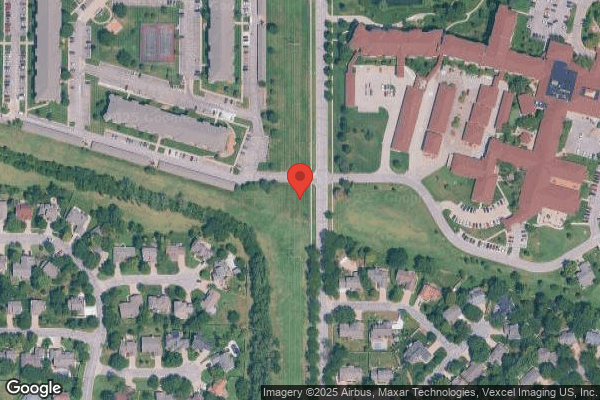
LARKSFIELD PLACE

2828 N. GOVERNEOUR, WICHITA, KS 67226 (316) 636-1111
Non profit - Corporation 80 Beds Independent Data: November 2025
Trust Grade
75/100
#73 of 295 in KS
Last Inspection: October 2024

Within standard 12-15 month inspection cycle. Federal law requires annual inspections.

Overview

Larksfield Place in Wichita, Kansas, has a Trust Grade of B, indicating it is a good choice among nursing homes. It ranks #73 out of 295 facilities in Kansas, placing it in the top half, and #6 out of 29 in Sedgwick County, meaning only five local options are better. However, the facility's trend is worsening, with issues increasing from 2 in 2022 to 7 in 2024. Staffing is a relative strength with a 4/5 star rating and a turnover rate of 45%, which is below the Kansas average of 48%, indicating staff stability. There were no fines on record, which is a positive sign, but RN coverage is concerning as it is less than 79% of state facilities, potentially impacting resident care. Specific incidents reported include a failure to ensure sanitary conditions in food preparation, as the ice machine's drainage was improperly installed, risking contamination. Additionally, there were issues with food storage, such as expired items and opened food not being dated or resealed, which also raises food safety concerns. While Larksfield Place has some strengths, particularly in staffing and overall trust, these sanitation and food safety issues are important weaknesses that families should carefully consider.

Trust Score
B
75/100
In Kansas
#73/295
Top 24%
Safety Record
Low Risk
No red flags
Inspections
Getting Worse
2 → 7 violations
Staff Stability
⚠ Watch
45% turnover. Above average. Higher turnover means staff may not know residents' routines.
Penalties
✓ Good
No fines on record. Clean compliance history, better than most Kansas facilities.
Skilled Nurses
○ Average
Each resident gets 40 minutes of Registered Nurse (RN) attention daily — about average for Kansas. RNs are the most trained staff who monitor for health changes.
Violations
⚠ Watch
13 deficiencies on record. Higher than average. Multiple issues found across inspections.
★★★★☆
4.0
Overall Rating
★★★★☆
4.0
Staff Levels
★★★★☆
4.0
Care Quality
★★★★☆
4.0
Inspection Score
Stable
2022: 2 issues
2024: 7 issues

The Good

  • 4-Star Staffing Rating · Above-average nurse staffing levels
  • 4-Star Quality Measures · Strong clinical quality outcomes
  • Full Sprinkler Coverage · Fire safety systems throughout facility
  • No fines on record

Facility shows strength in staffing levels, quality measures, fire safety.

The Bad

Staff Turnover: 45%

Near Kansas avg (46%)

Higher turnover may affect care consistency

The Ugly 13 deficiencies on record

Oct 2024 7 deficiencies
CONCERN (D)

Potential for Harm - no one hurt, but risky conditions existed

Assessment Accuracy (Tag F0641)

Could have caused harm · This affected 1 resident

**NOTE- TERMS IN BRACKETS HAVE BEEN EDITED TO PROTECT CONFIDENTIALITY** The facility reported a census of 74 residents with 20 residents sampled for review, including one resident reviewed for hospita...

Read full inspector narrative →
**NOTE- TERMS IN BRACKETS HAVE BEEN EDITED TO PROTECT CONFIDENTIALITY** The facility reported a census of 74 residents with 20 residents sampled for review, including one resident reviewed for hospitalization. Based on observation, interview, and record review, the facility failed to complete an accurate Minimum Data Set (MDS) for one Resident (R)70, regarding discharge to an acute hospital. Findings included: - Review of Resident (R)70's electronic medical record (EMR) included a diagnosis of type II diabetes mellitus (DM-when the body cannot use glucose, not enough insulin made, or the body cannot respond to the insulin). The Modification of admission Minimum Data Set (MDS), dated [DATE], documented the resident admitted to the facility on [DATE], from an acute hospital. She had a Brief Interview for Mental Status (BIMS) score of 14, indicating intact cognition. The resident's overall goal was to discharge to the community. The Return to Community Referral Care Area Assessment (CAA), dated 06/23/24, did not trigger. The Discharge MDS, dated 07/09/24, documented the resident discharged from the facility to an acute hospital on [DATE]. She had a BIMS score of 14, indicating intact cognition. The baseline care plan, dated 06/19/24, documented the resident's goal was to discharge to the community with home health. Review of the resident's EMR revealed a physician's order for the resident to discharge to home, ordered 07/09/24. Review of the resident's EMR revealed a Discharge Summary, dated 07/09/24. Review of the resident's EMR included documentation that the resident discharged to home on [DATE] at 02:15 PM. On 10/09/24 at 11:35 AM, Administrative Nurse F stated the resident did not discharge to an acute hospital but had discharged to home. The Discharge MDS, dated 07/09/24, was inaccurate. The facility utilized the Resident Assessment Instrument (RAI) for the accurate completion of MDSs. The facility failed to complete an accurate discharge MDS for this resident who discharged to home.
CONCERN (D)

Potential for Harm - no one hurt, but risky conditions existed

Quality of Care (Tag F0684)

Could have caused harm · This affected 1 resident

**NOTE- TERMS IN BRACKETS HAVE BEEN EDITED TO PROTECT CONFIDENTIALITY** The facility identified a census of 74 residents with 20 residents sampled, including two residents reviewed for positioning. Ba...

Read full inspector narrative →
**NOTE- TERMS IN BRACKETS HAVE BEEN EDITED TO PROTECT CONFIDENTIALITY** The facility identified a census of 74 residents with 20 residents sampled, including two residents reviewed for positioning. Based on observation, interview, and record review, the facility failed to ensure proper wheelchair positioning for one Resident (R)5. Findings included: - Review of Resident (R)5's electronic medical record (EMR) included a diagnosis of dementia (progressive mental disorder characterized by failing memory, confusion). The Significant Change Minimum Data Set (MDS), dated [DATE], documented the resident had a Brief Interview for Mental Status (BIMS) score of one, indicating severe cognitive impairment. She was dependent on staff for mobility in her wheelchair and all transfers. The Functional Abilities Care Area Assessment (CAA), dated 10/03/23, did not trigger. The Quarterly MDS, dated 07/29/24, documented the staff assessment for cognition revealed severe impairment. She was dependent on staff for mobility in her wheelchair and transfers. The care plan for Activities of Daily Living (ADL), revised 07/29/24, instructed staff the resident had impaired cognition and was dependent on staff for wheelchair mobility. Review of the resident's EMR, from 06/07/24 through 10/07/24, revealed the resident was dependent on staff for wheelchair mobility. On 10/07/24 at 11:01 AM, the resident sat in her wheelchair. Her left ankle crossed over her right ankle and her right foot dangled above the footrest of the wheelchair. On 10/08/24 at 08:53 AM, the resident sat in her wheelchair in the commons area. Her left ankle crossed over her right ankle and her right foot dangled above the footrest of the wheelchair. On 10/08/24 at 12:51 PM, the resident sat in her wheelchair near the nurses' desk. Her left ankle crossed over her right ankle and her right foot dangled above the footrest of the wheelchair. On 10/08/24 at 10:51 AM, Certified Nurse Aide (CNA) O stated the resident's feet did not come down far enough to rest on the footrests of the wheelchair. On 10/08/24 at 11:15 AM, CNA N stated the resident's feet did not usually come down far enough to reach the footrests of the wheelchair. On 10/08/24 at 01:07 PM, Licensed Nurse (LN) I stated she had not noticed the resident's feet not reaching the footrests of her wheelchair. On 10/09/24 at 08:16 AM, Administrative Nurse D stated therapy would need to evaluate the resident to determine if the resident's feet should reach the footrests. The facility policy for Wheelchair Mobility/Use of Footrests, dated 09/06/19, included: The facility shall keep all residents safe and to protect them from injury. Staff shall apply footrests to the wheelchair and place the resident's feet flat on the footrests. The facility failed to ensure proper wheelchair positioning for this dependent resident.
CONCERN (D)

Potential for Harm - no one hurt, but risky conditions existed

Accident Prevention (Tag F0689)

Could have caused harm · This affected 1 resident

**NOTE- TERMS IN BRACKETS HAVE BEEN EDITED TO PROTECT CONFIDENTIALITY** The facility reported a census of 74 residents with 20 residents sampled, including nine residents reviewed for accidents. Based...

Read full inspector narrative →
**NOTE- TERMS IN BRACKETS HAVE BEEN EDITED TO PROTECT CONFIDENTIALITY** The facility reported a census of 74 residents with 20 residents sampled, including nine residents reviewed for accidents. Based on observation, interview, and record review, the facility failed to ensure one Resident (R)3's toilet safety rail was secure and R 29, related to failure to ensure the resident was safe in the use of his lift chair. Findings included: - Review of Resident (R)3's electronic medical record (EMR) revealed the resident had a diagnosis of dementia (progressive mental disorder characterized by failing memory, confusion). The Significant Change Minimum Data Set (MDS), dated [DATE], documented the resident had a Brief Interview for Mental Status (BIMS) score of six, indicating severe cognitive impairment. She has no impairment in functional range of motion (ROM) and was dependent on staff for toileting hygiene. The Urinary Incontinence and Indwelling Catheter Care Area Assessment (CAA), dated 07/13/24, documented the resident was dependent on staff for toileting cares. The Quarterly MDS, dated 04/12/24, documented the resident had a BIMS score of three, indicating severe cognitive impairment. She has no impairment in functional ROM and was dependent on staff for toileting hygiene. The urinary incontinence care plan, revised 07/22/24, instructed staff the resident was dependent with toileting hygiene. Review of the EMR, from 08/01/24 through 10/07/24, revealed the resident was dependent on staff for toileting transfers and toileting hygiene. On 10/07/24 at 10:59 AM, the toilet safety rail in the resident's private bathroom was extremely loose and lacked the rubber boot where the rail met the floor. On 10/08/24 at 08:41 AM, the toilet safety rail in the resident's private bathroom was extremely loose and lacked the rubber boot where the rail met the floor. On 10/08/24 at 11:07 AM, Certified Nurse Aide (CNA) M and CNA P transferred the resident from her wheelchair to the toilet with the sit to stand mechanical lift (helps transfer patients from one seated surface to another) and placed her on the toilet. The resident rested her right arm on the toilet safety rail on the right side of the toilet. The safety rail moved several inches while the resident's arm rested on the rail. On 10/09/24 at 10:12 AM, Housekeeping/Maintenance staff U stated he checked the toilet safety rails monthly and had not seen the rubber boot missing from the resident's toilet safety rail. On 10/09/24 at 08:16 AM, Administrative Nurse D stated it was the expectation for resident equipment to be in good condition. The facility policy for Preventive Maintenance and Inspections, undated, included: The facility shall provide a safe environment for residents and promote the maintenance of fixtures and equipment in a state of good repair and condition. The facility failed to ensure this dependent resident's toilet safety rail was secure. - Review of Resident (R)29's electronic medical record (EMR) revealed a diagnosis of Parkinson's disease (slowly progressive neurological disorder characterized by resting tremor, rolling of the fingers, masklike faces, shuffling gait, muscle rigidity and weakness). The Significant Change Minimum Data Set (MDS), dated [DATE], documented the resident had a Brief Interview for Mental Status (BIMS) score of 11, indicating moderately impaired cognition. He was dependent on staff for chair to bed to chair transfers, had no limitation in range of motion (ROM) and had not had any falls since his prior assessment. The Falls Care Area Assessment (CAA), dated 04/26/24, did not trigger. The Functional Abilities CAA, dated 04/26/24, documented the resident had impaired balance during transfers and required staff assistance. The Quarterly MDS, dated 07/26/24, documented the resident had a BIMS score of 12, indicating moderately impaired cognition. He was dependent on staff for chair to bed to chair transfers, had no limitation in ROM and had not had any falls since his prior assessment. The care plan for safety, revised 07/26/24, instructed staff the resident was at risk for falls related to a history of falls prior to admission, impaired mobility, and a diagnosis of Parkinson's disease. Review of the resident's EMR revealed the fall assessments which placed him at a high risk for falls, dated: 10/03/23, 08/25/24 and 10/08/24. Review of the resident's EMR revealed a lift chair assessment, dated 02/28/22, which indicated the resident was safe to use his lift chair recliner. Review of the resident's EMR revealed a lift chair assessment, dated 08/25/24 and 08/26/24, which indicated the use of a lift chair remote and/or chair was a safety risk. No other lift chair assessments were available. Review of the resident's EMR revealed on 08/25/24, at 08:15 AM, staff observed the resident on the floor of his room, resting on his left side, in front of the lift recliner which was in the fully extended position. The alert and oriented resident with confusion stated he had tried to get up to walk on his own and had fallen. The resident complained of left hip pain and no had no other obvious injuries, at that time. Staff assisted the resident back into his lift reclining chair and unplugged the recliner. Staff obtained a physician's order for a mobile x-ray of the left hip which showed no acute fracture. On 10/08/24 at 12:53 PM, a family member stated the resident had experienced increased confusion in August 2024. The resident utilized the remote control to raise his chair to a fully upright position and fell to the floor. The facility unplugged the lift chair and removed the remote control of the recliner from his room. On 10/08/24 at 10:51 AM, Certified Nurse Aide (CNA) O stated the resident's lift chair was unplugged due to him not being able to safely use the chair on his own. He had an increase in confusion and had lifted the chair fully upright and fallen from the chair. On 10/08/24 at 12:57 PM, CNA M stated the resident had been really confused when he used his remote control to lift his chair all the way up, causing him to fall to the floor. Since that time, the chair has been kept unplugged. On 10/08/24 at 01:07 PM, Licensed Nurse (LN) I stated lift chair assessments were not done on a routine basis. On 10/09/24 at 08:16 AM, Administrative Nurse E stated the resident experienced an increase in confusion at the time of his fall. Administrative Nurse E confirmed staff had not completed a lift chair assessment, at that time. On 10/09/24 at 08:16 AM, Administrative Nurse D stated staff were to complete lift chair assessments upon admission, with significant changes and following a fall from a lift chair. A resident would be considered safe to use a lift chair if they were able to demonstrate safe usage of the chair and remote control. Administrative Nurse D confirmed staff had not completed a lift chair assessment with the resident's significant change on 04/26/24. The facility policy for Lift Recliner Chair Policy, undated, included: Residents will be assessed for safe use of a lift recliner chair upon admission, after a fall, or upon experiencing a significant change in condition. The facility failed to complete a lift chair assessment for this dependent resident with a significant change in condition.
CONCERN (D)

Potential for Harm - no one hurt, but risky conditions existed

Incontinence Care (Tag F0690)

Could have caused harm · This affected 1 resident

**NOTE- TERMS IN BRACKETS HAVE BEEN EDITED TO PROTECT CONFIDENTIALITY** The facility reported a census of 74 residents with 20 residents selected for review, which included two residents reviewed for ...

Read full inspector narrative →
**NOTE- TERMS IN BRACKETS HAVE BEEN EDITED TO PROTECT CONFIDENTIALITY** The facility reported a census of 74 residents with 20 residents selected for review, which included two residents reviewed for urinary catheters (a flexible tube inserted through the urethra [the external opening of the urinary tract] and into the bladder). Based on observation, interview, and record review, the facility failed ensure consistent monitoring of one Resident (R)58's penile erosion (a split in the urethra) caused by pressure of a urinary catheter. Findings included: - Review of Resident (R)58's medical record revealed diagnoses that included urinary retention (inability to empty urine from the bladder), renal failure, history of repair of femur (long bone in the upper leg), and depression (abnormal emotional state characterized by exaggerated feelings of sadness, worthlessness, and emptiness). The admission Minimum Data Set (MDS), dated [DATE], assessed the resident with a Brief Interview for Mental Status (BIMS) score of 13, which indicated normal cognitive function. The resident had impairment on one side of the lower extremities and utilized a walker/wheelchair. The resident had a urinary catheter (a flexible tube that is inserted through the urethra [the external opening of a small tubular structure that drains urine from the bladder] and into the bladder to drain urine into a collection bag). The Urinary Incontinence and Indwelling Catheter Care Area Assessment (CAA), dated 07/20/24, assessed the resident required assistance with toileting needs and incontinent episodes. The Care Plan reviewed 07/22/24, 08/12/24 and 10/08/24, instructed staff with the following interventions: On 08/12/24, the day nurse was to provide a leg bag (a slim bag low volume bag that attached to the leg) for urinary drainage daily, and a night bag (a large volume urine collection bag) at bedtime. Staff instructed to change the catheter monthly and as needed. Staff were to cleanse the upper right and left side of the urethral opening and down the shaft with a wound cleanser or normal saline, pat dry, and reapproximate (bring back together) the skin if able. Staff were to apply steri strips (a type of adhesive medical tape used to approximate edges) every three days if needed, and as needed if the dressing gets wet. Staff were to make sure the catheter anchor was applied securely. Staff were to provide catheter care every shift and refer to urology as needed. A Physician's Order dated 08/08/24, instructed staff to insert a size 16 French (a type of catheter) urinary catheter with a 10-millimeter bulb (a balloon on the tip of the catheter to hold the catheter in place in the bladder and provide catheter care twice a day for hydronephrosis (a build-up of urine in the kidneys) and urinary retention. A Nurse Note dated 09/13/24, documented R58's catheter care as completed, and the nurse noticed a small split to the penis. The nurse applied an ointment containing vitamin A and vitamin D, and educated the resident on the importance of the catheter anchor placement and effects of tugging on the catheter, and informed the nursing manager. A Nurse Note dated 09/17/24, documented the nurse completed catheter care, and noted a split in the resident's penis which measured 3 by 2 (no indication of unit of measure). Documentation revealed the resident occasionally pulled on the catheter and staff educated the resident , and the wound nurse and the medical team notified. A Physician's Order dated 09/18/24 , instructed staff to cleanse the upper right and left side of the urethral opening and down the shaft with wound cleanser or normal saline, pat dry and reapproximate the skin if able with steri strips every three days and as needed. Staff instructed to ensure the catheter anchor was in place and secure. A Physician's Order dated 10/08/24, instructed staff to cleanse the penile erosion with normal saline (a solution used for cleansing wounds), pat dry, approximate the edges of the wound with steristrips, and cover the penis with a mesh sleeve or wrap with Kerlix and secure, daily, and as needed until healed. Review of the September 2024 Treatment Administration Record (TAR) revealed staff provided catheter care three times a day, (on each shift). The resident refused the care on 14 occasions, on the night shift. The resident received the daily care to the penile erosion without refusal. Review of the October 2024 TAR revealed the resident refused the night shift catheter care three times. Interview, on 10/08/24 at 09:26 AM with Licensed Nurse (LN) I, revealed the resident did cooperate with care of the penis erosion and staff ensured the catheter anchor was in place. LN, I stated the wound did not appear to improve but she did not measure the area. . Interview, on 10/08/24 at 10:15 AM, with Consultant Nurse HH, revealed she did not visualize the wound at the time of giving orders for treatment and would expect staff to document the effectiveness of the treatment. Interview on 10/08/24 at 11:02 AM, with Administrative Staff F revealed staff notified her of the wound on 09/18/24 and provided orders for treatment but did not visualize the wound at that time. Administrative Nurse F stated she used a phone application (app) that would take a picture of the wound and the application would provide measurements and documents the wound in the electronic medical record in the Wound and Skin Assessment tab but had not done so (20 days after notification). Observation on 10/08/24 at 11:10 AM, revealed the resident cooperative with examination of the penile erosion. The posterior area of the penis revealed the urethra split revealing a beefy red appearance of the tissue. The resident's penis lacked steri strips, however the catheter tubing was anchored. The resident denied pain. Administrative Nurse F obtained measurements with the phone app and obtained measurements of a length of 1.7 centimeters (cm) and a width of 0.8 cm. Administrative Nurse F cleansed the wound with normal saline, dried the area and applied steri strips. Consultant Nurse HH stated the resident may benefit from a urology consult and may be a candidate for a supra pubic catheter (a catheter that is inserted into the bladder through the abdominal wall). Interview, on 10/09/24 at 10:00 AM with Administrative Nurse D, revealed the facility had a treatment in place and was provided by the day shift nurse but did not realize the resident refused the night shift catheter care. Administrative Nurse D stated the Wound Nurse was responsible for monitoring wounds to determine the effectiveness of the treatments. Interview on 10/09/24 at 10:30 AM with Consulting Physician GG, revealed the erosion was probably due to the urinary catheter, and did not have a concern regarding treatment provided to ensure the catheter was secured in place appropriately. The facility policy Pressure Injury Prediction, Prevention and Treatment Program dated 01/11/24, instructed staff to notify the wound nurse who will utilize the electronic wound app for documentation of the wound to include location, size, length width depth and description the wound bed tissues, edges, and surrounding tissues. The interdisciplinary care plan team will evaluate the plane of care, and the wound team will evaluate wounds routinely until healed. The facility failed to ensure staff monitored this resident's penile erosion to determine the effectiveness of treatment to prevent further injury and infection.
CONCERN (D)

Potential for Harm - no one hurt, but risky conditions existed

Pharmacy Services (Tag F0755)

Could have caused harm · This affected 1 resident

**NOTE- TERMS IN BRACKETS HAVE BEEN EDITED TO PROTECT CONFIDENTIALITY** The facility reported a census of 74 residents with 20 residents selected for review, which included six residents reviewed for ...

Read full inspector narrative →
**NOTE- TERMS IN BRACKETS HAVE BEEN EDITED TO PROTECT CONFIDENTIALITY** The facility reported a census of 74 residents with 20 residents selected for review, which included six residents reviewed for unnecessary medications. Based on observation, interview, and record review, the facility failed to ensure staff followed physician orders for medication for one Resident (R)52 who received a lower dose a chemotherapy (medication used to treat cancer) than ordered by the physician. Findings included: - Review of Resident (R)52's electronic medical record revealed diagnoses that included malignant (cancerous) neoplasm (tumor) of the brain, and post operative repair of femur (bone in upper part of the leg) fracture. The admission Minimum Data Set (MDS) dated [DATE], assessed the resident with a Brief Interview for Mental Status (BIMS) score of 15, which indicated normal cognitive function. The ADL (Activity of Daily Living) Functional/Rehabilitation Care Area Assessment (CAA), dated 09/30/24, assessed the resident required skilled therapies after a left hip fracture and neoplasm of the brain and required assistance with ADLs due to impaired balance. The Care Plan dated 10/07/24, instructed staff to monitor the resident for effectiveness of pain medication. The resident desired to return home. A Physician's Order dated 10/04/24, instructed staff to administer Temozolomide (a medication used to slow or stop the growth of cancerous brain tumors), 240 milligrams (mg) daily, on an empty stomach (one hour before eating), for five days, for brain neoplasm, and repeat every four weeks. Review of the Medication Administration Record (MAR), for October 2024, revealed the resident received 240 mg of Temozolomide on 10/05/24, 10/06/24 and 10/07/24. Interview, on 10/07/24 at 10:43 AM, with the resident, revealed she was concerned with the administration of her chemotherapy medications and thinks staff did not provide the correct dose. Interview, on 10/08/24 at 08:15 AM, with the resident, revealed she had not received her 08:00 AM dose of Temozolomide, and her breakfast had been delivered and she did not want to eat it until she received her medication, and then waited an hour. Interview, on 10/08/24 at 08:15 AM, with Licensed Nurse K, revealed she was awaiting delivery from a pharmacy so she could administer the correct dose. Interview, on 10/08/24 at 08:30 AM, with Administrative Nurse EE, confirmed the resident received 200 mg of Temozolomide on 10/05/24 instead of the ordered 240 mg. Administrative Nurse EE stated the medication was special ordered from the pharmacy and was available in 100 mg and 140 mg capsules, and the facility initially received 5 capsules of each dose. Administrative Nurse EE stated the resident received two of the 100 mg capsules on 10/05/24 and thought perhaps one of the 100 mg capsules was dropped on the floor and discarded, so the pharmacy had to send out more of the 100 mg capsules Interview on 10/08/24 at 01:30 PM, with Licensed Nurse H, confirmed the resident received 200 mg of Temozolomide, on 10/05/24. The facility policy Medication Administration Policy dated 01/11/24, instructed staff to administer medication to residents as ordered by the physician. The facility failed to ensure staff administered the correct dose of Temozolomide as ordered by the physician to ensure effective treatment for cancerous brain tumor for this resident.
CONCERN (D)

Potential for Harm - no one hurt, but risky conditions existed

Infection Control (Tag F0880)

Could have caused harm · This affected 1 resident

**NOTE- TERMS IN BRACKETS HAVE BEEN EDITED TO PROTECT CONFIDENTIALITY** The facility reported a census of 74 residents with 20 residents sampled, including five residents reviewed for indwelling urina...

Read full inspector narrative →
**NOTE- TERMS IN BRACKETS HAVE BEEN EDITED TO PROTECT CONFIDENTIALITY** The facility reported a census of 74 residents with 20 residents sampled, including five residents reviewed for indwelling urinary catheter (a thin, hollow tube that is inserted into the bladder through the urethra to drain and collect urine). Based on observation, interview and record review, the facility failed to provide appropriate catheter care for two Residents (R)47, and R58 with indwelling urinary catheters, in a clean and sanitary manner. Findings included: - Review of Resident (R)47's electronic medical record (EMR) revealed a diagnosis of neuromuscular dysfunction of the bladder (the muscles that control the flow of urine out of the body do not relax and prevent the bladder from fully emptying). The Annual Minimum Data Set (MDS), dated [DATE], documented the resident had a Brief Interview for Mental Status (BIMS) score of one, indicating severe cognitive impairment. He had an indwelling urinary catheter (a thin, hollow tube that is inserted into the bladder through the urethra to drain and collect urine) and was dependent on staff for toileting needs. The Urinary Incontinence and Indwelling Catheter Care Area Assessment (CAA), dated 09/27/24, documented the resident had an indwelling urinary catheter due to a neurogenic bladder (dysfunction of the urinary bladder caused by a lesion of the nervous system). The Quarterly MDS, dated 06/27/24, documented the resident had a BIMS score of two, indicating severe cognitive impairment. He had an indwelling urinary catheter and was dependent on staff for toileting needs. The bowel and bladder care plan, revised 09/23/24, instructed staff to provide daily catheter care, every shift. Review of the resident's EMR, revealed the following physician's order: Licensed Nurse (LN) to provide catheter care every shift, ordered 09/29/23. On 10/07/24 at 09:39 AM, the resident sat in his recliner in his room, with the door open. The resident's catheter bag rested directly on the floor and lacked a dignity bag. On 10/08/24 at 11:25 AM, the resident sat in his recliner in his room, with the door open. The resident's catheter bag was half in and half out of a dignity bag and rested directly on the floor. On 10/08/24 at 10:51 AM, Certified Nurse Aide (CNA) O stated all catheter bags should be kept in a dignity bag. On 10/08/24 at 11:25 AM, LN I stated staff should ensure catheter bags are always kept in a dignity bag. On 10/09/24 at 08:16 AM, Administrative Nurse D stated it was the expectation for staff to ensure resident's catheter bags are always kept fully inside a dignity bag. The facility policy for Catheters, dated 01/08/18, included: Catheter drainage bags shall be covered when the resident was out of the room or up in their chair. The facility failed to ensure this dependent resident's indwelling catheter bag was kept off of the floor at all times. - Review of Resident (R)58's medical record revealed diagnoses that included urinary retention (inability to empty urine from the bladder), renal failure, history of repair of femur (long bone in the upper leg), and depression (abnormal emotional state characterized by exaggerated feelings of sadness, worthlessness, and emptiness). The admission Minimum Data Set (MDS), dated [DATE], assessed the resident with a Brief Interview for Mental Status (BIMS) score of 13, which indicated normal cognitive function. The resident had impairment on one side of the lower extremities and utilized a walker/wheelchair. The resident had a urinary catheter (a flexible tube that is inserted through the urethra [the external opening of a small tubular structure that drains urine from the bladder] and into the bladder to drain urine into a collection bag). The Urinary Incontinence and Indwelling Catheter Care Area Assessment (CAA), dated 07/20/24, assessed the resident required assistance with toileting needs and incontinent episodes. The Care Plan reviewed 07/22/24, 08/12/24 and 10/08/24, instructed staff with the following interventions: On 08/08/24, the day nurse was to provide a leg bag (a slim bag low volume bag that attached to the leg) for urinary drainage daily, and a night bag (a large volume urine collection bag) at bedtime. Staff instructed to change the catheter monthly and as needed. Staff were to provide catheter care every shift and refer to urology as needed. A Physician's Order dated 08/08/24, instructed staff to insert a size 16 French (a type of catheter) urinary catheter with a 10-millimeter bulb (a balloon on the tip of the catheter to hold the catheter in place in the bladder and provide catheter care twice a day for hydronephrosis (a build-up of urine in the kidneys) and urinary retention. Observation, on 10/08/24 at 11:10 AM, revealed the resident seated in his wheelchair. The leg bag was attached to his right lower leg. The drain spout hung down from the lower edge of the bag and lacked a protective cap to keep it from touching unclean surfaces. Interview, on 10/08/24, at 11:10 AM, with Administrative Nurse F, confirmed the lack of drain cover, and after investigation, discovered the supplier sent the wrong leg bags and she would replace the resident's current leg bag with a leg bag with a protective cap. The facility policy Catheters dated 01/11/24, instructed staff to ensure the appropriate treatment and services are provided to the resident to prevent and/or treat urinary tract infections. The facility failed to ensure staff provided sanitary enclosed urine collection bag for this resident to prevent contamination/infection.
CONCERN (F)

Potential for Harm - no one hurt, but risky conditions existed

Food Safety (Tag F0812)

Could have caused harm · This affected most or all residents

The facility reported a census of 74 residents. Based on observation, record review, and interview, the facility failed to prepare and serve food under sanitary conditions, to the residents of the fac...

Read full inspector narrative →
The facility reported a census of 74 residents. Based on observation, record review, and interview, the facility failed to prepare and serve food under sanitary conditions, to the residents of the facility appropriately to prevent the potential for food borne bacteria, by failing to ensure the ice machine had an appropriate drainage air gap from the tubing to the floor drain, as required. Findings included: - During an initial tour of the kitchen on 10/07/24 at 10:35 AM, revealed the facility ice machine, used to supply ice to residents of the facility, did not have appropriate drainage. The draining tube from the ice machine fed directly into the floor drain, which contained small pieces of trash and debris, and lacked an air gap, as required. On 10/07/24 at 10:44 AM, Dietary Staff BB stated the draining tube from the ice machine should go into the floor drain. The facility policy for Ice Machine Safety, undated, included: The ice machine will be maintained and cleaned by the Environmental Service Staff. The facility failed to ensure the ice machine had an appropriate drainage air gap from the tubing to the floor drain, as required.
Dec 2022 2 deficiencies
CONCERN (D)

Potential for Harm - no one hurt, but risky conditions existed

Deficiency F0582 (Tag F0582)

Could have caused harm · This affected 1 resident

The facility had a census of 59 residents. The sample included 15 residents. Based on record review and interview, the facility failed to provide two sampled residents, Resident (R)7 and R37 (or their...

Read full inspector narrative →
The facility had a census of 59 residents. The sample included 15 residents. Based on record review and interview, the facility failed to provide two sampled residents, Resident (R)7 and R37 (or their representative) the completed Skilled Nursing Facility Advanced Beneficiary Notices (ABN) form 10055, (CMS) Centers for Medicare and Medicare Services. This placed the residents at risk for uniformed decisions regarding skilled services. Findings included: - The Medicare ABN form 10055 informed the beneficiary that Medicare may not pay for future skilled therapy services. The form included an option for the beneficiary to receive specific services listed, and bill Medicare for an official decision on payment. The form stated 1) I understand if Medicare does not pay, I will be responsible for payment, but can make an appeal to Medicare, (2) receive therapy listed, but do not bill Medicare, I am responsible for payment for services, (3) I do not want the listed services. Form 10055 was to include the monetary amount it would cost the resident to continue to receive therapy at the facility. The facility lacked documentation staff provided R7, or his representative, the CMS form 10055 which included the estimated cost documentation for the services to be able to make an informed choice whether or not the resident wanted to receive the items or services, knowing he/she may have to pay out of pocket. The resident's skilled nursing services ended on 07/19/22. The facility lacked documentation staff provided R37, or her representative, the CMS form 10055 which included the estimated cost documentation for the services to be able to make an informed choice whether or not the resident wanted to receive the items or services, knowing he/she may have to pay out of pocket. The resident's skilled nursing services ended on 10/11/22. 12/19/22 01:55PM, Social Services Staff X verified she had not provided the residents the ABN forms when the residents discharged from Medicare Part A. The facility's Medicare Beneficiary Notices policy, dated 04/01/2022, stated the facility would provide the CMS form 10055 to a beneficiary upon discharge from Medicare Part A services so he/she could decide whether or not to get the care that may not be paid for by Medicare. The facility failed to fully inform R7 and R37 of the liability or cost of their continued stay with therapy in the facility after Medicare Part A services ended. This deficient practice placed the two residents at risk to make an uninformed decision regarding the cost of their continued stay.
CONCERN (F)

Potential for Harm - no one hurt, but risky conditions existed

Food Safety (Tag F0812)

Could have caused harm · This affected most or all residents

The facility had a census of 59 residents. The facility had a large main kitchen and a satellite kitchen for the long term/skilled branch of the facility. Based on observation, interview, and record r...

Read full inspector narrative →
The facility had a census of 59 residents. The facility had a large main kitchen and a satellite kitchen for the long term/skilled branch of the facility. Based on observation, interview, and record review the facility failed to ensure the light fixtures above the food preparation areas in the main facility kitchen were cleaned and the storage shelving without rust. This deficient practice placed residents at risk for food borne illness. Findings included: - On 12/15/22 at 11:00 AM, observation in the main kitchen revealed 19 overhead lights and 10 of the lights had lint on the surface and some small objects inside the cover. On 12/15/22 at 11:20 AM, observation in the main kitchen revealed metal shelving holding steam table pans had a small amount of rust at the edges of three of six of the shelves. The pan were turned upside down directly on the shelves. On 12/15/22 at 11:25 AM, Dietary Staff (DS) BB verified the findings and stated maintenance was responsible for the care and cleaning of the light fixtures and had last checked them in October of this year. The facility's Equipment Maintenance Schedules stated the maintenance department was responsible for maintaining records of equipment maintenance. The schedules did not include light fixtures or shelving. The facility's General Cleaning and Maintenance of Resident Environment policy, dated 04/21/21, stated staff would provide housekeeping and maintenance services necessary to maintain a sanitary, orderly, functional and comfortable interior. The facility failed to ensure the light fixtures above the food preparation areas in the main facility kitchen were cleaned and the storage shelving without rust, placing the residents at risk for food borne illness.
May 2021 4 deficiencies
CONCERN (D)

Potential for Harm - no one hurt, but risky conditions existed

ADL Care (Tag F0677)

Could have caused harm · This affected 1 resident

**NOTE- TERMS IN BRACKETS HAVE BEEN EDITED TO PROTECT CONFIDENTIALITY** The facility reported a census of 65 residents with 16 sampled including three for Activities of Daily Living (ADL). Based on ob...

Read full inspector narrative →
**NOTE- TERMS IN BRACKETS HAVE BEEN EDITED TO PROTECT CONFIDENTIALITY** The facility reported a census of 65 residents with 16 sampled including three for Activities of Daily Living (ADL). Based on observation, interview, and record review the facility failed to provide ADL assistance to include bathing services to maintain good grooming for Resident (R) 155, who required extensive assistance of two staff with bathing. Findings Included: - Review of R155's Electronic Health Record (EHR) documented the following diagnoses dated 04/20/21: macular degeneration (progressive deterioration of the retina), osteoarthritis (degenerative changes to one or many joints characterized by swelling and pain), and fractures of the right tibia (bone of the lower leg) and fibula (one of the two bones of the lower leg). Review of R155's admission Minimum Data Set (MDS) dated [DATE] documented a Brief Interview for Mental Status (BIMS) of 15, indicating intact cognition. The resident required extensive assistance of two staff with all ADLs, except eating which required supervision of one staff. The MDS indicated no bathing was performed during the seven day look back period and noted R155 found it very important to choose between a bath, shower, or bed bath. R155 had one fall prior to entry into facility requiring surgery to her leg. Review of R155's ADL Function/Rehabilitation Care Area Assessment (CAA) dated 04/27/21 lacked documentation concerning bathing. Review of R155's Baseline Care plan dated 04/21/21 documented R155 required extensive assistance of one staff for bathing. Facility could not produce any Skin Monitoring CNA/Nurse Shower Review Sheets for R155, when requested on 05/03/21 at 01:39 PM. During an interview on 04/28/21 at 03:48 PM R155 revealed she would like to bathe at least twice a week and she understood currently she would have to settle for a bed bath. R155 stated when she had requested her baths, the staff would bring her a warm tub of water, wash cloths and towels and let her have at it. R155 revealed that her socks had not been changed, her feet had not been washed, and her back had not been washed since she arrived on 04/20/21 (eight days ago). During an interview on 05/04/21 at 10:35 AM Certified Nurse Aide (CNA) G revealed the staff were expected to fill out the shower sheets each time the staff provided/assisted with a shower, even if refused, and the nurse would come and do a skin assessment each time. The staff then filed the sheets in a binder under the resident's room number. During an interview on 05/04/21 at 10:40 AM CNA N revealed showers were documented on paper with each bed bath, shower, or washing. The nurse did the skin check and then either they would take the sheet, or the aide would take it to file it. During an interview on 04/29/21 at 01:14 PM Licensed Nurse (LN) K revealed showers were to be completed by the CNAs assigned to each hall. The showers were scheduled by the resident's preference either on days or in the evenings and which two days of the week they had chosen. The CNAs would complete them as assigned and call the LN to come complete the skin assessment with each encounter. Those were documented on paper together and kept in a binder, by room number, at the nurses' station. During an interview on 05/04/21 at 11:09 AM LN M revealed shower sheets were to be filled out at each bath, and the nurse would complete the skin assessment on the same sheet. LN M said the sheets were kept at the nurses' station in a binder, under room number, or in the resident's chart under the assessment tab. During an interview on 05/03/21 at 01:39 PM Administrative Staff P revealed LN staff were expected to complete skin assessments on the residents for first three days following admission and then with each bathing encounter. Administrative Staff P looked in R155's chart and the residents hallway shower book and verified both lacked any shower sheets or skin assessments for R155. Electronic Interview on 05/06/21 at 11:21 AM with Administrative Staff A revealed baths/showers were documented on the Skin Monitoring CNA/Nurse Shower Review Sheets. Administrative Staff A reported baths/showers were given per resident preference of frequency, day of the week and time (morning or evening), as discussed with the resident/resident representative upon admission and placed on the CNA report sheets. Administrative Staff A expected staff to follow the resident preferences when providing care and expected staff to honor the resident's preference to refuse. Review of the facility Skin Check policy dated 05/14/20 documented staff were to complete a skin check on shift of admission, every night for three nights from admission, and no less than weekly thereafter with bath/shower. The facility failed to provide necessary services to maintain good grooming for personal hygiene for R155 to ensure her comfort.
CONCERN (D)

Potential for Harm - no one hurt, but risky conditions existed

Accident Prevention (Tag F0689)

Could have caused harm · This affected 1 resident

The facility reported a census of 65 residents, with 16 sampled and four for falls. Based on interviews, observations, and record review, the facility failed to adequately ensure R38's fall interventi...

Read full inspector narrative →
The facility reported a census of 65 residents, with 16 sampled and four for falls. Based on interviews, observations, and record review, the facility failed to adequately ensure R38's fall interventions were in place to prevent future falls and failed to implement new interventions related to two falls with noted lack of appropriate footwear on R38. Findings included: - Review of R38's pertinent diagnoses from 10/07/20 Physician's Order Electronic Medical Records (EMR) documented: overactive bladder, cognitive impairment (trouble remembering, learning new things, concentrating, or making decisions that affect their everyday life), abnormalities of gait and mobility (difficulties in walking), repeated falls, and pain. Review of the 10/14/20 Annual Minimum Data Set (MDS) documented a Brief Interview for Mental Status (BIMS) of 12, indicating moderately impaired cognition. The resident required extensive one-person assistance for all activities of daily living (ADL) but could eat with limited assistance. R38 was occasionally incontinent of urine and not on a toileting program. The MDS noted R38 experienced a fall two to six months prior to admission but had no falls since admission. Review of the 01/12/21 Quarterly MDS documented a BIMS of 15, indicating intact cognition. R38 required extensive one to two-person assistance for all ADLs, except eating. R38 was occasionally incontinent of urine and not on a toileting program. R38 experienced two falls without injury since admission. R38 received seven out of seven days of diuretics (medication that causes increased urination). Review of the 10/14/20 ADL Functional/Rehabilitation Protentional Care Area Assessment (CAA) documented R38 required extensive one-staff assistance with toileting. Review of the 10/14/20 Falls CAA documented R38 had a history of falls due to impaired gait and mobility and required staff assistance with transfers. Review of the Fall Risk Assessment completed on 09/08/20, stated that R38 had a score of 14, indicating high risk for potential falls, and documented R38 was to wear appropriate footwear and non-skid socks to help prevent falls. Another Fall Risk Assessment completed on 11/21/20, stated that R38 had a score of five, indicating low risk for potential falls, and documented R38 was to wear appropriate footwear and non-skid socks to help prevent falls. Another Fall Risk Assessment completed on 01/23/21, stated that R38 had a score of 14, indicating high risk for potential falls, and documented R38 was to wear appropriate footwear and non-skid socks to help prevent falls. Review of the 12/20/20 Care Plan documented R38 was not to be left on the toilet unattended or in the bathroom waiting, initiated on 12/02/20. R38 required extensive one to two-person assistance with a gait-belt for all transfers and toileting, initiated on 10/07/20. Review of the 06/08/20 admission Data Collection Tool documented R38 required extensive assistance with ADLs and was unsteady on her feet, with a history of falls. Review of the 03/28/21 Post Fall Nursing Report documented R38 thought she could get herself back to the toilet and ended up falling to the floor. A level two injury (hematoma; bruise, large goose egg) noted on the left-side of her forehead post fall. Vital signs (VS), assessment and range of motion (ROM; ensuring that R38 was able to move all body parts appropriately) completed, and neurological checks (neuro checks; ensuring R38 was alert and oriented, without loss of cognition) initiated. The staff applied an ice pack to R38's eye and notified the doctor. The immediate safety intervention identified instructed staff to not leave the resident alone in the bathroom. Review of the Fall Risk Assessment completed on 04/30/21 with a score of 11, indicating high risk for potential falls. The assessment documented R38 was to wear appropriate footwear and non-skid socks to help prevent falls. The Fall risk review and Post Fall Observation Tool were completed on 03/28/21. Witness statements were completed; according to [staff member], R38 requested privacy in the bathroom and to be alone, which staff granted and noted five minutes later, R38 yelled for help. The Interdisciplinary Post Fall Risk Cause Analysis dated 03/29/21 noted R38 received narcotics (pain medication), psychotropics (medication that affect a person's mental state), diuretics (medication to lower blood pressure by increasing urination), and cardiac (heart) medications. The facility identified the causal factor of the fall as R38's self-transferred to the toilet and the facility educated the staff on following care cards and to not leave the resident alone on the toilet. The New fall intervention follow-up was completed on 04/05/21 and signed by the Director of Nursing (DON). The Care Plan was not updated post fall as the interventions were previously listed on the care plan dated 12/02/20. Review of the 04/12/21 Post Fall Nursing Report documented the staff assisted R38 to the floor from the wheelchair. The staff noted no injuries to the resident and notified the provider. The immediate safety intervention identified proper footwear was not in use by R38. The Fall risk review and post fall observation tool were completed on 04/12/21. The 04/13/21 Interdisciplinary Post Fall Risk Cause Analysis identified R38 received narcotics and psychotropic medications. The facility identified the causal factor of the fall as the lack of shoes or non-skid socks and no use of a gait belt R38. The facility completed staff education. New fall intervention follow-up was completed and signed by the DON on 04/21/21. The Care Plan intervention updated on 04/12/21 instructed the staff to ensure R38 wore non-skid footwear was in place for all transfers. Review of the 04/15/21 through 04/17/21 Progress notes documented R38 complained of pain in her neck and face. The facial x-ray was obtained showed no fracture (broken bone). An observation on 04/29/21 at 01:46 PM revealed R38 sat in a wheelchair in her room. The door to the room was open and the room was free of clutter and tripping hazards. R38 noted to have a bruise on her left cheek. The call light noted within reach of R38 and she wore shoes. An observation on 05/04/21 at 10:30 AM revealed R38 sat in a wheelchair in her room, with the door open. The bruise on her left cheek appeared smaller from prior observation on 04/29/21. The call light was within reach of R38 and she wore shoes. An interview with R38 on 04/28/21 at 09:30 AM revealed staff left her alone on the toilet at night and she fell off, hitting her head. R38 states she ended up with a goose egg and bruise on her head that was still healing. An interview on 05/04/21 at 11:14AM with Certified Medication Aide (CMA) D revealed the staff were not to leave R38 alone on the toilet due to a fall from the toilet. R38 was a one to two-person transfer depending how strong R38 felt on any particular day. An interview on 05/04/21 at 02:29PM with Certified Nurse Aide (CNA) E revealed R38 could toilet herself prior to her fall. After the fall, staff were to remain with R38 while toileting. The fall caused F38 to hit her head and left her with a bruise to her eye and cheek, but she did not go to the hospital. CNA E stated R38 was placed on a toileting program and checked every two hours. The staff rearranged R38's room so she could be seen by staff from the doorway and said R38 was a high fall risk prior to her falls, and she required extensive one to two-person assistance with all transfers and toileting. An interview on 05/03/21 at 03:18 PM with Licensed Nurse (LN) F revealed R38 had a recent fall off the toilet and she hit her face. LN F said R38 was bruised but nothing was broken. She got a facial x-ray on 04/17/21 because she complained of pain, but Xray did not show a fracture and R38 received pain medication. An interview on 05/04/21 at 02:38 PM with Administrative Nurse A revealed when a resident had an unwitnessed fall, staff notified the nurse and the nurse assessed the resident. The facility completed the fall packet and notified all parties, including the provider and Administrative Nurse A. The Fall Prevention Program dated 04/18/20 stated staff were to encourage residents to wear proper footwear. The facility failed to adequately ensure R38's fall interventions were in place to prevent future falls and failed to implement new interventions related to three falls all with noted lack of appropriate footwear on R38.
CONCERN (E)

Potential for Harm - no one hurt, but risky conditions existed

Deficiency F0578 (Tag F0578)

Could have caused harm · This affected multiple residents

**NOTE- TERMS IN BRACKETS HAVE BEEN EDITED TO PROTECT CONFIDENTIALITY** The facility census was 65 with 16 residents sampled. Based on observation, interview, and record review, the facility failed to...

Read full inspector narrative →
**NOTE- TERMS IN BRACKETS HAVE BEEN EDITED TO PROTECT CONFIDENTIALITY** The facility census was 65 with 16 residents sampled. Based on observation, interview, and record review, the facility failed to verify Resident (R) 10, R157, R48, and R155's Advance Directives (a legal document in which a person specified what actions should be taken for their health), and the facility provided conflicting information regarding the residents code status (decision whether or not to withhold medical intervention in the event the resident's heart stops) to the staff responsible for R10, R157, R48 and R155's care. Findings included: - Review of the [DATE] Care Plan documented R10 had a Do Not Resuscitate (DNR; or no code, a written legal order to withhold cardiopulmonary resuscitation (CPR), in respect of the wishes of a person in case their heart stopped or they stopped breathing) order in chart and staff were to honor R10's decision and would not transfer R10 to the hospital due to the DNR. Review on [DATE] of the Electronic Health Records (EHR) Physician Orders documented no DNR order. Review of the medical record paper chart on [DATE] and [DATE] documented a signed DNR by the physician on [DATE]. The chart also had a red label on the outside, indicating DNR status. A review on [DATE] of the resident home screen via the computer charting system utilized by facility staff, documented Resuscitate: Yes-No CPR/DNR. An observation made on [DATE] at 01:41PM revealed R10 had a green bracelet on her table, that she chose not to wear. An observation made on [DATE] at 10:23AM revealed R10 did not wear a bracelet at all. An interview with R10 on [DATE] at 11:02 AM revealed If my heart stops, just let me go. I don't want it. An interview on [DATE] at 10:34AM with Certified Medication Aide (CMA) I revealed R10's code status could be found on the care card in the bathroom, the computer, and the paper chart. CMA I explained a green label indicated full code and a red label indicated DNR. CMA I stated R10 had a green label on the paper chart and the care card and was therefore a full code. CMA I also stated that residents would wear a bracelet (green or red) to indicate code status, and because R10 did not wear a bracelet, she was a full code. CMA I also stated sometimes residents would remove the bracelets, so it was better to look at the chart. An interview on [DATE] at 11:05AM with CMA D revealed R10 was a DNR. CMA D stated R10 had a signed DNR in her chart indicating she was a DNR but would be considered full code if a printed sheet stated FULL CODE in the front of the chart. CMA D stated the computer charting listed R10 as Resuscitate: Yes-No CPR/DNR and that it confused him, so he would determine R10's code status by looking at the paper chart. An interview on [DATE] at 11:14AM with Licensed Nurse (LN) F revealed she would find R10's code status on the wrist band R10 wore; red indicating DNR and green indicating full code. She would also look at the paper chart and the computer chart which followed the same color code. After looking at the computer chart and seeing Resuscitate: Yes-No CPR/DNR, LN F looked in the paper chart and found a signed DNR but stated R10's code status was confusing, because of conflicting information. LN F stated R10 did not have a DNR order in her chart and became more confused and stated she would call the provider for clarification. In a second interview on [DATE] at 01:45 PM, LN F stated after she spoke with the provider about the concern, the provider called R10's family. LN F stated that the provider wished to have R10 a full code until the family and resident could decide. LN F stated she would place a FULL CODE sheet in the paper chart and said Medical Records staff would update the computer chart with a full code status. During an interview on [DATE] at 02:38 PM Administrative Staff A revealed the only way to have a DNR status is for the physician to order it and then the code status would show up on the banner in the EHR. Administrative Staff A stated a resident could not be a DNR without the order and said on admission, the Social Services Staff obtained the resident's advanced directives (a written document which indicated the medical decisions for health care professionals when the person could not speak) and ensured the label on the chart was completed, the order was entered, and the wrist band was placed on the resident. Administrative Staff A said the Social Services Staff also started the process of getting the order for the DNR if the resident wished to be a DNR, and once the facility received the provider order, the ribbon changed in the computer to a DNR. Administrative Staff A expected this to be done immediately upon receiving of the physician order. Review of the facility Cardiopulmonary Resuscitation/ Do Not Resuscitate policy dated [DATE] documented the facility color coded the outside spine of the resident's chart, placed colored bands on the residents, and with each contact the staff were to verify the placement of the bands on each resident. The facility failed to ensure each resident's code status was clearly defined and reflected in the charting system, in order to honor R10 code status in the event of an emergency situation. - Review of R155's Electronic Health Record (EHR) noted the banner on the opening page documented the resident as a full code (a technique of basic life support to oxygenate the brain and heart until appropriate medical treatment can restore normal heart and ventilation action). Review of R155's Baseline Care plan dated [DATE] documented Do Not Resuscitate (DNR) (a written legal order to withhold cardiopulmonary resuscitation (CPR), in respect of the wishes of a person in case their heart stopped or they stopped breathing) as her code status. Review of the Signed Physician Visit completed on [DATE] documented R155 as a DNR. Review of the facility staffs' Report Sheet documented R155's status as full code. A review of R155's paper chart showed a red label (Facility's indication of DNR) on the spine of the chart. The Advance Directive (a written document that indicated the medical decisions for health care professionals when the person could not speak) tab documented a DNR signed by the resident's physician on [DATE]. During an interview on [DATE] at 10:55 AM, Certified Nurse Aid (CNA) G revealed to find a residents code status staff looked in the EHR, on the Report Sheet that they were to carry, or on the resident's chart. During an interview on [DATE] at 01:14 PM, Licensed Nurse (LN) K revealed to find the residents code status staff looked on the Report Sheets they pick up daily that listed each resident's code status or in the EHR. When asked what she would do if they did not match, she would investigate and look through the chart, and if she could not find a signed DNR, she would contact administration to get them changed to match, which she would do anyway. During an interview on [DATE] at 02:38 PM Administrative Staff A revealed the only way to have a DNR status is for the physician to order it, and then the code status would show up on the banner in the EHR. Administrative Staff A stated a resident could not be a DNR without the order and said on admission, the Social Services Staff obtained the resident's advanced directives and ensured the label on the chart was completed, the order was entered, and the wrist band was placed on the resident. Administrative Staff A said the Social Services Staff also started getting the order for the DNR if the resident wished to be a DNR. Once the facility received the provider order, the ribbon changed in the computer to a DNR. Administrative Staff A expected this to be done immediately upon receiving the physician's order. If no order were in place, the resident would remain a full code. Review of the facility Cardiopulmonary Resuscitation/ Do Not Resuscitate policy dated [DATE] documented the facility color-coded the outside spine of the resident's chart, placed colored bands on the residents, and with each contact, the staff was to verify the placement of the bands on each resident. The facility failed to ensure each resident's code status was clearly defined and reflected in the charting system to honor each resident's code status in the event of an emergency. - Review of R48's Electronic Health Record (EHR) noted the banner on the opening page documented the resident as a full code (a technique of basic life support for the purpose of oxygenating the brain and heart until appropriate medical treatment can restore normal heart and ventilation action). Review of R48's Baseline Care plan dated [DATE] documented no code status and contained items updated as late as [DATE]. Review of the Signed Physician Visit completed on [DATE] documented R48 as a Do Not Resuscitate (DNR) ( a written legal order to withhold cardiopulmonary resuscitation (CPR), in respect of the wishes of a person in case their heart stopped or they stopped breathing. Review of the facility staffs' Report Sheet documented R48's status as full code. Observation on [DATE] at 01:58 PM revealed R48's wore a red bracelet on his wrist. Interview on [DATE] at 01:58 PM revealed R48 stated the red bracelet on his wrist meant he had chosen to be a DNR. During an interview on [DATE] 03:11 PM Certified Nurse Aid (CNA) J revealed to find a residents code status staff looked in the EHR, on the report sheet that they were to carry, or on the residents chart. During an interview on [DATE] at 03:12 PM Licensed Nurse (LN) H stated to find the residents code status staff looked on the resident's chart or in the EHR. When asked what she would do if they did not match, she stated she would contact the physician. During an interview on [DATE] at 02:38 PM Administrative Staff A revealed the only way to have a DNR status is for the physician to order it and then the code status would show up on the banner in the EHR. Administrative Staff A stated a resident could not be a DNR without the order and said on admission, the Social Services Staff obtained the resident's advanced directives (a written document which indicated the medical decisions for health care professionals when the person could not speak) and ensured the label on the chart was completed, the order was entered, and the wrist band was placed on the resident. Administrative Staff A said the Social Services Staff also started the process of getting the order for the DNR if the resident wished to be a DNR, and once the facility received the provider order, the ribbon changed in the computer to a DNR. Administrative Staff A expected this to be done immediately upon receiving of the physician order. Review of the facility Cardiopulmonary Resuscitation/ Do Not Resuscitate policy dated [DATE] documented the facility color coded the outside spine of the resident's chart, placed colored bands on the residents, and with each contact the staff were to verify the placement of the bands on each resident. The facility failed to ensure each resident's code status was clearly defined and reflected in the charting system, in order to honor each resident's code status in the event of an emergency. - Review of R157's Electronic Health Record (EHR) noted the banner on the opening page documented the resident as a full code (a technique of basic life support to oxygenate the brain and heart until appropriate medical treatment can restore normal heart and ventilation action). Review of R157's Baseline Care plan dated [DATE] documented Do Not Resuscitate (DNR) (a written legal order to withhold cardiopulmonary resuscitation (CPR), in respect of the wishes of a person in case their heart stopped or they stopped breathing) as her code status. Review of the Signed Physician Visits completed on [DATE] and [DATE] documented R157 as a DNR. Review of the facility staffs' Report Sheet documented R157's status as full code. A review of R157's paper chart showed a red label (Facility's indication of DNR) on the spine of the chart. The Advance Directive (a written document that indicated the medical decisions for health care professionals when the person could not speak) tab documented a DNR signed by the resident's physician on [DATE]. During an interview on [DATE] at 10:55 AM, Certified Nurse Aid (CNA) G revealed to find a residents code status staff looked in the EHR, on the Report Sheet that they were to carry, or on the resident's chart. During an interview on [DATE] at 11:00 AM, Certified Nurse Aid (CNA) N revealed to find a residents code status she would have to ask the nurse. During an interview on [DATE] at 08:26 AM, Licensed Nurse (LN) O revealed to find the residents code status staff looked on the Report Sheets, in the EHR, or on the residents chart. She stated they all should match with the same order for each individual resident. During an interview on [DATE] at 02:38 PM Administrative Staff A revealed the only way to have a DNR status is for the physician to order it, and then the code status would show up on the banner in the EHR. Administrative Staff A stated a resident could not be a DNR without the order and said on admission, the Social Services Staff obtained the resident's advanced directives and ensured the label on the chart was completed, the order was entered, and the wrist band was placed on the resident. Administrative Staff A said the Social Services Staff also started getting the order for the DNR if the resident wished to be a DNR. Once the facility received the provider order, the ribbon changed in the computer to a DNR. Administrative Staff A expected this to be done immediately upon receiving the physician's order. If no order were in place, the resident would remain a full code. Review of the facility Cardiopulmonary Resuscitation/ Do Not Resuscitate policy dated [DATE] documented the facility color-coded the outside spine of the resident's chart, placed colored bands on the residents, and with each contact, the staff was to verify the placement of the bands on each resident. The facility failed to ensure each resident's code status was clearly defined and reflected in the charting system to honor each resident's code status in the event of an emergency.
CONCERN (F)

Potential for Harm - no one hurt, but risky conditions existed

Food Safety (Tag F0812)

Could have caused harm · This affected most or all residents

The facility reported a census of 65 residents, with one main kitchen. Based on observation and interview the facility failed to store foods in a safe and sanitary manner by the failure of staff to da...

Read full inspector narrative →
The facility reported a census of 65 residents, with one main kitchen. Based on observation and interview the facility failed to store foods in a safe and sanitary manner by the failure of staff to date and reseal opened food items, and failure to discard expired food items. Findings included: - On 04/28/21 at 08:18 AM during initial tour of the main kitchen the following are observed: In the dry storeroom there were two bags of spaghetti noodles, opened, with no open date and one bag of chicken fry mix dated but not resealed closed. In the freezer, noted one bag of chicken breasts with ten pieces inside, one bag of fish fillets with 12 pieces, one bag of French fries, and one bag of potato cakes-- all opened and were not resealed and not dated. In the refrigerator, noted one 30 ounce (oz) container of roasted red pepper pesto, five 30 oz. containers of southwest chipotle pesto, all expired on 12/07/20; one five pound tub of whipped whole milk ricotta with a best by 04/28/21 date (Dietary Staff B stated it would not be used today), one 12 oz tub of hollandaise sauce with a best by 02/25/21 date, and 10 individual serving containers of Lite and Fit Delish yogurts of various flavors with a best by 04/10/21 date. During an interview on 04/28/21 at 08:48 AM Dietary Staff (DS) B removed all items and verified that all items opened should be dated and resealed, and all expiration dates should be observed. DS B expected the staff to follow the policy and reseal and date all opened items and expected all expired items be removed from use. During an interview on 05/04/21 at 11:10 AM DS C verified the policy instructed the staff to date with an open date and items sealed closed after opening. DS C expected staff to follow the policy. Review of facility policy regarding Labeling and Dating dated 01/04/21 documented staff would tightly reseal and date all food after opening. The facility failed to store foods in a safe and sanitary manner by the failure of staff to date and reseal opened food times, and failure to discard expired food items.
Understanding Severity Codes (click to expand)
Life-Threatening (Immediate Jeopardy)
J - Isolated K - Pattern L - Widespread
Actual Harm
G - Isolated H - Pattern I - Widespread
Potential for Harm
D - Isolated E - Pattern F - Widespread
No Harm (Minor)
A - Isolated B - Pattern C - Widespread

Questions to Ask on Your Visit

  • "Can I speak with families of current residents?"
  • "What's your RN coverage like on weekends and overnight?"

Our Honest Assessment

Strengths
  • • No major safety red flags. No abuse findings, life-threatening violations, or SFF status.
  • • No fines on record. Clean compliance history, better than most Kansas facilities.
Concerns
  • • 13 deficiencies on record. Higher than average. Multiple issues found across inspections.
Bottom line: Generally positive indicators. Standard due diligence and a personal visit recommended.

About This Facility

What is Larksfield Place's CMS Rating?

CMS assigns LARKSFIELD PLACE an overall rating of 4 out of 5 stars, which is considered above average nationally. Within Kansas, this rating places the facility higher than 99% of the state's 100 nursing homes. This rating reflects solid performance across the metrics CMS uses to evaluate nursing home quality.

How is Larksfield Place Staffed?

CMS rates LARKSFIELD PLACE's staffing level at 4 out of 5 stars, which is above average compared to other nursing homes. Staff turnover is 45%, compared to the Kansas average of 46%. This relatively stable workforce can support continuity of care. RN turnover specifically is 65%, which is notably high. RNs provide skilled clinical oversight, so turnover in this role can affect medical care quality.

What Have Inspectors Found at Larksfield Place?

State health inspectors documented 13 deficiencies at LARKSFIELD PLACE during 2021 to 2024. These included: 13 with potential for harm.

Who Owns and Operates Larksfield Place?

LARKSFIELD PLACE is owned by a non-profit organization. Non-profit facilities reinvest revenue into operations rather than distributing to shareholders. The facility operates independently rather than as part of a larger chain. With 80 certified beds and approximately 73 residents (about 91% occupancy), it is a smaller facility located in WICHITA, Kansas.

How Does Larksfield Place Compare to Other Kansas Nursing Homes?

Compared to the 100 nursing homes in Kansas, LARKSFIELD PLACE's overall rating (4 stars) is above the state average of 2.9, staff turnover (45%) is near the state average of 46%, and health inspection rating (4 stars) is above the national benchmark.

What Should Families Ask When Visiting Larksfield Place?

Based on this facility's data, families visiting should ask: "Can I visit during a mealtime to observe dining assistance and food quality?" "How do you handle medical emergencies, and what is your hospital transfer rate?" "Can I speak with family members of current residents about their experience?"

Is Larksfield Place Safe?

Based on CMS inspection data, LARKSFIELD PLACE has a clean safety record: no substantiated abuse findings (meaning no confirmed cases of resident harm), no Immediate Jeopardy citations (the most serious violation level indicating risk of serious injury or death), and is not on the Special Focus Facility watch list (a federal program monitoring the lowest-performing 1% of nursing homes). The facility has a 4-star overall rating and ranks #1 of 100 nursing homes in Kansas. While no facility is perfect, families should still ask about staff-to-resident ratios and recent inspection results during their visit.

Do Nurses at Larksfield Place Stick Around?

LARKSFIELD PLACE has a staff turnover rate of 45%, which is about average for Kansas nursing homes (state average: 46%). Moderate turnover is common in nursing homes, but families should still ask about staff tenure and how the facility maintains care continuity when employees leave.

Was Larksfield Place Ever Fined?

LARKSFIELD PLACE has no federal fines on record. CMS issues fines when nursing homes fail to meet care standards or don't correct problems found during inspections. The absence of fines suggests the facility has either maintained compliance or corrected any issues before penalties were assessed. This is a positive indicator, though families should still review recent inspection reports for the full picture.

Is Larksfield Place on Any Federal Watch List?

LARKSFIELD PLACE is not on any federal watch list. The most significant is the Special Focus Facility (SFF) program, which identifies the bottom 1% of nursing homes nationally based on persistent, serious quality problems. Not being on this list means the facility has avoided the pattern of deficiencies that triggers enhanced federal oversight. This is a positive indicator, though families should still review the facility's inspection history directly.