LEGACY AT COLLEGE HILL
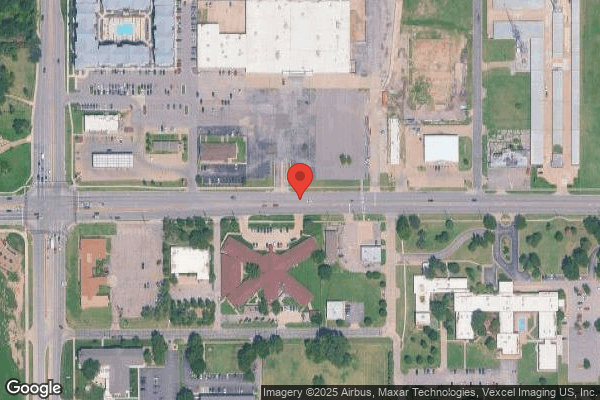
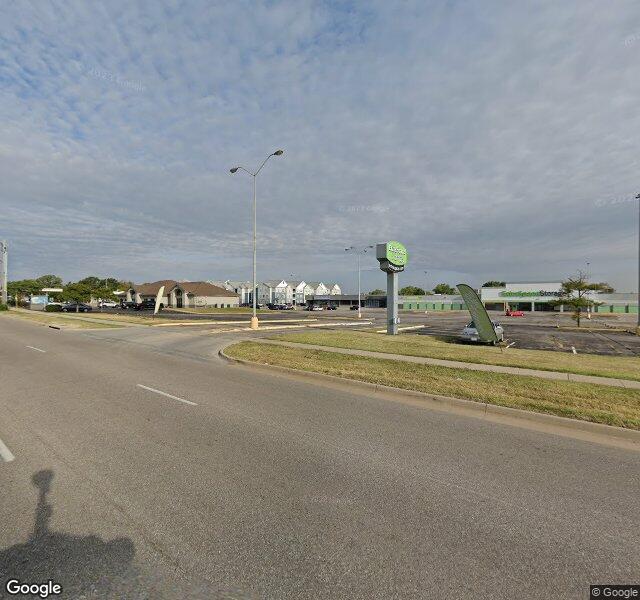
5005 E 21ST STREET NORTH, WICHITA, KS 67208 (316) 685-9291
For profit - Corporation 75 Beds CAMPBELL STREET SERVICES Data: November 2025 4 Immediate Jeopardy citations
Trust Grade
0/100
#256 of 295 in KS
Last Inspection: February 2025

Within standard 12-15 month inspection cycle. Federal law requires annual inspections.

Overview

Legacy at College Hill in Wichita, Kansas, has a Trust Grade of F, indicating significant concerns about the facility's care and management. It ranks #256 out of 295 nursing homes in the state, placing it in the bottom half, and #28 out of 29 in Sedgwick County, meaning there is only one local option that is worse. The facility's performance is worsening, with reported issues increasing from 6 in 2024 to 17 in 2025. Although staffing is rated 3 out of 5 stars, indicating average levels, the turnover rate is concerning at 40%, and it has less RN coverage than 97% of Kansas facilities, which may affect the quality of care. Significant problems have been noted, including failures to investigate allegations of resident-to-resident abuse properly, which put multiple residents at risk, highlighting serious gaps in safety and oversight. While the facility has some strengths, such as maintaining a lower turnover rate than the state average, the overall picture suggests families should proceed with caution.

Trust Score
F
0/100
In Kansas
#256/295
Bottom 14%
Safety Record
High Risk
Review needed
Inspections
Getting Worse
6 → 17 violations
Staff Stability
○ Average
40% turnover. Near Kansas's 48% average. Typical for the industry.
Penalties
✓ Good
$100,490 in fines. Lower than most Kansas facilities. Relatively clean record.
Skilled Nurses
⚠ Watch
Each resident gets only 15 minutes of Registered Nurse (RN) attention daily — below average for Kansas. Fewer RN minutes means fewer trained eyes watching for problems.
Violations
⚠ Watch
71 deficiencies on record. Higher than average. Multiple issues found across inspections.
★☆☆☆☆
1.0
Overall Rating
★★★☆☆
3.0
Staff Levels
★★☆☆☆
2.0
Care Quality
★☆☆☆☆
1.0
Inspection Score
Stable
2024: 6 issues
2025: 17 issues

The Good

  • Full Sprinkler Coverage · Fire safety systems throughout facility
  • No fines on record
  • Staff turnover below average (40%)

    8 points below Kansas average of 48%

Facility shows strength in fire safety.

The Bad

1-Star Overall Rating

Below Kansas average (2.9)

Significant quality concerns identified by CMS

Staff Turnover: 40%

Near Kansas avg (46%)

Typical for the industry

Federal Fines: $100,490

Well above median ($33,413)

Significant penalties indicating serious issues

Chain: CAMPBELL STREET SERVICES

Part of a multi-facility chain

Ask about local staffing decisions and management

The Ugly 71 deficiencies on record

4 life-threatening 4 actual harm
May 2025 3 deficiencies
CONCERN (D) 📢 Someone Reported This

A family member, employee, or ombudsman was alarmed enough to file a formal complaint

Potential for Harm - no one hurt, but risky conditions existed

Accident Prevention (Tag F0689)

Could have caused harm · This affected 1 resident

The facility reported a census of 69 residents. The sample included four residents reviewed for elopement (when a cognitively impaired resident leaves the safe area or premises without supervision). B...

Read full inspector narrative →
The facility reported a census of 69 residents. The sample included four residents reviewed for elopement (when a cognitively impaired resident leaves the safe area or premises without supervision). Based on observation, interview, and record review, the facility failed to implement interventions to mitigate the risk of elopement for Resident (R) 1, when the facility failed to update the facility ' s Elopement Risk Book used to alert staff which residents were at risk for elopement. This deficient practice increased the risk of elopement for the affected residents. Findings included: - R1 's Electronic Health Record (EHR) revealed diagnoses of dementia (a progressive mental disorder characterized by failing memory, and confusion) depression (excessive sadness), and traumatic brain injury (TBI-an injury to the brain caused by external forces). R1's Face Sheet in the EHR did not include a photo of the resident. R1's 04/29/25 admission Minimum Data Set (MDS) documented the resident had a Brief Interview for Mental Status (BIMS) score of 99. The MDS recorded R1 had moderately impaired cognition. The MDS recorded R1 was easily distractible and had difficulty keeping track of what was said. The MDS recorded R1 had behaviors of kicking, yelling, and refusal of care two times during the observation period. The MDS documented R1 required supervision assistance with activities of daily living (ADL) including bathing and ambulation. The MDS recorded R1 was independent with the remainder of ADL. R1 ' s Elopement Risk Assessment dated 04/25/25 recorded a score of three points; five or more points indicate a risk for elopement. R1 ' s Elopement Risk Assessment dated 05/10/25 recorded a score of nine points. R1 ' s Care Plan dated 05/12/25 documented R1 was at risk for injury due to wandering and attempting to elope. The plan noted R1 required the use of a Wander Guard (a bracelet that helps monitor residents who are at risk of wandering) bracelet. The plan instructed staff to complete 15-minute visual checks and place a WanderGuard on R1. R1's Care Plan documented staff were instructed to assist R1 in high-traffic areas when ambulating or in a wheelchair to ensure frequent visualization. The plan directed staff to redirect R1 to an activity that she enjoyed. The plan directed staff to monitor and document any attempts at elopement and report as appropriate. R1's Care Plan directed staff to observe R1's WanderGuard for placement and function every shift and change as needed and complete a wandering/elopement assessment quarterly and as needed. R1 ' s Physician Orders documented an order for a WanderGuard to the left wrist; check every shift for placement and function for elopement risk, dated 05/10/25. R1 ' s Medication Administration Record from 05/10/25 through 05/21/25 documented that staff checked R1's WanderGuard placement and function. R1 ' s Progress Note dated 5/10/2025 at 09:57 AM, documented R1 was last seen at 08:50 AM sitting in the lobby near the front entrance in her wheelchair. The note recorded R1 exited the facility around 09:00 AM when a transportation company opened the facility door. During an interview on 05/21/25 at 08:48 AM, Licensed Nurse (LN) G reported staff knew which residents were at risk for elopement using the Elopement Risk Book located at the nurse's station. During an interview on 05/21/25 at 08:50 AM, LN H reported she was not sure which resident wore a WanderGuard and went on to name three residents she thought had one. LN H reported there was an elopement book at Nurse Station Two and reported that Nurse Station One should have an elopement book as well. LN H reported that she received elopement education a few weeks ago and reported she was not aware of any recent elopements that occurred at the facility. During an observation and interview on 05/21/25 at 08:55 AM, LN G had a white binder in her hand, labeled Elopement Risk Book Station One. LN G said she needed to update the book prior to allowing the surveyor to review the book but then handed the surveyor the book. The book contained handwritten names of residents on the list under the 100/300 hall, with one name crossed off. The book, under the 200 Hall, had one name crossed off the form was dated 01/19/25. LN G reported that she had just written those names on the list and crossed off the other names and the four names that she added to the list did not have a face sheet with residents ' information or pictures in the book. She reported that R1 did have a recent elopement and was one of the residents that she was going to update today. LN G reported the staff did receive training after R1 eloped. LN G reported that the Elopement Risk Book would be used by the staff to see what residents were at risk for elopement and the information needed if a resident did elope. LN G was uncertain if Nurse Station Two had an Elopement Risk Book. During an interview on 05/21/25 at 09:00 AM, Certified Medication Aide (CMA) S reported that there were some residents who wore a WanderGuard, and she believed there was a book at Nurse Station Two but was unsure. CMA S reported she was not aware of any recent elopements that may have occurred. During an observation/interview on 05/21/25 at 09:01 AM, CMA S walked to Nurse Station Two to look for the elopement book, but LN G had just pulled the elopement book off the bookshelf, LN G reported that the white binder labeled Elopement Risk Book Station Two was not updated either. LN G reviewed the lists from each book and noted that the Nurse Station One book had a discrepancy. LN J approached and reported the discrepancy involved a resident whose Wanderguard had been discontinued but said she could not remember when it was discontinued. During an interview on 05/21/25 at 09:10 AM, LN H reported that she was not sure who updated the elopement books located at the nurse's stations. LN H asked Administrative Staff A who updated the elopement books and Administrative Staff A said that the nurse who applied the WanderGuard was responsible to add the resident to the book. Administrative Staff A stated the book was supposed to be reviewed by LN G weekly. During an observation on 05/21/25 at 09:30 AM, R1 had a WanderGuard bracelet on her left wrist while she laid in her bed. During an interview on 05/21/25 at 09:35 AM Medical Director GG reported that he was alerted of an elopement that occurred recently and said he expected the elopement book the staff used to know which residents were at risk for elopement to be current and up to date. During an interview on 05/21/25 at 02:10 PM, Administrative Nurse D expected the elopement books to be current and updated. She reported she expected the elopement books to be reviewed weekly and updated when a change occurred the same day. During an interview on 05/21/25 at 02:13 PM, Administrative Staff A reported an audit was put into place it was to be completed weekly. He expected the Elopement Risk Book to be accurate and current up to date. The facility ' s Elopement/Missing Resident dated 02/06/2023 documented that upon admission each resident would be assessed for the potential for elopement risk. Consideration will be given to the residents with mental disorders. The resident ' s picture will be placed in the Elopement Risk Book with a copy of their face sheet.
CONCERN (E) 📢 Someone Reported This

A family member, employee, or ombudsman was alarmed enough to file a formal complaint

Potential for Harm - no one hurt, but risky conditions existed

Safe Environment (Tag F0584)

Could have caused harm · This affected multiple residents

The facility reported a census of 69 residents. The sample included three residents. Based on observation, record review, and interviews, the facility failed to promote a sanitary, homelike environmen...

Read full inspector narrative →
The facility reported a census of 69 residents. The sample included three residents. Based on observation, record review, and interviews, the facility failed to promote a sanitary, homelike environment. This deficient practice had the potential for decreased psychosocial well-being and impaired safety and comfort for the affected residents. Findings include: - During the initial tour of the facility around 08:30 AM on 05/21/25, observation revealed there was flooring missing at the entrance of the dining room on the 300 hallways. Further observation revealed an area approximately four feet long by one foot wide that was covered with blankets which were saturated with water, and surrounded by cautionary wet floor signs on each side of the blankets. During an interview on 05/21/25 at 08:32 AM, Resident (R) 3, who had a Brief Interview for Mental Status (BIMS) score of 15 which indicated intact cognition, reported he was concerned about the floor in front of the dining room that had water laying on top of all the blankets for about two weeks. R3 reported he did not feel safe as it was wet all the time. During an interview on 05/21/25 at 11:45 AM, Housekeeper Staff U reported the floor in the 300 hallway had the boards missing and the water just lying there on top of all the blankets had been like that for about three weeks now. During an interview on 05/21/25 at 02:20 PM, Administrative Staff A reported that the flooring in the 300 hallways had been like that since sometime the previous week. He reported that he had a local plumber out to assess the issue and was told it was a broken pipe that was causing a leak under the floor. Administrative Staff A said he reported that he did not have any paperwork or estimate that showed a local plumber was at the facility. Administrative Staff A reported he had concerns about whether the work would be approved and paid for as the corporate office had not paid many of the facility's invoices since March 2025. The facility's Homelike Environment dated 05/2017, documented that residents are provided with a safe, clean, comfortable, and homelike environment.
CONCERN (F) 📢 Someone Reported This

A family member, employee, or ombudsman was alarmed enough to file a formal complaint

Potential for Harm - no one hurt, but risky conditions existed

Deficiency F0925 (Tag F0925)

Could have caused harm · This affected most or all residents

The facility reported a census of 69 residents. The sample included three residents. Based on observation, record review, and interviews, the facility failed to maintain an effective pest control prog...

Read full inspector narrative →
The facility reported a census of 69 residents. The sample included three residents. Based on observation, record review, and interviews, the facility failed to maintain an effective pest control program. This deficient practice had the potential for decreased psychosocial well-being and impaired safety and comfort for the affected residents. Findings include: - The outside vendor for pest control report dated 02/28/25 documented a captured rodent and suggested to the staff to keep doors closed at all times. The outside vendor for pest control report dated 03/13/25 documented staff members mentioned they saw a mouse; the vendor inspected the bait stations and no rodents were noted. The outside vendor for pest control report dated 03/27/25 documented no concerns from staff and none noted. This was the last date the outside vendor for pest control was at the facility. During an interview on 05/21/25 at 11:45 AM, Housekeeper Staff U reported there were rodents in the facility. She reported that she had to deep clean the residents ' rooms in March 2025 and said she found rodent droppings, dried urine, and found a dead rodent in a resident ' s room. Housekeeper Staff U said she reported that to the housekeeping supervisor and the Administrative Staff A. During an interview on 05/21/25 at 11:55 AM, Licensed Nurse (LN) H reported she had not seen any rodents or heard complaints about them from staff or residents. During an interview on 05/21/25 at 12:00 PM, Certified Nurse Aide (CNA) O reported that he had never seen a rodent in the facility but had seen signs of mice droppings in residents ' rooms recently and reported that to the housekeeper. During an interview and observation on 05/21/25 at 12:40 PM, Resident (R) 2, who had a Brief Interview for Mental Status (BIMS) score of 15 which indicated intact cognition, showed the surveyor two dead mice in spring-loaded mice traps in her garbage. R2 said that she caught the mice with the spring-loaded mouse traps that she had placed under her bed the previous night. R2 reported that this was not the first time she had to catch mice in her room. She reported that she was out of the mouse traps and would have to ask the maintenance man for more. During an interview on 05/21/25 at 01:15 PM, Maintenance Supervisor V reported there were rodents in hallway 100, evidenced by mice droppings seen in March 2025. Maintenance Supervisor V reported that all the rooms had been deep cleaned and he had not seen or heard about any rodents since then. Maintenance Supervisor V reported the contracted outside vendor for pest control had been to the facility in March 2025 and reported the outside vendor placed the bait stations around the facility and he would not touch those. He reported that he did not know of any resident having a spring-loaded mouse trap and was shocked to see the two dead mice from R2 ' s garbage can from this morning in spring-loaded mice traps. Maintenance Supervisor V reported he would call the outside vendor for pest control to come out. During an interview on 05/21/25 at 02:20 PM, Administrative Staff A reported the outside vendor for pest control service was canceled due to corporate had not paid the invoices. Administrative Staff A reported the last time the outside vendor for pest control was at the facility was March 2025. Administrative Staff A reported that the unpaid invoices would make it difficult to make sure the center is taken care of. The facility ' s policy Pest Control dated May 2008, documented our facility shall maintain an effective pest control program. The facility would maintain an on-going pest control program to ensure that the building is free of rodents.
Feb 2025 14 deficiencies
CONCERN (D) 📢 Someone Reported This

A family member, employee, or ombudsman was alarmed enough to file a formal complaint

Potential for Harm - no one hurt, but risky conditions existed

Deficiency F0625 (Tag F0625)

Could have caused harm · This affected 1 resident

**NOTE- TERMS IN BRACKETS HAVE BEEN EDITED TO PROTECT CONFIDENTIALITY** The facility had a census of 66 residents. The sample included 17 residents with one resident reviewed for discharge. Based on o...

Read full inspector narrative →
**NOTE- TERMS IN BRACKETS HAVE BEEN EDITED TO PROTECT CONFIDENTIALITY** The facility had a census of 66 residents. The sample included 17 residents with one resident reviewed for discharge. Based on observation, record review, and interview, the facility failed to provide Resident (R) 18 with written information regarding the facility bed hold policy when she was transferred to the hospital. This deficient practice placed R18 at risk for not being permitted to return and resume residence in the nursing facility. Findings included: - R18's Electronic Medical Record (EMR) recorded diagnoses of Influenza A (an acute highly contagious viral infection of the nose, throat and lungs that causes the flu), acute respiratory failure (the respiratory system can not maintain normal levels of oxygen and carbon dioxide in the body, the condition is characterized by a relatively sudden onset of symptoms that are usually severe), hypoxia (inadequate supply of oxygen), cerebrovascular accident (CVA - stroke - sudden death of brain cells due to lack of oxygen caused by impaired blood flow to the brain by blockage or rupture of an artery to the brain), dementia (a progressive mental disorder characterized by failing memory and confusion), and diabetes mellitus (DM - when the body cannot use glucose, not enough insulin is made, or the body cannot respond to the insulin). R18's Quarterly Minimum Data Set (MDS), dated [DATE], recorded R18 had moderately impaired cognition. The MDS recorded R18 required moderate to total staff assistance with most activities of daily living (ADL). The Activities of Daily Living Care Area Assessment (CAA), dated [DATE], recorded R18 is dependent on staff for toilet hygiene, all aspects of dressing, all aspects of transfers with total lift, and required substantial to maximal assistance with personal hygiene and shower/bathe self. R 18 is alert and oriented with intermittent confusion noted. R18's Care Plan dated [DATE] recorded R18 had a risk for alteration in oxygen levels due to diagnosis of obstructive sleep apnea (a disorder of sleep characterized by periods without respirations). The staff would check oxygen saturation every shift as ordered and saturation would be greater than 90, if lower than 90 staff were directed to contact the physician The staff would observed for cyanosis (a medical condition characterized by a bluish or purplish discoloration of the skin, lips, and nail beds) and report to the physician as needed. R18's Care Plan, dated [DATE] documented the resident had an acute infection and was at risk for increased temperature, dehydration, pain, and discomfort. Staff would administer antibiotics as the physician ordered and monitor for effectiveness, monitor temperature, and for dehydration. The Nurse's Note dated [DATE], at 08:50 AM, documented the nurse went to R18's room that morning to obtain vitals. R18 was not responding to the nurse when spoken to, but R18 would open her eyes for a brief second. R18 laid in bed when the nurse came to do vitals and obtain a blood sugar reading. The nurse was told in report R18's temperature was 102.0 degrees Fahrenheit (F) at 06:20 AM and she was administered Tylenol. At 08:00 AM R18's vital signs documented: oxygen saturation was 52 percent (normal 95-100%) on room air and 80 percent with oxygen at four liters, temperature was 101.3 degrees F (normal 97-99 degrees), blood pressure 90/48 (normal 110/70), and blood glucose was 202 (70-100), no insulin given at this time. The nurse practitioner was notified, and an order was obtained to send the resident to the hospital, the director of Nursing was notified, and the durable power of attorney was notified. The notes documented the Medication Administration Record (MAR) and bed hold papers were sent with the resident. Continued chart review revealed emergency medical services came to the facility at 08:40 AM and left with the resident to transport to the hospital at 09:00 AM. The Nurses Note dated [DATE] at 04:11 PM, documented the resident was hospitalized . R18's clinical record revealed a copy of the bed hold policy dated [DATE] that lacked a resident or resident representative signature, instead it had a signature of Administrative Nurse E. Administrative Nurse E verified that the resident's representative had not sign the paper and that the facility was unable to provide written evidence upon request. Administrative Nurse E stated they had spoken with the representative to acknowledge her understanding of the facility bed hold policy. On [DATE] at 02:50 PM, Administrative Nurse E verified the facility lacked evidence of a signed bed hold policy notice that had been verbally acknowledged, provided, or signed by the resident's representative when R18 was transferred and admitted to the hospital on [DATE]. The facility's Bed Hold policy dated [DATE], documented residents and/or representatives were informed (in writing) of the facility and state (if applicable) bed-hold policies. 1. All residents/representatives are provided written information regarding the facility and state bed hold policies, which address holding or reserving a resident's bed during periods of absence (hospitalization or therapeutic leave). Residents, regardless of payor source, are provided written notices about these policies at least twice: Notice 1: well in advance of any transfer (such as in the admission packet); and Notice 2: at the time of transfer (or, if the transfer was an emergency, within 24 hours). 2. Reissuance of notice 1 must occur if the bed-hold policy under the state plan of facility policy changes after the notice is issued. 3. Multiple attempts to provide the resident representative with notice 2 staff should be documented in cases where staff were unable to reach and notify the representative timely. 4. The written bed-hold notices provide to the residents/representatives explain in detail. a. The duration of the state bed-hold policy, if any, during which the resident is permitted to return and residence in the facility. b. The reserved bed payment policy as indicated by the state plan (for Medicaid residents); c. The facility policy regarding bed-hold periods. d. The facility per-diem rate required to hold a bed (for non-Medicaid residents). Or to hold a bed beyond the state bed-hold period (for Medicaid resident); and e. The facility return policies. 5. The requirement that the resident be permitted to return to the facility following hospitalization or therapeutic leave applies to all residents regardless of payor source. 6. Residents who seek to return to the facility after a state bed hold period has expired (or when state law does not provide for bed holds) are allowed to return to their previous room if available or immediately to the first available bed in a semi-private room provided that the resident. a. Still required the services provided by the facility; and b. Is eligible for Medicare skilled nursing facility or Medicaid nursing facility services. 7. If the facility determines that a resident cannot return, the facility must comply with the requirements for facility-initiated discharges. The facility failed to provide R18's representative with a copy of the facility bed hold policy when she was transferred to the hospital. This placed the resident at risk for not being permitted to return and resume residence in the nursing facility.
CONCERN (D) 📢 Someone Reported This

A family member, employee, or ombudsman was alarmed enough to file a formal complaint

Potential for Harm - no one hurt, but risky conditions existed

Deficiency F0657 (Tag F0657)

Could have caused harm · This affected 1 resident

The facility identified a census of 66 residents. The sample included 17 residents, with one Resident (R) 24 reviewed for trauma-informed care (treatment or care directed to prevent re-experiencing or...

Read full inspector narrative →
The facility identified a census of 66 residents. The sample included 17 residents, with one Resident (R) 24 reviewed for trauma-informed care (treatment or care directed to prevent re-experiencing or reducing the effects of traumatic events). Based on observation, record review, and interviews, the facility failed to implement a person-centered care plan with individualized interventions to address R24's post-traumatic stress disorder (PTSD - a mental disorder characterized by an acute emotional response to a traumatic event or situation involving severe environmental stress), trauma, triggers, and interventions to prevent re-traumatization. These deficient practices placed R24 at risk for decreased psychosocial well-being and ineffective treatment. Findings included: - R24's Electronic Medical Record (EMR) documented diagnoses of PTSD, major depressive disorder (a major mood disorder that causes persistent feelings of sadness), and traumatic brain injury (TBI - an injury to the brain caused by external forces). R24's Annual Minimum Data Set (MDS) dated 05/02/24 documented a Brief Interview for Mental Status (BIMS) score of six, which indicated severely impaired cognition. R24 displayed the behavior of rejecting care that occurred for one to three days during the look-back period. R24 used a cane to assist with mobility. R24 was independent with his functional abilities and activities of daily living (ADL). R24 had an active diagnosis of PTSD. R24's Cognitive Loss Care Area Assessment (CAA) dated 05/08/24 documented R24 had a cognitive deficit from a history of TBI. He was alert and oriented with confusion noted. R24 had a BIMS score of six out of 15. R24 was able to make his wants and needs known at times. R24 had rejected the offer of showering and changing clothes. R24's Care Plan last revised on 10/23/24, directed staff to administer medications as ordered and to monitor and document side effects. Staff were directed to observe and chart behaviors as necessary and report to the physician. R24's care plan lacked a care area to address his diagnosis of PTSD to direct staff on his triggers or interventions to prevent further re-traumatization. R24's Diagnosis tab of the EMR documented a diagnosis of PTSD with a date of 09/09/22. R24's SS Trauma admission Assessment v2 dated 02/14/24 asked: Is there a diagnosis of PTSD or trauma-associated event, with the response of no selected. On 02/13/25 at 09:20 AM, R24 walked, using his cane, down the hallway to go outside to smoke. R24 rejected any conversation with this surveyor. On 02/13/25 at 03:05 PM, Administrative Nurse F stated she expected a resident that had a diagnosis of PTSD would have staff direction on what triggered and the cause of the trauma, as well as interventions in place to alleviate the triggers or re-traumatization. Administrative Nurse F was unaware that R24 failed to have a PTSD care area on his care plan. Administrative Nurse F stated that the management nurses and staff nurses were able to update the care plan as needed. On 02/13/25 at 03:15 PM, Administrative Nurse D stated she was not aware that R24 failed to have a PTSD area on his care plan to address the cause, the triggers, and interventions to prevent further trauma. Administrative Nurse D stated that R24's PTSD should have been addressed at admission or when diagnosed. Administrative Nurse D stated all residents should get the trauma-informed care assessment at admission or with a new diagnosis of PTSD. The Care Plans, Comprehensive Person-Centered policy revised in March 2022 documented that the care plan intervention was derived from a thorough analysis of the information gathered as part of the comprehensive assessment. The comprehensive, person-centered care plan should include measurable objectives and timeframes; and should describe the services that were to be furnished to attain or maintain the resident's highest practicable physical, mental, and psychosocial well-being. Assessments of residents were ongoing and care plans were revised as information about the residents and the resident's conditions changed. The facility failed to have a person-centered care plan with individualized interventions to address R24's PTSD triggers and interventions to prevent re-traumatization. These deficient practices placed R24 at risk for decreased psychosocial well-being and ineffective treatment.
CONCERN (D) 📢 Someone Reported This

A family member, employee, or ombudsman was alarmed enough to file a formal complaint

Potential for Harm - no one hurt, but risky conditions existed

Accident Prevention (Tag F0689)

Could have caused harm · This affected 1 resident

**NOTE- TERMS IN BRACKETS HAVE BEEN EDITED TO PROTECT CONFIDENTIALITY** The facility had a census of 66 residents. The sample included 17 residents. Based on observation, record review, and interview ...

Read full inspector narrative →
**NOTE- TERMS IN BRACKETS HAVE BEEN EDITED TO PROTECT CONFIDENTIALITY** The facility had a census of 66 residents. The sample included 17 residents. Based on observation, record review, and interview the facility failed to promote an environment free of hazards for Resident (R)21 who smoked cigarettes but was assessed for supervised safe smoking practices by the facility, however the resident revoked the assessment, and smoked without supervision. This placed the resident at risk for avoidable injuries and fire related hazards Findings included: - R21's diagnoses include cerebral infarction (stroke - sudden death of brain cells due to lack of oxygen caused by impaired blood flow to the brain by blockage or rupture of an artery to the brain), major depressive disorder (major mood disorder that causes persistent feelings of sadness), acute respiratory failure with hypoxia (a condition where there is not enough oxygen in the blood), and pneumonia (a lung infection that causes inflammation and fluid or pus to fill the air sacs of the lungs). R21's Quarterly Minimum Data Set (MDS), dated [DATE], documented the resident had a Brief Interview for Mental Status (BIMS) score of 14 indicating intact cognition. The MDS documented R21 was dependent on staff with activities of daily living (ADL), used a wheelchair for mobility and required staff supervision in the facility. R21's Activities of Daily Living Care Area Assessment (CAA), dated 07/16/24, documented the resident required set up or clean up assistance with oral hygiene, and was dependent on staff for all aspects of toileting, dressing, sit to lying, lying to sitting on side of bed, and all aspects of transfers. The CAA documented the resident was alert and oriented with intermittent confusion noted. R21's Care Plan, dated 02/11/25, directed staff to assist the resident with a two-person mechanical lift to transfer to chair. The care plan recorded R21 was independent with electric wheelchair and does not ambulate. R21 ' s Care Plan for smoking recorded R21 had been sneaking out with independent smokers and was continually educated that she was a supervised smoker. The 08/06/24 updated care plan documented the reside was required to wear a smoking apron when smoking. On 05/26/23 the facility provided the resident with a smoking R21's Smoking policy, dated 05/26/23, the facility provided the resident a smoking policy that documented and allowed time to have questions answered. The care plan documented smoking assessments were to be completed and the residents plan of care would be based on findings of the assessment to ensure that it maintains safety precautions and they are addressed. R21's Smoking Safety Screen, dated 11/25/24, documented the resident did not have any cognitive loss, but had a visual defect and dexterity problems. The assessment documented the resident smoked 5-10 cigarettes a day, during the morning, afternoon, evening, and night. The assessment documented the resident had potential injury from falling asleep while smoking, lacked safety awareness, and had a history of smoking inside the facility. The assessment documented the resident required supervision for safety reasons and was safe to smoke with supervision. R21's Nurses Note dated 01/24/25 at 08:03 AM, documented an aide requested the nurse look at the resident's left waist are. The observation revealed a burn from a cigarette. The nurse notified the Advance Practitioner Registered Nurse across the hall from the resident's room and the APRN ordered the nurse to lace a TAO on the wound and not covered with a bandage. Observation revealed the skin was red around the area with a scab in the middle. The Weekly Skin Assessment dated 01/24/25 documented the resident had a cigarette burn on her left iliac crest (a prominent curved ridge of one that forms the upper border of the ilium, one of the three bones that make up the pelvis), no size documented. Documented the edges are red with a scab in the middle. R21's nurses note dated 01/27/25 at 09:39 PM, (late entry) documented the root cause analysis revealed the resident had a small red area to her left abdomen/iliac crest area that appears to be a burn, The resident is a smoker and had impaired dexterity which caused her to drop the cigarette and ashes at times. R21 is a supervised smoker and would care plan interventions for a smoke apron to be worn while smoking for protection. The resident was educated on wearing a smoke apron and verbalized understanding of the interventions. The nurse applied ointment daily to the area and left the wound open to air, no blisters preset. On 02/11/25 at 03:30 PM, observation revealed the resident in an electric scooter at the end of the 400-hall exiting to the 500 hall to go outside and smoke on the patio with other smokers. The resident was noted to have a protective smoke apron on her lap. On 02/13/25 at 02:20 PM, Administrative Nurse D verified R21 required supervision with smoking. R21 had not require supervision a year and a half ago but stated she still thinks she can smoke independent. Administrative Nurse D verified the residents family or other residents would provide her with the cigarettes to smoke unsupervised. The Smoking Assessment policy, dated September 9, 2023, documented the facility would establish and maintain safe resident tobacco/smoking electronic cigarettes, vape use practices. All residents admitted to the facility property and/or buildings are required to comply with the policy. All employees share the responsibility for enforcing the policy. The policy documented prior to, or upon admission residents shall be informed about any limitations on tobacco use, including designated tobacco/smoking areas. Tobacco/smoking areas would be designated by the Facility and identified by signage. Resident who wish to use tobacco/smoke would be evaluated for safe smoking upon admission and quarterly. Any tobacco use/smoking related privileges, restrictions, and concerns shall be noted on the care plan and determined that the resident cannot do so safely when the available levels of support and supervision. Any resident with restricted tobacco use/smoking/electronic cigarette/vape privileges requiring monitoring shall have direct supervision by a staff member, family member, visitor, or volunteer always while using tobacco/smoking. Tobacco/smoking, including electronic cigarettes/vape material for all residents would be secured by the facility when not in use. The facility failed to promote a safe environment for R21 and all the residents residing in the facility. The failure placed the residents at risk for smoke or fire.
CONCERN (D) 📢 Someone Reported This

A family member, employee, or ombudsman was alarmed enough to file a formal complaint

Potential for Harm - no one hurt, but risky conditions existed

Deficiency F0698 (Tag F0698)

Could have caused harm · This affected 1 resident

**NOTE- TERMS IN BRACKETS HAVE BEEN EDITED TO PROTECT CONFIDENTIALITY** The facility had a census of 66 residents. The sample included 17 residents, with one reviewed for dialysis. Based on observatio...

Read full inspector narrative →
**NOTE- TERMS IN BRACKETS HAVE BEEN EDITED TO PROTECT CONFIDENTIALITY** The facility had a census of 66 residents. The sample included 17 residents, with one reviewed for dialysis. Based on observation, record review, and interview, the facility failed to provide ongoing care plan communication and documentation of Resident (R) 70, who received dialysis (the process of removing waste products and excess fluid from the body when the kidneys are not able to adequately filter the blood) treatment, including updated care, and services required for R70. This deficient practice placed R70 at risk for inadequate care, complications, and health decline. Findings included: - R70's Electronic Health Record (EHR) documented R70 had a diagnosis of end-stage renal disease (decline in kidney function). R70's admission Minimum Data Set (MDS), dated 11/22/24, recorded R70 had a Brief Interview for Mental Status (BIMS) score of 15 which indicated intact cognition. The MDS recorded he required limited assistance of one staff for bed mobility, transfers, and toilet use. The MDS further recorded R70 as continent of urine and recorded the resident received dialysis treatment. R70's Care Plan, dated 12/26/24, documented R70 required supervision or touch assistance with toilet hygiene and required partial to moderate assistance with toilet transfers. The MDS documented R7 was continent during the look-back period. The care plan lacked documentation that R70 received dialysis, what dialysis center he had sessions at, what day and time he went to dialysis, the care of the dialysis site, and special cares for the resident receiving dialysis. The Nurses Notes, dated 11/19/24 documented R70 was admitted to the facility on [DATE] with a diagnosis of renal failure, and end-stage renal disease with urinary retention. The Physician Order, dated 11/18/24 directed staff R70 required dialysis three times a week. The EHR documented R70 was admitted to the hospital on [DATE] for osteomyelitis (local or generalized infection of the bone and bone marrow) of his left foot and returned to the facility on [DATE]. The Physician Order, dated 12/29/24, documented the resident received dialysis three times a week. R70's EHR revealed a Dialysis Communication Form, that had completed information from the dialysis center regarding R70's treatment and potential new orders each time R70 had a dialysis appointment. On 02/13/25 at 08:35 AM, R70 sat in a wheelchair in the hall, dressed in sleeper pants and a t-shirt, hair uncombed, and hollered at the staff that they forgot his milk for his cereal when they delivered his room tray. He wheeled down to the dining room got some milk and then returned to his room and ate his breakfast at the bedside table. R70 stated he was going to dialysis at 11:00 AM, and they needed to get his meal delivered earlier than they did this morning. On 02/13/25 at 11:50 AM, Administrative Nurse D verified R70 received dialysis three times a week on Tuesdays, Thursdays, and Saturdays. Administrative Nurse D verified the facility would send a communication sheet with the resident with each dialysis treatment when he left the facility. Administrative Nurse D verified the resident was admitted to the facility and required dialysis from admission to present. Administrative Nurse D verified R70s care plan lacked documentation that he required dialysis treatment, the days he went to dialysis, the facility he went to for dialysis, and the care of the dialysis site by the nursing staff. Administrative Nurse D verified the care plans were completed by a corporate nurse off-site and they would update in-house as needed. The facility's End Stage Renal Disease (ESRD), Care of a Resident With policy, dated September 2010, documented the facility would be cared for according to the current recognized standard of care. Staff would be trained in the care and special needs of the resident. Education and training of staff include: a. The nature and clinical management of ESRD (including infection prevention and nutritional needs). b. The type of assessment data that is to be gathered about the resident's condition on a daily or per shift basis. c. Signs and symptoms of worsening condition and/or complications of ESRD. d. How to recognize and intervene in medical emergencies such as hemorrhages and septic infections. e. How to recognize and manage equipment failure or complications (according to the type of equipment used in the facility). f. Timing and administration of medications, [particularly those before and after dialysis. g. The care of grafts and fistulas; and h. The handling of waste. Education and training of staff in the care of ESRD/dialysis residents may be managed by the contracted dialysis facility or by a clinician with specialized training in ESRD and dialysis care. Agreements between the facility and the contracted ESRD facility include all aspects of how the resident's care will be managed, including: a. How the care plan will be developed and implemented. b. How the information would be exchanged between the facilities; and c. Responsible for waste handling, sterilization, and disinfection of equipment. 5. The resident's comprehensive plan of care will reflect the resident's needs related to ESRD/dialysis care. The facility failed to provide staff with an accurate dialysis care plan communication, with updated care information for R70. This deficient practice placed R70 at risk for unmet needs and care and health decline.
CONCERN (D) 📢 Someone Reported This

A family member, employee, or ombudsman was alarmed enough to file a formal complaint

Potential for Harm - no one hurt, but risky conditions existed

Deficiency F0699 (Tag F0699)

Could have caused harm · This affected 1 resident

The facility identified a census of 66 residents. The sample included 17 residents, with one Resident (R) 24 reviewed for trauma-informed care (treatment or care directed to prevent re-experiencing or...

Read full inspector narrative →
The facility identified a census of 66 residents. The sample included 17 residents, with one Resident (R) 24 reviewed for trauma-informed care (treatment or care directed to prevent re-experiencing or reducing the effects of traumatic events). Based on observation, record review, and interviews, the facility failed to identify trauma-based triggers related to R24's post-traumatic stress disorder (PTSD - a mental disorder characterized by an acute emotional response to a traumatic event or situation involving severe environmental stress). The facility failed to implement individualized interventions to prevent re-traumatization to R24. These deficient practices placed R24 at risk for decreased psychosocial well-being and ineffective treatment. Findings included: - R24's Electronic Medical Record (EMR) documented diagnoses of PTSD, major depressive disorder (a major mood disorder that causes persistent feelings of sadness), and traumatic brain injury (TBI - an injury to the brain caused by external forces). R24's Annual Minimum Data Set (MDS) dated 05/02/24 documented Brief Interview for Mental Status (BIMS) score of six, which indicated severely impaired cognition. R24 displayed the behavior of rejecting care that occurred for one to three days during the look back period. R24 used a cane to assist with mobility. R24 was independent with his functional abilities and activities of daily living (ADL). R24 had an active diagnosis of PTSD. R24's Cognitive Loss Care Area Assessment (CAA) dated 05/08/24 documented R24 had a cognitive deficit from a history of TBI. He was alert and oriented with confusion noted. R24 had a BIMS score of six of 15. R24 was able to make his wants and needs known at times. R24 had rejected the offer of showering and changing clothes. R24's Care Plan last revised on 10/23/24, directed staff to administer medications as ordered and to monitor and document side effects. Staff were directed to observe and chart behaviors as necessary and report to the physician. R24's care plan lacked a care area to address his diagnosis of PTSD to direct staff on his triggers or interventions to prevent further re-traumatization. R24's Diagnoses tab of the EMR documented a diagnosis of PTSD with a date of 09/09/22. R24's SS Trauma admission Assessment v2 dated 02/14/24 asked: Is there a diagnosis of PTSD or trauma-associated event, with the response of no selected. On 02/13/25 at 09:20 AM, R24 walked, using his cane, down the hallway to go outside to smoke. R24 rejected any conversation with this surveyor. On 02/13/25 at 03:05 PM, Administrative Nurse F stated she expected a resident that had a diagnosis of PTSD would have staff direction on what triggered and the cause of the trauma, as well as interventions in place to alleviate the triggers or re-traumatization. Administrative Nurse F was unaware that R24 failed to have a PTSD care area on his care plan. Administrative Nurse F stated that the management nurses and staff nurses were able to update the care plan as needed. On 02/13/25 at 03:15 PM, Administrative Nurse D stated she was not aware that R24 failed to have a PTSD area on his care plan to address the cause, the triggers, and interventions to prevent further trauma. Administrative Nurse D stated that R24's PTSD should have been addressed at admission or when diagnosed. Administrative Nurse D stated all residents should get the trauma-informed care assessment at admission or with a new diagnosis of PTSD. The facility failed to provide a policy regarding PTSD care as requested. The facility failed to identify trauma-based triggers related to R24's PTSD. The facility furtherly failed to implement individualized interventions to prevent re-traumatization to R24. These deficient practices placed R24 at risk for decreased psychosocial well-being and ineffective treatment.
CONCERN (D) 📢 Someone Reported This

A family member, employee, or ombudsman was alarmed enough to file a formal complaint

Potential for Harm - no one hurt, but risky conditions existed

Drug Regimen Review (Tag F0756)

Could have caused harm · This affected 1 resident

The facility identified a census of 66 residents. The sample included 17 residents, with five sample residents reviewed for unnecessary medications. Based on observation, record review, and interview,...

Read full inspector narrative →
The facility identified a census of 66 residents. The sample included 17 residents, with five sample residents reviewed for unnecessary medications. Based on observation, record review, and interview, the facility failed to ensure the Consultant Pharmacist (CP) identified and reported when Resident (R) 25's physician ordered insulin (a hormone that lowers the level of glucose in the blood) administration and finger stick blood sugar (a procedure that measures the level of sugar in a small drop of blood from the fingertip) had not been completed as ordered. This deficient practice placed R25 at risk for unnecessary medication administration and related complications. Findings included: - R25's Electronic Medical Record (EMR) documented diagnoses of hypertension (HTN - elevated blood pressure), hallucinations (sensing things while awake that appear to be real, but the mind created), hemiplegia and hemiparesis (weakness and paralysis on one side of the body), major depressive disorder (major mood disorder that causes persistent feelings of sadness), diabetes mellitus (DM - when the body cannot use glucose, not enough insulin is made, or the body cannot respond to the insulin), and anxiety (mental or emotional reaction characterized by apprehension, uncertainty, and irrational fear). R25's Annual Minimum Data Set (MDS) dated 11/20/24 documented a Brief Interview for Mental Status (BIMS) score of 10, which indicated moderately impaired cognition. R25 had impairment of both lower extremities. R25 required a wheelchair to assist with mobility. R25 required maximal to total dependence on staff for his functional abilities and activities of daily living (ADLs). R25 was frequently incontinent of bladder and always incontinent of bowel. R25 took an antipsychotic (a class of medications used to treat major mental conditions that cause a break from reality), antidepressant (a class of medications used to treat mood disorders), anticoagulant (a class of medication used to prevent the blood from clotting), a diuretic(a medication to promote the formation and excretion of urine), an antiplatelet (medication that prevents blood clots by inhibiting the activation and aggregation of platelets), a hypoglycemic (medication used to lower blood sugar levels), and an anticonvulsant (medications used to prevent or control seizures). R25's Psychotropic Drug Use Care Area Assessment dated 11/22/24 documented he received an antidepressant and an antipsychotic medication per orders. R25 had the diagnoses of hallucinations, depression, and anxiety. R25 has had no signs and symptoms of adverse reactions noted and reported. Medication and behavior monitoring was done each shift and was recorded in the EMR. The pharmacist performed reviews quarterly and as needed and recommendations were sent to the prescribing doctor for review. R25's Care Plan last revised on 02/05/25 directed staff to administer medications as directed. Staff were directed to monitor, document, and report to the physician any medication side effects. R25's Order Summary Report documented an order dated 04/18/24 for Humalog (fast-acting insulin)100 units per milliliter (ml) to inject 12 units subcutaneously (SQ - beneath the skin) with meals for DM and notify the physician if the blood sugar was below 60 or higher than 500. R25's Order Summary Report documented an order dated 04/18/24 for Lantus (long-acting insulin) 100 units per ml to inject 10 units SQ at bedtime for DM. R25's Treatment Administration Record (TAR) reviewed from November 2024 to February 2025 documented blood sugars to be obtained four times a day. A review of R25's November 2024 Medication Administration Record (MAR) and TAR revealed: a lack of staff sign-off on Lantus insulin administration on four of 30 opportunities. The MAR lacked staff sign-off on Humalog insulin on eight of 90 opportunities; the TAR lacked staff sign-off on 12 of 120 blood sugar readings. A review of R25's December 2024 MAR and TAR revealed: a lack of staff sign-off on Lantus insulin administration on two of 31 opportunities. The MAR lacked staff sign-off on Humalog insulin on 12 of 93 opportunities; the TAR lacked staff sign-off on 14 of 124 blood sugar readings. A review of R25's January 2025 MAR and TAR revealed: a lack of staff sign-off on Lantus insulin administration on two of 31 opportunities. The MAR lacked staff sign-off on Humalog insulin on nine of 93 opportunities; the TAR lacked staff sign-off on 11 of 124 blood sugar readings. A review of R25's February 2025 MAR and TAR revealed: a lack of staff sign-off on Lantus insulin administration on two of 16 opportunities. The MAR lacked staff sign-off on Humalog insulin on 48 opportunities; the TAR lacked staff sign-off on six of 64 blood sugar readings. A review of the CP monthly medication regimen review (MRR) from January 2024 to January 2025 revealed the lack of the CP identifying and reporting the missed physician-ordered insulin administrations and blood sugar readings. A review of R25's Progress Notes tab of the EMR from the past year revealed the lack of staff documentation with a reason R25's physician-ordered insulin had not been administered. On 02/13/25 at 09:16 AM, R25 sat in his wheelchair in his room and his supplemental oxygen was on. On 02/13/25 at 03:05 PM, Administrative Nurse F stated she expected the nurses to administer insulin as the physician ordered and staff to obtain blood sugars as well. Administrative Nurse F stated the CP usually did a good job of identifying missed medication administrations. On 02/13/25 at 03:15 PM, Administrative Nurse D stated the CP did monthly MRR and typically identified and reported when medications had not been given. Administrative Nurse D stated she expected the nursing staff to document when and the reason a medication was not administered, especially a dose of insulin. On 02/17/25 at 12:00 PM, Consultant GG was unavailable for an interview by phone. The Pharmacy Services Overview policy last revised in April 2019 documented the CP, in collaboration with the dispensing pharmacy and the facility, oversaw the development of procedures related to pharmacy services including the administration of medications, and the documentation of processes. The facility failed to ensure the CP identified and reported when R25's physician-ordered insulin administration and finger stick blood sugar had not been completed as ordered. This deficient practice placed R25 at risk for unnecessary medication administration and related complications.
CONCERN (D) 📢 Someone Reported This

A family member, employee, or ombudsman was alarmed enough to file a formal complaint

Potential for Harm - no one hurt, but risky conditions existed

Deficiency F0757 (Tag F0757)

Could have caused harm · This affected 1 resident

The facility identified a census of 66 residents. The sample included 17 residents with five sample residents reviewed for unnecessary medications. Based on observation, record review, and interview, ...

Read full inspector narrative →
The facility identified a census of 66 residents. The sample included 17 residents with five sample residents reviewed for unnecessary medications. Based on observation, record review, and interview, the facility failed to ensure facility staff administered Resident (R) 25's physician-ordered insulin (a hormone that lowers the level of glucose in the blood) and obtained finger stick blood sugars (a procedure that measures the level of sugar in a small drop of blood from the fingertip) as ordered. This deficient practice placed R25 at risk for unnecessary medication administration and related complications. Findings included: - R25's Electronic Medical Record (EMR) documented diagnoses of hypertension (HTN - elevated blood pressure), hallucinations (sensing things while awake that appear to be real, but the mind created), hemiplegia and hemiparesis (weakness and paralysis on one side of the body), major depressive disorder (major mood disorder that causes persistent feelings of sadness), diabetes mellitus (DM - when the body cannot use glucose, not enough insulin is made, or the body cannot respond to the insulin), and anxiety (mental or emotional reaction characterized by apprehension, uncertainty, and irrational fear). R25's Annual Minimum Data Set (MDS) dated 11/20/24 documented a Brief Interview for Mental Status (BIMS) score of 10, which indicated moderately impaired cognition. R25 had impairment of both lower extremities. R25 required a wheelchair to assist with mobility. R25 required maximal to total dependence on staff for his functional abilities and activities of daily living (ADL). R25 was frequently incontinent of bladder and always incontinent of bowel. R25 took an antipsychotic (a class of medications used to treat major mental conditions that cause a break from reality, antidepressant (a class of drugs used to treat mood disorders), anticoagulant (a class of medication used to prevent the blood from clotting), a diuretic (a medication to promote the formation and excretion of urine), an antiplatelet (medication that prevents blood clots by inhibiting the activation and aggregation of platelets), a hypoglycemic (medication used to lower blood sugar levels), and an anticonvulsant (medications used to prevent or control seizures). R25's Psychotropic Drug Use Care Area Assessment dated 11/22/24 documented he received an antidepressant and an antipsychotic medication per orders. R25 had diagnoses of hallucinations, depression, and anxiety. R25 has had no signs and symptoms of adverse reactions noted and reported. Medication and behavior monitoring was done each shift and was recorded in the EMR. The pharmacist performed reviews quarterly and as needed and recommendations were sent to the prescribing doctor for review. R25's Care Plan last revised on 02/05/25 directed staff to administer medications as directed. Staff was directed to monitor, document, and report to the physician any medication side effects. R25's Order Summary Report documented an order dated 04/18/24 for Humalog (fast-acting insulin)100 units per milliliter (ml) to inject 12 units subcutaneously (SQ- beneath the skin) with meals for DM notify the physician if blood sugar is below 60 or higher than 500. R25's Order Summary Report documented an order dated 04/18/24 for Lantus (long-acting insulin) 100 units per ml to inject 10 units SQ at bedtime for DM. R25's Treatment Administration Record (TAR) documented blood sugars to be obtained four times a day. A review of R25's November 2024 Medication Administration Record (MAR) and TAR revealed: a lack of staff sign-off on Lantus insulin administration on four of 30 opportunities. The MAR lacked staff sign-off on Humalog insulin on eight of 90 opportunities; the TAR lacked staff sign-off on 12 of 120 blood sugar readings. A review of R25's December 2024 MAR and TAR revealed: a lack of staff sign-off on Lantus insulin administration on two of 31 opportunities. The MAR lacked staff sign-off on Humalog insulin on 12 of 93 opportunities; the TAR lacked staff sign-off on 14 of 124 blood sugar readings. A review of R25's January 2025 MAR and TAR revealed: a lack of staff sign-off on Lantus insulin administration on two of 31 opportunities. The MAR lacked staff sign-off on Humalog insulin on nine of 93 opportunities; the TAR lacked staff sign-off on 11 of 124 blood sugar readings. A review of R25's February 2025 MAR and TAR revealed: a lack of staff sign-off on Lantus insulin administration on two of 16 opportunities. The MAR lacked staff sign-off on Humalog insulin on 48 opportunities; the TAR lacked staff sign-off on six of 64 blood sugar readings. A review of R25's Progress Notes tab of the EMR from the past six months revealed the lack of staff documentation giving a reason R25's physician-ordered insulin had not been administered. On 02/13/25 at 09:16 AM, R25 sat in his wheelchair in his room and his supplemental oxygen was on. On 02/13/25 at 03:05 PM, Administrative Nurse F stated she expected the nurses to administer insulin as the physician ordered and for staff to obtain blood sugars as well. On 02/13/25 at 03:15 PM, Administrative Nurse D stated she expected the nursing staff to document in the EMR the reason a medication was not administered, especially a dose of insulin. The Administering Medications policy revised in April 2019 documented medications were administered in a safe and timely manner, and as prescribed. Medications were administered in accordance with prescriber orders, including any required time frame. If a drug was withheld, refused, or given other than the scheduled time, the individual administering the medication should initial and circle the MAR space provided for that drug and dose. The facility failed to ensure staff documented and reported when R25's physician-ordered insulin administration and finger stick blood sugar were not completed as ordered. This deficient practice placed R25 at risk for unnecessary medication administration and related complications.
CONCERN (D) 📢 Someone Reported This

A family member, employee, or ombudsman was alarmed enough to file a formal complaint

Potential for Harm - no one hurt, but risky conditions existed

Medication Errors (Tag F0758)

Could have caused harm · This affected 1 resident

**NOTE- TERMS IN BRACKETS HAVE BEEN EDITED TO PROTECT CONFIDENTIALITY** - R22's Electronic Medical Record (EMR) documented R22 had diagnoses of dementia (a progressive mental disorder characterized by...

Read full inspector narrative →
**NOTE- TERMS IN BRACKETS HAVE BEEN EDITED TO PROTECT CONFIDENTIALITY** - R22's Electronic Medical Record (EMR) documented R22 had diagnoses of dementia (a progressive mental disorder characterized by failing memory and confusion), anxiety disorder (mental or emotional reaction characterized by apprehension, uncertainty, and irrational fear), and psychosis (any major mental disorder characterized by a gross impairment perception). R22's admission Minimum Data Set (MDS), dated [DATE], documented R22 had a Brief Interview of Mental Status (BIMS) score of four, which indicated severe cognitive impairment. The MDS documented the resident received antipsychotic medications every day during the lookback period. R22's Psychotropic Drug Use Care Area Assessment (CAA), dated 01/27/25, documented R22 had diagnoses of dementia with behaviors, age-related cognitive decline, restlessness, agitation, psychosis, and bipolar disorder (a major mental illness that causes people to have episodes of severe high and low moods). The CAA documented R22 received an antipsychotic (a class of medications used to treat major mental conditions that cause a break from reality) medication. R22's Care Plan, revised 01/23/25, documented R22 had physician orders for routine Seroquel (antipsychotic medication). The plan instructed staff to monitor for medication side effects. The Physician Order, dated 01/23/25, instructed staff to administer R22 Seroquel, 50 milligrams (mg) tablet three times a day for major neurocognitive disorder (a group of mental health conditions that affect a person's ability to think, learn, and remember). The Consultant Pharmacist (CP) had not reviewed R22's medication regimen. R22's clinical record lacked physician documentation which included the rationale and risks versus benefits for R22's continued Seroquel use. On 02/11/25 at 11:40 AM, R22 ambulated back and forth in the 400 hall and attempted to open the exit door, staff intervened and redirected him. On 02/13/25 at 12:17 PM, Administrative Nurse D verified the resident's Seroquel had an inappropriate indication for use. The facility's Psychotropic Medication Use Policy, revised in July 2022, documented psychotropic medication management including indication for use, dose, duration, adequate monitoring for efficacy, and adverse consequences. The facility failed to ensure an appropriate indication for use, or the required physician documentation for R22's Seroquel. This deficient practice placed the resident at risk for unnecessary psychotropic medications. The facility identified a census of 66 residents. The sample included 17 residents with five sample residents reviewed for unnecessary medications. Based on observation, record review, and interview, the facility failed to ensure Resident (R) 25, R38, and R22 had an adequate Centers for Medicare and Medicaid (CMS) approved indication for the use of an antipsychotic (a class of medications used to treat major mental conditions that cause a break from reality) medication. This deficient practice placed R25 at risk for unnecessary medication administration and related complications. Findings included: - R25's Electronic Medical Record (EMR) documented diagnoses of hypertension (HTN - elevated blood pressure), hallucinations (sensing things while awake that appear to be real, but the mind created), hemiplegia and hemiparesis weakness and paralysis on one side of the body), major depressive disorder (major mood disorder that causes persistent feelings of sadness), diabetes mellitus (DM - when the body cannot use glucose, not enough insulin is made, or the body cannot respond to the insulin), and anxiety (mental or emotional reaction characterized by apprehension, uncertainty, and irrational fear). R25's Annual Minimum Data Set (MDS) dated 11/20/24 documented a Brief Interview for Mental Status (BIMS) score of 10, which indicated moderately impaired cognition. R25 had impairment of both lower extremities. R25 required a wheelchair to assist with mobility. R25 required maximal to total dependence on staff for his functional abilities and activities of daily living (ADL). R25 was frequently incontinent of bladder and always incontinent of bowel. R25 took an antipsychotic, antidepressant (a class of medications used to treat mood disorders), anticoagulant (a class of medication used to prevent the blood from clotting), a diuretic (a medication to promote the formation and excretion of urine), an antiplatelet (medication that prevents blood clots by inhibiting the activation and aggregation of platelets), a hypoglycemic (medication used to lower blood sugar levels), and an anticonvulsant (medications used to prevent or control seizures). R25's Psychotropic Drug Use Care Area Assessment dated 11/22/24 documented he received an antidepressant and an antipsychotic medication per orders. R25 had diagnoses of hallucinations, depression, and anxiety. R25 has had no signs and symptoms of adverse reactions noted and reported. Medication and behavior monitoring was done each shift and recorded in the EMR. The pharmacist performed reviews quarterly and as needed and recommendations were sent to the prescribing doctor for review. R25's Care Plan last revised on 02/05/25 directed staff to administer medications as directed. Staff were directed to monitor, document, and report to the physician any medication side effects. Staff was directed that the pharmacist and physician would complete a gradual dose reduction (GDR) per facility protocol. R25's Order Summary Report documented a physician's order dated 04/18/24 for Vraylar (an antipsychotic medication) three milligrams (mg) by mouth at bedtime for hallucinations. A 01/10/24 Consultant Pharmacist (CP) recommendation documented a request for an appropriate indication for the use of Vraylar. No physician response was noted or found. A 05/02/24 physician response to the 04/16/24 CP recommendation for a GDR of Vraylar documented R25 had a history of hallucinations. The resident tolerated the current dosage and a decrease would likely lead to increased signs and symptoms. On 02/13/25 at 09:16 AM, R25 sat in his wheelchair in his room and his supplemental oxygen was on. On 02/13/25 at 03:05 PM, Administrative Nurse F stated that the facility had been working with the physicians on getting the antipsychotic medications out of the facility. Administrative Nurse F stated some of the physicians had been slow about making sure that the antipsychotic medication had an appropriate indication for use and was not prescribed to residents with a dementia diagnosis. On 02/13/25 at 03:15 PM, Administrative Nurse D stated she and the pharmacist had been working with the physicians trying to get the antipsychotic medications out of the building. Administrative Nurse D stated the physicians had not wanted to take some residents off the antipsychotic medications due to good results from them and had not addressed or changed the indication for the use of the medications to an appropriate one. The Psychotropic Medication Use policy dated July 2022 documented that residents would not receive medication that was not clinically indicated to treat a specific condition. The policy lacked information for the CMS appropriate indication for the use of antipsychotics. The facility failed to ensure the physician provided a CMS-approved indication for the use of the antipsychotic medication Vraylar for R25. This deficient practice placed R25 at risk for unnecessary medication administration and related complications. - R38's Electronic Medical Record (EMR) documented diagnoses of Alzheimer's disease (progressive mental deterioration characterized by confusion and memory failure), dementia (a progressive mental disorder characterized by failing memory and confusion), hemiplegia and hemiparesis (weakness and paralysis on one side of the body), heart failure, and cerebral infarction (stroke - sudden death of brain cells due to lack of oxygen caused by impaired blood flow to the brain by blockage or rupture of an artery to the brain). R38's Significant Change Minimum Data Set (MDS) dated 01/08/25 documented a Brief Interview for Mental Status (BIMS) score of eight, which indicated moderately impaired cognition. R38 displayed a behavior of delusions (untrue persistent belief or perception held by a person although evidence shows it was untrue), verbal behavior directed towards others, and other behavioral symptoms not directed toward others (hitting self, pacing, screaming, and disruptive sounds). R38 had impairment on one side of her upper extremity and both lower extremities. R38 required the use of a wheelchair for mobility. R38 was dependent on staff for all functional abilities except eating. R38 was always incontinent of bladder and bowel. R38 required a mechanically altered diet. R38 took an antipsychotic, a hypnotic (a class of medications used to induce sleep), antianxiety (a class of medications that calm and relax people), and an antidepressant (a class of medication used to treat mood disorders) regularly. R38 was on hospice services. R38's Psychotropic Drug Use Care Area Assessment (CAA) dated 01/10/25 documented she received an antipsychotic, a hypnotic, an antianxiety, and an antidepressant medication. R38 had a recent gradual dose reduction on 11/7/24 that was not effective and she was returned to the original dose on 11/19/24. Medication and behavior monitoring was done every shift and recorded in the EMR. Pharmacist reviews were completed monthly and as needed and any recommendations were sent to the prescribing doctor for review. She was recently admitted to hospice for services. R38's Care Plan revised on 01/16/25 directed staff to administer medications as ordered. Staff were directed to monitor, document, and report any side effects of Alzheimer's medications to the physician. R38's Orders tab of the EMR documented an order dated 11/18/24 for risperidone (an antipsychotic medication) 0.5 milligrams (mg) by mouth two times a day related to dementia with psychotic disturbances (a mental health condition characterized by a loss of contact with reality). A 01/10/24 Consultant Pharmacist (CP) recommendation documented R38 received the antipsychotic Risperidone with a listed indication of anxiety. Risperidone was not approved for anxiety and an antipsychotic medication should only be used for the approved diagnoses. The use of an antipsychotic for an inappropriate indication would be considered unnecessary antipsychotic use. If the medication was used for anxiety, then consider discontinuation and starting alternative therapy approved for anxiety. The 01/15/24 physician's response to the CP 01/10/24 recommendation was attempting a gradual dose reduction (GDR) per the psychiatric physician. On 02/13/25 at 10:04 AM, R38 rested in her bed with her supplemental oxygen on. Her call light was within reach and the bed was in a low position. On 02/13/25 at 03:05 PM, Administrative Nurse F stated that the facility had been working with the physicians on getting the antipsychotic medications out of the facility. Administrative Nurse F stated some of the physicians had been slow about making sure that the antipsychotic medication had an appropriate indication for use and was not prescribed to residents with a dementia diagnosis. On 02/13/25 at 03:15 PM, Administrative Nurse D stated she and the pharmacist had been working with the physicians trying to get the antipsychotic medications out of the building. Administrative Nurse D stated the physicians had not wanted to take some residents off the antipsychotic medications due to good results from them. Administrative Nurse D stated the physicians had not addressed or changed the indication for the use of the antipsychotic medications to an appropriate one. The Psychotropic Medication Use policy dated July 2022 documented that residents would not receive medication that were not clinically indicated to treat a specific condition. The policy lacked information for the CMS appropriate indication for the use of antipsychotics. The facility failed to ensure the physician provided a CMS-approved indication for the use of the antipsychotic medication risperidone for R38. This deficient practice placed R38 at risk for unnecessary medication administration and related complications.
CONCERN (D) 📢 Someone Reported This

A family member, employee, or ombudsman was alarmed enough to file a formal complaint

Potential for Harm - no one hurt, but risky conditions existed

Deficiency F0761 (Tag F0761)

Could have caused harm · This affected 1 resident

**NOTE- TERMS IN BRACKETS HAVE BEEN EDITED TO PROTECT CONFIDENTIALITY** The facility had a census of 66 residents. The sample included 17 residents. Based on observation, interview, and record review,...

Read full inspector narrative →
**NOTE- TERMS IN BRACKETS HAVE BEEN EDITED TO PROTECT CONFIDENTIALITY** The facility had a census of 66 residents. The sample included 17 residents. Based on observation, interview, and record review, the facility failed to discard Resident (R) 10 flex pen, R68 vial of expired insulin (a hormone that lowers the level of glucose in the blood), and further failed to label R36 and R70 insulin flex pens when opened to use and when they expired. This deficient practice placed the affected residents at risk for ineffective medications. Findings included: - On [DATE] at 08:10 AM, observation of the facility's 100 and 300 hall treatment carts revealed the following: -R10's Glargine (long-acting insulin) flex pen, was not labeled with an opened date or expired date. -R68's Levemir (long-acting insulin) vial, was not labeled with an opened date or expired date. -R36's Basaglar (long-acting insulin) flex pen with an opened date of [DATE] and an expiration date of [DATE]. -R70's Glargine flex pen with an opened date of [DATE] and an expiration date of [DATE]. On [DATE] at 08:15 AM, License Nurse (LN) G verified the nurses should discard expired insulin and label and date the insulin flex pens with the date opened. LN G verified the expired dates on the insulin flex pens. On [DATE] at 09:30 AM, Administrative Nurse D verified the nurses should discard the expired insulin and label and date the flex pens with the date opened and the expiration date. Medlineplus.gov directs open, unrefrigerated Lantus (basaglar and glargine) can be used within 28 days; after that time, they must be discarded. Medlinplus.gov documented that Levemir is good for 42 days at room temperature or in the refrigerator then should be discarded. The facility's Medication Labeling and Storage policy, dated February 2023, documented the facility would store all medications and biologicals in locked compartments under proper temperature, humidity, and light controls. The policy documented only authorized personnel would have access to keys. If the facility has discontinued, outdated, or deteriorated medications or biologicals, the dispensing pharmacy is contacted for instructions regarding returning or destroying these items. Multi-dose vials that have been opened and accessed are dated and discarded within 28 days unless the manufacturer specifies a shorter or longer date for the opened vial. If the medication containers have a missing, incomplete, improper, or incorrect label, the facility would contact the dispensing pharmacy for instructions regarding returning or destroying these items. The facility failed to discard an expired insulin pen and insulin vial. The facility further failed to date the insulin flex pens when opened and the expiration date, placing the residents at risk for ineffective medication- On [DATE] at 08:50 AM, the 200-hall treatment cart (R) 37's lispro (fast-acting insulin (a hormone that lowers the level of glucose in the blood) insulin pen (an injection device that you can use to deliver preloaded insulin) lacked an open date. On [DATE] at 08:50 AM, Licensed Nurse (LN) H verified the above finding and stated staff should date an insulin pen when they open it. On [DATE] at 12:15 PM, Administrative Nurse D stated staff should label and date an insulin pen when they open it. The facility's Administrating Medications Policy, revised in [DATE], documented insulin pens were clearly labeled with the resident's name or other identifying information. When opening a multi-dose container, the date opened would be recorded on the container. The facility failed to place an open date on R37's insulin pen. This deficient practice placed R37 at risk of receiving ineffective doses of insulin.
CONCERN (D) 📢 Someone Reported This

A family member, employee, or ombudsman was alarmed enough to file a formal complaint

Potential for Harm - no one hurt, but risky conditions existed

Deficiency F0849 (Tag F0849)

Could have caused harm · This affected 1 resident

The facility identified a census of 66 residents. The sample included 17 residents, with two sampled residents reviewed for hospice care. Based on observation, record review, and interview, the facili...

Read full inspector narrative →
The facility identified a census of 66 residents. The sample included 17 residents, with two sampled residents reviewed for hospice care. Based on observation, record review, and interview, the facility failed to ensure there was a collaboration of care between Resident (R) 38's hospice provider and the facility. This deficient practice placed R38 at risk of inadequate end-of-life care. Findings included: - R38's Electronic Medical Record (EMR) documented diagnoses of Alzheimer's disease (progressive mental deterioration characterized by confusion and memory failure), dementia (a progressive mental disorder characterized by failing memory and confusion), hemiplegia and hemiparesis (weakness and paralysis on one side of the body), heart failure, and cerebral infarction (stroke - sudden death of brain cells due to lack of oxygen caused by impaired blood flow to the brain by blockage or rupture of an artery to the brain). R38's Significant Change Minimum Data Set (MDS) dated 01/08/25 documented a Brief Interview for Mental Status (BIMS) score of eight, which indicated moderately impaired cognition. R38 displayed a behavior of delusions (untrue persistent belief or perception held by a person although evidence shows it was untrue), verbal behavior directed towards others, and other behavioral symptoms not directed toward others (hitting self, pacing, screaming, and disruptive sounds). R38 had impairment on one side of her upper extremity and both lower extremities. R38 required the use of a wheelchair for mobility. R38 was dependent on staff for all functional abilities except eating. R38 was always incontinent of bladder and bowel. R38 required a mechanically altered diet. R38 took an antipsychotic (a class of medications used to treat major mental conditions that cause a break from reality), a hypnotic (a class of medications used to induce sleep), antianxiety (a class of medications that calm and relax people), and an antidepressant (a class of medication used to treat mood disorders) regularly. R38 was on hospice services. R38's Psychotropic Drug Use Care Area Assessment (CAA) dated 01/10/25 documented she received an antipsychotic, hypnotic, antianxiety, and antidepressant medication. R38 had a recent gradual dose reduction on 11/7/24 that was not effective and was returned to the original dose on 11/19/24. Medication and behavior monitoring was done every shift and recorded in the EMR. Pharmacist reviews were completed monthly and as needed and any recommendations were sent to the prescribing doctor for review. R38 was recently admitted to hospice for services. R38's Care Plan, last revised on 01/16/25, directed staff to administer medications as directed. Staff were directed that R38's comfort would be maintained through the end-of-life or the next review date. Staff were directed that the hospice interdisciplinary team (IDT) was to provide services based on R38's identified needs. Staff were directed that hospice was to provide medications, equipment, and supplies due to R38's terminal diagnosis. Staff were directed to notify hospice of changes in R38's condition. R38's Care Plan lacked staff direction on how to contact R38's hospice provider; the provided medical supplies, durable medical equipment, and medications provided by hospice. And a schedule of when and how often hospice staff would make visits. R38's Orders tab in the EMR documented a physician's order dated 01/03/25: May admit to hospice 01/03/25. A review of R38's hospice provider book revealed the lack of a hospice plan of care for the resident, that included a list of medications, supplies and other services provided by hospice. On 02/13/25 at 10:04 AM, R38 rested in her bed with her supplemental oxygen on. Her call light was within reach and the bed was in a low position. On 02/13/25 at 03:05 PM, Administrative Nurse F stated that R38's hospice book should have the hospice plan of care, the list of medications provided, the hospice staff names, and when they would make visits. Administrative Nurse F stated that R38 had only been on hospice for a short time. On 02/13/25 at 03:15 PM, Administrative Nurse D stated any resident who received hospice services should have the hospice plan of care in their hospice book. Administrative Nurse D stated that most of the facility staff knew what services or supplies hospice provided. Administrative Nurse D stated she would expect R38's or any other resident's care plan to reflect how to contact the hospice provider. Administrative Nurse D stated that R38's hospice provider book should have all the information about when the hospice nurse, nurse aide, and other staff would make visits. Administrative Nurse D stated it would make sense for R38's care plan to reflect all the hospice information, the supplies provided, and hospice staff visits so new and current staff had direction. The facility's Hospice Program policy last revised in July 2017 documented in general, it was the responsibility of the hospice to manage the resident's care as it related to the terminal illness and related conditions, including- determining the appropriate hospice plan of care; changing the level of services provided when deemed appropriate; providing medical direction, nursing and clinical management of the terminal illness; providing spiritual, bereavement and or psychosocial counseling and social services as needed; and providing medical supplies, durable medical equipment, and medications necessary for the palliation of pain and symptoms. In general, it was the responsibility of the facility to meet the resident's personal care and nursing needs in coordination with the hospice representative and ensure that the level of care provided was appropriately based on the individual resident's needs. Coordinated care plans for residents receiving hospice services would include the most recent hospice plan of care as well as the care and services provided by the facility to maintain the resident's highest practicable physical, mental, and psychosocial well-being. The facility failed to ensure a collaboration of care between R38's hospice provider and the facility. This deficient practice placed R38 at risk of inadequate end-of-life care.
CONCERN (E) 📢 Someone Reported This

A family member, employee, or ombudsman was alarmed enough to file a formal complaint

Potential for Harm - no one hurt, but risky conditions existed

Food Safety (Tag F0812)

Could have caused harm · This affected multiple residents

**NOTE- TERMS IN BRACKETS HAVE BEEN EDITED TO PROTECT CONFIDENTIALITY** The facility had a census of 66 residents. The sample included 17 residents. Based on observation, record review, and interview,...

Read full inspector narrative →
**NOTE- TERMS IN BRACKETS HAVE BEEN EDITED TO PROTECT CONFIDENTIALITY** The facility had a census of 66 residents. The sample included 17 residents. Based on observation, record review, and interview, the facility failed to store, prepare, distribute, and serve food by professional standards for food service safety in one kitchen. This deficient practice placed the residents who received their meals from the facility's kitchens at risk for foodborne illness. Findings included: - On 02/11/25 at 08:20 AM, the kitchen, revealed the following: The walk-in refrigerator had a box of uncovered bacon and a box of roasted turkey breast on a shelf above a box of bulk pork sausage. Dietary Manager (DM) BB verified the finding and stated staff should cover food items before placing them in the refrigerator. DM BB stated staff should store thawing meat on the bottom shelf and discard the box of bacon in the trash. The outside of the ice machine, located outside the kitchen near the window to the kitchen where dirty dishes were placed, had numerous different-sized streaks of a whitish substance, and the drainage pipe, extending through the kitchen wall underneath the dishwasher, touched the floor drainage area. On 02/13/25 at 01:00 PM, the follow-up to Kitchen revealed the following: 1) An area, approximately four to five inches (in) located above the mopboard underneath the three sinks had a missing tile. 2) An area with missing tile, on the floor, approximately two feet (ft) by one and a half ft, underneath the three-sink area. 3) The pipes located underneath the three sinks, approximately five to six ft long, had numerous different-sized areas with a grayish-black substance. 4) The open small storage closet had peeling sheetrock underneath the bottom shelf around the top of the mopboard. 5) An area with missing tile, approximately two and a half ft by one and a half ft underneath the dishwasher, where the clean dishes come out. 6) The parts-per-million sanitizer (ppm) test strips expired [DATE]. 7) The ceiling vent had a grayish fuzzy substance on it. 8) The ceiling lights had numerous different-sized black specks in them. 9) The window above the steam table had numerous different-sized streaks of grayish substance. On 02/13/25 at 2:00 PM, DM BB verified the above issues and stated she had only been employed at the facility for two weeks and was working with staff on the above issues. The facility's Sanitization Policy, revised in November 2022, documented that all kitchens, kitchen areas, and dining areas would be kept clean, and free from garbage and debris. The policy documented dishwashing machines would be operated to manufacture instructions for heat and chemical sanitization. The chemical solution would be maintained at the correct sanitization. The facility's Food Receiving Storage Policy, revised in November 2022, documented all food stored in the refrigerator or freezer would be covered, labeled, and dated. Uncooked and raw animal products and fish would be stored separately in drip-proof containers, and below fruits, vegetables, and other ready-to-eat foods to prevent meat juices from dripping onto these foods. The facility failed to store, prepare, distribute, and serve food by professional standards for food service safety for the 65 residents who received their meals from the facility's kitchen. This deficient practice placed the 65 residents at risk for foodborne illness.
CONCERN (E) 📢 Someone Reported This

A family member, employee, or ombudsman was alarmed enough to file a formal complaint

Potential for Harm - no one hurt, but risky conditions existed

Deficiency F0883 (Tag F0883)

Could have caused harm · This affected multiple residents

The facility had a census of 66 residents. The sample included 17 residents, with five residents reviewed for immunizations, Resident (R) 24, R25, R29, R33, and R37, to include pneumococcal (a disease...

Read full inspector narrative →
The facility had a census of 66 residents. The sample included 17 residents, with five residents reviewed for immunizations, Resident (R) 24, R25, R29, R33, and R37, to include pneumococcal (a disease that refers to a range of illnesses that affect various parts of the body and are caused by infection) vaccinations. Based on record review and interviews, the facility failed to offer, or obtain an informed declination, or a physician documented contraindication for the pneumococcal PCV20 vaccination per the latest guidance from the Centers for Disease Control and Prevention (CDC). This deficient practice placed the residents at risk for pneumococcal infection and related complications. Findings included: - Review of R24, R25, R29, R33, and R37 clinical medical records lacked evidence the facility or the resident representative received or signed a consent or informed declination for the pneumococcal vaccine PCV20. On 02/13/25 at 01:30 PM, Administrative Nurse E stated residents are offered the pneumonia vaccines on admission and as indicated. Administrative Nurse E said the facility would send out the CDC vaccination sheets, and the resident or the resident's representative would consent or deny receiving the vaccinations. Administrative Nurse E verified that every resident in the building had not been reviewed to determine if they were eligible to receive the PVC20 vaccination or not. Administrative Nurse E stated the facility relied on the medical director or clinic physician's office to determine who was eligible for what vaccinations but lacked a definitive system in place to determine who was eligible, when they were eligible, if they had been offered or declined the vaccinations, or had received the vaccinations. On 02/13/25 at 2:35 PM, Administrative Nurse D verified the facility lacked a system in place to identify which residents were eligible for which pneumococcal vaccination. Administrative Nurse D Stated they have the pharmacy alert the facility and then the facility would notify the provider and the provider would give the facility an order to give the resident the immunizations. Administrative Nurse D verified after she looked at a few of the resident's immunization records/flow sheets she verified they do not have a system in place to identify who needed what pneumonia vaccine or if they are eligible and if so for which one. The facility's Pneumococcal Vaccine policy dated, October 2023 documented all residents were offered pneumococcal vaccines to aid in the prevention of pneumonia/pneumococcal infections. Prior to or upon admission, residents are assessed for eligibility to receive the pneumococcal vaccine series, and when indicated, are offered the vaccine series within thirty days of admission to the facility unless medically contraindicated or the resident has completed the current recommended vaccine series. Assessment of pneumococcal vaccination status were conducted within five working days of the resident's admission if not conducted prior to admission. Before receiving a pneumococcal vaccine, the resident or legal representative receives information and education regarding the benefits and potential side effects of the pneumococcal vaccine. Provision of such education is documented in the resident's medical record. Pneumococcal vaccines are administered to residents per the facilities physician approved pneumococcal vaccination protocol. Residents/representatives have the right to refuse vaccinations. If refused, appropriate information is documented in the resident's medical record indicating the date of refusal of the pneumococcal vaccine. Administration of the pneumococcal vaccines was made in accordance with the current Centers for Disease Control and Prevention (CDC) recommendations at the time of the vaccination. The facility failed to offer the PCV20 pneumococcal vaccination for the residents. This deficient practice placed the residents at risk of acquiring, spreading, and experiencing complications from pneumonia.
CONCERN (F) 📢 Someone Reported This

A family member, employee, or ombudsman was alarmed enough to file a formal complaint

Potential for Harm - no one hurt, but risky conditions existed

Infection Control (Tag F0880)

Could have caused harm · This affected most or all residents

The facility had a census of 66 residents. The sample included 17 residents. Based on observation, record review, and interview, the facility failed to implement a water management program for Legione...

Read full inspector narrative →
The facility had a census of 66 residents. The sample included 17 residents. Based on observation, record review, and interview, the facility failed to implement a water management program for Legionella disease (Legionella is a bacterium spread through mist, such as from air-conditioning units for large buildings. Adults over the age of 50 and people with weak immune systems, chronic lung disease, or heavy tobacco use are most at risk of developing a pneumonia caused by legionella). The facility failed to implement acceptable infection control practices when staff failed to properly store Resident (R) 48 and R60's oxygen tubing and nasal cannula (a device used to deliver supplemental oxygen or increased airflow to a person in need of respiratory help) in a sanitary manner. This deficient practice placed the residents in the facility at risk for infectious diseases. Findings Included: - On 02/11/25 at 03:35 PM, observation revealed R60 had an unbagged oxygen tubing and nasal cannula that was attached to the oxygen canister. The tubing and nasal cannula laid in the seat of the wheelchair. The wheelchair was located in the hall outside of the resident's room with residents and staff walking up and down the hall. On 02/13/25 at 12:25 PM, observation revealed R48 unbagged oxygen tubing and nasal cannula that was attached to the oxygen canister. The tubing and nasal cannula laid in the seat of the wheelchair in the resident's room, while staff walked in and out of the R48's room. On 02/13/25 at 09:30 AM, Administrative Nurse D stated the oxygen tubing and cannulas should be stored in a bag when not in use. On 02/13/25 at 02:30 PM, Administrative Staff A stated the last maintenance supervisor was no longer with the facility and the facility was unable to locate or retrieve the information regarding the legionella water testing or water management regarding, if or when it had been completed and the testing results. Administrative Staff A had the information material for the water management process however lacked documentation the process was completed. Upon request, the facility failed to provide a policy related to the sanitary storage of oxygen or catheter tubing. The facility's Water Management policy dated October 2022, documented that the facility handles and maintains its water supply in accordance with recommendations from the Center for Disease Control, (CDC), The American Society of Heating, Refrigerating and Air-Conditioning Engineers (ASHRAE0, Environmental Protection Agency (EPA), and Food and Drug Administration (FDA). Guidelines. 1. The facility would demonstrate its measures to minimize the risk of Legionella and other opportunistic pathogens in the building water system through a documented water management program. The facility's approach to controlling waterborne microorganisms will be consistent with nationally accepted standards of the CDC, ASHRAE, and the EPA. 2. Facilities hot water distribution systems serving resident care areas would be continuously recirculated. 3. Facilities would complete an assessment of the water system annually. a. Assessment data would identify where Legionella and other opportunistic waterborne pathogens could grow and spread. b. Assessment would include interventions performed by the facility if risk is identified to prevent the growth of opportunistic waterborne pathogens as well as how the facility would monitor them. 4. Facilities would contact the state's public health authority in the event of a suspected or confirmed case of healthcare acquired legionellosis, or another waterborne pathogen. 5. Facilities would follow CDC guidelines in the collection of cultures in the event it is recommended by the state's public health authority in response to potential/confirmed outbreaks of legionella or other opportunistic waterborne pathogens. 6. Facilities would follow the state's local health authority recommendations in response to outbreaks which may include re-mediating the pathogen reservoir and adjusting control measures as necessary. The facility failed to store R48's and R60's oxygen tubing and nasal cannula in a sanitary manner. The facility further failed to implement a water management program to test and manage waterborne pathogens placing the residents who reside in the facility at risk of contracting Legionella pneumonia.
CONCERN (F) 📢 Someone Reported This

A family member, employee, or ombudsman was alarmed enough to file a formal complaint

Potential for Harm - no one hurt, but risky conditions existed

Safe Environment (Tag F0921)

Could have caused harm · This affected most or all residents

The facility had a census of 66 residents. The sample included 17 residents. Based on observation, record review, and interview the facility failed to provide a safe, functional, sanitary, and comfort...

Read full inspector narrative →
The facility had a census of 66 residents. The sample included 17 residents. Based on observation, record review, and interview the facility failed to provide a safe, functional, sanitary, and comfortable environment for residents who ate in the main dining room and resided in the 400 hall. This deficient practice placed the residents who ate in the main dining room at risk for impaired health and well-being; and the residents who resided in the 400 hall at risk for falls. Findings included: - On 02/11/25 at 11:29 AM, in the dining room and the 400 hall revealed the following issues: 1) The floor, approximately 18 inches (in) wide by five feet (ft) long, half an inch deep, located in front of the shower room on the 400 hall, had missing flooring down to concrete. The main dining room had the following: 1) The four floor vents with grayish-black fuzzy substance. 2) The two window air conditioners had the same substance. 3) The windows all around the dining room had numerous different-sized streaks of grayish-black areas on them. 4) Below the window air conditioner had approximately five ft by three in, of missing mopboard on the left side of the floor air vents and approximately three ft by three, missing mopboard on the right side of the floor air vent. 5) The area located below the shelf where the iced tea was kept had approximately one ft by three ft mopboard sticking out from the wall. 02/13/25 at 02:30 PM, Administrating Staff A verified the above issues in the dining room and the 400 hall and stated the facility had no maintenance staff at this time, so he was responsible for fixing the environmental issues. Administrating Staff A stated if staff had an environmental concern, they would place it in the Technology Enhanced Learning System (TELS) system (a web-based technology designed to tackle the day-to-day challenges of building operations) on the computer. The facility's Quality of Life-Homelike Environment Policy, revised May 2017, documented the facility staff and management should maximize, to the extent possible, the characteristics of the facility that reflect a personalized homelike setting. These characteristics include a clean, sanitary, and orderly environment. The facility failed to provide a sanitary environment in the main dining room and the 400 halls. This deficient practice placed the residents who ate in the main dining room at risk for impaired health and well-being. And the residents who resided on the 400 hall were at risk for falling.
Jul 2024 6 deficiencies 1 Harm
SERIOUS (G) 📢 Someone Reported This

A family member, employee, or ombudsman was alarmed enough to file a formal complaint

Actual Harm - a resident was hurt due to facility failures

Pressure Ulcer Prevention (Tag F0686)

A resident was harmed · This affected 1 resident

**NOTE- TERMS IN BRACKETS HAVE BEEN EDITED TO PROTECT CONFIDENTIALITY** The facility reported a census of 68 residents, with five sampled, including three residents reviewed for pressure ulcers (local...

Read full inspector narrative →
**NOTE- TERMS IN BRACKETS HAVE BEEN EDITED TO PROTECT CONFIDENTIALITY** The facility reported a census of 68 residents, with five sampled, including three residents reviewed for pressure ulcers (localized injury to the skin and/or underlying tissue usually over a bony prominence, as a result of pressure, or pressure in combination with shear and/or friction). Based on observation, interview, and record review, the facility failed to ensure Resident (R)1, who was totally dependent on staff for cares, had been repositioned timely and his brief changed timely after bowel and/or bladder incontinent episodes. Furthermore, the facility failed to monitor R1's skin weekly, conduct weekly wound assessments, and provide wound treatments as ordered. R1 developed an unstageable pressure ulcer (depth of the wound is unknown due to the wound bed is covered by a thick layer of other tissue and pus) on 05/20/24. The facility did not identify the wound until 06/03/24 and failed to assess the wound until 06/05/24. R1's wound progressed to a stage four pressure ulcer (a deep pressure wound that reaches the muscles, ligaments, or even bone). R1 developed additional skin issues to his left outer ankle, left ear, upper right abdomen, and second and third digit of his right hand. Findings included: - The Medical Diagnosis tab for R1 included diagnoses of Alzheimer's disease (progressive mental deterioration characterized by confusion and memory failure), Down's Syndrome (chromosomal abnormality characterized by varying degrees of mental retardation and multiple defects), and muscle weakness. The Significant Change Minimum Data Set (MDS) dated [DATE], assessed R1 with a short-term and long-term memory loss and impaired decision making. He did not reject care and was dependent on staff for bed mobility, transfers, and toileting, and required a wheelchair for mobility. R1 was always incontinent of bowel and bladder and at risk for developing pressure ulcers/injuries. He had two Stage 2 pressure areas (partial-thickness skin loss into but no deeper than the dermis including intact or ruptured blisters) that were not present on admission and/or reentry. R1 required a pressure reducing device for his chair and bed and was not on a turning/repositioning program. He received nutrition or hydration interventions to manage skin problems, application of nonsurgical dressings and ointments/medications other than to his feet. R1 received hospice services. The Cognitive Loss/Dementia Care Area Assessment (CAA) dated 01/12/24, revealed R1 had a memory problem making his decisions regarding tasks of daily life severely impaired. The Urinary Incontinence and Indwelling Catheter CAA dated 01/12/24, revealed R1 was incontinent of bowel and bladder, wore incontinent products, and was dependent on staff for all aspects of toileting needs. The Pressure Ulcer/Injury CAA dated 01/12/24, revealed R1 was at risk for skin breakdown and had two stage two pressure ulcers to his left hip. R1 was dependent on staff for all aspects of bed mobility and had a pressure relieving mattress on his bed and a pressure relieving cushion to his chair. R1 required pressure relieving boots while in bed. The Licensed Nurse (LN) was to do a weekly/PRN (as needed) skin assessment and certified staff were to observe skin daily with cares. The staff were to report any new skin areas to the primary care provider for review. R1 recently changed hospice providers and was back on hospice services. The Quarterly MDS dated 07/11/24, for R1 revealed no change to his memory recall or decision making. R1 did not reject care and continued to be dependent on staff for bed mobility, transfers, toileting, and required a wheelchair for mobility, and had no range of motion impairments, and was frequently incontinent of bladder and always incontinent of bowel. R1 continued to be at risk for developing pressure ulcers/injuries and had one stage two pressure area which was not present on admission/reentry, and one unstageable pressure ulcer (depth of the wound is unknown due to the wound bed is covered by a thick layer of other tissue and pus) which was not present on admission/reentry. R1 required a pressure reducing device for his chair and bed and was not on a turning/repositioning program. He received nutrition or hydration interventions to manage skin problems, required pressure ulcer/injury care, and application of nonsurgical dressings and ointments/medications other than to feet. R1 continued to receive hospice care. The Care Plan dated 07/25/24 for R1 revealed the following: On 11/21/23 the plan revealed R1 had a potential for impaired skin integrity and was at risk for pressure ulcers. The staff were to utilize pressure reduction equipment, turn and reposition R1, used a cushion in his wheelchair/recliner, specialty mattress to the bed and utilized a ROHO cushion (pressure relief cushion that is made of soft, flexible air cells). Staff were to monitor and document location, size and treatment of skin injury and report any abnormalities, failure to heal, signs and symptoms of infection, maceration (softening and breaking down of skin as a result from prolonged exposure to moisture, such as sweat, urine or feces), to the physician as indicated. The plan further revealed R1 was incontinent of bowel and a risk for impaired skin, rashes and irritation to the peri-area. The staff were to check R1 every two hours and assist with toileting as needed and provide peri-care immediately after incontinent episodes. R1 was totally dependent on staff for bed mobility, required a mechanical lift and two staff to assist with all transfers. R1 required staff to check and change his brief and provide peri-care with every incontinent episode as he allowed. An update on 06/17/24, revealed R1 had a pressure ulcer, stage two, to his right rear iliac crest (the curved area at the top of the hip bone) and left outer ankle related to his diagnosis of terminal illness. The goal was for his pressure ulcer to heal without complications through the end of the next review date. The Registered Dietician was to consult with any ongoing skin concerns and the staff were to encourage good nutrition/hydration to promote healing and follow the dietary interventions as recommended/ordered. The staff were to perform weekly skin/treatment documentation in accordance to the wound nurse assessment and plan of care recommended, and R1 was to be seen by the wound clinic as ordered. An update on 06/19/24, revealed R1 had an acute wound infection and staff were to administer antibiotics as ordered, treatments as ordered, and encourage dietary/fluid intake. The Orders tab included an order dated 04/30/24, instructing staff to assess R1's skin assessed weekly and obtain a set of vital signs for R1, on the day shift on Monday. The staff were to chart the assessment under the weekly skin evaluation. The hospice Skilled Nursing Visit Note dated 05/17/24 at 09:15 AM, revealed Consultant II documented there was a urine odor and R1's brief, gown, bed pad, and linens were all saturated with urine. R1 had a concerning area to his buttocks and a foam dressing applied to protect the skin and prevent breakdown. The visit note included Consultant Staff II communicated with Administrative Nurse D and CNA's regarding the condition of R1. The Assessments tab for R1 lacked a Weekly Nursing Skin Assessment on 05/20/24, the scheduled date the staff were to complete it. The hospice Skilled Nursing Visit Note dated 05/20/24 at 11:10 AM by Consultant Staff II, revealed R1 had an unstageable pressure ulcer to his upper medial buttocks. The wound bed was 50 percent (%) black, 15% yellow, and 35% red in color and measured 4.5 centimeters (cm) length, by 2.0 cm width, by 0.2 cm deep with a moderate amount of serosanguinous (semi-thick blood-tinged drainage) drainage. The note revealed the wound was new and appeared to be unstageable, the physician consulted and advised a treatment, and Consultant Staff II provided the care per orders. Consultant Staff II communicated with the facility nurse (did not specify name) and R1's durable power of attorney regarding his condition. The Progress Notes dated 05/21/24 at 03:27 PM, for R1 revealed a nutrition/dietary note by Dietary Staff BB. The note revealed per Administrative Nurse D, R1's skin had healed and currently intact, no order changes. The facility failed to notify Dietary Staff BB of R1's pressure area. The Weekly Nursing Skin Assessment dated 05/27/24, documented R1 had no alterations in skin integrity. (This was seven days after the hospice identified an unstageable wound to R1's upper medial buttocks.) The hospice Skilled Nursing Visit Note dated 05/27/24, revealed R1 lacked a dressing to his wound and Consultant Staff II provided wound care as ordered and communicated with the facility staff nurse (name not specified) regarding his condition. The hospice Skilled Nursing Visit Note dated 05/30/24, revealed Consultant Staff II provided wound care as ordered to R1 and coordinated care with LN G. LN G discussed her frustration with Consultant Staff II about staff not communicating if R1's dressing had become dislodged and left open to air. Consultant Staff II provided education to facility staff to frequently reposition and provide peri-care. Consultant Staff II confirmed with LN G that the facility nurse would replace R1's dressing if it should be dislodged or the facility would call hospice to take care of it. The Weekly Nursing Skin Assessment dated 06/03/24, revealed R1 had an unstageable pressure area to right iliac crest (rear) and Administrative Nurse D and hospice were notified. The assessment lacked measurements and characteristics of the pressure area. The hospice Aide Visit Note dated 06/03/24, revealed the aide notified Consultant Staff II that R1's entire brief, outfit, linens, and mattress were soaked with urine when the aide arrived at 10:11 AM. The hospice Skilled Nursing Visit Note dated 06/03/24, revealed the upper medial buttocks wound was 10% red, 80% yellow, and 10% black, measured 3.5 cm by 2.5 cm by 0.1 cm, and the wound had declined in appearance since the last visit. Consultant Nurse II continued to educate staff (lacked names) to frequently reposition R1 and provide peri-care to prevent further skin breakdown and improve skin integrity. The Treatment Administration Record (TAR) dated June 2024 included a treatment order for R1's lower medial back region on 06/04/24. The facility failed to have a treatment order in place for R1's pressure area until 15 days after onset of the area on 05/20/24. The Weekly Pressure Wound Assessment dated 06/05/24 (two days after the facility identified the pressure area, however hospice had identified on 05/20/24), revealed R1 had an unstageable pressure ulcer to his right iliac crest (rear) which measured 4.0 cm by 2.0 cm by 0.1 cm, had a moderate amount of serosanguineous and purulent drainage with slight odor. The wound was covered with 100% slough (dead tissue, usually cream or yellow in color), the surrounding skin macerated (softening and breaking down of skin as a result from prolonged exposure to moisture, such as sweat, urine, or feces), the wound had deteriorated, and lacked an onset date. The facility failed to document wound characteristics until two days after they had identified the area. The hospice Skilled Nursing Visit Note dated 06/06/24, revealed R1's wound had 85% eschar and 15% slough, with a large amount on sanguineous (bloody) drainage with mild odor. R1 was lying on his back upon arrival at 10:40 AM, saturated with urine, and his wound to the lower medial back significantly declined. The staff had been educated extensively by Consultant Staff II on importance of changing and repositioning R1 every two hours being careful to offload the wound, but unsure of how well this is being carried out. Consultant Staff II consulted with the physician and sent a picture of the wound progression, who then changed the treatment orders to the wound. The hospice Chaplain Visit Note dated 06/07/24 revealed Consultant Staff JJ spoke with members of the hospice team [specified names] about the issue of neglect from the facility. The hospice Medical Social Worker Note dated 06/07/24, revealed R1's durable power of attorney (DPOA) posted several signs in R1's room reminding staff to reposition him, change any wet briefs, and offer him drinks when they were in his room. R1's DPOA noticed a new open area to his outer left ankle, photographed the area, and forwarded it to a hospice nurse for review and follow up. The Weekly Nursing Skin Assessment dated 06/10/24, revealed R1 had a pressure area to his right iliac crest measuring 5.5 cm by 3.5 cm. The assessment lacked documentation of any skin issues to R1's left outer ankle, which R1's DPOA had discovered three days prior. The Progress Note dated 06/11/24 at 02:06 PM, by Administrative Nurse D revealed there was a meeting held on 06/11/24 regarding care concerns. Hospice voiced concerns with him being changed on a regular basis and laying on his back too often. R1 had a current wound on the rear ischium (part of the hip bone or over the hip bone area). The facility assured hospice that R1 was on a current every two-hour repositioning schedule and on an air mattress. New hourly checks to be completed for R1 to prevent him from becoming soiled or saturated in his brief and the staff would ensure facility staff repositioned R1 hourly. The Weekly Pressure Wound Assessment dated 06/12/24, revealed R1 had a right iliac crest (rear) unstageable pressure ulcer, lacked onset date, and measured 5.5 cm by 3.5 cm by 0.1 cm, continued to be covered with 100% slough, had moderate amount of purulent (producing or containing pus) and serosanguineous drainage with slight odor, with surrounding skin macerated. This was an increase in size from the prior assessment on 06/05/24. The assessment lacked documentation about R1's left outer ankle, discovered by R1's DPOA five days prior. The Progress Note dated 06/14/24 at 03:26 PM, revealed R1 had a new open area found on his left outer ankle, which was an old pressure area that re-opened. The staff cleaned the area, applied triple antibiotic ointment, and covered with a border gauze dressing. A new wound care order was in place for daily wound care. The facility failed to identify the area until seven days after R1's DPOA discovered the area. The Weekly Pressure Wound Assessment dated 06/14/24 revealed the same measurements and wound assessment as 06/05/24 of the right iliac crest (rear) unstageable pressure ulcer. The assessment revealed a new stage two pressure ulcer to R1's outer left ankle, a previous area which reopened, and measured 0.3 cm by 0.3 cm by 0.1 cm. The hospice Skilled Nursing Visit Note dated 06/16/24 revealed Consultant Staff GG arrived at facility at 11:04 AM, the facility requested a visit due to an increased odor coming from R1's wound. The facility nurse (lacked name) accompanied Consultant Staff GG to R1's room. The old dressing had a moderate amount of serosanguineous fluid, and the wound had an increased amount of necrotic (pertaining to the death of tissue in response to disease or injury) tissue compared to two days ago. Consultant Nurse GG contacted the physician and received new orders for wound treatment, change dressing daily, and start Cipro (antibiotic), 500 milligrams (mg), by mouth, twice daily, for two weeks. The hospice Skilled Nursing Visit Note dated 06/17/24 with arrival time of 04:30 PM, revealed Consultant Staff II attempted to coordinate care with LN J, who said she did not have time to talk, when trying to inquire if R1's wound care had been done as R1 was eating supper. LN J then stated it had been done. LN J admitted that she knew her, and the staff, must do better with changing and checking R1 routinely. Consultant Staff II discussed R1's care with Administrative Nurse D, who believed R1 was doing well. Consultant Nurse II showed Administrative Nurse D image of wound from the previous day, discussed status of it, and having the provider that comes to the facility debride (medical removal of dead, damaged, or infected tissue to improve the healing potential for the remaining healthy tissue) the wound if the physician would give the order for it. Consultant Staff II consulted with the physician and R1's DPOA who agreed with the plan, and orders received. The hospice Skilled Nursing Visit Note dated 06/18/24 revealed Consultant Staff II assessed R1's upper medial buttock wound which was covered with 90% eschar (dead tissue) and 10% slough (dead tissue, usually cream or yellow in color). The wound measured 6.5 cm by 5.0 cm. The wound center Progress Note dated 06/19/24 revealed R1 had a pressure ulcer to the right inferior buttock, wound debrided with post debridement measurements of 3.57 cm by 2.95 cm by 0.3 cm, and the post debridement wound stage was a stage three pressure injury (full thickness pressure injury extending through the skin into the tissue below). The hospice Skilled Nursing Visit Note dated 06/19/24 revealed Consultant Staff II arrived as the practitioner just finished debridement of R1's wound, obtained image of wound, and sent to provider for orders since eschar removed. Orders received and Consultant Staff II relayed visit information to LN G, then visited with Administrative Nurse D. Consultant Staff II had visited with R1's DPOA about staff concerns and agreed the implemented checklist should be revised to be done every two hours and plan solidified with Administrative Nurse D for revision to reflect documentation of care to every two hours. The facility failed to provide checklists prior to 06/19/24. The Hourly/Frequent Checks log for 06/19/24 revealed R1 was on his right side at 08:00 AM until turned to left side at 11:00 AM (three hours), where he remained on his left side until he was turned to his back at 02:00 PM (three hours). R1 was on his left side for three hours from 10:00 PM to 01:00 AM when turned to his right side, where he remained until 04:00 AM (three hours) when staff turned him to his left side. The facility failed to reposition R1 every two hours. The hospice Skilled Nursing Visit Note dated 06/20/24 revealed R1's wound care was now three times weekly, and no daily visits warranted. R1 was wet and Consultant Staff II provided peri-care, changed brief, and provided wound care. The Weekly Pressure Wound Assessment dated 06/21/24 revealed the same measurements and wound assessment as 6/12/24 and 06/14/24 for R1's unstageable pressure ulcer to right iliac crest (rear). The facility failed to document current wound characteristics. The Hourly Frequent Checks for R1 dated 06/21/24 revealed R1 was on his right side at 11:00 AM and on his left side at 02:00 PM (three hours). R1 was on his right side at 01:00 AM and the log lacked documentation until 04:00 AM (three hours) to indicate he was on his left side. The facility failed to reposition R1 every two hours. The hospice Skilled Nursing Visit Note dated 06/22/24, revealed Consultant Staff II did an as needed (PRN) visit due to R1's dressing on his wound being saturated. The dressing changed yesterday afternoon for R1 had become completely saturated with wound drainage. Consultant Staff II contacted the physician and orders changed to daily until the wound improved. Consultant Staff II provided wound care per orders and communicated the new change to the DPOA and the facility. The Hourly Frequent Checks for R1 dated 06/22/24 revealed he was on his left side at 11:00 AM and every hour after that until 04:00 PM (five hours) when he was on his right side. R1 was on his right side at 09:00 PM and on his left side at 12:00 AM (three hours later). The facility failed to reposition R1 every two hours. The hospice Skilled Nursing Visit Note dated 06/23/24 revealed Consultant Staff GG arrived at the facility at 06:29 PM and returned to R1's room with an aide from the facility. R1 laid on his back with his brief saturated with urine. The Hourly Frequent Checks for R1 dated 06/23/24, revealed the staff documented he was on his left side at 08:00 PM, 09:00 PM, 10:00 PM, 11:00 PM lacked documentation, and at 12:00 AM. The log lacked R1 moved to right side until 01:00 AM (five hours later). The facility failed to reposition R1 every two hours. The hospice Skilled Nursing Visit Note dated 06/24/24, revealed R1's upper medial buttock pressure ulcer, now labeled as a stage four (a deep pressure wound that reaches the muscles, ligaments, or even bone), included an assessment of the wound to have a large amount of yellow-green drainage with a foul odor and measured 5.5 cm by 4.0 cm by 0.5 cm. Consultant Staff II arrived at the facility at 02:30 PM and noted R1's protective underwear saturated with urine. Consultant Staff II noted wound malodorous after doing peri-care, brief change, and wound care, and contacted the physician regarding this with new orders received for wound care. The Hourly Frequent Checks for R1 dated 06/24/24 revealed R1 was on his left side at 08:00 AM, 09:00 AM, and 10:00 AM (three hours), and on right side at 11:00 AM, 12:00 PM, and 01:00 PM (three hours). R1 was on his left side at 04:00 PM, 05:00 PM, and 06:00 PM (three hours) and on his right side at 07:00 PM, 08:00 PM, and 09:00 PM (three hours), and on his back at 10:00 PM, 11:00 PM, and 12:00 AM (three hours). At 01:00 AM, 02:00 AM, and 03:00 AM (three hours) R1 was on his left side. The facility failed to reposition R1 every two hours. The hospice Skilled Nursing Visit Note dated 06/25/24 revealed Consultant Staff II arrived at facility at 04:30 PM and facility LN K came into the room to look at R1's wound because she had not seen it. The note revealed the upper medial buttocks wound had tunneling (a portion of a wound that extends deeper into the tissue than the surface creating a channel or tunnel) at 11 o'clock position at 0.6 cm, and at six o'clock position that measured 0.4 cm. The tunneling had not been present on the prior assessments. The hospice Skilled Nursing Visit Note dated 06/26/24, revealed Consultant Staff II arrived at 01:50 PM, facility staff finished feeding him lunch, she then conducted her assessment and provided wound care. The note revealed odor continued to be faint but improved. LN G reported the dressing had come off the evening shift and they had only applied a wet-to-dry dressing, which was still intact upon arrival, and had some strikethrough from drainage. Further skin assessment showed a new area to the inner aspect of the left elbow that measured 0.6 cm by 0.4 cm by 0.1 cm, and a new area to his left ear wound measured 0.9 cm by 0.5 cm by 0.1 cm with blood drainage, which appeared to be associated with some pressure from the oxygen tubing in combination with him resting on the left side of his face. The physician advised treatments to the areas. Consultant Staff II labeled both areas as stage two pressure areas. Consultant Staff II communicated with staff nurse (lacked name) regarding R1's condition. The Hourly Frequent Checks dated 06/26/24, revealed R1 was on his right side at 06:00 AM, 07:00 AM, 08:00 AM, 09:00 AM (four hours) until he was on his left side at 10:00 AM. He remained on his left side at 11:00 AM, 12:00 PM, 01:00 PM (three hours) until he was on his right side at 02:00 PM. R1 was on his right side 11:00 PM through 01:00 PM (three hours) and on his left side at 02:00 AM, 03:00 AM, and 04:00 AM (three hours) until 05:00 AM when he was on his right side. The facility failed to reposition R1 every two hours. The hospice Skilled Nursing Visit Note dated 06/27/24 revealed Consultant Staff II the dressing to R1's inner aspect of his left elbow dislodged. The facility failed to identify R1's dressing was not intact. The Weekly Pressure Wound Assessment dated 06/28/24 for R1 revealed unstageable pressure area to right iliac crest with the same measurements and wound characteristics as the assessment on 06/12/24, 06/14/24, and 06/21/24. The left ankle had the same measurements as the assessment on 06/14/24 and 06/21/24. The facility failed to document R1's current wound characteristics. The TAR dated June 2024 for R1 revealed documentation of 9 indicating other, see progress note for the wound care to right buttock on 06/28/24. The Progress Notes lacked an entry for 06/28/24 to indicate why the staff did not provide wound care to the right buttock. The Hourly Frequent Checks dated 06/28/24 for R1 revealed he was on his right side at 06:00 AM, 07:00 AM, 08:00 AM, and 09:00 AM (four hours) on his left side at 01:00 PM until 04:00 PM when on his right side (three hours). The log revealed R1 was on his right side at 11:00 PM, 12:00 AM, and 01:00 AM (three hours), and on his left side at 02:00 AM, 03:00 AM, and 04:00 AM (three hours). On 06/29/24 the log revealed R1 was on his left side at 11:00 PM, 12:00 AM, and 01:00 AM (three hours), and on his right side at 02:00 AM, 03:00 AM, and 04:00 AM (three hours). The facility failed to reposition R1 every two hours. The hospice Skilled Nursing Visit Note dated 06/30/24, revealed Consultant Staff MM arrived at the facility at 01:40 PM and R1 was lying flat on his back, his brief very saturated in urine. The Hourly Frequent Checks dated 06/30/24 for R1 revealed he was on his left or right side for three hours at a time on five different occasions. The facility failed to reposition R1 every two hours. The Weekly Nursing Skin Assessment dated 07/01/24 for R1 revealed he had a pressure area to his right iliac crest and left outer ankle. The assessment lacked any areas to his left ear or the inner aspect of his left elbow. The hospice Skilled Nursing Visit Note dated 07/01/24 revealed R1's wound to his left ear had scabbed over, and Consultant Staff II had concern that the wound to his lower back was tunneling. The upper medial buttock wound measured 6.0 cm by 3.0 cm by 0.5 cm, with tunneling 1.5 cm at nine o'clock and ten o'clock and 3.5 cm tunneling to 11 o'clock and twelve o'clock. The wound had large amount of serosanguineous and yellow-green drainage with mild odor. The inner elbow stage two pressure area measured 0.8 cm by 0.5 cm by 0.1 cm and improved. The Hourly Frequent Checks dated 07/01/24 revealed R1 was up for supper at 05:00 PM, 06:00 PM, and 07:00 PM (three hours). R1 was on his right side at 01:00 AM, 02:00 AM, 03:00 AM (three hours). The facility failed to reposition R1 every two hours. The facility lacked Hourly Frequent Checks for R1 on 07/02/24. The TAR dated July 2024 lacked documentation the staff provided wound care to R1's right buttock on 07/02/24 per physician order. The Hourly Frequent Checks dated 07/03/24, which was on the blank backside of another log, revealed R1 was on his left side for three hours on three occasions, and on his right side for three hours on one occasion. The facility failed to reposition R1 every two hours. The Weekly Pressure Wound Assessment dated 07/04/24, for R1 revealed no changes in the measurements for the right iliac crest and the left ankle. The wound characteristics for the right iliac crest had not changed since 06/05/24. The wound assessment lacked the wound to the inner aspect of the left elbow. The facility failed to document current wound characteristics. The hospice Skilled Nursing Visit Note dated 07/07/24, revealed Consultant Staff MM arrived at 04:30 PM and R1 was lying in bed on his back, incontinent of bowel and bladder and his brief saturated with urine. The TAR dated July 2024 revealed R1 had a weekly skin assessment performed on 07/08/24. However, the Assessment tab lacked a Weekly Nursing Skin Assessment for 07/08/24. The facility failed to perform a weekly skin assessment per physician order. The Weekly Pressure Wound Assessment dated 07/11/24 revealed no changes in the measurements for the right iliac crest and the left ankle. The wound characteristics for the right iliac crest had not changed since 06/05/24. The facility failed to document current characteristics of R1's wounds. The hospice Medical Social Worker Visit Note dated 07/12/24, revealed Consultant Staff KK arrived at 10:50 AM, revealed R1's DPOA also present during visit. R1 found in a soiled brief, and his bedding and pads soiled with wound drainage. The hospice Skilled Nursing Visit Note dated 07/12/24, revealed Consultant Staff MM arrived at 03:40 PM and staff reported R1's dressing was coming off and saturated before lunch today, so they changed it. The note included orders received to insert a 16 French urinary catheter (insertion of a catheter into the bladder to drain the urine into a collection bag) to dependent drainage to assist with wound healing. Consultant Staff MM inserted the urinary catheter. The hospice Skilled Nursing Visit Note dated 07/14/24, revealed Consultant Staff HH arrived at 09:55 AM for R1's visit. Consultant Staff HH provided wound care. The old dressing had drainage that saturated the dressing with a copious (large) amount of purulent drainage with foul odor. Consultant Staff HH updated the facility staff nurse, LN L, on R1's wound care. The Weekly Pressure Wound Assessment dated 07/18/24, revealed R1 had one wound present to his sacral area that was unstageable and measured 6.0 cm by 3.0 cm by 0.5 cm with prior measurements of 5.5 cm by 3.5 cm. The wound had serosanguineous and purulent drainage of a large amount and with slight odor. The wound bed was covered with 25% slough and had 76 to 100 % granulation tissue (new tissue formed during wound healing) with the surrounding skin macerated. The wound had tunneling/undermining of 1.5 cm at nine and ten o'clock, and 3.5 cm and 11 and 12 o'clock, the wound had deteriorated. The assessment lacked any other wounds. The hospice Skilled Nursing Visit Note dated 07/23/24, revealed R1's stage four pressure ulcer to his upper medial buttock measured 8.0 cm by 5.8 cm by 0.5 cm with 3.0 cm undermining at 12 o'clock and 3.5 cm at seven and nine o'clock, with a large amount of serosanguineous drainage. The Weekly Pressure Wound Assessment dated 07/25/24, for R1 revealed the same measurements to the unstageable sacrum pressure ulcer as the week prior with no changes to the wound characteristic assessment. The assessment revealed wound deteriorated and lacked any other pressure wounds. The facility failed to document current wound characteristics. The hospice Skilled Nursing Visit Note dated 07/27/24, revealed Consultant Staff HH arrived at 08:55 AM and checked in with LN NN, who voiced no concerns. The note revealed new skin issues identified of a stage one pressure ulcer (pressure wound which appears reddened, does not blanche, and may be painful but is not open) to his second finger of his right hand with an onset date of 07/25/24 and a pressure ulcer, lacked stage, to his third finger of his right hand with an onset date of 07/25/24. On 07/29/24 at 11:10 AM, observation revealed R1 laid in bed on an air mattress tilted to his right side with the head of the bed elevated approximately 45 degrees, lacked clothing to upper body and lower body covered with a sheet, hands appeared contracted (abnormal permanent fixation of a joint or muscle), and a urinary cat[TRUNCATED]
CONCERN (D) 📢 Someone Reported This

A family member, employee, or ombudsman was alarmed enough to file a formal complaint

Potential for Harm - no one hurt, but risky conditions existed

Deficiency F0657 (Tag F0657)

Could have caused harm · This affected 1 resident

**NOTE- TERMS IN BRACKETS HAVE BEEN EDITED TO PROTECT CONFIDENTIALITY** The facility reported a census of 58 residents with five residents selected for review. Based on observation, interview, and rec...

Read full inspector narrative →
**NOTE- TERMS IN BRACKETS HAVE BEEN EDITED TO PROTECT CONFIDENTIALITY** The facility reported a census of 58 residents with five residents selected for review. Based on observation, interview, and record review, the facility failed to revise the care plan for Resident (R)1 for his pressure ulcer (localized injury to the skin and/or underlying tissue usually over a bony prominence, as a result of pressure, or pressure in combination with shear and/or friction) to his buttocks and placement of a urinary catheter (insertion of a catheter into the bladder to drain the urine into a collection bag), for R2 for her right foot wound, and for R5 for catheter management. This deficient practice placed these three residents at risk to not receive appropriate cares and treatments. Findings included: - The Medical Diagnosis tab for Resident (R)1 included diagnoses of Alzheimer's disease (progressive mental deterioration characterized by confusion and memory failure), Down's Syndrome (chromosomal abnormality characterized by varying degrees of mental retardation and multiple defects), and muscle weakness. The Significant Change Minimum Data Set (MDS) dated [DATE], assessed R1 with a short-term and long-term memory loss and impaired decision making. He did not reject care and was dependent on staff for bed mobility, transfers, and toileting, and required a wheelchair for mobility. R1 was always incontinent of bowel and bladder and at risk for developing pressure ulcers/injuries. He had two Stage 2 pressure areas (partial-thickness skin loss into but no deeper than the dermis including intact or ruptured blisters) that were not present on admission and/or reentry. R1 required a pressure reducing device for his chair and bed and was not on a turning/repositioning program. He received nutrition or hydration interventions to manage skin problems, application of nonsurgical dressings and ointments/medications other than to his feet. R1 received hospice services. The Cognitive Loss/Dementia Care Area Assessment (CAA) dated 01/12/24, revealed R1 had a memory problem making his decisions regarding tasks of daily life severely impaired. The Urinary Incontinence and Indwelling Catheter CAA dated 01/12/24, revealed R1 was incontinent of bowel and bladder, wore incontinent products, and was dependent on staff for all aspects of toileting needs. The Pressure Ulcer/Injury CAA dated 01/12/24, revealed R1 was at risk for skin breakdown and had two stage two pressure ulcers to his left hip. R1 was dependent on staff for all aspects of bed mobility and had a pressure relieving mattress on his bed and a pressure relieving cushion to his chair. R1 required pressure relieving boots while in bed. The Licensed Nurse (LN) was to do a weekly/PRN (as needed) skin assessment and certified staff were to observe skin daily with cares. The staff were to report any new skin areas to the primary care provider for review. R1 recently changed hospice providers and was back on hospice services. The Quarterly MDS dated 07/11/24, for R1 revealed no change to his memory recall or decision making. R1 did not reject care and continued to be dependent on staff for bed mobility, transfers, toileting, and required a wheelchair for mobility, and had no range of motion impairments, and was frequently incontinent of bladder and always incontinent of bowel. R1 continued to be at risk for developing pressure ulcers/injuries and had one stage two pressure area which was not present on admission/reentry, and one unstageable pressure ulcer (depth of the wound is unknown due to the wound bed is covered by a thick layer of other tissue and pus) which was not present on admission/reentry. R1 required a pressure reducing device for his chair and bed and was not on a turning/repositioning program. He received nutrition or hydration interventions to manage skin problems, required pressure ulcer/injury care, and application of nonsurgical dressings and ointments/medications other than to feet. R1 continued to receive hospice care. The Care Plan dated 07/25/24, for R1 revealed R1 had a pressure ulcer, stage two (partial-thickness skin loss into but no deeper than the dermis including intact or ruptured blisters), to his right rear iliac crest (the curved area at the top of the hip bone) and left outer ankle related to his diagnosis of terminal illness. The plan further revealed R1 was incontinent of bowel and bladder and the staff were to check him every two hours and provide peri-care immediately after incontinence. The care plan lacked R1 had an indwelling urinary catheter. The hospice Skilled Nursing Visit Note dated 06/24/24, revealed R1's upper medial buttock pressure ulcer, now labeled as a stage four (a deep pressure wound that reaches the muscles, ligaments, or even bone). The facility failed to revise the care plan to a stage four pressure ulcer. The hospice Skilled Nursing Visit Note dated 07/12/24, revealed Consultant Staff MM arrived at 03:40 PM and staff reported R1's dressing was coming off and saturated before lunch, so hospice staff changed it. The note included orders received to insert a 16 French urinary catheter (insertion of a catheter into the bladder to drain the urine into a collection bag) to dependent drainage to assist with wound healing. Consultant Staff MM inserted the urinary catheter. The Orders tab revealed a new order dated 07/13/24 for the staff to obtain urinary output every shift. The facility failed to revise R1's care plan to reveal he had a urinary catheter placed. On 07/29/24 at 12:26 PM, observation revealed a large pressure ulcer to R1's upper medial buttocks. Consultant Staff GG measure the ulcer which was 7.8 cm by 5.0 cm by 1.2 cm with undermining of 4.0 cm at 12 o'clock, 3.2 cm at nine o'clock, and 2.8 cm at seven o'clock. The wound tissue was beefy red in color with some areas of slough noted. On 07/30/24 at 02:05 PM, Licensed Nurse (LN) I stated the charge nurse should update the care plan with changes in resident condition, new skin issues should be added as well as if a urinary catheter had been inserted. The facility policy Care Plans - Comprehensive Person - Centered dated March 2022, revealed assessments of residents are ongoing and care plans were to be revised as information about the residents and the residents' conditions change. The facility failed to revise R1's care plan when his pressure ulcer declined to a stage four pressure ulcer and failed to revise the care plan when the urinary catheter had been inserted. and insertion of a urinary catheter. - The Medical Diagnosis tab for Resident (R)2 included diagnoses of diabetes mellitus (DM-when the body cannot use glucose, not enough insulin made or the body cannot respond to the insulin) with neuropathy (weakness, numbness and pain from nerve damage, usually in the hands and feet), hemiplegia (paralysis of one side of the body) affecting right dominant side, dementia (progressive mental disorder characterized by failing memory, confusion), muscle weakness, and osteoarthritis (degenerative changes to one or many joints characterized by swelling and pain) to bilateral (both) knees. The Quarterly Minimum Data Set (MDS) dated [DATE], assessed R2 with a Brief Interview of Mental Status (BIMS) score of 14, indicating intact cognition and she did not reject care. R2 had a range of motion impairment to one side of her upper and lower extremities and used a wheelchair for mobility. R2 was dependent on staff for bed mobility and taking off and putting on footwear. R2 was at risk for pressure ulcers (localized injury to the skin and/or underlying tissue usually over a bony prominence, as a result of pressure, or pressure in combination with shear and/or friction) and did not have any type of ulcers present, had a pressure reducing device to her bed and chair, and was not on a turning/repositioning program. The Annual MDS dated 06/07/24, assessed R2 with a BIMS score of 10, indicating moderate cognitive impairment and she did not reject care. R2 continued to have a range of motion impairment to one side of her upper and lower extremities and used a wheelchair for mobility. R2 was totally dependent on staff for taking off and putting on footwear and required substantial/maximal assistance with bed mobility. R2 continued to be at risk for pressure ulcers, did not have any type of ulcers, continued to require a pressure reducing device to bed and chair, and was not on a turning/repositioning program. The Cognitive Loss/Dementia Care Area Assessment (CAA) dated 06/13/24, revealed R2 had a cognitive impairment, and was alert and oriented with confusion. The Functional Abilities CAA dated 06/13/24, revealed R2 had limitations to her range of motion on one side, was able to make her wants/needs known to staff, and the staff also anticipated her needs. R2 was dependent on staff for all aspects of dressing and required substantial/maximal assistance with rolling left and right. The Pressure Ulcer/Injury CAA dated 06/13/24, revealed R2 was at risk for skin breakdown and required substantial/maximal assistance for bed mobility. The staff reposition her every two hours while in bed and every one-hour while in the chair and the Licensed Nurse (LN) does weekly and PRN (as needed) skin assessments. The certified staff observe R2's skin daily with cares. R2 had a pressure relieving mattress on her bed and wore moon boots (orthopedic device) while in bed to offload heels. The Care Plan dated 06/18/24, revealed R2 was at risk for impaired skin integrity, skin/tissue color changes, and pressure ulcers related to her diagnoses of hemiplegia (paralysis of one side of the body), obesity, and diabetes mellitus (DM-when the body cannot use glucose, not enough insulin made, or the body cannot respond to the insulin). The Care Plan lacked presence of any wounds or staff guidance to care for the wounds. The Weekly Nursing Skin Assessment dated 06/20/24, revealed R2 had a callus to her right foot and was to be seen by the wound center as ordered. The facility failed to revise R2's care plan. The Progress Note dated 06/24/24 revealed Administrative Staff B notified Licensed Nurse (LN) I of an area to R2's right foot. R2 had a pink/black area that measured 6.0 centimeters (cm) by 3.0 cm to the lateral (pertaining to the side, away from the middle) edge of her right foot and the resident reported pain of a 10 on the zero to 10 pain scale, with 10 indicating the highest amount of pain, when touched. LN I notified Administrative Staff A of the area. LN I received a new order for R2 to be seen by the wound center to evaluate and treat the area. The facility failed to revise R2's care plan. The Weekly Nursing Skin Assessment dated 06/24/24, revealed the lateral front edge of R2's right foot had a 6.0 centimeter (cm) by 3.0 cm pink/black area that was new. The facility failed to revise R2's care plan. The Weekly Non-Pressure Wound Assessment dated 06/26/24, revealed R2 had an arterial wound, a deep dark-colored area on her right lateral foot including her fifth toe, with an onset date of 06/19/24. The area did not blanch and was not open and measured 6.0 cm by 4.0 cm. The surrounding skin appeared dark/discolored on the right lateral foot. The treatment was for skin prep (protective wipe) to the area daily. The facility failed to update R2's care plan. The Weekly Nursing Skin Assessment dated 07/01/24, revealed the lateral front edge of R2's right foot, onset date of 06/19/24, would be seen in house by the wound care team on 07/03/24. The facility failed to revise R2's care plan. The Weekly Non-Pressure Wound Assessment dated 07/04/24, revealed R2 had a discoloration to her right lateral foot, and the treatment was to monitor. The assessment lacked measurements or a description of the area. The facility failed to revise R2's care plan. The Weekly Nursing Skin Assessment dated 07/08/24, revealed the wound center removed the hard outer layer of skin to her right foot, received new treatment orders, and the wound center would see R2 the next in house visit on 07/10/24. The facility failed to revise R2's care plan. The Weekly Non-Pressure Wound Assessment dated 07/11/24, revealed R2 had a discoloration to her right later foot, and the treatment was to monitor. The facility failed to revise R2's care plan. The Order tab for R2 revealed a treatment order to the open area to right lateral foot, dated 07/11/24, for the staff to remove the dressing, cleanse with wound cleanser, pat dry with clean dry gauze, place derma blue (highly absorbent vertically wicking foam primary dressing embedded with three proven antimicrobials) over the open area, and cover with a silicone dressing. The staff were to change the dressing on Monday, Wednesday, and Friday on the day shift, and as needed if the dressing became dislodged. The facility failed to revise R2's care plan. The Weekly Non-Pressure Wound Assessment dated 07/18/24, revealed R2 had an arterial ulcer to her right lateral foot that measured 2.02 cm by 1.49 cm, and was without drainage or odor. The ulcer had 76 to 100 percent (%) eschar (dead tissue), and the staff documented the wound as improved. The treatment was to clean with wound wash for mechanical debridement, apply Hydrofera blue (a type of moist wound dressing which provides wound protection and addresses bacteria and yeast) or derma blue, and cover with bordered gauze. The facility failed to revise R2's care plan. The Weekly Non-Pressure Wound Assessment dated 07/25/24, revealed R2 had an arterial ulcer to her right foot that measured 0.5 cm by 0.2 cm, with 76 to 100% eschar, treatment same as the last assessment and wound improved. The facility failed to revise R2's care plan. On 07/29/24 at 02:15 PM, observation revealed a dressing in place to R2's right outer foot dated 07/24/24. On 07/30/24 at 02:05 PM, Licensed Nurse (LN) I stated the charge nurse should update the care plan with changes in resident condition, new skin issues should be added as well as if a urinary catheter had been inserted. The facility policy Care Plans - Comprehensive Person - Centered dated March 2022, revealed assessments of residents are ongoing and care plans were to be revised as information about the residents and the residents' conditions change. The facility failed to revise R2's care plan to include the ulcer to her right foot. - The Medical Diagnosis tab for Resident (R)5 included diagnoses of need for assistance with personal care, urinary tract infection, and benign prostatic hyperplasia (BPH-non-cancerous enlargement of the prostate which can lead to interference with urine flow, urinary frequency and urinary tract infections). The admission Minimum Data Set dated 05/13/24 assessed R5 with a Brief Interview of Mental Status (BIMS) score of 14, indicating intact cognition. R5 did not reject care and had an indwelling catheter. The Urinary Incontinence and Indwelling Catheter Care Area Assessment dated 05/20/24, revealed R5 had an indwelling catheter for bladder elimination and catheter cares were provided every shift and as needed. The Care Plan dated 05/07/24, for R5 revealed he had an indwelling urinary catheter and the staff provided catheter cares every shift. The care plan lacked R5 would empty the catheter on his own at times. The Order tab included orders dated 07/26/24 for the staff to flush the catheter with 100 cubic centimeters (cc) of normal saline as needed to prevent clogging every eight hours as needed for catheter care. The staff were to straight catheter as needed and monitor bladder volume, change the catheter every 30 days or as needed, and to provide catheter care every shift. Observation on 07/30/24 at 08:33 AM, revealed R5 propelling his wheelchair down a hallway. R5's urinary catheter tubing exited from the bottom of his pant leg then up and across a lap tray in front of him to the drainage bag that was hanging on the side of the wheelchair just below the armrest and above the wheelchair seat level. The urinary drainage bag lacked a cover bag. On 07/30/24 at 02:05 PM, Licensed Nurse (LN) I stated the charge nurse should update the care plan with changes in resident condition, new skin issues should be added as well as if a urinary catheter had been inserted. On 07/30/24 at 04:33 PM, CNA M stated the staff drain his urinary catheter bag, and the tubing should not come out of the bottom of his pant leg and up across the table, the bag should be under his wheelchair. On 07/30/24 at 04:46 PM, Administrative Nurse D stated R5 had just returned to the facility and R2 does empty his own bag sometimes and measures and shows the CNA's how much he has had out. Administrative D stated she thought the care plan outlined about him emptying his own drainage bag and him trying to handmake his own cover bags. The facility policy Care Plans - Comprehensive Person - Centered dated March 2022, revealed assessments of residents are ongoing and care plans were to be revised as information about the residents and the residents' conditions change. The facility failed to revise R5's care plan regarding management of the catheter, including keeping below bladder level.
CONCERN (D) 📢 Someone Reported This

A family member, employee, or ombudsman was alarmed enough to file a formal complaint

Potential for Harm - no one hurt, but risky conditions existed

Quality of Care (Tag F0684)

Could have caused harm · This affected 1 resident

**NOTE- TERMS IN BRACKETS HAVE BEEN EDITED TO PROTECT CONFIDENTIALITY** The facility reported a census of 68 residents with three sampled residents for skin conditions. Based on observation, interview...

Read full inspector narrative →
**NOTE- TERMS IN BRACKETS HAVE BEEN EDITED TO PROTECT CONFIDENTIALITY** The facility reported a census of 68 residents with three sampled residents for skin conditions. Based on observation, interview, and record review, the facility failed to ensure the staff provided treatments as ordered to Resident (R)2, who had an ulcer to her right foot, monitor her wound status weekly, and ensure she had pressure relieving boots in place when in bed. Findings included: - The Medical Diagnosis tab for R2 included diagnoses of diabetes mellitus (DM-when the body cannot use glucose, not enough insulin made or the body cannot respond to the insulin) with neuropathy (weakness, numbness and pain from nerve damage, usually in the hands and feet), hemiplegia (paralysis of one side of the body) affecting right dominant side, dementia (progressive mental disorder characterized by failing memory, confusion), muscle weakness, and osteoarthritis (degenerative changes to one or many joints characterized by swelling and pain) to bilateral (both) knees. The Quarterly Minimum Data Set (MDS) dated [DATE], assessed R2 with a Brief Interview of Mental Status (BIMS) score of 14, indicating intact cognition and she did not reject care. R2 had a range of motion impairment to one side of her upper and lower extremities and used a wheelchair for mobility. R2 was dependent on staff for bed mobility and taking off and putting on footwear. R2 was at risk for pressure ulcers (localized injury to the skin and/or underlying tissue usually over a bony prominence, as a result of pressure, or pressure in combination with shear and/or friction) and did not have any type of ulcers present, had a pressure reducing device to her bed and chair, and was not on a turning/repositioning program. The Annual MDS dated 06/07/24, assessed R2 with a BIMS score of 10, indicating moderate cognitive impairment and she did not reject care. R2 continued to have a range of motion impairment to one side of her upper and lower extremities and used a wheelchair for mobility. R2 was totally dependent on staff for taking off and putting on footwear and required substantial/maximal assistance with bed mobility. R2 continued to be at risk for pressure ulcers, did not have any type of ulcers, continued to require a pressure reducing device to bed and chair, and was not on a turning/repositioning program. The Cognitive Loss/Dementia Care Area Assessment (CAA) dated 06/13/24, revealed R2 had a cognitive impairment, and was alert and oriented with confusion. The Functional Abilities CAA dated 06/13/24, revealed R2 had limitations to her range of motion on one side, was able to make her wants/needs known to staff, and the staff also anticipated her needs. R2 was dependent on staff for all aspects of dressing and required substantial/maximal assistance with rolling left and right. The Pressure Ulcer/Injury CAA dated 06/13/24, revealed R2 was at risk for skin breakdown and required substantial/maximal assistance for bed mobility. The staff reposition her every two hours while in bed and every one-hour while in the chair and the Licensed Nurse (LN) does weekly and PRN (as needed) skin assessments. The certified staff observe R2's skin daily with cares. R2 had a pressure relieving mattress on her bed and wore moon boots (orthopedic device) while in bed to offload heels. The Care Plan dated 06/18/24, revealed R2 required one person assistance for bed mobility and EZ boots (protective/pressure reducing boot) on while in bed. R2 was at risk for impaired skin integrity, skin/tissue color changes, and pressure ulcers related to diagnosis of hemiplegia, obesity, and diabetes mellitus. Staff were to monitor/document location, size, and treatment of any skin injuries, and report any abnormalities, failure to heal, signs and symptoms of infection, maceration (softening and breaking down of skin as a result from prolonged exposure to moisture, such as sweat, urine, or feces (or wounds for extended periods), etc. to the physician as indicated, and provide any treatments as ordered. The staff were to perform weekly skin/treatment documentation in accordance with the wound nurse assessment and plan of care recommended. The Care Plan lacked presence of any wounds. The physician Progress Notes located under the miscellaneous tab dated 06/18/24, revealed R2 had a callus (area of thickened and sometimes hardened skin that forms as a response to repeated friction, pressure, or other irritation) to the sole of her right foot and plan was to consult the wound center. The Weekly Nursing Skin Assessment dated 06/20/24, revealed R2 had a callus to her right foot and was to be seen by the wound center as ordered. The Progress Note dated 06/24/24 revealed Administrative Staff B notified Licensed Nurse (LN) I of an area to R2's right foot. R2 had a pink/black area that measured 6.0 centimeters (cm) by 3.0 cm to the lateral (pertaining to the side, away from the middle) edge of her right foot and the resident reported pain of a 10 on the zero to 10 pain scale, with 10 indicating the highest amount of pain, when touched. LN I notified Administrative Staff A of the area. LN I received a new order for R2 to be seen by the wound center to evaluate and treat the area. The Weekly Nursing Skin Assessment dated 06/24/24, revealed the lateral front edge of R2's right foot had a 6.0 centimeter (cm) by 3.0 cm pink/black area that was new. The physician Progress Notes located under the miscellaneous tab dated 06/25/24, revealed R2 had been evaluated last week, had reported pain to her right foot, and presented with a callus. During assessment, she presented with a pressure deep tissue injury (DTI- purple or maroon localized area of discolored intact skin or blood?filled blister due to damage of underlying soft tissue from pressure and/or shear). R2 scheduled to be evaluated by the wound center tomorrow (06/26/24), may use Unna boot (a compressive dressing to aid in circulation and wound healing) to assist with relieving pressure. The wound center Progress Note dated 06/26/24, revealed vascular (vessels which carry blood) disease, and the staff were to use Skin-prep (liquid skin protectant) to stabilize the eschar (dead tissue). The Assessment tab for R2 lacked a Weekly Non-Pressure Wound Assessment until 06/26/24. On 06/26/24, the assessment revealed R2 had an arterial wound, a deep dark-colored area on her right lateral foot including her fifth toe, with an onset date of 06/19/24. The area did not blanch and was not open and measured 6.0 cm by 4.0 cm. The surrounding skin appeared dark/discolored on the right lateral foot. The treatment was for skin prep (protective wipe) to the area daily. Documentation revealed the wound improved. The Treatment Administration Record (TAR) dated June 2024, lacked any treatment interventions for R2's right foot. The podiatry Order Sheet dated 06/26/24, revealed the house physician was to evaluate, R2 had a possible diabetic pressure sore and ordered non-invasive arterial studies of the right lower extremity. The Progress Note dated 06/26/24, revealed R2 was seen by the wound care center for the dark colored, non -blanchable area to her lateral right foot including her 5th toe. The area measured approximately 6.0 cm by 4.0 cm and was not open and was boggy in texture with palpation (a physical examination using touch). R2 received a new order for an x-ray of the right lateral foot and arterial doppler of her right lower extremity. The right foot x-ray Final Report dated 06/26/24 for R2 revealed the reason for the exam was large bruise on foot and soft tissue swelling present. The Weekly Nursing Skin Assessment dated 07/01/24, revealed the lateral front edge of R2's right foot, onset date of 06/19/24, would be seen in house by the wound care team on 07/03/24. The wound center Progress Note dated 07/03/24, revealed wound debrided (medical removal of dead, damaged, or infected tissue to improve the healing potential for the remaining healthy tissue), hold off on a vascular consult due to negative testing and wound improvement, and continue with dressing change every other day. The physician Progress Note dated 07/02/24 revealed an arterial doppler (ultrasonography used to evaluate the direction and pattern of blood flow) had been obtained and revealed no findings and results sent to the wound center. Diagnosis continued to be pressure injury of deep tissue of right foot. The Weekly Non-Pressure Wound Assessment dated 07/04/24, revealed R2 had a discoloration to her right lateral foot, and the treatment was to monitor. The assessment lacked measurements or a description of the area. The Weekly Nursing Skin Assessment dated 07/08/24, revealed the wound center removed the hard outer layer of skin to her right foot, received new treatment orders, and the wound center would see R2 the next in house visit on 07/10/24. The wound center Progress Note dated 07/10/24 revealed a diagnosis of arterial or pressure wound, debrided wound, and switched the dressing to Hydrofera Blue (highly absorbent vertically wicking foam primary dressing embedded with three proven antimicrobials) because the alginate (dressing which forms a soft, gel that absorbs when it comes into contact with wound exudate) was sticking. The staff were to change the new dressing every two to three days. The Weekly Non-Pressure Wound Assessment dated 07/11/24, revealed R2 had a discoloration to her right later foot, and the treatment was to monitor. The assessment lacked measurements or a description of the area. The Order tab for R2 revealed a treatment order to the open area to right lateral foot, dated 07/11/24, for the staff to remove the dressing, cleanse with wound cleanser, pat dry with clean dry gauze, place derma blue (highly absorbent vertically wicking foam primary dressing embedded with three proven antimicrobials) over the open area, and cover with a silicone dressing. The staff were to change the dressing on Monday, Wednesday, and Friday on the day shift, and as needed if the dressing became dislodged. The facility lacked treatment orders to R2's right foot until this date (23 days later) from when the facility noted the callus area and planned to consult the wound center. The Weekly Non-Pressure Wound Assessment dated 07/18/24, revealed R2 had an arterial ulcer to her right lateral foot that measured 2.02 cm by 1.49 cm, and was without drainage or odor. The ulcer had 76 to 100 percent (%) eschar (dead tissue), and the staff documented the wound as improved. The treatment was to clean with wound wash for mechanical debridement, apply Hydrofera blue (a type of moist wound dressing which provides wound protection and addresses bacteria and yeast) or derma blue, and cover with bordered gauze. The wound center Progress Note dated 07/24/24 for R2 revealed wound debrided and continue with the Hyrdofera Blue and a border dressing. There were no signs of infection, and the staff were to continue with the same dressing orders and continue to offload appropriately. The Weekly Non-Pressure Wound Assessment dated 07/25/24, revealed R2 had an arterial ulcer to her right foot that measured 0.5 cm by 0.2 cm, with 76 to 100% eschar, treatment same as the last assessment and wound improved. The TAR dated July 2024, revealed the staff changed R2's dressing to her right foot on Friday, 07/26/24. On 07/29/24 at 10:00 AM, observation revealed R2 in bed with the head of the bed elevated approximately 90 degrees and she was eating breakfast. R2 had covers over her and her bed had an air mattress in place. On 07/29/24 at 10:02 AM, R2 stated she had a wound to the little toe of her right foot, and it was elevated on a pillow. R2 stated the staff do a dressing change to the area weekly on Wednesdays. R2 stated she has had the area for about three months and the area was getting better. R2 stated about a month ago the wound really stared to bother her, and the foot doctor came and seen it, the nurse in the facility took pictures and referred her to another doctor, then another guy who looked at it and said to prop it up and see where it would go from there and wrapped it up. That doctor comes on Wednesday, and he pulls part of the scab off so it can breathe, changes the dressings, and the nurses check on it too and change the dressing. On 07/29/24 at 11:46 AM, LN G stated she had not seen R2's foot yet her shift which began at 06:00 AM, and LN I would complete the dressing change unless it came off. On 07/29/24 at 11:52 AM, observation revealed R2 continued to be in her bed in the same position as she was at 10:00 AM, with her breakfast tray in front of her and had a family member in her room with her. Directly on the floor under a folding chair was a pressure reducing boot. On 07/29/24 at 12:01 PM, LN G removed the breakfast tray from R2's table and stated the wound care nurse was on her way into the facility. R2 remained in the same position as she was at 10:00 AM. On 07/29/24 at 02:09 PM, observation revealed R2 in her bed with the head of the bed elevated and there continued to be a pressure reducing boot directly on the floor under a folding chair. On 07/29/24 at 02:15 PM, Certified Nurses Aide (CNA) M and CNA Q entered the resident's room to provide cares. When they moved the covers off her, she lacked a pressure relieving boot to her left and right foot and a pillow was in place under her right leg. R2's right leg was extremely dry and flaky, and a dressing was in place to her right outer foot. CNA Q stated the dressing had a date of 07/24 and surveyor observation revealed date of 07/24 (Wednesday), indicating staff failed to change the dressing on Friday, 07/26/24. The dressing to her foot was loose in one of the corners. After finishing cares, staff covered her up and did not place any pressure reducing boots to her feet and did not offload her foot with the pillow. When the surveyor asked about when R2 was to have the pressure reducing boots in place, CNA Q picked up the boot off the floor and stated she wore it a night for a wound and to keep her heel off the mattress. On 07/29/24 at 02:20 PM, CNA M stated R2 was to wear the boot at night and during the day the staff were to float her heel on a pillow, and she as not sure if R2 had a wound on her heel or not. On 07/29/24 at 04:04 PM, LN H stated R2 had a wound on the bottom of her foot and the staff on the morning shift was responsible to care for the wound. LN H stated the staff were to put a pillow underneath to offload the foot to make sure R2's right foot did not touch the footboard because she had a habit of sliding down in the bed. LN H stated she had seen the boot on R2 but did not know when it was to be in place and R2's medical record lacked a physician order for the boot. LN H was not sure the cause of the foot ulcer and recalled they called it a diabetic ulcer. On 07/30/24 at 07:56 AM, R2 observed laying in the bed on her back, covered up and a pressure relieving boot was directly on the floor under a folding chair. On 07/30/24 at 08:03 AM, observed R2's dressing to her right foot with LN G, which had a date of 07/29/24. R2 had socks on her feet and lacked a pillow to offload, however the area where the dressing was did not have contact with the bed. LN G stated R2 was to have the boot on when in bed. LN G then picked the boot up which was in direct contact with the floor and preceded to put the boot on R2's right foot when surveyor questioned if the boot should be used, she stated she would find another EZ boot. On 07/30/24 at 02:25 PM, Administrative Nurse D stated she did the weekly wound assessments for pressure and non-pressure wounds, and the assessment should include measurements, current treatments, tissue types, wound appearance, and any interventions in place. Administrative Nurse D stated the facility had problems getting wound center notes when questioned what was being done for R2's foot wound prior to 07/11/24. Administrative Nurse D stated R2 did not have an open wound, so there was not a trigger that a treatment should have been in place. Administrative Nurse D stated the EZ boot was a little soft boot for protection, thought it was in case R2's foot had pressure at the end of the bed, and R2 was to have the boot on while in bed. Administrative Nurse D stated the staff should not document in the TAR if a dressing had been changed when it had not been changed. The facility policy Pressure Ulcers/Skin Breakdown - Clinical Protocol dated April 2018, revealed the nurse shall describe and document/report the following: full assessment of pressure sore including location, stage, length, width, and depth, presence of exudates or necrotic tissue, pain assessment, mobility status, current treatments including support surfaces, and all active diagnoses. The policy lacked the frequency of the assessment. The facility failed to ensure the staff provided treatments as ordered to Resident (R)2, who had an ulcer to her right foot, monitor her wound status weekly, she had pressure relieving boots in place when in bed.
CONCERN (D) 📢 Someone Reported This

A family member, employee, or ombudsman was alarmed enough to file a formal complaint

Potential for Harm - no one hurt, but risky conditions existed

Incontinence Care (Tag F0690)

Could have caused harm · This affected 1 resident

**NOTE- TERMS IN BRACKETS HAVE BEEN EDITED TO PROTECT CONFIDENTIALITY** The facility reported a census of 68 residents with five residents reviewed, including three residents reviewed for urinary inco...

Read full inspector narrative →
**NOTE- TERMS IN BRACKETS HAVE BEEN EDITED TO PROTECT CONFIDENTIALITY** The facility reported a census of 68 residents with five residents reviewed, including three residents reviewed for urinary incontinence management. Based on observation, record review, and interview, the facility failed to provide timely incontinence care to Resident (R)1 and R2. Findings included: - The Medical Diagnosis tab for R1 included diagnoses of Alzheimer's disease (progressive mental deterioration characterized by confusion and memory failure), Down's Syndrome (chromosomal abnormality characterized by varying degrees of mental retardation and multiple defects), and muscle weakness. The Significant Change Minimum Data Set (MDS) dated [DATE], assessed R1 with a short-term and long-term memory loss and impaired decision making. He did not reject care and was dependent on staff for toileting. R1 was always incontinent of bowel and bladder. The Cognitive Loss/Dementia Care Area Assessment (CAA) dated 01/12/24, revealed R1 had a memory problem making his decisions regarding tasks of daily life severely impaired. The Urinary Incontinence and Indwelling Catheter CAA dated 01/12/24, revealed R1 was incontinent of bowel and bladder, wore incontinent products, and was dependent on staff for all aspects of toileting needs. The Quarterly MDS dated 07/11/24, for R1 revealed no change to his memory recall or decision making. R1 did not reject care, continued to be dependent on staff for toileting, and was frequently incontinent of bladder and always incontinent of bowel. The Care Plan dated 07/25/24 for R1 revealed he was incontinent of bladder and bowels and the staff were to check him every two hours and assist with toileting as needed and provide peri-care immediately after incontinence. R1 did not use a toilet, bed pan, or bed side commode, and the staff were to check and change brief and provide peri-care with every incontinent episode and as necessary. The care plan lacked use of a urinary catheter (insertion of a catheter into the bladder to drain the urine into a collection bag). The hospice Skilled Nursing Visit Note dated 05/17/24 at 09:15 AM, revealed Consultant II documented there was a urine odor and R1's brief, gown, bed pad, and linens were all saturated with urine. The hospice Skilled Nursing Visit Note dated 05/30/24, revealed Consultant Staff II provided education to facility staff to frequently reposition and provide peri-care. The hospice Aide Visit Note dated 06/03/24, revealed the aide notified Consultant Staff II that R1's entire brief, outfit, linens, and mattress were soaked with urine when the aide arrived at 10:11 AM. The hospice Skilled Nursing Visit Note dated 06/03/24, revealed Consultant Nurse II continued to educate staff (lacked names) to frequently reposition R1 and provide peri-care to prevent further skin breakdown and improve skin integrity. The hospice Skilled Nursing Visit Note dated 06/06/24 revealed upon arrival at 10:40 AM, R1 was on his back and saturated with urine. The staff had been educated extensively by Consultant Staff II on the importance of changing and repositioning R1 every two hours being careful to offload the wound, but unsure of how well this is being carried out. The hospice Chaplain Visit Note dated 06/07/24 revealed Consultant Staff JJ spoke with members of the hospice team [specified names] about the issue of neglect from the facility. The Progress Note dated 06/11/24 at 02:06 PM, by Administrative Nurse D revealed there was a meeting held on 06/11/24 regarding care concerns. Hospice voiced concerns with him being changed on a regular basis and laying on his back too often. R1 had a current wound on the rear ischium (part of the hip bone or over the hip bone area). The facility assured hospice that R1 was on a current every two-hour repositioning schedule and on an air mattress. New hourly checks to be completed for R1 to prevent him from becoming soiled or saturated in his brief and the staff would ensure facility staff repositioned R1 hourly. The hospice Skilled Nursing Visit Note dated 06/23/24, revealed Consultant Staff GG arrived at the facility at 06:29 PM and returned to R1's room with an aide from the facility. R1 laid on his back with his brief saturated with urine. The hospice Skilled Nursing Visit Note dated 06/30/24, revealed Consultant Staff MM arrived at the facility at 01:40 PM and R1 was lying flat on his back, his brief very saturated in urine. The hospice Skilled Nursing Visit Note dated 07/07/24, revealed Consultant Staff MM arrived at 04:30 PM and R1 was lying in bed on his back, incontinent of bowel and bladder and his brief saturated with urine. The hospice Medical Social Worker Visit Note dated 07/12/24, revealed Consultant Staff KK arrived at 10:50 AM, revealed R1's durable power of attorney (DPOA) also present during the visit. R1 was in a soiled brief, and his bedding and pads soiled with wound drainage. The hospice Skilled Nursing Visit Note dated 07/12/24, revealed Consultant Staff MM arrived at 03:40 PM and staff reported R1's dressing was coming off and saturated before lunch today, so they changed it. The note included orders received to insert a 16 French urinary catheter to dependent drainage to assist with wound healing. Consultant Staff MM inserted the urinary catheter. The Orders tab for R1 revealed an order dated 07/13/24, the staff were to report urinary output every shift. The order lacked indication for the catheter use. On 07/29/24 at 11:10 AM, observation revealed R1 laid in bed on an air mattress tilted to his right side with the head of the bed elevated approximately 45 degrees, and a urinary catheter drainage bag hung from the right side of the bed frame. From the light fixture in the room above R1's bed revealed a note Check and change my brief regularly, also turning me often, do not let me set in urine or feces as this breaks down my fragile skin and it's pretty disgusting. On 07/29/24 at 12:25 PM, Consultant Staff GG stated normally they do not like to insert urinary catheters for wounds, but with R1, it was felt the facility were not changing him appropriately. On 07/30/24 at 12:10 PM, LN G stated she had asked for the urinary catheter to be placed due to urine incontinence getting on R1's dressing and the family agreed. On 07/40/24 at 02:25 PM, Administrative Nurse D stated there had been a meeting with the hospice staff on 06/11/24 about R1's wound and about him being wet when they came to visit, and that was when we put an intervention in place to for one hour checks as the hospice team accused the facility of not doing our check and change per our schedule, and Administrative Nurse D implanted the one-hour patient check form. The from was for the staff to chart R1's position and if he was wet or dirty at that time. The facility policy Urinary Continence and Incontinence - Assessment and Management dated August 2022 revealed as appropriate the staff will provide scheduled toileting, prompted voiding, or other interventions to try and manage incontinence. Indwelling catheters shall not be used as a substitute for nursing care of the resident with urinary incontinence. If a catheter is used, the physician and staff will document the clinical indication for use of the catheter. The facility failed to provide timely incontinence care to R1 resulting in saturated briefs and urine-soaked linens upon arrival of the hospice staff to the facility. - The Medical Diagnosis tab for Resident (R)2 included diagnoses of hemiplegia (paralysis of one side of the body) affecting right dominant side, dementia (progressive mental disorder characterized by failing memory, confusion), muscle weakness, and osteoarthritis (degenerative changes to one or many joints characterized by swelling and pain) to bilateral (both) knees. The Quarterly Minimum Data Set (MDS) dated [DATE], assessed R2 with a Brief Interview of Mental Status (BIMS) score of 14, indicating intact cognition, she did not reject care, was dependent on staff for toileting, and was always incontinent of bowel and bladder. The Annual MDS dated 06/07/24, assessed R2 with a BIMS score of 10, indicating moderate cognitive impairment, she did not reject care, was totally dependent on staff for toileting, and continued to be always incontinent of bowel and bladder. The Cognitive Loss/Dementia Care Area Assessment (CAA) dated 06/13/24, revealed R2 had a cognitive impairment, and was alert and oriented with confusion. The Functional Abilities CAA dated 06/13/24, revealed R2 had limitations to her range of motion on one side, was able to make her wants/needs known to staff, and the staff also anticipated her needs. R2 was dependent on staff for toileting hygiene. The Urinary Incontinence and Indwelling Catheter CAA dated 06/13/24, revealed R2 was incontinent of bowel and bladder and wore incontinent products for protection/dignity. R2 was dependent on staff for toileting cares and staff were to provide good peri-care with each incontinent episode. The Care Plan dated 06/18/24, revealed R2 was incontinent of bowel and bladder and did not use a toilet, bedpan, or bedside commode. The staff were to check and change her brief and provide peri-care with every incontinent episode and as necessary as she allowed. The staff were to provide a bedpan or bedside commode as R2 requested. On 07/29/24 at 10:00 AM, observation revealed R2 in bed with the head of the bed elevated approximately 90 degrees and she was eating breakfast. On 07/29/24 at 11:52 AM, observation revealed R2 was in bed in the same position as she was at 10:00 AM and had a family member in her room, her breakfast tray remained in front of her. On 07/29/24 at 12:01 PM, Licensed Nurse (LN) G entered room and removed R2's breakfast tray from her overbed table. LN G did not check R2's brief at that time. On 07/29/24 at 12:04 PM, R2 stated the staff had not checked her brief since they brought her breakfast, saying she was last changed at 05:00 AM. Her family member remains in room at this time. On 07/29/24 at 12:09 PM, Certified Mediation Aide (CMA) T entered the room to see if R2 was okay with getting up for a shower then exited the room. On 07/29/24 at 12:14 PM, CMA stated she was not responsible for taking care of residents on this hall, she was the bath aide, and R2 stated she would take a shower after lunch time. On 07/29/24 at 01:19 PM, R2 was in room eating lunch. R2 stated she would like to be changed, she felt wet, and had not told the staff yet. R2 then stated she was eating, and the staff were going to shower her after she ate so she would wait until then. At that time the family member moved R2's call light from the side of the bed to where it would be in R2's reach. The family member stated the staff had not been in to check or change her yet since she arrived. On 07/29/24 at 02:05 PM, R2 remained in bed on her back, family no longer at bedside. R2 stated she had not had a shower yet and had not been changed. On 07/29/24 at 02:09 PM, Certified Nurse Aide (CNA) M entered R2's room and R2 stated she had not been changed since five o'clock and the lady that was in here said I needed to be changed. CNA M told R2 she needed to get help and exited the room. On 07/29/24 at 02:15 PM, CNA M and CNA Q entered the room to provide cares. R2's brief was wet and the cloth pad under R2 was wet. On 07/29/24 at 02:25 PM, CNA M stated the staff were supposed to be changed every two hours, however, she did not think it had been since five o'clock when the staff changed her last, as the brief was still warm like she just went. CNA M stated she did not know when the staff changed R2 last. On 07/29/24 at 04:04 PM, LN H stated the staff were to check R2 and change her every two hours. The facility policy Urinary Continence and Incontinence - Assessment and Management dated August 2022 revealed as appropriate the staff will provide scheduled toileting, prompted voiding, or other interventions to try and manage incontinence. On 07/29/24 the facility failed to check R2's brief, who was always incontinent of urine, per the care plan, instructing the staff to check and change her every two hours.
CONCERN (D) 📢 Someone Reported This

A family member, employee, or ombudsman was alarmed enough to file a formal complaint

Potential for Harm - no one hurt, but risky conditions existed

Pharmacy Services (Tag F0755)

Could have caused harm · This affected 1 resident

**NOTE- TERMS IN BRACKETS HAVE BEEN EDITED TO PROTECT CONFIDENTIALITY** The facility reported a census of 68 residents with five residents reviewed, with one resident reviewed for pharmacy services, R...

Read full inspector narrative →
**NOTE- TERMS IN BRACKETS HAVE BEEN EDITED TO PROTECT CONFIDENTIALITY** The facility reported a census of 68 residents with five residents reviewed, with one resident reviewed for pharmacy services, Resident (R)4. Based on observation, interview, and record review, the facility failed to ensure the staff ordered R4's medication timely, resulting in her missing eight doses of her scheduled Norco (narcotic pain medication) and one dose of her scheduled Fentanyl (narcotic pain medication) patch. Findings included: - The Medical Diagnosis tab for R4 included diagnoses of pain and restless leg syndrome. The Quarterly Minimum Data Set (MDS) dated [DATE], assessed R4 with a Brief Interview of Mental Status (BIMS) score of 15, indicating intact cognition. She required scheduled pain medication and received or offered and declined as needed (PRN) pain medication, had frequent pain or hurting in the past five days of the assessment period which effected sleep frequently and day-to-day activities at a level four on the zero to 10 pain scale, with 10 being the worst amount of pain. The Annual MDS dated 07/12/24, assessed R4 with a BIMS score of 14, indicating intact cognition. R4 continued to receive scheduled pain medication and received or offered and declined PRN pain medication. She had frequent pain or hurting in the past five days of the assessment period which effected sleep frequently and day-to-day activities at a level 7 on the zero to ten pain scale. The Pain Care Area Assessment dated 07/16/24, revealed R4 reported pain/discomfort of seven out of ten frequently and the pain made it hard for her to sleep at night and she had limited her day-to-day activities related to the pain. R4 received schedule/PRN pain relievers per orders. The staff monitor her pain every shift and as needed and record in the electronic medical record. The nursing staff were to notify the physician of any unrelieved pain and reposition her for maximum comfort. The Care Plan dated 07/23/24, revealed R4 had a diagnosis of restless leg syndrome and was at risk for tingling/burning/itching, painful cramping in her legs, a throbbing sensation in her calf area, and leg jerking. R4 had chronic pain and required scheduled pain medication. The staff were to administer her medications as ordered and monitor for effectiveness and side effects, notify the physician if interventions were unsuccessful, and notify the physician if her current complaint of pain had significantly increased from baseline. The Orders tab, included physician orders for the following medications: 1. On 10/21/23, Voltaren (anti-inflammatory medication used to treat pain) External Gel, one percent, apply to bilateral (both) lower extremities, topically, twice daily for pain. Apply four grams to each lower extremity, not to exceed 32 grams a day in all areas, and apply four grams, to bilateral lower extremities topically, every six hours, as needed for pain. 2. On 04/09/24, acetaminophen (analgesic), 500 milligrams (mg), one tab, by mouth, every four hours, PRN pain. 3. On 07/11/24, Fentanyl transdermal patch, 72 -hour, 12 microgram (mcg)/hour, apply one patch transdermally, one time a day, every three days, for pain. 4. On 07/17/24, Norco, oral tablet, 10-325 mg, give one tablet, by mouth, every six hours, for pain. The Medication Administration Record (MAR) dated July 2024, revealed R4's Fentanyl patch was due to be replaced on 07/27/24 and the staff documented an 11 indicating medication unavailable. The MAR revealed the staff documented a 11 for the scheduled Norco on 07/27/24 (Saturday) at 06:00 PM, 07/28/24 (Sunday) at 12:00 AM, 06:00 AM, 12:00 PM, 06:00 PM, and 07/29/24 (Monday) at 12:00 AM, 06:00 AM, and 12:00 PM. R4 missed one dose of her Fentanyl patch and eight doses of her Norco. The facility provided the PRN Tylenol on 07/27/24 at 09:02 PM for pain level of 5 and documented ineffective, on 07/28/24 at 12:59 AM for pain level 7, and documented effective, and 07/29/24 for pain level 7 and documented effective. The staff did not document the Voltaren external gel had been administered PRN for pain from 07/27/24 through 07/29/24. The Progress Notes dated 07/27/24 at 09:02 PM, revealed R4 complained of feet pain and staff administered acetaminophen. The Progress Notes dated 07/28/24 at 12:01 AM, revealed the acetaminophen administered to R4 on 07/27/24 at 09:02 PM was ineffective and follow up pain score was a 7. The Progress Notes dated 07/28/24 at 12:59 AM, revealed staff administered R4 acetaminophen per R4's request for pain to bilateral feet. The Progress Notes dated 07/28/24 at 02:20 PM, revealed the staff were to check R4 for placement of the Fentanyl patch, however there was no patch available. Review of the Progress Notes dated 07/27/24 through 07/30/24 lacked documentation of R4 being out of her scheduled Norco and Fentanyl and lacked documentation if the staff notified the physician and/or the pharmacy to attempt to obtain the medications for R4. On 07/29/24 at 09:44 AM, observed R4 sitting in a hallway other than the one she resided on in her wheelchair. R4's bilateral feet rested on her foot pedals, and she had wraps in place. On 07/29/24 at 09:45 AM, R4 stated her feet hurt, she did not sleep well, and had been out of her pain medication which she last had on Friday (07/26/24). R4 stated the facility has run out of her medication a couple of times in the past. On 07/30/24 at 11:17 AM, R4 stated her current pain level was between a seven and eight' and she had received pain medication at 04:00 AM. R4 stated she could have her pain medication every six hours scheduled and it would get it again at noon. R4 stated she thought her last dose before she ran out was around noon on Friday (07/26/24) and her pain level was at an eight or nine over the weekend without it. R4 stated the facility medication aides did not reorder, or they waited too long to reorder, and the doctor needed to write a script, the doctor was gone by the time the pharmacy called, and it was the weekend. R4 stated her feet get to hurting so bad that she cannot go to sleep and if she does, the pain wakes her up. R4 stated she had that problem on Friday (07/26/24), Saturday (07/27/24), and Sunday (07/28/24). R4 stated she asked for Tylenol (acetaminophen) and the staff brought it. R4 stated the acetaminophen helped a little. R4 stated she let Administrative Nurse D about running out of her medication and she called the pharmacy right away. R4 stated I hope they will be on top of it, so it does not happen again. On 07/30/24 at 04:37 PM Certified Medication Aide (CMA) R stated the process for reordering medication was done by reordering in the electronic system or by pulling a sticker from the medication card and faxing it to the pharmacy. CMA R stated when the medication left is in the blue slot of the card, which is seven or 10 pills left, then the staff reorder the medication. CMA R stated if a resident ran out of their medication, she would see if the nurse could get it from the emergency kit or maybe provide a PRN medication. On 07/30/24 at 04:48 PM, Administrative Nurse D stated the process for reordering medication was through the electronic record by selecting a reorder option from the MAR which goes straight to the pharmacy. Administrative Nurse D stated on the medication card, there is an outline on when to reorder and thought it was around when there were seven doses left. Administrative Nurse D stated if a resident runs out of medication, the staff need to get the medication out of the emergency kit if available and if not, call the pharmacy and check the status. Administrative Nurse D stated she was not aware until yesterday R4 had ran out of her medication. On 07/30/24 at 04:50 PM Administrative Staff A stated she was aware R4 had ran out of her medication and there was a big mess up. Administrative Staff A stated we notified the pain clinic, R4's pain medication orders came from there, and had requested a script several times. Administrative Staff A stated when she called the pain clinic yesterday, they reported they received the facility request last Wednesday, and the pharmacy sent the script to the wrong doctor. The facility policy Documentation of Medication Administration dated November 2022 lacked instructions for staff for reordering medication and/or staff follow-up to ensure pharmacy fills the reorder request. The facility failed to ensure the staff reordered R4's medication timely, resulting in her missing eight doses of her scheduled Norco from 07/27/28 24 through 07/29/24 and one dose of her scheduled Fentanyl patch on 07/27/24.
CONCERN (D) 📢 Someone Reported This

A family member, employee, or ombudsman was alarmed enough to file a formal complaint

Potential for Harm - no one hurt, but risky conditions existed

Infection Control (Tag F0880)

Could have caused harm · This affected 1 resident

The facility reported a census of 68 residents. Based on observation, record review, and interview, the facility failed to maintain an effective prevention and control program with failure to perform ...

Read full inspector narrative →
The facility reported a census of 68 residents. Based on observation, record review, and interview, the facility failed to maintain an effective prevention and control program with failure to perform appropriate glove removal and hand hygiene during after a disposable brief removal and during a dressing change for Resident (R)3 on 07/29/24, lacked hand hygiene during peri-care for R2, stored R2's pressure reducing boot directly on the floor, and failed to ensure R5's catheter drainage bag positioned appropriately to ensure proper urine flow. Findings included: - The following observations revealed the following areas of concern: 1. On 07/29/24 at 01:28 PM, Certified Nurse Aide (CNA) N removed Resident (R)3's wet disposable brief with her gloved hands and picked up a new brief from an overbed table with the same gloved hands. LN I was in the room to perform wound care to R3's right gluteal (buttocks) pressure ulcer (localized injury to the skin and/or underlying tissue usually over a bony prominence, as a result of pressure, or pressure in combination with shear and/or friction), stage three (full thickness pressure injury extending through the skin into the tissue below). LN I cleansed R3's wound, removed her gloves, and failed to perform hand hygiene before applying a new pair of gloves. LN I then used scissors to cut a foam piece from a package placed on a cloth straight back chair in the room and placed the foam on top of the outer package after cutting it. LN I then applied a transparent dressing to R3's intact skin on his leg. CNA N moved the trash can, touching the inside surface with her gloved hands she had handled the wet brief with, to be closer to LN I. After applying a transparent dressing to the resident's leg and over a wound, LN I cut an opening to expose the wound opening, removed her gloves, then applied a new pair without performing hand hygiene. LN I took the foam piece she had cut and placed it on the inside of R3's wound and had CNA N hold another piece of foam over the transparent dressing to R3's leg. CNA N had the same gloves on she had on when handling the wet brief and the trash can. On 07/29/24 at 02:01 PM, LN I stated gloves should be changed after pulling a dressing off or moving to a different task and hand hygiene should be performed before donning gloves and when taking them off every time but stated that would make staff be in the room for a long time. LN I stated she needed to put hand sanitizer in R3's room. LN I stated gloves should be removed when moving from dirty to clean, and after moving the trash can. LN I stated CNA N should have changed her gloves before touching the foam dressing piece and after moving the trash can. 2. On 07/29/24 at 02:15 PM, CNA M provided peri-care to R2 after urine and bowel incontinence. With the same gloved hands, CNA M placed a clean sheet and two cloth pads under R2 and then a clean brief. CNA M pulled R2's gown down and covered her up with the same gloved hands, then removed the gloves and sacked up the soiled linens and the trash and took the bagged items to the utility room. On 07/29/24 at 02:25 PM, CNA M stated she should change her gloves between changing the brief and putting on clean bedding. 3. Observation on 07/30/24 at 08:33 AM, revealed R5 propelled his wheelchair down a hallway. R5's urinary catheter tubing exited from the bottom of his pant leg then up and across a lap tray in front of him to the drainage bag that hung on the side of the wheelchair just below the armrest and above the wheelchair seat level, which was above the resident's bladder. Observation on 07/30/24 at 04:31 PM, revealed R5 in his wheelchair in the front lobby living room area with other residents. The urinary catheter tubing exited the bottom of his pant leg, up and across a lap tray (which had two drinking cups on it), and to the drainage bag that hung from the side of the wheelchair just below the arm rest and above the wheelchair seat level. On 07/30/24 at 04:33 PM, CNA M stated the staff drain his urinary catheter bag, and the tubing should not come out of the bottom of his pant leg and up across the table, the bag should be under his wheelchair. On 07/30/24 at 02:25 PM, Administrative Nurse D stated gloves should be removed before leaving a room unless the staff were carrying a bag of soiled something. Administrative Nurse D stated hand hygiene should be performed before and after patient care, when taking gloves off and hygiene should be performed before putting a new pair on and at any point gloves should be changed if they become soiled. On 07/30/24 at 04:46 PM, Administrative Nurse D stated R5 had just returned to the facility and R2 would sometimes empty his own urine collection bag and would measure and show the CNA's how much his urine output was. Administrative D stated she thought the care plan outlined about a dignity bag and he had tried to handmake his own cover bags. The facility policy Handwashing/Hand Hygiene dated August 2019, revealed staff should use an alcohol-based hand rub or soap and water before handling clean or soiled dressings, before moving from a contaminated body site to a clean body site during resident care, after contact with resident's intact skin, after contact with blood or body fluids, after handling used dressings, after contact with objects in the immediate vicinity of the resident, and after removing gloves. The facility policy Catheter Care, Urinary dated August 2022, revealed the purpose of the procedure was to prevent urinary catheter-associated complications, including urinary tract infections. The staff were to position the drainage bag lower than the bladder at all times to prevent urine from flowing back into the urinary bladder. The facility failed to maintain an effective prevention and control program with failure to perform appropriate glove removal and hand hygiene during after a disposable brief removal and during a dressing change for Resident (R)3 on 07/29/24, lacked hand hygiene during peri-care for R2, stored R2's pressure reducing boot directly on the floor, and failed to ensure R5's catheter drainage bag positioned appropriately to ensure proper urine flow.
May 2023 25 deficiencies 3 IJ (2 facility-wide)
CRITICAL (K) 📢 Someone Reported This

A family member, employee, or ombudsman was alarmed enough to file a formal complaint

Immediate Jeopardy (IJ) - the most serious Medicare violation

Report Alleged Abuse (Tag F0609)

Someone could have died · This affected multiple residents

The facility reported a census of 70 residents. The review included 14 facility reported incidents with allegations of resident-to-resident abuse, between the dates of 11/10/21 and 04/21/23. Based on ...

Read full inspector narrative →
The facility reported a census of 70 residents. The review included 14 facility reported incidents with allegations of resident-to-resident abuse, between the dates of 11/10/21 and 04/21/23. Based on observation, interview, and record review, the facility failed to provide a safe and secure living environment for the residents of the facility with the failure to report the incidents in a timely manner as required, following 11 of these 14 incidents reviewed. This deficient practice put 70 residents in immediate jeopardy and placed 19 residents at risk for continued resident-to-resident abuse. Findings included: - During the onsite health resurvey, the following 14 facility reported incidents regarding allegations of resident-to-resident abuse, occurring between 11/10/21 and 04/21/23, were reviewed. Each lacked evidence of a thorough investigation, witness statements, resident interviews, and identification of causal factors to implement interventions to prevent further resident to resident altercations/abuse. 1. The 05/22/22 Resident to Resident Facility Self-Investigation documented on 05/21/22 R170 and R9 were roommates, and they hit each other with a grabber. R9 went to R170's side of the room, with a grabber in his hand and hit his roommate in the head. R170 grabbed the grabber and hit R9 back. R170 went to the emergency room for sutures to his head. The investigation lacked resident interviews, identification of causal factors, and witness statements. The 05/22/22 Progress Note documented on 05/21/22 at 11:30 PM the nurse entered the room and R9 sat on the floor yelling at R170, that he needed to move out of his house. R9 made several attempts to crawl towards R170. The staff moved R9 to a different room and R9 denied pain upon assessment. R170's 05/22/22 Progress Note documented R170 went via ambulance to the emergency room and returned at 03:01 AM with nine sutures to the laceration on his head. The facility reported the incident to the State Agency (SA) on 05/24/22, three days after the incident. 2. The 01/10/23 Resident to Resident Facility Self-Investigation documented on 01/09/23 R25 propelled her electric wheelchair over R18's foot causing fractures of two phalanges (digital bones in the feet) of his right foot. The investigation lacked resident interviews, identification of causal factors, and witness statements. The Progress Note for R25 lacked documentation of the incident on 01/09/23. R18's 01/09/23 Progress Note documented the nurse heard screaming in the foyer. When the nurse arrived, staff stated R25 ran over R18's right foot with her mechanical chair. The nurse documented swelling and bleeding to R18's right big toe. Pressure and ice were applied and R18 complained of pain and staff administered an analgesic. The staff received an order for an X-ray of R18's foot/toes. R18's 01/09/23 Progress Note documented results of the x-ray revealed possible minimally displaced fractures involving the middle phalanges of the second and third toes. The staff received an order from the provider for R18 to be non-weight bearing on the right foot and to keep the toes immobilized. The facility reported the incident to the SA on 01/10/23, one day after the event occurred. 3. The 11/10/21 Resident to Resident Facility Self- Investigation documented on 11/10/21, R2 was walking down the hall and put his leg out to trip R171. The investigation lacked resident interviews, identification of causal factors, and witness statements. Review of the investigation dated 11/10/21 documented an incomplete investigation with no interventions to protect residents and prevent the abuse from recurring. The 11/10/21 Progress Note documented staff were in hall two, talking, when they heard R171 state that R2 had kicked her. R2 stated I just wanted to trip her to staff. R2 continued to walk down the hall and into his room. The facility reported the incident to the SA on 11/12/21 at 11:26 AM, two days after the incident. 4. The Resident to Resident Facility Self-Investigation dated 12/13/21 documented on 12/07/21 R172 was following R178 and R178 turned and hit R172. The investigation lacked resident interviews, identification of causal factors, and witness statements. The 12/07/21 Progress Note documented staff reported R172 followed R178 and at one-point R172 hit R178 and then R178 punched R172 in the neck. The staff redirected R178 without incident. The facility reported the incident to the SA on 12/13/21 at 02:28 PM, six days after the incident. 5. The Resident to Resident Facility Self- Investigation dated 05/03/22 reported R178 punched R175 in the dining room area when the resident stood up from the table. The investigation lacked resident interviews, identification of causal factors, and witness statements. The Progress Note dated 05/01/22 documented R178 punched R175 in the dining room area when the resident stood up from the table. At 05:28 PM staff were monitoring R178 for Risperdal (antipsychotic) and discontinued Buspar (antianxiety) and Trazadone (antidepressant) medications. The progress note revealed R178 hit another resident in the head. The facility reported the incident to the SA on 05/03/22 at 08:32 AM, two days after the incident. 6. The Resident to Resident Facility Self- Investigation dated 02/16/23 reported R178 pinned R21 to the wall and punched her in the chest. R21 in turn scratched R178 right hand. The investigation lacked resident interviews, identification of causal factors, and witness statements. The 02/16/23 Progress Note documented an unidentified Certified Nurse Aide on hall four, reported to the Licensed Nurse, she saw R178 pin a female resident to the wall in the hallway. R21 screamed at R178 telling him to stop. R178 then punched R21 in the chest and she in return scratched his hand. The nurse went to hall four to assess what happened. Scratches and bleeding were noted to R178's right hand. The facility reported the incident to the SA on 02/17/23, one day after the incident. 7. The 05/02/22 Resident to Resident Facility Self-Investigation documented on 05/01/22, R173 grabbed R174's arms and shook her hard. The investigation lacked resident interviews, identification of causal factors, and witness statements. The 05/01/22 Progress Note for R173 documented R173 grabbed another resident and shook her violently. The Progress Note documented an incident of R173 punched another resident the day before this incident. The facility did not report the prior day incident mentioned in the 05/01/22 Progress Note to the state Agency as required The facility reported the incident to the SA on 05/03/22, two days after the incident. 8. On 08/01/22 the Resident to Resident Facility Self-Investigation dated 08/02/22, documented R4 struck R34, again. The investigation lacked resident interviews, identification of causal factors, and witness statements. The 08/02/22 Progress Note documented R4 punched another resident in the face. The residents were removed to a safe environment and assessed them, with no injuries found on either resident. The facility sent R4 via EMS to the Behavioral Health Unit (BHU) for evaluation related to his behavior. The EHR lacked additional information. The incident was reported to the SA on 08/02/22, one day after the incident. 9. The 09/01/22 Resident to Resident Facility Self-Investigation documented on 08/30/22, R4 struck R51. The investigation revealed R4 thought R51 called him a bad name, so R4 struck R51. The EHR lacked documentation related to this incident. The investigation lacked resident interviews, identification of causal factors, and witness statements. The incident was reported to the SA on 08/30/22 at 08:29 PM one day before the incident was dated. 10. The 12/08/22 Resident to Resident Facility Self-Investigation documented on 12/08/22 R31 pushed R21 causing her to fall. The investigation lacked resident interviews, identification of causal factors, and witness statements. The Progress Note for R31 lacked documentation of the incident on 12/08/22. The facility reported the incident to the SA on 12/14/22, six days after the incident. 11. The 01/02/23 Resident to Resident Facility Self-Investigation documented on 01/02/23 R31 pushed R177. The investigation lacked resident interviews, identification of causal factors, and witness statements. The Progress Note for R31 lacked documentation of the incident on 01/02/23. The facility reported the incident to the SA on 01/03/23, one day after the incident. On 05/01/23 at 10:00 AM Administrative Staff A reported she did not interview the other residents because the residents were confused, and most of the incidents occurred on the unit, and it would not do any good. She relied on the nursing staff to monitor for further behaviors and completed notifications. She did not know she had to complete a full investigation on a facility reported event. The facility's 03/03/22 Nursing Facility Abuse Prevention, Identification, Investigation and Reporting Policy, documented residents must not be subjected to abuse by anyone including, but not limited to, facility staff, other residents, or other individuals. The policy documented all allegations of abuse should be reported to the administrator immediately. Additionally, the policy documented all allegations of abuse shall be reported to the appropriate state agency no later than two hours after the allegation was made and allegations that result from a crime must be reported to law enforcement no later than 24 hours after the incident. The policy included the administrator would complete documentation of the allegation as follows: 1. Review documentation in EHR (including assessment if allegation resulted in injury) 2. Assess resident for injury if allegation involves physical abuse. 3. Provide notifications to primary care provider and responsible party. 4. Attempt to obtain witness statements from all known witnesses. 5. Preserve physical evidence (if applicable). The policy documented the facility shall implement measures to prevent further potential abuse from occurring. Due to the number of resident-to-resident altercations and lack of timely reporting of incidents, this placed the residents in immediate jeopardy. On 04/27/23 at 02:45 PM, Administrative Staff A was informed of the immediate jeopardy status and provided the Immediate Jeopardy Template for failure to provide a safe environment free from abuse. The facility failed to ensure residents were free from resident-to-resident abuse from 11/10/21 through 04/21/23, involving 19 residents. After each abuse incident, the facility did not report the incidents in a timely manner to the SA as required. This had the potential to affect all 70 residents. The facility provided an acceptable plan for removal of the IJ on 04/27/23 at 06:00 PM which included the following: 1. All staff educated on abuse policy, forms of abuse, and the steps for reporting alleged abuse. The surveyor verified the implementation of the corrective actions onsite on 05/02/23 and the deficient practice remained at a F scope and severity.
CRITICAL (L) 📢 Someone Reported This

A family member, employee, or ombudsman was alarmed enough to file a formal complaint

Immediate Jeopardy (IJ) - the most serious Medicare violation

Free from Abuse/Neglect (Tag F0600)

Someone could have died · This affected most or all residents

⚠️ Facility-wide issue

The facility reported a census of 70 residents. The review included 14 facility self-reported incidents with allegations of resident-to-resident abuse, between the dates of 11/10/21 and 04/21/23. Base...

Read full inspector narrative →
The facility reported a census of 70 residents. The review included 14 facility self-reported incidents with allegations of resident-to-resident abuse, between the dates of 11/10/21 and 04/21/23. Based on observation, interview, and record review the facility failed to provide a safe and secure living environment for the residents of the facility with the failure to accurately investigate, assess, and implement adequate immediate interventions to prevent the continued abuse of resident-to-residents, following these 14 incidents reviewed. This deficient practice put 70 residents in immediate jeopardy and placed 19 residents at risk for continued resident-to-resident abuse. Findings included: - During the onsite health resurvey, the following 14 facility reported incidents regarding allegations of resident-to-resident abuse, occurring between 11/10/21 and 04/21/23, were reviewed. Each lacked evidence of a thorough investigation, witness statements, resident interviews, and identification of causal factors to implement interventions to prevent further resident to resident altercations/abuse. 1. The 05/22/22 Resident to Resident Facility Self-Investigation documented on 05/21/22 R170 and R9 were roommates, and they hit each other with a grabber. R9 went to R170's side of the room, with a grabber in his hand and hit his roommate in the head. R170 grabbed the grabber and hit R9 back. R170 went to the emergency room for sutures to his head. The investigation lacked resident interviews, identification of causal factors, and witness statements. The 05/22/22 Progress Note documented on 05/21/22 at 11:30 PM the nurse entered the room and R9 sat on the floor yelling at R170, that he needed to move out of his house. R9 made several attempts to crawl towards R170. The staff moved R9 to a different room and R9 denied pain upon assessment. R170's 05/22/22 Progress Note documented R170 went via ambulance to the emergency room and returned at 03:01 AM with nine sutures to the laceration on his head. 2. The 01/10/23 Resident to Resident Facility Self-Investigation documented on 01/09/23 R25 propelled her electric wheelchair over R18's foot causing fractures of two phalanges (digital bones in the feet) of his right foot. The investigation lacked resident interviews, identification of causal factors, and witness statements. The Progress Note for R25 lacked documentation of the incident on 01/09/23. R18's 01/09/23 Progress Note documented the nurse heard screaming in the foyer. When the nurse arrived, staff stated R25 ran over R18's right foot with her mechanical chair. The nurse documented swelling and bleeding to R18's right big toe. Pressure and ice were applied and R18 complained of pain and staff administered an analgesic. The staff received an order for an X-ray of R18's foot/toes. R18's 01/09/23 Progress Note documented results of the x-ray revealed possible minimally displaced fractures involving the middle phalanges of the second and third toes. The staff received an order from the provider for R18 to be non-weight bearing on the right foot and to keep the toes immobilized. 3. The 11/10/21 Resident to Resident Facility Self- Investigation documented on 11/10/21, R2 was walking down the hall and put his leg out to trip R171. The investigation lacked resident interviews, identification of causal factors, and witness statements. Review of the investigation dated 11/10/21 documented an incomplete investigation with no interventions to protect residents and prevent the abuse from recurring. The 11/10/21 Progress Note documented staff were in hall two, talking, when they heard R171 state that R2 had kicked her. R2 stated I just wanted to trip her to staff. R2 continued to walk down the hall and into his room. 4. The Resident to Resident Facility Self-Investigation dated 12/13/21 documented on 12/07/21 R172 was following R178 and R178 turned and hit R172. The investigation lacked resident interviews, identification of causal factors, and witness statements. The 12/07/21 Progress Note documented staff reported R172 followed R178 and at one-point R172 hit R178 and then R178 punched R172 in the neck. The staff redirected R178 without incident. 5. The Resident to Resident Facility Self- Investigation dated 05/03/22 reported R178 punched R175 in the dining room area when the resident stood up from the table. The investigation lacked resident interviews, identification of causal factors, and witness statements. The Progress Note dated 05/01/22 documented R178 punched R175 in the dining room area when the resident stood up from the table. At 05:28 PM staff were monitoring R178 for Risperdal (antipsychotic) and discontinued Buspar (antianxiety) and Trazadone (antidepressant) medications. The progress note revealed R178 hit another resident in the head. 6. The Resident to Resident Facility Self- Investigation dated 02/16/23 reported R178 pinned R21 to the wall and punched her in the chest. R21 in turn scratched R178 right hand. The investigation lacked resident interviews, identification of causal factors, and witness statements. The 02/16/23 Progress Note documented an unidentified Certified Nurse Aide on hall four, reported to the Licensed Nurse, she saw R178 pin a female resident to the wall in the hallway. R21 screamed at R178 telling him to stop. R178 then punched R21 in the chest and she in return scratched his hand. The nurse went to hall four to assess what happened. Scratches and bleeding were noted to R178's right hand. 7. The 05/02/22 Resident to Resident Facility Self-Investigation documented on 05/01/22, R173 grabbed R174's arms and shook her hard. The investigation lacked resident interviews, identification of causal factors, and witness statements. The 05/01/22 Progress Note for R173 documented R173 grabbed another resident and shook her violently. The Progress Note documented an incident of R173 punched another resident the day before this incident. The facility did not report the prior day incident mentioned in the 05/01/22 Progress Note to the state Agency as required 8. The Resident to Resident Facility Self-Investigation dated 06/14/22 documented on 06/14/22, R4 struck R176, then R176 struck R4. The investigation lacked resident interviews, identification of causal factors, and witness statements. The 06/14/22 Progress Note documented R4 and R176 argued, and the staff attempted to intervene, but the residents struck one another. Documentation lacked determination or declaration of who struck first. R4 and R176 were assessed for injuries and escorted to their respective rooms without further incident. 9. On 08/01/22 the Resident to Resident Facility Self-Investigation dated 08/02/22, documented R4 struck R34, again. The investigation lacked resident interviews, identification of causal factors, and witness statements. The 08/02/22 Progress Note documented R4 punched another resident in the face. The residents were removed to a safe environment and assessed them, with no injuries found on either resident. The facility sent R4 via EMS to the Behavioral Health Unit (BHU) for evaluation related to his behavior. The EHR lacked additional information. 10. The 09/01/22 Resident to Resident Facility Self-Investigation documented on 08/30/22, R4 struck R51. The investigation revealed R4 thought R51 called him a bad name, so R4 struck R51. The EHR lacked documentation related to this incident. The investigation lacked resident interviews, identification of causal factors, and witness statements. 11. The 12/08/22 Resident to Resident Facility Self-Investigation documented on 12/08/22 R31 pushed R21 causing her to fall. The investigation lacked resident interviews, identification of causal factors, and witness statements. The Progress Note for R31 lacked documentation of the incident on 12/08/22. 12. The 01/02/23 Resident to Resident Facility Self-Investigation documented on 01/02/23 R31 pushed R177. The investigation lacked resident interviews, identification of causal factors, and witness statements. The Progress Note for R31 lacked documentation of the incident on 01/02/23. 13. The 02/15/23 Resident to Resident Facility Self-Investigation documented on 02/15/23 R57's spouse reported R57 had a bruise. Through investigation of video recordings, it was determined R31 entered R57's. The investigation lacked resident interviews, identification of causal factors, and witness statements. The Progress Note for R31 lacked documentation of the incident on 02/15/23. 14. The Resident to Resident Facility Self-Investigation dated 04/21/23 documented on 04/21/23 R21 entered R57's room and allegedly assaulted R57 which resulted in minor injuries to R57 which required bandages. The investigation lacked resident interviews, identification of causal factors, and witness statements. The Progress Notes lacked documentation of the incident on 04/21/23. On 05/01/23 at 10:00 AM Administrative Staff A reported she did not interview the other residents because the residents were confused, and most of the incidents occurred on the unit, and it would not do any good. She relied on the nursing staff to monitor for further behaviors and completed notifications. She did not know she had to complete a full investigation on a facility reported event . The facility's 03/03/22 Nursing Facility Abuse Prevention, Identification, Investigation and Reporting Policy, documented residents must not be subjected to abuse by anyone including, but not limited to, facility staff, other residents, or other individuals. The policy documented all allegations of abuse should be reported to the administrator immediately. Additionally, the policy documented all allegations of abuse shall be reported to the appropriate state agency no later than two hours after the allegation was made and allegations that result from a crime must be reported to law enforcement no later than 24 hours after the incident. The policy included the administrator would complete documentation of the allegation as follows: 1. Review documentation in EHR (including assessment if allegation resulted in injury) 2. Assess resident for injury if allegation involves physical abuse. 3. Provide notifications to primary care provider and responsible party. 4. Attempt to obtain witness statements from all known witnesses. 5. Preserve physical evidence (if applicable). The policy documented the facility shall implement measures to prevent further potential abuse from occurring. Due to the number of resident-to-resident altercations and lack of thorough investigations and preventative measures to protect residents from abuse, placed the residents in immediate jeopardy. On 04/27/23 at 02:45 PM, Administrative Staff A was informed of the immediate jeopardy status and provided the Immediate Jeopardy Template for failure to provide a safe environment free from abuse. The facility failed to ensure residents were free from resident-to-resident abuse from 11/10/21 through 04/21/23, involving 19 residents. After each abuse incident, the facility did not implement any interventions to prevent further abuse. This had the potential to affect all 70 residents. The facility provided an acceptable plan for removal of the IJ on 04/27/23 at 06:00 PM which included the following: 1. All staff educated on abuse policy, forms of abuse, and the steps for reporting alleged abuse. The surveyor verified the implementation of the corrective actions onsite on 05/02/23 and the deficient practice remained at an G scope and severity.
CRITICAL (L) 📢 Someone Reported This

A family member, employee, or ombudsman was alarmed enough to file a formal complaint

Immediate Jeopardy (IJ) - the most serious Medicare violation

Investigate Abuse (Tag F0610)

Someone could have died · This affected most or all residents

⚠️ Facility-wide issue

The facility reported a census of 70 residents. The review included 14 facility self-reported incidents with allegations of resident-to-resident abuse, between the dates of 11/10/21 and 04/21/23. Base...

Read full inspector narrative →
The facility reported a census of 70 residents. The review included 14 facility self-reported incidents with allegations of resident-to-resident abuse, between the dates of 11/10/21 and 04/21/23. Based on observation, interview, and record review the facility failed to conduct a thorough investigation of the allegations of resident-to-resident abuse and failed to take appropriate corrective actions to protect residents from further abuse. This deficient practice put 70 residents in immediate jeopardy and placed 19 residents at risk for continued resident-to-resident abuse. Findings included: - During the onsite health resurvey, the following 14 facility reported incidents regarding allegations of resident-to-resident abuse, occurring between 11/10/21 and 04/21/23, were reviewed. Each lacked evidence of a thorough investigation, witness statements, resident interviews, and identification of causal factors to implement interventions to prevent further resident to resident altercations/abuse. 1. The 05/22/22 Resident to Resident Facility Self-Investigation documented on 05/21/22 R170 and R9 were roommates, and they hit each other with a grabber. R9 went to R170's side of the room, with a grabber in his hand and hit his roommate in the head. R170 grabbed the grabber and hit R9 back. R170 went to the emergency room for sutures to his head. The investigation lacked resident interviews, identification of causal factors, and witness statements. The 05/22/22 Progress Note documented on 05/21/22 at 11:30 PM the nurse entered the room and R9 sat on the floor yelling at R170, that he needed to move out of his house. R9 made several attempts to crawl towards R170. The staff moved R9 to a different room and R9 denied pain upon assessment. R170's 05/22/22 Progress Note documented R170 went via ambulance to the emergency room and returned at 03:01 AM with nine sutures to the laceration on his head. 2. The 01/10/23 Resident to Resident Facility Self-Investigation documented on 01/09/23 R25 propelled her electric wheelchair over R18's foot causing fractures of two phalanges (digital bones in the feet) of his right foot. The investigation lacked resident interviews, identification of causal factors, and witness statements. The Progress Note for R25 lacked documentation of the incident on 01/09/23. R18's 01/09/23 Progress Note documented the nurse heard screaming in the foyer. When the nurse arrived, staff stated R25 ran over R18's right foot with her mechanical chair. The nurse documented swelling and bleeding to R18's right big toe. Pressure and ice were applied and R18 complained of pain and staff administered an analgesic. The staff received an order for an xray of R18's foot/toes. R18's 01/09/23 Progress Note documented results of the x-ray revealed possible minimally displaced fractures involving the middle phalanges of the second and third toes. The staff received an order from the provider for R18 to be non-weight bearing on the right foot and to keep the toes immobilized. 3. The 11/10/21 Resident to Resident Facility Self- Investigation documented on 11/10/21, R2 was walking down the hall and put his leg out to trip R171. The investigation lacked resident interviews, identification of causal factors, and witness statements. Review of the investigation dated 11/10/21 documented an incomplete investigation with no interventions to protect residents and prevent the abuse from recurring. The 11/10/21 Progress Note documented staff were in hall two, talking, when they heard R171 state that R2 had kicked her. R2 stated I just wanted to trip her to staff. R2 continued to walk down the hall and into his room. 4. The Resident to Resident Facility Self-Investigation dated 12/13/21 documented on 12/07/21 R172 was following R178 and R178 turned and hit R172. The investigation lacked resident interviews, identification of causal factors, and witness statements. The 12/07/21 Progress Note documented staff reported R172 followed R178 and at one-point R172 hit R178 and then R178 punched R172 in the neck. The staff redirected R178 without incident. 5. The Resident to Resident Facility Self- Investigation dated 05/03/22 reported R178 punched R175 in the dining room area when the resident stood up from the table. The investigation lacked resident interviews, identification of causal factors, and witness statements. The Progress Note dated 05/01/22 documented R178 punched R175 in the dining room area when the resident stood up from the table. At 05:28 PM staff were monitoring R178 for Risperdal (antipsychotic) and discontinued Buspar (antianxiety) and Trazadone (antidepressant) medications. The progress note revealed R178 hit another resident in the head. 6. The Resident to Resident Facility Self- Investigation dated 02/16/23 reported R178 pinned R21 to the wall and punched her in the chest. R21 in turn scratched R178 right hand. The investigation lacked resident interviews, identification of causal factors, and witness statements. The 02/16/23 Progress Note documented an unidentified Certified Nurse Aide on hall four, reported to the Licensed Nurse, she saw R178 pin a female resident to the wall in the hallway. R21 screamed at R178 telling him to stop. R178 then punched R21 in the chest and she in return scratched his hand. The nurse went to hall four to assess what happened. Scratches and bleeding were noted to R178's right hand. 7. The 05/02/22 Resident to Resident Facility Self-Investigation documented on 05/01/22, R173 grabbed R174's arms and shook her hard. The investigation lacked resident interviews, identification of causal factors, and witness statements. The 05/01/22 Progress Note for R173 documented R173 grabbed another resident and shook her violently. The Progress Note documented an incident of R173 punched another resident the day before this incident. The facility did not report the prior day incident mentioned in the 05/01/22 progress note to the state Agency as required. 8. The Resident to Resident Facility Self-Investigation dated 06/14/22 documented on 06/14/22, R4 struck R176, then R176 struck R4. The investigation lacked resident interviews, identification of causal factors, and witness statements. The 06/14/22 Progress Note documented R4 and R176 argued, and the staff attempted to intervene, but the residents struck one another. Documentation lacked determination or declaration of who struck first. R4 and R176 were assessed for injuries and escorted to their respective rooms without further incident. 9. On 08/01/22 the Resident to Resident Facility Self-Investigation dated 08/02/22, documented R4 struck R34, again. The investigation lacked resident interviews, identification of causal factors, and witness statements. The 08/02/22 Progress Note documented R4 punched another resident in the face. The residents were removed to a safe environment and assessed them, with no injuries found on either resident. The facility sent R4 via EMS to the Behavioral Health Unit (BHU) for evaluation related to his behavior. The EHR lacked additional information. 10. The 09/01/22 Resident to Resident Facility Self-Investigation documented on 08/30/22, R4 struck R51. The investigation revealed R4 thought R51 called him a bad name, so R4 struck R51. The EHR lacked documentation related to this incident. The investigation lacked resident interviews, identification of causal factors, and witness statements. 11. The 12/08/22 Resident to Resident Facility Self-Investigation documented on 12/08/22 R31 pushed R21 causing her to fall. The investigation lacked resident interviews, identification of causal factors, and witness statements. The Progress Note for R31 lacked documentation of the incident on 12/08/22. 12. The 01/02/23 Resident to Resident Facility Self-Investigation documented on 01/02/23 R31 pushed R177. The investigation lacked resident interviews, identification of causal factors, and witness statements. The Progress Note for R31 lacked documentation of the incident on 01/02/23. 13. The 02/15/23 Resident to Resident Facility Self-Investigation documented on 02/15/23 R57's spouse reported R57 had a bruise. Through investigation of video recordings, it was determined R31 entered R57's. The investigation lacked resident interviews, identification of causal factors, and witness statements. The Progress Note for R31 lacked documentation of the incident on 02/15/23. 14. The Resident to Resident Facility Self-Investigation dated 04/21/23 documented on 04/21/23 R21 entered R57's room and allegedly assaulted R57 which resulted in minor injuries to R57 which required bandages. The investigation lacked resident interviews, identification of causal factors, and witness statements. The Progress Notes lacked documentation of the incident on 04/21/23. On 05/01/23 at 10:00 AM Administrative Staff A reported she did not interview the other residents because the residents were confused, and most of the incidents occurred on the unit, and it would not do any good. She relied on the nursing staff to monitor for further behaviors and completed notifications. She did not know she had to complete a full investigation on a facility reported event. The facility's 03/03/22 Nursing Facility Abuse Prevention, Identification, Investigation and Reporting Policy, documented residents must not be subjected to abuse by anyone including, but not limited to, facility staff, other residents, or other individuals. The policy documented all allegations of abuse should be reported to the administrator immediately. Additionally, the policy documented all allegations of abuse shall be reported to the appropriate state agency no later than two hours after the allegation was made and allegations that result from a crime must be reported to law enforcement no later than 24 hours after the incident. The policy included the administrator would complete documentation of the allegation as follows: 1. Review documentation in EHR (including assessment if allegation resulted in injury) 2. Assess resident for injury if allegation involves physical abuse. 3. Provide notifications to primary care provider and responsible party. 4. Attempt to obtain witness statements from all known witnesses. 5. Preserve physical evidence (if applicable). The policy documented the facility shall implement measures to prevent further potential abuse from occurring. Due to the number of resident-to-resident altercations and lack of thorough investigations and preventative measures to protect residents from abuse, placed the residents in immediate jeopardy. On 04/27/23 at 02:45 PM, Administrative Staff A was informed of the immediate jeopardy status and provided the Immediate Jeopardy Template for failure to provide a safe environment free from abuse. The facility failed to ensure residents were free from resident-to-resident abuse from 11/10/21 through 04/21/23, involving 19 residents. The facility failed to conduct a thorough investigation of the allegations of resident-to-resident abuse and failed to take appropriate corrective actions to protect residents from further abuse. This deficient practice put 70 residents in immediate jeopardy and placed 19 residents at risk for continued resident-to-resident abuse. The facility provided an acceptable plan for removal of the IJ on 04/27/23 at 06:00 PM which included the following: 1. All staff educated on abuse policy, forms of abuse, and the steps for reporting alleged abuse. The surveyor verified the implementation of the corrective actions onsite on 05/02/23 and the deficient practice remained at an F scope and severity.
SERIOUS (G) 📢 Someone Reported This

A family member, employee, or ombudsman was alarmed enough to file a formal complaint

Actual Harm - a resident was hurt due to facility failures

Accident Prevention (Tag F0689)

A resident was harmed · This affected 1 resident

The facility census totaled 70 residents, with 18 in the sample, including one resident reviewed for accident hazards. Based on observation, interview, and record review the facility failed to ensure ...

Read full inspector narrative →
The facility census totaled 70 residents, with 18 in the sample, including one resident reviewed for accident hazards. Based on observation, interview, and record review the facility failed to ensure staff provided adequate supervision and followed the resident's fall prevention interventions to prevent further falls for Resident (R) 18, including one fall which resulted in a fractured (broken bone) right femur (thigh bone) and surgical repair. Findings included: - R18's diagnoses from the Electronic Health Record (EHR) documented anxiety disorder (mental or emotional reaction characterized by apprehension, uncertainty, and irrational fear), dementia (progressive mental disorder characterized by failing memory, confusion), major depressive disorder (major mood disorder), and schizophrenia (psychotic disorder characterized by gross distortion of reality, disturbances of language and communication and fragmentation of thought). The 07/19/22 Annual Minimum Data Set (MDS) documented a Brief Interview for Mental Status (BIMS) score of 13, indicating intact cognition. R18 required extensive assistance of one staff for bed mobility, dressing, and personal hygiene, and extensive assistance of two staff for transfers. R18 had no falls since the prior assessment. The 02/23/23 Quarterly MDS documented a BIMS of 15, indicating intact cognition. R18 required extensive assistance of two staff for all activities of daily living. The MDS further noted R18 had no falls since the prior assessment. R18 required surgery to repair a fracture to the pelvis, hip, leg, or ankle. The 01/25/23 Care Plan documented R18 was at risk for falls. The Care Plan directed staff to follow facility fall protocol. The Care Plan directed staff to use a body pillow for positioning and mattress perimeters for R18 as of 09/19/22. The Care Plan lacked an intervention for the fall on 12/25/22. Review of the Fall Investigation dated 12/25/22, documented at 01:41 PM, R18 turned on his call light and the responding CNA entered the room, then left the room to gather linens to change R18's bed. While the CNA was out of the room, R18 rolled off the bed, which resulted in a fracture to his right femur. The investigation noted the bed was not at an appropriate height. The investigation lacked witness statements, identification of causal factors, and resident interviews. Review of Progress Note dated 12/25/22, documented a CNA reported to the nurse he had been in the room changing R18's linens, he stepped out of the room to get linens, and R18 rolled out of the bed while he was outside of the room. R18 had a laceration to the right side of his head and a skin tear to his right hand. R18 complained of pain to his right hip. The staff obtained his vital signs and the nurse cleaned the wounds and did not move R18 until emergency service (EMS) staff arrived to assess R18. EMS staff and a Licensed Nurse lifted R18 from the floor to a stretcher. R18 complained of pain to his right leg. R18 transferred via ambulance to the hospital for further evaluation. Review of Progress Note dated 12/27/22, documented R18 returned from the hospital around 03:00 PM, via gurney, transported by an outside transportation services. R18 had a suprapubic (a urinary catheter that is inserted through a small incision in the lower abdomen) catheter in place. R18 had confusion and his speech was not clearly understood. R18 had an incision to his right hip due to a surgical procedure. R18 had a dressing covering the incision with an order to leave the dressing in place until his follow up appointment, and the staff were to apply ice intermittently to his right hip for discomfort, as needed. The staff were to use a mechanical lift for transfers of R18, with the assistance of two staff. Review of the Fall Scene Investigation Questionnaire dated 12/25/22, documented the CNA had answered the questions of toileting time and noted a urinary catheter in place, R18 was incontinent at the time of fall, had no footwear in place, noted the last time R18 had eaten was at lunch, noted R18 was changed at 01:45 PM, and seen at lunch, at noon. Furthermore, the CNA documented R18's call light was on, R18 told him nothing, and the fall happened because R18 rolled to the floor. On 04/26/23 at 03:25 PM, observed R18 lying in his bed, in the regular height position, with no mattress perimeters or body pillow in place. He rested with his eyes closed and awoke at the calling of his name. On 04/26/23 at 03:25 PM, R18 reported on the morning of 12/25/22, he had just woke up and rolled over, right onto the floor. R18 stated he did not think anyone was trying to hurt him. On 05/01/23 at 08:36 AM, Certified Nurse Aide (CNA) D reported in the event of an incident or altercation, staff should report to the nurse immediately and stated several fall interventions that the facility used. She did not know of any fall interventions needed for R18. On 04/27/23 at 04:40 AM, Licensed Nurse (LN) N reported with a fall, she assessed the resident, provide any first aid needed, call for EMS if needed, make a thorough progress note, and notify management, provider, and family. LN N reported the nurse was responsible for putting an intervention in place to prevent further falls. On 04/27/23 at 10:30 AM, Administrative Staff A revealed she expected staff to notify her immediately of incidents. She confirmed the nurse should make a complete progress note to include the entirety of the incident and any interventions put into place. Administrative Staff A confirmed no witness statements, identification of causal factors, or resident interviews were completed for R18's 12/25/22 fall which resulted in a fracture. The facilities 12/23/21 Fall Prevention Program policy documented falls could result in injury and the very least, emotional trauma. The facility role was to assure they identified the residents at risk for falls and assure the facility had individualized preventive approaches in place to assist with the prevention of future falls. The facility failed to provide adequate supervision and assistive devices to prevent accidents, when R18 fell out of bed on 12/25/22, which resulted in a right femur fracture and required surgical repair. - Environmental tour of the facility, on 05/01/23 from 02:00 to 04:00 PM, with maintenance staff Z, revealed the following resident accessible areas contained the following areas/items with accident hazards to the residents of the facility. The 100 Hallway had two bulbs in each of four of the hallway ceiling lights, lacked any type of protective coverings to protect in case of broken glass any resident that may be walking under them if they broke. Maintenance staff Z verified the light bulbs lacked the protective coverings they should have. The large courtyard between hallways 100 and 300, contained a large cement pad in the middle. The cement was approximately 12 by 12 feet, and all edges were raised above the ground level, approximately 4 to 6 inches. These areas could cause any resident in the courtyard to trip and fall onto the cement pad. On the 200 Hallway a residents shower/toilet room on this hallway contained a shower with walls coming out to the front. The front corners of the shower contained tiles which were broken and cracked off in several areas along them. This presented a accident hazard for lower leg injury to any resident using this shower and coming in and out of the shower area. The same shower/toilet area contained metal grab bars for stability to get on and off of the toilet. One side grab bar was loose when grabbed, which could potentially cause a resident that might grab it to lose balance and fall. Maintenance staff Z verified the broken tiles and the loose grab bar could cause accidents to the residents. The 400 Hallway contained the facility special care unit with a resident census of 9. An unlocked residents' shower/toilet room contained multiple resident care items and personal belonging stored in the room's shower areas. The contents stored included pictures, suitcases, clothes, a wheelchair, two large plastic barrels, window blinds against the wall, décor items, and an oxygen tank caddy. This room was so full of items that it created a accident hazard for any of the 9 residents if they wandered into the room and tripped on the items. The special care unit's activity/snack room area contained a sink with cabinets along one side wall of the room. A large storage cabinet just inside this room doorway, stood open. The cabinet held a spray bottle of Spic and Span Disinfectant, to keep out of the reach of children hazard label. The same open cabinet contained a plastic open topped container, that held multiple different types/colors of fingernail polish. These should be kept out of the reach of children also. These hazardous chemicals were accessible to all 9 residents on the special care unit with impaired cognition. The 500 Hallway's southeast exit door entered into a courtyard. On this day the facility had a group of workers cleaning up this courtyard of old metal and tree limbs/trash. On 4/27/23 observation revealed the courtyard contained multiple old mechanical lifts and other old metal equipment, but today at this time they were removed. The courtyard did contain a cement pad, approximately 3 by 3 feet, which was raised along all the edges approximately 2 to 4 inches. Any resident in the courtyard could easily trip on this accident hazard. The facility failed to provide necessary housekeeping and maintenance services to maintain a safe environment for the residents of the facility.
CONCERN (D) 📢 Someone Reported This

A family member, employee, or ombudsman was alarmed enough to file a formal complaint

Potential for Harm - no one hurt, but risky conditions existed

Resident Rights (Tag F0550)

Could have caused harm · This affected 1 resident

The facility reported a census of 70 residents with 18 selected for review. Based on interview, observation, and record review, the facility failed to protect the privacy and dignity of Resident R42. ...

Read full inspector narrative →
The facility reported a census of 70 residents with 18 selected for review. Based on interview, observation, and record review, the facility failed to protect the privacy and dignity of Resident R42. This deficient practice led to R42 being able to be around multiple other residents with visibly soiled clothing. Findings included: - On 04/24/23 at 11:39 AM, R42 observed in a wheelchair in his room wearing pants that were visibly wet. R42 stated he was unable to get into the bathroom in his room, so he was going to try find one somewhere else. R42 self-propelled down the hallway, past two staff members, and into the dining area without staff intervention to change his brief or his pants. On 05/01/23 at 08:32 AM, Certified Nurse Aide (CNA) D revealed R42 normally wore briefs and was to be checked and changed every two hours. On 04/24/23 at 10:25 AM, a strong odor of urine was present halfway down the hallway in the special care unit, with the strongest odor noted outside R52's room. On 04/25/23 at 08:31 AM, a strong odor of urine was present in the hallway immediately outside of R52's room. On 04/25/23 at 09:00 AM, R52 sat in the dining area with other residents with a faint odor of urine present on/around the resident. On 04/27/23 at 03:30 PM, observation of R52's room revealed the point of origin for the odor of urine to be the cloth chair in the room and the clothes hamper inside the closet. On 05/01/12 at 08:28 AM, a strong odor of urine was present in hallway immediately outside of R52's room. On 04/27/23 at 04:40 AM, CNA E revealed she was unaware of the odor of urine on/around R52's room. On 05/01/23 at 08:52 AM, CNA D stated that R52's family did his laundry once per week. CNA D further stated housekeeping staff cleaned his room daily. On 05/01/23 at 10:00 AM, Housekeeping Staff F stated staff cleaned R52's room daily but did not know if the chair had ever been deep cleaned to remove the odor. On 05/01/23 at 01:07 PM, Housekeeping Staff G stated the chair in R52's room belonged to him, and that the facility lacked an upholstery cleaner to be able to clean it adequately and appropriately. Housekeeping Staff G stated housekeeping staff wiped the chair with germicidal wipes whenever they did their daily cleaning. Additionally, she stated she has used all of the air freshener products she has available to try to control the odor, without success. On 05/01/23 at 09:18 AM, Licensed Nurse (LN) C revealed R52 retrieved his soiled clothes from the clothes hamper and put them on, then refused to change when asked by staff. LN C further revealed the resident's family was called to assist staff to convince the resident to change out of soiled clothes. On 05/01/23 at 09:18 AM Licensed Nurse (LN) C stated that R42 was supposed have his brief checked every two hours and changed if needed. On 05/01/23 at 02:56 PM, Administrative Nurse B revealed frequently retrieved his soiled clothes from the clothes hamper and refused to take them off. Administrative Nurse B stated that no measures were taken to secure R52's soiled clothes. Additionally Administrative Nurse B stated she did not know whether or not the facility had the appropriate equipment to clean the cloth chair in R52's room. The facility failed to provide a policy for dignity as requested on 05/01/23. The facility failed to protect the privacy and dignity of R52 and R42. This deficient practice led to R42 being able to be around multiple other residents with visibly soiled clothing and R52 living in a malodorous environment.
CONCERN (D) 📢 Someone Reported This

A family member, employee, or ombudsman was alarmed enough to file a formal complaint

Potential for Harm - no one hurt, but risky conditions existed

PASARR Coordination (Tag F0644)

Could have caused harm · This affected 1 resident

The facility reported a census of 70 residents, with 18 included in the sample. Based on observation, interview, and record review the facility failed to incorporate the recommendations from a Preadmi...

Read full inspector narrative →
The facility reported a census of 70 residents, with 18 included in the sample. Based on observation, interview, and record review the facility failed to incorporate the recommendations from a Preadmission Screening and Resident Review (PASRR) level II evaluation report into Resident (R) 12's assessment, care plan, and/or a transition of care. Findings Included: - The Electronic Health Record (EHR) for R12 revealed the following diagnoses; anxiety (mental or emotional reaction characterized by apprehension, uncertainty and irrational fear), mild cognitive impairment (characterized both by a significantly below-average score on a test of mental ability or intelligence and by limitations in the ability to function in areas of daily life, such as communication, self-care, getting along in social situations and school activities), and schizoaffective disorder (mental health disorder characterized by a combination of symptoms of schizophrenia). The 01/17/20 Preadmission Screening and Resident Review (PASRR) Determination Letter informed R12 that the facility would provide and maintain consistent implementation across settings of programs designed to teach him the daily living skills he would need, noted that R12 would benefit from a locked unit, and further noted the nursing facility should develop a care plan to ensure the resident are functioned at their highest practicable level. The 03/23/23 Care Plan documented that R12 required a calm approach to avoid startling him. The care plan directed staff to monitor R12's behaviors and to provide treatments and medications as ordered. The care plan lacked documentation regarding a locked or secured unit. Observation on 04/25/23 at 01:04 PM revealed R12 lying in bed covered with a blanket and the head of the bed elevated. R12 was clean and able to make his needs known. On 04/25/23 at 01:04 PM Licensed Nurse X stated R12 took nothing by mouth, continued to smoke, and was able to make his needs known. She stated she did not think R12 would benefit from the memory unit. She confirmed she had nothing to do with the placement of the residents. On 04/27/23 at 02:15 PM Social Services (SS) U stated according to the Level II PASRR report the facility should have placed R12 in the memory unit, she stated she did not believe R12 would benefit from the unit, but confirmed they had not obtained a new assessment. On 04/27/23 at 03:33 PM Administrative Nurse B revealed she did not know that the Level II PASRR determination letter for R12 recommended the memory unit. Administrative Nurse B confirmed she expected her staff to follow the recommendations of the letter. The facility's March 2019 Behavioral Assessment, Intervention, and Monitoring policy directed staff the Level II (evaluation and determination) report would be used when conduction the resident assessment and developing the care plan. The facility failed to incorporate the recommendations from the PASARR level II evaluation report into R12's assessment, care plan, or transition of care, or to obtain a new assessment following a significant change in condition.
CONCERN (D) 📢 Someone Reported This

A family member, employee, or ombudsman was alarmed enough to file a formal complaint

Potential for Harm - no one hurt, but risky conditions existed

Deficiency F0646 (Tag F0646)

Could have caused harm · This affected 1 resident

The facility reported a census of 70 residents with 18 sampled, including one for PASRR (Pre-admission Screening and Resident Review). Based on interview and record review the facility failed to infor...

Read full inspector narrative →
The facility reported a census of 70 residents with 18 sampled, including one for PASRR (Pre-admission Screening and Resident Review). Based on interview and record review the facility failed to inform the state mental health authority in a timely manner of Resident (R) 12's significant change on 10/14/22. Findings included: - Review of R12's medical record from October 2022 through April 2023 lacked notification to the state mental health authority regarding R12's significant change of 10/14/22, which included the placement of a feeding tube, and the increased need for assistance with activities of daily living. Review of the PASRR Determination Letter for R12 dated 01/17/22, indicated the resident had appropriate diagnoses to require a level II evaluation. On 04/27/23 at 02:15 PM Social Services Staff U stated she did not know she needed to inform anyone when resident's requiring a PASRR had a change in condition. On 04/27/23 at 03:33 PM Administrative Nurse B revealed she did not know how to answer the question. She confirmed the significant change had not been reported as required. The facility's March 2019 Behavioral Assessment, Intervention, and Monitoring policy directed staff the Level II (evaluation and determination) report would be used when conduction the resident assessment and developing the care plan. The current Level II residents would be referred for an additional PASARR (PASSR) level II evaluation upon a significant change in status assessment. The facility failed to notify the state mental health authority promptly after R12's significant change on 10/24/22.
CONCERN (D) 📢 Someone Reported This

A family member, employee, or ombudsman was alarmed enough to file a formal complaint

Potential for Harm - no one hurt, but risky conditions existed

Comprehensive Care Plan (Tag F0656)

Could have caused harm · This affected 1 resident

**NOTE- TERMS IN BRACKETS HAVE BEEN EDITED TO PROTECT CONFIDENTIALITY** The facility reported a census of 70 residents with 18 residents included in the sample. Based on observation, interview, and re...

Read full inspector narrative →
**NOTE- TERMS IN BRACKETS HAVE BEEN EDITED TO PROTECT CONFIDENTIALITY** The facility reported a census of 70 residents with 18 residents included in the sample. Based on observation, interview, and record review the facility failed to develop a comprehensive care plan for one resident of 18 residents reviewed for care plans. Resident (R) 216. Findings included: - Resident 216's physician orders dated 04/05/23 revealed the following diagnoses: fractured right fibula (broken bone), chronic obstructive pulmonary disease (COPD) - progressive and irreversible condition characterized by diminished lung capacity and difficulty or discomfort in breathing), depression (abnormal emotional state characterized by exaggerated feelings of sadness, worthlessness and emptiness), megaloblastic anemia (condition without enough healthy red blood cells to carry adequate oxygen to body tissues). The Minimum Data Set (MDS) entry tracking documented the resident admitted to the facility on [DATE]. The five-day admission MDS, dated [DATE], revealed the resident had a brief interview for mental status (BIMS) of 15 indicating intact cognition. The resident required extensive assistance for transfers and toileting and was non ambulatory. The resident required supervision and assistance of one while in the wheelchair. The resident received as needed pain medications. The resident had a fall with fracture prior to admission. The resident received anti depression, anticoagulant, diuretic, and opioid pain medication daily during the 7-day observation period. The resident received Physical Therapy (PT) and Occupational therapy (OT) for rehabilitation of fractured fibula. The Care Area Assessment (CAA) dated 04/09/23 revealed the resident triggered for 11 out of the 20 areas. The communication CAA documented the resident required hearing aides due to hearing loss. The Activities of daily living (ADL) CAA documented the resident required extensive assistance with bed mobility, transfers, and toileting. The resident was dependent with bathing, required limited assistance with personal hygiene and supervision with locomotion off and on the unit. The resident was weight bearing as tolerated (WBAT) on the left lower extremity and non-weight bearing (NWB) on her right lower extremities (RLE). The resident required a wheelchair for mobility. The Urinary incontinence and indwelling catheter CAA documented staff assist her, and she was able to let staff know when she required changing. The resident required a diuretic (medication to promote the formation and excretion of urine) that increased her risk for urinary incontinence. The Psychosocial Well-Being CAA and the Activities CAA documented the resident would visit with staff and other residents, attended smoke breaks as scheduled, watched television and did word search puzzles. The Falls CAA documented the resident was at an increased risk for falls related to pain medication, psychotropic medications (medications capable of affecting the mind, emotions, and behavior), and history of falls with fractures. The Dental Care CAA documented the resident had dentures but were left at her home. The Pressure Ulcer/ Injury CAA documented the resident was at risk for development of pressure ulcers due to incontinence and decreased mobility. The Psychotropic Drug Use CAA documented the resident received an antidepressant medication daily and required monitoring for behaviors and adverse side effects. The Pain CAA documented the resident had pain with movement. The Return to Community Referral CAA documented the resident would like to return back to her apartment after her facility stay. Record review on 04/25/23 revealed the facility failed to develop a comprehensive care plan for this resident 14 days as required after the completion of the admission MDS (04/09/23). On 04/25/23 at 10:00 AM, observation revealed the resident left the dining room after she ate her breakfast self-propelling herself in her wheelchair. On 05/01/23 at 08:30 AM revealed the resident sat on her bed and was dressed in her night clothes. The resident was extremely agitated and had been yelling for someone to help her. Interview on 04/25/23 at 10:05 AM, the resident reported she ate a late breakfast because to her it was more important to go outside to smoke in the morning when she got up. She was here to get patched up and then planned to go back home. On 05/01/23 at 04:35 PM, Administrative Nurse B verified she was aware the resident's care plan had not been developed. The Director of Nurses quit a couple of weeks prior and she had been assisting with that duty to help out as well. Review of the facility policy named Care Plans, Comprehensive Person-Centered dated 12/16 revealed the comprehensive care plan is to be developed within seven days of the completion of the required comprehensive assessment (MDS) The facility failed to develop a comprehensive plan of care for this resident to ensure staff provided cares as needed to maintain optimal function for this resident.
CONCERN (D) 📢 Someone Reported This

A family member, employee, or ombudsman was alarmed enough to file a formal complaint

Potential for Harm - no one hurt, but risky conditions existed

Deficiency F0676 (Tag F0676)

Could have caused harm · This affected 1 resident

**NOTE- TERMS IN BRACKETS HAVE BEEN EDITED TO PROTECT CONFIDENTIALITY** The facility census totaled 70 residents with 18 included in the sample. Based on observation, interview, and record review the ...

Read full inspector narrative →
**NOTE- TERMS IN BRACKETS HAVE BEEN EDITED TO PROTECT CONFIDENTIALITY** The facility census totaled 70 residents with 18 included in the sample. Based on observation, interview, and record review the facility failed to provide timely care to skilled Resident (R) 216, who was in rehabilitation, with plans to return home. Findings included: - Resident 216's physician orders dated 04/05/23 revealed the following diagnoses: fractured (broken bone) right fibula (lower leg bone), chronic obstructive pulmonary disease (COPD, progressive and irreversible condition characterized by diminished lung capacity and difficulty or discomfort in breathing), depression (abnormal emotional state characterized by exaggerated feelings of sadness, worthlessness and emptiness), and megaloblastic anemia (condition without enough healthy red blood cells to carry adequate oxygen to body tissues). The Five-day admission Minimum Data Set (MDS) assessment dated [DATE] revealed the resident had a brief interview for mental status (BIMS) of 15, indicating intact cognition. The resident required extensive assistance for transfers and toileting and was non-ambulatory. The resident required supervision and assistance of one staff while in the wheelchair. The resident received as needed pain medications. The resident had a fall with fracture prior to admission. The resident received antidepression, anticoagulant, diuretic, and opioid pain medication daily during the seven-day observation period. The resident received Physical Therapy (PT) and Occupational therapy (OT) for rehabilitation of a fractured fibula. The 04/09/23 Activities of Daily Living (ADL) Care Area Assessment (CAA) revealed R168 required extensive assistance of one staff with bed mobility, transfers, and toileting; required limited assistance with personal hygiene, and supervision with locomotion off and on the unit. The resident was weight bearing as tolerated (WBAT) on the left lower extremity and non-weight bearing (NWB) on right lower extremities (RLE). R168 used a wheelchair for mobility. The resident was alert and oriented, and could make her needs and wants known. Review of the resident's Electronic Medical Record (EMR) revealed no completed care plan in the record. The 04/05/23 at 09:31 PM Nursing Note revealed the resident admitted today from a local hospital, transported via facility van, and arrived around 04:15 PM, and was wheelchair bound. She was alert and oriented and could verbalize her needs. The resident presented with an open reduction internal fixation (ORIF) of the right Tibia (lower leg bone), and right fracture of the patella (kneecap). She was to receive skilled rehabilitation and was non-weight bearing on the right leg, partial weight bearing on the left leg, and she required PT/OT, activities. The staff were to keep the call light at a reachable position, the resident could tolerate when transferred to bed, and the resident was in bed at the time. On 05/01/23 at 08:15 AM revealed the resident sat in bed in her night clothes. The resident was agitated and yelled for someone to help her get up and out of bed. The resident had been yelling for quite some time Approx 30 minutes. On 05/01/23 at 09:30 AM observation revealed the resident yelled for help. When the surveyor entered R216's room, she stated she had been waiting with her call light on for two hours for someone to help her get up for the day. Said she had her call light on the whole time. On 05/01/23 at 09:40 AM surveyor went to the nurses' station on 100 hall and asked if there were any Certified Nurse Aides (CNA) on the 500 hall. Administrative Staff A reported the CNA on the 200 hall was to care for the 500 hall, too. The surveyor informed her R216 reported her call light being on for two hours. The call light board showed R216's light on and had re-paged 12 times (each re-page is three minutes long; for a total of over 35 minutes) as the resident waited for help. Administrative Staff A stated the office people were helping on the floor and names were added to the schedule day sheet including Activities Staff M. The surveyor asked Activities Staff M, but she informed the surveyor she was not working the floor, she was in activities. Activities Staff M and Administrative Staff A walked with the surveyor to R216's room and found a therapy staff member with the resident, who had been hollering, so she helped the resident get up. Interview on 05/01/23 at 10:30 AM R216 reported she was here for rehabilitation and wanted to go home as soon as she could, but it was not helping her laying in this bed forever waiting on help to get up. She said she was trying to build her strength but could not if they were not going to help her. She said could do a lot for herself but with her fracture, she was limited. Interview on 04/26/23 at 03:44 PM revealed Certified Nurse Aide (CNA) K reported the resident had kind of come and went. She would come in and rehabilitate then go home for a while then she was back. She said the resident was no trouble and did not complain. On 05/01/23 at 04:35 PM Administrative Nurse B reported she knew of the problem with the call lights and when the resident hollered about not getting assistance, she went to the 400 hall and asked a CNA to go help the resident. On 05/01/23 at 09:00 AM Administrative Staff A reported the staffing for the 200-500 hall was one CNA and the CMA after she passed her medications. Residents had call lights to call for assistance and the CNA would have to come to the 100-hall office to see which lights were on. Administrative Staff A reported they were using the department heads to fill in this morning and began writing names of department heads on the day sheet. Review of the facility policy Activities of Daily Living (ADLs) Supporting dated 2018 revealed the facility would provide the residents with care, treatment, and services as appropriate to maintain or improve their ability to carry out activities of daily living (ADLs). The facility failed to provide timely care to skilled resident R216, who required rehabilitation and had plans to return home.
CONCERN (D)

Potential for Harm - no one hurt, but risky conditions existed

Incontinence Care (Tag F0690)

Could have caused harm · This affected 1 resident

**NOTE- TERMS IN BRACKETS HAVE BEEN EDITED TO PROTECT CONFIDENTIALITY** The facility reported a census of 70 residents with 18 selected for review with two reviewed for incontinence. Based on intervie...

Read full inspector narrative →
**NOTE- TERMS IN BRACKETS HAVE BEEN EDITED TO PROTECT CONFIDENTIALITY** The facility reported a census of 70 residents with 18 selected for review with two reviewed for incontinence. Based on interview, observation, and record review, the facility failed to provide appropriate treatment and services of Resident (R)42 through failure to recognize visibly soiled clothing related to urinary incontinence. This deficient practice had the potential to negatively affect R42. Findings included: - R42's significant change Minimum Data Set (MDS) dated [DATE] documented a Brief Interview for Mental Status (BIMS) score of three, indicating severely impaired cognition. R42 required extensive assistance of one to two persons for all cares. R42 was frequently incontinent of bladder. R42's quarterly MDS, dated [DATE] documented a BIMS score of 10, indicating moderately impaired cognition. R42 required extensive assistance of two or more persons for all. R42 was always incontinent of bladder. R42's Urinary Incontinence and Indwelling Catheter Care Area Assessment (CAA) documented R42 was frequently incontinent of urine. R42's care plan documented on 04/01/21 that R42 was not toileted and instructed staff to check his brief every two hours and change him as needed. On 04/24/23 at 11:39 AM, R42 observed in a wheelchair in his room wearing pants that were visibly wet, through the front. R42 stated that he was unable to get into the bathroom in his room, so he was going to try find one somewhere else. R42 self-propelled down the hallway past two staff members and into the dining area without staff intervention to change his brief or his pants. Review of the bowel/bladder elimination task, in the Electronic Health Record (EHR), from 04/01/23 to 04/29/23, documented zero to three entries per day in the review period indicating that staff would routinely assist R42 to change his incontinence brief zero to three times per day. On 05/01/23 at 08:32 AM, Certified Nurse Aide (CNA) D revealed that R42 normally wears briefs and was to be checked and changed every two hours. Furthermore, staff were supposed to document every check and change they completed. CNA D additionally stated that there was not enough staff to perform the resident care tasks and complete the documentation. There were times when staff changed R42 but it wasn't charted. If staff didn't do the documentation, it probably happened but didn't get charted. On 05/01/23 at 09:18 AM, Licensed Nurse (LN) C stated that staff were to check R42 incontinent brief every two hours and changed if needed. The staff should document in the EHR immediately following the task. Additionally, LN C stated that if something wasn't documented then it wasn't done. On 05/01/23 at 02:56 PM Administrative Nurse B stated that staff may have been too busy to document tasks appropriately and confirmed that if a task wasn't documented then it wasn't done. The facility lacked a policy related to incontinence care as requested. The facility failed to provide appropriate treatment and services of personal hygiene needs with incontinence for R42 when staff failed to recognize visibly soiled clothing related to urinary incontinence prior to going into the dining room.
CONCERN (D) 📢 Someone Reported This

A family member, employee, or ombudsman was alarmed enough to file a formal complaint

Potential for Harm - no one hurt, but risky conditions existed

Deficiency F0712 (Tag F0712)

Could have caused harm · This affected 1 resident

**NOTE- TERMS IN BRACKETS HAVE BEEN EDITED TO PROTECT CONFIDENTIALITY** The facility identified a census of 70 residents, which included 18 residents in the sample. Based on record reviews, the facili...

Read full inspector narrative →
**NOTE- TERMS IN BRACKETS HAVE BEEN EDITED TO PROTECT CONFIDENTIALITY** The facility identified a census of 70 residents, which included 18 residents in the sample. Based on record reviews, the facility failed to ensure timely physician visits for Resident (R) 54, R43, and R25. Findings included: - R54 admitted to the facility on [DATE], but was not seen by the physician until 01/10/23, 98 days after admission. R54 was seen by the physician again on 04/05/23 and seen by the non-physician practitioner (NPP) on 10/11/22, 10/12/22, 12/07/22, 01/11/23 and 02/15/23. R43 admitted to the facility on [DATE], but was not seen by the physician until 01/10/23, 125 days after admission. The Electronic Health Record (EHR) lacked documentation of additional physician visits. R43 was seen by the NPP on 10/05/22, 10/19/22, 11/16/22, 12/14/22 and 01/17/23. R25 admitted to the facility on [DATE] and was seen by the physician on 07/22/22. The EHR lacked documentation of additional physician visits. R25 was seen by the NPP on 07/26/22, 08/03/22 and 08/10/22. The EHR lacked documentation of additional NPP visits. On 05/02/23 at 01:00 PM, Corporate Staff S acknowledged that the physician and NPP were not alternating their visits per facility expectation. The facility's Routine Standing Orders, dated 10/28/21 documented: 1. A resident must be seen by a physician at least once every 30 days for the first 90 days of admission. 2. After the first 90 days, a physician must see a resident at least every 60 days. The facility failed to ensure residents were seen by the physician within the required time frame. This had the potential for unrealized changes in the residents' conditions leading to unnecessary complications in their wellbeing.
CONCERN (D) 📢 Someone Reported This

A family member, employee, or ombudsman was alarmed enough to file a formal complaint

Potential for Harm - no one hurt, but risky conditions existed

Deficiency F0730 (Tag F0730)

Could have caused harm · This affected 1 resident

The facility reported a census of 70 residents. Based on interview and record review the facility failed to ensure Certified Nurse Aides (CNA) received an annual evaluation for three of five staff rev...

Read full inspector narrative →
The facility reported a census of 70 residents. Based on interview and record review the facility failed to ensure Certified Nurse Aides (CNA) received an annual evaluation for three of five staff reviewed to ensure the care provided to the residents for their highest practicable level of well-being. Findings Include: - Review of five Certified Nurse Aides (CNA) records (with employment for the facility documented as more than one year) revealed lack of documentation of annual evaluations for three of the five CNAs reviewed. (CNA L, CNA V, and CNA W). On 04/27/23 at 02:01 PM Administrative Staff A confirmed the facility was behind on the evaluations of the staff. The October 2017 facility Staffing policy lacked any direction/information/documentation that addressed the CNA annual evaluation. The facility failed to provide annual evaluations for three of the five CNAs reviewed to ensure the highest practicable level of well-being for each resident.
CONCERN (D) 📢 Someone Reported This

A family member, employee, or ombudsman was alarmed enough to file a formal complaint

Potential for Harm - no one hurt, but risky conditions existed

Pharmacy Services (Tag F0755)

Could have caused harm · This affected 1 resident

The facility census reported 70 residents with 18 residents sampled, that included five residents sampled for unnecessary medications. Based on observation, interview, and record review, the facility ...

Read full inspector narrative →
The facility census reported 70 residents with 18 residents sampled, that included five residents sampled for unnecessary medications. Based on observation, interview, and record review, the facility failed to follow the physician's orders for Resident (R)50, related to physician ordered insulin. This failure placed the resident at risk for adverse effects related to medication use. Findings included: - R50's diagnoses from the Electronic Health Record (EHR) included diabetes mellitus, type 2 (when the body cannot use glucose, not enough insulin made, or the body cannot respond to the insulin) and Alzheimer's disease (progressive mental deterioration characterized by confusion and memory failure). The 11/15/22 admission Minimum Data Set (MDS) documented a Brief Interview for Mental Status (BIMS) of six, indicating severely impaired cognition. R50 received insulin injections five days in the seven-day look-back period. The 02/15/23 quarterly MDS documented the resident had a BIMS of 11, indicating moderately impaired cognition. R50 received insulin injections daily in the seven-day look-back period. The 11/15/22 Care Area Assessment (CAA) lacked documentation related to insulin use. The 04/24/23 Care Plan documented instructions for staff to educate resident/family/caregivers in correct protocol for glucose monitoring and administration of insulin. Staff were to administer medication for diabetes as ordered by the physician. Additionally documented instructions for staff to obtain fasting blood sugar level and report to physician if below 60 or greater than 500 milligrams/deciliter (mg/dL). The Electronic Health Record (EHR) included the following physician orders: 1. Humalog insulin 100unit/mL (milliliter) - inject per sliding scale: if [blood glucose is] 150-199 [inject] 2 units; [if blood glucose is] 200-249 [inject] 4 units; [if blood glucose is] 250-299 [inject] 6 units; [if blood glucose is] 300-349 [inject] 8 units; [if blood glucose is] 350-399 [inject] 10 units subcutaneously (SQ - beneath the skin) with meals for diabetes and inject 10 units SQ with meals for diabetes, ordered 11/11/22. 2. Insulin Glargine 100unit/mL - inject 30 units subcutaneously at bedtime for diabetes, ordered 11/11/22. Review of the physician's orders lacked a specific order with blood sugar parameters to withhold medication and/or notify the physician. Review of the 11/2022 to 04/2023 Medication Administration Record (MAR) revealed the following concerns: 1. From 11/11/22 to 04/30/22, for scheduled insulin doses and blood sugar readings, 66 doses omitted. 2. From 11/11/22 to 04/30/22, for sliding scale insulin doses and blood sugar readings, 45 entries omitted. 3. From 11/11/22 to 04/30/22, for all insulin doses, 21 entries were documented where the insulin was held with the rationale that the blood sugar readings were between 95 and 145 mg/dL. The Progress Notes lacked documentation that the physician was notified of insulin having been held with rationale. On 05/01/23 at 09:08 AM, Licensed Nurse (LN) C revealed if a medication is not documented on the MAR, then it wasn't given or done, for example, blood sugar levels or insulin administrations. Furthermore, LN G stated that if a nurse felt the insulin should be held, then staff should notify the physician for an order clarification. On 05/01/23 at 02:47 PM, LN H revealed that if a resident's blood sugar reading was below the sliding scale, staff should hold the insulin, but no physician notification was required. On 05/01/23 at 02:56 PM, Administrative Nurse B stated that if something wasn't charted, it wasn't done. Further, Administrative Nurse B revealed that missing entries on the MAR indicates that staff were too busy with other tasks to get it done. Additionally, stated that this problem has been addressed by administration and was aware of the problem. Administrative Nurse B stated that staff should not be holding insulin doses without physician notification, except if a resident refused a dose, and this action should still be documented. The facility's Routine Standing Orders dated 10/18/21 instructed that staff to administer source of protein if blood sugar was less than 90mg/dL. Further instructed staff to notify physician if blood sugar was less than 60mg/dL or above 500mg/dL if the resident did not have parameters specified in their physician orders. Lacked instructions about when or if staff were to hold or omit insulin doses. The facility's Medication Therapy policy, dated 04/2007 lacked instructions related to insulin administration. The facility's Medication Holds policy, dated 04/2007 documented that medication holds can be ordered by the resident's physician, but lacked information related to individual doses of insulins. The facility failed to follow physician's orders for R50 related to insulin not being administered as the physician ordered. This placed the resident at risk for adverse effects related to medication use.
CONCERN (E) 📢 Someone Reported This

A family member, employee, or ombudsman was alarmed enough to file a formal complaint

Potential for Harm - no one hurt, but risky conditions existed

Deficiency F0700 (Tag F0700)

Could have caused harm · This affected multiple residents

The facility had a census of 70 residents. The sample included 18 residents with one resident reviewed for bed side rails. The facility had 11 residents with bed side rails in place. Based on observat...

Read full inspector narrative →
The facility had a census of 70 residents. The sample included 18 residents with one resident reviewed for bed side rails. The facility had 11 residents with bed side rails in place. Based on observation, interview, and record review the facility failed to monitor the use of bed side rails for Resident (R) 4. This deficient practice placed R4 and the other 10 residents at risk for potentially serious injury. Findings included: - R4's Electronic Medical Record (EMR) documented diagnoses of dementia (impaired ability to remember, think, or make decisions that interferes with doing everyday activities), acquired absence of the right leg below the knee (transtibial amputation that involves removing the lower leg), and anxiety (mental or emotional reaction characterized by apprehension, uncertainty, and irrational fear). The 05/28/22 admission Minimum Data Set (MDS), documented R4 had a Brief Interview for Mental Status (BIMS) score of six, indicating severely impaired cognition. The MDS documented R4 required supervision assistance of one staff for bed mobility, and transfers. The MDS documented R4 had no range of motion (ROM) impairment, used a wheelchair and walker for mobility, and had no falls. The 04/04/23 Medicare Five-day MDS documented a BIMS of six, indicating severely impaired cognition. R4 required extensive assistance of two staff for bed mobility, transfers, and toilet use. The MDS documented R4 had ROM impairment on both upper extremities and one lower extremity. R4 had no falls. The 02/25/23 Care Plan, directed staff to place a non-slip product in R4's wheelchair and a device under the sheet to define the perimeter of the bed. The care plan lacked direction for the use of bed rails. The facility lacked a monitoring system for the use of bed side rails, for all 11 residents. The tour of the facility on 04/25/23 at 04:00 PM revealed 11 sets of bed side rails, eight of those assessments documented a no response to the use of bed side rails, with three stating yes to the use of bed side rails. On 04/24/23 at 01:16 PM, observation revealed R4 had bed side rails. On 04/25/23 at 03:18 PM, observation revealed R4 sat in his wheelchair in his room watching television. On 04/25/23 at 02:20 PM, Therapy Staff Y revealed she would assess residents for the use of positioning loops (bed side rails) and make a recommendation for the use of them. Therapy Staff Y revealed she would go to maintenance and have them place the rails. Therapy Staff Y confirmed she kept no documentation of the assessment. On 04/25/23 at 02:25 PM, Maintenance Staff Z confirmed he would put the positioning bars in place when therapy recommended them. He was uncertain of any assessments, monitoring, or requirements for the bars. Maintenance Staff Z confirmed he had no documentation of the number of rails or monitoring of them. On 04/25/23 at 02:40 PM, Administrative Nurse B stated the facility did not use bed rails. She confirmed the bars on the beds were positioning loops. She stated therapy would assess residents for the use of the loops and maintenance would place them. Administrative Nurse B confirmed she was unaware of the number of or the monitoring of the positioning loops. The facility's December 2017 Bed Safety policy documented the facility maintenance staff would ensure that bed rails are properly installed, inspect all beds and related equipment, and ensure that all bed system components that need to be replaced or repaired are. The maintenance department shall provide a copy of inspections of the bed system components to the administrator if action was required. The facility failed to monitor for the use of bed side rails, placing R4 and the other 11 residents at risk for potentially serious injury.
CONCERN (E) 📢 Someone Reported This

A family member, employee, or ombudsman was alarmed enough to file a formal complaint

Potential for Harm - no one hurt, but risky conditions existed

Deficiency F0741 (Tag F0741)

Could have caused harm · This affected multiple residents

**NOTE- TERMS IN BRACKETS HAVE BEEN EDITED TO PROTECT CONFIDENTIALITY** The facility census totaled 70 residents, with 18 residents included in the sample. Based on interview and record review the fac...

Read full inspector narrative →
**NOTE- TERMS IN BRACKETS HAVE BEEN EDITED TO PROTECT CONFIDENTIALITY** The facility census totaled 70 residents, with 18 residents included in the sample. Based on interview and record review the facility failed to ensure sufficient competent staffing to address the behavior health needs of the residents to provide a safe environment. Findings included: - Review of R31's Physician's Progress Note, dated 04/24/23, documented the following diagnoses: dementia (progressive mental disorder characterized by failing memory, confusion), generalized anxiety disorder (mental or emotional reaction characterized by apprehension, uncertainty and irrational fear), bipolar (major mental illness that caused people to have episodes of severe high and low moods), and depressive disorder (abnormal emotional state characterized by exaggerated feelings of sadness, worthlessness, emptiness and hopelessness). The 04/18/23 Annual Minimum Data Set (MDS), documented, per staff interview, R31 had severely impaired cognition. R31 had inattention that would fluctuate, and physical and other behaviors towards others exhibited one to three days during the seven-day review period, that would interfere with her care and impair her activities, as well as intrude on the privacy of others. The assessment also noted R31 wandered and rejected care one to three days during the seven-day review period, and would intrude on the privacy or activities of others. R31 received antipsychotic (class of medications used to treat psychosis and other mental emotional conditions) and antidepressant (class of medications used to treat mood disorders and relieve symptoms of depression) medications daily during the seven-day review period. He required staff supervision for mobility. The 04/18/23 Psychotropic Drug Use Care Area Assessment (CAA), documented R31 had diagnoses that could impact her behaviors. R31 was alert to her name only, but could no longer recognize she was in a nursing home. R31's speech was garbled; an occasional word came out clearly. R31 did occasionally reject cares, but could be redirected by another staff member most of the time. R31 did wander around the memory unit frequently. The 12/13/16 Care Plan advised staff to monitor and record occurrences of targeted behavior symptoms, such as lying, stealing, and verbal altercations. The care plan directed staff to provide emotional support, encouragement, and allow R31 to vent feelings. The 12/08/22 Resident to Resident Facility Self-Investigation documented on 12/08/22 R31 pushed R21 causing her to fall. The investigation lacked resident interviews, identification of causal factors, and witness statements. The Progress Note for R31 lacked documentation of the incident on 12/08/22. The 01/02/23 Resident to Resident Facility Self-Investigation documented on 01/02/23 R31 pushed R177. The investigation lacked resident interviews, identification of causal factors, and witness statements. The Progress Note for R31 lacked documentation of the incident on 01/02/23. The 01/10/23 Behavior Note documented R31 was physically aggressive with staff when they attempted to assist her with toileting needs following an incontinent episode. R31 was hitting and kicking staff. The 02/15/23 Resident to Resident Facility Self-Investigation documented on 02/15/23 R57's spouse reported R57 had a bruise. Through investigation of video recordings, it was determined R31 entered R57's room. The investigation lacked resident interviews, identification of causal factors, and witness statements. The Progress Note for R31 lacked documentation of the incident on 02/15/23. Review of an undated Relias (a computer-generated education program) Dementia Care provided in-service by the facility revealed no information on the content of the education provided however, indicated all staff members completed the training. Observation of R31 on 04/26/23 at 04:14 PM, revealed R31was calmly ambulating up and down the memory unit hall. On 04/26/23 the 400 hallway was observed from 10:50 AM to 10:57 AM without a staff member present, with two residents walking in hallway, both staff assigned to hall were providing needed care to the same resident. On 04/27/23 at 04:30 AM hall 400 had a slight odor of urine in hallway when entering from main building area (not the entry from the 500 hall) staff were not easily visible, until surveyor was able to walk the entire length of the hallway. The odor of urine steadily increased while approaching RM [ROOM NUMBER]. When both staff were questioned about the odor, they stated they were unaware of it. On 04/27/23 at 04:40 AM Certified Nurse Aide (CNA) E stated she had not noticed the odor of urine, but stated that R52's mattress was probably soaked in urine as he became aggressive with staff when staff attempted to clean him up following incontinent episodes. CNA E stated that during an incident on the unit one staff member would intervene and the other would go get the nurse. In the event of one staff member present on the unit, such as at night, they could use the call light system or their personal cell phones. On 04/27/23 at 04:40 AM CNA AA stated she had not noticed the odor of urine in the hall. CNA AA stated that while on the memory unit (hall 400) if she required assistance, she could use the call lights as other staff would be aware it was staff as the residents on the memory care unit did not possess the cognitive ability to use the call light system. CNA AA stated that to work on the memory unit staff had to complete an hour-long module with a test. On 04/27/23 the 400 hallway was observed from 05:30 AM till 05:37 AM with two residents ambulating in the hallway and no staff presence. On 05/01/23 at 09:18 AM Licensed Nurse (LN) C confirmed R31 had been in some resident-to-resident altercations, but stated that she was doing better now. She could not list an intervention that helped. On 05/01/23 at 02:56 PM Administrative Nurse B confirmed R31 had had altercations, that a thorough investigation had was completed, and that she could not list any interventions for the altercations. The facility's' March 2019 Behavior Assessment, Intervention and Monitoring documented that the interdisciplinary team would monitor the residents. The policy lacked any qualifications for staffing to provide care to the population of the memory unit. The facility failed to provide sufficient staff with appropriate competencies and tools to provide nursing services to assure resident safety and maintain the highest practicable physical, mental, and psychosocial well being of each resident on the memory unit.
CONCERN (E) 📢 Someone Reported This

A family member, employee, or ombudsman was alarmed enough to file a formal complaint

Potential for Harm - no one hurt, but risky conditions existed

Drug Regimen Review (Tag F0756)

Could have caused harm · This affected multiple residents

**NOTE- TERMS IN BRACKETS HAVE BEEN EDITED TO PROTECT CONFIDENTIALITY** - R57's pertinent diagnoses from the Electronic Health Record (EHR) documented dementia (a progressive mental disorder character...

Read full inspector narrative →
**NOTE- TERMS IN BRACKETS HAVE BEEN EDITED TO PROTECT CONFIDENTIALITY** - R57's pertinent diagnoses from the Electronic Health Record (EHR) documented dementia (a progressive mental disorder characterized by failing memory, confusion) with agitation, other frontotemporal neurocognitive disorder (a progressive disease of the brain affecting the frontal and temporal lobes of the brain resulting in behavior outbursts, trouble communicating and base personality changes) and unspecified speech disturbances. R57's admission Minimum Data Set (MDS), dated [DATE], documented a Brief Interview for Mental Status (BIMS) by staff assessment indicating memory problems with severely impaired cognition. No abnormal behaviors were documented during the seven-day look back period. The resident received an antipsychotic (class of medications used to treat psychosis and other mental emotional conditions) daily during the seven-day look back period. R57's Quarterly MDS, dated 03/06/23 documented a BIMS by staff assessment indicating memory problems with severely impaired cognition. The resident had other behaviors not directed towards others one to three days during the seven-day look back period, and rejection of care and wandering one to three days during the seven-day look back period. The resident received an antipsychotic medication daily in the seven-day look back period. Review of the Psychotropic Drug Use Care Area Assessment (CAA), dated 12/05/22 documented use of psychotropic (classes of medications that affect the mind, mood, or mental processes) medication usage daily. Review of the Cognitive Loss/Dementia CAA, dated 12/05/22 documented R57 was nonverbal documented use of psychotropic medication usage daily. The Care Plan dated 04/26/23 lacked instructions specific for staff to monitor behaviors related to psychotropic medication use. The Electronic Health Record (EHR) Physician Orders included: 1. Risperidone (Risperdal) 0.25 milligrams (mg) to be given two times daily for behavioral disturbances, dated 11/28/22. The order lacked information specific to monitoring of behaviors. Review of the EHR for abnormal involuntary movement scale (AIMS) assessments documented staff completed assessments on 01/23/23 with results of zero which indicated no abnormal movements. However, the facility lacked additional AIMS examinations. The 02/01/23 to 04/25/23 Electronic Medication Administration Record (EMAR) and Electronic Treatment Administration Record (ETAR) clinical records lacked behavior monitoring or mood monitoring. The Medication Regimen Review (MRR) documents reviewed from 11/29/22 to 04/11/23 lacked recommendations from pharmacist related to monitoring of behaviors related to psychotropic (classes of medications [antidepressant, antipsychotic, antianxiety] that affect the mind, mood, or mental processes) medication use. On 04/26/23 at 12:28 PM, Certified Nurse Aide (CNA) L revealed behaviors were charted on all residents in the special care unit. On 05/01/23 at 09:18 AM, Licensed Nurse (LN) C reported AIMS assessments should be completed at admission and every three months thereafter on all residents who received psychotropic medications. In addition, LN C revealed if something was not documented, it was not done. On 05/01/23 at 02:47 PM, LN H revealed for staff to be able to document behaviors on the ETAR, a specific physician order must exist. On 05/01/23 at 02:56 PM, Administrative Nurse B confirmed the absence of behavior monitoring on the ETAR for R50. Further, Administrative Nurse B stated any resident who was on psychotropic medications should have behavior monitoring performed by licensed staff. Additionally, Administrative Nurse B stated the monitoring of behaviors could be initiated by any licensed nurse and did not require a physician order. The facility failed to provide contact information for consultant pharmacist as requested on 04/24/23. The facility's Antipsychotic Medication Use policy dated 03/2015 lacked instructions about how staff were to monitor behaviors of residents taking psychotropic medications. The facility's Medication Therapy policy, dated 04/2007, documented that the medical director and consultant pharmacist shall collaborate to address medication monitoring with staff. The facility's Tapering Medications and Gradual Drug Dose Reduction policy, dated 04/2007, lacked instructions for staff to monitor behaviors of residents taking psychotropic medications. The facility's Behavioral Assessment, Intervention and Monitoring policy dated 03/2019 documents that behavioral symptoms would be identified using facility-approved behavioral screening tools. Further that staff documentation would include monitoring of efficacy and adverse consequences. Additionally documents that if a resident is being treated for altered behavior that staff would document any improvements or worsening of target behavior, mood and/or function. The consultant pharmacist failed to ensure staff monitored R57 for side effects, such as abnormal involuntary body movements, caused by medications. In addition, the facility failed to adequately monitor the resident for behaviors or mood changes. - R50's pertinent diagnoses from the Electronic Health Record (EHR) documented Alzheimer's disease (progressive mental deterioration characterized by confusion and memory failure) and generalized anxiety disorder (a disorder characterized by chronic free-floating anxiety and such symptoms as tension or sweating or trembling or lightheadedness or irritability etc. that has lasted for more than six months) R50's admission Minimum Data Set (MDS), dated [DATE], documented a Brief Interview for Mental Status (BIMS) of six, indicating severely impaired cognition. The resident had verbal behaviors directed towards others one to three days in the seven-day look back period, with verbal and behavioral symptoms not directed towards others one to three days in the seven-day look back period. The resident received an antianxiety medication five out of seven days in the look-back period. R50's Quarterly MDS, dated 02/15/23 documented a BIMS of 11, indicating moderately impaired cognition. The resident had verbal behaviors directed towards others one to three days during the seven-day look back period, and other behavioral symptoms not directed at others four to six days during the seven-day look back period. The resident received antipsychotic, antidepressant, and antianxiety medications daily in the seven-day look back period. Review of the Psychotropic Drug Use Care Area Assessment (CAA), dated 11/15/22 documented use of psychotropic (classes of medications that affect the mind, mood, or mental processes) medication usage. The CAA further, documented for staff to monitor for side effects and effectiveness of medication usage. Additionally, the CAA documented for staff to monitor and document on the electronic treatment administration record E-TAR and electronic medication administration record EMAR. Finally, the CAA documented medications would be reviewed monthly by a pharmacist for any potential gradual dose reductions (GDR). The care plan documented: On 01/21/23 the resident had a behavior problem related to yelling and instructed staff to document behaviors and potential causes. On 02/12/23 noted the resident used of Buspar (buspirone, an antianxiety medication) and Seroquel (quetiapine, an antipsychotic medication) and instructed staff to monitor and record target behavior symptoms and document per facility protocol. On 02/12/23 noted the use of Zoloft (sertraline, an antidepressant medication) and instructed staff that R50 was to be monitored by licensed staff and behaviors recorded on the ETAR. The EHR Physician Orders included: 1. Buspar (buspirone) 10 milligrams (mg) to be given orally three times a day for anxiety, dated 04/13/23. 2. Seroquel (quetiapine) 25 mg to be given once time daily for anxiety, dated 03/29/23. 3. Zoloft (sertraline) 75 mg to be given one time a day for depression, dated 02/08/23. The record lacked orders specific to monitoring of behaviors. Review of the EHR for abnormal involuntary movement scale (AIMS assessment tool) assessments documented staff completed assessments on 11/11/22 with results of three indicating mild abnormal movements. However, the facility lacked additional AIMS examinations. The 11/2022 to 04/2023 EMAR and ETAR clinical records lacked behavior monitoring or mood monitoring. The Medication Regimen Review (MRR) documents reviewed from 11/29/22 to 04/11/23 lacked recommendations from pharmacist related to monitoring of behaviors related to psychotropic (classes of medications [antidepressant, antipsychotic, antianxiety] that affect the mind, mood or mental processes) medication use. On 04/26/23 at 12:28 PM, Certified Nurse Aide (CNA) L revealed behaviors were charted on all residents in the special care unit. On 05/01/23 at 09:18 AM, Licensed Nurse (LN) C reported AIMS assessments should be completed at admission and every three months thereafter on all residents who received psychotropic medications. In addition, LN C revealed that if something was not documented, it was not done. On 05/01/23 at 02:47 PM, LN H revealed for staff to be able to document behaviors on the ETAR, a specific physician order must exist. On 05/01/23 at 02:56 PM, Administrative Nurse B confirmed the absence of behavior monitoring on the ETAR for R50. Further, Administrative Nurse B stated any resident who was on psychotropic medications should have behavior monitoring performed by licensed staff. Administrative Nurse B stated monitoring of behaviors could be initiated by any licensed nurse and did not require a physician order. The facility failed to provide contact information for consultant pharmacist as requested on 04/24/23. The facility's Antipsychotic Medication Use policy dated 03/2015 lacked instructions about how staff were to monitor behaviors of residents taking psychotropic medications. The facility's Medication Therapy policy, dated 04/2007, documented the medical director and consultant pharmacist shall collaborate to address medication monitoring with staff. The facility's Tapering Medications and Gradual Drug Dose Reduction policy, dated 04/2007 ,lacked instructions for staff to monitor behaviors of residents taking psychotropic medications. The facility's Behavioral Assessment, Intervention and Monitoring policy dated 03/2019 documents that behavioral symptoms would be identified using facility-approved behavioral screening tools. Further that staff documentation would include monitoring of efficacy and adverse consequences. Additionally documents that if a resident is being treated for altered behavior that staff would document any improvements or worsening of target behavior, mood and/or function. The consultant pharmacist failed to ensure staff monitored R50 for side effects such as abnormal involuntary body movements caused by medications. In addition, the facility failed to monitor the resident for behaviors or mood changes. The facility census totaled 70 residents with 18 included in the sample including five residents reviewed for unnecessary medications. Based on observation, interview, and record review the facility failed to ensure the residents were free of unnecessary medications by the failure to follow-up timely on pharmacy consultant recommendations for Resident (R) 25, R48, R50, and R57. These failures placed the residents at risk for adverse effects related to medication use. Findings included: - R25's pertinent diagnoses from the Electronic Health Record documented cerebral infarction affecting left non-dominant side (sudden death of brain cells due to lack of oxygen caused by impaired blood flow to the brain by blockage or rupture of an artery to the brain),major depressive disorder (abnormal emotional state characterized by exaggerated feelings of sadness, worthlessness, and emptiness), atherosclerosis of native arteries of leg with ulceration of the left ankle (where the arteries become narrowed and hardened due to buildup of plaque (fats) in the artery wall), pain, and anxiety (mental or emotional reaction characterized by apprehension, uncertainty, and irrational fear). Review of R25's admission Minimum Data Set (MDS) dated [DATE] revealed a Brief Interview for Mental Status (BIMS) score of 15, indicating intact cognition. The resident required extensive assistance of two staff for daily care. The resident was admitted with three venous and arterial ulcers. The resident stated almost constant pain in wounds. Medications received included antianxiety, antidepressant, hypnotic, antibiotic, diuretic, and opioid pain medications. Review of the Quarterly MDS dated 04/20/23 revealed no significant changes in cognition, daily cares, or medications since the admission MDS dated 07/16/22. The Physicians Orders documented an order dated 08/25/22 for Bupropion HCL ER Tablet Extended Release, 12 Hour 150 MG. Give 150 mg by mouth two times a day for depression The Physicians Orders on 08/25/22 included: Anti-Depressant Medication: Observe Resident Closely for significant side effects as follows: Sedation, Drowsiness, Dry Mouth, Blurred Vision, Urinary Retention, Tachycardia, Muscle Tremor, Agitation, Headache, Skin Rash, Photosensitivity, Excessive Weight Gain. Document 'N' if none observed. Document 'Y' and chart findings under progress notes. every shift Behavior monitoring: Document 'Y' for yes if behaviors are present and chat in progress notes the behavior observed and any non-pharmacological interventions prior to use of any behavioral medications. Document 'N' if no behaviors observed or reported every shift. Review of the Medication Administration Record for 04/2023 revealed nurses initialed behavior monitoring, though failed to identify whether the resident had behaviors. Review of the Consulting Pharmacist Monthly Medication review revealed the following: 01/28/23, Antidepressant Gradual Dose Reduction (GDR) attempt reduction of Bupropion XL 100 mg by mouth (PO) twice a day (BID). Physician replied on 02/07/23 with: The resident's target symptoms returned or worsened after previous attempts as GDR. Observation and interview on 04/25/23 at 08:53 AM revealed the resident propelled in her electric chair towards her room. The resident looked tired and when asked stated she did not sleep well due to pain in her feet and legs. She stated she had neuropathy and wounds on her feet and legs starting in another facility from a brown spider bite. Observation on 05/01/23 at 11:30 AM revealed the resident slowly propelling her chair through the hall. The resident smiled a little when greeted and her feet were wrapped per usual. On 05/01/23 at 11:30 AM Licensed Nurse X reported the resident came to the facility last summer with the wounds and received dressing changes. Nurse X did not know the residents behaviors were not charted the correct way. The facility failed to provide contact information for consultant pharmacist as requested on 04/24/23. The facility failed to ensure R25 was free of unnecessary medications by the failure to follow-up timely on pharmacy consultant recommendations for Resident (R) 25. - Resident (R)48's signed Physician Orders dated 04/05/23 revealed diagnoses: unspecified dementia (progressive mental disorder characterized by failing memory, confusion), major depressive disorder (abnormal emotional state characterized by exaggerated feelings of sadness, worthlessness, emptiness, and hopelessness), and anxiety disorder (mental or emotional reaction characterized by apprehension, uncertainty, and irrational fear). The Annual Minimum Data Set (MDS) dated [DATE] revealed a Brief Interview for Mental Status (BIMS) score of 12, indicating moderate cognitive impairment. The resident had no documented behaviors. The resident required extensive to limited assistance of one staff with daily cares. The resident received pain medication on schedule for pain rated at 8 out of 10. R48's medications included antianxiety, antidepressant, anticoagulant, and opioid pain medication. The Physician Orders dated 04/05/23 revealed: 04/05/23: Tramadol HCl Oral Tablet (pain medication) 50 milligrams (MG), Give 1 tablet by mouth (PO) every 12 hours, as needed for pain. 04/05/23: Trazodone HCl Oral Tablet 50 mg, Give 1 tablet PO, at bedtime for insomnia. 04/05/23: Norco Oral Tablet (opioid pain medication)7.5-325 mg (Hydrocodone-Acetaminophen), give 1 tablet PO, four times a day, for pain. 04/05/23: Buspirone HCl Oral Tablet 10 mg, give 1 tablet PO, three times, a day for anxiety. 04/05/23: Lexapro Oral Tablet 20 mg, give 1 tablet PO, at bedtime for depression. Anti-Depressant medication: Observe resident closely for significant side effects as follows: sedation, drowsiness, dry mouth, blurred vision, urinary retention, tachycardia, muscle tremor, agitation, headache, skin rash, photosensitivity, excessive weight gain. Document 'N' if none observed. Document 'Y' and chart findings under progress notes, Every shift. Behavior monitoring: Document 'Y' for yes if behaviors are present and chat in progress notes the behavior observed and any non-pharmacological interventions prior to use of any behavioral medications. Document 'N' if no behaviors observed or reported. Every shift Review of the Pharmacist Monthly Medication Regimen Review revealed: 07/28/22, Antidepressant gradual dose reduction (GDR) attempt for Escitalopram 20 mg day andTrazadone 150 mg bedtime (HS).The 08/09/22 Physician response: Escitalopram do not reduce- target symptoms returned or worsened after previous attempt. Decrease Trazadone to 100 mg PO HS. 08/29/22, Anxiolytic GDR attempt for Buspirone (antianxiety medication) 10 mg three times a day (TID). The physician response: do not reduce- target symptoms returned or worsened after previous attempt 12/29/22, See report Psychotropic GDR attempt for Buspirone and Escitalopram. Physician response: Do not reduce target symptoms returned or worsened after previous attempt of both medications. 04/25/23 at 01:16 PM the resident worked with the therapist and used a trapeze bar to sit up and transfer himself to his wheelchair. The resident was pleasant and visited with the therapist during cares and no anxiety noted with the session. On 04/26/23 at 03:50 PM Certified Nurse Aide (CNA) K reported the resident had some pain but not that often. He needed assistance of two to transfer from his bed to his chair or to his toilet. He had no bad behaviors, he would just call out loudly for staff, rather than use his call light for help. On 05/01/23 at 11:30 AM Licensed Nurse X reported the resident was non-compliant. He would cooperate with care without behaviors. We monitor behaviors and side effects for the resident every shift. She did not know the monitoring was not put back on the medication administration record when the resident returned from the hospital on [DATE]. The facility's Behavioral Assessment, Intervention and Monitoring policy dated 03/2019 documents that behavioral symptoms would be identified using facility-approved behavioral screening tools. Further that staff documentation would include monitoring of efficacy and adverse consequences. Additionally documents that if a resident is being treated for altered behavior that staff would document any improvements or worsening of target behavior, mood and/or function. The facility failed to ensure R25 was free of unnecessary medications by the failure to follow-up timely on pharmacy consultant recommendations for R48.
CONCERN (E) 📢 Someone Reported This

A family member, employee, or ombudsman was alarmed enough to file a formal complaint

Potential for Harm - no one hurt, but risky conditions existed

Medication Errors (Tag F0758)

Could have caused harm · This affected multiple residents

**NOTE- TERMS IN BRACKETS HAVE BEEN EDITED TO PROTECT CONFIDENTIALITY** The facility reported a census of 70 residents with 18 residents selected for review and included five residents reviewed for un...

Read full inspector narrative →
**NOTE- TERMS IN BRACKETS HAVE BEEN EDITED TO PROTECT CONFIDENTIALITY** The facility reported a census of 70 residents with 18 residents selected for review and included five residents reviewed for unnecessary medications. Based on observation, interview and record review, the facility failed to ensure Resident (R) 50 and R57 were monitored for side effects of extrapyramidal (abnormal involuntary body movements caused by medications) symptoms due to antipsychotic (a class of medication used to treat psychosis and other mental emotional conditions) medication use, failed to monitor R25 and R48 for behaviors related to antidepressant (class of medications used to treat mood disorders and relieve symptoms of depression) medication use and antianxiety (a class of medications that calm and relax people with excessive anxiety, nervousness, or tension). Findings included: - R50's pertinent diagnoses from the Electronic Health Record (EHR) documented Alzheimer's disease (progressive mental deterioration characterized by confusion and memory failure) and generalized anxiety disorder (a disorder characterized by chronic free-floating anxiety and such symptoms as tension or sweating or trembling or lightheadedness or irritability etc that has lasted for more than six months) R50's admission Minimum Data Set (MDS), dated [DATE], documented a Brief Interview for Mental Status (BIMS) of six, indicating severely impaired cognition. The resident had verbal behaviors directed towards others one to three days in the seven-day look back period, with verbal and behavioral symptoms not directed towards others one to three days in the seven-day look back period. The resident received an antianxiety medication five out of seven days in the look-back period. R50's Quarterly MDS, dated 02/15/23 documented a BIMS of 11, indicating moderately impaired cognition. The resident had verbal behaviors directed towards others one to three days during the seven-day look back period, and other behavioral symptoms not directed at others four to six days during the seven-day look back period. The resident received antipsychotic, antidepressant, and antianxiety medications daily in the seven-day look back period. Review of the Psychotropic Drug Use Care Area Assessment (CAA), dated 11/15/22 documented use of psychotropic (classes of medications that affect the mind, mood, or mental processes) medication usage. The CAA further, documented for staff to monitor for side effects and effectiveness of medication usage. Additionally, the CAA documented for staff to monitor and document on the electronic treatment administration record E-TAR and electronic medication administration record EMAR. Finally, the CAA documented medications would be reviewed monthly by a pharmacist for any potential gradual dose reductions (GDR). The care plan documented: On 01/21/23 the resident had a behavior problem related to yelling and instructed staff to document behaviors and potential causes. On 02/12/23 noted the resident used of Buspar (buspirone, an antianxiety medication) and Seroquel (quetiapine, an antipsychotic medication) and instructed staff to monitor and record target behavior symptoms and document per facility protocol. On 02/12/23 noted the use of Zoloft (sertraline, an antidepressant medication) and instructed staff that R50 was to be monitored by licensed staff and behaviors recorded on the ETAR. The EHR Physician Orders included: 1. Buspar (buspirone) 10 milligrams (mg) to be given orally three times a day for anxiety, dated 04/13/23 2. Seroquel (quetiapine) 25mg to be given once time daily for anxiety, dated 03/29/23. 3. Zoloft (sertraline) 75mg to be given one time a day for depression, dated 02/08/23. The record lacked orders specific to monitoring of behaviors. Review of the EHR for abnormal involuntary movement scale (AIMS assessment tool) assessments documented staff completed assessments on 11/11/22 with results of three indicating mild abnormal movements. However, the facility lacked additional AIMS examinations. The 11/2022 to 04/2023 EMAR and ETAR clinical records lacked behavior monitoring or mood monitoring. The Medication Regimen Review (MRR) documents reviewed from 11/29/22 to 04/11/23 lacked recommendations from pharmacist related to monitoring of behaviors related to psychotropic (classes of medications [antidepressant, antipsychotic, antianxiety] that affect the mind, mood or mental processes) medication use. On 04/26/23 at 12:28 PM, Certified Nurse Aide (CNA) L revealed behaviors were charted on all residents in the special care unit. On 05/01/23 at 09:18 AM, Licensed Nurse (LN) C reported AIMS assessments should be completed at admission and every three months thereafter on all residents who received psychotropic medications. In addition, LN C revealed that if something wasn't documented, it wasn't done. On 05/01/23 at 02:47 PM, LN H revealed for staff to be able to document behaviors on the ETAR, a specific physician order must exist. On 05/01/23 at 02:56 PM, Administrative Nurse B confirmed the absence of behavior monitoring on the ETAR for R50. Further, Administrative Nurse B stated that any resident who was on psychotropic medications should have behavior monitoring performed by licensed staff. Administrative Nurse B stated monitoring of behaviors could be initiated by any licensed nurse and did not require a physician order. The facility failed to provide contact information for consultant pharmacist as requested on 04/24/23. The facility's Antipsychotic Medication Use policy dated 03/2015 lacked instructions about how staff were to monitor behaviors of residents taking psychotropic medications. The facility's Medication Therapy policy, dated 04/2007, documented the medical director and consultant pharmacist shall collaborate to address medication monitoring with staff. The facility's Tapering Medications and Gradual Drug Dose Reduction policy dated 04/2007 lacked instructions for staff to monitor behaviors of residents taking psychotropic medications. The facility's Behavioral Assessment, Intervention and Monitoring policy dated 03/2019 documents that behavioral symptoms would be identified using facility-approved behavioral screening tools. Further that staff documentation would include monitoring of efficacy and adverse consequences. Additionally documents that if a resident is being treated for altered behavior that staff would document any improvements or worsening of target behavior, mood and/or function. The facility failed to ensure staff monitored R50 for side effects such as abnormal involuntary body movements caused by medications. In addition, the facility failed to monitor the resident for behaviors or mood changes. - R57's pertinent diagnoses from the Electronic Health Record (EHR) documented dementia (a progressive mental disorder characterized by failing memory, confusion) with agitation, other frontotemporal neurocognitive disorder (a progressive disease of the brain affecting the frontal and temporal lobes of the brain resulting in behavior outbursts, trouble communicating and base personality changes) and unspecified speech disturbances. R57's admission Minimum Data Set (MDS), dated [DATE], documented a brief interview for mental status (BIMS) by staff assessment indicating memory problems with severely impaired cognition. No abnormal behaviors were documented during the seven-day look back period. The resident received an antipsychotic (class of medications used to treat psychosis and other mental emotional conditions) daily during the seven-day look back period. R57's Quarterly MDS, dated 03/06/23 documented a BIMS by staff assessment indicating memory problems with severely impaired cognition. The resident had other behaviors not directed towards others one to three days during the seven-day look back period, and rejection of care and wandering one to three days during the seven-day look back period. The resident received an antipsychotic medication daily in the seven-day look back period. Review of the Psychotropic Drug Use Care Area Assessment (CAA), dated 12/05/22 documented use of psychotropic (classes of medications that affect the mind, mood or mental processes) medication usage daily. Review of the Cognitive Loss/Dementia CAA), dated 12/05/22 documented R57 was nonverbal documented use of psychotropic medication usage daily. The Care Plan dated 04/26/23 lacked instructions specific for staff to monitor behaviors related to psychotropic medication use. The Electronic Health Record (EHR) Physician Orders included: 1. Risperidone (Risperdal) 0.25 milligrams (mg) to be given two times daily for behavioral disturbances, dated 11/28/22. The order Lacked information specific to monitoring of behaviors. Review of the EHR for abnormal involuntary movement scale (AIMS is an assessment tool) assessments documented staff completed assessments on 01/23/23 with results of zero which indicated no abnormal movements. However, the facility lacked additional AIMS examinations. The 02/01/23 to 04/25/23 Electronic Medication Administration Record (EMAR) and Electronic Treatment Administration Record (ETAR) clinical records lacked behavior monitoring or mood monitoring. The Medication Regimen Review (MRR) documents reviewed from 11/29/22 to 04/11/23 lacked recommendations from pharmacist related to monitoring of behaviors related to psychotropic (classes of medications [antidepressant, antipsychotic, antianxiety] that affect the mind, mood or mental processes) medication use. On 04/26/23 at 12:28 PM, Certified Nurse Aide (CNA) L revealed behaviors were charted on all residents in the special care unit. On 05/01/23 at 09:18 AM, Licensed Nurse (LN) C reported AIMS assessments should be completed at admission and every three months thereafter on all residents who received psychotropic medications. In addition, LN C revealed if something was not documented, it was not done. On 05/01/23 at 02:47 PM, LN H revealed for staff to be able to document behaviors on the ETAR, a specific physician order must exist. On 05/01/23 at 02:56 PM, Administrative Nurse B confirmed the absence of behavior monitoring on the ETAR for R50. Further, Administrative Nurse B stated any resident who was on psychotropic medications should have behavior monitoring performed by licensed staff. Additionally, Administrative Nurse B stated the monitoring of behaviors could be initiated by any licensed nurse and did not require a physician order. The facility failed to provide contact information for consultant pharmacist as requested on 04/24/23. The facility's Antipsychotic Medication Use policy, dated 03/2015 lacked instructions about how staff were to monitor behaviors of residents taking psychotropic medications. The facility's Medication Therapy policy, dated 04/2007, documented that the medical director and consultant pharmacist shall collaborate to address medication monitoring with staff. The facility's Tapering Medications and Gradual Drug Dose Reduction policy, dated 04/2007 lacked instructions for staff to monitor behaviors of residents taking psychotropic medications. The facility's Behavioral Assessment, Intervention and Monitoring policy, dated 03/2019 documents that behavioral symptoms would be identified using facility-approved behavioral screening tools. Further that staff documentation would include monitoring of efficacy and adverse consequences. Additionally documents that if a resident is being treated for altered behavior that staff would document any improvements or worsening of target behavior, mood and/or function. The facility failed to ensure staff monitored R57 for side effects, such as abnormal involuntary body movements, caused by medications. In addition, the facility failed to adequately monitor the resident for behaviors or mood changes. - R25's pertinent diagnoses from the Electronic Health Record documented cerebral infarction affecting left non-dominant side (sudden death of brain cells due to lack of oxygen caused by impaired blood flow to the brain by blockage or rupture of an artery to the brain),major depressive disorder (abnormal emotional state characterized by exaggerated feelings of sadness, worthlessness, and emptiness), atherosclerosis of native arteries of leg with ulceration of the left ankle (where the arteries become narrowed and hardened due to buildup of plaque (fats) in the artery wall), pain, and anxiety (mental or emotional reaction characterized by apprehension, uncertainty, and irrational fear). Review of R25's admission Minimum Data Set (MDS) dated [DATE] revealed a Brief Interview for Mental Status (BIMS) score of 15, indicating intact cognition. The resident required extensive assistance of two staff for daily care. The resident was admitted with three venous and arterial ulcers. The resident stated almost constant pain in wounds. Medications received included antianxiety, antidepressant, hypnotic, antibiotic, diuretic, and opioid pain medications. Review of the Quarterly MDS dated 04/20/23 revealed no significant changes in cognition, daily cares, or medications since the admission MDS dated 07/16/22. The Physicians Orders documented an order dated 08/25/22 for Bupropion HCL ER Tablet Extended Release, 12 Hour, 150 mg. Give 150 mg by mouth two times a day for depression The Physicians Orders on 08/25/22 included: Anti-Depressant Medication: Observe Resident Closely for significant side effects as follows: Sedation, Drowsiness, Dry Mouth, Blurred Vision, Urinary Retention, Tachycardia, Muscle Tremor, Agitation, Headache, Skin Rash, Photosensitivity, Excessive Weight Gain. Document 'N' if none observed. Document 'Y' and chart findings under progress notes. every shift Behavior monitoring: Document 'Y' for yes if behaviors are present and chat in progress notes the behavior observed and any non-pharmacological interventions prior to use of any behavioral medications. Document 'N' if no behaviors observed or reported every shift. Review of the Medication Administration Record for 04/2023 revealed nurses initialed behavior monitoring, though failed to identify whether the resident had behaviors. Review of the Consulting Pharmacist Monthly Medication review revealed the following: 01/28/23, Antidepressant Gradual Dose Reduction (GDR) attempt reduction of Bupropion XL 100 mg by mouth (PO) twice a day (BID). Physician replied on 02/07/23 with: The resident's target symptoms returned or worsened after previous attempts as GDR. Observation and interview on 04/25/23 at 08:53 AM revealed the resident propelled in her electric chair towards her room. The resident looked tired and when asked stated she did not sleep well due to pain in her feet and legs. She stated she had neuropathy and wounds on her feet and legs starting in another facility from a brown spider bite. Observation on 05/01/23 at 11:30 AM revealed the resident slowly propelling her chair through the hall. The resident smiled a little when greeted and her feet were wrapped per usual. On 05/01/23 at 11:30 AM Licensed Nurse X reported the resident came to the facility last summer with the wounds and received the Hydroxyzine before dressing changes to help with her anxiety. The nurse was unaware of the 14 day stop date for the medication. Nurse X did not know the resident's behaviors were not charted the correct way. The facility's Behavioral Assessment, Intervention and Monitoring policy dated 03/2019 documents that behavioral symptoms would be identified using facility-approved behavioral screening tools. Further that staff documentation would include monitoring of efficacy and adverse consequences. Additionally documents that if a resident is being treated for altered behavior that staff would document any improvements or worsening of target behavior, mood and/or function. The facility failed to ensure R25 was free of unnecessary medications by the failure to ensure the resident was free of unnecessary medications by the failure to consistently monitor/document resident behaviors related to psychotropic medications. - Resident (R)48's signed Physician Orders dated 04/05/23 revealed diagnoses: unspecified dementia (progressive mental disorder characterized by failing memory, confusion), major depressive disorder (abnormal emotional state characterized by exaggerated feelings of sadness, worthlessness, emptiness, and hopelessness), and anxiety disorder (mental or emotional reaction characterized by apprehension, uncertainty, and irrational fear). The Annual Minimum Data Set (MDS) dated [DATE] revealed a Brief Interview for Mental Status (BIMS) score of 12, indicating moderate cognitive impairment. The resident had no documented behaviors. The resident required extensive to limited assistance of one staff with daily cares. The resident received pain medication on schedule for pain rated at 8 out of10. R48's medications included antianxiety, antidepressant, anticoagulant, and opioid pain medication. The Physician Orders dated 04/05/23 revealed: 04/05/23: Tramadol HCl Oral Tablet (pain medication) 50 milligrams (MG), Give 1 tablet by mouth (PO) every 12 hours, as needed for pain. 04/05/23: Trazodone HCl Oral Tablet 50 mg, Give 1 tablet PO, at bedtime for insomnia. 04/05/23: Norco Oral Tablet (opioid pain medication)7.5-325 mg (Hydrocodone-Acetaminophen), give 1 tablet PO, four times a day, for pain. 04/05/23: Buspirone HCl Oral Tablet 10 mg, give 1 tablet PO, three times, a day for anxiety. 04/05/23: Lexapro Oral Tablet 20 mg, give 1 tablet PO, at bedtime for depression. Anti-Depressant medication: Observe resident closely for significant side effects as follows: sedation, drowsiness, dry mouth, blurred vision, urinary retention, tachycardia, muscle tremor, agitation, headache, skin rash, photosensitivity, excessive weight gain. Document 'N' if none observed. Document 'Y' and chart findings under progress notes, Every shift. Behavior monitoring: Document 'Y' for yes if behaviors are present and chat in progress notes the behavior observed and any non-pharmacological interventions prior to use of any behavioral medications. Document 'N' if no behaviors observed or reported. Every shift 07/28/22, Antidepressant gradual dose reduction (GDR) attempt for Escitalopram 20 mg day and Trazadone 150 mg bedtime (HS). The 08/09/22 Physician response: Escitalopram do not reduce- target symptoms returned or worsened after previous attempt. Decrease Trazadone to 100 mg PO HS. 04/25/23 at 01:16 PM the resident worked with the therapist and used a trapeze bar to sit up and transfer himself to his wheelchair. The resident was pleasant and visited with the therapist during cares and no anxiety noted with the session. On 04/26/23 at 03:50 PM Certified Nurse Aide (CNA) K reported the resident had some pain but not that often. He needed assistance of two to transfer from his bed to his chair or to his toilet. He had no bad behaviors, he would just call out loudly for staff, rather than use his call light for help. On 05/01/23 at 11:30 AM Licensed Nurse X reported the resident was non-compliant. He would cooperate with care without behaviors. We monitor behaviors and side effects for the resident every shift. She did not know the monitoring was not put back on the medication administration record when the resident returned from the hospital on [DATE]. The facility's Behavioral Assessment, Intervention and Monitoring policy dated 03/2019 documents that behavioral symptoms would be identified using facility-approved behavioral screening tools. Further that staff documentation would include monitoring of efficacy and adverse consequences. Additionally documents that if a resident is being treated for altered behavior that staff would document any improvements or worsening of target behavior, mood and/or function. The facility failed to ensure R48 was free of unnecessary medications by the failure to consistently monitor/document resident behaviors related to psychotropic medications.
CONCERN (F) 📢 Someone Reported This

A family member, employee, or ombudsman was alarmed enough to file a formal complaint

Potential for Harm - no one hurt, but risky conditions existed

Safe Environment (Tag F0584)

Could have caused harm · This affected most or all residents

The facility reported a census of 70 residents. Based on observation and interview, the facility failed to provide necessary housekeeping and maintenance services to maintain a sanitary, orderly, and ...

Read full inspector narrative →
The facility reported a census of 70 residents. Based on observation and interview, the facility failed to provide necessary housekeeping and maintenance services to maintain a sanitary, orderly, and comfortable interior in resident areas including on five of the five resident hallways, the dining room, the beauty shop, and in courtyards, for the residents of the facility. Findings included: - Environmental tour of the facility, on 05/01/23 from 02:00 to 04:00 PM, with maintenance staff Z revealed the following resident accessible areas in need of housekeeping/maintenance services: 100 Hallway: The hallway lower walls, across multiple resident room entrances/doors, contained various sized areas of scraped off paint and gouges. The nurses' station/medication preparation room door stood open, and the coded door lock on it, lacked about half of the push-button numbers to the lock. The room had multiple areas over all the walls that lacked paint with scrapes and gouges into the walls. The wall inside to the left behind the medication cart, contained an electrical outlet which had one entire side broken off and missing, leaving an open void into the wall. A small, indented ROOM area, contained a small refrigerator and shelves which were covered with a layer of soiling. The entire floor contained a thick layer of dirt/debris. The corners in the refrigerator area contained scrapes on the corners/sides leaving metal exposed. 200 Hallway: The hallway lower walls, across multiple resident room entrances/doors, contained various sized areas of scraped off paint and gouges. One resident room contained window blinds with the blinds torn off the right window on the lower section and the left window blinds contained multiple areas of bent and missing blinds on the lower section. The far exit fire door contained a code to enter/exit. A folded blanket lay along the front of the door and pushed up under the door, which exposed a void under the door. From the outside of this door the blanket was visible with the entire lower section, approximately 5 to 6 inches missing. The wood above the blanket up approximately two and half feet lacked boards where had pulled off from the door and lay under the bushes next to the door. Maintenance staff Z verified with another unidentified staff that the courtyard from this door was not currently used by residents but that a supply truck would back up to the courtyard gate to unload supplies into the building through this door. Maintenance staff Z explained he was just hired at the facility on 04/17/23 and was still identifying areas/items in need of his services. A residents shower/toilet room on this hallway contained a layer of dust/debris across the floor areas of the room. 300 Hallway: The hallway lower walls, across multiple resident room entrances/doors, contained various sized areas of scraped off paint and gouges. The residents' phone room contained a low bed without linens, approximately 10 inches high, two soiled intravenous pumps and poles and a round table with a telephone in the middle of the room. The room held no available seating spaces or chairs available for the residents to use to make phone calls. The floor in this room contained a layer of dirt/debris. The far exit doorway went into the smoking courtyard. A facility garage, just on the other side of the fence, had a piece of guttering hanging down above the small walk-in door on the facility side. 400 Hallway: The hallway lower walls, across multiple resident room entrances/doors, contained various sized areas of scraped off paint and gouges. The hallway contained the facility special care unit with a resident census of 9. An unlocked residents' shower/toilet room contained multiple resident care items and personal belonging stored in the room's shower areas. The contents stored included pictures, suitcases, clothes, a wheelchair, two large plastic barrels, window blinds against the wall, décor items, and an oxygen tank caddy. On the far side of the room curtains surrounded the toilet in the room. However, the toilet held signs saying out of order on them. The toilet held a large amount of bowel movement. Maintenance staff Z reported he had not been aware of the broken toilet. He explained the staff were to fill out small pieces of paper with work requests and put them in a basket for him. The exit door from the special care unit contained a newly installed coded door. However, the wall around this door contained wooden framing for the door but no drywall over the outside of it. Maintenance staff Z verified the newly installed door and explained he still needed to complete the job on the wall for that side. The special care unit's activity/snack room area contained a sink with cabinets along one side wall of the room. A cabinet door under the sink lacked a lower hinge and the door swung outward and only hung by the upper hinge. Under the sink lay a pile of white towels with yellow/brown stains such as a leak of water under the sink. On top of the towels sat a Mr. Coffee coffee maker with approximately two inches of coffee in the pot. One drawer pulled out and the entire bottom of the drawer could be seen down inside of the cabinet below and the entire frame to the drawer loosely flexed back and forth. Other cabinets and drawers in the area contained resident items such as sugar packets, sweeteners, and such, with a layer of debris in the bottom of the drawers. All cabinets/drawers contained jumbled items used for the residents and in no type of order. The room held four lights on the ceiling, and the two on the far side of the room failed to function. Maintenance staff Z explained he had been trying to figure out the problem but had not gotten the lights to work yet. An exit door into the courtyard had the lower approximately two feet of wood peeling and off the outside of the exit door. The small section of the hallway outside of the special care unit contained the various scrapes of missing paint. This section also held the unlocked facility beauty shop. The beauty shop had a layer of dirt/debris over the floor and a beauty shop chair with cracks in the vinyl over the arms and seat. 500 Hallway: The hallway lower walls, across multiple resident room entrances/doors, contained various sized areas of scraped off paint and gouges. An unlocked linen closet, contained 2 packages of incontinent briefs and a rubber type mat that lay directly on the floor. The floor contained visible dirt/debris. A mechanical lift sat in the hallway with a thick layer of dirt/debris over the entire lift. An unlocked, medication preparation room, contained a strong foul odor, and was stacked with soiled resident care equipment, including four mattresses with visible soiling and extensive wear on the coating. The counter just inside the doorway held recent shaving supplies. An unlocked, soiled utility room, contained a strong foul odor, and was stacked with soiled resident care equipment, including parts to a mechanical Hoyer lift with visible rust on some of the parts, two commodes, janitor cart, soiled air mattress with motor, and a walker. This room also held two large plastic barrels with noted trash in them. However, the lids remained off the tops and lay beside them, letting a very foul odor into the room. The hallway's locked northeast exit door into a courtyard, had dirty streaked windows you could see outside. The outside doorway entrance contained about two feet high with dead leaves blown up against the door. The outside under the eve overhangs, approximately four feet on each side, had hanging down and rotting wood. In these areas were also noted wiring which hung downward also. The hallway's locked northwest exit door into a small courtyard contained windows. Outside of the door was the visible eve overhangs, approximately four feet on each side which contained rotting and hanging down wood. The Dining Room: An area under the bird aviary (cage), of the flooring, approximately 6 by 8 feet contained multiple areas of deep scratches or cuts into the flooring. The floor in the dining room contained a layer of discoloration/debris with build-up along the wall edgings. The snack area room, where staff went to the kitchens window to obtain meal trays for residents, entire floor was covered in a thick layer of dirt/debris with areas leading to the window of muddy shoes appearance prints. One of the corners to the entrance of this area was a pillar. The pillar contained an unknown substance with appearance of putty, like someone tried to fill in the broken edges of it. The room held the ice machine with a thick layer of dirt/debris under it also. A front resident television/piano room, floor contained the thick layer of discoloration, dirt/debris. The seat to the piano was scratched and worn off over the top. A wheelchair scale sat in the middle of the floor as a staff member brought residents in and out to obtain weights. The floor of the scale contained a layer of dirt/debris over it also. The facility policy, Cleaning and Disinfection of Environmental Surfaces, dated 06/2009, instructed the staff to follow CDC (Center for Disease Control) recommendations. The facility failed to provide necessary housekeeping and maintenance services to maintain a sanitary, orderly, and comfortable interior in resident areas for the residents of the facility.
CONCERN (F) 📢 Someone Reported This

A family member, employee, or ombudsman was alarmed enough to file a formal complaint

Potential for Harm - no one hurt, but risky conditions existed

Deficiency F0725 (Tag F0725)

Could have caused harm · This affected most or all residents

The facility reported a census of 70 residents on five hallways, one being a locked dementia (progressive mental disorder characterized by failing memory, confusion) unit. Based on observation, interv...

Read full inspector narrative →
The facility reported a census of 70 residents on five hallways, one being a locked dementia (progressive mental disorder characterized by failing memory, confusion) unit. Based on observation, interview, and record review, the facility failed to have sufficient nursing staff to provide nursing and related services which included behavioral monitoring and staffing. The facility further failed to ensure adequate nursing staff to monitor medication administration as ordered by a physician, and to perform adequate monitoring of medications administered. Findings Included: - Upon entrance on 04/24/23 at 09:00 AM Administrative staff A informed the survey team the facility Director of Nursing (DON) quit two weeks ago, but the Minimum Data Set (MDS) nurse would be the acting interim DON. On 04/25/23 at 08:37 AM Certified Nurse Aide (CNA) I stated when both CNAs on the hall were performing cares on a resident who required two-person assistance, there was no staff left in the hallways to monitor the other residents on the hall (400). On 04/25/23 an anonymous resident stated it sure was interesting that when surveyors were in the facility, all the people from the offices came out and helped and wanted to be seen. The resident stated they did not come out of their offices any other time. On 04/26/23 an anonymous resident stated he was just left on the toilet for 45 minutes and had to holler out multiple times with his call light on to get someone to come help him off. He stated his butt hurt and that this was not the first time. On 04/27/23 at 03:00 PM R21 propelled his wheelchair down the hall with his urinary catheter drainage tubing dragging on the floor under his wheelchair. On 05/01/23 at 08:15 AM R216 sat in bed in her night clothes. The resident was agitated and yelled for someone to help her get up and out of bed. The resident had been yelling for quite some time (approximately 30 minutes) without staff checking in on her). On 05/01/23 at 08:52 AM a CNA revealed she did not think there was sufficient staff to be able to complete the required tasks for each resident and to be able to chart adequately. On 05/01/23 at 09:30 AM observation revealed a resident yelled for help and when the surveyor entered R216's room, she stated she had been waiting with her call light on for two hours for someone to help her get up for the day. R216 said she had her call light on the whole time. On 05/01/23 at 09:40 AM the surveyor went to the nurses' station on 100 hall and asked if there were any Certified Nurse Aides (CNA) on the 500 hall. Administrative Staff A reported the CNA on the 200 hall was to care for the 500 hall, too. The surveyor informed her R216 reported her call light being on for two hours. The call light board showed R216's light on and had re-paged 12 times (each re-page is three minutes long; for a total of over 35 minutes) as the resident waited for help. Administrative Staff A stated the office people were helping on the floor and names were added to the schedule day sheet, including Activities Staff M. The surveyor asked Activities Staff M if she were working the floor, but she informed the surveyor she was not working the floor, she was in activities. Activities Staff M and Administrative Staff A walked with the surveyor to R216's room and found a therapy staff member with the resident R216, who had been hollering, so she helped the resident get up. Interview on 05/01/23 at 10:30 AM R216 reported she was here for rehabilitation and wanted to go home as soon as she could, but it was not helping her laying in this bed forever waiting on help to get up. She said she was trying to build her strength but could not if they were not going to help her. She said could do a lot for herself but with her fracture, she was limited. On 05/01/23 revealed a resident on the 500-hall received intravenous medication per electric pump. The pump had an alarm to alert the nurse when the medication administration was complete. The pump alarm sounded from 0910 to 0950 prior to the nurse disconnecting the pump from the resident. The pump alarmed for 40 minutes after the medication administration completed. On 05/01/23 at 02:56 PM, Administrative Nurse B stated if blank spots were found on the Medication Administration Record (MAR) or Treatment Administration Record (TAR), it indicated the staff were too busy to get it done. The facility failed to conduct a thorough investigation of the allegations of resident-to-resident abuse and failed to take appropriate corrective actions to protect residents from further abuse. This deficient practice put 70 residents in immediate jeopardy and placed 19 residents at risk for continued resident-to-resident abuse. (See F600) The facility failed to ensure residents were free from resident-to-resident abuse from 10/05/21 through 04/21/23, involving 19 residents. After each abuse incident, the facility did not report the incidents in a timely manner to the State Agency as required. This had the potential to affect all 70 residents. (See F609) The facility failed to provide a safe and secure living environment for the residents of the facility with the failure to accurately investigate, assess, and implement adequate immediate interventions to prevent the continued abuse of resident-to-residents, following these 14 incidents reviewed. This deficient practice put 70 residents in immediate jeopardy and placed 19 residents at risk for continued resident-to-resident abuse. (See F610) The facility failed to monitor the use of bed side rails for Resident (R)4. This deficient practice placed R4 and the other 10 residents at risk for potentially serious injury. (See F700) Based on observation, interview, and record review the facility failed to incorporate the recommendations from a Preadmission Screening and Resident Review (PASRR) level II evaluation report into (R)12's assessment, care plan, and/or a transition of care. Based on observation and interview, the facility failed to provide necessary housekeeping and maintenance services to maintain a sanitary, orderly, and comfortable interior in resident areas including on five of the five resident hallways, the dining room, the beauty shop, and in courtyards, for the residents of the facility. Based on interview and record review the facility failed to ensure Certified Nurse Aides (CNA) received an annual evaluation for three of five staff reviewed to ensure the care provided to the residents for their highest practicable level of well-being. Based on interview, observation, and record review, the facility failed to protect the privacy and dignity of Residents (R) 52 and R42. This deficient practice led to R42 being able to be around multiple other residents with visibly soiled clothing and R52 living in a malodorous environment. Based on record review and interview, the facility failed to conduct Quality Assurance and Performance Improvement (QAPI) committee meetings with the required members present, which included having the Medical Director present at the meetings. This had the potential to affect all residents. The facility failed to ensure Resident (R) 50 and R57 were monitored for side effects of extrapyramidal (abnormal involuntary body movements caused by medications) symptoms due to antipsychotic (a class of medication used to treat psychosis and other mental emotional conditions) medication use, failed to monitor R50 and R48 for behaviors related to antidepressant (class of medications used to treat mood disorders and relieve symptoms of depression) medication use and antianxiety (a class of medications that calm and relax people with excessive anxiety, nervousness, or tension The facility failed to develop a comprehensive care plan for one resident of 18 residents reviewed for care plans. Resident (R) 216. (See F656) The facility failed to provide timely care to skilled Resident (R) 216, who was in rehabilitation, with plans to return home. (See F676) The facility's Staffing policy dated November 2017 documented that the facility maintained adequate staffing, with the skills and competencies, on each shift to ensure that the resident's needs and services were met. The facility failed to have sufficient nursing staff to provide nursing and related services to maintain each resident's highest practicable physical well-being, safety, and quality of care.
CONCERN (F) 📢 Someone Reported This

A family member, employee, or ombudsman was alarmed enough to file a formal complaint

Potential for Harm - no one hurt, but risky conditions existed

Deficiency F0727 (Tag F0727)

Could have caused harm · This affected most or all residents

The facility reported a census of 70 residents, with 18 residents sampled. Based on observation, interview, and record review the facility failed on four days to have Registered Nurse (RN) coverage fo...

Read full inspector narrative →
The facility reported a census of 70 residents, with 18 residents sampled. Based on observation, interview, and record review the facility failed on four days to have Registered Nurse (RN) coverage for at least eight hours daily in the last three months. Findings included: - The facility provided Census Report dated 04/24/23 noted 70 residents resided in the facility. On 04/24/22 at 07:30 AM, observation revealed 70 residents resided in the facility. Review of the nursing schedules for February 01, 2023, through April 24, 2023, documented four days with no continuous eight hours of RN coverage (02/11/23, 03/04/23, 04/09/23, and 04/15/23). On 04/27/23 at 10:30 AM, Administrative Staff A verified the facility lacked continuous eight-hour RN coverage for the four dates. She confirmed they had tried to cover every day. The facility's Staffing policy revised October 2017 lacked documentation of the RN coverage requirement. The facility failed to RN coverage at least eight hours daily for the 70 residents who resided in the facility, placing the residents at risk for unsupervised nursing care and services.
CONCERN (F) 📢 Someone Reported This

A family member, employee, or ombudsman was alarmed enough to file a formal complaint

Potential for Harm - no one hurt, but risky conditions existed

Food Safety (Tag F0812)

Could have caused harm · This affected most or all residents

The facility reported a census of 70 residents. The facility identified three residents that received pureed meals from the main kitchen. Based on observation, interview, and record review, the facili...

Read full inspector narrative →
The facility reported a census of 70 residents. The facility identified three residents that received pureed meals from the main kitchen. Based on observation, interview, and record review, the facility failed to prepare and serve food in a sanitary manner to prevent the spread of food borne illnesses to the residents of the facility. Findings included: - On 04/26/23 at 11:00 AM, observation revealed Dietary Staff J pureed food for the noon meal. He brought five slices of ham over to the preparation area with no gloves on, and sliced the ham into small pieces. Without donning gloves, dietary staff J placed the cutting blade into the food chopper. He then donned on gloves and placed the ham into the food chopper, pureed the food, covered with foil and placed the pan of ham into the oven. He gathered his chopping equipment and placed the utensils in the dishwasher. Dietary staff J donned another pair of gloves and assembled the chopper. While wearing the same gloves, he opened the package of bread, reached into the package, and retrieved five pieces of bread and put into the chopper. Review of the undated facility policy called Glove Usage revealed It was the facilities policy to require kitchen staff to be educated on proper glove usage including how to properly put on gloves, activities where gloves are required, when to change gloves and how to properly remove gloves. The facility failed to serve food in a sanitary manner by the failure to change gloves while preparing ready to eat food items and handling equipment with bare hands then placing food items on the equipment to three residents that received pureed diets.
CONCERN (F) 📢 Someone Reported This

A family member, employee, or ombudsman was alarmed enough to file a formal complaint

Potential for Harm - no one hurt, but risky conditions existed

Administration (Tag F0835)

Could have caused harm · This affected most or all residents

The facility reported a census of 70 residents. Based on observation, interview, and record review the facility failed to provide administrative services in a manner to effectively and efficiently use...

Read full inspector narrative →
The facility reported a census of 70 residents. Based on observation, interview, and record review the facility failed to provide administrative services in a manner to effectively and efficiently use resources to attain/maintain each resident's highest physical, mental, and psychosocial well-being, for all 70 residents that resided in the facility. Findings include: - Upon annual health resurvey occurring on 04/24/23 to 04/27/23 and 05/01/23 to 05/02/23, the following deficient practices were found which demonstrate the lack of administrative services to effectively and efficiently use resources to attain/maintain each resident's highest physical, mental, and psychosocial well-being: The facility failed to protect the privacy and dignity of Resident (R)52 and R42. This deficient practice led to R42 being able to be around multiple other residents with visibly soiled clothing and R52 living in a malodorous environment. (See F550) The facility failed to provide necessary housekeeping and maintenance services to maintain a sanitary, orderly, and comfortable interior in resident areas for the residents of the facility. (See F584) The facility failed to provide a safe and secure living environment for the residents of the facility with the failure to accurately investigate, assess, and implement adequate immediate interventions to prevent the continued abuse of resident-to-residents, following these 14 incidents reviewed. This deficient practice put 70 residents in immediate jeopardy and placed 19 residents at risk for continued resident-to-resident abuse. (See F600) The facility failed to provide a safe and secure living environment for the residents of the facility with the failure to report the incidents in a timely manner as required, following 11 of these 14 incidents reviewed. This deficient practice put 70 residents in immediate jeopardy and placed 19 residents at risk for continued resident-to-resident abuse. (See F609) The facility failed to conduct a thorough investigation of the allegations of resident-to-resident abuse and failed to take appropriate corrective actions to protect residents from further abuse. This deficient practice put 70 residents in immediate jeopardy and placed 19 residents at risk for continued resident-to-resident abuse. (See F610) The facility failed to incorporate the recommendations from a Preadmission Screening and Resident Review (PASRR) level II evaluation report into R12's assessment, care plan, and/or a transition of care. (See F644) The facility failed to inform the state mental health authority in a timely manner of R12's significant change on 10/14/22. (See F646) The facility failed to develop a comprehensive care plan for one resident of 18 residents reviewed for care plans. R216. (See F656) The facility failed to provide timely care to skilled R216, who was in rehabilitation, with plans to return home. (See F676) The facility failed to ensure staff provided adequate supervision and followed the resident's fall prevention interventions to prevent further falls for R18, including one fall which resulted in a fractured (broken bone) right femur (thigh bone) and surgical repair. (See F689) The facility failed to provide appropriate treatment and services of personal hygiene needs with incontinence for R42 when staff failed to recognize visibly soiled clothing related to urinary incontinence prior to going into the dining room. This deficient practice had the potential to negatively affect R42. (See F690) The facility failed to monitor the use of bed side rails for R4. This deficient practice placed R4 and the other 10 residents at risk for potentially serious injury. (See F700) The facility failed to ensure R54, R43, and R25 were seen by the physician within the required time frame. This had the potential for unrealized changes in the residents' conditions leading to unnecessary complications in their wellbeing. (See F712) The facility failed on four days to have Registered Nurse (RN) coverage for at least eight hours daily in the last three months. (See F727) The facility failed to ensure Certified Nurse Aides (CNA) received an annual evaluation for three of five staff reviewed to ensure the care provided to the residents for their highest practicable level of well-being. (See F730) The facility failed to ensure sufficient competent staffing to address the behavior health needs of the residents to provide a safe environment. (See F741) The facility failed to follow physician's orders for R50 related to insulin not being administered as the physician ordered. This placed the resident at risk for adverse effects related to medication use. (See F755) The facility failed to ensure the residents were free of unnecessary medications by the failure to follow-up timely on pharmacy consultant recommendations for R25, R48, R50, and R57. These failures placed the residents at risk for adverse effects related to medication use. (See F756) The facility failed to ensure R50 and R57 were monitored for side effects of extrapyramidal (abnormal involuntary body movements caused by medications) symptoms due to antipsychotic (a class of medication used to treat psychosis and other mental emotional conditions) medication use, failed to monitor R50 and R48 for behaviors related to antidepressant (class of medications used to treat mood disorders and relieve symptoms of depression) medication use and antianxiety (a class of medications that calm and relax people with excessive anxiety, nervousness, or tension). (See F758) The facility reported a census of 70 residents. The facility failed to prepare and serve food in a sanitary manner to prevent the spread of food borne illnesses to the residents of the facility. (See F812) The facility failed to conduct Quality Assurance and Performance Improvement (QAPI) committee meetings with the required members present, which included having the Medical Director present at the meetings. This had the potential to affect all residents. (See F868) The facility failed to maintain an effective infection control program with the failure of staff to perform hand hygiene when appropriate and failure of the staff to clean equipment between resident use. This deficient practice has the potential to negatively affect every resident in the facility. (See F880) Upon entrance on 04/24/23 at 09:00 AM, Administrative Staff A informed the survey team the facility Director of Nursing (DON) quit two weeks ago, but the Minimum Data Set MDS nurse would be the interim DON. The facility's Staffing policy, dated 10/2017, lacked documentation related to minimum staffing levels or administrative responsibilities. The facility failed to provide administrative services in a manner to effectively and efficiently use resources to attain/maintain each resident's highest physical, mental, and psychosocial well-being, for all 70 residents that resided in the facility.
CONCERN (F) 📢 Someone Reported This

A family member, employee, or ombudsman was alarmed enough to file a formal complaint

Potential for Harm - no one hurt, but risky conditions existed

Deficiency F0868 (Tag F0868)

Could have caused harm · This affected most or all residents

The facility reported a census of 70 residents. Based on record review and interview, the facility failed to conduct Quality Assurance and Performance Improvement (QAPI) committee meetings with the re...

Read full inspector narrative →
The facility reported a census of 70 residents. Based on record review and interview, the facility failed to conduct Quality Assurance and Performance Improvement (QAPI) committee meetings with the required members present, which included having the Medical Director present at the meetings. This had the potential to affect all residents. Findings included: - On 04/24/23 at 01:21 PM, Administrative Staff A provided sign-in sheets for quarterly QAPI meetings from November 2021 through March 2023. The facility lacked documentation for the required members at the meetings, with the Medical Director present at only in December 2021, February 2022, March 2022, and July 2022. On 04/27/23 at 03:44 PM, Administrative Staff A confirmed the facility failed to ensure the Medical Director attended required quarterly QAPI meetings The facility's Quality Assessment Assurance (QAA) Plan policy dated 11/08/22, documented that the administrator, the director of nursing, infection preventionist, and at least two other staff members must attend each meeting. The medical director shall always be a part of QAPI efforts and must attend a meeting at least quarterly. The facility failed to conduct quarterly Quality Assurance and Performance Improvement (QAPI) committee meetings with the required members present, which included the medical director .
CONCERN (F) 📢 Someone Reported This

A family member, employee, or ombudsman was alarmed enough to file a formal complaint

Potential for Harm - no one hurt, but risky conditions existed

Infection Control (Tag F0880)

Could have caused harm · This affected most or all residents

The facility reported a census of 70 residents. Based on observation, interview and record review, the facility failed to maintain an effective infection control program with the failure of staff to p...

Read full inspector narrative →
The facility reported a census of 70 residents. Based on observation, interview and record review, the facility failed to maintain an effective infection control program with the failure of staff to perform hand hygiene when appropriate and failure of the staff to clean equipment between resident use. This deficient practice has the potential to negatively affect every resident in the facility. Findings include: - On 04/24/23 at 02:30 PM in the special care unit, Certified Nurse Aide (CNA) O carried her personal non-disposable cup and walked into a resident room to perform cares and came out of the room carrying a clear plastic bag that contained items with an unknown brown substance visible through the bag, in the same hand as her personal non-disposable cup. CNA O walked to the soiled utility room to dispose of the bag. CNA O continued to carry her personal non-disposable cup and went to perform cares on another resident then returned to the hallway without hand hygiene observed. On 04/24/23 at 02:45 PM, CNA O stated she performed hand hygiene inside the soiled utility room with alcohol-based hand rub before she provided cares to other residents. CNA O stated she did not clean her cup from the potential contaminates and stated that personal non-disposable cups should not be taken into resident rooms. On 04/24/23 at 02:48 PM Administrative Nurse P stated no personal items from staff should be carried from resident to resident room, as it presents an infection control risk for cross-contamination. On 04/25/23 at 07:54 AM, Laundry Staff Q observed to deliver clean laundry to a resident room and manipulated the hallway door and closet door. Laundry Staff Q then picked up another resident's clean laundry from the laundry cart in the hallway and delivered to a different resident's room and manipulated the hallway door and closet door. Laundry Staff Q's hand hygiene not observed between contacts. Laundry Staff Q also observed taking two individual resident's clean laundry in to one resident's room and then into the second resident's room. On 04/25/23 at 08:00 AM, Laundry Staff Q stated she did not perform hand hygiene between resident rooms. On 04/25/23 at 08:05 AM Housekeeping G stated every staff member was required to utilize some form of hand hygiene before entering and after exiting resident rooms. Furthermore, stated that resident's laundry was supposed to be delivered one resident at a time to prevent cross contamination between rooms. On 04/26/23 at 08:15 AM Transportation Staff T delivered a resident's meal tray to his room. The resident was utilizing his urinal upon her entry to the room. The resident completed his task and handed the urinal to Transportation Staff T. Transportation Staff T then took his urinal and placed it on the bedside table and continued to set up resident's breakfast tray and put jelly on the resident's muffin. No hand hygiene observed between staff's contact with resident's urinal and staff's contact with the resident's food. On 04/26/23 at 10:57 AM, CNA L and CNA D exited a resident's room with a full body mechanical lift (a device used to transfer a person who is unable or incapable of sitting or standing). CNA L moved the mechanical lift outside of the special care unit doors and left the mechanical lift in the hallway then re-entered the special care unit without having sanitized the mechanical lift. On 04/26/23 at 11:00 AM CNA L and CNA D revealed that they did not sanitize the mechanical lift before exiting the resident's room. CNA L stated that lifts were supposed to be cleaned weekly. On 04/26/23 at 11:05 AM Administrative Nurse P stated that mechanical lifts were supposed to be cleaned weekly and as needed. She went on to say that mechanical lifts are supposed to be sanitized before and after each resident's use. Additionally, Administrative Nurse P stated all staff were expected to perform hand hygiene before entering a resident's room and after exiting a resident's room, regardless of the staff member's reason for entering a resident's room. The facility's undated Handwashing and Hand Hygiene Policy documented that all personnel were trained and regularly in-serviced on the importance of hand hygiene. Further directed staff to perform hand hygiene with soap and water or alcohol-based hand rub after contact with objects in the immediate vicinity of a resident. Additionally, directed staff to perform hand hygiene before and after eating or handling food as well as before and after assisting a resident with meals. The facility failed to maintain an effective infection control program with the failure of staff to perform hand hygiene when appropriate and failure of the staff to clean equipment between resident use.
CONCERN (F) 📢 Someone Reported This

A family member, employee, or ombudsman was alarmed enough to file a formal complaint

Potential for Harm - no one hurt, but risky conditions existed

Deficiency F0919 (Tag F0919)

Could have caused harm · This affected most or all residents

**NOTE- TERMS IN BRACKETS HAVE BEEN EDITED TO PROTECT CONFIDENTIALITY** The facility reported a census of 70 residents. Based on observation and interviews, the facility failed to maintain an adequate...

Read full inspector narrative →
**NOTE- TERMS IN BRACKETS HAVE BEEN EDITED TO PROTECT CONFIDENTIALITY** The facility reported a census of 70 residents. Based on observation and interviews, the facility failed to maintain an adequate call light system for the residents of the facility, when only two direct care workers had access to pagers to monitor for call lights, on the facility five resident hallways. Findings included: - On 05/01/23 at 03:00 PM, observation in the one hall nurses station, revealed the only facility monitor screen for the call light system in the facility. The monitor on the wall documented, Green, Unknown, Zone 45; Concord East- Main low battery failure; Concord West-Main low battery failure; and room [ROOM NUMBER] bed 2 resident, Repeated 6 times. At that time, Maintenance Staff Z reported no knowledge of the call light documentation or where Zone 45 would be. Staff Z referred the question to Administrative Staff A. Staff A reported she had to come to the facility recently (unknown date) to reset the system as it had Froze and those had been on the monitor since that time. Staff A continued to explain the call light system per request and reported the direct care staff and medication staff should carry pagers so they would not need to be in the nurses station to monitor residents call lights. She explained hallways 100 and 300 currently shared 2 staff. At that time questioning of Certified Nurse Aide CNA K for those hallways had no pager on her person. Staff A explained the second person for these halls would be in at a later time to assist CN A K on the hallways and that Licensed Nurse LN P was currently helping to watch the hallways and passing medications. LN P at that time, verified she had no pager on her person. Staff A continued and reported that CNAs BB and CC were responsible for hallways 200 and 400. Verification with the staff at that time revealed CNA BB did carry a pager and CNA CC did not. When questioning of CNA CC for how she monitored the resident call lights without a pager, she stated she would just run back and forth. Staff A explained the facility had problems with keeping the pagers and they would disappear as staff would take them home when they left and not return them. She explained she had someone running after a staff member now that had taken one with them when they left. She did verify the facility only currently had 2 pagers in the building at this time. When asked of Staff A who monitored for the call light system on the 400 or special care unit hallway, she stated those residents were not able to use call lights so they did not need to monitor that hallway. At that time, Staff A walked down the special care unit hallway, and went into room [ROOM NUMBER]. The call light was turned on at 03:24 PM, and it did light at the wall. Staff A then per invitation, sat on a bench in the hallway across from room [ROOM NUMBER]. At 03:28 PM, LN P entered the special care unit walking up and down the hallway looking at rooms. LN P finally asked where room [ROOM NUMBER] was as she carried one of the pagers and the 400 hallway had no room numbers as 412. Further observations revealed multiple different staff walked up and down the hallway, in and out of room [ROOM NUMBER] and never noticed the call light on the wall was lite. The facility failed to maintain an adequate call light system for the residents of the facility, when only two direct care workers had access to pagers to monitor for call lights, on the facility five resident hallways.
Apr 2023 1 deficiency 1 IJ
CRITICAL (J) 📢 Someone Reported This

A family member, employee, or ombudsman was alarmed enough to file a formal complaint

Immediate Jeopardy (IJ) - the most serious Medicare violation

Accident Prevention (Tag F0689)

Someone could have died · This affected 1 resident

**NOTE- TERMS IN BRACKETS HAVE BEEN EDITED TO PROTECT CONFIDENTIALITY** The facility reported a census of 67 residents, with 11 of those residents identified at risk for elopement (an incident in whic...

Read full inspector narrative →
**NOTE- TERMS IN BRACKETS HAVE BEEN EDITED TO PROTECT CONFIDENTIALITY** The facility reported a census of 67 residents, with 11 of those residents identified at risk for elopement (an incident in which a cognitively impaired resident with poor or impaired decision-making ability/safety awareness leaves the facility without the knowledge of staff), and three sampled. Based on observation, record review, and interview, the facility failed to provide adequate supervision to cognitively impaired Resident (R)1, who exited the facility without staff knowledge, on 04/04/23. R1 removed the cardboard staff used to cover the window he broke out on 04/03/23, and exited the facility through the broken window on 04/04/23. R1 exited in an area located one-to-two blocks from a heavily traveled, four lane street, with a speed limit of 40 mile per hour. A community member notified the facility R1 was across the street in a fenced-in yard. This deficient practice placed this resident in immediate jeopardy. Findings included: - The Medical Diagnosis tab for R1 included diagnoses of Alzheimer's Disease (a progressive mental deterioration characterized by confusion and memory failure), dementia (progressive mental disorder characterized by failing memory, confusion), restlessness, and agitation. The 12/09/22 Quarterly Minimum Data Set (MDS) dated [DATE] assessed R1 with short-term and long-term memory problems and moderately impaired decision-making abilities. R1 wandered one-to-three days of the seven-day assessment period, required supervision for walking in and out of his room, was independent in locomotion on and off of the unit, and his balance was not steady during transitions, but he was able to stabilize without staff assistance. R1 did not require a wander/elopement alarm. The Annual MDS dated 02/22/23 for R1 revealed no changes to his memory or decision making. R1 rejected care one to three days and wandered four to six days of the seven-day assessment period. He required supervision for walking in and out of his room and for locomotion on and off of the unit. R1 had no changes in his balance, continued to not require a mobility device, or a wander/elopement alarm. The Cognitive Loss/Dementia Care Area Assessment (CAA) dated 03/07/23 revealed R1 wandered around the memory care unit frequently and into other resident rooms, at times could be easily redirected, and rejected care at times. The ADL [Activities of Daily Living] Functional/Rehabilitation Potential CAA dated 03/07/23 revealed he required assistance with decision making and increased assistance with cares. R1 wandered around the memory care unit frequently and into other resident rooms. The Care Plan dated 02/08/23 revealed R1 had an alteration in thought process related to his Alzheimer's Disease, was at risk for elopement, and did exit seek. He resided on the locked memory care unit, however, when agitated, he had managed to get the fire door into the building open. Staff were to monitor him when wandering the hallways. The Elopement risk assessment dated [DATE] revealed R1 was at risk for elopement. The Progress Note dated 04/03/23 at 02:30 PM revealed the staff notified Administrative Staff A R1's window in his room was broken and the staff covered the window with cardboard. Administrative Staff A called a window company to repair. The Progress Note dated 04/04/23 at 09:48 PM revealed the staff had safety concerns for R1 who was outside of the facility. The facility staff assisted R1 back into the facility, he resisted at first, but other staff members were able to assist in his return to the facility. R1 transferred to the hospital at 09:15 PM. On 04/06/23 at 01:34 PM Licensed Nurse (LN) G stated she was on duty when R1 eloped from the facility. She said she was not his nurse but received a phone call from a lady who said she saw a person outside and wondered if it was our resident. The lady was on the second balcony of her apartment and saw him at a gate. LN G stated she hung up the phone, ran down out the 300 hall exit door, and saw R1 inside a fenced area next to the apartments. LN G stated he went down where a sign was to the south, approximately a block away, and went through the opening there, which was the only one she could find to get in the fenced area. LN G stated she had a Certified Nurse Aide (CNA) drive her car down the block, into the fenced in yard area, to bring R1 back. LN G stated R1 did not say why he left or what he was doing, and he could walk around on his own, without any assistive devices. On 04/06/23 at 01:40 PM observation revealed a paved parking area approximately 15 feet from R1's bedroom window, and the staff found the resident in a fenced in area across the street. The window had been repaired and a dresser was in place in front of the window. Located approximately one-to-two blocks north from the parking lot by his bedroom window, was a heavily traveled four-lane street with speed limit of 40 miles per hour. R1's bedroom was not in a fenced in area of the facility. On 04/06/23 at 02:38 PM LN H stated she was the charge nurse on duty on 04/03/23 when the R1's window was broken, and on 04/04/23 when R1 eloped. LN H stated on 04/03/23 a housekeeper told her about R1's broken window, and she was in the middle of an admission, so she reported the broken window to Administrative Staff A. Administrative Staff A put cardboard up over the window until someone could replace the window. R1 stayed in the same room while the cardboard was in place. LN H stated R1 was very confused, not able to hold a conversation, and not able to say why he broke out the window. LN H verified the cardboard was still in place the day R1 eloped, and staff informed her he eloped when she came back from break. LN H stated R1 would walk back and forth in the hall and try to open doors. On 04/06/23 at 02:53 PM CNA M stated he was not aware R1's window was broken, and he was exit seeking the day he eloped on 04/04/23. CNA M stated he stayed on the hall when the call came that someone was outside. CNA M stated most of the time when R1 walked or try to get out the door, he tried to get R1's attention from getting out. On 04/06/23 at 03:01 PM CNA N stated she was working on the memory care unit on 04/04/23 when R1 eloped, and it was common for R1 to be at a door trying to get out. CNA N stated she had seen him kick at a door before and he was exit seeking frequently but not every day. CNA N stated she did not know the window in his room had been broken out, until after the call came that he was outside. CNA N stated she watched him walk to his room after dinner, which was around 05:30 PM. CNA N stated R1 could stand up on his own and walk, he would walk to his room, close the door and lay down, and could get up out of bed on his own. She stated there were two aides on the hall at the time the facility received the call and so she left the unit to try and help bring him back in. CNA N stated one of the other CNA's drove her car over to him, he was standing at the fence mumbling, and was resistant at first, then R1 got in the car. On 04/06/23 at 03:12 PM Administrative Staff A stated on 04/03/23 a housekeeper was cleaning and noticed R1's window was broken out. The window was on the outside and a banana peel was outside too. Administrative Staff A stated the glass was cleaned up and cardboard was put up until the facility could get the glass company to repair. Administrative Staff A stated R1 was not in his room when staff found the broken window and thought maybe he broke it trying to throw out the banana peel. Administrative Staff A stated the facility did not move R1 into a different room while awaiting the window repair, and the next day when he eloped, he had removed the cardboard from the window, so she believed he eloped out of the window. On 04/10/23 at 10:18 AM Administrative Staff A stated she observed video camera footage and R1 entered his room at 07:13 PM. Administrative Staff A stated the facility did not implement any new interventions for R1 after the staff placed the cardboard over the broken window. On 04/10/23 at 10:30 AM Administrative Nurse D stated the facility did not implement any new interventions for R1 after the staff placed the cardboard over the broken window. On 04/10/23 at 11:00 AM Administrative Staff A stated the facility received the call that R1 was outside on 04/04/23 at 07:18 PM (five minutes after he had gone to his room) and R1 returned to the facility at 07:30 PM. The facility policy Elopement/Missing Resident dated 01/11/22 revealed upon admission each resident will be assessed for the potential for elopement risk. Consideration will be given to the resident's prior history of wandering, whether the history and assessment indicates impaired decision making and/or impaired cognition and the ability to be mobile by walking or use of wheelchair or similar device. When a resident is identified as having wandering behavior on admission, appropriate interventions will be implemented and documented in the resident's plan of care. Residents who develop wandering or exit-seeking behavior after admission will be reassessed and appropriate interventions will be included in the plan of care at the time of identification of the wandering or exit-seeking behavior(s). On 04/10/23 at 03:30 PM Administrative Staff A was informed R1 was in immediate jeopardy and provided the Immediate Jeopardy Template for failure to provide adequate supervision for this cognitively impaired, and at risk for elopement resident, R1, after he broke out his window in his bedroom on 04/03/23 and eloped from the facility out of the broken bedroom window on 04/04/23. This placed R1 in immediate jeopardy. The facility completed implementation of the following corrective measure on 04/05/23 at 10:00 PM: 1. Facility implemented one-to-one with R1 upon return until he was sent out to the behavioral unit on 04/04/23. 2. Elopement assessments were completed on all residents residing on the memory care unit on 04/05/23. 3. The facility repaired the window by installation of plexiglass on 04/05/23. 4. The facility will move R1 to a room that is in the locked enclosed courtyard upon return to the facility. 5. The facility educated staff on 04/05/23 on managing difficult behaviors and elopement by 10:00 PM. 6. The facility completed a quality assurance meeting with the medical director on 04/10/23. The deficient practice was deemed past non-compliance due to the implemented corrective actions and existed at a J scope and severity.
Oct 2021 22 deficiencies 2 Harm
SERIOUS (G)

Actual Harm - a resident was hurt due to facility failures

Pressure Ulcer Prevention (Tag F0686)

A resident was harmed · This affected 1 resident

**NOTE- TERMS IN BRACKETS HAVE BEEN EDITED TO PROTECT CONFIDENTIALITY** The facility had a census of 60 residents with 15 residents in the sample and three residents reviewed for pressure ulcers. Base...

Read full inspector narrative →
**NOTE- TERMS IN BRACKETS HAVE BEEN EDITED TO PROTECT CONFIDENTIALITY** The facility had a census of 60 residents with 15 residents in the sample and three residents reviewed for pressure ulcers. Based on observation, interview, and record review, the facility failed to prevent the development of a stage 4 (sore that extends below the subcutaneous fat into deep tissues like bone) pressure ulcer (localized injury to the skin and/or underlying tissue usually over a bony prominence as a result of pressure or pressure in combination with shear) for dependent Resident (R)52, who admitted to the facility with intact skin. The facility further failed to monitor and assess the facility acquired pressure ulcer on R52's coccyx (small triangular bone at the base of the spine). Findings included: - R52's Physician Progress Note dated 09/15/21 revealed the following diagnoses: dementia (progressive mental disorder characterized by failing memory, confusion) and metabolic encephalopathy (a brain disease caused by chemical imbalance in the blood due to an illness or organs that are not working as well as they should). The Discharge- return anticipated Minimum Data Set (MDS) dated [DATE] revealed a Brief Interview for Mental Status (BIMS) score could not be completed. R52 had short-term memory problems and did not have any pressure ulcer/injury. The Significant Change MDS dated 07/28/21 revealed a BIMS score of four, which indicated severely impaired cognition. R52 required extensive assistance from staff for bed mobility and toilet use, and limited assistance from staff with eating. R52 was frequently incontinent of bladder and bowel. R52 weighed 108 lbs. (pounds), was 61 inches tall, and experienced weight loss, but was not on a physician prescribed weight-loss program. R52 had one unstageable pressure wound and utilized a pressure reducing device for her chair and bed. The Urinary Incontinence and Indwelling Catheter Care Area Assessment (CAA) dated 07/28/21 revealed R52 triggered for urinary incontinence due to decrease mobility and was at risk for skin breakdown due to being occasionally incontinent of bowel and bladder. The Pressure Ulcer/Injury CAA dated 07/28/21 revealed R52 triggered for pressure ulcer/injury due to periods of incontinence of bowel and bladder, increased weakness, and needed extensive assistance with repositioning. The Care Plan dated 08/03/21 revealed R52 had an alteration in skin related to an open area on her coccyx that was a chronic, unstageable pressure injury. Interventions included for staff to encourage good nutrition and hydration in order to promote healthier skin. Staff would turn and reposition every two hours and as needed (PRN). The licensed nurse would perform a weekly skin assessment. Staff would cleanse the area, pat dry, apply skin prep (a liquid film-forming dressing that, upon application to intact skin, forms a protective film to help reduce friction during removal of tapes) to peri wound (tissue surrounding a wound), apply SilvaKollagen Gel (a silver antimicrobial collagen gel with hydrolyzed collagen which supports autolytic debridement) to wound bed, apply collagen, cover with dry dressing, and change the dressing three times a week. The 06/01/21 admission Summary Progress Note revealed R52's skin was intact. The 06/13/21 Health Status Note revealed R52 had a small open area at the top of her coccyx, which measured 1-centimeter (cm) x 3-millimeter (mm) x 1mm. The 06/17/21 Weekly Skin Evaluation revealed the resident had a dime sized, stage 2 wound to the sacrum. The Weekly Skin Evaluation further had a notice in red letters stating: NOTE: If an open area, proceed to appropriate skin condition report. (A skin condition report was not completed.) An order dated 06/18/21 to apply skin prep to open area on coccyx each shift and as needed (PRN) after incontinence, every shift for skin integrity, and every eight hours as needed. Discontinued on 06/23/21. An order dated 06/23/21 for weekly skin assessments. An order dated 06/24/21 to cleanse right buttock wound with wound cleanser, apply skin prep to wound edge, apply cut to size alginate (a multipurpose type of wound dressing), cover with foam dressing, change Monday through Thursday till healed. Discontinued 06/25/21. An order dated 06/26/21 to cleanse right buttock wound with wound cleanser, apply skin prep to wound edges, apply dime size Santyl (a sterile enzymatic debriding ointment) to wound bed, apply cut to size Xeroform (a fine mesh gauze occlusive dressing impregnated with petrolatum) to wound bed, cover with border dressing, change daily. Discontinued on 08/01/21. The 07/21/21 Social Services Note revealed R52 signed on to hospice care to care for R52's wounds. An order dated 07/22/21 for House Supplement Shake (nutritional supplement drink) 4 ounces (oz). Review of the Hospice Visit Note Report on the following dates revealed: 07/27/21- Sacral wound measured 2.7cm x 2.5cm. 08/02/21- Sacral wound measured 2.7cm x 2.5cm. 08/09/21- Applied sacral wound treatment. 08/12/21- Treatment to coccyx replaced. An order dated 08/04/21 Cleanse sacral wound with wound cleanser, lightly pat dry, apply skin prep to wound edges, apply SilvaKollagen gel to wound bed, cover with cut to size collagen, cover with dry dressing, hospice to change Monday and Friday, our staff to change dressing on Wednesday, one time a day every Wednesday for sacral wound. Discontinued 08/05/21. The 08/05/21 Health Status Note revealed R52's Durable Power of Attorney (DPOA) only wanted hospice to assist with wound care for a two-week period of time between 07/24/21 - 08/06/21, then the facility would provide care similar to before signing on to hospice. An order dated 08/06/21 Cleanse sacral wound with wound cleanser, lightly pat dry, apply Santyl to wound bed, cover with cut to size collagen, over with dry dressing, change dressing Monday-Wednesday-Friday. Discontinued 08/18/21. An order dated 08/19/21 Cleanse buttock open area with wound cleanser, pat dry, apply Santyl to wound bed, cover with cut to size Xeroform, cover with folded 4x4 (sterile dressing), cover with border gauze, change daily. Discontinued 09/12/21. The 08/20/21 Nutrition/ Dietary Note written by Registered Dietician (RD) J revealed R52 had an open area on her coccyx and recommend adding MedPass (nutritional supplement liquid) 120 milliliters (ml), BID for extra calories. The 08/24/21 Activities Note revealed new orders to consult [local wound center] to evaluate and treat the wound on the resident's coccyx. The 09/03/21 Nutrition/Dietary Note revealed RD J again recommended adding MedPass (nutritional supplement liquid) 120 ml, BID for extra calories. The 09/07/21 Health Status Note revealed an order for Metronidazole (antibiotic) 500 mg BID for 14 days for wound infection. The 09/12/21 Weekly Skin Condition Report revealed the resident had a stage three pressure wound to the sacrum, which measured 4.0cm long (l) by 1.4cm wide (w) x 1.7cm depth (d). An order dated 09/12/21 to consult [local wound center] (specialized wound care provider) to evaluate and treat the resident's coccyx wound. An order dated 09/12/21 Coccyx wound, flush open area with normal saline/wound cleanser, pat dry, apply skin prep peri wound. Then apply Santyl to wound bed (thickness of a nickel), pack loosely with alginate. Cover with boarder gauze. Change BID (for excess drainage) and PRN if soiled, damp or dislodged. An order dated 09/12/21 to flush the open area to the resident's coccyx with normal saline and wound cleanser, pat dry, apply skin prep to the peri wound, apply Santyl to wound bed (thickness of a nickel). Staff were to pack the wound loosely with alginate (a multipurpose type of wound dressing) and cover with boarder gauze. Staff would change the dressing twice daily (BID) (for excess drainage) and PRN if soiled, damp, or dislodged. An order dated 09/14/21directed staff to consult hospice to evaluate and treat R52. The 09/15/21 [local wound center] Progress Note revealed an initial coccyx wound encounter, which measured 3.2cm l x 1.5cm w x 1cm d. The resident had bone exposed with undermining noted at 11:00 (on a clock scale) and ending at 6:00 with a maximum distance of 1.6 cm. The wound was noted with copious (abundant) amounts of serosanguineous (semi-thick reddish drainage) drainage. Weekly Skin Evaluations were completed on 06/28, 07/12, 07/19, 07/26, 08/02, 08/09, 08/16, 08/30, and on 09/20/21. (Staff did not complete a Weekly Skin Condition Report which allowed for more in-depth documentation of wound measurements, description of the wound condition, treatment followed, and intervention(s) used.) Review of the September 2021 Electronic Treatment Administration Record (ETAR) revealed the record lacked evidence staff completed weekly skin assessments on 09/06/21 and 09/27/21. Staff did not complete the physician ordered BID wound treatments on the following dates: 09/14, 15, 16, 17, 18, 21, 22, 26, 27, and 09/28/21. Staff further failed to complete wound care at all on 09/23/21. Observation on 09/30/21 at 09:30 AM revealed staff took R52 in her wheelchair from the dining room to her bedroom and placed her in bed on her left side. R52 went to sleep. At approximately 12:00 PM on 09/30/21 staff brought R52 to the dining room for lunch and she had a pressure relieving cushion in her wheelchair. Observation on 10/05/21 at 02:09 PM, Licensed Nurse (LN) H changed R52's dressing to her coccyx. LN H wore gloves and removed the old bordered dressing. The wound was clean, had no sign of infection, no drainage, and no foul odor. LN H used wound cleanser to clean the wound and patted the area dry with gauze. LN H applied skin prep around the peri-wound area, applied Santyl to the wound bed, and packed the wound with calcium alginate. LN H stated there was no bordered gauze available, so he covered the wound with an ABD (highly absorbent sterile dressing) pad and taped the edges. LN H stated there was another wound care company that came in to measure R52's wounds. Interview on 09/30/21 at 09:20 AM, Certified Nurse Aide (CNA) O stated R52 had a sore on her coccyx and the nurses changed the dressing one to two times daily. CNA O stated staff repositioned R52 every two hours and she had a cushion in her wheelchair. CNA O stated R52 had only a standard mattress on her bed and staff packed pillows under her. Interview on 10/04/21 at 04:01 PM, CNA V stated R52 had a sore on her coccyx that was always dressed. CNA V stated R52 would lay down in her bed when she was not in the dining room. CNA V stated R52 had a cushion in her wheelchair and a regular mattress on her bed. Interview on 10/05/21 at 07:30 AM, LN P stated measurements for open sores should be documented in the Skin Condition Report. LN P stated R52 started on hospice care 07/23/21 and was taken off 08/13/21. LN P stated hospice should have documented R52's wound measurements in the hospice communication notebook. LN P stated she could not find any wound measurements beside the Skin Condition Report dated 09/12/21. LN P stated the [local wound center] had not been in to see R52 or anyone since there had been COVID in the building. LN P stated the nursing staff taking care of R52's wound should have documented wound measurements. LN P stated there was no air mattress used for R52 because she moved around a lot in her bed and there was a possibility of this being a fall hazard. LN P stated all mattress used were anti-pressure mattresses. Interview on 10/05/21 at 01:33 PM, Administrative Staff A stated she expected nursing staff to document wound measurements at least on a weekly basis. Interview on 10/06/21 at 11:03 AM, Administrative Assistant M stated Nurse Practioner N stated [local wound center] was on the case to treat R52's wound. In an interview on 10/07/21 at 02:34 PM, Physician Y stated he expected the facility to keep track of the wound measurements in order to follow the progression of the wound. The Pressure Injury/Skin Breakdown- Clinical Guidelines policy revised October 2010 revealed, The nursing staff will complete an evaluation of the skin weekly. The Pressure Injury Treatment Guidelines policy revised November 2017 revealed, Document on the tools provided by the community .information in accordance with the facility policy and professional standards of practice. The facility failed to prevent the development of a stage four pressure ulcer for dependent, Resident (R)52 who admitted to the facility with intact skin. The facility further failed to monitor and assess the facility acquired pressure ulcer on R52's coccyx/sacral area.
SERIOUS (G)

Actual Harm - a resident was hurt due to facility failures

Deficiency F0692 (Tag F0692)

A resident was harmed · This affected 1 resident

**NOTE- TERMS IN BRACKETS HAVE BEEN EDITED TO PROTECT CONFIDENTIALITY** The facility had a census of 60 residents with 15 residents in the sample and three residents reviewed for nutrition. Based on o...

Read full inspector narrative →
**NOTE- TERMS IN BRACKETS HAVE BEEN EDITED TO PROTECT CONFIDENTIALITY** The facility had a census of 60 residents with 15 residents in the sample and three residents reviewed for nutrition. Based on observation, interview, and record review the facility failed to monitor weights regularly, place effective interventions, and follow-up on registered dietician recommendations for nutritional supplementation, which resulted in Resident (R)52 experiencing severe weight loss of 17.73 percent in 108 days between 05/13/21 through 09/03/21. Findings included: - R52's Physician Progress Note dated 09/15/21 revealed the following diagnoses: dementia (progressive mental disorder characterized by failing memory, confusion) and metabolic encephalopathy (a brain disease caused by chemical imbalance in the blood due to an illness or organs that are not working as well as they should). The Significant Change Minimum Data Set (MDS) dated [DATE] revealed a Brief Interview for Mental Status (BIMS) score of four, which indicated severely impaired cognition. R52 required limited assistance with eating. R52 weighed 108 pounds was 61 inches tall, and experienced weight loss, but was not on a physician prescribed weight-loss program. The Quarterly MDS dated 08/29/21 revealed a BIMS score of four, which indicated severely impaired cognition. R52 required limited assistance with eating. R52 weighed 108 pounds, was 61 inches tall, and experienced weight loss, but was not on a physician prescribed weight-loss program. The Nutritional Status Care Area Assessment dated 07/28/21 revealed R52 recently upgraded to a regular diet with regular texture and thin liquids. R52 had no difficulty noted with eating. The Care Plan dated 06/30/21 revealed R52 had a potential for alteration in nutrition and fluid intake related to dementia. R52 required a mechanical soft diet with thin liquids. Interventions included house shakes (nutritional supplement drink) two times daily initiated on 07/28/21, staff would maintain R52's focus by redirecting her to eat at mealtimes, monitor intake of food and fluids, offer diet as ordered, and take R52 to the dining room for meals. The Care Plan dated 07/06/21 revealed R52 had a potential for nutritional problem related to needing increased assistance with meals due to dementia. Interventions included for staff to invite R52 to activities that promoted additional nutritional intake. Staff were to monitor and document refusals to eat, assist with eating as needed, and the registered dietician would evaluate and make diet change recommendations as needed (PRN). A review of the Physician Orders included the following: Order dated 07/27/21 for regular diet, regular texture, thin consistency. Order dated 07/22/21 for house supplement shake, 4 oz. (ounces). Further review of Physician Orders lacked an order to obtain the resident's weights. The July 2021- September 2021 Electronic Medication Administration Record (EMAR) lacked any documentation of house supplements given to R52 as ordered. Review of the Nutrition- Amount Eaten Task in the EHR from 09/07/21 - 10/05/21 lacked any documentation noting the percentage of meals the resident consumed. (Access to this information was limited to the last 30 days.) A Nutrition/ Dietary Note dated 08/20/21 by Registered Dietician (RD) J revealed R52 weighed 108 pounds and triggered for a weight loss of 13.8 lbs. (pounds) or an 11.3 percent weight loss in 90 days. R52 received a regular diet, regular texture, and had meal intakes of less than 50 percent. R52 had an order for house shakes provided with meals and RD J recommended to add Med Pass (nutritional supplement to add calories, protein, and other nutrients) 120 milliliters (ml) twice a day. Review of the EHR revealed a lack of evidence staff implemented Med Pass 120 ml, BID and was recommended by RD J on 08/20/21. A Nutrition/ Dietary Note dated 09/03/21 by RD J revealed R52 weighed 100.2 pounds and had a weight loss of 16 lbs. or a 14.4 percent weight loss in 90 days. R52 received a regular diet, regular texture, and had meal intakes usually of less than 50 percent. R52 had an order for house shakes provided with meals and RD J recommended to add Med Pass 120 ml, twice a day. Review of the EHR revealed a lack of evidence staff implemented Med Pass 120 ml, BID as recommended by RD J on 09/03/21. Review of the EHR revealed the following weights: 05/13/21 119.0 lbs. 05/19/21 121.8 lbs. No weights available in the Electronic Health Record (EHR) from 05/20/21 through 08/05/21. 08/06/21 108.0 lbs. which indicated a 11.33 percent weight loss in 80 days (a severe weight loss.) No weights available in the EHR from 08/07/21 through 09/02/21. 09/03/21 100.2 lbs. which indicated a 17.73 percent weight loss in 108 days (a severe weight loss.) Observation on 09/30/21 at 8:38 AM revealed R52 had a breakfast of scrambled eggs, a bowl of oatmeal, French toast, sausage, an 8 oz. cup of orange juice, and an 8 oz. cup of milk. Staff assisted R52 with her meal and she consumed approximately 20 percent of her meal, 75 percent of her orange juice, and no milk. No observation that staff offered R52 a supplement during this meal. Observation on 09/30/21 at 12:12 PM revealed staff assisted R52 with her meal and offered her a lunch that consisted of spinach, beans, cornbread, a cookie, an 8 oz. cup of lemonade, and an 8 oz. cup of water. R52 was not very cooperative and consistently wanted to lean forward in her wheelchair. R52 consumed less than 25 percent of her meal, and approximately 50 percent of her lemonade and water. No observation that staff offered R52 a supplement during this meal. In an interview on 09/30/21 at 09:20 AM Certified Nurse Aide (CNA) O stated R52 was totally dependent with feeding. CNA O stated R52 used to feed herself, but in the past month she needed staff help. CNA O stated R52 no longer ate snacks when offered. CNA O stated he thought R52's weight was pretty consistent and did not think she had lost weight recently. CNA O stated R52 was offered Mighty Shakes (nutritional supplement), but trying to get R52 to drink it was a real challenge. CNA O stated R52 could be very stubborn. In an interview on 10/05/21 at 07:30 AM, Licensed Nurse (LN)P stated R52 had not been eating very well. LN P stated if the Registered Dietician recommended Med Pass and weekly weights due to weight loss, staff should have followed up on this recommendation. In an interview on 10/05/21 at 01:33 PM Administrative Staff A stated if the Registered Dietician recommended Med Pass for R52, the facility should follow-up on this recommendation. In an interview on 10/06/21 at 02:50 PM, Registered Dietician J stated she gave her recommendations to the dietary manager to pass on to the Director of Nursing (DON) to follow-up on, but the facility did not have a DON for some time. Registered Dietician J stated she was not sure if the facility could implement an order for weekly weights or if the physician had to write an order for this. Registered Dietician J was not sure if the facility followed up on her recommendations, but stated she expected the facility would follow-up on her recommendations. In an interview on 10/06/21 at 11:03 AM, Administrative Assistant M stated Nurse Practitioner N was unavailable for interview, but would pass on what she said. Administrative Assistant M stated Nurse Practitioner N stated she was going to write an order for Med Pass, resident weights should be on the Medication Administration Record (MAR), and the dietician would have been the one who ordered weights more frequently. According to Administrative Assistant M, Nurse Practitioner N stated R52 had dementia, many co-morbidities, and was failing in health. The Nutrition (Impaired)/Unplanned Weight Loss- Clinical Protocol policy revised February 2018 stated, Monitor and document the weight and dietary intake of residents in a format which permits readily available comparison over time .weight loss .greater than 10% is severe .The Interdisciplinary Team, should attempt to identify conditions and medications that may be causing anorexia, weight loss .Identify pertinent interventions based on identified causes and overall resident condition, prognosis, and treatment wishes .Strategies to increase a resident's intake of nutrients and calories may include .nutritional supplementation .The Physician, with input from the staff, will determine the most appropriate intervals for weight assessments. The facility failed to ensure staff regularly monitored weights and implemented recommendations from the Registered Dietician to help reduce weight loss, which resulted in R52's severe weight loss.
CONCERN (D)

Potential for Harm - no one hurt, but risky conditions existed

Resident Rights (Tag F0550)

Could have caused harm · This affected 1 resident

**NOTE- TERMS IN BRACKETS HAVE BEEN EDITED TO PROTECT CONFIDENTIALITY** The facility had a census of 60 residents with 15 included in the sample. Based on observation, interview, and record review the...

Read full inspector narrative →
**NOTE- TERMS IN BRACKETS HAVE BEEN EDITED TO PROTECT CONFIDENTIALITY** The facility had a census of 60 residents with 15 included in the sample. Based on observation, interview, and record review the facility failed to ensure the resident's dignity when facility staff failed to place Resident (R)21's urinary catheter drainage bag in a dignity bag, away from public view. Findings included: - Resident (R) 21's signed History and Physical dated 09/14/21 revealed the following diagnoses: benign prostatic hyperplasia/hypertrophy (BPH, non-cancerous enlargement of the prostate which can lead to interference with urine flow, urinary frequency and urinary tract infections), muscle atrophy (wasting or decrease in size of a part of the body), and progressive neurodegenerative disorder with paraparesis (partial paralysis, usually affecting only the lower extremities). The Annual Minimum Data Set (MDS) dated [DATE] revealed a Brief Interview for Mental Status (BIMS) score of 15 indicating intact cognition. The resident required extensive assistance of one staff with transfers, locomotion, toilet use, and bathing. The resident had a foley catheter and was continent of bowel. The Quarterly MDS dated 07/12/21 revealed a BIMS of 15. The resident required total dependence with toileting, had an indwelling urinary catheter, and was frequently incontinent of bowel. The Urinary Catheter Care Area Assessment (CAA) dated 01/09/21 revealed R21 with indwelling catheter use. R21 had a diagnosis of BPH and was at risk for side effects associated with catheter use. The Care Plan dated 07/27/2021 revealed the resident had an indwelling urinary catheter and noted the resident received preventive antibiotic therapy (Methenamine Hippurate) for urinary tract infection (UTI) prevention related to catheter use. The Care Plan lacked interventions related to use of a dignity bag with R21's urinary catheter drainage bag. Observation on 09/29/21 at 12:27 PM revealed after Certified Nurse Aide (CNA) E provided peri care and toileting assistance to R21, CNA laid R21's urinary catheter bag, that was just on the floor by the toilet and on the foot pad of the lift during transfer and hung it onto the arm rest of the wheelchair above bladder level. The urinary catheter drainage bag did not have a dignity bag observed during the observation and the staff did not attempt to find a dignity bag. Observation on 09/30/21 at 01:40 PM revealed the resident was in the hallway in his wheelchair holding his urinary catheter drainage bag in his hand, trying to hang it on his chair. The resident struggled with the urinary catheter drainage bag and observation revealed no dignity bag on the resident's urinary catheter bag. There were no staff noted in the area to assist the resident. Observation on 10/04/21 at 02:05 PM revealed the resident wheeled himself slowly in the hall. His urinary catheter drainage bag hung on the arm rest of his wheelchair with no dignity bag and was visible to anyone who walked by. There were no staff in hall to assist the resident. Interview on 09/29/21 at 12:00 PM R21 reported he had the catheter for quite a while now and before he came here. He said the staff sometimes put it in a blue bag but said the staff do not want to mess with it, so they do not. He said he did not like it when he has to carry his catheter bag around, but it was hard for him to get it hung right and the staff did not seem to notice. During an interview on 09/29/21 at 12:40 Certified Nurse Aide (CNA) F reported she did not work that hall but if she saw call lights, she comes over to answer them. CNA F said the resident used to have a dignity bag for his urinary catheter bag, but she had not seen it in a long time, so the staff did not use one. During an interview on 09/29/21 at 12:45 PM CNA E reported he had not used a dignity bag on the resident's urinary catheter drainage bag and did not know if he ever had one. He would try to find the residents dignity bag and put his drainage bag in the dignity bag. During an interview on 09/30/21 at 10:00 AM LN G reported all residents with a catheter drainage bag should have a dignity bag to keep it out of sight from the public. Review of the November 2017 facility policy Indwelling Urinary Catheters revealed staff were to cover the resident's urine bag to provide privacy. The facility failed to ensure dignity for R21, when facility staff failed to place the urinary catheter drainage bag into dignity bag, away from public view.
CONCERN (D)

Potential for Harm - no one hurt, but risky conditions existed

Deficiency F0574 (Tag F0574)

Could have caused harm · This affected 1 resident

The facility reported a census of 60 with 15 residents included in the sample. Based on observation, interview, and record review the facility failed to ensure staff and residents knew how to contact ...

Read full inspector narrative →
The facility reported a census of 60 with 15 residents included in the sample. Based on observation, interview, and record review the facility failed to ensure staff and residents knew how to contact outside sources for assistance with concerns by the failure to post the State of Kansas Department of Aging and Disability Services (KDADS) Complaint hotline information in the facility. Findings included: - Interview with R30 on 10/05/21 at 08:46 AM revealed he did not know how to contact KDADS or the ombudsman with concerns or where the facility posted the information. Observation on 10/05/21 at 08:53 AM revealed no KDADS complaint hotline information posted in the facility. On 10/05/21 at 08:54 AM Social Services Director (SSD) Q stated the KDADS complaint hotline information should be on the wall but she could not find it. On 10/05/21 at 08:55 AM Administrative Staff A stated the KDADS complaint hotline information had probably not been replaced after the walls were repainted over a year ago. The facility did not provide a policy regarding the posting of contact information for the KDADS complaint hotline as requested on 10/05/21. The facility failed to ensure the staff and residents knew how to contact KDADS with assistance for concerns, by the failure to post the information in the facility.
CONCERN (D)

Potential for Harm - no one hurt, but risky conditions existed

Transfer Notice (Tag F0623)

Could have caused harm · This affected 1 resident

**NOTE- TERMS IN BRACKETS HAVE BEEN EDITED TO PROTECT CONFIDENTIALITY** The facility reported a census of 60 residents with 15 sampled, including three for hospitalization. Based on observation, inter...

Read full inspector narrative →
**NOTE- TERMS IN BRACKETS HAVE BEEN EDITED TO PROTECT CONFIDENTIALITY** The facility reported a census of 60 residents with 15 sampled, including three for hospitalization. Based on observation, interview, and record review the facility failed to send a copy of the facility-initiated hospitalization transfer/discharge notice to the representative of the Office of the State Long-Term Care Ombudsman for Resident (R)10, R21, and R50. Findings included: - Review of R10's Minimum Data Set (MDS) tracking form dated [DATE] revealed the resident discharged to the hospital on [DATE] and returned to the facility on [DATE]. Review of R10's Electronic Health Record (EHR) lacked evidence of written notification of the facility-initiated hospitalization transfer/discharge and bed hold to R10's Office of the State Long-Term Care Ombudsman. Observation of [DATE] at 09:00 AM R10 laid in bed covered with blankets and the head of the bed elevated to a sitting position. An interview on [DATE] at 02:05 PM Licensed Nurse (LN) C reported she sent the physician orders, transfer sheet, and nursing notes with the resident when she sent them to the hospital. An interview on [DATE] at 08:00 AM Administrative Nurse B revealed she did not send out the notice of transfer to the Office of the State Long Term Care Ombudsman. An interview on [DATE] at 08:08 AM Administrative Staff D revealed she did not send out notification of transfer to the Office of the State Long Term Care Ombudsman. Interview with Administrative Staff A on [DATE] at 03:36 PM revealed she expected staff to send the logs of hospital transfers to the Office of the State Long Term Care Ombudsman. The [DATE] facility Transfer and/or Discharge Rights and Responsibilities policy documented the facility would send a copy of the notice to the State Long Term Care Ombudsman. The facility failed to send a copy of the notice of facility-initiated hospitalization transfer/discharge to a representative of the Office of the State Long-Term Care Ombudsman when R10 transferred to the hospital. - Resident (R)21's Annual Minimum Data Set (MDS) dated [DATE] revealed a Brief Interview for Mental Status (BIMS) score of 15, indicating intact cognition. The resident required extensive assistance of one staff with transfers, locomotion, toilet use, and bathing. The resident had a foley catheter and was continent of bowel. The Activities of daily living (ADL) Care Area Assessment (CAA) dated [DATE] revealed R21 required assistance with his ADLs due to a diagnosis of multi-system degeneration of the autonomic nervous system and ambulatory dysfunction (a rare neurodegenerative disease that affects the autonomic system functions like respiration, blood pressure and bladder control). The Nurses Progress Notes dated [DATE] at 08:42 PM revealed the resident was unresponsive with no pulse. The staff transferred the resident to the floor, notified 911, and began cardiopulmonary resuscitation (CPR) initiated. Emergency Medical Services (EMS) arrived at 08:05 PM and the resident was responsive and left the facility with EMS at 08:15 PM The Nurses Progress Notes dated [DATE] at 05:00 PM revealed the resident readmitted to the facility from a local hospital. Observation on [DATE] at 02:05 PM revealed the resident wheeled himself slowly in the hall. His urinary catheter bags hung on the arm rest of his wheelchair and not in the dignity bag. There were no staff in hall to assist the resident. During an interview on [DATE] at 02:15 PM Business Office Manager D reported she had not sent any notification to the State Long Term Care Ombudsman when a resident admitted to the hospital. During an interview on [DATE] at 01:30 PM Administrative Nurse B reported she did not know who should have done the Ombudsman notification when a resident transferred to the hospital. On [DATE] at 03:00 PM Administrative Staff A reported she knew a notification was to be sent to the State Ombudsman office when a resident left the facility either discharged or hospitalized and she had a list, but she had not sent anything to the Ombudsman's office. The [DATE] facility Transfer and/or Discharge Rights and Responsibilities policy documented the facility would send a copy of the notice to the State Long Term Care Ombudsman. The facility failed to send a copy of the notice of facility-initiated hospitalization transfer/discharge to a representative of the Office of the State Long-Term Care Ombudsman when R21 transferred to the hospital. - Resident (R)50's Quarterly Minimum Data Set (MDS) dated [DATE] revealed the resident refused the Brief Interview for Mental Status (BIMS). The resident was independent with activities of daily living (ADLs). The resident rejected care on one to three days of the seven-day observation period. The Discharge MDS dated [DATE] revealed the resident admitted to the hospital. The Hospital Records revealed the resident had a cerebrovascular accident (CVA, stroke) and seizures (violent involuntary series of contractions of a group of muscles). He went to the hospital on [DATE] and returned to the facility on [DATE]. The Nurses Progress Notes dated [DATE] at 08:14 PM revealed at approximately 07:40 PM and the nurse witnessed R50 fall off his chair and rolled onto the ground. R50 had a seizure for two to three minutes and could not answer questions. His Glucose was elevated at 480 milligrams/deciliter (mg/dL) (normal 70-100 mg/dL). The nurse administered Sliding Scale (insulin dose determined by results of the blood sugar) insulin and called (Emergency Medical Services) EMS. At 08:07 PM EMS transported the resident to the Hospital. Observation on [DATE] at 09:55 AM revealed the resident laid in bed in semi-Fowlers (head elevated part way) position and visiting with a rehabilitation therapist. The resident was weak and talked in a quiet voice. The resident had a gastrostomy tube and received Glucerna 1.5 at 50 milliliters (ml)/hour per enteral tube. During an interview on [DATE] at 02:15 PM Business Office Manager D reported she had not sent any notification to the State Long Term Care Ombudsman when a resident admitted to the hospital. During an interview on [DATE] at 01:30 PM Administrative Nurse B reported she did not know who should have done the Ombudsman notification when a resident transferred to the hospital. On [DATE] at 03:00 PM Administrative Staff A reported she knew a notification was to be sent to the State Ombudsman office when a resident left the facility either discharged or hospitalized and she had a list, but she had not sent anything to the Ombudsman's office. The [DATE] facility Transfer and/or Discharge Rights and Responsibilities policy documented the facility would send a copy of the notice to the State Long Term Care Ombudsman. The facility failed to send a copy of the notice of facility-initiated hospitalization transfer/discharge to a representative of the Office of the State Long-Term Care Ombudsman when R50 transferred to the hospital.
CONCERN (D)

Potential for Harm - no one hurt, but risky conditions existed

Deficiency F0625 (Tag F0625)

Could have caused harm · This affected 1 resident

**NOTE- TERMS IN BRACKETS HAVE BEEN EDITED TO PROTECT CONFIDENTIALITY** - Review of R10's Minimum Data Set (MDS) tracking form dated [DATE] revealed the resident discharged to the hospital on [DATE] a...

Read full inspector narrative →
**NOTE- TERMS IN BRACKETS HAVE BEEN EDITED TO PROTECT CONFIDENTIALITY** - Review of R10's Minimum Data Set (MDS) tracking form dated [DATE] revealed the resident discharged to the hospital on [DATE] and returned to the facility on [DATE]. Review of R10's Electronic Health Record (EHR) lacked evidence of written notification of the facility-initiated hospitalization transfer/discharge and bed hold to R10 or her representative. On [DATE] at 09:00 AM R10 laid in bed covered with blankets and the head of the bed elevated to a sitting position. On [DATE] at 02:05 PM Licensed Nurse (LN) C reported she sent the physician orders, transfer sheet, and nursing notes with the resident when she sent them to the hospital but did not know what a Bed-Hold policy was. On [DATE] at 08:00 AM Business Office Manager B revealed she did not send the Bed-hold policy when a resident transferred to the hospital. On [DATE] at 03:00 PM Administrative Staff A stated she did not know who was responsible for the bed hold policy and did not know it was not completed for residents transferred to the hospital. The facility failed to provide a policy for bed-holds requested on [DATE] at 03:00 PM. The facility failed to provide a copy of the bed hold policy for R10 or her representative for her [DATE] hospitalization. The facility had a census of 60 residents with 15 included in the sample. Based on observation, interview, and record review the facility failed to provide Resident (R)21, R50, and R10 or the resident representative with a bed-hold policy upon transfer to a hospital. Findings included: - Resident (R)21's Annual Minimum Data Set (MDS) dated [DATE] revealed a Brief Interview for Mental Status (BIMS) score of 15, indicating intact cognition. The resident required extensive assistance of one staff with transfers, locomotion, toilet use, and bathing. The resident had a foley catheter and was continent of bowel. The Activities of daily living (ADL) Care Area Assessment (CAA) dated [DATE] revealed R21 required assistance with his ADLs due to a diagnosis of multi-system degeneration of the autonomic nervous system and ambulatory dysfunction (a rare neurodegenerative disease that affects the autonomic system functions like respiration, blood pressure and bladder control). The Nurses Progress Notes dated [DATE] at 08:42 PM revealed the resident was unresponsive with no pulse. The staff transferred the resident to the floor, notified 911, and began cardiopulmonary resuscitation (CPR) initiated. Emergency Medical Services (EMS) arrived at 08:05 PM and the resident was responsive and left the facility with EMS at 08:15 PM The Nurses Progress Notes dated [DATE] at 05:00 PM revealed the resident readmitted to the facility from a local hospital. Observation on [DATE] at 02:05 PM revealed the resident wheeled himself slowly in the hall. His urinary catheter bags hung on the arm rest of his wheelchair and not in the dignity bag. There were no staff in hall to assist the resident. On [DATE] at 01:50 PM Licensed Nurse (LN) H reported he did not know what a bed hold policy was. On [DATE] at 02:05 PM LN C reported she never sent a bed hold policy with the resident when a resident transferred out, and did not know what a bed hold policy was. On [DATE] at 02:15 PM Business Office Manager D reported she did not send a bed hold policy when a resident transferred to the hospital. On [DATE] at 01:30 PM Administrative Nurse B reported she did not know who would completed the bed hold policy. On [DATE] at 03:00 PM Administrative Staff A stated she did not know who was responsible for the bed hold policy and did not know it was not competed for residents transferred to the hospital. The facility did not provide a policy regarding a Bed-Hold Policy as requested from Administrative Staff A on [DATE] at 03:00 PM. The facility failed to provide Resident (R) 21 or their representative with a Bed-Hold Policy upon transfer to a hospital. - Resident (R)50's Quarterly Minimum Data Set (MDS) dated [DATE] revealed the resident refused the Brief Interview for Mental Status (BIMS). The resident was independent with activities of daily living (ADLs). The resident rejected care on one to three days of the seven-day observation period. The Discharge MDS dated [DATE] revealed the resident admitted to the hospital. The Hospital Records revealed the resident had a cerebrovascular accident (CVA, stroke) and seizures (violent involuntary series of contractions of a group of muscles). He went to the hospital on [DATE] and returned to the facility on [DATE]. The Nurses Progress Notes dated [DATE] at 08:14 PM revealed at approximately 07:40 PM and the nurse witnessed R50 fall off his chair and rolled onto the ground. R50 had a seizure for two to three minutes and could not answer questions. His Glucose was elevated at 480 milligrams/deciliter (mg/dL) (normal 70-100 mg/dL). The nurse administered Sliding Scale (insulin dose determined by results of the blood sugar) insulin and called (Emergency Medical Services) EMS. At 8:07 PM EMS transported the resident to the Hospital. Observation on [DATE] at 09:55 AM revealed the resident laid in bed in semi-Fowlers (head elevated part way) position and visiting with a rehabilitation therapist. The resident was weak and talked in a quiet voice. The resident had a gastrostomy tube and received Glucerna 1.5 at 50 milliliters (ml)/hour per enteral tube. On [DATE] at 01:50 PM Licensed Nurse (LN) H reported he did not know what a bed hold policy was. On [DATE] at 02:05 PM LN C reported she never sent a bed hold policy with the resident when a resident transferred out, and did not know what a bed hold policy was. On [DATE] at 02:15 PM Business Office Manager D reported she did not send a bed hold policy when a resident transferred to the hospital. On [DATE] Administrative Nurse B reported she did not know who completed the bed hold policy. On [DATE] at 03:00 PM Administrative Staff A stated she did not know who was responsible for the bed hold policy and did not know it was not competed for residents transferred to the hospital. The facility did not provide a policy regarding a Bed-Hold Policy as requested from Administrative Staff A on [DATE] at 03:00 PM. The facility failed to provide R50 or their representative with a Bed-Hold Policy upon transfer to a hospital.
CONCERN (D)

Potential for Harm - no one hurt, but risky conditions existed

Comprehensive Care Plan (Tag F0656)

Could have caused harm · This affected 1 resident

**NOTE- TERMS IN BRACKETS HAVE BEEN EDITED TO PROTECT CONFIDENTIALITY** The facility census totaled 60 residents with 15 included in the sample. Based on observation, interview, and record review the ...

Read full inspector narrative →
**NOTE- TERMS IN BRACKETS HAVE BEEN EDITED TO PROTECT CONFIDENTIALITY** The facility census totaled 60 residents with 15 included in the sample. Based on observation, interview, and record review the facility failed to develop a person-centered comprehensive care plan to include the use of psychoactive drugs and the specific targeted behaviors staff were to monitor the resident for regarding the psychoactive medications for Resident (R)32. The facility also failed to develop a person-centered comprehensive care plan to address the needs and cares of R55. Findings included: - R32's History and Physical dated 07/19/21 revealed diagnoses of depression (abnormal emotional state characterized by exaggerated feelings of sadness, worthlessness and emptiness), and dementia (progressive mental disorder characterized by failing memory, confusion.) The admission Minimum Data Set (MDS) dated [DATE] revealed a Brief Interview for Mental Status (BIMS) score of three which indicated severe cognitive impairment, and received an antipsychotic and antidepressant daily. The Cognitive Loss/Dementia Care Area Assessment (CAA) dated 07/25/21 revealed R32 triggered due to a diagnosis of unspecified dementia with behavioral disturbance. R32 did not show any behaviors at the time of this assessment. The Psychotropic Drug Use CAA revealed R32 had a diagnosis of unspecified dementia with behavioral disturbances. R32 was at risk for side effects of psychotropic drugs related to the use of Seroquel and Zoloft (antidepressant medication.) The Care Plan dated 07/29/21 revealed R32 had chronic confusion related to unspecified dementia with behavioral disturbances. Interventions included to administer medications as ordered, monitor/document/report side effects and effectiveness. The Care Plan did not include any information on which psychotropic drugs R32 received or what specific targeted behaviors staff monitored R45 for. A review of the Physician Orders included the following: Order dated 07/12/21 for Seroquel 200 milligrams (mg), give one tablet by mouth three times a day for dementia. Order dated 07/12/21 for Depakote 250 mg, give one tablet by mouth three times a day for dementia. Observation on 10/04/21 at 04:15 PM, revealed R32 sat in a chair in the dining room and seemed somewhat sedated or sleepy. R32 got up from his chair and staff assisted R32 to a different chair where he sat down and looked down towards the ground. In an interview on 10/05/21 at 09:48 AM, Licensed Nurse (LN) H stated there were no behaviors listed in the care plan to monitor for Seroquel or Depakote for R32. In an interview on 10/05/21 at 09:38 AM, Administrative Nurse B stated there should be specific targeted behaviors to monitor for the use of psychotropic medications. In an interview on 10/05/21 at 01:33 PM, Administrative Staff A stated she expected nursing staff to monitor for specific targeted behaviors for the use of psychotropic medications and be included in the care plan. The facility did not provide a policy regarding Care Plans as requested on 10/04/21 at 04:00 PM to Administrative Staff A. The facility failed to develop a person-centered comprehensive care plan to address the use of psychotropic medications and monitoring of specific targeted behaviors for R32. - Resident (R)55's signed Physician Orders dated 08/25/21 revealed the following diagnoses: hepatocellular carcinoma (cancer of the liver). Review of the admission Minimum Data Set (MDS) dated [DATE] revealed a Brief Interview for Mental Status (BIMS) score of 13, indicating intact cognition. The resident required assistance of one staff for daily care. The resident received pain medications on schedule and as needed for occasional pain rated an eight out of 10. The resident received opioids (narcotic pain medication) four days of the seven-day observation period. The resident received oxygen (O2) on continuous basis. Review of the Pain Care Area Assessment (CAA) dated 09/07/21 revealed R55 reported pain at an eight out of 10, during the assessment and stated he had it occasionally. The resident was started on routine pain medications. Review of R55's electronic medical record on 09/30/21 revealed the resident admitted to the facility on [DATE] did not have a Comprehensive Care Plan written, as of 09/30/21 (over a month later). Interview on 09/30/21 at 10:30 AM revealed Administrative Nurse B reported she knew she was behind with her work but had been having to work the floor as a nurse because at times there were not enough nurses and the facility did not have a Director of Nurses (DON). Administrative Nurse B felt like she had to help and the residents were more important to her than paperwork. Interview on 10/04/21 at 04:00 PM Administrative Staff A reported the facility has been short staffed and they tried to fill in with agency nurses but could not always. She knew Administrative Nurse B helped on the floor and helped her with different things, but said with no DON and Administrative Staff A without medical training, there were times she did need help. She did not know Administrative Nurse B was behind in her work though. A request was made on 10/04/21 at 04:00 PM to Administrative staff A for a policy on Care Plans with no policy provided. The facility failed to develop a person-centered comprehensive care plan to address the needs and cares of R55.
CONCERN (D)

Potential for Harm - no one hurt, but risky conditions existed

Deficiency F0657 (Tag F0657)

Could have caused harm · This affected 1 resident

**NOTE- TERMS IN BRACKETS HAVE BEEN EDITED TO PROTECT CONFIDENTIALITY** The facility census totaled 60 residents with 15 included in the sample. Based on observation, interview, and record review the ...

Read full inspector narrative →
**NOTE- TERMS IN BRACKETS HAVE BEEN EDITED TO PROTECT CONFIDENTIALITY** The facility census totaled 60 residents with 15 included in the sample. Based on observation, interview, and record review the facility failed to revise the care plan for Resident (R)52 related to nutritional supplementation and treatment of a pressure injury, and R24 related to the use of oxygen. Findings included: - R52's Physician Progress Note dated 09/15/21 revealed the following diagnoses: dementia (progressive mental disorder characterized by failing memory, confusion) and metabolic encephalopathy (a brain disease caused by chemical imbalance in the blood due to an illness or organs that are not working as well as they should). The Significant Change Minimum Data Set (MDS) dated [DATE] revealed a Brief Interview for Mental Status (BIMS) score of four, which indicated severely impaired cognition. R52 required limited assistance with eating. R52 weighed 108 pounds was 61 inches tall, and experienced weight loss, but was not on a physician prescribed weight-loss program. The Quarterly MDS dated 08/29/21 revealed a BIMS score of four, which indicated severely impaired cognition. R52 required limited assistance with eating. R52 weighed 108 pounds, was 61 inches tall, and experienced weight loss, but was not on a physician prescribed weight-loss program. The Nutritional Status Care Area Assessment (CAA) dated 07/28/21 revealed R52 recently upgraded to a regular diet with regular texture and thin liquids. R52 had no difficulty noted with eating. The Pressure Ulcer/Injury CAA dated 07/28/21 revealed R52 triggered for pressure ulcer/injury (localized injury to the skin and/or underlying tissue usually over a bony prominence as a result of pressure or pressure in combination with shear) due to periods of incontinence of bowel and bladder, increased weakness, and needed extensive assistance with repositioning. The Care Plan dated 08/03/21 revealed R52 had an alteration in skin related to an open area on her coccyx (small triangular bone at the base of the spine) that was a chronic, unstageable pressure injury. Interventions included for staff to encourage good nutrition and hydration in order to promote healthier skin. Staff would turn and reposition every two hours and as needed (PRN). The licensed nurse would perform a weekly skin assessment. Staff would cleanse the area, pat dry, apply skin prep (a liquid film-forming dressing that, upon application to intact skin, forms a protective film to help reduce friction during removal of tapes) to peri wound (tissue surrounding a wound), apply SilvaKollagen Gel (a silver antimicrobial collagen gel with hydrolyzed collagen which supports autolytic debridement) to wound bed, apply collagen, cover with dry dressing, and change the dressing three times a week. The Care Plan dated 07/06/21 revealed R52 had a potential for nutritional problem related to needing increased assistance with meals due to dementia. Interventions included for staff to provide R52 Ensure (nutritional supplement drink) three times daily and PRN. There was never a Physician Order for R52 to receive Ensure. The 07/21/21 Social Services Note revealed R52 signed on to hospice care to care for R52's wounds. An order dated 09/12/21 to consult [local wound center] (specialized wound care provider) to evaluate and treat the resident's coccyx wound. Observation on 09/30/21 at 8:38 AM revealed R52 had a breakfast of scrambled eggs, a bowl of oatmeal, French toast, sausage, an 8 oz. cup of orange juice, and an 8 oz. cup of milk. Staff assisted R52 with her meal and she consumed approximately 20 percent of her meal, 75 percent of her orange juice, and no milk. No observation that staff offered R52 a supplement during this meal. Observation on 09/30/21 at 12:12 PM revealed staff assisted R52 with her meal and offered her a lunch that consisted of spinach, beans, cornbread, a cookie, an 8 oz. cup of lemonade, and an 8 oz. cup of water. R52 was not very cooperative and consistently wanted to lean forward in her wheelchair. R52 consumed less than 25 percent of her meal, and approximately 50 percent of her lemonade and water. No observation that staff offered R52 a supplement during this meal. In an interview on 09/30/21 at 09:20 AM Certified Nurse Aide (CNA) O stated R52 was offered Mighty Shakes (nutritional supplement). In an interview on 10/05/21 at 07:30 AM, Licensed Nurse (LN)P stated R52 had not been eating very well. LN P stated if the Registered Dietician recommended Med Pass and weekly weights due to weight loss, staff should have followed up on this recommendation. In an interview on 10/05/21 at 09:28 AM, Administrative Nurse B stated the nurses have the ability to update the care plan themselves but stated the nurses expected her to update it. Administrative Nurse B stated she remembered family brought in the Ensure when R52 first came to the facility but verified there was no order for it and the care plan should have been revised. Administrative Nurse B stated if hospice or [local wound center] treated R52's wounds this should be included in the care plan. In an interview on 10/05/21 at 01:33 PM, Administrative Staff A stated she expected the care plan to include wound care and nutrition interventions and be updated as needed. The facility did not provide a policy related to Care Plans as requested on 10/04/21 at 04:00 PM to Administrative staff A. The facility failed to revise the care plan to include information of wound treatment provided by hospice and [local wound center] and revise nutritional supplementation for R52. - Review of R24's signed Physician Order Set dated 08/02/21 revealed the following diagnosis: pneumonia (inflammation of the lungs). The Quarterly Minimum Data Set (MDS) dated [DATE] revealed a Brief Interview for Mental Status (BIMS) score of three, which indicated severe cognitive impairment. R24 did not receive oxygen therapy. The Significant Change MDS dated 09/01/21 revealed a BIMS of three which indicated severe cognitive impairment, and R24 received oxygen therapy. The 02/09/21Care Plan lacked interventions related to R24's oxygen use and care. A Physician Order dated 09/20/21 revealed staff were to administer oxygen to R24 at two liter per nasal cannula (a device used to deliver supplemental oxygen or increased airflow to a patient or person in need of respiratory help) continuously as patient allows every shift for pneumonia. An observation on 10/05/21 at 08:59 AM revealed R24's oxygen tubing was draped over the oxygen concentrator, and there was no storage bag available for storing the tubing when not in use. On 10/04/21 at 01:11 PM, Licensed Nurse (LN) C stated R24 was on oxygen as he allowed. LN C stated there should be a large plastic bag where the tubing should be stored when not in use. On 10/05/21 at 09:41 AM, Administrative Nurse B stated she expected oxygen use to be included in R24's care plan. On 10/05/21 at 01:39 PM, Administrative Staff A stated the use of oxygen should be included in the care plan. The facility did not provide a policy related to Care Plans as requested on 10/04/21 at 04:00 PM to Administrative staff A. The facility failed to revise the care plan to include information of oxygen use by R24.
CONCERN (D)

Potential for Harm - no one hurt, but risky conditions existed

ADL Care (Tag F0677)

Could have caused harm · This affected 1 resident

**NOTE- TERMS IN BRACKETS HAVE BEEN EDITED TO PROTECT CONFIDENTIALITY** The facility reported a census of 60 residents with 15 sampled including four for Activities of Daily Living (ADL). Based on obs...

Read full inspector narrative →
**NOTE- TERMS IN BRACKETS HAVE BEEN EDITED TO PROTECT CONFIDENTIALITY** The facility reported a census of 60 residents with 15 sampled including four for Activities of Daily Living (ADL). Based on observation, interview, and record review the facility failed to provide ADL assistance to include bathing services to maintain good grooming for Resident (R)29, who required limited assistance with bathing, R21 with assistance to the bathroom in a timely manner to avoid an accident in his clothing, and R50 with timely checks to avoid lying in urine soaked bed linens. Findings Included: - The August 2021 Electronic Health Record (EHR) documented R29 had the following diagnoses: schizophrenia (psychotic disorder characterized by gross distortion of reality, disturbances of language and communication and fragmentation of thought), major depressive disorder (major mood disorder), bipolar (major mental illness that caused people to have episodes of severe high and low moods), dementia (progressive mental disorder characterized by failing memory, confusion), and anxiety (mental or emotional reaction characterized by apprehension, uncertainty and irrational fear). The 04/18/21 Annual Minimum Data Set (MDS) documented a Brief Interview for Mental Status (BIMS) score of 11, indicating moderately impaired cognition. R29 required limited assistance of one staff with bathing. The 07/19/21 Quarterly MDS documented a BIMS of 14, indicating intact cognition. R29 required limited assistance of one staff with all ADLs, including bathing. The 04/18/21 ADL Function/Rehabilitation Care Area Assessment (CAA) documented R29 needed supervision and increased assistance from staff for ADLs. The 08/25/21 Care plan documented R29 preferred to take a bath two times a week in the evening on Sunday and Thursday. The September 2021 Electronic Health Record (EHR) lacked documentation of showers for R29. On 09/30/21 at 02:17 PM observed R29 with long fingernails with a dark substance under each of them, and wore a shirt with dribbles of orange, red, and brown substances down the front. R29's face had what appeared to be food substance smeared on her mouth and chin. On 09/30/21 at 02:19 PM R29 revealed she would like to bathe at least twice a week and she understood currently she would have to wait because they had been short of staff. R29 stated that she had not had a bath in a week. R29 stated her nails were longer than she would like, but she knew the girls (staff) were busy. On 09/30/21 at 02:24 PM Certified Medication Aid (CMA) I revealed she was trying to complete her tasks passing medications but would help the floor Certified Nurse Aids (CNA) as soon as she finished. She informed R29 that she would tell the CNA the resident would like a shower. During an interview on 10/04/21 at 11:20 AM Licensed Nurse (LN) C revealed the CNAs assigned to each hall were expected to complete resident showers. LN C said the staff documented showers given on paper and kept them in a binder, by the residents last name, at the nurses' station. LN C confirmed R29 had a blank sheet in the binder, indicating no showers given. LN C thought the full sheets went to medical records. On 10/05/21 at 01:16 PM Medical Record staff R revealed she did not receive the shower sheets but stated the shower pages used to go to the director of nursing (DON). On 10/05/21 at 12:09 PM Administrative Nurse B stated she did not receive the shower pages and did not know where they went. On 10/05/21 at 03:39 PM Administrative Staff A revealed she expected her staff to complete showers/tub baths as ordered, per the resident choice, but did not know how they were documented. The undated Shower/Tub Bath policy documented staff should document the date, time, and assessment of shower/tub bath in a resident's medical record. The facility failed to provide necessary services to maintain good grooming for personal hygiene for R29 to ensure her comfort. - Resident (R)21's signed History and Physical dated 09/14/21 revealed the following diagnoses: benign prostatic hyperplasia/hypertrophy (BPH, non-cancerous enlargement of the prostate which can lead to interference with urine flow, urinary frequency and urinary tract infections), muscle atrophy (wasting or decrease in size of a part of the body), and progressive neurodegenerative disorder with paraparesis (partial paralysis, usually affecting only the lower extremities). The Annual Minimum Data Set (MDS) dated [DATE] revealed a Brief Interview for Mental Status (BIMS) score of 15, indicating intact cognition. The resident required extensive assistance of one staff with transfers, locomotion, toilet use, and bathing. The resident had a foley catheter and was continent of bowel. The Quarterly MDS dated 07/12/21 revealed a BIMS of 15. The resident required extensive assistance of two staff for transfer, locomotion, bathing, and total dependence with toileting. The resident had an indwelling urinary catheter and was frequently incontinent of bowel. The Activities of daily living (ADL) Care Area Assessment (CAA) dated 01/09/21 revealed R21 required assistance with his ADLs due to a diagnosis of multi-system degeneration of the autonomic nervous system and ambulatory dysfunction (a rare neurodegenerative disease that affects the autonomic system functions like respiration, blood pressure and bladder control). The Care Plan dated 01/24/20 revealed the resident had a self-care deficit related to his limited mobility and impairment. He could assist in part of his bathing with extensive assistance of one staff. The resident needed staff supervision with toileting and had an indwelling urinary catheter. The staff encouraged the resident to use the bell to call for assistance. Observation on 09/29/21 at 12:00 PM the resident called to the surveyor in the hall to help him. Upon the surveyor entering the room, the resident was notably upset saying he needed help. He reported he had his call light on for over an hour and had to go to bathroom. The surveyor left the room and went to the hall looking for a staff to assist the resident. No staff were on the hall. At 12:15 PM the surveyor saw CNA F in another room on the end of the hall and told her what the resident had said about needing assistance. She reported she was not the aide for this hall but would come over and help. She reported she would find someone to help her with the resident when she finished caring for the resident in the room. At 12:27 PM Certified Nursing Assistant (CNA) E and CNA F arrived to provide care to the resident. The staff brought in a sit to stand mechanical lift to transfer the resident and placed the resident's catheter bag on the footpads of the lift. When the staff lifted the resident with the mechanical lift, there appeared to be a substance which looked like feces on his chair pad and pants. The resident reported to the staff he had called for assistant to go to the bathroom an hour ago. The staff lowered the resident onto the toilet and removed his pants and brief. CNA E tossed the urinary catheter bag from lift to the floor near the side of the toilet. CNA F then wiped and cleaned the feces off of the floor in front of toilet, then cleaned the resident up with wipes, and proceeded to put a clean brief on the resident without changing gloves or performing hand hygiene. CNA F started to remove the resident's pants with feces on them without first taking his shoes off and the resident insisted CNA F remove his shoes before removing the pants and he then asked CNA F to put a pair of shorts on him. CNA F put the shorts on the resident and wore the same gloves throughout cleaning of the feces and subsequently dressing the resident. The resident was then allowed to sit awhile on the toilet and CNA E returned to the room a short time later. CNA E then proceeded to do peri care with wet wipes and then pulled up the brief and pants while the resident stood in the lift. CNA E took the catheter bag from the floor near the toilet with no dignity bag on it and placed it back on the foot pad of the lift to transfer the resident to his wheelchair. The staff laid R21's urinary catheter bag that was just on the floor by the toilet and on the foot pad of the lift, then hung it onto the arm rest of the wheelchair with no dignity bag. CNA E and CNA F did not change their gloves or wash their hands, during the entire observation. Observation on 09/30/21 at 01:40 PM revealed the resident was in the hallway in his wheelchair holding his catheter bag in his hand, trying to hang it on his chair. The resident struggled with the urinary catheter bag. There were no staff noted in the area to assist the resident. Observation on 10/04/21 at 02:05 PM revealed the resident wheeled himself slowly in the hall. His urinary catheter bags hung on the arm rest of his wheelchair and not in the dignity bag. There were no staff in hall to assist the resident. Interview on 09/29/21 at 12:00 PM with R21 revealed he needed help. He reported he had his call light on for over an hour and no one would answer, and he had to go to the bathroom. He said he just kept waiting and waiting. Interview on 09/29/21 at 12:40 PM CNA F reported if she saw call lights, she went over to answer them. CNA F stated the hall had only one CNA on this hall and he tried to get to everyone as he could. Interview on 09/29/21 at 12:45 PM CNA E reported he always put the catheter bag on the floor beside the toilet because he had nowhere to hang it. He had not used a dignity bag on the resident's urinary catheter drainage bag and said he did not know if R21 ever had one. CNA E said he was the only one working that hall and he was busy passing lunch trays. He said if a resident needed help he always had to go find another staff member on another hall or sometimes the nurse, to help him. Interview on 09/30/21 at 10:00 AM Licensed Nurse (LN) G reported he helps the CNAs. LN G stated all staff knew how to properly care for a urinary catheter. He said the LN on duty flushed and provided catheter care every shift unless the resident had a bowel movement and needed cleaned, then the CNA would make sure the catheter was also cleaned. Interview on 10/05/21 at 8:15 AM LN H reported the nurse did the catheter care to assure it got cleaned each shift. LN H reported the resident received an antibiotic daily to prevent infection due to his disease process. The facility did not provide a policy for ADLs as requested on 10/04/21. The facility failed to provide staff assistance timely to dependent R21 to prevent an episode of bowel incontinence, when he waited for an hour for staff response. - Resident (R)50's signed Physician Orders dated 09/13/21 revealed the following diagnoses: cerebral infarction (sudden death of brain cells due to lack of oxygen caused by impaired blood flow to the brain by blockage or rupture of an artery to the brain, also called a CVA), dementia (progressive mental disorder characterized by failing memory, confusion), gastrostomy status (the introduction of a nutrient solution through a surgically inserted tube into the stomach through the abdominal wall), dysarthria (slurred speech) following cerebral infarction, and seizures (violent involuntary series of contractions of a group of muscles). The Quarterly Minimum Data Set (MDS) dated [DATE] revealed the resident refused the Brief Interview for Mental Status (BIMS). The resident was independent with activities of daily living (ADLs). The resident rejected care on one to three days of the seven-day observation period. The Discharge MDS dated 08/28/21 revealed the resident admitted to the hospital. Review of the admission MDS dated 09//21 and completed on 10/02/21 revealed the resident had severe cognitive impairement and rarely understood. The resident received extensive assistance of one with bed mobility, transfers, toilet use and dependent on staff for hygiene and eating and bathing. The resident had a new diagnosis of a CVA. The resident received 51% or more of his nutrition through G- tube. The resident had no skin issues. Review of the feeding tube CAA dated 10/02/21 revealed the resident returned from the hospital on [DATE] with diagnosis of: Stroke, seizures and placement of gastrostomy tube. Resident receives his fluids and nutrition thru PEG tube. He is allowed two ounces of ice chips two times daily which he needs encouragement to take. The resident is at risk for complications related to tube feedings and receiving proper nutrition. The Nurse's readmission Assessment Initial Care Plan dated 09/13/21 revealed the resident had a gastrostomy tube ((the introduction of a nutrient solution through a surgically inserted tube into the stomach through the abdominal wall) and received nutrition continuous through a tube connected to a pump. The resident was alert and oriented with no behaviors noted. The resident required extensive to total assistance of one to two staff with ADLs and was incontinent of bowel and bladder. The Hospital Records revealed the resident had a CVA and seizures. He went to the hospital on [DATE] and returned to the facility on [DATE]. The Nurses Progress Notes dated 09/14/21 at 03:41 AM revealed the resident readmitted from the hospital on [DATE] with diagnoses of stroke, and seizure. The resident was alert with eyes open and nonverbal. The gastrostomy tube was in place and patent with Glucerna tube feeding infusing at 50 milliliters (ml)/hour (hr.) and tolerated well. Water flushed easily as ordered. The staff provided the resident with one-person total assistance with ADLs this shift. The resident has been incontinent of bladder. Observation on 09/30/21 at 09:55 AM revealed the resident laid in bed in semi-Fowlers (head elevated part way) position and visiting with a rehabilitation therapist. The resident was weak and talked in a quiet voice. The resident had a gastrostomy tube and received Glucerna 1.5 at 50 cc/hr per enteral tube. Observation of R50 on 09/30/21 at 01:05 PM revealed LN G in the resident's room. He was looking at the resident's peg tube and noticed the end was broken, so a syringe could not be secured on the tube for medication administration. He then disconnected the pump tubing until he could contact the physician. While in the room the surveyor noted the resident was soaked and wet. LN G checked the resident and verified R50 was soaking wet. LN G left the room to find assistance to change the resident. Certified Medication Aide L came back with the nurse and donned gloves to assist in changing the resident. The resident's gown, top sheet, and the residents brief were all soaked with urine. The resident's bottom sheet was stripped off the bed and the mattress was wet from the lower middle portion of the bed mattress up the residents back area. The staff cleaned the resident up and then scrubbed the mattress with peri cleaner and placed a pad over the remaining wet spot on the bed. The staff then placed a brief on the resident and repositioned the resident, in order to replace the bottom sheet. The staff placed a clean gown on the resident and covered him with a top sheet and blanket. The resident did not say much during the care and allowed the staff to perform the task. The nurse then left taking the broken tube with him to contact the physician. Observation of R50 on 10/04/21 at 7:52 AM revealed the resident was restless in bed and yelled out. The resident had a very strong odor of urine. The bed pad had dry areas that were brown, and the rest of the pad was saturated with urine. The sheet under the resident was visibly wet and brown in color. The resident's brief was saturated and bulging and his sleep gown was wet. LN H and CNA F gloved to change the resident. CNA F removed the resident's gown while LN H unplugged the g-tube and flushed the tube with water. LN H then opened the resident's brief and revealed the resident had a bowel movement (BM). LN H proceeded to clean the resident using wet wipes. The resident's coccyx was red and intact. The bed mattress was wet and the wet spot covered with an incontinent pad. LN H placed a brief on the resident, followed by a pair of jeans. LN H wore the same gloves with no hand hygiene performed before or after gloves being worn. Interview on 09/30/21 CNA F reported the resident was total care and was incontinent. Before R50 went to the hospital, he pretty much took care of himself with coaxing and supervision from staff. Then he had his stroke and now had a feeding tube. The resident needed to be changed about every two hours because with that tube feeding, he was wet a lot. She reported this was not actually her hall, but she came over and helped if the staff needed help. Interview on 10/04/21 at 08:00 AM CNA F reported she was the only aid scheduled for this hall and was working to get residents up for breakfast. The third shift CNA always left before CNA F arrived, instead of doing walking rounds with her, like she was supposed to. CNA F did not know the resident was wet and was working with another resident. It looked to her like the resident had been wet for a while and maybe all night by the way the pad had dried at the edges. Interview on 09/30 21 at 01:20 PM LN G stated he had never seen a nursing home like this. He stated he was a little overwhelmed by the lack of staff and caring for the residents. He had never worked at a place that only one aide showed up for the whole shift and the other 3 called in. He said he was helping on the floor as much as he could, and the CMA was helping between medication passes. They were getting things done but did not feel the residents were getting the care they needed. The facility did not provide a policy for ADLs as requested on 10/04/21. The facility failed to provide care to a dependent resident to maintain good hygiene, when two observations revealed R50 soaked in urine.
CONCERN (D)

Potential for Harm - no one hurt, but risky conditions existed

Incontinence Care (Tag F0690)

Could have caused harm · This affected 1 resident

**NOTE- TERMS IN BRACKETS HAVE BEEN EDITED TO PROTECT CONFIDENTIALITY** The facility census totaled 60 residents with 15 included in the sample. Based on observation, interview, and record review the ...

Read full inspector narrative →
**NOTE- TERMS IN BRACKETS HAVE BEEN EDITED TO PROTECT CONFIDENTIALITY** The facility census totaled 60 residents with 15 included in the sample. Based on observation, interview, and record review the facility failed to provide necessary services to decrease the risk of a urinary tract infection (Infection of any part of the urinary system, including kidneys, ureters, bladder, and urethra) when the staff failed to ensure Resident (R) 21's urinary catheter drainage bag did not come in direct contact with the floor or to keep the drainage bag below the level of the bladder. Findings included: - Resident (R)21's signed History and Physical dated [DATE] revealed the following diagnoses: benign prostatic hyperplasia/hypertrophy (BPH, non-cancerous enlargement of the prostate which can lead to interference with urine flow, urinary frequency and urinary tract infections), muscle atrophy (wasting or decrease in size of a part of the body), and progressive neurodegenerative disorder with paraparesis (partial paralysis, usually affecting only the lower extremities). The Annual Minimum Data Set (MDS) dated [DATE] revealed a Brief Interview for Mental Status (BIMS) score of 15 indicating intact cognition. The resident required extensive assistance of one staff with transfers, locomotion, toilet use, and bathing. The resident had a foley catheter and was continent of bowel. The Quarterly MDS dated [DATE] revealed a BIMS of 15. The resident required total dependence with toileting, had an indwelling urinary catheter, and was frequently incontinent of bowel. The Urinary Catheter Care Area Assessment (CAA) dated [DATE] revealed R21 with indwelling catheter use. R21 had a diagnosis of BPH and was at risk for side effects associated with catheter use. The Care Plan dated [DATE] revealed the resident had an indwelling urinary catheter and noted the resident received preventive antibiotic therapy (Methenamine Hippurate) for urinary tract infection (UTI) prevention related to catheter use. The staff were to encourage the resident to use bell to call for assistance. Review of the Nurse's Progress Note dated [DATE] at 05:00 PM revealed the resident was readmitted to the facility from an area hospital The resident was admitted to the hospital on [DATE] for syncopal episode requiring cardiopulmonary resuscitation (CPR) and had rib fractures (broken bones) from the CPR and a urinary tract infection (UTI). The hospital changed the resident's catheter before discharge for a diagnosis of neurogenic bladder. New medications include sulfamethoxale-trimethoprim (antibiotic) 1 tablet by mouth (PO) two times a day (BID) for seven days. The Nurse's Progress Note dated [DATE] at 07:54 PM revealed an infection follow up note. The resident continued antibiotic therapy for pneumonia and UTI. His urinary catheter drained well to dependent drainage. The urine in the tubing had a yellow color. Review of the Physician Orders dated [DATE] revealed an order for Methenamine Hippurate Tablet (antibiotic) 1-gram (GM) BID for UTI prevention. And an [DATE] order for catheter care every shift, cleanse with soap and water, flush the urinary catheter with 60 milliliters (ml) warm sterile normal saline twice a day (BID), and re-insert the urinary catheter if it dislodged or clogged. Observation on [DATE] at 12:27 PM Certified Nurse Aide (CNA) E and CNA F arrived to provide care to the resident. The staff brought in a sit to stand mechanical lift to transfer the resident and placed the resident's urinary catheter drainage bag on the footpads of the lift. When the staff lifted the resident with the mechanical lift, there appeared to be a substance which looked like feces on his chair pad and pants. The resident reported to the staff he had called for assistant to go to the bathroom an hour ago. The staff lowered the resident onto the toilet and removed his pants and brief. CNA E tossed the urinary catheter bag from lift to the floor near the side of the toilet. CNA F then wiped and cleaned the feces off of the floor in front of toilet, then cleaned the resident up with wipes, and proceeded to put a clean brief on the resident without changing gloves or performing hand hygiene. CNA F started to remove the resident's pants with feces on them without first taking his shoes off and the resident insisted CNA F remove his shoes before removing the pants and he then asked CNA F to put a pair of shorts on him. CNA F put the shorts on the resident and wore the same gloves throughout cleaning of the feces and subsequently dressing the resident. The resident was then allowed to sit awhile on the toilet and CNA E returned to the room a short time later. CNA E then proceeded to do peri care with wet wipes and then pulled up the brief and pants while the resident stood in the lift. CNA E took the catheter bag from the floor near the toilet, with no dignity bag on it, and placed it back on the foot pad of the lift to transfer the resident to his wheelchair. The staff laid R21's urinary catheter bag that was just on the floor by the toilet and on the foot pad of the lift, and then hung it onto the arm rest of the wheelchair with no dignity bag. CNA E and CNA F did not change their gloves or wash their hands, during the entire observation. Observation on [DATE] at 01:40 PM revealed the resident in the hallway in his wheelchair holding his catheter bag in his hand trying to hang it on his chair. The resident struggled with the urinary catheter bag. There were no staff noted in the area to assist the resident. Observation on [DATE] at 02:05 PM revealed the resident wheeled himself slowly in the hall. His urinary catheter bags hung on the arm rest of his wheelchair and not in the dignity bag. There were no staff in hall to assist the resident. Interview on [DATE] at 12:00 PM R21 reported he needed help. He reported he had his call light on for over an hour and no one would answer, and he had to go to the bathroom. R21 said he just kept waiting and waiting. During an interview on [DATE] at 12:40 PM CNA F reported the resident had a dignity bag a while back, but she did not know what happened to it, and did not use it. During an interview on [DATE] at 12:45 PM CNA E reported he always put the catheter bag on the floor beside the toilet because he had nowhere to hang it. He had not used a dignity bag on the resident and did not know if he ever had one. He always just hung the bag on the arm of his wheelchair and did not know it had to be lower than that. He was the only one working the hall and had been busy passing lunch trays when the resident called for help. During an interview on [DATE] at 10:00 AM Licensed Nurse (LN) G reported all staff knew how to properly care for a urinary catheter. LN G said the LN completed the catheter care and flush every shift unless the resident had a bowel movement and needed cleaned, then the CNA would make sure the catheter was also cleaned. An interview on [DATE] at 03:10 PM Administrative Staff A reported she had no knowledge of indwelling catheters and had no medical training. Review of the [DATE] facility policy Indwelling Urinary Catheter revealed for infection control staff were to ensure the urinary catheter tubing and drainage bag were kept off floor. The policy further noted the staff should ensure the urinary catheter bag always be held or positioned lower than the bladder to prevent urine in the tubing and drainage bag from flowing back into the bladder. The facility failed to provide necessary services to decrease the risk of a UTI when staff failed to ensure the urinary catheter drainage bag remained off the floor and below the level of the bladder.
CONCERN (D)

Potential for Harm - no one hurt, but risky conditions existed

Respiratory Care (Tag F0695)

Could have caused harm · This affected 1 resident

**NOTE- TERMS IN BRACKETS HAVE BEEN EDITED TO PROTECT CONFIDENTIALITY** The facility census totaled 60 residents, with 15 included in the sample, and one resident reviewed for oxygen use. Based on obs...

Read full inspector narrative →
**NOTE- TERMS IN BRACKETS HAVE BEEN EDITED TO PROTECT CONFIDENTIALITY** The facility census totaled 60 residents, with 15 included in the sample, and one resident reviewed for oxygen use. Based on observation, interview, and record review the facility failed to ensure staff provided a storage bag to properly/sanitarily store oxygen tubing when not in use for Resident (R)24. Findings included: - Review of R24's signed Physician Order Set dated 08/02/21 revealed the following diagnosis: pneumonia (inflammation of the lungs). The Quarterly Minimum Data Set (MDS) dated [DATE] revealed a Brief Interview for Mental Status (BIMS) score of three, which indicated severe cognitive impairment. R24 did not receive oxygen therapy. The Significant Change MDS dated 09/01/21 revealed a BIMS of three which indicated severe cognitive impairment, and R24 received oxygen therapy. The 02/09/21Care Plan lacked interventions related to R24's oxygen use and care. A Physician Order dated 09/20/21 revealed staff were to administer oxygen to R24 at two liter per nasal cannula (a device used to deliver supplemental oxygen or increased airflow to a patient or person in need of respiratory help) continuously as patient allows every shift for pneumonia. An observation on 09/30/21 at 11:26 AM revealed R24's oxygen tubing was draped over the bedside table. An observation on 10/05/21 at 08:59 AM revealed R24's oxygen tubing was draped over the oxygen concentrator, and there was no storage bag available for storing the tubing when not in use. On 10/04/21 at 01:32 PM, Certified Nurse Aide (CNA) AA, stated there was no bag in the room to store the oxygen tubing when not in use. On 10/04/21 at 01:11 PM, Licensed Nurse (LN) C stated R24 was on oxygen as he allowed. LN C stated there should be a large plastic bag where the tubing should be stored when not in use. On 10/05/21 at 01:39 PM, Administrative Staff A stated oxygen tubing should be stored in a plastic bag on the side of the oxygen concentrator when not in use. The facility did not provide a policy concerning oxygen storage as requested on 10/05/21. The facility failed to ensure R24's oxygen tubing was stored in accordance with sanitary practices, when not in use.
CONCERN (D)

Potential for Harm - no one hurt, but risky conditions existed

Drug Regimen Review (Tag F0756)

Could have caused harm · This affected 1 resident

**NOTE- TERMS IN BRACKETS HAVE BEEN EDITED TO PROTECT CONFIDENTIALITY** - The signed Physician Orders in the Electronic Health Record (EHR) dated 08/02/21 documented R45 had a diagnosis of insomnia (i...

Read full inspector narrative →
**NOTE- TERMS IN BRACKETS HAVE BEEN EDITED TO PROTECT CONFIDENTIALITY** - The signed Physician Orders in the Electronic Health Record (EHR) dated 08/02/21 documented R45 had a diagnosis of insomnia (inability to sleep) and type 2 diabetes mellitus (when the body cannot use glucose, not enough insulin is made, or the body cannot respond to the insulin). The 08/15/21 admission Minimum Data Set (MDS) documented a Brief Interview for Mental Status (BIMS) score of 14, which indicated intact cognition. R45 received an antipsychotic medication daily, insulin daily, and hypnotic medication one time during the seven-day look back period. The 08/16/21 Psychotropic Drug Use Care Area Assessment (CAA) documented R45 received Seroquel (an antipsychotic medication that works by changing the actions of chemicals in the brain) daily for insomnia at bedtime. The 08/16/21Nutritional Status CAA documented the resident's nutritional status and alteration in nutrition were related to type 2 diabetes mellitus. The 08/05/21 Care Plan for R45 lacked documentation regarding insomnia. The 08/05/21 Care Plan documented R45 had diabetes mellitus, staff were to administer diabetes medication as ordered by the doctor, monitor for side effects and document for effectiveness, obtain a dietary consult for a nutritional regimen with ongoing monitoring, and obtain fasting serum blood sugar as ordered by the doctor. Review of the Physician's Orders revealed the following: 08/02/21, Lantus (a long-acting insulin used to treat adults with type 2 diabetes) 25 units by injection two times a day for diabetes. 08/02/21, Ambien 10 milligrams (mg) every 24 hours as needed (PRN), for insomnia, with no stop date noted. (Further review revealed the order discontinued on 09/10/21). 08/03/21, Obtain blood glucose checks, fasting and two hours after meals. 08/12/21, Seroquel 400 milligrams (mg) at bedtime for insomnia. (Further review revealed the order discontinued on 08/13/21). 08/13/21, Seroquel 200 milligrams (mg) at bedtime for insomnia. 09/10/21, Ambien five mg every 24 hours PRN for insomnia, with no stop date noted. The Electronic Medication Administration (EMAR) from 08/01/21 - 09/30/21 revealed R45 received Seroquel daily and Lantus twice daily, and PRN Ambien five times. The Weights and Vitals tab in the EHR for R45 documented blood glucose checks obtained on 08/07/21 at 08:16 AM and 09/09/21 at 09:21 AM and no blood glucose checks were obtained from 08/02/21 through 08/06/21 (5 days), from 08/08/21 through 09/08/21 (a month), and from 09/10/21 until 10/04/21 (almost a month). The EHR reviewed for August and September 2021 lacked documentation of any labs. The undated Note to Attending Physician/Prescriber documented the diagnosis associated with the rather large dose of Seroquel 200 mg daily order was insomnia, which seemed likely inaccurate. The undated Note to Attending Physician/Prescriber documented R30 was diabetic and was taking an antipsychotic medication which may increase her risk of dyslipidemia (abnormal level of cholesterol and other lipids in the blood). No current labs were noted in R30's record. The note further recommended to consider ordering the following labs: CBC (complete blood count), CMP (comprehensive metabolic profile), Lipid profile and A1c (glycated hemoglobin, a percentage that measures how much sugar is attached to the blood's hemoglobin protein). The 08/22/21 Note to Attending Physician/Prescriber documented all PRN psychotropics can only have a 14-day order duration unless the prescribing physician provides a specified stop date and a rationale for the resident to continue the medication. The note further recommended to please correct PRN Ambien order to ensure compliance. Observation on 10/04/21 at 11:46 AM revealed R45 in her room seated on her bed and transferred herself to her wheelchair. She was alert, oriented, calm, did not appear agitated, anxious, depressed, or in pain. R45 did not exhibit any negative behaviors. On 10/04/21 at 03:24 PM Certified Nurse Aid (CNA) K stated he had heard no complaints from R45 of being unable to sleep. On 10/04/21 at 09:10 AM Licensed Nurse (LN) C stated she had not obtained any blood glucose checks on R45 during her day shifts. LN C located the order in the EMAR and stated she would call the ordering physician for verification. Interview on 10/07/21 at 01:48 PM Consultant Pharmacist X stated she checked if the facility was following physician orders but missed the glucose monitoring orders for R45. Consultant Pharmacist X would like clarification on the diagnosis of insomnia. She interpreted the order as associated with the wrong diagnosis because a resident with a diagnosis of insomnia would not typically use antipsychotic medication. The Medication Regimen Reviews policy dated November 2016 documented the Director of Nursing and the Consultant Pharmacist would agree on the process and steps to take once an irregularity had been identified. The facility failed to ensure R45 did not receive unnecessary medications at an excessive dose and without adequate monitoring, to prevent possible drops in blood glucose levels and unnecessary side effects from high dose Seroquel. - R17's pertinent diagnoses from the Physician's Orders in the Electronic Health Record (EHR) dated 09/08/21 documented back pain, and alcohol dependence with withdrawal. The 10/12/21 Annual Minimum Data Set (MDS) documented a Brief Interview for Mental Status (BIMS) score of 15, indicating intact cognition. R17 received an antidepressant and diuretic daily in the seven-day look back period. The 07/29/21 Care Plan for R17 instructed staff to administer medications and monitor for side effects as ordered by the physician The Physicians Orders documented an order dated 02/03/21 for Tylenol Arthritis 650 milligrams (mg) four times daily, an order on 06/08/21 for Tylenol 500 mg daily as needed (PRN), and an order on 08/06/21 for hydrocodone-acetaminophen 5/325mg every four to six hours as needed. All acetaminophen above orders lacked the Not to Exceed (NTE) pharmacist recommendation. Review of the monthly Pharmacy Medication Record Review (MRR) for December 2020 through August 2021 revealed multiple recommendations for the prescriber of R17, to review the administration of acetaminophen, and to consider adding an order NTE three grams (GM), as high dosages of acetaminophen can be harmful to the liver and if a person takes too much in a short period of time, they can damage the liver or even die. On 10/04/21 at 01:15 PM R17 sat in a chair in her well-lit room, watched TV, and had a word game book in her lap with a pen in her hand. On 09/27/21 at 07:59 AM Administrative Staff A stated she expected the nursing staff to give medications as ordered by the physician and be mindful of the dosages given. She confirmed the MRR's had been lacking and the information the facility provided was all that they had. She expected nursing staff to complete the MRR's as signed by the provider. On 10/07/21 at 02:00 PM Consultant Staff X revealed she had just started with this facility in June 2021. Consultant Pharmacist X stated the decision on three grams to four grams of acetaminophen was still a discussion. Deciding on the true upper threshold to be within reasonable limits, she would ask the prescriber what upper threshold they would like their resident to be on. She stated there was no reason to put NTE on every Tylenol order. The facility's Medication Regimen Review policy dated November 2016 documented the Director of Nursing and the Consultant Pharmacist will agree on the process and steps to be taken once an irregularity has been identified. The facility failed to follow the consultant pharmacist recommendations to add NTE cautions to R17's medications to reduce the potential for liver damage. The facility census totaled 60 residents with five residents reviewed for unnecessary medications. Based on observation, interview, and record review the facility failed to ensure three of five residents did not receive unnecessary medications by the failure to follow the consultant pharmacist recommendations for behavior monitoring for Resident (R)32. The facility failed to adequately monitor blood glucose levels and for unnecessary medication side effects from use of high dose of Seroquel (antipsychotic medication.) The facility failed to add Not to Exceed (NTE) cautions to R17's medications to reduce the potential for liver damage. The facility further failed to ensure R45 did not receive unnecessary medications at an excessive dose and without adequate monitoring, to prevent possible drops in blood glucose levels and unnecessary side effects from high dose Seroquel. Findings included: - R32's History and Physical dated 07/19/21 revealed diagnoses of depression (abnormal emotional state characterized by exaggerated feelings of sadness, worthlessness and emptiness), and dementia (progressive mental disorder characterized by failing memory, confusion.) The admission Minimum Data Set (MDS) dated [DATE] revealed a Brief Interview for Mental Status (BIMS) score of three which indicated severe cognitive impairment, and received an antipsychotic and antidepressant daily. The Cognitive Loss / Dementia Care Area Assessment (CAA) dated 07/25/21 revealed R32 triggered due to a diagnosis of unspecified dementia with behavioral disturbance. R32 did not show any behaviors at the time of this assessment. The Psychotropic Drug Use CAA revealed R32 had a diagnosis of unspecified dementia with behavioral disturbances. R32 was at risk for side effects of psychotropic drugs related to the use of Seroquel and Zoloft (antidepressant medication.) The Care Plan dated 07/29/21 revealed R32 had chronic confusion related to unspecified dementia with behavioral disturbances. Interventions included to administer medications as ordered, monitor/document/report side effects and effectiveness. The Care Plan did not include any information on which psychotropic drugs R32 received or what specific targeted behaviors staff monitored R45 for. A review of the Physician Orders included the following: Order dated 07/12/21 for Seroquel 200 milligrams (mg), give one tablet by mouth three times a day for dementia. Order dated 07/12/21 for Depakote 250 mg, give one tablet by mouth three times a day for dementia. Review of the July, August, and September 2021 Electronic Medication Administration Record (EMAR) or Electronic Treatment Administration Record (ETAR) failed to reveal any monitoring for specific targeted behaviors. Review of the Progress Notes from 07/12/21 through 09/10/21 failed to reveal any documentation for monitoring for specific targeted behaviors. Observation on 10/04/21 at 04:15 PM, revealed R32 sat in a chair in the dining room and seemed somewhat sedated or sleepy. R32 got up from his chair and staff assisted R32 to a different chair where he sat down and looked down towards the ground. In an interview on 10/05/21 at 09:48 AM, Licensed Nurse (LN) H stated there were no behaviors listed to monitor for Seroquel or Depakote for R32. In an interview on 10/05/21 at 09:38 AM, Administrative Nurse B stated there should be specific targeted behaviors to monitor for the use of psychotropic medications used. In an interview on 10/05/21 at 01:33 PM, Administrative Staff A stated she expected nursing staff to monitor for specific targeted behaviors for the use of psychotropic medications. In an interview on 10/07/21 at 02:00 PM, Pharmacy Consultant X stated she expected the facility to monitor for specific targeted behaviors as she requested the facility to do back in September 2021. The facility's Medication Regimen Review policy dated November 2016 documented the Director of Nursing and the Consultant Pharmacist will agree on the process and steps to be taken once an irregularity has been identified. The facility failed to follow the consultant pharmacist recommendation to monitor for behaviors concerning R32.
CONCERN (D)

Potential for Harm - no one hurt, but risky conditions existed

Deficiency F0757 (Tag F0757)

Could have caused harm · This affected 1 resident

- The signed Physician Orders in the Electronic Health Record (EHR) dated 08/02/21 documented R45 had a diagnosis of insomnia (inability to sleep) and type 2 diabetes mellitus (when the body cannot us...

Read full inspector narrative →
- The signed Physician Orders in the Electronic Health Record (EHR) dated 08/02/21 documented R45 had a diagnosis of insomnia (inability to sleep) and type 2 diabetes mellitus (when the body cannot use glucose, not enough insulin is made, or the body cannot respond to the insulin). The 08/15/21 admission Minimum Data Set (MDS) documented a Brief Interview for Mental Status (BIMS) score of 14, which indicated intact cognition. R45 received an antipsychotic medication daily and insulin daily during the seven-day look back period. The 08/16/21 Psychotropic Drug Use Care Area Assessment (CAA) documented R45 received Seroquel (an antipsychotic medication that works by changing the actions of chemicals in the brain) daily for insomnia at bedtime. The 08/16/21Nutritional Status CAA documented the resident's nutritional status and alteration in nutrition were related to type 2 diabetes mellitus. The 08/05/21 Care Plan for R45 lacked documentation regarding insomnia. The 08/05/21 Care Plan documented R45 had diabetes mellitus, staff were to administer diabetes medication as ordered by the doctor, monitor for side effects and document for effectiveness, obtain a dietary consult for a nutritional regimen with ongoing monitoring, and obtain fasting serum blood sugar as ordered by the doctor. The 08/02/21 Physicians Orders for R45 documented an order for Lantus 25 units by injection two times a day for diabetes. The 08/03/21 Physicians Orders for R45 documented an order to obtain blood glucose checks fasting and two hours after meals. The 08/12/21 Physicians Orders for R45 documented an order for Seroquel 400 milligrams (mg) at bedtime for insomnia. Further review revealed the order discontinued on 08/13/21. The 08/13/21 Physicians Orders for R45 documented an order for Seroquel 200 milligrams (mg) at bedtime for insomnia. The Electronic Medication Administration (EMAR) from 08/01/21 - 09/30/21 revealed R45 received Seroquel daily and Lantus (a long-acting insulin used to treat adults with type 2 diabetes) twice daily. The Weights and Vitals tab in the EHR for R45 documented blood glucose checks obtained on 08/07/21 at 08:16 AM and 09/09/21 at 09:21 AM. No blood glucose checks were obtained from 08/02/21 through 08/06/21 (5 days), from 08/08/21 through 09/08/21 (a month), and from 09/10/21 until 10/04/21 (almost a month). The EHR reviewed for August and September 2021 lacked documentation of any labs. The undated Note to Attending Physician/Prescriber documented the diagnosis associated with the rather large dose of Seroquel 200 mg daily order was insomnia, which seemed likely inaccurate. The undated Note to Attending Physician/Prescriber documented R30 was diabetic and was taking an antipsychotic medication which may increase her risk of dyslipidemia (abnormal level of cholesterol and other lipids in the blood). No current labs were noted in R30's record. The note further recommended to consider ordering the following labs: CBC (complete blood count), CMP (comprehensive metabolic profile), Lipid profile and A1c (glycated hemoglobin, a percentage that measures how much sugar is attached to the blood's hemoglobin protein). Observation on 10/04/21 at 11:46 AM revealed R45 in her room seated on her bed and transferred herself to her wheelchair. She was alert, oriented, calm, did not appear agitated, anxious, depressed, or in pain. R45 did not exhibit any negative behaviors. On 10/04/21 at 03:24 PM Certified Nurse Aid (CNA) K stated he had heard no complaints from R45 of being unable to sleep. On 10/04/21 at 09:10 AM Licensed Nurse (LN) C stated she had not obtained any blood glucose checks on R45 during her day shifts. LN C located the order in the EMAR and stated she would call the ordering physician for verification. Interview on 10/07/21 at 01:48 PM Consultant Pharmacist X stated she checked if the facility was following physician orders but missed the glucose monitoring orders for R45. Consultant Pharmacist X would like clarification on the diagnosis of insomnia. She interpreted the order as associated with the wrong diagnosis because a resident with a diagnosis of insomnia would not typically use antipsychotic medication. The Medication Regimen Reviews policy revised November 2016 documented Unnecessary drugs, as defined by CMS, are medications given: In excessive dose . or . Without adequate monitoring. The facility failed to ensure R45 did not receive unnecessary medications at an excessive dose and without adequate monitoring, to prevent possible drops in blood glucose levels and unnecessary side effects from high dose Seroquel. The facility had a census of 60 residents with five residents reviewed for unnecessary medications. Based on observation, interview, and record review the facility failed to ensure two of five residents did not receive unnecessary medications when facility staff admnistered more than the recommended daily amount of Acetaminophen (a pain reliever and fever reducing drug) to R17 and failed to monitor blood glucose levels as ordered by the physician for R45. Findings included: - R17's pertinent diagnoses from the Physician's Orders in the Electronic Health Record (EHR) dated 09/08/21 documented back pain, and alcohol dependence with withdrawal. The 10/12/21 Annual Minimum Data Set (MDS) documented a Brief Interview for Mental Status (BIMS) score of 15, indicating intact cognition. R17 received an antidepressant and diuretic daily in the seven-day look back period. The 07/29/21 Care Plan for R17 instructed staff to administer medications and monitor for side effects as ordered by the physician The Physicians Orders documented an order dated 02/03/21 for Tylenol Arthritis 650 milligrams (mg) four times daily, an order on 06/08/21 for Tylenol 500 mg daily as needed (PRN), and an order on 08/06/21 for hydrocodone-acetaminophen 5/325mg every four to six hours as needed. Review of the monthly Pharmacy Medication Record Review (MRR) for December 2020 through August 2021 revealed multiple recommendations for the prescriber of R17, to review the administration of acetaminophen, and to consider adding an order Not to Exceed (NTE) three grams (GM), as high dosages of acetaminophen can be harmful to the liver and if a person takes too much in a short period of time, they can damage the liver or even die. Review of the June through September 2021 Electronic Medication Administration Record (EMAR) documented R17 received the following doses that exceeded the three GMs: 06/11/21 received Tylenol Arthritis 650mg four times daily (QID) plus Tylenol 500mg PRN once totaling 3100 mg. 06/18/21 received Tylenol Arthritis 650mg QID plus Tylenol 500mg PRN twice totaling 3600 mg. 07/19/21 received Tylenol Arthritis 650mg QID plus Tylenol 500mg PRN once totaling 3100 mg. 08/08/21 received Tylenol Arthritis 650mg QID plus hydrocodone/acetaminophen 5/325 mg twice for a total of 3250mg. 09/02/21 received Tylenol Arthritis 650mg QID plus hydrocodone/acetaminophen 5/325mg twice for a total of 3250 mg. 09/07/21 received Tylenol Arthritis 650mg QID plus Tylenol 500mg PRN once totaling 3100 mg. 09/17/21 received Tylenol Arthritis 650mg QID plus Tylenol 500mg PRN once totaling 3100 mg. 09/18/21 received Tylenol Arthritis 650mg QID plus Tylenol 500mg PRN once totaling 3100 mg. 09/30/21 received Tylenol Arthritis 650mg QID plus Tylenol 500mg PRN once totaling 3100 mg. On 10/04/21 at 01:15 PM R17 sat in a chair in her well-lit room, watched TV, and had a word game book in her lap with a pen in her hand. On 10/04/21 at 01:22 PM Certified Medication Aid (CMA) T stated R17 took her medications whole and would generally let you know if she needed anything PRN. On 09/27/21 at 07:59 AM Administrative Staff A stated she would expect the nursing staff to give medications as ordered by the physician and be mindful of the dosages given. The facility's Medication Regimen Review policy dated November 2016 documented unnecessary medications were medications given in excessive dose and without adequate monitoring. The facility failed to ensure facility staff did not administer more than the recommended dosage of acetaminophen to R17.
CONCERN (D)

Potential for Harm - no one hurt, but risky conditions existed

Medication Errors (Tag F0758)

Could have caused harm · This affected 1 resident

**NOTE- TERMS IN BRACKETS HAVE BEEN EDITED TO PROTECT CONFIDENTIALITY** - The signed Physician Orders in the Electronic Health Record dated 08/02/21 revealed Resident (R)45 with a diagnosis of insomni...

Read full inspector narrative →
**NOTE- TERMS IN BRACKETS HAVE BEEN EDITED TO PROTECT CONFIDENTIALITY** - The signed Physician Orders in the Electronic Health Record dated 08/02/21 revealed Resident (R)45 with a diagnosis of insomnia (inability to sleep). The 08/15/21 admission Minimum Data Set (MDS) documented a Brief Interview for Mental Status (BIMS) score of 14, which indicated intact cognition. R45 received hypnotic medication one time during the seven day look back period. The 08/16/21 Psychotropic Drug Use Care Area Assessment (CAA) documented R45 received Ambien (a hypnotic medication that helps with sleep) as needed (PRN) for insomnia (inability to sleep) at bedtime. The 08/05/21 Care Plan for R45 lacked documentation regarding insomnia. The 08/02/21 Physicians Orders for R45 documented an order for Ambien 10 milligrams (mg) every 24 hours as needed (PRN), for insomnia, with no stop date noted. Further review revealed the order discontinued on 09/10/21. The 09/10/21 Physicians Orders for R45 documented an order for Ambien five mg every 24 hours PRN for insomnia, with no stop date noted. The Electronic Medication Administration (EMAR) from August and September of 2021 revealed R45 received PRN Ambien five times. Observation on 10/04/21 at 11:46 AM revealed R45 in her room seated on her bed and transferred herself to her wheelchair. She was alert, oriented, calm, did not appear agitated, anxious, depressed, or in pain. R45 did not exhibit any negative behaviors. On 10/04/21 at 03:24 PM Certified Nurse Aid (CNA) K stated he had heard no complaints from R45 of being unable to sleep. On 10/06/21 at 02:42 PM Licensed Nurse (LN) S stated R45's order for Ambien was for an indefinite amount of time. She did not know that PRN psychoactive medications only have a 14-day duration unless there was rationale provided by the ordering physician. On 10/06/21 at 03:19 PM Administrative Staff A stated she would expect a PRN psychoactive medication order to be discontinued after 14 days or a rationale be provided by the physician The Medication Regimen Reviews policy revised November 2016 documented a review of the residents' with PRN psychotropic medications, for a documented diagnoses or specific condition, are limited to 14 days and if greater than 14 days, the rationale for such must be listed in the resident's medical record. The facility failed to ensure R45 did not receive unnecessary medications by the failure to ensure the prescribing physician provided a rationale to extend the use of PRN Ambien beyond the 14-day time limit for use of PRN psychotropic medications. The facility census totaled 60 residents with five residents reviewed for unnecessary medications. Based on observation, interview, and record review the facility failed to ensure appropriate diagnoses were provided for the use of Seroquel (antipsychotic medication) and Depakote (anticonvulsant medication) and failed to ensure behavior monitoring for the specific targeted behaviors for Resident (R)32, and continued to administer to R45 an as needed (PRN) psychotropic medication, longer than 14 days without a renewed physician order or reason provided by the physician for the continued administration of Ambien (hypnotic drug) on a PRN basis. Findings included: - R32's History and Physical dated 07/19/21 revealed diagnoses of depression (abnormal emotional state characterized by exaggerated feelings of sadness, worthlessness and emptiness), and dementia (progressive mental disorder characterized by failing memory, confusion.) The admission Minimum Data Set (MDS) dated [DATE] revealed a Brief Interview for Mental Status (BIMS) score of three which indicated severe cognitive impairment, and received an antipsychotic and antidepressant daily. The Cognitive Loss / Dementia Care Area Assessment (CAA) dated 07/25/21 revealed R32 triggered due to a diagnosis of unspecified dementia with behavioral disturbance. R32 did not show any behaviors at the time of this assessment. The Psychotropic Drug Use CAA revealed R32 had a diagnosis of unspecified dementia with behavioral disturbances. R32 was at risk for side effects of psychotropic drugs related to the use of Seroquel and Zoloft (antidepressant medication.) The Care Plan dated 07/29/21 revealed R32 had chronic confusion related to unspecified dementia with behavioral disturbances. Interventions included to administer medications as ordered, monitor/document/report side effects and effectiveness. The Care Plan did not include any information on which psychotropic drugs R32 received or what specific targeted behaviors staff monitored R45 for. A review of the Physician Orders included the following: Order dated 07/12/21 for Seroquel 200 milligrams (mg), give one tablet by mouth three times a day for dementia. Order dated 07/12/21 for Depakote 250 mg, give one tablet by mouth three times a day for dementia. Review of the July, August, and September 2021 Electronic Medication Administration Record (EMAR) or Electronic Treatment Administration Record (ETAR) failed to reveal any monitoring for specific targeted behaviors. Review of the Progress Notes from 07/12/21 through 09/10/21 failed to reveal any documentation for monitoring for specific targeted behaviors. Observation on 10/04/21 at 04:15 PM, revealed R32 sat in a chair in the dining room and seemed somewhat sedated or sleepy. R32 got up from his chair and staff assisted R32 to a different chair where he sat down and looked down towards the ground. In an interview on 10/04/21 at 04:08 PM, Certified Nurse Aide (CNA) Z stated R32 slept a lot in his chair or in his bed and always seemed to be sedated. CNA Z stated R32 was not usually verbally or physically aggressive and was easily redirected. In an interview on 10/05/21 at 09:48 AM, Licensed Nurse (LN) H stated there were no behaviors listed to monitor for Seroquel or Depakote for R32. In an interview on 10/05/21 at 09:38 AM, Administrative Nurse B stated there should be specific targeted behaviors to monitor for the use of psychotropic medications used. In an interview on 10/05/21 at 01:33 PM, Administrative Staff A stated she expected nursing staff to monitor for specific targeted behaviors for the use of psychotropic medications. The Medication Regimen Review policy revised November 2016 revealed, Unnecessary drugs, as defined by CMS (Centers for Medicare and Medicaid Services), are medications given .without adequate monitoring. The facility failed to ensure R32 did not receive unnecessary medications by not completing documentation for specific targeted behaviors related to the use of Seroquel and Depakote.
CONCERN (D)

Potential for Harm - no one hurt, but risky conditions existed

Deficiency F0761 (Tag F0761)

Could have caused harm · This affected 1 resident

The facility reported a census of 60 residents. The facility had two medications rooms where medications were stored. Based on observation, interview, and record review the facility failed to destroy ...

Read full inspector narrative →
The facility reported a census of 60 residents. The facility had two medications rooms where medications were stored. Based on observation, interview, and record review the facility failed to destroy an outdated vial of Apisol (tuberculin test serum) after its expiration date with approximately one to two doses remaining in the vial and accessible for use, as stored in the medication refrigerator. Findings included: - Observation on 10/04/21 at 01:15 PM revealed a medication room on the 200 hall. The room contained a refrigerator for storage of medication and a vial of Apisol with a label identifying the vial was opened on 08/20/21 and to be discarded in 30 days (15 days prior). Interview on 10/04/21 at 01:20 PM, Licensed Nurse H reported he would contact the facility infection control nurse LN P so she could reorder the Apisol. According to the fda.gov Prescribing Information website dated November 2013, Apisol vials in use for more than 30 days should be discarded. The facility did not provide a policy for TB skin tests as requested on 10/04/21 at 04:00 PM from Administrative staff A. The facility failed to remove an outdated vial of Apisol, 15 days after its expiration date, with approximately one to two doses remaining in the vial and accessible for use in the medication refrigerator.
CONCERN (D)

Potential for Harm - no one hurt, but risky conditions existed

Infection Control (Tag F0880)

Could have caused harm · This affected 1 resident

**NOTE- TERMS IN BRACKETS HAVE BEEN EDITED TO PROTECT CONFIDENTIALITY** The facility census totaled 60 residents with 15 included in the sample. Based on observation, interview and record review the f...

Read full inspector narrative →
**NOTE- TERMS IN BRACKETS HAVE BEEN EDITED TO PROTECT CONFIDENTIALITY** The facility census totaled 60 residents with 15 included in the sample. Based on observation, interview and record review the facility failed to ensure a sanitary environment by the failure of staff to change gloves and perform hand hygiene when going from dirty to clean areas, while changing the briefs of two residents. Resident (R)21 and R50. Findings included: - Resident (R)21's signed History and Physical dated 09/14/21 revealed the following diagnoses: benign prostatic hyperplasia/hypertrophy (BPH, non-cancerous enlargement of the prostate which can lead to interference with urine flow, urinary frequency and urinary tract infections), muscle atrophy (wasting or decrease in size of a part of the body), and progressive neurodegenerative disorder with paraparesis (partial paralysis, usually affecting only the lower extremities). The Annual Minimum Data Set (MDS) dated [DATE] revealed a Brief Interview for Mental Status (BIMS) score of 15, indicating intact cognition. The resident required extensive assistance of one staff with transfers, locomotion, toilet use, and bathing. The resident had a foley catheter and was continent of bowel. The Quarterly MDS dated 07/12/21 revealed a BIMS of 15. The resident required extensive assistance of two staff for transfer, locomotion, bathing, and total dependence with toileting. The resident had an indwelling urinary catheter and was frequently incontinent of bowel. The Activities of daily living (ADL) Care Area Assessment (CAA) dated 01/09/21 revealed R21 required assistance with his ADLs due to a diagnosis of multi-system degeneration of the autonomic nervous system and ambulatory dysfunction (a rare neurodegenerative disease that affects the autonomic system functions like respiration, blood pressure and bladder control). The Care Plan dated 01/24/20 revealed the resident had a self-care deficit related to his limited mobility and impairment. He could assist in part of his bathing with extensive assistance of one staff. The resident needed staff supervision with toileting and had an indwelling urinary catheter. The staff encouraged the resident to use the bell to call for assistance. Observation on 09/29/21 at 12:27 PM Certified Nursing Assistant (CNA) E and CNA F arrived to provide care to the resident. The staff brought in a sit to stand mechanical lift to transfer the resident and placed the resident's catheter bag on the footpads of the lift. When the staff lifted the resident with the mechanical lift, there appeared to be a substance which looked like feces on his chair pad and pants. The resident reported to the staff he had called for assistant to go to the bathroom an hour ago. The staff lowered the resident onto the toilet and removed his pants and brief. CNA E tossed the urinary catheter bag from lift to the floor near the side of the toilet. CNA F then wiped and cleaned the feces off the floor in front of toilet, then cleaned the resident up with wipes, and proceeded to put a clean brief on the resident without changing gloves or performing hand hygiene. CNA F started to remove the resident's pants with feces on them without first taking his shoes off and the resident insisted CNA F remove his shoes before removing the pants and he then asked CNA F to put a pair of shorts on him. CNA F put the shorts on the resident and wore the same gloves throughout cleaning of the feces and subsequently dressing the resident. The resident was then allowed to sit awhile on the toilet and CNA E returned to the room a short time later. CNA E then proceeded to do peri care with wet wipes and then pulled up the brief and pants while the resident stood in the lift. CNA E took the catheter bag from the floor near the toilet with no dignity bag on it and placed it back on the foot pad of the lift to transfer the resident to his wheelchair. The staff laid R21's urinary catheter bag that was just on the floor by the toilet and on the foot pad of the lift, then hung it onto the arm rest of the wheelchair with no dignity bag. CNA E and CNA F did not change their gloves or wash their hands, during the entire observation. Observation on 10/04/21 at 02:05 PM revealed the resident wheeled himself slowly in the hall. His urinary catheter bag hung on the arm rest of his wheelchair above the level of the bladder and not in a dignity bag. There were no staff in hall to assist the resident. The facility policy named Personal Protective Equipment- Gloves dated 08/09 revealed gloves must be worn when handling blood, body fluids, secretions, excretions, mucous membranes and/or non-intact skin. Gloves shall be used only once and discarded into appropriate receptacle located in the room the procedure was performed. Wash your hands after removing gloves. The facility failed to ensure a sanitary environment by the failure of staff to change gloves and perform hand hygiene when going from dirty to clean areas, while changing the brief of R21. - Resident (R) 50's signed Physician Orders dated 09/13/21 revealed the following diagnoses: cerebral infarction (sudden death of brain cells due to lack of oxygen caused by impaired blood flow to the brain by blockage or rupture of an artery to the brain, also called a CVA), dementia (progressive mental disorder characterized by failing memory, confusion), gastrostomy status (the introduction of a nutrient solution through a surgically inserted tube into the stomach through the abdominal wall), dysarthria (slurred speech) following cerebral infarction, and seizures (violent involuntary series of contractions of a group of muscles). The Quarterly Minimum Data Set (MDS) dated [DATE] revealed the resident refused the Brief Interview for Mental Status (BIMS). The resident was independent with activities of daily living (ADLs). The resident rejected care on one to three days of the seven-day observation period. Review of the admission MDS dated 09//21 and completed on 10/02/21 revealed the resident had severe cognitive impairment and rarely understood. The resident received extensive assistance of one with bed mobility, transfers, toilet use and dependent on staff for hygiene and eating and bathing. The resident had a new diagnosis of a CVA. The resident received 51% or more of his nutrition through G- tube. The resident had no skin issues. The Nurse's readmission Assessment Initial Care Plan dated 09/13/21 revealed the resident had a gastrostomy tube and received nutrition continuous through a tube connected to a pump. The resident was alert and oriented with no behaviors noted. The resident required extensive to total assistance of one to two staff with ADLs and was incontinent of bowel and bladder. The Nurses Progress Notes dated 09/14/21 at 03:41 AM revealed the resident readmitted from the hospital on [DATE] with diagnoses of stroke, and seizure. The staff provided the resident with one-person total assistance with ADLs this shift. The resident was incontinent of bladder. Observation of R50 on 09/30/21 at 01:05 PM revealed Licensed Nurse (LN) G in the resident's room. While in the room the surveyor noted the resident was soaked and wet. LN G checked the resident and verified R50 was soaking wet. LN G left the room to find assistance to change the resident. Certified Medication Aide L came back with the nurse and donned gloves to assist in changing the resident. The resident's gown, top sheet, and the residents brief were all soaked with urine. The resident's bottom sheet was stripped off the bed and the mattress was wet from the lower middle portion of the bed mattress up the residents back area. The staff cleaned the resident up and then scrubbed the mattress with peri cleaner and placed a pad over the remaining wet spot on the bed. The staff then placed a brief on the resident and repositioned the resident, in order to replace the bottom sheet. The staff placed a clean gown on the resident and covered him with a top sheet and blanket. The resident did not say much during the care and allowed the staff to perform the task. Both staff wore the same gloves throughout the care of the resident. No handwashing noted after removal of the gloves. Observation of R50 on 10/04/21 at 07:52 AM revealed the resident was restless in bed and yelled out. The resident had a very strong odor of urine. The bed pad had dry areas that were brown, and the rest of the pad was saturated with fluid. The sheet under the resident was visibly wet and brown in color. The resident's brief was saturated and bulging and his sleep gown was wet. LN H and CNA F gloved to change the resident. CNA F removed the resident's gown while LN H unplugged the g-tube and flushed the tube with water. LN H then opened the resident's brief and revealed the resident had a bowel movement (BM). LN H proceeded to clean the resident using wet wipes. The resident's coccyx was red and intact. The bed mattress was wet, and the wet spot covered with an incontinent pad. LN H placed a brief on the resident, followed by a pair of jeans. LN H wore the same gloves with no hand hygiene performed before or after gloves being worn. Interview on 09/30/21 CMA L reported the resident was total care and was incontinent. Before R50 went to the hospital, he pretty much took care of himself with coaxing and supervision from staff. Then he had his stroke and now had a feeding tube. The resident needed to be changed about every two hours because with that tube feeding, he was wet a lot. CMA L acknowledged she should have changed her gloves and washed her hands when they got all the wet linens and clothes off and before redressing the resident. Interview on 10/04/21 at 08:00 AM CNA F reported she was the only aid scheduled for this hall and was working to get residents up for breakfast. The third shift CNA always left before CNA F arrived, instead of doing walking rounds with her, like she was supposed to. CNA F reported she should have had new gloves to put on before getting the resident dressed and up in his chair. She was in a hurry and did not think about it. Interview on 09/30 21 at 01:20 PM LN G stated he had never seen a nursing home like this. He stated he was a little overwhelmed by the lack of staff and caring for the residents. He said he was helping on the floor as much as he could but did not normally do incontinent care on the resident's and really did not realize he had not changed his gloves the entire time. Interview on 10/04/21 at 08:05 AM LN H reported he had double gloves on during part of the incontinent care and removed the second pair. He acknowledged he did not change his gloves when he should have and had not washed hands when he was done. The facility policy named Personal Protective Equipment- Gloves dated 08/09 revealed gloves must be worn when handling blood, body fluids, secretions, excretions, mucous membranes and/or non-intact skin. Gloves shall be used only once and discarded into appropriate receptacle located in the room the procedure was performed. Wash your hands after removing gloves. The facility failed to ensure a sanitary environment by the failure of staff to change gloves and perform hand hygiene when going from dirty to clean areas, while changing the brief of R50.
CONCERN (F)

Potential for Harm - no one hurt, but risky conditions existed

Deficiency F0727 (Tag F0727)

Could have caused harm · This affected most or all residents

The facility reported a census of 60 residents, with 15 residents sampled. Based on observation, interview, and record review the facility failed to employ a (DON) Director of Nursing for the 60 resid...

Read full inspector narrative →
The facility reported a census of 60 residents, with 15 residents sampled. Based on observation, interview, and record review the facility failed to employ a (DON) Director of Nursing for the 60 residents who resided in the facility. Findings included: - Review of the licensed and registered nurse staffing schedules revealed the facility lacked Director of Nursing coverage from June 2021 until the completion of the survey October 5, 2021 (over 100 days). The facility provided Census Report dated 09/28/21 noted 60 residents resided in the facility. On 09/29/21 at 09:30 AM, observation revealed 60 residents resided in the facility. On 09/29/21 at 10:36 AM, Administrative Staff A verified the facility lacked a DON from June 2021 and did not have a DON hired as of exit conference on 10/05/21 at 06:00 PM. The facility did not provide a policy regarding DON coverage as requested on 10/04/21 at 04:00 PM. The facility failed to employ a DON for the 60 residents who resided in the facility, placing the residents at risk for unsupervised nursing care and services.
CONCERN (F)

Potential for Harm - no one hurt, but risky conditions existed

Deficiency F0801 (Tag F0801)

Could have caused harm · This affected most or all residents

The facility had a census of 60 residents. Based on interview, observation, and record review the facility failed to assign overall supervisory responsibility for dietetic services to a full-time empl...

Read full inspector narrative →
The facility had a census of 60 residents. Based on interview, observation, and record review the facility failed to assign overall supervisory responsibility for dietetic services to a full-time employee, who was a Certified Dietary Manager (CDM). Findings included: - In an interview on 10/05/21 at 11:43 AM, Dietary Manager (DM) W stated she worked as the dietary manager for approximately two years but did not currently have a certification as a CDM. DM W stated she was currently enrolled in a CDM class through the University of North Dakota and was about halfway through the course. An observation on 10/05/21 at 11:43 AM revealed DM W helped prepare the lunch meal and supervised dietary staff. The facility did not provide a policy concerning CDM as requested on 10/07/21. The facility failed to assign overall supervisory responsibility for dietetic services to a full-time employee who was a certified dietary manager.
CONCERN (F)

Potential for Harm - no one hurt, but risky conditions existed

Food Safety (Tag F0812)

Could have caused harm · This affected most or all residents

The facility reported a census of 60 residents. The facility had one main kitchen where food was stored and prepared for one dining room. Based on observation, interview, and record review the facilit...

Read full inspector narrative →
The facility reported a census of 60 residents. The facility had one main kitchen where food was stored and prepared for one dining room. Based on observation, interview, and record review the facility failed to store and prepare food under sanitary conditions for all the residents of the facility. Findings included: - During the initial environmental tour of the dietary department on 09/29/21 at approximately 09:50 AM, the following concerns were identified: Observation of the preparation area: 1. A closed bin of powdered milk had a scoop stored in the bin, instead of outside of the bin. 2. A measuring cup with an unknown white powder still in it, sat on top of a bin. 3. A bag of bread in its original packaging was placed across the top of a toaster on the counter in the main preparation area, with a staff members smart phone laying on top of the bread packaging. 4. A large manually operated can opener had brown/black greasy build up on the can opener base which held the can opener mechanism. Observation of the walk-in refrigerator: 1. Three bowls of strawberries and one bowl of grapes, undated and covered with plastic wrap, were on a tray in the walk-in refrigerator 2. One opened package of hotdog buns located in the walk-in cooler, contained three hotdog buns and had an illegible date. 3. One freezer bag contained an opened and undated package of margarine. 4. One opened 32 oz. (ounce) carton of DEBEL liquid egg whites was left open at the top and had no open date on the carton. 5. A plastic container containing approximately 12- 4 oz. cartons of Strawberry/Banana Mighty Shakes and a cardboard box of 19 mighty shakes all with no thaw date. There were instructions printed on each carton to use the product within 14 days thawing. 6. An unlabeled, shrink-wrapped portion of meat laid on top of a cardboard box, on a shelf located above an open box of lettuce. Observations of the walk-in freezer: 1. One box of turkey,stored in the corner of the walk-in freezer, on the floor. 2. One unopened cardboard box of beef patties, stored on the floor. 3. One box of diced green peppers, stored on the floor. 4. One box of lamb, stored on the floor, and one box of lamb stored on top of a box on the floor. 5. One undated zip lock bag of pancakes on the shelf. 6. One bag of opened peanut butter cookie dough opened and not dated. Observation of the dry goods storage room: 1. One undated large plastic container of Nilla wafers. 2. Two undated bags of opened plain Lays potato chips. 3. One undated bag of Clancey BBQ potato chips. 4. One undated bag of Chester cheese flavored puffed corn. 5. The above-mentioned potato chip bags were stored in a plastic container which contained a package of facemasks opened and at the bottom of the plastic container. 6. There was evidence of mouse droppings on the floor along the walls and behind the rolling shelving units. 7. One large white storage bin with a bag of opened flour contained a scoop stored in the bag with the flour. Observation of the dry goods room outside of walk in refrigerator/freezer unit: 1. Evidence of mouse droppings along the floor next to the wall. 2. A can of food, a broom head, and an aluminum can of soda were located on the floor behind the canned goods. During the follow-up kitchen tour on 10/05/21 at 10:45 AM revealed a box of approximately 42- 4oz. cartons of Vanilla Mighty Shakes in the walk-in refrigerator with no date when thawed. Observation on 10/15/21 at 03:40 PM revealed a water temperature log filled out daily with highest water temperature documented at 120 degrees Fahrenheit (unit of measurement for heat.) Observation revealed no chemical sanitization log located in the kitchen. In an interview on 10/15/21 at 03:40 PM, Dietary Staff (DS) W stated the dishwasher was a low-temperature dishwasher and used chlorine to sanitize dishes. DS W stated she didnot realize that dietary staff were to log the chlorine levels for dishwasher sanitation. When asked to demonstrate the use of available chemical test strips, DS W stated the test strips were expired. In an interview on 10/06/21 at 02:50 PM, Registered Dietician (RD) J stated she visited the kitchen at least once a month but had not been able to complete any kitchen inspections of the dietary kitchen in the past month or so. RD J stated she expected the dietary staff to monitor the sanitizing chemical strength. Review of the undated, Equipment Operation, Infection Control and Sanitization Manual, Section 8: Recording of Dishmachine Temperatures revealed, The concentration of the sanitary solution during the rinse cycle is 50 ppm (parts per million) with Chlorine sanitizer .This is used on low temperature dishmachines .Record ppm on low temperature machines three times a day. The undated Food Storage Policy revealed, Food items should be stored, thawed, and prepared in accordance with good sanitary practice .Thaw meat by placing in deep pans and setting on lowest shelf in refrigerator .date meat when taken out of freezer .The walls, ceiling, and floor should be maintained in good repair and regularly cleaned .All foods should be stored away from the walls and off the floor .Label and date all storage containers or bins. Keep free of scoops .Check for pest infestation regularly. The facility failed to properly store food items, clean kitchen equipment and floors, and monitor the chemical sanitization function of the dishwasher.
CONCERN (F)

Potential for Harm - no one hurt, but risky conditions existed

Deficiency F0838 (Tag F0838)

Could have caused harm · This affected most or all residents

The facility reported a census of 60 residents. Based on interview and record review the facility failed to address staffing in the Facility Assessment to document resources required to provide necess...

Read full inspector narrative →
The facility reported a census of 60 residents. Based on interview and record review the facility failed to address staffing in the Facility Assessment to document resources required to provide necessary care to the residents regarding staffing across all shifts. This failure had the ability to affect all resident care in the facility. Findings included: - Review of the 09/30/20 Facility Assessment documented no determination of facility staffing. On 10/05/21 at 04:10 PM Administrative Staff A confirmed the facility assessment did not have a breakdown of how staffing was determined. Administrative Staff A stated she had not completed the facility assessment. The facility's 11/17 Staffing policy documented the facility would complete the facility assessment annually, review quarterly to address staffing. The facility failed to address staffing in the Facility Assessment to document resources required to provide necessary care to the residents regarding staffing across all shifts. This failure had the ability to affect all resident care in the facility.
CONCERN (F)

Potential for Harm - no one hurt, but risky conditions existed

QAPI Program (Tag F0867)

Could have caused harm · This affected most or all residents

The facility reported a census of 60 residents. Based on observation, interview, and record review the facility failed to maintain an effective Quality Assessment and Assurance (QAA, facility meeting ...

Read full inspector narrative →
The facility reported a census of 60 residents. Based on observation, interview, and record review the facility failed to maintain an effective Quality Assessment and Assurance (QAA, facility meeting of key personnel to identify issues with care and services in the facility and develop action plans to correct the concerned) program ensure that problems related to resident care were identified and action plans were developed through the QAA program to address those concerns. Findings included: - On 10/05/21 at 03:00 PM Administrative Staff A reported the Quality Assessment and Assurance Committee (QAA) met at a minimum of quarterly, with no Director of Nurses in attendance, since June 2021. Administrative Staff A confirmed the QAA committee failed to identify the areas of deficient practice identified during the survey. Refer to F550, the facility failed to ensure the resident's dignity by the failure to place the catheter drainage bag in a dignity bag and away from public view for Resident (R)21. Refer to F574, the facility failed to ensure staff and residents knew how to contact outside sources for assistance with concerns by the failure to post the State of Kansas Department of Aging and Disability Services (KDADS) Complaint hotline information in the facility. Refer to F623, the facility failed to send a copy of the facility-initiated hospitalization transfer/discharge notice to the representative of the Office of the State Long-Term Care Ombudsman for R10, R21, and R50. Refer to F625, the facility failed to provide R10, R21, R50 or the resident representative with a bed hold policy upon transfer to the hospital. Refer to F656, the facility failed to develop a person-centered comprehensive care plan to include the use of psychoactive drugs and the specific targeted behaviors staff were to monitor the resident for regarding the psychoactive medications for R32. The facility also failed to develop a person-centered comprehensive care plan to address the needs and cares of R55. Refer to F657, the facility failed to revise the care plan for R52 related to nutritional supplementation and treatment of a pressure injury, and R24 related to the use of oxygen. Refer to F677, the facility failed to provide ADL assistance to include bathing services to maintain good grooming for R29 who required limited assistance with bathing, R21 with assistance to the bathroom in a timely manner to avoid an accident in his clothing, and R50 with timely checks to avoid lying in urine-soaked bed linens. Refer to F686, the facility failed to prevent the development of a stage 4 (sore that extends below the subcutaneous fat into deep tissues like bone) pressure ulcer (localized injury to the skin and/or underlying tissue usually over a bony prominence as a result of pressure or pressure in combination with shear) for dependent R52, who admitted to the facility with intact skin. The facility further failed to monitor and assess the facility acquired pressure ulcer on R52's coccyx (small triangular bone at the base of the spine). Refer to F690, the facility failed to provide necessary services to decrease the risk of a urinary tract infection (Infection of any part of the urinary system, including kidneys, ureters, bladder, and urethra) when the staff failed to ensure R21's urinary catheter drainage bag did not come in direct contact with the floor or to keep the drainage bag below the level of the bladder. Refer to F692, the facility failed to monitor weights regularly, place effective interventions, and follow-up on registered dietician recommendations for nutritional supplementation, which resulted in R52 experiencing severe weight loss of 17.73 percent in 108 days between 05/13/21 through 09/03/21. Refer to F695, the facility failed to ensure staff provided a storage bag to properly/sanitarily store oxygen tubing when not in use for R24. Refer to F725, the facility failed to have sufficient nursing staff to provide nursing and related services to maintain each resident's highest practicable physical well-being, safety, and quality of care. Refer to F727, the facility failed to employ a Director of Nursing (DON) for the 60 residents who resided in the facility. Refer to F756, the facility failed to ensure three of five residents did not receive unnecessary medications by the failure to follow the consultant pharmacist recommendations for behavior monitoring for R32. The facility failed to adequately monitor blood glucose levels and for unnecessary medication side effects from use of high dose of Seroquel (antipsychotic medication.) The facility failed to add Not to Exceed (NTE) cautions to R17's medications to reduce the potential for liver damage. The facility further failed to ensure R45 did not receive unnecessary medications at an excessive dose and without adequate monitoring, to prevent possible drops in blood glucose levels and unnecessary side effects from high dose Seroquel. Refer to F757, the facility failed to ensure two of five residents did not receive unnecessary medications by not ensuring R17 did not receive more than the recommended daily amount of Acetaminophen (a pain reliever and fever reducing drug) and failed to monitor blood glucose levels as ordered by physician for R45. Refer to F758, the facility failed to ensure appropriate diagnoses were provided for the use of Seroquel (antipsychotic medication) and Depakote (anticonvulsant medication), failed to ensure behavior monitoring for the specific targeted behaviors for R32, and continued to administer to R45 an as needed (PRN) psychotropic medication, longer than 14 days without a renewed physician order or reason provided by the physician for the continued administration of Ambien (hypnotic drug) on a PRN bases. Refer to F761, the facility failed to destroy an outdated vial of Apisol (tuberculin test serum) after its expiration date with approximately one to two doses remaining in the vial and accessible for use, as stored in the medication refrigerator. Refer to F801, the facility failed to assign overall supervisory responsibility for dietetic services to a full-time employee, who was a Certified Dietary Manager (CDM). Refer to F812, the facility failed to store and prepare food under sanitary conditions for all the residents of the facility. Refer to F838, the facility failed to address staffing in the Facility Assessment to document resources required to provide necessary care to the residents regarding staffing across all shifts. This failure had the ability to affect all resident care in the facility. Refer to F867, the facility failed to ensure the required members attended the QAA meetings quarterly. Refer to F868, the facility failed to conduct quarterly Quality Assessment and Assurance (QAA) committee meetings with the required members present when the facility not having a Director of Nursing (DON) present for the last two quarterly meetings. Refer to F880, the facility failed to ensure a sanitary environment by the failure of staff to change gloves and perform hand hygiene when going from dirty to clean areas, while changing the briefs of two residents. R21 and R50. The Quality Assessment and Performance Improvement Program policy revised November 2017 documented, This facility shall develop, implement, and maintain an ongoing, facility-wide Quality Assessment and Performance Improvement program (QAPI), designed to monitor and evaluate the quality of resident care, pursue methods to improve care quality, and resolve identified problems. The facility failed to develop and implement an effective system to ensure that problems related to resident care were identified and action plans were developed through the QAA program to address those concerns.
CONCERN (F)

Potential for Harm - no one hurt, but risky conditions existed

Deficiency F0868 (Tag F0868)

Could have caused harm · This affected most or all residents

The facility census totaled 60 residents with 15 residents included in the sample. Based on record review and interview the facility failed to conduct quarterly Quality Assessment and Assurance (QAA) ...

Read full inspector narrative →
The facility census totaled 60 residents with 15 residents included in the sample. Based on record review and interview the facility failed to conduct quarterly Quality Assessment and Assurance (QAA) committee meetings with the required members present when the facility not having a Director of Nursing (DON) present for the last two quarterly meetings. Findings included: - On 10/05/21 PM Administrative Staff A produced sign in sheets for quarterly QA meetings from November 2020 through September 2021. The sign in sheet revealed no DON signed as present for last two meetings. On 10/05/21 at 03:00 PM Administrative Staff A reported the facility had not had a DON since June of 2021. The DON left when she came to work there in June. There was an Interim DON for approximately two weeks in August then she left and there has not been a DON since. Corporate had tried to recruit but has not had any good candidates. The facility policy named Quality Assessment and Improvement Program dated August 2021 did not include who should attend the Quarterly meetings. The facility failed to conduct quarterly Quality Assessment and Assurance (QAA) committee meetings with the required members, when the facility not having a Director of Nursing (DON) present.
Understanding Severity Codes (click to expand)
Life-Threatening (Immediate Jeopardy)
J - Isolated K - Pattern L - Widespread
Actual Harm
G - Isolated H - Pattern I - Widespread
Potential for Harm
D - Isolated E - Pattern F - Widespread
No Harm (Minor)
A - Isolated B - Pattern C - Widespread

Questions to Ask on Your Visit

  • "What changes have you made since the serious inspection findings?"
  • "Can I speak with families of current residents?"
  • "What's your RN coverage like on weekends and overnight?"

Our Honest Assessment

Strengths
  • • 40% turnover. Below Kansas's 48% average. Good staff retention means consistent care.
Concerns
  • • Multiple safety concerns identified: 4 life-threatening violation(s), Special Focus Facility, 4 harm violation(s), $100,490 in fines, Payment denial on record. Review inspection reports carefully.
  • • 71 deficiencies on record, including 4 critical (life-threatening) violations. These warrant careful review before choosing this facility.
  • • $100,490 in fines. Extremely high, among the most fined facilities in Kansas. Major compliance failures.
  • • Grade F (0/100). Below average facility with significant concerns.
Bottom line: This facility is on CMS's Special Focus list for poor performance. Consider alternatives strongly.

About This Facility

What is Legacy At College Hill's CMS Rating?

CMS assigns LEGACY AT COLLEGE HILL an overall rating of 1 out of 5 stars, which is considered much below average nationally. Within Kansas, this rating places the facility higher than 0% of the state's 100 nursing homes. A rating at this level reflects concerns identified through health inspections, staffing assessments, or quality measures that families should carefully consider.

How is Legacy At College Hill Staffed?

CMS rates LEGACY AT COLLEGE HILL's staffing level at 3 out of 5 stars, which is average compared to other nursing homes. Staff turnover is 40%, compared to the Kansas average of 46%. This relatively stable workforce can support continuity of care.

What Have Inspectors Found at Legacy At College Hill?

State health inspectors documented 71 deficiencies at LEGACY AT COLLEGE HILL during 2021 to 2025. These included: 4 Immediate Jeopardy (the most serious level, indicating potential for serious harm or death), 4 that caused actual resident harm, and 63 with potential for harm. Immediate Jeopardy findings are rare and represent the most serious regulatory concerns. They require immediate corrective action.

Who Owns and Operates Legacy At College Hill?

LEGACY AT COLLEGE HILL is owned by a for-profit company. For-profit facilities operate as businesses with obligations to shareholders or private owners. The facility is operated by CAMPBELL STREET SERVICES, a chain that manages multiple nursing homes. With 75 certified beds and approximately 68 residents (about 91% occupancy), it is a smaller facility located in WICHITA, Kansas.

How Does Legacy At College Hill Compare to Other Kansas Nursing Homes?

Compared to the 100 nursing homes in Kansas, LEGACY AT COLLEGE HILL's overall rating (1 stars) is below the state average of 2.9, staff turnover (40%) is near the state average of 46%, and health inspection rating (1 stars) is much below the national benchmark.

What Should Families Ask When Visiting Legacy At College Hill?

Based on this facility's data, families visiting should ask: "What changes have been made since the serious inspection findings, and how are you preventing similar issues?" "Can I visit during a mealtime to observe dining assistance and food quality?" "How do you handle medical emergencies, and what is your hospital transfer rate?" "Can I speak with family members of current residents about their experience?" These questions are particularly relevant given the facility's Immediate Jeopardy citations.

Is Legacy At College Hill Safe?

Based on CMS inspection data, LEGACY AT COLLEGE HILL has documented safety concerns. Inspectors have issued 4 Immediate Jeopardy citations (the most serious violation level indicating risk of serious injury or death). The facility is currently on the Special Focus Facility watch list (a federal program monitoring the lowest-performing 1% of nursing homes nationwide). The facility has a 1-star overall rating and ranks #100 of 100 nursing homes in Kansas. Families considering this facility should ask detailed questions about what corrective actions have been taken since these incidents.

Do Nurses at Legacy At College Hill Stick Around?

LEGACY AT COLLEGE HILL has a staff turnover rate of 40%, which is about average for Kansas nursing homes (state average: 46%). Moderate turnover is common in nursing homes, but families should still ask about staff tenure and how the facility maintains care continuity when employees leave.

Was Legacy At College Hill Ever Fined?

LEGACY AT COLLEGE HILL has been fined $100,490 across 4 penalty actions. This is 2.9x the Kansas average of $34,084. Fines at this level are uncommon and typically indicate a pattern of serious deficiencies, repeated violations, or failure to correct problems promptly. CMS reserves penalties of this magnitude for facilities that pose significant, documented risk to resident health or safety. Families should request specific documentation of what issues led to these fines and what systemic changes have been implemented.

Is Legacy At College Hill on Any Federal Watch List?

LEGACY AT COLLEGE HILL is currently an SFF Candidate, meaning CMS has identified it as potentially qualifying for the Special Focus Facility watch list. SFF Candidates have a history of serious deficiencies but haven't yet reached the threshold for full SFF designation. The facility is being monitored more closely — if problems continue, it may be added to the official watch list. Families should ask what the facility is doing to address the issues that led to this status.