LIFE CARE CENTER OF WICHITA
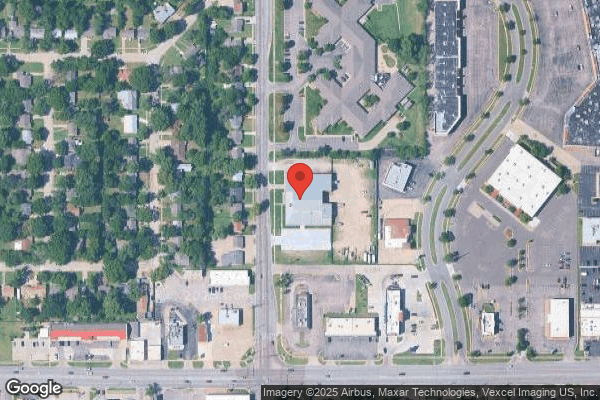
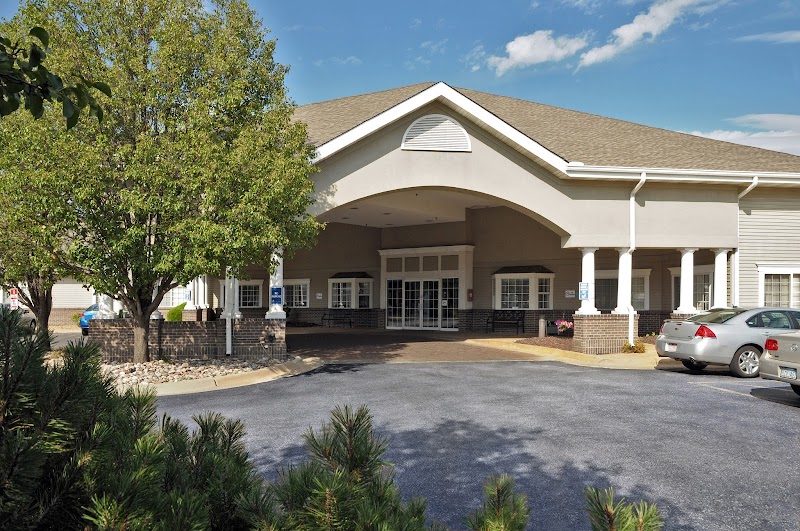
622 N EDGEMOOR STREET, WICHITA, KS 67208 (316) 686-5100
For profit - Corporation 120 Beds LIFE CARE CENTERS OF AMERICA Data: November 2025
Trust Grade
70/100
#76 of 295 in KS
Last Inspection: March 2025

Within standard 12-15 month inspection cycle. Federal law requires annual inspections.

Overview

Life Care Center of Wichita has a Trust Grade of B, indicating it is a good choice for families seeking care, meaning it is solid, though not exceptional. In terms of rankings, it sits at #76 out of 295 facilities in Kansas, placing it in the top half, and #7 out of 29 in Sedgwick County, suggesting only six local options are better. Unfortunately, the facility is trending worse, with issues increasing from 1 in 2024 to 8 in 2025. Staffing is a strength, rated at 4 out of 5 stars, with a turnover rate of 41%, which is below the Kansas average of 48%, indicating staff stability. On a positive note, the facility has incurred no fines, which is encouraging, but it has average RN coverage, which means residents may not receive as much professional nursing oversight as in other facilities. Specific incidents of concern include a resident who suffered a second-degree burn from hot tea due to inadequate assistance during meals, indicating a risk for preventable accidents. Additionally, there were significant failures in infection control practices, such as improper hand hygiene during care, which could lead to the spread of infections among residents. Lastly, the kitchen was found to have poor food safety practices, including staff not adhering to hygiene standards while serving food, which raises concerns about foodborne illnesses. Overall, while there are some strengths at Life Care Center of Wichita, families should carefully consider these weaknesses when making their decision.

Trust Score
B
70/100
In Kansas
#76/295
Top 25%
Safety Record
Moderate
Needs review
Inspections
Getting Worse
1 → 8 violations
Staff Stability
○ Average
41% turnover. Near Kansas's 48% average. Typical for the industry.
Penalties
✓ Good
No fines on record. Clean compliance history, better than most Kansas facilities.
Skilled Nurses
○ Average
Each resident gets 30 minutes of Registered Nurse (RN) attention daily — about average for Kansas. RNs are the most trained staff who monitor for health changes.
Violations
⚠ Watch
15 deficiencies on record. Higher than average. Multiple issues found across inspections.
★★★★☆
4.0
Overall Rating
★★★★☆
4.0
Staff Levels
★★★★★
5.0
Care Quality
★★★☆☆
3.0
Inspection Score
Stable
2024: 1 issues
2025: 8 issues

The Good

  • 4-Star Staffing Rating · Above-average nurse staffing levels
  • 5-Star Quality Measures · Strong clinical quality outcomes
  • Full Sprinkler Coverage · Fire safety systems throughout facility
  • No fines on record
  • Staff turnover below average (41%)

    7 points below Kansas average of 48%

Facility shows strength in staffing levels, quality measures, fire safety.

The Bad

Staff Turnover: 41%

Near Kansas avg (46%)

Typical for the industry

Chain: LIFE CARE CENTERS OF AMERICA

Part of a multi-facility chain

Ask about local staffing decisions and management

The Ugly 15 deficiencies on record

1 actual harm
Mar 2025 8 deficiencies
CONCERN (D) 📢 Someone Reported This

A family member, employee, or ombudsman was alarmed enough to file a formal complaint

Potential for Harm - no one hurt, but risky conditions existed

Assessment Accuracy (Tag F0641)

Could have caused harm · This affected 1 resident

The facility reported a census of 117 residents with 24 residents selected for review. Based on observation, interview, and record review, the facility failed to accurately complete the Minimum Data S...

Read full inspector narrative →
The facility reported a census of 117 residents with 24 residents selected for review. Based on observation, interview, and record review, the facility failed to accurately complete the Minimum Data Set for three Residents (R), which included R11's pressure injury and R18's use of a foley catheter. Findings included: - Review of the Electronic Health Record (EHR) documented R11 had pertinent diagnoses of dependence on dialysis treatment, end-stage renal disease (ESRD-a terminal disease of the kidneys), diabetes mellitus (DM-when the body cannot use glucose, not enough insulin made or the body cannot respond to the insulin), morbid obesity, unspecified malnutrition, and hypotension (low blood pressure. The 09/27/24 Annual Minimum Data Set (MDS) documented a brief interview for mental status (BIMS) score of 15, indicating intact cognition. R11 did not have a risk for pressure ulcers. The 09/27/24 Pressure Ulcer/Injury Care Area Assessment CAA documented R11 had impaired bed mobility. The 03/02/25 Quarterly MDS documented a brief interview for mental status (BIMS) of 15, indicating intact cognition. The assessment documented R11 as on a parenteral/IV feeding (administration of nutritional products directly into the bloodstream, bypassing the usual process of eating and digestion). The assessment also documented R11 did not have any pressure ulcers. During an interview on 03/20/25 at 09:57 AM, Licensed Nurse (LN) Q stated R11 had a wound on her buttock that was identified as a stage three pressure area. During an interview on 03/20/25 at 09:07 AM, Administrative Nurse H confirmed R11 did not get intravenous (IV-administered directly into the bloodstream via a vein) fluid or nutrition while she was in the facility. Administrative Nurse H stated it was incorrect and she would complete a correction of the MDS. Administrative Nurse H stated there was some confusion about the resident's pressure ulcer. She coded that there was a pressure ulcer, but there was not one at any stage. She stated the pressure ulcer questions were incorrect and would be corrected. Administrative Nurse H reported the facility followed the Resident Assessment Instrument (RAI) for instructions on how to complete the MDS. During an interview on 03/24/25 at 02:49 PM, Administrative Nurse B stated she expected the MDS to be completed correctly. The facility's Certification of Accuracy of the MDS policy dated 09/05/24 documented the MDS assessment must accurately reflect the resident's status. - Review of the Electronic Health Record (EHR) documented R18 had pertinent diagnoses of acute renal failure (sudden onset of severe inability of the kidneys to excrete wastes, concentrate urine and conserve electrolytes that can be treated) and urinary retention (lack of ability to urinate and empty the bladder). The 02/28/25 admission Minimum Data Set (MDS) documented R18 had a brief interview for mental status (BIMS) of 11, indicating moderately impaired cognition. The MDS lacked documentation regarding R18's urinary catheter (insertion of a catheter into the bladder to drain the urine into a collection bag). During an observation on 03/20/25 at 08:27 AM revealed the resident had an indewlling urinary catheter. During an interview on 03/24/25 at 01:11 PM, Administrative Nurse H confirmed R18 did have a foley catheter that she was admitted with. She stated the MDS was incorrect, and she would complete a correction of the MDS. Administrative Nurse H reported the facility followed the Resident Assessment Instrument (RAI) manual for instructions on how to complete the MDS. During an interview on 03/24/25 at 02:49 PM, Administrative Nurse B stated she expected the MDS to be completed correctly. The facility's Certification of Accuracy of the MDS policy dated 09/05/24 documented the MDS assessment must accurately reflect the resident's status.
CONCERN (D) 📢 Someone Reported This

A family member, employee, or ombudsman was alarmed enough to file a formal complaint

Potential for Harm - no one hurt, but risky conditions existed

Comprehensive Care Plan (Tag F0656)

Could have caused harm · This affected 1 resident

The facility had a census of 117 residents, the sample included 24 residents. Based on observation, interview, and record review, the facility failed to develop a comprehensive care plan with interven...

Read full inspector narrative →
The facility had a census of 117 residents, the sample included 24 residents. Based on observation, interview, and record review, the facility failed to develop a comprehensive care plan with interventions to address R47's preferences for bathing on the resident's comprehensive care plan. Findings included: - Review of Resident (R)47's Electronic Health Records (EHR) Physician Orders (POS), dated 02/25/25 documented diagnoses which included hemiplegia (paralysis or complete loss of movement on one side of the body), hemiparesis (muscle weakness on one side of the body) following cerebral infarction (stroke-when blood flow to the brain is blocked causing tissue death in the brain) affecting the non-dominant side, lack of coordination and need for assistance for personal care. The 10/08/24 Minimum Data Set (MDS) documented a brief interview for mental status (BIMS) score of 14 indicating intact cognition. She reported choosing her bath type was very important to her. The resident required partial/moderate assistance of staff with bathing. The resident had no functional limitations in range of motion for upper or lower extremities. The Quarterly MDS dated 01/08/25 documented an improved BIMS score of 15, indicating intact cognition. The Care Plan dated 01/28/25 documented the resident had an activities of daily living (ADL) self-care performance deficit related to her need for one staff assistance in part of bathing activity. The care plan lacked direction to the staff regarding the resident's bathing schedule and/or the resident's preferences. Review of the resident's Electronic Medical Record (EMR) for Tasks revealed the residents bathing preferences included the use of a whirlpool two days a week on Monday and Thursday during the day shift. The staff offered the resident four bathing opportunities during the 30-day period of 02/24/25 through 03/23/25. Review of the resident's bath sheets, and task bathing indicated the resident was offered bathing 2/24/25 thorough 3/24/25 and on 02/27/25 the resident had a shower, on 03/03/25 she refused, on 03/16/25 a shower was given, and on 03/17/25 the resident refused. The documentation lacked indication of any baths offered at any other time during the 30-day period reviewed. On 03/18/25 01:51 PM revealed R47 in her chair, in her room and she stated she did not get the baths like she wanted. The staff gave her showers, but they were not given as scheduled. On 03/20/25 at 09:53 AM, Certified Nurse Aide (CNA) GG confirmed the resident required assistance of staff for all of her ADLs. CNA GG reported the resident should receive at least two baths a week, but she could have a bath as she preferred. The facility had a bath schedule that was based on the resident's preferences. The preferences and schedule should be listed in the resident's care plan to guide the staff on the resident's preferences a well. CNA GG reported the CNAs completed a bath sheet when they offered the resident a shower or when they give a them a bath. The nurse should be notified if resident's refused their baths. Then the nurse would check with a resident to determine if there was a scheduling problem and try to work it out. On 03/24/25 at 02:39 PM, Administrative Nurse E confirmed the above findings. She confirmed the staff did not offer bathing opportunities for the resident in accordance with her preference. Additionally, the resident's preferences were not documented in the care plan to guide the staff in providing cares for the resident. On 03/24/25 at 02:03 PM, Administrative Nurse B confirmed the above findings and stated she would expect the staff to offer bathing opportunities in accordance with the bathing schedule and resident's preferences which should be noted in the resident's care plan. On 03/24/25 at 02:37 PM, Administrative Nurse B confirmed preferences were not on the resident's care plan. The facility policy titled Comprehensive Care Plans and Revisions, dated 09/11/24, documentation included the facility will ensure that the comprehensive care plan is developed to include the resident's requests and preferences. The facility failed to develop a comprehensive care plan to direct the staff in the provision of care and services in accordance with the resident's preferences in accordance with the resident's bathing preferences.
CONCERN (D) 📢 Someone Reported This

A family member, employee, or ombudsman was alarmed enough to file a formal complaint

Potential for Harm - no one hurt, but risky conditions existed

Deficiency F0757 (Tag F0757)

Could have caused harm · This affected 1 resident

**NOTE- TERMS IN BRACKETS HAVE BEEN EDITED TO PROTECT CONFIDENTIALITY** The facility reported a census of 117 residents with 24 residents sampled. Based on observation, interview, and record review re...

Read full inspector narrative →
**NOTE- TERMS IN BRACKETS HAVE BEEN EDITED TO PROTECT CONFIDENTIALITY** The facility reported a census of 117 residents with 24 residents sampled. Based on observation, interview, and record review revealed the facility failed to hold hypotension (low blood pressure) medication for Resident (R)11. Findings included: - Review of Resident (R)11's Electronic Medical Record (EMR) revealed a diagnosis of hypotension (low blood pressure BP). The Annual Minimum Data Set (MDS), dated [DATE], documented the resident had a Brief Interview for Mental Status (BIMS) score of 15, indicating intact cognition. The MDS indicated R11 had a diagnosis of hypotension. The Cognitive Loss/Dementia Care Area Assessment (CAA), dated 09/27/24, did not trigger. The Quarterly MDS, dated 03/02/25, documented the resident had a BIMS score of 15, indicating intact cognition. She had a diagnosis of hypotension. The care plan, revised 04/26/25, lacked staff instruction regarding the use of Midodrine (hypotension medication) medication. Review of the resident's EMR revealed the following physician's order: Midodrine (medication used to treat low blood pressure/hypotension), 5 milligrams (mg), by mouth (po), twice daily (BID), for a diagnosis of hypotension. Staff were to monitor the resident's BP and hold the medication if her systolic blood pressure (SBP-the top number) was greater than 110 millimeters of Mercury (mmHg), BID, ordered 02/28/25. Review of the resident's blood pressures in her EMR, from 02/15/25 through 03/20/25, revealed the following instances where staff administered R18's Midodrine when the resident's SBP was greater than the ordered parameter of 110 mmHg: On 02/12/25, the resident's SBP was 112 mmHg, and staff administered the medication. On 02/21/25, the resident's SBP was 113 mmHg, and staff administered the medication. On 02/26/25, the resident's SBP was 114 mmHg, and staff administered the medication. On 03/06/25, the resident's SBP was 112 mmHg, and staff administered the medication. On 03/20/25, the resident's SBP was 157 mmHg, and staff administered the medication. On 03/22/25, the resident's SBP was 131 mmHg, and staff administered the medication. On 03/24/25 at 02:49 PM, Administrative Nurse B stated it was the expectation for staff to hold medications when the vital signs were outside of the ordered parameters. The facility policy, Administration of Medications, dated 09/16/24, included: Staff will follow the 10 rights of medication administration while administering medications to the residents. The facility failed to ensure staff held the hypotension medication, as ordered, for R18 on multiple occasions.
CONCERN (D) 📢 Someone Reported This

A family member, employee, or ombudsman was alarmed enough to file a formal complaint

Potential for Harm - no one hurt, but risky conditions existed

Menu Adequacy (Tag F0803)

Could have caused harm · This affected 1 resident

The facility reported a census of 117 residents. The facility failed to provide the appropriate vegetarian diet selection sheet for a resident (R)13 who was vegetarian with orders for a vegetarian die...

Read full inspector narrative →
The facility reported a census of 117 residents. The facility failed to provide the appropriate vegetarian diet selection sheet for a resident (R)13 who was vegetarian with orders for a vegetarian diet. Findings included: - Review of R13's diagnoses from the Electronic Health Record (EHR) documented, anemia due to enzyme disorder (occurs when red blood cells break down faster than the body can replace them, often due to inherited enzyme deficiencies like G6PD or pyruvate kinase deficiency), schizophrenia ( a chronic brain disorder that affects how a person thinks, feels, and behaves, often characterized by disruptions in thought processes, perceptions, and emotional responsiveness, leading to hallucinations, delusions, and disorganized thinking). The 10/02/24 Annual Minimum Data Set (MDS) documented a BIMS score of 15, which indicated intact cognition. R13 was independent for eating and had no weight loss indicated on the assessment. The 01/02/25 Quarterly Minimum Data Set (MDS) documented a BIMS score of 15, which indicated intact cognition. R13 was independent for eating and had no weight loss indicated on the assessment. Review of R13's Care Area Assessment (CAA) revealed no concerns to dietary needs. An observation on 03/20/25 revealed R13 received the same dietary selection sheet as the other residents to select her meals for the day. Administrative Nurse E assisted R13 to cross out the non-vegetarian protein options and write in her vegetarian selections. The dietary sheet had only and egg protein option for breakfast and there were not any additional protein selections for the lunch or supper meals. During an interview on 03/18/25 at 11:52 AM, R13 stated she was a vegetarian and the facility had not provided many options for her dietary requirements. R13 reported the facility told her they would provide her protein choices, and they have not done so and R13 stated she has had to spend part of her monthly income to buy groceries. During an interview on 03/19/25 at 11:05 AM, Administrative Nurse E reported R13's diet was on a regular vegetarian dietand stated R13 crossed out menu items on the dietary sheet provided to her. R13 wrote in her vegetarian choices and often did not eat or order breakfast. During an interview on 03/20/25 at 09:25 AM, Dietary Staff I stated some vegetarian options were provided on the daily dietary sheet that the residents filled out. Alternate protein options were available, and the residents were allowed to write their choices. She reported that the same dietary sheet was provided to all of the residents. During a phone interview on 03/20/25 at 10:54 AM, with Dietitian KK she stated it was not appropriate for a vegetarian resident to receive the same dietary meal selection list as the other residents. He reported a vegetarian resident should have received a dietary selection list that was specific to their diet. He further stated that it was not appropriate for a resident to have to spend their own money on groceries to ensure they received necessary protein. Dietitian KK also indicated that there should have been protein options available for a vegetarian at every meal. The facility policy Food and Nutrition Services Manual dated 03/05/24, has nothing documented in it with regards to meeting requirement for alternative ordered diets. The facility failed to follow the ordered alternative menu to ensure proper nutrition for resident 13 that had a vegetarian diet ordered.
CONCERN (E)

Potential for Harm - no one hurt, but risky conditions existed

ADL Care (Tag F0677)

Could have caused harm · This affected multiple residents

The facility reported a census of 117 residents. The 24 sampled residents included four dependent residents reviewed for activities of daily living (ADLs). Based on observation, interview, and record ...

Read full inspector narrative →
The facility reported a census of 117 residents. The 24 sampled residents included four dependent residents reviewed for activities of daily living (ADLs). Based on observation, interview, and record review the facility failed to provide scheduled baths in accordance with the residents scheduled bathing schedule to ensure necessary services to maintain good personal hygiene for Resident (R) 47. Findings included: - Review of Resident (R) 47's Electronic Health Records (EHR) Physician Orders (POS), dated 02/25/25 documented diagnoses which included hemiplegia (paralysis or complete loss of movement on one side of the body), hemiparesis (muscle weakness on one side of the body) following cerebral infarction (stroke-when blood flow to the brain is blocked causing tissue death in the brain) affecting the non-dominant side, lack of coordination and need for assistance for personal care. The 10/08/24 Minimum Data Set (MDS) documented a brief interview for mental status (BIMS) score of 14 indicating intact cognition. She reported choosing her bath type was very important to her. The resident required partial/moderate assistance of staff with bathing. The resident had no functional limitations in range of motion for upper or lower extremities. The Quarterly MDS dated 01/08/25 documented an improved BIMS score of 15, indicating intact cognition. The Care Plan dated 01/28/25 documented the resident had an activities of daily living (ADL) self-care performance deficit related to her need for one staff assistance in part of bathing activity. The care plan lacked direction to the staff regarding the resident's bathing schedule and/or the resident's preferences. Review of the resident's Electronic Medical Record (EMR) for Tasks revealed the residents bathing preferences included the use of a whirlpool two days a week on Monday and Thursday during the day shift. The staff offered the resident four bathing opportunities during the 30-day period of 02/24/25 through 03/23/25. Review of the resident's bath sheets, and task bathing indicated the resident was offered bathing 2/24/25 thorough 3/24/25 and on 02/27/25 the resident had a shower, on 03/03/25 she refused, on 03/16/25 a shower was given, and on 03/17/25 the resident refused. The documentation lacked indication of any baths offered at any other time during the 30-day period reviewed. On 03/18/25 01:51 PM revealed R47 in her chair, in her room and she stated she did not get the baths like she wanted. The staff gave her showers, but they were not given as scheduled. On 03/20/25 at 09:53 AM, Certified Nurse Aide (CNA) GG confirmed the resident required assistance of staff for all of her ADLs. CNA GG reported the resident should receive at least two baths a week, but she could have a bath as she preferred. The facility had a bath schedule that was based on the resident's preferences. The preferences and schedule should be listed in the resident's care plan to guide the staff on the resident's preferences a well. CNA GG reported the CNAs completed a bath sheet when they offered the resident a shower or when they give a them a bath. The nurse should be notified if resident's refused their baths. Then the nurse would check with a resident to determine if there was a scheduling problem and try to work it out. On 03/24/25 at 02:39 PM, Administrative Nurse E confirmed the above findings. She confirmed the staff did not offer bathing opportunities for the resident in accordance with her preference. Additionally, the resident's preferences were not documented in the care plan to guide the staff in providing cares for the resident. On 03/24/25 at 02:03 PM, Administrative Nurse B confirmed the above findings and stated she would expect the staff to offer bathing opportunities in accordance with the bathing schedule and resident's preferences which should be noted in the resident's care plan. On 03/24/25 at 02:37 PM, Administrative Nurse B confirmed preferences were not on the resident's care plan. The facility policy titled Comprehensive Care Plans and Revisions, dated 09/11/24, documentation included the facility will ensure that the comprehensive care plan is developed to include the resident's requests and preferences. The facility failed to develop a comprehensive care plan to direct the staff in the provision of care and services in accordance with the resident's preferences in accordance with the resident's bathing preferences.
CONCERN (E) 📢 Someone Reported This

A family member, employee, or ombudsman was alarmed enough to file a formal complaint

Potential for Harm - no one hurt, but risky conditions existed

Deficiency F0761 (Tag F0761)

Could have caused harm · This affected multiple residents

The facility census totaled 117 residents, eleven medication carts and three medication storage rooms. Based on observation, interview, and record review, the facility failed to ensure the staff had d...

Read full inspector narrative →
The facility census totaled 117 residents, eleven medication carts and three medication storage rooms. Based on observation, interview, and record review, the facility failed to ensure the staff had dated multiple dose vials of injectable medication. This deficient practice placed residents at risk of receiving outdated injectable medication. Findings included: - On 03/20/25 at 01:49 PM, observation in the medication room revealed a multiple dose vial of Purified Protein Derivative (PPD) solution (substance used in a skin test to diagnose tuberculosis [TB] infection) had been opened and was not marked with the opened date. During an interview on 03/20/25 at 01:50 PM, Administrative Nurse G replied that she believed multiple-dose vials are good for 28 days and that some insulin pens could be good for use longer than 28 days. Administrative Nurse G replied that the opened pen or vial should have been dated once it had been opened with the open date; labeled on the pen, box or vial. During an interview on 03/20/25 at 02:30 PM, Administrative Nurse B reported that PPD solutions should have been labeled when it was opened. Administrative Nurse B stated the PPD solution was good for 28 days and it had now been disposed of. Administrative Nurse C provided the undated facility policy Omnicare Medication Storage Guidance. The facility policy guidance indicated that multiple-dose vials for injection are to be dated when opened. It also indicated that the unused portion were to be discarded after 28 days or in accordance with the manufacturer's recommendations. The facility failed to ensure the safe and secure storage of multiple-dose injectable medication when observation onsite revealed staff had failed to date multiple-dose injectable medication once it had been opened.
CONCERN (E) 📢 Someone Reported This

A family member, employee, or ombudsman was alarmed enough to file a formal complaint

Potential for Harm - no one hurt, but risky conditions existed

Food Safety (Tag F0812)

Could have caused harm · This affected multiple residents

The facility reported a census of 117 residents with 24 in the sample. Based on observation, interview, and record review, the facility failed to store, prepare, and serve food to prevent possible foo...

Read full inspector narrative →
The facility reported a census of 117 residents with 24 in the sample. Based on observation, interview, and record review, the facility failed to store, prepare, and serve food to prevent possible food-borne illness among the facility's residents. Findings included: - On 03/18/25 at 07:55 AM, during the initial tour of the central kitchen and refrigerator storage areas, the following areas of concern were identified: One undated opened one-gallon jug of honey mustard dressing, one undated gallon jug of base BBQ sauce, approximately 33 slices of cheese in cellophane wrap undated, a five-pound tub of sour cream is opened and undated. And one pitcher with an orange substance in it that is undated and unlabeled in the walk-in refrigerator. Four unsealed opened and undated bags of food stuff, one bag of Italian zucchini in the freezer. The tour also documented the freezer temperature logs had nothing noted for 03/17/25, the refrigerator temperature log had blanks for 03/15/25, 03/16/25, and 03/17/25. The sanitizer log documents blank from 03/12/25 through 03/17/25. On 03/18/25 at 08:04 AM, an interview with Dietary staff J revealed the facility policy was to reseal and date all opened foods. She confirmed the above as not being properly dated, sealed, and labeled. Dietary staff J stated the logs should be filled out each shift each day and confirmed the open areas were not correct. On 03/19/25 at 04:15 PM, three cutting boards noted with many scratches making an uncleanable surface. On 03/19/25 at 04:15 PM, Certified Dietary Manager (CDM) I confirmed the scratches and reported that she would buy new ones. On 03/20/25 at 12:00 PM, noted that there was an unidentified man on a ladder with a roof tile open by the dishwashing room that was several feet away from the tray line, while staff were starting the tray line for lunch. There was then water noticed leaking from a ceiling tower approximately eight feet away from the meal line prep area. The water intensified the maintenance man came over to that area with an outside vendor, as water was pouring out of the ceiling above the sink area where a microwave and small freezer were plugged in, and tray caddy with six trays set up for meal pass with silverware wrapped in a paper napkin and the dessert cup that was covered on the trays were noted to be sprayed with the water that came out of the ceiling as the dark blue trays had several water spots on them, CDM I unplugged the microwave, moved a large dish storage container, that was covered, towards the dishwasher room and told Dietary staff J to take the one tray caddy that was splashed with the water to the dishwasher room, another dietary staff moved that tray caddy and it sat out of the way and never made it to the dishwasher. Those trays were used on the last trays set up for the meal that the test tray was on. The divided dishes that were set up on a table where the temperature base was placed on were splashed with the water from the ceiling also and they were used to serve the food to the residents. On 03/20/25 at 12:07 PM, Maintenance Staff EE reported that there was a leak noted above that area earlier today and this was the first time the outside worker could get to the facility to fix the leak and reported this was not his call, to do the job during a meal service. On 03/20/25 at 12:30 PM, CDM I reported that maintenance staff did not normally work in the kitchen during the meal prep and pass time. On 03/20/25 at 12:34 PM, Administrative Staff A reported that maintenance should not have been working in the kitchen during mealtimes and reported that the outside vendor shut off the wrong valve and that was what caused the water to leak. The facility's Food Safety Requirements dated 04/26/23 documented that the facility must store, prepare, distribute, and serve food in accordance with professional standards for food service safety. The facility's Food Safety policy dated 04/26/23 documented food would be stored and maintained in a clean, safe, and sanitary manner following federal, state, and local guidelines to minimize contamination and bacterial growth. The facility failed to store, prepare, distribute, and serve food in accordance with professional standards for food service safety to prevent possible food borne illness in the facility's resident population.
CONCERN (F) 📢 Someone Reported This

A family member, employee, or ombudsman was alarmed enough to file a formal complaint

Potential for Harm - no one hurt, but risky conditions existed

Infection Control (Tag F0880)

Could have caused harm · This affected most or all residents

The facility reported a census of 117 residents. The sample included 24 residents. Based on observation, interview, and record review, the facility failed to maintain an effective infection control pr...

Read full inspector narrative →
The facility reported a census of 117 residents. The sample included 24 residents. Based on observation, interview, and record review, the facility failed to maintain an effective infection control program related to improper hand hygiene care by facility staff during incontinent care and catheter (a flexible tube inserted through a narrow opening into a body cavity, particularly the bladder, for removing fluid) care. The facility staff also failed to follow infection control policies for respiratory care and failed to follow proper enhanced barrier precautions (EBP- a set of infection control measures that use gowns and gloves to reduce the spread of multidrug-resistant organisms (MDRO) in nursing homes). This deficient practice had the potential to spread possible infections to the residents in the facility. Findings included: - During an observation on 03/18/25 at 09:33 AM, Resident (R)18 was in her bed. Her wheelchair had an oxygen tank on the back of it with tubing wrapped around it and not in a bag. She had a cough and reported she thinks she may need to go to the hospital. During an observation on 03/18/25 at 02:09 PM, R93's oxygen tubing nasal cannula was hung on the wheelchair and touched the wheel. During an observation 03/19/25 10:35 AM, R72 received incontinent care by Certified Nurse Aide (CNA) T and Certified Medication Aide (CMA) X. CNA T and CMA X failed to complete hand washing prior to applying gloves when donning personal protective equipment (PPE- gowns, face shields and/or eyeglasses/goggles, and gloves). CNA T and CMA X used their gloved hands to close the blinds on the window, opened the closet door, and opened the drawer on the nightstand and neither aide changed gloves and then CMA X provided peri care to R72's perineum (the area between the genitals and the anus) she used one disposable wipe three strokes before disposing the wipe. CMA X did not change the area of the wipe when she washed perineum front to back. With the first stroke CMA X pulled the wipe back and a noted light brown colored spot was on the wipe. CMA X used the same area on the wipe for two more strokes. R72 was assisted onto her left side, CNA T provided care to R72's buttocks, CNA T removed her glove on her right hand applied a new glove then applied barrier cream to R72's buttocks. CMA X removed her gloves and applied new gloves, but the staff did not perform hand hygiene between doffing and donning gloves. During an interview on 03/19/25 at 11:05 AM, CNA T reported that she should have removed both gloves and performed hand hygiene, she also reported she did not realize she had touched surfaces in R72's room with gloves before she performed peri care. During an interview on 03/19/25 at 11:10 AM, CMA X reported that she should have washed her hands each time after she removed her gloves. CMA X reported that she knew to not use a wipe more than one stroke when peri care was provided CMA X reported that she thought the light-colored brown area on the wipe after the first stroke was barrier cream. She reported that R72 did have a smear of soft bowel movement in her brief. During an observation on 03/20/25 at 08:19 AM, R18 was in bed with the call light on. Her bilevel positive airway pressure (BiPAP-medical device which helps with breathing) mask was laying on top of items on the bed side table. Her incentive spirometer was on the overbed table with the mouthpiece laying on the table adjacent to two dried spots of coffee and other items. During an interview on 03/19/25 at 10:41 AM, CNA U stated oxygen tubing should always be placed in a bag when not in use. During an interview on 03/19/25 at 01:29 PM, Licensed Nurse (LN) M stated oxygen tubing and BiPAP masks should always be in a bag when not in use. LN M said the nebulizer should be washed out and laid open on a paper towel when a treatment is completed. During an observation on 03/20/25 at 08:27 AM, CNA F entered the room and put on gloves. LN M and the therapy aide were in the room with gloves on. She put on a gown and handed a gown to LN M. The therapy OT aide went over and got one and put it on. The OT aide lowered the head of the bed, but the legs of the bed would not lower. CNA F wiped the front of R18's peri area with several swipes with the same wipe, then rolled R18 to her side and wiped with a new wipe every wipe on the bottom. Took off her soiled gloves and put on clean gloves without hand hygiene. CNA F applied cream and again removed soiled gloves and applied new gloves without hand hygiene. CNA F placed the catheter drainage bag on the bed beside R18's legs that were raised at least 6 inches above her bladder. CNA F picked up the catheter several times lifting it far above the foot of the bed to adjust the covers off R18's feet. This Nurse reminded her to keep the bag below the bladder. She stated she was worried it would pull on the tubing if she left it down, but she did attach it to the bed below the level of the bladder. CNA F lifted the catheter drainage bag up again over the level of the bladder several more times in the process of dressing R18, also lifted it up and handed it over the other staff member to the other side of the bed at her shoulder height. CNA F and LN M removed their gown to transfer R18 to her wheelchair. CNA F attached the catheter drainage bag to the sling but removed it prior to the transfer. During the transfer with the hoyer lift, CNA F handed the catheter drainage bag to LN M, who then kept the bag below the level of the bladder. Then CNA F went to the bed and remade the bed by spreading out the bed pad and taking off the soiled turn sheet. LN M took the sling out of the room as CNA F got R18 set up for breakfast. During an interview on 03/20/25 at 08:52 AM, LN M stated the Foley catheter drainage bag should be kept below the level of the bladder. Also, hand hygiene should be performed prior to putting on gloves and between glove changes. During an observation on 03/20/25 at 01:25 PM R71 was assisted off unit with other facility staff for activities. Leg bag was not emptied, and pant leg was soiled with urine. During an interview on 03/19/25 at 02:04 PM, CNA DD revealed that R71's catheter had been leaking and that she had fixed it to stop the leak. CNA DD revealed that R71 was able to change her clothes when it is needed. During an interview on 03/19/25 at 01:52 PM, Certified Medication Aide (CMA) R revealed staff are responsible for R71's catheter care and switching it from the night drainage bag to the leg bag for daytime use as well as the emptying of the catheter. During an observation on 03/20/25 at 09:09 AM, LN N prepared R93's medications. During the medications preparation LN N dropped the cap off the Lactulose (a synthetic sugar used to treat constipation) bottle onto the ground. LN N picked the cap back up off the floor with her left hand applied a glove to her right hand and retrieved a sanitation wipe from the cart. LN N wiped the cap off and placed it back onto the bottle. LN N removed the glove off her right hand and finished the medication preparation for the remainder of six more medications. LN N failed perform hand hygiene after she cleansed the cap. During an interview on 03/20/25 at 10:05 AM, LN N reported that there was no hand sanitizer on the medication cart, and she should have washed her hands. She reported that she normally would not wash her hands every time she removed her gloves. During an interview on 03/24/25 at 10:03 AM, Administrative Nurse D expected staff to perform hand hygiene after they pick up an object off the floor before they provide resident care or tasks. During an interview on 03/24/25 at 11:29 AM, Administrative Nurse E stated that it was her expectations for nursing staff to empty R71's leg bag prior to her leaving the unit to attend activities. R71 was reported to be able to notify the nurse on shift if this care had been completed or not when asked. During an interview on 03/24/25 at 02:48 PM, Administrative Nurse B stated that it was her expectations for CNA to be completing catheter care. When the Nurse documents the completion of the task on the medications administration record (MAR) that verified that nurse confirmed the CNAs preformed the catheter care. Administrative Nurse B revealed she expected staff to complete catheter care at least once a shift and more if necessary. During an interview on 03/20/25 at 01:23 PM, Administrative Nurse F stated she expected staff to perform hand hygiene prior to applying gloves and when taking off gloves prior to putting them back on. Administrative Nurse F IC nurse stated that she expected the oxygen tubing and BiPaP mask to be in a bag when not in use. The nebulizers were to be washed out with water and left to air dry on a paper towel. Administrative Nurse F expected staff to follow the EBP guidelines by wearing proper PPE when performing ADL care. They do not have to wear PPE when going in to ask a question, but if they were going to touch the resident or their items in their room. Staff were expected to wear PPE if transferring, toileting, toileting, anything that is body contact, or changing sheets. Administrative Nurse F had not had a chance to spot check staff on catheter care or incontinent care. She expected staff to perform hand hygiene and don gloves to provide incontinent care or catheter care. Perform hand hygiene and don new gloves before touching clean items. She expected staff to only wipe one time with a cloth then throwing it away and getting a new cloth. During an interview on 03/24/25 at 02:48 PM, Administrative Nurse B stated that it was her expectations for CNA to be completing catheter care. When the Nurse documents the completion of the task on the MAR that verified that nurse confirmed the CNAs preformed the catheter care. Administrative Nurse B revealed she expected staff to complete catheter care at least once a shift and more if necessary. During an interview on 03/24/25 at 02:49 PM, Administrative Nurse B stated it was her expectation that staff use good infection control measures including hand hygiene before and between gloving, use proper infection control measures with Foley catheter including using the proper PPE according to the EBP policy, and cleaning the nebulizers and taking them apart to dry on a paper towel. The facility's Enhanced Barrier Precautions policy dated 06/03/24 documented EBP was required during high- contact care activities for residents with wounds, indwelling medical devices including urinary catheters. Examples of high-contact resident care activities requiring gown and gloves include dressing, transferring, changing linens, and device care. The facility lacked a policy of Incontinent Care The facility failed to maintain an effective infection control program related to improper incontinent care, improper hand hygiene after removal of soiled gloves and failed to wear the proper PPE when staff cared for residents on EBP to prevent cross contamination in the facility.
Jan 2024 1 deficiency 1 Harm
SERIOUS (G) 📢 Someone Reported This

A family member, employee, or ombudsman was alarmed enough to file a formal complaint

Actual Harm - a resident was hurt due to facility failures

Accident Prevention (Tag F0689)

A resident was harmed · This affected 1 resident

**NOTE- TERMS IN BRACKETS HAVE BEEN EDITED TO PROTECT CONFIDENTIALITY** The facility identified a census of 108 residents. The sample included three residents reviewed for hot liquid accidents. Based ...

Read full inspector narrative →
**NOTE- TERMS IN BRACKETS HAVE BEEN EDITED TO PROTECT CONFIDENTIALITY** The facility identified a census of 108 residents. The sample included three residents reviewed for hot liquid accidents. Based on observation, record review, and interviews, the facility failed to ensure Resident (R) 1, who required staff assistance with meals, remained free from preventable accidents when she spilled hot tea on herself on 12/12/23. This deficient practice resulted in a second degree burn second degree burn (potentially painful burn which affects the first and second layer of the skin and blisters) to her left thigh. This also placed the resident at risk for increased pain. Findings included: - R1's Electronic Medical Record (EMR) documented diagnoses of lack of coordination, generalized muscle weakness, glaucoma (abnormal condition of elevated pressure within an eye caused by obstruction to the outflow), and cognitive communication deficit. The Significant Change Minimum Data Set (MDS) dated 05/08/23, documented R1 had a Brief Interview for Mental Status (BIMS) score of two, which indicated severe cognitive impairment. R1 required extensive assistance with one staff for bed mobility, eating, and personal hygiene; total dependence with two staff for transfers; and extensive assistance with two staff for toileting. The Quarterly MDS dated 11/17/23, documented R1 had a BIMS score of seven, which indicated severe cognitive impairment. R1 required partial/moderate assistance with eating. The Cognitive Loss/Dementia (progressive mental disorder characterized by failing memory, confusion) Care Area Assessment (CAA) dated 05/08/23, documented R1 had confusion, disorientation, or forgetfulness and a decreased ability to make herself understood. The Nutritional Status CAA dated 05/15/23, documented R1 required assistance with eating, and she had good intake. R1's Care Plan, revised 10/09/23, documented she had an activity of daily living (ADL) self-care performance deficit related to a need for assistance with ADLs, glaucoma, cognitive impairment, and muscle weakness. The care plan documented an intervention, dated 01/18/23, that directed R1 required one staff assistance with eating and setup. R1's Care Plan, revised 01/25/24, documented R1 was at risk for a break in skin integrity related to the need for assistance with bed mobility and repositioning, incontinence (lack of voluntary control over urination or defecation), and history of skin impairment. The care plan documented interventions, dated 12/12/23, that directed occupational therapy to screen R1 for safety with hot liquids and hot tea was to be served to R1 with a lid to reduce the risk of burns. R1's Care Plan did not address hot liquids safety before 12/12/23. The facility's investigation dated 12/12/23 at 12:44 PM documented R1 sat in the dining room at the table and had lunch. She lifted her cup of hot tea, dropped it in her lap, and on the floor. Staff took R1 to her room and assessed her for injury. Staff called R1's provider and left a message. Staff notified R1's daughter in person. R1 was assessed by the wound nurse and had a reddened area that measured 0.9 centimeters (cm) by 0.2 cm. R1 was to have hot beverages covered and her family was to be there for all lunches in her room. An investigation note, dated 12/13/23, documented the root cause analysis of the spill was recent pain in R1's hands and swelling in her right hand. Staff were in the dining room and observed the event. R1's care plan was updated, and staff were to serve R1 hot tea in a cup with a lid. Therapy reported increased edema and pain in hands as causative factor in dropping her cup resulting in a burn on her left thigh. The Assessments tab of R1's EMR revealed the following: A NRSG: Wound Observation Tool on 12/12/23 at 01:56 PM documented first observation of left thigh blister that measured 0.9 by 2 cm with a plan for Skin Prep (a solution that when applied forms a protective waterproof barrier on the skin) every shift. A NRSG: Wound Observation Tool on 12/19/23 at 12:01 PM documented the left thigh blister, that measured 0.8 by 1.3 cm, had popped and an abrasion was noted to the area. Upon request, the facility was unable to provide evidence the facility assessed the resident's ability to safely manage hot liquids prior to the incident on 12/12/23. The Notes tab of R1's EMR revealed the following: A Health Status Note on 12/12/23 at 01:07 PM documented R1 in the dining room having lunch and she picked up her cup of hot tea and spilled it in her lap. She was immediately taken to her room and her skin was assessed for injury. R1 had a reddened intact area noted to her upper left thigh. Her family arrived at 12:44 PM and were notified of the incident. R1's family did not want her eating in the restorative dining room for lunch and wanted her to eat in her room where they would be there daily to assist her. An Event Note on 12/14/23 at 05:52 PM documented R1 was to have lids on all of her drinking cups. R1 continued to take the lids off and was educated. On 01/25/24 at 12:42 PM, R1 sat in her wheelchair in her room with her family present. She lifted her mug with a lid and drank independently. On 01/25/24 at 12:42 PM, R1's representative stated her concern was if the facility handed R1 hot liquids, staff should have made sure she did not spill it. On 01/25/24 at 12:55 PM, Licensed Nurse (LN) G stated R1 was sat at a table in the restorative dining room and went to take a drink of hot tea then spilled it on her lap and on the floor. She stated she took R1 to her room and she had a light pink area from the spill. LN G stated R1's family came in and wanted her to eat in her room with them. She stated R1 fed herself and received hot tea with meals for a long time per her family's request. LN G stated she did not think there was a hot liquid screening. On 01/25/24 at 01:26 PM, Certified Nurse Aide (CNA) M stated staff knew how to care for residents by reviewing the [NAME] (nursing tool that gives a brief overview of the care needs of each resident) and from report. She stated the residents who needed assistance or were at risk of choking, ate in the restorative dining room and there were two CNAs to oversee the residents. CNA M stated R1 fed herself. On 01/25/24 at 01:34 PM, LN H stated staff knew how to care for residents by looking at the care plan and [NAME]. She stated if a resident needed assistance with eating then they ate in the restorative dining room. LN H stated if R1's care plan directed she needed staff assistance with eating then that meant staff cut her food up, helped with her condiments, and completely set up her meal then sat between her and another resident. She stated hot liquids should be served with a lid on it. She was not sure if the facility screened for hot liquid safety. On 01/25/24 at 01:38 PM, Administrative Nurse D stated the [NAME] informed staff how to care for a resident and included ADLs, fall interventions, behaviors, and was individualized for each resident. She stated one assistance with eating varied and could be setup help or actual help with eating. Administrative Nurse D stated the facility did not s specifically assess for hot liquid safety, but staff reported if a resident looked shaky or needed to be looked at for safety with hot liquids. The facility's Area of Focus: Incident and Reportable Event Management policy, last reviewed 12/01/23, directed the facility strived to provide an environment that was free from accident hazards over which the facility had control and provided supervision and assistive devices to each resident to prevent avoidable accidents. The facility failed to ensure R1, who required staff assistance with meals, remained free from preventable accidents when she spilled hot tea on herself on 12/12/23. This deficient practice resulted in a burn to her left thigh. This also placed the resident at risk for increased pain.
Jun 2023 5 deficiencies
CONCERN (D) 📢 Someone Reported This

A family member, employee, or ombudsman was alarmed enough to file a formal complaint

Potential for Harm - no one hurt, but risky conditions existed

Notification of Changes (Tag F0580)

Could have caused harm · This affected 1 resident

**NOTE- TERMS IN BRACKETS HAVE BEEN EDITED TO PROTECT CONFIDENTIALITY** The facility reported a census of 112 residents with 23 residents sampled, including one resident reviewed for notification of c...

Read full inspector narrative →
**NOTE- TERMS IN BRACKETS HAVE BEEN EDITED TO PROTECT CONFIDENTIALITY** The facility reported a census of 112 residents with 23 residents sampled, including one resident reviewed for notification of change. Based on observation, interview and record review, the facility failed to notify the physician of pulses being outside of parameter, as ordered, for one Resident (R)77. Findings included: - Review of Resident (R)77's electronic medical record (EMR) revealed a diagnosis of hypertension (HTN-elevated blood pressure (BP)). The annual Minimum Data Set (MDS), dated [DATE], documented the resident had a Brief Interview for Mental Status (BIMS) score of 10, indicating moderately impaired cognition. He had a diagnosis of HTN. The Cognitive Loss/Dementia Care Area Assessment (CAA), dated 12/01/22, documented the resident was not able to accurately provide answers to questions. The quarterly MDS, dated 03/02/23, documented the resident's BIMS score of 14, indicating intact cognition. He had a diagnosis of HTN. The care plan, revised 03/03/23, instructed staff the resident took medications which included Lisinopril (a medication used to lower BP). Review of the resident's EMR revealed the following physician's orders: Amlodipine 2.5 milligrams (mg), by mouth (po), every day (QD), for HTN, ordered 12/06/22. Staff were to notify the physician if the resident's BP was less than 90/40 or greater than 170/110 or if the resident's pulse was less than 60. Lisinopril 40 mg, po, QD, for HTN, ordered 12/06/22. Staff were to notify the physician if the resident's BP was less than 90/40 or greater than 170/110 or if the resident's pulse was less than 60. Review of the resident's Medication Administration Record (MAR) revealed the resident had a pulse less than 60 on 06/02/23, 06/03/23, 06/06/23, 05/26/23, 05/29/23 and 04/26/23. The facility failed to notify the physician of the pulse less than 60, on those dates, as ordered, in case the physician determined the need for a change in the blood pressure medications. On 06/07/23 at 07:57 AM, Certified Medication Aide (CMA) R stated some residents had physician ordered parameters for medications. If the pulse of BP are outside of parameters, CMA R stated she would notify the nurse immediately. On 06/07/23 at 08:01 AM, Licensed Nurse (LN) G confirmed the staff failed to notify the physician of the pulses being outside of parameter on those dates. On 06/07/23 at 09:16 AM, Administrative Nurse D stated the facility identified an issue with the physician not being notified of pulses being outside of parameters in January and were working on correcting the issue. The facility policy for Physician Orders, revised 03/10/23, included: The facility is obligated to follow and carry out the orders of the prescribe. The facility failed to notify the physician of pulses being outside of parameters for this resident as ordered in case the physician needed to determine a change in the blood pressure medications was necessary.
CONCERN (D) 📢 Someone Reported This

A family member, employee, or ombudsman was alarmed enough to file a formal complaint

Potential for Harm - no one hurt, but risky conditions existed

ADL Care (Tag F0677)

Could have caused harm · This affected 1 resident

**NOTE- TERMS IN BRACKETS HAVE BEEN EDITED TO PROTECT CONFIDENTIALITY** The facility reported a census of 112 residents with 23 residents sampled including two residents reviewed for activities of dai...

Read full inspector narrative →
**NOTE- TERMS IN BRACKETS HAVE BEEN EDITED TO PROTECT CONFIDENTIALITY** The facility reported a census of 112 residents with 23 residents sampled including two residents reviewed for activities of daily living (ADL). Based on observation, interview and record review, the facility failed to provide adequate ADL cares for one dependent Resident (R)20, regarding clean clothing. Findings included: - Review of Resident (R)20's electronic medical record (EMR) revealed a diagnosis of rheumatoid arthritis (chronic inflammatory disease that affected joints and other organ systems). The admission Minimum Data Set (MDS), dated [DATE], documented the resident had a Brief Interview for Mental Status (BIMS) score of 14, indicating intact cognition. He had no rejection of care and required extensive assistance of two staff for dressing. The Activity of Daily Living (ADL) Functional/Rehabilitation Potential Care Area Assessment (CAA), dated 02/22/23, documented the resident required assistance with all ADLs due to weakness. The care plan for ADLs, dated 02/15/23, instructed staff the resident required assistance with dressing. Review of the resident's EMR revealed he required extensive to total assistance of one staff for dressing from 05/08/23 through 06/05/23. On 06/05/23 at 12:09 PM, the resident propelled himself in his wheelchair from his room to the assisted dining room for lunch. The resident wore a clean dark blue shirt. On 06/06/23 at 08:00 AM, the resident sat up at the side of his bed. The resident had on the same dark blue shirt which had dried food substance on the front. On 06/06/23 at 12:27 PM, the resident sat up at bedside eating lunch. The resident continued to wear the same dark blue shirt with dried food substance on the front. On 06/07/23 at 07:53 AM, the resident rested in his bed. He continued to wear the same dark blue shirt with dried food substance on the front. On 06/05/23 at 11:40 AM, the resident stated the staff did not change his clothes every day. He stated he feeds himself and tends to get food on his shirt, but the staff do not change his clothes when they are dirty. The resident stated he would like to have his clothes changed when they are dirty. On 06/06/23 at 11:25 AM, Certified Nurse Aide (CNA) N stated the resident required staff assistance with dressing. The resident eats either in the assisted dining room or his room and was able to feed himself. He does not refuse cares; he was cooperative with staff. On 06/06/23 at 02:22 PM, Certified Medication Aide (CMA) M stated the resident was very kind and had no rejection of cares. He was able to feed himself but required assistance with dressing. Sometimes in the evening he would fall asleep and staff do not always get his clothes changed. On 06/07/23 at 09:51 AM, Licensed Nurse (LN) G confirmed the resident's shirt was dirty. On 06/07/23 at 09:16 AM, Administrative Nurse D stated the resident would refuse cares. The facility policy for Activities of Daily Living (ADLs), reviewed 08/22/22, included: A resident who is unable to carry out activities of daily living receives the necessary services to maintain good personal hygiene. The facility failed to provide adequate assistance in dressing for this dependent resident, who continued for days to wear soiled clothing.
CONCERN (D) 📢 Someone Reported This

A family member, employee, or ombudsman was alarmed enough to file a formal complaint

Potential for Harm - no one hurt, but risky conditions existed

Pressure Ulcer Prevention (Tag F0686)

Could have caused harm · This affected 1 resident

**NOTE- TERMS IN BRACKETS HAVE BEEN EDITED TO PROTECT CONFIDENTIALITY** The facility reported a census of 112 residents with 23 selected for review which included four residents reviewed for pressure ...

Read full inspector narrative →
**NOTE- TERMS IN BRACKETS HAVE BEEN EDITED TO PROTECT CONFIDENTIALITY** The facility reported a census of 112 residents with 23 selected for review which included four residents reviewed for pressure ulcers. Based on observation, interview and record review, the facility failed to ensure pressure ulcer dressing care for one Resident (R)108, of the four residents reviewed for pressure ulcers. Findings included: - Review of Resident (R)108's Physician Record, dated 05/03/23, revealed diagnoses included chronic myeloid leukemia (a type of cancer of the bone marrow and blood), osteomyelitis (infection in the bone) and pressure ulcer (localized injury to the skin and/or underlying tissue usually over a bony prominence, as a result of pressure, or pressure in combination with shear and/or friction) of the sacrum (large triangular bone between the two hip bones). The admission Minimum Data Set (MDS), dated [DATE], assessed the resident with normal cognitive function, required extensive assistance with bed mobility and transfer, with no impairment of the upper or lower extremities. The resident was always incontinent of bowel and had one unstageable pressure ulcer and a surgical incision. The Pressure Ulcer Care Area Assessment (CAA), dated 02/16/23, assessed the resident was dependent on staff for bed mobility, was always incontinent of bowel, and had an actual pressure injury. The Feeding Tube CAA, dated 02/16/23, assessed the resident had a feeding tube due to severe protein calorie malnutrition and the inability to take in enough calories for healing after back surgery. The Quarterly MDS, dated 05/02/23, assessed the resident with normal cognitive function, required extensive assistance of two staff for bed mobility and transfer, was always incontinent of bowel, and had an unstageable pressure ulcer present upon admission. (The resident readmitted to acute care on 02/16/23 through 02/27/23 and again from 04/17/23 through 04/26/23). The Care Plan, reviewed 05/03/23, instructed staff the resident required extensive assistance of two staff for incontinence care and to turn and reposition the resident while in bed. It instructed staff to keep the resident's skin clean and dry. The resident had a low air loss mattress. The resident transferred with staff assistance with a slide board (a board used to slide across from the wheelchair to bed). The Physician's Order, dated 04/26/23, instructed staff to cleanse the sacral pressure ulcer with normal saline and gauze, place Medi honey (a substance that contains honey to decrease inflammation in wounds), pack lightly with calcium alginate (a dressing that absorbs drainage to minimize bacteria in the wound), apply skin prep to the skin surrounding the wound and apply a bordered foam dressing on Monday, Wednesday and Friday and as needed. Observation, on 06/05/23 at 09:15 AM, revealed the resident seated in his wheelchair in his room eating breakfast. Observation, on 06/05/23 at 10:53 AM, revealed Certified Nurse Aide (CNA) O and CNA P transferred the resident from his wheelchair to the bed utilizing the sliding board. Observation, on 06/05/23 at 11:05 AM, revealed Licensed Nurse (LN) H and LN I proceeded to position the resident onto his left side, removed the resident's brief to provide wound care to the resident's sacral pressure ulcer. The resident lacked a dressing to cover the sacral wound and was incontinent of stool. LN H confirmed the resident lacked a dressing to the wound and searched the incontinent brief for the dressing. LN H stated she would expect staff to notify the charge nurse of the resident's need for a dressing to his sacrum before getting him up in his chair and would need to determine what staff got the resident up in his wheelchair this morning. LN H provided incontinence care, washed hands, and donned clean gloves and cleanse the wound with normal saline, and measured the wound as 2.3 by 2.2 centimeters (cm) with a depth of 0.3 cm. The wound contained dark red tissue. LN H stated the original wound worsened after the resident's frequent admissions to acute care and at one time the resident had a wound vac (a device that removes pressure over a wound and removes drainage to aid in healing). Interview, on 06/07/23 at 09:30 AM, with Administrative Nurse D, revealed she would expect staff to notify the charge nurse to apply a dressing to the resident's sacral pressure ulcer if the dressing was soiled or absent. Administrative Nurse D stated she questioned the staff but did not realize the resident had been sitting up in his wheelchair and then later transferred into the bed when staff observed the lack of a dressing to cover the area. The Facility Policy Skin Integrity and Pressure Ulcer/Injury Prevention and Management revised 08/25/21, instructed staff to report to the nurse if staff identified a topical dressing as soiled, saturated, or dislodged. The facility failed to ensure application of a sacral pressure ulcer dressing for this resident with bowel incontinence to prevent infection and promote wound healing.
CONCERN (D) 📢 Someone Reported This

A family member, employee, or ombudsman was alarmed enough to file a formal complaint

Potential for Harm - no one hurt, but risky conditions existed

Deficiency F0694 (Tag F0694)

Could have caused harm · This affected 1 resident

**NOTE- TERMS IN BRACKETS HAVE BEEN EDITED TO PROTECT CONFIDENTIALITY** The facility reported a census of 112 residents with 23 selected for review which included one resident reviewed for intravenous...

Read full inspector narrative →
**NOTE- TERMS IN BRACKETS HAVE BEEN EDITED TO PROTECT CONFIDENTIALITY** The facility reported a census of 112 residents with 23 selected for review which included one resident reviewed for intravenous therapy. Based on observation, interview and record review, the facility failed to ensure timely dressing change for one Resident (R)15 with a peripherally inserted central catheter (PICC- a long thin tube that is inserted into a vein in the arm and ends in a vein near the heart) for intravenous infusion of antibiotics. Findings included: - Review of Resident (R)15's Physician Order Sheet, revealed diagnoses included chronic respiratory and heart failure, blood stream infection due to central line infection and wound infection. The admission Minimum Data Set (MDS), dated [DATE], assessed the resident with normal cognitive function. The Quarterly MDS, dated [DATE], assessed the resident with normal cognitive function. The ADL (Activity of Daily Living) Functional/Rehabilitation Potential Care Area Assessment (CAA), dated 11/23/22, assessed the resident required assistance with ADL due to weakness. The Care Plan, reviewed 05/24/23 instructed staff the resident was at risk for rehospitalization due to chronic kidney failure and resistance to starting dialysis. The resident refused cares and treatments and had poor decision making. Staff instructed to assist the resident to develop more appropriate methods of coping and interacting. The Physician's Order, dated 05/23/23, instructed staff to insert a PICC line for intravenous access, maintain the line per protocol, and to administer Daptomycin intravenous solution reconstituted, 350 milligrams (MG,) intravenously, at bedtime, one time only. The Physician's Order, dated 05/25/23, instructed staff to administer Daptomycin intravenous solution, 350 mg, intravenously, every other day, for wound infection for two weeks. Observation, on 06/05/23 at 10:08 AM, revealed the resident positioned in bed. The resident had a peripherally inserted central catheter (PICC) dressing with loose edges on her left upper arm with a date of 05/23/23 (14 days prior). Interview with the resident at that time revealed she received intravenous antibiotics for MRSA in an abdominal wound. The resident stated an infectious disease physician directed the care for this and she saw this physician on 05/31/23 when the physician directed staff to continue with the antibiotic administration. The resident stated that during that visit, the physician noted the dressing on her left upper arm (dated 05/23/23) and voiced concern to her that staff should change the dressing. The resident stated she informed staff at least twice to change the dressing since that time. Observation, on 06/06/23 at 08:30 AM, revealed the PICC line to the resident's left arm removed and the resident now had a dressing on her right upper arm with a dressing dated 06/05/23. Interview at that time with the resident revealed staff inserted a new line as the one on her left arm came out when staff tried to change the dressing. Interview, on 06/06/23 at 02:15 PM, with Licensed Nurse (LN) J, revealed the registered nurses on night shift change the PICC line dressings. LN J stated she thought the staff replaced the resident's PICC line because the previous line was not in correct position. Interview, on 06/06/23 at 03:30 PM, with LN G, revealed registered nurses on third shift change the PICC line dressing changes. LN G stated the physician originally ordered one dose of daptomycin IV, and then reordered it on 05/25/23 for once a day every other day. LN G confirmed staff did not change the PICC line dressing which was placed on 05/23/23. Interview, on 06/07/23 at 09:15 AM, with Administrative Nurse D revealed she would expect staff to change the PICC line dressing every seven days as ordered by the physician and as per professional standards. Administrative Nurse D confirmed staff did not change the dressing since placement on 05/23/23. The facility policy Peripherally inserted central catheter (PICC) dressing change dated August 19, 2022, instructed staff to change the transparent semipermeable dressing over a peripherally inserted central catheter (PICC) at least every seven days. The facility failed to ensure staff changed this resident's PICC line dressing every seven days as instructed by the physician to prevent infection.
CONCERN (F) 📢 Someone Reported This

A family member, employee, or ombudsman was alarmed enough to file a formal complaint

Potential for Harm - no one hurt, but risky conditions existed

Food Safety (Tag F0812)

Could have caused harm · This affected most or all residents

The facility reported a census of 112 residents. The facility identified one central kitchen with four dining areas. Based on observation, interview, and record review, the facility failed to provide ...

Read full inspector narrative →
The facility reported a census of 112 residents. The facility identified one central kitchen with four dining areas. Based on observation, interview, and record review, the facility failed to provide sanitary food preparation and storage of food to prevent the spread of food borne illness to the residents of the facility. Findings included: - The initial environmental tour of the kitchen, on 06/05/23 at 08:05 AM, with Dietary Staff BB revealed the following items/areas of concern: 1. Dietary Staff DD standing at the warming table while serving resident food lacked a hair net that covered all hair, when approximately 18 inches of hair hung free below a hair net. 2. Observed Dietary Staff DD standing at the warming table serving the residents breakfast, wearing artificial fingernails approximately one inch long and painted. Staff DD failed to wear gloves or utilize utensils to serve the biscuits and breakfast meat to residents. 3. In dry storage: a box of dry hot cereal was open to air and lacked both open and/or expiration dates. 4. In dry storage: a large can of tomatoes contained a dent along the side. 5. The door from the kitchen into the utility hallway held a sign that indicated the door was to always remain closed. However, it was observed held open with a magnetic lock. 6. The walk-in refrigerator held a metal pan of hot dogs, and they were only partially covered with clear plastic wrap, leaving them open to air and undated. 7. The walk-in refrigerator held a large container of an unknown white cheese which was open to air and undated. 8. The walk-in refrigerator held a large transparent container with an unknown red liquid which was open to air, undated and not identified. 9. The walk-in refrigerator held a large transparent container with an unknown brown liquid which was open to air, undated and not identified. 10. The walk-in freezer held a large box of raw hamburger patties, which were observed open to air and undated. 11. The walk-in freezer held a large box of pre-cooked pork fritters, which were observed open to air and undated. 12. On the back prep table, a large mixer with a dried unknown white substance noted on the bowl guard and underside of the motor. 13. A cart next to the warming table contained a stack of divided plates and two stacks of regular plates that were uncovered. The cart observation revealed it contained an unknown debris over it. On 06/06/23 at 10:45 AM, observation revealed two unknown persons walking in the kitchen food areas wearing ball caps and lacked hair nets or coverings. On 06/07/23 at 11:10 AM, observed Dietary Staff DD preparing to serve the residents noon meals. When asked what the temperature of the pizza was, Dietary Staff DD replied, I'm not the cook. When asked how Dietary Staff DD knew the if the pizza was fully cooked, Dietary Staff DD replied, Because it's burned. Observation revealed pizza, chicken pot pie, broccoli, and tater tots all on the warming table lacked any blackened or burned areas. Dietary Staff DD began plating and serving the residents food items and failed to perform any temperature checks before serving the foods to the residents. Per request that Dietary Staff DD obtain the temperature readings of the foods on warming table, Dietary Staff DD failed to locate a food thermometer. Dietary Staff BB obtained the requested food temperature checks. On 06/07/22 at 11:45 AM, Dietary Staff BB and Dietary Staff CC stated that the expectation was for all persons in the kitchen area to be wearing hair nets regardless of other headgear, and all hair must be restrained. Further, Dietary Staff BB and Dietary Staff CC stated that whoever was cooking or serving the food should have easy access to a food thermometer. Additionally, Dietary Staff BB and Dietary Staff CC stated that all foods should be temperature checked prior to being placed on the warming table to ensure appropriate doneness, and again before being served to residents to ensure the foods are safe for consumption. Furthermore, Dietary Staff BB and Dietary Staff CC stated that fingernails were supposed to be natural, short and unpainted. Finally, Dietary Staff BB and Dietary Staff CC stated that all foods in the kitchen should be dated with when they were received, dated when they were opened, and dated when they expired or were otherwise unusable. The facility's policy Associate Conduct and Dress Code, dated 12/21/22, documented that all dietary staff must wear hair restraints that covers all unpinned hair. Further documents fingernails are to be kept short and clean and artificial nails and/or polished nails are not permitted. The facility's policy Food Procurement, dated 12/16/21, documents that food products are inspected upon delivery for safe transport and quality. The facility's policy Food Safety, dated 09/08/22, documents foods are to be placed in a leak-proof sanitary container with a tight-fitting lid and labeled with name of the contents with date and use-by date noted. Further documents that dented cans are to be returned to vendor and stored in a designated area away from other food and will not be used. The facility's policy Food Service/Meal Service, dated 09/08/22, documents that foods are to be prepared with clean tongs, scoops, forks, spoons or other suitable instruments to avoid manual contact with prepared foods. The facility's policy Food Temperature Control, dated 04/25/23, documented that food temperatures are checked at completion of cooking. The facility failed to provide sanitary food preparation and storage of food to prevent the spread of food borne illness to the residents of the facility.
Feb 2022 1 deficiency
CONCERN (E)

Potential for Harm - no one hurt, but risky conditions existed

Food Safety (Tag F0812)

Could have caused harm · This affected multiple residents

The facility had a census of 97 residents. The sample included 22 residents. Based on observation, record review, and interview, the facility failed to store, prepare, and serve food under sanitary co...

Read full inspector narrative →
The facility had a census of 97 residents. The sample included 22 residents. Based on observation, record review, and interview, the facility failed to store, prepare, and serve food under sanitary conditions for 94 residents who resided in the facility and received meals from the facility kitchen. This placed the residents at risk for foodborne illness. Finding included: - On 02/01/22 at 08:26 AM, during initial tour of the facility kitchen, observation revealed: Four 32-ounce (oz.) cartons of Sysco Imperial Thickened Dairy drink with a use by date of 07/08/21. Six 24 oz. packets of Reliance Biscuit Gravy mix with a use by date of 11/23/21. Three 11.3 oz. packets of Imperial Turkey Gravy mix with a use by date of 12/03/21. Eleven four oz. Imperial Nectar Thickened Lemon-Flavored Water with a use by date of 01/25/22. On 02/02/22 at 11:22 AM, observation of the kitchen during the meal preparation and serving revealed Dietary Staff (DS) CC plating food for the midday meal. He washed his hands and placed gloves on and sorted through the resident meal sheets. DS CC retrieved a loaf of white sandwich bread, brought it to the serving table, opened the bag, reached inside and took out two slices of bread. DS CC proceeded to scoop a serving of turkey salad, placed it on the bread then covered the turkey salad with another slice of bread using the soiled gloves. DS CC had not changed gloves after touching the meal sheets, after retrieving bread and reaching in for two slices of bread, and touching the scoop handle in the turkey salad. On 02/02/22 at 11:30 AM, observation revealed DS DD wearing gloves preparing/cutting lettuce and tomatoes for a salad. DS DD touched his arm in a scratching type motion with his left hand to right forearm, then with same gloves, placed lettuce and tomatoes on a plate, without changing gloves. DS DD also observed with gloved hands peeled a banana, placed the banana on the cutting board used to prepare lettuce and tomatoes, then cut banana into bite size pieces. DS DD placed the bite size banana pieces into a bowl without changing gloves between tasks. On 02/02/22 at 12:30 PM, a review of food temperature logs revealed no temperature recorded for cold foods/desserts or drinks served 01/25/22 through 02/02/22. On 02/02/22 at 12:35 PM, observation revealed the front of the steam cooker and temperature control dial and the Vulcon oven doors and handles with built up deposits of yellow to dark brown debride. The weekly cleaning schedule had not been completed from 01/31/22 to 02/02/22. On 02/02/22 at 12:35 PM, a review of the Hydrion QT testing strips used to measure the sanitizer solution concentration with an expiration date of 08/15/19. On 02/07/22 at 08:32 AM, DS BB stated foods and drinks should be removed from dry storage if not used by the use by date, and staff should wash hands and change gloves between tasks or touching contaminated surfaces. DS BB verified different cutting boards should be used between fruits and vegetables. DS BB also verified the lack of cold food temperature readings, cleaning schedule not completed, and the testing sanitation strips had expired 08/15/19. The facility's Food Safety policy, dated 12/17/21, recorded all food purchased, stored and distributed is handled with accepted food-handling practices and per federal, state and local requirements. Dry food storage safety 'Use by Date' is noted on the label or product when applicable. The 'Use by Date' guide is easily accessible to all associates involved with resident food storage. The policy further documented a danger zone of cold food temperature above 41 degrees Fahrenheit (F) which allows the rapid growth of pathogenic microorganisms that can cause foodborne illness outbreak if consumed. Food temperatures are checked at before being placed on the serving line and issues are identified, they are corrected, or the food discarded. The facility's Hand Washing for Food and Nutrition Services Department policy, dated 10/04/19, recorded staff washes hands and exposed portions of arms necessary to remove contamination and after the following: handling soiled utensils or equipment, switching between raw food and working with ready-to-eat food, and during donning gloves for working with foods. Gloves are to be changed between serving task or if soiled. The facility's Safe Food Handling policy, dated 02/02/22, recorded all working surfaces, utensils, and equipment are cleaned and sanitized appropriately after each use and if contaminated. Upon request the facility failed to provide a cleaning schedule and sanitation policy. The facility failed to store, prepare, and serve food under sanitary conditions for 94 residents who received food from the facility kitchen, placing the residents at risk for foodborne illness.
Understanding Severity Codes (click to expand)
Life-Threatening (Immediate Jeopardy)
J - Isolated K - Pattern L - Widespread
Actual Harm
G - Isolated H - Pattern I - Widespread
Potential for Harm
D - Isolated E - Pattern F - Widespread
No Harm (Minor)
A - Isolated B - Pattern C - Widespread

Questions to Ask on Your Visit

  • "Can I speak with families of current residents?"
  • "What's your RN coverage like on weekends and overnight?"

Our Honest Assessment

Strengths
  • • No fines on record. Clean compliance history, better than most Kansas facilities.
  • • 41% turnover. Below Kansas's 48% average. Good staff retention means consistent care.
Concerns
  • • 15 deficiencies on record, including 1 serious (caused harm) violation. Ask about corrective actions taken.
Bottom line: Mixed indicators with Trust Score of 70/100. Visit in person and ask pointed questions.

About This Facility

What is Life Of Wichita's CMS Rating?

CMS assigns LIFE CARE CENTER OF WICHITA an overall rating of 4 out of 5 stars, which is considered above average nationally. Within Kansas, this rating places the facility higher than 99% of the state's 100 nursing homes. This rating reflects solid performance across the metrics CMS uses to evaluate nursing home quality.

How is Life Of Wichita Staffed?

CMS rates LIFE CARE CENTER OF WICHITA's staffing level at 4 out of 5 stars, which is above average compared to other nursing homes. Staff turnover is 41%, compared to the Kansas average of 46%. This relatively stable workforce can support continuity of care.

What Have Inspectors Found at Life Of Wichita?

State health inspectors documented 15 deficiencies at LIFE CARE CENTER OF WICHITA during 2022 to 2025. These included: 1 that caused actual resident harm and 14 with potential for harm. Deficiencies causing actual harm indicate documented cases where residents experienced negative health consequences.
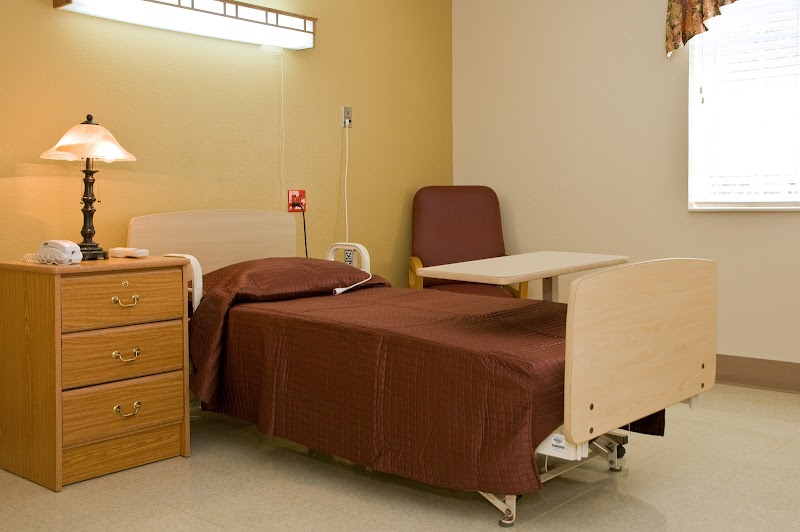
Who Owns and Operates Life Of Wichita?

LIFE CARE CENTER OF WICHITA is owned by a for-profit company. For-profit facilities operate as businesses with obligations to shareholders or private owners. The facility is operated by LIFE CARE CENTERS OF AMERICA, a chain that manages multiple nursing homes. With 120 certified beds and approximately 111 residents (about 92% occupancy), it is a mid-sized facility located in WICHITA, Kansas.
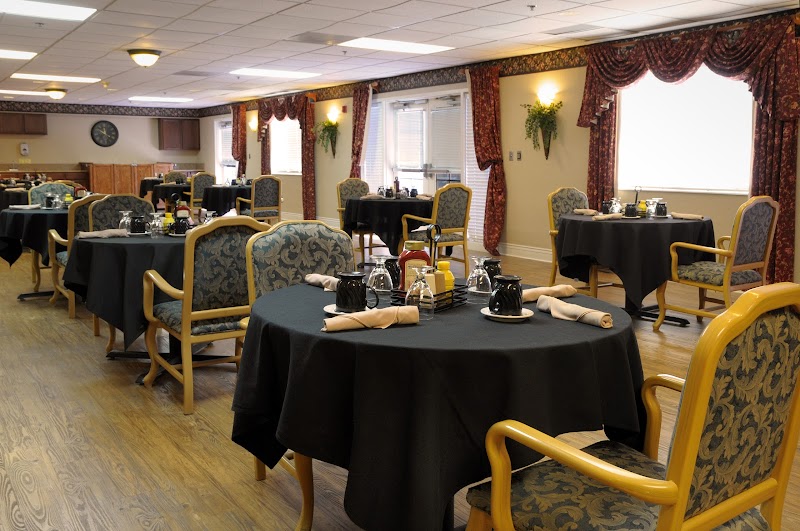
How Does Life Of Wichita Compare to Other Kansas Nursing Homes?

Compared to the 100 nursing homes in Kansas, LIFE CARE CENTER OF WICHITA's overall rating (4 stars) is above the state average of 2.9, staff turnover (41%) is near the state average of 46%, and health inspection rating (3 stars) is at the national benchmark.

What Should Families Ask When Visiting Life Of Wichita?

Based on this facility's data, families visiting should ask: "Can I visit during a mealtime to observe dining assistance and food quality?" "How do you handle medical emergencies, and what is your hospital transfer rate?" "Can I speak with family members of current residents about their experience?"

Is Life Of Wichita Safe?

Based on CMS inspection data, LIFE CARE CENTER OF WICHITA has a clean safety record: no substantiated abuse findings (meaning no confirmed cases of resident harm), no Immediate Jeopardy citations (the most serious violation level indicating risk of serious injury or death), and is not on the Special Focus Facility watch list (a federal program monitoring the lowest-performing 1% of nursing homes). The facility has a 4-star overall rating and ranks #1 of 100 nursing homes in Kansas. While no facility is perfect, families should still ask about staff-to-resident ratios and recent inspection results during their visit.

Do Nurses at Life Of Wichita Stick Around?

LIFE CARE CENTER OF WICHITA has a staff turnover rate of 41%, which is about average for Kansas nursing homes (state average: 46%). Moderate turnover is common in nursing homes, but families should still ask about staff tenure and how the facility maintains care continuity when employees leave.

Was Life Of Wichita Ever Fined?

LIFE CARE CENTER OF WICHITA has no federal fines on record. CMS issues fines when nursing homes fail to meet care standards or don't correct problems found during inspections. The absence of fines suggests the facility has either maintained compliance or corrected any issues before penalties were assessed. This is a positive indicator, though families should still review recent inspection reports for the full picture.

Is Life Of Wichita on Any Federal Watch List?

LIFE CARE CENTER OF WICHITA is not on any federal watch list. The most significant is the Special Focus Facility (SFF) program, which identifies the bottom 1% of nursing homes nationally based on persistent, serious quality problems. Not being on this list means the facility has avoided the pattern of deficiencies that triggers enhanced federal oversight. This is a positive indicator, though families should still review the facility's inspection history directly.