LINCOLN CARE AND REHAB
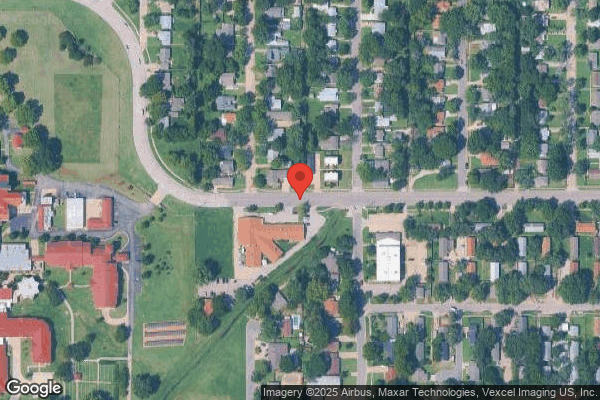

4007 E LINCOLN STREET, WICHITA, KS 67218 (316) 683-7588
For profit - Corporation 45 Beds MISSION HEALTH COMMUNITIES Data: November 2025 2 Immediate Jeopardy citations
Trust Grade
21/100
#201 of 295 in KS
Last Inspection: October 2023

Over 2 years since last inspection. Current conditions may differ from available data.

Overview

Lincoln Care and Rehab in Wichita, Kansas has received an F for its Trust Grade, indicating significant concerns about the quality of care provided. Ranking #201 out of 295 facilities in the state places it in the bottom half, and at #19 of 29 in Sedgwick County, it has few local competitors performing better. The situation appears to be worsening, with issues increasing from 6 in 2023 to 22 in 2025. Staffing is a concern, rated at 1 out of 5 stars, but with a low turnover rate of 0%, indicating that staff members remain, although the quality of care is lacking. The facility has faced $46,923 in fines, which is a worrying sign, and there have been critical incidents, such as a resident choking on improperly served food and another resident not receiving CPR when required, highlighting serious deficiencies in care and emergency response protocols.

Trust Score
F
21/100
In Kansas
#201/295
Bottom 32%
Safety Record
High Risk
Review needed
Inspections
Getting Worse
6 → 22 violations
Staff Stability
○ Average
Turnover data not reported for this facility.
Penalties
✓ Good
$46,923 in fines. Lower than most Kansas facilities. Relatively clean record.
Skilled Nurses
○ Average
RN staffing data not reported for this facility.
Violations
⚠ Watch
43 deficiencies on record. Higher than average. Multiple issues found across inspections.
★★☆☆☆
2.0
Overall Rating
★☆☆☆☆
1.0
Staff Levels
★★★★★
5.0
Care Quality
★☆☆☆☆
1.0
Inspection Score
Stable
2023: 6 issues
2025: 22 issues

The Good

  • 5-Star Quality Measures · Strong clinical quality outcomes
  • Full Sprinkler Coverage · Fire safety systems throughout facility
  • No fines on record

Facility shows strength in quality measures, fire safety.

The Bad

2-Star Overall Rating

Below Kansas average (2.9)

Below average - review inspection findings carefully

Federal Fines: $46,923

Above median ($33,413)

Moderate penalties - review what triggered them

Chain: MISSION HEALTH COMMUNITIES

Part of a multi-facility chain

Ask about local staffing decisions and management

The Ugly 43 deficiencies on record

2 life-threatening
May 2025 19 deficiencies
CONCERN (D) 📢 Someone Reported This

A family member, employee, or ombudsman was alarmed enough to file a formal complaint

Potential for Harm - no one hurt, but risky conditions existed

Deficiency F0578 (Tag F0578)

Could have caused harm · This affected 1 resident

The facility reported a census of 37 residents, with 12 residents sampled for advanced directives (a written document, which indicates the medical decisions for health care professionals when the pers...

Read full inspector narrative →
The facility reported a census of 37 residents, with 12 residents sampled for advanced directives (a written document, which indicates the medical decisions for health care professionals when the person cannot make their own decisions). Based on interview and record review, the facility failed to ensure one resident's advanced directives were thoroughly completed when Resident (R)7 had a do not resuscitate (DNR- or no code, a legal document or order that means the person does not desire resuscitative measures) which was only signed by a physician rendering it invalid. This placed the resident at risk for an impaired right to have advance directives honored. Findings included: - R7 's Electronic Health Record (EHR) revealed diagnoses of dementia (a progressive mental disorder characterized by failing memory, and confusion) depression (excessive sadness), and anxiety. The 09/19/24 Quarterly Minimum Data Set (MDS) documented the resident had a Brief Interview for Mental Status (BIMS) score of five, which indicated severely impaired cognition. R7 required total dependence to complete activities of daily living (ADL) including toileting, footwear, & personal hygiene. The MDS recorded R7 required maximal assistance with bathing, and moderate with assistance dressing, and transfers. The 03/10/25 Significant Change Minimum Data Set (MDS) documented the resident had a BIMS score of four, which indicated severely impaired cognition. R7 required total dependence with ADLs including toileting, footwear, & personal hygiene. The MDS recorded R7 required maximal assistance with bathing, and moderate with assistance dressing, and transfers. The MDS noted R7 received hospice services. The 04/04/25 Cognitive Loss/ Dementia Care Area Assessment (CAA) triggered due to R7 refused care at times with contributing factors of depression. The CAA recorded risk factors included self-care deficits, falls, incontinence, and decreased socialization. The CAA indicated the care plan would be reviewed to maintain ADLs, encourage activity participation, decrease falls, and maintain dietary intake and hydration. R7's Care Plan documented a DNR date revised 10/23/19. R7's Physician Orders documented a DNR order, date ordered 03/18/20. Review of R7's EHR revealed a hospice-based DNR form signed 08/15/19 by the physician. The form lacked a signature from the resident or resident's representative. During an interview on 05/13/25 at 11:16 AM, Social Service Designee (SSD) X confirmed that R7's DNR which was loaded in R7's EHR was incorrect, having only the physician's signature. During an interview on 05/13/25 at 05:01 PM, Administrative Nurse D reported that a resident should have a DNR form signed by the resident or durable power of attorney (DPOA- a legal document that names a person to make healthcare decisions when the resident is no longer able to), and it should be witnessed. Administrative Nurse D verified the DNR should not just contain a physician's signature. The facility did not provide a policy for advance directives.
CONCERN (D) 📢 Someone Reported This

A family member, employee, or ombudsman was alarmed enough to file a formal complaint

Potential for Harm - no one hurt, but risky conditions existed

Deficiency F0605 (Tag F0605)

Could have caused harm · This affected 1 resident

The facility reported a census of 37 residents with 12 residents sampled. Five residents were reviewed for unnecessary medications. Based on observation, interview, and record review, the facility fai...

Read full inspector narrative →
The facility reported a census of 37 residents with 12 residents sampled. Five residents were reviewed for unnecessary medications. Based on observation, interview, and record review, the facility failed to ensure that Resident (R) 7's as-needed (PRN) antianxiety (a class of medications that calm and relax people) medication had a 14-day stop date or a specified duration which included the physician's rationale for extended use. This deficient practice placed the R7 at risk for adverse effects associated with the use of psychotropic (alters mood or thoughts) medications. Findings included: - R7 's Electronic Health Record (EHR) revealed diagnoses of dementia (a progressive mental disorder characterized by failing memory, and confusion) depression (excessive sadness), and anxiety. The 09/19/24 Quarterly Minimum Data Set (MDS) documented the resident had a Brief Interview for Mental Status (BIMS) score of five, which indicated severely impaired cognition. R7 required total dependence to complete activities of daily living (ADL) including toileting, footwear, and personal hygiene. The MDS recorded R7 required maximal assistance with bathing, and moderate with assistance dressing, and transfers. The MDS recorded R7's behavior fluctuated and R7 had disorganized or incoherent (rambling or irrelevant conversation, unclear or illogical flow of ideas, or unpredictable switching from subject to subject) thinking. The MDS noted R7 was easily distracted and had difficulty keeping track of what was said. The MDS recorded R7 received an antipsychotic (a class of medications used to treat major mental conditions that cause a break from reality), an antianxiety, and an antidepressant (a class of medications used to treat mood disorders) medications on a routine basis. The 03/10/25 Significant Change Minimum Data Set (MDS) documented the resident had a BIMS score of four, which indicated severely impaired cognition. R7 required total dependence with ADLs including toileting, footwear, & personal hygiene. The MDS recorded R7 required maximal assistance with bathing, and moderate with assistance dressing, and transfers. The MDS recorded R7 rejected care one to three days during the look-back period. The MDS recorded R7 received an antipsychotic, antianxiety, and antidepressant medication on a routine basis. The 04/05/25 Psychotropic Drug Use Care Area Assessment (CAA) triggered due to R7's use of antidepressant, antianxiety, and antipsychotic medications to help manage psychiatric illness. The CAA noted risk factors included impaired balance, increased falls, and adverse effects of medication. The CAA indicated the care plan would be reviewed to monitor the effectiveness of psychotropic medications and any adverse effects of medication. The 04/04/25 Cognitive Loss/ Dementia Care Area Assessment (CAA) triggered due to R7 refused care at times with contributing factors of depression. The CAA recorded risk factors included self-care deficits, falls, incontinence, and decreased socialization. The CAA indicated the care plan would be reviewed to maintain ADLs, encourage activity participation, decrease falls, and maintain dietary intake and hydration. R7's Care Plan documented interventions on 02/22/17 which directed staff to administer medications as ordered and monitor and document side effects and effectiveness. The plan directed staff to reassure R7 that medications were safe and were not tranquilizers (a drug used to make a person calmer); staff were directed to monitor behavior episodes and attempt to determine the underlying cause. The plan noted an intervention dated 11/01/18 which directed to consult with the pharmacy and physician to consider dosage reduction when clinically appropriate. The plan directed staff to administer antianxiety medications as ordered by physician and monitor and document side effects, dated 09/21/24. R7s Physician's Orders documented an order for Ativan (antianxiety medication) 0.5 milligram (mg), give 0.5mg/0.1 milliliter (ml) topically every 4 hours PRN for anxiety, date ordered 04/07/25. The order lacked a stop date. R7's Physician's Orders documented an order for lorazepam topical cream. Give 1mg/0.1ml, apply topically to the wrist, three times a day for anxiety or restlessness, date ordered 04/07/25. R7's Medication Regimen Review (MRR) dated 04/07/25 documented no irregularities noted. R7's Medication Regimen Review (MRR) dated 05/06/25 identified there was no stop date for the PRN Ativan. R7's Medication Administration Record reviewed from 04/07/25 through 05/15/25, R7 received the PRN Ativan 21 times. R7's EHR lacked evidence of a specified duration which included a physician's rationale for the PRN Ativan . During an interview on 05/13/25 at 08:29 AM, Licensed Nurse (LN) G reported that some PRN medications required a stop date but said they could not recall which medications required a stop date. During an interview on 05/15/25 at 08:15 AM Administrative Nurse D reported that she expected the nurses to obtain a stop date for as needed psychotropic medications when the order was obtained from the physician. Administrative Nurse D reported that R7 had a MRR completed on 05/06/25 and she sent the MRR to the provider, however, she needed to send it back to the provider for clarification of a stop date, which she received 05/15/25. The facility's policy Free from Chemical Restraints, Unnecessary Psychotropic Medications dated 04/2025 documented chemical restraints shall only be used for the safety and well-being of the resident and only after other alternatives have been tried unsuccessfully. The facility's policy Medication Regimen Reviews dated 02/2025 documented a review of residents with as needed psychotropic medications are limited to 14 days and if greater than 14 days the rationale for such listed in EHR.
CONCERN (D) 📢 Someone Reported This

A family member, employee, or ombudsman was alarmed enough to file a formal complaint

Potential for Harm - no one hurt, but risky conditions existed

Deficiency F0628 (Tag F0628)

Could have caused harm · This affected 1 resident

**NOTE- TERMS IN BRACKETS HAVE BEEN EDITED TO PROTECT CONFIDENTIALITY** The facility had a census of 37 residents. The sample included 12 residents with three residents reviewed for hospitalization. B...

Read full inspector narrative →
**NOTE- TERMS IN BRACKETS HAVE BEEN EDITED TO PROTECT CONFIDENTIALITY** The facility had a census of 37 residents. The sample included 12 residents with three residents reviewed for hospitalization. Based on observation, interview, and record review, the facility failed to provide a written bed hold policy and failed to issue written notification as soon as practicable for transfers for Resident (R) 31, R32, and R1. This placed the residents at risk for impaired rights related to returning to the facility. Findings included: - R31's Electronic Health Record (EHR) documented R31 was transferred to the hospital on [DATE]. R31's EHR lacked evidence the facility provided a bed hold notice or written notification of the transfer to R31 and/or her representative. R32's EHR documented R32 was transferred to the hospital on [DATE], 01/22/25, 02/10/25, 02/25/25, and 05/05/25. R32's EHR lacked evidence the facility provided a bed hold notice or written notification of the transfer to R32 and/or his representative. R1's EHR documented R1 was transferred to the hospital on [DATE], 11/18/24, and 12/21/24. R1's EHR lacked evidence the facility provided written notification of the transfer to R1 and/or his representative. During an interview on 05/13/25 at 03:21 PM, Licensed Nurse (LN) G reported when a resident was transferred to the hospital, the nurse would notify Social Service Designee (SSD) X. LN G reported the nurse would have the resident sign a bed hold policy form and send it with the resident. LN G reported this is not done during an emergency staff just send a blank bed hold form and SSD X took care of the residents who did not sign. LN G reported that he would send copies of the information that the hospital would need to take care of the resident, a face sheet, current orders, labs, vital signs, code status, and call a report to the hospital. During an interview on 05/13/25 at 04:24 PM, SSD X reported that if a resident had an emergent transfer, a bed hold would be completed the next business day. He stated he would call or contact by email the resident and/or responsible party and would receive a verbal bed hold. SSD X reported he would send the bed hold to get it signed and requested the form back. SSD X reported that the bed hold form does not get uploaded in the EHR, he kept the forms in a folder. During an interview on 05/13/25 at 04:34 PM, SSD X demonstrated he had a bed hold form that R31 signed on 12/01/24. During an interview on 05/13/25 at 04:38 PM, SSD had a signed bed hold form for 11/01/24 and 11/18/24 from R1's guardian. SSD X reported he could not locate a signed bed hold for the hospital visit on 12/21/24. SSD X reported that the bed hold policy was the only form that was used when a resident was transferred out to the hospital and reported he did not have to write a cost for a bed hold on the form. During an interview on 05/15/25 at 10:47 AM Administrative Nurse D stated she expected the bed holds to be completed the same day or the next business day for all residents that were transferred to the hospital. Administrative Nurse D reviewed the facility's bed hold form and reported that it was the correct form. She said that she expected the nurses to complete the transfer e-interact in the EHR every time a resident was transferred as it contained the required information per the regulations. The facility's policy Bed Hold dated 04/2025 documented the community staff shall inform the residents upon admission and prior to transfer for hospitalization (unless for an emergency) or therapeutic leave of the bed hold policy. The bed hold information will include any charges that the resident may incur as well as the time limit established by Medicaid. Bed hold days in excess of Medicaid are considered non-covered services. A resident would be required to pay for additional days. The facility's Transfer and/ or Discharge, Including Against Medical Advice, Discharge Notification dated 04/2025 documented the community has established transfer and discharge criteria based upon federal requirements.
CONCERN (D) 📢 Someone Reported This

A family member, employee, or ombudsman was alarmed enough to file a formal complaint

Potential for Harm - no one hurt, but risky conditions existed

Assessment Accuracy (Tag F0641)

Could have caused harm · This affected 1 resident

**NOTE- TERMS IN BRACKETS HAVE BEEN EDITED TO PROTECT CONFIDENTIALITY** The facility reported a census of 37. The sample included 12 residents. Based on interviews and record review, the facility fail...

Read full inspector narrative →
**NOTE- TERMS IN BRACKETS HAVE BEEN EDITED TO PROTECT CONFIDENTIALITY** The facility reported a census of 37. The sample included 12 residents. Based on interviews and record review, the facility failed to accurately complete the Minimum Data Set (MDS) for Resident (R)22, R6 and R31. This placed the residents at risk for unidentified care needs and inadequate plan of care. Findings included: - R22's Electronic Medical Record (EMR) recorded a diagnosis dated 02/09/22 of obstructive sleep apnea (a sleep disorder characterized by periods without respirations). The Annual Minimum Data Set (MDS) dated [DATE] revealed a Brief Interview for Mental Status (BIMS) score of 15 indicating intact cognition. Section O of the MDS lacked indication of the use of a continuous positive airway pressure (CPAP- ventilation device that blows a gentle stream of air into the nose to keep the airway open during sleep). The Quarterly MDS dated 03/27/25 under Section O lacked indication of use of the CPAP. The Physician Orders dated 07/15/23 documented R22 was to wear the CPAP at bedtime and during naps R22's Care Plan dated 05/23/24 documented R22 had altered respiratory status related to sleep apnea. The plan noted R22 used a CPAP at bedtime. On 05/13/25 at 02:30 PM Certified Nurse Aide (CNA) T verified R22 used a CPAP machine at night. On 05/14/24 at 04:53 PM Administrative Nurse D stated she expected the MDS to accurately reflect the resident's status The facility did not provide a policy on accurate MDS assessment. - R31's Electronic Health Record (EHR) revealed diagnoses of major depressive disorder (major mood disorder that causes persistent feelings of sadness) and cerebrovascular accident (CVA-stroke- sudden death of brain cells due to lack of oxygen caused by impaired blood flow to the brain by blockage or rupture of an artery to the brain). The 11/01/24 Annual Minimum Data Set (MDS) documented the resident had a Brief Interview for Mental Status (BIMS) score of 15 which indicated intact cognition. R31 was dependent on staff for toileting activities of daily living (ADL). The MDS recorded R31 required maximal assistance with showering, lower body dressing, and transfers. The MDS recorded R31 required set up assistance for oral care. The MDS recorded R31 had adequate vision and wore eyeglasses. The MDS recorded R31 had no issues with her teeth. The 11/22/24 Functional Abilities (Self-Care and Mobility) Care Area Assessment (CAA) documented R31 required staff assistance to complete ADLs. The Dental Care CAA was not triggered. The 03/26/25 Quarterly MDS documented a BIMS of 15. The MDS recorded no changes in ADLs from the previous MDS. The MDS recorded R31 had no issues with her mouth; she had adequate vision and required no device. R31's Care Plan dated 11/30/23 documented R31 had oral and dental health problems related to poor nutrition and a history of drug use. The plan directed staff to coordinate arrangements for dental care including transportation as needed and as ordered. The plan directed staff to provide R31 mouth care assistance. An intervention dated 12/01/23 documented R31 had impaired visual function related to a CVA and a left-sided visual deficit. R31's admission Assessment dated 11/17/23 documented R31 did not have her own teeth and no other documentation was checked on the assessment. R31 was moderately impaired with vision could only see half of visual field no device was checked off that she had any. During an interview/observation on 05/12/25 at 09:01 AM, R31 reported that no staff had asked her about being assessed by a dentist since she admitted on [DATE]. R31 reported she had a lot of bits and pieces of teeth in her mouth. Observation revealed R31 had several broken teeth on both the top and bottom. R31 reported that she requested to have an eye exam. She reported that she could not read without reading glasses and that she had never had eyeglasses at the facility. On 05/14/24 at 04:53 PM Administrative Nurse D stated she expected the MDS to accurately reflect the resident's status. The facility did not provide a policy on accurate MDS assessment. - R6's Electronic Health Record (EHR) revealed diagnoses of schizophrenia (a mental disorder characterized by gross distortion of reality, disturbances of language and communication, and fragmentation of thought) and anxiety. The 02/22/25 Annual Minimum Data Set (MDS) documented the resident had a Brief Interview for Mental Status (BIMS) score of 15, which indicated intact cognition. The MDS recorded R6 had received six of the seven days of insulin injections and received a hypoglycemic (a medication to control blood sugar) and used a non-invasive mechanical ventilator (breathing support delivered without inserting a tube into the windpipe). The 03/27/25 Nutritional Status Care Area Assessment (CAA) triggered due to body mass index (BMI-a calculation used to estimate body fat percentage based on height and weight) of 48. Risk factors included weight instability, impaired fluid balance, abnormal lab values, and impaired skin integrity. The CAA recorded a care plan would be maintained to address dietary and hydration status. The 11/26/24 Quarterly MDS documented a BIMS of 14, which indicated intact cognition. R6 did not receive injections, hypoglycemic medication, or use a non-invasive mechanical ventilator. R6's Care Plan dated 05/13/25 current and resolved lacked any documentation for insulin, or a non-invasive mechanical ventilator. R6's Physician Orders current and discontinued lacked any documentation for insulin, or a non-invasive mechanical ventilator. During an interview/observation on 05/12/25 10:35 AM R6 was in bed and had oxygen on via her nasal cannula. She reported that she had never used anything but oxygen through a nasal cannula to help her breath. R6 also reported that she had never received insulin and was not a diabetic. On 05/14/24 at 04:53 PM Administrative Nurse D stated she expected the MDS to accurately reflect the resident's status. Administrative Nurse D reported that R6 had no diagnosis of diabetes mellitus (DM-when the body cannot use glucose, not enough insulin is made, or the body cannot respond to the insulin) and had never required a non-invasive mechanical ventilator. The facility did not provide a policy on accurate MDS assessment.
CONCERN (D) 📢 Someone Reported This

A family member, employee, or ombudsman was alarmed enough to file a formal complaint

Potential for Harm - no one hurt, but risky conditions existed

Deficiency F0658 (Tag F0658)

Could have caused harm · This affected 1 resident

**NOTE- TERMS IN BRACKETS HAVE BEEN EDITED TO PROTECT CONFIDENTIALITY** The facility reported a census of 37. The sample included 12 residents with five residents reviewed for unnecessary medications....

Read full inspector narrative →
**NOTE- TERMS IN BRACKETS HAVE BEEN EDITED TO PROTECT CONFIDENTIALITY** The facility reported a census of 37. The sample included 12 residents with five residents reviewed for unnecessary medications. Based on observation, interview, and record review the facility failed to provide professional standards of care for Resident (R) 22 when staff failed to contact the physician for blood sugars greater than 400 milligrams (mg) per deciliter (dL) or lower than 60 mg/dL. This placed the resident at risk for impaired care and complications related to high or low blood sugar. Findings include: - R22's Electronic Medical Record (EMR) revealed a diagnosis dated 02/09/22 of type two diabetes mellitus (DM-when the body cannot use glucose, not enough insulin is made, or the body cannot respond to the insulin) The Annual Minimum Data Set (MDS) dated [DATE] recorded a Brief Interview for Mental Status (BIMS) score of 15 indicating intact cognition. The MDS noted R22 received insulin (a medication used to treat high blood glucose)for seven days during the observation period. The Quarterly MDS dated 3/27/25 recorded no changes from the 12/25/24 MDS. R22's Care Plan dated 05/08/23 directed staff to monitor blood sugars as ordered, and give insulin as ordered R22's Physician Orders dated 04/20/25 ordered to notify the physician for blood sugars greater than 400 mg/dL or less than 60 mg/dl. Review of the blood sugars on 03/14/25 R22's revealed blood sugar was 418 mg/dl. The nurse's notes lacked evidence staff notified the physician. On 04/20/25 R22 had a blood glucose of 409 mg/dL. The note lacked evidence staff notified the physician. On 05/15/25 at 08:27 AM Licensed Nurse (LN) I stated the standard of practice was to document and notify the physician if the blood sugar was above 400 mg/dl. On 05/15/25 at 08:32 AM LN J said the protocol was to contact the physician for blood sugars above 400 mg/dl. On 05/15/25 at 08:20 AM Administrative Nurse D stated she expected the nurses to contact the physician for blood sugars above 400 mg/dl as per the orders. The facility policy Guidelines for Notifying Physicians of Clinical Problems guidelines are to help ensure that 1) medical care problems are communicated to the medical staff in a timely, efficient, and effective manner and 2) all significant changes in resident status are assessed and documented in the medical record.
CONCERN (D) 📢 Someone Reported This

A family member, employee, or ombudsman was alarmed enough to file a formal complaint

Potential for Harm - no one hurt, but risky conditions existed

ADL Care (Tag F0677)

Could have caused harm · This affected 1 resident

The facility reported a census of 37 residents. The sample included 12 residents with one dependent resident reviewed for activities of daily living (ADLs). Based on observation, interviews, and recor...

Read full inspector narrative →
The facility reported a census of 37 residents. The sample included 12 residents with one dependent resident reviewed for activities of daily living (ADLs). Based on observation, interviews, and record review the facility failed to provide ADL care including grooming of facial hair in accordance with the resident's preferences for Resident (R) 2. This placed the resident at risk for impaired dignity and poor hygiene. Findings included: - R2's Electronic Health Record (EHR) revealed diagnoses of blindness of the right and left eye, paranoid schizophrenia (a mental disorder characterized by gross distortion of reality, disturbances of language and communication, and fragmentation of thought), and a need for assistance with personal care. The 06/20/24 Annual Minimum Data Set (MDS) documented a Brief Interview for Mental Status (BIMS) score of 12, which indicated moderately impaired cognition. The MDS recorded R2 had severely impaired vision and required no devices. The MDS noted R2 required moderate assistance for personal hygiene and maximal assistance for bathing. The 06/24/24 Functional Abilities (Self-Care and Mobility) Care Area Assessment (CAA) triggered for impaired functional and cognitive ability related to history of schizophrenia. The CAA noted R2 was blind and required assistance with ADLs, eating, set-up and clean-up assistance for meals, oral hygiene, personal cares, and bathing. The 02/26/25 Quarterly MDS documented a BIMS of 15, which indicated intact cognition. The MDS documented R2 required moderate assist with personal hygiene. R2's Care Plan revised on 01/12/23 directed staff to provide cueing and set up assistance with personal hygiene and oral care. R2's Personal Hygiene Task was not documented on the EHR. During an interview and observation on 05/12/25 at 11:30 AM R2 reported she required help getting around the facility at times as she had been blind since birth. Observation revealed R2 had prominent beard stubble on her chin with irregular borders. R2 reported that staff would need to take the facial hair off when they got a chance. Further observation revealed both R2's eyes had yellow crusty drainage; R2 reported staff clean her face when she gets a shower. During an observation on 05/13/25 at 10:11 AM, R2 had the same facial hair on her chin. During an observation on 05/14/25 at 07:59 AM R2 sat in the lounge. Further observation revealed R2's facial hair had been removed. R2 reported that her face felt better, and she smiled. During an interview on 05/14/25 at 01:24 PM, Certified Nurse Aide (CNA) KK reported that facial hair should be removed on residents' shower days or when they request it. CNA KK reported that R2 would generally not ask for her facial hair to be removed but if staff asked her if they could remove the facial hair, R2 would allow the staff. CNA KK reported some staff will shave residents and other would not. During an interview on 05/14/25 at 03:51 PM Licensed Nurse (LN) H reported that residents should be offered to have their facial hair removed on shower days and as needed or requested. He reported that R2 was blind and would not be able to see in order to remove her own facial hair. During an interview on 05/15/25 at 01:15 PM, Administrative Nurse D reported she expected staff to remove facial hair on residents during shower day, as needed, or when requested for any resident. Administrative Nurse D stated if the resident had a preference, it should be on the care plan. The facility did not provide a policy on ADL assistance for a dependent resident.
CONCERN (D) 📢 Someone Reported This

A family member, employee, or ombudsman was alarmed enough to file a formal complaint

Potential for Harm - no one hurt, but risky conditions existed

Deficiency F0685 (Tag F0685)

Could have caused harm · This affected 1 resident

The facility reported a census of 37 residents. The sample included 12 residents with one reviewed for visual services. Based on interview and record review, the facility failed to provide visual serv...

Read full inspector narrative →
The facility reported a census of 37 residents. The sample included 12 residents with one reviewed for visual services. Based on interview and record review, the facility failed to provide visual services or facilitate access to visual services for Resident (R) 31 who had impaired visual function. This placed the resident at risk for further deterioration of vision. Findings included: - R31's Electronic Health Record (EHR) revealed diagnoses of major depressive disorder (major mood disorder that causes persistent feelings of sadness) and cerebrovascular accident (CVA-stroke- sudden death of brain cells due to lack of oxygen caused by impaired blood flow to the brain by blockage or rupture of an artery to the brain). The 11/01/24 Annual Minimum Data Set (MDS) documented the resident had a Brief Interview for Mental Status (BIMS) score of 15 which indicated intact cognition. R31 was dependent on staff for toileting activities of daily living (ADL). The MDS recorded R31 required maximal assistance with showering, lower body dressing, and transfers. The MDS recorded R31 required set-up assistance for oral care. The MDS recorded R31 had adequate vision and wore eyeglasses. The MDS recorded R31 had no issues with her teeth. The 11/22/24 Functional Abilities (Self-Care and Mobility) Care Area Assessment (CAA) documented R31 required staff assistance to complete ADLs. The Visual Function CAA was not triggered. The 03/26/25 Quarterly MDS documented a BIMS of 15. The MDS recorded no changes in ADLs from the previous MDS. The MDS recorded R31 had no issues with her mouth; she had adequate vision and required no device. R31's Care Plan dated 11/30/23 documented R31 had oral and dental health problems related to poor nutrition and a history of drug use. The plan directed staff to coordinate arrangements for dental care including transportation as needed and as ordered. The plan directed staff to provide R31 mouth care assistance. An intervention dated 12/01/23 documented R31 had impaired visual function related to a CVA and a left-sided visual deficit. R31's admission Assessment dated 11/17/23 documented R31 did not have her own teeth and no other documentation was checked on the assessment. R31s Physician's Orders documented an order may be seen by specialists as needed including an eye doctor of choice care as needed, date ordered 11/17/2023. R31's EHR lacked evidence the facility had offered or facilitated visual services for R31 and lacked evidence R31 had declined visual services. During an interview/observation on 05/12/25 at 09:01 AM, R31 reported that she requested to have an eye exam. She reported that she could not read without reading glasses and that she had never had eyeglasses at the facility. During an interview on 05/13/25 at 03:21 PM, Licensed Nurse (LN) G reported when a resident requested to see an eye doctor or a dentist, and it was not an emergency, the nurse wrote a progress note in the EHR or informed Social Services Designee (SSD) X verbally. During an interview on 05/13/25 at 03:23 PM, Certified Nurse Aide (CNA) KK, a transportation aid, reported she had not taken R31 to any appointments for dental or vision care. During an interview on 05/13/25 at 03:27 PM, SSD X reported when a resident requested to have a dental or eye appointment the facility would receive a consent form sent from the outside provider that comes into the facility to complete appointments. SSD X said residents had to sign a consent or declination, and all residents had standing orders. SSD X reported that R31 had declined services. SSD X verified they could not locate a declined consent or a progress note in R31's EHR. During an interview on 05/14/25 04:53 PM, Administrative Nurse D reported she expected all residents should have an eye exam once admitted as a baseline and as required or requested. The facility's policy Ancillary Services: Vision, Hearing, and Foot Care dated 10/2024 documented the residents would be provided the necessary care and services based on their comprehensive care plan. The SSD or Designee would assist with making vision appointments.
CONCERN (D) 📢 Someone Reported This

A family member, employee, or ombudsman was alarmed enough to file a formal complaint

Potential for Harm - no one hurt, but risky conditions existed

Respiratory Care (Tag F0695)

Could have caused harm · This affected 1 resident

**NOTE- TERMS IN BRACKETS HAVE BEEN EDITED TO PROTECT CONFIDENTIALITY** The facility reported a census of 37 residents. There were 12 residents in the sample including two residents reviewed for respi...

Read full inspector narrative →
**NOTE- TERMS IN BRACKETS HAVE BEEN EDITED TO PROTECT CONFIDENTIALITY** The facility reported a census of 37 residents. There were 12 residents in the sample including two residents reviewed for respiratory care. Based on observation, interviews and record review the facility failed to provide sanitary respiratory care and services when staff failed to clean the nebulizer (a device for administering inhaled medication) after each use for Resident (R) 14 and also failed to store the continuous positive airway pressure (CPAP- ventilation device that blows a gentle stream of air into the nose to keep the airway open during sleep) mask in a sanitary manner for R22. This placed the residents at risk for infection and increased respiratory complications. Findings included: - R14's Electronic Medical Record (EMR) dated 08/11/22 revealed a diagnosis of pneumonia (inflammation of the lungs). The Significant Change Minimum Data Set dated 09/28/24 showed a Brief Interview for Mental Status (BIMS) score of 11 indicating moderate impaired cognition. The MDS noted R14 required substantial to maximal assistance with activities of daily living (ADL). The Quarterly MDS dated 05/01/25 noted R14 had BIMS score of 12 which indicated moderately impaired cognition. R14's Care Plan indicated R14 is at risk for delirium related to manic episodes monitor/record and report to medical physician any new onset or signs of delirium. The care plan lacked information regarding the nebulizer is not available on the care plan. R14's Physician Orders dated 04/30/25 ordered ipratropium-albuterol solution (a medication used in a nebulizer to open airways) 0.5 -2.5 milligrams/3 milliliters three times a day. During an observation on 05/12/25 at 12:05 PM R14's nebulizer was attached to the tubing on the bedside table with clear liquid in the bottom of the chamber. During a observation on 05/13/25 at 10:17 AM R14's nebulizer was still attached to the tubing the device and had not been separated and rinsed after treatment. On 05/13/25 at 02:25 PM Certified Nurses Aide (CNA) T verified R14 had nebulizer treatments and staff were to rinse the nebulizer out after each treatment. On 05/13/25 at 02:50 PM Administrative Nurse D stated she expected the nurses to makes sure the nebulizer was cleaned and stored after each use. The facilities policy on Administering Medication through a Small Volume (Handheld) Nebulizer) dated 10/24 rinse and disinfect the nebulizer equipment according to facility protocol of wash pieces with warm soapy water, rinse with hot water, place all pieces in a bowl and cover with isopropyl alcohol soak for five minutes. Wash and dry hands when equipment is completely dry store in a plastic bag with resident's name and date on it. Change the equipment and tubing every seven days. - R22's Electronic Medical Record (EMR) recorded a diagnosis dated 02/09/22 of obstructive sleep apnea (a sleep disorder characterized by periods without respirations). The Annual Minimum Data Set (MDS) dated [DATE] revealed a Brief Interview for Mental Status (BIMS) score of 15 indicating intact cognition. Section O of the MDS lacked indication of the use of a CPAP. R22's Care Plan dated 05/08/23 documented R22 had altered respiratory status related to sleep apnea and used a CPAP at bedtime and during naps. During observations on 05/13/25 at 10:15 AM R22's CPAP mask was still latched to the hose and sitting on the bedside table, open to air. During observation on 05/14/25 at 09:38 AM R22's CPAP mask was attached to the tubing and hung off the bedside table open to air. On 05/13/25 at 03:30 PM Administrative Nurse D stated she expected the staff to make sure they cleaned and placed the CPAP mask in a storage bag after each use. The facility's policy CPAP/BIPAP Support dated 05/2024 did not address the procedure for cleaning and storage of the CPAP mask when not in use.
CONCERN (D) 📢 Someone Reported This

A family member, employee, or ombudsman was alarmed enough to file a formal complaint

Potential for Harm - no one hurt, but risky conditions existed

Deficiency F0744 (Tag F0744)

Could have caused harm · This affected 1 resident

**NOTE- TERMS IN BRACKETS HAVE BEEN EDITED TO PROTECT CONFIDENTIALITY** The facility reported a census of 37 residents. The sample included 12 residents sampled with one resident reviewed for dementia...

Read full inspector narrative →
**NOTE- TERMS IN BRACKETS HAVE BEEN EDITED TO PROTECT CONFIDENTIALITY** The facility reported a census of 37 residents. The sample included 12 residents sampled with one resident reviewed for dementia (progressive mental disorder characterized by failing memory, and confusion) care services. Based on observation, record review, and interviews, the facility failed to provide nonpharmacological dementia care and services to promote Resident (R) 7's highest practicable level of function and well-being. This placed the resident at risk for decreased quality of life. Findings included: - R7 's Electronic Health Record (EHR) revealed diagnoses of dementia (progressive mental disorder characterized by failing memory, and confusion) depression (excessive sadness), and anxiety. The 09/19/24 Quarterly Minimum Data Set (MDS) documented the resident had a Brief Interview for Mental Status (BIMS) score of five, which indicated severely impaired cognition. R7 required total dependence to complete activities of daily living (ADL) including toileting, footwear, & personal hygiene. The MDS recorded R7 required maximal assistance with bathing, and moderate with assistance dressing, and transfers. The MDS recorded R7's behavior fluctuated and R7 had disorganized or incoherent (rambling or irrelevant conversation, unclear or illogical flow of ideas, or unpredictable switching from subject to subject) thinking. The MDS noted R7 was easily distracted and had difficulty keeping track of what was said. The MDS recorded R7 received an antipsychotic (a class of medications used to treat major mental conditions that cause a break from reality), an antianxiety, and antidepressant (class of medications used to treat mood disorders) medications on a routine basis. The 03/10/25 Significant Change Minimum Data Set (MDS) documented the resident had a BIMS score of four, which indicated severely impaired cognition. R7 required total dependence with ADLs including toileting, footwear, & personal hygiene. The MDS recorded R7 required maximal assistance with bathing, and moderate with assistance dressing, and transfers. The MDS recorded R7 rejected care one to three days of during the look-back period. The MDS recorded R7 received antipsychotic, antianxiety, and antidepressants on a routine basis. The 04/05/25 Psychotropic Drug Use Care Area Assessment (CAA) triggered due to R7's use of antidepressant, antianxiety, and antipsychotic medications to help manage psychiatric illness. The CAA noted risk factors included impaired balance, increased falls, and adverse effects of medication. The CAA indicated the care plan would be reviewed to monitor the effectiveness of psychotropic medications and any adverse effects of medication. The 04/04/25 Cognitive Loss/ Dementia Care Area Assessment (CAA) triggered due to R7 refused care at times with contributing factors of depression. The CAA recorded risk factors included self-care deficits, falls, incontinence, and decreased socialization. The CAA indicated the care plan would be reviewed to maintain ADLs, encourage activity participation, decrease falls, and maintain dietary intake and hydration. R7's Care Plan lacked interventions to address dementia care needs. R7's Physician's Orders documented an order for Seroquel (an antipsychotic) oral tablet 25 milligram (mg), give 25 mg by mouth, three times a day for schizoaffective disorder (a mental disorder characterized by gross distortion of reality, disturbances of language and communication, and fragmentation of thought), date ordered 02/27/25. R7's Physician's Orders documented an order for Sertraline (an antidepressant) 50 mg tablet, give 50 mg by mouth, two times a day for anxiety, date ordered 02/27/25. R7's Physician's Orders documented an order for rivastigmine transdermal patch (a medication used to manage and treat dementia) apply one patch 4.6 mg/24 hour one time a day for R7 refusing oral medications, remove patch and apply a new patch and remove per schedule, date ordered 02/27/25. R7's Physician's Orders documented an order for Haldol (antipsychotic) 50 mg/ milliliter (ml), inject 0.5 ml intramuscularly monthly every 28 days related to schizoaffective disorder, date ordered 03/20/25. R7s Physician's Orders documented an order for Ativan (antianxiety medication) 0.5 milligram (mg), give 0.5mg/0.1 milliliter (ml) topically every 4 hours as needed for anxiety, date ordered 04/07/25. R7's Physician's Orders documented an order for lorazepam topical cream. Give 1mg/0.1ml, apply topically to the wrist, three times a day for anxiety or restlessness, date ordered 04/07/25. R7's April 2025 and May 2025 Medication Administration Record (MAR) revealed staff monitored and recorded occurrences of target behavior symptoms as follows: Ativan: behavior codes: 0. None 1. Verbal aggression: cursing, threatening, yelling 2. Physical aggression: hitting 3. Delusions 4. Paranoia-obsession of negative event/health concerns 5. Sexual aggression 6. Refusal of meds and cares. Record non-pharmacological behavioral interventions. Intervention codes: 0. None 1. Called daughter 2. Talk to in calm voice 3. Provided reassurance 4. Offer drink-likes Mountain Dew as needed for behavior monitoring. R7's April and May 2025 MAR lacked documentation of behavioral occurrences. R7's May 2025 Monitoring Behavior Symptoms in the Tasks in R7's EHR, documented on 05/08/25 at 05:35 AM, R7 had the following behaviors frequent crying, repetitive movement, yelling, screaming, kicking or hitting, pushing, grabbing, pinching, scratching, and spitting. R7's 'Progress Note on 12/31/24 at 06:42 AM documented R7 sometimes had difficulty starting and staying involved in recreational activities as evidenced by a short attention span. The note recorded R7 enjoyed nail spa and activities with food/drink, and she also enjoyed one-on-one visits which let her be more relaxed and vent or just chat about her day/nights. The note documented R7 would get very confused sometimes and was not easily redirected and noted that staff can offer a snack, sit with R7, and hold her hand. R7's 'Progress Note on 01/12/25 at 12:36 PM documented R7 refused to allow Certified Nurse Aides (CNAs) to give personal cares including peri-care. The note recorded the nurse, and two CNAs were able to assist R7 into the shower to clean up bowel movement from R7's buttocks, vaginal area and legs and in the process, R7 pinched staff, scratched staff, and struck out to anyone within reach. Staff notified the on-call provider and received a one time order for lorazepam 0.5mg. Staff pulled the lorazepam from R7's routine card of lorazepam. Staff gave R7 a shower, cleaned her up, and kept her away from peers until her mood was less aggressive. R7's Physician Visit Note on 01/12/25 documented that clinical staff were concerned with increased aggressive behaviors; R7 was combative with staff, kicking and hitting them while they were providing care for her. The note documented the nurse reported this was a common behavior for the resident but more so that day. The note documented R7 also received an Invega (an antipsychotic medicine) injection the previous day for the first time. The noted documented staff were advised to give R7 an additional dose of lorazepam 0.5mg by mouth to help calm her. But the resident refused to take her medication including the additional dose of lorazepam. The note documented R7's family got involved and tried to encourage the resident; staff were advised to try to reapproach the resident at a later time to see if she could be redirected. The note recorded an acute care follow up would be coordinated since staff felt adjusting R7's medications would be helpful in caring for patient. R7's Progress Note on 02/12/25 at 04:31 PM documented R7 threw a cup of water at another resident. R7 was taken away from the resident she threw the water at. The note documented R7 was unable to be understood with things she said and was frequently yelling out and grabbing the staff that walk by; R7 was resistant to care, grabbing staff's arms and clothing. R7's 04/09/25 Physician Progress Note documented general: [AGE] year old female with fall and some increased behaviors this weekend, R7 remained on hospice, and they reached out for med changes discussion with staff and hospice today about underlying schizophrenia and need for continued psych follow up. During an observation on 05/12/25 at 09:20 AM, R7 tried to slap the surveyor during initial interview. During an observation on 05/13/25 at 10:53 AM CNA JJ assisted R7 out of her recliner and into her wheelchair. Administrative Nurse D followed R7 around in her wheelchair for a few moments and R7 wanted to go back into her recliner and called out loudly. Social Service Designee (SSD) X transferred R7 to her recliner. During an observation on 05/14/25 at 01:38 PM, R7 parked her wheelchair in front of the loveseat where R15 was seated. R7 grabbed at R15's walker after she hit it a few times, R7 then stood up in a semi-crouched position and sat on the loveseat next to R15. R15 had a frown on her face and sat on the loveseat for approximately a minute and R15 stood up and moved to a chair away from R7. Activity Director Z walked past R7 and R15 while R7 had a hold of R15's walker. During an observation on 05/14/25 at 01:51 PM Administrative Nurse D assisted R7 from the love seat to her wheelchair and asked Licensed Nurse (LN) H if R7 had received any pain medications lately. During an interview on 05/12/25 at 11:27 AM, R7's representative reported that there was one resident that R7 did not like so staff keep them separated. R7's representative stated they did not know the other resident and said that no recent altercations had been reported to them. During an interview on 05/14/25 at 01:21 PM, CNA KK reported that R7 would self-transfer at times and staff would intervene. CNA KK reported that residents' care plans would have directions to the staff on interventions and approaches to address the resident's needs. During an interview on 05/14/25 at 02:03 PM, CNA O reported that R7 attempted to transfer herself and staff would need to intervene. CNA O reported she noticed earlier that R7 had lifted her hand towards R15 but R15 did not notice it and staff intervened. CNA O stated R7 kept staff busy at times because she liked to move around in her wheelchair and sometimes she liked her baby doll and other times she did not. CNA O reported the staff just needed to redirect R7 a lot. During an interview on 05/14/25 at 02:21 PM, Activity Director Z reported she did not notice R7 holding onto a walker in front of R15. Activity Director Z reported the lounge was a common area and said she did not believe that R15 would have a problem with R7. During an interview on 05/14/25 at 04:53 PM, Administrative Nurse D reported that she and Administrative Nurse E were responsible to update and review the care plans. Administrative Nurse D reported she was shocked that R7 did not have dementia addressed on her care plan. The facility did not provide a policy for dementia care.
CONCERN (D) 📢 Someone Reported This

A family member, employee, or ombudsman was alarmed enough to file a formal complaint

Potential for Harm - no one hurt, but risky conditions existed

Drug Regimen Review (Tag F0756)

Could have caused harm · This affected 1 resident

The facility reported a census of 37 residents, with 12 residents sampled, with five residents reviewed for unnecessary medications. Based on observation, interview, and record review, the facility fa...

Read full inspector narrative →
The facility reported a census of 37 residents, with 12 residents sampled, with five residents reviewed for unnecessary medications. Based on observation, interview, and record review, the facility failed to act upon the pharmacist's monthly medication review (MRR) for Resident (R) 32. The deficient practice had the potential to lead to the residents receiving unnecessary medications. Findings included: - Review of the Electronic Health Record (EHR) for R32 included diagnoses of diabetes mellitus (DM-when the body cannot use glucose, not enough insulin is made, or the body cannot respond to the insulin), end-stage renal disease (ESRD-a terminal disease of the kidneys) and anxiety. The 07/24/24 Significant Change Minimum Data Set (MDS) documented R32 had a Brief Interview for Mental Status (BIMS) score of 15 which indicated intact cognition. R32 required maximal assist from staff for bathing, standing, and wheelchair mobility activities of daily living (ADL). The MDS recorded R32 required moderate assistance with toileting, transfer, and lower body dressing. The MDS recorded no behaviors and R32 required dialysis (a procedure where impurities or wastes are removed from the blood). R32 received no psychotropic medications. The 08/02/24 Functional Abilities (Self-Care and Mobility) Care Area Assessment (CAA) documented R32 triggered for functional abilities due to increased self-care deficit, and cognitive skills for daily decision-making abilities. The 08/02/24 Psychosocial Well-Being CAA documented R32 triggered for psychosocial well-being due to little interest in activities. R32 indicated that occasional loss of interest in activities due to decreased energy, therefore placing him at risk of decreased social involvement and self-isolation. The 03/25/25 Quarterly MDS documented a BIMS score of 15, and he had no depression or behaviors. The MDS recorded R32 received an antidepressant (a class of medications used to treat mood disorders) and an antianxiety (a class of medications that calm and relax people). R32'S Care Plan dated 04/15/25 documented R32 used anti-anxiety medications related to anxiety disorder, staff instructed to provide education to R32 about risks, benefits, and the side effects and/or toxic symptoms of medication. Staff instructed to administer anti-anxiety medications ordered by physician. Monitor and document side effects and effectiveness. Staff instructed to monitor/record occurrence of target behavior symptoms (Specify: pacing, wandering, disrobing, inappropriate response to verbal communication, violence/aggression towards staff/others. etc.) and document per facility protocol. R32's Care Plan dated 05/13/25 lacked any non-pharmacological interventions. R32's Physician Orders documented an order for hemoglobin A1c (HbA1c-blood test used to evaluate the level of glucose control over the past 90 days) laboratory draw one time every six months for diabetes, date ordered 07/14/24. R32's Physician Orders documented an order for citalopram hydrobromide tablet (antidepressant) 20 milligrams (mg), give one tablet by mouth, one time a day for depression date ordered 03/07/25. R32's Physician Orders documented an order for buspirone (antianxiety) HCl Oral tablet 5mg, give two tablets by mouth, two times a day for anxiety, date ordered 04/03/25. R32's Medication Regimen Review (MRR) dated 07/26/24 documented there were irregularities noted, see report. Review of EHR lacked the actual report and response from physician or nurse. R32's Medication Regimen Review dated 09/26/24 documented there were irregularities noted, see report. Review of EHR lacked the actual report and response from physician or nurse. R32's Medication Regimen Review dated 01/08/25, documented the pharmacist requested a HbA1c lab draw next lab day and every six months. R32's Laboratory Results in EHR documented a HbA1c 7.5 dated on 07/26/24 that was obtained at dialysis facility. No other HbA1c was noted in EHR. During an interview on 05/15/25 at 07:43 AM, Administrative Nurse D reported that R32 refused his lab to be drawn at the facility as R32 reported his labs would be drawn at dialysis. Administrative Nurse D reported that unfortunately, dialysis did not draw the HbA1c and the last one obtained was 07/26/24. During an interview on 05/15/25 at 09:05 AM Administrative Nurse D reported that she could not locate the missing MRR for R32. She reported she was not employed at that time and she epcted the MRR to be followed up in a timely manner. The facility's Medication Regimen Reviews dated 02/2025 documented the consultant pharmacist shall review medication regimen per state and federal guidelines. The irregularity reports on a separate written form would include the resident's name, relevant drug, and the irregularity that had been identified. Provide the physician with access to report to review irregularity and document reviewed, if any action had been required, and or rationale for no change based on the reported irregularity.
CONCERN (D) 📢 Someone Reported This

A family member, employee, or ombudsman was alarmed enough to file a formal complaint

Potential for Harm - no one hurt, but risky conditions existed

Dental Services (Tag F0791)

Could have caused harm · This affected 1 resident

**NOTE- TERMS IN BRACKETS HAVE BEEN EDITED TO PROTECT CONFIDENTIALITY** The facility reported a census of 37 residents. The sample included 12 residents with one reviewed for dental services. Based on...

Read full inspector narrative →
**NOTE- TERMS IN BRACKETS HAVE BEEN EDITED TO PROTECT CONFIDENTIALITY** The facility reported a census of 37 residents. The sample included 12 residents with one reviewed for dental services. Based on interview and record review, the facility failed to provide dental services or facilitate access to dental services for Resident (R) 31 who had widespread dental decay. This placed the resident at risk for further deterioration of dentition (of or having to do with teeth) and related complications. Findings included: - R31's Electronic Health Record (EHR) revealed diagnoses of major depressive disorder (major mood disorder that causes persistent feelings of sadness) and cerebrovascular accident (CVA-stroke- sudden death of brain cells due to lack of oxygen caused by impaired blood flow to the brain by blockage or rupture of an artery to the brain). The 11/01/24 Annual Minimum Data Set (MDS) documented the resident had a Brief Interview for Mental Status (BIMS) score of 15 which indicated intact cognition. R31 was dependent on staff for toileting activities of daily living (ADL). The MDS recorded R31 required maximal assistance with showering, lower body dressing, and transfers. The MDS recorded R31 required set up assistance for oral care. The MDS recorded R31 had adequate vision and wore eyeglasses. The MDS recorded R31 had no issues with her teeth. The 11/22/24 Functional Abilities (Self-Care and Mobility) Care Area Assessment (CAA) documented R31 required staff assistance to complete ADLs. The Dental Care CAA was not triggered. The 03/26/25 Quarterly MDS documented a BIMS of 15. The MDS recorded no changes in ADLs from the previous MDS. The MDS recorded R31 had no issues with her mouth; she had adequate vision and required no device. R31's Care Plan dated 11/30/23 documented R31 had oral and dental health problems related to poor nutrition and a history of drug use. The plan directed staff to coordinate arrangements for dental care including transportation as needed and as ordered. The plan directed staff to provide R31 mouth care assistance. R31's Physician's Orders documented an order may be seen by specialists as needed including a dentist of choice care as needed, dated ordered 11/17/2023. R31's admission Assessment dated 11/17/23 documented R31 did not have her own teeth and no other documentation was checked on the assessment. R31's EHR lacked evidence the facility had offered or facilitated dental services for R31 and lacked evidence R31 had declined dental services. During an interview/observation on 05/12/25 at 09:01 AM, R31 reported that no staff had asked her about being assessed by a dentist since she admitted on [DATE]. R31 reported she had a lot of bits and pieces of teeth in her mouth. Observation revealed R31 had several broken teeth on both upper and lower. R31 reported she was able to eat well. During an interview on 05/13/25 at 03:21 PM, Licensed Nurse (LN) G reported when a resident requested to see an eye doctor or a dentist, and it is not an emergency, the nurse wrote a progress note in the EHR or informed Social Services Designee (SSD) X verbally. During an interview on 05/13/25 at 03:23 PM, Certified Nurse Aide (CNA) KK, a transportation aid, reported she had not taken R31 to any appointments for dental or vision cares. During an interview on 05/13/25 at 03:27 PM, SSD X reported when a resident requested to have a dental or eye appointment the facility would receive a consent form sent from the outside provider that comes into the facility to complete appointments. SSD X said residents had to sign a consent or declination, and all residents had standing orders. SSD X reported that R31 had declined services. Though SSD X verified they could not locate a declined consent, or a progress note in R31's EHR. During an interview on 05/14/25 04:53 PM, Administrative Nurse D reported she expected all residents should have a dental exam once admitted as a baseline. The facility's policy 'Routine Dental Care dated 10/2024 documented each resident would receive routine dental care, an initial evaluation of the resident's dental needs and preventative care and treatment.
CONCERN (E) 📢 Someone Reported This

A family member, employee, or ombudsman was alarmed enough to file a formal complaint

Potential for Harm - no one hurt, but risky conditions existed

Deficiency F0553 (Tag F0553)

Could have caused harm · This affected multiple residents

The facility reported a census of 37 residents, with 12 residents sampled. Based on interviews and record review, the facility failed to ensure residents received the opportunity to participate in the...

Read full inspector narrative →
The facility reported a census of 37 residents, with 12 residents sampled. Based on interviews and record review, the facility failed to ensure residents received the opportunity to participate in the care planning process when staff failed to invite Residents (R) 31, R22, R4, R6, R32, and R1 or their responsible party to care plan meetings. The deficient practice placed the residents at risk for impaired resident rights and decreased autonomy. Findings included: - During an interview on 05/12/25 at 09:00 AM, R31 reported she did not know what a care plan meeting was and had never been invited. R31's Electronic Health Record (EHR) revealed the EHR lacked any documentation of a care plan meeting conducted in the past six months. During an interview on 05/12/25 at 09:14 AM, R22 reported he had not received any care plan invites. R22's EHR lacked documentation of a care plan meeting conducted in the past six months. During an interview on 05/12/25 at 10:17 AM, R4 reported she was not invited to care plan meetings. R4's EHR lacked any documentation of a care plan meeting conducted in the past six months. During an interview on 05/12/25 at 10:42 AM, R6 reported she had never been invited to or attended a care plan meeting. R6's EHR lacked any documentation of a care plan meeting conducted in the past six months. During an interview on 05/12/25 at 11:01 AM, R32 reported he has never been to a care plan meeting. R32's EHR lacked any documentation of a care plan meeting conducted in the past six months. During an interview on 05/12/25 at 03:39 PM, R1 reported he had never been invited to a care plan meeting. R1's EHR lacked any documentation of a care plan meeting conducted in the past six months. During an interview on 05/13/25 at 02:32 PM, Social Service Designee (SSD) X reported that he would send an invitation for care plan meetings. SSD X reported unfortunately the facility had no Clinical Reimbursement Coordinator (CRC) employed at the facility since October of 2024, and the CRC would be the person responsible for scheduling care plan meetings. SSD X reported he had not sent out any care plan meeting invitation to residents and or their responsible party since October of 2024. During an interview on 05/13/25 at 02:42 PM, Administrative Nurse D reported she expected the care plan meetings to be held per facility policy. The facility's policy Resident/Family Participation - Assessment Care Plans dated 10/2024 documented that each resident and his/her family members are encouraged to participate in the development of the resident's comprehensive assessment and person-centered care plan. The resident and or his/her representative, are invited to attend and participate in the resident's assessment and care planning conference.
CONCERN (E) 📢 Someone Reported This

A family member, employee, or ombudsman was alarmed enough to file a formal complaint

Potential for Harm - no one hurt, but risky conditions existed

Safe Environment (Tag F0584)

Could have caused harm · This affected multiple residents

**NOTE- TERMS IN BRACKETS HAVE BEEN EDITED TO PROTECT CONFIDENTIALITY** The facility reported a census of 37 residents. The sample included 12 residents. Based on observation, record review, and inter...

Read full inspector narrative →
**NOTE- TERMS IN BRACKETS HAVE BEEN EDITED TO PROTECT CONFIDENTIALITY** The facility reported a census of 37 residents. The sample included 12 residents. Based on observation, record review, and interviews, the facility failed to promote a sanitary, homelike environment. This deficient practice had the potential for decreased psychosocial well-being and impaired safety and comfort for the affected residents. Findings include: - During an observation on the initial tour of the facility at around 07:50 AM, several patches of white plaster spots were observed on several walls and doors of the hallway walls and entrance doors to the residents' rooms. There were several chipped floor tiles noted on the floors in the residents' hallway as well. During an observation on 05/12/25 at 08:51 AM, Resident (R) 5's bathroom floor had some holes in the flooring where the concrete floor could be seen through the holes. R5's grab bar next to the toilet had frayed worn duct tape on the handle. During an observation on 05/12/25 at 03:39 PM, R1's room had a vent cover off the ceiling that was supposed to cover the air conditioning vent; the cover sat on R1's nightstand under a book. Additionally, R1 had three beds in his room. Two of the beds were not made and had a rolled-up air mattress on them. During an interview on 05/13/25 at 09:38 AM, Housekeeping Staff QQ reported that R1's vent cover had been off for about a month now and she had reported that to Maintenance Staff U. Housekeeping Staff QQ reported that the beds were not in R1's room three days ago. During an interview on 05/13/25 at 09:38 AM, R1 reported that Maintenance Staff U had put the beds in his room to store them there a few days ago. During an interview on 05/13/25 at 03:12 PM, Certified Medication Aide (CMA) S reported that Maintenance Staff U placed the beds in R1's room on 05/12/25. CMA S did not realize the vent cover laid on the nightstand stating she was not in R1's room a lot. CMA S reported the staff used to let Maintenance Staff U know of needed repairs by notifying him via an online program on the computer when a repair was needed During an interview/observation tour on 05/15/25 at 11:28 AM, Maintenance Staff U reported that he knew about the bathroom flooring in R5's room and reported that another bathroom floor in room [ROOM NUMBER] had the same concern though no resident was currently admitted to that room. Maintenance Staff U reported that he would start a job and then be told to stop and start a different job, so it was difficult to complete tasks. During an interview observation tour on 05/15/25 at 11:28 AM, Maintenance Staff U observed the beauty shop to have tiles missing off the wall. The baseboard was coming off the wall in the hallway by the beauty shop door. room [ROOM NUMBER] had baseboard missing and door trim for the entrance. room [ROOM NUMBER] the bathroom floor was partially painted white. Maintenance Staff U reported that he needed to wait to hear what flooring was needed for the bathroom. Maintenance Staff U reported that he placed the beds in R1's room as he had no other place to store the beds when rooms [ROOM NUMBERS] were being repaired. During an interview on 05/15/24 at 11:50 AM Administrative Staff A and Consultant Staff HH reported that they were working on a master plan to complete the environmental concerns at the facility. The facility did not provide a policy for homelike environment.
CONCERN (E) 📢 Someone Reported This

A family member, employee, or ombudsman was alarmed enough to file a formal complaint

Potential for Harm - no one hurt, but risky conditions existed

Deficiency F0678 (Tag F0678)

Could have caused harm · This affected multiple residents

**NOTE- TERMS IN BRACKETS HAVE BEEN EDITED TO PROTECT CONFIDENTIALITY** The facility reported a census of 37 residents, with 12 residents sampled. Based on observation, interview, and record review, ...

Read full inspector narrative →
**NOTE- TERMS IN BRACKETS HAVE BEEN EDITED TO PROTECT CONFIDENTIALITY** The facility reported a census of 37 residents, with 12 residents sampled. Based on observation, interview, and record review, the facility failed to develop and implement a system to ensure the presence of at least one staff certified in cardiopulmonary resuscitation (CPR- an emergency lifesaving procedure performed when the heart stops beating) for residents who desired a Full Code status (full resuscitative measures). This deficient practice placed the residents at risk for decreased quality of care and inadequate resuscitative measures. Findings included: - Review of three current staff members' CPR certificates revealed Licensed Nurse (LN) PP had a current certification from an online CPR provider, named on the card, which did not have an instructor-led hands-on skills component. Review of the transportation schedule revealed that Certified Nurse Aide (CNA) AA transported Resident (R) 32, who was a Full Code status to and from his appointments three times a week from [DATE] through [DATE]. During an observation on [DATE] at 09:45 AM, R32 returned from dialysis (a procedure where impurities or wastes are removed from the blood) with CNA AA, the transportation aide. CNA AA propelled R32 into the facility in his wheelchair from the facility van. During an interview on [DATE] at 03:23 PM, CNA AA reported she was currently CPR certified. CNA AA reported she had completed the CPR class at another facility but could not remember the exact date. During an interview on [DATE] at 10:00 AM, CNA AA reported that Administrative Staff AA would locate her CPR card. CNA AA reported that she conducted all the facility's transportation trips. During an interview on [DATE] at 12:10 PM, Administrative Staff A reported that CNA AA's CPR card had expired in [DATE]. During an interview on [DATE] at 03:53 PM, Administrative Staff A reported that he would like to provide a more complete list of staff who are CPR certified the following day. Administrative Staff A reported that most of the staff received CPR training at the facility in [DATE] and said those staff would have current CPR cards, and that information would be available on [DATE]. Administrative Staff A reported he expected at least one facility staff member on each shift would be CPR-certified and believed that the staff schedule did not have the CPR-certified staff for each shift identified on that form. During an interview on [DATE] at 10:30 AM, Administrative Staff A stated he expected staff to have a hands-on skills component when a CPR course was completed. Review of the facility's Cardiopulmonary Resuscitation (CPR) and Basic Life Support (BLS) dated 04/2025 documented staff must maintain current CPR certifications for Healthcare Providers through a CPR provider whose training includes a hands-on session. Staff CPR certified are available 24 hours a day. This is posted in the community.
CONCERN (E) 📢 Someone Reported This

A family member, employee, or ombudsman was alarmed enough to file a formal complaint

Potential for Harm - no one hurt, but risky conditions existed

Infection Control (Tag F0880)

Could have caused harm · This affected multiple residents

The facility reported a census of 37 residents. The sample included 12 residents. Based on observation, interview and record review, the facility failed to maintain an effective infection control prog...

Read full inspector narrative →
The facility reported a census of 37 residents. The sample included 12 residents. Based on observation, interview and record review, the facility failed to maintain an effective infection control program related to the enhanced barrier precaution (EBP-a set of infection control measures that use goggles, gown and gloves to reduce the spread of multidrug-resistant organisms [MDROs] in nursing homes) when providing tube feeding care (a specialized medical flexible tube made of either silicone or plastic to deliver liquid nutrition directly int the stomach) or providing a shower to the resident with the tube feeding. Additionally, staff failed to disinfect the Hoyer lift (full body mechanical lift) after use and failed to utilize adequate hand hygiene. This placed the residents at risk for infections. Findings included: - Observation on 05/12/25 at 12:05 PM revealed Licensed Nurse (LN) K in R14's room reattaching the feeding tube the resident had pulled out. LN K did not utilize a gown during the care provided. Observation on 05/13/25 at 10:43 AM revealed Certified Nurse Aide (CNA) Q and CNA JJ transferred R14 from his bed using a lift into the shower chair, Neither CNA implemented a gown for EBP before providing care. Further observation revealed the staff pushed the Hoyer out into the hall after use but did not disinfect it. Observation on 05/12/25 at 04:44 PM revealed CNA N provided peri-care to R6. CNA N assisted R6 off of the bed pan, removed the resident's wet brief, washed the residents' buttocks, and placed a new brief with the same soiled gloves. CNA N then took the bed pan to the bathroom and emptied into the toilet. CNA N removed her gloves but did not wash her hands before applying new gloves. CNA N then washed the residents front genital area. CNA N removed one glove, picked up the garbage and went to the soiled room then came out and washed her hands. On 05/14/25 at 04:11 PM CNA N reported that she should have washed her hands when she removed her gloves before cleaning the resident's peri-area. On 05/14/25 at 02:50 PM Administrated Nurse D stated she expected that all staff implement the adequate hand hygiene and EBP and said they had received education on EBP. The facility policy Multidrug-Resistant Organisms (MDRO) and Enhanced Barrier Precautions (EBP) dated 04/25 appropriate precautions will be taken when caring for individuals known or suspected to have infection or colonization with multidrug-resistant organisms (MDRO) and require Enhanced Barrier Precautions note the infection means the organism is present and causing illness. Additional guidance recommend by the CC will be reviewed and adopted as it becomes available for the prevention of spread of Muli- resistant organism. Enhanced Barrier Precautions Guidance for Cares refers to practices such as brushing teeth, combing hair and shaving are commonly bundled as part of morning and evening cares.
CONCERN (F) 📢 Someone Reported This

A family member, employee, or ombudsman was alarmed enough to file a formal complaint

Potential for Harm - no one hurt, but risky conditions existed

Deficiency F0729 (Tag F0729)

Could have caused harm · This affected most or all residents

The facility reported a census of 37 residents. Five Certified Nurse Aides (CNA) were reviewed for current certified nurse aide certifications. Based on interview and record review, the facility faile...

Read full inspector narrative →
The facility reported a census of 37 residents. Five Certified Nurse Aides (CNA) were reviewed for current certified nurse aide certifications. Based on interview and record review, the facility failed to ensure one CNA had a current and valid certificate. This placed the residents at risk for decreased quality of care. Findings included: - Review of CNA LL's files revealed CNA LL was hired on 05/16/22. CNA LL's file lacked evidence of a current certified nurse aide certificate. Review of CNA LL on the Nurse Aide Registry on 05/15/25 revealed CNA LL had an inactive CNA status as of 06/07/23. During an interview on 05/15/25 at 12:00 PM, Administrative Staff A reported he expected all the CNA staff to have a current certified nurse aide certificate. The facility did not provide a policy for the renewal of certified nurse aide certificate.
CONCERN (F) 📢 Someone Reported This

A family member, employee, or ombudsman was alarmed enough to file a formal complaint

Potential for Harm - no one hurt, but risky conditions existed

Deficiency F0730 (Tag F0730)

Could have caused harm · This affected most or all residents

The facility reported a census of 37 residents. Five Certified Nurse Aides (CNA) were reviewed for annual performance evaluations. Based on interview and record review, the facility failed to complete...

Read full inspector narrative →
The facility reported a census of 37 residents. Five Certified Nurse Aides (CNA) were reviewed for annual performance evaluations. Based on interview and record review, the facility failed to complete an annual performance review at least once every 12 months for CNA NN and CNA LL. This placed the residents at risk for decreased quality of care. Findings included: - Review of CNA NN's files revealed CNA NN was hired on 05/16/22. CNA NN's file lacked evidence a performance evaluation was done in the last 12 months. Review of CNA LL's files revealed CNA LL was hired on 02/29/20. CNA LL's file lacked evidence a performance evaluation was done in the last 12 months. During an interview on 05/15/25 at 12:00 PM, Administrative Staff A reported he expected all the can staff to have annual performance evaluations completed annually. The facility's Performance Management in the employee handbook dated 09/2024, documented the community believes that performance evaluations are a constructive means of improving the performance of both the employee and the community. An employee assessment is a continuous process which normally culminates the formal performance review.
CONCERN (F) 📢 Someone Reported This

A family member, employee, or ombudsman was alarmed enough to file a formal complaint

Potential for Harm - no one hurt, but risky conditions existed

Food Safety (Tag F0812)

Could have caused harm · This affected most or all residents

The facility reported a census of 37 residents. The facility had one main kitchen where dietary staff prepare all the food. Based on observation, interview and record review the facility failed to sto...

Read full inspector narrative →
The facility reported a census of 37 residents. The facility had one main kitchen where dietary staff prepare all the food. Based on observation, interview and record review the facility failed to store food items in a sanitary manner when staff failed to date food items in the refrigerator and freezer. This placed the residents at risk of food-borne illness. Findings included: - Observation on 05/12/25 at 09:40 AM revealed one bag of beef patties were placed in the freezer without closure of the plastic bag. Further observation revealed two bags of chicken in a store bag sat on the floor in the refrigerator . The freezer floor had food debris visible. There were numerous bags of vegetables and sandwich meat which lacked a date received. In the kitchen there were nine loafs of bread found with expiration date of 02/22/25 and there was mold growing on the bread. Interviewed on 05/14/25 at 12:0 PM, Dietary Manager BB stated they expected the staff to make sure that all raw meat was on the bottom shelf, and that everything was dated with the open date and expiration date and when received. Dietary Manager BB said the staff was supposed to rotate stock first in first out. Dietary Manger Bb stated they had provided education to the staff regarding the process. The policy Food Safety Requirements dated 10/24 food shall be received and stored in a manner that complies with safe food handling practices, uncooked and raw animal products and fish will be stored separately in drip- proof containers below fruits, vegetables and other ready to eat food.
CONCERN (F) 📢 Someone Reported This

A family member, employee, or ombudsman was alarmed enough to file a formal complaint

Potential for Harm - no one hurt, but risky conditions existed

Deficiency F0947 (Tag F0947)

Could have caused harm · This affected most or all residents

The facility reported a census of 37 residents. Five Certified Nurse Aide (CNA) staff, who worked in the facility were reviewed for required in-service training. Based on interview and record review, ...

Read full inspector narrative →
The facility reported a census of 37 residents. Five Certified Nurse Aide (CNA) staff, who worked in the facility were reviewed for required in-service training. Based on interview and record review, the facility failed to develop, implement, and permanently maintain an in-service training program for CNAs with the required topics and no less than 12 hours per year. This placed the residents at risk for decreased quality of care. Findings included: - On 05/15/25 at 08:30 AM, review of training records for five CNAs revealed that CNA P, who was hired on 12/30/24 lacked dementia (progressive mental disorder characterized by failing memory, confusion) training. Review of CNA NN's employee file lacked evidence the CNA received dementia training and lacked the total number of in-service hours that were completed. During an interview on 05/15/25 at 12:00 PM, Administrative Staff A reported he expected the staff to have the required education and the required 12 hours annually. The facility's policy Staff Competency dated 06/2023 documented all nurse aides shall participate in regularly scheduled in-service training classes. Each nursing assistant must attend, as a minimum, 12 hours of continuing education annually which included dementia management.
Mar 2025 3 deficiencies 1 IJ
CRITICAL (J) 📢 Someone Reported This

A family member, employee, or ombudsman was alarmed enough to file a formal complaint

Immediate Jeopardy (IJ) - the most serious Medicare violation

Deficiency F0805 (Tag F0805)

Someone could have died · This affected 1 resident

The facility reported a census of 39 residents with five residents sampled and one resident reviewed for served food in a form that met the resident's individual needs. Based on observation, interview...

Read full inspector narrative →
The facility reported a census of 39 residents with five residents sampled and one resident reviewed for served food in a form that met the resident's individual needs. Based on observation, interview, and record review, the facility failed to ensure staff provided cognitively impaired Resident (R) 2 with her prescribed mechanical soft diet (a modified diet that consists of soft, easy-to-chew foods that require minimal chewing) with ground meat texture, and instead served cut-up chicken to the resident, on her plate. R2 began to cough and choked on her food. The staff had to suction R2 when R2 could not clear her airway with coughing. The facility transferred R2 to the hospital later that evening. The hospital admitted R2 for fever, pneumonia, and dehydration. This deficient practice placed all residents at risk in immediate jeopardy. Findings Included: - Review of the Electronic Health Record (EHR) documented R2 had diagnoses of dysphagia (swallowing difficulty), and dementia (progressive mental disorder characterized by failing memory, confusion). The 12/08/24 Annual Minimum Data Set (MDS) documented the resident had a Brief Interview for Mental Status (BIMS) score of 99, which indicated severely impaired cognition. R2 required supervision assistance with activities of daily living (ADL) of eating. R2 required a mechanically altered diet (modifying food textures by chopping, grinding, or pureeing foods to make them easier to chew and swallow, especially for individuals with difficulty swallowing or chewing). The 12/27/24 Nutrition Status Care Area Assessment (CAA) documented R2's weight was stable with a nutritional status identified as at risk for decline. The CAA noted it was important to ensure R2 received adequate nutrition. The resident's plan of care included to ensure adequate nutrition plan is in place. The 12/27/24 Cognitive Loss/Dementia CAA documented R2 had a diagnosis of dementia and dysphagia, R2 could verbalize her needs though was hard to understand R2 at times and required extra time for communications or alternate forms of communications. The 09/19/24 Quarterly MDS documented the resident had a BIMS score of five, which indicated severely impaired cognition. R2 required supervision for eating and a mechanically altered diet. The resident's Care Plan documented R2 was at risk for altered nutritional status. and included the following interventions: 02/22/17 - Staff were instructed to provide set-up assist for eating. 02/21/17 - Staff were instructed to monitor diet texture intolerance or chewing difficulty. 01/24/23 - Staff were instructed to serve diet as ordered and monitor intake and record. 06/04/23 - Staff were instructed to monitor R2 at meals and snack times, as R2 had experienced coughing/choking episode 12/2022. R2 and durable power of attorney (DPOA- legal document that named a person to make healthcare decisions when the resident was no longer able to) educated on risks vs benefits of mechanical soft texture diet, thin liquids. R2's diet was modified per R2's request from a puree texture diet to a mechanical soft texture diet. 06/04/23 - Staff were instructed to serve diet as ordered, mechanical soft, ground meats, and thin liquids. Review of the Physician Orders documented on 02/09/23 the resident required a regular diet, with mechanical soft, ground meat texture ordered, related to dysphagia. The 02/24/25 at 01:50 PM Progress Note revealed Administrative Nurse B was alerted that R2 had a possible choking episode in the dining room. Staff observed R2 in her wheelchair coughing, with blue coloring noted to her lips. R2 was encouraged to cough harder and was able to cough up a moderate amount of mushy substance. Administrative Nurse C suctioned R2, which resulted in a moderate amount of thick clear mucus. After suctioning, R2's lips and skin were pink. The resident's physician ordered a chest Xray. The 02/24/25 at 07:08 PM Progress Note revealed R2 had made loud grimacing sounds, was inconsolable, skin color ashen (pale gray color), and staff noted foam on the corners of her mouth. The resident's oxygen saturation (percentage of oxygen in the blood) measured 77 percent on room air and R2's use of accessory muscles (when more effort is required to breathe) were noted. The resident's pulse was 142 and temperature was 97.8 Fahrenheit. Staff assisted R2 to her wheelchair, applied oxygen at four liters via nasal cannula. Lung sounds of crackles and rhonchi (coarse, low-pitched, rattling sounds heard in the lungs during breathing) were noted to the resident's upper lobes, and staff were unable to assess the lower lobes. During this time chest Xray results were received with new pulmonary opacities (areas of increased density) in the lung bases, which was concerning for bronchopneumonia (a type of pneumonia, a condition that causes inflammation of the lungs). Staff were unable to increase the resident's oxygen saturation reading above 83 percent on oxygen tank. At 07:16 PM the resident's physician was notified and gave an order to send R2 to the hospital. The 02/25/25 at 01:01 AM Progress Note revealed R2 admitted to the hospital for pneumonia, fever, and dehydration. The 02/27/25 Hospital Discharge note revealed R2 had a diagnosis of aspiration pneumonia. During an interview on 03/10/25 at 01:59 PM Certified Nurse Aide (CNA) F reported staff had to be present in the dining room for all meals, if a resident was on an altered mechanical diet. CNA F reported those residents could not eat in their rooms unless someone was present with them. Dietary staff were not to serve diets unless nursing staff were present in the dining room. CNA F reported that R2 received chopped meat for her meals many times prior to her choking episode in February 2025. During an interview on 03/10/25 at 02:10 PM, Dietary Staff F, reported he was here the day R2 choked on her cut up chicken and reported R2 had no problems days prior to or at breakfast the day of her choking when she ate. R2 received her meat cut up and reported he was told to serve it that way, as that was how R2 wanted her food. Dietary Staff F reported after the resident choked R2's food was served at a mechanical soft consistency, and she pointed at the food processor the cook used to prepare the food. Dietary Staff F reported he received education after R2 choked. Dietary Staff showed the new laminated cards that were created for all the residents. R2's laminated card revealed mechanical soft diet and choking hazard. Dietary Staff F reported the only new item on R2's card was the choking hazard. During an interview on 03/10/25 at 02:22 PM, Dietary Staff I (Cook), reported she was here the day R2 choked on her cut up chicken. Dietary Staff I reported she prepared R2's plate of food, covered it up, placed it in the steam table, and went on lunch break. Dietary Staff I reported she was trained to just cut up R2's food and reported doing that since she was hired in May 2024. Dietary Staff I reported she was suspended until she had education on how to prepare food that was ordered for the residents. Dietary Staff I reported there was new laminated cards created after R2 had the choking episode. She reported the old, laminated card did not state R2 was a choking hazard like the new card stated. Dietary Staff I reported the facility had a total of four residents on mechanical soft diets. Dietary Staff I reported that R6 received her meats just cut up also until R2 had the choking episode. Dietary Staff I reported the other two residents received the correct mechanical soft diet. During an interview on 03/10/25 at 02:32 PM, CNA G reported before dietary staff served the resident in the dining room, nursing staff should be in the dining room to assist the residents. CNA G reported staff should let the dietary staff know if there was a concern with the food and consistency the residents received for their meal. CNA G was not sure how long R2 received cut up food instead of the ground soft food. CNA G stated R2 had not complained since she started receiving ground food after she had a choking episode but noted she would voice it, if she did not like it. During an interview on 03/10/25 at 02:43 PM R6 who had a BIMS 15 reported that her meat was not always ground up she use to receive her meat cut up until recently. During an interview on 03/10/25 at 02:45 PM Dietary Staff F reported R6's meat was cut up before R2 choked and noted now she required a mechanical soft ground meat consistency. During an interview on 03/10/25 at 03:27 PM Licensed Nurse (LN) D reported R2 had a near choking episode on 02/24/25 and reported that Administrative Nurse C and Administrative Nurse B witnessed the choking episode. She reported Administrative Nurse C suctioned R2 to get the food out of her throat. LN D reported R2 required a mechanical soft diet. LN D stated R2 and her DPOA signed a risk versus benefit agreement for no pureed foods a long time ago, but agreement was not for a mechanical soft diet. LN D reported there was not a nurse in the dining room when R2 choked. She reported someone from management, and the medication aide should be in the dining room for meals. LN D reported R2 was left in the dining room by herself and then served her meal the day she had the choking episode. LN D reported she worked the day R2 had a near choking episode and assessed R2 later that day. During an interview on 03/10/25 at 04:06 PM, Activity Director J reported she believed R2 received the correct consistency the day she had the choking episode. Activity Director J reported she did get alarmed as R2 was coughing so Activity Director J stopped Administrative Nurse B and Administrative Nurse C to assess R2 in the dining room. During an interview on 03/11/25 at 08:12 AM, Administrative Nurse C reported that she was called into the dining room by Activity Director J when she was walking by with Administrative Nurse B. Activity Director J requested assistance for R2 who was coughing. Administrative Nurse C reported R2 had a very wet cough and was not able to clear her airway enough. Administrative Nurse C reported she hit R2's back to assist her and she stopped coughing and made a gurgle sound. Administrative Nurse C reported she placed a glove on her hand and assessed R2's mouth and was able to remove a little piece of chicken and saliva. Administrative Nurse C reported Administrative Nurse B retrieved the crash cart and Administrative Nurse C noticed R2 had her dentures in her mouth and removed the dentures then suctioned R2 with a yankauer suction catheter (a medical device used to remove fluid and debris from the mouth or airway) orally for about thirty seconds. Administrative Nurse C reported she suctioned phlegm and R2 had stopped coughing and a chest Xray was ordered. Administrative Nurse C reported she had not realized what type of diet consistency R2 ordered prior to the choking episode and reported R2 received cut up chicken for her meal that day and not a mechanical soft diet. During an interview on 03/11/25 at 03:58 PM with Consultant Staff K (Registered Dietician) reported the mechanical soft diet order was more for the meat consistency, and she did have a concern R2 received cut up chicken instead of the ground chicken the day R2 choked on her food that was served by the facility staff. The facility's policy Therapeutic Diets dated 10/2024 documented mechanically altered diets mean one in which the texture of diet is altered. When the texture is modified, the type of texture modification must be specific and part of the physician's order. The facility's policy Tray Identification dated 10/2024 documented to assist in setting up and serving the correct food trays/diets to residents. The food service manager or supervisor would check trays for correct diets before the food is transported to designated area. Nursing staff should check each food tray for correct diet before serving resident. If there is an error, the nurse supervisor would notify the dietary staff immediately so the appropriate food could be served. On 03/11/25 at 05:40 PM, Administrative Staff A and Administrative Nurse C were provided the Immediate Jeopardy (IJ) template and notified the facility failed to ensure staff provided cognitively impaired Resident (R) 2 with her prescribed mechanical soft diet with ground meat texture, and instead served cut-up chicken to the resident, on her plate. R2 began to cough and choked on her food. The staff had to suction R2 when R2 could not clear her airway with coughing. The facility transferred R2 to the hospital later that evening. The hospital admitted R2 for fever, pneumonia, and dehydration. This deficient practice placed all residents at risk in immediate jeopardy. The facility identified and implemented the following corrective actions, completed on 03/02/25 after R2's choking episode. 1. Suspended the employee who prepared the food. 2. An Ad Hoc Quality Assurance and Performance Improvement (QAPI) meeting held by interdisciplinary team on 02/26/25. 3. Re-educated staff mitigation for choking to include reeducation on following care plans and food prep per diet classification. 4. Audit of all the residents diet classifications orders and care plans. 5. Audit of tray cards for correct diet classifications. 6. Correction of care plans and tray cards if discrepancies found. 7. Audit diets prepared correctly with two cooks, two times a week for 30 days. 8. Audit of altered diets two times a week for 30 days. 9. Administrator oversight of audits and dietary choking compliance. Due to the corrective actions the facility completed prior to the onsite visit, the deficient practice was deemed past non-compliance and existed at a J (isolated, immediate jeopardy) scope and severity.
CONCERN (D) 📢 Someone Reported This

A family member, employee, or ombudsman was alarmed enough to file a formal complaint

Potential for Harm - no one hurt, but risky conditions existed

Comprehensive Care Plan (Tag F0656)

Could have caused harm · This affected 1 resident

**NOTE- TERMS IN BRACKETS HAVE BEEN EDITED TO PROTECT CONFIDENTIALITY** The facility reported a census of 39 residents with five residents sampled. Based on observation, interview, and record review t...

Read full inspector narrative →
**NOTE- TERMS IN BRACKETS HAVE BEEN EDITED TO PROTECT CONFIDENTIALITY** The facility reported a census of 39 residents with five residents sampled. Based on observation, interview, and record review the facility failed to develop a comprehensive care plan for Resident (R) 3's risk for elopement (when a cognitively impaired resident leaves the facility without the knowledge or supervision of staff). This deficient practice placed the resident at risk for inadequate care and services. Findings included: - The Electronic Health Records (EHR) documented R3 had diagnoses, which included dementia (progressive mental disorder characterized by failing memory, confusion) and depression. The 01/03/25 admission Minimum Data Set (MDS) documented a Brief Interview for Mental Status (BIMS) score of eight, which indicated moderately impaired cognition. R3 had a total mood severity score of 00, indicating no depression and there were no behaviors documented on the assessment. R3 was independent with all his activities of daily living (ADLs). R3 wore a Wander Guard (bracelet that sets off an alarm when residents wearing one attempt to exit the building without an escort) used less than daily. The 01/15/25 Cognitive Loss/Dementia Care Area Assessment (CAA) documented R3 had cognitive decline. R3 had poor recall and was not always oriented to situation. R3 was previously homeless prior to hospital stay. The Care Plan lacked any interventions related to R3's elopement potential or actual elopement on 02/22/25. The Physician Orders lacked any orders for a Wander Guard at the time R3's elopement. The 12/23/24 at 02:45 PM Wandering & Elopement Evaluation Admission revealed the resident had a low risk for elopement score of four. The Physician Orders revealed a Wander Guard was ordered on 12/23/25 at 01:18 PM. The 12/2024 Treatment Administration Record (TAR) revealed the resident's Wander Guard was signed off on 12/25/24 as checked daily as that was the first time the Wander Guard order showed up on the TAR. The 12/26/24, unknown time, Physician Progress Note documented a [AGE] year-old male recently admitted to the facility. R3 reported he was previously homeless. R3 stated he wanted to leave the facility and the note indicated the resident used a Wander Guard. Staff would continue to monitor the resident. The 01/05/25 at 11:22 AM Progress Note revealed a new order to discontinue R3's Wander Guard as he had not been exit seeking and no longer talked about wanting to leave the facility. The 01/2025 TAR revealed the resident's Wander Guard was discontinued on 01/05/25. The 02/05/25 at 05:11 PM Progress Note revealed R3 approached staff and asked how to get out of the facility. R3 was advised that he could not leave, became verbally angry, and stated he would leave and find a way. Administrative Staff M was notified of R3 wanting to leave the facility and they placed a Wander Guard on R3's left wrist. The 02/06/25 01:24 PM Progress Note revealed R3 removed the Wander Guard from his wrist and refused to have it placed back on. R3 verbalized he did not want to leave the facility and wanted to have a meeting with his guardian. R3 agreed he would stay at the facility until he could make different plans with his guardian. The 02/08/25 at 12:00 PM Progress Note revealed R3 verbalized to other peers that he could leave facility when he chose to. The facility doors were under maintenance at that time and alarms at the front door were disabled. R3 was asked if he would put a Wander Guard bracelet on, but staff were unable to fit it over his hand. The 02/10/25 at 10:53 AM Progress Note revealed R3 requested a day pass to go out in the community and R3 was reminded that he had a guardian and the facility would need approval from the guardian for the pass. The 02/10/25 at 11:03 AM Progress Note revealed R3 refused to wear the Wander Guard, stating, I will not wear no bracelet for nobody. R3 had the Wander Guard bracelet in his pocket and stated, he would keep it in his pocket. R3 pulled the bracelet out and showed the writer. R3 was not exit seeking at this time, calmly walking around facility, and interacting with staff and others. R3's provider was made aware he refused to wear the wander guard. The 02/22/25 at 01:00 PM Progress Note revealed Licensed Nurse (LN) E was alerted by another resident, that R3 left the facility. LN E ran to the front door and observed R3 walking eastbound on [NAME] Street. LN E called out for R3, and he waved her off. Certified Nurse Aide (CNA) L was instructed to keep an eye on R3 when LN F returned into the facility to retrieve keys to their vehicle and instructed Certified Medication Aide (CMA) H to take CNA L with her in the car to return R3 back to the facility. During an interview on 03/10/25 at 11:35 AM CNA F reported R3 was the only resident who was an elopement risk at the facility and noted an elopement book in the nurse's office. R3's picture and information were in the book. CNA F reported she would look on the resident's care plan to know the care she needed to provide. During an interview on 03/10/25 at 03:20 PM LN D reported R3's care plan did not have elopement risk and or WanderGuard on his care plan until 02/22/25. LN D reported that Administrative Nurses completed the care plans. During an interview on 03/11/25 at 01:38 PM, Administrative Nurse C reported R3 should have been care planned for elopement prior to him eloping. Administrative Nurse C was not aware of why R3 did not have his elopement/elopement risk care planned. The facility's policy 'Comprehensive Care Plans dated 08/2024 documented an individualized comprehensive person centered care plan that includes measurable objectives and time frames to meet the resident's medical, nursing, mental, cultural and psychological needs is developed for each resident. The comprehensive care plan is based on a thorough assessment that includes, but is not limited to, the MDS and physicians' orders. The facility failed to develop a comprehensive care plan for R3's risk for elopement. This deficient practice placed the resident at risk for inadequate care and services.
CONCERN (D) 📢 Someone Reported This

A family member, employee, or ombudsman was alarmed enough to file a formal complaint

Potential for Harm - no one hurt, but risky conditions existed

Accident Prevention (Tag F0689)

Could have caused harm · This affected 1 resident

**NOTE- TERMS IN BRACKETS HAVE BEEN EDITED TO PROTECT CONFIDENTIALITY** The facility reported a census of 39 residents with five residents sampled and one resident reviewed at risk for elopement (when...

Read full inspector narrative →
**NOTE- TERMS IN BRACKETS HAVE BEEN EDITED TO PROTECT CONFIDENTIALITY** The facility reported a census of 39 residents with five residents sampled and one resident reviewed at risk for elopement (when a cognitively impaired resident leaves the facility without the knowledge or supervision of staff). Based on observation, interview, and record review the facility failed to provide adequate supervision to cognitively impaired, independently mobile Resident (R)3, identified as a moderate risk for elopement. At approximately 11:28 AM on 02/22/25 R3 exited the facility when Certified Nurse Aide (CNA) L opened the exit door at the front entrance for another resident to enter into the facility. CNA L reported R3 quickly went out the door and she came back into the facility leaving R3 outside by himself, to inform the Licensed Nurse (LN) E. This deficient practice could potentially result in an injury. Findings included: - The Electronic Health Records (EHR) documented R3 had diagnoses, which included dementia (progressive mental disorder characterized by failing memory, confusion) and depression. The 01/03/25 admission Minimum Data Set (MDS) documented a Brief Interview for Mental Status (BIMS) score of eight, which indicated moderately impaired cognition. R3 had a total mood severity score of 00, indicating no depression and there were no behaviors documented on the assessment. R3 was independent with all his activities of daily living (ADLs). The 01/15/25 Cognitive Loss/Dementia Care Area Assessment (CAA) documented R3 had cognitive decline. R3 had poor recall and was not always oriented to situation. R3 was previously homeless prior to hospital stay. The Care Plan lacked any interventions related to the resident's elopement risk or elopement on 02/22/25. The Physician Orders lacked any orders for a Wander Guard (bracelet that sets off an alarm when residents wearing one attempt to exit the building without an escort) at the time of the elopement on 02/22/25. The 12/23/24 at 02:45 PM Wandering & Elopement Evaluation Admission revealed the resident had a low risk for elopement. The Physician Orders revealed R3's Wander Guard was ordered on 12/23/25 at 01:18 PM. The 12/2024 Treatment Administration Record (TAR) revealed the resident's Wander Guard was signed off on 12/25/24 as checked daily as that was the first time the Wander Guard order showed up on the TAR. The 12/26/24 unknown time Physician Progress Note documented a [AGE] year-old male recently admitted to facility. R3 reported he was previously homeless. R3 stated he wanted to leave the facility and the note indicated the resident used a Wander Guard. The 01/05/25 at 11:22 AM Progress Note revealed new order to discontinue R3's Wander Guard as he was not exit seeking and did not talk about wanting to leave the facility. The 02/05/25 05:11 PM Progress Note revealed R3 approached staff and asked how to get out of the facility. Staff advised R3 he could not leave the facility and became verbally angry, stating he would leave and find a way. Administrative Staff M was notified and placed a Wander Guard on R3's left wrist. The 02/06/25 01:24 PM Progress Note revealed R3 removed the Wander Guard from his wrist and refused to have it placed back on. R3 verbalized he did not want to leave the facility and wanted to have a meeting with his guardian. R3 agreed he would stay at the facility until he could make different plans with his guardian. The 02/08/25 at 12:00 PM Progress Note revealed R3 verbalized to other peers that he could leave the facility when he chose to. The doors were under maintenance at the time of the note and alarms at the front door were disabled. R3 was asked if he would put a Wander Guard bracelet on, but staff were unable to fit it over his hand. The 02/10/25 at 10:53 AM Progress Note revealed R3 requested day pass to go out in the community. R3 was reminded he had a guardian, and the facility would need approval from the guardian before giving the pass. The 02/10/25 at 11:03 AM Progress Note revealed R3 refused to wear wander guard stating, I will not wear no bracelet for nobody. R3 had Wander Guard bracelet in his pocket and stated, he would keep it in his pocket. R3 pulled the bracelet out and showed the writer. R3 was not exit seeking at the time, calming walking around the facility and interacting with staff and others. R3's provider was made aware refused to wear the wander guard. The 02/22/25 at 01:00 PM Progress Note revealed LN E was alerted by another resident, R3 left the facility. LN E ran to the front door and observed R3 walking eastbound on [NAME] Street. LN E called out for R3, and he waved her off. CNA L was instructed to keep an eye on R3, LN F returned into the facility to retrieve keys to their vehicle and instructed CMA H to take CNA L with her in the car to return R3 back to the facility. The 02/24/25 at 10:37 AM Wandering & Elopement Evaluation revealed the resident had a moderate risk of elopement, with a score of 13. During an interview on 03/10/25 at 11:35 AM CNA F reported R3 was the only resident who was an elopement risk at the facility and noted the elopement book in the nurse's office. R3's picture and information were located in the book. During an observation on 03/10/25 at 11:40 AM R3 had no Wander Guard on his body, R3 was independent with ambulation and required no device. R3 was in his room packing sugar and creamer packets into a gift bag and drinking coffee. R3 was able to lift up his pant legs and arm sleeves and said I cut it off the other day when that nurse put it on my ankle as he pointed to his right ankle. R3 stated I told them I was not going to wear it, and I would get it off. During an interview on 03/10/25 at 11:47 AM, LN D was asked to complete an electronic check on R3's Wander Guard. LN D grabbed the device to check the Wander Guard and went to R3's room to show how it worked. The nurse could not locate R3's Wander Guard. LN D reported she had checked R3's device earlier in the morning and it worked. She placed R3 on a one-on one at that time and reported R3 had removed his device three times since it was placed back on him. During an interview on 03/10/25 at 12:19 PM CNA G reported she was assigned to complete the one-on-one supervision with R3 as he had no Wander Guard on. CNA G reported R3 always made comments that he could leave or wanted to leave since he admitted to the facility, and staff just kept a close eye on him. During an interview on 03/10/25 at 03:20 PM LN D reported R3 returned the Wander Guard bracelet that he had on earlier in the day. LN D reported the bracelet had not been cut, but the band had been stretched so R3 could slide the bracelet off of his foot. R3 remained a one-on-one at this time. LN D confirmed R3 did not have a Wander Guard order in the EHR, from 01/05/25 thru 02/22/25. LN D reported she completed the Wandering & Elopement Evaluation Admission on 12/23/24 and the four score was correct. When LN D reviewed the 02/24/25 Wandering & Elopement Evaluation she reported that R3's should have had a dementia diagnosis and had a history of exiting checked off on that assessment and that would probably make the score higher than a moderate risk of 13. LN D reported that the Wander Guard that was placed in the physician orders on 12/23/25 could have been generated from an admission batch of orders in the EHR, and those orders would have to be confirmed before they would be started on a TAR on 12/25/24. During an interview on 03/10/25 at 05:40 PM, LN E reported she was at the facility the day R3 eloped and stated when CNA L opened the door to let another resident back into the facility and the resident exited. LN E reported she believed CNA L had her eyes on R3 at all times as she saw her at the door after the other resident notified her of R3 exiting. LN E reported she instructed CNA L to watch R3 and then retrieved her vehicle keys and instructed CMA N and CNA L to take the car to bring R3 back to facility. LN E reported R3 crossed the road and headed approximately two blocks from the facility. LN E reported R3 would remove his Wander Guard at times, and staff would keep a close eye on R3 when he made comments of wanting to leave. During an interview on 03/11/25 at 01:38 PM, Administrative Nurse C reported R3 should have been care planned for elopement prior to him eloping. Administrative Nurse C was not aware of why R3 did not have his elopement risk or actual elopement identified on his care plan. Administrative Nurse C reported R3 should have had an Wandering & Elopement Evaluation completed the day he eloped, and the diagnosis of dementia and history of exit should have been checked off on the 02/24/25 Wandering & Elopement Evaluation which may have created a high risk for elopement score. Administrative Nurse C reported R3 should have had a Wandering and Elopement Evaluation completed 02/05/25 when the Wander Guard bracelet was applied. Administrative Nurse C reported staff would keep a close eye on R3 when he made verbal comments that he wanted to leave, but he wanted candy or money to buy candy. The staff would purchase R3 the items he requested. The facility's policy Accident - Elopement dated 08/2024 documented elopement is a situation in which a resident leaves the premises or a safe area without the facility's knowledge or supervision. Review of the facility's investigation for Incident # KS00193761 the facility implemented a plan of correction with all staff education, all residents reviewed for elopement, all care plans updated, policies reviewed, and elopement drill and audits were completed by 03/02/2025. The surveyor verified the above corrective actions were completed prior to the on-site survey on 03/11/25. The facility's policy Accident - Elopement dated 08/24 documented elopement is a situation in which a resident leaves the premises or a safe area without the facility's knowledge or supervision. The facility failed to provide adequate supervision to cognitively impaired, independently mobile Resident (R)3, identified as a moderate risk for elopement. Due to the corrective actions the facility completed prior to the onsite survey, the deficient practice was deemed past noncompliance at a D (isolated, potential for harm) scope and severity.
Oct 2023 6 deficiencies
CONCERN (D)

Potential for Harm - no one hurt, but risky conditions existed

Assessment Accuracy (Tag F0641)

Could have caused harm · This affected 1 resident

**NOTE- TERMS IN BRACKETS HAVE BEEN EDITED TO PROTECT CONFIDENTIALITY** The facility reported a census of 44 residents with 12 residents sampled. Based on interview and record review, the facility fai...

Read full inspector narrative →
**NOTE- TERMS IN BRACKETS HAVE BEEN EDITED TO PROTECT CONFIDENTIALITY** The facility reported a census of 44 residents with 12 residents sampled. Based on interview and record review, the facility failed to complete an accurate Minimum Data Set (MDS), for one of the 12 residents sampled, resident (R)12, related to her life expectancy of six months or less for this resident that received hospice services. Findings included: - The Physician Orders for Resident (R)12, dated 09/28/23, included diagnoses of myocardial infraction (heart attack), and hypertensive (high blood pressure) heart disease with heart failure. The Significant Change in Status Minimum Data Set, (MDS) dated [DATE], documentation included R 12 received hospice care, however the documentation lacked that the resident did not have a terminal condition or chronic disease that may result in a life expectancy of less than 6 months. On 09/28/23 at 09:49 AM, Licensed Nurse (LN) D, confirmed the resident received hospice services and her life expectancy was six months or less. On 09/28/23 at 11:08 AM, LN E verified the resident started hospice services on 06/05/23. Her terminal diagnosis was hypertensive heart disease with heart failure. Her certification dated 06/05/23 which indicated she had a terminal diagnosis with a life expectancy of six months or less. On 10/03/23 at 10:13 AM, Administrative Nurse G confirmed the resident was receiving hospice services with a life expectancy of six months or less during the look back period of the Significant Change in Status MDS, dated 06/13/23. Administrative Nurse G confirmed the MDS was inaccurately coded. The facility policy Comprehensive Assessment, dated 09/2023, documentation included residents will receive an accurate assessment, reflective of the resident's status at the time of the assessment. The facility failed to complete an accurate assessment/Minimum Data Set (MDS), for this resident on hospice services.
CONCERN (E)

Potential for Harm - no one hurt, but risky conditions existed

Deficiency F0700 (Tag F0700)

Could have caused harm · This affected multiple residents

**NOTE- TERMS IN BRACKETS HAVE BEEN EDITED TO PROTECT CONFIDENTIALITY** The facility reported a census of 44 residents with 12 residents selected for review, including three residents reviewed for use...

Read full inspector narrative →
**NOTE- TERMS IN BRACKETS HAVE BEEN EDITED TO PROTECT CONFIDENTIALITY** The facility reported a census of 44 residents with 12 residents selected for review, including three residents reviewed for use of side rails, Resident (R)18, R7 and R6. Based on observation, interview, and record review, the facility failed to perform routine inspections of the bed rails to ensure they met safety standards and were not a risk for resident entrapment or perform safety assessments of residents with bed rails attached to their beds. The facility reported 24 residents had a rail or other assistive device on the bed, and nine of those bedrails were loose. These deficient practices led to the possibility of injury or entrapment for these 24 residents. Findings included: - R6's Electronic Medical Record (EMR) revealed the resident had a diagnosis that included adult failure to thrive (includes not doing well, feeling poorly, weight loss, poor self-care that could be seen in elderly individuals, especially people with multiple chronic medical conditions), history of transient ischemic attack (TIA is a mini stroke, caused by a temporary disruption in the blood supply to part of the brain) and lack of coordination. The admission Minimum Data Set (MDS) dated [DATE] documented with a Brief Interview of Mental Status (BIMS) score of 14, indicating intact cognition. R6 required limited assistance from one staff member for all cares. Documented a history of falling prior to admission. Documented that bed rails were not used. The Falls Care Area Assessment (CAA) dated 08/16/23 documented R6 had an increased risk of falls. The Care Plan dated 10/02/23 lacked instructions related to bed rail use. The Electronic Health Record (HER) Physician Orders lacked orders related to bed rails. The Assessments tab revealed a Side Rail Evaluation dated 08/11/23, that documented that bed rails were not in use for R6. On 09/27/23 at 08:58 AM, R6 observed sitting on edge of the bed with half-rail installed on both sides of the bed. R6 stated that the bed rail was loose, and that she was concerned at how loose the rail was. On 09/28/23 at 10:00 AM, observation of R6's bed with half-rails installed on both sides of bed and observed to be loose. On 10/02/23 at 01:20 PM, R6 observed transferring from her bed to her wheelchair with assistance of one unidentified staff and her bed rail observed to move outward when the resident utilized the side rail for assistance with the transfer. On 10/02/23 at 03:45 PM, a facility tour with Maintenance I revealed a total of nine resident beds with loose bed rails. On 10/02/23 at 03:00 PM, Certified Nurse Aide (CNA) F stated that if she noticed a problem with a bedrail not being secured, she would immediately remove it, and tell the nurse on duty. On 10/02/23 at 03:10 PM, CNA H stated that if she had a concern with a bed rail, she would notify Maintenance I immediately. On 10/02/23 at 03:15 PM, Licensed Nurse (LN) J stated that if there was an issue with the bedrail, that staff should remove the resident from the bed to ensure safety, then notify Maintenance I. On 10/02/23 at 03:45 PM, Maintenance I reported that he received a monthly TELS (a computerized reporting system for staff to notify ancillary departments of repairs needed) report that would notify him if bed rails needed to be looked at. Staff should report if there were immediate concerns with the bed rails. Additionally stated that he and therapy staff conducted an audit of the building to identify residents with bed rails on 08/15/23 but did not check how secure the rails were during the audit. On 10/02/23 at 04:30 PM, Administrative Nurse B and Consultant Nurse K stated that staff should evaluate residents with side rails in their EHR and confirmed that the evaluations lacked a safety assessment. On 10/02/23 at 04:45 PM, Administrative Staff A stated that her expectation was for staff to conduct a bed rail safety assessment on the resident upon admission and monthly thereafter. The facility's Bed Safety - Bed Rails policy, dated 10/2022, documented the following: 1. Bed rails were defined as adjustable metal or rigid plastic bars attached to the bed. 2. Upon admission of the resident, staff were to evaluate the status and need for any type of bed rail. 3. Prior to applying any type of rail, alternatives should be attempted. If alternatives were found unsuccessful, staff should complete a bed rail evaluation which included risks and obtain informed consent. 4. Prior to applying any type of rail, staff were to obtain a physician order for the use of bed rails and could be used if the assessment and consultation with the attending physician determined that they are needed. 5. Bed rails were to be inspected regularly for safety. 6. Staff were to add the use of any bed rail to the resident's care plan. The facility was unable to provide a maintenance log related to bed rails installed on R6's bed. The facility failed to perform routine inspections of the bed rails to ensure they met safety standards and were not a risk for resident entrapment or perform safety assessments of residents with bed rails attached to their beds. These deficient practices led to the possibility of injury or entrapment. - R7's Electronic Medical Record (EMR) revealed the resident had a diagnosis that included need for assistance with personal care, difficulty in walking and other abnormalities of gait (manor or style of walking) and mobility. The Annual Minimum Data Set (MDS) dated [DATE], documented with a Brief Interview of Mental Status (BIMS) score of 15, indicating intact cognition. R7 required extensive assistance from one to two staff members for all cares. Documented that bed rails were not used. The Quarterly MDS dated 07/13/23, documented a BIMS score of 15. R7 required extensive assistance from two staff members for all cares and bed rails were not used. The Falls Care Area Assessment (CAA) dated 03/14/23 documented R7 had an increased risk of falls. The Care Plan dated 10/02/23, documented that two bed rails were installed on R7's bed but lacked instructions to staff for safety. The EHR Physician Orders lacked orders related to the resident's use of bed rails. The Assessments tab revealed a Side Rail Evaluation dated 06/25/23 and 09/25/23, documented that bed rails were used by R7 to push and pull but lacked an assessment for safety. On 09/27/23 at 12:57 PM, R7 observed repositioning self in bed and utilized bed rails with significant outward angle movement of both bed rails. R7 stated that she was concerned that the bedrails were able to be moved with minimal effort. On 09/28/23 at 10:00 AM, observation of R7's bed with half-rails installed on both sides of bed. On 10/02/23 at 03:45 PM, observation of outward angle movement of both bed rails while resident repositioned herself in bed. On 10/02/23 at 03:45 PM, facility tour with Maintenance I revealed a total of nine resident beds with loose bed rails. On 10/02/23 at 03:00 PM, Certified Nurse Aide (CNA) F stated that if she noticed a problem with a bedrail being secured that she would immediately remove it and tell the nurse on duty. On 10/02/23 at 03:10 PM, CNA H stated that if she had a concern with a bed rail, she would notify Maintenance I immediately. On 10/02/23 at 03:15 PM, Licensed Nurse (LN) J stated if there was an issue with the bedrail, staff should remove the resident from the bed to ensure safety, then notify Maintenance I. On 10/02/23 at 03:45 PM, Maintenance I reported that he receives a monthly TELS (a computerized reporting system for staff to notify ancillary departments of repairs needed) report that would notify him if bed rails needed to be looked at. Staff should come tell him directly for immediate concerns. Additionally stated that he and therapy staff conducted an audit of the building to identify residents with bed rails on 08/15/23 but did not check how secure the rails were during the audit. On 10/02/23 at 04:30 PM, Administrative Nurse B and Consultant Nurse K stated that residents with side rails were supposed to have a side rail evaluation in their EHR and confirmed that the evaluations lacked a safety assessment. On 10/02/23 04:45 PM Administrative Staff A stated that her expectation was for a resident to have a bed rail safety assessment upon admission and monthly thereafter. The facility's Bed Safety - Bed Rails policy, dated 10/2022, documented the following: 1. Bed rails were defined as adjustable metal or rigid plastic bars attached to the bed. 2. Upon admission of the resident, staff were to evaluate the status and need for any type of bed rail. 3. Prior to applying any type of rail, alternatives should be attempted. If alternatives were found unsuccessful staff should complete a bed rail evaluation which included risks and obtain informed consent. 4. Prior to applying any type of rail, staff were to obtain a physician order for the use of bed rails and could be used if the assessment and consultation with the attending physician determined that they are needed. 5. Bed rails were to be inspected regularly for safety. 6. Staff were to add the use of any bed rail to the resident's care plan The facility was unable to provide a maintenance log related to bed rails installed on R6's bed. The facility failed to perform routine inspections of the bed rails to ensure they met safety standards and were not a risk for resident entrapment or perform safety assessments of residents with bed rails attached to their beds. These deficient practices led to the possibility of injury or entrapment. - R18's Electronic Medical Record (EMR) revealed the resident had a diagnosis that included unsteadiness on feet, transient ischemic attack (TIA, known as a mini stroke, is caused by a temporary disruption in the blood supply to part of the brain), lack of coordination and difficulty in walking. The Annual Minimum Data Set (MDS) dated [DATE] documented with a Brief Interview of Mental Status (BIMS) score of 15, indicating intact cognition. R18 required limited assistance from one staff member for all cares. Bed rails were not used. The Falls Care Area Assessment (CAA) dated 09/22/22 documented R18 had an increased risk of falls. The Care Plan dated 10/02/23, documented bed rails on both sides of R18's bed but lacked instructions to staff for safety. The Electronic Health Record (HER) Physician Orders lacked orders related to the resident's use of the bed rails. The Assessments tab lacked assessments for safety related to side rails. On 09/27/23 at 12:39 PM, R18 observed resting in bed with bed rail attached to left side of the bed and observed to be loose. On 09/28/23 at 10:20 AM, observation of R18's bed with bed rail attached to left side of the bed. On 10/02/23 at 03:45 PM, facility tour with Maintenance I revealed a total of nine resident beds with loose bed rails. On 10/02/23 at 03:00 PM, Certified Nurse Aide (CNA) F stated that if she noticed a problem with a bedrail being secured, she would immediately remove it and tell the nurse on duty. On 10/02/23 at 03:10 PM, CNA H stated that if she had a concern with a bed rail, she would notify Maintenance I immediately. On 10/02/23 at 03:15 PM, Licensed Nurse (LN) J stated that if there was an issue with the bedrail, that staff should remove the resident from the bed to ensure safety, then notify Maintenance I. On 10/02/23 at 03:45 PM, Maintenance I reported that he receives a monthly TELS (a computerized reporting system for staff to notify ancillary departments of repairs needed) report that would notify him if bed rails needed to be looked at. Further stated that staff would come tell him directly for immediate concerns. Additionally stated that he and therapy staff conducted an audit of the building to identify residents with bed rails on 08/15/23 but did not check how secure the rails were during the audit. On 10/02/23 at 04:30 PM, Administrative Nurse B and Consultant Nurse K stated that residents with side rails were supposed to have a side rail evaluation in their EHR and confirmed that the evaluations lacked a safety assessment. On 10/02/23 04:45 PM Administrative Staff A stated that her expectation was for a resident to have a bed rail safety assessment upon admission and monthly thereafter. The facility's Bed Safety - Bed Rails policy, dated 10/2022, documented the following: 1. Bed rails were defined as adjustable metal or rigid plastic bars attached to the bed. 2. Upon admission of the resident, staff were to evaluate the status and need for any type of bed rail. 3. Prior to applying any type of rail, alternatives should be attempted. If alternatives were found unsuccessful staff should complete a bed rail evaluation which included risks and obtain informed consent. 4. Prior to applying any type of rail, staff were to obtain a physician order for the use of bed rails and could be used if the assessment and consultation with the attending physician determined that they are needed. 5. Bed rails were to be inspected regularly for safety. 6. Staff were to add the use of any bed rail to the resident's care plan The facility was unable to provide a maintenance log related to bed rails installed on R6's bed. The facility failed to perform routine inspections of the bed rails to ensure they met safety standards and were not a risk for resident entrapment or perform safety assessments of residents with bed rails attached to their beds. These deficient practices led to the possibility of injury or entrapment.
CONCERN (F)

Potential for Harm - no one hurt, but risky conditions existed

Deficiency F0761 (Tag F0761)

Could have caused harm · This affected most or all residents

The facility reported a census of 44 residents. Based on observation, interview, and record review, the facility failed to secure and provide appropriate storage of medications in the medication cart....

Read full inspector narrative →
The facility reported a census of 44 residents. Based on observation, interview, and record review, the facility failed to secure and provide appropriate storage of medications in the medication cart. Findings included: - On 09/28/23 at 03:32 PM, the facility medication cart, used to store all resident's medications, was not locked, and left unattended. On 09/28/23 at 03:35 PM, Certified Medication Aide (CMA) N confirmed she left the medication storage cart, which contained resident's medications, unlocked and unattended. On 09/28/23 at 03:35 PM, Administrative Nurse B confirmed the above findings and stated the medication cart which contained all resident's medications, should be secured when staff not in direct attendance, to ensure safe storage of resident's medications, and not left unlocked while unattended by the CMA. The facility policy, Storage of Medications F761, dated 10/2023, documentation included the facility shall store all drugs and biologicals in a secure manner. The facility failed to secure and provide appropriate storage of medications in the medication cart.
CONCERN (F)

Potential for Harm - no one hurt, but risky conditions existed

Infection Control (Tag F0880)

Could have caused harm · This affected most or all residents

The facility reported a census of 44 residents. Based on observation, interview, and record review, the facility failed to maintain a sanitary environment to help prevent cross contamination and the s...

Read full inspector narrative →
The facility reported a census of 44 residents. Based on observation, interview, and record review, the facility failed to maintain a sanitary environment to help prevent cross contamination and the spread of infections in the laundry, and to ensure appropriate handling, storage, processing, and transportation of linen for the residents of the facility. Findings Included: - The laundry tour on 10/03/23 at 09:10 AM, with laundry staff H, reported she did not use a gown, goggles/face shield when sorting soiled laundry. She reported she only used gloves when sorting soiled laundry. She reported she was not aware laundry staff should wear a gown and goggles/face shield when sorting contaminated soiled laundry to prevent cross contamination and the spread of infections. On 10/03/23 at 09:15 AM, Laundry Supervisor I, stated he was not aware laundry staff should wear gowns, goggles/face shields when sorting out contaminated soiled laundry. He reported he thought staff were to only to wear gloves when sorting contaminated soiled laundry to prevent cross contamination and the spread of infections. On 10/03/23 at 09:30 AM, Administrative Staff A stated that she expected laundry staff to wear gloves, gown, and goggles/or face shield when sorting contaminated soiled laundry to prevent cross contamination and the spread of infections. The facility policy Laundry and Bedding, Soiled F880, dated 09/2023, documentation included soiled laundry/bedding shall be handled in a manner that prevents gross microbial contamination of the air and person handling the linen. Handle all laundry as potentially contaminated. The facility failed to maintain a sanitary environment to help prevent cross contamination and the spread of infections in the laundry, and to ensure appropriate handling, storage, processing, and transportation of linen for the residents of the facility.
CONCERN (F)

Potential for Harm - no one hurt, but risky conditions existed

Deficiency F0947 (Tag F0947)

Could have caused harm · This affected most or all residents

The facility reported a census of 44 residents. The facility identified four Certified Nurse Aides (CNAs) employed greater than one year. Based on interview and record review, the facility failed to d...

Read full inspector narrative →
The facility reported a census of 44 residents. The facility identified four Certified Nurse Aides (CNAs) employed greater than one year. Based on interview and record review, the facility failed to develop, implement and permanently maintain an in-service training program for staff that is appropriate and effective to ensure the continuing competence of CNAs and appropriate care and services to the residents of the facility. Findings included: - Review of four staff personnel files/in-service training records revealed two of the four, CNA L and CNA M, lacked all 12 hours of required trainings which included dementia training, resident abuse prevention, social media training and cares for individuals with cognitive impairments. On 10/03/23 at 11:23 AM, Administrative Staff A and Consultant Nurse K confirmed the facility lacked documentation of the in-service training for the two staff members reviewed. The facility lacked a policy regarding retention of education records as requested on 10/03/23. The facility failed to maintain in-service training program records that was appropriate and effective for these two CNAs, who lacked all of the required 12 hours of in-services within the prior year, to ensure the continuing competence of CNAs and appropriate care and services to all the residents of the facility.
MINOR (C)

Minor Issue - procedural, no safety impact

Staffing Data (Tag F0851)

Minor procedural issue · This affected most or all residents

The facility reported a census of 44 residents with 12 sampled for review. Based on interview and record review, the facility failed to electronically submit to Centers for Medicare and Medicaid Servi...

Read full inspector narrative →
The facility reported a census of 44 residents with 12 sampled for review. Based on interview and record review, the facility failed to electronically submit to Centers for Medicare and Medicaid Services, (CMS) with complete and accurate direct care staffing information, including information for agency and contract staff, based on payroll and other verifiable and auditable data in a uniform format according to specifications established by CMS {i.e., Payroll Base Journal (PBJ)}, related to licensed nursing staff coverage and decrease in weekend staffing. Findings included: - Review of the Payroll Base Journal (PBJ) Staffing Data Report for fiscal year (FY), Quarter 1 2023, (October 01 thru December 31) revealed a lack of License Nurse (LN) for 24 hours/seven days a week 24/7) on the following dates: On 10/09; Sunday (SU), On 11/12: Saturday (SA), On 11/13 (SU), On 11/19 (SA), On 11/20 (SU), On 12/03 (SA), On 12/17 (SA), On 12/18 (SU), On 12/26: Monday (MO). Review of the Payroll Base Journal (PBJ) Staffing Data Report for fiscal year (FY), Quarter 2, 2023, (January 1 through March 31), revealed a lack of License Nurse (LN) for 24 hours/seven days a week 24/7) on the following dates: On 01/01 (SU), On 01/02 (MO), On 02/04 (SA), On 02/05 (SU), On 02/11 (SA), On 02/25 (SA), On 03/12 (SU,) On 03/18 (SA), On 03/25 (SA). Review of the Payroll Base Journal (PBJ) Staffing Data Report for fiscal year (FY), Quarter three, 2023 (April 01 through June 30), revealed a lack of License Nurse (LN) for 24 hours/seven days a week 24/7) on the following dates: On 04/8/23 (SA), On 04/12/23 Wednesday (WE), On 04/15/23 (SA), and on 05/13/23 (SA). On 10/03/23 at 08:20 AM, Administrative Staff A confirmed the facility PBJ reporting to CMS lacked data from agency staff, and direct care provided by administrative nursing staff when providing direct care. She stated the facility did have 24-hour LN on duty for the above weekends. The above dates on the PBJ which did not reflect LN staffing included the weekends, additional staff than was reported for weekends due to lack of cross over to capture agency staffing. The facility lacked a policy for submitting PBJ staffing report to CMS. The facility failed to report accurate staffing information as part of the PBJ staff reports to CMS as required when the facility failed to electronically submit to Centers for Medicare and Medicaid Services, (CMS) with complete and accurate direct care staffing information, including information for agency and contract staff, based on payroll and other verifiable and auditable data in a uniform format according to specifications established by CMS {i.e., Payroll Base Journal (PBJ)}, related to licensed nursing staff coverage and decrease in weekend staffing.
Feb 2022 14 deficiencies 1 IJ
CRITICAL (J)

Immediate Jeopardy (IJ) - the most serious Medicare violation

Deficiency F0678 (Tag F0678)

Someone could have died · This affected 1 resident

**NOTE- TERMS IN BRACKETS HAVE BEEN EDITED TO PROTECT CONFIDENTIALITY** The facility reported a census of 34 residents, with 12 residents included in the sample and one resident sampled for cardiopulm...

Read full inspector narrative →
**NOTE- TERMS IN BRACKETS HAVE BEEN EDITED TO PROTECT CONFIDENTIALITY** The facility reported a census of 34 residents, with 12 residents included in the sample and one resident sampled for cardiopulmonary resuscitation (CPR, emergency medical procedure for restoring normal heartbeat and breathing to victims of heart failure, drowning, etc.). The facility identified 26 residents with full code status, indicating the resident wishes for life saving measures to be utilized in emergent situations, to include CPR. Based on interview and record review, the facility staff failed to initiate CPR on a full-code Resident (R)86 on [DATE] at approximately 01:25 PM, when Licensed Nurse (LN) C and Certified Nurse Aide (CNA) D found the resident without respirations and pulseless. The staff thought the resident was a Do Not Resuscitate (DNR) due to the nursing report sheet did not list FULL beside R86's name to indicate the resident's full code status. Due to the lack of an effective code system in place to identify full code and DNR residents, staff failed to follow R86's wishes to be resuscitated. Findings included: - R86's Electronic Health Record (EHR) revealed diagnoses of chronic pain syndrome (when people have symptoms beyond pain alone, like depression and anxiety, which interfere with their daily lives), cocaine abuse, and diabetes mellitus (when the body cannot use glucose, not enough insulin made or the body cannot respond to the insulin). R86 admitted to the facility on [DATE] and the admission Minimum Data Set (MDS) and the Care Area Assessment (CAA) remained in progress. The [DATE] Care Plan indicated R86 requested CPR measures be performed, including to initiate CPR when appropriate and continue until paramedics arrive to take over. A [DATE] Physician's Order revealed R86 was a full code. The Nursing Note dated [DATE] at 03:26 PM by LN C documented when she received report at 06:00 AM, the night shift nurse stated R86 had been up a lot through the night and had some behaviors. The night shift nurse reported she gave R86 some as needed (PRN) morphine (pain medication) right before the end of her shift and R86 rested in her bed. LN C went in to check on R86 about 09:30 AM and found R86 still sleeping, but did move around some when she was touched and staff talked to her. The staff obtained R86's temperature, pulse, and respirations which were all within normal limits. R86 was warm to the touch and did not appear to be in any distress. LN C stated Certified Medication Aide (CMA) I reported that R86 did not wake when he tried to administer R86's medications for the noon mediation pass. LN C went into R86's room around 12:45 PM to check on R86 again because she was still sleeping and had not eaten lunch. R86's vital signs continued to be in normal range with a temperature of 98.6 Fahrenheit (F), respirations of 18 breaths per minute, oxygen level of 97 percent, and a pulse between 70 and 80 beats per minute (baseline vital signs obtained upon admission on [DATE] were a temperature of 98.4 F, respirations of 18 breaths per minute, oxygen level of 97 percent, and a pulse of 98 beats per minute). R86 was warm, but did not respond to touch and voice. LN C left R86's room to attend another resident. At around 01:25 PM CNA D told LN C she thought something was wrong with R86. LN C checked on R86 and found her to be pulseless, without respirations, clammy (skin cool and moist), and very pale in color. LN C notified hospice and the Director of Nursing (DON). An observation on [DATE] at 08:46 AM revealed each resident had a dot next to their name on a nameplate located outside of their room. The red dot indicated the resident was a full code or a blue dot which indicated the resident was a DNR. An interview on [DATE] at 10:50 AM CNA D stated sometime after 01:00 PM on [DATE] she noticed R86 was still sleeping and she tried to wake R86, but she did not respond. CNA D stated R86 was still warm, and her skin was pale in color. CNA D stated she notified the charge nurse immediately and the nurse responded, but did not attempt CPR. CNA D stated she was not CPR certified. CNA D stated she did not know how to identify if a resident was a full code or DNR except by looking at a resident's chart. CNA D stated the colored dots next to the resident's name have been there ever since she has worked at the facility, but she did not know what the colored dots indicated. An interview on [DATE] at 11:00 AM CNA E stated she received education on code status during orientation. CNA E stated the resident nameplates had colored dots either red (full code) or blue (DNR). CNA E stated the colored dots had been in use as long as she had worked at the facility. An interview on [DATE] at 09:40 AM CNA F stated her CPR recently expired and was currently working on renewing it. CNA F stated this was her sixth shift working at this facility and she did not know which staff in the facility at this time had CPR certification. An interview on [DATE] at 9:40 AM CMA I reported he was CPR certified and he knew three of the CNAs that worked the same shift were also CPR certified. An interview on [DATE] at 10:40 AM LN G stated the nursing shift report usually had the resident's code status. LN G stated the residents had either a red or blue dot next to their names by the resident door to their room. LN G stated if she found a pulseless resident who was a full code she would call for help, ask someone to call 911, start CPR, and would continue with CPR until the Emergency Medical Service (EMS) arrived. An interview on [DATE] at 09:35 AM LN H stated she was CPR certified, but did not know who else working with her was CPR certified. LN H further stated the facility failed to provide her with this information. LN H stated she knew of the colored-dot code status system. An interview on [DATE] at 12:00 PM Administrative Nurse B stated she expected staff to check the code status and start CPR if they were a full code. Administrative Nurse B stated the resident code status was on resident charts, in the care plan, and they used the dot system on the resident's nameplate next to resident's door. Administrative Nurse B stated newly hired staff were given education on code status during orientation, and CPR education was completed on a yearly basis using computer training. Administrative Nurse B stated reeducation on CPR was started on [DATE] and was still in process until all facility staff were educated. Administrative Nurse B stated agency staff would be educated when they arrived to work at the facility. The 01/2022 Cardiopulmonary Resuscitation (CPR) and Basic Life Support (BLS) policy revealed, The community staff, certified in CPR, will provide basic life support, including CPR, to a resident requiring such an emergency prior to the arrival of emergency medical personnel and subject to related physician orders and the resident's advanced directive. The facility failed to have an effective code status system to ensure nursing staff correctly identified the code status of R86 when staff failed to initiate CPR when R86 was not breathing and was pulseless. The facility failure placed R86 in immediate jeopardy. On [DATE] at 05:17 PM, the Administrator was provided with the IJ template and notified that the facility failed to implement CPR on a non-responsive, full-code resident (R86) found by direct care staff and licensed nurse staff without respirations and was pulseless on [DATE] at approximately 01:25 PM. Due to the lack of orientation for agency staff on the facility code system to identify full code and DNR residents, staff failed to perform CPR on a resident who desired resuscitation (R86). The facility identified and implemented corrective measures to remove the immediate jeopardy on [DATE], which the surveyors verified onsite on [DATE], when the facility implemented the following actions: 1. Audit all residents to ensure they have a signed code status order, and care plan. 2. Educated nurses on where to look and identify code status. 3. Educate that as nurses in facilities we cannot decide not to do CPR- this must be physician only. 4. Education on if there is no code status, residents are to be considered full code until otherwise identified. 5. Validate that all code status were put into the computer properly. The deficient practice remained at a G (isolated with actual harm) scope and severity following the removal of the immediate jeopardy.
CONCERN (D)

Potential for Harm - no one hurt, but risky conditions existed

Notification of Changes (Tag F0580)

Could have caused harm · This affected 1 resident

The facility reported a census of 34, with 12 residents included in the sample. Based on observation, interview, and record review the facility failed to ensure staff notified Resident (R)3's represen...

Read full inspector narrative →
The facility reported a census of 34, with 12 residents included in the sample. Based on observation, interview, and record review the facility failed to ensure staff notified Resident (R)3's representatives of changes. Findings included: - R3's Order Summary Report dated 01/04/22 documented the following diagnoses: hypotension (low blood pressure), dementia (progressive mental disorder characterized by failing memory, confusion), difficulty walking, Alzheimer's disease (progressive mental deterioration characterized by confusion and memory failure), muscle weakness, syncope (fainting or passing out) and collapse (when one becomes falls to the ground and does not respond to sounds or being shaken). The 01/14/22 Medicare 5-day Minimum Data Set (MDS) documented a Brief Interview for Mental Status BIMS score of 10 which indicated moderately impaired cognition. The 04/26/21 Nursing Note documented nursing staff notified the Director of Nurses (DON) and the provider but made no mention the Durable Power Of Attorney (DPOA) was notified after R3 had a fall. The 09/15/21 Nursing Note documented the staff notified the DON and provider of non-injury fall but lacked documentation of DPOA notification. The 10/15/21 Nursing Note documented the staff notified the DON and provider of a non-injury fall but lacked documentation of DPOA notification. The 01/15/21 Falls Note documented the nurse notified the DON, provider, and family of a fall. (In a family interview on 01/31/22 at 05:40 PM, it was discovered that the facility did not notify her of this fall but that she found out about this fall when the hospital notified her). The 01/16/22 Fall Incident Report documented staff notified the Power Of Attorney (POA) and family member of R3's fall, on 01/16/22 at 12:43 AM. Observation on 02/01/22 at 03:23 PM revealed R3 sat on the side of his bed, wearing shoes. He moved his own legs up into bed and laid down. A bedside table and wheelchair were nearby. A call light and TV remote were within reach. Red duct tape in the shape of a square was taped on the floor in front of his bed and non-skid strips were on the floor in front of his bed. On 01/31/22 at 05:40 PM a family member stated R3 fell last week or the week before and was sent to the hospital for three days. This family member stated she knew this information only because the hospital notified her of this. This family member stated that she has not received any notifications from the facility, and her mother who was the DPOA for R3, passed away about a year ago. On 02/07/22 at 08:34 AM Licensed Nurse (LN) G stated she would notify R3's DPOA or family of any changes. LN G stated she would find the contact information in the Electronic Health Record (EHR) and expected the contact information to be up to date. LN G stated if she was not able to contact the DPOA she would call the second contact person on the list and if no one called back she would notify the DON that R3's family did not respond. On 02/07/21 at 03:24 PM R3's family member stated she spoke with Social Service Designee (SSD) O not too long after her mother (R3's DPOA) passed away on February 8, 2021 to tell him that she had passed. The family member stated she was the second emergency contact and had not been notified by the facility regarding any changes in R3's status or hospitalizations but found out about R3's fall on 01/15/22 when the hospital notified her. On 02/07/22 at 10:18 AM Administrative Nurse B stated if staff was not able to reach the DPOA they would try to contact the second person on the contact list. The facility's Change in a Resident's Condition or Status F580 policy dated 05/2021 documented The facility staff shall promptly notify the resident, his or her Attending Physician, and resident representative of changes in the resident's medical/mental condition and/or status. The facility failed to notify the DPOA or other representative when a there was a change in R3's condition.
CONCERN (D)

Potential for Harm - no one hurt, but risky conditions existed

Transfer Notice (Tag F0623)

Could have caused harm · This affected 1 resident

**NOTE- TERMS IN BRACKETS HAVE BEEN EDITED TO PROTECT CONFIDENTIALITY** The facility census totaled 34 residents with 12 residents included in the sample. Based on observation, interview, and record r...

Read full inspector narrative →
**NOTE- TERMS IN BRACKETS HAVE BEEN EDITED TO PROTECT CONFIDENTIALITY** The facility census totaled 34 residents with 12 residents included in the sample. Based on observation, interview, and record review the facility failed to provide written notice to the State Ombudsman of the 10/09/21 facility-initiated hospitalization transfer of Resident (R)1. Findings included: - R1's Order Summary Report dated 01/04/22 documented diagnoses of urinary tract infection and opioid dependence. The Annual Minimum Data Set (MDS) dated [DATE] revealed a Brief Interview for Mental Status (BIMS) score of 15 which indicated intact cognition. The Quarterly MDS dated 01/15/22 revealed a BIMS score of 15, which indicated intact cognition. The 10/09/21 Nursing Note documented R1 had an oxygen saturation level of 81 percent, a blood pressure of 81/50 millimeters of mercury (mm/Hg), pulse of 80 beats per minute, and respirations of 32 per minute. R1 was cyanotic (bluish discoloration of the skin), unresponsive, and unable to follow commands or respond to staff. Emergency Medical Services (EMS) was immediately notified of emergent situation. R1 transferred to a local hospital by ambulance for further treatment and evaluation. An Email dated 11/01/21 revealed Social Service Designee (SSD) O sent the ombudsman the list of resident hospitalizations for the month of October 2021 and the list lacked R1's 10/09/21 hospitalization. Observation on 02/01/22 at 11:24 AM revealed R1 laid in bed sleeping on her back with the head of the bed raised 45 degrees. The call light was in reach and R1 appeared comfortable and relaxed. On 02/07/22 at 11:03 AM SSD O stated he was responsible for notifying the ombudsman of monthly hospitalizations for all residents in hospitalizations longer than 10 days. On 02/07/22 at 10:31 AM Administrative Nurse B stated R1was in the hospital between 10/09/21 and 10/12/21. Administrative Nurse B stated SSD O was responsible for notifying the ombudsman of hospitalizations and sent an email on the first of each month for all hospital stays during the previous month. The facility's Transfer and /or Discharge policy dated 04/21 documented staff were to send a copy of the notice to the State Long Term Ombudsman and to note this in the record. The facility failed to notify the ombudsman of R1's facility-initiated hospitalization transfer 10/09/21.
CONCERN (D)

Potential for Harm - no one hurt, but risky conditions existed

Deficiency F0625 (Tag F0625)

Could have caused harm · This affected 1 resident

**NOTE- TERMS IN BRACKETS HAVE BEEN EDITED TO PROTECT CONFIDENTIALITY** The facility census totaled 34 residents with 12 residents included in the sample. Based on observation, interview, and record r...

Read full inspector narrative →
**NOTE- TERMS IN BRACKETS HAVE BEEN EDITED TO PROTECT CONFIDENTIALITY** The facility census totaled 34 residents with 12 residents included in the sample. Based on observation, interview, and record review the facility failed to provide Resident (R)1 or their representative with a bed hold policy upon transfer to the hospital on [DATE]. Findings included: - R1's Order Summary Report dated 01/04/22 documented diagnoses of urinary tract infection and opioid dependence. The Annual Minimum Data Set (MDS) dated [DATE] revealed a Brief Interview for Mental Status (BIMS) score of 15 which indicated intact cognition. The 10/09/21 Nursing Note documented R1 had an oxygen saturation level of 81 percent, a blood pressure of 81/50 millimeters of mercury (mm/Hg), pulse of 80 beats per minute, respirations of 32 per minute. R1 was cyanotic (bluish discoloration of the skin), unresponsive, and unable to follow commands or respond to staff. Emergency Medical Services (EMS) was immediately notified of emergent situation. R1 transferred to a local hospital by ambulance for further treatment and evaluation. Observation on 02/01/22 at 11:24 AM revealed R1 laid in bed sleeping on her back with the head of the bed raised 45 degrees. The call light was in reach and R1 appeared comfortable and relaxed. On 02/07/22 at 10:31 AM Administrative Nurse B stated the charge nurse was responsible to provide a bed hold notice and verified this was not done for R1 when she transferred to the hospital on [DATE]. On 02/07/22 at 11:03 AM Social Service Designee (SSD) O stated he was responsible for sending bed holds, but was unaware of that job and stated the business office staff usually took care of this. On 02/07/22 at 11:07 AM Administrative Staff P stated she was not responsible for sending bed holds and did not know for sure who was responsible for doing this, but supposed it would be the nurse. On 02/07/22 at 11:30 AM Licensed Nurse (LN) G stated the facility had not informed her of who was responsible for sending the bed hold notification to the resident and their representative when the resident transferred to the hospital. The facility's Transfer and /or Discharge policy dated 04/22 documented Prior to transfer to the hospital or therapeutic leave the community will provide the bed hold policy in writing to the resident or their representative . The facility failed to provide R1 or her representative with written notice concerning the facility's bed hold policy when R1 transferred to the hospital.
CONCERN (D)

Potential for Harm - no one hurt, but risky conditions existed

Deficiency F0657 (Tag F0657)

Could have caused harm · This affected 1 resident

- The signed Order Summary Report dated 01/04/22 documented the following diagnoses: hypotension (low blood pressure), dementia (progressive mental disorder characterized by failing memory, confusion)...

Read full inspector narrative →
- The signed Order Summary Report dated 01/04/22 documented the following diagnoses: hypotension (low blood pressure), dementia (progressive mental disorder characterized by failing memory, confusion), difficulty walking, Alzheimer's disease (progressive mental deterioration characterized by confusion and memory failure), muscle weakness, syncope (fainting or passing out), and collapse (when one becomes falls to the ground and does not respond to sounds or being shaken). The 01/14/22 Medicare 5-day Minimum Data Set (MDS) documented a Brief Interview for Mental Status BIMS score of 10 which indicated moderately impaired cognition. R3 required extensive assistance of one staff for bed mobility, toileting, and transfers. The 09/28/21 Falls Care Area Assessment (CAA) documented R3 required supervision to extensive assistance with Activities of Daily Living (ADL) including dressing, grooming, transfers, bed mobility, and showers. R3 was at risk for falls, had a history of falls, staff assisted the resident with decision making, and anticipated his needs as needed. The 10/14/21 Care Plan documented R3 was a fall risk and included the following intervention: foot pedals to be off wheelchair unless specified or needed; nonskid strips placed next to bed; TV remote secured to head board to promote safe transfers; parking spot taped in a square shape in front of R3's bed to ensure safe transfers; a writing utensil of R3's choice attached to an expansion string and secured to his bed side table; staff anticipated and meet R3's needs; assisted with transfers as needed or if R3 had increased fatigue; ensured his call light was within reach and encouraged him to use it; increased offers of assistance with transfers and bed mobility following dialysis when R3 experienced an increase in weakness; provided a safe environment with even floors free from spills and clutter; provided adequate glare-free light and a working call light; reviewed information on past falls and attempted to determine cause of falls; recorded possible root causes, and removed any potential causes if possible. The Care Plan lacked an updated fall intervention related to a fall experienced by R3 on 01/15/22. A Falls Progress Note on 01/15/22 by Licensed Nurse (LN) M documented a Certified Nurse Aide (CNA) reported they found R3 on the floor at 09:10 PM. LN M assessed R3 who was alert and oriented with confusion, but R3 could not verbalize if he was in pain. LN M noted a hematoma (collection of blood trapped in the tissues of the skin or in an organ, resulting from trauma) evident on his forehead. Two staff used a gait belt and assisted R3 off of the floor and laid him in bed. The staff received an order from R3's primary care provider to send him to the hospital for further evaluation. Emergency Medical Service (EMS) arrived at the facility at 09:45 PM and left for the hospital at 09:58 PM. The 01/16/22 Fall Incident Report documented a CNA reported to the nurse R3 was kneeling on the floor beside his bed and R3 could not provide a description of the incident. R3 was alert and oriented with confusion, not able to respond verbally if he was in pain, had a noted hematoma on his forehead, and no other skin issues. The 01/16/22 Fall Incident Report lacked identification of causal factors related to the fall and lacked new fall interventions. Observation on 02/01/22 03:23 PM revealed R3 sat on the side of his bed, wearing shoes. A bedside table and wheelchair were nearby. A call light and TV remote were within reach. Red duct tape in the shape of a square was taped on the floor in front of his bed and non-skid strips were on the floor in front of his bed. On 02/07/22 at 08:34 AM LN G stated R3's fall interventions included that she saw his bed was lowered this morning, but she did not receive any information about fall interventions during report. On 02/07/22 at 10:18 AM Administrative Nurse B stated R3's care plan had not been updated since a fall on 01/16/22 to include new interventions. Administrative Nurse B stated she was responsible for updating the care plan. The facility's 05/2021 Fall and Fall Risk, Managing F 689 policy documented Based on previous evaluations and current data, the staff will identify interventions related to the resident's specific risks and causes to try to prevent the resident from falling and to try to minimize complications from falling. The facility failed to revise the care plan for R3 to include information concerning a fall on 01/16/22 with interventions to help prevent future falls. The facility census totaled 34 residents with 12 included in the sample. Based on observation, interview, and record review the facility failed to revise the care plan to include the use of oxygen therapy and care of oxygen equipment for Resident (R)21 and update the care plan to include new fall interventions to prevent further falls for R3. Findings included: - Resident (R) 21's signed Physician Orders dated 12/31/21 revealed diagnoses of symptoms and signs involving cognitive functions and awareness (dementia-progressive mental disorder characterized by failing memory, confusion), anemia (condition without enough healthy red blood cells to carry adequate oxygen to body tissues), ascites (buildup of fluid in the abdomen, often due to severe liver disease), obstructive hypertrophic cardiomyopathy (heart disease), and chronic obstructive pulmonary disease (COPD, progressive and irreversible condition characterized by diminished lung capacity and difficulty or discomfort in breathing). The 03/19/21 Annual Minimum Data Set (MDS) revealed a Brief Interview for Mental Status (BIMS) score of 11, indicating moderate cognitive impairment. The resident required limited assistance of one staff for daily care. The resident received as needed (PRN) pain medications. The resident was short of breath (SOB) when lying flat. The resident did not receive oxygen (O2). The 12/19/21 Quarterly MDS revealed a BIMS of 13, indicating intact cognition, and with no significant changes in the resident care. The resident had frequent pain at an eight out of 10 on a scale from 0 - 10, with 10 being the most severe pain. The resident received antipsychotic, antianxiety, antidepressant, diuretic, and opioid pain medications. The 08/22/18 Care Plan revealed the resident had a history of respiratory failure, hypoxia (lack of oxygen to the tissues in the body), hypertension (high blood pressure), and pneumonia (inflammation of the lungs) and required oxygenation at times. The resident removed the oxygen and refused to wear it at times. The current Care Plan failed to include use of O2 per nasal cannula and maintenance of respiratory equipment. The 05/25/21 Physician Order instructed staff to apply oxygen via nasal cannula to keep oxygen saturation above 92% as needed. The physician discontinued the order on 06/24/21 and the medical record lacked a more recent O2 order. The 01/19/22 at 03:15 PM Nursing Note revealed the resident returned from a dental appointment with staff. Upon return, the resident complained of shortness of air, with respirations of 26 breaths per minute, and the O2 saturations were 80% on room air. Staff placed oxygen on the resident at two liters per nasal cannula (NC). O2 saturation improved to 99% after starting the O2. The nurse provided 1:1 conversation to the resident and assisted her with breathing techniques. On 02/01/22 at 11:07 AM the resident sat in her chair eating a snack from the snack tray. The resident performed exercises from her chair, assisted by the Restorative Aide (RA) with oxygen running at two liters per minute by nasal cannula. On 02/01/22 at 02:30 PM revealed the resident rested in her recliner with O2 on and no bubbler bottle on the O2 concentrator. On 02/01/22 at 08:10 AM Certified Medication Aide (CMA) I reported the resident had O2 on every time they worked with the resident. Interview on 02/02/22 at 04:00 PM Certified Nursing Aide (CNA) K reported the resident had her O2 on all the times and said when R21 was is in the dining room or sitting up front, the oxygen went with her. On 02/03/21 at 11:00 AM Licensed Nurse L reported the resident had oxygen on just sometimes and said the staff put it on her when she needed it. LN L assumed there was an order for the oxygen. LN L did not add to resident care plans and thought the DON was responsible for the care plans. On 02/07/22 at 09:25 AM Administrative Nurse B (after reviewing the resident's EMR) confirmed the resident had O2 with no order to receive it. She reported the resident was now in the hospital and said the resident's orders and care plan will be revised when she returned to the facility. The facility failed to revise the care plan to include the use of oxygen therapy and care of oxygen equipment for R21.
CONCERN (D)

Potential for Harm - no one hurt, but risky conditions existed

Accident Prevention (Tag F0689)

Could have caused harm · This affected 1 resident

**NOTE- TERMS IN BRACKETS HAVE BEEN EDITED TO PROTECT CONFIDENTIALITY** The facility reported a census of 34, with 12 residents included in the sample, and one resident reviewed for accidents. Based o...

Read full inspector narrative →
**NOTE- TERMS IN BRACKETS HAVE BEEN EDITED TO PROTECT CONFIDENTIALITY** The facility reported a census of 34, with 12 residents included in the sample, and one resident reviewed for accidents. Based on observation, interview, and record review the facility failed to identify causal factors related to a fall experienced by R3, which resulted in a hematoma to his head, and failed to implement new fall prevention intervention after the fall. Findings included: - The signed Order Summary Report dated 01/04/22 documented the following diagnoses: hypotension (low blood pressure), dementia (progressive mental disorder characterized by failing memory, confusion), difficulty walking, Alzheimer's (progressive mental deterioration characterized by confusion and memory failure), muscle weakness, syncope (fainting or passing out), and collapse (when one becomes falls to the ground and does not respond to sounds or being shaken). The 01/14/22 Medicare 5-day Minimum Data Set (MDS) documented a Brief Interview for Mental Status BIMS score of 10 which indicated moderately impaired cognition. R3 required extensive assistance of one staff for bed mobility, toileting, and transfers. The 09/28/21 Falls Care Area Assessment (CAA) documented R3 required supervision to extensive assistance with Activities of Daily Living (ADL) including dressing, grooming, transfers, bed mobility, and showers. R3 was at risk for falls, had a history of falls, staff assisted the resident with decision making, and anticipated his needs as needed. The 10/14/21 Care Plan documented R3 was a fall risk and included the following intervention: foot pedals to be off wheelchair unless specified or needed; nonskid strips placed next to bed; TV remote secured to head board to promote safe transfers; parking spot taped in a square shape in front of R3's bed to ensure safe transfers; a writing utensil of R3's choice attached to an expansion string and secured to his bed side table; staff anticipated and met R3's needs; assisted with transfers as needed or if R3 had increased fatigue; ensured his call light was within reach and encouraged him to use it; increased offers of assistance with transfers and bed mobility following dialysis when R3 experienced an increase in weakness; provided a safe environment with even floors free from spills and clutter; provided adequate glare-free light and a working call light; reviewed information on past falls and attempted to determine cause of falls; recorded possible root causes, and removed any potential causes if possible. The Care Plan lacked an updated fall intervention related to a fall experienced by R3 on 01/15/22. The 01/18/22 Physician's Orders documented Midodrine 10 milligrams (mg) by mouth three times daily related to hypotension; Midodrine 10 mg by mouth one time a day every Tuesday, Thursday, and Saturday for blood pressure control for dialysis. Hold if systolic blood pressure was greater than 140. The Electronic Medication Administration Record (EMAR) from 11/01/21 through 01/31/22 documented medications were administered as ordered. The 01/15/22 Falls Progress Note by Licensed Nurse (LN) M documented a Certified Nurse Aide (CNA) reported they found R3 on the floor at 09:10 PM. LN M assessed R3 who was alert and oriented with confusion and he could not verbalize if he was in pain. The LN noted a hematoma (collection of blood trapped in the tissues of the skin or in an organ, resulting from trauma) evident on his forehead. Two staff used a gait belt and assisted R3 off of the floor and laid him in bed. The staff received an order from R3's primary care provider to send him to the hospital for further evaluation. Emergency Medical Service (EMS) arrived at the facility at 09:45 PM and left for the hospital at 09:58 PM. The 01/16/22 Fall Incident Report documented a CNA reported to the nurse R3 was kneeling on the floor beside his bed and R3 could not provide a description of the incident. R3 was alert and oriented with confusion, was not able to respond verbally if he was in pain, had a noted hematoma on his forehead, and no other skin issues. The 01/16/22 Fall Incident Report lacked identification of causal factors related to the fall and lacked new fall interventions. Observation on 02/01/22 03:23 PM revealed R3 sat on the side of his bed, wearing shoes. He moved his own legs up into bed and laid down. A bedside table and wheelchair were nearby. A call light and TV remote were within reach. Red duct tape in the shape of a square was taped on the floor in front of his bed and non-skid strips were on the floor in front of his bed. On 01/31/22 at 05:40 PM a family member stated R3 fell last week or the week before. He was in the hospital for three days and had a hematoma on his forehead with no signs of a concussion. On 02/01/22 at 04:24 PM CNA K stated R3 had a bruised forehead and face when she began working at the facility three weeks ago. She did not know what happened that caused the bruises. CNA K stated R3 transferred himself and could stand up and put himself in bed independently. Sometimes he required extensive assistance with one person depending on the day. CNA K said she talked to him and got him to understand what she was saying, as a fall prevention intervention. On 02/07/22 at 08:34 AM LN G stated she worked for an agency and she did not receive anything during report this morning about R3 falling recently or why he had bruises on his face or a hematoma on his forehead. LN G said R3's fall interventions included that she saw his bed was lowered this morning, but she did not receive any information about fall interventions during report. On 02/07/22 at 10:18 AM Administrative Nurse B stated R3 fell on [DATE] with bruising to his face and they sent R3 to the emergency room to be evaluated. R3 had no fractures and his fall interventions included non-skid strips by the bed, parking spot with colored tape by his bed, and anti-tippers to the wheelchair. Administrative Nurse B said R3 fell frequently. The facility's 05/2021 Fall and Fall Risk, Managing F 689 policy documented Based on previous evaluations and current data, the staff will identify interventions related to the resident's specific risks and causes to try to prevent the resident from falling and to try to minimize complications from falling. The facility failed to identify causal factors related to the fall experienced by R3 and failed to implement new fall prevention interventions.
CONCERN (D)

Potential for Harm - no one hurt, but risky conditions existed

Respiratory Care (Tag F0695)

Could have caused harm · This affected 1 resident

The facility census totaled 34 residents with 12 included in the sample and 1 resident reviewed for respiratory services. Based on observation, interview, and record review the facility failed to obta...

Read full inspector narrative →
The facility census totaled 34 residents with 12 included in the sample and 1 resident reviewed for respiratory services. Based on observation, interview, and record review the facility failed to obtain physician orders prior to the use of oxygen therapy for Resident (R) 21. Findings included: - Resident (R) 21's signed Physician Orders dated 12/31/21 revealed diagnoses of symptoms and signs involving cognitive functions and awareness (dementia-progressive mental disorder characterized by failing memory, confusion), anemia (condition without enough healthy red blood cells to carry adequate oxygen to body tissues), ascites (buildup of fluid in the abdomen, often due to severe liver disease), obstructive hypertrophic cardiomyopathy (heart disease), chronic obstructive pulmonary disease (COPD, progressive and irreversible condition characterized by diminished lung capacity and difficulty or discomfort in breathing) and diabetes mellitus type 2 (when the body cannot use glucose, not enough insulin is made or the body cannot respond to the insulin). The 03/19/21 Annual Minimum Data Set (MDS) revealed a Brief Interview for Mental Status (BIMS) score of 11 indicating moderate cognitive impairment. The resident required limited assistance of one staff for daily care. The resident was short of breath (SOB) when lying flat with no oxygen (O2) received. The 12/19/21 Quarterly MDS revealed a BIMS of 13 indicating intact cognition and noted no significant changes in resident care. The 08/22/18 Care Plan revealed the resident had a history of respiratory failure, hypoxia (lack of oxygen to the tissues of the body), hypertension (high blood pressure), and pneumonia (inflammation of the lungs) and required oxygen at times. The resident removed the oxygen and refused to wear it at times. The current Care Plan failed to include use of oxygen (O2) per nasal cannula and maintenance of respiratory equipment. The 05/25/21 Physician Order instructed staff to apply oxygen via nasal cannula to keep oxygen saturations above 92% as needed. The physician discontinued the order on 06/24/21 and the medical record lacked more recent O2 orders. The 01/19/2022 at 03:15 PM Nursing Note revealed the resident returned from a dental appointment with staff. Upon return, the resident complained of shortness of air with respirations of 26 breaths per minute, and O2 saturations were 80% on room air. Staff placed O2 at two liters per nasal cannula (NC). O2 saturations improved to 99% after O2 applied. The nurse provided 1:1 conversation to the resident and assisted her with breathing techniques. On 02/01/22 at 11:07 AM the resident sat in her chair eating a snack from the snack tray. The resident performed exercises from her chair, assisted by the Restorative aide (RA) with oxygen running at two liters per minute by nasal cannula. On 02/01/22 at 02:30 PM the resident sat in her recliner. The resident had O2 on with no bubbler bottle on the O2 concentrator. On 02/01/22 at 08:10 AM Certified Medication Aide (CMA) I reported the resident had O2 on every time they worked with the resident. Interview on 02/02/22 at 04:00 PM with Certified Nursing Aide (CNA) K revealed the resident had her O2 on all the time and said when R21 was in the dining room or sitting up front, the oxygen went with her. On 02/03/21 at 11:00 AM Licensed Nurse (LN) L reported the resident had oxygen on just sometimes and said staff put it on when she needs it. LN L assumed there was an order for the oxygen. On 02/07/22 at 09:25 AM Administrative Nurse B (after reviewing the resident's EMR) confirmed the resident had O2 with no order to receive it. She reported the resident was now in the hospital. The resident's orders and care plan will be revised when she returned to the facility. The facility's policy Oxygen Administration dated 02/2022 revealed the purpose of this procedure was to provide guidelines for safe oxygen administration. Verify that there was a physician's order for this procedure. Review the physician's orders or facility protocol for oxygen administration . The facility failed to obtain physician orders prior to the initiation of oxygen therapy on Resident (R) 21.
CONCERN (D)

Potential for Harm - no one hurt, but risky conditions existed

Deficiency F0698 (Tag F0698)

Could have caused harm · This affected 1 resident

The facility reported a census of 34 residents with 12 included in the sample and one resident reviewed for dialysis (the clinical purification of blood, as a substitute for the normal function of the...

Read full inspector narrative →
The facility reported a census of 34 residents with 12 included in the sample and one resident reviewed for dialysis (the clinical purification of blood, as a substitute for the normal function of the kidney). Based on observation, interview, and record review, the facility failed to ensure staff documented assessments of Resident (R) 3's dialysis fistula (a surgical connection between an artery and a vein used for dialysis treatment) site and post dialysis weights. Findings included: - The 01/04/21 signed Order Summary Report documented a diagnosis of end stage renal disease (a terminal disease because of irreversible damage to kidneys). The 01/14/22 Medicare 5-day Minimum Data Set (MDS) documented a Brief Interview for Mental Status (BIMS) score of 10 which indicated moderately impaired cognition. The resident received dialysis services. The 09/28/21 Dehydration/Fluid Maintenance Care Area Assessment (CAA) documented R3 had a diagnosis of end stage renal disease and required dialysis three times a week. He received a regular diet and was on a fluid restriction. The 11/18/21 Care Plan documented R3 needed dialysis related to renal failure and had more than one fistula revision in the last year. Staff were to check the fistula for bruit (blowing or swishing sound heard which reflects the blood flow with a dialysis resident's shunt) and thrill (vibrating sensation) every shift and document R3's post dialysis weight as ordered. The Physician's Orders included the following orders: 05/22/18, check fistula for bruit and thrill every shift. 05/15/21, document R3's post dialysis weight and vital signs upon return from dialysis on Tuesday, Thursday, and Saturday. The Electronic Medication Administration Record (EMAR) from 11/01/21 through 01/31/22 documented R3's fistula was not checked for bruit and thrill once on 11/26/21, 12/26/21, 12/29/21, 01/06/22, 01/08/22, 01/11/22, 01/15/22, 01/31/22, twice on 01/18/22, and three times on 01/07/22. Post dialysis weights and vitals were not completed on: 12/09/21, 12/21/21, 01/01/22, 01/08/22, 01/11/22, and 01/18/22. An observation on 02/01/22 at 10:50 AM revealed R3 returned from dialysis. Transportation staff dropped off the Dialysis Communication book at the nurses' station and gave the communication report to the nurse who reviewed the report. On 02/07/22 at 08:34 AM Licensed Nurse (LN) G stated when R3 returned from dialysis she checked his blood pressure and other vitals signs, weighed him, and checked his fistula. If there was a dressing over the fistula site, she would leave it on for an hour. She documented R3's information on the dialysis communication sheet that returned with the resident, then placed the sheet in the dialysis communication book. She also documented a progress note in R3's electronic health record (EHR). On 02/07/22 at 10:18 AM Administrative Nurse B stated after R3 returned from dialysis the nurse checked his vital signs, his fistula site for signs of redness or bleeding, obtained a post dialysis weight, and said staff documented the information in the Treatment Administration Record (TAR) and dialysis communication sheet. Administrative Nurse B said medical records staff removed the sheets from the notebook and scanned them into R3's EHR every three days. The 01/2020 Dialysis, Care for a Resident with F 698 policy documented Ongoing assessment of the resident's condition and monitoring of complications before and after dialysis . Upon return from dialysis, document post weight. The facility failed to ensure nursing staff performed and documented post-dialysis assessments of R3's fistula site and post dialysis weights.
CONCERN (D)

Potential for Harm - no one hurt, but risky conditions existed

Medication Errors (Tag F0758)

Could have caused harm · This affected 1 resident

The facility reported a census of 34, with 12 residents included in the sample, and five residents reviewed for unnecessary medications. Based on observation, interview, and record review the facility...

Read full inspector narrative →
The facility reported a census of 34, with 12 residents included in the sample, and five residents reviewed for unnecessary medications. Based on observation, interview, and record review the facility failed to ensure completion of targeted behavior monitoring for Resident (R)3 and continued to administer R33's as needed (PRN) psychotropic medication longer than 14 days without a renewed physician order or reason provided by the physician for the continued administration of lorazepam (anti-anxiety medication) on a PRN basis. Findings included: - R3's signed Order Summary Report dated 01/04/22 documented the following diagnoses: dementia (progressive mental disorder characterized by failing memory, confusion), Alzheimer's disease (progressive mental deterioration characterized by confusion and memory failure), and major depressive disorder (abnormal emotional state characterized by exaggerated feelings of sadness, worthlessness, and emptiness). The 01/14/22 Medicare 5-day Minimum Data Set (MDS) documented a brief interview for mental status (BIMS) score of 10 which indicated moderately impaired cognition and R3 received an antipsychotic (class of medications used to treat psychosis and other mental emotional conditions) and an antidepressant (class of medications used to treat mood disorders and relieve symptoms of depression) daily. The 09/28/21 Cognitive Loss/Dementia Care Area Assessment (CAA) documented R3 received psychoactive medications and psychological services monthly and as needed with a history of behaviors and diagnosis of schizophrenia (psychotic disorder characterized by gross distortion of reality, disturbances of language and communication and fragmentation of thought) and major depressive disorder. The 09/28/21 Psychotropic Drug Use CAA documented R3 received psychoactive medications and psychological services monthly and as needed with a history of behaviors and diagnosis of schizophrenia and major depressive disorder. The 11/18/21 Care Plan documented R3 had diagnoses of depression and unspecified schizophrenia. He was prescribed psychotropic medications and antidepressants. Interventions included to provide risperidone (antipsychotic drug) and escitalopram (antidepressant drug) as ordered by the physician. Staff was to evaluate for effectiveness and monitor and document target behavior symptoms which included self-isolation, verbal aggression (yelling, cursing), and restlessness (standing/sitting repetitively). The 01/18/22 Physician's Orders documented olanzapine (medication for dementia) five milligrams (mg) by mouth one time a day every Tuesday, Thursday, and Saturday on dialysis days related to schizophrenia, risperidone one mg by mouth two times daily related to schizophrenia, lorazepam (antianxiety drug) 0.5 mg by mouth one time daily every Tuesday, Thursday, and Saturday for anxiety (mental or emotional reaction characterized by apprehension, uncertainty and irrational fear) for dialysis, and escitalopram (antidepressant) five mg by mouth once daily related to major depressive disorder. The 03/22/20 Physicians Orders documented staff was to monitor and record occurrences of target behavior symptoms or verbal aggression, self-isolation, and crying or being tearful for the use of escitalopram. The Electronic Medication Administration Record (EMAR) from 11/01/21 through 01/31/22 documented administration of medications as ordered and target behaviors monitored each shift except for once on 11/26/21, 12/26/21, 12/29/21, 01/01/22, 01/08/22, 01/15/22, 01/31/22 and twice on 01/07/22 and 01/18/22. Observation on 02/01/22 at 03:23 PM revealed R3 sat on the side of his bed, wearing shoes. R3 appeared calm and did not appear to be agitated, anxious, restless, or withdrawn. On 02/01/22 at 01:54 PM Certified Nurse Aide (CNA) J stated she did not know of any behaviors to monitor for R3. On 02/07/22 at 08:34 AM Licensed Nurse (LN) G stated she worked agency, and this was her third shift working at this facility since last July. She stated changes in resident care were communicated to her during report. She was not told of any specific behaviors to monitor for R3. On 02/07/22 at 10:18 AM Administrative Nurse B stated she expected care staff to monitor target behaviors for residents receiving antipsychotic medication. The 08/2021 Behavior Assessment and Monitoring policy documented If the resident is being treated for problematic behavior or mood, the staff will obtain and document ongoing reassessments of changes (positive or negative) in the individual's behavior, mood, and function. The facility failed to complete targeted behavior monitoring for R3 who received psychotropic medications. - On 02/01/22 the Medical Diagnoses in R33's EHR documented the following diagnoses: Alzheimer's Disease (progressive mental deterioration characterized by confusion and memory failure), dementia (progressive mental disorder characterized by failing memory, confusion), anxiety, major depressive disorder (abnormal emotional state characterized by exaggerated feelings of sadness, worthlessness and emptiness), and delusions (untrue persistent beliefs or perceptions held by a person although evidence shows it was untrue). The Quarterly MDS dated 01/07/22 documented a BIMS score of 15 which indicated intact cognition and R33 received antipsychotics (class of medications used to treat psychosis and other mental emotional conditions), antidepressants (class of medications used to treat mood disorders and relieve symptoms of depression), and antianxiety (class of medications that calm and relax people with excessive anxiety, nervousness, or tension) medications daily. The 10/29/21 Psychotropic Drug Use CAA documented R33 continued with psychotropic medications as ordered. The 10/19/21 Care Plan documented R33 had a diagnosis of depression with psychotic features. Staff was to administer medications as ordered, and monitor and document for side effects and effectiveness of medication. The 12/23/21 Physicians Orders for R33 documented lorazepam (antianxiety medication) 0.5 mg by mouth every 12 hours as needed for anxiety. (The order was discontinued on 01/20/22). The 01/20/22 Physicians Orders for R33 documented lorazepam one mg by mouth every 12 hours as needed for anxiety with no stop date or rationale to continue administering the medication beyond 14 days. The Electronic Medication Administration Record EMAR for R33 from 11/01/21 through 02/08/22 documented medications were administered as ordered and PRN medications were followed up on for effectiveness. R33 received five total doses of lorazepam in 12/2021, 32 total doses in 01/2022 with 12 of those doses outside of the 14-day limit, and nine total doses in 02/2022 with five doses after the 14-day limit. Observation on 02/01/22 at 11:28 AM revealed R33 laid in bed on her side, awake and happy to answer questions. She did not appear agitated, anxious, withdrawn, or exhibit signs of pain. On 02/01/22 at 04:28 PM Certified Nurse Aide (CNA) K stated there was no behavior monitoring for R33. If R33 complained of feeling anxious, CNA K would tell the Certified Medication Aide (CMA) and the Licensed Nurse (LN). On 02/07/22 at 08:39 AM LN G stated R33 could make her needs known and had not complained of anxiety during her shift. On 02/07/22 at 10:41 AM Administrative Nurse B stated R33 talked to her every day and the resident usually complained of anxiety and pain. On 02/08/22 at 04:04 PM Administrative Nurse B stated a feature in the facility's electronic health software program (Point Click Care) alerted nursing to how many PRN doses were used during the last seven days on a daily basis. The nurses would then contact the primary care provider for the resident to be evaluated and obtain new orders. Administrative Nurse B knew of the 14-day stop date and in retrospect, she would have contacted the primary care provider for a new order. The 05/2021 Unnecessary Drugs, Psychotropic Use F757, F758 policy documented Limit PRN orders for anti-psychotics to 14 days. They may not be renewed unless the practitioner evaluates the resident for appropriateness of the drug. The facility continued to administer a PRN psychotropic medication longer than 14 days without a renewed physician order or reason provided by the physician for the continued administration for R33.
CONCERN (E)

Potential for Harm - no one hurt, but risky conditions existed

Drug Regimen Review (Tag F0756)

Could have caused harm · This affected multiple residents

**NOTE- TERMS IN BRACKETS HAVE BEEN EDITED TO PROTECT CONFIDENTIALITY** - R3's signed Order Summary Report dated 01/04/22 documented the following diagnoses: dementia (progressive mental disorder char...

Read full inspector narrative →
**NOTE- TERMS IN BRACKETS HAVE BEEN EDITED TO PROTECT CONFIDENTIALITY** - R3's signed Order Summary Report dated 01/04/22 documented the following diagnoses: dementia (progressive mental disorder characterized by failing memory, confusion), Alzheimer's disease (progressive mental deterioration characterized by confusion and memory failure), hypertension (elevated blood pressure) and major depressive disorder (abnormal emotional state characterized by exaggerated feelings of sadness, worthlessness and emptiness). The Medicare 5-day Minimum Data Set (MDS) dated [DATE] documented a Brief Interview for Mental Status (BIMS) score of 10 which indicated moderately impaired cognition. R3 received daily antipsychotics (class of medications used to treat psychosis and other mental emotional conditions), antidepressants (class of medications used to treat mood disorders and relieve symptoms of depression), and anticoagulants (blood thinner), and received antianxiety (class of medications that calm and relax people with excessive anxiety, nervousness, or tension)medication for three days of the seven day review period. The 09/28/21 Cognitive Loss/Dementia Care Area Assessment (CAA) documented R3 received psychoactive medications and psychological services monthly and as needed with a history of behaviors and diagnosis of schizophrenia (psychotic disorder characterized by gross distortion of reality, disturbances of language and communication and fragmentation of thought) and major depressive disorder. The 11/18/21 Care Plan documented R3 had diagnoses of depression and unspecified schizophrenia. He was prescribed psychotropic medications and antidepressants. Staff were to provide risperidone (antipsychotic drug) and escitalopram (antidepressant drug) as ordered by the physician. Staff were to evaluate for effectiveness and monitor and document target behavior symptoms which included self-isolation, verbal aggression (yelling, cursing), and restlessness (standing/sitting repetitively). The 01/18/22 Physicians Orders documented the following: 01/18/22, Olanzapine (antipsychotic) 5 milligrams (mg) by mouth once daily every Tuesday, Thursday, and Saturday on dialysis days related to schizophrenia. 01/18/22 Risperidone (antipsychotic) one mg by mouth two times daily related to schizophrenia. 01/18/22 Midodrine (treats low blood pressure) 10 mg by mouth three times daily related to hypotension. 01/18/22 Midodrine HCl Tablet 15 mg by mouth one time daily every Tuesday, Thursday, and Saturday for blood pressure control on dialysis days. Hold if systolic blood pressure (the pressure of the blood in the arteries when the heart pumps; the top number of a blood pressure reading) was greater than 140. 01/18/22, Lorazepam (antianxiety) 0.5 mg by mouth once daily every Tuesday, Thursday, and Saturday for anxiety (mental or emotional reaction characterized by apprehension, uncertainty and irrational fear) for dialysis. 01/18/22, Escitalopram (Antidepressant) 5 mg by mouth one time daily related to major depressive disorder. 01/18/22, Apixaban (anticoagulant) 2.5 mg by mouth two times daily for anticoagulant. 01/17/22 Acetaminophen 325 mg by mouth every 8 hours as needed for pain. 01/17/22 Acetaminophen 500 mg by mouth on Tuesday, Thursday, and Saturday as needed for pain. The Electronic Medication Administration Record (EMAR) from 11/01/21 through 01/31/22 documented medications were administered as ordered and within parameters. Target behaviors were monitored each shift except for once on 11/26/21, 12/26/21, 12/29/21, 01/01/22, twice on 01/07/22, once on 01/08/22, 01/15/22, twice on 01/18/22, and once 01/31/22. Pain was assessed each shift except for once on 11/26/21, 12/21/21, 12/26/21, 12/29/21, 01/01/22, three times on 01/07/22, once on 01/08/22, 01/11/22, 01/15/22, twice on 01/18/21, and once on 01/31/22. The facility failed to provide the 02/2021, 03/2021, 07/2021, 08/2021, 09/2021, 10/2021, and 11/2021 Consulting Pharmacist's Medication Regimen Reviews (MRRs) for R3. Observation on 02/01/22 03:23 PM revealed R3 sat on the side of his bed. R3 appeared calm and did not appear to be agitated, anxious, restless, or withdrawn. On 02/07/22 at 10:18 AM Administrative Nurse B stated she expected care staff to monitor target behaviors for taking antipsychotic medication. On 02/07/22 at 07:20 AM Administrative Staff A stated she did not know if the facility had all the Consulting Pharmacist's Medication Regimen Reviews (MRR's) for every resident, and she would have to check. The 05/2021 Medication Regimen Reviews policy revealed the Consultant Pharmacist was to review the medication regimen per state and federal guidelines and report any irregularities to the attending physician, the facility medical director and the director of nursing. The facility failed to provide evidence of monthly medication regimen reviews by a licensed pharmacist for R3. - On 02/01/22 the Medical Diagnoses tab in R33's EHR documented the following diagnoses: Alzheimer's disease (progressive mental deterioration characterized by confusion and memory failure), dementia (progressive mental disorder characterized by failing memory, confusion), anxiety, major depressive disorder (abnormal emotional state characterized by exaggerated feelings of sadness, worthlessness and emptiness), delusions (untrue persistent beliefs or perceptions held by a person although evidence shows it was untrue), and hypertension (elevated blood pressure). The 01/07/22 Quarterly MDS documented a BIMS score of 15 which indicated intact cognition and R33 received antipsychotics (class of medications used to treat psychosis and other mental emotional conditions), antidepressants (class of medications used to treat mood disorders and relieve symptoms of depression), anticoagulants (blood thinner), antianxiety (class of medications that calm and relax people with excessive anxiety, nervousness, or tension), diuretics (medication to promote the formation and excretion of urine) and opioids (pain medication) medications daily. The 10/29/21 Psychotropic Drug Use CAA documented R33 complained of chronic pain and the current pain medication regimen helped relieve her pain. She continued with psychotropic medications as ordered. The 10/19/21 Care Plan documented R33 had a diagnosis of depression with psychotic features. Staff was to administer medications as ordered and monitor and document for side effects and effectiveness of medication. The 10/19/21 Care Plan documented R33 had chronic pain and staff was to administer pain medication as ordered, evaluate the effectiveness of pain interventions, monitor and document for side effects of pain medication, report to the nurse if R33 complained of pain or requested pain treatment, and notify the physician if interventions were unsuccessful. The Physicians Orders for R33 documented the following: 01/20/22, Lorazepam (antianxiety) one milligram (mg) by mouth every 12 hours as needed for anxiety with no stop date or rationale to continue administering the medication beyond 14 days. 01/12/22, Metoprolol (hypertensive) 200 mg by mouth once daily related to hypertension. Hold medication if heart rate was less than 60 beats per minute. 01/11/22, Xarelto (anticoagulant) 20 mg by mouth in the evening for pulmonary embolism or deep vein thrombosis. 01/0322, Percocet (opioid) 5-325 mg one tablet by mouth three times daily for pain management. Do not exceed three grams (gm) of acetaminophen in 24 hours from all sources. 10/23/21, Zyprexa (antipsychotic) five mg by mouth two times daily related to psychotic disorder with delusions. 10/23/21, Gabapentin (anticonvulsant; treats nerve disorders) 800 mg by mouth three times daily for neuropathy. 12/16/21, Cyclobenzaprine (muscle relaxer) 10 mg by mouth three times daily for neck muscle spasms. 12/10/2021, Lidocaine (pain medication) Patch five percent to neck spine topically in the morning for chronic pain and remove per schedule. 11/04/21, Buspirone (antidepressant) 15 mg by mouth three times daily for anxiety. 10/23/21, Acetaminophen mg by mouth every 12 hours as needed for pain. Do not exceed 4000 mg in 24 hours. 10/23/21, Diclofenac (pain medication) one percent applied topically to upper extremities every 6 hours as needed for arthritis pain. Do not exceed 16 gm daily to one site. If more than 1 site do not exceed 32 gram per day. 10/23/21 Ibuprofen 600 mg by mouth three times a day for pain. 10/24/21, Citalopram (antidepressant) 40 mg by mouth once daily related to major depressive disorder. 10/23/21, Aricept (cognition-enhancing medication) Tablet 5 MG (Donepezil HCl) Give 5 mg by mouth at bedtime related to dementia. 10/23/21, Amlodipine (antihypertensive) five mg by mouth at bedtime related to hypertension. 10/24/21, Lisinopril-Hydrochlorothiazide (antihypertensive) 20-25 mg 1 tablet by mouth once daily related to hypertension. The EMAR for R33 from 11/01/21 through 01/31/22 documented medications were administered as ordered and PRN medications were followed up on for effectiveness. The facility failed to provide the 11/2021 and 01/2022 Consulting Pharmacist's Medication Regimen Reviews (MRR). Observation on 02/01/22 11:28 AM revealed R33 laid in bed on her side. She did not appear to be agitated, anxious, withdrawn, or in pain. On 02/07/22 at 08:39 AM LN G stated R33 could make her needs known without complaints of anxiety during her shift. On 02/07/22 at 10:41 AM Administrative Nurse B stated R33 talked to her every day and usually complained of anxiety and pain. The 05/2021 Medication Regimen Reviews policy revealed the Consultant Pharmacist was to review the medication regimen per state and federal guidelines and report any irregularities to the attending physician, the facility medical director and the director of nursing. The facility failed to provide evidence of monthly medication regimen reviews by a licensed pharmacist for R33. The facility census totaled 34 residents with five residents reviewed for unnecessary medications. Based on observation, interview and record review the facility failed to provide evidence of monthly monitoring of medication regimen by a licensed pharmacist for Resident (R)21, R5, R3, R33. Findings included: - Resident (R) 21's signed Physician Orders dated 12/31/21 revealed the following diagnoses: symptoms and signs involving cognitive functions and awareness (dementia-progressive mental disorder characterized by failing memory, confusion), anemia (condition without enough healthy red blood cells to carry adequate oxygen to body tissues), ascites (buildup of fluid in the abdomen, often due to severe liver disease), obstructive hypertrophic cardiomyopathy (heart disease), chronic obstructive pulmonary disease (COPD, progressive and irreversible condition characterized by diminished lung capacity and difficulty or discomfort in breathing), paranoid schizophrenia (a thought process believed to be heavily influenced by anxiety or fear to the point of irrational thinking), pain, malignant neoplasm of lower outer quadrant of right breast (breast cancer), cirrhosis of liver (chronic degenerative disease of the liver), and diabetes mellitus (when the body cannot use glucose, not enough insulin is made or the body cannot respond to the insulin). The 03/19/21 Annual Minimum Data Set (MDS) revealed a Brief Interview for Mental Status (BIMS) score of 11 indicating moderate cognitive impairment. The resident received as needed (PRN) pain medications. The resident received insulin and opioids (pain medication) seven days of the seven day observation period, with no psychotropic medications. The 12/19/21 Quarterly MDS revealed a BIMS of 13, indicating intact cognition. The resident had frequent pain at an eight out of 10, on a scale of 0-10 with 10 being the most severe pain. The resident received antipsychotic (class of medications used to treat psychosis and other mental emotional conditions), antianxiety (class of medications that calm and relax people with excessive anxiety, nervousness, or tension), antidepressant (class of medications used to treat mood disorders and relieve symptoms of depression), diuretic (medication to promote the formation and excretion of urine), and opioid pain medication for seven days of the seven day observation period. The 12/30/19 Care Plan directed staff to administer medications as ordered and to monitor /document/report side effects and effectiveness. The Physician Orders included the following medications: Order dated 12/26/21 for Trazodone 100 milligrams (mg), give one tablet by mouth at bedtime for depression. Order dated 12/23/21 for Humalog Pen-injector 100 UNIT/ML, inject eight units subcutaneously (SQ) with meals related to type 2 diabetes mellitus with diabetic neuropathy. Order dated 09/30/21 for Lantus 100 UNIT/ML, inject 15 units SQ at bedtime related to type 2 diabetes mellitus with diabetic neuropathy. Order dated 03/28/21 for Abilify 5 mg (aripiprazole), give one tablet by mouth one time a day related to paranoid schizophrenia. Order dated 02/19/21 for Cymbalta Delayed Release Particles 30 MG, give one capsule by mouth two times a day related to major depressive disorder. Order dated 01/27/21 for Letrozole 2.5 mg in the morning for Malignant Neoplasm of the breast. Review of the Consulting Pharmacist Monthly Medication Review (MRR) revealed no monthly medication reviews for 03/2021, 08/2021, 10/2021, and 11/2021. On 02/01/22 at 11:07 AM revealed the resident sat in her chair eating a snack from the snack tray. On 02/07/22 at 02:47 PM Administrative Nurse B stated she expected all the MRRs to be followed up on for a nursing or physician response and kept in a notebook. The Director of Nursing (DON) was responsible for ensuring they were done. She stated she had piles of MMRs in her office that were not in the notebook, but did not know who they belonged to and she would have to sort them out. On 02/07/22 at 03:55 PM Consultant Pharmacist N reported he reviewed the residents' medication and Medication Administration Records on a monthly basis and made his recommendations. He sent those reports to the facility and what they do with them from there he did not know. He stated the facility should not have any missing reports, as they receive them monthly. The 05/2021 Medication Regimen Reviews policy documented that the Consultant Pharmacist was to review the medication regimen per state and federal guidelines. The Consultant Pharmacist was to report any irregularities to the attending physician, the facility medical director and the director of nursing. The facility failed to provide evidence of monthly medication regimen reviews by a licensed pharmacist for R21. - Resident (R) 5's signed Physician Orders dated 12/30/21 revealed the following diagnoses: post-traumatic stress disorder (PTSD; psychiatric disorder characterized by an acute emotional response to a traumatic event or situation involving severe environmental stress, such as natural disaster, military combat, serious automobile accident, airplane crash or physical torture), essential (primary) hypertension (elevated blood pressure), lymphedema (swelling caused by accumulation of lymph), hyperlipidemia (condition of elevated blood lipid levels), hypothyroidism (condition characterized by decreased activity of the thyroid gland), abnormalities of gait and mobility, major depressive disorder (abnormal emotional state characterized by exaggerated feelings of sadness, worthlessness and emptiness), morbid (severe) obesity due to excess calories (the state or condition of being very fat or overweight.), and diabetes mellitus (DM; when the body cannot use glucose, not enough insulin is made or the body cannot respond to the insulin). The 02/26/22 Annual Minimum Data Set (MDS) revealed a Brief Interview for Mental Status (BIMS) score of 15 indicating intact cognition. The resident had mild depression. The resident received pain medication on schedule and as needed (PRN) medication for frequent pain at a seven out of 10, on a scale of 0-10 with 10 being the most severe pain. The resident received insulin injections, antidepressant (class of medications used to treat mood disorders and relieve symptoms of depression), diuretics (medication to promote the formation and excretion of urine) and opioids (pain medication) seven days of the seven day observation period. The 11/17/21 Quarterly MDS revealed no significant changes since the annual assessment on 02/26/21. The 02/01/21 Care Plan revealed R5 had a behavior problem related to major depressive disorder. Trazodone (antidepressant) increased from 150 Milligrams (mg) to 200 mg on 01/05/21. Staff were to administer medications as ordered and monitor/document for side effects and effectiveness. The 02/22/21 Care Plan revealed R5 had chronic pain related to diabetic neuropathy. Staff were to administer Gabapentin (neuralgia agents), Norco (opioid pain medication), and Cyclobenzaprine (muscle relaxant) per orders, evaluate the effectiveness of pain interventions, and to monitor/document for side effects of pain medication. The 09/02/21 Care Plan revealed R5 had Diabetes Mellitus. Staff was to monitor blood glucose as ordered by the physician. Diabetes medication as ordered by the doctor and to monitor/document for side effects and effectiveness. A review of the Physician Orders included the following: Order dated 01/06/22 for Dulaglutide (diabetic medication) Pen-injector 1.5 mg/0.5Milliliters (ml). Inject one ml subcutaneously (SQ) at bedtime every Thursday for diabetes. Order dated 12/30/21 for Trazodone give 200 mg by mouth at bedtime for depression/insomnia. Order dated 12/30/21 for Gabapentin Capsule 300 mg, give one capsule by mouth three times a day for neuropathy. Order dated 10/15/21 for Bupropion (antianxiety medication) Extended Release give 300 mg by mouth in the morning for anxiety. Order dated 07/16/21 for Tramadol 50 mg, give one tablet by mouth three times a day for moderate to severe pain. Order dated 05/07/21 for Metformin (diabetic medication) 500 mg, give one tablet by mouth two times a day for diabetes. Order dated-03/29/21 for Glargine (insulin) 100 UNIT/ML inject 48 unit SQ at bedtime for diabetes. Order dated 03/29/21 for Humalog (insulin) Pen-injector 100 UNIT/ML inject 21 unit subcutaneously before meals for diabetes. Order dated 02/10/21 for Escitalopram (antidepressant) 20 mg, give one tablet by mouth in the morning for depression. Review of the Consulting Pharmacist Monthly Medication Review (MRR) revealed no monthly medication reviews for: 03/2021, 08/2021, 09/2021, 10/2021, 11/2021 and 12/ 2021. Observation on 02/01/22 at 08:10 AM revealed the resident sat on the side of her bed eating breakfast when Licensed Nurse (LN) L entered the room, visited with the resident, checked her blood sugar with a glucometer, and then gave the resident her insulin. On 02/07/22 at 02:47 PM Administrative Nurse B stated she expected all the MRRs to be followed up on for a nursing or physician response and kept in a notebook. The Director of Nursing (DON) was responsible for ensuring they were done. She stated she had piles of MMRs in her office that were not in the notebook, but did not know who they belonged to and she would have to sort them out. On 02/07/22 at 03:55 PM Consultant Pharmacist N reported he reviewed the residents' medication and Medication Administration Records on a monthly basis and made his recommendations. He sent those reports to the facility and what they do with them from there he did not know. He stated the facility should not have any missing reports, as they receive them monthly. The 05/2021 Medication Regimen Reviews policy revealed the Consultant Pharmacist was to review the medication regimen per state and federal guidelines, and to report any irregularities to the attending physician, the facility medical director and the director of nursing. The facility failed to provide evidence of monthly medication regimen reviews by a licensed pharmacist for R5.
CONCERN (E)

Potential for Harm - no one hurt, but risky conditions existed

Deficiency F0757 (Tag F0757)

Could have caused harm · This affected multiple residents

**NOTE- TERMS IN BRACKETS HAVE BEEN EDITED TO PROTECT CONFIDENTIALITY** The facility had a census of 34 residents with five residents reviewed for unnecessary medications. Based on interview, observat...

Read full inspector narrative →
**NOTE- TERMS IN BRACKETS HAVE BEEN EDITED TO PROTECT CONFIDENTIALITY** The facility had a census of 34 residents with five residents reviewed for unnecessary medications. Based on interview, observation, and record review, the facility failed to ensure two residents, Resident (R)21 and R5, were free of unnecessary medications by the failure to check blood sugars (BS) and give medications as ordered. Findings included: - Resident (R) 21's signed Physician Orders dated 12/31/21 revealed diagnoses of symptoms and signs involving cognitive functions and awareness (dementia-progressive mental disorder characterized by failing memory, confusion diabetes mellitus (DM; when the body cannot use glucose, not enough insulin is made or the body cannot respond to the insulin). The 03/19/21 Annual Minimum Data Set (MDS) revealed a Brief Interview for Mental Status (BIMS) score of 11 indicating moderate cognitive impairment. The resident required limited assistance of one staff for daily care. The resident received as needed (PRN) pain medications. The resident was short of breath (SOB) when lying flat. The resident did not receive oxygen. The resident received insulin (treats DM) injections and opioids (pain medication) though no psychotropic medications. The 12/19/21 Quarterly MDS revealed a BIMS of 13, indicating intact cognition, and noted no significant changes in the resident care. The resident had frequent pain at an eight out of 10 on a scale of 0-10 with 10 being the most severe pain. The resident received antipsychotics (class of medications used to treat psychosis and other mental emotional conditions), antidepressants (class of medications used to treat mood disorders and relieve symptoms of depression), antianxiety (class of medications that calm and relax people with excessive anxiety, nervousness, or tension), diuretics (medication to promote the formation and excretion of urine), opioid pain medications and insulin injections. The 01/24/19 Care Plan revealed the resident received multiple medications with diagnoses of diabetes mellitus, breast cancer, paranoid schizophrenia (psychotic disorder characterized by gross distortion of reality, disturbances of language and communication and fragmentation of thought) and anemia. Approaches included insulin adjusted per physician. The 09/11/21 Physician Orders directed staff to obtain a FBS (fasting blood sugar) and two hours after meal (pc) and notify the physician of BS (blood sugar) less than 60 mg/dl (milligrams per deciliter) or greater than 400 mg/dl four times a day for type two diabetes. The 12/23/21 Physician Orders included an order for Humalog (insulin) Pen 100 units/ml (milliliter), inject eight units subcutaneously with meals for type two diabetes mellitus with diabetic neuropathy and an order for Lantus (insulin) 100 units/ml, inject 15 units subcutaneously at bedtime for diabetes. Review of the Accuchecks (BS) readings from 01/2022 Medication Administration Record (MAR) revealed blood sugars were not documented on the following dates: 01/07/22 at 05:00 AM and 10:00 AM 01/08/22 at 10:00 AM and 03:00 PM 01/09/22 at 10:00 AM 01/11/22 at 05:00 AM 01/17/22 at 05:00 AM and 10:00 AM Review of the MAR for 01/2022 showed Humalog not given on the following dates: 01/02/22 at 05:00 PM 01/07/22 at 12:00 PM 01/08/22 at 06:00 AM, 12:00 PM and 05:00 PM 01/18/22 at 08:00 AM and 05:00 PM 01/19/22 at 05:00 PM 01/22/22 at 05:00 PM 01/27/22 at 05:00 PM 01/31/22 at 05:00 PM Observation on 02/01/22 at 11:07 AM revealed the resident sat in her chair eating a snack from the snack tray. The resident performed exercises from her chair, assisted by the Restorative aide (RA) with oxygen running at two liters per minute by nasal cannula. Interview on 02/01/22 at 2:30 PM revealed the resident reported she had no complaints. She stated she had pneumonia, but was getting better. The resident denied discomfort or concerns with her diet or insulin. On 02/07/22 at 02:47 PM Administrative Nurse B stated she expected all nurses to be responsible to do Accuchecks and give insulin as ordered. She had not checked the MARs for completion. On 02/07/22 at 03:55 PM Consultant Pharmacist N reported he identified the holes in the MARs and missing Accuchecks and Insulin doses many times and noted that on his reports. He stated he reviewed the residents' medication and MARS on a monthly basis and made his recommendations. He sent those reports to the facility and what they do with them from there he did not know. The 05/20/22 Documentation of Medication Administration policy revealed the facility was to maintain a medication administration record to document all medications administered. A Nurse or Certified Medication Aide (where applicable) was to document all medications administered to each resident on the resident's medication administration record (MAR). Administration of medication was to be documented immediately after (never before) it was given. The facility failed to accurately monitor Accuchecks and insulin administration for R21. - Resident (R) 5's signed Physician Orders dated 12/30/21 revealed the following diagnoses: post-traumatic stress disorder (PTSD; psychiatric disorder characterized by an acute emotional response to a traumatic event or situation involving severe environmental stress, such as natural disaster, military combat, serious automobile accident, airplane crash or physical torture), essential (primary) hypertension (elevated blood pressure), and diabetes mellitus (DM; when the body cannot use glucose, not enough insulin is made or the body cannot respond to the insulin). The 02/26/22 Annual Minimum Data Set (MDS) revealed a Brief Interview for Mental Status (BIMS) score of 15 indicating intact cognition. The resident had mild depression. The resident required set up and supervision with bed mobility, transfers, ambulation and limited assistance with toilet and personal hygiene. The resident received scheduled pain medication and as needed (PRN) for frequent pain at a seven out of 10. The resident received insulin injections, antidepressants (class of medications used to treat mood disorders and relieve symptoms of depression), diuretics (medication to promote the formation and excretion of urine) and opioids (pain medication). The 11/17/21 Quarterly MDS revealed no significant changes since the assessment on 02/26/21 The 02/26/22 Nutritional Care Area Assessment (CAA) revealed R5 triggered due to a diagnosis of morbid obesity and diabetes mellitus type one. The resident received a carbohydrate-controlled diet as ordered by the physician. The Registered Dietician reviewed quarterly and as needed for changes in status. The 09/02/21 Care Plan revealed the resident had diabetes mellitus. Staff was to monitor blood glucose as ordered and administer diabetes medication as ordered by the doctor. Staff was to monitor/document for side effects and effectiveness. The 03/29/21 Physician Orders included Glargine (insulin) 100 units/ml (milliliter) inject 48 units subcutaneously at bedtime for diabetes and Humalog (insulin) Pen 100 units/ml inject 21 units subcutaneously before meals for diabetes. Orders on 03/29/21 also directed staff to obtain FBS (fasting blood sugar) and 2 hours after [NAME] (pc). Staff was to notify the physician of BS (blood sugar) less than 60 mg/dl (milligrams per deciliter) or greater than 400 mg/dl four times a day for type two diabetes. The 01/06/22 Physician Order included Dulaglutide (DM medication) Pen 1.5 MG/0.5ML inject one ml subcutaneously at bedtime every Thursday for diabetes. The 12/2021 MAR revealed missed doses of Humolog on the following dates: 12:00 PM on 12/06/21 and 12/26/21 05:00PM on 12/02/21 The 01/2022 Medication Administration Record (MAR) revealed missed Accuchecks on the following dates: 05:00 AM on 01/07/22, 01/11/22, 01/15/22, 01/17/22, and 01/31/22 10:00 AM on 01/07/22, 01/08/22, 01/09/22, and 01/18/22 03:00 PM on 01/08/22, 01/18/22, 01/19/22, and 01/22/22 The 01/2022 MAR revealed missed doses of Humalog 21 units before meals on the following dates: 08:00 on 01/18/22 12:00 PM on 01/07/22, 01/08/22, and 01/18/22 05:00 PM on 01/08/22, 01/18/22, 01/19/22, and 01/22/22 Observation on 02/01/22 at 08:10 AM revealed the resident sat on the side of her bed eating breakfast when Licensed Nurse (LN) L entered the room and visited with the resident. LN L checked her blood sugar with a glucometer and then gave the resident her insulin. The resident questioned her blood sugar and the nurse reassured her and showed her the meter. On 02/07/22 at 02:47 PM Administrative nurse B stated she expected all nurses to be responsible to do Accuchecks (BS) and give insulin as ordered. She had not checked the MARs for completion. On 02/07/22 at 03:55 PM Consultant Pharmacist N reported he identified the holes in the MARs and missing Accuchecks and insulin doses many times and noted that on his reports. He reviewed the residents' medication and MARS on a monthly basis and mad his recommendations. He sent those reports to the facility and what they do with them from there he did not know. The 05/20/22 Documentation of Medication Administration policy revealed the facility shall maintain a medication administration record to document all medications administered. A Nurse or Certified Medication Aide (where applicable) was to document all medications administered to each resident on the resident's medication administration record (MAR). Administration of medication was to be documented immediately after (never before) it is given. The facility failed to accurately monitor Accuchecks and insulin administration for R5.
CONCERN (E)

Potential for Harm - no one hurt, but risky conditions existed

Food Safety (Tag F0812)

Could have caused harm · This affected multiple residents

The facility reported a census of 34 residents. The facility had one main kitchen where the food was stored and prepared serving one dining room. Based on observation, interview, and record review the...

Read full inspector narrative →
The facility reported a census of 34 residents. The facility had one main kitchen where the food was stored and prepared serving one dining room. Based on observation, interview, and record review the facility failed to ensure the dishes and cookware were washed under sanitary conditions due to the lack of accurate chemical monitoring. Findings included: - Observation on 02/01/22 at 11:58 AM revealed Dietary Staff (DS) Q demonstrated chemical sanitization test. She dipped a test strip in the water reservoir for 15 seconds. The test strip did not change color which indicated zero parts per million (PPM). At 12:00 PM Certified Dietary Manager (CDM) R told DS Q to hold a new test strip in the water longer. The new test strip indicated zero PPM. CDM R primed the chemical hose and another test strip was dipped in the water reservoir which still did not change color which indicated zero PPM. The test strip bottle was checked for an expiration date and it was determined the strips were not expired. A new bottle of test strips was opened, and a strip was run through a whole wash and rinse cycle in the dishwasher and still did not change color which indicated zero PPM. On 02/01/22 at 12:00 PM CDM R stated the dishwasher was a low temp dishwasher and used chemicals for sanitization. The dishwasher company had been at the facility a week ago to replace a hose. On 02/01/22 at 12:14 PM CDM R stated there was no sanitizer going through the hose to the dishwasher. On 02/01/22 at 12:35 PM Administrative Staff A stated she expected the dishes to be appropriately sanitized. Observation on 01/01/22 at 12:47 PM revealed Administrative Staff A entered the conference room to show state surveyor a test strip indicating greater than 50 PPM. On 02/01/22 at 12:52 PM CDM R stated the dishwasher was working again. He had replaced the sanitizer and the dishwasher company maintenance person would be coming the next day. Observation on 02/07/22 at 09:00 AM revealed DS S performed chemical sanitization test on automatic dishwasher. She opened the dishwasher and dipped the strip in the water during the rinse cycle. The strip read greater than 50 PPM. The 12/2021 Dishwashing Machine Use policy documented, Food Service staff required to operate the dishwashing machine will be trained in all steps of dishwashing machine use by the supervisor or a designee proficient in all aspects of proper use and sanitation .The operator will record the temperature and concentrations daily prior to beginning the dish washing procedure each session on the appropriate log. Corrective action will be taken immediately if sanitizer concentrations are too low. The facility failed to properly wash dishes and cookware under sanitary conditions.
CONCERN (F)

Potential for Harm - no one hurt, but risky conditions existed

Deficiency F0868 (Tag F0868)

Could have caused harm · This affected most or all residents

The facility had a census of 34 residents. Based on interview and record review the facility failed to ensure the minimum required members attended the Quality Assessment and Performance Improvement (...

Read full inspector narrative →
The facility had a census of 34 residents. Based on interview and record review the facility failed to ensure the minimum required members attended the Quality Assessment and Performance Improvement (QAPI) meetings on at least a quarterly basis. Findings included: - Review of the QAPI meeting sign-in sheets from 01/14/21 through 01/27/22 revealed the following missing signatures of attendance: 01/14/21- Medical Director (MD) 02/18/21- MD 03/25/21- MD 04/22/21- MD 06/27/21- MD 07/22/21- MD 12/13/21- Director of Nursing (DON) 01/27/22- MD Interview on 02/07/22 at 04:58 PM, Administrative Staff A stated the medical director should be present during the quarterly QAPI meetings. The 07/2021 Quality Assessment and Performance Improvement Committee policy documented required committee members included the Administrator, Director of Nursing Services, and Medical Director. The facility failed to ensure the minimum required members attended the QAPI meetings on at least a quarterly basis.
MINOR (C)

Minor Issue - procedural, no safety impact

Deficiency F0577 (Tag F0577)

Minor procedural issue · This affected most or all residents

The facility reported a census of 34 residents with 12 included in the sample. Based on observation, interview, and record review the facility failed to inform the residents who attended resident coun...

Read full inspector narrative →
The facility reported a census of 34 residents with 12 included in the sample. Based on observation, interview, and record review the facility failed to inform the residents who attended resident council of the location of the state survey notebook and failed to inform residents of the right to read the survey results. This notebook contained only two years of survey results in the notebook (2020 and 2021). Findings included: - Observation on 01/31/22 at 02:00 PM during the initial tour of the facility, the state survey results were not located. There was no signage posted to indicate the location of the survey results. Observation on 02/01/22 at 11:30 AM revealed the State Survey Book was on a counter by the front entrance of the facility. This notebook contained only two years of survey results in the notebook (2020 and 2021). On 02/01/22 at 01:32 PM during the resident council meeting, Resident (R)23 stated she did not know the location of the state survey notebook. The facility's Examination of Survey Results Opportunity to Contact Agencies F577 policy dated 05/2021 documented A copy of the most recent 3 years of survey reports as well as the plan for correcting identified problems will be kept either in the main lobby or noted in main lobby where they are kept. They are accessible without having to request. The facility failed to inform the residents of the location of the State Survey Book, the right to read the survey results, and lacked the required three years of survey results.
Sept 2020 1 deficiency
CONCERN (F)

Potential for Harm - no one hurt, but risky conditions existed

Food Safety (Tag F0812)

Could have caused harm · This affected most or all residents

The facility census totaled 37 residents. The facility had one main kitchen where dietary staff prepared all food. Based on observation, interview, and record review the facility failed to prepare foo...

Read full inspector narrative →
The facility census totaled 37 residents. The facility had one main kitchen where dietary staff prepared all food. Based on observation, interview, and record review the facility failed to prepare food items in a sanitary manner by the failure of dietary staff to change gloves between the touching of food items and dirty surfaces and failed to store food items in a sanitary manner by the failure to date food items placed in the refrigerator. These failures had the potential to affect all residents. Findings included: - Observation on 09/14/20 at 12:00 PM revealed Dietary Staff (DS) D cut up cucumber for a salad with gloved hands. DS D grabbed the trash can by her station and placed the cut end of the cucumber into the trash can, turned to handle the cucumber with the same gloved hand that had touched the trash can, and continued to cut up the cucumber. Interview on 09/14/20 at 12:03 PM with DS D revealed she always wore the same gloves throughout food preparation and reported she did not know the gloves were to be changed after handling the trash can. Interview on 09/14/20 at 12:20 PM with Dietary Manager C revealed he would retain the dietary staff regarding glove usage, and when to change gloves when handling ready to eat foods. The policy dated February 2020 titled Preventing Foodborne Illness-Employee Hygiene and Sanitary Practices revealed food service employees should follow appropriate hygiene and sanitary procedures to prevent the spread of foodborne illness. All employees who handled, prepared or served food would be trained in the practice of safe food handling and preventing foodborne illness. The policy further indicated gloves are considered single-use items and must be discarded after completing the task for which they were used. The use of disposable gloves did not substitute for proper handwashing. The facility failed to prepare food items in a sanitary manner by the failure of dietary staff to change gloves between the touching of food items and dirty surfaces. This failure had the potential to affect all residents. - Observation on 09/09/20 at 08:25 AM in the walk-in refrigerator revealed 27 thawed health shakes with no date to indicate when thawed. Dietary Manager C could not locate a date when the health shakes were first placed in the refrigerator. Interview on 09/14/20 at 12:20 PM with Dietary Manager C revealed he would retrain the dietary staff on the proper way to date all food items. The facility policy dated February 2020 titled Food Safety Requirements revealed food should be received and stored in a manner that complies with safe food handling practices. All foods stored in the refrigerator or freezer would be covered, labeled and dated [used by date]. The facility failed to store food items in a sanitary manner by the failure to date the 27 thawing health shakes in the refrigerator.
Understanding Severity Codes (click to expand)
Life-Threatening (Immediate Jeopardy)
J - Isolated K - Pattern L - Widespread
Actual Harm
G - Isolated H - Pattern I - Widespread
Potential for Harm
D - Isolated E - Pattern F - Widespread
No Harm (Minor)
A - Isolated B - Pattern C - Widespread

Questions to Ask on Your Visit

  • "What changes have you made since the serious inspection findings?"
  • "Can I speak with families of current residents?"
  • "What's your RN coverage like on weekends and overnight?"

Our Honest Assessment

Strengths
  • • Licensed and certified facility. Meets minimum state requirements.
Concerns
  • • Multiple safety concerns identified: 2 life-threatening violation(s), $46,923 in fines. Review inspection reports carefully.
  • • 43 deficiencies on record, including 2 critical (life-threatening) violations. These warrant careful review before choosing this facility.
  • • $46,923 in fines. Higher than 94% of Kansas facilities, suggesting repeated compliance issues.
  • • Grade F (21/100). Below average facility with significant concerns.
Bottom line: Trust Score of 21/100 indicates significant concerns. Thoroughly evaluate alternatives.

About This Facility

What is Lincoln Care And Rehab's CMS Rating?

CMS assigns LINCOLN CARE AND REHAB an overall rating of 2 out of 5 stars, which is considered below average nationally. Within Kansas, this rating places the facility higher than 0% of the state's 100 nursing homes. A rating at this level reflects concerns identified through health inspections, staffing assessments, or quality measures that families should carefully consider.

How is Lincoln Care And Rehab Staffed?

CMS rates LINCOLN CARE AND REHAB's staffing level at 1 out of 5 stars, which is much below average compared to other nursing homes.

What Have Inspectors Found at Lincoln Care And Rehab?

State health inspectors documented 43 deficiencies at LINCOLN CARE AND REHAB during 2020 to 2025. These included: 2 Immediate Jeopardy (the most serious level, indicating potential for serious harm or death), 39 with potential for harm, and 2 minor or isolated issues. Immediate Jeopardy findings are rare and represent the most serious regulatory concerns. They require immediate corrective action.

Who Owns and Operates Lincoln Care And Rehab?

LINCOLN CARE AND REHAB is owned by a for-profit company. For-profit facilities operate as businesses with obligations to shareholders or private owners. The facility is operated by MISSION HEALTH COMMUNITIES, a chain that manages multiple nursing homes. With 45 certified beds and approximately 37 residents (about 82% occupancy), it is a smaller facility located in WICHITA, Kansas.

How Does Lincoln Care And Rehab Compare to Other Kansas Nursing Homes?

Compared to the 100 nursing homes in Kansas, LINCOLN CARE AND REHAB's overall rating (2 stars) is below the state average of 2.9 and health inspection rating (1 stars) is much below the national benchmark.

What Should Families Ask When Visiting Lincoln Care And Rehab?

Based on this facility's data, families visiting should ask: "What changes have been made since the serious inspection findings, and how are you preventing similar issues?" "Can you walk me through typical staffing levels on day, evening, and night shifts?" "Can I visit during a mealtime to observe dining assistance and food quality?" "How do you handle medical emergencies, and what is your hospital transfer rate?" These questions are particularly relevant given the facility's Immediate Jeopardy citations and the below-average staffing rating.

Is Lincoln Care And Rehab Safe?

Based on CMS inspection data, LINCOLN CARE AND REHAB has documented safety concerns. Inspectors have issued 2 Immediate Jeopardy citations (the most serious violation level indicating risk of serious injury or death). The facility has a 2-star overall rating and ranks #100 of 100 nursing homes in Kansas. Families considering this facility should ask detailed questions about what corrective actions have been taken since these incidents.

Do Nurses at Lincoln Care And Rehab Stick Around?

LINCOLN CARE AND REHAB has not reported staff turnover data to CMS. Staff turnover matters because consistent caregivers learn residents' individual needs, medications, and preferences. When staff frequently change, this institutional knowledge is lost. Families should ask the facility directly about their staff retention rates and average employee tenure.

Was Lincoln Care And Rehab Ever Fined?

LINCOLN CARE AND REHAB has been fined $46,923 across 3 penalty actions. The Kansas average is $33,548. While any fine indicates a compliance issue, fines under $50,000 are relatively common and typically reflect isolated problems that were subsequently corrected. Families should ask what specific issues led to these fines and confirm they've been resolved.

Is Lincoln Care And Rehab on Any Federal Watch List?

LINCOLN CARE AND REHAB is not on any federal watch list. The most significant is the Special Focus Facility (SFF) program, which identifies the bottom 1% of nursing homes nationally based on persistent, serious quality problems. Not being on this list means the facility has avoided the pattern of deficiencies that triggers enhanced federal oversight. This is a positive indicator, though families should still review the facility's inspection history directly.