MERIDIAN REHABILITATION AND HEALTH CARE CENTER

1555 N MERIDIAN STREET, WICHITA, KS 67203 (316) 942-8471
For profit - Corporation 106 Beds TUTERA SENIOR LIVING & HEALTH CARE Data: November 2025 5 Immediate Jeopardy citations
Trust Grade
0/100
#211 of 295 in KS
Last Inspection: August 2024

Within standard 12-15 month inspection cycle. Federal law requires annual inspections.

Overview

Meridian Rehabilitation and Health Care Center has received a Trust Grade of F, indicating significant concerns about the quality of care provided. With a state ranking of #211 out of 295 facilities in Kansas, they fall in the bottom half, and locally, they rank #21 out of 29 in Sedgwick County, meaning there are many better options available. The trend is worsening, with the number of reported issues escalating alarmingly from 4 in 2023 to 20 in 2024. Staffing is rated average with a turnover rate of 40%, which is better than the state average of 48%, but the facility has concerning RN coverage, being lower than 87% of Kansas facilities. However, there are serious weaknesses to consider, including a hefty fine of $233,800, which is higher than 96% of Kansas facilities, suggesting ongoing compliance issues. Specific incidents highlight critical problems: for example, a cognitively impaired resident eloped from the facility with staff failing to respond adequately to his suicidal statements upon his return, which raises serious safety concerns. Additionally, another resident at risk for elopement was found two miles away from the facility, highlighting inadequate supervision. Families should weigh these significant issues against the facility's average staffing rating and excellent quality measures before making a decision.

Trust Score
F
0/100
In Kansas
#211/295
Bottom 29%
Safety Record
High Risk
Review needed
Inspections
Getting Worse
4 → 20 violations
Staff Stability
○ Average
40% turnover. Near Kansas's 48% average. Typical for the industry.
Penalties
✓ Good
$233,800 in fines. Lower than most Kansas facilities. Relatively clean record.
Skilled Nurses
⚠ Watch
Each resident gets only 20 minutes of Registered Nurse (RN) attention daily — below average for Kansas. Fewer RN minutes means fewer trained eyes watching for problems.
Violations
⚠ Watch
58 deficiencies on record. Higher than average. Multiple issues found across inspections.
★★☆☆☆
2.0
Overall Rating
★★★☆☆
3.0
Staff Levels
★★★★★
5.0
Care Quality
★☆☆☆☆
1.0
Inspection Score
Stable
2023: 4 issues
2024: 20 issues

The Good

  • 5-Star Quality Measures · Strong clinical quality outcomes
  • Full Sprinkler Coverage · Fire safety systems throughout facility
  • No fines on record
  • Staff turnover below average (40%)

    8 points below Kansas average of 48%

Facility shows strength in quality measures, fire safety.

The Bad

2-Star Overall Rating

Below Kansas average (2.9)

Below average - review inspection findings carefully

Staff Turnover: 40%

Near Kansas avg (46%)

Typical for the industry

Federal Fines: $233,800

Well above median ($33,413)

Significant penalties indicating serious issues

Chain: TUTERA SENIOR LIVING & HEALTH CARE

Part of a multi-facility chain

Ask about local staffing decisions and management

The Ugly 58 deficiencies on record

5 life-threatening 1 actual harm
Aug 2024 20 deficiencies 3 IJ
CRITICAL (J) 📢 Someone Reported This

A family member, employee, or ombudsman was alarmed enough to file a formal complaint

Immediate Jeopardy (IJ) - the most serious Medicare violation

Free from Abuse/Neglect (Tag F0600)

Someone could have died · This affected 1 resident

**NOTE- TERMS IN BRACKETS HAVE BEEN EDITED TO PROTECT CONFIDENTIALITY** The facility reported a census of 96 residents. Based on observation, interview, and record review, the facility failed to preve...

Read full inspector narrative →
**NOTE- TERMS IN BRACKETS HAVE BEEN EDITED TO PROTECT CONFIDENTIALITY** The facility reported a census of 96 residents. Based on observation, interview, and record review, the facility failed to prevent the neglect of cognitively impaired Resident (R)53, who had mental health disorder diagnoses, anger related to living in the facility, and a history of exit seeking, and the facility staff did not respond to his suicidal ideation statements after his elopement (when a cognitively impaired resident leaves the facility without the knowledge or supervision of staff). On [DATE], R53 eloped from the facility. When staff returned R53 to the facility, they placed a Wander Guard (a bracelet that sets off an alarm when residents wearing one attempt to exit the building without an escort) on R53, and he reported he would never eat again. On [DATE] at 04:00 PM, R53 made statements such as give me a gun so I can shoot myself. At 10:00 PM, the resident reported he was being held against his wishes. On [DATE] at 11:30 AM, R53 reported he would not eat until someone came back to talk about him being dismissed. Staff told R53 it may be a while before someone could get to him as there are others in need of services. On [DATE] at 10:02 AM, staff assessed R53 for exit seeking behaviors and continued 15-minute checks for 24 hours until reassessed. On [DATE], new orders were received to increase Seroquel 50 mg to three times a day. On [DATE] at 03:30 PM, staff found R53 had hung himself in his room with the TV cable on the closet door frame. This deficient practice placed R53 in immediate jeopardy. Findings included: - Review of the Electronic Health Record (EHR), documented R53 had diagnoses which included dementia (a progressive mental disorder characterized by failing memory and confusion) and bipolar (major mental illness that caused people to have episodes of severe high and low moods) and conduct disorder (a group of behavioral and emotional problems characterized by a disregard for others). The [DATE] Annual Minimum Data Set (MDS) documented a Brief Interview for Mental Status (BIMS) score of 12, which indicated moderately impaired cognition. R53's total severity score of 00, indicating no depression. The MDS documented the resident did not have behaviors during the look back period. R53 was independent with all his activities of daily living (ADL). The [DATE] Behavioral Symptoms Care Area Assessment (CAA) documented R53 had episodes of agitation and anxiety and staff would proceed to care plan with continued monitoring and assistance as needed to avoid complications and minimize risks related to behaviors, with referral to physician and/or psychiatric services as needed. The [DATE] Quarterly MDS documented R53 had a BIMS score of nine, which indicated moderately impaired cognition. The MDS indicated no depression for the resident. R53 had become very anxious and agitated about why he was at the facility and when/why he could not go home for four to six days in the seven-day look-back period. R53 was independent with all his ADL. The [DATE] Care Plan documented an intervention, dated [DATE], indicating R53 was not allowed outside of the community, independently. Staff were instructed to provide redirection, diversion, and reorientation if R53 became restless, agitated, or exit seeking. The staff were to consult the physician if R53 was not easily redirected or had continued behaviors. The resident was an elopement risk/wanderer. R53 had an actual elopement from the facility. R53 had depression and anxiety and was on a daily psychotropic medication for management, dated [DATE]. The staff would monitor, record, and report to physician as needed for harm to self, suicidal ideation's, or refusal to eat or take medications. The [DATE], Elopement Assessment documented R53 was not at risk for elopement, however the assessment documented R53 was cognitively impaired, an exit seeker, diagnosed with dementia, and required a secured unit. Review of the Progress Note revealed on [DATE] at 06:03 PM, R53 was upset about having to wait to get help to get out of the facility. R53 stated he was going to go, one way or another. The [DATE] Nurse Practitioner Note documented R53 required long term care placement in a memory care unit due to high elopement risk. Furthermore, R53 was upset to still be living in a nursing facility and had daily aggression. Review of the Progress Note revealed on [DATE] at 01:42 PM, R53 stated if he did not get dismissed, he would sneak out the back door at night. The Progress Note on [DATE] revealed the following: At approximately 07:15 AM, staff could not locate R53. At approximately 08:30 AM, the staff located R53 approximately two miles away from the facility. At 09:00 AM, Emergency Medical Services (EMS) transported R53 to the hospital for psychological evaluation and medical clearance after his elopement. At 03:00 PM, R53 returned to facility from the hospital. The staff placed a Wander Guard bracelet (bracelet that sets off an alarm when residents wearing one attempt to exit the building without an escort) to R53's right wrist and placed R53 on one-hour checks for the following 72 hours. The Progress Note on [DATE] revealed: At 01:28 PM, staff found R53 at his window and when asked what he was doing. R53 questioned when am I getting out of here? The Wander Guard bracelet was not on R53's wrist, it was located behind the TV in R53's room. The staff notified Physician Extender TT, who instructed staff to give R53 space to calm down and reapproach the resident in a few hours. At 02:30 PM, R53 continued to be adamant about leaving the facility and the staff contacted Administrative Nurse D. At 03:30 PM, Administrative Nurse D instructed staff to send R53 to the hospital for evaluation, per provider order. At 04:00 PM, staff informed R53 that EMS was on route to transport him to a hospital. R53 continued to make comments such as give me a gun so I can shoot myself. Staff were instructed to keep watch on the agitated resident. At 04:30 PM, R53 left the facility with EMS. At 10:00 PM, R53 returned to the facility, aggravated that he was back, and with one-on-one in place at that time. The Progress Note on [DATE] at 06:39 PM, revealed the staff continued with one-on-one monitoring for R53 and the resident was verbally aggressive toward staff. The [DATE] Physician Orders included an order for the Electronic WanderGuard bracelet to be applied to R53, staff to validate the functioning every night shift. The Progress Note on [DATE] revealed: At 08:05 AM, Physician Extender TT updated on R53's continued aggressive behavior and refusal to take medications. Physician Extender TT recommended an inpatient psychiatric stay. At 08:25 AM, the facility nurse spoke to the hospital nurse, who suggested to send R53 to the hospital for evaluation. The Progress Note on [DATE] at 01:36 PM revealed the facility nurse spoke with the nurse at 11:00 AM and was informed R53 would be diverted to another hospital for admission to a Behavioral Health Unit (BHU). At 11:30 AM, EMS transported R53, who left willingly, however he stated, I will murder you if I have a reason too. The Progress Note on [DATE] at 05:20 PM, revealed R53 returned to facility, accompanied by EMS, with no new orders. The [DATE] Physician Order required staff to check for the placement of the WanderGuard bracelet on every shift. The Progress Note on [DATE] at 11:30 AM, revealed R53 refused his lunch meal and stated he would not eat again until someone came back to talk to him about his dismissal. The staff advised R53 that it may be a while before someone could talk to him as there were others in need of services. R53 continued to stand at an exit door to watch staff enter the code to the door. The Progress Note on [DATE] at 02:37 PM, revealed staff noted a referral sent to a BHU at 11:15 AM due to increased behaviors. The BHU contacted the facility at 12:30 PM and informed them there were no beds available. The staff contacted a second behavioral unit and was informed there were no beds available. Staff sent a referral out to a third BHU at 02:41 PM, however, that unit staff stated the referral was not received and the referral was re-faxed. The Progress Note on [DATE] at 03:06 AM, revealed R53 continued one-on-one supervision. R53 remained in his room. The Progress Note on [DATE] at 10:02 AM, revealed the Administrative Nurse F assessed R53 for exit seeking behaviors. R53 was at baseline and staff would complete fifteen-minute checks for 24 hours. The Progress Note on [DATE] at 10:06 AM, revealed Administrative Nurse F assessed the resident and noted R53 continued at baseline and staff discontinued the fifteen-minute checks. Physician Extender TT's signed [DATE] Psychiatric Progress Note regarding the visit on [DATE] at 02:30 PM to 02:45 PM, documented R53 appeared disheveled, displayed irritable behavior, and had poor insight and impulse control. R53 remained focused on being released and became demanding and easily agitated. R53's conversation was tangential (different from or not directly connected with the one you are talking about) in nature, which further complicated the conversation and understanding R53's concerns. The staff reported R53's recent elopement and ongoing agitation and aggression. New order to increase on [DATE] at 12:45 PM, for R53's Quetiapine fumarate, 50 mg tablet to three times a day, for continued issues with mood and behavior. The Progress Note on [DATE] at 12:59 PM, noted R53 continued to ask for dismissal orders. The EHR lacked Progress Notes between the [DATE] at 12:59 PM and the [DATE] at 03:30 PM Progress Note. The Progress Note on [DATE] documented: At 03:30 PM, R53 was in his bed at 06:00 AM, with his eyes closed and breathing. At 08:00 AM, staff administered R53's medications and R53 asked staff when he was leaving. At approximately 11:30 AM, staff delivered lunch to R53 in his room. He asked how long he had been at the facility. At approximately 01:00 PM, R53 brought his lunch dish to the nurse's station. At approximately 03:30 PM, the staff found R53 hanging from his closet. The staff contacted the facility's management team. At 03:38 PM, Administrative Nurse D and Administrative Nurse F entered R53's room and found R53 hanging from the television cable on the closet door frame. The staff assisted R53 to the floor and began cardiopulmonary resuscitation (CPR- emergency lifesaving procedure performed when the heart stops beating). The staff called 911 and continued CPR. At 04:00 PM, EMS arrived and took over CPR. Social Service Designee contacted the guardian. At 04:05 PM, time of death was announced as EMS/Medical Coroner stopped all compressions per the guardian's request. Review of the Facility Investigation dated [DATE] revealed through record review and interview of staff, family, and physician services, determined that R53 had a previous history of possible suicide ideation's. It was determined at the time of the event, R53 was not known to be a danger to himself or others and had remained stable per his baseline. Observation on [DATE] at 11:30 AM, revealed the memory care unit courtyard exit required a code to exit and enter. There was a six-foot wooden fence that surrounded the courtyard and attached to the building. There was a small alcove area that was near the exit door, not completely visible for staff to observe when they looked out the windows to the courtyard. During an interview on [DATE] at 11:38 AM, CNA Q reported R53 eloped in 2022, and she did not know when R53 had his Wander Guard removed after the elopement in 2022. CNA Q stated she had been educated previously to never let a resident outside by themselves in the courtyard. R53 had exit seeking behaviors as he would state he wanted to leave. CNA Q said the green patio chairs in the courtyard were removed after R53 eloped on [DATE]. She also confirmed she received education after R53 eloped in [DATE] and she received education about abuse, trauma, and suicide in July after the incident. During an interview on [DATE] at 02:26 PM, CNA MM stated R53 always asked him about being able to leave the facility. CNA MM stated that he received education about elopement, abuse, and trauma after R53 eloped on [DATE]. He also stated that R53 never made verbal comments of hurting himself and he had received training on suicide. During an interview on [DATE] at 02:26 PM, CNA NN stated R53 always asked about leaving the facility and wanted to live somewhere else. CNA NN stated he received education after R53 eloped, that included elopement, abuse, and trauma. He also stated that R53 never made verbal comments of hurting himself and he had received training on suicide. On [DATE] at 03:40 PM, Licensed Nurse (LN) I stated she could not locate R53 on [DATE] at approximately 07:15 AM and said CNA P last observed R53 in the courtyard. LN I stated she checked the sign-out book and confirmed R53 had not signed out of the facility. Staff could not locate R53 on the unit and contacted all staff on pager system and announced a Dr. Walker at approximately 07:30 AM. Administrative staff B located the resident at approximately 08:30 AM and brought him back to the facility. LN I confirmed R53 was very agitated about residing at the facility and his behaviors were almost daily. LN I was not sure if R53 had a previous elopement from the facility. LN I stated R53 was antsy and agitated and wanted to get out. She stated that R53 was placed on one-on-one observations 24 hours a day for about two weeks. LN I stated several staff members took turns with R53's one-on-one observation. LN I reviewed Physician Extender TT psychiatric progress note that was received on [DATE], however Physician Extender TT assessed R53 on [DATE]. LN I stated that Physician Extender would write new orders in the facility if needed and that waiting six days for new orders after a visit is not usual. LN I stated R53 was very agitated about being in the facility and never voiced any suicidal ideation's to her. LN I verified R53 had no progress notes charted in the EHR between the [DATE] at 12:59 PM progress note and the [DATE] at 03:30 PM progress note, when R53 was found hung in his room. LN I stated he was still wanting to leave but not as aggressive during that time period or a note would have been written, and stated the nurses' chart by exception. LN I also stated they do not chart notes on psych (antipsychotic- class of medications used to treat major mental conditions which cause a break from reality) medications when changed, unless there was a concern. She stated the nurses would have to chart a lot on the residents, as psych medication changes occur often. LN I stated she had education for elopement, abuse, trauma, and suicidal ideation's signs and symptoms and to report concerns immediately to management. On [DATE] at 12:02 PM, LN G stated she was not at work the day R53 eloped from facility on [DATE]. She stated that she would not let a resident outside by themselves. LN G revealed that R53 was an exit seeker since the first day he admitted in December of 2022, and was not given a Wander Guard bracelet until after he eloped in December of 2022 shortly after he admitted to the facility. LN G could not recall when staff removed R53's wander guard bracelet. LN G stated that is not normal to receive new orders several days after a resident was seen by a provider. LN G stated that no progress notes were required after a medication change unless there was a concern. LN G stated she last saw R53 on [DATE] and he was his normal self. She confirmed that she received education after both incidents occurred, that included abuse, elopement, trauma, and suicidal ideation's and the facility had an elopement drill. On [DATE] at 03:00 PM, Administrative Nurse D stated that Physician Extender TT generally did not write orders in the facility when she assessed residents. Administrative Nurse D said Physician Extender TT would email to her all the signed progress notes with orders written on them if she wrote new orders. She stated it would take several days to receive the progress notes and orders back from Physician Extender TT and stated that was not acceptable. Administrative Nurse D confirmed that nurses generally charted when there was a concern. On [DATE] at 11:49 AM, Administrative Nurse F stated residents from the memory care units were not allowed to go outside in the courtyard or off the units independently. She stated R53 had always been an elopement risk and staff received education on abuse, elopement, suicidal ideation's, and trauma. She stated that the facility tried to assist R53 to get admitted to a behavioral unit a few times and he would just be sent back from the hospital. On [DATE] at 03:50 PM, phone interview with Physician Extender TT, revealed the progress notes and orders received for R53 on [DATE] from her visit on [DATE] was later than normal. She stated it typically took 48-72 hours to write, sign, and email the progress notes and orders to the Administrative Nurse D. Physician Extender TT verified she would not write orders at the facility during a visit, due to the number of residents she saw there. She stated she was not updated on R53's comment from [DATE] that he would shoot himself if he had a gun. Physician Extender TT stated she received her information from the Administrative Nurse F and the Administrative Nurse D and said the staff on the unit were not the best resource for information needed. She confirmed R53 should have received the order for his medication increase sooner than he did. The facility Suicide Threats policy dated 02/2021 documented if a resident made a suicidal threat, stay with the resident, and immediately notify the nurse. The nurse would assess the resident and notify the Director of Nursing or designee and medical provider to establish a plan of care. The resident's environment would be evaluated, and potentially dangerous items removed. The interdisciplinary team would review documentations and behaviors and revise the plan of care. The facility failed to prevent the neglect of cognitively impaired, R53, with known mental illness and anger related to placement in the facility, when staff failed to respond to his suicidal ideation comments after he eloped from the facility on [DATE]. This deficient practice placed R53 in immediate jeopardy, and R53 hung himself with a cable cord from his closet door. On [DATE] at 09:10 AM, Administrative Staff A and Consultant Staff SS were provided the Immediate Jeopardy (IJ) template and notified the facility failed to prevent the neglect of cognitively impaired, R53, with known mental illness and anger related to placement in the facility, when staff failed to respond to his suicidal ideation comments after he eloped from the facility on [DATE]. This deficient practice placed R53 in immediate jeopardy, and R53 hung himself with a cable cord from his closet door on [DATE]. The facility identified and implemented the following corrective actions, completed on [DATE] after R53's suicide: 1. An Ad Hoc Quality Assurance and Performance Improvement (QAPI) meeting held by interdisciplinary team on [DATE]. 2. The Administrator notified the Medical Director on [DATE] at 09:00 AM. 3. The [NAME] President of Clinical Operations re-educated the Administrator and Director of Nursing on community process for recognizing signs and symptoms of suicidal on [DATE]. 4. The Corporate Director of Clinical Reimbursement educated the Administrator, Social Service staff, and Director of Nursing regarding the community process of the social service comprehensive assessment and trauma informed care assessment. Education included intended scheduled, psychosocial care planning of 5. Current associates will be re-educated by the community by the Administrator or designee on or before [DATE] or prior to working next scheduled shift on community. Trauma Informed Care process with specific focus on identification of suicidal symptoms and suicidal ideation, required notifications and immediate actions. 6. Social Service comprehensive assessments will be completed upon admission, annually and with significant change. Assessment will be documented in resident medical record. 7. Residents identified with need for trauma preventative services will have a trauma informed assessment completed upon admission, annually and with identified significant change in condition. Assessments will be documented in resident medical record. Care plan will be updated as indicated. 8. Routine angle rounds will be completed by assigned interdisciplinary team members routinely and will include staff members interviews to validate understanding of resident suicide awareness and notification requirements. Results of the angel rounds will be reported during routine morning stand up meetings. If discrepancies are identified immediate one on one educations will be completed with associate involved. 9. During weekly risk review meetings, the interdisciplinary team will review the clinical record of newly admitted residents or residents identified change in condition to validate completion of required social service assessments and or trauma informed care evaluations when indicated. The review will be documented in the resident medical record. 10. The Administrator or designee will routinely review sample selected residents for the next 60 days to validate compliance of the following: completion of the social service comprehensive assessment as appropriate, completion of trauma informed care assessment as appropriate, psychosocial care plan present when indicated that include resident specific interventions based upon assessment findings; any noted suicidal ideation as indicated. 11. Monthly review of completed weekly risk review and angle rounds results and trends will be completed by the Administrator or designee and reported to the QAPI committee for the next three months and then re-evaluate to determine if further monitoring is indicated. Due to the corrective actions the facility completed prior to the onsite visit, the deficient practice was deemed past non-compliance and existed at a J scope and severity.
CRITICAL (J) 📢 Someone Reported This

A family member, employee, or ombudsman was alarmed enough to file a formal complaint

Immediate Jeopardy (IJ) - the most serious Medicare violation

Accident Prevention (Tag F0689)

Someone could have died · This affected 1 resident

The facility reported a census of 96 residents and the facility identified five residents at risk for elopement. Based on observation, interview, and record review the facility failed to provide adequ...

Read full inspector narrative →
The facility reported a census of 96 residents and the facility identified five residents at risk for elopement. Based on observation, interview, and record review the facility failed to provide adequate supervision to cognitively impaired, independently mobile Resident (R)53, identified as a high risk for elopement. On 06/29/24 at approximately 07:15 AM, staff were unable to locate R53 in the facility. On 06/29/24 at approximately 08:30 AM, staff located R53 approximately two miles away from the facility. R53 walked down busy residential areas with a 35 mile per hour speed limit and would have crossed 20 cross walks and crossed over two river bridges. This deficient practice placed R53 in immediate jeopardy. Furthermore, the facility failed to keep R54 safe, related to fall hazards in R54's room. Findings included: - Review of the Electronic Health Record (EHR) documented R53 had diagnoses, which included dementia (a progressive mental disorder characterized by failing memory and confusion), bipolar (major mental illness that caused people to have episodes of severe high and low moods) and conduct disorder (a group of behavioral and emotional problems characterized by a disregard for others). R53 admitted to facility on 12/07/2022. The 11/20/23 Annual Minimum Data Set (MDS) documented a Brief Interview for Mental Status (BIMS) score of 12, which indicated moderately impaired cognition. R53 had a total mood severity score of 00, indicating no depression and there were no behaviors documented on the assessment. R53 was independent with all his activities of daily living (ADLs). The 11/20/23 Behavioral Symptoms Care Area Assessment (CAA) documented R53 had episodes of agitation and anxiety. Staff would care plan continued monitoring of the resident and provide assistance as needed to avoid complications and minimize risks related to behaviors, with referral to physician and/or psychiatric services as needed. The 05/16/24 Quarterly MDS documented a BIMS score of nine, which indicated moderately impaired cognition. No depression noted. R53 was very anxious and agitated about why he was at the facility and when/why he could not go home for four to six days of the seven-day look-back period. R53 was independent with all his ADLs. The 07/22/24 Care Plan documented an intervention, dated 12/09/22 instructing staff R53 was not allowed outside of the community independently. Staff were instructed to provide redirection, diversion, and reorientation if R53 became restless, agitated, or began exit seeking. Staff would consult the physician if R53 was not easily redirected or had continued behaviors. The resident was an elopement risk/wanderer and on 12/09/22, R53 had an actual elopement from the facility. The Elopement Assessments revealed the following for R53: On 12/27/22, 12/09/22, 12/15/22, 03/10/23, 07/10/23, 08/21/23, 11/14/23 and 02/15/24, R53 was identified at risk for elopement. On 05/13/24 Elopement Assessment, documented R53 was not at risk for elopement, however the assessment documented R53 was cognitively impaired, an exit seeker, diagnosed with dementia, and required a secured unit. Review of the Progress Notes from 01/01/24 to 06/29/24 revealed the following: On 04/09/24 at 06:03 PM, R53 was upset about having to wait to get help to get out of the facility. R53 stated he was going to go one way or another. On 06/22/24 at 01:42 PM, R53 stated if he did not get dismissed, he would sneak out the back door at night. On 06/29/24 at approximately 07:15 am, staff were unable to locate R53. The facility notified Law Enforcement at approximately 08:00 AM. Staff were able to locate R53 at around 08:30 AM approximately two miles away from the facility. Review of the Nurse Practitioner Note dated 06/11/24, documented R53 required long term care placement in a memory care unit due to high elopement risk. Furthermore, R53 was upset to be still living in a nursing facility and had daily aggression. Review of the Facility Investigation, revealed on 06/29/24 at approximately 06:00 AM, Licensed Nurse (LN) J and Certified Nurse Aide (CNA) N provided R53 access to the courtyard to consume a cup of coffee independently. CNA N passed in report to the oncoming CNA O where R53 was. At approximately 06:45 AM, CNA P verified R53 was in the courtyard patio on the bench, with his hands folded, dressed in shirt, pants, and tennis shoes. At approximately 07:15 AM, LN I could not locate R53 and instructed CNA O and CNA P to search the entire Memory Care Unit as R53 was an elopement risk. LN I checked the sign-out book and verified R53 was not signed out. At approximately 07:30 AM, LN I, CNA O, and CNA P confirmed R53 was not in the unit or the courtyard. CNA O located a patio chair placed in the corner of the six-foot-tall fence. LN I initiated the elopement procedure and called a Dr. [NAME] code for (missing resident) over the pager system to alert all staff. All staff assisted with the search of R53 inside and outside of the facility. Staff members drove around the area of the facility, without locating R53. At approximately 07:50 AM, the Police Department was notified of R53 missing from the facility. At approximately 08:25 AM, Administrative Staff B located R53 located approximately two miles from the facility. Administrative Staff B brought R53 back to the facility at approximately 08:45 AM. The physician ordered R53 to a hospital emergency room for a psychological evaluation. Emergency medical staff transported R53 to the hospital at 09:00 AM. Observation of the area R53 would have presumably walked down was a busy residential area with a 35 miles per hour speed limit and R53 would have crossed 20 cross walks and crossed over two river bridges. Review of the weather data for the facility area from Weather Underground (www.wunderground.com) on 06/29/24 at approximately 06:45 AM, was daylight and the temperature was 77 degrees Fahrenheit. On 07/30/24 at 03:40 PM, LN I stated she could not locate R53 on 06/29/24 at approximately 07:15 AM and stated that CNA P last observed R53 in the courtyard. She instructed CNA P and CNA O to complete a thorough check of the unit to locate R53. LN I stated she checked the sign-out book and confirmed R53 had not signed out of the facility. Staff could not locate R53 on the unit and contacted all staff on pager system and announced a Dr. Walker at approximately 07:30 AM. LN I stated she contacted Administrative Nurse F and contacted the Police Department at approximately 08:00 AM as staff had not yet located R53. Some of the staff drove their own vehicles to locate R53. The Police Department arrived at the facility around 08:08 AM and were given a description and picture of R53. Administrative staff B located the resident at approximately 08:30 AM and he was brought back to the facility. LN I confirmed R53 was very agitated about having to reside at the facility and his behaviors were almost daily. LN I was not sure if R53 had a previous elopement from the facility. On 07/31/24 at 11:38 AM, CNA Q reported R53 had an elopement in 2022, she was unsure when R53 had his Wander Guard (bracelet that sets off an alarm when residents wearing one attempt to exit the building without an escort) removed after the elopement in 2022. CNA Q stated she had been educated previously to never let a resident outside by themselves in the courtyard. R53 had exit seeking behaviors as he would state he wanted to leave. The green patio chairs in the courtyard were removed after R53 eloped on 06/29/24. She also confirmed that she received education after R53 eloped in June 2024. On 07/31/24 at 02:26 PM, CNA MM stated R53 always asked him about being able to leave the facility. CNA MM stated he received education about elopement, abuse, and trauma after R53 eloped on 06/29/24. On 07/31/24 at 02:26 PM, CNA NN stated R53 always asked about leaving the facility and wanted to live somewhere else. Stated that he received education after R53 eloped on elopement, abuse, and trauma. On 07/31/24 at 11:49 AM, Administrative Nurse F stated no residents from the memory care units were allowed to go outside in the courtyard or off of the units independently. She stated R53 had always been an elopement risk and staff received education on abuse, elopement, and trauma. Observation on 07/31/24 at 11:30 AM, the memory care unit courtyard exit required a code to exit and enter. There was a six-foot wooden fence that surrounded the courtyard and attached to the building. In the courtyard there was a small alcove area that was near the exit door, not completely visible for staff to observe when they looked out the windows to the courtyard. The facility Elopements policy dated 05/2023 documented it is the policy of the facility that all residents were afforded adequate supervision to provide a safe environment possible. Residents who are at risk for elopement are provide with at least one of the following safety precautions. 1. Door alarms on facility exit 2. A personal safety device that will alert facility when resident has left the building without supervision. (Wander guard bracelet). 3. Staff supervision. The facility failed to provide adequate supervision to cognitively impaired, independently mobile R53, identified as a high risk for elopement. On 06/29/24 at approximately 07:15 AM, staff were unable to locate R53 in the facility. R53 was found approximately 45 minutes later, at 08:30 AM, approximately two miles away from the facility. This deficient practice placed R53 in immediate jeopardy. On 07/31/24 at 09:10 AM, Administrative Staff A and Consultant Staff SS were provided the Immediate Jeopardy (IJ) template for failure to provide R 53, a cognitively impaired resident who had a history of making comments about leaving, was identified as an elopement risk, and had anger issues regarding placement in the facility a safe environment from leaving the facility without staff knowledge. The immediate jeopardy was determined to first exist on 06/29/24 at 06:00 AM, when staff left R53 unsupervised, outside on a memory care unit and he climbed a fence, left the facility, and was located approximately two miles away. The facility identified and implemented the following corrective actions, completed on 07/02/24: 1. The Community Interdisciplinary Team completed a review of the community on 07/02/24 with four additional residents identified as being at risk for elopement and placed in wander guard alarms. 2. An Ad Hoc Quality Assurance and Performance Improvement (QAPI) meeting held by interdisciplinary team on 06/29/24. 3. The Administrator notified the Medical Director on 06/29/24. 4. Current clinical associates were re-educated by the Director of Nursing or designee before 07/02/24, or prior to working next scheduled shift on the Community Elopement policy and Community Elopement Evaluation process. Education included identification of at -risk residents, and courtyard oversight requirements. 5. Residents with a new risk for elopement or change in elopement risk will be reviewed by clinical interdisciplinary team during routine clinical huddle to verify elopement risk assessment accuracy, physician notification and preventative interventions in place as indicated. If discrepancies identified, immediate corrective action will be completed, and one on one education completed as indicated. 6. Residents identified with a change in elopement risk or who have had an actual elopement attempt will be reviewed during routine risk meeting by clinical interdisciplinary team. Review will be documented in the resident electronic medical record. 7. Routine elopement drills scheduled per community policy on varying shifts to confirm staff competency. 8. Findings of elopement drills are to be reported to the community Administrator and reviewed at the following morning meeting. If discrepancies are identified immediate correction will be completed and one on one education provided as indicated. Due to the corrective actions the facility completed prior to the onsite visit, the deficient practice was deemed past non-compliance and existed at a J scope and severity.
CRITICAL (J) 📢 Someone Reported This

A family member, employee, or ombudsman was alarmed enough to file a formal complaint

Immediate Jeopardy (IJ) - the most serious Medicare violation

Deficiency F0742 (Tag F0742)

Someone could have died · This affected 1 resident

**NOTE- TERMS IN BRACKETS HAVE BEEN EDITED TO PROTECT CONFIDENTIALITY** The facility reported a census of 96 residents. The sample included 20 residents. Based on observation, interview, and record re...

Read full inspector narrative →
**NOTE- TERMS IN BRACKETS HAVE BEEN EDITED TO PROTECT CONFIDENTIALITY** The facility reported a census of 96 residents. The sample included 20 residents. Based on observation, interview, and record review, the facility failed to ensure the appropriate treatment and services to attain the highest practicable mental and psychosocial well-being of cognitively impaired Resident (R)53, who had a mental health disorder diagnoses, portrayed anger related to living in the facility, a history of exit seeking, and the facility staff did not respond to his suicidal ideation statements after his elopement (when a cognitively impaired resident leaves the facility without the knowledge or supervision of staff). On [DATE], R53 eloped from the facility. When staff returned R53 to the facility they placed a WanderGuard (a bracelet that sets off an alarm when residents wearing one attempt to exit the building without an escort) on R53, and he reported he would never eat again. On [DATE] at 04:00 PM, R53 made statements such as give me a gun so I can shoot myself. At 10:00 PM, the resident reported he was being held against his wishes. On [DATE] at 11:30 AM, R53 reported he would not eat until someone came back to talk about him being discharged from the facility. An unidentified Staff told R53 it may be a while before someone could get to him as there are others in need of services. On [DATE] at 03:30 PM, staff found R53 had hung himself in his room with the TV cable on the closet door frame. This deficient practice placed R53 in immediate jeopardy. Findings included: - Review of the Electronic Health Record (EHR), documented R53 had diagnoses which included dementia (a progressive mental disorder characterized by failing memory and confusion) and bipolar (major mental illness that caused people to have episodes of severe high and low moods) and conduct disorder (a group of behavioral and emotional problems characterized by a disregard for others). The [DATE] Annual Minimum Data Set (MDS) documented a Brief Interview for Mental Status (BIMS) score of 12, which indicated moderately impaired cognition. R53's total mood severity score of 00, indicated no depression. The MDS documented the resident did not have behaviors during the look back period. R53 was independent with all his activities of daily living (ADL). The [DATE] Behavioral Symptoms Care Area Assessment (CAA) documented R53 had episodes of agitation and anxiety and staff would proceed to care plan with continued monitoring and assistance as needed to avoid complications and minimize risks related to behaviors, with referral to physician and/or psychiatric services as needed. The [DATE] Quarterly MDS documented R53 had a BIMS score of nine, which indicated moderately impaired cognition. The MDS indicated no depression for the resident. R53 had become very anxious and agitated about why he was at the facility and when/why he could not go home for four to six days in the seven-day look-back period. R53 was independent with all his ADL. The [DATE] Care Plan documented an intervention, dated [DATE], indicating R53 was not allowed outside of the community, independently. Staff were instructed to provide redirection, diversion, and reorientation if R53 became restless, agitated, or exit seeking. The staff were to consult the physician if R53 was not easily redirected or had continued behaviors. The resident was an elopement risk/wanderer. R53 had an actual elopement from the facility. R53 had depression and anxiety and was on a daily psychotropic (alters mood or thought) medication for management, dated [DATE]. The staff would monitor, record, and report to physician as needed for harm to self, suicidal ideation's, or refusal to eat or take medications. Review of the Progress Note revealed on [DATE] at 06:03 PM, R53 was upset about having to wait to get help to get out of the facility. R53 stated he was going to go, one way or another. The [DATE] Nurse Practitioner Note documented R53 required long term care placement in a memory care unit due to high elopement risk. Furthermore, R53 was upset to still be living in a nursing facility and had daily aggression. Review of the Progress Note revealed on [DATE] at 01:42 PM, R53 stated if he did not get dismissed, he would sneak out the back door at night. The Progress Note on [DATE] revealed: At approximately 07:15 AM, staff could not locate R53. At approximately 08:30 AM, the staff located R53 approximately two miles away from the facility. At 09:00 AM, Emergency Medical Services (EMS) transported R53 to the hospital for psychological evaluation and medical clearance after his elopement. At 03:00 PM, R53 returned to facility from the hospital. The staff placed a WanderGuard bracelet to R53's right wrist and placed R53 on one-hour checks for the next 72 hours. The Progress Note on [DATE] revealed: At 01:28 PM, staff found R53 at his window and when asked what he was doing R53 questioned when am I getting out of here? The WanderGuard bracelet was not on R53's wrist, it was located behind the TV in R53's room. The staff notified Physician Extender TT, who instructed staff to give R53 space to calm down and reapproach the resident in a few hours. At 02:30 PM, R53 continued to be adamant about leaving the facility and the staff contacted Administrative Nurse D. At 03:30 PM, Administrative Nurse D instructed staff to send R53 to the hospital for evaluation, per provider order. At 04:00 PM, staff informed R53 that EMS was on route to transport him to a hospital. R53 continued to make comments such as give me a gun so I can shoot myself. Staff were instructed to keep watch on the agitated resident. At 04:30 PM, R53 left the facility with EMS. At 10:00 PM, R53 returned to facility, aggravated that he was back, and with one-on-one in place at that time. The Progress Note on [DATE] at 06:39 PM, revealed the staff continued with one-on-one monitoring for R53 and the resident was verbally aggressive toward staff. The [DATE] Physician Orders included an order for the Electronic WanderGuard bracelet (bracelet that sets off an alarm when residents wearing one attempt to exit the building without an escort) to be applied to R53, staff to validate the functioning every night shift. The Progress Note on [DATE] revealed: At 08:05 AM, Physician Extender TT updated on R53's continued aggressive behavior and refusal to take medications. Physician Extender TT recommended an inpatient psychiatric stay. At 08:25 AM, the facility nurse spoke to the hospital nurse, who suggested to send R53 to the hospital for evaluation. The Progress Note on [DATE] at 01:36 PM revealed the facility nurse spoke with the nurse at 11:00 AM and was informed R53 would be diverted to another hospital for admission to a Behavioral Health Unit (BHU). At 11:30 AM, EMS transported R53, who left willingly, however he stated, I will murder you if I have a reason too. The Progress Note on [DATE] at 05:20 PM, revealed R53 returned to facility, accompanied by EMS, with no new orders. The Progress Note on [DATE] at 11:30 AM, revealed R53 refused his lunch meal and stated he would not eat again until someone came back to talk to him about his dismissal. The staff advised R53 that it may be a while before someone could talk to him as there were others in need of services. R53 continued to stand at an exit door to watch staff enter the code to the door. The Progress Note on [DATE] at 02:37 PM, revealed staff noted a referral sent to a BHU at 11:15 AM due to increased behaviors. The BHU contacted the facility at 12:30 PM and informed them there were no beds available. The staff contacted a second behavioral unit and was informed there were no beds available. Staff sent a referral out to a third BHU at 02:41 PM, however, that unit staff stated the referral was not received and the referral was re-faxed. The Progress Note on [DATE] at 03:06 AM, revealed R53 continued one-on-one supervision. R53 remained in his room. The Progress Note on [DATE] at 10:02 AM, revealed the Administrative Nurse F assessed R53 for exit seeking behaviors. R53 was at baseline and staff would complete fifteen-minute checks for 24 hours. The Progress Note on [DATE] at 10:06 AM, revealed Administrative Nurse F assessed the resident and noted R53 continued at baseline and staff discontinued the fifteen-minute checks. Physician Extender TT's signed [DATE] Psychiatric Progress Note regarding the visit on [DATE] at 02:30 PM to 02:45 PM, documented R53 appeared disheveled, displayed irritable behavior, and had poor insight and impulse control. R53 remained focused on being released and became demanding and easily agitated. R53's conversation was tangential (different from or not directly connected with the one you are talking about) in nature, which further complicated the conversation and understanding R53's concerns. The staff reported R53's recent elopement and ongoing agitation and aggression. New order to increase on [DATE] at 12:45 PM, for R53's Quetiapine fumarate, 50 mg tablet to three times a day, for continued issues with mood and behavior. The Progress Note on [DATE] at 12:59 PM, noted R53 continued to ask for dismissal orders. The EHR lacked Progress Notes between the [DATE] at 12:59 PM and the [DATE] at 03:30 PM Progress Note. The Progress Note on [DATE] documented: At 03:30 PM, R53 was in his bed at 06:00 AM, with his eyes closed and breathing. At 08:00 AM, staff administered R53's medications and R53 asked staff when he was leaving. At approximately 11:30 AM, staff delivered lunch to R53 in his room. He asked how long he had been at the facility. At approximately 01:00 PM, R53 brought his lunch dish to the nurse's station. At approximately 03:30 PM, the staff found R53 hanging from his closet. The staff contacted the facility's management team. At 03:38 PM, Administrative Nurse D and Administrative Nurse F entered R53's room and found R53 hanging from the television cable on the closet door frame. The staff assisted R53 to the floor and began cardiopulmonary resuscitation (CPR- emergency lifesaving procedure performed when the heart stops beating). The staff called 911 and continued CPR. At 04:00 PM, EMS arrived and took over CPR. Social Service Designee contacted the guardian. At 04:05 PM, time of death was announced as EMS/Medical Coroner stopped all compressions per the guardian's request. Observation of the area, R53 would have presumably walked down was a residential area with a 35 miles per hour speed limit and R53 would have crossed 20 cross walks and crossed over two river bridges. Observation on [DATE] at 11:30 AM, revealed the memory care unit courtyard exit required a code to exit and enter. There was a six-foot wooden fence that surrounded the courtyard and attached to the building. There was a small alcove area that was near the exit door, not completely visible for staff to observe when they looked out the windows to the courtyard. During an interview on [DATE] at 11:38 AM, CNA Q reported R53 eloped in 2022, and she did not know when R53 had his WanderGuard removed after the elopement in 2022. CNA Q stated she had been educated previously to never let a resident outside by themselves in the courtyard. R53 had exit seeking behaviors as he would state he wanted to leave. CNA Q said the green patio chairs in the courtyard were removed after R53 eloped on [DATE]. She also confirmed she received education after R53 eloped in [DATE] and she received education about abuse, trauma, and suicide in July after the incident. During an interview on [DATE] at 02:26 PM, CNA MM stated R53 always asked him about being able to leave the facility. CNA MM stated that he received education about elopement, abuse, and trauma after R53 eloped on [DATE]. He also stated that R53 never made verbal comments of hurting himself and he had received training on suicide. During an interview on [DATE] at 02:26 PM, CNA NN stated R53 always asked about leaving the facility and wanted to live somewhere else. CNA NN stated he received education after R53 eloped, that included elopement, abuse, and trauma. He also stated that R53 never made verbal comments of hurting himself and he had received training on suicide. On [DATE] at 03:40 PM, Licensed Nurse (LN) I stated she could not locate R53 on [DATE] at approximately 07:15 AM and said CNA P last observed R53 in the courtyard. LN I stated she checked the sign-out book and confirmed R53 had not signed out of the facility. Staff could not locate R53 on the unit and contacted all staff on pager system and announced a Dr. Walker at approximately 07:30 AM. Administrative staff B located the resident at approximately 08:30 AM and brought him back to the facility. LN I confirmed R53 was very agitated about residing at the facility and his behaviors were almost daily. LN I was not sure if R53 had a previous elopement from the facility. LN I stated R53 was antsy and agitated and wanted to get out. She stated that R53 was placed on one-on-one observations 24 hours a day for about two weeks. LN I stated several staff members took turns with R53's one-on-one observation. LN I reviewed Physician Extender TT psychiatric progress note that was received on [DATE], however Physician Extender TT assessed R53 on [DATE]. LN I stated that Physician Extender would write new orders in the facility if needed and that waiting six days for new orders after a visit is not usual. LN I stated R53 was very agitated about being in the facility and never voiced any suicidal ideation's to her. LN I verified R53 had no progress notes charted in the EHR between the [DATE] at 12:59 PM progress note and the [DATE] at 03:30 PM progress note, when R53 was found hung in his room. LN I stated he was still wanting to leave but not as aggressive during that time period or a note would have been written, and stated the nurses' chart by exception. LN I also stated they do not chart notes on psych medications when changed, unless there was a concern. She stated the nurses would have to chart a lot on the residents, as psych medication changes occur often. LN I stated she had education for elopement, abuse, trauma, and suicidal ideation's signs and symptoms and to report concerns immediately to management. On [DATE] at 12:02 PM, LN G stated she was not at work the day R53 eloped from facility on [DATE]. She stated that she would not let a resident outside by themselves. LN G revealed that R53 was an exit seeker since the first day he admitted in December of 2022, and was not given a WanderGuard bracelet until after he eloped in December of 2022 shortly after he admitted to the facility. LN G could not recall when staff removed R53's WanderGuard bracelet. LN G stated that is not normal to receive new orders several days after a resident was seen by a provider. LN G stated that no progress notes were required after a medication change unless there was a concern. LN G stated she last saw R53 on [DATE] and he was his normal self. She confirmed that she received education after both incidents occurred, that included abuse, elopement, trauma, and suicidal ideation's and the facility had an elopement drill. On [DATE] at 03:00 PM, Administrative Nurse D stated that Physician Extender TT generally did not write orders in the facility when she assessed residents. Administrative Nurse D said Physician Extender TT would email to her all the signed progress notes with orders written on them if she wrote new orders. She stated it would take several days to receive the progress notes and orders back from Physician Extender TT and stated that was not acceptable. Administrative Nurse D confirmed that nurses generally charted when there was a concern. On [DATE] at 11:49 AM, Administrative Nurse F stated residents from the memory care units were not allowed to go outside in the courtyard or off the units independently. She stated R53 had always been an elopement risk and staff received education on abuse, elopement, suicidal ideation's and trauma. She stated that the facility tried to assist R53 to get admitted to a behavioral unit a few times and he would just be sent back from the hospital. The facility Suicide Threats policy dated 02/2021 documented if a resident made a suicidal threat, stay with the resident and immediately notify the nurse. The nurse would assess the resident and notify the Director of Nursing or designee and medical provider to establish a plan of care. The resident's environment would be evaluated, and potentially dangerous items removed. The interdisciplinary team would review documentations and behaviors and revise the plan of care. The facility failed ensure the appropriate treatment and services to attain the highest practicable mental and psychosocial well-being to cognitively impaired, R53, with known mental illness and anger related to placement in the facility, when staff failed to respond to his suicidal ideation comments after he eloped from the facility on [DATE]. This deficient practice placed R53 in immediate jeopardy, and R53 hung himself with a cable cord from his closet door. On [DATE] at 09:10 AM, Administrative Staff A and Consultant Staff SS were provided the Immediate Jeopardy (IJ) template and notified the facility failed to prevent the neglect of cognitively impaired, R53, with known mental illness and anger related to placement in the facility, when staff failed to respond to his suicidal ideation comments after he eloped from the facility on [DATE]. This deficient practice placed R53 in immediate jeopardy, and R53 hung himself with a cable cord from his closet door on [DATE]. The immediate jeopardy was determined to first exist on [DATE] at 06:00 AM, when staff left R53 unsupervised, outside on a memory care unit and he climbed a fence, left the facility, and was located approximately two miles away. The facility identified and implemented the following corrective actions, completed on [DATE] after R53's suicide: 1. An Ad Hoc Quality Assurance and Performance Improvement (QAPI) meeting held by interdisciplinary team on [DATE]. 2. The Administrator notified the Medical Director on [DATE] at 09:00 AM. 3. The [NAME] President of Clinical Operations re-educated the Administrator and Director of Nursing on community process for recognizing signs and symptoms of suicidal on [DATE]. 4. The Corporate Director of Clinical Reimbursement educated the Administrator, Social Service staff, and Director of Nursing regarding the community process of the social service comprehensive assessment and trauma informed care assessment. Education included intended scheduled, psychosocial care planning of 5. Current associates will be re-educated by the community by the Administrator or designee on or before [DATE] or prior to working next scheduled shift on community. Trauma Informed Care process with specific focus on identification of suicidal symptoms and suicidal ideation, required notifications and immediate actions. 6. Social Service comprehensive assessments will be completed upon admission, annually and with significant change. Assessment will be documented in resident medical record. 7. Residents identified with need for trauma preventative services will have a trauma informed assessment completed upon admission, annually and with identified significant change in condition. Assessments will be documented in resident medical record. Care plan will be updated as indicated. 8. Routine angle rounds will be completed by assigned interdisciplinary team members routinely and will include staff members interviews to validate understanding of resident suicide awareness and notification requirements. Results of the angel rounds will be reported during routine morning stand up meetings. If discrepancies are identified immediate one on one educations will be completed with associate involved. 9. During weekly risk review meetings, the interdisciplinary team will review the clinical record of newly admitted residents or residents identified change in condition to validate completion of required social service assessments and or trauma informed care evaluations when indicated. The review will be documented in the resident medical record. 10. The Administrator or designee will routinely review sample selected residents for the next 60 days to validate compliance of the following: completion of the social service comprehensive assessment as appropriate, completion of trauma informed care assessment as appropriate, psychosocial care plan present when indicated that include resident specific interventions based upon assessment findings; any noted suicidal ideation as indicated. 11. Monthly review of completed weekly risk review and angle rounds results and trends will be completed by the Administrator or designee and reported to the QAPI committee for the next three months and then re-evaluate to determine if further monitoring is indicated. 12. Residents identified with a change in elopement risk or who have had an actual elopement attempt will be reviewed during routine risk meeting by clinical interdisciplinary team. Review will be documented in the resident electronic medical record. 13. Routine elopement drills scheduled per community policy on varying shifts to confirm staff competency. 14. Findings of elopement drills are to be reported to the community Administrator and reviewed at the following morning meeting. If discrepancies are identified immediate correction will be completed and one on one education provided as indicated. Due to the corrective actions the facility completed prior to the onsite visit, the deficient practice was deemed past non-compliance and existed at a J scope and severity.
CONCERN (D) 📢 Someone Reported This

A family member, employee, or ombudsman was alarmed enough to file a formal complaint

Potential for Harm - no one hurt, but risky conditions existed

Deficiency F0553 (Tag F0553)

Could have caused harm · This affected 1 resident

**NOTE- TERMS IN BRACKETS HAVE BEEN EDITED TO PROTECT CONFIDENTIALITY** The facility reported a census of 96 residents, that included 20 residents included in the sample. Based on interview and record...

Read full inspector narrative →
**NOTE- TERMS IN BRACKETS HAVE BEEN EDITED TO PROTECT CONFIDENTIALITY** The facility reported a census of 96 residents, that included 20 residents included in the sample. Based on interview and record review, the facility failed to include Resident (R)61 in the development and planning of the resident's care plan quarterly, which placed R81 at risk of impaired care and autonomy. Findings included: - Resident (R)61's Electronic Medical Record (EMR) documented diagnosis that included acute kidney failure, Human immunodeficiency virus (HIV is a virus that attacks cells that help the body fight infection, making a person more vulnerable to other infections and diseases) and muscle weakness. The admission Minimum Data Set(MDS) dated [DATE], documented R61 had a Brief Interview for Mental Status (BIMS) score of 15, indicating intact cognition. R61 had verbal behavioral symptoms four to six days, but less than daily during the look-back period. It was somewhat important to have family, or a close friend involved in discussions about his care. He required staff assistance with activities of daily living (ADL). He had occasional incontinence of bladder. He had obvious or likely cavity or broken natural teeth. R61 had moisture associated skin damage (MASD) and used a pressure reducing device for his chair and bed. Section Q of the MDS documented participation in assessment and goal setting checked as resident participation. The Care Area Assessment (CAA) triggered for Cognitive loss/dementia, ADL Functional/Rehabilitation Potential, Urinary Incontinence and Indwelling Catheter, Psychosocial well-being, Behavioral symptoms, Nutritional Status, Dehydration/Fluid Maintenance, Dental care, and Pressure ulcer(localized injury to the skin and/or underlying tissue usually over a bony prominence, as a result of pressure, or pressure in combination with shear and/or friction). The quarterly MDS, dated [DATE], documented R61 had a BIMS of 15, indicating intact cognition. The quarterly MDS, dated [DATE], documented R61 had a BIMS of 15, indicating intact cognition. The care plan documented the resident had a potential psychosocial well-being problem and guided staff to provide opportunities for the resident and family to participate in care, dated 12/13/24. Review of the EMR revealed on 10/18/23 Interdisciplinary care conference notes, revealed the resident and the MDS staff attended the care plan conference. The EMR lacked documentation of any further attendance or invitation to discuss his care plans. On 07/30/24, R61 reported he had never been given the opportunity to participate in his care plan, and he felt it was important to be in on the care plan. On 07/31/24 at 03:59 PM, Social services staff X reported staff should give residents the opportunity to go to their care plan. Staff should document in the social service note if the resident attended or did not attend. On 07/31/24 at 04:16 PM, Administrative Nurse E reported staff should invite R61 to his care plan and verified the facility lacked documentation in his EMR whether he was invited or if he chose to come/refuse his care plan meeting. On 08/01/24 at 11:36 AM, Administrative Staff A reported it is the expectation of the facility staff to give a notice of the care plan to the resident on the day of the care plan meeting. If a resident would like to participate in the care plan meeting, staff would review and verify information including code status, diet, transfers, and such. The facility had care plan meetings generally every Tuesday. The facility's undated policy for Care Plan Meeting, documented Federal law provides that, to the extent possible, the resident, the resident's family, or the resident's legal representative should participate in the care plan meeting. It is important to provide plenty of notice and multiple options for their participation (i.e telephone conference, virtual meeting, or in-person). An Interdisciplinary Care Conference Notes Assessment should be completed during the care plan meeting. The facility failed to include Resident (R)61 in the development and planning of the resident's care plan quarterly, which placed R81 at risk of impaired care and autonomy.
CONCERN (D) 📢 Someone Reported This

A family member, employee, or ombudsman was alarmed enough to file a formal complaint

Potential for Harm - no one hurt, but risky conditions existed

Deficiency F0557 (Tag F0557)

Could have caused harm · This affected 1 resident

**NOTE- TERMS IN BRACKETS HAVE BEEN EDITED TO PROTECT CONFIDENTIALITY** -Resident (R) 54's Electronic Health Record (EHR) revealed diagnoses that included dementia (progressive mental disorder charact...

Read full inspector narrative →
**NOTE- TERMS IN BRACKETS HAVE BEEN EDITED TO PROTECT CONFIDENTIALITY** -Resident (R) 54's Electronic Health Record (EHR) revealed diagnoses that included dementia (progressive mental disorder characterized by failing memory, confusion) and muscle weakness. The 05/28/24 Annual Minimum Data Set (MDS) documented a Brief Interview for Mental Status (BIMS) score of 14, indicating intact cognition. R54 had a total mood severity score of 00, indicating no depression and there were no behaviors documented on the assessment. The 07/23/24 Quarterly MDS documented a BIMS score of 14. No behaviors. R54 was independent with ADLs, except set-up for shower. The Care Plan documented R54 wanted take care of his personal belongings dated, 07/06/20. Review of the Progress Notes from 01/01/24 to 07/30/24 lacked any notes regarding missing personal property. On 07/30/24 at 09:27 AM, R54 stated his topcoat required new buttons and dry cleaned. He stated that Social Service Staff X assisted with that task. R54 stated his topcoat had been missing for a couple of months and had requested to have it returned. He stated as he threw both of his arms up in the air looking frustrated that he had spoken to Administrative Staff A and Social Service Staff X a few times with no return of his coat. On 07/31/24 at 12:53 PM, Administrative Staff A stated he was not aware of R54 missing a topcoat. Administrative Staff A stated that R54 was very particular of all his personal items and that R54 had assistance with his dry cleaning of an un-named person. On 07/31/24 12:55 PM, Social Service Staff X stated that R54 informed her yesterday that his topcoat had been missing since it was taken for dry cleaning. On 08/01/24 at 02:00 PM, Administrative Staff A revealed that R54's topcoat had been located by Social Service X and brought back the topcoat from the dry cleaners. He stated the buttons were not replaced, but the topcoat was cleaned. On 08/01/24 at 02:30 PM, Social Service Staff X confirmed she returned R54's topcoat. However, she could not recall when she received R54's coat to have it dry cleaned. The facility lacked a policy on personal property. The facility failed to ensure (R)54 received his personal property back in a timely manner. This deficient practice placed the resident at risk for decreased psychosocial well-being. The facility reported a census of 96 residents. The sample included 20 residents with four residents selected for review related to resident rights to retain and use of their personal possessions. Based on observation, interview , and record review, the facility failed to ensure the resident right to retain and use her personal possessions for Resident (R)63 related to her motorized wheelchair and R 54's missing coat. Findings included: - Review of Resident (R)63's Physician Orders, dated 07/09/24 documentation included diagnoses of diabetes (when the body cannot use glucose, not enough insulin made or the body cannot respond to the insulin), cellulitis (skin infection) of left lower limb, chronic obstructive pulmonary disease, (COPD- progressive and irreversible condition characterized by diminished lung capacity and difficulty or discomfort in breathing), anxiety disorder (mental or emotional reaction characterized by apprehension, uncertainty and irrational fear), depressive disorder (a mood disorder that causes a persistent feeling of sadness and loss of interest) and generalized muscle weakness. The admission Minimum Data Set (MDS) dated [DATE], documentation included a Brief interview for Mental Status, (BIMS) score of 14, indicating cognitively intact. She did not exhibit any behaviors but reported little interest or pleasure in doing things, feeling down, depressed, hopeless, and feeling tired or having little energy. Additionally, the resident stated taking care of her personal belongings, going outside when the weather was good, and participation in her favorite activities were very important. She did not smoke. The resident used a manual wheelchair as a mobility device and noted as independent with wheeling her wheelchair for 150 feet. She received application of ointments (treatment medications) and dressings to manage skin problems to her feet and other than her feet. She received schedule and prn (as needed) pain medication. The resident reported moderated pain and experienced one non-injury fall. The Functional Abilities (Self-Care and Mobility) Care Area Assessment (CAA) and Psychosocial Wellbeing CAA dated 06/05/24, documentation included respectively the resident required staff assistance with daily care needs, transfers, and mobility for proper completion and safety as needed to avoid complications and minimize risks related to psychosocial wellbeing. The Care Plan, dated 06/05/24, directed staff the resident had mood problem related to depression and anxiety. Staff were to monitor/record/report to the physician as needed episode of feelings sadness, loss of pleasure, and interest in activities. Review of R 63's electronic medical record (EMR), Social Service Progress Note (PN) dated 0/31/24 at 07:24 PM, documentation included Social Service staff X talked to the administrator and asked if R 63 had a motorized scooter in the building. Administrative Staff A referred Social Service Staff X to maintenance to see if the electric chair was located in the building. The maintenance reported to Social Service staff X, that three weeks prior, R 63's previous care facility delivered her electric wheelchair to the current facility and had been stored at the facility. The EMR lacked documentation the resident had been notified of the delivery and/or the location of her wheelchair. On 07/30/24 at 11:50 AM, Resident (R)63 sat in a manual wheelchair. She had kerlex wraps (type of bandage) on her legs . She was alert, oriented, and identified herself as a resident that smoked. She stated she had to use her manual wheelchair to navigate the hallway to the smoking area at the courtyard off of the 100 hall. The resident reported she had a diagnoses which included diabetes and wounds on her legs, and she could not use her feet to self- propel her wheelchair. She had to use her hands to propel the wheelchair to the smoking area which was a long way from her room (approximately 300 feet away from the resident's room). R 63 reported the facility had designated smoking times and by the time she self-propelled her wheelchair to the designated area, she was exhausted and could not use her full-time smoking. R 63 started crying and stated she had an electric wheelchair she had bought with her own money that had been delivered to the facility and she did not know where it was. She reported the electric wheelchair would help her to be able to attend her favorite activities and be more independent. No one at the facility had let her know the electric wheelchair was at the facility. On inquiry, R 63 reported no one had set up an assessment to determine if she could safely operate the electric wheelchair. However, she knew the facility allowed electric wheelchairs because other residents in the facility used them. She stated she knew the electric wheelchair had been delivered to the facility because she had checked on it. On 07/31/24 at 11:59 AM, Social Service Staff X stated she was not aware of the resident having an electric wheelchair at the facility and/or needing an electric wheelchair assessment to determine her ability to operate the wheelchair safely. She agreed the residents had a right to retain and use their personal possessions. Social Service Staff X reported she would follow-up with the facility Administrator and or maintenance staff to investigate the resident's electric wheelchair location. On 07/31/24 at 02:37 PM, Certified Nurse Aide M stated she was not aware the resident had an electric wheelchair at the facility. The resident could self-transfer to her wheelchair, and she would not get as tired with an electric wheelchair. On 08/05/24 at 03:00 PM, Administrative Staff A confirmed the above findings. Additionally, he reported the resident did not have access to or use of her electric wheelchair while it was in storage. The facility lacked a policy for Resident Rights, related to the resident's right to retain and use personal property. The facility failed to ensure the resident right to retain and use her personal possessions related to her motorized wheelchair.
CONCERN (D)

Potential for Harm - no one hurt, but risky conditions existed

Deficiency F0582 (Tag F0582)

Could have caused harm · This affected 1 resident

The facility reported a census of 96 residents with three residents reviewed for Medicare Advance Beneficiary and Medicare Non-Coverage Notices. Based on record review and interview, the facility fail...

Read full inspector narrative →
The facility reported a census of 96 residents with three residents reviewed for Medicare Advance Beneficiary and Medicare Non-Coverage Notices. Based on record review and interview, the facility failed to notify one resident, Resident (R)22, ABN (provides information to beneficiaries so that they can decide if they wish to continue receiving the skilled services that may not be paid for by Medicare and assume financial responsibility before the end of a Medicare covered Party), or a NOMNC (a form given to all Medicare beneficiaries at least two days before the end of a Medicare covered part A stay or when all of Part B therapies are ending), as required. Findings included: - On 07/30/24, Administrative staff A provided a list of discharged Medicare A residents with three residents chosen for review. One Resident, (R)22, identified as discharged from Part A services on 03/23/24, lacked a NOMNC or ABN completed when Medicare Part A services were terminated to let the resident know how many days of the 100 days available remained. The skilled nursing facility (SNF) Beneficiary Notification Review form (Form Centers for Medicare/Medicaid services [CMS]-20052) had R22's name on the top. The CMS 20052 form determined if the Medicare Part A Services termination/discharge determined if voluntary, if the facility/provider initiated the discharge from Medicare Part A services when benefit days were not exhausted, or other (and staff could explain). The yes/no boxes were blank to answer if the SNF ABN, Form CMS-10055 provided to the resident. The yes/no boxes were blank to answer if a NOMNC, Form CMS-10123 provided to the resident. The facility lacked a completed CMS-10555 form and lacked a completed CMS 10123-NOMNC form. On 08/06/24 at 08:57 AM, Administrative Staff B reported she was unable to locate R22's forms. Administrative staff B stated the procedure was for the facility to issue a NOMNC and or ABN three days before discharge. The facility failed to provide a policy regarding Beneficiary Notice as requested on 0/05/24. The facility failed to provide R1 forms on ABN, and NOMNC three days before discharge, as required.
CONCERN (D)

Potential for Harm - no one hurt, but risky conditions existed

Deficiency F0679 (Tag F0679)

Could have caused harm · This affected 1 resident

The facility had a census of 96 residents. The sample included 20 residents. Based on observation, interview and record review, the facility failed to provide consistent activities for two residents....

Read full inspector narrative →
The facility had a census of 96 residents. The sample included 20 residents. Based on observation, interview and record review, the facility failed to provide consistent activities for two residents. Resident (R)41 and R82 were observed not to have received activities on the Memory Care Unit. This deficient practice placed the residents at risk for complications related to decreased psychosocial wellbeing. Findings included: - The 04/14/24 Annual Minimum Data Set (MDS), documented a Brief Interview for Mental Status (BIMS) score of 00, which indicated severely impaired cognition. R41 had a total mood severity score of 00, indicating no depression and there were no behaviors documented. R41 required maximal assistance with activities of daily living, which included toileting, dressing, and bathing. R41 was frequently incontinent of bladder. The resident had no falls. R41 stated it was very important to do her favorite activities in section F activity interview. The Cognition Loss/Dementia Care Area Assessment (CAA) dated 04/14/24, documented R41 was alert with impaired memory function. Staff to proceed to care plan with continued assistance with daily decisions and tasks to avoid complications and minimize risks. The 07/14/24 Quarterly Minimum Data Set (MDS), documented a BIMS score of one, which indicated severely impaired cognition. R41 had no depression or behaviors. R41 required maximal assistance with activities of daily living, which included toileting, dressing, and bathing. R41 was frequently incontinent of bladder. The resident had no falls. The Care Plan dated 04/03/24, lacked any activity preferences. The Physician's Order documented activities as tolerated unless contraindicated date ordered, 04/01/24. Review of the Progress Notes from 04/01/24 to 07/30/24 lacked any activity notes for attendance or activity assessment. On 07/30/24 at 10:58 AM, family member stated that he is not sure if R41 attended activities. He stated when he arrived, she was seated in the lounge and the television was on. On 07/31/24 at 11:15 AM, Activity Staff Z stated she was responsible for the entire facility activity department. Stated that she has a part time staff member that is scheduled on Thursday and Friday every week. Activity Staff Z revealed a new full time activity employee was recently hired and should start soon. She confirmed that the activities for the Memory Care Units need to be improved and relied on the Certified Nurse Aides (CNA) to provide residents with the activities posted on monthly calendar. On 07/31/24 at 12:20 PM, R41 was seated in a chair in the main dining room next to her family member eating her dessert. On 08/01/24 at 09:50 AM, R41 was seated on the couch in lounge and television was on a news channel. On 08/01/24 at 11:01 AM, R41 was seated on the couch in lounge and television was on a news channel. On 08/01/24 at 11:01 AM to 01:40 PM, no activities observed on the women's memory care unit. On 08/01/24 at 11:01 AM, observed no activity noted on unit in lounge. A posted activity calendar in the unit dining room documented 07:30 AM, Breakfast, 11:00 AM, EnerG, 11:30 AM Lunch, 02:00 PM Bingo in the main dining room, and 05:30 PM Dinner. On 08/01/24 at 11:28 AM, Certified Medication Aide (CMA) R stated he did not provide activities on the monthly calendar, stated that he would hand out coloring supplies to some residents. On 08/01/24 at 01:01 PM, CNA OO stated that she did not understand the activity named EnerG that was scheduled on the calendar. CNA OO stated she has not observed activities on the memory care unit for a while. She stated the part time activity staff member should be completing the activities. She stated that she will occasionally do some of the residents' fingernails. On 08/05/24 at 03:00 PM, Administrative Staff A stated that activities were extremely important for all the residents. He stated that a full- time activity staff member had been hired and would be starting soon. Furthermore, that position had been vacant for about three months. Administrative Staff A confirmed that the CNAs should provide activities and confirmed the above findings. The facility lacked a policy on providing activities. The facility failed to provide consistent activities. This deficient practice placed the resident at risk for complications related to decreased psychosocial wellbeing. - The Electronic Health Records (EHR) documented Resident (R)82 had the following diagnoses that included dementia (progressive mental disorder characterized by failing memory, confusion), muscle weakness and unsteadiness on feet. The 02/15/24 Annual Minimum Data Set (MDS), documented a Brief Interview for Mental Status (BIMS) score of 01, which indicated severely impaired cognition. R82 had a total mood severity score of 00, indicating no depression and there were no behaviors documented. R82 required moderate assistance with activities of daily living, which included toileting, dressing, transfers, and bathing. R82 was always incontinent of bladder. R82 had two non-injury falls. The Cognition Loss/Dementia Care Area Assessment (CAA) dated 02/15/24, documented R82 alert with impaired memory function, dementia with poor decision skills and safety awareness. Staff to proceed to care plan with continued monitoring and assistance with decisions and tasks for proper completion and safety and to avoid complications and minimize risks with referral to physician as indicated. The 05/17/24 Quarterly Minimum Data Set (MDS), documented a BIMS score of one, which indicated severely impaired cognition. R82 had no depression or behaviors. R82 required moderate assistance with activities of daily living, which included toileting, dressing, transfers, and bathing. R82 had no falls. The Care Plan reviewed on 07/31/24, revealed R82 had activity preferences dated 02/09/23. Staff were provided with R82's preference and documented R82 liked jazz and Christian music, she liked animals, word games, painting, and liked to watch movies that were in Spanish. The Physician's Order documented activities as tolerated unless contraindicated, date ordered 02/09/23. Review of the Progress Notes from 04/01/24 to 07/30/24 documented the following: On 05/13/24 at 05:13 PM, R82 met with activity director for a quarterly review and completed a nail spa activity with R82. On 07/01/24 at 05:10 PM, R82's family was contacted and obtained R82's activity preferences. Family member stated that R82 enjoyed knitting, painting, and liked to go outside for fresh air. On 07/31/24 at 11:15 AM, Activity Staff Z stated she was responsible for the entire facility activity department. Stated that she has a part time staff member that is scheduled on Thursday and Friday every week. Activity Staff Z revealed a new full time activity employee was recently hired and should start soon. She confirmed that the activities for the Memory Care Units need to be improved and relied on the Certified Nurse Aides (CNA) to provide residents with the activities posted on monthly calendar. On 08/01/24 at 09:48 AM, R82 was seated in her wheelchair facing a wall. On 08/01/24 at 11:01 AM, R82 was seated in her wheelchair facing a wall, R82 had a patio door window on her right side that she would look out at times. On 08/01/24 at 11:01 AM, observed no activity noted on unit in lounge. A posted activity calendar in the unit dining room documented 07:30 AM, Breakfast, 11:00 AM, EnerG, 11:30 AM Lunch, 02:00 PM Bingo in the main dining room, and 05:30 PM Dinner. On 08/01/24 at 11:01 AM to 01:40 PM, no activities observed on the women's memory care unit. On 08/01/24 at 11:28 AM, Certified Medication Aide (CMA) R stated he does not provide activities on the monthly calendar, stated that he would hand out coloring supplies to some residents. On 08/01/24 at 01:01 PM, CNA OO stated that she did not understand the activity named EnerG that was scheduled on the calendar. CNA OO stated she has not observed activities on the memory care unit for a while. She stated the part time activity staff member should be completing the activities. She stated that she will occasionally do some of the residents' fingernails. On 08/05/24 at 03:00 PM, Administrative Staff A stated that activities were extremely important for all the residents. He stated that a full time activity staff member had been hired and would be starting soon. Furthermore, that position had been vacant for about three months. Administrative Staff A confirmed that the CNAs should provide activities and confirmed the above findings. The facility lacked a policy on providing activities. The facility failed to provide consistent activities. This deficient practice placed the residents at risk for complications related to decreased psychosocial wellbeing.
CONCERN (D)

Potential for Harm - no one hurt, but risky conditions existed

Deficiency F0698 (Tag F0698)

Could have caused harm · This affected 1 resident

**NOTE- TERMS IN BRACKETS HAVE BEEN EDITED TO PROTECT CONFIDENTIALITY** The facility reported a census of 96 residents with 20 residents in the sample, that included one resident reviewed for dialysis...

Read full inspector narrative →
**NOTE- TERMS IN BRACKETS HAVE BEEN EDITED TO PROTECT CONFIDENTIALITY** The facility reported a census of 96 residents with 20 residents in the sample, that included one resident reviewed for dialysis (procedure where impurities or waste were removed from the blood). Based on observation, interview, and record review, the facility failed to ensure staff obtained vital signs or the dialysis site after Resident (R)81 received dialysis (procedure where impurities or waste were removed from the blood). Findings include: - The Physician Orders dated 04/01/24 revealed the following diagnosis for Resident (R) 81 diabetes mellitus (when the body cannot use glucose, not enough insulin made, or the body cannot respond to the insulin) end stage renal disease (a terminal disease because of irreversible damage to vital tissues or organs). The Significant Change Minimum Data Set (MDS) dated [DATE] revealed a Brief Interview for Mental Status (BIMS) score of 14, indicating intact cognition. Review of the functional abilities and goals indicated R 81 required substantial/maximal assistance impairment of upper and lower extremities. R81 used a wheelchair for mobility. The Quarterly (MDS) dated [DATE], revealed no changes in memory or abilities. The Care Plan revised on 08/16/23, revealed R81 required dialysis every Tuesday, Thursday, and Saturday due to end stage renal failure. The Chair time was 05:15 AM. The dialysis access double lumen catheter was in R81's left upper chest. Staff was to ensure the resident's dialysis book was sent with R81 to each session. Staff were to monitor when R81 returned for any new orders, communication, or information sent back with her. Staff were to monitor/document/report to the physician as needed of any signs or symptoms of infection or bleeding to the access site. Staff were to obtain vital signs (blood pressure, pulse, temperature, and respirations) and report significant changes immediately. Review of the Dialysis Book forms from 08/07/23 to 07/30/24 revealed the facility lacked documentation of post dialysis vital signs, and nurses' signature on 62 occasions. On 08/05/24 at 08:40 AM, Licensed Nurse (LN) K reported he would document the vitals in the Electronic Medical Record (EMR), but not necessary on the dialysis form. On 08/05/24 at 11:54 AM, Administrative Nurse D reported staff does not remove the dialysis book out of R18s wheelchair when she returns from dialysis. The nurses are to document on the dialysis forms and document a progress note, if it is not documented it was not done. The facilities policy Dialysis Communication dated 01/2017 revealed the policy of the facility to communicate openly and effectively with any provider or dialysis for a resident of the facility. A dialysis communication form will be used to send information to and from the facility to the dialysis center and back. Upon return of the residents from the dialysis center, the nurse in charge of the resident will review the communication form and will obtain necessary post dialysis information. The nurse will compete post dialysis information on the dialysis communication form the form will be scanned into the electronic medical record and communicate any significant information (complications or concerns) to the medical practitioner and or representative. The facility failed to ensure the staff obtained vital signs after R81 returned from dialysis to ensure stability for adverse reactions to the dialysis procedure.
CONCERN (D) 📢 Someone Reported This

A family member, employee, or ombudsman was alarmed enough to file a formal complaint

Potential for Harm - no one hurt, but risky conditions existed

Pharmacy Services (Tag F0755)

Could have caused harm · This affected 1 resident

**NOTE- TERMS IN BRACKETS HAVE BEEN EDITED TO PROTECT CONFIDENTIALITY** The facility reported a census of 96 residents, that included 20 residents included in the sample. The sample included six resid...

Read full inspector narrative →
**NOTE- TERMS IN BRACKETS HAVE BEEN EDITED TO PROTECT CONFIDENTIALITY** The facility reported a census of 96 residents, that included 20 residents included in the sample. The sample included six residents for unnecessary medications. Based on observation, interview, and record review, the facility failed to ensure Resident (R)61's medication was available for administration without missed doses. This deficient practice placed R61 at risk of unnecessary complications from not receiving his medication, as ordered by the physician. Findings included: - Resident (R)61's Electronic Medical Record (EMR) documented diagnosis that included Human immunodeficiency virus (HIV is a virus that attacks cells that help the body fight infection, making a person more vulnerable to other infections and diseases). The admission Minimum Data Set(MDS) dated [DATE], documented R61 had a Brief Interview for Mental Status (BIMS) score of 15, indicating intact cognition. The care plan, revised on 01/04/24, documented staff were to administer HIV medications as ordered. The physician's orders included Abacavir Sulfate- lamivudine, 600-300 mg, daily at bedtime, for HIV, ordered 09/26/24. Efavirenz, 600 milligrams, at bedtime, for antiretroviral, ordered 09/26/24. Review of the Medication Administration Record (MAR) from 06/01/24 to 07/31/24, revealed marked 5, indicated to see progress notes. However, the progress notes lacked notes related to why the medication was on hold. Review of the nurse notes on 07/30/24, revealed the resident was out of Efavirenz and Abacavir Sulfate-Lamivudine. Resident wants both medications taken together. Efavirenz was not available as it was on order. Staff told R61 that one of the medications was not available but may be delivered at midnight. On 07/30/24 at 11:28 AM, R61 reported he doesn't always get his medications as ordered. On 08/01/24 at 01:13 PM, Administrative Nurse D reported medications should be made available. Staff should check the medications, and if there was only a seven-day supply left, staff should reorder the medication. Staff should not wait until it runs low to be contacting the pharmacy. If the medication was on backorder from the manufacturer, staff should have contacted R61's physician for further guidance. Administrative Nurse D verified staff failed to notify the physician for further guidance when R61 was out of his medication. The facility's undated policy for Medication availability, documented refills ordered timely through the electronic health records (EHR) or by pulling stickers. Refills should be ordered when a 3-day supply of medication remain. Not all medications are auto received, must check and clear the Waiting to be Received queue in (computer software) Medication administration audit report run every day during clinical meeting, follow up to be done immediately. If medication not available, staff to check emergency drug kit for medication, staff to call the pharmacy if the medication was not in the emergency drug kit, notify the director of nursing, and notify the practitioner. The facility failed to ensure Resident (R)61's medication was available for administration without missed doses. This deficient practice placed R61 at risk of unnecessary complications from not receiving his medication, as ordered by the physician.
CONCERN (D)

Potential for Harm - no one hurt, but risky conditions existed

Deficiency F0806 (Tag F0806)

Could have caused harm · This affected 1 resident

The facility had a census of 96 residents. The sample included 20 residents. Based on observations, interview and record review, the facility failed to honor a food preference for Resident (R)41. Staf...

Read full inspector narrative →
The facility had a census of 96 residents. The sample included 20 residents. Based on observations, interview and record review, the facility failed to honor a food preference for Resident (R)41. Staff served R 41 pork when documented on her meal ticked as no pork. This deficient practice placed the resident at risk for inadequate care and services. Findings included: - The 04/14/24 Annual Minimum Data Set (MDS), documented a Brief Interview for Mental Status (BIMS) score of 00, which indicated severely impaired cognition. R41 had a total mood severity score of 00, indicating no depression and there were no behaviors documented. R41 required staff to set-up her meals. The Cognition Loss/Dementia Care Area Assessment (CAA) dated 04/14/24, documented R41 alert with impaired memory function. Staff to proceed to care plan with continued assistance with daily decisions and tasks to avoid complications and minimize risks. The Care Plan dated 07/15/24, documented no pork products or shellfish per R41's preference. The Physician's Order documented regular diet, no pork or shellfish products, ordered 04/01/24. Review of the Progress Notes from 04/01/24 to 07/30/24 lacked any documentation for food preferences. On 07/30/24 at 11:13 AM, R41's family member stated that R41 had a preference to not eat pork products or shellfish. He stated that R41 had received a salami sandwich a couple of days ago and had to remind staff again. R41's family member stated that her preference for no pork products or shellfish had been discussed when she was admitted in April 24. On 08/01/24 at 12:20 PM, staff served R41 a bowl of ham and bean soup. R41's family member addressed the concern with Certified Nurse Aide (CNA) OO. On 08/0124 at 12:21 PM, CNA OO showed the surveyor R41's daily paper meal ticket, which clearly had NO PORK written on the bottom of the ticket. She stated that she wrote that on the meal ticket then delivered the meal tickets to the kitchen. 08/01/24 at 12:26 PM, Dietary Staff CC entered the dining room with a bowl of tomato soup and apologized to R41's family member. Dietary Staff CC stated that R41 would eat sausage at breakfast, and she did not have an issue with that. Dietary Staff CC then asked if R41 had an allergy to pork. R41's family member stated that R41 preferred to not eat pork products or shellfish and had mentioned that concern in the past. Dietary Staff CC stated he remembered the no shellfish, but not the no pork products and apologized once again. Dietary Staff CC confirmed R41 had no pork written on her meal ticket and stated that it was missed. He stated that a new computer system that printed out the meal tickets had an issue to print out the extra comments that staff are used to observing during the meal line prep. On 08/01/24 at 02:45 PM, Administrative Staff A confirmed the concern above and stated that was unacceptable. The facility lacked a policy on food preferences. The facility failed to honor a food preference for Resident (R)41. R41 was served a food item that was recorded as a no pork on her meal ticket. This deficient practice placed the residents at risk for inadequate care and services.
CONCERN (E)

Potential for Harm - no one hurt, but risky conditions existed

Deficiency F0561 (Tag F0561)

Could have caused harm · This affected multiple residents

**NOTE- TERMS IN BRACKETS HAVE BEEN EDITED TO PROTECT CONFIDENTIALITY** - The Physician Orders dated 04/01/24 revealed the following diagnoses for Resident (R) 81 had diagnoes that included diabetes m...

Read full inspector narrative →
**NOTE- TERMS IN BRACKETS HAVE BEEN EDITED TO PROTECT CONFIDENTIALITY** - The Physician Orders dated 04/01/24 revealed the following diagnoses for Resident (R) 81 had diagnoes that included diabetes mellitus (when the body cannot use glucose, not enough insulin made, or the body cannot respond to the insulin) and end stage renal disease (a terminal disease because of irreversible damage to vital tissues or organs). The Significant Change Minimum Data Set (MDS) dated [DATE] revealed a Brief Interview for Mental Status (BIMS) score of 14, indicating intact cognition. Review of the functional abilities and goals indicated R 81 required substantial/maximal assistance with bathing. The Quarterly MDS dated 06/12/24 revealed no changes in memory or abilities. Review of the Care Plan dated 05/07/23 regarding Care/Activities of daily living (ADL) preferences indicated R 81 preferred a shower two times a week as tolerated, revised on 12/02/23. The care plan lacked which days/time R81 preferred to have her bath completed per her choice. Review of the bathing sheets for May 2024, indicated R81 received a bath/shower three days out of 31 days. Review of the bathing sheet for June 2024, indicated R81 received a bath/shower five days out of 30 days. Review of the 30 days look back period for July 2024, revealed a bath/shower R81 received five days out of 31 days. On 07/31/24 at Interview with Administrative Nurse D confirmed resident's bathing master schedules are by room number and divided between first and second shift. She stated if a resident has a preference their preference for time, type and frequency of bath should be respected. The facility failed to provide a policy regarding Bathing/ Preferences as requested on 08/05/24 The facility failed to provide R 81 with preference choices for bath days and times of her bathing. The facility reported a census of 96 residents. The sample of 20 residents included five dependent residents reviewed for choices/preferences related to bathing. Based on observation, interview, and record review, the facility failed to provide choices related to the resident's bathing preferences for four Residents (R)92, 73, 74, 81 related to bathing. Findings included: - Review of Resident (R) 92's undated Physician's Orders, documentation included diagnoses of spastic hemiplegia (paralysis of one side of the body) and hemiparesis (muscular weakness of one half of the body) affecting left dominate side, and memory deficit following cerebral infarction ([CVA] stroke - sudden death of brain cells due to lack of oxygen caused by impaired blood flow to the brain by blockage or rupture of an artery to the brain). The admission Minimum Data Set (MDS) dated [DATE], revealed a Brief Interview for Mental Status (BIMS) score of 14, indicating cognitive intact. R92 did not exhibit behaviors. He reported it was very important to choose the type of bath he preferred. The resident had impairment of his lower extremity on one side of his body and required substantial/maximal assistance of staff with bathing. The Functional Abilities Self-Care Mobility Care Area Assessment (CAA) dated 06/14/24, documentation included a recent history of CVA with hemiparesis. The resident required assistance with daily cares and mobility. The facility staff would proceed to care plan with continued active participation in rehabilitation services for improvement and staff assistance as needed to avoid complications and minimize risks related to functional abilities. The Care Plan, dated 08/01/24, directed staff the resident required staff participation with bathing, check nail length, trim, and clean on bath days as necessary. The care plan lacked direction to staff related to the residents bathing schedule and/or preferences. On 07/30/24 at 09:22 AM, upon entering the resident's room, there was a stale musky odor. He laid in the bed. His hair was stringy and oily, and the hair stuck to his head. His overall appearance was unkept. The resident reported he thought his last shower a week ago. He stated he had been a resident for over a month and the facility staff told him he could only have a bath on Mondays. He did not get a bath yesterday (Monday, 07/29/24). Additionally, he reported he had an appointment the next day and did not want to be stinking when he went. The resident stated he would prefer a bath at least two times a week if he could not get one every day. He reported that less than weekly was not acceptable, he did not care what time of day, he just wanted a bath of some type. Review of the facility's Shower List schedule documentation revealed residents were scheduled based on room numbers. R 92's room number was scheduled for a shower on Mondays and Thursdays during the evening shift. Review of R 92's electronic medical record (EMR) for the 30 days prior to the resident's interview revealed the resident received a bath on three occasions in the previous 30 days. Bathing documented on 07/11/24, 07/15/24, and 07/25/24. The EMR documentation lacked indication the staff offered the bathing opportunities and if the resident refused. On 07/31/24 at 11:10 AM, Social Service Staff X reported multiple residents have filed grievances and reported concerns regarding not receiving baths/showers in keeping with their preferences or past routine. She reported she forwarded those concerns to the administrative nurses for address and follow-up. On 07/31/24 at 02:29 PM, Certified Nurse Aide (CNA) M reported residents should get a minimum of two baths/showers a week and more if they prefer. Residents should have bathing scheduled when they want their bathing done morning or evening, as well as the type of bath/shower they prefer. She reported the resident's preferences and schedule should be in the care plan. Some residents want a bath/shower one or two times a week while others want one every day. The staff should accommodate their preferences. If the residents refuse their bath/shower, staff should let the MDS coordinator know and document in the EMR the refusal. Their bathing should include nail care. CNA M reported when she came in to work this morning, she gave R 92 a bath and dressed him because he requested a bath because he was going to the doctor, and he said he did not get his bath on Monday or Tuesday as he had requested. On 08/01/24 at 02:53 PM, Licensed Nurse (LN)H reported the residents have scheduled times for bath/showers. Some residents prefer a bed bath, some refuse. Staff should document refusals in the EMR. Bathing preferences and schedules should be documented in the resident's care plan. Nail care should be provided by staff with bathing and as needed. On 08/05/24 at 10:37 AM, Administrative Nurse D confirmed the facility's master schedule titled Shower List, was the facility's master schedule assigned day and time of shower based on the resident's room number rather than the resident's preferences. The Shower List schedule was not based on the resident's preferences and choices. She stated if a resident had a preference, their preference for time, type, and frequency of bath should be respected and accommodated. Administrative Nurse D stated the facility staff should obtain resident's preferences on admission and would expect the staff to adjust the resident's schedule accordingly. She confirmed R92's bathing documentation did not reflect his being offered a bathing opportunity at least two times a week or his refusal of any bathing opportunity. She verified his care plan lacked direction to the staff regarding his preferences, for type, frequency, and time of his bathing. The facility lacked a policy to address the resident's bathing, preferences, and scheduling. The facility failed to provide choices and accommodate the resident's preferences/choices related to the resident's bathing. - Review of Resident (R)74's Physician's Orders, dated 07/27/24, documentation included diagnoses of Alzheimer's Disease (disease (progressive mental deterioration characterized by confusion and memory failure), behavioral disturbances, palliative (end of life) care, type 2 diabetes (DM-when the body cannot use glucose, not enough insulin made or the body cannot respond to the insulin), and depression (a mood disorder that causes a persistent feeling of sadness and loss of interest). The Significant Change in Status Minimum Data Set (MDS) dated [DATE], revealed a Brief Interview for Mental Status (BIMS) score of 03, indicating severe cognitive impairment. The resident exhibited inattention and disorganized thinking continuously. The resident had no rejection of care. No functional impairment in range of motion of upper or lower extremities. He was dependent on staff for activities of daily living (ADL) care (bathing and personal hygiene). The resident received Hospice services. He reported choosing the type of bath preferences as very important. The Cognitive Loss/Dementia Care Area Assessment (CAA) dated 07/12/24, documented the resident alert with impaired memory function, poor decision skills and safety awareness. The Care Plan dated 07/12/24, directed staff the resident required limited to extensive assistance of one staff with grooming. Staff should assist with showering twice weekly and as needed. She refused bathing at times. The care plan lacked address of the resident's bathing and personal hygiene schedule, or preferences/choices related to his bathing, and personal hygiene. On 07/30/24 at 12:44 PM, R 74 laid in bed with long jagged fingernails that extended well over one-half inch beyond the tips of her fingers. There was black substance packed beneath each of his fingernails. He had an unkept appearance with a lingering stale urine odor. On 07/30/24 at 04:51 PM, R 74 continued to have long jagged fingernails that extended well over one-half inch beyond the tips of her fingers. There was black substance packed beneath each of her fingernails. Review of the facility's Shower List schedule documentation revealed residents were scheduled based on room numbers. R 74's room number was scheduled for a shower on Wednesdays and Saturdays during the day shift. Review of R 74's electronic medical record (EMR) for the 30 days prior to the resident's interview revealed the resident received a bath on two occasions in the previous 30 days on 07/08/24 and 07/11/24. The EMR documentation lacked indication the staff had offered the bathing opportunities which she refused. No documentation of nail care or refusals of offered nail care noted. On 07/31/24 at 02:29 PM, Certified Nurse Aide (CNA) M reported residents should get a minimum of two baths/showers a week and more if they prefer. Residents should have bathing scheduled when they want their bathing done morning or evening, as well as the type of bath/shower they prefer. She reported the resident's preferences and schedule should be in the care plan. Some residents want a bath/shower one or two times a week while others want one every day. The staff should accommodate their preferences. If the residents refuse their bath/shower, staff should let the MDS coordinator know and document in the EMR the refusal. Their bathing should include nail care. Resident's fingernails should be cleaned as needed. If residents are diabetic, their nails should be cut by the nurses, however all direct care staff can clean resident's fingernails when soiled. On 08/01/24 at 02:53 PM, Licensed Nurse H reported the residents have scheduled times for bath/showers. Some residents prefer a bed bath, some refuse. Staff should document refusals in the EMR. Bathing preferences and schedules should be documented in the resident's care plan. Nail care should be provided by staff with bathing and as needed. The residents that are diabetic should have their nails trimmed by the nurses. On 08/05/24 at 10:37 AM, Administrative Nurse D confirmed resident's bathing master schedules are by room number and divided between first and second shift. She stated if a resident has a preference their preference for time, type, and frequency of bath should be respected. Administrative Nurse D stated the facility staff try to obtain resident's preferences on admission and would expect the staff to adjust accordingly. She confirmed R74's bathing documentation did not reflect his being offered a bathing opportunity at least two times a week or his refusal of any bathing opportunity. She verified his are plan lacked direction to the staff regarding his preferences, for type, frequency, and time of his bathing. She confirmed the above findings. The facility lacked a policy to address the resident's bathing, preferences/choices, and scheduling. The facility failed to provide choices and accommodate the resident's preferences/choices related to the resident's bathing. - Review of Resident (R) 73's Physician's Orders, dated 07/27/24 documentation included diagnoses of diabetes, anxiety disorder, acute kidney failure, transient ischemic attack (TIA- temporary episode of inadequate blood supply to the brain), cerebral infarction (CVA-stroke- sudden death of brain cells due to lack of oxygen caused by impaired blood flow to the brain by blockage or rupture of an artery to the brain), and non-pressure chronic ulcer (type of wound related to diabetic complications) of unspecified foot. The Annual Minimum Data Set, (MDS) dated [DATE], revealed a Brief Interview for Mental Status (BIMS) score of eight, indicating moderate cognitive impairment. The resident had no functional limitation in range of motion of his upper or lower extremities. He had no behaviors and no rejection of care. He reported feeling down, depressed, or hopeless for two to six days of the look back period. He reported choosing the type of bath he wanted was very important to him. The resident required assistance of the staff with his activities of daily living (ADLs)( personal hygiene and bathing). He was dependent on staff assistance for ADLS and was frequently incontinent of urine and occasionally incontinent of bowel. The Functional Abilities Self-Care and Mobility Care Area Assessment (CAA) dated 07/28/24 documentation included the resident required staff assistance for proper completion and safety to avoid complications and minimize risks. The Care Plan dated 05/28/24, directed staff the resident required one staff participation for the resident to bathing, initiated 08/09/23. The care plan failed to direct staff on the type of assistance, type of bath and schedule for bathing the resident. Bathing preferences were not addressed on the resident's care plan. Review of the facility's Shower List schedule documentation revealed residents were scheduled based on room numbers. R 73's room number was scheduled for a shower on Wednesdays and Saturdays during the day shift. Review of R 73's electronic medical record (EMR) for the 30 days prior to the resident's interview revealed the resident lacked a bath on two occasions in the 30 days prior to the interview on 7/30/24 (07/08/24 and 07/11/24. The EMR documentation lacked indication the staff offered the bathing opportunities to the resident or that he had refused bathing. No documentation of offered nail care or refusals noted. On 07/30/24 at 09:58 AM, R 73 laid in the bed. He had a stale musky odor. His hair and beard were long and oily in appearance with his general appearance as notably unkept. The resident's fingernails extended for an inch or more beyond the end of his fingertips with a black substance packed beneath his fingernails. Upon inquiry, he stated he did not move, he stayed in bed 24/7, and the staff knew where he was at and could give him a bath anytime. He reported the facility lacked a hygiene program and he had not had a bath for months. The facility had him on the schedule to receive a shower Tuesday and Saturday, first shift but they do not bath him. He stated he preferred a bed bath at least one time a week but they did not give him one. Additionally, he stated his beard and hair needed trimming, but the beautician did not come to the room to trim resident's hair or beard. He reported he could not get up because the doctor had told him not to put pressure on his feet due to the diabetic ulcer (wound resulting from diabetic complications). R 73 stated he had clippers the staff could use, but no staff would trim his beard or hair in his room. He stated no one had offered to trim or clean his nails which he found to be particularly upsetting because he ate with his hands. On 07/31/24 at 11:10, Social Service Staff X reported the residents had expressed grievances regarding not receiving their baths and showers. She stated those grievances were forwarded to the Administrative Nursing staff for follow-up. Social Service Staff X reported she did not know how the residents' got their hair and beard trimmed if they did not go to the beauty shop. She stated she did not think the direct care staff provided that care and was not sure if the beautician went to the resident's rooms to trim their hair or bead. On 07/31/24 at 02:29 PM, Certified Nurse Aide (CNA) M reported residents should get a minimum of two baths/showers a week and more if they prefer. Residents should have bathing scheduled when they want their bathing done morning or evening, as well as the type of bath/shower they prefer. She reported the resident's preferences and schedule should be in the care plan. Some residents want a bath/shower one or two times a week while others want one every day. The staff should accommodate their preferences. If the residents refuse their bath/shower we let the MDS coordinator know and document in the EMR the refusal. Their bathing should include nail care. Resident's fingernails should be cleaned as needed. If residents are diabetic, their nails should be cut by the nurses, however all direct care staff can clean resident's fingernails when soiled. She did not know if the beautician would go to a resident's room and trim their hair or beard. On 08/01/24 at 02:53 PM, Licensed Nurse H reported the residents have scheduled times for bath/showers. Some residents prefer a bed bath, some refuse. Staff should document refusals in the EMR. Bathing preferences and schedules should be documented in the resident's care plan. Nail care should be provided by staff with bathing and as needed. The residents that are diabetic should have their nails trimmed by the nurses. On 08/05/24 at 10:37 AM, Administrative Nurse D confirmed resident's bathing master schedules are by room number and divided between first and second shift. She stated if a resident has a preference their preference for time, type, and frequency of bath should be respected. Administrative Nurse D stated the facility staff try to obtain resident's preferences on admission and would expect the staff to adjust accordingly. She confirmed R74's bathing documentation did not reflect his being offered a bathing opportunity at least two times a week or his refusal of any bathing opportunity. She verified his are plan lacked direction to the staff regarding his preferences, for type, frequency, and time of his bathing. She confirmed the above findings. The facility lacked a policy to address the inclusion of resident's preferences for bathing, scheduling, grooming and personal hygiene, in the care. The facility failed to provide choices and accommodate the resident's preferences related to the resident's bathing, grooming and personal hygiene.
CONCERN (E)

Potential for Harm - no one hurt, but risky conditions existed

Safe Environment (Tag F0584)

Could have caused harm · This affected multiple residents

-Resident (R) 54's Electronic Health Record (EHR) revealed diagnoses that included dementia (progressive mental disorder characterized by failing memory, confusion) and muscle weakness. The 05/28/24 A...

Read full inspector narrative →
-Resident (R) 54's Electronic Health Record (EHR) revealed diagnoses that included dementia (progressive mental disorder characterized by failing memory, confusion) and muscle weakness. The 05/28/24 Annual Minimum Data Set (MDS) documented a Brief Interview for Mental Status (BIMS) score of 14, indicating intact cognition. R54 had a total mood severity score of 00, indicating no depression and there were no behaviors documented on the assessment. The 07/23/24 Quarterly MDS documented a BIMS score of 14. No behaviors. R54 was independent with ADLs, except set-up for shower. The Care Plan documented R54 wanted take care of his personal belongings dated, 07/06/20. Review of the Progress Notes from 01/01/24 to 07/30/24 lacked any notes regarding missing personal property. On 07/30/24 at 09:27 AM, R54 stated his topcoat required new buttons and dry cleaned. He stated that Social Service Staff X assisted with that task. R54 stated his topcoat had been missing for a couple of months and had requested to have it returned. He stated as he threw both of his arms up in the air looking frustrated that he had spoken to Administrative Staff A and Social Service Staff X a few times with no return of his coat. On 07/31/24 at 12:53 PM, Administrative Staff A stated he was not aware of R54 missing a topcoat. Administrative Staff A stated that R54 was very particular of all his personal items and that R54 had assistance with his dry cleaning of an un-named person. On 07/31/24 12:55 PM, Social Service Staff X stated that R54 informed her yesterday that his topcoat had been missing since it was taken for dry cleaning. On 08/01/24 at 02:00 PM, Administrative Staff A revealed that R54's topcoat had been located by Social Service X and brought back the topcoat from the dry cleaners. He stated the buttons were not replaced, but the topcoat was cleaned. On 08/01/24 at 02:30 PM, Social Service Staff X confirmed she returned R54's topcoat. However, she could not recall when she received R54's coat to have it dry cleaned. The facility lacked a policy on personal property. The facility failed to ensure (R)54 received his personal property back in a timely manner. This deficient practice placed the resident at risk for decreased psychosocial well-being. The facility reported a census of 96 residents which included 28 residents that smoked. The facility Identified three designated smoking areas of the facility. Based on observation, interview, and record review, the facility failed to provide a safe, functional, sanitary, and comfortable environment for 28 residents that smoked in three of the three designated smoking areas and the service hallway the residents had travel through to the southeast smoking area that was in need of cleaning and/or repairs. Findings Included: - On 07/30/24 at 08:00 AM, on entrance to the facility at the Northeast entrance, noted a stale musty odor prevalent odor throughout the facility during the initial tour. On 07/30/24 at 10:10 AM, Resident (R)54 and R 26, residents of the men's memory care unit (400 hall), were observed smoking on the courtyard adjacent to the locked unit. This area was a designated smoking area which accommodated four residents on the men's memory care unit that smoked. in the facility. Observations revealed the cigarette ashtray/tower was bent over and cracked. There were approximately 25 cigarette butts discarded on the ground of the covered patio. On 07/30/24 at 11:30 AM, alert and oriented resident (R)63 identified herself as a resident that smoked. She stated she had to use her wheelchair to navigate the hallway to the smoking area at the courtyard off of 100 hall. She reported she had a diagnosis which included diabetes (when the body cannot use glucose, not enough insulin made or the body cannot respond to the insulin)and wounds on her legs, and she could not use her feet to self- propel her wheelchair to the smoking area, she had to use her hands to propel the wheelchair. She reported it was a long way from her room located on the west end of the facility. R 63 reported the facility had designated smoking times when they could have two cigarettes at each of the smoke breaks. She described the place the resident's smoke as dirty and in need of repair. The resident reported she had to use her hands to roll her wheelchair through the filth on the hallway and she was afraid of her legs getting infected as she got septic (infection of the blood) easily. Additionally, she reported the smoking area was not clean or maintained although the staff proved supervision at each smoke break. On 07/31/24 at 01:28 PM, during tour of the service hallway at the southeast smoking area with Activity Staff Z, the following concerns were identified: 1. The smell of tobacco smoke was strong and lingered throughout the 100 hall. 2. An area by the vending machines lacked four floor tiles in front of drink machines. 3. There was areas of missing paint and unsealed chair rails that measured approximately 12 feet in length. 4. The ceiling had cracked sheetrock and unfinished sheet rock. 5. Two chair rails that measured approximately two inches by two feet was chipped and exposed raw wood. 6. There were six missing floor tiles and there was garbage on the floor as well as the floor had a black grime build- up throughout the hallway. On 07/31/24 at 01:32 PM, activity staff Z verified the above findings and reported the smoking area was located off the vending area. Residents come to the area to use the vending machines to obtain snacks and refreshments. She stated there used to be two red containers that sat in the hallway that the facility did not use ,and they have been removed and it appears there were missing tiles under them. She stated she did not know why the garbage was directly on the floor behind where the two red containers were previously. She stated that should have been cleaned up when the containers were moved. Activity staff Z confirmed the identified concerns with the physical environment in the hallway which was used by the residents to access the Southeast courtyard to smoke and reported she was not aware of scheduled repairs the hallway. Multiple residents had to navigate the area to enter the smoking area. On 07/31/24 at 01:39 PM, Administrative Staff A confirmed the above findings. He reported the facility had been under some renovations which included painting and ceiling repairs, but the hallway had not been completed. There had been two biohazardous containers outside of the biohazardous storage room down the hall that was removed due to lack of use. He verified the hallway needed cleaning and repairs. On 07/31/24 at 01:45 PM, during a tour of the southeast courtyard/designated smoking area, adjacent to 100 hall with Administrative Staff A, identified the courtyard concrete slab with what appeared to be over 100 plus cigarette butts that covered the concrete where the residents sat to smoke and would self-propel their wheelchair to enter and exit the smoking area. Additionally, the cigarette butt disposal towers were broken and in disrepair. Administrative Staff A confirmed the findings and agreed the staff supervising the smoke breaks should have kept the area clean and the facility failed to provide a safe and comfortable environment for the residents that smoked. On 08/01/24 at 09:59 AM, revealed the woman's memory care unit (500 Hall) courtyard which accommodated two of the 28 residents that smoked, had approximately 40 cigarette butts on the ground and under a table. This designated smoking area accommodated four of the 28 residents that smoked in the facility. Certified Medication Aide (CMA) O reported that residents on the memory care units were not allowed in the area without staff supervision. On 08/01/24 at 10:01 AM, Administrative Staff A confirmed the findings noted on the 400 and 500 hall designated smoking area needed to be cleaned and repaired to provide a safe a, sanitary, and comfortable environment for the residents that smoked. The undated facility policy Smoking,, documentation included all smoking will be done outside the building in the smoking area located outside the service hallway. Smoking times are monitored by staff. The facility failed to provide a safe, functional, sanitary, and comfortable environment for 28 residents that smoked in three of the three designated smoking areas, in addition to the service hallway to the southeast smoking area needed cleaning and/or repairs.
CONCERN (E)

Potential for Harm - no one hurt, but risky conditions existed

Assessment Accuracy (Tag F0641)

Could have caused harm · This affected multiple residents

**NOTE- TERMS IN BRACKETS HAVE BEEN EDITED TO PROTECT CONFIDENTIALITY** - Review of Resident (R) 47's electronic medical record (EMR) revealed a diagnosis of major depressive disorder (MDD- major mood...

Read full inspector narrative →
**NOTE- TERMS IN BRACKETS HAVE BEEN EDITED TO PROTECT CONFIDENTIALITY** - Review of Resident (R) 47's electronic medical record (EMR) revealed a diagnosis of major depressive disorder (MDD- major mood disorder). The admission Minimum Data Set (MDS), dated [DATE], documented the staff assessment for cognition revealed severe impairment. The resident received antidepressant medication (medication utilized to treat the symptoms of depression) during the assessment period. The resident did not receive hypnotic medication (a class of psychoactive drugs whose primary function is to induce sleep and to treat insomnia) during the assessment period. The Psychotropic Drug Use Care Area Assessment (CAA), dated 03/05/24, documented the resident received antidepressant medication daily. The Quarterly MDS, dated 05/28/24, documented the staff assessment for cognition revealed severe impairment. The resident received antidepressant and hypnotic medication during the assessment period. The care plan, revised 05/29/24, instructed staff the resident received hypnotic medication and not to exceed the recommended dose of the medication. Review of the resident's EMR revealed the following physician's order: Trazodone (an antidepressant medication), 50 milligrams (mg), by mouth (po) at bedtime (HS), for insomnia, ordered 02/23/24. On 08/05/24 at 01:21 PM, Administrative Nurse E confirmed the quarterly MDS, dated [DATE], was inaccurate. The resident had not received hypnotic medication during the assessment period. The facility utilized the Resident Assessment Instrument (RAI) for accurate completion of the MDS's. The facility failed to complete an accurate MDS for this resident. - The Electronic Health Records (EHR) documented Resident (R)41 had the following diagnoses that included dementia (progressive mental disorder characterized by failing memory, confusion), muscle weakness and schizophrenia (mental disorder characterized by gross distortion of reality, disturbances of language and communication and fragmentation of thought). The 04/14/24 Annual Minimum Data Set (MDS), documented a Brief Interview for Mental Status (BIMS) score of 00, which indicated severely impaired cognition. R41 had a total mood severity score of 00, indicating no depression and there were no behaviors documented. R41 required maximal assistance with activities of daily living, which included toileting, dressing, and bathing. R41 was frequently incontinent of bladder. The resident had no falls. The Falls Care Area Assessment (CAA) dated 04/14/24, documented R41 was at risk for falls related to impaired cognition and use of medications which may increase risks. Staff to proceed to care plan with continued monitoring and assistance to avoid complications and minimize risk related to falls. The 07/14/24 Quarterly Minimum Data Set (MDS), documented a BIMS score of one, which indicated severely impaired cognition. R41 had no depression or behaviors. R41 required maximal assistance with activities of daily living, which included toileting, dressing, and bathing. R41 was frequently incontinent of bladder. The resident had no falls. The Care Plan dated 04/03/24, revealed R41 at risk for falls and staff instructed to provide nonskid socks, call light and personal items were within reach. Staff were instructed to provide reminders to R41 to lock her wheelchair brakes before standing up. The Physician's Order dated 05/22/24, ordered physical therapy evaluation and treatment due to fall. Review of the Progress Notes from 04/01/24 to 07/30/24 revealed the following: On 05/08/24 at 07:30 AM, R41 was found on floor in her room in front of her bed. R41 had a raised bump on the back of her head. R41 was sent to hospital for evaluation and treatment as needed. On 05/08/24 at 11:15 AM, R41 returned to facility, walked on the unit, smiling. On 07/30/24 at 11:02 AM, family member revealed R41 had a fall and was sent to hospital over a month ago. Family member stated a fall mat on R41's floor had been placed in her room before she had the fall. On 07/31/24 at 12:25 PM, Certified Nurse Aide (CNA) OO stated that R41 ambulated with staff assistance or with her family member. On 07/31/24 at 12:26 PM, R41 ambulated out of dining room by family member holding her hand and giving her verbal directions. On 08/05/24 at 09:30 AM, Administrative Nurse E confirmed the fall was not captured on the MDS. Her expectation was for all MDS assessments to be accurate. Additionally stated that the facility did not have a policy for MDS completion and used the Resident Assessment Instrument (RAI) manual as a guide. The facility failed to accurately complete the MDS for R41 related to falls. This practice had the potential to lead to negative psychosocial effects related to safety and uncommunicated needs. -Resident (R) 54's Electronic Health Record (EHR) revealed diagnoses that included dementia (progressive mental disorder characterized by failing memory, confusion) and muscle weakness. The 05/28/24 Annual Minimum Data Set (MDS) documented a Brief Interview for Mental Status (BIMS) score of 14, indicating intact cognition. R 54 had a total mood severity score of 00, indicating no depression and there were no behaviors documented on the assessment. R54 was independent with all his activities of daily living (ADLs) except he required a set up for shower. The resident had no falls documented on the MDS. The 05/28/24 Functional Abilities Care Area Assessment (CAA) documented R54 was active in own care needs. Staff to proceed to care plan with continued monitoring and assistance as needed to avoid complications and minimize risks in functional abilities. The 07/23/24 Quarterly MDS documented a BIMS score of 14. No behaviors. R54 was independent with ADLs, except set-up for shower. The resident had no falls documented on the MDS. The 07/31/24 Care Plan documented interventions, dated 05/24/24 staff were to encourage R54 to gather blanket in his hand before walking down the hallway. Staff instructed to not let R54 outside wrapped up in a blanket due to tripping hazard, dated 12/20/22. On 05/28/24, a revision was staff instructed to have R54 wear gripper socks as he will allow. On 06/01/24, social service would provide R54 with appropriate fitted shoes. The 07/31/24 Physician Orders lacked any order regarding falls or safety. The Fall Risk Data Collection revealed the following for R54: On 02/29/24 and 05/24/24, R54 was scored as a low risk for falls. On 06/01/24 and 07/24/24, R54 was scored as a high risk for falls. Review of the Progress Notes from 01/01/24 to 07/30/24 revealed the following: On 05/24/24 at 11:59 AM, R54 had a witnessed fall, R54 tripped on his blanket that he had dragged down the hall. On 06/01/24 at 10:00 AM, R54 had a witnessed fall, R54 tripped on his blanket, had ill-fitted boots on and had carried several blankets that were dragging on the ground. On 7/30/24 at 09:40 AM, R54 stated he fell yesterday and hit his right foot. R54 stated he had asked for a band aid, or a wrap from the nurse on duty and told her why. Observed slight swelling and slight redness on the top of R54's right foot. R54 stated the nurse did not even look at his foot. Observed three rolled up blankets on the floor in front of his bed. R54 stated he put them there. On 07/30 24 at 10:16 AM, Certified Nurse Aide (CNA)RR stated that R54 was independent for all his care. On 07/31/24 at 11:35 AM, R54 had four blankets scattered on the floor and newspapers located in front of R54's bed. R54 was laying in his bed watching television. On 08/05/24 at 09:30 AM, Administrative Nurse E confirmed the falls was not captured on the MDS. Her expectation was for all MDS assessments to be accurate. Additionally stated that the facility did not have a policy for MDS completion and used the Resident Assessment Instrument (RAI) manual as a guide. The facility failed to accurately complete the MDS for R54 related to falls. This practice had the potential to lead to negative psychosocial effects related to safety and uncommunicated needs. - The Electronic Health Records (EHR) documented Resident (R)82 had the following diagnoses that included dementia (progressive mental disorder characterized by failing memory, confusion), muscle weakness and unsteadiness on feet. The 02/15/24 Annual Minimum Data Set (MDS), documented a Brief Interview for Mental Status (BIMS) score of 01, which indicated severely impaired cognition. R82 had a total mood severity score of 00, indicating no depression and there were no behaviors documented. R82 required moderate assistance with activities of daily living, which included toileting, dressing, transfers, and bathing. R82 was always incontinent of bladder. R82 had two non-injury falls. The Falls Care Area Assessment (CAA) dated 02/15/24, lacked any documentation for triggered falls documented on the Annual MDS. The 05/17/24 Quarterly Minimum Data Set (MDS), documented a BIMS score of one, which indicated severely impaired cognition. R82 had no depression or behaviors. R82 required moderate assistance with activities of daily living, which included toileting, dressing, transfers, and bathing. R82 had no falls. The Care Plan reviewed on 07/31/24, revealed R82 was at risk for falls and staff was instructed to provide nonskid socks or appropriate footwear when ambulating or self-propelling the wheelchair, dated 02/10/23. The staff was instructed to provide toileting to R82 upon rising, before and after meals, at bedtime, and as needed or requested, dated 01/31/24. Staff instructed to position R82 in the center of the bed for safety, dated 06/10/24. The Physician's Order dated 07/30/24, lacked any orders about falls. Review of the Progress Notes from 01/01/24 to 07/30/24 revealed the following: On 01/31/24 at 03:31 PM, R82 was found on floor in her room and a bruise was noted on her right ear. On 02/08/24 at 11:57 AM, a Physician visit assessed bruised areas on R82, concurred that the bruised areas were related to a previous fall and R82 received an anticoagulant. (a substance that is used to prevent and treat blood clots in blood vessels and the heart. Also called blood thinner). On 06/10/24 at 11:30 AM, R82 was found on the floor in her room, seated on the fall mat near her bed. On 08/05/24 at 09:30 AM, Administrative Nurse E confirmed the fall with injury was not captured on the MDS and the CAA note was not completed. Her expectation was for all MDS assessments to be accurate. Additionally stated that the facility did not have a policy for MDS completion and used the Resident Assessment Instrument (RAI) manual as a guide. The facility failed to accurately complete the MDS for R82 related to falls. This practice had the potential to lead to negative psychosocial effects related to safety and uncommunicated needs. The facility reported a census of 96 residents with 20 residents selected for review. Based on observation, interview, and record review, the facility failed to accurately complete the Minimum Data Set (MDS) for five of the sampled residents. Resident (R) 28 and R(47) related inaccurate documentation of medications. R (41), R(54) and R(82) related inaccurate documentation on falls. These deficient practices had the potential to lead to uncommunicated need for care and services to meet each individual resident's needs. Findings included: - Review of Resident (R) 28's electronic medical record (EMR), revealed a diagnosis of type II diabetes mellitus (DM- when the body cannot use glucose, not enough insulin made, or the body cannot respond to the insulin). The Significant Change Minimum Data Set (MDS), dated [DATE], documented the resident had a Brief Interview for Mental Status (BIMS) score of 11, indicating moderate cognitive impairment. He received hypoglycemic medication (a group of drugs used to help reduce the amount of sugar present in the blood) during the assessment period. The Nutritional Status Care Area Assessment, dated 06/07/24, documented the resident had an elevated body mass index (a measure of body fat based on height and weight). The Annual MDS, dated 04/01/24, documented the resident had a BIMS score of 15, indicating intact cognition. The resident did not receive hypoglycemic medications during the assessment period. The resident's care plan, revised 06/13/24, instructed staff the resident had a diagnosis of DM. Staff were to monitor and document any signs or symptoms of hypoglycemia (low blood sugar). Review of the resident's EMR revealed a lack of a physician's order for any hypoglycemic medication. On 08/05/24 at 01:16 PM, Administrative Nurse E stated the Significant Change MDS, dated [DATE], was incorrect. The resident did not receive any hypoglycemic medication during the assessment period. The facility utilized the Resident Assessment Instrument (RAI) in accurate completion of the MDS's. The facility failed to complete an accurate assessment for this resident.
CONCERN (E)

Potential for Harm - no one hurt, but risky conditions existed

Deficiency F0657 (Tag F0657)

Could have caused harm · This affected multiple residents

**NOTE- TERMS IN BRACKETS HAVE BEEN EDITED TO PROTECT CONFIDENTIALITY** -Resident (R) 54's Electronic Health Record (EHR) revealed diagnoses that included dementia (progressive mental disorder charact...

Read full inspector narrative →
**NOTE- TERMS IN BRACKETS HAVE BEEN EDITED TO PROTECT CONFIDENTIALITY** -Resident (R) 54's Electronic Health Record (EHR) revealed diagnoses that included dementia (progressive mental disorder characterized by failing memory, confusion) and muscle weakness. The 05/28/24 Annual Minimum Data Set (MDS) documented a Brief Interview for Mental Status (BIMS) score of 14, indicating intact cognition. R 54 had a total mood severity score of 00, indicating no depression and there were no behaviors documented on the assessment. R54 was independent with all his activities of daily living (ADLs) except he required a set up for shower. No falls documented. The 05/28/24 Functional Abilities Care Area Assessment (CAA) documented R54 was active in own care needs. Staff would proceed to care plan with continued monitoring and assistance as needed to avoid complications and minimize risks in functional abilities. The 07/23/24 Quarterly MDS documented a BIMS score of 14. No behaviors. Independent with ADLs, except set-up for shower. No falls documented. The 07/31/24 Care Plan documented interventions, dated 05/24/24, revealed staff were to encourage R54 to gather his blanket in his hand before walking down the hallway. Staff instructed to not let R54 outside wrapped up in a blanket due to tripping hazard, dated 12/20/22. On 05/28/24, revised staff instructed to have R54 wear gripper socks as he will allow. On 06/01/24, social service would provide R54 with appropriate fitted shoes. The care plan lacked any interventions or staff guidance to address the blankets and items R54 places in floor in front of his bed to prevent further falls. The 07/31/24 Physician Orders lacked any order regarding falls or safety. The Fall Risk Data Collection revealed the following for R54: On 02/29/24 and 05/24/24 R54 was scored as a low risk for falls. On 06/01/24 and 07/24/24 R54 was scored as a high risk for falls. Review of the Progress Notes from 01/01/24 to 07/30/24 revealed the following: On 05/24/24 at 11:59 AM, R54 had a witnessed fall, R54 tripped on his blanket that he had dragged down the hall. On 06/01/24 at 10:00 AM, R54 had a witnessed fall, R54 tripped on his blanket, had ill-fitted boots on and had carried several blankets that were dragging on the ground. On 7/30/24 at 09:40 AM, R54 stated he fell yesterday and hit his right foot. R54 stated he had asked for a band aid, or a wrap from the nurse on duty and told her why. Observed slight swelling and slight redness on top of R54's right foot. R54 stated the nurse did not even look at his foot. Observed three rolled up blankets on the floor in front of his bed. R54 stated he put them there. On 07/30 24 at 10:16 AM, Certified Nurse Aide (CNA)RR stated that R54 was independent for all his care. Furthermore, stated that R54 did not like staff moving his personal belongings in his room. Stated that R54 always has items on his floor. On 07/31/24 at 11:35 AM, R54 had four blankets scattered on the floor and newspapers located in front of R54's bed. R54 was laying in his bed watching television. On 08/05/24 at 09:03 AM, Administrative Nurse E, stated that all the interdisciplinary team members are responsible to revise care plans. On 08/05/24 at 09:25 AM, Administrative Nurse D stated that the revisions of care plans are a work in progress and confirmed that care plans are not always revised or updated in a timely manner. She also stated that most of the charge nurses do not know how to update a care plan in EHR. The facility lacked a policy on care plan revision. The facility failed to implement care plan interventions for this resident who had falls. This deficient practice placed this resident at risk for preventable falls and injuries. - The Electronic Health Records (EHR) documented Resident (R)41 had the following diagnoses that included dementia (progressive mental disorder characterized by failing memory, confusion), muscle weakness and schizophrenia (mental disorder characterized by gross distortion of reality, disturbances of language and communication and fragmentation of thought). The 04/14/24 Annual Minimum Data Set (MDS), documented a Brief Interview for Mental Status (BIMS) score of 00, which indicated severely impaired cognition. R41 had a total mood severity score of 00, indicating no depression and there were no behaviors documented. R41 required maximal assistance with activities of daily living, which included toileting, dressing, and bathing. R41 was frequently incontinent of bladder. The resident had no falls. The Falls Care Area Assessment (CAA) dated 04/14/24, documented R41 was at risk for falls related to impaired cognition and use of medications which may increase risks. Staff to proceed to care plan with continued monitoring and assistance to avoid complications and minimize risk related to falls. The 07/14/24 Quarterly Minimum Data Set (MDS), documented a BIMS score of one, which indicated severely impaired cognition. R41 had no depression or behaviors. R41 required maximal assistance with activities of daily living, which included toileting, dressing, and bathing. R41 was frequently incontinent of bladder. The resident had no falls. The Care Plan dated 04/03/24, revealed R41 at risk for falls and staff instructed to provide nonskid socks, call light and personal items were within reach. Staff were instructed to provide reminders to R41 to lock her wheelchair brakes before standing up. The Physician's Order dated 05/22/24, ordered physical therapy evaluation and treatment due to fall. Review of the Progress Notes from 04/01/24 to 07/30/24 revealed the following: On 05/08/24 at 07:30 AM, R41 was found on floor in her room in front of her bed. R41 had a raised bump on the back of her head. R41 was sent to hospital for evaluation and treatment as needed. On 05/08/24 at 11:15 AM, R41 returned to facility, walked on the unit, smiling. On 07/30/24 at 11:02 AM, family member revealed R41 had a fall and was sent to hospital over a month ago. Family member stated a fall mat on R41's floor had been placed in her room before she had the fall. On 07/31/24 at 12:25 PM, Certified Nurse Aide (CNA) OO stated that R41 ambulated with staff assistance or with her family member. On 07/31/24 at 12:26 PM, R41 ambulated out of dining room by family member holding her hand and giving her verbal directions. On 08/05/24 at 09:03 AM, Administrative Nurse E, stated that all the interdisciplinary team members are responsible to revise care plans. On 08/05/24 at 09:25 AM, Administrative Nurse D stated that the revisions of care plans are a work in progress and confirmed that care plans are not always revised or updated in a timely manner. She also stated that most of the charge nurses do not know how to update a care plan in EHR. On 08/05/24 at 09:30 AM, Administrative Nurse E confirmed the fall intervention was not on R41's care plan in the EHR. The facility lacked a policy on care plan revision. The facility failed to implement care plan interventions for this resident who had fall. This deficient practice placed this resident at risk for preventable falls and injuries. - The Physician Orders dated 04/01/24 revealed the following diagnoses for Resident (R) 81 included diabetes mellitus (when the body cannot use glucose, not enough insulin made, or the body cannot respond to the insulin) and end stage renal disease (a terminal disease because of irreversible damage to vital tissues or organs). The Significant Change Minimum Data Set (MDS) dated [DATE] revealed a Brief Interview for Mental Status (BIMS) score of 14, indicating intact cognition. Review of the functional abilities and goals indicated R 81 required substantial/maximal assistance with bathing. The Quarterly MDS dated 06/12/24 revealed no changes in memory or abilities. Review of the Care Plan dated 05/07/23 regarding Care/ADL preferences indicated R 81 preferred a shower two times a week as she tolerated, revised on 12/02/23. The care plan lacked days/time R81 preferred to have her bath days. On 07/31/24 at 02:29 PM, Certified Nurse Aide (CNA) M reported residents should get a minimum of two baths/showers a week and more if they prefer. Residents should have bathing scheduled when they want their bathing done, morning or evening, as well as the type of bath/shower they prefer. She reported the resident's preferences and schedule should be in the care plan. Some residents want a bath/shower one or two times a week while others want one every day. The staff should accommodate their preferences. If the residents refuse their bath/shower, staff should let the MDS coordinator know and also document in the EMR the refusal. On 08/01/24 at 02:53 PM, Licensed Nurse H reported the residents have scheduled times for bath/showers. Some residents prefer a bed bath, some refuse. Staff should document refusals in the EMR. Bathing preferences and schedules should be documented in the resident's care plan. On 08/05/24 at 10:37 AM, Administrative Nurse D confirmed resident's bathing master schedules are by room number and divided between first and second shift. She stated if a resident had a preference for time, type, and frequency of bath, it should be respected. Administrative Nurse D stated the facility staff try to obtain resident's preferences on admission and would expect the staff to adjust accordingly. The facility failed to provide a policy regarding ADL Care for Dependent Residents as requested on 08/05/24. The facility failed to revise R81 care plan regarding preferred bath days and preferred times. The facility reported a census of 96 residents. The sample of 20 residents included four dependent residents sampled for choices/preferences related to bathing, and two residents reviewed for accident/falls. Based on observation, interview, and record review, the facility failed to review and revise the care plan for four Residents (R)92, R73, R 74, R 81 related to bathing preferences/choices and R 54 and R 41 related to accidents/falls to prevent further falls. Findings included: - Review of Resident (R) 92's undated Physician's Orders, documentation included diagnoses of Spastic hemiplegia (paralysis of one side of the body), hemiparesis (muscular weakness of one half of the body) affecting left dominate side, and memory deficit following cerebral infarction (stroke - sudden death of brain cells due to lack of oxygen caused by impaired blood flow to the brain by blockage or rupture of an artery to the brain). The admission Minimum Data Set (MDS) dated [DATE], revealed a Brief Interview for Mental Status (BIMS) score of 14, indicating cognitive intact and he did not exhibit behaviors. He reported it was very important to choose the type of bath he preferred. The resident had impairment of his lower extremity on one side of his body and required substantial/maximal assistance of staff with bathing. The Functional Abilities/Self-Care Mobility Care Area Assessment (CAA) dated 06/14/24, documentation included a recent history of CVA with hemiparesis. He required assistance with daily cares and mobility. Staff were to proceed to care plan with continued active participation in rehabilitation services for improvement and staff assistance as needed to avoid complications and minimize risks related to functional abilities. The Care Plan, dated 08/01/24, directed staff the resident required staff participation with bathing, check nail length, trim, and clean on bath days as necessary. The care plan lacked direction to staff related to the residents bathing schedule and/or preferences. On 07/30/24 at 09:22 AM, upon entering the resident's room, there was a stale musky odor. He laid in the bed. His hair was stringy and oily, and his hair stuck to his head. His overall appearance was unkept. The resident reported he thought his last shower was given a week ago. He stated he had been a resident for over a month and the facility staff told him he could only have a bath on Mondays, and he did not get a bath yesterday. Additionally, he reported he had an appointment the next day and did not want to be stinking when he went. The resident stated he would prefer a bath at least two times a week if he could not get one every day. He reported that less than a weekly bath was not acceptable. Review of the facility's Shower List schedule documentation revealed residents scheduled based on room numbers. R 92's room number scheduled for a shower on Mondays and Thursdays during the evening shift. Review of R 92's electronic medical record (EMR) for the 30 days prior to the resident's interview revealed the resident received a bath on three occasions in the previous 30 days. He received a bath on 07/11/24, 07/15/24, and 07/25/24. The EMR documentation lacked indication the staff had offered the bathing opportunities. On 07/31/24 at 11:10 AM, Social Service Staff reported multiple residents have filed grievances and reported concerns regarding not receiving baths/showers and those concerns have been forwarded to the administrative nurses for address and follow-up. On 07/31/24 at 02:29 PM, Certified Nurse Aide (CNA) M reported residents should get a minimum of two baths/showers a week, and more if they prefer. Residents should have bathing scheduled when they want their bathing done morning or evening, as well as the type of bath/shower they prefer. She reported the resident's preferences and schedule should be in the care plan. Some residents want a bath/shower one or two times a week while others want one every day. The staff should accommodate their preferences. If the residents refuse their bath/shower, staff let the MDS coordinator know and staff should document in the EMR the refusal. Their bathing should include nail care. He reported he had a doctor's appointment and requested a bath, because he didn't get one. On 08/01/24 at 02:53 PM, Licensed Nurse H reported the residents have scheduled times for bath/showers. Some residents prefer a bed bath, some refuse. Staff should document refusals in the EMR. Nail care should be provided by staff with bathing and as needed. On 08/05/24 at 10:37 AM, Administrative Nurse D confirmed resident's bathing master schedules are by room number and divided between first and second shift. She stated if a resident has a preference for time, type, and frequency of bath should be respected. Administrative Nurse D stated the facility staff try to obtain resident's preferences on admission and would expect the staff to make adjustments accordingly. She confirmed R92's bathing documentation did not reflect his being offered a bathing opportunity at least two times a week or his refusal of any bathing opportunity. The facility lacked a care plan policy to address the resident's bathing, preferences, and scheduling. The facility failed to review and revise the care plan for the resident related to his bathing preferences /choices regarding frequency, schedule, and type of bath. - Review of Resident (R) 73's Physician's Orders, dated 07/27/24 documentation included diagnoses of diabetes, anxiety disorder, acute kidney failure, transient ischemic attack (TIA- temporary episode of inadequate blood supply to the brain), cerebral infarction (CVA-stroke- sudden death of brain cells due to lack of oxygen caused by impaired blood flow to the brain by blockage or rupture of an artery to the brain), and non-pressure chronic ulcer (type of wound related to diabetic complications) of unspecified foot. The Annual Minimum Data Set, (MDS) dated [DATE], revealed a Brief Interview for Mental Status (BIMS) score of eight, indicating moderate cognitive impairment. The resident had no functional limitation in range of motion of his upper or lower extremities. He had no behaviors and no rejection of care. He reported feeling down, depressed, or hopeless for two to six days of the look back period. He reported choosing the type of bath he wanted was very important to him. The resident required assistance of the staff with his activities of daily living (ADLs). He was dependent on staff assistance for ADLS and was frequently incontinent of urine and occasionally incontinent of bowel. The Functional Abilities Self-Care and Mobility Care Area Assessment (CAA) dated 07/28/24 documentation included the resident required staff assistance for proper completion and safety to avoid complications and minimize risks. The Care Plan, , dated 05/28/24, directed staff the resident required one staff participation for the resident to bathing, initiated 08/09/23. The care plan failed to direct staff on the type of assistance, type of bath and schedule for bathing the resident. Bathing preferences were not addressed on the resident's care plan. Additionally, the care plan lacked directions to the staff to provide the resident with hygiene and grooming related to his nails, hair, and beard. Review of the facility's Shower List schedule documentation revealed residents were scheduled based on room numbers. R 73's room number was scheduled for a shower on Wednesdays and Saturdays during the day shift. Review of R 73's electronic medical record (EMR) for the 30 days prior to the resident's interview revealed the resident lacked a bath on two occasions in the 30 days prior to the interview on 7/30/24, on 07/08/24 and 07/11/24. The EMR documentation lacked indication the staff had offered the bathing opportunities that he had refused. No documentation of nail care or refusals of offered nail care noted. On 07/30/24 at 09:58 AM, R 73 laid in the bed. He had a stale musky odor. His hair and beard were long and oily in appearance with his general appearance as notably unkept. The resident's fingernails extended for an inch or more beyond the end of his fingertips with a black substance packed beneath his fingernails. Upon inquiry, he stated he did not move, he stayed in bed 24/7, and the staff knew where he was at and could give him a bath anytime. He reported the facility lacked a hygiene program and he had not had a bath for months. The facility had him on the schedule to receive a shower Tuesday and Saturday, first shift but they do not bath him. He stated he preferred a bed bath at least one time a week but they did not give him one. Additionally, he stated his beard and hair needed trimming, but the beautician did not come to the room to trim resident's hair or beard. He reported he could not get up because the doctor had told him not to put pressure on his feet due to the diabetic ulcer (wound resulting from diabetic complications). R 73 stated he had clippers the staff could use, but no staff would trim his beard or hair in his room. He stated no one had offered to trim or clean his nails which he found to be particularly upsetting because he ate with his hands. On 07/31/24 at 02:29 PM, Certified Nurse Aide (CNA) M reported residents should get a minimum of two baths/showers a week and more if they prefer. Residents should have bathing scheduled when they want their bathing done morning or evening, as well as the type of bath/shower they prefer. She reported the resident's preferences and schedule should be in the care plan. Some residents want a bath/shower one or two times a week while others want one every day. The staff should accommodate their preferences. On 08/01/24 at 02:53 PM, Licensed Nurse H reported the residents have scheduled times for bath/showers. Some residents prefer a bed bath, some refuse. Bathing preferences and schedules should be documented in the resident's care plan . On 08/05/24 at 10:37 AM, Administrative Nurse D confirmed resident's bathing master schedules are by room number and divided between first and second shift. She stated if a resident has a preference their preference for time, type, and frequency of bath should be respected. Administrative Nurse D stated the facility staff try to obtain resident's preferences on admission and would expect the staff to adjust accordingly. She verified his are care plan lacked direction to the staff regarding his preferences, for type, frequency, and time of his bathing. She confirmed the above findings. The facility lacked a care plan revision policy related to addressing resident's hygiene, grooming, and bathing preferences. The facility failed to review and revise the care plan for the resident related to his bathing preferences /choices regarding frequency, schedule, and type of bath. - Review of Resident (R)74's Physician's Orders, dated 07/27/24, documentation included diagnoses of Alzheimer's Disease (disease (progressive mental deterioration characterized by confusion and memory failure), behavioral disturbances, palliative (end of life) care, type 2 diabetes (DM-when the body cannot use glucose, not enough insulin made or the body cannot respond to the insulin), and depression (a mood disorder that causes a persistent feeling of sadness and loss of interest). The Significant Change in Status Minimum Data Set (MDS) dated [DATE], revealed a Brief Interview for Mental Status (BIMS) score of 03, indicating severe cognitive impairment. The resident exhibited inattention and disorganized thinking continuously. The resident had no rejection of care. No functional impairment in range of motion of upper or lower extremities. He was dependent on staff for activities of daily living (ADL) care (bathing and personal hygiene). The resident received Hospice services. He reported choosing the type of bath preferences as very important. The Cognitive Loss/Dementia Care Area Assessment (CAA) dated 07/12/24, documented the resident alert with impaired memory function, poor decision skills and safety awareness. The Care Plan dated 07/12/24, directed staff the resident required limited to extensive assistance of one staff with grooming. Staff should assist with showering twice weekly and as needed. He refused bathing at times. The care plan lacked address of the resident's bathing and personal hygiene schedule, or preferences/choices related to his bathing, and personal hygiene. On 07/30/24 at 12:44 PM, R 74 laid in bed with long jagged fingernails that extended well over one-half inch beyond the tips of her fingers. There was black substance packed beneath each of his fingernails. He had an unkept appearance with a lingering stale urine odor. On 07/30/24 at 04:51 PM, R 74 continued to have long jagged fingernails that extended well over one-half inch beyond the tips of her fingers.There was black substance packed beneath each of her fingernails. Review of the facility's Shower List schedule documentation revealed residents were scheduled based on room numbers. R 74's room number was scheduled for a shower on Wednesdays and Saturdays during the day shift. Review of R 74's electronic medical record (EMR) for the 30 days prior to the resident's interview revealed the resident received a bath on two occasions in the previous 30 days on 07/08/24 and 07/11/24. The EMR documentation lacked indication the staff had offered the bathing opportunities which she refused. No documentation of nail care or refusals of offered nail care noted. On 07/31/24 at 02:29 PM, Certified Nurse Aide (CNA) M reported residents should get a minimum of two baths/showers a week and more if they prefer. Residents should have bathing scheduled when they want their bathing done morning or evening, as well as the type of bath/shower they prefer. She reported the resident's preferences and schedule should be in the care plan. Some residents want a bath/shower one or two times a week while others want one every day. The staff should accommodate their preferences. On 08/01/24 at 02:53 PM, Licensed Nurse H reported bathing preferences and schedules should be documented in the resident's care plan . On 08/05/24 at 10:37 AM, Administrative Nurse D confirmed resident's bathing master schedules are by room number and divided between first and second shift. She stated if a resident has a preference their preference for time, type, and frequency of bath should be respected. Administrative Nurse D stated the facility staff try to obtain resident's preferences on admission and would expect the staff to adjust accordingly. She confirmed R74's bathing documentation did not reflect his being offered a bathing opportunity at least two times a week or his refusal of any bathing opportunity. She verified his are care plan lacked direction to the staff regarding his preferences, for type, frequency, and time of his bathing. The facility lacked a care plan policy to address the resident's bathing, preferences, and scheduling. The facility failed to review and revise the care plan for the resident related to his bathing preferences /choices regarding frequency, schedule, and type of bath.
CONCERN (E)

Potential for Harm - no one hurt, but risky conditions existed

ADL Care (Tag F0677)

Could have caused harm · This affected multiple residents

**NOTE- TERMS IN BRACKETS HAVE BEEN EDITED TO PROTECT CONFIDENTIALITY** - The Electronic Health Records (EHR) documented Resident (R)82 had the following diagnoses that included dementia (progressive ...

Read full inspector narrative →
**NOTE- TERMS IN BRACKETS HAVE BEEN EDITED TO PROTECT CONFIDENTIALITY** - The Electronic Health Records (EHR) documented Resident (R)82 had the following diagnoses that included dementia (progressive mental disorder characterized by failing memory, confusion), muscle weakness and unsteadiness on feet. The 02/15/24 Annual Minimum Data Set (MDS), documented a Brief Interview for Mental Status (BIMS) score of 01, which indicated severely impaired cognition. R82 had a total mood severity score of 00, indicating no depression and there were no behaviors documented. R82 required moderate assistance with activities of daily living, which included toileting, dressing, transfers, and bathing. R82 was always incontinent of bladder. R82 had two non-injury falls. The Cognition Loss/ Dementia Care Area Assessment (CAA) dated 02/15/24 documented R82 alert with impaired memory function, dementia with poor decision skills and safety awareness. Staff to proceed to care plan with continued monitoring and assistance with decisions and tasks for proper completion and safety and to avoid complications and minimize risks with referral to physician as indicated. The 05/17/24 Quarterly Minimum Data Set (MDS), documented a BIMS score of one, which indicated severely impaired cognition. R82 had no depression or behaviors. R82 required moderate assistance with activities of daily living, which included toileting, dressing, transfers, and bathing. R82 had no falls. The Care Plan reviewed on 07/31/24, documented R82 had a self-care deficit and staff was instructed to provide cueing and assistance with grooming, dated on 02/10/23. Review of the Progress Notes from 01/01/24 to 07/30/24 lacked documentation regarding grooming. On 07/30/24 at 12:46 PM, R82 was seated in the dining room with her lunch in front of her. R82 had several long gray and black colored facial hairs on her chin. On 07/31/24 at 12:22 PM, R82 continued to have several long gray and black colored facial hairs on her chin, approximately half inch in length. On 08/01/24 at 09:48 AM, R82 continued to have several long gray and black colored facial hairs on her chin, approximately half inch in length. On 08/01/24 at 09:53 AM, Certified Nurse Aide (CNA) OO stated that R82 could become combative when staff assist with grooming tasks. On 08/01/24 at 09:50 AM, Certified Medication Aide (CMA) R stated that when a resident received their shower, the facial hair should be removed. He stated that R82 received her scheduled showers on second shift on Monday and Thursday. On 08/01/24 at 02:53 PM, Licensed Nurse H reported the residents have scheduled times for bath/showers. Some residents prefer a bed bath, some refuse. Staff should document refusals in the EMR. Nail and facial hair care should be provided by staff with bathing and as needed. On 08/05/24 at 09:25 AM, Administrative Nurse D confirmed residents should have their facial hair removed if they allowed or wanted staff to remove it. The facility lacked a policy for ADLs. The facility failed to ensure Resident (R)82 received care for removal of facial hair. This deficient practice placed the resident at risk for decreased psychosocial well-being. The Physician Orders dated 04/01/24 revealed the following diagnosis for Resident (R)81 diabetes mellitus (when the body cannot use glucose, not enough insulin made, or the body cannot respond to the insulin) end stage renal disease (a terminal disease because of irreversible damage to vital tissues or organs). The Significant Change Minimum Data Set (MDS) dated 05/3124 revealed a Brief Interview for Mental Status (BIMS) score of 14 indicating intact cognition. Review of the functional abilities and goals indicated R 81 required substantial/maximal assistance with bathing. The Quarterly (MDS) dated [DATE] revealed no changes in memory or abilities. Review of the Care Plan dated 05/07/23 regarding Care/ADL preferences indicated R 81 prefer a shower two times a week as she can tolerated the care plan lacked which days/time R81 prefers to have her bath completed. Review of the bathing sheets for May 2024 indicated that R81 received a bath/shower three days out of 31 days Review of the bathing sheet for June 2024 indicated R81 received a bath/shower five days out of 30 days. Review of the 30 days look back period for July 2024 revealed a bath/shower R81 received five days out of 31 days. On 08/01/24 at 02:53 PM Licensed Nurse H reported the residents have scheduled times for bath/showers. Some residents prefer a bed bath, some refuse. Staff should document refusals in the EMR. Bathing preferences and schedules should be documented in the resident's care plan 08/05/24 at 10:37 AM, Administrative Nurse D confirmed resident's bathing master schedules are by room number and divided between first and second shift. She stated if a resident has a preference their preference for time, type and frequency of bath should be respected. Administrative Nurse D stated the facility staff try to obtain resident's [preferences on admission and would expect the staff to adjust accordingly. She verified her care plan lacked direction to the staff regarding her preferences, for type, frequency, and time of her bathing. The facility failed to provide a policy regarding ADL Care for Dependent Resident as requested on 08/05/24 The facility failed to provide R 81 with preferences for type, frequency and time of her bathing. The facility reported a census of 96 residents. The sample of 20 residents included five dependent residents sampled for personal hygiene related to bathing, nail care, hair trimming, and facial hair. Based on observation, interview, and record review, the facility failed to ensure necessary services to maintain good personal hygiene for Resident (R)92, 73, 74, 81, and R 82 related to bathing, nail care, hair care and/ or unwanted facial hair. Findings included: - Review of Resident (R) 92's undated Physician's Orders, documentation included diagnoses of spastic hemiplegia (paralysis of one side of the body) and hemiparesis (muscular weakness of one half of the body) affecting left dominate side, and memory deficit following cerebral infarction (stroke - sudden death of brain cells due to lack of oxygen caused by impaired blood flow to the brain by blockage or rupture of an artery to the brain). The admission Minimum Data Set (MDS) dated [DATE], revealed a Brief Interview for Mental Status (BIMS) score of 14, indicating cognitive intact. R92 did not exhibit behaviors. He reported it was very important to choose the type of bath he preferred. The resident had impairment of his lower extremity on one side of his body and required substantial/maximal assistance of staff with bathing. The Functional Abilities Self-Care Mobility Care Area Assessment (CAA) dated 06/14/24, documentation included a recent history of CVA with hemiparesis. The resident required assistance with daily cares and mobility. The facility staff would proceed to care plan with continued active participation in rehabilitation services for improvement and staff assistance as needed to avoid complications and minimize risks related to functional abilities. The Care Plan, dated 08/01/24, directed staff the resident required staff participation with bathing, check nail length, trim, and clean on bath days as necessary. The care plan lacked direction to staff related to the residents bathing schedule and/or preferences. On 07/30/24 at 09:22 AM, upon entering the resident's room, there was a stale musky odor. He laid in the bed. His hair was stringy and oily, and the hair stuck to his head. His overall appearance was unkept. The resident reported he thought his last shower a week ago. He stated he had been a resident for over a month and the facility staff told him he could only have a bath on Mondays. He did not get a bath yesterday (Monday, 07/29/24). Additionally, he reported he had an appointment the next day and did not want to be stinking when he went. The resident stated he would prefer a bath at least two times a week if he could not get one every day, like he did at his previous location. He reported that less than weekly was not acceptable,he did not care time of day, he just wanted a bath of some type. Review of the facility's Shower List schedule documentation revealed residents were scheduled based on room numbers. R 92's room number was scheduled for a shower on Mondays and Thursdays during the evening shift. Review of R 92's electronic medical record (EMR) for the 30 days prior to the resident's interview revealed the resident received a bath on three occasions in the previous 30 days. Bathing documented on 07/11/24, 07/15/24, and 07/25/24. The EMR documentation lacked indication the staff offered the bathing opportunities and if the resident refused. On 07/31/24 at 11:10 AM, Social Service Staff X reported multiple residents have filed grievances and reported concerns regarding not receiving baths/showers and those concerns have been forwarded to the administrative nurses for address and follow-up. On 07/31/24 at 02:29 PM, Certified Nurse Aide (CNA) M reported residents should get a minimum of two baths/showers a week and more if they prefer. Residents should have bathing scheduled when they want their bathing done morning or evening, as well as the type of bath/shower they prefer. She reported the resident's preferences and schedule should be in the care plan. Some residents want a bath/shower one or two times a week while others want one every day. The staff should accommodate their preferences. If the residents refuse their bath/shower, staff should let the MDS coordinator know and document in the EMR the refusal. Their bathing should include nail care. CNA M reported when shecame in this morning, she gave R 92 a bath and dressed him because he requested a bath because he was going to the doctor, and he said he did not get his bath on Monday or Tuesday. He uses his urinal and is incontinent of bowel, on occasion. On 08/01/24 at 02:53 PM, Licensed Nurse (LN)H reported the residents have scheduled times for bath/showers. Some residents prefer a bed bath, some refuse. Staff should document refusals in the EMR. Bathing preferences and schedules should be documented in the resident's care plan. Nail care should be provided by staff with bathing and as needed. On 08/05/24 at 10:37 AM, Administrative Nurse D confirmed resident's bathing master schedules are by room number and divided between first and second shift. She stated if a resident has a preference, their preference for time, type, and frequency of bath should be respected. Administrative Nurse D stated the facility staff try to obtain resident's preferences on admission and would expect the staff to make adjustments accordingly. She confirmed R92's bathing documentation did not reflect his being offered a bathing opportunity at least two times a week or his refusal of any bathing opportunity. She verified his care plan lacked direction to the staff regarding his preferences, for type, frequency, and time of his bathing. The facility lacked a policy to address the resident's bathing, preferences, and scheduling. The facility failed to ensure necessary services to maintain good personal hygiene related to bathing for this resident. - Review of Resident (R)74's Physician's Orders, dated 07/27/24, documentation included diagnoses of Alzheimer's Disease (disease (progressive mental deterioration characterized by confusion and memory failure), behavioral disturbances, palliative (end of life) care, type 2 diabetes (DM-when the body cannot use glucose, not enough insulin made or the body cannot respond to the insulin), and depression (a mood disorder that causes a persistent feeling of sadness and loss of interest). The Significant Change in Status Minimum Data Set (MDS) dated [DATE], revealed a Brief Interview for Mental Status (BIMS) score of 03, indicating severe cognitive impairment. The resident exhibited inattention and disorganized thinking continuously. The resident had no rejection of care. No functional impairment in range of motion of upper or lower extremities. He was dependent on staff for activities of daily living (ADL) care (bathing and personal hygiene). The resident received Hospice services. He reported choosing the type of bath preferences as very important. The Cognitive Loss/Dementia Care Area Assessment (CAA) dated 07/12/24, documented the resident alert with impaired memory function, poor decision skills, and safety awareness. The Care Plan dated 07/12/24, directed staff the resident required limited to extensive assistance of one staff with grooming. Staff should assist with showering twice weekly and as needed. She refused bathing at times. On 07/30/24 at 12:44 PM, R 74 laid in bed with long jagged fingernails that extended well over one-half inch beyond the tips of her fingers. There was black substance packed beneath each of his fingernails. He had an unkept appearance with a lingering stale urine odor. On 07/30/24 at 04:51 PM, R 74 continued to have long jagged fingernails that extended well over one-half inch beyond the tips of her fingers. There was black substance packed beneath each of her fingernails. Review of the facility's Shower List schedule documentation revealed residents were scheduled based on room numbers. R 74's room number was scheduled for a shower on Wednesdays and Saturdays during the day shift. Review of R 74's electronic medical record (EMR) for the 30 days prior to the resident's interview revealed the resident received a bath on two occasions in the previous 30 days on 07/08/24 and 07/11/24. The EMR documentation lacked indication the staff had offered the bathing opportunities which she refused. No documentation of nail care or refusals of offered nail care noted. On 07/31/24 at 02:29 PM, Certified Nurse Aide (CNA) M reported residents should get a minimum of two baths/showers a week and more if they prefer. Residents should have bathing scheduled when they want their bathing done morning or evening, as well as the type of bath/shower they prefer. She reported the resident's preferences and schedule should be in the care plan. Some residents want a bath/shower one or two times a week while others want one every day. The staff should accommodate their preferences. If the residents refuse their bath/shower, staff should let the MDS coordinator know and document in the EMR the refusal. Their bathing should include nail care. Resident's fingernails should be cleaned as needed. If residents are diabetic, their nails should be cut by the nurses, however all direct care staff can clean resident's fingernails when soiled. On 08/01/24 at 02:53 PM, Licensed Nurse H reported the residents have scheduled times for bath/showers. Some residents prefer a bed bath, some refuse. Staff should document refusals in the EMR. Bathing preferences and schedules should be documented in the resident's care plan. Nail care should be provided by staff with bathing and as needed. The residents that are diabetic should have their nails trimmed by the nurses. On 08/05/24 at 10:37 AM, Administrative Nurse D confirmed resident's bathing master schedules are by room number and divided between first and second shift. She stated if a resident has a preference for time, type, and frequency of bath, it should be respected. Administrative Nurse D stated the facility staff try to obtain resident's preferences on admission and would expect the staff to adjust accordingly. She confirmed R74's bathing documentation did not reflect his being offered a bathing opportunity at least two times a week or his refusal of any bathing opportunity. She verified his are plan lacked direction to the staff regarding his preferences , for type, frequency, and time of his bathing. She confirmed the above findings. The facility lacked a policy to address the resident's bathing, preferences, and scheduling and the provision of nail care. The facility failed to ensure necessary services to maintain good personal hygiene related to bathing and nail care for the residents of the facility. - Review of Resident (R) 73's Physician's Orders, dated 07/27/24 documentation included diagnoses of diabetes, anxiety disorder, acute kidney failure, transient ischemic attack (TIA- temporary episode of inadequate blood supply to the brain), cerebral infarction (CVA-stroke- sudden death of brain cells due to lack of oxygen caused by impaired blood flow to the brain by blockage or rupture of an artery to the brain), and non-pressure chronic ulcer (type of pathological wound) of unspecified foot. The Annual Minimum Data Set, (MDS) dated [DATE], revealed a Brief Interview for Mental Status (BIMS) score of eight, indicating moderate cognitive impairment. The resident had no functional limitation in range of motion of his upper or lower extremities. He had no behaviors and no rejection of care. He reported feeling down, depressed, or hopeless for two to six days of the look back period. He reported choosing the type of bath he wanted was very important to him. The resident required assistance of the staff with his activities of daily living (ADLs)( personal hygiene and bathing). He was dependent on staff assistance for ADLS and was frequently incontinent of urine and occasionally incontinent of bowel. The Functional Abilities Self-Care and Mobility Care Area Assessment (CAA) dated 07/28/24 documentation included the resident required staff assistance for proper completion and safety to avoid complications and minimize risks. The Care Plan, dated 05/28/24, directed staff the resident required one staff participation for the resident to bathing, initiated 08/09/23. The care plan failed to direct staff on the type of assistance, type of bath and schedule for bathing the resident. Bathing preferences were not addressed on the resident's care plan. Review of the facility's Shower List schedule documentation revealed residents were scheduled based on room numbers. R 73's room number was scheduled for a shower on Wednesdays and Saturdays during the day shift. Review of R 73's electronic medical record (EMR) for the 30 days prior to the resident's interview revealed the resident lacked a bath on two occasions in the 30 days prior to the interview on 7/30/24, on 07/08/24 and 07/11/24. The EMR documentation lacked indication the staff had offered the bathing opportunities which she refused. No documentation of nail care or refusals of offered nail care noted. On 07/30/24 at 09:58 AM, R 73 laid in the bed. He had a stale musky odor. His hair and beard were long and oily in appearance with his general appearance as notably unkept. The resident's fingernails extended for an inch or more beyond the end of his fingertips with a black substance packed beneath his fingernails. Upon inquiry, he stated he did not move, he stayed in bed 24/7, and the staff knew where he was at and could give him a bath anytime. He reported the facility lacked a hygiene program and he had not had a bath for months. The facility had him on the schedule to receive a shower Tuesday and Saturday, first shift but they do not bath him. He stated he preferred a bed bath at least one time a week but they did not give him one. Additionally, he stated his beard and hair needed trimming, but the beautician did not come to the room to trim resident's hair or beard. He reported he could not get up because the doctor had told him not to put pressure on his feet due to the diabetic ulcer (wound resulting from diabetic complications). R73 stated he had clippers the staff could use, but no staff would trim his beard or hair in his room. R73 stated no one had offered to trim or clean his nails which he found to be particularly upsetting because he ate with his hands. On 07/31/24 at 11:10 AM, Social Service Staff X reported the residents had expressed grievances regarding not receiving their baths and showers. She stated those grievances were forwarded to the Administrative Nursing staff for follow-up. Social Service Staff X reported she did not know how the residents' got their hair and beard trimmed if they did not go to the beauty shop. She stated she did not think the direct care staff provided that care and was not sure if the beautician went to the resident's rooms to trim their hair or bead. On 07/31/24 at 02:29 PM, Certified Nurse Aide (CNA) M reported residents should get a minimum of two baths/showers a week and more if they prefer. Residents should have bathing scheduled when they want their bathing done morning or evening, as well as the type of bath/shower they prefer. She reported the resident's preferences and schedule should be in the care plan. Some residents want a bath/shower one or two times a week while others want one every day. The staff should accommodate their preferences. If the residents refuse their bath/shower we let the MDS coordinator know and document in the EMR the refusal. Their bathing should include nail care. Resident's fingernails should be cleaned as needed. If residents are diabetic, their nails should be cut by the nurses, however all direct care staff can clean resident's fingernails when soiled. She did not know if the beautician would go to a resident's room and trim their hair or beard. On 08/01/24 at 02:53 PM, Licensed Nurse (LN) H reported the residents have scheduled times for bath/showers. Some residents prefer a bed bath, some refuse. Staff should document refusals in the EMR. Bathing preferences and schedules should be documented in the resident's care plan. Nail care should be provided by staff with bathing and as needed. The residents that are diabetic should have their nails trimmed by the nurses. He reported he could cut R 73's fingernails and anyone could clean them even though the resident was a diabetic. On 08/05/24 at 10:37 AM, Administrative Nurse D confirmed residents' bathing master schedules are by room number and divided between first and second shift. She stated if a resident has a preference for time, type, and frequency of bath should be respected. Administrative Nurse D stated the facility staff try to obtain resident's preferences on admission and would expect the staff to adjust accordingly. She confirmed R73's bathing documentation did not reflect his being offered a bathing opportunity at least two times a week or his refusal of any bathing opportunity. She verified his care plan lacked direction to the staff regarding his preferences , for type, frequency, and time of his bathing. She confirmed the above findings. The facility lacked a policy to address the resident's ADL care and personal hygiene to include bathing, preferences, scheduling, nail care, beard and/or hair trimming. The facility failed to ensure necessary services to maintain good personal hygiene related to bathing and nail care for this resident.
CONCERN (E)

Potential for Harm - no one hurt, but risky conditions existed

Deficiency F0804 (Tag F0804)

Could have caused harm · This affected multiple residents

The facility reported a census of 96 residents. Based on observation, interview, and record review, the facility failed to serve food that is palatable, and at a safe and appetizing temperature for th...

Read full inspector narrative →
The facility reported a census of 96 residents. Based on observation, interview, and record review, the facility failed to serve food that is palatable, and at a safe and appetizing temperature for the residents of the facility. Findings included: - On 07/30/24 at 07:45 AM, during entrance tour of the facility, observation revealed open metal carts with 10 plus meal trays being served on each of the five units. The plate lacked insulated covers, nor served in closed insulated food service cart. Staff observed serving and setting up individual trays off the open cart one at a time while the remaining meals trays remained in the hallway on the open carts. During resident screening, residents shared concerns related to food which included: 1. On 07/30/24 at 09:58 AM, Resident (R)73, reported sometimes is meal is served an hour late and when he got his meal, the temperature of the food is not good. The food that is supposed to be cold is warm, and the hot foods are cold. 2. On 07/30/24 at 12:16 PM, R 68 reported the food is not acceptable. it is rough, the quality of the food, they cannot seem to get anything right. The food is always cold. He stated he did not think he had a warm meal since he had been in the facility. 3. On 07/30/24 at 02:18 PM, R61 reported staff deliver his food to his room, and it is always cold. On 07/31/24 at 1:10 AM, Social Service Staff X confirmed the residents had expressed multiple complaints about the food temperatures to the direct care staff and during Resident Council. She reported that the facility had COVID in the building and residents ate in their room on the halls. The facility served the residents trays from open carts. Social Service Staff X confirmed the plates lacked covers on the plates to maintain food temperature. On 07/31/24 at 12:40 PM, Activity Staff Z reported the facility discussed the need for having a Hot Box for tray service for residents that eat in their room. The meals are on the hall awaiting service and the residents have complained about the food temperatures when they get their trays. She reported sometimes staff served the resident's meal served 20 to 30 minutes late. On 08/01/24 10:12 AM, dietary Staff BB reported the facility did not have enough insulated covers or closed meal cart to maintain temperatures for all the residents that ate in their rooms. The residents' meal selections obtained by the certified nurse aides (CNAs) as they take the orders and bring them to the dietary staff to set up trays. Since COVID we do not have enough insulation covers for every resident that eats in their room. On 08/01/24 at 12:34 PM, a sample tray was provided from the 300 hall/unit for testing temperatures at point of service. The sample tray included cold items with temperatures outside of the recommended parameters as follows: 1. Potato Salad was 61.4 degrees Fahrenheit (F), verses cold food temperature recommendation of 42 degrees Fahrenheit (F). 2. The egg salad was 58.1 degrees F, verses cold food temperature recommendation of 42 degrees F. Cold food items were served directly on a heated plate with ham and beans which temped at 141.4 F. Cold item all exceeded acceptable temperature of 42 degrees F to prevent food borne bacteria. Dietary Staff BB confirmed the temperatures were not acceptable. On 08/01/24 at 12:57 PM, Administrative Staff A confirmed the above findings and confirmed the temperatures exceeded recommendations for point of service of cold foods. Additionally, he stated that the cold foods should not be served directly on the heated plates with the ham and beans, but should be served in separate dishes to maintain acceptable temperature for cold food. The undated facility policy Cooking and Cooling, lacked address of maintain the temperature of food through point of service. The facility failed to serve food that is palatable, and at a safe and appetizing temperature for the residents of the facility.
CONCERN (E)

Potential for Harm - no one hurt, but risky conditions existed

Deficiency F0923 (Tag F0923)

Could have caused harm · This affected multiple residents

The facility reported a census of 96 residents. Based on observation and interview, the facility failed to provide adequate ventilation in the beauty shop. The facility lacked ventilation to the outsi...

Read full inspector narrative →
The facility reported a census of 96 residents. Based on observation and interview, the facility failed to provide adequate ventilation in the beauty shop. The facility lacked ventilation to the outside by means of a window, mechanical vent or the combination of to promote good air circulation, as required. Findings included: - On 8/05/24 at 08:00 AM during the initial tour of the facility an assessment of the beauty shop ventilation system revealed the facility lacked an outside ventilation, as required. On 08/05/24 at 08:15 AM, Interview with Administrative Staff A revealed the beautician did not do any certain treatments like perms or bleaching in the beauty shop, so an exhaust fan is not needed. The facility failed to provide a policy regarding beauty shop ventilation as requested on 08/05/24. The facility failed to provide adequate ventilation in the beauty shop to promote good air circulation, as required.
CONCERN (F)

Potential for Harm - no one hurt, but risky conditions existed

Deficiency F0730 (Tag F0730)

Could have caused harm · This affected most or all residents

The facility reported a census of 96 residents. Based on interview and record review, the facility failed to provide direct care staff annual evaluations/performance reviews for five of the five certi...

Read full inspector narrative →
The facility reported a census of 96 residents. Based on interview and record review, the facility failed to provide direct care staff annual evaluations/performance reviews for five of the five certified nursing assistants sampled, to determine strengths and weaknesses in providing resident care. Findings included: - Review of five Certified Nursing Assistant (CNA) personnel files revealed the following: Review of CNA UU, with hire date of 05/29/19, revealed the lack of an annual review. Review of CNA VV, with hire date of 11/09/21, revealed the lack of an annual review. Review of CNA S, with hire date of 01/12/22, revealed the lack of an annual review. Review of CNA PP, with hire date of 11/16/21, revealed the lack of an annual review. Review of CNA T, with hire date of 12/09/19, revealed the lack of an annual review. On 08/01/24 at 02:25 PM, Administrative staff B reported employee annual reviews should be completed by the Director of nursing. On 08/05/24 at 10:36 AM, Administrative Nurse D reported she thought the Administrator was to complete staff annual reviews. She was not aware that staff annual evaluation/reviews were not getting completed. The facility lacked a policy related to employee annual performance evaluations. The facility failed to provide direct care staff an annual evaluation to determine strengths and weaknesses.
CONCERN (F)

Potential for Harm - no one hurt, but risky conditions existed

Deficiency F0947 (Tag F0947)

Could have caused harm · This affected most or all residents

The facility reported a census of 96 residents. Based on interview and record review, the facility failed to develop, implement, and maintain an in-service training program to ensure staff completed t...

Read full inspector narrative →
The facility reported a census of 96 residents. Based on interview and record review, the facility failed to develop, implement, and maintain an in-service training program to ensure staff completed the required 12-hour in-service education for five of the five Certified Nurse Assistants (CNA) sampled, who were employed by the facility for at least one year. This deficient practice placed the residents at risk of decreased quality of care. Findings included: - Review of five Certified Nursing Assistant (CNA) personnel files and in-service training revealed the following: Review of CNA UU, with hire date of 05/29/19, lacked 12 hours of in-service education. Review of CNA VV, with hire date of 11/09/21, lacked 12 hours of in-service education. Review of CNA S, with hire date of 01/12/22, lacked 12 hours of in-service education. Review of CNA PP, with hire date of 11/16/21, lacked 12 hours of in-service education. Review of CNA T, with hire date of 12/09/19, lacked 12 hours of in-service education, as CNA T received 0.5 hour. On 08/05/24 at 10:36 AM, Administrative Nurse D reported she was aware staff did not have the required 12-hour in-services and it was a work in progress. The director of nurses was starting to monitor the training. On 08/05/24 at 11:24 AM, Licensed Nurse (LN) staff L reported there was a computer training for some, however LN L reported not all staff have a log in for the computer training. There is an occasional employee meeting to talk about concerns, or the in-service was a piece of paper that would have to be read and signed off. On 08/05/24 at 11:57 AM, Administrative staff A reported he was aware the computer training was not utilized as it was intended. The facility lacked a policy related to requirements of 12 in-service hours. The facility failed to develop, implement, and maintain an in-service training program to ensure staff completed the required 12-hour in-service education for five of the five Certified Nurse Assistants (CNA) sampled, who were employed by the facility for at least one year. This deficient practice placed the residents at risk of decreased quality of care.
CONCERN (F)

Potential for Harm - no one hurt, but risky conditions existed

Deficiency F0949 (Tag F0949)

Could have caused harm · This affected most or all residents

The facility reported a census of 96 residents. Based on interview and record review, the facility failed to develop, implement, and maintain an effective training program for all staff, which include...

Read full inspector narrative →
The facility reported a census of 96 residents. Based on interview and record review, the facility failed to develop, implement, and maintain an effective training program for all staff, which included, at a minimum, training on behavioral health care and services that was appropriate and effective. This failure placed all 96 residents at risk of not reaching their highest practicable well-being. Findings included: - Review of five Certified Nursing Assistant (CNA) personnel files and Course Completion History (computer training) revealed the following: Review of CNA UU, with hire date of 05/29/19, lacked behavioral training. The Alzheimer's Disease and Related Disorders: Behaviors module not started and was due by 04/30/23. No course listed the module for 2024. The Behavioral Health module, not started and was due by 01/31/23, and no course listed for the module in 2024. Review of CNA VV, with hire date of 11/09/21, the Behavioral Health was not started and was due by 01/31/24. Review of CNA S, with hire date of 01/12/22, lacked behavioral health training. The Alzheimer's Disease and Related Disorders: Behaviors module not started and due by 10/31/22. The Behavioral Health module, due by 01/31/23, was in progress. Review of CNA PP, with hire date of 11/16/21, lacked behavioral training. The Alzheimer's Disease and Related Disorders: Behaviors module not started and was due by 10/31/22. The Behavioral Health was not started and was due by 01/31/23. Review of CNA T, with hire date of 12/09/19, lacked behavioral training. The last Alzheimer's Disease and Related Disorders: Behaviors module completed 10/29/21. The Managing Behaviors in Long term Care module last completed 10/27/20. On 08/05/24 at 10:36 AM, Administrative Nurse D reported she was aware staff did not have behavioral training or in-services and it was a work in progress. The director of nurses was starting to monitor the training. On 08/05/24 at 11:24 AM, Licensed Nurse (LN) staff L reported there was a computer training for some, however LN L reported not all staff have a log in for the computer training. There is an occasional employee meeting to talk about concerns, or the in-service was a piece of paper that would have to be read and signed off. There have been no actual training on how to effectively handle all the residents with behaviors. On 08/05/24 at 11:57 AM, Administrative staff A reported he was aware the computer training was not utilized as it was intended and the facility lacked educating staff. The facility lacked a policy related to requirements of behavioral training. The facility failed to develop, implement, and maintain an effective training program for all staff, which included, at a minimum, training on behavioral health care and services that was appropriate and effective. This failure placed all 96 residents at risk of not reaching their highest practicable well-being.
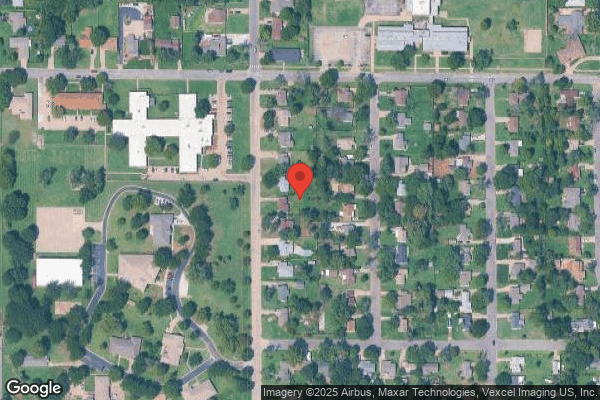
Aug 2023 1 deficiency 1 IJ
CRITICAL (J) 📢 Someone Reported This

A family member, employee, or ombudsman was alarmed enough to file a formal complaint

Immediate Jeopardy (IJ) - the most serious Medicare violation

Accident Prevention (Tag F0689)

Someone could have died · This affected 1 resident

**NOTE- TERMS IN BRACKETS HAVE BEEN EDITED TO PROTECT CONFIDENTIALITY** The facility reported a census of 88 residents, with 11 residents included in the sample and one resident identified as at risk ...

Read full inspector narrative →
**NOTE- TERMS IN BRACKETS HAVE BEEN EDITED TO PROTECT CONFIDENTIALITY** The facility reported a census of 88 residents, with 11 residents included in the sample and one resident identified as at risk for elopement. Based on interview, observation, and record review the facility failed to provide adequate supervision to prevent an elopement for cognitively impaired, independently mobile Resident (R)1, who was at risk for elopement and had a prior history of elopement. R1 left the facility, without staff knowledge or supervision at approximately 03:45 PM on 07/27/23. R1 walked 0.8 miles, in 100 degrees Fahrenheit (F) temperature, on uneven roads with no sidewalks available, and speed limits in the residential area were 30 miles per hour. R1 was outside of the facility for approximately one hour and returned to the facility around 04:50 PM, after a residential neighbor alerted the facility of a potential resident outside. This deficient practice placed the resident in immediate jeopardy. Findings included: - The Physicians Order dated 06/27/23 revealed the resident had diagnoses that included dementia (progressive mental disorder characterized by failing memory, confusion) and anxiety (mental or emotional reaction characterized by apprehension uncertainty and irrational fear). The admission Minimum Data Set (MDS) dated [DATE], revealed a Brief Interview for Mental Status (BIMS) score of eight, indicating moderate impaired cognition. The resident had no behaviors of wandering during the look back period. The Quarterly Minimum Data Set (MDS) dated [DATE] revealed a (BIMS) score of 00, indicating severely impaired cognition, and the resident had no behaviors of wandering during the look back period. An Elopement Assessment dated 01/10/23 indicated a desire to leave the facility, had wandering activity, and anger related to placement in the facility. An Elopement Assessment dated 07/05/23 indicated resident as cognitively impaired and independently mobile and has a history of elopement and desire to leave the facility. The Care Plan, revision date of 07/28/23, revealed the resident was an elopement risk/wanderer with exit seeking behaviors, impaired memory function, poor decision-making skills poor safety awareness, and an noted the resident eloped on 07/28/21. The facility did not have a Wander Guard system (alerts the staff when the residents with dementia wander) but was in the process of installing one. The facility placed R1 on one-on-one supervision at all times until the Wander Guard system was installed. R1 had a behavior problem of being resistant to staff redirection when R1 made unsafe decisions and R1 could become agitated and aggressive with staff. The care plan noted R1 displayed exit seeking behavior and would attempt to open any exit door, at times. The Elopement Investigation dated 07/27/23 indicated the last time staff saw R1 in the facility was at 03:45 PM. At 04:20 PM, the facility received a call from a local community resident who noticed R1 walking past her house and R1 seemed confused. The local community resident had R1 come into her house for a drink of ice water and to use the bathroom. R1 had on slacks, blouse with sleeves, light jacket, and canvas shoes. The staff placed R1 on one-on-one supervision when R1 returned to the facility. The staff assessment revealed no injuries. Facility staff changed the door codes and implemented an in-service on elopement, completed on 07/27/23. Observation on 08/03/23 at 08:00 AM revealed the facility outside front entrance door was locked and required a code to enter, or for a visitor to press the doorbell button for staff to assist entering the building. Residents are able to follow visitors out the door. 08/03/23 at 04:45 PM an observation of the route R1 walked revealed no sidewalks available with uneven road. On 08/03/23 at 02:00 PM, an unidentified direct care staff aided R1 with ambulation in the hallways R1 walked slow no shuffle. On 08/07/23 at 10:30 AM, Certified Medication Aide (CMA) S direct care staff aided R1 with ambulation in the hallways R1 walked slow no shuffle. Interview on 08/03/23 at 03:00 PM with Certified Nurse Aide (CNA) M, revealed on the evening of 07/27/23 at approximately 03:45 PM, R1 ambulated towards the exit door. CNA M took R1's hand and walked with the resident towards the front of the facility, so CNA M could deliver menus for the evening meal. The front door was locked unless the code was entered, and CNA M was unaware the resident left the facility after that time. Interview on 08/03/23 at 04:00 PM, Maintenance Staff U reported when the resident returned to the facility on [DATE], the door codes were changed within 30 minutes after R1's return. Interview on 08/03/23 at 04:30 PM with CMA R reported since the resident had an elopement, the resident required one-on-one staff supervision. Interview on 08/03/23 at 02:55 PM, Administrative Nurse D stated the staff did a facility head count as soon as the phone call came in noting that R1 could be missing. The facility had an elopement book with pictures of each resident that were at elopement risk. The facility conducted an elopement in-service/staff education, which started on 07/27/23 at approximately 05:00 PM, and staff would not be able to work until they completed the elopement in-service. The facility's Resident Elopement policy, dated 02/2010, revealed all residents would be assessed for behaviors or conditions that put them at risk for elopement. All residents identified would have these issues addressed in their individual care plan, and all staff are responsible as part of the facility's preventative maintenance program, all door alarms would be checked for proper functioning on a weekly basis. The facility failed to provide adequate supervision to prevent an elopement for cognitively impaired, independent R1 who left the facility without staff knowledge at approximately 03:45 PM on 07/27/23. R1 walked 0.8 miles, in 100 degrees F temperature, on uneven roads with no sidewalks available, and was outside of the facility for approximately one hour (returned to the facility around 04:50 PM, after a residential neighbor alerted the facility of a potential resident outside, which placed R1 in immediate jeopardy. On 08/03/23 at 05:10 PM, the surveyor provided Administrative Staff A and Administrative Nurse D with the Immediate Jeopardy (IJ) Template and were informed the facility failed to provide adequate supervision to prevent the elopement and placed R1 in IJ. The facility identified and corrected the deficient practice on 07/27/23 after 5:00 PM incident when the facility implemented the following: 1. Staff re-education for elopement and all resident at risk completed on 07/27/23 at 5:00 PM. 2. All door codes changed on 07/27/23 at 5:30 PM. 3. R1 placed on one-on-one 07/27/23 at 6:00 PM until the facility installed a wander guard system. The surveyor verified the above implemented corrective actions while onsite on 08/03/23. The deficient practice was deemed past non-compliance due to the implemented corrective actions in completed prior to the surveyor entrance. The deficient practice existed at a J scope and severity.
Jun 2023 1 deficiency 1 IJ
CRITICAL (J) 📢 Someone Reported This

A family member, employee, or ombudsman was alarmed enough to file a formal complaint

Immediate Jeopardy (IJ) - the most serious Medicare violation

Deficiency F0760 (Tag F0760)

Someone could have died · This affected 1 resident

The facility reported a census of 86 residents, the sample included two residents for medication administration. Based on observation, interview, and record review the facility failed to administer me...

Read full inspector narrative →
The facility reported a census of 86 residents, the sample included two residents for medication administration. Based on observation, interview, and record review the facility failed to administer medication to one of two sampled residents per physician orders and failed to notify the physician of multiple refusals of the order sodium chloride and failure of the facility to have the ordered sodium chloride, three times per day. This omission caused a significant medication error for R1 after multiple doses of sodium chloride (electrolyte mineral essential to body function) was not administered three times a day and caused seizures (an emergent sign of low sodium) for R1, and hospitalization for hyponatremia (abnormally low concentration of sodium in the blood). This practice placed the resident in immediate jeopardy. Findings included: - R1's 03/28/23 signed Physician's Orders revealed a diagnosis of hyponatremia (a condition where your blood sodium is too low and can affect the fluid balance, blood pressure, nerves, and muscles). The 03/29/23 admission Date Minimum Data Set (MDS) revealed a Brief Interview for Mental Status (BIMS) score of 15, indicating intact cognition. The Care Plan lacked documentation regarding refusal of medication or monitoring for signs and symptoms related to hyponatremia. The Medication Order dated 03/23/23 instructed staff to administer sodium chloride 1 gram (GM), three times a day, to the resident. The Progress Notes dated 04/19/23 revealed R1 was found unresponsive, skin clammy with snoring, and without response to a deep chest rub. The staff sent the resident to the emergency room at 05:00 AM R1 had been admitted for alter mental status hyponatremia (low sodium level) The Progress Notes, dated 06/09/23, documented staff found R1 having seizure activity with agonal breathing (an abnormal pattern of breathing) and staff called emergency medical services who transported R1 to the hospital. The lab results indicated R1's sodium level was 116 milliequivalents per liter (mEq/L), with the normal range for sodium to be at 136-145 mEq/L. The Medication Administration Record (MAR) dated 04/01/23 to 04/30/23, revealed R1 refused the ordered sodium chloride 1 gram (GM), two times a day, for twelve days. The Progress Notes lacked documentation of notification to the physician regarding R1's refusals of the ordered sodium chloride from 04/01/23 to 04/30/23. The MAR dated 05/01/23 to 05/31/23, revealed R1 refused the sodium chloride 1 GM, two times a day, for 16 days and four days missed due to lack of the medication available from the pharmacy. The MAR dated 06/01/23 to 06/14/23, revealed R1 did not receive three doses of the sodium chloride, due to the medication not available from the pharmacy. Observation on 06/14/23 08:10 AM revealed R1 walking in the hallways, smiling at other residents and staff members. Interview on 06/15/23 at 08:15 AM, revealed Certified Medication Aide (CMA) M stated if a resident refused to take medication, CMA M notified the nurse. CMA M reported R1 said the sodium chloride tablet was too big to take, but it did not have a score on the tablet to cut it in half. CMA M said she attempted to get the residents to take their medication twice, then she contacted the nurse. Interview on 06/15/23 at 09:15 AM, revealed Administrative Nurse D expected the nurse to call the pharmacy for missing medication or if a resident refuses to take ordered medication they are to notify the physician . Interview with Physician GG on 06/14/23 at 03:26 PM, revealed Physician GG did not know R1 refused the medication until recently, and Physician GG would have changed the medication to a packet that is placed in liquids at meal times, if Physician GG knew sooner. The facility's policy dated 11/2019 Significant Condition Change & Notification purpose to ensure that the resident's family and or representative and medical practitioner are notified of resident's changes such as these listed below medication error, repeated refusals to take medication. The facility failed to notify the physician of R1's multiple refusals of sodium chloride and multiple times the facility did not have the sodium chloride to administer, which resulted in a significant medication error through omission, and R1 had seizures and hospitalization. This deficient practice placed the resident in immediate jeopardy. The facility provided an acceptable plan of removal on 06/16/23 at 04:43 PM. The plan included education to all Licensed Nurses and Certified Medication Aides on 06/15/23 and on 06/16/23, for medication refusal and physician notification. 1. All orders are to be followed. 2. Report any missed doses or refusal to the charge nurse. 3. Residents assessed, and physician notified of any ordered medication dose missed or refused. 4. Documentation of notification in point click care. 5. The 10 rights of medication administration should be followed when administering resident medication. On 06/19/23, the surveyor verified the implementation of the removal plan and the deficient practice remained at a G scope and severity after removal of the immediacy.
May 2023 2 deficiencies
CONCERN (D) 📢 Someone Reported This

A family member, employee, or ombudsman was alarmed enough to file a formal complaint

Potential for Harm - no one hurt, but risky conditions existed

Transfer Requirements (Tag F0622)

Could have caused harm · This affected 1 resident

**NOTE- TERMS IN BRACKETS HAVE BEEN EDITED TO PROTECT CONFIDENTIALITY** The facility reported a census of 88 residents with eight residents sampled, including three residents reviewed for discharge. B...

Read full inspector narrative →
**NOTE- TERMS IN BRACKETS HAVE BEEN EDITED TO PROTECT CONFIDENTIALITY** The facility reported a census of 88 residents with eight residents sampled, including three residents reviewed for discharge. Based on observation, interview and record review revealed the facility failed to ensure one of the three residents, Resident (R)2, was permitted to return from acute care and to remain in the facility, unless the resident's needs could not be met at the facility. In addition, the facility failed to ensure the resident's records contained the required a 30-day notice for a facility-initiated discharge. Findings included: - Review of Resident (R)2's electronic medical record (EMR), revealed a diagnosis of Alzheimer's disease (progressive mental deterioration characterized by confusion and memory failure). The admission Minimum Data Set (MDS), dated [DATE], documented the resident had a Brief Interview for Mental Status (BIMS) score of four, indicating severe cognitive impairment. The resident had delusions (untrue persistent belief or perception held by a person although evidence shows it was untrue) and behaviors, which put the resident at risk for illness or injury, 1-3 days of the assessment period. The resident had no rejection of care. The Return to Community Care Area Assessment (CAA), dated 11/28/22, did not trigger. The Behavioral Symptoms Care Area Assessment (CAA), dated 11/28/22, document the resident had poor decision-making skills and safety awareness. The discharge MDS, dated 01/20/23, documented the resident discharged to a psychiatric hospital with return to the facility not anticipated. The forty-eight hour Interdisciplinary Care Conference, dated 11/20/22, included: The facility will provide the resident, family and/or responsible party with written discharge instructions upon discharge from the facility. Review of the resident's EMR included a physician's order, dated 01/20/23, to send the resident to the ER for evaluation and treatment due to behaviors. On 05/31/23 at 07:52 AM, a family member of the resident stated the facility sent the resident to a local emergency room (ER) on 01/20/23. When the local ER attempted to return the resident to the facility, the facility refused to allow the resident to return to the facility. To date, the facility had not allowed the resident to return to the facility. No discharge plan had been made available to the family member. On 05/31/23 at 09:17 AM, Administrative Nurse D stated the resident had been taken to a local ER, to be evaluated for behaviors, on 01/20/23 and had not returned to the facility. The resident had multiple altercations with other residents and staff and the facility was unable to meet his needs. Administrative Nurse D confirmed the facility had not initiated a facility-initiated discharge for the resident and would not allow the resident to return to the facility. On 05/31/23 at 09:28 AM, Administrative staff A stated the resident left from the facility to a local ER, to be evaluated for behaviors, on 01/20/23. The resident's family member would not allow the ER staff to assess and treat the resident, so the facility was not going to allow the resident to return to the facility. Administrative Staff A confirmed the facility had not initiated a facility-initiated discharge for the resident and would not allow the resident to return to the facility. The facility lacked a policy regarding facility-initiated discharges. The facility failed to allow the resident to return to the facility when he was ready to discharge from the acute care hospital setting. The facility failed to ensure the resident's record contained required documentation regarding a 30-day notice for this resident who the facility would not allow back to the facility.
CONCERN (D) 📢 Someone Reported This

A family member, employee, or ombudsman was alarmed enough to file a formal complaint

Potential for Harm - no one hurt, but risky conditions existed

Comprehensive Assessments (Tag F0636)

Could have caused harm · This affected 1 resident

**NOTE- TERMS IN BRACKETS HAVE BEEN EDITED TO PROTECT CONFIDENTIALITY** The facility reported a census of 88 residents. Based on observation, interview, and record review the facility failed to comple...

Read full inspector narrative →
**NOTE- TERMS IN BRACKETS HAVE BEEN EDITED TO PROTECT CONFIDENTIALITY** The facility reported a census of 88 residents. Based on observation, interview, and record review the facility failed to complete an accurate Minimum Data Set (MDS) for one Resident (R)2, regarding inaccurate discharge location and anticipation of return. Findings included: - Review of Resident (R)2's electronic medical record (EMR), revealed a diagnosis of Alzheimer's disease (progressive mental deterioration characterized by confusion and memory failure). The admission Minimum Data Set (MDS), dated [DATE], documented the resident had a Brief Interview for Mental Status (BIMS) score of four, indicating severe cognitive impairment. The resident had delusions (untrue persistent belief or perception held by a person although evidence shows it was untrue) and behaviors, which put the resident at risk for illness or injury, 1-3 days of the assessment period. The resident had no rejection of care. The Return to Community Care Area Assessment (CAA), dated 11/28/22, did not trigger. The Behavioral Symptoms Care Area Assessment (CAA), dated 11/28/22, document the resident had poor decision -making skills and safety awareness. The discharge MDS, dated 01/20/23, documented the resident discharged to a psychiatric hospital with return to the facility not anticipated. The forty-eight hour Interdisciplinary Care Conference, dated 11/20/22, included: The facility will provide the resident, family and/or responsible party with written discharge instructions upon discharge from the facility. On 05/31/23 at 09:42 AM, Administrative Nurse E stated the discharge MDS, dated [DATE], was inaccurate. The resident did not discharge from the facility to a psychiatric hospital. On 05/31/23 at 09:28 AM, Administrative staff A stated the resident left from the facility to a local ER, to be evaluated for behaviors, on 01/20/23, but had not been discharged from the facility. The resident did not admit to a psychiatric hospital. The facility lacked a policy regarding facility-initiated discharges. The facility failed to complete an accurate discharge MDS for this dependent resident.
Dec 2022 26 deficiencies 1 Harm
SERIOUS (G) 📢 Someone Reported This

A family member, employee, or ombudsman was alarmed enough to file a formal complaint

Actual Harm - a resident was hurt due to facility failures

Accident Prevention (Tag F0689)

A resident was harmed · This affected 1 resident

**NOTE- TERMS IN BRACKETS HAVE BEEN EDITED TO PROTECT CONFIDENTIALITY** The facility had a census of 92 residents. The sample included 22 residents, with six reviewed for accidents. Based on observati...

Read full inspector narrative →
**NOTE- TERMS IN BRACKETS HAVE BEEN EDITED TO PROTECT CONFIDENTIALITY** The facility had a census of 92 residents. The sample included 22 residents, with six reviewed for accidents. Based on observation, record review, and interview, the facility failed to prevent a fall for Resident (R) 35, who fell from her wheelchair due to non-functioning brakes, and obtained a femur fracture (broken thigh bone). The facility further failed to assess R33, who was a fall risk, for the use of side rails. This placed the residents at risk for injury. Findings included: - The Electronic Medical Record (EMR) documented R35 had diagnoses of hypertension (high blood pressure), dementia with behavioral disturbance (progressive mental disorder characterized by failing memory, confusion), glaucoma (abnormal condition of elevated pressure within an eye caused by obstruction to the outflow), unsteadiness on feet, and peripheral neuropathy (weakness and numbness in the hands and feet). The Quarterly Minimum Data Set (MDS), dated [DATE], documented R35 had moderately impaired cognition with a Brief Interview for Mental Status (BIMS) score of nine, and required supervision and set-up assistance of one staff for bed mobility, transfers, dressing, and did not ambulate. The MDS further documented R35 had unsteady balance, no functional impairment, and had no falls. R35's Significant Change MDS, dated 10/28/22, documented R35 had moderately impaired cognition with a BIMS of 10, and required extensive assistance of two staff for bed mobility, transfers, dressing, toileting, and personal hygiene. The MDS further documented R35 had unsteady balance, lower functional impairment on one side, and a recent fracture repair. The Fall Care Area Assessment (CAA), dated 10/28/22, documented R35 was alert with impaired memory function, poor decision-making skills and safety awareness, required assistance with daily care needs, transfers, mobility, and had a history of a fall with injury. The Fall Assessments, dated 05/28/22 and 10/28/22 documented a high risk for falls. The Fall Assessments, dated 08/27/22, documented a low risk for falls. The Fall Care Plan, dated 03/26/22, documented R35 needed gripper strips on the floor beside the bed and directed staff to ensure R35 had appropriate footwear on when ambulating and mobilizing in her wheelchair. The update, dated 10/17/22, directed staff to put gripper strips on the floor beside the bed. The update, dated 11/05/22 directed staff to install anti-rollbacks to R35's wheelchair, encourage participation in skilled rehabilitation services for mobility and safety, and place a sign in R35's room reminding her to ask for assistance when needing items close to the floor. The care plan further directed to monitor the wheelchair brakes routinely for effective use, and consult maintenance as indicated for the need of assessment or repair. The Fall Investigation, dated 10/16/22 at 10:30 AM, documented R35 was found on the floor in her room by housekeeping staff. The resident stated she transferred herself to the wheelchair, and it rolled backwards as the locks on the wheelchair were broken. The investigation further documented R35 stated she did not hit her head but fell on her knee. The investigation documented R35 could move all extremities, did not complain of pain, and was transferred back into bed. The Nurse's Notes, dated 10/16/22 at 06:26 PM, documented R35 had right knee pain and an order for an X-ray (image of internal structures) was obtained. The X-Ray Report, dated 10/16/22, documented R35 had a minimally displaced oblique (slanting) fracture through the distal femoral diaphysis (a femur fracture), and she was admitted to the hospital. The Nurse's Note, dated 10/19/22 at 04:30 PM, noted R35 readmitted back to the facility. The facility was unable to provide any documentation that staff checked the wheelchair brakes for functionality. On 12/08/22 at 10:35 AM, observation revealed R35 laid in her bed, Certified Nurse Aide (CNA) M and CNA N sat R35 up in her bed and R35 stated They don't do a good job at transferring me. CNA N took R35's legs and moved them off of the bed as R35 stated watch my right hip. Further observation revealed CNA M placed a gait belt around R35's waist and the resident stated, you've never put that on me before. Continued observation revealed CNA M placed her right arm under R35's right arm and CNA N placed her left arm under R35's left arm and started to transfer R35. R35 started to scream and reported that the staff were hurting her chest and it felt as though staff were ripping her chest off. CNA M and CNA N quickly placed the resident back on the bed and then the two staff grabbed the gait belt and the back of the resident's pants and quickly transferred her into the wheelchair. CNA M stated, I think she is putting on a show for you, she is being dramatic. On 12/08/22 at 10:35 AM, R35 stated she transferred herself into her wheelchair on 10/16/22. She thought the brakes were locked but they were broken. R35 said when she went to sit down, the wheelchair flipped and she fell out of it, and broke her leg. On 12/08/22 at 10:45 AM, CNA M stated R35 fell out of her wheelchair because the brakes were not working. On 12/08/22 at 03:30 PM, Administrative Nurse D stated wheelchair brakes were checked weekl y when the wheelchairs were cleaned on the night shift. Administrative Nurse D further stated there was no documentation from the night shift that the brakes were not functioning properly until after R35 fell. On 12/08/22 at 03:30 PM, Maintenance Staff Q stated the wheelchair brakes were repaired when R35 came back from the hospital. On 12/13/22 at 09:45 AM, Licensed Nurse (LN) J stated night shift staff cleaned wheelchairs at night and checked to make sure the wheelchair brakes and foot pedal on the wheelchair were working properly; if there were concerns that the brakes may be broken, a report was made for maintenance to work on the wheelchair. On 12/13/22 at 01:16 PM, Administrative Nurse D stated she expected staff to check the wheelchairs for proper functioning when they were being cleaned and if there were problems, staff should have made a report sheet out, gave it to her, and she would report it to maintenance. On 12/13/22 at 03:24 PM, Consultant KK stated he expected the facility to check wheelchair brakes for proper functioning and further stated he assumed there was a schedule for the wheelchairs to be checked and any maintenance completed for wheelchairs in the facility. Consultant KK further stated if staff were supposed to be checking wheelchairs during cleaning, that should have been done. The facility's Fall policy, dated 09/17/22, documented the fall management program was to develop, implement, monitor and evaluate an interdisciplinary team falls prevention approach and manage strategies and interventions that foster resident independence and quality of life. The fall management program promoted safety, prevention, and education of both staff and residents. The facility shall ensure that a fall management program would be maintained to reduce the incidence of falls and risks and injury to the resident and promote independence and safety. The facility did not provide a policy for wheelchair maintenance. The facility failed to ensure R35's wheelchair brakes were properly functioning which caused a fall. As a result of the fall, R35 sustained a femur fracture. - The Physician Order Sheet, dated 12/02/22, recorded R33 had diagnoses of alcohol induced dementia (persistent mental disorder marked by memory loss and impair reasoning), major depressive disorder (mental illness characterized by depressed mood and significant loss of interest in life activities), insomnia (problems falling and/or staying asleep), and muscle weakness The Quarterly Minimum Data Set (MDS), dated [DATE], recorded R33 had a Brief Interview for Mental Status (BIMS) score of three (severely impaired cognition) with inattention and disorganized thinking. The MDS recorded R33 was independent with bed mobility and transfers, had impaired balance, and received antipsychotic (medication used to treat severe mental illness), antidepression (medication used to treat mood changes), antianxiety (medication used to treat agitation and restlessness) and opioid (narcotic medication used to treat moderate to severe pain) medications seven days a week. The Accident and Fall Care Plan, dated 10/20/22, recorded R33 was assessed a high risk for falls due to impaired cognition, poor safety awareness, incontinence, and a history of falls. The Accident and Fall Care Plan recorded R33 had trouble sleeping, had poor impulse control, and required staff supervision and assistance with decision making. R33's Accident and Fall Care Plan lacked documentation for the use of side rails. The Fall Risk Assessment, dated 10/17/22, recorded R33 was a high risk for falls due to cognitive impairment, limited mobility, use of assistive devices and history of falls. Review of R33's medical record lacked documentation the facility completed evaluation for the appropriate and safe use of side rails. On 12/07/22 at 03:34 PM, observation revealed R33 sat on the bed watching TV, and the upper side rails were raised on both sides of the bed. Continued observation revealed R33 could pass her extremities through the gaps in the side rails. On 12/08/22 at 01:12 PM, Certified Nurse Aide (CNA) Q stated R33 had trouble sleeping, frequently transferred out of bed without staff assistance and was a fall risk. On 12/12/22 at 11:06 AM, Licensed Nurse (LN) G stated R33 was a fall risk due to cognitive impairment, poor balance and impulsive behaviors, and the resident should not have the side rails raised on her bed. LN G stated R33 spent most of her time in bed, had trouble sleeping and frequently transferred herself out of bed. LN G stated she was not aware of a side rail assessment to evaluate R33's safe use of side rails. On 12/13/22 at 09:47 AM, Administrative Nurse D stated staff should complete an assessment to evaluate R33's safe use of side rails related to the resident's history of falls and the side rails had gaps that could entrap the resident. The facility's Side Rail policy, dated October 2022, directed staff to complete routine side rail assessments to ensure the resident's need, appropriateness, and safety for the use of side rails. The facility implemented side rails for R33 without a safety assessment or accident hazard care plan, placing the resident at risk for entrapment and falls.
CONCERN (D) 📢 Someone Reported This

A family member, employee, or ombudsman was alarmed enough to file a formal complaint

Potential for Harm - no one hurt, but risky conditions existed

Free from Abuse/Neglect (Tag F0600)

Could have caused harm · This affected 1 resident

**NOTE- TERMS IN BRACKETS HAVE BEEN EDITED TO PROTECT CONFIDENTIALITY** - The Electronic Medical Record (EMR) for R194 documented diagnoses of Alzheimer's disease (a progressive disease that destroys ...

Read full inspector narrative →
**NOTE- TERMS IN BRACKETS HAVE BEEN EDITED TO PROTECT CONFIDENTIALITY** - The Electronic Medical Record (EMR) for R194 documented diagnoses of Alzheimer's disease (a progressive disease that destroys memory and other important mental functions), dementia (progressive mental disorder characterized by failing memory, confusion), and anxiety (a feeling of worry, nervousness, or unease). The admission Minimum Data Set (MDS), dated [DATE], documented R194 had moderately impaired cognition and was dependent upon two staff for toileting, extensive assistance of two staff for dressing, supervision and set-up assistance for ambulation. R194 was independent with set-up assistance for bed mobility and transfers. The assessment further documented R194 had no behaviors and received an antipsychotic (medication used to manage psychotic disorders) and antidepressant (a medication used to treat depression and anxiety). R194's Significant Change MDS, dated 11/25/22, documented R194 had severely impaired cognition and was dependent upon two staff for toileting, bathing and extensive assistance of two staff for bed mobility, transfers, dressing, and supervision and set-up assistance for ambulation. The MDS further documented R194 had inattention, physical behaviors directed towards others, other behaviors, rejected care, and wandered four to six days. The MDS documented R194 received antipsychotic, antidepressant, antianxiety (medication used to treat anxiety), and opioid (narcotic used to treat pain) medication during the look back period. The Care Plan, dated 11/29/22, initiated on 04/22/22, documented R194 was resitive to cares and could be physically aggressive towards staff and other residents. The care plan directed staff to administer antipsychotic medications as ordered, monitor for side effects and effectiveness, obtain behavioral health consults as needed, monitor and record mood to determine if problems seem to be related to external causes, contact the physician as needed, and use the facility behavior monitoring protocols. The Nurse's Note, dated 07/18/22 at 09:06 AM, documented R194 struck R64 which caused R64 to fall to the ground hitting the back of his head. The note further documented R64 sustained a bump to the back of his head, and he was send to the emergency room for evaluation. The Nurse's Note, dated 07/18/22 at 11:03 AM, documented R194 assaulted R54 in the dining room, shoved a dining room table into R54's abdomen and tried to push him down. The note further documented staff separated the residents and assessed R54 for injury. The note further document R194 was sent to a behavioral hospital for evaluation and treatment. The Nurse's Note, dated 10/14/22 at 03:23 PM, documented R194 pushed an unidentified resident which caused the resident to fall to the floor. The note further documented the unidentified resident complained of back pain. The note documented staff contacted the physician. The EMR documented R194 passed away on 11/29/22. On 12/13/22 at 09:40 AM, Certified Medication Aide (CMA) R stated R194 was very aggressive, destructive and hard to redirect. CMA R further stated R194 had a lot of resident to resident altercations and staff had to separate him from other residents. CMA R stated when there were altercations, she called the nurse to assess. On 12/13/22 at 11:30 AM, Licensed Nurse (LN) H stated R194 would get angry and tried to take food from other residents and that would start a problem, LN H further stated she wrote in progress notes when there were altercations and notified the doctor and administration. On 12/13/22 at 01:01 PM, Administrative Nurse D stated she recently began to have the responsibility of completing abuse investigations and reporting. Administrative Nurse D further stated when the residents had any type of resident to resident altercations, she completed a report and notified the state agency when needed. The facility's Abuse Prevention and Prohibition policy, dated October 2022, documented, each resident has the right to be free from abuse, corporal punishment, and involuntary seclusion. Residents must not be subjected to abuse by anyone, including, but not limited to, facility staff, other residents, consultants or volunteers, staff of other agencies serving the resident, family members or legal guardians, friends, or other individuals. The facility failed to prevent incidents of resident to resident abuse by R194, which placed the residents at risk for injury and ongoing abuse. The facility had a census of 92 residents. The sample included 22 residents, with five reviewed for abuse. Based on observation, record review, and interview, the facility failed to prevent an incident of neglect for Resident (R)36, when staff willfully refused to provide R36 the required level of toileting assistance. The facility furtehr failed to prevent resident to resident abuse by Resident (R)194, who had multiple resident to resident altercations.This deficient practice placed the residents at risk for injury and impaired physical and psychosocial well-being. Findings Included: - R36's Electronic Medical Record (EMR) documented diagnoses including a fractured femur (thigh bone) and dementia (progressive mental disorder characterized by failing memory, confusion). The admission Minimum Data Set (MDS), dated [DATE], documented a Brief Interview for Mental Status (BIMS) score of five, indicating severely impaired decision-making skill. The MDS documented R36 had delusions (belief or altered reality that is persistently held despite evidence or agreement to the contrary), and no behaviors. The MDS documented R36 required limited assistance of one staff for eating and extensive assistance of two staff for all other activities of daily living (ADL) and had a fall with fracture and surgery prior to admission. The MDS documented R36 had no toileting program and was frequently incontinent of bowel and bladder. The Dementia Care Area Assessment (CAA), dated 11/02/22, documented R36 was alert with impaired memory function, poor decision skills and safety awareness. The Bowel and Bladder Incontinence Care Plan, dated 10/27/22, stated the resident used large disposable briefs and directed staff to encourage and assist R36 with toileting or incontinent care upon rising, before and after meals, at bedtime, twice during night with rounds, and as needed or requested. The ADL Care Plan for toilet use stated R36 was totally dependent on staff with assistance of one to two staff for toilet use. The Fall Care Plan, dated 11/06/22, directed staff to assist the resident with toileting and incontinent care with use of briefs for prevention of moisture to floor for safety. The Progress Note, dated 10/30/22, documented R36 was alert and had both short- and long-term memory problems, did not have delusions, and decision making was impaired. The Progress Note, dated 11/1/22 at 10:32 AM, documented R36 had the following behavioral issues: yelling. The Progress Note, dated 11/15/22 at 09:07 AM, documented R36 had the following behavioral issues: yelling help instead of using her call light. On 12/08/22 at 08:21 AM, observation revealed R36 sat in her wheelchair in the doorway of her room. R36 told Certified Nurse Aide (CNA) QQ , who was delivering meals in the hall, she (R36) had to go to the bathroom bad. CNA QQ told R36 that because R36 had a brief on to just go ahead and go. R36 replied she had to go bad. When R36 saw Certified Medication Aide (CMA) PP in the hall, she yelled help and CMA PP assisted the resident with incontinence care. On 12/08/22 at 09:55 AM, Social Services X stated CMA PP had reported the exchange between CNA QQ and R36. Social Services X stated she educated CNA QQ regarding resident rights and abuse. On 12/08/22 at 11:19 AM, Administrative Nurse D stated she suspended CNA QQ and reported the incident to the state agency. The facility's Abuse policy, dated 10/2022, documented the facility prohibited mistreatment, neglect or abuse of residents. This also included the deprivation by an individual, including a caretaker, of goods or services that are necessary to attain or maintain physical, mental and psychosocial wellbeing. The facility failed to prevent neglect of R36 when she requested assistance to the bathroom and CNA QQ told her to just go in your brief. This deficient practice placed R36 at risk of impaired rights, impaired dignity, and lack of assistance for her needs.
CONCERN (D) 📢 Someone Reported This

A family member, employee, or ombudsman was alarmed enough to file a formal complaint

Potential for Harm - no one hurt, but risky conditions existed

Report Alleged Abuse (Tag F0609)

Could have caused harm · This affected 1 resident

**NOTE- TERMS IN BRACKETS HAVE BEEN EDITED TO PROTECT CONFIDENTIALITY** The facility had a census of 92 residents. The sample included 22 residents. Based on record review and interview, the facility ...

Read full inspector narrative →
**NOTE- TERMS IN BRACKETS HAVE BEEN EDITED TO PROTECT CONFIDENTIALITY** The facility had a census of 92 residents. The sample included 22 residents. Based on record review and interview, the facility failed to report incidents of resident-to-resident abuse involving Resident (R) 194 to the state agency as required. The placed the residents at risk for ongoing injury and unidentified abuse or mistreatment. Findings Included: - The Electronic Medical Record (EMR) for R194 documented diagnoses of Alzheimer's disease (a progressive disease that destroys memory and other important mental functions), dementia (progressive mental disorder characterized by failing memory, confusion), and anxiety (a feeling of worry, nervousness, or unease). The admission Minimum Data Set (MDS), dated [DATE], documented R194 had moderately impaired cognition and was dependent upon two staff for toileting, extensive assistance of two staff for dressing, supervision and set-up assistance for ambulation. R194 was independent with set-up assistance for bed mobility and transfers. The assessment further documented R194 had no behaviors and received an antipsychotic (medication used to manage psychotic disorders) and antidepressant (a medication used to treat depression and anxiety). R194's Significant Change MDS, dated 11/25/22, documented R194 had severely impaired cognition and was dependent upon two staff for toileting, bathing and extensive assistance of two staff for bed mobility, transfers, dressing, and supervision and set-up assistance for ambulation. The MDS further documented R194 had inattention, physical behaviors directed towards others, other behaviors, rejected care, and wandered four to six days. The MDS documented R194 received antipsychotic, antidepressant, antianxiety (medication used to treat anxiety), and opioid (narcotic used to treat pain) medication during the look back period. The Care Plan, dated 11/29/22, initiated on 04/22/22, documented R194 was resistive to cares and could be physically aggressive towards staff and other residents. The care plan directed staff to administer antipsychotic medications as ordered, monitor for side effects and effectiveness, obtain behavioral health consults as needed, monitor and record mood to determine if problems seem to be related to external causes, contact the physician as needed, and use the facility behavior monitoring protocols. The Nurse's Note, dated 07/18/22 at 11:03 AM, documented R194 assaulted R54 in the dining room, shoved a dining room table into R54's abdomen and tried to push him down. The note further documented staff separated the residents and assessed R54 for injury. The note further document R194 was sent to a behavioral hospital for evaluation and treatment. This incident of resident to resident abuse was not reported to the state agency. The Nurse's Note, dated 10/14/22 at 03:23 PM, documented R194 pushed an unidentified resident which caused the resident to fall to the floor. The note further documented the unidentified resident complained of back pain. The note documented staff contacted the physician. This incident of resident to resident abuse was not reported to the state agency. The EMR documented R194 passed away on 11/29/22. On 12/13/22 at 09:40 AM, Certified Medication Aide (CMA) R stated R194 was very aggressive, destructive and [NAME] to redirect. CMA R further stated R194 had a lot of resident-to-resident altercations and staff had to separate him from other residents. CMA R stated when there were altercations, she called the nurse to assess. On 12/13/22 at 11:30 AM, Licensed Nurse (LN) H stated R194 would get angry and tried to take food from other residents and that would start a problem, LN H further stated she wrote in progress notes when there were altercations and notified the doctor and administration. On 12/13/22 at 01:01 PM, Administrative Nurse D stated she recently began to have the responsibility of completing abuse investigations and reporting. Administrative Nurse D further stated when the residents had any type of resident-to-resident altercations, she completed a report and notified the state agency when needed. Administrative Nurse D verified she had not completed an investigation for the two incidents or reported the incidents to the state agency as required. The facility's Abuse Prevention and Prohibition policy, dated October 2022, documented the facility Administrator, employee, or agent who is made aware of any allegation of abuse or neglect shall report or cause a report to be made to the mandated state agency per reporting criteria. Such reports may also be made to the local law enforcement agency in the same manner. The facility failed to report to the state agency as required incidents of resident-to-resident abuse involving R194. This placed the residents at risk for ongoing injury and abuse or mistreatment.
CONCERN (D) 📢 Someone Reported This

A family member, employee, or ombudsman was alarmed enough to file a formal complaint

Potential for Harm - no one hurt, but risky conditions existed

Investigate Abuse (Tag F0610)

Could have caused harm · This affected 1 resident

**NOTE- TERMS IN BRACKETS HAVE BEEN EDITED TO PROTECT CONFIDENTIALITY** The facility had a census of 92 residents. The sample included 22 residents. Based on record review and interview, the facility ...

Read full inspector narrative →
**NOTE- TERMS IN BRACKETS HAVE BEEN EDITED TO PROTECT CONFIDENTIALITY** The facility had a census of 92 residents. The sample included 22 residents. Based on record review and interview, the facility failed to investigate incidents of resident-to-resident abuse involving Resident (R) 194. This placed the residents at risk for unidentified and ongoing abuse or mistreatment. Findings included: - The Electronic Medical Record (EMR) for R194 documented diagnoses of Alzheimer's disease (a progressive disease that destroys memory and other important mental functions), dementia (progressive mental disorder characterized by failing memory, confusion), and anxiety (a feeling of worry, nervousness, or unease). The admission Minimum Data Set (MDS), dated [DATE], documented R194 had moderately impaired cognition and was dependent upon two staff for toileting, extensive assistance of two staff for dressing, supervision and set-up assistance for ambulation. R194 was independent with set-up assistance for bed mobility and transfers. The assessment further documented R194 had no behaviors and received an antipsychotic (medication used to manage psychotic disorders) and antidepressant (a medication used to treat depression and anxiety). R194's Significant Change MDS, dated 11/25/22, documented R194 had severely impaired cognition and was dependent upon two staff for toileting, bathing and extensive assistance of two staff for bed mobility, transfers, dressing, and supervision and set-up assistance for ambulation. The MDS further documented R194 had inattention, physical behaviors directed towards others, other behaviors, rejected care, and wandered four to six days. The MDS documented R194 received antipsychotic, antidepressant, antianxiety (medication used to treat anxiety), and opioid (narcotic used to treat pain) medication during the look back period. The Care Plan, dated 11/29/22, initiated on 04/22/22, documented R194 was resistive to cares and could be physically aggressive towards staff and other residents. The care plan directed staff to administer antipsychotic medications as ordered, monitor for side effects and effectiveness, obtain behavioral health consults as needed, monitor and record mood to determine if problems seem to be related to external causes, contact the physician as needed, and use the facility behavior monitoring protocols. The Nurse's Note, dated 07/18/22 at 11:03 AM, documented R194 assaulted R54 in the dining room, shoved a dining room table into R54's abdomen and tried to push him down. The note further documented staff separated the residents and assessed R54 for injury. The note further document R194 was sent to a behavioral hospital for evaluation and treatment. The Nurse's Note, dated 10/14/22 at 03:23 PM, documented R194 pushed an unidentified resident which caused the resident to fall to the floor. The note further documented the unidentified resident complained of back pain. The note documented staff contacted the physician. The EMR documented R194 passed away on 11/29/22. On 12/13/22 at 09:40 AM, Certified Medication Aide (CMA) R stated R194 was very aggressive, destructive and [NAME] to redirect. CMA R further stated R194 had a lot of resident-to-resident altercations and staff had to separate him from other residents. CMA R stated when there were altercations, she called the nurse to assess. On 12/13/22 at 11:30 AM, Licensed Nurse (LN) H stated R194 would get angry and tried to take food from other residents and that would start a problem, LN H further stated she wrote in progress notes when there were altercations and notified the doctor and administration. On 12/13/22 at 01:01 PM, Administrative Nurse D stated she recently began to have the responsibility of completing abuse investigations and reporting. Administrative Nurse D further stated when the residents had any type of resident-to-resident altercations, she completed a report and notified the state agency when needed. Administrative Nurse D verified she had not completed an investigation for the two incidents. The facility's Abuse Prevention and Prohibition policy, dated October 2022, documented resident abuse must be reported immediately to the Administrator. The facility Administrator would ensure a thorough investigation of alleged violations of individual rights and document appropriate action. While a facility investigation is under way, steps will be taken to prevent further abuse. The facility failed to investigate incidents of resident-to-resident abuse which placed the residents at risk for unidentified and ongoing abuse and mistreatment.
CONCERN (D) 📢 Someone Reported This

A family member, employee, or ombudsman was alarmed enough to file a formal complaint

Potential for Harm - no one hurt, but risky conditions existed

Deficiency F0625 (Tag F0625)

Could have caused harm · This affected 1 resident

**NOTE- TERMS IN BRACKETS HAVE BEEN EDITED TO PROTECT CONFIDENTIALITY** The facility had a census of 92 residents. The sample included 22 residents with two reviewed for hospitalization. Based on obse...

Read full inspector narrative →
**NOTE- TERMS IN BRACKETS HAVE BEEN EDITED TO PROTECT CONFIDENTIALITY** The facility had a census of 92 residents. The sample included 22 residents with two reviewed for hospitalization. Based on observation, interview, and record review the facility failed to provide a bed hold notice to Resident (R)51, upon admission to the hospital twice. This deficient practice placed R51 at risk impaired rights to return to her original facility room upon return from the hospital. Findings included: - R51's Electronic Medical Record (EMR) documented diagnoses of pneumonia (severe inflammation of the lungs in which the alveoli (tiny air sacs) are filled with fluid), chronic obstructive pulmonary disease (COPD-chronic inflammatory lung disease that causes obstructed airflow from the lungs), respiratory failure with hypoxia (low levels of oxygen in your body tissues), aspiration pneumonia (when food or liquid is breathed into the airways or lungs, instead of being swallowed), and a pulmonary abscess (pus-filled cavity in the lung surrounded by inflamed tissue and caused by an infection). The Significant Change Minimum Data Set (MDS), dated [DATE], documented intact cognition with a Brief Interview for Mental Status (BIMS) score of 15. The MDS documented R51 required supervision for eating, hygiene, transfers, toileting, and limited assistance of one staff for bed mobility, walking, and dressing. The MDS documented R51 had shortness of breath with exertion, received antibiotics and oxygen therapy. The ADL Care Area Assessment (CAA), dated 11/10/22, documented R51 was recently readmitted to the facility from the hospital following treatment for sepsis (severe infection) and pneumonia. The Respiratory Care Plan, dated 11/15/22, lacked direction related to use of oxygen therapy. The Progress Note, dated 10/22/22 at 08:56 PM, documented R51 was transferred via ambulance to the hospital for a change in condition, abnormal vital signs, coarseness and crackles in lungs, chills, and a low oxygen saturation The Progress Note, dated 10/26/22, documented R51 returned to the facility. The Progress Note, dated 10/31/22 at 09:59 AM, documented R51's family requested staff to send R51 to the emergency room (ER). The EMR documented R51 returned to the facility from the hospital on [DATE]. The clinical record lacked evidence a bed hold was issued to the resident and/or representative for either hospital admission. On 12/12/22 at 11:40 AM, observation revealed R51 stood by her wheelchair and her oxygen was hooked up to the tank on her wheelchair. The oxygen concentrator by her bed had no filter and had lint on the intake holes. On 12/13/22 at 01:25 PM, Social Service X verified she did not provide a bed hold notices when R51 went to the hospital. Upon request the facility did not provide a policy regarding bed hold. The facility failed to provide a bed hold notice to R51, upon admission to the hospital, twice placing R51 at risk for impaired rights to return to her original facility room upon return from the hospital.
CONCERN (D) 📢 Someone Reported This

A family member, employee, or ombudsman was alarmed enough to file a formal complaint

Potential for Harm - no one hurt, but risky conditions existed

Deficiency F0655 (Tag F0655)

Could have caused harm · This affected 1 resident

**NOTE- TERMS IN BRACKETS HAVE BEEN EDITED TO PROTECT CONFIDENTIALITY** The facility had a census of 92 residents. The sample included 22 residents. Based on interview and record review the facility f...

Read full inspector narrative →
**NOTE- TERMS IN BRACKETS HAVE BEEN EDITED TO PROTECT CONFIDENTIALITY** The facility had a census of 92 residents. The sample included 22 residents. Based on interview and record review the facility failed to develop a baseline care plan for Resident (R)293's immediate health and safety needs, including dietary, activities of daily living (ADL) assistance, communication barriers, and respiratory. This deficient practice placed R293 at risk for inadequate care and services related to her health and safety. Findings included: - R293's Electronic Medical Record (EMR) documented diagnoses of acute on chronic combined congestive heart failure (condition in which the heart has trouble pumping blood through the body), atrial fibrillation (type of irregular heartbeat), chronic obstructive pulmonary disease (COPD-a group of diseases that cause airflow blockage and breathing-related problems), diabetes mellitus (a group of diseases that affect how the body uses blood sugar (glucose), and hypertension (high blood pressure). The admission Minimum Data Set (MDS), dated [DATE], lacked information for the Brief Interview for Mental Status (BIMS) score. The MDS documented R293 was independent for bed mobility, eating, toileting, required supervision for hygiene, transfers, walking, locomotion, and limited assistance of one staff for dressing and bathing. The MDS documented R293 had frequent mild pain, shortness of breath with exertion or lying flat, less than six months prognosis and received hospice services. The MDS documented R293 weighed 125 pounds (lbs) had no teeth and received oxygen therapy. The Dental Care Area Assessment (CAA), dated 06/08/22, recorded R293 did not have natural teeth and wore full upper and lower dentures with no pain or abnormalities noted. Her weight was 125 lbs. She was able to eat a regular meal without difficulty. The Quarterly MDS, dated [DATE], documented a Brief Interview for Mental Status (BIMS) score of three, indicating severely impaired decision-making skill. The MDS documented R293 was independent for bed mobility, eating, toileting, required supervision for hygiene, transfers, walking, locomotion, dressing and assistance for bathing. The MDS documented R293 had frequent mild pain, shortness of breath with exertion or lying flat, less than six months prognosis and received hospice services. The MDS documented R293 weighed 125 lbs. and received oxygen therapy. The admission Assessment, dated 06/08/22, documented R293 had a language barrier and staff were unable to determine R293's activity likes or dislikes. The baseline Care Plan dated 06/01/22 documented R293 liked to get up in the morning at 08:00 AM and preferred to have her daughter involved in discussions of her care. The care plan lacked interventions which addressed R293's immediate care needs including ADL, hospice services, dietary or nutritional issues, and oxygen or respiratory concerns. The Activities of Daily Living (ADL) Care Plan, dated 09/07/22, documented the same as the initial care plan without any updates. The Progress Note, dated 06/16/22 (two weeks after admission), documented the nurse spoke with the hospice nurse and hospice was bringing out a bed, oxygen concentrator, and wheelchair for R293 that afternoon. The Progress Note, dated 08/14/22, documented R293 spoke only Spanish and was observed to be in pain because she was pointing to her knee. The nurse called hospice for the medication, but the hospice nurse said the resident did not have an order with them and staff would have to call R293's doctor for the pain medication order. The hospice nurse recommended staff use Tylenol for the rest of the night until the next day. A Physician Order' dated 09/02/22, directed staff to provide oxygen at 2-5 liters, as needed, to keep oxygen level above 90 percent (%). The Progress Note, dated 10/02/22 at 11:07 AM, documented R293 was short of breath at rest, with diminished lung sounds, and an oxygen saturation level of 99 % on four liters of oxygen per minute. R293's family reported the resident was lightheaded and the nurse noted a pulse of 112 beats per minute (BPM). The Progress Note, dated 10/02/22 at 02:50 PM, documented R293 was transferred by ambulance to the hospital for respiratory distress with a pulse of 115 BPM. On 12/12/22 at 02:37 PM, Certified Nurse Aide (CNA) MM stated she translated Spanish to English a lot for R293 and her family who could understand, but not really speak, English. On 12/12/22 at 03:33 PM Administrative Nurse D verified R293's initial care plan lacked staff direction for assistance with ADLs, communication, hospice services, dietary, or oxygen treatment. Upon request the facility did not provide a policy for baseline care plans. The facility failed to develop a baseline care plan for R293's immediate health and safety needs, including dietary, ADL assistance, respiratory and communication, placing R293 at risk to receive inadequate care and services related to her health and safety.
CONCERN (D) 📢 Someone Reported This

A family member, employee, or ombudsman was alarmed enough to file a formal complaint

Potential for Harm - no one hurt, but risky conditions existed

Comprehensive Care Plan (Tag F0656)

Could have caused harm · This affected 1 resident

**NOTE- TERMS IN BRACKETS HAVE BEEN EDITED TO PROTECT CONFIDENTIALITY** - R293's Electronic Medical Record (EMR) documented diagnoses of acute on chronic combined congestive heart failure (condition i...

Read full inspector narrative →
**NOTE- TERMS IN BRACKETS HAVE BEEN EDITED TO PROTECT CONFIDENTIALITY** - R293's Electronic Medical Record (EMR) documented diagnoses of acute on chronic combined congestive heart failure (condition in which the heart has trouble pumping blood through the body), atrial fibrillation (type of irregular heartbeat), chronic obstructive pulmonary disease (a group of diseases that cause airflow blockage and breathing-related problems), diabetes mellitus (a group of diseases that affect how the body uses blood sugar (glucose), and hypertension (high blood pressure). The admission Minimum Data Set (MDS), dated [DATE], lacked information for the Brief Interview for Mental Status (BIMS) score. The MDS documented R293 was independent for bed mobility, eating, toileting, required supervision for hygiene, transfers, walking, locomotion, and limited assistance of one staff for dressing and bathing. The MDS documented R293 had frequent mild pain, shortness of breath with exertion or lying flat, less than six months prognosis and received hospice services. The MDS documented R293 weighed 125 pounds (lbs) had no teeth and received oxygen therapy. The Dental Care Area Assessment (CAA), dated 06/08/22, recorded R293 did not have natural teeth and wore full upper and lower dentures with no pain or abnormalities noted. Her weight was 125 lbs. She was able to eat a regular meal without difficulty. The Quarterly MDS, dated [DATE], documented a Brief Interview for Mental Status (BIMS) score of three, indicating severely impaired decision-making skill. The MDS documented R293 independent for bed mobility, eating, toileting, required supervision for hygiene, transfers, walking, locomotion, dressing and assistance for bathing. The MDS documented R293 had frequent mild pain, shortness of breath with exertion or lying flat, less than six months prognosis and received hospice services. The MDS documented R293 weighed 125 lbs. and received oxygen therapy. The admission Assessment, dated 06/08/22, documented R293 had a language barrier and staff were unable to determine R293's activity likes or dislikes. The Care Plan upon admission, 06/01/22, documented R293 liked to get up in the morning at 08:00 AM and preferred to have her daughter involved in discussions of her care. The care plan lacked interventions for R293's immediate care including ADLs, hospice services, dietary or nutritional issues, and oxygen or respiratory concerns. No further information or direction was added to the care plan the entire time R293 was a resident of the facility. The Activities of Daily Living (ADL) Care Plan, dated 09/07/22, documented the same as the initial care plan without any revisions or updates. The Progress Note, dated 06/16/22 (two weeks after admission), documented the nurse spoke with the hospice nurse and hospice was bringing out a bed, oxygen concentrator, and wheelchair for R293 that afternoon. The Progress Note, dated 08/14/22, documented R293 spoke only Spanish and was observed to be in pain because she was pointing to her knee. The nurse called the hospice for the medication, but the hospice nurse said the resident did not have an order with them and staff would have to call R293's doctor for the pain medication order. The hospice nurse recommended staff use Tylenol for the rest of the night until the next day A Physician Order' dated 09/02/22, directed staff to provide oxygen at 2-5 liters, as needed, to keep oxygen level above 90 percent (%). On 12/12/22 at 02:37 PM, Certified Nurse Aide (CNA) MM stated she translated Spanish to English a lot for R293 and her family who could understand but not really speak much English. On 12/12/22 at 03:33 PM, Administrative Nurse D verified the facility had not developed a comprehensive care plan for R293's care including ADLs, communication, hHospice services, dietary, or oxygen treatment. The facility's Comprehensive Care Plan Policy, dated February 2021, directed staff to complete a comprehensive care plan that was individualized, and met the resident's medical, nursing, and mental needs. The facility failed to develop a comprehensive care plan for R293's immediate health and safety needs, including dietary, ADL assistance, respiratory and communication, placing R293 at risk to receive inadequate care and services related to her health and safety. The facility had a census of 92 residents. The sample included 22 residents. Based on observation, interview and record review the facility failed to develop a comprehensive care plan for Resident (R) 72's diabetic and wound care needs. The facility further failed to develop a care plan for R293's health and safety needs, including dietary, activities of daily living (ADL) assistance, respiratory and communication. This deficient practice placed the residents at risk for inadequate care and services. Findings Included: - The Physician Order Sheet, dated 12/02/22, recorded R72 had diagnoses of diabetes mellitus (disease that affects the body ability to produce or respond to insulin and regulate blood sugar levels), (Parkinson's Disease (progressive disease of the central nervous system marked by tremors, muscular rigidity, and uncontrolled movements), peripheral vascular disease (circulatory condition in which narrowed blood vessels reduce blood flow to the limbs), and muscle weakness. The Quarterly Minimum Data Set (MDS), dated [DATE], recorded R72 had a Brief Interview for Mental Status (BIMS) score of 15 (cognitively intact) with rejection of care behaviors. The MDS recorded R72 required extensive staff assistance with bed mobility, transfers, used a wheelchair for mobility, had no pressure ulcers and had not received insulin injections. Review of R72's medical record on 12/13/22 lacked documentation of a care plan for pressure ulcers (wound to skin and underlying tissue from prolonged pressure on the area), diabetes, and insulin (medication used to control blood glucose levels) use. The Physician Order, dated 12/05/22, directed staff to check R72's blood sugar before meals and at bedtime, and call the physician per blood sugar parameters. The Physician's Order, dated 12/06/22, directed staff to administer Novolog insulin (fast acting insulin that helps lower mealtime blood sugars spikes) per a sliding scale (progressive increase in insulin related to blood sugar levels) to R72 and notify the physician if blood sugars were greater than 451 milligrams per decilitre (mg/dl). The Wound Evaluation Report, dated 12/08/22, recorded R72 developed a superficial pressure ulcer on the lower right buttock that measured 2.0 centimeters (cm) in diameter. The Wound Evaluation Report recorded R72 spent most of the day in his wheelchair, was incontinent of bowel and urine, and the resident frequently rejected incontinent cares. On 12/12/22 at 12:01 PM, observation revealed the resident sat in his wheelchair at the dining table eating lunch. On 12/12/22 at 02:59 PM, Licensed Nurse (LN) G stated R72 developed a new pressure ulcer recently and should have a care plan to address pressure ulcer prevention and healing. On 12/13/22 at 08:03 AM, LN H stated R72 was diabetic, received scheduled blood sugar monitoring and insulin administration, and lacked a diabetic or insulin care plan. On 12/13/22 at 09:47 AM, Administrative Nurse D stated staff should have developed and implemented a comprehensive care plan to direct R72's diabetic and pressure ulcer cares and treatments. The facility's Comprehensive Care Plan Policy, dated February 2021, directed staff to complete a comprehensive care plan that was individualized, and met the resident's medical, nursing, and mental needs. The facility failed to develop and implement a diabetic and pressure ulcer care plan for R72, placing the resident at risk to not receive appropriate cares and treatments.
CONCERN (D) 📢 Someone Reported This

A family member, employee, or ombudsman was alarmed enough to file a formal complaint

Potential for Harm - no one hurt, but risky conditions existed

Deficiency F0657 (Tag F0657)

Could have caused harm · This affected 1 resident

**NOTE- TERMS IN BRACKETS HAVE BEEN EDITED TO PROTECT CONFIDENTIALITY** The facility had a census of 92 residents. The sample included 22 residents. Based on observation, interview, and record review ...

Read full inspector narrative →
**NOTE- TERMS IN BRACKETS HAVE BEEN EDITED TO PROTECT CONFIDENTIALITY** The facility had a census of 92 residents. The sample included 22 residents. Based on observation, interview, and record review the facility failed to review and revise the care plan for Resident (R)51 regarding her use of supplemental oxygen and R34 for dialysis (a process of purifying the blood of a person whose kidneys are not working normally) related care. This deficient practice placed R51 at risk for inadequate care related to her use of oxygen and R34 at risk for inadequate care related to dialysis. Findings included: - R51's Electronic Medical Record (EMR) documented diagnoses of pneumonia (severe inflammation of the lungs in which the alveoli (tiny air sacs) are filled with fluid), chronic obstructive pulmonary disease (COPD-chronic inflammatory lung disease that causes obstructed airflow from the lungs), respiratory failure with hypoxia (low levels of oxygen in your body tissues), aspiration pneumonia (when food or liquid is breathed into the airways or lungs, instead of being swallowed), and a pulmonary abscess (pus-filled cavity in the lung surrounded by inflamed tissue and caused by an infection). The Significant Change Minimum Data Set (MDS), dated [DATE], documented intact cognition with a Brief Interview for Mental Status (BIMS) score of 15. The MDS documented R51 required supervision for eating, hygiene, transfers, toileting, and limited assistance of one staff for bed mobility, walking, and dressing. The MDS documented R51 had shortness of breath with exertion, received antibiotics and oxygen therapy. The ADL Care Area Assessment (CAA), dated 11/10/22, documented R51 was recently readmitted to the facility from the hospital following treatment for sepsis (severe infection) and pneumonia. The Respiratory Care Plan, dated 11/15/22, directed staff to give medications as ordered by the physician and monitor for side effects and effectiveness. Monitor for respiratory distress, anxiety, signs or symptoms of respiratory infection and report to the physician. The care plan lacked direction related to use of oxygen therapy. The Physician Oder, dated 09/04/22, directed staff to apply oxygen to maintain oxygen saturation greater than 90 percent (%). The Physician Oder, dated 09/09/22, directed staff to clean the oxygen concentrator filter and change the oxygen tubing weekly. The Progress Note, dated 10/29/22 at 10:51 AM, documented R51 experienced the following breathing issues: shortness of breath on exertion, has shortness of breath or trouble breathing when sitting at rest and her lung sounds were wheezes. R51 required oxygen at 4 liters (L) per minute. On 12/07/22 at 02:02 PM, observation revealed R51's oxygen concentrator had no filter and had lint on the uncovered intake grate. On 12/12/22 at 11:40 AM, observation revealed R51 stood by her wheelchair and her oxygen was hooked up to the tank on her wheelchair. The oxygen concentrator by her bed had no filter and had lint on the intake holes. On 12/07/22 at 03:50 PM R51 stated she used the oxygen tank when up and about, and the concentrator at night. On 12/12/22 at 12:00 PM, Licensed Nurse (LN) K stated staff were to change the oxygen tubing and concentrator filters weekly. LN K verified the lack of a filter and the lint on the filter holes of R51's oxygen concentrator and the tubing connected to the oxygen tank was undated. On 12/12/22 at 03:33 PM, Administrative Nurse D verified the care plan lacked direction related to use of oxygen therapy. Upon request the facility did not provide a policy for review and revision of care plans. The facility failed to review and revise R51's care plan to include the use of supplemental oxygen, placing R51 at risk for inadequate care related to her use of oxygen. - R34's Electronic Medical Record (EMR) documented diagnoses of end stage renal disease (ESRD- medical condition in which a person's kidneys cease functioning on a permanent basis), normocytic anemia (fewer red blood cells than normal), hypertension (high blood pressure), and atrial fibrillation (irregular and often very rapid heart rhythm). The admission Minimum Data Set (MDS), dated [DATE], documented a Brief Interview for Mental Status (BIMS) score of 11, indicating moderately impaired decision-making skill. The MDS documented R34 was independent for eating, required limited assistance of one staff for bed mobility, locomotion, hygiene, and extensive assistance of one staff for toileting, dressing, transfers and walking. The MDS documented R34 received anticoagulant (blood thinner) medications and received dialysis. The Urinary Care Area Assessment (CAA), dated 11/30/22, documented R34 had a diagnosis of end stage renal failure and received dialysis three times weekly. R34 continued to have urine output and requires assistance with toileting and incontinent care. The Care Plan, dated 11/23/22, documented R34 needed dialysis for a diagnosis of end stage renal failure and the dialysis access was located in the right forearm (R34's dialysis access was internal jugular vein port in the right neck/upper chest area). The care plan directed staff do not draw blood or take blood pressure in the arm with the graft (R34 had no graft); encourage resident to go for the scheduled dialysis appointments. Resident received dialysis three times weekly; monitor access site to right forearm (access site in neck) for function, signs of infection, irritation, bleeding, and consult physician as indicated. The 11/30/22 care plan update directed staff to monitor intake and output; monitor and report to the physician any signs or symptoms of infection to the access site and report significant changes in pulse, respirations and blood pressure immediately. The facility did not revise R34's Care Plan with the correct dialysis information. The Progress Note, dated 11/23/22 at 02:53 PM recorded the resident had dialysis Monday, Wednesday and Friday and needed to be there at 06:15 AM. The Progress Note, dated 11/25/22 at 11:45 PM recorded a blood pressure of 88/53 milligrams of mercury (mmHg) with a pulse of 64 beats per minute. Staff notified R34's physician. R34 denied lightheadedness or vertigo (sensation of room spinning). He was alert and oriented. He transferred with assistance of two staff for toileting and his urine was dark amber. He had a right internal jugular dialysis port with the dressing dry and intact. R34 was out of the facility at that time for scheduled dialysis. The Progress Note, dated 12/12/22 (19 days after admission) at 12:27 PM, documented staff called the dialysis center with a concern that staff had not received any communication from them. The dialysis staff stated the resident never brought in any file or request for information. The dialysis center reported they would send the dry weight back after each appointment and also send a list of medications that were administered. The note went on to say the dialysis staff reported they watched R34's protein levels and gave him a snack if he needed one. The note documented staff ensured the facility and dialysis center had each other's contact information if there were further issues. Review of a blank Dialysis Communication Form, undated, revealed spaces for resident condition pre-dialysis for the facility to complete. The form had spaces for pre-dialysis and post dialysis information for the dialysis center to complete, and information areas for facility staff to complete upon return from dialysis. The facility lacked any forms used for R34's dialysis appointments. On 12/08/22 at 10:40 AM, observation revealed Licensed Nurse (LN) L checked R34's temperature, pulse, oxygen level, and dressing for the access site, a catheter in the upper right chest. The site dressing was clean, dry and intact. On 12/13/22 at 10:19 AM, Administrative Nurse D verified R34's Care Plan lacked correct dialysis access information. Upon request the facility did not provide a policy for revision of care plans. The facility failed to review and revise R34's care plan with correct dialysis information, care and services, placing the resident at risk inadequate care.
CONCERN (D) 📢 Someone Reported This

A family member, employee, or ombudsman was alarmed enough to file a formal complaint

Potential for Harm - no one hurt, but risky conditions existed

ADL Care (Tag F0677)

Could have caused harm · This affected 1 resident

**NOTE- TERMS IN BRACKETS HAVE BEEN EDITED TO PROTECT CONFIDENTIALITY** The facility had a census of 92 residents. The sample included 22 residents, with seven reviewed for activities of daily living ...

Read full inspector narrative →
**NOTE- TERMS IN BRACKETS HAVE BEEN EDITED TO PROTECT CONFIDENTIALITY** The facility had a census of 92 residents. The sample included 22 residents, with seven reviewed for activities of daily living (ADLs). Based on observation, record review, and interview, the facility failed to provide consistent bathing services for Resident (R) 16 and R35. This placed the residents at risk for impaired dignity and skin issues. Findings included: - The Electronic Medical Record (EMR) for R16 documented diagnoses of schizophrenia (a psychiatric disorder characterized by gross distortion of reality, disturbances of language and communication and fragmentation of thought), depression (abnormal emotional state characterized by exaggerated feelings of sadness, worthlessness and emptiness), narcissistic personality (a disorder in which a person has an inflated sense of self importance), and hypertension (high blood pressure). R16's Quarterly Minimum Data Set (MD), dated 08/03/22, documented R16 had intact cognition and required set-up assistance and supervision of transfers, mobility, dressing and personal hygiene. The MDS further documented bathing did not occur during the look-back period. The Annual MDS, dated 11/03/22, documented R16 had intact cognition and required extensive assistance of one staff for personal hygiene, and limited assistance of one staff for transfers and dressing. The MDS documented bathing did not occur during the look-back period. The ADL Care Plan, dated 11/13/22, documented R16 preferred a shower twice per week and documented at times, R16 would refused his showers. The September and October 2022 Bathing and Facility Bathing Sheets documented R16 requested showers on Tuesday and Friday dayshift and documented R16 had not received a bath or shower during the following days: 09/02/22-09/19/22 (18 days) 09/21/22-10/06/22 (16 days) 10/12/22-10/31/22 (20 days) The EMR documented R16 refused his shower one time in October and did not refuse any in September. The November 2022 Bathing and Facility Bathing Sheets documented R16 requested showers on Tuesday and Friday dayshift and documented R16 had not received a bath or shower during the following days: 11/01/22-11/30/22 (30 days) The EMR documented R16 refused his shower three times in November. December 2022 Bathing and Facility Bathing Sheets documented R16 requested showers on Tuesday and Friday dayshift and documented R16 had not received a bath or shower during the following days: 12/01/22-12/12/22 (12 days) The EMR lacked documentation R16 refused his showers. On 12/07/22 at 02:02 PM, observation revealed R16's shirt was dirty with dried food debris down the front of his shirt. On 12/13/22 at 09:30 AM Certified Nurse Aide (CNA) O stated she had just started as bath aide a week ago and was unsure if the resident refused his showers. CNA O further stated, if residents refused, she wrote on the shower sheet and tried again later. CNA O said if the resident still refused, she told the nurse and at the end of her day she would also chart in the computer the refusal or the shower. On 12/13/22 at 09:45 AM Licensed Nurse (LN) J stated R16 did refuse his showers sometimes and she would continue to try to get him to take the shower or offer different times and days. On 12/13/22 at 01:01 PM Administrative Nurse D stated she expected staff to try to get the resident to shower at least once a week or offer a bed bath. Upon request, a policy for bathing was not provided from the facility. The facility failed to provide consistent bathing for R16, placing the resident at risk for complications related to poor hygiene. - The Electronic Medical Record (EMR) documented R35 had diagnoses of hypertension (high blood pressure), dementia with behavioral disturbance (progressive mental disorder characterized by failing memory, confusion), glaucoma (abnormal condition of elevated pressure within an eye caused by obstruction to the outflow), unsteadiness on feet, and peripheral neuropathy (weakness and numbness in the hands and feet). The Quarterly Minimum Data Set (MDS), dated [DATE], documented R35 had moderately impaired cognition with a Brief Interview for Mental Status (BIMS) score of nine, and required supervision and set-up assistance of one staff for bed mobility, transfers, dressing, an did not ambulate. The MDS further documented bathing did not occur during the look back period. R35's Significant Change MDS, dated 10/28/22, documented R35 had moderately impaired cognition with a BIMS of 10 and required extensive assistance of two staff for bed mobility, transfers, dressing, toileting, personal hygiene and bathing. The ADL Care Plan, dated 10/28/22, documented R35 preferred showers two or three times per week. The September and October 2022 Bathing and Facility Bathing Sheets documented R35 requested showers on Wednesday and Saturday evening and documented R35 had not received a bath or shower during the following days: 09/01/22-09/16/22 (16 days) 09/25/22-10/04/22 (10 days) 10/20/22-10/31/22 (12 days) The EMR documented R35 refused her showers one time in September and two times in October. The November 2022 Bathing and Facility Bathing Sheets documented R35 requested showers on Wednesday and Saturday evening and documented R35 had not received a bath or shower during the following days: 11/03/22-11/29/22 (27 days) The EMR documented R35 refused her shower three times in November. The December 2022 Bathing and Facility Bathing Sheets documented R35 requested showers on Wednesday and Saturday evening and documented R35 had not received a bath or shower during the following days: 12/04/22-12/09/22 (6 days) The EMR lacked documentation R35 refused her showers in December. On 12/08/22 at 10:35 AM, observation revealed R35's hair was greasy and disheveled. On 12/13/22 at 09:30 AM Certified Nurse Aide (CNA) O stated she had just started as bath aide a week ago and was unsure which residents refused their showers. CNA O further stated, if residents refused, she wrote on the shower sheet and tried again later. CNA O said if the resident still refused, she told the nurse and at the end of her day she would also chart in the computer the refusal or the shower. On 12/13/22 at 09:45 AM, Licensed Nurse (LN) J stated R35 did not refuse her showers that she knew of and if she did she would continue to try to get her to take the shower or offer different times and days. On 12/13/22 at 1:01 PM, Administrative Nurse D stated she expected staff to try to get the resident to shower at least once a week or offer a bed bath. Upon request, a policy for bathing was not provided from the facility. The facility failed to provide consistent bathing for R35, placing the resident at risk for complications related to poor hygiene.
CONCERN (D) 📢 Someone Reported This

A family member, employee, or ombudsman was alarmed enough to file a formal complaint

Potential for Harm - no one hurt, but risky conditions existed

Pressure Ulcer Prevention (Tag F0686)

Could have caused harm · This affected 1 resident

**NOTE- TERMS IN BRACKETS HAVE BEEN EDITED TO PROTECT CONFIDENTIALITY** The facility had a census of 92 residents. The sample included 22 residents with four reviewed for pressure ulcers (wound to ski...

Read full inspector narrative →
**NOTE- TERMS IN BRACKETS HAVE BEEN EDITED TO PROTECT CONFIDENTIALITY** The facility had a census of 92 residents. The sample included 22 residents with four reviewed for pressure ulcers (wound to skin and underlying tissue resulting from prolonged pressure on the area). Based on observation, record review and interview, the facility failed to involve the Registered Dietician (RD) for nutritional interventions for one of four sampled residents, Resident (R) 72, who developed a facility acquired pressure ulcer. This placed the resident at risk to worsen his current pressure ulcer or develop more skin issues. Findings included: - The Physician Order Sheet, dated 12/02/22, recorded R72 had diagnoses of Parkinson's Disease (progressive disease of the central nervous system marked by tremors, muscular rigidity, and uncontrolled movements), peripheral vascular disease (circulatory condition in which narrowed blood vessels reduce blood flow to the limbs), and muscle weakness. The Quarterly Minimum Data Set (MDS), dated [DATE], recorded R72 had a Brief Interview for Mental Status (BIMS) score of 15 (cognitively intact) with rejection of care behaviors. The MDS recorded R72 required extensive staff assistance with bed mobility, transfers, used a wheelchair for mobility, was incontinent of bowel and urine, at risk for pressure ulcers, and had no skin issues The Activities of Daily Living (ADLs) Care Plan, dated 11/09/22, recorded R72 had self-care performance deficit related to muscle weakness, impaired balance, limited mobility, and limited range of motion. The ADLs Care Plan directed staff to provide extensive assistance with toileting, and to check R72 for incontinence every two to three hours to ensure the resident was clean and dry. Review of R72's medical record lacked documentation staff developed a care plan to address pressure ulcer prevention and wound care. The Wound Evaluation Report, dated 12/08/22, recorded R72 had developed a superficial pressure ulcer on the lower right buttock that measured 2.0 centimeters (cm) in diameter. The Wound Evaluation Report recorded R72 spent most of the day in his wheelchair, was incontinent of bowel and urine, and the resident frequently rejected incontinent cares. The Physician Order, dated 12/08/22, directed staff to cleanse the wound, cut alginate (medication used for wound and tissue healing) to fit the wound bed and cover the wound with border foam every day. The 12/11/22 at 06:52 PM, Behavior Progress Note recorded R72 rejected multiple staff offers for toileting and to offload the pressure on his buttock pressure ulcer. The Behavior Progress Note recorded staff educated R72 about the risks of his pressure ulcer worsening and/or developing infection, but the resident continued to decline care offers. Review of R72's clinical record lacked evidence the RD was notified and/or consulted regarding nutritional status after development of the pressure injury. On 12/12/22 at 11:01 AM, observation revealed R72 sat in his wheelchair near the nurse station and refused two staff offers for toileting and/or resting in bed before lunch. On 12/12/22 at 02:48 PM, observation revealed Licensed Nurse (LN) G changed the dressing on R72's right buttock pressure ulcer. Observation revealed the old dressing intact, the superficial wound bed was pink with a scant amount of serosanguinous drainage (liquid with blood), measured 1.5 cm in diameter, and had no signs of infection. On 12/12/22 at 02:59 PM, LN G stated R72 continued to be non-compliant with toileting cares and resting in bed to off load the pressure off the wound. LN G stated staff should have notified the RD to complete a nutritional assessment for wound healing. On 12/13/22 at 08:03 AM, LN H stated R72 spends most of the day in his wheelchair, had a pressure ulcer on his right buttock and usually rejected toileting cares and resting in bed. LN H stated R72 had no nutritional supplements for wound healing. On 12/13/22 at 09:12 AM, Consultant RD GG stated staff had not notified her of R72's pressure ulcer. She said if she were notified, she would complete a nutritional assessment and recommend supplements to enhance wound healing. On 12/13/22 at 09:51AM, Administrative Nurse D stated staff should develop a care plan to R72's pressure ulcer care needs and notify the RD for nutritional interventions. The facility's Pressure Ulcer Policy, dated March 2022, directed staff to develop a care plan to implement interventions to prevent pressure ulcers and/or promote wound healing. The Pressure Ulcer Policy directed staff to consult the RD for nutritional interventions to aid wound healing. The facility failed to involve the RD for nutritional interventions for R72, placing the resident at risk to worsen his current pressure ulcer or develop more skin issues.
CONCERN (D) 📢 Someone Reported This

A family member, employee, or ombudsman was alarmed enough to file a formal complaint

Potential for Harm - no one hurt, but risky conditions existed

Respiratory Care (Tag F0695)

Could have caused harm · This affected 1 resident

**NOTE- TERMS IN BRACKETS HAVE BEEN EDITED TO PROTECT CONFIDENTIALITY** The facility had a census of 92 residents. The sample included 22 residents with two reviewed for respiratory treatment. Based o...

Read full inspector narrative →
**NOTE- TERMS IN BRACKETS HAVE BEEN EDITED TO PROTECT CONFIDENTIALITY** The facility had a census of 92 residents. The sample included 22 residents with two reviewed for respiratory treatment. Based on observation, interview, and record review the facility failed to provide adequate respiratory care and services regarding Resident (R)51's use of supplemental oxygen. This deficient practice placed R51 at risk for less than optimal oxygen therapy. Findings included: - R51's Electronic Medical Record (EMR) documented diagnoses of pneumonia (severe inflammation of the lungs in which the alveoli (tiny air sacs) are filled with fluid), chronic obstructive pulmonary disease (COPD-chronic inflammatory lung disease that causes obstructed airflow from the lungs), respiratory failure with hypoxia (low levels of oxygen in your body tissues), aspiration pneumonia (when food or liquid is breathed into the airways or lungs, instead of being swallowed), and a pulmonary abscess (pus-filled cavity in the lung surrounded by inflamed tissue and caused by an infection). The Significant Change Minimum Data Set (MDS), dated [DATE], documented intact cognition with a Brief Interview for Mental Status (BIMS) score of 15. The MDS documented R51 required supervision for eating, hygiene, transfers, toileting, and limited assistance of one staff for bed mobility, walking, and dressing. The MDS documented R51 had shortness of breath with exertion, received antibiotics and oxygen therapy. The ADL Care Area Assessment (CAA), dated 11/10/22, documented R51 was recently readmitted to the facility from the hospital following treatment for sepsis (severe infection) and pneumonia. The Respiratory Care Plan, dated 11/15/22, directed staff to give medications as ordered by the physician and monitor for side effects and effectiveness. Monitor for respiratory distress, anxiety, signs or symptoms of respiratory infection and report to the physician. The care plan lacked direction related to use of oxygen therapy. The Physician Oder, dated 09/04/22, directed staff to apply oxygen to maintain oxygen saturation greater than 90 percent (%). The Physician Order, dated 09/09/22, directed staff to clean the oxygen concentrator filter and change the oxygen tubing weekly. The Progress Note, dated 10/22/22 at 08:56 PM, documented R51 was transferred via ambulance to the hospital for a change in condition, abnormal vital signs, coarseness and crackles in lungs, chills, and an oxygen saturation of 72-84%. The Progress Note, dated 10/26/22, documented R51 returned to the facility. The Progress Note, dated 10/29/22 at 10:51 AM, documented R51 experienced the following breathing issues: shortness of breath on exertion, has shortness of breath or trouble breathing when sitting at rest and her lung sounds were wheezes. R51 required oxygen at 4 liters (L) per minute. The Progress Note, dated 10/31/22 at 09:59 AM, documented R51's family requested staff to send R51 to the emergency room (ER). The Physician Order, dated 11/3/22, directed staff to administer Augmentin (antibiotic) 875-125 milligrams (mg) by mouth two times a day for pneumonia until 12/01/2022. On 12/07/22 at 02:02 PM, observation revealed R51's oxygen concentrator had no filter and had lint on the uncovered intake grate. On 12/12/22 at 11:40 AM, observation revealed R51 stood by her wheelchair and her oxygen was hooked up to the tank on her wheelchair. The oxygen concentrator by her bed had no filter and had lint on the intake holes. On 12/07/22 at 03:50 PM, R51 stated she used the oxygen tank when up and about, and the concentrator at night. On 12/12/22 at 12:00 PM, Licensed Nurse (LN) K stated staff were to change the oxygen tubing and concentrator filters weekly. LN K verified the lack of a filter and the lint on the filter holes of R51's oxygen concentrator and the tubing connected to the oxygen tank was undated. On 12/12/22 at 03:33 PM, Administrative Nurse D stated she expected staff to change oxygen tubing and wash the oxygen concentrator filters weekly. Upon request the facility did not provide a policy regarding the care of oxygen equipment and tubing. The facility failed to provide adequate respiratory care and services regarding R51's use of supplemental oxygen, placing R51 at risk for less than optimal oxygen therapy and for potential infections.
CONCERN (D) 📢 Someone Reported This

A family member, employee, or ombudsman was alarmed enough to file a formal complaint

Potential for Harm - no one hurt, but risky conditions existed

Deficiency F0698 (Tag F0698)

Could have caused harm · This affected 1 resident

**NOTE- TERMS IN BRACKETS HAVE BEEN EDITED TO PROTECT CONFIDENTIALITY** The facility had a census of 92 residents. The sample included 22 residents with one reviewed for dialysis (the process of remov...

Read full inspector narrative →
**NOTE- TERMS IN BRACKETS HAVE BEEN EDITED TO PROTECT CONFIDENTIALITY** The facility had a census of 92 residents. The sample included 22 residents with one reviewed for dialysis (the process of removing excess water, solutes, and toxins from the blood in people whose kidneys can no longer perform these functions naturally). Based on observation, interview and record review the facility failed to provide care and services for Resident (R) 34 with regard to his dialysis access when staff did not routinely assess the access site and lacked ongoing communication between the dialysis center and facility. This deficient practice placed R34 at risk for avoidable complications related to dialysis. Findings included: - R34's Electronic Medical Record (EMR) documented diagnoses of end stage renal disease (ESRD- medical condition in which a person's kidneys cease functioning on a permanent basis), normocytic anemia (fewer red blood cells than normal), hypertension (high blood pressure), and atrial fibrillation (irregular and often very rapid heart rhythm). The admission Minimum Data Set (MDS), dated [DATE], documented a Brief Interview for Mental Status (BIMS) score of 11, indicating moderately impaired decision-making skill. The MDS documented R34 was independent for eating, required limited assistance of one staff for bed mobility, locomotion, hygiene, and extensive assistance of one staff for toileting, dressing, transfers and walking. The MDS documented R34 received anticoagulant (blood thinner) medications and received dialysis. The Urinary Care Area Assessment (CAA), dated 11/30/22, documented R34 had a diagnosis of end stage renal failure and received dialysis three times weekly. R34 continued to have urine output and requires assistance with toileting and incontinent care. The Care Plan, dated 11/23/22, documented R34 needed dialysis for a diagnosis of end stage renal failure and the dialysis access was located in the right forearm (R34's dialysis access was internal jugular vein port in the right neck/upper chest area). The care plan directed staff do not draw blood or take blood pressure in the arm with the graft (R34 had no graft); encourage resident to go for the scheduled dialysis appointments. Resident received dialysis three times weekly; monitor access site to right forearm (access site in neck) for function, signs of infection, irritation, bleeding, and consult physician as indicated. The 11/30/22 care plan update directed staff to monitor intake and output; monitor and report to the physician any signs or symptoms of infection to the access site and report significant changes in pulse, respirations and blood pressure immediately. The Progress Note, dated 11/23/22 at 02:53 PM recorded the resident had dialysis Monday, Wednesday and Friday and he needed to be there at 06:15 AM. The Progress Note, dated 11/25/22 at 11:45 PM recorded a blood pressure of 88/53 milligrams of mercury (mmHg) with a pulse of 64 beats per minute. Staff notified R34's physician. R34 denied lightheadedness or vertigo (sensation of room spinning). He was alert and oriented. He transferred with assistance of two staff for toileting and his urine was dark amber. He had a right internal jugular dialysis port with the dressing dry and intact. R34 was out of the facility at that time for scheduled dialysis. The Progress Note, dated 12/12/22 (19 days after admission) at 12:27 PM, documented staff called the dialysis center with a concern that staff had not received any communication from them. The dialysis staff stated the resident never brought in any file or request for information. The dialysis center reported they would send the dry weight back after each appointment and also send a list of medications that were administered. The note went on to say the dialysis staff reported they watched R34's protein levels and gave him a snack if he needed one. The note documented staff ensured the facility and dialysis center had each other's contact information if there were further issues. Review of a blank Dialysis Communication Form, undated, revealed spaces for resident condition pre-dialysis for the facility to complete. The form had spaces for pre-dialysis and post dialysis information for the dialysis center to complete, and information areas for facility staff to complete upon return from dialysis. The facility lacked any forms used for ongoing communication between the dialysis center and the facility. On 12/08/22 at 10:40 AM, observation revealed Licensed Nurse (LN) L checked R34's temperature, pulse, oxygen level, and dressing for the access site, an IJ catheter in the upper right chest. The site dressing was clean, dry and intact. On 12/08/22 at 01:01 PM, Administrative Nurse D stated the facility did not have R34's batch orders for dialysis in the charting system. Administrative Nurse D stated nurses were to monitor for bleeding every evening, but she did not expect them to assess the resident or site prior to sending to the dialysis center. On 12/08/22 At 02:00 PM, Consultant Nurse HH verified the lack of assessment of R34's dialysis port. On 12/13/22 at 10:19 AM, Administrative Nurse D verified R34's care plan lacked correct dialysis access information. The facility's Hemodialysis Access Care policy, dated 01/2017, documented there was more risk of clotting and infection when a central catheter is used rather than fistulas or grafts for dialysis access. The policy directed staff to check for signs of infection at the access site when performing routine care and when palpating for thrill and listening for bruit. The nurse should document in the medical record appearance of the site if a central catheter was used, and notification of the medical practitioner of any issues with the dialysis access site. The facility failed to provide care and services for R34 with regard to his dialysis access when staff did not routinely assess the site, and lacked evidence of ongoing communication between the dialysis center and facility, placing R34 at risk for avoidable complications of dialysis.
CONCERN (D) 📢 Someone Reported This

A family member, employee, or ombudsman was alarmed enough to file a formal complaint

Potential for Harm - no one hurt, but risky conditions existed

Deficiency F0700 (Tag F0700)

Could have caused harm · This affected 1 resident

**NOTE- TERMS IN BRACKETS HAVE BEEN EDITED TO PROTECT CONFIDENTIALITY** The facility had a census of 92 residents. The sample included 22 residents with six reviewed for accident hazards. Based on obs...

Read full inspector narrative →
**NOTE- TERMS IN BRACKETS HAVE BEEN EDITED TO PROTECT CONFIDENTIALITY** The facility had a census of 92 residents. The sample included 22 residents with six reviewed for accident hazards. Based on observation, record review and interview, the facility failed to complete an assessment for the safe use of side rails for one sampled resident, Residents (R) 33. This placed the resident at risk for entrapment and injuries related to side rail use. Findings included: - The Physician Order Sheet, dated 12/02/22, recorded R33 had diagnoses of alcohol induced dementia (persistent mental disorder marked by memory loss and impair reasoning), major depressive disorder (mental illness characterized by depressed mood and significant loss of interest in life activities), insomnia (problems falling and/or staying asleep), and muscle weakness The Quarterly Minimum Data Set (MDS), dated [DATE], recorded R33 had a Brief Interview for Mental Status (BIMS) score of three (severely impaired cognition) with inattention and disorganized thinking. The MDS recorded R33 was independent with bed mobility and transfers, had impaired balance, and received antipsychotic (medication used to treat severe mental illness), antidepression (medication used to treat mood changes), antianxiety (medication used to treat agitation and restlessness) and opioid (narcotic medication used to treat moderate to severe pain) medications seven days a week. The Accident and Fall Care Plan, dated 10/20/22, recorded R33 was assessed a high risk for falls due to impaired cognition, poor safety awareness, incontinence, and a history of falls. The Accident and Fall Care Plan recorded R33 had trouble sleeping, had poor impulse control, and required staff supervision and assistance with decision making. R33's Accident and Fall Care Plan lacked documentation for the use of side rails. The Fall Risk Assessment, dated 10/17/22, recorded R33 was a high risk for falls due to cognitive impairment, limited mobility, use of assistive devices and history of falls. Review of R33's medical record lacked documentation the facility completed evaluation for the appropriate and safe use of side rails. On 12/07/22 at 03:34 PM, observation revealed R33 sat on the bed watching TV, and the upper side rails were raised on both sides of the bed. Continued observation revealed R33 could pass her extremities through the gaps in the side rails. On 12/08/22 at 01:12 PM, Certified Nurse Aide (CNA) Q stated R33 had trouble sleeping, frequently transferred out of bed without staff assistance and was a fall risk. On 12/12/22 at 11:06 AM, Licensed Nurse (LN) G stated R33 was a fall risk due to cognitive impairment, poor balance and impulsive behaviors, and the resident should not have the side rails raised on her bed. LN G stated R33 spent most of her time in bed, had trouble sleeping and frequently transferred herself out of bed. LN G stated she was not aware of a side rail assessment to evaluate R33's safe use of side rails. On 12/13/22 at 09:47 AM, Administrative Nurse D stated staff should complete an assessment to evaluate R33's safe use of side rails related to the resident's history of falls and the side rails had gaps that could entrap the resident. The facility's Side Rail policy, dated October 2022, directed staff to complete routine side rail assessments to ensure the resident's need, appropriateness, and safety for the use of side rails. The facility failed to complete an assessment for the safe use of side rails for R33, placing the resident at risk for entrapment and injuries related to side rail use.
CONCERN (D) 📢 Someone Reported This

A family member, employee, or ombudsman was alarmed enough to file a formal complaint

Potential for Harm - no one hurt, but risky conditions existed

Deficiency F0744 (Tag F0744)

Could have caused harm · This affected 1 resident

**NOTE- TERMS IN BRACKETS HAVE BEEN EDITED TO PROTECT CONFIDENTIALITY** The facility had a census of 92 residents. The sample included 22 residents, with three reviewed for dementia (progressive menta...

Read full inspector narrative →
**NOTE- TERMS IN BRACKETS HAVE BEEN EDITED TO PROTECT CONFIDENTIALITY** The facility had a census of 92 residents. The sample included 22 residents, with three reviewed for dementia (progressive mental disorder characterized by failing memory, confusion) care. Based on observation, record review, and interview, the facility failed to provide the necessary person-centered dementia care to attain the highest practicable physical, mental, and psychosocial well-being for one sampled resident, Resident (R) 194, who had multiple incidents of behaviors and resident-to-resident altercations. This placed the resident at risk for injury and unmet physical and psychosocial needs. Findings Included: - The Electronic Medical Record (EMR) for R194 documented diagnoses of Alzheimer's disease (a progressive disease that destroys memory and other important mental functions), dementia (progressive mental disorder characterized by failing memory, confusion), and anxiety (a feeling of worry, nervousness, or unease). The admission Minimum Data Set (MDS), dated [DATE], documented R194 had moderately impaired cognition and was dependent upon two staff for toileting, extensive assistance of two staff for dressing, supervision and set-up assistance for ambulation. R194 was independent with set-up assistance for bed mobility and transfers. The assessment further documented R194 had no behaviors and received an antipsychotic (medication used to manage psychotic disorders) and antidepressant (a medication used to treat depression and anxiety). R194's Significant Change MDS, dated 11/25/22, documented R194 had severely impaired cognition and was dependent upon two staff for toileting, bathing and extensive assistance of two staff for bed mobility, transfers, dressing, and supervision and set-up assistance for ambulation. The MDS further documented R194 had inattention, physical behaviors directed towards others, other behaviors, rejected care, and wandered four to six days. The MDS documented R194 received antipsychotic, antidepressant, antianxiety (medication used to treat anxiety), and opioid (narcotic used to treat pain) medication. The Care Plan, dated 11/29/22, initiated on 04/22/22, documented R194 was resistive to cares and could be physically aggressive towards staff and other residents. The care plan directed staff to administer antipsychotic medications as ordered, monitor for side effects and effectiveness, obtain behavioral health consults as needed, monitor and record mood to determine if problems seem to be related to external causes, contact the physician as needed, and use the facility behavior monitoring protocols. The Nurse's Note, dated 07/06/22 at 07/06/22, documented R194 punched a staff member in the face while staff attempted to move him away from another resident as he was touching other residents. The Nurse's Note, dated 07/15/22 at 02:08 PM, documented R194 grabbed a Certified Nurse Aide (CNA), pushed him against the wall and punched him in the face multiple times. The note further documented the CNA put his hands up to block the resident from continuing to hit him; staff intervened and R194 just walked away. The Emergency Report, dated 07/15/22 at 04:56 PM, documented R194 was seen for Alzheimer's and agitation in dementia. The report further documented R194 would be discharged back to the facility as they did not have any open beds for admission to the behavioral unit. The Nurse's Note, dated 07/16/22 at 03:11 AM, documented R194 returned to the facility with four-point restraint (restrains both arms and both legs), which were removed and an order for risperidone (an antipsychotic medication), 0.5 milligrams (mg), by mouth, twice a day was obtained. The Nurse's Note, date 07/16/22 at 10:27 AM, documented R194 was pounding on the walls, yelling out, defecated on the floor twice, and urinated on the walls several times. The noted further documented the physician ordered Haldol (an antipsychotic medication), 5 mg, intramuscular (im) injection to be administered at that time. The Nurse's Note, dated 07/18/22 at 09:06 AM, documented R194 struck R64 which caused R64 to fall to the ground hitting the back of his head. The Nurse's Note, dated 07/18/22 at 10:50 AM, documented R194 was still agitated and staff were 1:1 with the resident; he tried to shove a table in the dining room into another resident. The note further documented staff intervened and the physician was notified. The Nurse's Note, dated 07/18/22 at 11:03 AM, documented R194 assaulted R54 in the dining room, shoved a dining room table into R54's abdomen and tried to push him down. The note further documented staff separated the residents and assessed R54 for injury. The note further document R194 was sent to a behavioral hospital for evaluation and treatment. The Nurse's Note, dated 07/18/22 at 02:40 PM, documented R194 was admitted to a behavioral unit for evaluation and treatment. The Nurse's Note, dated 08/03/22 at 02:40 PM, documented R194 returned from the behavioral unit, resisted care from staff and lifted chairs and tried to push the chairs against the glass window. The Nurse's Note, dated 08/04/22 at 11:34 AM, documented R194 tried to pull a television from the wall and pushed chairs against the glass window. The The Nurse's Note, dated 08/10/22 at 07:18 PM, documented R194 tried to grab R64's neck and the Certified Nurse Aide moved him when he placed one hand on R64's neck. The Psychiatric Note, dated 11/09/22 documented R194 was agitated and restless, grabbed at her notes and did not have impulse control. The Nurse's Note, dated 09/20/22 at 08:41 AM, documented R194 ripped out the air conditioner cover inside of his room. The Nurse's Note, dated 09/30/22 at 05:58 PM, documented R194 went into R53's room, picked up a television and dropped it, breaking it but the television continued to work and R53 wanted to keep the television. The Nurse's Note, dated 10/04/22 at 07:55 AM, documented R194 bit R88 on the hand and attempted to bite R64. The note further documented staff would notify the physician. The Nurse's Note, dated 10/04/22 at 06:29 PM, documented R194 went into R53's room, and made a mess. The Nurse's Note, dated 10/04/22 at 07:51 PM, documented R194 was violent, threw equipment, turned over tables and tried to bite another resident. The note further documented R194 was combative with staff that tried to intervene, and urinated on the floor. The Nurse's Note, dated 10/14/22 at 03:23 PM, documented R194 pushed an unidentified resident which caused the resident to fall to the floor. The note further documented the unidentified resident complained of back pain. The note documented staff contacted the physician. The Nurse's Note, dated 10/24/22 at 01:16 PM, documented R194 entered R53's room, picked up the television and tried to hit R53 with it. The note further documented R53 stood up from the bed, yelled at R194 and when R194 would not leave the room, R53 shoved R194 which caused R194 to fall to the ground and obtained a small skin tear. The note documented staff intervened, contacted family, physician and administration. The Psychiatric Note, dated 11/09/22 documented she was unable to assess the resident as he was unable to answer questions, wandered in the hallway, and appeared to not have impulse control. The note directed staff to continue with current medication and to continue to monitor mood. The EMR documented R194 passed away on 11/29/22. On 12/13/22 at 09:40 AM, Certified Medication Aide (CMA) R stated R194 was very aggressive, destructive and [NAME] to redirect. CMA R further stated R194 had a lot of resident-to-resident altercations and staff had to separate him from other residents. CMA R stated when there were altercations, she called the nurse to assess. CMA R stated they receive dementia and behavior training through their computer education. On 12/13/22 at 11:30 AM, Licensed Nurse (L) H stated R194 would get angry and tried to take food from other residents and that would start a problem, LN H further stated she wrote in progress notes when there were altercations and notified the doctor, administration, and family. LN H stated they had sent R194 to the behavioral unit and have done multiple medication changes for him but staff did not know what else to do. On 12/13/22 at 01:01 PM, Administrative Nurse D stated she had not completed an investigation to try to determine causative factors for all of R194's incidents. The facility's Behavioral Assessment, Intervention, and Monitoring policy, documented staff would identify, document, and inform the medical practitioner about specific details regarding changes in an individual's mental status, behavior and cognition. The interdisciplinary team would evaluate new or changing behavioral symptoms in order to identify underlying causes and address any modifiable factors that may have contributed to the resident change of condition. Safety strategies would be implemented immediately if necessary to protect the resident and others for harm. The facility failed to provide the necessary person-centered dementia care for R194, who had multiple incidents of behaviors and resident-to-resident altercations. This placed the resident at risk for injury and unmet needs.
CONCERN (D)

Potential for Harm - no one hurt, but risky conditions existed

Drug Regimen Review (Tag F0756)

Could have caused harm · This affected 1 resident

**NOTE- TERMS IN BRACKETS HAVE BEEN EDITED TO PROTECT CONFIDENTIALITY** The facility had a census of 92 residents. The sample included 22 residents with five reviewed for unnecessary drugs. Based on o...

Read full inspector narrative →
**NOTE- TERMS IN BRACKETS HAVE BEEN EDITED TO PROTECT CONFIDENTIALITY** The facility had a census of 92 residents. The sample included 22 residents with five reviewed for unnecessary drugs. Based on observation, interview and record review the facility failed to obtain a copy and act upon the Consultant Pharmacist (CP) recommendations for Resident (R) 36's medication regimen review. This deficient practice placed R36 at risk for medication related issues. Findings included: - R36's Electronic Medical Record (EMR) documented diagnoses including a fractured femur (thigh bone) and dementia (progressive mental disorder characterized by failing memory, confusion). The admission Minimum Data Set (MDS), dated [DATE], documented a Brief Interview for Mental Status (BIMS) score of five, indicating severely impaired decision-making skill. The MDS documented R36 had delusions (belief or altered reality that is persistently held despite evidence or agreement to the contrary), and no behaviors. The MDS documented R36 required limited assistance of one staff for eating and extensive assistance of two staff for all other activities of daily living (ADLs) and had a fall with fracture and surgery prior to admission. The MDS documented R36 received scheduled pain medication, antipsychotic (class of medications used to treat psychosis and other mental emotional conditions), antidepressant ( medications used to treat mood disorder) and anticoagulant (medications used to thin the blood) medications seven days of the lookback period. The Psychotropic Medication Care Area Assessment (CAA), dated 11/02/22, recorded R36 had daily use of antipsychotic and antidepressant medications. It documented staff monitored medication effectiveness, signs of adverse effects related to use with referral to physician and/or psychiatric services as indicated. The Medication Care Plan, dated 11/06/22, directed staff to monitor for signs of fluid imbalance including increased edema (swelling), moist lung sounds, shortness of breath, abnormal lab results and consult the physician as indicated. The care plan directed staff to obtain and monitor labwork as ordered, report results to the physician and follow up as indicated. The Physician Order, dated 10/30/22, directed staff to obtain weekly labwork including a Complete Blood Count (CBC) and Basic Metabolic Profile (BMP). The EMR lacked documentation of labwork for 11/21/22 and 12/05/22. The Pharmacist Consultant Note, dated 11/28/22, documented the medication regimen review was completed and recorded: See report for any noted irregularities and/or recommendations. The facility was unable to provide the report or evidence the facility acted upon the irregularities and/or recommendations. On 12/07/22 at 03:45 PM, observation revealed R36 in bed watching TV. R36 stated she had mild pain in her back and received pain medications for it. On 12/12/22 at 03:33 PM, Administrative Nurse D verified the facility did not have the CP's 11/28/22 report and was unable to say what irregularities were identified and if the recommendation were acted upon. The facility's Pharmacist Consultant policy, dated 04/2022, documented on a routine basis a registered pharmacist would review each resident's medical record and any irregularities would be reported to the attending physician, the director of nursing, and the facility medical director. The pharmacist would send recommendations to the facility. All recommendations with responses must be filed at the facility in a timely manner. The facility's Pharmacist Consultant policy, dated 04/2022, documented on a routine basis a registered pharmacist would review each resident's medical record and any irregularities would be reported to the attending physician, the director of nursing, and the facility medical director. The pharmacist would send recommendations to the facility. All recommendations with responses must be filed at the facility in a timely manner. The facility failed to ensure the medication regimen review conducted by the CP was reviewed and acted upon for R36's medication regimen for 11/28/22, placing R36 at risk for medication related issues.
CONCERN (D) 📢 Someone Reported This

A family member, employee, or ombudsman was alarmed enough to file a formal complaint

Potential for Harm - no one hurt, but risky conditions existed

Deficiency F0757 (Tag F0757)

Could have caused harm · This affected 1 resident

**NOTE- TERMS IN BRACKETS HAVE BEEN EDITED TO PROTECT CONFIDENTIALITY** - R36's Electronic Medical Record (EMR) documented diagnoses including a fractured femur (thigh bone) and dementia (progressive ...

Read full inspector narrative →
**NOTE- TERMS IN BRACKETS HAVE BEEN EDITED TO PROTECT CONFIDENTIALITY** - R36's Electronic Medical Record (EMR) documented diagnoses including a fractured femur (thigh bone) and dementia (progressive mental disorder characterized by failing memory, confusion). The admission Minimum Data Set (MDS), dated [DATE], documented a Brief Interview for Mental Status (BIMS) score of five, indicating severely impaired decision-making skill. The MDS documented R36 had delusions (belief or altered reality that is persistently held despite evidence or agreement to the contrary), and no behaviors. The MDS documented R36 required limited assistance of one staff for eating and extensive assistance of two staff for all other activities of daily living (ADLs) and had a fall with fracture and surgery prior to admission. The MDS documented R36 received scheduled pain medication, antipsychotic (class of medications used to treat psychosis and other mental emotional conditions), antidepressant ( medications used to treat mood disorder) and anticoagulant (medications used to thin the blood) medications seven days of the lookback period. The Psychotropic Medication Care Area Assessment (CAA), dated 11/02/22, recorded R36 had daily use of antipsychotic and antidepressant medications. It documented staff monitored medication effectiveness, signs of adverse effects related to use with referral to physician and/or psychiatric services as indicated. The Medication Care Plan, dated 11/06/22, directed staff to monitor for signs of fluid imbalance including increased edema (swelling), moist lung sounds, shortness of breath, abnormal lab results and consult the physician as indicated. The care plan directed staff to obtain and monitor labwork as ordered, report results to the physician and follow up as indicated. The Physician Order, dated 10/30/22, directed staff to obtain weekly labwork including a Complete Blood Count (CBC) and Basic Metabolic Profile (BMP). The EMR lacked documentation of labwork for 11/21/22 and 12/05/22. On 12/07/22 at 03:45 PM, observation revealed R36 in bed, watching TV. R36 stated she had mild pain in her back and received pain medications for it. On 12/12/22 at 03:33 PM, Administrative Nurse D verified the facility had not obtained the physician ordered labwork for 11/21/22 and 12/05/22. Upon request the facility did not provide a policy regarding medication administration and/or labwork. The facility failed to monitor the effectiveness of R36's medication through physician ordered labwork, placing R36 at risk to receive unnecessary drugs. The facility had a census of 92 residents. The sample included 22 residents with five residents reviewed for unnecessary medications. Based on observation, record review, and interview the facility failed to notify the physician of elevated blood sugars out of the physician ordered parameters for Resident (R) 72 and failed to complete a physician ordered laboratory test for R36. This placed the residents at risk for adverse side effects and health problems. Findings included: - The Physician Order Sheet, dated 12/02/22, recorded R72 had diagnoses of diabetes mellitus (disease that affects the body ability to produce or respond to insulin and regulate blood sugar levels), Parkinson's disease (progressive disease of the central nervous system marked by tremors, muscular rigidity, and uncontrolled movements), peripheral vascular disease (circulatory condition in which narrowed blood vessels reduce blood flow to the limbs), and muscle weakness. The Quarterly Minimum Data Set (MDS), dated [DATE], recorded R72 had a Brief Interview for Mental Status (BIMS) score of 15 (cognitively intact) with rejection of care behaviors. The MDS recorded R72 required extensive staff assistance with bed mobility, transfers, used a wheelchair for mobility, and had not received insulin (hormone used to control blood glucose levels) injections. Review of R72's medical record lacked documentation staff developed a care plan to address diabetes care and insulin use. The Physician Order, dated 12/05/22, directed staff to check R72's blood sugar before meals and at bedtime, and call the physician per blood sugar parameters. The Physician's Order, dated 12/06/22, directed staff to administer Novolog insulin (fast acting insulin that helps lower mealtime blood sugars spikes) per a sliding scale (progressive increase in insulin related to blood sugar levels) to R72 and notify the physician if blood sugars were greater than 451 milligrams per decilitre (mg/dl). Review of R72's December 2022 Medication Administration Record (MAR) revealed the following blood sugars above the physician ordered parameters and no documentation of assessment or physician notification: 12/06/22 at 11:39 AM - 528 mg/dl 12/06/22 at 12:19 PM - 528 mg/dl 12/07/22 at 11:35 AM - 496 mg/dl 12/07/22 at 12:37 PM - 498 mg/dl 12/08/22 at 02:03 PM - 520 mg/dl 12/10/22 at 12:52 PM - 460 mg/dl On 12/12/22 at 12:01 PM, observation revealed the resident sat in his wheelchair at the dining table eating lunch. On 12/12/22 01:27 PM, Licensed Nurse (LN) I stated the nurse checked R72's blood sugar four times a day (before meals and before bedtime), and if the resident had an elevated blood sugar above the physician's parameters, the nurse should assess R72 and notify the physician. On 12/13/22 at 09:47 AM, Administrative Nurse D stated staff should check R72's blood sugar as ordered by the physician and notify the physician if the resident's blood sugar was above the physician ordered parameters. Upon request the facility failed to provide a policy for blood sugar monitoring. The facility failed to notify the physician of R72's elevated blood sugars out of the physician ordered parameters, placing the resident at risk for continued elevated blood sugars and adverse side effects.
CONCERN (D) 📢 Someone Reported This

A family member, employee, or ombudsman was alarmed enough to file a formal complaint

Potential for Harm - no one hurt, but risky conditions existed

Deficiency F0807 (Tag F0807)

Could have caused harm · This affected 1 resident

**NOTE- TERMS IN BRACKETS HAVE BEEN EDITED TO PROTECT CONFIDENTIALITY** The facility had a census of 92 residents. The sample included 22 residents. Based on observation, interview and record review t...

Read full inspector narrative →
**NOTE- TERMS IN BRACKETS HAVE BEEN EDITED TO PROTECT CONFIDENTIALITY** The facility had a census of 92 residents. The sample included 22 residents. Based on observation, interview and record review the facility failed to ensure the resident received drinks consistent with her preferences for Resident (R)86 who requested milk with every meal. This deficient practice placed R86 at risk to not have her rights and choices respected. Findings included: - R86's Electronic Medical Record (EMR) documented diagnoses of hypertension (high blood pressure), gastroesophageal reflux disease (GERD-occurs when stomach acid repeatedly flows back into the tube connecting your mouth and stomach), and a history of ileus (obstruction of the bowel). The admission Minimum Data Set (MDS), dated [DATE], documented R86 had intact cognition with a Brief Interview for Mental Status (BIMS) score of 15. The MDS documented R86 was independent with eating, required extensive assistance of two staff for dressing, toileting, and total staff assistance for bed mobility and transfers. The MDS documented R86 weighed 325 pounds (lbs.) and had no swallowing or dental problems. The Nutrition Care Area Assessment (CAA), dated 11/15/22, documented a diagnosis of morbid obesity (chronic disease defined by too much body fat that puts your health at risk). R86's appetite was good, and she fed herself without difficulty. The Nutrition Care Plan, dated 11/08/22, directed staff to encourage adequate nutrition, offer small frequent feedings, educate the resident about: the importance of maintaining a normal weight for height, the value of regular exercise, limiting salt intake, and the importance of medication and maintaining diet compliance. The Physician Order, dated 11/09/22, directed staff to provide a regular diet, regular texture, and regular liquid. The EMR lacked assessment of the resident's dietary likes, dislikes, or preferences. On 12/07/22 at 09:20 AM, observation revealed R86 in bed with her breakfast tray on the bedside table. R86 stated she requested milk with every meal and had not received milk for most meals. On 12/12/22 at 11:33 AM, R86 stated for breakfast today she received a hardboiled egg, a half of a piecea piece of ham, and toast. She stated the menu stated French toast for today. R86 stated she received milk after requesting it twice. R86's breakfast menu ticket stated milk, and oatmeal. On 12/12/22 at 02:46 PM, Dietary Staff BB stated if a resident does not have a specific physician order, the facility generally only provided milk for breakfast and dinner, not lunch. He stated the resident would need a dietary order for lunch time milk. Dietary Staff BB stated if a resident wrote milk on the lunch ticket they may get it, if it would not cause the facility to run out of milk for the other meals. On 12/12/22 at 03:33 PM, Administrative Nurse D stated staff did not obtain dietary preferences and the resident received what was on the menu or an alternative. The staff asked residents preferences for the next meal. Administrative Nurse D stated R86 wanted milk and fresh fruit with every meal, and staff filled out the form and gave it to dietary. Administrative Nurse D verified no follow through was done and R86 should have milk if wants. The facility's Resident rights policy, dated 2018, stated residents had the right to choose foods from a menu, based on likes and dislikes. The facility did not provide a policy regarding food choices. The facility failed to ensure R86 received drinks consistent with her preferences when she requested milk with every meal but was not allowed to have milk with lunch. This deficient practice placed R86 at risk to not have her rights and choices respected.
CONCERN (D) 📢 Someone Reported This

A family member, employee, or ombudsman was alarmed enough to file a formal complaint

Potential for Harm - no one hurt, but risky conditions existed

Deficiency F0887 (Tag F0887)

Could have caused harm · This affected 1 resident

The facility had a census of 92 residents. The sample included 22 residents. Based on record review and interviews the facility failed to obtain immunization status, provide immunization, or obtain an...

Read full inspector narrative →
The facility had a census of 92 residents. The sample included 22 residents. Based on record review and interviews the facility failed to obtain immunization status, provide immunization, or obtain an informed declination for three of five sampled residents, Resident (R) 13, R34, and R82, for COVID-19 ( highly contagious, potentially fatal respiratory virus) immunization which placed the residents at increased risk for contracting COVID-19. Findings included: - Upon immunization record review revealed: R13's admission date of 07/12/22, the Electronic Medical Record (EMR) lacked COVID-19 immunization status and lacked evidence the immunization was offered and/or declined. R34's admission date of 11/23/22 EMR lacked COVID-19 immunization status and lacked evidence the immunization was offered and/or declined. R82's admission date of 07/13/22 EMR lacked COVID-19 immunization status and lacked evidence the immunization was offered and/or declined. On 12/12/22 at 04:00 PM Administrative Nurse E stated she would like to have the residents' immunization records updated in the EMR within two weeks of admission. Administrative Nurse E reported the facility did not have a system in place for checking and recording immunization status for the COVID-19 immunization. Upon request the facility failed to provide a COVID-19 resident immunization policy. The facility failed to obtain immunization status, provide immunization, or obtain an informed declination for R13, R34, and R82, for COVID-19 immunization which placed the residents at increased risk for contracting COVID-19.
CONCERN (E) 📢 Someone Reported This

A family member, employee, or ombudsman was alarmed enough to file a formal complaint

Potential for Harm - no one hurt, but risky conditions existed

Deficiency F0565 (Tag F0565)

Could have caused harm · This affected multiple residents

The facility had a census of 92 residents. The sample included 22 residents. Based on observation, record review, and interview, the facility failed to act promptly upon the concerns of the resident c...

Read full inspector narrative →
The facility had a census of 92 residents. The sample included 22 residents. Based on observation, record review, and interview, the facility failed to act promptly upon the concerns of the resident council group concerning issues of care and life in the facility. This placed the residents at risk of decreased quality of care and services. Findings included: - Review of the monthly Resident Council meeting recorded the following: On 12/28/21 the resident council minutes recorded 11 residents in attendance with concerns that hand towels and washcloths were not being passed to the residents and the bed linens not changed. On 01/27/22 the resident minute council minutes recorded 13 residents in attendance with concerns that hand towels and washcloths were not being passed out, beds were not made, and residents were not getting clean ice cups or ice. On 02/15/22 the resident council minutes recorded seven residents in attendance with concerns the residents were only getting ice water once a day or not at all, call lights were not getting answered and staff were reporting they were busy, residents were told the facility ran out of towels, and there was a time limit on showers. Resident also reported they were not getting shaved and/or nails cut. On 03/15/22 the resident council minutes recorded 11 residents in attendance with concerns the residents were not getting ice passed and had to get ice themselves, and snacks were not getting passed. On 04/29/22 the resident council minutes recorded 12 residents in attendance with concerns that snacks were not getting passed out and room meal trays were not being picked up. On 05/27/22 the resident council minutes recorded eight residents in attendance with concerns that day shift staff were not picking up room trays; there were comments the linen problem and snack pass had improved. On 06/24/22 the resident council meeting minutes recorded 17 residents in attendance, but the concern portion of the meeting was left blank. On 07/29/22 the resident council meeting minutes recorded six residents in attendance who verbalized concerns with ice not getting passed and running out of towels. On 08/26/22 the resident council meeting minutes recorded 15 residents in attendance with concerns from the new food committee regarding bland foods, no seasoning on the room tray cart and staff getting food before resident. Other concerns noted were residents' beds were not getting made, residents were not getting showers, there were no staff to give showers, and running out of towels. On 09/30/22 the resident council meeting minutes recorded 23 residents in attendance with concerns of day shift not offering meal choices, nurse aides not pulling curtains when doing cares, showers not getting done, and no condiments on room trays. On 10/28/22 the resident council meeting minutes recorded 14 residents in attendance with concerns of smoking residents going outside by themselves and wanting bacon for breakfast. On 11/28/22 the resident council meeting minutes recorded eight residents in attendance and documented the residents feel like their concerns are not being taken care of. They feel there is no point in coming to resident council because it is the same problems. On 12/12/22 at 02:00 PM state agency personnel met with seven council residents. Collectively the residents did not feel their concerns are heard related to repeat unresolved concerns. On 12/12/22 at 03:01 PM Activity Staff Z reported the resident council concerns were passed onto the social service staff and social service staff takes the concerns to the administrator. On 12/13/22 at 09:49 AM Administrative Staff A reported the facility had ordered more towels and other lines in the past two months and the Director of Nursing (DON) developed a Performance Improvement Plan (PIP) for bathing, and the facility had added a bath aide to the schedule. On 12/13/22 at 01:50 PM, Administrative Nurse D reported she had not been invited to the resident council meeting and could not attend unless she was invited to address issues concerning resident council. The facility Resident Council policy, dated 02/2016, documented a designated staff member of the facility is to assist and help coordinate the Council meetings. All employees' affiliates or visitors may only attend council meeting after obtaining approval from the Resident council before attending. The resident council shall meet at least one time per month with the facility staff who shall aid the council in preparing and disseminating a report of each meeting (minutes) to all residents, the administrator, and the facility staff. The council may communicate to the administrator the opinions and concerns of the residents. The council shall review procedures for resident rights and facility responsibilities, and the council make recommendations for changes or additions which will strengthen the facilities policies and procedures as they affect resident rights. Any concerns identified in the resident council will be addressed. The facility failed to an act promptly upon the concerns of the resident council groups concerning issues of care and life in the facility, which placed the residents who resided in the facility at risk for lack of resident quality of life.
CONCERN (E) 📢 Someone Reported This

A family member, employee, or ombudsman was alarmed enough to file a formal complaint

Potential for Harm - no one hurt, but risky conditions existed

Safe Environment (Tag F0584)

Could have caused harm · This affected multiple residents

The facility had a census of 92 residents. Thirteen residents resided on the secured female memory care unit. Based on observation, record review, and interview the facility failed to provide housekee...

Read full inspector narrative →
The facility had a census of 92 residents. Thirteen residents resided on the secured female memory care unit. Based on observation, record review, and interview the facility failed to provide housekeeping services to maintain a sanitary and homelike environment for the 13 residents who reside on the memory care unit. This placed the residents at risk for reduced quality of life. Findings included: - On 12/07/22 at 08:29 AM, observation revealed an intense urine odor permeated the seven resident rooms, hall, and dining room on the female memory care unit. Continued observation revealed five residents eating breakfast in the dining room, and the urine odor completely obscured the food aroma. On 12/07/22 at 11:49 AM, observation revealed an intense urine odor continued to permeate the seven resident rooms, hall, and dining room on the female memory care unit. Observation revealed 12 residents eating lunch in the dining room, and the urine odor completely obscured the food aroma. On 12/07/22 at 11:49 AM, Certified Nurse Aide (CNA) Q stated she was aware of the urine odor, not sure what caused the urine odor, and had not contacted housekeeping services to address the urine odor. On 12/07/22 at 12:04 PM, Licensed Nurse (LN) I stated the memory care unit had a strong urine odor today, and she would report the urine odor to housekeeping services. On 12/13/22 at 09:51 AM, Administrative Nurse D stated staff should address the urine odor on the memory care unit, and ensure a clean, odor-free environment for the residents. The facility failed to provide housekeeping services to maintain a sanitary and homelike environment for the 13 residents who reside on the memory care unit, placing the residents at risk for reduced quality of life.
CONCERN (E) 📢 Someone Reported This

A family member, employee, or ombudsman was alarmed enough to file a formal complaint

Potential for Harm - no one hurt, but risky conditions existed

Pharmacy Services (Tag F0755)

Could have caused harm · This affected multiple residents

The facility had a census of 92 residents. The sample included 22 residents. Based on observation, record review, and interview, the facility failed to monitor medication room refrigerator temperature...

Read full inspector narrative →
The facility had a census of 92 residents. The sample included 22 residents. Based on observation, record review, and interview, the facility failed to monitor medication room refrigerator temperatures of one of two medication rooms, and lock one of five medication carts which placed residents at risk receiving ineffective medication stored in the medication room refrigerator and leave an unattended, unlocked medication cart which placed residents at risk of unintended ingestion/loss of medications. Findings included: - On 12/07/22 at 08:31 AM during initial tour of the medication room located behind the nurse's station near the entrance of the facility, observation revealed a small black refrigerator with a September 2022 temperature log with five temperatures recorded. The temperature log was attached to the refrigerator door, no logs found for October 2022, November 2022, or December 2022. Certified Medication Aide (CMA) PP stated staff should have completed the logs. On 12/07/22 at 10:21 AM observation revealed a medication cart located on the 300-hallway unlocked, and unattended by staff. On 12/07/22 at 10:21 AM CMA S approached the medication cart and stated the medication should have been locked. On 12/13/22 at 01:48 PM, Administrative Nurse D verified the medication room refrigerators temperature should be logged on a daily basis. Administrative Nurse D stated CMA S should not have left the medication cart unlocked and unattended. The facility's Medication Storage in the Facility policy, dated 05/2019, documented medications and biologicals are stored safely, securely and properly following manufacture or supplier recommendation. Medication requiring refrigeration or temperature between 36 degrees Fahrenheit and 46 degrees are kept in the refrigerator. The facility's Storage and Return of Drugs, dated 04/2021, documented the resident's medications shall be properly labeled and stored at or near the nurse's station in a locked cabinet, a locked medication room or is in one or more locked mobile medication carts of satisfactory designed for such storage. All mobile medication carts shall be under the visual control of the responsible nurse at all times when not stored either in a locked room or otherwise made immobile. The facility failed to monitor medication room refrigerator temperature of one medication room and lock one of five medication carts which placed residents at risk for receiving ineffective medication and risk of unintended ingestion/loss of medication.
CONCERN (E) 📢 Someone Reported This

A family member, employee, or ombudsman was alarmed enough to file a formal complaint

Potential for Harm - no one hurt, but risky conditions existed

Deficiency F0883 (Tag F0883)

Could have caused harm · This affected multiple residents

The facility had a census of 92 residents. The sample included 22 residents. Based on record review and interviews the facility failed to obtain immunization status, provide immunization, or obtain an...

Read full inspector narrative →
The facility had a census of 92 residents. The sample included 22 residents. Based on record review and interviews the facility failed to obtain immunization status, provide immunization, or obtain an informed declination for five residents, Resident (R) 13, R34, R33, R81, and R82, with the current Center of Disease Control and Prevention (CDC) influenza (flu) and/or pneumococcal (pneumonia-respiratory illness) immunization which placed the residents at risk for contracting influenza or pneumonia. Findings included: - Upon immunization record review revealed: R13's admission date of 07/12/22, the Electronic Medical Record (EMR) lacked influenza and pneumococcal immunization status and lacked evidence the immunization was offered and/or declined. R33's admission date of 05/09/16 EMR lacked pneumococcal immunization status and lacked evidence the immunization was offered and/or declined. R34's admission date of 11/23/22 EMR lacked pneumococcal immunization status and lacked evidence the immunization was offered and/or declined. R81's admission date of 04/11/22 EMR lacked pneumococcal immunization status and lacked evidence the immunization was offered and/or declined. R82's admission date of 07/13/22 EMR lacked pneumococcal immunization status and lacked evidence the immunization was offered and/or declined. On 12/12/22 at 04:00 PM Administrative Nurse E stated she would like to have residents' immunization records updated in the EMR within two weeks of admission. Administrative Nurse E reported the facility did not have a system in place for checking and recording immunization status for the influenza and pneumococcal needs. The facility's Pneumococcal Vaccine Program, dated 2019, documented It is the policy of this facility that residents will be offered immunization against pneumococcal disease. Pneumococcal illness is a serious illness that can cause sickness and even death. The rate among the elderly mortality may be as high as 61%. Primary care physicians will be asked that all new admissions be screened and given both pneumococcal vaccines. according to ACIP recommended schedule, unless specifically ordered otherwise by the physician on admission orders. Upon admission follow the standing order protocol to determine eligibility to receive the vaccine. If resident is eligible provide education to the resident or the resident's representative regarding the benefits and potential side effects of the immunization. the resident or the resident's representative has the opportunity to refuse the immunization. If immunization is refused, document the education and refusal in the medical record. The facility's Influenza Vaccine Program, dated 2019, It is the policy of this facility that annually residents are offered immunization against influenza. This facility follows the recommendations of the CDC and any State Department of Health recommendations for Influenza vaccinations in the facility including each resident is offered an influenza vaccine October 1 through March 31 annually unless the immunization is medically contraindicated, already immunized or after the provision of education on risks and benefits choose to refuse. The facility failed to obtain immunization status, provide immunization, or obtain an informed declination for five residents for influenza and/or pneumococcal immunization which placed the residents at risk for contracting influenza or pneumonia.
CONCERN (F)

Potential for Harm - no one hurt, but risky conditions existed

Deficiency F0801 (Tag F0801)

Could have caused harm · This affected most or all residents

The facility had a census of 92 residents. The sample included 22 residents. Based on observation, record review, and interview, the facility failed to employ a full time Certified Dietary Manager for...

Read full inspector narrative →
The facility had a census of 92 residents. The sample included 22 residents. Based on observation, record review, and interview, the facility failed to employ a full time Certified Dietary Manager for the 92 residents who resided in the facility and received their meals from one of one kitchen, which placed the residents at risk not to receive adequate nutrition. Findings included: - On 12/07/22 at 08:35 AM, observation revealed dietary staff cooked and served breakfast. The kitchen staff reported the Dietary Manager was not been present in the kitchen at that time. On 12/12/22 at 01:09 PM, observation revealed Dietary Staff (DS) BB in the kitchen assisting with preparation and serving the midday meal. DS BB verified he was the Dietary Manager; he had enrolled in a Certified Dietary Manager course, but had not completed the Certified Dietary Manager course as of that time. Upon request the facility failed to provide a policy of Certified Dietary Manager. The facility failed to employ a full time Certified Dietary Manager for 92 residents who resided in the facility which placed the residents at risk of inadequate nutrition.
CONCERN (F) 📢 Someone Reported This

A family member, employee, or ombudsman was alarmed enough to file a formal complaint

Potential for Harm - no one hurt, but risky conditions existed

Food Safety (Tag F0812)

Could have caused harm · This affected most or all residents

The facility had a census of 92 residents. The sample included 22 residents. Based on observation, record review and interview, the facility failed to store, prepare, and serve food under sanitary con...

Read full inspector narrative →
The facility had a census of 92 residents. The sample included 22 residents. Based on observation, record review and interview, the facility failed to store, prepare, and serve food under sanitary conditions for meals prepared in the facility's kitchen, which placed the residents at risk of consuming contaminated food. Finding included: - On 10/07/22 at 08:35 AM, observation revealed Dietary Staff (DS) CC present in the kitchen. DS CC had two to three inches of facial hair not contained in a beard guard. DS CC confirmed he had been cooking and serving meals. On 12/12/22 at 01:09 PM observations made during the midday meal preparation and serving revealed: A staff member' s soda can sat on a food prep table across from the three-compartment sink. The three-compartment sink had brown tarry/sticky substance on the plastic plumbing pipes underneath with a clear plastic square full of cloudy water. The three-compartment sink sanitation testing strips had an expiration date of 05/15/22. The floor under the stove/grill lacked floor tile with unfinished floor exposed. The exhaust hood register type venting above the stove/grill and fryer had a large amount of sticky brown, grey debris throughout surface of horizonal slats. The stainless steel shelving had rusting and a sticky brownish substance; the shelves had food preparation bowls directly stored on the lowest shelf. The four-square ceiling vent had dark fuzzy substance on the corners. A white square box fan sat in a south window, facing inward, and had grey, fuzzy material on the blades and screen. The dining room attached to the kitchen had three ceiling fans with grey fuzzy substance on all the fan blades. The ceiling surrounding the center ceiling fan had dark grey substance attached in the circumference of the fan. The dining room south wall corner near the kitchen entrance had an open drain and water plastic piping with unfinished flooring exposed without barrier to warn resident or staff. On 12/12/22 at 01:09 PM Dietary Staff (DS) BB, stated staff's soda can should not have been sitting on a food prep table and threw it in the trash. DS BB verified sticky, tarry, fuzzy type substances on plastic piping, shelving, vents, box fan, ceiling fan blades in the dining, square ceiling vents in the kitchen, and added these areas to the cleaning schedule. DS BB also verified the floor under the stove without finished flooring and in the dining room with exposed drain and water plastic piping. DS BB stated a beard guard should be worn if staff have facial hair. The facility's Healthcare Service Group and its Subsidiaries Equipment HCSG 027 policy, dated 09/2017, documented all food service equipment will be clean, sanitary, and in proper working order. All equipment will be routinely cleaned and maintained in accordance with manufacturer's direction and training material. All food contact equipment will be cleaned and sanitized after every use. All food contact equipment will be clean and free of debris. The facility's Healthcare Service Group and its Subsidiaries Equipment HCSG 028 policy, dated 09/2017, documented all food preparation areas, food service areas, and dining areas will be maintained in a clean and sanitary conditions. The Dining Service Director will ensure that the kitchen is maintained in a clean and sanitary manner, including floors, walls, ceilings, lighting, and ventilation. The Dining Service Director will ensure that a routine cleaning schedule is in place for all cooking equipment, food storages, and surfaces. The facility failed to store, prepare, and serve food under sanitary conditions for meals prepared and served in the kitchen and dining room which placed the residents at risk of consuming contaminated food.
CONCERN (F) 📢 Someone Reported This

A family member, employee, or ombudsman was alarmed enough to file a formal complaint

Potential for Harm - no one hurt, but risky conditions existed

Deficiency F0868 (Tag F0868)

Could have caused harm · This affected most or all residents

The facility had a census of 92 residents. Based on observation, record review, and interview, the facility failed to maintain an effective quality assessment and assurance (QAA) program to develop co...

Read full inspector narrative →
The facility had a census of 92 residents. Based on observation, record review, and interview, the facility failed to maintain an effective quality assessment and assurance (QAA) program to develop corrective actions plans and monitor them to correct identified quality deficiencies prior to survey. This deficient practice placed the residents at risk for ineffective care. Findings included: - The facility failed to address repeated concerns in resident council. (Refer to F565) The facility failed to provide a clean, sanitary environment for one of five units in the facility. (Refer to F584) The facility failed to prevent incidents of neglect and resident-to-resident abuse. (Refer to F600) The facility failed to identify and report incidents of resident-to-resident abuse to the State Agency (Refer to F609) The facility failed to investigate incidents of resident-to-resident abuse. (Refer to F610) The facility failed to provide bed hold notification with hospitalization. (Refer to F625) The facility failed to provide consistent assistance for bathing. (Refer to F677) The facility failed to prevent a fall with a fracture for R35 after her wheelchair brakes were not functioning and she fell out of her wheelchair. (Refer to F689) The facility failed to provide appropriate respiratory care and services. (Refer to F695) The facility failed to monitor R34's dialysis (the process of removing excess water, solutes, and toxins from the blood in people whose kidneys can no longer perform these functions naturally) site and lacked communication with the dialysis center. (Refer to F698) The facility failed to assess side rails for R33, who was a fall risk. (Refer to F700) The facility failed to provide individualized care and services related to dementia care. (Refer to F744) The facility failed to employ a certified dietary manager. (Refer to F801) The facility failed to maintain a sanitary kitchen and dining room. (Refer to F812) The facility failed to maintain a water management program for water borne pathogens and failed to wear PPE in a resident room who was on droplet precautions. (Refer to F880) The facility failed to provide influenza and/or pneumococcal immunizations. (Refer to F883) The facility failed to provide Covid-19 immunization. (Refer to F887) On 12/13/22 at 03:22 PM, Administrative Staff A stated that the Quality Assurance Performance Improvement (QAPI) team met monthly to discuss concerns identified in the facility. She identified concerns of bathing, falls, infection control, and falls. Administrative Staff A stated she was unsure of any performance improvement plans (PIPS) the facility was working on now. Administrative Staff A stated she had only been with the facility for two months and was working hard on team work to develop a better environment for the 92 residents who reside in the facility. Upon request a policy for the facility's QAPI was not provided by the facility. The facility failed to identify and develop corrective action plans for potential quality deficiencies through the QAPI process to correct identified quality issues, this deficient practice placed the resident's at risk for ineffective care.
CONCERN (F) 📢 Someone Reported This

A family member, employee, or ombudsman was alarmed enough to file a formal complaint

Potential for Harm - no one hurt, but risky conditions existed

Infection Control (Tag F0880)

Could have caused harm · This affected most or all residents

The facility had a census of 92 residents. The sample included 22 residents. Based on observation, record review, and interview the facility failed to adhere to infection control practices for COVID-1...

Read full inspector narrative →
The facility had a census of 92 residents. The sample included 22 residents. Based on observation, record review, and interview the facility failed to adhere to infection control practices for COVID-19 (a virus which is characterized mainly by fever and cough, and is capable of progressing to severe symptoms and in some cases causes death especially in older people, and those with underlying health conditions) droplet isolation precautions which placed the residents who resided in the facility at increased risk for contracting COVID-19 infection and failed to implement a water management program for the Legionella disease (Legionella is a bacterium spread through mist, such as from air-conditioning units for large buildings. Adults over the age of 50 and people with weak immune systems, chronic lung disease or heavy tobacco use are most at risk of developing a pneumonia caused by Legionella). This placed the residents in the facility at risk for infectious disease. Findings Included: - On 12/12/22 at 07:57 AM, observation revealed the facility main entry door with a posted sign of positive COVID-19 residents at that time and directed visitors to wear masks and to follow the Centers for Disease Control and Prevention (CDC) recommendations related to social distancing. On 12/12/22at 08:06 AM, Licensed Nurse (LN) G reported the facility had six COVID-19 positive residents. On 12/12/22 at 08:06 AM, observation revealed Certified Medication Aide (CMA) T donning a yellow gown, gloves, KN95 facial mask, and face shield, to enter a resident's room on the 300-hall which had a Droplet Precautions sign posted on the door. On 12/13/22 at 12:48 PM, observation revealed CMA S deliver a Styrofoam box to a 300-Hall resident room with a posted Droplet Precaution sign on the door. CMA S entered the room but had not donned a gown, face shield, or gloves. When CMA S left the room, she stated she was unaware the resident was on COVID-19 precautions. On 12/13/22 at 01:15 PM, Administrative Nurse E stated the staff (including CMA S) working on the 300-hall had been verbally informed of the COVID-19 positive residents and had placed a Droplet Precaution sign posted on the door. On 12/13/22 at 01:46 PM, Administrative Nurse D verified CMA S should have donned personal protective equipment (PPE) when going into COVID-19 positive resident rooms. On 12/13/22 at 05:45 PM, Administrative Nurse E reported the current number of residents' positive for COVID-19 had increased to 12 residents. Upon request the facility did not provide a Droplet Precaution policy. The facility failed to adhere to infection control practices for droplet precautions for COVID-19 positive residents which placed the residents who resided in the facility at increased risk for COVID-19. - On 12/13/22 at 12:55 PM, Maintenance Staff U stated he had the testing material for the water management process but he had not performed any testing or done anything with it yet. Maintenance Staff U explained the process was very encompassing and said he was going to reach out to the corporation to assist him with establishing a process. The facility's undated Water Management Program, documented the purpose of the document is to define the policy of water management plan/program and to minimize the growth and transmission of the Legionella bacteria and other waterborne pathogens within the community. The policy further documented the requirements will be met by the following actions: inspection of water storage tanks (monthly), visual inspection of hot water Calorifiers (coiled heated exchanges (annually), visual inspections of temperatures and settings of Calorifiers (monthly), temperature of hot and cold water outlets at Sentinel taps (monthly), Legionella water samples taken (annually) and tested, flushing of infrequently used water outlets/faucets (weekly), check other outlets on a rotation basis/schedule over a 12 month period (recording temperatures, in a log book). A Legionella management team has a day to day responsibility for management of the risk of exposure to Legionella Bacteria. All Legionella Management team personnel will be made aware of their responsibilities. The facility failed to implement a water management program to test and manage waterborne pathogens placing the residents who reside in the facility at risk of contracting Legionella pneumonia.
Apr 2021 8 deficiencies
CONCERN (D)

Potential for Harm - no one hurt, but risky conditions existed

Deficiency F0578 (Tag F0578)

Could have caused harm · This affected 1 resident

**NOTE- TERMS IN BRACKETS HAVE BEEN EDITED TO PROTECT CONFIDENTIALITY** The facility reported a census of 83 residents with 19 sampled. Based on observation, interview, and record review the facility ...

Read full inspector narrative →
**NOTE- TERMS IN BRACKETS HAVE BEEN EDITED TO PROTECT CONFIDENTIALITY** The facility reported a census of 83 residents with 19 sampled. Based on observation, interview, and record review the facility failed to give three Residents (R) 46, R81, R51 the choice to participate or refuse to participate in the decision to formulate an advance directive, by not having a code status listed for R46, no signed documentation for the listed DNR for R8, and failed to reassess the code for R51 after admission. Findings included: - Review of R46's Electronic Health Record (EHR) documented the following diagnoses: atrial fibrillation (rapid, irregular heart beat), chronic obstructive pulmonary disease (COPD, progressive and irreversible condition characterized by diminished lung capacity and difficulty or discomfort in breathing), and malignant neoplasm (cancer) of prostate. Review of R46's admission Minimum Data Set (MDS) dated [DATE] documented a Brief Interview for Mental Status (BIMS) score of eight, indicating moderately impaired cognition. Review of EHR for R46 on [DATE] at 01:50 PM lacked documentation of the type of code status (type of emergent treatment a person would or would not receive if their heart or breathing were to stop) for the resident. Interview on [DATE] at 02:24 PM with Licensed Nurse (LN) K revealed the code status was in the EHR for each resident. Interview on [DATE] at 04:20 PM with LN M revealed the code status for each resident was in the EHR on the opening page, in a banner. Interview on [DATE] at 01:46 PM with Administrative Nurse A revealed the nurses would look in the EHR to find the code status and all the residents were to have their status listed and she expected the code status placed as soon as possible upon arrival into the building, she verified status not present for R46. Review of the facility Advance Directives policy reviewed 01/2017 documented information about whether the resident had executed an advance directive shall be placed in the medical record. The facility failed to timely document R46's code status in the EHR to ensure the staff applied appropriate life saving measures, per resident wishes, if an emergency situation arose. Findings included: - Review of the Physician Orders dated [DATE] revealed R81 with a diagnosis of major depression (abnormal emotional state characterized by exaggerated feelings of sadness, worthlessness, emptiness and hopelessness). Review of the Minimum Data Set MDS dated [DATE] revealed a Brief Interview for Mental Status (BIMS) score of 15, indicating intact cognition. Review of the R81's Electronic Health Record (EHR) revealed a Do Not Resuscitate (DNR) ,( a written legal order to withhold cardiopulmonary resuscitation (CPR), in respect of the wishes of a person in case their heart stopped or they stopped breathing) advanced directive for the resident DNR Further review of the EMR revealed lack of an associated Physician's Order for an advanced directive. Interview with R81 on [DATE] at 11:05 AM revealed I signed the DNR form today. Interview with Administrative Nurse A on [DATE] at 01:40 PM revealed the facility used the signed form DNR if the resident agreed. The staff placed the signed DNR in the chart and updated it within 72 hours. Review of the Advance Directives policy dated 01/17 revealed, Prior to or upon admission of a resident, the Social Services Director or designee will inquire of the resident, and/or his/her representative, about the existence of any written advance directives. Information about whether or not the resident has executed an advance directive shall be placed in the medical record. The facility failed to ensure R81 had a signed DNR form in the EHR. - Review of the Premier Hospitalist of Kansas Progress Note dated [DATE] revealed R51 with the following diagnoses: dementia (progressive mental disorder characterized by failing memory, confusion) and major depressive disorder (abnormal emotional state characterized by exaggerated feelings of sadness, worthlessness, emptiness and hopelessness). Review of the admission Minimum Data Set (MDS) dated [DATE] revealed a Brief Interview for Mental Status (BIMS) score of seven, indicating severe cognitive impairment. Review of the Quarterly MDS dated [DATE] revealed a BIMS score of seven, indicating severe cognitive impairment. Review of the Cognitive Loss/Dementia Care Area Assessment (CAA) dated [DATE] revealed R51 could make his needs and wants known. Review of the Advanced Directive/End of Life Care Plan dated [DATE] revealed R51 was not at or approaching end of life at this time. Interventions included: Code Status: Full Code (in chart). Document in Social Service notes the Advanced Directive review. Ensure resident's wishes are honored in regard to any Advanced Directive. Maintain Advanced Directives in file. Provide Advanced Directives to appropriate entities upon any transfer. Review Advanced Directives at least quarterly and with any change in condition. Resident to be asked about any desired changes to current advanced directives or whether they wish to execute any. Review of the scanned DNR DO-NOT-RESUSCITATE DIRECTIVE signed by R51 on [DATE] revealed R51 with a DNR status. Review of the Physician Order dated [DATE] revealed R51 with a full code status. Review of the Interagency Transfer Agreement (IAT) dated [DATE] revealed the code status portion was not completed. An observation on [DATE] at 11:17 AM revealed R51 sat at a dining room table and did not exhibit any negative behaviors. During an interview on [DATE] at 12:40 PM, R51 stated he wished to be a DNR. During an interview on [DATE] at 12:52 PM, Certified Medication Aide (CMA) stated R51 was a full code and disclosed where in the Electronic Medical Record (EMR) the advanced directive information was located. During an interview on [DATE] at 01:49 PM, Licensed Nurse (LN) E stated R51 was a full code and stated the code status information was located in the EMR and stated the facility social worker usually documented the information. During an interview on [DATE] at 12:42 PM, Social Services Designee (SSD) C stated the DNR scanned into the medical records was from a previous admission and stated R51 was updated to full code status upon readmission to this facility. SSD C stated in order for the code status to be changed, R51 and his guardian would have to go to the court to have it changed. During an interview on [DATE] at 02:08 PM, Administrative Nurse A stated the code status should be placed in the resident chart within 72 hours of admission to the facility. Administrative Nurse A stated when the facility received the IAT, this was used as the initial code status. If the IAT did not specify, the resident was placed on a full code status until the facility was notified otherwise. Administrative Nurse A expected the staff to place the resident code status from the IAT in the chart immediately and updated the resident's EMR with a signed DNR confirmed by the provide and placed in the chart within 72 hours after admission. Review of the Advance Directives policy dated 01/17 revealed, Prior to or upon admission of a resident, the Social Services Director or designee will inquire of the resident, and/or his/her representative, about the existence of any written advance directives. Information about whether or not the resident has executed an advance directive shall be placed in the medical record. The facility failed to update the code status for R51 after his most recent readmission to the facility.
CONCERN (D)

Potential for Harm - no one hurt, but risky conditions existed

Quality of Care (Tag F0684)

Could have caused harm · This affected 1 resident

**NOTE- TERMS IN BRACKETS HAVE BEEN EDITED TO PROTECT CONFIDENTIALITY** The facility reported a census of 83 residents, with 19 sampled, including two for quality of care. Based on interview, observat...

Read full inspector narrative →
**NOTE- TERMS IN BRACKETS HAVE BEEN EDITED TO PROTECT CONFIDENTIALITY** The facility reported a census of 83 residents, with 19 sampled, including two for quality of care. Based on interview, observation and record review, the facility failed to clearly identify hospice orders for care of Resident (R) 285 and failed to appropriately provide documentation of leg discoloration for R22. Findings included: - Review of R285's Physician's Orders Electronic Medical Record dated 04/16/21, documented cirrhosis of the liver (chronic degenerative disease of the liver), heart failure (HF, a condition with low heart output and the body becomes congested with fluid), and hypothyroidism (condition characterized by decreased activity of the thyroid gland). The 04/23/21 admission Minimum Data Set (MDS) noted as unavailable due to admission on [DATE]. The 04/23/21 Care Area Assessment (CAA) noted as unavailable due to admission on [DATE]. Review of the 04/16/21 Baseline Care Plan provided by facility documented R285 had a terminal prognosis (Cirrhosis) and was receiving Hospice Services. The staff were to encourage R285 to participate in cares to the extent R285 wished and staff were to reach out to the Hospice company as needed via the 24-hour number provided in the Hospice Book. R285 also had ADL deficits; staff were to assist with all ADLs. The 04/16/21 care plan lacked documentation of interventions the hospice staff provided for R285. Review of the Electronic Health Records (EHR) Physician Orders documented the following: 04/21/21: Morphine Sulfate (Concentrate) Solution 20 MG/ML, give 0.25 milliliter by mouth (PO) four times a day for pain 04/16/21: Morphine Sulfate (Concentrate) Solution 20 MG/ML, give 0.25 milliliter PO every 1 hours as needed (PRN) for Pain 04/16/21: Pleurx catheter (tube in abdomen to drain fluid build-up): Drain every Friday and PRN every evening shift every Friday related to cirrhosis of the liver and every 24 hours as needed. 04/16/21: Admit to the facility with hospice services Review of the Good Shepard Hospice Communication Book documented Hospice nurse visited the resident on 04/19/21 to assess, drain, and educate the facility staff on proper dressing change. Observation of R285 on 04/19/21 at 11:04 AM revealed Licensed Nurse (LN) F removed the dressing from R285's right side of abdomen. LN F cleansed around the Pleurx catheter site appropriately and applied gauze and tape to the drainage tube site (dated appropriately, too). Interview with LN F on 04/19/21 at 11:30AM revealed the Hospice staff drained R285's pleurx catheter site on Friday and stated they only took 25 mililiters (mL). LN F stated the hospice nurse would return later that afternoon to assess the site and drain if needed. Interview with LN F on 04/21/21 at 09:14 AM revealed the hospice nurse told LN F the pleurx catheter did not need to be drained and demonstrated to LN F on how to cover and dress the site properly. Interview with LN J on 04/22/21 at 11:49 AM revealed he did not know R285 received hospice services, stated R285 had no hospice orders, and verified hospice was not listed on R285's care plan. LN J stated R285 was uncooperative with staff and refused to let staff change his Pleurx catheter dressing or his dirty clothing. LN J stated R285's dressing was supposed to be changed once a week, but said the order could change because the provider was in-house visiting with R285. LN J could change R285's dressing with the assistance of Administrative Nurse K on 04/22/21. LN J stated there was not an order to drain the Pleurx catheter. LN J then saw the Hospice Communication Book and stated oh, I guess he is on Hospice. Review of the facility's Hospice-Skilled Nursing Facility Contract approved on 10/01/2019, stated that Hospice must provide a Plan of Care for each resident receiving services, that specifically identifies which provider is responsible for performing the care and services included in the Hospice Plan of Care. The facility failed to clearly identify hospice orders for care of R285. - Review of the Physician Progress Note dated 01/04/21 revealed R22 had the following diagnoses: Alzheimer's (progressive mental deterioration characterized by confusion and memory failure), edema (swelling resulting from an excessive accumulation of fluid in the body tissues), and peripheral neuropathy (a condition where the nerves that carry messages to and from the brain and spinal cord from and to the rest of the body are damaged or diseased). Review of the admission Minimum Data Set (MDS) dated [DATE] revealed a Brief Interview for Mental Status (BIMS) score of 99, which indicated staff could not perform a BIMS assessment. R22 did not have any ulcers, wounds, or other skin problems. Review of the Quarterly MDS dated 02/09/21 revealed no changes from the 05/14/20 MDS BIMS and skin conditions. Review of the Pressure Ulcer/Injury Care Area Assessment (CAA) dated 05/14/20 revealed staff would assess and place interventions to prevent skin breakdown. Review of the Care Plan dated 05/26/21 revealed R22 was at risk for pressure ulcer development related to poor cognition, incontinence episodes, and need for activities of daily living care and had a goal for the resident will have intact skin, free of redness, blisters or discoloration by/through review date. This care plan did not mention that R22 had ongoing discoloration of both lower legs and feet. Review of the Nursing Admission/readmission Data Collection dated 05/07/20 revealed staff noted R22's skin color was normal. Review of the Podiatry Group Progress Note dated 11/05/20 revealed R22 had bilateral rubor (redness to skin). R22 had unspecified bilateral atherosclerosis (a disease of the arteries characterized by the deposition of plaques of fatty material on their inner walls) to the arteries of his legs, and other peripheral neuropathy . Review of Progress Notes from admission on [DATE] to 04/13/21 revealed no documentation of discoloration to both lower legs and feet. An observation on 04/19/21 at 9:21 AM revealed both lower legs were noticeably darker with a reddish-purple color. During an interview on 04/19/21 at 04:28 PM, R22's family reported they were concerned about R22's purple feet and legs, and he had this problem for about 6-12 months. During an interview on 04/21/21 at 01:26 PM, Certified Medication Aide (CMA) D stated R22 liked to take his socks off, and his feet got cold. CMA D stated the discoloration of R22's legs had been present as long as she could remember. During an interview on 04/21/21 at 01:30 PM, Licensed Nurse (LN) E stated that R22's legs started looking discolored around the end of December 2020. LN E stated the nurse practitioner looked at R22's legs and stated he had some peripheral neuropathy. LN E stated normal color would return if R22 laid down or is off of his feet. LN E stated R22 loved to walk around and spent most of his time doing this. LN E stated the medical providers were aware of this situation and monitoring this but have not prescribed any treatments for this. LN E stated the podiatrist has also looked at R22's feet as well. During an interview on 04/22/21 at 12:28 PM, Administrative Nurse A stated staff should have documented in a progress note indicating the onset of the discoloration of R22's legs, and the facility should have revised the care plan to include the noted discoloration. Review of the Weekly Skin Check policy revised 01/2017 revealed, It is the policy of the facility to complete weekly skin checks by the licensed nurses for all residents .Any new wounds or skin conditions will be assessed by the nurse finding the wound or skin issue .The nurse will also pass information on in report and add information to the Communication for continued monitoring and follow up. The facility failed to ensure staff documented and monitored the discoloration to R22's legs and feet.
CONCERN (D)

Potential for Harm - no one hurt, but risky conditions existed

Pressure Ulcer Prevention (Tag F0686)

Could have caused harm · This affected 1 resident

The facility reported a census of 83 residents, with 19 sampled, including one for skin integrity not related to pressure ulcers. Based on interview, observation and record review, the facility failed...

Read full inspector narrative →
The facility reported a census of 83 residents, with 19 sampled, including one for skin integrity not related to pressure ulcers. Based on interview, observation and record review, the facility failed to ensure staff documented/completed skin preventions intervetions and treatments, as ordered, for the prevention of skin breakdown for Resident (R) 25. Findings included: - Review of R25's Physician's Orders Electronic Health Record (EHR) dated 04/22/20 documented a history of surgical amputation of both right and left legs below the knees and a pressure ulcer (PU, localized injury to the skin and/or underlying tissue usually over a bony prominence, as a result of pressure, or pressure in combination with shear and/or friction) on the left hip. Review of the 04/24/20 admission Minimum Data Set (MDS) documented a Brief Interview for Mental Status (BIMS) score of 13, indicating intact cognition. The resident required extensive assistance with personal hygiene, toileting, dressing, and transfers and total dependence on staff with ambulation. The resident was independent with eating and bed mobility. The MDS noted R25 with two unstageable (full thickness tissue loss in which actual. depth of the ulcer is completely obscured) PU's, open lesions, and skin tears. R25 had a pressure reducing device for the chair and the bed. Review of the 02/08/21 Quarterly MDS documented a BIMS of 15, indicating intact cognition. The resident required extensive assistance with dressing and bed mobility, and total dependence on staff for transfers, ambulation, toileting, and personal hygiene. The resident could feed himself. R25 had one stage II PU and surgical wounds. R25 had a pressure reducing device for the chair and the bed. Review of the 04/24/20 Activities of Daily Living (ADL) and PU Care Area Assessment (CAA) documented R25 with risk factors for skin breakdown and functional impairment requiring staff assistance to prevent PU's. The staff were to assess R25's skin weekly and during each bath and while dressing. Review of the 04/17/21 Care Plan documented staff were to administer all treatments as ordered and monitor for effectiveness. The staff were to use a pressure reducing cushion on R25's wheelchair and air mattress on R25's bed. Review of the EHR Physician Orders documented: 11/27/10: Miconazole Powder, Apply to affected areas topically every day and evening shift for yeast. 12/04/20: Air mattress to bed, setting at seven bars, every shift ensure setting is correct and mattress is inflated 12/07/20: Miconazole Nitrate Cream 2%, apply to coccyx (small triangular bone at the base of the spine) topically every shift for yeast 03/15/21: Apply Phyto Plex Moisturizer to perineum after brief changes, every shift for prevention of skin breakdown due to incontinence. 03/24/21: Right upper thigh, cleanse with wound cleanser. Cover with Opti foam and change every three days and PRN. 03/31/21: Right inner thigh, cleanse with wound cleanser. Cover with dry dressing daily and as needed (PRN) until healed. 04/10/21: Sacrum, cleanse with wound cleanser, cover with Opti foam bordered three times a week, every day shift every Monday, Wednesday, and Saturday for wound care Review of Treatment Administration Record (TAR) for R25 documented the following lack of completed interventions for the treatment and prevention of pressure ulcers and/or skin breakdown: For the month of February 2021: Miconazole powder application missing 10 applications (02/02, 02/05, 02/09, 02/13, 02/14, 02/15, 02/17, 02/25, 02/26, and 02/28). Miconazole cream missing nine applications (02/02, 02/05, 02/09, 02/13, 02/14, 02/15, 02/25, 02/26, and 02/28). Mattress inflation checks missing nine checks (02/02, 02/05, 02/09, 02/13, 02/14, 02/15, 02/25, 02/26, and 02/28). For the month of March 2021: Miconazole powder nine missing applications (03/01, 03/04, 03/08, 03/09, 03/16, 03/18, 03/21, 03/25, and 03/27). Miconazole cream nine missing applications (03/01, 03/04, 03/08, 03/09, 03/16, 03/18, 03/21, 03/25, and 03/27). Mattress inflation checks seven missing checks (03/04, 03/08, 03/09, 03/16, 03/18, 03/21, and 03/27). Phyto plex moisturizer six missing applications (03/16, 03/18, 03/21, 03/24, 03/25, and 03/27). Three missed right upper thigh cleansing (03/24, 03/27, and 03/27). Three missed dressing changes (03/16, 03/18, and 03/21). For the month of April 2021: Miconazole powder three missing applications (04/11, 04/17, and 04/18). Miconazole cream three missing applications (04/11, 04/17, and 04/18). Two missed mattress inflation checks (04/17 and 04/18). Phyto plex moisturizer two missed applications (04/17 and 04/18). Two missed times for right upper thigh cleansing (04/11 and 04/17). Interview on 04/20/21 at 05:02 PM with Licensed Nurse L revealed nurses were expected to document the treatments they completed and stated if they were not charted, they were assumed not completed. Interview on 04/22/21 at 11:10 AM with Administrative Staff A revealed she expected staff to document their work. Review of the facility's policy Medication Administration documented staff were to document administration of medications. The facility failed to provide skin breakdown prevention and treatments as ordered for R25, as evidenced by lack of documentation in the TAR.
CONCERN (D)

Potential for Harm - no one hurt, but risky conditions existed

Respiratory Care (Tag F0695)

Could have caused harm · This affected 1 resident

The facility reported a census of 83 residents with 19 sampled including one for respiratory care. Based on observation, interview, and record review the facility failed to provide respiratory care co...

Read full inspector narrative →
The facility reported a census of 83 residents with 19 sampled including one for respiratory care. Based on observation, interview, and record review the facility failed to provide respiratory care consistent with professional standards of practice for Resident (R) 48 by not filling humidifier and obtaining current order to continue oxygen therapy. Findings included: - Review of R48's Electronic Health Record (EHR) documented the diagnoses of Chronic Obstructive Pulmonary Disease (COPD, progressive and irreversible condition characterized by diminished lung capacity and difficulty or discomfort in breathing). Review of R48's 03/15/21 Significant Correction Minimum Data Set (MDS) documented a Brief Interview for Mental status (BIMS) of 13, indicating intact cognition. The MDS noted R48 used oxygen. Review of R48's Activities of Daily Living (ADL)/Functional Rehabilitation Care Area Assessment (CAA) dated 03/15/21 documented R48 used oxygen continuously. Review of R48's Care Plan dated 1/27/21 documented I have oxygen therapy related to COPD. Review of R48's EHR Physician Orders dated 04/20/21 lacked an order for oxygen therapy, oxygen tubing care, humidifier change or fill, or level of oxygen to be used. Observation on 04/20/21 at 02:15 PM of R48 in her room with oxygen running at 2 liters per minute (L/min) via nasal cannula with the humified empty of water. Interview on 04/21/21 at 09:10 AM with Certified Medication Aide (CMA) G revealed she would fill the oxygen humidifier if she saw it empty, but said the nurses changed tubing or adjust oxygen. Interview on 04/22/21 at 08:30 AM with Licensed Nurse F revealed she looks at orders to know which residents received oxygen and at how many L/min and stated they all use humidifiers. Interview on 04/22/21 at 10:45 AM Administrative Staff A revealed she expected all medications to have an order and to be followed, oxygen was considered a medication and did require an order. She expected her nurses to know this as well and follow it. Review of the facility's Oxygen Administration policy reviewed 01/2017 documented staff were to verify there was a physician's order for this procedure and replenish water in humidifying jar as needed. The facility failed to obtain on order to provide respiratory care consistent with professional standards of practice for R48.
CONCERN (D)

Potential for Harm - no one hurt, but risky conditions existed

Pharmacy Services (Tag F0755)

Could have caused harm · This affected 1 resident

The facility reported a census of 83 residents with 18 sampled and five residents observed for medication administration. Based on observation, interview, and record review the facility failed to ensu...

Read full inspector narrative →
The facility reported a census of 83 residents with 18 sampled and five residents observed for medication administration. Based on observation, interview, and record review the facility failed to ensure an effective pharmaceutical system to ensure Resident (R)79 received medications, as ordered, when facility staff failed to reorder timely, resulting in missed doses. Findings included: - During medication administration observations obtained with the annual health resurvey on 04/21/21 at 09:47 AM and 04/22/21 at 09:58 AM, medication administration staff could not provide the following medication to R79 for both observations: Carvedilol (medication used to treat blood pressure and heart failure) 25 milligrams (mg) twice a day (three doses missed), Lisinopril (medication used to treat elevated blood pressure) 20 mg daily (two doses missed), and Xarelto (medication used to prevent blood clots) 20 mg daily (two doses missed). An interview on 04/22/21 at 10:05 AM with Certified Medication Aide (CMA) G revealed she notified the nurse when there were medications missing. CNA G stated she also contacted the pharmacy regarding reordering medications and was told the medications would arrive on 04/21/21, but it did not, so she told the LN. An interview on 04/22/21 at 10:45 AM with Licensed Nurse (LN) F revealed the pharmacy was contacted on the missing medications for R79 and stated the Pharmacy did not receive the reorder request from 04/20/21. LN F resubmitted the order for the missing medication and contacted the physician regarding missed medications administrations for R79. An interview on 04/22/21 at 11:00 AM with Administrative Nurse A revealed the CMA were to reorder medication when down to the last five pills in the pill packs. If the pharmacy did not deliver the medications ordered, Administrative Nurse A expected the CMA's were to notify the charge nurse and expected the nurse who received the medication from the pharmacy, to disperse the medications to the rightful areas. The facility provided a policy for Medication Administration dated 2018 which revealed the medications were never to be documented unavailable and noted the Pharmacy needed to be contacted to secure the medication. The facility failed to provide an effective pharmaceutical system to ensure staff reordered medication timely in order to prevent missed medication administrations to R79.
CONCERN (D)

Potential for Harm - no one hurt, but risky conditions existed

Unnecessary Medications (Tag F0759)

Could have caused harm · This affected 1 resident

The facility reported a census of 83 residents with 18 sampled and five residents observed for medication administration. Based on observation, interview, and record review the facility failed to ensu...

Read full inspector narrative →
The facility reported a census of 83 residents with 18 sampled and five residents observed for medication administration. Based on observation, interview, and record review the facility failed to ensure the residents were free of medication error rates of less than 5%, due to failure to have medications available to administer for Resident (R) 79 on two observations. Findings included: - During the medication administration observations during the annual health resurvey on 04/21/21 at 9:47 AM and 04/22/21 at 9:58 AM staff could not provide the following medication to R79 for two days: Carvedilol (medication used to treat blood pressure and heart failure) 25 milligrams (mg) twice a day (three doses missed); Lisinopril (medication used to treat elevated blood pressure) 20 mg daily, (two doses missed); and Xarelto (medication used to prevent blood clots) 20 mg daily (two doses missed). Of the 28 (total number of opportunities for medication errors) medication administrations, the facility inaccurately administered eight doses, which equaled a medication error rate of 28.57%. Interview on 04/22/21 at 10:05 AM with Certified Medication Aide (CMA) G revealed she notified the nurse when there were medications missing. CNA G stated she also contacted the pharmacy regarding reordering medications and was told the medications would arrive on 04/21/21, but it did not. Interview on 04/22/21 at 10:45 AM with Licensed Nurse (LN) F revealed Omnicare pharmacy was contacted about the missing medications for R 79. Omnicare did not receive the reorder request from 04/20/21 and LN resubmitted the order for the missing medications. Interview on 04/22/21 at 11:00 AM with Administrative Nurse A revealed CMA were to reorder medication when down to the last five pills on the pill packs. If the pharmacy did not deliver the medications ordered, the CMA's were to notify the charge nurse. Administrative Nurse A expected the nurses who received the medication from the pharmacy, to disperse the medications to the rightful areas. The facility provided a policy for Medication Administration dated 2018 revealed the medications are never to be documented unavailable Pharmacy needs to be contacted to secure the medication and medical practitioner notified if there will be a delay in mediation delivery and should be documented in clinical record. Residents name placed on communication board report for 72 hours of monitoring. The facility failed to ensure a medication error rate of less than 5%.
CONCERN (D)

Potential for Harm - no one hurt, but risky conditions existed

Infection Control (Tag F0880)

Could have caused harm · This affected 1 resident

The facility had a census of 83. Based on observation and interview, the facility failed to ensure staff properly disinfected reusable equipment after use with each resident. Findings included: - An ...

Read full inspector narrative →
The facility had a census of 83. Based on observation and interview, the facility failed to ensure staff properly disinfected reusable equipment after use with each resident. Findings included: - An observation on 04/19/21 at 02:20 PM revealed Certified Nurse Aide (CNA) H walked out of a resident room with a mechanical lift. CNA H placed the lift on the sidewall without disinfecting the lift. When asked, CNA H stated she cleaned the lift every night or maybe every other day. CNA H also stated she would clean the lift if a resident used it because their hands were dirty and would use an anti-bacterial wipe to clean the lift. CNA H then touched the lift and showed the surveyor where she would clean it, and then walked away without cleaning her hands or the lift. An observation 04/21/21 at 12:05 PM revealed Certified Medication Aide (CMA) I obtained blood glucose testing supplies, washed his hands, and donned gloves. CMA I obtained a blood sample from Resident (R) 70's finger for a blood glucose level after cleansing his finger with an alcohol wipe. CMA I left the room and threw away his gloves. When questioned about cleaning the glucometer, CMA I stated the glucometer was cleaned at the beginning of the shift and between resident use. CMA I then walked away without cleaning the glucometer. During an interview on 04/22/21 at 02:08 PM, Administrative Nurse A stated she expected that staff clean mechanical lifts and glucometers after use between residents. Review of the Blood Sampling- Capillary (Finger Sticks) policy dated 01/2017 revealed, Following the manufacturer's instructions, clean and disinfect reusable equipment, parts, and/or devices after each use. The facility failed to disinfect a mechanical lift and glucometer after use between residents.
CONCERN (E)

Potential for Harm - no one hurt, but risky conditions existed

Deficiency F0583 (Tag F0583)

Could have caused harm · This affected multiple residents

The facility had a census of 83 residents. Based on observation, interview and record review, the facility failed to ensure the security of residents Protected Health Information (PHI) when staff fail...

Read full inspector narrative →
The facility had a census of 83 residents. Based on observation, interview and record review, the facility failed to ensure the security of residents Protected Health Information (PHI) when staff failed to lock computer screens while staff stepped away from the computer. Findings included: - An observation on 04/20/21 at 05:10 PM revealed Licensed Nurse (LN) J left the medicine cart computer screen unlocked and open while away from medication cart. LN J came back to the medication cart with a resident and then walked away again leaving the screen unlocked and exposed resident specific information for staff, residents, and visitors who might walk by. An observation on 04/21/21 at 11:15AM revealed LN N left the medication cart computer screen unlocked and open with resident specific information displayed while away from medication cart. An observation on 04/21/21 at 12:12 PM revealed Certified Medication Aide (CMA) O left the medication cart computer screen unlocked and open with resident specific information displayed while away from medication cart. An observation on 04/22/21 at 03:00 PM revealed Certified Nurse Assistant (CNA) P left the computer screen unlocked with resident information open on the screen while CNN P stepped away from the computer. During an interview on 04/22/21 at 03:10 PM, CNA P stated, I normally always lock my screen when I leave, but I had call lights going off and I forgot. During an interview on 04/22/21 at 2:08 PM, Administrative Nurse A stated there was a lock button on the computer screen and the staff member are expected to lock the computer screen before walking away from it. Review of the undated Use and Disclosure of PHI policy revealed, The facility respects the importance of its residents' personal privacy and understands the sensitive nature of its residents' health information. This facility also recognizes that the Standards for the Privacy of Individually Identifiable Health Information .be safeguarded against improper use or disclosure. The facility failed to ensure the privacy and security of resident health information when facility staff failed to lock computer screens when they walked away from the computer, leaving protected health information exposed for others to see.
Understanding Severity Codes (click to expand)
Life-Threatening (Immediate Jeopardy)
J - Isolated K - Pattern L - Widespread
Actual Harm
G - Isolated H - Pattern I - Widespread
Potential for Harm
D - Isolated E - Pattern F - Widespread
No Harm (Minor)
A - Isolated B - Pattern C - Widespread

Questions to Ask on Your Visit

  • "What changes have you made since the serious inspection findings?"
  • "What safeguards are in place to prevent abuse and neglect?"
  • "Can I speak with families of current residents?"
  • "What's your RN coverage like on weekends and overnight?"

Our Honest Assessment

Strengths
  • • 40% turnover. Below Kansas's 48% average. Good staff retention means consistent care.
Concerns
  • • Multiple safety concerns identified: Federal abuse finding, 5 life-threatening violation(s), 1 harm violation(s), $233,800 in fines, Payment denial on record. Review inspection reports carefully.
  • • 58 deficiencies on record, including 5 critical (life-threatening) violations. These warrant careful review before choosing this facility.
  • • $233,800 in fines. Extremely high, among the most fined facilities in Kansas. Major compliance failures.
  • • Grade F (0/100). Below average facility with significant concerns.
Bottom line: This facility has a substantiated abuse finding. Extreme caution advised. Explore alternatives.

About This Facility

What is Meridian Rehabilitation And Health's CMS Rating?

CMS assigns MERIDIAN REHABILITATION AND HEALTH CARE CENTER an overall rating of 2 out of 5 stars, which is considered below average nationally. Within Kansas, this rating places the facility higher than 0% of the state's 100 nursing homes. A rating at this level reflects concerns identified through health inspections, staffing assessments, or quality measures that families should carefully consider.

How is Meridian Rehabilitation And Health Staffed?

CMS rates MERIDIAN REHABILITATION AND HEALTH CARE CENTER's staffing level at 3 out of 5 stars, which is average compared to other nursing homes. Staff turnover is 40%, compared to the Kansas average of 46%. This relatively stable workforce can support continuity of care.

What Have Inspectors Found at Meridian Rehabilitation And Health?

State health inspectors documented 58 deficiencies at MERIDIAN REHABILITATION AND HEALTH CARE CENTER during 2021 to 2024. These included: 5 Immediate Jeopardy (the most serious level, indicating potential for serious harm or death), 1 that caused actual resident harm, and 52 with potential for harm. Immediate Jeopardy findings are rare and represent the most serious regulatory concerns. They require immediate corrective action.

Who Owns and Operates Meridian Rehabilitation And Health?

MERIDIAN REHABILITATION AND HEALTH CARE CENTER is owned by a for-profit company. For-profit facilities operate as businesses with obligations to shareholders or private owners. The facility is operated by TUTERA SENIOR LIVING & HEALTH CARE, a chain that manages multiple nursing homes. With 106 certified beds and approximately 99 residents (about 93% occupancy), it is a mid-sized facility located in WICHITA, Kansas.

How Does Meridian Rehabilitation And Health Compare to Other Kansas Nursing Homes?

Compared to the 100 nursing homes in Kansas, MERIDIAN REHABILITATION AND HEALTH CARE CENTER's overall rating (2 stars) is below the state average of 2.9, staff turnover (40%) is near the state average of 46%, and health inspection rating (1 stars) is much below the national benchmark.

What Should Families Ask When Visiting Meridian Rehabilitation And Health?

Based on this facility's data, families visiting should ask: "What changes have been made since the serious inspection findings, and how are you preventing similar issues?" "What safeguards and monitoring systems are in place to protect residents from abuse or neglect?" "Can I visit during a mealtime to observe dining assistance and food quality?" "How do you handle medical emergencies, and what is your hospital transfer rate?" These questions are particularly relevant given the facility's Immediate Jeopardy citations and the substantiated abuse finding on record.

Is Meridian Rehabilitation And Health Safe?

Based on CMS inspection data, MERIDIAN REHABILITATION AND HEALTH CARE CENTER has documented safety concerns. The facility has 1 substantiated abuse finding (meaning confirmed case of resident harm by staff or other residents). Inspectors have issued 5 Immediate Jeopardy citations (the most serious violation level indicating risk of serious injury or death). The facility has a 2-star overall rating and ranks #100 of 100 nursing homes in Kansas. Families considering this facility should ask detailed questions about what corrective actions have been taken since these incidents.

Do Nurses at Meridian Rehabilitation And Health Stick Around?

MERIDIAN REHABILITATION AND HEALTH CARE CENTER has a staff turnover rate of 40%, which is about average for Kansas nursing homes (state average: 46%). Moderate turnover is common in nursing homes, but families should still ask about staff tenure and how the facility maintains care continuity when employees leave.

Was Meridian Rehabilitation And Health Ever Fined?

MERIDIAN REHABILITATION AND HEALTH CARE CENTER has been fined $233,800 across 6 penalty actions. This is 6.6x the Kansas average of $35,417. Fines at this level are uncommon and typically indicate a pattern of serious deficiencies, repeated violations, or failure to correct problems promptly. CMS reserves penalties of this magnitude for facilities that pose significant, documented risk to resident health or safety. Families should request specific documentation of what issues led to these fines and what systemic changes have been implemented.

Is Meridian Rehabilitation And Health on Any Federal Watch List?

MERIDIAN REHABILITATION AND HEALTH CARE CENTER is not on any federal watch list. The most significant is the Special Focus Facility (SFF) program, which identifies the bottom 1% of nursing homes nationally based on persistent, serious quality problems. Not being on this list means the facility has avoided the pattern of deficiencies that triggers enhanced federal oversight. This is a positive indicator, though families should still review the facility's inspection history directly.