ORCHARD GARDENS

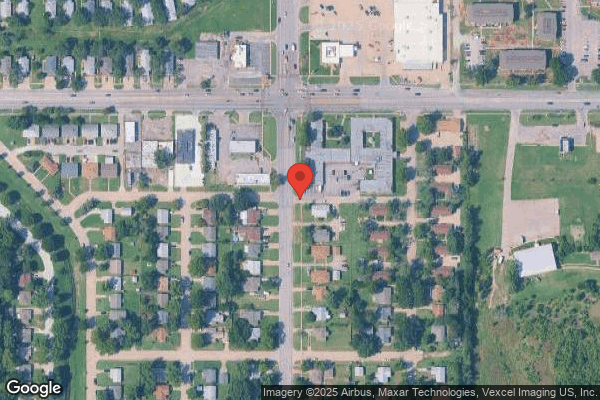
1600 S WOODLAWN BLVD, WICHITA, KS 67218 (316) 691-9999
For profit - Limited Liability company 80 Beds CORNERSTONE GROUP HOLDINGS Data: November 2025 3 Immediate Jeopardy citations
Trust Grade
0/100
#271 of 295 in KS
Last Inspection: April 2025

Within standard 12-15 month inspection cycle. Federal law requires annual inspections.

Overview

Orchard Gardens in Wichita, Kansas, has received a Trust Grade of F, indicating significant concerns and a poor overall quality of care. Ranking #271 out of 295 facilities in Kansas places them in the bottom half of state options, and they are last among the 29 facilities in Sedgwick County. The facility is worsening, with issues increasing from 1 in 2024 to 16 in 2025, and staffing ratings are below average at 2 out of 5 stars, with a troubling turnover rate of 72%. The facility has faced some serious incidents, including a failure to adequately monitor residents after allegations of sexual abuse and allowing a cognitively impaired resident to elope, which raises serious safety concerns. While there is some RN coverage, it is less than 91% of Kansas facilities, which means residents may not receive the level of nursing oversight they need.

Trust Score
F
0/100
In Kansas
#271/295
Bottom 9%
Safety Record
High Risk
Review needed
Inspections
Getting Worse
1 → 16 violations
Staff Stability
⚠ Watch
72% turnover. Very high, 24 points above average. Constant new faces learning your loved one's needs.
Penalties
○ Average
$24,908 in fines. Higher than 61% of Kansas facilities. Some compliance issues.
Skilled Nurses
⚠ Watch
Each resident gets only 16 minutes of Registered Nurse (RN) attention daily — below average for Kansas. Fewer RN minutes means fewer trained eyes watching for problems.
Violations
⚠ Watch
50 deficiencies on record. Higher than average. Multiple issues found across inspections.
★☆☆☆☆
1.0
Overall Rating
★★☆☆☆
2.0
Staff Levels
★★☆☆☆
2.0
Care Quality
★☆☆☆☆
1.0
Inspection Score
Stable
2024: 1 issues
2025: 16 issues

The Good

  • Full Sprinkler Coverage · Fire safety systems throughout facility
  • No fines on record

Facility shows strength in fire safety.

The Bad

1-Star Overall Rating

Below Kansas average (2.9)

Significant quality concerns identified by CMS

Staff Turnover: 72%

26pts above Kansas avg (46%)

Frequent staff changes - ask about care continuity

Federal Fines: $24,908

Below median ($33,413)

Minor penalties assessed

Chain: CORNERSTONE GROUP HOLDINGS

Part of a multi-facility chain

Ask about local staffing decisions and management

Staff turnover is very high (72%)

24 points above Kansas average of 48%

The Ugly 50 deficiencies on record

3 life-threatening
Sept 2025 3 deficiencies
CONCERN (D) 📢 Someone Reported This

A family member, employee, or ombudsman was alarmed enough to file a formal complaint

Potential for Harm - no one hurt, but risky conditions existed

Free from Abuse/Neglect (Tag F0600)

Could have caused harm · This affected 1 resident

The facility reported a census of 70 residents. The sample included 12 residents with six residents reviewed for abuse. Based on observation, interview and record review, the facility failed to ensure...

Read full inspector narrative →
The facility reported a census of 70 residents. The sample included 12 residents with six residents reviewed for abuse. Based on observation, interview and record review, the facility failed to ensure Resident (R) 1 remained free from verbal abuse and mistreatment. This deficient practice placed the resident at risk for fear and decreased quality of life. Findings included:- R1's Electronic Health Record (EHR) documented diagnoses that included chronic pain and major depressive disorder (a mood disorder that causes a persistent feeling of sadness and loss of interest)R1's 05/20/25 admission Minimum Data Set (MDS) documented a Brief Interview of Mental Status (BIMS) score of 15, which indicated intact cognition. The assessment documented R1 utilized a walker or wheelchair for locomotion and required supervision or touching assistance with all activities of daily living (ADL) except oral hygiene, which required setup or clean-up assistance, and eating, which was performed independently.The 05/20/25 ADL Functional / Rehabilitation Potential Care Area Assessment documented R1 needed assistance from staff related to chronic pain.R1's 08/20/25 Quarterly MDS documented a BIMS score of 15. The assessment documented R1 utilized a walker or wheelchair and required supervision or touching assistance for putting on footwear and toileting, setup or cleanup assistance for all other ADL except lower body dressing, which was performed independently.The facility's investigation documented on 08/28/25 at an unknown time, Administrative Staff A was summoned to the parking lot by Social Services Designee (SSD) X for a verbal argument between R1 and Maintenance U. The investigation documented Administrative Staff A and SSD X observed Maintenance U arguing with R1, and the situation was successfully de-escalated by separating Maintenance U and R1. Administrative Staff A and SSD X interviewed Maintenance U and R1, as well as R2, R3, and Dietary BB, who witnessed the exchange between Maintenance U and R1. All witnesses reported yelling and an exchange of profanities between Maintenance U and R1. The investigation documented Maintenance U was immediately suspended pending the facility's investigation and terminated on 09/03/25.R1's EHR Progress Notes tab, reviewed from 08/20/25 to 09/03/25, lacked documentation of the incident on 08/28/25.Dietary BB's undated and unnotarized Witness Statement documented on 08/28/25, he observed a verbal altercation between Maintenance U and R1 and documented an exchange of profanities. Dietary BB documented they did not intervene because Administrative Staff A was approaching the situation.Administrative Staff B's unnotarized Witness Statement, dated 08/28/25, documented she overheard Maintenance U and R1 talking. Maintenance U asked R1 and R2 to move away from the area where the residents were smoking because it was too close to the door. A verbal exchange then followed, and Administrative Staff B called Administrative Staff A and asked her to come outside because Maintenance U and R1 were arguing. The verbal exchange between Maintenance U and R1 continued and included an exchange of profanities. Administrative Staff A then removed Maintenance U from the situation, and Administrative Staff A interviewed R1 and R2.SSD X's undated and unnotarized Witness Statement documented she went to the office of Administrative Staff A, where they were asked to assist in the parking lot to de-escalate a situation. SSD X and Administrative Staff A went to the parking lot and observed Maintenance U and R1 arguing. SSD X and Administrative Staff A successfully stopped the argument, and Administrative Staff A sent Maintenance U inside. The statement documented Administrative Staff A interviewed R1 and R2, who reported an exchange that included profanity. Administrative Staff A and SSD X then interviewed Maintenance U, who confirmed profanity was exchanged. Administrative Staff A then suspended Maintenance U.The facility did not obtain a witness statement from Maintenance U.During an observation on 09/03/25 at 03:05 PM, R1 sat in his motorized wheelchair smoking a cigarette in the courtyard with other residents and staff present.During an interview on 09/03/25 at 11:10 AM, Certified Nurse Aide (CNA) N revealed she had received an in-service recently that covered abuse, neglect, and exploitation.During an interview on 09/03/25 at 01:30 PM, Administrative Staff A reported the facility terminated Maintenance U for verbal abuse to R1. The investigation was unable to determine if Maintenance U or R1 started yelling first, and Maintenance U was observed by other residents and staff yelling at R1. Administrative Staff A said Maintenance U was informed the behavior was unacceptable and was immediately suspended pending the investigation and terminated effective 09/03/25.During an interview on 09/03/25 at 02:40 PM, Licensed Nurse (LN) H revealed she had received an in-service related to abuse, neglect, and exploitation within the last few days.During an interview on 09/03/25 at 03:05 PM, R1 confirmed that he was involved in a verbal exchange with Maintenance U and that voices were raised and profanities were exchanged. R1 reported no lasting ill effects as a result, and the exchange was from a personality conflict. R1 reported that in the future, if he experiences that again, he will leave the situation and notify a staff member.The facility's Recognizing Signs and Symptoms of Abuse/Neglect/Exploitation policy, dated 10/2021, documented the facility would not condone any form of resident abuse. The policy defined abuse as willful infliction of injury or intimidation that resulted in physical harm, pain, or mental anguish.
CONCERN (E) 📢 Someone Reported This

A family member, employee, or ombudsman was alarmed enough to file a formal complaint

Potential for Harm - no one hurt, but risky conditions existed

Safe Environment (Tag F0584)

Could have caused harm · This affected multiple residents

The facility reported a census of 70 residents. Based on observation, interview and record review, the facility failed to maintain a clean, comfortable and homelike environment in two of the three sho...

Read full inspector narrative →
The facility reported a census of 70 residents. Based on observation, interview and record review, the facility failed to maintain a clean, comfortable and homelike environment in two of the three shower rooms when the facility failed to ensure the walls remained free of any mildew, or unknown and unintended substances. Additionally, the facility failed to ensure the smoking courtyard and main entrance entry way area was maintained in a sanitary manner that included proper disposal of cigarette butts. This placed the affected residents at risk for decreased quality of life. Findings included:- Observation on 09/03/25 at 08:20 AM of the exterior entry way area to the facility revealed dozens of used cigarette butts littered on the ground in the area. The area did not contain a cigarette receptacle (a device used to extinguish and dispose of cigarette waste in a sanitary manner).Observation on 09/03/25 at 08:25 AM of the smoking courtyard area revealed dozens of cigarette butts littered on the ground. The courtyard contained several plastic and/or metal cigarette receptacles.Observation on 09/03/25 at 09:30 AM revealed the shower room on the 400-hall smelled of cigarette smoke with ashes on and around the toilet. There was a black/brown substance observed on the wall. The paint on the wall had bubbling consistent with water damage.Observation on 09/03/25 at 09:35 AM revealed the left shower room on the 200 hall had a black/brown substance observed on the wall beside the window, as well as the top and both sides of the wall opening where the window was mounted. Additionally, the exhaust fan was not operational.Observation on 09/03/25 at 11:00 AM with Consultant HH and Consultant II in the shower room on the 400 hallway, confirmed the presence of an odor of cigarette smoke in the bathroom and a black/brown substance on the wall.Observation on 09/03/25 at 11:05 AM with Consultant HH and Consultant II in the left shower room on the 200 hallway, confirmed the presence of a black/brown substance on the wall and area surrounding the window. During an interview on 09/03/25 at 11:00 AM, Consultant II identified the substance on the wall in the shower room on the 400 hall as mildew. Additionally, Consultant II stated the only way to definitively test the substance to identify it as mold or mildew was to send a sample to a laboratory for identification.During an interview on 09/03/25 at 11:05 AM, Consultant HH and Consultant II did not identify the substance on the wall in the left shower room on the 200 hall as mold or mildew; however, Consultant II identified the substance on the wall in the 200 hall shower room as similar to the substance on the wall in the 400 hall shower room.During an interview on 09/03/25 at 03:45 PM, Consultant GG stated that the entry way to the facility is a non-smoking area and confirmed that the area did not contain a cigarette receptacle, although one was needed for residents and visitors who are entering the building. Consultant GG stated the expectation was for smoking areas as well as the entryway to be well-maintained and clean. Consultant GG stated the expectation was for Certified Nurse Aide (CNA) staff to clean the shower rooms between each use, and housekeeping and/or environmental services (EVS) to clean/sanitize all surfaces in the shower rooms at least daily. Consultant GG revealed CNA and/or housekeeping/EVS were to report any damaged or discolored areas to maintenance staff. Consultant GG stated the expectation was for the facility to be free of black/brown substances on the walls, with repairs to be performed as needed.The facility's undated Quality of Life - Homelike Environment policy documented residents would be provided with a safe, clean, comfortable, and homelike environment. Staff and management would provide characteristics of a homelike setting that included a clean and sanitary environment. The facility's undated Smoking Policy - Residents policy documented metal containers with self-closing cover devices would be available in smoking areas. The policy did not contain additional information related to the proper disposal of cigarette buts or other used smoking materials.
CONCERN (F) 📢 Someone Reported This

A family member, employee, or ombudsman was alarmed enough to file a formal complaint

Potential for Harm - no one hurt, but risky conditions existed

Food Safety (Tag F0812)

Could have caused harm · This affected most or all residents

The facility reported a census of 70 residents, and one main kitchen. Based on observation, record review and interview the facility failed to prepare and serve food under sanitary conditions to preve...

Read full inspector narrative →
The facility reported a census of 70 residents, and one main kitchen. Based on observation, record review and interview the facility failed to prepare and serve food under sanitary conditions to prevent the potential for food borne bacteria. This placed the residents at risk for food borne illnesses. Findings included:- During an observation on 09/03/25 at 09:53 AM, several dead roaches and live roaches were observed in different stages of life throughout the kitchen on the floor. The roaches were observed behind and on the side of the refrigerators, freezers, under the clean dish storage rack, under the meal prep counter, behind doors, and in the dry storage room. Dietary Staff CC said she had seen several roaches and had reported the concern to Dietary Staff BB, Certified Dietary Manager (CDM). Additionally, Dietary Staff CC said a person would come into the kitchen weekly to try to control all the roaches. Further observation revealed two garbage cans with no lids on them in the kitchen. Dietary Staff CC reported the lids were off, as it was easier to throw items away.During an interview on 09/03/25 at 10:00 AM, Dietary Staff BB confirmed the roaches in all stages of life throughout the kitchen in dry storage, behind fridges, freezers, under counters, and behind doors. Dietary Staff BB reported the facility had a pest control service came monthly, which was due sometime in September, and stated Administrative Staff A is responsible for calling the pest control company. Dietary Staff BB reported the kitchen staff had been dealing with roaches for about six months now.During an interview on 09/03/25 at 04:50 PM, Administrative Staff A stated he expected the kitchen to be pest-free, and the facility has tried to accomplish this. Administrative Staff A confirmed there were roaches in the kitchen.The facility's Pest Control policy dated June 2025, documented our facility shall maintain an effective pest control program. This facility maintains an ongoing pest control program to ensure the building is kept free of insects and rodents.
Apr 2025 13 deficiencies
CONCERN (D)

Potential for Harm - no one hurt, but risky conditions existed

Deficiency F0582 (Tag F0582)

Could have caused harm · This affected 1 resident

The facility reported a census of 66 residents which included a sample of three residents identified by the facility with Medicare Part A stay termination of benefits before exhaustion of Medicare Par...

Read full inspector narrative →
The facility reported a census of 66 residents which included a sample of three residents identified by the facility with Medicare Part A stay termination of benefits before exhaustion of Medicare Part A 100-day benefit period. Based on interviews and record review, the facility failed to provide two residents with the Centers for Medicare and Medicaid Services (CMS) form CMS- 10055 Skilled Nursing Facility Advanced Beneficiary Notice [ABN], which provides the recipient with the information related to the right to choose continued services and associated charges for continued skilled services after termination of Medicare Part A services for Resident (R) 13 and R121. This placed the residents at risk for uninformed decisions and unanticipated costs regarding skilled services. Findings included: - A review of R13's Skilled Nursing Facility (SNF) Beneficiary Protection Notification Review, revealed the resident started Medicare Part A services on 12/08/24. He was discharged from Medicare A services on 01/03/25 and remained in the facility. The facility did not provide the resident with a CMS-10055 SNF ABN to allow the resident to make an informed decision regarding the continuation of skilled services and the associated costs. A review of Resident (R)121's Skilled Nursing Facility (SNF) Beneficiary Protection Notification Review, revealed the resident started Medicare Part A services on 01/18/25. She was discharged from Medicare A services on 01/03/25 and remained in the facility. The facility did not provide the resident with a CMS-10055 SNF ABN to allow the resident to make an informed decision regarding the continuation of skilled services and the associated costs. On 04/01/25 at 01:49 PM, Administrative Nurse B confirmed the above findings. She reported the facility failed to provide the residents with appropriate SNF ABN notice at the termination of Medicare Part A benefits. The undated facility policy titled Medicare Denial Notices (Advanced Benefit Notification-ABN), documentation including SNF ABN (CMS-1005) is issued to the resident and/or representative to enable the resident/representative to enable to decide if the resident wishes to continue receiving the skilled services that may not be paid for by Medicare and the resident and the resident assumes financial responsibility for the items or services.
CONCERN (D)

Potential for Harm - no one hurt, but risky conditions existed

Deficiency F0625 (Tag F0625)

Could have caused harm · This affected 1 resident

**NOTE- TERMS IN BRACKETS HAVE BEEN EDITED TO PROTECT CONFIDENTIALITY** The facility had a census of 66 residents. The sample included 18 residents with three residents reviewed for hospitalization. B...

Read full inspector narrative →
**NOTE- TERMS IN BRACKETS HAVE BEEN EDITED TO PROTECT CONFIDENTIALITY** The facility had a census of 66 residents. The sample included 18 residents with three residents reviewed for hospitalization. Based on observation, interview, and record review, the facility failed to provide a bed hold notice to two residents, Resident (R) 28, and R69, and/or their representative at the time of the residents' transfers to the hospital. This placed the residents at risk for impaired ability to return to the facility in the same room. Findings included: - R28's Electronic Health Record (EHR) docuemnted R28 was admitted to the hospital on [DATE]. R28's EMR lacked evidence the facility provided a bed hold notice for the transfer/discharge to the hospital. R69's EHR documented that R69 was admitted to the hospital on [DATE]. R69's EMR lacked evidence the facility provided a bed hold notice for the transfer/discharge to the hospital. During an interview on 03/31/25 at 05:36 AM, Licensed Nurse (LN) O reported that she would not complete a bed hold form when a resident was transferred to the hospital. LN O reported she had never seen a bed hold form and was not sure who provided the bed hold to the resident. During an interview on 04/01/25 at 09:58 AM, Social Service Designee (SSD) L reported that the bed hold was not one of her responsibilities to complete. During an interview on 04/01/25 at 11:55 AM, Administrative Staff B reported the facility did not have bed holds for the requested residents and further stated the facility should have completed and provided the bed hold notice to the residents. The facility did not provide a bed hold policy.
CONCERN (D) 📢 Someone Reported This

A family member, employee, or ombudsman was alarmed enough to file a formal complaint

Potential for Harm - no one hurt, but risky conditions existed

Deficiency F0645 (Tag F0645)

Could have caused harm · This affected 1 resident

**NOTE- TERMS IN BRACKETS HAVE BEEN EDITED TO PROTECT CONFIDENTIALITY** The facility reported a census of 66 with 18 in the sample, which included Resident (R)2 reviewed for Preadmission Screening and...

Read full inspector narrative →
**NOTE- TERMS IN BRACKETS HAVE BEEN EDITED TO PROTECT CONFIDENTIALITY** The facility reported a census of 66 with 18 in the sample, which included Resident (R)2 reviewed for Preadmission Screening and Resident Review (PASARR). Based on observation, interviews, and record review the facility failed to obtain a PASARR Level 2 for R2. This placed R2 at risk for unidentified care needs and impaired quality of care. Findings include: - The Electronic Health Records (EHR) for R2 included diagnoses of suicidal ideations (the thoughts, fantasies, or contemplations about ending one's own life), auditory hallucinations (sensory experiences of hearing sounds that are not present in the external environment), major depressive disorder (a common and serious mental health condition characterized by persistent feelings of sadness, hopelessness, and loss of interest or pleasure in activities), generalized anxiety disorder (a mental health condition characterized by excessive, persistent, and uncontrollable worry about a wide range of events or activities), schizoaffective disorder (a mental health condition that combines symptoms of schizophrenia and bipolar disorder), and primary insomnia (a chronic sleep disorder characterized by difficulty falling or staying asleep, despite having adequate opportunity for sleep, that is not caused by other underlying medical or psychiatric). R2's Annual Minimum Data Set (MDS), dated [DATE], documented a Brief Interview for Mental Status (BIMS) score of 15, which indicated intact cognition. R2 had no physical impairment. The 12/21/24 Psychotropic Drug Use Care Area Assessment (CAA) documented that R2 had taken high-risk antipsychotic medication, antianxiety medication, and antidepressant medication. R2's Care Plan dated 03/31/23 indicated R2 had the potential for activities of daily living (ADL) self-care performance deficit related to schizoaffective, depression, anxiety, suicidal ideation, hallucinations, and behavior problems of hoarding. R2 used psychotropic (alters mood or thought) medications related to behavior management, and had a mood problem related to schizoaffective disorder, major depression, anxiety, suicidal ideation, and hallucinations. R2's EHR documented a CARE Assessment dated 05/11/21 with the need for further evaluation (Level 2). R2's EHR lacked documentation that the PASARR Level 2 had been completed. During an interview on 03/31/25 at 11:13 AM, Administrative Staff A reported that the Assistant Director of Nursing probably ensured PASARR compliance. During an interview on 03/31/25 at 11:25 AM, Business Office Manager DD reported that she was unable to locate the PASARR Level 2 for R2. During an interview on 03/31/25 at 11:36 AM, Social Service Designee L reported that she coordinated with the state for PASARR Level 2 to be done. She stated that she audited the residents' charts and reviewed R2's CARE Assessment. Social Service Designee L reported she discovered no Level 2 was completed and reported she sent the paperwork to the state requesting a Level 2 evaluation on 03/05/24. The facility policy title PASRR-KANSAS dated 10/2021 stated that the facility assures that a Pre-admission Screening and Resident Review (PASARR) would be completed and submitted as required by the state. The facility policy also indicated that the business office manager was responsible for ensuring all required CARE Assessments would be completed and submitted to the Kansas Department on Aging and Disability Services (KDADS) and ensure they were loaded into the resident's EHR. The facilities policy did not address obtaining a PASARR Level 2 screening when recommended.
CONCERN (D) 📢 Someone Reported This

A family member, employee, or ombudsman was alarmed enough to file a formal complaint

Potential for Harm - no one hurt, but risky conditions existed

Deficiency F0657 (Tag F0657)

Could have caused harm · This affected 1 resident

**NOTE- TERMS IN BRACKETS HAVE BEEN EDITED TO PROTECT CONFIDENTIALITY** The facility reported a census of 66 residents. The sample included 18 residents reviewed for comprehensive care plans. Based on...

Read full inspector narrative →
**NOTE- TERMS IN BRACKETS HAVE BEEN EDITED TO PROTECT CONFIDENTIALITY** The facility reported a census of 66 residents. The sample included 18 residents reviewed for comprehensive care plans. Based on observation, interview, and record review the facility failed to review and revise comprehensive care plans for Residents (R)43 related to bathing. This placed the resident at risk for poor hygiene due to uncommunicated care needs. Findings Included: - R43's Electronic Health Records (EHR) Physician Orders (POS), dated 01/07/25 documented diagnoses which included disorientation (confusion), dementia (condition that causes a decline in memory, thinking, and other cognitive abilities making it harder to perform everyday tasks) with behavioral disturbances, generalized anxiety disorder (mental health disorder characterized by feelings of left artificial knee joint replacement, atrial fibrillation (irregular heartbeat), insomnia, (inability to sleep), and psychotic disorder (a mental disorder characterized by disconnection from reality) with hallucinations (a perception of having seen, heard, touched, tasted, or smelled something that was not there). The Annual Minimum Data Set (MDS), dated [DATE], documented a Brief Interview for Mental Status (BIMS) score of 15, indicating cognitively intact. The resident demonstrated verbal behavioral symptoms directed towards others one to three days of the look-back period. The MDS documented choosing the type of bath as very important to the resident. The MDS lacked completion to indicate the resident's level of self-care and/or required staff assistance for bathing. R43's Care Plan dated 01/09/25, directed staff R43 had impaired cognitive function/dementia and impaired decision-making skills. He had self-performance deficits. Staff should anticipate and meet the resident's needs, initiated: 01/02/24. The plan lacked guidance to staff related to R43's preferences for bathing and/or his schedule for bathing to include type, frequency, and/or time of day for bathing. The Tasks ADL [Activities of Daily Living] Bathing section of the EMR, dated 02/28/25, and Bath Sheets, indicated the resident with scheduled for showers three days a week on Monday, Wednesday, Friday, and as needed. A review of the bathing documentation for 03/01/25 through 04/01/25 revealed the staff provided five opportunities for bathing during the 30-day period rather than the resident's twelve preferred and scheduled showers. Additionally, the documentation revealed the resident did not refuse any bathing opportunities offered by staff. On 03/26/25 at 02:04 PM, R43 sat in his chair in his room. His walker was at the bedside and his clothing was disheveled. The resident reported he asked to get a bath for four days without getting a response from the staff. He stated his scheduled shower days were Monday, Wednesday, and Saturday. He did not care what time of the day but wanted at least three showers a week. R43 stated when he asked the staff for a shower, the staff just put him off. He confirmed he needed staff assistance to wash his back and lower legs and the staff said it was not safe for him to take a shower by himself. On 03/31/25 at 10:53 AM, Certified Nurse Aide (CNA) U reported that R43 needed staff assistance with showers, walking, and dressing. She stated the admission staff should interview residents when they are admitted and care plan resident preferences and choices related to bathing. CNA U stated residents should receive baths per their preferences and the schedule. CNA U said staff providing baths/showers should document in the EHR when they offer a resident a bath/or shower. If the resident refuses a bath/shower, the staff should document the resident's refusal and the nurse should be notified. CNA U said bath sheets are completed when a bath/shower is given. On 04/01/25 at 08:58 AM, Administrative Nurse D confirmed the above findings and stated residents should get baths/showers offered per their preferences for the type of bathing, frequency, and time of day. Administrative Nurse D said staff should document the offers made for bathing and any refusals in the EMR and bath sheets. The policy Comprehensive Assessments and the Care Delivery Process, dated 10/20/21, documented assessments will be conducted, to include resident interviews to assist in developing person-centered care plans.
CONCERN (D) 📢 Someone Reported This

A family member, employee, or ombudsman was alarmed enough to file a formal complaint

Potential for Harm - no one hurt, but risky conditions existed

ADL Care (Tag F0677)

Could have caused harm · This affected 1 resident

**NOTE- TERMS IN BRACKETS HAVE BEEN EDITED TO PROTECT CONFIDENTIALITY** The facility reported a census of 66 residents. The sample included 18 residents with seven dependent residents reviewed for act...

Read full inspector narrative →
**NOTE- TERMS IN BRACKETS HAVE BEEN EDITED TO PROTECT CONFIDENTIALITY** The facility reported a census of 66 residents. The sample included 18 residents with seven dependent residents reviewed for activities of daily living (ADLs). Based on observation, interview, and record review the facility failed to provide necessary services in accordance with their preferences and in keeping with their plan of care for Resident (R)43, R51, and R28. This placed the affected residents at risk for decreased quality of care. Findings Included: - R43's Electronic Health Records (EHR) Physician Orders (POS), dated 01/07/25 documented diagnoses which included disorientation (confusion), dementia (condition that causes a decline in memory, thinking, and other cognitive abilities making it harder to perform everyday tasks) with behavioral disturbances, generalized anxiety disorder (mental health disorder characterized by feelings of left artificial knee joint replacement, atrial fibrillation (irregular heartbeat), insomnia, (inability to sleep), and psychotic disorder (a mental disorder characterized by disconnection from reality) with hallucinations (a perception of having seen, heard, touched, tasted, or smelled something that was not there). The Annual Minimum Data Set (MDS), dated [DATE], documented a Brief Interview for Mental Status (BIMS) score of 15, indicating cognitively intact. The resident demonstrated verbal behavioral symptoms directed towards others one to three days of the look-back period. The MDS documented choosing the type of bath as very important to the resident. The MDS lacked completion to indicate the resident's level of self-care and/or required staff assistance for bathing. R43's Care Plan dated 01/09/25, directed staff R43 had impaired cognitive function/dementia and impaired decision-making skills. He had self-performance deficits. Staff should anticipate and meet the resident's needs, initiated: 01/02/24. The plan lacked guidance to staff related to R43's preferences for bathing and/or his schedule for bathing to include type, frequency, and/or time of day for bathing. The Tasks ADL Bathing section of the EMR, dated 02/28/25, and Bath Sheets, indicated the resident with scheduled for showers three days a week on Monday, Wednesday, Friday, and as needed. A review of the bathing documentation for 03/01/25 through 04/01/25 revealed the staff provided five opportunities for bathing during the 30-day period rather than the resident's twelve preferred and scheduled showers. Additionally, the documentation revealed the resident did not refuse any bathing opportunities offered by staff. On 03/26/25 at 02:04 PM, R43 sat in his chair in his room. His walker was at the bedside and his clothing was disheveled. The resident reported he asked to get a bath for four days without getting a response from the staff. He stated his scheduled shower days were Monday, Wednesday, and Saturday. He did not care what time of the day but wanted at least three showers a week. R43 stated when he asked the staff for a shower, the staff just put him off. He confirmed he needed staff assistance to wash his back and lower legs and the staff said it was not safe for him to take a shower by himself. On 03/31/25 at 10:53 AM, Certified Nurse Aide (CNA) U reported that R43 needed staff assistance with showers, walking, and dressing. She stated the admission staff should interview residents when they are admitted and care plan resident preferences and choices related to bathing. CNA U stated residents should receive baths per their preferences and the schedule. CNA U said staff providing baths/showers should document in the EHR when they offer a resident a bath/or shower. If the resident refuses a bath/shower, the staff should document the resident's refusal and the nurse should be notified. CNA U said bath sheets are completed when a bath/shower is given. On 04/01/25 at 08:58 AM, Administrative Nurse D confirmed the above findings and stated residents should get baths/showers offered per their preferences for the type of bathing, frequency, and time of day. Administrative Nurse D said staff should document the offers made for bathing and any refusals in the EMR and bath sheets. The Policy Quality of Life-Bathing, policy dated 10/20/21, documentation includes each resident shall be cared for in a manner that promotes and enhances his or her sense of well-being, level of satisfaction with life, the feeling of self-worth and self-esteem. The facility culture is one that supports and encourages the humanization and individualization of residents and honors residents' choices and preferences with respect to bathing type, frequency, and time of day. - A review of R51's diagnoses from the Electronic Health Record (EHR) documented: dementia (a progressive mental disorder characterized by failing memory, and confusion), and aphasia (a condition with disordered or absent language function) The 11/10/24 Annual Minimum Data Set (MDS) for R51 documented a Brief Interview for Mental Status (BIMS) score of 00, which indicated severely impaired cognition. R51 had a total mood severity score of 00, which indicated no depression. R51 required to set up and supervision for eating. The 11/29/24 Cognitive Loss/Dementia Care Area Assessment (CAA) dated 11/29/24 documented R51 had an actual cognition issue due to diagnoses and due to the disease process. R51 would have a slow decline, and the staff avoid complications and minimize risks. R51 did not trigger for Functional Abilities (Self-Care and Mobility) or 'Nutritional Status on annual MDS. The 02/10/25 Quarterly MDS for R51 documented a BIMS of one, which indicated severely impaired cognition. R51 had a total mood severity score of nine which indicated mild depression. R51 required set-up and supervision for eating. R51's Care Plan documented R51 had a potential nutritional problem related to dementia and had the following intervention: 05/30/23 - Staff were instructed to provide one staff assistance with cutting up food, opening cartons, and cueing. The 01/31/2025 at 08:04 AM Dietary/Nutrition Progress Note documented R51 required setup assistance for meals. During an observation on 03/31/25 at 09:21 AM, R51 sat in his recliner. He had a bowl of oatmeal he was attempting to eat and a glass of juice on the counter next to him that remained with clear plastic wrap on the juice cup. During an observation on 03/31/25 at 10:22 AM, R51 sat in his recliner and leaned over to his left side with the spoon on the floor and his bowl next to him on the chair with his eyes closed. During an observation on 03/31/25 at 11:23 AM, R51 remained in the same position in his room as noted at 10:22 AM. During an observation on 04/01/25 at 08:49 AM, R51 sat in his recliner> He wore the same clothes as yesterday. R51's breakfast was on the counter next to his recliner, the juice was covered with plastic wrap; the oatmeal, sausage gravy, and biscuits were uncovered, and no silverware had been unwrapped. There was no tray table noted in the room. During an interview on 04/01/25 at 09:02 AM, Certified Nurse Aide (CNA) X reported she placed the breakfast tray in R51's room that morning on the counter. CNA X entered R51's room and looked for an over-the-bed tray but did not see one so she then assisted R51 with his breakfast. She reported that R51 should go to the dining room, but he would not always go as he would stay up at night. She also reported to find what type of care a resident required she would look on the Kardex in the computer She reported that R51 required set-up supervision and cueing to eat. During an interview on 04/01/25 at 12:50 PM, Administrative Nurse D reported she expected staff to follow the care plan and provide the required care and assistance that any resident needed. The facility did not provide a policy on ADL assistance. The facility failed to provide the assistance for eating that R51 required. This deficient practice had the potential to negatively affect the resident's physical well-being. A review of R28's diagnoses from the Electronic Health Record (EHR) documented: dementia (a progressive mental disorder characterized by failing memory, and confusion), and Parkinson's disease (a slowly progressive neurologic disorder characterized by resting tremors, rolling of the fingers, masklike faces, shuffling gait, muscle rigidity and weakness) The 03/10/24 admission Minimum Data Set (MDS) for R28, documented a Brief Interview for Mental Status (BIMS) score of nine, which indicated moderately impaired cognition. R28 had a total mood severity score of 12, which indicated moderate depression. R28 required maximal assistance with personal hygiene. The 03/18/24 Functional Abilities (Self-Care and Mobility) Care Area Assessment (CAA) recorded staff assisted R28 with setup, supervision, and cueing for all ADLs due to behaviors. The 03/18/24 Cognitive Loss/Dementia (CAA) documented staff would anticipate needs as needed to re-orientate the resident; staff would allow the resident time to process thoughts and feelings and allow the resident time to verbalize those thoughts. The 12/11/25 Quarterly MDS for R28, documented a BIMS score of seven, which indicated severely impaired cognition. R28's Care Plan documented the following intervention: 11/25/23 - Staff were instructed to provide assistance with R28's hygiene. The 03/08/25 through 03/27/25 Personal Hygiene tasks documented in the EHR for R28s ability to maintain personal hygiene, including combing hair and shaving, were all documented as dependent on staff to complete this task. During an observation on 03/27/25 at 07:54 AM R28 was in the dining room eating breakfast. He had approximated one-quarter-inch facial whiskers. R28 reported that he would like to have a shave but staff would not let him have a razor. During an interview on 03/31/25 at 11:53 AM, Certified Nurse Aide (CNA) BB reported R28 required staff to assist with his personal hygiene which included shaving. During an interview on 04/01/25 at 08:39 AM, Licensed Nurse (LN) N reported that the CNAs should shave the residents that required assistance on the resident's scheduled shower days or as needed. Additionally, the CNAs should follow the care plan. During an interview on 04/01/25 at 09:40 AM, CNA X reported that she had shaved R28 after his shower today and reported that she would only shave the cheeks of the residents as she did not feel comfortable shaving the remainder of facial hair as there were no clippers only straight razors. During an interview on 0401/25 at 04:00 PM, Administrative Nurse C reported she expected the staff to shave residents' facial hair as requested or as needed. The facility did not provide a policy on ADL. The facility failed to provide the assistance for removal of facial hair for R28. This deficient practice had the potential to negatively affect the resident's physical well-being.
CONCERN (D)

Potential for Harm - no one hurt, but risky conditions existed

Deficiency F0909 (Tag F0909)

Could have caused harm · This affected 1 resident

The facility reported a census of 66 residents which included 18 residents sampled, which included two residents reviewed for functional equipment. Based on interview, observation, and record review, ...

Read full inspector narrative →
The facility reported a census of 66 residents which included 18 residents sampled, which included two residents reviewed for functional equipment. Based on interview, observation, and record review, the facility failed to ensure Resident (R)29 and R2's bed was in safe and operable condition. This deficient practice placed the residents at risk for discomfort and decreased safety. Findings include: - Observation on 03/26/25 at 02:49 PM revealed that R2's bed frame appeared to be broken, and the bed would not sit level. The bed was a crank style. Observation on 03/27/25 at 10:40 AM revealed that the remote R29's bed was under it and stuck in the frame. The sheathing was stripped from the wires the wires were unraveled. The bed rested almost completely on the ground. During an interview on 03/27/25 at 10:40 AM, R29 reported that the bed would go up and down but the head of the bed would not work to be raised or lowered. During an interview on 04/02/25 at 4:00 PM, Maintenance/Housekeeping EE said the remote to R29's bed should have been unplugged for safety and replaced. During an interview on 04/02/25 at 4:20 PM, Maintenance/Housekeeping staff EE reported R2's bed was the old crank style He said he wasn't aware of any work areas that had been placed, but verified the bed was unacceptable, and a new one would be ordered that day. During an interview on 04/02/25 at 07:00 PM, Maintenance/Housekeeping EE reported that a new been had been ordered for R2 and it was scheduled to arrive on 04/03/25 in the morning. The facility did not provide a policy related to bed safety or maintenance.
CONCERN (E)

Potential for Harm - no one hurt, but risky conditions existed

Safe Environment (Tag F0584)

Could have caused harm · This affected multiple residents

The facility reported a census of 66 residents. The sample included 18 residents. Based on observation, record review, and interviews, the facility failed to promote a sanitary, homelike environment. ...

Read full inspector narrative →
The facility reported a census of 66 residents. The sample included 18 residents. Based on observation, record review, and interviews, the facility failed to promote a sanitary, homelike environment. This deficient practice had the potential for decreased psychosocial well-being and impaired safety and comfort for the affected residents. Findings include: - During an observation on 03/26/25 at 11:38 AM, Resident (R) 17 and R6's room had no threshold noted in the entrance of the room, the windowsill was missing a tile and the standing floor fan was missing the front cover. During an observation on 03/26/25 at 11:39 AM the 300 hallway had large gouges missing from the wall and several areas of baseboard peeling back noted in the hallway. Observation revealed built-up dirt on the wall and floor cover. During an observation on 03/26/25 at 11:45 AM, R8 and R18's room had a ceiling tile missing. The built-in wardrobe closet and drawers had chipped paint and broken areas noted on the bottom drawers. Additionally, the windowsill tile was covered with black electrical tape. During an observation on 03/26/25 at 11:49 AM, R51 had no name on his door. He had a dresser in the room which had the three top dresser drawers missing and he had a blanket covering the window. During an observation on 03/26/25 at 11:51 AM, R28's bathroom had exposed drywall in two areas, and the metal floor vent laid on the floor near the open area. The floor vent was bent, and rust was noted on the vent. Additionally, the windowsill tile was cracked and missing in the corner of the window. During an observation on 03/26/25 at 01:41 PM, R47's room smelled of cigarettes. The bathroom floor had a few tiles missing, and the baseboard was peeled back. During an observation on 03/26/25 at 02:05 PM, R10's window blinds were broken in several areas and R10 had a blanket for a curtain. Additionally, the baseboard in the room and bathroom was peeled off and holes were noted in the walls where the baseboard would have been on the wall. There was visible built-up dirt on the flooring. During an observation on 04/01/25 at 09:10 AM, the activity room had several floor tiles missing in the entranceway. During an interview on 03/27/25 at 10:15 AM, Maintenance Staff FF reported the staff could place a work order in the computer system for any facility repairs to alert him of any concerns. During an interview on 03/27/25 at 10:46 AM, Certified Medication Aide (CMA) W reported any repairs would be placed in the computer system for maintenance called TELS. CMA W reported all staff had access to place a work order. CMA W reported that R51 would not be able to hang a blanket on his window for a covering by himself and reported that staff would hang the blankets on the windows in resident rooms that did not have a curtain. During an interview on 03/31/25 at 05:36 AM, Licensed Nurse (LN) O reported if there were any maintenance concerns, staff would place a work order in the computer system to alert the maintenance department. During an interview on 04/01/25 at 09:10 AM, Activity Staff AA reported that she had tripped over the flooring in the activity room a couple of times and reported that Administrative Staff A was aware of the missing tiles on the floor. Activity Staff AA reported that the residents do use the activity room for some activities. During an interview on 04/01/25 at 01:28 PM, Administrative Staff A reported he was aware of some environmental concerns, and the facility had begun working on them. He reported that corporate had purchased ceiling tiles for the entire facility and would start replacing the ceiling tiles on 04/03/25 but was unable to obtain the receipt upon request. Administrative Staff A reported he had been told that some residents had blankets as window coverings but he had not visualized any residents' rooms with that concern. Administrative Staff A reported that corporate had a new audit in TELS for window and curtain concerns that would be started soon. Administrative Staff A stated expected all residents to have a safe, clean, homelike environment. The facility did not provide a policy for a homelike environment.
CONCERN (E)

Potential for Harm - no one hurt, but risky conditions existed

Accident Prevention (Tag F0689)

Could have caused harm · This affected multiple residents

**NOTE- TERMS IN BRACKETS HAVE BEEN EDITED TO PROTECT CONFIDENTIALITY** The facility had a census of 66 residents. The sample included 18 residents, with six residents observed for accidents and hazar...

Read full inspector narrative →
**NOTE- TERMS IN BRACKETS HAVE BEEN EDITED TO PROTECT CONFIDENTIALITY** The facility had a census of 66 residents. The sample included 18 residents, with six residents observed for accidents and hazards. Based on observation, record review, and interview, the facility failed to ensure a safe environment free from accident hazards when multiple residents had lighters in their rooms. Additionally, R45 had unsecured medications and R52 had an unsecured 1.75-liter bottle of vodka along with firecrackers and a two-inch pocketknife. Additionally, the facility failed to store chemicals in a secure safe manner. These failures placed the affected residents at risk for preventable accidents and related injuries. Findings included: - During an observation on 03/26/25 at 11:42 AM across from room [ROOM NUMBER] there was a workstation with a sink and an unlocked cupboard under the sink that had a spring-loaded mouse trap, a full gallon bottle of drain cleaner, a gallon bottle of disinfectant cleaner with approximately 200 ml of clear liquid in the bottle, and a one-quart spray bottle of germicidal cleaner. All the bottles had a label that read harmful keep out of reach of children. During an observation on 03/26/25 at 01:33 PM, Resident (R)48 reported and demonstrated that he had a lighter two cigarettes in his room, and a vape. R48 also had a clear box of vape supplies in his room. R48 reported he would vape in his room. R48 had an oxygen cannula laid across his bed and reported he wore oxygen at night. During an observation on 03/26/25 at 01:58 PM, R29 was not in her room, but observation revealed a lighter and cigarettes on her dresser. During an observation on 03/26/25 at 03:26 PM, R45 was sitting in his bed, observed on his bedside dresser were two Pantoprazole Sodium (Protonix) 40 milligram (mg) [a medication used to relieve symptoms such as heartburn, difficulty swallowing, and cough] and one Seroquel (Quetiapine Fumarate) 400 mg [type of medications used to treat psychosis and other mental emotional conditions]. During an observation on 03/27/25 at 09:47 AM, R52 was lying in bed. Observation revealed he had medicated chest rub and albuterol sulfate inhalation aerosol {a medication used to prevent and treat wheezing, difficulty breathing, chest tightness, and coughing caused by lung diseases such as asthma) at bedside. R52 reported there was a 1.75-liter bottle of vodka along with two 375ml bottles of vodka which had been consumed by the resident in a bag in his closet along with firecrackers and a two-inch pocketknife. During an observation on 03/27/25 at 11:30 AM R10 reported he had a lighter and cigarettes in the room and showed the items when asked. R10 giggled when he produced the cigarettes and lighter. During an interview on 03/27/25 at 09:08 AM Certified Nurse Aide (CNA) T reported she was unaware that the cupboard below the sink at the workstation on 300 hallways had contained chemicals and reported the cupboard should have been locked. Regional Administrator HH then reported the chemicals should have been locked up in a different storage area and said they were not aware that there was a spring-loaded mouse trap in the same cupboard. He reported there were no children living in the facility regarding the chemicals labeled with the statement keep out of reach of children. During an observation on 03/27/25 at 11:34 PM, R36 sat on his bed. He had a lighter and cigarettes on his bedside dresser next to a nebulizer (a device that changes liquid medication into a mist easily inhaled into the lungs) with tubing hooked up. During an interview on 03/27/25 at 09:58 AM, Certified Medication Aide (CMA) W reported residents were not allowed to have firecrackers or alcohol in their possession. On 03/27/25 at 10:14 AM Administrative Staff A went to R52's room and upon verification of the hazardous items, Administrative Staff A took possession of them. During an interview on 03/27/25 at 10:17 AM Administrative Staff A reported that R52 was his own guardian and had the ability to sign himself out of the facility. When R52 returns to the facility he can bring stuff in not allowed and staff are not allowed to [NAME] him when he enters the building. This is his right as a resident. During an interview on 03/31/25 at 05:36 AM, Licensed Nurse (LN) O reported that residents are not allowed to have cigarettes or lighters in their rooms. Staff were to take those items out of the resident's room if they found them and talk to the resident then provide them a form to sign regarding the education. LN O said that assured that residents were aware of the facility rules. LN O said CNA staff take the residents out for smoke breaks. LN O verified that residents had smoked in their bathrooms in the past. During an interview on 03/31/25 at 02:02 PM, Regional Administrator HH reported that R52 was slurring his words and that he may need an assessment for alcohol and recommended informing the doctor of the findings. During an interview on 04/01/25 at 01:19 PM, Administrative Staff A reported the smoking policy stated no resident was allowed to keep smoking materials in their possession and he expected the staff to confiscate any contraband. Additionally, he reported that the residents sign a smoking policy and follow a posted smoking schedule. The facility's policy Smoking Policy dated 10/2024, documented that residents in the facility who have independent smoking privileges and those without independent smoke privileges may not keep any smoking articles including cigarettes, tobacco, lighters, and matches in their possession. The facility's policy Storage Areas, Maintenance undated documented maintenance storage areas shall be maintained in a clean safe manner. Storage areas should be locked to prevent unauthorized access to hazardous chemicals.
CONCERN (E) 📢 Someone Reported This

A family member, employee, or ombudsman was alarmed enough to file a formal complaint

Potential for Harm - no one hurt, but risky conditions existed

Infection Control (Tag F0880)

Could have caused harm · This affected multiple residents

The facility reported a census of 66 residents. The sample included 18 residents. Based on observation, interview, and record review, the facility failed to ensure staff utilized acceptable infection ...

Read full inspector narrative →
The facility reported a census of 66 residents. The sample included 18 residents. Based on observation, interview, and record review, the facility failed to ensure staff utilized acceptable infection control practices to mitigate the spread of infections when staff failed to cover clean clothes left in the folding area, and under areas with noted debris and insulation. The facility staff failed to utilize enhanced barrier precautions (EBP-a set of infection control measures that use gowns and gloves to reduce the spread of multidrug-resistant organisms [MDROs] in nursing homes) when providing a dressing change for Resident (R) 52 and additionally failed to use EBP for R39 when staff administered a tube feeding (administration of nutritionally balanced liquefied foods or nutrients through a tube). The facility further failed to use proper hand hygiene and standard infection control practices for R14 and R18 when staff failed to complete proper hand hygiene and cleansing during peri-care. This deficient practice had the potential to spread possible infections to the residents in the facility. Findings included: - During an observation on 03/26/25 at 11:30 AM, no EBP signage or precautions were noted outside any of the residents' doors in any of the hallways during an initial tour of the facility. During an observation on 03/26/25 at 04:32 PM Licensed Nurse (LN) N performed a tube feeding for R39. LN N did not put on a gown. LN N only wore gloves during the observed tube feeding. During an observation of 03/31/25 at 10:02 AM Certified Nurse Aide (CNA) T applied her gloves in R14's room and grabbed the garbage can to set up on the other side of the bed to perform incontinence care. CNA T retrieved warm wash clothes from the bathroom and placed them in a lined wash basin with a plastic bag. CNA T stroked several times with the same part of the washcloth when she washed the peri-area as the washcloth hit the urine soiled brief under R14. CNA T completed the care, using the same soiled gloves pulled out a jar of unlabeled ointment, and applied that clear ointment to the resident's skin. During an observation on 03/31/25 at 10:52 AM, CNA C and CNA CC performed incontinence care for R18. CNA T dropped her glove onto the ground, picked the glove back up, and placed it on her left hand. CNA T removed R18's brief and started to perform incontinence care, CNA T used the disposable wipe in the same area for more than one stroke as she cleansed the peri-area. CNA CC returned to the room and applied new gloves then opened drawers in the bathroom. CNA T finished the front peri-area of the resident and threw soiled linen directly on the floor. CNA T removed her gloves, exited the room without washing her hands, and then returned with more supplies. The staff assisted R18 over to her right side; observation revealed R18 was incontinent of brown watery stool. CNA T cleansed R18's buttocks, legs, and hip areas, CNA T then removed the soiled linen and threw the soiled linen onto the ground. CNA T wiped the mattress off, dried it off, and then placed new linen and a brief under R18. Staff assisted R18 onto her back and CNA T used the same gloved hands to perform peri-care on R18's front area again. CNA CC had removed her gloves and then applied new gloves with no handwashing noted. During an observation on 04/01/25 at 12:59 PM, LN P did not perform hand hygiene before applying gloves to perform a dressing change for R52. During an observation on 04/01/25 at 02:00 PM Regional Maintenance Supervisor EE and Maintenance Staff FF reported they had not noticed that the residents' personal clothing that was hung up for sorting was directly underneath exposed insulation that covered duct work. Observed the area above the folding and sorting of clean linen no ceiling and the pipes were covered with dust. Regional Maintenance Supervisor EE reported that he would have the staff use an enclosed cover laundry cart to hang the residents' personal laundry until he moved the clean storage and folding table to a room that had a ceiling. During an interview on 03/31/25 at 05:49 AM CNA Y reported that the signs on some of the residents' doors with the three-drawer white cart system outside some of the residents' doors contained PPE was not in place on 03/26/25. CNA Y reported that she had worn just gloves in the past for the residents that required EBP that had an open wound, a catheter, or tube feeding. During an interview on 03/31/25 at 07:16 AM, LN N reported that the EBP had not been implemented on 03/26/25 when she administered the tube feeding to R39. LN N reported that she was unaware of the procedure for EBP on 03/26/25. During an interview on 03/31/25 at 10:12 AM, CNA T reported she completed incontinence care on R14 the way R14 wanted the care to be performed. CNA T reported that she should have not used the same part of the washcloth more than once and did not realize that she had to remove gloves, wash her hands, and apply new gloves before she applied the ointment. During an interview on 03/31/25 at 11:19 AM, CNA CC reported that she should have washed her hands when she removed her gloves before she applied new ones. She reported the soiled linen should have been placed on a barrier or in a bag and not placed on the floor. During an interview on 04/01/25 at 08:39 AM, LN N reported that once a staff member removed gloves, the staff member should complete hand washing either with hand sanitizer or soap and water at the sink. LN N said the CNA staff should just do one stroke front to back and flip to a clean area on the wipe or washcloth. LN N reported that the CNA should remove the soiled linen/brief from underneath the resident before performing incontinence care. During an interview on 04/01/25 at 02:30 PM Administrative Staff A reported that he was not aware of the exposed insulation in the clean laundry area and stated he would have that looked at. During an interview on 04/01/25 at 03:29 PM, Administrative Nurse B reported that gloves and gowns are to be worn for all residents on EBP. The facility's policy Enhanced Barrier Precautions dated 03/2024 documented the facility follows recommendations and guidance from the Centers for Disease Control (CDC). The following conditions require EBP for all care including feeding tube and urinary catheter. Post subtle, dignified, clear signage on the door or wall of the appropriate room. Make PPE available near or outside of the room. The facility's policy Policies and Practices - Infection Control dated 10/2024 documented this facility's infection control policies and practices are intended to facilitate maintaining a safe, sanitary, and comfortable environment and to help prevent and manage transmission of diseases and infections. All personnel would be trained on our infection control policies and practices upon hire and periodically thereafter, including where and how to find and use pertinent procedures and equipment related to infection control. The depth of employee training shall be appropriate to the degree of direct resident contact and job responsibilities. The facility's policy Hand Hygiene dated 10/2024 documented the facility considers hand hygiene the primary means to prevent the spread of infections. Hand hygiene should be performed before and after removal of gloves. The facility's policy Laundry Protocols undated documented facility staff will handle, store, process, and transport linens in a method to prevent infection. Personal clothing will be stored in clean, dust-free areas. Each laundered item will be free of dirt and irritating chemical residue.
CONCERN (F)

Potential for Harm - no one hurt, but risky conditions existed

Deficiency F0730 (Tag F0730)

Could have caused harm · This affected most or all residents

The facility reported a census of 66 residents. Based on interviews and record review, the facility failed to complete an annual performance review at least once every 12 months for five Certified Nur...

Read full inspector narrative →
The facility reported a census of 66 residents. Based on interviews and record review, the facility failed to complete an annual performance review at least once every 12 months for five Certified Nurse Aides (CNAs) reviewed, to ensure adequate appropriate care and services provided to the residents of the facility. The facility identified five CNAs employed for more than a 12-month period. This placed the residents at risk for decreased quality of care. Findings included: - A review of employee files on 04/01/25 at 02:55 PM revealed a lack of performance evaluations signed by management for five of five CNA staff who had been employed over one year, including CNA S, CNA II, CNA LL, CNA MM, and CNA NN. During an interview on 04/01/25 at 03:05 PM, Administrative Staff A reported that producing the requested performance evaluations for CNA staff would be difficult and stated that he did know that annual performance evaluations for the CNA staff were required. The facility's policy Performance Evaluations dated 10/2024 documented the job performance of each employee shall be reviewed and evaluated at least annually. The facility's policy In-Service Training Program, Nurse Aide dated 10/2021 documented that in-service training is based on the outcome of the annual performance reviews, addressing weaknesses identified in the reviews.
CONCERN (F) 📢 Someone Reported This

A family member, employee, or ombudsman was alarmed enough to file a formal complaint

Potential for Harm - no one hurt, but risky conditions existed

Food Safety (Tag F0812)

Could have caused harm · This affected most or all residents

The facility reported a census of 66 residents. Based on observation, interview, and record review, the facility failed to store, prepare, and serve food in a sanitary manner to prevent possible food-...

Read full inspector narrative →
The facility reported a census of 66 residents. Based on observation, interview, and record review, the facility failed to store, prepare, and serve food in a sanitary manner to prevent possible food-borne illness to the residents of the facility. This placed the residents at risk for foodborne illness. Findings included: On 03/26/25 at 11:01 AM during an initial tour of the main kitchen and refrigerator storage areas with Dietary Staff J, the following areas of concern were observed: One tray of chocolate pie dessert, uncovered and undated, located in the fridge. Fifteen individually portioned cranberry sauces dated 3/17/25 located in the fridge. Ten barbeque-ranch dressings, individually portioned, and dated 03/07/25 located in the fridge. Staff's personal food items with no date were located in the fridge. One sealed plastic container of pumpkin pie filling dated 03/12/25 is located in the fridge. Eleven individually staff portioned individual Apple Jelly dated 3/14/25 located in the fridge. One box of bacon unsealed and undated located in the fridge. One bag of mozzarella cheese unsealed and dated 03/14/25 located in the fridge. One bag of mozzarella cheese opened and unsealed, dated 03/22/25, located in the fridge. One bag of breadsticks unsealed and dated 03/12 located in the freezer. One bag of broccoli unsealed and undated located in the freezer. One box of 50 shakes of recalled Ready Care Vanilla Mildly Nectar Thick. One bag of Oreos unsealed and undated located in dry storage. One bag of potato chips unsealed and undated located in dry storage. One bag of gelatin dessert Oreos unsealed and dated 11/28/24 located in dry storage. One unsealed container of cocoa powder dated 11/20/24. One unsealed container of baking powder dated 01/07/20 with a best-by date of 10/11/20 located in dry storage. One unsealed container of pancake mix dated 03/08/24 located in dry storage. One unsealed container of pancake mix dated 02/21/25 located in dry storage. One unsealed bag of ham dated 03/20/25, located in the fridge in a container that had meat juices at the bottom of it. One unsealed bag of ham dated 03/15/25, located in the fridge in a container that had meat juices at the bottom of it. One unsealed and undated bag of turkey located in the fridge in a container that had meat juices at the bottom of it. One unsealed bag of turkey dated 03/22/25 located in the fridge in a container that had meat juices at the bottom of it Two cutting boards were observed with cuts gashes to be half an inch thick to make them uncleanable surfaces. On 03/26/25 at 11:27 AM, an interview with Dietary Staff J revealed there would only be a problem with the meat sitting in the juice if the opened meat was touching the juice. On 10/21/24 at 02:57 PM, an interview with Dietary Staff J revealed he expected staff to label, seal food items and date opened food items. Dietary Staff J stated that the above concerns identified with kitchen and freezer storage, which included undated and unsealed items were unacceptable. The facility's policy Food Receiving and Storage dated 10/2021 revealed that dry foods that are removed from their original packaging, will be labeled and dated (use by date). These foods will be used on a rotating first in first out system. All foods stored in the refrigerator or freezer will be covered, labeled, and dated (use by date). Other open containers must be dated and sealed or covered during storage. Partially eaten food may not be kept in the refrigerator. Beverages must be dated when open and discarded after twenty-four hours.
CONCERN (F)

Potential for Harm - no one hurt, but risky conditions existed

Deficiency F0947 (Tag F0947)

Could have caused harm · This affected most or all residents

The facility reported a census of 66 residents. Five Certified Nurse Aide (CNA) staff, CNA S, CNA II, CNA LL, CNA MM, and CNA NN, who worked in the facility for over a year, were reviewed for the requ...

Read full inspector narrative →
The facility reported a census of 66 residents. Five Certified Nurse Aide (CNA) staff, CNA S, CNA II, CNA LL, CNA MM, and CNA NN, who worked in the facility for over a year, were reviewed for the required annual in-service training. Based on interview and record review, the facility failed to develop, implement, and permanently maintain an in-service training program for CNAs with the required topics and no less than 12 hours per year. Five CNAs lacked the required training topics, and five CNAs lacked the required 12 hours per year of in-service training. Findings included: - On 04/01/25 at 02:55 PM, a review of training records for five CNAs employed by the facility for more than one year revealed all five CNAs had less than 12 hours of documented in-service training for the previous 12 months. The records that were provided by the facility and reviewed were from the year 2023. The records did indicate that on 03/12/25 CNA S and CNA II had Abuse, Neglect, and Exploitation training was the only record located for education. On 04/01/25 at 02:55 PM, a review of training records for five CNAs employed by the facility for more than one year revealed all five CNAs did not have the required topics for in-service training for the previous 12 months. During an interview on 04/01/25 at 03:05 PM, Administrative Staff A reported he was not sure if could locate the information that was requested and reported he did not realize the paperwork for the five CNAs was dated for the year 2023. The facility's policy In-Service Training Program, Nurse Aide dated 10/2021 documented all nurse aide personnel participate in regularly scheduled in-service training classes. Are no less than 12 hours per employment year and include training that addresses the care of residents with cognitive impairment; and include training in dementia management and abuse prevention.
MINOR (C) 📢 Someone Reported This

A family member, employee, or ombudsman was alarmed enough to file a formal complaint

Minor Issue - procedural, no safety impact

Garbage Disposal (Tag F0814)

Minor procedural issue · This affected most or all residents

The facility reported a census of 66 residents. Based on observation, interview, and record review, the facility failed to maintain and/or dispose of garbage and refuse properly, and in a sanitary con...

Read full inspector narrative →
The facility reported a census of 66 residents. Based on observation, interview, and record review, the facility failed to maintain and/or dispose of garbage and refuse properly, and in a sanitary condition, ensuring the lids were down to cover the disposed waste. Findings included: - An initial tour of the outside trash dumpsters on 03/26/25 at 12:36 PM with Dietary Staff J revealed three bags of trash were lying next to a portable dumpster with no lid. Two doors were open on one out of the two stationary dumpsters. On 03/26/25 at 12:36 PM, Dietary Staff J revealed he was not aware of the requirement to have trash covered and that it included a portable dumpster. The facility's policy Food-Related Garbage and Refuse Disposal dated 01/2024 revealed that outside dumpsters provided by garbage pickup services will be kept closed and free of surrounding litter.
May 2024 1 deficiency 1 IJ
CRITICAL (J) 📢 Someone Reported This

A family member, employee, or ombudsman was alarmed enough to file a formal complaint

Immediate Jeopardy (IJ) - the most serious Medicare violation

Accident Prevention (Tag F0689)

Someone could have died · This affected 1 resident

The facility reported a census of 69 residents, with five residents identified and reviewed for elopement. Based on interview, observation, and record review the facility failed to ensure a safe and s...

Read full inspector narrative →
The facility reported a census of 69 residents, with five residents identified and reviewed for elopement. Based on interview, observation, and record review the facility failed to ensure a safe and secure environment to prevent the elopement of cognitively impaired Resident (R) 1, identified at high risk for elopement. On 05/06/24 at 07:09 PM the charge nurse let R1 out the front doors of the building not realizing he was not allowed out the front doors to smoke. When R 1 went out the doors his WanderGuard (a bracelet that sets off an alarm when a resident wearing one attempts to exit the building without an escort) caused the alarm to activate, and the charge nurse located a CNA to turn off the alarm. The CNA did not check which resident cause the alarm to activate before or after turning off the alarm. The facility was not aware of R1 missing from the building until three hours later when the certified medication aide (CMA) could not find R1 to administer his 10:00 PM medications. After staff conducted a search and could not locate R1, they notified administrative staff at 10:45 PM. The facility did not notify local law enforcement until 12:03 AM. R1 returned to the facility with local law enforcement almost five and half hours after he walked out. This deficient practice placed R1 in immediate jeopardy. Findings included: - Residents (R) 1's Physician Orders dated 05/05/24 revealed a diagnosis of dementia (a progressive disorder characterized by failing memory, confusion). The Quarterly Minimum Data Set dated 03/08/24 revealed a Brief Interview for Mental Status score of seven, indicating severely impaired cognition. No behaviors of wandering or elopement were noted on the assessment. The Care Plan dated 05/07/24 identified R1 as an elopement risk with a history of wandering and attempts to leave facility unattended. The resident had a WanderGuard in place with the functioning to be checked each shift and documented in R1's treatment record. The Elopement Assessment dated 03/08/24 revealed a score of 18, which indicated a high risk. The Physicians Orders dated 11/06/23 instructed staff to ensure placement and function of the resident's WanderGuard each shift, document the location, and assess if working. The Nurses Notes dated 05/07/24 at 02:00 AM revealed R1 was last seen by the charge nurse who let R1 out of the building. The CMA on duty could not locate R1 and they conducted a search for the resident. The charge nurse initiated the facility missing person policy, notified administrative staff, and the resident's family. At 12:03 AM staff contacted local law enforcement three hours after R1 was first noted as missing. Law Enforcement located R1 and returned him to the facility at 12:35 AM. Staff completed a skin assessment, and no injuries were noted. Staff placed R1 on one-to-one supervision with every 15-minute visual checks. R1 located about 8 city block away/ equaling three and one fourth miles. Review of the Weather Underground online information revealed the weather report for the area indicated on 05/06/24 at 07:09 PM the temperature was 77 degrees Fahrenheit (F), and when R1 returned at 12:36 AM it was 64 degrees F. Review of the information on CommunityCrimeMaps.com revealed the area in which R1 traversed had numerous violent, narcotic, missing person, vandalism, burglary, and assault crimes. Observation on 05/07/24 revealed the front entrance had a locked door, which required a badge or code to open the door. Observation of the area in which the resident traversed revealed R1 traveled over high traffic streets with speed of 40 miles per hour, past a six-lane interstate with speeds of 60 miles per hours. An interview on 05/08/24 at 10:34 AM with Certified Medication Aide (CMA) R revealed on the day the resident eloped from the facility they could not locate R1 to give him is 10:00 PM medications. CMA R searched for the resident and after staff could not locate the resident, CMA R notified the charge nurse and started the elopement procedure. An interview on 05/08/24 at 10:45 AM with Administrative Nurse B revealed the expectation of staff were for them to know the difference between door alarms and the WanderGuard alarm and not to shut the alarm off without checking why it sounded. Administrative Nurse B stated staff would have known R1 was missing sooner if they had done their rounds. The facility policy Wandering and Elopement dated 2021 revealed residents who are at risk of unsafe wandering or high risk for elopement will have interventions put into place to address the risk. Residents who are identified as being at high risk will have a wander alert bracelet applied to wrist or ankle. On 05/08/24 at 03:11 PM Administrative Staff A and Administrative Nurse B were provided the Immediate Jeopardy template and notified the facility failure to provide adequate supervision to prevent cognitive impaired R1, with history of wandering, from leaving the facility after a staff member let him out of the front doors to smoke and did not react to the WanderGuard alarm and R1 was outside the facility for 5.5 hours. to leave the facility by exiting out the front doors to the parking lot unsupervised. The facility identified and implemented the following corrective action on 05/07/24, which included: 1. All staff were re-educated starting on 05/07/24 at 12:40 AM and completed on 05/08/24 at 03:00 PM regarding the elopement policy, missing person policy, and resident sign out policy. 2. Elopement drills were completed on each shift. 3. All residents at risk for elopement received a WanderGuard bracelet and they were checked for function and placement. 4. All residents had updated wandering assessments completed. 5. The Risk for Elopement Book was reviewed and updated. 6. All residents identified as being at risk for elopement had care plans updated as needed. 7. Agency staff would be educated on the audible wander alarm sounds prior to working a shift. The surveyor verified the facility implemented the above corrective actions on 05/08/224 at 4:00 PM. Due to the facility corrective actions completed prior to the onsite survey, deemed the deficient practice past noncompliance and existed at a J scope and severity.
Dec 2023 1 deficiency
CONCERN (D) 📢 Someone Reported This

A family member, employee, or ombudsman was alarmed enough to file a formal complaint

Potential for Harm - no one hurt, but risky conditions existed

Report Alleged Abuse (Tag F0609)

Could have caused harm · This affected 1 resident

**NOTE- TERMS IN BRACKETS HAVE BEEN EDITED TO PROTECT CONFIDENTIALITY** The facility reported a census of 66 residents with one resident sampled for sexual abuse. Based on observation, interview and r...

Read full inspector narrative →
**NOTE- TERMS IN BRACKETS HAVE BEEN EDITED TO PROTECT CONFIDENTIALITY** The facility reported a census of 66 residents with one resident sampled for sexual abuse. Based on observation, interview and record review, the facility failed to report an allegation of abuse by one Resident (R)1, when he made an allegation of sexual abuse. Findings included: - Review of Resident (R)1's electronic medical record (EMR) revealed a diagnosis of schizoaffective disorder, bipolar type (a mental health disorder that is marked by a combination of schizophrenia symptoms, such as hallucinations [the apparent perception of something not present] or delusions [a false belief or judgment about external reality], and mood disorder symptoms, such as depression or mania). The admission Minimum Data Set (MDS), dated [DATE], documented the resident had a Brief Interview for Mental Status (BIMS) score of 14, indicating intact cognition. He had no delirium or psychosis and had rejection of care and wandering one to three days of the assessment period. He took antipsychotics (medication used to treat psychosis) seven days of the seven day assessment lookback period. The Cognitive Loss/Dementia Care Area Assessment (CAA), dated 05/04/23, documented the resident had the potential for cognitive loss due to a diagnosis of delusional disorders. The Discharge MDS, dated 12/04/23, documented the staff assessment for cognition revealed moderately impaired cognition. Inattention and disorganized thinking behavior was present and fluctuated. The resident took antipsychotics and antianxiety (medications to treat anxiety) medications during the assessment period. The care plan for level II PASSR (Pre-admission Screening and Resident Review--completed for anyone identified as having a serious mental illness), revised 11/15/23, instructed staff to provide support and supervision regarding the resident's hallucinations. Review of the resident's EMR revealed a progress note, dated 12/04/23, which included: The resident had called the police department to the facility and informed them that he believed he had been sexually assaulted while sleeping sometime within the past two months. The resident was unable to state who had assaulted him. The resident also stated to the police that he wanted to kill himself at that time. The police took the resident to a psychiatric care center for further evaluation. On 12/20/23 at 02:00 PM, Administrative Staff A stated the facility did an in-house investigation but did not report the incident of the allegation of being sexually abused, to the state agency as required. The facility policy for Abuse Investigation and Reporting, revised October 2021, included: All alleged violations involving abuse will be reported by the facility to the State licensing/certification agency responsible for surveying/licensing the facility within two hours. The facility failed to report an allegation of abuse by this resident who made an allegation of sexual abuse.
Sept 2023 16 deficiencies
CONCERN (D) 📢 Someone Reported This

A family member, employee, or ombudsman was alarmed enough to file a formal complaint

Potential for Harm - no one hurt, but risky conditions existed

Deficiency F0557 (Tag F0557)

Could have caused harm · This affected 1 resident

**NOTE- TERMS IN BRACKETS HAVE BEEN EDITED TO PROTECT CONFIDENTIALITY** The facility reported a census of 60 residents with 18 selected for review, which included two residents reviewed for personal p...

Read full inspector narrative →
**NOTE- TERMS IN BRACKETS HAVE BEEN EDITED TO PROTECT CONFIDENTIALITY** The facility reported a census of 60 residents with 18 selected for review, which included two residents reviewed for personal property. Based on observation, interview, and record review, the facility failed to ensure a completed inventory for one Resident (R)119. Findings included: - Review of Resident (R)119's Physician Order Sheet, dated 12/02/22, revealed diagnoses included paraplegia (paralysis characterized by motor or sensory loss in the lower limbs and trunk), anxiety (mental or emotional reaction characterized by apprehension, uncertainty and irrational fear) mood disorder, and post-traumatic stress disorder,(PTSD- a psychiatric disorder characterized by an acute emotional response to a traumatic event or situation involving severe environmental stress, such as natural disaster, military combat, serious automobile accident, airplane crash or physical torture). The admission Minimum Data Set (MDS), dated [DATE], assessed the resident with a Brief Interview for Mental Status (BIMS) score of 15, which indicated intact cognitive function and noted the resident had rejection of care one to three times during the seven-day look-back period. The resident required extensive assistance of two staff for Activities of Daily Living (ADL's). The resident had no impairment in functional range of motion in his upper extremities. The Cognitive Loss/Dementia Care Area Assessment (CAA), dated 12/13/22, assessed the resident required the care of two staff with ADL's, needed redirection, and staff were to reapproach the resident as the resident allowed. The Care Plan, revised 05/11/23, instructed staff the resident wanted to be able to lock up his belongings to keep them safe and to take care of his personal belongings. The resident often accused staff of theft of items. Review of the resident's medical record revealed a Resident Personal Inventory dated 12/02/22, which indicated the resident had 10 T-shirts, 10 shorts, and one wheelchair. Staff wrote on this inventory that the resident refused completion. Interview, on 09/07/23 at 12:45 PM, with Social Service Staff X, revealed the resident admitted to the facility in December 2022 and requested to go to acute care in May 2023. The resident wanted to return to his apartment in another city. Interview, on 09/07/23 at 02:28 PM, with Maintenance Staff U, revealed the resident had a closet full of clothes, a silver suitcase, black boxes filled with belongings, and a power chair. Maintenance Staff U stated he escorted a family member to the room where the resident's belongings were stored (not the resident's original room) and the family member took the clothes. Maintenance Staff U stated the family member returned to the facility a few weeks later and stated the resident had a green suitcase. Interview, on 09/07/23 at 04:00 PM, with the resident's family member, revealed the resident was missing a green suitcase and many other items but could not list them. Interview, on 09/11/23 at 12:05 PM, with Social Service Staff X, revealed the resident did not cooperate with the inventory she attempted on 12/02/22 when the resident admitted to the facility and no updates to the document were completed. Interview, on 09/11/23 at 02:30 PM, with Administrative Nurse E, revealed the resident transferred to acute care on May 24th, 2023, and the facility held a bed for the resident. The facility did not know until August 2023, that the resident did not wish to return to the facility when the family member came to collect his belongings. Interview, on 09/11/23 at 04:30 PM, with Administrative Staff A, confirmed the facility lacked an accurate inventory of the resident's belongings. The facility policy Personal Property revised October 2021 instructed staff to inventory the resident's personal belongings and clothing upon admission and when replenished. The facility failed to complete an accurate inventory this resident's personal belonging.
CONCERN (D)

Potential for Harm - no one hurt, but risky conditions existed

Comprehensive Assessments (Tag F0636)

Could have caused harm · This affected 1 resident

**NOTE- TERMS IN BRACKETS HAVE BEEN EDITED TO PROTECT CONFIDENTIALITY** The facility reported a census of 60 residents with 18 residents sampled. Based on interview and record review, the facility fai...

Read full inspector narrative →
**NOTE- TERMS IN BRACKETS HAVE BEEN EDITED TO PROTECT CONFIDENTIALITY** The facility reported a census of 60 residents with 18 residents sampled. Based on interview and record review, the facility failed to complete a comprehensive assessment for one Resident (R)50, by the failure to complete triggered Care Area Assessments (CAA). Findings included: - The Physician Order Sheet (POS), dated 08/29/23, for Resident (R)50, included the following diagnoses: major depressive disorder with severe psychotic symptoms (MDD-major mood disorder characterized by a gross impairment in reality), anxiety (mental or emotional reaction characterized by apprehension, uncertainty, and irrational fear) and dementia (progressive mental disorder characterized by failing memory, confusion). The admission Minimum Data Set (MDS), dated [DATE], documented the resident had a Brief Interview for Mental Status (BIMS) score of three, indicating severe cognitive impairment. He had rejection of care one to three days and received an antipsychotic (drugs used to treat psychosis-related conditions and symptoms) and an antidepressant (medication used to treat depression) seven of the seven days of the assessment period. The Cognitive Loss/Dementia Care Area Assessment (CAA), Behavioral Symptoms CAA, Psychotropic Drug Use CAA and Communication CAA, dated 12/12/22, triggered but lacked an analysis of findings. The Quarterly MDS, dated 08/08/23, documented the resident had a BIMS score of six, indicating severe cognitive impairment. He had no rejection of care and received antipsychotic and antidepressant medications seven of the seven days of the assessment period. The Care Plan, revised 06/19/23, instructed staff the resident used English as a second language. Staff were to cue and reorient the resident due to his diagnosis of dementia and staff were to monitor the resident due to the use of Risperdal (an antipsychotic). On 09/12/23 at 09:47 AM, Administrative Nurse D stated it was their expectation for the triggered CAA's to be completed with all comprehensive assessments. The facility policy for Care Area Assessments (CAA), revised October 2021, included: The Care Area Assessment (CAA) process consists of identifying areas of concern triggered on the MDS and review of the triggered CAA's by doing an in-depth, resident-specific assessment of the triggered areas of concern. The facility failed to complete a comprehensive assessment for this resident.
CONCERN (D) 📢 Someone Reported This

A family member, employee, or ombudsman was alarmed enough to file a formal complaint

Potential for Harm - no one hurt, but risky conditions existed

Deficiency F0642 (Tag F0642)

Could have caused harm · This affected 1 resident

The facility census totaled 60 residents with 18 included in the sample. Based on interview and record review the facility failed to complete discharge tracking assessments when two residents were dis...

Read full inspector narrative →
The facility census totaled 60 residents with 18 included in the sample. Based on interview and record review the facility failed to complete discharge tracking assessments when two residents were discharged from the facility. Resident (R) 17, R25. Findings included: - Review of the Electronic Medical Record (EMR) for R17 revealed the resident discharged from the facility on 04/27/23. No Discharge Tracking Minimum Data Set (MDS) was completed for the resident. Review of the EMR for R25 revealed the resident discharged from the facility on 04/24/23. No Discharge MDS was completed for the resident. Interview on 09/11/23 at 2:30 PM Administrative Nurse E reported she did not complete MDS discharge assessments for these residents. Review of the Resident Assessment Instrument User Manual dated 10/19 revealed a Discharge Tracking Assessment is a federally mandated assessment to be completed no later than 14 days following discharge from the facility. The facility failed to complete discharge tracking assessments when two residents were discharged from the facility.
CONCERN (D) 📢 Someone Reported This

A family member, employee, or ombudsman was alarmed enough to file a formal complaint

Potential for Harm - no one hurt, but risky conditions existed

Comprehensive Care Plan (Tag F0656)

Could have caused harm · This affected 1 resident

**NOTE- TERMS IN BRACKETS HAVE BEEN EDITED TO PROTECT CONFIDENTIALITY** - Review of Resident (R) 65's Electronic Medical Record (EMR), revealed a diagnosis of end stage renal disease (a condition in w...

Read full inspector narrative →
**NOTE- TERMS IN BRACKETS HAVE BEEN EDITED TO PROTECT CONFIDENTIALITY** - Review of Resident (R) 65's Electronic Medical Record (EMR), revealed a diagnosis of end stage renal disease (a condition in which the kidneys do not function normally and requires external support to meet the daily requirements of life). The admission Minimum Data Set (MDS), dated [DATE], documented the resident had a Brief Interview for Mental Status (BIMS) score of 14, indicating intact cognition. He received dialysis (the clinical purification of blood by dialysis, as a substitute for the normal function of the kidney) while a resident of the facility. The Urinary Incontinence and Indwelling Catheter Care Area Assessment (CAA), dated 04/28/23, documented the resident had a diagnosis of end stage renal disease. The Dialysis Care Plan, revised 08/19/23, lacked staff instruction on completing dialysis communication forms to ensure continuity of care between the facility and the dialysis center. Review of the resident's EMR revealed a lack of a dialysis communication forms. On 09/12/23 at 09:47 AM, Administrative Nurse D stated staff instruction for the completion of dialysis communication forms should be included on the resident's care plan. The facility policy for Care Plans, revised October 2021, included: A comprehensive, person-centered care plan that includes measurable objectives and timetables to meet the resident's physical, psychosocial and functional needs is developed and implemented for each resident. The facility failed to complete an individualized comprehensive plan of care, regarding dialysis communication forms to ensure continuity of care for this resident who received dialysis. The facility census totaled 60 residents with 18 included in the sample. Based on observation, interview, and record review the facility failed to develop a comprehensive care plan for two Residents (R)45 regarding pain and R65 for the lack of communication between the facility and the dialysis center. Findings included: - Resident (R)45's Signed Physician Orders dated 07/01/23 revealed the following diagnoses: osteoporosis with current pathological fracture of right ankle and foot (abnormal loss of bone density and deterioration of bone tissue with an increased fracture risk), alcohol abuse and dependence, major depressive disorder (abnormal emotional state characterized by exaggerated feelings of sadness, worthlessness, emptiness and hopelessness), schizoaffective disorder (psychotic disorder characterized by gross distortion of reality, disturbances of language and communication and fragmentation of thought), and chronic obstructive pulmonary disease (COPD- progressive and irreversible condition characterized by diminished lung capacity and difficulty or discomfort in breathing). The admission Minimum Data Set (MDS) dated [DATE] revealed a Brief Interview for Mental Status (BIMS) score of 14, indicating intact cognition. The resident had verbal behaviors towards others and required extensive assistance of two staff for daily cares. The resident received pain medication on schedule and as needed basis for frequent complaints of pain at a 6 on a scale of 0 to 10. The resident received antipsychotic, antidepressant, anticoagulant, and opioid pain medications daily during the 7-day observation period. The Quarterly MDS dated [DATE] revealed a BIMS of 15, indicating intact cognition. The resident received pain medication on schedule and as needed for frequent complaint of pain at a 7 out of a scare of 0 to 10. The resident received antidepressant and opioid pain medication daily during the 7-day observation period. The Care Area Assessment (CAA) dated 11/02/22 for pain revealed the resident required a pain level every shift and the facility would report to the doctor as needed for changes. Staff would give pain medications as ordered. The Care Plan dated 11/16/22 failed to identify the resident had pain and/or interventions to monitor or treat the resident's pain. Review of the Physician Orders dated 05/05/23 revealed an order for Oxycodone (opioid pain medication) 5.0 Milligrams (mg) one tablet every six hours as needed (PRN) for pain. Staff may hold if the resident was intoxicated. The resident also had an order for a Lidoderm patch (pain patch) to lower back daily for back pain. Observation on 09/07/23 at 09:00 AM revealed the resident dressed and shaved. The resident propelled himself from the outside smoking area and showed no signs of distress. On 09/06/23 at 02:00 PM the resident reported the facility would not give him all of the pain medications he needed. He reported the physician wanted him to stop drinking before they would order anymore pain medications. The resident reported he drank when he could get his hands on Vodka (alcohol) and would continue to drink if they did not give him the pain medications he wants. The resident stated they were at an impasse. He stated he did not have that much pain anymore, but still wanted his pain pills as he wanted them. On 09/11/23 at 8:30 AM Certified Nursing Aide P reported the resident had not complained to her about anything lately. On 09/11/23 at 3:00 PM Administrative Nurse E reported the resident has complained of pain in his prostate and she got an order for a urine analysis (UA). Administrative Nurse E reported the resident had complained of pain in his rectum and prostate and had been to the ER for the complaint. While in the ER he was checked by the physician and found nothing wrong. She did not realize she forgot to include pain on his care plan. The facility policy for Care Plans, revised October 2021, revealed a comprehensive, person-centered care plan that includes measurable objectives and timetables to meet the resident's physical, psychosocial and functional needs is developed and implemented for each resident. The facility failed to develop a comprehensive care plan for R45 to include pain.
CONCERN (D) 📢 Someone Reported This

A family member, employee, or ombudsman was alarmed enough to file a formal complaint

Potential for Harm - no one hurt, but risky conditions existed

Deficiency F0657 (Tag F0657)

Could have caused harm · This affected 1 resident

**NOTE- TERMS IN BRACKETS HAVE BEEN EDITED TO PROTECT CONFIDENTIALITY** - The Physician Order Sheet (POS), dated 08/29/23, documented Resident (R)28 had a diagnosis of Parkinson's disease (slowly prog...

Read full inspector narrative →
**NOTE- TERMS IN BRACKETS HAVE BEEN EDITED TO PROTECT CONFIDENTIALITY** - The Physician Order Sheet (POS), dated 08/29/23, documented Resident (R)28 had a diagnosis of Parkinson's disease (slowly progressive neurologic disorder characterized by resting tremor, rolling of the fingers, masklike faces, shuffling gait, muscle rigidity and weakness). The Significant Change Minimum Data Set (MDS), dated [DATE], documented the resident had a Brief Interview for Mental Status (BIMS) score of 14, indicating intact cognition. He required total assistance of two staff for personal hygiene. The Activity of Daily Living (ADL) Functional/Rehabilitation Potential Care Area Assessment (CAA), documented the resident had impaired ADL function related to Parkinson's disease and was dependent on one to two staff for all cares. The Annual MDS, dated 04/15/23, documented the resident had a BIMS score of 14, indicating intact cognition. He required total assistance of two staff for personal hygiene. The Care Plan for ADLs, revised 07/07/23, lacked staff instruction on shaving the resident and doing nail care with the resident. Review of the resident's Electronic Medical Record (EMR), from 08/12/23 through 09/09/23, revealed the resident required total assistance of one staff member for personal hygiene, including shaving and hand washing. On 09/06/23 at 12:29 PM, the resident rested in his bed. He was unshaven and had long, dirty fingernails. On 09/07/23 at 08:02 AM, the resident continued to be unshaven and have long, dirty fingernails. On 09/11/23 at 08:11 AM, the resident continued to be unshaven and have long, dirty fingernails. On 09/12/23 at 09:47 AM, Administrative Nurse D stated the care plan should include the resident's preferences for facial shaving and nail care. All the nurses have access to revise care plans. The facility policy for Care Plans, revised October 2021, included: Assessments of residents are ongoing and care plans are revised as information about the residents and the residents' conditions change. The facility failed to review and revise this dependent resident's preferences for facial shaving and nail care. - Resident (R) 21's signed Physician Orders dated 07/01/23 revealed the following diagnoses: Chronic Obstructive Pulmonary Disease (COPD - progressive and irreversible condition characterized by diminished lung capacity and difficulty or discomfort in breathing), diabetes mellitus (when the body cannot use glucose, not enough insulin is made or the body cannot respond to the insulin), morbid obesity (the state or condition of being very fat or overweight), and chronic resp failure (lungs are unable to provide the body with enough oxygen). The admission Minimum Data Set (MDS) dated [DATE] revealed a Brief Interview for Mental Status (BIMS) score of 14, indicating intact cognition. The resident required total assistance of two to three staff for all daily cares. The resident had shortness of breath with all activities. The resident required oxygen (O2) and continuous positive airway pressure (CPAP). The Care Area Assessment (CAA) dated 05/14/23 for Activities of daily living (ADL) revealed the resident required total assistance with Hoyer lift (mechanical lift) for transfer with two staff. Staff would assist the resident as tolerated and encourage the resident to verbalize their wants and needs. Review of the Care Plan dated 05/23/23 revealed the following interventions: Staff would know the resident had altered respiratory status/difficulty breathing related to sleep Apnea. Staff were to administer medication/inhalers as ordered and monitor for effectiveness and side effects. The resident required continuous positive airway pressure (CPAP) at night. The resident often refused CPAP, which also revealed an order for as needed oxygen at night with a flow of 2.5 liters per minute when the CPAP was refused. Staff were to elevate the head of the resident's bed as tolerated. Staff would monitor/document/report abnormal breathing patterns to the resident's doctor, which included an increased breathing rate, decreased rate, periods of apnea, prolonged inhalation, prolonged exhalation, prolonged shallow breathing, prolonged deep breathing, use of accessory muscles, pursed-lip breathing, and nasal flaring. The resident's care plan lacked an intervention noting the resident required oxygen therapy of three liters per minute continuously per nasal cannula as ordered on 08/05/23. Review of the Physician Orders dated 08/05/23 revealed an order for oxygen at three liters per minute, per nasal cannula on a continuous basis. Review of the Electronic Medication Administration Record (EMAR) revealed nursing signatures showing the resident utilized oxygen on 09/06/23 and 09/07/23 although no oxygen was observed on the resident during the day hours the surveyor was in the building. Further review of the resident's record lacked any refusal of oxygen therapy on the dates the resident was observed without it in place. Observation on 09/06/23 at 12:57 PM revealed the resident's oxygen tubing and cannula laying on the floor beside the bed. Observation on 09/07/23 at 12:50 PM revealed the resident in her room with call light activated and no oxygen in place. On 09/07/23 at 12:30 PM the resident reported staff put oxygen on her when she needed it. When asked how staff tested if she needed it and she stated she did not know. 09/06/23 at 12:55 PM Certified Nursing Assistant (CNA) Q reported the resident did not wear her oxygen when she was up in her chair. On 09/11/23 at 03:30 PM CNA M reported the resident required two to three staff for her cares. The resident ate her meals independently, but that was all. She did not know the resident was to wear her oxygen during the day and had not seen it on her. On 09/07/23 at 02:15 PM Licensed Nurse (LN) I reported the resident usually only wore her oxygen when she had her CPAP on at night. She did not revise the care plans and thought the MDS person was responsible for all of the care plans. On 09/12/23 at 10:00 AM LN E reported she would check the care plan and get it revised to include the oxygen order. The facility policy for Care Plans revised October 2021, included: Assessments of residents are ongoing and care plans are revised as information about the residents and the residents' conditions change. The facility failed to revise the residents care plan to reflect R21's current oxygen orders.
CONCERN (D) 📢 Someone Reported This

A family member, employee, or ombudsman was alarmed enough to file a formal complaint

Potential for Harm - no one hurt, but risky conditions existed

ADL Care (Tag F0677)

Could have caused harm · This affected 1 resident

**NOTE- TERMS IN BRACKETS HAVE BEEN EDITED TO PROTECT CONFIDENTIALITY** The facility reported a census of 60 residents with 18 residents sampled, including three residents reviewed for Activities of D...

Read full inspector narrative →
**NOTE- TERMS IN BRACKETS HAVE BEEN EDITED TO PROTECT CONFIDENTIALITY** The facility reported a census of 60 residents with 18 residents sampled, including three residents reviewed for Activities of Daily Living (ADL's). Based on observation, interview, and record review, the facility failed to provide appropriate ADL assistance to one dependent Resident (R)28, regarding facial shaving and nail care. Findings included: - The Physician Order Sheet (POS), dated 08/29/23, documented Resident (R)28 had a diagnosis of Parkinson's disease (slowly progressive neurologic disorder characterized by resting tremor, rolling of the fingers, masklike faces, shuffling gait, muscle rigidity and weakness). The Significant Change Minimum Data Set (MDS), dated [DATE], documented the resident had a Brief Interview for Mental Status (BIMS) score of 14, indicating intact cognition. He required total assistance of two staff for personal hygiene. The Activity of Daily Living (ADL) Functional/Rehabilitation Potential Care Area Assessment (CAA), documented the resident had impaired ADL function related to Parkinson's disease and was dependent on one to two staff for all cares. The Annual MDS, dated 04/15/23, documented the resident had a BIMS score of 14, indicating intact cognition. He required total assistance of two staff for personal hygiene. The Care Plan for ADL's, revised 07/07/23, instructed staff the resident required staff assistance with ADL's. Review of the resident's Electronic Medical Record (EMR), from 08/12/23 through 09/09/23, revealed the resident required total assistance of one staff member for personal hygiene, including shaving and hand washing. On 09/06/23 at 12:29 PM, the resident rested in his bed. He was unshaven and had long, dirty fingernails. On 09/07/23 at 08:02 AM, the resident continued to be unshaven and have long, dirty fingernails. On 09/11/23 at 08:11 AM, the resident continued to be unshaven and have long, dirty fingernails. On 09/11/23 at 08:28 AM, Certified Nurse Aide (CNA) O stated staff would shave residents on their shower days. The resident was a diabetic, so the nurse would be responsible for cutting and cleaning his fingernails. On 09/11/23 at 03:22 PM, CNA N stated the resident would be shaved on his shower days. CNA N confirmed the resident needed to be shaved and his fingernails were long and dirty. The resident did not refuse his showers. On 09/11/23 at 03:40 PM, Licensed Nurse (LN) H stated residents should be shaved on shower days. Staff should be keeping all resident's fingernails smooth and clean. On 09/12/23 at 09:47 AM, Administrative Nurse E stated staff completed nail care one to one as an activity. Staff should shave residents on their shower days, if the resident allowed. Administrative Nurse E was not aware of the resident refusing his bathing opportunities. On 09/12/23 at 09:47 AM, Administrative Nurse D stated it was the expectation for the staff to shave residents on their shower days. Staff should always ensure the residents have clean, smooth fingernails. The facility policy for Quality of Life--Dignity, revised October 2021, included: Each resident shall be cared for in a manner which promotes and enhances his or her sense of well-being. One example of ways in which the facility will show respect for resident choices include personal grooming. Residents are groomed as they wish to be groomed, including fingernails and facial grooming. The facility failed to provide appropriate ADL cares for this dependent resident, regarding facial shaving and nail care.
CONCERN (D)

Potential for Harm - no one hurt, but risky conditions existed

Incontinence Care (Tag F0690)

Could have caused harm · This affected 1 resident

**NOTE- TERMS IN BRACKETS HAVE BEEN EDITED TO PROTECT CONFIDENTIALITY** The facility reported a census of 60 residents with 18 selected for review, which included three residents reviewed for urinary ...

Read full inspector narrative →
**NOTE- TERMS IN BRACKETS HAVE BEEN EDITED TO PROTECT CONFIDENTIALITY** The facility reported a census of 60 residents with 18 selected for review, which included three residents reviewed for urinary tract infection/urinary catheter. Based on observation, interview, and record review, the facility failed to provide sanitary catheter care as ordered by the physician for one Resident (R)15. Findings included: - Review of Resident (R)15's Physician Order Sheet, dated 08/29/23, revealed diagnoses included hemiplegia (weakness on one side of the body), and hemiparesis (paralysis on one side of the body), chronic pain syndrome, cerebral infarction (stroke), heart valve replacement and diabetes (when the body cannot use glucose, not enough insulin made, or the body cannot respond to the insulin). The Annual Minimum Data Set (MDS), dated [DATE], assessed the resident with a Brief Interview for Mental Status (BIMS) score of 15, which indicated intact cognition. The resident was dependent on staff for toileting and had an indwelling catheter. The resident had weakness on one side of his body in the upper and lower extremities. The Urinary Incontinence and Indwelling Catheter Care Area Assessment (CAA), dated 05/03/23, assessed the resident had a suprapubic catheter with diagnoses of neurogenic bladder (dysfunction of the urinary bladder caused by a lesion of the nervous system). The Care Plan, reviewed 06/27/23, instructed staff to monitor the resident for a urinary tract infection and pain due to the catheter and utilize enhanced barrier precautions. A physician's order dated instructed staff to change the suprapubic dressing daily and as needed. The physician instructed staff to cleanse the suprapubic insertion site with betadine and apply a drain sponge. A physician's order, dated 09/06/23, instructed staff to administer Ciprofloxacin (a strong broad-spectrum antibiotic), 500 milligrams, by mouth, every 12 hours, for preventative until 09/21/23. Observation, on 09/11/23 at 03:28 PM, revealed the resident seated in his wheelchair, in his room. Licensed Nurse (LN) G noted the dressing from the suprapubic catheter insertion site dislodged and was tucked inside the resident's pants. The dressing contained gray green drainage and was undated. The catheter site was bright red with yellow drainage present. LN G cleansed the area with normal saline soaked gauze and stated she could not locate betadine to cleanse the area. Interview, on 09/11/23 at 04:15 PM, with Administrative Nurse E, revealed she would expect staff to locate all needed supplies and confirmed the betadine was available for use. The facility policy, Catheter Care, Urinary, revised September 2014, instructed staff to prevent catheter associated urinary tract infections. The facility failed to ensure staff monitored this resident with heart valve replacement and suprapubic catheter to provide dressing changes as ordered by the physician to prevent catheter associated infections.
CONCERN (D) 📢 Someone Reported This

A family member, employee, or ombudsman was alarmed enough to file a formal complaint

Potential for Harm - no one hurt, but risky conditions existed

Respiratory Care (Tag F0695)

Could have caused harm · This affected 1 resident

**NOTE- TERMS IN BRACKETS HAVE BEEN EDITED TO PROTECT CONFIDENTIALITY** The facility census totaled 60 residents with 18 included in the sample, and one reviewed for respiratory care. Based on observa...

Read full inspector narrative →
**NOTE- TERMS IN BRACKETS HAVE BEEN EDITED TO PROTECT CONFIDENTIALITY** The facility census totaled 60 residents with 18 included in the sample, and one reviewed for respiratory care. Based on observation, interview, and record review the facility failed to ensure that Resident (R) 21's oxygen (O2) tubing was maintained and documented, and the resident received the ordered O2 therapy. Findings included: - Resident (R) 21's signed physician orders dated 07/01/23 revealed the following diagnoses: Chronic Obstructive Pulmonary Disease (COPD - progressive and irreversible condition characterized by diminished lung capacity and difficulty or discomfort in breathing), diabetes mellitus (when the body cannot use glucose, not enough insulin is made or the body cannot respond to the insulin), morbid obesity (the state or condition of being very fat or overweight), chronic respiratory failure (lungs are unable to provide the body with enough oxygen). The admission Minimum Data Set (MDS) dated [DATE] revealed a Brief Interview for Mental Status (BIMS) score of 14, indicating intact cognition. The resident required total assistance of two to three staff for all daily cares. The resident had shortness of breath with all activities. The resident required oxygen (O2) and continuous positive airway pressure (CPAP). The Care Area Assessment (CAA) dated 05/14/23 for Activities of daily living (ADL) revealed the resident required total assistance with a Hoyer lift (mechanical lift) for transfers with two staff. Staff would assist the resident as tolerated and encourage the resident to verbalize wants and needs. Review of the resident's Physician Orders dated 08/05/23 revealed the resident required Oxygen at 3L (Liters) per minute, per nasal cannula, on continuous basis. Change O2 tubing weekly. Observation on 09/06/23 at 12:57 PM revealed the resident's O2 tubing, and cannula were laying on the floor beside the bed. A bag was on the concentrator, but the cannula was not in bag. Further observation revealed the humidifier bottle and/or tubing lacked a date of when they were last changed. Observation on 09/07/23 at 12:50 PM revealed the resident in her room with call light activated. The resident had no O2 in place. The tubing was wrapped up in the side rail of the bed and cannula laying on the bed. On 09/07/23 at 12:30 PM the resident reported the staff just put O2 on when she needed it. When asked how staff tested if she needed O2 she stated she did not know. On 09/06/23 at 12:55 PM Certified Nursing Assistant (CNA) Q reported the resident did not wear her O2 when she was up in her chair. She did not do anything with the tubing. It was usually laying on the bed. 09/11/23 at 03:30 PM CNA M reported she did not know the resident was to wear her O2 during the day and had not seen it on her. On 09/07/23 at 02:15 PM Licensed Nurse (LN) I reported the resident usually only wore her O2 when she had her continuous positive airway pressure (CPAP) on at night. She did not know when the tubing and bottle were changed as she did not change it. On 09/12/23 at 10:00 AM Administrative Nurse E reported she had no answer for the undated O2 and the cannula and tubing on the floor. The staff were in-serviced on infection control one time a year and reviewed in the skills fair twice a year. She said more teaching needed to be done. The facility policy named Oxygen Administration Therapy undated revealed the oxygen tubing/humidifier bottle will be replaced, labeled, dated, and documented weekly and as needed. The facility failed to ensure that Resident (R) 21's oxygen (O2) tubing was maintained and documented, and the resident received the ordered O2 therapy.
CONCERN (D)

Potential for Harm - no one hurt, but risky conditions existed

Deficiency F0698 (Tag F0698)

Could have caused harm · This affected 1 resident

**NOTE- TERMS IN BRACKETS HAVE BEEN EDITED TO PROTECT CONFIDENTIALITY** The facility reported a census of 60 residents with 18 residents sampled, including one resident reviewed for dialysis (the clin...

Read full inspector narrative →
**NOTE- TERMS IN BRACKETS HAVE BEEN EDITED TO PROTECT CONFIDENTIALITY** The facility reported a census of 60 residents with 18 residents sampled, including one resident reviewed for dialysis (the clinical purification of blood by dialysis, as a substitute for the normal function of the kidney). Based on observation, record review, and interview the facility failed to ensure coordination of care between the dialysis center and the facility, for one Resident (R) 65, regarding a lack of regular dialysis communication sheets, with the facility. Findings included: - Review of Resident (R)65's Electronic Medical Record (EMR), revealed a diagnosis of end stage renal disease (a condition in which the kidneys do not function normally and requires external support to meet the daily requirements of life). The admission Minimum Data Set (MDS), dated [DATE], documented the resident had a Brief Interview for Mental Status (BIMS) score of 14, indicating intact cognition. He received dialysis (the clinical purification of blood by dialysis, as a substitute for the normal function of the kidney) while a resident of the facility. The Urinary Incontinence and Indwelling Catheter Care Area Assessment (CAA), dated 04/28/23, documented the resident had a diagnosis of end stage renal disease. The Dialysis Care Plan, revised 08/19/23, instructed staff the resident received dialysis on Mondays, Wednesdays, and Fridays. Review of the resident's EMR revealed a lack of a dialysis communication forms. On 09/11/23 at 03:20 PM, Licensed Nurse (LN) H stated the facility would send a dialysis communication form with the resident each time he had a dialysis appointment. The resident would then return the communication form when he returned to the facility following dialysis. LN H stated he was not sure if the communication form was sent with the resident each time he left for dialysis and was unable to say where the dialysis communication forms were kept at the facility. On 09/12/23 at 09:47 AM, Administrative Nurse E stated she was unable to locate the notebook with the dialysis communication forms. On 09/12/23 at 09:47 AM, Administrative Nurse D stated it was the expectation for the staff to send a dialysis communication form each time the resident went to dialysis and to collect the forms upon the resident's return to the facility. The facility lacked a policy regarding communication forms with dialysis. The facility failed to ensure adequate communication between the dialysis center and the facility for this resident who received dialysis.
CONCERN (D)

Potential for Harm - no one hurt, but risky conditions existed

Drug Regimen Review (Tag F0756)

Could have caused harm · This affected 1 resident

**NOTE- TERMS IN BRACKETS HAVE BEEN EDITED TO PROTECT CONFIDENTIALITY** - The Physician Order Sheet (POS), dated 08/29/23, for Resident (R)28, documented a diagnosis of major depressive disorder (MDD-...

Read full inspector narrative →
**NOTE- TERMS IN BRACKETS HAVE BEEN EDITED TO PROTECT CONFIDENTIALITY** - The Physician Order Sheet (POS), dated 08/29/23, for Resident (R)28, documented a diagnosis of major depressive disorder (MDD-major mood disorder). Review of the resident's Electronic Medical Record (EMR) revealed Physician's Orders, which included Seroquel, 25 milligrams (mg), by mouth (po), twice daily (BID), for agitation, ordered 05/22/23. Review of the resident's EMR, revealed an Abnormal Involuntary Movement Scale (AIMS-a clinical outcome measure used to assess abnormal movements in people who take antipsychotic medications), dated 06/22/23. No other AIMS assessments were documented. On 09/12/23 at 09:47 AM, Licensed Nurse (LN) E stated the former director of nursing had been in charge of the pharmacist recommendations and was unsure of what the recommendations had been. On 09/12/23 at 09:10 AM, Consultant Staff II stated the facility had been given notices monthly to complete the AIMS assessments since March 2023. The facility policy Medication Regimen Reviews, revised October 2021, instructed staff the pharmacist reviews the medication regimen of each resident at least monthly and reports to the Director of Nursing Services and Medical Director. The facility failed to follow up on pharmacy recommendations to ensure this resident did not experience adverse effects of medications. - The Physician Order Sheet (POS), dated 08/29/23, for Resident (R)50 documented a diagnosis of major depressive disorder (MDD-major mood disorder). Review of the resident's EMR revealed a Physician's Order, which included: Risperdal, 0.5 milligrams (mg), by mouth (po), twice daily (BID), ordered 03/03/23. Review of the resident's EMR, revealed an Abnormal Involuntary Movement Scale (AIMS-a clinical outcome measure used to assess abnormal movements in people who take antipsychotic medications), dated 06/19/23. No other AIMS assessments were documented. On 09/12/23 at 09:47 AM, Licensed Nurse (LN) E stated the former director of nursing had been in charge of the pharmacist recommendations and was unsure of what the recommendations had been. On 09/12/23 at 09:10 AM, Consultant Staff II stated the facility had been given notices monthly to complete the AIMS assessments since March 2023. The facility policy Medication Regimen Reviews, revised October 2021, instructed staff the pharmacist reviews the medication regimen of each resident at least monthly and reports to the Director of Nursing Services and Medical Director. The facility failed to follow up on pharmacy recommendations to ensure this resident did not experience adverse effects of medications. The facility reported a census of 60 residents with 18 selected for review and five residents reviewed for unnecessary medications. Based on observation, interview, and record review, the facility failed to ensure staff followed up on the pharmacy recommendation to complete the Abnormal Involuntary Movement Scale (AIMS) for three Residents (R) 15, R28 and R50 to ensure the residents did not experience adverse effects from psychoactive (medications used to treat severe mental disorders) medications. Findings included: - Review of Resident (R)15's Physician Order Sheet, dated 08/29/23, revealed diagnoses of schizophrenia (psychotic disorder characterized by gross distortion of reality, disturbances of language and communication and fragmentation of thought), hemiplegia (weakness on one side of the body), hemiparesis (paralysis on one side of the body), and diabetes (when the body cannot use glucose, not enough insulin made, or the body cannot respond to the insulin). The Annual Minimum Data Set (MDS), dated [DATE], assessed the resident with a Brief Interview for Mental Status (BIMS) score of 15, which indicated intact cognition. The resident received seven days of insulin, antipsychotic, antidepressant, hypnotic, anticoagulant, and opioid medications during the seven-day look-back period. The Psychotropic Drug Use Care Area Assessment (CAA), dated 05/03/23, assessed the resident took medications with black box warnings (a statement from the Food and Drug Administration that indicated the medication had potential for serious side effects). A Physician Order, dated 01/13/23, instructed staff to administer Olanzapine (an antipsychotic medication used for schizophrenia), 10 milligrams (mg), every bedtime for paranoid personality disorder. A Physician Order, dated 08/18/23, instructed staff to administer Olanzapine, 2.5 mg, every morning for mood disorder. Review of the medical record assessment AIMS-Abnormal Involuntary Movement Scale revealed staff competed an assessment on 07/01/21 and 06/10/23. Interview, on 09/12/23 at 08:23 AM, with Corporate Nurse HH, confirmed the two AIMS were the only assessments completed and would expect staff to complete the assessments per the facility policy. Interview, on 09/12/23 at 08:23 AM, with Consulting Pharmacy Staff II, revealed she sent a notice to the facility on [DATE] to complete the AIMS. Interview, on 09/12/23 at 10:30 AM, with Administrative Nurse E, revealed the AIMS assessment triggered when it was due in the electronic medical record for licensed staff to complete. The facility policy Medication Regimen Reviews, revised October 2021, instructed staff the pharmacist reviews the medication regimen of each resident at least monthly and reports to the Director of Nursing Services and Medical Director. The facility failed to follow up on the pharmacist recommendations to complete this resident's AIMS assessments in a timely manner to ensure the resident did not experience adverse effects of from the antipsychotic medication.
CONCERN (D)

Potential for Harm - no one hurt, but risky conditions existed

Medication Errors (Tag F0758)

Could have caused harm · This affected 1 resident

**NOTE- TERMS IN BRACKETS HAVE BEEN EDITED TO PROTECT CONFIDENTIALITY** The facility reported a census of 60 residents with 18 residents sampled, including five residents reviewed for unnecessary medi...

Read full inspector narrative →
**NOTE- TERMS IN BRACKETS HAVE BEEN EDITED TO PROTECT CONFIDENTIALITY** The facility reported a census of 60 residents with 18 residents sampled, including five residents reviewed for unnecessary medications. Based on observation, record review, and interview, the facility failed to monitor three Residents (R)15, R 28 and R 50 for use of antipsychotic medications (drugs used to treat psychosis-related conditions and symptoms). Findings included: - The Physician Order Sheet (POS), dated 08/29/23, for Resident (R)28, documented a diagnosis of major depressive disorder (MDD-major mood disorder). The Significant Change Minimum Data Set (MDS), dated [DATE], documented the resident had a Brief Interview for Mental Status (BIMS) score of 14, indicating intact cognition. He received an antipsychotic (drugs used to treat psychosis-related conditions and symptoms) seven of the seven days of the assessment period. The Psychotropic Drug Use Care Area Assessment (CAA), dated 06/23/23, documented the resident took medications with a black box warning (BBW--a warning required certain medications that carry serious safety risks). The Annual MDS, dated 04/15/23, documented the resident had a BIMS score of 14, indicating intact cognition. He received an antipsychotic medication seven of the seven days of the assessment period. The care plan for BBW's, revised 07/07/23, instructed staff the resident received the medication Seroquel (an antipsychotic medication). Review of the resident's Electronic Medical Record (EMR) revealed physician's orders, which included Seroquel, 25 milligrams (mg), by mouth (po), twice daily (BID), for agitation, ordered 05/22/23. Review of the resident's EMR, revealed an Abnormal Involuntary Movement Scale (AIMS-a clinical outcome measure used to assess abnormal movements in people who take antipsychotic medications), dated 06/22/23. No other AIMS assessments were documented. On 09/11/23 at 04:00 PM, Consultant Staff GG stated staff were to complete the AIMS assessments every quarter and when an antipsychotic medication was initiated. Administrative Nurse F confirmed the only AIMS assessment the facility completed for the resident was the 06/22/23 assessment. On 09/12/23 at 08:36 AM, Administrative Nurse E stated the floor nurses were responsible for completing the AIMS assessments every quarter. On 09/12/23 at 09:10 AM, Consultant Staff II stated the facility had been given notices monthly to complete the AIMS assessments since March 2023. The facility policy for Antipsychotic Medication, revised 2016, included: AIMS assessments will be completed on a quarterly basis for any resident who is receiving antipsychotic medications. The facility failed to monitor this resident who used antipsychotic medications. - The Physician Order Sheet (POS), dated 08/29/23, for Resident (R)50 documented a diagnosis of major depressive disorder (MDD-major mood disorder). The admission Minimum Data Set (MDS), dated [DATE], documented the resident had a Brief Interview for Mental Status (BIMS) score of three, indicating severe cognitive impairment. He received an antipsychotic (drugs used to treat psychosis-related conditions and symptoms) seven of the seven days of the assessment period. The Psychotropic Drug Use Care Area Assessment, (CAA) dated 12/12/22, triggered, but lacked an analysis of findings. The Quarterly MDS, dated 08/08/23, documented a BIMS score of six, indicating severe cognitive impairment. He received an antipsychotic seven of the seven days of the assessment period. The Care Plan for black box warnings (BBW's), revised 06/19/23, instructed staff the resident received Risperdal (an antipsychotic medication). Review of the resident's EMR revealed a physician's order, which included: Risperdal, 0.5 milligrams (mg), by mouth (po), twice daily (BID), ordered 03/03/23. Review of the resident's EMR, revealed an Abnormal Involuntary Movement Scale (AIMS-a clinical outcome measure used to assess abnormal movements in people who take antipsychotic medications), dated 06/19/23. No other AIMS assessments were documented. On 09/11/23 at 04:00 PM, Consultant Staff GG stated staff were to complete the AIMS assessments every quarter and when an antipsychotic medication was initiated. Administrative Nurse F confirmed the only AIMS assessment the facility completed was the 06/22/23 assessment. On 09/12/23 at 08:36 AM, Administrative Nurse E stated the floor nurses were responsible for completing the AIMS assessments every quarter. On 09/12/23 at 09:10 AM, Consultant Staff II stated the facility had been given notices monthly to complete the AIMS assessments since March 2023. The facility policy for Antipsychotic Medication, revised 2016, included: AIMS assessments will be completed on a quarterly basis for any resident who is receiving antipsychotic medications. The facility failed to monitor this resident who used antipsychotic medications. - Review of Resident (R)15's Physician Order Sheet, dated 08/29/23, revealed diagnoses included schizophrenia (psychotic disorder characterized by gross distortion of reality, disturbances of language and communication and fragmentation of thought), hemiplegia (weakness on one side of the body), hemiparesis (paralysis on one side of the body), and diabetes (when the body cannot use glucose, not enough insulin made, or the body cannot respond to the insulin). The Annual Minimum Data Set (MDS), dated [DATE], assessed the resident with a Brief Interview for Mental Status (BIMS) score of 15, which indicated intact cognition. The resident received seven days of insulin, antipsychotic, antidepressant, hypnotic, anticoagulant, and opioid medications during the seven-day look-back period. The Psychotropic Drug Use Care Area Assessment (CAA), dated 05/03/23, assessed the resident took medications with black box warnings (a statement from the Food and Drug Administration that indicated the medication had potential for serious side effects). A Physician Order, dated 01/13/23, instructed staff to administer Olanzapine (an antipsychotic medication used for schizophrenia), 10 milligrams (mg), every bedtime for paranoid personality disorder. A Physician Order, dated 08/18/23, instructed staff to administer Olanzapine, 2.5 mg, every morning for mood disorder. Review of the medical record assessment AIMS-Abnormal Involuntary Movement Scale revealed staff competed an assessment on 07/01/21 and 06/10/23. Interview, on 09/12/23 at 08:23 AM, with Corporate Nurse HH, confirmed the two AIMS were the only assessments completed and would expect staff to complete the assessments per the facility policy. Interview, on 09/12/23 at 08:23 AM, with Consulting Pharmacy Staff II, revealed she sent a notice to the facility on [DATE] to complete the AIMS. Interview, on 09/12/23 at 10:30 AM, with Administrative Nurse E, revealed the AIMS assessment triggered when it was due in the electronic medical record for licensed staff to complete. The facility policy Antipsychotic Medication, revised 2016 instructed staff to complete AIMS assessments on a quarterly basis for any resident who is receiving antipsychotic medications. The facility failed to complete this resident's AIMS assessments in a timely manner to ensure the resident did not experience adverse effects of from the antipsychotic medication.
CONCERN (E)

Potential for Harm - no one hurt, but risky conditions existed

Deficiency F0887 (Tag F0887)

Could have caused harm · This affected multiple residents

**NOTE- TERMS IN BRACKETS HAVE BEEN EDITED TO PROTECT CONFIDENTIALITY** The facility reported a census of 60 residents. Based on interview and record review the facility failed to ensure residents had...

Read full inspector narrative →
**NOTE- TERMS IN BRACKETS HAVE BEEN EDITED TO PROTECT CONFIDENTIALITY** The facility reported a census of 60 residents. Based on interview and record review the facility failed to ensure residents had opportunities for COVID boosters. Findings included: - Review of Resident (R) 15's medical record, immunization tab, revealed the resident received two doses of the COVID vaccine with the last dose received on 04/01/21. The resident signed a COVID declination on 06/21/23 with no other indication that the facility offered the vaccine booster until 06/21/23. Review of R38's immunization medical record revealed the resident received two doses of COVID vaccine with the last dose received 01/29/21. The resident signed a COVID declination on 06/21/23 with no other indication that the facility offered the vaccine booster until 06/21/23. Review of R 24's immunization medical record revealed the resident received two doses of the COVID vaccine with the last dose 01/29/21. The resident signed a COVID declination on 06/21/23 with no other indication that the facility offered the vaccine booster until 06/21/23. Review of R16's immunization medical record, revealed the resident received two doses of the COVID vaccine with the last dose on 05/28/21. The resident admitted to the facility on [DATE]. The resident received a COVID booster on 07/14/23. The medical record failed to illustrate any other opportunity for a COVID booster until 07/14/23. Interview, on 09/12/23 at 01:30 PM, with Administrative Nurse F, revealed she did not know why the facility did not offer COVID booster to the residents until 06/21/23, but many of the residents declined the vaccine. Interview, on 09/12/23 at 02:30 PM, with Administrative Staff A, revealed the facility lacked documentation of opportunity for COVID vaccine from 2021 to 07/14/23 at which time the facility had a COVID clinic. The facility policy Vaccinations revised 05/12/23, instructed staff the facility will provide vaccines as they become available to the residents. The facility failed to offer COVID-19 vaccinations/booster to the residents of the facility as required.
CONCERN (F)

Potential for Harm - no one hurt, but risky conditions existed

Food Safety (Tag F0812)

Could have caused harm · This affected most or all residents

The facility reported a census of 60 residents. Based on observation, interview, and record review, the facility failed to store, prepare, and serve food under sanitary conditions to prevent the sprea...

Read full inspector narrative →
The facility reported a census of 60 residents. Based on observation, interview, and record review, the facility failed to store, prepare, and serve food under sanitary conditions to prevent the spread of food borne illnesses to the residents of the facility. Findings included: - During an initial tour of the kitchen on 09/07/23 at 09:47 AM, the following areas of concern were noted: 1. The inside of the microwave had several areas of dried on food. 2. The dish cart, which held clean plates, had dried on food substances. 3. The shelf above the steam table had dried food debris. 4. A large plastic container of brown sugar had food debris on top of the lid. 5. The reach-in refrigerator had food debris on the bottom. 6. Two wire shelves in the reach-in refrigerator had the protective coating peeling off, making the area unsanitizable. 7. A metal container which held sliced tomatoes and onions in a reach-in refrigerator was not covered. 8. A kitchen drawer containing specialized eating utensils had food debris. 9. A kitchen drawer containing menus had food debris. 10. Five containers of spices lacked a covering, leaving them open to air. 11. One kitchen windowsill contained multiple dead bugs. 12. A pan of grease sat on the top shelf of the clean pot rack. 13. The employee hand washing sink lacked hot water. On 09/12/23 at 10:16 AM, Dietary staff BB stated she would ensure the areas of concern were addressed. The facility policy for Sanitization, revised October 2021, included: The food service area shall be maintained in a clean and sanitary manner. All utensils, counters, shelves and equipment shall be kept clean, maintained in good repair and shall be free from breaks, corrosions, open seams, cracks and chipped areas that may affect their use or proper cleaning. Kitchen and dining room surfaces not in contact with food shall be cleaned on a regular schedule and frequently enough to prevent accumulation of grime. The Food Service Manager will be responsible for scheduling staff for regular cleaning of kitchen and dining areas. The facility failed to store, prepare and serve food under sanitary conditions to prevent the spread of food borne illnesses to the residents of the facility.
CONCERN (F)

Potential for Harm - no one hurt, but risky conditions existed

Staffing Data (Tag F0851)

Could have caused harm · This affected most or all residents

The facility reported a census of 60 residents. Based on interview and record review the facility failed to submit complete and accurate staffing information to the federal regulatory agency through P...

Read full inspector narrative →
The facility reported a census of 60 residents. Based on interview and record review the facility failed to submit complete and accurate staffing information to the federal regulatory agency through Payroll Based Journaling (PBJ) when the facility failed to submit staffing hourly data for all nursing personnel by the required deadline. Findings included: - The PBJ reported by the Centers for Medicare & Medicaid services (CMS) for Fiscal Year (FY) 2023 quarter one (October to December) showed the facility had no licensed nurses in the facility for the entire three-month period from 10/01/22 to 12/31/22. On 09/10/23 at 07:00 PM review of the staff clock in sheets and schedules for the PBJ for the FY quarter one 2023 (Oct to Dec) revealed adequate nurses for 8-hour RN coverage and 24-hour nurses listed every day. The clock in's verified there was no concerns noted with scheduling. On 09/07/23 at 09:17 AM interview with Consultant GG reported when reviewing the PBJ for the FY quarter 1 2023 (Oct to Dec) the report showed they had no licensed nurses in the building for the entire 3-month period from 10/01/22 to 12/31/22. The facility was having the corporate office submit the PBJ for them with no oversight of what they were submitting. When the error came to Consultant GG's attention the corporation hired a consulting firm to oversee the PBJ. No further significant errors have been made to the report or submission. The facility policy named Payroll Based Journal Reporting dated 10/21 revealed the policy outlines the guidelines and procedures for maintaining accurate and timely records of staff employment and payroll information in the facility. The facility failed to submit complete and accurate staffing information to the federal regulatory agency through Payroll Based Journaling (PBJ) when the facility failed to submit staffing hourly data for all nursing personnel by the required deadline.
CONCERN (F)

Potential for Harm - no one hurt, but risky conditions existed

Infection Control (Tag F0880)

Could have caused harm · This affected most or all residents

- On 09/11/23 at 08:28 AM, Certified Nurse Aide (CNA) N entered Resident (R)28's room to assist the resident with breakfast. When CNA N entered the resident's room, she applied gloves. The CNA then mo...

Read full inspector narrative →
- On 09/11/23 at 08:28 AM, Certified Nurse Aide (CNA) N entered Resident (R)28's room to assist the resident with breakfast. When CNA N entered the resident's room, she applied gloves. The CNA then moved a mattress, which rested on the floor next to the resident's bed into the bathroom. CNA N then began to feed the resident without changing her gloves. On 09/11/23 at 08:33 AM, CNA N stated she would change her gloves when they were visibly soiled or going from one task to the next. The facility policy named Infection Control dated 08/12 revealed employees must wash their hands or perform hand hygiene with an alcohol-based hand rub if not visibly soiled before and after direct contact with resident and before moving from a contaminated body site to a clean body site during resident care. The facility failed to provide cares in a clean, sanitary way, to prevent the spread of contaminates. - Review of Resident (R) 28's Electronic Medical Record (EMR) revealed a physician's order, which directed staff to cleanse the resident's suprapubic catheter with soap and water, twice daily (BID) and apply split drain sponge. Staff would date and time the drain sponge, ordered on 03/20/23. The EMR lacked further catheter care instruction for the staff. On 09/11/23 at 09:55 AM, Licensed Nurse (LN) H entered Resident (R)28's room to provide suprapubic urinary catheter care (device which drains urine from the bladder through a tube inserted into a small hole in the lower abdomen, above the pubic bone). LN H applied gloves and moistened a gauze pad with wound cleanser and wiped the tube up and down from the resident's abdomen down approximately six inches. LN H used the same gauze pad for multiple up and down swipes of the catheter tubing. On 09/11/23 at 03:40 PM, LN H stated he cleansed the suprapubic tubing the way he was shown to clean it and how he always cleans the tubing. The facility policy for Catheter Care, Urinary, revised September 2014, included: The purpose of this procedure was to prevent catheter-associated urinary tract infections. The facility failed to cleanse the catheter tubing in a way to prevent catheter-associated urinary tract infections. - Observation on 09/06/23 at 12:57 PM revealed R21's oxygen tubing and cannula laid on the floor, beside the bed. A bag was on the concentrator, but the cannula and tubing were not in the bag. Further observation revealed Certified Nursing Assistants (CNA) P and Q wheeled the resident into her room to provide incontinent care on the resident. A sling for the Hoyer lift (full body mechanical lift) was placed under the resident while she sat in her wheelchair. The sling was attached to the lift and resident raised out of the chair and pivoted to the bed. Both staff donned gloves and proceeded to pull the residents pants down and unfasten her incontinent brief. The resident was then turned to her side and the brief then rolled under the resident. CNA P then proceeded to clean the resident from the front with use of wet wipes. The brief was removed by CNA Q from behind who then did cleaning from the back. A clean brief was placed by CNA Q while wearing the same gloves to clean the resident. The resident's clothes were then replaced, and the resident was transferred back to the wheelchair with the lift. Both staff then removed gloves with no handwashing or alcohol rub used. The lift was removed from the room and parked outside resident room. No disinfecting of the lift was observed. Observation on 09/07/23 at 12:50 PM revealed the resident in her room with call light activated. CNA S answered the light and then went to get assistance. CNA P entered the room with the Hoyer lift to transfer the resident to her bed for incontinent care. The resident was then transferred to the bed with pants removed and brief taken off. After CNA S and P finished peri care a clean brief was then placed and pants pulled up. Staff then transferred the resident back to her wheelchair and the Hoyer lift removed from the room. Both staff wore same gloves throughout with no hand hygiene done. No disinfection of lift observed. The facility policy named Cleaning and Disinfection of Resident-Care Items and Equipment dated 10/21 revealed durable medical equipment (DME) must be cleaned and disinfected before reuse by another resident. The facility policy named Infection Control dated 08/12 revealed employees must wash their hands or perform hand hygiene with an alcohol-based hand rub if not visibly soiled before and after direct contact with resident and before moving from a contaminated body site to a clean body site during resident care. The facility failed to provide a sanitary environment for R21 by wearing contaminated gloves, lack of hand hygiene, and failure to clean the mechanical lift after using on the resident during two episodes of incontinent care. The facility reported a census of 60 residents with 18 selected for review. Based on observations, interviews, and record review the facility failed to sanitize a multi-resident use glucometer (a device that measures the amount of sugar in the blood) in an appropriate manner, failed to provide sanitary catheter care of two Residents (R)28 and R15, failed to provide sanitary dressing changes for R53, R64, and R15, failed to maintain oxygen tubing in a sanitary manner for R21, and failed to store personal protective equipment in a sanitary manner. Findings included: - Observation on 09/07/23 at 11:09 AM revealed Licensed Nurse (LN) I obtained blood glucose level from Resident (R) 50 with a glucometer. LN I then obtained an alcohol swab to clean the glucometer. Interview at that time revealed seven residents on the unit required blood glucose levels with the glucometer. LN I stated she did not know of any other method to clean the glucometer. Observation on 09/07/23 at 11:15 AM, revealed LN G was about to obtain a blood glucose level from an unsampled resident. LN G stated that she used an alcohol wipe to sanitize the glucometer and there were several residents on the unit that used the same glucometer. Interview, on 09/07/23 at 11:20 AM, with Administrative Nurse D, revealed she would expect staff to use sanitizing wipes to sanitize the glucometer. The facility provided a list of 24 residents that utilize the glucometers. The Manufacturer's Recommendation for sanitizing the glucometer instructed staff to clean and disinfect the glucometer in between each patient with an approved cleaning product. Alcohol wipes were not on the list of approved cleaning products for this glucometer. The facility failed to ensure staff properly sanitized these glucometers used by 24 residents to prevent the spread of blood borne pathogens. - Observation, on 09/07/23 at 09:50 AM, revealed signage on the resident's door indicating enhanced barrier precautions (an intervention that utilized personal protective equipment (PPE) to reduce the spread of antibiotic resistant, easily transmissible bacteria). Resident (R) 64 was seated in his room. The resident had a surgical shoe on his right foot with a dressing over a post operative (06/20/23) amputated toe. The resident had a dressing on his right inner ankle and right arm. Licensed Nurse G gathered supplies for wound care and placed a bag of gauze pads, a bottle of wound cleanser and bordered foam dressings on several paper towels on the unsanitized bedside table. LN G donned gloves and removed all three dressings with the same pair of gloves, then removed gloves and performed hand hygiene. LN G then donned gloves, picked up the wound cleanser container and gauze pad and cleansed the wound, returned the container of wound cleanser to the table. The right great toe amputation site was red in color with no drainage. After applying the dressing to the resident's right great toe amputation site, LNG then removed gloves, sanitized hands, and gathered up the remaining gauze pads which were in the paper packaging, and the wound cleanser, and was about to return them to the dressing cart for other resident dressings. Upon questioning, LNG stated the wound cleanser and dressings should remain in the resident room due to contamination from the unsanitized table. LN G stated she was unsure what the enhanced precautions meant, except the resident had wounds on his feet and staff needed to wear a gown when providing direct resident care. Observation, on 09/07/23 at 10:14 AM, revealed LNG gathered supplies to provide wound care to R53. LN G placed a towel on the surface of the resident's overbed table without sanitizing the table first. The resident was positioned in bed and revealed a right buttocks stage four pressure ulcer (a wound that has extended to the muscle, tendon or bone) measuring 2 by 1.5 centimeters (cm) with a depth of 5.5 cm. LN G cleansed the wound with wound cleanser and obtained iodoform gauze to pack the wound. LN G used a cotton tipped swab to advance the iodoform gauze from the container and obtained a pair of scissors from a roll of toilet paper on the bedside table that also contained pens and pencils. LN G used sterile water and gauze to sanitize the scissors to cut the iodoform gauze and placed the cut end back into the bottle. Upon questioning, LN G stated sterile water would not sanitize the scissors. Observation, on 09/11/23 at 03:43 PM, revealed R15 seated in his wheelchair in his room. LN G gathered supplies for wound care and placed them on a towel on the unsanitized bedside table. The resident had a chronic stage three pressure ulcer (a wound that does not extend to muscle, tendon or bone, but does extend into the layers beneath the skin) on his left lateral (outer) ankle which measured approximately 1 by 1 cm, beefy red in color. LN G stated the table should be sanitized prior to laying the towel down. The facility policy Dressings, Dry/Clean revised September 2013, instructed staff to clean the bedside stand and establish a clean field and place supplies on the clean field. The policy instructed staff to sanitize hands, apply clean gloves, remove the soiled dressing, then remove gloves, sanitize hands, and put on clean gloves before proceeding. The facility failed to ensure staff provided sanitary dressing changes to these three residents with wounds to prevent the spread of infection. - Observation, on 09/11/23 at 01:45 PM, revealed Certified Nurse Aide (CNA) M prepared to drain R15's suprapubic catheter urine collection bag that was positioned on his bed frame. CNA M donned gloves obtained a urinal and positioned the drain spigot over the urinal and proceeded to drain the bag. Upon completion, CNA M used a dry paper towel to clean the spigot off, and stated she should use alcohol wipes, but did not bring any with her, and there were none in the room. CNA M then prepared to assist the resident to transfer from his bed to wheelchair, and removed the urine collection bag from the bed frame and placed it directly on the floor. CNA M then dragged the catheter bag underneath the wheelchair and placed it in the privacy bag on the wheelchair, with the catheter tubing laying directly on the floor for approximately seven inches. Interview, on 09/12/23 at 02:30 PM, with Administrative Nurse E, revealed she would expect staff to keep the catheter bag off the floor, and use an alcohol wipe to sanitize the urine collection bag drainage spout. The facility policy Catheter Care, Urinary, revised September 2014, instructed staff to provide catheter care to prevent catheter associated urinary tract infections. This policy instructed staff to keep the urine collection bag and catheter tubing off the floor. The facility failed to ensure staff provided sanitary catheter care to this resident with a suprapubic urinary catheter to prevent the spread of infection. - Observation on 09/11/23 at 08:30 AM during the environmental tour with Maintenance Staff U, revealed a room marked Janitor's Closet contained nine boxes of personal protective equipment (PPE) directly on the floor, which contained an accumulation of grime and debris under the boxes and across the visible floor. Maintenance Staff U stated he did not know why the boxes were directly on the floor. The facility policy Maintenance Service revised October 2021 instructed staff to follow established infection control precautions. The facility failed to ensure storage of PPE in a sanitary manner.
CONCERN (F)

Potential for Harm - no one hurt, but risky conditions existed

Safe Environment (Tag F0921)

Could have caused harm · This affected most or all residents

The facility reported a census of 60 residents. Based on observation, record review, and interview, the facility failed to provide necessary maintenance services for the kitchen floor and floors on th...

Read full inspector narrative →
The facility reported a census of 60 residents. Based on observation, record review, and interview, the facility failed to provide necessary maintenance services for the kitchen floor and floors on the resident 400 halls and one resident room on 400 hall to provide a safe, functional, and sanitary environment. Findings included: - During an initial tour of the kitchen on 09/07/23 at 09:47 AM, revealed the kitchen floor had multiple areas of broken, cracked, and missing tiles. On 09/12/23 at 10:16 AM, Dietary staff BB confirmed the kitchen floor was in poor condition and needed to be replaced. The facility lacked a policy regarding upkeep of the kitchen floor. The facility failed to provide necessary maintenance services for the kitchen floor to provide a safe, functional, and sanitary environment. - Observation on 09/06/23 at 02:30 PM through 09/12/23 revealed the floors on the resident 400 hall contained multiple areas of discolorations, black streaks, dirt, and accumulation of grime in the corners of doorway thresholds. The floor in a resident room contained six tiles with orange-brown discolorations. Interview, on 09/11/23 at 08:30 AM, with Maintenance Staff U confirmed the above areas. Maintenance Staff U stated the facility was in the process of obtaining new mops, and housekeeping education. The facility policy Maintenance Service, revised October 2021, instructed staff to maintain the buildings, grounds, and equipment in a safe and operable manner always. The facility failed to maintain the floors on the resident 400 hall and in one resident room on the 400 halls in a clean manner to promote a home like environment.
May 2023 1 deficiency 1 IJ
CRITICAL (J) 📢 Someone Reported This

A family member, employee, or ombudsman was alarmed enough to file a formal complaint

Immediate Jeopardy (IJ) - the most serious Medicare violation

Accident Prevention (Tag F0689)

Someone could have died · This affected 1 resident

**NOTE- TERMS IN BRACKETS HAVE BEEN EDITED TO PROTECT CONFIDENTIALITY** The facility reported a census of # residents with 3 residents sampled for elopement. Based on observation, interview, and recor...

Read full inspector narrative →
**NOTE- TERMS IN BRACKETS HAVE BEEN EDITED TO PROTECT CONFIDENTIALITY** The facility reported a census of # residents with 3 residents sampled for elopement. Based on observation, interview, and record review the facility failed to provide adequate supervision to prevent the elopement of newly admitted (05/05/23), cognitively impaired Resident (1), a resident with history of elopement and assessed by the facility as high risk for elopement. On 05/06/23, R1 pushed on the north facility exit door until it opened and R1 walked out the door at around 06:30 AM. CMA R heard the alarm, looked out the window, shut off the alarm, but did not locate the resident or go out the door at that time. The resident walked about three miles to a family member's house, along a busy 4-lane road with speed limits of 40 miles per hour. This deficient practice placed the resident in immediate jeopardy. Findings included: - The signed Hospital Discharge Orders, dated 05/05/23, documented R1 admitted on [DATE] with a diagnosis of neurocognitive disorder with Lewy bodies (type of progressive neurodegenerative disorder primarily affecting older adults. Its primary feature is cognitive decline, which can lead to hallucinations, as well as varied attention and alertness). The incomplete Annual Minimum Data Set (MDS) for R1, dated 05/12/23, documented in progress. The admission Wander Risk Assessment, dated 05/05/23, documented R 1 exhibited signs he wanted to leave and had a score of 16, indicating he was at high risk to wander. The Brief Interview for Mental Status, dated 05/06/23, documented the resident with severely impaired cognition. The admission Note dated 05/05/23, documented the resident arrived via transportation services at 01:20 PM from an acute hospital. The resident was alert and oriented to self with signs of confusion and wanted to leave the facility. The resident's Baseline Care Plan, dated 05/05/23, documented the resident was independent with ambulation and at risk for elopement. However, the care plan lacked instructions or interventions in place for the resident's elopement potential or wandering. Nurse's Note, dated 05/06/23 at 08:05 AM, documented as 'LATE ENTRY,' included the resident was last observed by staff prior to the alarm sounding, wearing blue jeans and a t-shirt with a flannel jacket, hood, and shoes. The weather was approximately 64 degrees Fahrenheit (F) and noted the resident admitted to the facility the day prior, on 05/05/23. Nurse's Note, dated 05/06/23 at 10:30 AM, documented as 'LATE ENTRY,' revealed the resident was moved to another room for safety, as the previous room was located next to the exit the resident eloped from. The new room was located closer to the nursing desk. Upon return to the facility staff provided one-on-one supervision to R1 and would continue for 72 hours or until reevaluation, per nursing management, related to R1's acclimation to the facility. The resident was back in the facility and stated he wanted to go for a walk and check on his dog. The nurse completed a head-to-toe assessment of R1 with no abnormalities noted. On 05/09/23 at 10:00 AM, observation of the road the resident walked along when he eloped from the facility without staff knowledge on 05/06/23 at 06:30 AM, revealed a heavily traveled four lane roadway with speed limit of 40 miles per hour. The resident walked along this road for approximately 3 miles. On 05/09/23 at 11:30 AM, Administrative Staff A related to the resident's elopement, explained on 05/06/23 at 06:28 AM, R1 exited the facility building on the north side, by pressing on the door until the 15 second egress released. Just prior to the elopement, Certified Medication Aide (CMA) R noted the resident by the north exit door and reminded him it was smoke break at 07:00 AM. At 06:29 AM, CMA R responded to the alarm, looked out the window and did not see the resident. CMA R's badge would not silence the alarm. CMA R checked the exit door on the north hall and found the door was not completely closed. CMA R advised the nurse R1 might be outside. CMA R checked R1's room and inside the facility and could not locate the resident. CMA R did not know how long the alarm sounded before she turned it off, approximately 30 minutes. At 06:33 AM, Certified Nurse Aide (CNA) M, also heard the activities door alarm sounding and turned the alarm off, opened the exit door, but only saw Licensed Nurse (LN) G on the nearby corner. Notification went out to all administrative staff. CNA M did not know there was an elopement until 07:30 AM. At 06:40 AM, LN G notified Law Enforcement (LE), who were at the facility when Administrative Staff A arrived at 07:15 AM. At 06:42 AM, the staff notified the resident's guardian. The facility and LE continued searching for R1. At 09:05 AM, R1's family member notified the facility R1 was at the family member's house. At 10:05 AM, R1 returned to the facility with LE. On 05/09/23 at 01:33 PM, Administrative Nurse D stated on 05/06/23, LN G notified LE that facility staff could not locate R1 in or outside of the facility. At that time, the staff activated the facility wide elopement emergency procedure, all staff members were mandatory to respond to the facility to assist. At approximately 09:00 AM, the resident's family member notified the facility by phone that the resident was at his house location. The staff notified Law Enforcement (LE), who picked up the resident and brought the resident back to the facility. Interview on 05/09/23 at 02:01 PM, revealed Administrative Staff A reported the staff assessed the resident on admission as being at risk for elopement. Administrative Staff A stated the resident did wander around the facility. On 05/09/23 at 11:03 AM, Maintenance staff U reported that following the resident's elopement on 05/06/23, he verified at approximately 07:00 AM that all exit doors were checked and functioning appropriately. The alarms were checked once a day then and now the door exit alarms were checked each 12-hours shift. The facility policy for, Wandering and Elopement, revised October 2011, included that the facility will identify residents who are at risk of unsafe wandering and strive to prevent harm while maintaining the least restrictive environment for residents. The facility failed to provide adequate supervision to prevent the elopement of the newly admitted , cognitively impaired R1, a resident with history of elopement and assessed by the facility as high risk for elopement. The staff did not know R1's whereabouts on 05/06/23 from 06:30 AM until 09:10 AM, when R1's family member called the facility notifying R1 was at his house, approximately 3 miles from the facility. This placed the resident in immediate jeopardy. The facility identified and implemented corrective actions to the deficient practice on 05/07/23 at 06:00 PM, which included the following: 1. On 05/06/23 at 07:00 AM all the alarms of the exit doors of the facility were checked and functioning. All exit doors will continue to be checked twice a day on each shift (12-hour shift) indefinitely. 2. On 05/06/23 at 09:15 AM, the facility began educating staff on the Wandering and Elopement policy. The PRN staff will not be allowed to work their shift until completed. All staff will be educated on the updated policy prior to working. 59 out of 63 staff were in-serviced completed on 05/07/23 at 06:00 PM. Four staff members were not in-serviced, three are PRN and one was out of town. The staff were informed they would not be allowed to work until in-service was complete. 3. On 05/06/23, at 10:10 AM, verified R1 had a had a WanderGuard placed on his left wrist and a Wander Guard order in the Treatment Administration Record (TAR) to check placement and function each shift. 4. On 05/06/23 all residents reassessed for risk to wander and the facility reviewed and updated the Risk to Wander Binder. 5. On 05/06/23 at 12:10 PM and 06:19 PM, Elopement Drills completed. On 05/06/23 at 6:39 PM; Elopement Drill completed. The surveyor verified the implementation of the above corrective actions completed by the facility on 05/07/23 at 06:00 PM, prior to the surveyor's arrival onsite, on 05/09/23 at 08:00 AM. Due to this, the deficient practice was deemed as past non-compliance at a J scope and severity.
Dec 2022 3 deficiencies
CONCERN (D) 📢 Someone Reported This

A family member, employee, or ombudsman was alarmed enough to file a formal complaint

Potential for Harm - no one hurt, but risky conditions existed

Pharmacy Services (Tag F0755)

Could have caused harm · This affected 1 resident

**NOTE- TERMS IN BRACKETS HAVE BEEN EDITED TO PROTECT CONFIDENTIALITY** The facility reported a census of 68 residents with three residents reviewed for pharmaceutical services. Based on record review...

Read full inspector narrative →
**NOTE- TERMS IN BRACKETS HAVE BEEN EDITED TO PROTECT CONFIDENTIALITY** The facility reported a census of 68 residents with three residents reviewed for pharmaceutical services. Based on record review and interview, the facility failed to ensure that two of the three sampled residents, Resident (R) 1 related to antianxiety and pain medication and R6 related to pain medication, received medications as ordered by the physician for timely administration. Findings included: - The Physician Orders (PO), dated 10/20/22, for R1, documented the resident with diagnoses of anxiety disorder (intense, excessive, and persistent worry and fear about everyday situations), osteoarthritis (inflammation of one or more joints), and pain. The Annual Minimum Data Set (MDS), dated [DATE], documented the resident with a Brief Interview for Mental Status (BIMS) of 15, indicating intact cognition. The resident required extensive assist of two staff members for bed mobility, transfer, and toileting, and used a wheelchair for mobility. The Activities of Daily Living (ADL) Care Area Assessment (CAA), dated 11/06/22, documented the resident with behavioral symptoms and mood decline that affected ADLs. The Behavioral CAA, dated 11/06/22, documented the resident rejected care that was necessary to achieve his or her goals for health and well-being. The resident had long-standing mental health problems and pain. The Care Plan, updated 12/07/22, documented the resident used pain medication related to a past spinal cord injury. R1 had an ADL self-care performance deficit related to morbid obesity. She required extensive assistance of two staff members for peri-care, repositioning in bed, and required a mechanical lift for transfers. The resident would refuse care due to behavioral problems and had a history of making false accusations toward staff members. The Physician's orders, dated 10/20/22, documented the following orders: 1. Xanax tablet (antianxiety) 0.25 milligrams (mg), give 0.25 mg by mouth, two times a day, related to anxiety disorder, Unspecified. Ordered on 10/03/22. Review of R1's November 2022 Medication Administration Record (MAR), revealed staff documented the resident did not receive this medication on 11/05/22 (2 doses), 11/06/22 (2 doses), and 11/07/22 (AM dose). 2. Morphine Sulfate Extended Release (ER) (opioid analgesic [pain]) 30 mg, give one tablet by mouth, one time a day, for pain. Ordered on 09/30/21. The November 2022 MAR revealed staff documented the resident did not receive this medication on 11/06/22 and 11/07/22. 3. Morphine Sulfate Extended Release (ER) 30 mg, give one tablet by mouth in the evening for pain. Ordered on 09/30/21. The November 2022 MAR revealed the staff documented the resident did not receive this medication on 11/06/22. An EMAR (Electronic Medication administration record) - Administration Note, dated 11/05/22 at 09:26 PM, by Certified Medication Aide (CMA) R, documented Xanax Tablet 0.25 mg. Give 0.25 mg by mouth, two times a day, related to anxiety disorder, unspecified. Medication ordered, not in yet. An EMAR - Administration Note, dated 11/06/22 at 07:44 PM by CMA R, documented Xanax Tablet 0.25 mg. Give 0.25 mg by mouth, two times a day, related to anxiety disorder, unspecified. Awaiting arrival. An EMAR - Administration Note, dated 11/06/22 at 08:58 PM by CMA R, documented Morphine Sulfate ER Tablet Extended Release, 30 mg. Give one tablet by mouth in the evening for pain. Waiting on script for prescription to be filled. Interview, on 12/08/22 at 10:00 AM, Administrative Nurse D reported that the facility should notify the pharmacy and then the pharmacy should fax the physician to get the prescriptions authorized. There should have been follow-up by the facility staff to ensure the medications were available. The facility policy Pharmacy Services Overview, revised October 2021, documented .Policy Statement .The facility shall accurately and safely provide or obtain pharmaceutical services, including provision of routine and emergency medications .4. Residents .received medications .in a timely manner .5. Nursing staff communicate prescriber orders to the pharmacy and are responsible for contacting the pharmacy if a resident's medication is not available for administration .7. Medications are received .administered .according to .and consistent with standards of practice. The facility failed to order and administer medications for this resident in a timely manner, for this resident who required antianxiety medications and opioid medication for pain control, per physician orders. - The Physician Orders (PO), dated 11/21/22, for R6, documented the resident with diagnosis of low back pain. The Quarterly Minimum Data Set (MDS), dated [DATE], documented the resident with a Brief Interview for Mental Status (BIMS) score of 15, indicating intact cognition. The resident required extensive assist of two staff members for bed mobility, transfer, and toileting and used a wheelchair for mobility. The resident received opioids for pain during the seven-day lookback period. The Care Plan, updated 04/21/22, advised the staff that R6 required assistance with Activities of Daily Living (ADLs) due to pain with chronic physical disability and obesity. Staff to observe and assess need for assistance as R6 could perform some ADLs on her own at times. The PO, dated 11/21/22, documented the following orders: 1. Tramadol HCI tablet (analgesic [pain]) 50 mg, give 50 mg by mouth every eight hours related to low back pain. Ordered on 08/31/22. This medication discontinued on 09/14/22. Review of R6's September 2022 MAR revealed the staff documented the medication unavailable on 09/02/22 (midnight dose), 09/06/22 (04:00 PM dose), 09/07/22 (midnight and 04:00 PM dose), 09/10/22 (midnight dose), 09/11/22, no documentation by the staff (midnight and 08:00 AM dose). 2. Tramadol HCI tablet (analgesic [pain]) 50 milligrams (mg), give 25 (mg) by mouth every eight hours, related to low back pain. Take ½ tablet. Ordered on 09/14/22. Review of R6's September 2022 Medication Administration Record (MAR) revealed lack of administration documentation by the staff on 09/16/22 (midnight dose), medication unavailable on 09/18/22 (midnight dose), lack of documentation on 09/20/22 (midnight dose), medication unavailable on 09/21/22 (midnight dose), and lack of documentation on 09/23/22 and 09/29/22 (midnight dose). Review of R6's October 2022 MAR revealed the lack of administration documentation by the staff for the midnight dose on 10/04/22, 10/07/22, 10/09/22, 10/10/22, 10/11/22, 10/13/22, 10/18/22, 10/20/22, 10/21/22, 10/24/22, and 10/27/22. Review of R6's November 2022 MAR revealed the medication was unavailable for the resident on 11/03/22 (midnight dose), 11/18/22 (08:00 AM and 04:00 PM dose), and 11/19/22 (3 doses), 11/20/22 (08:00 AM and 04:00 PM dose), 11/22/22 (08:00 AM and 04:00 PM dose), 11/23/22 and 11/24/22 (3 doses), 11/25 22 (08:00 AM and 04:00 PM dose), and 11/26/22 thru 11/29/22 (3 doses). Interview, on 12/08/22 at 10:25 AM, Administrative Nurse D reported that the facility should notify the pharmacy, and then the pharmacy should fax the physician to get the prescriptions authorized. Administrative Nurse D reported there was a delay at the physician's office for the resident's Tramadol prescription. The pharmacy faxed the physician on 11/19/22 and the physician responded on 11/28/22. There should have been follow-up by the facility staff to ensure the medications were available. Administrative Nurse D verified the above concerns. The facility policy Pharmacy Services Overview, revised October 2021, documented .Policy Statement .The facility shall accurately and safely provide or obtain pharmaceutical services, including provision of routine and emergency medications .4. Residents .received medications .in a timely manner .5. Nursing staff communicate prescriber orders to the pharmacy and are responsible for contacting the pharmacy if a resident's medication is not available for administration .7. Medications are received .administered .according to .and consistent with standards of practice. The facility failed to order and administer R6's medications per physician orders.
CONCERN (D) 📢 Someone Reported This

A family member, employee, or ombudsman was alarmed enough to file a formal complaint

Potential for Harm - no one hurt, but risky conditions existed

Deficiency F0757 (Tag F0757)

Could have caused harm · This affected 1 resident

**NOTE- TERMS IN BRACKETS HAVE BEEN EDITED TO PROTECT CONFIDENTIALITY** The facility reported a census of 68 residents, with three residents reviewed for unnecessary medications. Based on record revie...

Read full inspector narrative →
**NOTE- TERMS IN BRACKETS HAVE BEEN EDITED TO PROTECT CONFIDENTIALITY** The facility reported a census of 68 residents, with three residents reviewed for unnecessary medications. Based on record review and interview, the facility failed to ensure that one of the three residents, Resident (R) 6, did not have medication errors related to Tramadol (opioid medication to control moderate to moderately severe pain.) Findings included: - The Physician Orders (PO), dated 11/21/22, for R6, documented the resident with diagnosis of low back pain. The Quarterly Minimum Data Set (MDS), dated [DATE], documented the resident with a Brief Interview for Mental Status (BIMS) score of 15, indicating intact cognition. The resident required extensive assist of two staff members for bed mobility, transfer, and toileting and used a wheelchair for mobility. The resident received opioids for pain during the seven-day lookback period. The Care Plan, updated 04/21/22, advised the staff that R6 required assistance with Activities of Daily Living (ADLs) due to pain with chronic physical disability and obesity. Staff to observe and assess need for assistance as R6 could perform some ADLs on her own at times. The PO, dated 11/21/22, documented the following order of Tramadol HCI tablet (analgesic [pain]) 50 mg, give 50 mg by mouth every eight hours related to Low Back Pain. Ordered on 08/31/22. This medication was ordered to be discontinued on 09/14/22. Review of the Controlled Drug Record, for September 2022, revealed the following: On 09/01/22, staff documented the resident received two tablets at 05:00 PM. On 09/02/22, staff documented the resident received two tablets at 08:00 AM and 2 tablets at 05:00 PM. On 09/03/22, staff documented the resident received 2 tablets at 08:00 AM and 05:00 PM. On 09/08/22, staff documented the resident received 2 tablets at 05:00 PM. On 09/09/22, staff documented the resident received 2 tablets at 12:00 PM and again 2 tablets at 05:00 PM. On 09/10/22, at 05:00 PM, staff documented the resident received 2 tablets. On 09/11/22, staff documented the resident received 2 tablets. On 09/13/22, staff administered 2 tablets at 05:00 PM. On 09/14/22, staff documented the resident received 2 tablets for the midnight dose. Interview, on 12/08/22 at 10:25 AM, Administrative Nurse D verified the above concerns and stated staff made medication errors. The facility policy Pharmacy Services Overview, revised October 2021, documented .Policy Statement .The facility shall accurately and safely provide or obtain pharmaceutical services, including provision of routine and emergency medications .7. Medications are received .administered .according to .and consistent with standards of practice. The facility failed ensure this resident received the correct dosage of pain medication, as ordered by the physician.
CONCERN (D) 📢 Someone Reported This

A family member, employee, or ombudsman was alarmed enough to file a formal complaint

Potential for Harm - no one hurt, but risky conditions existed

Deficiency F0761 (Tag F0761)

Could have caused harm · This affected 1 resident

**NOTE- TERMS IN BRACKETS HAVE BEEN EDITED TO PROTECT CONFIDENTIALITY** The facility reported a census of 68 residents with three residents reviewed for pharmaceutical services. Based on record review...

Read full inspector narrative →
**NOTE- TERMS IN BRACKETS HAVE BEEN EDITED TO PROTECT CONFIDENTIALITY** The facility reported a census of 68 residents with three residents reviewed for pharmaceutical services. Based on record review and interview, the facility failed to remove a discontinued medication from the medication cart. In addition, the facility failed to document on the individual controlled medications (substances that have an accepted medical use that have a potential for abuse, and may also lead to physical or psychological dependence) count sheet, for one of the sampled residents, Resident (R)6, which increased the risk for diversion (the transfer of any legally prescribed controlled substance from the individual for whom is was prescribed to another person for any illicit [forbidden by law, rules, or custom])use. Findings included: - The Physician Orders (PO), dated 11/21/22, for R6, documented the resident with diagnosis of low back pain. The Quarterly Minimum Data Set (MDS), dated [DATE], documented the resident with a Brief Interview for Mental Status (BIMS) score of 15, indicating intact cognition. The resident required extensive assist of two staff members for bed mobility, transfer, and toileting and used a wheelchair for mobility. The resident received opioids for pain during the seven-day lookback period. The Care Plan, updated 04/21/22, advised the staff that R6 required assistance with Activities of Daily Living (ADLs) due to pain with chronic physical disability and obesity. Staff to observe and assess need for assistance as R6 could perform some ADLs on her own at times. The PO, dated 11/21/22, documented the following orders: 1. Tramadol HCI tablet (analgesic [pain]) 50 mg, give 50 mg by mouth every eight hours related to low back pain. Ordered on 08/31/22, however this medication order discontinued on 09/14/22. Review of the Controlled Drug Record, for September 2022, revealed: On 09/03/22, the midnight dose was marked as administered, but staff did not document it on the count sheet. On 09/09/22, the midnight dose was marked as administered, but not counted on the control sheet. On 09/10 the medication was documented as administered, but the staff failed to deduct it from the count sheet. 2. Tramadol HCI tablet (analgesic [pain]) 50 milligrams (mg), give 25 (mg) by mouth every eight hours, related to low back pain. Take one-half tablet. Ordered on 09/14/22. Review of the Controlled Drug Record, for September 2022, revealed on 09/25/22, the 08:00 AM dose documented as administered, but staff did not deduct it from the count sheet. On 10/20/22, the midnight dose lacked documentation on the MAR, but the administration was documented as given on the count sheet. Review of the Controlled Drug Record, for October 2022, revealed on 10/04/22, staff documented the medication administered for the 08:00 AM dose, but staff did not document it on the count sheet. Interview, on 12/08/22 at 10:25 AM, Administrative Nurse D verified the above concerns. Administrative Nurse D was unaware the medications/ count was incorrect. The facility policy Pharmacy Services Overview, revised October 2021, documented the consultant pharmacist, in collaboration with the dispensing pharmacy and the facility . control of medications from point of receipt to secured storage areas. The facility failed to remove the controlled medication and the controlled medication count log on this resident's discontinued medication, which increased the risk for medication error and drug diversion.
Nov 2021 12 deficiencies 1 IJ (1 affecting multiple)
CRITICAL (K)

Immediate Jeopardy (IJ) - the most serious Medicare violation

Investigate Abuse (Tag F0610)

Someone could have died · This affected multiple residents

**NOTE- TERMS IN BRACKETS HAVE BEEN EDITED TO PROTECT CONFIDENTIALITY** The facility census totaled 65 residents. Based on observation, interview, and record review the facility failed to protect fema...

Read full inspector narrative →
**NOTE- TERMS IN BRACKETS HAVE BEEN EDITED TO PROTECT CONFIDENTIALITY** The facility census totaled 65 residents. Based on observation, interview, and record review the facility failed to protect female resident in the facility when staff failed to adequately monitor Resident (R)30 after an allegation of resident to resident sexual abuse (reported to the facility involving R30 and R7) on the evening of 11/18/21. Less than eight hours later, and after the facility implemented 15-minute checks, leading to a subsequent allegation of resident to resident sexual abuse alleging R30 went into R69's room for 30 to 45 minutes (as reported by R30) in the early morning of 11/19/21. R69 reported feeling unsafe and stated a man came into her room and she fought him off and said no. This deficient practice placed R69, and the other female residents in the facility in immediate jeopardy. Findings included: - The September 2021 Physician Order Summary Report (POS) revealed the following diagnoses: dementia without behavioral disturbance (progressive mental disorder characterized by failing memory, confusion), alcohol abuse, and muscle weakness. The Quarterly Minimum Data Set (MDS) dated [DATE] revealed a Brief Interview for Mental Status (BIMS) score of 15, indicating intact cognition. The MDS included R30 required supervision with walking in his room and in corridors. Review of the Annual MDS dated 08/30/21 revealed a BIMS score of 15 which indicated intact cognition, R30 required supervision with walking in his room and in corridors. The Care Plan dated 05/04/21 revealed R30 ambulated with supervision and with a cane. R30 had a previous consensual relationship with a female resident and had visited each other in their rooms. The other resident expressed she no longer wanted R30 to visit her room. Both residents signed a contract with each other stating they would no longer visit each other in their rooms and would notify administration if at any time this changed. R30 voiced no concerns and stated he would no longer attempt to pursue their relationship. (The care plan lacked identification of the female resident mentioned in the care plan.) An interview on 11/18/21 at 11:30 AM during the initial resident screening portion of the resurvey, R31 reported there was something bad going on in the facility and residents were being harmed. He reported one male resident was taking advantage of the ladies in the facility and this has been going on for a long time. R31 stated R30 preyed on the women who go out to smoke. R31 stated he would see R30 go in the rooms of female residents and would not come out for a couple of hours. An interview on 11/18/21 at 02:10 PM, R31 stated R30 spent hours in R7's (who according to the October 2021 Physician Order Summary had diagnoses of major depressive disorder with psychotic symptoms (abnormal emotional state characterized by exaggerated feelings of sadness, worthlessness, emptiness and hopelessness, with a disconnection from reality), schizophrenia (psychotic disorder characterized by gross distortion of reality, disturbances of language and communication and fragmentation of thought), bipolar disorder (major mental illness that caused people to have episodes of severe high and low moods), and delusional disorders (untrue persistent belief or perception held by a person although evidence shows it was untrue) room and sat on her bed. R31 stated R7 told him that R30 had touched her on her breasts and pelvic area and she slapped him. Observation on 11/18/21 at 03:37 PM revealed R30 walked with a cane down the 400 hall and touched R26 on her left arm as he passed by her, when she was in her wheelchair. On 11/18/21 at 05:10 PM, Administrative Staff A and Administrative Nurse M were informed of the situation concerning R30 and the allegations of sexual abuse. Administrative Staff A stated this was, All new to them and they did not know anything about the situation. Administrative Staff A stated they would investigate these allegations and monitor R30 while they investigated the situation. The Resident Monitoring form dated 11/18/21 revealed R30 was placed on 15-minute checks starting at 06:00 PM and was completed starting at 06:00 PM on 11/18/21 through 11:00 AM on 11/19/21 when R30 was placed on one-on-one monitoring. The Health Status Note dated 11/19/21 at 05:36 PM revealed, on 11/19/21 at 10:37AM staff notified Administrative Nurse B of an abuse allegation. Administrative Nurse B and Social Services Staff K interviewed R69 at 10:40 AM. R69 stated she did not feel safe in the facility, and stated a black man came into her room and tried to touch her. R69 stated she fought him off and told him No and he left. R69 could not to give the name of this man but stated, He is a tall thin black man that I smoke with. The staff notified Administrative Staff A and R30 was changed from 15-minute checks to being monitored one-on-one pending investigation. The Health Status Note dated 11/23/21 at 03:29 PM revealed, R30 agreed with the doctor's order to go to behavioral unit. The behavioral unit was contacted, a referral was sent with labs. Facility staff transported R30 to the behavioral unit. R30 was alert, aware, and acknowledged understanding. Review of the timeline of events provided by Administrative Staff A on 11/22/21 revealed R30 told the police he went into R69's room around 12:00 AM (11/19/21) and was there for 30-45 minutes, and said he rubbed R69's back until she asked him to stop, and he then left when R31 arrived to go smoke. The Complaint Investigation Witness Statement dated 11/19/21 revealed Administrative Nurse B asked R69 if she felt safe in facility. R69 nodded no and stated, A black man came to my room and tried to touch me, I fought him off and told him no and he left. Administrative Nurse B asked for description of the alleged perpetrator and was told he was a tall, black man that I smoke with. During an interview on 11/23/21 at 09:47 AM, Administrative Staff A stated when staff informed her of the alleged incident concerning R69 and R30 on 11/19/21, the staff told R30 not to go into any female resident rooms and then initiated one-on-one surveillance for R30. Administrative Staff A affirmed R30 was on 15-minute checks at the time of this alleged incident. Review of the undated Abuse, Neglect and Exploitation policy revealed, If the suspected perpetrator is another resident, the DON or administrator shall separate the residents so they do not have access to each other until the circumstances of the alleged incident can be determined. The facility failed to protect female residents in the facility when staff failed to adequately monitor R30 after an allegation of resident to resident sexual abuse which potentially put all female residents in the facility at risk. The facility presented an acceptable plan for removal of the immediate jeopardy on 11/23/21 at 07:24 PM, which included the placement of R30 on one-on-one monitoring until he was discharged to a local behavior unit on 11/23/21. All female residents at the facility were interviewed by the Social Service Director and stated they felt safe. The facility notified the police department and the police interviewed the residents, and staff, and did not substantiate the allegation. The facility notified the physician about the incident and gave orders to admit R30 to a behavior unit of the R30's preference. R30 was admitted to a behavior unit on 11/23/21 due to sexual inappropriateness. The facility implemented Abuse, Neglect, and Exploitation staff training on 11/19/21 and completed on 11/23/21. The survey team validated the immediate jeopardy removal on 11/23/21 following the facility's implementation of the plan for removal of the immediate jeopardy. The deficient practice remained at a scope and severity of an E.
CONCERN (D)

Potential for Harm - no one hurt, but risky conditions existed

Deficiency F0553 (Tag F0553)

Could have caused harm · This affected 1 resident

**NOTE- TERMS IN BRACKETS HAVE BEEN EDITED TO PROTECT CONFIDENTIALITY** The facility reported a census of 65 residents with 16 included in the sample. Based on observation, interview, and record revie...

Read full inspector narrative →
**NOTE- TERMS IN BRACKETS HAVE BEEN EDITED TO PROTECT CONFIDENTIALITY** The facility reported a census of 65 residents with 16 included in the sample. Based on observation, interview, and record review the facility failed to include the resident in the development and planning of the resident's care plan and failed to have regular care plan meetings for Resident (R) 49. Findings included: - Resident (R) 49's signed Physician Orders dated 10/14/21 revealed the following diagnoses: diabetes mellitus (when the body cannot use glucose, not enough insulin is made or the body cannot respond to the insulin), schizoaffective disorder (psychotic disorder characterized by gross distortion of reality, disturbances of language and communication and fragmentation of thought), low vision both eyes (unable to see because of injury, disease, or a congenital condition). The Annual Minimum Data Set (MDS) dated [DATE] revealed a Brief Interview for Mental Status (BIMS) score of 15, indicating intact cognition. The resident had no behaviors. The resident required supervision and limited assistance of one staff with daily care. The resident received the following medications in the seven-day observation period: daily insulin injections, antipsychotic, antianxiety, antidepressant, anticoagulant, diuretic, and opioid medications. The Quarterly MDS dated 09/22/21 revealed intact cognition. The assessment reviewed with no significant changes noted from annual assessment on 12/20/20. The Multidisciplinary Care Plan Review dated 09/22/21 revealed only dietary had documented input and the rest of the disciplines were blank. The form said it was In Progress. No other Care Plan notes were found in the Electronic Medical Record (EMR) reviewed back to 12/30/20. Observation on 11/17/21 03:40 PM revealed the resident laid in bed listening to music and resting and enjoying her music. The resident was talkative and visited freely with surveyor. Observation on 11/23/21 at 03:00 PM revealed the resident working with physical therapist and working on standing from her wheelchair. The resident visited with the therapist. On 11/17/21 03:40 PM the resident reported she had not had a care plan meeting in a long time. She thought it was because she had been here a long time and had nothing else to review. She stated she had no guardian, so she thought that might be also be why. During an interview on 11/22/21 at 03:40 PM Social Service staff K reported it probably has been quite a while since R49 had a care plan meeting. Interview on 11/23/21 at 10:30 AM revealed Administrative Nurse B reported the facility was behind in the assessments and care plans. She tried to work on the issue, but she was new to the position and was helping with nursing. Administrative Staff B said hopefully when the facility got a new MDS Coordinator things would get caught up. The April 2009 facility policy Care Plans revealed the care plan should incorporate goals and objectives that lead to the resident's highest obtainable level of independence and care plan were reviewed and revised at least quarterly. The facility failed to include the resident in the development and planning of the resident's care plan by the failure to have regular care plan meetings, which included the resident.
CONCERN (D)

Potential for Harm - no one hurt, but risky conditions existed

Comprehensive Assessments (Tag F0636)

Could have caused harm · This affected 1 resident

The facility census totaled 65 residents with 11 reviewed for Minimum Data Set assessments later than 120 days with no assessment completed. Based on interview and record review the facility failed to...

Read full inspector narrative →
The facility census totaled 65 residents with 11 reviewed for Minimum Data Set assessments later than 120 days with no assessment completed. Based on interview and record review the facility failed to complete a comprehensive MDS assessment by the due date of 10/19/21 for Resident (R)10. Findings included: - Review of R10's Electronic Medical Record revealed the resident had a Quarterly Minimum Data Set (MDS) completed on 07/19/21. The resident had an annual MDS started on 10/19/21, however the assessment was not completed, as required. Interview on 11/22/21 at 11:00 AM Administrative Staff A reported the facility had no MDS coordinator but hired one who will start that position on 12/11/21. She thought another facility was helping part time to do the MDS assessments and would have to contact the corporate office to let them know assessments were not being done. Review of the July 2017 facility policy named MDS Completion and Submission Time Frame revealed the facility would conduct and submit resident assessments in accordance with current federal and state submission timeframes. The Assessment Coordinator or designee was responsible for ensuring resident assessments were submitted in accordance with current federal and state guidelines. The facility failed to complete a comprehensive assessment by the due date of 10/19/21 for R10.
CONCERN (D)

Potential for Harm - no one hurt, but risky conditions existed

Respiratory Care (Tag F0695)

Could have caused harm · This affected 1 resident

**NOTE- TERMS IN BRACKETS HAVE BEEN EDITED TO PROTECT CONFIDENTIALITY** The facility reported a census of 65 residents with 16 sampled which included two for respiratory care. Based on observation, in...

Read full inspector narrative →
**NOTE- TERMS IN BRACKETS HAVE BEEN EDITED TO PROTECT CONFIDENTIALITY** The facility reported a census of 65 residents with 16 sampled which included two for respiratory care. Based on observation, interview, and record review the facility failed to provide safe and sanitary care for oxygen tubing to help prevent the development and transmission of diseases and infections for both Resident (R) 64, and R69. Findings Included: - R64's Electronic Health Record (EHR) documented the diagnosis of chronic obstructive pulmonary disease (COPD, progressive and irreversible condition characterized by diminished lung capacity and difficulty or discomfort in breathing). The 02/08/21 admission Minimum Data Set (MDS) documented a Brief Interview for Mental status (BIMS) of 15, indicating intact cognition. The 02/02/21 Care Plan documented R64 had COPD. Staff were to monitor R64 for signs or symptoms of acute respiratory insufficiency and respiratory infection. R64 had oxygen (O2) therapy, as needed (PRN). The EHR documented on 02/01/21 R64 had an order for O2 therapy, O2 tubing care, and level of O2 to be used. On 11/18/21 at 08:11 AM, observation revealed R64's O2 mask hung over the concentrator with no storage bag. On 11/29/21 at 10:30 AM, observation revealed R64's O2 tubing and humidifier bottle were not dated, and the nebulizer tubing laid on the night table with no bag for storage. On 11/18/21 at 08:11 AM Licensed Nurse (LN) E stated he had just replaced her O2 mask the resident had removed and said the resident was to have her O2 on continuous. On 11/29/21 at 10:30 AM Administrative Nurse B confirmed all tubing should be kept in a storage bag on the back of the concentrator when not in use. Nebulizer tubing should be stored the same with the dates on both. The facility Oxygen Administration policy revised October 2010 lacked any mention of oxygen tubing change, humidifier bottle change, or care and storage of either. The facility failed to provide respiratory care consistent with professional standards of practice for R64. - R69's Electronic Health Record (EHR) documented a diagnosis of respiratory failure (condition in which your blood doesn't have enough oxygen or has too much carbon dioxide). The admission Minimum Data Set (MDS) dated [DATE] documented a Brief Interview for Mental Status (BIMS) score of 15 indicating intact cognition. R69 used oxygen (O2) therapy. The Baseline Care Plan dated 11/04/21 revealed R69 received O2. The Physicians Orders documented that as of 11/04/21 R69 had an order for oxygen via nasal cannula for oxygen saturations less than 90%. On 11/17/21 03:55 PM R69's O2 tubing was wadded up on the bedside table along with the nebulizer equipment. There was no storage bag, no date on nebulizer, and no date on the humidifier bottle or O2 tubing. On 11/22/21 at 09:00 AM Certified Nurse Aid (CNA) F reported the resident does not leave her O2 tubing alone, and she did not know where it should be stored. On 11/22/21 at 09:35 AM Licensed Nurse (LN) J confirmed the O2 tubing and nebulizer tubing should be kept in a storage bag on the back of the concentrator when not in use. The tubing and bottle should be dated when changed and was changed on night shift, so she did not know when staff last changed them. On 11/29/21 at 10:30 AM Administrative Nurse B confirmed all tubing should be kept in a storage bag on the back of the concentrator when not in use and nebulizer tubing should be stored the same, with the dates on both. The facility Oxygen Administration policy revised October 2010 lacked any mention of oxygen tubing change, humidifier bottle change, or care and storage of either. The facility failed to provide respiratory care consistent with professional standards of practice for R69.
CONCERN (D)

Potential for Harm - no one hurt, but risky conditions existed

Pharmacy Services (Tag F0755)

Could have caused harm · This affected 1 resident

**NOTE- TERMS IN BRACKETS HAVE BEEN EDITED TO PROTECT CONFIDENTIALITY** The facility census totaled 65 residents, with 16 included in the sample, and five residents reviewed for unnecessary medication...

Read full inspector narrative →
**NOTE- TERMS IN BRACKETS HAVE BEEN EDITED TO PROTECT CONFIDENTIALITY** The facility census totaled 65 residents, with 16 included in the sample, and five residents reviewed for unnecessary medications. Based on observation, interview, and record review the facility failed to provide pharmaceutical services by the failue of staff to administer insulin (a hormone which regulates blood sugar) according to the physician orders to Resident (R)51. Findings Included: - The Physician Orders in the Electronic Health Record (EHR) documented R51 with a diagnosis of type 2 diabetes (when the body cannot use glucose, not enough insulin is made, or the body cannot respond to the insulin). The admission Minimum Data Set (MDS) dated [DATE] documented a Brief Interview for Mental Status (BIMS) score of nine, which indicated moderately impaired cognition. R51 received insulin daily. The Quarterly MDS dated 09/24/21 documented a BIMS score of six, which indicated severely impaired cognition. R51 received insulin daily. The 03/19/2021 Care Plan documented R51 had diabetes mellitus. Interventions included to administer insulin as ordered and monitor for effectiveness and side effects, and to obtain fasting serum blood sugar levels as ordered by the doctor. The Physicians Orders documented the following: 03/17/21, blood glucose monitoring before meals and at bedtime for diabetes mellitus. 07/07/21, Tresiba insulin (long lasting insulin) 100 units/milliliter (ml) (Insulin Degludec) inject 18 units subcutaneously at bedtime for diabetes mellitus. There were no parameters for insulin administration noted in the EHR. The Electronic Medication Administration Record (EMAR) from 09/01/21-09/30/21 revealed staff did not administer insulin on 09/01/21, 09/06/21, and 09/08/21 and did not document a rationale for lack of adminsitration. The EMAR from 10/01/21-10/31/21 documented the staff did not administer R51's insulin on 10/15/21, and did not document a rationale for lack of adminsitration. The EMAR from 11/01/21-11/27/21 documented the staff did not administer R51's insulin on 11/01/21, 11/03/21, 11/06/21, 11/11/21, 11/16/21, and 11/25/21, and did not document a rationale for lack of adminsitration. Observation on 11/22/21 at 09:30 AM revealed R51 in the common's area with a walker speaking with a staff member. On 11/29/21 at 11:06 AM Licensed Nurse E, stated R51 only received Tresiba in the evening. 11/29/21 at 03:39 PM Administrative Nurse B stated she expected Tresiba to be administered daily, according to the physician's orders. She stated she could not answer why Tresiba was not administered six times during November and stated there were no parameters for insulin. She stated she had worked with R51's physician for years and he does not normally give parameters for not administering insulin. If anything, the endocrinologist would yell at you for not giving long acting insulin. The Administering Medications policy revised April 2019 documented Medications are administered in accordance with prescriber orders . The facility failed to provide pharmaceutical services by not administering insulin for R51 according to the physician orders, and failed to document why the staff did not administer R51's insulin.
CONCERN (D)

Potential for Harm - no one hurt, but risky conditions existed

Drug Regimen Review (Tag F0756)

Could have caused harm · This affected 1 resident

**NOTE- TERMS IN BRACKETS HAVE BEEN EDITED TO PROTECT CONFIDENTIALITY** The facility reported a census of 65 residents, with 16 included in the sample, and five residents reviewed for unnecessary medi...

Read full inspector narrative →
**NOTE- TERMS IN BRACKETS HAVE BEEN EDITED TO PROTECT CONFIDENTIALITY** The facility reported a census of 65 residents, with 16 included in the sample, and five residents reviewed for unnecessary medications. Based on observation, interview, and record review the facility failed to ensure the pharmacist identified and reported missing documentation concerning the lack of administration of Tresiba (very long acting insulin) insulin (a hormone which regulates blood sugar) for R51 and missing blood sugar documentation for R11. Findings included: - The Physician Orders in the Electronic Health Record (EHR) documented R51 with a diagnosis of type 2 diabetes (when the body cannot use glucose, not enough insulin is made, or the body cannot respond to the insulin). The admission Minimum Data Set (MDS) dated [DATE] documented a Brief Interview for Mental Status (BIMS) score of nine, which indicated moderately impaired cognition. R51 received insulin daily. The Quarterly MDS dated 09/24/21 documented a BIMS score of six, which indicated severely impaired cognition. R51 received insulin daily. The 03/19/2021 Care Plan documented R51 had diabetes mellitus. Interventions included to administer insulin as ordered and monitor for effectiveness and side effects, and to obtain fasting serum blood sugar levels as ordered by the doctor. The Physicians Orders documented the following: 03/17/21, blood glucose monitoring before meals and at bedtime for diabetes mellitus. 07/07/21, Tresiba insulin (long lasting insulin) 100 units/milliliter (ml) (Insulin Degludec) inject 18 units subcutaneously at bedtime for diabetes mellitus. There were no parameters for insulin administration noted in the EHR. The Electronic Medication Administration Record (EMAR) from 09/01/21-09/30/21 revealed staff did not administer insulin on 09/01/21, 09/06/21, and 09/08/21 and did not document a rationale for lack of adminsitration. The EMAR from 10/01/21-10/31/21 documented the staff did not administer R51's insulin on 10/15/21, and did not document a rationale for lack of adminsitration. Observation on 11/22/21 at 09:30 AM revealed R51 in the common's area with a walker speaking with a staff member. On 11/29/21 at 11:06 AM Licensed Nurse E, stated R51 only received Tresiba in the evening. On 11/20/21 at 01:36 PM Administrative Nurse B stated she expected the consulting pharmacist to notify the facility of any missing documentation regarding Tresiba administration in the MAR. An attempt to reach the consultant pharmacist for an interview on 11/30/21 at 11:06 AM was unsuccessful. The Pharmacy Services - Role of the Consultant Pharmacist policy revised April 2019 documented The consultant pharmacist shall provide consultation on all aspects of pharmacy services in the facility and collaborate with facility and medical director to: . Strive to assure that medications are . administered in a timely manner as ordered by the authorized prescriber. The facility failed to ensure the pharmacist identified and reported missing documentation concerning the lack of administration of Tresiba (very long acting insulin) insulin as ordered for R51. - The signed November 2020 Physician Order Summary (POS) for R11 revealed a diagnosis of diabetes mellitus (when the body cannot use glucose, not enough insulin is made, or the body cannot respond to the insulin). The Significant Change Minimum Data Set (MDS) dated [DATE] revealed a Brief Interview for Mental Status (BIMS) score of 15, indicating intact cognition and R11 received insulin daily in the seven-day review period. The Quarterly MDS dated 07/22/21 revealed a BIMS score of 15 and R11 received insulin daily in the seven-day review period. The Care Plan dated 05/21/19 revealed R11 had a diagnosis of diabetes mellitus. Staff were to administer insulin as ordered by the physician and complete fasting serum blood sugar and blood sugar checks two hours after meals, as ordered. A review of the Physician Orders included the following: An order dated 11/11/20 for staff to obtain Accuchecks (a measuring system used for monitoring of blood glucose levels) before meals (AC) and at bedtime (HS) and notify the physician of blood glucose less than 50 milligrams/deciliter (mg/dL) or greater than 500 mg/dL for R11. The September 2021 Electronic Medication Administration Record (EMAR) lacked evidence blood glucose levels were completed on 09/20/21 at 11:00AM, 09/25/21 at 08:00 PM and on 09/29/21 at 11:00 AM. The October 2021 EMAR lacked evidence blood glucose levels were completed on 10/06/21 at 08:00 AM, 10/07/21 at 04:00 PM, 10/09/21 at 08:00 PM, and on 10/20/21 at 08:00 PM. The EMAR documented R11's blood glucose level of 530 mg/dL on 10/19/21, with no evidence the nursing staff notified the physician as ordered for blood sugars that exceeded parameters. The November 2021 EMAR lacked evidence blood glucose levels were completed on 11/03/21 at 08:00 PM, 11/06/21 at 04:00 PM, 11/07/21 at 11:00 AM, 11/12/21 at 04:00 PM, and on 11/23/21 at 04:00 PM. Review of the Pharmacy Consultant Reports from December 2020 through October 2021 lacked evidence the pharmacist identified the missing documentation on the EMAR. An observation on 11/22/21 at 09:30 AM revealed R11 rested in his bed. R11 did not exhibit any signs or symptoms of anxiety, depression and did exhibit any negative behaviors. During an interview on 11/29/21 at 10:30 AM, Licensed Nurse (LN) O stated the nurses checked blood sugars for R11 and notified the physician of any blood sugar results out of parameters and should right a progress note to document the notification. During an interview on 11/29/21 at 04:48 PM, Administrative Nurse B stated she expected nursing staff to follow orders to obtain blood glucose levels as ordered and to document blood sugars in the EMAR. Administrative Nurse B stated she expected nursing staff to report any blood sugars out of parameter and to document this in the progress notes. An attempt to reach the consultant pharmacist for an interview on 11/30/21 at 11:06 AM was unsuccessful. The Pharmacy Services - Role of the Consultant Pharmacist policy revised April 2019 documented The consultant pharmacist shall provide consultation on all aspects of pharmacy services in the facility and collaborate with facility and medical director to: . Strive to assure that medications are . administered in a timely manner as ordered by the authorized prescriber. The facility failed to ensure the consultant pharmacist identified and reported missing documentation concerning blood sugar levels as ordered and the failure to notify the physician of a blood sugar level greater than 500 mg/dL, for R11.
CONCERN (D)

Potential for Harm - no one hurt, but risky conditions existed

Deficiency F0757 (Tag F0757)

Could have caused harm · This affected 1 resident

**NOTE- TERMS IN BRACKETS HAVE BEEN EDITED TO PROTECT CONFIDENTIALITY** The facility census totaled 65 residents, with 16 included in the sample, and five residents reviewed for unnecessary medication...

Read full inspector narrative →
**NOTE- TERMS IN BRACKETS HAVE BEEN EDITED TO PROTECT CONFIDENTIALITY** The facility census totaled 65 residents, with 16 included in the sample, and five residents reviewed for unnecessary medications. Based on observation, interview, and record review the facility failed to ensure the adequate monitoring of insulin, when staff did not obtain physician ordered blood glucose (blood sugar) levels for three diabetic residents: Resident (R)11, R29 and R49. The facility also failed to ensure adequate monitoring of antihypertensive medication when staff did not obtain pulses prior to administration of Carvedilol for R29. Findings included: - The signed November 2020 Physician Order Summary (POS) for R11 revealed a diagnosis of diabetes mellitus (when the body cannot use glucose, not enough insulin is made, or the body cannot respond to the insulin.) The Significant Change Minimum Data Set (MDS) dated [DATE] revealed a Brief Interview for Mental Status (BIMS) score of 15, indicating intact cognition and R11 received insulin daily in the seven-day review period. The Quarterly MDS dated 07/22/21 revealed a BIMS score of 15 and R11 received insulin daily in the seven-day review period. The Care Plan dated 05/21/19 revealed R11 had a diagnosis of diabetes mellitus. Staff were to administer insulin as ordered by the physician and complete fasting serum blood sugar and blood sugar checks two hours after meals, as ordered. A review of the Physician Orders included the following: An order dated 11/11/20 for staff to obtain Accuchecks (a measuring system used for monitoring of blood glucose levels) before meals (AC) and at bedtime (HS) and notify the physician of blood glucose less than 50 milligrams/deciliter (mg/dL) or greater than 500 mg/dL. The September 2021 Electronic Medication Administration Record (EMAR) lacked evidence blood glucose levels were completed on 09/20/21 at 11:00AM, 09/25/21 at 08:00 PM and on 09/29/21 at 11:00 AM. The October 2021 EMAR lacked evidence blood glucose levels were completed on 10/06/21 at 08:00 AM, 10/07/21 at 04:00 PM, 10/09/21 at 08:00 PM, and on 10/20/21 at 08:00 PM. The EMAR documented R11's blood glucose level of 530 mg/dL on 10/19/21, with no evidence the nursing staff notified the physician as ordered for blood sugars that exceeded parameters. The November 2021 EMAR lacked evidence blood glucose levels were completed on 11/03/21 at 08:00 PM, 11/06/21 at 04:00 PM, 11/07/21 at 11:00 AM, 11/12/21 at 04:00 PM, and on 11/23/21 at 04:00 PM. An observation on 11/22/21 at 09:30 AM revealed R11 rested in his bed. R11 did not exhibit any signs or symptoms of anxiety, depression and did exhibit any negative behaviors. During an interview on 11/29/21 at 09:21 AM, Certified Medication Aide (CMA) N stated the nurses obtained blood sugars on R11. During an interview on 11/29/21 at 10:30 AM, Licensed Nurse (LN) O stated the nurses checked blood sugars for R11 and notified the physician of any blood sugar results out of parameters and should right a progress note to document the notification. During an interview on 11/29/21 at 04:48 PM, Administrative Nurse B stated she expected nursing staff to follow orders to obtain blood glucose levels as ordered and to document blood sugars in the EMAR. Administrative Nurse B stated she expected nursing staff to report any blood sugars out of parameter and to document this in the progress notes. The facility did not provide a policy concerning blood glucose documentation as requested on 11/30/21. The facility failed to ensure the adequate monitoring of insulin when staff failed to obtain blood sugar levels as ordered and did not notify the physician of a blood sugar level greater than 500 mg/dL, for R11. - Resident (R) 29's signed physician orders dated 10/19/21 revealed the following diagnoses: essential (primary) hypertension (elevated blood pressure), type 2 diabetes mellitus (when the body cannot use glucose, not enough insulin is made or the body cannot respond to the insulin). The Quarterly Minimum Data Set (MDS) dated [DATE] revealed a Brief Interview for Mental Status (BIMS) score of 10, indicating moderate cognitive impairment. The resident required limited assistance with transfers. The resident was continent of bowel and bladder. The resident weighed 511 pounds and had no skin issues. The resident received insulin, antidepressant, diuretic, and opioid medications. The Annual MDS dated 08/14/21 revealed intact cognition. The resident received pain medications on schedule and on an as needed basis with no pain complaint from resident. There were no changes in medications or oxygen usage from the 07/02/21 MDS. The Care Plan dated 01/31/21 revealed the resident had diabetes. The staff were to obtain blood sugar levels per orders (Accuchecks) and notify the physician for blood sugar less than 50 milligrams per deciliter (mg/dL) or greater than 400 mg/dL. The staff were to administer diabetes medication as ordered by the doctor and monitor/document for side effects and effectiveness. Physician orders revealed the following medications- Carvedilol tablet 6.5 milligrams (mg) give two tabs twice a day (BID) and to hold if the pulse was less than 60 beats per minute, 09/15/21. Insulin Aspart Solution 100 units/milliliter (ml) inject two units subcutaneous (SQ) with meals for diabetes mellitus and increased to six units on 11/23/21. The order noted to hold if the blood sugar was less than 100 mg/dL. Levemir Solution, inject six units SQ every 12 hours for diabetes mellitus, 09/25/21. The Medication Administration Record dated 11/01/21-11/30/21 revealed seven days when vital signs were not taken though Carvedilol tablet 6.5 mg give two tablets BID for hypertension documented as given with no pulse documented. The Blood Glucose order for Accuchecks, three times a day and at bedtime (TID and HS) and to call the physician if blood sugar less than 50 mg/dL or blood sugar greater than 400 mg/dL) ordered though no documentation on: 11/03/21 at 08:00 PM 11/06/21 at 04:00 PM 11/07/21 at 11:00 AM 11/10/21 at 08:00 PM 11/11/21 at 04:00 PM 11/20/21 at 08:00 PM 11/25/21 at 08:00 PM Levemir Solution inject 6 units subcutaneous (SQ) every 12 hours with no documentation of being administered on 11/10/21, 11/15/21, 11/20/21 and 11/25/21. All missed doses from 08:00 PM. Physician orders dated 11/23/21 revealed orders to increase mealtime Novolog to six units TID with meals. Hold if glucose less than 100 mg/dL. Observation on 11/22/21 at 04:50 PM revealed the resident lying in bed with clean linens on the bed. The resident reported she was doing good and had no complaints. On 11/29/21 at 09:00 AM Licensed Nurse E reported the resident took multiple medications and pain medications. We check her blood sugars four times a day and usually had no problems. Her blood sugars had been slowly coming up but remained within the parameters and the physician adjusted her insulin as he wants to. On 11/29/21 at 05:30 PM Administrative Nurse B reported she expected the blood sugars and vital signs to be taken as ordered and the medications given as ordered. She would have to review the medication records and do some teaching. A policy concerning documentation was requested on 11/30/21 but no pertinent policy was provided by the facility. The facility failed to ensure the resident was free of unnecessary medications by the failure to check pulses, obtain blood sugars, and administer medications as ordered. - Resident (R) 49's signed physician orders dated 10/14/21 revealed the following diagnoses: diabetes mellitus (when the body cannot use glucose, not enough insulin is made, or the body cannot respond to the insulin). The Annual Minimum Data Set (MDS) dated [DATE] revealed a Brief Interview for Mental Status (BIMS) score of 15 indicating intact cognition. The resident had no behaviors. The resident required supervision and limited assistance of one staff with daily cares. R49 received insulin injections, antipsychotic, antianxiety, antidepressant, anticoagulant, diuretic, and opioid medications daily in the seven-day observation period. The Care Plan dated 02/21/2020 revealed R49 had diabetes mellitus. Review of the signed physician orders dated 10/14/21 revealed the following medications: Detemir insulin 100 units per milliliter (units/mL), inject 30 units subcutaneous (SQ) twice a day for diabetes, 06/18/21. Novolog solution inject, 15 units SQ with meals for diabetes mellitus, 02/25/21. Blood glucose monitoring four times a day for diabetes mellitus (call physician if blood sugar less than 50 or blood sugar greater than 400) and document ordered on 05/21/21. The Medication Administration Record (MAR) 11/01/21-11/30/21 revealed no documentation of glucose monitoring on: 11/03/21 at 08:00 PM 11/06/21 at 05:00 PM 11/07/21 at 11:00 AM 11/11/21 at 05:00 AM 11/18/21 at 05:00 AM 11/20/21 at 08:00 PM The MAR for 11/01/21-11/30/21 revealed no Detemir insulin given as ordered on: 11/10/21 at 08:00 PM 11/15/21 at 08:00 PM 11/20/21 at 08:00PM 11/25/21 at 08:00PM Observation on 11/17/21 03:40 PM revealed the resident laid in bed listening to music and resting. The resident was awake and enjoying her music. The resident was talkative and visited freely with surveyor. Observation on 11/23/21 at 03:00 PM revealed the resident working with physical therapist and working on standing from her wheelchair. The resident visited with the therapist with no problems talking to him. On 11/23/21 at 11:15 AM Certified Medication Aide L reported the resident did pretty good at watching what she ate and knew when her blood sugars were low and needed something to eat. When she asked for something CMA L reported she notified the nurse to handle it for the resident. On 11/29/21 at 09:30 AM Licensed Nurse E reported the resident took multiple medications and pain medications. The staff checked her blood sugars four times a day and usually had no problems. Her blood sugars had been pretty stable, and he did not know the staff did not get her blood sugar levels or insulin at times. On 11/29/21 at 05:30 PM Administrative Nurse B reported she expected staff to obtain the blood sugars and vital signs as ordered and to administer medications as ordered. A policy concerning documentation was requested on 11/30/21 but no pertinent policy was provided by the facility. The facility failed to ensure the resident was free of unnecessary medications by the failure to monitor the efficacy of insulin, through the lack of blood sugars levels checked as ordered and the failure to administer medications as ordered.
CONCERN (D)

Potential for Harm - no one hurt, but risky conditions existed

Deficiency F0761 (Tag F0761)

Could have caused harm · This affected 1 resident

**NOTE- TERMS IN BRACKETS HAVE BEEN EDITED TO PROTECT CONFIDENTIALITY** The facility reported a census of 65 residents. Based on observation, record review, and interview the facility failed to proper...

Read full inspector narrative →
**NOTE- TERMS IN BRACKETS HAVE BEEN EDITED TO PROTECT CONFIDENTIALITY** The facility reported a census of 65 residents. Based on observation, record review, and interview the facility failed to properly date an opened tuberculin vial (a purified protein derivative used in a skin test to help diagnose tuberculosis infection in persons at increased risk of developing active disease). The facility further failed to remove a package of two promethazine (used to treat allergy symptoms, nausea and vomiting, or used a sedative to help with sleep) suppositories (medication that is inserted into the rectum to be broken down and absorbed by the body) with an expiration date of [DATE]. Findings included: - An observation of the facility's east and west medication rooms on [DATE] at 09:25 AM revealed a tuberculin test vial opened with no date on the box or vial in the east medication room and a package of two promethazine suppositories with an expiration date of [DATE] in the west medication room. On [DATE] at 01:36 PM Administrative Nurse B stated she expected opened vials of medication to be dated and expired medication be removed and disposed of properly. The [DATE] Storage of Medications and Biologicals policy documented outdated . medications . are removed from stock, disposed of according to procedures for medication disposal, and reordered from the pharmacy, if a current order exists. The facility failed to properly date an opened tuberculin vial and remove a package of two expired promethazine suppositories.
CONCERN (D)

Potential for Harm - no one hurt, but risky conditions existed

Infection Control (Tag F0880)

Could have caused harm · This affected 1 resident

The facility reported a census of 65 residents. Based on observation, interview, and record review the facility failed to ensure nursing staff use Personal Protective Equipment (PPE) appropriately to ...

Read full inspector narrative →
The facility reported a census of 65 residents. Based on observation, interview, and record review the facility failed to ensure nursing staff use Personal Protective Equipment (PPE) appropriately to reduce the risk of spread of infectious diseases. Findings Included: - On 11/18/21 at 08:11 AM, observation revealed Licensed Nurse (LN) E entered R64's room with just a mask on. R64 was on Transmission Based Precautions (TBP, the second tier of basic infection control and are to be used in addition to Standard Precautions) from her recent hospital stay. LN E entered the room and talked to the resident, put R64's O2 mask on and adjusted it. LN E then left the room and used hand sanitizer from the hall dispenser. There was a sign instructing the staff to don PPE and a PPE supply cart located outsideof R64's room. There were 2 bins in R64's room for trash and linens. With the TBP sign still posted outside of R64's room, on 11/22/21 at 09:30 AM, observation revealed CNA F entered R64's room without donning the proper PPE (gown and gloves). When the CNA F exited the room, she reported she should have had PPE (gown and gloves) on and had just forgotten. On 11/23/21 at 11:00 AM, observation revealed CNA G entered R64's room with no gown or gloves worn handling the resident's room tray. CNA G rearranged things on the residents over bed table and visited with the resident for a short while. She then left the residents room. (TBP sign still observed posted outside of R64's room). On 11/18/21 at 08:11 AM LN E stated he had not changed R64, so he did not have to wear PPE unless he was changing the resident. He was just replacing her O2 mask that she had taken off. The resident was to have her O2 on continuous as she was just readmitted from hospital due to pneumonia. On 11/22/21 at 10:20 AM CNA F stated R64 was on TBP since she returned from the hospital. She did not even think about it when she entered R64's room, she just knew the light was on and answered it. On 11/23/21 at 11:05 AM CNA G stated she did not even see the cart by the door or the sign on the door. She did not realize R64 was on TBP until she saw the bins in the room. On 11/22/21 at 10:05 AM LN J confirmed all staff were to wear PPE when they entered R64's room. That is why there was a cart by the doorway and a sign up on the door. On 11/23/21 at 11:30 AM Administrative Nurse B confirmed all staff had been trained in donning and doffing PPE and she had done on the spot training with a few staff. The facility Infection Prevention and Control Program policy revised October 2018 documented the staff were educated and would adhere to proper techniques and procedures. The facility failed to ensure the staff used appropriate PPE with R64, who was on TBP.
CONCERN (E)

Potential for Harm - no one hurt, but risky conditions existed

Deficiency F0638 (Tag F0638)

Could have caused harm · This affected multiple residents

The facility census totaled 65 residents with 11 residents reviewed for Minimum Data Set assessments later than 120 days, with no assessment completed. Based on interview and record review the facilit...

Read full inspector narrative →
The facility census totaled 65 residents with 11 residents reviewed for Minimum Data Set assessments later than 120 days, with no assessment completed. Based on interview and record review the facility failed to complete Quarterly MDS assessments as required by State and Federal regulations not less frequently than once every three months for 10 residents who had quarterly assessments due and not completed. Resident (R) 7, R9, R8, R3, R6, R5, R2, R14 and R4. Findings included: - On 11/22/21 at 10:46 AM the Electronic Medical Record revealed the following Quarterly MDS assessments no completed for the following residents and dates due: R3's quarterly MDS due on 10/05/21, not completed. R2's quarterly MDS due on 10/05/21, not completed. R4's quarterly MDS due on 10/07/21, not completed. R5's quarterly MDS due on 10/07/21, not completed. R6's quarterly MDS due on 10/08/21, not completed. R7's quarterly MDS due on 10/14/21, not completed. R14's quarterly MDS due on 10/14/21, not completed. R9's quarterly MDS due on 10/15/21, not completed. R8's quarterly MDS due on 10/15/21, not completed. Interview on 11/22/21 at 11:00 AM Administrative Staff A reported the facility did not have a MDS coordinator, but hired one who will start in that position on 12/11/21. She thought another facility was helping part-time to do MDS assessments and would have to contact the corporate office to let them know assessments were not being done. Review of the July 2017 facility policy named MDS Completion and Submission Time Frame revealed the facility would conduct and submit resident assessments in accordance with current federal and state submission timeframes. The Assessment Coordinator or designee was responsible for ensuring resident assessments were submitted in accordance with current federal and state guidelines. The facility failed to complete Quarterly MDS assessments as required by State and Federal regulations not less frequently than once every three months for 10 residents who had quarterly assessments due and not completed.
CONCERN (F)

Potential for Harm - no one hurt, but risky conditions existed

Food Safety (Tag F0812)

Could have caused harm · This affected most or all residents

The facility reported a census of 65 residents who all received their meals from one main kitchen. Based on observation, interview and record review the facility failed to prepare and serve food in a ...

Read full inspector narrative →
The facility reported a census of 65 residents who all received their meals from one main kitchen. Based on observation, interview and record review the facility failed to prepare and serve food in a sanitary manner by the observation of roaches in the food prep area, on steam table and on plates used for the noon meal. This had the potential to affect all residents in the facility. Findings included: - Observation on 11/18/21 at approximately 08:00 AM revealed a small live cockroach crawling off a tray of water and coffee dietary staff brought to the conference room. Observation on 11/22/21 at approximately 09:30 to 09:45 AM revealed three small, live cock cockroaches crawling in the hallway outside of the kitchen. During tour of the kitchen on 11/22/21 at 11:30 AM Dietary Staff C pureed salisbury steak and vegetables for four residents. During the process of pureeing the vegetables a live cockroach crawled across the cutting board where the utensils used by the staff and soiled dishes sat. DS C removed the cockroach using a napkin after carrying the cutting board to the sink. After that, another cockroach crawled on the floor. Continued observation, during serving of the meal, revealed a cockroach crawled across the serving plates in the plate rack and in between the plates followed by another small cockroach on the same plates. Dietary Staff D removed the remaining plates and took them to be rewashed. After clean plates were returned and serving continued another large cockroach crawled across the steam table in front of the food. Another cockroach was on the side of the refrigerator at the same time an additional cockroach crawled on the floor. A further cockroach then crawl across the floor in front of the ice machine. A total of seven live cockroaches witnessed in the kitchen, in food prep areas, from 11:30AM to 12:15 PM. On 11/22/21 at 12:10 PM Dietary Staff D stated they have had a little bit of a problem with cockroaches but maintenance sprays when we see any. On 11/22/21 at 12:15 PM Dietary Staff C stated the cockroaches were bad in the kitchen On 11/22/21 at 01:30 PM Administrative Staff A stated she had contacted a new pest control company and requested they spray for cockroaches every week for 30 days. The facility provided plastic totes to the residents to store personal food items in their rooms. Administrative Staff A also stated cockroaches were found in the motors of the residents' mini refrigerators and in the Administrator's office. Review of the October 2008 facility policy named Sanitation revealed the food service area shall be maintained in a clean and sanitary manner. All kitchen areas shall be kept clean, free of litter and protected from rodents, roaches and other insects. The facility failed to prepare and serve food in a sanitary manner by the observation of live cockroaches in the kitchen and food prep area, on the steam table, and on plates used for the noon meal.
CONCERN (F)

Potential for Harm - no one hurt, but risky conditions existed

Deficiency F0925 (Tag F0925)

Could have caused harm · This affected most or all residents

The facility reported a census of 65 residents. Based on observation, interview, and record review the facility failed to maintain an effective pest control program to ensure the facility was free of ...

Read full inspector narrative →
The facility reported a census of 65 residents. Based on observation, interview, and record review the facility failed to maintain an effective pest control program to ensure the facility was free of live cockroaches. Findings included: - Observation on 11/18/21 at approximately 08:00 AM revealed a small live cockroach crawling off a tray of water and coffee dietary staff brought to the conference room. Observation on 11/22/21 at approximately 09:30 - 09:45 AM revealed three small, live cock cockroaches crawling in the hallway outside of the kitchen and near the east nurses' station. Observation during tour of the kitchen on 11/22/21 at 11:30 AM while dietary staff C pureed Salisbury steak and vegetables for four residents, a live cockroach crawled across a cutting board including utensils being used by the staff. Another cockroach crawled on the floor and was killed by the surveyor. During meal service, two cockroaches crawled across and in between the plates, another large cockroach crawled across the steam table in front of the food, another cockroach was on the side of the refrigerator, another cockroach crawled on the floor, and another cockroach crawled on the floor in front of the ice machine. A total of seven live cockroaches were witnessed in the kitchen in food preparation areas from 11:30AM to 12:15 PM. Observation on 11/29/21 at approximately 04:30 PM revealed a live cockroach crawling up the wall next to a south window in the conference room. On 11/22/21 at 12:10 PM Dietary Staff D stated they have had a little bit of a problem with cockroaches but maintenance sprays when we see any. On 11/22/21 at 12:15 PM Dietary Staff C stated the cockroaches were bad in the kitchen. On 11/22/21 at 01:30 PM Administrative Staff A stated she had contacted a new pest control company and requested they spray for cockroaches every week for 30 days. The facility provided plastic totes to the residents to store personal food items in their rooms. Administrative Staff A also stated cockroaches were found in the motors of the residents' mini refrigerators and in the Administrator's office. The October 2008 Sanitation policy documented the food service area shall be maintained in a clean and sanitary manner. All kitchen areas shall be kept clean, free of litter and protected from rodents, roaches and other insects. The facility failed to maintain an effective pest control program to ensure the facility was free of live cockroaches.
Understanding Severity Codes (click to expand)
Life-Threatening (Immediate Jeopardy)
J - Isolated K - Pattern L - Widespread
Actual Harm
G - Isolated H - Pattern I - Widespread
Potential for Harm
D - Isolated E - Pattern F - Widespread
No Harm (Minor)
A - Isolated B - Pattern C - Widespread

Questions to Ask on Your Visit

  • "What changes have you made since the serious inspection findings?"
  • "Why is there high staff turnover? How do you retain staff?"
  • "Can I speak with families of current residents?"
  • "What's your RN coverage like on weekends and overnight?"

Our Honest Assessment

Strengths
  • • Licensed and certified facility. Meets minimum state requirements.
Concerns
  • • Multiple safety concerns identified: 3 life-threatening violation(s). Review inspection reports carefully.
  • • 50 deficiencies on record, including 3 critical (life-threatening) violations. These warrant careful review before choosing this facility.
  • • $24,908 in fines. Higher than 94% of Kansas facilities, suggesting repeated compliance issues.
  • • Grade F (0/100). Below average facility with significant concerns.
Bottom line: This facility has 3 Immediate Jeopardy findings. Serious concerns require careful evaluation.

About This Facility

What is Orchard Gardens's CMS Rating?

CMS assigns ORCHARD GARDENS an overall rating of 1 out of 5 stars, which is considered much below average nationally. Within Kansas, this rating places the facility higher than 0% of the state's 100 nursing homes. A rating at this level reflects concerns identified through health inspections, staffing assessments, or quality measures that families should carefully consider.

How is Orchard Gardens Staffed?

CMS rates ORCHARD GARDENS's staffing level at 2 out of 5 stars, which is below average compared to other nursing homes. Staff turnover is 72%, which is 26 percentage points above the Kansas average of 46%. High turnover can affect care consistency as new staff learn residents' individual needs. RN turnover specifically is 67%, which is notably high. RNs provide skilled clinical oversight, so turnover in this role can affect medical care quality.

What Have Inspectors Found at Orchard Gardens?

State health inspectors documented 50 deficiencies at ORCHARD GARDENS during 2021 to 2025. These included: 3 Immediate Jeopardy (the most serious level, indicating potential for serious harm or death), 46 with potential for harm, and 1 minor or isolated issues. Immediate Jeopardy findings are rare and represent the most serious regulatory concerns. They require immediate corrective action.

Who Owns and Operates Orchard Gardens?

ORCHARD GARDENS is owned by a for-profit company. For-profit facilities operate as businesses with obligations to shareholders or private owners. The facility is operated by CORNERSTONE GROUP HOLDINGS, a chain that manages multiple nursing homes. With 80 certified beds and approximately 67 residents (about 84% occupancy), it is a smaller facility located in WICHITA, Kansas.

How Does Orchard Gardens Compare to Other Kansas Nursing Homes?

Compared to the 100 nursing homes in Kansas, ORCHARD GARDENS's overall rating (1 stars) is below the state average of 2.9, staff turnover (72%) is significantly higher than the state average of 46%, and health inspection rating (1 stars) is much below the national benchmark.

What Should Families Ask When Visiting Orchard Gardens?

Based on this facility's data, families visiting should ask: "What changes have been made since the serious inspection findings, and how are you preventing similar issues?" "How do you ensure continuity of care given staff turnover, and what is your staff retention strategy?" "Can you walk me through typical staffing levels on day, evening, and night shifts?" "Can I visit during a mealtime to observe dining assistance and food quality?" These questions are particularly relevant given the facility's Immediate Jeopardy citations, the facility's high staff turnover rate, and the below-average staffing rating.

Is Orchard Gardens Safe?

Based on CMS inspection data, ORCHARD GARDENS has documented safety concerns. Inspectors have issued 3 Immediate Jeopardy citations (the most serious violation level indicating risk of serious injury or death). The facility has a 1-star overall rating and ranks #100 of 100 nursing homes in Kansas. Families considering this facility should ask detailed questions about what corrective actions have been taken since these incidents.

Do Nurses at Orchard Gardens Stick Around?

Staff turnover at ORCHARD GARDENS is high. At 72%, the facility is 26 percentage points above the Kansas average of 46%. Registered Nurse turnover is particularly concerning at 67%. RNs handle complex medical decisions and coordinate care — frequent RN changes can directly impact care quality. High turnover means new staff may not know residents' individual needs, medications, or preferences. It can also be disorienting for residents, especially those with dementia who rely on familiar faces. Families should ask: What is causing the turnover? What retention programs are in place? How do you ensure care continuity during staff transitions?

Was Orchard Gardens Ever Fined?

ORCHARD GARDENS has been fined $24,908 across 2 penalty actions. This is below the Kansas average of $33,328. While any fine indicates a compliance issue, fines under $50,000 are relatively common and typically reflect isolated problems that were subsequently corrected. Families should ask what specific issues led to these fines and confirm they've been resolved.

Is Orchard Gardens on Any Federal Watch List?

ORCHARD GARDENS is not on any federal watch list. The most significant is the Special Focus Facility (SFF) program, which identifies the bottom 1% of nursing homes nationally based on persistent, serious quality problems. Not being on this list means the facility has avoided the pattern of deficiencies that triggers enhanced federal oversight. This is a positive indicator, though families should still review the facility's inspection history directly.