SANDPIPER HEALTHCARE & REHABILITATION CENTER
5808 W 8TH STREET NORTH, WICHITA, KS 67212 (316) 945-3606
For profit - Corporation 104 Beds RECOVER-CARE HEALTHCARE Data: November 2025
Trust Grade
63/100
#90 of 295 in KS
Last Inspection: November 2024

Within standard 12-15 month inspection cycle. Federal law requires annual inspections.

Overview

Sandpiper Healthcare & Rehabilitation Center has a Trust Grade of C+, which indicates it is slightly above average but still has room for improvement. It ranks #90 out of 295 facilities in Kansas, placing it in the top half, and #8 out of 29 in Sedgwick County, meaning there are only seven local options that are better. Unfortunately, the facility is experiencing a worsening trend, with issues increasing from 10 in 2023 to 11 in 2024. Staffing is a concern, as it has a rating of 2 out of 5 stars and a high turnover rate of 61%, significantly above the state average. The facility has incurred $16,801 in fines, which is average but still suggests some compliance problems. On a positive note, the facility provides excellent quality measures, scoring 5 out of 5 in that area, indicating good outcomes for residents. However, there are serious concerns, such as improper food storage and preparation practices that could lead to foodborne illnesses, and failures in infection control, like staff not performing proper hand hygiene between resident contacts. While there are strengths in quality measures, the staffing issues and recent findings highlight important areas for families to consider when researching this facility.

Trust Score
C+
63/100
In Kansas
#90/295
Top 30%
Safety Record
Low Risk
No red flags
Inspections
Getting Worse
10 → 11 violations
Staff Stability
⚠ Watch
61% turnover. Above average. Higher turnover means staff may not know residents' routines.
Penalties
✓ Good
$16,801 in fines. Lower than most Kansas facilities. Relatively clean record.
Skilled Nurses
⚠ Watch
Each resident gets only 29 minutes of Registered Nurse (RN) attention daily — below average for Kansas. Fewer RN minutes means fewer trained eyes watching for problems.
Violations
⚠ Watch
33 deficiencies on record. Higher than average. Multiple issues found across inspections.
★★★★☆
4.0
Overall Rating
★★☆☆☆
2.0
Staff Levels
★★★★★
5.0
Care Quality
★★★☆☆
3.0
Inspection Score
Stable
2023: 10 issues
2024: 11 issues

The Good

  • 5-Star Quality Measures · Strong clinical quality outcomes
  • Full Sprinkler Coverage · Fire safety systems throughout facility
  • No fines on record

Facility shows strength in quality measures, fire safety.

The Bad

Staff Turnover: 61%

15pts above Kansas avg (46%)

Frequent staff changes - ask about care continuity

Federal Fines: $16,801

Below median ($33,413)

Minor penalties assessed

Chain: RECOVER-CARE HEALTHCARE

Part of a multi-facility chain

Ask about local staffing decisions and management

Staff turnover is elevated (61%)

13 points above Kansas average of 48%

The Ugly 33 deficiencies on record

Nov 2024 9 deficiencies
CONCERN (D) 📢 Someone Reported This

A family member, employee, or ombudsman was alarmed enough to file a formal complaint

Potential for Harm - no one hurt, but risky conditions existed

Transfer Notice (Tag F0623)

Could have caused harm · This affected 1 resident

**NOTE- TERMS IN BRACKETS HAVE BEEN EDITED TO PROTECT CONFIDENTIALITY** - The Electronic Medical Record (EMR) for R6 documented diagnoses of diabetes mellitus (DM-when the body cannot use glucose, not...

Read full inspector narrative →
**NOTE- TERMS IN BRACKETS HAVE BEEN EDITED TO PROTECT CONFIDENTIALITY** - The Electronic Medical Record (EMR) for R6 documented diagnoses of diabetes mellitus (DM-when the body cannot use glucose, not enough insulin made, or the body cannot respond to the insulin), schizoaffective (a mental disorder characterized by gross distortion of reality, disturbances of language and communication, and fragmentation of thought), depression (a mood disorder that causes a persistent feeling of sadness and loss of interest), anxiety (mental or emotional reaction characterized by apprehension, uncertainty, and irrational fear), and legal blindness. The Quarterly Minimum Data Set (MDS), dated [DATE], documented R6 had intact cognition. R6 required substantial assistance with showers, dressing, mobility, and transfers. R6 received insulin (a hormone that lowers the level of glucose in the blood) daily. R6's Care Plan, dated 09/10/24 and initiated on 05/13/24, documented R6 exhibited an alteration in generalized discomfort due to decreased mobility and was able to voice pain as necessary. The update dated 06/13/24 documented R6 was dependent upon staff for transfers and did not ambulate. The update, dated 08/02/24, directed staff to use a two-person assist and a walker for transfers. The Progress Note dated 10/05/24 at 02:08 PM, documented R6 was admitted to the hospital for pain. R6's clinical record lacked evidence the resident was provided a written notice when she was transferred to the hospital. The facility was unable to provide evidence the facility notified the LTCO of the transfer. On 11/06/24 at 08:15 AM, observation revealed R6 sat in her wheelchair and listened to a podcast on her phone. R6 stated she had been at the hospital due to pain in her back and had not received any type of written notice when she had been sent to the hospital. On 11/06/24 at 09:46 AM, Administrative Staff E verified she did not have verification that any written notice was provided to R6 when she went to the hospital. Administrative Staff E further stated she did not send a notice of R6's transfer to the LTCO and was unaware she was supposed to for hospital transfers. On 11/06/24 at 12:50 PM, Administrative Nurse D stated she was unaware if a written notice of transfer was provided to R6 when she went to the hospital. The facility's Transfer and Discharge policy, dated 01/09/24, documented that each resident was permitted to remain in the facility and not transfer or discharge the resident except in limited situations when the health and safety of the individual or other residents were endangered. The policy further documented that for emergency transfers, the resident was provided, as well as the representative a notice of transfer. The Social Service Director or designee shall provide notice of transfer to a representative of the state long-term care ombudsman via a monthly list. The facility failed to provide R6 written notice as soon as practicable for R6's facility-initiated transfer to the hospital and also failed to notify the LTCO. This placed R6 at risk of uninformed care choices and impaired rights. The facility had a census of 74 residents. The sample included 18 residents with two residents reviewed for transfers. Based on record review and interviews, the facility failed to provide written notification within a practicable timeframe of a facility-initiated transfer to Resident (R) 25 and R6. The facility further failed to notify the State Long Term Care Ombudsman (LTCO) of facility-initiated transfers/discharges for R25 and R6. This deficient practice placed the residents at risk of uninformed care choices and impaired rights. Findings included: - R25's Electronic Medical Record (EMR) recorded diagnoses congestive heart failure (CHF-a condition with low heart output and the body becomes congested with fluid), edema (swelling resulting from an excessive accumulation of fluid in the body tissues), Methicillin-resistant Staphylococcus aureus (MRSA-a type of bacteria resistant to many antibiotics), osteomyelitis (local or generalized infection of the bone and bone marrow), metabolic encephalopathy (ME-neurological disorder that occurs when a chemical imbalance in the blood affects the brain), and discitis (a rare but serious infection and inflammation of the intervertebral disc in the spine.) R25's Quarterly Minimum Data Set (MDS), dated [DATE] recorded R25 had a Brief Interview for Mental Status (BIMS) score of 15, which indicated intact cognition. The MDS recorded R25 required staff assistance with most activities of daily living (ADLs). The MDS recorded the resident received a diuretic (a medication to promote the formation and excretion of urine) and opioid (a class of controlled drugs used to treat pain) medication during the observation period. The Activities of Daily Living (ADLs) Care Area Assessment (CAA), dated 05/21/24, recorded R25 required assistance with ADLs due to impaired balance during transfers, and functional impairment in activity due to weakness and obesity. The CAA recorded the resident had chronic pain. R25's Care Plan, dated 09/10/24 recorded that R25 exhibited an alteration in comfort due to demobilization from a recent hospital stay due to metabolic encephalopathy, discitis, and osteomyelitis. The staff would monitor for pain and try nonpharmacological attempts first and if unsuccessful administer pharmacologic interventions. The care plan documented the resident required chronic use of antibiotics and staff would monitor for ongoing signs of infection and notify the physician as needed. The care plan recorded the resident had a diagnosis of MRSA in her spine wound and staff would wear personal protective equipment (PPE) when providing care. A Nurse's Note dated 09/25/24 at 07:40 AM documented R25 called 911 and reported pain. Emergency Medical Services arrived at 06:59 AM and transported the resident to the hospital. The 10/04/24 hospital transfer notes documented that R25 had worsening discitis and an abscess (cavity containing pus and surrounded by inflamed tissue). The resident's hospital stay included a laminectomy (a surgical procedure that removes part or all of the vertebra) of thoracic (mid-spine) level 7-9 and a spinal fusion at thoracic level 5-11. R25's clinical record lacked evidence a written notice of transfer was provided to the resident. The facility was unable to provide evidence the facility notified the LTCO of the resident's transfer/discharge from the facility. On 11/05/24 at 03:45 PM, observation revealed R25 lying in bed on her back. Licensed Nurse (LN) K administered Vancomycin (antibiotic) 2.25 grams per intravenous (IV-administered directly into the bloodstream via a vein) solution per a peripherally inserted central catheter (PICC-a thin, flexible tube that is inserted into a vein in the upper arm and threaded into a large vein above the heart) line for spinal osteomyelitis. On 11/05/24 at 01:00 PM, Administrative Staff B stated the facility sent a report monthly to the LTCO that included the residents who were discharged home but stated she did not include residents who were discharged to the hospital. The facility's Transfer and Discharge policy, dated 01/09/24, documented it was the policy of the facility to permit each resident to remain in the facility, and not transfer or discharge the resident from the facility except in limited situations when the health and safety of the individual or the other residents are endangered. For emergency transfers, the resident would be provided a notice of bed hold policy as well as the representative at the time of transfer, but no later than 24 hours of the transfer the social service director, or designee would provide the notice of transfer to a representative of the state long term care ombudsman by way of a monthly list. The facility failed to provide a written notification of transfer to R25 as soon as practicable. The facility further failed to notify the State LTCO of transfers/discharges for R25. This deficient practice placed R25 at risk for uninformed care choices and impaired rights.
CONCERN (D) 📢 Someone Reported This

A family member, employee, or ombudsman was alarmed enough to file a formal complaint

Potential for Harm - no one hurt, but risky conditions existed

Deficiency F0625 (Tag F0625)

Could have caused harm · This affected 1 resident

**NOTE- TERMS IN BRACKETS HAVE BEEN EDITED TO PROTECT CONFIDENTIALITY** - The Electronic Medical Record (EMR) for R6 documented diagnoses of diabetes mellitus (DM-when the body cannot use glucose, not...

Read full inspector narrative →
**NOTE- TERMS IN BRACKETS HAVE BEEN EDITED TO PROTECT CONFIDENTIALITY** - The Electronic Medical Record (EMR) for R6 documented diagnoses of diabetes mellitus (DM-when the body cannot use glucose, not enough insulin made, or the body cannot respond to the insulin), schizoaffective (a mental disorder characterized by gross distortion of reality, disturbances of language and communication, and fragmentation of thought), depression (a mood disorder that causes a persistent feeling of sadness and loss of interest), anxiety (mental or emotional reaction characterized by apprehension, uncertainty, and irrational fear), and legal blindness. The Quarterly Minimum Data Set (MDS), dated [DATE], documented R6 had intact cognition. R6 required substantial assistance with showers, dressing, mobility, and transfers. R6 received insulin (a hormone that lowers the level of glucose in the blood) daily. R6's Care Plan, dated 09/10/24 and initiated on 05/13/24, documented R6 exhibited an alteration in generalized discomfort due to decreased mobility and was able to voice pain as necessary. The update dated 06/13/24 documented R6 was dependent upon staff for transfers and did not ambulate. The update, dated 08/02/24, directed staff to use a two-person assist and a walker for transfers. The Progress Note dated 10/05/24 at 02:08 PM, documented R6 was admitted to the hospital for pain. R6's clinical record lacked evidence the resident was provided a bedhold policy when she was transferred to the hospital and the facility was unable to provide evidence upon request. On 11/06/24 at 08:15 AM, observation revealed R6 sat in her wheelchair and listened to a podcast on her phone. R6 stated she had been at the hospital due to pain in her back and had not received a bedhold policy when she was sent to the hospital. On 11/06/24 at 07:45 AM, Licensed nurse (LN) G stated she did not know what the bed hold policy was and did not know if one was sent with R6 when she went to the hospital. On 11/06/24 at 09:46 AM, Administrative Staff E stated that if she was working and a resident was sent to the hospital, she would send a bed hold agreement with them. Administrative Staff E stated she did not keep any verification or documentation if the agreement was sent with R6 when she went to the hospital. On 11/06/24 at 12:50 PM, Administrative Nurse D stated she was unaware if the bed hold policy was provided to the R6 at the time of transfer. The facility's Bed Hold Notice Upon Transfer updated policy, documented at the time of transfer for hospitalizations or therapeutic leave, the facility would provide to the resident and/or the resident representative written notice which specifies the duration of the bed hold policy and addresses information explaining the return of the resident the next available bed. The facility failed to provide R6 with the bed hold notice which specifies the duration of the bed hold when she was transferred to the hospital. This placed R6 at risk of not being permitted to return and resume residence in the facility and in the same room. The facility had a census of 74 residents. The sample included 18 residents. Based on observation, record review, and interview, the facility failed to provide Resident (R)26 and R6 with written information regarding the facility bed hold policy when they were transferred to the hospital. This placed the resident at risk of not being permitted to return and resume residence in the nursing facility and in the same room. Findings included: - R25's Electronic Medical Record (EMR) recorded diagnoses congestive heart failure (CHF-a condition with low heart output and the body becomes congested with fluid), edema (swelling resulting from an excessive accumulation of fluid in the body tissues), Methicillin-resistant Staphylococcus aureus (MRSA-a type of bacteria resistant to many antibiotics), osteomyelitis (local or generalized infection of the bone and bone marrow), metabolic encephalopathy (ME-neurological disorder that occurs when a chemical imbalance in the blood affects the brain), and discitis (a rare but serious infection and inflammation of the intervertebral disc in the spine.) R25's Quarterly Minimum Data Set (MDS), dated [DATE] recorded R25 had a Brief Interview for Mental Status (BIMS) score of 15, which indicated intact cognition. The MDS recorded R25 required staff assistance with most activities of daily living (ADLs). The MDS recorded the resident received a diuretic (a medication to promote the formation and excretion of urine) and opioid (a class of controlled drugs used to treat pain) medication during the observation period. The Activities of Daily Living (ADLs) Care Area Assessment (CAA), dated 05/21/24, recorded R25 required assistance with ADLs due to impaired balance during transfers, and functional impairment in activity due to weakness and obesity. The CAA recorded the resident had chronic pain. R25's Care Plan, dated 09/10/24 recorded that R25 exhibited an alteration in comfort due to demobilization from a recent hospital stay due to metabolic encephalopathy, discitis, and osteomyelitis. The staff would monitor for pain and try nonpharmacological attempts first and if unsuccessful administer pharmacologic interventions. The care plan documented the resident required chronic use of antibiotics and staff would monitor for ongoing signs of infection and notify the physician as needed. The care plan recorded the resident had a diagnosis of MRSA in her spine wound and staff would wear personal protective equipment (PPE) when providing care. A Nurse's Note dated 09/25/24 at 07:40 AM documented R25 called 911 and reported pain. Emergency Medical Services arrived at 06:59 AM and transported the resident to the hospital. The 10/04/24 hospital transfer notes documented that R25 had worsening discitis and an abscess (cavity containing pus and surrounded by inflamed tissue). The resident's hospital stay included a laminectomy (a surgical procedure that removes part or all of the vertebra) of thoracic (mid-spine) level 7-9 and a spinal fusion at thoracic level 5-11. R25's clinical record lacked evidence a copy of the bed hold policy was provided to the resident and the facility was unable to provide evidence upon request. On 11/05/24 at 03:45 PM, observation revealed R25 lying in bed on her back. Licensed Nurse (LN) K administered Vancomycin (antibiotic) 2.25 grams per intravenous (IV-administered directly into the bloodstream via a vein) solution per a peripherally inserted central catheter (PICC-a thin, flexible tube that is inserted into a vein in the upper arm and threaded into a large vein above the heart) line for spinal osteomyelitis. On 11/05/24 at 08:30 AM, Administrative Staff B verified the facility had not provided the resident the bed hold notice when she was discharged /transferred to the hospital. The facility's Bed Hold Notice Upon Transfer policy, dated February 2023, documented at the time of transfer for hospitalization or therapeutic leave, the facility would provide to the resident and/or the resident representative written notice which specifies the duration of the bed-hold policy and addresses information explaining the return of the resident to the next available bed. In the event of an emergency transfer of a resident, the facility would provide within 24 hours written notice of the facility's bed hold policies, as stipulated in the State's plan. The facility would keep a signed and dated copy of the bed hold notice information given to the resident and/or resident representative in the resident's file. The facility failed to provide R25 with a copy of the facility bed hold policy when she was transferred to the hospital. This placed the resident at risk of not being permitted to return and resume residence in the nursing facility and in the same room.
CONCERN (D) 📢 Someone Reported This

A family member, employee, or ombudsman was alarmed enough to file a formal complaint

Potential for Harm - no one hurt, but risky conditions existed

Pressure Ulcer Prevention (Tag F0686)

Could have caused harm · This affected 1 resident

**NOTE- TERMS IN BRACKETS HAVE BEEN EDITED TO PROTECT CONFIDENTIALITY** The facility had a census of 74 residents. The sample included 18 residents with two residents reviewed for pressure ulcers (PU-...

Read full inspector narrative →
**NOTE- TERMS IN BRACKETS HAVE BEEN EDITED TO PROTECT CONFIDENTIALITY** The facility had a census of 74 residents. The sample included 18 residents with two residents reviewed for pressure ulcers (PU-localized injury to the skin and/or underlying tissue usually over a bony prominence, as a result of pressure, or pressure in combination with shear and/or friction). Based on observation, interview, and record review the facility failed to initiate interventions to mitigate risks for the development of pressure ulcers for Resident (R) 128, who developed two facility-aquired pressure injuries. This deficient practice placed R128 at risk for further pressure-related injury and related complications. Findings included: - R128's Electronic Medical Record (EMR) documented diagnoses of atrial fibrillation (rapid, irregular heartbeat), hypertension (elevated blood pressure), anemia (an inadequate number of healthy red blood cells to carry adequate oxygen to body tissues), pneumonia (a lung infection) and history of a hip fracture. The admission Minimum Data Set (MDS), dated [DATE], documented a Brief Interview for Mental Status (BIMS) score of seven, indicating severely impaired cognition. The MDS documented that R128 required moderate staff assistance for toileting, dressing, standing, and transfers. The MDS documented R128 was at risk for PU but did not currently have one. Interventions included pressure relief to the chair and bed and surgical wound care. The Pressure Ulcer Care Area Assessment (CAA), dated 07/23/24, triggered secondary to R128's potential for pressure ulcers. Contributing factors included functional mobility impairment and incontinence. Risk factors include pain, development of PU, skin condition, and fluid deficit risk. A licensed nurse assessed the resident's skin each week and put proper interventions in place to prevent skin breakdown. Skin was also assessed by caregivers with each bath and each time the resident was dressed. The physician was to be notified of any abnormal findings and treatment orders obtained. The dietitian was monitoring food and fluid intake and implementing dietary interventions as necessary. Caregivers assisted with repositioning at least every two hours and as needed for comfort. A care plan would be initiated to improve R128's current activities of daily living (ADL) status and functional ability, maintain his continence status, prevent pain, and decrease pressure ulcer risk. The CAA documented that no pressure injuries were noted upon admission. The Five Day MDS, dated 09/24/24, documented that R128 had a BIMS score of seven; R128 required moderate staff assistance for toileting, dressing, standing, and transfers. The MDS documented that R128 was at risk for PU and had one PU, not present on admission. The MDS documented a pressure relief device for R128's chair and bed as well as nutritional interventions and PU care. R128's Braden Scale (a tool used to assess risk for pressure-related injuries), dated 07/20/24, indicated R128 was at mild risk for pressure injuries with a score of 18. R128's Care Plan documented R128 had an actual impairment to the skin integrity of both heels related to pressure (initiated 09/23/24 and revised on 10/22/024). The plan recorded an intervention dated 08/09/24 that directed staff to encourage R128 to offload his heels as he allowed. The plan documented an intervention initiated on 09/23/24 (and revised 10/22/24)that directed staff to provide R128 heel protectors or a pillow to protect his heels and a blue overlay mattress for his skin while in bed. An intervention dated 10/22/24 recorded that weekly treatment documentation would include measurement of each area of skin breakdown's width, length, depth, the type of tissue and exudate, and any other notable changes or observations. R128's ADL Care Plan initiated on 09/23/24, directed staff to provide substantial or maximal assistance for bed-to-chair transfers, lower body dressing, putting on or taking off footwear, sitting to standing, and toilet transfers. R128's Care Plan lacked interventions to prevent the development of PU prior to 08/08/24. The Skilled Nursing Note, dated 08/08/24 at 06:17 PM, documented no noted skin concerns. The Skilled Nursing Note, dated 08/09/24 at 10:46 AM, documented that staff found a wound on the resident's left heel and notified the wound nurse. The Wound Care Note, dated 08/09/24, documented an initial visit. R128 had a pressure ulcer on his left heel. Orders included a multivitamin in the morning for wound healing, zinc sulfate for wound healing, Arginaid oral packet (protein supplement) two times a day for wound care, and vitamin C two times a day for wound healing for 30 Days. The note recorded that the left heel wound measured 4.1 centimeters (cm) x 3.2 cm x 0.1 cm, and the wound bed was 100 percent (%) eschar (dead tissue). The wound had light serous (thin, clear) drainage, no odor, and the surrounding skin was normal. The note documented the left heel wound was new and gave orders for wound care including to offload (take pressure off) the resident's heels. The Interdisciplinary Team -IDT note, dated 08/12/24, documented that R128 was not wearing heel protectors while in bed with a left hip injury and pressure sustained to the left heel resulted in a wound. The note recorded interventions that included a wound assessment and vascular studies. The note indicated that offloading was obtained. Routine wound care was implemented for optimal healing and the wound specialists would follow routinely. R128's Discharge Assessment, dated 09/17/24 documented the resident was admitted to the facility after a left hip fracture surgery. He received therapy during his stay and had a healing unstageable PU to his left heel that was facility-acquired. He required supervision with ADLs due to weakness and confusion. He ambulated with a walker and standby assistance. The Progress Note, 09/19/24 at 10:03 AM, documented R128 discharged home at 09:55 AM. The Progress Note, 09/20/24 at 03:25 PM, documented that R128's representative brought him back to the facility after being discharged for 24 hours. R128's Braden Scale, dated 09/20/24, documented he had no sensory impairment, was occasionally moist and was chair fast but also noted no mobility limitations and noted R128's nutrition was adequate. The score of 18 indicated R128 was at mild risk for pressure-related injuries. The Wound Care Note, dated 10/04/24, documented R128 had a pressure ulcer to his left heel that was improving. The Wound Care Note, dated 10/11/24 documented R128 had a PU to the right heel that was new, a deep tissue injury to his left plantar (sole or bottom) foot, and an unstageable pressure ulcer to his left heel that was improving. R128 reported that his feet hit the footboard. The footboard was removed from the bed. The right heel wound measured 3.4 cm x 2.2 cm x 0.1 cm. with 90% eschar, 10% granulation, and heavy serous drainage. The left heel wound measured 4.0 cm x 2.6 cm x 0.2 cm, with 40% eschar, 40% slough (dead tissue, usually cream or yellow in color), and 20% granulation. The new deep tissue pressure injury to the left foot, a dry intact blister, measured 3.8 cm x 2.9 cm x 0 cm. The Wound Care Note, dated 10/20/24, documented that the right heel wound measured 3.5cm x 2.6cm x 0.1 cm with 30% slough and 70% granulation. The left heel wound measured 3.7cm x 2.3cm x 0.1cm with 40% eschar, 40% slough, and 20% granulation. The left plantar wound measured 4.6cm x 3.6cm x 0.1cm with a dry, absorbed blister. The Physician Order, dated 10/23/24, directed staff to administer Vitamin C 250 mg in the morning for wound care. The Wound Care Note, dated 10/25/24, documented R129 had an unstageable pressure ulcer to his left heel that was improving. He also had an unstageable PU to the right heel that was improving and a deep tissue injury to his left plantar foot that had resolved. The footboard had been removed from R128's bed and he wore heel protectors. He had acquired pneumonia (infection of the lungs) and had declined since then. A Physician Order, dated 11/05/24, directed staff to administer Prostat (liquid protein supplement) 30 cubic centimeters (cc) daily for 30 days in the morning for protein supplement. On 11/05/24 at 03:25 PM, observation revealed Licensed Nurse (LN) H donned personal protective equipment (PPE) and changed the wound dressings on R128's heels. LN H removed the dressing on R128's left heel which had a small amount of drainage on the old dressing. LN H changed gloves and disinfected her hands between soiled and clean items. The left heel wound appeared to have slough and granulation mixed, with no drainage noted. LN H applied wound dressings as ordered then wrapped the foot with gauze and ace wrap. LN H removed the right heel PU dressing and cleaned the wound. R128 jumped and stated that it hurt when LN H was cleaning it. The right heel PU and lateral foot wound had moderate drainage. LN H changed gloves and disinfected her hands between soiled and clean items. The lateral foot wound was very dark in the center with slight redness surrounding the wound. Observation revealed an air mattress on the bed, and large pressure relief boots on R128's dresser. LN H talked R128 into wearing the boots while he was in the wheelchair and applied them. LN H then removed her PPE. On 11/06/24 at 11:46 AM, LN J stated R128 was in another unit at first and when he came to the current unit, he already had the pressure ulcer. LN J stated staff were to apply the pressure relief boots at all times when R128 was up and elevate his feet and legs, or place pillows when he doesn't want to wear the boots. LN J stated that R128 already had an air mattress when he moved to the unit. On 11/06/24 at 12:30 PM, LN I stated staff offloaded R128's heels and applied pressure relief boots before the PU developed. LN I stated upon admission R128 required assistance from one staff for transfers due to a hip fracture and surgery. She stated the left PU developed prior to his transfer to another unit. LN I stated the facility started zinc, vitamin C, and Arginaid after the wounds developed. On 11/07/24 at 10:14 AM, Administrative Nurse E stated upon admission R128 had a Braden scale of 18 and did not qualify for additional pressure relief; he was moving well and was ambulatory. Administrative Nurse E verified that on 08/03/24 R128 had intact skin. She said staff notified her on 08/08/24 of R128's new skin issue and she notified risk management to ascertain the root cause and develop interventions to prevent another PU. Administrative Nurse E stated on 08/09/24 she notified the physician and received orders for a Doppler study (a test to measure the flow of blood through your blood vessels) and the results indicated no issues with blood flow. Administrative Nurse E stated she notified the Wound Advanced Practice Registered Nurse (APRN) to assess and treat the wound. Administrative Nurse E stated R128 was discharged on 09/19/24, then re-admitted on [DATE], and was ambulatory at that time. She stated interventions in place at that time were heel protectors on both feet and a blue overlay air mattress for pressure relief. She stated R128 had pneumonia with hypoxia (inadequate supply of oxygen), cancer, very low hemoglobin (Hgb-measure of blood that carried oxygen to the cells from the lungs and carbon dioxide away from the cells to the lungs), and received blood transfusions. Administrative Nurse E stated the right heel PU was found on 10/09/24. The facility's Pressure Injury Prevention and Management policy, dated 01/01/2020, stated after a thorough assessment the interdisciplinary team would develop a relevant care plan to include measurable goals for prevention and management of pressure injuries with appropriate interventions. The policy stated interventions would be documented in the care plan and communicated to all relevant staff. Any changes to the facility's pressure injury prevention and management processes would be communicated to staff in a timely manner and the resident's care plan would be modified as needed. The facility failed to respond to R128's risk factors for pressure injuries with interventions to prevent the development of PU for R128. This placed R128 at risk for further pressure-related injury and related complications.
CONCERN (D) 📢 Someone Reported This

A family member, employee, or ombudsman was alarmed enough to file a formal complaint

Potential for Harm - no one hurt, but risky conditions existed

Accident Prevention (Tag F0689)

Could have caused harm · This affected 1 resident

**NOTE- TERMS IN BRACKETS HAVE BEEN EDITED TO PROTECT CONFIDENTIALITY** The facility had a census of 74 residents. The sample included 18 residents with five reviewed for accidents. Based on observati...

Read full inspector narrative →
**NOTE- TERMS IN BRACKETS HAVE BEEN EDITED TO PROTECT CONFIDENTIALITY** The facility had a census of 74 residents. The sample included 18 residents with five reviewed for accidents. Based on observation, interview, and record review the facility failed to provide an environment free from accident hazards when staff failed to use the Hoyer lift (full body mechanical lift) to facilitate a safe transfer for Resident (R) 130 whose admission note indicated she required a Hoyer lift for transfers. This deficient practice placed R130 at risk for falls and potential injury. Findings included: - R130 was admitted to the facility on [DATE]. R130's Electronic Medical Record (EMR) documented diagnoses of diabetes mellitus (DM-when the body cannot use glucose, not enough insulin is made, or the body cannot respond to the insulin), chronic obstructive pulmonary disease (COPD- a progressive and irreversible condition characterized by diminished lung capacity and difficulty or discomfort in breathing), atrial fibrillation (rapid, irregular heartbeat), anemia (an inadequate number of healthy red blood cells to carry adequate oxygen to body tissues), osteoarthritis (degenerative changes to one or many joints characterized by swelling and pain), COVID-19 (highly contagious respiratory virus) with acute and chronic respiratory failure, sepsis (a life-threatening systemic reaction that develops due to infections that cause inflammation throughout the entire body), and neuromuscular dysfunction of bladder. The admission Minimum Data Set (MDS) was in process. R130's baseline activities of daily living (ADL) care plan, dated 11/01/24 documented R130 required assistance with ADLs related to weakness from recent hospitalization, initiated 11/01/24. The plan noted the resident had safety concerns related to a history of falls or risk for falls (initiated on 11/01/24 and revised on 11/05/24). The plan documented R130's transfer status changed to a mechanical lift, created on 11/05/24 with an initiated date of 11/02/24. The plan documented interventions dated 11/05/24 which directed to be sure R130's call light was within reach and encourage its use, and educate family, caregivers, and the resident on safety reminders and what to do if a fall occurred. R130's baseline care plan also documented the following: Sit to Stand - (6 Independent, 5 Setup or clean-up assistance, 4 Supervision or touching assistance, 3 Partial-Moderate assistance, 2 Substantial/maximal assistance, 1 Dependent, 7 Resident Refused, 9 Not Applicable, 10 Not Attempted due to environmental limitations, 88 Not attempted due to medical condition or safety concerns.) Initiated: 11/05/24 Toilet Transfer - (6 Independent, 5 Setup or clean-up assistance, 4 Supervision or touching assistance, 3 Partial-Moderate assistance, 2 Substantial/maximal assistance, 1 Dependent, 7 Resident Refused, 9 Not Applicable, 10 Not Attempted due to environmental limitations, 88 Not attempted due to medical condition or safety concerns.) Initiated: 11/05/24. The Fall Risk Scale, dated 10/31/24, recorded a score of 40 which indicated a moderate risk for falling. The assessment noted that R130 had no fall history. R130 required a cane or walker for ambulation. She exhibited a weak gait and was aware of her own safety limits. The Progress Note, dated 10/31/24 at 03:39 PM, documented R130 arrived at 11:30 AM, via outside transportation. The note documented that R130 required a Hoyer lift for transfers. The Progress Note, dated 11/02/24 at 05:29 PM, documented a witnessed fall that happened when staff, a nurse, and a Certified Nurse Aide (CNA), were transferring the resident from her wheelchair to her recliner. The note documented the resident's legs buckled, and she had to be lowered to the floor. The note documented that R130 had non-skid shoes on, a gait belt was in use, and the floor was clear and dry. The note documented that R130 was unable to stand or participate fully in transfers. On 11/06/24 at 08:30 AM, observation revealed R130 lying in a low bed with her eyes closed. On 11/06/24 at 10:50 AM, CMA S stated he was unsure how R130 was transferred. On 11/06/24 at 02:35 PM, Administrative Nurse D stated the nameplate with a yellow dot on R130's door indicated the resident required a Hoyer lift. Administrative Nurse D said that with a new admission, the facility placed the transfer status on the door (dot). Administrative Nurse D verified that R130's Care Plan had not included that staff were to use a Hoyer lift and verified the facility was still working on a baseline care plan. The facility's Fall Prevention Program dated 01/02/20 stated each resident would be assessed for the risks of falling and would receive care and services in accordance with the level of risk to minimize the likelihood of falls. Upon admission, the nurse would indicate on the 24-hour report the resident's fall risk and initiate interventions on the baseline care plan. The facility failed to provide an environment free from accident hazards when staff failed to use the Hoyer lift to facilitate a safe transfer for R130 whose admission note indicated she required a Hoyer for transfers. This deficient practice placed R130 at risk for falls and potential injury.
CONCERN (D) 📢 Someone Reported This

A family member, employee, or ombudsman was alarmed enough to file a formal complaint

Potential for Harm - no one hurt, but risky conditions existed

Incontinence Care (Tag F0690)

Could have caused harm · This affected 1 resident

**NOTE- TERMS IN BRACKETS HAVE BEEN EDITED TO PROTECT CONFIDENTIALITY** The facility had a census of 74 residents. The sample included 18 residents with one reviewed for urinary catheter (a tube inser...

Read full inspector narrative →
**NOTE- TERMS IN BRACKETS HAVE BEEN EDITED TO PROTECT CONFIDENTIALITY** The facility had a census of 74 residents. The sample included 18 residents with one reviewed for urinary catheter (a tube inserted into the bladder to drain the urine into a collection bag). Based on observation, interview, and record review the facility failed to provide adequate catheter care and services within the standards of care for Resident (R) 130. This deficient practice placed R130 at risk for urinary tract infection and other catheter-related complications. Findings included: - R130 was admitted to the facility on [DATE]. R130's Electronic Medical record (EMR) documented diagnoses of diabetes mellitus (DM-when the body cannot use glucose, not enough insulin is made, or the body cannot respond to the insulin), chronic obstructive pulmonary disease (COPD- a progressive and irreversible condition characterized by diminished lung capacity and difficulty or discomfort in breathing), atrial fibrillation (rapid, irregular heartbeat), anemia (an inadequate number of healthy red blood cells to carry adequate oxygen to body tissues), osteoarthritis (degenerative changes to one or many joints characterized by swelling and pain), COVID-19 (highly contagious respiratory virus) with acute and chronic respiratory failure, sepsis (a life-threatening systemic reaction that develops due to infections that cause inflammation throughout the entire body), and neuromuscular dysfunction of bladder. The admission Minimum Data Set (MDS) was in process. R130's baseline urinary care plan, dated 11/01/24, documented a Foley catheter. Check and change to maintain dignity. Initiated: 11/05/24 Provide good peri-care after incontinent episodes and use a barrier cream to keep her skin healthy. Initiated: 11/05/24 On 11/06/24 at 08:30 AM, observation revealed R130 lying in bed with her eyes closed. Observation revealed a urinary catheter collection bag in a privacy bag hung on the side of the bed to dependent drainage. There was no EBP signage or gowns observed in the room or closet. On 11/06/24 at 02:46 PM, Certified Medication Aide (CMA) R washed her hands and applied gloves but did not don a gown. She used an alcohol wipe on R130's catheter port before and after emptying the bag, then removed her gloves and washed her hands. On 11/07/24 at 07:58 AM, observation revealed R130 lying in bed with the urinary catheter bag on the bare floor by her bed. Certified Nurse Aide (CNA) O verified the catheter bag should not be touching the floor. At that time, without wearing gloves or gown, CNA O moved the catheter bag and touched the tubing on R130's thigh to see if it was kinked. She verified there was no tubing securement device in place. CNA O also verified there were no EBP signs in the room or closet. On 11/07/24 at 08:40 AM, Administrative Nurse F verified there was no EBP signage in R130's room. Administrative Nurse F verified staff should have initiated EBP for the resident with a catheter, and the catheter bag should not touch the floor. Administrative Nurse F also said staff should have placed a tubing securement device on the catheter tubing. On 11/07/24 at 08:47 AM, Administrative Nurse D verified staff should have worn a gown and gloves while touching the catheter bag and tubing. Administrative Nurse D stated the catheter tubing should have been secured with a Stat-lock (tubing securement device to prevent dislodgement or pain from pulling). The facility's Catheter Care policy stated the facility would ensure that residents with indwelling catheters received appropriate catheter care and maintain their dignity and privacy. Catheter care would be performed every shift, drainage bags would be covered at all times, and staff were to document care and report any concerns to the nurse on duty. The facility failed to provide adequate catheter care and services within the standards of care for R130. This deficient practice placed R130 at risk for urinary tract infection and other catheter-related complications.
CONCERN (D) 📢 Someone Reported This

A family member, employee, or ombudsman was alarmed enough to file a formal complaint

Potential for Harm - no one hurt, but risky conditions existed

Infection Control (Tag F0880)

Could have caused harm · This affected 1 resident

The facility had a census of 74 residents. The sample included 18 residents. Based on observation, record review, and interview the facility failed to adhere to infection control for Enhanced Barrier ...

Read full inspector narrative →
The facility had a census of 74 residents. The sample included 18 residents. Based on observation, record review, and interview the facility failed to adhere to infection control for Enhanced Barrier Precautions (EBP -an infection control intervention designated to reduce transmission of resistant organisms that employs targeted gown and gloves used during high contact resident care activities) for Resident (R)26, who had a peripherally inserted central catheter (PICC-a thin, flexible tube that is inserted into a vein in the upper arm and threaded into a large vein above the heart)line in her right upper arm, and R130 who had a urinary catheter (a flexible tube inserted through a narrow opening into a body cavity, particularly the bladder, for removing fluid). This placed the residents at increased risk for infection. Findings included: - On 11/05/24 at 03:45 PM observation revealed License Nurse (LN) K entered the room of R26, who was on EBP. Observation revealed a sign posted on the cabinet of the resident's room giving instructions on personal protection equipment (PPE-gown and gloves). The PPE equipment and supplies were located in a cabinet in the resident's room. Continued observation revealed LN K entered the resident's room and donned only gloves. LN K cleansed the resident's PICC port to administer the antibiotic. LN K stated the medication had to run for 2.5 hours then she would return and disconnect it at that time. On 11/06/24 at 08:30 AM, observation revealed R130 lying in bed with her eyes closed. Observation revealed a urinary catheter collection bag in a privacy bag hung on the side of the bed to dependent drainage. There was no EBP signage or gowns observed in the room or closet. On 11/06/24 at 02:46 PM, Certified Medication Aide (CMA) R washed her hands and applied gloves but did not don a gown. She used an alcohol wipe on R130's catheter port before and after emptying the bag, then removed her gloves and washed her hands. On 11/07/24 at 07:58 AM, observation revealed R130 lying in bed with the urinary catheter bag on the bare floor by her bed. Certified Nurse Aide (CNA) O verified the catheter bag should not be touching the floor. At that time, without wearing gloves or gown, CNA O moved the catheter bag and touched the tubing on R130's thigh to see if it was kinked. CNA O also verified there were no EBP signs in the room or closet. On 11/07/24 at 08:40 AM, Administrative Nurse F verified there was no EBP signage in R130's room. Administrative Nurse F verified staff should have initiated EBP for the resident with a catheter upon admission. On 11/05/24 at 4:30 PM interview with LN K verified that R26's cabinet door had an Enhanced Barrier Isolation sign with the initials EBP posted on the door frame and instructions for wearing appropriate PPE. LN K verified she should wear the appropriate PPE, a gown, and gloves when providing care for the resident. On 11/06/24 at 08:00 AM interview with Administrative Nurse D verified the staff should wear PPE when providing care for R26. Administrative Nurse D said the facility would do some education with the staff in regard to EBP and wearing PPE for resident care. On 11/07/24 at 08:40 AM, Administrative Nurse F verified there was no EBP signage in R130's room. Administrative Nurse F verified staff should have initiated EBP for the resident with a catheter upon admission. On 11/07/24 at 08:47 AM, Administrative Nurse D verified staff should have worn a gown and gloves while touching the catheter bag and tubing. The facility's Enhanced Barrier Precautions policy, dated 08/03/2024, documented the facility would fully implement EBP for the prevention of transmission of multidrug-resistant organisms. EBP refers to the use of gowns and gloves for use during high-contact resident care activities for residents known to be colonized or infected with MDRO as well as those at increased risk of MDRO acquisition such as residents with wounds or indwelling medical devices. EBP should be used for the duration of the affected resident's stay in the facility or until the wound heals or indwelling medical devices are removed. The facility failed to ensure staff used EBP as required R26 and R130. This placed the resident at increased risk for infection.
CONCERN (E) 📢 Someone Reported This

A family member, employee, or ombudsman was alarmed enough to file a formal complaint

Potential for Harm - no one hurt, but risky conditions existed

Deficiency F0761 (Tag F0761)

Could have caused harm · This affected multiple residents

**NOTE- TERMS IN BRACKETS HAVE BEEN EDITED TO PROTECT CONFIDENTIALITY** The facility had a census of 74 residents. The sample included 18 residents. Based on observation, interview, and record review ...

Read full inspector narrative →
**NOTE- TERMS IN BRACKETS HAVE BEEN EDITED TO PROTECT CONFIDENTIALITY** The facility had a census of 74 residents. The sample included 18 residents. Based on observation, interview, and record review the facility failed to store and label biologicals adequately when staff failed to date four insulin (medications used to treat high blood glucose levels) pens when opened and failed to remove or dispose of four expired bottles of stock medications. This deficient practice placed Residents (R)9, R27, R71, and R228 at risk of receiving expired, ineffective insulin and other residents at risk of receiving expired ineffective stock medications. Findings included: - On [DATE] at 08:28 AM, observation of the 300-hall medication cart revealed the following: R9's glargine (long-acting insulin) pen without an open date or the discard date. R27's glargine pen without an open date or the discard date. R71's glargine pen without an open date or the discard date. R228's glargine pen without an open date or the discard date. Four expired stock medication bottles: Senna Plus (laxative) expired 11/2022 Thiamin/vitamin B (vitamin supplement) expired 07/2024 Bisacodyl (laxative) expired 09/2024 Allergy relief expired 09/2024 On [DATE] at 08:28 AM, Licensed Nurse (LN) I verified the expiration dates and undated insulin pens. She stated staff were to date the insulin pens when opened. The facility's Medication Storage policy, dated [DATE], stated the facility would ensure all medication on the premises would be stored according to the manufacturer's recommendations. The medication rooms would be routinely inspected by the consultant pharmacist for discontinued and outdated drugs and those medications would be destroyed in accordance with policy. The facility failed to date insulin pens when opened and/or add a discard date for four residents and failed to remove or dispose of expired stock medications, placing the residents at risk of receiving expired or ineffective medications.
CONCERN (E) 📢 Someone Reported This

A family member, employee, or ombudsman was alarmed enough to file a formal complaint

Potential for Harm - no one hurt, but risky conditions existed

Safe Environment (Tag F0921)

Could have caused harm · This affected multiple residents

The facility had a census of 74 residents. The sample included 18 residents. Based on observation, record review, and interview the facility failed to provide a sanitary environment in one of three di...

Read full inspector narrative →
The facility had a census of 74 residents. The sample included 18 residents. Based on observation, record review, and interview the facility failed to provide a sanitary environment in one of three dining rooms. This placed the residents who ate in the main dining room at risk for impaired health and well-being. Findings included: - On 11/5/24 at 8:20 AM, observation in the main dining room revealed the wall to the right of the kitchen entrance door had numerous different-sized reddish-brown dried liquid-stained areas, approximately eight feet long and three feet high. On 11/06/24 at 08:40 AM, Administrative Nurse D verified the above observation and stated housekeeping and dietary were both responsible for cleaning the main dining room wall. Administrative Nurse D stated dietary staff had recently moved the serving table to the kitchen and the area was where it used to be. The Environmental Services Checklist: Daily Cleaning of Patient Rooms, documented daily cleaning tasks for the environmental services to provide daily. The facility failed to provide a sanitary environment in the main dining room when staff failed to clean the wall by the entrance door to the kitchen. This placed the residents who ate in the main dining room at risk for impaired health and well-being.
CONCERN (F) 📢 Someone Reported This

A family member, employee, or ombudsman was alarmed enough to file a formal complaint

Potential for Harm - no one hurt, but risky conditions existed

Food Safety (Tag F0812)

Could have caused harm · This affected most or all residents

The facility had a census of 74 residents. The sample included 18 residents. Based on observation, record review, and interview, the facility failed to store, prepare, distribute, and serve food by pr...

Read full inspector narrative →
The facility had a census of 74 residents. The sample included 18 residents. Based on observation, record review, and interview, the facility failed to store, prepare, distribute, and serve food by professional standards for food service safety in one kitchen. This placed the residents who received their meals from the facility's kitchen at risk for foodborne illness. Findings included: - On 11/05/24 at 08:15 AM, observation in the kitchen's walk-in freezer revealed the following: Fourteen uncovered, unlabeled, and undated styrofoam bowls of chocolate ice cream on a tray. A three-gallon container of chocolate ice cream with the lid opened and lifted approximately one-half inch. An uncovered, unlabeled, opened, and unsealed plastic bag of shredded carrots. An unlabeled, undated opened, and unsealed plastic bag of breaded fish. On 11/06/24 at 11:00 AM, observation in the kitchen revealed the following: The flour and sugar containers had numerous different-sized blackish-gray areas around the outside and the lids had a greasy gray substance with white particles. Fourteen fluorescent light fixtures, approximately 18 inches by 3 feet, had bugs and debris inside the cover. On 11/05/24 at 08:17 AM, the Dietary Manager (DM) BB verified the above findings in the kitchen's walk-in freezer and stated the bowls of ice cream were old. DM BB said staff should label, date, and make sure the items were in a sealed container before placing them in the freezer. On 11/06/24 at 02:46 PM, DM BB verified the findings in the facility kitchen. DM BB stated he was unsure if maintenance cleaned the ceiling lights but said he would find out. The Kitchen Cleaning Rotation Sheet, had items listed for dietary to clean daily, weekly, monthly, and annually. The facility's Food Storage (Dry, Refrigerated, and Frozen) Policy, undated, documented all food items would be labeled. The label must include the name of the food and the date by which it should be consumed or discarded. The policy documented that leftover contents of cans and prepared food would be stored in covered, labeled, and dated containers in refrigerators and/ or freezers. The facility failed to store, prepare, distribute, and serve food by professional standards for food service safety for all residents who received their meals from the facility's kitchen. This placed 73 residents at risk for foodborne illness.
Apr 2024 2 deficiencies
CONCERN (D) 📢 Someone Reported This

A family member, employee, or ombudsman was alarmed enough to file a formal complaint

Potential for Harm - no one hurt, but risky conditions existed

Deficiency F0806 (Tag F0806)

Could have caused harm · This affected 1 resident

**NOTE- TERMS IN BRACKETS HAVE BEEN EDITED TO PROTECT CONFIDENTIALITY** The facility reported a census of 84 residents with one resident reviewed for therapeutic diet. Based on observation, interview,...

Read full inspector narrative →
**NOTE- TERMS IN BRACKETS HAVE BEEN EDITED TO PROTECT CONFIDENTIALITY** The facility reported a census of 84 residents with one resident reviewed for therapeutic diet. Based on observation, interview, and record review, the facility failed to follow the menu for Resident (R)3 to provide the physician ordered gluten free diet. Findings included: - The Medical Diagnosis tab in the electronic medical record (EMR) for R3 included a diagnosis of dementia (progressive mental disorder characterized by failing memory, confusion). The Annual Minimum Data Set (MDS) dated [DATE] assessed R3 with a Brief Interview of Mental Status (BIMS) score of 15, indicating intact cognition and R3 did not receive a therapeutic diet. The MDS did not trigger the Nutritional Status Care Area Assessment. The Quarterly MDS dated 01/11/24 assessed R3 with a BIMS score of nine, indicating moderate cognitive impairment and did not receive a therapeutic diet. The Care Plan dated 01/10/24 for R3 instructed the staff to serve the diet as ordered. The dashboard of the EMR for R3 revealed an allergy to gluten. The Dietician Recommendations dated 08/27/21, revealed R3 previously followed a gluten free diet, he avoided breads, pasta, etc. The Registered Dietician recommended a gluten free diet per resident preference. The physician agreed and requested a new order be written on 08/31/21. The Diet Type Report dated 04/11/24 revealed a Regular type, Regular texture, Regular fluid, gluten free diet. The Gluten Free Menu for week one, dated 2024 and lacked month and day, revealed on Thursday for lunch, menu items included gluten free chicken parmesan, gluten free noodles, buttered peas, and a gluten free dessert or fruit. The facility recipe for Chicken Parmesan revealed instructions to dredge the chicken breast in flour, then coat with egg, and dredge in breadcrumb mixture. The recipe included allergies to gluten. On 04/11/24 at 12:12 PM (Thursday), observation revealed Dietary Staff DD prepared R3's meal which included the parmesan chicken and buttered noodles. When Dietary Staff DD sat the plate down next to R3's meal ticket, she stated Oh, that's our gluten free guy and took the plate away. Dietary Staff DD then prepared a new plate and placed the parmesan chicken, buttered peas and was going to serve when surveyor intervened about the breaded chicken. Dietary Staff DD stated the chicken was not gluten free, had been prepared with flour. Dietary Staff DD removed the chicken and placed roast beef on the plate and said she would add some gravy to it. Surveyor intervened and questioned if the gravy was gluten free and Dietary Staff DD responded, probably not and did not place the gravy over the meat. The staff served R3 roast beef, buttered peas, and potato chips. On 04/11/24 at 12:21 PM, Dietary Staff BB stated the staff should follow the recipes and menus and the book was in the kitchen located near the microwave. On 04/11/24 at 12:30 PM observed R3 at the table, there was no food left on his plate and he had an orange and two bananas next to his plate. R3 stated he was not aware of any allergies, and when asked about gluten, he responded like bread? R3 stated he tries not to eat bread, as it slows his energy down and he learned that when he was a trained medic in the services. The facility policy Standardized Recipes dated 2017 revealed cooks/chefs were expected to use and follow the recipes provided. The facility policy Therapeutic Diets dated 2017, revealed the facility will provide a therapeutic diet that was individualized to meet the clinical needs and desires of a patient/resident to achieve outcomes/goals of care.
CONCERN (F) 📢 Someone Reported This

A family member, employee, or ombudsman was alarmed enough to file a formal complaint

Potential for Harm - no one hurt, but risky conditions existed

Food Safety (Tag F0812)

Could have caused harm · This affected most or all residents

The facility reported a census of 84 residents. Based on observation, interview, and record review, the facility failed to store, prepare, and serve food under sanitary conditions for the residents in...

Read full inspector narrative →
The facility reported a census of 84 residents. Based on observation, interview, and record review, the facility failed to store, prepare, and serve food under sanitary conditions for the residents in the facility. Findings included: - Observation of the kitchen area, on 04/11/24 at 09:49 AM revealed the following concerns: 1. Dietary Staff CC lacked a beard cover and had a hat in place which did not cover all of his hair. 2. Observation of the Dish Machine Log - High Temp dated April 2024, which hung on a bulletin board on a wall next to the dish machine, lacked documentation the staff checked the wash and rinse temperature at breakfast, lunch, and supper since 04/02/24. 3. The walk-in refrigerator contained a bag of deli meat which lacked a date, a pan of Au Gratin potatoes dated 04/04/24, a plastic container of sour cream dated 04/07/24, and some containers without lids, plastic containers of ketchup and mayonnaise which lacked a date and ten containers lacked a lid, two large bowls of salad, undated, a bowl with two hardboiled eggs, undated, a large tray of 29 raw breaded chicken, undated and lacked a cover and Dietary Staff DD was preparing to place another tray of breaded raw chicken breasts without a cover in the refrigerator. 4. Six trays of muffins uncovered in the kitchen area. 5. The reach in refrigerator by the ice machine contained a carton of thickened cranberry juice and thickened lemon-flavored water with an open date of 03/24/24. The carton revealed the juice may be kept in refrigerator for seven days after opening (11 days past the timeframe). A carton of tomato juice with an open date of 03/26/24 and the carton lacked instructions on when to discard. Additionally, there was a pitcher of orange juice dated 04/01/24, cranberry juice dated 04/01/24, lemonade dated 04/05/24, and grape juice dated 04/01/24. A pitcher lacked a lid and had a blue colored liquid in it and lacked a date, a pitcher labeled tea lacked a date, and a pitcher of lemonade. Additional pitchers in the refrigerator included apple juice dated 04/07/24 and cranberry dated 04/06/24. On 04/11/24 at 09:32 AM, Dietary Staff CC revealed he arrived at 06:00 AM and had not had a chance to test the dishwasher machine temperatures and it should be done at breakfast, lunch, and supper. Dietary Staff CC stated the log lacked temperatures since 04/02/24. On 04/11/24 at 09:40 AM, Dietary Staff BB stated items past expiration should be exposed of, he checks those on Friday and items should be dated. Dietary Staff BB stated the pitchers of juices should be changed out daily and the staff do not always get the labels changed, he monitors that but had not got to it today. He stated the pitcher with the blue liquid was Kool-aide for activities and should have a lid and a date. Additional trips to the kitchen revealed the following concerns: On 04/11/24 at 10:18 AM, Dietary Staff DD was preparing raw chicken with a hat in place which exposed a ponytail in the back and hair extending from the side of the hat next to her ears. On 04/11/24 at 10:19 AM Dietary Staff DD stated she had worked there three years and has always worn a ball cap. On 04/11/24 at 10:33 AM Administrative Staff A stated the dietary staff should be checking the dishwasher temperatures three times a day. On 04/11/24 at 11:17 AM, Dietary Staff DD prepared pureed chicken parmesan, buttered peas, and buttered noodles without using recipes for instructions on how to prepare or measurements to use. Dietary Staff DD failed to add butter when preparing the peas and the chicken parmesan was not prepared per recipe prior to making the pureed chicken parmesan. On 04/11/24 at 11:20 AM, Dietary Staff DD stated she did not use a recipe when preparing the pureed diets, she did not have any recipes, however Dietary Staff BB did and she had not ever seen any recipes. Dietary Staff DD stated she did not add butter to the peas or pasta when pureeing them because she added butter to them when she prepared them prior. On 04/11/24 at 11:45 AM, observed Dietary Staff check temperatures of food items on the steam table: chicken 135 degrees Fahrenheit (F), buttered pasta 157 degrees F, peas 171 degrees F, marinara sauce 148 degrees F, roast beef 147.5 degrees F, and mechanical soft chicken 123 degrees F. Dietary Staff DD removed the mechanical soft chicken so it could be heated up to 145 degrees F. Dietary Staff failed to document the measured temperatures of the food. On 04/11/24 at 11:50 AM, Dietary Staff DD began preparing plates to serve, placing the chicken on top of the noodles, then added sauce and then parmesan cheese. Dietary Staff DD failed to prepare and serve the chicken parmesan according to the recipe. The recipe for Chicken Parmesan dated 2024, revealed to ladle hot marinara sauce evenly over cooked chicken, top with mozzarella cheese, return to oven for two to three minutes to melt the cheese. On 04/11/24 at 11:52 AM, Dietary Staff DD observed opening the door to the kitchen with gloved hands and came back through the door using her gloved hands and holding a bag of potato chips. Dietary Staff DD then opened the bag with the same gloved hands and removed chips from the bag to place on a plate. After surveyor intervened, Dietary Staff DD removed the gloves, washed hands, applied a new pair and removed a bun from a package and placed on a plate. On 04/11/24 at 11:54 AM, Dietary Staff DD stated she should have removed gloves, washed her hands, and applied a new pair before touching the potato chips. On 04/11/24 at 12:12 PM Dietary Staff BB stated the staff should follow the recipes. There is a book in the kitchen near the microwave with the recipes. Dietary Staff BB stated the staff should remove gloves, wash hands, and apply new gloves after having contact with surfaces prior to touching food. On 04/11/24 at 01:33 PM, review of the Food Temperature Log dated 04/07/24 through 04/11/24 lacked documentation of the measured food temperatures from the lunch meal. On 04/11/24 at 01:34 PM, Dietary Staff DD stated she had not recorded the food temperatures from lunch and thought she could remember all of them. On 04/11/24 at 01:35 PM, Dietary Staff BB stated the staff should record the food temperatures at the time they were measured. On 04/11/24 at 01:39 PM, observed Dietary Staff EE place trays of brownies in the walk-in refrigerator on a cart uncovered where multiple other trays of food items uncovered were stored. On 04/11/24 at 02:52 PM, observed Dietary Staff FF with a hat on and hair extended past the hat while peeling potatoes with bare hands. On 04/11/24 at 02:53 PM Dietary Staff FF stated a hair net was not required in the kitchen if hair was short and a hat was in place. Dietary Staff FF stated he wears gloves when handling food, however, the potatoes were going to be rinsed off. The facility policy General Food Preparation and Handling dated 2021 revealed food will be covered for storage, food should be prepared and served with clean tongs, scoops, forks, spoons, spatulas, or other suitable implements to avoid manual contact of prepared foods. Tongs or other serving utensils will be used to serve breads or other items to avoid bare hand contact with food. Leftovers must be dated, labeled, covered, cooled, and stored in a refrigerator and used within seven days per Food Code or discard. The facility policy Food Safety and Sanitation, dated 2021 revealed hair restraints required and should cover all hair on the head. [NAME] nets required when facial hair visible. Leftovers are used within 72 hours or discarded. Perishable foods with expiration dates should be used prior to the use by date on the package. The facility policy Cleaning Dishes/Dish Machine dated 2021 revealed prior to use, proper temperatures and/or chemical concentrations and machine function should be verified. The facility policy Dish Machine Temperature Log dated 2021 revealed staff were to record dish machine temperatures for the wash and rinse cycles at each meal. The director of food and nutrition services will spot check this log to assure temperatures are appropriate and staff are correctly monitoring dish machine temperatures. The facility failed to store, prepare, and serve food under sanitary conditions for the residents in the facility.
Nov 2023 1 deficiency
CONCERN (F) 📢 Someone Reported This

A family member, employee, or ombudsman was alarmed enough to file a formal complaint

Potential for Harm - no one hurt, but risky conditions existed

Infection Control (Tag F0880)

Could have caused harm · This affected most or all residents

**NOTE- TERMS IN BRACKETS HAVE BEEN EDITED TO PROTECT CONFIDENTIALITY** The facility reported a census of 99 residents with four residents sampled. Based on observation, interview, and record review, ...

Read full inspector narrative →
**NOTE- TERMS IN BRACKETS HAVE BEEN EDITED TO PROTECT CONFIDENTIALITY** The facility reported a census of 99 residents with four residents sampled. Based on observation, interview, and record review, the facility failed to maintain an effective infection control program with the failure of staff to perform proper hand hygiene between resident contacts while delivering meal trays and failure to don appropriate personal protective equipment (PPE - equipment worn by personnel to minimize exposure hazards that can lead to injuries or illnesses) when delivering meals to a resident under isolation precautions (a combination of appropriate PPE and hand hygiene practices to prevent the spread of infectious agents between individuals). This deficient practice has the potential to lead to cross contamination between residents and negatively affect every resident in the facility. Findings include: - Review of the Electronic Health Record (EHR) for Resident (R)1 revealed the following pertinent medical diagnoses: sepsis (a systemic reaction that develops when the chemicals in the immune system release into the blood stream to fight an infection which cause inflammation throughout the entire body instead. Severe cases of sepsis can lead to the medical emergency, septic shock), zoster (a highly contagious virus that causes shingles [a viral inflammation of nerve pathways characterized by a painful burning rash with or without weeping blisters]) and intraspinal (inside the spine) abscess (a cavity containing infectious drainage and surrounded by inflamed tissue), and granuloma (a tumor of a mass of tissue resulted from an infection or injury). The admission Minimum Data Set (MDS), dated [DATE] was incomplete as the required seven-day look-back period had not transpired. The Care Area Assessments (CAA), dated 11/17/23 were incomplete as the required seven-day look-back period had not transpired. The Care Plan, dated 11/20/23 revealed the following: 1. On 11/20/23, instructed staff that R1 was under contact isolation precautions for shingles. 2. On 11/20/23, instructed staff to wear PPE of gloves and gown when in R1's room and providing cares. The physician's orders, dated 11/20/23 at 09:59 AM, documented that resident was under isolation (contact) precautions due to shingles. On 11/20/23 at 12:00 PM, the door to the resident room had a sign for visitors to see the nurse prior to entry. Interview with Licensed Nurse D stated that the resident required contact precautions for shingles and MRSA (Methicillin-resistant Staphylococcus Aureus - a type of bacteria resistant to many antibiotics) and that gown/gloves are required for entry. On 11/20/23 at 12:10 PM, Dietary Staff C entered R1's room and carried a tray with two meal tray setups. Dietary C failed to apply PPE and placed R1's food on the over-the-bed table at the same time, carried another resident's tray inside the isolation room. Dietary staff then exited R1's room without performing hand hygiene and walked into an unidentified resident's room and delivered the unidentified resident's food tray, then left that room and failed to perform hand hygiene. On 11/20/23 at 12:12 PM, Dietary Staff C confirmed that he had walked into R1's room without donning PPE while carrying two resident's meal trays, then walked into the second resident's room and delivered foods without performing hand hygiene. Dietary Staff C stated that this was normal practice and that he was unaware of any need to don PPE or perform hand hygiene between resident contacts. On 11/20/23 at 12:20 PM, Dietary Staff E observed entering one resident room carrying two resident meal trays, exited the first room without performing hand hygiene and then delivered the second meal tray to second resident's room and exited without performing hand hygiene. On 11/20/23 at 12:20 PM, Dietary Staff E confirmed that she had walked into one resident's room carrying two meal trays, exited the first room without performing hand hygiene and delivered the second meal tray to the second resident's room and exited that room without performing hand hygiene. She stated that this was normal practice for her and that she was unaware of any need to perform hand hygiene between resident contacts. On 11/20/23 at 12:20 PM, Licensed Nurse D stated that all staff who enter R1's room should don PPE and perform hand hygiene upon exiting R1's room. Failure to do this presented an infection control concern for cross contamination between residents and that dietary staff should be delivering one meal to one resident at a time and performing hand hygiene between resident contacts. On 11/20/23 at 04:45 PM, Dietary Staff G revealed that staff should not take two resident's meal trays into one room then deliver the food to a second resident as the expectation is for staff to only deliver one meal tray to one resident at a time. Staff were expected to don PPE as appropriate if residents were under isolation precautions. Staff were expected to perform hand hygiene between every resident contact when delivering meal trays. On 11/20/23 at 05:05 PM, Administrative Nurse F and Administrative Nurse B stated that the expectation for all staff to don PPE as appropriate when residents were under isolation precautions. Further stated that staff delivering meal trays should deliver one meal to one resident, perform hand hygiene, collect an additional meal tray from the meal cart then deliver the second meal to the second resident while performing hand hygiene between resident contacts. Additionally stated that all staff had been trained in proper donning and doffing of PPE. The facility's undated Transmission-Based (Isolation) Precautions policy, documented that personnel carrying for residents on contact precautions would wear a gown and gloves in the environment of residents on isolation precautions for all interactions that may involve contact with the resident and would don PPE upon room entry and discarding before exiting, lacked instructions for hand hygiene upon entering or exiting a resident's room on isolation (contact) precautions. The facility failed to maintain an effective infection control program with the failure of staff to perform proper hand hygiene between resident contacts while delivering meal trays and failure to don appropriate PPE when delivering meals to a resident under isolation (contact) precautions. This deficient practice has the potential to lead to cross contamination between residents and negatively affect every resident in the facility.
Jan 2023 1 deficiency
CONCERN (D) 📢 Someone Reported This

A family member, employee, or ombudsman was alarmed enough to file a formal complaint

Potential for Harm - no one hurt, but risky conditions existed

Deficiency F0741 (Tag F0741)

Could have caused harm · This affected 1 resident

**NOTE- TERMS IN BRACKETS HAVE BEEN EDITED TO PROTECT CONFIDENTIALITY** The facility reported a census of 94 residents with 4 residents in the sample. Based on observations, interviews, and record rev...

Read full inspector narrative →
**NOTE- TERMS IN BRACKETS HAVE BEEN EDITED TO PROTECT CONFIDENTIALITY** The facility reported a census of 94 residents with 4 residents in the sample. Based on observations, interviews, and record reviews the facility failed to provide staff with competencies and skills sets to meet the behavioral health needs of one of the four residents, R1 during a period of agitation by the resident. Findings include: - The Physician Orders dated 09/12/22 revealed diagnoses of delusional disorder (untrue persistent belief or perception held by a person although evidence shows it was untrue), dementia (a progressive mental disorder characterized by failing memory, confusion), and paranoid schizophrenia (a thought process believed to be heavily influenced by anxiety or fear to the point of irrational thinking). The annual Minimum Data Set (MDS) dated [DATE] revealed a Brief Interview for Mental Status (BIMS) score of 00 indicating severely impaired cognition. Behaviors identified included delusion with no behaviors noted. R1 required extensive assistance one-person assist with all Activities of Daily Living ADL's. Review of the Care Area Assessment (CAA) for behavioral symptoms, dated 07/03/22, triggered due to physical/verbal abuse towards staff/other residents. R1 was resistant to cares, wandered, yelled out, and cursed. Risk factors included injuring self or others, decrease socialization, social isolation and increase anxiety. Review of the Care Plan dated 07/08/20 revealed R1 had the tendency to exhibit behavior issues such as being resistive to care and with the potential to be aggressive towards other. Instructions to the staff included that when R1 became agitated to intervene before the agitation escalated, to guide him away from the source of the distress, to engage calmly in conversation and if his response was aggressive staff were to walk calmly away and approach later. R1 received a psychotropic medication related to his behaviors, mood fluctuation and increased agitation. Review of the Progress Note dated 01/16/23 at 09:30 AM, revealed that R1 had been throwing things in his room, refused his morning medications, when staff attempted to give R1 a beer, R1 threw the beer at the nurses' station. The staff notified the resident's daughter regarding R1's behaviors. The nurse attempted to have R1 speak with his daughter, but the resident threw the phone at the nurse. The resident attempted to hit another resident in the commons area who sat on the couch. The staff moved the other resident out of the common's area for their safety. A Progress Note, dated 01/16/23 at 01:00 PM, documented the resident's daughter and granddaughter arrived at the facility with a recorded video (from inside of the resident's room). The facility staff reviewed the video with Administrative Nurse D regarding R1's care from Licensed Nurse (LN) E in the video. It revealed that LN E had the walker in her hands and appeared to be taunting R1 by slamming the walker in front of and towards him. Administrative staff then placed LN E on suspension until an investigation could be completed. Review of this video provided by a family member, revealed two staff standing just inside his closed doorway and most of the time they stand with arms closed over chest. Another staff member goes on into the room around the resident in the wheelchair and moving about the room. The resident goes to a drawer and opens it. You can see the staff member reaching in/around the open drawer and shuts it. The staff gets the walker from across the room and places it near the bedside. The resident is in the wheelchair and the staff tells him to go ahead and stand-up multiple times (walker is still behind the resident), then she gets the walker and puts it out in front of the resident in the wheelchair. The staff tells him repeated go ahead and stand up. He grabs it and tries to go forward in the wheelchair while moving the walker. At one point the staff member picks up the walker and lifts it off the floor poking it towards the resident and then down on the floor several times such as taunting. As the video continues the resident becomes more and more agitated. The same staff member stays in the room saying things to him, until another staff member comes in and gives the resident a piece of chocolate and calmly talks to him. Observation, on 01/23/23 at 12:40 PM, observation revealed R1 in the common areas sitting in his wheelchair with his eyes closed. The resident's uncovered skin areas revealed no visible bruising noted. Observation, on 01/24/23 at 09:50 AM, revealed R1 in the common's room. Per request Certified Nurse Aide (CNA) R and Certified Medication Aide (CMA) R removed R1's sweater to view his upper bilateral arms without any bruising noted. Interview with Administrative Nurse E, on 01/24/23 at 09:25 AM, explained the incident in the video that the resident had been more combative than usual. R1 attempted to lunge the walker towards the LN G she than took the walker away from R1. Administrative Nurse E requested the staff leave the residents room gave R1 a piece of chocolate which R1 behaviors started to decline LN G did not want to leave R1 in his room by himself due to fear he would hurt himself. Interview with Licensed Nurse G, on 01/24/23 at 11:05 AM, about the incident on 01/16/23 at 09:30 AM, revealed R1 became agitated and he had attempted to kick out the window in the common's area. Staff and LN G placed couches in front of the windows to protect them. R1 had thrown a beer and the phone at LN G and then attempt to hit one of the other residents. Staff returned R1 to his room when he started breaking things and LN G asked a staff member to go and get help. LN G stated that she did have the walker but only to try and have R1 stand. LN G had not been aware that she could leave the R1 in the room and walk away. Interview with Administrative Nurse D, on 01/24/23 at 11:20 PM, stated the expectation was for the staff to try and decrease the situation or call for help. LN G was not aware she could leave the resident in the room by himself while he was agitated. The facility's Behavior Management Plan dated 2017 revealed residents who exhibit behavioral concerns may require a behavior management plan to ensure they are receiving appropriate services and intervention to meet their needs. The facility failed provide staff with competencies and skills sets to meet the behavioral health needs of one of the four residents, R1 during a period of agitation by the resident.
Jan 2023 8 deficiencies
CONCERN (D) 📢 Someone Reported This

A family member, employee, or ombudsman was alarmed enough to file a formal complaint

Potential for Harm - no one hurt, but risky conditions existed

Incontinence Care (Tag F0690)

Could have caused harm · This affected 1 resident

**NOTE- TERMS IN BRACKETS HAVE BEEN EDITED TO PROTECT CONFIDENTIALITY** The facility reported a census of 100 residents with 20 residents selected for review that included three residents sampled for ...

Read full inspector narrative →
**NOTE- TERMS IN BRACKETS HAVE BEEN EDITED TO PROTECT CONFIDENTIALITY** The facility reported a census of 100 residents with 20 residents selected for review that included three residents sampled for urinary catheter (insertion of a catheter into the bladder to drain the urine into a collection bag) care. Based on observation, interview, and record review, the facility failed to provide sanitary placement of Resident (R)15 and R47's urinary catheter collection bags. This had the potential to cause urinary tract infections (UTI) and injury from accidental removal of the catheter. Findings included: - Review of R15's diagnoses from the 06/08/22 Physicians Orders in the Electronic Health Record (EHR), revealed the following diagnoses: neuromuscular dysfunction of the bladder (dysfunction of the urinary bladder caused by a lesion of the nervous system), hemiplegia (paralysis of one side of the body), and hemiparesis (muscular weakness of one half of the body) following cerebral infarction (damage to brain cells due to a lack of oxygen and/or blood flow). The quarterly Minimum Data Set (MDS) dated [DATE], revealed a Brief Interview for Mental Status (BIMS) score of 15, indicating intact cognition. The resident required extensive one-person assistance with personal hygiene and had an indwelling urinary catheter (insertion of a catheter into the bladder to drain the urine into a collection bag). The annual MDS dated [DATE], revealed the resident had a BIMS of 15, indicating intact cognition. The resident required extensive one-person assistance with personal hygiene and had an indwelling urinary catheter. Review of the 06/14/22 Urinary Incontinence and Indwelling Catheter Care Area Assessment (CAA), revealed risk of recurrent UTIs and injury from use of catheter. The care plan, dated 06/08/22, guided staff to provide catheter care as needed. Review of EHR Physician Orders (related to the urinary catheter bag) revealed an order, dated 06/09/22, for a privacy bag to be placed on the side of the bed. On 01/03/23 at 01:18 PM, revealed the resident's catheter drainage bag sat directly on the floor. The urinary collection bag lacked a covering over it approximately one-third full. On 01/03/23 at 01:18 PM, a family member reported it was normal for the drainage bag to sit on the floor. On 01/04/23 at 01:30 PM, certified nurse's aide (CNA) L reported that if a urinary collection bag dropped or came in contact with the floor, the charge nurse should be notified so the bag could be changed. On 01/04/23 at 01:49 PM, CNA M revealed that staff should hang the urinary collection bags from the resident's wheelchair frame or bed frame, and if the bag fell on the ground, the nurse would be notified so the bag could be changed. On 01/04/23 at 01:53 PM, Licensed Nurse (LN) D revealed that collection bags should not have contact with anything except dignity bags and should be hooked onto the resident's bed frame or wheelchair frame. If a bag came in direct contact with the floor, the bag should be changed. On 01/05/23 at 10:15 AM, Administrative Nurse B, revealed that after collection bags are emptied, they were replaced to the edge of the bed or the wheelchair and never on the floor. Furthermore, if any part of the collection bag had contact with the floor, then the bag should be changed. The facility's policy Appropriate Use of Indwelling Catheters, dated 09/09/20, revealed staff should utilize catheters in accordance with current standards of practice. The facility's policy Catheter Care Policy, dated 10/01/19, lacked documentation on bag positioning. The facility failed to provide appropriate care of R15's catheter drainage bag, increasing her risk for developing UTIs and injury from accidental removal of the catheter. - Review of R47's diagnoses from the 05/08/20 Physicians Orders in the Electronic Health Record (EHR) revealed the following diagnoses: neuromuscular dysfunction of the bladder (dysfunction of the urinary bladder caused by a lesion of the nervous system) and urinary tract infection (UTI). The quarterly Minimum Data Set (MDS) dated [DATE], revealed a Brief Interview for Mental Status (BIMS) score of 12, indicating moderately impaired cognition. The resident required extensive one-person assistance with personal hygiene and had an indwelling urinary catheter (insertion of a catheter into the bladder to drain the urine into a collection bag). The annual MDS dated [DATE], revealed a BIMS of 11, indicating moderately impaired cognition. The resident required extensive two-person assistance with personal hygiene and had an indwelling urinary catheter. Review of the 05/06/22 Urinary Incontinence and Indwelling Catheter Care Area Assessment (CAA), revealed risk of recurrent UTIs and injury from use of catheter, including maintenance to decrease risk for recurrent UTIs. The care plan, dated 06/08/22, guided staff to provide catheter care as needed. Review of EHR Physician Orders revealed an order, dated 05/08/20 for privacy bag to be placed on the side of the bed. On 01/03/23 at 12:44 PM, revealed the resident's catheter drainage bag sat directly on the floor, approximately three-quarters full. The collection bag lacked a privacy bag. On 01/04/23 at 09:31 AM, revealed the resident's catheter drainage bag directly on the floor, approximately one-half full, with the drain port in direct contact with the floor. On 01/04/23 at 12:50 PM, revealed the resident's catheter drainage bag stored directly on the floor. On 01/04/23 at 01:30 PM, certified nurse's aide (CNA) L reported if a collection bag is dropped or came in contact with the floor, the nurse should be notified so the bag could be changed. On 01/04/23 at 01:49 PM, CNA M revealed that staff should hang collection bags from the resident's wheelchair frame or bed frame, and if the bag fell on the ground, the nurse should be notified so the bag could be changed. On 01/04/23 at 01:53 PM, Licensed Nurse (LN) D revealed that urinary collection bags should not have contact with anything except dignity bags, and staff should hook the bag onto the resident's bed frame or wheelchair frame. If a bag came in direct contact with the floor, the bag should be changed. On 01/05/23 at 10:15 AM, Administrative Nurse B, revealed that after staff empties the urinary collection bags, they were to be replaced to the edge of the bed or the wheelchair and never on the floor. Further, if any part of the collection bag had contact with the floor, then the bag should be changed. The facility's policy Appropriate Use of Indwelling Catheters, dated 09/09/20, revealed staff should utilize catheters in accordance with current standards of practice. The facility's policy Catheter Care Policy, dated 10/01/19, lacked documentation on bag positioning. The facility failed to provide appropriate care of R47's catheter drainage bag, increasing her risk for developing UTIs and injury from accidental removal of the catheter.
CONCERN (D)

Potential for Harm - no one hurt, but risky conditions existed

Respiratory Care (Tag F0695)

Could have caused harm · This affected 1 resident

**NOTE- TERMS IN BRACKETS HAVE BEEN EDITED TO PROTECT CONFIDENTIALITY** The facility reported a census of 100 residents, with 20 included in the sample, including one resident sampled for respiratory ...

Read full inspector narrative →
**NOTE- TERMS IN BRACKETS HAVE BEEN EDITED TO PROTECT CONFIDENTIALITY** The facility reported a census of 100 residents, with 20 included in the sample, including one resident sampled for respiratory services. Based on observation, interview and record review, the facility failed to provide necessary respiratory care and services on one Resident (R) 41's, who required physician ordered oxygen. Findings included: - Resident (R) 41's signed physician orders, dated 12/27/22 revealed the following diagnoses: acute respiratory failure (difficulty to breathe) and end stage renal failure dependent on dialysis (inability of the kidneys to excrete wastes, concentrate urine and conserve electrolytes). The admission Minimum Data Set (MDS) dated [DATE], revealed a Brief Interview for Mental Status (BIMS) score of 15, indicating intact cognition. The resident required supervision with his daily cares. The resident would get short of air when lying flat or exertion and required oxygen (O2). The Quarterly MDS dated 12/12/22,revealed no changes in the resident's daily cares. The resident required O2 therapy. The Care Area Assessment (CAA) dated 06/13/22, did not address the resident's use of oxygen therapy. The Care Plan dated 06/22/2022 revealed the resident required use of supplemental oxygen (O2) and the resident was at risk for complications. Staff should change the O2 tubing and rinse the filter weekly. The resident required continuous use of the O2. Provide O2 as ordered. The physician orders included continuous oxygen at 2 Liters per minute/ nasal cannula, dated 06/16/22 On 06/27/22, the physician's order revealed nurses to change the O2 tubing, and rinse the filter, every week on Monday nights. Date the tubing when changed. Observation on 01/04/23 at 09:40 AM, revealed the resident ambulated in the hall returning to his room following breakfast. The resident ambulated with a walker and had a slow steady gait. The resident was slightly short of air as he ambulated. He voiced he was going to put his O2 on when he got back to his room. Observation on 01/04/23 at 02:30 PM, revealed the resident sat in his room watching TV. The resident had his O2 concentrator on. The O2 tubing lacked a date. In addition, the tubing attached to his portable O2 bottle, attached to the resident's wheelchair, also lacked a date. On 01/07/23 at 11:30 AM, the resident complained of shortness of breath. The resident did not have his O2 on. On 01/04/23 at 02:30 PM, Certified Nursing Assistant (CNA) K reported the resident had O2 but did not know who was responsible to care for it. On 01/05/23 at 07:20 AM, Licensed Nurse (LN) C reported the resident was on O2 therapy. She was not sure but thought the night nurse should change the O2 tubing and date it. LN C just never noticed if there were any dates on the resident's oxygen tubing. Interview on 01/07/22 at 01:30 PM, Administrative Nurse B reported staff should check the tubing for dates and ensure the tubing's dated when staff change the tubing's. Review of the facility's policy named Oxygen Administration dated 01/01/20, revealed Nursing was to change the tubing/mask/cannula weekly and as needed if it becomes soiled or contaminated. The facility failed to provide necessary respiratory care and services on this resident, who required physician ordered oxygen.
CONCERN (D) 📢 Someone Reported This

A family member, employee, or ombudsman was alarmed enough to file a formal complaint

Potential for Harm - no one hurt, but risky conditions existed

Pharmacy Services (Tag F0755)

Could have caused harm · This affected 1 resident

**NOTE- TERMS IN BRACKETS HAVE BEEN EDITED TO PROTECT CONFIDENTIALITY** The facility reported a census of 100 residents with 20 residents sampled. Based on observations, interview and record review, t...

Read full inspector narrative →
**NOTE- TERMS IN BRACKETS HAVE BEEN EDITED TO PROTECT CONFIDENTIALITY** The facility reported a census of 100 residents with 20 residents sampled. Based on observations, interview and record review, the facility failed to follow physicians' orders for one Resident (R)81, of the six residents reviewed for unnecessary medications. Findings included: - The Physician Orders dated 10/31/22, for R81, indicated the following diagnoses included chronic atrial fibrillation (rapid, irregular heartbeat) and lymphoma (cancer of the lymphatic system that helps to fight infection). The significant change Minimum Data Set (MDS) dated [DATE], revealed the resident had a Brief Interview for Mental Status (BIMS) score of 15, that revealed intact cognition. The resident Th received four days of diuretics (medication to promote the formation and excretion of urine). The significant (MDS) dated [DATE], revealed the resident had no changes on the (BIMS) score. The resident received seven days of a diuretic. R81 was on hospice care. The Care Plan, dated 11/11/22, revealed a black box warning for Lasix (medication used to decrease fluid in the body). Review of the Electronic Medical Record, revealed the following physician orders: 1.) the following physician orders Lasix, 40 milligrams (mg), one tab by mouth, two times daily for edema (swelling resulting from excessive accumulation of fluid in the body tissues), dated 12/15/22. 2.) Potassium bicarb-citric acid tab effervescent, 20 milliequivalents per liter (meq) give one tab orally, two times a day, for supplement with meals, dated 08/10/22. Review of the Progress Notes from 12/28/22 to 01/05/22, revealed staff failed to administer the potassium bicarb-citric acid twice a day. The documentation indicated the facility was waiting to receive the medication from the pharmacy. The progress notes lacked documentation that the facility contacted the pharmacy regarding the missing medication. Observation on 01/03//22 at 10:50 AM R81 had edema (swelling resulting from an excessive accumulation of fluid in the body tissues) to both feet. The resident's had wrappings and Prevalon boots (an open, floated-heel designs medical boot designed to float the heel(s) on both feet. Observation on 01/05/22, revealed R81 remained in bed with both Prevalon boots and wraps on. Interview on 01/05/22 at 08:00 AM with Consultant staff GG , reported the resident had the Lasix increased in the last two weeks, from 20 meq to 40 meq ,and was not aware the resident had not receive the potassium biarb-citric acid tab as ordered. Interview on 01/05/22 at 08:10 AM with Certified Medication Aide (CMA) J, reported the medication aide should notify the charge nurse on duty if a medication was unavailable to administer. Interview, on 01/05/22 at 08:20 AM, 'Licensed Nurse LN C reported staff did not contact the pharmacy regarding the medication unavailable to give, and verified staff failed to contact a the physician when R81 had not received her medication potassium bicarb-citric acid as ordered. Interview on 01/05/22 at 08:48 AM with Administrative Nurse B, revealed her expectation was staff should reorder the medication and contact the pharmacy if the medication was not received in a timely manner. The facility's policy for Physician/Practitioner Orders dated 01/01/2020, revealed the facility shall use uniform guidelines for the ordering of medication. Physician orders may be received by telephone, by a licensed nurse or registered health care specialist in their own area of specialty, follow through with orders by making appropriate contact or notification of pharmacy. The facility failed to follow the physician's orders for this resident in regard to her Potassium medication.
CONCERN (D) 📢 Someone Reported This

A family member, employee, or ombudsman was alarmed enough to file a formal complaint

Potential for Harm - no one hurt, but risky conditions existed

Drug Regimen Review (Tag F0756)

Could have caused harm · This affected 1 resident

**NOTE- TERMS IN BRACKETS HAVE BEEN EDITED TO PROTECT CONFIDENTIALITY** The facility reported a census of 100, with 20 residents in the sample, that included six residents reviewed for unnecessary med...

Read full inspector narrative →
**NOTE- TERMS IN BRACKETS HAVE BEEN EDITED TO PROTECT CONFIDENTIALITY** The facility reported a census of 100, with 20 residents in the sample, that included six residents reviewed for unnecessary medication. Based on interview and record review, the facility failed to ensure the consultant pharmacist identified the use of a as needed (PRN) Ativan (antianxiety) medication with a stop date for Resident (R) 8, one of the six residents reviewed. Finding included: - Review of R8's Physician's Orders dated 09/12/22, revealed a diagnosis of delusional disorder (untrue persistent belief or perception held by a person although evidence shows it was untrue), dementia (progressive mental disorder characterized by failing memory, confusion), and paranoid schizophrenia (psychotic disorder characterized by gross distortion of reality, disturbance of language and communication and fragmentation of thought). Review of the modification of the annual Minimum Data Set (MDS), dated [DATE], revealed a Brief Interview for Mental Status (BIMS) score of zero, indicating severely impaired cognition. The resident had delusion, but no behaviors indicated during the 7 day look back period. R8 required extensive assistance with one- person physical assistance with all Activities of Daily Living (ADL). Medication administration during the 7 day look back period indicated R8 received antipsychotic (medication capable of affecting the mind, emotions, and behavior) medication for seven days on a routine basis only. Review of the Cognitive Loss/Dementia Care Area Assessment (CAA), dated 07/03/22, revealed staff were to monitor for signs and symptoms of acute mental status changes to help treat the underlying condition. Staff were to approach the resident in a calm and non-threatening manner as to help the resident feel calmed and unhurried. Review of the Behavioral Symptoms (CAA) dated 07/03/22, triggered due to physical/verbal abusive to staff/other residents, resistant to care, wanders, yells out, and cursing. The care plan to be developed/reviewed, to monitor the resident's behavior patterns, decrease agitation and monitor the effectiveness of psychotropic medication. Review of the Psychotropic Drug Use (CAA) dated 07/03/22 psychotropic medications will be addressed in the resident's care plan. Staff to monitor for any adverse side effects of medication usage to help prevent or minimize the risk of current medication regimen, staff to administer medication as ordered to help prevent any side complications. The physician is to review regularly if a gradual drug reduction (GDR) is clinically appropriate or clinically indicated. Review of the Care Plan dated 10/30/19, revealed psychotropic medication prescribed at risk for complication related to behavioral management, paranoid schizophrenia, increase agitation with staff and increased paranoia. Administer psychotropic medications as ordered by the physician and monitor for side effects and effectiveness every shift. Monitor/document as needed (PRN) medication for any adverse reaction of psychotropic (medication). Review of the Physician Orders dated 03/03/22 revealed an order for lorazepam 0.5 milligrams (mg)/ 0.1 milliliters (ml). staff to apply 0.1 ml topically, every eight hours PRN, for anxiety. Review of the Electronic Medication Record from 03/03/22 to 01/05/22, revealed the PRN lorazepam 0.5 mg/0.1 ml remained on R8's record with no end date listed on the medication. Interview on 01/05/22 at 10:25 AM with Licensed Nurse C, reported was unaware the PRN cream required a stop date and that it needed to be stopped by day 14. The cream really does not help the resident. LN C reported this was applied to the resident about two weeks ago due to his behaviors, but staff had to distract him instead. Interview on 01/05/22 at 11: 53 AM with Administrative Nurse B, reported she was responsible to place the stop dates on all PRN psychotropic medication. Interview on 01/05/22 at 11:53 AM with Consultant Pharmacist FF revealed he did not make any recommendations regarding this R8's (PRN) Ativan. The facility's policy for Medication Regimen Review dated 01/01/2020 indicated the drug regimen of each resident is reviewed at least once a month by a licensed pharmacist and includes a review of the resident's medical chart. The review of the medical record in order to prevent, identify, report, resolve medication-related problems, medication error or other irregularities The facility failed to ensure the consultant pharmacist identified the use of a as needed (PRN) Ativan (antianxiety) medication with a stop date for Resident (R) 8, one of the six residents reviewed.
CONCERN (D) 📢 Someone Reported This

A family member, employee, or ombudsman was alarmed enough to file a formal complaint

Potential for Harm - no one hurt, but risky conditions existed

Medication Errors (Tag F0758)

Could have caused harm · This affected 1 resident

**NOTE- TERMS IN BRACKETS HAVE BEEN EDITED TO PROTECT CONFIDENTIALITY** The facility reported a census of 100, with 20 residents in the sample, that included six residents reviewed for unnecessary med...

Read full inspector narrative →
**NOTE- TERMS IN BRACKETS HAVE BEEN EDITED TO PROTECT CONFIDENTIALITY** The facility reported a census of 100, with 20 residents in the sample, that included six residents reviewed for unnecessary medication. Based on interview and record review, the facility failed to obtain an end date for the use of as needed (PRN) Ativan (antianxiety) medication for one Resident (R) 8, of the six residents reviewed. Finding included: - Review of R8's Physician's Orders dated 09/12/22, revealed a diagnoses of delusional disorder (untrue persistent belief or perception held by a person although evidence shows it was untrue), dementia (progressive mental disorder characterized by failing memory, confusion), and paranoid schizophrenia (psychotic disorder characterized by gross distortion of reality, disturbance of language and communication and fragmentation of thought). Review of the modification of the annual Minimum Data Set (MDS), dated [DATE], revealed a Brief Interview for Mental Status (BIMS) score of zero, indicating severely impaired cognition. The resident had delusion, but no behaviors indicated during the seven day look back period. R8 required extensive assistance with one-staff physical assistance with all Activities of Daily Living (ADL). Medication administration during the seven day look back period indicated R8 received antipsychotic (medication capable of affecting the mind, emotions, and behavior) medication for seven days on a routine basis only. Review of the Cognitive Loss/Dementia Care Area Assessment (CAA), dated 07/03/22, revealed staff were to monitor for signs and symptoms of acute mental status changes to help treat the underlying condition. Staff were to approach the resident in a calm and non-threatening manner as to help the resident feel calmed and unhurried. Review of the Behavioral Symptoms (CAA) dated 07/03/22, triggered due to physical/verbal abusive to staff/other residents, resistant to care, wanders, yells out, and cursing. The care plan to be developed/reviewed, to monitor the resident's behavior patterns, decrease agitation and monitor the effectiveness of psychotropic medication. Review of the Psychotropic Drug Use (CAA) dated 07/03/22 psychotropic medications will be addressed in the resident's care plan. Staff to monitor for any adverse side effects of medication usage to help prevent or minimize the risk of current medication regimen, staff to administer medication as ordered to help prevent any side complications. The physician is to review regularly if a gradual drug reduction (GDR) is clinically appropriate or clinically indicated. Review of the Care Plan dated 10/30/19, revealed psychotropic medication prescribed at risk for complication related to behavioral management, paranoid schizophrenia, increase agitation with staff and increased paranoia. Administer psychotropic medications as ordered by the physician and monitor for side effects and effectiveness every shift. Monitor/document as needed (PRN) medication for any adverse reaction of psychotropic (medication). Review of the Physician Orders dated 03/03/22 revealed an order for lorazepam 0.5 milligrams (mg)/ 0.1 milliliters (ml). staff to apply 0.1 ml topically, every eight hours PRN, for anxiety. Review of the Electronic Medication Record from 03/03/22 to 01/05/22, revealed the PRN lorazepam 0.5 mg/0.1 ml remained on R8's record with no end date listed on the medication. Interview on 01/05/22 at 10:25 AM with Licensed Nurse C, reported was unaware the PRN cream required a stop date and that it needed to be stopped by day 14. The cream really does not help the resident. LN C reported this was applied to the resident about two weeks ago due to his behaviors, but staff had to distract him instead. Interview on 01/05/22 at 11: 53 AM with Administrative Nurse B, reported she was responsible to place the stop dates on all PRN psychotropic medication. The facility's policy for Use of Psychotropic Drugs, dated 10/01/19, revealed PRN orders for psychotropic drugs shall be used only when the medication is necessary to treat a diagnosed specific condition that is documented in the clinical record and for a limited duration. PRN orders for antipsychotic drugs are limited to 14 days and cannot be renewed unless the attending physician or prescribing practitioner evaluates the resident for appropriateness of that medication. The facility failed to obtain an end date for the use of as needed (PRN) Ativan (antianxiety) medication for R8 to prevent possible adverse reactions.
CONCERN (D)

Potential for Harm - no one hurt, but risky conditions existed

Deficiency F0808 (Tag F0808)

Could have caused harm · This affected 1 resident

**NOTE- TERMS IN BRACKETS HAVE BEEN EDITED TO PROTECT CONFIDENTIALITY** The facility census totaled 100 residents with 20 residents included in the sample, that included one resident sampled for thera...

Read full inspector narrative →
**NOTE- TERMS IN BRACKETS HAVE BEEN EDITED TO PROTECT CONFIDENTIALITY** The facility census totaled 100 residents with 20 residents included in the sample, that included one resident sampled for therapeutic diets. Based on observation, interview and record review, the facility failed to ensure Resident (R) 41 received the therapeutic diet of a limited concentrated sweets (LCS)/Consistent Carbohydrate diet, as ordered by the physician. Findings included: - Resident (R) 41's signed physician orders dated 12/27/22, revealed the following diagnoses: acute respiratory failure (difficulty to breathe) and end stage renal failure dependent on dialysis (inability of the kidneys to excrete wastes, concentrate urine and conserve electrolytes). The admission Minimum Data Set (MDS) dated [DATE] revealed a Brief Interview for Mental Status (BIMS) score of 15, indicating intact cognition. The resident required supervision with his daily care. The resident was on a therapeutic diet. The Quarterly MDS dated 12/12/22 revealed the resident required a therapeutic diet. The Nutrition Care Area Assessment (CAA) dated 06/13/22, revealed nutrition would be addressed in R 41's care plan. Staff were to monitor the resident's weight. Staff were to monitor any pain or functional mobility affecting food and fluid intake. The Consulting Registered Dietician was to meet with the resident regularly to help ensure that nutritional needs met. The physician orders dated 06/16/22, revealed the resident was to receive a limited concentrated sweets (LCS)/Consistent Carbohydrate diet, with regular texture, consistency. Review of the Care Plan dated 06/10/22 revealed the resident had a potential for diet/nutrition changes due to new environment, dependence on renal dialysis and a recent admit to the facility. Encourage the resident to attend meals in the dining area. Seat him with other residents who he can talk with. Assure the resident understands the importance of maintaining his diet as ordered. Review of the Nutrition assessment dated [DATE], revealed there were no new recommendations from dietary consultant HH. Observation on 01/04/22 at 12:06 PM, revealed the resident in the dining room. Staff served the resident chicken fried steak- (deep fried), mashed potatoes and cream gravy, chuckwagon corn (corn with peppers and onions), and a piece of cream pie. The menu for the resident revealed the resident should have received a beef patty, mashed potatoes and gravy, chuckwagon corn, and a bowl of juice packed peaches. On 01/04/23 at 02:30 PM, Certified Nursing Assistant (CNA)K reported she did not know about the resident's diet. He goes to the dining room for all meals, so she was unaware of any special diet. On 01/05/23 at 07:20 AM, Licensed Nurse C reported the resident was on a fluid restriction and a therapeutic diet. She did not really monitor his diet due to the resident went to the dining room so she thought they would know what he was to have or not have. On 01/05/23 at 09:11 AM, dietary staff BB reported she served what the resident ordered on his menu sheet that they fill out before the meal. She did not know the resident should receive a therapeutic diet. On 01/05/23 at 08:45 AM, Certified Dietary Manager CC reported he thought since the resident was on dialysis, he might have a special diet order. He reported trying to liberalize all diets and he did not know if the resident received anything different on his meal. He would have to look up the resident's diet in the computer. The menu for the resident revealed the resident should have received a beef patty, mashed potatoes and gravy, chuckwagon corn, and a bowl of juice packed peaches. He acknowledged it was his responsibility to monitor the resident diets and provide the food for the diet ordered by the physician and he verified he did not do that. Staff served the resident the same meal as all other residents. The facility's policy for Therapeutic Diets, dated 2017 revealed, when necessary, the facility will provide a therapeutic diet that is individualized to meet the clinical needs and desires to achieve goals of care. The facility failed to ensure Resident (R) 41 received a therapeutic diet of limited concentrated sweets (LCS)/Consistent Carbohydrate diet, as ordered by the physician.
CONCERN (F) 📢 Someone Reported This

A family member, employee, or ombudsman was alarmed enough to file a formal complaint

Potential for Harm - no one hurt, but risky conditions existed

Deficiency F0727 (Tag F0727)

Could have caused harm · This affected most or all residents

The facility reported a census of 100 residents. Based on interview and record review, the facility failed to use the services of a registered nurse (RN) for at least eight consecutive hours a day, se...

Read full inspector narrative →
The facility reported a census of 100 residents. Based on interview and record review, the facility failed to use the services of a registered nurse (RN) for at least eight consecutive hours a day, seven days a week by not having a registered nurse scheduled as required. Findings included: - Review of the nursing schedule and day sheets from 12/01/2021 to 12/01/2022 revealed no RN coverage for 12/05/21, 12/19/21, 01/01/22, 01/02/22, 01/15/22, 01/16/22, 01/29/22, 01/30/22, 02/12/22, 02/13/22, 02/26/22, 02/27/22, 12/10/22, and 12/11/22. On 01/05/23 at 01:56 PM, Administrative Staff S reported that that the nurse managers (some of whom are LPNs) cover weekend call time and was unaware that RN coverage must include an eight consecutive hour tour of duty in the building every 24 hours. Review of the facility's undated policy Nursing Staffing Posting Information lacked information about staffing number requirements for RN coverage. The facility failed to ensure the use of a RN for at least eight consecutive hours per day, seven days a week by not having a RN scheduled to work on 14 days during the look-back period. This had the potential to affect all residents.
CONCERN (F)

Potential for Harm - no one hurt, but risky conditions existed

Food Safety (Tag F0812)

Could have caused harm · This affected most or all residents

The facility reported a census of 100 residents. The facility reported all residents received meals prepared in the kitchen. Based on observation, interview, and record review, the facility failed to ...

Read full inspector narrative →
The facility reported a census of 100 residents. The facility reported all residents received meals prepared in the kitchen. Based on observation, interview, and record review, the facility failed to store foods safely and in sanitary conditions due to the staff's failure to date and cover cooked food items, failure to perform hand hygiene, and the failure to handle ready-to-eat sandwich foods including ham, turkey cheese and bread. under sanitary conditions, to prevent the spread of food borne illnesses to the residents of the facility. Findings included: - An initial tour of the kitchen on 01/03/22 at 10:00 AM, revealed the following concerns: 1.) A walk-in refrigerator revealed six uncovered, undated pumpkin pies on a tray. On 01/04/23 at 11:00 AM observed dietary staff DD as she made ham and cheese sandwiches and turkey and cheese sandwiches for the noon meal. With gloved hands, staff removed the bread of the bread bag and placed the bread directly on the counter. She then opened the wrapping on the cheese. Dietary staff DD then went to another counter to get the meat that was in pans. She then proceeded to make 6 ham and cheese and six turkey and cheese sandwiches. Staff laid the sandwiches directly on the counter and she picked up a knife laying by the sandwiches and proceeded to cut them all in half and placed them in a large pan. Throughout the entire process, dietary staff DD failed to change her gloves and failed to perform hand hygiene. Interview on 01/04/23 Dietary Staff CC reported she should know when to wear gloves. He then asked surveyor if she had talked to the dietary staff about the right way to do things. The surveyor responded that was CC's responsibility to teach his staff. He agreed and would talk to her. The undated facility's policy for General Food Preparation and Handling revealed foods were to be covered for storage. Hand hygiene with ready to eat foods was not addressed in the policy. The facility failed to store foods safely and in sanitary conditions due to the staff's failure to date and cover cooked food items, failure to perform hand hygiene, and the failure to handle ready-to-eat foods under sanitary conditions, to prevent the spread of food borne illnesses to the residents of the facility.
Feb 2021 12 deficiencies
CONCERN (D)

Potential for Harm - no one hurt, but risky conditions existed

Grievances (Tag F0585)

Could have caused harm · This affected 1 resident

**NOTE- TERMS IN BRACKETS HAVE BEEN EDITED TO PROTECT CONFIDENTIALITY** The facility had a census of 87 residents with 18 sampled, including two regarding grievances. Based on observation, interview, ...

Read full inspector narrative →
**NOTE- TERMS IN BRACKETS HAVE BEEN EDITED TO PROTECT CONFIDENTIALITY** The facility had a census of 87 residents with 18 sampled, including two regarding grievances. Based on observation, interview, and record review, the facility failed to assist Resident (R) 43 with filling out a grievance form and failed to inform R82 of the grievance policy and procedure. Findings included: - Review of R43's Electronic Health Record (EHR) dated 06/06/19 revealed a diagnosis of cognitive communication deficit (difficulty using spoken language and gestures, inability to initiate and sustain appropriate conversation and use of inappropriate, repetitive language.), anxiety disorder, and diabetes mellitus (when the body cannot use glucose, not enough insulin is made or the body cannot respond to the insulin). Review of the Annual Minimum Data Set (MDS) dated [DATE] documented a brief interview for mental status (BIMS) score of nine, indicating moderately impaired cognition. Review of the Cognitive Loss/Dementia Care Area Assessment (CAA) dated 10/02/20 documented staff were to use simple sentences to allow adequate time for R43 to understand and communicate needs. Review of Psychosocial Well-being Care Plan dated 01/19/21 documented staff to allow R43 time to answer questions and to verbalize understanding, express feelings, and fears as needed. Review of Grievance Logs dated February 2020 through December 2020 documented no grievances filed for R43. Interview with R43 on 02/04/21 at 09:29 AM revealed he did not attend resident council meetings. I had a real nice sweater that my daughter sent me from San Diego and now it is gone. I cannot find it anywhere and it's been 2 months. I told the staff here and they said they would look into it and nothing came of it. They did not have me fill out anything. I know how to fill out a grievance report, but staff has to write it out for me. I have never completed one. They never offered me one. Interview on 02/04/21 at 11:15AM with Certified Nurse Aid (CNA) P revealed If a resident told us they had clothing missing, we would look in housekeeping and tell the laundry manager that something is missing. No grievance form was filled out for [R43]. Grievance would be filled out if they complained about someone else or had something to say or other bigger things go missing. If clothing goes missing, we don't fill out a form and just go look for it. We tell the laundry manager and if she doesn't find it, she tells the Administrator. Interview on 02/04/21 at 01:00PM with Administrative Staff A revealed I have not gotten any grievance logs from him. I didn't know he was missing anything. Staff should be filing a grievance log for any item that goes missing and cannot locate. Obviously, if they find it, there is no need for a grievance form to be filled out. Interview on 02/03/21 at 03:32PM with Administrative Nurse B revealed the process for missing items is to fill out a grievance form and to follow up in a timely manner. My expectation would be to follow up with the resident within 24-48 hours. Review of the undated Resident and Family Concerns and Grievances Policy and Procedure documented Filing of Grievances; a. residents or their family members may voice a grievance to the Facility staff in person, by telephone, or via written communication; b. should a resident require assistance in voicing a grievance, the Facility Associates shall provide any needed assistance to the resident; c. the Facility shall provide the attached Grievance Report Form to facilitate the voicing of a grievance if requested by a resident or family member. The facility failed to assist R43 in filing a grievance when R43 reported to staff of missing clothing items. - Review of Resident (R) 82's Electronic Health Record (EHR) dated 10/09/20 revealed a diagnosis of diabetes mellitus (when the body cannot use glucose, not enough insulin is made or the body cannot respond to the insulin), congestive heart failure (a condition with low heart output and the body becomes congested with fluid), and hypotension (low blood pressure). Review of the admission Minimum Data Set (MDS) dated [DATE] documented a brief interview for mental status (BIMS) score of 15, indicating intact cognition. Review of Grievance Logs dated February 2020 through December 2020 revealed no grievances filed for R82. Interview with R82 on 02/04/21 09:40 AM revealed staff have never asked me about attending resident council and I have never gone. Staff has never offered or explained that they have a grievance form I can fill out. I have never done one. I came here in October [2020] and have had some clothes go missing and I never found them. I didn't tell the staff because I didn't know I could. They have not talked to me about my residents' rights, so I do not know what I can do. They also do not tell me the rules about what I can do, and I do not have any papers stating my patient rights. They had me sign papers when I got here, but no one told me what they were about. Interview on 02/04/21 at 11:15AM with Certified Nurse Aid (CNA) P revealed he is a really sweet man and never complains. He has never told me about anything going missing. Interview on 02/04/21 at 01:00PM with Administrative Staff A revealed I have not gotten any grievance logs from him. I didn't know he was missing anything. Staff should be filing a grievance log for any item that goes missing and [they] cannot locate. Obviously, if they find it, there is no need for a grievance form to be filled out. Interview on 02/03/21 at 03:32PM with Administrative Nurse B revealed the process for missing items is to fill out a grievance form and to follow up in a timely manner. My expectation would be to follow up with the resident within 24-48 hours. Review of the undated Resident and Family Concerns and Grievances Policy and Procedure documented Filing of Grievances; a. residents or their family members may voice a grievance to the Facility staff in person, by telephone, or via written communication; b. should a resident require assistance in voicing a grievance, the Facility Associates shall provide any needed assistance to the resident; c. the Facility shall provide the attached Grievance Report Form to facilitate the voicing of a grievance if requested by a resident or family member. The facility failed to inform R82 about the policy and procedure for filing a grievance and his right to complete a grievance if he chose to do so.
CONCERN (D)

Potential for Harm - no one hurt, but risky conditions existed

ADL Care (Tag F0677)

Could have caused harm · This affected 1 resident

**NOTE- TERMS IN BRACKETS HAVE BEEN EDITED TO PROTECT CONFIDENTIALITY** The facility census totaled 87 with 18 included in the sample. Based on observations, interview, and record review the facility ...

Read full inspector narrative →
**NOTE- TERMS IN BRACKETS HAVE BEEN EDITED TO PROTECT CONFIDENTIALITY** The facility census totaled 87 with 18 included in the sample. Based on observations, interview, and record review the facility failed to provide nail care for Resident (R)70. Findings included: - Review of R70's Order Summary Report dated 02/03/21 revealed the diagnoses of dementia without behavioral disturbance (progressive mental disorder characterized by failing memory, confusion) and schizophrenia (mental disorder that causes disordered thinking and behavior that impairs daily functioning). Review of the Annual Minimum Data Set (MDS) dated [DATE] revealed a Brief Interview for Mental Status (BIMS) score of eight, indicating moderately impaired cognition. R70 required extensive assistance with personal hygiene. Review of the Quarterly Minimum Data Set (MDS) dated [DATE] revealed a Brief Interview for Mental Status (BIMS) score of eight, indicating moderately impaired cognition and R70 required extensive assistance with personal hygiene. Review of the Activities of Daily Living (ADL) Functional/Rehabilitation Potential Care Area Assessment (CAA) dated 10/12/20 revealed it triggered secondary to assistance required with ADL (skills required to manage one's basic physical needs), impaired balance and transition during transfers, and functional impairment in activity. Contributing factors included generalized weakness, decreased safety awareness and cognitive impairment. Risk factors included further ADL decline, falls, incontinence, skin breakdown and pain. The CAA noted the care plan would be reviewed to maintain current ADL status and minimize risks. Review of the Care Plan dated 01/12/21 lacked interventions related to bathing or nail care for R70. Review of R70s Eelectronic Medical Records (EMR) of Tasks revealed no documentation of nail care performed in the last 30 days (01/03/21-02/03/21) for R70. An observation on 02/03/21 at 08:12 AM revealed staff brought R70 to her room in her wheelchair. She had food all down the front of her shirt and pants and her nose ran. The unidnetified staff member wiped her clothes and her nose with wipes. R70's fingernails were very long and had a dark substance under the nails for all of her fingernails. An observation on 02/03/21 at 01:49 PM revealed R70 sat in her room in her wheelchair, could not answer any questions, and her fingernails were long and needed to be trimmed and cleaned. During an interview on 02/04/21 at 09:04 AM, Certified Nurse Assistant (CNA) G revealed CNAs were responsible for trimming nails. CNA G also stated the activity staff also helped trim nails. CNA G stated nail care was documented in Point Click Care (electronic medical record software) for residents. During an interview 02/04/21 at 09:09 AM, CNA F revealed if a resident was a diabetic (when the body cannot use glucose, not enough insulin made or the body cannot respond to the insulin) then the nurse was responsible for nail care, if not, then the CNA's were responsible. CNA F stated staff documented nail care on the resident's shower day in Point Click Care. During an interview on 02/04/21 at 03:30 PM, Licensed Nurse (LN) H stated the CNAs were responsible for nail care during showers for the non-diabetic residents. LN H stated if the resident was a diabetic then the nurse was responsible for nail care. LN H stated staff did not always document nail care. Review of the Providing Nail Care policy dated 09/09/20 revealed, Routine cleaning and inspection of nails will be provided during ADL care on an ongoing basis .Routine nail care to include trimming and filing will be provided on a regular schedule (such as with bathing). Nail care will be provided between scheduled occasions as the need arises. The facility failed to provide R70 with cleaning and trimming of her fingernails during her baths, or any other time.
CONCERN (D)

Potential for Harm - no one hurt, but risky conditions existed

Deficiency F0685 (Tag F0685)

Could have caused harm · This affected 1 resident

**NOTE- TERMS IN BRACKETS HAVE BEEN EDITED TO PROTECT CONFIDENTIALITY** The facility reported a census of 87 residents, with 18 sampled, including two for vision/ hearing. Based on observation, interv...

Read full inspector narrative →
**NOTE- TERMS IN BRACKETS HAVE BEEN EDITED TO PROTECT CONFIDENTIALITY** The facility reported a census of 87 residents, with 18 sampled, including two for vision/ hearing. Based on observation, interview, and record review, the facility failed to ensure Resident (R) 82 received proper treatment and assistive devices to maintain vision by not assisting with adequate eyeglasses. Findings included: - Review of Resident (R) 82's Electronic Health Record (EHR) dated 10/09/20 documented the following diagnosis: diabetes mellitus type II (when the body cannot use glucose, not enough insulin made, or the body cannot respond to the insulin). Review of the Quarterly Minimum Data Set (MDS) dated [DATE] documented a brief interview for mental status (BIMS) score of 15, indicating intact cognition. The MDS noted R82 had eyeglasses. Observation on 02/01/21 at 02:25 PM revealed R82 had eyeglasses in place that were taped with clear tape on the left lens frame covering the entirety of the frame. Interview with R82 on 02/04/21 at 09:40 AM revealed he notified Social Service Designee (SSD) Q multiple times about his glasses and they needed fixed. Interview on 02/02/21 at 08:43 AM with SSD Q revealed he did not know that R82 needed new glasses. He reported the nurses would usually tell him or when he completed the morning rounds, and he would then contact the providers to get them repaired. The facility did not provide a policy regarding eyeglasses/vision services as requested on 02/04/21. The facility failed to ensure that R82 received proper assistive devices to maintain vision by the failure of facility staff to provide assistance in repairing his eyeglasses.
CONCERN (D)

Potential for Harm - no one hurt, but risky conditions existed

Incontinence Care (Tag F0690)

Could have caused harm · This affected 1 resident

The facility census totaled 87 residents with 18 residents in the sample, and one sampled for Catheter/Urinary Tract Infection (UTI). Based on observation, interview and record review the facility fai...

Read full inspector narrative →
The facility census totaled 87 residents with 18 residents in the sample, and one sampled for Catheter/Urinary Tract Infection (UTI). Based on observation, interview and record review the facility failed to provide appropriate care of Resident (R)81's catheter bag when draining urine to ensure infection control measures where appropriately followed. Findings included: - Review of R81's pertinent diagnoses from the 12/31/20 Physicians Orders Diagnosis in the Electronic Medical Record (EMR) revealed: neuromuscular dysfunction of the bladder (dysfunction of the urinary bladder caused by a lesion of the nervous system), multiple sclerosis (MS, a progressive disease of the nerve fibers of the brain and spinal cord), and urinary retention (lack of ability to urinate and empty the bladder). Review of the 12/31/20 Annual Minimum Data Set (MDS) revealed a brief interview for mental status (BIMS) score of 14, indicating intact cognition. The resident required extensive one-person assistance with personal hygiene, and had an indwelling urinary catheter due to neurogenic bladder and MS. Review of the 01/13/21 Quarterly MDS revealed a BIMS of 13, indicating intact cognition. The resident required extensive two-person assistance with personal hygiene, required an indwelling urinary catheter, and received antibiotics for two days of the seven-day review period. Review of the 12/31/20 Urinary CAA revealed staff monitored for signs and symptoms of consequences of incontinence, such as infection, to help prevent prolongation of infection and provided incontinence cares as needed to help minimize risks of incontinence. Review of 12/31/17 Care Plan revealed a 01/09/18 revision that indicated R81 required total assistance for urine catheter care. Review of 12/31/17 Care Plan revealed 04/12/17 revision that indicated staff monitored R81's urinary output for odor, color, consistency, and amount. The staff completed catheter care every shift and as needed while monitoring urine for sediment, cloudy, odor, blood and amount. A revision on 04/06/18 indicated R81 required an indwelling supra pubic catheter related to neuromuscular dysfunction of bladder with retention due to MS. A revision dated 06/05/20 revealed staff monitored/documented his output as per facility policy and signs/symptoms of discomfort on urination, frequency and signs/symptoms of UTI. Review of 12/31/17 Care Plan revealed a 02/02/21 revision which indicated R81 had a UTI and received intravenous (IV) antibiotic therapy for 10 days. Review of Physician Orders dated 06/28/18 revealed staff completed catheter output every shift for R81 due to neuromuscular dysfunction of bladder. Review of labs dated 12/31/20 revealed a urinalysis with culture and sensitivity (urine test to reveal what antibiotics will treat certain organisms) completed which indicated R81 required Meropenem (antibiotic) one gram (gm) intravenously every eight hours for seven days due to UTI and the following organisms detected included actinotignum schaalii (gram positive bacteria), Escherichia coli (E-coli,bacteria found in the environment, foods, and intestines of people), morganella morganii (gram-negative rod commonly found in the environment), enterococcus faecalis (gram positive bacteria commonly found in feces), proteus mirabilis (gram negative bacteria in soil and water), providencia stuartii (gram negative bacteria), and pseudomonas aeruginosa (gram negative bacteria spread through improper hygiene). Review of Physician Orders dated 07/07/20 revealed R81 required an antibiotic called Ciprofloxacin HCl Tablet 500 milligrams (mg) by mouth every 12 hours for UTI for seven days. Review of labs dated 01/27/21 revealed a urinalysis with culture and sensitivity and the organisms detected included proteus mirabilis, and E-coli. Review of Physician Orders dated 02/01/21 revealed R81 required Ceftriaxone Sodium Solution (antibiotic) reconstituted one gram (gm, a metric unit of mass equal to one thousandth of a kilogram) intravenously (IV, in the vein) every 12 hours for UTI for 10 Days, until finished on 02/11/21. Observation of R81 on 02/02/21 at 01:39 PM revealed R81's catheter bag noted to be in the dignity bag on his wheelchair with amber/dark yellow urine noted in the tubing. Observation on 02/03/21 at 02:22 PM revealed Certified Nurse Aide (CNA) F walked into R81's room to empty his catheter bag. CNA F applied gloves without using hand sanitizer or washing her hands with soap and water. CNA F obtained a urinal from R81's bathroom, unlatched the catheter bag nozzle/spout, drained the bag into the urinal, reclamped, and placed the catheter bag back inside the dignity bag. CNA F did not use an alcohol pad/wipe to clean the catheter nozzle/spout when emptying the catheter bag. CNA F measured the urine and poured it out in the toilet, and then set the urinal on the grab bar in the bathroom, without rinsing the used urinal out. There was no date on the urinal and observation revelaed a dried, crusty yellow substance noted on the outside of the urinal in which staff hung on the grab bar in the bathroom. Interview on 02/02/21 at 01:48 PM with CNA M revealed the CNAs emptied his catheter bag every shift and cleaned the nozzle/drain with an alcohol swab. Interview on 02/02/21 at 03:09 PM with CNA N revealed staff provided catheter care and emptied the catheter bag with the urinals. Interview with CNA O on 02/03/21 at 01:40 PM revealed the CNAs emptied R81's catheter bag at the end of the shift, measured his urine, and stated of course staff washed hands with soap and water and wore gloves to empty the catheter. He then stated that it sounded right to clean the nozzle/drain of the resident's catheter bag with an alcohol swab before and after draining it, but he did not do that usually. Interview with CNA F on 02/03/21 at 02:28 PM revealed she stated, she usually washed her hands with soap/water before donning gloves, but she completed training with someone stupid, so she was not told to use an alcohol pad to clean the catheter drain/nozzle before/after draining the catheter bag. She measured the urine, told the nurse the output and the urinal stayed in the bathroom, and stated she did not know why she did not rinse the urinal out after measuring R81's urine. She indicated the urinal was replaced weekly and should be dated. Interview on 02/03/21 at 12:17 PM with LN H revealed the CNA's drain the catheter bag every shift and used hand hygiene and gloves to empty the catheter bag. R81 currently has a UTI, a urine culture and sensitivity completed because his urine had an odor and the color had changed. Interview on 02/04/21 at 02:38 PM with Administrative Nurse B revealed when emptying a resident's catheter bag, staff should perform hand hygiene and don gloves, and recommended that an alcohol prep pad be used on the nozzle/drain before and after emptying the catheter bag per the standard of care. The resident's urinals should be dated when placed in the resident's room, and if visibly soiled should be changed as needed and weekly. The urinal should be stored in a bag, not on the handrail in the resident's bathroom. Review of undated Clinical Competency Validation Catheter: Indwelling Urinary Care Of revealed competency list does not include information about how staff clean the valve when draining the catheter bag. Review of 09/09/20 Suprapubic Catheterization policy and 10/01/19 Catheter Care Policy revealed the policy lacked information about how staff should clean the catheter drainage valve when draining the catheter bag. The facility failed to provide appropriate care of R81's catheter bag when draining urine to ensure infection control measures were appropriately followed, per best practice.
CONCERN (D)

Potential for Harm - no one hurt, but risky conditions existed

Deficiency F0692 (Tag F0692)

Could have caused harm · This affected 1 resident

**NOTE- TERMS IN BRACKETS HAVE BEEN EDITED TO PROTECT CONFIDENTIALITY** The facility identified a census of 87 with 18 residents included in the sample and three residents reviewed for nutrition. Base...

Read full inspector narrative →
**NOTE- TERMS IN BRACKETS HAVE BEEN EDITED TO PROTECT CONFIDENTIALITY** The facility identified a census of 87 with 18 residents included in the sample and three residents reviewed for nutrition. Based on observation, interview, and record review the facility failed to provide the care planned supervision at meals to Resident (R) 69, a resident identified by the facility as at risk for significant weight loss, to encourage nutritional intake. Findings include: - Review of the Physician Order Sheet dated 02/01/21 revealed the following diagnoses: nontraumatic intracerebral hemorrhage in hemisphere (a condition in which a blood vessel in the brain ruptures) and cognitive communication deficit (may occur after stroke, tumor or brain injury). Review of the Quarterly Minimum Data Set (MDS) dated [DATE] revealed a Brief Interview for Mental Status (BIMS) score of 06 indicating severely impaired cognition. The resident required set up and supervision with eating meals. R69 weighed 138 pounds and triggered significant weight loss. Review of the Significant Change Minimum Date Set (MDS) dated [DATE] revealed a Brief Interview for Mental Status (BIMS) score of five, indicating severely impaired cognition and the resident continued with the need for set up and supervision with eating meals. R69 weighed 128 pounds and triggered for significant weight loss since the last assessment. Review of the Nutritional Care Area Assessment (CAA) dated 01/12/21 revealed R69's nutrition would be addressed in the care plan. The Staff would monitor the resident's body weight as ordered for trends in weight. The Registered Dietician to meet with R69 regularly to ensure the nutritional needs were met by the administered diet and supplements, as ordered. Review of the Nutritional Assessment dated 01/17/21 at 03:05 PM revealed R69 continued to show significant weight loss of 7% in 60 days, 17.8% in 180 days, and 20% in one year. The assessment noted her intake low with 50% or less of meals and had not really bounced back since being COVID positive. and remained on a regular diet/fortified food/thin liquids. The estimated intake of supplements/meals are 2540 calorie and are more than enough to provide needs. The assessment noted to decrease health shakes (high protein) to twice a day and increase Med Pass (liquid nourishment) to three times a day. Review of the Care Plan dated 04/17/18 revealed the resident with a potential for diet/nutrition changes due to decreased appetite and a history of weight loss. The interventions included to provide the diet as ordered and to have R69 eat in the dining room, because she had been eating in her room more recently. The staff were to report to the charge nurse any decline in appetite or weight, and supplements as ordered. A 03/20/20 Physician Order revealed a regular diet with fortified foods. Review of the Certified Nurse Aide task documentation on 02/03/21 at 03:00 PM revealed over the last 30 days (01/05/21- 02/03/21) R69 received 32 meals which she ate 0-25 %, R69 refused 18 of the meals received, 16 of the meals R69 ate 51-75 %. Review of an Alert Note dated 01/27/21 at 12:34 PM revealed R69 ate 50 % or less for two or more meals in the day and the staff will continue to offer meals, snacks and fluids. Review of the R69's weight revealed the resident lost 11 pounds between 09/27/20 (142 pounds) and 02/04/21 (131 pounds). Observation on 02/02/21 at 11:45 AM Certified Nurse Aide (CNA) V brought R69 a glass of liquid nourishment, raised the head of bed, then handed the cup to R69 and left the room. R69 did not take a drink and dozed off still holding the cup of nourishment. Observation on 02/02/21 at 11:50 AM CNA V brought R69's lunch tray and placed it on the over bed table, set the tray up for the resident, and left the room without offering assistance to the resident. At R69 continued to sleep in bed with her lunch tray on the over bed table untouched, and no staff observed in her room to provide supervision or assist with the meal. Observation on 02/02/21 at 12:20 PM (20 minutes after delivery of the room tray) CNA V entered R69's room and asked if she was done eating, then left the room without offering assistance with eating the meal. The resident continued sleeping in her bed. Observation on 02/02/21 at 12:50 PM CNA V entered R69's room gathered the lunch meal asked resident if done with meal, threw all dishes in the trash and removed bag from her room. CNA V did not offer assistance to the resident with the meal, prior to removal of the meal. The surveyor did not observe the meal tray at that time, as CNA V threw it in the trash and tied the bag. Interview on 02/02/21 at 01:25 PM with CNA V revealed the resident could feed herself and just needed supervision with meals. Interview on 02/03/21 at 01:06 PM with Licensed Nurse (LN) E revealed the resident would probably eat better if she had assistance. Interview on 02/04/21 at 10:00 AM with Administrative Nurse B revealed she expected staff to assist the resident with her meals. The facility did not provide a policy regarding Weight Loss as requested on 02/04/21 at 11:00 AM. The facility failed to provide the care planned supervision at meals to encourage R69's nutritional intake.
CONCERN (D)

Potential for Harm - no one hurt, but risky conditions existed

Respiratory Care (Tag F0695)

Could have caused harm · This affected 1 resident

The facility census totaled 87 residents with 18 residents included in the sample, and two reviewed for oxygen use. Based on observation, interview, and record review the facility failed to ensure app...

Read full inspector narrative →
The facility census totaled 87 residents with 18 residents included in the sample, and two reviewed for oxygen use. Based on observation, interview, and record review the facility failed to ensure appropriate physician orders for oxygen use including care and maintenance of oxygen tubing and bubbler for Resident (R)81 and failed to ensure staff practiced appropriate infection control principles regarding oxygen tubing when staff placed oxygen tubing, that had been on the floor, on the resident without changing the oxygen tubing. Findings included: - Review of R81's 12/31/20 Physicians Orders Diagnosis in the Electronic Medical Record (EMR) revealed a diagnosis of multiple sclerosis (MS, a progressive disease of the nerve fibers of the brain and spinal cord). Review of the 12/31/20 Annual Minimum Data Set (MDS) revealed a brief interview for mental status (BIMS) of 14, indicating intact cognition. He required oxygen therapy while in the facility. Review of the 01/13/21 Quarterly MDS revealed a BIMS score of 13, indicating intact cognition and noted R81required oxygen therapy while in the facility. Review of the 12/31/20 Activities of Daily Living (ADL) Care Area Assessment (CAA) revealed staff assisted R81 with ADL cares as needed, anticipated cares, so his care needs were effectively met. Review of 12/31/17 Cognition Care Plan revealed a 10/01/20 revision which indicated a potential for impaired cognitive function/dementia or impaired thought processes related to MS. Review of 12/31/17 ADL Care Plan revealed a 01/09/18 revision which indicated R81 required extensive assistance to total dependence for most ADLs related to MS. Review of 12/31/17 Care Plan revealed lack of interventions/information regarding R81's oxygen use. Review of the Physician Orders from 12/01/20 to 02/02/21 revealed no physician orders for oxygen administration for R81 and the EMR lacked staff information to address the oxygen tubing replacement needs for R81. Review of 01/05/21 at 12:57 PM Progress General Note revealed R81 required three liters of oxygen via nasal cannula. Staff increased oxygen to five liters via nasal cannula at that time. Observation on 02/01/21 at 12:51 PM revealed R81's oxygen concentrator turned on and set at two and a half liters via nasal cannula, however, the tubing was not in place on the resident. The oxygen tubing found to be on the floor and the tubing looked cloudy and visibly used. [At that time in the observation R81 stated he should be wearing oxygen at all times and requested the nasal cannula to be placed on him.] The surveyor found Administrative Staff L in hallway and notified her of R81's needs and Administrative Staff L picked up the oxygen tubing from the floor connected to the oxygen concentrator and placed it on the resident, but did not change the tubing or offer education on changing the tubing. Observation of R81 on 02/02/21 at 01:39 PM revealed the date on the bubbler water bottle on the oxygen concentrator written as 12/14/20 (5 weeks prior). Observation on 02/02/21 at 01:48 PM revealed Certified Nurse Aide (CNA) M placed the oxygen nasal cannula on the resident per his request (oxygen tubing appeared to be the same cloudy, visibly used oxygen tubing observed from the prior day). Interview with resident 81 on 02/02/21 at 01:52 PM revealed the oxygen tubing with nasal cannula he currently wore was the same tubing from yesterday's observation when Administrative Staff L placed the oxygen tubing on him, right from the floor. Interview on 02/02/21 at 01:48 PM with CNA M revealed the nurses on night shift changed out the oxygen tubing and bubbler water on the concentrator weekly. Interview with CNA O on 02/03/21 at 01:40 PM revealed the facility started oxygen for R81 in December, continuous at first, and then just as needed due to R81 contracted COVID-19 (highly contagious respiratory illness). CNA O indicated if a resident's oxygen tubing fell on the floor, he would throw it away and get new tubing for the resident and date the tubing storage bag. CNA O stated he did not know how often the facility changed out the oxygen tubing. Interview on 02/03/21 at 12:17 PM with Licensed Nurse (LN) H revealed she did not know when R81 began supplemental oxygen and could not find any orders for R81's oxygen administration. LN H stated the staff changed the oxygen tubing out every week and the date should be written on the tubing. Interview on 02/04/21 at 02:38 PM with Administrative Nurse B revealed there should be an order for oxygen administration on the resident's chart that included the number of liters the resident required and when staff should change the oxygen tubing. Administrative Nurse B stated if the oxygen tubing fell on the floor, the staff should get new tubing for the resident, and the tubing should be changed weekly. Review of 01/01/20 Oxygen Administration policy revealed oxygen was administered to residents who need it, consistent with professional standards of practice, the comprehensive person-centered care plans, and the resident's goals and preferences. Oxygen is administered under orders of a physician. The resident's care plan shall identify the interventions for oxygen therapy, based upon the resident's assessment and orders. Infection control measures include: change oxygen tubing and cannula weekly and as needed if it becomes soiled or contaminated. Keep delivery devices covered in plastic bag when not in use. Cleaning and care of equipment shall be in accordance with facility policies for such equipment. The facility failed to ensure appropriate physician orders for oxygen use, including care and maintenance of oxygen tubing, for R81which resulted in an outdated bubbler and staff failed to replace the oxygen tubing found on the floor and staff placed it directly on the resident for oxygen administration.
CONCERN (D)

Potential for Harm - no one hurt, but risky conditions existed

Deficiency F0757 (Tag F0757)

Could have caused harm · This affected 1 resident

**NOTE- TERMS IN BRACKETS HAVE BEEN EDITED TO PROTECT CONFIDENTIALITY** The facility reported a census of 87 residents with five reviewed for unnecessary medications. Based on interview and record rev...

Read full inspector narrative →
**NOTE- TERMS IN BRACKETS HAVE BEEN EDITED TO PROTECT CONFIDENTIALITY** The facility reported a census of 87 residents with five reviewed for unnecessary medications. Based on interview and record review the facility failed to adequately monitor the results of blood sugar checks for two residents who received insulin (a hormone that regulates blood sugar) injections, Resident (R) 43 and R82 . Findings included: - Review of R43's diagnoses in the Electronic Health Record (EHR) dated 06/06/19 documented diabetes mellitus (when the body cannot use glucose, not enough insulin is made, or the body cannot respond to the insulin). Review of R43's Annual Minimum Data Set (MDS) dated [DATE] revealed a Brief Interview for Mental Status (BIMS) score of nine, indicating moderately impaired cognition. R43 had a diagnosis of diabetes mellitus and received insulin injections daily in the seven-day lookback period. Review of R43's Care Plan dated 01/19/21 revealed the resident had a diagnosis of diabetes mellitus with the intervention for staff to obtain blood sugar checks as ordered by the physician and to monitor/document/report any signs and symptoms of hypoglycemia (low blood sugar). Review of the Electronic Health Record (EHR) Physicians Orders documented the following: 12/16/18 Glucagon (hormone which helps increase glucose in the blood) Kit 1 milligram (mg), Inject 1 mg intramuscularly as needed for hypoglycemia (low blood sugar) administer for blood sugar less than 60 milligrams per deciliter (mg/dL) and recheck blood sugar in 10 minutes, notify doctor if blood sugar remains less than 60 mg/dL. 04/08/20 NovoFine Miscellaneous (Insulin Pen Needle) Inject 1 pen needle subcutaneously three times a day related to diabetes. 10/21/20 Accuchecks (blood glucose measuring system used for the monitoring of glucose) four times daily for diabetes mellitus before meals and at bedtime, fasting and two hours after meals, for blood sugar levels. The staff were to call the physician if the results were less than 60 mg/dL, or greater than 500 mg/dL for further orders. 01/12/21 Levemir Solution (Insulin Detemir, long-acting insulin) Inject 12 units subcutaneously at bedtime related to diabetes. Review of the EHR Physicians Orders dated 01/14/21 documented Admelog SoloStar Solution (Insulin Lispro, fast-acting insulin) Pen-injector 100 unit/milliliter (ml), inject 15 units subcutaneously with meals related to diabetes. Review of the December 2020 Electronic Medication Administration Record (EMAR) documented the following dates with blood sugars outside of parameters but treated with Glucagon (per order) and lacked evidence of physician notifications: 12/06/2020 at 04:14 PM with a value of 39.0 mg/dL 12/08/2020 at 04:48 PM with a value of 35.0 mg/dL 12/11/2020 at 03:20 PM with a value of 42.0 mg/dL 12/13/2020 at 04:35 PM with a value of 45.0 mg/dL 12/26/2020 at 04:27 PM with a value of 49.0 mg/dL 12/30/2020 at 06:44 PM with a value of 43.0 mg/dL Review of the December 2020 Electronic Medication Administration Record (EMAR) under the results tab documented the following dates with blood sugars outside of parameters but were not treated with Glucagon (per order) and lacked evidence of physician notifications: 12/06/2020 at 04:09 PM with a value of 39.0 mg/dL 12/17/2020 at 03:59 PM with a value of 59.0 mg/dL 12/18/2020 at 05:06 PM with a value of 50.0 mg/dL Review of the December 2020 Progress notes documented Glucagon administered on the following days for low blood sugar, and lacked notification to the provider: 12/06/2020 at 04:14 PM 12/06/2020 at 04:44 PM 12/08/2020 at 04:48 PM 12/11/2020 at 03:20 PM 12/13/2020 at 04:35 PM 12/26/2020 at 04:27 PM 12/30/2020 at 06:46 PM Review of the December 2020 Progress notes documented Glucagon administered on the following days for low blood sugar, and lacked notification to the provider, and lacked documentation of the blood sugar in the EMAR or results tab: 12/08/2020 at 06:49 PM 12/11/2020 at 07:00 PM 12/26/2020 at 06:47 PM Review of the December 2020 Progress notes documented insulin as held on the following dates, but lacked the notification to the provider: 12/11/20 at 12:51 PM 12/11/20 at 12:52 PM 12/13/20 at 01:42 PM 12/13/20 at 04:46 PM 12/13/20 at 07:42 PM 12/13/20 at 09:40 PM 12/17/20 at 06:57 PM 12/17/20 at 06:58 PM 12/26/20 at 06:46 PM 12/30/20 at 06:44 PM 12/30/20 at 06:45 PM 12/31/20 at 04:00 PM 12/31/20 at 10:20 PM Interview on 02/04/21 at 09:29 AM with R43 revealed I can tell when my blood sugar is low. I feel weak and I tell the staff. They give me sugar and treat it. Interview on 02/03/21 at 12:15PM with Certified Medication Aide (CMA) T revealed I get the blood sugar and always tell the nurse the value for each resident. I enter the value into PointClickCare (PCC). If the value is outside the parameter and too low, I can give them Glucerna or peanut butter depending on the diet. We recheck the value every 30 minutes to an hour and the values given to the nurse, I do not enter these ones. I do not write any notes, unless the nurse tells me too. I only enter the blood sugar. Interview on 02/03/21 at 12:19PM with Licensed Nurse (LN) E revealed When the blood sugar is outside the parameter and high, I call the provider and obtain orders for insulin. I then order a one-time order for what the provider wants, then create a prog [progress] note about the call and extra insulin. After giving the insulin, I would recheck in 30 minutes depending on the resident. I would also call the family if it is an abnormal value for the resident. When a resident has a low value and less than parameters, I would assess the resident first and determine their level of consciousness and needs. I would give the as needed Glucagon and then notify the provider. Some residents respond really well to juice and oral intake and can bring them up. He responds really well without glucagon because he does really well with oral intake. He takes the Glucerna and will recheck the blood sugar in 30 minutes. He eats really slowly and it's important to know how much he is eating and that he IS eating. He needs the utensil grippers and a glass straw so that he can drink his fluids better. Not everyone can take insulin the same way and he has regular insulin and a sliding scale to use. But I know him and depending on how much he eats; the insulin may be given or not. If it was held, I would notify the provider and write a prog note. If his sugars were that low for me, I would give the glucagon and notify the provider and his wife. I would then write a note. I would then check his blood sugar every 30 minutes until he was stable and make sure he ate. I would chart the treatment and notify the provider. If it is not charted, it is assumed it is not done. All results have to be manually entered into PCC. Interview on 02/03/21 at 11:41AM with LN H revealed we are only checking his blood sugar twice a day prior to going to the endocrinologist. The provider should be notified if a sugar is less than 60 the first time, then give the glucagon and call again if still less than 60 and obtain orders. All new orders would be placed in PCC. I would also write a prog note for each instance. When sending the blood sugar to the endocrinologist, all of the results get sent to the office, not the EMAR results. The provider has never asked for details about treatment. When entering the BG into the EMAR, the first value gets logged and then all additional values get placed in prog notes. All values get entered manually into PCC, nothing gets sent electronically. If there is no note, it is assumed the provider is not notified. Only the provider and family are notified of sugars out of parameters. Any parameters outside the range is called to the provider. Interview on 02/03/21 at 03:32PM with Administrative Nurse B revealed for blood sugars out of parameters, I would follow the provider order and document appropriately. It needs to be documented in weight vitals tab or in a prog note. I do expect everyone on the team to document appropriately. That way it could be trended. There needs to be documentation to support what we did. To send the results to the provider, it can be used from the EMAR or the results tab. We will have a very clear plan to address the blood sugar with staff, so that we have a way to trend and all document the same. We want the best practice for our staff. It keeps everyone on the same page. Interview on 02/04/21 at 11:50AM with Advanced Practice Registered Nurse (APRN) J revealed With blood sugar being low, we do not need to be notified unless the glucagon did not work. We change his insulin a lot in the last month. He was working really hard at eating with Physical Therapy and has episodes where he is not eating and changed his insulin accordingly. We changed the order again to hold insulin if he does not eat greater than 50%. He just recently found out from his wife that he is not going home which sparked the not eating. I look through the chart every month and check everything. I also talk to staff every day and they update me on any concerns. The facility did not provide a policy which addressed blood sugar parameters and physician notification specifically, as requested on 02/04/21. The facility failed to adequately monitor blood sugar results for this R43 who received daily insulin injections and had low blood sugars outside of physician ordered parameters with failure to notify the physician. - Review of R82's Electronic Health Record (EHR) dated 06/06/19 documented a diagnosis of diabetes mellitus (when the body cannot use glucose, not enough insulin is made, or the body cannot respond to the insulin). Review of R82's admission Minimum Data Set (MDS) dated [DATE] revealed a Brief Interview for Mental Status (BIMS) score of 15, indicating intact cognition. R82 had a diagnosis of diabetes mellitus and received insulin injections daily in the seven-day look-back period. Review of R82's Care Plan dated 01/19/21 revealed the resident had a diagnosis of diabetes mellitus with the intervention for staff to obtain blood sugar checks as ordered by the physician and to monitor/document/report any signs and symptoms of hypoglycemia (low blood sugar). Review of the Electronic Health Record (EHR) Physicians Orders documented the following: 10/21/20 documented Accuchecks (blood glucose measuring system used for the monitoring of glucose) were to be obtained fasting and two hours after meals for blood sugar levels related to diabetes. Staff were to call the physician if the results were less than 60 milligrams per deciliter (mg/dL), or greater than 400 mg/dL for further orders. 12/14/20: NovoLOG Solution 100 UNIT/ML (Insulin Aspart) Inject 5 unit subcutaneously with meals for Diabetes. 12/19/20: Levemir FlexTouch Solution Pen-injector 100 UNIT/ML (Insulin Detemir) Inject 12 unit subcutaneously at bedtime for diabetes AND Inject 5 unit subcutaneously in the morning related to diabetes. Review of the December 2020 Electronic Medication Administration Record (EMAR) documented the following dates with blood sugars outside of parameters and lacked evidence of physician notifications: 11/13/2020 at 09:22 PM with a result of 421.0 mg/dL 12/09/2020 at 09:06 PM with a result of 445.0 mg/dL 12/10/2020 at 03:54 PM with a result of 416.0 mg/dL 12/10/2020 at 11:49 PM with a result of 434.0 mg/dL 12/11/2020 at 03:22 PM with a result of 425.0 mg/dL 12/11/2020 at 08:33 PM with a result of 432.0 mg/dL 12/12/2020 at 03:46 PM with a result of 456.0 mg/dL 12/13/2020 at 12:10 AM with a result of 444.0 mg/dL 12/13/2020 at 11:27 AM with a result of 419.0 mg/dL 12/14/2020 at 09:48 PM with a result of 460.0 mg/dL 12/15/2020 at 11:28 AM with a result of 422.0 mg/dL 12/15/2020 at 04:07 PM with a result of 429.0 mg/dL 12/16/2020 at 04:22 PM with a result of 441.0 mg/dL 12/17/2020 at 06:06 PM with a result of 428.0 mg/dL 12/17/2020 at 04:06 PM with a result of 458.0 mg/dL 12/17/2020 at 09:58 PM with a result of 473.0 mg/dL Interview on 02/03/21 at 11:33AM Certified Medication Aide (CMA) U revealed When I obtain blood sugars, I tell the nurse all of the values for every resident, every time. If it is low, the nurse will tell me how to treat it; usually juice or a Glucerna. They call the provider and give any medicine for high or low values. I then recheck the blood sugar in 30 minutes and tell the nurse. I do not write any notes, the nurse does that. Interview on 02/03/21 at 12:15PM CMA T revealed I get the blood glucose and always tell the nurse the value for each resident. I enter the value into PointClickCare (PCC). If the value is outside the parameter and too low, I can give them Glucerna or peanut butter depending on the diet. We recheck the value every 30 minutes to an hour and the values given to the nurse, I do not enter these ones. I do not write any notes, unless the nurse tells me too. I only enter the blood glucose. Interview on 02/03/21 at 11:41AM Licensed Nurse (LN) H revealed when a resident has a sugar greater than the parameter, I assess the resident, call the provider and obtain orders if needed. If there is a new order, I call the family. The order is usually to give extra insulin and then recheck in one hour. It should be ordered in PCC as a one time (or per order) and then a prog note is made to let others know. Providers want to be notified is the blood glucose is still high after one hour and a second note would be made, and family made aware. Staff enters the blood sugar into the computer, and I see the values and I also keep track of the value, so I know to give insulin or not. The staff also tells me how much the residents are eating to determine insulin needs. Interview on 02/03/21 at 03:32PM with Licensed Nurse (LN) E revealed For blood sugars out of parameters, I would follow the provider order and document appropriately. It needs to be documented in weight vitals tab or in a prog note. I do expect everyone on the team to document appropriately. That way it could be trended. There needs to be documentation to support what we did. To send the results to the provider, it can be used from the EMAR or the results tab. We will have a very clear plan to address the blood sugar with staff, so that we have a way to trend and all document the same. We want the best practice for our staff. It keeps everyone on the same page. Interview on 02/04/21 at 11:50AM with Advanced Practice Registered Nurse (APRN) J revealed I am aware of the blood sugars from December and we increased him Levemir slowly to monitor this. We were gradually increasing his Levemir and monitoring the resident. If it goes over the 450 blood sugar, we need to be notified. I check in with the staff and ask how he is doing. I really rely on the nurses and they communicate with me really well. I look through the chart every month and check everything. I also talk to staff every day and they update me on any concerns. The facility did not provide a policy which addressed blood sugar parameters and physician notification specifically, as requested on 02/04/21. The facility failed to adequately monitor blood sugar results for this R43 who received daily insulin injections and had low blood sugars outside of physician ordered parameters with failure to notify the physician.
CONCERN (E)

Potential for Harm - no one hurt, but risky conditions existed

Menu Adequacy (Tag F0803)

Could have caused harm · This affected multiple residents

The facility census totaled 87 residents, with four residents with orders to receive a fortified diet (added fats and protein to increase calories and nutrients) for additional nutrition. Based on obs...

Read full inspector narrative →
The facility census totaled 87 residents, with four residents with orders to receive a fortified diet (added fats and protein to increase calories and nutrients) for additional nutrition. Based on observation, interview, and record review the facility failed to serve fortified diets to four residents with fortified diet orders. Findings included: - Per electronic communication (email) dated 02/08/21 from Administrative Staff A revealed the facility had four unidentified residents with physician orders to receive a fortified diet. Observation on 02/03/21 at 11:20 AM of the noon meal service consisting of fried chicken, mashed potatoes and gravy, and corn, with a jello salad for dessert. The staff served all meal trays with the same diet. During an interview on 02/03/21 at 11:25 AM Dietary Staff (DS) Q when asked about special diets and what a fortified diet was DS Q said he did not know and referred this surveyor to the dietary manager. When the surveyor asked her to explain how she made the mashed potatoes and she replied with whole milk and butter. She did not add any other ingredients. During an interview on 02/03/21 at 11:50 AM, when asked about fortified foods and about residents on fortified diets Certified Dietary Manager (CDM) R reported could not answer at the time what fortified foods were. CDM R then went to his office and made a phone call. When done with the phone call, he reported the mashed potatoes were the fortified food and gave the surveyor a recipe on how they were made. He stated for 20 pounds of potatoes they would use four quarts of whole milk, one quart of half and half (1/2 milk and 1/2 cream), one pound of butter, and one pound of margarine. He stated all residents received those potatoes even the diabetic resident. When told his cook reported she just used milk and butter to make the mashed potatoes he replied everything around here needs more liquid so I added it to the potatoes after she was done and I did not tell her anything. When asked about other fortified items in other meals served, such as breakfast or supper, CDM R stated he not offer any other fortified foods, other than the mashed potatoes. Review of the facility policy called Therapeutic Diets dated 2017 revealed when necessary, the facility will provide a therapeutic diet that is individualized to meet the clinical needs and desires of a patient/resident to achieve outcomes/goals of care. The facility failed to serve fortified diets as ordered to four residents.
CONCERN (E)

Potential for Harm - no one hurt, but risky conditions existed

Deficiency F0808 (Tag F0808)

Could have caused harm · This affected multiple residents

The facility census totaled 87 residents with 13 residents the facility identified as on a physician's prescribed therapeutic diet. Based on observation, interview, and record review the facility fail...

Read full inspector narrative →
The facility census totaled 87 residents with 13 residents the facility identified as on a physician's prescribed therapeutic diet. Based on observation, interview, and record review the facility failed to serve therapeutic diets (diet to treat a medical condition, such as diabetes) to 13 residents as ordered by the physician. Findings included: - Per email dated 02/08/21 from Administrative Staff A revealed there were 13 unidentified residents in the facility on a physician's prescribed, therapeutic diet. Observation on 02/03/21 at 11:20 AM of the noon meal service, revealed Dietary Staff (DS) S served the noon meal consisting of fried chicken, mashed potatoes and gravy, whole kernel corn, and a jello salad for dessert. All trays served contained the same diet. During an interview on 02/03/21 at 11:25 AM when asked about special therapeutic diets such as diabetic diets and what was different in the foods served, DS S reported she served the same food to everyone and referred the surveyor to the dietary manager. During an interview on 02/03/21 at 11:50 AM when asked about special diets such ad diabetic diets for residents, Certified Dietary Manager (CDM) R reported we don't do diets here--all resident receive the same meal. During an interview on 02/04/21 at 11:11 AM CDM R said he had sugar free options, but stated the resident had to ask for it. Review of the facility policy called Therapeutic Diets dated 2017 revealed when necessary, the facility provided a therapeutic diet that was individualized to meet the clinical needs and desires of a patient/resident to achieve outcomes/goals of care. The facility failed to serve physician prescribed therapeutic diets to 13 residents.
CONCERN (E)

Potential for Harm - no one hurt, but risky conditions existed

Food Safety (Tag F0812)

Could have caused harm · This affected multiple residents

The facility reported a census of 87 residents. The facility had one main kitchen where all food was prepared to serve to residents. The facility failed to prepare and store food in a sanitary manner ...

Read full inspector narrative →
The facility reported a census of 87 residents. The facility had one main kitchen where all food was prepared to serve to residents. The facility failed to prepare and store food in a sanitary manner by failure of dietary staff to wear gloves when handling ready to eat foods and failed to ensure the hairnet covered all hair, the storage of unmarked and outdated foods, failed to cover room trays when they were removed from the delivery cart, failed to perform hand hygiene between tray deliveries to residents, and failed to ensure residents were socially distanced when eating in the dining room. Findings included: - A dining observation on 02/01/21 at 11:24 AM, revealed Dietary Staff X had hair that was not properly contained when wearing a hairnet. During an interview on 02/01/21 at 11:45 AM, Certified Dietary Manager (CDM) R regarding the residents sitting in groups not socially distanced. CDM R reported they have allowed residents to sit where they wanted to. An observation on 02/01/21 at 12:00 PM revealed Dietary Aide (DA) X passed out room trays taken from a heated cart. The plates on the resident room trays were not covered when taken out of the cart. Staff did not perform hand hygiene between passes of resident trays. During an interview on 02/01/21 at 12:05 PM, DA Y reported he did not perform hand hygiene between room tray deliveries. During a tour of the kitchen on 02/01/21 at 02:25 PM revealed 27 health shakes thawed and not dated when put into the refrigerator to thaw. The walk-in freezer revealed a bag of pork patties open to air and not dated when opened or a use by date or placed in an airtight container. Those items were removed and destroyed by CDM R. During an interview on 02/01/21 at 02:30 PM CDM R reported all dietary staff knew to date anything that was placed in the refrigerator or freezer. He reported more training would be done. CDM R reported the staff were to take the food cart room by room to deliver room trays. CDM R stated if staff parked the food delivery cart at the end of a hall and passed room trays from there, staff must cover the trays for delivery. CDM R expected his staff to know this and stated he would retrain dietary staff before the evening meal. CDM R stated he expected the staff to practice good hand hygiene between residents. Observation on 02/03/21 at 10:55 AM of Dietary Staff S as she readied the pan of corn to take to the steam table. There were several kernels of corn on the lip of the steam pan and she brushed them into the pan with her bare fingers. During an interview on 02/03/21 at 11:50 AM Dietary Staff R reported re had seen the staff member do that with the corn and was going to talk to her about that later. All dietary staff are trained on what they can and cannot touch in the kitchen. He would be doing a lot of reeducation with staff. Review of the facility policy Food Safety dated 2017 revealed Sanitary conditions will be maintained in the storage, preparation and serving areas. All refrigerated and frozen foods will be stored and handled properly. All dry and staple food items to be stored properly. All nutrition and food service employees will practice good personal hygiene and safe food handling procedures .All employees will: 1. Wear hair restraints (hairnet, hat, and/or beard restraint) to prevent hair from contacting exposed food. Review of the Hand Hygiene policy dated 11/01/19 revealed, Staff involved in direct resident contact will perform proper hand hygiene procedures to prevent the spread of infection to other personnel, residents, and visitors. Review of the Hand Hygiene Table revealed staff should perform hand hygiene Between resident contacts. Review of the undated Novel Coronavirus Prevention and Response Policy revealed, Interventions to prevent the spread of respiratory germs within the facility: Dining rooms will be set up with tables 6 feet apart and number of residents in dining room is limited to safe practices. Review of the Facility policy Employee Sanitary Practices dated 2017 revealed utensils were to be used to handle food, avoiding bare hand contact with food. The facility failed to prepare and store food in a sanitary manner by the failure to follow standards of practice in wearing gloves when handling ready to eat foods, and the storage of unmarked, outdated foods. The facility also failed to ensure Dietary Staff utilized appropriate infection control principles when Dietary Staff failed to ensure all their hair was covered with a hairnet, room trays were covered when taken out of the delivery cart, staff performed hand hygiene between tray deliveries to residents, and resident were following social distancing protocols when eating in the dining room.
CONCERN (F)

Potential for Harm - no one hurt, but risky conditions existed

Infection Control (Tag F0880)

Could have caused harm · This affected most or all residents

The facility had a census of 87 residents. Based on observation, interview, and record review the facility failed to ensure facility staff utilized appropriate infection control principles when Dietar...

Read full inspector narrative →
The facility had a census of 87 residents. Based on observation, interview, and record review the facility failed to ensure facility staff utilized appropriate infection control principles when Dietary Staff failed to perform hand hygiene between meal tray deliveries to multiple resident rooms, and failed to ensure residents followed social distancing protocols while eating in the dining room during a time of COVID-19 (highly contagious respiratory illness that caused the recent pandemic). Findings included: - A dining observation on 02/01/21 at 11:24 AM, revealed four (unidentified) residents sat together at a small square table and only one resident wore a facemask. The table did not allow for adequate social distancing with meals. During an interview on 02/01/21 at 11:45 AM, when asked about the social distancing concern in the dining room, Certified Dietary Manager (CDM) R reported they allowed residents to sit where they wanted to in the dining room. Review of the undated Novel Coronavirus Prevention and Response Policy revealed, Interventions to prevent the spread of respiratory germs within the facility: .Dining rooms will be set up with tables 6 feet apart and number of residents in dining room is limited to safe practices. The facility failed to ensure social distancing practices were observed regarding resident's dining. - An observation on 02/01/21 at 12:00 PM revealed Dietary Aide (DA) X passed out room trays taken from a heated cart, and did not perform hand hygiene between delivering the meal trays to each resident's room. During an interview on 02/01/21 at 12:05 PM, DA Y reported he did not perform hand hygiene between room tray deliveries. During an interview on 2/01/21 at 03:00 PM CDM R reported he expected the staff to practice good hand hygiene between residents. Review of the Hand Hygiene policy dated 11/01/19 revealed, Staff involved in direct resident contact will perform proper hand hygiene procedures to prevent the spread of infection to other personnel, residents, and visitors. Review of the Hand Hygiene Table revealed staff should perform hand hygiene Between resident contacts. The facility failed to staff followed proper infection control practices when staff did not perform hand hygiene between delivery of room trays to multiple residents.
MINOR (C)

Minor Issue - procedural, no safety impact

Deficiency F0576 (Tag F0576)

Minor procedural issue · This affected most or all residents

The facility census totaled 87. Based on interview and record review the facility failed to ensure residents received mail in a timely manner, which included mail delivery on Saturdays. Findings incl...

Read full inspector narrative →
The facility census totaled 87. Based on interview and record review the facility failed to ensure residents received mail in a timely manner, which included mail delivery on Saturdays. Findings included: - During a resident council meeting on 02/02/21 at 12:03 PM Residents (R) 45, R5, and R59 reported staff delivered mail to residents Monday through Friday, but not on Saturdays. During an interview on 02/04/20 with Social Service Staff Q reported licensed nursing staff would deliver mail on Saturdays. During an interview on 02/04/21 at 11:49 AM Licensed Nurse (LN) H reported the Post Office delivered mail to the facility on Saturdays and even Sundays on occasion. LN H stated facility staff put the mail in the receptionist office on the weekend and the receptionist delivered it on Monday. LN H stated the mail had to be sorted because some residents were not supposed to get certain things in the mail. Review of Resident Rights and Protections revealed residents would be given proper privacy, property and living arrangements, which included privacy in sending and receiving mail. The facility failed to ensure residents received mail in a timely manner, which included mail delivery on Saturdays.
Understanding Severity Codes (click to expand)
Life-Threatening (Immediate Jeopardy)
J - Isolated K - Pattern L - Widespread
Actual Harm
G - Isolated H - Pattern I - Widespread
Potential for Harm
D - Isolated E - Pattern F - Widespread
No Harm (Minor)
A - Isolated B - Pattern C - Widespread

Questions to Ask on Your Visit

  • "Why is there high staff turnover? How do you retain staff?"
  • "Can I speak with families of current residents?"
  • "What's your RN coverage like on weekends and overnight?"

Our Honest Assessment

Strengths
  • • No major safety red flags. No abuse findings, life-threatening violations, or SFF status.
Concerns
  • • 33 deficiencies on record. Higher than average. Multiple issues found across inspections.
  • • $16,801 in fines. Above average for Kansas. Some compliance problems on record.
  • • 61% turnover. Above average. Higher turnover means staff may not know residents' routines.
Bottom line: Mixed indicators with Trust Score of 63/100. Visit in person and ask pointed questions.

About This Facility

What is Sandpiper Healthcare & Rehabilitation Center's CMS Rating?

CMS assigns SANDPIPER HEALTHCARE & REHABILITATION CENTER an overall rating of 4 out of 5 stars, which is considered above average nationally. Within Kansas, this rating places the facility higher than 99% of the state's 100 nursing homes. This rating reflects solid performance across the metrics CMS uses to evaluate nursing home quality.
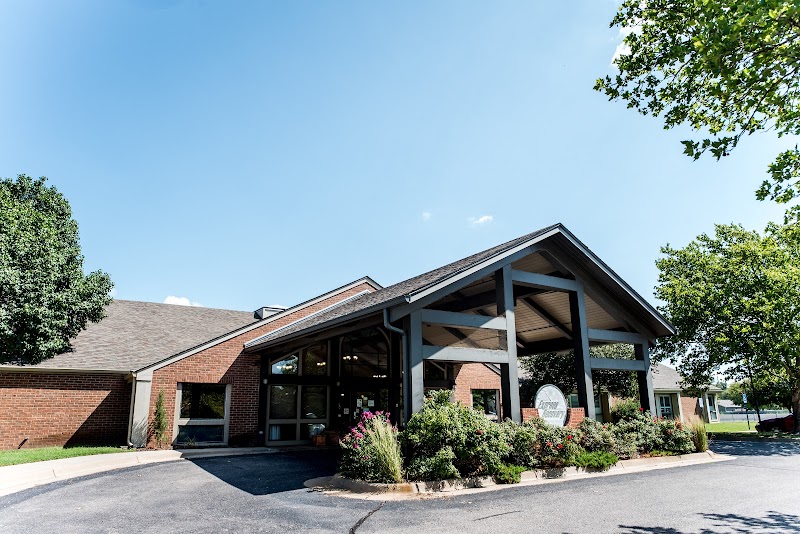
How is Sandpiper Healthcare & Rehabilitation Center Staffed?

CMS rates SANDPIPER HEALTHCARE & REHABILITATION CENTER's staffing level at 2 out of 5 stars, which is below average compared to other nursing homes. Staff turnover is 61%, which is 15 percentage points above the Kansas average of 46%. High turnover can affect care consistency as new staff learn residents' individual needs. RN turnover specifically is 56%, which is notably high. RNs provide skilled clinical oversight, so turnover in this role can affect medical care quality.

What Have Inspectors Found at Sandpiper Healthcare & Rehabilitation Center?

State health inspectors documented 33 deficiencies at SANDPIPER HEALTHCARE & REHABILITATION CENTER during 2021 to 2024. These included: 32 with potential for harm and 1 minor or isolated issues.
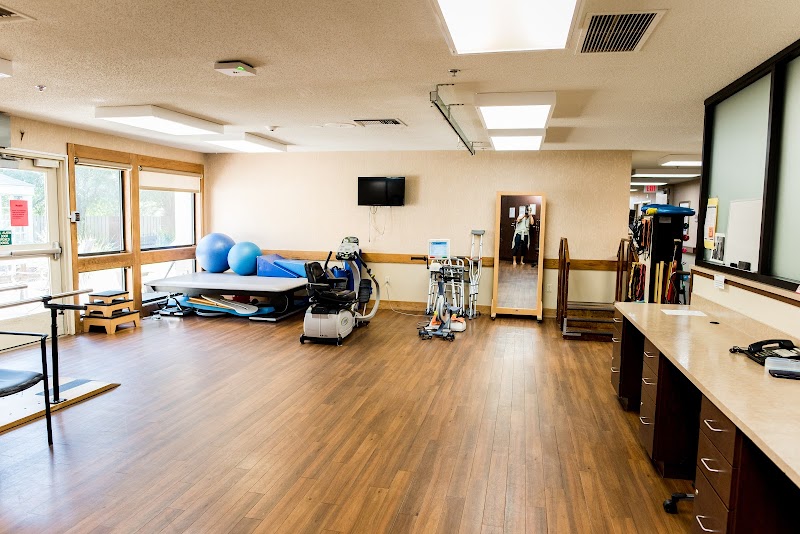
Who Owns and Operates Sandpiper Healthcare & Rehabilitation Center?

SANDPIPER HEALTHCARE & REHABILITATION CENTER is owned by a for-profit company. For-profit facilities operate as businesses with obligations to shareholders or private owners. The facility is operated by RECOVER-CARE HEALTHCARE, a chain that manages multiple nursing homes. With 104 certified beds and approximately 78 residents (about 75% occupancy), it is a mid-sized facility located in WICHITA, Kansas.
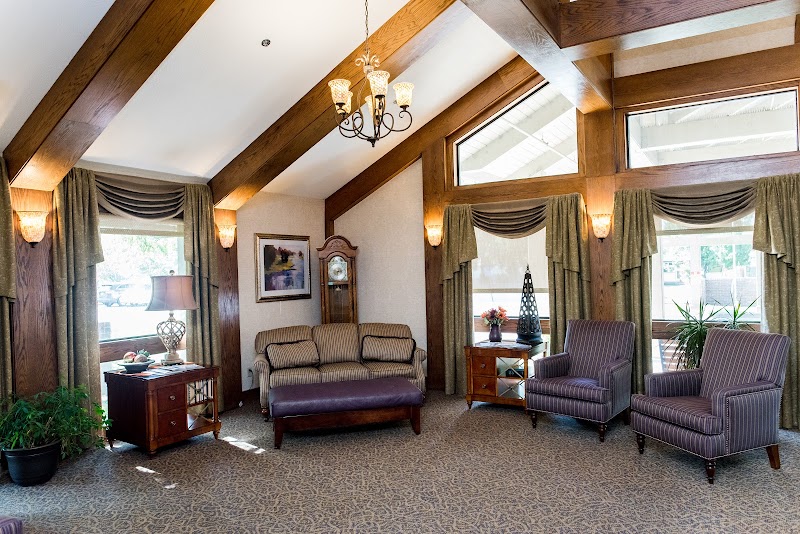
How Does Sandpiper Healthcare & Rehabilitation Center Compare to Other Kansas Nursing Homes?

Compared to the 100 nursing homes in Kansas, SANDPIPER HEALTHCARE & REHABILITATION CENTER's overall rating (4 stars) is above the state average of 2.9, staff turnover (61%) is significantly higher than the state average of 46%, and health inspection rating (3 stars) is at the national benchmark.

What Should Families Ask When Visiting Sandpiper Healthcare & Rehabilitation Center?

Based on this facility's data, families visiting should ask: "How do you ensure continuity of care given staff turnover, and what is your staff retention strategy?" "Can you walk me through typical staffing levels on day, evening, and night shifts?" "Can I visit during a mealtime to observe dining assistance and food quality?" "How do you handle medical emergencies, and what is your hospital transfer rate?" These questions are particularly relevant given the facility's high staff turnover rate and the below-average staffing rating.

Is Sandpiper Healthcare & Rehabilitation Center Safe?

Based on CMS inspection data, SANDPIPER HEALTHCARE & REHABILITATION CENTER has a clean safety record: no substantiated abuse findings (meaning no confirmed cases of resident harm), no Immediate Jeopardy citations (the most serious violation level indicating risk of serious injury or death), and is not on the Special Focus Facility watch list (a federal program monitoring the lowest-performing 1% of nursing homes). The facility has a 4-star overall rating and ranks #1 of 100 nursing homes in Kansas. While no facility is perfect, families should still ask about staff-to-resident ratios and recent inspection results during their visit.

Do Nurses at Sandpiper Healthcare & Rehabilitation Center Stick Around?

Staff turnover at SANDPIPER HEALTHCARE & REHABILITATION CENTER is high. At 61%, the facility is 15 percentage points above the Kansas average of 46%. Registered Nurse turnover is particularly concerning at 56%. RNs handle complex medical decisions and coordinate care — frequent RN changes can directly impact care quality. High turnover means new staff may not know residents' individual needs, medications, or preferences. It can also be disorienting for residents, especially those with dementia who rely on familiar faces. Families should ask: What is causing the turnover? What retention programs are in place? How do you ensure care continuity during staff transitions?

Was Sandpiper Healthcare & Rehabilitation Center Ever Fined?

SANDPIPER HEALTHCARE & REHABILITATION CENTER has been fined $16,801 across 1 penalty action. This is below the Kansas average of $33,247. While any fine indicates a compliance issue, fines under $50,000 are relatively common and typically reflect isolated problems that were subsequently corrected. Families should ask what specific issues led to these fines and confirm they've been resolved.

Is Sandpiper Healthcare & Rehabilitation Center on Any Federal Watch List?

SANDPIPER HEALTHCARE & REHABILITATION CENTER is not on any federal watch list. The most significant is the Special Focus Facility (SFF) program, which identifies the bottom 1% of nursing homes nationally based on persistent, serious quality problems. Not being on this list means the facility has avoided the pattern of deficiencies that triggers enhanced federal oversight. This is a positive indicator, though families should still review the facility's inspection history directly.