WICHITA PRESBYTERIAN MANOR
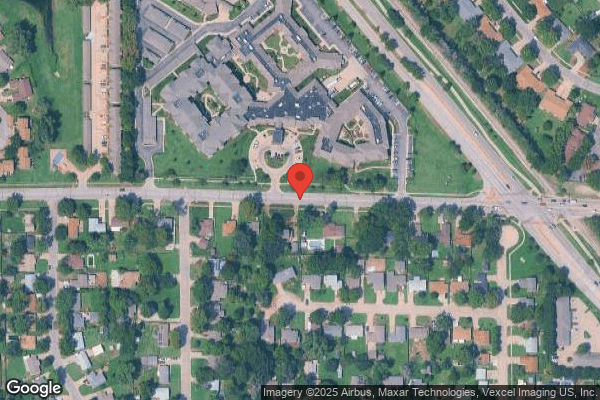
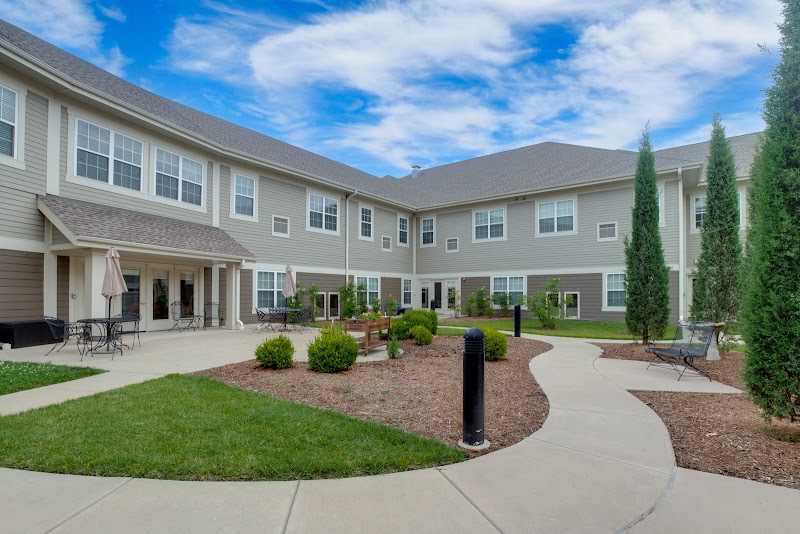
4700 W 13TH STREET NORTH, WICHITA, KS 67212 (316) 942-7456
Non profit - Corporation 50 Beds PRESBYTERIAN MANORS OF MID-AMERICA Data: November 2025 1 Immediate Jeopardy citation
Trust Grade
58/100
#104 of 295 in KS
Last Inspection: May 2025

Inspected within the last 6 months. Data reflects current conditions.

Overview

Wichita Presbyterian Manor has a Trust Grade of C, which means it is average and sits in the middle of the pack among nursing homes. It ranks #104 out of 295 facilities in Kansas, placing it in the top half, and #9 out of 29 in Sedgwick County, indicating that there are only eight local options that are better. However, the facility is worsening, with issues increasing from four in 2023 to ten in 2025. Staffing is average, with a rating of 4 out of 5 stars and a turnover of 59%, which is above the state average of 48%. Notably, there have been critical concerns, such as a resident with dementia eloping from the facility without staff noticing and multiple instances of food safety violations, including expired food items and unsanitary food preparation practices, which raises concerns about resident safety and care quality.

Trust Score
C
58/100
In Kansas
#104/295
Top 35%
Safety Record
High Risk
Review needed
Inspections
Getting Worse
4 → 10 violations
Staff Stability
⚠ Watch
59% turnover. Above average. Higher turnover means staff may not know residents' routines.
Penalties
✓ Good
No fines on record. Clean compliance history, better than most Kansas facilities.
Skilled Nurses
○ Average
Each resident gets 38 minutes of Registered Nurse (RN) attention daily — about average for Kansas. RNs are the most trained staff who monitor for health changes.
Violations
⚠ Watch
18 deficiencies on record. Higher than average. Multiple issues found across inspections.
★★★★☆
4.0
Overall Rating
★★★★☆
4.0
Staff Levels
★★★★☆
4.0
Care Quality
★★★★☆
4.0
Inspection Score
Stable
2023: 4 issues
2025: 10 issues

The Good

  • 4-Star Staffing Rating · Above-average nurse staffing levels
  • 4-Star Quality Measures · Strong clinical quality outcomes
  • Full Sprinkler Coverage · Fire safety systems throughout facility
  • No fines on record

Facility shows strength in staffing levels, quality measures, fire safety.

The Bad

Staff Turnover: 59%

13pts above Kansas avg (46%)

Frequent staff changes - ask about care continuity

Chain: PRESBYTERIAN MANORS OF MID-AMERICA

Part of a multi-facility chain

Ask about local staffing decisions and management

Staff turnover is elevated (59%)

11 points above Kansas average of 48%

The Ugly 18 deficiencies on record

1 life-threatening
May 2025 10 deficiencies
CONCERN (D) 📢 Someone Reported This

A family member, employee, or ombudsman was alarmed enough to file a formal complaint

Potential for Harm - no one hurt, but risky conditions existed

Deficiency F0552 (Tag F0552)

Could have caused harm · This affected 1 resident

The facility reported a census of 46 residents. The sample included 12 residents sampled. Based on interview, observation, and record review, the facility failed to inform Resident (R)37 and/or his re...

Read full inspector narrative →
The facility reported a census of 46 residents. The sample included 12 residents sampled. Based on interview, observation, and record review, the facility failed to inform Resident (R)37 and/or his representative regarding the risks related to psychotropic (alters mood or thoughts) medications. These practices had the potential to lead to negative and unwarranted physical side effects. Findings included: - Review of the Electronic Health Record (EHR) for R37 included diagnoses of Pick's Disease (a form of brain disorder occurring in middle age, characterized by slow disintegration of intellect, personality, and emotions), unspecified dementia with behavioral disturbance (dementia without a specific diagnosis where the individual experiences disruptive or challenging behaviors in addition to cognitive decline), and anxiety disorder (mental or emotional reaction characterized by apprehension, uncertainty, and irrational fear). The admission Minimum Data Set (MDS), dated 07/26/24, documented a Brief Interview of Mental Status (BIMS) score of 99, indicating the resident was unable to complete the assessment. The MDS indicated that R37 had behavior symptoms with physical and verbal behaviors directed toward others. The Cognitive Loss/Dementia Care Area Assessment (CAA), dated 07/26/24, documented the resident was unable to complete the BIMS assessment and had physical and verbal behaviors directed towards others The CAA documented R37 rejected care. R37's Quarterly MDS, dated 04/25/25, documented a BIMS score of zero which indicated severe cognitive impairment. The MDS noted R37 had physical and other behaviors. R37's Care Plan dated 08/28/24 documented R37 had dementia with cognitive loss. An intervention dated 12/16/24 included the administration of ordered medications with orders to monitor side effects and effectiveness; and to monitor, document, and report any changes in cognitive function. R37's EHR documented an order dated 07/16/24 for Seroquel (an atypical antipsychotic medication used to treat a range of mental health conditions). R37's EHR documented an order for lorazepam (an antianxiety medication) daily at 05:00 PM dated 10/17/24. R37's EHR documented an order for lorazepam as needed (PRN) every six hours for 14 days dated 04/01/25. R37's EHR lacked evidence R37, or his representative received education and/or informed consent with regards to the lorazepam use including reason for use, expected therapeutic benefits and potential risks and side effects. On 05/21/25 at 02:15 PM R37 sat in a wheelchair watching TV in the common area. During an interview on 05/27/25 at 12:50 PM, Administrative Nurse D confirmed that there was not any medication informed consent documented for R37. She stated that the Veteran's Administration provider for R37 had refused to provide any medication education to his representative. During an interview on 05/28/25 at 09:05 AM, Licensed Nurse (LN) J reported that prior to starting any new psychotropic medication or dosage change, she provided education to the resident and/or resident's representative about the medication, and she obtained informed consent. During an interview on 05/28/25 at 09:22 AM, LN K stated that as a nurse it was her responsibility to obtain informed consent, and she provided education to the resident and/or their representative about any psychotropic medication before the dosage was changed or it was started. Facility policy Psychoactive Psychopharmacological Medications, dated 04/15/25, indicated that prior to initiating or increasing psychotropic medications, the resident, family, and/or resident representative would be informed of the benefits, risks, and alternatives of the medication, included would be the black box warnings for antipsychotic medications.
CONCERN (D) 📢 Someone Reported This

A family member, employee, or ombudsman was alarmed enough to file a formal complaint

Potential for Harm - no one hurt, but risky conditions existed

Deficiency F0554 (Tag F0554)

Could have caused harm · This affected 1 resident

**NOTE- TERMS IN BRACKETS HAVE BEEN EDITED TO PROTECT CONFIDENTIALITY** The facility reported a census of 46 residents. The sample included 12 residents. Based on observation, interview, and record re...

Read full inspector narrative →
**NOTE- TERMS IN BRACKETS HAVE BEEN EDITED TO PROTECT CONFIDENTIALITY** The facility reported a census of 46 residents. The sample included 12 residents. Based on observation, interview, and record review, the facility failed to assess Resident (R) 22 to ensure it was clinically appropriate to leave medication at the resident's bedside for the resident to self-administer. This placed the resident at risk for medication errors and ineffective medication regimens. Findings included: - During an observation on 05/21/25 at 08:40 AM, Resident (R) 22 had medication on her bedside table. The cup contained Plavix (an antiplatelet medication) 75 milligrams (mg), cranberry tablet 500mg, gabapentin 100 mg (a medication to treat epilepsy and nerve pain), Miralax (stool softener), potassium 20 milliequivalents, pramipexole (medication to treat Parkinson ' s symptoms and restless leg) 0.25 mg, Prevagen (a dietary supplement to improve brain function) 10mg, vitamin C 500 mg, Zyrtec (allergy medication) 10 mg, Eliquis (a blood thinner) 2.5mg, Lasix (medication used to promote the formation and excretion of urine) 40mg, Metamucil (a bulk-forming laxative) three capsules, Mucinex (decongestant) 1200mg extended release, Preservision one capsule (vitamin for eye health, Tessalon [NAME] 1 cap (cough suppressant, Tussin CF liquid 10ml (cough suppressant). R22 stated the facility staff do not watch her take medication except at night because they give it to her on a spoon. R22 stated she did not know what medications were in her cups and what they were for. R22 ' s Care Plan lacked documentation that staff could leave medications in her room for R22 to take later. R22 ' s Evaluations tab and medical record lacked evidence of an assessment which indicated the resident was able to safely able to keep medications at her bedside and take the medications unattended by staff. During an interview on 05/21/25 at 08:37 AM, Certified Medication Aide (CMA) R stated the staff left R22's medications on her bedside table in her room. CMA R stated staff returned to R22's room after breakfast to make sure the resident took the medications. During an interview on 05/21/25 at 08:39 AM, Licensed Nurse (LN) H stated staff left the pills for R22 in her room. LN H said this is how staff have always done it. LN H stated they thought R22's Care Plan indicated it was ok to leave the medications in the room for R22 to self-administer but after review of the plan, they verified R22 had not been cared planned to leave the medications in her room. During an interview on 05/21/25 at 08:50 AM, Administrative Nurse D stated staff can only leave medications in the residents ' room if the resident had a Self-administration Assessment completed and the resident was appropriate to take their own medications. The facility ' s policy Medication Administration dated 02/03/25 documented that staff were to prepare one resident's medication and observe the resident take the medications to ensure the medications are swallowed.
CONCERN (D) 📢 Someone Reported This

A family member, employee, or ombudsman was alarmed enough to file a formal complaint

Potential for Harm - no one hurt, but risky conditions existed

Deficiency F0605 (Tag F0605)

Could have caused harm · This affected 1 resident

The facility reported a census of 46 residents. The sample included 12 residents with five sampled for unnecessary medications. Based on observation, interview, and record review, the facility failed ...

Read full inspector narrative →
The facility reported a census of 46 residents. The sample included 12 residents with five sampled for unnecessary medications. Based on observation, interview, and record review, the facility failed to perform an assessment for side effects related to ongoing antipsychotic (a class of medications used to treat major mental conditions that cause a break from reality) use for Resident (R)37. This deficient practice placed R37 at risk for adverse reactions and complications related to psychotropic (alters mood or thought) medication. Findings included: - Review of the Electronic Health Record (EHR) for R37 included diagnoses of Pick ' s Disease (a form of brain disorder occurring in middle age, characterized by slow disintegration of intellect, personality, and emotions), unspecified dementia with behavioral disturbance (dementia without a specific diagnosis where the individual experiences disruptive or challenging behaviors in addition to cognitive decline), and anxiety disorder (mental or emotional reaction characterized by apprehension, uncertainty, and irrational fear). The admission Minimum Data Set (MDS), dated 07/26/24, documented a Brief Interview of Mental Status (BIMS) score of 99, indicating the resident was unable to complete the assessment. The MDS indicated that R37 had behavior symptoms with physical and verbal behaviors directed toward others. The Cognitive Loss/Dementia Care Area Assessment (CAA), dated 07/26/24, documented the resident was unable to complete the BIMS assessment and had physical and verbal behaviors directed towards others The CAA documented R37 rejected care. R37's Quarterly MDS, dated 04/25/25, documented a BIMS score of zero which indicated severe cognitive impairment. The MDS noted R37 had physical and other behaviors. R37's Care Plan dated 08/28/24 documented R37 had dementia with cognitive loss. An intervention dated 12/16/24 included the administration of ordered medications with orders to monitor side effects and effectiveness; and to monitor, document, and report any changes in cognitive function. R37's EMR documented an order dated 07/16/24 for Seroquel (an atypical antipsychotic medication used to treat a range of mental health conditions). R37's EMR lacked evidence of any assessment to identify abnormal involuntary movements related to the use of Seroquel. On 05/21/25 at 02:15 PM R37 sat in a wheelchair watching TV in the common area. During an interview on 05/22/25 at 09:14 AM, Licensed Nurse (LN) H reported that residents are monitored for increased sedation or change in mental status when they are taking any psychotropic medication, and an Abnormal Involuntary Movement Scale (AIMS- a standardized tool used to assess involuntary movements, which can be a side effect of antipsychotic medications) LN H said the AIMS assessment should be performed quarterly and when started on any antipsychotic medication. She stated that nurses performed the AIMS assessments. During an interview on 05/22/25 at 09:21 AM, LN I reported that an AIMS assessment was done at admission, if a resident was started on any antipsychotic medication, and also quarterly. During an interview on 05/22/25 at 10:05 AM, Administrative Nurse D stated that an AIMS assessment was to be performed upon admission if an antipsychotic was started, and then every six months. Facility policy Abnormal Involuntary Movement Scale (AIMS), dated 02/03/25, indicated the facility would use the AIMS to monitor residents that took antipsychotics on a regularly scheduled basis. The AIMS would be performed on a semi-annually by the Social Service Director/Designee with a licensed primary care provider or licensed nurse as backup. Facility policy Psychoactive Psychopharmacological Medications, dated 04/15/25, indicated that an AIMS will be completed for residents taking antipsychotic medication on admission, every six months and as needed.
CONCERN (D) 📢 Someone Reported This

A family member, employee, or ombudsman was alarmed enough to file a formal complaint

Potential for Harm - no one hurt, but risky conditions existed

ADL Care (Tag F0677)

Could have caused harm · This affected 1 resident

**NOTE- TERMS IN BRACKETS HAVE BEEN EDITED TO PROTECT CONFIDENTIALITY** The facility identified a census of 46 residents. The sample included 12 residents. Based on observation, interview and record r...

Read full inspector narrative →
**NOTE- TERMS IN BRACKETS HAVE BEEN EDITED TO PROTECT CONFIDENTIALITY** The facility identified a census of 46 residents. The sample included 12 residents. Based on observation, interview and record review, the facility failed to provide Resident (R) 10 with activities of daily living (ADL) services, including shaving of facial hair. This placed the resident at risk for decreased quality of life and poor hygiene. Findings included: - R10's Electronic Medical Record (EMR) revealed diagnoses of dementia (a progressive mental disorder characterized by failing memory and confusion) and anxiety disorder (mental or emotional reaction characterized by apprehension, uncertainty, and irrational fear). R10's admission Minimum Data Set (MDS) dated [DATE] revealed a Brief Interview for Mental Status (BIMS) score of seven indicating severely impaired cognition. The MDS recorded R10 had behaviors, including rejection of care one to three days during the observation period. The MDS recorded R10 required assistance with toileting, showering, dressing, and personal hygiene. The Functional Abilities Care Area Assessment dated 04/17/25 indicated R10 had a diagnosis of dementia that could affect balance, safety awareness, and judgment. R10's Care Plan dated 04/14/25 R10 had an ADL self-care performance deficit related to dementia. The plan directed staff to provide bathing and showering, check nail length, trim and clean on bath day and as necessary; staff were to report any changes to the nurse. The daily Task section of R10's EMR, reviewed on 05/28/25, revealed R10 refused care only once in the past 30 days. On 05/21/25 at 08:59 AM observation revealed R10 had facial hair and dirty fingernails. On 05/28/25 at 10:15 AM Certified Nurse Aide (CNA) M said that if a resident refused to be shaved, she documented it in the EMR and then let the charge nurse know. On 05/27/25 at 02:15 PM Administrative Nurse D stated she expected the nursing staff to provide the residents with ADL assistance with grooming during morning care or showers. The facility did not provide a policy for activities for daily living as requested on 05/27/25.
CONCERN (D) 📢 Someone Reported This

A family member, employee, or ombudsman was alarmed enough to file a formal complaint

Potential for Harm - no one hurt, but risky conditions existed

Respiratory Care (Tag F0695)

Could have caused harm · This affected 1 resident

**NOTE- TERMS IN BRACKETS HAVE BEEN EDITED TO PROTECT CONFIDENTIALITY** The facility census totaled 46 residents with 12 residents in the sample. Based on observation, interview and record review the ...

Read full inspector narrative →
**NOTE- TERMS IN BRACKETS HAVE BEEN EDITED TO PROTECT CONFIDENTIALITY** The facility census totaled 46 residents with 12 residents in the sample. Based on observation, interview and record review the facility failed to provide sanitary respiratory care and services when staff failed to clean the nebulizer (a device for administering inhaled medication) after each use for Resident (R) 45. This placed the resident at risk for infection and increased respiratory complications. Finding included: - R45's Electronic Medical Record (EMR) dated 11/12/24 revealed a diagnosis of spinal bifida (a birth defect that can cause respiratory problems). Review of the Five Day Medicare Minimal Data Set (MDS) dated [DATE] revealed a Brief Interview for Mental Status (BIMS) score of 15 indicating intact cognition. R45 requires partial assistance to complete toileting/showers. R45's Quarterly MDS dated 02/03/25 noted that R45 BIMS score remained the same and no other changes were noted. R45's Care Plan dated 02/18/25 revealed the care plan lacked information on the use of the nebulizer and or the care of the nebulizer. R45's Physician Orders dated 05/16/25 revealed ipratropium albuterol inhalation solution ( a medication used in a nebulizer to open airways) 0.5 mg/2/5 mg/3 ml two times a day. During a observation on 05/20/24 at 04:42 PM R45's nebulizer was attached to the tubing on the bedside table with clear liquid in the bottom of the chamber. During a observation on 05/22/25 at 08:02 AM R45's nebulizer was attached to the tubing with clear liquid in the chamber sitting on the bedside table. On 05/22/25 at 08:02 AM R45 revealed she had not had a treatment yet that morning and the nebulizer was still attached to the tubing from the last treatment the previous night. On 05/22/25 at 10:25 AM Licensed Nurse LN G revealed the protocol for nebulizer treatment was to separated the nebulizer, rinse, place on a towel to dry and then place in the bag. On 05/22/25 at 10:55 AM Administrative Nurse D stated she expected the nurses to clean the nebulizer after each use. The facility's Nebulizer Cleaning Instructions policy dated 02/03/25 documented after each treatment, the nebulizer mouthpiece and cup will be rinsed out and allowed to air dry. Then place the parts in a bag. After the last meal of the day, wash all pieces in mild soap and water. Then soak in vinegar water, rinse, and leave to dry on a paper towel. When the nebulizer is dry, place in a plastic bag. The facility's Oxygen Therapy policy dated 02/03/25 documented when oxygen tubing is not in use, it was to be placed in a plastic bag.
CONCERN (D) 📢 Someone Reported This

A family member, employee, or ombudsman was alarmed enough to file a formal complaint

Potential for Harm - no one hurt, but risky conditions existed

Drug Regimen Review (Tag F0756)

Could have caused harm · This affected 1 resident

The facility reported a census of 46 residents with 12 residents sampled which included five residents for unnecessary medications. Based on observation, interview, and record review the facility's ph...

Read full inspector narrative →
The facility reported a census of 46 residents with 12 residents sampled which included five residents for unnecessary medications. Based on observation, interview, and record review the facility's pharmacist failed to identify and report irregularities to the attending physician, the facility's medical director, and the director of nursing for Resident (R)18 related to monitoring his pulse for effectiveness and side effects of antihypertensive medications as ordered by the physician. This placed the residents at risk for unnecessary medications and related side effects. Findings included: - A review of the R18's Physician Orders, dated 10/07/21, revealed diagnoses that included slow transit constipation, pain, dementia (a progressive mental disorder characterized by failing memory, and confusion), and hypertension (high blood pressure). The 12/20/24 admission Minimum Data Set (MDS) documented R18 had Brief Interview for Mental Status (BIMS) score of nine, indicating moderate cognitive impairment. The MDS documented she was always continent of bowel and required partial to moderate assistance with toileting. The MDS noted R18 received scheduled and as needed (PRN) medication for pain. The Quarterly MDS dated 03/30/25 documented R18 had a BIMS score of eight, indicating moderate cognitive impairment. The MDS documented she was occasionally incontinent of bowel. The MDS noted R18 only received scheduled medications for pain. The Urinary Incontinence and Indwelling Catheter Care Area Assessment (CAA), dated 12/21/24, documented she was occasionally incontinent and required staff assistance for toileting, transfers, and toileting hygiene care. The MDS documented she had a diagnosis of dementia that could impair thinking processes that relate to everyday life. R18 Care Plan dated 04/01/25, directed staff to administer medications as ordered by the physician and monitor for adverse reactions and side effects of medication, which included constipation. The plan directed staff the resident was at risk for adverse reactions related to multiple medications with black box warnings (BBW-severe side effects) and adverse side effects which included constipation. The plan directed staff to request the physician and pharmacy consultant to review and evaluate medications and address the recommendations. R18's POS dated 04/15/25 documented metoprolol succinate extended-release tablet (medication used to treat high blood pressure), give 50 milligrams (mg), by mouth, in the evening related to hypertension; hold and notify the nurse if the pulse is less than 60 beats per minute (BPM) and/or the systolic blood pressure (SBP- top number, the force your heart exerts on the walls of your arteries each time it beats) is less than 110 millimeters (mm) of Mercury (Hg), ordered 12/09/24. R18's Medication Administration Records (MAR) and Treatment Administration Records (TAR) dated 04/01/2025 through 05/22/25 lacked documentation related to R18's pulse as ordered by the physician. Review of R18's Pharmacy Monthly Medication Regimen Review, lacked evidence the consultant pharmacist identified and reported the lack of pulse measurements for parameters as ordered by the physician on 12/15/24, 01/01/2025, 02/14/25, 03/12/25, 04/16/25, and 05/12/25. On 05/27/25 at 01:16 PM R18 sat in her recliner in her room, flipping through the pages of a photo album. On 05/27/25 at 01:48 PM Certified Medication Aide (CMA) S stated when medication has a physician ordered parameters for blood pressure and/or pulse to hold the medication, the MAR should have a flagged area to document the pulse and blood pressure. CMA S said the nurse should be notified, and the nurse would follow up with an assessment and notify the physician when indicated for further instructions. CMA S verified R18's record lacked documentation of the resident's pulse being obtained as ordered by the physician. On 05/27/25 at 02:04 PM, Licensed Nurse (LN) I verified R18's electronic record lacked documentation to reflect monitoring the resident's pulse for the physician-ordered hold parameters. She stated she thought the pharmacist should have identified that during the monthly pharmacy review. LN I said when medications have physician-ordered pulse and blood pressure parameters the MAR should alert and have an area to document the pulse and blood pressure. LN I said the nurse should be notified and follow up with an assessment and notify the physician when indicated for further instructions. LN I verified R18's record lacked documentation of the resident's pulse being obtained as ordered. LN I reported R18 should have pulses documented in addition to the blood pressure to determine the effects and potential risks of receiving metoprolol. On 5/22/25 at 11:18 AM, Consultant GG reviewed R18's electronic record and verified the above findings. She stated tR18 should have had pulse monitored daily related to the parameters for holding metoprolol for pulse of less than 60 BPM, which was not done when the order was entered. Consultant HH stated she expected the pharmacist to review the medication monitoring to include the pulse, but said she did not know if that was identified as a concern on monthly regimen review. The facility did not provide a policy to address the pharmacist's identifying and reporting irregularities in monitoring medications outside of prescribed parameters and/or monitoring the side effects or adverse effects for residents taking medications.
CONCERN (D) 📢 Someone Reported This

A family member, employee, or ombudsman was alarmed enough to file a formal complaint

Potential for Harm - no one hurt, but risky conditions existed

Deficiency F0757 (Tag F0757)

Could have caused harm · This affected 1 resident

The facility reported a census of 46 resident with 12 residents sampled which included five residents for unnecessary medications. Based on observation, interview, and record review the facility faile...

Read full inspector narrative →
The facility reported a census of 46 resident with 12 residents sampled which included five residents for unnecessary medications. Based on observation, interview, and record review the facility failed to monitor for effectiveness and side effects of antihypertensive medications as ordered by the physician and for side effects, including constipation related to the use of pain medication for Resident (R) 18. This placed the resident at risk for unnecessary medications and related side effects. Findings included: - A review of the R18's Physician Orders, dated 10/07/21, revealed diagnoses that included slow transit constipation, pain, dementia (a progressive mental disorder characterized by failing memory, and confusion), and hypertension (high blood pressure). The 12/20/24 admission Minimum Data Set (MDS) documented R18 had Brief Interview for Mental Status (BIMS) score of nine, indicating moderate cognitive impairment. The MDS documented she was always continent of bowel and required partial to moderate assistance with toileting. The MDS noted R18 received scheduled and as needed (PRN) medication for pain. The Quarterly MDS dated 03/30/25 documented R18 had a BIMS score of eight, indicating moderate cognitive impairment. The MDS documented she was occasionally incontinent of bowel. The MDS noted R18 only received scheduled medications for pain. The Urinary Incontinence and Indwelling Catheter Care Area Assessment (CAA), dated 12/21/24, documented she was occasionally incontinent and required staff assistance for toileting, transfers, and toileting hygiene care. The MDS documented she had a diagnosis of dementia that could impair thinking processes that relate to everyday life. R18 Care Plan dated 04/01/25, directed staff to administer medications as ordered by the physician and monitor for adverse reactions and side effects of medication, which included constipation. The plan directed staff the resident is at risk for adverse reactions related to multiple medications with black box warnings (BBW-severe side effects) and adverse side effects which included constipation. The plan directed staff to request the physician and pharmacy consultant to review and evaluate medications and address the recommendations. R18's POS dated 04/15/25 documented metoprolol succinate extended-release tablet (medication used to treat high blood pressure), give 50 milligrams (mg), by mouth, in the evening related to hypertension; hold and notify the nurse if the pulse is less than 60 beats per minute (BPM) and/or the systolic blood pressure (SBP- top number, the force your heart exerts on the walls of your arteries each time it beats) is less than 110 millimeters (mm) of Mercury (Hg), ordered 12/09/24. R18's Medication Administration Records (MAR) and Treatment Administration Records (TAR) dated 04/01/2025 through 05/22/25 lacked documentation related to R18's pulse as ordered by the physician. Review of the Pharmacy Monthly Medication Regimen Review, lacked evidence the consultant pharmacist identified and reported the lack of pulse measurements for parameters as ordered by the physician on 12/15/24, 01/01/2025, 02/14/25, 03/12/25, 04/16/25, and 05/12/25. R18's Physician Orders (POS) dated 04/15/25 documented to give Tramadol (narcotic pain medication) 50 mg, one-half tablet PRN daily for increased pain, ordered 04/16/25. R18's MAR, dated 05/01/25 through 05/22/25, revealed the resident received Tramadol 50 mg on 05/05/25, 05/09/25, 05/11/25, 05/12/25, and 05/15/25. The MAR noted the medication was effective for pain and was identified as having associated BBW. R18's Task-Bowel Movement entries dated 04/22/25 through 05/21/25 (30 days) revealed R18 had no documented bowel movements (BM) for three or more days on the following occasions: On 04/22/25 at 09:21 PM, the resident had a BM. The next BM was on 05/01/25 at 10:49 AM, (nine days later). The next BM was on 05/06/ 25 at 12:31 PM, (five days later). The next BM was on 05/09/25 at 09:59 PM (three days later). The next BM was on 5/13/25 at 09:30 PM (four days later). The next BM was on 05/17/25 at 04:08 PM (4 days later). R18's medical record lacked evidence the facility assessed for complications of constipation during the above periods with no BM. The facility's undated Standing Orders, included the following protocol for the treatment of residents without a BM for three consecutive days: Give milk of magnesia (laxative) 30 milliliters (ml) by mouth. If no results within 24 hours give Lactulose (laxative) 20 ml every two hours up to three doses. If no results, give Dulcolax suppository ( laxative) 10mg, If no results give a Fleets enema (introduction of a solution into the rectum for cleansing or therapeutic purposes), if no results notify the physician. On 05/27/25 at 01:16 PM, R18 sat in her recliner in her room, flipping through the pages of a photo album. On 05/27/25 at 01:48 PM Certified Medication Aide (CMA) S stated when medication has a physician ordered parameters for blood pressure and/or pulse to hold the medication, the MAR should have a flagged area to document the pulse and blood pressure. CMA S said the nurse should be notified, and the nurse would follow up with an assessment and notify the physician when indicated for further instructions. CMA S verified R18's record lacked documentation of the resident's pulse being obtained as ordered by the physician. CMA S verified the facility had a bowel protocol to address constipation for residents who had not had a bowel movement in three days. She stated the night shift nurse pulled a report generated from the electronic record which flags if a resident does not have a BM in three days. CMA S said she received the report from the nurse with instructions to initiate the protocol. She reported she was not aware if R18 had constipation. On 05/27/25 at 02:04 PM, Licensed Nurse (LN) I verified R18's electronic record lacked documentation to reflect monitoring the resident's pulse for the physician-ordered hold parameters. She stated she thought the pharmacist should have identified that during the monthly pharmacy review. LN I said when medications have physician-ordered pulse and blood pressure parameters the MAR should alert and have an area to document the pulse and blood pressure. LN I said the nurse should be notified and follow up with an assessment and notify the physician when indicated for further instructions. LN I verified R18's record lacked documentation of the resident's pulse being obtained as ordered. LN I reported R18 should have pulses documented in addition to the blood pressure to determine the effects and potential risks of receiving metoprolol. She reported she was not aware of R18's concerns with constipation, and that R18 was able to take herself to the bathroom. LN I confirmed the facility had a bowel protocol. On 5/22/25 at 11:18 AM, Consultant GG reviewed R18's electronic record and verified the above findings. She stated the facility had standing orders for a BM protocol when there was no BM in three days. Additionally, she confirmed R18 should have had her pulse monitored daily related to the parameters for holding metoprolol for a pulse of less than 60 BPM, which was not done when the order was entered. Consultant HH stated she expected the pharmacist to review the medication monitoring to include the pulse, but said she did not know if that was identified as a concern on the monthly regimen review. The facility did not provide a policy to address the administration of medication outside of prescribed parameters and/or monitor the side effects or adverse effects for residents taking medications.
CONCERN (E) 📢 Someone Reported This

A family member, employee, or ombudsman was alarmed enough to file a formal complaint

Potential for Harm - no one hurt, but risky conditions existed

Deficiency F0761 (Tag F0761)

Could have caused harm · This affected multiple residents

The facility reported a census of 46 residents. Based on observation, interview, and record review, the facility failed to ensure drugs and biologicals used in the facility were labeled and stored in ...

Read full inspector narrative →
The facility reported a census of 46 residents. Based on observation, interview, and record review, the facility failed to ensure drugs and biologicals used in the facility were labeled and stored in locked compartments and permitted only authorized personnel to have access to the keys. This placed the residents at risk for medication errors, ineffective medication regimens, and diversions. Findings included: - During an observation of the Medication Room on 05/22/25 at 11:30 AM, the medication refrigerator lacked temperature documentation for 15 days in January 2025, 17 days in February 2025, 24 days in March 2025, 15 days in April 2025, and 12 days in May 2025 from 05/01/25 to 05/20/25. During an observation on 05/22/25 at 11:43 AM, the unlocked treatment cart contained scissors and insulin (hormone used to treat high blood glucose). Observation revealed a Humalog (fast-acting insulin) insulin pen was opened on 04/23/25 and should have been discarded on 05/20/25. It was in the cart on 05/22/25. Further observation revealed a Lantus (long-acting insulin) insulin pen was opened but not dated. During an interview on 05/22/25 at 11:30 AM, LN I stated the temperature of the refrigerator should be documented by the night nurse every night. During an interview on 05/22/25 at 11:30 AM, LN I stated the insulin pens should be dated when they are opened and thrown away when they expire. LN I stated the treatment cart should be locked when staff were not with the cart. During an interview on 05/22/25 at 12:12 PM, Administrative Nurse D reported staff were to assess and record the medication refrigerator temperatures daily. Administrative nurse D said all medication and treatment carts were to be locked when staff were away from the carts. Administrative Nurse D verified all insulin were to be dated when they were opened, and the Humalog should have been discarded at 28 days. The facility ' s policy Medication Administration dated 02/03/25 documented staff should never leave the medication cart opened and unattended unless locked. The facility ' s policy Medication Administration dated 02/03/25 documented that medications requiring refrigeration were to be kept between 36 degrees Fahrenheit and 46 degrees Fahrenheit. Outdated and expired medications were to be immediately removed and disposed of according to procedures for medication storage.
CONCERN (E) 📢 Someone Reported This

A family member, employee, or ombudsman was alarmed enough to file a formal complaint

Potential for Harm - no one hurt, but risky conditions existed

Infection Control (Tag F0880)

Could have caused harm · This affected multiple residents

The facility reported a census of 46 residents. The sample included 12 residents. Based on observation, interview, and record review, the facility failed to disinfect the shared sit-to-stand lift (a m...

Read full inspector narrative →
The facility reported a census of 46 residents. The sample included 12 residents. Based on observation, interview, and record review, the facility failed to disinfect the shared sit-to-stand lift (a mechanical lift) after use and failed to utilize proper respiratory infection control methods. This placed the residents at risk for infections. Findings included: - Observation on 05/20/25 at 03:00 PM, staff used the sit-to-stand on Resident (R) 12. Staff then took the sit-to-stand lift out of R12's room and placed it in R7 ' s room without disinfecting it. Ongoing observation on 05/20/25 at 03:20 PM revealed staff transferred R7 with the sit-to-stand lift, then took the lift to the hall. Observation on 05/20/25 at 04:42 PM, R14 ' s nebulizer was on the bedside table still attached to the tubing; it had a clear liquid in the bottom of the chamber. Observation on 05/21/25 at 08:23 AM, R8 ' s oxygen tubing was strung across the room on the floor with the part of the nasal canula that went into the nose resting on the floor. Observation on 05/22/25 at 08:01 AM, R14 ' s nebulizer was still attached to the tubing with clear liquid in the chamber. R14 revealed that she had not had a treatment yet this morning. The nebulizer still attached to the tubing located on the bedside table was from the night before. Observation on 05/22/25 at 09:34 AM, Certified Medication Aide (CMA) R pushed a cart of lost and found clothes through the hallway, uncovered for residents to look at. CMA R left the uncovered cart of clothing in the living area on 05/22/25 at 01:40 PM. During an interview on 05/22/25 at 10:15 AM, Certified Nurse Aide (CNA) M stated that the CNAs do not disinfect the lifts between residents. CNA M said the housekeepers were to wipe down the equipment between residents. During an interview on 05/22/25 at 10:32 AM, Housekeeping Staff U revealed that she wiped the sit to stand lift and Hoyer lift down when they were in the hallway while she wiped down the handrail, but did not wipe them down between the residents. During an interview on 05/22/25 at 10:25, Licensed Nurse (LN) G stated the protocol for nebulizer treatments was for the staff to separate the nebulizer, rinse the parts, and place it on a towel to dry. LN G said that after the parts were dry, they placed them into a bag. During an interview on 05/22/25 at 01:43 PM, Administrative Nurse F stated that the CNAs should clean the lift and any equipment that went from resident to resident between each use Administrative Nurse E said clothing should be covered when in a hallway or in a common area. Administrative nurse E said nebulizers and oxygen tubing should be cleaned appropriately and placed in a bag. During an interview on 05/22/25 at 10:55 AM, Administrative Nurse D stated it was the responsibility of the nursing staff to clean the sit-to-stand and full body sling lifts in between the residents, not housekeeping ' s responsibility. Administrative Nurse D expected the nursing staff to clean the nebulizers after each use, rinse the nebulizer, let it dry on a towel, then place into a bag. The facility's Nebulizer Cleaning Instructions policy dated 02/03/25 documented after each treatment, the nebulizer mouthpiece and cup will be rinsed out and allowed to air dry. Then place the parts in a bag. After the last meal of the day, wash all pieces in mild soap and water. Then soak in vinegar water, rinse, and leave to dry on a paper towel. When the nebulizer is dry, place in a plastic bag. The facility's Oxygen Therapy policy dated 02/03/25 documented when oxygen tubing is not in use, it was to be placed in a plastic bag.
CONCERN (E) 📢 Someone Reported This

A family member, employee, or ombudsman was alarmed enough to file a formal complaint

Potential for Harm - no one hurt, but risky conditions existed

Deficiency F0947 (Tag F0947)

Could have caused harm · This affected multiple residents

The facility reported a census of 46 residents. Five Certified Nurse Aide (CNA) staff, who worked in the facility were reviewed for required in-service training. Based on interview and record review, ...

Read full inspector narrative →
The facility reported a census of 46 residents. Five Certified Nurse Aide (CNA) staff, who worked in the facility were reviewed for required in-service training. Based on interview and record review, the facility failed to develop, implement, and permanently maintain an in-service training program for Certified Nurse Aide (CNAs) with the required topics and no less than 12 hours per year when one of the five nurse aides sampled lacked the required training hours. This placed the residents at risk for decreased quality of care. Findings included: - On 05/21/25 at 02:43 PM, review of training records Certified Nurse Aide (CNA) N revealed CNA N had ten- and one-half hours of documented training. On 05/22/25 12:12 PM, Administrative Nurse D confirmed that CNAs were required to have 12 hours of training annually and stated that CNA N did not have the appropriate training and there were no records of additional training for this CNAs. The facility's Education policy documented that all staff receive appropriate training in or to ensure the safety and well-being of all residents.
Sept 2023 4 deficiencies
CONCERN (D)

Potential for Harm - no one hurt, but risky conditions existed

Respiratory Care (Tag F0695)

Could have caused harm · This affected 1 resident

The facility reported a census of 47 residents with 14 residents sampled, including two residents reviewed for respiratory care. Based on observations, record reviews, and interviews, the facility fai...

Read full inspector narrative →
The facility reported a census of 47 residents with 14 residents sampled, including two residents reviewed for respiratory care. Based on observations, record reviews, and interviews, the facility failed to provide necessary respiratory care consistent with professional standards of practice regarding the use of a nebulizer (a device that delivers medication as a mist to the lungs) for Resident (R)2. Findings included: - R2's pertinent diagnoses from the Electronic Health Record (EHR) documented heart failure (a condition in which the heart muscle does not pump as well as it should which causes difficulty breathing) and dependence on supplemental oxygen. The 02/04/23 Annual Minimum Data Set (MDS) documented Brief Interview for Mental Status (BIMS) score of 15, indicating intact cognition. The resident required extensive assistance of two or more staff for all cares except eating, which required setup and supervision. The resident received oxygen. The 08/24/23 quarterly MDS documented a BIMS of 15, indicating intact cognition. The resident received oxygen. The 03/08/23 Care Area Assessment (CAA) lacked documentation related to nebulized medication use. The 09/12/23 Care Plan lacked instructions related to nebulized medication use or care of nebulizer equipment. R2's EHR Physician Orders on 09/11/23 included ipratropium-albuterol inhalation solution to be given four times per day for hypoxia (inadequate supply of oxygen in the blood). On 09/11/23 at 02:08 PM, R2 observed resident resting in bed with nebulizer mask sitting on top of the nebulizer machine with an unknown clear liquid in the nebulizer medication chamber. On 09/12/23 at 02:00 PM, R2 observed resident resting in bed with nebulizer mask sitting on top of the nebulizer machine with an unknown clear liquid in the nebulizer chamber. On 09/13/23 at 07:24 AM, observation of R2's nebulizer mask stored directly on top of the nebulizer machine with an unknown clear liquid in the nebulizer chamber. On 09/13/23 at 01:20 PM, R2 observed resident in bed with the nebulizer mask stored directly on top of the nebulizer machine with an unknown clear liquid in the nebulizer chamber. On 09/14/23 at 07:50 AM, Certified Medication Aide (CMA) D revealed that nurses administer the nebulized medications and come back to the resident's room after the treatment was complete to take care of the equipment and that CMA and Certified Nurse Aide (CMA) staff were not to manipulate the nebulizer equipment. On 09/14/23 at 08:25 AM, Licensed Nurse (LN) E revealed that after a breathing treatment, staff should disassemble the nebulizer's and wash the parts with a vinegar and water solution, then left on a paper towel to air dry. LN E confirmed that the nebulizer was not disassembled prior to administration of the nebulized medication. On 09/14/23 at 08:31 AM, LN F revealed that after the administration of a nebulized medications, staff should disconnect the nebulizer's from the machine and place the nebulizer in a bag in the resident's room. The nebulizer chamber was supposed to be cleaned once per day but was unable to recall by whom or with what cleaning solution. On 09/14/23 at 08:55 AM, Administrative Nurse B stated that her expectation was that after every nebulized medication administration, staff should wash the nebulizer chamber with tap water, then set out to dry on a paper towel in the bathroom to air dry. The facility's Nebulizer Cleaning Instructions policy, dated 10/08/21, documented that nebulizer equipment would be cleaned regularly to prevent contamination and cross-contamination. After each treatment, staff were to rinse the nebulizer chamber and mouthpiece/mask with water and allow to air dry in an open zipper-style plastic bag. After the final treatment for the day, the nebulizer equipment was to be disassembled and washed with soap and water and then soaked in a designated container in a white vinegar/water solution for 30 minutes, then rinsed with water and allowed to air dry on a paper towel. The facility failed to provide respiratory care consistent with professional standards of care for R2, regarding the use and cleaning of the nebulizer.
CONCERN (D)

Potential for Harm - no one hurt, but risky conditions existed

Deficiency F0757 (Tag F0757)

Could have caused harm · This affected 1 resident

**NOTE- TERMS IN BRACKETS HAVE BEEN EDITED TO PROTECT CONFIDENTIALITY** The facility reported a census of 47 residents with 14 residents sampled, which included five residents reviewed for unnecessary...

Read full inspector narrative →
**NOTE- TERMS IN BRACKETS HAVE BEEN EDITED TO PROTECT CONFIDENTIALITY** The facility reported a census of 47 residents with 14 residents sampled, which included five residents reviewed for unnecessary medications. Based on observation, interview, and record review, the facility failed to ensure one Resident (R)7, medication regimen was free of unnecessary drugs due to inadequate monitoring related to the resident, who required a laxative, without bowel movement on two occasions for a period of four to ten days. Findings included: - Review of Resident's (R)7's Physician Orders, (POS) dated 09/12/23, documented diagnoses which included constipation, dementia (progressive mental disorder characterized by failing memory, confusion), abnormal weight loss, hypothyroidism (condition characterized by decreased activity of the thyroid gland), and anorexia (lack or loss of appetite). The Annual Minimum Data Set, (MDS), dated [DATE], documented the resident with Brief Interview for Mental Status, score of 14, which indicated cognitively intact. She was incontinent of bowel occasionally and did not have constipation. The Quarterly MDS, dated 05/30/23, documented changes which included the resident was frequently incontinent of bowel. The Care Plan, dated 08/20/23, listed the side effects of multiple medication as constipation, initiated 05/15/2020. The care plan directed the staff to monitor for constipation as an adverse side effect. The POS dated 09/12/23, included orders for laxative, Polyethylene glycol 3350, 17 grams/dose, by mouth oral every other day for constipation, ordered 12/20/2020. Review of the daily charting in the Electronic Medical Record, (EMR) for Bowel Movements, (BM) documentation revealed the following concern: 1. On 08/16/23, the resident had one small and one medium BM. Upon further review of the EMR the resident had no BM for 10 days, from 08/17/23 thru 08/27/23. The EMR lacked address of follow-up to the resident's constipation, nor evidence of monitoring the resident for the potential side effect of constipation. 2. On 09/05/23, the resident had two medium BM's. Upon further review of the EMR the resident had no BM for four days, from 09/06/23 thru 09/09/23. The EMR lacked address of follow-up to the resident's constipation, nor evidence of monitoring the resident for the potential side effect of constipation. On 09/12/23 at 11:55 AM, the resident was in her bed resting. She declined the staffs offer to assist her to get up for toileting and lunch. On 09/12/23 at 11:57 AM, Licensed Nurse (LN) F stated the resident slept a lot and refused her medications and on 09/10/23, she refused her medications. She stated she was not aware of any issues or concerns related to constipation. She reported she could check the report in the EMR to see if the resident had BM's. On 09/13/23 at 10:17 AM, Administrative Nurse B verified the above findings. She stated third shift nurse should pull a BM BM list each night to determine if the resident had a BM in the previous two or three days. There are standing orders that can be initiated to address the resident's constipation. The third shift nurse should alert the oncoming charge nurse and the administrative nursing staff of the resident without a BM for 2-3 days. Administrative Nurse B stated she had not been made aware of the resident not having a BM for 4 to 10 days as noted above. She stated this was not the expected address of constipation. The facility lacked a policy to address monitoring the resident's medication regimen for unnecessary medications related to BM's. The facility failed to ensure the resident's medication regimen was free of unnecessary drugs due to inadequate monitoring related to the resident, who received a laxative, for adverse side effects of constipation.
CONCERN (D)

Potential for Harm - no one hurt, but risky conditions existed

Infection Control (Tag F0880)

Could have caused harm · This affected 1 resident

The facility reported a census of 47 residents with 14 residents sampled, including two residents reviewed for respiratory care. Based on observations, record reviews, and interviews, the facility fai...

Read full inspector narrative →
The facility reported a census of 47 residents with 14 residents sampled, including two residents reviewed for respiratory care. Based on observations, record reviews, and interviews, the facility failed to appropriately clean the equipment for nebulized medication use by Resident (R)2. This deficient practice could lead to possible respiratory complications and contamination of the devices used for inhaled medication administration. Findings included: - R2's pertinent diagnoses from the Electronic Health Record (EHR) documented heart failure (a condition in which the heart muscle does not pump as well as it should which causes difficulty breathing) and dependence on supplemental oxygen. The 02/04/23 Annual Minimum Data Set (MDS) documented Brief Interview for Mental Status (BIMS) score of 15, indicating intact cognition. The resident required extensive assistance of two or more staff for all cares except eating, which required setup and supervision. The resident received oxygen. The 08/24/23 quarterly MDS documented a BIMS of 15, indicating intact cognition. The resident received oxygen. The 03/08/23 Care Area Assessment (CAA) lacked documentation related to nebulized medication use. The 09/12/23 Care Plan lacked instructions related to nebulized medication use or care of nebulizer equipment. R2's EHR Physician Orders on 09/11/23 included ipratropium-albuterol inhalation solution to be given four times per day for hypoxia (inadequate supply of oxygen in the blood). On 09/11/23 at 02:08 PM, R2 observed resident resting in bed with nebulizer mask sitting on top of the nebulizer machine with an unknown clear liquid in the nebulizer medication chamber. On 09/12/23 at 02:00 PM, R2 observed resident resting in bed with nebulizer mask sitting on top of the nebulizer machine with an unknown clear liquid in the nebulizer chamber. On 09/13/23 at 07:24 AM, observation of R2's nebulizer mask stored directly on top of the nebulizer machine with an unknown clear liquid in the nebulizer chamber. On 09/13/23 at 01:20 PM, R2 observed resident in bed with the nebulizer mask stored directly on top of the nebulizer machine with an unknown clear liquid in the nebulizer chamber. On 09/14/23 at 07:50 AM, Certified Medication Aide (CMA) D revealed that nurses administer the nebulized medications and come back to the resident's room after the treatment was complete to take care of the equipment and that CMA and Certified Nurse Aide (CMA) staff were not to manipulate the nebulizer equipment. On 09/14/23 at 08:25 AM, Licensed Nurse (LN) E revealed that after a breathing treatment, staff should disassemble the nebulizer's and wash the parts with a vinegar and water solution, then left on a paper towel to air dry. LN E confirmed that the nebulizer was not disassembled prior to administration of the nebulized medication. On 09/14/23 at 08:31 AM, LN F revealed that after the administration of a nebulized medications, staff should disconnect the nebulizer's from the machine and place the nebulizer in a bag in the resident's room. The nebulizer chamber was supposed to be cleaned once per day but was unable to recall by whom or with what cleaning solution. On 09/14/23 at 08:55 AM, Administrative Nurse B stated that her expectation was that after every nebulized medication administration, staff should wash the nebulizer chamber with tap water, then set out to dry on a paper towel in the bathroom to air dry. On 09/14/23 at 08:58 AM, Administrative Nurse G stated that it was an infection control concern for nebulizer equipment to be sitting intact inside residents' rooms without being cleaned in between uses. Further stated that nebulizer chambers should be cleaned and placed inside a sealed air-tight container to wait for the next treatment. The facility's Nebulizer Cleaning Instructions policy, dated 10/08/21, documented that nebulizer equipment would be cleaned regularly to prevent contamination and cross-contamination. After each treatment, staff were to rinse the nebulizer chamber and mouthpiece/mask with water and allow to air dry in an open zipper-style plastic bag. After the final treatment for the day, the nebulizer equipment was to be disassembled and washed with soap and water and then soaked in a designated container in a white vinegar/water solution for 30 minutes, then rinsed with water and allowed to air dry on a paper towel. The facility's Infection Control policy, dated 09/07/22, lacked documentation related to cleaning of respiratory equipment. The facility failed to properly clean and store the nebulizer for R2. This deficient practice could lead to possible respiratory complications and contamination of the devices used for inhaled medication administration.
CONCERN (F)

Potential for Harm - no one hurt, but risky conditions existed

Food Safety (Tag F0812)

Could have caused harm · This affected most or all residents

The facility reported a census of 47 residents. The facility identified one central kitchen with four dining areas. Based on observation, interview, and record review, the facility failed to provide s...

Read full inspector narrative →
The facility reported a census of 47 residents. The facility identified one central kitchen with four dining areas. Based on observation, interview, and record review, the facility failed to provide sanitary food preparation and storage of food to prevent the spread of food borne illness to the residents of the facility. Findings included: - Initial tour of the kitchen on 09/11/23 at 11:00 AM with Dietary Staff C, revealed the following areas of concerns: 1. In the dry storage area revealed a container of shredded coconut, resealed with expiration date of 07/19/23. 2. In dry storage area revealed a container of white baking chips, with an expiration date of 04/08/23. 3. In the walk-in refrigerator, eight trays contained dessert foods, uncovered and undated. 4. In the walk-in refrigerator, an undated partial roll of ground beef opened and resealed with plastic cling wrap. 5. In the walk-in freezer, a box of frozen raw dinner rolls, unsealed and open to air. The facility's undated Food Storage policy lacked documentation about labeling of open containers of meat or disposition of outdated foods. The facility's undated Storing: Food and Equipment policy documented that all food items were to be labeled with product name, use-by date, date the product was opened and time prepared with team member initials. Additionally documented that foods should be discarded or used by the use-by date. The facility's undated Food Storage Chart policy documented that ground beef was safe and acceptable in the refrigerator for two days after opening. The facility failed to provide sanitary food preparation and storage of food. This deficient practice had the potential to cause the spread of food borne illness to the residents of the facility.
Dec 2021 4 deficiencies 1 IJ
CRITICAL (J)

Immediate Jeopardy (IJ) - the most serious Medicare violation

Accident Prevention (Tag F0689)

Someone could have died · This affected 1 resident

**NOTE- TERMS IN BRACKETS HAVE BEEN EDITED TO PROTECT CONFIDENTIALITY** The facility reported a census 49 residents, with 16 included in the sample, and one reviewed for elopements. Based on observati...

Read full inspector narrative →
**NOTE- TERMS IN BRACKETS HAVE BEEN EDITED TO PROTECT CONFIDENTIALITY** The facility reported a census 49 residents, with 16 included in the sample, and one reviewed for elopements. Based on observation, interview, and record review, the facility failed to provide sufficient supervision to cognitively impaired Resident (R) 22 who eloped from the facility for approximately eight minutes without staff knowledge within a mile of a busy four-lane highway and within a quarter mile of a busy four-lane intersection next to live railroad tracks. These failures placed R22 in immediate jeopardy. Findings included: - R22's pertinent diagnoses from the [DATE] Physician's Orders in the Electronic Medical Record (EMR) revealed dementia (a progressive mental disorder characterized by failing memory, confusion) and Alzheimer's disease (a progressive mental deterioration characterized by confusion and memory failure). The [DATE] admission Minimum Data Set (MDS) revealed a Staff Assessment for Mental Status indicating short and long-term memory problems, moderately impaired decision-making skills with fluctuating inattention, and continuous disorganized thinking. R22 exhibited wandering for four to six days of the seven-day review period, but less than daily that did not place the resident at significant risk of getting to a potentially dangerous place. The resident required limited one staff assistance for transfers and staff supervision with set-up for walking in his room and corridor on the unit. His balance with walking was not steady, but he could stabilize without human assistance and used a walker. R22 also required a wander/elopement alarm during the review period but used less than daily. The [DATE] Cognitive Care Area Assessment (CAA) revealed a diagnosis of dementia, which explained his inability to stay on task. He exhibited unorganized thinking and could not always verbalize his wants/needs. He required staff to cue him to stay on task and was not familiar with his surroundings. R22 was only oriented to himself and his memory deficit put him at risk for exit seeking behaviors. The [DATE] Activities of Daily Living (ADL) CAA revealed R22 required assistance with mobility, balance, and ADLs. The [DATE] Behavioral CAA revealed staff reported R22 wandered all day every day. He wandered into other resident rooms, tried to exit entry doors. and wore a Wanderguard (bracelet that sets off an alarm when residents wearing one attempt to exit the building without an escort). The [DATE] Baseline Care Plan revealed R22 had severely impaired cognition with disorganized thinking, inattention, and was a wandering/elopement risk. He could walk, but his gait was unsteady. He was frail, with generalized weakness, and he wandered and a Wanderguard might be needed to ensure the resident's safety. The [DATE] Comprehensive Care Plan revealed a [DATE] revision, which noted R22 had impaired physical function related to impaired balance, Alzheimer's, and dementia. He loved being outside most of all and when he was in his late 80's, he walked a mile a day and ran marathons. He loved going to the office and still, to this day, loved to work in an office. An [DATE] revision noted he needed supervision to limited staff assistance with ADLs/cueing. He exit seeked while in the facility. An [DATE] revision revealed staff easily re-directed him when he searched for his car to make an appointment. The care plan lacked information/interventions related to the Wanderguard used for R22. The [DATE] Elopement Risk Screen assessment revealed a score of 12, indicating the resident was at risk for elopement. The [DATE] Physician Orders revealed staff checked his Wanderguard every shift for placement/function. The [DATE] to [DATE] Interdisciplinary (ID) Notes revealed the resident wandered most shifts. He would state in multiple instances he was at an airport and needed to find his terminal or searched for his keys, car, and wanted to go to work. He attempted to exit all exit doors and set off door alarms multiple times throughout the day. Staff redirected him as necessary and was effective, but short lived. The [DATE] to [DATE] Point of Care Charting for Wandering every shift and as needed revealed the following: For the question, Does the wandering place the resident at significant risk of getting to a potentially dangerous place (e.g. stairs, outside facility)? revealed yes marked for 23 out of 42 potential instances. For the question, Has the resident wandered? revealed yes marked for 41 out of 42 potential instances. The [DATE] Facility Investigation revealed on [DATE] at approximately 03:16 PM, [NAME] C (who thought the resident was a visitor) assisted R22 out of an alarmed door to the Independent Living area (connected to the LTC facility). The Wanderguard alarm sounded after the door closed, but [NAME] C thought it was because he put in a wrong code, so he ignored it. CMA D (another staff member on the unit at the time) did not have a pager in her possession (which would have alerted her to the Wanderguard alarm) and when the south doors closed, the alarm could not be heard well. R22 proceeded towards the main entrance and exited the facility with some visitors who were leaving the building. Per interviews, he stayed underneath the outside awning, and then re-entered the facility at approximately 03:22 PM (approximately six minutes later) and asked Concierge staff E if she could help him find his wallet and he was not sure where he needed to go. It was then that, CMA D reacted to the sounding Wanderguard alarm and directed the resident back to the Long-Term Care (LTC) unit. Observation of the resident on [DATE] at 09:45 AM revealed R22 in the common area completing group exercise, fully dressed with a Wanderguard on his right wrist. At 09:58 AM, Licensed Nurse (LN) F assisted R22 to the same door he exited on [DATE] to see the Christmas tree in the entrance area. He exited the door with LN F to test the Wanderguard alarms, staff pagers, and response time. At approximately 10:01 AM Certified Nurse Aide (CNA) G came through the alarmed door and found the resident safe with LN F. CNA G showed her pager which did indicated appropriate functioning and the Wanderguard alarm was clearly heard throughout LTC. Observation of the area outside the facility on [DATE] at 07:00 AM revealed a sidewalk leading to a major road, which led to a major interstate highway if one walked west and if one walked east led to a four-lane major intersection (with speed limits of 40 miles per hour, mph) located about 500 feet east of the facility. About 20 feet further east of the intersection were active railroad tracks running northwest to southeast (parallel to one of the major 4 lane roads). A 10-minute walk to the northwest, revealed an interstate freeway overpass (speed limit of 65 mph), with a six-lane road (speed limit of 40 mph) and intersection with two on and two off ramps to/from the interstate. This was a heavily trafficked area with minimal gaps of vehicles. Interview with R22 on [DATE] at 03:17 PM revealed when asked about the Wanderguard on his right wrist and what it was for, he stated his daughter got it for him. I have to get ready for work, are there any more questions? He then proceeded to sit on his bed and picked up the paper to read. He was appropriately dressed and wore laced up boots, and his gait (manner of walking) was steady. Interview with [NAME] C on [DATE] at 05:11 PM revealed on [DATE] he was in the south hallway at the kiosk completing employee training when R22 walked over to him with a briefcase and asked for help through the alarmed door. [NAME] C did not recall a Wanderguard and R22 wore a long-sleeved cardigan. [NAME] C stated R22 seemed like a visitor with his briefcase, he walked fine. I was unaware of protocols to identify residents as opposed to visitors and did not know to look for the Wanderguard, so I pushed in the code let him through to exit. When the door closed, the Wanderguard alarm went off, but I did not know what that sound was and did not think to get anyone. [NAME] C said he then sat back down to complete his employee training. LN H then came to him and asked if he had seen anyone leave through the alarmed door, and that was when [NAME] C told her he had helped a man through the alarmed door. CMA D then went through the alarmed door and located R22. [NAME] C then stated, I have only worked here a couple months, and during orientation was trained on 'at risk' residents for elopement, but it was short, and I did not remember it. He completed re-education after the elopement incident including retraining on the alarm sound when a resident with a Wanderguard was close to the exit doors and what a Wanderguard looked like. Interview with LN F on [DATE] at 09:43 AM revealed R22 was at risk for elopement and had a Wanderguard the nurses checked every shift. The staff pagers and Wanderguard alarms sound when a resident with a Wanderguard went out of the alarmed doors. Interview with LN H on [DATE] at 09:16 AM revealed the resident wandered often throughout the facility, but staff ensured he could be seen at all times. On [DATE], the Wanderguard alarms went off and she walked down to the south alarmed exit door and spoke to [NAME] C, who told her that he put in the code for the alarmed door to let R22 out and he did not know what the alarm was that sounded. The staff found R22 at the concierge desk, and Concierge staff E stated the resident walked out the front doors, came back in asking about his wallet and some books. R22's Wanderguard was in place on his right wrist that the nurses checked for function each shift. She stated there was adequate staff at the time of the elopement. R22 eloped because [NAME] C let him out due to not knowing he was a resident. R22 walked constantly throughout the facility as was pretty steady, but very confused and would carry a briefcase/satchel. Interview with Concierge Staff E on [DATE] at 09:36 AM revealed R22 walked through the main entrance lobby and went out the exit doors. She stated she thoughtR22 was with the visitors leaving. When R22 came back into the facility, approximately 10 minutes later, with his briefcase, he was confused on where he needed to go and said something about a book. Then, CMA D and LN H came to retrieve the resident. Interview with Administrative Staff A on [DATE] at 02:34 PM revealed she stated R22 resided on the east side of the facility. He walked southwest down the hall and then headed south down the hallway to the closed double unalarmed doors. CMA D was seen re-directing R22 once in that hallway, but he then walked through the unalarmed double doors while carrying briefcases, one in each hand. He wore jeans, a white button-down shirt with suspenders and a cardigan with leather laced up shoes. R22 approached the alarmed exit doors to the main exit in independent living on the south side of facility near the employee training kiosk. [NAME] C sat and worked on employee education when R22 asked him for assistance to get through the alarmed doors. [NAME] C, thinking R22 was a visitor, entered the code and allowed the resident to pass through. As the alarmed door closed the Wanderguard alarm sounded, but [NAME] C thought he pressed the code in wrong. From there, the resident made his way past the main exit and followed others leaving the facility. R22 walked out under the covered awning from approximately 03:19 PM. He could not be seen on the facility cameras until he returned inside to speak with Concierge E at 03:22 PM and asked her if she could assist him with finding his wallet and locating his car. He told her he was not sure what he needed to do and mentioned something about a book and as she picked up the phone to call the LTC, CMA D walked around the corner and escorted him back to LTC at 03:24 PM. Interview with Administrative Nurse B on [DATE] at 02:59 PM revealed she expected [NAME] C and all staff to know the information about elopement risk residents and said that staff completed training during orientation about Wanderguards. [NAME] C should have looked for his Wanderguard, acknowledged the alarm, and realized the resident did not have a visitor sticker, and/or checked with nursing staff regarding R22's identity. [NAME] C had only worked at the facility since this summer. R22's steady gait and prior walking/running abilities made him very able bodied and strong. He thinks that he still works. Since the day he admitted , he would have those briefcases, ready to go, exit seeking, and staff re-directed him as needed. Staff placed R22's Wanderguard on [DATE], and staff added the order to check the Wanderguard every shift on the administration record on [DATE]. Interview with LN I on [DATE] at 04:59 PM revealed staff placed R22's wander guard on [DATE], but staff added the order on the administration record on [DATE]. The [DATE] Hazardous Wandering and Elopement Policy revealed the community will define what constitutes risk for injury of a resident based on the physical location and attributes of the manor and identification of residents at risk. The community will exercise reasonable care to ensure a secure environment for residents. The unwitnessed exit policy/procedure will be reviewed with each staff member during orientation and reviewed thereafter, at least annually. Staff failing to follow the unwitnessed exit policy will be counseled, re-educated, and disciplined accordingly. Alert band batteries will be checked daily by the nursing staff to ensure they are functioning properly. Checks will be documented on the TAR. If a door alarm sounds: Staff will visually check inside and outside the area and/or exit triggering the alarm to determine the reason for the alarm. If the reason for the alarm cannot be immediately identified, residents in the affected area will be accounted for, beginning with residents assessed at risk for an unwitnessed exit. The facility failed to provide sufficient supervision to cognitively impaired R22 who eloped from the facility for approximately eight minutes without staff knowledge within a mile of a busy four-lane highway and within a quarter mile of a busy four-lane intersection next to live railroad tracks. These failures placed R22 in immediate jeopardy. The facility identified and corrected the deficient practice by [DATE] when the facility implemented the following: 1. The facility provided immediate re-education to on-duty staff, [DATE] and continued with re-education to 100% of community staff through [DATE]. The topics of the education were Policy/Procedure of hazardous wandering/elopement, elements of inquiry to identify residents at risk of unsafe wandering and the required response to the wander-guard alarm/unauthorized exit. 2. The facility reviewed all residents identified as at risk for hazardous wandering and elopement and identified a total of 6 residents at risk with wander guards at the time of the elopement. 3. Facility staff have acknowledged understanding and have demonstrated competency. Teachable moment documents with participation, staff observations of residents and interactions with wandering residents will be reviewed at least weekly by the Risk Committee. 4. The Director of Nursing or designee will be responsible to monitor resident and staff behavior to assure residents status is known to staff and residents are provided supervision to prevent unauthorized exit. Due to the facilities actions to identify and correct the deficient practice on [DATE], it was deemed past non-compliance and remained at a scope and severity of J.
CONCERN (D)

Potential for Harm - no one hurt, but risky conditions existed

Deficiency F0625 (Tag F0625)

Could have caused harm · This affected 1 resident

The facility reported a census of 49 residents with 16 sampled including one for hospitalization. Based interview and record review the facility failed to provide a copy of the facility bed hold polic...

Read full inspector narrative →
The facility reported a census of 49 residents with 16 sampled including one for hospitalization. Based interview and record review the facility failed to provide a copy of the facility bed hold policy to Resident (R) 45 or her representative for her facility-initiated hospitalization. Findings Include: - R45's Electronic Health Record lacked evidence of written notification of the facility-initiated hospitalization transfers and bed holds to R45 or R45's representative. The 09/11/21 Nursing Progress Note documented R45's son requested R45 be sent to the hospital when it was determined R45 had difficulty breathing. The facility obtained an order from Provider K to send R45 to the hospital. Interview on 12/06/11 at 01:52 PM with Social Services Director (SSD) J revealed she spoke with R45's son on the telephone during the weekend of 09/11/21. SSD J stated R45's son requested R45 be sent to the hospital. SSD J verified that no bed hold was placed for R45 in the chart. The Discharge Process policy revised on 11/12/19 stated the facility was to complete the bed hold arrangement for all emergency discharge or transfers of residents. The facility did not provide a policy regarding Bed Hold as requested by surveyors on 12/06/21. The facility failed to provide a copy of the bed hold policy for R45 or her representative for her 09/11/21 hospitalization.
CONCERN (D)

Potential for Harm - no one hurt, but risky conditions existed

Deficiency F0657 (Tag F0657)

Could have caused harm · This affected 1 resident

The facility reported a census of 49 residents, with 16 sampled, and one reviewed for elopement. Based on observation, interview, and record review the facility failed to update Resident (R) 22's care...

Read full inspector narrative →
The facility reported a census of 49 residents, with 16 sampled, and one reviewed for elopement. Based on observation, interview, and record review the facility failed to update Resident (R) 22's care plan in a timely manner to include interventions related to the use of a wander guard (bracelet that sets off an alarm when residents wearing one attempt to exit the building without an escort). Findings Include: - The 10/28/21 Electronic Medical Record (EMR) documented the following diagnoses for R22: dementia (progressive mental disorder characterized by failing memory, confusion), Alzheimer's (progressive mental deterioration characterized by confusion and memory failure), and depression (abnormal emotional state characterized by exaggerated feelings of sadness, worthlessness and emptiness). The 10/28/21 admission Minimum Data Set (MDS) revealed a Staff Assessment for Mental Status indicating R22 had short- and long-term memory problems, moderately impaired decision-making skills with fluctuating inattention and continuous disorganized thinking. The MDS documented R22 with wandering behaviors occurred four to six days of the seven-day look back period. The 10/28/21 Behavioral Care Area Assessment (CAA) documented R22's memory deficit put him at risk for exit seeking behaviors. The 10/22/21 Baseline Care Plan lacked documentation related to the use of a wander guard for R22. The 10/22/21 Elopement Risk Screen revealed score of 12, indicating at risk for elopement. Observation and interview on 12/02/21 at 03:17 PM revealed R22 in his roommates' room when the surveyor knocked on the door, and R22 conversed with the roommate. When asked if R22 knew what the bracelet on his right wrist was, he stated his daughter got it for him. He then told the surveyor he had to get ready for work and asked if there were any more questions and upon hearing there were no more questions he proceeded to sit on his bed and read the newspaper. He wore lace up boots, jeans, short sleeved shirt, and suspenders. His gait (manner or style of walk) was strong and steady, when he walked. On 12/02/21 at 04:59 PM Licensed Nurse (LN) I revealed the facility placed a wander guard on R22 on 10/25/21. On 12/06/21 at 09:43 AM Licensed Nurse (LN) F revealed R22 was an elopement risk, with a wander guard checked every shift, he has been at risk since he admitted . On 12/02/21 at 02:59 PM Administrative Nurse B revealed she expected all staff to recognize a wander guard and redirect a resident who attempted to go through the locked doors. Administrative Nurse B also confirmed she expected the care plan to be updated promptly and contain information regarding R22's wander guard. The facility Care Plan policy revised 07/26/19 documented the person-centered plan of care would be based on sound, clinical judgement that reflects current standards of practice and include treatment objectives that were reasonably obtainable and measurable. The facility failed to update R22's care plan in a timely manner, to include interventions related to the use of a wander guard.
CONCERN (F)

Potential for Harm - no one hurt, but risky conditions existed

Food Safety (Tag F0812)

Could have caused harm · This affected most or all residents

The facility reported a census of 49 residents with one main kitchen and two satellite kitchens, which served all residents in the facility. Based on observation, interview, and record review the faci...

Read full inspector narrative →
The facility reported a census of 49 residents with one main kitchen and two satellite kitchens, which served all residents in the facility. Based on observation, interview, and record review the facility failed to store food in accordance with professional standards for food service safety, ensuring the residents remain free from the potential of a foodborne illness, when staff failed to date or discard expired food items. Findings included: - On 12/01/21 at 11:22 AM, during the initial tour of the main kitchen, the following items were noted to be expired: five 32-ounce plain frozen yogurt dated 08/01/21 (two months prior), three 32-ounce plastic containers of garlic sauce dated 11/29/21, one 48-ounce plastic Boursin cream cheese spread dated 11/12/21, and one 16-ounce plastic container of sautéed vegetable base dated 10/07/21. There were also 154 thawed nutritional shakes in the refrigerator that were not dated for when they were placed in the refrigerator for thawing, found during the initial tour of the main kitchen. Interview on 12/01/21 at 11:37 AM with Certified Dietary Manager (CDM) L revealed that the nutritional shakes expired 14 days from the thaw date and expected the staff to have a sticker with a thaw date on the tray of nutritional shakes. The Food Storage (Dry, Refrigerated, and Frozen) policy dated 2020 documented All food items will be labeled. The label must include the name of the food and the date by which it should be sold, consumed, or discarded . Discard food that has passed the expiration date. The facility failed to store food in accordance with professional standards for food service safety to prevent the outbreak of foodborne illness when observations revealed expired food in the kitchen.
Understanding Severity Codes (click to expand)
Life-Threatening (Immediate Jeopardy)
J - Isolated K - Pattern L - Widespread
Actual Harm
G - Isolated H - Pattern I - Widespread
Potential for Harm
D - Isolated E - Pattern F - Widespread
No Harm (Minor)
A - Isolated B - Pattern C - Widespread

Questions to Ask on Your Visit

  • "What changes have you made since the serious inspection findings?"
  • "Why is there high staff turnover? How do you retain staff?"
  • "Can I speak with families of current residents?"
  • "What's your RN coverage like on weekends and overnight?"

Our Honest Assessment

Strengths
  • • No fines on record. Clean compliance history, better than most Kansas facilities.
Concerns
  • • Multiple safety concerns identified: 1 life-threatening violation(s). Review inspection reports carefully.
  • • 18 deficiencies on record, including 1 critical (life-threatening) violation. These warrant careful review before choosing this facility.
  • • Grade C (58/100). Below average facility with significant concerns.
  • • 59% turnover. Above average. Higher turnover means staff may not know residents' routines.
Bottom line: Mixed indicators with Trust Score of 58/100. Visit in person and ask pointed questions.

About This Facility

What is Wichita Presbyterian Manor's CMS Rating?

CMS assigns WICHITA PRESBYTERIAN MANOR an overall rating of 4 out of 5 stars, which is considered above average nationally. Within Kansas, this rating places the facility higher than 99% of the state's 100 nursing homes. This rating reflects solid performance across the metrics CMS uses to evaluate nursing home quality.

How is Wichita Presbyterian Manor Staffed?

CMS rates WICHITA PRESBYTERIAN MANOR's staffing level at 4 out of 5 stars, which is above average compared to other nursing homes. Staff turnover is 59%, which is 13 percentage points above the Kansas average of 46%. High turnover can affect care consistency as new staff learn residents' individual needs.

What Have Inspectors Found at Wichita Presbyterian Manor?

State health inspectors documented 18 deficiencies at WICHITA PRESBYTERIAN MANOR during 2021 to 2025. These included: 1 Immediate Jeopardy (the most serious level, indicating potential for serious harm or death) and 17 with potential for harm. Immediate Jeopardy findings are rare and represent the most serious regulatory concerns. They require immediate corrective action.

Who Owns and Operates Wichita Presbyterian Manor?

WICHITA PRESBYTERIAN MANOR is owned by a non-profit organization. Non-profit facilities reinvest revenue into operations rather than distributing to shareholders. The facility is operated by PRESBYTERIAN MANORS OF MID-AMERICA, a chain that manages multiple nursing homes. With 50 certified beds and approximately 47 residents (about 94% occupancy), it is a smaller facility located in WICHITA, Kansas.
How Does Wichita Presbyterian Manor Compare to Other Kansas Nursing Homes?

Compared to the 100 nursing homes in Kansas, WICHITA PRESBYTERIAN MANOR's overall rating (4 stars) is above the state average of 2.9, staff turnover (59%) is significantly higher than the state average of 46%, and health inspection rating (4 stars) is above the national benchmark.

What Should Families Ask When Visiting Wichita Presbyterian Manor?

Based on this facility's data, families visiting should ask: "What changes have been made since the serious inspection findings, and how are you preventing similar issues?" "How do you ensure continuity of care given staff turnover, and what is your staff retention strategy?" "Can I visit during a mealtime to observe dining assistance and food quality?" "How do you handle medical emergencies, and what is your hospital transfer rate?" These questions are particularly relevant given the facility's Immediate Jeopardy citations and the facility's high staff turnover rate.

Is Wichita Presbyterian Manor Safe?

Based on CMS inspection data, WICHITA PRESBYTERIAN MANOR has documented safety concerns. Inspectors have issued 1 Immediate Jeopardy citation (the most serious violation level indicating risk of serious injury or death). The facility has a 4-star overall rating and ranks #1 of 100 nursing homes in Kansas. Families considering this facility should ask detailed questions about what corrective actions have been taken since these incidents.

Do Nurses at Wichita Presbyterian Manor Stick Around?

Staff turnover at WICHITA PRESBYTERIAN MANOR is high. At 59%, the facility is 13 percentage points above the Kansas average of 46%. High turnover means new staff may not know residents' individual needs, medications, or preferences. It can also be disorienting for residents, especially those with dementia who rely on familiar faces. Families should ask: What is causing the turnover? What retention programs are in place? How do you ensure care continuity during staff transitions?

Was Wichita Presbyterian Manor Ever Fined?

WICHITA PRESBYTERIAN MANOR has no federal fines on record. CMS issues fines when nursing homes fail to meet care standards or don't correct problems found during inspections. The absence of fines suggests the facility has either maintained compliance or corrected any issues before penalties were assessed. This is a positive indicator, though families should still review recent inspection reports for the full picture.

Is Wichita Presbyterian Manor on Any Federal Watch List?

WICHITA PRESBYTERIAN MANOR is not on any federal watch list. The most significant is the Special Focus Facility (SFF) program, which identifies the bottom 1% of nursing homes nationally based on persistent, serious quality problems. Not being on this list means the facility has avoided the pattern of deficiencies that triggers enhanced federal oversight. This is a positive indicator, though families should still review the facility's inspection history directly.