F W HUSTON MEDICAL CENTER
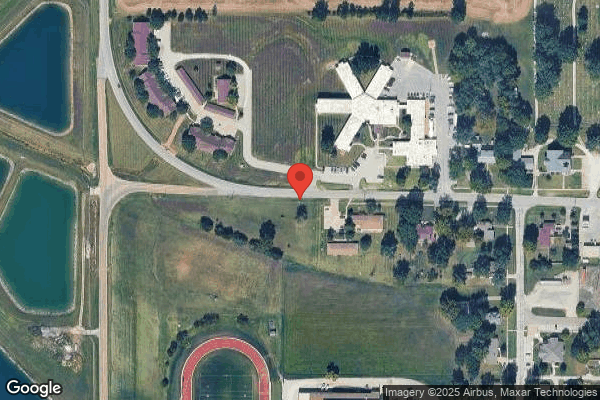
408 DELAWARE STREET, WINCHESTER, KS 66097 (913) 774-4340
Non profit - Corporation 38 Beds Independent Data: November 2025
Trust Grade
60/100
#123 of 295 in KS
Last Inspection: August 2025

Inspected within the last 6 months. Data reflects current conditions.

Overview

F W Huston Medical Center in Winchester, Kansas, has a Trust Grade of C+, which indicates it is slightly above average but not exceptional. It ranks #123 out of 295 facilities in Kansas, placing it in the top half, and #2 out of 4 in Jefferson County, meaning only one local option is better. The facility's trend is stable, with the same number of issues reported in both 2023 and 2025, but staffing is a concern, as the turnover rate is 61%, significantly higher than the state average of 48%. Notably, there have been no fines, which is a positive sign, but the RN coverage is average, suggesting that while there are adequate resources, there is room for improvement in oversight. Specific incidents noted during inspections include the failure to store expired medications properly, which could lead to residents receiving ineffective treatments, and a lack of proper food storage and hygiene practices, raising the risk of foodborne illnesses. Additionally, the facility did not maintain a fully attended Quality Assessment and Assurance Committee, which could impact the quality of care provided. Overall, while there are strengths in the absence of fines and decent trust ratings, the facility needs to address staffing issues and improve its compliance with safety and care standards.

Trust Score
C+
60/100
In Kansas
#123/295
Top 41%
Safety Record
Low Risk
No red flags
Inspections
Holding Steady
8 → 8 violations
Staff Stability
⚠ Watch
61% turnover. Above average. Higher turnover means staff may not know residents' routines.
Penalties
✓ Good
No fines on record. Clean compliance history, better than most Kansas facilities.
Skilled Nurses
✓ Good
Each resident gets 45 minutes of Registered Nurse (RN) attention daily — more than average for Kansas. RNs are trained to catch health problems early.
Violations
⚠ Watch
20 deficiencies on record. Higher than average. Multiple issues found across inspections.
★★★☆☆
3.0
Overall Rating
★★★★☆
4.0
Staff Levels
★★☆☆☆
2.0
Care Quality
★★★☆☆
3.0
Inspection Score
Stable
2023: 8 issues
2025: 8 issues

The Good

  • 4-Star Staffing Rating · Above-average nurse staffing levels
  • Full Sprinkler Coverage · Fire safety systems throughout facility
  • No fines on record

Facility shows strength in staffing levels, fire safety.

The Bad

3-Star Overall Rating

Near Kansas average (2.9)

Meets federal standards, typical of most facilities

Staff Turnover: 61%

15pts above Kansas avg (46%)

Frequent staff changes - ask about care continuity

Staff turnover is elevated (61%)

13 points above Kansas average of 48%

The Ugly 20 deficiencies on record

Aug 2025 8 deficiencies
CONCERN (D)

Potential for Harm - no one hurt, but risky conditions existed

Deficiency F0628 (Tag F0628)

Could have caused harm · This affected 1 resident

**NOTE- TERMS IN BRACKETS HAVE BEEN EDITED TO PROTECT CONFIDENTIALITY** The facility identified a census of 38 residents. The sample included 12 residents, with two residents reviewed for hospitalizat...

Read full inspector narrative →
**NOTE- TERMS IN BRACKETS HAVE BEEN EDITED TO PROTECT CONFIDENTIALITY** The facility identified a census of 38 residents. The sample included 12 residents, with two residents reviewed for hospitalization. Based on observation, record review, and interviews, the facility failed to provide a written notification of transfer to Resident (R) 1 or their representative for all applicable transfers/discharges. The facility failed to ensure the written notification of transfers given to R1 had the required information. The facility further failed to notify the State Long Term Care Ombudsman (LTCO) of transfers/discharges for R1. This deficient practice had the risk for miscommunication between the facility and resident/representative and possible missed opportunities for healthcare services for R1 and placed R1 at risk for impaired rights.Findings included:- R1 admitted to the facility on [DATE], discharged to the hospital on [DATE], readmitted to the facility on [DATE], discharged to the hospital on [DATE], and readmitted to the facility on [DATE].R1's Electronic Medical Record (EMR) documented diagnoses of hypertension (high blood pressure), hyperlipidemia (condition of elevated blood lipid levels), presence of a cardiac pacemaker (implanted device to regulate the beating of the heart), and atherosclerotic heart disease of native coronary artery (abnormal condition that may affect the flow of oxygen to the heart).The Annual Minimum Data Set (MDS) dated 05/08/25, documented R1 had a Brief Interview for Mental Status (BIMS) score of 15, which indicated intact cognition.The Quarterly MDS dated 07/30/25, documented R1 had a BIMS score of 15, which indicated intact cognition.The Functional Abilities Care Area Assessment (CAA) dated 05/12/25, documented R1 needed assistance with his self-care and mobility.R1's Care Plan dated 05/02/24, documented R1 had diagnoses of hypertension, hyperlipidemia, and atherosclerotic heart disease. The plan directed R1 had a cardiac pacemaker in place.R1's EMR revealed the following:An eInteract Transfer Form on 04/18/25 at 01:30 PM, documented R1 transferred to the hospital for chest pain.An eInteract Transfer Form on 07/02/25 at 10:38 AM, documented R1 transferred to the hospital for aspiration (inhaling liquid or food into the lungs).Upon request, the facility was unable to provide a written notification of transfer and bed hold acknowledgement for R1's transfer to the hospital on [DATE].Upon request, the facility provided a written notification of transfer and bed hold acknowledgement for R1's transfer to the hospital on [DATE]. The Notice of Emergency Transfer/Discharge form, dated 07/02/25, documented the reason for the transfer to the emergency room (ER) as aspiration. The notice explained R1's right to an appeal but did not explain how to file an appeal, who would help R1 file an appeal, or the correct agency and contact information to file an appeal with.Upon request, the facility was unable to provide documentation of LTCO notification for R1's transfer to the hospital on [DATE] and 07/02/25.On 08/11/25 at 07:55 AM, R1 sat in his wheelchair at the dining room table and ate breakfast.On 08/11/25 at 03:17 PM, Administrative Nurse D stated the facility did not have a written notification of transfer for R1's 04/18/25 transfer.On 08/12/25 at 01:56 PM, Licensed Nurse (LN) G stated that when she transferred a resident to the hospital, she provided the bed hold acknowledgement and written notification of transfer to the resident. She stated she gave Administrative Nurse D a copy of the signed forms.On 08/12/25 at 02:16 PM, Administrative Nurse D stated she updated the previous notification of transfer form with her and Administrative Staff A's contact information, but she did not change any other information on the form. She stated for the first several months when she started at the facility, she sent the transfer notifications to the LTCO, but she did not think she had sent them since February 2025. Administrative Nurse D stated the LTCO notifications were transitioning to Social Services.The facility's Bed Hold and Return to Facility Policy and Procedure, revised 12/13/24, directed the facility provided written information about the state's bed hold duration and payment amount before the transfer. The policy directed the facility provided bed hold and return information at admission and before a hospital transfer or therapeutic leave. In the case of emergency transfers or discharges, the facility provided the bed hold policy to the resident, their responsible party, and the LTCO on the first business day following the transfer/discharge.The facility did not provide a policy on written notification of transfers.
CONCERN (D)

Potential for Harm - no one hurt, but risky conditions existed

ADL Care (Tag F0677)

Could have caused harm · This affected 1 resident

The facility identified a census of 38 residents. The sample included 12 residents, with one resident reviewed for bathing. Based on observations, record review, and interviews, the facility failed to...

Read full inspector narrative →
The facility identified a census of 38 residents. The sample included 12 residents, with one resident reviewed for bathing. Based on observations, record review, and interviews, the facility failed to provide consistent bathing for Resident (R) 32. This deficient practice had the risk for poor hygiene and decreased self-esteem and dignity for R32.Findings included:- R32's Electronic Medical Record (EMR) documented diagnoses of hemiplegia and hemiparesis (weakness and paralysis on one side of the body) following cerebral infarction (stroke - sudden death of brain cells due to lack of oxygen caused by impaired blood flow to the brain by blockage or rupture of an artery to the brain) affecting right dominant side, repeated falls, and difficulty in walking.The Significant Change Minimum Data Set (MDS) dated 02/15/25, documented R32 had a Brief Interview for Mental Status (BIMS) score of ten, which indicated moderate cognitive impairment. R32 had impairment on both sides, upper and lower extremities. R32 required partial/moderate assistance with bathing.The Quarterly MDS dated 07/23/25, documented R32 had a BIMS score of nine, which indicated moderate cognitive impairment. R32 had impairment on one side upper and lower extremities. R32 required partial/moderate assistance with bathing.The Functional Abilities Care Area Assessment (CAA) dated 02/19/25, documented R32 had a limited range of motion on his right side and required assistance with activities of daily living (ADL).R32's Care Plan dated 08/11/22, documented R32 required assistance with ADLs and preferred a shower three times a week after he got up.The Documentation Survey Report for 05/01/25 to 08/11/25 revealed the following documentation for the scheduled task Type of Bathing Provided this Shift: shower provided on 25 out of 44 scheduled days, none provided on 18 out of 44 scheduled days, and the resident refused one out of 44 scheduled days.R32's EMR revealed a Plan of Care note on 08/06/25 at 05:16 PM that documented R32's representative stated R32 was supposed to receive a shower the previous Sunday, and he waited but did not get a shower.On 08/10/25 at 01:57 PM, R32 sat in his recliner in his room with his representative visiting. R32's representative stated R32 was supposed to get a shower daily, but he was okay with every other day. She stated R32 had issues getting his showers on the weekends. R32 agreed with the weekend shower issue.On 08/11/25 at 08:06 PM, R32 self-propelled in his wheelchair from the dining room towards the day area.On 08/12/25 at 01:53 PM, Certified Nurse Aide (CNA) M stated that CNAs were responsible for bathing, and the showers were divided between the CNAs. She stated that bathing was documented in Point of Care (POC- CNA documentation system). CNA M stated staff documented none provided if the bathing did not get done. She stated if a resident refused bathing, the CNA got another CNA to encourage them to bathe.On 08/12/25 at 01:56 PM, Licensed Nurse (LN) G stated the CNAs were responsible for bathing, and they had a bathing list. She stated staff tried to offer R32 bathing every day per his wife's request because he did not like assistance with toileting and changing throughout the day. LN G stated bathing was documented in POC, and if staff documented none provided, then the shower did not get done.On 08/12/25 at 02:12 PM, CNA N stated R32 required full assistance with bathing, and he showered every other day. She stated that if staff documented none provided, then it meant the resident did not get a shower that day. She stated that bathing was documented in POC.On 08/12/25 at 02:16 PM, Administrative Nurse D stated CNAs and nurses were responsible for bathing, and she expected staff to complete bathing twice weekly or per resident preference. She stated staff documented bathing in POC, and the system alerted the nurse if a resident did not receive bathing for five days.The facility's Restorative ADL Services policy, dated October 2020, directed that residents received assistance with ADLs every shift as appropriate, which included bathing.
CONCERN (E) 📢 Someone Reported This

A family member, employee, or ombudsman was alarmed enough to file a formal complaint

Potential for Harm - no one hurt, but risky conditions existed

Accident Prevention (Tag F0689)

Could have caused harm · This affected multiple residents

The facility had a census of 38 residents. The sample included 12 residents. Based on observation, record review, and interview, the facility failed to provide a safe environment free of chemical haza...

Read full inspector narrative →
The facility had a census of 38 residents. The sample included 12 residents. Based on observation, record review, and interview, the facility failed to provide a safe environment free of chemical hazards for cognitively impaired, independently mobile residents. This placed residents at risk of possible injury.Findings included:- On 08/10/25 at 08:00 AM, upon initial tour of the facility, through the open door to the beauty shop sink, chair, and workstation, a black unlocked cabinet was found with three hair coloring kits, three cans of hair spray, and one box of hair curling permanent kit.On 08/11/25 at 08:04 AM, Administrative Nurse E stated the cabinet had a magnetic lock and should have been locked.The facility's Hazardous Materials and Waste Management Policy, dated 10/2020, documented that hazardous materials and waste shall be stored in a safe and secure manner to prevent injury to patients, visitors, and staff. Storage areas for hazardous chemicals shall be kept locked at all times.
CONCERN (E)

Potential for Harm - no one hurt, but risky conditions existed

Deficiency F0883 (Tag F0883)

Could have caused harm · This affected multiple residents

**NOTE- TERMS IN BRACKETS HAVE BEEN EDITED TO PROTECT CONFIDENTIALITY** The facility had a census of 38 residents. The sample included 12 residents, with five residents reviewed for immunizations: Res...

Read full inspector narrative →
**NOTE- TERMS IN BRACKETS HAVE BEEN EDITED TO PROTECT CONFIDENTIALITY** The facility had a census of 38 residents. The sample included 12 residents, with five residents reviewed for immunizations: Resident (R) 4, R10, R14, R19, and R37, to include pneumococcal (a disease that refers to a range of illnesses that affect various parts of the body and are caused by infection) vaccinations. Based on record review and interviews, the facility failed to offer, obtain an informed declination, or a physician documented contraindication for the pneumococcal PCV20 vaccination per the latest guidance from the Centers for Disease Control and Prevention (CDC). This placed the residents at risk for pneumococcal infection and related complications.Findings included:- Review of R4, R10, R14, R19, and R37 clinical medical records lacked evidence the facility or the resident representative received or signed a consent to receive or informed declination for the pneumococcal vaccine PCV20.Review of R4's electronic health record revealed the resident was admitted to the facility on [DATE]. R4 had not been offered or received a pneumococcal PCV20 vaccine since admission.Review of R10's electronic health record revealed the resident was admitted to the facility on [DATE]. R10 had not been offered or received a pneumococcal PCV20 vaccine since admission.Review of R14's electronic health record revealed the resident was admitted to the facility on [DATE]. R14 had not been offered or received a pneumococcal PVC20 vaccine since admission.Review of R19's electronic health record revealed the resident was admitted to the facility on [DATE]. R19 had not been offered or received a pneumococcal PCV20 vaccine since admission. Review of R37's electronic health record revealed the resident was admitted to the facility on [DATE]. R37 had not been offered or received a pneumococcal PCV20 vaccine since admission.On 08/11/25 at 01:15 PM, License Nurse (LN) H stated that when a resident was admitted to the facility, she would check the Web IZ (a web-based, immunization registry system used by many states and local government agencies designed to track and manage immunization records for public health purposes. status and determine what immunizations the resident had received and what vaccinations they needed to receive to be up to date. The website supports vaccine recommendations based on the CDC guidelines and can integrate with other health care systems for their vaccination status. LN H stated the facility would contact the physician for an order to administer the vaccinations the resident needed to receive, then administer the vaccine after providing the resident and/or the durable power of attorney (DPOA) the Vaccine Information Sheet (VIS) consent form. LN H stated the resident and/or the DPOA would sign a consent or denial form, and that would be kept in the resident's electronic health record. LN H verified that 12 of the residents in the facility were not asked or received the pneumococcal vaccine per protocol. On 8/12/25 at 01:30 PM, Administrative Nurse D verified the lack of a system to identify the residents in the building who were eligible to receive the pneumococcal vaccinations. And verified the lack of denial forms in the resident's medical records. The facility's Flu and Pneumococcal Vaccine policy dated 12/24/24, documented all residents at the facility would have the opportunity to receive the flu vaccine annually, and the pneumonia vaccine as recommended by the physician to assure as much protection from the diseases as possible. Upon admission to the facility, staff would obtain dates from the family or resident of any past flu or pneumonia vaccines received. Flu and Pneumonia VIS are provided to family and/or residents annually and at the time of admission or hire from October through the following March each year. The resident, resident durable power of attorney, resident guardian, or resident's responsible party would sign a consent or denial form for the vaccinations. If the flu or pneumonia vaccines are not available, the resident would be offered the vaccine or vaccines at the first availability from the pharmacy
CONCERN (F)

Potential for Harm - no one hurt, but risky conditions existed

Deficiency F0761 (Tag F0761)

Could have caused harm · This affected most or all residents

The facility had a census of 38 residents. Based on observation, interview, and record review, the facility failed to store unexpired medication in the emergency kit as required, and staff failed to d...

Read full inspector narrative →
The facility had a census of 38 residents. Based on observation, interview, and record review, the facility failed to store unexpired medication in the emergency kit as required, and staff failed to discard or destroy expired medications. This deficient practice placed residents of the facility at risk of receiving ineffective medications. Findings included:- On 08/11/25 at 07:45 AM, observation with License Nurse (LN) G revealed that the facility's medication room had an emergency kit. The emergency kit contained the following expired medications:One bottle of Coumadin (blood thinner medication) 1 milligram (mg), 10 tablets that expired 06/13/25.One bottle of Cefuroxime (antibiotic medication) 500 mg, 10 tablets, expired 06/13/25. One Albuterol sulfate inhaler (bronchodilator medication) 2.5 mg per three milliliters (ml) expired 05/06/25. One scopolamine (antinausea medication) patch, one mg per three-day patch, expired 06/13/25. LN G verified the expiration dates.On 08/12/25 at 11:00 AM, Administrative Nurse D verified that the pharmacy consultant was to inspect the medication room monthly, which included the emergency kit and replace expired medications. Administrative Nurse D stated the pharmacist had apparently not checked the emergency kit for expired medications. The facility's Medication Storage policy dated 06/02/25 stated any discontinued, unused (no use in 30 days), or outdated medication must be returned to the pharmacy.
CONCERN (F)

Potential for Harm - no one hurt, but risky conditions existed

Food Safety (Tag F0812)

Could have caused harm · This affected most or all residents

The facility identified a census of 38 residents. The facility had one main dining room and kitchen. Based on observations, record review, and interview, the facility failed to properly label and stor...

Read full inspector narrative →
The facility identified a census of 38 residents. The facility had one main dining room and kitchen. Based on observations, record review, and interview, the facility failed to properly label and store food and failed to perform hand hygiene during meal tray pass. This deficient practice had the risk of spreading foodborne illness to all affected residents.Findings included:- On 08/10/25 at 08:49 AM, during the initial tour of the kitchen, the deep freezer had an opened package of waffles, an opened package of hashbrowns, and an opened package of pancakes not labeled and dated or stored in a sealed container/bag. A refrigerator had an opened package of ham and an opened bag of grated Parmesan cheese, not labeled, dated, or in a sealed container/bag. A sealable bag of hot dogs that was unsealed and not labeled or dated.On 08/10/25 at 11:22 AM, Dietary CC wore gloves and passed a lunch plate to Resident (R) 22, then asked R14 what she wanted to drink. Dietary CC grabbed a roll of silverware but dropped a utensil on the ground. She picked the utensil up, then doffed (removed) her gloves; no hand hygiene was performed. Dietary CC went over to R14 and asked her what she wanted to eat for lunch. Dietary CC donned (put on) gloves and brought R22 his dessert. She grabbed a pen at the kitchen window and waited for another lunch plate. Dietary CC brought a lunch plate and dessert to R30. She brought R22 and R30's dessert back to the window for ice cream to be added. Dietary CC did not perform hand hygiene during this observation.On 08/10/25 at 11:26 AM, Dietary CC grabbed a lunch plate and dessert for R14, then asked R21 what she wanted for lunch. She rested her gloved hands on her hips while she waited. Dietary CC got three beverages for R21, then went over to R27 and placed her left hand on R27's chair. Dietary CC delivered R22 and R30's dessert bowls back to them. She pulled her gloves further up on her wrist, then opened a cabinet to grab a cup for ice water. Dietary CC delivered the water to R27, then moved R27 closer to the table by pushing her chair forward. Dietary CC went into the kitchen and grabbed a snack package. She then asked a male visitor what he wanted to drink. Dietary CC doffed gloves and talked to another staff member. She did not perform hand hygiene after doffing gloves and before grabbing beverages for the male visitor. Dietary CC did not perform hand hygiene during this observation.On 08/10/25 at 11:32 AM, Dietary CC delivered a plate and silverware to R5. She asked R2 what he wanted to drink, then delivered a dessert and lunch plate to the male visitor. Dietary CC delivered a lunch plate and silverware to a female resident. Dietary CC did not perform hand hygiene during this observation.On 08/12/25 at 01:43 PM, Dietary DD stated that if she opened a bag of food, she would put the food in a freezer bag, then dated and labeled it.On 08/12/25 at 01:44 PM, Dietary EE stated he prevented cross-contamination during meal pass by taking plates out one at a time and performing hand hygiene between each plate. He stated he washed his hands after taking off his gloves.On 08/12/25 at 01:46 PM, Dietary BB stated if dietary staff opened a food item, they placed the food in a sealable bag and then dated it. He stated that dietary staff performed hand hygiene throughout meal service and washed their hands after removing gloves.The facility's Dietary and Nutritional Services policy, not dated, directed staff to handle all food in a manner that ensured it was safe, wholesome, and free from contamination. The policy directed staff to follow hygiene practices, maintain food at safe temperatures, and comply with food safety regulations. The policy directed staff labeled and dated all foods upon receipt.The facility's Hand Hygiene and Glove Usage policy, last revised 12/10/24, directed the facility to train all staff members in hand hygiene and glove usage expectations.
CONCERN (F)

Potential for Harm - no one hurt, but risky conditions existed

Deficiency F0868 (Tag F0868)

Could have caused harm · This affected most or all residents

The facility had a census of 38 residents. The sample included 12 residents. Based on observation, record review, and interview, the facility failed to maintain a Quality Assessment and Assurance Comm...

Read full inspector narrative →
The facility had a census of 38 residents. The sample included 12 residents. Based on observation, record review, and interview, the facility failed to maintain a Quality Assessment and Assurance Committee (QA&A) that had the required membership in attendance. This placed the resident with a lack of quality care.Findings included:- Upon review of the facility's QA&A committee attendance signed roster for the monthly meetings held 07/16/24 to 07/15/25, the roster of attendance lacked the signature of the Medical Director.On 08/12/25 at 09:12 AM, Administrative Staff B reported the Medical Director had not signed the attendance roster but had joined the meeting via the Owl conferencing method (a camera device of a cascading camera and an extension microphone which provides audio-visual experience).The facility's Quality Assurance and Performance Improvement Plan policy, dated 01/2025, documented all department managers, the administrator, the director of nursing, the infection control and prevention officer, medical director, consultant pharmacist, resident/patient and/or family representatives (if appropriate), and additional staff who provided leadership by being on the Quality Committee. The Quality Committee will meet monthly.
MINOR (C)

Minor Issue - procedural, no safety impact

Staffing Data (Tag F0851)

Minor procedural issue · This affected most or all residents

The facility had a census of 38 residents. Based on observation, record review, and interview, the facility failed to submit complete and accurate staffing information through Payroll-Based Journal (P...

Read full inspector narrative →
The facility had a census of 38 residents. Based on observation, record review, and interview, the facility failed to submit complete and accurate staffing information through Payroll-Based Journal (PBJ) as required. This deficient practice placed the residents at risk for unidentified and ongoing inadequate nurse staffing.Findings included:- The PBJ report provided by the Centers for Medicare and Medicaid Services (CMS) for Fiscal Year (FY) 2024 Quarter (Q) 4 indicated the facility failed to have licensed nursing coverage 24 hours a day, three days in July 2024, and three days in September 2024.The PBJ report provided by the CMS for the FY 2024 Quarter 1 indicated no Registered nurse (RN) hours for one day in October 2024, licensed nursing coverage for three days in December 2024, and the report indicated the facility failed to have four days in October 2024, five days in November 2024, and nine days in December 2024. The PBJ report documented that the facility was a one-star rating. The PBJ report provided by the CMS for FY 2025 Quarter 2 indicated the facility failed to have licensed nursing coverage 24 hours a day, one day in February 2025, and one day in March 2025.A review of the facility's staffing and RN hours of the days listed above revealed adequate licensed nursing staff and RN coverage.On 08/11/25 at 10:00 AM, Administrative Nurse D stated the facility had a CMS PBJ audit for the quarter ending June 30, 2024, and the CMS had cleared them and no further action was taken at that time. Administrative Nurse D stated she started in December 2024, and the Director of Nursing and the Assistant Director of Nursing would work the floor and not document the hours worked since they were salary. Another concern was noted the facility incorrectly calculated hours when staff worked half of their shift before midnight and the other half after midnight. Administrative Nurse D verified that they use three different agencies, and those times were not accounted for correctly at times. The facility's Payroll Based Journal policy, dated 08/12/25, documented the CMS Payroll-Based Journal (PBJ) requires long-term care facilities to submit staffing and census data on a quarterly basis. This data, which includes information on nursing and non-nursing staff, is used to assess staffing levels and inform quality ratings. The facility must submit the data by the end of the 45th calendar day after the end of the fiscal year. The facility must submit data, including hours worked and paid, for each staff member, on a quarterly basis. The PBJ allows CMS to collect staffing data regularly, improving transparency and informing quality initiatives.
Oct 2023 8 deficiencies
CONCERN (D)

Potential for Harm - no one hurt, but risky conditions existed

Deficiency F0637 (Tag F0637)

Could have caused harm · This affected 1 resident

The facility identified a census of 37 residents. The sample included 12 residents. Based on observation, record review, and interviews, the facility failed to identify a significant change in the phy...

Read full inspector narrative →
The facility identified a census of 37 residents. The sample included 12 residents. Based on observation, record review, and interviews, the facility failed to identify a significant change in the physical condition and complete a comprehensive Significant Change Minimum Data Set (MDS) for Resident (R) 20. This deficient practice placed R20 at risk of unidentified care needs. Findings included: - R20's Electronic Medical Record (EMR) documented diagnoses of chronic kidney disease (condition in which the kidneys are damaged and cannot filter blood as well as they should), and other symptoms and signs involving cognitive functions and awareness. The Quarterly MDS dated 06/02/23, lacked documentation that R20 was receiving hospice services at that time. The Annual MDS dated 09/08/23 documented a Brief Interview of Mental Status (BIMS) score of zero which indicated severe cognitive impairment. The MDS documented R20 required extensive assistance of one staff member for transfers, dressing and two staff for toileting. The MDS further documented R20 was receiving hospice services. The Cognitive Loss / Dementia Care Area Assessment (CAA) dated 09/08/23, documented R20 had a BIMS score of zero and had severe cognitive impairment and directed staff to cue/assist R20 with orientation and activities of daily living. R20's Care Plan with an initiated date of 06/30/23, documented R20 was receiving hospice services. R20's EMR revealed R20 was admitted to hospice on 06/30/23. R20's EMR lacked evidence that a comprehensive significant change MDS/assessment was completed for R20 after R20 went on hospice services and before the Annual MDS dated on 09/08/23. On 10/17/23 at 09:21 AM R20 slept in her bed in her room. On 10/18/23 at 02:03 PM Administrative Nurse D confirmed that she completed the MDS documentation for the residents. She stated that R20 should have had a comprehensive Significant Change MDS when R20 was admitted to hospice care. She further stated that it was very possible that she may have missed doing the MDS for R20 at that time. The facility was unable to provide a policy related to MDS assessments. The facility failed to identify a significant change in the physical condition and complete a comprehensive Significant Change MDS for Resident R20 when she was admitted to hospice care. This deficient practice placed R20 at risk of unidentified care needs.
CONCERN (D)

Potential for Harm - no one hurt, but risky conditions existed

Deficiency F0657 (Tag F0657)

Could have caused harm · This affected 1 resident

**NOTE- TERMS IN BRACKETS HAVE BEEN EDITED TO PROTECT CONFIDENTIALITY** The facility identified a census of 37 residents. The sample included 12 residents. Based on observation, record review, and int...

Read full inspector narrative →
**NOTE- TERMS IN BRACKETS HAVE BEEN EDITED TO PROTECT CONFIDENTIALITY** The facility identified a census of 37 residents. The sample included 12 residents. Based on observation, record review, and interviews, the facility failed to revise Resident (R) 4's comprehensive person-centered care plan to include her right-hand splint. This deficient practice placed R4 at risk of worsening contracture (abnormal permanent fixation of a joint or muscle), along with loss of independence. Findings included: - R4's Electronic Medical Record (EMR) from the Diagnoses tab documented diagnoses of cerebral infarction (stroke - sudden death of brain cells due to lack of oxygen caused by impaired blood flow to the brain by blockage or rupture of an artery to the brain) affecting right dominant side, hemiparesis (muscular weakness of one half of the body), hemiplegia (paralysis of one side of the body), and depression (a mood disorder that causes a persistent feeling of sadness and loss of interest). The Annual Minimum Data Set (MDS) dated [DATE] documented a Brief Interview of Mental Status (BIMS) score of seven which indicated severely impaired cognition. The MDS documented that R4 required extensive assistance of two staff member for ADLs. The MDS documented R4 had not received a nursing restorative program for the observation period. R4's ADL Functional/Rehabilitation Potential Care Area Assessment (CAA) dated 07/01/23 documented R4 required assistance of staff with ADLs. R4's Care Plan dated 07/21/23 documented staff would encourage her to participate in her individualized restorative program. R4's Care Plan lacked direction for her right-hand splint. R4's EMR, under Reports tab for Tasks from 07/01/23 through 09/18/23 revealed: R4 had a brace that she was to wear on her right hand/wrist. Please assist her with applying this in the mornings and off at bedtime or per her request. Please keep in mind she may sometimes refuse to wear her brace. The Task lacked documentation R4's right hand splint was applied. Observation on 10/16/23 at 01:54 PM R4 sat in her wheelchair next to her bed. R4's right arm rested tight next to her right side with her finger curled inward sat on her lap. R4 did not wear a right-hand splint. On 10/17/23 at 09:44 AM R4 sat in her wheelchair in front of her TV. R4's right arm rested against her right side, with her hand resting on her right leg. R4 lacked a right-hand splint or a pillow for hand elevation. On10/18/23 at 09:50 AM R4 sat in her wheelchair in front of her TV. R4's arm was snug against her body and her right hand fingers curled inward; her hand rested on her right leg. R4 lacked a right-hand splint or a pillow for hand elevation. On 10/18/23 at 09:50 AM R4 stated she had not had a splint on her right hand in a long time. R4 stated she did not receive ROM to her right-hand to prevent contractures from worsening. On 10/18/23 at 09:58 AM Certified Nurse Aide (CNA) O stated R4 had a right-hand splint, but she had not worn the splint in a long time. CNA O stated staff would elevate R4's hand/arm on a red pillow and stretch out her fingers when R4 was in her wheelchair. CNA O stated she was not aware of any restorative program for R4 and was not aware if therapy was treating R4. On 10/18/23 at 10:20 AM Consultant HH stated R4 was discharged on 11/30/22 from therapy after education to nursing staff regarding R4's right hand splint application and removal. Consultant HH stated he was not aware that R4 was not wearing the right-hand splint and she was not on a ROM/restorative program at that time. Consultant HH stated the therapy department provided the restorative programs. On 10/18/23 at 01:14 PM CNA M stated everyone had access to the [NAME] (nursing tool that gives a brief overview of the care needs of each resident) which contained the information and direction for each resident's care. On 10/18/23 at Licensed Nurse (LN) G stated she was not aware of a right-hand splint for R4. LN G stated everyone had access to the [NAME] which should contain personalized care direction. LN G stated R4's care plan should have direction to the staff for her right-hand splint. On 10/18/23 at 02:03 PM Administrative Nurse D stated if R4 refused to wear her right-hand splint, therapy should have evaluated her. Administrative Nurse D stated everyone had access to the [NAME] which has to care plan information on the care for each resident. Administrative Nurse D stated the care plan should have direction for R4's right-hand splint. The facility was unable to provide a policy related to comprehensive person centered care plan revision. The facility failed to revise R4's comprehensive care plan with direction for her right-hand splint. This deficient practice placed R4 at risk of worsening contractures and further loss of independence with ADLs.
CONCERN (D)

Potential for Harm - no one hurt, but risky conditions existed

Deficiency F0688 (Tag F0688)

Could have caused harm · This affected 1 resident

**NOTE- TERMS IN BRACKETS HAVE BEEN EDITED TO PROTECT CONFIDENTIALITY** The facility identified a census of 37 residents. The sample included 12 residents with two resident reviewed for positioning an...

Read full inspector narrative →
**NOTE- TERMS IN BRACKETS HAVE BEEN EDITED TO PROTECT CONFIDENTIALITY** The facility identified a census of 37 residents. The sample included 12 residents with two resident reviewed for positioning and mobility. Based on observation, record review, and interviews, the facility failed to provide care and services to prevent a decrease in range of motion (ROM)/mobility and/or development of contractures (abnormal fixation of a joint or muscle) for Resident (R) 4. The deficient practices placed R4 at risk of loss of ability to perform activities of daily living (ADLs) and development or worsening of contractures. Findings included: - R4's Electronic Medical Record (EMR) from the Diagnoses tab documented diagnoses of cerebral infarction (stroke - sudden death of brain cells due to lack of oxygen caused by impaired blood flow to the brain by blockage or rupture of an artery to the brain) affecting right dominant side, hemiparesis (muscular weakness of one half of the body), hemiplegia (paralysis of one side of the body), and depression (a mood disorder that causes a persistent feeling of sadness and loss of interest). The Annual Minimum Data Set (MDS) dated [DATE] documented a Brief Interview of Mental Status (BIMS) score of seven which indicated severely impaired cognition. The MDS documented that R4 required extensive assistance of two staff member for ADLs. The MDS documented R4 had not received a nursing restorative program for the observation period. R4's ADL Functional/Rehabilitation Potential Care Area Assessment (CAA) dated 07/01/23 documented R4 required assistance of staff with ADLs. R4's Care Plan dated 07/21/23 documented staff would encourage her to participate in her individualized restorative program. R4's Care Plan lacked direction for her right-hand splint. R4's EMR, under Reports tab for Tasks from 07/01/23 through 09/18/23 revealed: R4 had a brace that she was to wear on her right hand/wrist. Please assist her with applying this in the mornings and off at bedtime or per her request. Please keep in mind she may sometimes refuse to wear her brace. The Task lacked documentation R4's right hand splint was applied. Observation on 10/16/23 at 01:54 PM R4 sat in her wheelchair next to her bed. R4's right arm rested tight next to her right side with her finger curled inward sat on her lap. R4 did not wear a right-hand splint. On 10/17/23 at 09:44 AM R4 sat in her wheelchair in front of her TV. R4's right arm rested against her right side, with her hand resting on her right leg. R4 lacked a right-hand splint or a pillow for hand elevation. On10/18/23 at 09:50 AM R4 sat in her wheelchair in front of her TV. R4's arm was snug against her body and her right hand fingers curled inward; her hand rested on her right leg. R4 lacked a right-hand splint or a pillow for hand elevation. On 10/18/23 at 09:50 AM R4 stated she had not had a splint on her right hand in a long time. R4 stated she did not receive ROM to her right-hand to prevent contractures from worsening. On 10/18/23 at 09:58 AM Certified Nurse Aide (CNA) O stated R4 had a right-hand splint, but she had not worn the splint in a long time. CNA O stated staff would elevate R4's hand/arm on a red pillow and stretch out her fingers when R4 was in her wheelchair. CNA O stated she was not aware of any restorative program for R4 and was not aware if therapy was treating R4. On 10/18/23 at 10:20 AM Consultant HH stated R4 was discharged on 11/30/22 from therapy after education to nursing staff regarding R4's right hand splint application and removal. Consultant HH stated he was not aware that R4 was not wearing the right-hand splint and she was not on a ROM/restorative program at that time. Consultant HH stated the therapy department provided the restorative programs. On 10/18/23 at 01:14 PM CNA M stated everyone had access to the [NAME] (nursing tool that gives a brief overview of the care needs of each resident) which contained the information and direction for each resident's care. On 10/18/23 at Licensed Nurse (LN) G stated she was not aware of a right-hand splint for R4. On 10/18/23 at 02:03 PM Administrative Nurse D stated if R4 refused to wear her right-hand splint, therapy should have evaluated her. The facility was unable to provide a policy related prevention of contractures or related to ROM. The facility failed to ensure R4 received services and treatment for her right hand/arm contractures to prevent an avoidable reduction of ROM and/or mobility. This deficient practice left R4 at risk for further decline in independence and decreased ROM.
CONCERN (D)

Potential for Harm - no one hurt, but risky conditions existed

Deficiency F0692 (Tag F0692)

Could have caused harm · This affected 1 resident

The facility identified a census of 37 residents. The sample included 12 with two reviewed for nutrition. Based on observation, interviews, and record review, the facility failed to provide consist we...

Read full inspector narrative →
The facility identified a census of 37 residents. The sample included 12 with two reviewed for nutrition. Based on observation, interviews, and record review, the facility failed to provide consist weekly weight monitoring as identified on Resident (R)14's nutritional plan of care and physician's orders. This deficient practice placed R14 at risk for complication related to weight loss and malnutrition (condition that develops when the body is deprived of vitamins, minerals and other nutrients). Findings included: - The Medical Diagnosis section within R14's Electronic Medical Records (EMR) included diagnoses of cerebral infarction (stroke - sudden death of brain cells due to lack of oxygen caused by impaired blood flow to the brain by blockage or rupture of an artery to the brain), iron deficiency anemia, type two diabetes mellitus (when the body cannot use glucose, not enough insulin made or the body cannot respond to the insulin), muscle weakness, and gastro-esophageal reflux disease (backflow of stomach contents to the esophagus). R14's Annual Minimum Data Set (MDS) completed 08/20/2023 noted a Brief Interview for Mental Status (BIMS) score of 15 indicating intact cognition. The MDS indicated she weighed 156 pounds (lbs.) and noted no significant weight loss or prescribed weight loss regimen. The MDS indicated she ate independently with no staff assistance. R14's Nutrition Care Area Assessment (CAA) completed 09/01/23 indicated she had a body mass index (BMI- measure of body fat based on height and weight) of 28 indicating she was overweight. R14's Activities of Daily (ADL'S) CAA completed 09/01/23 indicated she required extensive assistance with cares. R14's Care Plan initiated 07/30/21 indicated she required assistance with her ADLs due to her medical diagnoses. The plan noted she was able to eat independently but occasionally needed set up assistance with her meals. The plan instructed staff to weigh her weekly for four weeks after admission and then as ordered. R14's Physician's Orders in the EMR indicated an order dated 02/13/23 for weekly weights to be obtained. A Weight Change note dated 05/12/23 was scanned into the EMR 's Miscellaneous section. The note indicated R14 struggled with dysphagia (swallowing difficulty) and had a gastrointestinal (GI) consult completed due to her weight loss pattern. A review of R14's EMR between 02/13/23 to 10/18/23 (35 weeks reviewed) revealed 16 missed weekly weight occurrences for the weeks of 2/13, 2/20, 2/27, 4/20, 4/27, 5/25, 6/8, 6/22, 7/13, 7/20, 7/27, 8/24, 8/31, 9/7, 9/22, and 9/29. On 10/17/23 at 09:30AM R14 sat in wheelchair in her room. She reported she was getting ready for doctor's appointment. She reported she recently had issues with meals and was seen by a GI doctor but seemed to be better. On 10/18/23 at 08:21AM R14 was assisted to the dining by staff in the dining room. She was served her meal with weighted silverware and Dycem (non-slip mat) under her plate. R14 consumed her meal without issue and returned to her room. On 10/18/23 at 09:12 AM Certified Nurses Aided (CNA) M stated most residents were either weighed every two weeks or monthly. He stated the weights obtained were entered into the EMR. He stated weight changes were reported to the nurse. He stated refusals were documented into the EMR. He stated the facility's weight scale was recently replaced due to inaccuracies, but weights should not have been missed. He stated R14 was weighed every two weeks. On 10/18/23 at 01:30PM Licensed Nurse (LN) G stated staff weighed the residents based on their physician orders and care planned needs. She stated the weights should be entered in the EMR system. She stated significant changes in weights were to be reported to the nursing team, dietary, and medical doctor. On 10/18/23 at 02:03PM Administrative Nurse D stated staff were expected to follow the care planned interventions related to weights. She stated staff were expected to monitor and report weight changes, refusals, and missed occurrences. She stated the facility recently switched out its weight scale due to inaccurate weight readings, but it should not have caused missing weights. The facility was unable to provide a policy related to weight monitring as requested on 10/18/23. The facility failed to provide consist weekly weight monitoring as identified on R14's nutritional care plan and physician orders. This deficient practice placed R14 at risk for complication related to weight loss and malnutrition.
CONCERN (D)

Potential for Harm - no one hurt, but risky conditions existed

Deficiency F0757 (Tag F0757)

Could have caused harm · This affected 1 resident

**NOTE- TERMS IN BRACKETS HAVE BEEN EDITED TO PROTECT CONFIDENTIALITY** The facility identified a census of 37 residents. The sample included 12 residents with five residents sampled for unnecessary m...

Read full inspector narrative →
**NOTE- TERMS IN BRACKETS HAVE BEEN EDITED TO PROTECT CONFIDENTIALITY** The facility identified a census of 37 residents. The sample included 12 residents with five residents sampled for unnecessary medication review. Based on observations, record review, and interviews, the facility failed to ensure Resident (R) 35's diclofenac sodium gel (topical medication used to treat joint pain and inflammation) had a dosage for administration. This deficient practice had the risk for physical complications and unnecessary medication usage. Findings included: - R35's Electronic Medical Record (EMR) documented diagnoses of unilateral primary osteoarthritis of the left hip (inflammation of a joint characterized by pain, swelling, redness and limitation of movement). The admission Minimum Data Set (MDS), dated [DATE], recorded R35 had a Brief Interview for Mental Status (BIMS) score of 14 which indicated that R35 was cognitively intact. The MDS recorded that R35 required supervision of one staff while walking, with transfers, and limited assistance of one staff for bed mobility. The Pain Care Area Assessment (CAA) dated 12/16/22, documented R35 had chronic pain. R35's Care Plan with an initiated date of 12/06/22, documented R35 was at risk of pain due to her diagnosis of osteoarthritis. An intervention initiated 12/06/22 documented R35's provider ordered medications for pain and directed staff to administer them as ordered. R35's EMR recorded the following medication order under the Orders tab with a start date of 02/13/23: Diclofenac sodium external gel 1%. Apply to left hip topically four times a day related to unilateral primary osteoarthritis left hip. The order lacked a measured dosage for staff to administer. An observation on 10/17/23 at 09:22 AM revealed R35 sat in a recliner in her room. On 10/18/23 at 12:55 PM Licensed Nurse (LN) G stated diclofenac sodium would normally have instructions in the box that would show the dosage; however, the box did not contain that information. She stated that she would normally use the plastic measuring tool to measure the ordered amount, but since there was no listed amount/dosage, she was unsure how much to administer to R35. On 10/18/23 at 02:03 PM Administrative Nurse D stated the order for diclofenac sodium should have had a dosage amount listed on the order so that staff would know how much of the medication to administer. The facility was unable to provide a policy for medication orders/administration. The facility failed to ensure the medication order for R35's diclofenac sodium gel had a dosage for administration. This deficient practice had the risk for physical complications and unnecessary medication usage.
CONCERN (D)

Potential for Harm - no one hurt, but risky conditions existed

Medication Errors (Tag F0758)

Could have caused harm · This affected 1 resident

**NOTE- TERMS IN BRACKETS HAVE BEEN EDITED TO PROTECT CONFIDENTIALITY** The facility identified a census of 37 residents. The sample included 12 residents with five residents reviewed for unnecessary ...

Read full inspector narrative →
**NOTE- TERMS IN BRACKETS HAVE BEEN EDITED TO PROTECT CONFIDENTIALITY** The facility identified a census of 37 residents. The sample included 12 residents with five residents reviewed for unnecessary medications. Based on observation, record review, and interviews, the facility failed to document the non-pharmacological interventions used, and a rational for continued use of psychotropic (alters mood or thought) medication with no gradual reduction for Resident (R)6. The facility also failed to ensure an appropriate indication for use or documented physician rationale which included the multiple unsuccessful attempts for nonpharmacological symptom management and risk versus benefit for the continued use of antipsychotic (class of medications used to treat major mental conditions which cause a break from reality testing) for R25. This deficient practice placed these residents at risk for unnecessary psychotropic medication and related complications. Findings included: - R6's Electronic Medical Record (EMR) from the Diagnoses tab documented diagnoses of dementia (progressive mental disorder characterized by failing memory, confusion), without behavioral disturbance, psychotic (episode of psychosis (any major mental disorder characterized by a gross impairment in reality perception) disturbance, mood disturbance or anxiety (mental or emotional reaction characterized by apprehension, uncertainty and irrational fear) and atrial fibrillation (rapid, irregular heartbeat). The Annual Minimum Data Set (MDS) dated [DATE] documented a Brief Interview of Mental Status (BIMS) score of three which indicated severely impaired cognition. The MDS documented that R6 was dependent on two staff members assistance for activities of daily living (ADLs). The MDS documented R6 received antidepressant (class of medications used to treat mood disorders) for seven days for the observation period. The MDS documented a gradual reduction was not done. R6's Psychotropic Drug Use Care Area Assessment (CAA) dated 09/11/23 documented R6 received medication to manage her depression (a mood disorder that causes a persistent feeling of sadness and loss of interest). R6's Care Plan dated 08/08/22 documented the physician ordered antidepressant medication to treat R6's anxiety and directed staff to administer the medication as ordered. The plan of care also directed staff to monitor for any changes in mood/behaviors as needed and to document any non-pharmacological interventions used or depression/anxiety. The plan of care directed staff to monitor for effectiveness. Review of R6's EMR under the Orders tab revealed the following physician orders: Citalopram hydrobromide (antidepressant) tablet 10 milligrams (mg) give 10 mg by mouth at bedtime for increase in anxiety dated 09/19/22. R6's clincial record alcked evidence of a gradual dose reduction attempt or physician docuemtnation of the rational for continued use of antidepressant medication with no gradual reduction. Observation on 10/17/23 at 09:10 AM R6 laid on her bed with her bilateral extremities supported with a pillow of the mattress. On 10/18/23 at 01:24 PM Licensed Nurse (LN) G stated she did not review the pharmacy monthly reviews. LN G stated she was not aware of who needed a gradual reduction of psychotropic medication. On 10/18/23 at 02:03 PM Administrative Nurse D stated she would continue to search for the physician documentation regarding not attempting a gradual reduction for R6's antidepressant medication. The facility was unable to provide a policy related to psychotropic medication use. The facility failed to provide a physician documented rationale stating why a gradual dose reduction was contraindicated for the continued use of psychotropic medication for R6. This deficient practice placed her at risk for unnecessary psychotropic medication and related complications. - R25's Electronic Medical Record (EMR) from the Diagnoses tab documented diagnoses of Alzheimer's disease (progressive mental deterioration characterized by confusion and memory failure), and major depressive disorder (major mood disorder which causes persistent feelings pf sadness). The Annual Minimum Data Set (MDS) dated [DATE] documented a Brief Interview of Mental Status (BIMS) score of zero which indicated severely impaired cognition. No staff interview was completed. The MDS documented that R25 required extensive assistance of two staff members for activities of daily living (ADLs). The MDS documented R25 had received antidepressant medication for seven days for the observation period. The MDS documented no gradual reduction was completed during the observation period for R25. The Quarterly MDS dated 07/25/23 documented a BIMS score of zero which indicated severely impaired cognition. No staff interview was completed. The MDS documented that R25 required extensive assistance of two staff members for ADLs. The MDS documented R25 had received antidepressant medication for six days and antipsychotic (class of medications used to treat major mental conditions which cause a break from reality) medication for five days during observation period. The MDS documented no physician documentation that a gradual dose reduction was clinically contraindicated. R25's Psychotropic Drug Use Care Area Assessment (CAA) dated 02/01/23 documented R25 received psychotropic medications to manage her behaviors. R25's Care Plan dated 06/25/20 documented staff would follow physician recommendations related to her mood and psychoactive medications. Review of the EMR under Orders tab revealed the following physician orders: Olanzapine (antipsychotic) oral tablet five milligrams (mg) give five mg by mouth daily related to Alzheimer's disease with late onset (needs given in the morning to assist with resident behaviors) dated 07/13/23. Haloperidol (antipsychotic) oral tablet two mg give one tablet by mouth every six hours as needed for agitation related to Alzheimer's disease with late onset for 14 days dated 10/11/23. The facility was unable to provide physician documentation for appropriate indication or documented rationale which included the multiple unsuccessful attempts for nonpharmacological symptoms management and the risk versus benefits for the continued use of olanzapine for R25. Observation on 10/18/23 at 10:15 AM R25 sat in her wheelchair next her in her room. On 10/18/23 at 01:24 PM Licensed Nurse (LN) G stated she did not review the pharmacy monthly reviews. LN G stated she was not aware of who needed a gradual reduction of psychotropic medication if a diagnosis needed to be clarified. LN G stated psychotropic medications should not be given to resident with diagnoses of dementia/Alzheimer's disease. On 10/18/23 at 02:03 PM Administrative Nurse D stated R25 was on hospice services for comfort measures. Administrative Nurse D stated she would continue to search for the physician documentation for the rationale for the use of antipsychotic medication for R25 who had a diagnosis of Alzheimer's disease. lack of a gradual reduction for R6's antidepressant medication. The facility was unable to provide a policy related to psychotropic medication use. The facility failed ensure an appropriate indication or or the required physician for the continued use of antipsychotic medications for R25. This deficient practice placed these residents at risk for unnecessary psychotropic medication and related complications.
CONCERN (F)

Potential for Harm - no one hurt, but risky conditions existed

Deficiency F0727 (Tag F0727)

Could have caused harm · This affected most or all residents

The facility identified a census of 37 residents. Based on record and interview, the facility failed to provide a Registered Nurse (RN) for at least eight consecutive hours, seven days a week. This pl...

Read full inspector narrative →
The facility identified a census of 37 residents. Based on record and interview, the facility failed to provide a Registered Nurse (RN) for at least eight consecutive hours, seven days a week. This placed all residents in the facility at risk for decreased quality of care. Findings included: - RN coverage documentation for 04/08/23 to 06/18/23 was requested from the facility. The facility provided Senor Living Center Schedule documents with who provided RN coverage each day. The documents listed the following dates where RN coverage was recorded as provided by Administrative Nurse F: 04/08/23 - 04/09/23, 04/22/23 - 04/23/23, 05/06/23 - 05/07/23, 05/13/23 - 05/14/23, 06/03/23 - 06/04/23, and 06/17/23 - 06/18/23. Upon request, the facility was unable to provide verifiable clock-in times or timesheets for Administrative Nurse F on the above dates. On 10/18/23 at 11:52 AM Administrative Staff B stated the facility had no way to log hours for Administrative Nurse F, who was the facility's previous Director of Nursing (DON), due to the DON being a salaried employee. She stated that their salaried employees did not clock in and out for their scheduled shifts and therefore the facility had no real way to track those hours to ensure eight consecutive hours were acheived. The facility was unable to provide a policy related to nursing coverage. The facility failed to provide a RN service for at least eight consecutive hours, seven days a week. This placed all residents in the facility at risk for decreased quality of care.
CONCERN (F)

Potential for Harm - no one hurt, but risky conditions existed

Deficiency F0730 (Tag F0730)

Could have caused harm · This affected most or all residents

The facility had a census of 37 residents. Five Certified Nurse Aide's (CNA) were reviewed for performance evaluations and required in-service training. Based on record review and interview, the facil...

Read full inspector narrative →
The facility had a census of 37 residents. Five Certified Nurse Aide's (CNA) were reviewed for performance evaluations and required in-service training. Based on record review and interview, the facility failed to ensure three of the five CNA staff reviewed had the required yearly performance evaluations completed. This placed the residents at risk for inadequate care. Findings included: - Review of the facility's performance evaluation records revealed the following: CNA O, hired 07/10/20, no yearly performance evaluations were provided upon request. CNA P, hired 10/07/19, no yearly performance evaluations were provided upon request. CNA Q, hired 06/30/19, no yearly performance evaluations were provided upon request. On 10/18/23 at 11:52 AM Administrative Staff B stated she provided the information to the managers for the employees that were due for a yearly evaluation. She stated that managers had one month from the employee's annual hire date to complete the evaluations. She further stated the previous Director of Nursing (DON) had done the yearly performance evaluations and that she was unable to locate the evaluations for three of the five requested CNAs. The facility did not provide a policy related to the completion of yearly employee evaluations. The facility failed to ensure three of the five CNA staff reviewed had the required yearly performance evaluations completed. This placed the residents at risk for inadequate care.
Mar 2022 4 deficiencies
CONCERN (D)

Potential for Harm - no one hurt, but risky conditions existed

Transfer Notice (Tag F0623)

Could have caused harm · This affected 1 resident

**NOTE- TERMS IN BRACKETS HAVE BEEN EDITED TO PROTECT CONFIDENTIALITY** The facility identified a census of 31 residents. The sample included 12 residents. One resident, (R) 24, was reviewed for trans...

Read full inspector narrative →
**NOTE- TERMS IN BRACKETS HAVE BEEN EDITED TO PROTECT CONFIDENTIALITY** The facility identified a census of 31 residents. The sample included 12 residents. One resident, (R) 24, was reviewed for transfer and discharge. Based on record review and interview, the facility failed to provide written notice of discharge to R24's representative and the Ombudsman when R24 was discharged to an acute care facility. Findings included: - The electronic medical record (EMR) for R24 listed diagnoses of: hypertension (HTN-an elevated blood pressure), atrial fibrillation (a rapid irregular heartbeat), urinary retention (the lack of the ability to urinate and empty the bladder), benign prostatic hypertrophy (BPH- non-cancerous enlargement of the prostate which can lead to interference with urine flow, urinary frequency and urinary tract infections), and congestive heart failure (CHF- a condition with low heart output and the body becomes congested with fluid). The admission Minimum Data Set (MDS) dated [DATE] documented R24 had a Brief Interview for Mental Status (BIMS) score of seven, which indicated severely impaired cognition. He required limited to extensive assistance of one to two staff for his activities of daily living (ADLs). The ADLs Care Area Assessment (CAA) dated 01/27/22 documented R24 required caregiver assistance with ADLs due to his weakness, the loss of balance, a safety awareness deficit, and a history of falls. R24 required the use of a sit-to-stand lift (an assistive device that allows a patient to be transferred between to places, by using hydraulic power). R24 was able to self-propel his wheelchair with the use of his arms and legs while seated in the wheelchair. The BPH and chronic urinary retention care plan documented R24 required the use of a Foley catheter (a thin flexible tube that is placed in your bladder to drain your urine). The care plan directed staff that R24 had been prescribed multiple medications to treat his BPH and chronic urinary retention, and to please administer medications as ordered and monitor for any signs and symptoms of any adverse drug reactions. A Health Status Note on 02/27/22 documented R24 was taken on a gurney via emergency medical services (EMS) to a hospital with transfer paperwork given to the paramedics. A Health Status Note dates 02/27/22 at 08:00PM documented that R24's family member returned a phone call and was notified at that time that R24 had been sent out to the hospital. A Psychosocial Note dated 03/01/22 at 03:01 PM documented R24 remained at the hospital. Updated medical records had been received and no discharge date was available at that time. The facility Nursing Home to Hospital Transfer Form dated 02/27/22 documented the reason for transfer was cellulitis (a skin infection caused by bacteria characterized by heat, redness and swelling) and a urinary tract infection (UTI an infection of any part of the urinary system). The facility Notice of Emergency Transfer/Discharge Form dated 02/27/22 documented that a copy of the facility bed hold policy was proved along with this form. Both forms were sent with the resident upon transfer and discharge. R24 was not available for interview due to hospitalization. On 03/03/22 at 11:55 AM Administrative Nurse E stated that she was not positive if the facility notified the family of a discharge by written notification, but they did notify family by a phone call. She further stated that Administrative Nurse D was responsible for the notification to the families and the ombudsman. On 03/03/22 at 01:33 PM Licensed Nurse (LN) G stated that when a resident was sent to the hospital or transferred to another facility the nurse would typically print out a transfer discharge assessment that was given to the resident on discharge. The nurse would then notify the family/representative that the resident was being transferred outside of the facility. LN G stated she was not aware of any written notification of transfer that was mailed to the resident's representative. On 03/03/22 at 01:51 PM Administrative Nurse D stated that when R24 was transferred to the hospital on [DATE] she called the hospital to give a resident report, and notified by phone R24's physician, and family. Administrative Nurse D further stated that no written notification was mailed to the family and she was currently trying to compose an email to notify the families that way. The facility ombudsman had not been notified of any discharges since November 2021. The facility policy Transfer and Discharge of a Resident revised September 2020 documented: 1) Following the transfer, the Director of Nursing (DON), Social Services Designee, Social Worker, or other designee, provide a copy of the completed Notice of Emergency Transfer/Discharge form and Bed Hold Policy and Procedure to the responsible party and Ombudsman. a) This task may be completed the business day following the emergent transfer or discharge. b) This may be done by the way of postal mail, electronic mail, or fax. c) Documentation of the completed Notice and Policy being provided to both the responsible party and the Ombudsman is documented in the medical record. The DON, or designee, will perform an audit of planned and emergent transfers and discharges. Education and re-evaluation of the process will occur as indicated. The facility failed to provide the resident representative and Ombudsman with written notice of discharge as soon as practical when R24 was sent to an emergency acute facility.
CONCERN (D)

Potential for Harm - no one hurt, but risky conditions existed

Accident Prevention (Tag F0689)

Could have caused harm · This affected 1 resident

**NOTE- TERMS IN BRACKETS HAVE BEEN EDITED TO PROTECT CONFIDENTIALITY** The facility identified a census of 31 residents. The sample included 12 residents, with five residents reviewed for accidents. ...

Read full inspector narrative →
**NOTE- TERMS IN BRACKETS HAVE BEEN EDITED TO PROTECT CONFIDENTIALITY** The facility identified a census of 31 residents. The sample included 12 residents, with five residents reviewed for accidents. Based on observation, record review, and interviews, the facility failed to implement appropriate interventions aimed at preventing falls for Resident (R) 22, who was identified as a high fall risk. R22 from 10/06/21 to 02/19/22 had seven fall occurrences, which resulted in minor injury five of seven occurrences. This deficient practice placed R22 at risk for injuries related to falls. Findings included: - R22's Electronic Medical Record (EMR) from the Diagnoses tab documented diagnoses of dementia (progressive mental disorder characterized by failing memory, confusion), and repeated falls. The admission Minimum Data Set (MDS) dated [DATE] documented a Brief Interview of Mental Status (BIMS) score of three which indicated severely impaired cognition. The MDS documented that R22 required limited assistance of one staff member for activities of daily living (ADL's). The MDS documented R22 fell two to six months prior to admission. The MDS documented R22 was a high fall risk, he had two non-injury falls and one fall with injury since admission. The Quarterly MDS dated 01/17/22 documented a BIMS score of 11 which indicated impaired cognition. The MDS documented that R22 required limited assistance of one staff member for ADL's. The MDS documented two or more injury falls since admission to the facility. R22's Falls Care Area Assessment (CAA) dated 10/18/21 documented history of repeated falls, staff assisted with ADL's as needed and followed facility fall protocol. Physical Therapy (PT) and Occupational Therapy (OT) evaluated and treated and staff would follow interventions as determined by the Interdisciplinary Team (IDT). R22's Care Plan dated 10/07/21 directed staff to follow the facility fall protocol, was on PT/OT and staff was to follow therapy recommendations. The Care Plan dated 10/26/21 documented R22 would be assessed by therapy for toilet transfers. The Care Plan revised 10/28/21 documented cane was removed and replaced with walker to assist in mobility. The Care Plan dated 01/29/22 documented a reacher/grabber stick was provided to R22 to access items dropped on to the floor. The Care Plan revised 02/17/22 documented non-skid strips placed on bathroom floor in front of the toilet. The Care Plan dated 02/19/22 documented staff was to remind R22 to lock the wheelchair brakes when he used the wheelchair for mobility. Review of the EMR under Progress Notes documented: On 10/26/21 at 08:02 AM R22 was found on the floor in the bathroom at 06:10 AM. Staff reported he was on the toilet at rounds and was reminded to use the call light to call for assistance when finished. When staff returned R22 was found on the floor. R22 was wearing socks, a brief with both lower extremities in one opening of the brief. A 2 centimeter (cm) skin tear was noted on right forearm/elbow area. R22 reported to staff he had pulled the toilet handle and toilet riser tipped forward. On 01/29/22 at 05:01 PM R22 was found sitting on the floor. There was several incontinent briefs scattered on the floor. A skin tear was noted on his right arm. On 1/31/2022 at 04:00 AM R22 was found on the floor in the bathroom, 1 cm by 1.8 cm skin tear noted on his left elbow. R22 reported he slid to the floor as he had stood up from the toilet. R22 was not wearing shoes or nonskid socks. Review of the fall investigations documented IDT interventions: On 10/26/21 toilet riser was changed. On 1/29/22 R22 was supplied with a reacher/grab stick On 1/31/22 non-skid strips were applied to the bathroom floor in front of the toilet. On 03/01/22 at 04:18 PM R22 sat in recliner in room, eyes closed. No non-skid strips or stool riser noted in bathroom. 03/02/22 at 01:33 PM R22 laid on his bed. He was unable to locate his reacher/grab stick when asked. No non skid strips or stool riser noted in the bathroom. On 03/03/22 at 01:28 PM in an interview, Certified Nurses Aide (CNA) M stated she would notify the nurse of any falls, after making sure the resident was safe. CNA M stated they filled out a sheet of questions to assist in the investigation of the fall. CNA M stated that when a new intervention was added to the care plan, staff are notified by in-service sheets. CNA M stated R22's interventions were check on him frequently and encourage him to use the call light for assistance. On 03/03/22 at 01:38PM in an interview, Licensed Nurse (LN) G stated after fall assessment completed, interventions are determined, and care planned by the IDT. LN G stated the nurses can update the care plan, but the Director of Nursing (DON) preferred to care plan the interventions. LN G stated interventions for R22's falls consisted of a PT consult. On 03/03/22 at 01:55 PM in an interview, Administrative Nurse D stated all fall are reviewed by the IDT and she was responsible for care plan updates. Administrative Nurse D stated nursing staff were responsible to make sure care planned interventions were in place for the residents. The facility Fall Management policy dated 04/18 documented interventions are determined by the IDT throughout the investigation process and the resident's plan of care is revised. The facility failed to ensure the interventions determined by the IDT to be helpful in preventing future falls for R22 were implemented by the staff and added to the care plan to assist in preventing possible major injury from falls.
CONCERN (D)

Potential for Harm - no one hurt, but risky conditions existed

Incontinence Care (Tag F0690)

Could have caused harm · This affected 1 resident

**NOTE- TERMS IN BRACKETS HAVE BEEN EDITED TO PROTECT CONFIDENTIALITY** The facility identified a census of 31 residents. The sample included 12 residents with two residents reviewed for activities of...

Read full inspector narrative →
**NOTE- TERMS IN BRACKETS HAVE BEEN EDITED TO PROTECT CONFIDENTIALITY** The facility identified a census of 31 residents. The sample included 12 residents with two residents reviewed for activities of daily living (ADLs) care. Based on observations, record reviews, and interviews, the facility failed to follow Resident (R) 28's toileting schedule resulting in increased episodes of overnight incontinence. This deficient practice placed the resident at risk for increased incontinence, impaired psychosocial well-being, and skin breakdown. Findings include- - The Electronic Medical Record (EMR) indicated the following diagnosis for R28: cerebral infarction (sudden death of brain cells due to lack of oxygen caused by impaired blood flow to the brain by blockage or rupture of an artery to the brain), hyperlipidemia (condition of elevated blood lipid levels), hypertension (high blood pressure), osteoarthritis (degenerative changes to one or many joints characterized by swelling and pain), chronic kidney disease, type two diabetes mellitus (when the body cannot use glucose, not enough insulin made or the body cannot respond to the insulin), hearing loss, restless leg syndrome, difficulty walking, lack of coordination, history of urinary tract infections, pruritus (itching), candidiasis (vaginal yeast infection), and current cellulitis of left finger (skin infection caused by bacteria characterized by heat, redness and swelling). A review of R28's Quarterly Minimum Data Set (MDS) dated [DATE] noted a Brief Interview for Mental Status (BIMS) score of 15 indicating intact cognition. R28's MDS indicated she requires extensive assist from one staff member. She also had episodes of occasional incontinence. R28's Activity of Daily Living (ADL) Care Area Assessment (CAA) dated 08/08/21 indicated she needed assistance with one staff member for her ADL's related to lack of coordination, muscle weakness, and diagnosis of her cerebral infarction. The Urinary Incontinence CAA identified that staff assisted her after each incontinent episode, completed quarterly urinary assessments, and administered Mybetriq (medication used to treat overactive bladder) as ordered. A review of R28's Care Plan revised 07/30/21 instructed staff to follow her individualized toileting program and wake her up each night between 01:00 AM and 01:30 AM to allow R28 to void to prevent overnight urinary incontinence. A review of R28's ADL Look Back reported between 10/01/2022 through 03/02/2022 indicated no documentation showing that R28 had been given a voiding opportunity around the designated time resulting in the resident having incontinent episodes on 56 occasions. (10/1, 10/2, 10/6, 10/7, 10/8, 10/10, 10/12, 10/14, 10/15, 10/17, 10/20. 10/23, 11/8, 11/11, 11/12, 11/14, 11/16, 11/17, 11/18, 11/25, 11/27, 11/28, 12/2, 12/3, 12/4, 12/6, 12/7, 12/8, 12/9, 12/10, 12/12, 12/14, 12/16, 12/17, 12/18, 12,19, 12/31, 1/2, 1/4, 1/5 1/10, 1/19, 1/25, 2/1, 2/3, 2/5, 2/8, 2/9, 2/11, 2/12, 2/14, 2/15, 2/18, 2/23, 2/24, 2/25). A review of R28's Care Tasks under Barrier Cream Application instructed that staff are to apply barrier cream after each episode of incontinence or toileting episode. The reviewed report between 10/01/2022 through 03/02/2022 indicated that the barrier cream was not applied on 47 occasions during the reviewed timeframe. A review of R28's Medication Administration Review (MAR) noted she received calmoseptine lotion (medication used to reduce itching) related to incontinence associate dermatitis located on both inner thighs, buttocks, and groin area as need for rash and inching. A review of R28's Skin Assessment Progress Note dated 11/17/21 at 03:52 PM reported that R28 notified staff that incontinence care for the last few days had been deficient. The note stated that the facilitiy's leadership staff had been notified for correct follow-up care. An interview on 03/01/22 at 10:00 AM with R28 stated that she is happy with her care at the facility except for some on the night staff were not completing her toileting care as they should. She stated staff did not always wake here up for her restroom break and did not clean here up well afterwards when she was incontinent. An interview on 03/03/22 at 12:34 PM with Certified Nurse Aid (CNA) M stated each resident's care plan was reviewed and accessible for staff. The CNAs completed the toileting tasks with the residents and then reported to the nurses. CNA M stated residents that are incontinent may be on a voiding program and the CNAs should get specific instructions about the program in the resident's care plan. An interview on 03/03/2022 at 13:30 PM with Administrative Nurse D stated that the care plans were reviewed by staff upon completion or updated. She reported staff should be following the care plan and waking up R28 based upon her toileting plan. A review of the facility's Urinary Incontinence Program policy revised 04/2018 stated that when an individualized toileting program is established the program may include prompted voiding, scheduled toileting, and bladder re-training. The policy indicated that residents should be re-evaluated periodically for changes in voiding patterns and adjustments of interventions if needed. The facility failed to follow R28's scheduled toileting schedule resulting in increased episodes of overnight incontinence. This deficient practice placed the resident at risk for at risk for increased incontinence, impaired psychosocial well-being, and skin breakdown.
CONCERN (D)

Potential for Harm - no one hurt, but risky conditions existed

Antibiotic Stewardship (Tag F0881)

Could have caused harm · This affected 1 resident

**NOTE- TERMS IN BRACKETS HAVE BEEN EDITED TO PROTECT CONFIDENTIALITY** The facility identified a census of 31 residents. The sample included 12 residents. Based on observation, record review, and int...

Read full inspector narrative →
**NOTE- TERMS IN BRACKETS HAVE BEEN EDITED TO PROTECT CONFIDENTIALITY** The facility identified a census of 31 residents. The sample included 12 residents. Based on observation, record review, and interviews, the facility failed to develop and implement the core elements of antibiotic stewardship to ensure an effective infection prevention and control program for the residents of the facility. Findings included: - Review of Resident (R) 4's Electronic Medical Record (EMR) documented a physician order for cephalexin (antibiotic used to treat bacterial infections) 500 milligrams (mg) daily and no period of duration given for chronic urinary tract infection (UTI-an infection in any part of the urinary system) dated 08/26/21. Review of the R4's EMR documented under Progress Notes revealed a phone call on 09/22/21 from the physician's office reported R4 had a UTI, and gave a new order for Levaquin (antibiotic used to treat bacterial infections) 500 mg by mouth daily for three days. Review of the lab report dated 11/10/21 for urinalysis (UA-examination of urine) for R4 and culture and sensitivity (C&S) dated 11/12/21 revealed organism growth of E -Cloacae. C&S report documented Macrobid (antibiotic used to treat bacterial infections) 100 mg was ordered for five days for UTI starting 11/10/21. C&S documented organism susceptible to Macrobid. Review of the lab report dated 12/06/21 for UA and C&S dated 12/08/21 for R4 revealed organism growth of E - Cloacae. Macrobid 100 mg give by mouth twice daily was ordered for UTI for seven days started 12/07/21 and was discontinued 12/09/21. C&S revealed infection was resistant to Macrobid and susceptible to Bactrim DS (a combination of two antibiotics used to treat a wide variety of bacterial infections). Bactrim DS 800-160 mg, give twice a day for seven days for UTI, was started on 12/09/21. Review of the lab report dated 02/10/22 for UA and C&S report dated 02/12/22 revealed organism growth of E - Cloacae. Bactrim DS 800-160 mg give twice daily was ordered for seven days related to UTI started on 02/10/22. R4's clincial record lacked evidence of signs and symptoms which met porfessionally accepted criteria for testing and treatment of UTI. On 03/03/22 Administrative Nurse E, identified as certified Infection Preventionist (IP) and Administrative Nurse F, identified as the backup certified IP, were both unavailable for interview. On 03/03/22 at 01:38 PM in an interview, Licensed Nurse (LN) G stated residents on antibiotic therapy were assessed and charted on daily and 72 hours post antibiotic therapy. LN G stated that residents who received prophylactic antibiotic therapy received no special monitoring. On 03/03/22 at 01:55 PM in an interview, Administrative Nurse D stated she monitored the infection control log monthly and submitted the information to the quality assurance committee. Administrative Nurse D stated the facility did not follow a professionally accepted set of criteria or protocol for identification of, obtaining and treating UA's and C&S results before starting antibiotic therapy for R4 due to her history of chronic infections. The facility Executive Administrative Statement of Support for the F.W. [NAME] Medical Center Antimicrobial Stewardship Program policy dated 05/29/18 documented the antimicrobial stewardship program will strive to improve patient outcomes and reduce rates of healthcare-acquired infections and antimicrobial overuse. The facility Antibiotic Stewardship Program policy dated 06/2018 documented the facility would promote appropriate use of antibiotics while optimizing the treatment of infections, at the same time reducing the possible adverse events associated with antibiotic use. The facility would review and monitor antibiotic usage patterns monthly. Utilize tools to improve the evaluation and communication of clinical signs and symptoms when a resident is first suspected of having an infection. Appropriate test such as a culture was obtained before ordering an antibiotic The facility failed to implement the core components of antibiotic stewardship program to promote correct use of antibiotics or prevent incorrect or unnecessary antibiotic use. This practice could potentially put the residents at risk for worsening infection and antibiotic resistance.
Understanding Severity Codes (click to expand)
Life-Threatening (Immediate Jeopardy)
J - Isolated K - Pattern L - Widespread
Actual Harm
G - Isolated H - Pattern I - Widespread
Potential for Harm
D - Isolated E - Pattern F - Widespread
No Harm (Minor)
A - Isolated B - Pattern C - Widespread

Questions to Ask on Your Visit

  • "Why is there high staff turnover? How do you retain staff?"
  • "Can I speak with families of current residents?"
  • "What's your RN coverage like on weekends and overnight?"

Our Honest Assessment

Strengths
  • • No major safety red flags. No abuse findings, life-threatening violations, or SFF status.
  • • No fines on record. Clean compliance history, better than most Kansas facilities.
Concerns
  • • 20 deficiencies on record. Higher than average. Multiple issues found across inspections.
  • • 61% turnover. Above average. Higher turnover means staff may not know residents' routines.
Bottom line: Mixed indicators with Trust Score of 60/100. Visit in person and ask pointed questions.

About This Facility

What is F W Huston Medical Center's CMS Rating?

CMS assigns F W HUSTON MEDICAL CENTER an overall rating of 3 out of 5 stars, which is considered average nationally. Within Kansas, this rating places the facility higher than 99% of the state's 100 nursing homes. This mid-range rating indicates the facility meets federal standards but may have areas for improvement.
How is F W Huston Medical Center Staffed?

CMS rates F W HUSTON MEDICAL CENTER's staffing level at 4 out of 5 stars, which is above average compared to other nursing homes. Staff turnover is 61%, which is 15 percentage points above the Kansas average of 46%. High turnover can affect care consistency as new staff learn residents' individual needs. RN turnover specifically is 78%, which is notably high. RNs provide skilled clinical oversight, so turnover in this role can affect medical care quality.

What Have Inspectors Found at F W Huston Medical Center?

State health inspectors documented 20 deficiencies at F W HUSTON MEDICAL CENTER during 2022 to 2025. These included: 19 with potential for harm and 1 minor or isolated issues.
Who Owns and Operates F W Huston Medical Center?

F W HUSTON MEDICAL CENTER is owned by a non-profit organization. Non-profit facilities reinvest revenue into operations rather than distributing to shareholders. The facility operates independently rather than as part of a larger chain. With 38 certified beds and approximately 37 residents (about 97% occupancy), it is a smaller facility located in WINCHESTER, Kansas.
How Does F W Huston Medical Center Compare to Other Kansas Nursing Homes?

Compared to the 100 nursing homes in Kansas, F W HUSTON MEDICAL CENTER's overall rating (3 stars) is above the state average of 2.9, staff turnover (61%) is significantly higher than the state average of 46%, and health inspection rating (3 stars) is at the national benchmark.

What Should Families Ask When Visiting F W Huston Medical Center?

Based on this facility's data, families visiting should ask: "How do you ensure continuity of care given staff turnover, and what is your staff retention strategy?" "Can I visit during a mealtime to observe dining assistance and food quality?" "How do you handle medical emergencies, and what is your hospital transfer rate?" "Can I speak with family members of current residents about their experience?" These questions are particularly relevant given the facility's high staff turnover rate.

Is F W Huston Medical Center Safe?

Based on CMS inspection data, F W HUSTON MEDICAL CENTER has a clean safety record: no substantiated abuse findings (meaning no confirmed cases of resident harm), no Immediate Jeopardy citations (the most serious violation level indicating risk of serious injury or death), and is not on the Special Focus Facility watch list (a federal program monitoring the lowest-performing 1% of nursing homes). The facility has a 3-star overall rating and ranks #1 of 100 nursing homes in Kansas. While no facility is perfect, families should still ask about staff-to-resident ratios and recent inspection results during their visit.

Do Nurses at F W Huston Medical Center Stick Around?

Staff turnover at F W HUSTON MEDICAL CENTER is high. At 61%, the facility is 15 percentage points above the Kansas average of 46%. Registered Nurse turnover is particularly concerning at 78%. RNs handle complex medical decisions and coordinate care — frequent RN changes can directly impact care quality. High turnover means new staff may not know residents' individual needs, medications, or preferences. It can also be disorienting for residents, especially those with dementia who rely on familiar faces. Families should ask: What is causing the turnover? What retention programs are in place? How do you ensure care continuity during staff transitions?

Was F W Huston Medical Center Ever Fined?

F W HUSTON MEDICAL CENTER has no federal fines on record. CMS issues fines when nursing homes fail to meet care standards or don't correct problems found during inspections. The absence of fines suggests the facility has either maintained compliance or corrected any issues before penalties were assessed. This is a positive indicator, though families should still review recent inspection reports for the full picture.

Is F W Huston Medical Center on Any Federal Watch List?

F W HUSTON MEDICAL CENTER is not on any federal watch list. The most significant is the Special Focus Facility (SFF) program, which identifies the bottom 1% of nursing homes nationally based on persistent, serious quality problems. Not being on this list means the facility has avoided the pattern of deficiencies that triggers enhanced federal oversight. This is a positive indicator, though families should still review the facility's inspection history directly.