WINFIELD REST HAVEN II, LLC
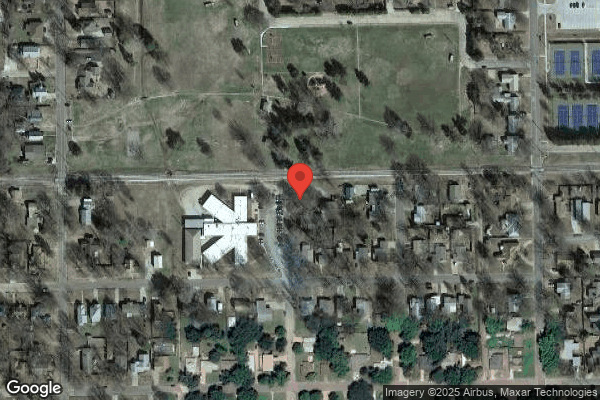

1611 RITCHIE, WINFIELD, KS 67156 (620) 221-9290
Non profit - Other 41 Beds Independent Data: November 2025
Trust Grade
75/100
#105 of 295 in KS
Last Inspection: December 2024

Within standard 12-15 month inspection cycle. Federal law requires annual inspections.

Overview

Winfield Rest Haven II, LLC has received a Trust Grade of B, indicating it is a good choice for families seeking care, as it is solidly above average. Ranked #105 out of 295 facilities in Kansas, it sits comfortably in the top half, and it is #3 out of 6 in Cowley County, meaning there are only two other local options. The facility's trend is stable, with 5 issues identified in both 2023 and 2024, suggesting consistent challenges rather than worsening conditions. Staffing is average with a 3/5 rating and a turnover rate of 47%, slightly below the state average, indicating some staff stability. However, there are concerns regarding RN coverage, which is lower than 92% of Kansas facilities, potentially impacting the quality of care. While the facility has no fines on record, which is a positive sign, there have been serious incidents, such as a resident falling from a whirlpool bath chair due to inadequate securing, resulting in a significant injury that required emergency treatment. Additionally, there have been concerns about the cleanliness and safety of the environment, including supplies stored directly on the floor and inaccurate resident assessments, which could lead to inappropriate care plans. Families should weigh these strengths and weaknesses carefully when considering this nursing home.

Trust Score
B
75/100
In Kansas
#105/295
Top 35%
Safety Record
Moderate
Needs review
Inspections
Holding Steady
5 → 5 violations
Staff Stability
⚠ Watch
47% turnover. Above average. Higher turnover means staff may not know residents' routines.
Penalties
✓ Good
No fines on record. Clean compliance history, better than most Kansas facilities.
Skilled Nurses
⚠ Watch
Each resident gets only 22 minutes of Registered Nurse (RN) attention daily — below average for Kansas. Fewer RN minutes means fewer trained eyes watching for problems.
Violations
⚠ Watch
11 deficiencies on record. Higher than average. Multiple issues found across inspections.
★★★★☆
4.0
Overall Rating
★★★☆☆
3.0
Staff Levels
★★☆☆☆
2.0
Care Quality
★★★★☆
4.0
Inspection Score
Stable
2023: 5 issues
2024: 5 issues

The Good

  • Full Sprinkler Coverage · Fire safety systems throughout facility
  • No fines on record

Facility shows strength in fire safety.

The Bad

Staff Turnover: 47%

Near Kansas avg (46%)

Higher turnover may affect care consistency

The Ugly 11 deficiencies on record

1 actual harm
Dec 2024 5 deficiencies 1 Harm
SERIOUS (G) 📢 Someone Reported This

A family member, employee, or ombudsman was alarmed enough to file a formal complaint

Actual Harm - a resident was hurt due to facility failures

Accident Prevention (Tag F0689)

A resident was harmed · This affected 1 resident

**NOTE- TERMS IN BRACKETS HAVE BEEN EDITED TO PROTECT CONFIDENTIALITY** The facility reported a census of 40 residents with 14 residents selected for review which included three residents reviewed for...

Read full inspector narrative →
**NOTE- TERMS IN BRACKETS HAVE BEEN EDITED TO PROTECT CONFIDENTIALITY** The facility reported a census of 40 residents with 14 residents selected for review which included three residents reviewed for accidents. Based on observation, interview, and record review the facility failed to ensure staff secured one Resident (R)35 in the whirlpool bath chair which resulted in a fall from the chair onto the floor and R35 obtained a forehead laceration that required eight sutures in the emergency room. Findings included: - Review of Resident (R)35's medical record revealed diagnoses that included hemiplegia (paralysis of one side of the body) on the right dominant side, cerebral vascular accident (CVA/stroke, sudden death of brain cells due to lack of oxygen caused by impaired blood flow to the brain by blockage or rupture of an artery to the brain), seizure disorder (violent involuntary series of contractions of a group of muscles), agitation (feeling of aggravation or restlessness brought on by a provocation or a medical condition), and expressive aphasia (condition with disordered or absent language function). The admission Minimum Data Set (MDS), dated [DATE], assessed the resident with a Brief Interview for Mental Status (BIMS) score of five, which indicated severely impaired cognition. The MDS indicated the resident had no impairments in his upper or lower extremities. The ADL [Activity of Daily Living] Functional/Rehabilitation Potential Care Area Assessment (CAA), dated 01/25/24, documented the resident had functional limitations and weakness to his right upper and lower extremity and used a wheelchair. The resident required substantial assistance with transfers and bathing. The Quarterly MDS dated 07/29/24, assessed the resident with a BIMS score of five. The resident had one sided impairment of the upper extremity and was dependent on staff for transfers and bathing. The Care Plan, revised 08/01/24, instructed staff the resident was dependent of two staff for bathing/showering twice a week and as needed. The Care Plan revised 09/20/24, instructed staff the resident was dependent on one to two staff for bathing/showering twice a week and as needed. Staff instructed to place a safety belt on the resident if a bath was taken. The Fall Risk Evaluation dated 07/16/24, assessed the resident with decreased muscular coordination, intermittent confusion, and a total score of 13 (greater than 10 indicated a high risks for potential falls). Review of R35's medical record Fall Note revealed on 09/19/24 at 08:49 PM, the resident fell from the whirlpool bath chair when the CNA transferred the resident out of the whirlpool, without the safety belt on. The resident hit his head on the floor and sustained a laceration above his right eye and transported to the emergency room for evaluation. Review of the Emergency Room report, dated 09/19/24, revealed the laceration above the right eyebrow, required eight sutures. During an observation on 12/03/24 at 08:13 AM, Certified Nurse Aide (CNA) NN and CNA Q, provided morning care to the resident. The resident could not voluntarily move his right arm and exhibited weakness in his right leg. CNA NN and CNA Q transferred the resident with a mechanical lift from his bed into his wheelchair. CNA Q stated the resident was not able to stand to transfer. During an interview on 12/03/24 at 02:30PM, CNA O revealed staff provided extensive assistance for ADLs and utilized the mechanical lift to transfer the resident since he could not stand. During an interview on 12/03/24 at 03:28 PM, CNA MM revealed on 09/19/24 at approximately 08:00 PM, she provided a whirlpool bath to R352. CNA MM stated she did not apply the whirlpool bath chair safety belt to the resident and stood beside the resident as she transferred him out of the bathtub. CNA MM said while R35 was seated in the chair, he leaned forward and fell onto the floor, and sustained a laceration to his forehead. CNA MM stated prior to the R35's fall, she did not consistently use the safety belt on the whirlpool bath chair. CNA MM stated now the facility required all residents to wear the safety belt when taking a bath. During an interview on 12/03/24 at 03:40 PM, Administrative Nurse D revealed she expected staff to apply the safety belt on residents when utilizing the whirlpool bath chair, to keep residents safe. During an interview on 12/04/24 at 10:00 AM, Administrative Staff A stated the use of the safety belt was required for all residents who utilized the whirlpool bath chair, except for two residents who have refused to allow staff to apply the belt (R 35 was not one of the two who refused). Administrative Staff A stated she expected staff to ensure the resident was safe in the chair during the bath and when moving the resident in and out of the whirlpool to keep a hand on the resident. Administrative Staff A stated she provided instruction on safe bathing practice for staff to include holding firmly onto the resident when transferring in and out of the whirlpool and use of the safety belt for all residents. The facility policy Bath, Shower/Tub dated February 2018, instructed staff to assist the resident out of the tub or shower and hold firmly to the resident and move slowly. The policy lacked additional safety instructions. The facility failed to ensure staff used the safety belt for R35 during transfer out of the whirlpool bath, which resulted in a fall with a laceration and required eight sutures.
CONCERN (D)

Potential for Harm - no one hurt, but risky conditions existed

Assessment Accuracy (Tag F0641)

Could have caused harm · This affected 1 resident

**NOTE- TERMS IN BRACKETS HAVE BEEN EDITED TO PROTECT CONFIDENTIALITY** The facility reported a census of 40 residents with 14 residents selected for review. Based on observation, interview, and recor...

Read full inspector narrative →
**NOTE- TERMS IN BRACKETS HAVE BEEN EDITED TO PROTECT CONFIDENTIALITY** The facility reported a census of 40 residents with 14 residents selected for review. Based on observation, interview, and record review, the facility failed to ensure the accuracy of the Minimum Data Set (MDS), assessment for two of the 14 residents. Residents (R)35 had an inaccurate assessment regarding impairment in extremities, and R12 had an inaccurate assessment regarding the use of positioning bars as a restraint. Findings included: - Review of Resident (R)12's medical record revealed diagnoses that included dementia (progressive mental disorder characterized by failing memory, confusion), osteoarthritis(degenerative changes to one or many joints characterized by swelling and pain), and ataxia (impaired ability to coordinate movement). The Annual Minimum Data Set (MDS), dated [DATE], assessed the resident with a Brief Interview for Mental Status (BIMS) score of five, which indicated severe cognitive impairment. The resident used two bed rails daily and was marked as a restraint. The Physical Restraint Care Area Assessment dated 10/23/24, assessed the resident used quarter rails on the bed to promote independence/participation with bed mobility, and documented the side rails did not prevent him from getting in and out of bed. The Care Plan dated 11/11/24, instructed staff the resident utilized the quarter rails to promote independence/participation with bed mobility and they did not prevent him from getting in and out of the bed. The Siderail Use Assessment dated 09/25/24, documented the resident currently used the side rail for positioning or support. During an observation on 12/03/24 at 07:53 AM, the resident grabbed the positioning rail on the right side of the bed and pulled himself over with staff assistance. During an interview on 12/03/24 at 08:00 AM, CNA Q revealed the resident used the positioning bar for assisting staff to turn him in bed. CNA Q said the resident was able to grab the bar on the right and left side of the bed to turn. CNA Q said the resident did not try to get out of bed himself and the rail was not big enough to keep him in bed. During an interview on 12/03/24 at 02:49 PM, CNA O revealed the resident used the positioning rail to assist with turning himself from side to side. CNA O stated the resident did not try to get out of bed. During an interview on 12/04/24 at 11:30 AM, Administrative Staff A confirmed the side rail (positioning rail) was not used as a restraint and the MDS was incorrectly coded. The facility utilized the RAI (Resident Assessment Instrument) manual for MDS completion. The facility failed to ensure R12's use of the positioning rail was accurately coded as not a restraint on the MDS. - Review of Resident (R)35's medical record revealed diagnoses that included hemiplegia (paralysis of one side of the body) on the right dominant side, cerebral vascular accident (CVA/stroke, sudden death of brain cells due to lack of oxygen caused by impaired blood flow to the brain by blockage or rupture of an artery to the brain), seizure disorder (violent involuntary series of contractions of a group of muscles), agitation (feeling of aggravation or restlessness brought on by a provocation or a medical condition), and expressive aphasia (condition with disordered or absent language function). The admission Minimum Data Set (MDS), dated [DATE], assessed the resident with a Brief Interview for Mental Status (BIMS) score of five, which indicated severely impaired cognition. The MDS indicated the resident had no impairments in his upper or lower extremities. The ADL [Activity of Daily Living] Functional/Rehabilitation Potential Care Area Assessment (CAA), dated 01/25/24, documented the resident had functional limitations and weakness to his right upper and lower extremity and used a wheelchair. The resident required substantial assistance with transfers and bathing. The Quarterly MDS dated 07/29/24, assessed the resident with a BIMS score of five. The resident had one sided impairment of the upper extremity and was dependent on staff for transfers and bathing. The Care Plan, dated 01/22/24, instructed staff the resident was dependent of two staff for bathing/showering twice a week and as needed. The resident required use of a mechanical lift for transfers. During an observation on 12/03/24 at 08:13 AM, Certified Nurse Aide (CNA) NN and CNA Q, provided morning care to the resident. The resident could not voluntarily move his right arm and exhibited weakness in his right leg. CNA NN and CNA Q transferred the resident with a mechanical lift from his bed into his wheelchair. CNA Q stated the resident was not able to stand to transfer. During an interview on 12/03/24 at 02:30PM, CNA O revealed staff provided extensive assistance for ADLs and utilized the mechanical lift to transfer the resident since he could not stand. Interview, on 12/04/24 at 11:30 AM, with Administrative Staff A, revealed the resident could not actively move his right arm and used his left hand to feed himself. The resident had weakness in his right leg and could not stand or walk so staff utilized the mechanical lift for transfers. Interview, on 12/04/24 at 12:00 PM, with Consulting Staff GG, revealed she completed the MDS with use of staff assessments of the resident and did not physically see the resident to confirm the accuracy of the compilation of staff assessments. Consulting Staff GG confirmed the admission MDS dated 01/25/24 assessed the resident with no limitations in his upper and lower extremities, but the ADL Functional/Rehabilitation Potential CAA indicated the resident had functional limitations and weakness to his right upper and lower extremities which made the MDS inaccurate. The facility utilized the RAI (Resident Assessment Instrument) manual for MDS completion. The facility failed to accurately assess R35's impairment in his upper extremity as required.
CONCERN (D)

Potential for Harm - no one hurt, but risky conditions existed

Deficiency F0657 (Tag F0657)

Could have caused harm · This affected 1 resident

**NOTE- TERMS IN BRACKETS HAVE BEEN EDITED TO PROTECT CONFIDENTIALITY** The facility reported a census of 40 residents. The sample of 14 residents included two residents reviewed for enhanced barrier ...

Read full inspector narrative →
**NOTE- TERMS IN BRACKETS HAVE BEEN EDITED TO PROTECT CONFIDENTIALITY** The facility reported a census of 40 residents. The sample of 14 residents included two residents reviewed for enhanced barrier precautions. Based on observation, interview, and record review the facility failed to review and/or revise care plans for two residents, Resident (R) 26 and R30 to include enhanced barrier precautions related to residents with catheters and nephrostomy tubes. Findings included: - Review of Resident (R) 26's Physician Orders, (PO) dated 11/21/24, included diagnoses of transient ischemic attack (TIA- TIA- temporary episode of inadequate blood supply to the brain), cerebral infarction (CVA/stroke - sudden death of brain cells due to lack of oxygen caused by impaired blood flow to the brain by blockage or rupture of an artery to the brain), morbid obesity (severely overweight), and incontinence with catheter use associated with terminal illness. The Significant Change in Status Minimum Data Set, (MDS), dated [DATE], documented the resident with the Brief Interview for Mental Status (BIMS) score of 14, which indicated no cognitive impairment. She had frequent incontinence of urine with an indwelling catheter (a flexible tube inserted through a narrow opening into a body cavity, particularly the bladder, for removing fluid). The Quarterly MDS dated 10/09/24, documented the resident had a BIMS score of 14, which indicated no cognitive impairment. The resident required a urinary catheter. The Urinary Incontinence and Indwelling Care Area Assessment, (CAA), dated 07/29/24, documentation included the resident admitted to hospice services on 07/26/24 with diagnose of congestive heart failure, incontinent of bowel and bladder with indwelling catheter, had episode of extreme confusion with behaviors. She required staff assistance with her activities of daily living (ADLS). The Care Plan, dated 11/18/24, directed staff to know R26 had an indwelling foley Catheter related to incontinence of bladder and a terminal condition. The Care Plan lacked instruction to staff regarding the required use enhanced barrier precautions (EBP) and associated personal protective equipment (PPE) during the provision of care for a resident with an indwelling catheter to prevent cross contamination and the spread of infection. The Physician Order dated 11/21/24, included an 08/15/24 order for a 16 French (catheter size), foley catheter. On 12/03/24 at 10:12 AM, R26's door had an Enhanced Barrier Precaution (EBP) sign that directed staff in the use of required personal protective equipment (PPE-which included gowns), for the provision of direct care for residents with catheters. A container with (PPE) was located outside of the resident's room entrance. Administrative Nurse E entered R 26's room without applying the required isolation gown. Upon entering the room Certified Nurse Aide (CNA) P was present in the room bathing the resident. During the observation CNA P also handled the resident's catheter and initiated the removal of her catheter collection bag without the use of an isolation gown. Administrative Nurse E further assisted CNA P with bathing the resident, peri-care, and catheter care without the application of an isolation gown to prevent cross contamination and the spread of infection. On 12/03/24 at 10:25 AM CNA P identified the resident as requiring an indwelling catheter. She stated staff should follow the required application of PPE when providing direct care to residents with catheters. Appropriate enhanced barrier precautions included gowns when providing direct care to residents to prevent cross contamination and the spread of infection. She confirmed R 26's catheter leaked, and she should have applied an isolation gown prior to providing care to the resident to prevent cross contamination and the spread of infection. On 12/03/24 at 01:26 PM, Administrative Nurse E, confirmed the above findings. She stated the care plan provided the staff with guidance regarding the individual needs of the residents. Administrative Nurse E stated she and CNA P should have worn an isolation gown during R26's catheter care and personal hygiene to prevent cross contamination and the spread of infection. The facility policy Care Plans, Comprehensive Person-Centered dated 03/2022, documented a comprehensive person-centered care plan to meet the resident's physical, psychosocial and functional needs for each resident to include the right to receive services in keeping with person-centered care. The facility failed to review and/or revise care plans for (R)26 related to enhanced barrier precautions associated PPE provided for residents with catheters. - Review of Resident (R)30's medical record revealed diagnoses that included renal failure (inability of the kidneys to excrete wastes, concentrate urine and conserve electrolytes) with dependence on dialysis (a procedure that removes excess fluid and waste from the blood when the kidneys are no longer functioning properly) and hydronephrosis (a condition that occurs when urine builds up in the kidneys causing them to swell and stretch). The Significant Change Minimum Data Set (MDS), dated [DATE], assessed the resident with a Brief Interview for Mental Status (BIMS) score of nine, which indicated moderate cognitive impairment. The ADL [Activity of Daily Living] Functional/Rehabilitation Potential Care Area Assessment (CAA), dated 05/07/24, assessed the resident with chronic kidney disease and received hemodialysis and had hydronephrosis, which necessitated suprapubic (a tube placed through the skin and into the balder to drain urine from the bladder) and nephrostomy catheters (tubes that enter the kidneys from incisions through the skin to drain the build up of urine). The Care Plan reviewed 10/31/24, instructed staff the resident had a suprapubic catheter and bilateral nephrostomy catheters. The care plan lacked instruction for EBP (Enhanced Barrier Precautions). Observation, on 12/03/24 at 01:25 PM, revealed Certified Nurse Aide (CNA) Q, donned gloves, and a gown to empty the resident's suprapubic catheter and bilateral nephrostomy catheters. The resident's room door contained signage that the resident was on EBP with PPE (personal Protective Equipment) in a cabinet in the room. During an interview on 12/04/24 at 10:30 AM, Administrative Nurse D confirmed the resident was on EBP due to the presence of the suprapubic catheter and nephrostomy tubes. During an interview on 12/04/24 at 12:00 PM, Consulting Staff GG revealed the facility staff should indicate on the care plan if the resident was on EBP. The facility policy Care Plans, Comprehensive Person Centered revised March 2022, instructed staff to revise the care plan as information about the resident and resident condition changes. The facility failed to review and revise R30's care plan to include EBP as required.
CONCERN (D)

Potential for Harm - no one hurt, but risky conditions existed

Medication Errors (Tag F0758)

Could have caused harm · This affected 1 resident

**NOTE- TERMS IN BRACKETS HAVE BEEN EDITED TO PROTECT CONFIDENTIALITY** The facility reported a census of 40 residents with 14 residents sampled including five residents reviewed for unnecessary medic...

Read full inspector narrative →
**NOTE- TERMS IN BRACKETS HAVE BEEN EDITED TO PROTECT CONFIDENTIALITY** The facility reported a census of 40 residents with 14 residents sampled including five residents reviewed for unnecessary medications. Based on observation, record review and interview, the facility failed to monitor one Resident (R)35 for use of antipsychotic medications (drugs used to treat psychosis-related conditions and symptoms). Findings included: - Review of Resident (R)35's electronic medical record (EMR) revealed a diagnosis of anxiety (mental or emotional reaction characterized by apprehension, uncertainty and irrational fear). The Annual Minimum Data Set (MDS), dated [DATE], documented the resident had a Brief Interview for Mental Status (BIMS) score of four, indicating severe cognitive impairment. He received antipsychotic medication (drugs used to treat psychosis-related conditions and symptoms) on a routine basis during the assessment period. The Psychotropic Drug Care Area Assessment (CAA), dated 10/02/24, documented the resident had right side weakness due to a history of cerebral infarction (stroke - sudden death of brain cells due to lack of oxygen caused by impaired blood flow to the brain by blockage or rupture of artery to the brain) and anxiety. The Quarterly MDS, dated 07/29/24, lacked assessment of the resident's cognitive status. He received antipsychotic medication on a routine basis during the assessment period. The Care Plan, revised 10/11/24, instructed staff the resident received antipsychotic medication and staff were to monitor the resident for possible side effects of the medication. Review of the resident's EMR revealed the following Physician Orders: Seroquel (an antipsychotic medication), 25 milligrams (mg), by mouth (PO), at hour of sleep (HS), for restlessness and agitation (characteristics of anxiety), ordered 06/20/24. The physician discontinued (DC'd) this order on 08/24/24. Seroquel, 50 mg, PO, every day for anxiety, ordered 06/20/24. The physician discontinued this order on 08/24/24. Seroquel 25 mg, PO, at HS, related to restlessness and agitation, ordered 08/24/24. Review of the resident's EMR revealed an Abnormal Involuntary Movement Scale (AIMS) assessment (a clinical outcome scale used to assess abnormal movements in people who take antipsychotic medications), dated 10/09/24, which indicated the resident had no involuntary movements. No other AIMS assessments were documented in the resident's EMR. Review of the resident's Medication Administration Record (MAR) from 06/20/24 through 12/03/24, revealed the resident received all scheduled doses of his medication. On 12/04/24 at 11:03 AM, Administrative Staff A stated the facility had not complete an AIMS assessment on the resident when the physician first ordered the antipsychotic medication in June, as they should have. The facility did complete the AIMS assessment in October. Administrative Staff A confirmed there were no other AIMS assessments completed for the resident and said the facility expected staff to complete the assessment at least every 90 days. The facility policy, Antipsychotic Medication Use, revised July 2022, included: An AIMS assessment will be completed upon the initiation of antipsychotic medications and then quarterly thereafter. The facility failed to complete the AIMS assessments for monitoring of adverse reactions for R35 who received antipsychotic medication.
CONCERN (D) 📢 Someone Reported This

A family member, employee, or ombudsman was alarmed enough to file a formal complaint

Potential for Harm - no one hurt, but risky conditions existed

Infection Control (Tag F0880)

Could have caused harm · This affected 1 resident

**NOTE- TERMS IN BRACKETS HAVE BEEN EDITED TO PROTECT CONFIDENTIALITY** - Review of Resident (R)26's Physician Orders, (PO) dated 11/21/24, included diagnoses of transient ischemic attack (TIA- TIA- t...

Read full inspector narrative →
**NOTE- TERMS IN BRACKETS HAVE BEEN EDITED TO PROTECT CONFIDENTIALITY** - Review of Resident (R)26's Physician Orders, (PO) dated 11/21/24, included diagnoses of transient ischemic attack (TIA- TIA- temporary episode of inadequate blood supply to the brain), cerebral infarction (CVA/stroke - sudden death of brain cells due to lack of oxygen caused by impaired blood flow to the brain by blockage or rupture of an artery to the brain), morbid obesity (severely overweight), and incontinence with catheter use associated with terminal illness. The Significant Change in Status Minimum Data Set, (MDS), dated [DATE], documented the resident with the Brief Interview for Mental Status (BIMS) score of 14, which indicated no cognitive impairment. She had frequent incontinence of urine with an indwelling catheter (a flexible tube inserted through a narrow opening into a body cavity, particularly the bladder, for removing fluid). The Quarterly MDS dated 10/09/24, documented the resident had a BIMS score of 14, which indicated no cognitive impairment. The resident required a urinary catheter. The Urinary Incontinence and Indwelling Catheter Care Area Assessment, (CAA), dated 07/29/24, included the resident admitted to hospice services on 07/26/24 with a diagnosis of congestive heart failure, incontinence of bowel and bladder with indwelling catheter, and episodes of extreme confusion with behaviors. She required staff assistance with her activities of daily living (ADLS). The Care Plan, dated 11/18/24, directed staff to know R26 had an indwelling foley Catheter related to incontinence of bladder and a terminal condition. The Care Plan lacked instruction to staff regarding the required use of enhanced barrier precautions (EBP) and associated personal protective equipment (PPE) during the provision of care for a resident with an indwelling catheter to prevent cross contamination and the spread of infection. The Physician Order dated 11/21/24, included an 08/15/24 order for a 16 French (catheter size), foley catheter. On 12/03/24 at 10:12 AM, R26's door had an Enhanced Barrier Precaution (EBP) sign that directed staff in the use of required personal protective equipment (PPE-which included gowns), for the provision of direct care for residents with catheters. A container with (PPE) was located outside of the resident's room entrance. Administrative Nurse E entered R 26's room without applying the required isolation gown. Upon entering the room Certified Nurse Aide (CNA) P was present in the room bathing the resident. During the observation CNA P also handled the resident's catheter and initiated the removal of her catheter collection bag without the use of an isolation gown. Administrative Nurse E further assisted CNA P with bathing the resident, peri-care, and catheter care without the application of an isolation gown to prevent cross contamination and the spread of infection. On 12/03/24 at 10:25 AM CNA P identified the resident as requiring an indwelling catheter. She stated staff should follow the required application of PPE when providing direct care to residents with catheters. Appropriate enhanced barrier precautions included gowns when providing direct care to residents to prevent cross contamination and the spread of infection. She confirmed R 26's catheter leaked and she should have applied an isolation gown prior to providing care to the resident to prevent cross contamination and the spread of infection. On 12/03/24 at 01:26 PM, Administrative Nurse E, confirmed the above findings and stated the resident's catheter bag leaked urine and the resident was wet so she requested help from CNA P to change the resident and replace her catheter bag. Administrative Nurse E confirmed she failed to apply the required PPE when administering direct care to R26 with an indwelling catheter. Administrative Nurse E stated she and CNA P should have worn an isolation gown during R 26's catheter care to prevent cross contamination and the spread of infection. The facility policy Enhanced Barrier Precautions, dated 03/2024, included enhanced barrier precautions (EBPs) are used as an infection prevention and control intervention to reduce the transmission of multi-drug resistant organisms to residents. EBPs employ targeted gown and glove use in addition to standard precautions during high contact resistant care activities when contact precautions do not otherwise apply. High-contact resident care activities requiring the use of gowns include bathing, dressing, toileting, transferring, and device care or use of catheters. The facility failed to provide safe and sanitary care with the use of EBP to prevent cross contamination and the spread of infection for R26. The facility reported a census of 40 residents. Based on observation, interview and record review, the facility failed to ensure staff donned appropriate PPE (personal Protective Equipment) for three of five residents on enhanced barrier precautions (EBP, an intervention to reduce the transmission of infections during high contact care activities) to prevent the spread of infection. Residents (R)23, R29 and R26. Findings included: - Observation on 12/03/24 at 10:30 AM, revealed Licensed Nurse (LN) G provided Resident (R)29 PEG tube percutaneous enteral gastric tube (a feeding tube that passes through the skin and enter into the stomach to administer nutrition, fluids, medication) dressing change and administration of water. LN G donned gloves but did not don a gown to change the dressing or administer water through the PEG tube. The resident's room lacked signage for staff awareness of the need for PPE (Personal Protective Equipment) for Enhanced Barrier Precautions an intervention to reduce the transmission of infections during high contact care activities. Observation on 12/03/24 at 02:00 PM, revealed LN G provided wound care to R23. LN G donned gloves but did not don a gown. LN G leaned across the resident's bed and her clothing came in contact with the resident's bedding to access the resident's right heel. LN G stated the resident had a chronic wound to his right foot, but it was not open at this time and did not think EBP were necessary. During an interview on 12/04/24 at 11:59 AM, Administrative Nurse D confirmed R29 was on EBP for her PEG tube and R23 for his right heel wound (who had MRSA in the wound culture 02/20/24). Administrative Nurse D stated she expected staff to follow the EBP guidelines when providing high contact resident care. The facility policy Enhanced Barrier Precautions revised March 2024 instructed staff to don gloves and a gown prior to performing high contact resident care activity. The facility failed to ensure staff utilized EBP for the provision of high contact resident care for R29 and R23 to prevent the spread of infection to the residents of the facility.
Feb 2023 5 deficiencies
CONCERN (D)

Potential for Harm - no one hurt, but risky conditions existed

Notification of Changes (Tag F0580)

Could have caused harm · This affected 1 resident

**NOTE- TERMS IN BRACKETS HAVE BEEN EDITED TO PROTECT CONFIDENTIALITY** The facility reported a census of 36 residents with 14 residents sampled, including one resident reviewed for notification of ch...

Read full inspector narrative →
**NOTE- TERMS IN BRACKETS HAVE BEEN EDITED TO PROTECT CONFIDENTIALITY** The facility reported a census of 36 residents with 14 residents sampled, including one resident reviewed for notification of change. Based on observation, interview and record review, the facility failed to notify the physician of a change of condition for one Resident (R)5, regarding the need for the implementation of oxygen. Findings included: - Review of Resident (R)5's electronic medical record (EMR), revealed a diagnosis of anxiety (mental or emotional reaction characterized by apprehension, uncertainty and irrational fear). The annual Minimum Data Set (MDS), dated [DATE], documented the resident had a Brief Interview for Mental Status (BIMS) score of nine, indicating moderately impaired cognition. She did not use oxygen while a resident. The Activities of Daily Living (ADL) Functional/Rehabilitation Potential Care Area Assessment (CAA), dated 11/08/22, documented the resident was generally independent with bed mobility, transfers and ambulation. The quarterly MDS, dated 01/25/23, documented the resident had a BIMS score of 12, indicating moderately impaired cognition. She did not use oxygen while a resident. The care plan, revised 02/09/23, lacked staff instruction for the use of oxygen. Review of the resident's EMR revealed no documentation of the resident requiring the use of oxygen due to shortness of breath (SOB) on the night of 02/12/23. The EMR also lacked documentation of the resident's physician being notified of the resident's change in condition which required the initiation of oxygen. Review of the facility's standing orders, included: Oxygen at two liters (L), via nasal cannula (NC), as needed (PRN), for respiratory distress. On 02/13/23 at 01:54 PM, the resident sat up in her recliner visiting with a visitor while in her room. The resident had no evidence of SOB. The oxygen concentrator sat next to her recliner, turned off. On 02/14/23 at 09:37 AM, the resident sat in her wheelchair in her room while having her fingernails painted. The resident had no evidence of SOB. The oxygen concentrator sat in the resident's room, turned off. On 02/13/23 at 01:54 PM, the resident stated through the night she had felt very SOB and the staff had to give her oxygen. The resident stated she had worn the oxygen throughout the night but had not required the oxygen since getting up for the day. On 02/15/23 at 10:30 AM, Licensed Nurse (LN) H stated staff would need to initiate an order for oxygen from the standing orders when a resident required the use of oxygen. The physician would need to be notified of the need to initiate oxygen. On 02/15/23 at 10:15 AM, Administrative Staff A stated the nurse would be able to initiate oxygen from the standing orders and would need to notify the physician of the change of condition which required the initiation of oxygen. The facility lacked a policy for physician notification of change of condition. The facility failed to notify the physician of this resident's change of condition.
CONCERN (D)

Potential for Harm - no one hurt, but risky conditions existed

Quality of Care (Tag F0684)

Could have caused harm · This affected 1 resident

**NOTE- TERMS IN BRACKETS HAVE BEEN EDITED TO PROTECT CONFIDENTIALITY** The facility reported a census of 36 residents with 14 residents sampled including one resident reviewed for hospice care. Based...

Read full inspector narrative →
**NOTE- TERMS IN BRACKETS HAVE BEEN EDITED TO PROTECT CONFIDENTIALITY** The facility reported a census of 36 residents with 14 residents sampled including one resident reviewed for hospice care. Based on observation, interview and record review, the facility failed to ensure Resident (R)30's medical record contained an order for hospice care, following admission to the facility. Findings included: - The Physician Order Sheet (POS), dated 12/27/22, documented Resident (R)30 had diagnoses of Alzheimer's disease (progressive mental deterioration characterized by confusion and memory failure) and adult failure to thrive (a decline in older adults with multiple chronic medical conditions). The admission Minimum Data Set (MDS), dated [DATE], lacked documentation of the resident's cognition. She required extensive assistance of two staff for bed mobility, locomotion on the unit, dressing and personal hygiene. The resident received hospice services while a resident. The Cognitive Loss/Dementia Care Area Assessment (CAA), dated 04/19/22, documented the resident was on hospice and had a diagnosis of Alzheimer's disease. The quarterly MDS, dated 01/10/22, lacked documentation of the resident's cognition. She required extensive assistance of two staff for bed mobility, dressing and toilet use. The resident received hospice services while a resident. The care plan for hospice, revised 01/26/23, instructed staff the resident was receiving services from hospice care. On 02/13/23 at 03:32 PM, the resident rested in bed with her eyes closed. No evidence of pain or discomfort. On 02/14/23 at 10:18 AM, the resident rested in bed with her eyes closed. No evidence of pain or discomfort. On 02/14/23 at 10:21 AM, Certified Medication Aide (CMA), S stated the resident received hospice care. Hospice supplied some of the resident's medications. On 02/15/23 at 10:50 AM, Certified Nurse Aide (CNA) N stated the resident received hospice care. On 02/14/23 at 07:30 AM, Licensed Nurse (LN) G stated the resident was on hospice at the time of her admission to the facility. On 02/15/23 at 09:50 AM, Administration staff A stated the resident was on hospice at the time of her admission to the facility. Administration staff A confirmed the resident's medical record lacked an order for hospice. The facility policy for Hospice Program, revised July 2017, included: It is the responsibility of the facility to meet the resident's personal care and nursing needs in coordination with the hospice representative, and ensure that the level of care provided is appropriately based on the individual resident's needs. The facility failed to have an order for hospice in the resident's medical record for this dependent resident receiving hospice care.
CONCERN (D)

Potential for Harm - no one hurt, but risky conditions existed

Accident Prevention (Tag F0689)

Could have caused harm · This affected 1 resident

**NOTE- TERMS IN BRACKETS HAVE BEEN EDITED TO PROTECT CONFIDENTIALITY** The facility reported a census of 36 residents with 14 residents sampled including two residents reviewed for accidents. Based o...

Read full inspector narrative →
**NOTE- TERMS IN BRACKETS HAVE BEEN EDITED TO PROTECT CONFIDENTIALITY** The facility reported a census of 36 residents with 14 residents sampled including two residents reviewed for accidents. Based on observation, interview and record review, the facility failed to follow fall interventions, which resulted in a non-injury fall for one Resident (R)30. Findings included: - The Physician Order Sheet (POS), dated 12/27/22, documented Resident (R)30 had a diagnosis of Alzheimer's disease (progressive mental deterioration characterized by confusion and memory failure). The admission Minimum Data Set (MDS), dated [DATE], lacked documentation of the resident's cognition. She required extensive assistance of two staff for bed mobility and total assistance of two staff for transfers. She had unsteady balance and was only able to stabilize with staff assistance. She had no falls since admission to the facility. The Falls Care Area Assessment (CAA), dated 04/19/22, documented the resident was non-ambulatory, had unsteady balance and used a wheelchair for mobility. Staff used a mechanical lift for transfers. The quarterly MDS, dated 01/10/22, lacked documentation of the resident's cognition. She required extensive assistance of two staff for bed mobility and total assistance of two staff for transfers. She had unsteady balance and was only able to stabilize with staff assistance. She had two non-injury falls since the prior assessment. The care plan for falls, revised 11/28/22, instructed staff to anticipate the resident's needs. Staff were to supervise the resident while in her wheelchair and not leave her unattended in her room while in her wheelchair and to ensure the resident had a fall mat on the floor next to her bed. Review of the resident's electronic medical record (EMR), revealed fall assessments completed on 01/06/23, 12/23/22, 11/29/22, 10/18/22, 09/06/22 and 07/13/22, which placed the resident at a high risk for falls. Review of a fall investigation, dated 12/22/22, revealed the resident had a fall in her room on 12/22/22. Staff had left the resident in her wheelchair, unattended, in her room when the resident attempted to get up from the wheelchair on her own to toilet herself and fell to the floor of the bathroom. The resident had no injuries from the fall. On 02/14/23 at 10:21 AM, Certified Medication Aide (CMA) S stated staff were not to leave the resident unattended in her wheelchair in her room because the resident had a history of falls. On 02/15/23 at 10:50 AM, Certified Nurse Aide (CNA) N stated staff were to transfer the resident to her bed or recliner when leaving her in her room due to the resident having a history of falls. On 02/14/23 at 07:30 AM, Licensed Nurse (LN) G stated the resident was not to be left unattended in her wheelchair while in her room because the resident would attempt to get up on her own. On 02/15/23 at 10:15 AM, Administrative staff A stated, staff were not to leave the resident unattended in her room while in her wheelchair due to the resident having a history of falls. On 12/22/22, the resident had a non-injury fall from her wheelchair when staff left her unattended in her room while still in her wheelchair. The facility policy for Falls and Fall Risk, Managing, revised march 2018, included: The staff will implement a resident-centered fall prevention plan to reduce the specific risk factors of falls for each resident at risk for falls. The facility failed to follow fall interventions, as care planned, to prevent a non-injury fall for this dependent resident with a history of falls and a diagnosis of Alzheimer's disease.
CONCERN (D)

Potential for Harm - no one hurt, but risky conditions existed

Respiratory Care (Tag F0695)

Could have caused harm · This affected 1 resident

**NOTE- TERMS IN BRACKETS HAVE BEEN EDITED TO PROTECT CONFIDENTIALITY** The facility reported a census of 36 residents with 14 residents sampled including one resident reviewed for respiratory. Based ...

Read full inspector narrative →
**NOTE- TERMS IN BRACKETS HAVE BEEN EDITED TO PROTECT CONFIDENTIALITY** The facility reported a census of 36 residents with 14 residents sampled including one resident reviewed for respiratory. Based on observation, interview and record review, the facility failed to obtain an order for oxygen for one Resident (R)5, who required as needed (PRN)oxygen usage. Findings included: - Review of Resident (R)5's electronic medical record (EMR), revealed a diagnosis of anxiety (mental or emotional reaction characterized by apprehension, uncertainty and irrational fear). The annual Minimum Data Set (MDS), dated [DATE], documented the resident had a Brief Interview for Mental Status (BIMS) score of nine, indicating moderately impaired cognition. She did not use oxygen while a resident. The Activities of Daily Living (ADL) Functional/Rehabilitation Potential Care Area Assessment (CAA), dated 11/08/22, documented the resident was generally independent with bed mobility, transfers and ambulation. The quarterly MDS, dated 01/25/23, documented the resident had a BIMS score of 12, indicating moderately impaired cognition. She did not use oxygen while a resident. The care plan, revised 02/09/23, lacked staff instruction for the use of oxygen. Review of the resident's EMR revealed no documentation of the resident requiring the use of oxygen due to shortness of breath (SOB) on the night of 02/12/23. The EMR also lacked documentation of the standing order being initiated for the use of oxygen. Review of the facility's standing orders, included: Oxygen at two liters (L), via nasal cannula (NC), as needed (PRN), for respiratory distress. On 02/13/23 at 01:54 PM, the resident sat up in her recliner visiting with a visitor while in her room. The resident had no evidence of SOB. The oxygen concentrator sat next to her recliner, turned off. On 02/14/23 at 09:37 AM, the resident sat in her wheelchair in her room while having her fingernails painted. The resident had no evidence of SOB. The oxygen concentrator sat in the resident's room, turned off. On 02/13/23 at 01:54 PM, the resident stated through the night she had felt very SOB and the staff had to give her oxygen. The resident stated she had worn the oxygen throughout the night but had not required the oxygen since getting up for the day. On 02/15/23 at 08:25 AM, Certified Nurse Aide (CNA) M stated the resident had an oxygen concentrator in her room and she would use the oxygen from time to time. On 02/15/23 at 08:29 AM, Certified Medication Aide (CMA) R stated the resident required the oxygen during the night of 02/12/23 due to her oxygen level dropping. Staff had not removed the oxygen concentrator from her room since that time. On 02/15/23 at 10:30 AM, Licensed Nurse (LN) H stated staff would need to initiate an order for oxygen from the standing orders when a resident required the use of oxygen. On 02/15/23 at 10:15 AM, Administrative Staff A stated the nurse would be able to initiate oxygen from the standing orders, but would need to write the order out, add it to the resident's orders and have it signed by the physician. Administrative Staff A confirmed the oxygen order had not been initiated from the standing orders and sent for the physician's signature. The facility policy for Oxygen Administration, revised October 2010, included: Staff should verify that there is a physician's order for the use of oxygen. The facility failed to obtain an order for the use of oxygen for this resident.
CONCERN (E)

Potential for Harm - no one hurt, but risky conditions existed

Safe Environment (Tag F0921)

Could have caused harm · This affected multiple residents

The facility reported a census of 36 residents with 14 residents sampled. Based on observation, interview and record review, the facility failed to provide a safe and sanitary environment for the staf...

Read full inspector narrative →
The facility reported a census of 36 residents with 14 residents sampled. Based on observation, interview and record review, the facility failed to provide a safe and sanitary environment for the staff and residents of the facility, regarding the storage of supplies directly on the floor. Findings included: - During an environmental tour on 02/15/23 at 10:13 AM with Maintenance Staff U, revealed the following areas of concern: 1. One soiled workroom on A hall had one box of 50 face shields and two boxes of 75 disposable isolation gowns which rested directly on the floor. 2. The shower room on C hall had a shower corner which contained broken vinyl. 3. One supply closet on D hall had a closet which contained three cases (24 count) and one 12-pack of soda, which rested directly on the floor. On 02/15/23 at 10:13 AM, Housekeeping staff U stated supplies should not be stored directly on the floor. The facility policy for Receipt and Storage of Supplies and Equipment, revised November 2009, included: All supplies and equipment must be stored in accordance with the manufacturer's recommendations. The facility failed to provide a safe and sanitary environment for the staff and residents of the facility.
Aug 2021 1 deficiency
CONCERN (D)

Potential for Harm - no one hurt, but risky conditions existed

Deficiency F0582 (Tag F0582)

Could have caused harm · This affected 1 resident

The facility reported a census of 20 residents which included three residents sampled for appropriate and timely notification of the termination of all Medicare Part A services for coverage reasons. T...

Read full inspector narrative →
The facility reported a census of 20 residents which included three residents sampled for appropriate and timely notification of the termination of all Medicare Part A services for coverage reasons. The facility failed to provide the NOMNC (Notification of Medicare Non-Coverage) when all covered services ended for coverage reasons for residents (R)18, R 71, and R 72. The facility failed to issue SNFABN (Skilled Nursing Facility Advanced Beneficiary Notice), which must be issued to inform the beneficiary of potential liability for the non-covered stay) in a timely manner, for two residents, that remained in the facility in a non-covered stay R 18 and R 71. Furthermore, the facility failed to submit a claim for appeal of decision of non-coverage to Medicare A upon request of R 71. Findings included: 1. Resident (R)18's last covered day (LCD) of Medicare part A services was 02/23/21. The resident remained in the facility. The SNF ABN, (Skilled Nursing Facility Advance Beneficiary Notice) Form CMS-10055 provided to the resident, signed on 02/03/21, two days after the LCD, verses two days prior to the termination of Medicare A services. Additionally, the NOMNC (Notice of Medicare Non-Coverage) Form CMS 123, was not provided to the resident that remained in the facility, for notification of termination of Medicare A benefits due to noncovered services, as required. Furthermore, the SNF ABN, Form CMS-10055 provided to the resident and signed on 02/25/21, 2 days after LCD. The resident selected Option one (demand Submission request) and chose to continue therapy. The facility lacked evidence of submitting a demand bill to Medicare A for determination as requested by the resident. 2. Resident 71's last covered day (LCD) of Medicare part A services was 02/01/21. The resident remained in the facility. The SNF ABN, Form CMS-10055 provided to resident, signed on 02/03/21, two days after the LCD verses two days prior to the termination of Medicare A services. Additionally, the NOMNC (CMS 123) was not provided to the resident that remained in the facility, for notification of termination of Medicare A benefits due to noncovered services, as required. 3. Resident 72's LCD of part A services was 02/11/21. She discharged Home. The NOMNC (CMS 123) was not provided to the resident that remained in the facility, for notification of termination of Medicare A benefits due to noncovered services, as required. On 08/25/21 at 02:11PM, Administrative A verified the discrepancies as noted above. She stated she had addressed the issue with Advanced Beneficiary Notices and the time frame reviewed was not during her tenure. She reported the demand submission was not done and agreed option one would indicate a need for a demand submission to Medicare A for a determination of continued coverage. The undated facility policy Medicare Denial Notices (Advanced Benefit Notification-ABN), documented the facility will provide written notification to residents with necessary information to decide whether to appeal a decision to terminate Medicare care and services at least three days prior to the planned change in payor status or discharge. (appeal: a formal request by a resident or responsible party for reconsideration of a coverage decision for skilled healthcare and services and medical benefits. The denial letter will be provided to the resident and/or responsible party no later than three calendar days prior to the planned discharge. The denial letter will contain both CMS Form 10123 and CMS 10055. The facility failed to provide the NOMNC when all covered services ended for coverage reasons and failed to issue SNFABN (which must be issued to inform the beneficiary of potential liability for the non-covered stay) in a timely manner. Furthermore, the facility failed to submit a claim/appeal to Medicare A as requested for the residents of the facility.
Understanding Severity Codes (click to expand)
Life-Threatening (Immediate Jeopardy)
J - Isolated K - Pattern L - Widespread
Actual Harm
G - Isolated H - Pattern I - Widespread
Potential for Harm
D - Isolated E - Pattern F - Widespread
No Harm (Minor)
A - Isolated B - Pattern C - Widespread

Questions to Ask on Your Visit

  • "Can I speak with families of current residents?"
  • "What's your RN coverage like on weekends and overnight?"

Our Honest Assessment

Strengths
  • • No fines on record. Clean compliance history, better than most Kansas facilities.
Concerns
  • • 11 deficiencies on record, including 1 serious (caused harm) violation. Ask about corrective actions taken.
Bottom line: Generally positive indicators. Standard due diligence and a personal visit recommended.

About This Facility

What is Winfield Rest Haven Ii, Llc's CMS Rating?

CMS assigns WINFIELD REST HAVEN II, LLC an overall rating of 4 out of 5 stars, which is considered above average nationally. Within Kansas, this rating places the facility higher than 99% of the state's 100 nursing homes. This rating reflects solid performance across the metrics CMS uses to evaluate nursing home quality.

How is Winfield Rest Haven Ii, Llc Staffed?

CMS rates WINFIELD REST HAVEN II, LLC's staffing level at 3 out of 5 stars, which is average compared to other nursing homes. Staff turnover is 47%, compared to the Kansas average of 46%.

What Have Inspectors Found at Winfield Rest Haven Ii, Llc?

State health inspectors documented 11 deficiencies at WINFIELD REST HAVEN II, LLC during 2021 to 2024. These included: 1 that caused actual resident harm and 10 with potential for harm. Deficiencies causing actual harm indicate documented cases where residents experienced negative health consequences.

Who Owns and Operates Winfield Rest Haven Ii, Llc?

WINFIELD REST HAVEN II, LLC is owned by a non-profit organization. Non-profit facilities reinvest revenue into operations rather than distributing to shareholders. The facility operates independently rather than as part of a larger chain. With 41 certified beds and approximately 38 residents (about 93% occupancy), it is a smaller facility located in WINFIELD, Kansas.

How Does Winfield Rest Haven Ii, Llc Compare to Other Kansas Nursing Homes?

Compared to the 100 nursing homes in Kansas, WINFIELD REST HAVEN II, LLC's overall rating (4 stars) is above the state average of 2.9, staff turnover (47%) is near the state average of 46%, and health inspection rating (4 stars) is above the national benchmark.

What Should Families Ask When Visiting Winfield Rest Haven Ii, Llc?

Based on this facility's data, families visiting should ask: "Can I visit during a mealtime to observe dining assistance and food quality?" "How do you handle medical emergencies, and what is your hospital transfer rate?" "Can I speak with family members of current residents about their experience?"

Is Winfield Rest Haven Ii, Llc Safe?

Based on CMS inspection data, WINFIELD REST HAVEN II, LLC has a clean safety record: no substantiated abuse findings (meaning no confirmed cases of resident harm), no Immediate Jeopardy citations (the most serious violation level indicating risk of serious injury or death), and is not on the Special Focus Facility watch list (a federal program monitoring the lowest-performing 1% of nursing homes). The facility has a 4-star overall rating and ranks #1 of 100 nursing homes in Kansas. While no facility is perfect, families should still ask about staff-to-resident ratios and recent inspection results during their visit.

Do Nurses at Winfield Rest Haven Ii, Llc Stick Around?

WINFIELD REST HAVEN II, LLC has a staff turnover rate of 47%, which is about average for Kansas nursing homes (state average: 46%). Moderate turnover is common in nursing homes, but families should still ask about staff tenure and how the facility maintains care continuity when employees leave.

Was Winfield Rest Haven Ii, Llc Ever Fined?

WINFIELD REST HAVEN II, LLC has no federal fines on record. CMS issues fines when nursing homes fail to meet care standards or don't correct problems found during inspections. The absence of fines suggests the facility has either maintained compliance or corrected any issues before penalties were assessed. This is a positive indicator, though families should still review recent inspection reports for the full picture.

Is Winfield Rest Haven Ii, Llc on Any Federal Watch List?

WINFIELD REST HAVEN II, LLC is not on any federal watch list. The most significant is the Special Focus Facility (SFF) program, which identifies the bottom 1% of nursing homes nationally based on persistent, serious quality problems. Not being on this list means the facility has avoided the pattern of deficiencies that triggers enhanced federal oversight. This is a positive indicator, though families should still review the facility's inspection history directly.