Auburn Nursing and Rehabilitation Center
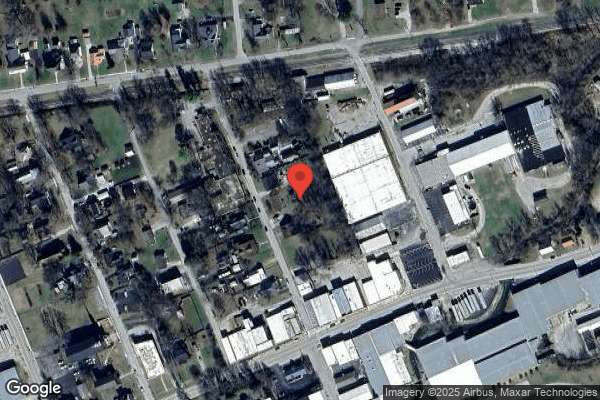
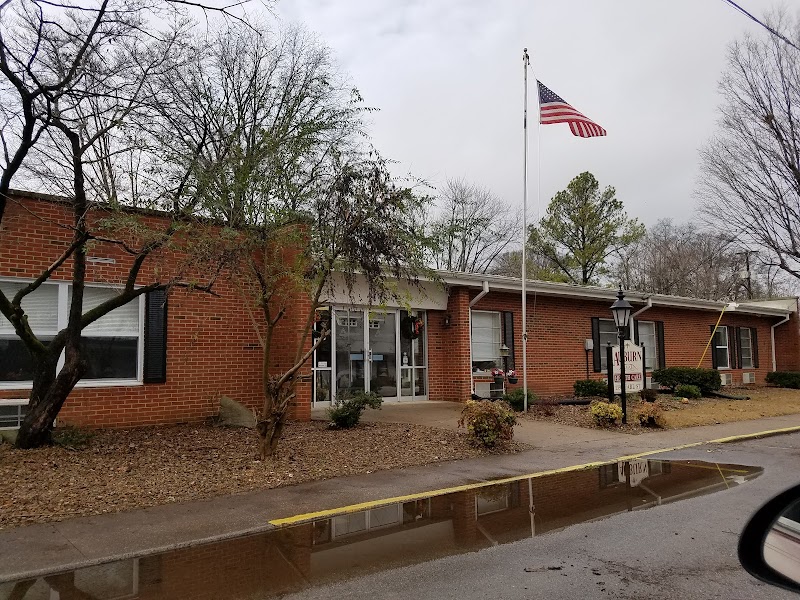
139 PEARL ST., AUBURN, KY 42206 (270) 542-4111
For profit - Individual 66 Beds Independent Data: November 2025
Trust Grade
55/100
#93 of 266 in KY
Last Inspection: April 2022

Over 2 years since last inspection. Current conditions may differ from available data.

Overview

Auburn Nursing and Rehabilitation Center has received a Trust Grade of C, which means it is average-middle of the pack, neither great nor terrible. It ranks #93 out of 266 facilities in Kentucky, placing it in the top half, and is #1 of 2 in Logan County, indicating it is the best local option. The facility is improving, with issues decreasing from 2 in 2022 to 1 in 2025, but staffing remains a concern with a low rating of 1 out of 5 stars and a high turnover rate of 76%, significantly above the state average. While there have been no fines recorded, which is a positive sign, the nursing home has faced issues such as dirty floors and unsafe conditions, as well as failures to properly implement care plans for residents. On the positive side, it also has average RN coverage, which is essential for monitoring resident health effectively.

Trust Score
C
55/100
In Kentucky
#93/266
Top 34%
Safety Record
Low Risk
No red flags
Inspections
Getting Better
2 → 1 violations
Staff Stability
⚠ Watch
76% turnover. Very high, 28 points above average. Constant new faces learning your loved one's needs.
Penalties
✓ Good
No fines on record. Clean compliance history, better than most Kentucky facilities.
Skilled Nurses
⚠ Watch
Each resident gets only 13 minutes of Registered Nurse (RN) attention daily — below average for Kentucky. Fewer RN minutes means fewer trained eyes watching for problems.
Violations
⚠ Watch
13 deficiencies on record. Higher than average. Multiple issues found across inspections.
★★★☆☆
3.0
Overall Rating
★☆☆☆☆
1.0
Staff Levels
★★☆☆☆
2.0
Care Quality
★★★★☆
4.0
Inspection Score
Stable
2022: 2 issues
2025: 1 issues

The Good

  • Full Sprinkler Coverage · Fire safety systems throughout facility
  • No fines on record

Facility shows strength in fire safety.

The Bad

3-Star Overall Rating

Near Kentucky average (2.8)

Meets federal standards, typical of most facilities

Staff Turnover: 76%

30pts above Kentucky avg (46%)

Frequent staff changes - ask about care continuity

Staff turnover is very high (76%)

28 points above Kentucky average of 48%

The Ugly 13 deficiencies on record

Apr 2025 1 deficiency
CONCERN (D) 📢 Someone Reported This

A family member, employee, or ombudsman was alarmed enough to file a formal complaint

Potential for Harm - no one hurt, but risky conditions existed

Infection Control (Tag F0880)

Could have caused harm · This affected 1 resident

Based on observation, interview, record review, and review of facility policy, it was determined the facility failed to establish and maintain an infection prevention and control program designed to p...

Read full inspector narrative →
Based on observation, interview, record review, and review of facility policy, it was determined the facility failed to establish and maintain an infection prevention and control program designed to provide a safe, sanitary, and comfortable environment and to help prevent the development and transmission of communicable diseases and infections for one of seven sampled residents (R 7). During an observation on 04/09/2025 at 10:20 AM, Licensed Practical Nurse (LPN) 1 failed to sanitize her hands between glove changes. Further, LPN 1, failed to wear gown, mask, and eye protection while providing care to a resident on contact precautions. The findings include: Review of the facility policy titled, Infection Control, dated 08/2001 revealed the facility would provide a safe sanitary and comfortable environment. Review of the facility policy titled, Handwashing, dated 08/2001 revealed handwashing was regarded as the single most important means of preventing the spread of infections. All personnel should follow the established handwashing procedures to prevent the spread of infection and disease to other personnel, patients, and visitors. Further review of the policy revealed employees would perform appropriate ten to fifteen second handwashing procedures under the following conditions: whenever hands were obviously soiled, before handling clean or soiled dressings, gauze pads, etc, after contact with blood, body fluids, excretions, secretions, mucous membranes, or non intact skin, and after removing gloves. The use of gloves would not replace handwashing. Review of R 7s' admission Record revealed the facility admitted the resident on 01/24/2012 with diagnoses which included: osteomyelitis, type 2 diabetes mellitus with foot ulcer, pressure ulcer of right buttock, and obesity. During an observation on 04/09/2025 at 10:40 AM, LPN 1 failed to wash her hands after removing a soiled packing strip to right buttock. She double gloved the soiled dressing and placed in trash and put on non-sterile gloves without sanitizing her hands. LPN 1 cleaned the wound with wound cleanser and dried the right buttock area with a dry gauze. She removed her gloves after cleaning and donned a third pair of gloves without sanitizing her hands. LPN 1 packed the wound with packing strips and Dakin's solution and placed a border gauze over the wound. She removed her gloves, and began to clean up the bedside table. Further LPN 1 failed to adhere to the contact isolation protocol and use the appropriate personal protective equipment such as a gown, mask, and eye protection while providing wound care. During an interview with LPN 1 on 04/10/2025 at 10:16 AM, she stated she wasn't aware the resident was on contact isolation. She stated she should have worn a gown, eye protection and mask. LPN 1 further stated she should have washed her hands between glove changes. During an interview with the Director of Nursing (DON) on 04/10/2025 at 11:13 AM, she stated she expected staff to follow the contact isolation protocol when performing close contact care with residents. She further stated she expected staff to follow the facility policies concerning handwashing with donning and doffing gloves during care. During an interview on 04/10/2025 at 11:22 AM, the Administrator stated she expected all staff to follow contact isolation guidelines and facility policies concerning handwashing.
Apr 2022 2 deficiencies
CONCERN (D)

Potential for Harm - no one hurt, but risky conditions existed

Incontinence Care (Tag F0690)

Could have caused harm · This affected 1 resident

**NOTE- TERMS IN BRACKETS HAVE BEEN EDITED TO PROTECT CONFIDENTIALITY** Based on observation, interview, record review, and facility policy review it was determined the facility failed to ensure resid...

Read full inspector narrative →
**NOTE- TERMS IN BRACKETS HAVE BEEN EDITED TO PROTECT CONFIDENTIALITY** Based on observation, interview, record review, and facility policy review it was determined the facility failed to ensure residents received treatment to prevent a urinary tract infection for one (1) of fifteen (15) sampled residents (Resident #41). Observation revealed facility staff failed to change gloves, wash their hands, and obtain clean water between dirty and clean tasks while providing indwelling urinary catheter care for Resident #41. The findings include: Review of the facility's, Catheter Care Policy, undated, revealed the policy stated, It is the policy of this facility to ensure that residents with indwelling catheters receive appropriate catheter care. Female: 9. Gently separate the labia and expose the urinary meatus. 10. Wipe from front to back with a clean cloth moistened with water and perineal cleaner. 11. Use a new part of the cloth or different cloth for each side. 12. With a new moistened cloth, starting at the urinary meatus moving out, wipe the catheter making sure to hold the catheter in place so as not to pull on the catheter. 13. Dry area with towel. Review of an undated facility policy titled, Infection Prevention and Control Program, revealed the facility's hand hygiene protocol was for, All staff shall wash their hands .after handling contaminated objects. Review of the CDC, Core Infection Prevention and Control Practices for Safe Healthcare Delivery in All Settings - Recommendations of the Healthcare Infection Control Practices Advisory Committee, dated 03/15/2017, from https://www.cdc.gov/hicpac/pdf/core-practices.pdf, revealed hand hygiene was to be performed, Before moving from work on a soiled body site to a clean body site on the same resident. Review of Resident #34's admission Record revealed the facility initially admitted the resident on 01/20/2022. Continued review revealed the facility re-admitted Resident #34 on 03/16/2022, with diagnoses including Sepsis and Enterocolitis due to Clostridium Difficile (inflammation of the colon due to bacterium). Review of the Medicare 5-day Minimum Data Set (MDS) assessment dated [DATE], the facility readmitted Resident #41 from an acute care hospital on [DATE]. Continued review revealed the facility assessed Resident #41 as rarely/never understood, severely impaired cognitively, and incontinent of bladder and bowel with a Urinary Tract Infection (UTI) in the last thirty (30) days. Further review revealed the facility had additionally assessed the resident to require extensive assistance of two (2) for toilet use and personal hygiene on readmission. Review of a physician Telephone Order, dated 04/01/2022 for Resident #41 revealed an order for a urinary specimen to be obtained via a urinary catheter due to the resident's confusion and abdominal pain. Further review revealed the order noted to leave the urinary catheter anchored if more than 300 milliliters (mls) of urine was retained in the bladder. Review of a physician Telephone Order, dated 04/11/2022, revealed an order for Cipro (an antibiotic medication) 500 milligrams (mgs) two (2) times per day for five (5) days for a UTI. Review of Resident #41's Care Plan, initiated 04/01/2022, revealed the resident had an indwelling urinary catheter due to urinary retention. Further review revealed the care plan noted nursing staff were to provide Resident #41 with catheter care to include perineal care, each shift and as needed. Review of Resident #41's Infection Care Plan, dated 04/11/2022, revealed the resident required treatment for a UTI. Observation of perineal and indwelling urinary catheter care provided for Resident #41 on 04/22/2022 at 8:36 AM, by Certified Nursing Assistant (CNA) #1 and CNA #2, revealed the CNAs washed their hands and applied gloves. Observation revealed CNA #1 obtained a pan of water and placed it on the resident's overbed table, and CNA #2 removed Resident #41's incontinence brief, and placed the brief in a trash bag. Continued observation revealed CNA #2 did not wash her hands or change her gloves before proceeding to touch Resident #41's legs to assist the resident in holding his/her legs open while CNA #1 provided the urinary catheter care. Per observation, CNA #1 provided the urinary catheter care; however, did not change gloves or change the water after cleansing Resident #41's urinary meatus (opening to the urinary tract), perineum (area between the vagina and anus), urinary catheter tubing, or the labia area (skin fold around the vagina). Further observation revealed CNA #1 obtained a new cloth to cleanse and rinse each of the areas, but failed to change gloves, and continued to utilize the same pan of water to moisten each clean cloth. Observation further revealed CNA #1 and CNA #2 applied Resident #41's clean adult brief without changing their gloves. Additionally, CNA #1 and CNA #2 removed their gloves and washed their hands after applying the resident's brief. Interview on 04/22/2022 at 9:02 AM, with CNA #1 revealed the CNA should have changed gloves after the cleansing task was done. CNA #1 stated however, she had forgotten to change her gloves. A follow up interview on 04/22/2022 at 11:16 AM, with CNA #1 revealed gloves should be changed during urinary catheter care to prevent contamination of cleansed areas. CNA #1 further stated the water used should have been changed during the urinary catheter care between cleaning Resident #41's labia and the outside area. Interview on 04/22/2022 at 9:07 AM, with CNA #2 revealed her gloves should have been changed after cleaning the urinary catheter. Further interview revealed CNA #2 confirmed she and CNA #1 had not changed their gloves during the perineal and urinary catheter care; however, they should have. Interview on 04/22/2022 at 9:11 AM, with Licensed Practical Nurse (LPN) #1 revealed staff should have changed their gloves during urinary catheter care after the area was cleansed. Interview on 04/22/2022 at 9:20 AM, with the Director of Nursing (DON) revealed staff should change their gloves during urinary catheter care when going from dirty to clean tasks. A follow up interview on 04/22/2022 at 1:41 PM, with the DON revealed staff should have changed their gloves during urinary catheter care to avoid contamination. Per the DON, the water used should have absolutely been changed during catheter care because the water would be considered contaminated. Further interview revealed the DON's expectation was for staff to change gloves and water if it was contaminated to help prevent infections for residents. Interview on 04/22/2022 at 10:12 AM, with the Administrator revealed her expectation was for staff to change gloves between dirty to clean tasks.
CONCERN (D)

Potential for Harm - no one hurt, but risky conditions existed

Deficiency F0806 (Tag F0806)

Could have caused harm · This affected 1 resident

**NOTE- TERMS IN BRACKETS HAVE BEEN EDITED TO PROTECT CONFIDENTIALITY** Based on observation, interview, and facility policy review, it was determined the facility failed to ensure one (1) of fifteen ...

Read full inspector narrative →
**NOTE- TERMS IN BRACKETS HAVE BEEN EDITED TO PROTECT CONFIDENTIALITY** Based on observation, interview, and facility policy review, it was determined the facility failed to ensure one (1) of fifteen (15) sampled residents, Resident #34, received food that accommodated the resident's food preferences in his/her meals served by the facility. Interview and observation revealed the facility failed to honor Resident #34's preferences/dislikes of mashed potatoes and beans by serving those food items to the resident. The findings include: Review of the facility policy titled, Resident Food Choice, revised 12/20/2021, revealed upon admission, or within twenty-four (24) hours of admission, the Dietician or nursing staff were to identify a resident's food preferences by asking a list of questions, in reference to foods that they liked and disliked. Continued review revealed the Dietary Manager was responsible in relaying the information obtained into the resident's diet card. Per review of the policy, dietary staff members were in charge of checking residents' meal tickets before sending them out on trays to ensure all resident preferences were being followed and for accuracy. Further review revealed nursing staff were to review the accuracy of meal tickets and the meal tray before delivering the tray to the resident. In addition, policy review revealed if a resident was presented with an food item they disliked, nursing staff were to then offer the resident an alternative. Review of Resident #34's medical record revealed the facility admitted the resident on 03/23/2022, with diagnoses that included: Type II Diabetes Mellitus; Hemiplegia and Hemiparesis following Cerebral Infarction; Morbid Obesity; and Chronic Obstructive Pulmonary Disease. Review of the Quarterly Minimum Data Set (MDS) assessment dated [DATE], revealed the facility assessed Resident #34 to have a Brief Interview for Mental Status (BIMS) score of twelve (12), which indicated the resident had moderately impaired cognition. Further review revealed the MDS noted Resident #34 required supervision and set up help for eating and had not sustained a weight loss. Review of the Daily Resident Menu, for the lunch meal on 04/19/2022, revealed the main menu food item being served was barbeque on cornbread, and the alternate protein was lemon pepper chicken. Continued review of the 04/19/2022 lunch menu revealed there were no alternative side dish choices for the meal on that date. In addition, the menu review revealed the side dishes for the main meal and the alternate meal were the same, which were noted as baked beans, mashed potatoes, and pudding. Review of Resident #34's meal tray card dated 04/19/2022 revealed, Meal note: no mashed potatoes. Special Notes: Dislikes: Mashed potatoes, deviled eggs, turnip greens, kraut, and beans. Observation on 04/19/2022 at 11:55 AM, of Resident #34 revealed the resident was seated in a wheelchair at a table in the 200 Hall dining room. Continued observation revealed Resident #34 was served a lunch meal which included barbequed meat, mashed potatoes, baked beans, cornbread, and chocolate pudding. Interview with Resident #34, during the observation, revealed on the resident's admission to the facility he/she had discussed his/her food likes and dislikes with the Dietary Manager. Per Resident #34, mashed potatoes and beans were food item dislikes discussed with the Dietary Manager, which the resident had told dietary staff he/she did not like those foods and should not been served to him/her. Further interview revealed Resident #34 stated the facility served mashed potatoes frequently to him/her, even though the resident had informed staff he/she disliked those foods. Interview on 04/19/2022 at 12:10 PM, with Certified Nursing Assistant (CNA) #1 revealed she served Resident #34's lunch meal tray to the resident in the dining room. The CNA stated all staff, including CNAs serving meal trays and the dietary staff, were responsible for ensuring residents were served their likes and preferences foods. Further interview revealed however, CNA #1 had not looked at Resident #34's meal tray card for the resident's dislikes prior to serving the tray. In addition, CNA #1 confirmed Resident #34 had been served food items from their disliked foods list. Interview on 04/19/2022 at 12:17 PM, with Dietary Employee (DE) #1 revealed she plated the food items for the lunch meal service on 04/19/2022. DE #1 stated residents' likes and dislikes related to food items should have been honored. Further interview revealed it was the line cooks and dietary aides' responsibility to serve food according to the residents' meal tray cards and to follow the residents' prescribed diet and food preferences. Interview with DE #2 on 04/19/2022 at 12:20 PM, revealed since the menu had food items on it which Resident #34 did not like, dietary staff should have offered the resident alternate food items. Additional interview with DE #2 on 04/22/2022 at 8:57 AM, revealed the cook plated the lunch menu items and placed the plate on the steam table. DE #2 stated she had been the dietary aide on the line on 04/19/2022, and she should have looked at the meal tray cards to check for residents' preferences. Per DE #2, that day had been overwhelming however, and she just missed seeing Resident #34's disliked food items. Further interview revealed DE #2's expectations were that residents' likes and dislikes for food were honored and she knew Resident #34 did not like mashed potatoes and beans. Interview on 04/22/2022 at 9:03 AM, with the Certified Dietary Manager (CDM) revealed Resident #34's food preferences had been initially reviewed with the resident on admission to the facility in order to determine his/her food likes and dislikes. The CDM stated Resident #34 had no food preference changes since his/her admission. Per interview, the CDM revealed for residents' lunch and dinner meals, a daily menu sheet which included the main meal and alternate meal, was sent to residents for them to decide what they wanted to eat. According to the CDM, when the dietary aides got the daily menu sheets back from residents, the cook wrote each resident's choices on the meal tray card. Continued interview revealed Resident #34 had chosen the main meal on 04/19/2022; however, the side food items for the main meal and the alternate meal had been the same (mashed potatoes and beans), with the protein being the only difference. According to the CDM, the alternate side dish choices should have been different from the main meal's side items. The CDM stated dietary staff should have followed up with Resident #34 after getting the menu sheet back and compared it to the resident's meal tray card in order for Resident #34's choices to have been honored. Interview revealed staff were aware Resident #34 did not like mashed potatoes and the resident had thrown those food items on the floor before when served to him/her. Additional interview with the CDM on 04/19/2022 at 12:23 PM, revealed dietary staff had been in-serviced to check residents' meal cards before sending the meals to residents to ensure the residents' preferences and diets were honored. In addition, the CDM revealed Resident #34 should not have been served mashed potatoes or beans according to the resident's disliked food items. Interview on 04/22/2022 at 9:36 AM, with the Administrator revealed dietary staff were responsible for reviewing meal tray cards to ensure accuracy of residents' meals after the meals had been plated and placed on the cart. The Administrator revealed CNAs and nurses were responsible for checking residents' meal tray cards for accuracy before placing the tray down in front of the residents. She stated she was unaware the same side dishes were being offered for the main meals and alternate meal choices on 04/19/2022. Further interview revealed her expectations were for residents' food preferences to be honored and for different alternate meal choice food items to be provided to ensure that occurred. The Administrator further stated dietary staff, after reviewing Resident #34's daily meal sheet and meal tray card, should have followed up with the resident and offered different food choices to him/her. Interview on 04/22/2022 at 1:33 PM, with the Director of Nursing (DON) revealed she expected residents to be served the foods they liked and to be offered alternate food items as necessary. Per interview, the DON stated it was not typical for the main meal and alternate meal choices to contain the same sides dishes. According to the DON, dietary and nursing were responsible for checking residents' meal tray cards to ensure accuracy.
Jan 2020 6 deficiencies
CONCERN (D)

Potential for Harm - no one hurt, but risky conditions existed

Deficiency F0583 (Tag F0583)

Could have caused harm · This affected 1 resident

Based on observation, interview and facility policy review, it was determined the facility failed to accommodate privacy for one (1) of seventeen (17) sampled residents related to staff not ensuring r...

Read full inspector narrative →
Based on observation, interview and facility policy review, it was determined the facility failed to accommodate privacy for one (1) of seventeen (17) sampled residents related to staff not ensuring resident was provided privacy during care. The findings include: Review of facility policy titled, Privacy and Dignity, last revised 06/21/12, revealed it is the intent of the facility to provide each resident with a dignified existence as stipulated in the Resident Rights. Each resident will be provided privacy during bathing, grooming, peri-care, wound care and any other personal care. Privacy curtain and drapes/blinds will be pulled closed in bedrooms and shower rooms when providing wound care or personal care. Record review revealed the facility admitted Resident #1 on 04/25/19 with diagnoses which included Cerebral Palsy, Chronic Obstructive Pulmonary Disease, and Major Depressive Disorder. Review of the Quarterly Minimum Data Set (MDS) assessment, dated 01/15/2020 revealed the facility assessed Resident #1's cognition as severely impaired with a Brief Interview of Mental Status (BIMS) score of seven (7) which indicated the resident was not interviewable. Observation of Resident #1 receiving physical therapy on 01/15/2020 at 2:40 PM revealed the shade on the window to outside was open. In addition, a utility vehicle could be seen with workers on street from Resident #1's window. Interview with Physical Therapy Assistant (PTA) #1 on 01/15/2020 at approximately 2:43 PM revealed Resident #1 should not have to ask for privacy but it should be ensured during care. Observation of Resident #1's incontinent care by Certified Nursing Assistant (CNA) #8 on 01/16/20 at 2:57 revealed the blinds on window were open and Resident #1 asked staff to close the blinds during care. Interview with House Supervisor/Licensed Practical Nurse (LPN) #4 revealed Resident # 1's blinds pulled, doors shut, and privacy curtains between residents closed; residents covered during care as much as possible and staff should automatically know to close blinds during care. Additionally UM/LPN #4 stated that residents should not have to ask for these things to be done. Interview with the Director of Nursing (DON), on 01/17/2020 at approximately 5:10 PM revealed she expected privacy to be ensured for residents when personal care or therapy was being provided.
CONCERN (D)

Potential for Harm - no one hurt, but risky conditions existed

Deficiency F0658 (Tag F0658)

Could have caused harm · This affected 1 resident

Based on interview, record review and review of the facility's policies, it was determined the facility failed to ensure services provided or arranged by the facility, as outlined by the comprehensive...

Read full inspector narrative →
Based on interview, record review and review of the facility's policies, it was determined the facility failed to ensure services provided or arranged by the facility, as outlined by the comprehensive care plan, met professional standards of quality for one (1) unsampled resident not in the selected sampled of seventeen (17) residents (Resident 900). Resident #900 was identified to be experiencing nausea and vomiting on 01/07/2020. Staff failed to obtain vital signs when Resident #900 was identified to have the change in condition and failed to assess the effectiveness of as needed (PRN) medication after administered; per facility policy. The findings include: Review of the facility policy titled, Change in Resident Condition or Status, NF, not dated, revealed the nurse supervisor/charge nurse would record in the resident's medical record information relative to changes in the resident medical/mental condition or status. Review of facility policy titled, Vital Signs and Weight Protocol, not dated, revealed resident's exhibiting signs/symptoms of active infection, vital signs would be obtained every shift until antibiotic therapy was completed and following the occurrence of any incident, vital signs would be obtained every shift for seventy-two (72) hours. Review of facility policy titled, PRN Medications, not dated, revealed PRN medication refers to a medication that is taken as needed for a specific situation. It is not provided routinely, and requires assessment for need and effectiveness. Further review of facility policy revealed documentation will be provided in the resident's medical record to show adequate indications for a medication's use and the diagnosed condition for which is was prescribed. When administering a PRN medication: document the time of administration and evaluate the effectiveness of the medication and document the findings. Record review revealed the facility re-admitted Resident #900 on 11/18/19 with diagnoses which included Parkinson's Disease, Gastronomy status, Chronic Obstructive Pulmonary Disease, unspecified, and Dysphagia, unspecified. Review of the Quarterly Minimum Data Set (MDS) assessment, dated 08/13/19, revealed the facility assessed Resident #900's Brief Interview for Mental Status (BIMS) score as unrated, which indicated the resident was not interviewable. Further review of MDS revealed Resident #47 required extensive assist of two (2) for bed mobility, transfer, and toilet use. Resident #900 was not in facility or available for observation during investigation. Review of the Comprehensive Care Plan, dated 10/24/19 revealed Resident #900 required tube feeding per MD orders related to a diagnosis of Dysphagia, unspecified, Dysarthria, and Hemiplegia and Hemiparesis following Cerebral Infarction affecting Left Non-dominant Side due to Cerebral Vascular Accident (CVA). Further review revealed orders that resident remain on nothing by mouth (NPO) status due to dysphagia and risk for Aspiration with other pertinent interventions listed below: 1. Head of bed to elevated to 30 degrees at all times. 2. Listen to lung sounds each shift and document. 3. May suction as needed. 4. Monitor/document/report PRN (as needed) and signs and symptoms of aspiration-fever, shortness of air, tube dislodged, infection at tube site, as well at diarrhea, nausea/vomiting and dehydration. Review of Nurse's Note dated 01/07/2020 revealed new order received from physician for Zofran four (4) mg every six (6) hours PRN via Gastronomy Tube (G-tube) for Nausea and Vomiting for ten (10) days; and, Immodium two (2) tabs first loose stool then one (1) tab after each loose stool up to eight (8) tabs in twenty-four (24) hours PRN for 10 days for diarrhea. Further review revealed there was no documented evidence the nurse obtained vital signs when identified the resident's change in condition per facility policy. Review of Resident #900's January 2019 Medication Administration Record (MAR)revealed LPN #1 administered Zofran 4 mg via G-tube on 01/07/2020 at 2:00 PM and Immodium two (2) tabs on 01/07/2020 at 3:00 PM; and, LPN #2 administered the medications on 01/07/2020 at 9:00 PM. However, further review of the MAR and review Nurse Notes dated 01/07/2020 and 01/08/2020, revealed there was no documented evidence the nurse performed an assessment before and after the medications were administered, per facility policy. Interview with LPN #1 on 01/16/2020 at 12:05 PM, revealed she failed to obtain vital signs on Resident #900 when the resident began to have symptoms of diarrhea and vomiting; and, failed to complete an evaluation of the effectiveness of the medication administered for Resident #900's symptoms of diarrhea and vomiting on 01/07/2020 at 2:00 PM. LPN #1 reported the vital signs and assessment should have been documented in the nurses notes and/or MAR. A telephone interview with LPN #2 on 01/16/2020 at 4:30 PM, revealed she failed to assess the medication's effectiveness for Resident #900 on 01/07/2020 at 9:00 PM. Interview with Director of Nursing (DON) on 01/17/2020 at 4:30 PM, revealed she expected the nurses to perform resident assessments before administering PRN medications and to evaluate the effectiveness of PRN medications administered. She stated she also expected the nurses to document the assessments in the Nurse's Notes and to document the administration of medications on the MAR of each resident's medical record.
CONCERN (D)

Potential for Harm - no one hurt, but risky conditions existed

Deficiency F0808 (Tag F0808)

Could have caused harm · This affected 1 resident

Based on observation, interview, record review, and facility policy review, it was determined the facility failed to ensure therapeutic diets prescribed by the attending physician were followed, and m...

Read full inspector narrative →
Based on observation, interview, record review, and facility policy review, it was determined the facility failed to ensure therapeutic diets prescribed by the attending physician were followed, and meet preference accommodation for one (1) of seventeen (17) sampled Residents (Resident #30). Meal observation on 01/15/2020 at 12:45 PM revealed a magic cup not being served as ordered during a meal service, and a chocolate shake served but listed on the tray card as dislikes The findings Include: Review of the facility policy titled, Resident Nutrition Services, dated 01/05/15, revealed each resident shall receive the correct diet, with preferences accommodated as feasible, and shall receive prompt meal service and appropriate feeding assistance by interpretation and implementation of .1. Nursing personnel will assure that residents are served the correct food tray. 2. Prior to serving the food tray, the Nurse Aide/Feeding Assistant must check the tray card to assure that the correct food tray is being served to the resident. If there in doubt, the Nurse Supervisor will check the written physician's order. 3. If an incorrect meal has been delivered, nursing staff will report it to the Food Services Manager so that a new food tray can be issues. 4. Nursing staff and a Clinical Dietitian will assess each resident's food likes, dislikes, and eating habits. They will record this information on the resident care plan. Record review revealed the facility admitted Resident #30 on 04/17/19 with diagnoses which included Unspecified Dementia, Chronic Kidney Disease, and Nonrheumatic Aortic Valve Stenosis. Review of a Quarterly Minimum Data Set (MDS) assessment, dated 12/09/19 revealed the facility assessed Resident #30's cognition to be severely impaired with a Brief Interview for Mental Status (BIMS) score of three (3) which indicated the resident was not interviewable. Review of a Change of Diet form, dated 03/22/19 revealed Resident #30 was to received a magic cup three (3) times a day (TID) with meals. Review of Resident #30 tray card revealed the resident was to receive magic cup (a dietary supplement) with meal, and no chocolate shakes. However, observation on 01/15/2020 at 11:34 AM in the 100 hall dining room revealed Resident #1's tray was passed by Registered Nurse (RN) #2 and the meal tray contained a chocolate shake and no magic cup. Interview with RN #2 on 01/15/2020 at 2:39 PM revealed Resident #30 was not allergic to chocolate but the son had told them the resident did not like chocolate. She stated the the magic cup had been ordered for weight loss. The RN further revealed she did not look at the meal card prior to delivering the tray, because she felt she knew the resident' well enough without looking at the card, but would read the whole care next time prior to delivering a tray. Interview with the Dietary Manager on 01/16/2020 at 12:30 PM revealed the mistake should have been caught by kitchen staff before delivering the tray through the kitchen window, or by the staff that delivered the tray to the resident. Interview with the Director of Nursing (DON) on 01/17/2020 at 12:40 PM revealed she expected all residents to receive what had been ordered, as well as their preferences on their meal tray.
CONCERN (D)

Potential for Harm - no one hurt, but risky conditions existed

Medical Records (Tag F0842)

Could have caused harm · This affected 1 resident

Based on interview, record review and facility policy review, it was determined the facility failed to ensure medical records, were complete and accurately documented for one (1) unsampled resident no...

Read full inspector narrative →
Based on interview, record review and facility policy review, it was determined the facility failed to ensure medical records, were complete and accurately documented for one (1) unsampled resident not in the selected sampled of (17) (Resident #900). On 01/07/2020, Resident 900 was identified to be vomiting and having diarrhea; however, licensed staff failed to document the resident's change in condition, vital signs, and assessment of the resident's condition before and after administering medication for the vomiting and diarrhea. The findings include: Review of facility policy titled, Charting and Documentation, not dated, revealed all services provided to the resident, or any changes in the resident's medical or mental condition, shall be documented in the resident's medical record. Further review of the facility policy revealed all observations, medications administered, services performed, etc., must be documented in the resident's clinical records; and, all incidents, accidents, or changes in the resident's condition must be recorded. Review of facility policy titled, Vital Signs and Weight Protocol, not dated, revealed vital signs will be obtained following the occurrence of any incident, every shift for seventy-two (72) hours. Review of facility policy titled, PRN Medications, not dated, revealed PRN medication refers to a medication that is taken as needed for a specific situation. It is not provided routinely, and requires assessment for need and effectiveness. Further review of facility policy revealed documentation will be provided in the resident's medical record to show adequate indications for a medication's use and the diagnosed condition for which is was prescribed. When administering a PRN medication: document the time of administration and evaluate the effectiveness of the medication and document the findings. Record review revealed the facility re-admitted Resident #900 on 11/18/19 with diagnoses which included Parkinson's Disease, Gastronomy status, Chronic Obstructive Pulmonary Disease, unspecified, and Dysphagia, unspecified. Review of Nurse's Note dated 01/07/2020 revealed a new order received from physician for Zofran four (4) mg every six (6) hours PRN via Gastronomy Tube (G-tube) for Nausea and Vomiting for ten (10) days; and, Immodium two (2) tabs first loose stool then one (1) tab after each loose stool up to eight (8) tabs in twenty-four (24) hours PRN for 10 days for diarrhea. However, further review revealed there was no documentation of the resident's assessment to indicate the resident's change in condition and the need for the medication to include vital signs; per facility policy. In addition, review of Resident #900's January 2019 Medication Administration Record (MAR) revealed LPN #1 administered Zofran 4 mg via G-tube for vomiting on 01/07/2020 at 2:00 PM and Immodium 2 tabs for diarrhea on 01/07/2020 at 3:00 PM; and LPN #2 administered the medications on 01/07/2020 at 9:00 PM. However, further review of the MAR and review Nurse Notes dated 01/07/2020 and 01/08/2020, revealed there was no documentation to address the resident's assessment due to change in condition and no documentation of the resident's condition prior to administering the medication and of the effectiveness of the medications, per facility policy. Interview with LPN #1 on 01/16/2020 at 12:05 PM, revealed she failed to obtain vital signs on Resident #900 when the resident began to have symptoms of diarrhea and vomiting; and, failed to complete an evaluation of the effectiveness of the medication administered for A telephone interview with LPN #2 on 01/16/2020 at 4:30 PM, revealed she failed to assess the medication's effectiveness for Resident #900 on 01/07/2020 at 9:00 PM. Interview with Director of Nursing (DON) on 01/17/2020 at 4:30 PM, revealed she expected the nurses to document resident assessments when there was a change in condition and before and after administering PRN medications to evaluate the effectiveness of PRN medications administered.
CONCERN (E)

Potential for Harm - no one hurt, but risky conditions existed

Safe Environment (Tag F0584)

Could have caused harm · This affected multiple residents

**NOTE- TERMS IN BRACKETS HAVE BEEN EDITED TO PROTECT CONFIDENTIALITY** Based on observation, interview and facility policy review it was determined the facility failed to provide a safe, clean, comfo...

Read full inspector narrative →
**NOTE- TERMS IN BRACKETS HAVE BEEN EDITED TO PROTECT CONFIDENTIALITY** Based on observation, interview and facility policy review it was determined the facility failed to provide a safe, clean, comfortable, and homelike environment outside the facility related to debris on the grounds/walkways, ceiling tiles with stains, chipping paint noted on the closet doors, and exposed dry wall. The findings include: Review of the facility policy titled, Environmental Services, not dated, revealed the facility is to provide a safe, clean, comfortable, and home-like environment, allowing the resident to use his or her personal belongings to the extent possible. 1. Observation of the resident smoking area on 01/15/2020 at 2:05 PM, revealed multiple discarded cigarette butts on the sidewalk and lawn. Observation of the front entrance on 01/16/2020 at 2:52 PM, revealed a discarded water bottle, an old cigarette lighter, and multiple cigarette butts on the sidewalk and lawn area. Interview with the Housekeeping Supervisor on 01/17/2020 at 3:15 PM, revealed the residents' rooms are cleaned daily, to include wiping down doors. She stated housekeeping staff sweeps the breezeways, front side-walks, and resident smoking areas to keep the areas free of cigarette butts and debris. The Housekeeping Supervisor revealed she would ensure these areas were clean and checked more often. 2. Observations of the two-hundred hall on 01/17/2020 at 9:20 AM, revealed four (4) ceiling tiles with large dry, dark brown, stains. Continued observation of room [ROOM NUMBER] and room [ROOM NUMBER], revealed large areas of chipping paint noted on the closet doors. Further observation of room [ROOM NUMBER] revealed an area of exposed dry wall. Interview with the Maintenance Director on 11/17/2020 at 3:20 PM, revealed he is in the process of painting some rooms on the one-hundred (100) hall and making some overall improvements. He stated the facility should be clean and homelike for residents. The Maintenance Director further revealed it was the staff's responsibility to log any maintenance concerns in the maintenance binder kept on each hall. He stated he checks the binders each morning for needed repairs.
MINOR (C)

Minor Issue - procedural, no safety impact

Transfer Notice (Tag F0623)

Minor procedural issue · This affected most or all residents

**NOTE- TERMS IN BRACKETS HAVE BEEN EDITED TO PROTECT CONFIDENTIALITY** Based on interview, record review and review of facility policy, it was determined the facility failed to ensure a written notic...

Read full inspector narrative →
**NOTE- TERMS IN BRACKETS HAVE BEEN EDITED TO PROTECT CONFIDENTIALITY** Based on interview, record review and review of facility policy, it was determined the facility failed to ensure a written notice of transfer/discharge, which included the reason for the resident's transfer, was sent to a representative of the Office of the State Long-Term Care Ombudsman for three (3) of seventeen (17) sampled residents (Residents #51, #34, and #40). Record review for Residents #51, #34, and #40, revealed no documented evidence a representative of the Office of the State Long-Term Care Ombudsman was notified of the resident transfers. The finding include: Review of the facility policy titled, Transfer Discharge, not dated, revealed a copy of the discharge/transfer notice shall be provided to a representative of the Office of the State Long-Term Care Ombudsman. 1. Record review revealed the facility admitted Resident #51 on 07/19/17 with diagnoses which included Anemia and Hypertension. Review of a Discharge summary dated [DATE], revealed Resident #51 was discharged to a long term care facility on 11/26/19. However; further review of the medical record revealed there was no documented evidence a representative of the Office of the State Long-Term Care Ombudsman was notified of the resident's transfer to the hospital. 2. Record review revealed the facility admitted Resident #34 on 10/19/15 with diagnoses which included Dysphagia following a Cerebral Infarction, Chronic Obstructive Pulmonary Disease (COPD), and unspecified Dementia. Review of a Nurses Note, dated 12/26/19 revealed Resident #34 was sent to the emergency room (ER) for pale skin color, sweating and vomiting, and was admitted on [DATE] with the diagnosis of Norovirus and Escherichia coli. However, further review of the medical record revealed there was no documented evidence a representative of the Office of the State Long-Term Care Ombudsman was notified of the resident's transfer to the hospital. 3. Record review revealed the facility admitted Resident #40 on 12/20/19 with the diagnoses which included Chronic Obstructive Pulmonary Disease (COPD), and Congestive Heart Failure (CHF). Review of Nurses Note for Resident 40, dated 01/13/2020, revealed the resident was sent to the ER with the complaint of shortness of breath and chest discomfort, then returned to the facility on [DATE] with a Urinary Tract Infection and Pneumonia. However, further review of the medical record revealed there was no documented evidence a representative of the Office of the State Long-Term Care Ombudsman was notified of the resident's transfer to the hospital. Interview with Social Service Director on 01/17/2020 at 10:47 AM, revealed she was not aware the Ombudsman was to be notified for all transfers and discharges. Interview with the Administrator on 11/17/2020 at 11:07 AM, revealed she was not aware the facility was to notify a representative of the Office of the State Long-Term Care Ombudsman office of all transfers and discharges. The Administrator further stated the facility would ensure this misunderstanding would be corrected and notifications would be done so timely.
Nov 2018 4 deficiencies
CONCERN (D)

Potential for Harm - no one hurt, but risky conditions existed

Deficiency F0558 (Tag F0558)

Could have caused harm · This affected 1 resident

Based on observation, interview, record review, and review of the facility policy/procedure, it was determined the facility failed to ensure the call light was in reach for (2) of fourteen (14) sample...

Read full inspector narrative →
Based on observation, interview, record review, and review of the facility policy/procedure, it was determined the facility failed to ensure the call light was in reach for (2) of fourteen (14) sampled residents (Resident #12 and Resident #47), and for one (1) unsampled resident (Resident #8). The findings include: Review of the facility policy titled Call Lights: Accessibility and Timely Response, not dated, revealed the purpose of this policy is to assure the facility is adequately equipped with a call light at each resident's bedside, toilet, and bathing facility to allow residents to call for assistance. Call lights will directly relay to staff member or centralized location to ensure appropriate response. With each interaction in the resident's room or bathroom, staff will ensure the call light is within reach of residents and secured, as needed. 1. Record review revealed the facility admitted Resident #47 on 10/16/18 with diagnoses which included Parkinson's Disease, Renal Disease, and Diabetes. Review of the admission Minimum Data Set (MDS) assessment, dated 10/23/18, revealed the facility assessed Resident #47's cognition as intact with a Brief Interview for Mental Status (BIMS) score of twelve (12), which indicated the resident was interviewable. Further review of the MDS revealed Resident #47 required extensive assist of two (2) for bed mobility, transfer, and toilet use. Observation during the initial tour, on 11/06/18 at 9:28 AM, revealed Resident #47's door to be closed. Upon surveyor's entry to the room, the resident was observed to be sitting on the toilet. His/her call light was located behind the toilet, and out of reach for the resident. Interview with Resident #47, on 11/06/18 at 9:39 AM, revealed he/she had taken himself/herself to the bathroom; however, when he/she was finished in the bathroom, he/she was unable to get the call light to ask for staff assistance because it was behind him/her, and out of reach. Further observation, on 11/07/18 at 2:16 PM, and on 11/08/18 at 9:19 AM, revealed the call light string continued to not be tied to the hand rail, and it was draped over the raised toilet seat. Interview with Certified Nurse Aide (CNA) #1 and CNA #2, on 11/06/18 at 9:50 AM, who worked together on the 100 hall revealed, that neither of them had assisted Resident #47 to the bathroom that morning, and they stated they were not aware the call light was not within reach. Interview with the Therapy Department Manager, on 11/06/18 at 2:32 PM, revealed it was not safe for Resident #47 to take himself/herself to the bathroom even though he/she had been caught doing so. He stated the resident was care planned for extensive assist of two (2) staff. He stated if the call light was always tied to the hand rail, he/she could sit on the toilet and pull it off the hand rail. 2. Record review revealed the facility admitted Resident #12 on 02/23/17 with diagnoses which included Dementia, Hemiplegia, Parkinson's Disease, Chronic Obstructive Pulmonary Disease (COPD), and Anxiety Disorder. Review of the Quarterly MDS assessment, dated 08/29/18, revealed the facility assessed Resident #12's cognition as severely impaired with a BIMS score of three (3), which indicated the resident was not interviewable. Further review of the MDS assessment revealed the resident required extensive assist with bed mobility, transfer, toilet, and hygiene. Observation, on 11/06/18 at 10:00 AM, and on 11/07/18 at 1:39 PM, revealed Resident #12 was laying in the bed, with the call light on the floor at the foot of the bed, and out of his/her reach. 3. Record review revealed the facility admitted Unsampled Resident #8 on 02/01/18 with diagnoses which included Arthritis, Dementia, Anxiety Disorder, and he/she was currently on Contact Precautions for an eye infection. Review of the Quarterly MDS assessment, dated 08/10/18, revealed the facility assessed Unsampled Resident 8's cognition to be severely impaired with a BIMS score of three (3), which indicated the resident was not interviewable. Observation of Resident #8, on 11/08/18 at 9:00 AM, and 10:30 AM, revealed he/she was sitting in a wheelchair in his/her room and the call light was noted to be underneath the bed. Further observation, on 11/08/18 at 10:30 AM, revealed the call light continued to be underneath the bed. When asked about his/her call light, he/she looked around and stated, I do not have one. Interview with Licensed Practical Nurse (LPN) #1, on 11/07/18 at 10:00 AM, revealed that Resident #12 was able to use the call light, and occasionally did. Interview with CNA #1, on 11/08/18 at 2:11 PM, revealed the call light should always be in reach of the residents. Interview with CNA #2, on 11/08/18 at 2:15 PM, revealed the call light should be within reach of the resident at all times. She stated she tried to remember to check the call lights during two (2) hour rounds, but honestly, sometimes forgets. Interview with the Assistant Director of Nursing (ADON), on 11/08/18 at 2:18 PM, revealed she expected the CNAs to ensure the call lights were in place at all times, and to ensure this task was done during two (2) hour rounds. Interview with the Administrator, on 11/08/18 at 2:30 PM, revealed she expected all call lights to be within the resident's reach at all times.
CONCERN (D)

Potential for Harm - no one hurt, but risky conditions existed

Staffing Information (Tag F0732)

Could have caused harm · This affected 1 resident

Based on observation, interview, and review of the facility's policy/procedure, it was determined the facility failed to ensure the nurse staffing data was posted on a daily basis at the beginning of ...

Read full inspector narrative →
Based on observation, interview, and review of the facility's policy/procedure, it was determined the facility failed to ensure the nurse staffing data was posted on a daily basis at the beginning of each shift in a clear and readable format and in a prominent place readily accessible to residents and visitors. Observation for three (3) days during the survey revealed a clipboard behind the nursing station, turned backward with the paper unable to be seen, and staffing sheets not filled out. The findings include: Review of the facility's policy and procedure, titled Nurse Staffing: Posting Information, not dated, revealed the following: 1. The nurse staffing analysis information will be posted on a daily basis. 2. The facility will post the nurse staffing data at the beginning of each shift. 3. The information posted will be: a. Presented in a clear and readable format. b. In a prominent place readily accessible to residents and visitors. Observation throughout the survey, on 11/06/18 through 11/08/18, revealed a clipboard with staffing sheets not filled out and turned backward on the wall behind the nurses' station. Interview with the Administrator and the Director of Nursing (DON), on 11/08/18 at 9:50 AM, revealed the staffing sheet was supposed to be posted daily in visible sight. The Administrator stated the staffing was to be posted on night shift by the night shift nurse and they dropped the ball on it.
CONCERN (E)

Potential for Harm - no one hurt, but risky conditions existed

Safe Environment (Tag F0584)

Could have caused harm · This affected multiple residents

**NOTE- TERMS IN BRACKETS HAVE BEEN EDITED TO PROTECT CONFIDENTIALITY** Based on observation, interview, and review of the facility's policy/procedure, it was determined the facility failed to ensure ...

Read full inspector narrative →
**NOTE- TERMS IN BRACKETS HAVE BEEN EDITED TO PROTECT CONFIDENTIALITY** Based on observation, interview, and review of the facility's policy/procedure, it was determined the facility failed to ensure the residents' environment was safe, clean, comfortable and homelike related to dirty floors on one (1) unit of a two (2) unit facility, to include the 100 hall and in the 100 hall dining room. The findings include: Review of the facility policy titled Infection Prevention and Control Program, not dated, revealed it is a policy of this facility to establish and maintain an infection prevention and control program designed to provide a safe, sanitary, and comfortable environment and to help prevent the development and transmission of communicable diseases and infections. 1. Observation of room [ROOM NUMBER], Bed A, on 11/06/18 at 9:15 AM, revealed a resident in bed with a feeding tube, and had a large right-sided fall mat on the floor below the bed. Underneath the bed legs, it was black with dirt and grime, and a dried thick yellow substance was on the floor at the head of the bed, along with dirt particles, lent, and debris. Further observation revealed there was dirt and grime around the mat, and the floor was black with dirt, scuffs, and dirt covered spills. Additional observation, on 11/07/18 at 8:30 AM, revealed no changes. 2. Observation of room [ROOM NUMBER], Bed B, on 11/07/18 at 1:30 PM, revealed a rubber stick baseboard, to be laying on the floor, half on and half off, with the part which exposed the black sticky surface to be covered with dirt particles and lent. Along the baseboard was noted to be a dead fly, layers of dirt particles, dust and lent in the corners, and a dirty floor surface. Also, at the head of the bed was noted to be black with dirt, lent, and a plastic tube cap. 3. Observation of the 100 hall medication cart storage area, medication room, and nurses station, on 11/06/18 at 10:00 AM, and then again, on 11/07/18 at 9:45 AM, revealed the floors to have a build-up of dirt and grime, small pieces of trash, spills, lent and dust in the corners, and around thresholds and baseboards. 4. Observation in the 100 hall dining room, on 11/06/18 at 11:30 AM, and on 11/07/18 at 11:35 AM, revealed there was an offset that adjoined the resident's eating area, and there was one (1) food storage freezer and two (2) upright refrigerators. Further observation revealed the floor in front of these items was black from dirt, uncleaned spills, grime, lent and small pieces of trash, spills and stains in between these items. Interview with Housekeeper #6, on 11/08/18 at 9:10 AM, revealed she had been trained at her job; however, she was not aware to clean in the corners or move furniture to get into tight areas. She stated if a resident was laying in the bed, she did not want to disturb the resident, so she had not cleaned room [ROOM NUMBER]-A because the resident was always in bed. She stated she did not ask nursing to get the resident out of bed to enable her to clean. She revealed she got in a hurry and missed areas, but when brought to her attention, she realized how bad it looked. She stated she had never cleaned the corners. Interview with Housekeeper #7, on 11/08/18 at 9:15 AM, revealed she had been trained on the job, but did not know to clean corners or tight areas that would interfere with a resident, or involved moving furniture. She stated there was an assignment each day to pick a room to deep clean. She and the other Housekeeper were responsible to clean all rooms, baths and showers, halls, and dining room on the 100 hall. She revealed the Supervisor made rounds every day. When asked the definition of deep clean, she stated it meant to strip the bed and clean it, clean under the bed, and take a swifter and reach the high places. She further revealed she realized this was the resident's home, and she nor the resident, would want to live in a dirty home. Interview with the Housekeeping Supervisor, on 11/07/18 at 1:00 PM, revealed this is unacceptable after observation of the dirty floors in the medication rooms. During observation of room [ROOM NUMBER]-A with the surveyor, she stated Oh my gosh, that is dried formula. She further stated she did not feel like the floor, underneath and around the bed and floor mat, had been cleaned in a while. She stated I am really disappointed, I have done housekeeping before in the past, and know this is not how the job should be done. She further revealed the Housekeepers had a daily schedule to work from, which would cover their unit including the bath and shower rooms, and dining areas daily. She stated she made daily rounds. Interview with the Administrator, on 11/07/18 at 2:05 PM, after observing the dirty floors revealed, this is poor housekeeping and should have never been allowed to get in this shape, and had a Housekeeping Supervisor to ensure this was corrected.
CONCERN (E)

Potential for Harm - no one hurt, but risky conditions existed

Comprehensive Care Plan (Tag F0656)

Could have caused harm · This affected multiple residents

**NOTE- TERMS IN BRACKETS HAVE BEEN EDITED TO PROTECT CONFIDENTIALITY** Based on interview, record review, and review of the facility's policy/procedure, it was determined the facility failed to devel...

Read full inspector narrative →
**NOTE- TERMS IN BRACKETS HAVE BEEN EDITED TO PROTECT CONFIDENTIALITY** Based on interview, record review, and review of the facility's policy/procedure, it was determined the facility failed to develop and implement a comprehensive person-centered care plan for each resident that includes measurable objectives and timeframes to meet a resident's medical, nursing, and mental and psychosocial needs that are identified in the comprehensive assessment, for four (4) of fourteen (14) sampled residents (Residents #1, #11, #15, and #28), related to not following the care plan for Gradual Dose Reductions (GDRs), and for one (1) of fourteen (14) sampled residents (Resident #47), related to not having a care plan developed in regard to transmission-based precautions. The findings include: Review of the facility policy titled Care Plan, not dated, revealed the care plan shall be used in developing the resident's daily care routines and will be available to staff personnel who have responsibility for providing care or services to the residents. 1. Record review revealed the facility admitted Resident #47 on 10/16/18 with diagnoses which included Parkinson's Disease, Renal Disease, Diabetes, and in addition the resident was currently on Contact Precautions. Review of the admission Minimum Data Set (MDS) assessment, dated 10/23/18, revealed the facility assessed Resident #47's cognition to be intact with a Brief Interview for Mental Status (BIMS) score of twelve (12), which indicated the resident was interviewable. Observation during the initial tour, at 11/06/18 at 9:28 AM, revealed the resident was noted to be on Contact Isolation Precautions, with a plastic container outside his/her door with Personal Protective Equipment (PPE) inside the container. Review of Resident #47's Comprehensive Care Plan revealed there was no care plan to address the Potential for Infection or Contact Precautions related to a diagnosis of body lice, to include any measurable goals or interventions. 2. Record review revealed the facility admitted Resident #1 on 11/29/16 with diagnoses to include Dementia with frequent combative behaviors, Psychosis and Delusions, Anxiety, and Depression. Review of the Quarterly MDS, dated [DATE], revealed the facility assessed his/her cognition to be severely impaired with a BIMS score of three (3). Review of Resident #1's Comprehensive Care Plan, dated 11/02/18, revealed to attempt a Gradual Dose Reduction (GDR) on all psychotropic medications every three (3) months and as needed (PRN). Further record review revealed Pharmacy had recommended a GDR on 10/09/17, and again on 06/12/18, per the Consultant Pharmacist Communication to Physician form. Review of the November 2018 Medication Administration Record (MAR) revealed Resident #1 received Buspar 5 milligrams (mg) two (2) times a day (BID), Depakote 125 mg BID, Seroquel 50 mg three (3) times a day (TID) ordered 06/28/17, Zoloft 50 mg at bedtime (HS) ordered 11/29/16, and Trazodone 100 mg at HS, all psychotropic medications. 3. Record review revealed the facility admitted Resident #11 on 09/18/14 with diagnosis to include Dementia with Psychosis, Depression, and Anxiety. Review of the Annual MDS, dated [DATE], revealed the facility assessed his/her cognition to be severely impaired with a BIMS score of three (3). Review of Resident #11's Comprehensive Care Plan, dated 11/02/18, revealed to attempt a GDR on all psychotropic medications every three (3) months and PRN. Review of the Consultant Pharmacist Communication to Physician, dated 03/07/18, revealed an attempted GDR had been recommended for the Buspirone. Review of the November 2018 MAR revealed he/she received Seroquel 25 mg at HS, ordered on 07/14/18, and Buspirone 5 mg, ordered September 2017, both psychotropic medications. 4. Record review revealed the facility admitted Resident #15 on 02/21/18 with diagnoses to include Dementia without Behavioral Disturbance, Anxiety, and Bipolar Disorder. Review of the Comprehensive Care Plan, initiated 03/05/18, revealed the resident was to have an attempted GDR every three (3) months and PRN. However, the facility was unable to provide documentation of a GDR being done every three (3) months. Review of a Consultant Pharmacist Communication to Physician form, dated 07/18/18, revealed a GDR for Seroquel and Buspar was declined by the Physician. Review of Physician's Orders, dated 10/30/18, revealed an order for Buspar (Anti-anxiety medication) fifteen (15) milligrams (mg) ordered twice a day, and Seroquel (Antipsychotic) twenty-five (25) mg at bedtime (HS). 5. Record review revealed the facility admitted Resident #28 on 01/16/16 with diagnoses to include Major Depressive Disorder and Anxiety. Review of the Comprehensive Care Plan, initiated 01/24/18, revealed a GDR was to be attempted every three (3) months. There was no evidence of documentation, other than 07/16/18, of a GDR being attempted every three (3) months. Review of a GDR for 07/16/18 revealed a reduction in Xanax was declined by the Physician. Review of Physician's Orders, dated 08/14/18, revealed the resident had Xanax ordered at HS for Anxiety. Interview with the MDS Coordinator, on 11/08/18 at 2:01 PM, revealed it was her responsibility to update care plans and was aware there should be a GDR on psychotropic medications. She stated she was not up on which medication required a GDR, the timing of the GDR, and did not realize every three (3) months was not necessary. Interview with the Administrator, on 11/08/18 at 2:15 PM, revealed staff would be educated and care plans revised. She revealed her expectations were for it not to happen again.
Understanding Severity Codes (click to expand)
Life-Threatening (Immediate Jeopardy)
J - Isolated K - Pattern L - Widespread
Actual Harm
G - Isolated H - Pattern I - Widespread
Potential for Harm
D - Isolated E - Pattern F - Widespread
No Harm (Minor)
A - Isolated B - Pattern C - Widespread

Questions to Ask on Your Visit

  • "Why is there high staff turnover? How do you retain staff?"
  • "Can I speak with families of current residents?"
  • "What's your RN coverage like on weekends and overnight?"

Our Honest Assessment

Strengths
  • • No major safety red flags. No abuse findings, life-threatening violations, or SFF status.
  • • No fines on record. Clean compliance history, better than most Kentucky facilities.
Concerns
  • • 13 deficiencies on record. Higher than average. Multiple issues found across inspections.
  • • Grade C (55/100). Below average facility with significant concerns.
  • • 76% turnover. Very high, 28 points above average. Constant new faces learning your loved one's needs.
Bottom line: Mixed indicators with Trust Score of 55/100. Visit in person and ask pointed questions.

About This Facility

What is Auburn Nursing And Rehabilitation Center's CMS Rating?

CMS assigns Auburn Nursing and Rehabilitation Center an overall rating of 3 out of 5 stars, which is considered average nationally. Within Kentucky, this rating places the facility higher than 99% of the state's 100 nursing homes. This mid-range rating indicates the facility meets federal standards but may have areas for improvement.

How is Auburn Nursing And Rehabilitation Center Staffed?

CMS rates Auburn Nursing and Rehabilitation Center's staffing level at 1 out of 5 stars, which is much below average compared to other nursing homes. Staff turnover is 76%, which is 30 percentage points above the Kentucky average of 46%. High turnover can affect care consistency as new staff learn residents' individual needs.

What Have Inspectors Found at Auburn Nursing And Rehabilitation Center?

State health inspectors documented 13 deficiencies at Auburn Nursing and Rehabilitation Center during 2018 to 2025. These included: 12 with potential for harm and 1 minor or isolated issues.

Who Owns and Operates Auburn Nursing And Rehabilitation Center?

Auburn Nursing and Rehabilitation Center is owned by a for-profit company. For-profit facilities operate as businesses with obligations to shareholders or private owners. The facility operates independently rather than as part of a larger chain. With 66 certified beds and approximately 49 residents (about 74% occupancy), it is a smaller facility located in AUBURN, Kentucky.

How Does Auburn Nursing And Rehabilitation Center Compare to Other Kentucky Nursing Homes?

Compared to the 100 nursing homes in Kentucky, Auburn Nursing and Rehabilitation Center's overall rating (3 stars) is above the state average of 2.8, staff turnover (76%) is significantly higher than the state average of 46%, and health inspection rating (4 stars) is above the national benchmark.

What Should Families Ask When Visiting Auburn Nursing And Rehabilitation Center?

Based on this facility's data, families visiting should ask: "How do you ensure continuity of care given staff turnover, and what is your staff retention strategy?" "Can you walk me through typical staffing levels on day, evening, and night shifts?" "Can I visit during a mealtime to observe dining assistance and food quality?" "How do you handle medical emergencies, and what is your hospital transfer rate?" These questions are particularly relevant given the facility's high staff turnover rate and the below-average staffing rating.

Is Auburn Nursing And Rehabilitation Center Safe?

Based on CMS inspection data, Auburn Nursing and Rehabilitation Center has a clean safety record: no substantiated abuse findings (meaning no confirmed cases of resident harm), no Immediate Jeopardy citations (the most serious violation level indicating risk of serious injury or death), and is not on the Special Focus Facility watch list (a federal program monitoring the lowest-performing 1% of nursing homes). The facility has a 3-star overall rating and ranks #1 of 100 nursing homes in Kentucky. While no facility is perfect, families should still ask about staff-to-resident ratios and recent inspection results during their visit.

Do Nurses at Auburn Nursing And Rehabilitation Center Stick Around?

Staff turnover at Auburn Nursing and Rehabilitation Center is high. At 76%, the facility is 30 percentage points above the Kentucky average of 46%. High turnover means new staff may not know residents' individual needs, medications, or preferences. It can also be disorienting for residents, especially those with dementia who rely on familiar faces. Families should ask: What is causing the turnover? What retention programs are in place? How do you ensure care continuity during staff transitions?

Was Auburn Nursing And Rehabilitation Center Ever Fined?

Auburn Nursing and Rehabilitation Center has no federal fines on record. CMS issues fines when nursing homes fail to meet care standards or don't correct problems found during inspections. The absence of fines suggests the facility has either maintained compliance or corrected any issues before penalties were assessed. This is a positive indicator, though families should still review recent inspection reports for the full picture.

Is Auburn Nursing And Rehabilitation Center on Any Federal Watch List?

Auburn Nursing and Rehabilitation Center is not on any federal watch list. The most significant is the Special Focus Facility (SFF) program, which identifies the bottom 1% of nursing homes nationally based on persistent, serious quality problems. Not being on this list means the facility has avoided the pattern of deficiencies that triggers enhanced federal oversight. This is a positive indicator, though families should still review the facility's inspection history directly.