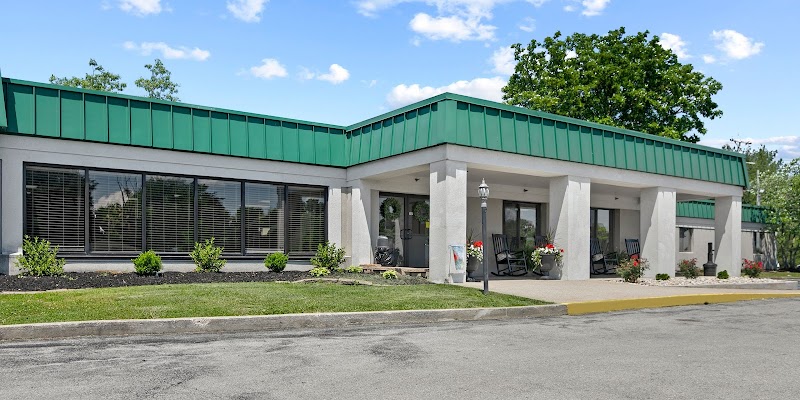
Berea Health and Rehabilitation

601 Richmond Road, Berea, KY 40403 (859) 986-4710
For profit - Partnership 84 Beds BLUEGRASS HEALTH KY Data: November 2025 2 Immediate Jeopardy citations
Trust Grade
39/100
#95 of 266 in KY
Last Inspection: April 2025

Within standard 12-15 month inspection cycle. Federal law requires annual inspections.

Overview

Berea Health and Rehabilitation has received a Trust Grade of F, indicating significant concerns with the quality of care provided. Ranking #95 out of 266 facilities in Kentucky places it in the top half, while its #3 position out of 5 in Madison County suggests only two local options are better. The facility is currently improving, having reduced issues from 2 in 2024 to none in 2025. However, staffing is a major weakness, with a low rating of 1 out of 5 stars and a troubling turnover rate of 67%, well above the state average of 46%. The facility has also accumulated $16,801 in fines, which is higher than 81% of Kentucky facilities, indicating possible compliance issues. Despite some strengths, such as an average overall rating of 3 out of 5 stars and a good rating of 4 out of 5 for health inspections, there are serious concerns highlighted by specific incidents. For example, one resident was not provided the correct oxygen level as per their care plan, resulting in a critical situation that required emergency hospitalization. Additionally, the facility failed to develop comprehensive care plans to monitor hydration for multiple residents, which could lead to health risks. Overall, families should weigh these strengths and weaknesses carefully when considering this nursing home for their loved ones.

Trust Score
F
39/100
In Kentucky
#95/266
Top 35%
Safety Record
High Risk
Review needed
Inspections
Getting Better
2 → 0 violations
Staff Stability
⚠ Watch
67% turnover. Above average. Higher turnover means staff may not know residents' routines.
Penalties
⚠ Watch
$16,801 in fines. Higher than 77% of Kentucky facilities, suggesting repeated compliance issues.
Skilled Nurses
⚠ Watch
Each resident gets only 20 minutes of Registered Nurse (RN) attention daily — below average for Kentucky. Fewer RN minutes means fewer trained eyes watching for problems.
Violations
○ Average
7 deficiencies on record. Average for a facility this size. Mostly minor or procedural issues.
★★★☆☆
3.0
Overall Rating
★☆☆☆☆
1.0
Staff Levels
★★★★☆
4.0
Care Quality
★★★★☆
4.0
Inspection Score
Stable
2024: 2 issues
2025: 0 issues

The Good

  • 4-Star Quality Measures · Strong clinical quality outcomes
  • Full Sprinkler Coverage · Fire safety systems throughout facility
  • No fines on record

Facility shows strength in quality measures, fire safety.

The Bad

3-Star Overall Rating

Near Kentucky average (2.8)

Meets federal standards, typical of most facilities

Staff Turnover: 67%

20pts above Kentucky avg (46%)

Frequent staff changes - ask about care continuity

Federal Fines: $16,801

Below median ($33,413)

Minor penalties assessed

Chain: BLUEGRASS HEALTH KY

Part of a multi-facility chain

Ask about local staffing decisions and management

Staff turnover is elevated (67%)

19 points above Kentucky average of 48%

The Ugly 7 deficiencies on record

2 life-threatening
Jul 2024 2 deficiencies 2 IJ
CRITICAL (J) 📢 Someone Reported This

A family member, employee, or ombudsman was alarmed enough to file a formal complaint

Immediate Jeopardy (IJ) - the most serious Medicare violation

Deficiency F0655 (Tag F0655)

Someone could have died · This affected 1 resident

**NOTE- TERMS IN BRACKETS HAVE BEEN EDITED TO PROTECT CONFIDENTIALITY** Based on interview, record review, and review of the facility's policy, the facility failed to develop and implement a baseline ...

Read full inspector narrative →
**NOTE- TERMS IN BRACKETS HAVE BEEN EDITED TO PROTECT CONFIDENTIALITY** Based on interview, record review, and review of the facility's policy, the facility failed to develop and implement a baseline care plan to provide effective and person-centered care of residents and meet professional standards of care for 1 of 5 sampled residents (Resident (R))1. The facility admitted R1 on [DATE] at 11:30 AM, with a diagnosis of lumbar vertebra fracture. R1's Physician's Orders included supplemental oxygen (O2) at five liters per minute (5 LPM) per nasal cannula (nc) continuously. However, the facility failed to develop and implement a baseline care plan with detailed interventions related to R1's Physician's Order for supplemental O2 per nc at 5 LPM. The facility found R1 unresponsive on [DATE], with an oxygen saturation (O2 sat) level of 41% on supplemental O2 at 2 LPM per nc (and not the ordered 5 LPM). The facility transferred R1 to the emergency room (ER) where he was admitted with a diagnosis of acute respiratory failure with hypercapnia (too much carbon dioxide in the blood). The hospital placed R1 on a Bi-level Positive Airway Pressure (Bi-pap) machine (machine to help a person breathe when not able to rid carbon dioxide in the blood). On [DATE] at 5:30 PM, R1 returned to the facility with Physician's Orders that included a Bi-pap (machine) and oxygen use. However, the facility failed to ensure the Bi-pap machine and the oxygen were care planned. The facility found R1 unresponsive on [DATE] at 4:45 AM. Emergency Medical Services pronounced R1 deceased at 5:13 AM. The facility's failure to have an effective system to develop and implement baseline care plan(s) that included instructions needed to provide effective and person-centered care and met professional standards of quality care has caused or is likely to cause serious injury, impairment, or death. Immediate Jeopardy (IJ) was identified on [DATE], and was determined to exist on [DATE], at 42 CFR 483.21 Comprehensive Resident Centered Care Plan, Baseline Care Plan, F655. The facility was notified of the IJ on [DATE]. An acceptable IJ Removal Plan was received on [DATE], which alleged removal of the IJ on [DATE]. The State Survey Agency (SSA) validated the Immediate Jeopardy was past, following the facility's implementation of the plan for removal of the immediate jeopardy; therefore, this was determined to be past immediate jeopardy. 1. Resident 1 had been re-admitted to the facility on [DATE] and expired from the facility on [DATE]. 2. On [DATE] unit coordinators reviewed all residents with c-pap/bi-pap orders to ensure orders had been transcribed correctly. Three residents were noted to have c-pap or bi-pap orders and the orders were transcribed correctly. On [DATE], unit coordinators and assistant director of nursing initiated assessments on all residents with current c-pap/bi-pap/oxygen orders to identify any acute distress. Assessments were completed on [DATE]. All residents with an order for c-pap, bi-pap or oxygen orders were monitored every shift to ensure c-pap, bi-pap, or oxygen was utilized per doctors orders. Eleven residents were noted to have c-pap. bi-pap or oxygen orders. Ten residents were assessed with no acute distress. One resident was out to the hospital and unable to be assessed. 3. On [DATE], the administrator had been educated by the [NAME] President of Operations on the expectation that all admits/re-admits to the facility who require c-pap/bi-pap respiratory services including c-pap/bi-pap were available upon the resident's arrival and if not available upon arrival the physician will be notified for further instruction. On [DATE], the administrator educated the assistant director of nursing on the expectation that all admits/re-admits to the facility that require c-pap/bi-pap were available upon arrival and if not available the physician would be notified. On [DATE], the assistant director of nursing educated all licensed nursing staff regarding new admit/re-admits to the facility who require c-pap/bi/pap have equipment available upon residents arrival to the facility and if not available the physician would be notified. Licensed nurses who were on leave were educated prior to next scheduled shift. The education had been placed in the new hire orientation packet. On [DATE] the assistant director of nursing educated all licensed nurses on the policies of admission to the facility and implementing the baseline care plan with a post test given requiring a 100% pass rate. Licensed nurses who were on leave were educated prior to the next scheduled shift and education had been placed in the new hire orientation packet. 4. An adhoc quality assurance program improvement (QAPI) meeting was held on [DATE] to review new/re-admit process, root cause of delay in delivery of c-pap/bi-pap equipment and process to ensure ongoing compliance. The adhoc QAPI committee members include: the Medical Director, Director of Nursing (DON), Unit Coordinators, and Administrator. The Medical Director had no other recommendations. Starting on [DATE] QAPI would be held weekly consisting at minimum of the DON, Administrator, unit coordinator, and Medical Director. QAPI meetings were held to discuss all audits which included baseline care planning, c-pap/bi-pap/oxygen orders, and new admission communication forms. On [DATE] QAPI audits were completed to monitor compliance of c-pap/bi-pap for admission and respiratory services were at facility prior to the resident's admission. 42 audits had been completed and audits are ongoing. Starting on [DATE] the unit coordinators and assistant director of nursing reviewed 100% of new admissions to ensure baseline care planning tool was completed, baseline care plan was initiated and reflected the resident's needs, and physician orders were reviewed to validate accuracy including oxygen. This process remains ongoing. On [DATE], the administrator initiated a New admission Communication form to be completed by the admission coordinator to provide to the unit coordinators to notify them when an admission would require bi-pap/c-pap or oxygen. On [DATE], the Center Administrator, Center Director of Nursing, and the Assistant Director of Nursing contacted the Medical Director to discuss the survey findings and the Immediate Jeopardy. The QAPI meeting was conducted at this time with the Administrator, DON, ADON, and the Medical Director. The facility continues with weekly review with ongoing QAPI and any concerns would be addressed immediately. There were no recommendations made by the Medical Director. A Partial Extended Survey was initiated on [DATE], and the State Survey Agency (SSA) validated the facility's IJ Removal Plan on [DATE]. Based on the findings of this survey, it was determined the immediate jeopardy was past. The findings include: In interview on 07/272024 at 12:54 PM, the Administrator stated the facility did not have a separate baseline care plan policy. The Administrator stated the admitting nurse was responsible for initiating a baseline care plan, and the comprehensive care plan was developed from it. Review of R1's Hospital Discharge Summary, dated [DATE], revealed the resident had been hospitalized with a fracture to his back and was to be admitted to the facility for short-term inpatient rehabilitation (rehab). Review of R1's closed medical record revealed the facility admitted the resident on [DATE] with diagnoses that included pleural effusion (buildup of too much fluid between the layers of pleura around the lungs), diabetes, and a wedge compression fracture of the first lumbar vertebra. Continued review revealed no Minimum Data Set (MDS) Assessment was completed for R1 as the resident was newly admitted to the facility. Review of R1's Nurse admission Note, dated [DATE] at 3:08 PM, revealed the facility admitted the resident on that date at 11:30 AM, and assessed him as alert and oriented to person and place. Further review revealed the facility also assessed R1 to exhibit shortness of breath with exertion and when lying flat. Review of R1's Physician's Orders, dated [DATE], revealed an order for O2 continuously at 5 LPM per nc. Review of R1's Activities of Daily Living (ADL) Functional/Rehab Potential Care Plan, initiated [DATE], revealed no documented evidence the facility initiated a goal or interventions for the supplemental O2 use. Review of R1's Acute Change in Condition Note, dated [DATE] at 12:25 AM, revealed the resident's O2 sat was 41% on O2 at 2 LPM per nc, and the resident was unresponsive to noxious (painful) stimuli with fixed pupils and non-reactive to light. Continued review revealed R1 had shortness of breath with rapid, shallow breathing and use of accessory muscles. Further record review revealed the facility also assessed R1 to have an O2 sat of 41% on room air (in later nursing documentation) with O2 applied at 5 LPM per a non-repeater mask. Additional review revealed the facility notified 911 and R1 was transferred to the ER via emergency medical services (EMS). Review of R1's History and Physical (H&P) documentation, dated [DATE], revealed the resident was admitted to the hospital with a diagnosis of acute on chronic respiratory failure with hypercapnia. Per review, R1 was placed on a Bi-pap (machine) and admitted to allow the facility time to make arrangements for a Bi-pap machine, which could not be arranged over the weekend. Further review revealed the plan was to discharge R1 on Monday. Review of R1's Hospital Discharge summary, dated [DATE], revealed the discharge diagnoses included acute on chronic respiratory failure with hypercapnia and acute respiratory failure with hypoxia (low level of oxygen). Continued review revealed R1 was approved to return to rehab with orders for a Bi-pap machine, with use of a full face mask and setting of 18/6 with inline O2 at 3 LPM, which the resident needed from 1:00 PM to 4:00 PM and from 10:00 PM to 6:00 AM daily. Further review revealed R1 would require O2 per nc when not wearing the Bi-pap. Review of R1's ADL Functional/Rehab Potential Care Plan, initiated [DATE], revealed the facility had care planned the resident for impaired physical functioning with a goal to achieve/maintain maximum functional mobility. Continued review revealed an intervention initiated on [DATE], for oxygen at 5 LPM via nc when Bi-pap was not in use. Further review revealed another intervention initiated on [DATE], for Bi-pap with See MAR Review of the MAR revealed an order for R1 to have a CPAP machine, not the Bi-pap that was ordered. Further review revealed no documented evidence the facility care planned the mask required; the settings for the Bi-pap machine; nor the times the resident was to wear the Bi-pap daily. Review of R1's Nursing admission Note, dated [DATE] at 9:55 PM and signed by Licensed Practical Nurse (LPN) 1, revealed the facility readmitted the resident at 5:30 PM. The facility assessed R1 as alert and oriented to person and place. Further review revealed the facility also assessed R1 to be short of breath with exertion and when lying flat. R1's O2 sat was 95% on room air. Review of R1's Nurse's Progress Note, dated [DATE] at 5:17 AM, signed by LPN 1, revealed the resident had a verbal response at 2:30 AM/2:45 AM with the Certified Nursing Assistant (CNA). Continued review of the Note revealed R1 was without respirations or pulse at 4:45 AM, and was cool to the touch. Further review revealed CPR (cardiopulmonary resuscitation) started at 4:47 AM and Emergency Medical Services (EMS) notified. EMS (personnel) notified the Physician who gave orders to stop the CPR at 5:13 AM. R1's was pronounced deceased . Per review of R1's progress notes and Physician's orders, LPN 1 and the current DON completed the resident's admission process. In interview on [DATE] at 10:28 AM, the previous Director of Nursing (DON) stated her expectation was for staff to follow the facility's policies and procedures and residents' orders and care plans. She stated the (baseline) care plan should be initiated by the admission nurse. The previous DON stated the facility should have care planned R1 for supplemental oxygen on [DATE] and the Bi-pap settings on [DATE]. She stated the Interdisciplinary Team (IDT) members were to discuss residents' care plans during the next IDT meeting (typically Monday to Friday mornings) and update the care plan as needed. However, she stated R1 was admitted on [DATE] (a Friday) and discharged back to the hospital on [DATE] prior to the IDT meeting. In interview on [DATE] at 11:15 AM, the current DON stated she had been the Unit Coordinator (UC) in [DATE], and looked over Physician orders to ensure the orders were correct. She stated a new resident's care plan was initiated by the admitting nurse and updated by the IDT during the next day's meeting. The DON stated the facility should have care planned R1's need for supplemental oxygen on [DATE] and the Bi-pap settings on [DATE]. In interview on [DATE] at 5:03 PM, Physician 1 stated he saw the resident while he was hospitalized from [DATE] to [DATE]. Physician 1 stated he discharged R1 from the hospital with O2 and Bi-pap orders. He further stated he expected the facility to follow Physician's orders and the resident's care plan. In interview on [DATE] at 12:54 PM, the Administrator stated the Comprehensive Care Plan Policy given to the State Survey Agency (SSA) was the one used by the facility. She stated comprehensive care plans were developed from the baseline care plan. The Administrator further stated it was a team effort to complete the care plan, with the admitting nurse starting the care plan process. Additionally, she stated the admitting nurse should have placed R1's oxygen on the baseline care plan on [DATE] and the Bi-pap settings on it on [DATE]. The Administrator stated it was the job of the IDT to review the care plan, but R1 was not in the building when the IDT met the following day on either occasion.
CRITICAL (J) 📢 Someone Reported This

A family member, employee, or ombudsman was alarmed enough to file a formal complaint

Immediate Jeopardy (IJ) - the most serious Medicare violation

Respiratory Care (Tag F0695)

Someone could have died · This affected 1 resident

**NOTE- TERMS IN BRACKETS HAVE BEEN EDITED TO PROTECT CONFIDENTIALITY** Based on interview, record review, and review of the facility's policy, the facility failed to ensure a resident who needed resp...

Read full inspector narrative →
**NOTE- TERMS IN BRACKETS HAVE BEEN EDITED TO PROTECT CONFIDENTIALITY** Based on interview, record review, and review of the facility's policy, the facility failed to ensure a resident who needed respiratory care was provided consistent with professional standards of practice for one (1) of five (5) sampled residents (Resident (R) 1). The facility admitted R1 on [DATE], for rehabilitation after sustaining a spinal fracture. R1 was noted to have a Physician's Order dated [DATE], for oxygen at five liters per minute (5 LPM) continuously. However, R1 was sent back to the hospital on [DATE] at 12:25 AM, due to low oxygen saturation (O2 sat) level of 41% while on 2 LPM oxygen (not the ordered 5 LPM) per a nasal cannula (nc). R1 was unresponsive to stimuli (painful stimulus used to assess for brain function) with pupils fixed and non-reactive to light or accommodation. R1 was admitted to Hospital #1 on [DATE], due to being hypercapnic (too much carbon dioxide in the blood) respiratory failure, and was placed on a Bi-level Positive Airway Pressure (Bi-pap) machine (a noninvasive ventilator). Arrangements were to be made for a Bi-pap machine for use upon discharge. The facility readmitted R1 on [DATE] at 5:30 PM. However, there was no documentation noting the facility obtained the necessary Bi-pap machine; that the facility provided oxygen at 5 LPM per the Physician's Order, nor that the facility notified the Physician of the unavailability of a Bi-pap machine upon the resident's readmission. On [DATE] at 5:17 AM, Licensed Practical Nurse (LPN) 1 documented a Nurse's Progress Note that R1 had found without respirations or a pulse on [DATE] at 4:45 AM and was cool to the touch. with Cardiopulmonary Resuscitation (CPR) started at 4:47 AM. Emergency Medical Services (EMS) was notified. R1 was pronounced deceased on [DATE] at 5:13 AM. The facility's failure to ensure residents received respiratory care per professional standards of care has caused or is likely to cause serious injury, harm, impairment, or death to a resident. Immediate Jeopardy (IJ) was identified on [DATE], and was determined to exist on [DATE], at 42 CFR 483.21 Comprehensive Resident Centered Care Plan, Baseline Care Plan, F655; and 42 CFR 483.25 Quality of Care, Respiratory/Tracheostomy Care and Suctioning, F695. Substandard Quality of Care was identified at 42 CFR 483.25 Quality of Care, F695. The facility was notified of the IJ on [DATE]. An acceptable IJ Removal Plan was received on [DATE], which alleged removal of the IJ on [DATE]. The State Survey Agency (SSA) validated the Immediate Jeopardy was past, following the facility's implementation of the plan for removal of the immediate jeopardy; therefore, this was determined to be past immediate jeopardy. 1. R1 had been re-admitted to the facility on [DATE] and expired from the facility on [DATE]. 2. On [DATE] unit coordinators reviewed all residents with c-pap/bi-pap orders to ensure orders had been transcribed correctly. Three residents were noted to have c-pap or bi-pap orders and the orders were transcribed correctly. On [DATE], unit coordinators and assistant director of nursing initiated assessments on all residents with current c-pap/bi-pap/oxygen orders to identify any acute distress. Assessments were completed on [DATE]. All residents with an order for c-pap, bi-pap or oxygen orders were monitored every shift to ensure c-pap, bi-pap, or oxygen was utilized per doctors orders. Eleven residents were noted to have c-pap. bi-pap or oxygen orders. Ten residents were assessed with no acute distress. One resident was out to the hospital and unable to be assessed. 3. On [DATE], the administrator had been educated by the [NAME] President of Operations on the expectation that all admits/re-admits to the facility who require c-pap/bi-pap respiratory services including c-pap/bi-pap were available upon the resident's arrival and if not available upon arrival the physician will be notified for further instruction. On [DATE], the administrator educated the assistant director of nursing on the expectation that all admits/re-admits to the facility that require c-pap/bi-pap were available upon arrival and if not available the physician would be notified. On [DATE], the assistant director of nursing educated all licensed nursing staff regarding new admit/re-admits to the facility who require c-pap/bi/pap have equipment available upon residents arrival to the facility and if not available the physician would be notified. Licensed nurses who were on leave were educated prior to next scheduled shift. The education had been placed in the new hire orientation packet. On [DATE] the assistant director of nursing educated all licensed nurses on the policies of admission to the facility and implementing the baseline care plan with a post test given requiring a 100% pass rate. Licensed nurses who were on leave were educated prior to the next scheduled shift and education had been placed in the new hire orientation packet. 4. An adhoc quality assurance program improvement (QAPI) meeting was held on [DATE] to review new/re-admit process, root cause of delay in delivery of c-pap/bi-pap equipment and process to ensure ongoing compliance. The adhoc QAPI committee members include: the Medical Director, Director of Nursing (DON), Unit Coordinators, and Administrator. The Medical Director had no other recommendations. Starting on [DATE] QAPI would be held weekly consisting at minimum of the DON, Administrator, unit coordinator, and Medical Director. QAPI meetings were held to discuss all audits which included baseline care planning, c-pap/bi-pap/oxygen orders, and new admission communication forms. On [DATE] QAPI audits were completed to monitor compliance of c-pap/bi-pap for admission and respiratory services were at facility prior to the resident's admission. 42 audits had been completed and audits are ongoing. Starting on [DATE] the unit coordinators and assistant director of nursing reviewed 100% of new admissions to ensure baseline care planning tool was completed, baseline care plan was initiated and reflected the resident's needs, and physician orders were reviewed to validate accuracy including oxygen. This process remains ongoing. On [DATE], the administrator initiated a New admission Communication form to be completed by the admission coordinator to provide to the unit coordinators to notify them when an admission would require bi-pap/c-pap or oxygen. On [DATE], the Center Administrator, Center Director of Nursing, and the Assistant Director of Nursing contacted the Medical Director to discuss the survey findings and the Immediate Jeopardy. The QAPI meeting was conducted at this time with the Administrator, DON, ADON, and the Medical Director. The facility continues with weekly review with ongoing QAPI and any concerns would be addressed immediately. There were no recommendations made by the Medical Director. A Partial Extended Survey was initiated on [DATE], and the State Survey Agency (SSA) validated the facility's IJ Removal Plan on [DATE]. Based on the findings of this survey, it was determined the immediate jeopardy was past. The findings include: Review of the facility's policy, Bi-level Positive Airway Pressure (Bi-pap)/Continuous Positive Airway Pressure (CPAP) including Trilogy, undated, revealed a licensed nurse or Respiratory Therapist (RT) was to set up and monitor a Bi-pap or CPAP with a physician's/advanced practice provider's order. Further review revealed residents requiring non-invasive therapy via Bi-pap/CPAP were to be placed on an appropriate device provided by the respiratory equipment supplier. Review of the facility's policy, Change in a Resident's Condition, dated [DATE], revealed the facility was to promptly notify . the Attending Physician, and (resident's) representative of changes in the resident's medical/mental condition and/or status (such as changes in level of care or resident rights). Additional review revealed the Nurse Supervisor or Charge Nurse would notify the resident's Attending Physician or On-Call Physician when there had been a need to significantly alter a resident's medical treatment. Review of R1's hospital Discharge summary dated [DATE], revealed the resident had been hospitalized with a fracture to his back. R1 was admitted to the skilled nursing facility for short-term inpatient rehabilitation. Review of R1's closed medical record revealed the facility admitted the resident on [DATE], with diagnoses which included a pleural effusion (buildup of too much fluid between the layers of the pleura around the lungs), diabetes, and a wedge compression fracture of the first lumbar vertebra. Continued review revealed the facility had not completed a Minimum Data Set (MDS) Assessment due to the resident being a newly admitted resident. Review of the [DATE] Nurse admission Note revealed the facility admitted R1 on [DATE] at 11:30 AM. The facility assessed the resident as alert and oriented to person and place. Continued review of the Note revealed the facility assessed R1 to have shortness of breath with exertion when lying flat. Review of R1's [DATE] Physician's Orders revealed an order for oxygen at five liters per minute (5 LPM) continuously per a nasal cannula (nc). Review of the [DATE] Acute Change in Condition Note, timed at 12:25 AM, revealed R1's O2 sat was 41% on 2 LPM per nc. R1 was unresponsive to stimuli with his pupils fixed and non-reactive to light or accommodation. Further review of the Note, revealed R1 also had shortness of breath with rapid, shallow breathing and was using accessory muscles. Continued review revealed the facility assessed R1 to have an O2 sat of 41% on room air. Oxygen was then applied at five liters (5 L) per non-rebreather. The facility notified 911. The facility transferred R1 to the hospital emergency room (ER) by EMS. Review of the EMS Run Sheet for R1, dated [DATE], revealed EMS personnel assessed R1 as unresponsive to deep painful stimuli. R1 was transferred to the ER at 1:15 AM. Review of R1's hospital History and Physical (H&P), dated [DATE], revealed the hospital admitted the resident with an admission diagnosis of acute on chronic respiratory failure with hypercapnia. Review of the H&P revealed R1 was placed on a Bi-pap machine and admitted to the hospital to allow time for the facility to make arrangements for a Bi-pap machine upon R1's discharge from the hospital. Continued review revealed over a few hours after being placed on the Bi-pap, R1 was awake and oriented to self. Further review revealed R1 would likely need a Bi-pap which could not be arranged over the weekend and the hospital would plan to discharge (R1) on Monday. Review of an email by the Assistant Director of Nursing (ADON) to the facility's respiratory supply company, dated [DATE] at 2:20 PM, revealed a request for a CPAP machine for R1, who would be returning to the facility on Monday ([DATE]). Continued review revealed the respiratory supply company replied to the email on [DATE] at 8:14 AM, requesting a copy of the order with settings. Further review revealed the ADON replied on [DATE] at 10:53 AM, asking if the order could be emailed as the facility's fax machine was down. Review of R1's hospital Discharge summary, dated [DATE], revealed R1's discharge diagnoses included acute on chronic respiratory failure with hypercapnia and acute respiratory failure with hypoxia (low level of oxygen). Continued review revealed R1 was noted as approved to return to rehab (rehabilitation) with use of a Bi-pap with a full face mask with a setting of 18/6 with inline oxygen of three (3) liters, which would be in use from 1:00 PM to 4:00 PM, and at night from 10:00 PM to 6:00 AM daily. Review further revealed R1 would require oxygen per nasal cannula when not wearing the Bi-pap mask. Review of R1's hospital Case Management Discharge Note dated [DATE] at 4:34 PM, revealed the hospital discharged R1. R1 returned to the facility for short-term rehab. Further review revealed the Bi-pap was to be set up per the facility's Admissions Coordinator. Review of the EMS Run Sheet, dated [DATE], revealed R1 returned to the care of the facility at 5:00 PM, with oxygen at 2 LPM per nasal cannula. Review of R1's Physician's Orders, dated [DATE], revealed an order for a CPAP (Continuous Positive Airway Pressure) with full face mask, with settings of Inhale/Exhale (I/E) of 16/6 with inline oxygen of three (3) liters on from 1:00 PM to 4:00 PM and from 10:00 PM to 6:00 AM daily. Further review revealed an order dated [DATE], for oxygen at 5 LPM per nc when Bi-pap was not in use every shift for respiratory distress. Review of R1's Nursing admission Note dated [DATE] at 9:55 PM, signed by LPN 1, revealed the facility admitted the resident at 5:30 PM, and assessed the resident as alert and oriented to person and place. Continued review revealed the facility assessed R1 as short of breath with exertion and when lying flat. R1's oxygen sat rate was 95% on room air. Review of the Nurse's Progress Note, dated [DATE] at 5:17 AM, noted by LPN 1, revealed R1 had been verbally responsive at 2:30 AM to 2:45 AM with the Certified Nurse Assistant (CNA). However, continued review revealed at 4:45 AM, the facility assessed R1 to be without respirations or pulse and as cool to the touch. Cardiopulmonary Resuscitation (CPR) was started at 4:47 AM and EMS was notified. Review further revealed EMS personnel notified a Physician who gave orders to stop the CPR at 5:13 AM. R1 was pronounced deceased at that time. Review of R1's Medication Administration Note dated [DATE] at 5:41 AM, documented by LPN 1, revealed the resident did not have a CPAP with full face mask with inline oxygen of 3 LPM (as ordered). However, further review revealed no documentation that the facility had notified the Physician that a Bi-pap or CPAP machine had not been obtained. Review of the facility's investigation revealed a statement by the Assistant Director of Nursing (ADON), dated [DATE], noting the respiratory supply company failed to deliver the Bi-pap (machine) to the facility. Per review of the investigation documentation, a verbal statement from LPN 1 to the current DON, dated [DATE] at 10:00 PM, which noted when the Bi-pap was due (to be placed on R1) at 10:00 PM it was not in the facility, and she (LPN 1) made a progress note regarding the Bi-pap not being available. Continued review of LPN 1's verbal statement documentation, revealed R1 had no change in his baseline which warranted a call to the Physician, Administrator or DON regarding the Bi-pap not being available. Further review of LPN 1's verbal statement revealed she had not reviewed the written report sheet or utilized the acute change log that provided information regarding the resident's instructions for the Bi-pap (machine). Additional review of the facility's investigation revealed an Employee Disciplinary Report dated [DATE], signed by the current DON, for LPN 1's failure to follow the Physician's Order which resulted in delay of care for R1. During an interview with R1's family member on [DATE] at 5:00 PM, the family member stated he/she was unable to answer any questions regarding the care R1 (received at the facility) at that time. During an interview with the previous DON on [DATE] at 10:28 AM, she stated the facility had ordered R1's Bi-pap equipment prior to his return from the hospital on [DATE]. She stated it was her understanding the equipment should arrive before the resident. However, she stated the (Bi-pap) equipment did not arrive until after the resident expired on [DATE]. She further stated she did not remember if the Physician was notified that the Bi-pap was not available, but he should have been notified. During an interview with the Admissions Coordinator on [DATE] at 10:55 AM, he stated once he received a referral, he sent it to the clinical team including the Administrator, DON, and ADON for review to see if the facility could meet the clinical needs of the resident. Per the Admissions Coordinator, once the clinical team approved the referral, he notified the referring facility they (the facility) could accept the resident. He further stated he was unaware of when residents needed specialized equipment, such as a Bi-pap, and relied on the clinical team to approve or let him know if a resident's needs could not be met so he could refuse the admission. During an interview with the current DON on [DATE] at 11:15 AM, she stated she had been the Unit Coordinator (UC) in [DATE]. She stated once an admission was approved by the DON and Admissions Coordinator, the team was notified, and the UC took over the admission process. She further stated she looked over the Physician's Orders and made sure they were correct. She stated she did have off site access to verify orders once a resident was admitted . The DON stated LPN 1 was written up but not suspended and was still employed by the facility. During an interview with LPN 1, on [DATE] at 8:53 AM, she stated the facility admitted R1 prior to her arrival to work on [DATE], and that night had been the first time she had cared for the resident. She stated she was made aware it had always been the facility's policy to have the respiratory equipment needed, including Bi-paps, in the facility prior to a resident being admitted or to send the resident back to the hospital until the equipment arrived. LPN 1 stated she was not told in report about R1's need for a Bi-pap (machine) and had not realized he needed the Bi-pap until after the resident expired and his family asked if he had been wearing his Bi-pap. During an interview with the ADON on [DATE] at 4:30 PM, she stated she placed an order for a CPAP machine for R1 on [DATE] via email to the Respiratory Supply Company, but it (the Bi-pap machine) was delivered to the wrong facility and had not arrived prior to R1 expiring. She stated she knew a CPAP and Bi-pap were not interchangeable. She stated Bi-pap machines had two (2) numbers in the settings and CPAP machines had (1) number in the setting so the respiratory company would have realized she meant a Bi-pap. However, she stated she had not clarified the order with the respiratory company. She further stated it was the facility's policy to notify the Physician and the DON if the Bi-pap was unavailable, and the resident should have been sent back to the hospital until the Bi-pap was available. During an interview with Physician 1 on [DATE] at 5:03 PM, he stated he had been R1's doctor for many years and saw him while he was hospitalized from [DATE] to [DATE], then discharged him from the hospital with orders for oxygen and the Bi-pap machine. He stated he expected the facility to follow the orders or notify him or another Physician if the orders could not be carried out, including if the required respiratory equipment was unavailable. Physician 1 stated it was not within a nurse's scope of practice to determine if additional orders were needed if the current orders were unable to be carried out or if the necessary equipment was not available. He stated it was important that nursing staff documented the correct amount of oxygen the resident was on because the Physician used that information to increase or decrease the amount of oxygen the resident needed. Additionally, he stated he kept R1 in the hospital until Monday, [DATE], because he spoke with facility staff (he was unsure with whom he spoke) and was told the facility was unable to obtain the equipment over the weekend. The Physician stated he had not received a call from the facility on [DATE] or [DATE] regarding R1, and later he found out R1 had been admitted to the facility as a patient of the Medical Director. He further stated he was shocked and upset no one called me, they didn't assign him to me. The Physician stated not having the Bi-pap could have contributed to R1's expiration, as the need for the Bi-pap was the reason the resident had been kept in the hospital over the weekend. During an interview with the Medical Director, on [DATE] at 12:32 PM, he stated he had been the facility's Medical Director for many years and did have input into the facility's policies and procedures. He stated he expected all staff to follow the policies and procedures and to notify the Physician of any issues timely. The Medical Director stated he should have been notified when R1's Bi-pap equipment was not available when it was ordered on [DATE] at 10:00 PM, because as the treating Physician, I need to know. Additionally, he stated the nurse was not capable of making the decision whether R1 needed the Bi-pap or not and when she had been unable to carry out the Physician's Order for the Bi-pap, she should have notified him. During an interview with the Administrator on [DATE] at 12:54 PM, she stated R1 should not have been admitted back to the facility without the Bi-pap being in house. The Administrator stated the facility had since made sure a policy was in place to prevent residents from returning to the facility without the needed equipment. She stated R1's Bi-pap equipment had not arrived at the facility prior to his death.
Oct 2020 5 deficiencies
CONCERN (D)

Potential for Harm - no one hurt, but risky conditions existed

Accident Prevention (Tag F0689)

Could have caused harm · This affected 1 resident

**NOTE- TERMS IN BRACKETS HAVE BEEN EDITED TO PROTECT CONFIDENTIALITY** Based on observation, interview, record review, and facility policy review, it was determined the facility failed to ensure resi...

Read full inspector narrative →
**NOTE- TERMS IN BRACKETS HAVE BEEN EDITED TO PROTECT CONFIDENTIALITY** Based on observation, interview, record review, and facility policy review, it was determined the facility failed to ensure residents were safe from accidents for one (1) of twenty-seven (27) sampled residents. Resident #59 was assessed by the facility to need nectar thicken liquids and was noted to have access to thin liquids. The findings include: Review of the facility policy titled, Dysphagia Diets , not dated, revealed The National Dysphagia Diet provides overall guidelines for managing Dysphagia. Further review revealed, Four levels of liquids, Thin, Nectar-like, Honey-like, Spoon-thick. The Speech Language Pathologist is responsible for evaluating and treating an individual with dysphagia. The policy defined Nectar-like as The beverage coats and drips off a spoon similar to unset gelatin. Record review revealed the facility admitted Resident #59 on 07/27/2020 with diagnosis to include: Cognitive Communication Deficit, Dysphagia, Unspecified Dementia with Behavioral Disturbance, and Alzheimer's Disease with late onset. Review of Resident #59 Minimum Data Set (MDS) assessment dated [DATE] revealed the facility did not attempt a BIMS interview due to the resident being rarely/never understood. The facility determined the resident's cognition to be severely impaired, and the resident rarely/never made decisions regarding task of daily living. Further review of Resident # 59 MDS revealed the resident was assessed on their admission MDS, dated [DATE] in section K (Swallowing, Nutritional Status) to hold food in mouth/cheeks or residual food in mouth after meals. The facility also assessed the resident with coughing or choking during meals or when swallowing medications. These areas where not assessed on the resident's quarterly MDS. Further review of the resident's MDS also revealed under section G (Functional Status) to require extensive assist of one staff member for eating as well as for walking. The facility had also assessed the resident to be a wander and had a wander bracelet around their ankle. Review of Resident #59's care plan with a target date of 11/02/2020, revealed the resident was care planned for Elopement Risk related to: wandering Alzheimer's. The resident was also care planned for Potential for Altered Nutrition related to impaired cognition hypothyroidism, vitamin deficiency, dysphagia with intervention for Diet per MD order. Puree Nectar thicken liquids and observe for the following: Dysphagia pocketing choking coughing, drooling, holding food in mouth. Review of Speech Therapy note dated 08/24/2020 revealed, Pt (Patient) presents with decreased control and s/s (signs/symptoms) aspiration noted with trials of thin liquids and ST (Speech Therapy) recommends pt continue nectar thick liquids at this time. Observation of Resident #59 on 10/21/2020 at 9:25 AM revealed the resident shared a room with Resident #12 who was totally dependent on staff for all activities of daily living. A picture of thin liquids was observed on Resident #59 bedside table. Observation of Resident #59 on 10/21/2020 at 10:46 AM revealed Resident #59 going into another resident's room, staff redirected. Observation of Resident #59 on 10/22/2020 at 9:13 AM revealed Resident #59 standing next to roommate's bedside table with pitcher of thin liquids. The resident grabbed the handle of the pitcher but staff redirected the resident. Observation of Resident #59 on 10/22/2020 at 3:08 PM revealed the resident in another resident's room with pitcher in hand in the process of taking the pitcher to their mouth. Staff stopped the resident before the resident could take a drink from the pitcher. Interview on 10/22/2020 at 9:01 AM with State Registered Nursing Assistant (SRNA) #3 revealed Resident #59 was assisted with all meals, mostly due to their cognition; you have to tell them to eat. The SRNA stated the resident would be able to pick up a glass and put it to their mouth. The SRNA stated that she had never seen the resident take a drink out of another resident's glass. Interview on 10/21/2020 at 9:10 AM with State Registered Nursing Assistant (SRNA) #1 revealed while the SRNA was looking for a water pitcher for another resident stated, The pitcher of water was sitting on the Resident #12 overbed table, Resident #59 is not suppose to have a pitcher because they are on thicken liquids. Interview on 10/22/2020 at 10:07 AM with SRNA #11 revealed the resident is assisted with meals but will occasionally pick up food and drink without assist. We try to keep an eye on them and keep them out of other resident's room. The SRNA continued by saying she had seen the resident pick up stuff that someone set down at the nursing station, such as a soda can. Interview on 10/22/2020 at 10:15 AM with Licensed Practice Nurse (LPN) #6 revealed Resident #59 was assisted with meals and was on a nectar thicken liquids. The LPN stated she had seen the resident pick up a cup and drink out of it. However, the LPN stated she had never known of the resident to drink out of a cup that was not thicken liquids. She further stated if Resident #59 drank thin liquids they would assess the resident and inform the MD. Interview on 10/23/2020 at 1:30 PM with Clinical Coordinator, Nurse Consultant revealed that the expectation is that staff will ensure that all residents are kept safe from any accidents and they had already started training staff. The Nurse Consultant stated the resident wanders and it is a concern.
CONCERN (D)

Potential for Harm - no one hurt, but risky conditions existed

Respiratory Care (Tag F0695)

Could have caused harm · This affected 1 resident

**NOTE- TERMS IN BRACKETS HAVE BEEN EDITED TO PROTECT CONFIDENTIALITY** Based on observation, interview, record review, and review of the facility policy, it was determined the facility failed to ensu...

Read full inspector narrative →
**NOTE- TERMS IN BRACKETS HAVE BEEN EDITED TO PROTECT CONFIDENTIALITY** Based on observation, interview, record review, and review of the facility policy, it was determined the facility failed to ensure one (1) of two (2) residents (Resident #55) who received respiratory care out of a sample of twenty-seven (27) residents received respiratory care consistent with professional standards of practice and the comprehensive care plan. Resident #55 was observed on 10/21/2020 and 10/22/2020, receiving oxygen via nasal cannula at two (2) liters per minute (LPM). Review of the physician orders revealed an order dated 02/08/2019 for oxygen to be delivered via nasal cannula at three (3) LPM. The findings include: Review of the facility policy, Oxygen Use, undated, revealed no guidance for monitoring oxygen for proper flow rate setting. Interview on 10/23/2020 at 2:48 PM with Clinical Coordinator/Director of Nursing Liaison revealed nursing staff on the floor are responsible to check oxygen for proper flow rate every shift. She further revealed if observed on the incorrect setting the nurse would complete a respiratory assessment on the patient and notify the physician. Observation of Resident #55 on 10/21/2020 at 9:27 AM revealed the resident was lying in bed, receiving oxygen via nasal cannula. Observation of the oxygen concentrator revealed the setting was at two (2) LPM. Observation on 10/21/2020 at 10:27 AM revealed the oxygen remained at two (2) LPM. Further observation on 10/22/2020 at 9:43 AM and 10/22/2020 at 9:49 AM, revealed the oxygen concentrator setting was at 2.5 LPM. Review of the medical record revealed Resident #55 was admitted to the facility on [DATE] with diagnoses of Chronic Obstructive Pulmonary Disease (COPD), Type 2 Diabetes Mellitus, Alzheimer Disease and Anxiety. Review of the Minimum Data Set (MDS) quarterly assessment, dated 09/23/2020, revealed a Brief Interview for Mental Status (BIMS) score of 99 indicating severely impaired cognition. The MDS further revealed the resident was on oxygen therapy. Review of the physician orders for Resident #55 revealed an order dated 02/08/2019, which stated the resident was to receive oxygen at three (3) LPN via nasal cannula for diagnosis of COPD. Review of the care plan for Resident #55, revealed the facility identified that the resident had diagnosis of COPD, and included the intervention to administer oxygen at three (3) LPM per nasal cannula. Review of the Treatment Administration Record (TAR), dated October 2020, revealed staff were required to check the resident's oxygen saturation every shift and check to ensure oxygen was set at three (3) LPM. Review of the TAR further revealed on 10/21/2020, staff initialed that the task was completed. Interview with Licensed Practical Nurse (LPN) #1 on 10/21/2020 at 10:50 AM, confirmed that Resident #55 oxygen concentrator was set at two (2) LPM. Further interview revealed that Resident #55 was ordered to receive oxygen at three (3) LPM; however, she was unaware why the settings were incorrect. She also stated that Resident #55 was unable to adjust the setting of the concentrator. She further revealed that she checks the oxygen every shift to ensure the correct setting. Interview with LPN #2 on 10/22/2020 at 9:49 AM, confirmed that Resident #55 oxygen was set at 2.5 LPM. She further revealed that the resident was ordered oxygen at three (3) LPM. Continued interview revealed the nursing staff was responsible for checking every shift to ensure oxygen was set at the correct settings. Interview with the Clinical Coordinator/Director of Nursing Liaison on 10/23/2020 at 2:48 PM revealed she was able to identify an assessment and physician notification was completed on 10/22/2020 related to observation of oxygen on the incorrect setting. However, she was unable to provide documentation that a respiratory assessment and/or physician notification had occurred on 10/21/2020.
CONCERN (D)

Potential for Harm - no one hurt, but risky conditions existed

Deficiency F0761 (Tag F0761)

Could have caused harm · This affected 1 resident

Based on observation, interview and review of facility policy, the facility failed to ensure controlled drugs were stored in a permanently affixed compartment as required in one (1) of two (2) refrige...

Read full inspector narrative →
Based on observation, interview and review of facility policy, the facility failed to ensure controlled drugs were stored in a permanently affixed compartment as required in one (1) of two (2) refrigerators in the medication rooms. Observation of the second floor medication room revealed a controlled medication for Resident #63 in the refrigerator. However, the medication was not stored in permanently affixed locked narcotic box. The findings include: Review of the facility policy titled Medication Dispensing Controlled Substances, undated revealed that all controlled substances will be stored under double lock, separate from other medications. Observation of the second floor medication room on 10/21/2020 at 4:56 PM revealed the medication Dranabinol (is a man-made form of tetrahydrocannabinol (THC), a psychoactive substance found in cannabis) 10 mg (milligram) ordered twice daily labeled Controlled for Resident #63 located in the refrigerator in the second floor medication room. The medication (Dranabinol) was lying on top of other medications and not stored in the permanently affixed locked narcotic box. Interview with Licensed Practical Nurse (LPN) #1 on 10/21/2020 at 4:56 PM revealed the medication should have been stored in the locked narcotic box; however, the packaging would not fit into the locked box. Interview with the Clinical Coordinator/Director of Nursing Liaison on 10/23/2020 at 2:47 PM revealed controlled medication should be under double lock.
CONCERN (E)

Potential for Harm - no one hurt, but risky conditions existed

Comprehensive Care Plan (Tag F0656)

Could have caused harm · This affected multiple residents

**NOTE- TERMS IN BRACKETS HAVE BEEN EDITED TO PROTECT CONFIDENTIALITY** Based on observation, interview, record review, and facility policy review, it was determined the facility failed to ensure each...

Read full inspector narrative →
**NOTE- TERMS IN BRACKETS HAVE BEEN EDITED TO PROTECT CONFIDENTIALITY** Based on observation, interview, record review, and facility policy review, it was determined the facility failed to ensure each resident had a person-centered comprehensive care plan developed and implemented to address the monitoring of hydration status for three (3) of twenty seven (27) sampled residents (Resident #174, #12, and #28). The findings include: Review of the facility's policy titled, Using The Care Plan, revised 08/01/2013, revealed the care plan would be used in developing the resident's daily care routines and would be available to staff who had the responsibility for the provision of care or services to the resident. 1. Review of a closed record for Resident #174 revealed the facility admitted the resident on 10/10/2013 with diagnoses which included Diabetes mellitus, Atrial Fibrillation, Dysphagia, and Alzheimer's Disease. Review of Resident #174's care plan, revealed on 09/27/2018, the facility developed a care plan for the resident for hydration. Further review of the care plan, revealed interventions included to encourage fluids daily, keep water at bedside, monitor laboratory tests as ordered by the physician, administer medications as ordered by the physician, and to monitor intakes and outputs as ordered. Review of a Registered Dietician (RD) assessment dated [DATE], revealed Resident #174 had been assessed to require thirteen hundred and eighty six (1386) milliliters (ml) of fluid per day of fluid. Review of physician's orders for Resident #174, revealed an order dated 11/13/2019, to encourage fluids every shift. Review of the quarterly Minimum Data Set (MDS) assessment dated [DATE], revealed the resident had a Brief Interview for Mental Status (BIMS) score of three (3), which indicated the resident was assessed to have severely impaired cognition. Further review of the MDS revealed the resident required the limited assistance of one (1) person for eating. Review of the fluid intake records for Resident #174, revealed the facility documented the resident had not met his/her fluid requirement on 09/01/2020 with 840 ml, 09/02/2020 with 960 ml, 09/03/2020 with 600 ml, 09/04/2020 with 720 ml, 09/05/2020 with 1200 ml, 09/06/2020 with 420 ml, 09/07/2020 with 840 ml, 09/08/2020 with 720 ml, 09/09/2020 with 840 ml, 09/10/2020 with 1080 ml, 09/11/2020 with 840 ml, 09/13/2020 with 960 ml, 09/15/2020 with 1080 ml, 09/16/2020 with 1080 ml, 09/17/2020 with 1080 ml, 09/18/2020 with 1080 ml, 09/20/2020 with 480 ml, 09/21/2020 with 1200 ml, 09/22/2020 with 480 ml, 09/23/2020 with 480 ml, 09/24/2020 with 840 ml, 09/25/2020 with 720 ml, 09/26/2020 with 180 ml, 09/27/2020 with 720 ml, 09/28/2020 with 502 ml, 09/29/2020 with 600 ml, 09/30/2020 with 1080 ml, 10/01/2020 with 840 ml, 10/02/2020 with 840 ml, 10/03/2020 with 100 ml, 10/04/2020 with 840 ml, 10/05/2020 with 210 ml, 10/06/2020 with 180 ml, 10/07/2020 with 540 ml, and 10/08/2020 with 180 ml. The fluid intake records for Resident #174 revealed the resident had not met daily fluid requirements for thirty seven (37) out of thirty eight (38) days. Review of the nurses notes for Resident #174, revealed an entry dated 10/05/2020 at 1:03 PM which stated resident very lethargic this morning, does awaken with some effort. Advanced Registered Nurse Practioner (ARNP) notified to evaluate the resident. The nurses note further revealed the ARNP ordered laboratory blood tests, a CBC (complete blood count) and BMP (basic metabolic panel) to be drawn on 10/06/2020. The nurses notes also revealed an entry dated 10/06/2020 at 3:17 PM, which revealed the laboratory tests completed for Resident #174 had critical results and the ARNP had been notified with new orders received to administer a 500 ml bolus of normal saline intravenously and then continue administering normal saline intravenously at 100 ml per hour for 2000 ml, and to hold Lasix (diuretic) and acetazolamide (medication to treat heart failure) for the resident for three (3) days, and to recheck a BMP (blood laboratory test) for the resident on 10/08/2020. The nurses note further revealed the resident's responsible party had been notified. Review of laboratory reports for Resident #174 dated 10/06/2020 at 5:19 AM, revealed the resident had a Blood Urea Nitrogen (BUN) level of 156 (normal 7-25 mg/dl); Creatinine level of 4.2 (normal 0.6-1.3 mg/dl); BUN/Creat Ratio of 37 (normal 6-25). Further review of Resident #174's laboratory reports dated 10/08/2020 at 7:32 AM, revealed the resident had a BUN of 126, Creatinine level of 3.6, and BUN/Creatinine Ratio of 35. Further review of Resident #174's nurses notes, revealed an entry dated 10/07/2020 at 3:03 PM, revealed the resident's physician had assessed the resident. A nurses note dated 10/08/2020 at 2:15 PM, revealed the ARNP saw the resident and due to the intravenous line being out and staff were unable to restart the intravenous line, the resident was sent to the acute care hospital. The nurses note further revealed the resident's laboratory tests revealed the resident still had dehydration. Interview conducted with State Registered Nursing Assistant (SRNA) #5 on 10/22/2020 at 10:15 AM, revealed she was required to review care plans at the beginning of every shift. The SRNA stated she was responsible for documenting the fluid intakes in the computer every shift. The SRNA stated she was required to notify the nurse if the resident was not eating or drinking as well. The SRNA stated Resident #174 had been declining and the nurses were aware. Interview conducted with SRNA #4 on 10/22/2020 at 10:20 AM, revealed she was required to review the care plan at the beginning of every shift. The SRNA stated she was required to document resident's fluid intake in the computer. The SRNA stated if the resident did not eat or drink well, she was required to notify the nurse. The SRNA stated the nurses were aware Resident #174 was not eating or drinking well. Interview conducted with Licensed Practical Nurse (LPN) #4 on 10/22/2020 at 10:45 AM, revealed she was not sure where to look to find what fluid requirements a resident required. The LPN stated she did not look daily to ensure residents were meeting their daily fluid requirements. The LPN stated the weekly nursing assessment which she completed on the computer automatically populated the fluid requirement needs of the resident and she was required to look back for the previous week. The LPN stated she probably should have notified the physician and the RD, but she had not and did not know why she had not. Interview conducted with LPN #1 on 10/22/2020 at 10:55 AM, revealed she was unable to state where fluid requirements were documented. The LPN stated she did not check resident's fluid requirements daily. The LPN stated she just asked the SRNAs if the resident was drinking okay. The LPN stated she was required to check the care plans at the beginning of every shift and was expected to follow it. Interview conducted with the MDS Coordinator on 10/23/20 at 3:00 PM, revealed. she was responsible for the development of resident's care plans. The MDS Coordinator stated she utilized physician's orders, progress notes, history and physical, and any information she could obtain from the family. The MDS Coordinator stated Resident #174 had a care plan developed for hydration and staff were expected to follow the care plan. The MDS Coordinator stated staff were required to review care plans at the beginning of every shift prior to providing care for the residents. Interview conducted with the Corporate Nurse (CN) who was the liaison for the Director of Nursing (DON) who was unavailable due to sickness on 10/23/2020 at 3:05 PM, revealed staff were required to review care plans at the beginning of every shift and prior to providing care for the residents. The CN stated if the resident was not meeting the fluid requirements the physician would be notified.
CONCERN (E)

Potential for Harm - no one hurt, but risky conditions existed

Deficiency F0692 (Tag F0692)

Could have caused harm · This affected multiple residents

**NOTE- TERMS IN BRACKETS HAVE BEEN EDITED TO PROTECT CONFIDENTIALITY** 3. Review of the medical record revealed the facility admitted Resident #55 on [DATE] with diagnoses that included Chronic Obstr...

Read full inspector narrative →
**NOTE- TERMS IN BRACKETS HAVE BEEN EDITED TO PROTECT CONFIDENTIALITY** 3. Review of the medical record revealed the facility admitted Resident #55 on [DATE] with diagnoses that included Chronic Obstructive Pulmonary Disease (COPD), Type 2 Diabetes Mellitus, Alzheimer Disease and Anxiety. Review of the Minimum Data Set (MDS) quarterly assessment, dated [DATE], revealed a Brief Interview for Mental Status (BIMS) score of 99 indicating severely impaired cognition. The assessment further noted the resident was sometimes able to make himself/herself understood and that the resident was totally dependent upon one (1) staff person for eating and drinking. Review of the care plan, undated, revealed the facility had assessed the resident to be at risk for dehydration and added an intervention to encourage fluid intake. Review of the Weekly Nursing assessment revealed Resident #55's daily fluid needs was 1300 - 1500 milliliters per day. Review of Resident #55's intake records for [DATE] through [DATE], revealed the resident met his/her fluid needs one (1) day ([DATE]) out of this fifteen (15) day observation period. Observation of Resident #55 on [DATE] at 10:10 AM, revealed the resident had liquids available at bedside. The resident's lips and skin appeared moist and there were no visible signs of dehydration. Further review of Resident #55's record revealed no evidence the physician or dietician was notified of the resident not meeting their daily fluid needs in [DATE]. 4. Review of the medical record revealed the facility admitted Resident #28 on [DATE] with diagnosis that included Type 2 Diabetes Mellitus, Legal Blindness and Hypertension. Review of the MDS, dated [DATE], revealed a BIMS score of 11 indicating moderately impaired cognition. The assessment further noted the resident was able to make self himself/herself understood and that the resident was totally dependent upon one (1) staff person for eating and drinking. Review of the resident's comprehensive care plan revealed no intervention to address Resident #28's fluid/hydration status. Interview with the Dietician on [DATE] at 11:58 AM revealed in [DATE], she assessed Resident #28 to need 1600 mls of fluid daily. Review of Resident #28's intake report for [DATE] to [DATE], revealed the resident did not meet his/her assessed hydration needs any day throughout this fifteen (15) day observation period. Observation of Resident #28 on [DATE] at 10:08 AM, revealed the resident had liquids available at bedside. The resident's lips and skin appeared moist and there were not visible signs of dehydration. Further review of Resident #28's record revealed no evidence the physician or dietician was notified of the resident not meeting their daily fluid needs in [DATE]. 5. Review of the medical record revealed the facility admitted Resident #72 on [DATE] with diagnosis that include Chronic Respiratory Failure, Dysphagia following Cerebral Infarction and Chronic Kidney Disease. Review of the MDS, dated [DATE], revealed a BIMS score of 07 indicating severely impaired cognition. The assessment further noted the resident is sometimes understood and that the resident was totally dependent upon one (1) staff person for eating and drinking. Review of the care plan, undated, revealed the facility had assessed the resident to be at risk for dehydration and added an intervention to encourage fluid intake. Further review of the record for Resident #72 revealed the resident minimum fluid needs to be 1900-2000 according to the hydration assessment completed on [DATE]. Review of intake report for [DATE] to [DATE], revealed the resident did not meet his/her assessed hydration needs any day throughout this observation period. Observation of Resident #72 on [DATE] at 10:18 AM, revealed the resident had liquids available at bedside. The resident's lips and skin appeared moist and there were not visible signs of dehydration. Further review of Resident #72's record revealed no evidence the physician or dietician was notified of the resident not meeting their daily fluid needs in [DATE]. Interview on [DATE] at 11:04 AM with the facility Dietician revealed due to COVID concerns they were just getting back into the facility, and had been doing assessment via point click care (computer system). She stated that she was given a list of residents to look at or do assessments on. Per the Dietician, the lists included referrals of residents with decreased intake, weight loss, wound, and residents on the MDS schedule. The facility dietician stated, If resident had not met fluids needs in 3 days I would expect the facility to reach out to me. I would expect the facility was monitoring the fluid intake 2. Record review revealed the facility admitted Resident #12 on [DATE] with diagnosis to include: Unspecified Dementia with Behavioral Disturbance, Alzheimer's Disease, Type II Diabetes Mellitus, and Chronic Diastolic Congestive Heart Failure. Review of Resident #12 Quarterly Minimum Data Set (MDS) assessment dated [DATE] revealed the facility did not attempt a BIMS interview due to the resident being rarely/never understood. The facility determined the resident's cognition to be severely impaired, and the resident rarely/never made decisions regarding task of daily living. Further review of the MDS revealed the resident was assessed to be totally dependent on staff for eating and mobility. Review of Resident #12 Dietary Consultants Comprehensive Nutritional Assessment, dated [DATE] revealed the resident was assessed for estimated ml/fluid per day need of 2,112 to 2,535 ml's. Review of the facility Look Back Report for [DATE] thru [DATE] revealed Resident #12 averaged 1,401 ml of fluid per day. On [DATE], Resident #12 consumed 360 ml, on [DATE] only 680 ml and on [DATE] the resident consumed only 480 ml of fluid. Review of Acute Monitoring nursing notes for Resident #12 dated [DATE] at 1:46 AM revealed in bed on right side t/r (turn and reposition) per staff of 2 max assist eating at meals with no difficulty skin recoil good, mucous membranes moist pink no s/s of dehydration. Further review on nursing notes revealed Acute Monitoring note on [DATE] at 11:40 AM Residents daughter called concerning resident. Asked about labs and urine, informed family member that they were pending but that the labs should be back today. Family member stated they wanted the resident sent out to the ER. Resident was sent to ER. Review of Discharge Summary for Resident #12 dated [DATE] revealed labs on [DATE] BUN 50 (Blood urea nitrogen - a medical test that measures the amount of urea nitrogen found in blood. Normal range for BUN is 6-20 mg), Creatinine 1.13 (normal is 0.6-1.2.) Resident #12 was admitted and upon discharge the labs for [DATE] were BUN 14 and Creatinine 0.47. Diagnoses for admission was: Acute Metabolic Encephalopathy likely to Acute Urinary Tract Infection, Acute Renal Failure and Dehydration, likely due to lack of oral intake, present on admission and resolved, and Acute Hypernatremia, present on admission and resolved prior to discharge. Further review of the hospital discharge summary revealed Important issues to note: Patient will need frequent reminders for oral hydration and would recommend to try and keep at least 1500-2000 cc of fluid daily. Review of Resident #12 Care plan, with a target date of [DATE], revealed Resident #12 was care planned with a focus Potential for Altered Nutrition related to Diabetes, Impaired cognition, vitamin D deficiency, Anemia, and Dysphagia with Intervention Resident to be offered 240 ml fluids every 2 hours. Further investigation revealed the intervention was put into place on [DATE]. The resident also had an intervention for I (in's) and O (out) as ordered. Observation on [DATE] at 9:58 AM revealed Resident #12 in Geri Chair neatly dressed with no fluids at bedside. Attempted interview with resident at this time revealed the resident did not respond to any questions. Observation on [DATE] at 12:30 PM of Resident #12 revealed the resident in Geri Chair with staff totally assisting the resident to eat. Resident ate 100% of meal and drank 240 ml of fluids. Observation on [DATE] at 9:10 AM of Resident #12 revealed the resident in bed on back with eyes closed, no fluids at bedside. Interview with family member of Resident #12 on [DATE] at 3:30 PM revealed the family member had concerns due to the resident being hospitalized in March with dehydration. The family member said prior to COVID shut down the family came to the facility daily and fed the resident and encouraged the resident to drink and was concerned that since they were no longer at the facility the resident was not drinking enough. Interview on [DATE] at 9:10 AM with State Registered Nursing Assistant (SRNA) #1 revealed Resident #12 was total assist with all activities of daily living, which included eating and drinking. The SRNA stated the resident would not be able to pick up a glass and drink it but that they did keep a pitcher of fluids at the bedside and offer the resident fluids throughout the day. The SRNA went into Resident #12 room and returned with a pitcher and stated The pitcher of water was sitting on the roommate's overbed table, the roommate is not supposed to have a pitcher because the roommate was on thicken liquids. The SRNA took the pitcher out of the room and replaced it with a clean one. The SRNA further revealed that they only chart fluids that the resident intakes during meals. Interview on [DATE] at 9:30 AM with SRNA #2 revealed Resident #12 should have a pitcher of water. She further stated that the nurses offer the resident fluids every couple of hours. She stated the resident eats and drinks well. Interview on [DATE] at 10:08 AM with Licensed Practice Nurse (LPN) #1 revealed Resident #12 is a total assist and there are orders for her to be offered by nursing staff 240 ml of fluids every 2 hours. The LPN stated that sometime the resident refuses the fluids but mostly drinks what is offered. The LPN was unable to find the fluid needs of the resident and stated they do not calculate fluid needs daily and rely on SRNA to inform them if a resident is not eating or drinking well. Interview on [DATE] at 11:00 AM with the Administrator and Corporate Nurse (CN) who was the liaison for the Director of Nursing revealed they look at labs everyday. They stated they do not do strict intake and outputs on every resident just the resident that show signs and symptoms of dehydration based on their policy. When asked if someone tallies up the daily fluid intake on each resident they replied only if they met the criteria stated in the policy. The administrator was looking at weekly skin assessment for Resident #12 during the interview and stated they all say skin turgor good and mucus membranes moist. Interview on [DATE] at 11:04 AM with the facility Dietician revealed due to COVID concerns she was just getting back into the facility, and had been doing assessment via point click care (computer system). She stated that she was given a list of residents to look at or who need assessments. Per the Dietician, the lists of residents includes referrals for decreased intake, weight loss, wound, or a resident on the MDS schedule. The Dietician stated those are the residents she see when she visits the facility. The facility Dietician stated, If resident had not met fluids needs in 3 days I would expect the facility to reach out to me. I would expect the facility was monitoring the fluid intake. I was not made aware that Resident #12 had not met fluid needs back in March. Interview on [DATE] at 12:14 PM with Resident #12 physician revealed, he monitored fluid intake when he visited the resident every month. He further revealed that the estimated fluid needs for Resident #12 were too high based on the resident's diagnosis of Congestive Heart Failure, he stated he would rather see the resident with CHF be a little dry. He further stated that he would expect the facility to notify the MD or the Nurse Practitioner within 3-5 days of resident's not meeting their fluid needs. Interview on [DATE] at 10:30 AM with Clinical Coordinator, Nurse Consultant revealed that the facility had identified concerns with hydration and had started doing inservices and education on the problem. Interview on [DATE] at 10:30 AM with Corporate Nurse (CN) who was the liaison for the Director of Nursing revealed the facility had identified concerns with hydration and had reassessed everyone in the building for hydration needs and that they had started education for staff on hydration. When asked if their computer system tallies the total fluid intake on residents they said it did not. Based on observation, interview, record review, and facility policy review, it was determined the facility failed to ensure residents maintained sufficient fluid intake to maintain proper hydration and health for five (5) out of twenty seven (27) sampled residents (Resident #174, #12, #28, #72, and #55). The findings include: Review of the facility's policy titled, Hydration Fluid Volume Policy and Protocol, revised [DATE], revealed the facility would provide each resident with sufficient fluid intake to maintain proper volume and hydration for health. The policy revealed each resident's fluid requirements would be calculated by a Registered Dietician (RD) and re-evaluated based on the resident's needs. Review of the facility policy titled, Hydration Policy and Protocol, revision date 01/16, revealed Each resident will have a head to toe physical assessment by a licensed nurse upon admission including the evaluation for signs and symptoms of dehydration If a resident is assessed to show symptom of de-hydration they will have an interdisciplinary hydration assessment completed. Each resident must have an interdisciplinary hydration assessment completed within fourteen (14) days of admission. Reassessment will be done based on resident clinical status. The fluid requirement (estimated fluid need) for each resident is calculated by the registered dietician and re-evaluated based on resident's needs. The total of the estimated fluid need volume is offered via the meal trays, snacks, and water at bedside. In Addition: These risk factors for dehydration include, but are not limited to: a.) Residents with Foley Catheters, b.) Resident with gastrostomy tubes. c.) Resident receiving intravenous fluids, d.) residents who are on ordered fluid restriction. Abnormal laboratory test values will be reviewed and monitored as an indicator of dehydration along with physical assessment. Further review of the policy revealed under Interventions/Strategies to Maintain Hydration: 1. Ensure that resident receives daily required fluid intake. 1. A review of a closed record for Resident #174 revealed the facility admitted the resident on [DATE] with diagnoses which included Diabetes Mellitus, Atrial Fibrillation, Dysphagia, and Alzheimer's Disease. A review of Resident #174's care plan, revealed on [DATE], the facility had developed a care plan for the resident for hydration. Further review of the care plan, revealed interventions to encourage fluids daily, keep water at bedside, monitor laboratory tests as ordered by the physician, administer medications as ordered by the physician, monitor intakes and outputs as ordered. A review of a RD assessment dated [DATE], revealed Resident #174 had been assessed to require thirteen hundred and eighty six (1386) milliliters (ml) of fluid per day of fluid. A review of physician's orders for Resident #174, revealed an order dated [DATE], to encourage fluids every shift. A review of the quarterly Minimum Data Set (MDS) assessment dated [DATE], revealed the resident had a Brief Interview for Mental Status (BIMS) score of three (3), which indicated the resident was assessed to have severely impaired cognition. Further review of the MDS revealed the resident required the limited assistance of one (1) person for eating. A review of the fluid intake records for Resident #174, revealed the facility documented the resident had not met his/her fluid requirement on [DATE] with 840 ml, [DATE] with 960 ml, [DATE] with 600 ml, [DATE] with 720 ml, [DATE] with 1200 ml, [DATE] with 420 ml, [DATE] with 840 ml, [DATE] with 720 ml, [DATE] with 840 ml, [DATE] with 1080 ml, [DATE] with 840 ml, [DATE] with 960 ml, [DATE] with 1080 ml, [DATE] with 1080 ml, [DATE] with 1080 ml, [DATE] with 1080 ml, [DATE] with 480 ml, [DATE] with 1200 ml, [DATE] with 480 ml, [DATE] with 480 ml, [DATE] with 840 ml, [DATE] with 720 ml, [DATE] with 180 ml, [DATE] with 720 ml, [DATE] with 502 ml, [DATE] with 600 ml, [DATE] with 1080 ml, [DATE] with 840 ml, [DATE] with 840 ml, [DATE] with 100 ml, [DATE] with 840 ml, [DATE] with 210 ml, [DATE] with 180 ml, [DATE] with 540 ml, and [DATE] with 180 ml. The fluid intake records for Resident #174 revealed the resident had not met daily fluid requirements for thirty seven (37) out of thirty eight (38) days. A review of the nurses notes for Resident #174, revealed an entry dated [DATE] at 1:03 PM which stated resident very lethargic this morning, does awaken with some effort. Advanced Registered Nurse Practioner (ARNP) notified to evaluate the resident. The nurses note further revealed the ARNP ordered a CBC and BMP (laboratory blood tests) to be drawn on [DATE]. The nurses notes also revealed an entry dated [DATE] at 3:17 PM, revealed the laboratory tests which had been completed for Resident #174 had critical results and the ARNP had been notified with new orders received to administer a 500 ml bolus of normal saline intravenously and then continue administering normal saline intravenously at 100 ml per hour for 2000 ml. The ARNP also ordered to hold Lasix (diuretic) and acetazolamide (medication to treat heart failure) for the resident for three (3) days, and to recheck a BMP (blood laboratory test) for the resident on [DATE]. The nurses note further revealed the resident's responsible party had been notified. A review of laboratory reports for Resident #174 dated [DATE] at 5:19 AM, revealed the resident had a Blood Urea Nitrogen (BUN) level of 156 (normal 7-25 mg/dl); Creatinine level of 4.2 (normal 0.6-1.3 mg/dl); BUN/Creat Ratio of 37 (normal 6-25). Further review of Resident #174's laboratory reports dated [DATE] at 7:32 AM, revealed the resident had a BUN of 126, Creatinine level of 3.6, and BUN/Creatinine Ratio of 35. Further review of Resident #174's nurses notes, dated [DATE] at 3:03 PM, revealed the resident's physician had assessed the resident. A nurses note dated [DATE] at 2:15 PM, revealed the ARNP saw the resident and due to the intravenous line being out and staff were unable to restart the intravenous line, the resident was sent to the acute care hospital. The nurses note further revealed the resident's laboratory tests revealed the resident still had dehydration. A interview conducted with State Registered Nursing Assistant (SRNA) #5 on [DATE] at 10:15 AM, revealed she was responsible for documenting the fluid intakes in the computer every shift. The SRNA stated she was required to notify the nurse if the resident was not eating or drinking as well. The SRNA stated Resident #174 had been declining and the nurses were aware. A interview conducted with SRNA #4 on [DATE] at 10:20 AM, revealed she was required to document resident's fluid intake in the computer. The SRNA stated if the resident did not eat or drink well, she was required to notify the nurse. The SRNA stated the nurses were aware Resident #174 was not eating or drinking well. A interview conducted with Licensed Practical Nurse (LPN) #4 on [DATE] at 10:45 AM, revealed she was not sure where to look to find what fluid requirements a resident required. The LPN stated she did not look daily to ensure residents were meeting their daily fluid requirements. The LPN stated the weekly nursing assessment which she completed on the computer automatically populated the fluid requirement needs of the resident and she was required to look back for the previous week. The LPN stated she probably should have notified the physician and the RD regarding Resident #174's fluid intake, but she had not and did not know why she had not. The LPN stated she had been trained on signs and symptoms of dehydration such as poor skin turgor, dry mucus membranes, abnormal laboratory values. The LPN stated she was required to notify the physician if the resident exhibited any signs or symptoms of dehydration. Interview conducted with LPN #1 on [DATE] at 10:55 AM, revealed she was unable to state where fluid requirements were documented. The LPN stated she did not check resident's fluid requirements daily. The LPN stated she just asked the SRNAs if the resident was drinking okay. The LPN stated she had been trained on signs and symptoms of dehydration such as poor skin turgor, dry mucus membranes, abnormal laboratory values. The LPN stated she was required to notify the physician if the resident exhibited any signs or symptoms of dehydration. Interview conducted with the ARNP for Resident #174 on [DATE] at 3:15 PM, revealed the resident had been declining the last few months. The ARNP stated she expected the staff to monitor intakes and if the resident was not meeting fluid intakes she would have expected staff to notify her. The ARNP stated staff had told her on [DATE] the resident was not drinking. The ARNP could not recall who it had been that had reported the resident was not drinking. The ARNP stated she should have been notified of the resident not meeting his/her fluid requirements because the resident could have died. Interview conducted with the Registered Dietician (RD) on [DATE] at 11:04 AM, revealed after COVID 19 began she had only been back seeing residents at the facility since [DATE]. The RD revealed prior to [DATE], she had been working from home using the computer system to review residents nutritional status. The RD stated after returning to the facility in [DATE], when she comes into the facility she receives a list of referrals to see, such as those with decreased intake, weight loss, wounds, and if they have a MDS assessment coming up. The RD stated she reviewed everyone on the referral list. The RD stated if the resident was not on the list she would not reviewed their intakes. The RD stated if a resident had not met fluid needs for three (3) consecutive days she expected to be notified. The RD stated she would have expected Resident #174 to have been on the list for her to review and the resident was not on the list. The RD stated she had not been aware Resident #174 was not meeting his/her fluid requirements and should have been notified. Interview conducted with Resident #174's physician on [DATE] at 12:14 PM, revealed, he monitored fluid intakes when he visited the resident every month. The physician stated he had been aware the resident was not meeting his/her fluid requirements. The physician stated the resident not eating or drinking as well was a natural progression of his/her disease process. The physician stated the resident was at the end stage of his/her disease process and decreased fluid intake was unavoidable as the resident was entering the palliative phase. An interview conducted with the Corporate Nurse (CN) who was the liaison for the Director of Nursing (DON) who was unavailable due to sickness on [DATE] at 3:05 PM, revealed staff were required to review care plans at the beginning of every shift and prior to providing care for the residents. The CN stated if the resident was not meeting the fluid requirements the physician would be notified. The CN stated prior to the survey, the facility had not identified any concerns with residents fluid intakes not being monitored. The CN stated the nurses look at labs every day, but do not monitor strict intake and outputs on every resident just the residents that show signs and symptoms of dehydration and are at high risk for dehydration based on their policy. The CN stated only if a resident showed signs and symptoms of dehydration would a nurse be expected to notify the physician and RD for dehydration.
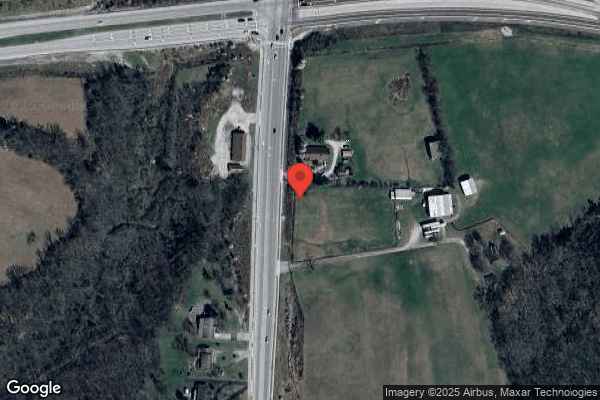
Understanding Severity Codes (click to expand)
Life-Threatening (Immediate Jeopardy)
J - Isolated K - Pattern L - Widespread
Actual Harm
G - Isolated H - Pattern I - Widespread
Potential for Harm
D - Isolated E - Pattern F - Widespread
No Harm (Minor)
A - Isolated B - Pattern C - Widespread

Questions to Ask on Your Visit

  • "What changes have you made since the serious inspection findings?"
  • "Why is there high staff turnover? How do you retain staff?"
  • "Can I speak with families of current residents?"
  • "What's your RN coverage like on weekends and overnight?"

Our Honest Assessment

Strengths
  • • Licensed and certified facility. Meets minimum state requirements.
Concerns
  • • Multiple safety concerns identified: 2 life-threatening violation(s). Review inspection reports carefully.
  • • 7 deficiencies on record, including 2 critical (life-threatening) violations. These warrant careful review before choosing this facility.
  • • $16,801 in fines. Above average for Kentucky. Some compliance problems on record.
  • • Grade F (39/100). Below average facility with significant concerns.
Bottom line: Trust Score of 39/100 indicates significant concerns. Thoroughly evaluate alternatives.

About This Facility

What is Berea Health And Rehabilitation's CMS Rating?

CMS assigns Berea Health and Rehabilitation an overall rating of 3 out of 5 stars, which is considered average nationally. Within Kentucky, this rating places the facility higher than 99% of the state's 100 nursing homes. This mid-range rating indicates the facility meets federal standards but may have areas for improvement.

How is Berea Health And Rehabilitation Staffed?

CMS rates Berea Health and Rehabilitation's staffing level at 1 out of 5 stars, which is much below average compared to other nursing homes. Staff turnover is 67%, which is 20 percentage points above the Kentucky average of 46%. High turnover can affect care consistency as new staff learn residents' individual needs. RN turnover specifically is 91%, which is notably high. RNs provide skilled clinical oversight, so turnover in this role can affect medical care quality.

What Have Inspectors Found at Berea Health And Rehabilitation?

State health inspectors documented 7 deficiencies at Berea Health and Rehabilitation during 2020 to 2024. These included: 2 Immediate Jeopardy (the most serious level, indicating potential for serious harm or death) and 5 with potential for harm. Immediate Jeopardy findings are rare and represent the most serious regulatory concerns. They require immediate corrective action.

Who Owns and Operates Berea Health And Rehabilitation?

Berea Health and Rehabilitation is owned by a for-profit company. For-profit facilities operate as businesses with obligations to shareholders or private owners. The facility is operated by BLUEGRASS HEALTH KY, a chain that manages multiple nursing homes. With 84 certified beds and approximately 78 residents (about 93% occupancy), it is a smaller facility located in Berea, Kentucky.

How Does Berea Health And Rehabilitation Compare to Other Kentucky Nursing Homes?

Compared to the 100 nursing homes in Kentucky, Berea Health and Rehabilitation's overall rating (3 stars) is above the state average of 2.8, staff turnover (67%) is significantly higher than the state average of 46%, and health inspection rating (4 stars) is above the national benchmark.

What Should Families Ask When Visiting Berea Health And Rehabilitation?

Based on this facility's data, families visiting should ask: "What changes have been made since the serious inspection findings, and how are you preventing similar issues?" "How do you ensure continuity of care given staff turnover, and what is your staff retention strategy?" "Can you walk me through typical staffing levels on day, evening, and night shifts?" "Can I visit during a mealtime to observe dining assistance and food quality?" These questions are particularly relevant given the facility's Immediate Jeopardy citations, the facility's high staff turnover rate, and the below-average staffing rating.

Is Berea Health And Rehabilitation Safe?

Based on CMS inspection data, Berea Health and Rehabilitation has documented safety concerns. Inspectors have issued 2 Immediate Jeopardy citations (the most serious violation level indicating risk of serious injury or death). The facility has a 3-star overall rating and ranks #1 of 100 nursing homes in Kentucky. Families considering this facility should ask detailed questions about what corrective actions have been taken since these incidents.

Do Nurses at Berea Health And Rehabilitation Stick Around?

Staff turnover at Berea Health and Rehabilitation is high. At 67%, the facility is 20 percentage points above the Kentucky average of 46%. Registered Nurse turnover is particularly concerning at 91%. RNs handle complex medical decisions and coordinate care — frequent RN changes can directly impact care quality. High turnover means new staff may not know residents' individual needs, medications, or preferences. It can also be disorienting for residents, especially those with dementia who rely on familiar faces. Families should ask: What is causing the turnover? What retention programs are in place? How do you ensure care continuity during staff transitions?

Was Berea Health And Rehabilitation Ever Fined?

Berea Health and Rehabilitation has been fined $16,801 across 2 penalty actions. This is below the Kentucky average of $33,247. While any fine indicates a compliance issue, fines under $50,000 are relatively common and typically reflect isolated problems that were subsequently corrected. Families should ask what specific issues led to these fines and confirm they've been resolved.

Is Berea Health And Rehabilitation on Any Federal Watch List?

Berea Health and Rehabilitation is not on any federal watch list. The most significant is the Special Focus Facility (SFF) program, which identifies the bottom 1% of nursing homes nationally based on persistent, serious quality problems. Not being on this list means the facility has avoided the pattern of deficiencies that triggers enhanced federal oversight. This is a positive indicator, though families should still review the facility's inspection history directly.