CLINTON-HICKMAN COUNTY NURSING FACILITY
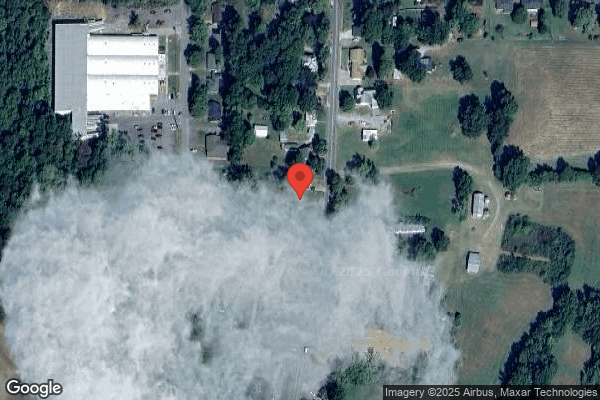
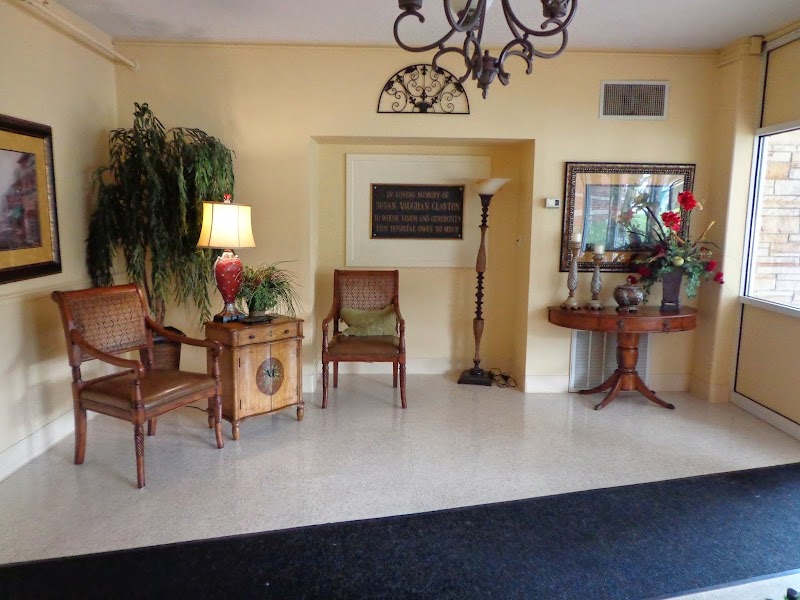
366 SOUTH WASHINGTON STREET, CLINTON, KY 42031 (270) 653-2461
Non profit - Corporation 46 Beds Independent Data: November 2025
Trust Grade
90/100
#6 of 266 in KY
Last Inspection: June 2025

Inspected within the last 6 months. Data reflects current conditions.

Overview

Clinton-Hickman County Nursing Facility has received a Trust Grade of A, indicating excellent quality and a strong recommendation for families considering care options. Ranking #6 out of 266 facilities in Kentucky places it in the top tier, and it is the best option in Hickman County. The facility is on an improving trend, with issues decreasing from 2 in 2024 to just 1 in 2025, showcasing ongoing efforts to enhance care. Staffing is a highlight, with a perfect 5-star rating and a turnover rate of 45%, which is slightly below the state average of 46%, indicating that staff members are experienced and familiar with the residents. However, there are some concerns, including lower RN coverage than 93% of Kentucky facilities, which could impact the level of nursing oversight. Specific incidents that raised concerns included food safety issues, such as improperly dated and uncovered food storage, which poses a contamination risk, and failure to maintain safe water temperatures, which exceeded recommended limits, potentially endangering residents. Overall, while the facility demonstrates strong staffing and an excellent trust grade, families should be aware of these safety concerns.

Trust Score
A
90/100
In Kentucky
#6/266
Top 2%
Safety Record
Low Risk
No red flags
Inspections
Getting Better
2 → 1 violations
Staff Stability
○ Average
45% turnover. Near Kentucky's 48% average. Typical for the industry.
Penalties
✓ Good
No fines on record. Clean compliance history, better than most Kentucky facilities.
Skilled Nurses
○ Average
Each resident gets 32 minutes of Registered Nurse (RN) attention daily — about average for Kentucky. RNs are the most trained staff who monitor for health changes.
Violations
✓ Good
Only 5 deficiencies on record. Cleaner than most facilities. Minor issues only.
★★★★★
5.0
Overall Rating
★★★★★
5.0
Staff Levels
★★★★☆
4.0
Care Quality
★★★★☆
4.0
Inspection Score
Stable
2024: 2 issues
2025: 1 issues

The Good

  • 5-Star Staffing Rating · Excellent nurse staffing levels
  • 4-Star Quality Measures · Strong clinical quality outcomes
  • Full Sprinkler Coverage · Fire safety systems throughout facility
  • No fines on record
  • Staff turnover below average (45%)

    3 points below Kentucky average of 48%

Facility shows strength in staffing levels, quality measures, fire safety.

The Bad

Staff Turnover: 45%

Near Kentucky avg (46%)

Typical for the industry

The Ugly 5 deficiencies on record

Jun 2025 1 deficiency
CONCERN (F)

Potential for Harm - no one hurt, but risky conditions existed

Food Safety (Tag F0812)

Could have caused harm · This affected most or all residents

Based on observation, interview, and review of the facility's policy, the facility failed to store food in accordance with professional standards for food service safety. Food items were not dated at ...

Read full inspector narrative →
Based on observation, interview, and review of the facility's policy, the facility failed to store food in accordance with professional standards for food service safety. Food items were not dated at the time of storage. Food that had been opened were not covered and/or sealed to prevent contamination. The deficiency had the potential to affect 32 of the facility's 32 residents who consumed food from the kitchen. The findings include: Review of the facility's revised policy titled, Food Safety Requirements, dated 04/01/2025, revealed food would be stored according to professional standards for food service safety. Continued review revealed food would be stored in a manner that helps to prevent deterioration and contamination, including from growth of microorganisms. Additonally, labeling, dating, and monitoring refrigerated food, including but not limited to, leftovers, so it would be used by the use-by date, and keeping foods covered or in tight containers was required. a. Observation of Freezer1, on 06/17/2025 at 10:45 AM, revealed cheddar cheese omelets, okra, corn, bread sticks, all in their original box/containers with unsealed flaps were undated, and the internal plastic bag was not covering the food items exposing them to potential contamination. Continued observation revealed one plastic bag of broccoli opened, uncovered and was not dated. b. Further observation of the dry pantry storage revealed a large bag of cereal that was opened, removed from the original container, and placed into a storage bag but was undated. Continued observation revealed a large bag of macaroni opened, and undated. c. Additional observation of the bread cart, revealed one opened and undated loaf of gluten-free bread not covered to prevent potential contamination. In an interview with Cook1, on 06/17/2025 at 11:15 AM, she stated she had worked there for 6 months. She stated she was aware that food items should be stored properly which included dating, labeling, and ensuring the foods were covered. She stated she had been trained and was aware that all dietary staff were responsible to ensure residents were not served contaminated foods. She further stated that the facility's policy and procedures should be followed regarding food safety. She stated if staff had not followed those guidelines there was always the potential for residents to become sick. In an interview with Dietary Aide1, on 06/18/2025 at 12:18 PM, she stated when food items were received from the delivery truck, she had verified the order and ensured the old supply was rotated and the new was dated when it had been received and stored. She stated if anything was opened for use it was to be labeled and dated, and covered before storing on pantry shelves, refrigerator and/or freezer. She stated all staff were responsible to securely cover and store the remaining food items in the freezer or refrigerator after opening the food boxes/containers which included labeling and dating the items to ensure they were not used after the expiration date. Additionally, she stated she had taken care of this herself, but all staff were supposed to check to make sure it had been done. In an interview with the Dietary Manager (DM), on 06/17/2025 at 11:15 AM, she stated she had a good team in the kitchen but understood that some food items had not been covered, labeled, and dated. She stated there would be a reeducation of the importance of food safety. She stated her expectations were that all dietary staff would use their knowledge and training and follow the facility's food safety policy to ensure residents were being served good food. During an interview with the Administrator, on 06/18/25 at 2:45 PM, she stated her expectations for the dietary staff was to follow food safety guidelines when storing food products ensuring they were dated, labeled, and covered. She further stated those policies were in place to ensure resident safety from foodborne illnesses, but also to provide the residents with foods that the wanted to eat.
Apr 2024 2 deficiencies
CONCERN (D)

Potential for Harm - no one hurt, but risky conditions existed

Deficiency F0655 (Tag F0655)

Could have caused harm · This affected 1 resident

**NOTE- TERMS IN BRACKETS HAVE BEEN EDITED TO PROTECT CONFIDENTIALITY** Based on observation, interview, record review and review of the facility policy, it was determined the facility failed to devel...

Read full inspector narrative →
**NOTE- TERMS IN BRACKETS HAVE BEEN EDITED TO PROTECT CONFIDENTIALITY** Based on observation, interview, record review and review of the facility policy, it was determined the facility failed to develop and implement a baseline care plan for residents that included instructions needed to provide effective and person-centered care of the resident that met professional standards of quality care. Per the facility's policy, the baseline care plan was to be developed within 48 hours of a resident's admission. However, during review of Resident (R) 32's medical record, it was determined the facility failed to develop a baseline care plan for the residents, and reactivated his/her comprehensive care plan from a previous admission without updating or revising the care plan. The findings include: Review of the facility policy titled, Care Plans, Baseline, dated 12/ 2016, revealed a baseline plan of care to meet a resident's immediate needs was to be developed for each resident within 48 hours of admission to the facility. Review further revealed the baseline care plan was to be used until staff could conduct the comprehensive assessment and develop an interdisciplinary person-centered care plan. Review of the admission Record for R32 revealed the facility admitted the resident on 04/08/2024, with the following diagnoses; acute respiratory failure with hypoxia, chronic obstructive pulmonary disease with acute exacerbation and personal history of urinary tract infection (UTI). Review of the admission Minimum Data Set (MDS) assessment dated [DATE], revealed the facility assessed R32 to have a Brief Interview for Mental Status (BIMS) score of 14 out of 14, indicating she was cognitively intact. Continued review of R32's record revealed the resident had a previous admission to the facility on [DATE] and had been discharged home on [DATE]. During an interview on 04/22/2024 at 11:22 AM, R32 stated she had been at the facility for a couple of weeks. She stated she lived alone at home and had sustained a fall during which she broke her wrist. She stated she got UTIs frequently, and at the time of the fall at home she had a UTI and had been dizzy. Further review of R32's record revealed no documented evidence of a Baseline Care Plan developed upon his/her admission on [DATE]. Record review revealed a Baseline Care Plan dated 03/17/2023, which noted R32 was at risk for elopement and wandering, with an intervention in place for the resident to have a wander alert bracelet to her left ankle. Observation on 04/23/2024 at 09:18 AM revealed R32 had no wander alert bracelet on her left ankle. Continued review of the Baseline Care Plan dated 03/17/2023, revealed the facility had not assessed R32 as at risk for elopement. Per review of the 03/17/2023 Baseline Care Plan, the facility noted R32 had the potential for pain related to a stage three (3) pressure injury; however, record review revealed that was not a current problem for the resident. Further review of R32's record revealed the facility documented R32 had a fractured wrist and a history of recurrent urinary tract infections (UTIs); however, review of the resident's care plan revealed the facility failed to include those problems on the care plan with interventions necessary. During an interview with State Registered Nurse Aide (SRNA) 5 on 04/25/2024 at 1:30 PM, she stated changes occurring in residents were on the [NAME] (nurse aide care plan) in the facility's Point Click Care (PCC) electronic health record. She stated she received report from the previous shift SRNAs and the nurse on shift. SRNA5 stated she provided care for R32 and the resident was not at risk for elopement, nor did she currently have a pressure injury. She further stated however, she could not recall if those things were documented on the [NAME] or not. In an interview with SRNA4 on 04/25/2024 at 1:36 PM, she stated she reviewed the [NAME] for her assigned residents' information and for any changes. She stated the nurses also gave the SRNAs report. The SRNA further stated R32 was not on the board as being at risk for elopement. In an interview with Registered Nurse (RN)1 on 04/26/2024 at 1:44 PM, she stated the Baseline Care Plan was initiated on admission, and new interventions were posted at the nurses' station and provided to the aides as education. She stated she saw updates on residents on the dashboard in PCC. RN1 stated if a resident had a chronic UTI or a current UTI the resident should have a care plan for infection to address that problem. She further stated a new care plan should have been initiated for R32, as the resident had been discharged almost a year. During an interview with RN2 on 04/26/2024 at 1:55 PM, she stated Baseline Care Plans were initiated on admission by the admitting nurse. She stated a resident's care plan should be revised when changes occurred or when the resident was readmitted from the hospital if changes were needed. RN2 stated R32 should have had a new care plan initiated when she was admitted currently. During an interview with the Director of Nursing (DON)/MDS Nurse on 04/26/2024 at 3:26 PM, she stated she had been completing residents' MDS Assessments since August 2023. She stated she was still learning the MDS and care plans. The DON/MDS Nurse stated she had been really struggling trying to review new admissions to get them an accurate Baseline and Comprehensive Care Plan in place. She stated new admits were discussed in the Medicare meeting however, which occurred daily. The DON/MDS Nurse stated she reactivated R32's care plan from her previous admission even though the resident had been discharged for almost a year. She stated she did not know she was not aware she could not do that. The DON/MDS Nurse stated she also failed to update R32's care plan when the resident was admitted to the facility again on 04/08/2024. She stated R32 did have a care plan for UTI/Infection as she had a history of chronic UTIs and received an antibiotic prophylactically. (However, review of R32's care plan revealed a care plan for potential for pain related to UTIs dated 01/27/2023, with no other documentation of UTIs or infections). The DON/MDS Nurse stated she did not believe there would be any negative outcomes for not revising a resident's plan of care. During an interview with the Administrator on 04/25/2024 at 4:12 PM, she stated R32's care plan should not have been reactivated from 03/13/2023, as the resident was not the same as she was when she had been a resident at the facility previously. She stated R32 had been discharged for almost a year, and a new Baseline Care Plan should have been initiated on her current admission. The Administrator stated R32 had not had any negative outcomes related to the care plan not having been developed for the resident's current admission diagnoses.
CONCERN (E)

Potential for Harm - no one hurt, but risky conditions existed

Accident Prevention (Tag F0689)

Could have caused harm · This affected multiple residents

**NOTE- TERMS IN BRACKETS HAVE BEEN EDITED TO PROTECT CONFIDENTIALITY** AMENDED Based on observation, interview, record review, and review of the facility's documents and policy, it was determined th...

Read full inspector narrative →
**NOTE- TERMS IN BRACKETS HAVE BEEN EDITED TO PROTECT CONFIDENTIALITY** AMENDED Based on observation, interview, record review, and review of the facility's documents and policy, it was determined the facility failed to ensure the residents' environment remained as free of accident hazards as possible for thirty-five (35) of thirty-five (35) sampled residents (Residents [R] 30, 18, 31, 2, 11, 1, 3, 10, 139, 32, 8, 15, 35, 36, 34 19, 26, 27, 25, 14, 33, 12, 5, 20, 9, 29, 4, 23, 28, 21, 6, 7, 13, 22, and 17. Review of the facility's policy revealed water heaters servicing residents' rooms, and bathrooms were to be set to temperatures (temps) of no more than 110° Fahrenheit (F) or the maximum allowable temp per state regulation. However, observation of water temp checks on 04/23/2024, in twenty-three (23) rooms, where residents resided, revealed the water temps ranged between 118 degrees F and 123 degrees F, which was not within the acceptable parameters for ensuring resident safety. The findings include: Review of the facility policy titled, Water Temperatures, Safety of, dated 12/2009, revealed tap water in the facility was to be kept within a temperature range to prevent scalding of residents. Per policy review, water heaters that serviced residents' rooms, bathrooms, common areas, and tub/shower areas were to be set to temperatures of no more than 110°F or the maximum allowable temperature per state regulation. Continued review revealed maintenance staff were responsible for conducting periodic tap water temperature checks and recording the water temperatures on a safety log. Review of the admission Record revealed the facility admitted R1 on 12/14/2022, with diagnoses to include: unspecified atrial fibrillation, unspecified heart failure and left lower extremity cellulitis. Review of the Quarterly Minimum Data Set (MDS) assessment dated [DATE], revealed the facility assessed R1 to have a Brief Interview for Mental Status (BIMS) score of 15 out of 15, indicating the resident was cognitively intact. In an interview with R1 on 04/23/2024 at 12:38 PM, while the State Survey Agency (SSA) Surveyor was checking water temps, she stated, the water is burning hot. It will burn you if you let it run a few minutes. Observation of the temperature of hot water in R1's sink revealed the temp was 121.5 degrees F. Observation of water temperature checks on 04/23/2024, beginning at 12:00 PM, revealed the water temps in resident Rooms 201, 202, 203, 204, 205, 206, 207, 208, 209, 210, 211, 212, 213, 214, 215, 216, 217, 218, 219, 220, 221, 222, and 223 ranged between 118 degrees F and 123 degrees F, which was not within the facility's acceptable parameters of 110 degrees F. Review of the facility's water temp logs, provided by the Maintenance Director, revealed the log was a notebook with two (2) random room water temp checks completed per month. Further review revealed the recorded temp readings were recorded at 107 degrees F, for all checks noted. In an interview on 04/24/2023 at 9:10 AM, the Maintenance Director stated water temps were checked monthly in two (2) random resident rooms, and he stated he normally used a digital thermometer. He stated however, the digital thermometer needed a battery and he had started using a hand-held thermometer with a dial gauge. The Maintenance Director stated no calibration was needed for the digital thermometer. He stated last week the water heater needed repairing as it was not working, and a plumber came to the facility and released a valve and the heater worked fine after that. The Maintenance Director stated he had a call out to the plumbing agency and was waiting for a return call related to the high water temps. He stated he had checked the water heater that morning and the water temperature was good. The Maintenance Director further stated the contract plumbing company the facility used was located in another town approximately 30 minutes away. During an interview on 04/25/2024 at 4:12 PM, the Administrator stated she was not aware of any further issues with hot water heater since it had been repaired the previous week. She stated someone would be at the facility next week to inspect the hot water heater. The Administrator stated a potential outcome of hot water temps being too high would be a resident could get burned. She further stated the water temps were checked periodically and she agreed that checking two (2) rooms a month was not enough to ensure the water temps were in a safe range.
Aug 2019 2 deficiencies
CONCERN (D)

Potential for Harm - no one hurt, but risky conditions existed

Accident Prevention (Tag F0689)

Could have caused harm · This affected 1 resident

Based on observation, interview, and facility policy review, it was determined the facility failed to ensure the residents environment remains as free of accident hazards as possible. Observation on ...

Read full inspector narrative →
Based on observation, interview, and facility policy review, it was determined the facility failed to ensure the residents environment remains as free of accident hazards as possible. Observation on 07/31/19, revealed cleaning chemicals left on top of a cart in the hallway, unattended. The findings include: Review of the facility policy titled, Housekeeping Equipment/Carts, not dated, revealed chemicals for cleaning should be stored in the closed compartment when carts are unattended. Observation on 08/01/19 from 9:23 AM through 9:31 AM, revealed a bottle of Antibacterial Foaming Bath and Surface Cleaner, and Comet Cleaner with Bleach, were left unattended on top of a housekeeping cart on the two-hundred (200) hall, with seven (7) residents observed nearby. Interview with Housekeeper #1 on 08/01/19 at 9:43 AM, revealed she was mopping the floor in a nearby resident's room. She stated she should have placed the cleaner bottles in the compartment on the cart and not on top of the cart. Interview with the Housekeeping Supervisor on 08/02/19 at 9:15 AM, revealed he expected housekeeping staff to keep cleaning chemicals in the compartments on their carts, out of reach of residents. Interview with the Administrator on 08/02/19 at 10:05 AM, revealed she expected housekeeping staff to keep cleaning chemicals locked up while the cart was unattended.
CONCERN (F)

Potential for Harm - no one hurt, but risky conditions existed

Food Safety (Tag F0812)

Could have caused harm · This affected most or all residents

Based on observation, interview, and facility policy review, it was determined the facility failed to ensure food was stored, in accordance with professional standards for food service safety. Observ...

Read full inspector narrative →
Based on observation, interview, and facility policy review, it was determined the facility failed to ensure food was stored, in accordance with professional standards for food service safety. Observation of the kitchen, on 07/30/19, revealed food items stored in walk-in refrigerator and reach-in refrigerator were not dated. Review of the facility Census and Condition, dated 07/30/19, revealed forty-two of forty-three residents received their meals from the kitchen. The findings include: Review of the facility policy titled, Food Receiving and Storage, last revised July 2014, revealed all foods stored in the refrigerator will be covered, labeled, and dated. Observation of the walk-in refrigerator during initial tour, on 07/30/19 at 6:11 PM, revealed one (1) bag of American cheese, one (1) package of bologna, and a container of diced tomatoes; not dated. Observation of the reach-in refrigerator revealed a container of apple juice with approximately twenty-five percent (25%) remaining, not dated. Interview with Dietary Aide #1, on 07/30/19 at 6:35 PM, revealed all items stored in the refrigerators should be dated. Interview with the Dietary Manager, on 08/01/19 at 11:30 AM, revealed she expected all food items in the freezer to be dated.
Understanding Severity Codes (click to expand)
Life-Threatening (Immediate Jeopardy)
J - Isolated K - Pattern L - Widespread
Actual Harm
G - Isolated H - Pattern I - Widespread
Potential for Harm
D - Isolated E - Pattern F - Widespread
No Harm (Minor)
A - Isolated B - Pattern C - Widespread

Questions to Ask on Your Visit

  • "Can I speak with families of current residents?"
  • "What's your RN coverage like on weekends and overnight?"

Our Honest Assessment

Strengths
  • • Grade A (90/100). Above average facility, better than most options in Kentucky.
  • • No major safety red flags. No abuse findings, life-threatening violations, or SFF status.
  • • No fines on record. Clean compliance history, better than most Kentucky facilities.
  • • Only 5 deficiencies on record. Cleaner than most facilities. Minor issues only.
Concerns
  • • No significant concerns identified. This facility shows no red flags across CMS ratings, staff turnover, or federal penalties.
Bottom line: Generally positive indicators. Standard due diligence and a personal visit recommended.

About This Facility

What is Clinton-Hickman County Nursing Facility's CMS Rating?

CMS assigns CLINTON-HICKMAN COUNTY NURSING FACILITY an overall rating of 5 out of 5 stars, which is considered much above average nationally. Within Kentucky, this rating places the facility higher than 99% of the state's 100 nursing homes. This rating reflects solid performance across the metrics CMS uses to evaluate nursing home quality.

How is Clinton-Hickman County Nursing Facility Staffed?

CMS rates CLINTON-HICKMAN COUNTY NURSING FACILITY's staffing level at 5 out of 5 stars, which is much above average compared to other nursing homes. Staff turnover is 45%, compared to the Kentucky average of 46%. This relatively stable workforce can support continuity of care.

What Have Inspectors Found at Clinton-Hickman County Nursing Facility?

State health inspectors documented 5 deficiencies at CLINTON-HICKMAN COUNTY NURSING FACILITY during 2019 to 2025. These included: 5 with potential for harm.
Who Owns and Operates Clinton-Hickman County Nursing Facility?

CLINTON-HICKMAN COUNTY NURSING FACILITY is owned by a non-profit organization. Non-profit facilities reinvest revenue into operations rather than distributing to shareholders. The facility operates independently rather than as part of a larger chain. With 46 certified beds and approximately 31 residents (about 67% occupancy), it is a smaller facility located in CLINTON, Kentucky.

How Does Clinton-Hickman County Nursing Facility Compare to Other Kentucky Nursing Homes?

Compared to the 100 nursing homes in Kentucky, CLINTON-HICKMAN COUNTY NURSING FACILITY's overall rating (5 stars) is above the state average of 2.8, staff turnover (45%) is near the state average of 46%, and health inspection rating (4 stars) is above the national benchmark.

What Should Families Ask When Visiting Clinton-Hickman County Nursing Facility?

Based on this facility's data, families visiting should ask: "Can I visit during a mealtime to observe dining assistance and food quality?" "How do you handle medical emergencies, and what is your hospital transfer rate?" "Can I speak with family members of current residents about their experience?"

Is Clinton-Hickman County Nursing Facility Safe?

Based on CMS inspection data, CLINTON-HICKMAN COUNTY NURSING FACILITY has a clean safety record: no substantiated abuse findings (meaning no confirmed cases of resident harm), no Immediate Jeopardy citations (the most serious violation level indicating risk of serious injury or death), and is not on the Special Focus Facility watch list (a federal program monitoring the lowest-performing 1% of nursing homes). The facility has a 5-star overall rating and ranks #1 of 100 nursing homes in Kentucky. While no facility is perfect, families should still ask about staff-to-resident ratios and recent inspection results during their visit.

Do Nurses at Clinton-Hickman County Nursing Facility Stick Around?

CLINTON-HICKMAN COUNTY NURSING FACILITY has a staff turnover rate of 45%, which is about average for Kentucky nursing homes (state average: 46%). Moderate turnover is common in nursing homes, but families should still ask about staff tenure and how the facility maintains care continuity when employees leave.

Was Clinton-Hickman County Nursing Facility Ever Fined?

CLINTON-HICKMAN COUNTY NURSING FACILITY has no federal fines on record. CMS issues fines when nursing homes fail to meet care standards or don't correct problems found during inspections. The absence of fines suggests the facility has either maintained compliance or corrected any issues before penalties were assessed. This is a positive indicator, though families should still review recent inspection reports for the full picture.

Is Clinton-Hickman County Nursing Facility on Any Federal Watch List?

CLINTON-HICKMAN COUNTY NURSING FACILITY is not on any federal watch list. The most significant is the Special Focus Facility (SFF) program, which identifies the bottom 1% of nursing homes nationally based on persistent, serious quality problems. Not being on this list means the facility has avoided the pattern of deficiencies that triggers enhanced federal oversight. This is a positive indicator, though families should still review the facility's inspection history directly.