COLDSPRING TRANSITIONAL CARE CENTER
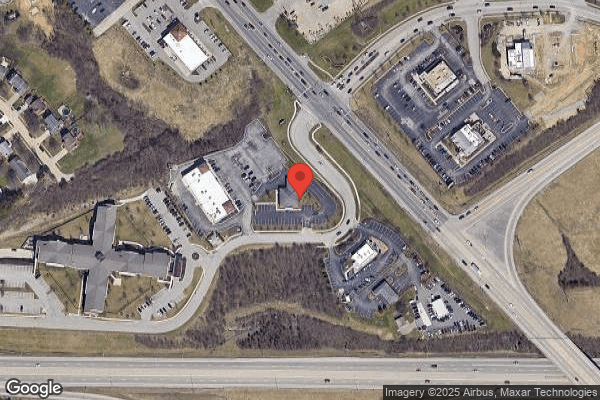

300 PLAZA DRIVE, COLD SPRING, KY 41076 (859) 441-4600
For profit - Limited Liability company 143 Beds CARESPRING Data: November 2025
Trust Grade
55/100
#154 of 266 in KY
Last Inspection: May 2025

Inspected within the last 6 months. Data reflects current conditions.

Overview

Coldspring Transitional Care Center has received a Trust Grade of C, indicating that it is average and sits in the middle of the pack among nursing homes. It ranks #154 out of 266 facilities in Kentucky, placing it in the bottom half overall, but it is #3 out of 5 in Campbell County, meaning only two local options are better. The facility's trend is stable, as it has consistently had four issues identified in both 2020 and 2025. Staffing is rated as average with a 2 out of 5 stars, and the turnover rate is 55%, which is close to the state average. Notably, the facility has no fines on record, which is a positive sign, but there are concerns about care practices; for example, staff failed to provide nourishing snacks at bedtime for all residents, and there were lapses in infection control procedures, such as not using personal protective equipment when caring for residents under precautions. While the facility does have strengths, such as no fines, the concerns raised about care delivery and environment should be taken into consideration.

Trust Score
C
55/100
In Kentucky
#154/266
Bottom 43%
Safety Record
Low Risk
No red flags
Inspections
Holding Steady
4 → 4 violations
Staff Stability
⚠ Watch
55% turnover. Above average. Higher turnover means staff may not know residents' routines.
Penalties
✓ Good
No fines on record. Clean compliance history, better than most Kentucky facilities.
Skilled Nurses
✓ Good
Each resident gets 42 minutes of Registered Nurse (RN) attention daily — more than average for Kentucky. RNs are trained to catch health problems early.
Violations
○ Average
10 deficiencies on record. Average for a facility this size. Mostly minor or procedural issues.
★★☆☆☆
2.0
Overall Rating
★★☆☆☆
2.0
Staff Levels
★★★★☆
4.0
Care Quality
★★☆☆☆
2.0
Inspection Score
Stable
2020: 4 issues
2025: 4 issues

The Good

  • 4-Star Quality Measures · Strong clinical quality outcomes
  • Full Sprinkler Coverage · Fire safety systems throughout facility
  • No fines on record

Facility shows strength in quality measures, fire safety.

The Bad

2-Star Overall Rating

Below Kentucky average (2.8)

Below average - review inspection findings carefully

Staff Turnover: 55%

Near Kentucky avg (46%)

Frequent staff changes - ask about care continuity

Chain: CARESPRING

Part of a multi-facility chain

Ask about local staffing decisions and management

Staff turnover is elevated (55%)

7 points above Kentucky average of 48%

The Ugly 10 deficiencies on record

May 2025 4 deficiencies
CONCERN (D)

Potential for Harm - no one hurt, but risky conditions existed

Safe Environment (Tag F0584)

Could have caused harm · This affected 1 resident

Based on observation, interview, and facility policy review, the facility failed to provide a homelike environment free of odors for 1 of 8 hallways, the 2100 Hall, with a census of 15 residents. The ...

Read full inspector narrative →
Based on observation, interview, and facility policy review, the facility failed to provide a homelike environment free of odors for 1 of 8 hallways, the 2100 Hall, with a census of 15 residents. The findings include: Review of the facility's policy titled, Environmental Services- Homelike Environment, dated 01/2025, revealed the facility was to provide a clean, odor free facility. Observations on 05/12/2025 at 6:55 PM and 8:27 PM, 05/13/2025 at 3:38 PM and 4:16 PM, and 05/14/2025 at 10:31 AM, revealed a strong urine smell in the 2100 hall, particularly concentrated around Resident (R) 79's room. Continued observation on 05/15/2025 at 10:58 AM revealed the odor of urine was still present, although not as strong as the previous days. In an interview on 05/12/2025 at 6:57 PM, R79 stated he spilled a full urinal by accident earlier that day, and it was a while before staff cleaned it up. He explained staff had not emptied his urinal after the last time he used it, and he did not realize that it had urine in it when he first picked it up. In an interview on 05/15/2025 at 11:05 AM, State Tested Nurse Aide (STNA) 19 stated the urine odor was persistent outside R79's room due to spillage from urinals. She stated the process for odor management was for nursing staff to clean the urine and tell housekeeping when they noticed a spill or lingering odor. STNA19 stated she frequently noticed a urine smell in this part of the hall, but it was not as bad during the interview as it was on prior days. In an interview on 05/15/2025 at 11:15 AM, Housekeeper 1 stated she had already mopped, changed the linens, and cleaned the bathroom for R79's room. Housekeeper 1 stated she could still smell the urine outside the room. Observation on 05/15/2025 at 11:18 AM revealed the Director of Nursing (DON) and Assistant Director of Nursing (ADON) exited R79's room. In an immediate interview, the DON stated she came with the Housekeeping Manager to clean after a staff member alerted them to the urine smell noted in the hallway. She stated they did additional cleaning to attempt to eliminate the odor and did note improvement after the additional cleaning. The DON stated the urine odor was a frequent problem in that area because R79 and his roommate both used urinals that spilled sometimes and would take off their briefs and leave them in the floor. In an interview on 05/15/2025 at 2:50 PM, the Housekeeping Manager stated the process for controlling urine odors was for nursing staff to clean up the worst of the urine spill, then notify a member of the housekeeping staff to mop the floor. She stated the housekeeping staff performed deep cleanings on R79's floor twice per week, including on 05/14/2025. The Housekeeping Manager stated it was important for the facility to be free from odors because urine odors created an unpleasant environment for residents. In an interview on 05/15/2025 at 2:54 PM, the Regional Housekeeping Manager stated she inspected R79's room and found no visibly soiled areas. She stated she believed housekeeping had done everything they could to clean the area. Per interview, the Regional Housekeeping Manager stated the floor needed to be replaced because the odor was now likely in the glue and under the floor, where additional cleanings would not address the issue. In continued interview, the Regional Housekeeping Manager stated it was important to combat odor in the facility to have a clean, homelike environment. She further stated cleaning up urine was important to prevent infections from spreading through the facility's environment. In an interview on 05/15/2025 at 6:44 PM, the Administrator stated his expectations for staff was for them to make note of any odor and come back to see if the odor lingered 30 minutes later. He further stated if the odor lingered, he expected staff to notify housekeeping to perform extra cleaning of the area. Per interview, the Administrator stated it was important to manage odors in the facility because it was the resident's home, and the facility wanted to have a good environment for residents. In continued interview, the Administrator stated for R79's room in particular, he was aware of a lingering odor outside that room. He stated he believed, due to the persistent nature of the odor, the frequently spilled urine could have soaked into the glue of the flooring and the floor would need to be replaced.
CONCERN (D)

Potential for Harm - no one hurt, but risky conditions existed

Comprehensive Assessments (Tag F0636)

Could have caused harm · This affected 1 resident

Based on observation, interview, and record review, the facility failed to ensure Minimum Data Set [MDS] assessments were correct for 1 of 32 sampled residents, Resident (R) 45. The findings include: ...

Read full inspector narrative →
Based on observation, interview, and record review, the facility failed to ensure Minimum Data Set [MDS] assessments were correct for 1 of 32 sampled residents, Resident (R) 45. The findings include: Review of R45's admission Record revealed the facility admitted the resident on 11/19/2022 with admission diagnoses including Parkinson's disease, Alzheimer's disease, and protein-calorie malnutrition. Review of R45's Comprehensive Care Plan (CCP), not dated, revealed the facility assessed the resident as having a self-care deficit related to range of motion limitations and contractures of her knees. Further review revealed interventions including use of a Broda chair (special adaptive wheelchair), use of a Hoyer lift (mechanical lift to transfer the resident from surface to surface), and assisting with positioning to help maintain proper body alignment. Review of R45's quarterly MDS, with an Assessment Reference Date (ARD) of 03/07/2025, and the quarterly MDS, with an ARD of 05/08/2025, revealed the facility coded R45 as having no impairment in functional range of motion in her upper extremities, including her wrists and hands. Further review revealed the facility coded no impairment in range of motion to R45's lower extremities, including her hips and knees. Observation on 05/14/2025 at 4:51 PM revealed R45 had bilateral contractures of her knees, which could not be extended during perineal care or during bed to chair transfer. Further observation revealed R45 had contractures to her left hand. Continued observation revealed a sign in the resident's room, showing how to apply a brace to the left-hand contractures, as well as the brace lying on top of a side table in the resident's room. In an interview on 05/15/2025 at 4:12 PM, Minimum Data Set (MDS) Nurse 1 stated her process for completing an MDS assessment was to look at nursing assessments and the resident's care plan to know how to code the resident's functional and mobility status. In further interview, MDS Nurse 1 stated she sometimes went to a resident's room to fill out an interview section, but she mostly retrieved information from the resident's medical record. In an interview on 05/15/2025 at 3:46 PM, the MDS Coordinator stated the process for completing the MDS section on mobility status was driven by information from the therapy department. She further stated she had taken care of R45 and remembered she had knee contractures. When shown the MDS assessments that marked No to limitations in joints, the MDS Coordinator stated the nurse who filled out the forms picked the wrong box, or did not understand the question. She stated it was her expectation that MDS assessments be completed accurately to reflect the resident's actual mobility status. In an interview on 05/15/2025 at 4:48 PM, the Director of Nursing (DON) stated it was her expectation that MDS assessments be completed accurately. She further stated the facility's process for MDS assessments related to mobility was to get information from therapy, as well as for the MDS nurses to physically assess a resident they were not familiar with to ensure accuracy of the assessment. The DON stated the information MDS Nurse 1 entered on R45's most recent assessments was incorrect, as a result of a mistake by MDS Nurse 1. In an interview on 05/15/2025 at 6:44 PM, the Administrator stated he was not clinical personnel, so he did not know every aspect of the MDS assessment process. He further stated he expected the assessments to be as accurate as possible, given the large number of components to the assessment. Per interview, he did not know the cause of the error on R45's two assessments that were incorrect.
CONCERN (E)

Potential for Harm - no one hurt, but risky conditions existed

Infection Control (Tag F0880)

Could have caused harm · This affected multiple residents

**NOTE- TERMS IN BRACKETS HAVE BEEN EDITED TO PROTECT CONFIDENTIALITY** Based on observation, interview, record review, review of the Centers for Disease Control and Prevention (CDC) guidelines, and r...

Read full inspector narrative →
**NOTE- TERMS IN BRACKETS HAVE BEEN EDITED TO PROTECT CONFIDENTIALITY** Based on observation, interview, record review, review of the Centers for Disease Control and Prevention (CDC) guidelines, and review of the facility's policies, the facility failed to establish and maintain an infection prevention and control program designed to provide a safe, sanitary, and comfortable environment and to help prevent the development and transmission of communicable diseases and infections for 1 of 32 sampled residents, Resident (R) 122, in Transmission-Based Precaution (TBP) or Enhanced Barrier Precautions (EBP). 1. Observation and interview on 05/12/2025 revealed State Tested Nurse Aide (STNA) 2 provided direct care to R122 who was under EBP. The STNA did not don (put on) Personal Protective Equipment (PPE) before providing direct care. STNA2 was observed to exit R122's room wearing gloves while transporting trash to the dirty utility room. 2. Observation and interview on 05/12/2025 revealed Licensed Practical Nurse (LPN) 4 used a portable vital sign machine on R142 who was in EBP. The LPN did not clean and disinfect the vital sign machine after using it. Furthermore, the nurse left the shared equipment in the hallway and walked away, without returning to clean the machine during the observation. 3. Observation and interview on 05/12/2025 revealed STNA3 walked out of room [ROOM NUMBER] wearing gloves and holding a bag of contaminated trash. 4. Observation and interview on 05/12/2025 of the 2400 Hall revealed STNA3 removed a Hoyer lift (mechanical lift to transfer residents from surface to surface) from room [ROOM NUMBER]. The STNA took the lift to the shower room and immediately exited the room without cleaning and disinfecting the shared equipment. 5. Observation and interview on 05/12/2025 on the 2400 Hall revealed STNA4 and STNA5 transported a Hoyer lift down the hall. The STNAs took the lift to the shower room and immediately exited the room without cleaning and disinfecting the shared equipment. 6. Observation and interview on 05/14/2025 revealed STNA6 changed the linen on the bed without wearing appropriate PPE. No residents were present in the room at the time. 7. Observation on 05/13/2025 on the 2400 Hall revealed a medical provider exited a room wearing gloves. She removed her gloves as she continued to walk down the hall and as she entered the nurse's station. 8. Observation of the 200 Hall on 05/12/2025 revealed a box of clean gowns were stored on the floor outside of room [ROOM NUMBER], a TBP Droplet isolation room. The findings include: Review of the CDC Guidelines titled, Core Infection Prevention and Control Practices for Safe Healthcare Delivery in All Settings, dated 04/12/2024, revealed hand hygiene (HH) should be performed immediately before providing resident care and after care was completed. It stated staff should ensure the proper selection and use of PPE based on the nature of the patient interaction and potential for exposure to blood, body fluids, and/or infectious materials. Review of the facility's policy titled, Infection Prevention and Control Program [IPCP], revised September 2024, revealed the facility maintained an infection prevention and control program designed to provide a safe sanitary and comfortable environment and to help prevent the development and transmission of communicable diseases and infections per accepted national standards and guidelines. Review of the facility's policy titled, Standard Precautions, revised September 2024, revealed standard precautions would be applied to all residents, regardless of diagnosis or infection status. It stated hand hygiene (HH) must be performed using soap and water or alcohol-based hand rubs (ABHR), especially when hands were visibly soiled or after contact with contaminated items. Per the policy, gloves should be removed before touching non-contaminated surfaces or other residents, and hands should be washed to prevent transferring microorganisms. Additionally, the policy stated shared equipment must be cleaned and disinfected before use on another resident. Review of the facility's policy titled, Transmission Based Precautions [TBP], revised April 2024, revealed TBPs should be used when caring for residents who were documented or suspected to have communicable diseases or infections that could be transmitted to others. The policy outlined Enhanced-Barrier Precautions (EBP) to reduce the transmission of specific multi-drug-resistant organisms (MDROs). It stated staff must wear a gown and gloves during high-contact care with residents, which included dressing, bathing, transferring, providing hygiene, changing linens and briefs, aiding with toileting, and caring for wounds. Review of the CDC signage Enhanced Barrier Precautions, posted in the facility, indicated for enhanced barrier precautions, everyone must clean their hands before entering and upon leaving a room. In addition, providers and staff were required to wear gloves and gowns during high-contact activities to reduce the risk of multidrug-resistant organism (MDRO) transmission. These high-contact activities included dressing, bathing, transferring patients, providing hygiene care, changing linens, changing briefs, and during device care or use. 1. Review of an admission Record, found in R122's electronic medical records (EMR), revealed the facility admitted R122 on 04/04/2025 with diagnoses that included critical illness myopathy (generalized weakness involving the muscles of the extremities, trunk, and respiration), dysphagia, and protein calorie malnutrition. Review of R122's admission Minimum Data Set [MDS], found in the EMR, with an Assessment Reference Date (ARD) of 04/10/2025, revealed a Brief Interview for Mental Status [BIMS] score of 15 out of 15, which indicated the resident was cognitively intact. Observation on the 1300 Hall on 05/12/2025 at 9:03 PM revealed STNA2 entered a room designated as under EBP. The STNA provided direct care to R122. STNA2 did not put on Personal Protective Equipment (PPE) before providing direct care. Additionally, STNA2 exited R122's room wearing gloves while transporting a clear plastic bag of trash to the dirty utility room. During an interview with STNA2 on 05/12/2025 at 9:10 PM, he stated R122 was not under any isolation precautions, and he did not have to wear a gown to provide direct care. When asked by the State Survey Agency (SSA) Surveyor what EBP was and when to use PPE, STNA2 was unable to explain the meaning of EBP. He stated he forgot to remove his gloves and perform hand hygiene before leaving the room. STNA2 stated he had received education on infection control upon hire and periodically through in-service training. He stated he was unaware that the facility's policy required staff to wear a gown and gloves while providing direct care to a resident in EBP. Furthermore, he stated it was important to perform hand hygiene before and after providing care to protect the residents and staff from spreading infection. During an interview with STNA1 on 05/12/2025 at 8:51 PM, she stated she only wore gowns for residents in droplet or contact isolation. STNA1 was unable to explain the necessity of following infection control guidelines for residents under EBP. She stated she had received training on infection control during her initial orientation and occasionally through ongoing in-service training. However, she stated she was not familiar with the facility's policy regarding the use of gowns and gloves when providing direct care to a resident under EBP. During an interview with R122 on 05/12/2025 at 9:13 PM, he stated STNA2 provided direct care but did not wear a gown. He stated he helped him with the bedpan. R122 stated most of the staff did not put on gowns when providing care. He stated he could not recall the last time someone wore a gown during bathing assistance, while providing care for his g-tube site, or when he was offered a bedpan. He stated he was aware of being in EBP and that PPE was in the bathroom, but he stated, Nobody wears it. 2. Observation of the 1300 Hall on 05/12/2025 at 8:48 PM revealed LPN4 exited room [ROOM NUMBER], an EBP room, with a portable vital sign machine. The LPN did not clean and disinfect the vital sign machine after using it. Furthermore, the nurse left the shared equipment in the hallway and walked away. Continued observation for 15 minutes revealed LPN4 did not return to clean the machine. During an attempted interview with LPN4 on 05/12/2025 at 8:48 PM, she stated she had to get something for a resident, but did not return. Efforts were made to locate LPN4, but she was unavailable for the interview. 3. Observation of the 2400 Hall on 05/12/2025 at 3:19 PM revealed STNA3 walked out of room [ROOM NUMBER] wearing gloves and holding a bag of contaminated trash. STNA3 walked to the dirty utility room down the hall and opened the door with her contaminated gloves. 4. Observation of the 2400 Hall on 05/12/2025 at 3:25 PM revealed STNA3 removed a Hoyer lift from room [ROOM NUMBER]. The STNA took the lift to the shower room and immediately exited the room without cleaning and disinfecting the shared equipment. During an interview with STNA3 on 05/12/2025 at 3:25 PM, she stated she should have removed PPE and performed HH before leaving the room. She stated gloves should not be worn in the hallway due to infection control concerns. STNA3 stated she wiped down the lift in the shower room. Additionally, she stated she received training on infection control during her initial orientation and periodically through ongoing in-service training. 5. Observation of the 2400 Hall on 05/13/2025 at 3:26 PM revealed STNA4 and STNA5 rolled a Hoyer lift down the hallway. They took the lift into the shower room and then exited immediately. During an interview with STNA4 and STNA5 on 05/13/2025 at 3:30 PM, both stated they did not clean and disinfect the lift prior to leaving the shower room. They stated shared equipment should be cleaned and sanitized with a Sani-wipe after each use and before it was stored. STNA4 stated that cleaning shared equipment was important to prevent the spread of infection from cross-contamination. Furthermore, both STNA4 and STNA5 stated they had received training on infection control during their initial orientation and continued to receive ongoing in-service training periodically. 6. Observation of room [ROOM NUMBER], an EBP room, on 05/14/2025 at 8:51 AM revealed STNA6 changed the linen on the bed without wearing appropriate PPE. No residents were present in the room at the time. During an interview with STNA6 on 05/14/2025 at 8:57 AM, she stated she did not wear PPE unless it was direct care. She stated she was informed that changing linens did not qualify as direct care. STNA6 further stated she was unaware if the CDC guidelines considered changing linen as direct care. She stated infection control signage was displayed inside the bathroom next to the PPE cart to guide staff on what to wear and when. Additionally, she stated she received training on infection control during her initial orientation and periodically through ongoing in-service training. 7. Observation on 05/13/2025 at 10:40 AM on the 2400 Hall revealed a physician exited a room wearing gloves. She removed her gloves as she continued to walk down the hall and as she entered the nurse's station. The SSA Surveyor attempted to interview the physician immediately after the observation on 05/13/2025 at 10:40 AM. However, she was no longer at the nurses' station, and staff stated she was no longer in the facility. 8. Observation of the 2300 Hall on 05/12/2025 at 8:37 PM revealed PPE was not stored in a sanitary manner. Several bagged gowns and an opened box containing gowns were on the floor outside of room [ROOM NUMBER] next to the PPE cart. There were two boxes of gloves sitting on top of the PPE cart. room [ROOM NUMBER] was designated as a TBP droplet isolation room. During an interview with the Infection Preventionist/Staff Development Coordinator (IP/SDC) on 05/13/2025 at 11:00 AM, she stated the facility adhered to the CDC's guidelines and followed the facility's infection prevention and control policies (IPCP). She stated all EBP rooms had signs on the doors leading into the room if shared or on the bathroom door, if a single room. She stated she checked all EBP rooms the morning of 05/12/2025 to ensure that PPE and signage was available. She stated PPE should be kept off the floor in the PPE cart. The IP/SDC stated gowns and gloves must be worn whenever staff entered an EBP room if they were providing high-level of care. She stated all staff needed to remove gloves and perform HH before leaving a resident's room. According to the IP/SDC, all staff members received education related to IPCP. During additional interview with the IP/SDC on 05/14/2025 at 4:28 PM, she stated she was unsure why staff did not follow isolation precautions despite having been educated on the importance of observing the signs posted on doors. She stated all staff was trained upon hire in the use of PPE and isolation precautions, including EBP. She stated medical providers should follow facility policy to ensure a safe environment for all residents. The IP/SDC stated it was her expectation that all staff adhered to the facility's policies and procedures to help prevent the spread of infections. She stated it was important for the health and safety of the residents. During an interview with the Director of Nursing (DON) on 05/14/2025 at 4:32 PM, she stated all staff underwent orientation upon hire and trained with a preceptor until capable of working independently, which typically took about two weeks. She stated all staff continued to receive IPCP training through online courses and in-service education. The DON further stated that once training was complete, the facility expected staff to adhere to CDC guidelines concerning TBP and EBPs. She stated nursing leadership, including the DON, Assistant DON (ADON), and Unit Managers (UM), observed staff performance; however, there were no formal IPCP audits in place. She stated if a breach in IPCP protocols occurred, nursing leadership would provide initial education, and if patterns of non-compliance continued, counseling would follow. During the continued interview with the DON on 05/14/2025 at 4:32 PM, she stated the cleaning and disinfection of shared equipment occurred as needed. The DON stated the Hoyer lift should be wiped down before and after being used. Additionally, she stated it was her expectation for staff, providers, and vendors to adhere to both CDC guidelines and the facility's IPCP. The DON stated following IPCP guidelines was critical to preventing the spread of infections and outbreaks of disease. During an interview with the Administrator on 05/14/2025 at 4:45 PM, he stated it was his expectation that staff followed IPCP guidelines. He stated all staff was responsible for ensuring IPCP practices were adhered to. He stated it was important to prevent the spread of infection and disease and to ensure the safety of the residents.
CONCERN (F)

Potential for Harm - no one hurt, but risky conditions existed

Deficiency F0809 (Tag F0809)

Could have caused harm · This affected most or all residents

Based on observation, interview, record review, and review of facility's policy, the facility failed to provide a nourishing snack at bedtime for 9 of 9 residents, Resident (R) 7, R22, R36, R66, R68, ...

Read full inspector narrative →
Based on observation, interview, record review, and review of facility's policy, the facility failed to provide a nourishing snack at bedtime for 9 of 9 residents, Resident (R) 7, R22, R36, R66, R68, R76, R81, R91, and R94. On 05/13/2025 at 3:16 PM during the Resident Council meeting, all residents present stated the facility did not provide nourishing snacks for residents at bedtime. The findings include: Review of the facility's policy titled, [Facility] Health Care Management Nourishment Center, dated 06/2019, revealed the facility would have light refreshments/snacks available to residents between meals or over-night. Per the policy, the refreshments would be available to new residents arriving to the facility after the evening meal. Observation during the initial tour on 05/12/2025 between 6:14 PM and 10:07 PM revealed State Tested Nursing Aides (STNA) on the 1300 Unit and 1400 Unit were asking residents if they wanted ice but did not inquire to see if the residents needed snacks. During an interview on 05/13/2025 at 3:16 PM in the Resident Council meeting, all residents present (R7, R22, R36, R66, R68, R76, R81, R91, and R94) stated they had not been offered snacks at bed time. 1. Review of R7's admission Record revealed the facility admitted R7 on 12/06/2020 with admitting diagnoses including type 2 diabetes mellitus with diabetic neuropathy, unspecified; morbid (severe) obesity due to excess calories; and major depressive disorder recurrent, severe psychotic symptoms. Review of R7's quarterly Minimum Data Set [MDS], with an Assessment Reference Date (ARD) of 03/06/2025, revealed the facility assessed the resident as having a Brief Interview for Mental Status [BIMS] score of 15 out of 15, indicating the resident was cognitively intact. During an interview on 05/13/2025 at 3:59 PM with R7 in the Resident Council meeting, she stated her blood sugar could be anywhere from 80 to 450 (normal 70 to 99), and she needed the snacks to help with the insulin and making sure her blood sugar did not get too low. 2. Review of R22's admission Record revealed the facility admitted R22 on 02/24/2020 with admitting diagnoses including hypertensive urgency, personal history of COVID-19, and type 2 diabetes mellitus with diabetic neuropathy unspecified. Review of R22's annual MDS, with an ARD of 02/24/2025, revealed the facility assessed the resident as having a BIMS score of 15 out of 15, indicating the resident was cognitively intact. 3. Review of R36's admission Record revealed the facility admitted R36 on 02/09/2025 with admitting diagnoses of acute and chronic respiratory failure with hypoxia; other spondylosis with myelopathy, cervical region; and acute kidney failure, unspecified. Review of R36's admission MDS, with an ARD of 02/15/2025, revealed the facility assessed the resident as having a BIMS score of nine out of 15, indicating the resident had moderate cognitive impairment. 4. Review of R66's admission Record revealed the facility admitted R66 on 03/23/2025 with admitting diagnoses including heart failure, unspecified; atherosclerotic heart disease of native coronary artery without angina pectoris; and major depressive disorder, single episode, unspecified. Review of R66's admission MDS, with an ARD of 03/28/2025, revealed the facility assessed the resident as having a BIMS score of nine out of 15, indicating moderate cognitive impairment. 5. Review of R68's admission Record revealed the facility admitted R68 on 02/03/2025 with admitting diagnoses including hemiplegia and hemiparesis following cerebral infarction affecting left non-dominant side; type 2 diabetes mellitus with hyperglycemia; and type 2 diabetes mellitus with ketoacidosis without coma. Review of R68's quarterly MDS, with an ARD of 05/09/2025, revealed the facility assessed the resident as having a BIMS score of 15 out of 15, indicating intact cognition. During an interview on 05/13/2025 at 3:42 PM with R68 in the Resident Council meeting, she stated her blood sugar dropped to 75, and they had to get her some snacks because her vision was affected, she had a headache, and she had sweating. She stated she now kept snacks in her room because she never knew if staff would give out snacks at bedtime. She stated she needed to make sure she had food to keep her blood sugar from dropping with being on insulin. 6. Review of R76's admission Record revealed the facility admitted R76 on 02/16/2021 with admitting diagnoses including chronic obstructive pulmonary disease (COPD), unspecified; Sjogren's syndrome with keratoconjunctivitis; and type 2 diabetes mellitus without complications. Review of R76's annual MDS, with an ARD of 02/16/2025, revealed the facility assessed the resident as having a BIMS score of 15 out of 15, indicating the resident was cognitively intact. 7. Review of R81's admission Record revealed the facility admitted R81 on 03/08/2021 with admitting diagnoses including COPD with (acute) exacerbation; acute respiratory failure with hypoxia; and acute respiratory failure with hypercapnia. Review of R81's annual MDS, with an ARD of 03/08/2025, revealed the facility assessed the resident as having a BIMS score of 12 out of 15, indicating the resident had moderate cognitive impairment. 8. Review of R91's admission Record revealed the facility admitted R91 on 11/22/2022 with admitting diagnoses including hemiplegia and hemiparesis following cerebral infarction affecting right dominant side; major depressive disorder; and unspecified mental disorder due to known physiological condition. Review of R91's quarterly MDS, with an ARD of 03/22/2025, revealed the facility assessed the resident as having a BIMS score of eight out of 15, indicating the resident had moderate cognitive impairment. 9. Review of R94's admission Record revealed the facility admitted R94 on 12/31/2022 with admitting diagnoses including atherosclerotic heart disease of native coronary artery without angina pectoris; type 2 diabetes mellitus with diabetic neuropathy; and personal history of COVID-19. Review of R94's quarterly MDS, with an ARD of 01/06/2023, revealed the facility assessed the resident as having a BIMS score of 15 out of 15, which indicated the resident was cognitively intact. During an interview on 05/12/2025 at 8:14 PM with STNA15, she stated aides passed ice to residents during the evening and snacks if they requested them. During an interview on 05/15/2025 at 8:38 AM with STNA10, she stated during the day, residents went to the snack cart in the activities room and took what they wanted. She stated aides on night shift went around between 10:30 PM and 11:00 PM to pass ice and check on snacks. During an interview on 05/15/2025 at 9:20 AM with the Executive Chef, she stated staff provided snacks to the residents that were available 24 hours a day, seven days a week (24/7). She stated she and dietary staff were in charge of keeping the carts stocked every day. She stated the cart was organized for every diet for each resident and were audited daily. She stated nurse aides were responsible for taking carts around and offering snacks to the residents. She stated one resident took the cheesy peanut butter crackers, and the residents were upset about that. She stated dining rooms were opened 24 hours a day with drinks (coffee, tea, juice, other beverages). She stated there also were sandwiches available 24/7. She stated all the aides had to do was go to the kitchen and get them because they were pre-made. The Executive Chef stated she attended the Resident Council meetings, and residents were told aides could go and get sandwiches upon request. During an interview on 05/15/2025 at 4:42 PM with the Director of Nursing (DON), she stated it was her expectation that staff was to offer snacks to residents when they were passing ice between meals and at night. She stated there was a snack cart located in the activities room where residents could go and obtain snacks if they needed some. She stated staff was expected to check with residents who were unable to get snacks themselves and take them to residents. During an interview on 05/15/2025 at 5:01 PM with the Administrator, he stated it was his expectation staff was providing residents with snacks during the day and at bedtime.
Jan 2020 4 deficiencies
CONCERN (D)

Potential for Harm - no one hurt, but risky conditions existed

Comprehensive Care Plan (Tag F0656)

Could have caused harm · This affected 1 resident

Based on observation, interview, record review and review of the facility's Policy, it was determined the facility failed to implement the Comprehensive Person-Centered Care Plan for each resident to ...

Read full inspector narrative →
Based on observation, interview, record review and review of the facility's Policy, it was determined the facility failed to implement the Comprehensive Person-Centered Care Plan for each resident to assist in attaining or maintaining the residents' highest practicable quality of life for one (1) of twenty-six (26) sampled residents, (Resident #109). Resident #109 had a Vascular Access Catheter for Hemodialysis on the left upper chest at the Subclavian region due to previous Hemodialysis due to End Stage Renal Disease. The Vascular Access was exposed and did not have a wound covering/dressing in place. The findings include: Review of facility's Care Planning Policy, dated 01/2019, revealed the facility will provide resident centered care aiming to provide individualized Comprehensive/Interdisciplinary Care Plans for each resident. The care plan is developed to guide the resident in reaching their maximum functional level -while encompassing a holistic approach. The facility's objective is to assist the resident in meeting their personal goals, with optimal functioning level and a more fulfilled enhanced quality of life. Each discipline is responsible for implementing and providing input on any interventions to assist the resident in achieving their goals and desired outcomes. Care Plans are updated as needed following the Resident Assessment Instrument (RAI) manual and according to the changing needs of the resident. Review of Resident #109's clinical record revealed the facility admitted the resident on 09/29/19 with diagnoses to include Chronic Kidney Disease, Stage five (5), Anemia in Chronic Kidney Disease, End Stage Renal Disease, Type two (2) Diabetes Mellitus with Diabetic Peripheral Angiopathy, Complication of Vascular Prosthetic Devices, Implants and Grafts (Vascular Access Graft), Dependence on Renal Dialysis, and Occlusion/Stenosis of Right Carotid Artery. Review of Resident #109's Quarterly Minimum Data Set (MDS) Assessment, dated 12/14/2019, revealed the facility assessed the resident as having a Brief Interview for Mental Status (BIMS) score of fourteen (14) out of fifteen (15) indicating the resident is cognitively intact. Further review revealed the facility assessed the resident to have had dialysis. Review of Resident #109's Physician Order Summary Report, dated January 31, 2020, revealed Resident #109 had diagnoses including: Implant and Grafts. Continued review revealed a Physician's order, dated 12/07/2020, that nurses were to check the left upper chest for placement of clean/dry dressing to catheter (vascular access) for dialysis and change if soiled. Further review revealed a Physician's order, dated 01/08/2020, to admit Resident #109 to Hospice for a terminal diagnosis of Cerebral Vascular Accident (CVA) with no additional lab work or x-rays. On 01/29/2020, a Physician's order was written to apply a clean dressing to the Vascular Access Catheter site weekly and as needed for soiling/loose dressing. Review of Resident #109's Comprehensive Care Plan, revised 01/22/2020, and revealed the resident had the potential for infection related to the presence of a Vascular Access Catheter at the left upper chest related to previous Hemodialysis due to End Stage Renal Disease. Continued review revealed the resident was admitted to Hospice on the 01/08/2020 and was no longer receiving dialysis only comfort measures. Per the Comprehensive Care Plan, the goal for resident #109 was for the Vascular Access Catheter to be free of signs and symptoms of infection through the review date of 04/27/2020. Interventions included: to change the dressing to the Vascular Access site per Clinician orders, to educate the resident on precautions to prevent contamination of the insertion site, keep the clinician and resident/responsible party updated with any changes, and to monitor the Vascular site every shift for evidence of redness, warmth, inflammation, and tenderness. Observation of Resident #109, on 01/29/2020 at 9:23 AM, revealed Resident #109 had a Vascular Access Catheter (used for dialysis) located at the left subclavian/chest area which was exposed without a dressing in place. Continue observation revealed the resident was lying in the bed with the head of the bed up approximately thirty-five (35) degree and was holding the covers to his/her chest area. The upper chest/left subclavian area was exposed and visible. Further observation revealed there was no dressing on the large lumen vascular access site. The resident was calling out for hot chocolate and a drink. Resident #109 had a somber affect and was moaning a bit. He/She put the call light on requested hot chocolate and a fruit drink. Several minutes later the aide entered the room handing the resident a hot chocolate beverage and a glass with a pink beverage, which was placed at the bedside. The resident then tipped over the hot chocolate on the blankets during the interview. At the end of the interview the aides came in and changed the covers. Interview with Licensed Practical Nurse (LPN) #1, on 01/30/2020 at 11:30 AM, revealed she was assigned to Resident #109 on 01/29/2020. Per interview, Resident #109 was no longer receiving dialysis due to his/her hospice status. LPN #1 stated, after shift report was completed on 01/29/2020, she looked in on resident #109 to ensure the resident was alright, then started her medication administration. Continued interview revealed at the first observation of resident #109, LPN #1 did not notice the resident's dressing or if the dressing was still in place and stated the aide noticed it was not in place when she went to check on the resident at about 9:20 AM. Further interview revealed LPN #1 was aware the resident's vascular access site should be covered at all times per the care plan and the Physician orders and to monitor the dressing each shift and change it as needed if soiled or loose. LPN #1 stated, she should have checked the resident's vascular access site at the time rounds were made initially on 01/29/2020. Interview with the Unit Manager of Hallway 2400, on 01/31/2020 at 3:30 PM, revealed resident #109 should have had a dressing maintained on his/her vascular access site at the left subclavian/left chest even though the resident was no longer receiving dialysis per physician's orders and care plan. Per interview, it would be the responsibility of the nurse to follow the care plan by checking the skin and dressing when the resident is assessed. The dressing should be clean, dry, and intact. Further interview revealed during the assessment, the nurse would observe the site for signs and symptoms of infection. If the dressing was not intact, then a new dressing would be applied. The physician or the nurse practitioner should be notified if there are any adverse signs or symptoms. Interview with the Assistant Director of Nursing (ADON), on 01/31/20 at 03:51 PM, revealed Resident #109 should have had a dressing on their vascular access site per the Physician's orders and the care plan. Per interview, the nurses are trained on hire and as needed on patient care procedures and that would include physician orders and following the care plan. Continued interview revealed if the dressing was loose or came completely off it would be his expectation that the nurse would replace the dressing immediately. Further interview revealed since Resident #109 was no longer receiving dialysis the nurses should follow the Physician's orders and care plan for the dressing changes and monitoring of the site for infection. Interview with the Director of Nursing (DON), on 01/31/2020 at 3:59 PM, revealed the vascular access site should be monitored by the nurse every day and night shift per the Physician's orders and care plan. Resident #109 is on Hospice and would no longer be receiving dialysis through the vascular access. Continued interview revealed the nurse should have assessed the site when she was passing medications. She stated it would be her expectation for the nurse to follow the Physician's orders which guides the care plan. The nurses are training in all areas of care including following the resident's care plan. Interview with the Administrator, on 01/31/2020 at 4:16 PM, revealed he would expect the nurses to follow the protocols, including the Physician's orders, and the care plan for vascular access sites and dressings. He stated it would be his expectation that the nurse follows the care plan policy to maintain a resident's health and well-being. Continued interview revealed the Unit Manager would be the nurse's direct supervisor to ensure proper procedures were followed including implementing the care plan. He stated, through experience as an Administrator, he was aware that the purpose of maintaining a dressing on a vascular access site was for infection prevention and control to prevent illness. Per interview, the facility's staff are provided training on a regular basis including assessment of the resident and implementing and following the care plan.
CONCERN (D)

Potential for Harm - no one hurt, but risky conditions existed

Deficiency F0685 (Tag F0685)

Could have caused harm · This affected 1 resident

**NOTE- TERMS IN BRACKETS HAVE BEEN EDITED TO PROTECT CONFIDENTIALITY** Based on interview and record review, it was determined the facility failed to ensure residents receive proper treatment and ass...

Read full inspector narrative →
**NOTE- TERMS IN BRACKETS HAVE BEEN EDITED TO PROTECT CONFIDENTIALITY** Based on interview and record review, it was determined the facility failed to ensure residents receive proper treatment and assistive devices to maintain vision and hearing abilities for one (1) of twenty-six (26) sampled residents (Resident #53). An Audiology (hearing) evaluation performed by Three Sixty (360) Care, on 03/05/2019, determined Resident #53 would benefit from hearing aids to help his/her hearing loss. The recommendation was sent to the attending physician for approval on 03/05/2019. The facility received signed approval from the attending physician on 03/11/2019. However, there was no documented evidence the facility followed through with assisting Resident #53 in making follow up appointments with Three Sixty (360) Care. Consequently, Resident #53 did not receive hearing aids as recommended. The findings include: A post-survey phone interview, with the Administrator, on 02/07/2020 at 11:15 AM, revealed the facility does not have a policy regarding hearing exams. Record review revealed the facility admitted Resident #53 on 08/29/2018 with diagnoses that included Cerebral Palsy, Anxiety Disorder, Type II Diabetes, Major Depressive Disorder, Panic Disorder, Suicidal Ideations, and multiple Genitourinary and Gastrointestinal Disorders. Review of the Quarterly Minimum Data Set (MDS) Assessment, dated 01/24/2020, revealed the facility assessed Resident #53 to have a Brief Interview for Mental Status (BIMS) score of fifteen (15) out of fifteen (15), which indicates the resident is cognitively intact. Further MDS review revealed Resident #53 was assessed as having adequate hearing, meaning no difficulty in normal conversation, social interactions, or listening to television. Review of Resident #53's Comprehensive Care Plan, admitted on [DATE], revealed he/she has an Activities of Daily Living (ADL) deficit related to the disease process of Cerebral Palsy, Impaired Mobility, Impaired Mobility, Impaired Balance, Pain, and Contractures. However, there is no documented evidence hearing impairment was identified. Review of Resident #53's Physician's Order, dated 12/17/2019, revealed an order stating Resident #53 may be seen by Audiologist, Dentist, Nurse Practitioner, Optometrist, Podiatrist, Psychiatrist, Wound Nurse, Respiratory Therapist to evaluate, adjust, and treat delivery method of oxygen. Review of an Audiology Visit for a Hearing Examination, dated 03/05/19, revealed Resident #53 was seen by an Audiology (hearing) Specialist for a hearing exam because he/she was complaining of hearing loss and tinnitus. A Comprehensive Hearing Test was performed. Results revealed a moderate to severe sensorineural hearing loss bilaterally with fair speech discrimination. Continued review revealed, it was determined the resident would benefit from hearing aids. The next step would be to get the recommendation to the attending physician for approval, and then the hearing aids would be made. Interview with Resident #53, on 01/30/2020 at 2:47 PM, revealed he/she was tested for hearing problems as he/she was having difficulty with hearing. Per the interview, he/she stated he/she had a hearing exam approximately a year ago and based on that exam, he/she was supposed to get hearing aids. He/she further stated that was over a year ago and he/she has not heard anything further about the hearing aids. Additionally, he/she stated when he/she inquired about the hearing aids to staff, no one seems to know anything about the hearing aids, or provides him/her with an update. Per interview, the resident continued to have difficulty hearing. Interview with the MDS Coordinator, on 01/31/2020 at 4:27 PM, revealed she bases the Minimum Data Set (MDS) hearing assessment on the resident's overall interview and particularly on the resident's pain interview. During that interview for the Quarterly MDS assessment, dated 01/24/2020, Resident #53 was assessed as not hearing impaired. Interview with the Social Worker, on 01/31/2020 at 10:30 AM, regarding hearing aids for Resident #53 revealed in January she was notified of the recommendation for hearing aids, but was unsure the status of the hearing aids, but would check. Additionally, she stated the facility utilizes the services of 360 Care for Audiology and Podiatry. Consents are normally sent back through the Medical Records department, but due to changes in the Medical Records department, the follow-up could have been overlooked. She further stated she would check and get back with me. She did not return for further interview, instead, she sent the facility's educator to explain what happened with the hearing aids follow up. Interview with the facility's Educator, on 01/31/2020 at 11:24 AM, revealed the Audiologist (health-care professionals who evaluate, diagnose, treat, and manage hearing loss, tinnitus, and balance disorders) saw the Resident on 03/05/2019 and recommended a hearing aid evaluation for hearing loss. To continue with the evaluation and subsequent hearing aids, required the attending physician's approval. The facility sent to the physician the hearing aid statement on 03/05/2019 and approval was sent back to the facility on [DATE]; however, the approval document was not sent to the hearing specialists to proceed with the hearing aids. Interview with the Director of Nursing (DON), on 01/31/2020 at 1:30 PM, revealed the facility failed to get the approval for hearing aids from the attending physician to the Audiologist to proceed with the hearing aids. Additionally, she expects consults to be followed up and followed through with as indicated. Interview with the facility Administrator, on 01/31/2020 at 1:40 PM, revealed he talks to Resident #53 frequently. He/she has never brought his/her hearing concerns, or hearing aids up to administration. He stated the facility follows relevant federal guidelines to ensure the residents' audiology, dental, vision and podiatry needs are met as needed. Further, he stated that Three Sixty (360) Care provides Audiology, Dental, Vision and Podiatry needs of residents in the facility. He expects the Medical Records department to handle all aspects of 360 services, to include making follow up appointments as indicated. Additionally, an appointment was made on 01/31/2020 for Resident #53 to see the Audiologist on 02/03/2020 for hearing aids follow-up.
CONCERN (D)

Potential for Harm - no one hurt, but risky conditions existed

Infection Control (Tag F0880)

Could have caused harm · This affected 1 resident

Based on observation, interview, record review, and review of the facility's Policy, it was determined the facility failed to establish and maintain an infection prevention and control program designe...

Read full inspector narrative →
Based on observation, interview, record review, and review of the facility's Policy, it was determined the facility failed to establish and maintain an infection prevention and control program designed to provide a safe sanitary and comfortable environment to help prevent the development and transmission of communicable diseases infections for one (1) of twenty-six (26) sampled residents (Resident #109) Observation on 01/29/2020 during the initial screening interview revealed Resident #109 had a vascular access catheter located at the left clavicle-chest area which was exposed without a dressing in place. This access had been utilized for dialysis. The findings include: Review of the facility's Policy, titled Infection Prevention and Control (IPCP), revised 01/2020, revealed the tended purpose of the facility's infection control policy was to facilitate maintaining a safe, sanitary and comfortable environment and to help prevent the development and transmission of communicable diseases and infection. Continued review revealed all personnel would be trained on the infection control policies and practices upon hire and periodically thereafter. Review of the facility's Policy, titled Hemodialysis Coordination and Resident Monitoring, undated, revealed the purpose of the facility's hemodialysis policy was the resident who receives hemodialysis will be monitored on-going for signs and symptoms of adverse effects. Continued review revealed the nurse will monitor the vascular access site pre and post dialysis session and as needed per the Plan of Care and communicate with the physician as needed. Review of the facility's Policy, titled Infection Control-Dressings- Dry/Clean, revised 04/2017, revealed the purpose of the facility's infection control-dressing policy was to provide guidelines for the application of dry, clean dressings. The nurse will review the Care Plan, verify there is a physician's order, and check the treatment record prior to proceeding to do the dressing change. Per the policy, it should be documented in the resident's medical record the date and time the dressing was changed, wound appearance, name and title of the individual changing the dressing, all assessment data, how the resident tolerated the procedure, any problems or complaints, if the resident refused the treatment and the reason why and the signature and title of the person recording the data. Review of Resident #109's clinical record revealed the facility admitted the resident on 09/29/19 with diagnoses to include Chronic Kidney Disease, Stage five (5), Anemia in Chronic Kidney Disease, End Stage Renal Disease, Type two (2) Diabetes Mellitus with Diabetic Peripheral Angiopathy, Complication of Vascular Prosthetic Devices, Implants and Grafts (Vascular Access Graft), Dependence on Renal Dialysis, and Occlusion/Stenosis of Right Carotid Artery. Review of Resident #109's Quarterly Minimum Data Set (MDS) Assessment, dated 12/14/19, revealed the facility assessed the resident as having a Brief Interview for Mental Status (BIMS) score of fourteen (14) out of fifteen (15), indicating the resident was cognitively intact. Further review revealed the facility assessed the resident to have had dialysis. Review of the Physician Order Summary Report for Resident #109, dated January 31, 2020 revealed Resident #109 had diagnoses including: Implant and Grafts. An order dated 12/07/2020 revealed nurses were to check the left upper chest for placement of clean/dry dressing to catheter (vascular access) for dialysis, change if soiled. A Physician's order was written on 01/08/2020 to admit Resident #109 to Hospice for a terminal diagnosis of Cerebral Vascular Accident (CVA) with no additional lab work or x-rays. On 01/29/2020 a physician's order was written to apply a clean dressing to the Vascular Access Catheter site weekly and as needed for soiling/loose dressing. Observation of Resident #109, on 01/29/2020 at 9:23 AM, revealed the resident had a vascular access catheter (used for dialysis) located at the left subclavian/chest area which was exposed and without a dressing in place. Continued observation revealed the resident was lying in the bed with the head of the bed up approximately thirty-five (35) degree and was holding the covers to his/her chest area. The upper chest/left subclavian area was exposed and visible. Further observation revealed there was no dressing on the large lumen vascular access site. Resident #109 had a somber affect and was moaning a bit. He/She put the call light on requested hot chocolate and a fruit drink. Several minutes later the aide entered the room, handing the resident a hot chocolate beverage and a glass with a pink beverage, which was placed at the bedside. The resident then tipped over the hot chocolate on the blankets during the interview. Interview with Licensed Practical Nurse (LPN) #1, on 01/30/2020 at 11:30 AM, revealed she was the nurse assigned to Resident #109 on 01/29/2020. Continued interview revealed the resident was no longer receiving dialysis due to his/her hospice status. Per interview, after shift report was completed on 01/29/2020 at 7:00 AM, she looked in on resident #109 to ensure the resident was alright, then started her medication administration. Continued interview revealed at first observation of resident #109, LPN #1 did not notice the resident's dressing or if it were still in place and stated the aide noticed the dressing was not in place when she went to check on the resident at about 9:20 AM. Further interview revealed she was aware the vascular access site should be covered at all times per the resident's care plan and physician orders. Additionally, the care plan and physician orders were to monitor the dressing each shift and change it as is needed. Per interview, prior to the resident discontinuing dialysis, the Dialysis Clinic changed the access site dressing on Monday, Wednesday and Fridays. Continued interview revealed the rationale for an intact dressing would be to prevent infection. The dressing would prevent anything from getting in or out of the resident's access site. LPN #1 stated, she should have checked the resident's vascular access site at the time she made her initial rounds. Interview with the Unit Manager of Hallway 2400, on 01/31/2020 at 3:30 PM, revealed resident #109 should have had a dressing maintained on her vascular access site at the left subclavian/left chest even though the resident was no longer receiving dialysis per physician's orders and care plan. It would be the responsibility of the nurse to check the skin and dressing when the resident is assessed and the dressing should be clean, dry, and intact. The nurse should also assess the site for signs and symptoms of infection if the dressing was not intact, then apply a new dressing. If necessary the physician or the nurse practitioner should be notified if there are any adverse signs or symptoms. Continued interview revealed the importance of maintain a dressing over the site was to prevent infection. She stated nurses have had training for infection control and training with monthly nursing meetings to address infection control. Our Assistant Director of Nursing (ADON) normally does the training. Interview with the Assistant Director of Nursing (ADON), on 01/31/20 at 03:51 PM, revealed Resident #109 should have had a dressing on his/her vascular access site per the physician's orders and the care plan. Continued interview revealed if the dressing was loose or came completely off it would be his expectation the nurse would replace the dressing immediately. He stated the nurse should, at that time, assess the site for signs and symptoms of infection. Further interview revealed the resident's dressing was to provide a safety barrier to prevent an infection. The nurses receive skills training for dressing changes and infection control. Further interview revealed, normally the dialysis clinic does vascular access site dressings three times a week but it is also our responsibility to monitor those dressings even when they go to dialysis. Since Resident #109 was no longer receiving dialysis, the nurses should follow the physician's orders and care plan for dressing changes and monitoring of the site. Interview with the Director of Nursing (DON), on 01/31/2020 at 3:59 PM, revealed the vascular access site should be monitored by the nurse every day and night shift per the physician's orders and care plan. Per interview, Resident #109 was on Hospice and would no longer be receiving dialysis through the vascular access. Further interview revealed the nurse should have assessed the site when she was passing medications. Continued interview revealed if the dressing was not intact a new dressing should have been applied. A dressing should be maintained on a vascular access site to prevent infections. Per interview, the access resident #109 has at the subclavian area goes straight to the heart. Further interview revealed the nurses have received training for dressing changes and infection control. The staff would be trained upon hire and with yearly skills check-offs or as needed. If something comes up and a staff member is uncertain, they are re-trained. Interview with the facility Administrator, on 01/31/2020 at 4:16 PM, revealed he would expect the nurses to follow the protocols for dressings and vascular access sites which was to maintain a dressing for infection control per the facility policy. Per interview, the Unit Manager would be the nurse's direct supervisor to ensure proper procedures were followed. He stated through experience as an Administrator, I am aware the purpose of maintaining a dressing on a vascular access site was for infection prevention and control to prevent illness. Our staff are provided training by our ADON for infection control.
CONCERN (E)

Potential for Harm - no one hurt, but risky conditions existed

Safe Environment (Tag F0921)

Could have caused harm · This affected multiple residents

**NOTE- TERMS IN BRACKETS HAVE BEEN EDITED TO PROTECT CONFIDENTIALITY** Based on observation, interview, and review of facility's Policy, it was determined the facility failed to provide a safe, funct...

Read full inspector narrative →
**NOTE- TERMS IN BRACKETS HAVE BEEN EDITED TO PROTECT CONFIDENTIALITY** Based on observation, interview, and review of facility's Policy, it was determined the facility failed to provide a safe, functional, sanitary and comfortable environment for residents, staff and the public. Observations on 01/28/2020, 01/29/2020, 01/30/2020, and 01/31/2020, revealed the 1200 Unit Hallway had a strong odor of urine. The findings include: Review of the facility's Policy titled, Guidelines to Good Housekeeping - Environmental Services Nursing Department, dated 02/28/03, revealed it was the policy of the facility to provide guidelines specific for cleaning duties to provide an optimum environment for the staff, residents, and visitors. Continued review revealed the procedure for cleaning included for the resident lavatory to be sprayed with an EPA approved disinfectant and wiped with a damp cloth, clean the inside surfaces of the bowl, rinse the cloth under the faucet and rinse the inner surfaces of the bowl and wash and rinse the outer surfaces of the bowl with a damp cloth. Review of the facility's Policy titled, Soiled Linen and Disposables, dated 03/2008, revealed all soiled linen and disposable items were to be bagged before being removed from the area of use and then placed in the appropriate receptacles. All soiled linen and disposable items used for resident care will be bagged as it is removed from the resident's bed. If heavy soiling is present, it is suggested to double bag the linen before removal. Review of the facility policy titled, Health Care Management: Soiled Laundry, dated 02/2003, revealed soiled laundry should be handled as little as possible and with minimum agitation to prevent self-contamination as well as contaminating the air. Review of the facility form titled Environmental Services-Room Checklist dated 01/27/2020 to 02/02/2020 for resident room [ROOM NUMBER] revealed daily cleaning for the toilet, bathroom sink, and floors was completed; however, the wall tile in bathroom and the trash cans were documented as only being cleaned on 01/28/2020 and 02/02/2020. Observations of the 1200 Unit, on 01/28/2020 at 4:25 PM, 01/29/2020 at 8:40 AM, 3:53 PM, 01/30/2020 at 11:45 AM, 3:45 PM and 01/31/2020 at 8:30 AM and 10:53 AM, revealed a strong odor of urine in the hallway. Continued observations revealed the odor continued into room [ROOM NUMBER]. Resident #43, residing in room [ROOM NUMBER], was not available for interview. Resident #167, residing in room [ROOM NUMBER], was not interviewable. Review of the medical record revealed the facility admitted Resident #66 on 05/02/2017 with diagnosis to include Paranoid Schizophrenia, Major Depression, and Hypertension. Review of the Quarterly Minimum Data Set (MDS) Assessment, dated 01/24/2020, revealed the facility assessed the resident as having a brief Interview for Mental Status (BIMS) score of fifteen (15) out of fifteen (15), indicating the resident was cognitively intact. Interview with Resident #66, on 01/31/2020 at 2:30 PM, revealed he/she resides on the 1200 Unit hall. Continued interview revealed the hallway does continually smell of urine. Further interview revealed housekeeping does try to address the problem of the odor and it does makes the smell more bearable; however, the odor is still there. Review of the medical record revealed the facility admitted Resident #26 on 06/28/19 with diagnosis to including End Stage Renal Disease, Diabetes Mellitus Type 2, Major Depression and Hypertension. Review of the Quarterly Minimum Data Set (MDS) Assessment, dated 01/29/2020, revealed the facility assessed the resident as having a Brief Interview for Mental Status (BIMS) score of fifteen (15) out of fifteen (15), indicating the resident was cognitively intact. Interview with Resident #26, on 01/31/2020 at 2:35 PM, revealed he/she does reside on the 1200 Unit hall. Continued interview revealed the hallway smells like urine. Per interview, housekeeping does try to clean; however, this does not remove the urine odor. Interview with Housekeeper #1, on 01/31/2020 at 1:15 PM, revealed there was a urine odor on the 1200 unit hall. Per interview, resident room [ROOM NUMBER] has had special cleaning due to the odor of urine. Per interview spray bleach and deodorizer are used to clean the resident's recliner, bed, and bathroom. Continued interview revealed the possible source of the urine odor could be soiled clothing. Per interview, soiled clothing should be double bagged; however, nursing staff does not always double bag the soiled clothing and this could lead to an increased urine odor. Per interview, she double bags the soiled clothing when she is cleaning the room. Interview with Housekeeper #2, on 01/31/2020 at 1:20 PM, revealed she cleans the bed, chairs, and deodorizes the floor. She also makes sure the soiled laundry doubled bagged because that could be a source of the odor. Interview with Director of Housekeeping, on 01/31/2020 at 1:30 PM, revealed the facility did identify the continuous urine odor. Per interview, the facility has changed the mattress in the resident's room, they mop the floor thoroughly and try to double bag the resident's soiled clothing. Further interview revealed the resident's recliner chair is cleaned daily; however, they may need to replace the recliner to help eliminate the odor. Interview with State Registered Nursing Assistant (SRNA) #3 assigned to the 1200 Unit hall, on 01/31/2020 at 1:25 PM, revealed the 1200 Unit hall did smell of urine. Continued interview revealed the hallway has smelled of urine for so long, she has gotten used to the smell. Per interview she thought the odor originated in room [ROOM NUMBER]. She stated the resident in room [ROOM NUMBER] would often miss the urinal when urinating. Per interview, she does provides a new urinal to the resident and she tries to keep the urinal clean with soap and water. Further interview revealed she double bags the resident's soiled clothing to decrease the odor; however, the strong odor remains through out the whole hall. Interview with Director of Nursing (DON), on 01/31/2020 at 2:35 PM, revealed there was a urine smell on the 1200 unit. Per interview the odor has been determined to originate from resident room [ROOM NUMBER]. Continued interview revealed resident room [ROOM NUMBER] was cleaned several times a day. Per interview, Resident #43 resides in room [ROOM NUMBER] and can be aggressive toward staff in changing clothes and with peri care. She stated, all soiled clothes were doubled bagged for the laundry. Further interview revealed Resident #167 who resides in this room is not checked and changed at night to keep him/her calm. Staff try to re-approach to assist with changing clothes often during the day. Interview with Administrator, on 01/31/2020 at 2:45 PM, revealed there was a continual urine odor in the hallway. Per interview, the continual urine odor was not a sanitary and comfortable environment and the facility was trying to address the odor by cleaning the mattress and the floor of the resident's room.
Jan 2019 2 deficiencies
CONCERN (D)

Potential for Harm - no one hurt, but risky conditions existed

Deficiency F0657 (Tag F0657)

Could have caused harm · This affected 1 resident

**NOTE- TERMS IN BRACKETS HAVE BEEN EDITED TO PROTECT CONFIDENTIALITY** Based on observation, interview, record review, and review of facility Policy, it was determined the facility failed to ensure t...

Read full inspector narrative →
**NOTE- TERMS IN BRACKETS HAVE BEEN EDITED TO PROTECT CONFIDENTIALITY** Based on observation, interview, record review, and review of facility Policy, it was determined the facility failed to ensure the Comprehensive Care Plan was revised for one (1) of thirty-three (33) sampled residents (Resident #1). Although Resident #1 sustained falls on 11/04/18, 12/08/18, and 12/10/18, and record review revealed interventions were implemented after the falls; there was no documented evidence the Comprehensive Care Plan (CCP) was revised with these interventions. Also, Physician's Orders were received on 01/09/19 for fall interventions; however, the CCP was not revised to include these orders/interventions. The findings include: Review of the facility's Policy titled Advance Care Planning, revised 12/2017, revealed it was the facility's policy that situations needing investigation and/or follow up are conducted timely. However, the Policy did not address revision of the Care Plan. Review of the facility's Fall and Accident Management Policy, revised 05/2016, revealed when a resident falls the nurse will assess the resident for any injuries, implement interventions to prevent further incidents, and update the resident's Care Plan. Review of Resident #1's medical record revealed the facility admitted the resident on 12/08/17 and re-admitted the resident on 01/09/19 with diagnoses including Dementia with Behavioral Disturbance, Alzheimer's Disease, Congestive Heart Failure (CHF), Weakness, Macular Degeneration, and History of Falling. Review of the Quarterly Minimum Data Set (MDS) assessment dated [DATE], revealed the facility assessed Resident #1 as having a Brief Interview for Mental Status (BIMS) of a three (3) out of fifteen (15) indicating severe cognitive impairment. Additional review revealed the facility assessed the resident as having no falls since admission or prior assessment. Review of the Comprehensive Care Plan (CCP), initiated 09/01/18, revealed Resident #1 was at high risk for falls related to a diagnosis of Dementia as well as a history of falls. The goal revealed the resident's risk for falls/injuries would be reduced. There were several interventions including assist with transfers/mobility/repositioning /toileting as needed; keep floors free from spills and/or clutter; adequate light; call light within reach, frequently used items in reach; footwear in place to allow stability when standing; monitor for side effects of medication; notify Physician/Responsible Party with any falls or changes; and obtain and monitor labs/diagnostic tests as ordered and encourage activities. Review of the Progress Note, dated 11/04/18, revealed Resident #1 sustained a fall on 11/04/18, and was found by staff on his/her back in his/her closet lying in a puddle of urine, naked from the waist down. Per the Note, the resident had a history of behaviors. Additional review of the Note, revealed the new intervention was to have a State Registered Nurse Aide (SRNA) supervise the resident or have the resident sit at the nurse's station until the resident could be assisted to bed. Review of Resident #1's Interdisciplinary Team (IDT) Follow-up Note dated 11/07/18, related to the fall on 11/04/18, revealed the IDT met to discuss the fall. Per the Note, the resident refused his/her medications before the fall, and had a history of behaviors associated with his/her Dementia. The Note revealed Resident #1 was sent out of the facility for assessment by Behavioral Health. Continued review of Resident #1's Comprehensive Care Plan (CCP), initiated 09/01/18, revealed there was no documented evidence the CCP was revised after Resident #1's fall on 11/04/18 to indicate the resident sustained a fall on that date. Additionally, there was no documented evidence the CCP was revised with interventions to have a State Registered Nurse Aide (SRNA) supervise the resident or have the resident sit at the nurse's station until the resident could be assisted to bed as per the Progress Note dated 11/04/18 or to undergo a psychiatric assessment as per the IDT Note dated 11/07/18. Review of the Progress Note, dated 12/08/18, revealed Resident #1 sustained a fall on 12/08/18. Per the Note, staff found Resident #1 sitting on the floor beside his/her wheelchair outside the nurse's station, and the resident had been exhibiting behaviors prior to the fall. The Note further revealed a new intervention of supplying Resident #1 with washrags to fold when agitated to distract him/her was implemented. Review of Resident #1's IDT Follow-Up Note dated 12/10/18, revealed the IDT met to discuss the fall which occurred on 12/08/18. Per the Note, Resident #1 had increased behaviors prior to the fall. The IDT determined Resident #1 should undergo a psychiatric evaluation related to the behaviors. Further review of Resident #1's Comprehensive Care Plan (CCP) initiated 09/01/18, revealed there was no documented evidence the CCP was updated to indicate the resident had an actual fall on 12/18/18. Also, there was no documented evidence the interventions to supply the resident with washrags to fold when agitated to distract him/her as per the Progress Note dated 12/08/18 or interventions for a psychiatric evaluation as per the IDT Follow Up Note dated 1210/18. Review of the Progress Notes dated 12/10/18, revealed Resident #1 sustained a fall, and was found on the floor of his/her room lying in feces. Per the Note, the resident was also noted to be combative with staff when staff was attempting to assess him/her after the fall. Continued review of the Note, revealed a new intervention was implemented to have the resident's family called to sit with him/her in order to have Resident #1 on one on one (1:1) care. Further review of the Note, revealed Resident #1 underwent a psychiatric evaluation. Review of Resident #1's IDT Follow-Up Note, dated 01/17/19, related to the fall the resident sustained on 12/10/18, revealed Resident #1 returned to the facility post acute inpatient psychiatric stay. Prior to hospitalization Resident #1 was noted on the floor of his/her room with feces scattered about. The Note stated the resident had an acute psychotic episode and physical behaviors at the time of the fall. Per the Note, the Immediate intervention per the charge nurse was appropriate for 1:1 care. and the resident was secured and kept safe until acute care transport arrived. IDT determined the immediate intervention to have Resident #1's family come to the facility in order to have Resident #1 on one on one (1:1) care was an appropriate intervention. Review of Resident #1's Comprehensive Care Plan (CCP) initiated 09/01/18, revealed there was no documented evidence the CCP was revised after Resident #1's fall on 12/10/18 to indicate the resident has sustained an actual fall. In addition there was no documented evidence the CCP was revised with interventions to have Resident #1 on one on one (1:1) care, or sent for an inpatient psychiatric stay. Review of Physician's orders revealed orders dated 01/09/19 for fall mats to the bedside and for side rails to the bed for bed mobility; however, there was no documented evidence interventions the CCP was revised to include mats to the bedside and side rails to the bed. Interview on 1/17/19 at 4:11 PM, with Registered Nurse (RN) #2, revealed Resident #1 sustained several falls due to his/her dementia and lack of safety awareness. She stated when Resident #1 sustained a fall, a new intervention was immediately implemented to prevent further falls, and IDT evaluated the immediate intervention to determine if it was appropriate and then added any further interventions to the CCP. Interview on 01/17/19 at 4:55 PM, with the Director of Nursing (DON), revealed it was her expectation staff revise the Care Plan with new interventions immediately after a fall. The DON stated, IDT met after each resident's fall to evaluate if the immediate intervention implemented after the fall was appropriate and also discussed if further interventions needed to be implemented. Per interview, the CCP should also be revised with interventions deemed appropriate to prevent further falls per the IDT. The DON also acknowledged the CCP should be revised with new Physician's Orders related to fall interventions. Interview on 1/17/19 at 4:55 PM, with the Administrator, revealed it was his expectation staff implement interventions and revise the resident's Care Plan with these interventions after a resident sustains a fall.
CONCERN (E)

Potential for Harm - no one hurt, but risky conditions existed

Deficiency F0761 (Tag F0761)

Could have caused harm · This affected multiple residents

Based on observation, interview and review of facility Policy, it was determined the facility failed to ensure proper storage of drugs and biologicals. Observation on 01/16/18, revealed three (3) medi...

Read full inspector narrative →
Based on observation, interview and review of facility Policy, it was determined the facility failed to ensure proper storage of drugs and biologicals. Observation on 01/16/18, revealed three (3) medication carts had boxes of foiled packages of ipratropium/albuterol nebulizer vials. The foiled packages were open and expired, or were open and not marked with an open date. The findings include: Review of the facility Medication storage Policy, dated 8/2018, revealed once a medication is opened the facility should follow manufacturer/supplier guidelines with respect to expiration dates related to opened medications. Continued review revealed facility staff should record the date opened on the medication container when the medication has a shortened expiration date once opened. Further review of the Policy, revealed medications and biologicals should not be retained longer than recommended by manufacturer or supplier. Review of the Manufacturer's Recommendations for ipratropium/albuterol nebulizer vials, revealed once the foiled packaging was open, discard after fourteen (14) days. Observation on 01/16/18 at 12:00 PM, on the HealthCare One (1) Unit 1200 Hall medication cart, revealed one (1) open box of foiled packages of ipratropium/albuterol 0.5 mg/3 mg nebulizer vials. The foiled packages of vials were open and marked with an open date of 12/13/18, indicating the medication was expired. Observation on 01/16/18 at 12:10 PM, on the Healthcare One (1) Unit 1100 Hall medication cart, revealed three (3) open boxes of foiled packages of ipratropium/albuterol 0.5 milligram (mg)/3 mg nebulizer vials. The foiled packages of vials were open and not marked with an open date. Observation on 01/16/18 at 12:15 PM, on the Healthcare One (1) Unit 1400 Hall medication cart, revealed two (2) open boxes of foiled packages of ipratropium/albuterol 0.5 milligram (mg)/3 mg nebulizer vials. The foiled packages of vials were open and were not marked with an open date. This medication cart also contained three (3) boxes of foiled packages of ipratropium/albuterol 0.5 milligram (mg)/3 mg nebulizer vials, with the foiled packages inside the boxes opened, with an open date of 11/06/18, indicating the medication was expired. Interview with the Director of Nursing (DON), on 1/17/19 at 5:15 PM, revealed staff was to follow facility policy related to medication storage for the safety of the residents. Per interview, staff was to date medications as they were opened, and discard expired medications. Interview with the Administrator, on 1/17/19 at 5:25, revealed it was his expectation for all nursing staff to follow the facility policy related to storage and labeling of medication. Per interview, he relied on the DON to ensure the policy was followed as he was not a clinical person. The Administrator reviewed the facility policy, and stated it was his expectation for staff to date medications once opened and discard medication when expired. Per interview, this is important for the safety of the residents.
Understanding Severity Codes (click to expand)
Life-Threatening (Immediate Jeopardy)
J - Isolated K - Pattern L - Widespread
Actual Harm
G - Isolated H - Pattern I - Widespread
Potential for Harm
D - Isolated E - Pattern F - Widespread
No Harm (Minor)
A - Isolated B - Pattern C - Widespread

Questions to Ask on Your Visit

  • "Why is there high staff turnover? How do you retain staff?"
  • "Can I speak with families of current residents?"
  • "What's your RN coverage like on weekends and overnight?"

Our Honest Assessment

Strengths
  • • No major safety red flags. No abuse findings, life-threatening violations, or SFF status.
  • • No fines on record. Clean compliance history, better than most Kentucky facilities.
Concerns
  • • Grade C (55/100). Below average facility with significant concerns.
  • • 55% turnover. Above average. Higher turnover means staff may not know residents' routines.
Bottom line: Mixed indicators with Trust Score of 55/100. Visit in person and ask pointed questions.

About This Facility

What is Coldspring Transitional's CMS Rating?

CMS assigns COLDSPRING TRANSITIONAL CARE CENTER an overall rating of 2 out of 5 stars, which is considered below average nationally. Within Kentucky, this rating places the facility higher than 0% of the state's 100 nursing homes. A rating at this level reflects concerns identified through health inspections, staffing assessments, or quality measures that families should carefully consider.
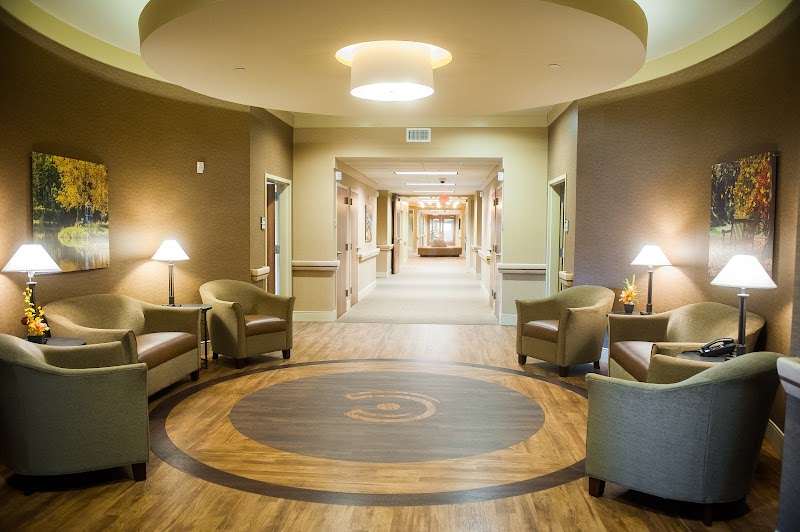
How is Coldspring Transitional Staffed?

CMS rates COLDSPRING TRANSITIONAL CARE CENTER's staffing level at 2 out of 5 stars, which is below average compared to other nursing homes. Staff turnover is 55%, which is 9 percentage points above the Kentucky average of 46%. High turnover can affect care consistency as new staff learn residents' individual needs.

What Have Inspectors Found at Coldspring Transitional?

State health inspectors documented 10 deficiencies at COLDSPRING TRANSITIONAL CARE CENTER during 2019 to 2025. These included: 10 with potential for harm.

Who Owns and Operates Coldspring Transitional?

COLDSPRING TRANSITIONAL CARE CENTER is owned by a for-profit company. For-profit facilities operate as businesses with obligations to shareholders or private owners. The facility is operated by CARESPRING, a chain that manages multiple nursing homes. With 143 certified beds and approximately 135 residents (about 94% occupancy), it is a mid-sized facility located in COLD SPRING, Kentucky.

How Does Coldspring Transitional Compare to Other Kentucky Nursing Homes?

Compared to the 100 nursing homes in Kentucky, COLDSPRING TRANSITIONAL CARE CENTER's overall rating (2 stars) is below the state average of 2.8, staff turnover (55%) is near the state average of 46%, and health inspection rating (2 stars) is below the national benchmark.

What Should Families Ask When Visiting Coldspring Transitional?

Based on this facility's data, families visiting should ask: "How do you ensure continuity of care given staff turnover, and what is your staff retention strategy?" "Can you walk me through typical staffing levels on day, evening, and night shifts?" "Can I visit during a mealtime to observe dining assistance and food quality?" "How do you handle medical emergencies, and what is your hospital transfer rate?" These questions are particularly relevant given the facility's high staff turnover rate and the below-average staffing rating.

Is Coldspring Transitional Safe?

Based on CMS inspection data, COLDSPRING TRANSITIONAL CARE CENTER has a clean safety record: no substantiated abuse findings (meaning no confirmed cases of resident harm), no Immediate Jeopardy citations (the most serious violation level indicating risk of serious injury or death), and is not on the Special Focus Facility watch list (a federal program monitoring the lowest-performing 1% of nursing homes). The facility has a 2-star overall rating and ranks #100 of 100 nursing homes in Kentucky. While no facility is perfect, families should still ask about staff-to-resident ratios and recent inspection results during their visit.

Do Nurses at Coldspring Transitional Stick Around?

Staff turnover at COLDSPRING TRANSITIONAL CARE CENTER is high. At 55%, the facility is 9 percentage points above the Kentucky average of 46%. High turnover means new staff may not know residents' individual needs, medications, or preferences. It can also be disorienting for residents, especially those with dementia who rely on familiar faces. Families should ask: What is causing the turnover? What retention programs are in place? How do you ensure care continuity during staff transitions?

Was Coldspring Transitional Ever Fined?

COLDSPRING TRANSITIONAL CARE CENTER has no federal fines on record. CMS issues fines when nursing homes fail to meet care standards or don't correct problems found during inspections. The absence of fines suggests the facility has either maintained compliance or corrected any issues before penalties were assessed. This is a positive indicator, though families should still review recent inspection reports for the full picture.

Is Coldspring Transitional on Any Federal Watch List?

COLDSPRING TRANSITIONAL CARE CENTER is not on any federal watch list. The most significant is the Special Focus Facility (SFF) program, which identifies the bottom 1% of nursing homes nationally based on persistent, serious quality problems. Not being on this list means the facility has avoided the pattern of deficiencies that triggers enhanced federal oversight. This is a positive indicator, though families should still review the facility's inspection history directly.