

Oakmont Manor

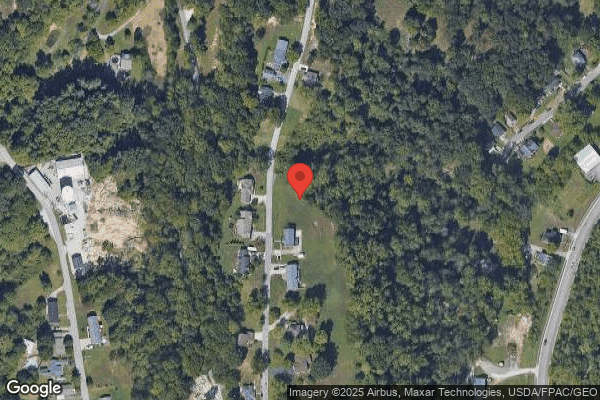
1100 GRANDVIEW DRIVE, FLATWOODS, KY 41139 (606) 836-3187
For profit - Limited Liability company 85 Beds BLUEGRASS HEALTH KY Data: November 2025
Trust Grade
70/100
#124 of 266 in KY
Last Inspection: May 2025

Inspected within the last 6 months. Data reflects current conditions.

Overview

Oakmont Manor in Flatwoods, Kentucky has a Trust Grade of B, indicating it is a good choice among nursing homes. It ranks #124 out of 266 in the state, placing it in the top half, and is the best option among the three facilities in Greenup County. However, the facility's trend is worsening, with issues increasing from 1 in 2020 to 4 in 2025. Staffing is a concern as it has a below-average rating of 2 out of 5 stars, with a turnover rate of 47%, which is average for the state. Fortunately, the facility has not incurred any fines, which is a positive aspect. Specific incidents noted include staff touching food serving bowls with bare hands, risking contamination, and a dietary aide coughing over residents' lunch trays without sanitizing afterward, which could lead to infection risks. Additionally, there was a failure to properly document tube feeding care for one resident, which could potentially lead to complications. While Oakmont Manor has strengths, such as no fines and a solid trust grade, the identified issues in hygiene and care processes are concerning for families considering this facility.

Trust Score
B
70/100
In Kentucky
#124/266
Top 46%
Safety Record
Low Risk
No red flags
Inspections
Getting Worse
1 → 4 violations
Staff Stability
⚠ Watch
47% turnover. Above average. Higher turnover means staff may not know residents' routines.
Penalties
✓ Good
No fines on record. Clean compliance history, better than most Kentucky facilities.
Skilled Nurses
○ Average
Each resident gets 38 minutes of Registered Nurse (RN) attention daily — about average for Kentucky. RNs are the most trained staff who monitor for health changes.
Violations
○ Average
7 deficiencies on record. Average for a facility this size. Mostly minor or procedural issues.
★★★☆☆
3.0
Overall Rating
★★☆☆☆
2.0
Staff Levels
★★☆☆☆
2.0
Care Quality
★★★☆☆
3.0
Inspection Score
Stable
2020: 1 issues
2025: 4 issues

The Good

  • Full Sprinkler Coverage · Fire safety systems throughout facility
  • No fines on record

Facility shows strength in fire safety.

The Bad

3-Star Overall Rating

Near Kentucky average (2.8)

Meets federal standards, typical of most facilities

Staff Turnover: 47%

Near Kentucky avg (46%)

Higher turnover may affect care consistency

Chain: BLUEGRASS HEALTH KY

Part of a multi-facility chain

Ask about local staffing decisions and management

The Ugly 7 deficiencies on record

May 2025 4 deficiencies
CONCERN (D)

Potential for Harm - no one hurt, but risky conditions existed

Tube Feeding (Tag F0693)

Could have caused harm · This affected 1 resident

**NOTE- TERMS IN BRACKETS HAVE BEEN EDITED TO PROTECT CONFIDENTIALITY** Based on observation, interview, record review, review of the manufacturer's guidelines, review of a journal article, and review...

Read full inspector narrative →
**NOTE- TERMS IN BRACKETS HAVE BEEN EDITED TO PROTECT CONFIDENTIALITY** Based on observation, interview, record review, review of the manufacturer's guidelines, review of a journal article, and review of the facility's policy, the facility failed to provide the services to prevent possible complications of enteral feeding including but not limited to diarrhea, vomiting, and dehydration, for 1 of 3 residents investigated for tube feeding care, sampled Resident (R) 83. Observations on [DATE] at 11:30 AM and 1:30 PM, revealed R83's tube feeding was hung and spiked, with the tubing primed. However, the facility's staff failed to document the time the tube feeding was hung. The findings include: Review of the facility's policy titled, Tube Feedings, not dated, revealed the tube feeding formula could hang for 24 to 48 hours, depending on the manufacturer's recommendation. Review of the formula company's recommendation guidelines, dated 05/2013, revealed, for hang time, the referenced journal article was Enteral Nutrition Practice Recommendations Task Force, Enteral Nutrition Practice Recommendations, dated 2009, Journal of Parental Enteral Nutrition 2009; 33:122-127. The article stated the open system should be changed every 24 hours. Review of the journal article Safety of Enteral Nutrition Practices: Overcoming the Contamination Challenges, Indian J Crit Care Med, 2020 Aug; 24(8):709-712, revealed most closed containers were discarded after 24 hours due to current manufacturer recommendations to change enteral feeding sets every 24 hours and to spike each closed container only once. Per the article, besides the feed, even the feeding delivery sets could be a source of contamination. Hence, they also needed to be replaced every 24 hours. Review of R83's admission Record revealed the facility admitted the resident on [DATE] with diagnoses of diabetes mellitus type 2, cachexia, and depression. Review of R83's admission Minimum Data Set [MDS], with an Assessment Reference Date (ARD) of [DATE], revealed the facility assessed the resident to have a Brief Interview for Mental Status [BIMS] score of 12 out of 15, which indicated R83 had moderate cognitive impairment. Review of R83's Physician's Orders, revealed an order with a date/start date of [DATE]. The order stated to administer, every night from 8:00 PM to 6:00 AM, enteral nutrition via pump of diabetic source AC 1.2 at 39 milliliters per hour (ml/hr) per the resident's percutaneous endoscopic gastrostomy (PEG) tube continuously, (10 hours nightly). Observation on [DATE] at 11:30 AM and 1:23 PM revealed R83 had a closed system tube feeding diabetic source 1.2 spiked and primed at the bed side. The tube feeding label was dated for [DATE] with start time of 8:00 PM and end time of 6:00 AM. However, the observation revealed the time the tube feeding was hung was not documented on the label. In an interview with R83's spouse on [DATE] at 1:30 PM, he stated the tube feeding ran at night. In an interview with Licensed Practical Nurse (LPN) 4 at [DATE] on 11:45 AM, she stated the tube feeding was thrown away after the run time, and the tube feeding was labeled and dated with the start time. She stated the tube feeding bottle was not spiked or primed until hung. She stated the tube feeding bottle should not be spiked or the tube feeding hung or primed until ready for use. She stated, with tube feeding, there was a potential for bacteria to enter the system; therefore, the tube feeding could only hang for 24 hours. In an interview with LPN2 on [DATE] at 8:30 AM, she stated the tube feeding was hung when the time started. She stated the tube feeding was hung for 48 hours. She stated, if the tube feeding was hung early, it could become cross contaminated, and the tube feeding in the set could dry in the tube. In an interview with LPN1, who was also the F Unit Coordinator, on [DATE] at 8:36 AM, she stated R83's tube feeding was scheduled for 10 hours. She stated the tube feeding was hung right before the beginning time, according to the physician's orders. She stated the nurses could not hang it early because they could forget to turn it on at the start time. She also stated, if hung early, the tube feeding in the tube would crust or dry and become unsanitary, and it should be thrown away. She stated R83's tube feeding should not have been left hanging, but thrown away. She stated the formula could become spoiled if allowed to hang so long prior to usage. In an interview with Registered Nurse (RN) Infection Preventionist (IP) Assistant Director of Nursing (ADON) 1 on [DATE] at 2:44 PM, she stated the tube feeding only hung for 24 hours. She stated, once the tube feeding was spiked, the closed system became an open system, and the clock started the 24 hour count down. She stated, if the tube feeding was left hanging greater than 24 hours, it could become cross contaminated with medications and potentially with bacteria. She stated, once the time had expired, the tube feeding and tubing should be removed and discarded. In an interview with LPN6 on [DATE] at 10:21 AM, she stated the tube feeding should be hung when it was due to start, following the physician's orders. She stated after 24 hours the nurse should discard the tube feeding. She stated, if it was changed in the middle of the night or the tube feeding ran out, the nurse could hang another to use again for that night. She stated, on [DATE], it had not been 24 hours. She stated she did not remember the time she changed the tube feeding. She stated R83's order changed from continuous tube feeding to continuous for 10 hours. In an interview with RN1 on [DATE] at 10:48 AM, she stated the tube feeding was hung at the start time. She stated the tube feeding was discarded at the end time and could not be reused for the next start time due to cross contamination. In an interview with RN2 on [DATE] at 10:49 AM, she stated if R83's tube feeding did not run out prior to the stop time, the tube feeding should be taken down and thrown away. She stated the tube feeding could not be left for the next start time because it could become spoiled. In an interview with the Registered Nurse (RN) Director of Nursing (DON) on [DATE] at 9:26 AM, she stated when the tube feeding was hung at the start time, the tube was still capped at the end time, and did not hang greater then 24 hours, bacteria proliferation was not an issue. In an interview with the Administrator on [DATE] at 12:18 PM, he stated his expectation was the tube feeding hang for the scheduled time and not to spike ahead of time. He stated the tube feeding should be taken down when the time was completed.
CONCERN (D)

Potential for Harm - no one hurt, but risky conditions existed

Menu Adequacy (Tag F0803)

Could have caused harm · This affected 1 resident

Based on observation, interview, and review of the facility's current Spring/Summer cycle extension menus, the facility failed to ensure the puree diets were followed as determined by observations of ...

Read full inspector narrative →
Based on observation, interview, and review of the facility's current Spring/Summer cycle extension menus, the facility failed to ensure the puree diets were followed as determined by observations of the dinner tray line on 04/29/2025 and the lunch tray line on 04/30/2025 for 2 of 2 residents sampled for puree diets, Resident (R) 3 and R5. The findings include: 1. Review of the puree extension dinner menu for Tuesday, 04/29/2025 (Tuesday, week 1 dinner) revealed puree chicken salad croissant, tomato juice, puree cottage cheese, puree crackers, and puree fruit plate would be served. However, observation of the dinner meal on 04/29/2025 at 4:45 PM revealed, for Resident (R) 3 and R5, who received puree diets, the facility failed to provide a vegetable portion (tomato juice), bread portion (croissant), puree crackers and puree fruit plate, (or appropriate alternate items) per the puree diet extension. 2. Review of the puree extension lunch menu for Wednesday, 04/30/2025 (Wednesday, week 1 lunch) revealed puree cheesesteak, puree bun, puree tater tots, puree green beans, and puree fruit cocktail would be served. However, observation of a test tray on 04/30/2025 at 12:35 PM, which R3 and R5 received, revealed the puree lunch consisted of puree cheesesteak, puree bread, puree mashed potato, puree green beans, milk, iced tea, and regular Jello with no fruit pieces. The facility failed to provide puree tater tots and puree fruit cocktail. During an interview with morning [NAME] 1 on 05/01/2025 at 9:45 AM, the [NAME] stated, I puree all menu items separately: protein, starch, vegetable, bread, and dessert. When asked about Jello that was on the menu, the [NAME] stated, I would provide puree Jello or provide other puree if the extension calls for it. During an interview with morning Dietary Aide 1 on 05/01/2025 at 9:55 AM, she stated, I would puree separate items: meat, bread, mashed potatoes, green beans. When asked about puree dessert, she stated, Prep position takes care of dessert. During an interview with Dietary Aide 2 on 05/01/2025 at 10:00 AM, she stated, I puree whatever dessert is on the menu. When asked about Jello for puree diets, she stated, Plain Jello is provided without fruit. When asked about how she knew what to provide for a puree diet, the Prep Aide stated, I follow the diet sheets. During an interview with the Foodservice Director on 05/01/2025 at 10:10 AM, when asked about the correct diet for puree, she stated, Residents should not have received Jello; the pureed fruit was missed. Puree should include a separate protein, starch, vegetable, bread, and dessert. During an interview with the Registered Dietitian (RD) on 05/01/2025 at 10:35 AM, she stated Menus are provided from an outside source, and the dietitian is responsible for nutrition adequacy. During an interview with the Executive Director on 05/02/2025 at 12:35 PM, he stated he had no involvement with cycle menus, and the . dietitian follows the recipe book. When asked about menus that failed to meet nutritional requirements, he stated, We are to follow the extension or to provide an equivalent.
CONCERN (E)

Potential for Harm - no one hurt, but risky conditions existed

Food Safety (Tag F0812)

Could have caused harm · This affected multiple residents

Based on observation, interview, and review of a food safety article, the facility failed to serve food in a sanitary manner as determined by observation of the lunch service on 04/29/2025 and 04/30/2...

Read full inspector narrative →
Based on observation, interview, and review of a food safety article, the facility failed to serve food in a sanitary manner as determined by observation of the lunch service on 04/29/2025 and 04/30/2025 when the Dietary staff touched the clear plastic square bowls inside the rims with bare fingers as they turned the bowls over for service. This had the potential to affect all 84 current residents. The findings include: Review of the State Safe Food handling article Server Tips, Hands Off, dated 2025, https://www.statefoodsafety.com/Resources/Resources/server-tip-hands-off#:~:text=More%20importantly%20than%20the%20money,will%20be%20used%20by%20guests, revealed bare hand contact on dishes and utensils was an issue because bare hands spread germs. Observation on 04/29/2025 at 11:30 AM of the resident lunch tray line revealed the cook picked up and held the acrylic four ounce serving bowls with fingers touching the underside of the last bowl in the stack with her bare hand and fingers. . Observation on 04/30/2025 at 11:30 AM of the resident lunch tray line revealed Dietary Aide 2 picked up and held the acrylic four ounce serving bowls with fingers touching the underside of the last bowl with her bare hand and underneath the top two bowls. In an interview with the Dietary Manager on 05/01/2025 at 10:10 AM, she stated staff should handle the plastic clear square bowls by the bottoms and not put fingers over the rims because there was an infection control concern. In an interview with [NAME] 1 on 05/01/2025 at 9:30 AM, she stated she pulled the clear plastic square bowls off the shelf and turned them over by placing her hand on the bottom and turning over with her other hand. She stated it was not correct to touch the inside of the bowl with fingers to prevent the spread of germs from the fingers. In an interview with Dietary Aide 2 on 05/01/2025 at 9:45 AM, she stated it was correct not to touch the inside of the plate and the clear plastic square bowls to prevent the bacteria from fingers to cross contaminate. In an interview with the Registered Nurse (RN) Director of Nursing (DON) on 05/02/2025 at 9:37 AM, she stated she expected staff to prevent cross contamination by not putting fingers into the top of the bowl. She stated if a dish was contaminated by bare fingers or hands, it should be removed from the tray line. In an interview with the Administrator on 05/02/2025 at 12:12 PM, he stated his expectation was for staff to handle dishware in a sanitary manner and to perform hand washing prior to handling clean dishware.
CONCERN (E)

Potential for Harm - no one hurt, but risky conditions existed

Infection Control (Tag F0880)

Could have caused harm · This affected multiple residents

Based on observation, interview, and review of the facility's policies, the facility failed to maintain an infection prevention and control program designed to provide a safe, sanitary, and comfortabl...

Read full inspector narrative →
Based on observation, interview, and review of the facility's policies, the facility failed to maintain an infection prevention and control program designed to provide a safe, sanitary, and comfortable environment and to help prevent the development and transmission of communicable diseases and infections. Observation on 04/29/2025 revealed Dietary Aide 1 coughed multiple times over the residents' trays on the lunch tray line for the D Unit cart. Dietary Aide 1 coughed into her elbow. However, she did not step back from the tray line, sanitize, or wash her hands. The deficient practice had the potential to affect all residents on the D Unit, with a census of 20. The findings include: Review of the facility's policy titled, Personal Hygiene and Health Reporting, dated 2019, revealed the food and nutrition services employees would be trained on appropriate personal hygiene and health reporting. Review of the facility's policy titled, Hand Washing, dated 2019, revealed employees would wash hands as frequently as needed throughout the day using proper hand washing procedures. Per the policy, hands should be washed after coughing, sneezing, using a handkerchief or disposable tissue, using tobacco, eating, or drinking. Observation during the D Unit lunch tray line on 04/29/2025 at 11:30 AM to 11:55 AM, revealed Dietary Aide 1 was coughing into her elbow on the tray line and did not step away or wash/sanitize her hands. In an interview with Dietary Aide 1 on 05/01/2025 at 4:22 PM, she stated she had allergies. She stated she was taught to couch into her arm at the elbow (she demonstrated by coughing into her upper arm). She stated, on 04/30/2025, she went to an urgent treatment center for testing, and it was verified she just had allergies. She stated she was trained by the Dietary Manager to cough into her elbow and upper arm. In an interview with the Dietary Manager on 05/02/2025 at 9:12 AM, she stated Dietary Aide 1 should have stepped away from the line and covered her cough into the arm. She stated, if a staff member, such as Dietary Aide 1, continued to cough, they should be removed from the line. In an interview with the Registered Nurse (RN) Infection Preventionist (IP) Assistant Director of Nursing (ADON) 1 on 05/01/2025 at 2:44 PM, she stated staff was to cough into the elbow, using cough etiquette. She stated Dietary Aide 1 should have sanitized her hands between coughs. She stated if Dietary Aide 1 choked, she should step away from the line, take a drink of water, and sanitize hands. She stated if Dietary Aide 1 continued to cough, she needed to step away and wear a mask. She stated she expected Dietary Aide 1 to report to her on the day she felt sick at work. In an interview with the Registered Nurse (RN) Director of Nursing (DON) on 05/02/2025 at 9:34 AM, she stated her expectation was to discard the tray and get another one. She stated Dietary Aide 1 should have taken the day off, wore a mask, or gone to the medical doctor. In an interview with the Administrator on 05/02/2025 at 11:54 AM, he stated coughing on the tray line posed a risk for contamination. He stated Dietary Aide 1 should have let another staff member take over her position on the tray line. He stated if Dietary staff felt sick, they should step away, have other staff take over their position, and report to the IP Nurse.
Jan 2020 1 deficiency
CONCERN (D)

Potential for Harm - no one hurt, but risky conditions existed

Food Safety (Tag F0812)

Could have caused harm · This affected 1 resident

Based on observation, interview and review of the facility's policy, it was determined the facility failed to store food under sanitary conditions for one (1) of five (5) resident refrigerators on uni...

Read full inspector narrative →
Based on observation, interview and review of the facility's policy, it was determined the facility failed to store food under sanitary conditions for one (1) of five (5) resident refrigerators on unit G. Observation on 01/08/2020, revealed a shared refrigerator in room G4 on the G unit with food in the freezer compartment not labeled or dated. The Findings Include: Review of the facility's policy, titled Personal Refrigerator Policy, dated 11/03/2017, revealed it was the policy of the facility that residents may utilize personal refrigerators. Further review revealed the food must be labeled with the resident's name and be dated with the date of when it was placed in the refrigerator. Per policy, food will be discarded two (2) days after placed in the refrigerator. Continued review of the policy revealed the resident/responsible party would be educated to the above procedure and safe food handling practices upon admission. Per the policy, Environmental Services will check personal refrigerators daily for appropriate temperature and cleanliness and will clean personal refrigerators no less than weekly and on an as needed basis. Review of the admission Manual, undated, revealed food may be brought in by family/visitors and must be placed in an airtight container. Further review revealed the food must be labeled with resident name and date of when the item was placed in the refrigerator. Continued review revealed food would be discarded two (2) days after placed in the refrigerator. Per the admission Manual, the resident/resident representative will be educated to the above procedure and safe food handling practices upon admission. Further review of the admission Manual, revealed the Safe Food Handling acknowledgement document was provided to resident/resident representative as part of the admission packet. Observation of the G Hall Room G 4 personal refrigerator, on 01/08/2020 at 10:51 AM, revealed a food storage container in the freezer, which contained a red pasta like item. Continued observation revealed the container had no label with resident's name and was not dated. Further observation revealed white ice/frost in the bottom of the inside of the container, with the food inside the container. The temperature of the refrigerator was observed to be thirty-six (36) degrees Fahrenheit. Observation of the G Hall Room G 4 personal refrigerator, on 01/09/2020 at 11:16 AM, revealed the food storage container remained in the freezer. Interview with Licensed Practical Nurse (LPN) #2, on 01/09/2020 at 11:16 AM, revealed housekeeping was responsible to check personal refrigerators and defrost them. Continued interview revealed the aides checked dates and temperatures on the freezers at night. LPN #2 removed the food storage container and indicated the food looked like it was lasagna and rice, and stated the food should have been labeled and dated. Further interview revealed she did not know how long the food had been in the freezer and would not want someone to eat the food because it had no date on it and no way to know if the food was good. Interview on 01/09/2020 at 08:41 AM, with Environmental Services staff revealed the resident's family or the nurse should date the food containers. Continued interview revealed environmental services checked the refrigerator temperatures daily and cleaned personal refrigerators once a week. Further interview revealed environmental services also checked the food item and stated the food was good for two (2) days from the date on the food container. Interview with an Environmental Services Staff/Housekeeping Aide, on 01/09/2020 at 2:25 PM, revealed the facility's policy regarding refrigerators in residents rooms was that food items were dated and good for two (2) days. Further interview revealed housekeeping checked personal refrigerator temperatures daily, and stated the correct temperature for the refrigerators was thirty-two (32) degrees Fahrenheit to Forty-six (46) degrees Fahrenheit. She stated they were to defrost freezers as they ice. Continued interview revealed when housekeeping checked refrigerators daily if food was outdated they were supposed to throw it away. Per interview, the Environmental Services Staff/Housekeeper stated she missed checking that freezer that day. Per interview, she stated she saw the container with the food after it was removed from the freezer and it had no date or label. Further interview revealed the food did not look like something a resident should eat with the frost and that it looked like it had been in there a while. Per interview, with no date on the container there was no way to know how long it had been in the freezer and if a resident ate something expired; it could make the resident sick. Interview with the Director of Nursing (DON), on 01/09/2020 at 2:33 PM, revealed the policy on personal refrigerators was in the admission packet, which included information on food storage. Per interview, if nurses take food from family and put it in the personal refrigerators, they should label and date the food. She stated if family brings it and sneaks it in, nursing would not know. Further interview revealed personal refrigerator temperatures were checked daily, by Housekeeping and they discard every day any out of date food. Further interview revealed if nursing or anyone gets in a personal refrigerator and food was out of date, they could discard outdated food as well. Per interview, if you do not know the date the food was placed in the refrigerator, it should be discarded. Continued interview revealed she would have to double check, but believed food was good for three (3) days. Per interview, the leftover food in Room G4 personal freezer should have been labeled, dated and discarded after three (3) days. Continued interview revealed if a resident consumed expired food, depending on what type of food it was, it could cause upset stomach. Interview with the Administrator, on 01/09/2020 at 2:48 PM, revealed the facility educated residents and families on admission, on safe food handling and the information is in the resident admission packets to include how food is stored, sealed, dated, labeled with name and how soon food should be thrown out. Continued interview revealed food storage in personal refrigerators was monitored daily by the housekeeping staff, who checked refrigerator temperatures and checked for expired items. Per interview, if family had not notified staff that they brought food into the facility and is was not dated, or had no name, housekeeping should take it to nursing to be discarded. Further interview revealed if a food item had no name or date and they do not know who it belonged to, there would be no way to verify the integrity of the food. Per interview, if food was expired it could be a safety issue. Continued interview revealed it was the expectation that staff follow the facility's policy as it was written and communicate as needed.
Jan 2019 2 deficiencies
CONCERN (D)

Potential for Harm - no one hurt, but risky conditions existed

Assessment Accuracy (Tag F0641)

Could have caused harm · This affected 1 resident

**NOTE- TERMS IN BRACKETS HAVE BEEN EDITED TO PROTECT CONFIDENTIALITY** Based on interview, record review, and review of the Resident Assessment Instrument (RAI) Version 3.0 User Manual, it was determ...

Read full inspector narrative →
**NOTE- TERMS IN BRACKETS HAVE BEEN EDITED TO PROTECT CONFIDENTIALITY** Based on interview, record review, and review of the Resident Assessment Instrument (RAI) Version 3.0 User Manual, it was determined the facility failed to ensure the accuracy of SectionKof the Minimum Data Set (MDS) Assessment for one (1) of eighteen (18) sampled residents (Resident #39). Resident #39's Quarterly MDS assessment dated [DATE], revealed the resident was coded to reflect the resident was on a prescribed weight loss program; however, interview and record review revealed the MDS Assessment was coded incorrectly. The findings include: Interview with the Director of Nursing (DON, on 01/17/19 at 5:00 PM, revealed the facility utilized the the Resident Assessment Instrument (RAI) Version 3.0 User Manual as a guide for completing the MDS Assessments. Review of the Resident Assessment Instrument (RAI) Version 3.0 User Manual, dated October 2017, Chapter 3, revealed the intent of Section K was to assess the many conditions that could affect the resident's ability to maintain adequate nutrition and hydration. Nurse assessors should collaborate with the dietician and dietary staff to ensure that items in this section have been assessed and calculated accurately. Under section K0300, it states to code 1-yes, if the expressed goal of the diet was inducing weight loss. Review of Resident #39's medical record revealed the facility re-admitted the resident on 06/13/18 with diagnoses of Dysphagia, Chronic Kidney Disease, and Atrial Fibrillation. Review of Resident #39's Summary Report for active orders revealed the resident was ordered Fortified cereal in the morning as a supplement with a start date of 09/11/18, and the order was active. Further review revealed orders for House Supplement sixty (60) millimeters (ml) two (2) times a day with a start date of 09/10/18 and an end date of 12/12/18. Review of the Quarterly MDS assessment dated [DATE], revealed the facility assessed the resident as having a Brief Interview for Mental Status (BIMS) of a thirteen (13) out of fifteen (15) indicating the resident was cognitively intact. Section K0300 was coded 1- yes, indicating the resident had a weight loss of five percent (5%) or more in the last month or loss of ten percent (10%) or more in the last six (6) months, and indicating the resident was on a physician prescribed weight loss regimen. Further review of Resident #39's medical record revealed no documented evidence the resident was prescribed a weight loss plan. Review of the resident's weights revealed a weight of 177 pounds on 07/11/18; and a weight of 147 pounds on 12/12/18. This revealed the resident had a severe weight loss of 24.29 % in six (6) months. Interview on 01/17/19 at 3:59 PM, with the Dietary Manager, revealed she was responsible for completing section K of the MDS Assessments. She stated when completing the MDS Assessments she would check resident weights for triggers of loss or gain. She further stated if a resident was receiving Lasix, she would mark prescribed weight loss regimen. Further interview revealed the MDS Coordinator or MDS Nurse checked behind her to ensure her section was correct before transmission. Interview on 01/17/19 4:06 PM, with the MDS coordinator, revealed she was responsible for ensuring all disciplines completed their sections of the MDS Assessments, and was also responsible for checking the MDS Assessments for accuracy, prior to transmission. Further interview revealed all disciplines responsible for completing the MDS Assessments had been trained in completing the Assessments accurately. After reviewing Resident #39's MDS Assessment, she stated the resident should not have been coded as on a prescribed weight loss regimen, and the Assessment was not completed accurately. Interview with the DON, on 01/17/19 at 5:00 PM, revealed it was expected the disciplines complete the MDS Assessments accurately by following the (RAI) Version 3.0 User Manual. Further interview revealed prior to completing the MDS Assessment, it was expected information be gathered for each section through observation of the resident, record review, and resident and staff interview. Continued interview revealed Resident #39's MDS Assessment was completed inaccurately as the resident was not on a prescribed weight loss program. Per interview, the Physician and interdisciplinary team were making efforts to prevent further weight loss for this resident through nutritional interventions. Interview with the Administrator, on 01/17/19 at 5:20 PM, revealed it was important for the MDS Assessment to be accurate because this Assessment drives the Comprehensive Care Plan. Per interview, there would need to be a Physician's Order for a weight loss plan in order for the MDS Assessment to be correctly coded for a prescribed weight loss regimen, and this was not the case for Resident #39.
CONCERN (D)

Potential for Harm - no one hurt, but risky conditions existed

Infection Control (Tag F0880)

Could have caused harm · This affected 1 resident

Based on observation, interview, and review of the facility's Policies, it was determined the facility failed to establish and maintain an infection prevention and control program designed to provide ...

Read full inspector narrative →
Based on observation, interview, and review of the facility's Policies, it was determined the facility failed to establish and maintain an infection prevention and control program designed to provide a safe, sanitary and comfortable environment and to help prevent the development and transmission of communicable diseases and infections for one (1) of eighteen (18) sampled residents (Resident #52). Observation of pericare care/incontinence care for Resident #52, on 01/15/19, revealed staff failed to perform good hand hygiene prior to, during and following pericare/incontinence care. The findings include: Review of the facility's Policy, titled, Hand Hygiene/Hand Washing, dated, October 2002, revealed the facility considered hand washing/hand hygiene the most important single procedure for preventing healthcare associated infections. Further policy review revealed staff should follow proper hand hygiene procedures to decrease the risk of transmission of infections to residents, staff and visitors. Continued review of the facility's Policy, revealed the facility would implement an infection control and prevention program. Review of the facility's Policy, titled, Perineal Care for Incontinent Resident, undated, revealed the facility would provide perineal care to the incontinent resident every two (2) hours and as needed. Prior to providing incontinence care, staff were to perform hand hygiene by washing hands with soap and water or by applying an alcohol-based hand rub. Continued review of the facility's Policy, revealed staff would remove soiled gloves, perform proper hand hygiene and apply clean gloves after incontinence care and prior to repositioning resident's clean bed linens, call light and bed position. Review of Resident #52's clinical record revealed the facility re-admitted the resident on 11/21/18 with diagnoses to include Urinary Tract Infection, Overactive Bladder, Cognitive Communication Deficit, Vascular Dementia without Behavioral Disturbance, Generalized Anxiety Disorder and Urinary Incontinence. Observation of perineal care provided to Resident #52 on 01/15/19 at 3:00 PM, by State Registered Nursing Assistant (SRNA) #3 and SRNA #4, revealed SRNA #3 and SRNA #4 entered the resident's room, and set up incontinence care supplies at bedside. Further observation revealed SRNA #3 and SRNA #4 failed to wash hands, prior to providing resident care. The SRNAs donned gloves and turned the resident onto his/her left side and tucked the urine soaked brief with the urine saturated chucks pad underneath the resident's buttocks. SRNA #3 held the resident in position as SRNA #4 provided pericare and cleansed the perineal area from front to back with a soapy washcloth. SRNA #4 then rinsed the pubic and perineal area with clean water and patted the areas dry with a clean washcloth. SRNA #3 then rolled the resident onto his/her right side, towards SRNA #4 and pulled the soiled brief and urine soaked chucks pad out from underneath the resident. SRNA #3 then tucked a clean adult brief under the resident's buttocks as SRNA #4 assisted to reposition the resident back on to the left side. SRNA #3 then pulled the clean brief out from underneath the resident and without washing hands or changing gloves, applied Balmex ointment to reddened areas on the resident's buttocks. Further observation revealed SRNA #4 fastened the clean brief at both left and right tabs. SRNA #3 and SRNA #4 then, with the same soiled gloves, dressed the resident in slacks, and both SRNAs adjusted the resident's bed linens and side rails. SRNA #3 adjusted the call light with the same soiled gloves used to provide perineal care. SRNA #3, and SRNA #4 then without removing soiled gloves or washing hands, cranked the resident's head of bed in to the desired position and hung the resident's gait belt on a hook located on the back of the resident's bedroom door. SRNA #3 failed to remove his soiled gloves and wash hands prior to exiting Resident #52's room. Interview on 01/15/19 at 3:20 PM, with SRNA #4, revealed she had received infection control and prevention and hand hygiene/hand washing training upon hire approximately five (5) months ago and several times since then. She stated she should have washed her hands and donned clean gloves prior to providing pericare care to Resident #52 as this was an infection control issue and could potentially spread germs, infection or disease to the resident. Further interview with SRNA #4, revealed she should have removed her soiled gloves, washed her hands and applied clean gloves before dressing the resident, repositioning the resident's bed linens, and touching objects in the environment. Further interview with SRNA #4, revealed in the future she needed to be more diligent and wash her hands frequently during perineal care. Interview on 01/15/19 at 3:35 PM, with SRNA #3, revealed he had received infection control and prevention training upon hire nearly four (4) years ago and had received several updates since that time. SRNA #3 stated he was familiar with and had received training on proper hand washing/hand hygiene and all staff were frequently in-serviced on new/revised material related to infection control and prevention practices. SRNA #3 stated he should have washed his hands and applied clean gloves prior to providing incontinence care to Resident #52. Further interview revealed he should have washed his hands and applied clean gloves after providing the resident's incontinence care and prior to applying the Balmex cream to the resident's buttocks, but could not explain why he failed to do so. Continued interview revealed he should have removed his soiled gloves, washed his hands and applied clean gloves prior to applying the resident's clean brief following perineal care. Additional interview revealed the SRNA was aware he should have removed his soiled gloves and washed his hands prior to dressing the resident, readjusting the bed linens and repositioning the resident's call light. SRNA #3 stated he was aware of the importance of proper hand washing and glove use in the prevention of the spread of germs, infection and potential diseases to residents, staff, and visitors, and he should have washed his hands prior to exiting Resident #52's room. SRNA #3 further stated he needed to be more aware of the need to wash hands when providing direct care to his residents in the future. Interview with Registered Nurse (RN #1), on 01/17/19 at 2:49 PM, revealed she had received training on proper hand washing/hand hygiene techniques and infection control and prevention practices upon hire approximately fifteen (15) months ago and at least four (4) or five (5) times since her date of hire. RN #1 revealed she participated in in-service trainings provided by the facility where staff performed skills and competency check-offs and hand washing was a competency the SRNAs were required to return demonstrate. RN #1 stated she would expect the SRNAs to wash their hands prior to providing perineal care to the residents. RN #1 further stated she also expect the direct care staff to remove soiled gloves, wash hands and apply clean gloves after removing a soiled brief, and prior to applying a clean brief or cream to a resident. Further interview with RN #1, revealed she expected direct care staff to remove their soiled gloves, wash their hands and apply clean gloves after applying a clean brief and cream to a resident and before repositioning the resident in bed, readjusting the bed linens, call light or head of bed. RN #1 further stated she would expect staff to wash their hands prior to exiting the resident's room. Additional interview with RN #1 revealed it was important to utilize proper hand hygiene and glove use to prevent urinary tract infections and any type of cross-contamination. RN #1 stated, It's important that we wash our hands during any direct resident care; we want to protect our residents from illness. Interview on 01/17/19 at 4:50 PM, with the Director of Nursing (DON, revealed it was her expectation staff wash their hands before donning clean gloves, prior to providing peri care/incontinence care. Further interview with the DON, revealed she expected staff to remove their soiled gloves, wash their hands and apply clean gloves prior to applying a clean brief or cream on a resident following perineal care. Continued interview revealed she expected staff to remove soiled gloves, wash their hands and apply clean gloves prior to readjusting the resident's bed linens, call light, side rails and other objects in the resident's room following perineal care. She further stated staff were to wash hands after providing care and before exiting the room. Additional interview with the DON, revealed it was her expectation staff utilize proper hand hygiene and infection control and prevention practices. Interview on 01/17/19 at 5:23 PM, with the Administrator, revealed he expected all staff to utilize proper hand hygiene and infection control and prevention practices. Further interview revealed hand washing and proper use of gloves was expected during perineal care of incontinent residents.
Understanding Severity Codes (click to expand)
Life-Threatening (Immediate Jeopardy)
J - Isolated K - Pattern L - Widespread
Actual Harm
G - Isolated H - Pattern I - Widespread
Potential for Harm
D - Isolated E - Pattern F - Widespread
No Harm (Minor)
A - Isolated B - Pattern C - Widespread

Questions to Ask on Your Visit

  • "Can I speak with families of current residents?"
  • "What's your RN coverage like on weekends and overnight?"

Our Honest Assessment

Strengths
  • • No major safety red flags. No abuse findings, life-threatening violations, or SFF status.
  • • No fines on record. Clean compliance history, better than most Kentucky facilities.
Concerns
  • • No major red flags. Standard due diligence and a personal visit recommended.
Bottom line: Mixed indicators with Trust Score of 70/100. Visit in person and ask pointed questions.

About This Facility

What is Oakmont Manor's CMS Rating?

CMS assigns Oakmont Manor an overall rating of 3 out of 5 stars, which is considered average nationally. Within Kentucky, this rating places the facility higher than 99% of the state's 100 nursing homes. This mid-range rating indicates the facility meets federal standards but may have areas for improvement.

How is Oakmont Manor Staffed?

CMS rates Oakmont Manor's staffing level at 2 out of 5 stars, which is below average compared to other nursing homes. Staff turnover is 47%, compared to the Kentucky average of 46%.

What Have Inspectors Found at Oakmont Manor?

State health inspectors documented 7 deficiencies at Oakmont Manor during 2019 to 2025. These included: 7 with potential for harm.

Who Owns and Operates Oakmont Manor?

Oakmont Manor is owned by a for-profit company. For-profit facilities operate as businesses with obligations to shareholders or private owners. The facility is operated by BLUEGRASS HEALTH KY, a chain that manages multiple nursing homes. With 85 certified beds and approximately 80 residents (about 94% occupancy), it is a smaller facility located in FLATWOODS, Kentucky.

How Does Oakmont Manor Compare to Other Kentucky Nursing Homes?

Compared to the 100 nursing homes in Kentucky, Oakmont Manor's overall rating (3 stars) is above the state average of 2.8, staff turnover (47%) is near the state average of 46%, and health inspection rating (3 stars) is at the national benchmark.

What Should Families Ask When Visiting Oakmont Manor?

Based on this facility's data, families visiting should ask: "Can you walk me through typical staffing levels on day, evening, and night shifts?" "Can I visit during a mealtime to observe dining assistance and food quality?" "How do you handle medical emergencies, and what is your hospital transfer rate?" "Can I speak with family members of current residents about their experience?" These questions are particularly relevant given the below-average staffing rating.

Is Oakmont Manor Safe?

Based on CMS inspection data, Oakmont Manor has a clean safety record: no substantiated abuse findings (meaning no confirmed cases of resident harm), no Immediate Jeopardy citations (the most serious violation level indicating risk of serious injury or death), and is not on the Special Focus Facility watch list (a federal program monitoring the lowest-performing 1% of nursing homes). The facility has a 3-star overall rating and ranks #1 of 100 nursing homes in Kentucky. While no facility is perfect, families should still ask about staff-to-resident ratios and recent inspection results during their visit.

Do Nurses at Oakmont Manor Stick Around?

Oakmont Manor has a staff turnover rate of 47%, which is about average for Kentucky nursing homes (state average: 46%). Moderate turnover is common in nursing homes, but families should still ask about staff tenure and how the facility maintains care continuity when employees leave.

Was Oakmont Manor Ever Fined?

Oakmont Manor has no federal fines on record. CMS issues fines when nursing homes fail to meet care standards or don't correct problems found during inspections. The absence of fines suggests the facility has either maintained compliance or corrected any issues before penalties were assessed. This is a positive indicator, though families should still review recent inspection reports for the full picture.

Is Oakmont Manor on Any Federal Watch List?

Oakmont Manor is not on any federal watch list. The most significant is the Special Focus Facility (SFF) program, which identifies the bottom 1% of nursing homes nationally based on persistent, serious quality problems. Not being on this list means the facility has avoided the pattern of deficiencies that triggers enhanced federal oversight. This is a positive indicator, though families should still review the facility's inspection history directly.