South Shore Nursing and Rehabilitation
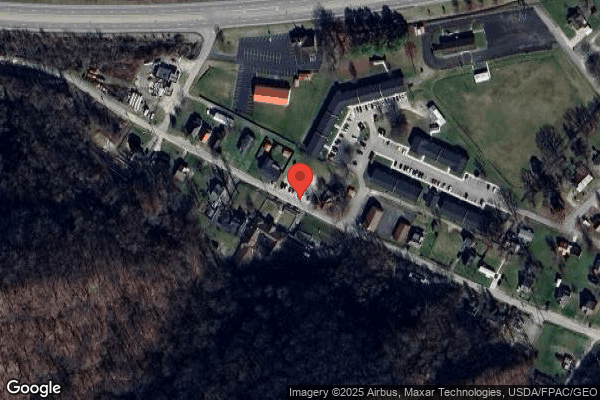
405 SM Roberson Drive, South Shore, KY 41175 (606) 932-3127
For profit - Limited Liability company 60 Beds DAVID MARX Data: November 2025
Trust Grade
70/100
#135 of 266 in KY
Last Inspection: November 2021

Over 2 years since last inspection. Current conditions may differ from available data.

Overview

South Shore Nursing and Rehabilitation has a Trust Grade of B, indicating it is a good facility, but not the best option available. It ranks #135 out of 266 nursing homes in Kentucky, placing it in the bottom half, and is #2 out of 3 in Greenup County, meaning only one local facility is rated higher. The facility's trend has been stable, with 5 issues reported in both 2019 and 2021, and it has no fines on record, which is a positive sign. However, staffing is a concern with a rating of 2 out of 5 stars and a 53% turnover rate, which is average for the state. Specific incidents noted include improper vaccine storage, which poses a risk to medication integrity, and failure to follow infection control protocols during medication administration, which could lead to infections. Overall, while there are strengths such as the absence of fines and a decent quality measure rating, the facility has notable weaknesses that families should consider.
Trust Score
B
70/100
In Kentucky
#135/266
Top 50%
Safety Record
Low Risk
No red flags
Inspections
Holding Steady
5 → 5 violations
Staff Stability
⚠ Watch
53% turnover. Above average. Higher turnover means staff may not know residents' routines.
Penalties
✓ Good
No fines on record. Clean compliance history, better than most Kentucky facilities.
Skilled Nurses
○ Average
Each resident gets 35 minutes of Registered Nurse (RN) attention daily — about average for Kentucky. RNs are the most trained staff who monitor for health changes.
Violations
⚠ Watch
11 deficiencies on record. Higher than average. Multiple issues found across inspections.
★★★☆☆
3.0
Overall Rating
★★☆☆☆
2.0
Staff Levels
★★★★☆
4.0
Care Quality
★★★☆☆
3.0
Inspection Score
Stable
2019: 5 issues
2021: 5 issues

The Good

  • 4-Star Quality Measures · Strong clinical quality outcomes
  • Full Sprinkler Coverage · Fire safety systems throughout facility
  • No fines on record

Facility shows strength in quality measures, fire safety.

The Bad

3-Star Overall Rating

Near Kentucky average (2.8)

Meets federal standards, typical of most facilities

Staff Turnover: 53%

Near Kentucky avg (46%)

Higher turnover may affect care consistency

Chain: DAVID MARX

Part of a multi-facility chain

Ask about local staffing decisions and management

The Ugly 11 deficiencies on record

Nov 2021 5 deficiencies
CONCERN (D)

Potential for Harm - no one hurt, but risky conditions existed

Report Alleged Abuse (Tag F0609)

Could have caused harm · This affected 1 resident

Based on observation, interview, and record review, it was determined the facility failed to report allegations of abuse to the proper authorities, family, and physician for one (1) of eighteen (18) s...

Read full inspector narrative →
Based on observation, interview, and record review, it was determined the facility failed to report allegations of abuse to the proper authorities, family, and physician for one (1) of eighteen (18) sampled residents (Resident #5). On 11/01/2021, it was alleged State Registered Nurse Aide (SRNA) #1 called Resident #5 a bitch while assisting the resident's roommate. However, a report of possible abuse was not made to the proper State agencies. The findings include: Review of the facility's policy titled, Abuse Policy, dated December 2020, revealed the facility would report any allegations or identified possible incidents of abuse to the appropriate agencies within timeframes as required by state and federal regulations. The policy did not state the required timeframe of within two (2) hours, if the allegation involved abuse or resulted in serious bodily injury, as per the regulation. Record review revealed the facility assessed Resident #5 on the admission Minimum Data Set (MDS) Assessment, dated 08/16/2021 with a Brief Interview of Mental Status (BIMS) score of fifteen (15), which indicated no cognitive impairment. Observation and interview with Resident #5, on 11/09/2021 at 9:07 AM, revealed the resident was clean, well-groomed, and sitting on the side of a clean bed dressed in street clothes. Resident #5 stated about a week and a half ago (State Registered Nurse Aide) SRNA #1 started to turn his/her roommate by himself. Resident #5 stated he/she told SRNA #1 that Resident #300 needed the assistance of two (2) staff for turning. Resident #5 stated SRNA #1 jerked the curtain and pointed his finger at him/her and said, I'm the aide, shut up bitch. Continued interview revealed Resident #5 stated he/she told the Director of Nursing (DON) and the Social Worker about the incident. Review of Resident #300's Quarterly Minimum Data Set (MDS) Assessment, dated 08/26/2021, revealed the facility assessed the resident with a Brief Interview for Mental Status (BIMS) score of five (5) of fifteen (15). This score indicated the resident was cognitively impaired. Resident #300 was not interviewable. Telephone interview with SRNA #1, on 11/10/2021 at 1:30 PM, revealed he had never yelled at a resident. SRNA #1 stated he was adjusting the pillows on Resident #300's legs, when Resident #5 pulled the curtain and told him that Resident #300 needed the assistance of two (2) staff members. SRNA #1 stated he told Resident #5 to go to his/her side of the room. In addition, he stated he did not use improper language with Resident #5. Interview with the Director of Nursing (DON), on 11/10/2021 at 2:10 PM, revealed she was working at 9:40 PM on 11/01/2021 on the floor where Resident #300 resided. She stated Resident #5 reported SRNA #1 had yelled at her/him. She stated she questioned SRNA #1, and he stated he did not yell at Resident #5. The DON stated that Resident #5 sometimes got moody. She stated she did not hear any yelling, and she would have expected to have heard it if it had occurred, because she was close to the room occupied by Resident #5 and Resident #300. The DON stated she did tell the Administrator about the incident on the morning of 11/02/2021. She further stated, I would normally write a report, but I just didn't write a report. Interview with the Social Worker, on 11/09/2021 at 2:43 PM, revealed, on 11/08/2021 about 4:15 PM, Resident #5 told her that SRNA #1 told him/her to be quiet and called him/her a bitch. The Social Worker stated she told the Administrator of the allegation, on 11/08/2021 about 4:25 PM. Interview with the Administrator, on 11/10/2021 at 3:02 PM, revealed when she heard about an alleged abuse, it should be reported to the Ombudsman, physician, family, and Adult Protective Services. She stated she first heard about the incident with Resident #5 on 11/02/2021. She stated she was told SRNA #1 pointed his finger at Resident #5 and said to stay on her/his side of the curtain. She stated she talked to staff and asked if SRNA #1 had ever said anything mean to Resident #5. The Administrator stated she did not report the abuse on 11/02/2021 because it was reported to her that SRNA #1 was not rude to Resident #5, and staff denied SRNA #1 ever yelled at residents. However, the Administrator stated the alleged abuse should have been reported when it was first alleged by Resident #5.
CONCERN (D)

Potential for Harm - no one hurt, but risky conditions existed

Assessment Accuracy (Tag F0641)

Could have caused harm · This affected 1 resident

Based on observation, interview, record review, and review of the Centers for Medicare and Medicaid Services (CMS) Resident Assessment Instrument (RAI) Manual, it was determined the facility failed to...

Read full inspector narrative →
Based on observation, interview, record review, and review of the Centers for Medicare and Medicaid Services (CMS) Resident Assessment Instrument (RAI) Manual, it was determined the facility failed to conduct a comprehensive and accurate assessment of each resident's functional capacity using the RAI for one (1) of eighteen (18) sampled residents (Resident #16). In the absence of the Social Service Director (SSD) and the Minimum Data Set (MDS) Coordinator, the facility utilized the Business Office Manager (BOM), who was not qualified to assess and complete the assessment for Resident #16. Review of Resident #16's Quarterly Minimum Data Set (MDS) Assessment, dated 08/30/2021, revealed the Brief Interview for Mental Status (BIMS) score, and sections C Cognitive Patterns; D Mood; and, E Behavior were not assessed. The findings include: Interview with the Director of Nursing, on 11/10/2021 at 2:15 PM, revealed the facility utilized the Resident Assessment Instrument (RAI) Manual 3.0, as a guideline for accuracy of assessments. Additionally, she stated the Assessment process included communication with licensed and non-licensed direct care staff members, face-to-face observations and assessment of residents, and review of the medical record. Review of the Centers for Medicare and Medicaid Services, Resident Assessment Instrument (RAI) Manual 3.0, dated October 2019, revealed the primary purpose of the MDS Assessment was to identify resident care problems; address resident problems in individualized care plans; and, monitor the quality of care provided to residents. Additional review revealed the Assessment should be an accurate reflection of the resident's status and be completed by staff qualified to assess relevant care areas are knowledgeable about the resident's status. Review of Resident #16's medical record revealed the facility admitted the resident on 07/28/2020, with diagnoses that included Unspecified Metabolic Encephalopathy, Dementia without Behavioral Disturbance, Dissociative Identity Disorder, Generalized Anxiety Disorder, Major Depressive Disorder, Psychotic Disorder with Hallucinations, Psychotic Disorder with Delusions, and Alzheimer's Disease with Late Onset. Review of Resident #16's Quarterly MDS assessment, dated 08/30/2021, revealed the Brief Interview for Mental Status (BIMS) score and sections C Cognitive Patterns; D Mood; and, E Behavior were not assessed. Review of the Social Services Progress Review for MDS Documentation, dated 08/30/2021, and signed by the Social Worker, on 09/10/2021, revealed the resident should have been assessed for the Brief Interview for Mental Status (BIMS), mood, behavior, emotional status, and psychosocial well-being. Interview with the Administrator, on 11/10/2021 at 2:54 PM, revealed during the period of Resident #16's Quarterly MDS Assessment, the Business Office Manager (BOM) was tasked with performing MDS assessments in the absence of the MDS Coordinator. Interview with the BOM, on 11/10/2021 at 3:15 PM, revealed she had a bachelor's degree in Business Management. She stated she was not a nurse and had not been formally trained to do MDS assessments. The BOM stated she had helped with admission and discharge planning, BIMS assessments, and Personal Health Questionnaire-9 (PHQ-9, a tool used to monitor the severity of depression and response to treatment) Assessments. She stated that before the former Social Services Director (SSD) left, she shadowed her for two (2) weeks. She stated she had not read any MDS manuals or taken formal training to prepare. Continued interview revealed she filled in for the SSD from May 2021 to September 2021. She stated that in the MDS Coordinator's absence, she would also consult with another Corporate Social Worker if she had any questions. Further interview revealed she could not recall Resident #16's MDS assessment. She stated that the MDS Coordinator, or the Director of Nursing (DON) would sign off on her assessments. Interview with the DON, on 11/10/2021 at 2:40 PM, revealed that normally the MDS Coordinator was responsible for assuring the accuracy of MDS Assessments; however, in her absence, the Regional MDS Coordinator filled in at times. During the interview, with the DON, related to the BOM's training and qualification to fill in for the SSD and MDS Coordinator in doing admission and discharge planning, BIMS Assessments, and PHQ-9 Assessments, the DON stated, I will check. However, the DON did not get back with the State Survey Agency (SSA) Surveyor on this point. Interview with the Administrator, on 11/10/2021 at 3:34 PM, revealed that the BOM helped with admission and discharge planning, BIMS Assessments, and PHQ-9 Assessments in the SSD's absence. When interviewed related to the BOM's training for this role, the Administrator stated that the BOM shadowed the former SSD; she had access to the RAI manual, and could always call the MDS Coordinator or ask the DON if she had questions or concerns.
CONCERN (D)

Potential for Harm - no one hurt, but risky conditions existed

Dental Services (Tag F0791)

Could have caused harm · This affected 1 resident

Based on observation, interview, and review of the facility's policy, it was determined the facility failed to ensure residents obtained needed oral surgery, following a routine dental appointment, fo...

Read full inspector narrative →
Based on observation, interview, and review of the facility's policy, it was determined the facility failed to ensure residents obtained needed oral surgery, following a routine dental appointment, for one (1) of eighteen (18) sampled residents (Resident #16). The findings include: Review of Resident #16's medical record revealed the facility admitted the resident, on 07/28/2020, with diagnoses that included Unspecified Metabolic Encephalopathy, Dementia without Behavioral Disturbance, Dissociative Identity Disorder, Generalized Anxiety Disorder, Major Depressive Disorder, Psychotic Disorder with Hallucinations, Psychotic Disorder with Delusions, and Alzheimer's Disease with Late Onset. Review of Resident #16's Summary Report from the dental medical group that provided dental care, dated 02/25/2021, revealed he/she had been seen by the Dentist, at which time the Dentist planned for the surgical removal of seven (7) teeth. Review of Resident #16's medical record revealed the facility did not obtain a follow-up appointment with an oral surgeon or the dental medical group to schedule Resident #16's tooth extractions. Observation of Resident #16, on 11/08/2021 at 1:42 PM, revealed the resident had several missing and broken teeth. Additionally, his/her front teeth appeared black and decayed. During the observation and interview with the resident, revealed that the resident's teeth were painful, especially when he/she tried to chew. Interview with the Social Services Director (SSD), on 11/09/2021 at 4:00 PM, revealed she had only been in this position for a few months. When interviewed related to the follow-up of the DMD's plan of care for Resident #16's tooth removal, she stated she did not know, but would look into the matter. Interview with Administrator, on 11/10/2021 at 11:46 AM, revealed the facility was working on securing a dental appointment for Resident #16 to have his/her teeth extracted. The Administrator stated that it was very difficult to find an oral surgeon willing to take residents that had Resident #16's health insurance. Per the interview, she stated that while it had been difficult to find treatment, the facility did not follow through to obtain an appointment to provide dental services for Resident #16. Interview with the SSD, on 11/10/2021 at 11:57 AM, revealed she had made several follow-up calls with the DMD since the matter had been brought to her attention. Additional interview with the SSD, on 11/10/2021 at 3:50 PM, revealed the facility dropped the ball on ensuring proper follow-up dental care. Additionally, the SSD stated the facility found a dental care office that was able to extract the resident's teeth at the facility, so the resident would not have to leave the facility for treatment. Further interview revealed the resident's appointment was made on 11/10/2021, during the survey. Interview with the Director of Nursing (DON), on 11/10/2021 at 2:48 PM, revealed it was her expectation for the nursing staff, along with other departments, to ensure residents obtained needed follow-up dental services. Interview with the Administrator, on 11/10/2021 at 2:54 PM, revealed it was her expectation for staff to ensure that residents received routine dental care and obtained needed follow-up services.
CONCERN (E)

Potential for Harm - no one hurt, but risky conditions existed

Deficiency F0761 (Tag F0761)

Could have caused harm · This affected multiple residents

**NOTE- TERMS IN BRACKETS HAVE BEEN EDITED TO PROTECT CONFIDENTIALITY** Based on observation, interview, review of the Centers for Disease Control and Prevention's (CDC) Vaccine Storage and Handling, ...

Read full inspector narrative →
**NOTE- TERMS IN BRACKETS HAVE BEEN EDITED TO PROTECT CONFIDENTIALITY** Based on observation, interview, review of the Centers for Disease Control and Prevention's (CDC) Vaccine Storage and Handling, and review of the facility's policy, it was determined the facility failed to ensure drugs and biologicals stored in the facility were not expired; were labeled, and stored in accordance with currently accepted professional principles; and, failed to store medications according to appropriate environmental controls to preserve their integrity. Observation of the refrigerator in the medication room revealed boxes of Fluad Quadrivalent (influenza Vaccine) and Fluzone influenza vaccines and Aplisol vials (used to give the tuberculin skin test) were not stored properly. In addition, the air flow of the refrigerator was impeded because it was completely filled with medications and vaccines. The refrigerator thermometer was located on the door shelf and not inside the refrigerator. The findings include: Review of the Centers for Disease Control and Prevention's (CDC) Vaccine Storage and Handling, updated [DATE], revealed best practices for storage of vaccines included: 1) do not over-pack the refrigeration unit; 2) place vaccine packages in such a way that air could circulate through the compartment to promote airflow; 3) leave two (2) to three (3) inches between vaccine containers and the refrigerator wall; 4) do not use the top shelf, floor, or door for vaccine storage as the temperature in these areas may differ significantly from the temperature in the body of the unit. In addition, according to the CDC, if the device for measuring temperatures did not display minimum or maximum temperatures, then the device would have to be checked, with the recording of the current temperature, a minimum of two (2) times per day (at the start and end of the workday). Review of the facility's policy titled, Storage of Medication, revised [DATE], revealed medications and biologicals were to be stored safely, securely, and in an orderly manner. Observation of the medication room refrigerator, on [DATE] at 2:28 PM, revealed two (2) boxes of Fluad Quadrivalent influenza vaccine stored on the refrigerator door shelf. Also stored on the top shelf of the refrigerator door were several vials of Aplisol 5 tuberculin units/0.1 milliliter (ml)/1 ml tuberculin solution vials. Additionally, seven (7) boxes of Fluzone vaccines were kept up against the side of the refrigerator. Further observation, on [DATE] at 2:28 PM, revealed the thermometer was located on the refrigerator door. Additional observation of the medication room revealed three (3) large plastic bags hanging on an intravenous (IV) pole. The bags contained medications. One (1) bag was approximately twenty-five percent (25%) full. The second bag, which contained drugs was about fifty percent (50%) full. The third bag was packed and bulging with medications. Observation of the medication storage room, on [DATE] at 1:35 PM, revealed the vaccines and medications remained in the same arrangement as had been observed, on [DATE] at 2:28 PM. The refrigerator compartment was over-packed as previously observed. Additionally, the three large plastic bags, which contained medications, were still hanging on an intravenous (IV) pole. Interview with Licensed Practical Nurse (LPN) #2, on [DATE] at 2:28 PM, revealed it was the responsibility of the nursing staff to ensure medications were stored properly. She stated that any nurse on duty could receive the delivery of drugs from the pharmacy. Further interview revealed that the temperature of the medication refrigerator was monitored once daily. She stated she was unaware of any specific requirements for storing vaccines or tuberculin solution other than they were to be refrigerated. LPN #2 stated she did not know the recommended temperature range for storing vaccines. In addition, she stated she was not aware that vaccines and other medications should not be stored in shelving on the refrigerator door or why that would be harmful to the vaccine's efficacy (desired or intended result). LPN #2 was unable to explain why vaccines should not be stored against the side of the refrigerator or near the freezer. LPN #2 stated she did not receive education related to vaccine storage. Per the interview, LPN #2 stated it was essential to store medications and vaccines safely, per the manufacturer's recommendations and CDC guidelines, for the safety of the residents. Continued interview with LPN #2, on [DATE] at 2:28 PM, revealed that the medications stored in the bags hanging on the IV pole contained expired or discontinued medications. She stated that expired or discontinued medications were stored in the medication room, and the pharmacy picked them up when they made medication deliveries. She noted the pharmacy delivered medication two (2) to three (3) times daily. LPN #2 stated the pharmacy had already been to the facility at least one (1) time during her shift, but she was unsure why the medications had not been removed. Interview with the Director of Nursing (DON) and the Assistant Director of Nursing/Infection Preventionist (ADON/IP), on [DATE] at 4:28 PM, revealed the nursing staff was responsible for ensuring medications and vaccines were stored properly. The DON and ADON/IP stated they had not received education specific to vaccine storage and were not aware of the CDC's guidelines for the proper storage of refrigerated vaccines. Continued interview revealed they were not aware that medications should not be stored in the door of the refrigerator or up against the sides of the unit in such a way as to prevent proper airflow and temperature fluctuations. The DON and ADON/IP stated they randomly audited the medication carts, medication storage room, and the medication refrigerator to ensure the facility's medication storage policy was followed. However, they stated there was no audit documentation. The DON and the ADON/IP stated it was nursing's responsibility to monitor the temperature of the medication storage refrigerator. Further interview revealed temperatures were monitored once daily. In addition, both the DON and the ADON/IP stated they were unaware of current CDC guidelines that refrigerator units where vaccines were stored should be monitored at least twice daily, if the device did not display minimum or maximum temperatures. Continued interview with the ADON/IP, on [DATE] at 4:28 PM, revealed the nursing staff did not receive specific education related to medication and vaccine storage. Further interview revealed the ADON/IP's expectation was that all nursing staff follow the facility's policy and the CDC's recommendations related to medication and vaccine storage. The ADON/IP further stated that the importance of following regulations and recommendations was to ensure the integrity of drugs and vaccines and provide safe, quality care for all residents. Continued interview with the DON, on [DATE] at 4:56 PM, revealed she was aware of the three (3) bags of expired or discontinued medication that were in the medication storage room; however. However, she did not know why pharmacy had not removed the bags. The DON stated if an item was found to be expired, not labeled, and/or stored improperly, it was her expectation that nursing staff returned or discarded the medication according to the facility's policy. The DON further stated that following guidelines and recommendations was essential to safeguard medication and vaccine efficacy to ensure quality care was provided to residents. Interview with the Administrator, on [DATE] at 6:30 PM, revealed her expectation was for medications to be stored and labeled appropriately according to the facility's policy and CDC guidelines. Further interview revealed that it was her expectation that the nursing staff followed current procedures and protocols for medication storage. The Administrator further stated that this was important to ensure the efficacy of all medications and vaccines and to keep residents safe.
CONCERN (E)

Potential for Harm - no one hurt, but risky conditions existed

Infection Control (Tag F0880)

Could have caused harm · This affected multiple residents

Based on observation, interview, record review, and review of the facility's policy, it was determined the facility failed to maintain an effective infection prevention and control program to prevent ...

Read full inspector narrative →
Based on observation, interview, record review, and review of the facility's policy, it was determined the facility failed to maintain an effective infection prevention and control program to prevent infections for two (2) of eighteen (18) sampled residents (Resident #100 and Resident #101). Observation of the medication administration for Resident #100 and Resident #101 revealed the State Registered Nursing Assistant/Kentucky Medication Aide (SRNA/KMA) failed to don and doff (put on and take off/remove) appropriate Personal Protective Equipment (PPE) before and after the administration of medications for residents that were in quarantine. The findings include: Review of the facility's policy titled, COVID-19 Resident Policy, updated 08/2020, revealed when entering an isolation room, care team members should follow basic infection control practices between residents including hand hygiene, respiratory etiquette, using dedicated equipment, and cleaning and disinfecting shared equipment. Policy review additionally revealed that prior to entering an isolation room, healthcare workers should don gown, face mask, eye protection of either goggles or full-face shield, and gloves. Review of Resident #100's medical record revealed the facility admitted the resident, on 06/23/2021, with diagnoses that included Type 2 Diabetes Mellitus, Metabolic Encephalopathy, and End Stage Renal disease. Review of Resident #101's medical record revealed the facility admitted the resident, on 10/15/2021, with diagnoses that included Chronic Obstructive Pulmonary Disease (COPD), Sequelae of Unspecified Infectious and Parasitic Disease, Acquired Absence of Left Leg Above the Knee, and Autoimmune Hepatitis. Observation of medication administration by SRNA/KMA #2, on 11/09/2021 at 9:55 AM, revealed Resident #100 and Resident #101 were residing in the same room. This room had Transmission Based Precautions (TBP) signage. SRNA #2 donned gloves, standard surgical mask, but no eye protection, and no gown. She took a vital sign machine in the room to use the pulse oximeter for heart rate measurement. Upon completion, she doffed her gloves and washed her hands. SRNA/KMA #2 prepared medications and re-entered the room, again wearing a standard surgical mask and gloves, but no eye protection or gown. The signage on the door indicated the room was a yellow zone for droplet precautions (a type of TBP), requiring donning and doffing of PPE (N95 mask or approved KN95 mask, eye protection and gown) for each entry into the room. After SRNA/KMA #2 administered the medications, she sanitized her hands, but did not clean the vital sign machine. Interview with SRNA/KMA #2, on 11/09/2021 at 9:55 AM, revealed after use, she cleaned the equipment that she used. She stated since she had only needed a heart rate prior to medication administration, she did not use the blood pressure cuff or stethoscope, so she did not clean those items. She further stated isolation rooms sometimes had dedicated equipment that did not have to be cleaned every time they were used. Interview with the Assistant Director of Nursing/Infection Preventionist (ADON/IP), on 11/09/2021 at 2:10 PM, revealed that Resident #100, who went out of the facility for dialysis, was not vaccinated, so he/she had remained in the yellow zone. She stated she expected staff to don proper Personal Protective Equipment (PPE) prior to entering any room that was in the yellow zone, including eye protection, an N95 or approved KN95 mask, gloves, and gown. She stated, prior to entering a yellow zone room for care, staff should don and doff PPE each time they cross the threshold, even if going in and out of the room multiple times in a short period of time. Interview with the Director of Nursing (DON), on 11/09/2021 at 5:04 PM, revealed Resident #100, who received dialysis was in the yellow zone in TBP due to being in and out of the facility to prevent infectious transmission. The DON further stated that, prior to entering a room with TBP, staff should don PPE in accordance with guidelines, doff PPE after providing care, and then wash hands prior to exiting, even if having just been in the room. She additionally stated multi-use equipment should be cleaned with purple top sanitizing wipes after each use. The DON stated the staff sometimes used dedicated equipment for residents with TBP, so cleaning after each use was not required in that case. She also stated that masks were recommended for yellow zone residents to wear, if out of the room. The DON stated she believed that risk of infection transmission existed with exposure from the resident who exited the facility frequently and returned. Interview with Licensed Practical Nurse (LPN) #3, on 11/10/2021 at 8:45 AM, revealed for rooms that had TBP, there should be a sign that designated what color zone and what PPE was required. She further stated that any staff member who crossed the threshold was expected to use precautions as defined by the level of isolation. Interview with SRNA #4, on 11/10/2021 at 9:12 AM, revealed for droplet precautions, staff must wear gown, gloves, and shoe covers. For newly admitted residents, she stated that quarantine required a mask, gown, and gloves. She also stated the PPE rack on the door had the necessary supplies, and the sign on the door outlined what was needed for that zone, but there was not always a sign. She further stated that training could be inconsistent on how long new admission quarantine was or other standards for isolation. She stated she felt she always had to ask for the necessary information with each resident. SRNA #4 stated she received report on residents, including whether or not they were on isolation, from the SRNA on the previous shift. She stated the facility used online training, and staff had training on PPE guidelines, as well as don/doff education. Interview with SRNA #6, on 11/10/2021 at 9:56 AM, revealed that staff received infection control training via in-service meetings and the on-line system. She further stated that she asked the DON if she had questions about requirements for rooms with TBP. SRNA #6 stated staff had to check off on the skill for donning/doffing PPE, and it was documented. She also stated that color coded signs on the door listed the level of isolation and what PPE was required, with the supplies (PPE) in the rack on the door. SRNA #6 stated staff were expected to don the necessary PPE before entering a room that had TBP's. She stated that the signage was usually in place and changed if the level of isolation changed. If having to leave the room and return, she stated staff were expected to doff PPE, wash hands, exit, then don PPE again before re-entering the room. She stated if she had questions about a resident's status, she would try to ask her nurse first, and if unavailable, would go to the DON. Interview with SRNA #3, on 11/10/2021 at 10:15 AM, revealed that signage was usually on the resident's door for the level of isolation and what PPE was required. She stated the expectation was that staff used appropriate PPE each time he/she entered the room for any reason. Additional interview with the ADON/IP, on 11/10/2021 at 12:00 PM, revealed her expectation was that all staff don PPE as outlined per the level of isolation any time they entered a room. If having to exit the room and return right away, she stated staff were expected to don and doff with both entries of the room, and this was important to reduce the risk of infection transmission. Additional interview with the Administrator, on 11/10/2021 at 2:59 PM, revealed the IP nurse was responsible for changing isolation signage as indicated, but aides should be getting report from the nurses about isolation status. She further stated her expectation was that staff would don appropriate PPE prior to entering a resident's room with TBP, doff PPE, and then wash hands prior to exiting the room. She additionally stated she would not want staff to go down the hall without doffing the contaminated PPE, and this was important for infection control to prevent transmission of infection.
Feb 2019 5 deficiencies
CONCERN (D)

Potential for Harm - no one hurt, but risky conditions existed

Deficiency F0625 (Tag F0625)

Could have caused harm · This affected 1 resident

**NOTE- TERMS IN BRACKETS HAVE BEEN EDITED TO PROTECT CONFIDENTIALITY** Based on interview, record review, and review of facility's Policy, it was determined the facility failed to provide written inf...

Read full inspector narrative →
**NOTE- TERMS IN BRACKETS HAVE BEEN EDITED TO PROTECT CONFIDENTIALITY** Based on interview, record review, and review of facility's Policy, it was determined the facility failed to provide written information to the resident or representative related to the Bed-hold policy at the time of transfer for one (1) of twenty (20) sampled residents (Resident #35). The facility obtained a Provider's Order to transfer Resident #35 to an acute care facility for evaluation following a change in condition on 11/26/18; however, there was no documented evidence the facility provided the resident or the resident's representative written information related to the facility's Bed-hold Policy at the time of transfer. The findings include: Review of the facility's Policy titled Bed Hold Policy dated 11/01/16, revealed the facility would hold a resident's bed during temporary hospitalization or therapeutic leave. The Policy stated the facility would provide the Bed Hold Policy to either the resident or the resident representative prior to transfer. The Policy did not provide guidelines for who was responsible for providing the Bed Hold Policy to the resident or resident representative at the time of transfer. Review of Resident #35's medical record revealed the facility admitted the resident on 05/26/18 with diagnoses to include Heart Failure, Chronic Atrial Fibrillation, and Cardiomyopathy. Review of the Quarterly Minimum Data Set (MDS) Assessment , dated 11/02/18, revealed the facility assessed the resident as having a Brief Interview for Mental Status (BIMS) score of fifteen (15) out of fifteen (15) indicating the resident was cognitively intact. Review of the facility Bed Hold Request Form, undated, revealed, at the time of admission on [DATE], Resident #35 was provided with information regarding the daily rate for a bed hold. Resident #35 signed the document at the time of admission. Review of the medical record revealed Resident #35 was transferred to the hospital on [DATE] for treatment of a respiratory condition. Further review revealed the resident was re-admitted to the facility on [DATE]. However, there was no documented evidence the resident or the family representative received a Bed-hold notice at the time of transfer to the hospital on [DATE]. Review of the facility document titled, Resident Status History List dated 02/21/19, revealed Resident #35 had a Bed-hold in effect from 11/26/18 through 11/27/18. Interview with the Social Worker, on 02/21/19 at 3:15 PM, revealed she did not manage bed holds. She further stated the Business Office managed the bed holds for the residents. Interview on 02/21/19 at 3:32 PM, with the Business Office Manager, revealed she provided residents with Bed- hold notices at the time of admission to the facility and then again at the time of transfer. She further stated if she was not in the facility at the time of transfer, the nursing staff was responsible for providing the Bed-hold notice to the resident. She was unable to locate a copy of the Bed-hold notice for Resident #35 for the 11/26/18 transfer. Interview with the Director of Nursing (DON), on 02/21/19 at 9:58 AM and 2:56 PM, revealed nursing did not provide Bed-hold notices to residents at the time of transfer. She stated nursing's role was to notify the Business Office when a transfer occurred. Further interview revealed the Business Office managed the Bed- hold process following nursing notification of a transfer. Interview with the Administrator, on 02/21/19 at 4:47 PM, revealed the Business Office or the Social Worker provided the Bed-hold notice at the time of admission to the facility and the nursing staff provided the Bed-hold notice at the time of transfer. The Administrator further stated there was a miscommunication regarding who should have provided the Bed-hold notice at the time of transfer for Resident #35 on 11/26/18. Further interview revealed Resident #35 was his/her own person and could have signed the Bed-hold notice at the time of transfer if it had been provided.
CONCERN (D)

Potential for Harm - no one hurt, but risky conditions existed

Comprehensive Care Plan (Tag F0656)

Could have caused harm · This affected 1 resident

**NOTE- TERMS IN BRACKETS HAVE BEEN EDITED TO PROTECT CONFIDENTIALITY** Based on observation, interview, record review, and review of the Centers for Medicare and Medicaid Services, Resident Assessmen...

Read full inspector narrative →
**NOTE- TERMS IN BRACKETS HAVE BEEN EDITED TO PROTECT CONFIDENTIALITY** Based on observation, interview, record review, and review of the Centers for Medicare and Medicaid Services, Resident Assessment Instrument (RAI) Manual 3.0, dated October 2016, it was determined the facility failed to implement services as outlined in the Comprehensive Care Plan for one (1) of twenty (20) sampled residents (Resident #13). There was no documented evidence the facility implemented Resident #13's Activities Care Plan related to one (1) on one (1) visits/activities in order to meet the interests and support the resident's physical, mental, and psychosocial well being. The findings include: Interview with the facility Activity, on 02/21/19 at 9:03 AM, revealed there was no facility activity policy. Review of the facility Job Description titled Activities Director Responsibilities, undated, revealed the Director was responsible for the development of the activities component of the Comprehensive Assessment and for the development of goals and approaches individualized to match the skills, abilities, and interests and preferences of each resident. The job description further stated the Director was responsible for contributing, directing, or delegating Care Plan goals and approaches individualized to the resident. Review of the Centers for Medicare and Medicaid Services, Resident Assessment Instrument (RAI) Manual 3.0, dated October 2016, revealed the Comprehensive Care Plan is an interdisciplinary communication tool and must include measurable objectives and time frames and must describe the services to be furnished to attain or maintain the resident's highest practicable physical, mental, and psychosocial well-being. Further review revealed the services provided or arranged must be consistent with each resident's written Plan of Care. Review of Resident #13's clinical record revealed the facility admitted the resident on 01/07/15 and re-admitted the resident on 12/11/18 with diagnoses to include: Muscle Weakness, Bipolar Disorder, Anxiety Disorder, Dysphasia, and Cognitive Communication Deficit. Review of the Quarterly Minimum Data Set (MDS) assessment dated [DATE] and the Significant Change MDS assessment dated [DATE], revealed the facility assessed Resident #13 as having both short and long term memory loss. Further review revealed the resident was unable to be interviewed related to Activity Preferences. Review of Resident #13's Comprehensive Plan of Care, initiated 12/11/18, revealed a problem defined as no involvement in group activities. The goal revealed the resident would have weekly one (1) on one (1) visits, and would participate in one (1) on one (1) activities that are brief or nonfatiguing with a target date of 03/23/19. The approaches included: initiation of conversation with the resident, visits by the activity aide and encourage to observe specific or designated activity for brief time, one (1) on one (1) visits with the resident in the room, and respect for the resident's choice in regards to limited or no activities. Review of Resident #13's Activity Participation Roster, dated 07/16/18 through 02/21/19, revealed the resident received one (1) activity in July on 07/28/18, four (4) activities in August, 2018, three (3) activities in September 2018, no activities in December 2018, and one (1) activity in January 2019. The activities which were documented as the resident actively participating, included watching television (TV) or movies with the exception of one (1) occasion where music was the activity. Review of Resident #13's Activity Departmental Notes, dated 12/11/18 through 02/11/19, revealed no documentation related to activities from 12/21/18 through 01/20/19. Continued review revealed on 02/08/19, the resident received a Valentine balloon as an activity and on 02/11/19 the resident looked at a nature book with the Activity Director. However, no further activities were provided through 02/21/19 in accordance with the Care Plan goal of one (1) weekly one (1) on one (1) visit/individual activity for the resident nor were any refusals documented. Observation of Resident #13, on 02/19/19 at 3:39 PM, revealed he/she was in a four (4) bed room accommodation. The resident was in bed with his/her eyes closed. Further observation revealed there was a new recliner with the manufacturer's tags still attached and a television at the bedside. Observation on 02/20/19 at 11:47 AM, revealed Resident #13 was in bed with his/her glasses on and eyes closed. Interview on 02/21/19 at 9:03 AM, with the Activity Director, revealed Resident #13 preferred one (1) on one (1) activities in his/her room. She further stated she never observed the resident to watch TV in his/her room, although the resident did like Westerns. Per interview, the resident did have a new recliner in her/his room; however, she had never seen the resident sitting in the recliner. Further interview revealed Resident #13 preferred individual activities which she provided. Further interview with the Activity Director, on 02/21/19 at 1:22 PM, revealed she kept a log of all activities for each resident, and she was also responsible for completing the Activities Care Plans for the residents. Continued interview revealed she was aware Resident #13's Activities Care Plan specified the resident would participate in one (1) weekly individual activity. However, she stated she did not document all individual activities for this resident and could not verify weekly activities were provided to Resident #13. She further stated the resident refused to participate in activities on occasion, but she failed to document the refusals. Additional interview revealed it was important to implement the Activities Care Plan and there should have been documented evidence Resident #13's Care Plan was implemented related to at least one (1) individual activity per week. Interview with the Administrator, on 02/21/19 at 4:33 PM, revealed it was her expectation residents receive preferred Activities of interest a per their Comprehensive Care Plan. Further interview revealed it was the Activities staff's responsibility to ensure the Activity Care Plan approaches were followed for each resident. The Administrator further stated it was her expectation any activities in which the resident participates was documented because documentation of services provided was an important part of communication to ensure services were delivered and residents achieved their maximum potential.
CONCERN (D)

Potential for Harm - no one hurt, but risky conditions existed

Deficiency F0679 (Tag F0679)

Could have caused harm · This affected 1 resident

**NOTE- TERMS IN BRACKETS HAVE BEEN EDITED TO PROTECT CONFIDENTIALITY** Based on observation, interview, and record review, it was determined the facility failed to provide an ongoing program to suppo...

Read full inspector narrative →
**NOTE- TERMS IN BRACKETS HAVE BEEN EDITED TO PROTECT CONFIDENTIALITY** Based on observation, interview, and record review, it was determined the facility failed to provide an ongoing program to support residents in their choice of activities, both facility sponsored and individual activities for one (1) of one (1) sampled resident reviewed for activities out of a total sample of twenty (20) residents (Resident #13). The facility failed to provide Resident #13 with resident centered one (1) on one (1) activities to meet the interests and support the resident's physical, mental, and psychosocial well being. The findings include: Interview with the Activity Director on 02/21/19 at 9:03 AM, revealed there was no facility activity policy. Review of the facility Job Description titled Activities Director Responsibilities, undated, revealed the Director was responsible for the development of the activities component of the Comprehensive Assessment and for the development of goals and approaches individualized to match the skills, abilities, and interests and preferences of each resident. The job description further stated the Director was responsible for contributing, directing, or delegating Care Plan goals and approaches individualized to the resident. Review of Resident #13's medical record revealed the facility admitted the resident on 01/07/15 and re-admitted the resident on 12/11/18 with diagnoses to include: Muscle Weakness, Bipolar Disorder, Anxiety Disorder, Dysphasia, and Cognitive Communication Deficit. Review of the Quarterly Minimum Data Set (MDS) assessment dated [DATE] and the Significant Change MDS assessment dated [DATE], revealed the facility assessed the resident as having both short and long term memory loss. Further review revealed the resident was unable to be interviewed for Activity Preferences. Review of Resident #13's Comprehensive Care Plan initiated 12/11/18, revealed a problem defined as no involvement in group activities. The goal stated the resident would have weekly one (1) on one (1) visits and participate in one (1) on one (1) activities that are brief or nonfatiguing with a target date of 03/23/19. Approaches included: initiation of conversation with the resident, visits by the activity aide, one (1) on one (1) visits with the resident in the room and encourage resident to observe specific or designated activity for brief time, and respect for the resident's choice in regards to limited or no activities. Review of the Activity Participation Roster, dated 07/16/18 through 02/21/19, revealed the resident received one (1) activity in July on 07/28/18, four (4) activities in August, 2018, three (3) activities in September 2018, no activities in December 2018, and one (1) activity in January 2019. The activities which were documented as the resident actively participating included watching television or movies with the exception of one (1) occasion where music was the activity. Review of the Activity Departmental Notes, dated 12/11/18 through 02/11/19, revealed Resident #13 received no activities from 12/21/18 through 01/20/19. Further review revealed on 02/08/19, the resident received a Valentine balloon as an activity and on 02/11/19 the resident looked at a nature book with the Activity Director. No further activities were provided through 02/21/19 in accordance with the Care Plan goal of one (1) weekly individual activity for the resident nor were any refusals documented. Observation of Resident #13 on 02/19/19 at 3:39 PM, revealed the resident was in a four (4) bed room accommodation. This resident was in bed with his/her eyes closed. There was a new recliner with the manufacturer's tags still attached and a television at the bedside. Observation on 02/20/19 at 11:47 AM, revealed Resident #13 was in bed with his/her glasses on and eyes closed. Interview on 02/21/19 at 9:03 AM, with the Activity Director, revealed Resident #13 preferred activities in his/her room. She further stated the resident had a new recliner and television in the room. However, she stated she never observed either in use, although she knew the resident liked to watch Westerns on the television. Per interview, Resident #13 preferred individual activities which she provided. Further interview with the Activity Director, on 02/21/19 at 1:22 PM, revealed she kept a log of all activities for each resident. She stated she completed Activities Care Plans and accuracy of the Care Plan goals and interventions as well as following the interventions was important to ensure the resident's well being. Further interview revealed she was aware Resident #13's Activities Care Plan specified the resident would participate in one (1) weekly individual activity. However, she stated she failed to adequately document individual activities for this resident and could not verify weekly activities were provided to Resident #13. She further stated the resident refused to participate in activities on occasion, but she failed to document the refusals. Interview with the Administrator, on 02/21/19 at 4:33 PM, revealed it was her expectation residents receive preferred Activities of interest on a consistent basis for their well-being. Further interview revealed it was the Activities staff's responsibility to ensure the Activity Care Plan approaches were carried out for each resident. The Administrator further stated it was her expectation any activities in which the resident participates was documented. Per interview, documentation of services provided was an important part of communication to ensure services were delivered and residents achieved their maximum potential.
CONCERN (D)

Potential for Harm - no one hurt, but risky conditions existed

Deficiency F0804 (Tag F0804)

Could have caused harm · This affected 1 resident

**NOTE- TERMS IN BRACKETS HAVE BEEN EDITED TO PROTECT CONFIDENTIALITY** Based on observation, interview, and review of facility Policy, it was determined the facility failed to provide food that is at...

Read full inspector narrative →
**NOTE- TERMS IN BRACKETS HAVE BEEN EDITED TO PROTECT CONFIDENTIALITY** Based on observation, interview, and review of facility Policy, it was determined the facility failed to provide food that is at a safe and appetizing temperature for two (2) of twenty (20) sampled residents (Residents #18 and #32). Observation of the lunch meal service in the diningroom on 02/20/19, revealed Resident #18 and Resident #32, who required assistance with feeding, were served their lunch trays at 11:45 AM, and the covers were removed from their plates. However, the residents were not assisted with their meals until 12:15 PM, thirty (30) minutes later. Observation of food temperatures for Resident #32's meal tray at 12:15 PM, when staff sat down to feed the resident, revealed the hot foods on the plate were not at point of service, as per facility policy. The findings include: Review of the facility Policy titled Minimum Temperature at Point of Service dated 08/01/12, revealed the minimum temperature of hot foods at point of service was one hundred twenty (120) degrees Fahrenheit. Review of Resident #32's medical record revealed the facility admitted the resident on 12/22/17 with diagnoses including Lewy Bodies Dementia, and Cognitive Communication Deficit. Review of the Quarterly Minimum Data Set (MDS) assessment dated [DATE] revealed the facility assessed the resident as having a Brief Interview for Mental Status (BIMS) of Zero (0) out of fifteen (15) indicating severe cognitive impairment. Continued review revealed the facility assessed the resident as requiring one (1) person assist for eating. Review of Resident #18's medical record revealed the facility admitted the resident on 02/07/17 with diagnosis including Dementia, Feeding Difficulties, Anxiety and Gastro-esophageal Reflux Disease. Review of the Quarterly MDS assessment dated [DATE], revealed the facility assessed the resident as having a BIMS of Zero (0) out of fifteen (15) indicating severe cognitive impairment. Continued review revealed the facility assessed the resident as requiring one (1) person assist for eating. Observation on 02/20/19 at 11:53 AM, revealed two (2) State Registered Nursing Assistants (SRNAs) were serving the residents in the dining room with the Dietary Manager assisting. Continued observation revealed SRNA #1 placed Resident #32's meal tray on the table in front of the resident, removed the lid off the plate at 11:45 AM, and then continued to assist other residents with their meals. Resident #32 did not attempt to feed self. Further observation on 02/20/19, revealed SRNA #2 placed Resident #18's meal tray on the table in front of the resident, removed the lid off the plate at 11:45 AM, and then continued to assist other residents with their meals. Resident #18 did not attempt to feed self. Interview on 02/20/19 at 12:07 PM, with the Dietary Manager (DM), revealed staffing for the dining room varied daily. Per interview, there were two (2) to four (4) SRNAs available to assist with passing trays and feeding residents in the dining room. The DM further stated the point of service temperature for hot foods was one hundred-twenty (120) degrees Fahrenheit, and the facility utilized heated plates to maintain hot food longer. Additional observation revealed Resident #18 and Resident #32's food remained uncovered; however, the residents were not assisted with their meals until 12:15 PM, thirty (30) minutes later. At 12:15 PM, SRNA #1 and SRNA #2 started to feed Resident #18 and Resident #32. Observation on 02/20/19 at 12:15 PM, revealed the DM tested Resident #32's meal tray for food temperature. The temperature for puree food meat was one hundred-seventeen (117) degrees Fahrenheit; the temperature for puree bread was ninety (90) degrees Fahrenheit; the temperature for puree vegetable was one hundred-seven degrees (107) Fahrenheit; and the temperature for puree rice was one hundred-five (105) degrees Fahrenheit. Resident #32 was offered a new lunch tray. The DM acknowledged Resident 32's hot foods on his/her meal tray were not at point of service temperatures. Further interview revealed she conducted test trays at intervals and the hot foods would hold for about twenty-five (25) minutes if the food remained covered. Interview on 02/21/19 at 11:21 AM, with SRNA #1, revealed the number of SRNAs to assist in the dining room for meals varied daily. SRNA #1 stated at least two (2) SRNAs would pass trays and offer soup and beverages in the dining room and then other SRNAs would come to the dining room to assist when hall trays were passed. Further interview revealed the nurse would sometimes assist at meal times if asked; however, the nurse was not always available. SRNA #1 stated she did not ask the nurse for assistance in the dining room on 02/20/19 at the lunch meal service because she could see the nurse was busy. Interview on 02/21/19 at 3:59 PM, with the Director of Nursing (DON), revealed the acuity level of the residents determined the amount of staff needed and available to assist residents. Per interview, it was her expectation for the residents' food to remain covered to maintain the proper temperature until residents could receive necessary assistance with the meal. Further interview revealed hot food temperatures should be at point of service at the time residents were assisted with feeding. The DON stated the SRNAs should ensure residents were assisted with meals in a timely manner before the food got cold, and they could ask the nurses for assistance at mealtimes if needed. Interview on 02/21/19 at 4:31 PM, with the Administrator, revealed it was her expectation for food to remain covered for a resident who required assistance with feeding until staff was available to assist the resident. Further interview revealed food should be served at proper point of service temperatures.
CONCERN (E)

Potential for Harm - no one hurt, but risky conditions existed

Deficiency F0658 (Tag F0658)

Could have caused harm · This affected multiple residents

**NOTE- TERMS IN BRACKETS HAVE BEEN EDITED TO PROTECT CONFIDENTIALITY** 3. Review of Resident #43's medical record revealed the facility readmitted the resident on 11/28/18 with diagnoses including Dy...

Read full inspector narrative →
**NOTE- TERMS IN BRACKETS HAVE BEEN EDITED TO PROTECT CONFIDENTIALITY** 3. Review of Resident #43's medical record revealed the facility readmitted the resident on 11/28/18 with diagnoses including Dysphagia, Cognitive Communication Deficit, and Diabetes Mellitus Type 2. Review of the Monthly Physician's Orders, dated February 2019, revealed orders for [NAME] 18 milligrams (mg)/3 ML Insulin pen, administer 1.2 mg SQ daily; Lantus Solostar Insulin 100 unit/ML, administer 15 units SQ at bedtime; and Humalog Insulin 100 units/ML, give 6 units SQ before meals. Review of Resident #43's EMAR dated 02/02/19, 02/15/19, 02/16/19, revealed the Victoza 18 mg/3 ml pen, 1.2 mg was signed as administered as scheduled at 7:00 AM. However, review of the EAR, revealed on 02/02/19, the medication was signed as administered at 8:17 AM; on 02/15/19, the medication was signed as administered at 8:24 AM, and on 02/16/19, the medication was signed as administered at 8:28 AM. Per the EAR, the Victoza Insulin was signed as administered up to one (1) hour and twenty-eight (28) minutes late for the month of February 2019. Review of Resident #43's EMAR dated 02/01/19, 02/07/19, 02/08/19, 02/12/19, and 02/15/19, revealed the Lantus Solostar Insulin 100 unit/ml, 15 units was signed as administered as scheduled at 8:00 PM. However review of the EAR, revealed on 02/01/19, the Insulin dose was signed as administered at 10:59 PM; on 02/07/19, the Insulin dose was signed as administered at 9:22 PM; on 02/08/19, the Insulin dose was signed as administered by LPN #1, at 9:33 PM; on 02/12/19, the Insulin dose was signed as administered at 9:26 PM; and on 02/15/19 the Insulin dose was signed as administered at 9:24 PM. The Lantus Isulin was signed as administered up to two (2) hours and fifty-nine (59) minutes after the scheduled time for the month of February 2019. Review of the EMAR dated 02/15/19, and 02/06/19, revealed the Humalog 100 units/ml, 6 units, was signed as administered as scheduled at 7:00 AM and 5:00 PM. However, review of the EAR, revealed on 02/15/19, the 7:00 AM dose was signed as administered by RN #1 at 8:24 AM; and the 5:00 PM insulin dose was signed as administered at 6:41 PM. Also, on 02/16/19, the 7:00 AM insulin dose was signed as administered at 8:28 AM. The Humalog Insulin was signed as administered up to one (1) hour and twenty-eight (28) minutes later than the scheduled time. 4. Review of Resident #32's medical record revealed the facility readmitted the resident on 12/22/17, with diagnoses including Dysphagia, Cognitive Communication Deficit, Diabetes Mellitus Type 2 with Diabetic Neuropathy, Altered Mental Status, and Chronic Kidney Disease. Review of the Monthly Physician's Orders dated February 2019, revealed orders for Lantus Solostar 100 unit/ml, administer 18 units SQ at bedtime; and Novolog 100 units/ml, give 8 units SQ before meals. Review of Resident #32's EMAR, dated 02/01/19, 02/02/19, 2/03/19, 02/06/19, 02/07/19, and 02/17/19, revealed Novolog 100 units/ml, 8 units, was signed as administered on schedule at 7:00 AM, 11:00 AM, and 5:00 PM. However, review of the EAR, revealed on 02/01/19 the 11:00 AM Insulin dose was signed as administered by RN #1 at 12:34 PM; on 02/02/19 the 7:00 AM insulin dose was signed as administered at 8:31 AM; on 02/02/19, the 5:00 PM Insulin dose was signed as administered by RN #1, at 6:25 PM; on 02/03/19, the 7:00 AM Insulin dose was signed as administered at 8:40 AM; on 02/06/19, the 7:00 AM Insulin dose was signed as administered at 8:51 AM and the 11:00 AM Insulin dose was signed as administered at 12:27 PM by RN #1; on 02/07/19, the 7:00 AM Insulin dose was signed as administered at 10:35 AM by RN# 1; on 02/17/19, the 11:00 AM Insulin dose was signed as administered at 12:36 PM by RN #1, and the 5:00 PM dose was signed as administered at 7:52 PM by RN #1. The Novolog Insulin was signed as administered up to three (3) hours and thirty-five (35) minutes late for the Month of February 2019 for Resident #32. Review of Resident #32's EMAR, dated 02/05/19, 02/08/19, 02/11/19, 02/12/19, 02/15/19, 02/18/19, and 02/20/19, revealed the Lantus Solostar 100 unit/ml, 18 units was signed as administered on schedule at 8:00 PM. However review of the EAR, revealed on 02/05/19, the Insulin dose was signed as administered at 9:35 PM; on 02/08/19, the Insulin dose was signed as administered at 9:32 PM; on 02/11/19, the Insulin dose was signed as administered at 11:28 PM; on 02/12/19, the Insulin dose was signed as administered at 11:20 PM; on 02/15/19, the Insulin dose was signed as administered at 9:57 PM; on 02/18/19, the Insulin dose was signed as administered at 9:39 PM; and on 02/20/19, the Insulin dose was signed as administered on 02/21/19 at 12:10 AM. The Lantus Insulin was signed as administered up to four (4) hours and ten (10) minutes later than the scheduled time for the month of February 2019. Interview on 02/21/19 at 11:00 AM, with Registered Nurse (RN) #1, revealed she administered Insulin as ordered on time to Residents #32, #39 and #43; however, after she administered the Insulin, she would forget to click the box on the EMAR to indicate the insulin was administered. She stated, later at the end of the shift, she checked the EMAR and there would be a red banner that lit up indicating the Insulin was not documented as given. She stated that prompted her to go ahead and document the Insulin as administered. Further interview revealed she should have signed the EMAR directly after she administered the Insulin, as per professional standards. Interview on 02/21/19 at 2:31 PM, with Licensed Practical Nurse (LP) #2, revealed facility policy required medications to be administered on time and as scheduled. Per interview, she administered Resident #39 and #43's Insulin at the scheduled time and she should have immediately clicked the box on the EMAR to indicate the Insulin was administered. However, she stated due to interruptions with the current level of resident care needs, she sometimes was unable to document the Insulin directly after administration of the medication. Further interview revealed she checked the EMAR during the shift and at the end of the shift to ensure all medications were signed off. Interview on 02/21/19 at 4:03 PM, with the Director of Nursing (DON), revealed the Electronic Medication Administration Record (EMAR) turned yellow when it was time to administer a medication. Per interview, the nurse was to check the box and and add the blood sugar level before the Insulin was drawn up to be administered. The nurse was to check another box to indicate the medication was administered. She stated if the Insulin was administered late, or not documented as administered on time, the nurse was to document on the EMAR the reason the Insulin was not given or the reason the the Insulin was not documented as administered on time. Per interview, the EMAR would indicate by a red flag if a medication had not been checked as administered within the scheduled administration period. Continued interview, revealed per standards of practice, nurses should sign off on the EMAR, to indicate the medication was given directly after the medication was administered. Interview on 02/21/19 at 4:36 PM, with the Administrator, revealed nursing staff was to document medications as administered immediately after administration of the medications, as per policy, and as per professional standards of care. Interview on 02/21/19 at 5:45 PM, with the Medical Doctor, revealed she would rather have nursing staff check the residents' blood sugars and give insulin on time than to worry about having to document the Insulin was given on time. She further stated she did not understand why the documentation would be a big concern. Based on interview, record review, review of facility Policy and review of the Kentucky Board of Nursing (KBN) Advisory Opinion Statement (AOS) #14, it was determined the facility failed to ensure services provided meet professional standards of quality for (4) of twenty (20) sampled residents (Residents #32, #39, #43, and #47) Review of the Electronic Administration Record (EAR) (document which indicates the exact time the medication was signed as administered), revealed there was no documented evidence Insulin was signed as administered on schedule for the time period reviewed, 02/01/19 through 02/21/19, for Residents #32, #39, #43, and #47. The findings include: Review of the General Dose Preparation and Medication Administration Policy, dated 05/10/13, revealed staff would take all measures to administer medications within the timeframes and document necessary medicaton administration on appropriate forms. Review of the KBN, AOS #14, revised October 2015, Roles of Nurses in the implementation of Patient Care Orders, revealed in accordance with Kentucky Revised Statutes (KRS) 314.021 (2), nurses are responsible and accountable for making decisions that are based upon the individual's educational preparation and current clinical competence in nursing and requires licensees to practice nursing with reasonable skill and safety. Further review revealed licensed nurses should administer medication and treatment as prescribed by the Physician, Physician Assistant, Dentist, or Advanced Practice Registered Nurse (ARNP). This includes preparing and administering medications in the prescribed dosage, route, and frequency. 1. Review of Resident #39's medical record revealed the facility admitted the resident on 01/16/19 with diagnoses including Aphasia, Dysphagia, Diabetes Mellitus Type 2, and Epilepsy. Review of the Monthly Physician's Orders dated February 2019, revealed orders for Humalog Insulin 100 Units/Milliliter (ML), give 22 units Subcutaneous (SQ) before meals with a stop date of 02/14/19; Basaglar Insulin 100 Unit/ML, give 20 units SQ once daily at hs (night) and Admelog Solostar Insulin 100 Units/ML, give 22 units SQ before meals. Review of Resident #39's Electronic Medication Administration Record (EMAR), dated 02/01/19, revealed Humalog Insulin 100 unit/ML, 22 units was signed as administered on schedule at 7:00 AM. However, review of the Electronic Administration Record (EAR) (document which indicates the exact time the medication was signed as administered), revealed the medication was signed as administered on 02/01/19 at 12:36 PM, five (5) hours and thirty-six (36) minutes after the scheduled time by Registered Nurse (RN) #1. Review of the EMAR, dated 02/06/19, 02/07/19, 02/08/19, 02/11/19, 02/12/19, 02/14/19, and 02/15/19, revealed Basaglar Insulin 100 Unit/ML, 20 units was signed as adminsitered on schedule at 8:00 PM. However, review of the EAR, revealed on 02/07/19, the Insulin dose was signed as administered at 10:25 PM; on 02/07/19, the Insulin dose was signed as administered at 11:20 PM; on 02/08/19, the Insulin dose was signed as administered at 9:34 PM; on 02/11/19, the Insulin dose was signed as administered at 10:39 PM; on 02/12/19, the Insulin dose was signed as administered at 9:54 PM; on 02/14/19, the Insulin does was signed as administered by Licensed Practical Nurse (LPN) #1 at 10:32 PM; and on 02/15/19, the Insulin dose was signed as administered at 10:33 PM. The Basaglar Insulin was signed as administered up to three (3) hours and twenty (20) minutes later than scheduled for the month of February 2019. Review of the EMAR, dated 02/17/19, revealed the Admelog Solostar 100 Unit/ML, 22 units was signed out at 7:00 AM. However, review of the EAR, revealed on 02/17/19, the Insulin dose was signed as administered at 8:21 AM, one (1) hour and twenty-one (21) minutes later than scheduled. 2. Review of Resident #47's medical record revealed the facility re-admitted the resident on 01/31/19 with diagnoses including Diabetes Mellitus Type 2, Crohn's Disease, and Coronary Arteriosclerosis. Review of Physician's Orders dated February 2019, revealed orders for Levemir Insulin Flextouch 100 Units/ML, give 62 units at bedtime and Novolog 100 Unit/ML, give 24 units before meals. Review of Resident #47's EMAR, dated 02/07/19, 02/11/19, and 02/15/19, revealed the Levemir Flextouch 100 Units/ML, 62 units was signed as administered on schedule at 9:00 PM. However, review of the EAR, revealed the medication was signed as administered on 02/07/19 at 11:32 PM; on 02/11/19 at 11:24 PM; and on 02/15/19 at 12:22 PM. The Levemir Insulin was signed off as administered up to three (3) hours and twenty-two (22) late for the month of February 2019.
Jan 2018 1 deficiency
CONCERN (D)

Potential for Harm - no one hurt, but risky conditions existed

Deficiency F0578 (Tag F0578)

Could have caused harm · This affected 1 resident

**NOTE- TERMS IN BRACKETS HAVE BEEN EDITED TO PROTECT CONFIDENTIALITY** Based on interview and record review, it was determined the facility failed to have an effective system in place to ensure the c...

Read full inspector narrative →
**NOTE- TERMS IN BRACKETS HAVE BEEN EDITED TO PROTECT CONFIDENTIALITY** Based on interview and record review, it was determined the facility failed to have an effective system in place to ensure the code status and or Advance Directive was accurately reflected for one (1) of fourteen (14) residents, Resident #21. Review of Resident #21's hard copy medical records revealed the resident was admitted by the facility on [DATE]. Continued review revealed Resident #21 had a green code status sheet located in the front of the chart with Full Code typed on it, along with the resident's name and date of birth . However, the Physician Orders, Comprehensive Care Plan, and Baseline Care Plan all revealed a Do Not Resuscitate code status. The findings included: Interview on [DATE] at 11:17 AM, with the Administrator, revealed the facility had no specific Advance Directive policy. Interview on [DATE] at 3:18 PM, with the Director of Clinical Operations, revealed the facility used federal regulations regarding Advance Directives and had no specific policies. Per interview, the facility used the Resident Assessment Instrument (RAI) Version 3.0 Manual dated [DATE] for their Advance Directives procedure. Review of RAI Version 3.0 Manual, subsection CH 4: CAA Process and Care Planning, pages 4-8 through 4-11, provided by the facility, dated [DATE], revealed the section addressed the Comprehensive Care Plan. Further review revealed, there was no documented evidence of a written description of the facility's policies to implement Advance Directives and applicable State law. Review of Resident #21's medical records revealed the facility admitted the resident on [DATE] with diagnoses to include Right upper quadrant abdominal swelling/mass/lump, Type 2 Diabetes Mellitus, Hypertension, Ventricular Fibrillation, and Chronic Obstructive Pulmonary Disease. Review of Resident #21's hard copy medical record located at the nurse's station revealed a green sheet of paper located inside the front cover of the resident's chart stating Full Code, the resident's name, and the resident's date of birth . However, further review of the hard copy medical record revealed a Request to Decline Cardiopulmonary Resuscitation (CPR) Form, dated [DATE] and signed by the resident, revealing the resident did not desire CPR measures to be taken. Continued review revealed, a Kentucky Emergency Medical Services (EMS) Do Not Resuscitate (DNR) Order Form, dated [DATE] and signed by the resident, located under the Advanced Directives Tab. Review of Resident #21's electronic admission Department Notes, dated [DATE] and electronically signed by Licensed Practical Nurse (LPN) #3, revealed resident's code status upon admission to the facility to be DNR. Review of Resident #21's Monthly Physician Orders, dated [DATE], revealed a physician order for a DNR code status with an order date of [DATE]. Continued review of the Monthly Physician Orders upon admission, dated [DATE], revealed a physician order for a Full Code code status; however, a line was crossed through the typed code status and DNR was handwritten beside it with no date of when the change was made or initials of the person who made the change. Review of Resident #21's admission Interim Care Plan, dated [DATE], revealed the resident's code status to be hand-written as Full Code; however, Full Code was crossed out with a single line through Full Code and DNR was handwritten beside of it without a date the change was made or initials of staff who made the correction. Further review of Resident #21's Comprehensive Care Plan, initiated on [DATE], revealed the resident's code status to be a DNR. The goal stated the resident's wishes would be honored per the resident and family wishes, with a date of [DATE] under the goal. Interview, on [DATE] at 10:49 AM with LPN #1, revealed if a resident was found unresponsive, a nurse would check the resident's code status herself by looking in the hard copy medical record. She stated she would look at the green or red code status sheet in the front of the chart and also under the Advanced Directive tab. Continued interview revealed, if the green or red code status sheet in the front of the chart did not match the code status under the Advanced Directive tab, she would go by the signed advanced directive form since it was signed by the resident or family and would honor the resident's wishes. Further interview revealed there could be a potential negative outcome if the code status forms do not match. She stated a resident could possibly receive CPR when that was not their wish. Interview on [DATE] at 10:54 AM, with Social Services, revealed she was not responsible for placing the red and green code status sheets in the front of the chart; however, she does check the code status of each resident monthly and occasionally will audit the charts in between. Continued interview revealed she audits the code status in the hard copy medical record by comparing the physician's order, the signed advanced directive forms, and the green or red code status sheet in the front of the chart. She stated there could possibly be a negative outcome if a resident's code status was put in the medical record wrong. She stated a resident could possibly receive CPR when that was not his/her wish or vice versa. Interview, on [DATE] at 11:01 AM with LPN #2, revealed she would look in a resident's hard copy medical record under the Advanced Directive tab to check a resident's code status. She stated she would never look at the red or green code status sheet in the front of the chart. Continued interview revealed it was her responsibility to place the green and red code status sheets in the front of the resident's chart. She stated she does this upon admission. Further interview revealed she looks at the admission physician orders and the signed advanced directive forms to know which color sheet to place in the front of the chart. Per interview, the green color was for Full Code and the red color was for DNR. Additional interview revealed, when a new advanced directive was obtained by Social Services, they were supposed to let her know so she can change the red or green color code status sheet in the front of the chart to reflect the correct code status. She stated she would like to say there would not be any chance of a negative outcome if the code status sheet in the front of the chart did not match the signed advanced directive form because every nurse was educated to look at the signed advanced directive form to verify a resident's code status. Interview on [DATE] at 8:56 AM with LPN #3, revealed she looks in the resident's chart under the Advanced Directive tab herself to verify a resident's code status and not at the red or green code status sheet in the front of the chart. Interview on [DATE] at 8:56 AM with LPN #4, revealed she would look in the resident's chart under the Advanced Directive tab to verify a resident's code status and not at the red or green code status sheet in the front of the chart. She stated she would verify code status herself and not have an aide look in the chart for her. Interview on [DATE] at 11:48 AM, with the Nurse Educator, revealed nurses are educated to look at the actual signed advanced directive form in the resident's hard copy medical record to verify a resident's code status and not the green or red code status sheets in the front of the chart. Interview on [DATE] at 2:05 PM, with the Minimum Data Set (MDS) Coordinator, revealed nurses manually enter a resident's code status into the computer upon admission after Social Services gets all the appropriate forms signed from the resident or resident's family. She stated the admission nurse completes the interim care plan upon admission. Continued interview revealed care plans are based on physician orders, electronic medication administration records (MARs), electronic treatment administration records (TARs), and handwritten physician orders. Further interview revealed code status care plans are based on the signed advanced directive form for each resident. Interview on [DATE] at 2:14 PM, with LPN #3, revealed when residents are admitted to the facility, it is the nurses' responsibility to enter the resident's information into the computer; however, code status is not entered until Social Services gets the appropriate forms signed. Once all of the information is entered into the computer, then the nurses print of the monthly physician orders. Continued interview revealed LPN #3 admitted Resident #21 to the facility and verified admission orders with the physician upon resident's admission to the facility. She stated she is unsure why the admission monthly physician orders dated [DATE] have a code status as Full Code when the signed advanced directives are for a DNR code status. She further stated she is unsure when Full Code was crossed off the admission monthly physician orders dated [DATE] and DNR written beside of it. Further interview revealed when a nursing documentation error is made, it is procedure to draw a line through the incorrect data then initial and date the correction. She stated the code status correction on the monthly physician orders dated [DATE] was done incorrectly and she is unsure when the correction was made, as there was no date of correction documented. Additional interview revealed she is unsure as to the purpose of the red and green code status sheets in the front of residents' charts. She stated she thinks It was a corporate thing. Interview on [DATE] at 2:35 PM, with LPN #2, revealed it is her responsibility to place the red and green code status sheets in the front of resident's charts. Per interview, she looks at the signed advanced directive form to know which color code status sheet to place in the front of the chart. Continued interview revealed the Director of Clinical Operations decided the red and green code status sheets should be placed in the front of the residents' charts. Interview on [DATE] at 2:55 PM with the Director of Nursing (DON) revealed it is her expectation that staff verify a resident's code status by looking at the signed advanced directive form located under the Advanced Directive tab in the hard copy medical record located at the nurse's station. Further interview revealed it is her expectation that any corrections made to documentation would have a line crossed through the error with a date of correction and the staff member's initials. Interview on [DATE] at 2:56 PM, with the Administrator, revealed all residents are considered to be Full Code status until a signed advanced directive is obtained. She stated it is her expectation that staff verify a resident's code status by referring to the signed advanced directive form located under the Advanced Directive tab in the medical record. Interview on [DATE] at 3:18 PM, with the Director of Clinical Operations, revealed the rationale for the red and green code status sheets in the front of each resident's chart is, It is supposed to be eye catching and act as a quick reference to find a resident's code status. Further interview revealed the idea came from the corporate office.
Understanding Severity Codes (click to expand)
Life-Threatening (Immediate Jeopardy)
J - Isolated K - Pattern L - Widespread
Actual Harm
G - Isolated H - Pattern I - Widespread
Potential for Harm
D - Isolated E - Pattern F - Widespread
No Harm (Minor)
A - Isolated B - Pattern C - Widespread

Questions to Ask on Your Visit

  • "Can I speak with families of current residents?"
  • "What's your RN coverage like on weekends and overnight?"

Our Honest Assessment

Strengths
  • • No major safety red flags. No abuse findings, life-threatening violations, or SFF status.
  • • No fines on record. Clean compliance history, better than most Kentucky facilities.
Concerns
  • • 11 deficiencies on record. Higher than average. Multiple issues found across inspections.
Bottom line: Mixed indicators with Trust Score of 70/100. Visit in person and ask pointed questions.

About This Facility

What is South Shore Nursing And Rehabilitation's CMS Rating?

CMS assigns South Shore Nursing and Rehabilitation an overall rating of 3 out of 5 stars, which is considered average nationally. Within Kentucky, this rating places the facility higher than 99% of the state's 100 nursing homes. This mid-range rating indicates the facility meets federal standards but may have areas for improvement.
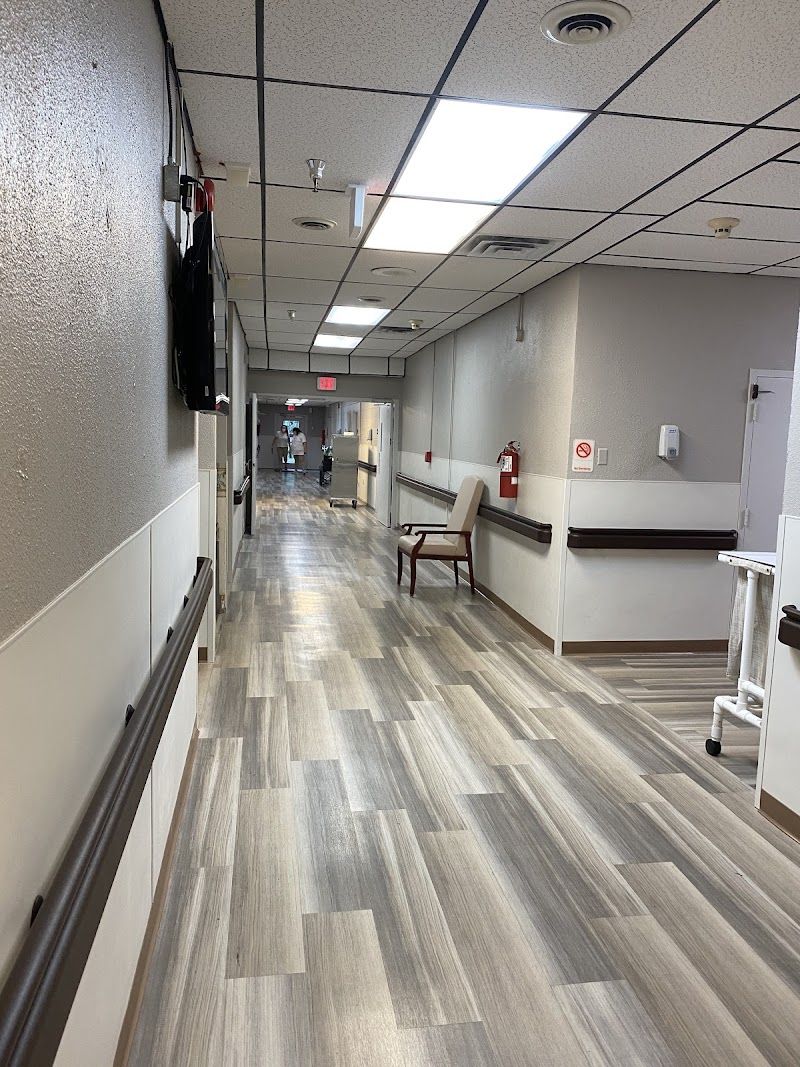
How is South Shore Nursing And Rehabilitation Staffed?

CMS rates South Shore Nursing and Rehabilitation's staffing level at 2 out of 5 stars, which is below average compared to other nursing homes. Staff turnover is 53%, compared to the Kentucky average of 46%.

What Have Inspectors Found at South Shore Nursing And Rehabilitation?

State health inspectors documented 11 deficiencies at South Shore Nursing and Rehabilitation during 2018 to 2021. These included: 11 with potential for harm.
Who Owns and Operates South Shore Nursing And Rehabilitation?

South Shore Nursing and Rehabilitation is owned by a for-profit company. For-profit facilities operate as businesses with obligations to shareholders or private owners. The facility is operated by DAVID MARX, a chain that manages multiple nursing homes. With 60 certified beds and approximately 54 residents (about 90% occupancy), it is a smaller facility located in South Shore, Kentucky.

How Does South Shore Nursing And Rehabilitation Compare to Other Kentucky Nursing Homes?

Compared to the 100 nursing homes in Kentucky, South Shore Nursing and Rehabilitation's overall rating (3 stars) is above the state average of 2.8, staff turnover (53%) is near the state average of 46%, and health inspection rating (3 stars) is at the national benchmark.

What Should Families Ask When Visiting South Shore Nursing And Rehabilitation?

Based on this facility's data, families visiting should ask: "Can you walk me through typical staffing levels on day, evening, and night shifts?" "Can I visit during a mealtime to observe dining assistance and food quality?" "How do you handle medical emergencies, and what is your hospital transfer rate?" "Can I speak with family members of current residents about their experience?" These questions are particularly relevant given the below-average staffing rating.

Is South Shore Nursing And Rehabilitation Safe?

Based on CMS inspection data, South Shore Nursing and Rehabilitation has a clean safety record: no substantiated abuse findings (meaning no confirmed cases of resident harm), no Immediate Jeopardy citations (the most serious violation level indicating risk of serious injury or death), and is not on the Special Focus Facility watch list (a federal program monitoring the lowest-performing 1% of nursing homes). The facility has a 3-star overall rating and ranks #1 of 100 nursing homes in Kentucky. While no facility is perfect, families should still ask about staff-to-resident ratios and recent inspection results during their visit.

Do Nurses at South Shore Nursing And Rehabilitation Stick Around?

South Shore Nursing and Rehabilitation has a staff turnover rate of 53%, which is 7 percentage points above the Kentucky average of 46%. Moderate turnover is common in nursing homes, but families should still ask about staff tenure and how the facility maintains care continuity when employees leave.

Was South Shore Nursing And Rehabilitation Ever Fined?

South Shore Nursing and Rehabilitation has no federal fines on record. CMS issues fines when nursing homes fail to meet care standards or don't correct problems found during inspections. The absence of fines suggests the facility has either maintained compliance or corrected any issues before penalties were assessed. This is a positive indicator, though families should still review recent inspection reports for the full picture.

Is South Shore Nursing And Rehabilitation on Any Federal Watch List?

South Shore Nursing and Rehabilitation is not on any federal watch list. The most significant is the Special Focus Facility (SFF) program, which identifies the bottom 1% of nursing homes nationally based on persistent, serious quality problems. Not being on this list means the facility has avoided the pattern of deficiencies that triggers enhanced federal oversight. This is a positive indicator, though families should still review the facility's inspection history directly.