BRADFORD HEIGHTS NURSING & REHABILITATION
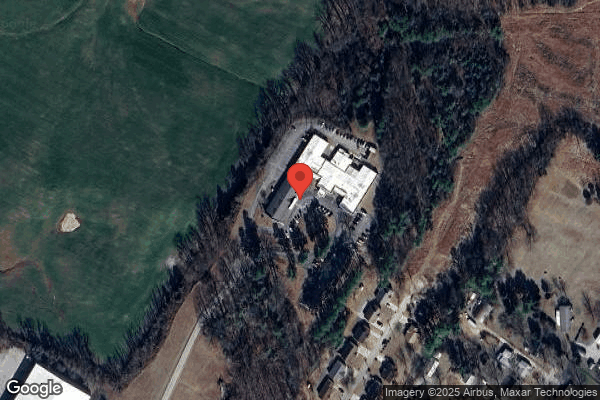

950 HIGHPOINT DRIVE, HOPKINSVILLE, KY 42240 (270) 885-1151
For profit - Limited Liability company 100 Beds SIMCHA HYMAN & NAFTALI ZANZIPER Data: November 2025
Trust Grade
30/100
#206 of 266 in KY
Last Inspection: September 2024

Within standard 12-15 month inspection cycle. Federal law requires annual inspections.

Overview

Bradford Heights Nursing & Rehabilitation has received a Trust Grade of F, indicating significant concerns about the quality of care provided. Ranking #206 out of 266 facilities in Kentucky places them in the bottom half, and they are the lowest-ranked option in Christian County. The facility is worsening, with issues increasing from 7 in 2019 to 8 in 2024. Staffing is a concern, as their turnover rate is 63%, which is significantly higher than the state average of 46%, suggesting instability in care. While there have been no fines reported, which is a positive aspect, there are serious issues regarding resident care. For example, one resident suffered a hip fracture after a safety belt failed due to dead batteries, and there were inadequate procedures for food safety, including improper food labeling and hygiene practices by staff. Overall, families should weigh these serious deficiencies against the lack of fines when considering this facility for their loved ones.

Trust Score
F
30/100
In Kentucky
#206/266
Bottom 23%
Safety Record
Moderate
Needs review
Inspections
Getting Worse
7 → 8 violations
Staff Stability
⚠ Watch
63% turnover. Above average. Higher turnover means staff may not know residents' routines.
Penalties
✓ Good
No fines on record. Clean compliance history, better than most Kentucky facilities.
Skilled Nurses
○ Average
Each resident gets 30 minutes of Registered Nurse (RN) attention daily — about average for Kentucky. RNs are the most trained staff who monitor for health changes.
Violations
⚠ Watch
20 deficiencies on record. Higher than average. Multiple issues found across inspections.
★☆☆☆☆
1.0
Overall Rating
★★☆☆☆
2.0
Staff Levels
★☆☆☆☆
1.0
Care Quality
★★☆☆☆
2.0
Inspection Score
Stable
2019: 7 issues
2024: 8 issues

The Good

  • Full Sprinkler Coverage · Fire safety systems throughout facility
  • No fines on record

Facility shows strength in fire safety.

The Bad

1-Star Overall Rating

Below Kentucky average (2.8)

Significant quality concerns identified by CMS

Staff Turnover: 63%

16pts above Kentucky avg (46%)

Frequent staff changes - ask about care continuity

Chain: SIMCHA HYMAN & NAFTALI ZANZIPER

Part of a multi-facility chain

Ask about local staffing decisions and management

Staff turnover is elevated (63%)

15 points above Kentucky average of 48%

The Ugly 20 deficiencies on record

2 actual harm
Sept 2024 8 deficiencies
CONCERN (D) 📢 Someone Reported This

A family member, employee, or ombudsman was alarmed enough to file a formal complaint

Potential for Harm - no one hurt, but risky conditions existed

Deficiency F0561 (Tag F0561)

Could have caused harm · This affected 1 resident

Based on observation, interview, record review, and facility policy review, the facility failed to ensure each resident had the right to choose activities, schedules, health care and providers of heal...

Read full inspector narrative →
Based on observation, interview, record review, and facility policy review, the facility failed to ensure each resident had the right to choose activities, schedules, health care and providers of health care services consistent with his or her interests, assessments, and plan of care and the resident had a right to make choices about aspects of his or her life in the facility that were significant to the resident for 1 of 30 sampled residents (Resident #6 (R6)). The findings include: Review of the facility's policy titled, Resident Self Determination and Participation, dated 02/22/2024, revealed the facility was to promote and facilitate a resident's right to self-determination through support of the resident's choice. Further review revealed a resident had the right to make choices about aspects of his or her life that were significant to the resident. Review of R6's Face Sheet for revealed the facility admitted the resident on 05/06/2016, with diagnoses that included chronic obstructive pulmonary disease (COPD), anxiety disorder, and morbid obesity (severe), due to excess calories. Review of R6's Quarterly Minimum Data Set (MDS) Assessment with an Assessment Reference Date (ARD) of 08/02/2024, revealed the facility assessed R6 to have a Brief Interview for Mental Status (BIMS) score of 14 out of 15. This score indicated the resident was cognitively intact. Review of R6's comprehensive care plan revealed the facility care planned the resident for Activities of Daily Living (ADL), dated 11/21/2022. Continued review of the ADL care plan revealed the interventions included when bathing or showering R6 was to have a maximum assist of two staff twice weekly and as necessary. Review of the facility's bath/shower schedule documentation revealed from 05/26/2024 through 09/16/2024, R6 received partial to full bedbaths. The shower record noted R6 was to receive showers on day shift; however, over the past four months the resident only received a bed bath/partial bed bath five times on night shift. Further review revealed no documented evidence R6 received a shower during that timeframe. During an interview with R6 on 09/17/2024 at 6:00 AM, he stated he would like to take a shower, but he did not think he could fit on the shower bed any longer due to his size. R6 stated he would like to be taken into the shower, have his hair washed, and just let the water run over him. He stated he had voiced his concern about bathing to the new girl (Administrator). R6 stated he had been told he could not have showers because he could no longer fit on the shower bed/table. He further stated it had been a long time since he had been able to take a shower and that made him feel sad. During an interview with Certified Nursing Assistant (CNA) 8 on 09/19/2024 at 10:30 AM, she stated she thought R6 received his baths on the night shift. She stated she had provided care of R6 and he refused his bedbaths often, and told her he had already washed up. CNA8 stated she did not think R6 would fit on the shower bed. She stated she did not think there was any other option for R6 in order for him to be able to take a shower. During an interview with the Assistant Director of Nursing (ADON) on 09/20/2024 at 3:00 PM, she stated residents were given a choice if they wanted a shower or a bed bath. She stated she did not know who was responsible for assessing residents to know their bathing/showering preferences. The ADON stated R6 preferred to have a bed bath. She further stated the facility had bariatric shower equipment that could be utilized for morbidly obese residents. During an interview with the Director of Nursing (DON) on 09/19/2024 at 3:29 PM, she stated R6 was scheduled for baths or showers twice a week. The DON stated R6 had received showers previously using the shower bed; however, he had gained weight and no longer fit on the bed. She stated she thought R6 preferred bed baths and was unaware R6 wanted to take a shower. The DON stated residents should be given a choice and staff should give the resident their preference, a bath or shower. During an interview with the Administrator on 09/20/2024 at 3:00 PM, she stated the facility did not have a set way to assess a resident's preferences, to include their bathing preference. The Administrator stated she thought R6 wanted a bed bath. She stated the facility had a bariatric shower chair that was available to give R6 a shower if he chose to have one. The Administrator stated staff should just ask the resident whether they wanted a bath or shower and just do what they preferred.
CONCERN (D)

Potential for Harm - no one hurt, but risky conditions existed

Grievances (Tag F0585)

Could have caused harm · This affected 1 resident

**NOTE- TERMS IN BRACKETS HAVE BEEN EDITED TO PROTECT CONFIDENTIALITY** 2. Review R6's Face Sheet revealed the facility admitted the resident on 05/06/2016, with diagnoses that included: anxiety disor...

Read full inspector narrative →
**NOTE- TERMS IN BRACKETS HAVE BEEN EDITED TO PROTECT CONFIDENTIALITY** 2. Review R6's Face Sheet revealed the facility admitted the resident on 05/06/2016, with diagnoses that included: anxiety disorder, morbid obesity (severe) due to excess calories, and chronic obstructive pulmonary disease (COPD). Review of R6's Quarterly MDS Assessment with an Assessment Reference Date (ARD) of 08/02/2024, revealed the facility assessed R6 to have a BIMS' score of a 14 out of 15, which indicated the resident had intact cognition. Review of the facility's grievance log dated 03/01/2024 through 09/01/2024, revealed no documented evidence of grievances noted for R6. In interview with R6 and Family Member (FM) 9 on 09/17/2024 at 11:06 AM, they stated they were unsure of what a grievance form was. R6 stated he had reported several missing items of clothing (to the Administrator) that had been sent to laundry and not returned. The resident stated he called the new girl (Administrator) that was now in charge if he had any complaints. R6 and FM 9 stated they had not received any communication after the complaints about the missing clothing had been made. In interview with the Administrator on 09/18/2024 at 10:00 AM, she stated she had been in her position for seven months. R6 and FM 9 both had access to her personal cellular (cell) phone and called her with any issue they might have. She stated she just takes care of the problem right then. The Administrator stated she did not document any of the telephone calls from R6 or RM [ROOM NUMBER], nor the problems they had reported or whether they were resolved. She stated she was not familiar with the facility's grievance policy or what it said; however, she did not feel like her process was incorrect. The Administrator stated she thought the way she handled R6's concerns was adequate. She stated she could only provide the time and date of the telephone calls from her telephone. During an interview with the SSD on 09/20/2024 at 9:18 AM, she stated she was responsible for all grievances and followup. The SSD stated R6 had no documented evidence of any grievances on file. She stated R6 and FM 9 called the Administrator's (personal) cell phone directly and the resident's concerns were handled in real time (right then) by the Administrator. The SSD further stated the Administrator had not communicated any of R6's problems with her. She additionally stated she felt like the Administrator handling R6's concerns/problems in real time was sufficient. In an additional interview with the Administrator on 09/20/2024 at 3:00 PM, she stated R6 had never voiced any concerns regarding missing clothing. The Administrator stated she did not know what the facility's grievance policy stated because she had not read it word for word. She stated she was unable to say if she had been following the facility's grievance policy and would have to read the policy word for word. The Administrator stated she felt like as long as residents' concerns were addressed it did not matter what the facility's policy stated. In addition, she stated it did not matter if residents' concerns and the resolution of them was documented. Based on interview, record review, and review of the facility's policy, the facility failed to ensure its grievance policy was followed to ensure prompt resolution of all residents' grievances and completion of such grievances for 2 of 30 sampled residents (Residents (R6 and R73)). The findings include: Review of the facility's policy titled, Resident and Family Grievances, revised 03/14/2024, revealed the facility was to support each resident's and family member's right to voice grievances without fear of discrimination or reprisal. The policy stated the (facility's) grievance official was responsible for overseeing the grievance process; receiving and tracking grievances through to the conclusion. Continued review revealed the staff member receiving a grievance was to record the nature and specifics of the grievance on the designated grievance form and forward the form to the grievance official as soon as practicable. Per policy review, the written decision was to include, at a minimum: the date the grievance was received; steps taken to investigate the grievance; and a summary of pertinent findings or conclusions. Further review revealed the written decision was also to include: a statement as to whether the grievance was confirmed or not confirmed; any corrective action taken; and the date the written decision was issued. In addition, the policy revealed all grievances were to be maintained for a period of no less than three years from the issuance of the grievance decision. 1. Review of R73's Face Sheet revealed the facility admitted the resident on 08/10/2023, with diagnoses that included anemia, coronary artery disease (CAD), heart failure, and diabetes mellitus. Review of R73's Quarterly Minimum Data Set (MDS) Assessment with an Assessment Reference Date (ARD) of 08/14/2024, revealed the facility assessed R73 to have a Brief Interview for Mental Status (BIMS) score of a 15 out of 15. This score indicated R73 was cognitively intact. Review of the facility's document titled, Grievance Form, dated 09/19/2024, revealed the document concerned R73's report of lost clothing. Continued review revealed R73 was, missing red shorts about three weeks now; however, the grievance date was noted it occurred on 09/10/2024 or 09/11/2024. Further review revealed the Form had not been completed to include who the staff member was investigating the grievance or who was completing the form, and there was no signature documented by the grievance official. In interview, during the Resident Council Meeting, on 09/18/2024 at 2:08 PM, R73 stated he had clothing that had been missing for some time. He stated he was missing a pair of shorts and two shirts ever since those items were taken to the laundry. R73 stated those clothing items still not been returned to him. He stated the facility had told him if they could not find his missing items they would be replaced; however, the resident stated he still had not received the missing items' replacement. In interview with the Social Services Director (SSD), on 09/19/2024 at 10:50 AM, she stated she was the facility's grievance official. The SSD stated she had a folder outside her door and made residents aware they could complete a grievance form with their concerns and place it back in the folder or slide it under her door. She stated or the residents could talk with her about their concerns if they preferred. The SSD stated the process depended on the grievance, as not all grievances were documented due to real-time resolutions. She stated if they could resolve the resident's concern right away they would not document that information on a grievance form. Per the SSD in interview however, if a resident's concern required a more thorough investigation that information would generally be documented which also included any Resident Council concerns. She stated anything that was determined to be valid would be addressed immediately. The SSD stated on admission families were asked to put residents' names on their clothing when it was brought into the facility. She further stated if there were concerns with lost clothing and those items were not found, the facility replaced those missing items.
CONCERN (D)

Potential for Harm - no one hurt, but risky conditions existed

Deficiency F0645 (Tag F0645)

Could have caused harm · This affected 1 resident

**NOTE- TERMS IN BRACKETS HAVE BEEN EDITED TO PROTECT CONFIDENTIALITY** Based on interview, record review, and review of the facility's policy, the facility failed to ensure residents received a Level...

Read full inspector narrative →
**NOTE- TERMS IN BRACKETS HAVE BEEN EDITED TO PROTECT CONFIDENTIALITY** Based on interview, record review, and review of the facility's policy, the facility failed to ensure residents received a Level II Preadmission Screening and Resident Review (PASRR) referral based on the positive Level 1 PASRR screening results for 1 of 2 residents sampled for Level II PASRR out of the total sample of 30 residents (Resident #23 (R23)). The facility assessed R23 to have a positive Level I PASRR screen on admission on [DATE], related to her diagnoses and psychiatric (psych) stay. Based on the positive Level I PASRR, R23 required a Level II Screening related to diagnoses of schizophrenia and bipolar disorder. However, the facility failed to ensure R23 received a Level II PASRR evaluation as required. The findings include: Review of the facility's policy, Resident Assessment-Coordination with PASRR Program, revised 03/14/2023, revealed, the facility coordinated assessment with the Pre admission Screening and Resident Review (PASRR) program under Medicaid. Per policy review, the PASRR assessment was to ensure individuals with a mental disorder, intellectual disability or a related condition received care and services in the most integrated setting appropriate to their needs. Continued review revealed all applicants to the facility were to be screened for serious mental disorders or intellectual disabilities and related conditions in accordance with the state Medicaid rules for screening. Policy review revealed a positive Level I screen necessitated an in-depth evaluation, known as PASRR Level II, of the individual by the state-designated authority. Further review revealed the PASRR Level II assessment must be conducted prior to admission to a nursing facility. Additional review of the facility's policy revealed the PASRR Level II evaluation should be placed in the resident's Electronic Health Record (EHR). Review of R23's Face Sheet revealed the facility admitted the resident on 10/26/2022, with diagnoses that included schizophrenia unspecified, bipolar disorder unspecified, anxiety, and depression. Review of the Quarterly Minimum Data Set (MDS) assessment dated [DATE] for R23, revealed the facility assessed the resident to have a Brief Interview for Mental Status (BIMS) score of 15 out of 15. This score indicated R23 was cognitively intact. Review of the admission MDS assessment dated [DATE], Section A 1500, Pre admission Screening and Resident Review, read as follows, Has the resident been evaluated by Level 2 PASRR and determined to have a serious mental illness, and or mental retardation or a related condition. Further MDS review revealed the Pre admission Screening question was answered No. Review of Section I of the MDS, Active Diagnosis, revealed the facility documented R23's primary medical condition was schizophrenia. Review of R23's Level I PASRR documentation dated 10/28/2022, revealed a positive screening had been identified. However, further review revealed no documented evidence the facility had referred R23 for the required Level II PASRR assessment. In interview with the Social Services Director (SSD) on 09/08/2024 at 11:19 AM, she stated R23 had not met all three criteria for a Level II PASRR evaluation, and therefore was not referred for that screening. When the State Survey Agency (SSA) Surveyor asked her R23 could not have a change after being hospitalized in the psych hospital for eight months, the SSD had no response to the question. During an interview with the Director of Nursing (DON) on 09/20/2024 at 5:47 PM, she stated a PASRR Level 2 assessment was not completed for R23, as the resident had not met the criteria in all three categories as stated in the regulation. Per the DON, when the referral came for R23's admission to the facility, she did an onsite visit with the resident at the psychiatric (psych) hospital. She stated she did not recall seeing any recommendations from the psych hospital when R23 was discharged . She stated R23 had her initial visit with psych services in January 2023, and the resident had not exhibited any behaviors since being admitted to the facility. In interview with the Administrator on 9/20/2024 at 7:00 PM, she stated a Level 1 PASRR review was required prior to a resident's admission to the facility. She stated a Level I would trigger if a Level II (PASRR) was to be completed. Per the Administrator, the State system did not trigger a Level II (PASRR) evaluation. She stated she was not sure exactly what would trigger a Level 2 (PASRR assessment). The Administrator stated she did not think that R23 triggered for a Level II even though she had diagnoses of schizophrenia, bipolar, depression and anxiety and was admitted to the facility following an eight month inpatient stay at an acute psychiatric hospital.
CONCERN (D) 📢 Someone Reported This

A family member, employee, or ombudsman was alarmed enough to file a formal complaint

Potential for Harm - no one hurt, but risky conditions existed

Comprehensive Care Plan (Tag F0656)

Could have caused harm · This affected 1 resident

**NOTE- TERMS IN BRACKETS HAVE BEEN EDITED TO PROTECT CONFIDENTIALITY** Based on observation, interview, record review and review of facility polity, the facility failed to develop and implement a com...

Read full inspector narrative →
**NOTE- TERMS IN BRACKETS HAVE BEEN EDITED TO PROTECT CONFIDENTIALITY** Based on observation, interview, record review and review of facility polity, the facility failed to develop and implement a comprehensive person-centered care plan for each resident that included measurable objectives and timeframes to meet a resident's medical, nursing, and mental and psychosocial needs as identified in the comprehensive assessment for 2 of 30 sampled residents (Resident (R)23 and R99). 1. The facility admitted R99 on 04/28/2022, and on 05/04/2024 assessed R99 as being at risk for developing pressure injuries. However the facility failed to develop a care plan for at risk for impaired skin integrity or risk for developing pressure injuries. On 05/11/2024, R99 developed a suspected deep tissue injury (SDTI) to the right heel. 2. The facility admitted R23 with diagnoses of schizophrenia, bipolar disorder, depression, and anxiety. However, the facility failed to develop and implement a care plan to address R23's psychiatric diagnoses. The findings include: Review of the facility's policy titled, Comprehensive Care Plans, revised 02/2024, revealed it was the facility's policy to develop and implement a comprehensive person-centered care plan for each resident to meet the resident's medical, physical, mental, and psychosocial needs. Continued review revealed the care plan process was to include an assessment of the resident's strengths and needs and was to incorporate the resident's personal and cultural preferences in developing the goals of care. Additionally, all Care Area Assessments (CAAs) triggered by the Minimum Data Set (MDS) Assessment were to be considered in the development of the care plan. Further review revealed the facility's rationale for deciding whether to proceed with care planning was to be documented in the residents' clinical records. 1. Review of the facility's policy titled, Pressure Injury, Prevention, and Management, revised on 08/30/2022 revealed interventions were to be based on specific factors identified in a resident's risk assessment, skin assessment, and any pressure injury assessment. Further review revealed evidence-based interventions for prevention were to be implemented for all residents assessed as at risk or who had a pressure injury present. Additionally, policy review revealed interventions were to be documented on the resident's care plan and communicated to all relevant staff. Review of R99's electronic health record (EHR) admission Record revealed the facility admitted the resident on 04/28/2022, with diagnoses that included: altered mental status, opioid dependence with withdrawal, and Alzheimer's Disease with late onset. Review of R99's admission MDS assessment dated [DATE], revealed the facility assessed the resident as having a Brief Interview for Mental Status (BIMS) score of 00 of 15, which indicated R99 was severely cognitively impaired. Review of the MDS Section M revealed the facility assessed R99 as at risk for developing pressure ulcers/injuries and not to have unhealed pressure ulcers on admission. Review of the admission MDS Care Area Assessment (CAA) worksheet for pressure ulcer injury dated 05/04/2022, revealed R99 was at risk for and had potential for pressure ulcer/injury. Continued review revealed the risk factors included: decreased mobility, incontinence, altered mental status, and Alzheimer's Disease. Per review, for the question, Care plan considerations would be addressed on the care plan, the facility answered Yes. However, review of R99's EHR revealed no documented evidence the facility developed and implemented a care plan for R99's assessed risk for developing pressure ulcers. Review of R99's care plan revealed a skin integrity care plan was not developed until 05/11/2024, after the resident developed an in-house pressure injury to the right heel. Review of the Comprehensive Care Plan initiated on 05/11/2022, for R99 revealed a focus problem noting the resident had an actual impairment to skin integrity related to fragile skin and weakness. Continued review revealed interventions which included: a pressure reducing mattress to R99's bed, dated 05/11/2024; encouraging good nutrition and hydration in order to promote healthy skin, dated 05/11/2022; pressure reducing mattress to bed, dated 05/11/2022; and wound care as ordered, dated 06/29/2022. Review of the facility's initial wound evaluation dated 05/13/2022, revealed R99 had a facility acquired pressure ulcer, Suspected Deep Tissue Injury (SDTI) with an onset date of 05/11/2022 to the right heel. Per review, the SDTI area measured 4.04 centimeters (cm) x 3.09 cm. Continued review revealed skin prep was ordered, and pressure reduction and offloading were recommended. In addition, recommendations were also noted for ensuring R99's compliance with the turning protocol; using a wedge or foam cushion for offloading (pressure); and elevating the resident's legs regularly. Review of the Progress Note documented by the wound care provider dated 05/13/2022, revealed, R99 had a facility acquired right heel deep tissue injury. (DTI). Continued review of the Note revealed there was a large deep tissue injury to R99's right heel. Further review revealed it appeared the resident rested her heels over the edge of her wheelchair which was likely to cause the injury. In addition, the wound care provider recommended skin prep to the DTI every shift and to continue with the protective booties. interview on 09/18/2024 at 1:18 PM, MDS Nurse 1 stated she and MDS Nurse 2 were responsible for completing the residents' comprehensive care plans. She stated the baseline care plans were initiated by the admitting nurse. MDS Nurse 1 stated she would expect the care plan to have been initiated if a resident had a problem or was at risk for having a problem. She stated the care plan should be developed/revised with interventions as needed. In interview on 09/20/2024 at 10:40 AM, the Unit Manager (UM) stated the admitting nurse was responsible for the developing residents' baseline care plans on admission. The UM stated the MDS Nurse was responsible for updating the care plan. She stated she expected all residents to have a skin integrity care plan. In interview on 09/20/2024 at 10:46 AM, MDS Nurse 2 stated she was responsible for residents' care plans. She stated if she was made aware of a new concern for a resident she updated their care plan. In interview on 09/20/2024 at 3:00 PM, the Assistant Director of Nursing (ADON) stated R99 should have had a baseline care plan developed on admission that addressed the resident's skin integrity. In interview on 09/20/2024 at 5:47 PM, the Director of Nursing (DON) stated she recalled R99 developed a SDTI shortly after admission. She stated R99 had been followed by the wound care clinic after developing the SDTI. The DON stated she was unable to recall any interventions in place for R99 prior to developing the SDTI area. She stated a care plan had been developed for R99 after the SDTI area was discovered. The DON stated she expected care plans to be developed and implemented for all residents. She stated the admitting nurse was responsible for developing residents' baseline care plan and she expected those to be completed on admission. Per the DON heel boots were added as an intervention for R99; however, she was not sure if any other interventions had been initiated. According to the DON, heel boots should have been on the Certified Nursing Assistants (CNA) care guide and on the resident's care plan. She further stated she was not familiar with the MDS Assessment process, but R99 should have had a care plan for skin integrity. In interview on 9/20/2024 at 7:00 PM, the Administrator stated she was not familiar with R99, but the MDS Nurse was responsible for developing residents' care plans. The Administrator stated residents' baseline care plans should be completed within 48 hours of admission. The Administrator stated she would expect the care plan to be developed as required. She stated all residents had interventions in place such as turning and repositioning. 2. Review of R23's EHR admission Record revealed the facility admitted the resident on 10/26/2022, with diagnoses of anxiety, depression, bipolar disorder unspecified, and schizophrenia unspecified. Review of R23's History and Physical, documentation from an acute psychiatric (psych) hospital stay, dated 09/24/2022, revealed the facility admitted the resident to the acute psych hospital in February 2022. Review of the admission MDS assessment dated [DATE] for R23, of section A 1500, Preadmission Screening and Resident Review (PASRR) revealed no was the answer to the question, Has the resident been evaluated by Level 2 PASRR and determined to have a serious mental illness, and or mental retardation or a related condition? Review of Section I of the admission MDS, for Active Diagnosis, the facility documented R23's primary medical condition was schizophrenia. Review of the Quarterly MDS assessment dated [DATE] for R23, revealed the facility assessed the resident as having a BIMS score of 15 out of 15, which indicated R23 was intact cognitively. Review of R23's Comprehensive Care Plan (CCP) dated 10/29/2022, revealed no documented evidence of care plans developed or implemented related to the resident's diagnoses of schizophrenia, bipolar disorder, depression or anxiety. Review of the CCP focus problem, Psychotropic Drug Use dated 02/02/2023, revealed R23 had depression, insomnia, and tremor. Further review revealed the interventions included, administering medications as ordered and to evaluate, record, report effectiveness, and any adverse side effects. Review of the CCP focus problem, Psychotropic Drug Use dated 11/01/2022, revealed R23 was at risk for adverse consequences related to receiving psychotropic medications and to the resident's bipolar and schizophrenia diagnoses. Per review, the interventions dated 11/01/2022 included: reviewing for continued need at least quarterly; quantitively and objectively documenting R23's behavior. Continued review revealed the interventions also included consulting, reviewing, monitoring R23's behavior and response to medication, attempting to give the lowest dose possible, and attempting a gradual dose reduction if not contraindicated. Further review revealed an intervention added for staff to listen when R23 was upset and reassure the resident she was safe. Review of the CCP focus problem, Behaviorial Symptoms dated 12/06/2022, revealed R23 resisted care such as dressing changes, incontinent care, showers, and removal of facial hair at times. Continued review revealed the interventions dated 12/06/2022, included actively involve R23 in care, express willingness to adjust regimen, administer medications as ordered, and monitor and record effectiveness and report adverse side effects. Continued review revealed the interventions also included: allowing R23 to choose options; explaining the disease process and consequences of all of the therapy, medication and care; maintaining a common environment and approach to the resident; and obtaining a psych consult or psychosocial therapy. Further review revealed when R23 began to resist care, stop and try later, do not force the resident to do a task, an intervention dated 01/01/2023. In addition, review of the care plan revealed the interventions encompassed redirecting R23 when the resident made false allegations an intervention dated 01/24/2023, and personal care to be completed with at least two staff assist. In interview on 09/20/2024 at 10:48 AM, the Licensed Clinical Social Worker (LCSW) stated she saw R23 on a weekly basis and the resident's mood was up and down. She stated overall though R23 was doing well. The LCSW further stated she was not aware of any current episodes of behaviors that R23 was having. In interview on 9/20/2024 at 7:00 PM, the Administrator stated she was not sure if R23 should have a care plan (for her psych diagnoses) because care plans varied from person to person. She stated she was unsure if R23 should have a care plan for psychosocial concerns; however, thought R23's diagnoses should have been on the care plan.
CONCERN (D) 📢 Someone Reported This

A family member, employee, or ombudsman was alarmed enough to file a formal complaint

Potential for Harm - no one hurt, but risky conditions existed

Pressure Ulcer Prevention (Tag F0686)

Could have caused harm · This affected 1 resident

**NOTE- TERMS IN BRACKETS HAVE BEEN EDITED TO PROTECT CONFIDENTIALITY** Based on interview, record review and review of the facility's policy, it was determined the facility failed to ensure intervent...

Read full inspector narrative →
**NOTE- TERMS IN BRACKETS HAVE BEEN EDITED TO PROTECT CONFIDENTIALITY** Based on interview, record review and review of the facility's policy, it was determined the facility failed to ensure interventions were in place to prevent a resident from developing a pressure injury for 1 of 30 sampled residents, (Resident (R)99). On 05/11/2022, 13 days following admission to the facility, Resident 99 developed a facility acquired suspected deep tissue injury (SDTI) to the right heel. The findings include: Review of the facility's policy titled, Pressure Injury, Prevention, and Management, revised 08/30/2022, revealed, the facility was committed to the prevention of avoidable pressure injuries, unless clinically unavoidable . Per policy review, the facility was also committed to providing treatment and services to heal a pressure ulcer/injury, prevent infection and development of additional pressure ulcers/injuries. Continued review revealed after completing a thorough assessment/evaluation, the interdisciplinary team (IDT) was to develop a relevant care plan that included measurable goals for prevention and management of pressure injuries with appropriate interventions. Policy review revealed the interventions were to be based on specific factors identified in the resident's risk assessment, skin assessment, and any pressure injury assessment. Further review revealed evidence-based interventions for prevention were to be implemented for all residents assessed as at risk or who had a pressure injury present. Additionally, policy review revealed the interventions were to be documented on the resident's care plan and communicated to all relevant staff. Review of R99's electronic health record (EHR) admission Record revealed the facility admitted the resident on 04/28/2022 with diagnoses to include Alzheimer's Disease, altered mental status, unspecified and opioid dependence with withdrawal. Review of the facility's admission Minimum Data Set (MDS) assessment dated [DATE] revealed the facility assessed R99 to have a Brief Interview for Mental Status (BIMS) score of 00 of 15, indicating the resident had severe cognitive impairment. Review of the MDS Section M revealed the facility assessed R99 as at risk for developing pressure ulcers/injuries and as not having unhealed pressure ulcers on admission. Review of R99's Comprehensive Care Plan initiated on 05/11/2022, 13 days after admission, revealed the facility had developed a focus problem that noted the resident had an actual impairment to skin integrity related to fragile skin and weakness. Continued review revealed the interventions included: encouraging good nutrition and hydration in order to promote healthy skin, dated 05/11/2022; wheelchair cushion and pressure reducing mattress to the resident's bed, dated 05/11/2022; and wound care as ordered, dated 06/29/2022, which was R99's date of discharge. Review of a daily skilled note for R99 dated 05/12/2022 at 4:25 PM, for skin integrity, revealed, No changes in skin integrity noted. Continues with deep tissue injury to right heel. Continued review revealed R99 does stomp foot and hold firmly when trying to transfer in the bed and wheelchair. Further review revealed it was noted R99 was Constantly taking socks and shoes off and manipulating footrest while trying to get up and walk. However, further review of R99's care plan revealed no documented evidence of interventions to address the resident constantly taking off her shoes and socks, manipulating the wheelchair footrest, and constantly trying to get up and walk. Review of the Progress Note for R99 dated 05/13/2022 at 4:03 PM, signed by the Assistant Director of Nursing (ADON) revealed the ADON documented, new wound care orders received for wound to right heel. Daughter made aware. Review of the Progress Note from the wound care provider dated 05/13/2022, revealed R99 had a facility acquired right heel deep tissue injury. Per review of the Note, there was a large deep tissue injury to R99's right heel. Continued review revealed it appeared the patient rested her heels over the edge of her wheelchair, likely to have caused the injury. Further review revealed the wound care provider noted, Recommend skin prep every shift and continue with protective booties. Review of the wound care Nurse Practitioner's (NP's) initial wound evaluation documentation dated 05/13/2022, revealed R99 had a facility acquired pressure ulcer, Suspected Deep Tissue Injury (SDTI) with an onset date of 05/11/2022 to the right heel. Continued review revealed the area measured 4.04 centimeters (cm) x 3.09 cm and skin prep was ordered. Further review revealed recommendations included: pressure reduction and offloading; ensuring compliance with the turning protocol; elevating the resident's legs regularly; and use of a wedge or foam cushion for offloading (pressure). Review of the wound consult documentation dated 05/18/2022, revealed R99 had a SDTI to the right heel, acquired in house which measured 2.36 cm x 2.23 cm. Continued review revealed Betadine was ordered to the area. Additionally review revealed recommendations that included: pressure reduction and offloading; ensuring compliance with the turning protocol; elevation of the resident's legs regularly; and using a wedge or foam cushion for offloading (pressure). Review of the wound consult documentation dated 05/25/2022, revealed R99 had a SDTI to the right heel which measured 4.19 x 4.95 cm and Betadine was continued as the treatment. Review of the wound consult documentation dated 06/01/2022, revealed R99 had a right heel SDTI that measured 4.69 cm x 3.84 cm, with Betadine continued as the treatment. Review of the wound consult documentation dated 06/08/2022, revealed R99 had a SDTI to the right heel that measured 3.64 cm x 3.51 cm. Review of the wound consult documentation dated 06/15/2022, revealed R99 had a right heel SDTI measuring 2.98 cm x 3.52 cm and was noted as improving. Further review revealed to cleanse (the SDTI) with wound cleanser and apply Betadine. Review of the wound consult note dated 06/22/2022, revealed suspected DTI to right heel, measures 4.76 cm x 4.80 cm, area is improving. Continued review revealed For the most part the wound appears healed. The outer edges still appear dark. Further review of the note revealed Recommend skin prep instead of Betadine as it may be discoloring the skin. Review of the progress note dated 06/27/2022 at 8:00 PM, documented by the ADON, for R99 revealed, area to back of right heel had ruptured. Further review revealed a new order to cleanse and apply comfort foam daily, and R99's daughter made aware. Review of the progress note dated 06/29/2022 at 3:00 PM, signed by the Director of Nursing (DON), revealed weekly observation of (R99's) pressure ulcer injury and light amount of serous drainage noted. Further review revealed the wound progress was worsening, and the Physician had been notified for need of a treatment change for the wound. In interview with R99's Family Member (FM) on 09/19/2024 at 8:40 PM, she stated she worked as a Certified Nurse Aide and had 30 years of experience. She stated R99 admitted to the facility to receive therapy services and had planned to return home. The FM stated she was made aware R99 had a pressure injury to the right heel about 2 weeks after the resident was admitted there. She stated she had not been aware of any specific interventions being used prior to that for R99's right heel. Per the FM in interview, she had requested the facility to keep heel boots on R99 and that had been a challenge. She stated R99 seldom had the heel boots on when she visited and she visited daily. The FM stated she observed R99's right heel on 06/09/2022, and observed a very dark area to the right heel. She stated she visited the facility on 06/27/2022 and saw blood on R99's right heel bandage, and she informed the ADON who explained to her that the area on the resident's right heel had busted. In continued interview, the FM stated the ADON told her the area of R99's right foot was healed and all the dead skin would come off and new skin would be there. She stated she told the ADON however, R99's heel did not look right. The FM stated when she arrived to the facility on [DATE] to take R99 home and there was blood on the bandage again she asked for it to be changed before they left. She stated the nurse cleaning the area on R99's right foot said the dressing on the area had not been changed for the day. The FM further stated she went to speak to the DON and learned that the wound clinic nurse had not seen R99 as the resident was being discharged home. In interview with the ADON on 09/20/2024 at 3:00 PM, she stated she had been the ADON for approximately two months, but had been employed at the facility for about three years. She stated she provided care for R99 and recalled the resident developed a deep tissue injury (DTI) to the right heel. The ADON stated when R99 was moved to her hall the resident already had the DTI and had heel boots. Per the ADON's interview, R99 also had a heel elevator (a foam protector that wrapped around the ankle area to elevate the heel off of the bed) and a regular (not specialized) pressure reducing wheel chair cushion implemented. She stated she could not speak to any other interventions R99 had while a resident. Per the ADON in interview, she recalled the wound on R99's right heel had been a DTI, which became a blistered area. She stated she had been working on 06/27/2022 when the blister on R99's right heel ruptured. The ADON further stated the area had been leaking bloody drainage, and she informed the Nurse Practitioner (NP) and applied a foam dressing to the area. During interview with the DON on 09/20/2024 at 5:47 PM, she stated she recalled R99 developed a SDTI shortly after admission to the facility. She stated R99 had been followed by the wound care clinic. The DON stated she was unable to recall any interventions in place prior to R99 developing the SDTI area. The DON stated a care plan had been developed after the area was discovered. The DON further stated heel boots were added but she was not sure if any other interventions had been initiated. In interview with the Administrator on 9/20/2024 at 7:00 PM, she stated she had been the Administrator since 02/2024 and this was her first job as Administrator since graduating last May. She stated she was not familiar with R99, but the MDS Nurse was responsible for residents' care plans. Per the Administrator's interview, she was not familiar with the MDS process or the care area assessments that indicated R99 had been at risk for skin impairment on admission or that a care plan was to be initiated. She stated she expected a resident's care plan to be developed as required. The Administrator stated all residents had interventions in place such as turn and repositioning. She further stated she was not sure, when asked how the direct care givers knew what interventions to provide for a resident.
CONCERN (D)

Potential for Harm - no one hurt, but risky conditions existed

Deficiency F0692 (Tag F0692)

Could have caused harm · This affected 1 resident

Based on interview and record review the facility failed to ensure that residents received treatment and care in accordance with professional standards of practice, the comprehensive person-centered c...

Read full inspector narrative →
Based on interview and record review the facility failed to ensure that residents received treatment and care in accordance with professional standards of practice, the comprehensive person-centered care plan, and the resident's choices for 1 of 30 sampled residents, (Resident (R)83). R83 experienced significant weight loss; however, the facility failed to notify the Physician of the resident's significant weight loss and failed to follow recommendations from the Registered Dietician (RD). The findings include: Review of the facility's policy titled, Weight Assessment/Monitoring, dated 01/01/2021 and revised 02/20/2024, revealed the multidisciplinary team was to strive to prevent, monitor, and intervene for undesirable weight loss of facility residents. Review of R83's Face Sheet revealed the facility admitted the resident on 11/29/2023, with diagnoses that included acute kidney failure, disorientation, and weakness. Review of the Quarterly Minimum Data Set (MDS) Assessment with an Assessment Reference Date (ARD) of 08/06/2024, revealed the facility assessed R83 to have a Brief Interview for Mental Status (BIMS) score of seven out of 15, indicating the resident was severely cognitively impaired. Review of an email from the Registered Dietician (RD) to the Assistant Director of Nursing (ADON) and the Director of Nursing (DON), dated 08/20/2024 at 2:54 PM, revealed she recommended R83 be weighed once a week for four weeks. Review of R83's Electronic Medical Record (EMR) revealed no documented evidence the Physician was notified and an order obtained for weekly weights as per the RD's recommendation. Review of R83's vital results documentation revealed on 07/09/2024, the resident weighed 163.8 pounds and on 08/02/2024, the resident weighed 154 pounds which was a 5.98 % weight loss in a 24 day time period. Even though the RD recommended weekly weights be obtained for R83 for four weeks on 08/20/2024, continued review revealed no documented evidence the resident was weighed again until 09/11/2024. Further review revealed on 09/11/2024, R83's weight noted an additional weight loss of 3.8 pounds, as the resident's weight was noted as 150.2 pounds. During an interview with the RD on 09/19/2024 at 9:37 AM, she stated her recommendations were communicated to the ADON and DON via an email. The RD stated on 08/20/2024, she notified the ADON and DON to add weekly weights for R83 due to the resident's significant weight loss. She further stated she expected the Physician to be notified of her recommendations. During an interview with R83's Physician on 09/19/2024 at 6:40 PM, she stated weekly weights was a standing order and she expected the standing orders to be completed. She stated even though weekly weights were a standing order, she wanted to be notified of the RD's recommendations, so she could review R83's chart. During interview with the Central Supply/Certified Nursing Assistant (CNA) on 09/20/2024 at 10:55 AM, she stated she was responsible for weighing all residents. She stated the ADON or DON provided her with a list of all residents needing to be weighed. The Central Supply/CNA stated R83 had a history of weight loss, but was currently on monthly weights as the resident had not had any weight loss recently to her knowledge. During interview with the ADON on 09/20/2024 at 3:00 PM, she stated once the RD reviewed a resident's weight, she emailed her (ADON) and the DON with her recommendations. The ADON stated she then notified the Physician and obtained orders, which she entered into the resident's EMR. She stated she verbally communicated the Physician's Orders to staff. The ADON stated they should have followed up on the RD's recommendations, and R83 should have had a progress note documenting that the Physician had been notified of the resident's weight loss with any new orders given. She further stated, there was no documentation of that information in R83's record indicating that had been done During interview with the DON on 09/19/2024 at 3:29 PM, she stated she was unable to locate any documentation that the Physician had been notified of the RD's recommendations for R83 on 08/20/2024, nor of an order entered for the weekly weights to be completed. She stated it was her's or the ADON's responsibility to ensure the Physician had been notified, orders obtained, and related documentation entered in the resident's record. The DON stated she expected staff to operate within their clinical scope of practice. She further stated she expected the residents' Physicians be notified with orders obtained and weights documented as ordered; however, was not sure why that was not done for obtaining R83's weekly weights. The DON additionally stated however, she did not see that any of that had been completed for R83. During interview with the Administrator on 09/20/2024 at 3:25 PM, she stated she expected all staff to work within their scope of practice, including the ADON and DON, who failed to do that. The Administrator stated if the RD recommended R83 have weekly weights obtained, she expected staff to notify the Physician and obtain an order for the weekly weights. She further stated staff should have done whatever the RD and/or Physician wanted done.
CONCERN (D)

Potential for Harm - no one hurt, but risky conditions existed

Infection Control (Tag F0880)

Could have caused harm · This affected 1 resident

Based on observation, interview, record review, and review of facility policy, the facility failed to establish and maintain an infection prevention and control program designed to provide a safe, san...

Read full inspector narrative →
Based on observation, interview, record review, and review of facility policy, the facility failed to establish and maintain an infection prevention and control program designed to provide a safe, sanitary, and comfortable environment and to help prevent the development and transmission of infections, for 1 of 30 sampled residents, (Resident (R)41). Observation revealed Certified Medication Aide (CMA) 2 administered R41's ophthalmic eye drops without wearing gloves. The findings include: Review of the facility's policy titled, Specific Medication Administration Procedures, dated 05/2022, revealed the purpose of the policy was for administering ophthalmic solution/suspension into the eye in a safe, accurate, and effective manner. Continued review revealed examination gloves were to be utilized to administer the eye drops. Further review revealed the procedure required staff to perform hand hygiene, put on examination gloves, and with a gloved finger gently pull down the lower eyelid to form a pouch while instructing the resident to look up and instill the prescribed number of drops into the pouch near the outer corner of the eye. Review of R41's Face Sheet revealed the facility admitted the resident on 11/30/2020, with diagnoses to include: hemiplegia and hemiparesis following nontraumatic subarachnoid hemorrhage affecting right dominant side, chronic obstructive pulmonary disease (COPD), and chronic respiratory failure with hypoxia. Review of R41's Quarterly Minimum Data Set (MDS) Assessment with an Assessment Reference Date (ARD) of 06/12/2024, revealed the facility assessed R41 to have a Brief Interview for Mental Status (BIMS) score of a 14 out of 15, indicating the resident was cognitively intact. Observation on 09/17/2024 at 8:45 AM, of medication (med) pass on Wing 200, revealed CMA 2 was providing medications for R41. Record review revealed R41 was prescribed Olopatadine HCl 0.2 % Solution and was to receive one drop in each eye once daily. Continued observation revealed CMA 2 had long fingernails, and did not don gloves prior to or when administering the ophthalmic eye drops to R41. Further observation revealed CMA 2 opened R41's top and bottom eyelids using her thumb and forefinger to administer the eye drops with no gloves on. In interview with CMA 2 on 09/20/2024 at 3:04 PM, she stated she was aware that when administering ophthalmic eye drops she was to clean and sanitize her hands and then shake the eye drops before using. She stated sometimes R41 held her eyes open while she had administered the resident's eye drops. CMA 2 stated during the observation she realized her error, and yes, she should have worn gloves to administer R41's eye drop solution. She further stated she was aware there was a potential for harm for residents if gloves were not utilized including cross-contamination and/or infection. Additionally, she stated she had received training when hired regarding eye drop administration which included using gloves. In interview with CMA 15 on 09/20/2024 at 3:06 PM, she stated she was aware that when administering ophthalmic eye drops in a resident's eyes, staff should wash their hands, use gloves, and have a gauze pad or tissue for the excess fluid. CMA 15 stated she was also aware that not wearing gloves could potentially cause germs to be spread or cause an infection. She further stated she used a new glove for each eye when administering eye drops. In interview with Unit Manager (UM) 1 on 09/20/2024 at 3:30 PM, she stated the process for administering ophthalmic eye drops required staff to sanitize their hands and don gloves and have a tissue ready when administering eye drops into a resident's eyes. She stated she provided the tissue for residents to wipe off any excess solution. The UM stated if she had observed a CMA providing eye drops without wearing gloves she would have stopped the staff member and provided education on following the policy and procedure correctly. She further stated education and training on administering eye drops was a requirement in all schools, but staff had also received instruction when hired at the facility. In interview with the Director of Nursing (DON) on 09/20/2024 at 3:50 PM, she stated her expectations for CMA's administering ophthalmic eye drops was for them to follow facility policy and procedure, work within their scope of practice, and utilize their training regarding eye drop administration. She stated all CMA's received on the floor orientation when hired. The DON stated there was always a risk of infection if staff were not wearing gloves as required per the facility's eye drop administration policy as with any other medication administration. She further stated if staff were observed administering eye drops without gloves, that would be a teachable moment to ensure it did not happen again. In interview with the Administrator on 09/20/2024 at 4:30 PM, she stated her expectations for CMA's was for them to work within their scope of practice and follow facility policy and procedures when administering ophthalmic eye drops to residents. She stated she was not familiar with the facility's policy on eye drop administration, but had access to that policy if necessary. She further stated she did not believe residents were at risk for potential harm if CMA's were administering ophthalmic eye drops to residents eyes without wearing gloves.
CONCERN (F)

Potential for Harm - no one hurt, but risky conditions existed

Food Safety (Tag F0812)

Could have caused harm · This affected most or all residents

Based on observation, interview, and review of the facility's policy, the facility failed to store, prepare, distribute, and serve food in accordance with professional standards for food service safet...

Read full inspector narrative →
Based on observation, interview, and review of the facility's policy, the facility failed to store, prepare, distribute, and serve food in accordance with professional standards for food service safety, which had the potential to affect 90 of the facility's 94 residents who consumed food from the kitchen. Observation during the initial kitchen tour revealed numerous food items in the reach-in cooler not labeled or dated. In addition, continued observation of the kitchen revealed [NAME] 2 failed to have a beard covering in place. Further observation revealed [NAME] 2 failed to utilize utensils when serving food, using his gloved hands and not changing gloves. The findings include: Review of the facility's policy titled, Food Preparation and Service, undated, revealed, Culinary service employees shall prepare and serve food in a manner that complies with safe food handling practices. Per policy review, food preparation staff were to adhere to proper hygiene and sanitary practices to prevent the spread of foodborne illness. Continued review revealed bare hand contact with food was prohibited, and gloves must be worn when handling food directly. Further review revealed gloves could also become contaminated and/or soiled and must be changed between tasks, as disposable gloves were single use items and should be discarded after each use. Additionally policy review revealed dietary staff should wear hair restraints, hairnet, hat, and beard restraint, so that hair did not contact food. Review of the facility's policy titled,Leftovers, undated, revealed leftovers were to be properly handled and used or discarded as appropriate. Continued review revealed leftovers were to be covered, labeled, dated and stored appropriately and immediately after the end of the meal service. Policy review revealed leftovers were to be used within three days or discarded. Observation with the Head Cook, during the initial tour of the kitchen on 09/17/2024 at 7:10 AM, of the reach-in cooler revealed 6 bowls of fruit, not labeled or dated; a large container of leftover chili dated 07/15/2024; and 3 peanut butter and jelly sandwiches, 2 cheese sandwiches, and 2 bowls of chicken soup not labeled or dated. In addition, observation of the reach-in cooler further revealed a box of bacon opened with strips of bacon not covered. Interview with the Head [NAME] on 09/17/2024 at 7:10 AM, during observation, she stated all leftover items should have been labeled and dated when stored in the coolers. She stated staff were aware of that information. The Head [NAME] further stated the coolers and walk-in were checked on a daily basis by herself and the Dietary Manager (DM). Observation on 09/17/2024 at 1:39 PM, and on 09/18/2024 at 11:15 AM, of a male cook, revealed he had facial hair with no beard covering in place. Observation on 09/18/2024 at 11:15 AM, during the kitchen tray line observation, [NAME] 2 was observed handling serving utensils and food items with gloved hands. Per observation, [NAME] 2 failed to use utensils when placing the following items on plates: cornbread, chicken strips, hamburger patties, mechanical soft meat, pickles and onions. Continued observation revealed [NAME] 2 failed to change his gloves between tasks, as per facility policy. Further observation revealed the Dietary Manager reminded [NAME] 2 twice to utilize serving utensils; however, the [NAME] continued to use his gloved hands. Additionally, observation revealed [NAME] 2 had facial hair with no covering in place over the hair. Telephonic (Phone) attempts were made to interview the Cook; however, they were unsuccessful. In interview with a Regional Certified Dietary Manager (CDM) on 09/20/2024 at 5:11 PM, he stated he expected foods to be labeled and dated with what the product was when it was made and the expiration date, before the food was placed in the coolers. He stated the Dietary Manager was responsible for ensuring that occurred; however, all staff were trained on that information. The Regional CDM stated facial hair depended on the length of the hair. He said a full beard required a facial covering, but a day or two of growth without shaving would depend on the length of the hair. The Regional CDM stated it was not appropriate or common practice for the [NAME] to use gloved hands to distribute foods. He stated the [NAME] should have used serving utensils to serve all foods. The Regional CDM further stated there was a potential for cross-contamination of foods when handled with gloves. In interview with the Director of Nursing (DON) on 09/20/2024 at 5:47 PM, she stated she had been the DON since 2022. The DON stated she was not sure what the dietary policy was on facial hair being covered. She stated past a certain length it should probably be covered. The DON stated she expected the [NAME] to use serving utensils when serving food. She stated there would be a potential for cross contamination of the food if gloved hands were used. The DON further stated she expected kitchen staff to follow their dietary polices and procedures related to food storage. During interview with the Administrator on 09/20/2024 at 7:00 PM, she stated the dietary department was a contract company and had their own policies. She stated she expected the dietary staff to follow their policies and ensure all items placed in the coolers were labeled and dated. The Administrator further stated she expected staff to use serving utensils when serving food and for facial hair to be covered.
Nov 2019 7 deficiencies
CONCERN (D)

Potential for Harm - no one hurt, but risky conditions existed

Comprehensive Care Plan (Tag F0656)

Could have caused harm · This affected 1 resident

**NOTE- TERMS IN BRACKETS HAVE BEEN EDITED TO PROTECT CONFIDENTIALITY** Based on observation, interview, record review, and facility policy review, it was determined the facility failed to implement a...

Read full inspector narrative →
**NOTE- TERMS IN BRACKETS HAVE BEEN EDITED TO PROTECT CONFIDENTIALITY** Based on observation, interview, record review, and facility policy review, it was determined the facility failed to implement a comprehensive person-centered care plan with services furnished to attain or maintain the resident's highest practicable physical, mental, and psychosocial well-being related to Activities of Daily Living (ADL's) and Catheter Care for two (2) of eighteen (18) sampled residents, (Resident #74 and #189). The findings include: Review of the facility's policy titled, Care Plans, Comprehensive Person-Centered, dated December 2016, revealed a comprehensive, person-centered care plan that includes measurable objectives and timetables to meet the resident's physical, psychosocial and functional needs is developed and implemented for each resident. 1. Record review revealed the facility admitted Resident #74 on 07/27/19 with diagnoses of Nodular Prostate with Lower Urinary Tract Symptoms, Chronic Viral Hepatitis, Diabetes Type ll, Vascular Dementia with Behavioral Disturbance, and Hemiplegia following Cerebral Infarction Affecting Left Non-Dominant Side. Review of the Annual Minimum Data Set (MDS) assessment, dated 11/01/19, revealed the facility assessed Resident #74's cognition as intact with a Brief Interview of Mental Status (BIMS) score of fifteen (15) which indicated the resident was interviewable. Review of Resident #74's Comprehensive Care Plan for ADL Self Care Performance Deficit, dated 11/06/19, revealed an intervention for assist of one (1) staff for dressing and grooming. However, observations on 11/25/19 at 11:16 AM, 11/26/19 at 9:35 AM, and 11/27/19 at 3:04 PM, revealed the resident's facial hair was unshaven and fingernails on both hands and feet were long, jagged, and not trimmed with black colored substance underneath fingernails on both hands. Interview with Resident #74, on 11/26/19 at 9:30 AM, revealed he/she wanted to be shaved and reported this to staff for the past two (2) days. The resident stated he/she wanted to be shaved, as it causes his/her face to itch if not shaved. Interview with Certified Nursing Assistant (CNA) #4, on 11/26/19 at 9:30 AM, revealed the resident had a history of refusing of care. CNA #4 stated CNA #2 told her Resident #74 requested to be shaved yesterday (11/25/19) but she forgot to shave him/her so she told her she would shave him/her today. CNA #4 stated she did not provide the resident's nail care due to diagnosis of Diabetes. CNA #4 further revealed she should report to the nurse if a resident refuses care or if resident's care is not performed. She stated she would shave the resident; however, observation on 11/27/19 revealed the resident facial hair was not shaved. Interview with Licensed Practical Nurse (LPN) #4, on 11/27/19 at 10:30 AM, revealed she expected the care plan to be followed and all residents to be groomed including facial hair shaved at resident request. She stated all resident's are assigned to have nail care weekly and the licensed nurse is responsible to assess/trim diabetic residents toenails. Interview with the Director of Nursing, on 11/27/19 at 3:26 PM, revealed she expected staff to follow the care plan and provide nail care/grooming to all residents if the resident allows. 2. Record review revealed the facility readmitted Resident #189 on 07/03/19 with diagnoses which included Malignant Neoplasm of Prostate, Hydronephrosis, Obstructive and Reflux Uropathy, Dementia without Behavioral Disturbance, Hypertension, and Anal Fistula. Review of the Quarterly MDS, dated [DATE], revealed the facility assessed Resident #189's cognition as moderately impaired with a BIMS score of ten (10) which indicated the resident was interviewable. Review of Resident #189's Comprehensive Care Plan for Resident has Suprapubic Catheter, dated 04/22/19, revealed an intervention to provide dignity bag, keep below the bladder. Review of intervention implemented on 05/22/19 revealed change drain sponge every day. However, observation on 11/26/19 at 10:40 revealed no drainage sponge to Resident #189's suprapubic catheter insertion site as ordered. In addition, observation on 11/27/19 at 10:30 AM revealed the catheter bag was not in dignity bag, a drain sponge was not covering the suprapubic insertion site, and urine was leaking around catheter insert site. Interview with LPN #4, on 11/27/19 10:44 AM, revealed a drain sponge should cover the catheter insertion site but the the resident removes it him/herself. However, further review of the Comprehensive Care Plan revealed there was no care plan that addressed the resident removing the sponges. Further interview revealed she would expected the catheter insertion site to be covered as care planned. Interview with Certified Nurse Aide (CNA) #2, on 11/26/19 at 10:45 AM, revealed she provided suprapubic catheter care to Resident #189 at times and a drain sponge was not always intact at catheter insertion site. CNA #2 stated she performed suprapubic catheter care to Resident #189, she used soap and water and never applied a drain sponge to the suprapubic catheter site. Interview with Registered Nurse (RN) #1/Unit Manager, on 11/27/19 at 3:45 PM, revealed she expected Resident #189's catheter care to be performed as care planned according to the facility's policy. Interview with the Director of Nursing (DON), on 11/27/19 at 3:30 PM, revealed she expected any catheter care to be done per physician's order and care plan, even if by a CNA. The DON stated she would expect staff to apply drainage sponge and if notice drain sponge not intact, she would expect the area to be cleansed and sponge applied to cover insertion site. The DON revealed the drainage bag should be in a dignity bag.
CONCERN (D)

Potential for Harm - no one hurt, but risky conditions existed

ADL Care (Tag F0677)

Could have caused harm · This affected 1 resident

**NOTE- TERMS IN BRACKETS HAVE BEEN EDITED TO PROTECT CONFIDENTIALITY** Based on observation, interview, record review, and facility policy review, it was determined the facility failed to provide act...

Read full inspector narrative →
**NOTE- TERMS IN BRACKETS HAVE BEEN EDITED TO PROTECT CONFIDENTIALITY** Based on observation, interview, record review, and facility policy review, it was determined the facility failed to provide activities of daily living (ADL's) to one (1) of eighteen (18) sampled resident who wast unable to carry out own ADL's (Resident #74). Observations of Resident #74 during a three day time frame revealed the resident facial hair was unshaven and fingernails on both hands and feet were long, jagged, and not trimmed. In addition, there was a black colored substance underneath fingernails on both hands. The findnigs include: Review of the facility's policies titled, Care of Fingernails/Toenails and Shaving The Resident, dated October 2010, revealed the purposes of the procedure is to promote cleanliness, to provide skin care, and to clean the nail bed, to keep nails trimmed, and to prevent infections. Information of care provided should be recorded in the resident's medical record. Notify the supervisor if the resident refuses the care. Record review revealed the facility admitted Resident #74 on 07/27/19 with diagnoses of Nodular Prostate with Lower Urinary Tract Symptoms, Chronic Viral Hepatitis, Diabetes Type ll, Vascular Dementia with Behavioral Disturbance, and Hemiplegia Following Cerebral Infarction Affecting Left Non-Dominant Side. Review of the Annual Minimum Data Set (MDS), dated [DATE], revealed the facility assessed Resident #74's cognition as intact with a Brief Interview of Mental Status (BIMS) score of fifteen (15) which indicates the resident was interviewable. Further review of the MDS; Section G - Functional Status; revealed the resident required assistance of one staff member for dressing and grooming. Review of Resident #74's Comprehensive Care Plan titled, ADL Self Care Performance Deficit related to history of Cerebral Vascular Accident (CVA) with Left Hemiplegia revealed the resident required extensive assistance with all ADL's and assist of one staff for dressing and grooming. Observations on 11/25/19 at 11:16 AM, 11/26/19 at 9:35 AM, and 11/27/19 at 3:04 PM, revealed the resident's facial hair was unshaven and fingernails on both hands and feet were long, jagged, and not trimmed with black colored substance underneath fingernails on both hands. Review of Resident #74's ADL Flowsheet for December 2019 revealed there was no documented evidence the resident refused to be shaved or to have fingernail care completed. Review of the December 2019 Treatment Adminsitration Record revealed Resident #74 did refuse to have his/her toenails trimmed at times. Interview with Resident #74, on 11/26/19 at 9:30 AM, revealed he/she wanted to be shaved and reported this to staff the past two (2) days. Resident #74 stated I asked the girl about shaving me today, said she would do it before the day was over, but also said she was going to shave me yesterday and didn't. I want to be shaved, it causes my face to itch if I'm not. Interview with Certified Nursing Assistant (CNA) #4, on 11/26/19 at 9:30 AM, revealed the resident had a history of refusing of care; however, further review of the Comprehensive Care Plan revealed the resident refused Podiatry care and showers. CNA #4 said CNA #2 told her Resident #74 requested to be shaved yesterday (11/25/19); however, she forgot to shave him/her. CNA #4 stated she informed CNA #2 she would shave Resident 74 on 11/26/19; however, CNA #4 failed to shave the resident also. CNA #4 stated she did not provide the resident's nail care due to diagnosis of Diabetes. CNA #4 further revealed she should report to the nurse if a resident refuses care or if resident's care is not performed. She stated she would shave the resident; however, observation on 11/27/19 revealed the resident facial hair was not shaved. Interview with Licensed Practical Nurse (LPN) #4, on 11/27/19 at 10:30 AM, revealed she would expect all residents to be groomed including facial hair shaved at resident request. LPN #4 stated all residents were assigned to have nail care weekly and the licensed nurse is responsible to assess/trim diabetic residents' toenails. Interview with Registered Nurse (RN) #1/Unit Manager, on 11/27/19 at 3:20 PM, revealed she expected ADL's to include shaving and nail care, if resident allows. RN #1 stated if resident care not performed, it should be reported to the nurse. Interview with the Director of Nursing (DON), on 11/27/19 at 3:26 PM, revealed she would expect for staff to provide nail care and grooming to all residents if the resident allows.
CONCERN (D)

Potential for Harm - no one hurt, but risky conditions existed

Incontinence Care (Tag F0690)

Could have caused harm · This affected 1 resident

**NOTE- TERMS IN BRACKETS HAVE BEEN EDITED TO PROTECT CONFIDENTIALITY** 3. Review of the facilities skills check-off for incontinent care, not dated, revealed to .Wet washcloth with warm water and app...

Read full inspector narrative →
**NOTE- TERMS IN BRACKETS HAVE BEEN EDITED TO PROTECT CONFIDENTIALITY** 3. Review of the facilities skills check-off for incontinent care, not dated, revealed to .Wet washcloth with warm water and apply rinse-free cleaner or soap to the cloth. For a female: Separate labia, starting in the center and working out, clean downward from front to back, use a clean part of cloth for each stroke. Turn resident on side and clean buttocks/rectal area front to back. Record review revealed the facility admitted Resident #37 on 08/29/19 with diagnoses which included History of Cerebrovascular Accident with Hemiplegia. Review of a Significant Change Minimum Data Set (MDS) assessment, dated 10/15/10 revealed the facility assessed Resident #37's cognition as severely impaired with a Basic Interview for Mental Status (BIMS) score of three (3) which indicated the resident was not interviewable. Observation of Certified Nurse Aide (CNA) #1 providing peri/incontinent care for Resident #37, on 11/27/19 at 02:28 PM revealed the CNA hand washed her hands and applied gloves. Her equipment consisted of one (1) wet wash cloth and a clean brief. She removed the dirty brief that revealed stool and urine. The CNA preceded to clean the buttocks and then directly started to apply the clean brief without cleaning the front area. Interview with the CNA after completion of the procedure revealed she was going back later to clean the front but unable to explain why she did not clean it at that time since providing total peri care. Interview with Licensed Practical Nurse (LPN) #3 on 11/27/19 at 3:45 PM revealed CNA #1 absolutely should have provided complete peri care, back and front, and she was not sure why she did not. Interview with the Director of Nursing (DON) on 11/27/19 at 3:24 PM revealed she expected the CNA's to provide good and thorough peri care. She stated staff are checked off on skills on admission and have yearly competencies. The DON revealed extra competencies had been performed for this CNA but obviously she was unable to do this type of work. Interview with the Administrator on 11/27/19 at 4:00 PM revealed CNA #1 had failed her CNA test two (2) times, had been provided multiple training and education, but was just not capable of giving the care the residents needed, so she had already decided to terminate the CNA prior to this day. Based on observation, interview, record review, and facility policy review, it was determined the facility failed to ensure a resident, with or without an indwelling catheter, receives the appropriate care and services to prevent urinary tract infections to the extent possible for three (3) of eighteen (18) sampled residents, (Resident #37, #74, and #189). The findings include: Review of the facility's policy titled, Catheter Care, Urinary, not dated, revealed the purpose of this procedure is to prevent catheter-associated urinary tract infections. Infection Control: use standard precautions when handling or maintaining the drainage system. Be sure catheter tubing and drainage bag are kept off the floor. For a male resident: Use washcloth with warm water and soap to cleanse around the meatus. Cleanse the glans using circular strokes from the meatus outward. Change the position of the washcloth with each cleansing stroke. With a clean washcloth, rinse with warm water using the above technique. Return foreskin to normal position. Notify the supervisor if the resident refuses the procedure. 1. Record review revealed the facility admitted Resident #74 on 07/27/19 with diagnoses of Nodular Prostate with Lower Urinary Tract Symptoms, Chronic Viral Hepatitis, Diabetes Type ll, Vascular Dementia with Behavioral Disturbance, and Hemiplegia following Cerebral Infarction Affecting Left Non-Dominant Side. Review of the Annual Minimum Data Set (MDS) assessment, dated 11/01/19, revealed the facility assessed Resident #74's cognition as intact with a Brief Interview of Mental Status (BIMS) score of fifteen (15) which indicated the resident was interviewable. Review of Comprehensive Care Plan for Resident has indwelling Catheter related to Ureteral Mass, Chronic Kidney Disease, possible Bladder Cancer, Benign Prostatic Hyperplasia, dated 11/06/19, revealed interventions to provide dignity bag and catheter care every shift and whenever necessary. Observation on 11/25/19 at 11:18 AM revealed Resident #74's urinary catheter tubing lying on the floor. The urine drainage bag was positioned on the lowest rail of Resident #74's bed with the catheter tubing draped on floor. Observation of Resident #74's urinary catheter care, on 11/26/19 at 9:22 AM by Certified Nurse Aide (CNA) #4, revealed she cleansed the catheter with water and perineal cleanser. Observation revealed the catheter was then cleansed with water before proceeding to cleanse groin area. CNA #4 failed to retract the foreskin and cleanse at catheter insertion site. Interview with CNA #4, on 11/26/19 at 9:30 AM, revealed while performing Resident #74's urinary catheter care, she failed to cleanse penis, failed to retract the foreskin to cleanse glans and catheter insertion site, and touched the catheter after it was cleansed. CNA #4 stated she failed to perform urinary catheter care using the proper technique which would decrease the resident's chance of acquiring a Urinary Tract Infection (UTI'S). 2. Record review revealed the facility readmitted Resident #189 on 07/03/19 with diagnoses which included Malignant Neoplasm of Prostate, Hydronephrosis, Obstructive and Reflux Uropathy, Dementia without Behavioral Disturbance, Hypertension, and Anal Fistula. Review of the Quarterly MDS, dated [DATE], revealed the facility assessed Resident #189's cognition as moderately impaired with a BIMS score of ten (10) which indicated the resident was interviewable. Review of Resident #189's Physician Orders, dated 09/23/19, revealed order to clean suprapubic site with Normal Saline and apply drain sponge every shift. Review of Resident #189's Comprehensive Care Plan titled, Resident has Suprapubic Catheter, dated 04/22/19, revealed intervention to provide dignity bag, and keep below the bladder. Further review revealed an intervention dated 05/22/19 to change drain sponge every day. Review of Laboratory Results revealed the resident was identified to have UTI's on 09/25/19 (Proteus Mirablis) upon readmission from the hospital; and on 11/14/19 (Extended-spectrum beta-lactamases {ESBL}). Observation of Resident #189's suprapubic catheter care, on 11/26/19 at 10:40 AM performed by CNA #2, revealed there was no drainage sponge at catheter insertion site as ordered and CNA #2 cleansed the catheter insertion site with soap and water, instead of Normal Saline as ordered. Further observation revealed Resident #189 had a colostomy to left lateral abdomen above suprapubic catheter insertion site. Interview with CNA #2, on 11/26/19 at 10:45 AM, revealed she provided suprapubic catheter care to Resident #189 at times and a drain sponge was not always intact at catheter insertion site. CNA #2 revealed when she performed suprapubic catheter care to Resident #189, she used soap and water and never applied a drain sponge to the suprapubic catheter site. Observation of Resident #189's suprapubic catheter care, on 11/27/19 at 10:30 AM, performed by Licensed Practical Nurse (LPN) #4, revealed prior to care the resident's urinary catheter bag was lying on the floor beside the resident's bed with the reservoir receptacle on floor. Further observation revealed the catheter bag was not in dignity bag, a drain sponge was not covering the suprapubic insertion site and urine was leaking around catheter insert site. Interview with LPN #4, on 11/27/19 10:44 AM, revealed Resident #189's catheter care was ordered to be completed daily. LPN #4 stated the suprapubic catheter site should be cleansed with Normal Saline as ordered and a drain sponge should cover the catheter insertion site. She revealed the resident would remove the sponge his/herself; however, further review of the Comprehensive Care Plan revealed there was no documented evidence the resident removed the sponge. She further revealed she expected the catheter insertion site to be covered as ordered, and for staff to notify nurse if drain sponge was not intact. Interview with Registered Nurse (RN) #1/Unit Manager, on 11/27/19 at 3:45 PM, revealed she expected Resident #189's catheter care to be performed as ordered and according to the facility's policy. Interview with the Director of Nursing (DON), on 11/27/19 at 3:30 PM, revealed she expected any catheter care to be done as ordered, even if by a CNA. The DON stated she would expect staff to follow the doctor's order when caring for Resident #189's suprapubic catheter. The DON revealed if staff notice drain sponge not intact, then she would expect the area to be cleansed and a sponge applied to cover insertion site. She stated catheter tubing should not drag floor underneath wheelchairs; and, the drainage bag should not be on the floor, and should be in a dignity bag.
CONCERN (D)

Potential for Harm - no one hurt, but risky conditions existed

Respiratory Care (Tag F0695)

Could have caused harm · This affected 1 resident

Based on observation, interview, record review and facility policy review, it was determined the facility failed to ensure one (1) of eighteen (18) sampled residents' nebulizer treatments were provide...

Read full inspector narrative →
Based on observation, interview, record review and facility policy review, it was determined the facility failed to ensure one (1) of eighteen (18) sampled residents' nebulizer treatments were provided in accordance with professional standards of practice (Resident #46). Observation on 11/26/19 at 3:20 PM revealed Resident #46 was lying in bed yelling out and there was a nebulizer (breathing treatment) mask, empty and running, lying on the resident's chest with the resident pointing at the nebulizer mask, attempting to talk by yelling out. There was no nurse in the room. The findings include: Review of the facility policy titled, Administering Medication through a Small Volume (Handheld) Nebulizer. last revised, October 2010 revealed the purpose of this procedure is to safely and aseptically administer aerosolized particles of medication into the resident's airway. Steps in the procedure include .Ask the resident to hold the mouthpiece gently between his/her lips. Instruct the resident to take a deep breath, pause briefly and then exhale normally. Encourage the resident to repeat the above breathing pattern until the medication is completely nebulized, or until the designated time of treatment has been reached. Remain with the resident for the treatment. Approximately five minutes after treatment begins (or sooner if clinical judgement indicates) obtain the resident's pulse. Monitor for medication side effects, including rapid pulse, restlessness and nervousness through the treatment. Stop the treatment and notify the physician if the pulse increases twenty percent above baseline or if the resident complains of nausea or vomits. Tap the nebulizer occasionally to ensure released droplets from the sides of the cup. Encourage the resident to cough and expectorate as needed. Administer therapy until medication is gone. When treatment is complete, turn off the nebulizer and disconnect T-piece, mouthpiece and medication cup. Wash and dry hands. Obtain post-treatment, respiratory rate and lung sounds. Record review revealed the facility admitted Resident #46 on 09/16/18 with diagnoses which included Dementia, Heart Failure, Parkinson's Disease, and a history of Cerebral Infarction. Review of the Quarterly Minimum Data Set (MDS) assessment, dated 10/22/19 revealed the facility assessed Resident #46's cognation as severely impaired with a Brief Interview for Mental Status (BIMS) score of three (3) which indicated the resident was not interviewable. Review of Resident # 46's Comprehensive Care Plan, dated 10/31/19 revealed the resident has impaired cognition function related/to Dementia and Parkinson's disease with interventions to administer medications as ordered and monitor/document for side effects and effectiveness. Review of Resident #46's Respiratory Flow Sheet, dated November 2019 revealed to give Levabuterol (nebulizing breathing treating medicine) 1.25 milligram (mg) solution every eight (8) hours, scheduled to be given on 11/26/19 at 1400 (2:00 PM). Observation on 11/26/19 at 3:20 PM revealed Resident #46 was lying in bed yelling out and had been for several minutes, upsetting a visiting family member of the resident's roommate. Further observation revealed a nebulizer mask, empty and running, lying on the resident's chest with the resident pointing at the nebulizer mask, attempting to talk by yelling out. Observation and interview on 11/26/19 at approximately 3:25 PM revealed Licensed Practical Nurse (LPN) #2 entered the room stating the resident was non-compliant with the breathing treatments. LPN #3 stated she administered the breathing treatment about 2:30 PM and when asked if the treatment was completed she stated no. She revealed it only takes about five (5) minutes to complete the treatment, and she had only been out of the room for a minute, but usually stays in the room during the entire treatment (it had been an hour since she began the treatment). Interview with the Director of Nursing (DON) on 11/27/19 at 03:23 PM revealed the nurse should have been in the room the entire time of the administration of the treatment, and completed an assessment before and after the treatment.
CONCERN (D)

Potential for Harm - no one hurt, but risky conditions existed

Medication Errors (Tag F0758)

Could have caused harm · This affected 1 resident

**NOTE- TERMS IN BRACKETS HAVE BEEN EDITED TO PROTECT CONFIDENTIALITY** Based on observation, interview, record review, and facility policy review, it was determined the facility failed to ensure one ...

Read full inspector narrative →
**NOTE- TERMS IN BRACKETS HAVE BEEN EDITED TO PROTECT CONFIDENTIALITY** Based on observation, interview, record review, and facility policy review, it was determined the facility failed to ensure one (1) of eighteen (18) sampled residents was not administered a Psychotropic medication without an appropriate diagnosis (Resident #87). Resident #87 was being administered Seroquel (anti-psychotic medication), for the diagnosis of anxiety. The findings included: Review of the facility policy titled, Anti-psychotic Medication Use, last revised December 2016, revealed residents will only receive anti-psychotic medication when necessary to treat specific conditions for when they are indicated and effective. Anti-psychotic medication shall generally be used only for the following conditions/diagnoses as documented in the record consistent with the definition(s) in the Diagnostic and Statistical Manual of Mental Disorders (current or subsequent editions): A. Schizophrenia; B. Schizo-affective disorder; C. Schizophreniaform disorder; D. Delusional disorder; E. Mood disorders (bipolar disorder, depression with psychotic features, and treatment refractory major depression); F. Psychosis in the absence of dementia; G. Medical illness with psychotic symptoms and/or treatment-related psychosis or mania (high dose steroids); H. Tourette's Disorder I. Huntington Disease J. Hiccups (not induced by other medications); or K. Nausea and vomiting associated with cancer or chemotherapy. Anti-psychotic medications will not be used if the only symptoms are one or more of the following: wandering, poor self-care, restlessness, impaired memory, mild anxiety, insomnia, inattention or indifference to surroundings, sadness or crying alone that is not related to depression or other psychiatric disorders, fidgeting, nervousness or uncooperativeness. Record review revealed the facility admitted Resident #87 on 11/05/19 with diagnoses which included Anxiety. Review of admission Minimum Data Set (MDS) assessment dated [DATE], revealed the facility accessed Resident #87's cognition as intact with a Brief Interview for Mental Status (BIMS) score of fourteen (14), which indicated the resident was interviewable. Further review revealed the facility assessed Resident #87 had no behaviors, delusions or hallucinations since admission, and had taken an anti-psychotic seven (7) days during the look back period. Observation of Resident #87 on 11/27/19 at 10:43 AM, revealed the resident lying on the bed, well groomed, with eyes closed. Review of the Physician's Orders, dated 11/05/19, revealed to administer Seroquel one-hundred (100) milligrams (mg) one (1) tablet by mouth every night at bedtime for diagnosis of anxiety. Review of the Comprehensive Care Plan for Anti-psychotic medications related to anxiety, dated 11/15/19, revealed interventions to administer medication per Medical Doctor (MD) orders, observe for potential side effects and report to MD; and observe for change in mood or behavior. Review of Medication Administration Record (MAR) for the month of November 2019, revealed Resident #87 received twenty-two (22) doses of Seroquel. Interview with Advanced Practitioner Registered Nurse (APRN) on 11/27/19 at 11:11 AM revealed Resident #87's MD was out of the office for the holiday. She stated she was the MD's APRN, and anxiety was not an appropriate diagnosis for Seroquel. She further revealed she would have expected the facility to have called the resident's physician and clarified the reason why the resident was on the medication, and received an appropriate diagnosis. Interview with Director of Nursing (DON), on 11/27/19 at 10:45 AM revealed the nurse who was responsible for admitting the resident should have called and obtained an appropriate diagnosis for the medication. The DON stated they should have reviewed and caught there was no diagnosis for the anti-psychotic during morning meeting. She stated anxiety is not an appropriate diagnosis for an anti-psychotic such a Seroquel.
CONCERN (D)

Potential for Harm - no one hurt, but risky conditions existed

Deficiency F0761 (Tag F0761)

Could have caused harm · This affected 1 resident

**NOTE- TERMS IN BRACKETS HAVE BEEN EDITED TO PROTECT CONFIDENTIALITY** Based on observation, interview, and review of the facility's policy and procedure, it was determined the facility failed to ens...

Read full inspector narrative →
**NOTE- TERMS IN BRACKETS HAVE BEEN EDITED TO PROTECT CONFIDENTIALITY** Based on observation, interview, and review of the facility's policy and procedure, it was determined the facility failed to ensure drugs used in the facility are labeled in accordance with currently accepted professional principles. On [DATE], observation of two (2) of two (2) medication carts on the 100 and 200 Hall, revealed medication not dated when opened. The findings include: Review of the facility's policy titled, Labeling of Medication Containers, last revised [DATE], revealed all medications in the facility shall be properly labeled in accordance with current state and federal regulations. Observation of the 100 Hall medication cart #1, on [DATE] at 10:59 AM, revealed one (1) bottle of Novolin R (insulin), opened and not dated. Observation of the 200 Hall medication cart #2, on [DATE] at 11:43 AM, revealed one (1) bottle of Novolin R, opened and not dated. Interview with Kentucky Medication Aide (KMA) #1, on [DATE] at 2:45 PM, revealed all insulin's should be dated when opened because they have an expiration date once opened. Interview with Licensed Practical Nurse (LPN) #5, on [DATE] at 11:48 AM, revealed all insulin's should be dated when opened and if the insulin is not dated it could possibly be expired and not used. Interview with the Director of Nursing (DON), on [DATE] at 2:50 PM, revealed she expected the nurses to date multi-dose insulin vials when opened and if they are not dated, the insulin should be discarded and reordered. The DON stated nursing staff were educated on labeling of medication during their orientation period.
CONCERN (F)

Potential for Harm - no one hurt, but risky conditions existed

Food Safety (Tag F0812)

Could have caused harm · This affected most or all residents

Based on observation, interview, and review of the facility's policy, it was determined the facility failed to store food in accordance with professional standards for food service safety. Observatio...

Read full inspector narrative →
Based on observation, interview, and review of the facility's policy, it was determined the facility failed to store food in accordance with professional standards for food service safety. Observation of the kitchen on 11/25/19 revealed a bag of waffles and green peppers stored in the freezer and were not dated. Review of the Census and Condition, dated 11/25/19 revealed ninety-two (92) of ninety-two (92) residents received their meals from the kitchen. The findings include: Review of the facility's policy and procedure titled, Leftovers, not dated, revealed leftovers will be covered, labeled, and dated; (refrigerated or frozen if necessary) immediately after the end of the meal service. Observation on 11/25/19 at 11:21 AM, of the walk-in freezer, revealed one (1) bag of waffles and one (1) bag of green peppers, not dated when placed in the freezer. Interview with the Dietary Manager on 11/25/19 at 11:41 AM, revealed any food or food items should be dated and labeled when placed in the freezer and anything not dated should be discarded.
Sept 2018 5 deficiencies 2 Harm
SERIOUS (G)

Actual Harm - a resident was hurt due to facility failures

Deficiency F0657 (Tag F0657)

A resident was harmed · This affected 1 resident

**NOTE- TERMS IN BRACKETS HAVE BEEN EDITED TO PROTECT CONFIDENTIALITY** Based on interview, record review, and facility policy review, it was determined the facility failed to revise the care plan for...

Read full inspector narrative →
**NOTE- TERMS IN BRACKETS HAVE BEEN EDITED TO PROTECT CONFIDENTIALITY** Based on interview, record review, and facility policy review, it was determined the facility failed to revise the care plan for one (1) of twenty-one (21) sampled residents (Resident #43). The facility revised Resident #43's care plan to use an alarming Quick Release Safety Belt. However, the care plan was not revised to include interventions to address the use of batteries with the belt (check function, expiration date of battery, and/or change alarm batteries). On 07/21/18, Resident #43 fell from his/her wheelchair and fractured his/her left hip requiring hospitalization and surgery to the left hip. The facility determined the resident's belt did not alarm due to the batteries not working. and the licensed staff not changing the battery on the first of the month. In addition, Resident #43 returned from the hospital with orders for pain medication due to hip fracture. However, the facility failed to revise the care plan to include the medications. The findings include: Review of the facility's policy titled, Care Plans, last revised 11/20/17, revealed residents will have a person-centered plan of care that supports the resident's assessed needs. Care plan approaches will be communicated to staff for use in providing directions for care; and will be reviewed and revised when requested by resident and/or indicated, based on residents' response to the plan of care. Record review revealed the facility admitted Resident #43 on 12/02/16 and readmitted on [DATE] with diagnoses which included Major Depressive Disorder, Age-Related Osteoporosis, Alzheimer's Disease, Pain, Fracture of Unspecified part of Neck of Left Femur, Subsequent Encounter for Closed Fracture with Routine Healing, Restlessness and Agitation. Review of Minimum Data Set (MDS) assessment, dated 06/24/18, revealed the facility assessed Resident #43's cognition as severely impaired with a Brief Interview of Mental Status (BIMS) score of three (3) which indicated the resident was not interviewable. Further review revealed the resident utilized a trunk restraint daily and required extensive assistance with one (1) assist with Activities of Daily Living (ADL's). Review of Comprehensive Care Plan for at risk for falls related to Alzheimer's, antipsychiatric medications, incontinence, impaired communication, and impaired safety and balance and potential for decline related to seatbelt use for safety dated 01/29/18 revealed interventions for a quick release safety belt to wheelchair alarm and observe for proper placement PRN (as needed). Review of Resident #43's Physician Order dated 06/27/18 revealed resident has quick release seat belt to use related to unaware of safety needs, staff to check placement and function of the self release alarming seatbelt every shift, check expiration date & change alarm batteries on the 1st Monday of each month. However, further review of the the Comprehensive Care Plan dated 01/29/18 revealed there was no documented evidence the care plan was revised to include interventions to address the wheelchair alarm's use of batteries or the need to change batteries (check function, expiration date of battery, and/or change alarm batteries). Review of the fall investigation revealed on 07/21/18, Resident #43 was discovered sitting on the floor in front of his/her wheelchair in his/her room. The facility determined that the batteries to the belt alarm were not properly functioning. Review of Hospital Records dated 07/24/18 revealed Resident #43 suffered a fall at a skilled nursing facility (SNF) and was diagnosed with a Left Hip Fracture. The resident was followed up by Orthopedics and directly admitted to the hospital with diagnosis of Left Femoral Neck Fracture and Left Hip Pain and Dementia. The resident's Post-Operative diagnosis was Left valgus-impacted femoral neck fracture. In addition, review of Physician Order and Hospital Discharge instructions dated 07/25/18 revealed to administer Acetaminophen 1000 milligrams (mg) orally every day, Acetaminophen Tablet 650 mg orally every (4) four hours as needed (PRN) with start date of 07/24/18, and Norco 7.5 mg-325 mg 1 tablet orally every (4) four hours PRN pain. Review of Comprehensive Care Plan for Potential for pain related to kidney disease and Osteoporoses dated 07/23/18 revealed an intervention for meds (medications) per MD (Physician's) order with line crossed through it and initialed with no date noted; however, there were no interventions added to address the 07/25/18 order for Tylenol 1000 mg PO daily for pain, Tylenol 325 mg tablet give (2) two tablets (650) mg by mouth every (4) four hours (Q4H) as needed (PRN) for pain or temperature > 100.4, Norco 7.5/325 mg. every (4) four hours PRN for pain of hip. Interview with the Minimum Data Set (MDS) Coordinator on 09/06/18 at approximately 3:08 PM revealed the MDS Coordinator was responsible for ensuring that interventions were on the care plans; and, that they checked the care plans daily to ensure physician orders were added. Interview (Post Survey) with the Director of Nursing (DON) on 10/03/18 at 11:30 AM revealed nurses add the Physician Orders to the care plan when the order is received and MDS reviews daily to ensure added to the care plan. She stated in addition, new Physician Orders are looked at in the daily Abbreviated Quality Assurance meeting (DON, ADON, UM, MDS) along with the chart to ensure added to care plan.
SERIOUS (G)

Actual Harm - a resident was hurt due to facility failures

Accident Prevention (Tag F0689)

A resident was harmed · This affected 1 resident

**NOTE- TERMS IN BRACKETS HAVE BEEN EDITED TO PROTECT CONFIDENTIALITY** Based on interview, record review, facility policy review, and hospital record review, it was determined the facility failed to ...

Read full inspector narrative →
**NOTE- TERMS IN BRACKETS HAVE BEEN EDITED TO PROTECT CONFIDENTIALITY** Based on interview, record review, facility policy review, and hospital record review, it was determined the facility failed to ensure each resident receives adequate supervision and assistance devices to prevent accidents for one (1) of twenty-one (21) sampled residents (Resident #43). On 07/02/18, the licensed nurse failed to ensure the batteries were changed on Resident #43's quick release alarming seatbelt. On 07/21/18, the resident stood up from the wheelchair without the alarm sounding. The resident fell and sustained a Left Hip Fracture. The resident had surgery on 07/23/18. The findings include: Review of facility policy titled, Incident/Accident, last revised 11/28/16, revealed it is the policy of the facility to provide a safe and hazard free environment as is possible. The incident/accident reporting and investigative process is part of the facility's ongoing quality assessment/assurance program. Incidents, accidents or injury of unknown origin will be investigated and appropriate interventions taken as needed. Record review revealed Resident #43 was initially admitted on [DATE] and readmitted on [DATE] with diagnoses which included Major Depressive Disorder, Age-Related Osteoporosis, Alzheimer's Disease, Pain, Fracture of Unspecified part of Neck of Left Femur, Subsequent Encounter for Closed Fracture with Routine Healing, Restlessness and Agitation. Review of Minimum Data Set (MDS) assessment, dated 06/24/18, revealed the facility assessed Resident #43's cognition as severely impaired with a Brief Interview of Mental Status (BIMS) score of three (3) which indicated the resident was not interviewable. Further review revealed the resident utilized a trunk restraint daily and required extensive assistance with one (1) assist with ADLs, Review of Comprehensive Care Plan for falls, at risk for related to Alzheimer's, antipsychiatric medications, incontinence, impaired communication, and impaired safety and balance dated 01/29/18 with interventions for a quick release safety belt to wheelchair alarm and review of the Comprehensive Care Plan for Potential for Decline related to seatbelt use for safety dated 01/29/18 with interventions to utilized quick release safety belt to wheelchair alarm and observe for proper placement PRN (as needed). Review of [NAME] II Fall Risk Model revealed Resident #43 was assessed on 06/24/18 with a fall score of ten (10) signifying the resident was a high risk for falls. Review of Resident #43's Physician Order dated 06/27/18 revealed resident has quick release seat belt to use related to unaware of safety needs, staff to check placement and function of the self release alarming seatbelt every shift, and check expiration date & change alarm batteries on the 1st Monday of each month. Review of the July 2018 Treatment Administration Record (TAR) revealed Resident #43 had a quick release alarming seatbelt to wheelchair related to unaware of safety needs and to change batteries on the first Monday of each month. However, further review revealed there was no initials to indicate the the alarm batteries were checked on 07/02/18 (first Monday) or any time after that through 07/21/18. Review of a facility Abbreviated Fall Investigation provided to surveyor revealed Resident #43 fell on [DATE] at 2:00 PM. Resident #43 was found sitting in front of wheelchair on floor in room with seatbelt in place after recent incontinent care. The batteries to belt alarm were not functioning properly and resident had attempted to ambulate self after incontinent care and fell in front of wheelchair. Review of Hospital Records dated 07/24/18 revealed Resident #43 suffered a fall at skilled nursing facility (SNF) and was diagnosed with a Left Hip Fracture. The resident was followed up by Orthopedics and directly admitted to the hospital with diagnosis of Left Femoral Neck Fracture and Left Hip Pain and Dementia. The resident's Post-Operative diagnosis was Left valgus-impacted femoral neck fracture. Review of Resident #43's Physician Order dated 07/22/18 revealed to administer Ibuprofen 800 mg every (6) six hours for pain. Review of Resident #43's physician telephone order with date of 07/23/18 revealed to administer Norco 7.5/325 mg. every (4) four hours for pain and to discontinue Aspirin 81 mg and give Aspirin 325 mg twice a day. Review of Resident #43's Physician Order dated 07/25/18 revealed to administer Norco (narcotic pain medication) 7.5/325 milligrams (mg) every (4) four hours for pain. Review of 07/25/18 Medication Administration Record (MAR's) revealed Resident #43 was administered Norco 7.5/325 on 07/26/18 at 9:00 AM and 1:00 PM. Interview (Post Survey) with Licensed Practical Nurse (LPN) #6 on 09/19/18 at 8:50 PM revealed she could not say if she had been responsible for changing the batteries, but did know batteries were to be replaced on Mondays. LPN #6 stated the hall was split and she could not recall. Interview with the Director of Nursing (DON), on 09/06/18 at 12:46 PM and 2:02 PM revealed the nurse (LPN #6) did not check the batteries and it was on the TARS to check the batteries the first Monday of every month. The facility implemented the following actions to correct the deficient practice: 1. Resident #1's seatbelt alarm battery was replaced on 07/21/18. 2. LPN #6 (staff who did not change batteries on 07/21/18) was given a verbal warning because she did not change the quick release alarming seat belt batteries per physician orders. 3. On 07/23/18-08/01/18, the Unit Manager (UM) #2 with ADON and a former UM did 100% audit of alarms to ensure battery changes were completed and if not batteries to alarms were replaced. 4. On 07/23/18, all licensed nurses were inserviced by Unit Manager #2 and ADON, on pressure alarms, clip alarms, seatbelt alarms, and any other alarm batteries should be changed monthly and signed off on the TARS. In addition, the placement and function of the alarms are to be checked every shift and signed off on the TAR. 5. Abbreviated Quality Assurance conducts daily meetings to check the TAR's for residents with alarms to ensure the batteries are changed every month and the alarms are checked for placement and function every shift. The State Survey Agency validated the corrective actions taken by the facility as follows: 1. Review of alarm audit revealed alarm batteries for Resident #43 was changed on 07//21/18. 2. Review of Termination Document revealed LPN #6 had been given a verbal warning on 07/25/18 related to not following physician orders. Interview with LPN #6 on 09/19/18 at 8:50 PM revealed she did not remember getting a verbal warning for not following physician orders related to the quick release alarming seatbelt. 3. Review of alarm audit revealed batteries were checked and changed on 07/23/18, 07/24/18, and 08/01/18 for all residents that utilized a device with batteries. Interview with Unit Manager #2 on 09/18/18 at 2:08 PM revealed she does not recall the date the audit was done but the unit managers did the audit on all the floors to ensure the batteries were changed. She stated it would have been the first Monday after the fall. Interview with the DON on 09/18/19 at 1:49 PM revealed a 100% audit of the alarms was done the day of the fall (07/21/18) by the unit managers and the Assistant Director of Nursing (ADON); however, the ADON is out of town on vacation and one of the UM is no longer employed. 4. Review of the Inservice Record dated 07/23/18 at 11:00 AM revealed the inservice consisted of pressure alarm, clip alarm, seatbelt, and any other alarm batteries to be changed monthly and signed on the Treatment Administration Record (TAR's). There placement and function is to be checked every shift and signed on the TAR. The inservice was signed by Unit Manager #2, with signatures by Certified Nursing Aides and all Licensed Staff. Review of the Inservice Record of Licensed Practical Nurse (LPN) #6 revealed she was inserviced on all pressure alarm, clip alarm, seatbelt, and any other alarm batteries to be changed monthly and signed on the TAR. There placement and function is to be checked every shift. Interviews on 09/18/18 with LPN #5 at 2:48 PM, and LPN #7 at 2:34 PM revealed whoever is on the floor signs the TAR's when they change the batteries. Interview on 09/19/18 at 8:00 AM with DON revealed Licensed Practical Nurse (LPN) #6 received 1:1 education and was given a verbal warning for not following physician orders related to the quick release seat belt alarm for Resident #43. Interview with Unit Manager (UM) #2 on 09/18/18 at 2:08 PM revealed she developed the education for the alarms and had been the one that had provided the 1:1 education with LPN #6 related to the alarms and the ADON and another Unit Manager had helped with inservicing the rest of the licensed staff. Interview with DON on 09/06/18 at 12:46 PM revealed all the licensed nurses and some of the CNAs were educated after the fall. Interview with the DON, on 09/18/19 at 1:49 PM revealed the ADON is responsible for educating the staff most of the time and was responsible for the education of the licensed staff related to the alarms/checking the batteries/and the function, monitoring and signing off on the treatment administration record (TAR's) for the alarms. 5. Interview on 09/18/18 at 1:49 PM with Director of Nursing (DON) revealed the battery changes, checking function and placement of the alarms are on each individual TAR. She stated AQA looks at the TAR every single day in the AQA meeting. She revealed all of nursing management (ADON, UM, DON and charge nurses) attend that as well now. Interview on 09/18/18 at 2:08 PM with Unit Manager (UM) #2 revealed there was no monitoring form but the UM have started looking at the TARS for holes (to ensure the batteries and the alarms are being checked and signed off). UM #2 stated they were checking to ensure the batteries have been actually changed and signed off. She revealed she was involved in the daily AQA and they check over the TAR's to ensure they are complete and were completed daily.
CONCERN (D)

Potential for Harm - no one hurt, but risky conditions existed

Deficiency F0625 (Tag F0625)

Could have caused harm · This affected 1 resident

**NOTE- TERMS IN BRACKETS HAVE BEEN EDITED TO PROTECT CONFIDENTIALITY** Based on interview, record review, and facility policy review, it was determined the facility failed to provide written notice t...

Read full inspector narrative →
**NOTE- TERMS IN BRACKETS HAVE BEEN EDITED TO PROTECT CONFIDENTIALITY** Based on interview, record review, and facility policy review, it was determined the facility failed to provide written notice to the resident and resident's representative at the time of transfer for hospitalizations that specified the duration of the bed-hold policy for three (3) of twenty-one (21) sampled residents (Resident #57, #31 and #43). The findings include: Review of the facility policy titled, Bed Hold and Therapeutic Leave, dated 08/21/17, revealed residents who leave the facility temporarily will be given the opportunity to hold a bed. Notice of bed hold requirements and appropriate charges should be provided to the resident and resident representative within twenty-four (24) hours. 1. Record review revealed the facility admitted Resident #57 on 06/20/18, with diagnoses which included Chronic Kidney Disease, Hypertension, and Pain. Review of this resident's Nursing Home to Hospital Transfer form, dated 07/22/18, revealed Resident #57 was transferred to an acute care hospital on [DATE]; however, there was no documented evidence in the medical record of a Bed Hold offered to this resident or resident's representative. 2. Record review revealed the facility readmitted Resident #31 on 02/04/17 with diagnoses which included Type II Diabetes Mellitus, Major Depressive Disorder, Chronic Kidney Disease with Stage V Chronic Kidney Disease or End-Stage Renal Disease, and Acquired Absence of Left leg above the Knee. Review of the Nursing Home to Hospital Transfer form revealed Resident #31 was transferred to the hospital on [DATE]; however, there was no documented evidence in the medical record of a Bed Hold offered to this resident or resident's representative. 3. Record review revealed the facility readmitted Resident #43 on 06/01/17 with diagnoses which included Chronic Kidney Disease with Stage I through stage IV Chronic Kidney Disease, Major Depressive Disorder, Alzheimer's Disease, and Unspecified Convulsions. Review of the Nursing Home to Hospital Transfer form revealed Resident #43 was transferred to the hospital on [DATE]; however, there was no documented evidence in the medical record of a Bed Hold offered to this resident or resident's representative. Interview with the Unit Manager (100 Hall) on 09/06/18 at 11:04 AM, revealed she to her knowledge the nurses were not completing Bed Hold forms anymore because they were done on admission. Interview with the Director of Nursing (DON) on 09/06/18 at 10:30 AM, revealed she thought the bed hold form only needed to be completed upon admission. She stated after reviewing the policy she has begun education on the process. She stated it was the nurse's responsibility to complete the form and send the form out with the resident. She further stated previously Social Services had taken care of the forms, even though it was not her responsibility and she had left the facility last year. She revealed she would have expected the nurses to complete the Bed Hold form per the facility policy. test
CONCERN (D)

Potential for Harm - no one hurt, but risky conditions existed

Deficiency F0761 (Tag F0761)

Could have caused harm · This affected 1 resident

Based observation, interview and review of the facility's policy and procedure, it was determined the facility failed to ensure drugs and biologicals used in the facility must be labeled in accordance...

Read full inspector narrative →
Based observation, interview and review of the facility's policy and procedure, it was determined the facility failed to ensure drugs and biologicals used in the facility must be labeled in accordance with currently accepted professional principles. Observation of three (3) of six (6) medications carts revealed one medication cart (Hall 100) had one (1) bottle of eye drops not dated when opened. The findings include: Review of the facility's policy and procedure, titled Storage and Expiration Dating of Medications, Bilolgicals, Syringes and Needles, last revised 01/01/13, revealed once the medication had been opened, the facility should follow the manufacturer/suppliers guidelines with respect to expiration dates for opened medications and staff should record the date opened on the medication container when the medication has a shortened expiration date once opened. Review of the storage instructions for Latanoprost revealed once a bottle is opened for use, it may be stored at room temperature up to seventy-seven 77 degrees Fahrenheit (77F) for six (6) weeks. Observation of one (1) medication cart on Hall 100, revealed one (1) bottle of Latanoprost eye drops not dated when opened. Interviews on 09/06/18 with Licensed Practical Nurse (LPN) #1 at 9:32 AM, LPN #2 at 9:33 AM, Registered Nurse (RN) #1 at 9:40 AM, Assistant Director of Nursing (ADON) at 9:30 AM revealed the multi-dose vial of medication was supposed to be dated when opened. Interview with the Director of Nursing (DON), on 09/06/19 revealed the multi-dose vial of medication was supposed to be dated when opened.
CONCERN (D)

Potential for Harm - no one hurt, but risky conditions existed

Infection Control (Tag F0880)

Could have caused harm · This affected 1 resident

**NOTE- TERMS IN BRACKETS HAVE BEEN EDITED TO PROTECT CONFIDENTIALITY** Based on observation, interview, record review, and facility policy review it was determined the facility failed to ensure dirty...

Read full inspector narrative →
**NOTE- TERMS IN BRACKETS HAVE BEEN EDITED TO PROTECT CONFIDENTIALITY** Based on observation, interview, record review, and facility policy review it was determined the facility failed to ensure dirty linen was stored so as to prevent the spread of infection in one (1) resident room in the facility (Resident #1's). The findings include: Review of the facility's Professional Standards of Practice found in Mosby's Textbook for Long-Term Care Nursing Assistants Seventh Edition, Copyright 2015, Chapter 16 Bed Making revealed to never put clean or dirty linens on the floor. Review of the facility's Policy for Infection Prevention and Control revealed the facility is to provide a safe, sanitary, and comfortable environment. This facility will investigate, control, and attempt to prevent the development and transmission of infections. The infection prevention and control program will identify, investigate and control infections, and communicable diseases for all residents, staff, volunteers, visitors, and other contracted individuals. A procedure included, the facility will provide precautionary measures to prevent the spread of potential infection, while monitoring resident's progress. Record review revealed the facility admitted Resident #1 on 09/29/18 with diagnoses which included Muscle Spasms, Disorders of Bone Density and Structure, Bipolar Disorder, Major Depressive Disorder and Chronic Obstructive Pulmonary Disease. Review of the Quarterly Minimum Data Set (MDS) dated [DATE] revealed the facility assessed Resident #1's cognition as intact with a Brief Interview of Mental Status Score of fifteen (15) which indicated the resident was interviewable. Observation on 09/05/18 at 8:15 AM revealed there was soiled linen to include a bath towel and incontinent pad on the floor under the over-bed table next to the bed. in Resident #1's room. The linen was visually soiled with a dark yellow ring on linens. Resident #1 stated he/she had an incontinent episode during the night and the Certified Nurse Aide (CNA) pitched the linens on the floor and did not pick them up and carry them out of the room. He/She also revealed he/she did not like the soiled linens on the floor and would like them to be removed. Interview with CNA #2 related to the linen observed lying on the floor the morning of 09/05/18, on 09/05/18 at 4:00 PM revealed she was told by Licensed Practical Nurse (LPN) #3 as she was taking Resident #1's breakfast tray into the room to take the tray back to the cart and remove the soiled linens from the floor of the resident's room prior to taking the resident's food tray in the room. She stated she keeps bags on her and placed the soiled linen into the bags, and placed the bags in the dirty utility room. Interview with CNA #1 on 09/05/18 at 3:17 PM revealed soiled linen should be placed in a plastic bag, and taken to the dirty utility room. Interview with LPN #3 on 09/05/18 at 2:51 PM revealed she is a travel nurse and works on the 200 hall. She stated the facility policy is to place soiled linens into a bag and dispose in the soiled utility room. She revealed soiled linens are to never be placed on the floor. She stated it is an infection control problem if soiled linens are placed on the floor and she asked a CNA to remove the soiled linens that morning. Interview with the Assistant Director of Nursing (ADON), Infection Control Nurse, on 09/06/18 at 8:50 AM revealed soiled linen placed on the floor is unacceptable. She stated all soiled linen should be bagged and taken out of the room. Interview with the Director of Nursing (DON), on 09/05/18 at 1:00 PM revealed the resident may have removed them him/herself and left them on the floor. She stated the facility policy mandates soiled linens are to placed in a plastic bag immediately when removed from the resident then should be taken to the soiled utility room when leaving the resident's room.
Understanding Severity Codes (click to expand)
Life-Threatening (Immediate Jeopardy)
J - Isolated K - Pattern L - Widespread
Actual Harm
G - Isolated H - Pattern I - Widespread
Potential for Harm
D - Isolated E - Pattern F - Widespread
No Harm (Minor)
A - Isolated B - Pattern C - Widespread

Questions to Ask on Your Visit

  • "Why is there high staff turnover? How do you retain staff?"
  • "Can I speak with families of current residents?"
  • "What's your RN coverage like on weekends and overnight?"

Our Honest Assessment

Strengths
  • • No fines on record. Clean compliance history, better than most Kentucky facilities.
Concerns
  • • 20 deficiencies on record, including 2 serious (caused harm) violations. Ask about corrective actions taken.
  • • Grade F (30/100). Below average facility with significant concerns.
  • • 63% turnover. Above average. Higher turnover means staff may not know residents' routines.
Bottom line: Trust Score of 30/100 indicates significant concerns. Thoroughly evaluate alternatives.

About This Facility

What is Bradford Heights Nursing & Rehabilitation's CMS Rating?

CMS assigns BRADFORD HEIGHTS NURSING & REHABILITATION an overall rating of 1 out of 5 stars, which is considered much below average nationally. Within Kentucky, this rating places the facility higher than 0% of the state's 100 nursing homes. A rating at this level reflects concerns identified through health inspections, staffing assessments, or quality measures that families should carefully consider.

How is Bradford Heights Nursing & Rehabilitation Staffed?

CMS rates BRADFORD HEIGHTS NURSING & REHABILITATION's staffing level at 2 out of 5 stars, which is below average compared to other nursing homes. Staff turnover is 63%, which is 16 percentage points above the Kentucky average of 46%. High turnover can affect care consistency as new staff learn residents' individual needs.

What Have Inspectors Found at Bradford Heights Nursing & Rehabilitation?

State health inspectors documented 20 deficiencies at BRADFORD HEIGHTS NURSING & REHABILITATION during 2018 to 2024. These included: 2 that caused actual resident harm and 18 with potential for harm. Deficiencies causing actual harm indicate documented cases where residents experienced negative health consequences.

Who Owns and Operates Bradford Heights Nursing & Rehabilitation?

BRADFORD HEIGHTS NURSING & REHABILITATION is owned by a for-profit company. For-profit facilities operate as businesses with obligations to shareholders or private owners. The facility is operated by SIMCHA HYMAN & NAFTALI ZANZIPER, a chain that manages multiple nursing homes. With 100 certified beds and approximately 91 residents (about 91% occupancy), it is a mid-sized facility located in HOPKINSVILLE, Kentucky.

How Does Bradford Heights Nursing & Rehabilitation Compare to Other Kentucky Nursing Homes?

Compared to the 100 nursing homes in Kentucky, BRADFORD HEIGHTS NURSING & REHABILITATION's overall rating (1 stars) is below the state average of 2.8, staff turnover (63%) is significantly higher than the state average of 46%, and health inspection rating (2 stars) is below the national benchmark.

What Should Families Ask When Visiting Bradford Heights Nursing & Rehabilitation?

Based on this facility's data, families visiting should ask: "How do you ensure continuity of care given staff turnover, and what is your staff retention strategy?" "Can you walk me through typical staffing levels on day, evening, and night shifts?" "Can I visit during a mealtime to observe dining assistance and food quality?" "How do you handle medical emergencies, and what is your hospital transfer rate?" These questions are particularly relevant given the facility's high staff turnover rate and the below-average staffing rating.

Is Bradford Heights Nursing & Rehabilitation Safe?

Based on CMS inspection data, BRADFORD HEIGHTS NURSING & REHABILITATION has a clean safety record: no substantiated abuse findings (meaning no confirmed cases of resident harm), no Immediate Jeopardy citations (the most serious violation level indicating risk of serious injury or death), and is not on the Special Focus Facility watch list (a federal program monitoring the lowest-performing 1% of nursing homes). The facility has a 1-star overall rating and ranks #100 of 100 nursing homes in Kentucky. While no facility is perfect, families should still ask about staff-to-resident ratios and recent inspection results during their visit.

Do Nurses at Bradford Heights Nursing & Rehabilitation Stick Around?

Staff turnover at BRADFORD HEIGHTS NURSING & REHABILITATION is high. At 63%, the facility is 16 percentage points above the Kentucky average of 46%. High turnover means new staff may not know residents' individual needs, medications, or preferences. It can also be disorienting for residents, especially those with dementia who rely on familiar faces. Families should ask: What is causing the turnover? What retention programs are in place? How do you ensure care continuity during staff transitions?

Was Bradford Heights Nursing & Rehabilitation Ever Fined?

BRADFORD HEIGHTS NURSING & REHABILITATION has no federal fines on record. CMS issues fines when nursing homes fail to meet care standards or don't correct problems found during inspections. The absence of fines suggests the facility has either maintained compliance or corrected any issues before penalties were assessed. This is a positive indicator, though families should still review recent inspection reports for the full picture.

Is Bradford Heights Nursing & Rehabilitation on Any Federal Watch List?

BRADFORD HEIGHTS NURSING & REHABILITATION is not on any federal watch list. The most significant is the Special Focus Facility (SFF) program, which identifies the bottom 1% of nursing homes nationally based on persistent, serious quality problems. Not being on this list means the facility has avoided the pattern of deficiencies that triggers enhanced federal oversight. This is a positive indicator, though families should still review the facility's inspection history directly.