Spring View Nursing & Rehabilitation
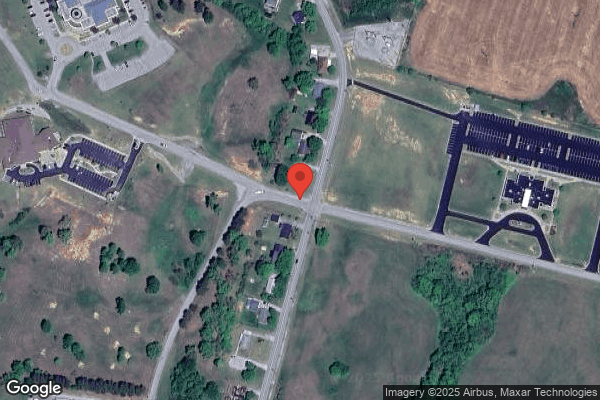

718 Goodwin Lane, Leitchfield, KY 42754 (270) 259-4036
For profit - Corporation 71 Beds SIMCHA HYMAN & NAFTALI ZANZIPER Data: November 2025
Trust Grade
65/100
#136 of 266 in KY
Last Inspection: February 2023

Over 2 years since last inspection. Current conditions may differ from available data.

Overview

Spring View Nursing & Rehabilitation has a Trust Grade of C+, indicating it is slightly above average but not outstanding. It ranks #136 out of 266 facilities in Kentucky, placing it in the bottom half, and #2 out of 2 in Grayson County, meaning only one other local facility is ranked higher. The facility is improving, with the number of reported issues decreasing from 12 in 2018 to 4 in 2023. However, staffing is a weakness, with a rating of 2 out of 5 stars and a turnover rate of 51%, which is around the state average. While there are no fines on record, which is a positive sign, RN coverage is concerning as it is less than that of 80% of Kentucky facilities, potentially impacting the quality of care. Specific incidents include a staff member using contaminated gloves while serving food, which raises food safety concerns, and an allegation of a nurse administering medication forcefully to a resident, highlighting issues in proper care practices. Overall, while Spring View shows some strengths, particularly in health inspections and the absence of fines, there are notable weaknesses in staffing and specific care incidents that families should consider.

Trust Score
C+
65/100
In Kentucky
#136/266
Bottom 49%
Safety Record
Low Risk
No red flags
Inspections
Getting Better
12 → 4 violations
Staff Stability
⚠ Watch
51% turnover. Above average. Higher turnover means staff may not know residents' routines.
Penalties
✓ Good
No fines on record. Clean compliance history, better than most Kentucky facilities.
Skilled Nurses
⚠ Watch
Each resident gets only 26 minutes of Registered Nurse (RN) attention daily — below average for Kentucky. Fewer RN minutes means fewer trained eyes watching for problems.
Violations
⚠ Watch
16 deficiencies on record. Higher than average. Multiple issues found across inspections.
★★★☆☆
3.0
Overall Rating
★★☆☆☆
2.0
Staff Levels
★☆☆☆☆
1.0
Care Quality
★★★★☆
4.0
Inspection Score
Stable
2018: 12 issues
2023: 4 issues

The Good

  • Full Sprinkler Coverage · Fire safety systems throughout facility
  • No fines on record

Facility shows strength in fire safety.

The Bad

3-Star Overall Rating

Near Kentucky average (2.8)

Meets federal standards, typical of most facilities

Staff Turnover: 51%

Near Kentucky avg (46%)

Higher turnover may affect care consistency

Chain: SIMCHA HYMAN & NAFTALI ZANZIPER

Part of a multi-facility chain

Ask about local staffing decisions and management

The Ugly 16 deficiencies on record

Feb 2023 4 deficiencies
CONCERN (D) 📢 Someone Reported This

A family member, employee, or ombudsman was alarmed enough to file a formal complaint

Potential for Harm - no one hurt, but risky conditions existed

Report Alleged Abuse (Tag F0609)

Could have caused harm · This affected 1 resident

**NOTE- TERMS IN BRACKETS HAVE BEEN EDITED TO PROTECT CONFIDENTIALITY** 2. Review of Resident #22's Face Sheet revealed the facility admitted the resident with diagnoses which included Quadriplegia (p...

Read full inspector narrative →
**NOTE- TERMS IN BRACKETS HAVE BEEN EDITED TO PROTECT CONFIDENTIALITY** 2. Review of Resident #22's Face Sheet revealed the facility admitted the resident with diagnoses which included Quadriplegia (paralysis of all four limbs), Spondylolysis (degeneration of the vertebral column), Muscle Weakness and Nicotine Dependence. Review of the Quarterly Minimum Data Set, dated [DATE], revealed Resident #22 had a Brief Interview for Mental Status score of fifteen (15), which indicated the resident was cognitively intact. Review of an Initial Report, dated 09/22/2022, revealed Resident #22 reported to a certified nursing assistant (CNA) that Registered Nurse (RN) #4 administered the resident's medications into his/her mouth with intentional force and forcefully closed the medication cart drawer next to the resident. Review of a Five (5) Working Day Final Report, dated 09/28/2022, indicated Resident #22 alleged that RN #4 forcibly administered his/her medications and slammed the medication cart drawer after the medications were administered. RN #4 was placed on administrative leave pending the results of the investigation. Per the report, there were no witnesses to the incident and no other resident expressed any concerns related to RN #4 or with how their medications were administered. The facility did not substantiate the allegation of abuse; however, to prevent further potential abuse, the certified medication aide on the night shift was to be primarily responsible for the administration of Resident #22's medications. Also, the resident's care plan was updated to indicate that a second staff member be present for all the resident's care. During an interview with Resident #22, on 01/30/2023 at 10:08 AM, he/she stated when medications were late, they would go to find the nurse to get their medications. Per Resident #22, on one occasion, a nurse acted angry and slammed the drawers of the medication cart. Resident #22 stated the nurse put medications in a cup and tipped the medications into the resident's mouth, did not give the resident anything to drink, and then forcefully shut the medication cart drawers. Resident #22 stated the nurse did not push the medication cup against his/her lips or mouth. During an interview on 02/01/2023 at 8:08 AM, RN #4 stated she was the nurse Resident #22 complained about and was suspended on 09/22/2022 due to an allegation of abuse. RN #4 stated that night, the resident waited for her at the medication cart while she was helping another resident. Per RN #4, Resident #22 was upset they had to wait. RN #4 stated, I did not shove the medicine in [the resident's] mouth. I did not slam drawers. RN #4 stated she was helping another resident and had a lot to do, so after giving the resident's medication, she moved on to the next resident. RN #4 stated one of the ways the facility resolved the situation from 09/22/2022 was for her not to give medication to the resident any longer. During an interview on 02/01/2023 at 8:33 AM, Licensed Practical Nurse (LPN) #5 stated Resident #22 was very demanding. She stated the resident expected things to be on the dot. She stated if medication was ten (10) minutes late, the resident would wait at the medication cart, hunt down the nurse and sometimes holler for the nurse. She stated staff tried to keep the resident happy, and the way to do that was doing things exactly when the resident wanted it done. During an interview with CNA #10, on 02/01/2023 at 12:22 PM, CNA #10 stated the resident was impatient, wanted things right away and would get upset if they had to wait. Further review of the Five (5) Working Day Final Report dated 09/28/2022, revealed the Administrator became aware of the allegation involving Resident #22 and RN #4 on 09/22/2022 at approximately 12:55 AM. A review of an email dated 09/22/2022 from the Administrator to the SSA revealed the allegation was reported to the SSA at 3:40 AM, greater than two hours after the Administrator was made aware of the allegation. During an interview on 02/02/2023 at 1:38 PM, the Administrator stated he was the facility's Abuse Coordinator. The Administrator acknowledged he was notified of Resident #22's abuse allegation and that he was the one who reported the allegation to the SSA. He stated the goal was to report allegations of abuse to the SSA within two hours of being notified. Based on interviews, record reviews, document review, and facility policy review, it was determined the facility failed to report allegations of abuse to the State Survey Agency (SSA) within two hours for two (2) of three (3) sampled residents (Resident #1 and Resident #22) The findings included: Review of the facility's policy titled, Abuse, Neglect and Exploitation revised 08/30/2022, revealed The facility would designate an Abuse Prevention Coordinator in the facility who would be responsible for reporting allegations or suspected abuse, neglect, or exploitation to the state survey agency and other officials in accordance with state law. Further review revealed the policy stated, Reporting of all alleged violations to the Administrator, state agency, adult protective services and to all other required agencies within specified timeframe's: a. Immediately, but not later than two (2) hours after the allegation is made, if the events that caused the allegation involved abuse or resulted in serious bodily injury, or b. Not later than twenty-four (24) hours if the events that caused the allegation did not involve abuse and did not result in serious bodily injury. 1. Review of Resident #1's, Resident Face Sheet revealed the facility admitted the resident with diagnoses which included Congestive Heart Failure (a progressive heart disease that affects pumping action of the heart muscles), Type Two Diabetes Mellitus, and Dementia. Review of the Quarterly Minimum Data Set (MDS), dated [DATE], revealed the facility assessed Resident #1 with the Brief Interview for Mental Status (BIMS) score of thirteen (13), which indicated the resident was cognitively intact. Review of Resident #1's care plan, dated as initiated 01/10/2022, indicated the resident had the potential to become verbally aggressive with other residents and staff. Review of Resident #26's Resident Face Sheet revealed the facility admitted the resident with diagnoses which included Anxiety, Depression, and Mood Disorder due to a known physiological condition with Depressive Features. Review of the Significant Change MDS, dated [DATE], revealed Resident #26 had a BIMS's score of twelve (12), which indicated moderate cognitive impairment. A review of Resident #26's care plan, dated as initiated 04/06/2021, indicated the resident had poor impulse control and episodes of agitation directed towards staff and residents. The care plan further indicated Resident #26 had difficulty socializing with other residents and staff and made repetitive statements with difficulty understanding social cues. Review of an Initial Report, dated 09/26/2022, revealed Resident #1 reported to staff that Resident #26 hit him/her on the arm during a checkers game. Per the report, both residents were separated, there were no injuries, no pain concerns, and an investigation was underway. Review of an incident report, dated 09/26/2022 at 1:20 PM and completed by Licensed Practical Nurse (LPN) #6, revealed LPN #6 was called to the lobby by a certified nursing assistant (CNA) due to Resident #26 hitting Resident #1 on the left arm after an argument over a board game. According to the report, the incident was witnessed by Resident #24. Review of an email (electronic mail), dated 09/26/2022, from the Administrator to the SSA indicated Resident #1's allegation was reported to the SSA at 5:06 PM, which was greater than two hours after facility staff were made aware of the allegation. Review of a Five (5) Working Day Final Report, dated 10/03/2022, indicated Resident #1 reported to staff that Resident #26 hit him/her on the arm during a checkers game that occurred in the lobby. Further review revealed Resident #1 was upset with Resident #26. Both residents were assessed and found to have no injuries. Resident #26 was placed on 1:1 monitoring, and social services and the activities department were notified to provide follow-up for both residents. The report further indicated Resident #26 was apologetic related to the incident and voiced that he/she did not intend to hit Resident #1 on the hand. Both residents asked to resume the board game and socialize with one another as they both enjoyed one another's company. According to the report, the facility did not substantiate the allegation of abuse, as Resident #26 reported he/she did not willfully hit Resident #1. During an interview with Resident #1, on 01/30/2023 at 1:55 PM, the resident reported playing a game when Resident #26 hit his/her arm. Resident #1 stated the incident was reported to the nurse. Per Resident #1 he/she felt safe in the facility around Resident #26 and there had been no further incidents. During an interview with Resident #24, on 02/01/2023 at 9:17 AM, the resident stated he/she liked to sit in the lobby area and play games. Resident #24 stated he/she had never seen a resident hit another resident. Resident #24 stated he/she felt safe in the facility and was not aware of any abuse or neglect that had occurred. Review of an annual MDS, dated [DATE], revealed Resident #24 scored five (5) on a BIMS, indicating severe cognitive impairment. During an interview with LPN #6, on 02/01/2023 at 2:14 PM, LPN #6 stated she and CNA #3 heard Resident #1 yell out, and both staff members entered the lobby at the same time. According to LPN #6, CNA #3 asked Resident #1 what happened, and Resident #1 stated Resident #26 hit his/her arm. Per LPN #6, CNA #3 took Resident #26 out of the lobby to his/her room, and assessed Resident #1 for injuries. LPN #6 stated there was no redness to Resident #1's arm, and she spoke with Resident #24, who was present and witnessed the incident. During an interview on 02/01/2023 at 2:39 PM, the Activity Director (AD) stated Resident #1 and Resident #26 bickered back and forth like siblings over their board games. The AD stated following the incident, both residents were kept separated for a couple of days to cool down. The AD further stated Resident #1 and Resident #26 played the games on their own now with increased supervision in the lobby, and there had been no incidents since. The Director of Nursing (DON) was unavailable for interview during the survey. During an interview, on 02/02/2023 at 1:38 PM, the Administrator stated he was the facility's Abuse Coordinator. Per the Administrator, he expected the State Survey Agency to be notified within two hours of becoming aware of an abuse allegation.
CONCERN (D) 📢 Someone Reported This

A family member, employee, or ombudsman was alarmed enough to file a formal complaint

Potential for Harm - no one hurt, but risky conditions existed

Investigate Abuse (Tag F0610)

Could have caused harm · This affected 1 resident

**NOTE- TERMS IN BRACKETS HAVE BEEN EDITED TO PROTECT CONFIDENTIALITY** Based on interviews, record reviews, and facility policy review, it was determined the facility failed to thoroughly investigate...

Read full inspector narrative →
**NOTE- TERMS IN BRACKETS HAVE BEEN EDITED TO PROTECT CONFIDENTIALITY** Based on interviews, record reviews, and facility policy review, it was determined the facility failed to thoroughly investigate an allegation of resident-to-resident abuse for one (1) of three (3) sampled residents (Resident #1). Specifically, the facility failed to obtain and document witness statements from the involved residents and any resident/staff member who may have had knowledge of the alleged incident, when Resident #1 alleged that Resident #26 hit Resident #1's arm. The findings included: Review of the facility's policy titled, Abuse, Neglect and Exploitation, revised 08/30/2022, revealed, Investigation of Alleged Abuse, Neglect and Exploitation: A.) An immediate investigation was warranted when suspicion of abuse, neglect or exploitation, or reports of abuse, neglect or exploitation occurred. B.) Written procedures for investigations included: 1. Identifying staff responsible for the investigation; 2. Exercising caution in handling evidence that could be used in a criminal investigation; 3. Investigating different types of alleged violations; 4. Identifying and interviewing all involved persons, including the alleged victim, alleged perpetrator, witnesses, and others who might have knowledge of the allegations; 5. Focusing the investigation on determining if abuse, neglect, exploitation, and/or mistreatment has occurred, the extent, and cause; and 6. Providing complete and thorough documentation of the investigation. Review of Resident #1's Resident Face Sheet revealed the facility admitted the resident with diagnoses that included Congestive Heart Failure (a progressive heart disease that affects pumping action of the heart muscles), Type Two Diabetes Mellitus, and Dementia. Review of the Quarterly Minimum Data Set (MDS), dated [DATE], revealed the facility assessed Resident #1 with the Brief Interview for Mental Status (BIMS) examination. The resident's score was thirteen (13) out of fifteen (15), which indicated the resident was cognitively intact. The MDS also indicated Resident #1 had no physical, verbal, or other behavioral symptoms directed towards others. Review of Resident #1's care plan, dated as initiated 01/10/2022, indicated the resident had the potential to become verbally aggressive with other residents and staff. Review of Resident #26's Resident Face Sheet revealed the facility admitted the resident with diagnoses which included Anxiety, Depression, and Mood Disorder due to a known physiological condition with Depressive Features. Review of the Significant Change MDS, dated [DATE], revealed Resident #26 had a BIMS score of twelve (12), which indicated moderate cognitive impairment. The MDS indicated Resident #26 had no physical, verbal, or other behavioral symptoms directed towards others. Review of Resident #26's care plan, dated as initiated 04/06/2021, indicated the resident had poor impulse control and episodes of agitation directed towards staff and residents. The care plan further indicated the resident had difficulty socializing with other residents and staff and made repetitive statements with difficulty understanding social cues. Review of an Initial Report dated 09/26/2022, revealed Resident #1 reported to staff that Resident #26 hit Resident #1 on the arm during a checkers game. Per the report, both residents were separated, there were no injuries, no pain concerns, and an investigation was initiated. Review of the incident report, completed by Licensed Practical Nurse (LPN) #6, dated 09/26/2022 at 1:20 PM, revealed LPN #6 was called to the lobby by a certified nursing assistant (CNA) due to Resident #26 hitting Resident #1 on his/her left arm after an argument over a board game. According to the report, the incident was witnessed by Resident #24. Review of Resident #26's Progress Notes, written by LPN #6 and dated 09/26/2022 at 1:20 PM, revealed LPN #6 was called to the lobby by a CNA because Resident #26 and another resident were arguing over a board game and Resident #26 hit the other resident on their left arm. According to the Progress Note, Resident #26 was placed on 1:1 monitoring, and the nurse practitioner (NP) and family member were notified. Review of the Five (5) Working Day Final Report, dated 10/03/2022, indicated Resident #1 reported to staff that Resident #26 hit Resident #1 on the arm during a checkers game that occurred in the lobby. Resident #1 was upset with Resident #26. Both residents were assessed and found to have no injuries. Resident #26 was placed on 1:1 monitoring, and Social Services and the Activities Department were notified to provide follow-up for both residents. The report further indicated Resident #26 was apologetic related to the incident and voiced that he/she did not intend to hit Resident #1 on the hand. Both residents asked to resume the board game and socialize with one another as they both enjoyed one another's company. According to the report, the facility did not substantiate the allegation of abuse, as Resident #26 reported they did not willfully hit Resident #1. There were no witness or resident statements included in the facility's investigation file. During an interview on 01/30/2023 at 1:55 PM, Resident #1 reported playing a game when Resident #26 hit his/her arm. Resident #1 indicated the incident was reported to the nurse. During an interview on 02/01/2023 at 9:17 AM, Resident #24 stated he/she liked to sit in the lobby area and play games. Per Resident #24, he/she had never seen a resident hit another resident. Review of an Annual MDS, dated [DATE], revealed Resident #24 scored five (5) on a BIMS, indicating severe cognitive impairment. During an interview on 02/01/2023 at 10:26 AM, Resident #26 stated he/she was playing checkers with Resident #1, who accused him/her of cheating. Resident #26 confirmed he/she did hit Resident #1 on the arm. Per Resident #26, Resident #1 told the nurse and he/she went to his/her room. During an interview on 02/01/2023 at 2:14 PM, LPN #6 stated she and CNA #3 heard Resident #1 yell out, and both staff members entered the lobby at the same time. According to LPN #6, CNA #3 asked Resident #1 what happened, and he/she stated that Resident #26 hit his/her arm. Per LPN #6, CNA #3 took Resident #26 out of the lobby to his/her room, and she assessed Resident #1 for injuries. LPN #6 stated there was no redness to Resident #1's arm, and she spoke with Resident #24, who was present and witnessed the incident. The Director of Nursing (DON) was unavailable for interview during the survey. During an interview, on 01/31/2023 at 10:30 AM, the Administrator stated that for reportable events, he created Word documents for the initial and the five (5) day report that summarized, what occurred, and submitted those reports to the State by way of email. Per the Administrator, the two (2) reports along with the resident's Progress Notes were the facility's completed investigation. During a follow-up interview on 02/02/2023 at 1:38 PM, the Administrator stated he was the facility's Abuse Coordinator and when there was an allegation of abuse or neglect, he made sure the resident was safe and immediately started the investigation into what happened. The Administrator further stated he expected a complete and thorough investigation to be completed following an abuse allegation, which normally included resident and staff written statements. The Administrator then stated there were no written statements for this investigation because it was resident-to-resident.
CONCERN (D)

Potential for Harm - no one hurt, but risky conditions existed

Accident Prevention (Tag F0689)

Could have caused harm · This affected 1 resident

**NOTE- TERMS IN BRACKETS HAVE BEEN EDITED TO PROTECT CONFIDENTIALITY** Based on observations, interviews, policy review, and record review, the facility failed to provide a safe smoking area for one ...

Read full inspector narrative →
**NOTE- TERMS IN BRACKETS HAVE BEEN EDITED TO PROTECT CONFIDENTIALITY** Based on observations, interviews, policy review, and record review, the facility failed to provide a safe smoking area for one (1) of one (1) sampled residents (Resident #22). The findings include: Review of the facility's policy titled, Resident Smoking, revised 10/28/2022, revealed, It is the policy of this facility to provide a safe and healthy environment for residents, visitors, and employees, including safety as related to smoking. Safety protections apply to smoking and non-smoking residents. The policy further revealed, two (2). Safety measures for the designated smoking area included, but not [sic] limited to: a. Protection from weather conditions. b. Provision of ashtrays made of noncombustible material and safe design. c. Accessible fire extinguisher. d. Prohibition of oxygen use in the smoking area. e. Located away from exits and common space utilized by other residents to protect non-smoking residents from second-hand smoke. Review of Resident #22's Face Sheet revealed the facility admitted the resident on with diagnoses that included Quadriplegia, Spondylolysis (degeneration of the vertebral column), and Nicotine Dependence. A review of Resident #22's Quarterly Minimum Data Set, dated [DATE], revealed the resident had a Brief Interview for Mental Status score of fifteen (15), which indicated Resident #22 had intact cognition. Review of Resident #22's Care Plan, dated 01/11/2023, revealed the facility assessed the resident to be at risk for injury related to being a current smoker. Observation, on 01/30/2023 at 1:24 PM, revealed Resident #22 smoked a cigarette outside in a covered patio (smoking) area. There was no ashtray in the smoking area. Numerous cigarette butts were observed in the grass at the edge of the patio. Resident #22 stated there was no ashtray, noting he/she threw the cigarette butts on the grass. During observations of the smoking area on 01/30/2023 at 2:52 PM, 01/31/2023 at 12:07 PM, and 02/01/2023 at 7:30 AM, revealed no ashtrays in the smoking area. Numerous cigarette butts were observed on the grass at the edge of the patio. During an interview on 02/01/2023 at 7:48 AM, Certified Nursing Assistant (CNA) #12 stated Resident #22 smoked in the smoking area, but she did not know if there was an ashtray or where the resident put out his/her cigarettes. Per CNA #12, she did not know if there was any other smoking safety equipment in the patio area. Interview, on 02/01/2023 at 7:52 AM, with CNA #7 revealed Resident #22 was a safe smoker and went out to smoke up to eight times per day. CNA #7 stated she did not know where the resident put the cigarettes out or, if there was an ashtray or other safety equipment in the patio area. During an interview on 02/01/2023 at 7:59 AM, CNA #8 stated Resident #22 was the only resident who smoked at the facility. CNA #8 stated she thought the resident just threw his/her cigarette butts on the ground when he/she was finished smoking. Interview, on 02/01/2023 at 8:08 AM, with Registered Nurse (RN) #4 revealed Resident #22 was a smoker and went out to smoke three to five times during her shift. RN #4 stated that although there was an ashtray on the patio, Resident #22 tossed his/her cigarette butts everywhere. Interview, on 02/01/2023 at 8:33 AM, with Licensed Practical Nurse (LPN) #5 revealed she thought Resident #22 put out his/her cigarettes in a receptacle like an ashtray, but she did not know if there was any safety equipment on the patio. During an interview on 02/01/2023 at 8:40 AM, LPN #6 stated she completed Resident #22's most recent smoking assessment. LPN #6 stated she watched the resident smoke a cigarette and put the cigarette out by throwing the cigarette on the patio and running over the cigarette butt with his/her wheelchair. LPN #6 stated she could not remember if there was an ashtray in the patio area, but noted the resident should have a sand ashtray to put out the cigarettes. Interview, on 02/01/2023 at 12:28 PM, with Resident #22 revealed there was an ashtray in the patio in the past, but the ashtray went missing a long time ago. Interview, on 02/01/2023 at 1:23 PM, with the Maintenance Director revealed he thought there should be an ashtray in the patio area. The Maintenance Director stated he recently started the position and did not know who was responsible for placing an ashtray or other safety equipment in the patio area. During an interview on 02/02/2023 at 1:57 PM, the Administrator stated there should be ashtrays in the patio area designated as a resident smoking area.
CONCERN (D)

Potential for Harm - no one hurt, but risky conditions existed

Smoking Policies (Tag F0926)

Could have caused harm · This affected 1 resident

Based on observations, interviews, and policy review, it was determined the facility failed to develop and implement policies in accordance with applicable regulations for smoking areas and smoking sa...

Read full inspector narrative →
Based on observations, interviews, and policy review, it was determined the facility failed to develop and implement policies in accordance with applicable regulations for smoking areas and smoking safety for one (1) of one (1) resident smoking areas. The findings include: Review of the facility's policy titled, Resident Smoking, revised 10/28/2022 revealed, It was the policy of this facility to provide a safe and healthy environment for residents, visitors, and employees, including safety as related to smoking. Safety protections apply to smoking and non-smoking residents. The policy further revealed, 2. Safety measures for the designated smoking area will include, but not limited to: a. Protection from weather conditions. b. Provision of ashtrays made of noncombustible material and safe design. c. Accessible fire extinguisher. d. Prohibition of oxygen use in the smoking area. e. Located away from exits and common space utilized by other residents to protect non-smoking residents from second-hand smoke. The policy did not address required smoking safety standards such as readily available metal containers with self-closing cover devices into which ashtrays could be emptied for the disposing of cigarette butts. Observation, on 01/30/2023 at 1:24 PM, revealed Resident #22 smoking a cigarette outside in a covered patio (resident smoking) area. There was no ashtray in the smoking area and no metal container with a self-closing lid in the patio area. Numerous cigarette butts were observed in the grass at the edge of the patio. During the observation, Resident #22 stated there was no ashtray, noting that he/she threw the cigarette butts in the grass. During observations of the smoking area on 01/30/2023 at 2:52 PM, 01/31/2023 at 12:07 PM, and 02/01/2023 at 7:30 AM, there was no ashtray or other safety equipment in the smoking area. Further observation revealed numerous cigarette butts were noted on the grass at the edge of the patio. Interview, on 02/01/2023 at 1:23 PM, with the Maintenance Director, revealed he thought there should be an ashtray in the patio area. The Maintenance Director stated he recently started the position and did not know who was responsible for placing an ashtray or other safety equipment in the patio area. During an interview on 02/02/2023 at 1:57 PM, the Administrator stated the safety of the smoking areas was the direct responsibility of the Maintenance Director, but the responsibility for safety ultimately rested with the Administrator.
Jun 2018 12 deficiencies
CONCERN (D)

Potential for Harm - no one hurt, but risky conditions existed

Deficiency F0583 (Tag F0583)

Could have caused harm · This affected 1 resident

Based on observation, interview, and facility policy review, it was determined the facility failed to ensure one (1) of seventeen (17) sampled residents right to personal privacy (Resident #56). Obse...

Read full inspector narrative →
Based on observation, interview, and facility policy review, it was determined the facility failed to ensure one (1) of seventeen (17) sampled residents right to personal privacy (Resident #56). Observation on 06/27/18 revealed staff failed to pull Resident 356's privacy curtain during peri and wound care. The findings include: Review of facility policy titled, Privacy, Dignity, and Confidentiality, dated 09/25/17 revealed it is the policy of this facility to respect and enhance the resident's quality of life by protecting the resident's right for privacy, dignity and confidentiality. All staff will be trained and encouraged to provide privacy for the resident during care, including but not limited to closing doors, fully closing privacy curtains and closing blinds. Residents will be addressed and treated with dignity and respect. Record review revealed the facility admitted Resident #56 on 05/03/18 with diagnoses which included Alzheimer's Disease, Malignant Melanoma of Trunk/Hand. Psychosis, and Dementia. Observation on 06/27/18 at 9:29 AM of Resident #56's peri care and wound care provided by the Certified Nursing Assistant (CNA) #5, Licensed Practical Nurse (LPN) #2, and the Assistant Director of Nursing (ADON) revealed the privacy curtain was not pulled and LPN #2 went in/out of room two times. In addition, Resident #56's roommate went to the closet in front of Resident #56 bed and put clothes in closet with full view of resident during care. Interview with CNA #5 on 06/27/18 at 9:48 AM revealed the privacy curtain should have been closed. Interview with LPN #2 on 06/27/18 at 9:53 AM revealed the privacy curtain was not pulled during care for Resident #56. Interview with Director of Nursing (DON) on 06/28/18 at 3:23 PM revealed she would expect the privacy curtain to be closed completely during care of residents.
CONCERN (D)

Potential for Harm - no one hurt, but risky conditions existed

Deficiency F0625 (Tag F0625)

Could have caused harm · This affected 1 resident

**NOTE- TERMS IN BRACKETS HAVE BEEN EDITED TO PROTECT CONFIDENTIALITY** Based on interview, record review, and facility policy review, it was determined the facility failed to provide to the resident ...

Read full inspector narrative →
**NOTE- TERMS IN BRACKETS HAVE BEEN EDITED TO PROTECT CONFIDENTIALITY** Based on interview, record review, and facility policy review, it was determined the facility failed to provide to the resident and the resident representative written notice which specifies the duration of the bed-hold policy prior to transferring a resident to a hospital or a resident goes on therapeutic leave to four (4) of seventeen (17) sampled residents (Residents #55, #56, #5 and #33). The facility failed to ensure Residents #55, #56, #5, and #33 and resident representative were provided with bed hold policy information prior to transfer. The findings include: Review of facility policy titled, Bed Hold and Therapeutic Leave, last revised 08/21/17, revealed it is the policy of this facility that notice of the bed hold policy will be given to the resident and or resident representative at time of admission, and in the event that the resident is away from the facility temporarily, the resident and/or representative will be given opportunity to hold a bed. Residents who leave the facility temporarily will be given opportunity to hold a bed. Notice of bed hold requirements and appropriate charges should be provided to the resident and the representative within 24 hours. Residents receiving assistance from the state Medicaid program will be notified of the allowable bed hold days and given the opportunity to elect a bed hold. 1. Record review revealed Resident #33 was readmitted to the facility on [DATE] with diagnoses which included Type Two Diabetes, and Paraplegia. Review of the record revealed Resident #33 was admitted to the hospital on [DATE]; however, there was no documented evidence bed hold information was given to the resident or resident's representative for the transfer. 2. Record review revealed the facility admitted Resident #55 on 08/31/17 and readmitted the resident on 05/27/18 with diagnoses which included Amyotrophic Sclerosis, Chronic Respiratory Failure, Pneumonia Organism, Chronic Diastolic Heart Failure, Chronic Obstructive Pulmonary Disease and Personal History of Upper Respiratory Infections. Review of Facility Transfer Forms dated 12/16/17, 01/12/18 and 05/26/18 revealed Resident #56 was sent to hospital; however, further review of the record revealed there was no documented evidence the resident and resident representative was given written notice of bed hold information. Interview on 06/28/18 at 11:08 AM and 01:20 PM with Director of Nursing (DON) stated Resident #55 had been transferred out to the hospital for pneumonia and Resident #55 does not have any behold information for the transfers and it was not given to the resident. 3. Record review revealed the facility admitted Resident #56 on 05/03/18 with diagnoses which included Alzheimer's Disease, Malignant Melanoma of Trunk/Hand. Psychosis, and Dementia. Review of Nursing Home to Hospital Transfer Form dated 05/27/18 revealed Resident #56 transferred to hospital. However, further review of the record revealed there was no documented evidence the resident or resident representative were made aware of the resident's bed hold information. Interview on 06/28/18 at 01:47 PM with DON revealed Resident #56 went out to the hospital on [DATE] with no bed hold information given. Interview with former Admissions staff member on 06/28/18 at 1:45 PM revealed she was not educated on the bed hold policy; therefore, did not know to notify the family/guardian of the bed hold policy and provide the family/guardian with the bed hold policy. Further interview with the Director of Nursing (DON), on 06/28/18 at 1:37 PM revealed she was not aware the admission staff was not providing the appropriate bed hold papers. She stated the former Admissions staff member was not documenting anything on the bed holds, would tell us in morning meetings how many bed holds there were and we assumed she was doing the paperwork and notifications. She stated the Regional person or herself was in charge of educating the admissions person on bed holds and the prior admission staff had worked at the facility for ten years and she did not recall who educated the former admissions staff member.
CONCERN (D)

Potential for Harm - no one hurt, but risky conditions existed

Deficiency F0655 (Tag F0655)

Could have caused harm · This affected 1 resident

Based on interview, record review, and facility policy review, it was determined the facility failed to develop and implement a Baseline Care Plan for each resident that included the instructions need...

Read full inspector narrative →
Based on interview, record review, and facility policy review, it was determined the facility failed to develop and implement a Baseline Care Plan for each resident that included the instructions needed to provide effective and person-centered care of the resident that met professional standards of quality of care for one (1) of seventeen (17) sampled residents (Resident #162). The findings include: Review of the facility policy titled, Interim Care Plan, last revised 03/20/17, revealed the facility is to provide an initial care plan to meet the emerging needs of residents upon admission and with condition changes during his/her stay at the facility. Upon admission, residents will be provided with an interim plan of care for use by staff in meeting residents needs until the interdisciplinary care plan team can meet and finalize a comprehensive care plan for the resident. Record review revealed the facility admitted Resident #162 on 06/21/18, with diagnoses which included Status Post Left Hip fracture, Depression, and Anxiety. Review of Resident #162's Physician Orders, dated 06/21/18, revealed an order for an abductor pillow when in bed. Review of Resident #162's Baseline Care Plan, dated 06/21/18, revealed no documented evidence the facility implemented a Baseline Care Plan related to use of an abductor pillow. Review of the Nurse Aide Data Sheet, not dated, for Resident #162, revealed no positioning/assistive devices were documented under bed mobility. Interview with Certified Nurse Aide (CNA) #3 on 06/28/18 at 2:30 PM, revealed she knows the resident is to use the abductor pillow because she was actually working the day the resident was admitted . She stated she verbally told other staff, but wasn't aware that it was not on the CNA care plan. Interview with Licensed Practical Nurse (LPN) #2 on 06/28/18 at 11:19 AM, revealed she had taken off the orders for Resident #162 on day shift and it is the responsibility of the second shift nurse to complete an interim care plan, all within the same day. She stated she would have expected the adductor pillow to be on the interim care plan and CNA care data sheet. Interview with the Director of Nursing (DON) on 06/28/18 at 3:23 PM, revealed the admitting nurse makes sure the orders are correct, and the second shift nurse may do the baseline care plan. She stated she would expect the baseline care plan to be completed within twenty-four (24) hours on both shifts.
CONCERN (D)

Potential for Harm - no one hurt, but risky conditions existed

Comprehensive Care Plan (Tag F0656)

Could have caused harm · This affected 1 resident

Based on observation, interview, record review, and facility policy review, it was determined the facility failed to implement a comprehensive person-centered care plan for three (3) of seventeen (17)...

Read full inspector narrative →
Based on observation, interview, record review, and facility policy review, it was determined the facility failed to implement a comprehensive person-centered care plan for three (3) of seventeen (17) sampled residents (Residents #12, #9 and #55) Observations on 06/26/18 and 06/27/18, revealed staff failed to ensure Resident #12 received Oxygen at two (2) liters per minute (LPM) and Resident #9 received O2 at 4 LPM; per care plans. The findings include: Review of facility policy titled Care Plan, dated 11/20/17, revealed it is facility policy that residents will have a person-centered plan of care that supports the resident in making their own choices, having control of their daily lives, and addresses their assessed needs. A person-centered comprehensive care plan will be developed by the Interdisciplinary team with respect to the residents choice of participants which encompasses resident choices and assessed needs. 1. Record review revealed the facility readmitted Resident #9 on 12/11/17 with diagnoses which included Hypoxemia, Chronic Obstructive Pulmonary Disease (COPD), and Congestive Heart Failure (CHF). Review of a Quarterly Minimum Data Set (MDS) assessment, dated 03//01/18, revealed the facility assessed Resident #9's cognition as moderately impaired with a Brief Interview of Mental Status (BIMS) score of nine (9) which indicated he resident was interviewable. Review of the Comprehensive Care Plan for Resident #9, initiated on 03/08/18, revealed an intervention to administer oxygen (O2) per Physician's Orders at four (4) liters per minute (LPM) per nasal cannula (N/C). In addition, review of the Nurse Aide Data Sheet for the week of 06/26/18 revealed O2 is to be at 4 LPM per N/C continuously per N/C for Resident #9. Observation of Resident #9 on 06/26/18 at 10:12 AM revealed the resident was in hallway in wheel chair (w/c) with O2 tank on back of w/c; however, the N/C was not on the resident's nose and O2 was not turned on. Observation on 06/26/18 at 11:25 AM revealed the O2 was still not turned on even though the resident was supposed to be on O2 continuously per care plan. Further observation on 06/27/18 at 9:25 AM revealed Resident #9 was in the hallway in wheel chair (w/c) and the N/C was not in the resident's nose and the O2 was not turned on. The oxygen tank was checked by staff member and the tank was empty. LPN #4 checked Resident #9's O2 saturation (sat) level at 9:27 AM, after the resident was back in bed with O2 turned on at 4 LPM per N/C and the O2 sat was 95% (normal for resident). Interview with Certified Nurse Aide (CNA) #1 and #2 on 06/27/18 at 9:45 AM revealed the CNA'S and nurses are responsible for checking that the O2 is on and tank is not empty. Interview on 06/28/18 at 9:35 AM with LPN #4 revealed it is the responsibility of the CNA and nurse to check the concentrator about every two (2) hours to see that oxygen is at the right setting and the tank is at least half full. Interview with DON on 06/28/18 at 2:20 PM revealed she expected staff to check oxygen on every two (2) hour rounding. The DON stated each shift is responsible for checking to see the oxygen is at the correct flow rate and oxygen tanks are at least half full. The DON stated that CNA'S can check the oxygen to make sure tanks are okay and oxygen is at correct rate and nurses should be checking the oxygen when passing medications or making rounds. 2. Record review revealed the facility admitted Resident #12 on 07/26/12, with diagnoses which included Anxiety, Depression, and Chronic Obstructive Pulmonary Disease. Review of the Quarterly MDS assessment, dated 04/11/18 , revealed the facility assessed Resident #12's cognition as intact with a BIMS score of thirteen (13), which indicated the resident was interviewable. Review of Resident #12's Comprehensive Care Plan, dated 10/18/17, revealed an intervention for oxygen as ordered, related to high risk for respiratory distress. Further review of the care plan revealed additional interventions to check O2 concentrator and portable tank every two (2) hours and as needed (PRN) for proper functioning and replace as needed. Review of the Physician's Order, dated 06/01/18, revealed administer O2 at 2 LPM continuously every shift and to check O2 saturation each shift. However, observation on 06/26/18 at 11:17 AM and 2:40 PM, and on 06/27/18 at 9:02 AM and 10:21 AM revealed Resident #12's oxygen concentrator was set on 6 LPM while he/she was in bed. Interview with Resident #12 on 06/27/18 at 2:15 PM, revealed he/she does not touch the oxygen concentrator and he/she revealed it should be on 2 LPM. He/she stated only the nurses touch the concentrator. Interview with Licensed Practical Nurse (LPN) #1 on 06/27/18 at 2:17 PM, revealed staff should follow the resident's care plan. Interview with the Director of Nursing (DON) on 06/27/18 at 3:23 PM, revealed she expected staff to follow the resident's care plans and monitor the oxygen concentrators for proper settings.
CONCERN (D)

Potential for Harm - no one hurt, but risky conditions existed

Deficiency F0657 (Tag F0657)

Could have caused harm · This affected 1 resident

**NOTE- TERMS IN BRACKETS HAVE BEEN EDITED TO PROTECT CONFIDENTIALITY** Based on observation, interview, record review, and review of facility policy, it was determined the facility failed to ensure t...

Read full inspector narrative →
**NOTE- TERMS IN BRACKETS HAVE BEEN EDITED TO PROTECT CONFIDENTIALITY** Based on observation, interview, record review, and review of facility policy, it was determined the facility failed to ensure the care plan was reviewed and revised by the interdisciplinary team after each assessment, including both the comprehensive and quarterly review assessments for one (1) of how many residents (Resident #55). On 05/27/18, Resident #55 received orders for Oxygen (O2) at 4 liters per minute (LPM) per nasal cannual (N/C); however, the facility failed to revise the care plan. The findings include: Review of facility policy titled, Care Plan, dated 11/20/17, revealed residents will have a person-centered plan of care that supports the resident in making their own choices, having control of their daily lives, and addresses their assessed needs. The plan of care will be reviewed and revised when requested by the resident and/or indicated, based on residents response to the plan of care. Record review revealed the facility admitted Resident #55 on 08/31/17 and readmitted on [DATE] with diagnoses which included Amyotrophic Sclerosis, Chronic Respiratory Failure, Pneumonia Organism, Chronic Diastolic Heart Failure, Chronic Pain Syndrome, Muscle Weakness, Chronic Obstructive Pulmonary Disease and Personal History of Upper Respiratory Infections. Review of the Quarterly Minimum Data Set (MDS) assessment dated [DATE] revealed the facility assessed Resident #55's cognition as intact with a Brief Interview of Mental Status (BIMs) score of fourteen (14). which indicated the resident was interviewable. Further review revealed the resident was assessed as requiring extensive assistance with activities of daily living (ADLs). Review of Physician Orders dated 05/27/18 revealed to administer O2 at 4 LPM via N/C). Further review revealed the order was handwritten with two (2) nurses verifying the order. However, review of the Comprehensive Care Plan for the resident has COPD and is at risk for complications, last updated 05/16/18, revealed the care plan was not revised changing the oxygen from 2 LPM to 4 LPM. Observations on 06/26/18 at 11:08 AM, and on 06/27/18 at 9:06 AM and 10:17 AM, revealed the resident's O2 was set at 3 LPM per NC and on 06/28/18 at 9:30 AM and 10:16 AM, the O2 was set on 3.5 LPM. Interview with Licensed Practical Nurse (LPN) #6 on 06/28/18 10:00 AM revealed she verified orders and checked the orders for O2 at 4 LPM per N/C but did not update the care plan. Interview with LPN #3 on 06/28/18 09:33 AM revealed the care plan should have been updated so the physician and care plan matched. Interview with the Director of Nursing (DON) on 06/26/18 03:23 PM revealed the care plan should have been revised according to the residents' needs.
CONCERN (D)

Potential for Harm - no one hurt, but risky conditions existed

Deficiency F0658 (Tag F0658)

Could have caused harm · This affected 1 resident

**NOTE- TERMS IN BRACKETS HAVE BEEN EDITED TO PROTECT CONFIDENTIALITY** Based on observation, interview, record review, and facility policy review, it was determined the facility failed to ensure the ...

Read full inspector narrative →
**NOTE- TERMS IN BRACKETS HAVE BEEN EDITED TO PROTECT CONFIDENTIALITY** Based on observation, interview, record review, and facility policy review, it was determined the facility failed to ensure the services provided or arranged by the facility, as outlined by the comprehensive care plan, must meet professional standards of quality for one (1) of seventeen (17) sampled residents (Resident #1). Resident #1 had physician orders to provide wound care to the right lower extremity; however. observation on 06/27/18, revealed the licensed nurse provided the wound care to both lower extemities. The findings include: Review of facility policy titled, Physician Orders, last revised 01/19/18 revealed orders for resident care may be accepted from a qualified provider/prescriber and/or an intemediary. Physician orders will be transcribed, noted, implemented, and followed in a timely manner. Record review revealed the facility admitted Resident #1 on 11/21/13 with diagnoses which included Cerebral Palsy, Arrythmia, Ischemic Cardiomyopathy, Paroxysmal Atrial Fibrillation, left Ventricular Nusal Thrombus, Myocaredia Infarction, Congestive heart Failure, Type Tow Diabetes Mellitus, History of Polio, and Stage II Pressure Ulcer. Review of the Annual Minimum Data Set (MDS) dated [DATE] revealed the facility assessed Resident #1's cognition was moderately impaired with a Brief Interview of Mental Status (BIMs) score of (12) twelve which indicated the resident was interviewable. Further review revealed the resident was assessed as needing extensive assistance with activities of daily living (ADLs) and to to have a stage three (3) pressure ulcer. Review of the June 2018 and July 2018 Physician Orders and Treatment Administration Record (TAR) revealed to clean wound on right lower extremity (RLE) with Normal Saline (NS), apply Betadine, then pad leg with ABD, wrap with Kerlix then change daily. However, observation on 06/27/18 at 10:45 AM of wound care for Resident #1 revealed Licensed Practical Nurse (LPN) #3 cleaned bilateral lower extremities (BLE) with normal saline and applied betadine, covered with mepitel wrap and kerlex, and secured with tape. The Assistant Director of Nursing (ADON) informed the LPN that the treatment was only to be placed on the RLE. Interview with LPN #3 on 06/27/18 at 11:00 AM revealed the last time she provided wound care to Resident #1 she had to provided it to BLE and she was going to get the chart. LPN #3 stated the TAR and Physician Order indicated to provide the treatment to the resident's RLE.
CONCERN (D)

Potential for Harm - no one hurt, but risky conditions existed

Respiratory Care (Tag F0695)

Could have caused harm · This affected 1 resident

**NOTE- TERMS IN BRACKETS HAVE BEEN EDITED TO PROTECT CONFIDENTIALITY** Based on observation, interview, record review, facility policy review, and review of the facility's 7th edition Mosby Clinical ...

Read full inspector narrative →
**NOTE- TERMS IN BRACKETS HAVE BEEN EDITED TO PROTECT CONFIDENTIALITY** Based on observation, interview, record review, facility policy review, and review of the facility's 7th edition Mosby Clinical Nursing Skills & Techniques, it was determined the facility failed to ensure that a resident who needs respiratory care, is provided such care, consistent with professional standards of practice, the comprehensive person-centered care plan, and the residents' goals and preferences for three (3) of seventeen (17) sampled residents (Residents #55, #12, and #9). Observations on 06/26/18 and 06/27/18, revealed staff failed to ensure Resident #12 received oxygen (O2) 2 at two (2) liters per minute (LPM) and Resident #9 received O2 at 4 LPM; per the Physician's Order and Care Plan. In addition, Resident #55 received Physician Orders for O2 at 4 LPM and the facility failed to update the care plan and TAR, and observations revealed the facility failed to administer the O2 at 4 LPM. The findings include: Review of the facility's policy titled, Oxygen Therapy Concentrator Set Up, dated 01/01/07, revealed it is the policy of this facility to administer oxygen in a safe manner in accordance with accepted standards of practice and according to state and federal requirements. Under the Procedures section iit stated documentation should include route of administration (mask, cannula) and flow rate of the oxygen. Review of facility professional standards of practice, 7th edition Mosby Clinical Nursing Skills & Techniques, revealed to treat oxygen as a medication, as with any drug continuously monitor the dosage or concentration of oxygen. Routinely check the health care providers (HCP) orders to verify that the patient is receiving the prescribed oxygen concentration. Record review revealed the facility readmitted Resident #55 on 05/27/18 with diagnoses which included Amyotrophic Sclerosis, Chronic Respiratory Failure, Pneumonia Organism, Chronic Diastolic Heart Failure, Chronic Pain Syndrome, Muscle Weakness, Chronic Obstructive Pulmonary Disease and Personal History of Upper Respiratory Infections. Review of the Quarterly Minimum Data Set (MDS) assessment dated [DATE] revealed the facility assessed Resident #55's cognition as intact with a Brief Interview of Mental Status (BIMs) score of fourteen (14). which indicated the resident was interviewable. Further review revealed the resident was assessed as requiring extensive assistance with activities of daily living (ADLs). Review of the Comprehensive Care Plan for the resident has COPD and is at risk for complications, dated 09/20/17; last updated 05/16/18, revealed interventions to apply O2 as ordered (oxygen at 2 liters per minute (LPM) per nasal cannula (NC) continuous to maintain O2 sats 90%). Review of Physician Orders, dated 05/27/18 revealed an order to administered O2 at 4 LPM via N/C continuous. The order was signed off by two nurses with Licensed Practical Nurse (LPN) #6 verifying the order. However, further review of the Comprehensive Care Plan and June 2018 Medication Administration Record (MAR) revealed the facility failed to revise the care plan and change the order on the TAR from 2 to 4 LPM of oxygen when the order was received. Observations on 06/26/18 at 11:08 AM, and on 06/27/18 at 9:06 AM and 10:17 AM, revealed the resident's O2 was set at 3 LPM per NC and on 06/28/18 at 9:30 AM and 10:16 AM, the O2 was set on 3.5 LPM. Interview with LPN #3 on 06/28/18 at 9:33 AM revealed Resident #55's O2 was set on 3.5 LPM. She stated the care plan, MARs, and physician orders are supposed to match. Interview with the Director of Nursing (DON) on 06/26/18 03:23 PM revealed the care plan and MAR should have been revised when the Physician Order was received and the oxygen should have been administered according to the physician order. 2. Review of the facility's standards of practice manual, Mosby's Clinical Nursing Skills and Techniques, Seventh Edition, not dated, revealed in the Skills Performance Guidelines section to check the oxygen level of portable tanks before transporting a patient to ensure that there is enough oxygen in the tank. Record review revealed the facility readmitted Resident #9 on 12/11/17 with diagnoses which included Hypoxemia, Chronic Obstructive Pulmonary Disease (COPD), and Congestive Heart Failure (CHF). Review of a Quarterly MDS assessment, dated 03//01/18, revealed the facility assessed Resident #9's cognition as moderately impaired with a Brief Interview of Mental Status (BIMS) score of nine (9) which indicated he resident was interviewable. Review of the Comprehensive Care Plan for Resident #9, initiated on 03/08/18, revealed an intervention to administer oxygen (O2) per Physician's Orders at four (4) liters per minute (LPM) per nasal cannula (N/C). In addition, review of the Nurse Aide Data Sheet for the week of 06/26/18 revealed O2 is to be at 4 LPM per N/C continuously per N/C for Resident #9. Review of the June 2018 Physician's Orders for Resident #9 revealed to administer oxygen at 4 LPM per N/C, to check portable oxygen tank every two hours when in use and refill if less than 50% full; and, check oxygen concentrator every shift and replace as needed. Observation of Resident #9 on 06/26/18 at 10:12 AM revealed the resident was in hallway in wheel chair (w/c) with O2 tank on back of w/c; however, the N/C was not on the resident's nose and O2 was not turned on. Observation on 06/26/18 at 11:25 AM revealed the O2 was still not turned on even though the resident was supposed to be on O2 continuously per care plan. Further observation on 06/27/18 at 9:25 AM revealed Resident #9 was in the hallway in wheel chair (w/c) and the N/C was not in the resident's nose and the O2 was not turned on. The oxygen tank was checked by staff member and the tank was empty. LPN #4 checked Resident #9's O2 saturation (sat) level at 9:27 AM, after the resident was back in bed with O2 turned on at 4 LPM per N/C and the O2 sat was 95% (normal for resident). Interview on 06/28/18 at 9:35 AM with LPN #4 revealed it is the responsibility of the CNA and nurse to check the concentrator about every two hours to see that oxygen is at the right setting and the tank is at least half full. 3. Record review revealed the facility admitted Resident #12 on 07/26/12, with diagnoses which included Anxiety, Depression, and Chronic Obstructive Pulmonary Disease. Review of the Quarterly MDS assessment, dated 04/11/18 , revealed the facility assessed Resident #12's cognition as intact with a BIMS score of thirteen (13), which indicated the resident was interviewable. Review of Resident #12's Comprehensive Care Plan, dated 10/18/17, revealed an intervention for oxygen as ordered, related to high risk for respiratory distress. Further review of the care plan revealed additional interventions to check O2 concentrator and portable tank every two (2) hours and as needed (PRN) for proper functioning and replace as needed. Review of the Physician's Order, dated 06/01/18, revealed administer O2 at 2 LPM continuously every shift and to check O2 saturation each shift. Review of the June 2018 Treatment Administration Record (TAR) revealed to administer O2 at two (2) LPM and to check O2 concentrator every shift for function. Further review revealed LPN #1 initialed the resident's oxygen was being administered at 2 LPM on 06/26/18 and had not initialed the box on 06/27/18 as her shift did not end until 7:00 PM. Observations on 06/26/18 at 11:17 AM and 2:40 PM and on 06/27/18 at 9:02 AM and 10:21 AM, revealed Resident #12's oxygen concentrator was set on 6 LPM while he/she was bed Interview with Resident #12 on 06/27/18 at 2:15 PM, revealed he/she does not touch the oxygen concentrator and he/she revealed it should be on 2 LPM. He/she stated only the nurses touch the concentrator. Interview with LPN #4 on 06/27/18 at 2:17 PM, revealed Resident #12's oxygen should be on 2 LPM and not 6 LPM. She stated nursing checks the settings every shift and the portable tanks every two hours. She further stated she had not yet looked at it today. Interview with DON on 06/28/18 at 2:20 PM revealed she expected staff to check oxygen on every two hour rounding, and each shift is responsible for checking to see that the oxygen is at the correct flow rate and oxygen tanks are at least half full. The DON stated that CNA'S can check the oxygen to make sure tanks are okay and oxygen is at correct rate and nurses should be checking the oxygen when passing medications or making rounds.
CONCERN (D)

Potential for Harm - no one hurt, but risky conditions existed

Infection Control (Tag F0880)

Could have caused harm · This affected 1 resident

**NOTE- TERMS IN BRACKETS HAVE BEEN EDITED TO PROTECT CONFIDENTIALITY** Based on observation, interview and record review it was determined the facility failed to ensure it must establish and maintain...

Read full inspector narrative →
**NOTE- TERMS IN BRACKETS HAVE BEEN EDITED TO PROTECT CONFIDENTIALITY** Based on observation, interview and record review it was determined the facility failed to ensure it must establish and maintain an infection prevention and control program designed to provide a safe, sanitary and comfortable environment and to help prevent the development and transmission of communicable diseases and infections for two (2) of seventeen (17) sampled residents (Resident #1 and #56). On 06/27/18,, the nurse dropped Residents #1's pillow on the floor and picked it up and used it on the resident. On 06/26/18, the nurse failed to change gloves during catheter care for Resident #56. In addition on 06/27/18, a CNA failed to change her gloves after providing incontinent care and before touching the resident's top, clean pad, brief, and her own uniform. The findings include: Review of facility policy entitled, [NAME] 6th edition Clinical Skills & Techniques, revealed; Standard precautions combines the major features of Universal Precautions (UP) and Body Substance Isolation (BSI). Standard precautions are the basic level of infection control that should be used in the care of all resident all of the time Standard precautions includes patient care equipment, avoid contamination of clothing and the transfer of microorganisms to other patients, surfaces and environments. Review of facility policy dated 01/04/18 and entitled, Infection Prevention and Control, revealed; It is the policy of this facility to provide a safe and comfortable environment. This facility will investigate, control, and attempt to prevent the development and transmission of infections. The infection prevention and control program will identify, investigate and control infections and communicable diseases for all residents, staff, volunteers, visitors and other contracted individuals. The facility will precautionary measures to prevent the spread of potential infection while monitoring residents progress. 1. Record review revealed Resident #1 was admitted to the facility on [DATE] with diagnoses to include: Cerebral palsy, Ischemic Cardiomyopathy, Paroxysmal Atrial Fibrillation, Left Ventricular Nusal Thrombus, Myocardial Infarction, Congestive heart Failure, Type Two Diabetes Mellitus, History of Polio, and Stage II pressure Ulcer. Observation on 06/27/18 at 10:45 AM during wound care revealed the Assistant Director of Nursing (ADON) dropped Resident #1's pillow on the floor from Resident #1's bed and the pillow was retrieved off the floor by Licensed Practical Nurse (LPN) #3 and placed on bed. Further observation after wound care was completed, the pillow was moved from the foot of the bed and placed between the legs of Resident #1. The pillow was not cleaned nor was the pillowcase changed. Interview on 06/28/18 at 10:20 AM with Assistant Director of Nursing (ADON) revealed she did not realize the pillow had fallen in the floor and it should have been changed before placing it between the legs of Resident #1. Interview on 06/27/18 at 11:00 AM with LPN #3 revealed she should have placed a new pillowcase on the pillow because it hit the floor. Interview on 06/28/18 at 3:23 PM with Director of Nursing(DON) revealed the pillow should have been wiped off or a new pillow or pillow case placed and the pillow should not have been picked up and put back on the bed. 2. Review of facility's standards of practice manual Mosby's Clinical Nursing Skills and Techniques, sixth edition, not dated, revealed gloves should be applied just before touching mucous membranes or touching blood, body fluids, secretions, or excretions and should be removed promptly after use and discarded before touching non-contaminated items or environmental surfaces. Record review revealed Resident #56 was admitted on [DATE] with diagnoses to include Alzheimer's Disease, Malignant Melanoma of Trunk/Hand. Psychosis, and Dementia. Observation on 06/26/18 at 9:20 AM during peri care of Resident #56 revealed LPN #2 moved catheter on the bed and removed the dirty brief then placed a clean brief on the resident without changing gloves. Interview on 06/26/18 03:43 PM with LPN#2 revealed Resident #56 has a catheter and gloves were not changed during peri care. Interview on 06/8/18 at 3:23 PM with Director of Nursing (DON) revealed when doing peri care gloves should be changed if go back to care. 3. Record review revealed the facility admitted Resident #37 on 04/01/15 with diagnoses which include Alzheimer's Disease, Hypertension, and Heart Disease. Observation of incontinent care for Resident #37 on 06/27/18 at 8:15 AM performed by CNA #3 with assistance by CNA # 2 revealed CNA #3 did not change gloves after doing perineal care and before she touched the resident's top, clean pad, brief, and her own uniform. Interview on 06/27/18 at 8:30 AM with CNA #3 revealed the CNA realized after doing incontinent care that she had gone from dirty to clean. She stated she should have taken off gloves before touching her uniform and the resident's clothing and clean brief. Interview with the DON on 06/28/18 at 2:22 PM revealed she would expect staff to take off gloves after doing pericare/incontinent care and not to be touching the resident's clean clothing or items in room before washing hands or putting on clean gloves, The DON stated it would not be appropriate to touch one's uniform, the resident's clean clothing, brief or bedding with contaminated gloves.
CONCERN (E)

Potential for Harm - no one hurt, but risky conditions existed

Deficiency F0761 (Tag F0761)

Could have caused harm · This affected multiple residents

Based on observation, interview and review of the facility policy and procedure, it was determined the facility failed to ensure drugs and biological's used in the facility are labeled in accordance w...

Read full inspector narrative →
Based on observation, interview and review of the facility policy and procedure, it was determined the facility failed to ensure drugs and biological's used in the facility are labeled in accordance with currently accepted professional principles, and include the appropriate accessory and cautionary instructions, and the expiration date when applicable for multiple medications on four medication carts on Hall 1 and Hall 2. The findings include: Review of the facility's policy and procedure titled, Storage and Expiration of Medications, Biological's, Syringes and Needles, last revised 01/01/13, revealed once any medication or biological package was opened, the facility should follow manufacturer/supplier guidelines with respect to expiration dates for opened medications. The facility should record the date opened on the medication container when the medication has a shortened expiration date once opened. 1. Observation of Hall 1's two (2) medication carts, on 06/27/18 at 11:00 AM, revealed the following: Two (2) Levimir Insulin Pens, not dated when opened. One (1) Lantus Insulin Pen, not dated when opened. One (1) Humalog Pen, not dated when opened. One (1) bottle of Lantoprost Eye Drops, not dated when opened. One (1) Novolog Pen opened 05/04/18 which was expired (Discard after 28 days of opening). One (1) Lantus Pen opened 05/25/18 which was expired (Discard after 28 days of opening). Timolol Eye Drops opened 05/26/18 which was expired (Discard after 28 days of opening). Isopto Eye Drops opened 05/26/18 which was expired (Discard after 28 days of opening). Azelastine Eye Drops opened 05/26/18 which was expired (Discard after 28 days of opening). Bromonidine Eye Drops opened 02/07/18 which was expired (Discard after 28 days of opening). Systane Eye Drops opened 02/14/18 which was expired (Discard after 28 days of opening). In addition, there were three (3) pens of Insulin (one {1} Humalog and two {2} Novolog) with no names on them 2. Observation of Hall 2's two (2) medication carts, on 06/27/18 at 11:20 AM, revealed the following: Prednisone Eye Drops not dated when opened. Refresh Tears Eye Drops opened 04/30/18 which was expired (Discard after 28 days of opening) Interviews on 06/27/18 with Licensed Practical Nurse (LPN) #1 at 11:15 AM, LPN #2 at 11:25 AM, LPN #3 at 11:28 AM and LPN #4 at 11:35 AM, revealed medications such as insulin, eye drops and inhalers were supposed to be dated when opened and anyone who is on the medication cart is to remove expired medications. Interview with the Director of Nursing (DON), on 06/28/18 at 10:22 AM, revealed she expected nursing staff to date medications when opened and remove expired medications from the medication carts.
CONCERN (F)

Potential for Harm - no one hurt, but risky conditions existed

Food Safety (Tag F0812)

Could have caused harm · This affected most or all residents

Based on observation, interview and review of the facility policy and procedure, it was determined the facility failed to ensure food was stored, prepared, distributed and served in accordance with pr...

Read full inspector narrative →
Based on observation, interview and review of the facility policy and procedure, it was determined the facility failed to ensure food was stored, prepared, distributed and served in accordance with professional standards for food service safety. Dietary Aide #2 was observed using contaminated gloves to serve food with her hands and not washing her hands. Review of the Census and Condition dated 06/27/18 revealed fifty-seven (57) of fifty-eight (58) residents received their food from the kitchen. The findings include: Review of the facility's policy and procedure titled Dietary Sanitation, last revised 11/20/17, revealed the facility would store, prepare, distribute and serve food in accordance with professional standards for food service safety. Food service staff would follow the procedures that reduce the potential for food borne pathogens, in storing, preparing and serving food. Observation of a lunch meal, on 06/26/18 at 11:08 AM, revealed Dietary [NAME] #2 picking meat up with gloved hands rather than using tongs, after she had contaminated the gloves by touching cabinet drawers and oven handles that others had touched. She was observed tugging at the bottom of the top she was wearing and at one time took hold of her name badge and tucked it in her top pocket all the while wearing the same pair of gloves and not washing her hands. Interview with Dietary [NAME] #2, on 06/27/18 at 3:42 PM, revealed she was not aware of the things she was doing during meal service and after she thought about it she knew she should have changed her gloves and washed her hands as well as used tongs to serve the meat and bread. She stated she had been educated some but not a lot. Observation on 06/26/18 at approximately 11:15 AM, revealed Dietary Aide #1 left the kitchen area with gloves on and returned to the kitchen without washing her hands or changing gloves before filling drinks for the residents. Interview with Dietary Aide #1, on 06/27/18 at 3:29 PM, revealed she knew when she left the kitchen area and returned to the kitchen she should have washed her hands and she had been educated to do that. She stated she realized what she had done but it was too late. Interview with Dietary [NAME] #1, on 06/27/18 at 3:25 PM, revealed she knew to use utensils to serve food when wearing gloves or not and if her hands became contaminated she would wash her hands and change gloves. Interview with the Dietary Manager on 06/27/18 at 3:16 PM, revealed the staff were aware of the need to use utensils such as tongs when serving food and if gloves became contaminated during food service, they knew to change their gloves and wash their hands. She stated staff were educated on this monthly by her and the Registered Dietitian (RD). Interview with the RD on 06/27/18 at 3:20 PM, revealed dietary staff were trained to change their gloves and wash their hands after they leave the kitchen area and return and after contaminating their gloves. She stated they were educated at least monthly and they must have been nervous.
MINOR (C)

Minor Issue - procedural, no safety impact

Assessment Accuracy (Tag F0641)

Minor procedural issue · This affected most or all residents

Based on interview, record review, and review of the Resident Assessment Instrument (RAI) Version 3.0 User Manual, it was determined the facility failed to ensure one (1) of seventeen (17) sampled res...

Read full inspector narrative →
Based on interview, record review, and review of the Resident Assessment Instrument (RAI) Version 3.0 User Manual, it was determined the facility failed to ensure one (1) of seventeen (17) sampled residents received an accurate assessment, reflective of the resident's status at the time of the assessment (Resident #30). Resident #30 was admitted from the community on 12/08/17, however, review of the Minimum Data Set (MDS) assessment. revealed staff inaccurately coded Section E of the admission MDS Assessment as a 0, indicating Resident #30's behavior was the same as compared to the previous assessment when there was no previous assessment. The findings include: Review of the RAI Version 3.0 User Manual on Coding instructions for E1100, Changes in Behavior or Other Symptoms, revealed prior to coding in this section all of the symptoms assessed in items E0100 through E 1000 should be considered. Further review of the instructions for Section E1100 revealed a 3 should be coded if there is no prior MDS assessment for comparison. Record review revealed the facility admitted Resident #30, from the community on 12/08/17, with diagnoses which included Alzheimer's Disease, Dementia, and Hypertension. Review of Resident #30's 12/19/17 admission MDS Assessment, revealed Section E1100 was coded 0, indicating the residents behaviors were the same. However, there was no prior MDS assessment for comparison. Interview with the MDS Coordinator and Social Services on 06/28/18 at 1:24 PM, revealed they had made an error when coding Resident #30''s behaviors as being the same, as it should have been coded as three (3) because there was no prior assessment for comparison. They further stated they used the RAI manual for instructions on completing the MDS assessments for residents. Interview with the Director of Nursing (DON), on 06/28/18 at 3:23 PM, revealed she expected the MDS Coordinator to code resident assessments per the RAI manual.
MINOR (C)

Minor Issue - procedural, no safety impact

Staffing Information (Tag F0732)

Minor procedural issue · This affected most or all residents

Based on observation, interview and review of the facility's policy and procedure, it was determined the facility failed to ensure staffing was posted in a prominent place readily accessible to reside...

Read full inspector narrative →
Based on observation, interview and review of the facility's policy and procedure, it was determined the facility failed to ensure staffing was posted in a prominent place readily accessible to residents and visitors. Observation revealed staffing was posted behind the nursing station on a board not accessible to the public. The findings include: Review of the facility's policy and procedure titled, Nursing Services-Staffing, dated 01/01/07, revealed a current schedule for all nursing staff would be posted in a designated area. Observations on all three (3) days of the survey (06/26-28/18), revealed the staffing was posted behind the nursing station on a board which was not accessible to visitors or residents. Interview with Licensed Practical Nurse (LPN) #5, on 06/28/18 at 9:25 AM, revealed she was always told to put the staffing posting on the board behind the nursing station. She stated it used to be posted in the hallway on the bulletin boards in front of the nursing station. She also revealed she was not aware it should be posted for visitors to see. Interview with the Director of Nursing (DON), on 06/28/18 at 9:25 AM, revealed she expected staffing to be posted so it was visible to residents and visitors.
Understanding Severity Codes (click to expand)
Life-Threatening (Immediate Jeopardy)
J - Isolated K - Pattern L - Widespread
Actual Harm
G - Isolated H - Pattern I - Widespread
Potential for Harm
D - Isolated E - Pattern F - Widespread
No Harm (Minor)
A - Isolated B - Pattern C - Widespread

Questions to Ask on Your Visit

  • "Can I speak with families of current residents?"
  • "What's your RN coverage like on weekends and overnight?"

Our Honest Assessment

Strengths
  • • No major safety red flags. No abuse findings, life-threatening violations, or SFF status.
  • • No fines on record. Clean compliance history, better than most Kentucky facilities.
Concerns
  • • 16 deficiencies on record. Higher than average. Multiple issues found across inspections.
Bottom line: Mixed indicators with Trust Score of 65/100. Visit in person and ask pointed questions.

About This Facility

What is Spring View Nursing & Rehabilitation's CMS Rating?

CMS assigns Spring View Nursing & Rehabilitation an overall rating of 3 out of 5 stars, which is considered average nationally. Within Kentucky, this rating places the facility higher than 99% of the state's 100 nursing homes. This mid-range rating indicates the facility meets federal standards but may have areas for improvement.

How is Spring View Nursing & Rehabilitation Staffed?

CMS rates Spring View Nursing & Rehabilitation's staffing level at 2 out of 5 stars, which is below average compared to other nursing homes. Staff turnover is 51%, compared to the Kentucky average of 46%.

What Have Inspectors Found at Spring View Nursing & Rehabilitation?

State health inspectors documented 16 deficiencies at Spring View Nursing & Rehabilitation during 2018 to 2023. These included: 14 with potential for harm and 2 minor or isolated issues.

Who Owns and Operates Spring View Nursing & Rehabilitation?

Spring View Nursing & Rehabilitation is owned by a for-profit company. For-profit facilities operate as businesses with obligations to shareholders or private owners. The facility is operated by SIMCHA HYMAN & NAFTALI ZANZIPER, a chain that manages multiple nursing homes. With 71 certified beds and approximately 66 residents (about 93% occupancy), it is a smaller facility located in Leitchfield, Kentucky.

How Does Spring View Nursing & Rehabilitation Compare to Other Kentucky Nursing Homes?

Compared to the 100 nursing homes in Kentucky, Spring View Nursing & Rehabilitation's overall rating (3 stars) is above the state average of 2.8, staff turnover (51%) is near the state average of 46%, and health inspection rating (4 stars) is above the national benchmark.

What Should Families Ask When Visiting Spring View Nursing & Rehabilitation?

Based on this facility's data, families visiting should ask: "Can you walk me through typical staffing levels on day, evening, and night shifts?" "Can I visit during a mealtime to observe dining assistance and food quality?" "How do you handle medical emergencies, and what is your hospital transfer rate?" "Can I speak with family members of current residents about their experience?" These questions are particularly relevant given the below-average staffing rating.

Is Spring View Nursing & Rehabilitation Safe?

Based on CMS inspection data, Spring View Nursing & Rehabilitation has a clean safety record: no substantiated abuse findings (meaning no confirmed cases of resident harm), no Immediate Jeopardy citations (the most serious violation level indicating risk of serious injury or death), and is not on the Special Focus Facility watch list (a federal program monitoring the lowest-performing 1% of nursing homes). The facility has a 3-star overall rating and ranks #1 of 100 nursing homes in Kentucky. While no facility is perfect, families should still ask about staff-to-resident ratios and recent inspection results during their visit.

Do Nurses at Spring View Nursing & Rehabilitation Stick Around?

Spring View Nursing & Rehabilitation has a staff turnover rate of 51%, which is about average for Kentucky nursing homes (state average: 46%). Moderate turnover is common in nursing homes, but families should still ask about staff tenure and how the facility maintains care continuity when employees leave.

Was Spring View Nursing & Rehabilitation Ever Fined?

Spring View Nursing & Rehabilitation has no federal fines on record. CMS issues fines when nursing homes fail to meet care standards or don't correct problems found during inspections. The absence of fines suggests the facility has either maintained compliance or corrected any issues before penalties were assessed. This is a positive indicator, though families should still review recent inspection reports for the full picture.

Is Spring View Nursing & Rehabilitation on Any Federal Watch List?

Spring View Nursing & Rehabilitation is not on any federal watch list. The most significant is the Special Focus Facility (SFF) program, which identifies the bottom 1% of nursing homes nationally based on persistent, serious quality problems. Not being on this list means the facility has avoided the pattern of deficiencies that triggers enhanced federal oversight. This is a positive indicator, though families should still review the facility's inspection history directly.