Bluegrass Care & Rehabilitation Center
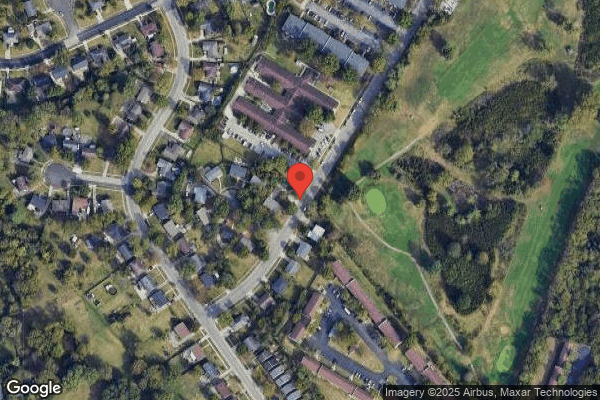
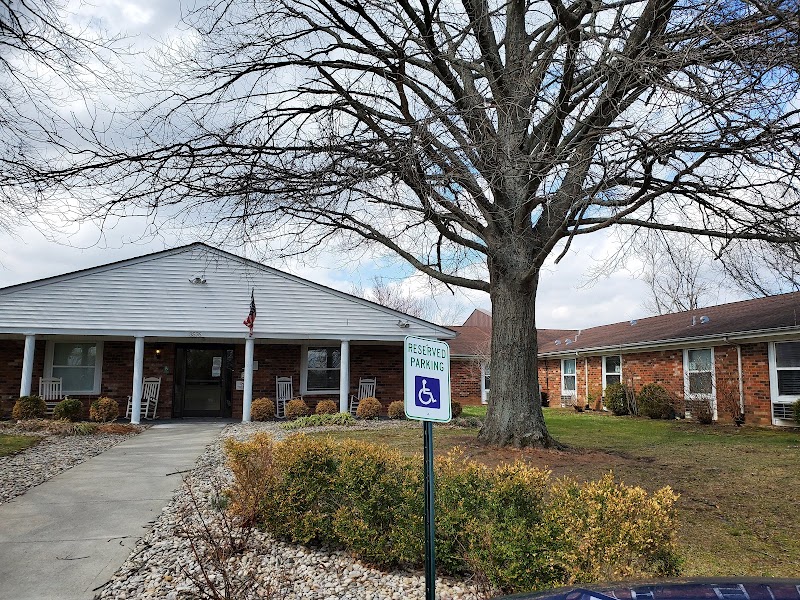
3576 Pimlico Parkway, Lexington, KY 40517 (859) 272-0608
For profit - Corporation 124 Beds SIGNATURE HEALTHCARE Data: November 2025
Trust Grade
80/100
#46 of 266 in KY
Last Inspection: July 2025

Inspected within the last 6 months. Data reflects current conditions.

Overview

Bluegrass Care & Rehabilitation Center has earned a Trust Grade of B+, which means it is above average and recommended for families considering care options. It ranks #46 out of 266 facilities in Kentucky, placing it in the top half, and #2 out of 13 in Fayette County, indicating only one local facility is ranked higher. The overall trend is improving, as the number of issues reported decreased from 5 in 2024 to 3 in 2025. However, staffing is a concern with a rating of 2 out of 5 stars and a turnover rate of 43%, which, while below the state average, suggests a need for more stability. The facility has not faced any fines, which is a positive sign, and it has more registered nurse coverage than many facilities, ensuring better oversight of resident care. Specific incidents noted by inspectors include medication storage issues where medications were not stored according to professional standards for two residents, raising potential safety concerns. Additionally, the facility has been cited for not accurately documenting a resident's hospice status, which could impact their care. Families should weigh these strengths against the weaknesses when considering Bluegrass Care & Rehabilitation Center for their loved ones.

Trust Score
B+
80/100
In Kentucky
#46/266
Top 17%
Safety Record
Low Risk
No red flags
Inspections
Getting Better
5 → 3 violations
Staff Stability
○ Average
43% turnover. Near Kentucky's 48% average. Typical for the industry.
Penalties
✓ Good
No fines on record. Clean compliance history, better than most Kentucky facilities.
Skilled Nurses
○ Average
Each resident gets 33 minutes of Registered Nurse (RN) attention daily — about average for Kentucky. RNs are the most trained staff who monitor for health changes.
Violations
⚠ Watch
11 deficiencies on record. Higher than average. Multiple issues found across inspections.
★★★★☆
4.0
Overall Rating
★★☆☆☆
2.0
Staff Levels
★★★★☆
4.0
Care Quality
★★★★☆
4.0
Inspection Score
Stable
2024: 5 issues
2025: 3 issues

The Good

  • 4-Star Quality Measures · Strong clinical quality outcomes
  • Full Sprinkler Coverage · Fire safety systems throughout facility
  • No fines on record
  • Staff turnover below average (43%)

    5 points below Kentucky average of 48%

Facility shows strength in quality measures, fire safety.

The Bad

Staff Turnover: 43%

Near Kentucky avg (46%)

Typical for the industry

Chain: SIGNATURE HEALTHCARE

Part of a multi-facility chain

Ask about local staffing decisions and management

The Ugly 11 deficiencies on record

Jul 2025 3 deficiencies
CONCERN (D)

Potential for Harm - no one hurt, but risky conditions existed

Assessment Accuracy (Tag F0641)

Could have caused harm · This affected 1 resident

**NOTE- TERMS IN BRACKETS HAVE BEEN EDITED TO PROTECT CONFIDENTIALITY** Based on interview and record review, the facility failed to accurately reflect with the Minimum Data Set (MDS) assessment, the ...

Read full inspector narrative →
**NOTE- TERMS IN BRACKETS HAVE BEEN EDITED TO PROTECT CONFIDENTIALITY** Based on interview and record review, the facility failed to accurately reflect with the Minimum Data Set (MDS) assessment, the resident's status for 1 of 29 sampled residents. (Resident (R)15). The Significant Change MDS dated [DATE] and the Quarterly MDS dated [DATE], did not document R15 as receiving Hospice Care. The findings include:Review of R15's Face Sheet revealed the facility admitted R15 on 03/16/2025 with diagnoses to include Acute Respiratory Failure, Dementia, and Anxiety. Review of R15's medical record revealed the resident started on Hospice care on 3/10/2025.Review of the Significant Change MDS dated [DATE] and the Quarterly MDS dated [DATE] revealed no documented evidence the facility coded R15 as receiving Hospice care in section O. During an interview with the MDS Nurse, on 07/24/2025 at 1:04 AM, she stated there were two places for coding Hospice care. She stated in section J under prognosis if a resident has less than six months to live, that would be checked, but Hospice care should be checked under section O for R15 and neither MDS assessment was coded in section O for Hospice care. During an interview with the Director of Nursing (DON) on 07/25/2025 at 12:03 PM, she stated it was her expectation that the MDS records would accurately reflect each resident. During an interview with the Administrator on 07/25/2025 at 12:15 PM, she stated it was her expectation that MDS assessments should reflect R15's Hospice care to be accurate.
CONCERN (D)

Potential for Harm - no one hurt, but risky conditions existed

Deficiency F0655 (Tag F0655)

Could have caused harm · This affected 1 resident

Based on observation, interview, record review and review of the facility's policy, the facility failed to develop and implement a baseline care plan for each resident that included the instructions n...

Read full inspector narrative →
Based on observation, interview, record review and review of the facility's policy, the facility failed to develop and implement a baseline care plan for each resident that included the instructions needed to provide effective and person-centered care of the resident that meet professional standards of quality care which included the minimum healthcare information necessary to properly care for a resident, Resident (R)144 and R154.R144 was admitted with diagnoses of dysarthria which was not documented with any goals or interventions/strategies for staff to use when communicating with R144.R154 was admitted with needs for dialysis and oxygen therapy which were not accurately documented on his baseline care plan. The findings include: Review of the facility policy titled, “Baseline Care Plan Policy”, dated effective 09/23/2022 and as last reviewed on 01/31/2025 revealed a baseline care plan was developed and implemented to promote continuity of care and communication among facility stakeholders to increase resident safety and safeguard against adverse events that are most likely to occur right after admission. Review of the policy guidelines revealed the baseline care plan would be developed and implemented within 48 hours of a resident’s admission and would include initial goals based on admission orders, physician orders, dietary orders, therapy services, social services and preadmission screening and resident review (PASRR) if applicable. 1) Review of R154’s “Face Sheet”’ revealed the facility admitted him on 02/20/2025 with diagnoses to include fracture of the right femur, end stage renal disease (ESRD) with dependence on renal dialysis, chronic obstructive pulmonary disease (COPD), congestive heart failure (CHF) and respiratory failure with hypoxia. Review of R154’s, “Progress Note” dated 02/20/2025 at 4:47 PM revealed he was alert and oriented to person, place, time and event and was able to make his needs known. Review of R154’s hospital discharge note dated 02/20/2025 documented he had chronic respiratory failure due to COPD and had used oxygen at home and at the hospital set at 2-4 liters per nasal cannula. Further review of the hospital discharge note revealed R154 had ESRD and was being followed by nephrology and had hemodialysis (HD) on Mondays, Wednesdays and Fridays each week. Review of R154's, “Clinical Orders” dated 02/21/2025 revealed orders for oxygen therapy at 2 Liters via nasal cannula continuously and Dialysis on Monday, Wednesday and Friday. Review of R154’s 48-Hour Baseline Care Plan” (BCP) dated 02/20/2025 completed by Licensed Practical Nurse (LPN)1 revealed she had not checked the box for Oxygen usage and had checked the box marking R154 was not receiving dialysis. Licensed Practical Nurse (LPN2) who completed the BCP for R154 was no longer employed at the facility and no current phone number could be provided. Review of R154’s care plan dated 02/21/2025 revealed plans of care had been initiated for social isolation, depression and insomnia, drug related side effects related to psychotropic medications for depression and insomnia, plans for discharge and advance directive/code status. However, further review revealed no care plan for R154 to address the needs for dialysis or usage of oxygen. During an interview on 07/23/2025 at 11:04 AM with the MDS Nurse 1, she stated she had been at the facility for four months and did not complete baseline care plans, the admission nurse for the resident being admitted would complete them. During an interview on 07/25/2025 at 10:15 AM with LPN5 he stated when completing a BCP for a resident, information received from the hospital during report would include how the resident transferred, took medications, diet and fluid consistency, toileting habits, how the resident communicated, possession of hearing aids/dentures/glasses, pain medication and last dose, use of oxygen and need for dialysis. LPN5 further stated staff used the BCP and the Resident Profile/admission assessment as a guide to care for the resident until the CCP was completed which was done by MDS. LPN5 did not know if the information on the BCP populated into the CCP. LPN5 stated the BCP should accurately capture all the resident needs for staff to effectively and safely care for the resident and any inaccurate or missed resident information could cause the resident harm. During an interview on 07/25/2025 at 11:00 AM with Registered Nurse (RN)4 she stated the 48-hour BCP was completed after receiving report from the hospital and after the resident arrived at the facility. RN4 stated if a resident required oxygen and dialysis that should be accurately documented on the BCP. She further stated if the BCP was not correct, there could be a negative outcome or situation of harm for the resident. During an interview on 07/25/2025 12:03 PM with the Director of Nursing (DON) she stated her expectation for MDS was to make sure the resident was care planned per regulation and was personalized to each resident. The DON stated orders, family interviews, and the hospital discharge summary all drove the care plans and the BCP was just a snapshot of the residents' immediate needs for care. She further stated the corporate nurse came in and reviewed care plans once a week to make sure there was a BCP in place until MDS completed the Comprehensive Care Plan (CCP) with the comprehensive assessment which was due fourteen (14) days after admission. The DON stated it was her expectation the admission nurse would code the resident assessment and the BCP correctly to promote accurate resident care, but sometimes the nurses were in a hurry and could make an error because “we are all human”. During an interview with the Administrator (Admin) on 07/25/2025 at 11:38 AM she stated she had previously been the facility DON since 2019 and took over as Administrator in November of 2024. The Admin stated the purpose of the BCP was to guarantee all the resident needed for care were in place. The admitting nurse would get a telephone report about the resident from the hospital and would then complete the admission observation form, which was in the admission packet, when the resident arrived. The admission assessment would include information from the residents discharge summary and the summary was used to generate all the resident orders into system, including medications, so they could be dispensed. The BCP was completed using a systems approach and included things like communication, vision, hearing, cognition, special equipment, activities of daily living, oxygen, dialysis, etc. The Admin stated resident orders were received, approved by the physician and entered into the system before the resident arrived. The Admin further stated the BCP did not populate to CCP but the MDS nurse would complete the CCP by using the resident’s admission orders, the BCP, the discharge summary, the residents history and physical, and the Certified Nurse Aide (CNA) Kardex and had 14 days from the resident’s admission to complete. Lastly, the Admin stated in the case of R154, her expectation was his need for oxygen therapy and for dialysis be captured correctly on his BCP to prevent the possible error of him not receiving the proper care. 2) Review of the facility's policy titled, Resident Rights, revision date 01/31/2025, revealed all residents have the right to be treated with dignity and respect. All residents will be treated in a manner and in an environment that promotes maintenance or enhancement of quality of life. The policy further stated, when providing care and services, the stakeholders will respect the resident's individuality and value their input by providing them a dignified existence, through self-determination and communication with and access to persons and services inside and outside the facility. Review of R144's Face Sheet revealed the facility admitted R144 on 07/17/2025 with diagnoses to included cerebral infarction, unspecified, dysphasia (impairment of the power to speak or to understand speech) following cerebral infarction, and Alzheimer's disease, unspecified. Review of R144's admitting MDS assessment on 07/24/2025 revealed his BIMS score was 6 out of 15 indicating moderative cognitive impairment. Review of R144's 48-hour baseline care plan dated 07/17/2025 at 11:29 PM revealed the section titled, Communication Goal: Resident communication with staff will be understood. Resident's communication is understood was marked yes. There was no place to indicate on the 48-hour care plan to indicate speech difficulties or communication issues with R144. Observation on 07/22/2025 at 10:41 AM revealed R144 was laying in his bed with the head elevated. R144's eyes were closed and the top sheet was pulled to his waist. During interview at the time of observation, R144 attempted to answer questions from State Surveyor, but was not able to clearly speak his responses other than yes or no. R144 could possibly answer with one-word answers but struggled to enunciate words clearly or effectively. Observation on 07/22/2025 at 10:49 AM of R144 trying to communicate with State Registered Nurse Aide (SRNA)1 revealed SRNA1 was struggling to understand what R144 was trying to tell him. R144 appeared to become frustrated because on SRNA1 not understanding R144's need. Interview on 07/24/2025 at 8:31 AM with SRNA1 he stated he could understand R144 when R144 does not get upset or excited. SRNA1 stated he usually can help R144 with whatever he needs. SRNA1 was asked if he struggles understanding R144 and SRNA1 stated, Yes, it can be challenging at times. SRNA1 was asked, Do you feel that you can understand R144 enough to meet his needs? SRNA1 stated, Most of the time. There are times when R144 is upset or excited, it is hard to know what he needs. Interview on 07/24/2025 at 10:23 AM with Nurse Practitioner (NP) she stated she did not assess R144 initially on admission. The NP stated when a resident was admitted to the facility, the nurses would notify the therapy practitioner to implement concerns regarding speech. Then the speech therapist would come and evaluate the resident to determine if they qualified for services. Review of nursing progress notes dated 07/20/2025 at 11:34 AM entered by NP she stated R144's dysarthria (speech disorder characterized by difficulty in articulating words due to damage or dysfunction in the nerves and muscles that control speech) had significantly worsened an hour before at the previous living facility, before arriving to the Emergency Department (ED). During an interview on 07/24/2025 at 3:50 PM with LPN3, she stated she was one of two nurses who assisted in completing the 48-hour baseline care plan for R144. LPN1 stated she and another nurse were asking R144 questions, and the other was completing a skin assessment. LPN1 stated R144 did not do a lot of talking. During an interview on 07/24/2025 at 4:01 PM with LPN4, she stated R144's speech was pretty jumbled. LPN4 stated she could not recall if R144 could make his needs known at that time. LPN4 stated R144 was beginning to get upset about losing the ability to speak. LPN4 stated she could not remember if R144 was able to speak more than one word at a time. During an interview on 07/24/2025 at 10:40 AM with DON, she stated residents who are admitted to the facility have a 48-hour baseline care plan implemented upon arrival. The DON was asked if the 48-hour care plan instrument used adequately assessed residents who have dysphasia. The DON stated the nurses were able to communicate with R144. During an interview on 07/24/2025 at 3:01 PM with the Administrator, she stated she was familiar with R144. She stated nurses use the 48-hour care plan as a baseline for determining a resident's immediate needs. She stated once the baseline care plan was completed, the MDS nurse completed their assessment on R144. The Administrator stated the care plan did not address R144's dysphagia. The Administrator also provided a copy of a document titled, SRNA Care Plan Record, with R144's name, room number, and other significant information to dictate care for all SRNAs. Not documented under speech were three areas; Aphasic/Doesn't Talk, Clear, or Mumbles. None of the three items were marked indicating impaired speech. This document was reviewed and signed on 07/17/2025 by the DON. The Administrator state the document was not an accurate assessment of R144 because staff who did not know him would not be informed of his speech difficulties. The Administrator stated it was her expectation the 48-hour assessments and the SRNA care plan records would be completed accurately and meet the needs of the residents.
CONCERN (D)

Potential for Harm - no one hurt, but risky conditions existed

Comprehensive Care Plan (Tag F0656)

Could have caused harm · This affected 1 resident

**NOTE- TERMS IN BRACKETS HAVE BEEN EDITED TO PROTECT CONFIDENTIALITY** Based on interview, record review, and review of the facility's policy, the facility failed to develop and implement a comprehen...

Read full inspector narrative →
**NOTE- TERMS IN BRACKETS HAVE BEEN EDITED TO PROTECT CONFIDENTIALITY** Based on interview, record review, and review of the facility's policy, the facility failed to develop and implement a comprehensive care plan for each resident that included measurable objectives and timeframes to meet a resident's medical, nursing, and mental and psychosocial needs that are identified in the comprehensive assessment, Resident (R) 99.R99 had been discharged to the hospital and upon her return on 06/25/2025 her Baseline Care Plan (BCP) documented R99 was assessed as not verbalizing or exhibiting signs of pain but was at risk for pain. Review of R99's Comprehensive Care Plan (CCP) revealed no active care plan for pain had not been initiated until 07/23/2025, after State Survey Agency requested it. Review of R99's Medication Administration Record (MAR) dated 07/01/2025-07/24/2025 revealed she had been medicated with Tramadol for pain once on 7/17/2025, once on 07/18/2025, and once on 07/20/2025.The findings include:Review of the facility policy titled, Comprehensive Care Plans, (CCP) dated 02/09/2024 and as last reviewed on 01/31/2025 revealed the facility would develop and implement a comprehensive person-centered care plan for each resident the included measurable objectives and time frames to meet a resident's medical, nursing, mental and psychosocial needs that were identified in the comprehensive assessment.Review of R99's Minimum Data Set (MDS) Assessment schedule revealed the facility admitted her on 04/13/2023, with diagnoses of cirrhosis (chronic liver damage), heart failure, atrial fibrillation (a rapid irregular heart rate), diabetes, anemia, neurogenic bladder (lack of bladder control). R99 was discharged to the hospital as a return anticipated on 06/19/2025 and readmitted to the facility on [DATE].Review of R99's MDS Quarterly assessment dated [DATE] for pain revealed R99 had been on a scheduled pain regimen, had received as needed pain medication and a pain assessment interview was conducted and R99 was assessed as pain being present occasionally, occasionally affecting her sleep, occasionally interfered with day-to-day activities and was a 04/10 on the pain scale indicating moderate pain.Review of R99's MDS Quarterly assessment dated [DATE] Brief Interview for Mental Status (BIMS) assessment revealed a score of 12 out of 15 indicating moderate cognitive impairment.Review of R99's 48-hour Baseline Care Plan (BCP) dated 06/25/2025 upon her return from the hospital revealed R99 was not verbalizing or exhibiting signs of pain but was at risk for pain.Review of R99's Clinical Orders, dated 06/26/2025 revealed she had an active order for Tramadol (a pain medication) 50mg tablet orally every 6 hours as needed.Review of R99's Medication Administration Record (MAR) dated 07/01/2025-07/25/2025 revealed she had received a dose of Tramadol for pain once on 7/17/2025, once on 07/18/2025, and once on 07/20/2025.Review of R99's CCP on 07/23/2025 revealed she did not have an active plan for pain.Review of R99's CCP on 07/24/2025 revealed plan for pain had been added with a start date of 07/23/2025.During an interview on 07/25/2025 at 11:04 AM with MDS Nurse1 (MDS1), she stated she had been at the facility for four months and the MDS nurses did not complete resident BCPs, the nurse that admitted the resident completed them. MDS1 also stated R99 had been at the hospital and had returned so a BCP would have been completed, but R99 would not trigger for MDS to complete a CCP until her next comprehensive assessment which would have been due 3 months after her previous assessment. R99's previous significant change of condition assessment dated [DATE] was her last one and her next comprehensive assessment would not be due until 10/03/2025 unless she had another change of condition or discharged from the facility and returned. MDS1 stated anything necessary to provide for the immediate care and needs of the resident should be documented on the BCP by the admitting nurse so the resident's needs would be met. Lastly, MDS1 stated R99 should have had a care plan for potential for pain initiated when she returned to the facility and was assessed as being at risk for pain, or a care plan for pain management when she required the Tramadol be given to her for complaints of pain.During an interview on 07/25/2025 at 10:15 AM with Licensed Practical Nurse (LPN) 5 he stated he had been at the facility since 10/2024 but had been a unit manager here prior to Covid, had left and had come back. LPN5 stated when completing a BCP for a resident, information received from the hospital during report would include how the resident transferred, took medications, diet and fluid consistency, toileting habits, how the resident communicated, possession of hearing aids/dentures/and glasses, pain medication last dose, use of oxygen and need for dialysis. The BCP checklist was completed from this information and the CNA Kardex (paper) was also generated so staff would know what the resident care needs were. He stated floor nurses did not complete the comprehensive care plan but had access to it and could add to/edit it. Stated staff used the BCP and the Resident Profile/admission assessment as a guide to care for the resident until the CCP was completed which was done by MDS. LPN5 did not know if the information on the BCP populated into the CCP. LPN5 stated the BCP should accurately capture all the resident needs for staff to effectively and safely care for the resident and any inaccurate or missed resident information could cause the resident harm.During an interview on 07/25/2025 at 10:54 AM with the MDS2 nurse, she stated she had been doing MDS assessments since November of 2024 and the MDS nurse had seven days to update the CCP after a resident had a significant change of condition assessment completed. MDS2 also stated MDS assessments should be as accurate as possible for reimbursement and resident care planning. MDS2 confirmed that since R99 was at the hospital and had returned, the 5 day look back for pain would not have triggered tor MDS to develop a pain care plan for her. MDS2 further stated nursing should have developed a pain care plan for her if she began showing signs or had complaints of pain or had needed to be medicated for pain. Lastly MDS2 stated resident care plans drove resident care and should be current and accurate.During an interview with the Administrator (Admin) on 07/25/2025 at 11:38 AM she stated the purpose of the BCP was to guarantee all the resident's needed for care were in place. The admitting nurse would get a telephone report about the resident from the hospital and would then complete the admission observation form, which was in the admission packet, when the resident arrived. The admission assessment would include information from the residents' discharge summary and the summary was used to generate all the resident orders into system, including medications, so they could be dispensed. The BCP was completed using a systems approach and included things like communication, vision, hearing, cognition, special equipment, activities of daily living, oxygen, dialysis, etc. The Administrator stated resident orders were received, approved by the physician and entered into the system before the resident arrived. The Administrator further stated the BCP did not populate to CCP, but the MDS nurse would complete the CCP by using the resident's admission orders, the BCP, the discharge summary, the residents' history and physical, and the Certified Nurse Aide (CNA) Kardex and had 14 days from the resident's admission to complete.
Aug 2024 5 deficiencies
CONCERN (D)

Potential for Harm - no one hurt, but risky conditions existed

Transfer Notice (Tag F0623)

Could have caused harm · This affected 1 resident

Based on interview, record review, and review of the facility's policy, the facility failed to send a copy of the transfer or discharge notice to a representative of the Office of the State Long-Term ...

Read full inspector narrative →
Based on interview, record review, and review of the facility's policy, the facility failed to send a copy of the transfer or discharge notice to a representative of the Office of the State Long-Term Care (LTC) Ombudsman for 1 of 4 residents investigated for the discharge process, Resident (R) 111. The findings include: Review of the facility's policy titled, Transfer /Discharge Policy, dated 03/24/2024, revealed the facility must notify the Ombudsman of a facility-initiated transfer or discharge notice to a representative of the Office of the State LTC Ombudsman. Review of R111's Face Sheet revealed the facility admitted the resident on 10/23/2021 with diagnoses of renal and perinephric abscess, schizoaffective disorder (bipolar type), and dementia in other diseases classified elsewhere with behavioral disturbances. Further review revealed R111 was discharged on Friday, 11/12/2021 at 2:39 PM. Review of R111's Discharge Note, dated 11/10/2021 at 4:14 PM and signed by the Physician's Assistant, revealed R111 would be going back to the group home where he lived prior to hospitalization and coming to the facility. The note stated R111 would have 24/7 (around the clock) care there. Per the note, R111 had remained medically stable during his stay at the facility, completed his intravenous antibiotic, and was safe to return back to his group home. Review of Notification of Discharge, from the Social Services Director (SSD), revealed no Ombudsman notification was completed for R111's 11/12/2021 discharge. During an interview with the SSD on 08/30/2024 at 11:29 AM, she stated she would wait until the end of each month and send an email to the Ombudsman with all the discharges from the month. She stated, in regard to R111, when she looked through the records, there was no documentation of notification of the 11/12/2021 discharge sent to the Ombudsman. During an interview on 08/30/2024 at 4:43 PM with the Administrator, she stated Social Services sent a monthly discharge list to the Ombudsman for the previous month, the first of the next month. She stated, in this situation, that procedure was not followed.
CONCERN (D)

Potential for Harm - no one hurt, but risky conditions existed

Deficiency F0655 (Tag F0655)

Could have caused harm · This affected 1 resident

Based on observation, interview, record review, and facility policy review, the facility failed to develop and implement a Baseline Care Plan within 48 hours for each resident that included the instru...

Read full inspector narrative →
Based on observation, interview, record review, and facility policy review, the facility failed to develop and implement a Baseline Care Plan within 48 hours for each resident that included the instructions needed to provide effective and person-centered care of the resident that met professional standards of quality of care for 1 of 30 sampled residents, Resident (R) 212. The facility admitted R212 on 08/21/2022 after a fall that resulted in a vertebrae fracture and facial bruises. R212's care plan for pain was not developed within 48 hours. Cross reference F697 The findings include: Review of R212's Face Sheet revealed the facility admitted the resident on 08/21/2024 with diagnoses which included displaced fracture of sixth cervical vertebra, need for assistance with personal care, and diabetic nephropathy. Review of the facility's policy titled, Comprehensive Care Plans, last revised 02/09/2024, revealed the facility would develop and implement a comprehensive person-centered care plan for each resident that included measurable objectives and time frames to meet a resident's medical, nursing, mental, and psychosocial needs. Review of R212's 48-Hour Care Plan, dated 08/22/2024 at 2:25 PM , revealed no documented evidence the facility implemented interventions for pain. Observation on 08/26/2024 at 1:36 PM revealed R212 was sitting in the wheelchair, and she had bruising around both eyes and was wearing a neck brace. During interview at the time of the observation, R212 stated she slipped on a rug in the kitchen and fell, hitting her head and back on the counter. She stated her pain was mainly in her right arm. R212 stated she was having pain and asked for pain medication this morning, but the nurse told her it was not available. R212 stated the pain was bad; but, she was not crying and was able to eat breakfast and lunch. Review of R212's Medication Administration Record (MAR) revealed R212 did not receive pain medication of oxycodone 5 mg (an opioid pain reliever) until 08/26/2024 at 3:30 PM. Continued inteview with R212 on 08/26/2024 at 3:00 PM revealed she was given Tylenol when her narcotic pain medication was not availble and it helped somewhat. During interview on 08/26/2024 at 2:48 PM with Licensed Practical Nurse (LPN) 2/Unit Manager who documented R212's care plan, she stated she developed the 48-hour care plans with the resident's record, family, or the resident. She stated the care plan was an observation, and she answered each individual question on the care plan. She stated when she came to the pain section, she asked R212 if she was in any pain, and since R212 stated, No, she clicked No on the care plan. She stated she made a mistake, and she should have clicked Yes and addressed pain on the care plan. During interview with the Administrator on 08/28/2024 at 10:35 AM, she stated when a resident was having pain she expected staff to provide pain relief. She also stated she expected the staff to follow the facility's care plan policies.
CONCERN (D)

Potential for Harm - no one hurt, but risky conditions existed

Deficiency F0697 (Tag F0697)

Could have caused harm · This affected 1 resident

Based on observation, interview, record review, and review of the facility's policies, the facility failed to ensure pain management was provided to residents who required such services, consistent wi...

Read full inspector narrative →
Based on observation, interview, record review, and review of the facility's policies, the facility failed to ensure pain management was provided to residents who required such services, consistent with professional standards of practice, the comprehensive person-centered care plan, and the resident's goals and preferences for 1 of 2 residents investigated for pain management, Resident (R) 212. R212 did not receive oxycodone (an opioid pain reliever) as scheduled on 08/26/2024 because the nurse said it was unavailable. However, the medication was in the facility's emergency medication kit (EMK). The findings include: Review of the facility's policy titled, Ordering and Receiving Controlled Medications, dated 01/2023, revealed in an emergency situation, verbal authorization could be given by the prescriber to the pharmacist for a new order as described by state law. Review of the facility's policy titled, Medication Administration, last revised 06/24/2024, revealed medications were administered as prescribed in accordance with the manufacturer's specifications and good nursing principles and practices. Review of R212's Face Sheet revealed R212 was hospitalized due to a fall from 08/16/2024 to 08/21/2024. The facility admitted the resident on 08/21/2024 with diagnoses of displaced fracture of the sixth cervical vertebra, need for assistance with personal care, and type 2 diabetes. Review of R212's Orders, revealed R212 had an order for oxycodone (opioid pain medication) 5 milligram (mg) related to pain, twice a day as needed (PRN). Review of the EMK revealed the kit contained six oxycodone 5 mg tablets. Observation on 08/26/2024 at 1:36 PM revealed R212 was sitting in the wheelchair, she had bruising around both eyes and was wearing a neck brace. During interview at the time of the observation, the resident stated she was having pain and asked for pain medication this morning, but the nurse told her it was not available. R212 stated the pain was bad; but, she was able to eat breakfast and lunch. During interview with Licensed Practical Nurse (LPN) 2/Unit Manager on 08/26/2024 at 2:48 PM, she stated R212 received oxycodone at 8:30 PM on 08/25/2024. She stated Advanced Practice Registered Nurse (APRN) 1 was at the facility this morning, but she did not think to ask her for a one-time order for oxycodone. She also stated she did not think to take the oxycodone from the EMK. During interview with APRN1 on 08/27/2024 at 8:56 AM, she stated she was called on 08/26/2024 in the morning to write a stat prescription for oxycodone to be given to R212. She stated she then went into R212's room and interviewed R212. She stated R212 told her she was having continued moderate pain in the right arm. APRN1 stated she told R212 the provider, who specializes in pain management would be in that morning to evaluate and treat the pain. Review of the House Stock Kit Withdrawal Log revealed on 08/26/2024 at 3:15 PM oxycodone 5 mg was removed for R212 by LPN2/Unit Manager and Certified Nurse Aide/Certified Medication Technician (CNA/CMT2). Review of R212's Medication Administration Record (MAR) revealed R212 received oxycodone 5 mg on 08/26/2024 at 3:30 PM. During interview with the Director of Nursing (DON) on 08/28/2024 at 10:01 AM, she stated the pain medication for R212 should have been taken from the EMK and given to R212 on 08/26/2024 in the morning when the resident requested the medication. During interview with the Administrator on 08/28/2024 at 10:35 AM, she stated she expected all staff to know what was in the EMK. The Administrator stated when a resident was having pain she expected staff to provide pain relief.
CONCERN (D)

Potential for Harm - no one hurt, but risky conditions existed

Infection Control (Tag F0880)

Could have caused harm · This affected 1 resident

Based on observation, interview, record review, and review of the facility's policy, the facility failed to implement enhanced barrier precautions (EBP) related to medication administration and reside...

Read full inspector narrative →
Based on observation, interview, record review, and review of the facility's policy, the facility failed to implement enhanced barrier precautions (EBP) related to medication administration and resident care for 1 of 28 residents in EBP, Resident (R) 53. Observation on 08/30/2024 revealed Licensed Practical Nurse (LPN) 3 failed to don (put on) a gown and gloves when providing direct resident care to R53 related to application of a medication patch and taking a blood pressure. The findings include: Review of the facility's policy titled, Enhanced Barrier Precautions, dated 03/25/2024, revealed EBPs were indicated for residents who had chronic wounds and or indwelling medical devices regardless of multi-drug resistant organism (MDRO) status. Observation on 08/30/2024 at 9:12 AM of the signage on R53's door revealed it informed all care givers everyone must clean their hands, including before entering and when leaving the room. It also stated, providers and staff must wear gloves and gown for the following high-contact resident care activities. The activities listed were dressing; bathing/showering; transferring; changing linens; providing hygiene; changing briefs or assisting with toileting; device care or use with a central line, urinary catheter, tube feeding, or tracheostomy; and wound care for any skin opening requiring a dressing. Further observation on 08/30/2024 at 9:12 AM of medication administration revealed LPN3 prepared medication to administer to R53 who had a suprapubic catheter in place. After the medication was brought into R53's room, LPN3 took R53's blood pressure without donning a gown or gloves. She started the administration of crushed medication mixed with pudding in medicine cups. She then administered the polyethylene glycol to R53. At that point, the Infection Prevention (IP) Nurse entered the room and spoke to LPN3 about proper donning of gown and gloves when providing care. LPN3 stated she thought that gown and gloves were only necessary when providing physical (dressing change, catheter care) care to R53. The IP then re-educated LPN3 on the purpose and indications of when to don personal protective equipment (PPE, gown and gloves) for residents with EBP. After receiving education, LPN3 donned gown and gloves. LPN3 applied two lidocaine patches on R53's right lateral chest and lateral abdomen. During an interview with the IP Nurse on 08/30/2024 at 11:14 AM, she stated she was also the Staff Development Nurse and expected nursing staff to understand when to use PPEs in relation to EBPs. She stated, That is why I came to [R53's] room when I was informed [LPN3] had not donned a gown and gloves when taking vitals [blood pressure] or administering medications. She stated she knew when the new policy was enacted in May 2024, she provided education to the entire staff on when the regulations were changed. She stated now that there had been an identified gap in education for the staff, she would be reeducating all staff. The IP Nurse stated when the facility had a skills fair in December for nurses and aides, she tested staff to make sure they had been educated properly. She stated, Obviously there was a breakdown with that one staff member, but it could happen to other staff. I want to make sure all staff know how improper practice can negatively impact residents. During an interview on 08/30/2024 at 3:35 PM with the Director of Nursing (DON), she stated she expected nursing staff who administered medication to a resident who was in EBP to don gloves and gown when obtaining a resident's blood pressure. She also stated nursing staff should don gown and gloves when administering transdermal patches. She stated re-education for staff would be necessary to prevent further incidents. During an interview on 08/30/2024 at 4:43 PM with the Administrator, she stated she expected nursing staff to wear gloves and gowns when caring for residents in EBPs. She also stated the nursing staff needed follow-up education to ensure the safety of all residents when providing care.
CONCERN (E) 📢 Someone Reported This

A family member, employee, or ombudsman was alarmed enough to file a formal complaint

Potential for Harm - no one hurt, but risky conditions existed

Deficiency F0761 (Tag F0761)

Could have caused harm · This affected multiple residents

Based on observation, interview, record review, and facility policy review, the facility failed to store medications and biologicals in accordance with professional standards for 2 of 6 residents obse...

Read full inspector narrative →
Based on observation, interview, record review, and facility policy review, the facility failed to store medications and biologicals in accordance with professional standards for 2 of 6 residents observed for medication administration, Resident (R) 121 and R122 and 2 of 2 medication refrigerators. The findings include: Review of the facility's policy titled, Medication Administration, revised 06/24/2024, revealed the facility's nursing staff was to administer medications at the time they were prepared. 1, Review of R121's Face Sheet revealed the facility admitted the resident on 08/24/2024 with diagnoses including acute COVID, muscle weakness, and unspecified dementia. Review of R121's Medication Administration Record (MAR) for 08/01/2024 through 08/30/2024 revealed that on 08/30/2024, Certified Medication Aide (CMA) 11 documented he gave famotidine 20 milligrams (mg, for heartburn), losartan 100 mg (for high blood pressure), metformin 500 mg (for diabetes to lower blood sugar), polyethylene glycol 17 G (for constipation), and tamsulosin 0.4 mg (for urinary retention), all administered by mouth for morning medication administration. Review of R122's Face Sheet revealed the facility admitted the resident on 08/29/2024 with diagnoses including respiratory failure, urinary tract infection, and depression. Review of R122's MAR for 08/01/2024 through 08/30/2024 revealed CMA11 documented he gave cefdinir 300 mg (antibiotic), docusate sodium 100 mg (stool softener), doxycycline monohydrate 100 mg (antibiotic), ferrous sulfate 325 mg (iron supplement for anemia), furosemide 40 mg (diuretic), pantoprazole 40 mg (antiacid), potassium chloride 20 milliequivalents (mEq, supplement), prednisone 20 mg (steroid), ropinirole 2 mg (to treat restless leg syndrome), sertraline 25 mg (antidepressant), and ertugliflozin 5 mg (for diabetes to lower blood sugar), all administered by mouth for morning medication administration. Observation on 08/30/2024 at 11:22 AM revealed CMA11 prepared medications for R122, but when he went to administer the medications, he found R122 was not in her room. Further observation revealed CMA11 stated he would look for R122 in the therapy gym and would return in a few minutes. Continued observation at 11:25 AM revealed CMA11 returned with the same medication cup in his hand and placed it in the top drawer of the medication cart alongside a second cup labeled with R121's room number. Observation on 08/30/2024 at 11:27 AM revealed CMA11 removed a medication cup from the top drawer of the medication cart labeled with R121's room number and handed it to R121. Per observation, CMA11 assisted R121 to bring the cup to the resident's mouth to take the medications. Continued observation revealed the North Unit Manager (NUM) walked by and saw the prepared medication cup for R122 in the top drawer of the medication cup while R121 was attempting to swallow his pills. The NUM told CMA11 that storing prepared medications in the medication cart was not an acceptable practice, and those medications would need to be discarded. Additional observation revealed CMA11 told the NUM the pills had been in the locked medication cart. Per observation, the NUM educated CMA11 that he should look for the resident prior to pulling the resident's medications to see if the resident was available and wanted their medicines. In an interview on 08/30/2024 at 2:21 PM, CMA11 stated he placed R121's medications in the top of the medication cart because when he went to give the medications, the resident was in the bathroom and asked him to come back. In further interview, CMA11 stated he went to find R122 after preparing her medications, but the resident was not in the therapy gym or the dining room, so he also placed her medications in the cart. In continued interview, CMA11 stated pulling medications took a long time, and he did not want to get behind schedule by pulling medications twice. Additionally, CMA11 stated the NUM educated him that he should have discarded any medications he was not able to promptly administer. In an interview on 08/30/2024 at 11:36 AM, the NUM stated it was not an acceptable practice for nurses or CMAs to store prepared medications in a locked drawer of the medication cart if the resident was not available. She further stated her expectations for medication storage were for staff to keep the medications in the pharmacy sleeves until they confirmed with the resident that they were available and wanted to take all their medications. In continued interview, the NUM stated storing prepared medication cups in the top drawer of the medication cart increased the chances for a medication error and would make it difficult for a resident to exercise their right to refuse any particular medication. In an interview on 08/30/2024 at 3:24 PM, the Director of Nursing (DON) stated if a nurse or CMA had a cup of medications prepared for a resident and they were unable to find them quickly in their room, the therapy gym, or other location, they should discard the medications and pull them when the resident returned. In an interview on 08/30/2024 at 4:51 PM, the Administrator stated she did not see a problem with staff having a labeled medication cup in the top drawer if it was for only one resident and the cart was locked. She further stated she did not believe it was acceptable to store prepared medication cups in the top drawer for more than one resident. 2. Review of the facility's policy titled, Storage of Medication, dated 01/2023, revealed medications and biologicals were stored properly, following manufacturers or provider pharmacy recommendations to maintain their integrity and to support safe effective drug administration. Per the policy, outdated, contaminated, discontinued, or deteriorated medications and those in containers that were cracked, soiled, or without secure closures were immediately removed from stock, disposed of according to procedures for medication disposal, and reordered from pharmacy. Observation on 08/26/2024 at 3:55 PM of the medication room refrigerator on the South Hall revealed R34's Magic Mouthwash expired 08/24/2024. During interview with Licensed Practical Nurse (LPN) 3 at the time of the observation, she stated if a resident received expired medications the medication might not be effective, and there could potentially be harm to the resident. Observation on 08/26/2024 at 4:05 PM of the medication room refrigerator on the North Hall revealed the following six expired doses of the antibiotic Daptomycin 300 mg/106 milliliters (ml) for R106. Two doses expired on 08/10/2024, and four doses expired on 08/24/2024. Further observation revealed the following six expired doses of the antibiotic Daptomycin 450 mg/109 ml for R211. All six expired doses expired on 08/25/2024. Additional observation revealed R18's Magic Mouthwash expired 08/20/2024. During interview with LPN4 at the time of the observation, she stated she checked the expiration date and the rate. She stated she was supposed to check to verify the medications were not expired. She stated if she used expired medications, the resident could have a reaction. During interview with the DON on 08/28/2024 at 10:01 AM, she stated she was not made aware of expired medications. She stated the nurses checked to see if the medications were expired prior to using the medications. During interview with the Administrator on 08/28/2024 at 10:35 AM, the Administrator stated her expectation was for the staff to follow the facility's policy and remove any expired medications.
Nov 2019 3 deficiencies
CONCERN (D)

Potential for Harm - no one hurt, but risky conditions existed

Comprehensive Care Plan (Tag F0656)

Could have caused harm · This affected 1 resident

**NOTE- TERMS IN BRACKETS HAVE BEEN EDITED TO PROTECT CONFIDENTIALITY** Based on observation, interview, record review, and review of facility Policy, it was determined the facility failed to develop ...

Read full inspector narrative →
**NOTE- TERMS IN BRACKETS HAVE BEEN EDITED TO PROTECT CONFIDENTIALITY** Based on observation, interview, record review, and review of facility Policy, it was determined the facility failed to develop and implement a Comprehensive Care Plan (CCP) for each resident, that includes measurable objectives to meet a residents needs for one (1) of twenty-three (23) sampled residents (Resident #30). Although Resident #30 had a contracture of the right hand, there was no documented evidence the CCP was developed and implemented with interventions to address the resident's limited ROM. (Refer to F-688) The findings include: Review of the facility Policy, titled Comprehensive Care Plans, dated 07/19/18, revealed a person centered care plan includes measurable objectives and timetables to meet the resident's medical, nursing, mental and psychosocial needs and is developed for each resident. Per review, the CCP will include how the facility will assist the resident to meet his/her needs, goals and preferences. Further, the CCP will describe the services to be provided to maintain or attain the residents highest practicable physical, mental, and psychosocial wellbeing; include identified problem areas; and aid in preventing or reducing decline in functional status/level. Review of Resident #30's Clinical Record revealed the facility admitted the resident on 01/28/15 with diagnoses including Hemiplegia and Hemiparesis following Cerebral Infarction affecting unspecified side, Abnormal Posture, Difficulty Walking, Contracture of unspecified hand, Congestive Heart Failure, Muscle Wasting and Atrophy. Review of the Comprehensive Care Plan (CCP), initiated 06/14/19, revealed Resident #30 required assistance with Activities of Daily Living (ADLs) related to Decreased Mobility, Cerebrovascular Accident with Right Hemiparesis. The goal revealed the resident would maintain current level of function through next review. The interventions included: keep call light within reach; Physical therapy to evaluate and treat as indicated; Praise resident efforts; left side of bed against wall per choice; high back wheelchair for mobility; and staff to provide assistance for transfers. All of these interventions were initiated on 06/14/19. Review of the Annual Minimum Data Set (MDS) Assessment, dated 09/05/19, revealed the facility assessed Resident #30 as having a Brief Interview for Mental Status (BIMS) score of five (15) out of fifteen (15) indicating intact cognitively. Further, the facility assessed the resident as requiring extensive assistance of two (2) staff for all Activities of Daily Living (ADLs). Per the MDS Assessment, the resident had Limitations in Functional Range of Motion (ROM) to one (1) upper extremity and one (1) lower extremity. Observation of Resident #30, on 11/18/19 at 3:23 PM, revealed the the resident had a rolled wash cloth positioned inside his/her right hand between the palm and the resident's contracted digits. In addition, the resident's right hand had moderate swelling to the digits. No splint or brace was noted in the room. Interview with Resident #30, on 11/18/19 at 3:23 PM, revealed no staff member including the therapy staff, did anything for his/her contracture of the right hand. Further, he/she stated his/her hand did have pain at times, especially when the wash cloth was not placed in his/her palm. Continued interview with Resident #30, on 11/20/19 at 3:14 PM, revealed staff was not involved with assisting him/her with Range of Motion (ROM) to his/her contracted right hand. Resident #30 stated he/she was interested in any therapy or device that would prevent further decline or contracture in his/her right hand as he/she only used the wash cloth for his/her hand contracture. However, there was no documented evidence the CCP was developed and implemented with interventions to address the resident's limited ROM to the right hand. (Refer to F-688). Review of Resident #30's State Registered Nurse Aide (SRNA) [NAME] (Care Plan), on 11/21/19, revealed no documented evidence of interventions for Range of Motion or a device related to the contracture of the resident's right hand. Furthermore, record review revealed no documented evidence Resident #30 was receiving ROM or a device to the right hand contracture. Interview with State Registered Nurse Aide (SRNA) #1, on 11/21/19 at 10:00 AM, revealed he was often assigned to Resident #30. SRNA #1 stated he did not have a guide or any plan to show him how to assist Resident #30 with ROM to his/her hand and he just placed a dry rolled wash cloth in his/her hand for comfort at the resident's request. Interview with Licensed Practical Nurse (LPN) #1, on 11/21/19 at 10:45 AM , revealed he was assigned to Resident #30. Per interview, LPN #1 was not aware of a plan to address Resident #30's needs related to limited range of motion or related to his/her hand contracture. He stated Resident #30 was not currently receiving Restorative Nursing or orthotic/splinting care to prevent further decline in range of motion of the hand. Further interview revealed the resident's CCP should have addressed the resident's limited ROM. Review of the Occupational Therapy Evaluation and Plan of Treatment dated 11/21/19, after Surveyor intervention, revealed Resident #30's right hand contracture placed the resident at risk for decreased skin integrity. Recommendations included Occupational Therapy five (5) times a week for four (4) weeks. Short term goals included the resident participating in determining appropriate orthotic to right hand with tolerating wear up to two (2) hours with no signs or symptoms skin irritation or redness; and resident participating in determining/implementing self ROM for right hand to prevent further loss in function and maintain skin integrity. Further review revealed long term the resident would participate in wearing orthotic four (4) hours per day with no signs or symptoms of skin irritation and would participate in the Restorative Nursing Program. Interview with the Occupational Therapist (OT) /Rehabilitation Manager, on 11/21/19 at 9:35 AM, revealed residents with contractures should be re-evaluated for further treatment based on change in function, skin impairment and change in measurement of contracture and each resident with contractures should have an individualized plan of care to maintain current level of function and prevent further decline. Continued interview revealed Resident #30 was evaluated this morning and recommendations were written for Occupational Therapy with Orthotic Use and to be referred to Restorative Nursing when therapy was discontinued. Interview with the Unit Manager (UM), on 11/21/19 at 11:30 AM, for the unit in which Resident #30 resided, revealed Resident #30 should have had a CCP developed and implemented related to the contracture of the right hand in order to prevent further decline. Interview is with MDS Coordinator, on 11/21/19 at 1:00 PM, revealed the Comprehensive Care Plan was important to communicate resident needs to the staff. Per interview, it was important to develop and implement the Care Plan related to a resident's Range of Motion limitations in order to prevent worsening contractures. Further, the CCP was a guide for staff to utilize in providing care to residents and should be accurate to ensure residents received optimal care. Interview with the Director of Nursing (DON), on 11/21/19 at 1:45 PM , revealed residents with contractures should have a Plan of Care in place to address the need for ROM and/or splints as applicable in order to prevent decline in ROM. Per interview, Resident #30 should have had a CCP developed and implemented related to limited ROM of his/her contracted right hand. Interview with the Administrator, on 11/21/19 2:00 PM, revealed it was her expectation the CCP address contractures and limitations in range of motion, with interventions to prevent further decline. Per interview, this was important because staff utilized the CCP as a guide in providing necessary care.
CONCERN (D)

Potential for Harm - no one hurt, but risky conditions existed

Deficiency F0688 (Tag F0688)

Could have caused harm · This affected 1 resident

**NOTE- TERMS IN BRACKETS HAVE BEEN EDITED TO PROTECT CONFIDENTIALITY** Based on observation, interview, and record review, it was determined the facility failed to ensure a resident with limited mobi...

Read full inspector narrative →
**NOTE- TERMS IN BRACKETS HAVE BEEN EDITED TO PROTECT CONFIDENTIALITY** Based on observation, interview, and record review, it was determined the facility failed to ensure a resident with limited mobility receives appropriate services, equipment, and assistance to maintain or improve mobility for one (1) of five (5) sampled residents reviewed for limited Range of Motion (ROM) out of a total of twenty-three (23) sampled residents (Resident #30). Observation on 11/18/19, revealed Resident #30 had a rolled wash cloth positioned inside his/her right hand between the palm and the resident's contracted digits, and the resident's right hand had moderate swelling to the digits. Interview with the resident during the observation revealed staff did not perform ROM for his/her contracture of the right hand, nor did the resident have a device/splint for the right hand. (Refer to F-656) The findings include: Interview with the Administrator, on 11/21/19 at 1:00 PM, revealed the facility did not have a policy related to evaluating residents for Range of Motion/Contracture, or related to Restorative Nursing. Review of Resident #30's Medical Record revealed the facility admitted the resident on 01/28/15 with diagnoses including Hemiplegia and Hemiparesis following Cerebral Infarction affecting unspecified side, Abnormal Posture, Difficulty Walking, Contracture of unspecified hand, Congestive Heart Failure, Muscle Wasting and Atrophy. Review of Resident #30's Comprehensive Care Plan (CCP), initiated 06/14/19, revealed the resident required assistance with Activities of Daily Living (ADLs) related to Decreased Mobility, Cerebrovascular Accident with Right Hemiparesis. The goal stated the resident would maintain current level of function through next review. Interventions included: keep call light within reach; Physical therapy to evaluate and treat as indicated; Praise resident efforts; left side of bed against wall per choice; high back wheelchair for mobility; and staff to provide assistance for transfers. All interventions were initiated on 06/14/19. Review of Resident #30's Occupational Therapy (OT) Evaluation, dated dated 04/04/17, revealed recommendations for the resident to transition to a RNP to maintain/prevent further decline in contracture and for ROM. However, there was no documented evidence the CCP was developed and implemented related to RNP interventions, nor was there documented evidence of interventions for ROM, or related to a device/splint to prevent further contracture to the resident's right hand. (Refer to F-656). Review of Resident #30' s Annual Minimum Data Set (MDS) Assessment, dated 09/05/19, revealed the facility assessed the resident as having a Brief Interview for Mental Status (BIMS) score of five (15) out of fifteen (15) indicating intact cognitively. Additionally, the facility assessed the resident as requiring extensive assistance of two (2) staff for all Activities of Daily Living (ADLs). Per the Assessment, the resident had Limitations in Functional Range of Motion (ROM) to one (1) upper extremity and one (1) lower extremity. Review of Resident #30's State Registered Nurse Aide (SRNA) [NAME] (Care Plan), on 11/21/19, revealed no documented evidence of interventions for RNP or related to interventions for Range of Motion or a device related to the contracture of the resident's right hand. Furthermore, record review revealed no documented evidence Resident #30 was participating in a Restorative Nursing Functional Maintenance Program nor was there evidence the resident was receiving ROM or a device to the right hand contracture. Observation of Resident #30, on 11/18/19 at 3:23 PM, revealed the resident was sitting up in bed, and had a rolled wash cloth positioned inside his/her right hand between the palm and the resident's contracted digits. Additionally the resident's right hand had moderate swelling to the digits. No splint or brace was noted. Interview with Resident #30, on 11/18/19 at 3:23 PM, revealed no staff member including therapy staff, did anything for his/her contracture of the right hand. Additionally, he/she stated his/her hand did have pain at times, especially when the wash cloth was not placed in his/her palm. Additional interview with Resident #30, on 11/20/19 at 3:14 PM, revealed restorative nursing was not involved with assisting him/her with Range of Motion (ROM) and staff did not perform ROM on his/her contracted right hand. Per interview, Resident #30 was interested in any therapy or device that would prevent further decline or contracture in his/her right hand as he/she only used the wash cloth for his/her hand contracture. The resident stated he/she knew it probably would not get better, but therapy or a device for his/her hand could possibly prevent pain and prevent the contracture from getting worse. Interview with State Registered Nurse Aide (SRNA) #1, on 11/21/19 at 10:00 AM, revealed he had worked at the facility for three (3) months and was often assigned to Resident #30. SRNA #1 stated he did not have a guide or any plan to show him how to assist Resident #30 with ROM to his/her hand and he just placed a dry rolled wash cloth in his/her hand for comfort at the resident's request as the resident complained of pain if there was no wash cloth in his/her hand. Interview with Licensed Practical Nurse (LPN) #1, on 11/21/19 at 10:45 AM , revealed he had worked at the facility for two (2) years, and was assigned to Resident #30. Additionally, ROM was provided to all residents by nurses, SRNAs, and restorative SRNAs. Further, it was important ROM was provided to residents to ensure they could continue to use their extremities, keep moving, prevent pain, and ensure quality of life. Per interview, if a resident had recommendations from therapy, the CCP should be developed and implemented with interventions specific to the recommendations, but he did not know how long residents were to remain in the RNP. Continued interview revealed there was a Restorative Nursing Binder and certain residents were provided a Plan specific to their needs at least five to seven (5-7) days a week by Restorative Nursing. Per interview, LPN #1 was not aware of a plan to address Resident #30's needs related to limited range of motion or related to his/her hand contracture. Per interview, Resident #30 was not currently receiving Restorative Nursing or orthotic/splinting care to prevent further decline in range of motion of the hand. Review of the Occupational Therapy Evaluation and Plan of Treatment dated 11/21/19, after Surveyor intervention, revealed Resident #30's right hand contracture put the resident at risk for decreased skin integrity. Recommendations were for Occupational Therapy five (5) times a week for four (4) weeks. Short term goals included resident to participate in determining appropriate orthotic to right hand with tolerating wear up to two (2) hours with no signs or symptoms skin irritation or redness; and resident will participate in determining/implementing self ROM for right hand to prevent further loss in function and maintain skin integrity. Per review, long term the resident would participate in wearing orthotic four (4) hours per day with no signs or symptoms of skin irritation and would participate in the Restorative Nursing Program. Interview with the Occupational Therapist (OT) /Rehabilitation Manager, on 11/21/19 at 9:35 AM, revealed when a resident was discharged from skilled therapy and referred to Restorative Nursing Services, training was provided with Restorative Nursing related to specific RNP interventions for that resident. Per interview, residents with contractures should be re-evaluated for further treatment based on change in function, skin impairment and change in measurement of contracture and each resident with contractures should have an individualized plan of care to maintain current level of function and prevent further decline. Per interview, Resident #30 was evaluated this morning and recommendations were written for Occupational Therapy with Orthotic Use and to be referred to Restorative Nursing when therapy was discontinued. Interview with the Unit Manager (UM), on 11/21/19 at 11:30 AM, revealed she was the UM for the unit where Resident #30 resided. Per interview, direct care staff provided ROM to residents when they turned and repositioned them during Activities of Daily Living (ADL) care. Further interview revealed Restorative SRNAs received specific training on ROM, including applying and removing splints/braces, and ambulating residents. Additional interview revealed she was not aware of Resident #30 participating in a RNP. Continued interview revealed the facility should have a policy and procedures in place to maintain resident (s) level of function related to range of motion and contractures to prevent further decline and should have a CCP and SRNA Care Plan to address appropriate interventions. Interview with the Director of Nursing (DON), on 11/21/19 at 1:45 PM , revealed she had worked at the facility since February, 2019. Per interview, staff was to utilize a communication form to notify the therapy department of the need to screen the resident for services if a decline in Activities of Daily Living was noted or a need for therapy was noted such as a contracture. Further, when residents were discharged from therapy with recommendations for RNP, it was her expectation nursing staff follow through with the recommendations. The DON acknowledged, residents with contractures should have a Plan of Care in place to address the need for ROM and/or splints as applicable in order to prevent decline in ROM. Per interview, she was aware Resident #30 had limited ROM and dependent edema of the hand, but she was unaware the resident was not wearing an orthotic and was unaware the resident was having pain in his/her contracted hand. Interview with the Administrator, on 11/21/19 2:00 PM, revealed she had been at the facility since March 2018. Additionally, she stated it was her expectation staff address contractures and limitations in range of motion. Further the Administrator stated she would expect Resident #30 to receive treatment to prevent decline in ROM and orthotic/splinting as needed related to his/her hand contracture.
CONCERN (E)

Potential for Harm - no one hurt, but risky conditions existed

Food Safety (Tag F0812)

Could have caused harm · This affected multiple residents

Based on observation, interview, and review of facility policy, it was determined the facility failed to prepare food under sanitary conditions. Observation on 11/18/19, during initial kitchen tour, r...

Read full inspector narrative →
Based on observation, interview, and review of facility policy, it was determined the facility failed to prepare food under sanitary conditions. Observation on 11/18/19, during initial kitchen tour, revealed there was an accumulation of dust behind the production equipment and in front of the cook's preparation table. Further observation revealed the fry pan which was stored under the cook's table was not stored in such a way as to prevent dust or other accumulation of particles onto the cooking surface. The findings include: Review of the facility Cleaning Schedules Policy, dated 08/31/18, revealed the Food and Nutrition Service's staff shall maintain the sanitation of the Food and Nutrition Service's Department through compliance with written, comprehensive cleaning schedules developed for the community by the Director of food and Nutrition Services or other clinically qualified nutrition professional. Review of the facility form, titled Daily Cleaning Schedule, dated 11/2019, revealed it did not address scheduled or assigned cleaning behind equipment. Observation on 11/18/19 at 9:20 AM, of kitchen during initial tour, revealed there was an accumulation of dust behind the production equipment including the oven, stove, and convection oven near the front of the cook's preparation table. In addition the fry pan which was stored under the cook's table was not turned upside down to prevent dust or other accumulation of particles onto the cooking surface. Interview on 11/20/19 at 2:40 PM, with Dietary Aide/Assistant Manager #1, revealed the dust accumulation from behind the equipment in front of the cook's table could get into the food and cause cross contamination. Interview on 11/20/19 at 2:42 PM, with Dietary aide #2, revealed dust in the kitchen could accumulate and contaminate the residents' food. Further interview revealed the pans on the cook's shelf were to be stored upside down in order to prevent dust or other particles from falling into the pans and causing cross contamination. Interview on 11/20/19 at 2:45 PM, with the Dietary Manager, revealed dust accumulation could contaminate food during food production. Further, all pans on the cook's shelf were to be stored upside down in order to prevent accumulation of dust or other particles, which could contaminate residents' food. Interview on 11/21/19 at 10:20 AM, with the Director of Nursing (DON), revealed it was her expectation the kitchen be sanitary, and in good working condition. Further, if there was an accumulation of dust in the kitchen, the dust could contaminate food during preparation. Interview on 11/21/19 at 10:15 AM, with the Administrator, revealed it was her expectation for Dietary Staff to keep the kitchen clean for resident food production.
Understanding Severity Codes (click to expand)
Life-Threatening (Immediate Jeopardy)
J - Isolated K - Pattern L - Widespread
Actual Harm
G - Isolated H - Pattern I - Widespread
Potential for Harm
D - Isolated E - Pattern F - Widespread
No Harm (Minor)
A - Isolated B - Pattern C - Widespread

Questions to Ask on Your Visit

  • "Can I speak with families of current residents?"
  • "What's your RN coverage like on weekends and overnight?"

Our Honest Assessment

Strengths
  • • Grade B+ (80/100). Above average facility, better than most options in Kentucky.
  • • No major safety red flags. No abuse findings, life-threatening violations, or SFF status.
  • • No fines on record. Clean compliance history, better than most Kentucky facilities.
  • • 43% turnover. Below Kentucky's 48% average. Good staff retention means consistent care.
Concerns
  • • 11 deficiencies on record. Higher than average. Multiple issues found across inspections.
Bottom line: Generally positive indicators. Standard due diligence and a personal visit recommended.

About This Facility

What is Bluegrass Care & Rehabilitation Center's CMS Rating?

CMS assigns Bluegrass Care & Rehabilitation Center an overall rating of 4 out of 5 stars, which is considered above average nationally. Within Kentucky, this rating places the facility higher than 99% of the state's 100 nursing homes. This rating reflects solid performance across the metrics CMS uses to evaluate nursing home quality.
How is Bluegrass Care & Rehabilitation Center Staffed?

CMS rates Bluegrass Care & Rehabilitation Center's staffing level at 2 out of 5 stars, which is below average compared to other nursing homes. Staff turnover is 43%, compared to the Kentucky average of 46%. This relatively stable workforce can support continuity of care.

What Have Inspectors Found at Bluegrass Care & Rehabilitation Center?

State health inspectors documented 11 deficiencies at Bluegrass Care & Rehabilitation Center during 2019 to 2025. These included: 11 with potential for harm.

Who Owns and Operates Bluegrass Care & Rehabilitation Center?

Bluegrass Care & Rehabilitation Center is owned by a for-profit company. For-profit facilities operate as businesses with obligations to shareholders or private owners. The facility is operated by SIGNATURE HEALTHCARE, a chain that manages multiple nursing homes. With 124 certified beds and approximately 113 residents (about 91% occupancy), it is a mid-sized facility located in Lexington, Kentucky.

How Does Bluegrass Care & Rehabilitation Center Compare to Other Kentucky Nursing Homes?

Compared to the 100 nursing homes in Kentucky, Bluegrass Care & Rehabilitation Center's overall rating (4 stars) is above the state average of 2.8, staff turnover (43%) is near the state average of 46%, and health inspection rating (4 stars) is above the national benchmark.

What Should Families Ask When Visiting Bluegrass Care & Rehabilitation Center?

Based on this facility's data, families visiting should ask: "Can you walk me through typical staffing levels on day, evening, and night shifts?" "Can I visit during a mealtime to observe dining assistance and food quality?" "How do you handle medical emergencies, and what is your hospital transfer rate?" "Can I speak with family members of current residents about their experience?" These questions are particularly relevant given the below-average staffing rating.

Is Bluegrass Care & Rehabilitation Center Safe?

Based on CMS inspection data, Bluegrass Care & Rehabilitation Center has a clean safety record: no substantiated abuse findings (meaning no confirmed cases of resident harm), no Immediate Jeopardy citations (the most serious violation level indicating risk of serious injury or death), and is not on the Special Focus Facility watch list (a federal program monitoring the lowest-performing 1% of nursing homes). The facility has a 4-star overall rating and ranks #1 of 100 nursing homes in Kentucky. While no facility is perfect, families should still ask about staff-to-resident ratios and recent inspection results during their visit.

Do Nurses at Bluegrass Care & Rehabilitation Center Stick Around?

Bluegrass Care & Rehabilitation Center has a staff turnover rate of 43%, which is about average for Kentucky nursing homes (state average: 46%). Moderate turnover is common in nursing homes, but families should still ask about staff tenure and how the facility maintains care continuity when employees leave.

Was Bluegrass Care & Rehabilitation Center Ever Fined?

Bluegrass Care & Rehabilitation Center has no federal fines on record. CMS issues fines when nursing homes fail to meet care standards or don't correct problems found during inspections. The absence of fines suggests the facility has either maintained compliance or corrected any issues before penalties were assessed. This is a positive indicator, though families should still review recent inspection reports for the full picture.

Is Bluegrass Care & Rehabilitation Center on Any Federal Watch List?

Bluegrass Care & Rehabilitation Center is not on any federal watch list. The most significant is the Special Focus Facility (SFF) program, which identifies the bottom 1% of nursing homes nationally based on persistent, serious quality problems. Not being on this list means the facility has avoided the pattern of deficiencies that triggers enhanced federal oversight. This is a positive indicator, though families should still review the facility's inspection history directly.