CARDINAL HILL SKILLED REHABILITATION UNIT

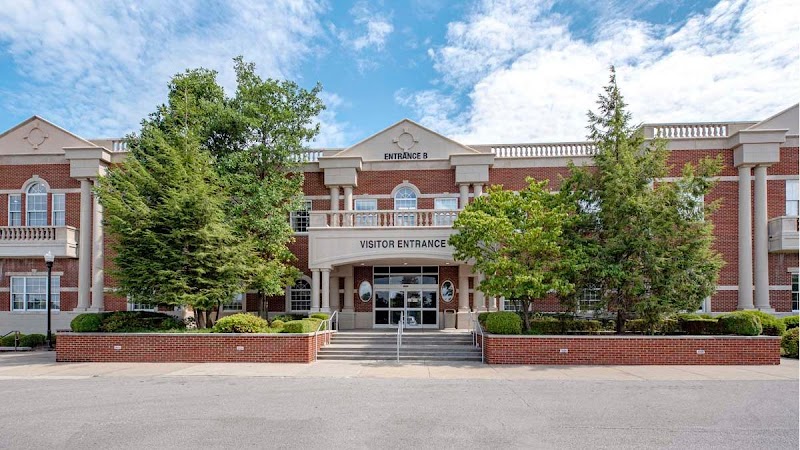
2050 VERSAILLES ROAD, LEXINGTON, KY 40504 (859) 254-4570
For profit - Corporation 74 Beds Independent Data: November 2025
Trust Grade
93/100
#3 of 266 in KY
Last Inspection: November 2023

Within standard 12-15 month inspection cycle. Federal law requires annual inspections.

Overview

Cardinal Hill Skilled Rehabilitation Unit in Lexington, Kentucky, has received a Trust Grade of A, indicating it is an excellent facility that is highly recommended. It ranks #3 out of 266 nursing homes in Kentucky, placing it in the top tier, and is the best option among the 13 facilities in Fayette County. The facility is improving, with a decrease in reported issues from two in 2023 to one in 2025. Staffing is a strong point, earning a 5/5 rating with a low turnover rate of 28%, which is significantly better than the state average. Notably, there have been no fines, and the facility offers more registered nurse coverage than 95% of Kentucky facilities, ensuring quality care. However, there have been concerns raised during inspections, including one incident where a resident's report of missing money was not reported within the required timeframe, and another where a resident's care plan did not include important anticoagulant medication details. Additionally, a cleanliness issue was noted regarding food storage areas. While there are strengths in staffing and overall ratings, these incidents indicate areas that need attention for continued improvement.

Trust Score
A
93/100
In Kentucky
#3/266
Top 1%
Safety Record
Low Risk
No red flags
Inspections
Getting Better
2 → 1 violations
Staff Stability
✓ Good
28% annual turnover. Excellent stability, 20 points below Kentucky's 48% average. Staff who stay learn residents' needs.
Penalties
✓ Good
No fines on record. Clean compliance history, better than most Kentucky facilities.
Skilled Nurses
✓ Good
Each resident gets 96 minutes of Registered Nurse (RN) attention daily — more than 97% of Kentucky nursing homes. RNs are the most trained staff who catch health problems before they become serious.
Violations
✓ Good
Only 5 deficiencies on record. Cleaner than most facilities. Minor issues only.
★★★★★
5.0
Overall Rating
★★★★★
5.0
Staff Levels
★★☆☆☆
2.0
Care Quality
★★★★☆
4.0
Inspection Score
Stable
2023: 2 issues
2025: 1 issues

The Good

  • 5-Star Staffing Rating · Excellent nurse staffing levels
  • Low Staff Turnover (28%) · Staff stability means consistent care
  • Full Sprinkler Coverage · Fire safety systems throughout facility
  • No fines on record
  • Staff turnover is low (28%)

    20 points below Kentucky average of 48%

Facility shows strength in staffing levels, staff retention, fire safety.

The Bad

No Significant Concerns Identified

This facility shows no red flags. Among Kentucky's 100 nursing homes, only 1% achieve this.

The Ugly 5 deficiencies on record

Aug 2025 1 deficiency
CONCERN (D) 📢 Someone Reported This

A family member, employee, or ombudsman was alarmed enough to file a formal complaint

Potential for Harm - no one hurt, but risky conditions existed

Report Alleged Abuse (Tag F0609)

Could have caused harm · This affected 1 resident

**NOTE- TERMS IN BRACKETS HAVE BEEN EDITED TO PROTECT CONFIDENTIALITY** Based on interview, record review, and review of the facility's policy, the facility failed to report misappropriation within 24...

Read full inspector narrative →
**NOTE- TERMS IN BRACKETS HAVE BEEN EDITED TO PROTECT CONFIDENTIALITY** Based on interview, record review, and review of the facility's policy, the facility failed to report misappropriation within 24 hours for 1 of 2 sampled residents investigated for misappropriation, Resident (R) 74.It was reported on 11/09/2024 at 7:05 PM per e-mail to the Director of Nursing (DON) and the Administrator that R74 reported missing money from his wallet. However, the Administrator did not report the incident to the required entities until 11/11/2024. The findings include:Review of the facility's policy titled, Allegations of Abuse/Neglect, effective date 06/11/2025, revealed all alleged incidents involving mistreatment, neglect, or abuse including injuries of unknown origin and misappropriation of resident's property would be reported immediately to the facility Administration, and appropriate state agencies would be notified by the facility's Administration within two hours.Review of R74's admission Record revealed the facility initially admitted the resident on 09/21/2024 with diagnoses which included atrial fibrillation, osteoarthritis, and congestive heart failure. He was admitted to the hospital on [DATE] for altered mental status and shortness of air. Per the record, the facility readmitted R74 on 10/31/2024.Review of R74's admission Minimum Data Set [MDS], with an Assessment Reference Date of 09/23/2024, revealed the facility assessed the resident to have a Brief Interview for Mental Status [BIMS] score of 14 out of 15, indicating intact cognition.Review of the Belongings Section, of R74's electronic health record, dated 09/23/2024, revealed no mention of money.Review of the e-mail from Registered Nurse (RN) 1 to the Director of Nursing and the Administrator on 11/09/2024 at 7:05 PM revealed a nurse notified her that R74 reported he was missing money from his wallet. In an interview with R74 on 08/13/2025 at 12:56 PM, he stated he did not remember the details, but he did have money missing from his wallet while he was admitted to the facility. He stated he reported it to the nurse and had not heard anything about the issue.The State Survey Agency (SSA) Surveyor attempted to reach RN1 for a telephone interview on 08/13/2025 and left a voice message for a return call. However, RN1 did not return the call.In an interview with the Director of Nursing (DON) on 08/13/2025 at 1:35 PM, she stated when the facility admitted a resident, the nurse could either enter the resident's belongings in the computer or put the information on a paper list. She stated if the nurse documented the belongings on paper, it was scanned into the resident's chart. The DON further stated when there was misappropriation of property, it should be reported as quickly as possible. However, she stated she did not know the timeframe for the report. She stated she was not part of the on-call process. She stated the Administrator was responsible for reporting any allegation of abuse.In an interview with the Administrator on 08/13/2025 at 2:04 PM, she stated the process for reporting misappropriation of property on the weekends was to report to her as soon as possible. She stated she was not sure what the regulations stated about the time for reporting misappropriation of property, but she thought it was 24 to 48 hours. She stated she reported the incident as soon as she was made aware. She stated she remembered the case and could not validate that anyone took R74's money. She stated she also had all the residents in the area questioned, and no other resident reported missing money.
Nov 2023 2 deficiencies
CONCERN (D)

Potential for Harm - no one hurt, but risky conditions existed

Deficiency F0655 (Tag F0655)

Could have caused harm · This affected 1 resident

4. A review of Resident #125's Coding Worksheet, indicated the facility admitted Resident #125 on 11/21/2023, with diagnoses that included orthopedic aftercare, personal history of other venous (relat...

Read full inspector narrative →
4. A review of Resident #125's Coding Worksheet, indicated the facility admitted Resident #125 on 11/21/2023, with diagnoses that included orthopedic aftercare, personal history of other venous (related to a vein) thrombosis (formation of a blood clot) and embolism (obstruction of an artery), and long-term use of anticoagulants A review of Resident #125's physician orders revealed an order dated 11/22/2023, for enoxaparin (an anticoagulant medication that helped to prevent the formation of blood clots) 40 milligrams subcutaneous (applied under the skin) daily for deep vein thrombosis (DVT) prophylaxis (an action taken to prevent disease). A review of Resident #125's Interdisciplinary Plan of Care, dated 11/22/2023, did not include the resident's use of anticoagulant medication. During an interview on 11/30/2023 at 10:16 AM, the Licensed Practical Nurse (LPN) Minimum Data Set (MDS) Coordinator and the Registered Nurse (RN) MDS Coordinator stated the baseline care plan was initiated by the admitting nurse and if the nurse had knowledge the resident used a CPAP or BiPAP machine, it should be listed on the baseline care plan. During an interview on 11/30/2023 at 10:35 AM, the Director of Nursing (DON) stated the baseline care plan was initiated by the admitting nurse. The DON stated the use of a CPAP or BiPAP machine and anticoagulant medication should be included on a resident's baseline care plan. During an interview on 11/30/2023 at 10:40 AM, the Administrator stated care plans should be person-centered, accurate, and completed timely. The Administrator stated the use of high-risk medication and specialized equipment, such as CPAP or BiPAP machine, should be included on a resident's care plan. Based on observations, record reviews, interviews, and facility policy review, the facility failed to ensure baseline care plans included monitoring of high-risk medications and the use of non-invasive mechanical ventilators for four (4) of twelve (12) sampled residents (Residents #14, #82, #83, and #125). Findings included: A review of the facility policy titled, Baseline Care Plan, with an effective and initial date of 11/29/2023, revealed, The purpose of the facility Baseline Care Plan Policy is to outline a process for development of an initial person-centered care plan within the first 48 hours of admission, that will provide instructions for care of the resident. Completion and implementation of the baseline care plan within 48 hours of a resident's admission is intended to promote continuity of care and communication among nursing home staff, increase resident safety, and safeguard against adverse events that are most likely to occur right after admission; and to ensure the resident and representative, if applicable, are informed of the initial plan for delivery of care and services by receiving a written summary of the baseline care plan. The policy specified, The facility must develop and implement a baseline care plan for each resident that includes the instructions needed to provide effective and person-centered care of the resident that meet professional standards of quality care. The baseline care plan must - (i) Be developed within 28 hours of a resident's admission. (ii) Include the minimum healthcare information necessary to properly care for a resident including, but not limited to - (A) Initial goals based on admission orders. (B) Physician orders. (C) Dietary orders (D) Therapy services. 1. A review of Resident #14's Coding Worksheet, indicated the facility admitted Resident #14 on 11/14/2023, with diagnoses that included obstructive sleep apnea and dependence on supplemental oxygen. A review of Resident #14's admission Minimum Data Set (MDS), with an Assessment Reference Date (ARD) of 11/21/2023, revealed Resident #14 used oxygen therapy. A review of Resident #14's physician orders revealed an order dated 11/16/2023, for continuous positive airway pressure (CPAP) every night with home settings. A review of Resident #14's Interdisciplinary Plan of Care, with an admit date of 11/14/2023, did not include the resident's respiratory diagnosis of obstructive sleep apnea or the use of a non-invasive mechanical ventilator. On 11/27/2023 at 11:27 AM, the surveyor observed a CPAP machine (a machine that used mild air pressure to keep breathing airways open during sleep) on a stand next to Resident #14's bed. 2. A review of Resident #82's Facesheet, indicated the facility admitted Resident #82 on 11/14/2023. A review of Resident #82's physician orders revealed an order dated 11/14/2023, for continuous positive airway pressure (CPAP). A review of Resident #82's Interdisciplinary Plan of Care, with an admit date of 11/14/2023, did not include the resident's use of a non-invasive mechanical ventilator. On 11/27/2023 at 2:56 PM, the surveyor observed a CPAP machine (a machine that used mild air pressure to keep breathing airways open during sleep) on the nightstand next to Resident #82's bed. 3. A review of Resident #83's Coding Worksheet, indicated the facility admitted Resident #83 on 11/18/2023, with diagnoses that included obstructive sleep apnea and dependence on other enabling machines and devices. A review of Resident #83's admission Minimum Data Set (MDS), with an Assessment Reference Date (ARD) of 11/25/2023, revealed Resident #83 used a non-invasive mechanical ventilator. A review of Resident #83's physician orders revealed an order dated 11/18/2023, for bi-level positive airway pressure (BiPAP) every night at bedtime. A review of Resident #83's Interdisciplinary Plan of Care, with an admit date of 11/18/2023, did not include the resident's use of a non-invasive mechanical ventilator. On 11/27/2023 at 11:37 AM, the surveyor observed a BiPAP machine (a machine which normalized breathing by delivery of pressurized air) on a stand next to Resident #83's bed.
CONCERN (D)

Potential for Harm - no one hurt, but risky conditions existed

Quality of Care (Tag F0684)

Could have caused harm · This affected 1 resident

Based on interviews, record review, and policy review, it was determined the facility failed to ensure there was evidence to indicate staff followed the physician's orders to obtain a finger stick blo...

Read full inspector narrative →
Based on interviews, record review, and policy review, it was determined the facility failed to ensure there was evidence to indicate staff followed the physician's orders to obtain a finger stick blood sugar (FSBS) for one (1) of one (1) sampled resident reviewed for insulin use (Resident #6). Findings included: A review of the facility's policy titled, Diabetic Patient, reviewed on 06/28/2023, revealed, 1. Follow medical provider orders. A review of Resident #6's Coding Worksheet, revealed the facility admitted Resident #6 on 11/01/2023 with diagnoses to include type 2 diabetes mellitus. A review of Resident #6's physician orders revealed an order dated 11/01/2023, for glucose testing before meals and at bedtime. A review of Resident #6's admission Minimum Data Set (MDS), with an Assessment Reference Date (ARD) of 11/08/2023, revealed Resident #6 had a Brief Interview for Mental Status (BIMS) score of fifteen (15), which indicated the resident was cognitively intact. A review of Resident #6's care plan initiated on 11/13/2023 revealed the resident had diabetes. Interventions directed staff to monitor the resident's finger stick blood sugar (FSBS) as ordered by the medical provider and document. A review of Resident #6's Flowsheet Print Request, for the time period 11/01/23 to 11/29/2023, revealed no evidence staff checked Resident #6's blood sugar as ordered by the physician. A review of the Resident #6's Flowsheet Print Request, for the time period 11/01/2023 to 11/29/2023, revealed the resident's blood sugar was not checked on 11/01/2023 before breakfast and lunch; on 11/07/2023 at bedtime; on 11/08/2023 before breakfast, lunch, dinner, and bedtime; on 11/09/2023 before breakfast, lunch, and at bedtime; on 11/10/2023 before breakfast, lunch, and at bedtime; on 11/11/2023 at bedtime; on 11/12/2023 before breakfast; on 11/13/2023 before breakfast; on 11/14/2023 before lunch, dinner, and at bedtime; on 11/15/2023 before lunch, dinner, and at bedtime; on 11/16/2023 before breakfast and at bedtime; on 11/17/2023 before breakfast, lunch, and dinner; on 11/18/2023 before breakfast and lunch; on 11/19/2023 before breakfast and at bedtime; on 11/20/2023 before dinner and at bedtime; on 11/21/2023 before breakfast, lunch, and at bedtime; on 11/22/2023 before breakfast, lunch, and at bedtime; on 11/24/2023 before lunch, dinner, and at bedtime; on 11/25/2023 before breakfast, lunch, and dinner; on 11/26/2023 before dinner; on 11/27/2023 at bedtime; and on 11/28/2023 before breakfast and at bedtime. In an interview on 11/27/2023 at 1:32 PM, Resident #6 stated their FSBS was not checked before meals at the facility. During an interview on 11/29/2023 at 1:04 PM, Licensed Practical Nurse (LPN) #2 stated Resident #6 should have their FSBS (BS NOT FSBS) checked four times a day. LPN #2 reviewed Resident #6's Flowsheet Print Request and stated staff had not checked the resident's FSBS at bedtime as ordered by the physician. LPN #2 also reported the resident's FSBS was not checked as ordered on 11/28/2023 before breakfast or at bedtime. In an interview on 11/30/2023 at 9:41 AM, the Director of Nursing (DON) stated staff should follow the physician's orders for obtaining a resident's FSBS. The DON stated Resident #6 should have their FSBS checked before meals and at bedtime. The DON stated it was the nurse's responsibility to ensure the FSBSs were obtained and recorded in the resident's electronic medical record (EMR). The DON reviewed Resident #6's Flowsheet Print Request and acknowledged the staff did not check the resident's FSBS as ordered by the physician. During an interview on 11/30/2023 at 12:11 PM, the Administrator stated she would expect the staff to follow physician orders and the facility policy for obtaining a resident's FSBS. Per the Administrator, it was the nurse's responsibility to ensure FSBS results were obtained and recorded in the resident's EMR.
Feb 2019 2 deficiencies
CONCERN (D)

Potential for Harm - no one hurt, but risky conditions existed

Infection Control (Tag F0880)

Could have caused harm · This affected 1 resident

**NOTE- TERMS IN BRACKETS HAVE BEEN EDITED TO PROTECT CONFIDENTIALITY** Based on observation, interview, and review of facility Policies, it was determined the facility failed to establish and maintai...

Read full inspector narrative →
**NOTE- TERMS IN BRACKETS HAVE BEEN EDITED TO PROTECT CONFIDENTIALITY** Based on observation, interview, and review of facility Policies, it was determined the facility failed to establish and maintain an infection prevention and control program designed to provide a safe, sanitary environment and to help prevent the development and transmission of communicable diseases and infections. Observation on 02/12/19, revealed Registered Nurse (RN) #1 performed a blood sugar fingerstick on Resident #115, and then placed the glucometer into the docking station without disinfecting the glucometer after use. ( A glucometer is a device used to measure the glucose in the blood). The findings include: Review of the facility's Policy, titled Care of Equipment revised 11/28/16, revealed equipment will be maintained to promote optimal use and appropriate infection control practices. Further review revealed all durable medical equipment is to be cleaned between each patient use. Review of the facility's Policy, titled Laboratory Policy and Procedure, undated, revealed the machine (glucometer, ACCU-CHEK Inform II System) is to be cleaned between use and whenever soiled with ten percent (10%) bleach towelette, or less than one percent (<1%) ammonium chloride (SANI-CLOTH) towelette. Review of the Manufacturer's Directions for the [NAME] ACCU-CHEK Inform II System, revised 02/01/13 revealed the meter must be cleaned with a damp (not wet) SANI-WIPE after each patient use. Observation on 02/12/19 at 11:19 AM, revealed RN #1 performed a finger stick on Resident #115. After performing the finger stick, RN#1 placed the glucometer into the docking station without disinfecting the glucometer. Interview with RN #1 during the observation, revealed the glucometers were to be cleaned once a day with a SANI-CLOTH. Interview with RN #2 on 02/13/19 at 10:15 AM, revealed glucometers were to be cleaned after each resident use in order to prevent cross contamination of bodily fluids from resident to resident. Interview with Licensed Practical Nurse (LPN#1), on 02/13/19 at 12:45 PM, revealed glucometers were to be disinfected after each use for infection control purposes. Interview with the Director of Nursing (DON), Infection Control Nurse, and Chief Nursing Officer, on 02/13/19 at 2:00 PM, revealed it was their expectation for staff to follow policies and procedures related to the glucometer and blood glucose testing. Per interview, the glucometers should be cleaned after each use to prevent the spread of infection and for resident safety.
CONCERN (F)

Potential for Harm - no one hurt, but risky conditions existed

Food Safety (Tag F0812)

Could have caused harm · This affected most or all residents

2. Review of the facility's Policy, titled Care and Monitoring of Equipment in Patient Dining/Kitchenette Area of Inpatient Rehabilitation Units, reviewed 01/16/17, revealed food and nutrition product...

Read full inspector narrative →
2. Review of the facility's Policy, titled Care and Monitoring of Equipment in Patient Dining/Kitchenette Area of Inpatient Rehabilitation Units, reviewed 01/16/17, revealed food and nutrition products will be stored under proper conditions of sanitation, temperature, and security to maintain product stability. Care and upkeep of equipment on nursing units is the responsibility of Dietary, Housekeeping and Nursing Staff. Continued review of the Policy, revealed refrigerators and cabinets will be cleaned and wiped out monthly, or more frequently as needed, with a hospital approved disinfectant by Dietary staff. Further review revealed, all personnel are responsible for cleaning up spills. Observation on 02/12/19 at 3:10 PM, of the nourishment refrigerator on the skilled unit, revealed there was a dried yellow, sticky substance on a compartment door located on the interior side of the refrigerator door and a large amount of dried reddish, sticky, substance on the floor of the refrigerator. Food crumbs were also scattered on the floor of the refrigerator. Interview on 02/13/19 at 10:06 AM, with Rehab Nursing Technician (RNT) #1 and RNT #2, on the skilled unit, revealed Dietary Staff was in charge of the nourishment refrigerator being stocked, and nursing staff on the unit would clean up any spills. Interview on 02/13/19 at 10:10 AM, with the Nutrition Services Aide (NSA) #1, revealed she was primarily responsible for stocking the nourishment refrigerator on the skilled unit, and occasionally cleaned up spills that were really bad. NSA #1 further stated she was not sure who was responsible for cleaning the nourishment refrigerator. Interview on 02/13/19 at 10:30 AM, with the Director of Nursing (DON), revealed Dietary Staff stocked the nourishment refrigerator and cleaned the inside and Housekeeping cleaned the outside. She stated she had reminded nursing staff to clean up spills in the nourishment refrigerator if they should see them. Interview on 02/13/19 at 2:41 AM, with the Account/ Dietary Manager, revealed she was unaware there was a policy regarding the maintenance of the refrigerators and that dietary was ultimately responsible for cleaning inside the nourishment refrigerators. Interview on 02/13/19 at 3:54 PM, with the Chief Nursing Officer/Administrator, revealed spills in the nourishment refrigerator could foster harmful bacteria and needed to be cleaned up right away. Based on observation, interview, and review of facility Policy, it was determined the facility failed to prepare and serve food under sanitary conditions. Observation on 02/12/19 of the lunch meal service, revealed Dietary Staff failed to use proper hand hygiene as necessary during tray line. Also, during the same lunch meal service, Dietary Staff was observed to wash hands in less than five (5) seconds. In addition, observation during the same lunch meal service, revealed staff failed to obtain food temperatures using proper technique to prevent cross contamination of foods. Furthermore, observation on 02/12/19, of the nourishment refrigerator on the skilled unit, revealed there was dried residue and food crumbs. The findings include: 1. Review of the facility Policy titled Hand Hygiene dated 03/04/18, revealed the purpose of hand hygiene is to decrease the risk of transmission of infection by appropriate hand hygiene. Hand washing is the most important means of preventing the spread of infection. All employees are to use proper hand hygiene and hand washing techniques within the facility. Wash hands after removing gloves, before and after handling food. Continued review of the Policy, revealed proper hand washing technique includes: turning water on, and moistening hands with soap and water into a heavy lather; washing hands under running water for a minimum of twenty (20) seconds with a rotary motion and friction; rinsing hands under running water; turn off the faucet with a paper towel; and dry hands with a clean paper towel and discard. Observation on 02/12/19 at 10:45 AM, revealed during lunch tray line, Dietary Aide#1 ran into the tray line table. A bin fell off and spilled packaged dressing and three (3) margarine packs onto the floor. Dietary Aide# 1 picked up items from the floor; however, did not wash hands and continued to prep for the lunch tray line with the same soiled gloves. In addition, Dietary Aide # 1 was observed to touch her clothing while talking with another Dietary staff member near the lunch tray line, and then continued working on the lunch tray line. Dietary Aide# 1 subsequently washed her hands and changed her gloves; however the hand washing took less than five (5) seconds. Observation on 02/12/19 at 11:00 AM, revealed [NAME] #1 was taking food temperatures during tray line at the steam table while talking on her phone and writing with a pen. The cook then put the pen and phone in her pocket and without washing hands, proceeded to continue to take the food temperatures. Further observation revealed [NAME] #1 used one (1) sanitary wipe to sanitize the thermometer between all food items by folding the wipe over several times. Interview on 02/13/19 at 2:28 PM, with Diet Aide# 1 and Cook#1, revealed hands should be washed for at least sixty (60) seconds. Further interview revealed hands should be washed if items were touched such as clothing, phone or pen to prevent cross contamination. Additional interview revealed hands should be washed after picking up items in the floor when working in the kitchen. Further interview revealed the thermometer stem should be cleaned with a new separate wipe in between each food or the wipe could be folded over in between each food when taking food temperatures. Interview on 02/13/19 at 2:14 PM, with the Dietary Supervisor, revealed hands should be washed for fifteen (15) seconds in order to prevent cross contamination. Per interview, hands should be washed after touching clothing, or picking up items from the floor while working in the kitchen. Continued interview revealed the [NAME] and Dietary staff should have washed their hands and changed gloves after touching their phones, pen and clothes to prevent cross contamination. Further interview revealed the thermometer stem should be cleaned with a new separate wipe in between each food item when taking food temperatures to prevent cross contamination. Interview on 02/13/19 at 2:34 PM, with the Account/Dietary Manager, revealed Dietary staff was to wash hands the length of time it would take to sing Happy Birthday twice. Further interview revealed Dietary Staff should wash hands after touching their clothing, a pen or phone while working in the kitchen. Continued interview revealed Hands should be washed after picking up items from the floor to prevent cross contamination. Additional interview, revealed staff should use one (1) new wipe to clean the thermometer in between each food item while taking food temperatures to prevent cross contamination. Interview on 02/13/19 at 3:27 PM, with the Director of Nursing (DON), revealed Dietary Staff should wash hands after touching items such as their phone or clothes or pen. Further interview revealed staff should wash hands after picking items up off the floor to prevent cross contamination. Per interview, staff should wash hands for two (2) minutes. Interview on 02/13/19 at 3:36 PM, with the Chief Nursing Officer/Administrator, revealed staff were provided training concerning proper hand washing and glove usage. Per interview, staff should wash hands between serving, receiving, and preparing any type of food, and during every step of the process. Further interview revealed Dietary Staff should wash hands after touching personal items or picking items up off the floor. Per interview, germs were on all surfaces and could transfer and contaminate food items. Continued interview revealed staff should wash hands thoroughly for thirty (30) seconds. Additional interview revealed food the correct process for obtaining food temperatures was to clean the thermometer with a new wipe between obtaining temperatures of different food items to prevent cross contamination.
Understanding Severity Codes (click to expand)
Life-Threatening (Immediate Jeopardy)
J - Isolated K - Pattern L - Widespread
Actual Harm
G - Isolated H - Pattern I - Widespread
Potential for Harm
D - Isolated E - Pattern F - Widespread
No Harm (Minor)
A - Isolated B - Pattern C - Widespread

Questions to Ask on Your Visit

  • "Can I speak with families of current residents?"
  • "What's your RN coverage like on weekends and overnight?"

Our Honest Assessment

Strengths
  • • Grade A (93/100). Above average facility, better than most options in Kentucky.
  • • No major safety red flags. No abuse findings, life-threatening violations, or SFF status.
  • • No fines on record. Clean compliance history, better than most Kentucky facilities.
  • • Only 5 deficiencies on record. Cleaner than most facilities. Minor issues only.
Concerns
  • • No significant concerns identified. This facility shows no red flags across CMS ratings, staff turnover, or federal penalties.
Bottom line: Generally positive indicators. Standard due diligence and a personal visit recommended.

About This Facility

What is Cardinal Hill Skilled Rehabilitation Unit's CMS Rating?

CMS assigns CARDINAL HILL SKILLED REHABILITATION UNIT an overall rating of 5 out of 5 stars, which is considered much above average nationally. Within Kentucky, this rating places the facility higher than 99% of the state's 100 nursing homes. This rating reflects solid performance across the metrics CMS uses to evaluate nursing home quality.
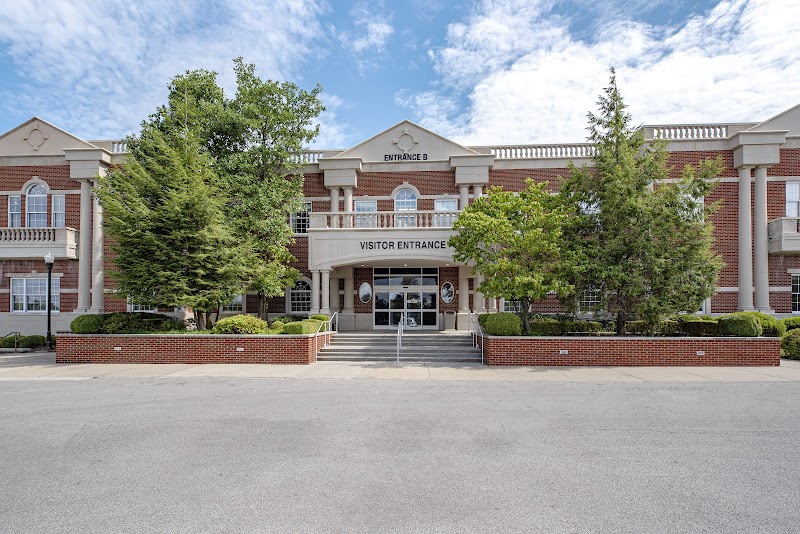
How is Cardinal Hill Skilled Rehabilitation Unit Staffed?

CMS rates CARDINAL HILL SKILLED REHABILITATION UNIT's staffing level at 5 out of 5 stars, which is much above average compared to other nursing homes. Staff turnover is 28%, compared to the Kentucky average of 46%. This relatively stable workforce can support continuity of care.

What Have Inspectors Found at Cardinal Hill Skilled Rehabilitation Unit?

State health inspectors documented 5 deficiencies at CARDINAL HILL SKILLED REHABILITATION UNIT during 2019 to 2025. These included: 5 with potential for harm.
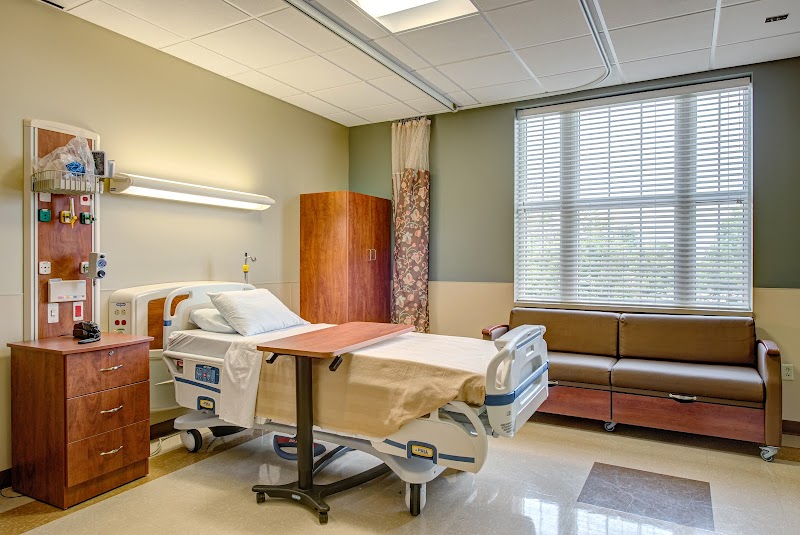
Who Owns and Operates Cardinal Hill Skilled Rehabilitation Unit?

CARDINAL HILL SKILLED REHABILITATION UNIT is owned by a for-profit company. For-profit facilities operate as businesses with obligations to shareholders or private owners. The facility operates independently rather than as part of a larger chain. With 74 certified beds and approximately 34 residents (about 46% occupancy), it is a smaller facility located in LEXINGTON, Kentucky.
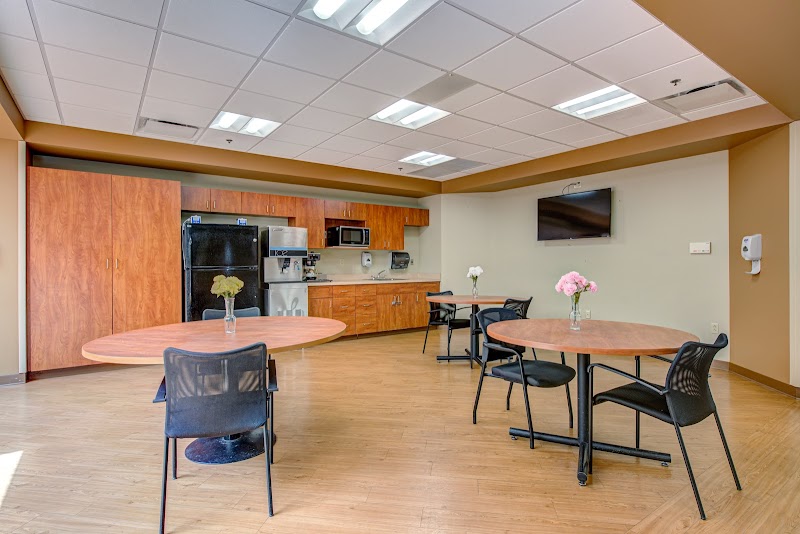
How Does Cardinal Hill Skilled Rehabilitation Unit Compare to Other Kentucky Nursing Homes?

Compared to the 100 nursing homes in Kentucky, CARDINAL HILL SKILLED REHABILITATION UNIT's overall rating (5 stars) is above the state average of 2.8, staff turnover (28%) is significantly lower than the state average of 46%, and health inspection rating (4 stars) is above the national benchmark.

What Should Families Ask When Visiting Cardinal Hill Skilled Rehabilitation Unit?

Based on this facility's data, families visiting should ask: "Can I visit during a mealtime to observe dining assistance and food quality?" "How do you handle medical emergencies, and what is your hospital transfer rate?" "Can I speak with family members of current residents about their experience?"

Is Cardinal Hill Skilled Rehabilitation Unit Safe?

Based on CMS inspection data, CARDINAL HILL SKILLED REHABILITATION UNIT has a clean safety record: no substantiated abuse findings (meaning no confirmed cases of resident harm), no Immediate Jeopardy citations (the most serious violation level indicating risk of serious injury or death), and is not on the Special Focus Facility watch list (a federal program monitoring the lowest-performing 1% of nursing homes). The facility has a 5-star overall rating and ranks #1 of 100 nursing homes in Kentucky. While no facility is perfect, families should still ask about staff-to-resident ratios and recent inspection results during their visit.

Do Nurses at Cardinal Hill Skilled Rehabilitation Unit Stick Around?

Staff at CARDINAL HILL SKILLED REHABILITATION UNIT tend to stick around. With a turnover rate of 28%, the facility is 18 percentage points below the Kentucky average of 46%. Low turnover is a positive sign. It means caregivers have time to learn each resident's needs, medications, and personal preferences. Consistent staff also notice subtle changes in a resident's condition more quickly. Registered Nurse turnover is also low at 11%, meaning experienced RNs are available to handle complex medical needs.

Was Cardinal Hill Skilled Rehabilitation Unit Ever Fined?

CARDINAL HILL SKILLED REHABILITATION UNIT has no federal fines on record. CMS issues fines when nursing homes fail to meet care standards or don't correct problems found during inspections. The absence of fines suggests the facility has either maintained compliance or corrected any issues before penalties were assessed. This is a positive indicator, though families should still review recent inspection reports for the full picture.

Is Cardinal Hill Skilled Rehabilitation Unit on Any Federal Watch List?

CARDINAL HILL SKILLED REHABILITATION UNIT is not on any federal watch list. The most significant is the Special Focus Facility (SFF) program, which identifies the bottom 1% of nursing homes nationally based on persistent, serious quality problems. Not being on this list means the facility has avoided the pattern of deficiencies that triggers enhanced federal oversight. This is a positive indicator, though families should still review the facility's inspection history directly.