Hermitage Care and Rehabilitation Center

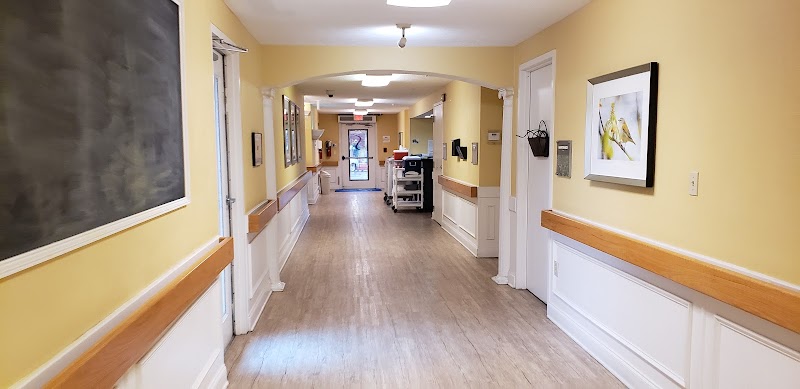
1614 West Parrish Avenue, Owensboro, KY 42301 (270) 684-4559
For profit - Limited Liability company 92 Beds SIGNATURE HEALTHCARE Data: November 2025
Trust Grade
80/100
#59 of 266 in KY
Last Inspection: February 2025

Within standard 12-15 month inspection cycle. Federal law requires annual inspections.

Overview

Hermitage Care and Rehabilitation Center has a Trust Grade of B+, which means it is above average and recommended for families considering care options. It ranks #59 out of 266 facilities in Kentucky, placing it in the top half, and #3 out of 7 in Daviess County, indicating only two local options are better. The facility is improving, with issues decreasing from three in 2018 to just one in 2025. Staffing is a strength here, with a rating of 4 out of 5 stars and a turnover rate of 39%, which is below the state average of 46%, meaning caregivers are likely to be familiar with residents' needs. There have been no fines, which is a positive sign, and there is more RN coverage than 88% of Kentucky facilities, ensuring better oversight of resident care. However, there are some concerns. Recent inspections revealed that food storage practices were not up to standard, with refrigerated foods not properly dated and labeled, which could impact resident safety. Additionally, there was an incident where a dietary aide failed to wash their hands during meal service, posing a risk of contamination. Lastly, the facility did not consistently notify the appropriate representatives of resident transfers, which may affect residents' rights. While there are strengths in staffing and oversight, families should consider these issues when making a decision.
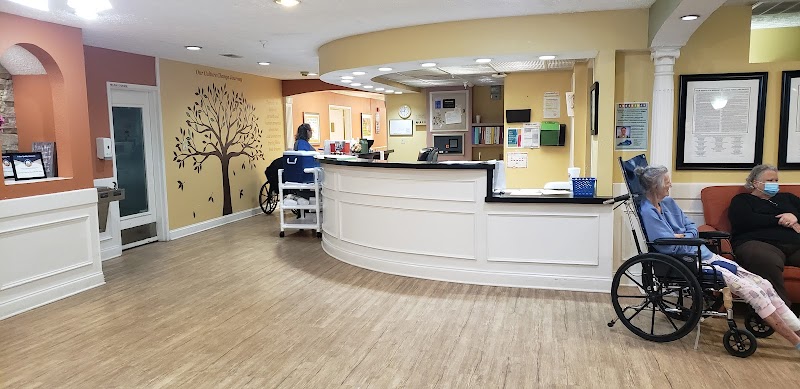
Trust Score
B+
80/100
In Kentucky
#59/266
Top 22%
Safety Record
Low Risk
No red flags
Inspections
Getting Better
3 → 1 violations
Staff Stability
○ Average
39% turnover. Near Kentucky's 48% average. Typical for the industry.
Penalties
✓ Good
No fines on record. Clean compliance history, better than most Kentucky facilities.
Skilled Nurses
✓ Good
Each resident gets 60 minutes of Registered Nurse (RN) attention daily — more than 97% of Kentucky nursing homes. RNs are the most trained staff who catch health problems before they become serious.
Violations
✓ Good
Only 4 deficiencies on record. Cleaner than most facilities. Minor issues only.
★★★★☆
4.0
Overall Rating
★★★★☆
4.0
Staff Levels
★★★★☆
4.0
Care Quality
★★★★☆
4.0
Inspection Score
Stable
2018: 3 issues
2025: 1 issues

The Good

  • 4-Star Staffing Rating · Above-average nurse staffing levels
  • 4-Star Quality Measures · Strong clinical quality outcomes
  • Full Sprinkler Coverage · Fire safety systems throughout facility
  • No fines on record
  • Staff turnover below average (39%)

    9 points below Kentucky average of 48%

Facility shows strength in staffing levels, quality measures, fire safety.

The Bad

Staff Turnover: 39%

Near Kentucky avg (46%)

Typical for the industry

Chain: SIGNATURE HEALTHCARE

Part of a multi-facility chain

Ask about local staffing decisions and management

The Ugly 4 deficiencies on record

Feb 2025 1 deficiency
CONCERN (F)

Potential for Harm - no one hurt, but risky conditions existed

Food Safety (Tag F0812)

Could have caused harm · This affected most or all residents

Based on observation, interview, and review of facility policy, the facility failed to store food in accordance with professional standards for food service safety. Observation revealed refrigerated ...

Read full inspector narrative →
Based on observation, interview, and review of facility policy, the facility failed to store food in accordance with professional standards for food service safety. Observation revealed refrigerated foods were not dated, labeled, and/or discarded in a timely manner. Those failures had the potential to affect 86 of 87 residents in the facility who consumed food from the kitchen. The findings include: Review of the facility policy, Food Storage, Cold Foods, revised 02/2023, revealed, all Time Temperature Control (TCS) for safety foods, frozen and refrigerated, would be appropriately stored in accordance with guidelines of the Food and Drug Administration (FDA) Food Code. Further review revealed all foods were to be stored wrapped or in covered containers, labeled and dated, and arranged in a manner to prevent cross-contamination. Review of the facility's, Food Storage and Retention Guide, dated 2017, revealed, ready to eat prepared foods, such as leftovers, deli salads, and cut produce, when refrigerated at 41 degrees Fahrenheit (F) or less was good up to seven days and poultry or seafood, once thawed, was one-two (1-2) days. Observation on 02/12/2025 at 10:27 AM, during the initial kitchen tour with the Certified Dietary Manager (CDM), revealed two large ziploc bags of raw chicken breasts stored in a container that was dated 02/07/2025; one large bag of chopped meat that the CDM identified as chicken, not sealed with no label or date; and a large bag of deli meat (ham), dated 01/31/2025 with a use by date of 02/07/2025. Continued observation of the freezer revealed a ziploc bag with seven frozen hamburger patties that were not not labeled or dated. Further observation of an upright freezer revealed it contained a plastic bag labeled italian sausage that was dated 10/01/2024. In interview with the CDM and the Dietary District Manager on 02/14/2025 at 8:41 AM, the CDM stated the process for labeling stored foods was items were to have a label identifying what the item was, an opened date and a use by date. She stated foods could be dated for seven days. The CDM said she expected staff to label and date all food items before placing them in the coolers. She reported all staff were responsible for labeling and dating items as well as checking the coolers. The CDM further stated outcomes for residents eating out of date or expired foods could be be nausea and vomiting. In interview with the Director of Nursing (DON) and the Administrator on 02/14/2025 at 1:09 PM, the DON stated her expectations for the kitchen was for them to follow their guidelines for labeling and dating food items. She stated an outcome for residents was they could become sick with stomach issues. The Administrator stated he did not have any different expectation than the DON.
Aug 2018 3 deficiencies
CONCERN (D)

Potential for Harm - no one hurt, but risky conditions existed

Transfer Notice (Tag F0623)

Could have caused harm · This affected 1 resident

Based on interview, record review and review of the facility policy, it was determined the facility failed to ensure a written notice of transfer/discharge, which included the reason for the resident'...

Read full inspector narrative →
Based on interview, record review and review of the facility policy, it was determined the facility failed to ensure a written notice of transfer/discharge, which included the reason for the resident's transfer, was sent to a representative of the Office of the State Long-Term Care Ombudsman for one (1) of nineteen (19) sampled residents (Resident #43), and one (1) resident not in the selected sample (Resident #77). Record review for Resident #43 and Resident #77, revealed no documented evidence a representative of the Office of the State Long-Term Care Ombudsman was notified of resident transfers. The finding include: Review of the facility policy titled, Transfer/Discharge Notice, last reviewed 12/06/16, revealed before the transfer or discharge occurs, the facility will notify the resident and, the resident's representative of the transfer or discharge and the reasons for the move in writing in a language and manner they understand. Send a copy of the transfer or discharge notice to a representative of the Office of the State Long Term Care Ombudsman. The facility's notice will include an explanation of the right of appeal to transfer to the State as well as the name, address, and phone number of the State Long-Term Care Ombudsman, and the facility will send a copy of the transfer or discharge notice to a representative of the State Long-Term Care Ombudsman. According to 42 CFR 483.15(c)(4)(ii)(D). Copies of notices for emergency transfers must also still be sent to the ombudsman, but they may be sent when practicable, such as in a list of residents on a monthly basis. 1. Record review revealed the facility admitted Resident #43 on 10/25/13 with diagnoses which included Encephalopathy, Alzheimer's Disease, Transient alterations of awareness, Ataxia, Urinary Tract Infections, Parkinson's Disease, Major Depression, Anxiety Disorder, and Type two (2) Diabetes. Review of a Physician Order dated 06/12/18, revealed to send to emergency room (ER) for evaluation and treatment. However; further review of the medical record revealed there was no documented evidence a representative of the Office of the State Long-Term Care Ombudsman was notified of the resident's transfer to the local hospital. 2. Record review revealed the facility admitted Resident #77 on 02/25/18, with diagnoses which included Ataxia, Anxiety Disorder, and Type Two Diabetes. Review of a Physician Order dated 05/10/18, revealed Resident #77 was to be discharged home with Home Health to follow up. However; further review of the medical record revealed there was no documented evidence a representative of the Office of the State Long-Term Care Ombudsman was notified of the resident's transfer to the local hospital. Interview with the Business Office Manager (BOM) on 08/08/18 at 3:55 PM, revealed she was not aware she was required to notify a representative of the State Ombudsman office when a resident was transferred out of the facility. She stated she only notified a representative of the State Ombudsman office when they have involuntary discharges. Interview with the facility Administrator on 08/08/18 at 4:00 PM, revealed he was not aware the facility was to notify a representative of the Office of the State Long-Term Care Ombudsman office when a resident was transferred out. He was only aware the facility needed to make a representative of the State Ombudsman office aware of all involuntary discharges. He revealed he had recently had a conversation with the local Ombudsman regarding involuntary discharge notifications, and the local Ombudsman informed him she did not want a notification after every single involuntary discharge just to keep a list of the involuntary discharges and send the list of involuntary discharges to her periodically. Further interview at 4:49 PM, revealed after reading the interpretative guidance of F-623 and after our discussion regarding the new regulation, he did see that the Ombudsman's office was to be notified of all discharges, and not just involuntary discharges.
CONCERN (D)

Potential for Harm - no one hurt, but risky conditions existed

Deficiency F0658 (Tag F0658)

Could have caused harm · This affected 1 resident

Based on observation, record review, interview, and facility policy review, it was determined the facility failed to ensure medication administration met professional standards of quality for one (1) ...

Read full inspector narrative →
Based on observation, record review, interview, and facility policy review, it was determined the facility failed to ensure medication administration met professional standards of quality for one (1) of nineteen (19) sampled residents (Resident #10). Observation on 08/07/18 of a medication cart revealed a syringe containing a dose of reconstituted Risperdal Consta that had not been administered. The findings include: Review of the facility policy, Medication Administration General Guidelines, last revised May 2016, revealed medications are to be administered at the time they are prepared and medications are administered in accordance with written orders of the prescriber. Further review of the policy revealed medications are administered within sixty (60) minutes of scheduled time, except before or after meal orders, which are administered based on mealtimes. Record review revealed the facility admitted Resident #10 on 06/18/16, with diagnoses which included Major Depressive Disorder and other recurrent Depressive Disorders. Review of Resident #10's Physicians Orders dated August 2018, revealed an order for Risperdal Consta 25 mg syringe to be given intramuscularly every two (2) weeks at 9:00 AM . Observation of a medication care on A Hall, on 08/08/18 at 2:15 PM, revealed a syringe of reconstituted Risperdal Consta 25 milligram (MG) in the top drawer for Resident #10. Interview with Licensed Practical Nurse (LPN) #1 on 08/07/18 at 2:15 PM, revealed the resident should have received the injection earlier but was gone to Bingo and she did not want to interrupt the resident in activities. She stated medications are to be given an hour before or an hour after and she should have administered when the medication was prepared. Interview with the Pharmacist on 08/09/18 at 8:59 AM, revealed according to the manufacturers guidelines as long as Risperdal Consta is given within six (6) hours of reconstitution, there are no known effects. Interview with the Director of Nursing (DON) on 08/09/18 at 2:18 PM, revealed she expected the medications to be given as ordered and an hour before/after the scheduled time.
CONCERN (F)

Potential for Harm - no one hurt, but risky conditions existed

Food Safety (Tag F0812)

Could have caused harm · This affected most or all residents

Based on observation, interview and review of the facility policy and procedure, it was determined the facility failed to ensure food was stored, prepared, distributed and served in accordance with pr...

Read full inspector narrative →
Based on observation, interview and review of the facility policy and procedure, it was determined the facility failed to ensure food was stored, prepared, distributed and served in accordance with professional standards for food service safety. Dietary Aide #1 was observed touching his clothing and not washing his hands during the meal service. Review of the Census and Condition dated 08/07/18 revealed seventy-six (76) of seventy-six (76) residents received their food from the kitchen. The findings include: Review of the facility policy and procedure titled, Handwashing and Glove Use, last revised February 2014, revealed guidelines for handwashing and glove use are used to promote safe and sanitary conditions throughout the dietary department. Further review of the policy revealed employees should wash their hands following contact with any unsanitary surface i.e touching hair, sneezing, opening doors, etc Observation of a lunch meal, on 08/07/18 at 11:30 AM , revealed Dietary Aide #1 touched and pulled up his pants, with ungloved hands, then touched clean plates and towels and placed food into the clean dishes. Continued observation revealed he did not wash his hands after touching his clothing and prior to touching the clean dishes. Interview with Dietary Aide #1 on 8/08/18 at 9:30 AM, revealed he knew he should have washed his hands after touching his clothing and prior to touching clean plates because his hands were considered soiled after touching contaminated items. Interview with the Dietary Manager on 08/08/18 at 9:23 AM, revealed if staff's hands become contaminated by touching unclean objects such as their clothes, they should wash their hands prior to touching clean items such as plates during meal service.
Understanding Severity Codes (click to expand)
Life-Threatening (Immediate Jeopardy)
J - Isolated K - Pattern L - Widespread
Actual Harm
G - Isolated H - Pattern I - Widespread
Potential for Harm
D - Isolated E - Pattern F - Widespread
No Harm (Minor)
A - Isolated B - Pattern C - Widespread

Questions to Ask on Your Visit

  • "Can I speak with families of current residents?"
  • "What's your RN coverage like on weekends and overnight?"

Our Honest Assessment

Strengths
  • • Grade B+ (80/100). Above average facility, better than most options in Kentucky.
  • • No major safety red flags. No abuse findings, life-threatening violations, or SFF status.
  • • No fines on record. Clean compliance history, better than most Kentucky facilities.
  • • Only 4 deficiencies on record. Cleaner than most facilities. Minor issues only.
Concerns
  • • No significant concerns identified. This facility shows no red flags across CMS ratings, staff turnover, or federal penalties.
Bottom line: Generally positive indicators. Standard due diligence and a personal visit recommended.

About This Facility

What is Hermitage Care And Rehabilitation Center's CMS Rating?

CMS assigns Hermitage Care and Rehabilitation Center an overall rating of 4 out of 5 stars, which is considered above average nationally. Within Kentucky, this rating places the facility higher than 99% of the state's 100 nursing homes. This rating reflects solid performance across the metrics CMS uses to evaluate nursing home quality.
How is Hermitage Care And Rehabilitation Center Staffed?

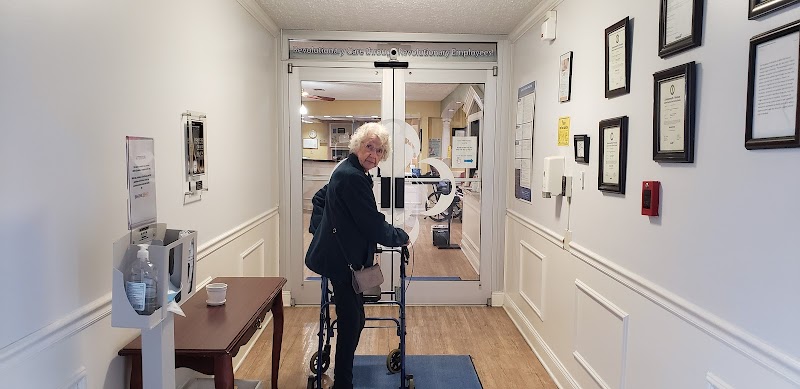
CMS rates Hermitage Care and Rehabilitation Center's staffing level at 4 out of 5 stars, which is above average compared to other nursing homes. Staff turnover is 39%, compared to the Kentucky average of 46%. This relatively stable workforce can support continuity of care.

What Have Inspectors Found at Hermitage Care And Rehabilitation Center?

State health inspectors documented 4 deficiencies at Hermitage Care and Rehabilitation Center during 2018 to 2025. These included: 4 with potential for harm.
Who Owns and Operates Hermitage Care And Rehabilitation Center?

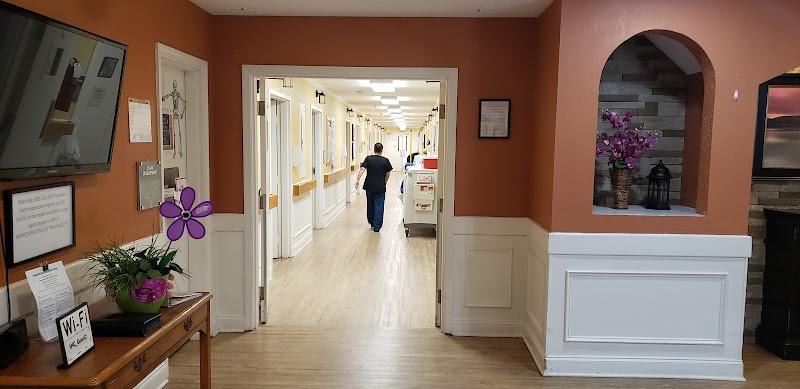
Hermitage Care and Rehabilitation Center is owned by a for-profit company. For-profit facilities operate as businesses with obligations to shareholders or private owners. The facility is operated by SIGNATURE HEALTHCARE, a chain that manages multiple nursing homes. With 92 certified beds and approximately 84 residents (about 91% occupancy), it is a smaller facility located in Owensboro, Kentucky.

How Does Hermitage Care And Rehabilitation Center Compare to Other Kentucky Nursing Homes?

Compared to the 100 nursing homes in Kentucky, Hermitage Care and Rehabilitation Center's overall rating (4 stars) is above the state average of 2.8, staff turnover (39%) is near the state average of 46%, and health inspection rating (4 stars) is above the national benchmark.

What Should Families Ask When Visiting Hermitage Care And Rehabilitation Center?

Based on this facility's data, families visiting should ask: "Can I visit during a mealtime to observe dining assistance and food quality?" "How do you handle medical emergencies, and what is your hospital transfer rate?" "Can I speak with family members of current residents about their experience?"

Is Hermitage Care And Rehabilitation Center Safe?

Based on CMS inspection data, Hermitage Care and Rehabilitation Center has a clean safety record: no substantiated abuse findings (meaning no confirmed cases of resident harm), no Immediate Jeopardy citations (the most serious violation level indicating risk of serious injury or death), and is not on the Special Focus Facility watch list (a federal program monitoring the lowest-performing 1% of nursing homes). The facility has a 4-star overall rating and ranks #1 of 100 nursing homes in Kentucky. While no facility is perfect, families should still ask about staff-to-resident ratios and recent inspection results during their visit.

Do Nurses at Hermitage Care And Rehabilitation Center Stick Around?

Hermitage Care and Rehabilitation Center has a staff turnover rate of 39%, which is about average for Kentucky nursing homes (state average: 46%). Moderate turnover is common in nursing homes, but families should still ask about staff tenure and how the facility maintains care continuity when employees leave.

Was Hermitage Care And Rehabilitation Center Ever Fined?

Hermitage Care and Rehabilitation Center has no federal fines on record. CMS issues fines when nursing homes fail to meet care standards or don't correct problems found during inspections. The absence of fines suggests the facility has either maintained compliance or corrected any issues before penalties were assessed. This is a positive indicator, though families should still review recent inspection reports for the full picture.

Is Hermitage Care And Rehabilitation Center on Any Federal Watch List?

Hermitage Care and Rehabilitation Center is not on any federal watch list. The most significant is the Special Focus Facility (SFF) program, which identifies the bottom 1% of nursing homes nationally based on persistent, serious quality problems. Not being on this list means the facility has avoided the pattern of deficiencies that triggers enhanced federal oversight. This is a positive indicator, though families should still review the facility's inspection history directly.