Signature HealthCARE at Hillcrest
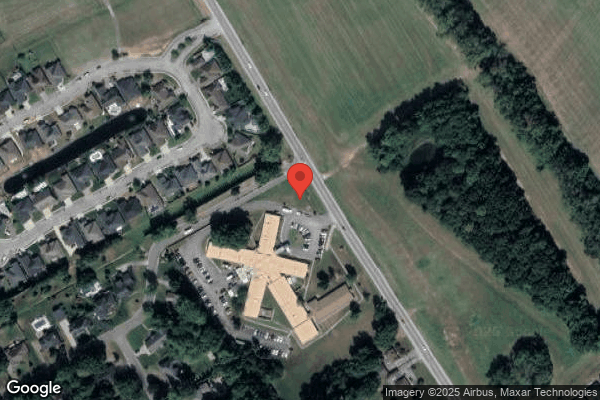

3740 OLD HARTFORD ROAD, OWENSBORO, KY 42303 (270) 684-7259
For profit - Corporation 156 Beds SIGNATURE HEALTHCARE Data: November 2025
Trust Grade
80/100
#73 of 266 in KY
Last Inspection: April 2025

Within standard 12-15 month inspection cycle. Federal law requires annual inspections.

Overview

Signature HealthCARE at Hillcrest in Owensboro, Kentucky has a Trust Grade of B+, indicating it is above average and recommended for potential residents. It ranks #73 out of 266 nursing homes in Kentucky, placing it in the top half, and #4 out of 7 in Daviess County, meaning only three local options are better. The facility is improving, with issues decreasing from 5 in 2018 to 2 in 2025. Staffing is rated average with a turnover rate of 49%, which aligns with the state average, but it benefits from better RN coverage than 84% of Kentucky facilities, enhancing resident care. However, there are some concerns, such as food safety issues in the kitchen and failure to obtain consent for physical contact with residents, indicating areas that need attention despite the absence of fines and a good overall rating.
Trust Score
B+
80/100
In Kentucky
#73/266
Top 27%
Safety Record
Low Risk
No red flags
Inspections
Getting Better
5 → 2 violations
Staff Stability
⚠ Watch
49% turnover. Above average. Higher turnover means staff may not know residents' routines.
Penalties
✓ Good
No fines on record. Clean compliance history, better than most Kentucky facilities.
Skilled Nurses
✓ Good
Each resident gets 53 minutes of Registered Nurse (RN) attention daily — more than average for Kentucky. RNs are trained to catch health problems early.
Violations
○ Average
7 deficiencies on record. Average for a facility this size. Mostly minor or procedural issues.
★★★★☆
4.0
Overall Rating
★★★☆☆
3.0
Staff Levels
★★★☆☆
3.0
Care Quality
★★★★☆
4.0
Inspection Score
Stable
2018: 5 issues
2025: 2 issues

The Good

  • Full Sprinkler Coverage · Fire safety systems throughout facility
  • No fines on record

Facility shows strength in fire safety.

The Bad

Staff Turnover: 49%

Near Kentucky avg (46%)

Higher turnover may affect care consistency

Chain: SIGNATURE HEALTHCARE

Part of a multi-facility chain

Ask about local staffing decisions and management

The Ugly 7 deficiencies on record

Apr 2025 2 deficiencies
CONCERN (D) 📢 Someone Reported This

A family member, employee, or ombudsman was alarmed enough to file a formal complaint

Potential for Harm - no one hurt, but risky conditions existed

Deficiency F0552 (Tag F0552)

Could have caused harm · This affected 1 resident

Based on interview, record review, and facility policy review, the facility failed to ensure residents and/or their representatives right to be informed of and participate in treatment. The facility f...

Read full inspector narrative →
Based on interview, record review, and facility policy review, the facility failed to ensure residents and/or their representatives right to be informed of and participate in treatment. The facility failed to ensure consent for physical contact was obtained for two residents, Resident (R)203 and R209. R203's representative stated she had not been involved in the care planning for the resident. Record review revealed no documented evidence for physical contact consent between R203 and R209 located in the Electronic Medical Record (EMR) for R203. The findings include: Review of the facility policy, Resident Rights, reviewed 01/31/2025, revealed all residents had the right to be treated with respect and dignity, and those rights were to be promoted by the facility. Continued policy review revealed federal and state laws guaranteed certain basic rights to all residents of the facility. Further review revealed those rights included a resident's right to participate in decisions and care planning. 1. Review of the face sheet for R203 revealed the facility admitted the resident on 07/07/2023, and discharged the resident on 11/01/2024. Per EMR review, R203's diagnoses included unspecified dementia, anxiety disorder, and Alzheimer's Disease. Review of the Minimum Data Set (MDS) Assessment, with an Assessment Reference Date (ARD) of 10/02/2024, revealed the facility assessed R203 to have a Brief Interview for Mental Status (BIMS) score of three out of 15, which indicated severe cognitive impairment. 2. Review of the face sheet for R209 revealed the facility admitted the resident on 01/04/2024, and discharged the resident on 09/20/2024. Continued EMR review revealed R209 had diagnoses that included unspecified dementia with other behavioral disturbance, unspecified psychosis, and anxiety disorder. Review of the MDS Assessment, with an ARD of 09/17/2024, revealed the facility assessed R209 to have a BIMS score of eight out of 15, indicating moderate cognitive impairment. Review of R209's EMR revealed a Progress Note dated 01/24/2024, which documented the resident having shadowing/fixation behavior. Continued review of the 01/24/2024 Progress Note revealed the Medical Director had been notified of R209's new behavior of shadowing other residents. Per review, the doctor had increased R209's Risperdal (an antipsychotic medication) to 1 milligram (mg) twice a day (BID). Further review of the 01/24/2024 Progress Note revealed MR after speaking with R209's daughter, the daughter stated resident had been known to have that behavior. In addition, review of the Progress Note revealed R209's daughter stated the resident previously targeted a family member she was close to and followed them around and had to be by their side at all times. Review of the Progress Note further revealed the daughter stated her son used to have a lock on his room because of this shadowing behavior by her mother. Review of the Progress Note for R209 dated 01/25/2024, documented by the Director of Nursing (DON), revealed the interdisciplinary team (IDT) reviewed a recent change of condition in the resident. Per review; the change in condition was related to R209 having shadowing behaviors towards other resident which per R209's family were normal behaviors for the resident. Review of the Progress Note for R209 dated 08/24/2024, documented by Licensed Practical Nurse (LPN) 7 revealed during rounds the nurse had to continuously get R209 out of the bed with R203. Continued review of the Note revealed R209 had also been told she could not stand over her (R203) while she was sleeping and stare at her. Further review revealed the LPN would be reporting to management the information regarding R209's increasing non compliance of this issue. Review of the Progress Note for R209 dated 08/26/2024, documented by LPN 8 revealed at the start of her shift while she had been performing medication (med) pass R209 had been standing over roommate (R203). Continued review revealed the Note's writer documented Was informed by a State Registered Nursing Assistant (SRNA) that R209 kept trying to get in bed with roommate the prior night. Further review revealed When I went to check back in on resident (R209) the resident was in bed with roommate, and got back in R203's bed three more times. In addition, review revealed R209 was taken to the dining area so roommate could sleep tonight. Review further revealed after R209 seemed to have calmed down, staff tried to let the resident lie on her own bed; however, she got back in roommate's bed and identified the roommate as her wife. Review of the Progress Note for R209 dated 08/27/2024, documented by LPN 9 revealed R209 continued obsessive and repetitive behavior towards roommate through shift. Further review of the Note revealed R209 followed roommate continuously, touching and grabbing roommate repetitively. Review of Progress Note for R209 dated 08/27/2024, documented by LPN 4 revealed the resident was found lying on her roommates bed during bed check. Continued review of the Note revealed R209 was checked and changed and the resident then proceeded to try and climb in roommate's bed again. Further review revealed R209 kept trying to go back down to room to climb in bed with roommate; hard to redirect. Further review of R203's EMR for the timeframe of 08/24/2024 to 08/27/2024, reveal no documentation noting the events described in R209's EMR. In addition, review of R203's EMR revealed no documented evidence of notification to the resident's representative related to the physical contact noted in R209's EMR, nor of documentation of consent by R203's representative for physical contact with R209. Review of the facility's, Summary of Investigation for Description of Occurrence revealed on 08/24/2024, staff found (R209) in bed with her roommate (R203) with both fully clothed. Continued review revealed neither resident was upset and they were separated. Further review revealed the facility's findings noted, Investigation revealed no sexual aggressiveness, rather it revealed companionship. Additionally, review revealed the facility's investigation determined it was unsubstantiated. In interview with the Director of Nursing (DON) and facility's Corporate Representative on 04/18/2025 at 10:20 AM, they stated there was no policy regarding residents who wanted physical contact (to share bed) or a form to sign related to. They said if a resident was unable to give consent then their representative was to be contacted and it would be documented in either the progress notes or under a care conference. They reported if residents were to be found in the same bed, with no sexual contact just in bed together, the family should be notified. They further stated it was not acceptable for the facility to make the decision that it was comforting for the residents, without the family/resident representative consent. In interview with R203's daughter/representative on 04/18/2025 at 11:09 AM, she stated she was notified by a nurse aide that her mother's roommate had been getting in bed with her (R203). She reported she was her mother's (R203's) Power of Attorney (POA) and said she was never notified by the facility, that R209 was getting in bed with her mother. She said she would never give consent for bed sharing. She further stated she believed it should have been her decision, as POA, not the facility's to decide if it was comforting to her mother to have R209 in bed with her. In interview with State Registered Nursing Aide (SRNA) 21 on 04/18/2025 at 12:40 PM, she stated she did not remember R203 and R209. The Aide stated however, one morning she came in and heard R203 yelling get off me and witnessed R209 lying on top of her (R203). She said she got R209 back into her own bed and reported the incident to the unit manager. She further stated that was the only time she had witnessed that type of event. In interview with the Administrator on 04/18/2025 at 12:50 PM, he stated he remembered both R203 and R209, who had both resided on the facility's dementia unit. He said he recalled R209 getting focused on people. The Administrator reported he did remember one time when R209 got in bed with R203; however, did not recall if R203's family was notified and did not recall it being called comfort measures. He further stated a resident's family should always be notified of anything like that.
CONCERN (F)

Potential for Harm - no one hurt, but risky conditions existed

Food Safety (Tag F0812)

Could have caused harm · This affected most or all residents

Based on observation, interview, and facility policy review, the facility failed to store, prepare, distribute and serve food in accordance with professional standards for food service safety for all ...

Read full inspector narrative →
Based on observation, interview, and facility policy review, the facility failed to store, prepare, distribute and serve food in accordance with professional standards for food service safety for all resident(s) in the facility. 1. Observation in the kitchen revealed staff with their hair nets not covering their hair as required. 2. Observation of the kitchen revealed multiple food items that were not covered in the freezer, food items in the refrigerator out of date per the manufacturer's use-by date. Continued observation revealed multiple food items dated with only a month and day and did not include the year for reference. Observation of metal pans revealed they were removed from cleaning and stacked without allowing sufficient dry time. Further observation revealed a food item held on the steam table for meal service that had a temperature below the required temperature of 135 degrees Fahrenheit. The findings include: Review of the facility's policy titled, Food: Preparation, revised 02/2023, revealed all foods were prepared in accordance with the Food and Drug Administration (FDA) Food Code. Further review revealed all foods were to be held at appropriate temperatures, greater than 135 degrees Fahrenheit for hot holding. Review of the facility's policy titled, Food Storage: Cold Foods, revised 02/2023, revealed all foods were to be stored, wrapped, or in covered containers, labeled and dated, and arranged in a manner to prevent cross contamination. Review of the facility's In-service titled, Receiving, dated 03/10/2025, revealed safe food handling procedures for time and temperature control were to be practiced in the transportation, delivery, and subsequent storage of all food items. Further review revealed all food items were to be appropriately labeled and dated either through manufacturer packaging or staff notation. 1. Observation of the kitchen on 04/15/2025 at 10:25 AM, with the Dietary Manager (DM) revealed [NAME] 1 was wearing a cap and a hairnet; however, had hair outside of the net in both the front and sides. Further observation revealed [NAME] 2 was wearing a hairnet with strands of hair hanging down on each side and the top of the hair revealed the hairnet receding back approximately three inches off her forehead exposing more hair. In interview with [NAME] 1 on 04/15/2025 at 10:45 AM, he stated aware hairnets were used to prevent hair from falling into residents' food and contaminating the food. In interview with [NAME] 2 on 04/15/2025 at 10:55 AM, she stated hairnets were important because hair could shed and get into the food served to residents. She stated residents could get choked and possibly suffer sickness, and said it would also be unpleasant for the residents if they discovered hair in their food. During interview on 04/17/2025 at 5:36 PM, the DM stated staff were in-serviced once a month, and it was generally the same topics that dealt with all areas of the kitchen, including storage labeling, dating, hairnets, and food safety. She stated her expectations were for staff to wear hairnets and ensure their hair was appropriately covered. The DM said the hairnets sometimes slid up, but she expected staff to check to ensure their hair was covered when serving or preparing foods as they would not want to provide food to the residents that had hair in it. 2. Observation on 04/15/2025 at 11:00 AM, of pans stacked on a storage shelf revealed the pans had been stacked wet and not allowed to air dry properly. Observation of a room off the kitchen revealed a shelf under the table top that had three large containers, labeled as rice and flour with the month and date (03/14) noted; however, with no date to indicate when the items were opened or the use by date. Continued observation revealed a juice dispensing gun noted to be in a stainless steel overflow containing sludge and old gummed up juice and the juice nozzle had debris on the tip. Observation on 04/15/2025 at 11:10 AM, of the walk-in refrigerator located in the dry storage pantry revealed a large plastic jar of mayonnaise had an opened date written on the side; however, with an expired manufacturer use-by date of 09/09/2024. Per observation, there was another unopened jar of mayonnaise with the same use-by date of 09/09/2024. Continued observation in the walk-in refrigerator revealed a container of parmesan cheese, block of cheese slices, and bag of mozzarella cheese had a month and date noted, but had no year listed on those food items. Further observation revealed a bag of Swiss cheese that was undated, and two bags of crispy onions with a month and date documented, but no year listed. Observation also revealed a 10-gallon container of white rice and a bag of toasted oats which were undated, and a container of unopened cereal that contained no date. Observation on 04/15/2025 at 11:15 AM, of a stand up freezer in the kitchen revealed a box of fudge bars in the freezer door which was dated with only the month and date (with no year noted). Continued observation of the walk-in freezer revealed food items in original containers that were uncovered and exposed to air including frozen biscuits, two boxes of beef patties, breaded fish filets, and sausage patties. Additional observation revealed [NAME] 1 returning a box of beef patties back to the freezer that was observed as uncovered when stored in the freezer. In interview with [NAME] 1, on 04/17/2025 at 11:20 AM, he stated the beef patties were supposed to be covered and said he was not aware the patty container was not covered properly. He said he understood the food could become freezer burnt and that could make residents sick. Additional observation of the kitchen on 04/15/2025 at 4:30 PM, to observe food temperature of items maintained on the steam table revealed the pork chops had a temperature of 130 degrees Fahrenheit (which was below the required 135 degrees Fahrenheit). In interview with the Dietary Manager (DM) on 04/15/2025 at 4:40 PM, she stated it was hard to measure the temperature for the pork chops as they were thin. She emphasized she had fifteen seconds to reheat them before they needed to be discarded. The DM reported staff were aware they were supposed to check the food temperature on the steam table to ensure the food held there was above 135 degrees Fahrenheit. During continued interview on 04/17/2025 at 5:36 PM, the DM stated she expected staff to ensure the date on food products included a month and date. She said the dates would only include a year noted on items that expired in a new year; however, that was not required if the food item expired within the current year. The DM reported she was never trained that the year had to be included on the date outside of those date ranges. She stated regarding the steam table, she had instructed staff not to put food on the steam table before 30 minutes of serving and to check the food within two hours to ensure the temperatures were accurate. The DM said if the temperatures were found to be below the 135 degrees Fahrenheit range, she emphasized they had 15 seconds to reheat the food product back up to the correct temperature. She stated the pork chops were thin and it was difficult to get an accurate temperature with the thermometer. The DM said the food items in the freezer that were uncovered and exposed to air contaminants was not acceptable and she stated staff had been instructed food items needed to be in plastic freezer bags if they could not be covered in their original containers. She stated staff were expected to ensure all foods were checked regularly for expiration dates. Additionally, she stated food items that had a manufacturer's use-by date that food should be discarded before that use-by date. The DM reported the facility policy and dietary guidelines were to be followed by all staff and were important to protect residents from potential harm. She further stated she would be conducting an in-service to reeducate staff on continuity in the kitchen to ensure everyone was on the same page with their responsibilities. In an interview with the Administrator, on 04/18/2025 at 12:28 PM, he stated his expectations were that Dietary staff had followed facility policy and guidance. He stated food safety expectations were to follow manufacturers use-by date versus a date that was marked by staff. He stated food should be stored, covered, and dated per policy. He further stated he had not found that opened or use-by dates would require a marked year but would require the month and day.
Nov 2018 5 deficiencies
CONCERN (D)

Potential for Harm - no one hurt, but risky conditions existed

Comprehensive Care Plan (Tag F0656)

Could have caused harm · This affected 1 resident

Based on interview, record review, and review of the facility's policy, it was determined the facility failed to develop and implement a comprehensive person-centered care plan for each resident, cons...

Read full inspector narrative →
Based on interview, record review, and review of the facility's policy, it was determined the facility failed to develop and implement a comprehensive person-centered care plan for each resident, consistent with the resident rights that includes measurable objectives and timeframes to meet a resident's medical, nursing, and mental and psychosocial needs that are identified in the comprehensive assessment, for one (1) of twenty-eight (28) sampled residents (Resident #15). The facility failed to develop and implement a urinary incontinence care plan for Resident #15. The findings include: Review of the facility's policy, Comprehensive Care Plans, revised 07/19/18, revealed a person-centered Comprehensive Care Plan that includes measurable objectives and timetables to meet the resident's medical, nursing, mental and psychological needs is developed for each resident and the care plan will include how the facility will assist the resident to meet their needs, goals and preferences. Record review revealed the facility admitted Resident #15 on 08/23/18 with diagnoses which included Hypertension, Hyperlipidemia and Dementia. Review of the admission Minimum Data Set (MDS) assessment, dated 08/30/18, revealed the facility was unable to assess the resident's Brief Interview for Mental Status (BIMS) score due to his/her severely impaired cognition. Further review of this admission MDS revealed the facility coded the resident to be continent of bowel, who was frequently incontinent of bladder. Further record review revealed no evidence of a comprehensive care plan had been developed or implemented for Resident #15's noted urinary incontinence. Interview with MDS Coordinator #1, on 11/15/18 at 10:41 AM, revealed they did not care plan Resident #15's incontinence. She stated she just somehow failed to develop and implement a comprehensive care plan related to his/her noted incontinence. She stated it was important to make sure they have residents' care plans in place for the problems they have identified and assessed. Interview with the Director of Nursing (DON), on 11/15/18 at 1:16 PM, revealed she expected all staff to follow facility policies. She stated staff should have developed a urinary incontinence care plan for Resident #15 and she expected staff to make sure the appropriate care plans were in place for each resident.
CONCERN (D)

Potential for Harm - no one hurt, but risky conditions existed

Incontinence Care (Tag F0690)

Could have caused harm · This affected 1 resident

Based on observation, interview, record review, and review of the facility's policies/procedures, it was determined the facility failed to ensure a resident who is incontinent of bladder receives appr...

Read full inspector narrative →
Based on observation, interview, record review, and review of the facility's policies/procedures, it was determined the facility failed to ensure a resident who is incontinent of bladder receives appropriate treatment and services to prevent urinary tract infections (UTIs) and to restore continence to the extent possible, for two (2) of twenty-eight (28) sampled residents (Resident #15 and Resident #27). The facility failed to assess Resident #15 upon admission for a baseline elimination status to see if retraining was an option. Additionally, an observation during Resident #27's catheter care by Certified Nurse Aide (CNA) #2 revealed she placed wash cloths on the resident's bed frame, which was an infection control issue. The findings include: 1. Review of the facility's policy, Bowel and Bladder Management, revised 07/19/18, revealed the facility will evaluate, monitor and track the resident's bowel and bladder pattern and will identify the need for early intervention. The policy further states the facility will evaluate bowel and bladder status upon admission, readmission, quarterly, annually and with significant change. The policy also states if a resident is incontinent, a baseline elimination status to assess bowel and bladder patterns will be completed upon admission, readmission, annually and with significant change, and the Interdisciplinary Team (IDT) will review bowel and bladder data to determine if retraining is an option or a pattern has been identified. Record review revealed the facility admitted Resident #15 on 08/23/18 with diagnoses which included Hypertension, Hyperlipidemia and Dementia. Review of the admission Minimum Data Set (MDS) assessment, dated 08/30/18, revealed the facility was unable to assess his/her Brief Interview for Mental Status (BIMS) score due to the resident's severely impaired cognition. Further review of the admission MDS revealed the facility coded the resident to be continent of bowel, but was frequently incontinent of bladder. Further record review revealed no evidence a baseline elimination status was completed to assess bowel and bladder patterns upon admission, for the IDT team to review bowel and bladder data, in order to determine if retraining was an option or if a pattern had been identified. Interview with MDS Coordinator #1, on 11/15/18 at 11:11 AM, revealed there was no bowel and bladder assessment for Resident #15 upon admission to the facility; however, there should have been an assessment according to facility policy. Interview with the Director of Nursing (DON), on 11/15/18 at 1:16 PM, revealed she expected staff to assess all residents' bowel and bladder status upon admission per the policy. She stated she was aware Resident #15 was not assessed upon admission and should have been assessed. She stated she expected all staff to follow facility policies. 2. Review of the facility's policy, Catheter Care Procedure, revised 09/07/17, revealed wash and dry hands thoroughly, put on gloves, using a clean washcloth, clean catheter, clean and dispose of used equipment, make sure resident is comfortable and the call light is in reach. Record review revealed the facility admitted Resident # 27 on 03/16/18 with diagnoses which included Need for Assistance with Personal Care and Neuromuscular Dysfunction of Bladder. Review of the Quarterly MDS assessment, dated 09/11/18, revealed he/she had a BIMS score of twelve (12), indicating the resident was cognitively intact. Further review of the Quarterly MDS revealed the facility coded the resident as always incontinent of bowel and the presence of a urinary catheter. Review of the Comprehensive Care Plan, initiated on 03/26/18, revealed the resident to be at risk for infection due to a history of UTIs. Observation of catheter care by CNA #2, on 11/14/18 at 12:32 PM, revealed the CNA sprayed three (3) wash cloths with perineal cleanser and placed all three (3) on the end of the wooden bed frame, then proceeded to do catheter care. Interview with CNA #1, who was assisting CNA #2 with care, on 11/14/18 at 12:55 PM, stated she usually put the wash cloths on a towel on the bed, not on the end of the bed frame, as that was a potential infection control issue. Interview with CNA #2, on 11/14/18 at 2:00 PM, revealed she should not have put wash cloths on the bed frame due to an infection control issue, and that she usually put them on a towel on the bed. Interview with Registered Nurse (RN) #1 (Charge Nurse), on 11/14/18 at 2:02 PM, revealed she could see it as an infection control problem by putting wash cloths, to be used for catheter care, on a wooden bed frame. Interview with the Assistant Director of Nursing (ADON), on 11/14/18 at 3:30 PM, revealed staff were permitted to use the perineal wash instead of soap and water for catheter care; however, it was her expectation that staff not put wash cloths to be used for catheter care on the end of a bed frame, as this would be an infection control issue.
CONCERN (D)

Potential for Harm - no one hurt, but risky conditions existed

Deficiency F0692 (Tag F0692)

Could have caused harm · This affected 1 resident

**NOTE- TERMS IN BRACKETS HAVE BEEN EDITED TO PROTECT CONFIDENTIALITY** Based on interview, record review, and review of the facility's policy/procedure, it was determined the facility failed to ensur...

Read full inspector narrative →
**NOTE- TERMS IN BRACKETS HAVE BEEN EDITED TO PROTECT CONFIDENTIALITY** Based on interview, record review, and review of the facility's policy/procedure, it was determined the facility failed to ensure it maintains acceptable parameters of nutritional status, such as usual body weight or desirable body weight range and electrolyte balance, unless the resident's clinical condition demonstrates that this is not possible or resident preferences indicate otherwise, for one (1) of twenty-eight (28) sampled residents (Resident #102). Resident #102 had a ten (10) percent (%) weight loss in a thirty (30) day timeframe; however, no documentation was provided related to Physician notification. The findings include: Review of the facility's policy, Department: Clinical-Title: Weight Monitoring, revised 07/11/18, revealed to identify residents who are at nutritional risk. The resident's weight will be monitored weekly upon admission/readmission for four (4) weeks and monthly thereafter or as indicated by the resident's condition or Physician's Order. The policy further revealed if significant weight change is identified, the nurse will complete the communication report or SBAR and the Health Care Provider and resident and/or resident representative will be notified. Record review revealed the facility admitted Resident #102 on 10/13/15, and was re-admitted on [DATE], with diagnoses to include a fracture of the lower end of the right ulna, a fracture of the lower end of the right radius, Osteoarthritis, Dysphagia, and Dementia. Further record review revealed the facility assessed his/her cognition to be severely impaired with a Brief Interview for Mental Status (BIMS) score of ninety-nine (99), as indicated by the resident's Significant Change Minimum Data Set (MDS), dated [DATE]. Further review of the MDS revealed he/she required the assistance of one (1) staff with eating/feeding. Review of the Medical Nutrition Review, dated 10/24/18, revealed his/her weight on 10/17/18 was 114 pounds (lbs) and was 131.6 lbs from the previous month. Review of his/her weight on 11/05/18 was noted to be 114.2 lbs. Review of the fourteen (14) day review revealed his/her weight was 111.4 lbs, down ten percent (10%) in the past thirty (30) days. Additional review revealed Resident #102 consumed twenty-five to one hundred percent (25%-100%) of meals, and received Med Pass (dietary supplement). Review of a Progress Nutritional note, dated 10/30/18 at 8:35 AM, written by the Registered Dietitian (RD) revealed after doing the fourteen (14) day weight review, his/her weight was 111.4 lbs, down ten percent (10%) from the past thirty (30) days. Further review of the note revealed the resident was assisted by staff with meals, consumed an average of twenty-five percent (25%) of his/her pureed, No Added Salt (NAS) diet, and was on a dietary supplements three (3) times per day (TID). Additionally, the resident had a surgical wound, a cast on the left arm, and a splint on the right arm. Interview with the RD, on 11/15/18 at 4:06 PM, revealed Resident #102 was scheduled to be observed, and she was aware of the weight loss on 10/30/18. She further revealed med pass was added and the resident was already on fortified foods; however, the Physician had not been made aware of the weight loss. Interview with the Assistant Director of Nursing (ADON), on 11/15/18 at 4:08 PM, revealed even though the attending Physician was made aware of the resident's re-admission, it was not specified about the resident's 10% weight loss, and it was her expectation the Physician be made aware of all significant weight loss per facility policy.
CONCERN (D)

Potential for Harm - no one hurt, but risky conditions existed

Respiratory Care (Tag F0695)

Could have caused harm · This affected 1 resident

Based on observation, interview, record review, and review of the facility's policy/procedure, it was determined the facility failed to ensure that a resident who needs respiratory care, including tra...

Read full inspector narrative →
Based on observation, interview, record review, and review of the facility's policy/procedure, it was determined the facility failed to ensure that a resident who needs respiratory care, including tracheostomy care and tracheal suctioning, is provided such care, consistent with professional standards of practice, the comprehensive person-centered care plan, and the resident's goals and preferences, for one (1) of twenty-eight (28) sampled residents (Resident #50). The facility failed to provide appropriate tracheostomy care for Resident #50 per facility policy. The findings include: Review of the facility's policy Tracheostomy Care, effective date 10/30/2017, revealed to maintain airway patency, prevent infections and prevent skin breakdown at the stoma site. Further review of the policy revealed staff are to bring properly functioning equipment to the room and apply pulse oximeter, wash hands thoroughly and apply clean gloves and other Personal Protective Equipment (PPE) as needed to maintain standard precautions, remove soiled tracheostomy dressing and discard, wash and dry hands thoroughly, put on sterile gloves, and establish sterile field. Prepare trach kit: open kit, remove sterile field drape, dump contents on to sterile field, poor half sterile water into one basin and half in the other basin, saturate sponges in the sterile water basin, squeeze out excess water and place on sterile field, moisten the cotton tipped applicators in sterile solution, gently clean the skin around the tube using dampened sterile cotton tipped applicator or gauze pads, wipe from center outward only once with each gauze or applicator and discard, assess the stoma site and surrounding skin for redness, swelling and drainage, place new split trach dressing around the tube and under the trach flange and the tube ties, unlock and remove inner cannula with one (1) hand while holding outer cannula in place with the other hand, and replace with new disposable inner cannula making sure to lock in place if cannula is a locking cannula. Record review revealed the facility re-admitted Resident #50 on 02/08/11 with diagnoses which included Cerebral Palsy and Seizure Disorder. Review of the Quarterly Minimum Data Set (MDS) assessment, dated 10/01/18, revealed the facility was unable to assess his/her Brief Interview for Mental Status (BIMS) score due to the resident's severely impaired cognitive status. Further review of the MDS assessment revealed he/she received tracheostomy care. Review of the Physician's Orders, dated 09/13/18, revealed he/she was to have tracheostomy care once every shift and as needed (PRN). Observation of tracheostomy care for Resident #50, on 11/14/18 at 10:00 AM, provided by Registered Nurse (RN) #2 revealed she placed a pulse oximeter on the resident's finger. She then opened a trach kit and applied sterile gloves. She removed Resident #50's split trach dressing, and then removed the disposable inner cannula using both hands and threw it in the trash can. RN #2 then provided brief tracheal suctioning and grabbed a dry gauze from the trach kit. She proceed to wipe in a circular motion around the outer cannula opening several times with the same dry gauze, wiping from outward to the center. RN #2 then threw the gauze in the trash can and removed her sterile gloves and put on another set of sterile gloves without washing her hands in between. Further observation revealed RN #2 placed a new split trach dressing around the trach tube without cleaning the area or assessing the area. She opened the new disposable inner cannula package, removed the inner cannula from the package, and inserted the new inner cannula. RN #2 then disposed of her gloves and other items. Interview with RN #2 revealed she was done with trach care. Further interview with RN #2, on 11/14/18 at 4:48 PM, revealed she knew she had left several steps out during the trach care. She stated she knew she broke the sterile field and left out several steps of the policy/procedure. She stated she was expected to follow the policies/procedures of the facility. Interview with the Director of Nursing (DON), on 11/15/18 at 1:17 PM, revealed she expected staff who completed trach care to complete it in accordance with professional standards and follow the facility policies/procedures.
CONCERN (D)

Potential for Harm - no one hurt, but risky conditions existed

Medication Errors (Tag F0758)

Could have caused harm · This affected 1 resident

**NOTE- TERMS IN BRACKETS HAVE BEEN EDITED TO PROTECT CONFIDENTIALITY** Based on observation, interview, record review, and review of the facility's policy/procedure, it was determined the facility fa...

Read full inspector narrative →
**NOTE- TERMS IN BRACKETS HAVE BEEN EDITED TO PROTECT CONFIDENTIALITY** Based on observation, interview, record review, and review of the facility's policy/procedure, it was determined the facility failed to ensure a resident remains as free as possible from unnecessary psychotropic medications, for one (1) of twenty-eight (28) sampled residents (Resident #32). Resident #32 was prescribed an antipsychotic medication for an inappropriate diagnosis. The findings include: Review of the facility's policy, Psychotropic Medications, revised 09/05/18, revealed Physicians and mid-level providers will use psychotropic medications appropriately working with the interdisciplinary team to ensure appropriate use, evaluation and monitoring. Under the Guidelines section, revealed the facility will make every effort to comply with State and Federal regulations related to the use of psychotropic medications in the long-term care facility to include regular review for continued need, appropriate dosage, side effects, risks and/or benefits. Record review revealed the facility admitted Resident #32 on 11/18/14, and was readmitted on [DATE], with diagnoses to include Alzheimer's Disease, Depressive Episodes, Anxiety, and Cerebrovascular Accident (CVA). Observation of Resident #32, on 11/14/18, revealed he/she was sitting on a couch with his/her eyes closed, on the Alzheimer's secure unit. Further observation, on 11/15/18 at 10:30 AM, revealed he/she was self-ambulating around the unit, slightly anxious, and displaying aggression. Review of the Comprehensive Care Plan revealed he/she was care planned for At Risk for Signs/Symptoms of Psychotropic Medications dated 11/26/14, and care planned for Active and/or At Risk for Behavior Problems related to Resident to Resident Altercation, dated 10/19/17, and related to History of Physical Outbursts and Challenging Behaviors. Review of the Physician's Orders, dated 05/02/18, revealed Risperdone (antipsychotic) one-half (0.5) milligrams (mg) twice per day (BID) for Dementia with Behavioral Disturbance and Physical Violent Outbursts. Interview with the Medical Director/Physician, on 11/15/18 at 2:42 PM, revealed he was aware Risperdone was not an appropriate medication to be used for a diagnosis of Dementia with Behaviors. He stated this was the only medication which seemed to work for him/her as he/she had been extremely anxious and very aggressive. Interview with the Assistant Director of Nursing (ADON), on 11/15/18 at 3:00 PM, revealed she was aware Risperdone was not an appropriate medication to be given for a diagnosis of Dementia with Behavioral Disturbance and Physical Violent Outbursts. She stated she was aware physical violent outbursts would be a behavior, not a diagnosis.
Understanding Severity Codes (click to expand)
Life-Threatening (Immediate Jeopardy)
J - Isolated K - Pattern L - Widespread
Actual Harm
G - Isolated H - Pattern I - Widespread
Potential for Harm
D - Isolated E - Pattern F - Widespread
No Harm (Minor)
A - Isolated B - Pattern C - Widespread

Questions to Ask on Your Visit

  • "Can I speak with families of current residents?"
  • "What's your RN coverage like on weekends and overnight?"

Our Honest Assessment

Strengths
  • • Grade B+ (80/100). Above average facility, better than most options in Kentucky.
  • • No major safety red flags. No abuse findings, life-threatening violations, or SFF status.
  • • No fines on record. Clean compliance history, better than most Kentucky facilities.
Concerns
  • • No significant concerns identified. This facility shows no red flags across CMS ratings, staff turnover, or federal penalties.
Bottom line: Generally positive indicators. Standard due diligence and a personal visit recommended.

About This Facility

What is Signature Healthcare At Hillcrest's CMS Rating?

CMS assigns Signature HealthCARE at Hillcrest an overall rating of 4 out of 5 stars, which is considered above average nationally. Within Kentucky, this rating places the facility higher than 99% of the state's 100 nursing homes. This rating reflects solid performance across the metrics CMS uses to evaluate nursing home quality.

How is Signature Healthcare At Hillcrest Staffed?

CMS rates Signature HealthCARE at Hillcrest's staffing level at 3 out of 5 stars, which is average compared to other nursing homes. Staff turnover is 49%, compared to the Kentucky average of 46%.

What Have Inspectors Found at Signature Healthcare At Hillcrest?

State health inspectors documented 7 deficiencies at Signature HealthCARE at Hillcrest during 2018 to 2025. These included: 7 with potential for harm.
Who Owns and Operates Signature Healthcare At Hillcrest?

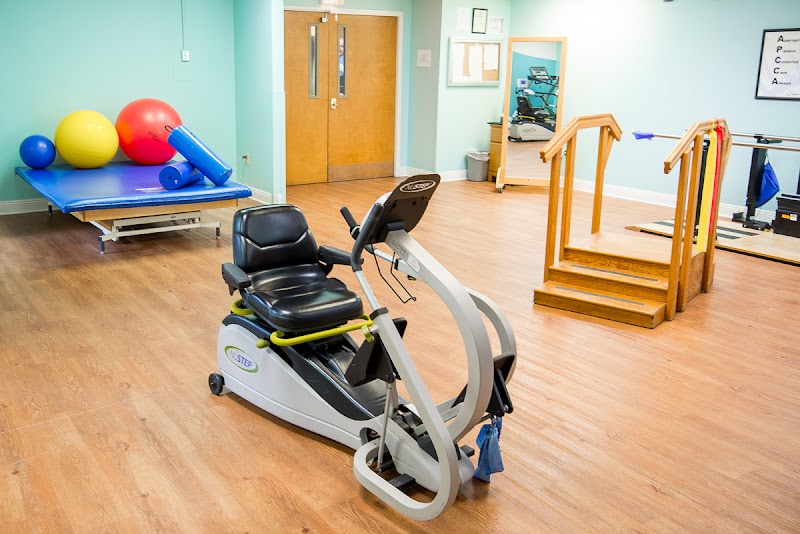
Signature HealthCARE at Hillcrest is owned by a for-profit company. For-profit facilities operate as businesses with obligations to shareholders or private owners. The facility is operated by SIGNATURE HEALTHCARE, a chain that manages multiple nursing homes. With 156 certified beds and approximately 123 residents (about 79% occupancy), it is a mid-sized facility located in OWENSBORO, Kentucky.

How Does Signature Healthcare At Hillcrest Compare to Other Kentucky Nursing Homes?

Compared to the 100 nursing homes in Kentucky, Signature HealthCARE at Hillcrest's overall rating (4 stars) is above the state average of 2.8, staff turnover (49%) is near the state average of 46%, and health inspection rating (4 stars) is above the national benchmark.

What Should Families Ask When Visiting Signature Healthcare At Hillcrest?

Based on this facility's data, families visiting should ask: "Can I visit during a mealtime to observe dining assistance and food quality?" "How do you handle medical emergencies, and what is your hospital transfer rate?" "Can I speak with family members of current residents about their experience?"

Is Signature Healthcare At Hillcrest Safe?

Based on CMS inspection data, Signature HealthCARE at Hillcrest has a clean safety record: no substantiated abuse findings (meaning no confirmed cases of resident harm), no Immediate Jeopardy citations (the most serious violation level indicating risk of serious injury or death), and is not on the Special Focus Facility watch list (a federal program monitoring the lowest-performing 1% of nursing homes). The facility has a 4-star overall rating and ranks #1 of 100 nursing homes in Kentucky. While no facility is perfect, families should still ask about staff-to-resident ratios and recent inspection results during their visit.

Do Nurses at Signature Healthcare At Hillcrest Stick Around?

Signature HealthCARE at Hillcrest has a staff turnover rate of 49%, which is about average for Kentucky nursing homes (state average: 46%). Moderate turnover is common in nursing homes, but families should still ask about staff tenure and how the facility maintains care continuity when employees leave.

Was Signature Healthcare At Hillcrest Ever Fined?

Signature HealthCARE at Hillcrest has no federal fines on record. CMS issues fines when nursing homes fail to meet care standards or don't correct problems found during inspections. The absence of fines suggests the facility has either maintained compliance or corrected any issues before penalties were assessed. This is a positive indicator, though families should still review recent inspection reports for the full picture.

Is Signature Healthcare At Hillcrest on Any Federal Watch List?

Signature HealthCARE at Hillcrest is not on any federal watch list. The most significant is the Special Focus Facility (SFF) program, which identifies the bottom 1% of nursing homes nationally based on persistent, serious quality problems. Not being on this list means the facility has avoided the pattern of deficiencies that triggers enhanced federal oversight. This is a positive indicator, though families should still review the facility's inspection history directly.