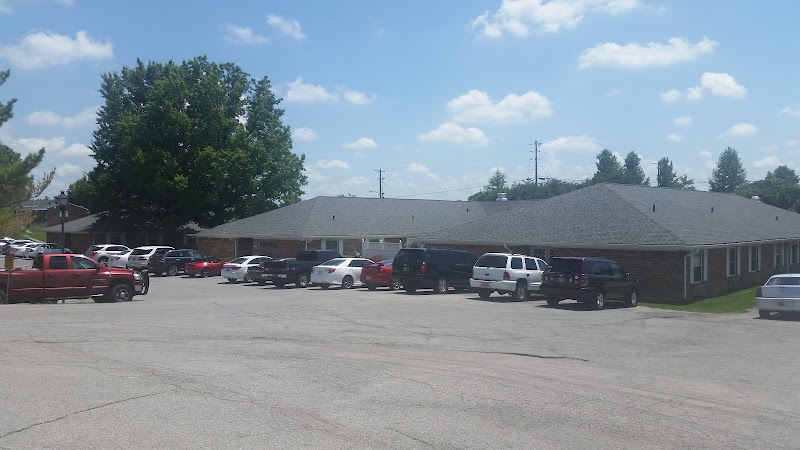
MADISON HEALTH AND REHABILITATION CENTER

131 MEADOWLARK DRIVE, RICHMOND, KY 40475 (859) 623-3564
For profit - Corporation 92 Beds BENJAMIN LANDA Data: November 2025
Trust Grade
28/100
#238 of 266 in KY
Last Inspection: October 2024

Within standard 12-15 month inspection cycle. Federal law requires annual inspections.

Overview

Madison Health and Rehabilitation Center has received a Trust Grade of F, indicating significant concerns and a poor reputation. This facility ranks #238 out of 266 in Kentucky, placing it in the bottom half of all nursing homes in the state, and is last in Madison County at #5 out of 5. Although the facility is showing some signs of improvement, having reduced its issues from 11 in 2023 to 5 in 2024, it still faces serious staffing challenges with a high turnover rate of 63%. The center has accumulated $11,764 in fines, which is higher than 76% of Kentucky facilities, suggesting ongoing compliance issues. Specific incidents include a resident who fell and suffered a serious injury due to inadequate supervision and another case where infection control practices were not properly followed, raising concerns about the safety and care provided to residents. Overall, while there are some improvements, the facility's significant weaknesses in staffing and health standards warrant careful consideration.

Trust Score
F
28/100
In Kentucky
#238/266
Bottom 11%
Safety Record
Moderate
Needs review
Inspections
Getting Better
11 → 5 violations
Staff Stability
⚠ Watch
63% turnover. Above average. Higher turnover means staff may not know residents' routines.
Penalties
✓ Good
$11,764 in fines. Lower than most Kentucky facilities. Relatively clean record.
Skilled Nurses
⚠ Watch
Each resident gets only 19 minutes of Registered Nurse (RN) attention daily — below average for Kentucky. Fewer RN minutes means fewer trained eyes watching for problems.
Violations
⚠ Watch
16 deficiencies on record. Higher than average. Multiple issues found across inspections.
★☆☆☆☆
1.0
Overall Rating
★☆☆☆☆
1.0
Staff Levels
★☆☆☆☆
1.0
Care Quality
★★☆☆☆
2.0
Inspection Score
Stable
2023: 11 issues
2024: 5 issues

The Good

  • Full Sprinkler Coverage · Fire safety systems throughout facility
  • No fines on record

Facility shows strength in fire safety.

The Bad

1-Star Overall Rating

Below Kentucky average (2.8)

Significant quality concerns identified by CMS

Staff Turnover: 63%

17pts above Kentucky avg (46%)

Frequent staff changes - ask about care continuity

Federal Fines: $11,764

Below median ($33,413)

Minor penalties assessed

Chain: BENJAMIN LANDA

Part of a multi-facility chain

Ask about local staffing decisions and management

Staff turnover is elevated (63%)

15 points above Kentucky average of 48%

The Ugly 16 deficiencies on record

2 actual harm
Oct 2024 5 deficiencies
CONCERN (D)

Potential for Harm - no one hurt, but risky conditions existed

Assessment Accuracy (Tag F0641)

Could have caused harm · This affected 1 resident

Based on observation, interview, record review, and review of the Resident Assessment Instrument (RAI) manual, the facility failed to ensure an accurate assessment for one (1 ) of 27 sampled residents...

Read full inspector narrative →
Based on observation, interview, record review, and review of the Resident Assessment Instrument (RAI) manual, the facility failed to ensure an accurate assessment for one (1 ) of 27 sampled residents, Resident (R) 74. The facility assessed R74, on a Quarterly Minimum Data Set (MDS), with an assessment reference date (ARD) of 07/17/2024, to have received 51% or more of proportion of total calories the resident received through parenteral or tube feeding. However, there was no evidence the facility completed a calorie count to determine the amount of nutrition the resident received from either tube feeding or intake by mouth. The findings include: Review of the RAI manual, dated 10/2024, revealed the steps for assessment of proportion of total calories the resident received through parenteral or tube feeding included review of intake records within the last 7 days to determine actual intake through parenteral or tube feeding routes and calculate the proportion of total calories received through these routes; if the resident had more substantial oral intake than sips of fluids, consult with the dietician who totaled their calories per day. The MDS was coded for a proportion of total calories the resident received through parenteral or tube feeding. Observation, on 10/08/2024 at 3:05 PM, revealed R74 up in his wheelchair, with tube feeding disconnected. Observation, on 10/09/2024 at 3:52 PM, revealed R74 out of his room with tube feeding disconnected and pump, tubing and bottle of formula hanging to bedside. Observation, on 10/09/2024 at 5:20 PM, revealed R74 up in his wheelchair, with tube feeding disconnected. Observation, on 10/10/2024 at 1:38 PM, revealed R74 out of his room with tube feeding disconnected and pump, tubing and bottle of formula hanging to bedside. Review of R74's admission Face Sheet revealed the facility admitted the resident on 09/19/2023 with diagnoses which included esophageal obstruction, gastro-esophageal reflux disease with esophagitis, and acute kidney failure. Review of R74's Physician's Orders, dated 06/26/2024, revealed an order for water per gastrostomy tube (GT) at 53 ml/hour for 22 hours per day. Review of R74's Physician's Orders, dated 08/09/2024, revealed an order for pureed diet with nectar thick liquids comfort foods and thin water and ice chips. Review of R74's Physician's Orders, dated 08/26/2024, revealed an order for formula per tube at 75 ml/hour for 22 hours a day. Review of R74's Quarterly MDS, with an ARD of 07/17/2024, revealed the Swallowing/Nutritional Status section of the MDS was marked as 51% or more of proportion of total calories the resident received through parenteral or tube feeding. In an interview with Licensed Practical Nurse (LPN) 8, on 10/09/2024 at 5:15 PM, she stated R74's tube feeding was bolus and he unhooked himself from the feeding often. She further stated she was unfamiliar with R74 and didn't realize he had a physician order for continuous tube feedings and not bolus feedings. In an interview with the Dietician, on 10/11/2024 at 2:35 PM, she stated she started as the facility Dietician in August 2024. She further stated she was unaware of the facility completing any calorie counts and she relied on nursing services to provide any reports such as calorie counts. She continued to state the reports she ran for the weekly weight meetings were triggered by significant weight changes. Additionally, she stated she had not completed R74's previous MDS since she was new to the facility, and she was unaware of who completed the calorie counts. She stated she was responsible for completing the Swallowing/Nutritional Status section of the MDS. She further stated she monitored residents for significant weight changes and R74 had been stable with weight. In an interview with the Director of Nursing (DON), on 10/11/2024 at 3:28 PM, she stated the facility did not complete calorie counts and used resident weights to determine resident's nutritional status. In an interview with the LPN MDS Nurse, on 10/11/2024 at 4:08 PM, she stated it was the policy of the facility to complete the MDS per the RAI manual. She further stated she did not complete the Swallowing/Nutritional Status section of the MDS, and it was completed by the Dietician or the Dietary Manager. In an interview with the Account Manager of Healthcare Services Group, on 10/11/2024 at 4:38 PM, she stated she did not complete any calorie counts and the Dietician was responsible for gathering calorie counts for the MDS. In an interview with the District Manager of Healthcare Services Group, on 10/11/2024 at 4:40 PM, he stated it was the Dietician's responsibility to obtain calorie counts and complete that portion of the MDS.
CONCERN (D)

Potential for Harm - no one hurt, but risky conditions existed

Tube Feeding (Tag F0693)

Could have caused harm · This affected 1 resident

Based on observation, interview, and record review, the facility failed to ensure all residents with gastrostomy tubes had their nutritional needs met and the administration of enteral nutrition was c...

Read full inspector narrative →
Based on observation, interview, and record review, the facility failed to ensure all residents with gastrostomy tubes had their nutritional needs met and the administration of enteral nutrition was consistent with and followed the practitioner's orders for one (1) of 27 sampled residents, Resident (R) 74. Review of the facility's policy, Nutrition/Hydration Status Maintenance, dated 10/2020, revealed the facility would ensure, based on a resident's comprehensive assessment, a resident who demonstrated sufficient intake alone or with assistance was not fed by enteral methods unless the resident's clinical condition demonstrated enteral feeding was clinically indicated. Review of the facility's policy, Weight Process Standard of Practice, dated 07/2020, revealed the facility would provide nutritional and hydration care and services to each resident, consistent with the resident's comprehensive assessment. The findings include: Observation, on 10/08/2024 at 3:05 PM, revealed R74 up in his wheelchair, with tube feeding disconnected. Further observation revealed a 1000 milliliter (ml) bottle of formula, dated 10/07/2024 at 10:00 PM, with 480 ml remaining in the bottle. Observation, on 10/09/2024 at 3:52 PM, revealed R74 out of his room with tube feeding disconnected and pump, tubing and bottle of formula hanging to bedside. Observation, on 10/09/2024 at 5:20 PM, revealed R74 up in his wheelchair, with tube feeding disconnected. Further observation revealed a 1000 milliliter (ml) bottle of formula, dated 10/09/2024 at 6:00 AM, with 500 ml remaining in the bottle. Observation, on 10/10/2024 at 1:38 PM, revealed R74 out of his room with tube feeding disconnected and pump, tubing and bottle of formula hanging to bedside. Review of R74's admission Face Sheet revealed the facility admitted the resident on 09/19/2023 with diagnoses which included esophageal obstruction, gastro-esophageal reflux disease with esophagitis, and acute kidney failure. Review of R74's Physician's Orders, dated 06/26/2024, revealed an order for water per gastrostomy tube (GT) at 53 ml/hour for 22 hours per day. Review of R74's Physician's Orders, dated 08/09/2024, revealed an order for pureed diet with nectar thick liquids comfort foods and thin water and ice chips. Review of R74's Physician's Orders, dated 08/26/2024, revealed an order for formula per tube at 75 ml/hour for 22 hours a day. In an interview with R74, on 10/08/2024 at 3:05 PM, he stated when staff assisted him from his bed to his wheelchair in the morning, they disconnected his tube feeding and it was typically not reconnected until bedtime when he went back to bed. He further stated some days he went without his tube feeding connected from 7:00 AM to 9:00 PM or 10:00 PM. He continued to state he wasn't sure how much of his nutritional needs were being met, and he did eat food by mouth some days, but not every day. In an interview with Licensed Practical Nurse (LPN) 8, on 10/09/2024 at 5:15 PM, she stated she did not normally work on that hall and believed R74's tube feeding was bolus and he unhooked himself from the feeding often. She further stated she was responsible for R74's care during that shift, but she did not work on his unit often. She continued to state she was unaware R74 had a physician's order for a continuous G-tube feeding instead of a bolus. In an interview with the Dietician, on 10/11/2024 at 2:35 PM, she stated she started as the facility Dietician in August 2024. She further stated she ran reports for the weekly weight meetings which triggered for significant weight changes but did not keep a calorie count on R74. She continued to state she was unsure how many calories R74 received each day and based her recommendation for formula of 75 ml/hour for 22 hours a day on the resident's nutritional needs. Additionally, she stated she was not sure how much of the feeding the resident received and she was aware he unhooked himself from the feeding periodically. She stated she had not completed any calorie counts for residents since she started as the Dietician. She further stated she was responsible for completing the Swallowing/Nutritional Status section of the resident's Minimum Data Set, which required a percentage of nutrition the resident received from tube feeding in relationship to overall nutrition. In an interview with the Director of Nursing (DON), on 10/11/2024 at 3:28 PM, she stated the facility did not complete calorie counts and used resident weights to determine resident's nutritional status. She continued to state residents who received tube feedings were discussed in the weekly weight meetings and R74's weight was stable. In an interview with the Administrator, on 10/11/2024 at 6:45 PM, she stated she expected staff to follow physician orders and to report to the physician if orders could not be followed so the physician could change the orders if needed. In an interview with the Medical Director, on 10/11/2024 at 7:12 PM, he stated it was his expectation for staff to follow all physician orders and notify him if they had trouble following the orders so treatment could be changed if necessary. He continued to state residents' health conditions could be negatively affected if physician orders were not followed, he treated residents based upon the current orders, and needed to be aware of any deviation from those orders to give the best care possible.
CONCERN (D)

Potential for Harm - no one hurt, but risky conditions existed

Infection Control (Tag F0880)

Could have caused harm · This affected 1 resident

**NOTE- TERMS IN BRACKETS HAVE BEEN EDITED TO PROTECT CONFIDENTIALITY** Based on observation, interview, and review of the facility's policy, it was determined the facility failed to establish and mai...

Read full inspector narrative →
**NOTE- TERMS IN BRACKETS HAVE BEEN EDITED TO PROTECT CONFIDENTIALITY** Based on observation, interview, and review of the facility's policy, it was determined the facility failed to establish and maintain an infection prevention and control program designed to provide a safe, sanitary, and comfortable environment, and to help prevent the development and transmission of communicable diseases and infections. Review of the undated facility's policy, titled Hand Hygiene, revealed hand hygiene was described as cleaning your hands by using either handwashing, antiseptic hand wash, or antiseptic hand rub and was to be performed before and after glove use in the facility. Review of the facility's policy, titled Policies and Practices-Infection Control, revised October 2018, revealed the policy was intended to facilitate maintaining a safe, sanitary, and comfortable environment and to help prevent and manage transmission of diseases and infections. Continued review of the policy revealed two of the objectives were to prevent, detect, investigate, and control infections in the facility and to maintain a safe, sanitary, and comfortable environment for personnel, residents, visitors, and the general public. 1. On 10/08/2024 at 8:15 AM, observation of LPN3 revealed she did not clean her hands before putting on gloves after touching a doorknob on the supply room door. During an interview with LPN3 on 10/08/2024 at 8:24 AM, LPN3 stated she knew she was supposed to clean her hands before putting on her gloves after touching the supply room doorknob but got nervous and forgot. LPN3 stated the risk for not performing good hand hygiene was spreading germs to residents and potentially giving herself an infection as she couldn't say who else had touched the doorknob. 2. On 10/11/2024 at 6:15 AM, during a tour of the facility, one pack of unopened briefs was observed lying on the floor in room [ROOM NUMBER]. During an interview with Certified Nursing Assistant (CNA) 12, on 10/11/2024 at 6:25 AM, CNA12 stated she was not sure who passed the briefs and they should have been put in the resident's closet, not lying in the floor. CNA12 further stated the briefs were contaminated and an infection control issue and should not be used on a resident. During an interview with Kentucky Medication Aide (KMA) 1, on 10/11/2024 at 6:25 AM, KMA1 stated the briefs were a fall risk for anyone entering or exiting room [ROOM NUMBER]. KMA1 further stated she was not sure who passed the briefs, but they should not be lying in the floor. During an interview with the Infection Preventionist (IP) on 10/11/2024 at 12:05 PM, the IP stated all staff should be using hand hygiene before and after putting on gloves as it was in the policy and all staff should follow the policies. The IP stated the risk for not using proper hand hygiene was the spread of infection, which could cause both residents and staff to get sick. The IP stated that briefs should never be left on the floor, whether they were opened or unopened, as it was not sanitary and could spread germs and bacteria throughout the facility. During an interview with the Director of Nursing (DON) on 10/11/2024 at 3:28 PM, the DON stated she expected her nursing staff to follow the facility policies, especially during direct care with the residents. The DON stated briefs should never be left on the floor even if unopened because of possible germs on the floor. The DON stated all of these infection control issues were discussed during the infection control training, which was just done on 09/23/2024. The DON stated the risk of anybody in the facility not utilizing good hand hygiene was the spread of infection, which could cause sickness to both staff and residents. The DON stated she made rounds daily on the hallways and if she saw an issue with infection control, then she educated either the staff or resident on good hand hygiene and the importance of washing hands. During an interview with the Administrator on 10/11/2024 at 6:45 PM, the Administrator stated she expected all staff to follow the policies and procedures of the facility. The Administrator stated if staff didn't use hand hygiene, then infection could spread and harm residents and staff. The Administrator stated she expected when briefs were passed to store them properly and not just put them on the floor as that went against the facility's infection control policy. The Administrator stated staff were educated on infection control during orientation and at least annually thereafter. The Administrator stated infection control had just been reviewed for all staff recently on 09/23/2024. The Administrator stated disciplinary action would occur if a staff member continued to be noncompliant with the policy.
CONCERN (E)

Potential for Harm - no one hurt, but risky conditions existed

Deficiency F0657 (Tag F0657)

Could have caused harm · This affected multiple residents

**NOTE- TERMS IN BRACKETS HAVE BEEN EDITED TO PROTECT CONFIDENTIALITY** The facility failed to have an effective system to ensure that all resident care plans were updated and revised to include indiv...

Read full inspector narrative →
**NOTE- TERMS IN BRACKETS HAVE BEEN EDITED TO PROTECT CONFIDENTIALITY** The facility failed to have an effective system to ensure that all resident care plans were updated and revised to include individualized interventions for four of 27 sampled residents (Resident #36, Resident #64, Resident #79, and Resident #84). Review of Comprehensive Care Plans Standard of Practice dated 10/2020 revealed that each resident's comprehensive care plan is designed to identify problem areas, incorporate risk factors associated with identified problems, build on the resident's strengths, reflect the resident's expressed wishes regarding care and treatment goals, reflect treatment goals, timetables, and objectives in measurable outcomes. 1.Review of (Resident (R)79's) admission Face Sheet revealed the facility admitted the resident on 05/10/2024 with the diagnoses including cerebral infarction due to embolism of unspecified precerebral artery, mood disorder due to known physiological condition, secondary hypertension, and weakness. Review of R79's Minimum Data Set with an Assessment Reference Date (ARD) of 05/15/2024 revealed the resident had a Brief Interview for Mental Status (BIMS) score of 15/15, which indicated the resident was cognitively intact. The MDS documented that it was very important for the resident to choose between baths and showers, and that the resident needed partial/moderate assistance from staff for bathing. Review of R79's Comprehensive Care Plan (CCP) revealed that R79 has a goal to have his ADL needs met through the next review on 11/19/2024. Review of R79's CCP interventions further revealed to adjust R79's daily routine as needed to promote independence, encourage resident to participate to his ability, incontinent care as needed, resident may have personal items at bedside, to notify the MD, family/responsible party of changes as needed, PT and OT as needed, and resident may use upright walker for assistance. There is no evidence that the facility created a person-centered care plan that addressed the resident's shower time preference, assistance needed by staff, or that the resident prefers a female staff member to bath him. Observation of R79 on 10/07/2024 at 3:21 PM revealed the resident had a noticeable body odor. The resident's hair was flattened to the back of his head and appeared to be oily. An interview with R79 during this observation revealed that showers were not routinely offered twice a week per shower schedule, or during the shift he prefers. R79 stated staff frequently wake him after midnight for his shower and that made him very upset. R79 further stated that he did not want to get out of his warm bed during the night for a shower. Observation of R79 on 10/08/2024 at 09:15 AM revealed the resident had a noticeable body odor. During an interview with R79 during this observation he stated he had refused showers in the past due to the sex of the CNA performing the shower. R79 added that on admission he requested to only have females assist with his bathing. Observation of R79 on 10/09/2024 at 5:05 PM revealed the resident had a noticeable body odor. The resident's hair was flattened to the back of his head and appeared to be oily. During an interview with R79 during observation he stated that he felt nasty when he didn't get a shower and liked to be clean every day. R79 added that he thought the facility should at least offer him a bed bath if they couldn't assist him with a shower. R79 further stated he had missed activities before because he felt too nasty to attend. 2. Review of R36's admission Face Sheet revealed the facility admitted the resident n 07/06/2023 with diagnoses including multiple sclerosis, quadriplegia, contracture to the left elbow, muscle weakness, major depressive disorder, pressure ulcer to the left hip and sacral area, anxiety disorder, psychophysiologic insomnia, and a neuromuscular dysfunction of the bladder. Review of R36's Minimum Data Set with an Assessment Reference Date (ARD) of 09/15/2024 revealed the resident had a Brief Interview for Mental Status (BIMS) score of 15/15, which indicated the resident was cognitively intact. The MDS documented that it was somewhat important for the resident to choose between baths and showers, and that the resident was dependent on staff for bathing. Review of the resident's care plan revealed an intervention for resident to use the shower bed for all baths with a 4/30/2024 start date. Review of R36's Nurse Progress Note dated 10/01/2024 at 4:05 AM revealed resident refused bed bath and said, I don't like a bed bath, I'm not taking a bed bath until all my antibiotics are done then I will start taking my showers again. Observation of R36 on 10/07/2024 at 1:15 PM revealed the resident had a noticeable body odor. The resident's hair was flattened to the back of his head and appeared to be oily. Observation of R36 on 10/08/2024 at 3:50 PM revealed the resident had a noticeable body odor. The resident's hair was flattened to the back of his head and appeared to be oily. During an interview with R36 during this observation he stated that I have to make them shower me. R36 further stated that the staff only wants to give him a bed bath because it takes two people to shower me, and they don't always have enough staff to do it. Review of R36's Comprehensive Care Plan (CCP) revealed that R36 has a goal to remain free from any unidentified ADL changes through the next review on 12/22/2024. Review of R36's CCP interventions further revealed to provide incontinent care as needed, to notify the MD, family/responsible party of changes as needed, PT and OT as needed, and for resident to use shower bed for all baths. There is no evidence that the facility created a person-centered care plan that addressed the resident's shower time preference, assistance needed by staff for transferring to shower bed, or the assistance needed for bathing. 3. Review of R64's admission Face Sheet revealed the facility admitted the resident on 11/02/2022 with diagnoses including listerial sepsis, nicotine dependence, alcohol abuse, type 2 diabetes mellitus, depression, congestive heart failure, chronic atrial fibrillation, and chronic obstructive pulmonary disease. Review of 64's Minimum Data Set with an Assessment Reference Date (ARD) of 09/04/2024 revealed the resident had a Brief Interview for Mental Status (BIMS) score of 15/15, which indicated the resident was cognitively intact. The MDS documented that it was somewhat important for the resident to choose between baths and showers, and that the resident required partial/moderate assistance from staff for bathing. Review of the facility's undated Shower Schedule CDE Unit provided by the Senior Administrator on 10/07/2024, revealed R64 was supposed to receive a shower twice a week (during night shift on Tuesdays/Fridays). Per the shower sheet in the Electronic Medical Record (EMR), staff were to document each day that either a bath was given, a shower was given, the activity did not occur, or the resident refused care. During an interview with R64 on 10/09/2024 at 8:40 AM he stated he had gone four weeks without a shower in the past due to staff waking him up after midnight to shower. R64 further stated that he does not like to take late showers. During an interview 10/07/2024 at 11:40 AM with the Senior Administrator she stated that the residents plan of care should reflect the resident's shower schedule, time preferences, assistance needed for bathing and transferring to the shower bed or chair, and if the resident has a male or female preference. 4. Review of Resident(R) 84's admission Face Sheet revealed R84 was admitted on [DATE] with diagnoses of Hemiplegia and hemiparesis following intracerebral hemorrhage affecting left side, Atherosclerotic heart disease, and central pain syndrome. Review of R84's admission Minimum Data Set (MDS) assessment with a Assessment Reference Date (ARD) of 09/10/2024 revealed a Brief Interview for Mental Status (BIMS) score of fifteen of fifteen, which indicated R84 was cognitively intact. Further review of the MDS section GG-Functional Abilities and Goals, revealed R84 was dependent with shower/bathing self, and toileting hygiene. Review of section GG-further revealed R84 was dependent with transferring from bed to chair, and required assist of 2. Review of R84's Comprehensive Care Plan (CCP) dated 09/16/2024 revealed a self-care deficit as evidenced by the need for total assist with bathing, dressing lower body, mobility, related to left hemiplegia and additional risk for decline, and additionally R84 preferred no male caregivers. Interventions included grooming/dressing, and oral care, and incontinent care as needed. Goals were that R84 would be washed, dressed and free from symptoms of pain times ninety days. However, there was no documented evidence of resident centered goals for shower/bath or frequency. Further review of R84's care plan revealed there was no documented evidence that resident required assist of 2 persons and a hoyer lift for transfers. Further review of the CCP dated 09/16/2024 revealed a behavior as related to declination of showers and refusal of therapy with interventions of allowing resident time to verbalize feelings, social worker to visit and encourage resident to follow physician orders. During an interview on 10/08/2024 at 4:49 PM with R84, he stated he is supposed to get a shower or bed bath at least twice weekly, but only gets one when he really needs a bath. He further stated the staff have come into his room late at night, not sure of time and asked if he wanted a shower and he told staff it was too late. He stated if he refused a shower or bath, he had to sign a paper saying he refused. R84 further stated I don't refuse a shower or bath unless its late at night. During an interview on 10/11/2024 at 6:45 PM with the Interim Administrator stated the Care Plans should be person centered. She further stated Care plans could be updated by any nurse or administrative discipline. In September department managers started asking residents their preferences. As far as showers being specific on the Care Plan the facility had not addressed that area yet. During an interview on 10/11/2024 at 7:12 PM with the Medical Director he stated he expected the resident care plans be resident centered with their preferences to give the resident as much control possible with their choices.
CONCERN (E)

Potential for Harm - no one hurt, but risky conditions existed

Deficiency F0676 (Tag F0676)

Could have caused harm · This affected multiple residents

**NOTE- TERMS IN BRACKETS HAVE BEEN EDITED TO PROTECT CONFIDENTIALITY** Based on observation, interview, and record review, it was determined the facility failed to ensure the residents were given the...

Read full inspector narrative →
**NOTE- TERMS IN BRACKETS HAVE BEEN EDITED TO PROTECT CONFIDENTIALITY** Based on observation, interview, and record review, it was determined the facility failed to ensure the residents were given the appropriate treatment and services to maintain personal hygiene-bathing for five of 27 sampled residents, Resident (R) 36, Resident 55, Resident 64, Resident 79, Resident 84. Review of a facility policy, titled Activities of Daily Living (ADLs), dated 10/2020, revealed the facility would provide care and services for the following ADLs: hygiene (bathing, dressing, grooming, oral care). According to the policy, any resident who was unable to carry out ADLs would receive the necessary services to maintain good nutrition, grooming, and personal/oral hygiene. The policy failed to include specifics related to the provision of these services. Review of an undated Shower List revealed each resident was scheduled to receive two showers per week. Further review of the schedule revealed that the determination of the schedule was based on the resident's room number. 1.Review of (Resident (R)79's) admission Face Sheet revealed the facility admitted the resident on 05/10/2024 with the diagnoses including cerebral infarction due to embolism of unspecified precerebral artery, mood disorder due to known physiological condition, secondary hypertension, and weakness. Review of R79's Minimum Data Set with an Assessment Reference Date (ARD) of 05/15/2024 revealed the resident had a Brief Interview for Mental Status (BIMS) score of 15/15, which indicated the resident was cognitively intact. The MDS documented that it was very important for the resident to choose between baths and showers, and that the resident needed partial/moderate assistance from staff for bathing. Review of the resident's care plan revealed a goal with a target date of 11/19/2024 for the resident to be clean, dry and odor free through the next review. The care plan further documented that hygiene care would be provided daily and as needed with a 5/28/2024 start date. Review of the facility's undated Shower Schedule AB Unit provided by the Senior Administrator on 10/07/2024, revealed R79 was supposed to receive a shower twice a week (during day shift on Mondays/Thursdays). Review of the shower sheet in the Electronic Medical Record (EMR) revealed staff were to document each day that either a bath was given, a shower was given, the activity did not occur, or the resident refused care. Review of R79's shower sheets from 09/01/2024 through 10/08/2024 revealed no evidence of showers or baths between 09/01/2024 - 09/18/2024, or 09/30/2024 - 10/08/2024. Review of the shower sheets revealed that R79 had refused a shower on 09/02/2024 and 10/03/2024. During an interview with R79 on 10/07/2024 at 3:21 PM, R79 stated he refused his shower after staff woke him up at midnight to shower. R79 further stated that staff marked his shower as a refusal and did not offer to reschedule it the next day. Observation of R79 on 10/07/2024 at 3:21 PM revealed the resident had a noticeable body odor. The resident's hair was flattened to the back of his head and appeared to be oily. An interview with R79 during this observation revealed that showers were not routinely offered twice a week per shower schedule, or during the scheduled shift of 7AM -7PM. R79 stated staff frequently wake him after midnight for his shower and that made him very upset. R79 further stated that he did not want family or friends to visit him when he couldn't get a shower because he knew how bad he smelled. R79 added that he is not a nasty person and liked to be clean. Observation of R79 on 10/08/2024 at 09:15 AM revealed the resident had a noticeable body odor. The resident's hair was flattened to the back of his head and appeared to be oily. During an interview with R79 during this observation he stated he still had not had a shower since 09/30/2024 and I can smell myself. Observation of R79 on 10/09/2024 at 5:05 PM revealed the resident had a noticeable body odor. The resident's hair was flattened to the back of his head and appeared to be oily. During an interview with R79 during observation he stated that he felt nasty when he didn't get a shower and liked to be clean every day. R79 added that he thought the facility should at least offer him a bed bath if they couldn't assist him with a shower. R79 further stated he had missed activities before because he felt too nasty to attend. 2. Review of R36's admission Face Sheet revealed the facility admitted the resident on 07/06/2023 with diagnoses including multiple sclerosis, quadriplegia, contracture to the left elbow, muscle weakness, major depressive disorder, pressure ulcer to the left hip and sacral area, anxiety disorder, psychophysiologic insomnia, and a neuromuscular dysfunction of the bladder. Review of R36's Minimum Data Set with an Assessment Reference Date (ARD) of 09/15/2024 revealed the resident had a Brief Interview for Mental Status (BIMS) score of 15/15, which indicated the resident was cognitively intact. The MDS documented that it was somewhat important for the resident to choose between baths and showers, and that the resident was dependent on staff for bathing. Review of the resident's care plan revealed an intervention for resident to use the shower bed for all baths with a 4/30/2024 start date. Review of the facility's undated Shower Schedule CDE Unit provided by the Senior Administrator on 10/07/2024, revealed R36 was supposed to receive a shower twice a week (during day shift on Tuesdays/Fridays). Review of the shower sheet in the Electronic Medical Record (EMR) revealed staff were to document each day that either a bath was given, a shower was given, the activity did not occur, or the resident refused care. Review of R36's shower sheets from 09/01/2024 through 10/08/2024 revealed no evidence of showers or baths between 09/10/2024-09/15/2024, and 09/24/2024-10/09/2024. Review of these shower sheets revealed that for each day when no shower/bath was provided, staff documented that the activity did not occur. Review of R36's Nurse Progress Note dated 10/01/2024 at 4:05 AM revealed resident refused bed bath and said, I don't like a bed bath, I'm not taking a bed bath until all my antibiotics are done then I will start taking my showers again. Observation of R36 on 10/07/2024 at 1:15 PM revealed the resident had a noticeable body odor. The resident's hair was flattened to the back of his head and appeared to be oily. Observation of R36 on 10/08/2024 at 3:50 PM revealed the resident had a noticeable body odor. The resident's hair was flattened to the back of his head and appeared to be oily. During an interview with R36 during this observation he stated that I have to make them shower me. R36 further stated that the staff only wants to give him a bed bath because it takes two people to shower me, and they don't always have enough staff to do it. During an interview with R36 on 10/09/2024 he stated that the staff had been refusing to shower him because he was in isolation due to a urinary tract infection. R36 further stated that staff told him he could not go to the shower room until he completed his antibiotics. R36 added that he had felt gross and dirty this week. R36 also stated that he did not feel clean after taking a bed bath and that is why he preferred a shower. 3. Review of R64's admission Face Sheet revealed the facility admitted the resident on 11/02/2022 with diagnoses including listerial sepsis, nicotine dependence, alcohol abuse, type 2 diabetes mellitus, depression, congestive heart failure, chronic atrial fibrillation, and chronic obstructive pulmonary disease. Review of 64's Minimum Data Set with an Assessment Reference Date (ARD) of 09/04/2024 revealed the resident had a Brief Interview for Mental Status (BIMS) score of 15/15, which indicated the resident was cognitively intact. The MDS documented that it was somewhat important for the resident to choose between baths and showers, and that the resident required partial/moderate assistance from staff for bathing. Review of the facility's undated Shower Schedule CDE Unit provided by the Senior Administrator on 10/07/2024, revealed R64 was supposed to receive a shower twice a week (during night shift on Tuesdays/Fridays). Per the shower sheet in the Electronic Medical Record (EMR), staff were to document each day that either a bath was given, a shower was given, the activity did not occur, or the resident refused care. Review of R64's shower sheets from 09/01/2024 through 10/04/2024 revealed no evidence of showers or baths between 09/06/2024 - 09/23/2024. Review of the shower sheets revealed that R64 had a partial bath on 09/07/2024, and 09/13/2024. During an interview with R64 on 10/09/2024 at 8:40 AM he stated he had gone four weeks without a shower in the past due to staff waking him up after midnight to shower. R64 further stated that staff marked his shower as a refusal and did not offer to reschedule it the next day. Observation of R64 on 10/08/2024 at 8:56 AM and 10/09/2024 at 8:40 AM revealed a strong body odor scent. R64 stated during the observation that neither him nor his roommate had not been offered a shower in days. During an interview with R64 on 10/09/2024 at 5:18 PM R64 stated that he did not like being dirty or smelling bad. R64 further stated that this embarrassed him when he was around other residents. During an interview with Certified Nursing Aide (CNA) 8 on 10/10/2024 at 10:13 AM a partial bath was marked when staff cleaned the resident's face, arm pits, and peri area of the body. Review of the facility's undated Partial Bed Bath (assisting resident with bath) form it revealed that a partial bath was the cleaning of the entire body except the resident's hair, applying deodorant and lotion, and providing the resident with clean clothes. During an interview with CNA 12 on 10/11/2024 at 12:50 AM she stated that the facility does not always have enough staff to do all the scheduled showers. CNA 12 further stated that the facility had to have at least six CNAs on night shift to complete all their task and showers. 4. Review of R 84's admission Face Sheet revealed R84 was admitted on [DATE] with diagnoses of Hemiplegia and hemiparesis following intracerebral hemorrhage affecting the left side, Atherosclerotic heart disease, and central pain syndrome. Review of R84's admission Minimum Data Set (MDS) assessment with an Assessment Reference Date (ARD) of 09/10/2024 revealed a Brief Interview for Mental Status (BIMS) score of 15 out of 15, which indicated R84 was cognitively intact. Further review of the MDS section GG-Functional Abilities and Goals, revealed R84 was dependent with shower/bathing self, and toileting hygiene. Review of R84's Comprehensive Care Plan (CCP) dated 09/16/2024 revealed a self-care deficit as evidenced by the need for total assist with bathing, dressing lower body, mobility, related to left hemiplegia and additional risk for decline, and additionally R84 preferred no male caregivers. Interventions included grooming/dressing, and oral care, and incontinent care as needed. Goals were that R84 would be washed, dressed and free from symptoms of pain times 90 days. There was no documentation of resident centered goals for shower/bath or frequency. Further review of the CCP, dated 09/16/2024, revealed a behavior related to declination of showers and refusal of therapy with interventions of allowing the resident time to verbalize feelings, social worker to visit and encourage resident to follow physician orders. During an interview, on 10/08/2024 at 4:49 PM with R84, he stated he was supposed to get a shower or bed bath at least twice weekly, but only got one when he really needed a bath. R84 further stated the staff have come into his room late at night, not sure of time, asked if he wanted a shower, and he told staff it was too late. R84 stated if he refused a shower or bath, he had to sign a paper saying he refused. R84 further stated I don't refuse a shower or bath unless its late at night. During an interview, on 10/09/2024 at 8:52 AM with R84, he stated when staff came into the room, they would not listen to him when he requested assistance. R84 further stated when the Certified Nursing Assistant (CNA) (unknown) brought his breakfast tray in, just minutes before State Surveyor Agent (SSA) entered the room, R84 had told CNA he was soiled and needed his brief changed. R84 stated she just said OKAY and left the room. R84 pressed his call light for assistance at 8:53 AM. The SSA observed the Registered Nurse (RN) 1, on 10/09/2024 at 8:54 AM, step into R84's room, spoke with him briefly and turned off the call light. Continued observation, on 10/09/2024 at 8:57 AM, revealed the Infection Preventionist (IP) 1 (male), coming down hallway. The IP1 stated I thought a call light needed answered. LPN 4 stated No. I don't see a light on. RN1 did not say anything, and, as the IP started to walk away, the SSA informed him R84 needed assistance. The IP1 was then informed by RN1 that R84 needed assistance. The IP1 stated R84 would not let him provide care. Continued observation on 10/09/2024 at 9:01 AM revealed IP2 at R84's doorway. R84 informed IP2 he needed changed. IP2 went down hallway to get someone to assist R84. Continue observation on 10/09/2024 at 9:06 AM revealed CNA 7 came to R84's room, and IP2 also went into the room and closed the door to change R84. During an interview on 10/09/2024 at 9:25 AM, R84 stated he felt much better, and he didn't have to lay all day in a wet brief. R84 further stated sometimes it was 3-4 hours before someone came to change him. During an interview on 10/10/2024 at 3:54 PM, R84 stated he was informed his shower day was changed and he did not know what days he was supposed to have a shower. R84 stated the last shower he remembered was approximately 2 weeks ago when he was on another hallway. During an interview on 10/11/2024 at 6:30 AM, R84 stated he was not offered a shower yesterday or last night. R84 further stated CNA5 told him on 10/10/2024 that she was off on 10/11/2024, but would try to get him on the shower list for yesterday. During an interview on 10/11/2024 at 9:30 AM, R84 stated he was not offered a shower/bath last night and did not receive a bed bath. R84 further stated CNA11 had came in and changed his brief and cleaned him after he had a bowel movement. R84 further stated if they said I refused that is not true, I do not like being lied on, I did not refuse a shower. During an interview on 10/11/2024 at 2:54 PM, R84 stated his roommate had just been brought back from getting a shower. R84 stated he asked the CNA(unknown) if he was getting a shower next and she stated to him she wasn't sure that someone else had been added to the list. 5. Review of R55's admission Face Sheet revealed the facility admitted the resident on 05/03/2024 with diagnoses which included right femur and spine fractures, chronic obstructive pulmonary disease (COPD), and congestive heart failure (CHF). Review of R55's Quarterly MDS assessment, dated 09/13/2024, revealed a BIMS score of 15 out of 15, which indicated R55 was cognitively intact. Further review of the MDS section GG-Functional Abilities and Goals revealed the facility assessed R55 to require substantial/maximal assistance with showering or bathing self and toileting hygiene. Review of R55's CCP, dated 12/21/2021, revealed the facility assessed R55 to have a self care deficit as evidenced by diagnoses of respiratory failure, COPD and CHF. Interventions included for staff to provide assistance with the Activities of Daily Living (ADL) and oral mouth care every shift and as needed. Further review revealed no documentation of resident centered goals for shower/bath or frequency for R55. Review of the CCP dated 07/25/2022 revealed a behavior related to declination of showers with interventions to encourage the resident to follow physician orders and allow personal hygiene. During an interview, on 10/11/2024 at 9:30 AM, R55 stated she did not receive her scheduled bath/shower on 10/10/2024 because staff came in about 10:00 PM to offer the shower, she had already gone to bed for the evening and I wasn't getting up once I went to bed. R55 further stated staff often try to bathe/shower her after she has gone to bed for the night and, if she refuses, staff do not offer to bathe/shower her at other times and she loses one (1) of her weekly showers. During an interview on 10/11/2024 at 3:30 PM, the Director of Nursing (DON) stated she conducted random shower/bath audits. The DON stated her expectation was for showers/bathing to be provided to residents to maintain hygiene. The DON further stated a new shower sheet was provided to her on Monday from either the Wound Care nurse or the Unit Manager and the DON was told it was initiated by the Administrator. The DON stated she preferred the resident sign the shower sheets, so she knew they did refuse. The DON further stated the process they follow was, if a resident refused 1-2 times, a note was put in by the nurse on the floor. The note would be pulled by the DON and taken to the Interdisciplinary team meeting (IDT) every morning. The DON would then add the resident back to the list to see if maybe the time the bath was offered was wrong. The DON stated staff had not been documenting why a resident refused a shower until the past week or so. The DON further stated it was the responsibility of the IDT to talk to the Resident to see why a shower was refused. The DON stated she followed up to see why the shower was refused. According to the DON, shower sheets should have the reason why a shower was refused and the nurse should sign the document. The DON stated the process for refusal of the shower was the nurse was required to confirm the refusal with the resident, then document the findings in a progress note. The IDT then reviewed and added interventions to the care plan. During an interview 10/07/2024 at 11:40 AM with the Senior Administrator she said showers were literally given all day. The Administrator further stated that the facility was in the process of adjusting shower schedule to avoid late hour showers. Additional interview with the Senior Administrator and Administrator on 10/10/2024 at 4:05 PM revealed that the Senior Administrator had worked on a new shower schedule yesterday and instructed staff to start it today. She stated that currently the new shower schedule was based off the room number but would be tweaked in the upcoming days to reflect the resident's shower preference. Both Administrators stated that it was not their expectation for residents to be woke up for showers after 11 PM or marked as a refusal if this occurred. During an interview on 10/11/2024 at 6:45 PM, the Interim Administrator stated her expectation was for residents to receive hygiene/showers as scheduled and should be clean and neat without odor. The Interim Administrator stated any refusals should be addressed as a team to discern a reason for the refusals. The Interim Administrator further stated R84 had been offered a schedule change in September, and the facility did a Performance Improvement Plan (PIP) for the shower process. The Interim Administrator stated several residents did not want a shower at night. During an interview on 10/11/2024 at 7:12 PM, the Medical Director stated his expectation was that residents receive regular showers/baths and be kept clean. The Medical Director further stated if a resident was refusing care, then there should be documented evidence and follow up to find reason for refusal of personal care and the resident should be accommodated as much as possible.
Nov 2023 7 deficiencies
CONCERN (D)

Potential for Harm - no one hurt, but risky conditions existed

Resident Rights (Tag F0550)

Could have caused harm · This affected 1 resident

**NOTE- TERMS IN BRACKETS HAVE BEEN EDITED TO PROTECT CONFIDENTIALITY** Based on interview and record review, it was determined the facility failed to treat each resident with respect, and dignity and...

Read full inspector narrative →
**NOTE- TERMS IN BRACKETS HAVE BEEN EDITED TO PROTECT CONFIDENTIALITY** Based on interview and record review, it was determined the facility failed to treat each resident with respect, and dignity and provide care for each resident in a manner and environment that promoted dignity or enhancement of quality of life for one (1) of forty-five (45) sampled residents (Resident #51). The facility failed to ensure Resident #51 was ensured dignity by not providing adequate and timely supplies for personal hygiene, specifically adult pull-up garments. The findings include: Review of the facility policy titled, Resident Rights undated, with regulatory reference to 483.10 Resident Rights, revealed residents had the right to receive the services and or items included in the plan of care. Review of Resident #51's Face Sheet revealed the facility admitted the resident on 06/22/2022, with diagnoses to include Unspecified Dementia with Unspecified Severity, Respiratory Failure, Disorder of the Skin and Subcutaneous Tissue, and a History of Falling. Review of the Quarterly Minimum Data Set, dated [DATE] revealed the facility assessed Resident #51 to have a Brief Interview for Mental Status score of thirteen (13) out of fifteen (15), indicating he/she was cognitively intact. Continued review of the Quarterly MDS Assessment, section H, revealed the facility also assessed Resident #51 as frequently incontinent of bowel and occasionally incontinent of bladder. During interview with Resident #51 on 11/14/2023 at 4:02 PM, the resident stated he/she had not had any adult pull-ups (disposable underwear) for three (3) days. Resident #51 stated he/she had asked someone from each shift to find pull-ups for him/her. The resident stated he/she was very upset about not having the pull-ups because he/she did not like having to wear the same underwear for so long. During further interview with Resident #51 on 11/15/2023 at 1:30 PM, the resident stated pull-ups had been delivered to him/her earlier that day. Resident #51 expressed relief to have clean underwear and stated that he/she had been so upset because he/she could smell himself/herself and felt unclean. Resident #51 stated he/she felt embarrassed and undignified without having clean pull-ups to wear, and further stated he/she was lucky he/she had not had a bowel movement accident. During interview with State Registered Nursing Aide (SRNA) #9 on 11/17/2023 at 3:41 PM, she stated Resident #51 had told her he/she was out of pull-ups on 11/14/2023, and she reported that information to the nurse. SRNA #9 stated the nurse had sent her to look for pull-ups for the resident; however, she did not find any in the regular storage area, which was in the conference room cabinets, or anywhere else. She stated the nurse also looked for pull-ups and could not find any for Resident #51. SRNA #9 stated Resident #51 was offered a brief, but he/she did not want to wear a brief as it was uncomfortable. She stated she looked for pull-ups to borrow from another resident, but nobody wore Resident #51's size, so a pull-up was not able to be acquired in that manner either. SRNA #9 further stated it was understandable that Resident #51 had been upset, because she would not want to wear a pull-up longer than they were supposed to be used. During interview with Licensed Practical Nurse (LPN) #1 on 11/17/2023 on 03:29 PM, she stated SRNA #9 reported to her on 11/15/2023, that Resident # 51 was out of pull-ups and had been out for several days. She stated she sent SRNA #9 to find pull-ups for Resident #51; however, the SRNA reported back that she had been unable to find the pull-ups in the normal storage places. LPN #1 stated she subsequently searched for pull-ups herself, without success. LPN #1 further stated there were pull-ups in a shipment received on the following day and they were delivered to Resident #51 at that time. In addition, she stated she understood Resident #51 feeling upset about wearing the same pull-up for multiple days, because a person might feel like they were not clean or might smell. During interview with the Director of Nursing (DON) on 11/17/2023 at 2:20 PM, she stated she was unaware of issues with supplies such as pull-ups. She stated the facility ordered stock and staff had access to those supplies. The DON further stated she understood a person would be uncomfortable with wearing the same underwear for four (4) days in a row. During interview with the Administrator on 11/17/2023 at 5:38 PM, she stated she was currently doing the ordering for the facility. She stated nursing staff gave her a list of what was needed, then she went back to review the prior orders to determine the volume needed. The Administrator stated she made out an order every week on Mondays, as the deadline was on Tuesday, and a shipment arrived on Wednesdays. She further stated she could understand someone feeling unclean and undignified with wearing the same pull-up for an extended time.
CONCERN (D)

Potential for Harm - no one hurt, but risky conditions existed

Deficiency F0675 (Tag F0675)

Could have caused harm · This affected 1 resident

**NOTE- TERMS IN BRACKETS HAVE BEEN EDITED TO PROTECT CONFIDENTIALITY** Based on observation, interview, and record review, it was determined the facility failed to provide the necessary services for ...

Read full inspector narrative →
**NOTE- TERMS IN BRACKETS HAVE BEEN EDITED TO PROTECT CONFIDENTIALITY** Based on observation, interview, and record review, it was determined the facility failed to provide the necessary services for its residents to attain or maintain their highest practicable level of physical, mental, and psychosocial well-being for one (1) of forty-five (45) sampled residents (Resident #7). The facility failed to arrange for Resident #7 to receive styling services for his/her hair according to his/her preferences, resulting in the resident having a decreased self-image. The facility failed to provide previously provided beauty services, and there was no evidence the facility attempted to arrange outside services per Resident #7's preferences. The findings include: Review of Resident #7's Face Sheet revealed the facility admitted the resident on 05/27/2022, with diagnoses to include Major Depressive Disorder, Chronic Obstructive Pulmonary Disease (COPD), and Dysphagia. Review of Resident #7's Quarterly Minimum Data Set (MDS) assessment dated [DATE], revealed the facility assessed the resident with a Brief Interview for Mental Status (BIMS) score of nine (9) out of fifteen (15), indicating moderate cognitive impairment. Review of Resident #7's Care Plan dated 09/29/2022, revealed the facility included interventions for the resident's mood which included encouraging the resident to express his/her feelings and encourage participation in activities of his/her choice. Observation on 11/13/2023 at 6:45 PM, revealed Resident #7 lying on his/her bed with his/her hair past shoulder length. Continued observation revealed Resident #7's hair was unkempt, with uneven ends. In an interview with Resident #7 on 11/13/2023 at 6:45 PM, the resident stated he/she did not feel like himself/herself as he/she had not been provided with the opportunity to have his/her hair cut and permed in longer than he/she could remember. Resident #7 further stated he/she used to get those services, and did not know why that had stopped. In an interview with the Activities Director (AD) on 11/17/2023 at 2:59 PM, she stated several residents, including Resident #7, had reported to her that they would like to have their hair professionally cut and styled. She stated the facility's beauty shop closed due to Coronavirus Disease 2019 (COVID-19) and it had not re-opened due to not having a state license for the beauty shop or a licensed beautician available. The AD stated she mentioned the residents wanting hair services provided to the Administrator, who told her that the facility was not able to accommodate the request. She stated she was not aware of a policy outlining the process for obtaining hair services for residents. She stated that taking residents to an outside beauty shop for hair services was not an option due to not having anyone trained to drive the facility's bus, which was shared with a sister facility. Additionally, the AD stated she would have decreased self-image if she was not able to maintain her preferred grooming routine and thought it was reasonable for Resident #7 to feel the same way. In an interview with the Director of Nursing (DON) on 11/17/2023 at 1:37 PM, she stated residents had been getting haircuts from family members since the beauty shop closed during the pandemic. She stated it would be the role of the AD to keep track of hair appointments for residents if that was a service the facility offered. The DON stated she would have decreased self-esteem if she could not get her hair cut and/or styled according to her preferences. In an interview with the Administrator on 11/17/2023 at 5:47 PM, she stated she did not know anything about residents wanting beauty services. She stated the facility had not made Resident #7's preference a priority due to emphasizing other aspects of care while it was under special focus. The Administrator further stated she would have to look into arrangements for residents to go to an outside beauty salon because the facility's beauty shop was not in good repair, and a stylist was not available to come provide beauty services.
CONCERN (E)

Potential for Harm - no one hurt, but risky conditions existed

Safe Environment (Tag F0584)

Could have caused harm · This affected multiple residents

Based on observation and interview, it was determined the facility failed to provide the residents with a right to a safe, clean, comfortable, and homelike environment. Observation on 11/16/2023, of t...

Read full inspector narrative →
Based on observation and interview, it was determined the facility failed to provide the residents with a right to a safe, clean, comfortable, and homelike environment. Observation on 11/16/2023, of the Unit E shower room revealed a soiled brief and a glove on the floor, with many cracked or missing tiles in the floor, and an open area in the wall behind the toilet. Further observation on 11/16/2023, revealed the Unit C shower room had many cracked or missing titles in the floor and base board area. The findings include: Review of the facility policy titled, Resident Rights undated, with listed regulatory reference to 483.10 Resident Rights, revealed the resident had a right to a safe, clean, comfortable and homelike environment, including but not limited to receiving treatment and supports for daily living. Observation of the Unit E shower room, on 11/16/2023 at 5:34 AM, revealed the shower door was propped open with a clothing protector. Observation of the Unit E shower room door from the hallway revealed the door wainscoting was broken, loose, and pulling away from the lower front left-hand corner of the door. Observation facing inside the shower room toward the door, revealed in the lower right corner by the door frame, the baseboard had two (2) broken tiles and one (1) broken tile above exposed an open area in the wall, next to the door frame at the floor level. Further observation of the door revealed the door frame was rough from the floor to above the latch area. Continued observation in the Unit E shower room, of the former tub room area, revealed several broken tiles around the baseboard with an open concrete area, with no tiles in an approximately 2 1/2 feet wide by 5 feet long area. Observation further revealed a 1/2 inch wood board covering an area of the drain in the tub removal area, with the appearance of possible water damage and peeling. In addition, observation revealed a white brief left on the floor near the back wall and the wood board, with the appearance of being left there for several days. Further observation revealed a clear vinyl glove on the floor, to the left of the brief, near the shower. Observation facing the shower room revealed a baseboard tile cracked in the left corner, chipped, and mid-center, under the shower head, of the same wall. Observation of the opposite wall revealed a chip between two (2) chipped tiles in the baseboard. Observation of the back shower wall revealed five (5) tiles broken in the base board. Observation of the toilet room, in the shower room area, revealed behind the toilet, three (3) loose tiles, one (1) tile missing in the baseboard behind the toilet, and two (2) tiles above the baseboard in the left corner were loose from the wall. Observation in the Unit C shower room on 11/16/2023 at 6:00 AM, revealed on the wall with a shower head, near the baseboard, two (2) tiles were missing. Continued observation of the floor throughout the shower area revealed missing tiles. In additional observation the wood board covering the opening from the removed tub area revealed a 1/2 inch broken area of tile to the left of the board in the baseboard area. In an interview with the Maintenance Director on 11/17/2023 at 8:47 AM, he stated the facility's TELS (A computer program system for tracking and recording scheduled or requested maintenance performed and completed in the facility) system was used for staff to request repairs or when residents made requests for repairs. He stated the Units C and E had a budget request for shower room repairs; however, those requests had not been approved. He stated breaks in the tile could lead to water leaking and open areas would allow pests to enter. The Maintenance Director further stated staff had been rough with opening the Unit E shower room door and did not always have the code. In an interview with the Director of Nursing (DON) on 11/17/2023 at 1:23 PM, she stated she was not aware the Unit E shower room door was propped open. She stated there was an infection control concern for a used brief and a glove being left in the shower room on the floor. The DON stated missing tiles would allow water, air, and pests to enter the shower room. She further stated the shower rooms on Unit C and Unit E were not a homelike environment with the broken tiles or a brief left on the floor, and residents would not want to take a shower. In an interview with the Administrator on 11/17/2023 at 5:48 PM, she stated the repairs to the shower rooms would be completed and addressed by using a preventive maintenance log. She further stated that missing tiles would allow for pests to enter the facility.
CONCERN (E)

Potential for Harm - no one hurt, but risky conditions existed

Deficiency F0679 (Tag F0679)

Could have caused harm · This affected multiple residents

**NOTE- TERMS IN BRACKETS HAVE BEEN EDITED TO PROTECT CONFIDENTIALITY** Based on interview and review of the facility's policy, it was determined the facility failed to provide an ongoing program to s...

Read full inspector narrative →
**NOTE- TERMS IN BRACKETS HAVE BEEN EDITED TO PROTECT CONFIDENTIALITY** Based on interview and review of the facility's policy, it was determined the facility failed to provide an ongoing program to support residents in their choice of activities, designed to support the psychosocial well-being of each resident and to encourage both independence and interaction in the community. The resident group expressed a desire to go on outings into the local community; however, that had not been provided by the facility, as the Administrator expressed there were insufficient staff to provide adequate supervision to residents if out on community outings. Residents #4, #33, #45, #54, #56, and #60 all expressed a desire to go on outings into the community. The findings include: Review of the facility's policy titled, Activities Standard of Practice, dated 07/2021, revealed the facility provided, based on assessment, care plan, and resident preferences, an ongoing program to support residents in their choice of activities. The policy stated activities were designed to meet the interests of and support the physical, mental, and psychosocial well-being of each resident, encouraging both independence and social interaction. 1. Review of Resident #4's Face Sheet revealed the facility admitted the resident on 11/09/2021, with diagnoses to include Acute Kidney Failure Unspecified, Generalized Anxiety Disorder, and Insomnia Unspecified. Continued review revealed the facility assessed Resident #4 in an 08/30/2023, Quarterly Minimum Data Set (MDS) Assessment to have a Brief Interview for Mental Status (BIMS) score of fifteen (15) out of fifteen (15) indicating no cognitive impairment. In an interview with Resident #4 on 11/17/2023 at 1:12 PM, the resident stated he/she had discussed in Resident Council about residents going on outings into the community, and tried to discuss that request with the previous Administrator. Resident #4 stated however, the previous Administrator told him/her residents could not go out as the bus needed repairs and he did not want to get the repairs done. Resident #4 further stated the current Administrator canceled all outside of the facility activities. Resident #4 additionally stated the Administrator sold the bus that used to take the residents places because it required too much upkeep, but facility management had not been letting the residents use the bus anyway. 2. Review of Resident #33's Face Sheet revealed the facility admitted the resident on 11/09/2019, with diagnoses to include Hemiplegia Unspecified Affecting Right Dominant Side, Acquired Absence of Right Leg Above Knee, and Cerebral Infarction Unspecified. Continued review revealed the facility assessed Resident #33 in an 11/06/2023 Annual MDS Assessment to have a BIMS score of nine (9) out of fifteen (15), indicating moderate cognitive impairment. In an interview with Resident #33 on 11/16/2023 at 3:30 PM, the resident stated it did not do any good to talk about going on outings, as it had been brought up multiple times in Resident Council. Resident #33 stated the former Activities Director would take residents out all the time, sometimes just to ride around in the community. Resident #33, who had been at the facility longer than most in resident council, stated in the past they had outings scheduled frequently, and he/she felt more like a part of the community. Resident #33 further stated he/she did not like just sitting around and playing bingo. Resident #33 concluded by stating it felt like we [the residents] were just waiting to die for facility management. 3. Review of Resident #45's Face Sheet revealed the facility admitted the resident on 07/28/2021, with diagnoses to include Major Depressive Disorder, Paraplegia Unspecified, and Obstructive Sleep Apnea. Review of Resident #45's Annual MDS assessment dated [DATE], revealed the facility assessed the resident to have a BIMS score of fifteen (15) out of fifteen (15), indicating no cognitive impairment. In an interview with Resident #45 on 11/16/2023 at 3:40 PM, the resident stated he/she had talked to the Activities Director and the Administrator about going on outings, although nothing had been done by them to facilitate outings. Resident #45 stated he/she did not think the facility had a bus anymore, although he/she was not told this directly. Per Resident #45, residents used to go on outings before COVID-19 hit. Resident #45 stated he/she knew in another facility, residents went out to eat at local restaurants, and even went to an aquarium. The resident further stated at this facility, he/she understood residents used to go to restaurants and shopping, even out to the lake, although this had not been the case since he/she had been residing at the facility. 4. Review of Resident #54's Face Sheet revealed the facility admitted the resident on 01/15/2021, with diagnoses to include Type 2 Diabetes Mellitus Without Complications, Anxiety Disorder due to Known Physiological Condition, and Cerebral Infarction Unspecified. Review revealed of Resident #54's Quarterly MDS assessment dated [DATE], revealed the facility assessed the resident to have a BIMS score of fifteen (15) out of fifteen (15), indicating no cognitive impairment. In an interview with Resident #54 on 11/14/2023 at 2:10 PM, the resident stated the facility had a bus that was parked at a sister facility; however, none of the residents residing in the current facility had not been out shopping or on any trips. Resident #54 stated he/she did not want to be a Latch Key person. The resident stated he/she would like to go on outings for Christmas carols, out shopping to the grocery, or would love to go to the local department store or out to get something to eat. Resident #54 further stated the facility used to have activities where residents would go outside and use the slip and slide and we had so much fun, but facility staff would not let residents do anything outside now. 5. Review of Resident #56's Face Sheet revealed the facility admitted the resident on 06/18/2021 with diagnoses to include Type 2 Diabetes Mellitus Without Complications, Acute Kidney Failure Unspecified, and Chronic Kidney Disease Unspecified. The facility assessed Resident #56 in a 09/08/2023 Quarterly MDS as a fifteen (15) out of fifteen (15) on a BIMS, indicating no cognitive impairment. In an interview with Resident #56 on 11/16/2023 at 3:30 PM, the resident stated he/she had been told the facility did not have a bus to take residents on outings. Resident #56 stated the Resident Council had expressed interest in going on outings numerous times, and would like to go out to eat, go to the park, go to the movies, see Christmas lights, or just drive around the neighborhood. The resident stated however, the Administrator told residents they could not ride on the bus, as it would be a safety issue. 6. Review of Resident #60's Face Sheet revealed the facility admitted the resident on 12/22/2021, with diagnoses which included Generalized Anxiety Disorder, Unspecified Diastolic (Congestive) Heart Failure, and Retention of Urine Unspecified. Review of Resident #60's Annual MDS assessment dated [DATE], revealed the facility assessed the resident as having a BIMS score of fifteen (15) out of fifteen (15), indicating no cognitive impairment. In an interview with Resident #60 on 11/16/2023 at 3:30 PM, the resident stated his/her desire to go on outings had been brought up numerous times in Resident Council. Resident #60 stated the facility had provided numerous excuses why that could not happen, to include: the bus was broken; they had no one who could drive the bus; and the facility did not have insurance on the bus. The resident stated the Administrator's door was not open to talk to residents, and she was not willing to listen to residents regarding outings. Resident #60 further stated residents were stuck in the facility playing bingo instead of getting outside for activities or going out into the community. In an interview with the Ombudsman on 11/16/2023 at 2:00 PM, she stated there were a lot of younger residents that do not want to just sit here and die, they wanted to do things, they wanted to go on outings. She stated residents had asked and asked and asked about outings, and had been told that the facility's corporation would not pay insurance and would not pay for someone to drive the vehicle on outings. The Ombudsman stated the bus only serviced residents at the sister facility according to the Administrator. She stated the Administrator told her she (the Administrator) had been in long-term care for thirty-eight (38) years, and never had a facility in which she took residents on outings, and would not start doing that now. The Ombudsman stated outings had been brought up, and she had written grievances; however, they (the facility) did not change things. She stated she saw other facilities go into the community, either in facility buses or through a local transportation service, but was told by the Administrator the facility did not have the finances and the facility's corporation said they could not do that. The Ombudsman concluded by stating there were means and ways the facility was not utilizing to facilitate outings for the residents. In an interview with the Activities Director (AD) on 11/16/2023 at 12:03 PM, she stated she had been in that role since February of 2023, and had been the Activities Assistant (AA) prior to that. She stated although multiple residents had expressed an interest in going on outings, the facility had no way to accommodate outings at the moment. The AD stated she had not scheduled any outings since she had been the AD, as she had not been able to take residents on outings. She stated not too long ago, she asked several residents if they had suggestions for the activities calendar, as she wanted them to be involved in planning activities that they wanted to do. The AD stated residents had expressed interest in having activities outside of facility. She stated the closest she could get to going out was to get something catered in from a local restaurant for some residents, which she did once a month. The AD further stated when she conveyed residents' interest in going on outings to the Administrator, she was told the facility did not have enough staff to resident ratio to facilitate outings. In an interview with the Director of Nursing (DON) on 11/17/2023 at 1:46 PM, she stated she had only been in that role for two (2) months; however, had been part of the facility's staff on and off since 2010. She stated no one had expressed any desire to her personally, to go on outings. The DON stated the facility had previously went on outings, and shared a bus with their sister facility. The DON stated the AD, the AA, and a nursing team member had previously gone and did all kinds of different things in the community with residents. She stated they went to the park, bowling, out to eat, and to the movies. Per the DON, she was not sure what caused all those activities to stop, and was not sure if the bus was available any longer or not. She stated it had been a couple of years ago at least, pre COVID-19, since any outings had taken place as far as she could remember. The DON further stated residents did enjoy outings, and she absolutely thought it could be a quality of life issue for residents to be able to go out into the community. In an interview with the Administrator on 11/16/2023 at 1:21 PM, she stated we just don't do outings. She stated she did not have staff to take residents on outings, and she had never had a building that did outings for residents. The Administrator stated that would take staff off the floor that they did not have to be able to do outings. The Administrator stated it had come up in Resident Council meetings that residents were interested in going on outings; however, it would not be feasible to take everyone everyplace they possibly wanted to go. She stated if residents needed items, the facility performed the shopping for them. According to the Administrator, to her residents would almost need one to one (1:1) supervision if they were taken to a store, because the facility was responsible for the residents' safety. She stated a resident could fall, or something else could happen to them while on outings. The Administrator stated if residents slipped and fell, that was not a question she wanted to talk to an attorney about. The Administrator further stated she looked at resident outings as a major safety issue, and the facility could not leave residents unattended. In addition, she concluded by stating she could look into outings like going to see Christmas lights, but could not commit to doing that.
CONCERN (E)

Potential for Harm - no one hurt, but risky conditions existed

Deficiency F0761 (Tag F0761)

Could have caused harm · This affected multiple residents

Based on observation, interview, record review, and review of the facility's policy, it was determined the facility failed to ensure drugs and biological's were labeled in accordance with currently ac...

Read full inspector narrative →
Based on observation, interview, record review, and review of the facility's policy, it was determined the facility failed to ensure drugs and biological's were labeled in accordance with currently accepted professional principles for one (1) of two (2) Medication Room observation. Review of the Manufacturer's recommendation for the insulin pens revealed the insulin pens were good for twenty-eight (28) days after opening. Observation of the A/B Unit Medication Room revealed seven (7) insulin pens were lying on the counter in ZipLoc bags, without an open and/or used by date, recorded on the label. As a result, the expiration date for the medication could not be determined. The findings include: Review of the facility policy titled, Label/Store Drugs & Biologicals Standard of Practice, dated 10/2020, revealed the purpose was for drugs and biologicals to be labeled in accordance with currently accepted professional principles, and include the expiration date when applicable. Further review revealed if a multi-dose vial had been opened or accessed, the vial was to be dated and discarded within twenty-eight (28) days unless the manufacturer specified a different date for that particular vial. Review of the Insulin Glargine injection prescribe's information revealed the pens, once opened, were to be stored at room temperature for up to twenty-eight (28) days. Review of the Admelog insulin pen instructions revealed after there first use, the pens were to be stored at room temperature up to twenty-eight (28) days, then to be discarded even if it still had insulin left in it. Review of the Humalog insulin pen instructions for use revealed the pens were to be stored at room temperature and discarded after twenty-eight (28) days, even if it still had insulin left in it. Review of the manufacturer's recommendation revealed the medications were only good for twenty-eight (28) days. Observation of the Unit A/B medication storage room on 11/17/2023 at 9:10 AM, by the State Survey Agency (SSA) Surveyor, and Licensed Practical Nurse (LPN) #8 and the Assistant Director of Nursing (ADON) revealed the following insulin pens stored on the counter in storage bags without an opened date and/or a use by date on the label: Insulin Glargine pen, 100 units/milliliter (u/ml) labeled for Resident # 2; Humalog Pen, 100 u/ml labeled for Resident #2; Insulin Glargine 100 u/ml labeled for Resident # 282; Insulin Glargine 100 u/ml labeled for Resident # 131; Insulin Glargine 100 u/ml labeled for Resident # 136 on the pen only with no label on the bag; Insulin Lispro 100 u/ml labeled for Resident # 56; Admelog 100 u/ml in a zipped bag with a label showing it was delivered on 11/16/2023, and to refrigerate; however, had no opened date and was located in the medication storage room. Review of the audit sheet for the Medication Cart for the A Hall on Unit A/B, dated 11/12/2023, revealed an open breathing treatment medication that was undated and not labeled with a resident's name. Further review revealed two (2) open insulin pens undated. Review of the audit sheet for the B Hall Medication Cart on the A/B unit, dated 11/12/2023, revealed open breathing treatment medication not labeled with a resident's name or the date. Further review revealed two (2) insulin pens unlabeled with no resident's name on it. Review of the audit sheet for the E Hall Medication Cart on the C/D/E unit, dated 11/12/2023, revealed open breathing treatment medications which were not dated or labeled with a resident's name. Further review revealed one (1) resident (unnamed) had no insulin at all in his/her medicine box container. During an interview with LPN #9 on 11/17/2023 at 9:10 AM, she stated the nurses were responsible for receiving resident's medication from Pharmacy, and for ensuring the medication was stored appropriately. She stated nurses were also responsible for labeling the insulin pens and/or storage bags with the date the medication was opened and the date it must be used by. During interview with Certified Nursing Assistant (CNA) #8 on 11/17/2023 1:14 PM, she stated she audited the medication carts and storage rooms every weekend. She stated she used a form for audits that was provided by the Pharmacy. The CNA stated the audit form included things a Surveyor would look for like dates on water, applesauce or pudding, spoons available and placed handle side up, pill crusher available, opened dates on insulin, and whether the medications were stored properly. She stated she then gave the audit forms, once completed, to the Unit Managers, the Director of Nursing (DON) and the Infection Preventionist nurse. She stated she had noted undated insulin pens during her audits and those which had been turned in, and provided copies. During interview with LPN #9 on 11/17/2023 at 1:27 PM, regarding insulin storage, she stated when the resident's insulin was removed from the refrigerator, the medication must be marked with the date it was opened and the use by date should also be recorded within twenty-eight (28) days after opening the medication. She stated the outcome of not dating a resident's medication after opening was nurses or Kentucky Medication Aides (KMA) would not know if the insulin was still safe to use. During interview with the ADON on 11/17/2023 at 9:35 AM, she stated the nurses were responsible for receiving medications from the Pharmacy. She stated the shipping list of medications indicated the need for refrigeration of the medications. The ADON stated nurses were expected to place a date on the label for insulin pens when opening. She stated the pens observed in the medication storage room should have been dated upon being opened and she would discard the pens immediately and reorder. Additionally, the ADON stated besides her stating she would discard and reorder the pens, the Pharmacy sent the pens the provider ordered and the pens were stored in the other storage room, where the refrigerator was. She further stated she got subsequent pens from there. During an interview with the Director of Nursing (DON) on 11/17/2023 at 2:20 PM, she stated insulin pens were to be dated when removed from the refrigerator for resident use because the insulin was to be used within twenty-eight (28) days. She stated she expected the staff to follow the facility's policy as required. During an interview with the Administrator on 11/17/2023 at 5:48 PM, she stated her expectation was for staff to follow the facility's policy to date insulins when they were opened. She stated she also expected staff to document the use by date on the insulin.
CONCERN (E)

Potential for Harm - no one hurt, but risky conditions existed

Infection Control (Tag F0880)

Could have caused harm · This affected multiple residents

**NOTE- TERMS IN BRACKETS HAVE BEEN EDITED TO PROTECT CONFIDENTIALITY** Based on observation, interview, record review, review of the facility's Assessment and policies, and review of the Centers for ...

Read full inspector narrative →
**NOTE- TERMS IN BRACKETS HAVE BEEN EDITED TO PROTECT CONFIDENTIALITY** Based on observation, interview, record review, review of the facility's Assessment and policies, and review of the Centers for Disease Control and Prevention (CDC) Multidrug Resistant Organism (MDRO) Guides for Personal Protective Equipment (PPE) Use in Nursing Homes, it was determined the facility failed to maintain an infection prevention and control program designed to provide a safe, sanitary, and comfortable environment and to help prevent the development and transmission of communicable diseases and infections. The facility failed to maintain proper infection control practices for two (2) of six (6) residents in contact precautions, Resident #3 and #4, and one (1) of thirty-four (34) residents in Enhanced Barrier Precautions, Resident #36. Observation revealed staff members failed to don the appropriate personal protective equipment (PPE) prior to entering residents' contact and/or enhanced barrier precaution isolation rooms. Additionally, observation revealed staff failed to clean and disinfect shared resident equipment. Interview with multiple staff revealed lapses in their education and communication regarding standards of practice and the facility's policies related to Infection Prevention Control (IPC). The findings include: Review of the facility's assessment dated [DATE], revealed the facility listed Prevention of Infections and Identification of infections, prevention of infections as services that the facility provided for residents. Further review revealed the facility listed infection control, including hand hygiene, use of PPE, and disease specific precautions, as mandatory training for all staff. Review of the facility's policy titled, Infection Control, dated 10/2018, revealed the facility's infection control practices were intended to facilitate maintaining a safe, sanitary, and comfortable environment to prevent and manage transmission of diseases and infections. Further review revealed the facility provided training to all staff appropriate to the employee's job responsibilities. Review of the facility's policy titled, Enhanced Barrier Precautions Standard of Practice, dated 07/2022, revealed the facility required staff to wear gown and gloves when performing high-contact care for residents at risk for multi-drug resistant organisms (MDROs), such as residents with wounds or with an indwelling medical device. Further review revealed high-contact care activities included: dressing, providing hygiene, transferring, changing linens, and changing briefs. Review of the facility's policy titled, Isolation-Categories of Transmission-Based Precautions, undated, revealed contact precautions were implemented for residents known to be infected with microorganisms that could be transmitted by direct contact with resident or indirect contact with environmental surfaces or resident care items. Continued review revealed staff members were to wear gloves and gowns upon entry into a resident's room with contact precautions in place. Further review revealed if equipment was to be shared with a resident in contact precautions and other residents, the equipment was to be disinfected before use on another resident. Review of the Centers for Disease Control and Prevention (CDC) Multidrug Resistant Organism (MDRO) Guides for PPE Use in Nursing Homes website: https://www.cdc.gov/hai/containment/faqs.html revealed contact precautions required the use of gown and gloves on every entry into a resident's room, regardless of the level of care being provided to the resident. Per review of the document, the resident was given dedicated equipment (e.g., stethoscope and blood pressure cuff) and was to be placed in a private room. Continued review revealed when private rooms were not available, some residents (e.g., residents with the same pathogen) might be roomed together. Further review revealed the document stated residents on contact precautions were recommended to be restricted to their rooms except for medically necessary care, including restriction from participation in group activities. 1. Review of Resident #4's Face Sheet revealed the facility admitted the resident on 11/09/2021. Continued review revealed Resident #4's diagnoses, at the start of the survey on 11/13/2023, included a Stage 4 Pressure Ulcer to his/her back, Generalized Anxiety Disorder, and presence of methicillin-resistant Staphylococcus aureus (MRSA). Review of Resident #4's Care Plan dated 11/16/2023, revealed the facility included contact precautions as an intervention for the resident due to the presence of MRSA. Review of Resident #4's Quarterly Minimum Data Set (MDS) assessment dated [DATE], revealed the facility assessed the resident with a Brief Interview for Mental Status (BIMS) score of fifteen (15) out of fifteen (15), indicating the resident was cognitively intact. a. Observation on 10/15/2023 at 10:19 AM, of Resident #4 with the Wound Care Nurse revealed she reached under her PPE into her pocket for a marker. Further observation revealed she used the marker to date the resident's dressing and reached back under her gown to place the marker back in her pocket. In an interview on 10/15/2023 at 10:25 AM, the Wound Care Nurse stated she had not considered that reaching under her PPE for the marker and then using the marker for other residents' dressings was a failure in infection control practices. She further stated she would consult with the facility's Infection Control Nurse to determine if she needed to go home to change her scrub top. b. Observation of the signage posted for Resident #4 revealed the resident was in contact precautions and staff members were to don (put on) PPE, including gowns and gloves, before entering the resident's room. Further observation revealed the signage instructed staff to use dedicated equipment and to clean and disinfect reusable equipment before use on another resident. In an interview on 11/14/23 at 11:56 AM, Resident #4 stated staff did not wear gowns into his/her room unless State Survey Agency (SSA) Surveyors were present. Observation on 11/15/2023 at 10:45 AM, revealed State Registered Nursing Assistant (SRNA) #2 failed to disinfect a Hoyer lift (a mechanical lift used to transfer residents from one surface to another) after using it to transfer Resident #4. In interview on 11/15/2023 at 10:47 AM, CNA #2 stated she did not disinfect the Hoyer lift because it was not visibly soiled. She stated she only cleaned the lifts if a resident had something contagious, which she did not believe applied to Resident #4. She stated she used alcohol wipes to clean equipment. CNA #2 further stated she did not recall what training the facility provided about disinfecting lifts or the different kinds of precautions. 2. Review of Resident #3's electronic health record (EHR) revealed the facility admitted him/her on 11/25/2023, with diagnoses including unspecified fracture of right distal femur, subsequent encounter for closed fracture with routine healing, multiple sclerosis, and Type 2 Diabetes Mellitus. Further review revealed Resident #3 was under contact precautions due to a urinary tract infection (UTI) caused by Escherichia coli (E. coli). a. Observation, during an interview with Resident #3 at his/her room door on 11/14/2023 at 3:40 PM, revealed the Facility Scheduler walked into the resident's room without donning PPE despite the signage at the door which indicated the resident was on contact precautions. During interview with the Facility Scheduler on 11/14/2023 at 4:05 PM, she stated she had gone into Resident #3's room only to turn off the call light and not to perform any personal care. She stated she thought this was appropriate and also stated she had received infection control training from the Infection Preventionist (IP) Nurse. Further interview revealed she stated she did not know whether she should avoid entering other resident rooms or not for the day. During interview with the Infection Preventionist (IP) Nurse on 11/14/2023 at 4:32 PM, he stated the Facility Scheduler had come to him to inform him that she feared she had made an error. He further stated he had provided re-education about using PPE with contact precautions for staff. b. Observation on 11/16/2023 at 3:30 PM, revealed two (2) nursing assistants entered Resident #3's room with a mechanical lift. They asked the resident to confirm whether he/she wanted to go back to bed since returning from therapy and activities. Continued observation revealed the nursing assistants saw Resident #3 was receiving an intravenous (IV) antibiotic at that time, and waited until it was completed prior to transferring him/her back to bed. Observation revealed CNA #7 doffed (removed) her PPE, washed her hands then pushed the mechanical lift into the hallway, placing it along the opposite wall, and began to walk away. During an immediate interview with CNA #7, she stated the expectation was staff would clean the lift as soon as the resident finished using it. She stated it was important to clean the lift immediately after use to prevent cross contamination, so it would be clean for the next user. CNA #7 stated she had not cleaned the lift at that time because she had not really used it with Resident #3. She further stated she was not sure whether it was necessary to clean the lift since it had, in fact, been in a room with contact precautions; however, she would clean it right then. During interview with Licensed Practical Nurse (LPN) #1 on 11/14/2023 at 3:50 PM, she stated that everyone was expected to don (put on) PPE in accordance with the contact precautions until the resident was cleared with antibiotics. She stated she thought the timeframe was seven (7) days of receiving antibiotics. During another interview with CNA #7 on 11/17/2023 at 1:30 PM, she stated she had gone to the IP Nurse who provided education that the mechanical lift had to be cleaned with antibacterial wipes. She stated her education was when two (2) people used the lift, one (1) could doff his/her PPE and sanitize their hands, exit the room, then bring the wipes back to the partner who would clean the lift. The CNA further stated the first partner (who sanitized his/her hands and obtained the sanitizing wipes) could move the lift out for storage or use with the next resident. During interview with the IP Nurse on 11/15/2023 at 11:27 AM, he stated the only shared equipment for a resident in contact precautions was the mechanical lift, vital sign measuring equipment, and glucometers. He stated those were cleaned with Virex (Wipes which delivered fast, effective cleaning) wipes. The IP Nurse stated Resident #3 was to remain on contact precautions until 11/20/2023. He stated the IP Nurse education provided to staff was to use the indicated PPE with contact precautions no matter the purpose of being in the room, and doff the PPE just prior to exiting room. The IP Nurse further stated staff must exit residents' rooms who were under precautions, and use hand sanitizer immediately, unless visibly soiled, then they were to wash hands with soap and water. During interview with the DON on 11/17/2023 at 2:22 PM, she stated multi-use equipment was to be cleaned with the purple top wipes (Micro Kill germicidal wipes) immediately after every use. The DON was unable to state the process for cleaning a mechanical lift after use even though she stated she received infection control education as well as other staff. 3. Review of Resident #36's Face Sheet revealed the facility admitted the resident on 12/20/2021, with the resident's diagnoses, as of 11/16/2023, included Stage 4 Pressure Ulcer of the right buttock, Polyneuropathy, and Unspecified Dementia. Observation on 11/16/2023 at 5:34 AM, revealed signage outside Resident #36's door that indicated the resident was in Enhanced Barrier Precautions. Continued review of the signage revealed staff were to wear gowns and gloves when providing high contact care such as changing linens. Observation on 11/16/2023 at 5:34 AM, revealed CNA #1 and LPN #4 failed to wear protective gowns while changing the bed linens for Resident #36, who was in Enhanced Barrier Precautions. In an interview on 11/15/2023 at 9:34 AM, Resident #36's family member stated staff members did not wear PPE when changing the linens or providing other high contact care for Resident #36. In an interview on 11/15/2023 at 5:38 AM, CNA #1 stated she should have worn a gown while changing Resident #36's linens; however, she was not paying attention when she entered the resident's room. Interview with CNA #1 further revealed she was unable to describe what Enhanced Barrier Precautions meant and when to wear PPE for contact precautions and Enhanced Barrier Precautions. In an interview on 11/15/2023 at 11:27 AM, the IP Nurse/Education and Training Director (IP/ETD) stated he provided education to staff on transmission-based precautions (TBP) and donning/doffing PPE during the routine monthly education sessions. He stated he also observed staff practices on the floor and provided one-on-one (1:1) education to staff members who failed to follow the facility's infection control policies. The IP/ETD stated he observed for compliance with PPE every day and had not noted a pattern of staff not being compliant. He further stated staff members gave various reasons for not wearing PPE, including not seeing the signage and feeling like they had too much to do to take the time to put on the PPE. Review of the staff education binders from 06/2023 to 11/2023, revealed only one (1) month of the six (6) months reviewed, contained evidence of staff education on donning/doffing PPE. Further review revealed no evidence of staff education on the different types of transmission-based precautions during that time period. In an interview on 11/16/2023 at 2:13 PM, the Medical Director stated there had been a lot of staff turnover at the facility. The Medical Director further stated the turnover presented challenges with ensuring consistency in staff compliance with infection control practices. In an interview on 11/17/2023 at 1:37 PM, the DON stated she expected staff to follow infection control guidelines to prevent the transmission of infections. She further stated staff were to disinfect multi-use equipment, such as lifts with the approved wipes immediately after use. In an interview on 11/17/2023 at 5:47 PM, the Administrator stated she expected staff to follow the facility's transmission based precaution protocols, including wearing PPE and cleaning multi-use equipment.
CONCERN (F)

Potential for Harm - no one hurt, but risky conditions existed

Deficiency F0945 (Tag F0945)

Could have caused harm · This affected most or all residents

Based on observation, interview, and record review, it was determined the facility failed to implement an effective infection control training program that included the written standards, policies, an...

Read full inspector narrative →
Based on observation, interview, and record review, it was determined the facility failed to implement an effective infection control training program that included the written standards, policies, and procedures for infection control. Observation of staff members revealed they were not wearing appropriate personal protective equipment (PPE), and not disinfecting multi-use equipment (a Hoyer lift) after each use in a contact precaution room. Additionally, staff were unable to explain the differences between types of transmission-based precautions (TBP) and when PPE was to be worn, based on signage. The findings include: Review of the facility assessment, dated 10/17/2023, revealed the facility listed Prevention of Infections and Identification of infections, prevention of infections as services that the facility provided for residents. Further review revealed the facility listed infection control, including hand hygiene, use of PPE, and disease specific precautions, as mandatory training for all staff. Review of staff education binders from 06/2023 through 11/2023, revealed only one (1) of the six (6) months reviewed contained evidence of staff education on donning/doffing PPE. Further review of the binders revealed no evidence of staff education on the different types of TBP during that timeframe. Observation on 11/16/2023 at 3:30 PM, revealed two (2) Certified Nursing Assistants (CNA) were taking a mechanical lift into Resident #3's room. Continued observation revealed the CNA's asked Resident #3 to confirm whether he/she wanted to go back to bed, after returning from therapy and activities. Further observation revealed the CNAs saw Resident #3 was receiving an intravenous (IV) antibiotic at that time and decided to wait until the infusion was completed before transferring the resident back to bed. Additional observation revealed CNA #7 doffed (took off) the PPE, washed his/her hands, then pushed the mechanical lift into the hallway, placing it along the opposite wall, then began to walk away without cleaning the lift. During an immediate interview with CNA #7, on 11/16/2023 at the time of observation, she stated the facility's expectation was for staff to clean the lift as soon as they finished using it. She stated it was important to clean the lift immediately after use to prevent cross-contamination, and ensure the lift was clean for the next user. CNA #7 stated she had not cleaned the lift after taking it into Resident #3's as she had not really used for the resident. She further stated she was not sure whether it was necessary to clean the lift after removing it from Resident #3's room, since it had been in a room with contact precautions. The CNA additionally stated she would clean it right then. In further interview with CNA #7, on 11/17/2023 at 1:30 PM, she stated she had gone to the Infection Preventionist/Education and Training Director (IP/ETD) person to ask about the cleaning for the mechanical lift, and was provided education that the mechanical lift had to be cleaned with antibacterial wipes. She further stated her education was that two (2) staff using the lift, for one (1) staff member to doff his/her PPE and sanitize his/her hands. The CNA was informed after doffing and sanitizing his/her hands, to exit the resident's room, then take the sanitizing wipes back to the second staff member in the resident's room who would use the wipes to clean the lift. She further stated after the second staff member cleaned the lift, the first staff member would move the lift out for storage or use it with the next resident. In an interview on 11/15/2023 at 5:38 AM, CNA #1 was unable to describe what enhanced barrier precautions meant and when to wear PPE for contact precautions and enhanced barrier precautions. In an interview on 11/17/2023 at 8:28 AM, Licensed Practical Nurse (LPN) #20 stated she had to re-educate aides several times on wearing PPE in contact precaution rooms. She further stated she did not believe the facility's education was effective and most of what she had learned on infection control was from another facility. In an interview with Registered Nurse (RN) #1 on 11/16/2023 at 5:59 PM, she stated the infection control at the facility was a mess. She stated the IP/ETD was a brand new nurse, and no in-services were being done with return demonstrations done. The RN stated they just come around with the sign in sheet for infection control. She stated there was not adequate training provided, and orientation should include a large part of that type education. She further stated none of us do it (infection control measures) on a regular basis and often it was because the facility did not provide the PPE supplies. In an interview on 11/15/2023 at 11:27 AM, the IP/ETD stated he provided education to staff on TBP and donning/doffing PPE during routine monthly education sessions. He stated he also observed staff practices on the floor to ensure infection control practices were in use, and he provided one-on-one (1:1) education to staff members who failed to follow the infection control policies. In continued interview, the IP/ETD stated he observed for compliance with PPE every day and had not noted a pattern of staff non-compliance. He stated that staff gave various reasons for not wearing PPE, including not seeing the signage, and feeling like they had too much to do to take the time to put on the PPE. In an interview on 11/16/2023 at 2:13 PM, the Medical Director stated the facility had experienced a lot of staff turnover which presented challenges with ensuring consistency in staff compliance with infection control practices. The Medical Director stated the IP/ETD had to provide frequent reminders to staff about wearing PPE and if there continued to be breaks in infection control measures, the facility needed to consider changing their education program to improve compliance. In an interview on 11/17/2023 at 1:37 PM, the Director of Nursing (DON) stated she was unable to provide details on what staff were trained on because that was the role of the IP/ETD. In further interview, the DON stated she had been trained on donning/doffing PPE, handwashing, and the types of TBP. She further stated she was also certified as an infection preventionist. In an interview on 11/17/2023 at 5:47 PM, the Administrator stated the IP/ETD trained each employee during their orientation on the facility's infection control program, including handwashing and donning/doffing PPE. She stated the management team conducted daily visual rounds to observe for compliance with infection control measures and provided re-education to staff as needed. The Administrator further stated that based on the instances of breaks in infection control the State Survey Agency (SSA) Surveyors identified, the facility needed to provide staff with re-education on infection control.
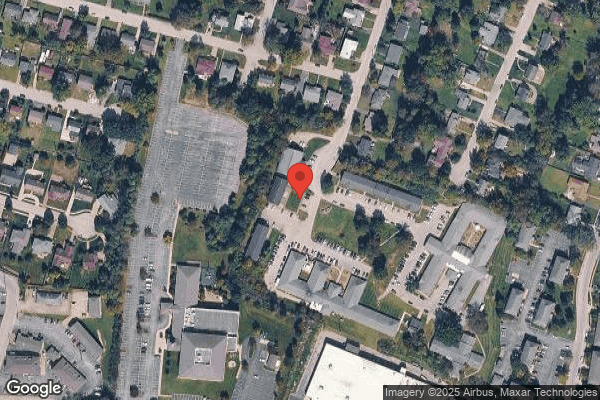
Jul 2023 4 deficiencies 2 Harm
SERIOUS (G) 📢 Someone Reported This

A family member, employee, or ombudsman was alarmed enough to file a formal complaint

Actual Harm - a resident was hurt due to facility failures

Deficiency F0657 (Tag F0657)

A resident was harmed · This affected 1 resident

**NOTE- TERMS IN BRACKETS HAVE BEEN EDITED TO PROTECT CONFIDENTIALITY** Based on observation, interview, record review, and review of the facility's policy, it was determined the facility failed to ha...

Read full inspector narrative →
**NOTE- TERMS IN BRACKETS HAVE BEEN EDITED TO PROTECT CONFIDENTIALITY** Based on observation, interview, record review, and review of the facility's policy, it was determined the facility failed to have an effective system in place to review and update comprehensive care plans as indicated for one (1) of thirty-four (34) sampled residents (Resident #15). Resident #15's care plan was not revised to included increased supervision and monitoring after a change in cognition, resulting in a fall with significant injury. The findings include: Review of the facility's policy titled, Comprehensive Care Plans Standard of Practice, dated 10/2020, revealed the purpose of the policy was to ensure an individualized Comprehensive Care Plan (CCP) that included measurable objectives and timetables to meet the resident's medical, nursing, mental and psychosocial needs would be developed for each resident. Further review revealed the facility's care planning/Interdisciplinary Team (IDT), in coordination with the resident, family and/or representative, developed and maintained a CCP for each resident that identified the highest level of functioning the resident might be expected to attain. Continued review revealed that a CCP was based on a thorough assessment that included, but was not limited to, the Minimum Data Set (MDS) assessments. Additional review revealed each resident's care plan was designed to identify problem areas; incorporate risk factors associated with the problems, built on the resident's strengths; and reflected the resident's wishes regarding treatment goals, timetables, and outcomes. Per the policy, a resident's care plan identified the professional services responsible for each element of care and should aid in preventing or reducing declines in the resident's functional status and/or functional levels. Further review revealed resident assessments were ongoing and care plans were revised as information about the resident and the resident's condition changed. Per the policy, care plans were reviewed and updated when there was a significant change in the resident's condition, when the desired outcome was not met, when the resident had been readmitted to the facility from a hospital stay, and at least quarterly. Review of the facility's policy, Falls Standard of Practice, dated 07/2020, revealed a resident's care plan was to be updated with implemented interventions after a fall. Additional review revealed the Clinical Quality Assurance (QA) Interdisciplinary Team (IDT) would review and discuss any fall during the morning clinical meeting with the care plan updated to reflect any changes to risk factors or needed interventions. The facility's policy for Interdisciplinary Team (IDT) was requested and was not provided. The Director of Nursing (DON) furnished a written list of the IDT Members which included the Administrator, the Director of Nursing (DON), the Assistant Director of Nursing (ADON), the Unit Manager (UM), the Wound Nurse, the Minimum Data Set Nurse (MDS), the Staff Development Coordinator (SDC), the Director of Rehabilitation Services and the Social Services Director (SSD). Review of Resident #15's medical record revealed the facility admitted the resident, on 02/20/2020, with diagnoses which included Chronic Obstructive Pulmonary Disease (COPD), Oxygen Dependence, Congestive Heart Failure (CHF), and Obstructive Sleep Apnea. Review of Resident #15's Quarterly Minimum Data Set (MDS) Assessment, dated 08/15/2022, revealed the facility assessed the resident to have a Brief Interview for Mental Status (BIMS) score of fourteen (14) of fifteen (15), which indicated he/she was cognitively intact. Review of Resident #15's Progress Notes, dated 08/09/2022 and 08/11/2022, revealed the facility assessed Resident #15 as having confusion on 08/09/2022, and again on 08/11/2022, when staff notified the physician, who ordered laboratory tests. Further review revealed on 08/22/2022, the resident was very confused and disoriented, hallucinated, and attempted to climb out of bed. Further review of Resident #15's Progress Notes, revealed on 08/27/2022 at 2:57 AM, Resident #15 called out for help and was found sitting on his/her bottom with his/her back resting against the bed. Resident #15 was transferred to a local hospital Emergency Department (ED) for evaluation related to the fall and decline in his/her level of consciousness. Review of the IDT Note, dated 08/29/2022 at 10:46 AM, revealed Resident #15 had been admitted to the hospital because of his/her critical CO2 (carbon dioxide) level. Review of the Progress Notes revealed on 09/05/2022, the resident was diagnosed with a broken right tibia (leg) from the previous fall found after completing a Computed Tomography (CT) scan and X-ray. Review of the Progress Notes revealed Resident #15 returned to the facility on [DATE] after hospital care. Review of Resident #15's Comprehensive Care Plan (CCP) revealed a fall care plan initiated on 03/05/2020. Further review revealed the contributing problem was risk for injury as evidenced by need for assistance with Activities of Daily Living (ADL) related to COPD, CHF, morbid obesity, Hypertension, incontinence, and medications. Continued review revealed the interventions initiated on 03/05/2020 included a bariatric bed with the assistance of two (2) staff and use of a mechanical lift, medications/treatments and laboratory tests as ordered, monitor for side effects, and Physical Therapy evaluation/treatment as indicated. An additional intervention was added on 03/23/2020, which was half side rails times two (2) to aid with bed mobility. With additional review, no other interventions were noted. Continued review of Resident #15's CCP revealed a plan for Cognitive Loss, dated 03/03/2020 revealed interventions to include: 1) approach resident warmly and positively, explain all procedures to resident before doing care, etc.; 2) attempt to establish a comfortable daily routine; 3) elicit support of family/friends as needed to assist resident with more difficult or complex decisions; 4) encourage resident to reminisce to help keep long term memory intact; 5) notify physician, family, responsible party of changes as needed; and 6) provide cueing, prompting, and assist for personal care as needed. Further review of the cognitive loss care plan revealed no revisions and no added interventions for increased monitoring following new onset confusion. In a telephone interview with Resident #15's Daughter on 06/29/2023 at 12:10 PM, she stated Resident #15 was normally alert and oriented, but had asked the facility about placing a bed alarm because the resident became confused if his/her O2 was too low. She also stated a bed alarm would alert the staff if Resident #15 was attempting to get out of bed unassisted and that, if an alarm was not possible, the facility should put someone in the room with him/her until the resident was no longer confused. She further stated she was not aware of any fall prevention strategies the facility had attempted. In an interview with State Registered Nursing Assistant (SRNA) #7 on 06/30/2023 at 4:10 PM, she stated Resident #15 was disoriented the day he/she fell out of bed. She stated Resident #15's confusion seemed intermittent; specifically, he/she would be speaking normally then say something off the wall. She also stated the disorientation was not Resident #15's baseline and was a new onset problem before the fall on 08/27/2022. In an interview with the MDS Nurse on 07/01/2023 at 5:43 PM, she stated she did not do cognitive care plans, and this would fall into the responsibility of the Social Services Director (SSD). In an interview with the SSD on 07/01/2023 at 6:22 PM, she stated upon notification of a resident having cognitive changes, she was responsible for care planning and revising the care plan. She stated with cognitive changes, there would be increased supervision, the care plan would be updated accordingly, and documented in a Progress Note. The SSD stated she slightly remembered Resident #15's incident. She stated the resident was confused, and this was not normal for Resident #15. The SSD stated as she remembered, Resident #15 was confused and was trying to get out of the bed when he/she had the fall. However, review of the current CCP for Resident #15 revealed no documented evidence it had been revised to include interventions for increased supervision after the onset of cognitive changes on 08/22/2022. In an interview with the Director of Nursing (DON) on 07/01/2023 at 5:51 PM, he stated, after a change in condition, the nurse would notify the physician, increase monitoring, as evidenced by charting on every shift for seventy-two (72) hours. He stated this was just the standard of practice for nursing. The DON stated his expectation was for staff to carry out the best nursing practice. He further stated increased monitoring, by every fifteen (15) minutes or every thirty (30) minute checks, was an intervention which required a Physician's Order and should be on the care plan. He stated his expectation for a resident's change in condition was to notify the physician, the resident's family, carry out any new orders, and increase monitoring for seventy-two (72) hours, documented with a progress note on every shift. During an interview with the Administrator on 07/01/2023 at 6:40 PM, with the [NAME] President of Operations in attendance per the Administrator's permission, she stated she was not the Administrator at the time of Resident #15's fall and did not have a clinical background. But in this type of situation, she stated she would expect the staff to notify the physician and act on the physician's orders. She stated if it was not noted in a care plan, a nurse caring for a resident in this situation would learn in report of any changes in condition and the need for increased monitoring.
SERIOUS (G) 📢 Someone Reported This

A family member, employee, or ombudsman was alarmed enough to file a formal complaint

Actual Harm - a resident was hurt due to facility failures

Accident Prevention (Tag F0689)

A resident was harmed · This affected 1 resident

**NOTE- TERMS IN BRACKETS HAVE BEEN EDITED TO PROTECT CONFIDENTIALITY** Based on observation, interview, record review, and review of the facility's policy, it was determined the facility failed to en...

Read full inspector narrative →
**NOTE- TERMS IN BRACKETS HAVE BEEN EDITED TO PROTECT CONFIDENTIALITY** Based on observation, interview, record review, and review of the facility's policy, it was determined the facility failed to ensure residents were as free of accident hazards as possible and failed to provide the necessary supervision to prevent accidents for one (1) of thirty-four (34) sampled residents (Resident #15). On 08/27/2022, Resident #15 sustained a fall after being observed to have confusion and hallucinations. Resident #15 was transferred and admitted to the hospital on [DATE] and returned on 09/01/2022. Additionally, Resident #15 returned to the hospital where a transverse fracture to the right tibia (leg) from the previous fall was found. The findings include: Review of the facility's policy, Falls Standard of Practice, dated 07/2020, revealed the facility would ensure compliance with the regulatory intent of F689, that (i) the residents' environment remained as free of accident hazards as possibly, and (ii) each resident received adequate supervision and assistance devices to prevent accidents. Further review revealed each resident would have a Falls Risk Assessment completed by a licensed nurse, with immediate reasonable interventions initiated to reduce risk of falls. Continued review revealed a resident's care plan was to be updated with implemented interventions after a fall. Additional review revealed the Clinical Quality Assurance (QA) Interdisciplinary Team (IDT) would review and discuss any fall during the morning clinical meeting with the care plan updated to reflect any changes to risk factors or needed interventions. Subsequent review revealed residents experiencing a fall were reviewed to determine the effectiveness of current interventions or to identify potential new approaches. Review of Resident #15's medical record revealed the facility admitted the resident, on 02/20/2020, with diagnoses which included Chronic Obstructive Pulmonary Disease (COPD), Oxygen Dependence, Congestive Heart Failure (CHF), and Obstructive Sleep Apnea. Review of Resident #15's Quarterly Minimum Data Set (MDS) Assessment, dated 08/15/2022, revealed the facility assessed the resident to have a Brief Interview for Mental Status (BIMS) score of fourteen (14) of fifteen (15). This score indicated Resident #15 was cognitively intact. Review of Resident #15's Progress Notes revealed the first evidence that Resident #15 was having confusion was documented on 08/09/2022, and again on 08/11/2022. At that time, staff notified the physician, who ordered laboratory tests. Further review revealed the confusion recurred, as noted on 08/22/2022. Review of the Progress Note revealed the resident was very confused and disoriented, had hallucinations, attempted to climb out of bed. Record review revealed labs were ordered related to the new confusion. Review of the Progress Note, dated 08/23/2022 at 6:26 PM, revealed staff received critical labs related to Resident #15's CO2 (carbon dioxide) level. Review of the Progress Note, dated 08/27/2022, revealed Resident #15 called out for help and was found sitting on his/her bottom with his/her back resting against the bed. Further review of the Note revealed Resident #15 was transferred to a local hospital Emergency Department (ED) for evaluation related to the fall and notable decline in his/her level of consciousness. Review of the Interdisciplinary Team (IDT) Note, dated 08/29/2023 at 10:46 AM, revealed Resident #15 had been admitted to the hospital because of his/her critical CO2 level. Continued review of the Progress Notes revealed the facility readmitted Resident #15, on 09/01/2022, with added diagnoses of Hypercapnic Encephalopathy and Acute Kidney Injury. Review of Resident #15's ED records, dated 08/27/2022, revealed the facility assessed the resident and found him/her to be lethargic and was placed on a BiPAP machine (Bilevel positive airway pressure known as BPAP, or more commonly under the trade name, BiPAP, a machine that helps you breathe). Further review revealed Resident #15 was seen in the ED due to confusion with hallucinations over the past few days. Continued review of the ED record revealed Resident #15 was admitted to the hospital and received a CT scan, which was labeled tibia/fibula, but the study performed was of the femur, which revealed no fracture. Review of the Nursing Note, dated 09/05/2022, and the hospital ED record revealed Resident #15 was transferred to a local hospital ED, on 09/05/2022, for evaluation of a possible infection. Further review revealed the resident was diagnosed with a broken right tibia (leg) from the previous fall found after completing a Computed Tomography (CT) scan and X-ray. The Note also revealed Resident #15 was then transferred to a different acute care hospital related to the fracture. Review of the Progress Notes revealed Resident #15 returned to the facility on [DATE] after hospital care. Review of Resident #15's hospital records from the second admission on [DATE] at Hospital #2, revealed he/she was admitted for treatment of the acute, traumatic, closed, right distal tibia/fibula fracture of the right lower extremity. Further review revealed the right lower extremity was splinted in the operating room. Continued review revealed no surgical intervention for the fracture was planned. The facility readmitted Resident #15 on 09/18/2022. Review of Resident #15's Comprehensive Care Plan, revealed a Fall Plan was initiated on 03/05/2020. The contributing problem was risk for injury as evidenced by need for assistance with Activities of Daily Living (ADL) related to COPD, CHF, morbid obesity, Hypertension, incontinency, and medications. Continued review revealed interventions were initiated on 03/05/2020 with one more added on 03/23/2023 and none added after the fall on 08/27/2022. Review of the fall care plan revealed interventions, dated 03/05/2020, included laboratory tests as ordered, monitor for side effects of medications every shift, notify Medical Doctor as needed, O2 and bipap per orders, PT evaluation/tx as indicated. Observation of Resident #15, on 06/27/2023 at 11:04 AM, revealed the resident was resting comfortably, with no signs of distress, and oxygen (O2) in place per nasal cannula at four (4) L per minute. In a telephone interview with Resident #15's Daughter on 06/29/2023 at 12:10 PM, she stated the resident became confused if his/her O2 was too low and that she had asked the facility about adding an alarm to Resident #15's bed. She stated the facility's staff had discussed several options about fall prevention, but her suggestions were met with reasons why they could not be done. Resident #15's Daughter stated the facility had not tried any fall prevention interventions of which she was aware. She stated she could not remember if her parent's leg was broken when he/she fell out of bed in August 2022. In a continued interview with Resident #15's Daughter, on 06/29/2023 at 12:10 PM, she stated she understood that staff members were busy, but if Resident #15 became confused and an alarm could not be on his/her bed, the facility needed to put someone in the room with him/her until he/she got back to normal. She also stated Resident #15 was normally alert and without confusion. The Daughter stated Resident #15 would not wear his/her Continuous Positive Airway Pressure (CPAP, only provided one level of airway pressure) machine and got carbon dioxide (CO2) buildup, which made him/her confused. In an interview with Resident #15 on 06/29/2023 at 4:30 PM, he/she stated that he/she was hallucinating when he/she fell out of bed. The resident stated he/she did not recall the date of that fall. Resident #15 further stated he/she had a CPAP, but did not wear it because he/she hated it. Resident #15 stated he/she did not recall subsequent incidents of hallucinating, and he/she had not fallen again. Resident #15 stated he/she did not have surgery to repair the fracture due to his/her CHF. In an interview with the State Registered Nursing Assistant (SRNA) #7 on 06/30/2023 at 4:10 PM, she stated Resident #15 was disoriented the day he/she fell out of bed. She stated Resident #15's confusion seemed intermittent; namely, he/she would be speaking normally then say something off the wall. She also stated the disorientation was not Resident #15's baseline. In an interview with Licensed Practical Nurse #7 on 06/30/2023 at 3:47 PM, she stated she recalled when Resident #15 fell out of bed because she worked that hallway the following shift. She stated Resident #15 was transferred to the hospital for evaluation after the fall. In an interview with the Social Services Director (SSD) on 07/01/2023 at 6:22 PM, she stated she was responsible for care planning with cognitive loss or changes. She stated with a notification of a resident having cognitive changes, there would be increased supervision, the care plan would be updated accordingly, and documented in a Progress Note. She stated care plan reviews occurred in the IDT meeting, where the team updated the care plan depending on the reason for the change. With cognitive changes, she stated it could be a nursing care plan if the cause of the confusion was medical, such as a urinary tract infection or O2 issues. She stated she slightly remembered Resident #15's incident. The SSD stated as she remembered, Resident #15 was confused and was trying to get out of the bed. She stated, in a situation like that, the physician was normally notified and labs requested to determine the cause of the confusion. In an interview with the Director of Nursing (DON) on 07/01/2023 at 5:51 PM, he stated, after a change in condition, the nurse would notify the physician, increase monitoring, and chart on every shift for seventy-two (72) hours. The DON stated this was just the standard of practice for nursing. He stated per this standard of practice, there were increased progress notes for those days. The DON stated actions after a resident's change in condition were based on the Physician's Orders. He stated his expectation was for staff to carry out the best nursing practice. The DON stated he expected the nursing staff to make prudent decisions and notify the physician. He stated staff might not notify the DON necessarily, but he preferred to be notified for a resident's fall. The DON stated increased monitoring, by every fifteen (15) or every thirty (30) minute checks, was an intervention requiring a Physician's Order and would be on the care plan. He also stated that currently there was only one (1) resident on a bed alarm or chair alarm because the facility was limited on those. During continued interview, the DON stated Resident #15 did not currently have a bed alarm, but he was not sure whether the resident had ever had an alarm intervention. He stated his expectation for a resident's change in condition was to notify the physician, the resident's family, carry out any new orders, and increase monitoring for seventy-two (72) hours, documented with a Progress Note on every shift. The DON stated actions taken following new onset confusion would depend on the Physician's Orders. During an interview with the Administrator on 07/01/2023 at 6:40 PM, with the [NAME] President of Operations in attendance, she stated she was not the Administrator at the time of Resident #15's fall and did not have a clinical background. But in this type of situation, she would expect the staff to notify the physician and act on the Physician's Orders. She further stated staff called the doctor and did what he ordered in response to Resident #15's fall. She stated the physician ordered laboratory tests, vital signs, and increased documentation. The Administrator and the DON both emphasized increased supervision and defined it as the staff charted on the resident on each shift, and did not define it as every 15 or 30 minute checks. She stated she was not sure of the frequency of supervision, and that was dependent on the situation. The Administrator stated she did not know if Resident #15 was close to the nurse's station, but the staff was checking on him/her more frequently after. If not in a care plan, she stated a nurse caring for a resident in this situation would learn in report of any changes in condition and the need for increased monitoring. She additionally stated the IDT met two (2) days after the fall, when the resident was admitted to the hospital. She stated IDT notes documented the care plan was changed, and the intervention noted was medical workup at the hospital.
CONCERN (F) 📢 Someone Reported This

A family member, employee, or ombudsman was alarmed enough to file a formal complaint

Potential for Harm - no one hurt, but risky conditions existed

Menu Adequacy (Tag F0803)

Could have caused harm · This affected most or all residents

Based on observations, interviews, and record review, it was determined the facility failed to ensure menus were posted and/or followed as posted. Review of the menus posted for the 06/27/2023 lunch m...

Read full inspector narrative →
Based on observations, interviews, and record review, it was determined the facility failed to ensure menus were posted and/or followed as posted. Review of the menus posted for the 06/27/2023 lunch meal did not match the foods observed to be served to the residents. This deficiency affected sixty-four (64) of sixty-five (65) current residents; one (1) resident was receiving tube feedings and did not receive meal trays. The findings include: Observation of the posted lunch menu for 06/27/2023 at 9:10 AM, and review of the facility's menus for week two revealed the facility menu listed hamburger on a bun with lettuce, tomato, ketchup, pickle spear, confetti coleslaw, french fries, and chocolate chip cookies were to be served to the residents for lunch. However, observation of the tray line, on 06/27/2023 at 12:00 PM, revealed the residents' meal being prepared consisted of hot dogs, mashed potatoes, fried potatoes and cole slaw. Review of the facility's menu for week one (1), for the Saturday 06/24/2023 lunch meal, revealed the lunch menu listed roast turkey with gravy, steamed broccoli florets with lemon, rice pilaf, dinner roll and cherry cheesecake bar. Interviews with Residents #38, #48, and #2, during the Resident Council Meeting on 06/28/2023 at 2:00 PM, the Council members stated the facility served hotdogs on 06/24/2023 and 06/27/2023. The Members stated the menus were not always posted and or followed. 1. Record review revealed the facility admitted Resident #2 on 11/09/2021 with diagnoses which included Hypertension, Pressure Ulcer, Unspecified Stage, and Depression. Review of Quarterly Minimum Data Set (MDS) Assessment, dated 06/12/2023, revealed the facility assessed Resident #2 with a Brief Interview for Mental Status (BIMS) score of fifteen (15) out of fifteen, which indicated Resident #2 was cognitively intact. During an interview with Resident #2 on 06/28/2023 at 10:38 AM, he/she stated that most of the time the menu that was posted was not the meal that would actually be served. 2. Record review revealed the facility admitted Resident #38 on 07/28/2021, with diagnoses which included Congestive Heart Failure, Hypertension and Cardiovascular Accident. Review of the Quarterly MDS Assessment, dated 06/16/2023, revealed the facility assessed Resident #38 with a Brief Interview for Mental Status (BIMS) score of fifteen (15) out of fifteen (15) which indicated Resident #38 was cognitively intact. During an interview with Resident #38 on 06/28/2023 at 2:30 PM, he/she stated he/she had worked thirty years in the food service industry. Resident #38 stated menus were not usually posted and sometimes the facility served food that was not on the menu. During interview with Dietary Aide #1 on 07/01/2023 at 2:20 PM, she stated she had been with the facility for approximately one (1) year, and received training during her orientation and received periodic inservices related to food handling and storage. She stated if they ran out of supplies they must find a substitute item and obtain permission from their supervisor before they can use it. Dietary #1 stated that alternate meals were mandatory and that they would do special requests if they were given advanced notice. In an interview with Dietary [NAME] #1 on 07/01/2023 at 4:17 PM, he stated he was new to the facility. He stated he tried to prepare alternate food selections as soon as he was made aware of the need for them. Dietary [NAME] #1 stated he would consult with his manager if a substitution was needed. During an interview with the Certified Dietary Manager (CDM) on 06/29/2023 at 11:46 AM, she stated menus were seasonal and were changed out monthly. The CDM stated she was aware that the menu had been changed. She stated on 06/24/2023, hot dogs had been served but she could not recall why the menu had not been followed. The CDM further stated the lunch menu on 06/27/2023 had been changed as the facility's vendor had not delivered the hamburger patties, so hot dogs were served instead. She stated the residents were made aware of the changes while in the dining room. During an interview with the Registered Dietician (RD) on 07/01/2023 at 10:13 AM, she stated she had been the facility's RD for about three (3) weeks. She stated she was not aware the facility had changed the menus. The RD stated the CDM should made her aware when a product was not available in order to decide what substitute could be made. In an interview with the Administrator on 07/01/2023 at 6:01 PM, she stated the Dietary Manager was responsible for ensuring menus were posted and followed as indicated. She stated if menu items were not available that was to be communicated to the Registered Dietician for changes that needed to occur. She stated the Dietary Manager made her aware when items were not available.
CONCERN (F) 📢 Someone Reported This

A family member, employee, or ombudsman was alarmed enough to file a formal complaint

Potential for Harm - no one hurt, but risky conditions existed

Deficiency F0804 (Tag F0804)

Could have caused harm · This affected most or all residents

**NOTE- TERMS IN BRACKETS HAVE BEEN EDITED TO PROTECT CONFIDENTIALITY** Based on observation, interview and facility policy review it was determined the facility failed to provide food and drink that ...

Read full inspector narrative →
**NOTE- TERMS IN BRACKETS HAVE BEEN EDITED TO PROTECT CONFIDENTIALITY** Based on observation, interview and facility policy review it was determined the facility failed to provide food and drink that was palatable and attractive for six (6) of thirty-four (34) sampled residents (Residents #2, #23, #27, #36, #38 and #54). The findings include: Review of the facility's policy, Food: Quality and Palatability, revised 09/2017, revealed food would be palatable, attractive, and prepared and served in a manner, form, and texture to meet resident's needs. Observation during lunch tray line, on 06/27/2023 from 12:00 PM through 12:30 PM, of the steam table, revealed the pureed hotdog and the mashed potatoes were of a soupy consistency. Continued observation revealed the hotdogs soaking in water were discolored. 1) Record review revealed the facility admitted Resident #54 on 09/20/2021 with diagnoses which included Chronic Obstructive Pulmonary Disease (COPD), Heart Failure, and Hypertension. Review of Resident #54's Quarterly Minimum Data Set (MDS) Assessment, dated 05/14/2023, revealed the facility assessed Resident #54 with a Brief Interview for Mental Status (BIMS) score of fifteen (15) of fifteen, which indicated Resident #54 was cognitively intact. In an interview with Resident #54 on 06/28/2023 at 8:32 AM, Resident #54 stated, the food quality was not the greatest because most of the time it did not taste good and sometimes it looked bad. Resident #54 showed the State Survey Agency (SSA) Surveyor a video of a pancake that was served to him/her for breakfast on or around the morning of 12/15/2022. The pancake appeared to be hard when hit against the table. Additionally, Resident #54 provided pictures of banana slices that were turning brown and were wrapped in plastic wrap. Resident #54 stated, they were given out for snack the other day and he/she was unable to eat them. 2) Record review revealed the facility admitted Resident #2 on 11/09/2021 with diagnoses which included hypertension, pressure ulcer, unspecified stage, and depression. Review of Resident #2's Quarterly MDS Assessment, dated 06/12/2023, revealed the facility assessed Resident #2 with a Brief Interview for Mental Status (BIMS) score of fifteen of fifteen, which indicated Resident #2 was cognitively intact. In an interview with Resident #2 on 06/28/2023 at 10:38 AM, the resident showed the Surveyor pictures of a previous meal that was served to him/her on 02/03/2023. In the picture the meal ticket read, Regular Diet- Double Meat protein, Smothered Steak, roasted green beans, Spaghetti Noodles, Herbed dinner roll, tropical fruit salad, and tea. However, Resident #2's meal tray in the photograph showed he/she was served a dinner roll, green beans, and macaroni noodles. No meat protein item was noted on the dinner tray. Resident #2 stated that often times the food was not palatable. 3) Record review revealed the facility admitted Resident #23 on 01/10/2023 with diagnoses which included End Stage Renal Disease, Hypertension, and Diabetes Mellitus Type 2. Review of Resident #23's Quarterly MDS Assessment, dated 05/02/2023, revealed the facility assessed Resident #23 with Brief Interview for Mental Status (BIMS) score of fifteen of fifteen, which indicated Resident #23 was cognitively intact. In an interview with Resident #23 on 06/27/2023 at 3:40 PM, the resident stated the food temperatures were okay but the food did not taste well. 4) Record review revealed the facility admitted Resident #36 on 12/13/2022 with diagnoses which included Type 2 Diabetes Mellitus, Chronic Congestive Heart Failure, and Hypertension. Review of Resident #36's MDS Assessment, dated 04/25/2023, revealed the facility assessed Resident #36 with a Brief Interview for Mental Status (BIMS) score of fourteen (14) out of fifteen (15), which indicated no cognitive impairment. In an interview with Resident #36 on 06/27/2023 at 11:45 AM, he/she stated the food was awful and he/she would notfeed it to a dog. Resident #36 stated the meat was hard and tough. 5.) Record review revealed the facility admitted Resident #27 on 02/08/2021, with diagnoses which included Type 2 Diabetes Mellitus, Morbid Obesity (severe) due to excess calories, and fluid overload. Review of Resident #27's Quarterly MDS assessment dated [DATE], revealed the facility assessed Resident #27 with a Brief Interview for Mental Status (BIMS) score of 15, which indicated the resident was cognitively intact. During interview with Resident #27 on 06/27/2023 at 9:55 AM, the resident stated he/she had been at the facility for almost two (2) year. Resident #27 stated he/she had diabetes and had complained that the food served, was not enough and was not palatable. The resident stated there had been times that dinner was not served until after 7:30 PM. Resident #27 stated the food would be cold, and portions were small. He/she stated, It's not good, it's nasty. The resident stated, For instance, today for breakfast he/she was served eggs and hash browns, no meat. Additionally, Resident #27 stated the food was usually cold and late when served. He/she stated he/she would get served peas yet, he/she had told staff and dietary many times that he/she did not like peas. Resident #27 stated one night he/she was served mashed potatoes, potato wedges, and macaroni and cheese. The Resident stated that was too many carbohydrates, and the portions were too small. Resident #27 stated he/she was served what looked like tomato soup with rice, might have been two (2) spoonfuls; not enough to say it was a serving. In an interview with Dietary [NAME] #1 on 07/01/2023 at 4:17 PM, he stated he was new to the facility. He stated he tries to accommodate resident preferences the best he could by preparing alternate selections when the need arose. He stated, he tried to dress the plates to make the food look more appealing. In an interview with the Registered Dietician (RD) on 07/01/2023 at 10:13 AM, she stated she was new to the facility as of three (3) weeks ago. She stated she was unaware of any resident concerns with food but would be following up with the Certified Dietary Manager (CDM). In an interview with the Administrator on 07/01/2023 at 6:01 PM, she stated she expected food to be palatable for the residents to eat. She stated the Dietary Manager was responsible for oversight of the kitchen. The Administrator stated she had received test trays on multiple occasions and if any concerns were noted they would be addressed with the CDM and RD.
Understanding Severity Codes (click to expand)
Life-Threatening (Immediate Jeopardy)
J - Isolated K - Pattern L - Widespread
Actual Harm
G - Isolated H - Pattern I - Widespread
Potential for Harm
D - Isolated E - Pattern F - Widespread
No Harm (Minor)
A - Isolated B - Pattern C - Widespread

Questions to Ask on Your Visit

  • "Why is there high staff turnover? How do you retain staff?"
  • "Can I speak with families of current residents?"
  • "What's your RN coverage like on weekends and overnight?"

Our Honest Assessment

Strengths
  • • Licensed and certified facility. Meets minimum state requirements.
Concerns
  • • 16 deficiencies on record, including 2 serious (caused harm) violations. Ask about corrective actions taken.
  • • $11,764 in fines. Above average for Kentucky. Some compliance problems on record.
  • • Grade F (28/100). Below average facility with significant concerns.
  • • 63% turnover. Above average. Higher turnover means staff may not know residents' routines.
Bottom line: Trust Score of 28/100 indicates significant concerns. Thoroughly evaluate alternatives.

About This Facility

What is Madison Center's CMS Rating?

CMS assigns MADISON HEALTH AND REHABILITATION CENTER an overall rating of 1 out of 5 stars, which is considered much below average nationally. Within Kentucky, this rating places the facility higher than 0% of the state's 100 nursing homes. A rating at this level reflects concerns identified through health inspections, staffing assessments, or quality measures that families should carefully consider.

How is Madison Center Staffed?

CMS rates MADISON HEALTH AND REHABILITATION CENTER's staffing level at 1 out of 5 stars, which is much below average compared to other nursing homes. Staff turnover is 63%, which is 17 percentage points above the Kentucky average of 46%. High turnover can affect care consistency as new staff learn residents' individual needs. RN turnover specifically is 76%, which is notably high. RNs provide skilled clinical oversight, so turnover in this role can affect medical care quality.

What Have Inspectors Found at Madison Center?

State health inspectors documented 16 deficiencies at MADISON HEALTH AND REHABILITATION CENTER during 2023 to 2024. These included: 2 that caused actual resident harm and 14 with potential for harm. Deficiencies causing actual harm indicate documented cases where residents experienced negative health consequences.

Who Owns and Operates Madison Center?

MADISON HEALTH AND REHABILITATION CENTER is owned by a for-profit company. For-profit facilities operate as businesses with obligations to shareholders or private owners. The facility is operated by BENJAMIN LANDA, a chain that manages multiple nursing homes. With 92 certified beds and approximately 86 residents (about 93% occupancy), it is a smaller facility located in RICHMOND, Kentucky.

How Does Madison Center Compare to Other Kentucky Nursing Homes?

Compared to the 100 nursing homes in Kentucky, MADISON HEALTH AND REHABILITATION CENTER's overall rating (1 stars) is below the state average of 2.8, staff turnover (63%) is significantly higher than the state average of 46%, and health inspection rating (2 stars) is below the national benchmark.

What Should Families Ask When Visiting Madison Center?

Based on this facility's data, families visiting should ask: "How do you ensure continuity of care given staff turnover, and what is your staff retention strategy?" "Can you walk me through typical staffing levels on day, evening, and night shifts?" "Can I visit during a mealtime to observe dining assistance and food quality?" "How do you handle medical emergencies, and what is your hospital transfer rate?" These questions are particularly relevant given the facility's high staff turnover rate and the below-average staffing rating.

Is Madison Center Safe?

Based on CMS inspection data, MADISON HEALTH AND REHABILITATION CENTER has a clean safety record: no substantiated abuse findings (meaning no confirmed cases of resident harm), no Immediate Jeopardy citations (the most serious violation level indicating risk of serious injury or death), and is not on the Special Focus Facility watch list (a federal program monitoring the lowest-performing 1% of nursing homes). The facility has a 1-star overall rating and ranks #100 of 100 nursing homes in Kentucky. While no facility is perfect, families should still ask about staff-to-resident ratios and recent inspection results during their visit.

Do Nurses at Madison Center Stick Around?

Staff turnover at MADISON HEALTH AND REHABILITATION CENTER is high. At 63%, the facility is 17 percentage points above the Kentucky average of 46%. Registered Nurse turnover is particularly concerning at 76%. RNs handle complex medical decisions and coordinate care — frequent RN changes can directly impact care quality. High turnover means new staff may not know residents' individual needs, medications, or preferences. It can also be disorienting for residents, especially those with dementia who rely on familiar faces. Families should ask: What is causing the turnover? What retention programs are in place? How do you ensure care continuity during staff transitions?

Was Madison Center Ever Fined?

MADISON HEALTH AND REHABILITATION CENTER has been fined $11,764 across 2 penalty actions. This is below the Kentucky average of $33,197. While any fine indicates a compliance issue, fines under $50,000 are relatively common and typically reflect isolated problems that were subsequently corrected. Families should ask what specific issues led to these fines and confirm they've been resolved.

Is Madison Center on Any Federal Watch List?

MADISON HEALTH AND REHABILITATION CENTER is not on any federal watch list. The most significant is the Special Focus Facility (SFF) program, which identifies the bottom 1% of nursing homes nationally based on persistent, serious quality problems. Not being on this list means the facility has avoided the pattern of deficiencies that triggers enhanced federal oversight. This is a positive indicator, though families should still review the facility's inspection history directly.