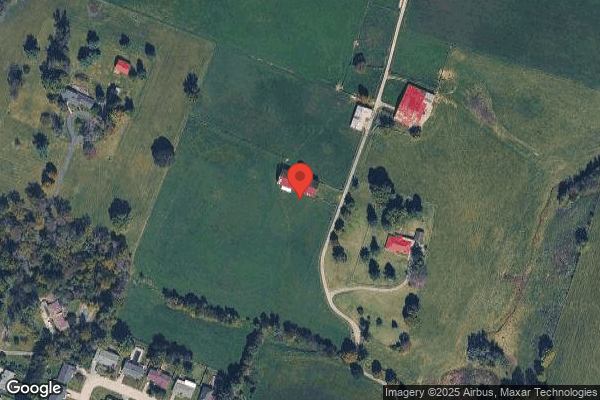
Telford Terrace

1025 Robert L Telford Drive, Richmond, KY 40475 (859) 626-5200
Non profit - Corporation 26 Beds Independent Data: November 2025 1 Immediate Jeopardy citation
Trust Grade
53/100
#140 of 266 in KY
Last Inspection: February 2023

Over 2 years since last inspection. Current conditions may differ from available data.

Overview

Telford Terrace in Richmond, Kentucky, has a Trust Grade of C, which means it is average and falls in the middle of the pack compared to other facilities. It ranks #140 out of 266 in the state and #4 out of 5 in Madison County, indicating it is in the bottom half of local options. The facility is improving, having reduced its issues from 6 in 2022 to just 1 in 2023. Staffing is rated 4 out of 5 stars, which is good, but the turnover rate is concerning at 65%, higher than the state average of 46%. There have been no fines reported, which is a positive sign, and the facility has better RN coverage than 86% of Kentucky facilities, ensuring that more serious health issues are less likely to be missed. However, there have been some incidents that raise concerns. One critical finding involved improper cleaning of a glucometer, which could lead to infection risks. Additionally, there were concerns about food safety practices, such as staff using contaminated gloves while handling food. Lastly, the facility failed to complete required assessments for several residents in a timely manner, which could impact care planning. Overall, while there are strengths in staffing and RN coverage, families should be aware of these weaknesses when considering Telford Terrace.

Trust Score
C
53/100
In Kentucky
#140/266
Bottom 48%
Safety Record
High Risk
Review needed
Inspections
Getting Better
6 → 1 violations
Staff Stability
⚠ Watch
65% turnover. Above average. Higher turnover means staff may not know residents' routines.
Penalties
✓ Good
No fines on record. Clean compliance history, better than most Kentucky facilities.
Skilled Nurses
✓ Good
Each resident gets 71 minutes of Registered Nurse (RN) attention daily — more than 97% of Kentucky nursing homes. RNs are the most trained staff who catch health problems before they become serious.
Violations
○ Average
7 deficiencies on record. Average for a facility this size. Mostly minor or procedural issues.
★★★☆☆
3.0
Overall Rating
★★★★☆
4.0
Staff Levels
★★★★☆
4.0
Care Quality
★★★☆☆
3.0
Inspection Score
Stable
2022: 6 issues
2023: 1 issues

The Good

  • 4-Star Staffing Rating · Above-average nurse staffing levels
  • 4-Star Quality Measures · Strong clinical quality outcomes
  • Full Sprinkler Coverage · Fire safety systems throughout facility
  • No fines on record

Facility shows strength in staffing levels, quality measures, fire safety.

The Bad

3-Star Overall Rating

Near Kentucky average (2.8)

Meets federal standards, typical of most facilities

Staff Turnover: 65%

19pts above Kentucky avg (46%)

Frequent staff changes - ask about care continuity

Staff turnover is elevated (65%)

17 points above Kentucky average of 48%

The Ugly 7 deficiencies on record

1 life-threatening
Feb 2023 1 deficiency
CONCERN (D)

Potential for Harm - no one hurt, but risky conditions existed

Deficiency F0804 (Tag F0804)

Could have caused harm · This affected 1 resident

Based on observation, interview, review of facility recipes, and review of facility Policy, the facility failed to ensure food was prepared by methods that conserve nutritive value, flavor and appeara...

Read full inspector narrative →
Based on observation, interview, review of facility recipes, and review of facility Policy, the facility failed to ensure food was prepared by methods that conserve nutritive value, flavor and appearance for pureed foods. Observation during lunch tray line, on 02/22/2023, during preparation of the lunch puree meal revealed the CDM used hot water to puree the macaroni and cheese and hot water to blend the barbecue chicken. However, review of the facility Puree Mac [Macaroni]-Cheese recipe, revealed directions to blend with milk and some of the juice from the Mac-Cheese. Additionally, review of the facility Puree BBQ [Barbecue] Chicken recipe, revealed directions to blend with BBQ sauce or chicken broth. The findings include: Review of the facility Policy titled, Food: Quality and Palatability, revised 09/2017, revealed, Food will be prepared by methods that conserve nutritive value, flavor and appearance. Food will be palatable, attractive and served at a safe and appetizing temperature. Food and liquids are prepared and served in a manner, form, and texture to meet resident's needs. Review of the facility's Diet Master, printed 02/21/2023, revealed two (2) residents received a pureed diet. Interview with the Certified Dietary Manager (CDM), on 02/21/2023 at 11:08 AM, revealed the facility had two (2) residents who received a pureed diet texture. Interview with Resident #8's family member, on 02/21/2023 at 2:11 PM, revealed the resident's diet had just been upgraded from a pureed textured diet. Per interview, the pureed foods had no flavor, and Resident #8 nodded his/her head in agreement. Review of the facility's planned menu indicated the puree lunch meal for 02/22/2023 consisted of puree barbecue chicken, puree oven fried fish, puree baked macaroni and cheese, puree rice with gravy, puree beets, puree fruit, puree bread and lemon pudding. Review of the Puree Mac [Macaroni]-Cheese recipe, undated, revealed blend with milk and some of the juice from the Mac-Cheese. If thin, add thickener to a smooth puree. Review of the Puree BBQ [Barbecue] Chicken recipe, undated, revealed, blend with BBQ sauce or chicken broth until smooth If thin add thickener to a smooth puree. During an observation of the preparation of the lunch puree meal, on 02/22/2023 at 11:46 AM, the CDM used hot water to blend the barbecue chicken until smooth and used cooking water to puree the beets until the beets were smooth and consistent. Further observation revealed the CDM used hot water from the coffee pot to puree the macaroni and cheese until the macaroni and cheese was smooth and consistent. Additional observation revealed the CDM used hot water to puree the bread. Interview with the CDM during the observations revealed she used hot water to puree meats and the vegetable cooking water to puree vegetables. Interview with [NAME] #14, on 02/22/2023 at 11:55 AM, revealed he had worked at the facility for four (4) months. [NAME] #14 stated he used hot water to puree meats and added thickener to get the food item to the proper consistency. According to [NAME] #14, broth could be used to puree meats and he would have used barbecue sauce to puree barbecue chicken, instead of hot water. [NAME] #14 stated, adding only water to puree foods could affect the flavor of the food served. During observation of the lunch tray line on 02/22/2023 at 12:22 PM, revealed [NAME] #14 commented the color of puree food items served up on the plates was bland. During observation of the lunch tray line with the CDM, on 02/22/2023 at 12:41 PM, the CDM revealed she could not identify the barbecue chicken among the puree food items. Observation on 02/22/2023 at 12:57 PM, revealed the test tray was retrieved from the delivery cart and sampled in the conference room. The puree macaroni and cheese was thick and pasty, without the taste of cheese or seasoning. Further, the puree barbecue chicken was flavorless and bland, without the taste of barbecue sauce or seasoning of any kind. During a follow-up interview with the CDM, on 02/22/2023 at 3:18 PM, CDM stated she used a barbecue sauce liquid and hot water mixture to puree the chicken and used only hot water for the macaroni and cheese during the lunch meal service on 02/22/2023. The CDM further stated milk could have been used in place of hot water for the macaroni and cheese to add more flavor. Per the CDM, she usually tasted the pureed foods before meal service, but did not taste the pureed food at lunch on 02/22/2023. Interview with the Registered Dietitian (RD), on 02/23/2023 at 10:44 AM, revealed puree foods should be blended with natural juices, gravies, broths, or cream sauces to preserve the flavor and nutritive value of texturized foods. Interview was conducted with the Assistant Director of Nursing (ADON), Director of Nursing (DON), and the Administrator, on 02/24/2023 at 11:29 AM. The DON stated pureed diet foods should taste the same or similar to regular food items. Additionally, the DON stated water should not be used to blend puree food items, but broth, soup, gravy, or sauce should be used to enhance the flavor of the foods. The ADON and the Administrator were in agreement with the DON's comments. Further, the DON stated the RD was in the facility weekly and would sample the food and provide feedback to the CDM.
Jan 2022 6 deficiencies 1 IJ
CRITICAL (J)

Immediate Jeopardy (IJ) - the most serious Medicare violation

Infection Control (Tag F0880)

Someone could have died · This affected 1 resident

**NOTE- TERMS IN BRACKETS HAVE BEEN EDITED TO PROTECT CONFIDENTIALITY** 2. Review of the facility's Advocate (brand) glucometer manufacturer's instructions, undated, revealed the meter was to be clean...

Read full inspector narrative →
**NOTE- TERMS IN BRACKETS HAVE BEEN EDITED TO PROTECT CONFIDENTIALITY** 2. Review of the facility's Advocate (brand) glucometer manufacturer's instructions, undated, revealed the meter was to be cleaned and disinfected before use. The review revealed a commercially available disinfectant towelette could be used on the device for sanitizing. Continued review revealed the meter was to be wiped down and allowed to air dry; after air-drying the disinfection process for the meter was to be followed. Further review revealed the disinfection steps included to: discard the used disinfectant towelette; and obtain a new disinfectant wipe to wipe down the body of the meter enough to thoroughly wet the surface. Further review revealed the disinfection process included continuing to wipe the meter six (6) times, three (3) passes horizontally and three (3) passes vertically, and allow the devices to remain wet for a 2 minute-contact time. Additionally, the review revealed the used disinfectant wipe was to be discarded in the trash, and the user was to wash their hands thoroughly with soap and water after handling the meter. Review of the Professional Disposables International (PDI) Sani-Hands wipes use and directions, revealed it was intended for handwashing to decrease bacteria on the skin. Further review revealed the wipe was for a single use and was to be removed from the packet, used once, and then discarded in a trash receptacle. Review of the Super Sani-Cloth germicidal disposable wipe directions revealed each wipe was to be used as directed and discarded after a single use. Continued review of the wipe directions revealed the wipes were to be used for disinfecting non-food contact surfaces only. Further review revealed the user was to unfold a clean wipe to thoroughly wet the non-food contact surface, allow the treated surface to remain wet for a full two (2) minutes, and then allow the treated surface to air dry. Observation, on 01/11/2022 at 11:46 AM, of Licensed Practical Nurse (LPN) #1, while performing a pre-meal blood glucose test, revealed she failed to wash her hands before donning gloves to conduct the testing. Continued observation, after the test was done, revealed after removing her gloves and washing her hands, LPN #1 placed the glucometer on a barrier towel she laid on the medication cart. Observation revealed LPN #1 cleaned the glucometer with a PDI Sani-Hands 70% Alcohol towelette (sanitizing towelettes), wrapped the wipe around the glucometer, placed it on the barrier towel and wrapped the same barrier towel around the wipe covered glucometer. Interview, at the time of observation, revealed LPN #1 stated the facility's policy was to clean multi-use equipment with a sanitizing wipe, then leave the glucometer wrapped in the sanitizing towelette for 5-10 minutes before putting it away in the cart. Further observation revealed LPN#1 failed to allow the glucometer to air dry before storing. Observation, on 01/12/2022 at 8:25 AM, of LPN #1 after performing a pre-meal blood glucose testing prior to the morning meal, revealed she placed the glucometer on the barrier towel while she obtained a Sani Wipe from the container with which to clean the meter. Observation revealed the LPN cleansed the glucometer with the Sani Wipe, wrapped the meter in the same Sani Wipe and placed it on the same barrier towel. Continued observation revealed LPN #1 wrapped the barrier towel around the Sani Wipe, covered the glucometer and placed the meter on the cart. Further observation revealed LPN #1 left the meter on the medication cart to go administer the resident's scheduled insulin dose. Observation further revealed LPN #1 returned to the cart after approximately four (4) minutes, and removed the glucometer from the barrier towel and sanitizing wipe, disposed of those items and placed the glucometer in the medication cart drawer failing to allow the meter to air dry as required. Interview with the Director of Nursing (DON), on 01/12/2022 at 5:18 PM and, on 01/13/2022 at 12:02 PM, revealed Sani Cloth wipes were located on all the medication carts and were to be used by staff to clean multi-use equipment, such as glucometers or blood pressure cuffs. She stated the facility's policy was to disinfect the equipment by wiping it down and cleaning it well with a sani wipe. Continued interview revealed the equipment was to then be left sitting for two (2) minutes to dry before using it again. Per the DON, multi-use equipment, such as a blood pressure cuff should be sanitized with a sani wipe, allowed to air dry for ninety (90) seconds, then be placed in a case before it was stored away. Further interview revealed for glucometers staff should follow the process for sanitizing the meter, allow it to air dry, and place the meter in a case or bag before storing it in the medication cart. The DON revealed she was not sure how staff referenced the facility's policies regarding sanitizing multi-use equipment. She further stated she believed there was a policy book staff could use; however, she was not sure where it was stored. 3. Review of Resident #217's medical record revealed the facility admitted the resident, on 12/15/2021, with diagnoses which included Displaced Intertrochanteric Fracture, Major Depression and Anxiety, and Shingles. Continued review revealed Resident #217 was placed on transmission based precautions (TBP) on admission related to the diagnosis of Shingles. Interview with the Registered Nurse (RN) Infection Preventionist (IP), on 01/11/2022 at 8:45 AM, confirmed Resident #217, who resided in room [ROOM NUMBER], had a diagnosis of Shingles. Observation, on 01/11/2022 at 9:30 AM, revealed Resident #217's room had a sign posted on the door to, See the nurse prior to entering the room. Continued observation revealed a three (3) drawer container, with various PPE stored in it, located next to the door of room [ROOM NUMBER]. Observation of CNA #3, on 01/11/2022 at 12:05 PM, revealed she entered Resident #217's room, who was on TBP, without donning gloves. Continued observation revealed she washed her hands, doffed her gown and rolled it inside out. She then washed her hands again. Continued observation of CNA #3, on 01/12/2022 at 8:30 AM, revealed she took the breakfast tray into Resident #217's room. CNA #3 did not don any type of PPE before entering the room. Interview with CNA #3, on 01/11/2022 at 12:08 PM and, on 01/12/2022 at 8:32 AM, revealed she was not wearing gloves and was just trying to assist with giving water to the resident. However, she stated she should have donned gloves because she touched a wash cloth to take to the soiled linen. CNA #3 stated she was told Resident #217 was removed from TBP precautions, and it was okay to just take the tray in and leave the tray without donning or doffing any PPE. She further explained she just asked the nurse what the needed precautions were, per the sign posted on the door. Observation of Kentucky Medication Aide (KMA) #2, on 01/11/2022 at 12:30 PM, during medication administration on the 100 Hall revealed KMA #2 entered TBP Resident #217's room to give medications and did not don gloves. Interview with KMA #2, on 01/11/2022 at 12:32 PM, revealed she should have worn gloves to give medication. She stated KMA's just ask the nurse about the required PPE for that room/patient. Interview with the DON, on 01/12/2022 at 12:09 PM, on 01/13/2022 at 12:03 PM, and on 01/15/2022 at 6:02 PM, revealed Resident #217 should remain in TBP until the Medical Doctor cleared it and provided an order to do so. She stated the CNA and KMA should have donned PPE including a gown, mask, gloves, face shield or goggles while taking in the breakfast tray and to administer medication. The DON revealed her expectation was for staff to don PPE prior to entering the TBP room along with a proper sign on the door to explain PPE precautions and how to don/doff PPE. Interview with the Administrator, on 01/15/2022 at 6:04 PM, revealed his expectation was that staff would follow the recommended guidelines for infection control related to TBP and COVID precautions. The facility provided an acceptable Immediate Jeopardy Removal Plan, on 01/14/2022, that alleged removal of the Immediate Jeopardy (IJ) on 01/15/2022. The facility implemented the following: 1. On 01/12/2022 at 9:00 AM, Resident #218 was determined to have a positive COVID test. Residents in room [ROOM NUMBER] were moved to other rooms and Resident #218 was moved into room [ROOM NUMBER]. Per interview with the DON, room [ROOM NUMBER] was chosen because it was at the end of the hall and near the exit door that could be used for entry/exit by staff. 2. Staff, including agency personnel, were re-educated by nurse management on appropriate usage of PPE to include gloves, gown, eye protection, and face masks. This included return demonstration to ensure understanding. Education was conducted, on 01/12/2022 through 01/14/2022. 3. Staff, including agency personnel, were re-educated by nurse management on transmission based precautions (TBP) including signage, usage of PPE, proper handwashing, and donning and doffing of PPE. This included return demonstration to ensure understanding. Education was done, on 01/12/2022 through 01/14/2022. 4. Staff, including agency personnel, were re-educated by nurse management on proper handwashing performance with a questionnaire and quiz given and reviewed by nurse management to ensure understanding or need for further education. Education began on 01/12/2022. 5. Additional education was provided to staff including agency personnel, by nurse management for proper glove usage and proper donning/ doffing measures. Education began on 01/12/2022. The State Survey Agency validated the implementation of the facility's Immediate Jeopardy Removal Plan as follows: 1. Interview with the DON and the Administrator, on 01/15/2022 at 5:55 PM and 6:25 PM, respectively, revealed they identified that all residents had the potential to be affected by the deficiencies in infection control practices. Observation, on 01/12/2022, at 1:35 PM, revealed the facility created a dedicated COVID-19 Care Unit on the 100 Hall. The COVID-19 Care Unit was physically separated from other rooms by a temporary zippered barrier wall. In addition, the facility was staffing the unit with dedicated staff: one (1) RN or LPN, and one (1) CNA, who would not work on both the COVID-19 Care Unit and other units during the same shift. To the extent possible, there was restricted access of ancillary personnel (e.g., dietary) to the unit. Meals were handed through the plastic barrier. An environmental services (EVS) staff member would be dedicated to the COVID-19 Care Unit. All dedicated staff would enter through a clean area where staff doff PPE. Staff exited the facility through the back door. Observation and interview with LPN #1 and CNA #1, on 01/14/2022, at 1:40 PM, revealed they had been assigned as dedicated staff to the COVID-19 Care Unit. Both stated they received re-education on transmission based precautions (TBP) including signage, usage of PPE, proper handwashing performance, and donning and doffing of PPE. LPN #1 and CNA #1 stated they were required to demonstrate donning and doffing PPE and hand hygiene. Both stated they were educated to not leave the unit during their shift, except on breaks, in which they exited though the back stairwell. Both stated meals were passed through the zippered barrier. Observation revealed both LPN #1 and CNA #1 performed proper hand hygiene technique and were wearing the appropriate PPE. 2. Observation, interview, and record review revealed nursing management completed re-education of all scheduled staff on appropriate usage and storage of PPE to include gloves, gown, eye protection, and face masks. Further observation revealed training by nursing management, which included return demonstration from staff. Education occurred from 01/12/2022 through 01/14/2022. Record review revealed education sheets, sign-in logs, and the post-test were completed by staff during the day and evening shifts prior to being allowed to work to ensure understanding or the need for further education. 3. Interviews with CNA/KMA #2, CNA #3/Billing, CNA #4, CNA #5, CNA #6, CNA #7, CNA #8, CNA #9, Resident Assistant (RA) #1, RA #2, LPN #1, LPN #2, RN #1, RN #2 and RN #3, on 01/15/2022 between 10:58 AM and 3:08 PM, revealed they were re-educated by nurse management on transmission based precautions (TBP) including signage, usage of PPE, proper handwashing performance, and donning and doffing of PPE. Interviews were continued with Dietary Aides #1 and #2; [NAME] #1, and the Dietary Manager, on 01/15/2022 between 10:58 AM and 3:39 PM, which revealed they had also received infection control education for COVID and their department. Observations of training by nursing management, on 01/12/2022 through 01/14/2022, revealed they provided re-education and return demonstration of donning and doffing full PPE and hand hygiene. Record review revealed education sheets, sign-in logs, and posttests were completed by day and evening staff, and graded by nursing management, prior to being allowed to work to ensure understanding or the need for further education. 4. Interviews with CNA/KMA #2, CNA #3/Billing, CNA #4, CNA #5, CNA #6, CNA #7, CNA #8, CNA #9, Resident Assistant (RA) #1, RA #2, LPN #1, LPN #2, RN #1, RN #2 and RN #3, on 01/15/2022 between 10:58 AM and 3:08 PM, revealed they were re-educated by nurse management on proper handwashing performance with a questionnaire and quiz taken. Record review revealed education sheets, sign-in logs, and posttests were completed by day and evening staff, and graded by nursing management, prior to staff being allowed to work. Interview with the DON, on 01/14/2022 at 1:13 PM, revealed staff, including agency personnel, were re-educated by nurse management on proper handwashing performance, with questionnaire and quiz, and reviewed by nurse management to ensure understanding or the need for further education. 5. Interviews with CNA/KMA #2, CNA #3/Billing, CNA #4, CNA #5, CNA #6, CNA #7, CNA #8, CNA #9, Resident Assistant (RA) #1, RA #2, LPN #1, LPN #2, RN #1, RN #2 and RN #3, on 01/15/2022 between 10:58 AM and 3:08 PM revealed they were re-educated by nurse management on proper glove usage and proper donning/doffing measures. Record review revealed education sheets and sign-in logs were completed by staff during the day and evening shifts prior to being allowed to work. Interview with the DON, on 01/14/2022 at 1:13 PM, revealed staff that were off would be re-educated prior to his/her shift. No staff member would be allowed to work until all his/her re-education was completed. Based on observation, interview, record review, and facility policy review, it was determined the facility failed to establish and maintain an infection prevention and control program designed to provide a safe, sanitary, and comfortable environment and to help prevent the development and transmission of communicable diseases and infections for two (2) of eighteen (18) sampled residents (Residents #217 and #218). Observation, on 01/12/2022 at 10:45 AM, revealed Certified Nurse Aide (CNA) #1 walked out of room [ROOM NUMBER], where Resident #218 had been moved, after testing positive for COVID, and walked up the hallway. CNA #1 was observed to be wearing the contaminated full personal protective equipment (PPE) of gown, mask, eye protection, and shoe covers that had been worn while in room [ROOM NUMBER]. Continued observation revealed CNA #1 walked up the hallway and touched the community linen cart with a contaminated gloved hand. Additionally, CNA #1 was observed to wear the contaminated shoe covers from room [ROOM NUMBER] up the hallway and into the community nourishment room. Additional observations, on 01/11/2022 and 01/12/2022, revealed Licensed Practical Nurse (LPN) #1, while performing pre-meal blood glucose tests, either failed to wash her hands before donning gloves to conduct the testing, and/or failed to allow the glucometer to air dry after disinfection, as required before storage. Additional observations, on 01/11/2022, revealed CNA #3 and Kentucky Medication Aide (KMA) #2 failed to don (put on) appropriate PPE when giving care to Resident #217, who was on transmission based precautions (TBP) related to a diagnosis of Shingles. The facility's failure to maintain an infection prevention and control program to prevent unnecessarily exposing residents to COVID-19 has caused or is likely to cause serious injury, harm, impairment or death to a resident. Immediate Jeopardy (IJ) was identified, on 01/12/2022, and was determined to exist on 01/12/2022, at 42 CFR 483.80 Infection Prevention and Control (F-880) at a Scope and Severity (S/S) of a J. The facility was notified of the Immediate Jeopardy on 01/12/2022. The facility provided an acceptable Immediate Jeopardy Removal Plan, on 01/14/2022, alleging removal of the IJ on 01/15/2022. The State Survey Agency determined the IJ had been removed on 01/15/2022, as alleged, prior to exit on 01/15/2022. The findings include: Review of the facility's policy titled, Policy and Procedure COVID-19, undated, revealed the facility would follow the current Centers for Disease Prevention and Control (CDC) guidelines for the evaluation, prevention, and treatment of the Novel Coronavirus (COVID-19). Continued review revealed if a resident had a positive COVID-19 test or signs and symptoms of a respiratory viral infection, standard, contact and droplet precautions were to be maintained. Additional review revealed the facility would ensure all its staff were educated on hand hygiene and appropriate donning and doffing (putting on and taking off) of PPE. Review of the facility's Infection Prevention and Control Assessment Tool, undated, revealed the facility had Environmental Protection Agency (EPA) registered, hospital-grade disinfectants with an emerging viral pathogens claim against SAR-CoV-2 (COVID-19) available for frequent cleaning of high-touch surfaces and shared resident care equipment. Continued review revealed the facility's practice was for staff to perform hand hygiene in the following situations: before resident contact, even if gloves were worn; after contact with the resident; after contact with blood, body fluids or contaminated surfaces or equipment; before performing an aseptic task; and after removing PPE. 1. Observation, on 01/12/2022 at 10:45 AM, revealed CNA #1 walking on the 100 Hallway after exiting room [ROOM NUMBER], where Resident #218, who had tested positive for COVID, resided. Per observation, CNA #1 was wearing the full PPE he/she had worn in Resident #218's room, which was contaminated. Observation revealed CNA #1 walked to the linen cart where the CNA touched the top right corner of the community linen cart with his/her contaminated gloves. Further observation revealed the Director of Nursing (DON), instructed CNA #1 to go back down the hallway to room [ROOM NUMBER], which was being used as the nurse's station for the COVID area of the facility, and remove the contaminated PPE. Continued observations on 01/12/2022 from 10:45 AM until 11:32 AM, revealed the door to room [ROOM NUMBER] remained open until 11:29 AM, with no protective barrier in place to prevent transmission of the COVID virus. Additional observation revealed the Housekeeping Director exited COVID positive room [ROOM NUMBER] which he had been assisting with cleaning (room [ROOM NUMBER] was where Resident #218, the COVID positive resident, resided prior to being moved to room [ROOM NUMBER]). Further observation revealed the Housekeeping Director obtained linen from the linen cart that CNA #1 had previously contaminated and walked toward the clean room. However, the Housekeeping Director was stopped by the State Survey Agency (SSA) Surveyor, prior to re-entering room [ROOM NUMBER], which had been cleaned. Interview with the Housekeeping Director, on 01/12/2022 at 11:32 AM, revealed he did not know the linen cart had been contaminated by CNA #1, as he was in room [ROOM NUMBER], assisting to clean that room. The Housekeeping Director stated if he had known the cart had been contaminated, he would have ensured the cart and linens on it were taken out of service and disinfected appropriately. Interview with CNA #1 on 01/12/2022 at 10:57 AM, revealed the CNA had exited Resident #218's room wearing contaminated PPE. Per the CNA, while wearing the contaminated PPE, which included gloves, he/she had touched the community linen cart contaminating it. Observation, on 01/12/2022 at 10:57 AM, revealed CNA #1 entered Resident #218's room, the COVID positive resident, and pulled the room curtain back without wearing the required gloves. Observation, on 01/12/2022, at 12:32 PM, revealed CNA #1 exited room [ROOM NUMBER] and walked up the 100 Hallway with contaminated shoe covers and face shield still in place. Continued observation revealed CNA #1 entered the community nourishment room wearing the contaminated shoe covers and face shield. The DON was notified of this information by the State Survey Agency (SSA) Surveyor performing the observation. Further observation revealed the DON immediately went to the nourishment room where CNA #1 was located. Interview, on 01/14/2022 at 1:40 PM, with CNA #1, via telephone, revealed on 01/12/2022, he/she had not realized he/she had come out of room [ROOM NUMBER], which was COVID positive, wearing contaminated PPE. Per the interview, CNA #1 stated he/she had not realized he/she touched the linen cart while wearing the contaminated PPE on that date. Further, the CNA stated he/she was unaware his/her contaminated shoe covers were still in place when he/she went to the nourishment room. The CNA stated staff had recently, in December 2021, received Infection Control education that covered everything from proper hand hygiene, donning/doffing PPE, to appropriate door signage for the type of isolation for the resident. Interview with the DON, on 01/12/2022 at 12:45 PM and 2:12 PM, revealed she had re-educated CNA #1 on the facility's infection control protocol, when she went into the community nourishment room where the CNA had been wearing contaminated PPE. The DON stated it never occurred to her, that instead of waiting on Maintenance to erect a barrier, the most immediate solution would have been to ensure Resident 218's door, remained closed. Additional interview with the DON, on 01/15/2022 at 5:55 PM, revealed it was her expectation that staff adhered to all components of the facility's infection control policy. The DON stated the facility's Infection Preventionist (IP) had quit on 01/13/2022. Further interview revealed, until 01/12/2022, there had not been a COVID positive resident in the facility since October 2021. Interview with the Administrator, on 01/15/2022 at 6:25 PM, revealed his involvement with infection control had been to direct all the facility's Department Heads to come together to create an after action plan regarding the errors that occurred during the establishment of the COVID Unit that week (01/12/2022) and to address what would be done to correct those errors. He stated it was his expectation all staff would follow the recommended guidelines for infection control and isolation.
CONCERN (D)

Potential for Harm - no one hurt, but risky conditions existed

Comprehensive Assessments (Tag F0636)

Could have caused harm · This affected 1 resident

Based on interview, record review, and review of the Long-Term Care Facility Resident Assessment Instrument 3.0 User's Manual Version 1.17.1, dated 10/01/2019, it was determined the facility failed to...

Read full inspector narrative →
Based on interview, record review, and review of the Long-Term Care Facility Resident Assessment Instrument 3.0 User's Manual Version 1.17.1, dated 10/01/2019, it was determined the facility failed to complete the Annual Minimum Data Set (MDS) Assessments in a timely manner as determined by the Resident Assessment Instrument (RAI) Guidelines for one (1) of eighteen (18) sampled residents (Resident #2). The findings include: Review of the Long-Term Care Facility Resident Assessment Instrument (RAI) 3.0 User's Manual Version 1.17.1 dated 10/01/2019 under the Section 5.2: Timeliness Criteria revealed the completion date for all non-admission OBRA (Omnibus Budget Reconciliation Act) and Prospective Payment System (PPS) assessments, the MDS assessment completion date must be no later than fourteen (14) days after the Assessment Reference Date (ARD). Review of Resident #2's medical record revealed the facility admitted the resident, on 12/03/2019, with Alzheimer's Disease, Major Depression, Dysphagia, and Hypertension. Review of Resident #2's Annual MDS Assessment, in the electronic medical record (EMR), revealed it had a due date for completion of 11/29/2021 but had not been completed as of 01/14/2022 . This Annual MDS Assessment was overdue for completion by forty-seven (47) days and was listed in the EMR as in progress. Interview with Licensed Practical Nurse (LPN)/MDS Coordinator, on 01/15/2022 at 10:23 AM, revealed she only received on-the-job training and had no formal MDS training. She stated she was aware of the outstanding MDS assessment for Resident #2 and was trying to catch up to complete the MDS assessments. Interview with the Director of Nursing (DON), on 01/15/2022 at 5:59 PM, revealed her expectation was to complete the MDS assessments according to the RAI guidelines. Interview with the Administrator, on 01/15/2022 at 6:08 PM, revealed he was aware of the lateness of the MDS assessments. He stated his expectation was for all MDS assessments to be completed in a timely fashion according to the RAI manual.
CONCERN (D)

Potential for Harm - no one hurt, but risky conditions existed

Deficiency F0637 (Tag F0637)

Could have caused harm · This affected 1 resident

Based on interview, record review, and review of the Long-Term Care Facility Resident Assessment Instrument (RAI) 3.0 Manual, Version 1.17.1, dated 10/2019, it was determined the facility failed to co...

Read full inspector narrative →
Based on interview, record review, and review of the Long-Term Care Facility Resident Assessment Instrument (RAI) 3.0 Manual, Version 1.17.1, dated 10/2019, it was determined the facility failed to complete a Significant Change Minimum Data Set (MDS) Assessment in a timely fashion for one (1) of eighteen (18) sampled residents (Resident #1). The findings include: Review of the Long-Term Care Facility RAI 3.0 User's Manual, Version 1.17.1, dated 10/2019, Section 5-2: Timeliness Criteria revealed that for other comprehensive MDS assessments, Significant Change in Status Assessment and Significant Correction to Prior Comprehensive Assessment, the CAA (Care Area Assessment) completion date must be no later than fourteen (14) days from the determination date of the significant change in status or the significant error, respectively. Review of Resident #1's medical record revealed the facility admitted the resident, on 05/11/2021, with diagnoses of Atherosclerotic Heart Disease of Native Coronary Artery without Angina Pectoris; Acute Diastolic Heart Failure; Hemiplegia and Hemiparesis following Cerebral Infarction Affective Left Non-dominant Side; Essential Hypertension; Chronic Kidney Disease, Stage 3 Unspecified; and Unspecified Dementia with Behavioral Disturbance. Review of Resident #1's medical record revealed a Significant Change in Status MDS Assessment, dated 10/08/2021 for the start of the assessment and the significant change, still in progress, on 01/11/2022. According to the RAI Guidelines, this assessment was overdue for completion by eighty-one (81) days. Interview with Licensed Practical Nurse (LPN)/MDS Coordinator, on 01/15/2022 at 10:25 AM, revealed she had no MDS experience prior to starting her position on 10/18/2021. She stated she has had no formal MDS training, only on-the-job training. Further interview revealed she was aware of the overdue MDS assessments. She stated she had been working to catch up and complete the late MDS assessments. Interview with the Director of Nursing (DON), on 01/15/2022 at 5:59 PM, revealed her expectation was for the MDS Coordinator to complete the MDS assessments in accordance with the RAI Guidelines. Interview with the Administrator, on 01/15/2022 at 6:08 PM, revealed he was aware of the overdue MDS assessments. He stated his expectation was for all the MDS assessments to be completed timely within the RAI Guidelines.
CONCERN (E)

Potential for Harm - no one hurt, but risky conditions existed

Deficiency F0638 (Tag F0638)

Could have caused harm · This affected multiple residents

Based on interview, record review, and review of the Long-Term Care Facility Resident Assessment Instrument (RAI) 3.0 User's Manual Version 1.17.1, dated 10/2019, it was determined the facility failed...

Read full inspector narrative →
Based on interview, record review, and review of the Long-Term Care Facility Resident Assessment Instrument (RAI) 3.0 User's Manual Version 1.17.1, dated 10/2019, it was determined the facility failed to complete the Minimum Data Set (MDS) assessments at least quarterly for four (4) of eighteen (18) sampled residents (Residents #3, #12, #16, and #167). The findings include: Review of the Long-Term Care Facility Resident Assessment Instrument 3.0 User's Manual Version 1.17.1, dated 10/2019, under the section 5.2: Timeliness Criteria revealed the completion date for all non-admission OBRA (Omnibus Budget Reconciliation Act) and Prospective Payment System (PPS) assessments, the Quarterly Minimum Data Set (MDS) Assessments must be completed not less frequently than every three (3) months. 1. Review of Resident #3's electronic medical record (EMR) revealed the facility admitted the resident, on 03/04/2021, with diagnoses which included Cerebrovascular Accident (CVA), Hemiplegia, Hemiparesis, Anxiety, and Hypertension. Additional review of Resident #3's EMR revealed Resident #3's latest Quarterly MDS Assessment was dated 09/05/2021. Further review revealed the Quarterly MDS Assessment, for Quarter #3, which was due 12/05/2021, was overdue by thirty-seven (37) days, on 01/11/2022, and had not been completed. 2. Review of Resident #12's EMR revealed the facility admitted the resident, on 10/21/2019, with diagnoses which included Cerebral Infarction; Other Symbolic Dysfunctions; Alzheimer's Disease, Unspecified; and Dementia without Behavioral Disturbances. Additional review of Resident #12's EMR revealed his/her latest Significant Change MDS Assessment was dated 09/06/2021. Resident #12's next required Quarterly MDS assessment, due on 12/06/2021, was thirty-six (36) days overdue on 01/11/2022 and had not been completed. 3. Review of Resident #16's EMR revealed the facility admitted the resident, on 03/19/2021, with diagnoses which included Diabetes Mellitus Type 2, Dementia, Atrial Fibrillation, and Hypertension. Additional review of Resident #16's EMR revealed his/her latest Quarterly MDS Assessment, dated 10/15/2021, was in-progress and had not been completed. This Quarterly Assessment was overdue by eighty-eight (88) days as of 01/11/2022. 4. Review of Resident #167's EMR revealed the facility admitted the resident, on 01/19/2021, with diagnoses which included Unspecified Combined Systolic and Diastolic Congestive Heart Failure; Essential Hypertension; Muscle Weakness; and Other Reduced Mobility. Additional review of Resident #167's EMR revealed his/her last Quarterly MDS was dated 10/03/2021 but had not been completed by 01/11/2022. Therefore, this Quarterly Assessment was overdue by one hundred (100) days as of 01/11/2022. Interview with the Licensed Practical Nurse (LPN)/MDS Coordinator, on 01/15/2022 at 10:23 AM, revealed she had no MDS experience prior to starting her position, on 10/18/2021, and has had no formal MDS training. She further stated she was aware of the overdue MDS assessments, and had been working through them with great effort to complete the late ones. Interview with the Director of Nursing (DON), on 01/15/2022 at 5:59 PM, revealed her expectation was for the MDS Coordinator to complete the MDS assessments timely according to the RAI Guidelines. The DON revealed she was responsible to ensure the MDS assessments were a complete and accurate record. Interview with the Administrator, on 01/15/2022 at 6:08 PM, revealed the plan was for the LPN/MDS Coordinator to work with the former MDS Coordinator to receive on-the-job training. He stated he was aware of the lateness of the MDS assessments, and his expectation was for all MDS assessments to be completed in a timely fashion according to the RAI manual.
CONCERN (E)

Potential for Harm - no one hurt, but risky conditions existed

Deficiency F0761 (Tag F0761)

Could have caused harm · This affected multiple residents

**NOTE- TERMS IN BRACKETS HAVE BEEN EDITED TO PROTECT CONFIDENTIALITY** Based on observation, interview, and review of the facility's policy, it was determined the facility failed to ensure drugs and ...

Read full inspector narrative →
**NOTE- TERMS IN BRACKETS HAVE BEEN EDITED TO PROTECT CONFIDENTIALITY** Based on observation, interview, and review of the facility's policy, it was determined the facility failed to ensure drugs and biologicals were labeled in accordance with currently accepted standards of practice. Observation revealed the medication storage room contained expired and discontinued medications, as well as medications of residents who had expired. The findings include: Review of the facility's policy titled, Storage of Medication, undated, revealed the facility would store all drugs and biologicals in a secure and orderly manner without crowding. Further review revealed the facility would not keep drugs on hand after the expiration date which appeared on the label. Additional review of the policy revealed external medications should be stored separately from internal medications. Observation of the Medication Storage Room, on [DATE] at 10:05 AM, revealed three (3) 1.0 liter (L) bags of Normal Saline (NS) that expired on [DATE]. Further observation revealed multiple medications stored loosely, and in no particular order, in a cabinet above the sink that also contained intravenous (IV) medication administration supplies. The medications included two (2) vials of expired IV Toradol (pain medication), expired IV Vitamin K, and a partially used card of discontinued Atorvastatin (a statin to treat high cholesterol) labeled for Resident #221. In addition, medications that belonged to deceased residents were also present in the medication storage room. These medications included: Cefdinir (antibiotic), Glycemic gel/Glucagon (used to treat low blood sugar), Hycosamine (an anticholinergic agent that decreased stomach acid) and Triamicinolone topical cream (a steroid cream used to treat itching and skin inflammation). Interview with Registered Nurse (RN) #2, on [DATE] at 10:05 AM, revealed any medications no longer in use should be returned when the pharmacy courier delivered medications. Further interview revealed RN #2 did not know why these medications were stored in the cabinet instead of the bin where they were supposed to be stored. Interview with the Director of Nursing (DON), on [DATE] at 11:13 AM, revealed the facility typically would have a tote from pharmacy to store expired or discontinued medications or those that belonged to discharged residents. Further interview revealed she was unaware of the location of the tote. Additionally, she stated nursing staff should follow the facility's policy for disposing of these medications. Interview with the Administrator, on [DATE] at 6:25 PM, revealed his expectation was that staff followed the facility's policy and accepted standards of practice for safe medication administration and storage.
CONCERN (F)

Potential for Harm - no one hurt, but risky conditions existed

Food Safety (Tag F0812)

Could have caused harm · This affected most or all residents

Based on observation, interview, and review of the facility's policy, it was determined the facility failed to serve food in a safe manner. Observations, on 01/11/2022, of the resident tray line revea...

Read full inspector narrative →
Based on observation, interview, and review of the facility's policy, it was determined the facility failed to serve food in a safe manner. Observations, on 01/11/2022, of the resident tray line revealed [NAME] #1 picked up an alcohol wipe from the floor with a gloved hand. [NAME] #1 proceeded to wash off the thermometer in the hand sink while wearing the contaminated glove. Continued observation revealed [NAME] #1 then used an alcohol wipe to sanitize the thermometer and continued to use the same wipe on the thermometer after each food on the tray line. In addition, [NAME] #1 was observed, on 01/11/2022, walking toward the facility from the parking lot wearing his apron and hairnet. Observation, on 01/12/2022 at 8:45 AM, in the resident nourishment room revealed food items were not labeled or dated in the freezer, cabinets, and on the countertop. The findings include: Review of the facility's policy titled, Food Preparation, dated 09/2017, revealed for all staff to practice proper hand washing techniques and glove use. All food contact equipment would be cleaned and sanitized after every use. 1. Observation of the resident tray line, on 01/11/2022 at 11:45 AM, revealed the Dietary Manager handed alcohol wipes to [NAME] #1 from the drawer next to the hand sink. The wipes fell to the floor, and [NAME] #1 picked up the alcohol wipes with a gloved hand. He washed the thermometer in the hand sink under water wearing the same gloves. Continued observation of [NAME] #1 revealed he used one (1) alcohol wipe for the thermometer between all foods on the lunch tray line wearing the same gloves. Observation of [NAME] #1, on 01/11/2022 at 12:40 PM, revealed he returned to the facility from the side parking lot, entering the kitchen through the back door, wearing an apron and hair net. Interview with [NAME] #1, on 01/14/2021 at 10:07 AM, revealed he should have changed his gloves after touching the floor, washed hands, and put on new gloves because there was the potential he could have spread germs and bacteria to the food. He stated the thermometer was cleaned using a alcohol wipe between all foods to not cross contaminate between food items. He stated he should not have worn Personal Protective Equipment (PPE) when going outside to smoke to prevent cross contamination of food. [NAME] #1 stated he should have removed his gloves, apron, and mask when he exited the building. He further stated he should wash his hands and put on the apron and a new pair of gloves when he entered the kitchen. Interview with the Dietary Manager (DM), on 01/14/2022 at 10:20 AM and 2:36 PM, revealed staff had received on-line training for hand hygiene, when to change gloves, and when to wash hands. The DM stated there was a potential for cross contamination when [NAME] #1 retrieved the alcohol wipe from the floor, so [NAME] #1 should have removed his gloves, washed his hands, and put on a new pair of gloves. She stated [NAME] #1 should have used a separate alcohol wipe to sanitize the thermometer between each food on the resident tray line. In addition, the DM revealed her expectations for staff was to remove their apron and gloves, prior to going outside, and wash their hands upon return to the kitchen, put on their apron and a new pair of gloves. Interview with the Director of Nursing (DON), on 01/15/2022 at 6:00 PM, revealed her expectation was for food to be handled appropriately. She stated staff should sanitize the thermometer appropriately between each food temp. Per the interview, staff should wash their hands and change gloves if they touched the floor to prevent the potential of cross contamination. Additionally, she stated staff should not wear an apron to smoke outside and reenter the facility without washing their hands, gloving, and putting on a new apron. Interview with the Administrator, on 01/15/2022 at 6:05 PM, revealed his expectation was for food service staff to follow safe food handling practices and to change their gloves and wash their hands after touching the floor with gloves. Additionally, he stated staff should not wear an apron outside to smoke. 2. Observation, on 01/12/2022 at 8:45 AM, of the resident nourishment room revealed, in the freezer, a frozen Life Water purified full bottle 23.7 ounces, two (2) cold packs, one (1) comfort Jell Cold Pack, and two (2) frozen packaged sausage packs with no resident identification or date. Continued observation of the nourishment room revealed three (3) drinks located in an upper cabinet on a shelf to the right of the refrigerator behind the cabinet door with no identification or date. The drinks observed included: one (1) cup with initials and a symbol, one (1) Propel Grape with approximately 5 of 20 fluid ounces left, and one (1) peach nectarine 250 milliliters (ml) with a straw. Observation of the upper cabinet over the refrigerator revealed two (2) uncovered styrofoam cups not labeled or dated. One (1) cup contained 1/2 cup of salted almonds, and the other cup contained 1/2 cup of cranraisins. Further observation of the tray on the countertop revealed seven (7) packages of peanut butter crackers, not dated, and five (5) oatmeal creme cookies, not dated. Observation of the nourishment room drawers revealed numerous oatmeal creme cookies not dated and three (3) packets of hot cocoa mix not dated. Continued observation revealed staff's jackets were kept in the lower cabinets. Interview with the DM, on 01/14/2022 at 10:20 AM, revealed the residents' snacks were labeled with the resident's name and dated when sent to the nurses' station. The DM further revealed she thought staff saved the snacks refused by residents, removed the label, and placed the food in the nourishment room. Interview with Certified Nurse Aide (CNA) #4, on 01/14/2022 at 2:53 PM, revealed staff's drinks should not be kept in the nourishment room to prevent the possible or potential for cross contamination. CNA #4 stated staff should keep food and drink or any personal items in the staff lounge. Interview with Registered Nurse #1, on 01/15/2022 at 10:58 AM, revealed staff should not put personal drinks in the resident nourishment room because it was not sanitary and could get mixed up with the residents' food items. Interview with CNA #5, on 01/15/2022 at 11:51 AM, revealed staff removed the label from the snack item if the resident refused it, and placed the snack in the nourishment room. Interview with the Director of Nursing, on 01/15/2022 at 6:00 PM, revealed her expectation was that staff should store personal food items in the staff room and not in the residents' nourishment room to prevent potential cross contamination. She stated resident food in the nourishment room should be labeled and dated, and it was the facility's practice to do so. Interview with the Administrator, on 01/15/2022 at 6:05 PM, revealed his expectation that all food in the nourishment room should be labeled and dated. He stated staff was to keep personal items and food in the staff designated areas and not in the resident nourishment room.
Understanding Severity Codes (click to expand)
Life-Threatening (Immediate Jeopardy)
J - Isolated K - Pattern L - Widespread
Actual Harm
G - Isolated H - Pattern I - Widespread
Potential for Harm
D - Isolated E - Pattern F - Widespread
No Harm (Minor)
A - Isolated B - Pattern C - Widespread

Questions to Ask on Your Visit

  • "What changes have you made since the serious inspection findings?"
  • "Why is there high staff turnover? How do you retain staff?"
  • "Can I speak with families of current residents?"
  • "What's your RN coverage like on weekends and overnight?"

Our Honest Assessment

Strengths
  • • No fines on record. Clean compliance history, better than most Kentucky facilities.
Concerns
  • • Multiple safety concerns identified: 1 life-threatening violation(s). Review inspection reports carefully.
  • • 7 deficiencies on record, including 1 critical (life-threatening) violation. These warrant careful review before choosing this facility.
  • • Grade C (53/100). Below average facility with significant concerns.
  • • 65% turnover. Above average. Higher turnover means staff may not know residents' routines.
Bottom line: Mixed indicators with Trust Score of 53/100. Visit in person and ask pointed questions.

About This Facility

What is Telford Terrace's CMS Rating?

CMS assigns Telford Terrace an overall rating of 3 out of 5 stars, which is considered average nationally. Within Kentucky, this rating places the facility higher than 99% of the state's 100 nursing homes. This mid-range rating indicates the facility meets federal standards but may have areas for improvement.

How is Telford Terrace Staffed?

CMS rates Telford Terrace's staffing level at 4 out of 5 stars, which is above average compared to other nursing homes. Staff turnover is 65%, which is 19 percentage points above the Kentucky average of 46%. High turnover can affect care consistency as new staff learn residents' individual needs. RN turnover specifically is 67%, which is notably high. RNs provide skilled clinical oversight, so turnover in this role can affect medical care quality.

What Have Inspectors Found at Telford Terrace?

State health inspectors documented 7 deficiencies at Telford Terrace during 2022 to 2023. These included: 1 Immediate Jeopardy (the most serious level, indicating potential for serious harm or death) and 6 with potential for harm. Immediate Jeopardy findings are rare and represent the most serious regulatory concerns. They require immediate corrective action.

Who Owns and Operates Telford Terrace?

Telford Terrace is owned by a non-profit organization. Non-profit facilities reinvest revenue into operations rather than distributing to shareholders. The facility operates independently rather than as part of a larger chain. With 26 certified beds and approximately 21 residents (about 81% occupancy), it is a smaller facility located in Richmond, Kentucky.

How Does Telford Terrace Compare to Other Kentucky Nursing Homes?

Compared to the 100 nursing homes in Kentucky, Telford Terrace's overall rating (3 stars) is above the state average of 2.8, staff turnover (65%) is significantly higher than the state average of 46%, and health inspection rating (3 stars) is at the national benchmark.

What Should Families Ask When Visiting Telford Terrace?

Based on this facility's data, families visiting should ask: "What changes have been made since the serious inspection findings, and how are you preventing similar issues?" "How do you ensure continuity of care given staff turnover, and what is your staff retention strategy?" "Can I visit during a mealtime to observe dining assistance and food quality?" "How do you handle medical emergencies, and what is your hospital transfer rate?" These questions are particularly relevant given the facility's Immediate Jeopardy citations and the facility's high staff turnover rate.

Is Telford Terrace Safe?

Based on CMS inspection data, Telford Terrace has documented safety concerns. Inspectors have issued 1 Immediate Jeopardy citation (the most serious violation level indicating risk of serious injury or death). The facility has a 3-star overall rating and ranks #1 of 100 nursing homes in Kentucky. Families considering this facility should ask detailed questions about what corrective actions have been taken since these incidents.

Do Nurses at Telford Terrace Stick Around?

Staff turnover at Telford Terrace is high. At 65%, the facility is 19 percentage points above the Kentucky average of 46%. Registered Nurse turnover is particularly concerning at 67%. RNs handle complex medical decisions and coordinate care — frequent RN changes can directly impact care quality. High turnover means new staff may not know residents' individual needs, medications, or preferences. It can also be disorienting for residents, especially those with dementia who rely on familiar faces. Families should ask: What is causing the turnover? What retention programs are in place? How do you ensure care continuity during staff transitions?

Was Telford Terrace Ever Fined?

Telford Terrace has no federal fines on record. CMS issues fines when nursing homes fail to meet care standards or don't correct problems found during inspections. The absence of fines suggests the facility has either maintained compliance or corrected any issues before penalties were assessed. This is a positive indicator, though families should still review recent inspection reports for the full picture.

Is Telford Terrace on Any Federal Watch List?

Telford Terrace is not on any federal watch list. The most significant is the Special Focus Facility (SFF) program, which identifies the bottom 1% of nursing homes nationally based on persistent, serious quality problems. Not being on this list means the facility has avoided the pattern of deficiencies that triggers enhanced federal oversight. This is a positive indicator, though families should still review the facility's inspection history directly.