LAKE CUMBERLAND REGIONAL HOSPITAL SCU

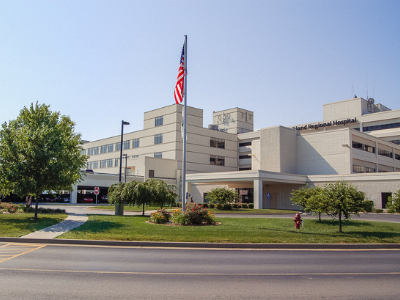
305 LANGDON STREET, SOMERSET, KY 42503 (606) 678-3323
For profit - Corporation 12 Beds LIFEPOINT HEALTH Data: November 2025
Trust Grade
80/100
#17 of 266 in KY
Last Inspection: January 2025

Within standard 12-15 month inspection cycle. Federal law requires annual inspections.

Overview

Lake Cumberland Regional Hospital SCU has a Trust Grade of B+, which means it is above average and recommended for families considering care options. It ranks #17 out of 266 nursing facilities in Kentucky, placing it in the top half, and is the best option among the four facilities in Pulaski County. The facility is improving, having reduced its issues from 2 in 2023 to none reported in 2025. However, staffing presents a concern, with a turnover rate of 96%, significantly higher than the state average of 46%, despite having a good RN coverage that exceeds 100% of Kentucky facilities. While there are no fines reported, which is a positive sign, recent inspections have uncovered some concerns. For instance, a phlebotomist failed to use proper isolation precautions for a resident, and a nurse did not sanitize her hands after providing care, potentially risking infection spread. Overall, Lake Cumberland Regional Hospital SCU has strengths in its trust grade and staffing coverage but also faces challenges in infection control practices that families should consider.

Trust Score
B+
80/100
In Kentucky
#17/266
Top 6%
Safety Record
Low Risk
No red flags
Inspections
Getting Better
1 → 0 violations
Staff Stability
⚠ Watch
96% turnover. Very high, 48 points above average. Constant new faces learning your loved one's needs.
Penalties
✓ Good
No fines on record. Clean compliance history, better than most Kentucky facilities.
Skilled Nurses
✓ Good
Each resident gets 269 minutes of Registered Nurse (RN) attention daily — more than 97% of Kentucky nursing homes. RNs are the most trained staff who catch health problems before they become serious.
Violations
✓ Good
Only 2 deficiencies on record. Cleaner than most facilities. Minor issues only.
★★★★★
5.0
Overall Rating
★★★★☆
4.0
Staff Levels
★★★★☆
4.0
Care Quality
★★★★★
5.0
Inspection Score
Stable
2023: 1 issues
2025: 0 issues

The Good

  • 4-Star Staffing Rating · Above-average nurse staffing levels
  • 4-Star Quality Measures · Strong clinical quality outcomes
  • Full Sprinkler Coverage · Fire safety systems throughout facility
  • No fines on record

Facility shows strength in staffing levels, quality measures, fire safety.

The Bad

Staff Turnover: 96%

50pts above Kentucky avg (47%)

Frequent staff changes - ask about care continuity

Chain: LIFEPOINT HEALTH

Part of a multi-facility chain

Ask about local staffing decisions and management

Staff turnover is very high (96%)

48 points above Kentucky average of 48%

The Ugly 2 deficiencies on record

Oct 2023 1 deficiency
CONCERN (D)

Potential for Harm - no one hurt, but risky conditions existed

Infection Control (Tag F0880)

Could have caused harm · This affected 1 resident

Based on observation, interview and record review, and review of the facility's policies, it was determined the facility failed to maintain an infection prevention and control program designed to prov...

Read full inspector narrative →
Based on observation, interview and record review, and review of the facility's policies, it was determined the facility failed to maintain an infection prevention and control program designed to provide a safe, sanitary, and comfortable environment and to help prevent the transmission of communicable diseases and infections. Observations on 10/18/2023, revealed a phlebotomist did not use Neutropenic Isolation Precautions for one (1) of eleven (11) sampled residents (Resident #263). Additionally, after CPT #1 finished giving care to Resident #263, the State Survey Agency (SSA) Surveyor observed CPT #1 remove her gloves. However, CPT #1 did not sanitize her hands. The findings include: Review of the facility's policy, Transmission-Based Precautions, 900-IC-07, effective 01/18/2023, revealed preventing transmission of infectious agents was a priority in the facility's organization. Personal Protective Equipment (PPE) was worn based on preventing transmission of infectious agents. Isolation signage must be posted with specific instructions on the appropriate PPE that should be worn upon entering the resident's room. Signage should include instructions to staff, patients, and visitors on necessary PPE. PPE would be worn when the anticipated patient interaction indicated that contact with blood or body fluids may occur. Before leaving the resident's room, PPE was to be removed and discarded in the appropriate container. Gloves were to be worn when it could be reasonably anticipated that contact with blood or other potentially infectious materials, mucous membranes, non-intact skin, or potentially contaminated intact skin could occur. Gloves were to be removed after contact with a resident and/or the surrounding environment (including medical equipment) using proper technique to prevent hand contamination. Gowns were to be worn that were appropriate to the task that would be performed, to protect skin and prevent soiling or contamination of clothing during procedures and resident-care activities when contact with blood, body fluids, secretions, or excretions. Gowns were to be removed and hand hygiene performed before leaving the resident's environment. Further review of the Transmission-Based Precautions, 900-IC-07 policy section Neutropenic Isolation Precautions, revealed immunocompromised residents varied in their susceptibility to healthcare-associated infections, depending on the severity and duration of immunosuppression. They were at increased risk for bacterial, fungal, parasitic, and viral infections from both endogenous and exogenous sources. Protective Isolation (Neutropenic Precautions) were to be used for those residents on immunosuppressive therapy for a disease process (e.g., radiation, cytotoxic chemotherapy, white blood cell count low). Continued review revealed gloves were to be worn when entering the resident's room and changed after contact with blood or body fluids. Gloves were to be removed before leaving the resident's room and hand hygiene was to be performed immediately. Gowns were to be worn when entering the resident's room to avoid contamination of the resident and their environment. Review of the facility's admission Demographic Facesheet, revealed the facility re-admitted Resident #263 on 10/13/2023. Review of the History and Physical, dated 10/13/2023, revealed Resident #263 had a recent diagnosis of myelodysplastic syndrome (bone cancer). Resident #263 developed neutropenia, (a disease of not enough white blood cells, which are important for fighting bacterial infections) and was discharged back to a skilled nursing and rehab facility on neutropenic prophylaxis and chemotherapy. Review of the Infection Interdisciplinary Care Plan, dated 10/16/2023, and the List Patient Notes, revealed RN #2 documented Resident #263 was in Nutropenic Isolation (steps to prevent infections). Review of the Order History Data, revealed Resident #263 had an order, dated 10/16/2023, for Neutropenic Precautions for Resident #263. During an interview, on 10/18/2023 at 9:00 AM, RN #2 stated Resident #263 was in Neutropenic Precautions, and the lab tech (CPT #1) was in Resident #263's the room waiting on RN #2 to draw blood from the resident's Peripherally Inserted Central Catheter (PICC) line. Observation, on 10/18/2023 at 9:00 AM, revealed therapy staff in Resident #263's room donned (wearing) a gown, gloves, and mask, which was the proper PPE for Neutropenic Precautions according to facility policy. However, there was no signage on the door indicating Resident #263 was in Neutropenic Precautions. CPT #1 was also in Resident #263's room, and was not wearing a gown. After CPT #1 finished providing care to Resident #263, the State Survey Agency (SSA) Surveyor observed CPT #1 remove her gloves, exit Resident #263's room, label the tubes she had just filled with Resident #263's blood, and walk towards the unit's exit. However, further observation revealed CPT #1 did not sanitize her hands. During an interview, on 10/18/2023 at 9:03 AM, CPT #1 stated she did not see a precautions sign on Resident #263's door. During an interview, on 10/19/2023 at 10:45 AM, the Infection Preventionist (IP) stated she performed isolation rounds daily making observations at the facility to ensure correct signage was posted and the needed PPE was available to staff. She stated she tried to perform the rounds in the morning. The IP stated she made rounds at the facility on 10/19/2023 around 10:00 AM. She stated during her rounds she ensured the resident's nurse had put the resident in the proper precautions. The IP stated in order to protect residents from infection, she expected staff to use hand hygiene before going into a resident's room and after removing their PPE. She stated that anyone going in a Neutropenic Precautions room should put on the proper PPE. The IP stated any resident in Neutropenic Precautions should have a sign on the door that explained exactly what to do. Continued interview on 10/19/2023 at 10:45 AM, the IP stated if staff cared for a resident under neutropenic precautions without wearing the proper PPE, her concern would be that the staff member(s) could expose the susceptible resident to a virus or bacteria. She stated the bedside nurse was responsible for ensuring proper isolation signage was on the resident's door and that would include Neutropenic Precautions. The IP said it was the bedside nurse's responsibility to ensure staff caring for the resident under Neutropenic precautions always wore PPE appropriate for that form of isolation.
Sept 2019 1 deficiency
CONCERN (D)

Potential for Harm - no one hurt, but risky conditions existed

Infection Control (Tag F0880)

Could have caused harm · This affected 1 resident

**NOTE- TERMS IN BRACKETS HAVE BEEN EDITED TO PROTECT CONFIDENTIALITY** Based on observation, interview, and facility policy review, it was determined the facility failed to maintain an effective infe...

Read full inspector narrative →
**NOTE- TERMS IN BRACKETS HAVE BEEN EDITED TO PROTECT CONFIDENTIALITY** Based on observation, interview, and facility policy review, it was determined the facility failed to maintain an effective infection control program to provide a safe environment and to help prevent the development and transmission of communicable diseases and infections for two (2) of two (2) residents on transmission-based precautions out of eight (8) sampled residents (Residents #58 and #59) On 09/11/19, Licensed Practical Nurse (LPN) #1 entered the room of Resident #59 who was on contact precautions. LPN #1 was observed to use her stethoscope to obtain the resident's blood pressure. After obtaining Resident #59's blood pressure, LPN #1 was observed to place the stethoscope around her neck without sanitizing/disinfecting the stethoscope. Continued observation revealed State Registered Nursing Assistant (SRNA) #1 was observed to enter Resident #59's room to deliver a meal tray. However, SRNA #1 was not observed to don Personal Protective Equipment (PPE) per the facility's policy and procedure. In addition, LPN #1 was observed to obtain a blood glucose reading for Resident #58. After obtaining the blood sample, LPN #1 placed the soiled glucose meter on her Computer on Wheels (COW) and was not observed to clean the COW. The findings include: Review of the facility's policy and procedure titled, Transmission Based Precautions, last revised 11/11/18, revealed transmission-based precautions were designed for patients with known or suspected infections with highly transmissible or epidemiologically important pathogens for which additional precautions are needed to prevent transmission by either direct or indirect contact. In addition, the policy stated contact precautions were a routine strategy of the Centers for Disease Control and Prevention (CDC). Continued review revealed staff were to wear appropriate PPE to prevent transmission of infectious agents. The policy stated staff were to wear gloves when entering a resident's room. Gloves were to be worn when touching the patient's intact skin or surfaces and articles in close proximity to the patient. In addition, the policy stated staff were to wear a gown whenever anticipating that clothing will have direct contact with the patient or potentially contaminated environmental surfaces or equipment in close proximity to the patient. The policy further stated that staff should dedicate the use of non-critical patient care equipment to a single patient; however, if use of common equipment was unavoidable, the equipment should be adequately cleaned and disinfected before use on another patient. 1. Record review revealed Resident #59 was admitted to the facility on [DATE] with diagnoses that included Acute Kidney Failure and Abnormal Stool Culture with Vancomycin Resistant Enterococcus (VRE). Continued record review revealed Resident #59 was placed on contact precautions due to the stool culture that was positive for VRE. 1. a. Observation on 09/11/19 at 12:49 PM revealed LPN #1 entered Resident #59's room to obtain the resident's blood pressure. Continued observation revealed LPN #1 used her own stethoscope to obtain the resident's blood pressure. Immediately after obtaining the blood pressure, LPN #1 placed the stethoscope around her neck. However, LPN #1 was not observed to sanitize or disinfect the stethoscope before she placed it around her neck. Interview with LPN #1 on 09/11/19 at 5:29 PM revealed she had been trained by the facility regarding contact precautions and infection control. LPN #1 stated she had been trained that if a resident was on contact precautions they should use disposable equipment. LPN #1 stated disposable stethoscopes were supposed to be used for residents in contact precautions; however, LPN #1 stated she was not able to hear very well when she used them. LPN #1 stated she should have cleaned and disinfected the stethoscope after she used it to take Resident #59's blood pressure and before she placed it around her neck. LPN #1 stated this was important to prevent the spread of infection. 1. b. Continued observation of Resident #59 on 09/11/19 at 11:40 AM revealed SRNA #1 entered Resident #59's room with his/her noon meal tray. Further observation revealed SRNA #1 was not observed to don a disposable gown or put on gloves when she entered the resident's room per the facility's policy and procedure. Interview with SRNA #1 on 09/11/19 at 5:17 PM revealed she had been trained to don a gown and gloves anytime she entered a resident's room with contact precautions. SRNA #1 stated she thought she had put on a gown but stated she knew she had not put on gloves. Continued interview revealed SRNA #1 stated, I should have, if I didn't. Further interview with SRNA #1 revealed this was important to prevent the spread of infection. Interview with the Director of Nursing (DON) on 09/12/19 at 10:24 AM revealed the DON stated the purpose of contact precautions was to prevent the spread of infections. Continued interview with the DON revealed she expected all staff to follow the facility's policies and procedures. 2. Review of a facility's policy and procedure titled, Whole Blood Glucose by FreeStyle Precision Pro, dated 08/21/18, revealed the glucose meter should be handled with care. Continued review of the facility's policy revealed cleaning of the glucose meter should be performed after each patient test. However, the policy did not address the risk for potential cross-contamination of blood from the glucose meter if it touched a common surface before it had been disinfected. Observation on 09/11/19 at 11:30 AM revealed LPN #1 entered Resident #58's room to check his/her blood sugar. Continued observation revealed after LPN #1 obtained the blood sugar reading, she placed the soiled glucometer on her COW. However, LPN #1 was not observed to sanitize or disinfect the COW after she removed the glucometer from the COW. Interview with LPN #1 on 09/11/19 at 5:29 PM, revealed she did not know that she should have disinfected the COW after the soiled glucometer was removed. Interview with the DON on 09/12/19 at 10:24 AM revealed the nurse should have disinfected any surface the soiled glucose meter touched. The DON stated this was to prevent the spread of infections.
Understanding Severity Codes (click to expand)
Life-Threatening (Immediate Jeopardy)
J - Isolated K - Pattern L - Widespread
Actual Harm
G - Isolated H - Pattern I - Widespread
Potential for Harm
D - Isolated E - Pattern F - Widespread
No Harm (Minor)
A - Isolated B - Pattern C - Widespread

Questions to Ask on Your Visit

  • "Why is there high staff turnover? How do you retain staff?"
  • "Can I speak with families of current residents?"
  • "What's your RN coverage like on weekends and overnight?"

Our Honest Assessment

Strengths
  • • Grade B+ (80/100). Above average facility, better than most options in Kentucky.
  • • No major safety red flags. No abuse findings, life-threatening violations, or SFF status.
  • • No fines on record. Clean compliance history, better than most Kentucky facilities.
  • • Only 2 deficiencies on record. Cleaner than most facilities. Minor issues only.
Concerns
  • • 96% turnover. Very high, 48 points above average. Constant new faces learning your loved one's needs.
Bottom line: Generally positive indicators. Standard due diligence and a personal visit recommended.

About This Facility

What is Lake Cumberland Regional Hospital Scu's CMS Rating?

CMS assigns LAKE CUMBERLAND REGIONAL HOSPITAL SCU an overall rating of 5 out of 5 stars, which is considered much above average nationally. Within Kentucky, this rating places the facility higher than 99% of the state's 100 nursing homes. This rating reflects solid performance across the metrics CMS uses to evaluate nursing home quality.

How is Lake Cumberland Regional Hospital Scu Staffed?

CMS rates LAKE CUMBERLAND REGIONAL HOSPITAL SCU's staffing level at 4 out of 5 stars, which is above average compared to other nursing homes. Staff turnover is 96%, which is 50 percentage points above the Kentucky average of 47%. High turnover can affect care consistency as new staff learn residents' individual needs. RN turnover specifically is 93%, which is notably high. RNs provide skilled clinical oversight, so turnover in this role can affect medical care quality.

What Have Inspectors Found at Lake Cumberland Regional Hospital Scu?

State health inspectors documented 2 deficiencies at LAKE CUMBERLAND REGIONAL HOSPITAL SCU during 2019 to 2023. These included: 2 with potential for harm.
Who Owns and Operates Lake Cumberland Regional Hospital Scu?

LAKE CUMBERLAND REGIONAL HOSPITAL SCU is owned by a for-profit company. For-profit facilities operate as businesses with obligations to shareholders or private owners. The facility is operated by LIFEPOINT HEALTH, a chain that manages multiple nursing homes. With 12 certified beds and approximately 10 residents (about 83% occupancy), it is a smaller facility located in SOMERSET, Kentucky.
How Does Lake Cumberland Regional Hospital Scu Compare to Other Kentucky Nursing Homes?

Compared to the 100 nursing homes in Kentucky, LAKE CUMBERLAND REGIONAL HOSPITAL SCU's overall rating (5 stars) is above the state average of 2.8, staff turnover (96%) is significantly higher than the state average of 47%, and health inspection rating (5 stars) is much above the national benchmark.

What Should Families Ask When Visiting Lake Cumberland Regional Hospital Scu?

Based on this facility's data, families visiting should ask: "How do you ensure continuity of care given staff turnover, and what is your staff retention strategy?" "Can I visit during a mealtime to observe dining assistance and food quality?" "How do you handle medical emergencies, and what is your hospital transfer rate?" "Can I speak with family members of current residents about their experience?" These questions are particularly relevant given the facility's high staff turnover rate.

Is Lake Cumberland Regional Hospital Scu Safe?

Based on CMS inspection data, LAKE CUMBERLAND REGIONAL HOSPITAL SCU has a clean safety record: no substantiated abuse findings (meaning no confirmed cases of resident harm), no Immediate Jeopardy citations (the most serious violation level indicating risk of serious injury or death), and is not on the Special Focus Facility watch list (a federal program monitoring the lowest-performing 1% of nursing homes). The facility has a 5-star overall rating and ranks #1 of 100 nursing homes in Kentucky. While no facility is perfect, families should still ask about staff-to-resident ratios and recent inspection results during their visit.

Do Nurses at Lake Cumberland Regional Hospital Scu Stick Around?

Staff turnover at LAKE CUMBERLAND REGIONAL HOSPITAL SCU is high. At 96%, the facility is 50 percentage points above the Kentucky average of 47%. Registered Nurse turnover is particularly concerning at 93%. RNs handle complex medical decisions and coordinate care — frequent RN changes can directly impact care quality. High turnover means new staff may not know residents' individual needs, medications, or preferences. It can also be disorienting for residents, especially those with dementia who rely on familiar faces. Families should ask: What is causing the turnover? What retention programs are in place? How do you ensure care continuity during staff transitions?

Was Lake Cumberland Regional Hospital Scu Ever Fined?

LAKE CUMBERLAND REGIONAL HOSPITAL SCU has no federal fines on record. CMS issues fines when nursing homes fail to meet care standards or don't correct problems found during inspections. The absence of fines suggests the facility has either maintained compliance or corrected any issues before penalties were assessed. This is a positive indicator, though families should still review recent inspection reports for the full picture.

Is Lake Cumberland Regional Hospital Scu on Any Federal Watch List?

LAKE CUMBERLAND REGIONAL HOSPITAL SCU is not on any federal watch list. The most significant is the Special Focus Facility (SFF) program, which identifies the bottom 1% of nursing homes nationally based on persistent, serious quality problems. Not being on this list means the facility has avoided the pattern of deficiencies that triggers enhanced federal oversight. This is a positive indicator, though families should still review the facility's inspection history directly.