J. MICHAEL MORROW MEMORIAL NURSING HOME
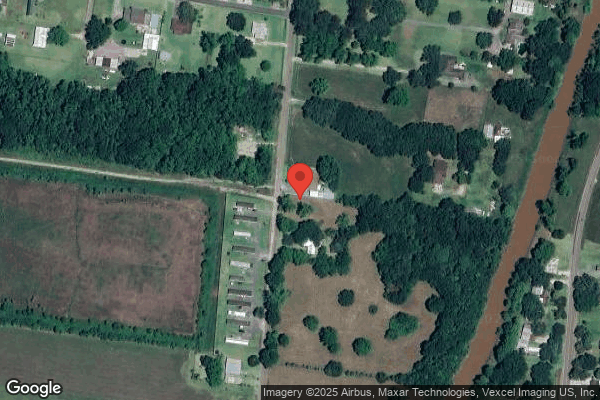
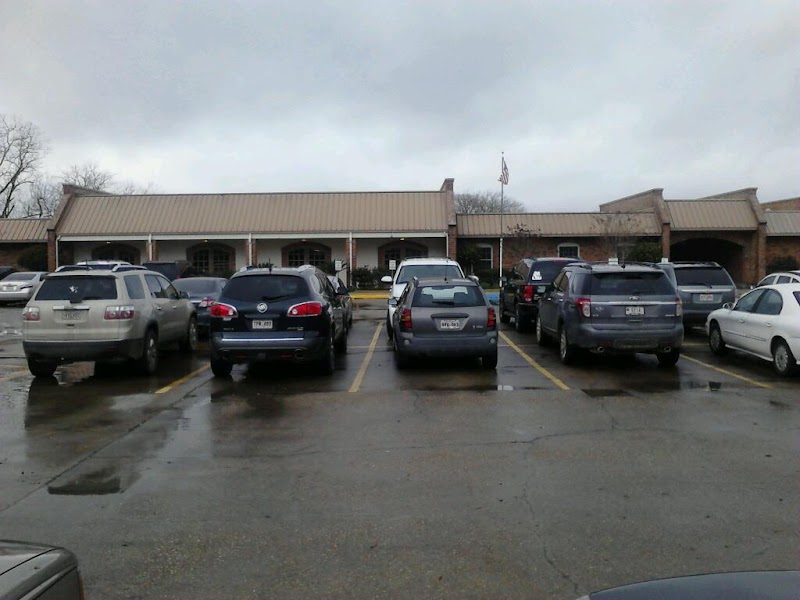
883 MAIN STREET, ARNAUDVILLE, LA 70512 (337) 754-7703
For profit - Partnership 175 Beds Independent Data: November 2025
Trust Grade
48/100
#132 of 264 in LA
Last Inspection: July 2024

Within standard 12-15 month inspection cycle. Federal law requires annual inspections.

Overview

J. Michael Morrow Memorial Nursing Home has received a Trust Grade of D, indicating below-average conditions with some concerns about care quality. It ranks #132 out of 264 facilities in Louisiana, placing it in the top half, but at #4 out of 7 in St. Landry County, only one local option is better. The facility is worsening, with issues increasing from 7 in 2023 to 8 in 2024. Staffing is below average with a rating of 2 out of 5 stars, but the turnover rate is encouragingly low at 0%, much better than the state average of 47%. However, there are concerning incidents, such as the failure to ensure proper food storage and hygiene practices, and a lapse in reporting an allegation of resident mistreatment, which highlight the need for improvement in care practices and infection control.

Trust Score
D
48/100
In Louisiana
#132/264
Top 50%
Safety Record
Low Risk
No red flags
Inspections
Getting Worse
7 → 8 violations
Staff Stability
○ Average
Turnover data not reported for this facility.
Penalties
✓ Good
$4,194 in fines. Lower than most Louisiana facilities. Relatively clean record.
Skilled Nurses
⚠ Watch
Each resident gets only 12 minutes of Registered Nurse (RN) attention daily — below average for Louisiana. Fewer RN minutes means fewer trained eyes watching for problems.
Violations
⚠ Watch
21 deficiencies on record. Higher than average. Multiple issues found across inspections.
★★☆☆☆
2.0
Overall Rating
★★☆☆☆
2.0
Staff Levels
★☆☆☆☆
1.0
Care Quality
★★★☆☆
3.0
Inspection Score
Stable
2023: 7 issues
2024: 8 issues

The Good

  • Full Sprinkler Coverage · Fire safety systems throughout facility
  • No fines on record

Facility shows strength in fire safety.

The Bad

2-Star Overall Rating

Near Louisiana average (2.4)

Below average - review inspection findings carefully

Federal Fines: $4,194

Below median ($33,413)

Minor penalties assessed

The Ugly 21 deficiencies on record

Jul 2024 7 deficiencies
CONCERN (D)

Potential for Harm - no one hurt, but risky conditions existed

PASARR Coordination (Tag F0644)

Could have caused harm · This affected 1 resident

**NOTE- TERMS IN BRACKETS HAVE BEEN EDITED TO PROTECT CONFIDENTIALITY** Based on record review and interview, the facility failed to complete a new Level 1 PASARR (Preadmission Screening and Resident ...

Read full inspector narrative →
**NOTE- TERMS IN BRACKETS HAVE BEEN EDITED TO PROTECT CONFIDENTIALITY** Based on record review and interview, the facility failed to complete a new Level 1 PASARR (Preadmission Screening and Resident Review) for a resident with a newly diagnosed mental disorder for 1 (#26) of 1 (#26) resident investigated for PASARR in a final sample of 48 residents. Findings: A review of Resident #26's medical record revealed she was admitted to the facility on [DATE]. Further review revealed she was diagnosed with Schizoaffective Disorder on 03/20/2022. A review of Resident #26's care plan read in part .Psych-Paranoid Schizophrenia Dx (diagnosis) Schizoaffective D/O (disorder), start date 03/22/2022. Further review of Resident #26's record revealed a Level 1 PASARR (Preadmission Screening and Resident Review) dated 02/18/2022. Review of Level 1 PASARR, Section III Mental Illness revelaed that no mental illness was checked. On 07/31/2024 at 12:20 p.m., an interview and review of Resident #26's diagnosis list was conducted with S11SSD. She confirmed that Resident #26 had a new diagnosis of Schizoaffective Disorder on 03/20/2022 and that a Level I PASARR had not been re-submitted for this new diagnosis and should have been.
CONCERN (D)

Potential for Harm - no one hurt, but risky conditions existed

Comprehensive Care Plan (Tag F0656)

Could have caused harm · This affected 1 resident

**NOTE- TERMS IN BRACKETS HAVE BEEN EDITED TO PROTECT CONFIDENTIALITY** Based on observations, record review, and interviews, the facility failed to provide necessary care and services that is in acco...

Read full inspector narrative →
**NOTE- TERMS IN BRACKETS HAVE BEEN EDITED TO PROTECT CONFIDENTIALITY** Based on observations, record review, and interviews, the facility failed to provide necessary care and services that is in accordance with professional standards of practice by facility to ensure oxygen was delivered at the ordered rate for 1 (Resident #28) out of 1 resident investigated for respiratory care. Findings: A review of Resident #28's electronic medical record revealed he was admitted to the facility on [DATE] with diagnoses that included, but not limited to Hypertensive Heart Disease with Heart Failure and Unspecified Atrial Fibrillation. A review of Resident #28's Quarterly MDS (Minimum Data Set) with an ARD (Assessment Reference Date) of 07/04/2024 revealed he had a BIMS (Brief Interview for Mental Status) of 06, indicating his cognition was severely impaired. A review of Resident #28's current physician orders revealed an order that read in part . Oxygen at 2L (Liters) per nasal cannula every day and night with an order start date of 06/28/2024. On 07/29/2024 at 10:35 a.m., an observation was made of Resident #28 lying in bed with oxygen in place per nasal cannula. The oxygen setting was observed at 1L. On 07/29/2024 at 10:40 a.m., an observation was made with S9LPN (Licensed Practical Nurse) of Resident #28's oxygen setting. S9LPN confirmed that Resident #28's oxygen setting was on 1L and should have been set to 2L.
CONCERN (D)

Potential for Harm - no one hurt, but risky conditions existed

Deficiency F0726 (Tag F0726)

Could have caused harm · This affected 1 resident

**NOTE- TERMS IN BRACKETS HAVE BEEN EDITED TO PROTECT CONFIDENTIALITY** Based on observations, interviews, and record reviews, the facility failed to ensure the nursing staff demonstrated specific com...

Read full inspector narrative →
**NOTE- TERMS IN BRACKETS HAVE BEEN EDITED TO PROTECT CONFIDENTIALITY** Based on observations, interviews, and record reviews, the facility failed to ensure the nursing staff demonstrated specific competencies and skill sets necessary to provide care to meet the residents' needs safely to attain or maintain the highest practicable physical well-being for 1 (#83) of 48 sampled residents. This was evidenced when S10LPN (Licensed Practical Nurse) left Resident #83's medication at the bedside and did not confirm the resident swallowed the medication. Findings: On 7/31/2024, a review of the facility's policy title, Administering Oral Medications with a review date of 02/12/2024 read in part 15. Stay with resident until you have confirmed that resident has swallowed all their medications. Review of the facility's policy titled, Self-Medication Administration with a review date of 01/2024 read in part 1. Resident will be able to self-administer medications when cognition (Brief Interview for Mental Status 13-15) is intact with an active MD (Medical Doctor) order. Review of Resident #83's Electronic Health Record (EHR) revealed the resident was admitted to the facility on [DATE] with diagnoses that included, but not limited to, Unspecified, Age Related Osteoporosis without current Pathological Fracture and Polyosteoarthritis, Unspecified. Review of the Resident #83's Quarterly MDS (Minimum Data Set) with an ARD (Assessment Reference Date) of 05/09/2024 revealed she had a BIMS of 10, which indicated she was moderately cognitively impaired. On 07/29/2024 at 10:00 a.m., an observation was made of Resident #83. A medication cup with a pill was observed on her bedside table. Resident #83 stated that the night nurse had left her pill and instructed her to take it after she ate breakfast. On 07/29/2024 at 10:02 a.m., an observation was made with S9LPN who confirmed that Resident #83 had medication left at her bedside. She removed the medication and went into the medication room and stated the medication was Fosamax that should have been given at 5:00 a.m. by the night nurse. On 07/29/2024 at 10:15 a.m., an interview was conducted with S2DON (Director of Nursing). She stated medications should not be left at the bedside unless there was an order from the physician. On 07/30/2024 at 4:35 p.m., a second interview was conducted with S2DON. She confirmed Resident #83 did not have an order to self-administer medications, and S10LPN should not have left Resident #83's medication at her bedside.
CONCERN (D)

Potential for Harm - no one hurt, but risky conditions existed

Deficiency F0805 (Tag F0805)

Could have caused harm · This affected 1 resident

Based on observations, interviews, and record review, the facility failed to ensure staff prepared food in a form to meet individual needs of the residents who were on a pureed diet. This had the pote...

Read full inspector narrative →
Based on observations, interviews, and record review, the facility failed to ensure staff prepared food in a form to meet individual needs of the residents who were on a pureed diet. This had the potential to affect the 21 residents who were on a pureed diet. Findings: Review of the back of the Instant Food Thickener can read in part Mildly thick 1 tablespoon (TBSP) water and 2 1/2 teaspoon (TSP) orange juice or 2% milk. Moderate 1 tbsp - 1 tsp water and 1 tbsp for milk or juice, extremely thick 1 tbsp and 2 tsp water and 1 tbsp and 2 tsp juice or 2% milk?) On 07/29/2024, a review of the facility's policy titled Food Service Policy, with no revision date, read in part . 1. pour cut up meat in food processor with gravy and puree for 2 minutes. 2. Pour meat in pan; using a skimmer to check for lumps of meat. 3. put meat back in food processor and puree for 1 minute for second time. 4. then serve On 07/29/2024 at 9:43 a.m., S5C (Cook) was observed pureeing beans for lunch. S5C was observed adding Instant Food Thickener to the beans without using a measuring device. S5C stated she had been preparing the diet for so long, she didn't need to measure. At 9:58 a.m., S5C added six more shakes of the thickener to the beans. S5C stated that she was trying to achieve a moderate thickness. At 10:00 a.m., S5C was observed pureeing sausage. She placed six links of sausage inside the blender and added four cups of water to the blender. S5C stated she followed the instructions on the Food Service Policy. A review of the Food Service policy was conducted with S5C. S5C confirmed the policy did not state how much liquid to add with the meat. She was then observed shaking the can of instant food thickener four times in the pureed sausage. S5C could not say how much of thickener was added. On 07/29/2024 at 10:20 a.m., an interview was conducted with S7DM (Dietary Manager) and S8RD (Registered Dietician). Both confirmed that S5C should have measured the instant food thickener according to manufactures recommendations, and should have followed the pureed recipe.
CONCERN (E)

Potential for Harm - no one hurt, but risky conditions existed

Report Alleged Abuse (Tag F0609)

Could have caused harm · This affected multiple residents

**NOTE- TERMS IN BRACKETS HAVE BEEN EDITED TO PROTECT CONFIDENTIALITY** Based on observation, interviews and record review, the facility failed to ensure S12LPN immediately reported, but no later than...

Read full inspector narrative →
**NOTE- TERMS IN BRACKETS HAVE BEEN EDITED TO PROTECT CONFIDENTIALITY** Based on observation, interviews and record review, the facility failed to ensure S12LPN immediately reported, but no later than 2 hours, an allegation of resident mistreatment to Administration made by a resident for 1 (#105) out of 48 final sampled residents. This deficient practice has the potential to affect all the residents that reside in the facility. The total census was 143 residents. Findings: Resident #105 was admitted to the facility on [DATE]. Her diagnosis include in part the following: Paroxysmal atrial fibrillation (Primary), Anxiety disorder, Hypertension, Acute kidney failure with tubular necrosis Bipolar disorder, Muscles weakness, and Lack of coordination. Review of the resident's annual MDS dated [DATE] revealed the resident had a BIMS (Brief Interview of Mental Status) score of 10, suggesting moderate cognitive impairment. Further review of Resident #105's MDS revealed that the resident required extensive assistance with one person physical assist for bed mobility, transfers and toileting. Review of the facility's abuse/neglect policy was conducted on 07/30/2024 at 11:22 a.m. The policy read in part the following .residents of (facility name) shall be free from mistreatment, neglect, abuse and exploitation. Further review revealed in part the following: Identification technically, all residents are subject to abuse and this is always stressed. Residents who are monitored more closely include those with dementia, non-verbal, bed bound, have little or no family, verbally or physically aggressive residents, and confused residents .nursing staff reports to their respective supervisors any suspicious bruising of residents . On 07/29/2024 at 10:11 a.m., Resident #105 was observed lying in bed. She smiled when greeted. Both forearms were observed with moderate to excessive bruising. Bandages were observed on the right forearm and left hand. Resident #105 was asked why her arms had so much bruising. She stated, That the staff at night are too rough when they are turning me. Review of the nurse's progress note dated 06/29/2024 at 7:53 a.m.-late entry for 6/28/2024- 7pm-7am- read the following, res. (resident) noted with combative behavior when attempting to give res. care. Verbal foul language noted. Attempting to hit CNA (Certified Nurse Assistant) and calling CNA racist names. Left res. alone to calm down. Went back 2 hrs (hours) later. Res. Calmed down a little bit. Attempting to talk res. not to hit CNAs and to try to let this staff to give her care with soiled attends (incontinent brief). Res. did calm enough for 2 CNAs staff to change her soiled attend and change her into her pjs (pajamas). Res. continued to use her verbal language to scream at staff. Will cont. (continue) to monitor. Review of the nurse's progress note date 06/29/2024 at 16:17 (4:17 p.m.) read in part the following, (Name) CNA came to me at 1540 pm (3:40 p.m.) to let me know that the resident had 2 skin injuries that were found. The two skin injuries were told to be located on the resident's right forearm along with what the CNA called a popped blister to the resident's left hand 4th finger . Review of the nurse's progress noted dated 06/29/2024 at 16:25 (4:25 p.m.) read in part the following, At 1605 pm (4:05 p.m.) went to the resident's room to assess the injuries noted per the 2 CNA's. The injury to the resident's right forearm was an open skin tear with no flap able to be appropriated to its position. The wound was dry and pink. The right forearm skin tear measured 15mm x 8mm. The second wound to the resident's left hand 4th finger was a 8mm x 5mm scabbed area of dried blood. Asked the resident how the skin injuries happened and she stated that it was when they were trying to get her dressed for bed last night. The resident stated that she (was) thrown around roughly. It was reported from the previous shift that the resident became verbally and physically combative and began to cuss and hit the staff. On 07/31/2024 at 10:30 a.m., an interview was conducted with S12LPN. He stated that on 06/29/2024, the nurse working the night before reported to him that the resident was being combative with staff that night. He confirmed that later that afternoon on 06/29/2024, the CNA reported they had found two skin tears on the resident's arms and one on the resident's left 4th finger. He stated when he assessed the resident's arms, there was a skin tear to the resident's right forearm and the left 4th finger. When asked if he knew how the skin injuries occurred, he stated it could have happened when the resident was flailing her arms around at the night staff but could not be sure because the nurse did not report that the resident had sustained any injuries. When asked if a resident had an injury because staff was too rough with that resident, S12LPN stated, That would be a reportable incident. At that time, a review of the nurse's progress note dated 06/29/2024 at 4:25 p.m. written by S12LPN was conducted. When asked why did he not report the incident when the resident reported to him that she had been thrown around roughly and that's was why she had three skin injuries. He also confirmed that he did not inform anyone in Administration about what the resident had told him. S12LPN stated he documented incorrectly and it was not what he meant to imply. On 07/31/2024 at 1:15 p.m., a review of the nurse's progress notes dated 06/28/2024 and 06/29/2024 was conducted with S2DON. S2DON was asked should S12LPN have reported to Administration that Resident #105 was found with multiple skin injuries and that the resident reported that the night staff was too rough with her. S2DON stated, No. She stated she didn't believe that's what had happened and that S12LPN must have incorrectly documented what the resident told him. S2DON was asked if this was acceptable practice for a nurse. S2DON agreed this was not acceptable practice. On 07/31/2024 at 1:55 p.m., an interview was conducted with S1ADM and S13ADM. When asked if S12LPN should have reported that Resident #105 told him that she was mistreated by the night CNAs on the 7:00 p.m. to 7:00 a.m. shift on 06/28/2024 and that the resident was found with multiple skin injuries on the following day. They both stated that they didn't think that is what had happened. They both agreed that S12LPN must have incorrectly documented in the resident's record about what the resident told him.
CONCERN (E)

Potential for Harm - no one hurt, but risky conditions existed

Infection Control (Tag F0880)

Could have caused harm · This affected multiple residents

Based on observation and interview, the facility failed to maintain an infection prevention and control program designed to help prevent the development and transmission of communicable diseases and i...

Read full inspector narrative →
Based on observation and interview, the facility failed to maintain an infection prevention and control program designed to help prevent the development and transmission of communicable diseases and infections, as evidenced by failing to ensure biohazard soiled laundry were not stored on the floor of the contaminated side of the laundry department. Findings: On 07/30/2024, a review of the facility's policy titled Handling Soiled Linen with a last reviewed date of 05/2024, read in part: Linens are handled, stored, processed, and transported so as to prevent the spread of infection. Policy Explanation and Compliance Guidelines .h. Red bags will be transported to laundry and placed in receptacle. i. In the event the receptacle was being disinfected red biohazard bags will be placed in a designated area away from regular linen. On 07/30/2024 at 8:45 a.m., a tour was conducted of the facility's laundry department. Five red biohazard bags were observed on the floor of the contaminated side of the laundry department. On 07/30/2024 at 8:47 a.m., an observation of the laundry department and interview was conducted with S3HSKSup (Housekeeping Supervisor). S13HSK confirmed red biohazard bags were not to be left on the floor on the contaminated side of the laundry room. She stated that the biohazard linen should have been placed inside of a bin, and washed last. On 07/30/2024 at 8:55 a.m., an interview was conducted with S4IP (Infection Preventionist). S4IP confirmed that biohazard soiled laundry should have been placed inside a bin and not left on the floor.
CONCERN (F)

Potential for Harm - no one hurt, but risky conditions existed

Food Safety (Tag F0812)

Could have caused harm · This affected most or all residents

Based on policy review, observations, and interviews, the facility failed to store food in accordance with professional standards for food service and ensure sanitary conditions were maintained in the...

Read full inspector narrative →
Based on policy review, observations, and interviews, the facility failed to store food in accordance with professional standards for food service and ensure sanitary conditions were maintained in the kitchen by failing to: 1. ensure staff practiced appropriate hand hygiene and glove use; 2. maintain the appropriate temperature on the line for liquids. This deficient practice had the potential to affect the 142 residents who consumed food and beverages from the kitchen. Findings: On 07/29/2024, review of the facility's policy titled Preventing Foodborne Illness-Employee Hygiene and Sanitary Practices no revise date was noted read in part .Food services employees shall follow appropriate hygiene and sanitary procedures to prevent the spread of foodborne illness. Policy Interpretation and Implementation: 6. Employees must wash their hands: f. After handling soiled equipment; h. After engaging in other activities that contaminate the hands. On 07/29/2024 at 9:57 a.m., an observation of the preparation of the pureed meals was conducted with S5C (Cook). S5C was observed with blue gloves on while she was preparing the pureed meal. Upon further observation, S5C went to a large gray trash can with a lid in the kitchen, and attempted to discard trash by lifting the garbage can lid. Pans were on top of the garbage can lid which made the trash can lid hard to lift. S5C put the trash on top of the lid. S5C was then observed returning to the pureed blender with the same soiled blue gloves, and continued prepping the meal. On 07/29/2024 at 10:10 a.m., S6C was observed at the prep table with blue gloves on while she prepared cornbread. S6C then went to the gray trash can, lifted the lid, and disposed of the empty cornbread package. S6C returned to the prep table, and continued to prepare the cornbread without changing her gloves or performing hand hygiene. On 07/29/2024 at 10:15 a.m., an interview was conducted with S5C who confirmed she should have performed hand hygiene, and changed her gloves after she touched the trash can lid. On 07/29/2024 at 10:16 a.m., an interview was conducted with S6C who confirmed she should have changed her gloves after she disposed of trash. On 07/29/2024 at 10:20 a.m., an interview was conducted with S7DM (Dietary Manager) and S8RD (Registered Dietician). They both confirmed that after coming into contact with the trash can and the trash can lid, S5C and S6C should have removed their soiled gloves, performed hand hygiene, and then donned new gloves. On 07/29/2024 at 11:05 a.m., an observation was conducted of S7DM on the lunch line. She checked the temperatures of cold liquids on the line which were a red colored drink, and lemonade. The temperature of the red colored drink was 53 degrees fahrenheit, and lemonade was 49 degrees fahrenheit. An immediate interview was conducted with S7DM who confirmed that the liquids were not cool enough, and the temperature should have been 41 degrees Fahrenheit or below.
Feb 2024 1 deficiency
CONCERN (E) 📢 Someone Reported This

A family member, employee, or ombudsman was alarmed enough to file a formal complaint

Potential for Harm - no one hurt, but risky conditions existed

Accident Prevention (Tag F0689)

Could have caused harm · This affected multiple residents

Based on record review and interviews, the facility failed provide adequate supervision to prevent accidents and ensure the resident environment remained free of hazards for residents diagnosed with D...

Read full inspector narrative →
Based on record review and interviews, the facility failed provide adequate supervision to prevent accidents and ensure the resident environment remained free of hazards for residents diagnosed with Dementia as evidenced by 1 (#1) of 3 (#1, #2,#3) sampled residents ingesting liquid shower gel. The deficient practice had the potential to affect 48 residents with a diagnoses of Dementia residing in the facility. Findings: Review of the facility's policy titled, Video Surveillance, read in part: Entrance cameras are monitored/viewed by staff at both nursing stations and Administration. All visitors must use buzzer to be allowed to enter the building, identify themselves and sign in. Resident #1 was admitted to facility on 11/03/2010 with diagnoses including Chronic Respiratory Failure with Hypercapnia, Aphasia, Chronic Obstructive Pulmonary Disease, Cognitive Communication Deficit, Impulsive Disorder, Dementia, Dysphagia, and Chronic Diastolic Congestive Heart Failure. Review of Resident #1's MDS (Minimum Data Set) dated 12/07/2023 revealed a BIMS (Brief Interview of Mental Status) score of 09, indicating moderate cognitive impairment. Review of the resident's care plan for cognition revealed the resident had Dementia/Impulse disorder and required assist with decision making and constant cueing from staff for aspects of care. Review of Resident #1's nurses' notes written by S3LPN (Licensed Practical Nurse) on 02/13/2024 at 4:00 p.m., revealed in part: . the nurse observed a plastic cap, silver paper, and a small amount of gel on her chest. Close observation revealed the resident had an empty bottle of lavender shower gel under the bed covers and the smell of lavender on her breath. A visitor brought resident gift set of lavender shower gel and lotion in a valentine's bag and placed the gift within resident's reach. The resident opened the shower gel and drank the entire bottle (300ml). Further review revealed poison control was called. On 02/27/2024 at 12:57 p.m., an interview was conducted with S4CNA (Certified Nursing Assistant). She stated Resident #1 was cognitively impaired, required constant cueing, and close monitoring. The resident had trouble swallowing, could only consume thickened liquids, and required assistance while drinking to prevent choking. S4CNA stated staff had to keep items on shelves and out of the resident's reach due to her tendency to grab anything within her reach and fiddle with it. S4CNA stated on 02/13/2024, there were a lot of visitors in and around the facility on for Valentine's Day. When she made rounds on Resident #1 around 4:00 p.m., she noticed a white cap, silver wrapper, and a wet spot about the size of a softball on the resident's chest. As she talked with the resident she observed a bottle of body wash under the resident's sheets. She stated the resident was talking and laughing and kept repeating, I drunk it all. S4CNA further stated she did not observe any visitors enter the resident's room or that anyone had left the gift bag within the residents reach. S4CNA confirmed she did not monitor the resident on 02/13/2024 for items brought in. On 02/27/2024 at 1:40 p.m., an interview was conducted with S3LPN. S3LPN stated that on 02/13/2024 at about 4:00 p.m., S4CNA reported to her that she thought Resident #1 might have drank this stuff, showing a 300 ml bottle of lavender liquid body soap. S3LPN stated she did not see who had visited the resident and left the gift bag within the resident's reach. S3LPN stated there were various visitors and activities all day with many visitors in and around the facility. She confirmed she did not monitor Resident #1 on 02/13/2024 for items brought in. On 02/27/2024 at 2:35 p.m., an interview was conducted with S7ADON, she stated the resident was always reaching for whatever was in her reach and if she had something she would have just been fiddling with it in her hands. S7ADON stated it was the LPN and CNA's responsibility during their shift, for monitoring resident frequently because of her confusion. On 02/27/2024 at 3:04 p.m., a telephone interview was conducted with S6LPN, he stated Resident #1 was cognitively impaired. He confirmed the resident was confused most of the time, and it was the nurses' and CNA's responsibility to monitor the resident to ensure she does not attempt oral intake without assistance. On 02/28/2024 at 7:45 a.m., an interview was conducted with S2DON (Director of Nursing). S2DON confirmed Resident #1 had Dementia and was cognitively impaired. The resident required close monitoring due to her diagnoses and history. DON stated on 02/13/2024, a visitor gave Resident #1 was given a gift set without staff's knowledge. The resident consumed liquid shower gel prompting a call to poison control. It was the nursing staff's responsibility to monitor residents, visitors, and items brought in to the resident's room. On 02/28/2024 at 11:25 a.m., an interview was conducted with S1ADM (Administrator). She confirmed the facility did not have a policy regarding outside items brought into the facility that included items that could or could not be brought into the facility. S1ADM stated it was the staff's responsibility to monitor visitor entry and observe items brought to residents. S1ADM confirmed all person's entering the facility should be monitored by the door greeter or ward clerk at the nurses station.
Jul 2023 7 deficiencies
CONCERN (D)

Potential for Harm - no one hurt, but risky conditions existed

Grievances (Tag F0585)

Could have caused harm · This affected 1 resident

**NOTE- TERMS IN BRACKETS HAVE BEEN EDITED TO PROTECT CONFIDENTIALITY** Based on records reviewed and interviews, the facility failed to ensure their grievance policy and procedure was followed. The f...

Read full inspector narrative →
**NOTE- TERMS IN BRACKETS HAVE BEEN EDITED TO PROTECT CONFIDENTIALITY** Based on records reviewed and interviews, the facility failed to ensure their grievance policy and procedure was followed. The facility failed to initiate grievances that were voiced for 1 out of 1 (#1) resident investigated for grievances. The facility census was 152. Findings: Review of the facility's document titled, Grievance Policy revealed in part, 1. Any resident shall have the opportunity to express any concern/complaints, which they have regarding the resident's care or services provided. These concerns shall be handled promptly and complainants shall receive a response regarding the concern and a report on any action taken. To ensure that these are handled in an organized manner and to monitor follow up a concern/grievance form shall be completed on each grievance received. 3. This nurse will attempt to resolve the current issue to the best of their ability. She/he will fill out a Complaint Form with their action taken and forward it to the Director of Nurses. Resident #1 Review of Resident #1's medical record revealed he was admitted to the facility on [DATE]. Review of the quarterly MDS (Minimum Data Set) assessment dated [DATE] revealed a BIMS (Brief Interview of Mental Status) score of 13 indicating the resident was cognitively intact. Review of facility's Grievance Logs from March 13, 2023 to July 14, 2023 did not reveal any grievance filed for Resident #1. On 07/26/2023 at 3:30 p.m., an interview was conducted with Resident #1 who stated that he had spoken with S4LPN/CNAsup (License Practical Nurse/Certified Nursing Assistant Supervisor) about a grievance he had with S20CNA (Certified Nursing Assistant). He stated that he told S4LPN/CNAsup that S20CNA was too sassy, and did not want him back inside of his room. Resident #1 stated that S4LPN/CNAsup stated that she would take care of it. On 07/26/2023 at 3:50 p.m., an interview was conducted with S4LPN/CNAsup who stated that Resident #1 informed her of his grievance around 07/10/2023 - 07/14/2023. She stated that she was not sure of the exact date. S4LPN/CNAsup confirmed that she did not file a complaint per facility policy. S4LPN/CNAsup stated she knew that she was supposed to file a complaint form, but she did not.
CONCERN (D)

Potential for Harm - no one hurt, but risky conditions existed

Pressure Ulcer Prevention (Tag F0686)

Could have caused harm · This affected 1 resident

**NOTE- TERMS IN BRACKETS HAVE BEEN EDITED TO PROTECT CONFIDENTIALITY** Based on observation, record review, and interview, the facility failed to ensure each resident with pressure ulcers received th...

Read full inspector narrative →
**NOTE- TERMS IN BRACKETS HAVE BEEN EDITED TO PROTECT CONFIDENTIALITY** Based on observation, record review, and interview, the facility failed to ensure each resident with pressure ulcers received the necessary treatment and services to promote healing as evidence by the staff failing to follow physician's orders for wound care for 1 (#95) out of 6 ( #46, #67, #81, #95, #109 and #119) residents investigated with pressure ulcers. Findings: Review of Resident #95's clinical record revealed he was admitted to the facility on [DATE] with diagnoses which included, but were not limited to, Peripheral Vascular Disease, Cellulitis Of Right Lower Limb, Type 2 Diabetes Mellitus, and Peripheral Vascular Angioplasty Status With Implants. Review of the resident's Q (Quarterly) MDS (Minimum Data Set) assessment dated [DATE], revealed the resident had a Brief Interview for Mental Status (BIMS) score of 11 indicating his cognition was moderately impaired. Section M-Skin Conditions revealed the resident has one venous and arterial ulcer. Review of resident's current physician's order list revealed an order dated 07/20/2023 Cleanse right lateral foot with Normal Saline or Wound Cleanser, Apply Santyl, cover with Mesalt and border dressing, and may wrap with kerlix every day shift. Review of resident's comprehensive care plan revealed on 07/05/2023 Skin Pressure: Resident #95 is at risk for pressure areas with intervention treatment to right lateral foot changed to Mesalt and border dressing every day and as needed. On 07/26/2023 at 11:25 a.m., an observation of S12TN (Treatment Nurse) performing wound care to Resident #95's arterial ulcer on his right lateral foot was conducted with S2RNIP (Registered Nurse, Infection Control Nurse) present. S12TN applied the border dressing and was cleaning her station and she did not cover the wound site with Mesalt as ordered. On 07/26/2023 at 11:35 a.m., an interview and review of Resident #95's physician orders was conducted with S12TN. S12TN confirmed she did not cover the wound site with Mesalt while performing wound care to Resident #95's right lateral foot. On 07/26/2023 at 11:36 a.m., an interview was conducted with S2RNIP. S2RNIP confirmed she did not observe S12TN cover the wound site with Mesalt while performing wound care to Resident #95's wound as listed on Resident #95's physician's orders.
CONCERN (D)

Potential for Harm - no one hurt, but risky conditions existed

Deficiency F0726 (Tag F0726)

Could have caused harm · This affected 1 resident

**NOTE- TERMS IN BRACKETS HAVE BEEN EDITED TO PROTECT CONFIDENTIALITY** Based on observations, record reviews, and interviews, the facility failed to ensure nursing staff had the appropriate skills an...

Read full inspector narrative →
**NOTE- TERMS IN BRACKETS HAVE BEEN EDITED TO PROTECT CONFIDENTIALITY** Based on observations, record reviews, and interviews, the facility failed to ensure nursing staff had the appropriate skills and demonstrated competency to maintain the residents' highest practicable well-being as identified in the residents' plan of care as evidenced by: 1. The nursing staff failed to competently identify that a resident (#109) had wounds and report issues as required by the plan of care; and 2. Nursing staff failed to competently monitor a resident's (#113's) skin and report any issues, for 2 (#109 and 113) sampled residents of a total sample of 48 residents. Findings: 1. Resident #109: Resident #109 was admitted to the facility on [DATE] with diagnoses including Stage 2 Pressure Sore, Friedreich's Ataxia, morbid obesity, chronic pain syndrome, opioid dependency, acquired absence of right and left toes, cellulitis right and left lower limb, and disorders of peripheral nervous system. A review of Resident #109's Care plan read, in part: Monitor resident for any redness or skin breakdown and report to physician. A review of Resident #109's July 2023 Physicians Orders read, in part: Report any suspicious skin lesions to physician daily. Further review of the resident's orders revealed an order dated 07/24/2023 that read: Discontinue treatment to right 4th toe and left 2nd toe. Areas healed. The order was signed by S13LPN. On 07/24/2023 at 1:16 p.m., an observation of Resident #109 was conducted. His left 2nd toe PIP (Proximal Interphalangeal) had a black area approximately 1 centimeter by .5 centimeter. The Resident's right 2nd toe PIP had a black area approximately 1 centimeter by .5 centimeter. On 07/25/2023 at 1:45 p.m., an additional observation of Resident #109 was conducted. His left 2nd toe PIP remained with the black area approximately 1 centimeter by .5 centimeter, and his right 2nd toe PIP remained with the black area approximately 1 centimeter by .5 centimeter. On 07/25/2023 at 1:52 p.m., an interview was conducted with S13LPN. She confirmed that on 07/24/2023, she had identified that Resident #109's pressure ulcers to his right 4th toe and left 2nd toe had healed. On 07/25/23 at 3:27 p.m., an interview was conducted with S12TN (Treatment Nurse). She confirmed Resident #109 had chronic wounds to his feet, and that he had been diagnosed with Friedreich's Ataxia, a rare disease that affected Resident #109's nervous and circulatory systems, and that the resident's feet should be monitored for wounds. At 3:44 p.m., S12TN conducted an observation of Resident #109's feet. She confirmed that his left 2nd toe PIP had a black area approximately 1 centimeter by .5 centimeter, and his right 2nd toe PIP had a black area approximately 1 centimeter by .5 centimeter. S12TN stated these sores were in pressure areas and considered eschar. S12TN stated these wounds should have been reported to her or the RN (Registered Nurse) to assess the wounds in order to notify the physician for treatment. On 07/26/23 at 1:49 p.m., an additional interview was conducted with S13LPN. She confirmed that she had identified that the scabs on Resident #109's right 4th toe and left 2nd toe had been healed on 07/24/2023. She stated she had not seen any blackened areas to the resident's feet on 07/24/2023. Concurrently, an observation of Resident #109 was conducted with S13LPN. S13LPN confirmed that Resident #109 presently had black scabs on his 2nd toe PIPs to both of his feet. On 07/26/23 at 2:22 p.m., an interview was conducted with S1DON. She confirmed the nurses were trained to identity changes in the residents' skin and notify the physician for possible treatment orders. 2. Resident #113: Resident #113 was admit to the facility on [DATE], with diagnosis including aphasia following a cerebral infarction, hemiplegia, muscle weakness, dysphagia, reduced mobility, lack of coordination, unsteadiness on feet, cognitive communication deficit, and contractures to the right elbow and wrist. A review of Resident #113's Care Plan read, in part: Joint contracture to right elbow and right wrist; Resident has no active range of motion to this area; and Monitor resident for any redness or skin breakdown and report to physician for further orders. A review of Resident #113's Physicians Orders dated July 2023 read, in part: Bed bath three times weekly on Monday, Wednesday and Friday; Range of motion exercise to bilateral upper and lower extremities every shift daily during nursing care for hall; and CNA (Certified Nursing Assistant) to report any suspicious skin lesions to physician daily. On 07/24/2023 at 1:24 p.m., an observation of Resident #113 was conducted. The skin in the crease of his right arm appeared aggravated. The skin was red and had yellowish moist substance that extended up his forearm and bicep approximately 3 inches. On 07/25/2023 at 1:30 p.m., an observation of Resident #113 was conducted. The condition of the skin in the crease of his right arm appeared the same, with redness and a yellowish moist substance that extended up his forearm and bicep approximately 3 inches. On 07/25/2023 at 1:52 p.m., an interview was conducted with S13LPN (Licensed Practical Nurse). She confirmed that she had provided nursing care to Resident #113 yesterday (07/24/2023) and today. She stated she began her shift today at 7:00 a.m., and that she had not noticed that Resident #113 had any skin issues. S13LPN further stated that the CNAs had not notified her that the resident had any skin issues yesterday or today. Concurrently, S13LPN conducted an observation of Resident #113 and confirmed that the skin in the crease of his right arm was bright red and had a yellowish moist substance in the fold. On 07/25/2023 at 2:40 p.m., an interview was conducted with S14CNA (Certified Nursing Assistant). She confirmed that she had provided ADL (Activities of Daily Living) care to Resident #113 today, and that she did not notice that the skin in the crease of the resident's right arm was bright red and moist. On 07/25/2023 at 2:52 p.m., an interview was conducted with S15CNA. She confirmed that she had provided ADL (Activities of Daily Living) care to Resident #113 on 07/24/2023. She stated she did not notice any skin problems while providing range of motion during ADL's (Activities of Daily Living) on 07/24/2023. Concurrently, an observation of Resident #113 was conducted with S15CNA. She confirmed that the skin in the crease in the resident's right arm was bright red and yellowish moisture was in the fold. On 07/25/2023 at 2:56 p.m., an interview was conducted with S16CNA. He confirmed that he assisted with ADL care for Resident #113 today. He stated that he did not notice that the resident had any skin issues. On 07/25/2023 at 2:58 p.m., an interview was conducted with S17CNA. She stated that she had given Resident #113 a bed bath yesterday, and had washed him from head to toe, and that she had not noticed any skin issues during his bath. Concurrently, an observation of Resident #113 was conducted with S17CNA. She confirmed the skin to the crease in the resident's right arm appeared aggravated and red. On 07/25/2023 at 3:23 p.m., an interview was conducted with S1DON (Director of Nursing). Concurrently, an observation of Resident #113 was conducted. S1DON confirmed the Resident #113's right inner arm fold was red and moist. She confirmed the CNAs should have noticed the resident's reddened area of his right arm inner fold during bathing, providing ADL's and Range of Motion, and it should have been reported to the nurse. On 07/26/2023 at 10:34 a.m., an interview was conducted with S4LPN CNA Sup. (Supervisor). She stated that she had been made aware of an issue with Resident #113's skin condition and had conducted an observation of the resident herself. S14CNA Sup. confirmed that Resident #113's right arm inner fold was reddened and the CNAs should have noticed the reddened area during daily care and reported the findings so the resident could have gotten treatment appropriately, and this had not occurred.
CONCERN (D)

Potential for Harm - no one hurt, but risky conditions existed

Medical Records (Tag F0842)

Could have caused harm · This affected 1 resident

**NOTE- TERMS IN BRACKETS HAVE BEEN EDITED TO PROTECT CONFIDENTIALITY** Based on interviews and record review, the facility failed to maintain accurately documented medical record in accordance with a...

Read full inspector narrative →
**NOTE- TERMS IN BRACKETS HAVE BEEN EDITED TO PROTECT CONFIDENTIALITY** Based on interviews and record review, the facility failed to maintain accurately documented medical record in accordance with accepted professional standards and practices. The facility failed to accurately document a weight in the resident's EHR (Electronic Health, Record) for 1 (#7) out 4 (#7, #27, #81, and #119) residents investigated for weight loss. The total sample was 48. Findings: Review of the facility's policy, Charting revealed in part, the following: A. Purpose: 1. To keep an accurate, legible and concise record of facts pertaining to the resident . C. Four Essentials of Good Charting: 1. Accuracy . Review of Resident #7's record revealed she was admitted to the facility on [DATE] with diagnoses which included, but were not limited to: Vascular Dementia, Muscle Weakness, Aphasia, Dysphagia, and Cerebral Infarction. On 07/24/2023 at 2:20 p.m., a review of Resident #7's EHR under Weights revealed Resident #7's weight was documented as 133.2 on 07/03/2023. Review of a document titled Reports dated 07/25/2023 revealed an entry indicating that on 07/03/2023, Resident #7's weight was 133.2. Review of the facility's Monday Weights Log dated 07/03/2023 revealed an entry indicating that Resident #7's weight was 138.2. On 07/26/2023 at 11:54 a.m., an interview was conducted with S18MDS. A review of the Resident #7's weights in the EHR was conducted with S18MDS who confirmed on 07/03/2023 Resident #7's weight was documented as 133.2. A Review of the Monday Weight Log dated 07/03/2023 was conducted with S18MDS. She confirmed that Resident #7's weight was documented as 138.2 on 07/03/2023. A review of the document titled Reports dated 07/25/2023 was also conducted with S18MDS. She confirmed that Resident #7's weight on 07/03/2023 was documented as 133.2. S18MDS confirmed that Resident #7's weight of 133.2 was inaccurately documented in the EHR. S18MDS confirmed that due to the inaccurate weight entry, the resident was inaccurately assessed for weight loss. On 07/26/2023 at 3:26 p.m., an interview was conducted with S19RNMDS (Registered Nurse, Minimum Data Set Coordinator). S19RNMDS confirmed that Resident #7's weight for 07/03/2023 had been inaccurately documented in the EHR.
CONCERN (D)

Potential for Harm - no one hurt, but risky conditions existed

Safe Environment (Tag F0921)

Could have caused harm · This affected 1 resident

Based on observations and interviews, the facility failed to provide a safe, functional, sanitary, and comfortable environment for residents as evidenced by failing to ensure proper cleaning of a resi...

Read full inspector narrative →
Based on observations and interviews, the facility failed to provide a safe, functional, sanitary, and comfortable environment for residents as evidenced by failing to ensure proper cleaning of a resident's bathroom and ensuring the toilet bowl was secure to the floor for 1 (Resident #69) of 48 sampled residents. Findings: Review of Resident #69's quarterly Minimum Data Set (MDS): dated 05/24/2023 revealed a Brief Interview for Mental Status (BIMS) score of 14, which indicated the resident was cognitively intact. On 07/25/2023 at 10:45 a.m., an observation was conducted in Resident #69's bathroom, which revealed that the toilet bowl was turned approximately 45 degrees to the right, easily movable, and not secured to the bathroom floor. Further observations of the toilet bowl revealed a large dry brown substance beneath the seat of the toilet, and a large amount of a brown substance inside of the toilet. A strong odor of urine was also observed. On 07/25/2023 at 10:46 a.m., an interview was conducted with Resident #69, who stated that the Certified Nursing Assistant (CNA) had already come inside the room to check on her. On 07/25/2023 at 1:50 p.m., a follow up observation was conducted in Resident #69's room, which revealed the resident inside of her bathroom getting off of the commode. The toilet bowl was observed unsecured to the bathroom floor. Upon further observation, it was revealed that the toilet bowl was still dirty. On 07/25/2023 at 1:51 p.m., an interview was conducted with Resident #69 who stated that her toilet bowl had been unsecured for some time now. On 07/25/2023 at 1:55 p.m., an interview and observation was conducted with S7LPN (License Practical Nurse), who observed that Resident #69's toilet bowl was turned approximately 45 degrees, and a large brown dry substance was beneath the exterior toilet bowl. S7LPN stated that the toilet bowl should not be turned, and that it should be secured to the bathroom floor. S7LPN added that there should not have been a large dry brown substance beneath the toilet bowl. S7LPN was observed obtaining two brown hand towels, and tried to remove the large brown substance from the exterior toilet bowl. S7LPN was not able to remove any of the substance, and stated that the substance is too dry, and could not be removed with hand towels. On 07/25/2023 at 1:57 p.m., an observation and immediate interview was conducted with S22HSK (Housekeeper) and S6HSKPsup (Housekeeping Supervisor). S22HSK stated that she cleaned Resident #69's room at approximately 7:00 a.m. She stated that she did not observe that the toilet bowl was not secured to the floor. She added that the toilet bowl was clean when she left the resident's room. S6HSKPsup stated that the CNA's are supposed to notify housekeeping whenever the toilet bowl is dirty on the exterior, so that the housekeeper can return to the room and clean again. S6HSKPsup stated that no one notified them that the toilet bowl needed to be cleaned again. On 07/25/2023 at 2:00 p.m., an observation and immediate interview was conducted with S3CNA and S8CNA. S3CNA stated that she was not aware that the toilet bowl was not secured to the floor. S3CNA stated that she was not aware that the toilet bowl was not secured to the floor. Both S3CNA and S8CNA stated that they made rounds on the resident today, but did not observe the large dry brown substance on the exterior of the toilet bowl nor took notice of any strong odors.
CONCERN (E)

Potential for Harm - no one hurt, but risky conditions existed

Comprehensive Care Plan (Tag F0656)

Could have caused harm · This affected multiple residents

**NOTE- TERMS IN BRACKETS HAVE BEEN EDITED TO PROTECT CONFIDENTIALITY** Resident #13 Review of the resident's record revealed she was admitted to the facility on [DATE] with diagnoses including, reduc...

Read full inspector narrative →
**NOTE- TERMS IN BRACKETS HAVE BEEN EDITED TO PROTECT CONFIDENTIALITY** Resident #13 Review of the resident's record revealed she was admitted to the facility on [DATE] with diagnoses including, reduced mobility, Lumbago with Siatica left side, Muscle weakness, and Chronic pain. Review of the resident's physician orders dated 01/05/2023 revealed heel protectors on both feet. May remove for personal care/cleaning. Then re-apply. Float bilateral heels every shift daily. On 07/25/2023 at 10:50 a.m., an observation of Resident #13 was conducted which revealed the resident sitting up in her geri chair. Further observations revealed her left foot with a gray nonskid sock, but did not reveal that the resident had bilateral heel protectors applied as per physician orders. On 07/25/2023 at 1:48 p.m., a follow up observation of Resident #13 was conducted which revealed the resident was inside of her room. Further observations did not reveal that bilateral heel protectors were applied as ordered by the physician. On 07/25/2023 at 4:26 p.m., an observation and immediate interview was conducted with S8CNA (Certified Nursing Assistant). S8CNA stated that she had been working on Hall 1 for about one month. She added that the resident had always had just one heel protector applied to the right food since she had been caring for the resident. S8CNA stated that she was not aware that the resident was supposed to have bilateral heel protectors applied daily. On 07/25/2023 at 4:30 p.m., a review of Resident #13's physician orders dated 01/05/2023 was conducted with S7LPN (Licensed Practical Nurse). He confirmed that Resident #13 was supposed to have bilateral heel protectors applied daily except for personal care, and then the heel protectors were to be reapplied. Resident 149. Review of Resident #149's clinical record revealed he was admitted to the facility on [DATE]. His diagnoses include in part Cerebral Infarction and Gastrostomy. Review of the resident's July 2023 physician orders revealed an order with a start date of 05/08/2023 for Glucerna 1.5 administer 240cc bolus per peg 6 times daily. Review of the resident's care plan under the category Nutrition-tubefeeding read in part to check for placement/residual of tube before initiating feeding/meds. On 07/25/23 at 12:15 p.m., S11LPN was observed administering Resident #149's bolus peg tube feeding. She checked the resident's gastrostomy tube for placement by instilling a small amount of air. After checking placement, S11LPN began administering the resident's bolus feeding without checking for gastric residual. After completing the resident's feeding, S11LPN stated that she had forgotten to check for gastric residual before administering the resident's feeding. S11LPN confirmed that she should have checked for residual prior to administering the resident's feeding. Based on record review and interview, the facility failed to implement a comprehensive person-centered care plan by failing to: 1. Conduct monitoring for bleeding abnormalities for 1 (#19) of 4 (#19, 101, 129, 132) sampled residents investigated for anticoagulant medication; 2. Check gastric residual prior to administering a bolus peg tube feeding for Resident # 149; and 3. Ensure Resident #13's bilateral heel protectors were in place daily. The total sample was 48. Findings: 1. Resident #19. A review of the facility's policy titled Protocol for Anticoagulant Therapy Monitoring was conducted. The policy included, in part: when a resident receives a new order for an anticoagulant, the anticoagulant monitoring will be initiated and added to MAR (Medication Administration Record). A review of Resident #19's care plan revealed that she was on anticoagulant therapy, she took the medication routinely, and she was at risk for side effects including, increased bleeding. Staff were to monitor her for increased bruising, nosebleeds, blood in urine or stool, abdominal pain, dizziness, lethargy, and report to MD (Medical Doctor). A review of Resident #19's MDS (Minimum Data Set) assessment dated [DATE] revealed that she had received anticoagulant medication in the previous 7 days. A review of Resident #19's chart revealed a handwritten order dated 6/15/2023 for Xarelto 10 mg (milligrams) po (by mouth) q (every) day. A review of Resident #19's June 2023 printed Physician's Orders revealed a handwritten order on the last page dated 06/15/2023, for Xarelto 10 mg one po qd. Further review of the June orders failed to reveal an order for monitoring of side effects of the anticoagulant. A review of Resident #19's July 2023 Physician's orders revealed the order for Xarelto 10 mg tablet by mouth daily at 10:30 AM every day. Further review of the July orders failed to reveal an order for monitoring of side effects of the anticoagulant. A review of Resident #19's June 2023 MAR revealed the order dated 06/15/2023 with a start date of 06/16/2023 for Xarelto 10 mg daily at 10:30 AM every day, and that the medication had been administered as ordered. Further review of June 2023 MAR failed to reveal monitoring for side effects of the anticoagulant. A review of Resident #19's July 2023 MAR revealed the order for Xarelto 10 mg daily at 10:30 AM every day, and that the medication had been administered as ordered. Further review of July MAR failed to reveal monitoring for side effects of the anticoagulant. On 07/26/2023 at 10:15 a.m., an interview was conducted with S10LPN. She confirmed that on 06/15/2023, an order for an anticoagulant Xarelto had been received for Resident #19. She reviewed the resident's MAR and confirmed that the anticoagulant medication had been administered to the resident as ordered since 06/16/2023. She reviewed the resident's orders and stated that there was no order for monitoring of bleeding, bruising, or other abnormal side effects of the anticoagulant. She further stated that if monitoring for anticoagulant abnormalities were being conducted, it would be documented on the resident's MAR. She reviewed Resident #19's MARs and confirmed that no monitoring for anticoagulant side effects had been conducted by the staff since they began administering the medication in June 2023. On 07/26/2023 at 10:30 a.m., an interview was conducted with S9LPN. She confirmed an order for the anticoagulant Xarelto 10 mg po q day had been received on 06/15/2023 for Resident #19. She stated that monitoring for abnormalities for anticoagulant medications, including bleeding and bruising, should be conducted for all residents receiving anticoagulant therapy, and further stated that the monitoring would be documented on the residents' MARs. She reviewed the June 2023 and July 2023 MARs for Resident #19 and confirmed that there had been no monitoring for abnormal side effects of the anticoagulant. S9LPN further confirmed that no order had been added for the monitoring, which would have populated on the MAR. S9LPN stated that failing to initiate this order resulted in the staff not monitoring for abnormal side effects for Resident #19, since the medication had been administered from June 16, 2023 to present.
CONCERN (E)

Potential for Harm - no one hurt, but risky conditions existed

Infection Control (Tag F0880)

Could have caused harm · This affected multiple residents

**NOTE- TERMS IN BRACKETS HAVE BEEN EDITED TO PROTECT CONFIDENTIALITY** 2. A review of the facility's policy titled, Infection Control/Prevention Policy and Procedure read in part: Goal: The facility ...

Read full inspector narrative →
**NOTE- TERMS IN BRACKETS HAVE BEEN EDITED TO PROTECT CONFIDENTIALITY** 2. A review of the facility's policy titled, Infection Control/Prevention Policy and Procedure read in part: Goal: The facility will establish and maintain an infection/prevention program designed to provide a safe, sanitary, and comfortable environment to help prevent the development and transmission of diseases and infections .1. (infection nurse) is responsible for coordinating the infection control/prevention program .3. In order to remain up to date with the best practice guidelines .conduct an infection prevention control assessment tool yearly and as needed. Further review revealed the policy was last updated on 05/10/2021. On 07/24/2023 at 12:05 p.m., an interview was conducted with S2RNIP (Registered Nurse/Infection Preventionist). S2RNIP stated that she was responsible for oversight of the infection control program. When asked how often the infection control program's policies and procedures were reviewed and updated, S2RNIP replied every 5 years. She stated that the program's policies and procedures were last reviewed in 2021. On 07/25/2023 at 4:00 p.m., an interview was conducted with S1DON (Director of Nursing). S1DON stated that the facility's policies were reviewed every five years by herself and the infection control nurse S2RNIP. S1DON confirmed the facility did not conduct an annual review of its infection prevention and control program according to CMS (Centers for Medicare and Medicaid Services) regulations. 3. A review of the facility's policy titled, Handling Soiled Linen read in part: It is the policy of this facility that linens are handled .so as to prevent the spread of infection .1. Aligning with principles of standard precautions, staff shall consider all used linen as potentially contaminated . 3. Guidelines for handling .linens include, but are not limited to the following .d. Used or soiled linen must be handled with gloves . On 07/24/2023 at 9:21 a.m., an observation was made of a covered rolling cart outside of Resident #51's room. A staff member stretched her ungloved hand out from the resident's room and placed laundry items in one of the bags on the rolling cart. Closer observations revealed one half of the rolling cart was labeled trash and the other labeled half was for laundry. On 07/24/2023 at 9:26 a.m., an interview was conducted with S3CNA (Certified Nursing Assistant). S3CNA stated she was changing Resident #51 and confirmed she placed the resident's soiled laundry into the hamper without wearing gloves. S3CNA confirmed she should have worn gloves while handling soiled linen. On 07/24/2023 at 10:22 a.m., an interview was conducted with S4LPN. S4LPN/CNASup (Licensed Practical Nurse/CNA Supervisor) was asked if CNA's are supposed to handle laundry with bare hands, and she replied absolutely not. S4LPN further stated they should use gloves when handling dirty laundry. On 07/24/2023 at 10:39 a.m., an interview was conducted with S2RNIP. S2RNIP stated that S3CNA should not have handled soiled laundry without gloves. 4. A review of the facility's policy titled, Routine Cleaning and Disinfection read in part: It is the policy of this facility to ensure the provision of routine cleaning and disinfection in order to provide a safe, sanitary environment and to prevent the development and transmission of infections to the extent possible .2 .a. Use standard precautions, including appropriate personal protective equipment for all rooms .5. Standard precautions will be adhered to when cleaning any blood or body fluid spills, or soiled materials that have the potential to contain these or other potentially contaminated substances .ii. Use of gloves . On 07/24/2023 at 10:46 a.m., an observation was conducted on the hallway close to the dining room. S5HSKP (Housekeeper) was observed wiping the toilet with a white wet wipe and no gloves covering her hands. This restroom was a public restroom available for use by staff and visitors. S5HSKP confirmed she was cleaning the toilet without gloves on her hands and should not have been. On 07/24/2023 at 10:49 a.m., an interview was conducted with S6HSKPSup (Housekeeping Supervisor). S6HSKPSup stated that all housekeepers should wear gloves to clean the toilets. She stated that S5HSKP should not have been cleaning the toilet without gloves. On 07/24/2023 at 10:52 a.m., an interview was conducted with S2RNIP. S2RNIP confirmed that S5HSKP should not have been cleaning the toilet without gloves. Based on observations, interviews and record reviews, the facility failed to maintain an effective infection control and prevention program by: 1. Failing to apply PPE (Personal Protective Equipment) before entering Resident #7's room who was on contact precautions; 2. Failing to conduct yearly review and updates of the infection program policies and procedures; 3. Failing to wear gloves while handling soiled laundry for Resident #51; and 4. Failing to wear gloves while cleaning a toilet. This deficient practice had the potential to affect the 152 residents residing in the facility. Findings: 1. Review of the facility's policy, Transmission Based Precautions revealed, in part, the following: Policy: It is out policy to take appropriate precautions to prevent transmission of infectious agents .Policy Explanation and Compliance Guidelines: . 2. Contact Precautions . C. Healthcare personnel caring for residents on Contact Precautions wear a gown and gloves for all interactions that may involve contact with the resident or potentially contaminated areas in the resident's environment. D. Donning personal protective equipment (PPE) upon room entry and discarding before exiting the room is done to contain pathogens . Review of the facility's PPE sign, revealed, in part, the following: Put On in this order 1. Wash/sanitize your hands 2. Put gown on 3. Place mask on face 4. Goggles 5. Wash/sanitize your hands 6. Gloves, You may now Enter resident's room . Review of the facility's Contact Precautions sign, revealed, in part, the following: Always put gloves on when entering a room. Perform hand hygiene before putting on gloves and after removing gloves. Put on a gown . Review of Resident #7's record revealed she was admitted to the facility on [DATE] with the following diagnoses, but not limited to, Urinary Tract Infection, Vascular Dementia, and Functional Urinary Incontinence. Review of the resident's Q (Quarterly) MDS (Minimum Data Set) assessment dated [DATE], revealed the resident had a Brief Interview for Mental Status (BIMS) score of 3 indicating her cognition was severely impaired. Review of the resident's urine culture revealed, a positive urine culture on 07/17/2023 for Escherichia coli, ESBL (Extended Spectrum Beta-Lactamase). Review of the resident's comprehensive care revealed on 07/18/2023 Incontinence: Resident #7 is at risk for unmet needs related to diagnosis of Functional Incontinence, History of Urinary Tract Infections, and Vascular Dementia with intervention contact precautions due to ESBL in urine. On 07/24/2023 at 9:35 a.m., an observation of S21CNA (Certified Nursing Assistant) was made of S21CNA walking into Resident #7's room without gloves or gown on. PPE and Contract Precaution sign noted outside of Resident #7's room door. S21CNA was touching Resident #7's linen by moving her blanket closer to Resident #7 and then touched the resident's bedside table. On 07/24/2023 at 9:38 a.m., an interview was conducted with S21CNA. S21CNA confirmed that Resident #7 was on contact precautions and before entering the room she was supposed to have applied PPE which included gown and gloves. On 07/25/2023 at 12:30 p.m., an interview was conducted with S2RNIP (Registered Nurse, Infection Control Preventionist). S2RNIP confirmed that Resident #7 was on contact precautions for ESBL in her urine. S2RNIP confirmed that before S21CNA entered Resident #7's room gown and gloves should have been applied.
Jun 2022 6 deficiencies
CONCERN (D)

Potential for Harm - no one hurt, but risky conditions existed

Notification of Changes (Tag F0580)

Could have caused harm · This affected 1 resident

**NOTE- TERMS IN BRACKETS HAVE BEEN EDITED TO PROTECT CONFIDENTIALITY** Based on record review and interview, the facility failed to inform the resident's physician that resident (#99), who had a diag...

Read full inspector narrative →
**NOTE- TERMS IN BRACKETS HAVE BEEN EDITED TO PROTECT CONFIDENTIALITY** Based on record review and interview, the facility failed to inform the resident's physician that resident (#99), who had a diagnosis of Heart Failure, was having difficulty breathing and had a low O2 sat (oxygen saturation- the amount of oxygen circulating in blood) reading of 60% while on O2 at 3 liters nasal cannula for 1 (#99) out of 2 (#7, #99) residents investigated for hospitalizations out of a total sample of 45 residents. Findings: Resident #99. Review of the resident's electronic clinical record revealed that the resident was admitted to the facility on [DATE]. The resident's admitting diagnoses included Heart Failure, Hypertension, Chronic Atrial Fibrillation, and Aphasia. Review of the resident's care plan revealed that it included an intervention to monitor for decreased O2 sats and to report to the physician. Review of the resident's nurse notes dated 5/13/2022 at 7:21 am revealed that the resident O2 sat was 96% on O2 at 2L/NC. Review of the resident's nurse notes dated 5/20/2022 at 2:19 pm revealed, Resident noted to be having some dyspnea (difficulty breathing). @ 9:30 am this am O2 sat was 60% on 3L of O2 via nasal cannula. Currently resident is sitting in recliner; states that . at times she has difficulty with breathing. O2 concentrator was checked and is working properly . difficulty breathing upon exertion. Resident did not attend PT this AM as she was not feeling well. Nurse to continue to monitor and report significant changes to MD. There was no evidence the resident's physician was informed of the resident's dyspnea and O2 sat reading of 60% while on 3 liters of oxygen at 9:30 AM. There was no evidence that the resident's physician was informed concerning the resident's condition at 11:30 AM. Review of the resident's nurse notes dated 5/20/2022 at 6:08 pm revealed, Late entry for 2:30 pm- Resident continues to decline. Respirations labored and has difficulty breathing, cyanotic extremities noted, increased weakness; Severe confusion. A problem sheet was sent to MD office. New orders noted to send to ER for Eval and Tx. @ 2:51PM-___, residents dgt (daughter) was phoned and notified of resident's status and order to send to ER. @3:06PM- ___ (Hospital) phoned and report given to ____, RN. @ 3:13 PM- EMS phoned; nurse spoke with ___ regarding transport. EMS arrived to facility @3:52PM. Brief report regarding resident's condition given. Resident left facility at 4:oo PM via stretcher . This was six and a half hours after the resident was noted to have difficulty breathing and low O2 sat of 60%. On 6/28/2022 at 1:40 pm, an interview was conducted with S2LPN (Licensed Practical Nurse). She stated that she was working with the resident on the morning of 5/20/2022. S2LPN confirmed that the resident was on O2 at 3L nasal cannula and the resident's O2 saturation (oxygen level) was 60%. S2LPN stated that she did not inform the physician of the resident's O2 sat of 60% and she confirmed that there was no documented evidence that she informed the physician of the resident's low O2 sat reading of 60% that morning when she noted the reading. S2LPN stated that the resident's condition continued to decline. On 6/28/2022 at 1:52 pm, an interview was conducted with S3LPN (Licensed Practical Nurse). S3LPN stated that S2LPN informed her of the resident's condition at 2:30 pm on 5/20/2022. S3LPN stated that she saw the resident and remembers the resident being swollen and short of breath. S3LPN stated that if she knew the resident's O2 sat was in the 60s that she would have sent the resident out to the hospital that morning at the time of the reading. S3LPN stated that the resident's hands were cyanotic, the resident was weak, confused, and short of breath. S3LPN stated that the physician should have been informed by S2LPN on 5/20/2022 at 9:30 am when the resident's O2 sat reading was 60%. The ambulance was called at the time S3LPN saw the resident's condition. On 6/28/2022 at 2:00 pm, an interview was conducted with S1DON (Director of Nursing). S1DON confirmed that an O2 sat of 60% was a change in the resident's condition. S1DON confirmed that there was no documented evidence that the physician was notified the morning of 5/20/2022 of the resident having difficulty breathing while on 3 liters of oxygen per nasal cannula and having an O2 sat of 60%.
CONCERN (D)

Potential for Harm - no one hurt, but risky conditions existed

Comprehensive Care Plan (Tag F0656)

Could have caused harm · This affected 1 resident

**NOTE- TERMS IN BRACKETS HAVE BEEN EDITED TO PROTECT CONFIDENTIALITY** Based on record review and interview, the facility failed to implement the resident's care plan by failing to notify the physici...

Read full inspector narrative →
**NOTE- TERMS IN BRACKETS HAVE BEEN EDITED TO PROTECT CONFIDENTIALITY** Based on record review and interview, the facility failed to implement the resident's care plan by failing to notify the physician for decreased O2 sat (oxygen saturation- the amount of oxygen circulating in blood) for 1 (resident #99) out of 2 (#7, #99) sampled residents investigated for hospitalizations out of a total sample of 45 residents. Findings: Resident #99. Review of the resident's electronic clinical record revealed that the resident was admitted to the facility on [DATE]. The resident's admitting diagnoses included Heart Failure, Hypertension, Chronic Atrial Fibrillation, and Aphasia. Review of the resident's care plan revealed that it included an intervention to monitor for decreased O2 sats and to report to the physician. Review of the resident's nurse notes dated 5/20/2022 at 2:19 pm revealed, Resident noted to be having some dyspnea (difficulty breathing). @ 9:30 am this am O2 sat was 60% on 3L (liters) of O2 via nasal cannula. Currently, resident is sitting in recliner; states that . at times she has difficulty with breathing . Further review of the resident's notes revealed that there was no documented evidence that the physician was notified concerning the resident's low O2 sat of 60% while she was on 3L of oxygen. On 6/28/2022 at 1:40 pm, an interview was conducted with S2LPN (Licensed Practical Nurse). She stated that she was working with the resident on the morning of 5/20/2022. S2LPN confirmed that the resident was on O2 at 3L nasal cannula and the resident's O2 saturation (oxygen level) was 60%. She confirmed that there was no documented evidence that she informed the physician of the resident's low O2 sat reading of 60% that morning when she noted the reading. On 6/28/2022 at 2:00 pm, an interview was conducted with S1DON (Director of Nursing). S1DON confirmed that there was no documented evidence that the physician was notified concerning the resident's O2 sat of 60% at the time S2LPN noted the reading.
CONCERN (D)

Potential for Harm - no one hurt, but risky conditions existed

Deficiency F0757 (Tag F0757)

Could have caused harm · This affected 1 resident

**NOTE- TERMS IN BRACKETS HAVE BEEN EDITED TO PROTECT CONFIDENTIALITY** Based record review and interview, the facility failed to ensure that side effect monitoring was conducted for the use of an ant...

Read full inspector narrative →
**NOTE- TERMS IN BRACKETS HAVE BEEN EDITED TO PROTECT CONFIDENTIALITY** Based record review and interview, the facility failed to ensure that side effect monitoring was conducted for the use of an antipsychotic medication for 1(#10) out of 5 (#1, #9, #10, #58, #108) final sample residents investigated for Unnecessary Medications. This deficient practice has the potential to effect the 16 residents, according to the Resident Census and Conditions of Residents, taking an antipsychotic medication. Total census 134. Findings: Resident #10 was admitted to the facility on [DATE] with the following diagnoses, in part, Unspecified Dementia With Behavioral Disturbance and Anxiety Disorder. Review of the Resident #10's MDS (Minimum Data Set) dated 3/31/22 under Section N-Medications revealed the resident received an antipsychotic medication. Further review revealed the resident received an antipsychotic on a routine basis Review of Resident #10's June physician orders revealed an order dated 1/13/22 for Seroquel (antipsychotic medication) 100 mg (milligram) tablet-take one daily at bedtime. Review of the resident's electronic record revealed no documented evidence the resident was monitored for any side effects. On 06/29/22 3:30 p.m., an interview was conducted with S1DON who confirmed that a resident taking an antipsychotic medication should be monitored for the side effects of the medication. She stated that monitoring was documented under the Resident Care tab in the patient's electronic health record. A review was conducted with the S1DON of Resident #10's electronic record on a computer provided for the survey revealed the Resident Care tab was not available. S1DON stated she was not sure why the tab was not available. She stated that she would be able to access the Resident Care tab on her office computer. S1DON was asked to provide printed documented evidence that monitoring was conducted. On 06/29/22 3:45 p.m., S1DON returned and stated she could not provide documented evidence that monitoring of the resident for the side effects of Seroquel was conducted. She stated the monitoring task had not been set (initiated) under the Resident Care tab in the resident's electronic record and therefore monitoring was not conducted. She confirmed that monitoring should have been conducted since the resident was taking an antipsychotic medication.
CONCERN (D)

Potential for Harm - no one hurt, but risky conditions existed

Deficiency F0761 (Tag F0761)

Could have caused harm · This affected 1 resident

Resident # 126 On 6/28/2022 at 7:39 AM, a medication pass observation was conducted on Hall 1 with S2LPN. S2LPN began preparing medications for resident #126 at the medication cart outside of the resi...

Read full inspector narrative →
Resident # 126 On 6/28/2022 at 7:39 AM, a medication pass observation was conducted on Hall 1 with S2LPN. S2LPN began preparing medications for resident #126 at the medication cart outside of the resident's room. S2LPN then entered the resident's room with medications in hand and proceeded to administer resident #126's medication. S2LPN did not engage the lock on the medication cart prior to entering resident # 126's room. At this time, the medication cart was left unattended on the hallway with the medication cart's drawers facing the hallway. The medication cart's lock remained disengaged during resident # 126's medication administration. On 6/28/2022 at 7:46 AM, an interview was conducted with S2LPN after she exited resident #58's room. She stated that she did not lock the medication cart prior to entering resident #126's room for medication administration. S2LPN confirmed that she should have locked the medication cart prior to entering the resident's room per the facility's protocol. On 06/28/22 at 02:45 PM, S1DON stated that nurses should ensure the medication cart is locked before leaving the cart unattended. Based on record review, observation and interview, the facility's nurses failed to ensure the medication cart was locked when left unattended during medication pass. Findings: Review of the facility's policy titled, Med Cart Guidelines read in part: 5. Med cart must be locked when you step away. Resident #9 On 6/27/2022 at 11:44 a.m., an observation was conducted on Hall 2 of a medication cart unattended in the hallway. Upon observation, it was revealed that the medication cart was unlocked and the keys were left in the lock. On 6/27/2022 at 11:45 a.m., an interview was conducted with S10LPN (Licensed Practical Nurse) who stated that stated that he should not have walked away from the cart with the keys left in the cart. S10LPN confirmed that he should have locked the cart before he left it unattended.
CONCERN (D)

Potential for Harm - no one hurt, but risky conditions existed

Medical Records (Tag F0842)

Could have caused harm · This affected 1 resident

Resident # 126 On 06/28/22 at 07:39 AM, a medication pass observation was conducted on Hall 1 with S2LPN. S2LPN prepared Resident #126's medications at the medication cart parked outside the resident...

Read full inspector narrative →
Resident # 126 On 06/28/22 at 07:39 AM, a medication pass observation was conducted on Hall 1 with S2LPN. S2LPN prepared Resident #126's medications at the medication cart parked outside the resident's room. S2LPN entered the resident's room with medications in her hand and proceeded to administer his medications. At this time, the privacy screen was not enabled and showed Resident #'126's medical information. On 06/28/22 at 07:46 AM, an interview was conducted with S2LPN after she exited Resident 126's room. She stated that she should have enabled the privacy screen when the medication cart was left unattended so that the resident's information would not be visible to others walking on the hallway. On 06/28/22 at 02:45 PM, S1DON confirmed nurses should enable the privacy screen before walking away from the medication cart. Based on observation, interview and record review, the facility's nursing staff failed to protect confidential resident information as evidenced by failing to enable the computer's privacy screen during the medication pass. Findings: Review of the facility's policy titled, Med Cart Guidelines read in part: 4. MARs (Medication Administration Records) must not be visible when you step away from the cart. Resident #9 On 6/27/2022 at 11:44 a.m., an observation was conducted on Hall 2. Upon observation a medication cart was observed in the hallway unattended. Upon further observation of the medication cart, which revealed that the privacy screen had not been initiated and the confidential resident information was exposed for Resident #9. On 6/27/2022 an interview was conducted with S10LPN (License Practical Nurse) who Stated that he thought he put the privacy screen on before he walked away from the computer. S10LPN confirmed that he should have initiated the privacy screen before he left the medication cart.
CONCERN (E)

Potential for Harm - no one hurt, but risky conditions existed

Unnecessary Medications (Tag F0759)

Could have caused harm · This affected multiple residents

Resident # 58 On 06/28/22 at 11:12 AM, a medication pass observation was conducted with S5LPN. Resident #58's physician order was reviewed with S5LPN and read as follows: Order date 5/4/21; start dat...

Read full inspector narrative →
Resident # 58 On 06/28/22 at 11:12 AM, a medication pass observation was conducted with S5LPN. Resident #58's physician order was reviewed with S5LPN and read as follows: Order date 5/4/21; start date 5/5/21 CBG (capillary blood glucose) checks AC (before meals) and HC (after meals) -Humalog 100 units/ml vial to sliding scale .0=150 = 0 units, 181-210 =2 units, 211-240 = 3 units, 241-270 = 4 units, 271-300 = 5 units, 301-330 =6 units, 331-360 =7 units, 361-390= 8 units, <391 & >=9 units/call MD (medical doctor). Order date/start date 9/29/21 Novolog 100 unit/ml (milliliter) vial inject 5 units subcutaneously three times daily before meals. On 06/28/22 at 11:19 AM, S5LPN entered Resident #58's room and checked his blood sugar. The resident's blood sugar reading was 220 mg/dl (milligram/deciliter). S5LPN returned to the medication cart outside the resident's room and accessed the resident's MAR (Medication Administration Record). Review of the MAR revealed an order for Humalog 100 units/ml vial to sliding scale if 211-240 = 3 units. S5LPN confirmed that according to the resident's blood sugar result, he required 3 units of insulin (Humalog) per the sliding scale order. S5LPN further stated that Resident #58 would also receive 5 units of Novolog as scheduled. S5LPN retrieved a vial a Novolog insulin from the medication cart and stated that Resident #58 did not have a vial of Humalog insulin. S5LPN was observed withdrawing a total of 8 units of Novolog insulin from the vial into a syringe. On 06/28/22 at 11:30 AM, S5LPN re-entered Resident #58's room then administered 8 units of Novolog into Resident #58's right medial thigh. S5LPN returned to the mediation cart and accessed Resident #58's MAR. She was observed charting that she administered 5 units of Novolog and 3 units of Humalog to Resident #58. Review of Resident #58's MAR revealed S5LPN signed off that she administered 5 units of Novolog and 3 units of Humalog per sliding scale into Resident #58's right medial thigh. Further review of the electronic record revealed no documented evidence that S5LPN administered 8 units of Novolog. On 06/28/22 at 11:40 AM, an interview was conducted with S5LPN who confirmed that she charted that she administered Resident #58 five units of Novolog and three units of Humalog. She also confirmed that she did not chart in the MAR or the nursing notes that she gave 8 units of Novolog instead. Resident #58 would regularly receive Novolog in place of Humalog and that Novolog was the only insulin the resident had in stock. She confirmed the insulin she administered did not match the physician's order. On 06/28/22 04:05 PM, a subsequent interview was conducted with S5LPN who confirmed that she did not notify S4MD before administering Novolog as a substitution for Humalog. On 06/29/22 at 03:16 PM, S1DON confirmed S5LPN administered Novolog despite Resident #58's order stating to administer Humalog. S1DON also confirmed that the insulins were similar, but not the same medication and that nurses should follow the physician's orders. She stated that according to the regulations the incident would be considered a medication error. Based on observations, record review, and interview, the facility failed to ensure their medication error rate was not 5 percent or greater. The facility had 2 medication errors (7%) out of 29 opportunities for errors observed. The facility had a total census of 134 residents according to the Resident Census and Conditions form provided by the facility. Findings: Resident #7 On 6/28/22 at 4:10 p.m., an interview and observation was conducted with S2LPN (Licensed Practical Nurse) on Hall1. She stated that she has been working on Hall 1 for 5 years and that Resident #7 has been getting Novolin R (Regular) insulin per his sliding scale since she had been working with him. An observation of Resident #7's Medical Administration Record (MAR) was reviewed with S2LPN, which read in part Humalog insulin per sliding scale. S2LPN was observed administering Novolin R insulin to the resident via subcutaneous (under the skin) injection.
Understanding Severity Codes (click to expand)
Life-Threatening (Immediate Jeopardy)
J - Isolated K - Pattern L - Widespread
Actual Harm
G - Isolated H - Pattern I - Widespread
Potential for Harm
D - Isolated E - Pattern F - Widespread
No Harm (Minor)
A - Isolated B - Pattern C - Widespread

Questions to Ask on Your Visit

  • "Can I speak with families of current residents?"
  • "What's your RN coverage like on weekends and overnight?"

Our Honest Assessment

Strengths
  • • No major safety red flags. No abuse findings, life-threatening violations, or SFF status.
  • • $4,194 in fines. Lower than most Louisiana facilities. Relatively clean record.
Concerns
  • • 21 deficiencies on record. Higher than average. Multiple issues found across inspections.
  • • Grade D (48/100). Below average facility with significant concerns.
Bottom line: Trust Score of 48/100 indicates significant concerns. Thoroughly evaluate alternatives.

About This Facility

What is J. Michael Morrow Memorial Nursing Home's CMS Rating?

CMS assigns J. MICHAEL MORROW MEMORIAL NURSING HOME an overall rating of 2 out of 5 stars, which is considered below average nationally. Within Louisiana, this rating places the facility higher than 0% of the state's 100 nursing homes. A rating at this level reflects concerns identified through health inspections, staffing assessments, or quality measures that families should carefully consider.

How is J. Michael Morrow Memorial Nursing Home Staffed?

CMS rates J. MICHAEL MORROW MEMORIAL NURSING HOME's staffing level at 2 out of 5 stars, which is below average compared to other nursing homes.

What Have Inspectors Found at J. Michael Morrow Memorial Nursing Home?

State health inspectors documented 21 deficiencies at J. MICHAEL MORROW MEMORIAL NURSING HOME during 2022 to 2024. These included: 21 with potential for harm.

Who Owns and Operates J. Michael Morrow Memorial Nursing Home?

J. MICHAEL MORROW MEMORIAL NURSING HOME is owned by a for-profit company. For-profit facilities operate as businesses with obligations to shareholders or private owners. The facility operates independently rather than as part of a larger chain. With 175 certified beds and approximately 144 residents (about 82% occupancy), it is a mid-sized facility located in ARNAUDVILLE, Louisiana.

How Does J. Michael Morrow Memorial Nursing Home Compare to Other Louisiana Nursing Homes?

Compared to the 100 nursing homes in Louisiana, J. MICHAEL MORROW MEMORIAL NURSING HOME's overall rating (2 stars) is below the state average of 2.4 and health inspection rating (3 stars) is at the national benchmark.

What Should Families Ask When Visiting J. Michael Morrow Memorial Nursing Home?

Based on this facility's data, families visiting should ask: "Can you walk me through typical staffing levels on day, evening, and night shifts?" "Can I visit during a mealtime to observe dining assistance and food quality?" "How do you handle medical emergencies, and what is your hospital transfer rate?" "Can I speak with family members of current residents about their experience?" These questions are particularly relevant given the below-average staffing rating.

Is J. Michael Morrow Memorial Nursing Home Safe?

Based on CMS inspection data, J. MICHAEL MORROW MEMORIAL NURSING HOME has a clean safety record: no substantiated abuse findings (meaning no confirmed cases of resident harm), no Immediate Jeopardy citations (the most serious violation level indicating risk of serious injury or death), and is not on the Special Focus Facility watch list (a federal program monitoring the lowest-performing 1% of nursing homes). The facility has a 2-star overall rating and ranks #100 of 100 nursing homes in Louisiana. While no facility is perfect, families should still ask about staff-to-resident ratios and recent inspection results during their visit.

Do Nurses at J. Michael Morrow Memorial Nursing Home Stick Around?

J. MICHAEL MORROW MEMORIAL NURSING HOME has not reported staff turnover data to CMS. Staff turnover matters because consistent caregivers learn residents' individual needs, medications, and preferences. When staff frequently change, this institutional knowledge is lost. Families should ask the facility directly about their staff retention rates and average employee tenure.

Was J. Michael Morrow Memorial Nursing Home Ever Fined?

J. MICHAEL MORROW MEMORIAL NURSING HOME has been fined $4,194 across 1 penalty action. This is below the Louisiana average of $33,121. While any fine indicates a compliance issue, fines under $50,000 are relatively common and typically reflect isolated problems that were subsequently corrected. Families should ask what specific issues led to these fines and confirm they've been resolved.

Is J. Michael Morrow Memorial Nursing Home on Any Federal Watch List?

J. MICHAEL MORROW MEMORIAL NURSING HOME is not on any federal watch list. The most significant is the Special Focus Facility (SFF) program, which identifies the bottom 1% of nursing homes nationally based on persistent, serious quality problems. Not being on this list means the facility has avoided the pattern of deficiencies that triggers enhanced federal oversight. This is a positive indicator, though families should still review the facility's inspection history directly.